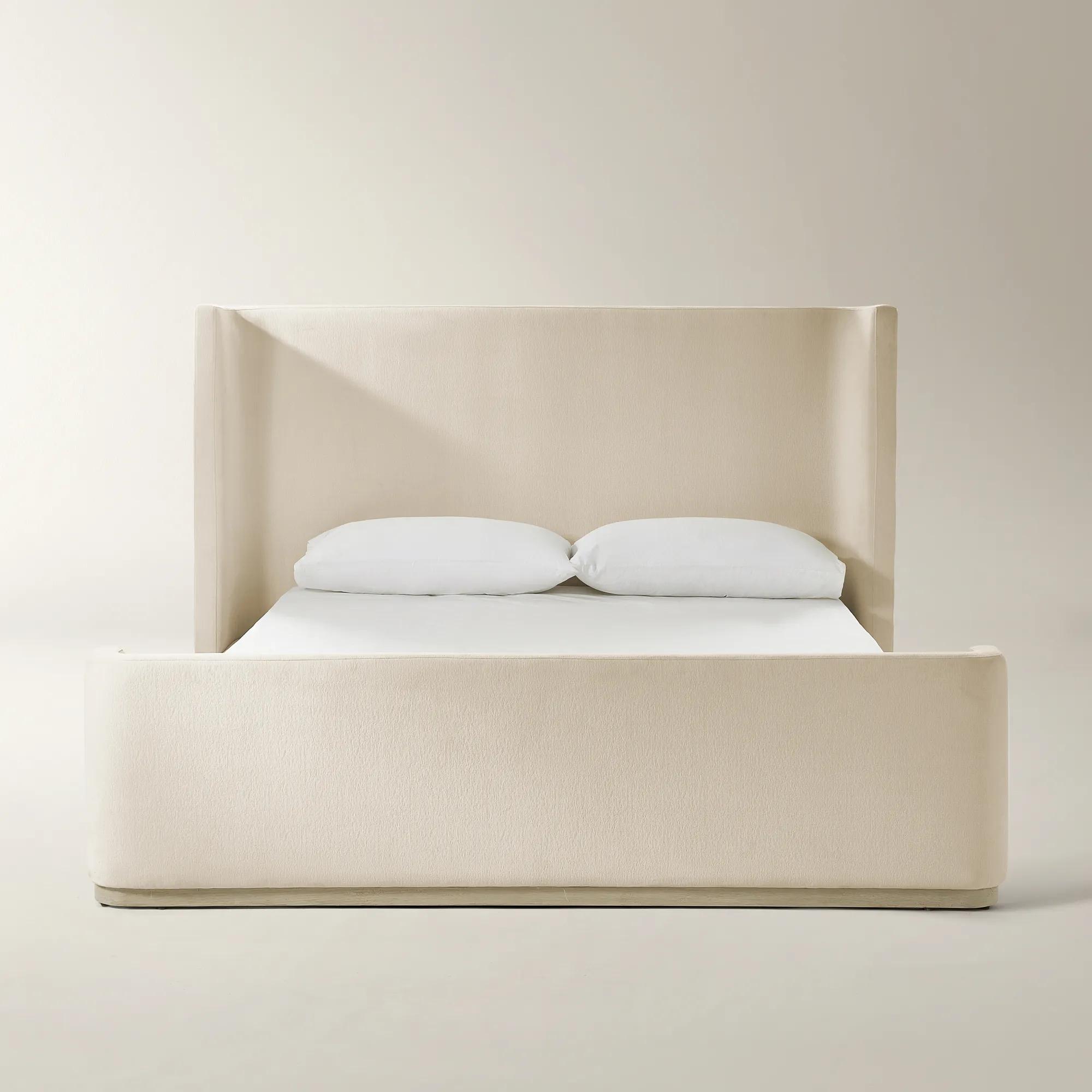
White Channel Tufted Beds
White Channel Tufted Beds
-
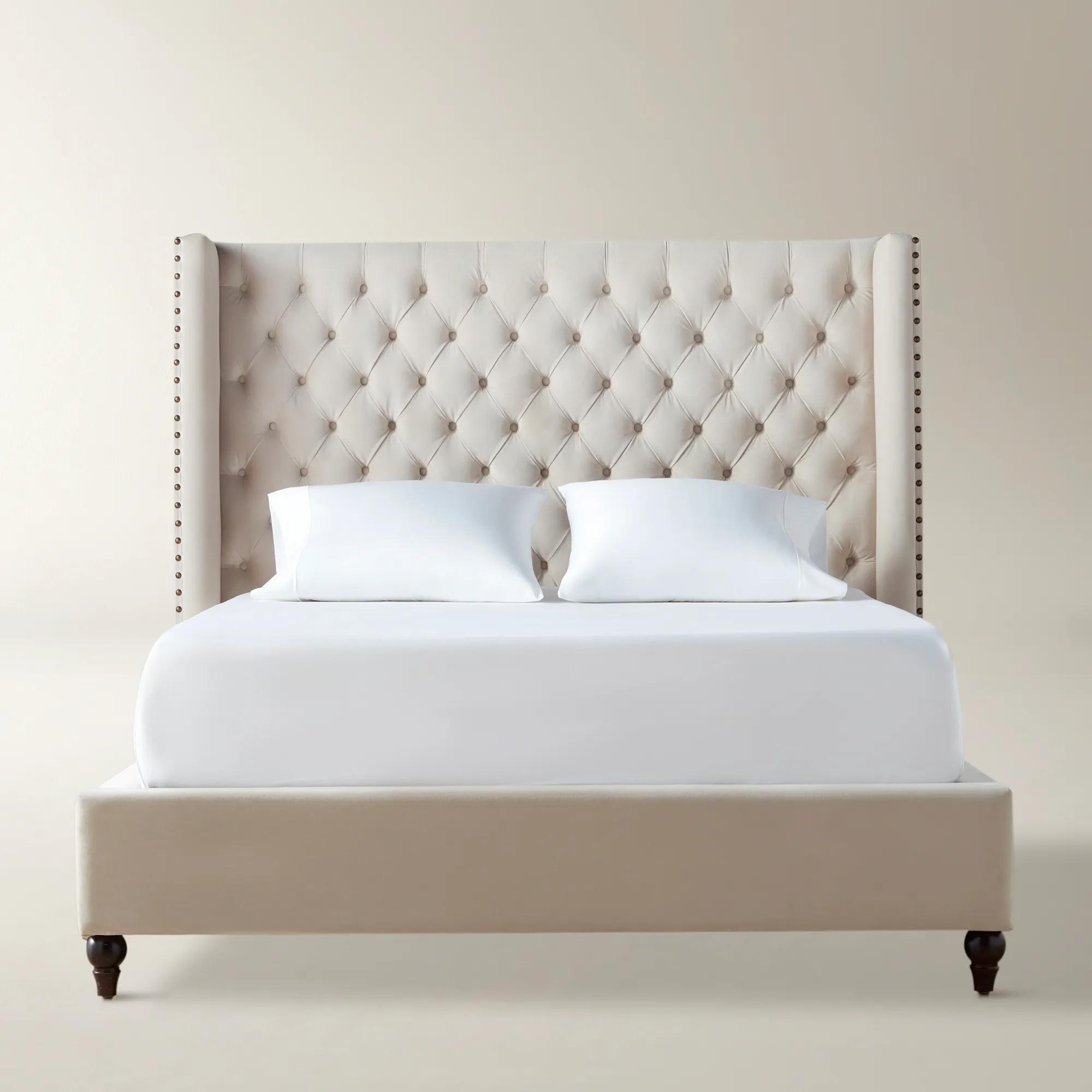
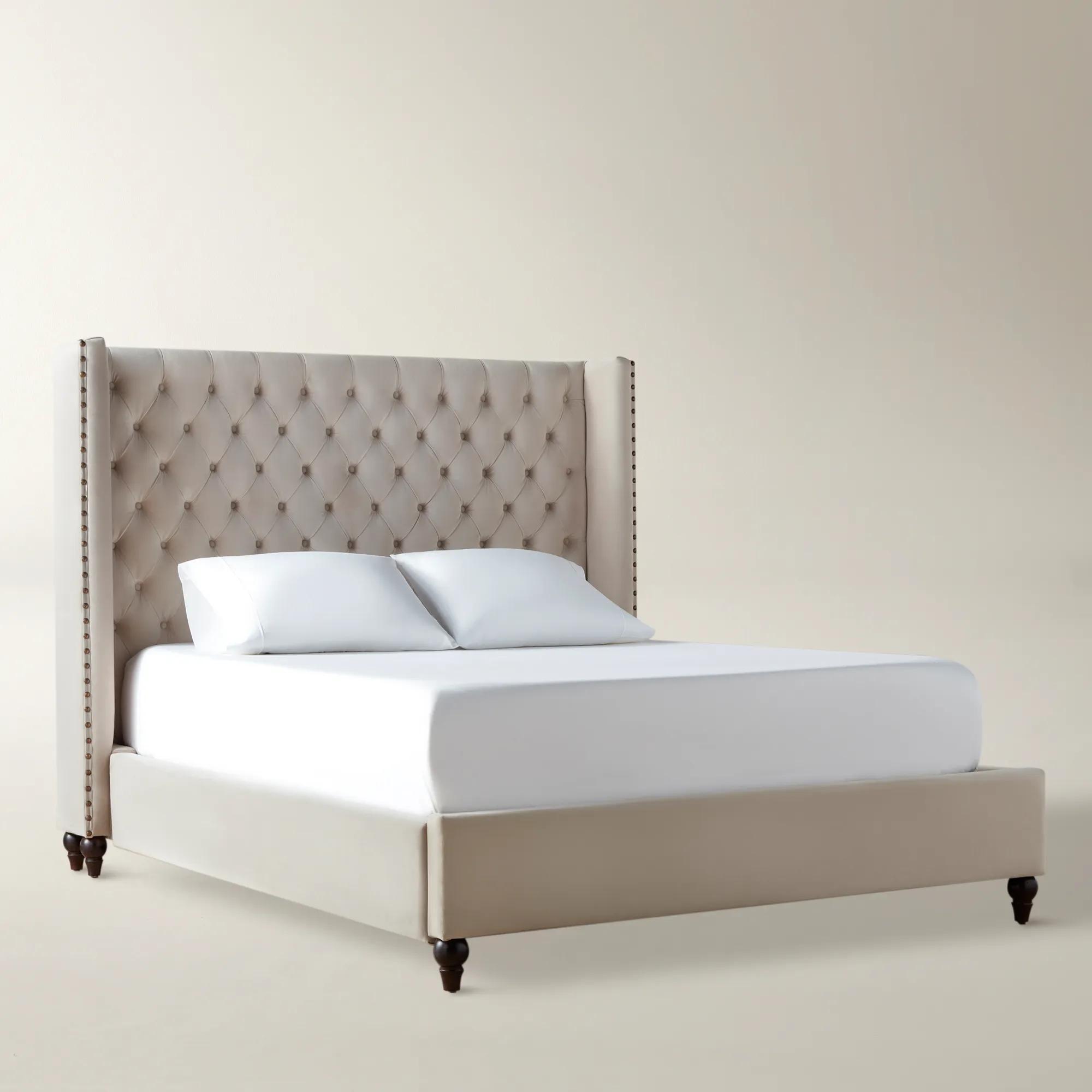 Roberto Bed$2299
A stately bed featuring diamond tufted Bella Velvet Pearl upholstery, kiln-dried hardwood frame, and antique brass nailheads.
Add To Cart -
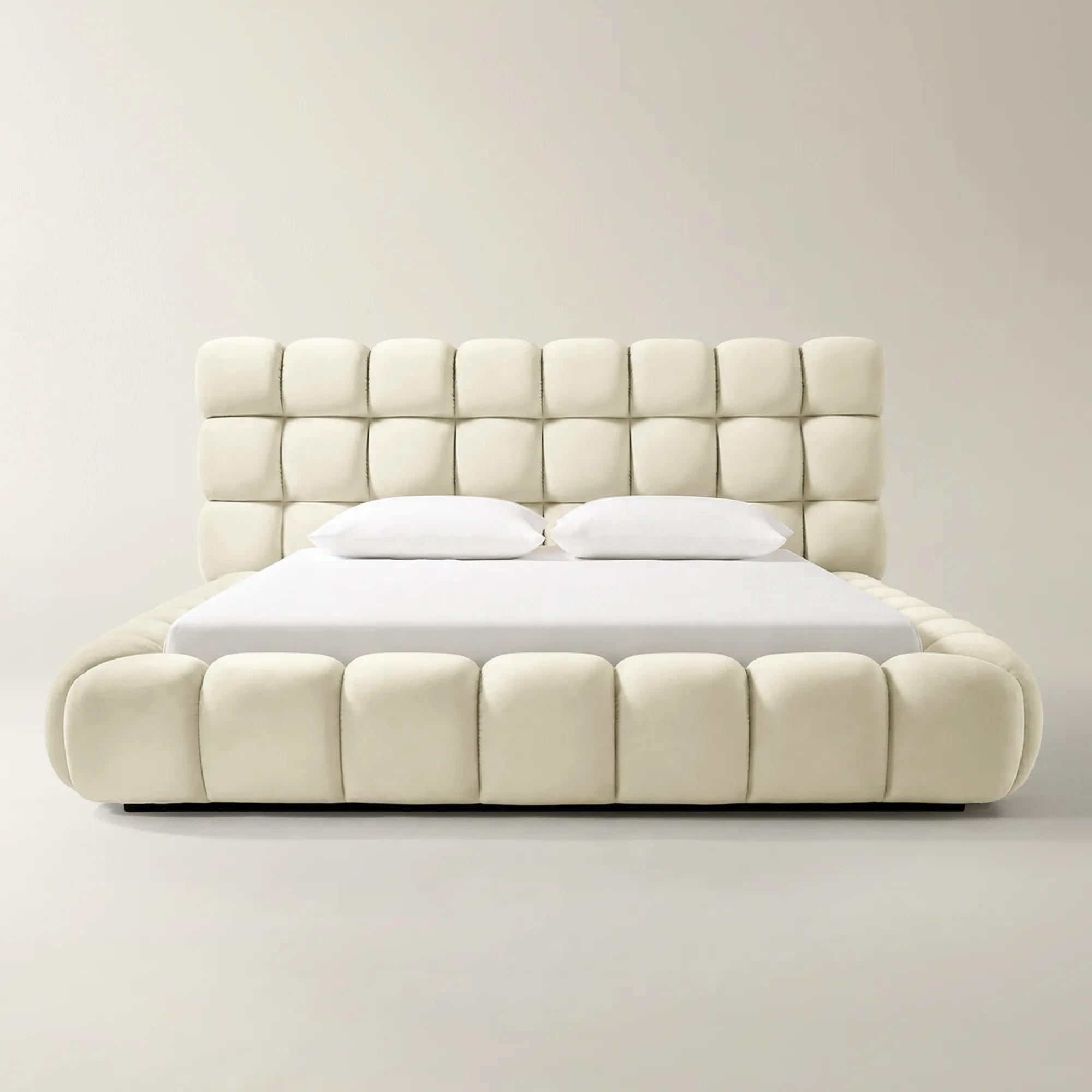
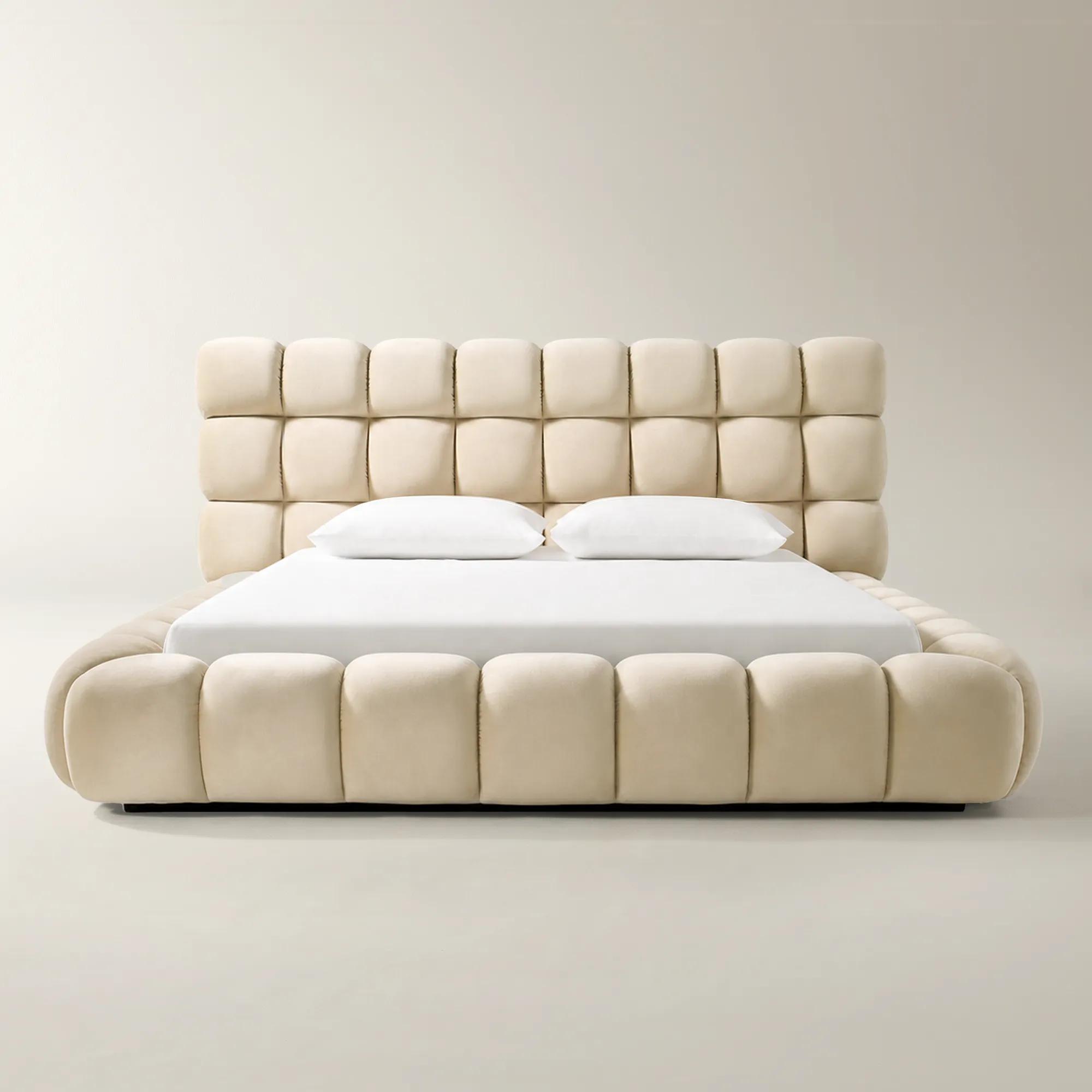 Paloma Tufted Cloud Velvet Upholstered Queen Platform Bed$2399
A white velvet platform bed with sculpted upholstered blocks, plush padding, and a dramatic modern silhouette.
Add To Cart -
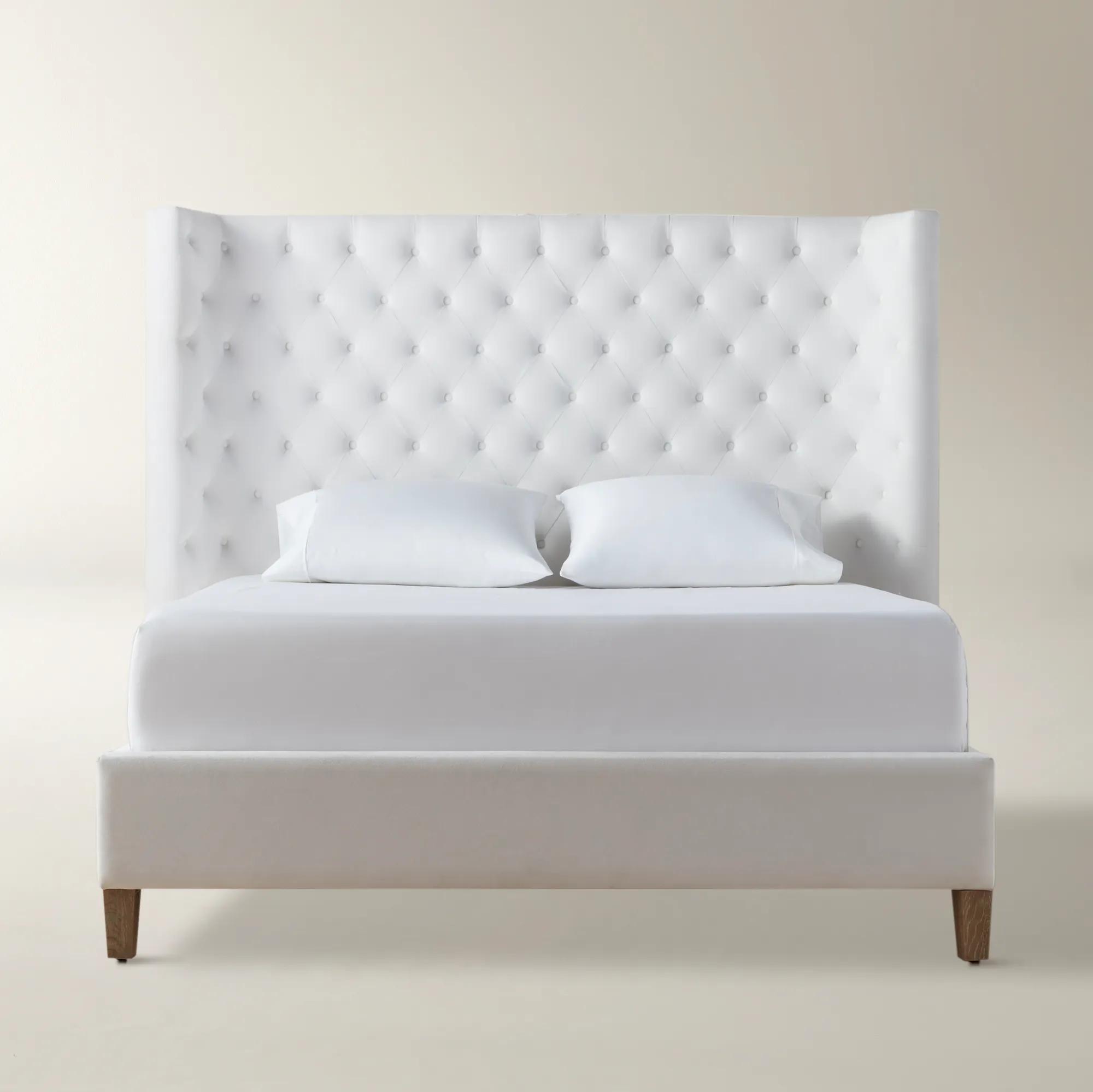 Jen Bed$3099
A glamorous wingback bed with hand-applied diamond button tufting and plush Bella Velvet White upholstery.
Add To Cart -
Paloma Tufted Cloud Velvet Upholstered King Platform Bed$2599
A white velvet platform bed featuring a fully wrapped sculpted block silhouette and plush, supportive cushioning.
Add To Cart -
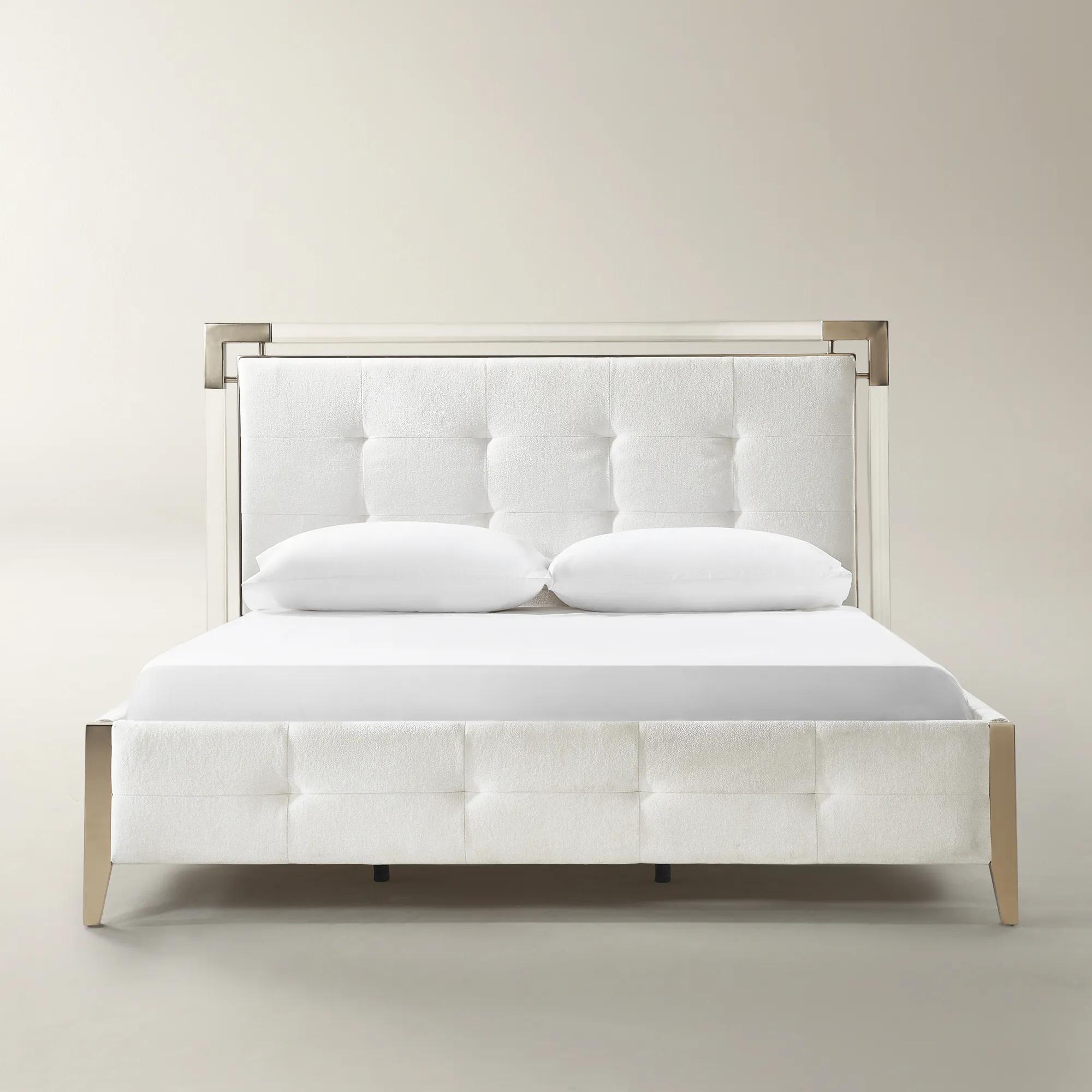
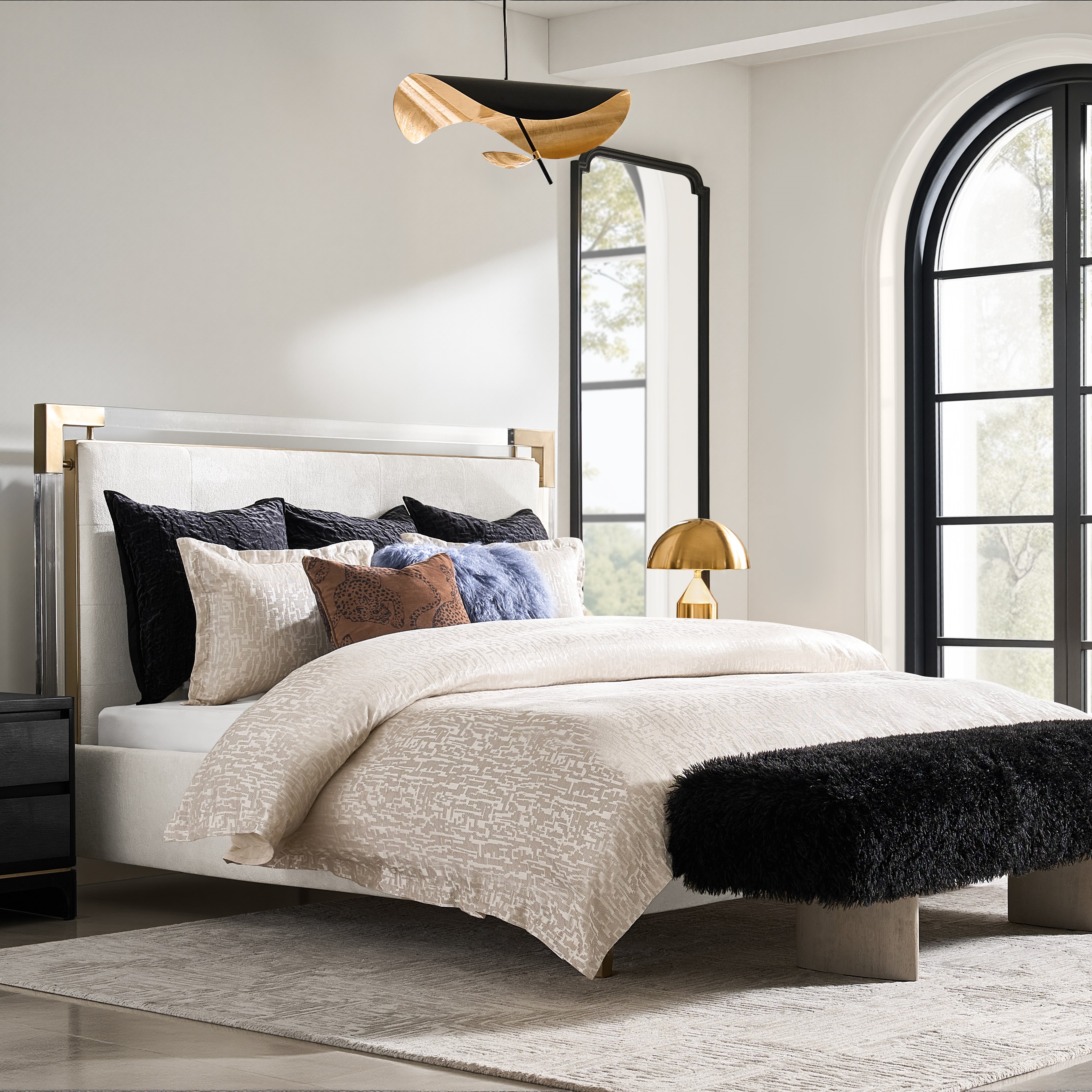 Vitrina Box-Tufted Ivory Velvet Upholstered King Platform Bed$2999
A king platform bed with ivory velvet, hand-tufted grid detailing, clear acrylic accents, and box-spring-free support.
Add To Cart -
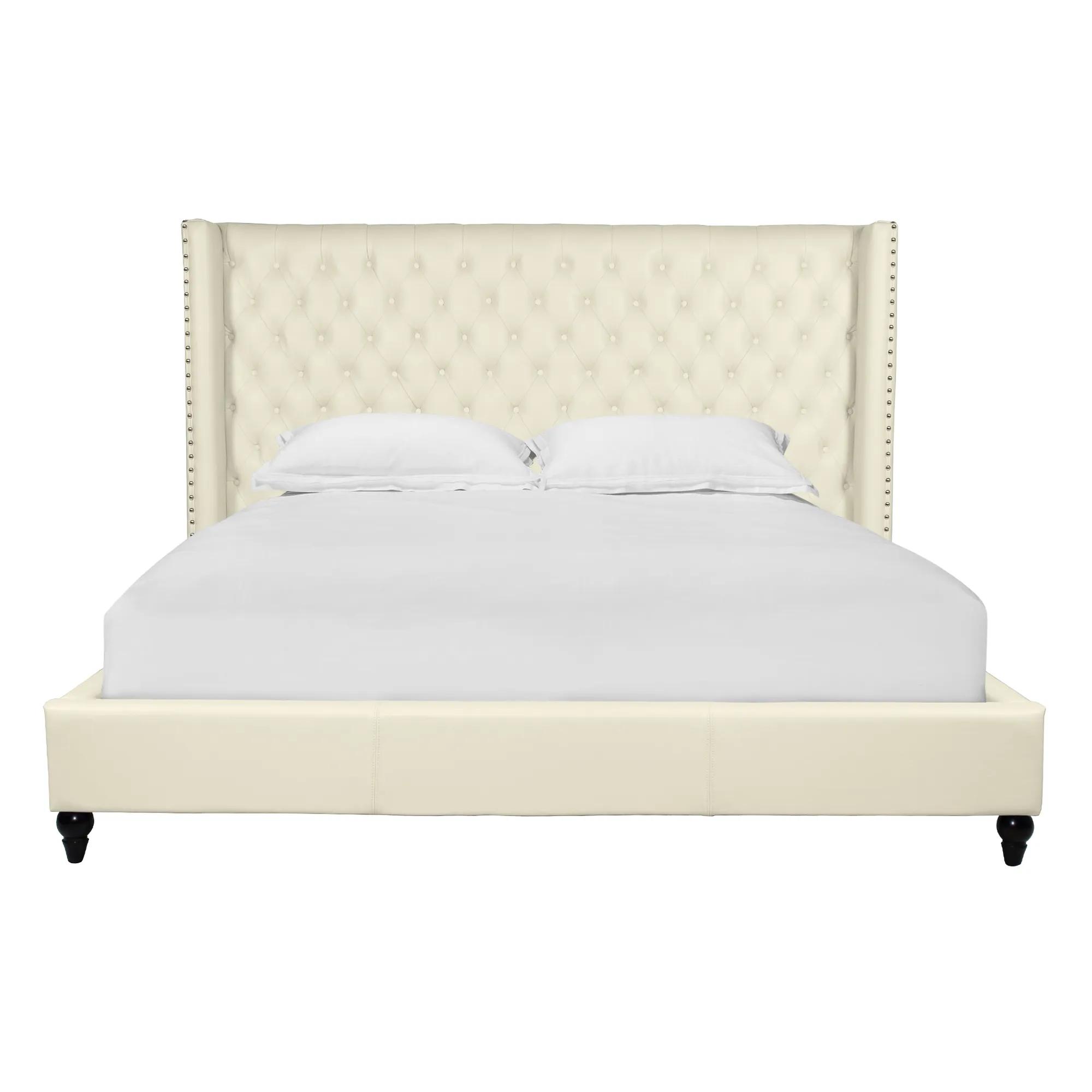
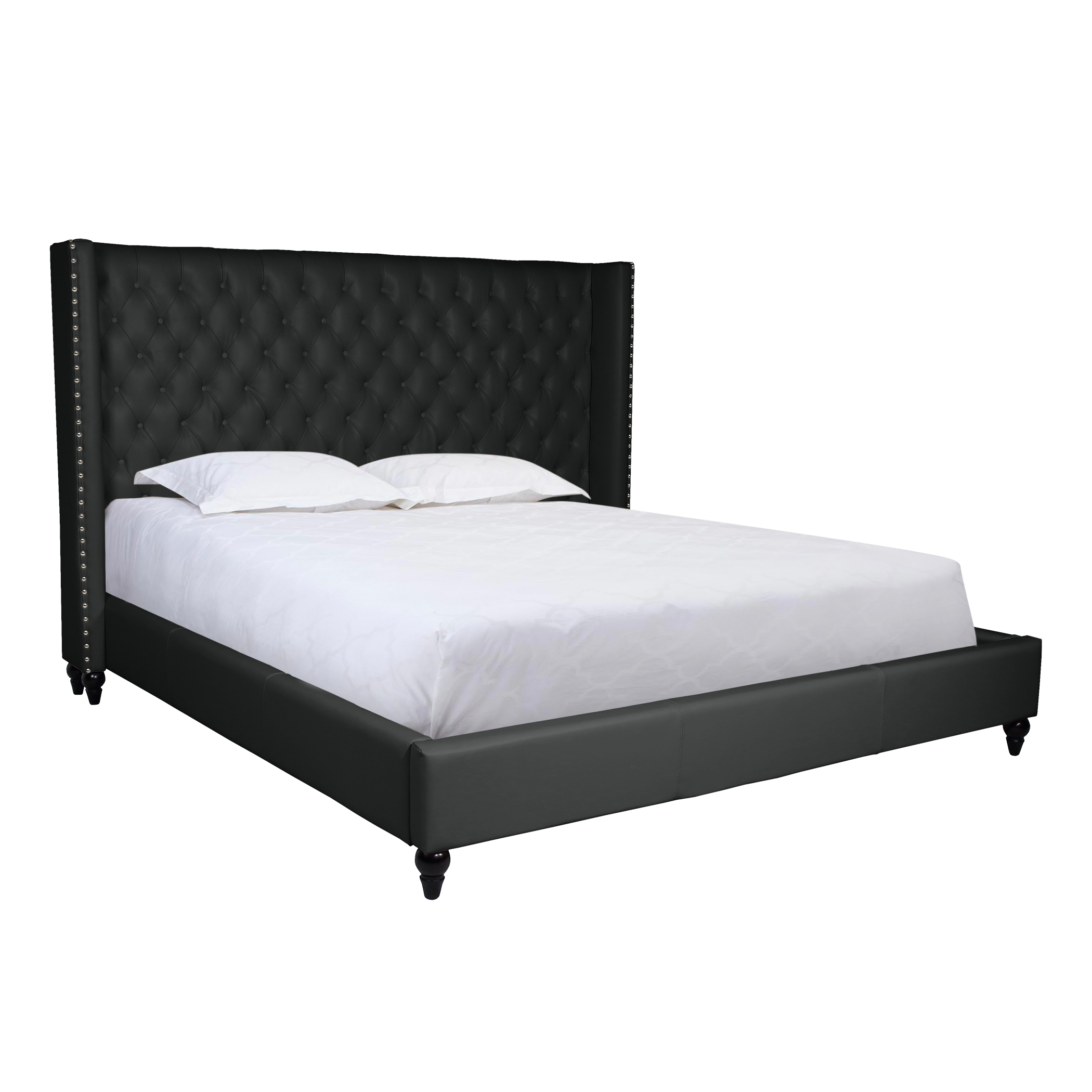 Roberto Leather Bed$3749
A stately bed featuring diamond tufted white top grain leather, hand-applied nickel nailheads, and kiln-dried hardwood.
Add To Cart -
Vitrina Box-Tufted Ivory Velvet Upholstered Queen Platform Bed$2799
An ivory velvet platform bed with grid tufting, acrylic and champagne-finished steel accents, plus box-spring-free support.
Add To Cart -
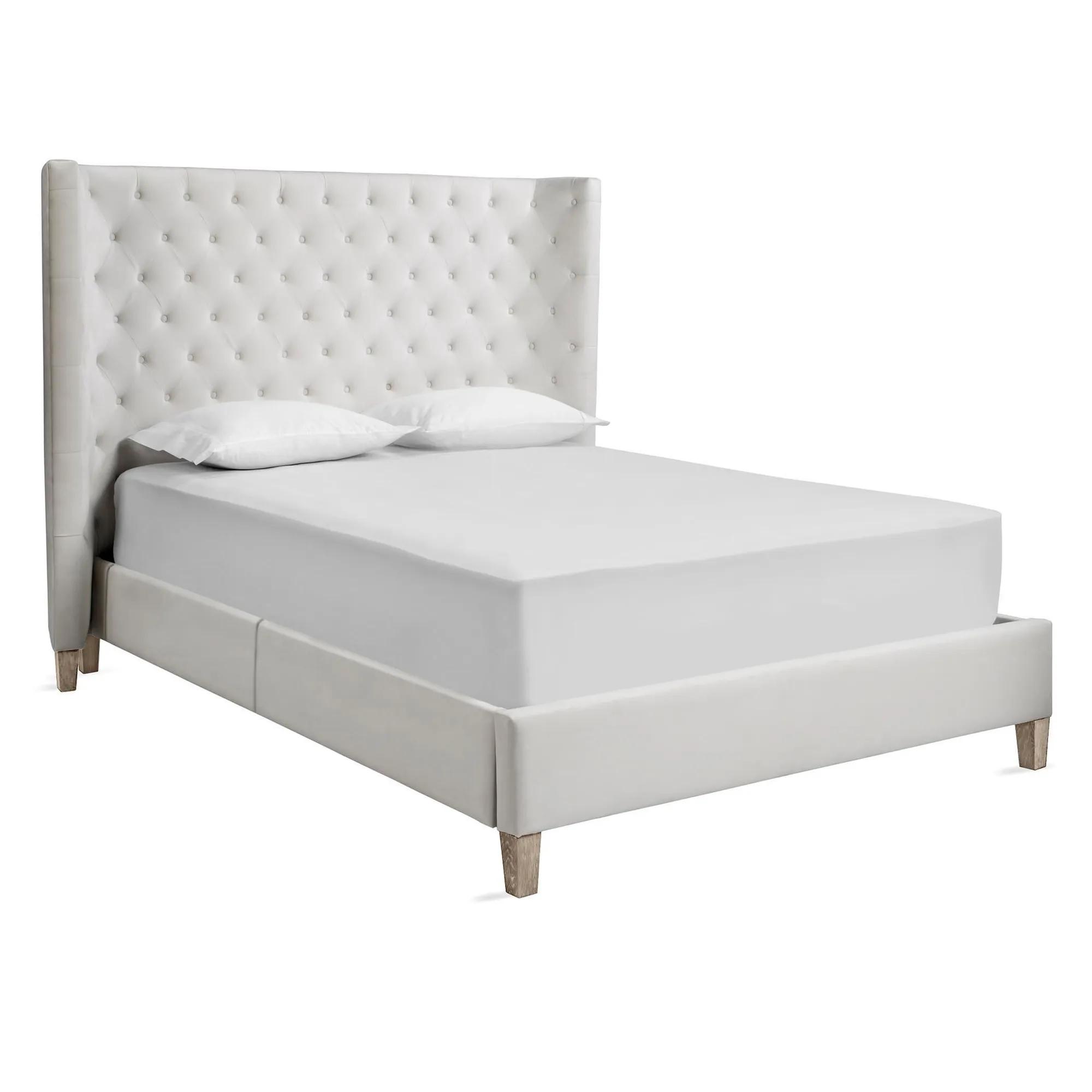 Jen Storage Bed$3399
A glamorous platform bed with a curved wingback headboard, hand-tufted velvet upholstery, and four storage drawers.
Add To Cart -
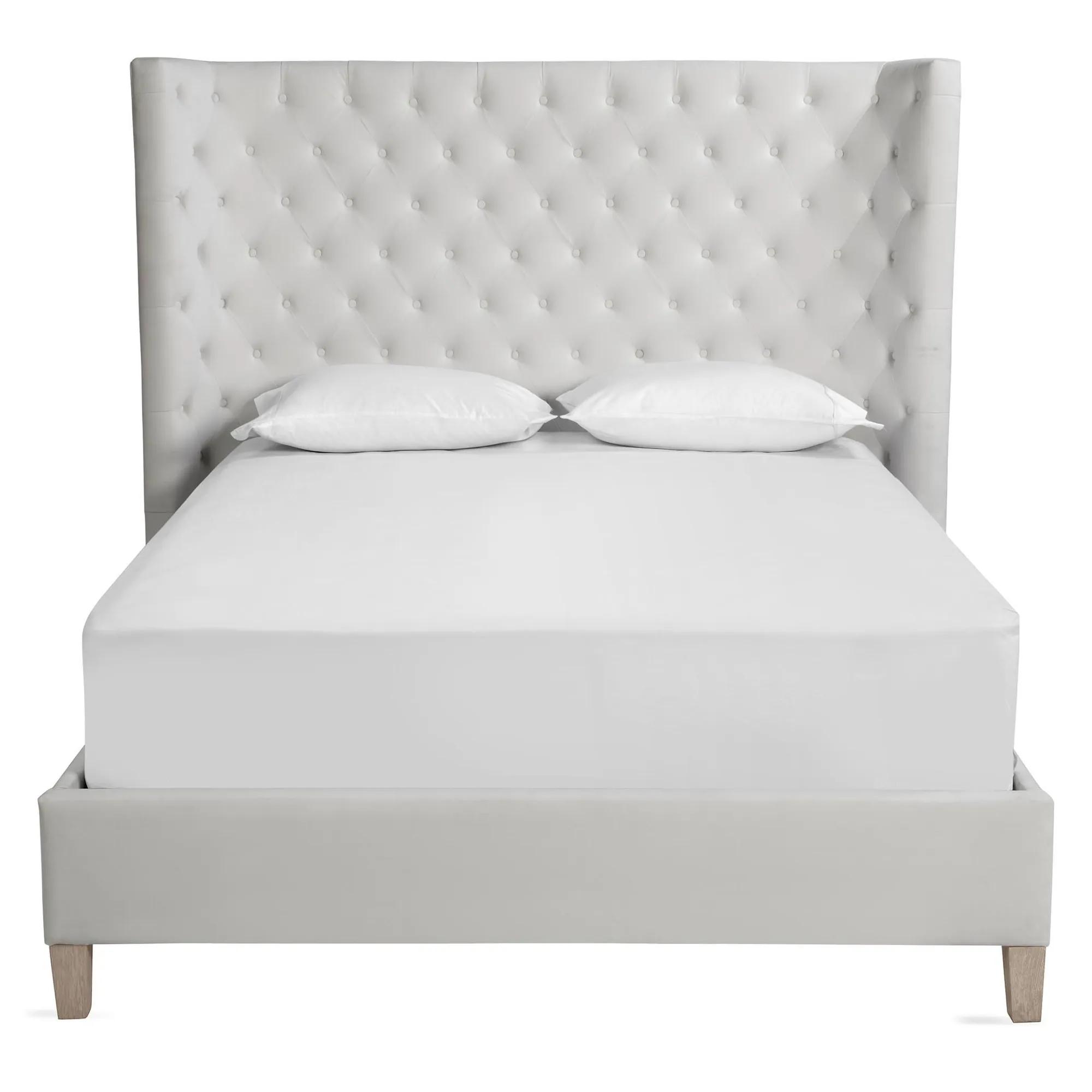
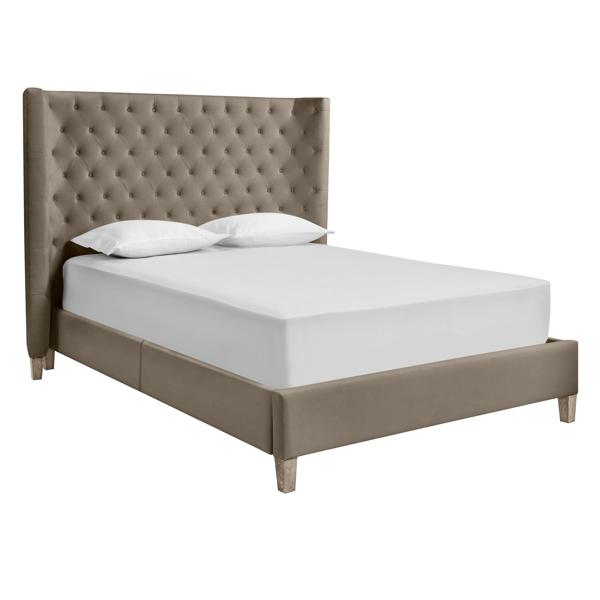 Jen Storage Bed$3399
A glamorous velvet-upholstered storage bed featuring a hand-tufted wingback headboard and four spacious drawers.
Add To Cart -
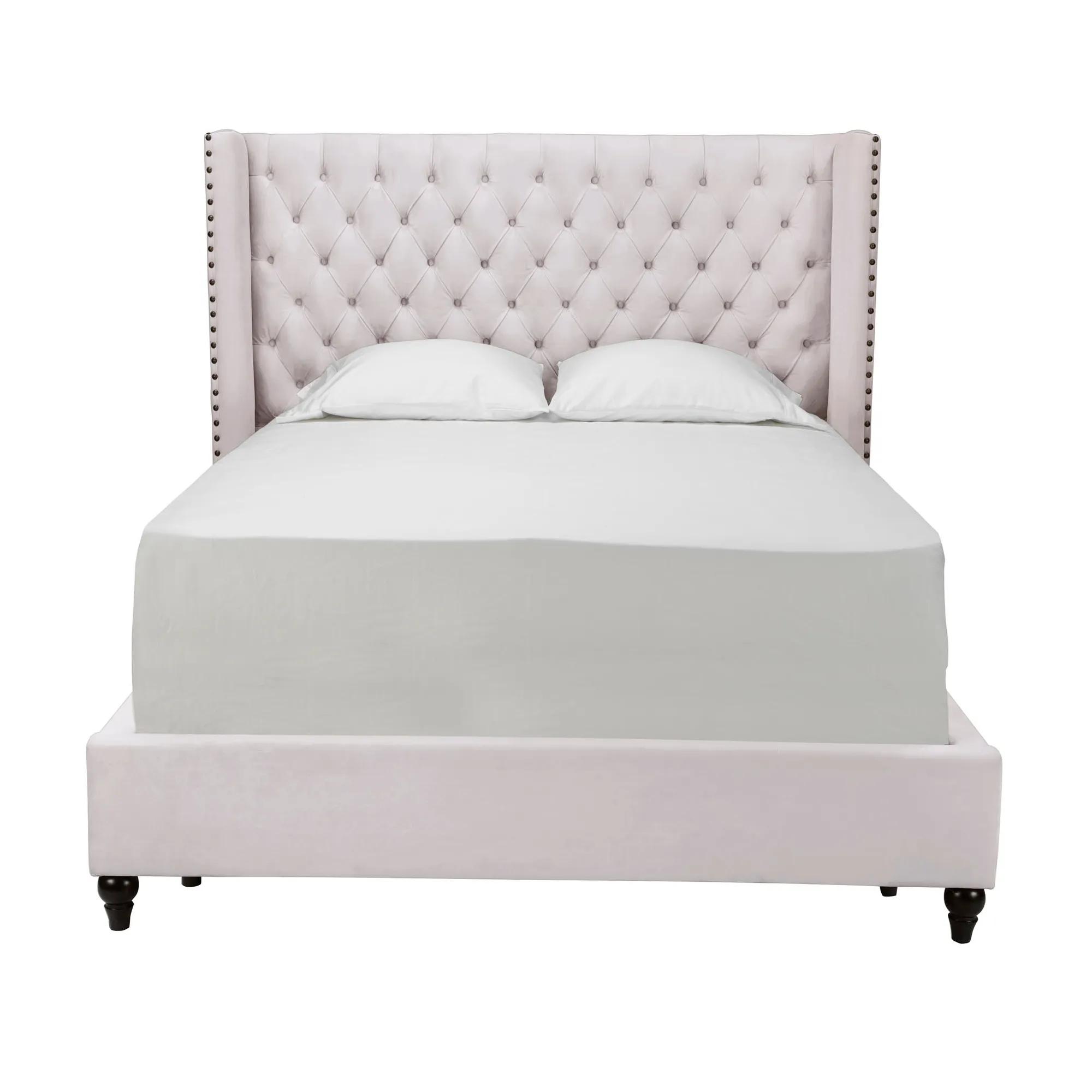
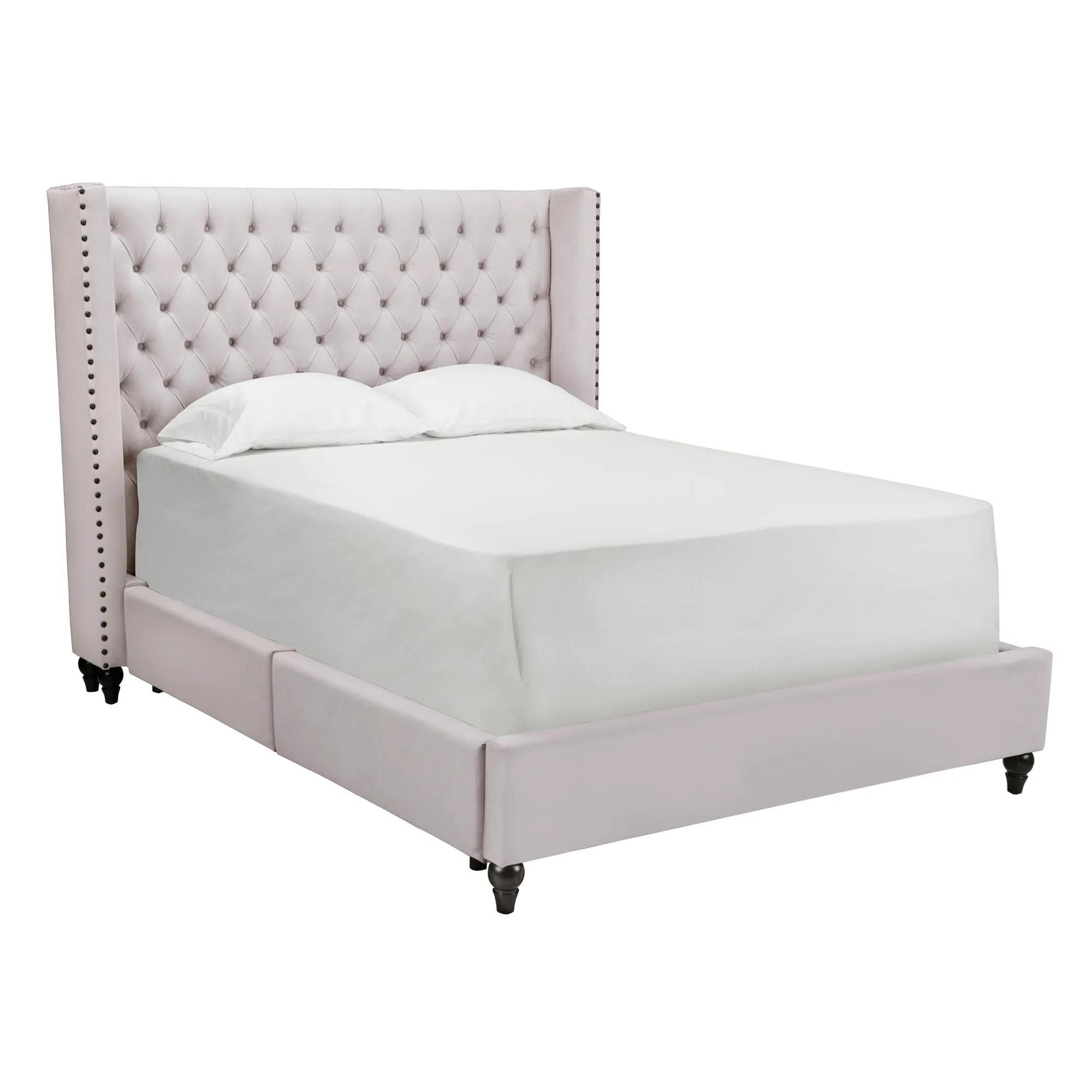 Roberto Storage Bed$3649
A hand-tufted velvet storage bed with kiln-dried hardwood frame, antique brass nailheads, and four deep drawers.
Add To Cart -
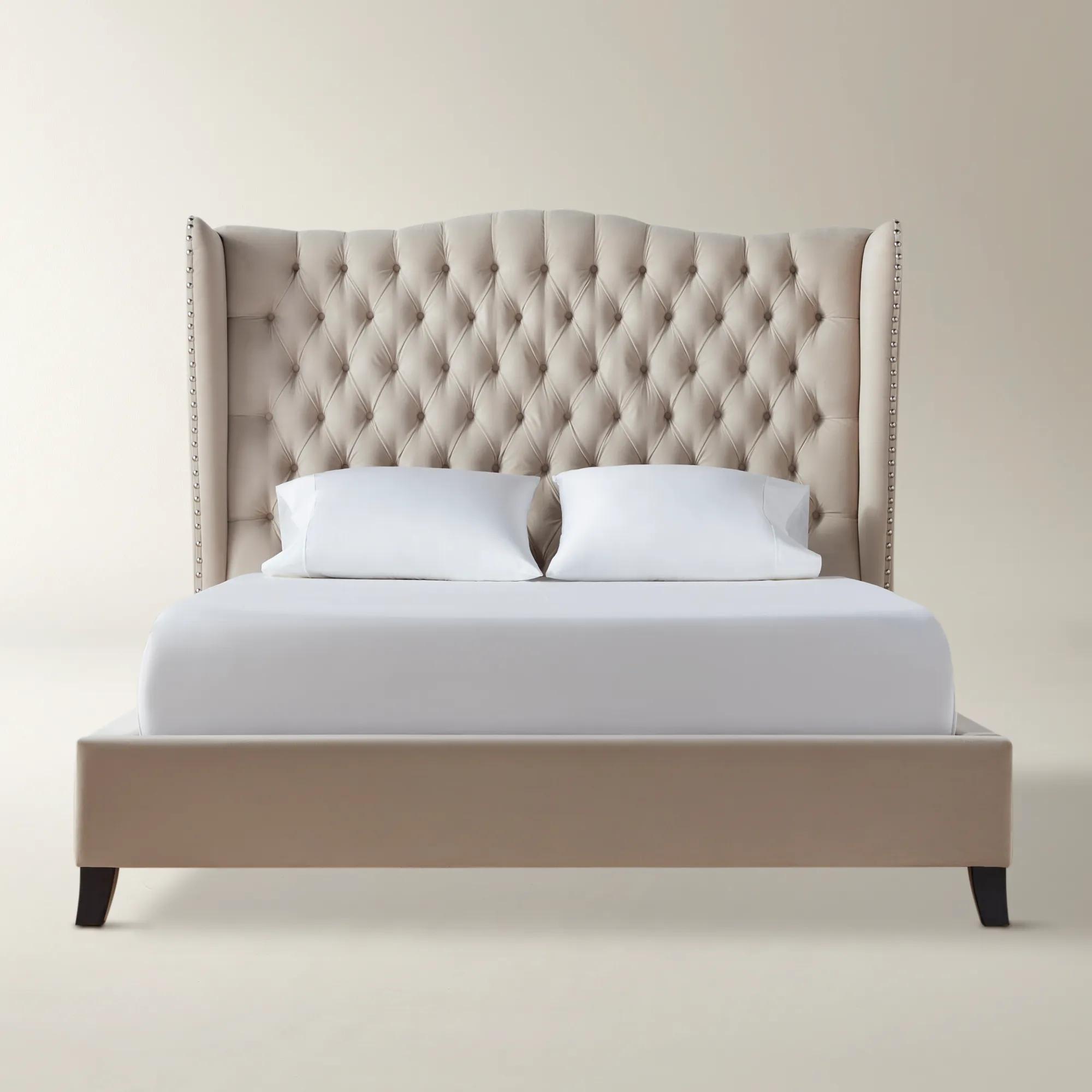
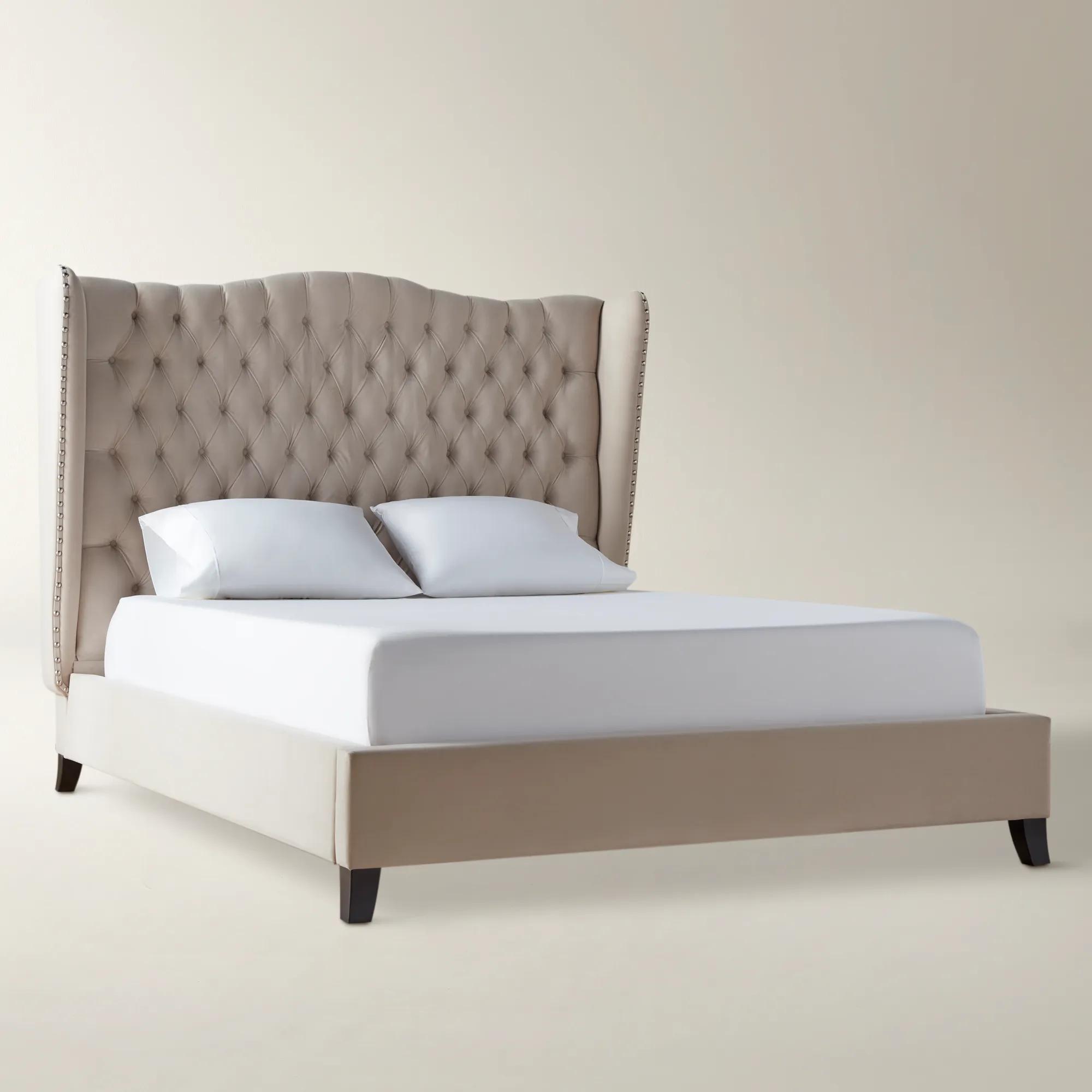 Jameson Bed$2249
A plush camelback bed in Bella Velvet Pearl, featuring hand-applied button tufting and brushed silver nailheads.
Add To Cart -
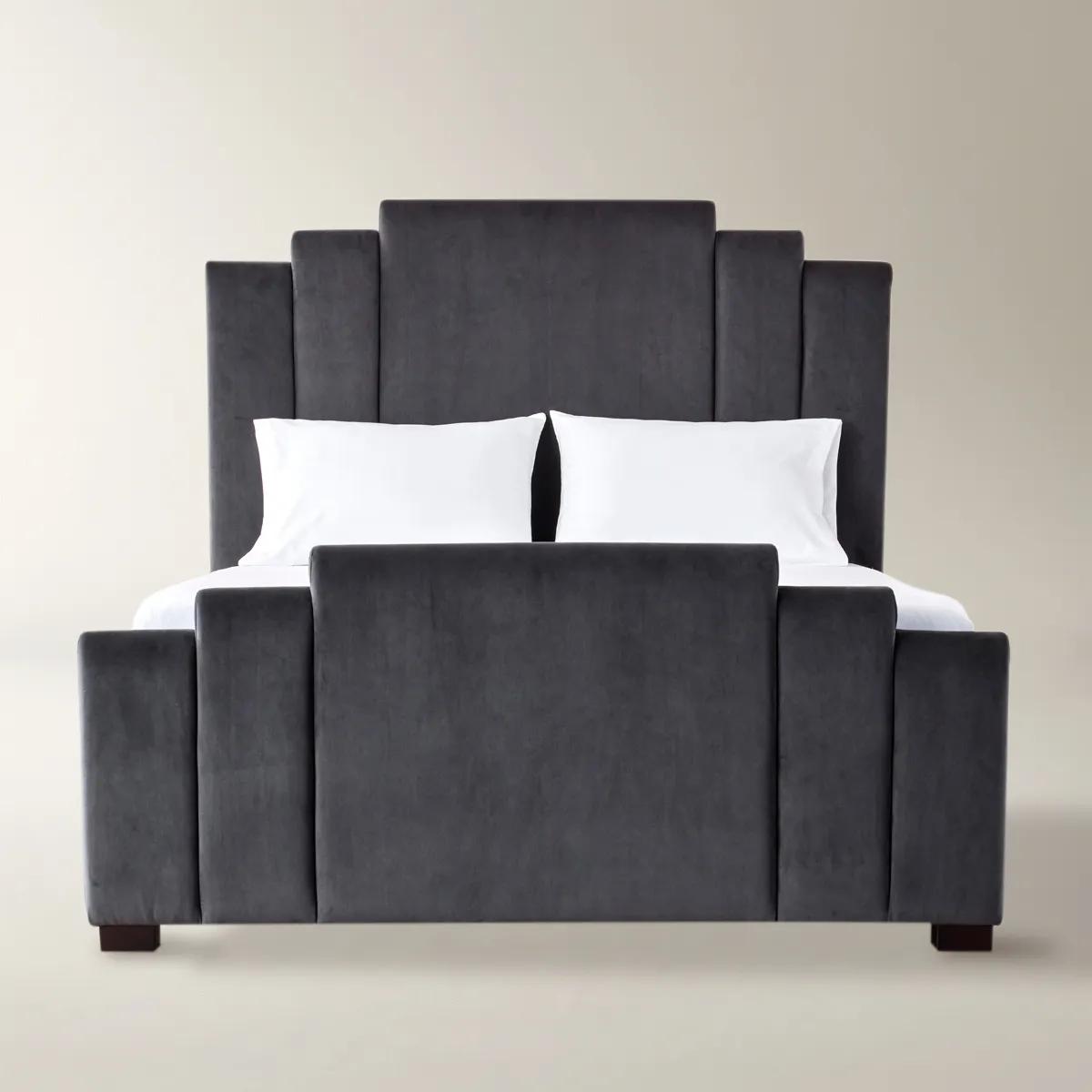 Marlow Bed$2549
A dramatic bed handcrafted from kiln-dried hardwood and plush gunmetal velvet with dimensional channel detailing.
Add To Cart -
Paloma Tufted Oatmeal Velvet Upholstered Queen Platform Bed$2399
A beige velvet platform bed with oversized sculpted blocks, plush padding, and a fully wrapped modern silhouette.
Add To Cart -
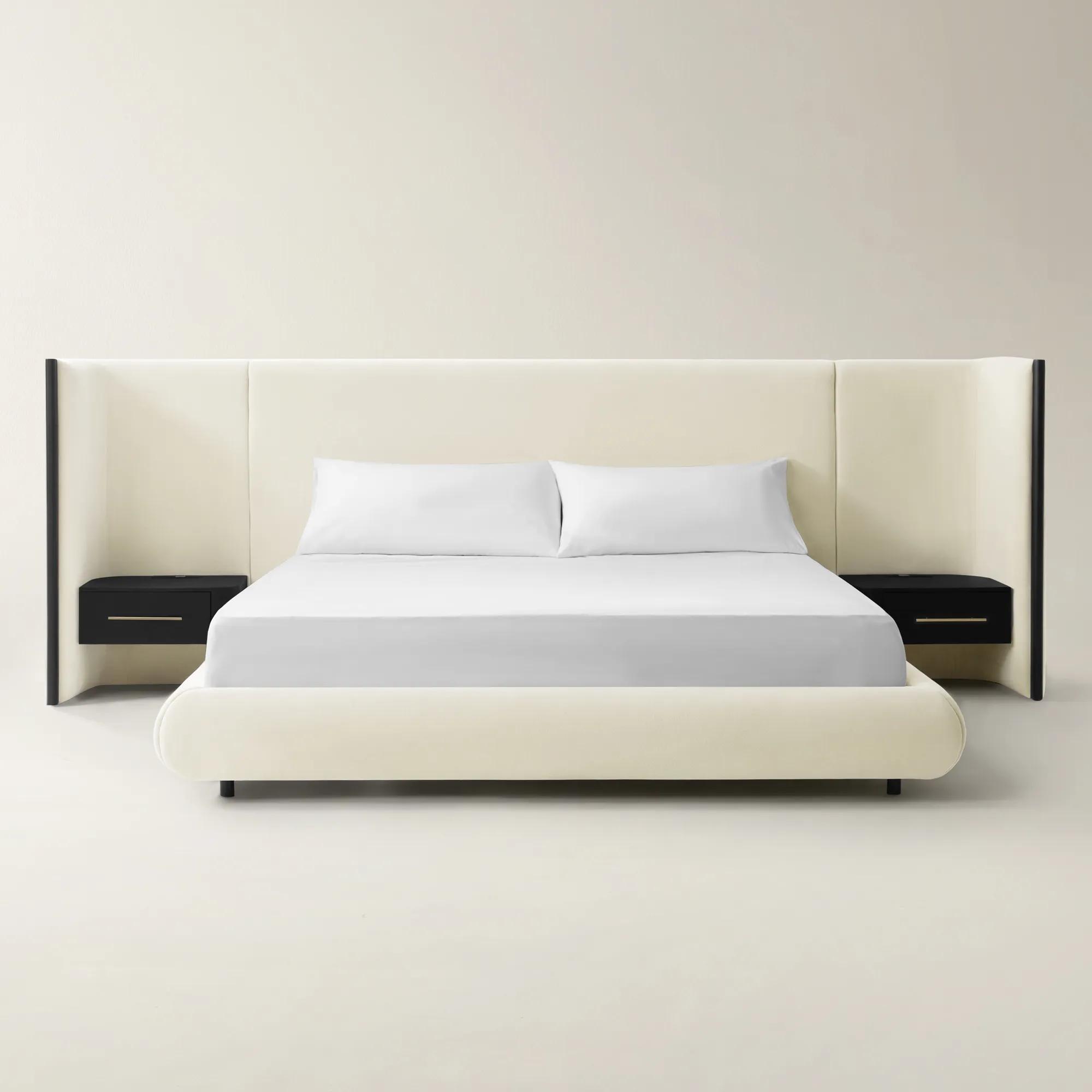
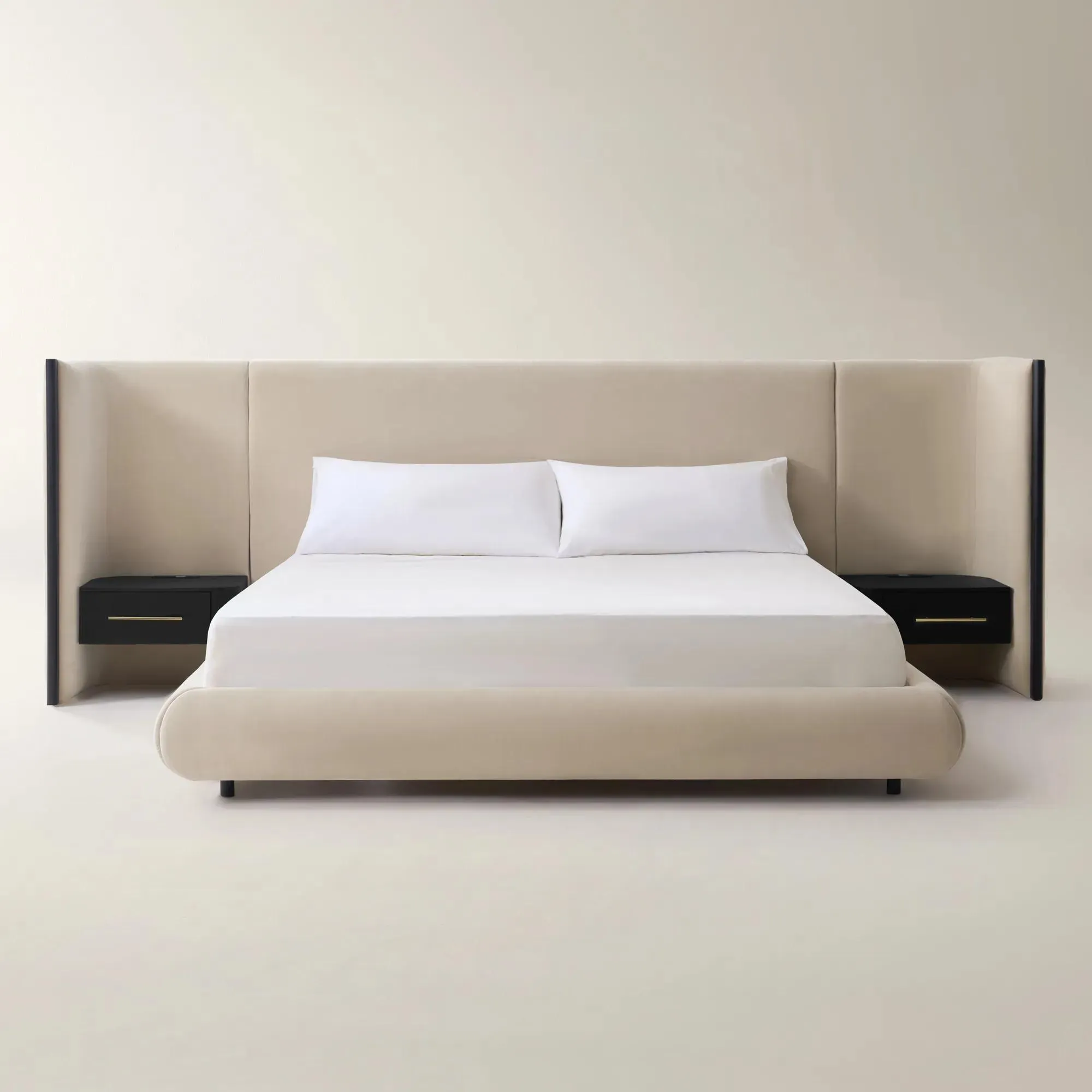 Sierra Cloud Velvet Upholstered Queen Bed With Nightstands$2699
A white velvet platform bed with an extended headboard, floating nightstands, and integrated power access.
Add To Cart -
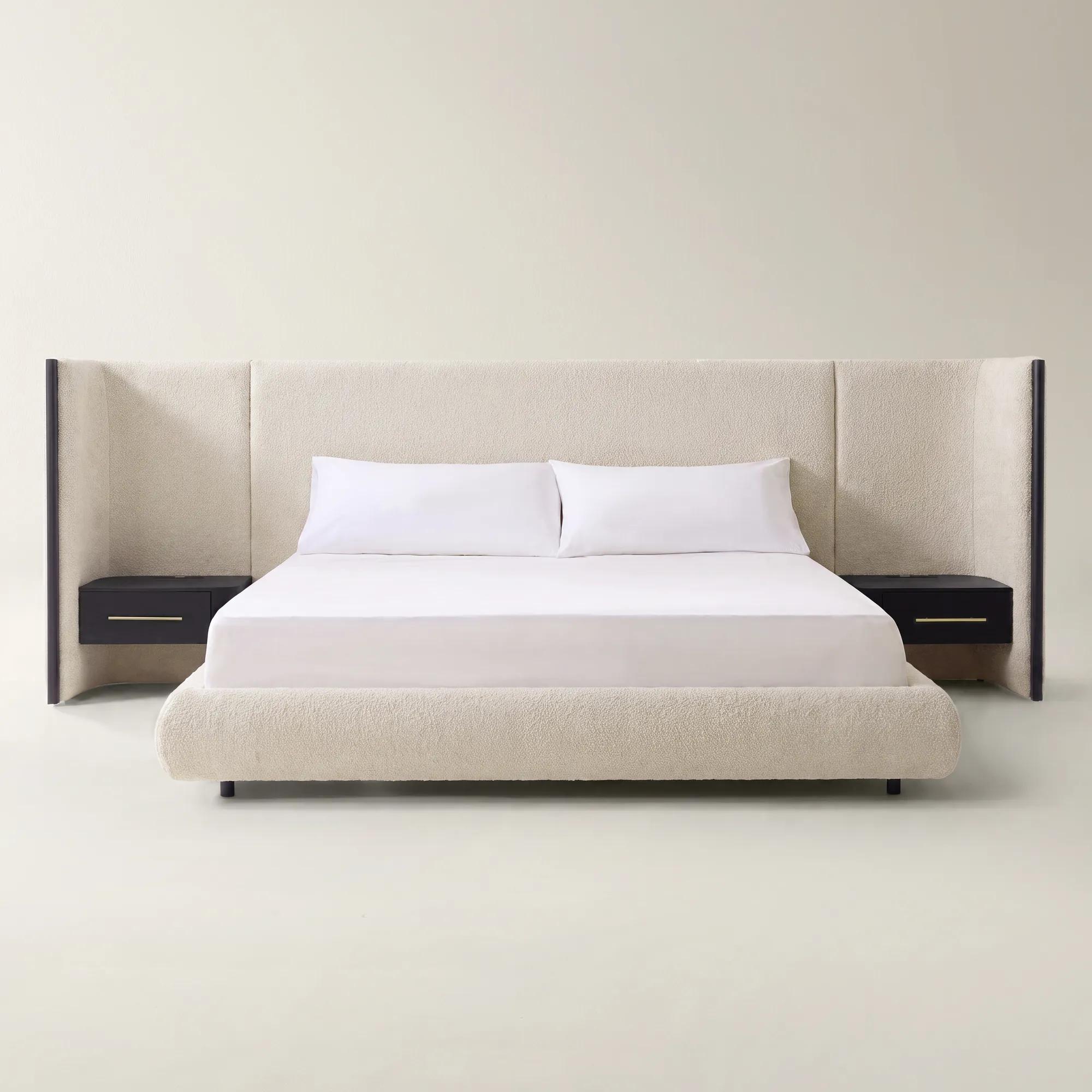 Sierra Ivory Performance Boucle Upholstered King Bed With Nightstands$2999
A white boucle upholstered bed with an extended headboard, floating nightstands, and integrated power access.
Add To Cart -
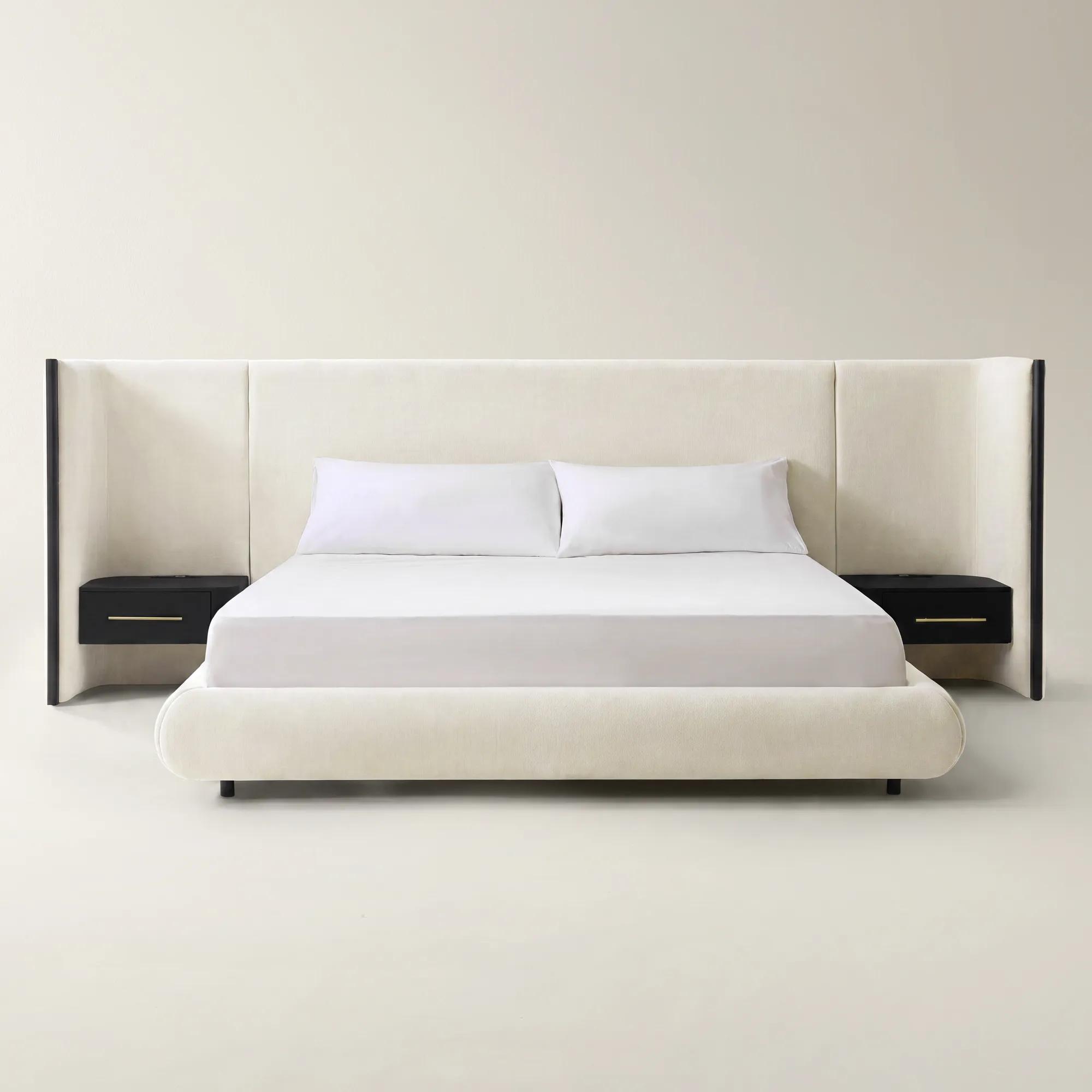 Sierra Ivory Performance Chenille Upholstered Queen Bed With Nightstands$2799
An ivory chenille upholstered bed with an extended headboard, floating nightstands, and integrated power access.
Add To Cart -
Sierra Cloud Velvet Upholstered King Bed With Nightstands$2899
A white velvet upholstered bed with an extended headboard, floating nightstands, black trim, and integrated power access.
Add To Cart

White Channel Tufted Beds
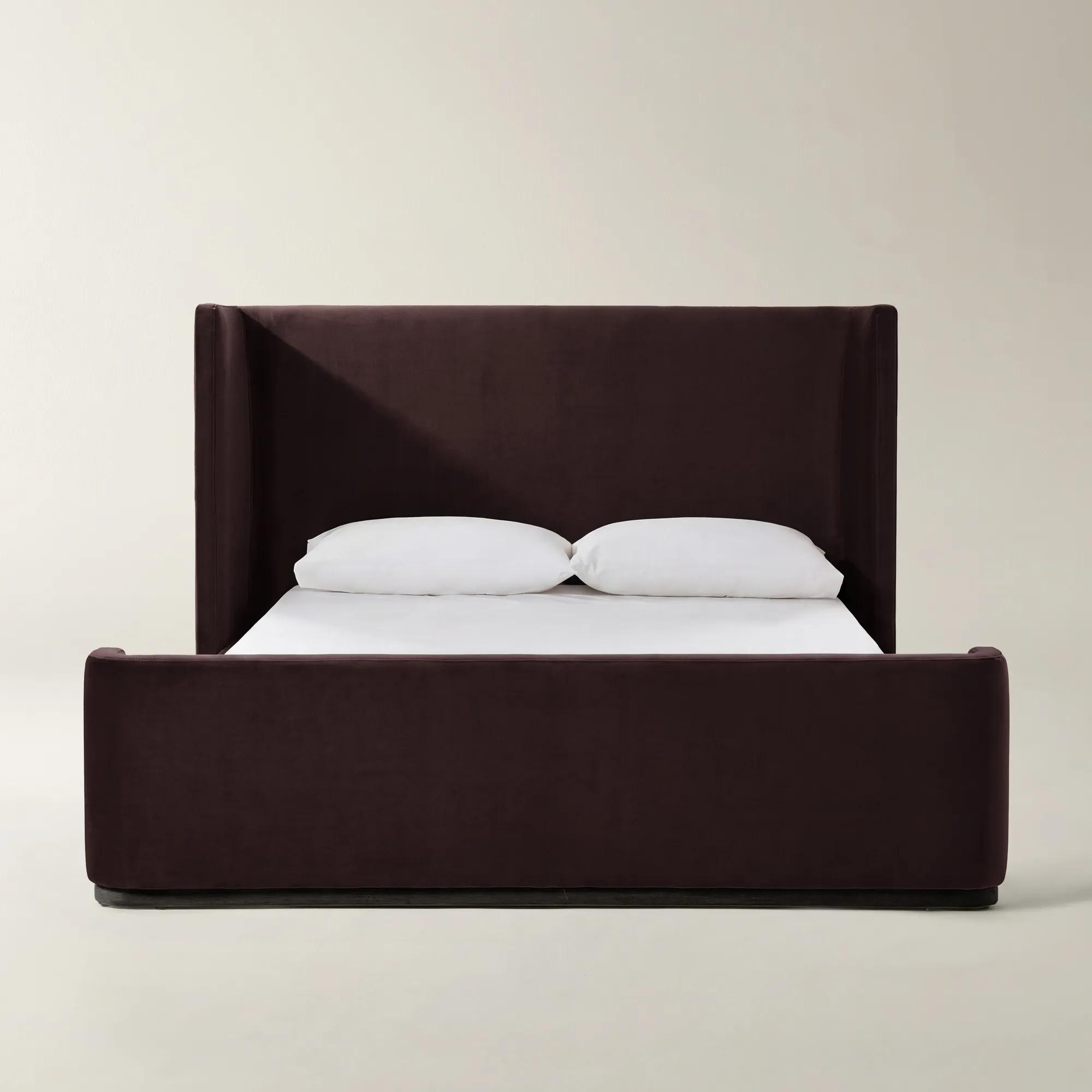
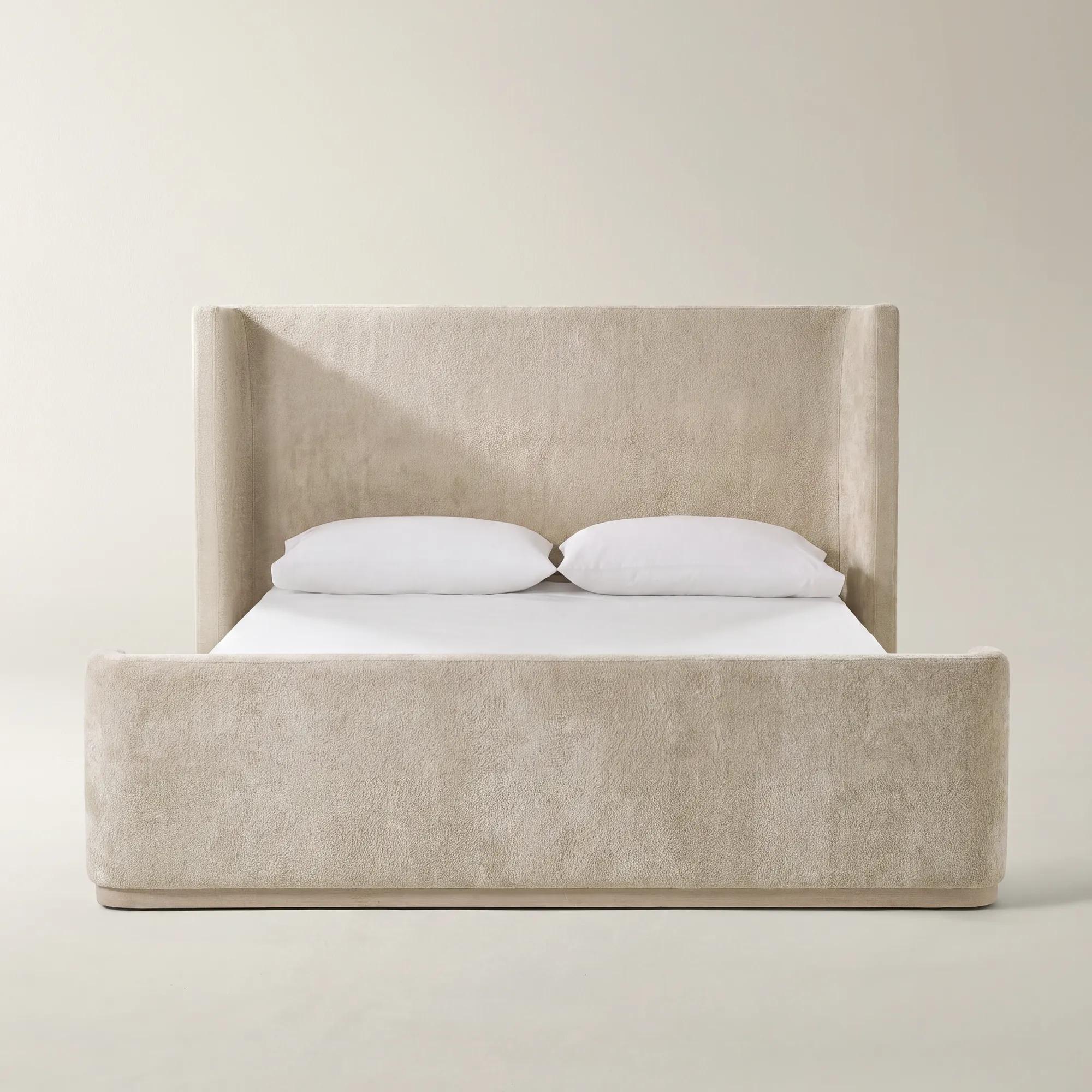
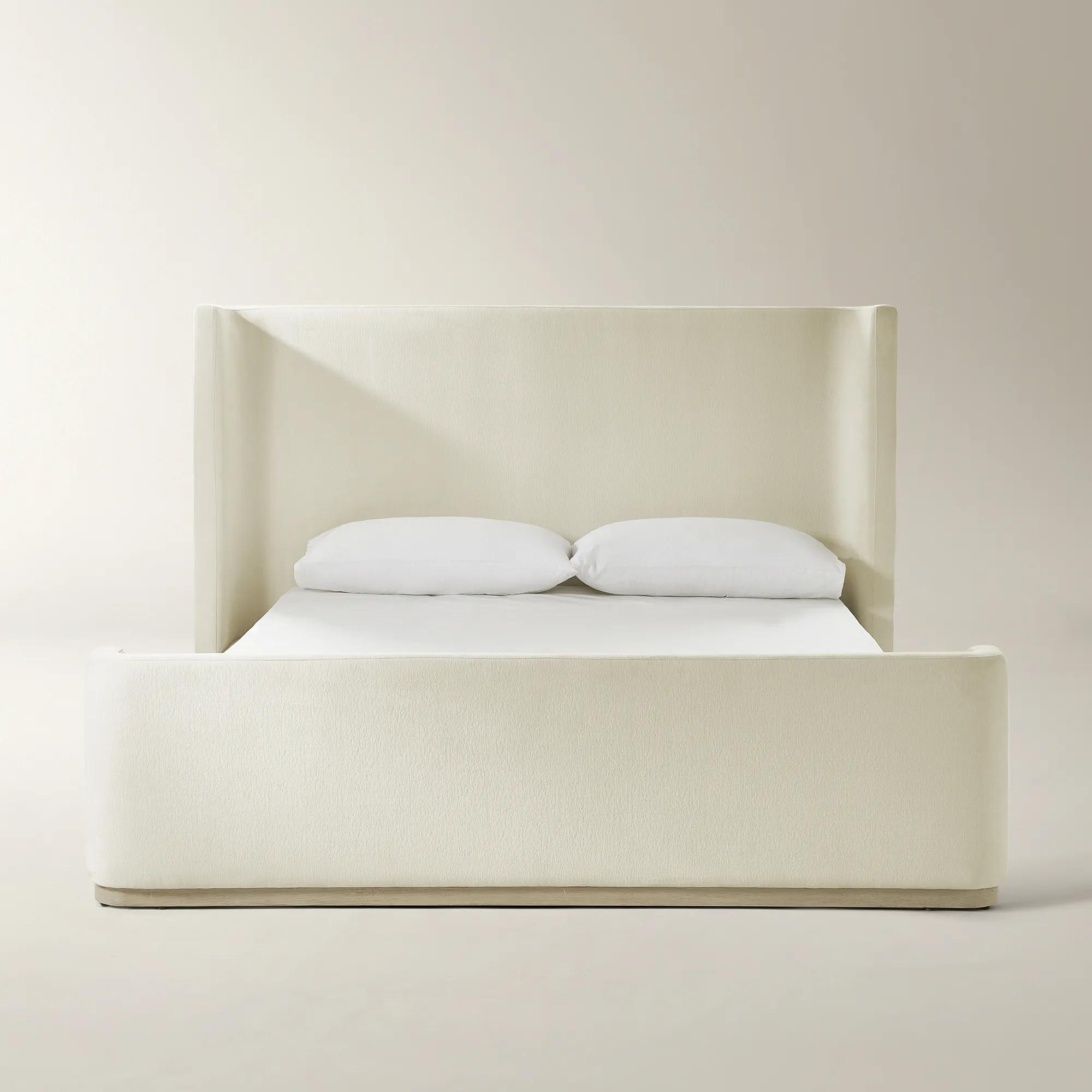
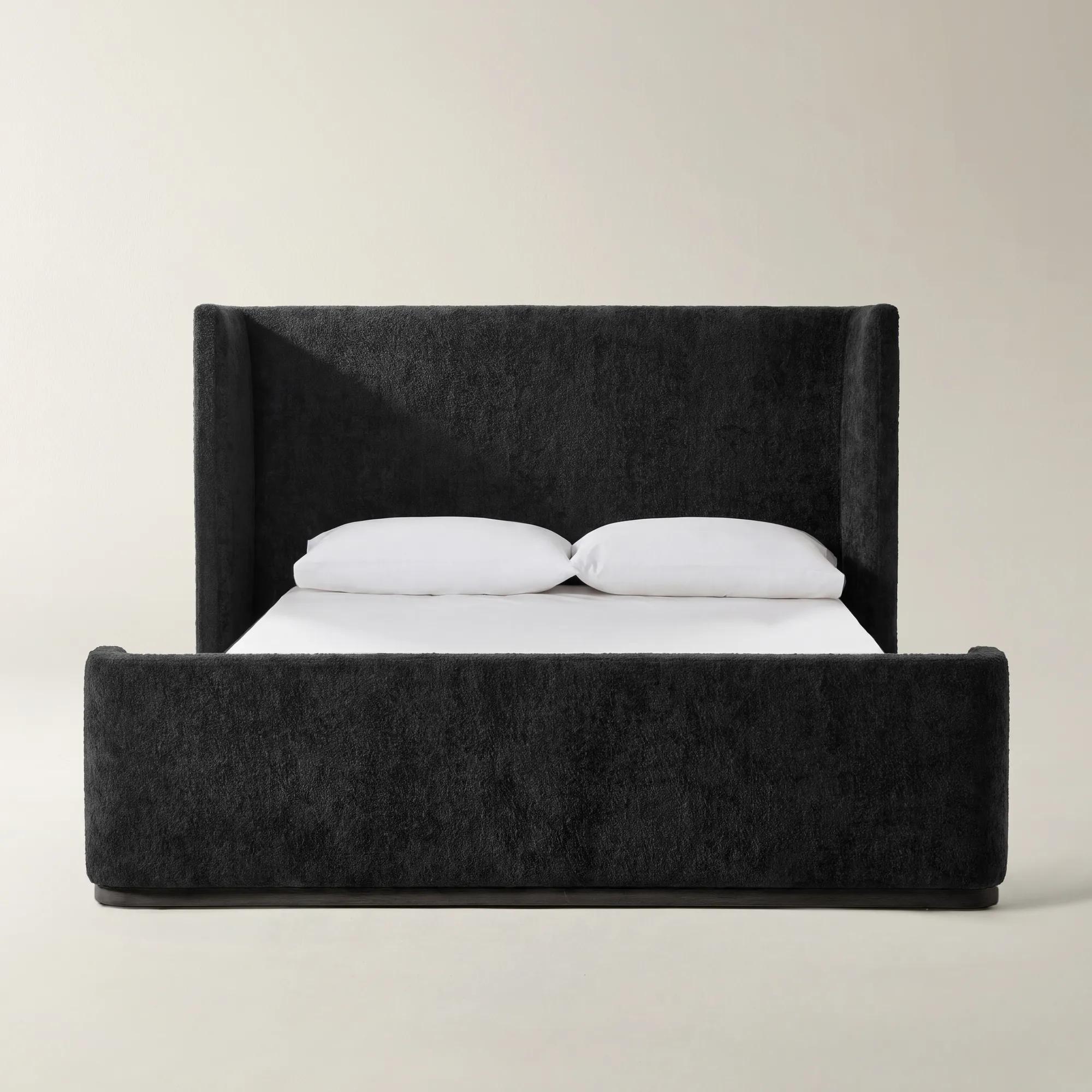
White Channel Tufted Beds invite a sense of modern grandeur into the bedroom, transforming everyday rest into an experience of pure indulgence. Crisp, luminous upholstery meets bold architectural lines, creating a striking interplay of light and texture that instantly elevates the mood of any space. Each bed becomes a statement piece—an artful backdrop for dreaming in style and waking to possibility. With their sculptural silhouettes and timeless palette, White Channel Tufted Beds capture the perfect balance of drama and serenity, setting the stage for interiors that are as expressive as they are inviting.
White channel tufted beds are upholstered beds defined by elongated, padded panels arranged vertically or horizontally across the headboard and, in some designs, the surrounding frame. Their sculpted channels bring depth to white fabric, creating a balance of architectural precision and softness that makes the bed a compelling focal point. Unlike button tufting, which typically creates a dotted or diamond-patterned surface, channel tufting emphasizes continuous lines and a more streamlined silhouette. Vertical channels draw attention upward, giving a tall headboard a particularly dramatic presence; horizontal channels emphasize width and lend the room a sweeping, grounded quality. White upholstery keeps that dimension visually light, allowing the shadows between panels to supply contrast without introducing another color. The effect can feel polished and gallery-like against charcoal walls or luminous and serene beside pale oak, warm stone, and layered ivory textiles. Shades described as white can range from crisp and cool to creamy or cloud-soft, so undertones matter alongside existing bedding, wall paint, and flooring. A cool white may sharpen a black-and-white composition, while a warmer white can soften the transition between natural wood and brushed brass. Channel detailing also gives a mostly neutral bedroom enough texture to feel considered rather than spare. Smooth cotton sheets, a richly woven coverlet, and a few generously scaled pillows let the upholstery remain visible while adding inviting layers. Mirrored nightstands introduce a gleaming counterpoint, while rounded bedside tables temper the headboard’s linear rhythm. For anyone carrying the same sculptural language into a living room or adjoining sitting area, White Channel Tufted Sofas offer a related expression of padded lines and luminous upholstery without requiring every furnishing to match. Repeating the texture in another space can create continuity, while distinct artwork, finishes, and accent colors give each room its own identity.
The character of a white channel tufted bed depends as much on its materials and proportions as on its color. Velvet can lend the channels a lustrous finish, with the pile appearing lighter or darker as its direction and the light change. Woven upholstery offers a different kind of richness, revealing fine threads and subtle variation at close range. Where performance fabric is specified, its stated resistance to staining or wear deserves attention; the term does not mean that every spill will disappear or that every cleaning method is suitable. Beneath the upholstery, the frame, joinery, padding, and mattress support all contribute to how the bed feels and holds up to regular use. Solid wood, engineered wood, and metal components have different roles depending on the construction, so a material label alone does not establish durability. Secure connections, appropriate center support, and a clearly stated weight capacity are more useful details to evaluate together. Fit requires a similarly complete view. A standard queen mattress measures approximately 60 by 80 inches, and a standard king approximately 76 by 80 inches, but an upholstered bed’s exterior dimensions can extend well beyond those measurements. Thick side rails, winged edges, and a generously padded headboard affect the floor space the bed occupies. In a compact bedroom, that added width can determine whether a nightstand drawer opens comfortably or the path to a closet remains clear. Headboard height also changes the composition: a tall design needs enough uninterrupted wall space to display its channels, while a lower profile may sit more comfortably beneath artwork or near a window. Mattress thickness influences how much upholstery remains visible above the pillows and how high the sleeping surface sits. Platform and foundation requirements vary by frame, and compatibility with an adjustable base should be confirmed rather than assumed. Delivery access matters, too, particularly where a substantial headboard must pass through a narrow stairwell, elevator, or tight hallway turn.
White upholstery rewards thoughtful everyday care, especially on a bed that serves as both a visual centerpiece and a place to unwind. Dust can settle along the recessed seams, making gentle vacuuming with an upholstery attachment useful when permitted by the fabric’s care instructions. Cleaning codes and manufacturer directions should determine whether water-based solutions, solvent-based treatment, or professional cleaning is appropriate. A spill is best addressed promptly by blotting rather than rubbing, with any approved cleaner tested first in an inconspicuous area. Saturating the fabric can affect the upholstery and padding beneath it, and vigorous scrubbing may disturb a velvet pile or leave a visible change in texture. Dark, newly dyed textiles and clothing can transfer color onto pale fabric, while hair products and body oils may leave marks where a headboard receives frequent contact. Washable pillow shams placed between the sleeper and the upholstery provide a practical layer without concealing the design. Direct sunlight can also affect fabric color over time, so window treatments help protect the finish while giving the room another opportunity for luxurious texture. These considerations make white channel tufted beds especially appealing to those who enjoy a tailored bedroom and are comfortable giving pale upholstery a little attention. In a primary suite, the padded headboard provides a softer surface behind pillows for reading or settling in before sleep. In a guest room, it creates an inviting focal point that works with many bedding palettes, from tonal ivory to deep espresso or sapphire. For a first apartment or a fully reimagined bedroom, the silhouette offers enough presence to anchor the room before every finishing detail is in place. Its lasting appeal comes from the contrast at its heart: crisp color against plush dimension, disciplined lines against enveloping softness. With well-considered scale, suitable construction, and care matched to the fabric, a white channel tufted bed gives personal expression a beautifully defined place to begin.
FAQs
A white channel tufted bed is remarkably versatile, lending itself to a range of design aesthetics. Its clean, sculptural lines and luminous upholstery complement everything from modern glam and Hollywood Regency to transitional and contemporary settings. Pair it with metallic accents, mirrored furniture, or bold artwork for a dramatic statement, or soften the look with layered neutrals and organic textures for a serene, spa-like retreat.
To maintain the pristine allure of your white channel tufted bed, regularly fluff and rotate pillows, and gently vacuum the upholstery with a soft brush attachment to remove dust. For seasonal refreshes, update your bedding with luxurious throws or vibrant accent pillows—crisp linens in spring and summer, plush velvets in fall and winter—to keep your space feeling both current and inviting.
Absolutely. A white channel tufted bed elevates any guest room, offering an immediate sense of comfort and luxury. The inviting texture and timeless palette create a welcoming backdrop for visitors, while its sophisticated design makes even short stays feel indulgent and memorable.
White channel tufted beds are often crafted from high-quality materials such as velvet, linen, or performance fabrics, each chosen for their tactile richness and durability. The frame is typically constructed from sturdy hardwood or engineered wood, ensuring both longevity and a refined silhouette.
To create a striking bedroom anchored by a white channel tufted bed, consider layering textures and finishes—think gleaming metallics, glass, or marble on nightstands and lamps. Add dramatic drapery, oversized artwork, or a statement chandelier to heighten the sense of luxury. Personal touches like curated books, sculptural decor, and a lush area rug will complete the scene, transforming your bedroom into a true sanctuary of style.