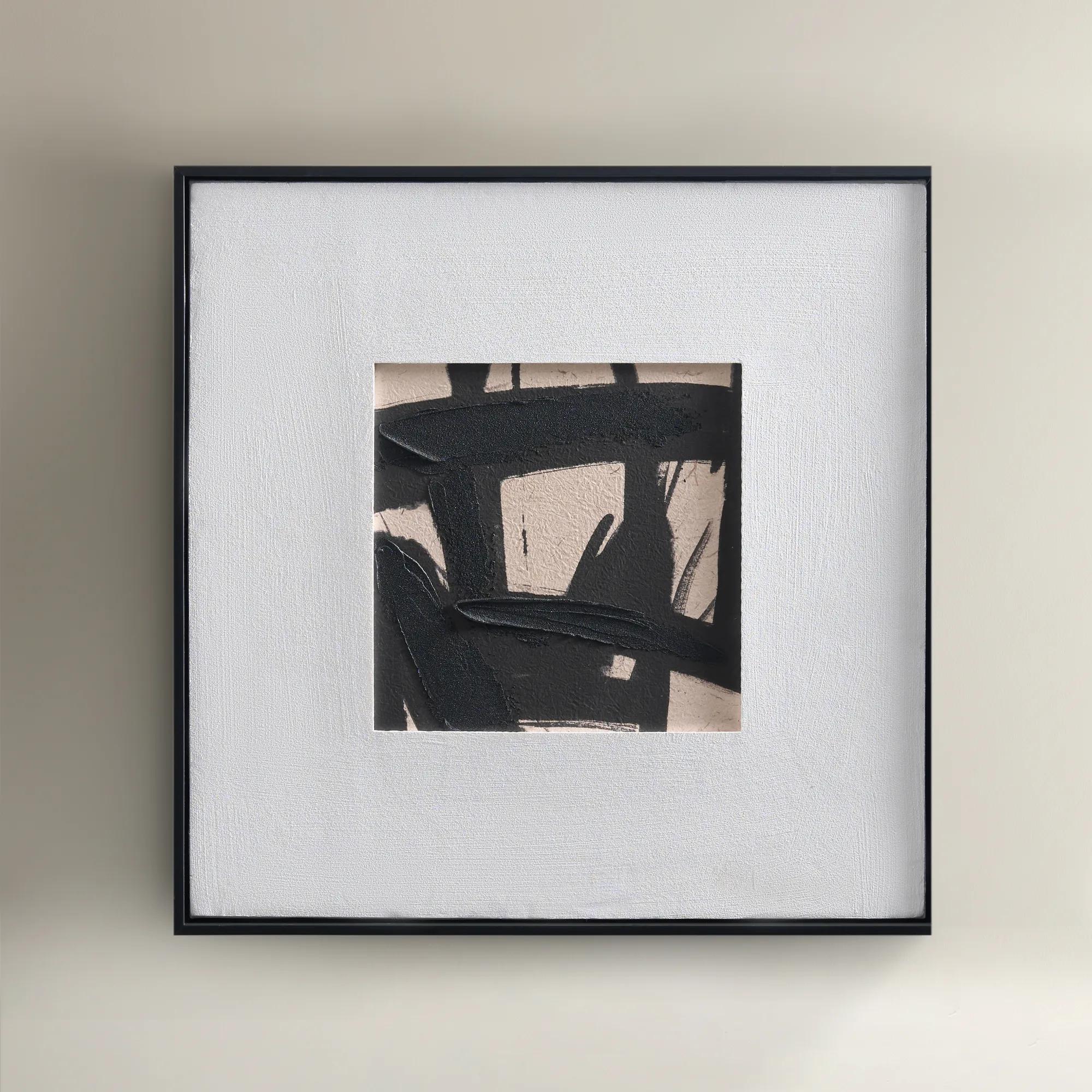
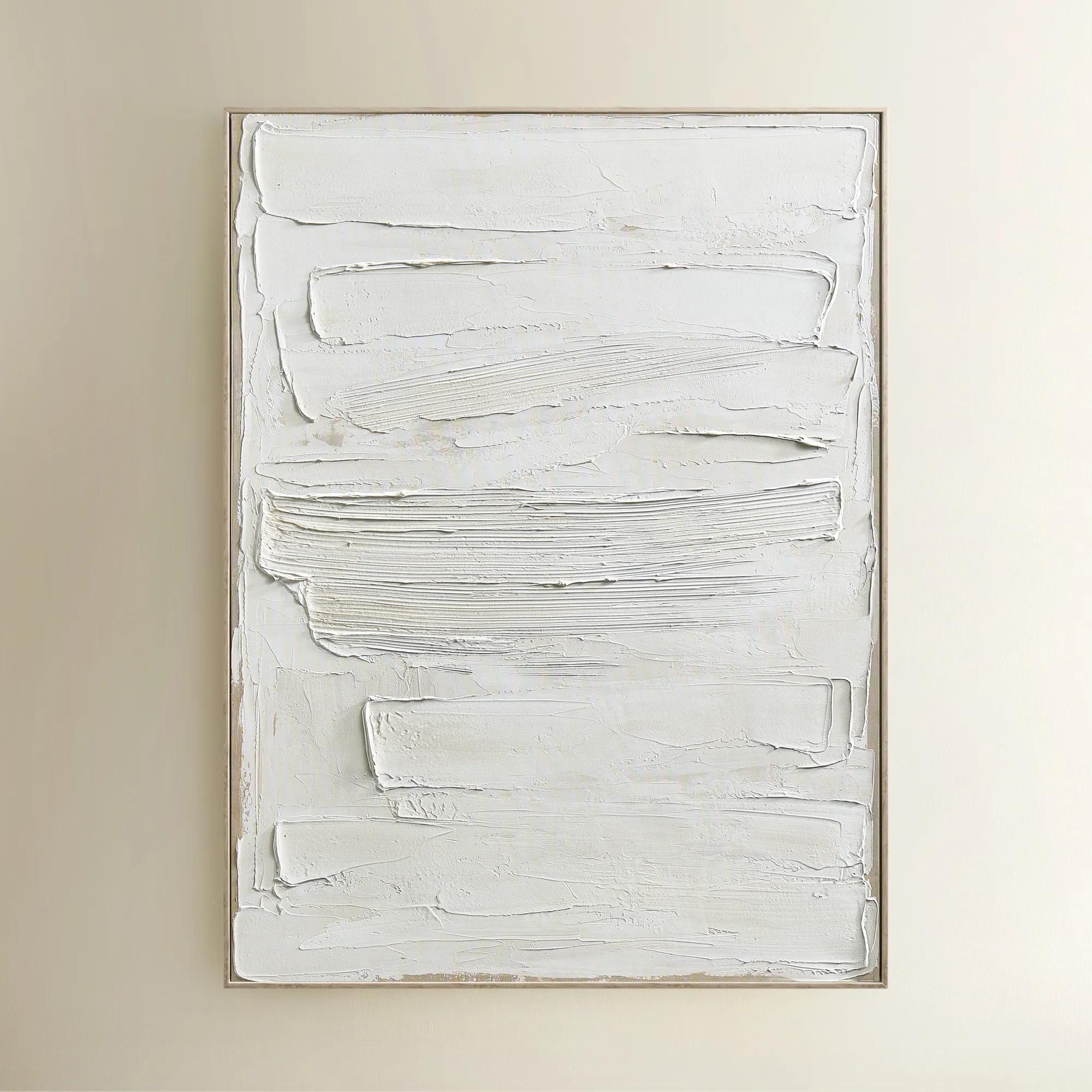
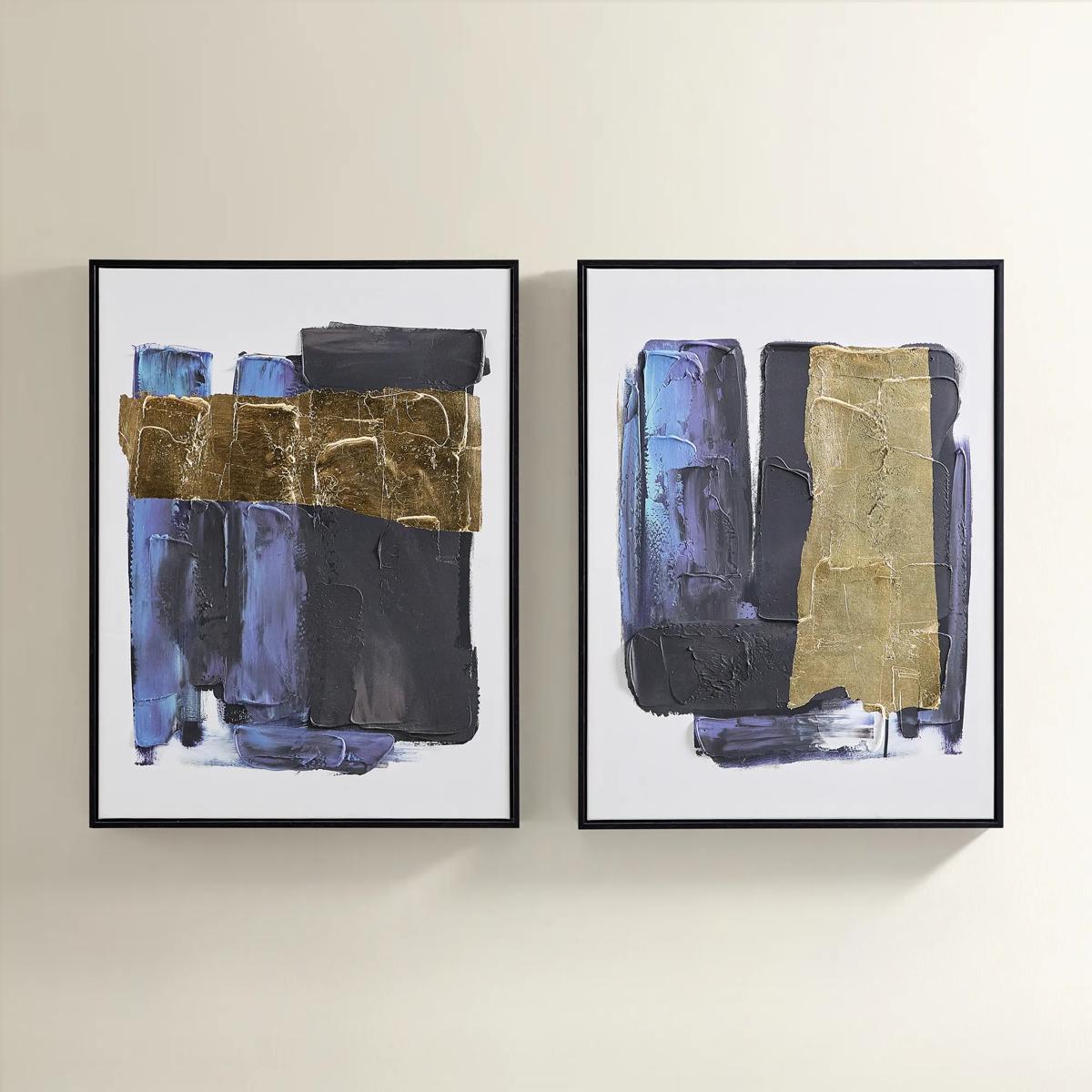
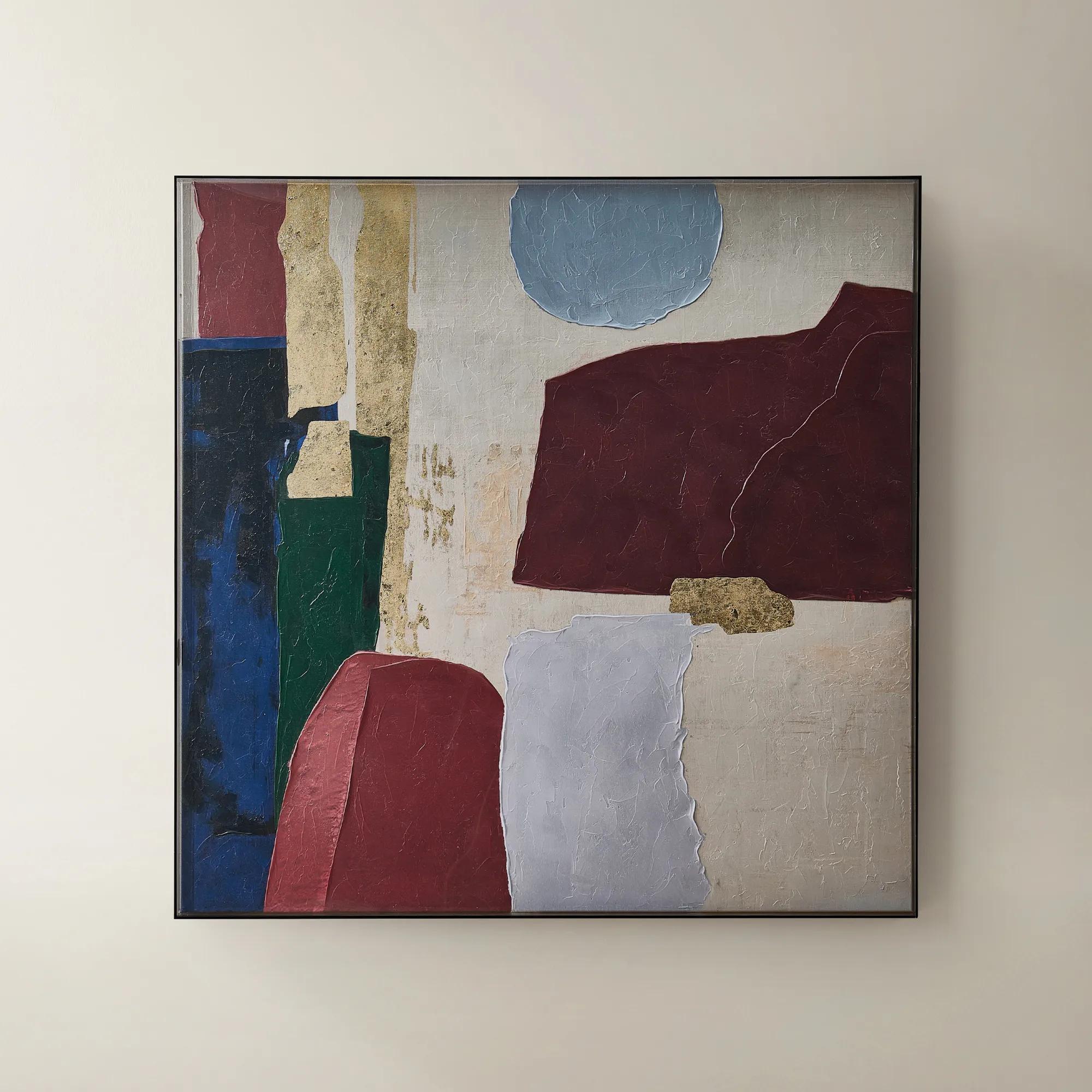
Wall Art For Vacation Rentals
Wall Art For Vacation Rentals
-
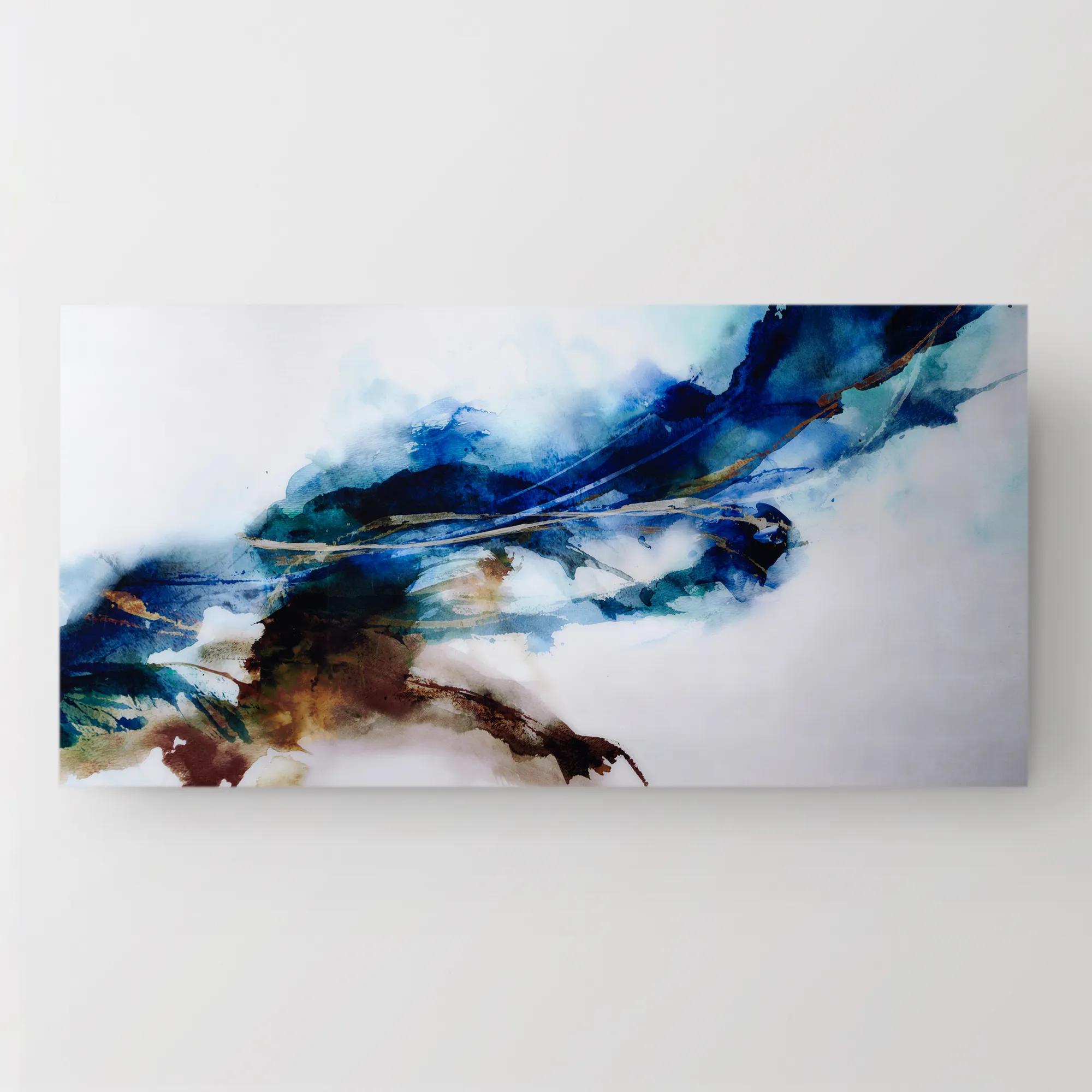 Cerulean Movement Acrylic Art 72" x 36"$1299
A vibrant abstract artwork printed on high-gloss acrylic, infusing your space with dynamic energy and movement.
Add To Cart -
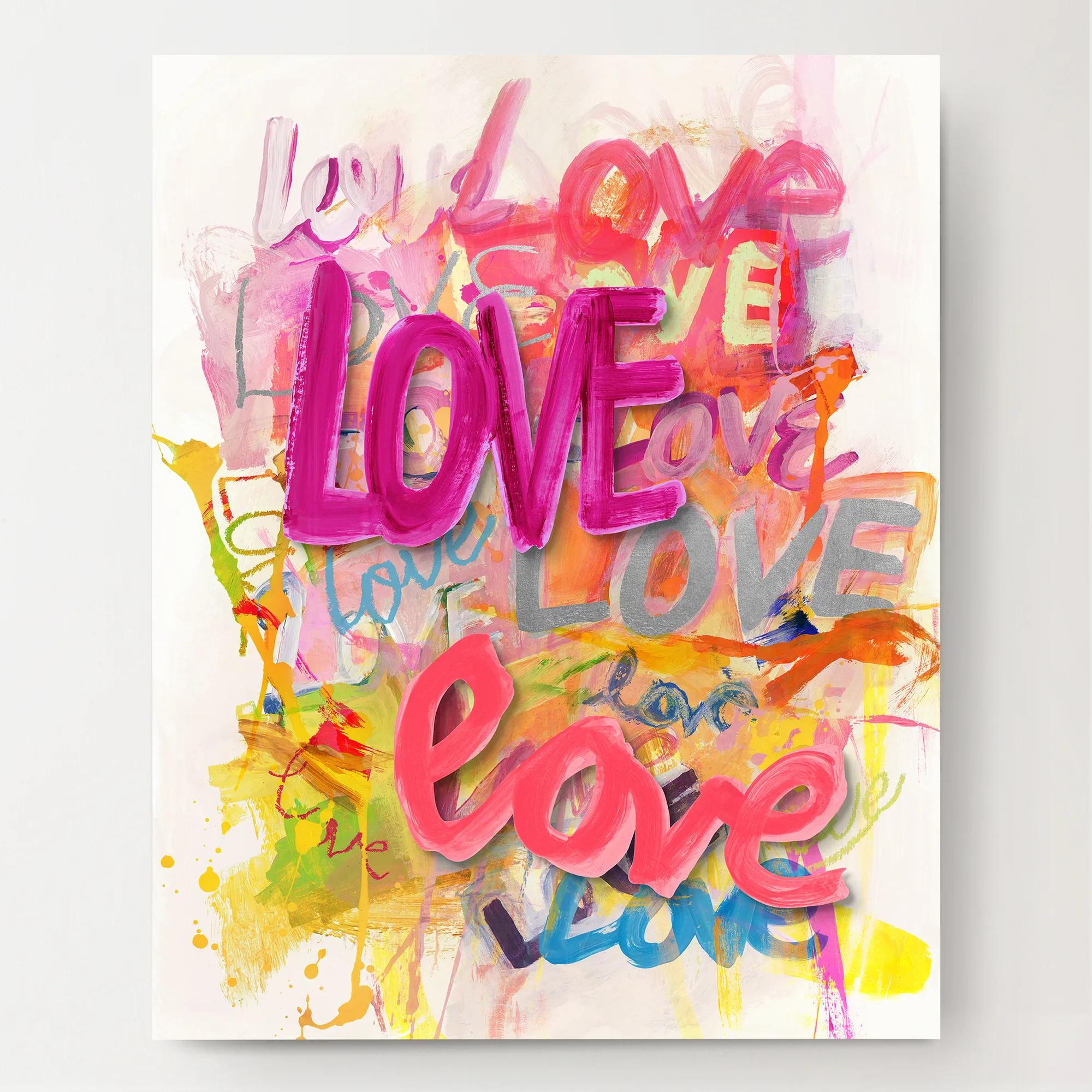
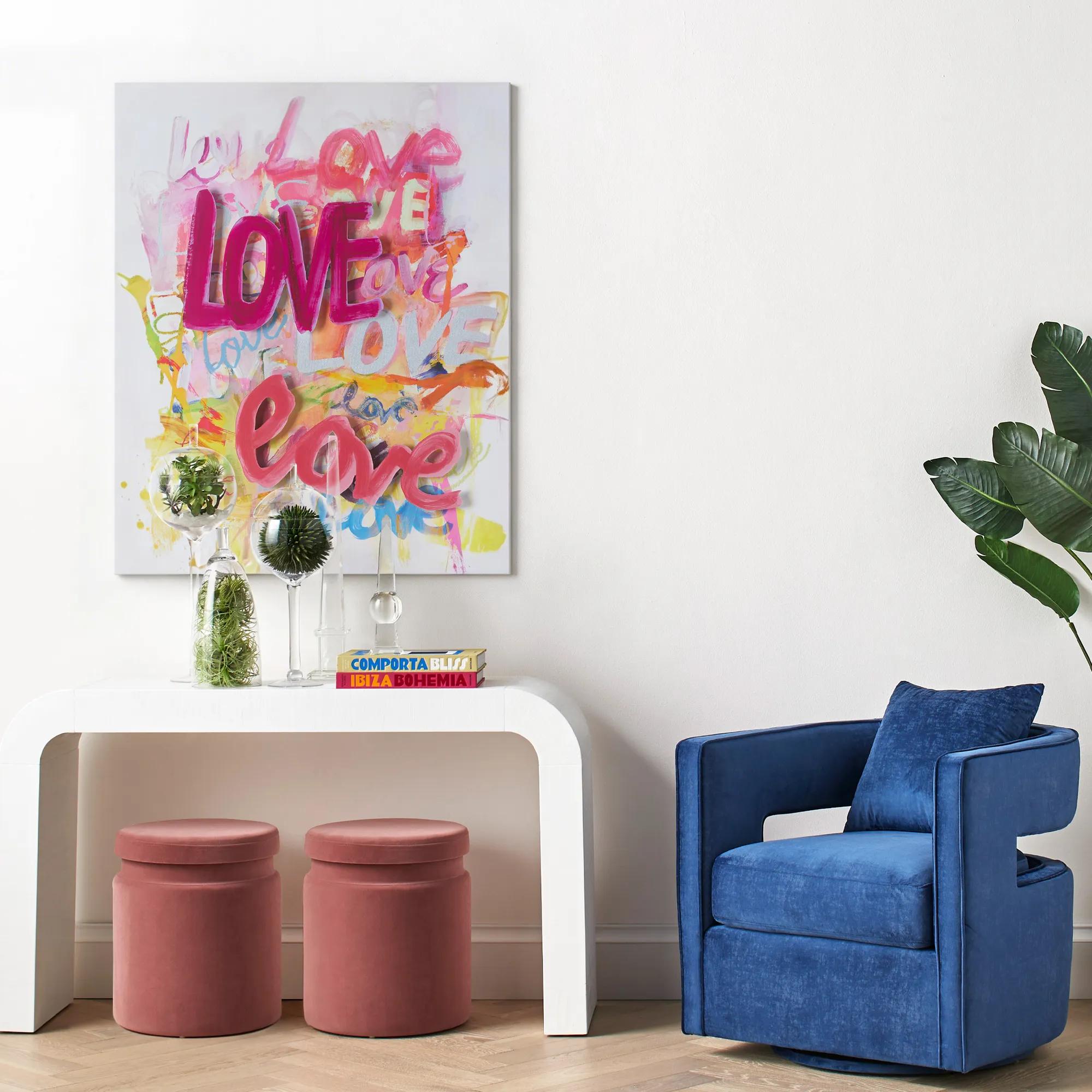 Love Is In The Air Wall Art 40" x 50"$1399
A vibrant giclee canvas print featuring hand-applied silver gilding and dimensional acrylic "Love" lettering.
Add To Cart -
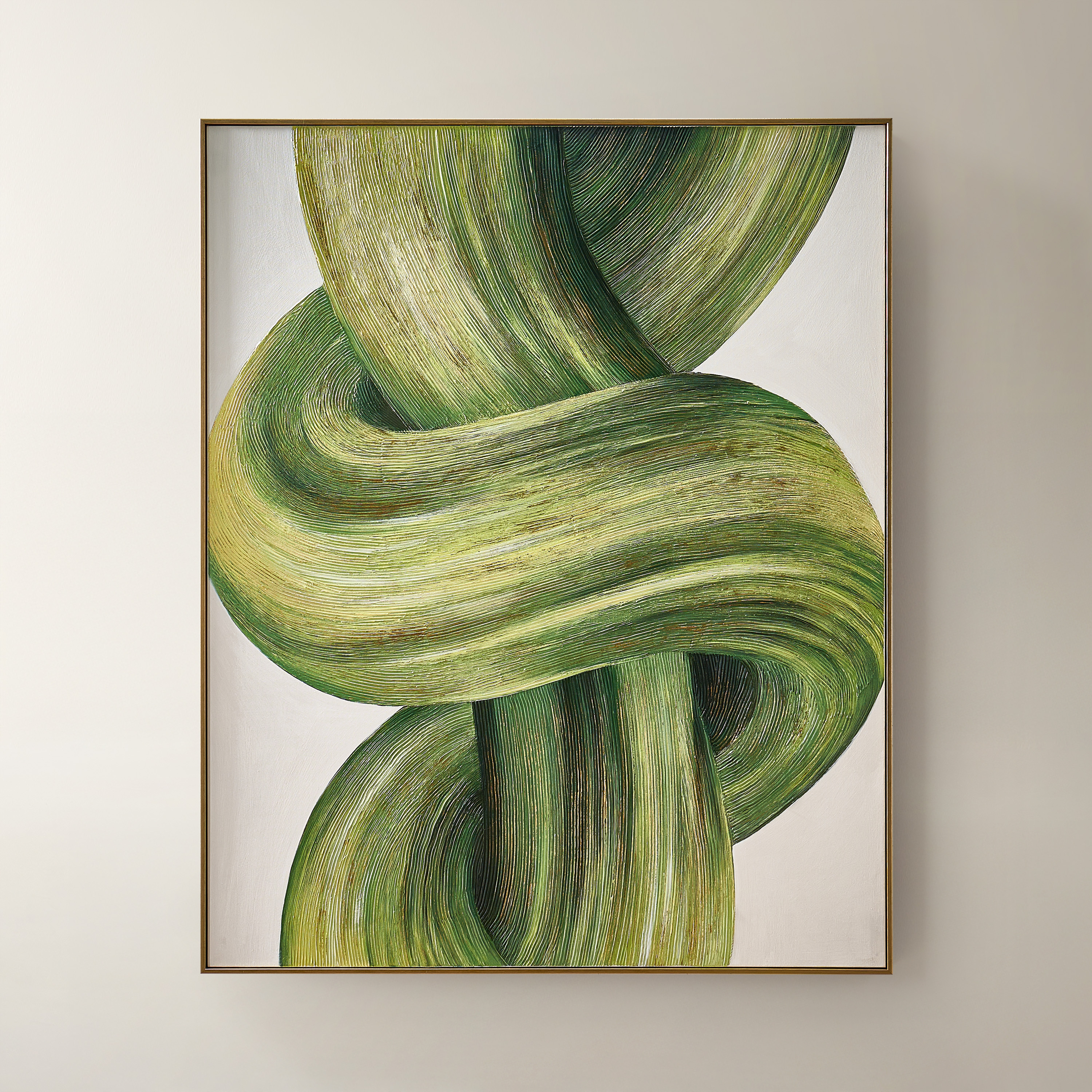
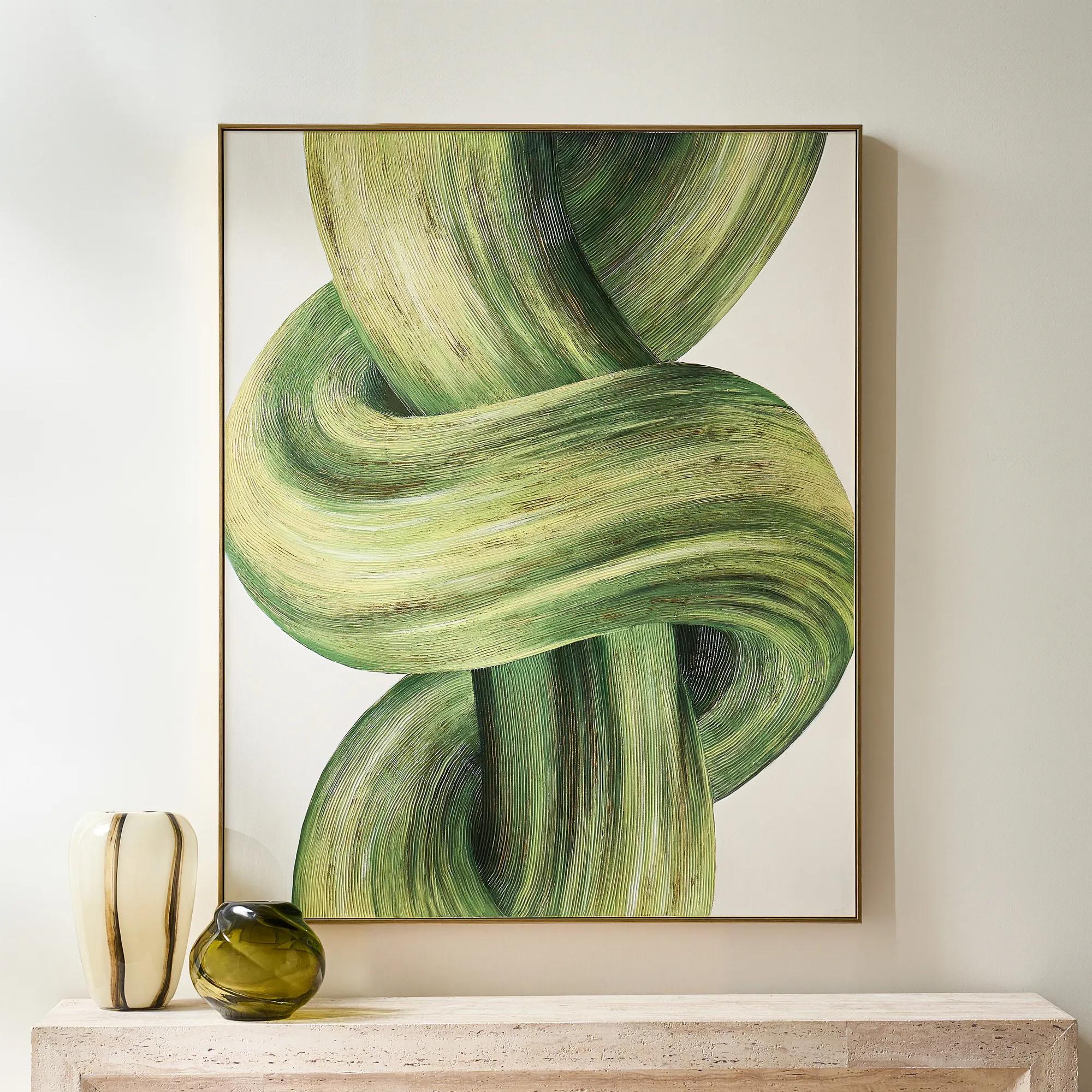 Knotted Framed Gold Leaf Painted Wall Art 40" x 50"$599
A hand-painted green and citron canvas with gold leafing, finished in a sleek PS floater frame.
Add To Cart -
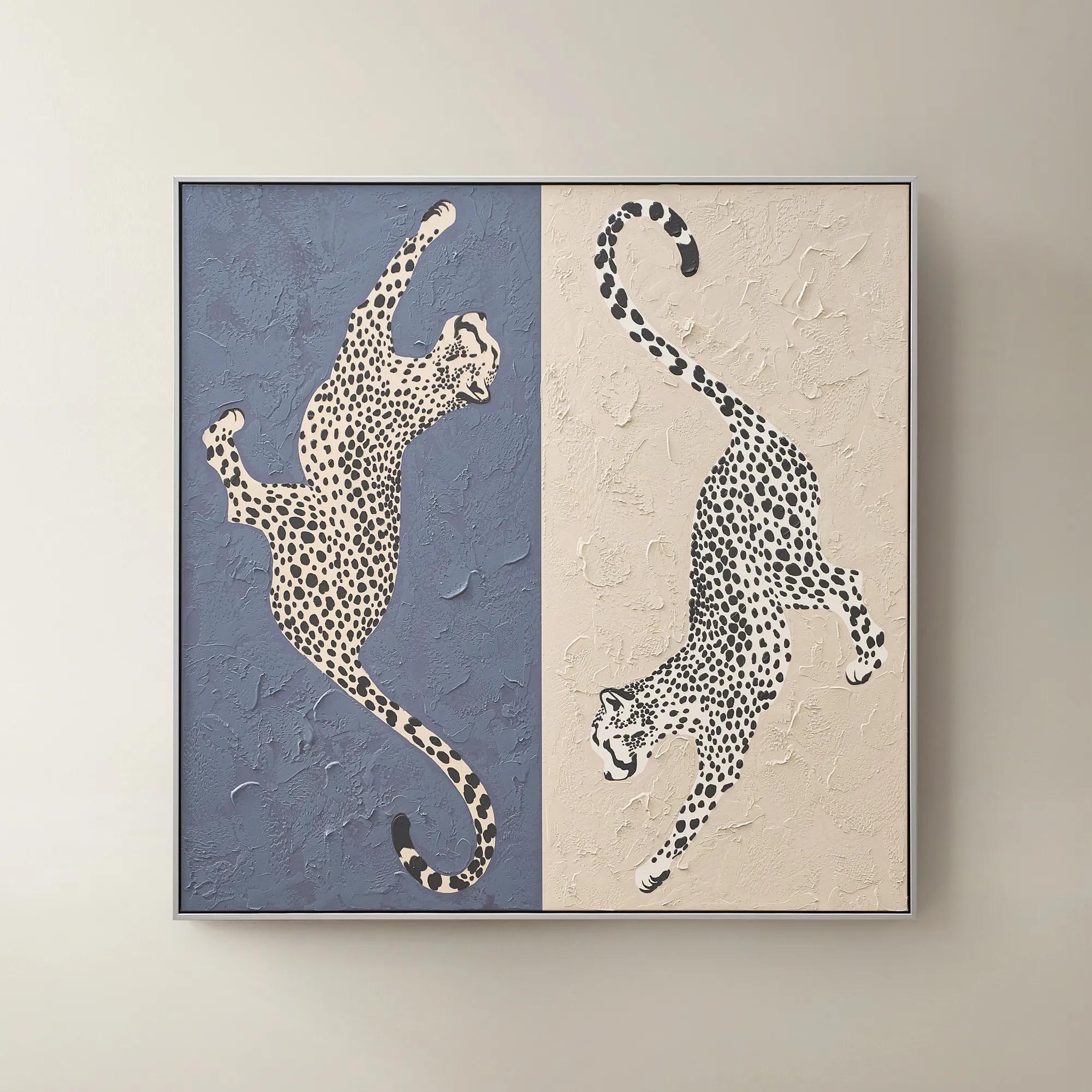 Leopard At Play Framed Painted Wall Art 40" x 40"$299
A hand-painted canvas in ink blue and taupe features playful leopard-inspired art with a silver-black frame.
Add To Cart -
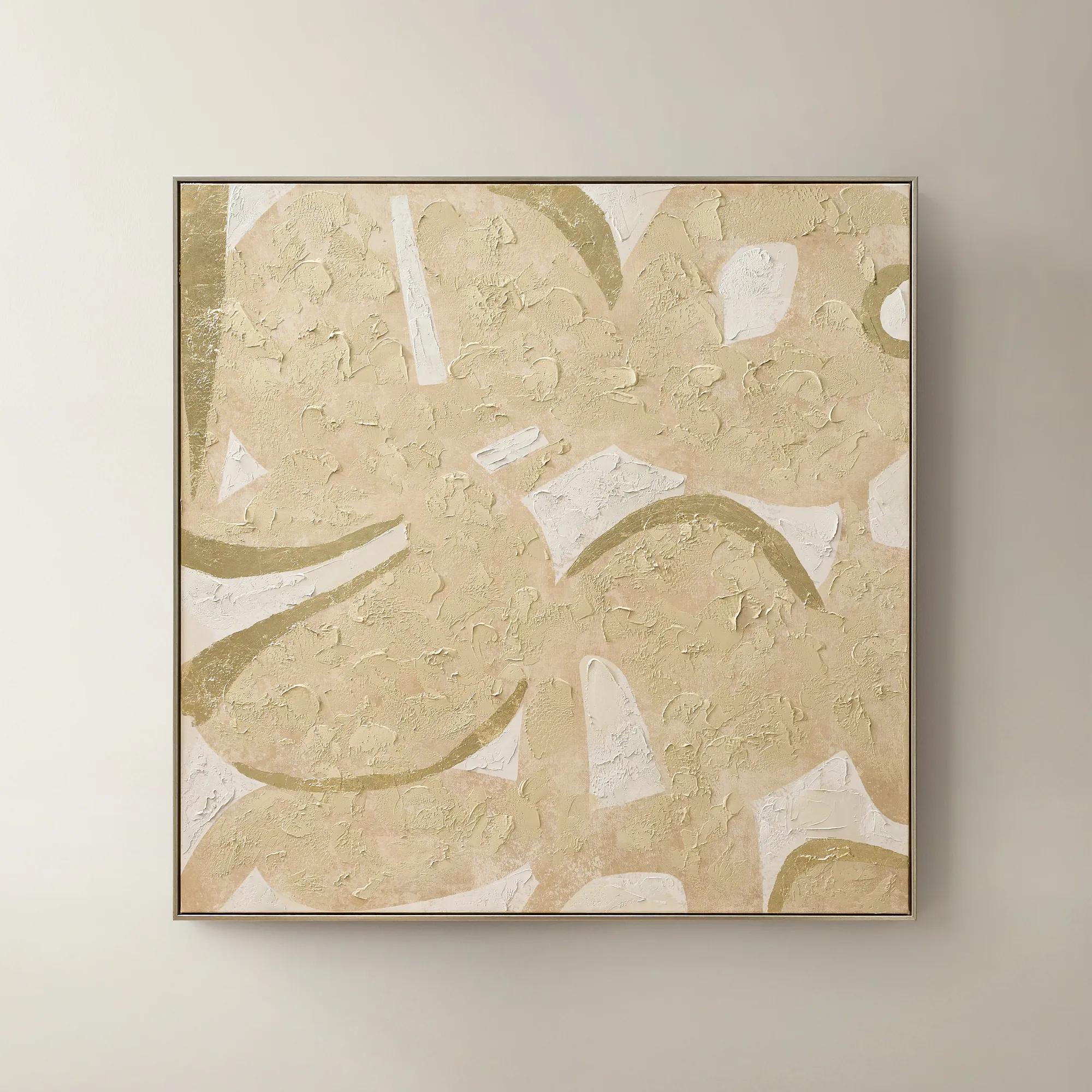
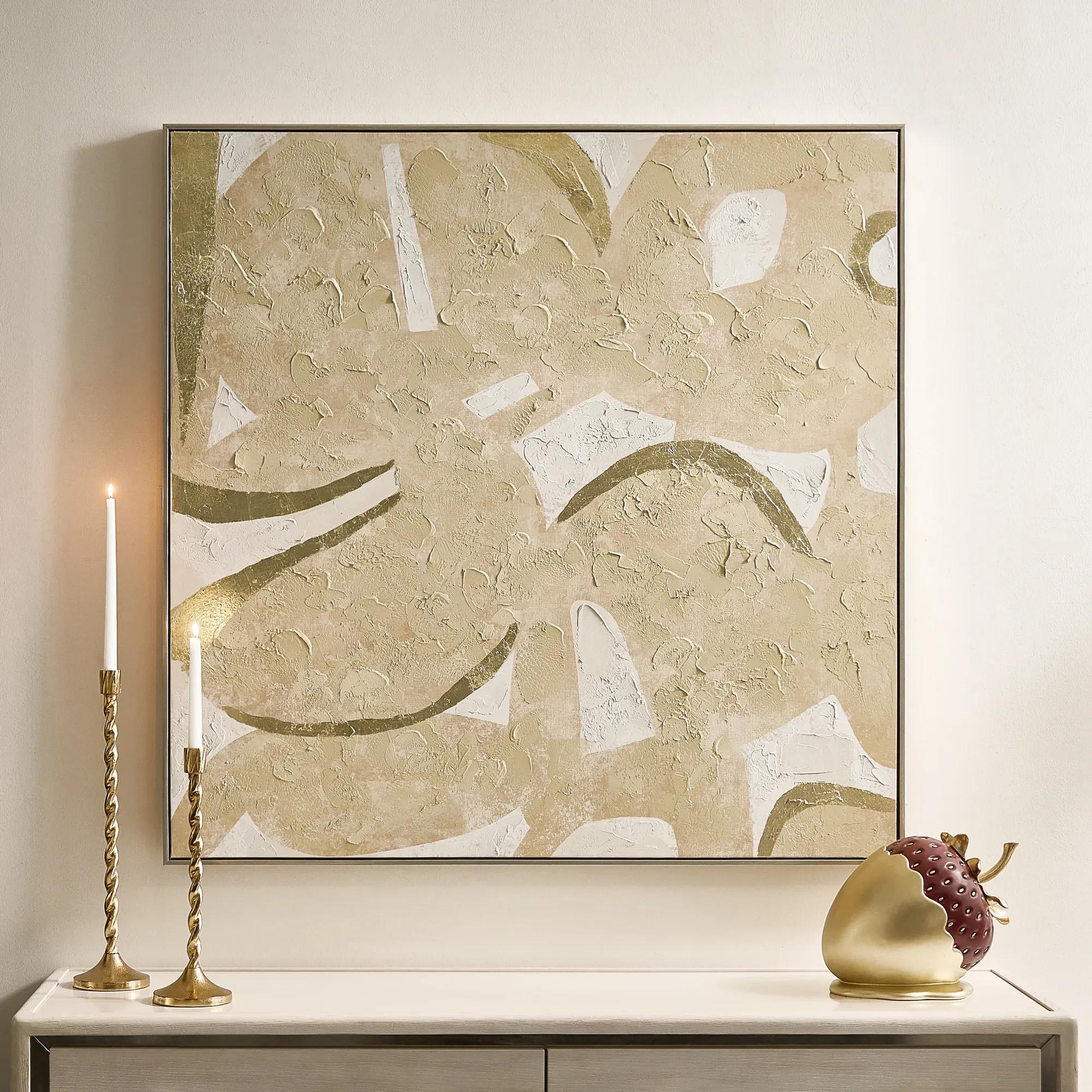 Golden Maize Framed Painted Wall Art 48" x 48"$399
A hand-painted canvas with champagne leafing and butter cream tones adds warmth and modern sophistication.
Add To Cart -
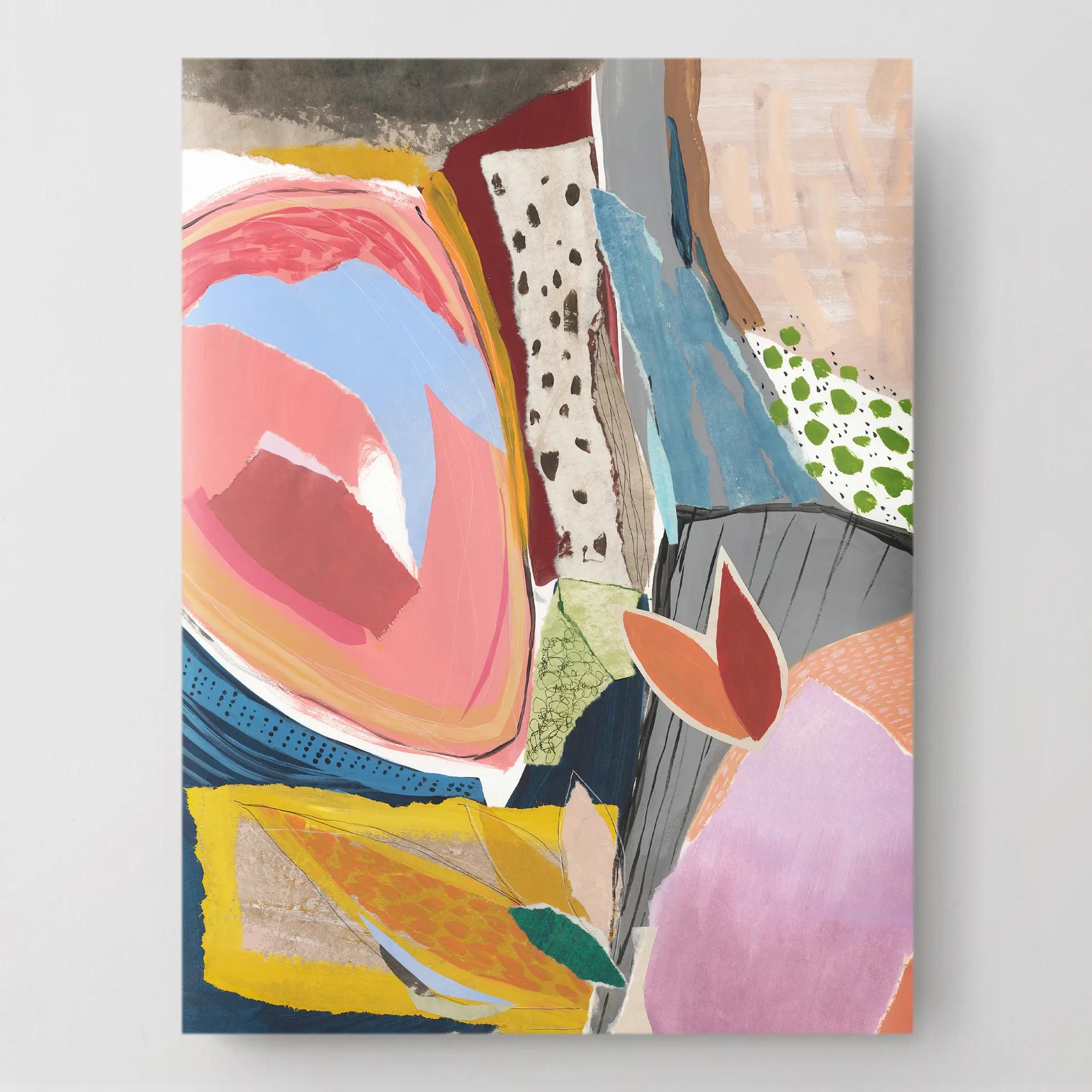
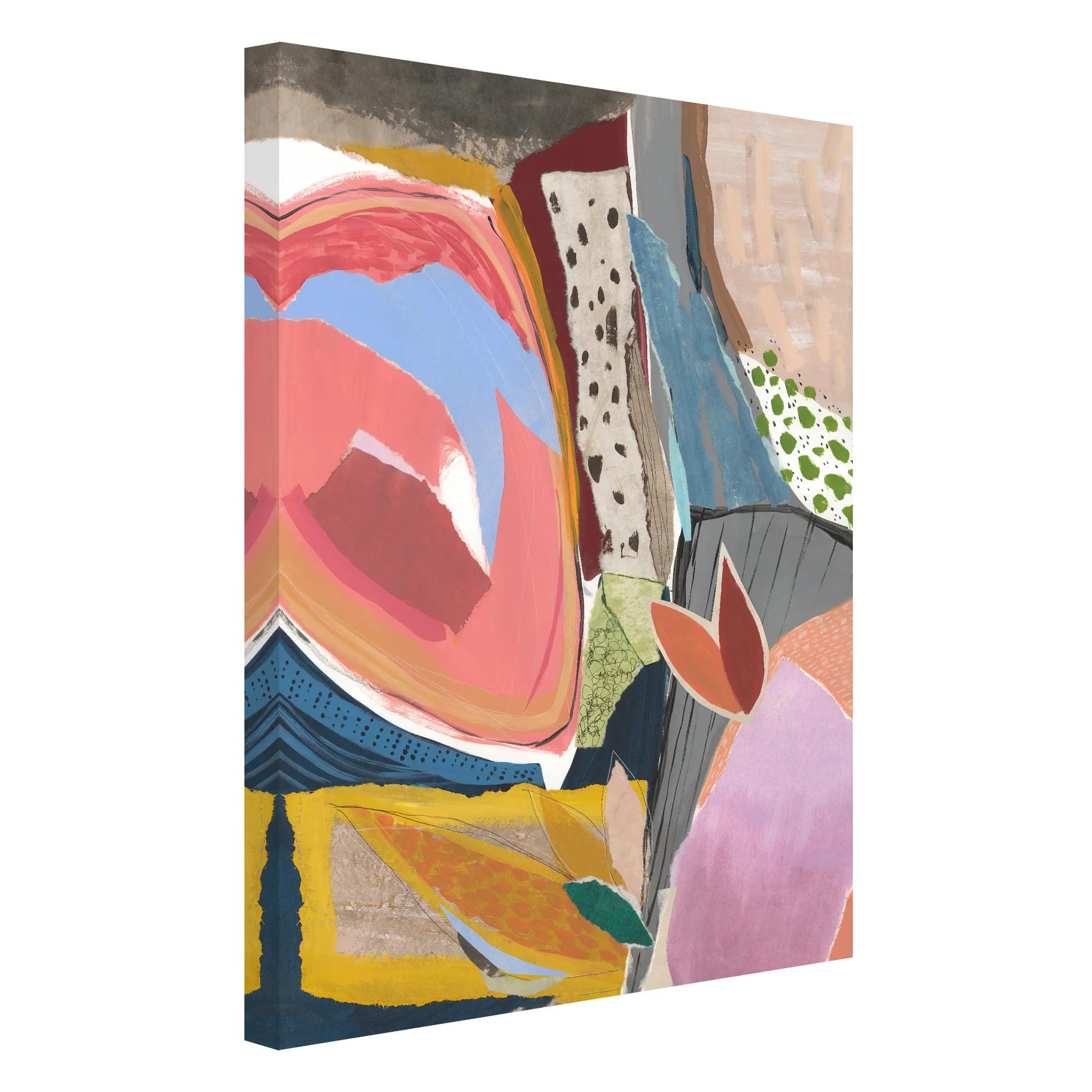 Sunday Vibes 1 Wall Art 30" x 40"$449
A gallery-wrapped canvas artwork featuring a hand-applied image brush gel finish for a textured look.
Add To Cart -
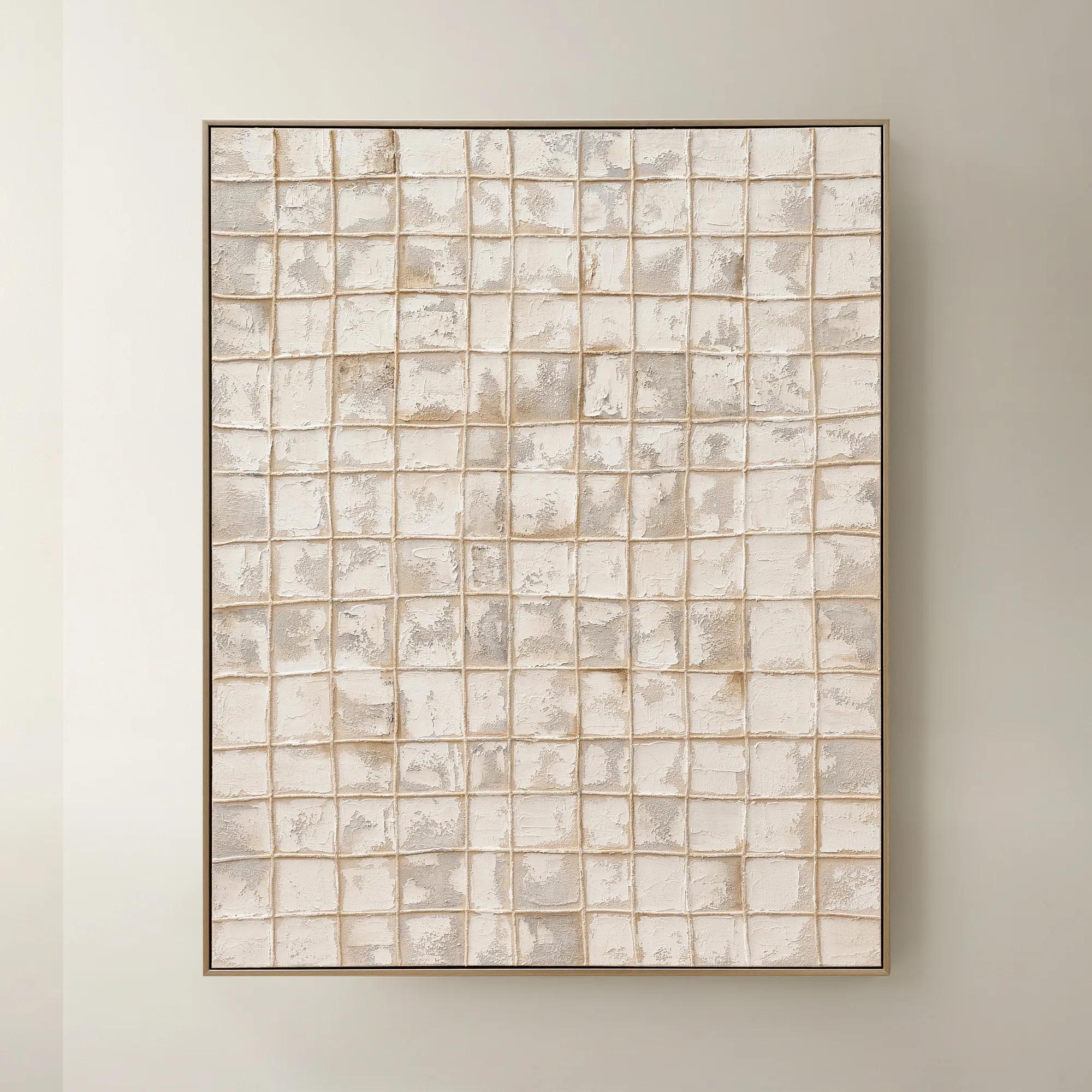
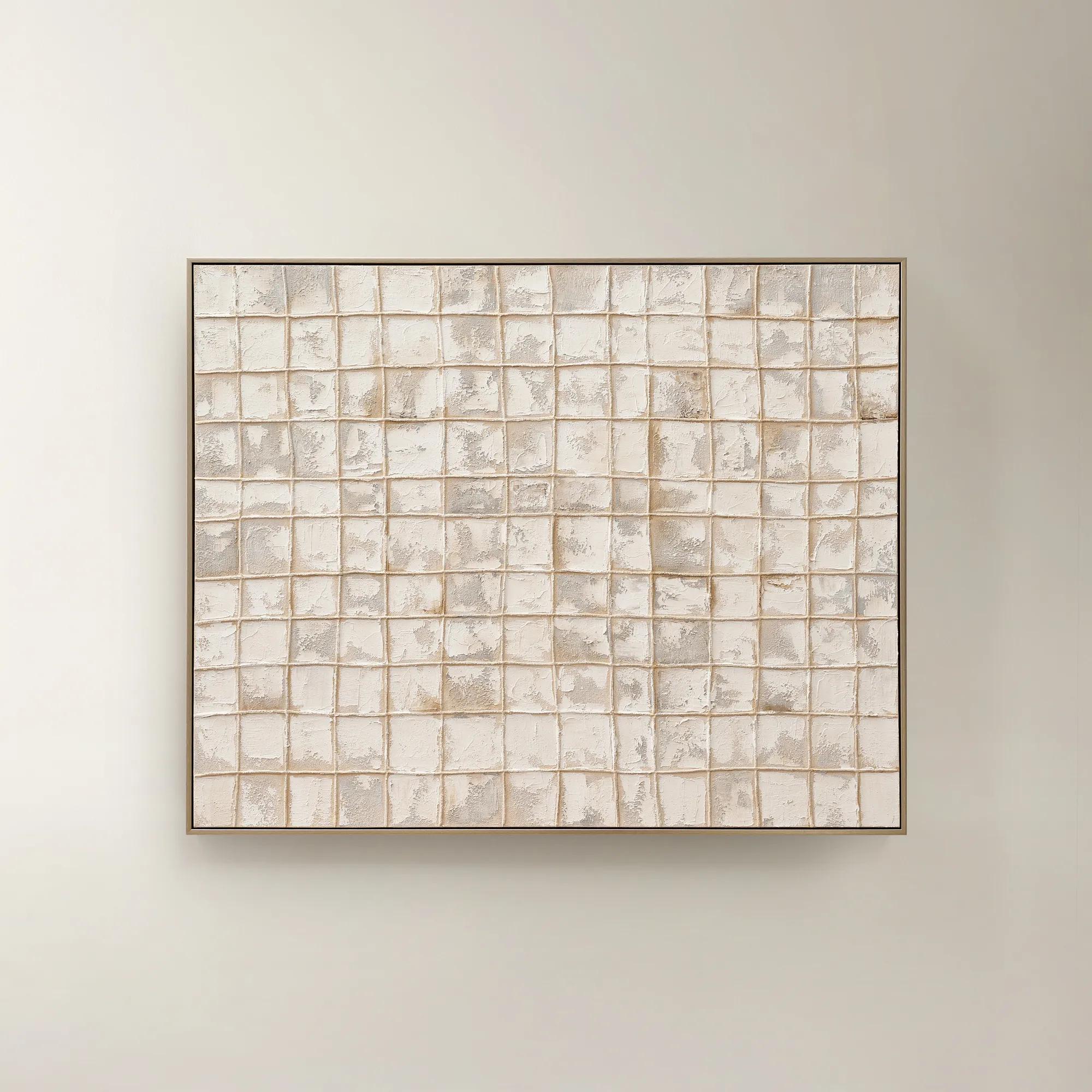 Painted Echos Framed Gold Leaf Wall Art 60" x 48"$699
A hand-painted abstract canvas with gold leaf accents and a champagne frame for modern, versatile display.
Add To Cart -
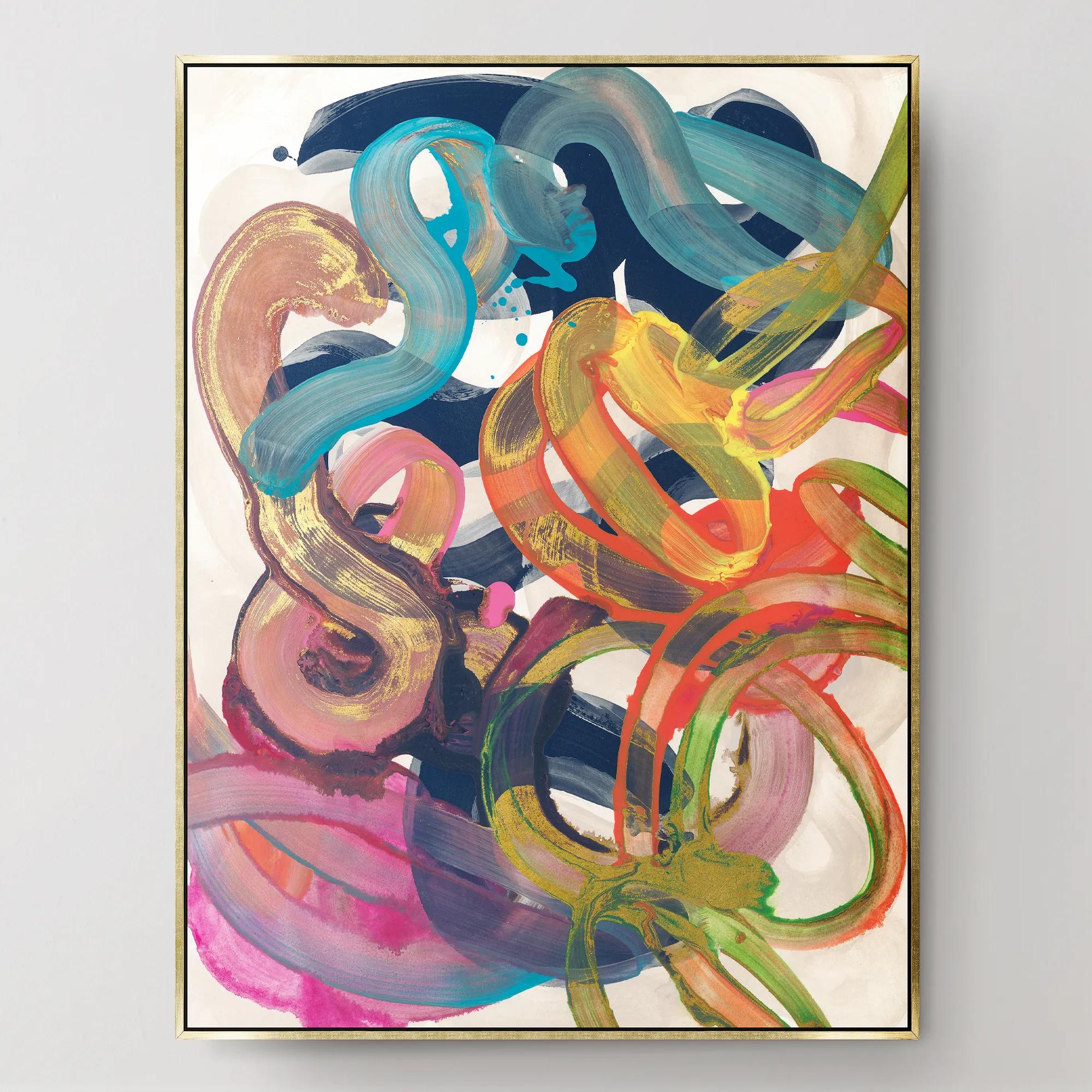
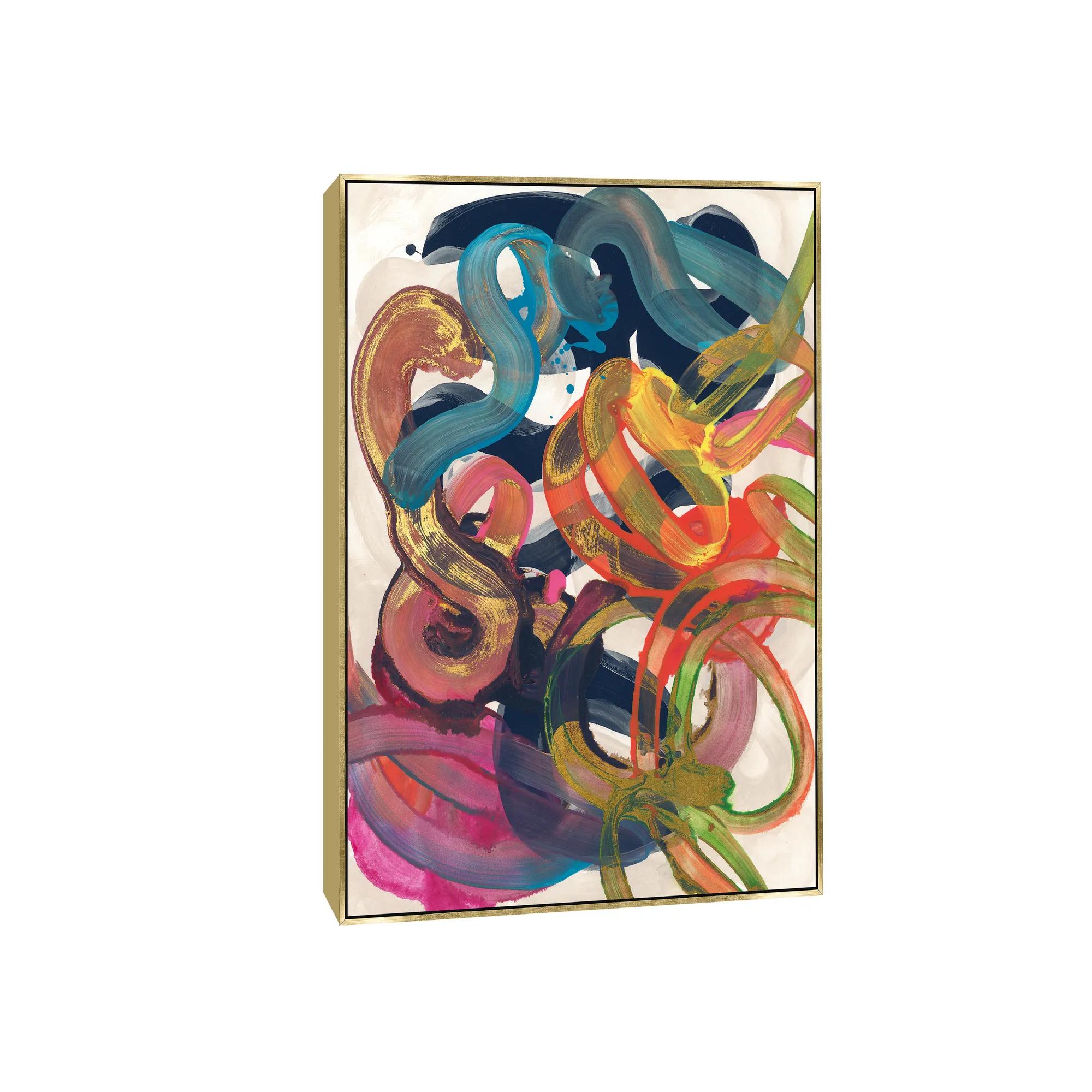 Illogical Conclusions Framed Wall Art 26" x 35"$499
A gallery-wrapped canvas artwork with a hand-applied gel finish, set in a gold float frame.
Add To Cart -
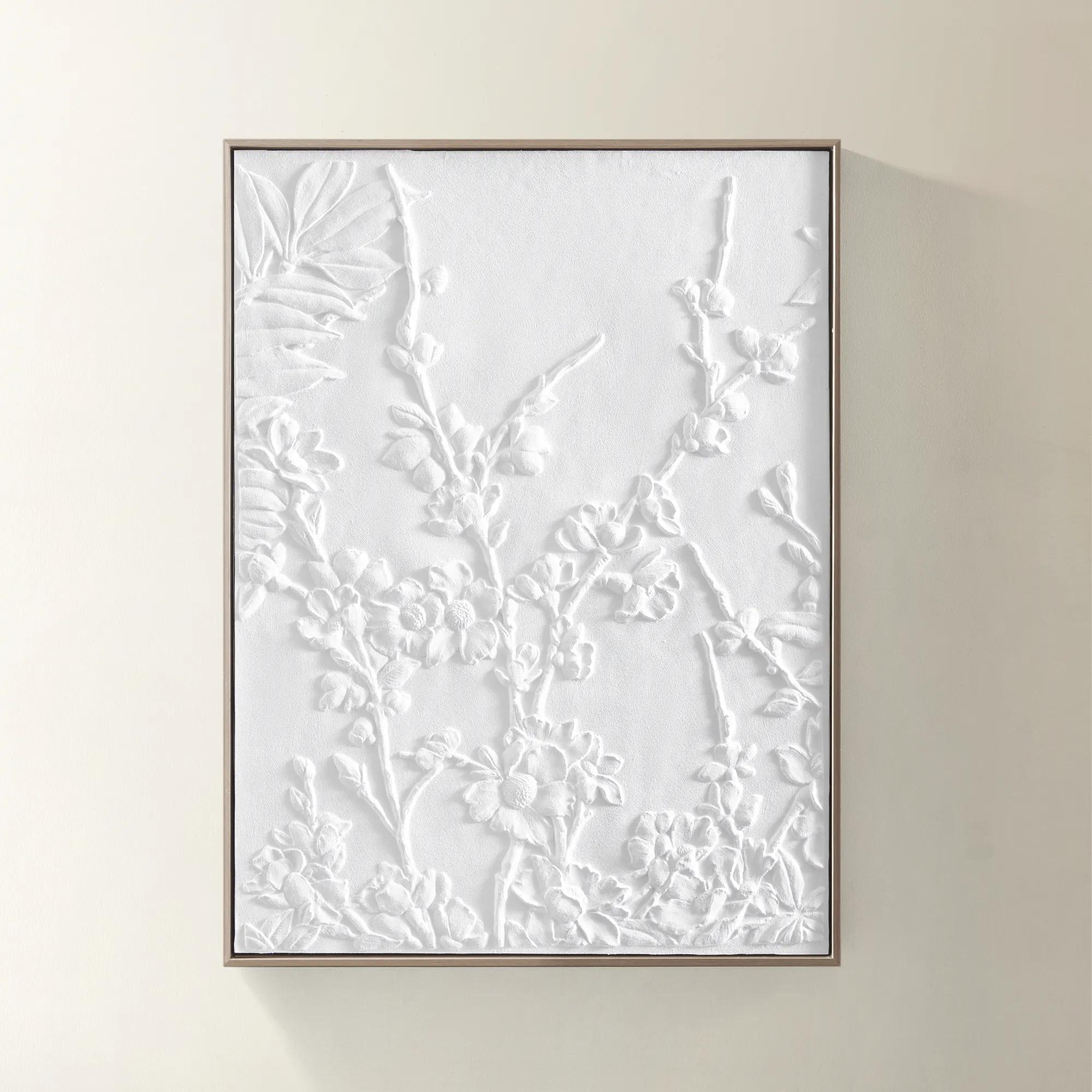
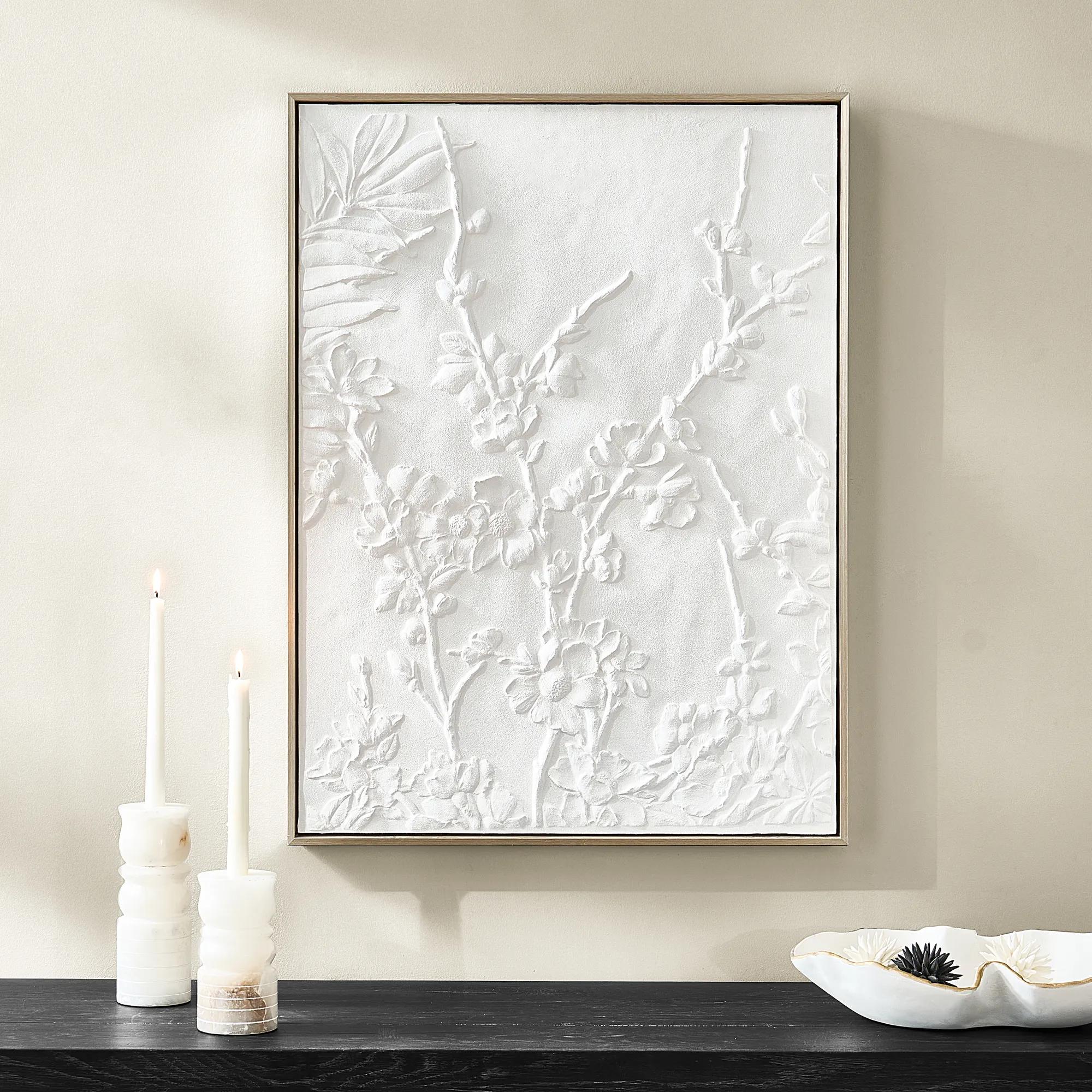 Allegro Framed Painted Wall Art 31.5" x 23.6"$109
A hand-painted canvas featuring textured floral motifs, framed in a warm champagne finish for subtle sophistication.
Add To Cart -
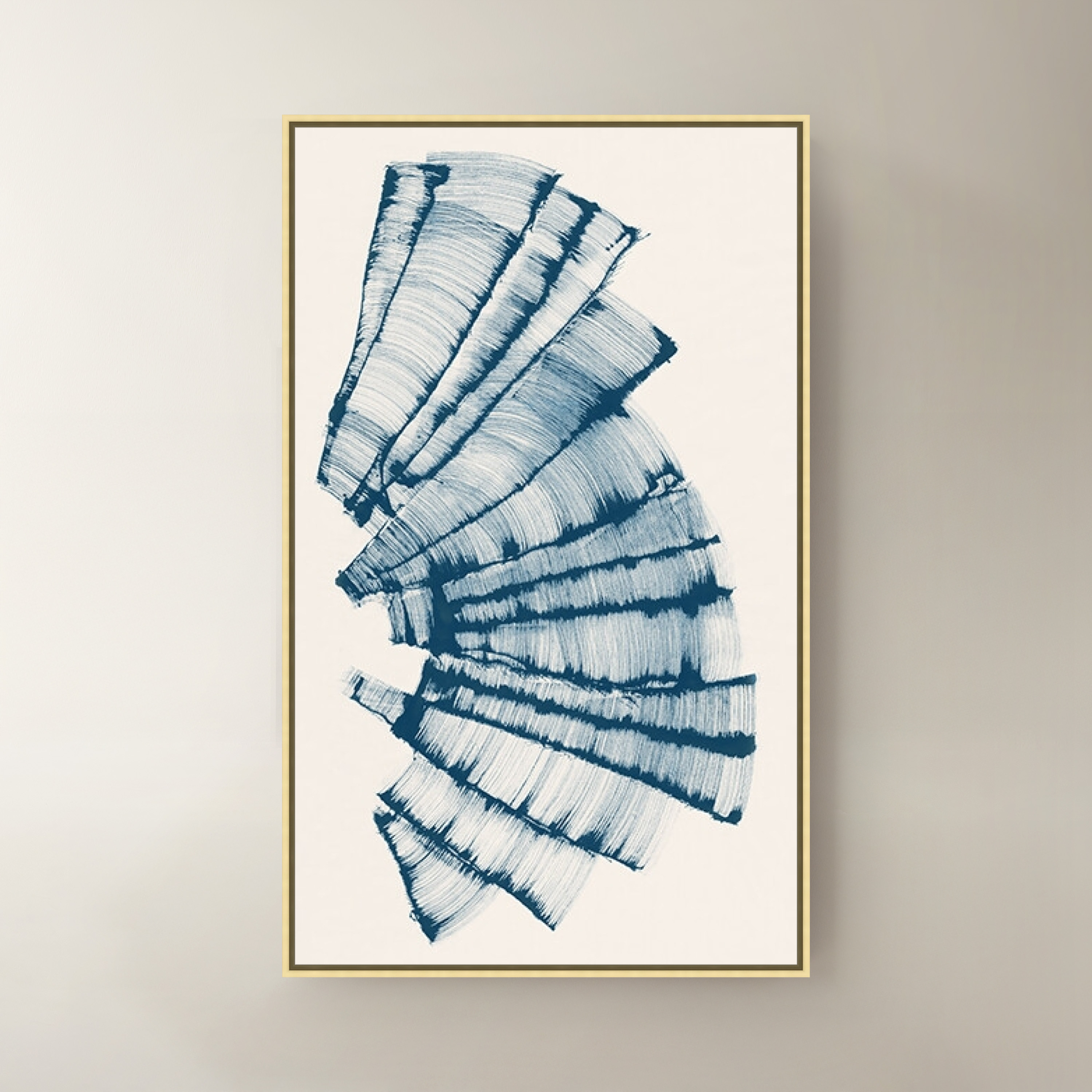
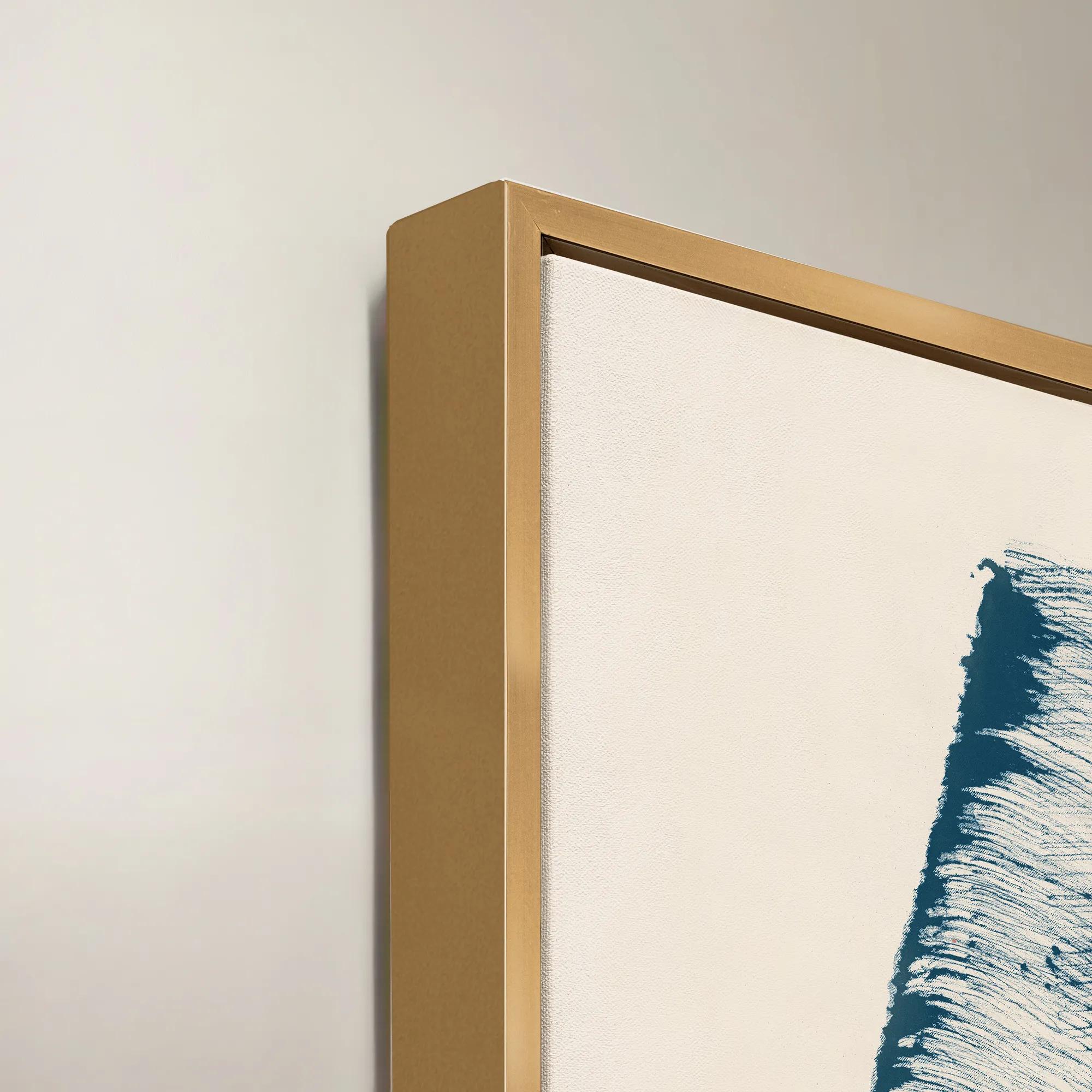 Escape Path IV Framed Wall Art 30" x 50"$799
A blue and purple canvas wall artwork presented in a sophisticated frame for modern interiors.
Add To Cart -
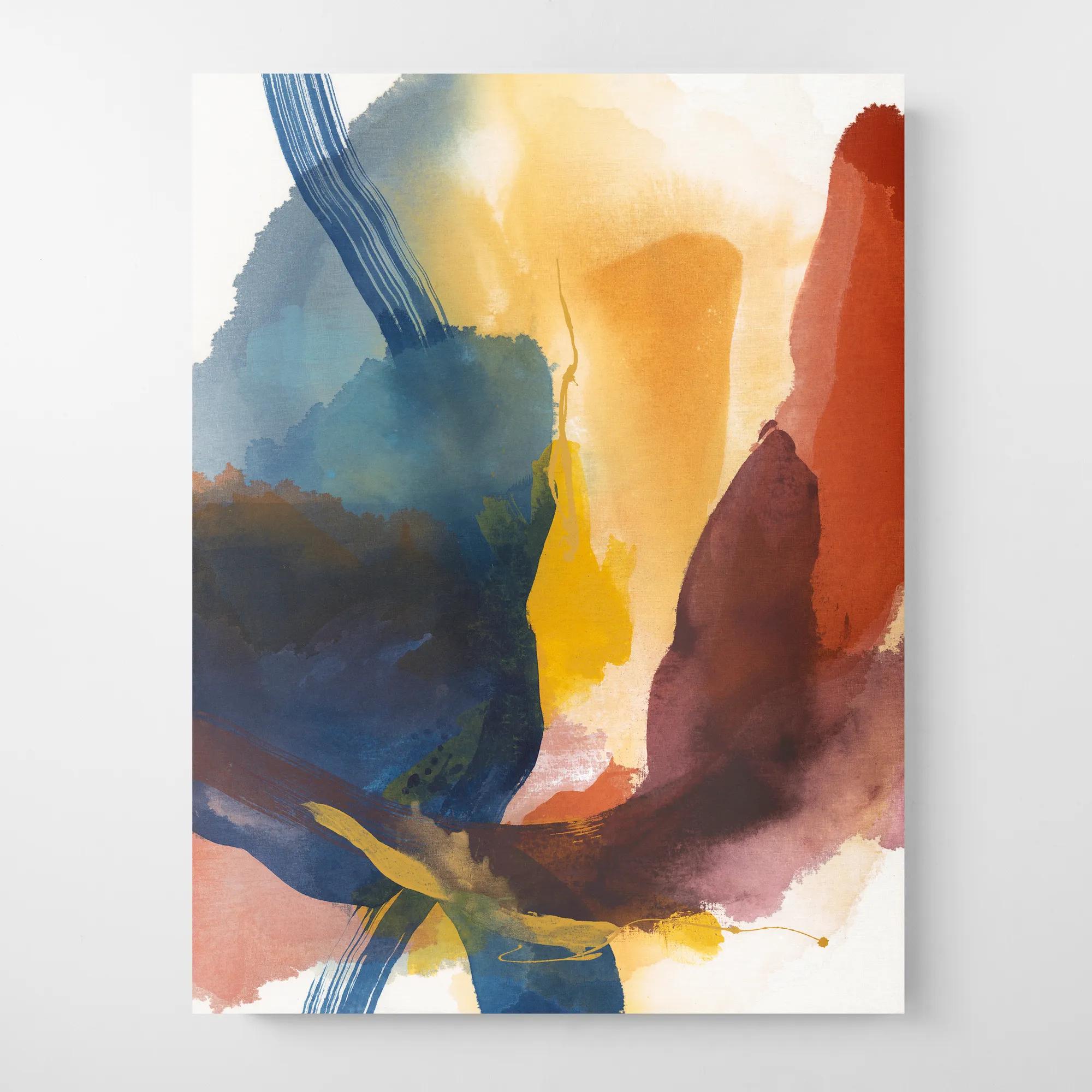
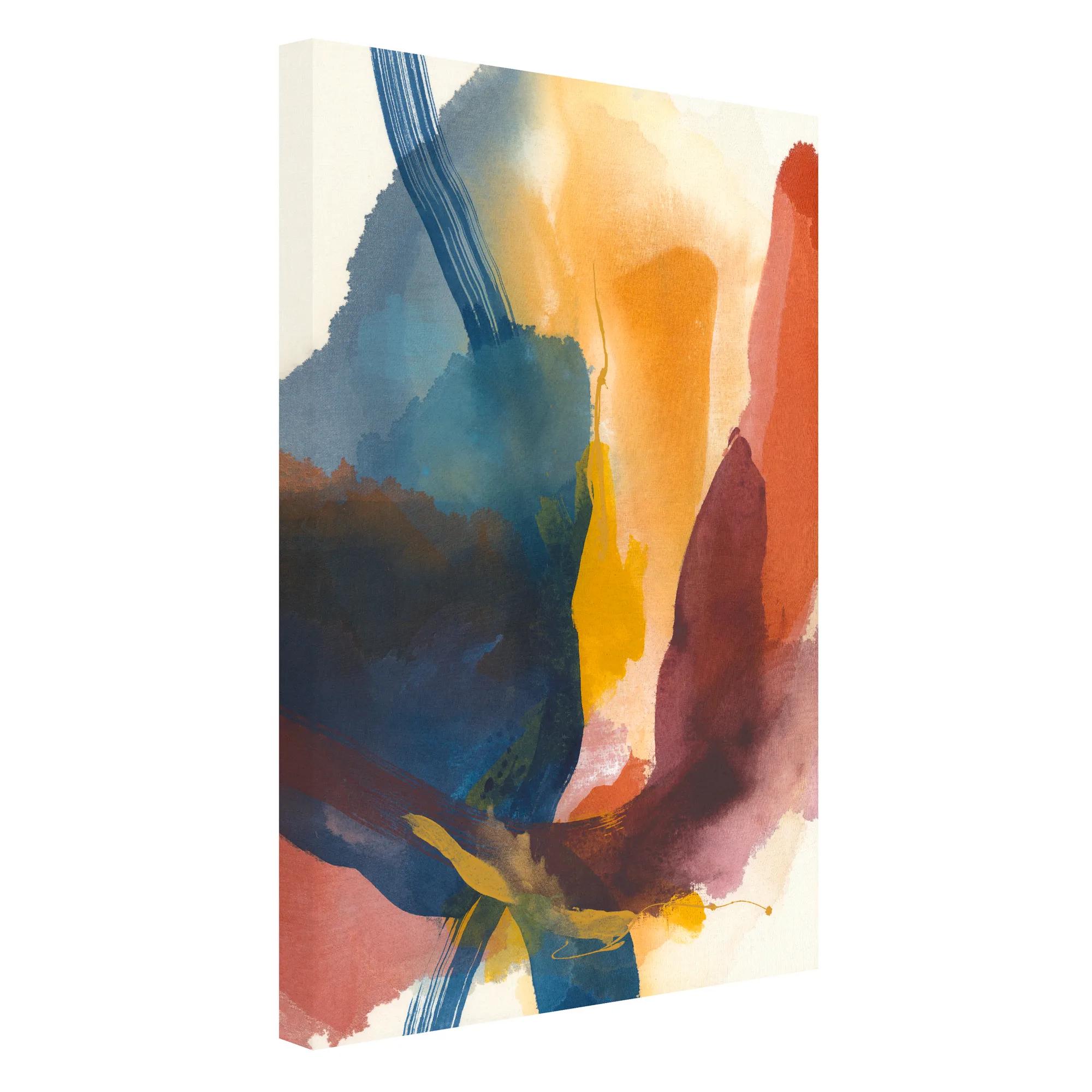 Moon Shower 1 Wall Art 30" x 40"$449
A gallery-wrapped canvas artwork featuring a hand-applied image brush gel finish for versatile display.
Add To Cart -
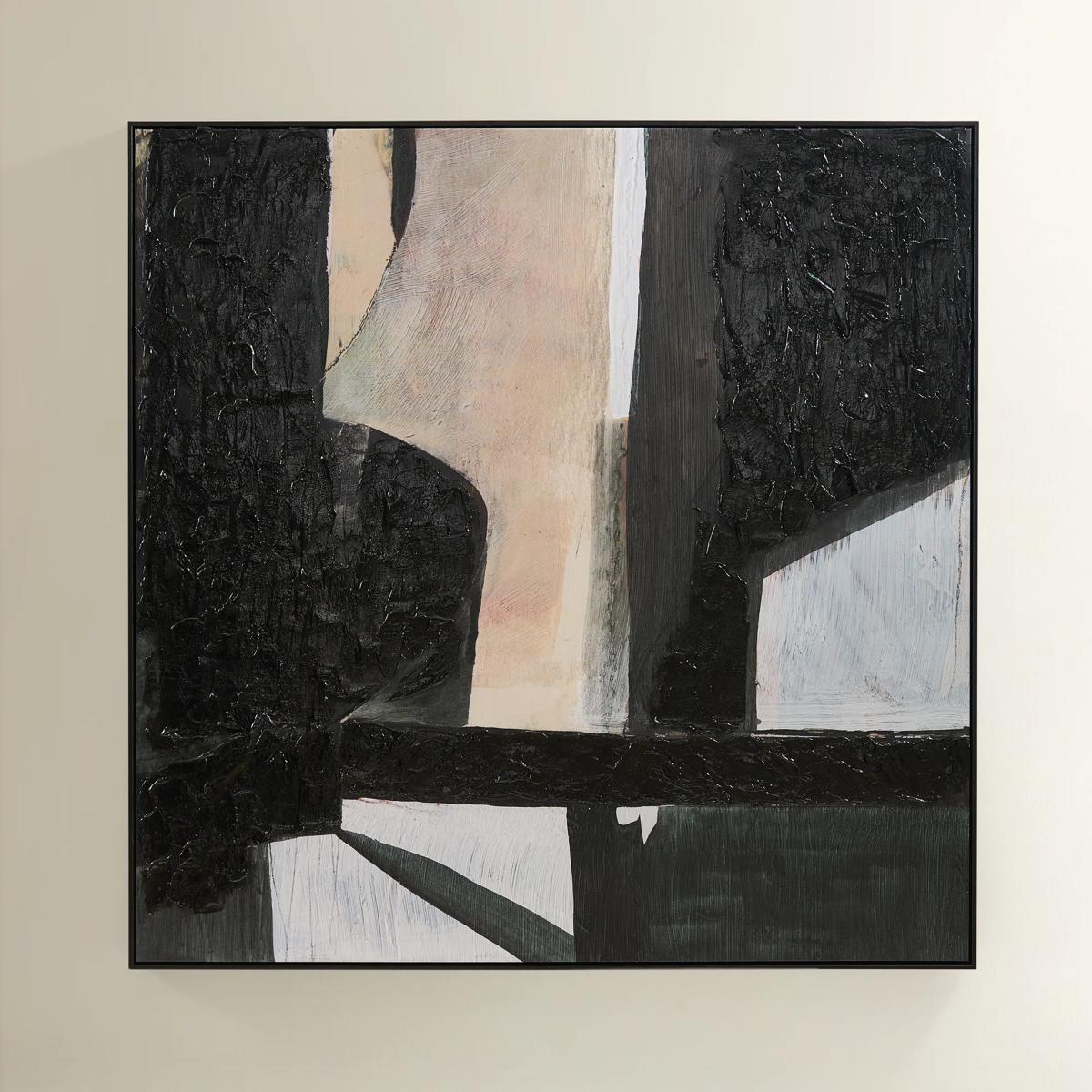
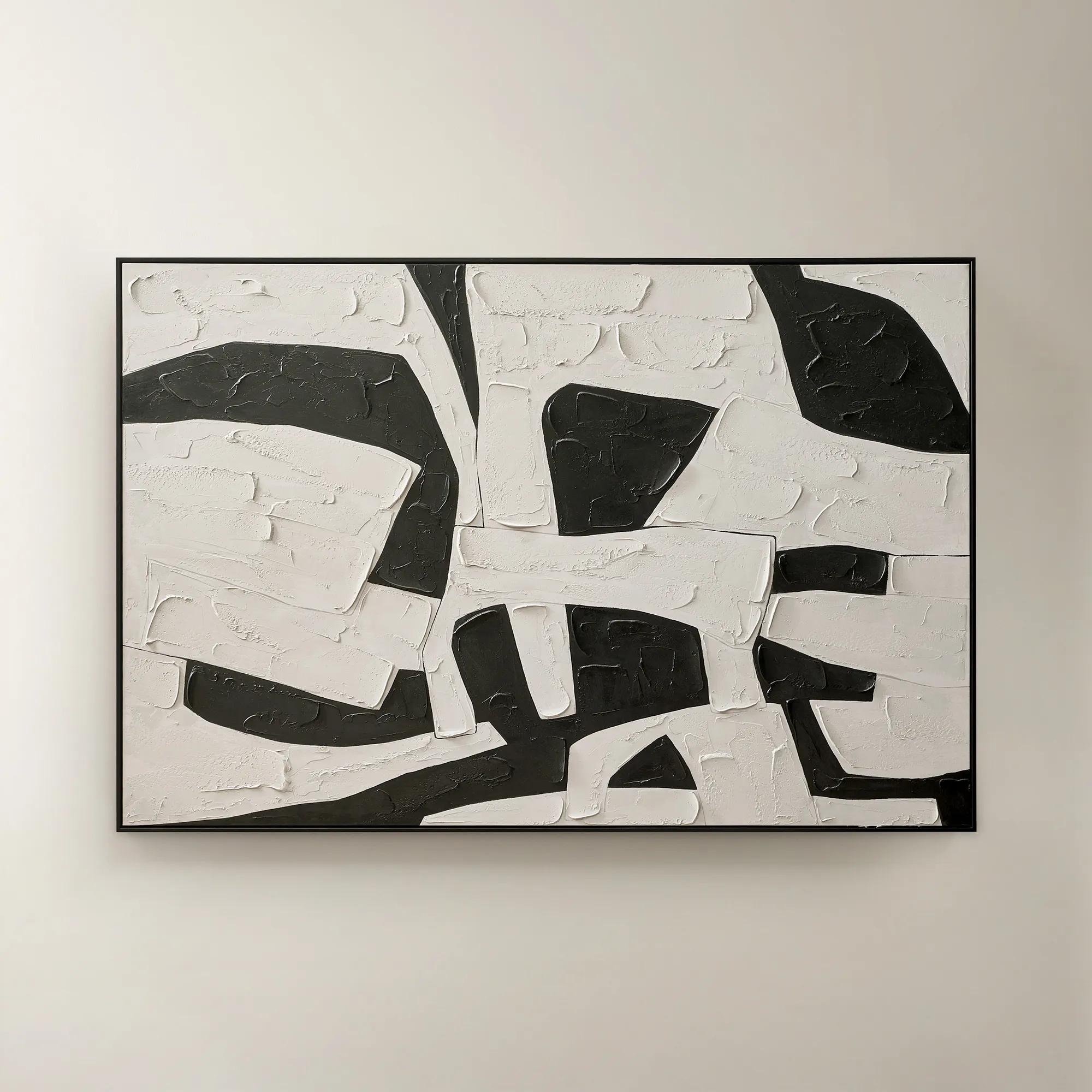 Space Between Shadows Framed Painted Wall Art 72" x 48"$799
A hand-painted abstract canvas featuring bold alabaster and black geometric forms in a sleek black frame.
Add To Cart -
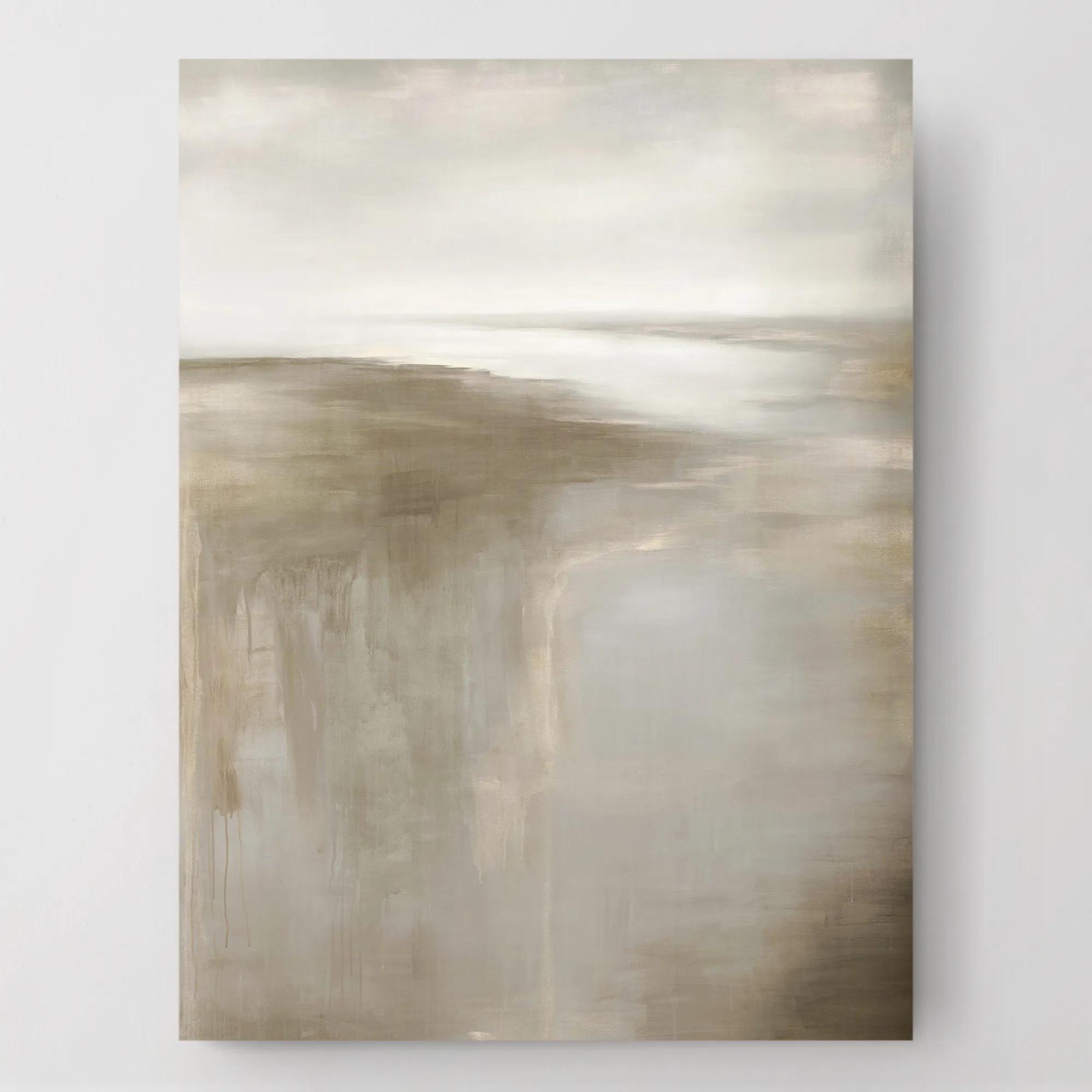
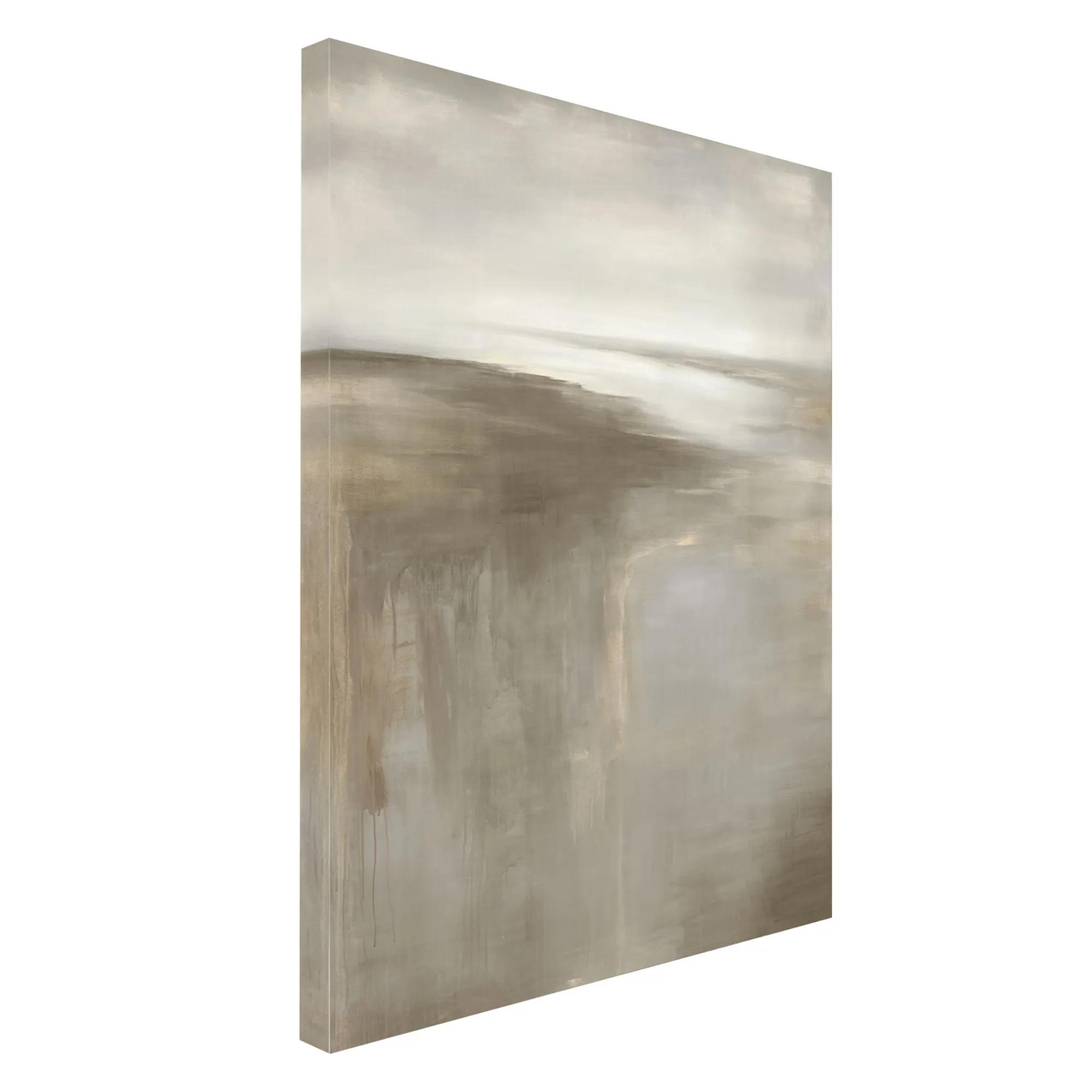 Silver Morning Wall Art 30" x 40"$449
A gallery-wrapped silver canvas artwork featuring a hand-applied image brush gel finish.
Add To Cart -
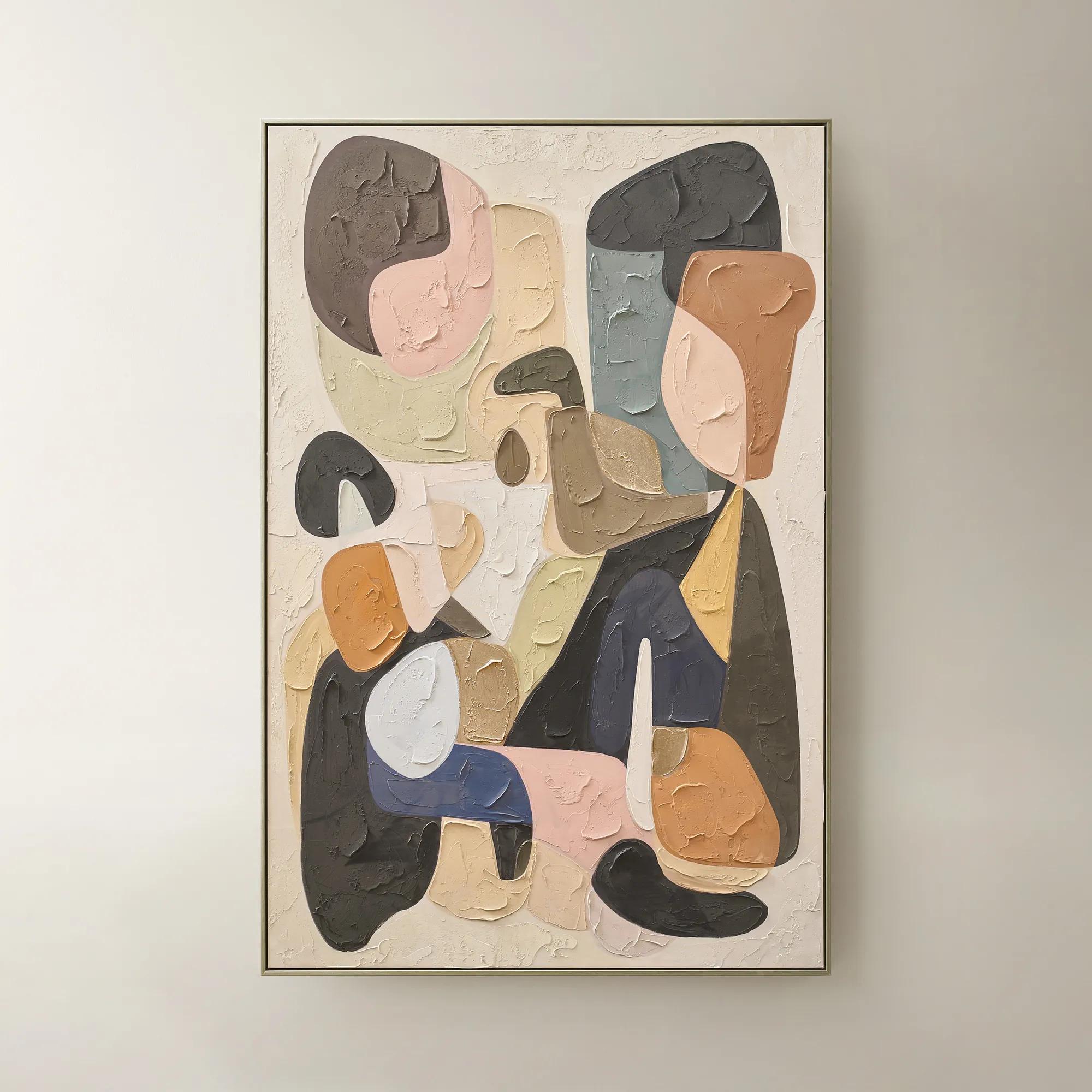 Chromatic Bloom Framed Painted Wall Art 40" x 60"$519
A hand-painted abstract canvas featuring a vibrant multi-color palette and shimmering champagne detailing.
Add To Cart -
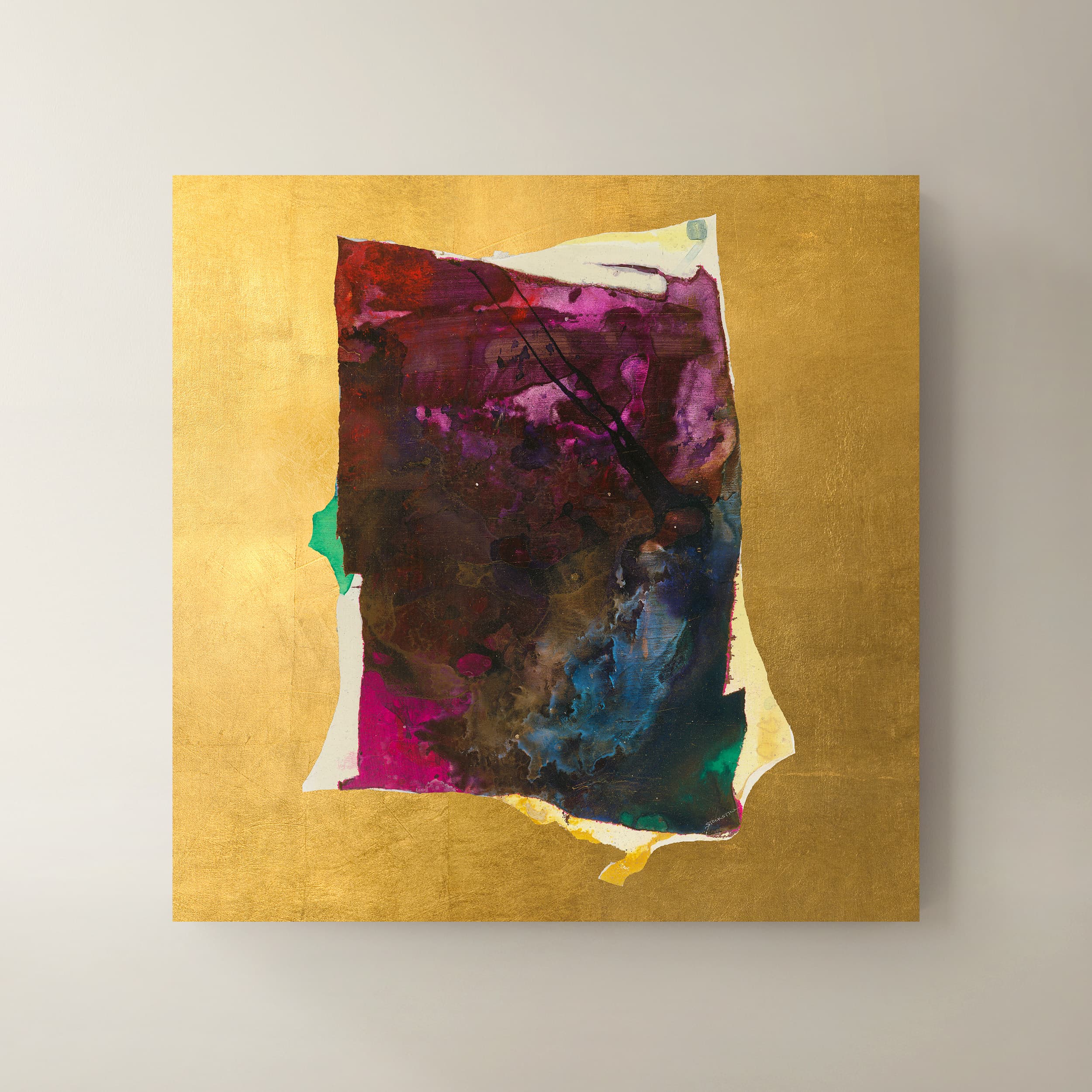 Supremo I Wall Art 40" x 40"$999
A multicolored canvas wall art piece adding contemporary visual interest to your interior.
Add To Cart -

 Patina Horizon III Framed Painted Wall Art 40" x 40"$1199
A framed, multicolored painted canvas artwork featuring a captivating horizon-inspired composition.
Add To Cart -
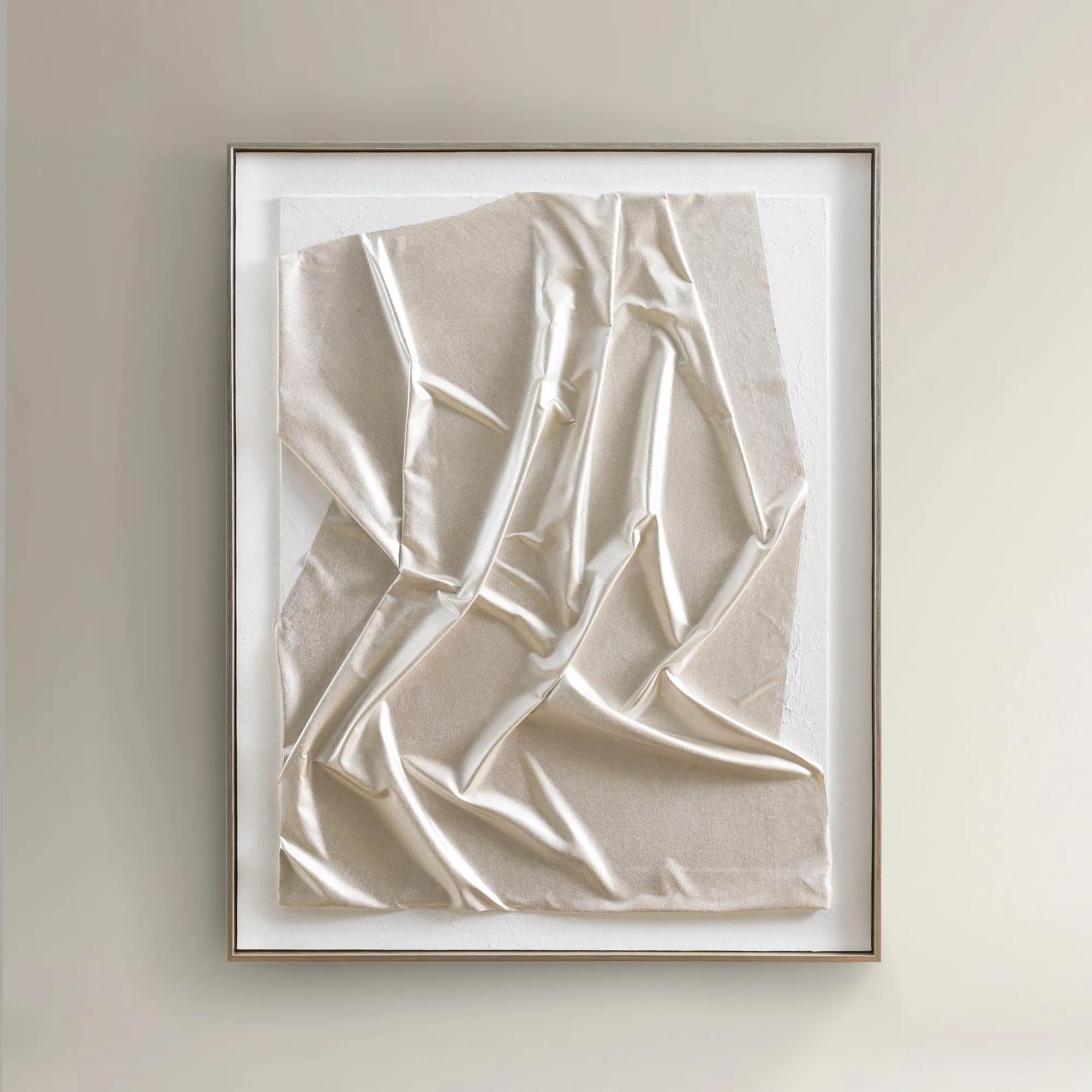
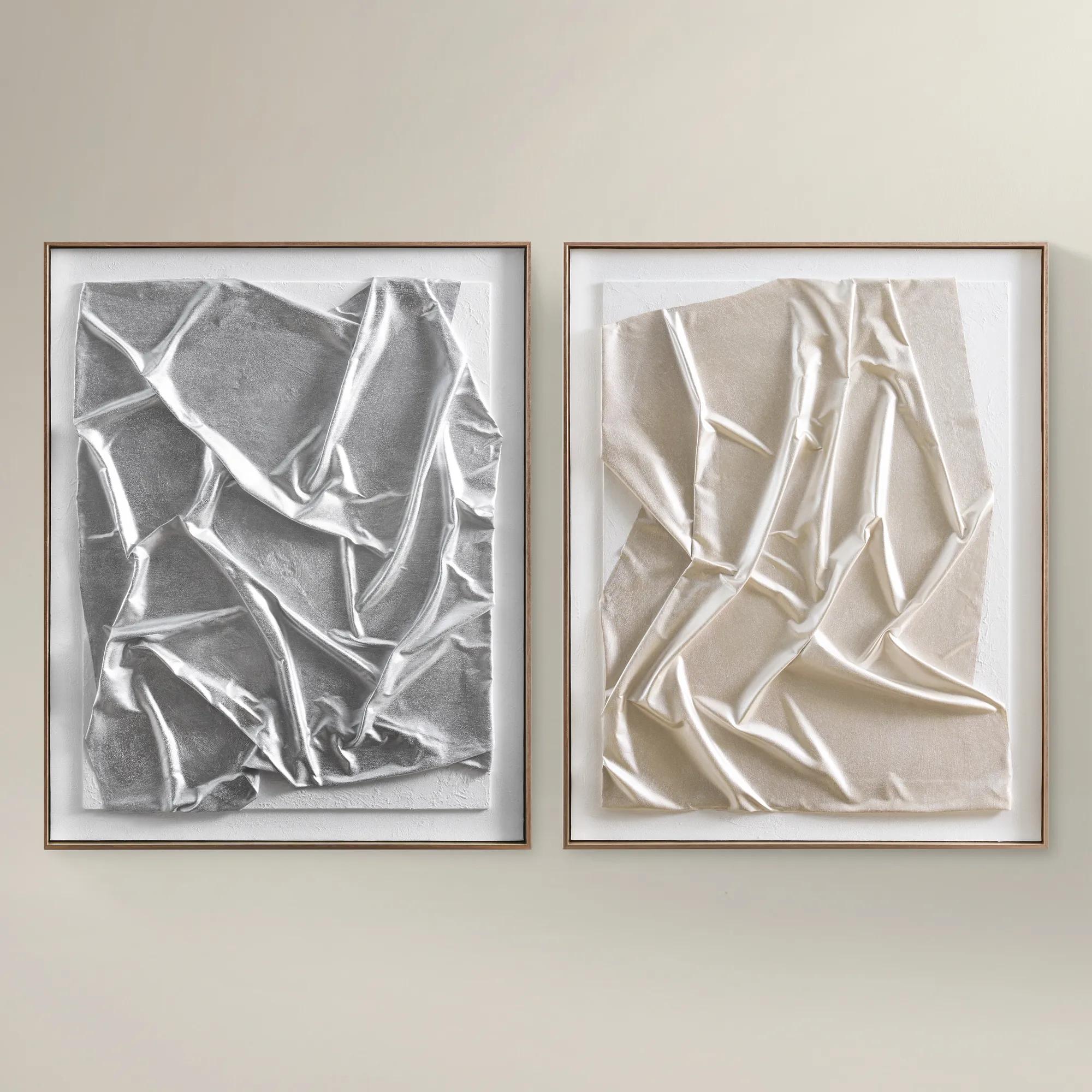 In the Mood Framed Painted Wall Art 31.5" x 39.5"$199
A hand-painted gold canvas artwork featuring textured surfaces and fluid forms in a champagne floater frame.
Add To Cart -
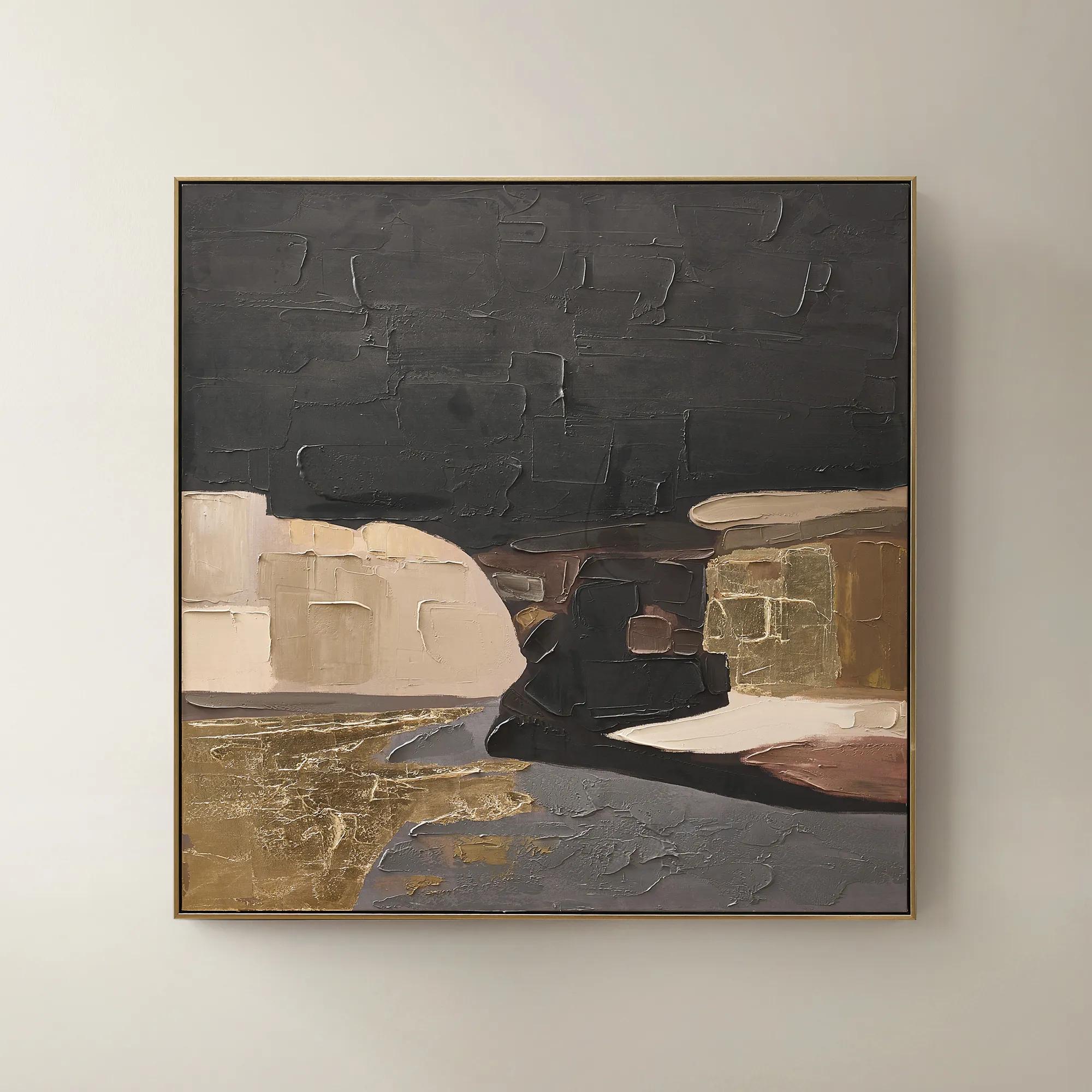 Obscured Light Framed Gold Leaf Painted Wall Art 48" x 48"$499
A hand-painted canvas with gold leaf accents and a black-gold frame in dramatic neutral tones.
Add To Cart -

 Escape Path III Framed Wall Art 30" x 50"$799
A captivating blue and purple canvas artwork adding contemporary movement and layered dimension to your walls.
Add To Cart -
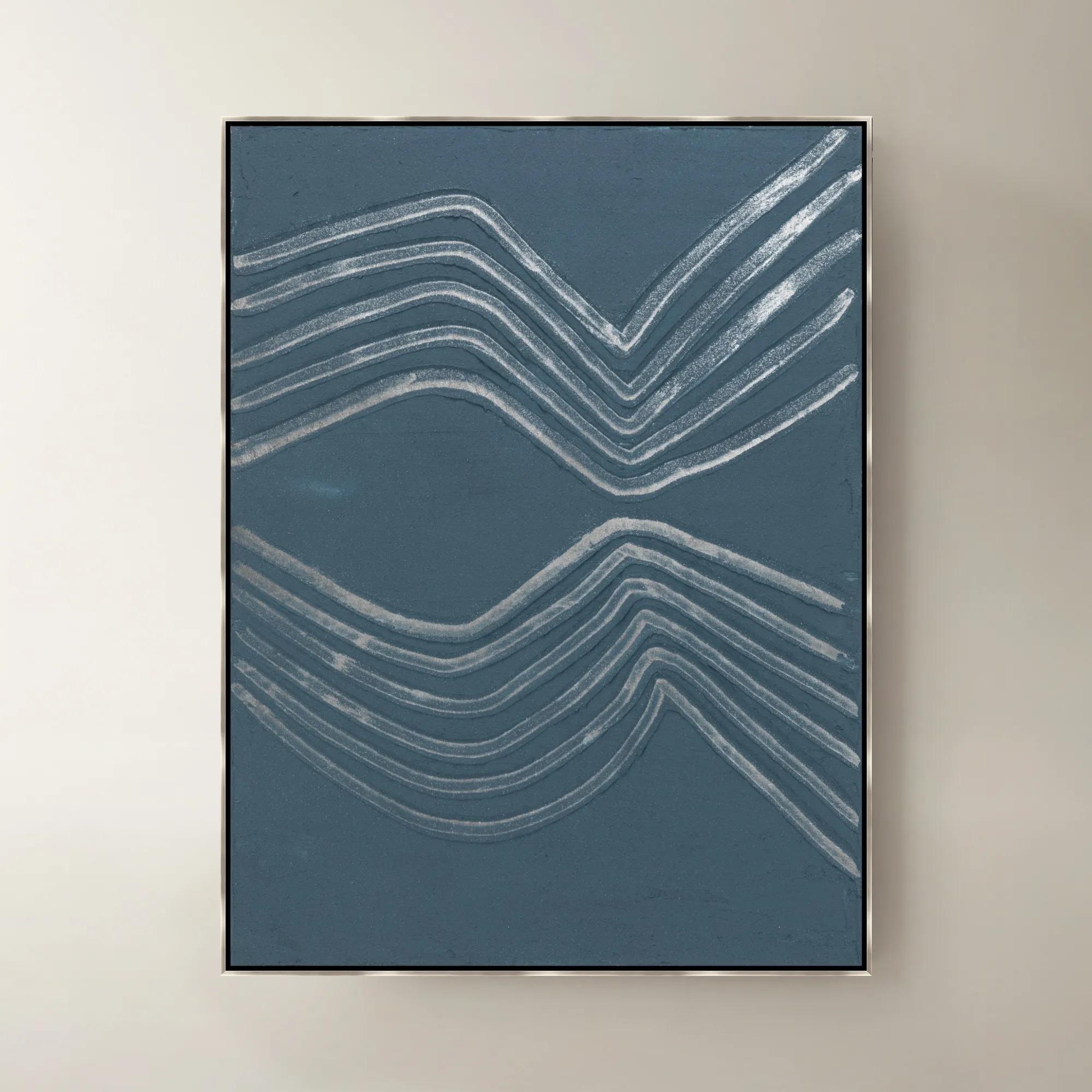
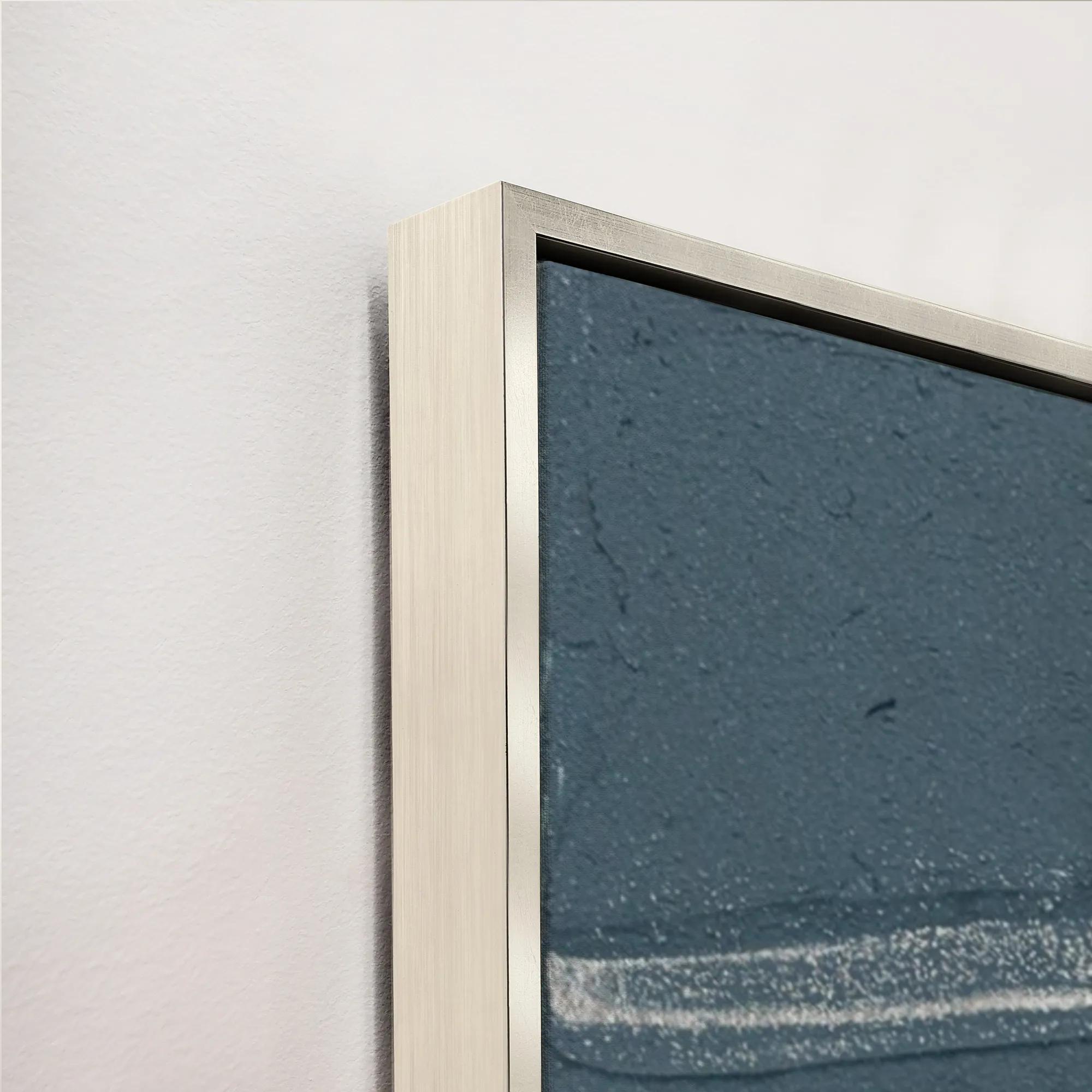 Gilded Waves VI Framed Painted Wall Art 40" x 53"$1399
A framed painted canvas artwork featuring sweeping gilded waves in rich blue and purple tones.
Add To Cart -
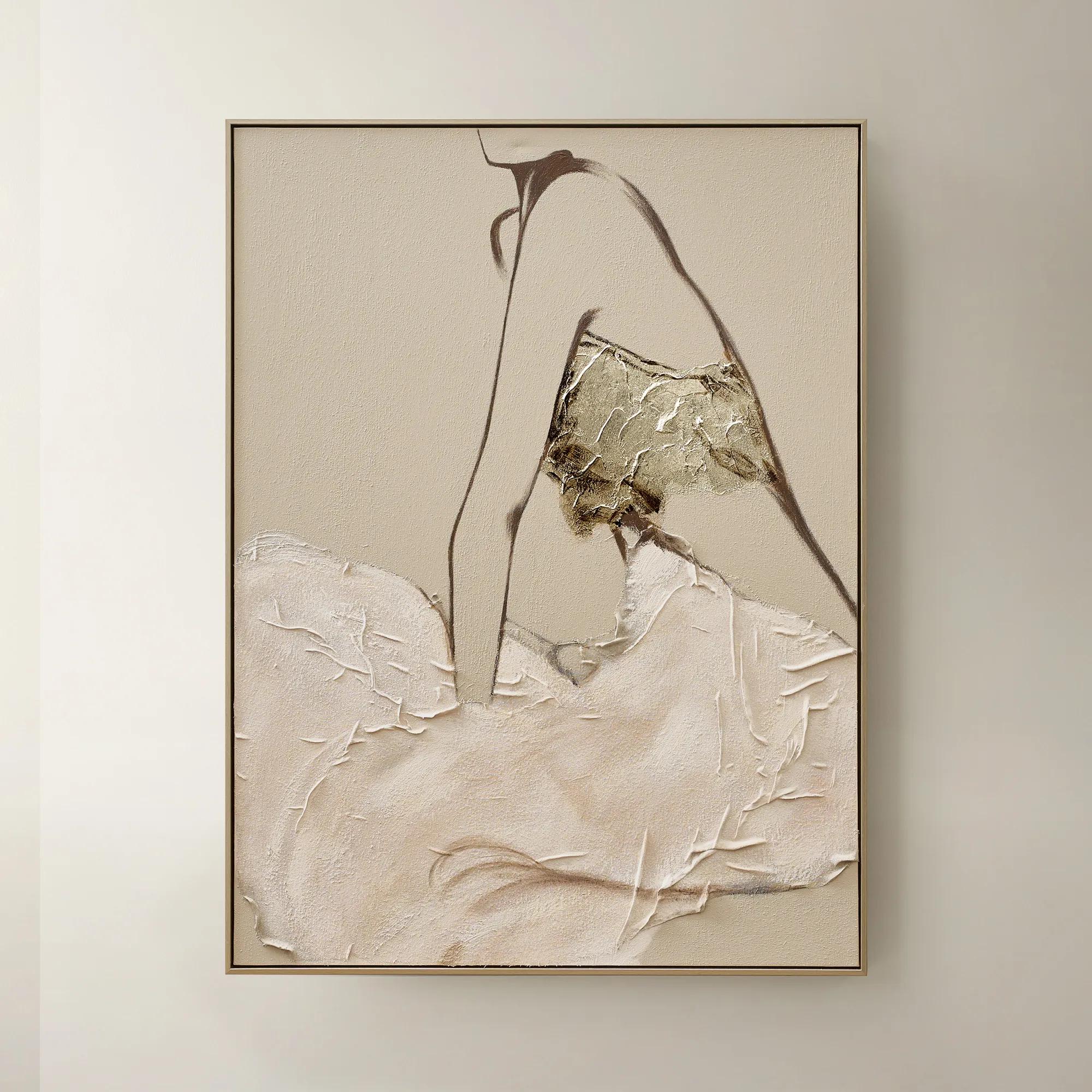 Quiet Pose Framed Painted Wall Art 36" x 48"$499
A hand-painted canvas in taupe and champagne tones features textural details and shimmering champagne leafing.
Add To Cart -
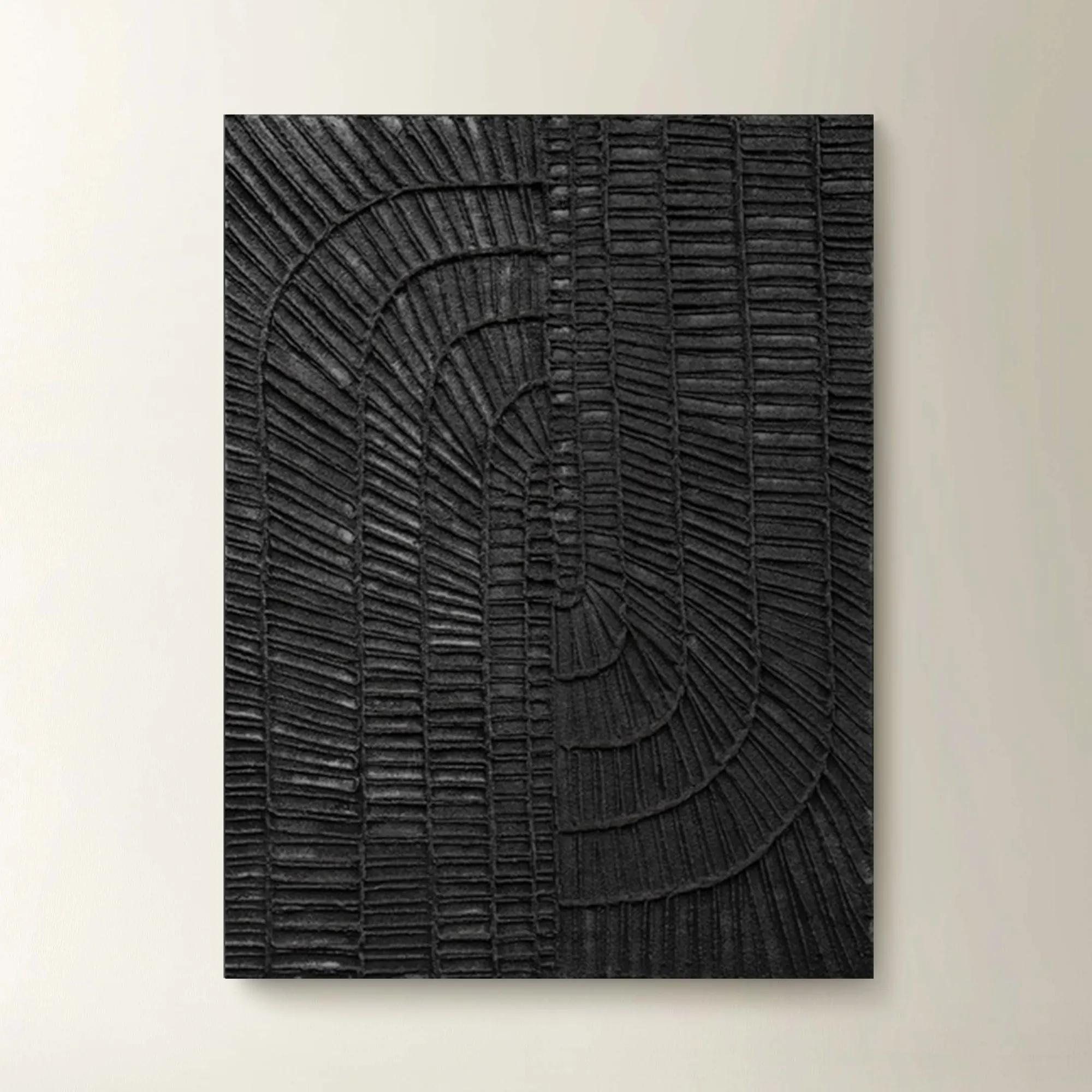 Textured Haze Black II Painted Wall Art 26" x 35"$499
A striking hand-painted black artwork featuring textured details for versatile vertical or horizontal display.
Add To Cart -
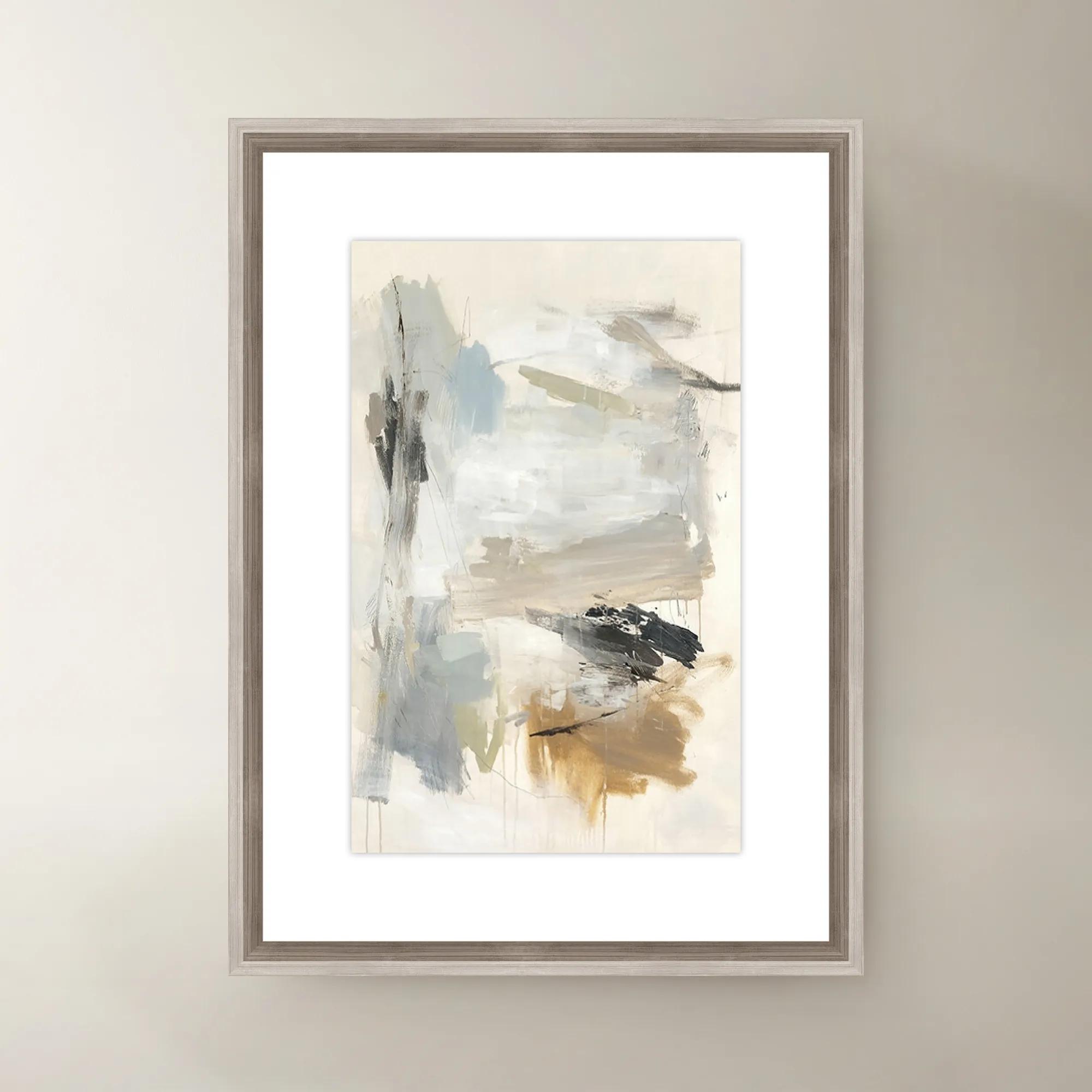
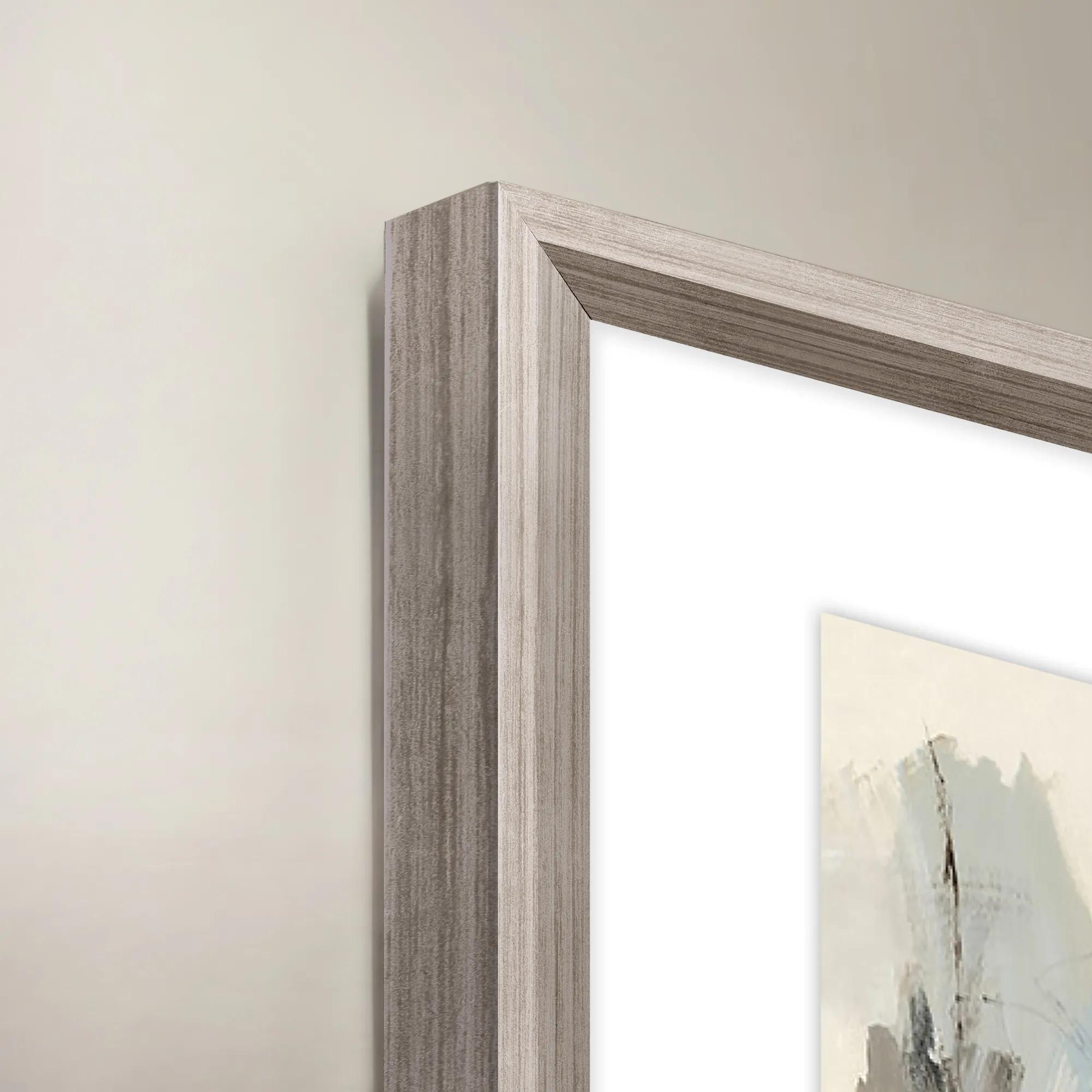 French Bakery II Framed Wall Art 20" x 30"$419
A colorful canvas wall art piece featuring a charming French bakery scene in a decorative frame.
Add To Cart -
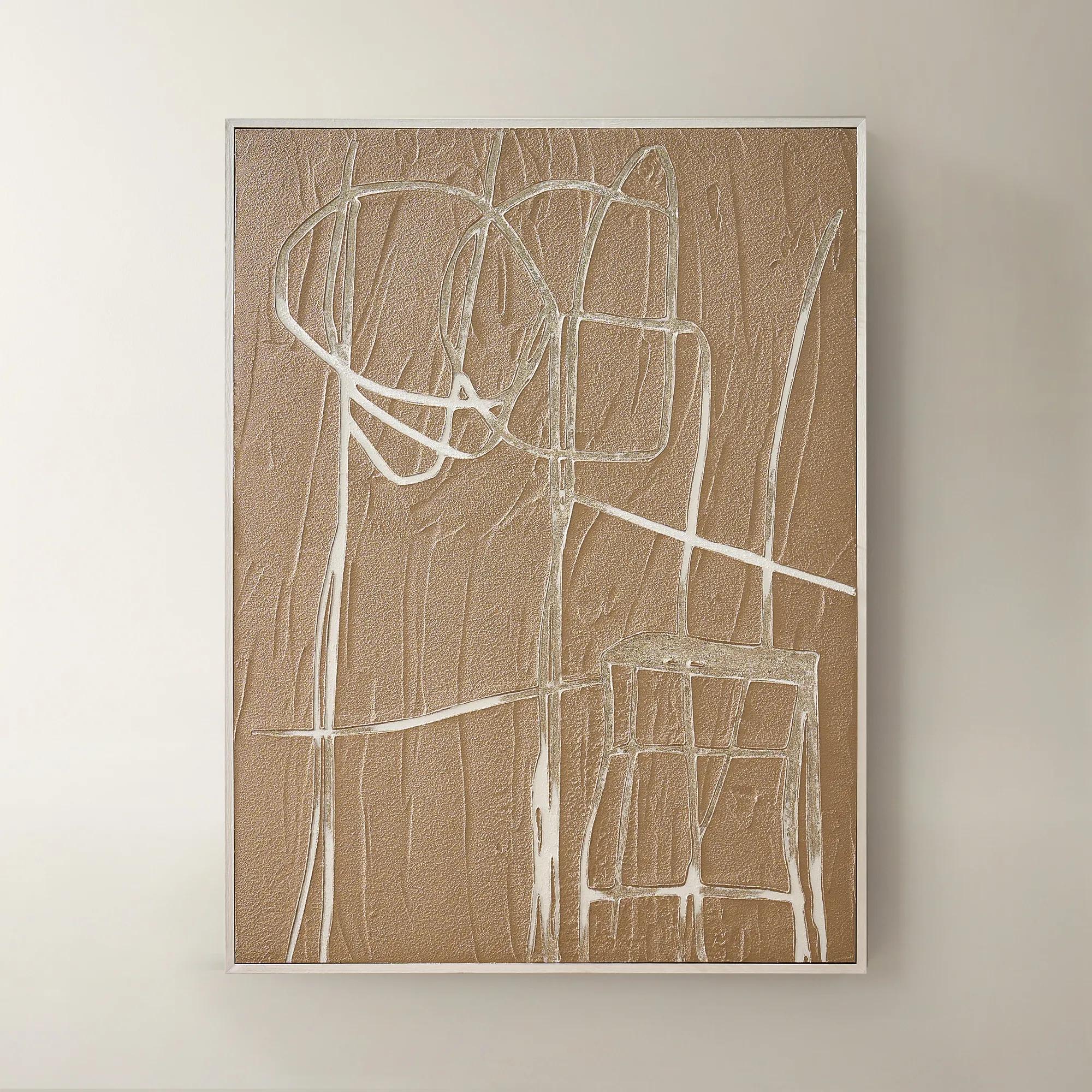
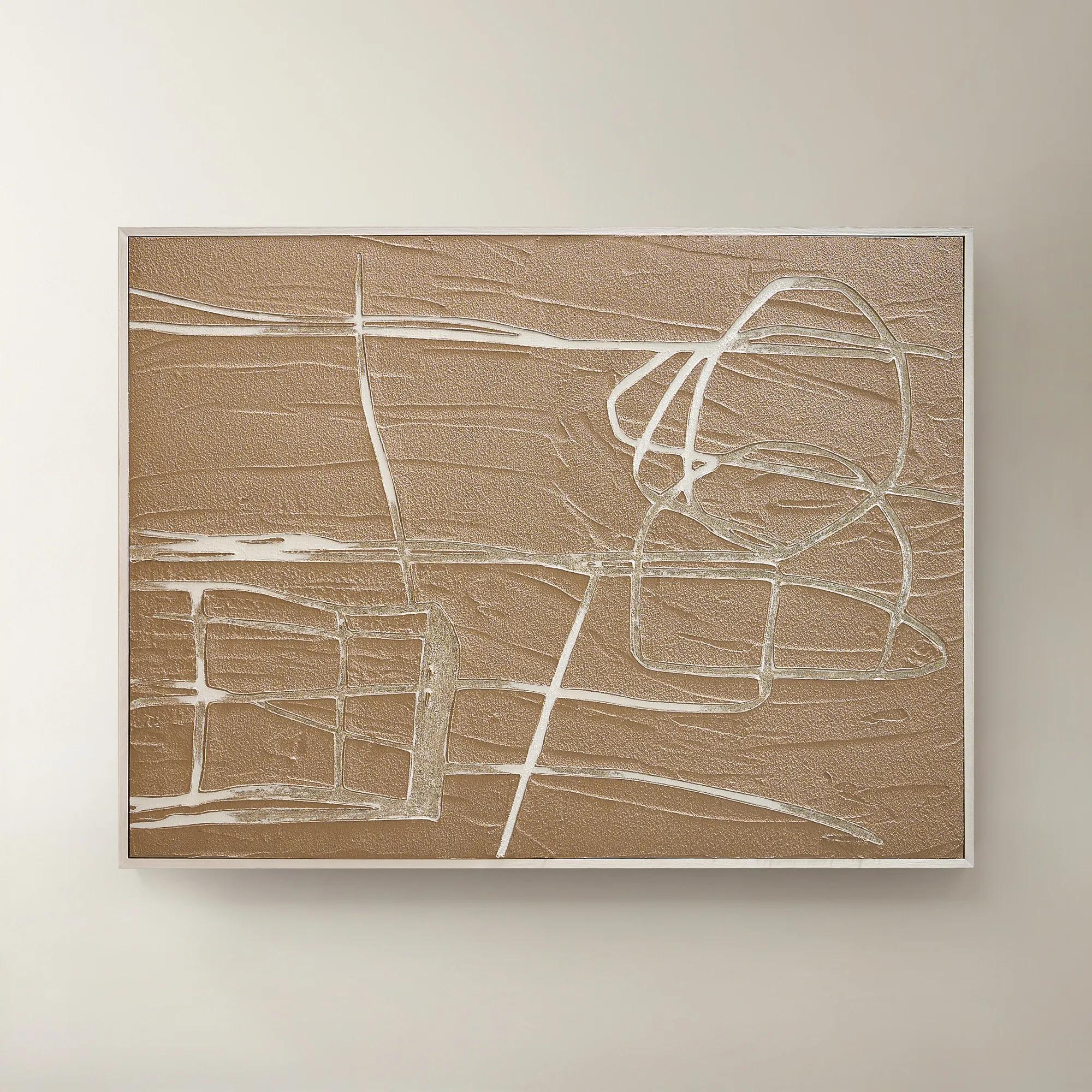 Linear Sand Framed Painted Wall Art 35" x 47"$369
A contemporary sand-toned painted canvas artwork framed for sophisticated modern interiors.
Add To Cart

Wall Art For Vacation Rentals
Wall art for vacation rentals is more than mere decoration—it’s the signature flourish that transforms any getaway into an unforgettable experience. Each piece is a brushstroke in your property’s story, inviting guests to linger, dream, and delight in their surroundings. Whether you seek a gallery wall that sparks conversation or a single dramatic canvas that sets the mood, the right art elevates every corner with a sense of curated luxury. Unleash your vision and let each room captivate, ensuring your vacation rental stands apart as a destination where style and imagination meet.
Wall art for vacation rentals gives a temporary stay a distinctive sense of place, shaping the first impression in listing photos and the atmosphere guests experience when they arrive. The strongest selections connect the property’s architecture, furnishings, and destination without making every room feel themed. A sweeping abstract can bring movement to a living area anchored by a tailored sofa; a richly layered landscape can lend depth to a bedroom dressed in crisp linens; architectural photography can give an urban retreat a gallery-like presence. These pieces do more than occupy an empty wall. They establish a palette, introduce visual rhythm, and give guests details to remember beyond the floor plan. For vacation rental owners, property managers, and interior designers, that balance between personality and broad appeal is especially valuable. Guests may arrive for a family gathering, a romantic escape, or an extended stay, and the artwork should feel expressive without making the space feel like someone else’s private home. Color, composition, and texture offer that expression without relying on personal photographs or highly specific messages. A restrained arrangement of black-and-white imagery can feel dramatic against sculptural furniture, while luminous neutrals and metallic accents create a softer, more polished impression. Destination references feel most sophisticated when they are selective: an abstract suggestion of water for a waterfront property, geological forms for a desert retreat, or an architectural detail that echoes the surrounding neighborhood. Repeating an accent color from the art in a pillow, rug, or decorative vessel helps the room feel composed rather than assembled. In open-plan rentals, related palettes can connect the dining and living areas while allowing each wall its own character. A memorable property does not need artwork on every surface; it benefits from deliberate focal points and enough open space for those moments to command attention. The result is a setting with a recognizable identity, where a single bold composition or a carefully balanced grouping gives guests a visual impression of the stay.
Scale and placement determine whether vacation rental wall decor feels integrated with the room or disconnected from it. Above a sofa, headboard, or console, artwork should relate to the width and visual weight of the furniture beneath it, leaving enough surrounding wall to frame the composition. An expansive canvas can create a confident focal point in a generous living room, while a coordinated pair or small grouping can bring structure to a narrower wall. In a bedroom, a horizontal composition often reinforces the calm lines of the bed; in an entryway, a vertical piece can draw attention upward and make the arrival feel more considered. Sightlines matter as much as measurements. Art visible from the front door, the primary seating area, or a bedroom entrance becomes part of the property’s immediate impression, so those positions deserve particular attention. A dining room arrangement should remain compelling from a seated perspective rather than appearing suspended above the conversation. Smaller rentals benefit from artwork with a clear composition and an intentional relationship to nearby furniture, rather than a scattering of undersized pieces. The space-conscious proportions explored in Wall Art For Apartments also translate naturally to compact vacation suites and city residences, where each wall contributes to the overall atmosphere. Framing can strengthen these relationships: slim dark profiles add definition, warm wood brings depth, and metallic finishes introduce a gleaming accent that can echo lighting or hardware. Coordinated finishes create continuity without requiring every frame to match. Listing photography adds another consideration. High-gloss surfaces and reflective glazing may catch windows, lamps, or the photographer, while matte surfaces tend to keep attention on the artwork itself. A trial photograph from the room’s main viewing angle can reveal distracting glare, awkward spacing, or a composition hidden behind a lampshade. Artwork should also complement, rather than compete with, architectural features. Beside an expressive fireplace surround or richly patterned wall treatment, a quieter composition can provide the contrast that allows both elements to feel intentional.
Materials, construction, and care deserve the same attention as color and scale in a property that welcomes frequent arrivals. Canvas offers visible texture and can present a generous image without the reflections associated with glass, although its surface still needs protection from abrasion, splashes, and direct handling. Framed paper artwork benefits from protective glazing and a well-constructed frame; acrylic glazing is generally lighter and more resistant to shattering than glass, though it can scratch and requires appropriate cleaning. Dimensional and mixed-media art can introduce sculptural depth, but projecting details and delicate embellishments are better placed away from luggage routes, narrow passages, and areas where guests may brush against them. Secure installation is essential for every format. Hardware should suit the artwork’s weight and the wall’s construction, with manufacturer instructions followed and suitable anchors or professional installation used when needed. Pieces above beds and seating require especially careful placement and fastening, and guest rooms should never rely on casually leaned artwork where it could shift or fall. In dining areas and kitchens, distance from cooking residue and splashes helps preserve the finish; in bathrooms, suitability depends on the materials and the manufacturer’s guidance for moisture exposure. Direct sunlight can fade some prints and pigments, so placement and protective glazing should be considered where exposure is strong. Between stays, routine dusting with a soft, dry cloth can keep frames and permitted surfaces looking refined, while cleaning products should only be used as directed for the specific material. A simple inspection of frames, backing, and hanging hardware during property maintenance helps identify loosening or damage before the next arrival. For hosts furnishing multiple rooms or properties, related artwork can establish a consistent aesthetic while individual compositions give each space distinction. Durable choices need not feel purely practical: tactile canvas, richly toned imagery, and beautifully proportioned frames can bring lasting polish to a frequently occupied home. Thoughtfully selected rental wall art holds both purposes in balance, offering guests an expressive setting while giving owners a collection suited to repeated use and straightforward upkeep.
FAQs
For coastal or beach-themed vacation rentals, opt for wall art that captures the serenity and vibrancy of the shore. Think luminous ocean scenes, abstract wave motifs, botanical prints featuring tropical leaves, or even sculptural pieces that evoke driftwood and seashells. These selections create a sense of escape and relaxation, inviting guests to immerse themselves in the tranquil spirit of the seaside.
Wall art is the perfect medium for showcasing the unique personality of your rental’s location. Choose pieces that feature cityscapes, local landmarks, or artwork by regional artists. Photography of nearby attractions, vintage travel posters, or abstract interpretations of local colors and textures all help guests feel connected to the area, turning every stay into an authentic experience.
Beyond traditional hanging, consider leaning framed art on shelves or mantels for a casual, curated look. Gallery walls—mixing prints, mirrors, and three-dimensional art—add depth and visual intrigue. For a bold statement, use oversized pieces above beds or sofas, or create an accent wall with a series of coordinating works. Mirrors can also be used as functional art to amplify light and space.
Absolutely. Strategic placement of wall art, especially mirrors or pieces with light, airy palettes, can visually expand a room. Large-scale abstracts or panoramic prints draw the eye outward, creating the illusion of depth. Arranging art vertically can also heighten ceilings, while reflective surfaces bounce natural light, making compact spaces feel open and inviting.
Wall art is a sophisticated and personal gift that elevates any rental property. It demonstrates attention to detail and appreciation for artistry, while offering hosts a way to refresh their space and delight future guests. Choose versatile, timeless pieces that complement a range of styles, ensuring your gift becomes a cherished focal point in their hospitality story.