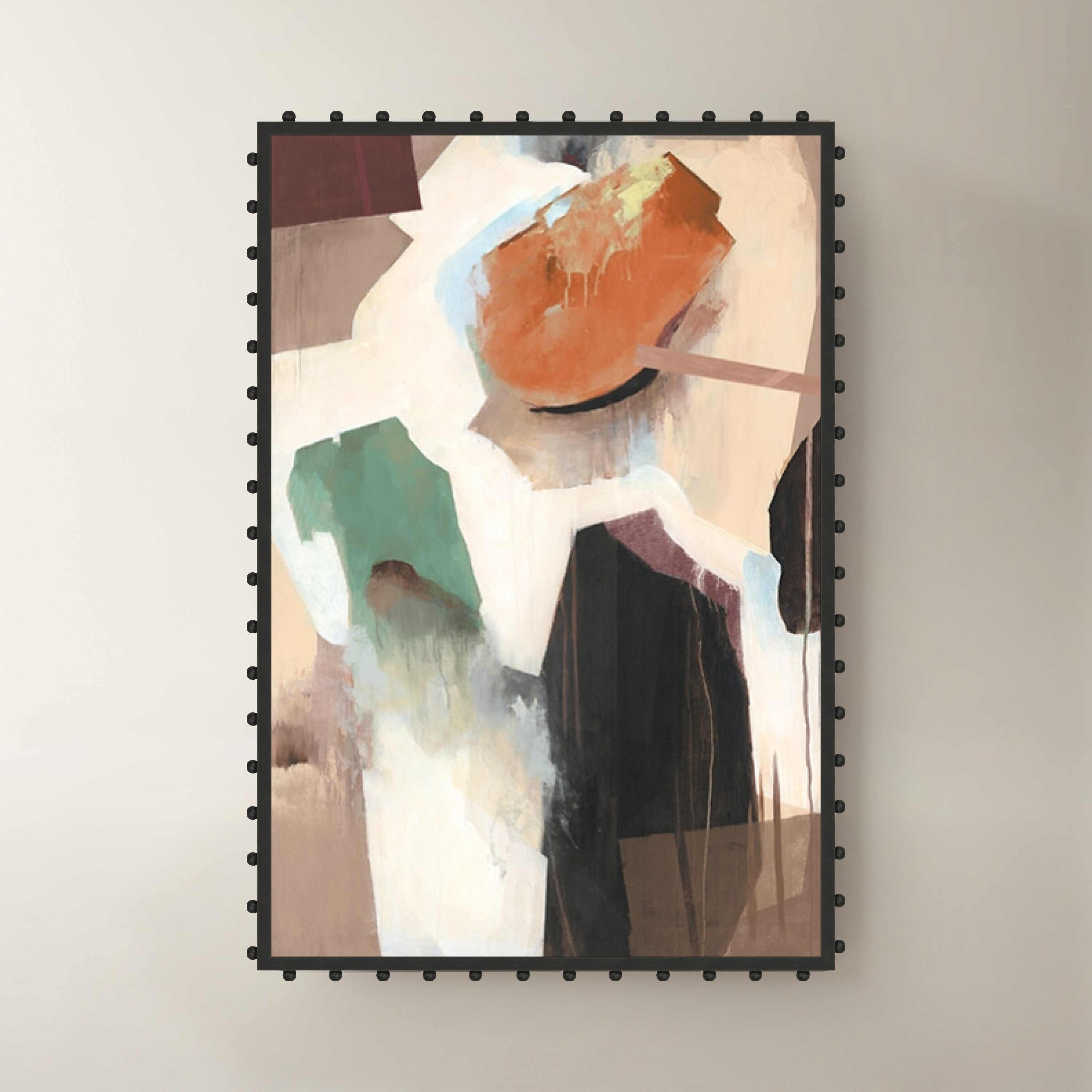
Unique Wall Art For Apartments
Unique Wall Art For Apartments
-
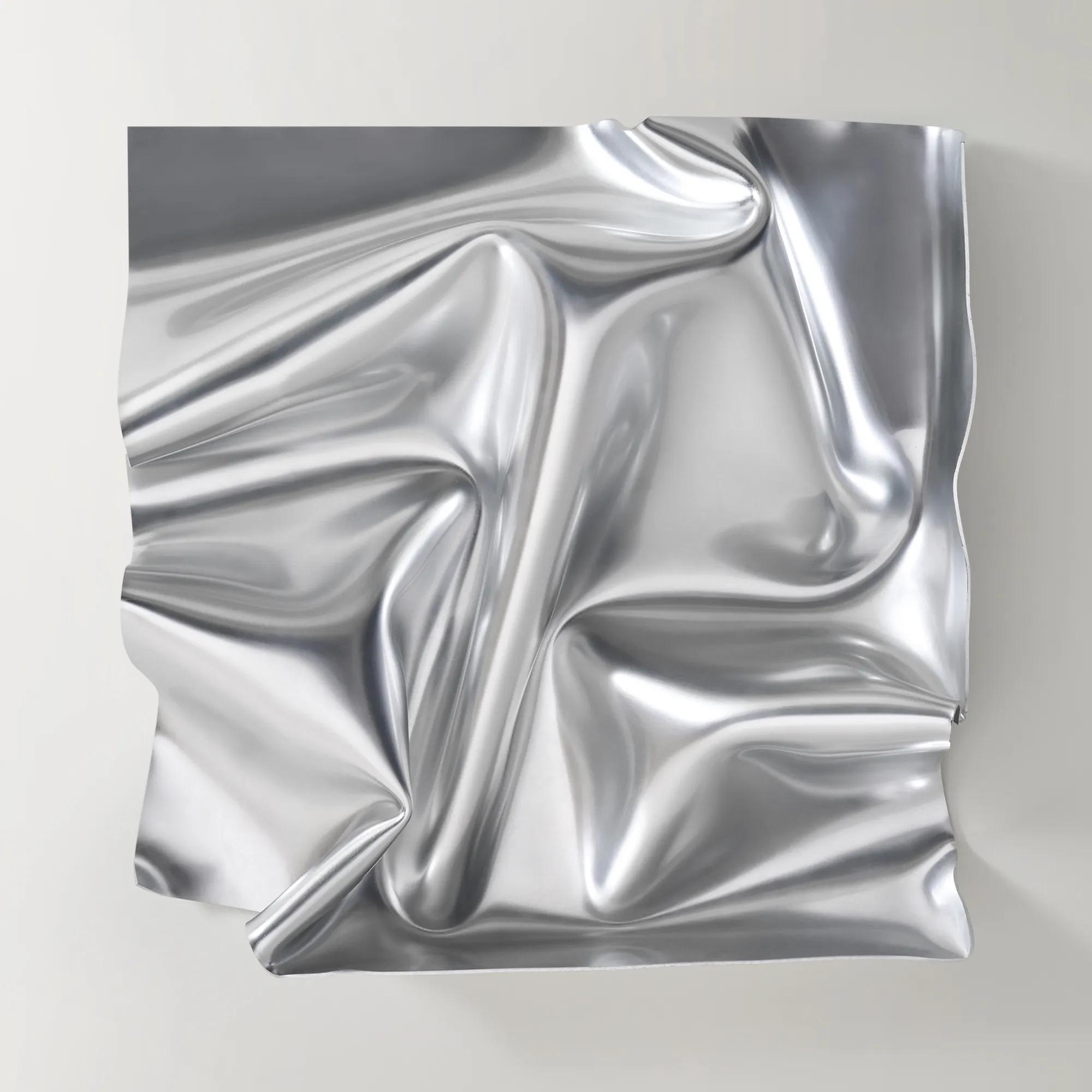
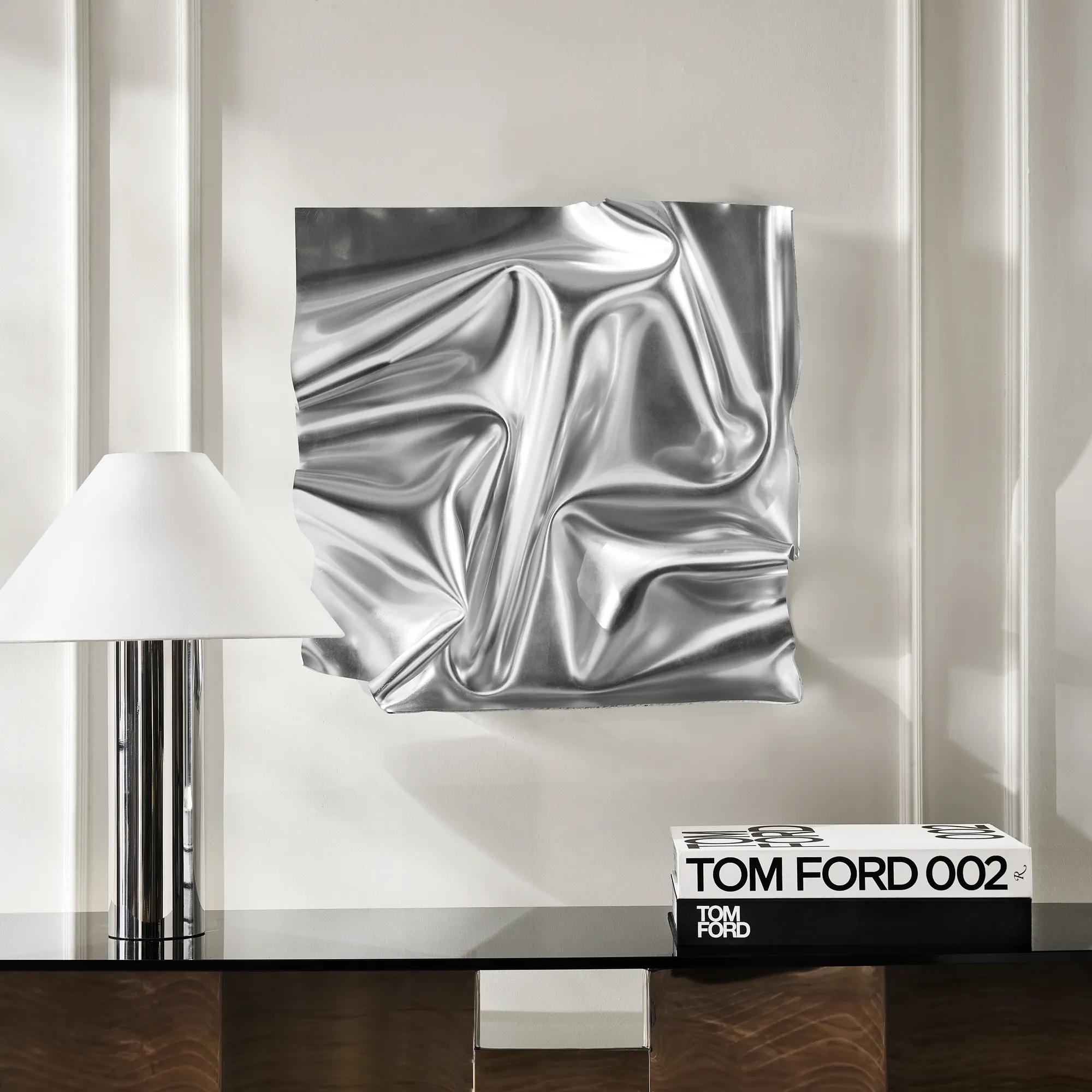 Surface Sculpted Silver Leaf Acrylic Wall Decor 23.6" x 23.6"$189
A striking acrylic wall piece featuring fluid, reflective silver shapes for dramatic, modern visual impact.
Add To Cart -
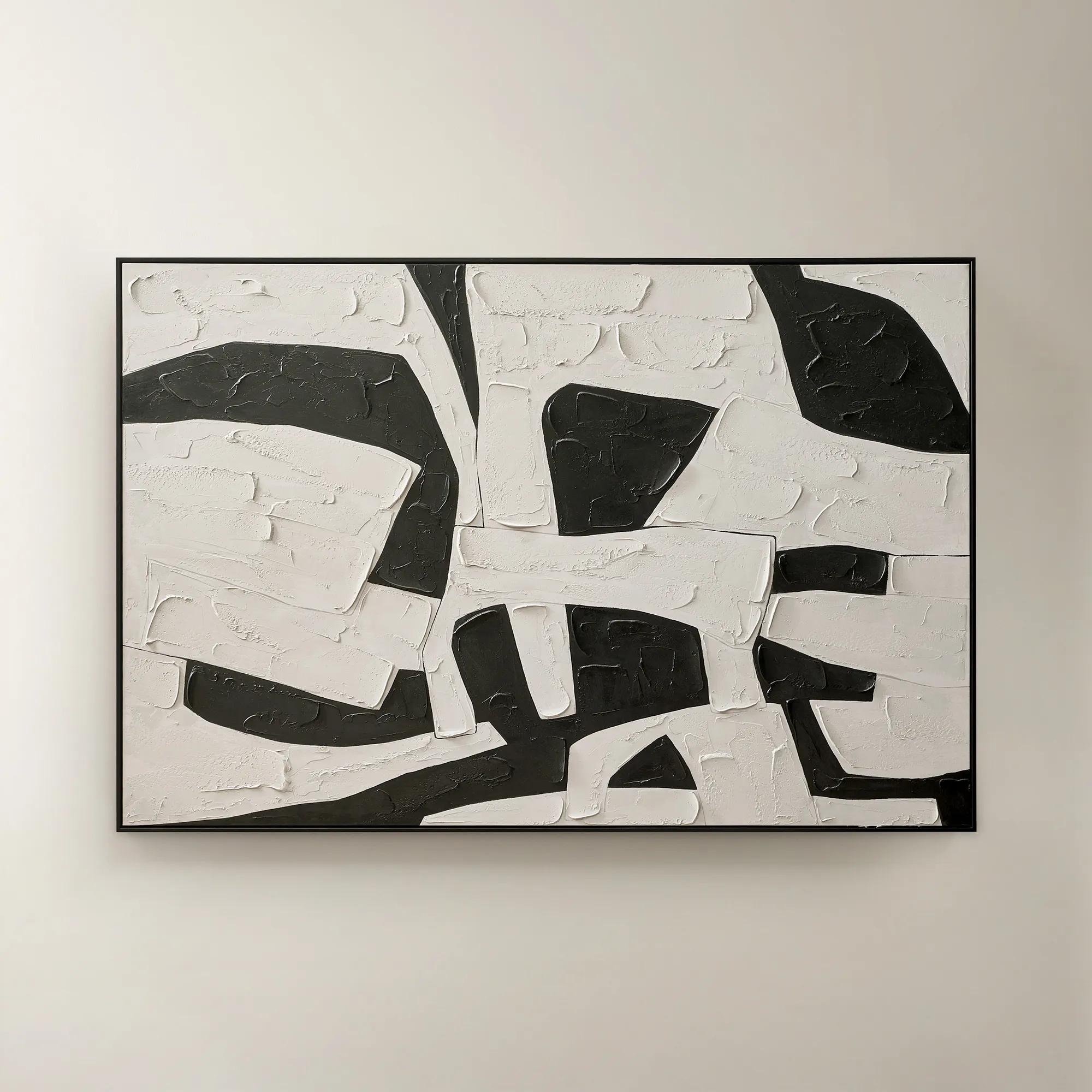 Space Between Shadows Framed Painted Wall Art 72" x 48"$799
A hand-painted abstract canvas featuring bold alabaster and black geometric forms in a sleek black frame.
Add To Cart -
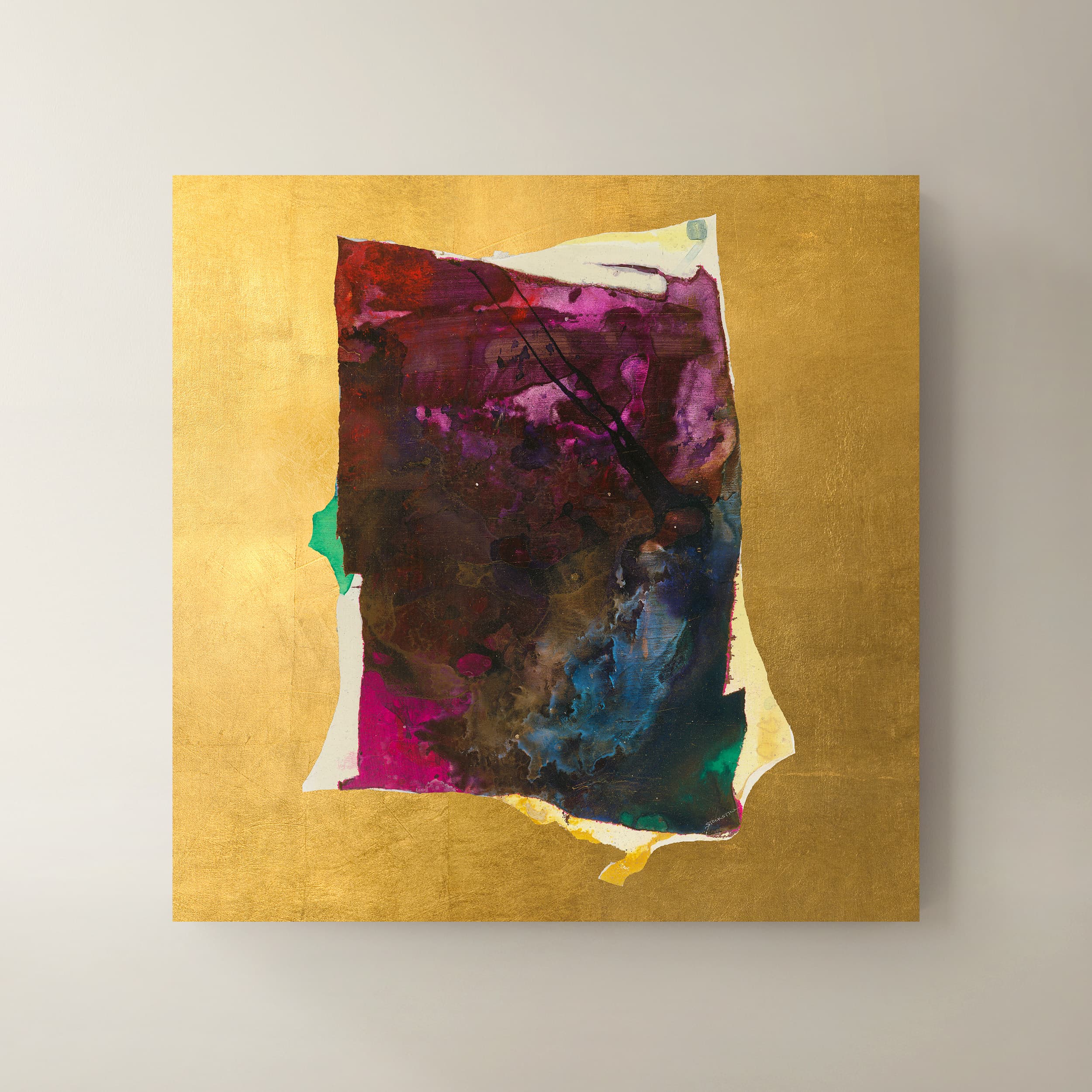 Supremo I Wall Art 40" x 40"$999
A multicolored canvas wall art piece adding contemporary visual interest to your interior.
Add To Cart -
 Jagged Black Leather Wall Decor in Acrylic 23.5" x 35.5"$329
A sculptural wall art piece featuring folded black leather strips encased in a clear acrylic shadow box.
Add To Cart -
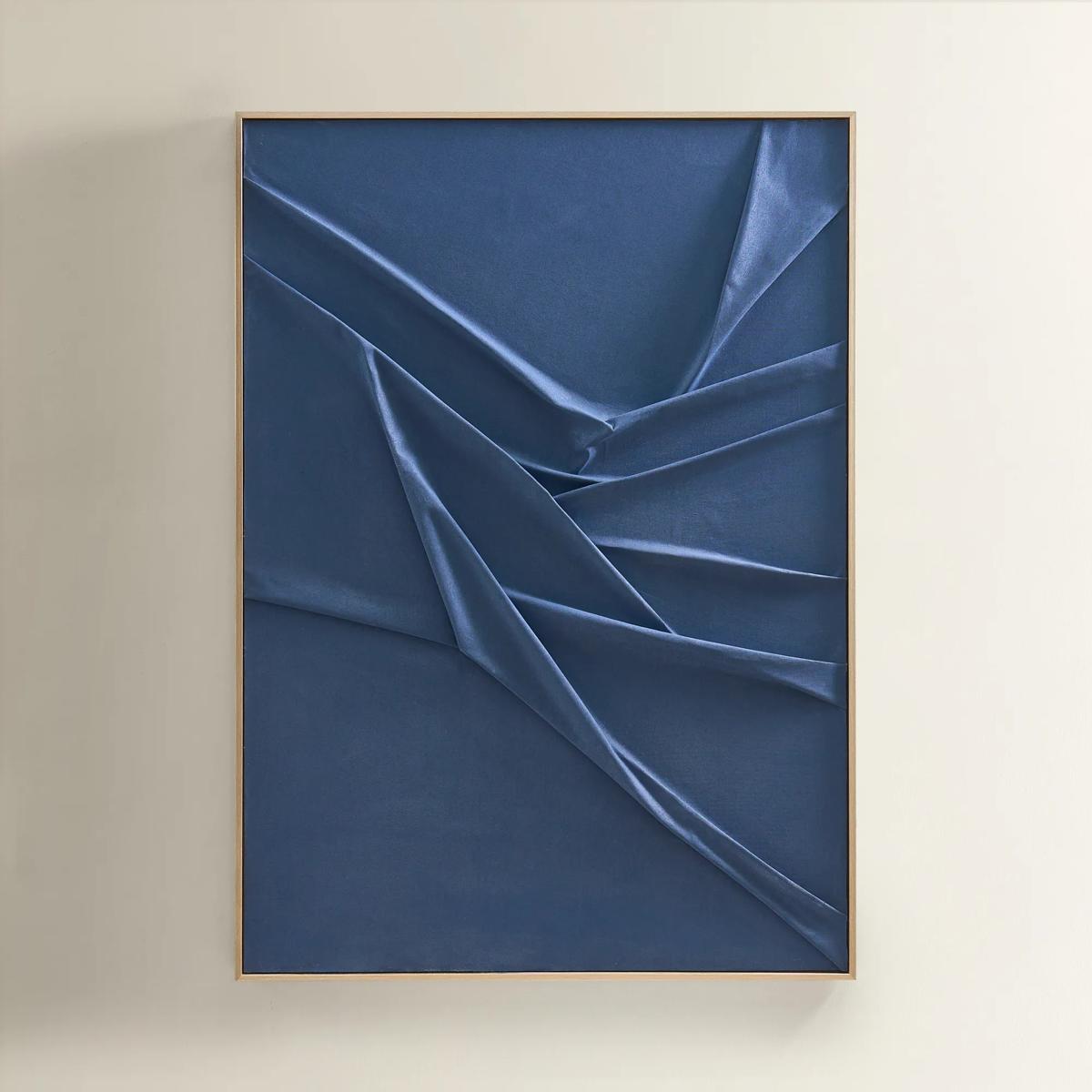 Deep Sea Painting$599
A hand-sculpted navy canvas with dimensional folds, framed in soft champagne for modern, serene elegance.
Add To Cart -
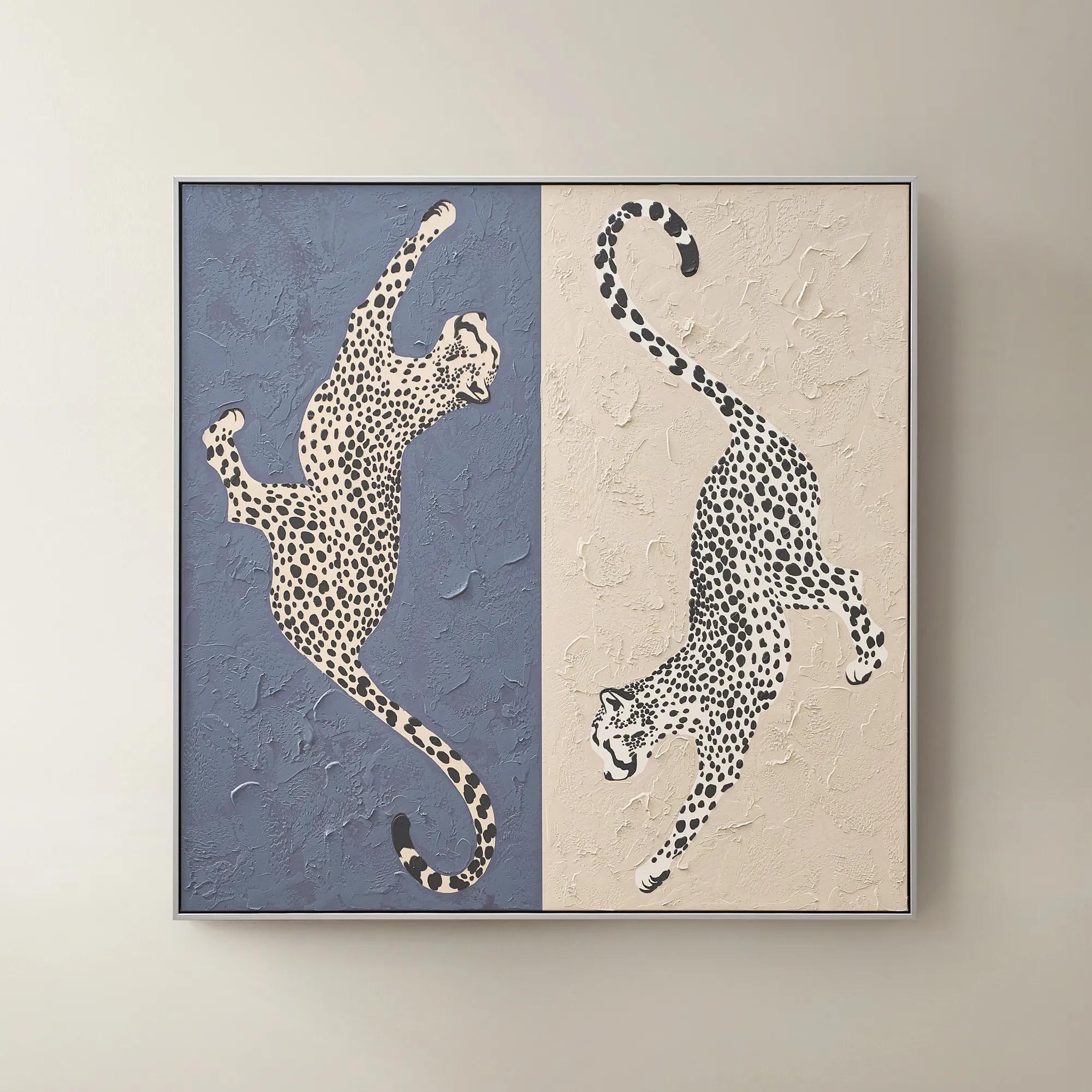 Leopard At Play Framed Painted Wall Art 40" x 40"$299
A hand-painted canvas in ink blue and taupe features playful leopard-inspired art with a silver-black frame.
Add To Cart -
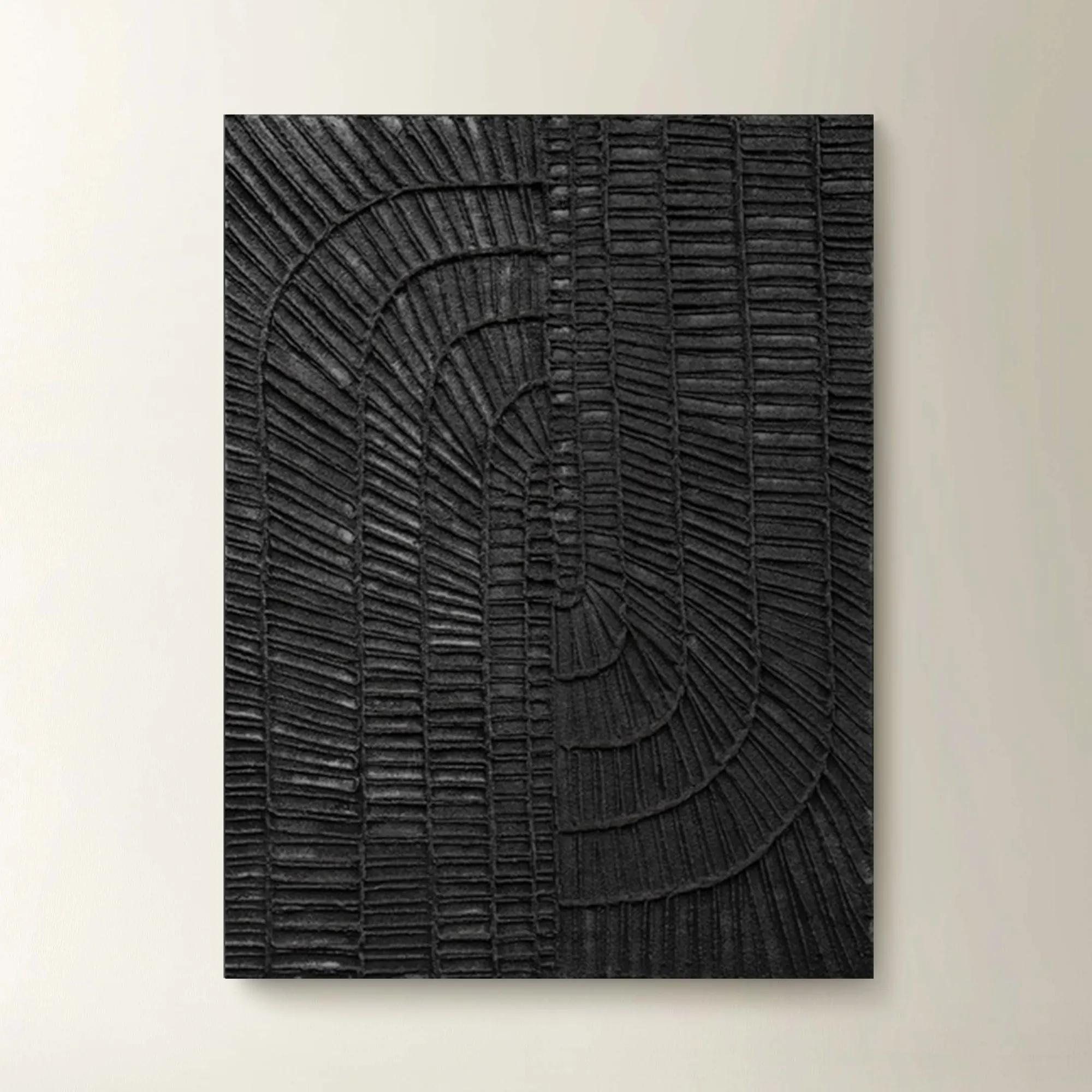 Textured Haze Black II Painted Wall Art 26" x 35"$499
A striking hand-painted black artwork featuring textured details for versatile vertical or horizontal display.
Add To Cart -
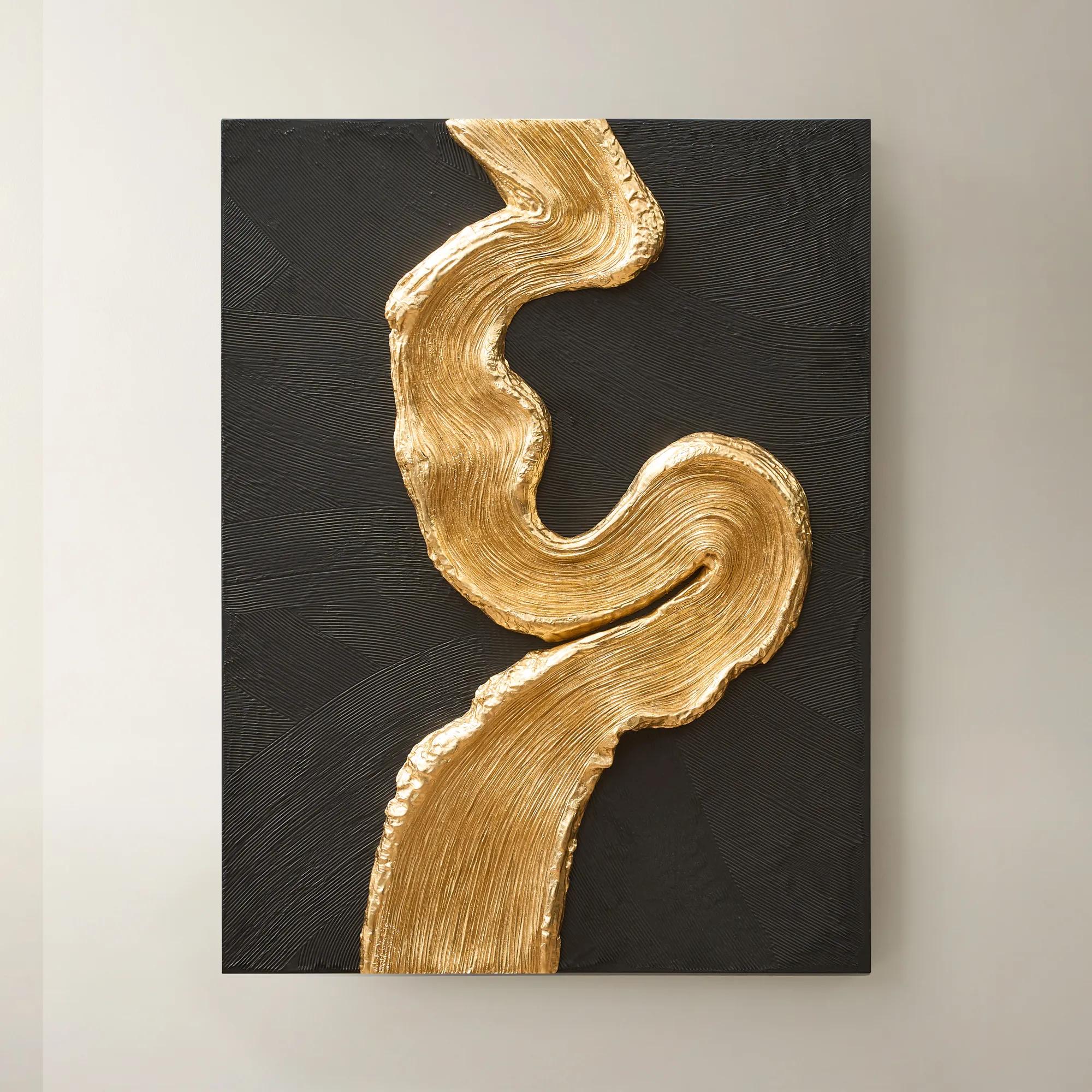
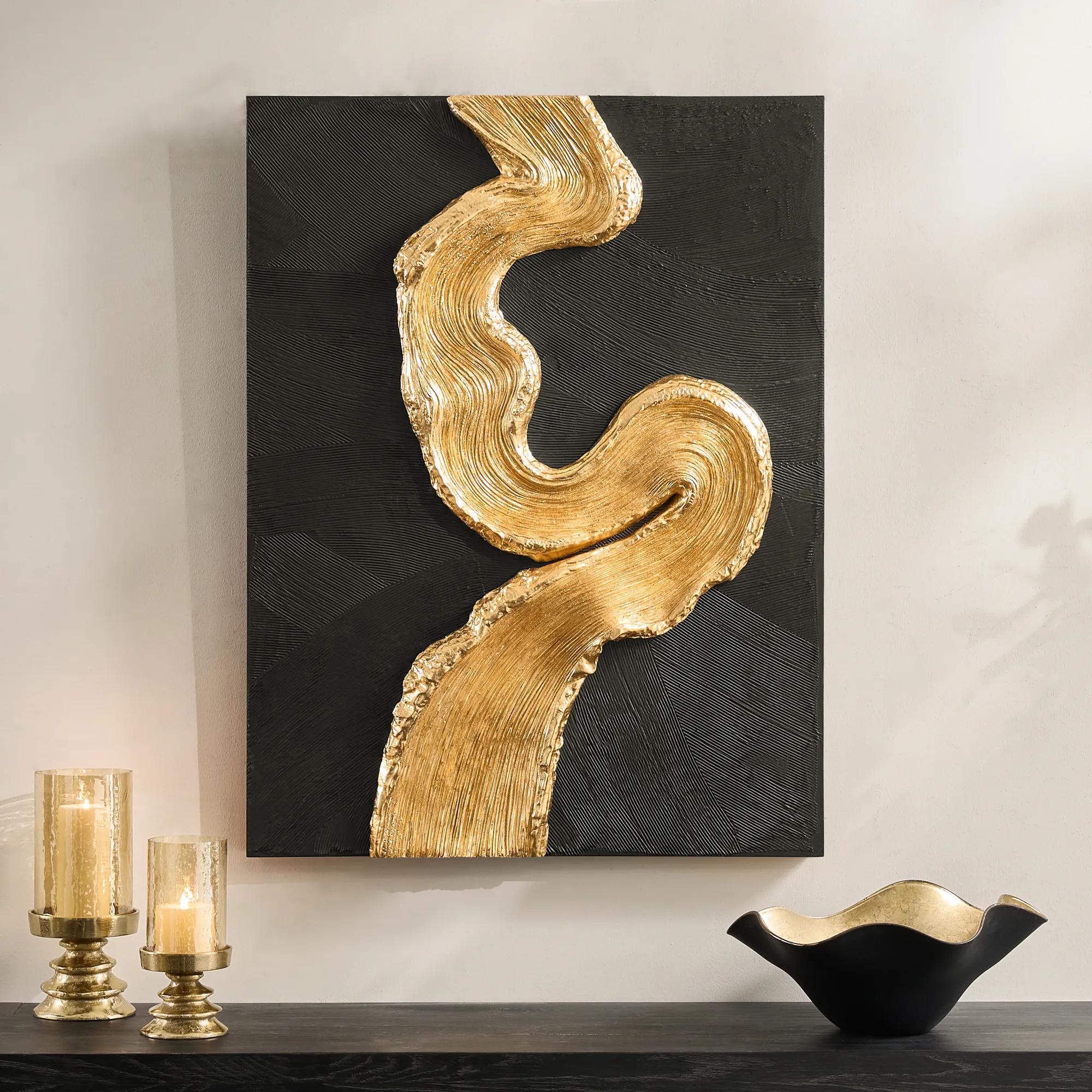 Gold Impasto Sculpted Resin Wall Panel 30" x 40"$499
A sculpted fiberglass resin wall panel featuring gold leaf detail and bold impasto texture on a black backdrop.
Add To Cart -
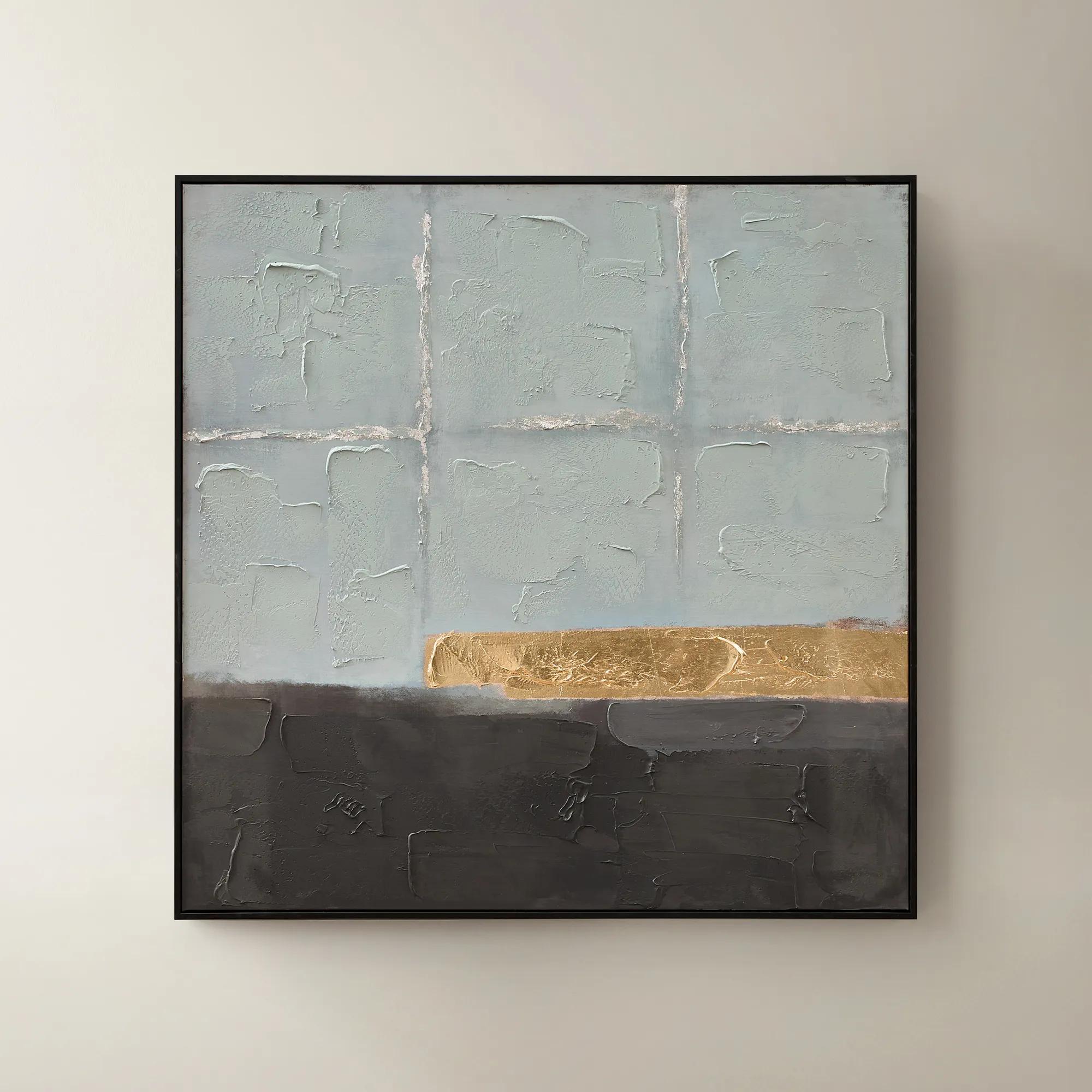
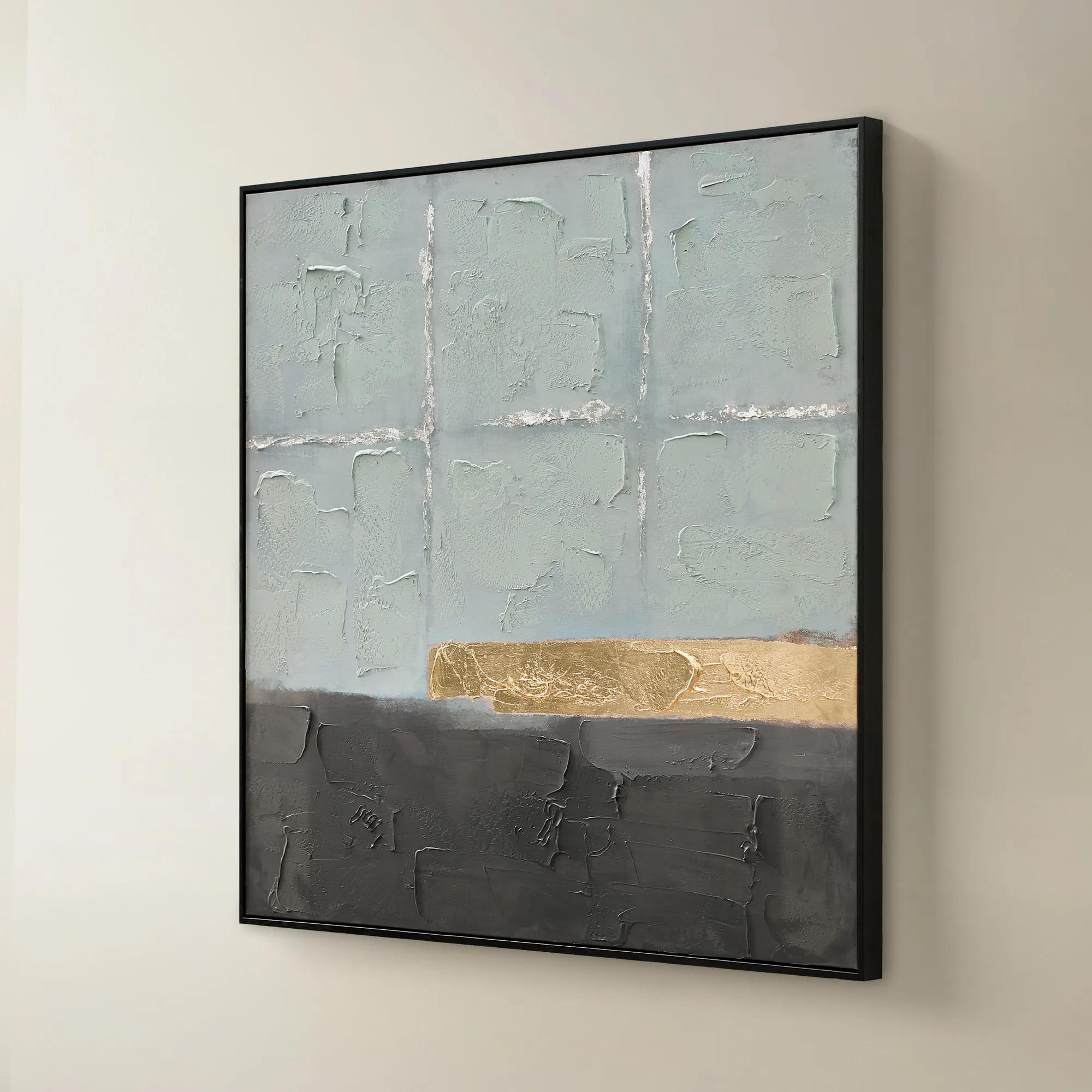 Jules Framed Gold Leaf Painted Wall Art 40" x 40"$299
A hand-painted canvas in mineral blue with gold leaf accents and a sleek black frame for modern appeal.
Add To Cart -
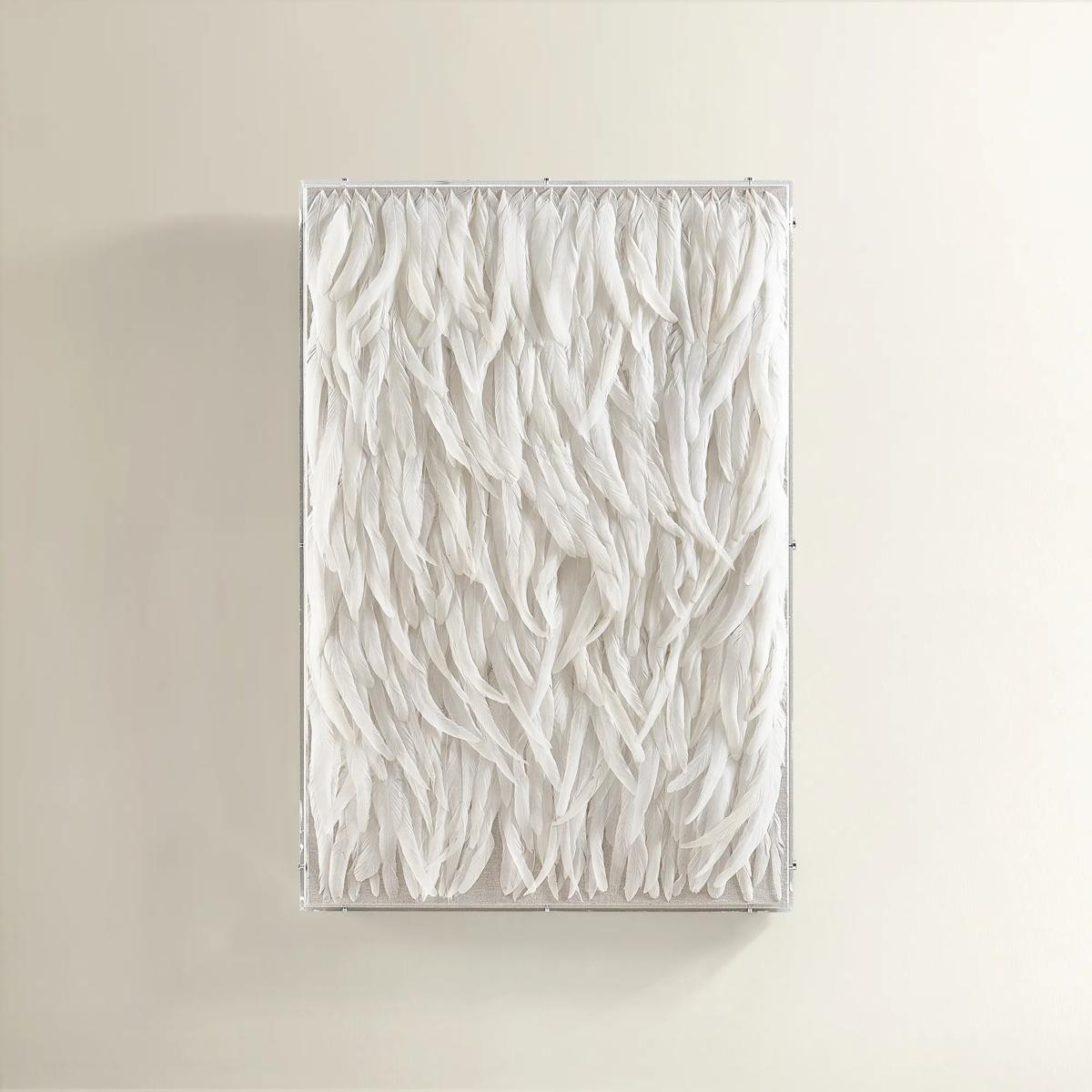 Swoon White Feather Wall Decor in Acrylic 23.5" x 35.5"$399
An ethereal wall art piece featuring layered white feathers encased in a crystal-clear acrylic shadow box.
Add To Cart -
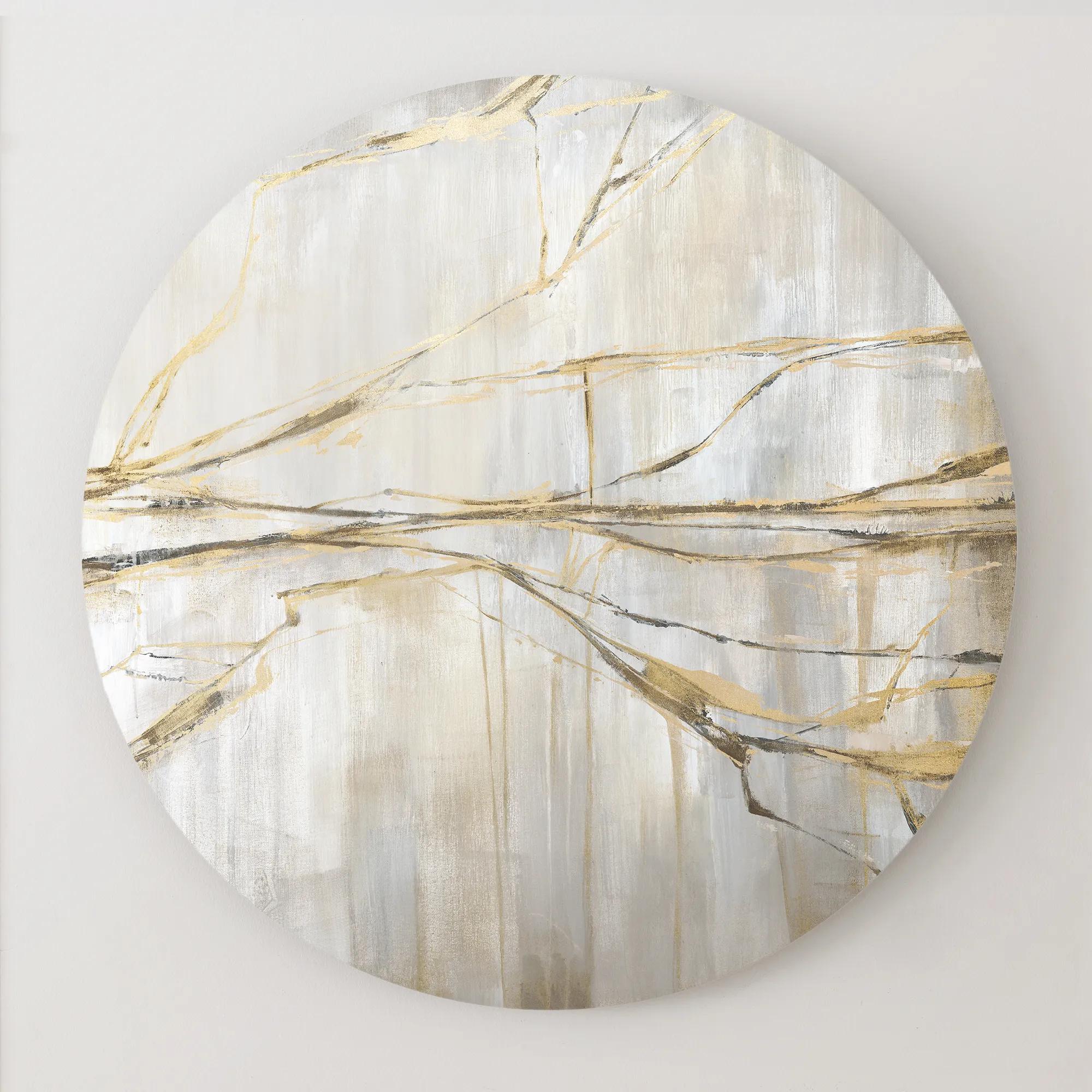
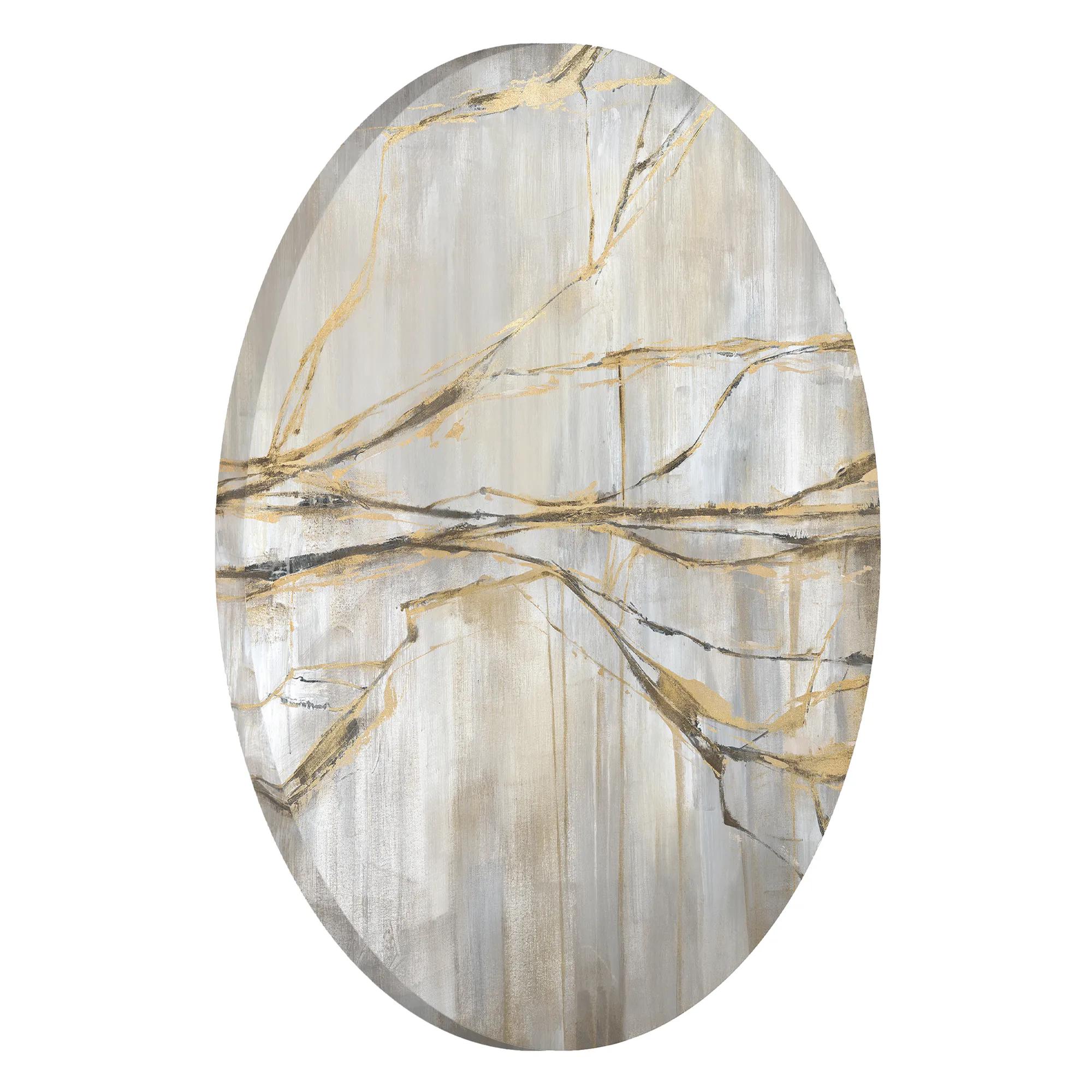 Lightening Crashes Round Wall Art 30"$899
A hand-textured circular linen canvas featuring a gallery-wrapped design for versatile wall display.
Add To Cart -
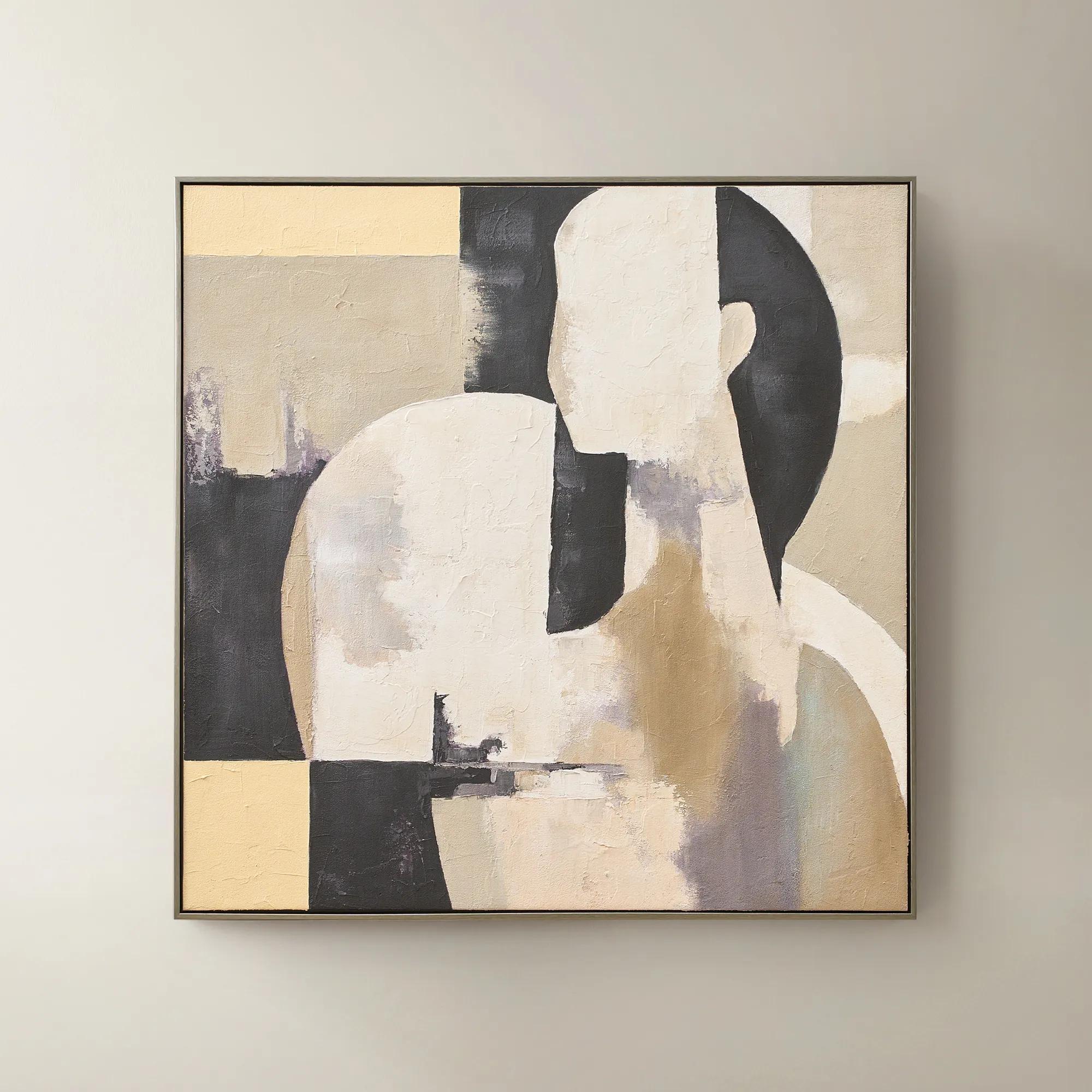 Afternoon Rest Framed Painted Wall Art 40" x 40"$399
A hand-painted abstract figure in buttercream, turtledove, and black hues framed in dark grey.
Add To Cart -

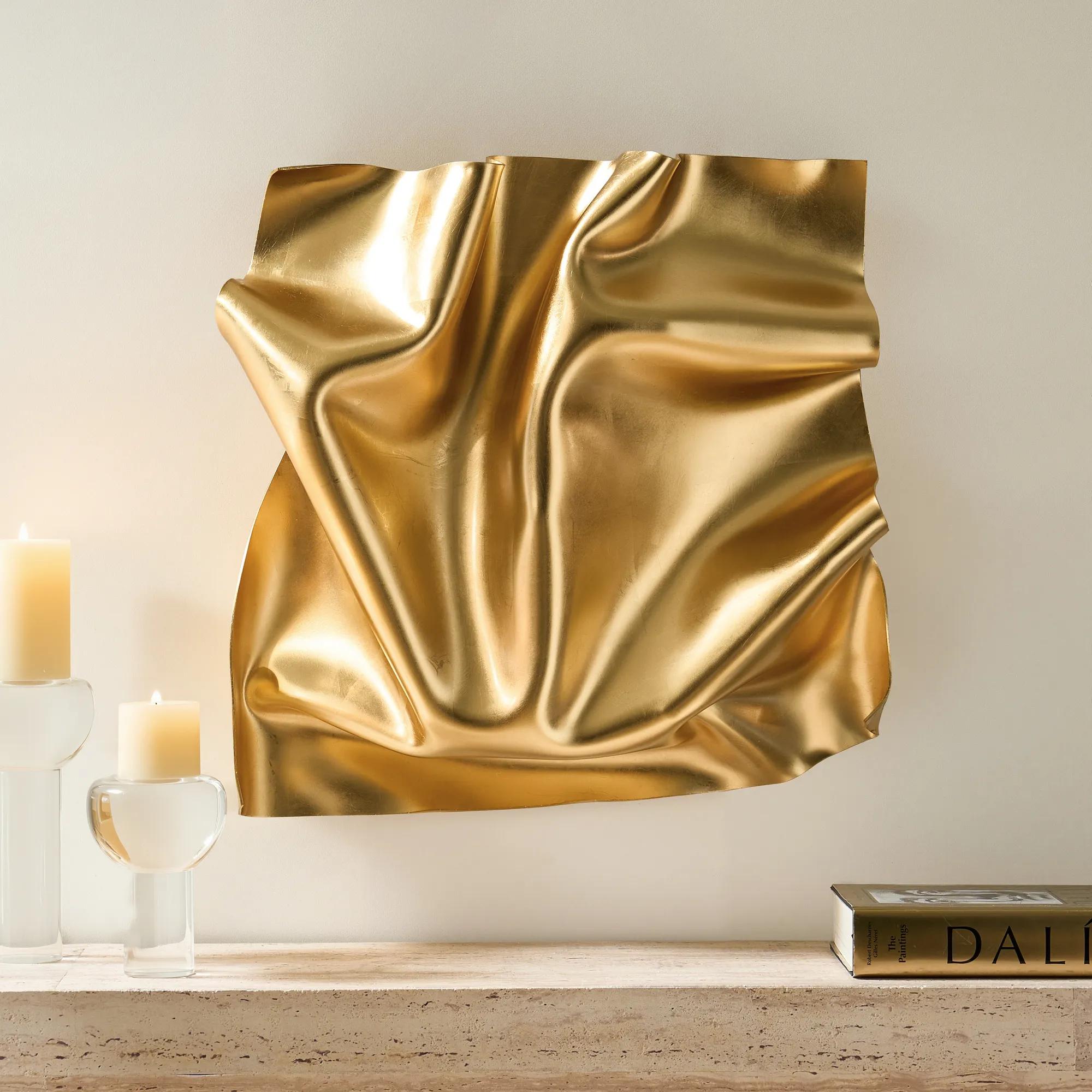 Surface Sculpted Gold Leaf Acrylic Wall Decor 23.6" x 23.6"$199
A dimensional acrylic wall panel features hand-applied gold leafing for a luminous, sculptural gallery effect.
Add To Cart -

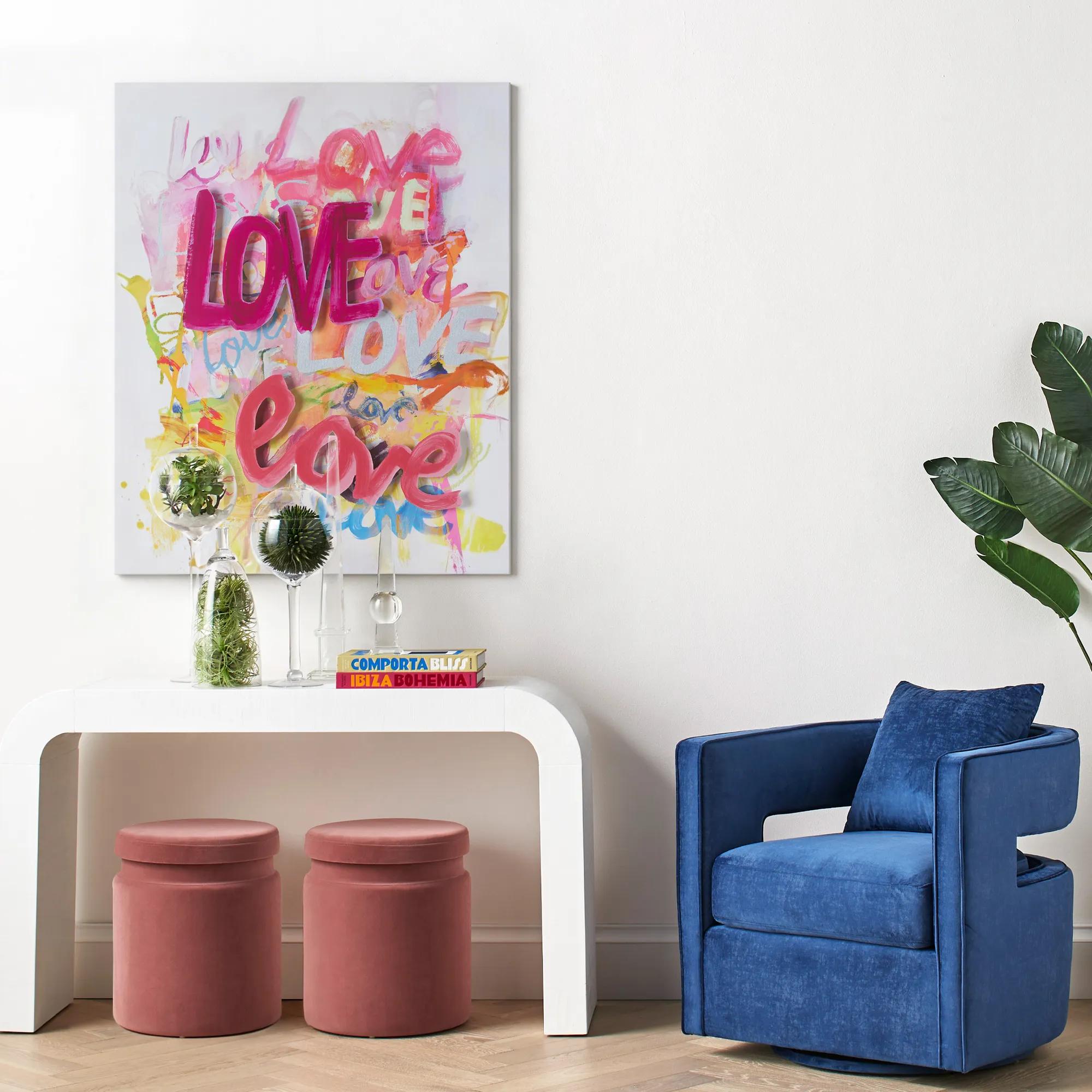 Love Is In The Air Wall Art 40" x 50"$1399
A vibrant giclee canvas print featuring hand-applied silver gilding and dimensional acrylic "Love" lettering.
Add To Cart -
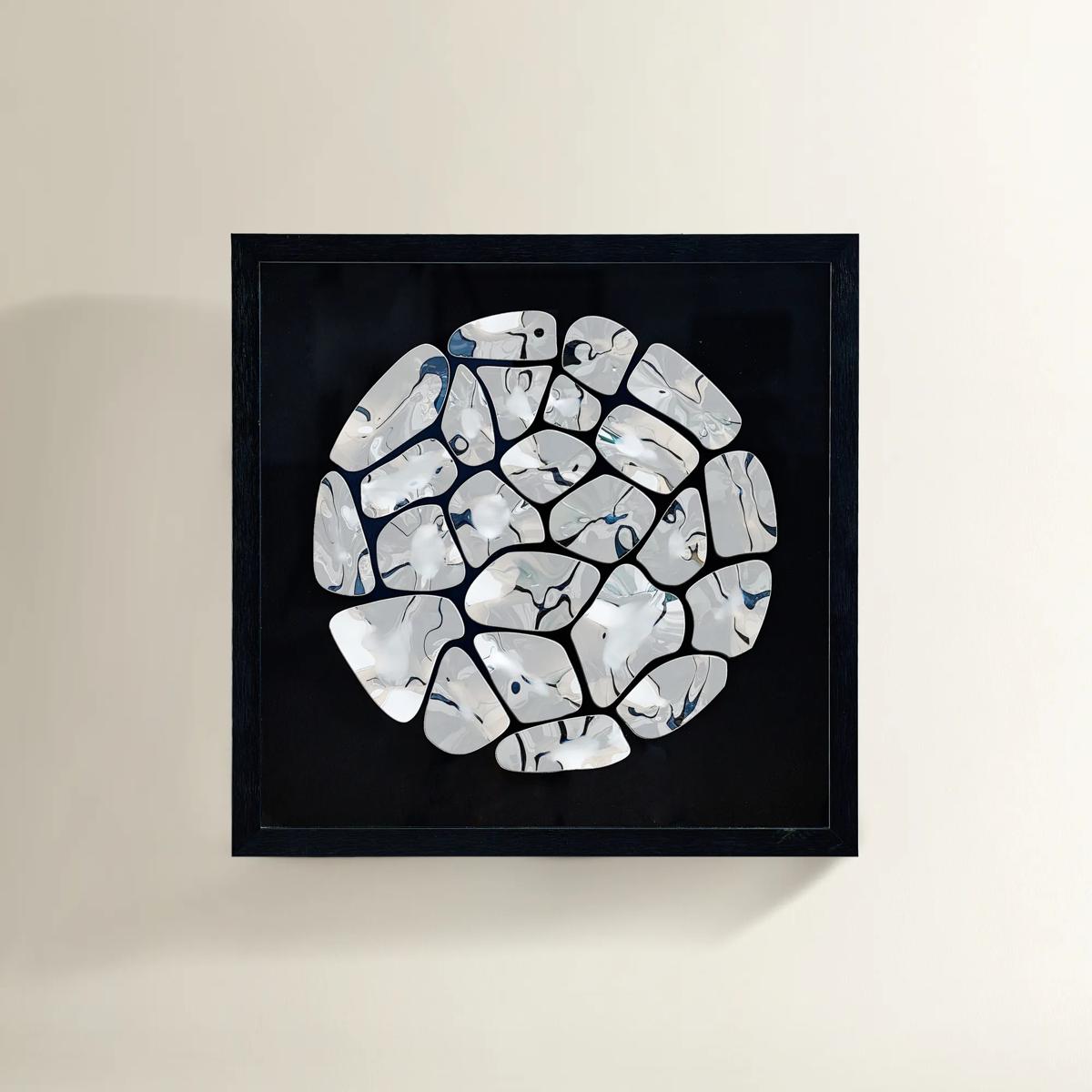
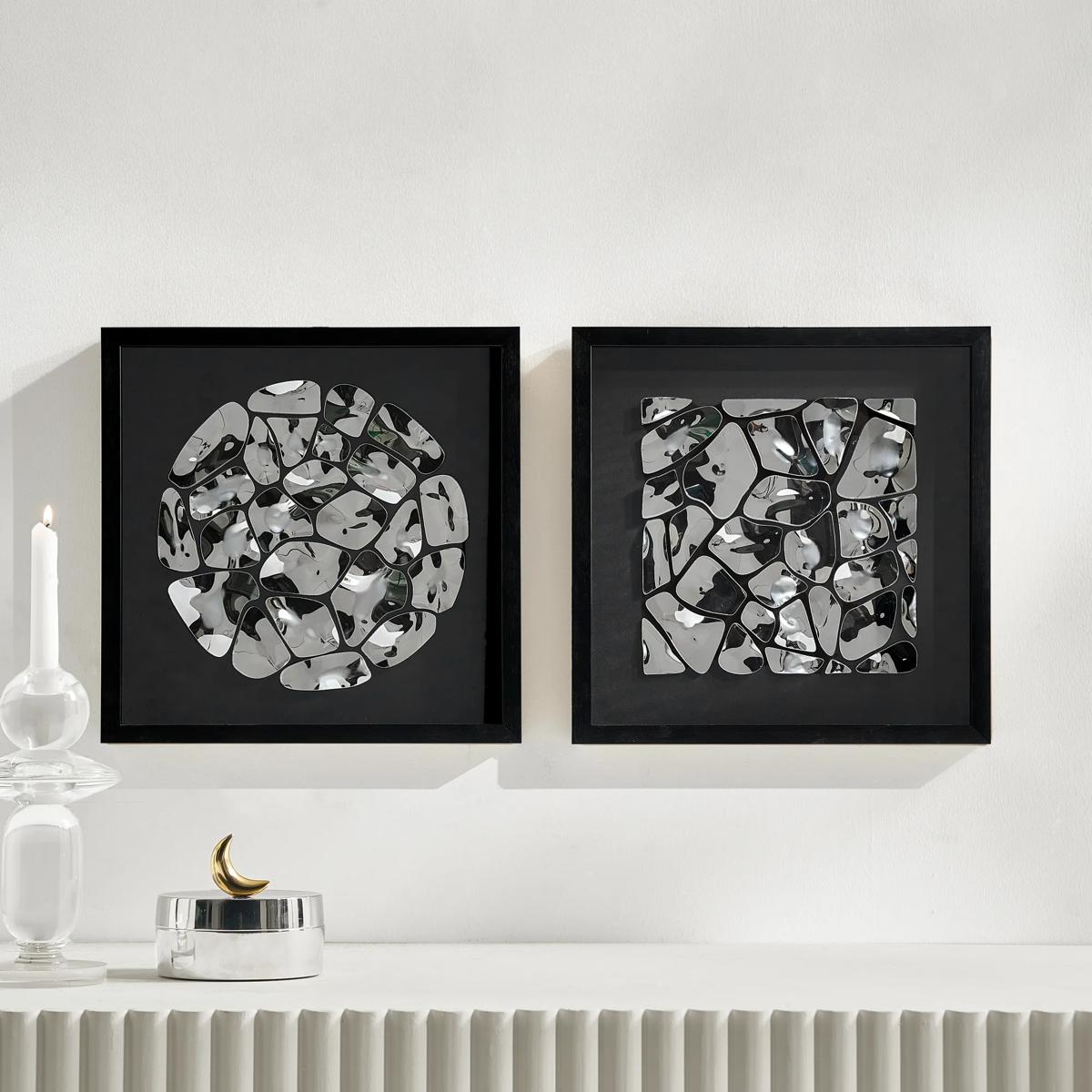 Reflect Silver And Black Shadowbox Art II$189
A dimensional metal wall art piece featuring polished silver and black forms in a sleek black frame.
Add To Cart -
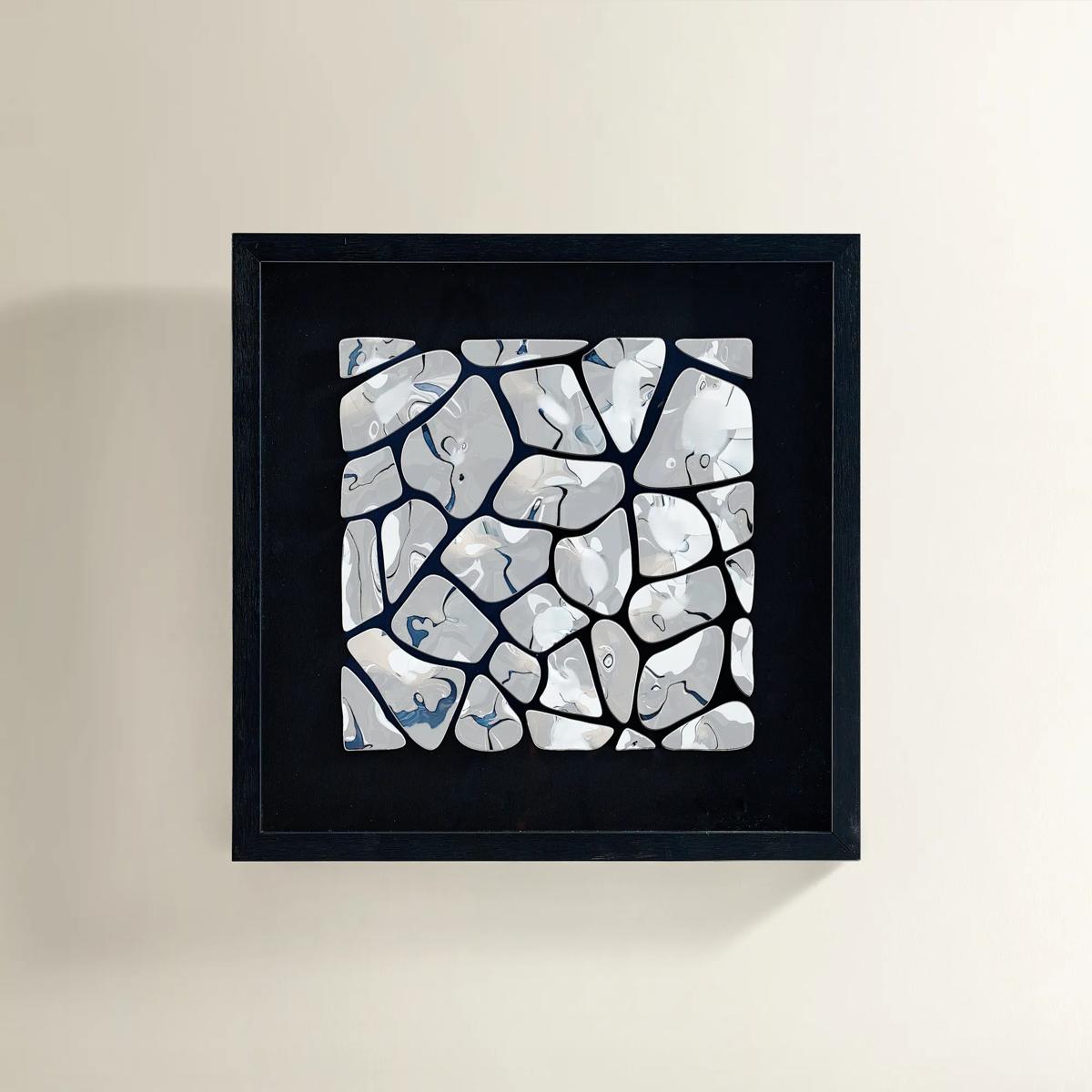 Reflect Silver And Black Shadowbox Art I$189
A dimensional metal wall art piece featuring polished silver and black forms in a sleek black frame.
Add To Cart -
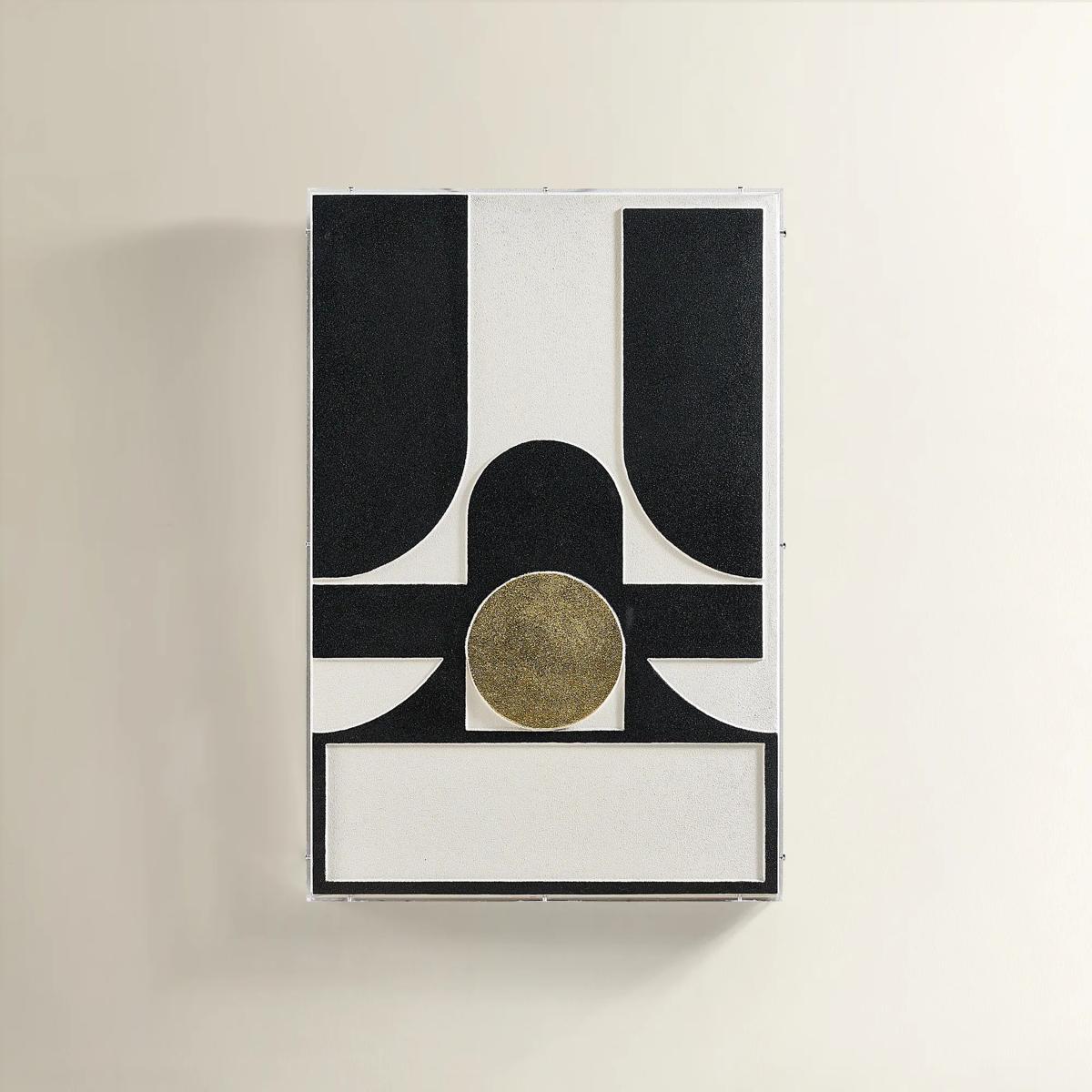
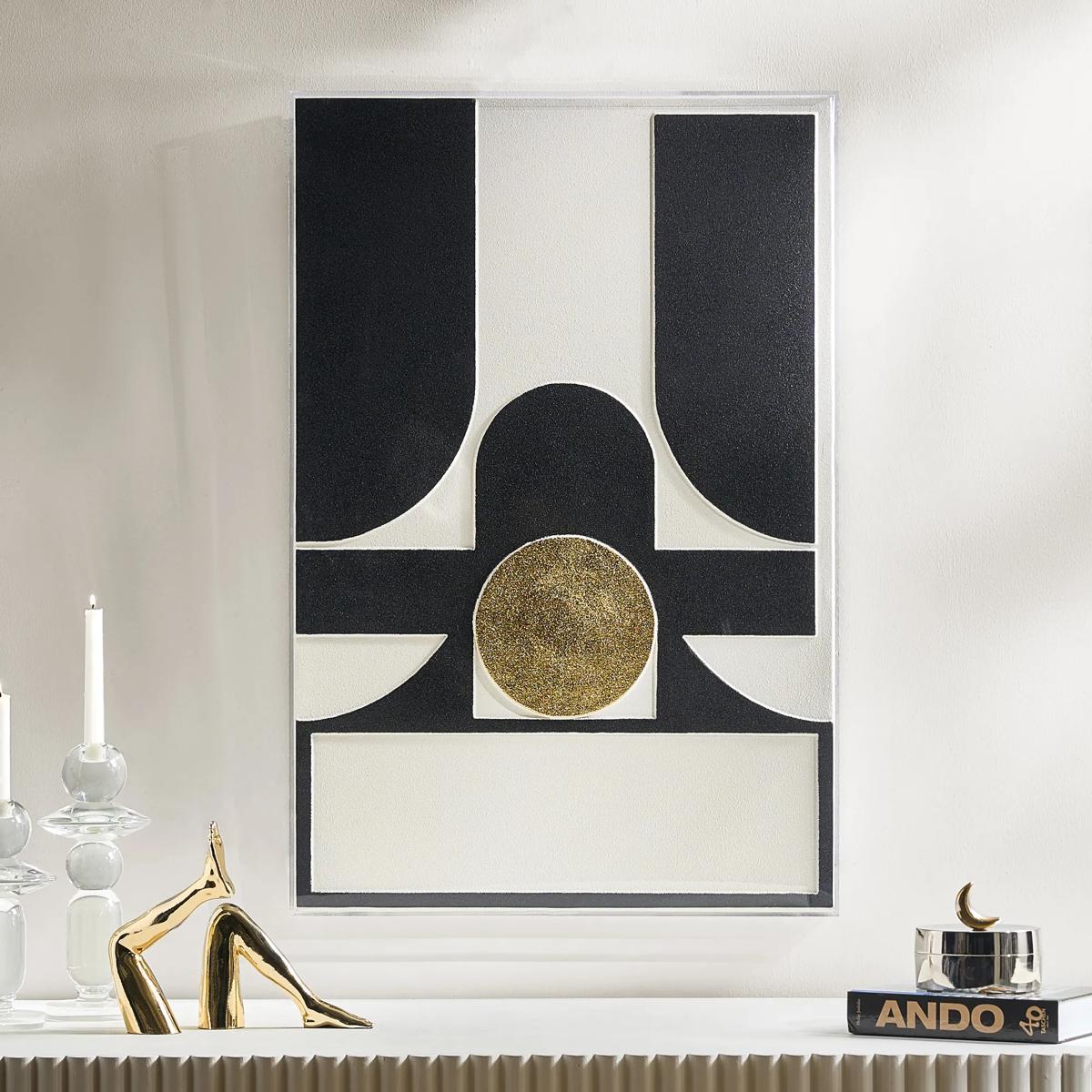 Siren Black And Gold Wall Decor in Acrylic 23.5" x 35.5"$299
A layered composition of black, ivory, and gold geometric forms set in a sleek acrylic shadow box.
Add To Cart -
 Relic Framed Painted Triptych Wall Art Set of 3$399
A hand-painted abstract triptych in deep navy and neutral tones, set in sleek black floater frames.
Add To Cart -
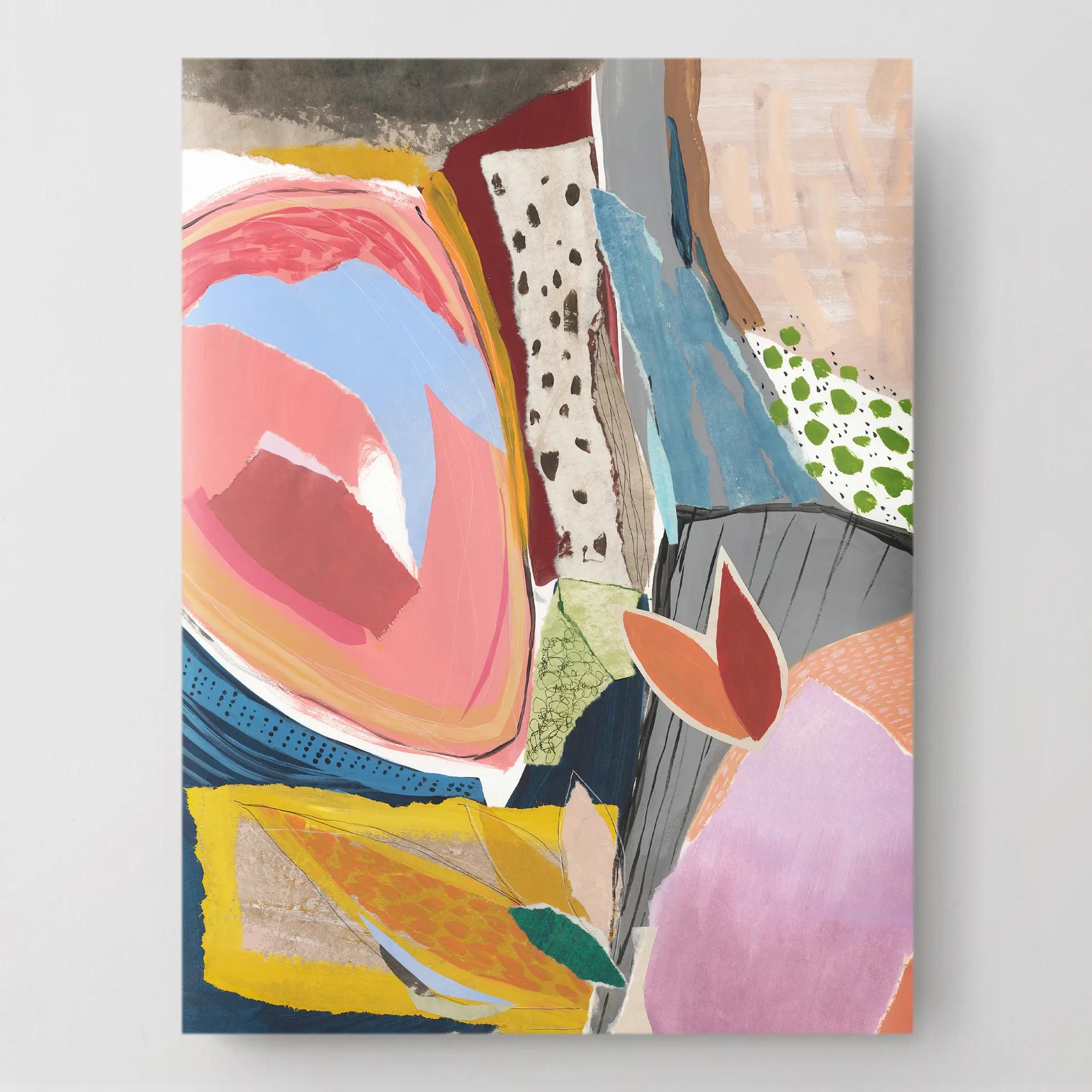
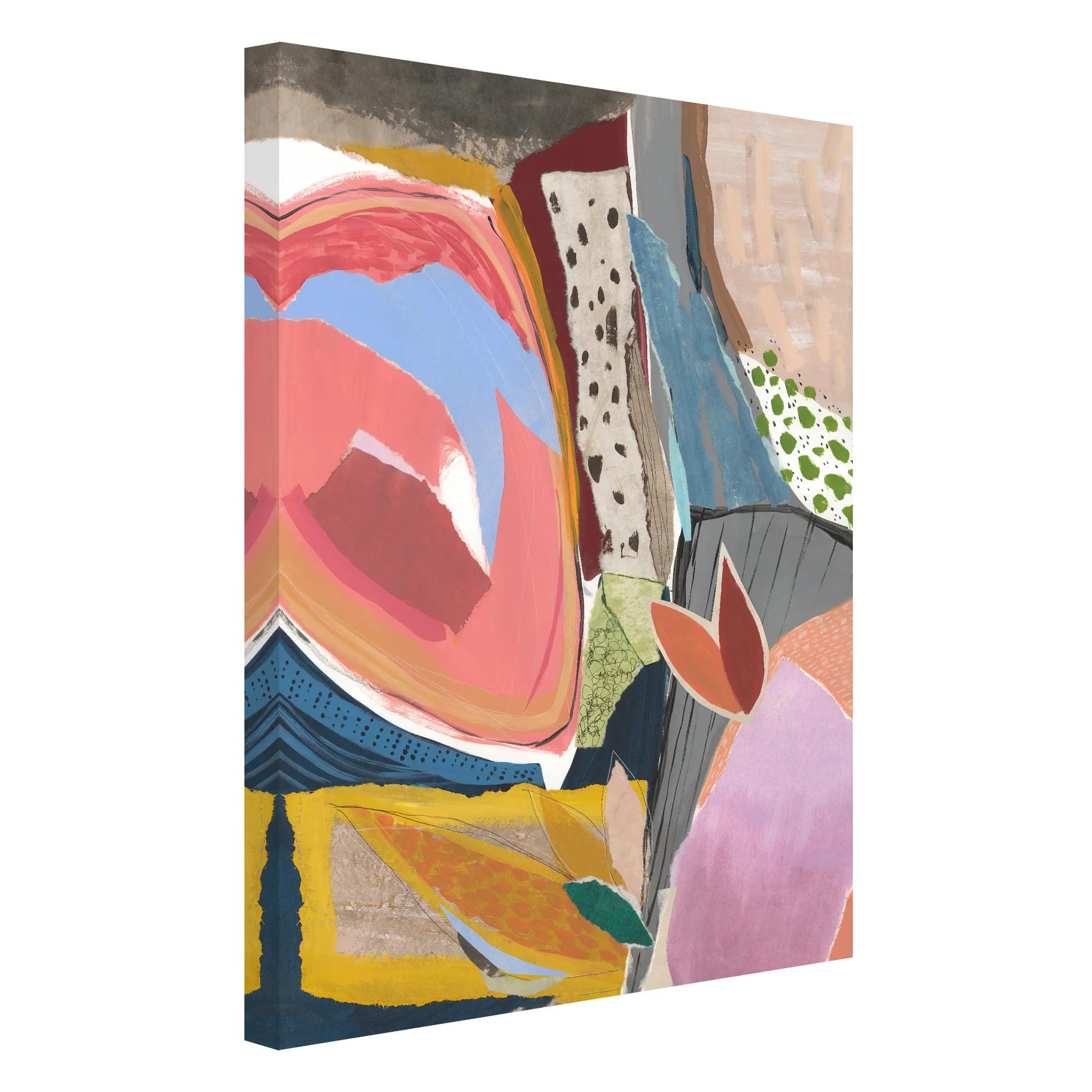 Sunday Vibes 1 Wall Art 30" x 40"$449
A gallery-wrapped canvas artwork featuring a hand-applied image brush gel finish for a textured look.
Add To Cart -
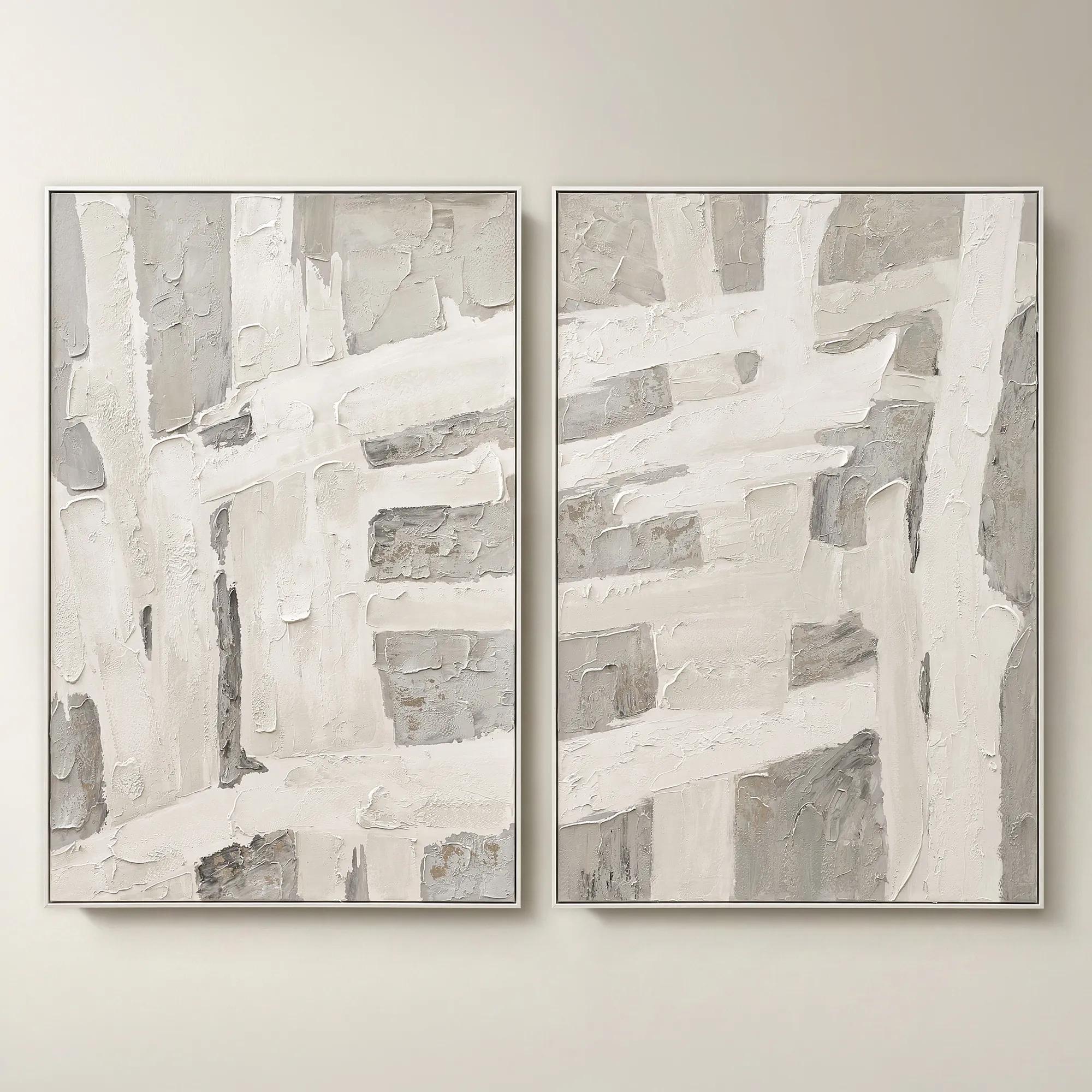 Traverse Framed Painted Wall Art 40" x 60" Set of 2$799
A hand-painted abstract diptych features champagne accents and soft grey, pearl, and alabaster tones in white frames.
Add To Cart -
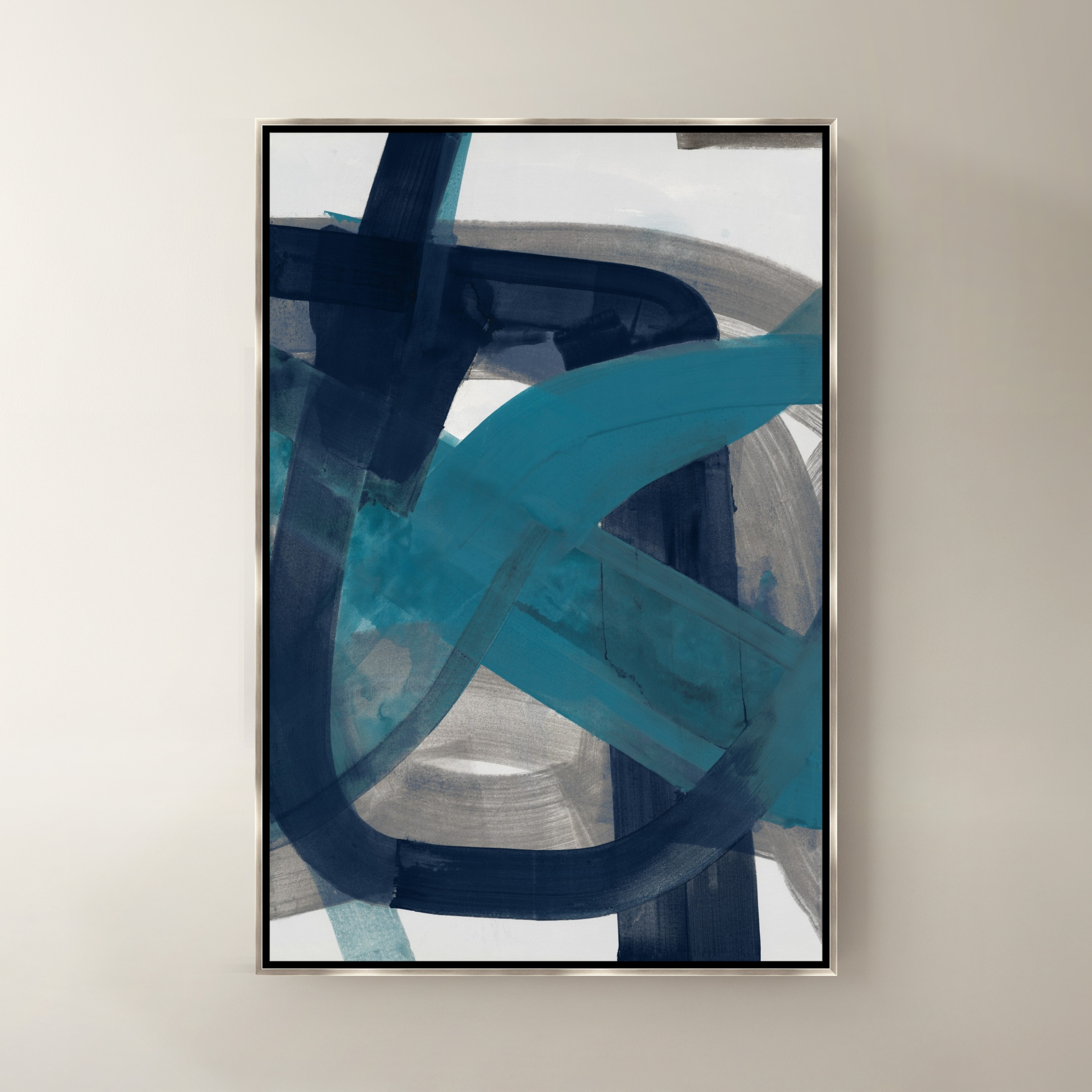
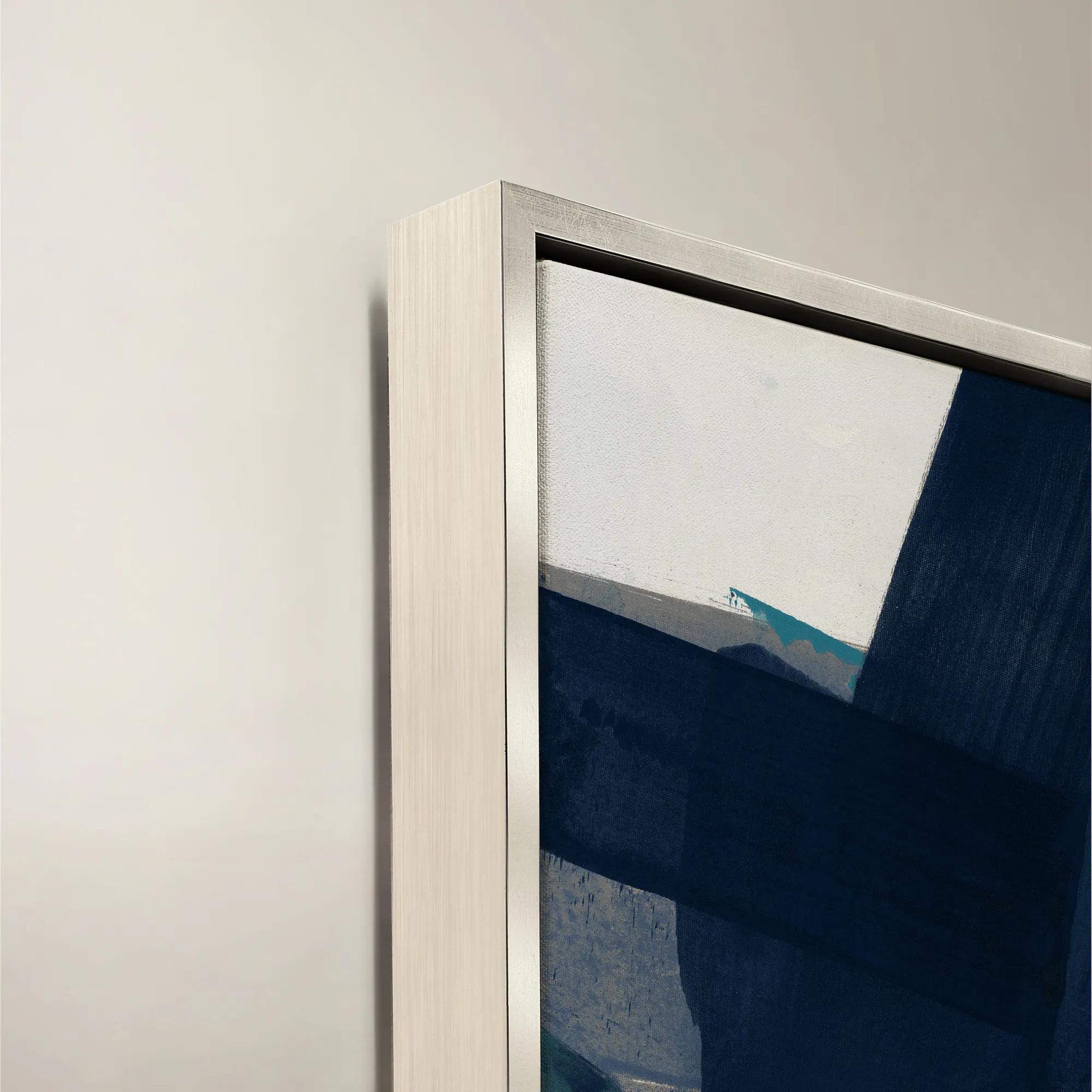 Fractured Currents II Framed Wall Art 24" x 36"$499
A framed canvas wall artwork featuring dynamic blue and purple tones for a modern, expressive accent.
Add To Cart -
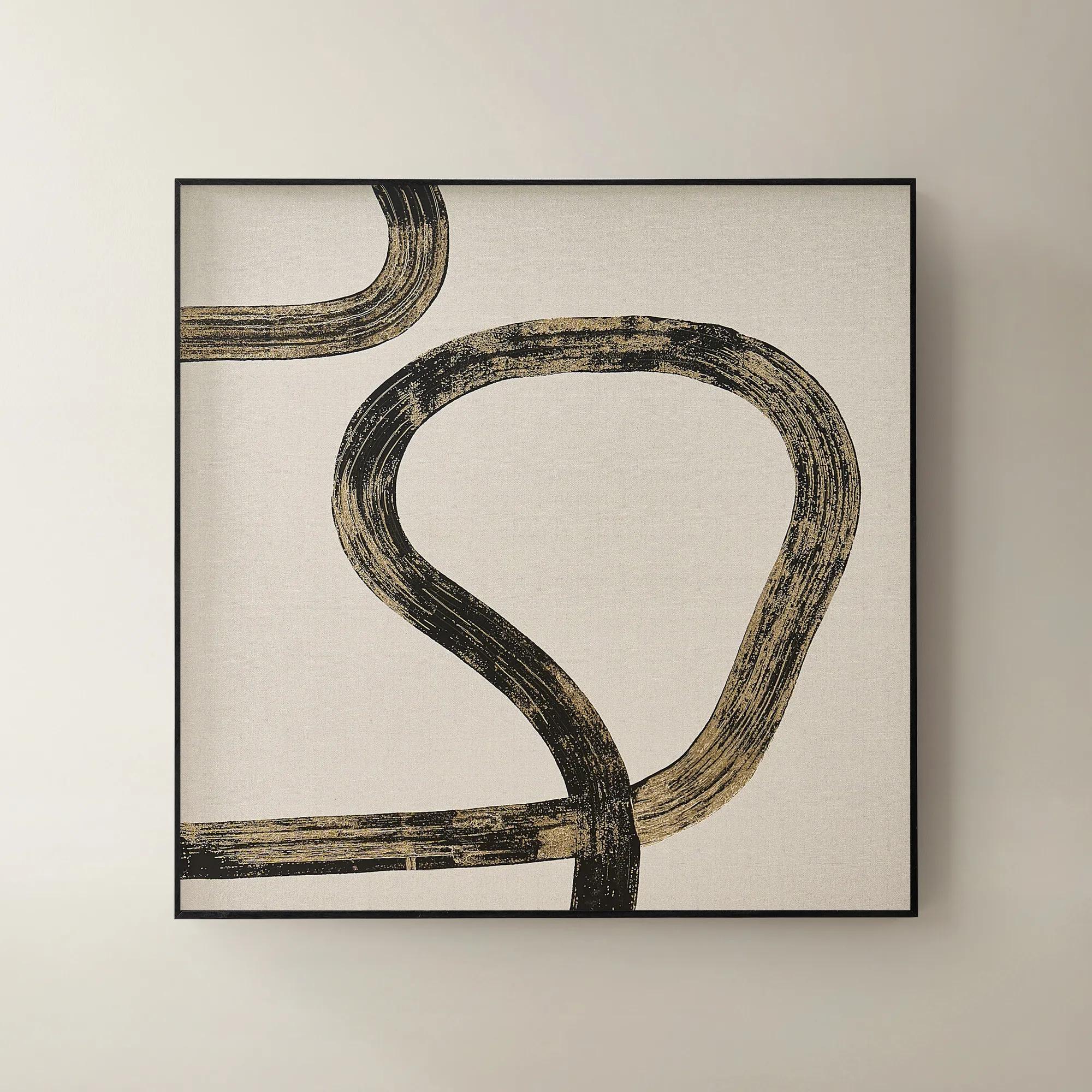
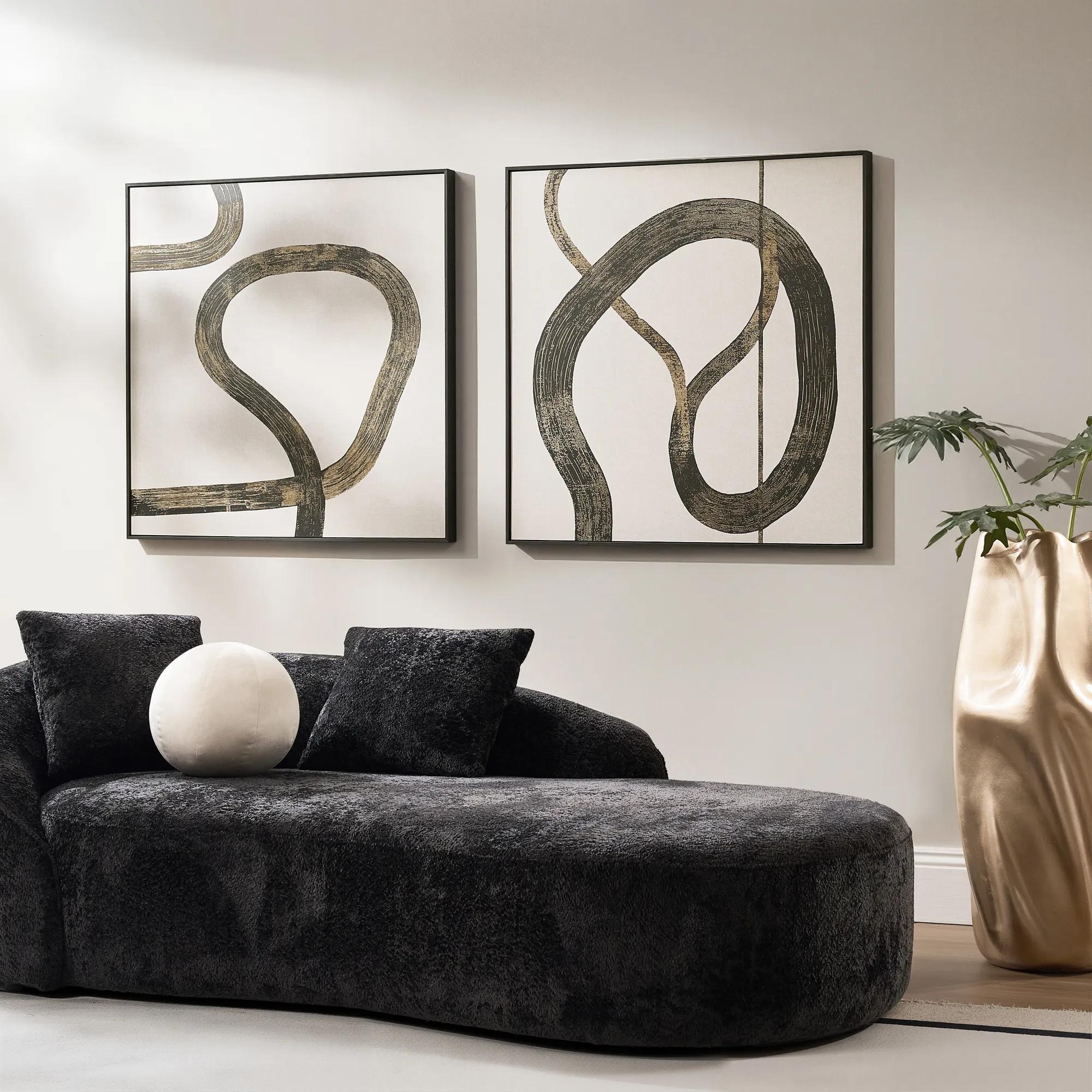 Live Wire Framed Gold Foil Painted Wall Art I 39" x 39"$349
A striking gold foil painting framed to bring modern artistic elegance and luminous texture to any wall.
Add To Cart -
 Live Wire Framed Gold Foil Painted Wall Art II 39" x 39"$349
A framed wall artwork featuring gold foil-painted detailing for glamorous modern display.
Add To Cart -
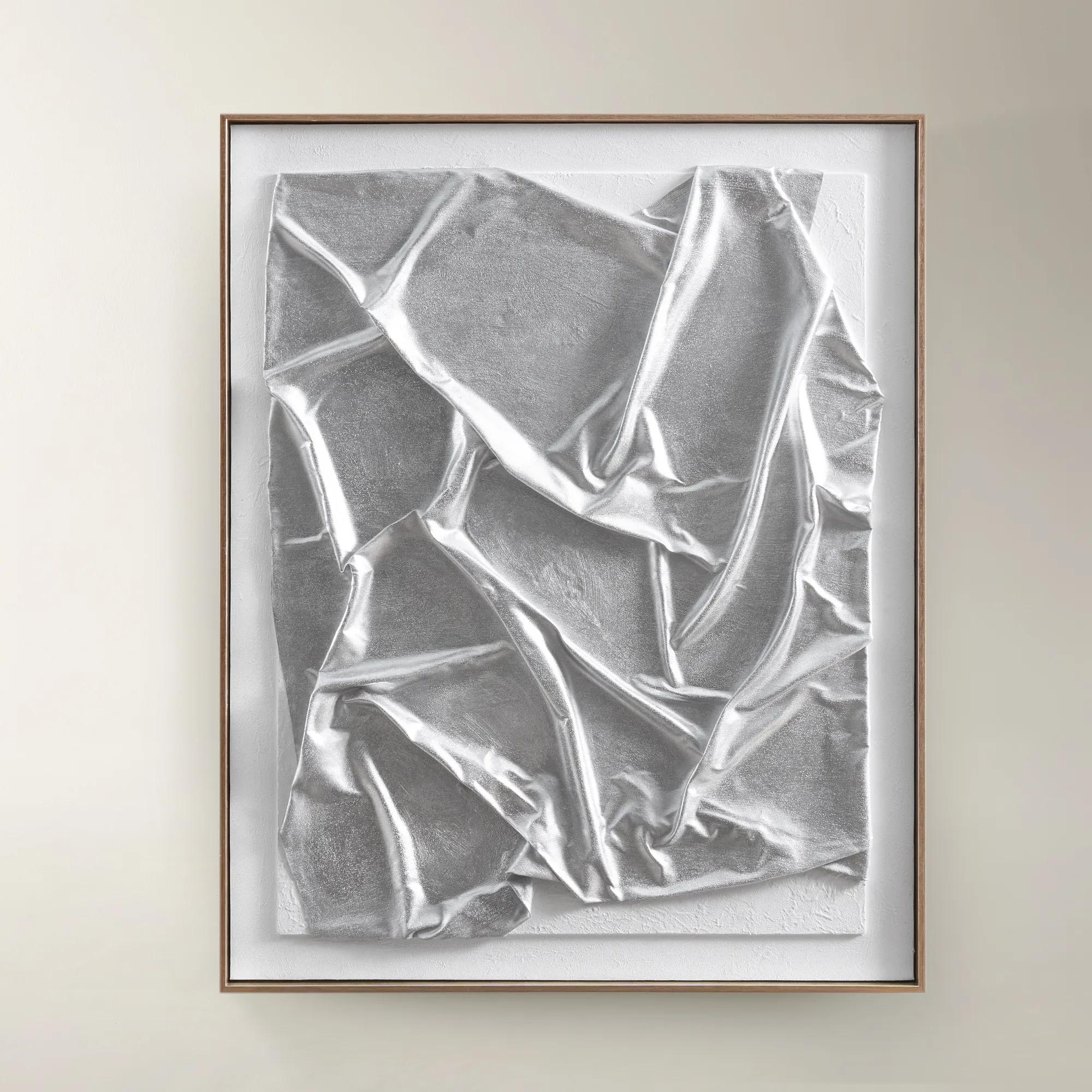
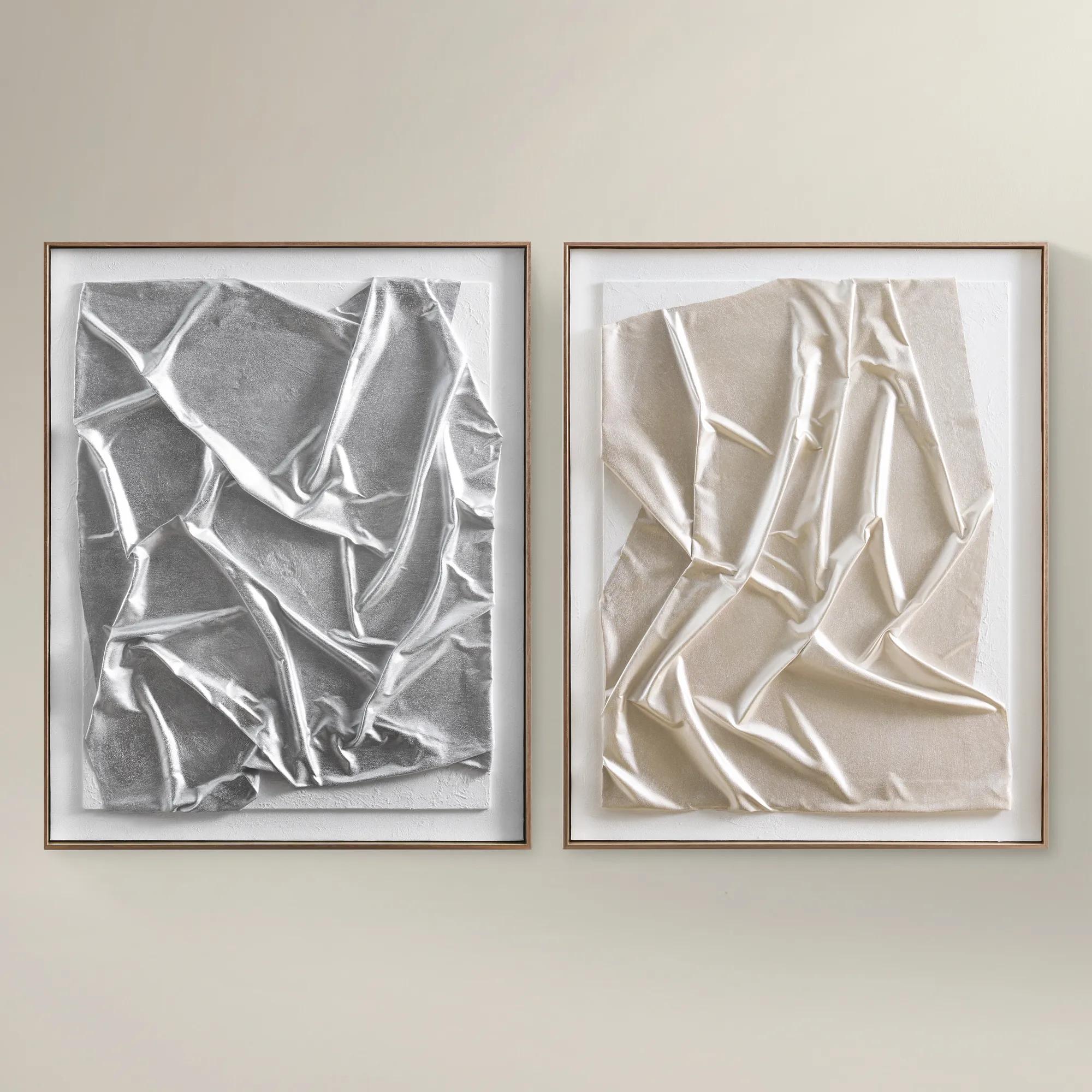 In the Mood Framed Painted Wall Art 31.5" x 39.5"$199
A hand-painted abstract canvas in shimmering silver tones, set in a warm champagne floater frame.
Add To Cart

Unique Wall Art For Apartments
Unique Wall Art For Apartments transforms blank walls into breathtaking statements of style—each piece an invitation to revel in artistry and individuality. For those who believe every inch of their home should reflect their boldest vision, these curated creations infuse even the most compact spaces with drama, intrigue, and personality. Whether you crave a gallery-worthy focal point or a whisper of unexpected texture, discover wall art that elevates your apartment from ordinary to unforgettable.
Unique wall art for apartments brings color, texture, and depth to a room without taking up floor space. An oversized abstract can give a living room its focal point, while a compact relief turns the narrow wall beside an entry console into something worth pausing over. What makes the art distinctive might be the grain of carved wood, the sweep of a painted line, or the shadows cast by metal bent away from the wall. In a studio, those details can give each area its own character without breaking up the room. A graphic print over the sofa lends definition to the seating area; softer tones near the bed set a different pace within the same sightline. The art doesn’t have to match from one wall to the next. A hint of plum in a photograph can pick up the color of an ottoman across the room, while a slim brass-toned frame can echo a floor lamp without repeating its finish exactly. A single, generously scaled composition gives the eye a place to land in a room already rich with pattern. On a quieter wall, a pair of related images or a grouping of small works can build interest through contrast: a spare line drawing beside a dense field of color, or a matte surface against the sheen of glazed photography. Subject matter changes the way a room feels, too. A photograph with a long view down an avenue draws the eye beyond the wall, while an abstract with broad, ink-dark strokes brings a more intimate intensity to a dining alcove. Even a wall glimpsed from the front door can carry a strong point of view. A vivid shape reads across the room; a finely textured surface rewards the closer look as someone walks past. In an apartment with few architectural details, that distinction can give an otherwise unremarkable stretch of drywall a presence of its own.
Scale in an apartment depends as much on how a wall is seen and used as on its dimensions. Above a low sofa, a wide canvas can pick up the horizontal line of the furniture without crowding the ceiling. A tall, narrow composition suits the strip of wall between windows, where a broad frame would compete with the trim. Art above a dining bench is often seen from a seated position, while a piece at the end of a corridor needs to read clearly from farther away. The outside dimensions of the frame matter more than the size of the image alone, especially with a wide mat. Depth matters, too: a shallow frame sits comfortably along a tight route from the entry to the kitchen, while a dimensional wood or metal relief has room to cast its shadow on a wall outside the main path. Materials also affect how a piece hangs and how it holds up to everyday use. Stretched canvas is often lighter than a comparably sized, glass-fronted frame, though substantial stretcher bars or an added frame can change the weight. Acrylic glazing is generally lighter and less prone to shattering than glass, but it scratches more readily. Glass resists everyday scratching better, though it adds weight and can catch reflections from windows or lamps. For a paper print opposite a bright window, glare can obscure the subtler tones that make the image compelling in the first place. A matte canvas or low-reflection glazing offers a different viewing experience in that spot. In a rental, lease terms, wall construction, and the weight of the fully assembled piece all shape the mounting options. Removable hangers are suitable only when the surface, finish, and load meet the manufacturer’s specifications, and they can still lift some paint. Heavier frames and sculptural works call for hardware rated for the load and suited to the wall, with the artwork’s hanging instructions taking precedence.
The most satisfying apartment wall decor is as considered in its placement as it is expressive in its design. Daylight can reveal the weave of a canvas or the raised grain of a wood relief, but sustained direct sun can fade many inks and pigments over time. A protected wall makes more sense for a richly colored print than a spot that receives hours of direct exposure. Paper, canvas, and wood also fare better away from persistent moisture or cooking splatter, particularly in an open apartment where the dining area sits close to the range. Care can be simple, but the right method depends on the finish. A soft, dry cloth is often enough to dust a smooth frame, while textured or delicate surfaces are best cared for according to the maker’s instructions. When cleaning glazing, applying a compatible cleaner to the cloth rather than spraying the frame helps keep liquid from seeping behind it; acrylic needs a cleaner intended for acrylic rather than a household glass spray. These practical distinctions make wall art a thoughtful housewarming gift when the recipient’s taste and space are familiar. A friend who favors saturated color might enjoy a bold composition for the wall above a bar cart, while someone drawn to quieter interiors might prefer a tonal photograph with detail that emerges at close range. A compact format offers more flexibility when the recipient is still arranging furniture or has limited hanging options. Wall Art for First Apartments is a natural place to explore those possibilities, whether the occasion is a first lease or the first home shared with a partner. The pieces that stay relevant beyond an initial layout often have an appeal independent of the furniture around them: a palette worth returning to, a silhouette that holds its own, or a surface that looks different from across the room than it does from a few inches away. That’s the pleasure of wall art in an apartment: the wall occupies the same footprint, but the room no longer feels quite the same.
FAQs
Unique wall art infuses an apartment with personality, depth, and visual intrigue. By introducing sculptural textures, bold colors, or reflective elements, wall art can transform blank walls into captivating focal points and set the mood for each room. Whether you seek a serene retreat or an energizing social hub, the right art piece elevates your space and creates a sense of curated luxury.
Renter-friendly solutions include peel-and-stick murals, removable decals, and adhesive hooks that allow you to showcase art without permanent marks. Leaning framed pieces against walls or atop furniture creates a stylish, effortless look, while lightweight tapestries or textiles can be hung with minimal hardware. These approaches let you experiment with your decor and update your style as often as you wish.
Unique wall art makes an inspired gift for anyone who values self-expression and design, from recent graduates moving into their first apartment to seasoned city dwellers seeking a refresh. It’s especially thoughtful for housewarmings, birthdays, or creative milestones, offering a personalized touch that celebrates the recipient’s taste and individuality.
To achieve a harmonious display, consider unifying elements such as a shared color palette, complementary materials, or consistent framing. Mixing mediums—like pairing metallic accents with woven pieces or abstract prints—adds dimension, while thoughtful spacing and arrangement ensure each piece has room to shine. The result is a collected, gallery-worthy effect that feels intentional and artful.
In small apartments, wall art serves as both decoration and a clever design tool. Oversized pieces can make compact rooms feel grander, while mirrors amplify natural light and create the illusion of space. Gallery walls composed of smaller artworks or personal mementos add character without overwhelming. Sculptural or functional art, such as decorative hooks or shelves, maximizes utility while making a statement.