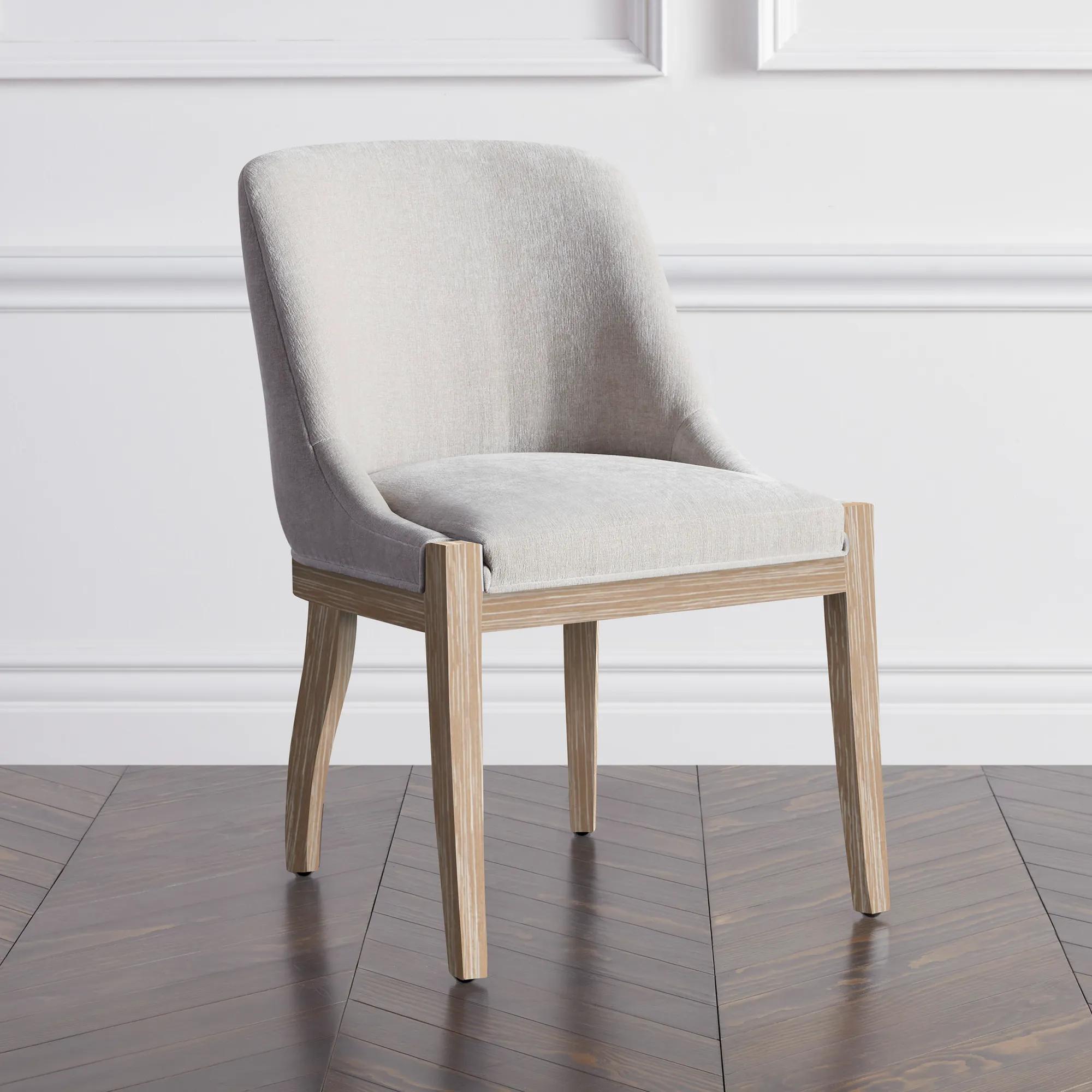
Velvet Stools For Offices
Velvet Stools For Offices
-
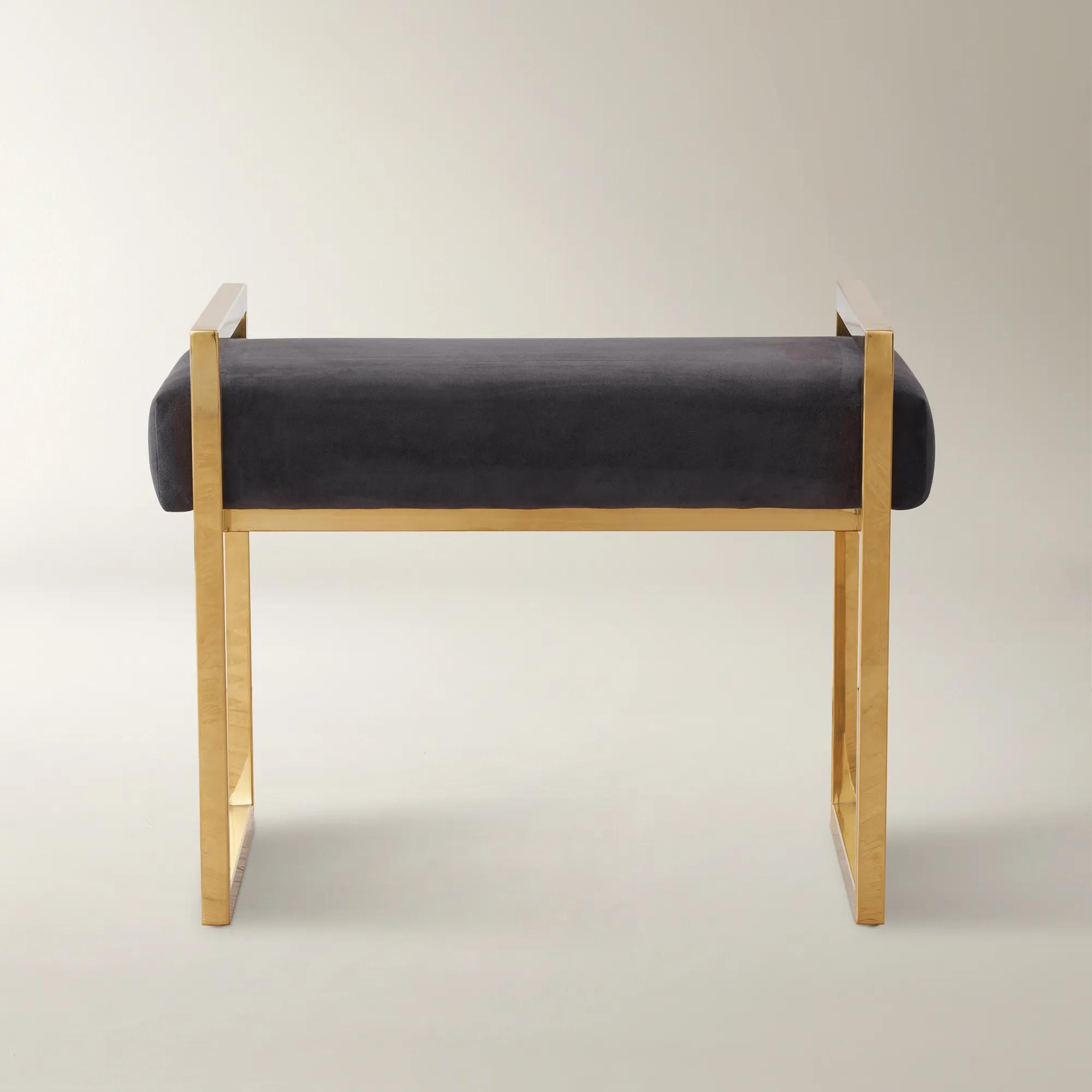
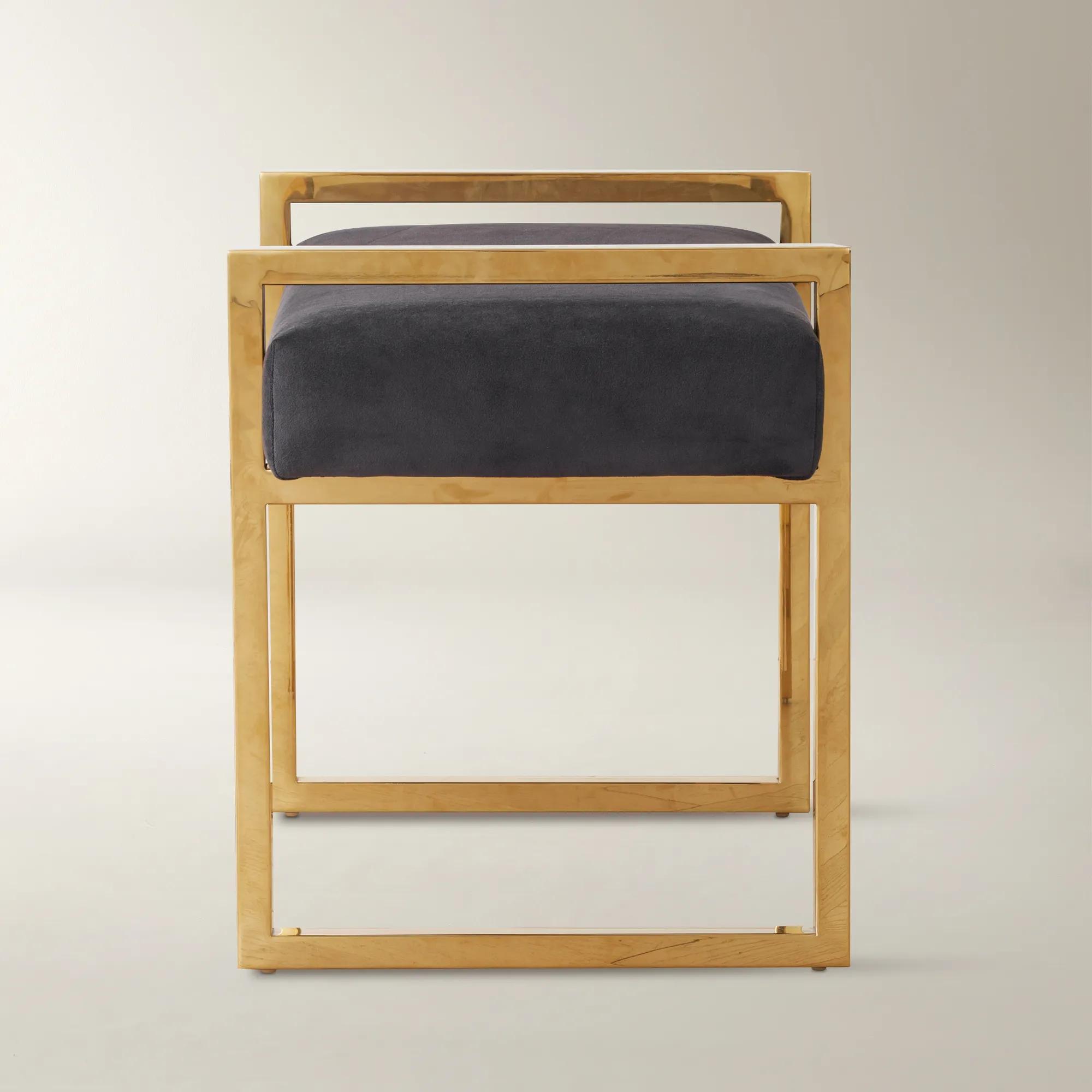 Clara Accent Stool$499
A plush black velvet stool with a high-density foam seat and polished gold metal legs.
Add To Cart -

 Aria Pleated Swivel Chair$1799
A modern barrel chair in kiln-dried hardwood and pleated velvet, featuring a smooth swivel mechanism.
Add To Cart -
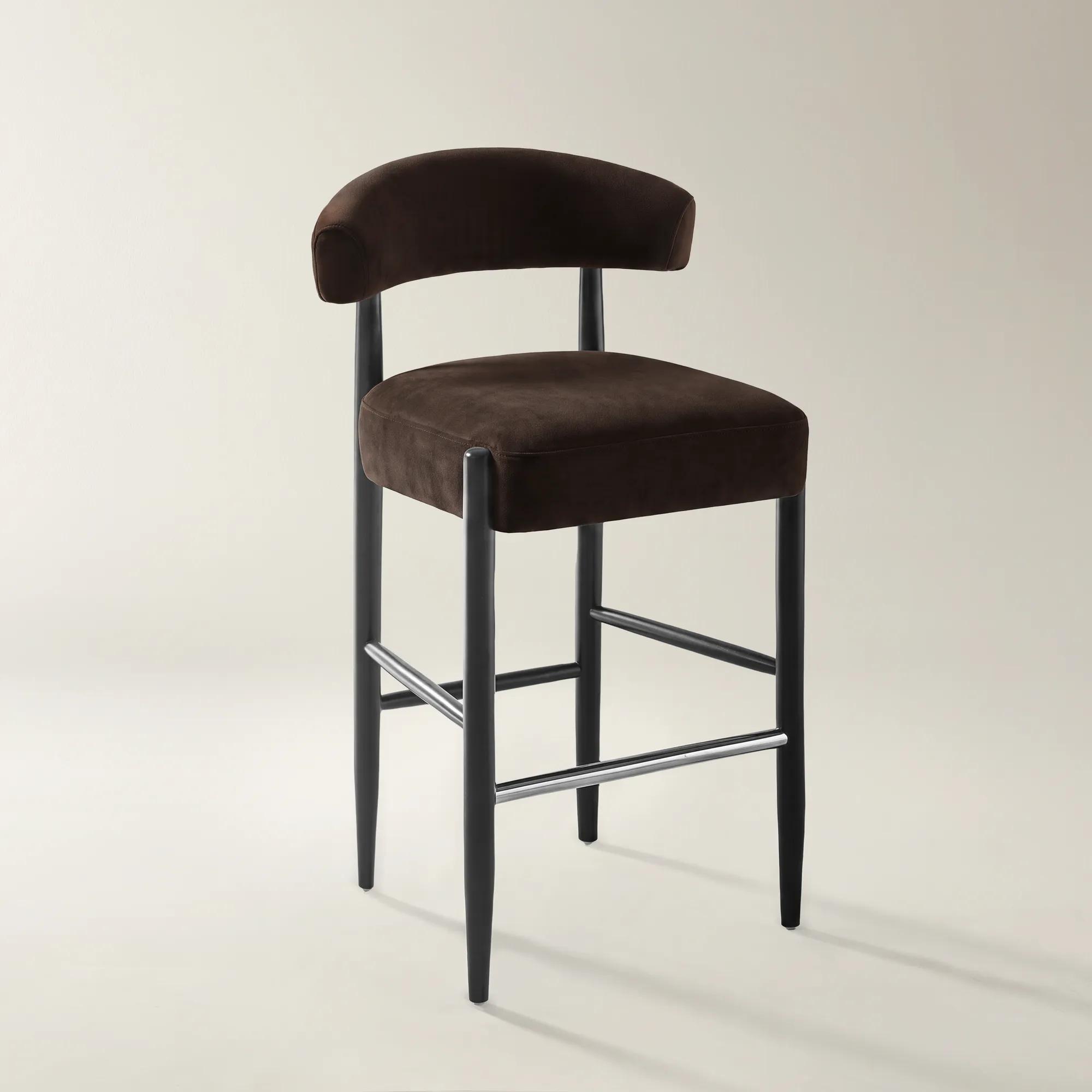 Anna Dark Chocolate Velvet Bar/Counter Stool$399
A dark chocolate velvet stool featuring sculpted support, high-density cushioning, and tapered solid-rubberwood legs.
Add To Cart -
.jpg?w=1200&h=1200)
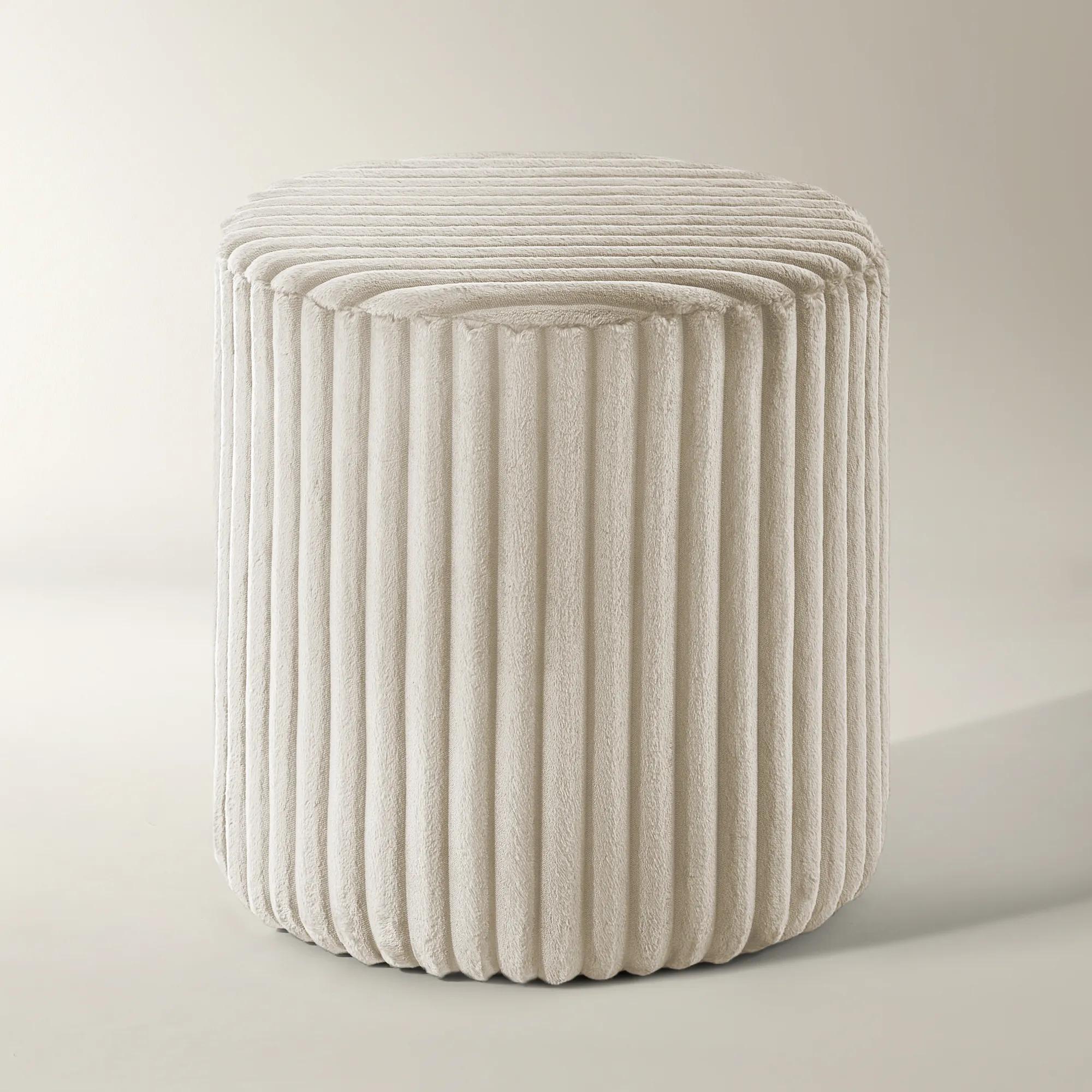 Fleece Fluted Ivory Velvet Stool (15.55'')$229
An ivory ribbed velvet stool offering cozy softness and versatile use as seating, footrest, or accent table.
Add To Cart -
.jpg?w=1200&h=1200) Fleece Fluted Gray Velvet Stool (15.55'')$229
Fleece Fluted Gray Velvet Stool (15.55'')$229A plush grey velvet stool with a unique ribbed texture, perfect for versatile, cozy seating or decor.
Add To Cart -
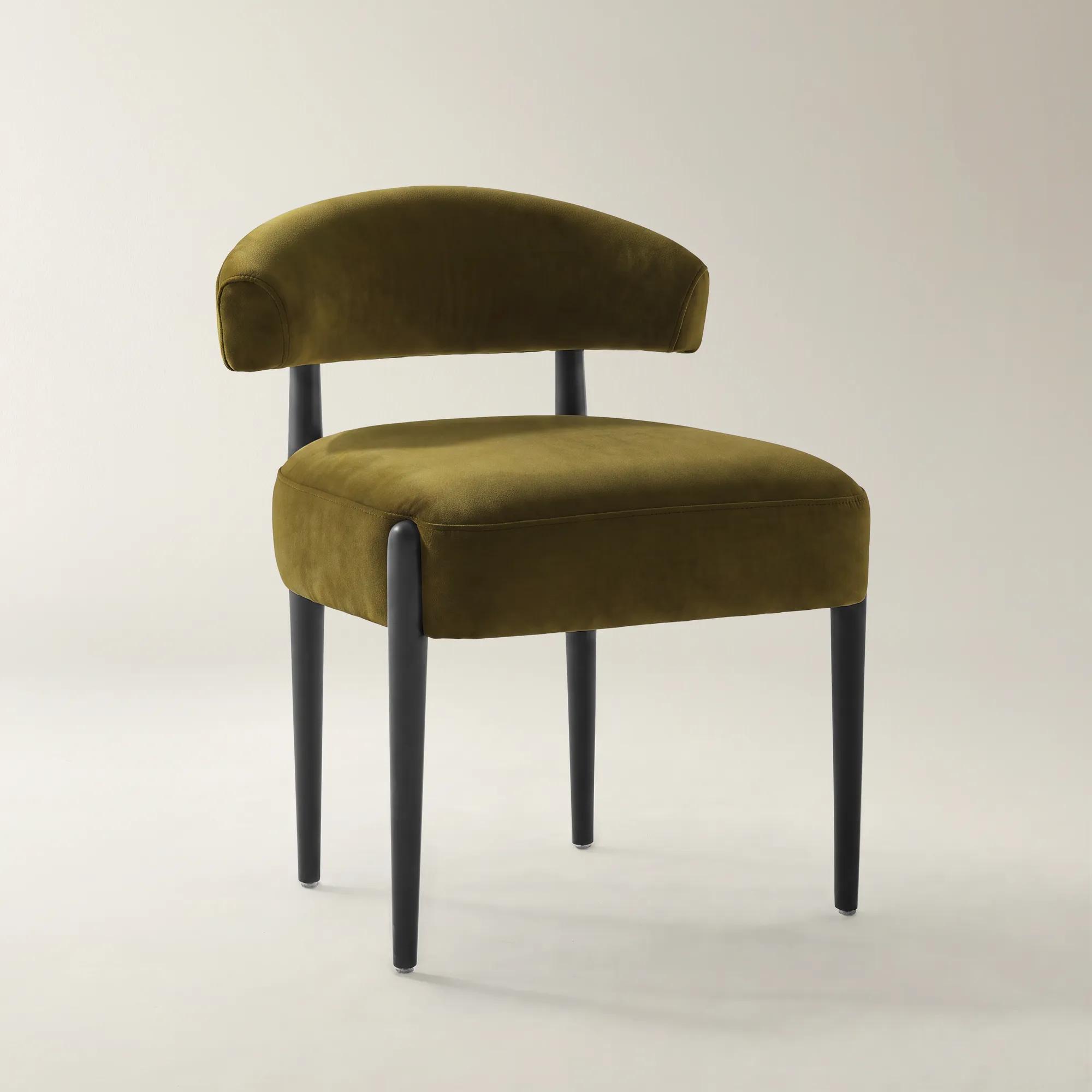
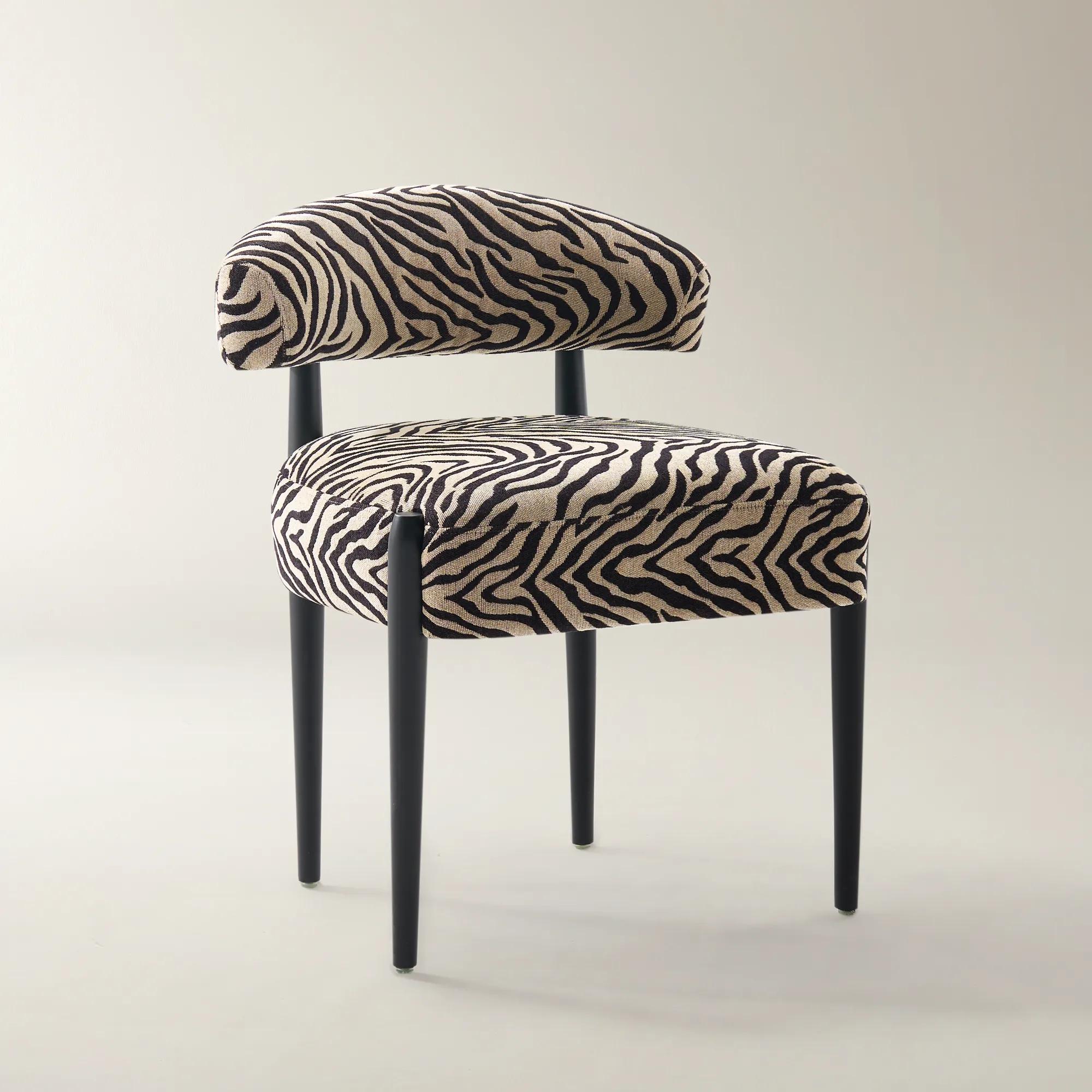 Anna Deep Olive Velvet Dining Chair Set of 2$599
A deep olive velvet dining chair with a tailored curved back, high-density cushioning, and solid rubberwood legs.
Add To Cart -
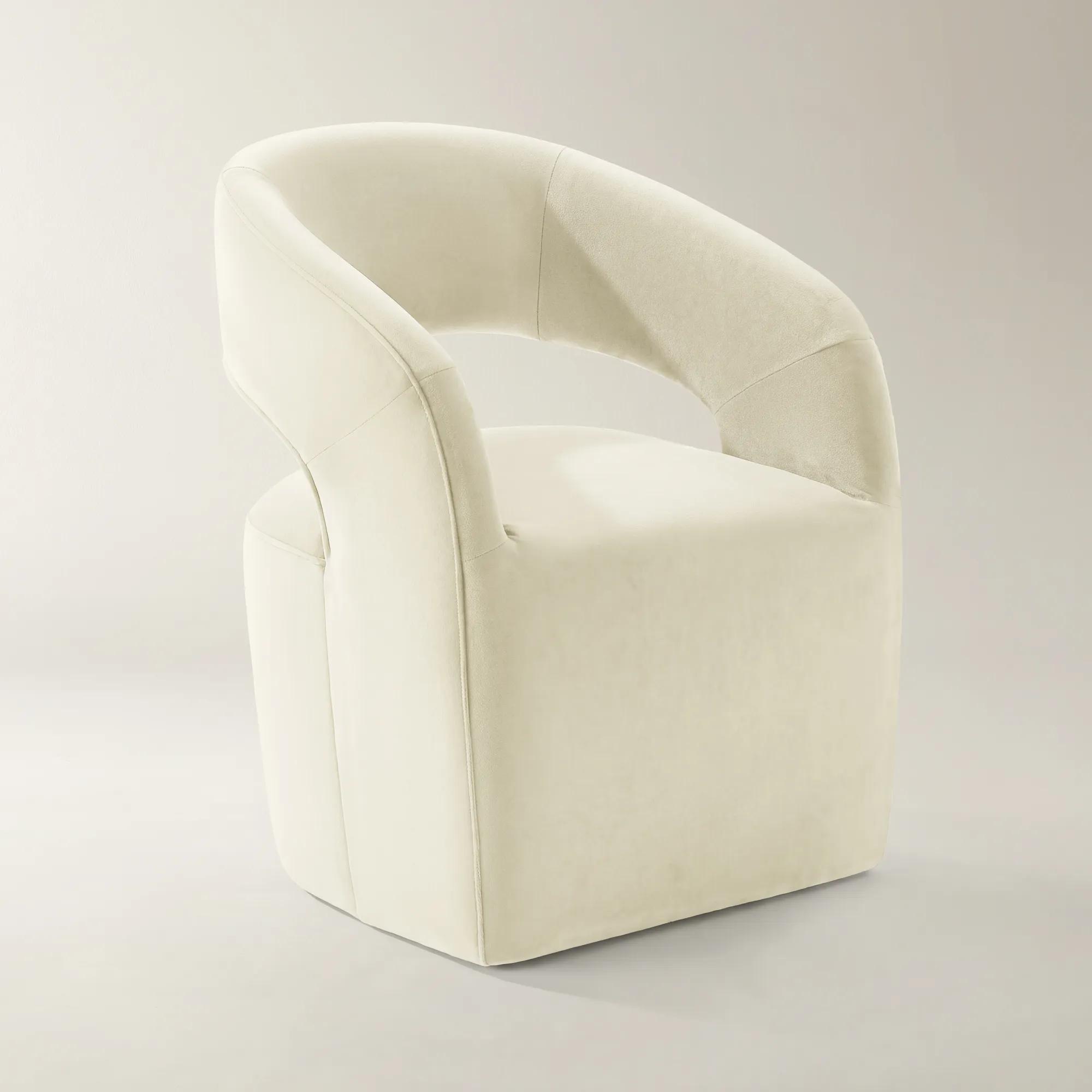 Harrison Cloud Velvet Dining Chair$449
A sculptural dining chair featuring cloud velvet upholstery, feather-blend cushioning, and a continuous curved back.
Add To Cart -
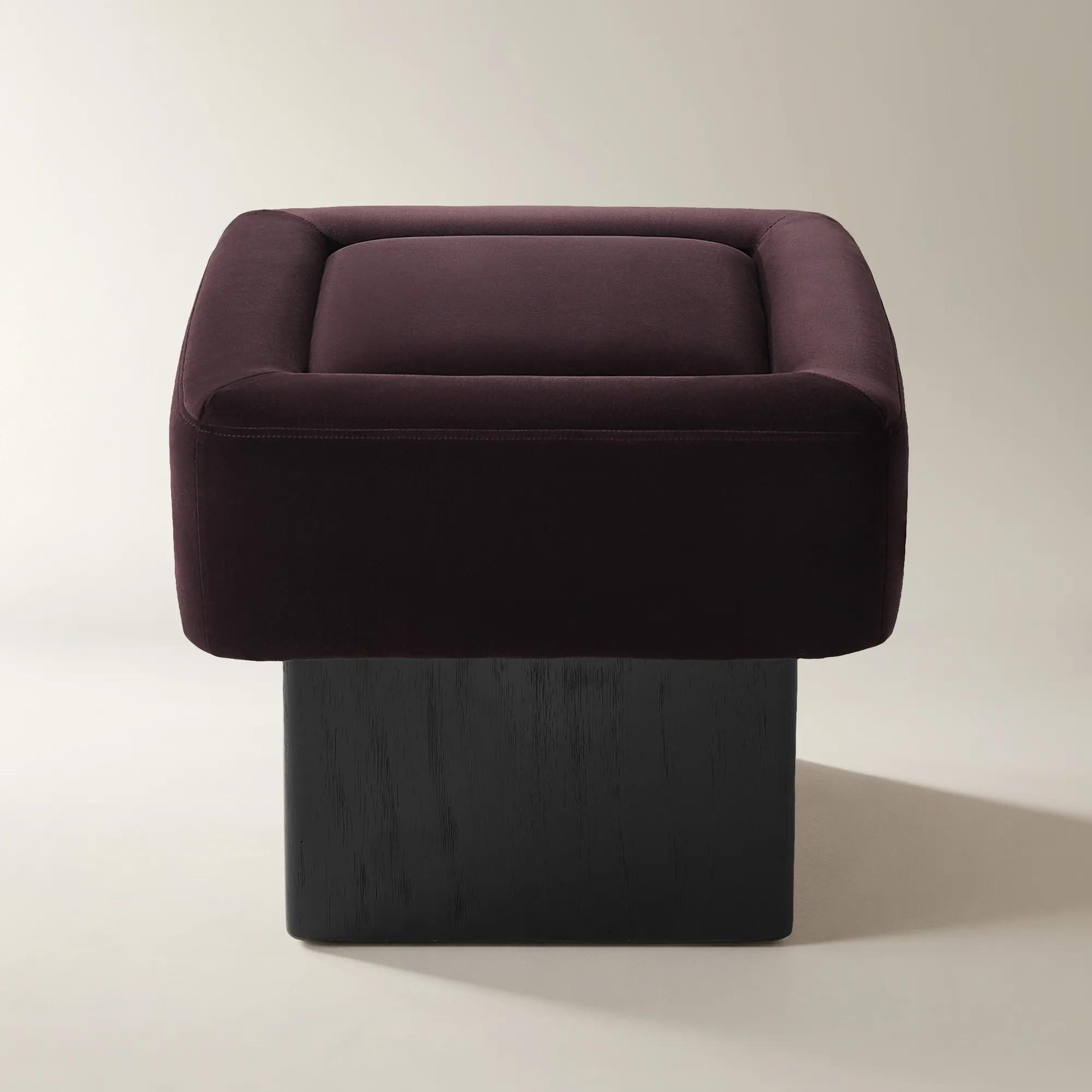 Reims Fig Velvet Stool$349
A plush fig-colored velvet stool featuring a sculpted cushion and a solid rubberwood base for modern contrast.
Add To Cart -
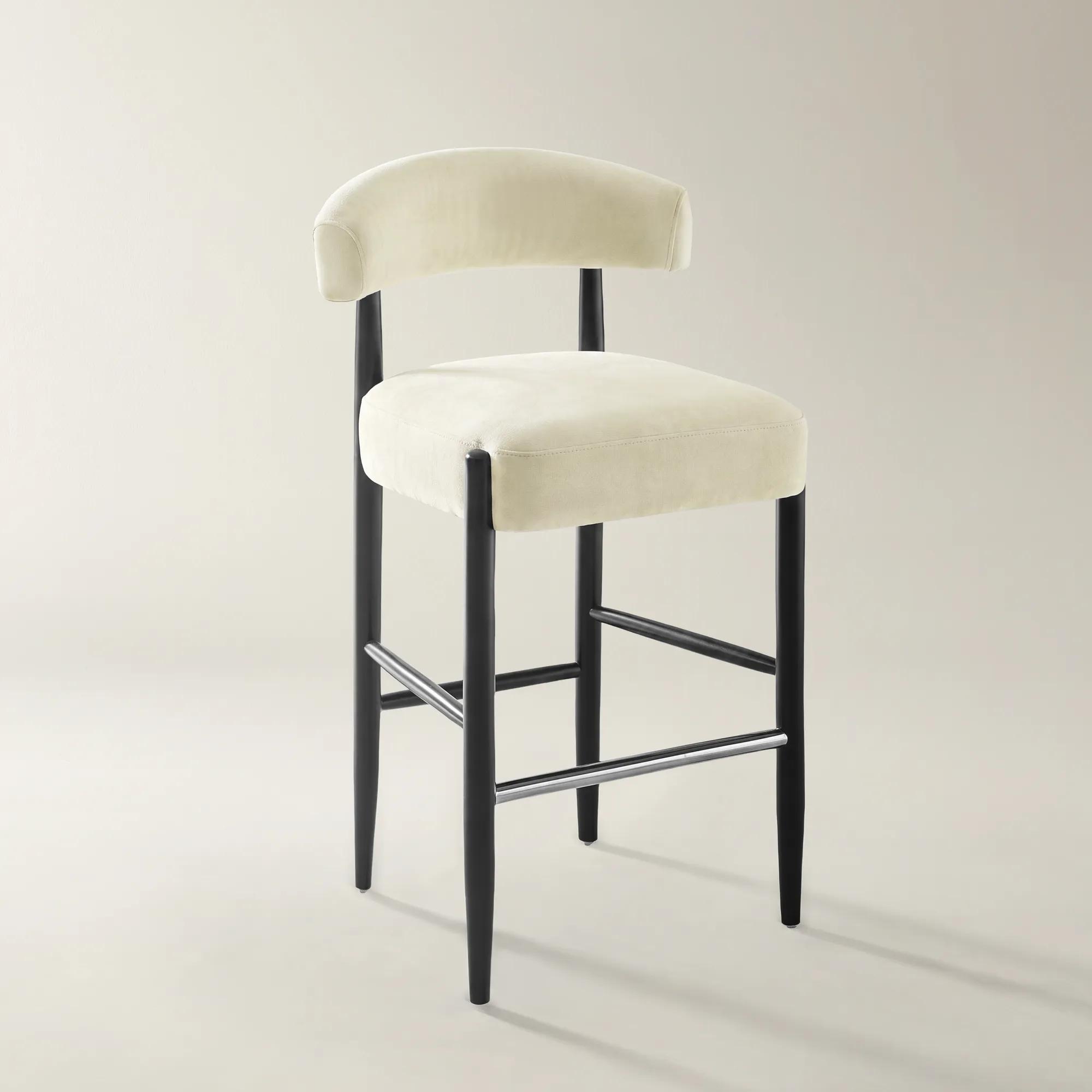 Anna Cloud Velvet Bar/Counter Stool$399
A tailored velvet stool with sculpted support, padded comfort, and solid rubberwood legs.
Add To Cart -
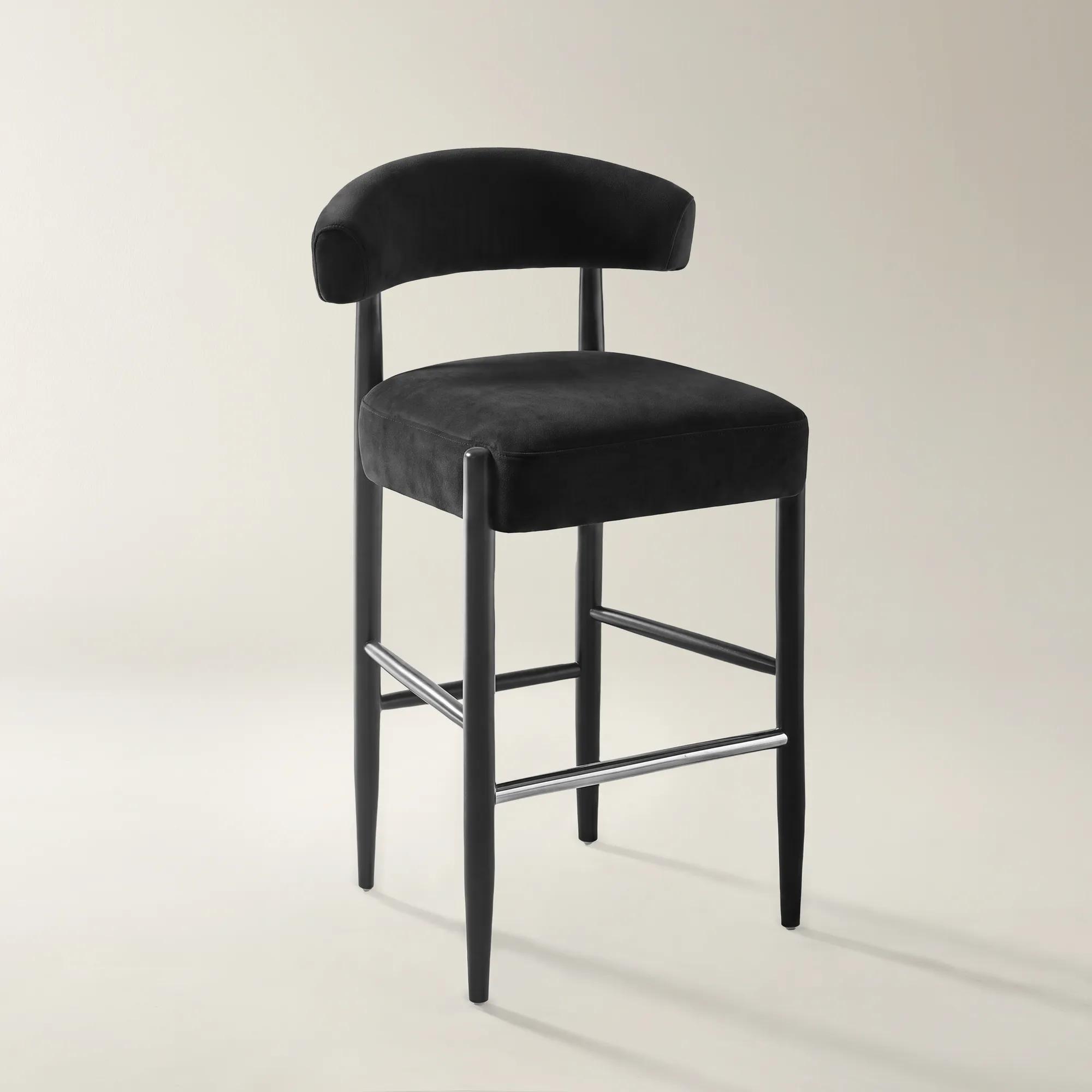 Anna Charcoal Velvet Bar/Counter Stool$399
A charcoal velvet stool featuring a sculpted padded seat, tailored upholstery, and tapered solid-rubberwood legs.
Add To Cart -
-compressed.jpg?w=1200&h=1200)
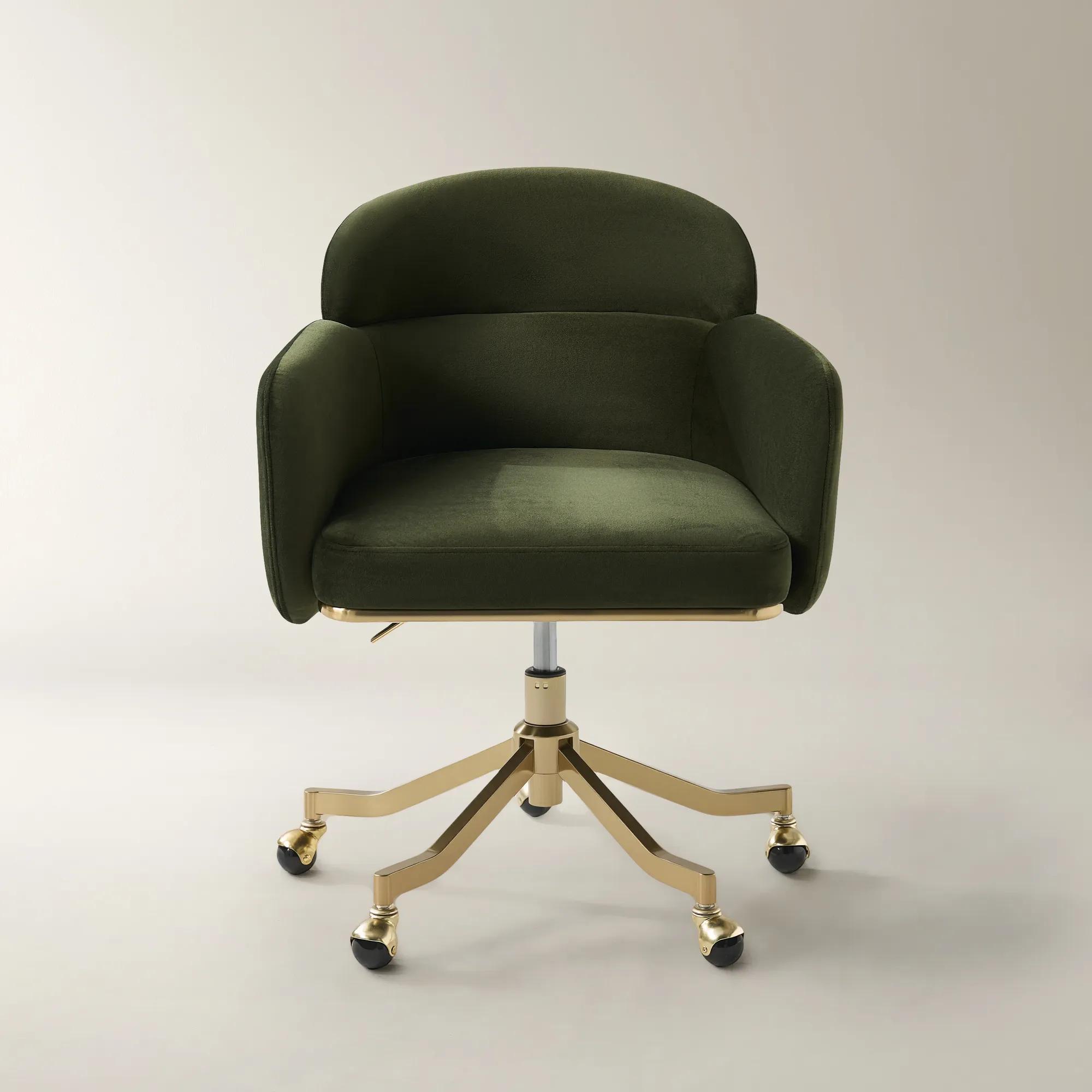 Paige Jade Green Velvet Swivel Desk Chair$349
A jade green velvet swivel chair featuring ergonomic design, adjustable height, and a glossy metal base with casters.
Add To Cart -
.jpg?w=1200&h=1200)
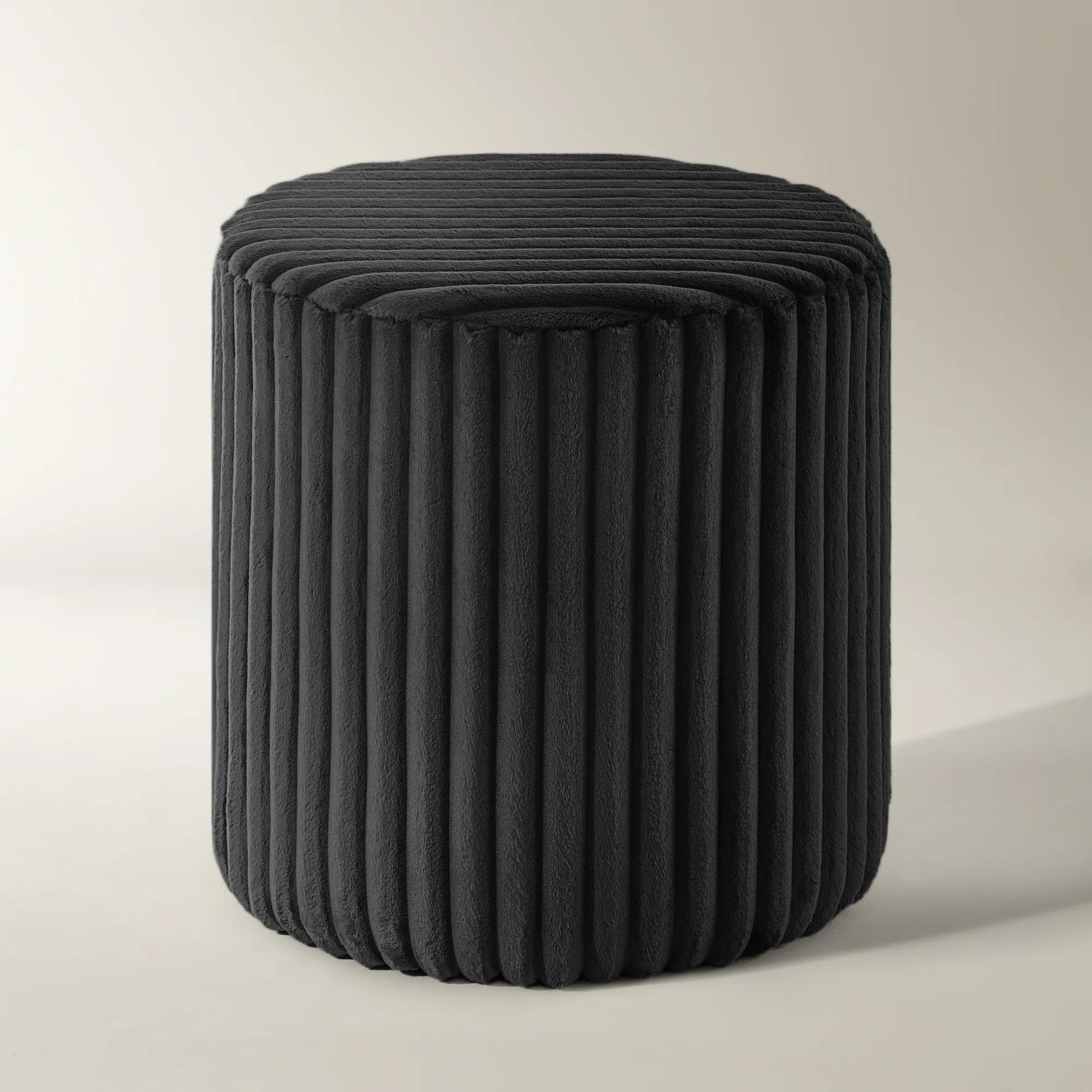 Fleece Fluted Black Velvet Stool (15.55'')$229
A plush black ribbed velvet stool offering versatile seating and cozy texture for any modern space.
Add To Cart -
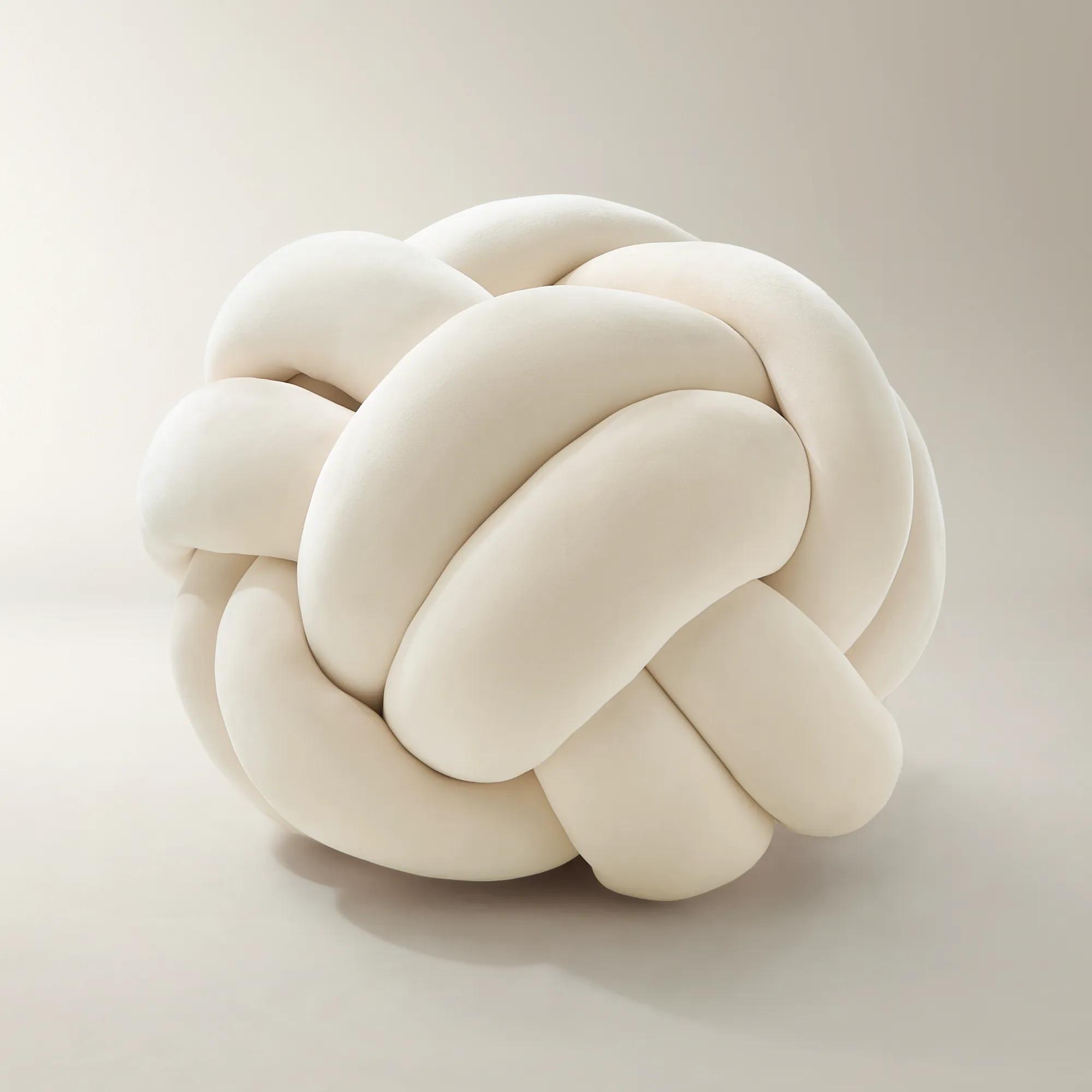 Loopie Oatmeal Velvet Stool (34.5")$349
An oversized oatmeal velvet stool featuring a sculptural knotted silhouette and plush, hand-upholstered finish.
Add To Cart -
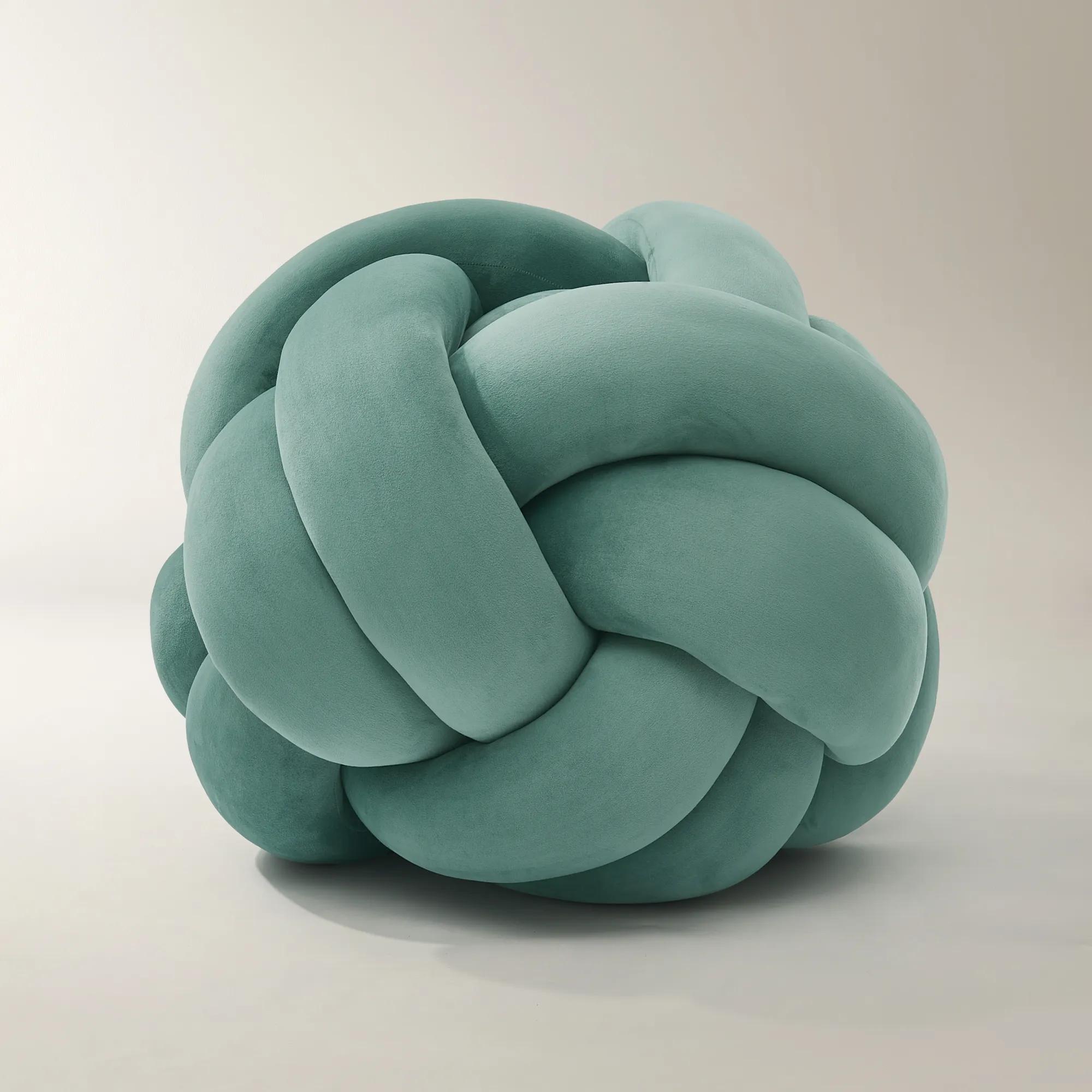 Loopie Ocean Teal Velvet Stool (34.5")$349
A bold sculptural stool featuring plush ocean teal velvet upholstery and an oversized knotted silhouette.
Add To Cart -
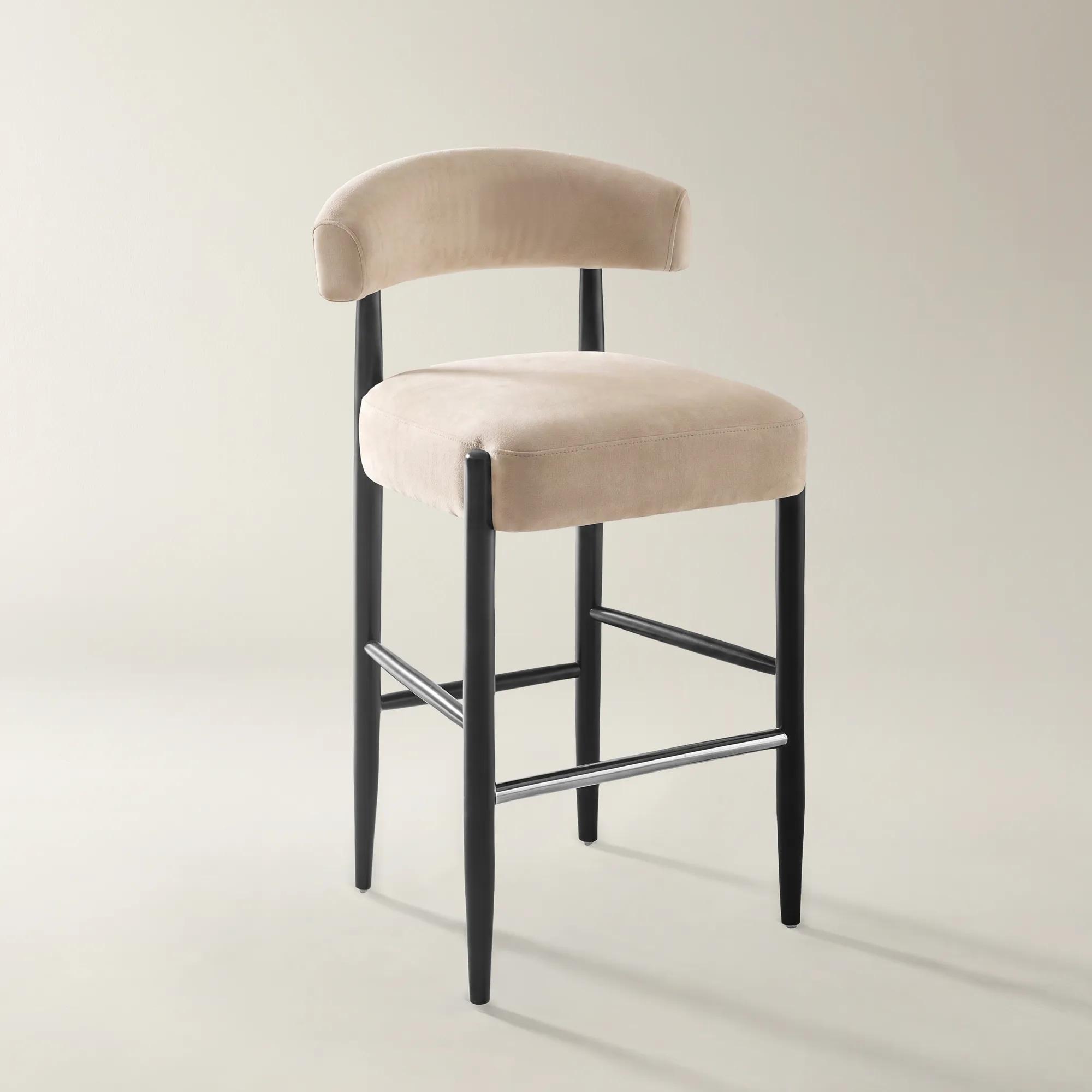 Anna Simply Taupe Velvet Bar/Counter Stool$399
A taupe velvet stool featuring sculpted support, a generously padded seat, and tapered solid rubberwood legs.
Add To Cart -
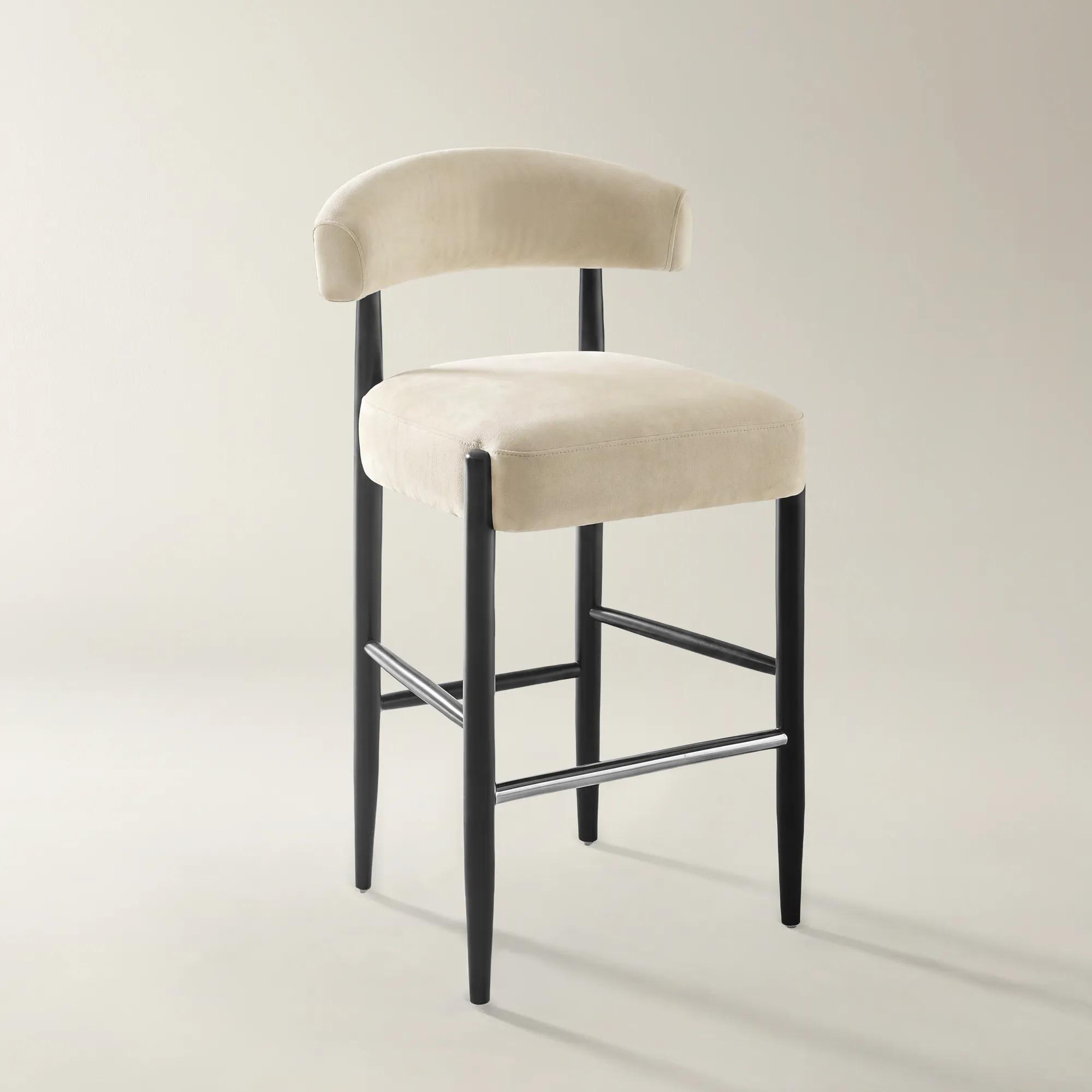 Anna Oatmeal Velvet Bar/Counter Stool$399
A refined oatmeal velvet stool with a sculpted padded seat and solid rubberwood legs.
Add To Cart -
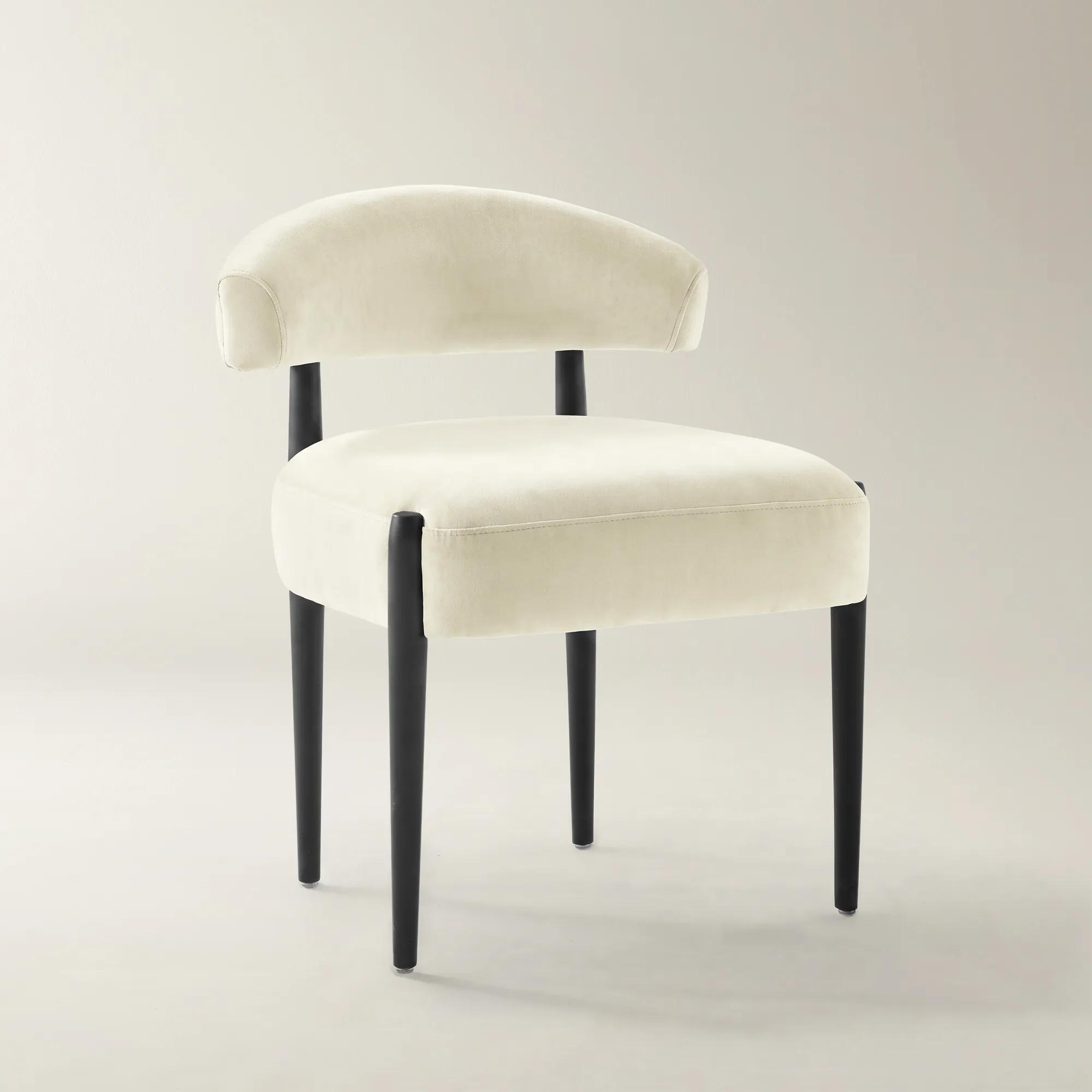 Anna Cloud Velvet Dining Chair Set of 2$599
A hand-upholstered Cloud velvet chair set featuring curved backs, high-density foam, and solid rubberwood legs.
Add To Cart -
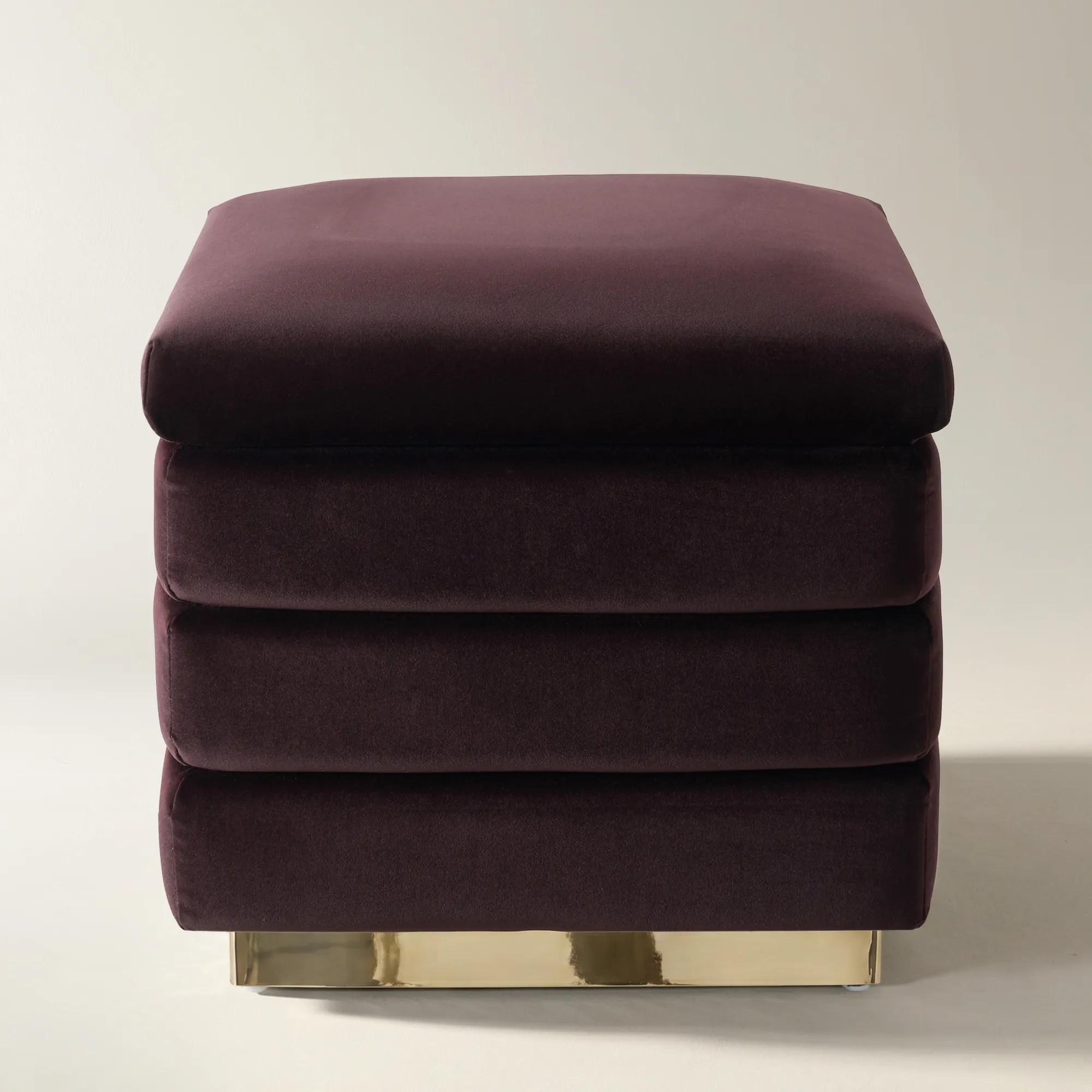
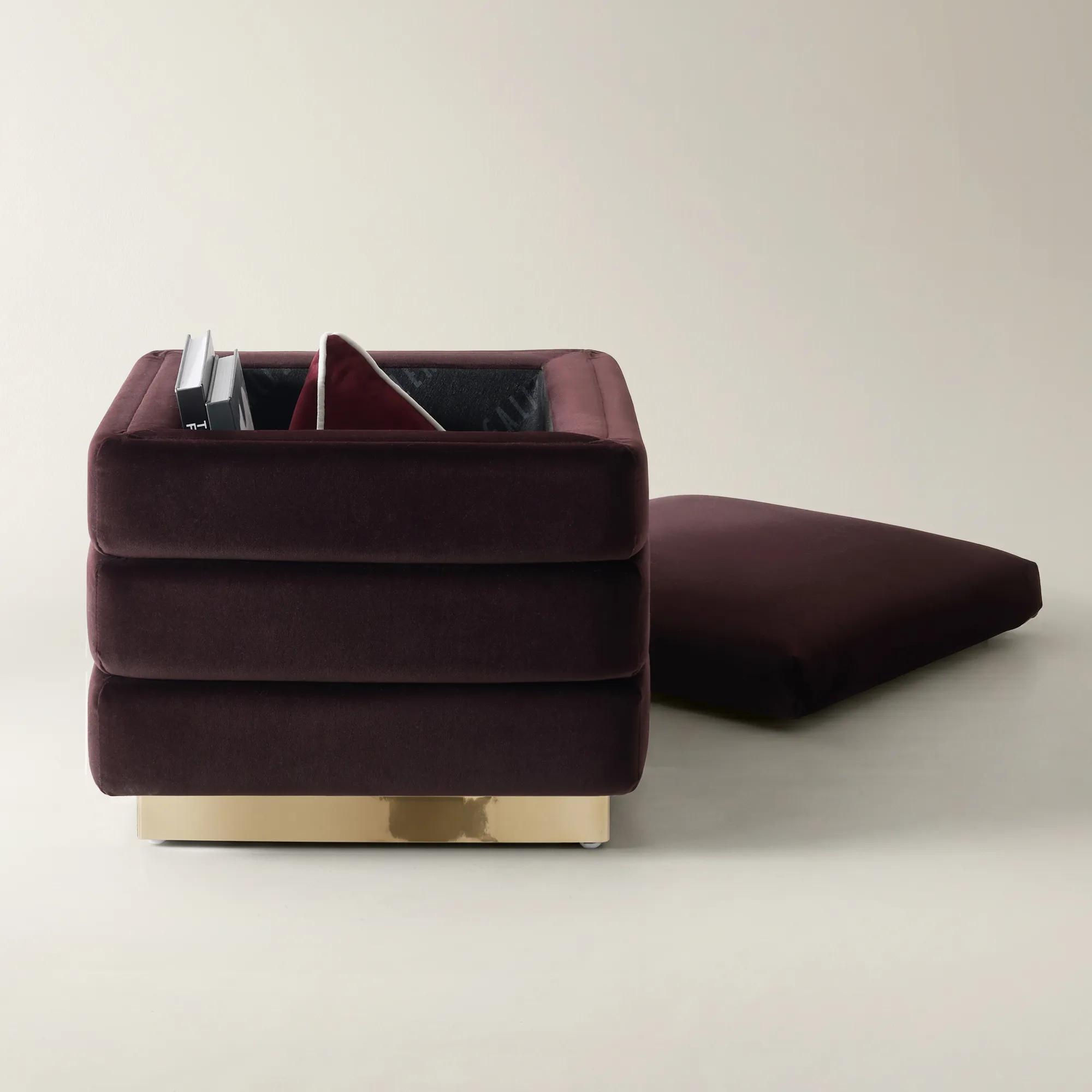 Gable Fig Chenille Storage Stool$399
A plush fig chenille stool with hidden storage, velvet upholstery, and a polished gold stainless steel base.
Add To Cart -
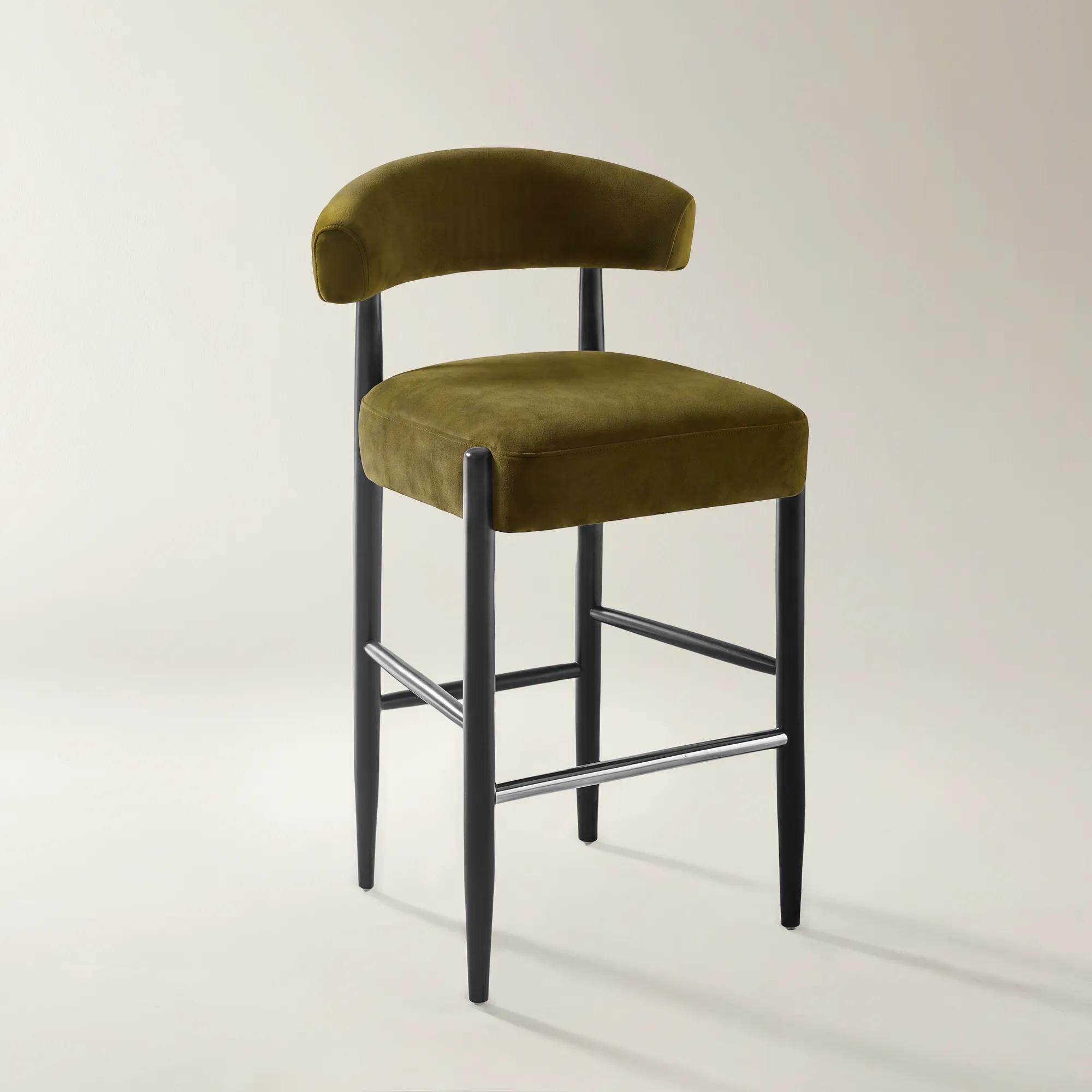 Anna Deep Olive Velvet Bar/Counter Stool$399
A deep olive velvet stool with sculpted support, padded comfort, and tapered solid rubberwood legs.
Add To Cart -
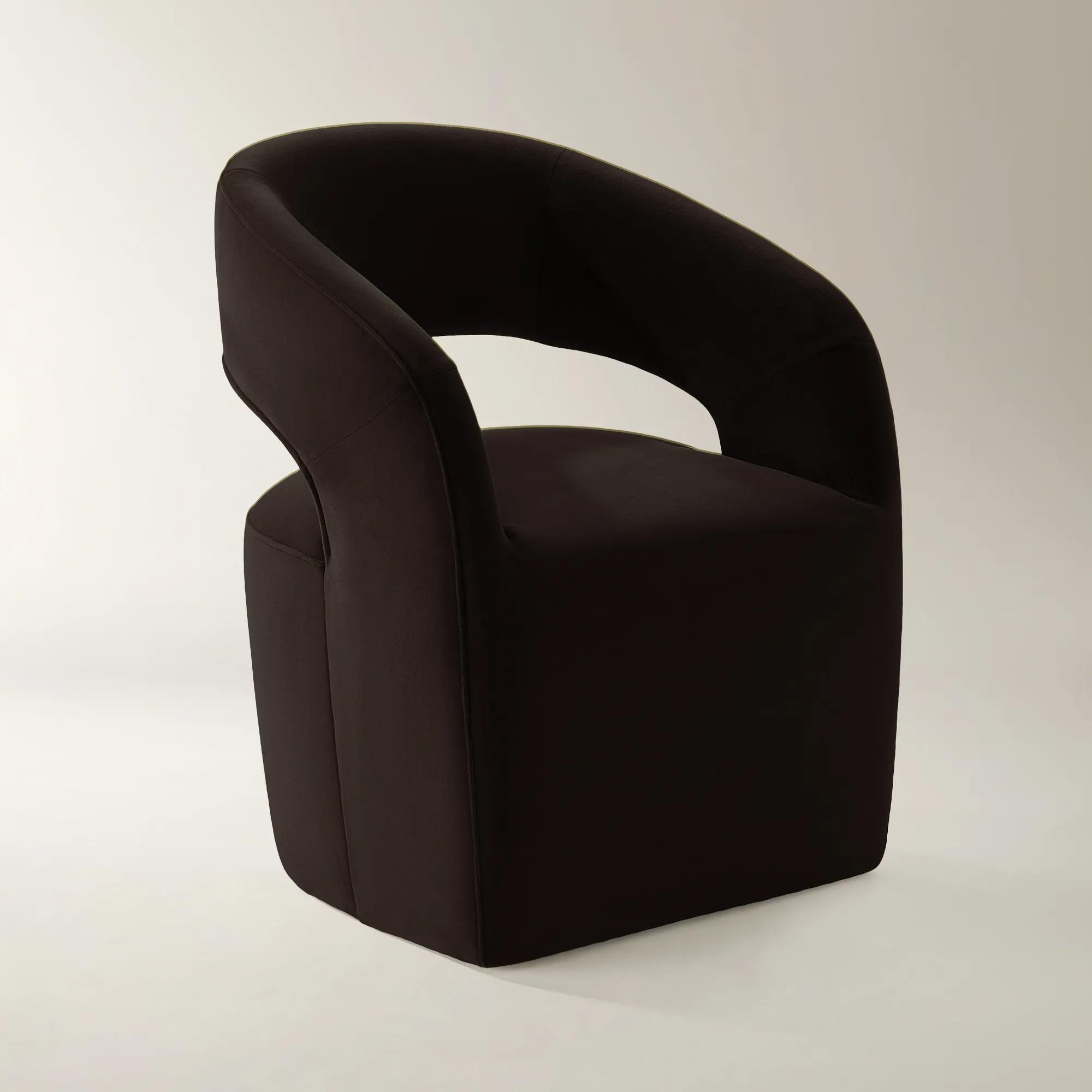
-2.jpg?w=1200&h=1200) Harrison Dark Chocolate Velvet Dining Chair$449
Harrison Dark Chocolate Velvet Dining Chair$449A sculptural dining chair upholstered in dark chocolate velvet with a plush feather-blend seat and curved back.
Add To Cart

Velvet Stools For Offices
Velvet stools for offices invite a sense of sumptuous sophistication into the everyday workspace, transforming the ordinary into the extraordinary. Each piece is a statement—an artful fusion of plush texture and sculptural silhouette, designed to elevate your office with a touch of drama and undeniable allure. Whether poised beside a sleek desk or accenting a creative corner, these velvet stools become the punctuation mark in your professional story, blending comfort with unapologetic style. Embrace the opportunity to curate a workspace that inspires, where every detail reflects your bold vision and passion for design.
Velvet stools for offices bring plush texture and sculptural presence to spaces shaped by focus, conversation, and creative expression. Their appeal lies in the contrast: sumptuous upholstery softens the crisp lines of a desk, while a gleaming metal base or richly finished wood frame gives the room a deliberate architectural accent. In a home office, a compact upholstered stool can sit beside a bookcase as an occasional seat for a visitor, then move closer to a worktable when a project calls for another perspective. In a studio or reception lounge, a pair of velvet stools creates a welcoming place for brief conversations without the visual weight of larger armchairs. Taller silhouettes can complement counter-height collaboration tables or office refreshment areas, provided their dimensions and construction suit the setting. Velvet’s distinctive pile catches light differently across its surface, lending even a single color depth and movement. Deep navy feels composed against pale walls and warm wood; emerald introduces a jewel-like focal point; ivory and soft gray create a luminous counterpoint to dark cabinetry. Channel tufting, tailored seams, and curved seats each give that richness a different rhythm, from sharply defined to softly enveloping. The effect is expressive rather than purely decorative: an inviting place to pause makes a workspace feel more considered, whether it belongs to a designer reviewing samples, a remote professional welcoming an occasional guest, or a small team gathering around a shared surface. Backless forms preserve open sightlines, while stools with a low back offer a more defined seat and a stronger silhouette. For interiors that connect work and living areas, velvet stools for indoor use offer a related expression of this upholstered accent beyond the office. A consistent palette can carry from an adjoining lounge into a workspace without making both rooms feel identical. The common thread is tactile richness, balanced with a scale and shape that serve the way each room is used.
An office stool’s proportions matter as much as its finish, particularly when it needs to work with an existing desk or elevated table. Seat height is the measurement from the floor to the top of the seat, not the overall height of a design with a backrest. For many standard desks measuring approximately 28 to 30 inches high, a seat around 17 to 20 inches high may be suitable, depending on the user and the desk’s underside clearance. Counter-height stools commonly have seats around 24 to 26 inches high for surfaces approximately 34 to 36 inches high; bar-height stools often have seats around 28 to 30 inches high for surfaces approximately 40 to 42 inches high. These are general ranges rather than interchangeable categories. Roughly 10 to 12 inches between the seat and the underside of a tabletop is a useful starting point, with room for thighs, crossed supports, and any drawer or apron beneath the surface. An adjustable-height stool offers flexibility only within its stated adjustment range, so a raised desk still requires a dimensional match. Seat width and depth influence comfort, too: a petite circular seat may be graceful beside a console but less accommodating for a longer conversation than a broader upholstered form. A footrest is especially important on taller stools when the sitter’s feet cannot rest on the floor. Stationary legs provide a settled presence, while a swivel seat can make turning toward a colleague easier without dragging the base. Casters serve a different purpose, allowing movement between nearby work surfaces, but their suitability depends on the floor, the caster design, and any locking features. Space behind and beside the stool should allow someone to sit, turn, and leave without obstructing a walkway. Velvet office stools are particularly well suited to occasional seating, brief collaborative sessions, and guest use; decorative upholstery alone does not make a stool an ergonomic task chair. For extended computer work, adjustable support, posture, and sustained comfort deserve priority over silhouette.
The character and longevity of velvet upholstery depend on more than its luxurious hand. Velvet describes a pile construction, and its fibers may include polyester, cotton, viscose, or blends, each with different care needs and responses to everyday use. Polyester velvet is often chosen for durability and relatively straightforward maintenance, while other compositions may require more cautious handling; the upholstery specification and care label remain the most reliable references. Performance velvet may offer documented resistance to stains or wear, but the term does not mean every spill can be ignored or every cleaning method is safe. In an office where coffee accompanies morning correspondence or visitors use the same seat throughout the day, stated abrasion performance, seam quality, and approved cleaning methods are meaningful details. For shared commercial settings, suitability for contract use and any applicable requirements should be confirmed rather than assumed from appearance. A stable frame, secure leg connections, and a clearly stated weight capacity support dependable use, while cushioning that retains its shape helps preserve the stool’s tailored profile. Wood brings warmth and visible grain; metal can introduce a polished, brushed, or matte contrast to the fabric’s softness. Neither material alone guarantees durability, which also depends on construction, finish, and use. Floor-compatible glides or protective pads can help limit scratches beneath stationary stools, especially when seating moves frequently. Routine care generally begins with gentle vacuuming using an upholstery attachment, following the manufacturer’s directions and avoiding aggressive brushing. Spills should be blotted promptly with a clean, absorbent cloth rather than rubbed into the pile, and cleaning products should be used only as permitted by the care instructions. Pressure can change the direction of velvet’s nap, creating shading that is not necessarily a stain; treatments such as steaming should never be assumed suitable for every fabric. Placement away from prolonged direct sunlight can help reduce fading, preserving the depth that makes velvet so compelling. With thoughtful proportions, appropriate construction, and consistent care, a velvet stool becomes a lasting accent in an office composition: soft against structured cabinetry, radiant beside a restrained desk, and ready to lend everyday exchanges a more gracious setting.
FAQs
Velvet stools bring a touch of glamor and sophistication to a wide range of office aesthetics. They pair beautifully with modern, Art Deco, and transitional spaces, but also add a dramatic pop to minimalist or contemporary interiors. Their rich texture and vibrant colors can serve as a focal point in a neutral office or complement bold, expressive décor for a cohesive, curated look.
Velvet stools instantly elevate the ambiance of any office by introducing a sense of luxury and tactile comfort. Their plush upholstery softens the room visually and physically, encouraging relaxation and creativity. Whether used as seating for guests, a perch at a vanity desk, or a statement accent, velvet stools infuse the workspace with warmth, artistry, and a sense of personal style.
Absolutely. Velvet stools are versatile enough to make a statement in both home offices and corporate settings. In a home office, they add a personalized, inviting touch, while in professional environments, they signal attention to detail and a commitment to refined design. Their adaptability allows them to transition seamlessly between various settings, making them a favorite among design enthusiasts.
Velvet stools can be used as extra seating for collaborative spaces, tucked under writing desks, or placed beside bookshelves as a chic spot to pause and reflect. They also work beautifully in reception areas, at vanity tables, or as impromptu meeting seats. For a touch of unexpected drama, try pairing them with metallic accents, oversized artwork, or layered rugs to create a gallery-inspired workspace.
Gifting a velvet stool is a way to celebrate new beginnings with a piece that blends artistry, comfort, and practicality. It’s a memorable gesture for a friend or loved one embarking on a new career or personal project, offering them a daily reminder of encouragement and style. The luxurious texture and bold design make it a gift that stands out, transforming any workspace into a sanctuary of inspiration.