
Upholstered Stools For Offices
Upholstered Stools For Offices
-
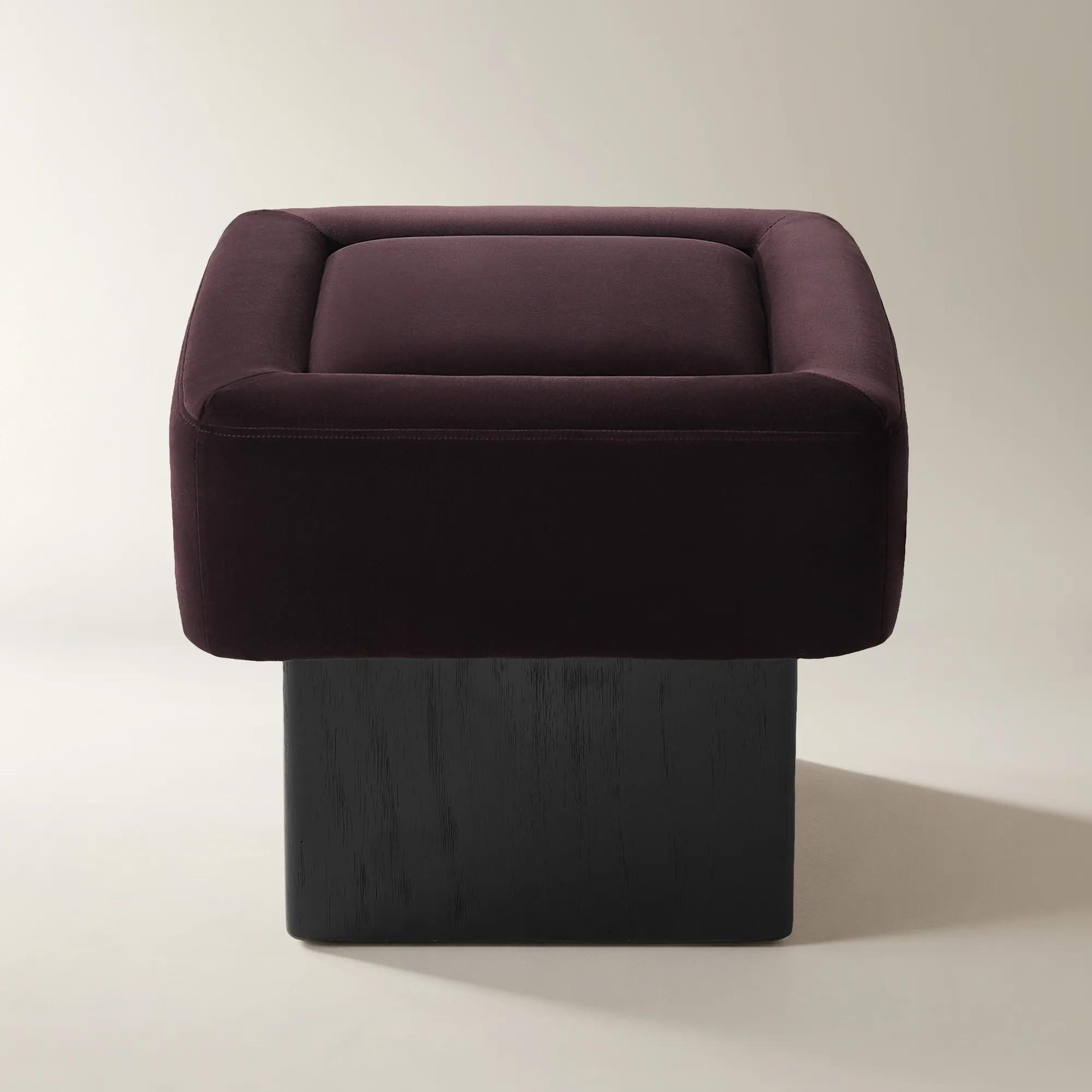 Reims Fig Velvet Stool$349
A plush fig-colored velvet stool featuring a sculpted cushion and a solid rubberwood base for modern contrast.
Add To Cart -
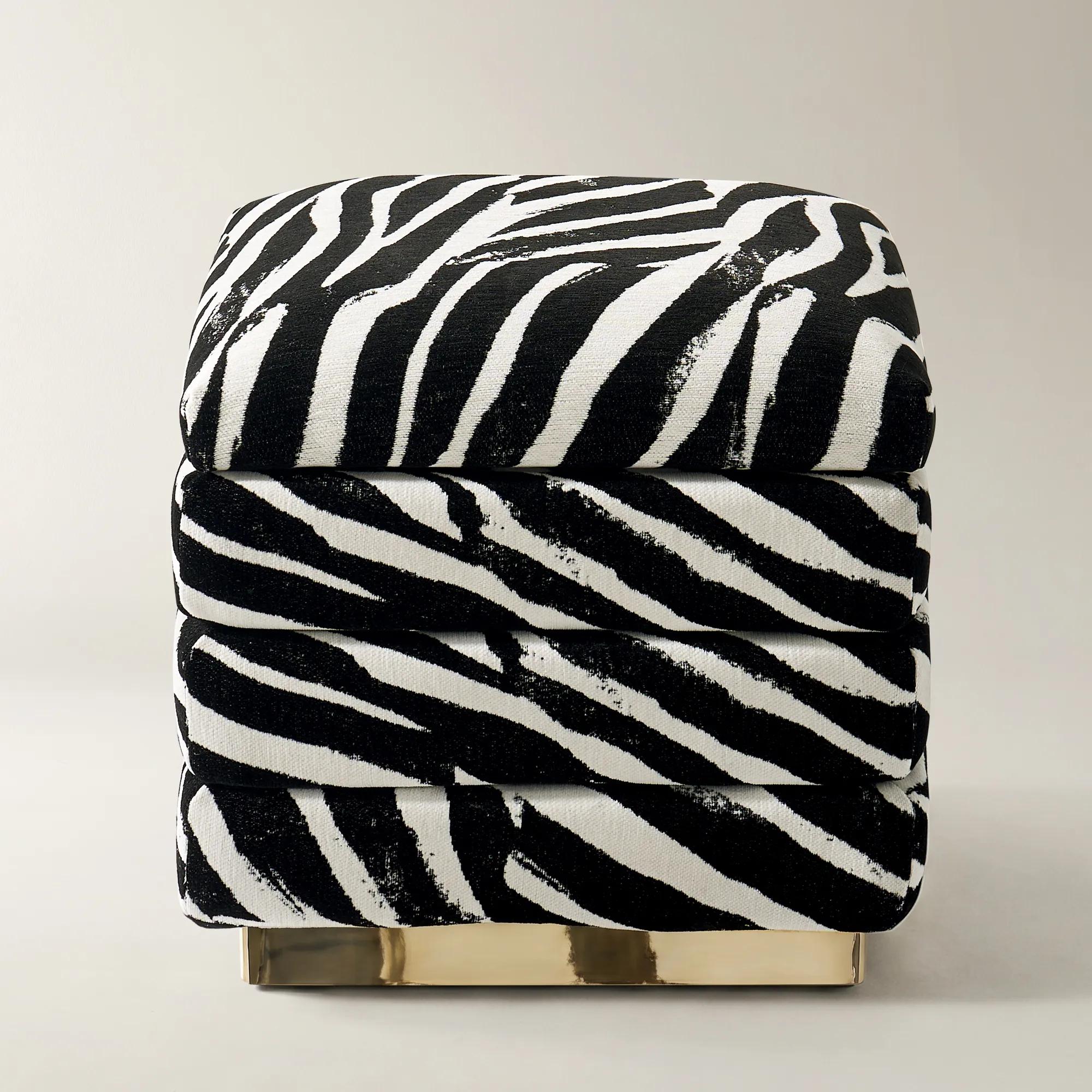
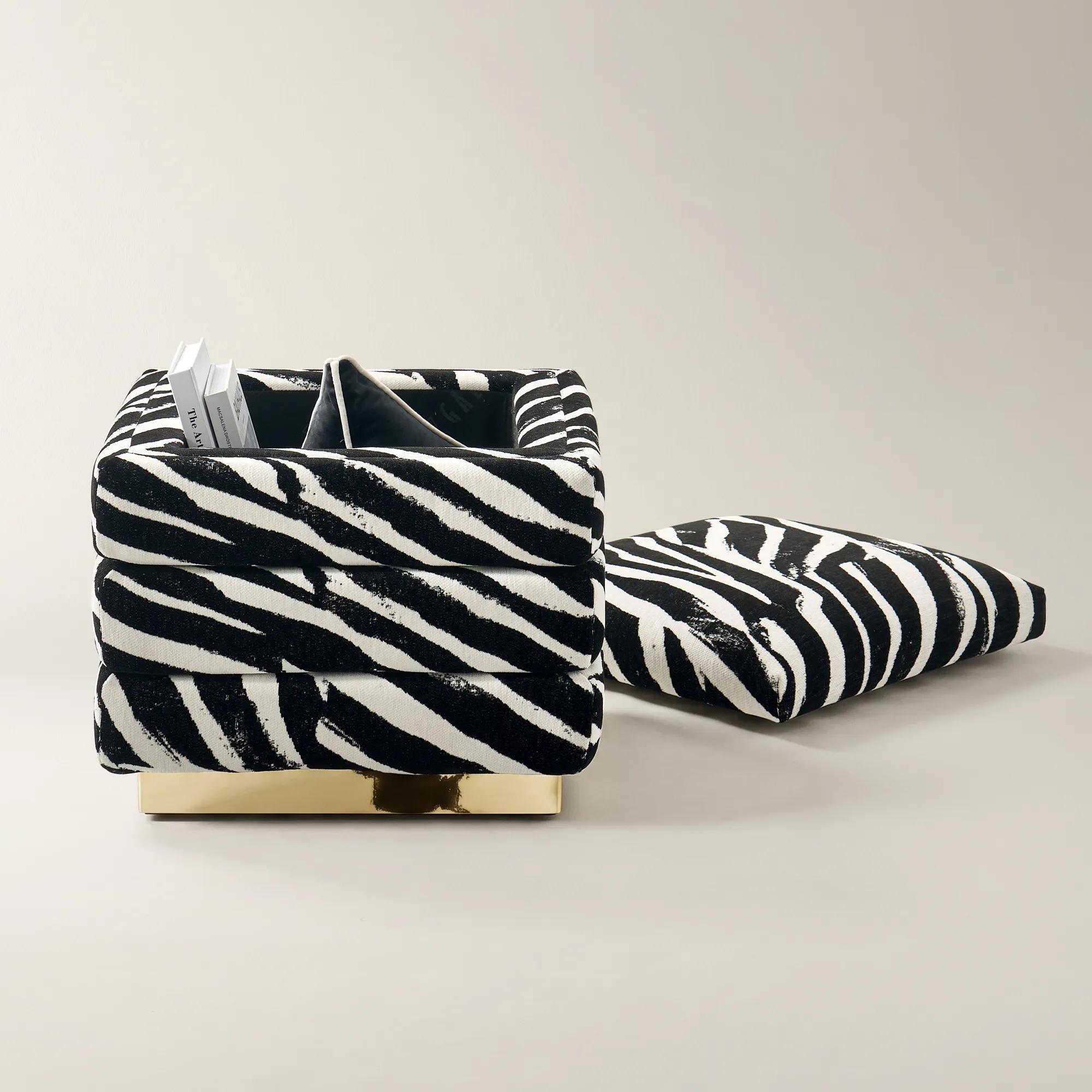 Gable White/Black Performance Chenille Stool$399
A plush white and black chenille stool with hidden storage and a polished gold stainless steel base.
Add To Cart -
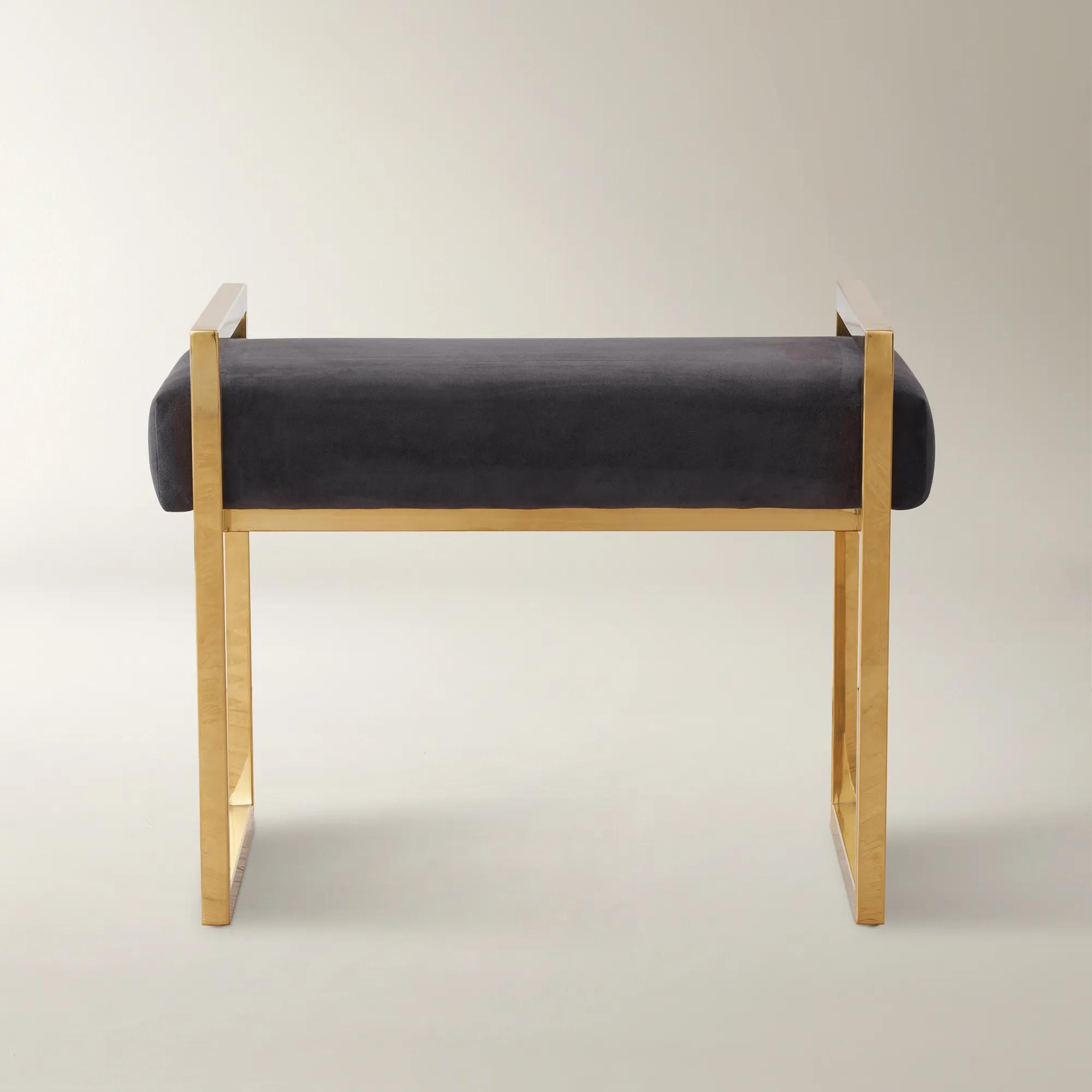
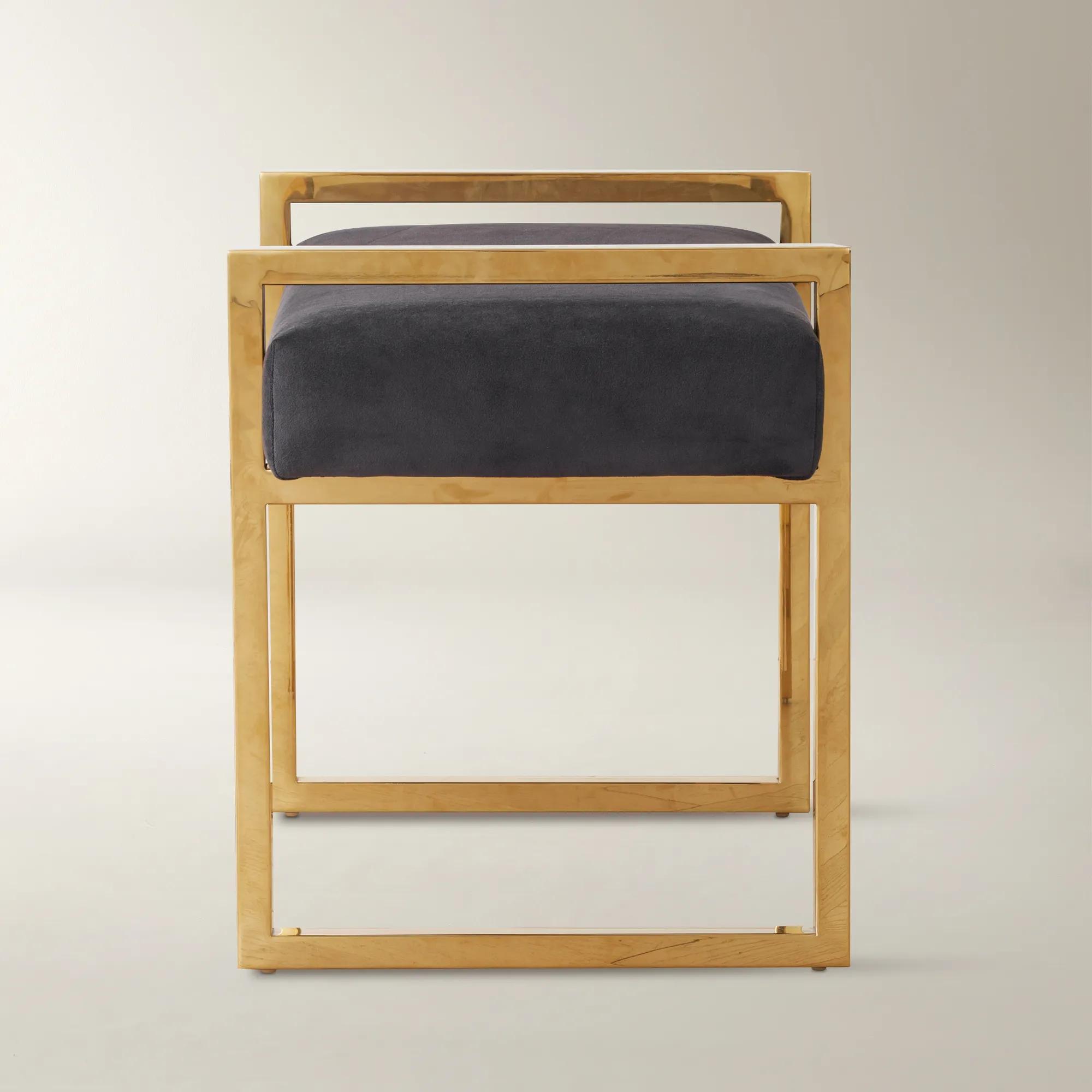 Clara Accent Stool$399
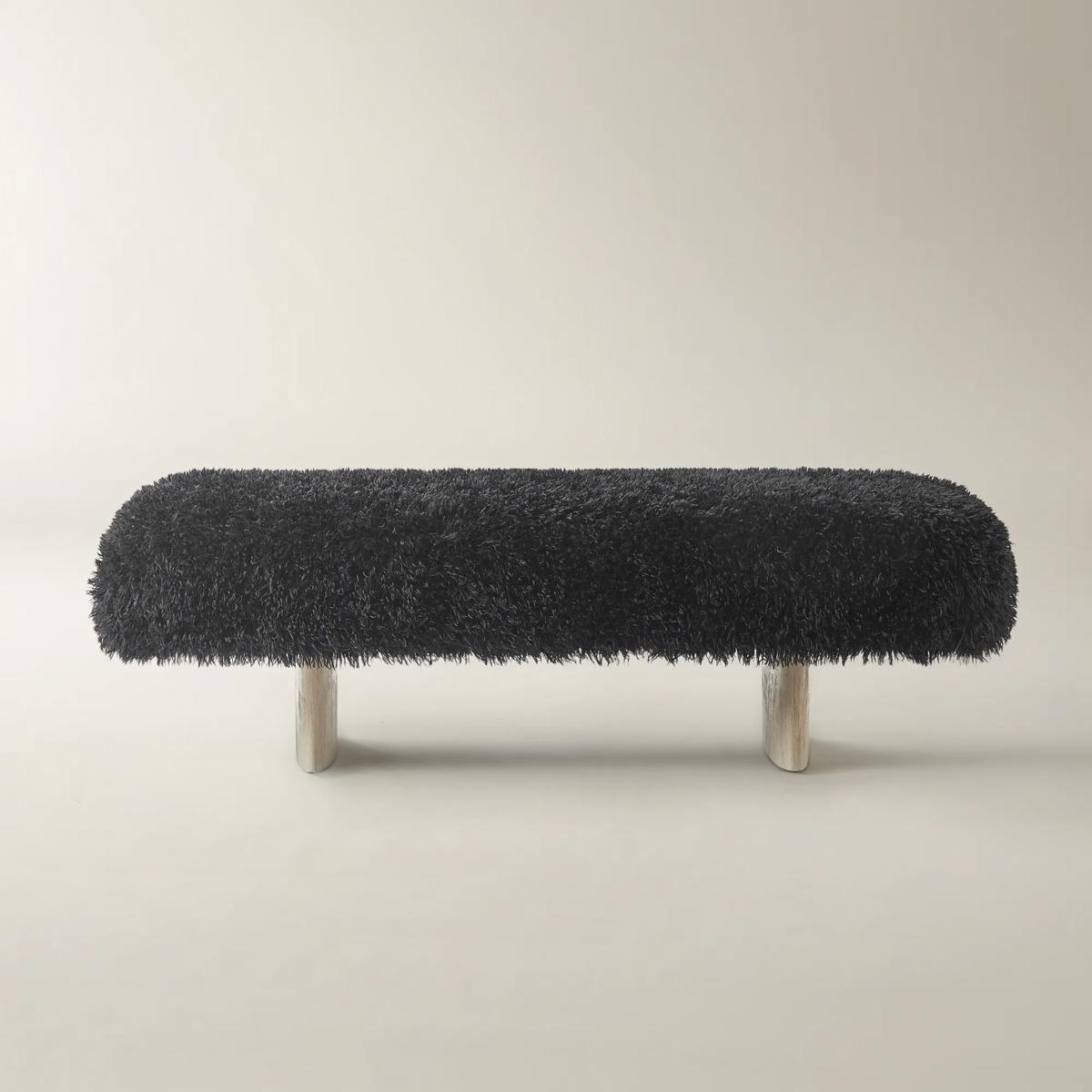
A plush black velvet seat rests on polished gold metal legs for a chic, modern accent piece.
Add To Cart -
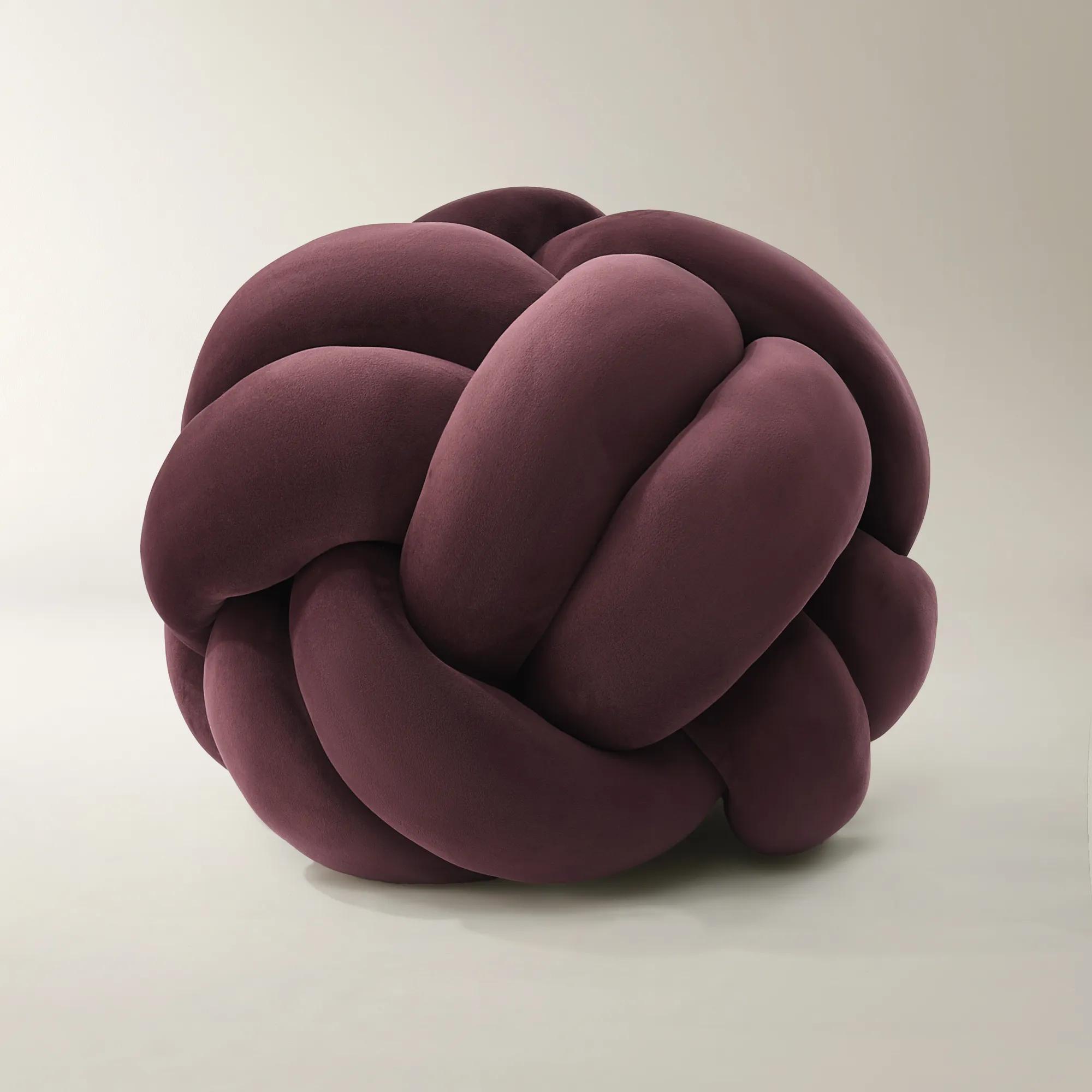
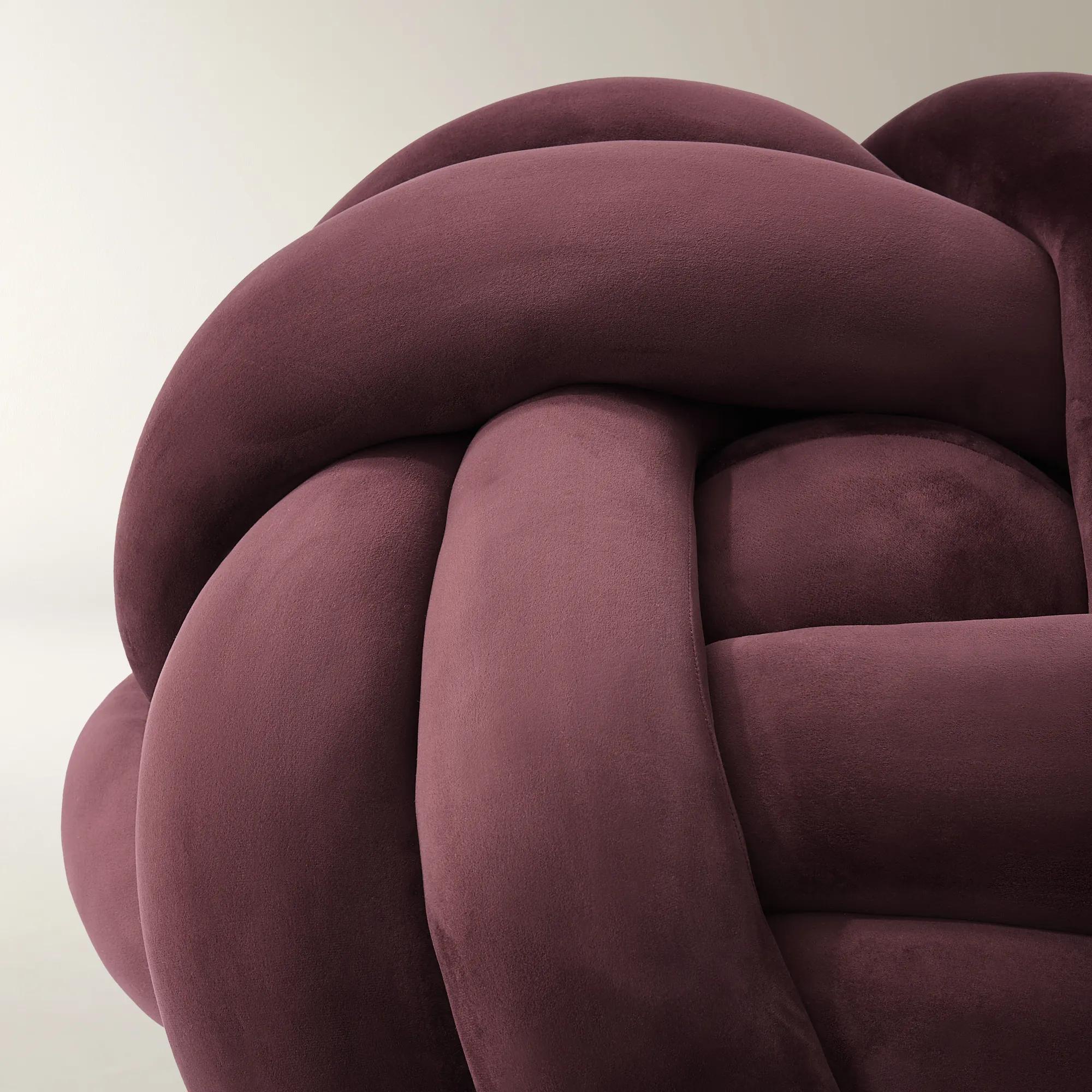 Loopie Fig Velvet Stool (34.5")$349
An oversized, knot-inspired stool hand-upholstered in plush fig velvet for bold sculptural appeal.
Add To Cart -
.jpg?w=1200&h=1200)
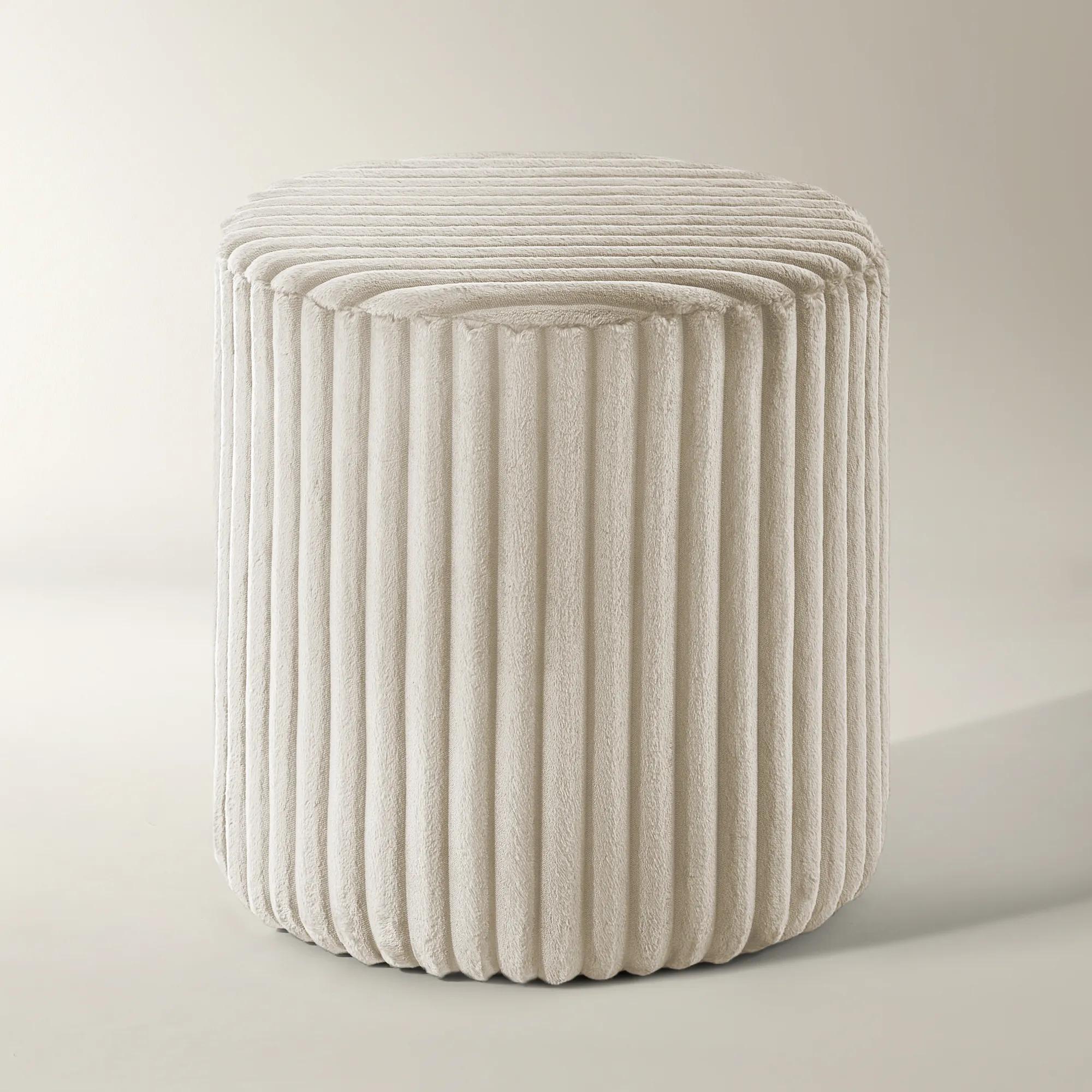 Fleece Fluted Ivory Velvet Stool (15.55'')$229
An ivory ribbed velvet stool offering cozy softness and versatile use as seating, footrest, or accent table.
Add To Cart -
.jpg?w=1200&h=1200) Fleece Fluted Gray Velvet Stool (15.55'')$229
Fleece Fluted Gray Velvet Stool (15.55'')$229A plush grey velvet stool with a unique ribbed texture, perfect for versatile, cozy seating or decor.
Add To Cart -
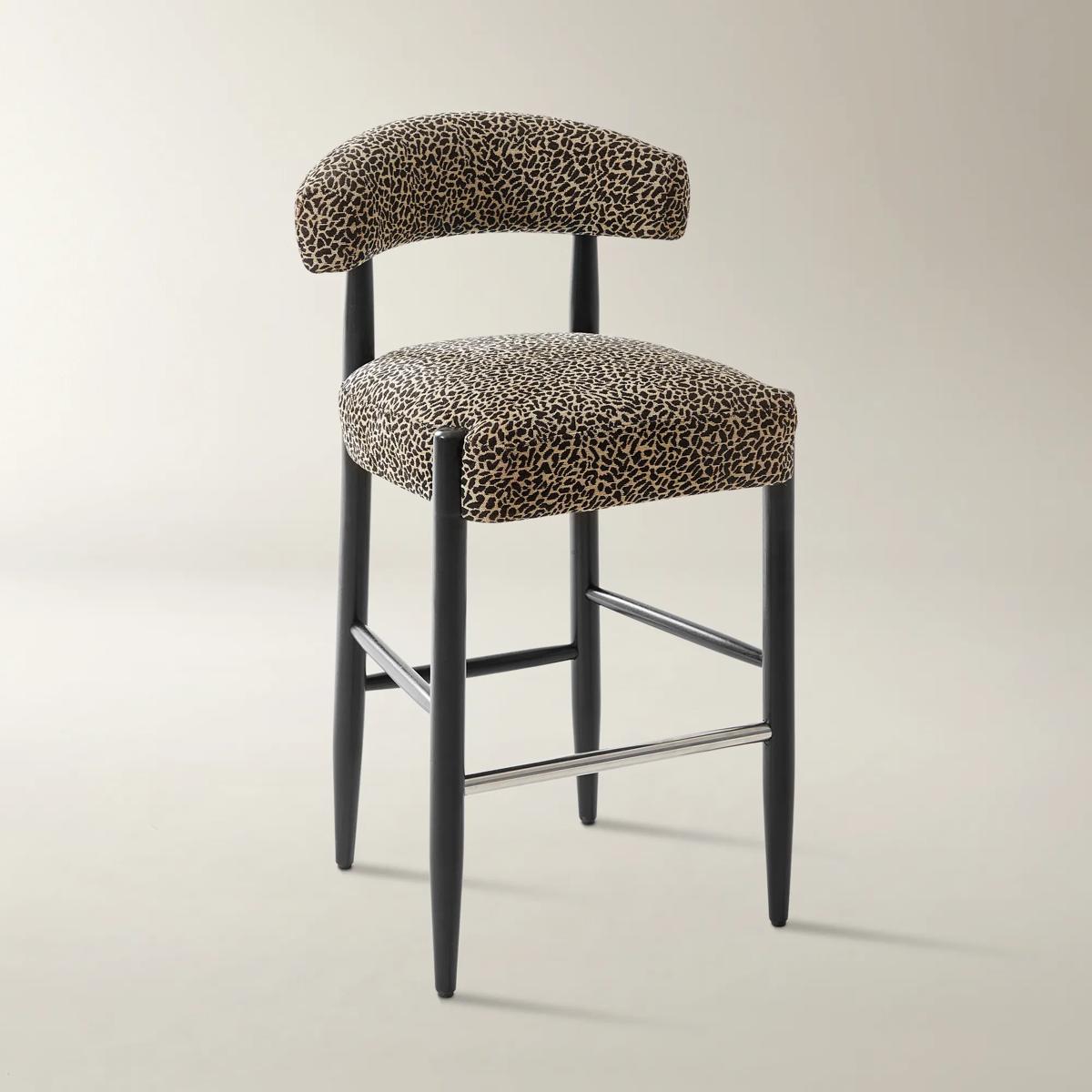 Anna Leopard Chenille Bar/Counter Stool$399
A leopard-print chenille barstool with kiln-dried hardwood legs and supportive, hand-upholstered cushioning.
Add To Cart -
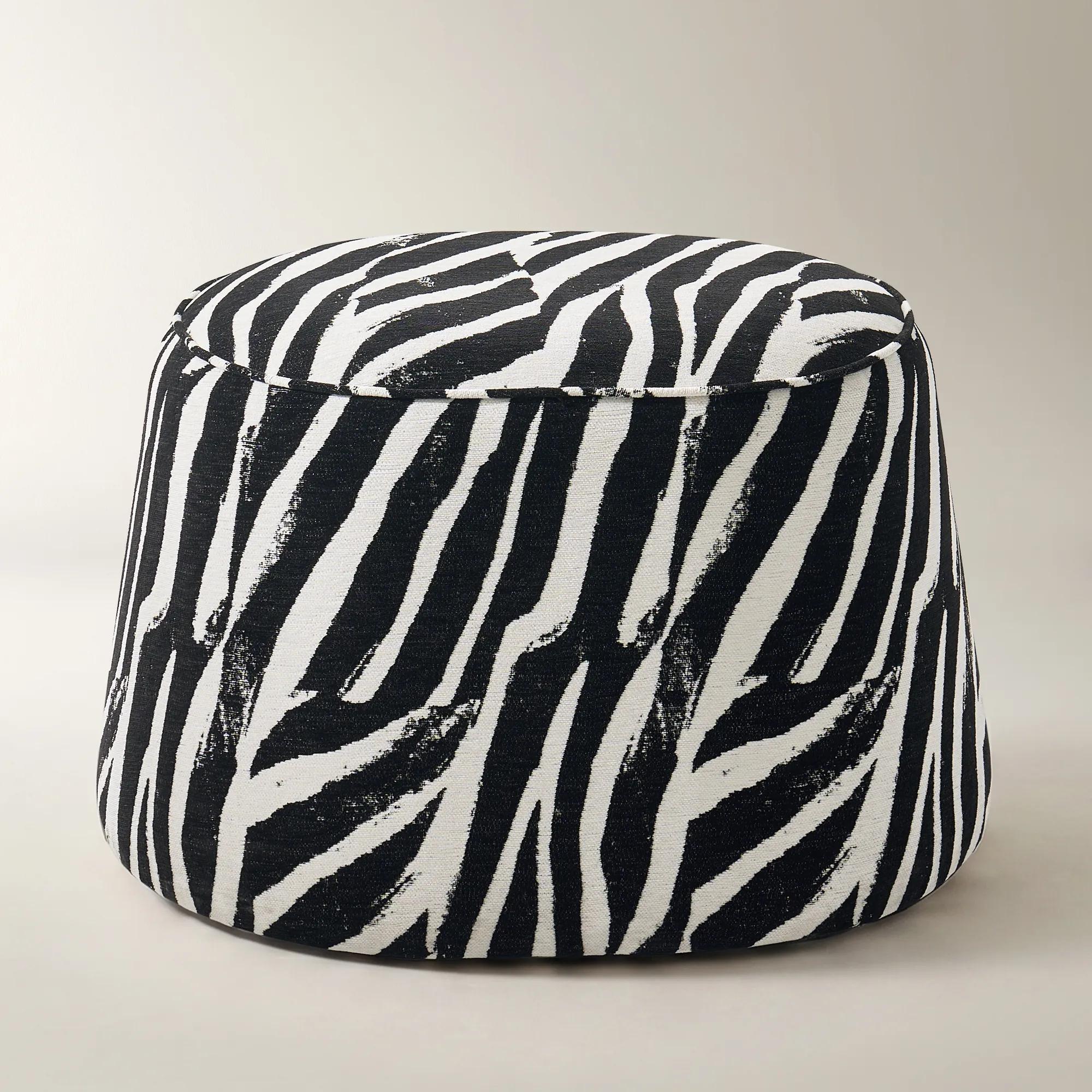 Avery White/Black Performance Chenille Stool$399
A sculpted drum accent stool in black and white performance chenille with an animal-inspired pattern.
Add To Cart -
.jpg?w=1200&h=1200)
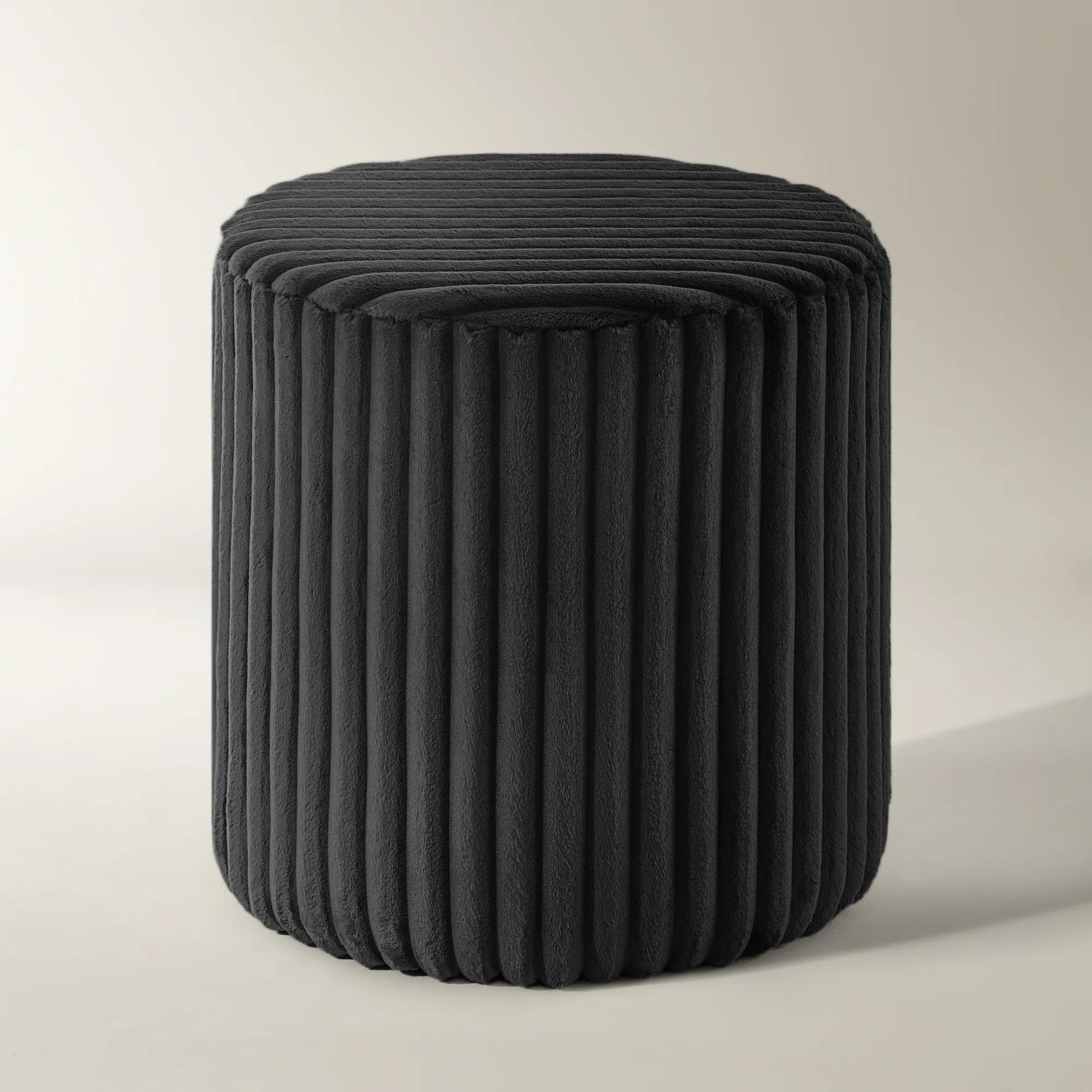 Fleece Fluted Black Velvet Stool (15.55'')$229
A plush black ribbed velvet stool offering versatile seating and cozy texture for any modern space.
Add To Cart -
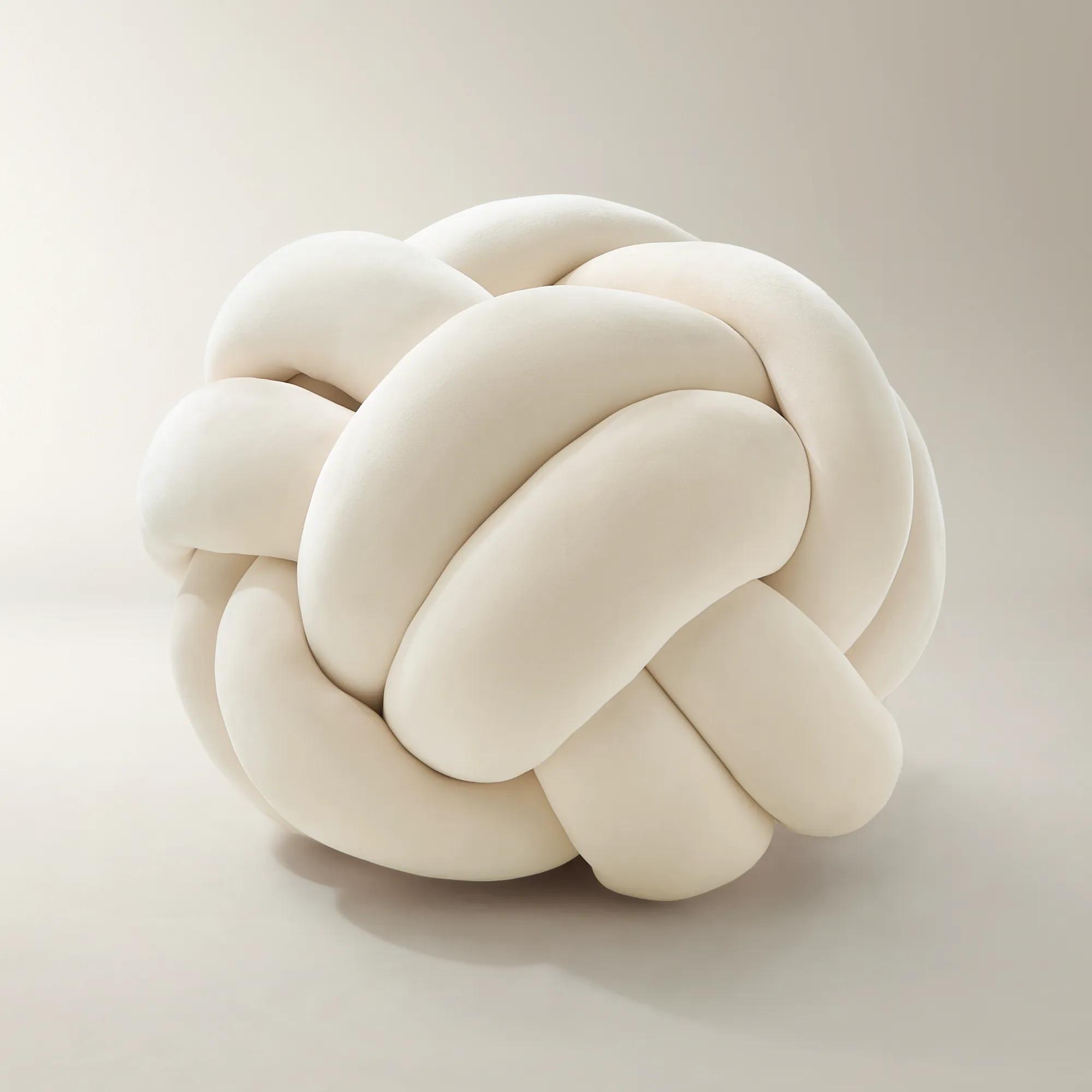 Loopie Oatmeal Velvet Stool (34.5")$349
An oversized oatmeal velvet stool featuring a sculptural knotted silhouette and plush, hand-upholstered finish.
Add To Cart -
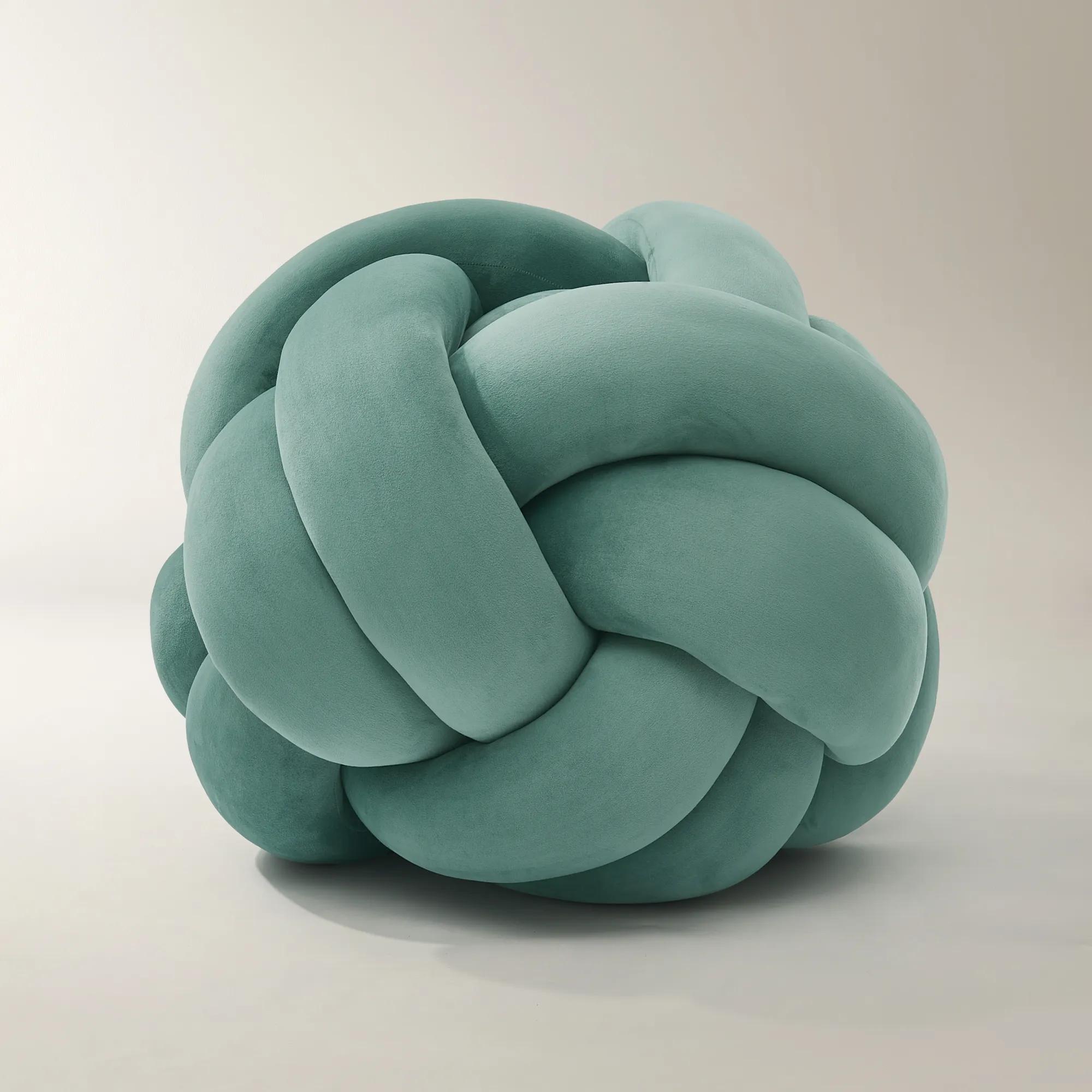 Loopie Ocean Teal Velvet Stool (34.5")$349
A bold sculptural stool featuring plush ocean teal velvet upholstery and an oversized knotted silhouette.
Add To Cart -
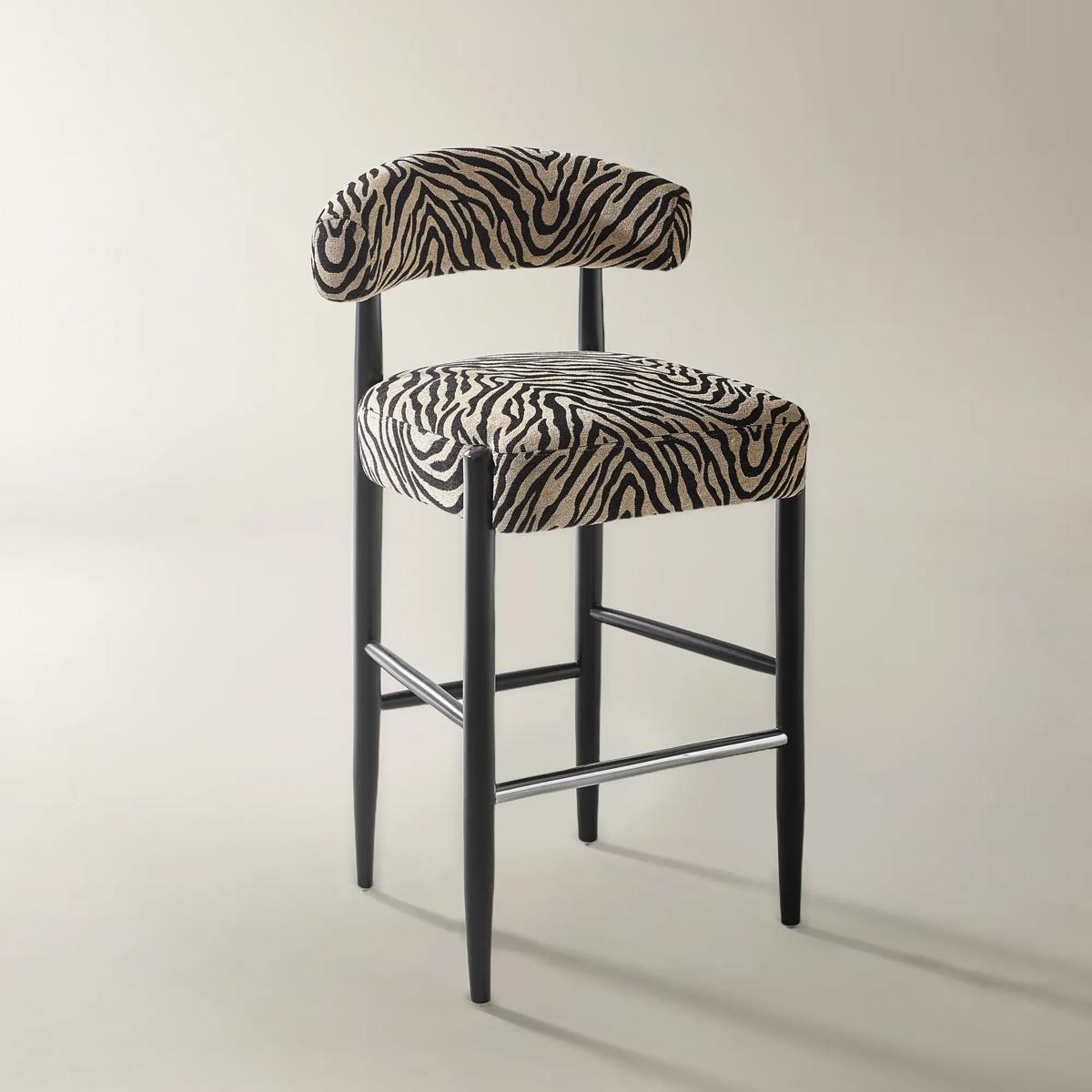
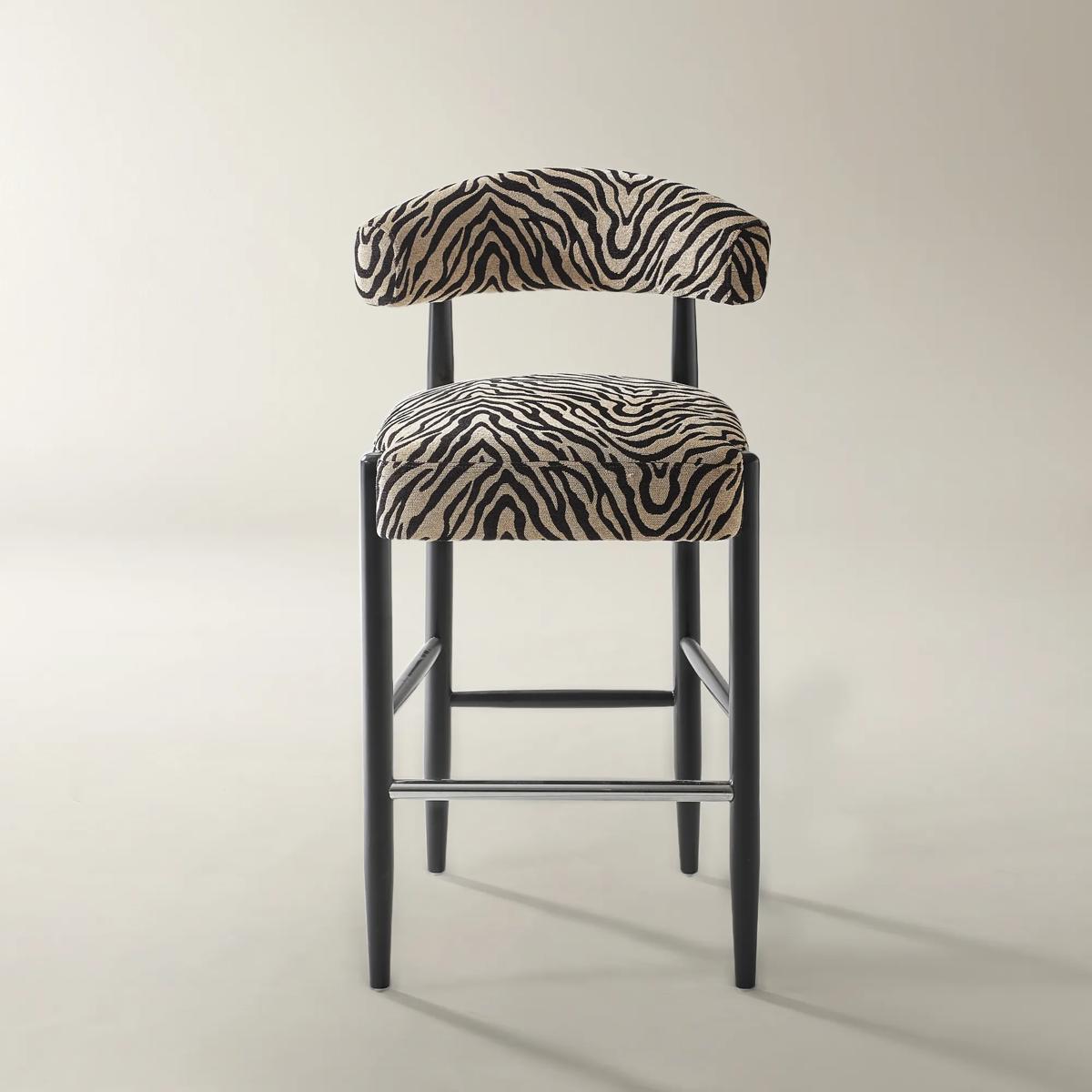 Anna Zebra Chenille Bar/Counter Stool$399
A zebra-print chenille barstool with plush foam padding and solid rubberwood legs for modern sophistication.
Add To Cart -
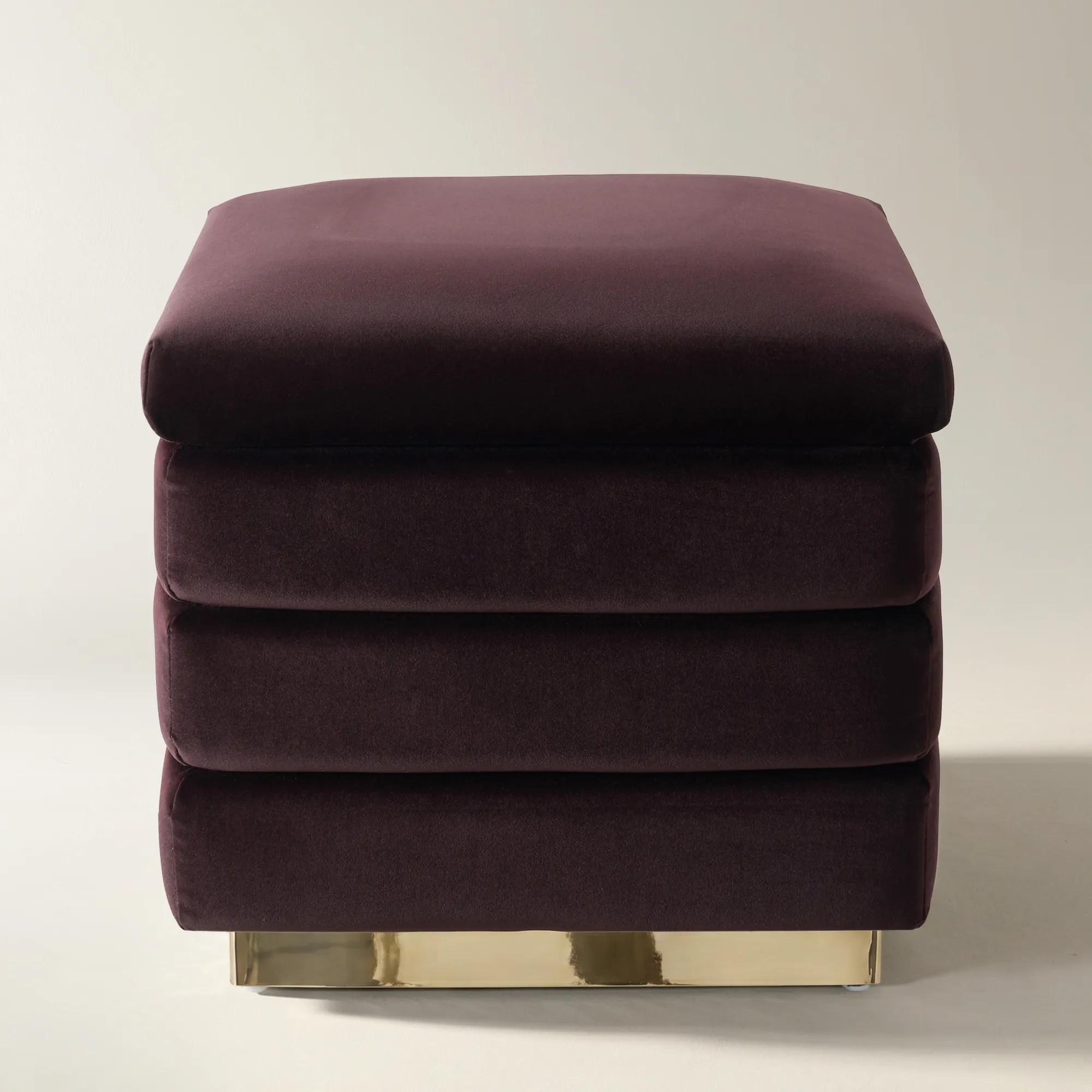
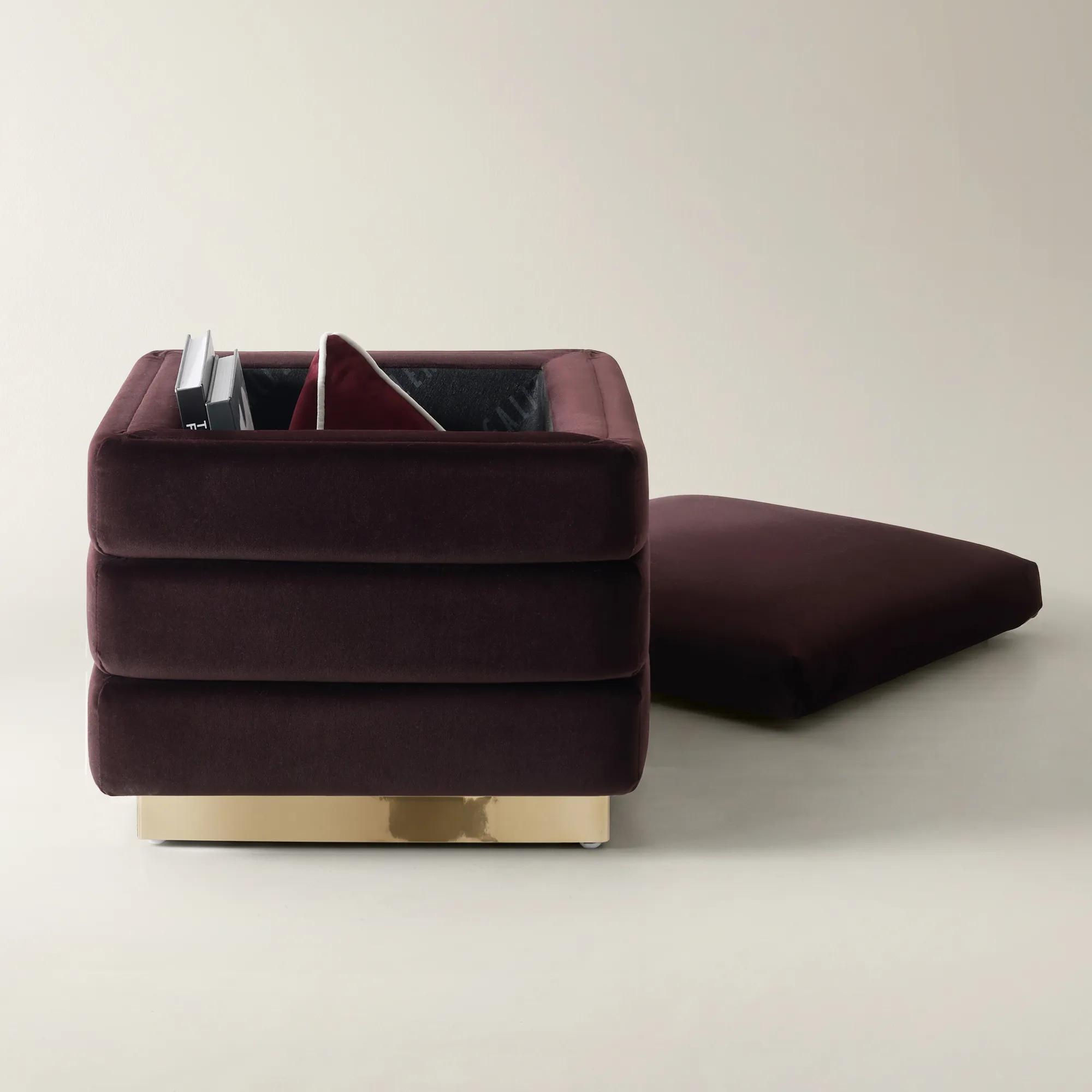 Gable Fig Chenille Storage Stool$399
A plush fig chenille stool with hidden storage, velvet upholstery, and a polished gold stainless steel base.
Add To Cart -
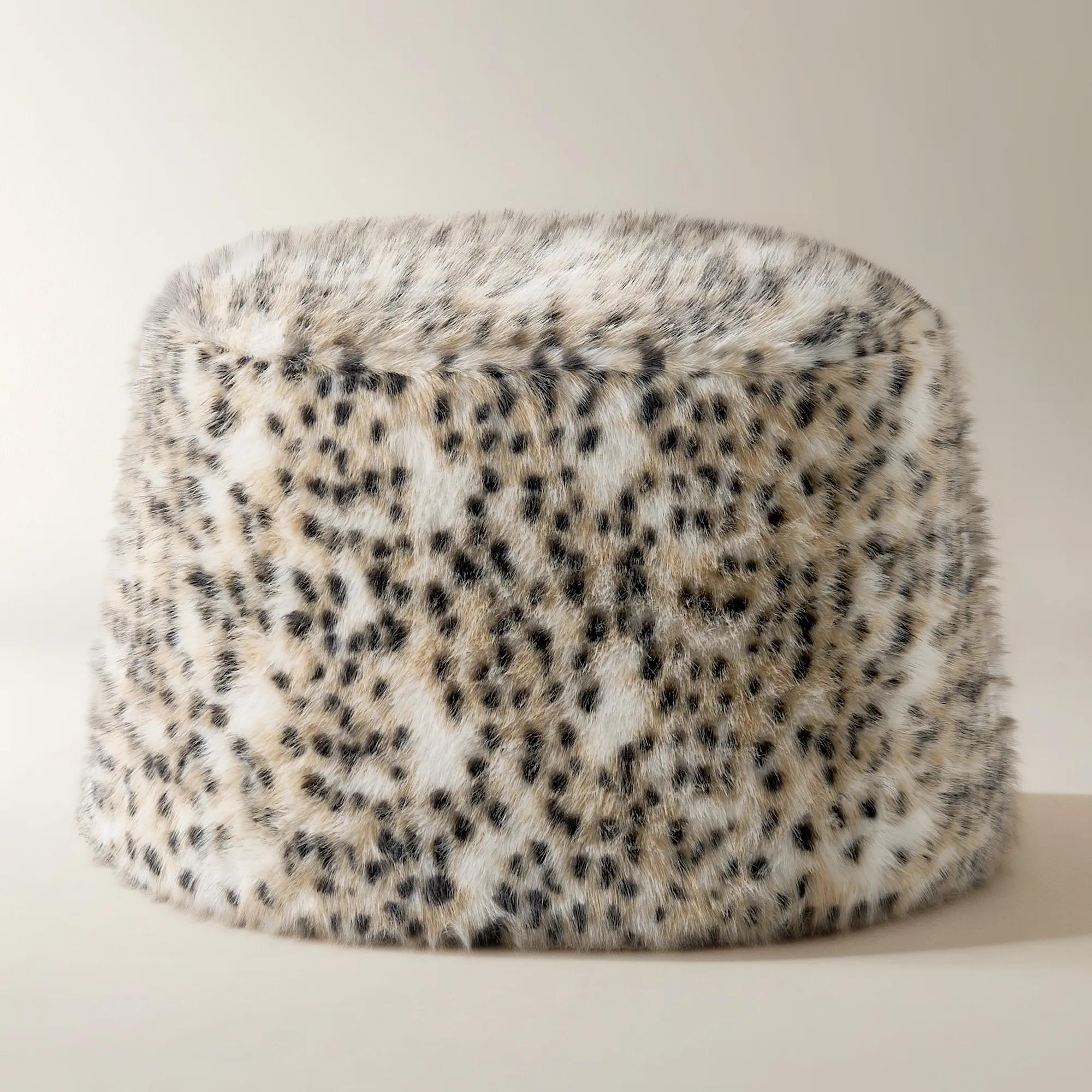
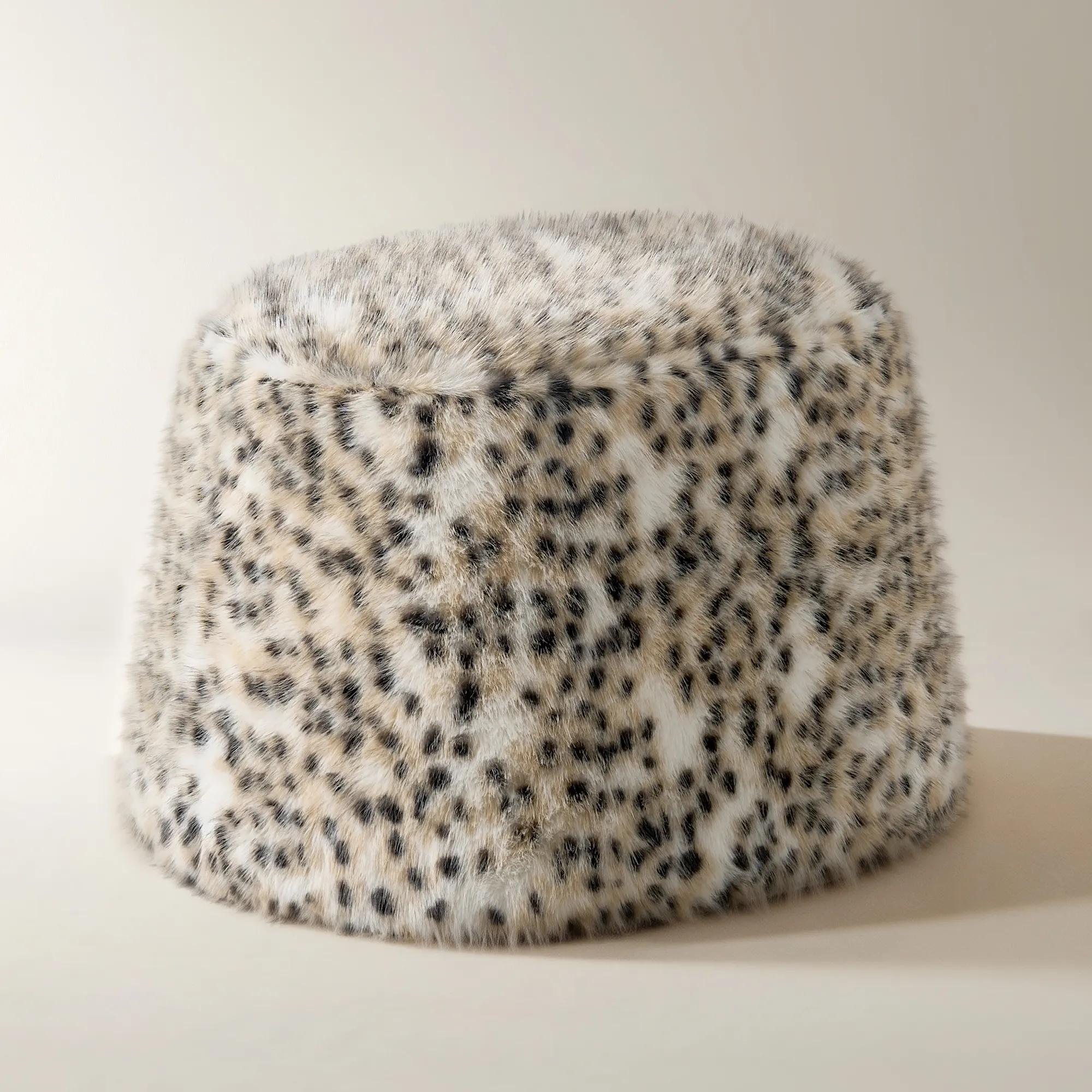 Avery Spotted Faux Fur Stool$399
A sculpted drum stool wrapped in plush spotted faux fur for bold, modern accent seating.
Add To Cart -
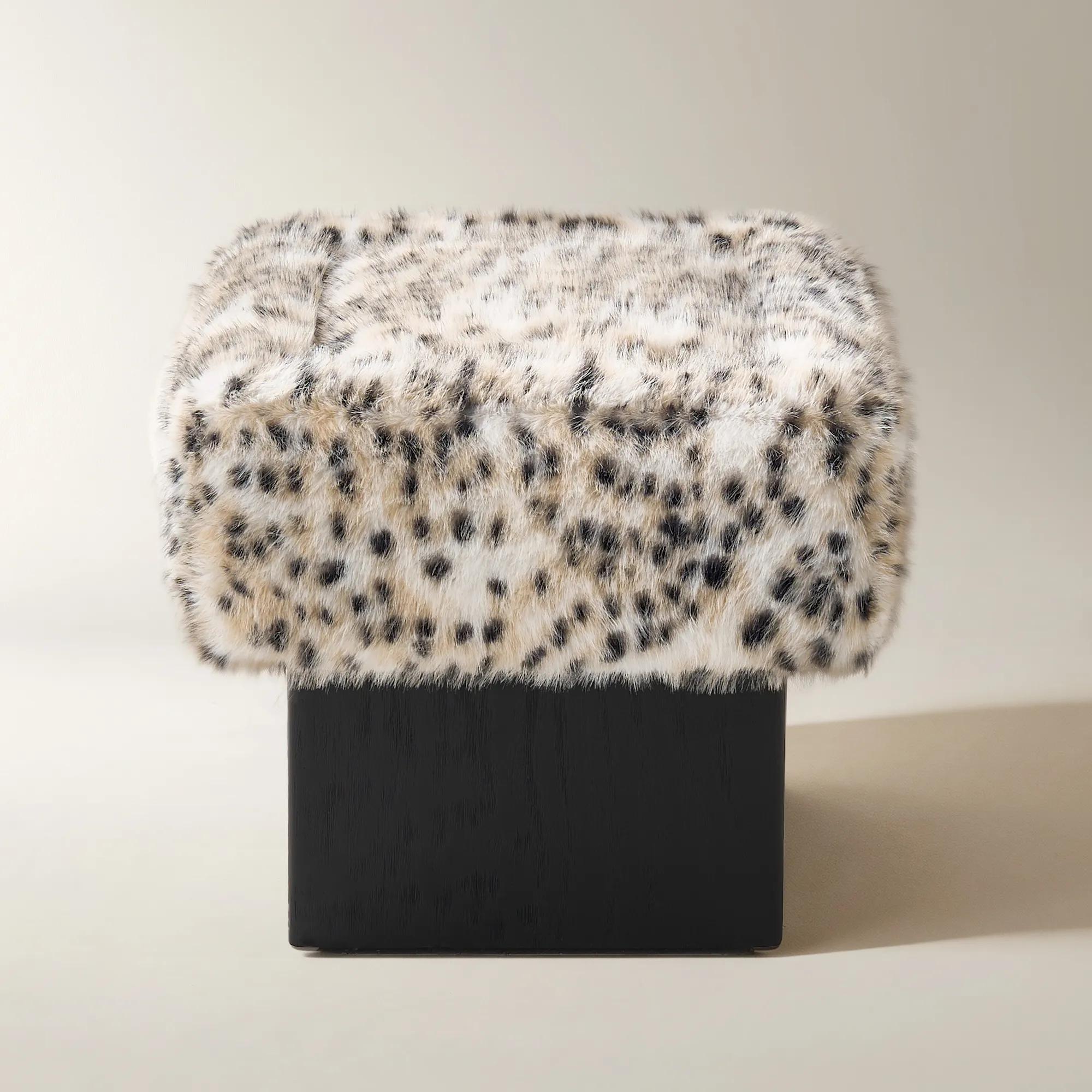 Reims Spotted Faux Fur Stool$349
A plush spotted faux fur stool with a sculpted cushion and solid rubberwood base for modern contrast.
Add To Cart -
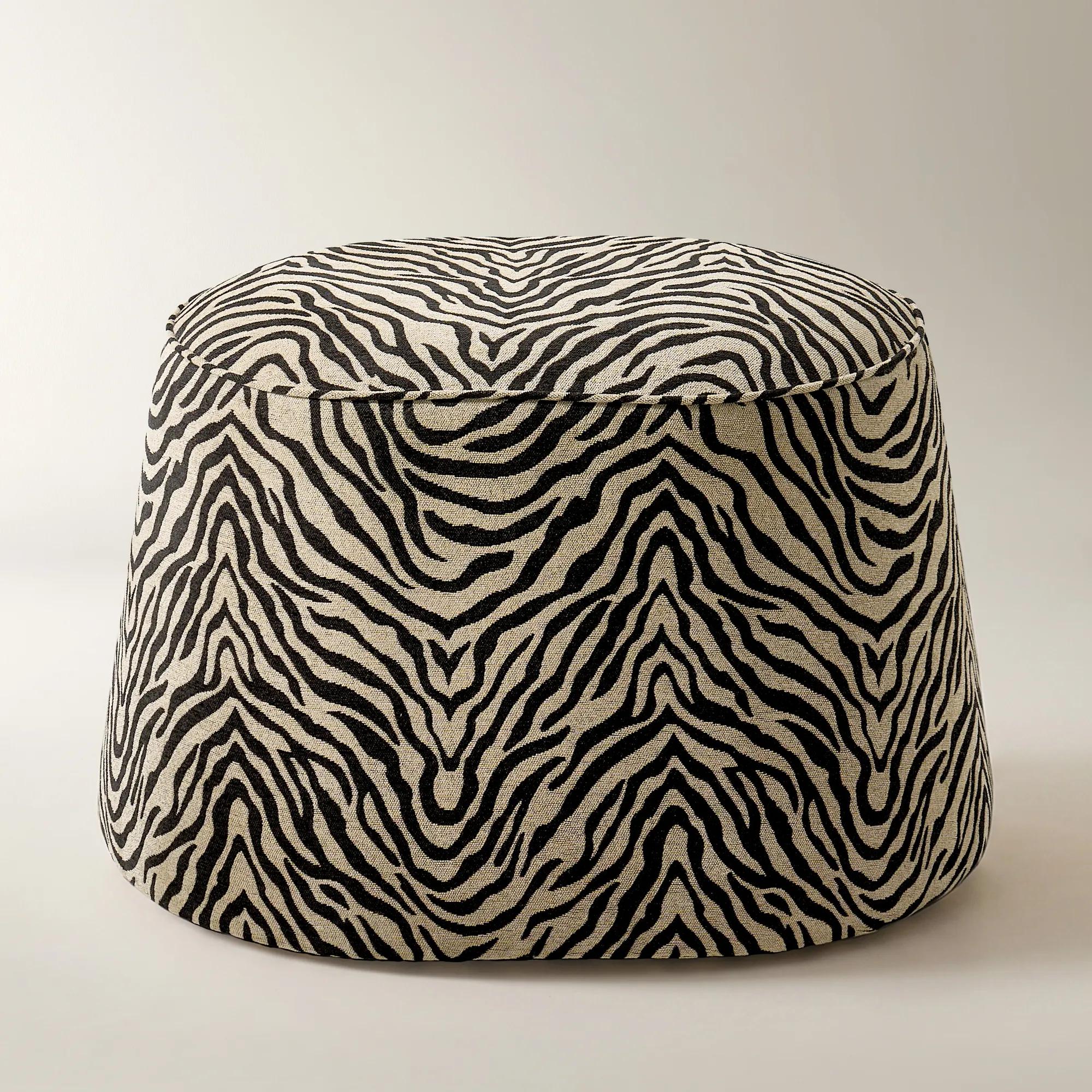 Avery Zebra Performance Chenille Stool$399
A sculpted drum-shaped accent stool upholstered in zebra-patterned performance chenille for bold, modern style.
Add To Cart -
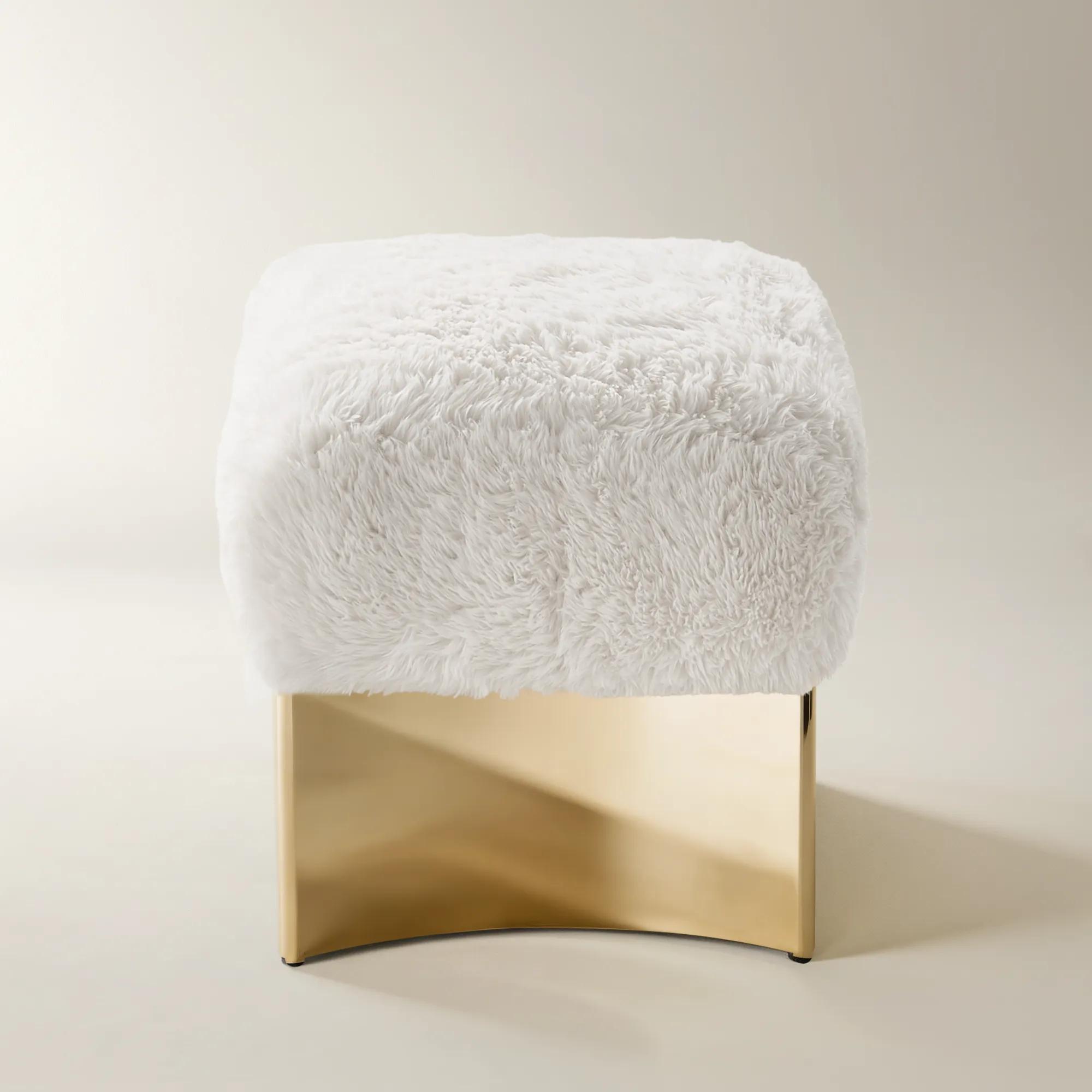 Lush White Faux Fur Stool$499
A sculptural white faux fur stool with a plush seat and polished gold stainless steel base.
Add To Cart -
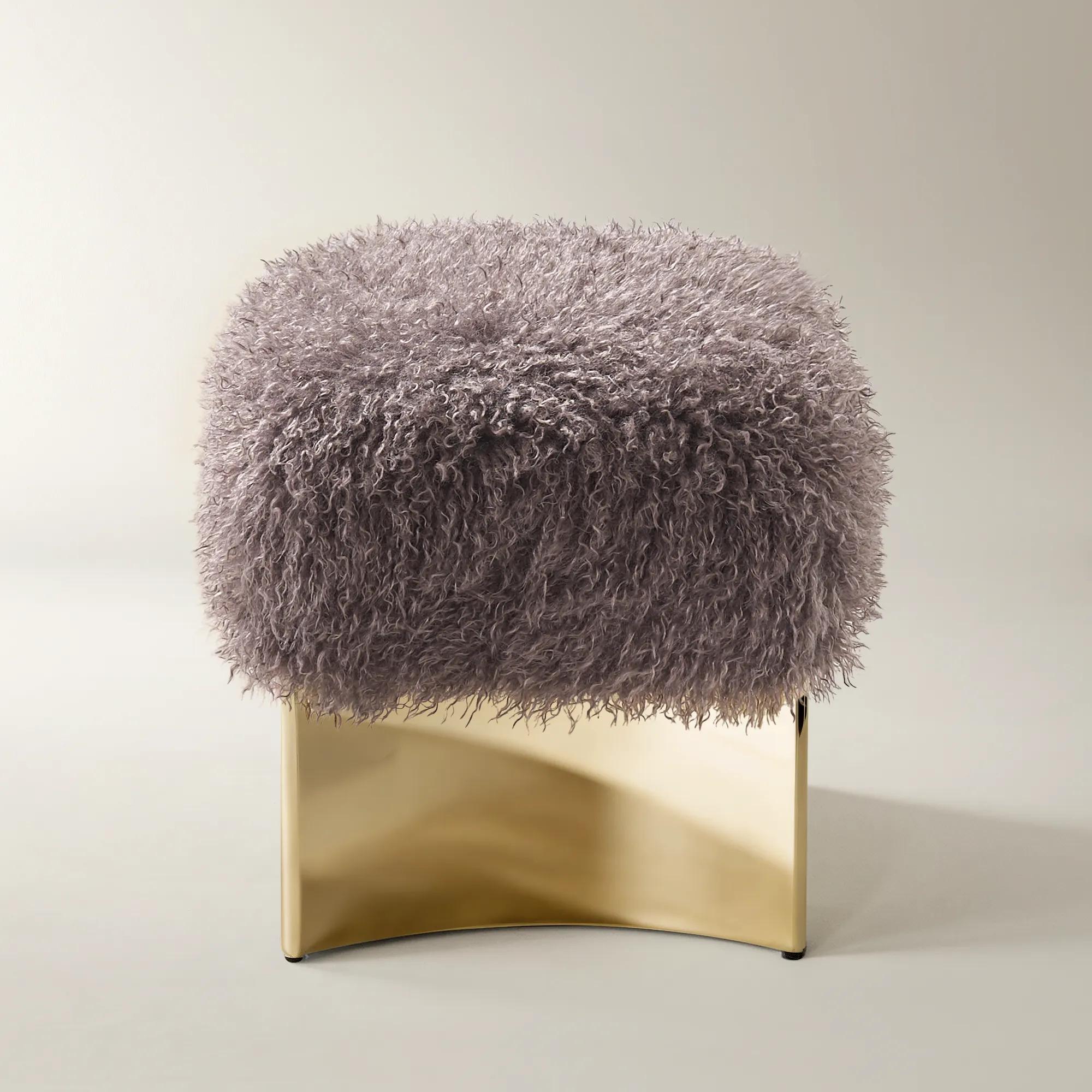 Lush Smoked Plum Faux Fur Stool$499
A sculptural smoked plum faux fur stool with a plush seat and polished gold stainless steel base.
Add To Cart

Upholstered Stools For Offices
Upholstered stools for offices are the secret ingredient to transforming workspaces from ordinary to extraordinary. Imagine elevating your daily routine with seating that marries plush comfort and sculptural allure, inviting you to linger over creative brainstorms or power meetings in style. These pieces don’t just support—they inspire, infusing every corner with a sense of artistry and intention. Whether poised at a sleek workstation or anchoring a collaborative lounge, upholstered stools for offices set the stage for productivity wrapped in undeniable sophistication. Let your office become a gallery of ambition, where every detail is curated for impact and elegance.
Upholstered stools for offices bring cushioned seating and expressive design to spaces shaped by concentration, conversation, and creative work. Their defining feature is a padded seat covered in fabric or another upholstery material, paired with a base that may be stationary, swiveling, rolling, or height adjustable, depending on the design. That range makes the category relevant to everything from a compact home office to a shared studio, although each stool’s dimensions and construction determine its intended use. A low, sculptural stool beside a bookcase creates an inviting seat for a brief exchange; a taller upholstered design can complement an elevated project table where samples, sketches, and ideas take shape. Against the crisp planes of a desk or the gleam of a metal lamp, upholstery introduces a softer visual rhythm. Velvet catches light with a subtle shift in color, woven fabric brings depth, and a tailored silhouette lends polish without competing with the surrounding furnishings. Designers reviewing finishes, writers keeping a secondary seat near their shelves, and colleagues gathering around a collaborative table may all find a place for this flexible furniture. In an office that shares space with a bedroom or living area, an upholstered stool can also help the workspace feel connected to the rest of the home rather than distinctly institutional. Rich jewel tones create a deliberate focal point, while ivory, charcoal, and warm neutral upholstery can support an equally dramatic composition through texture and contrast. The distinction between occasional seating and task seating matters, however. A decorative accent stool is generally better suited to short visits or supplementary seating than a full day at a computer. For sustained desk work, the relevant considerations extend beyond cushioning to back support, adjustability, stability, and compatibility with the work surface. A beautifully upholstered seat earns its place when its proportions and purpose are as considered as its appearance.
Fit begins with the relationship between the stool, the person using it, and the desk or table. Seat height should allow comfortable access to the work surface without forcing raised shoulders, crowded knees, or unsupported feet. Many standard desks stand around 28 to 30 inches high, but apron depth, drawers, and keyboard placement can change the usable space beneath them. Counter-height and bar-height stools are usually too tall for a standard desk, while a low accent stool may leave the user reaching upward. An adjustable-height office stool offers more flexibility only when its actual adjustment range matches the intended setup; a standing desk does not automatically make every tall stool suitable. At an elevated work surface, a foot ring or another appropriate foot support becomes especially important when feet cannot rest on the floor. Seat width and depth also influence comfort, particularly when someone needs room to shift position while reviewing documents or discussing a presentation. A generously padded seat can feel welcoming for a short meeting, but softness alone does not establish ergonomic support. Backless silhouettes tuck neatly beneath some surfaces and preserve open sightlines, while a backrest can provide additional support within the limits of its height and shape. Swivel designs make it easier to turn between adjacent work areas, and rolling task stools can suit work that involves frequent repositioning, provided their casters are appropriate for the flooring. A stationary base may be a more fitting choice for a quiet reading corner or a guest seat that should remain in one place. Clearance deserves equal attention: allow space to pull the stool out, sit down, and move through the room without brushing nearby furniture. In a narrow home office, even a visually airy design can interrupt circulation if its legs flare beyond the seat. Overall dimensions, base footprint, stated weight capacity, and intended residential or commercial use offer a more reliable picture of fit than appearance alone.
Materials and construction determine how upholstered office seating feels, wears, and settles into the room’s visual story. Velvet offers a luminous surface that can make a modest seating area feel richly composed, especially beside lacquered furniture, dark wood, or brushed metal. For that distinctive interplay of softness and sheen, velvet stools for offices bring a more focused expression of upholstered seating to the workspace. Velvet’s appearance and care requirements vary by fiber and construction, and its pile may show shading or impressions with use. Woven upholstery has its own character, from fine, tailored textures to more pronounced surfaces, though loose loops may be less forgiving around jewelry, pet claws, or other snagging hazards. Leather and coated upholstery, where specified, offer different surface qualities and cleaning requirements; neither should be treated as maintenance-free. For a frequently used office stool, look beyond the fabric name to details such as seam quality, cushion construction, frame material, and any documented upholstery performance testing. Firm, resilient cushioning and secure connections contribute to a composed sitting experience, while a frame designed for the intended setting matters more than decorative finish alone. Shared workplaces may require commercial-use specifications or other standards that residential accent seating does not meet. Everyday care starts with the manufacturer’s instructions and the upholstery cleaning code. Regular gentle vacuuming with a suitable attachment helps remove dust from seams and textured surfaces, and spills are generally best blotted promptly rather than rubbed into the fabric. Cleaning products should be compatible with the upholstery and tested in an inconspicuous area when the care instructions permit. Direct sunlight can affect some fabrics and finishes, so placement beside a bright window deserves consideration. Base care matters, too: check fasteners as directed, keep casters free of debris, and use flooring protection appropriate to the stool’s design. With thoughtful placement and material selection, an upholstered stool can lend an office both useful flexibility and a distinctive decorative presence: a plush curve beneath a disciplined desk, a gleaming base beside a cabinet, or a richly colored seat that makes room for conversation.
FAQs
Office stools often feature luxurious fabrics such as velvet, linen, chenille, and performance blends. Velvet is favored for its plush texture and opulent sheen, while linen offers a crisp, tailored look. Performance fabrics are specially designed to resist stains and wear, making them ideal for high-traffic workspaces where both beauty and durability are essential.
Upholstered stools introduce a layer of comfort and sophistication to any office, softening the ambiance and providing a welcoming perch for impromptu meetings or creative breaks. Their tactile richness and sculptural silhouettes can transform a utilitarian space into a bold statement of personal style, inspiring productivity and elevating the overall mood.
Absolutely—upholstered stools are versatile enough to complement both home offices and professional environments. In home offices, they add a touch of luxury and warmth, while in corporate settings, they can serve as stylish accents in lobbies, conference rooms, or collaborative workspaces. Their adaptability makes them a favorite for those seeking to blend function with expressive design.
Upholstered stools can be styled as accent pieces beside a desk, paired with a vanity for a touch of glamor, or used in clusters for collaborative seating. Layering with decorative throws or pairing with metallic accessories can heighten their visual impact, turning a simple stool into a focal point that reflects your unique aesthetic.
Design enthusiasts, remote workers, and anyone who values both comfort and artistry in their workspace would delight in receiving an upholstered stool. It’s a thoughtful gift for someone setting up a new office, celebrating a career milestone, or simply seeking to infuse their daily routine with a dash of elegance and inspiration.
.jpg?w=3930&h=3930)


