Velvet Bar Stools With Backs
Velvet Bar Stools With Backs
-
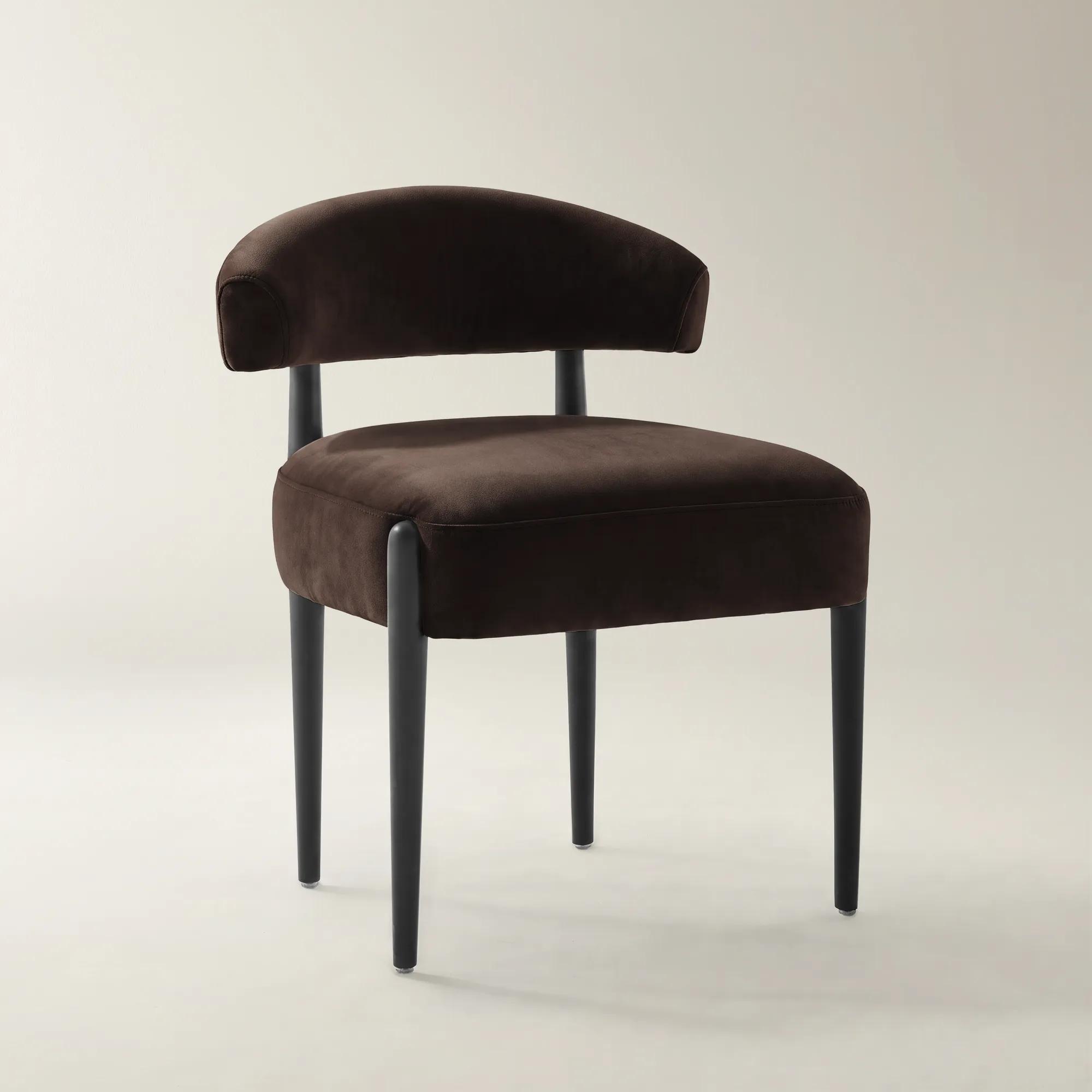
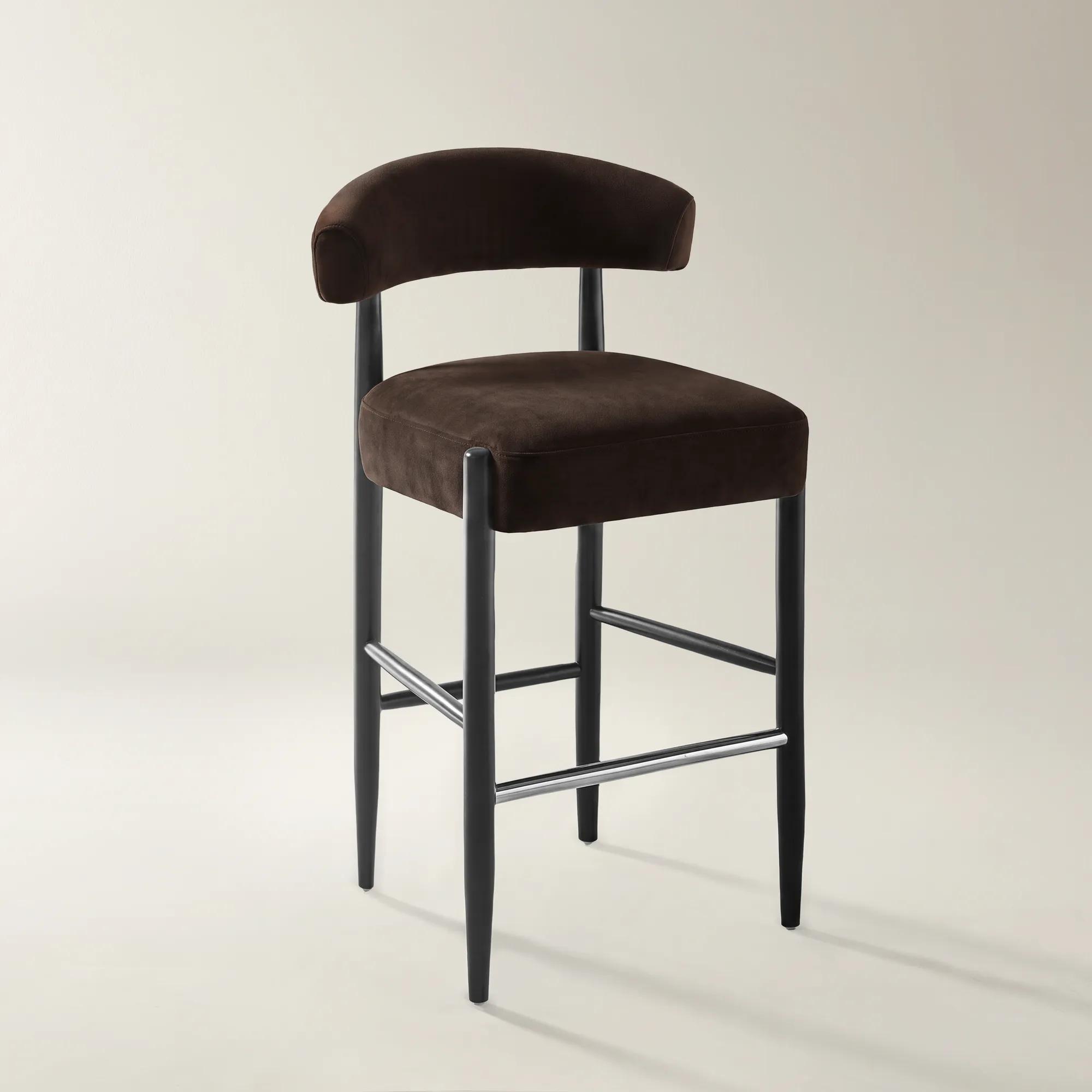 Anna Dark Chocolate Velvet Bar/Counter Stool$399
A dark chocolate velvet stool featuring sculpted support, high-density cushioning, and tapered solid-rubberwood legs.
Add To Cart -
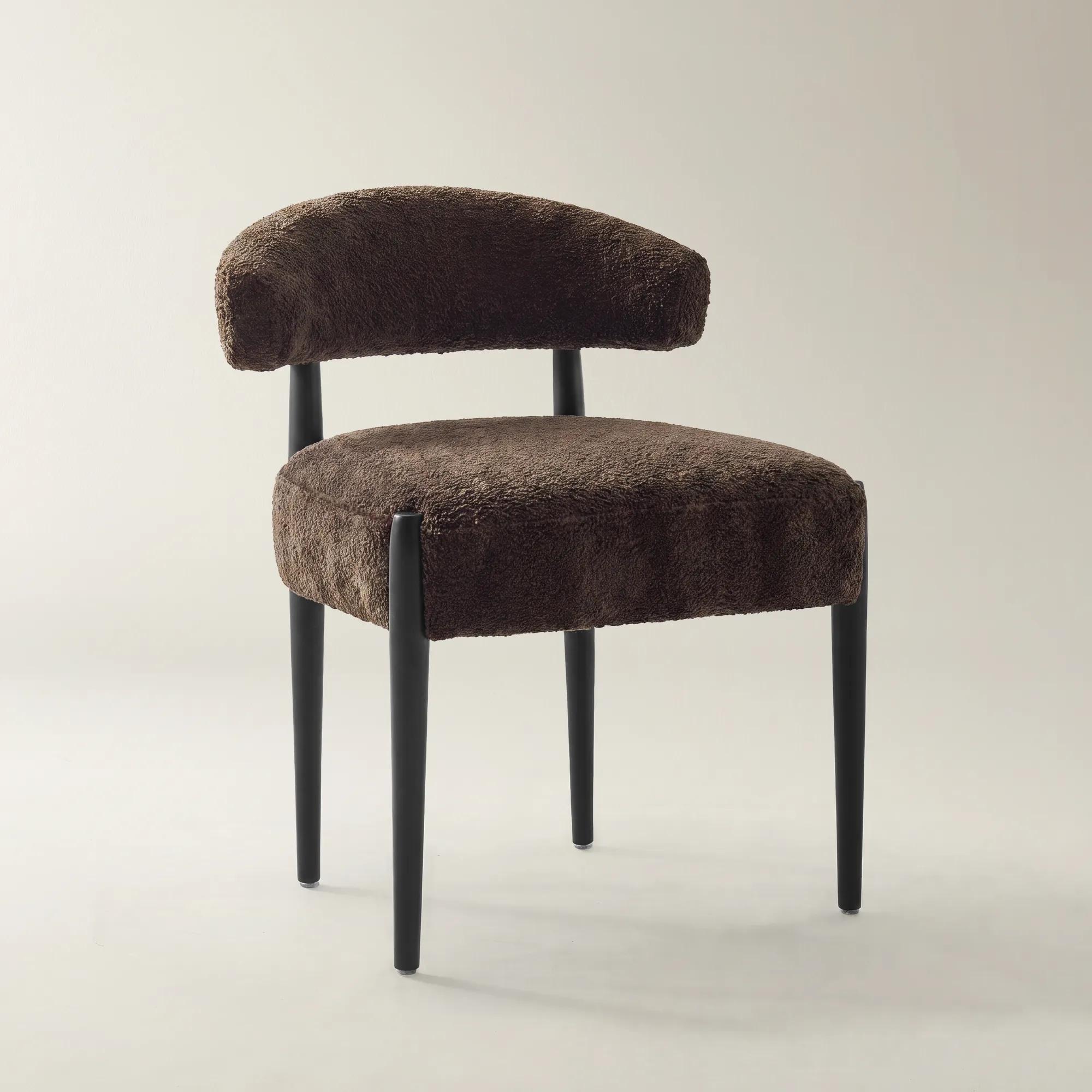
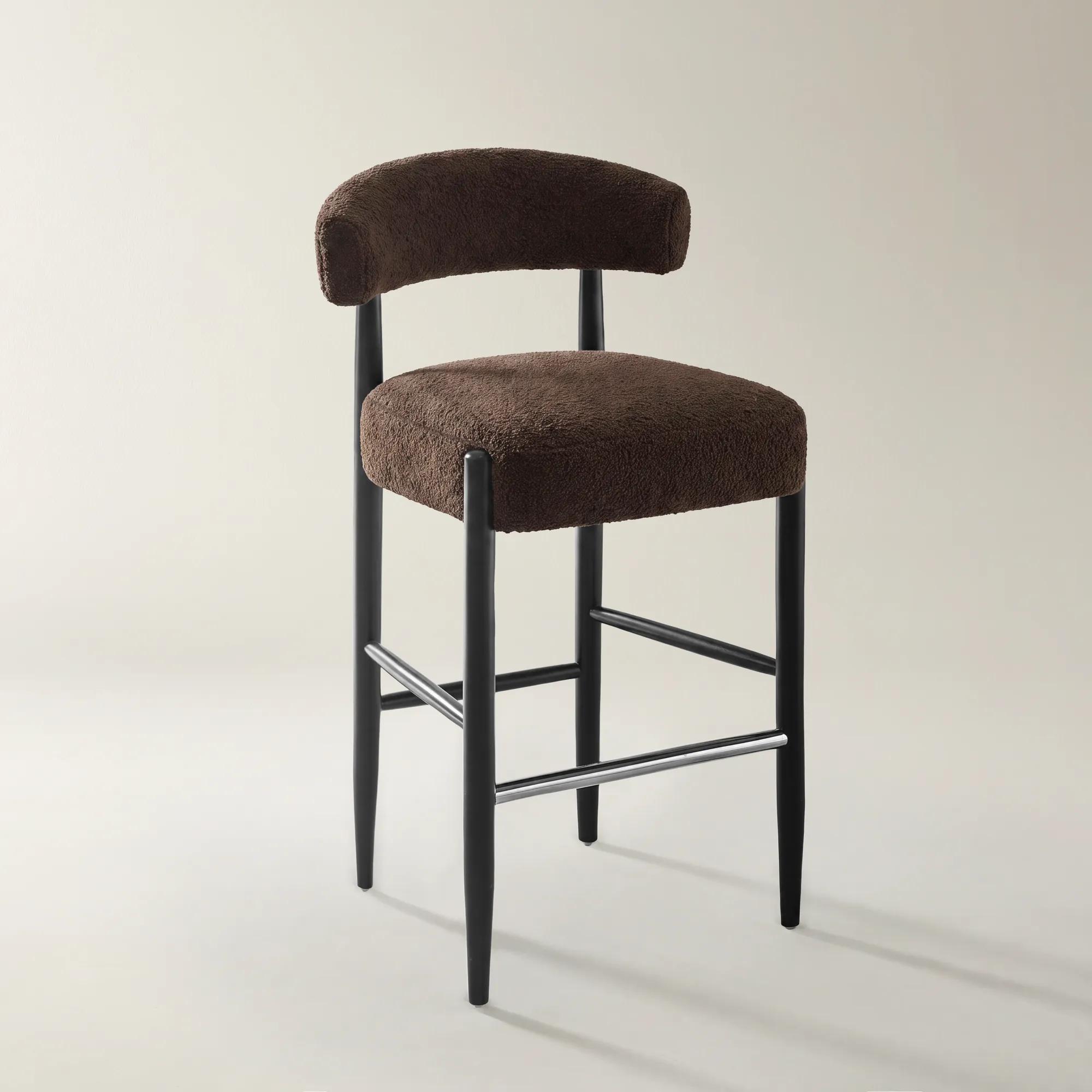
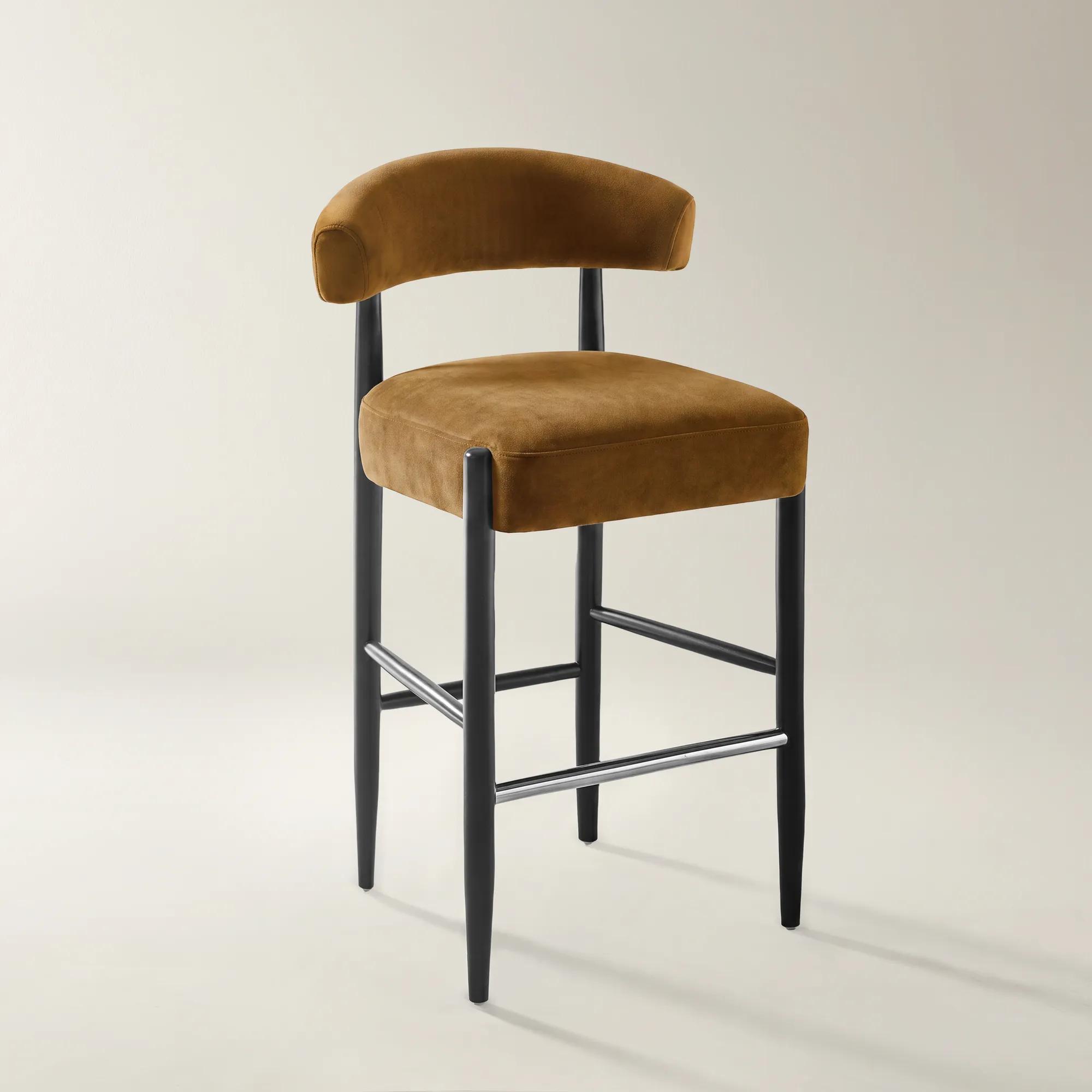 Anna Roasted Pecan Velvet Bar/Counter Stool$399
A roasted pecan velvet stool with a sculpted padded seat and solid rubberwood legs, fully assembled.
Add To Cart -
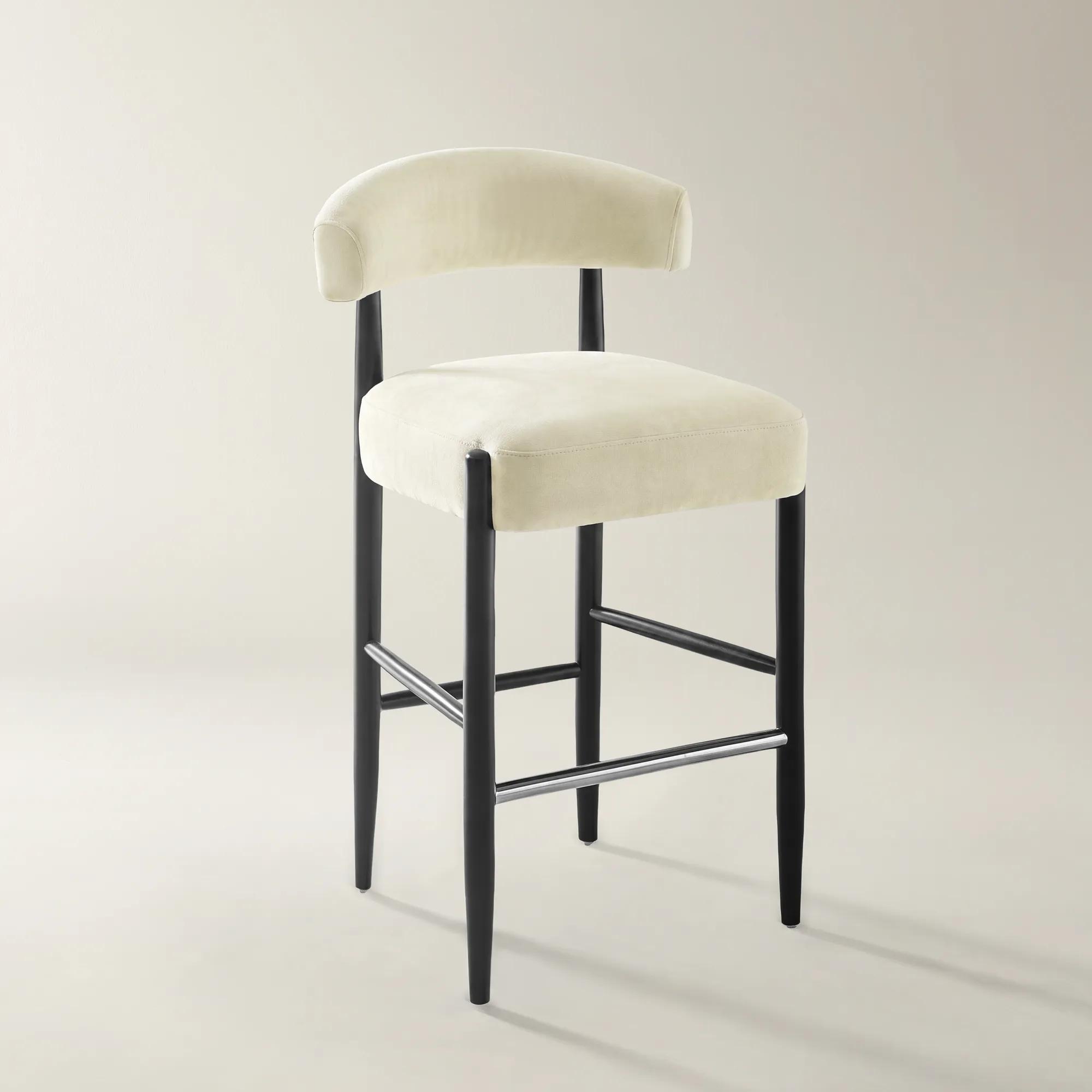 Anna Cloud Velvet Bar/Counter Stool$399
A tailored velvet stool with sculpted support, padded comfort, and solid rubberwood legs.
Add To Cart -
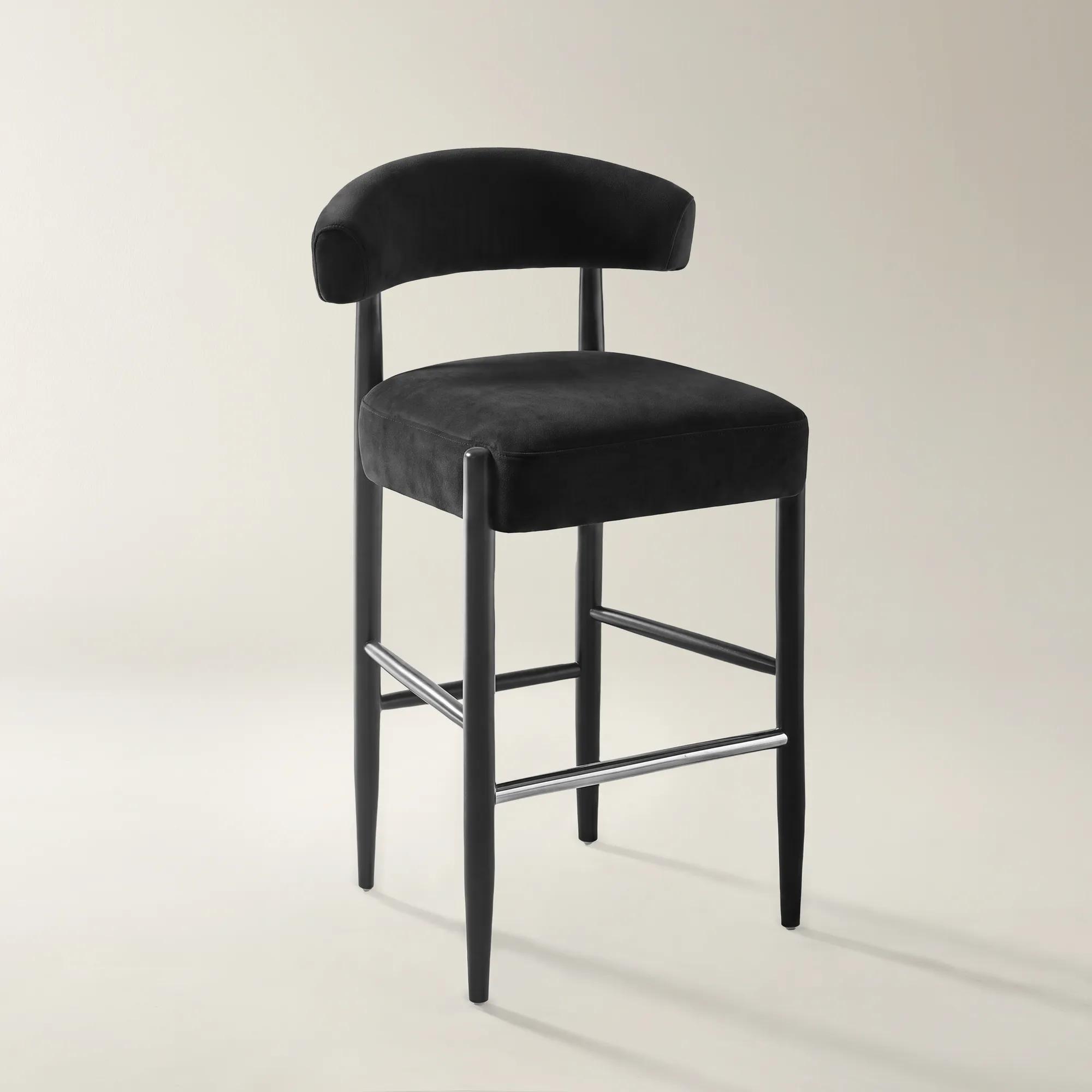 Anna Charcoal Velvet Bar/Counter Stool$399
A charcoal velvet stool featuring a sculpted padded seat, tailored upholstery, and tapered solid-rubberwood legs.
Add To Cart -
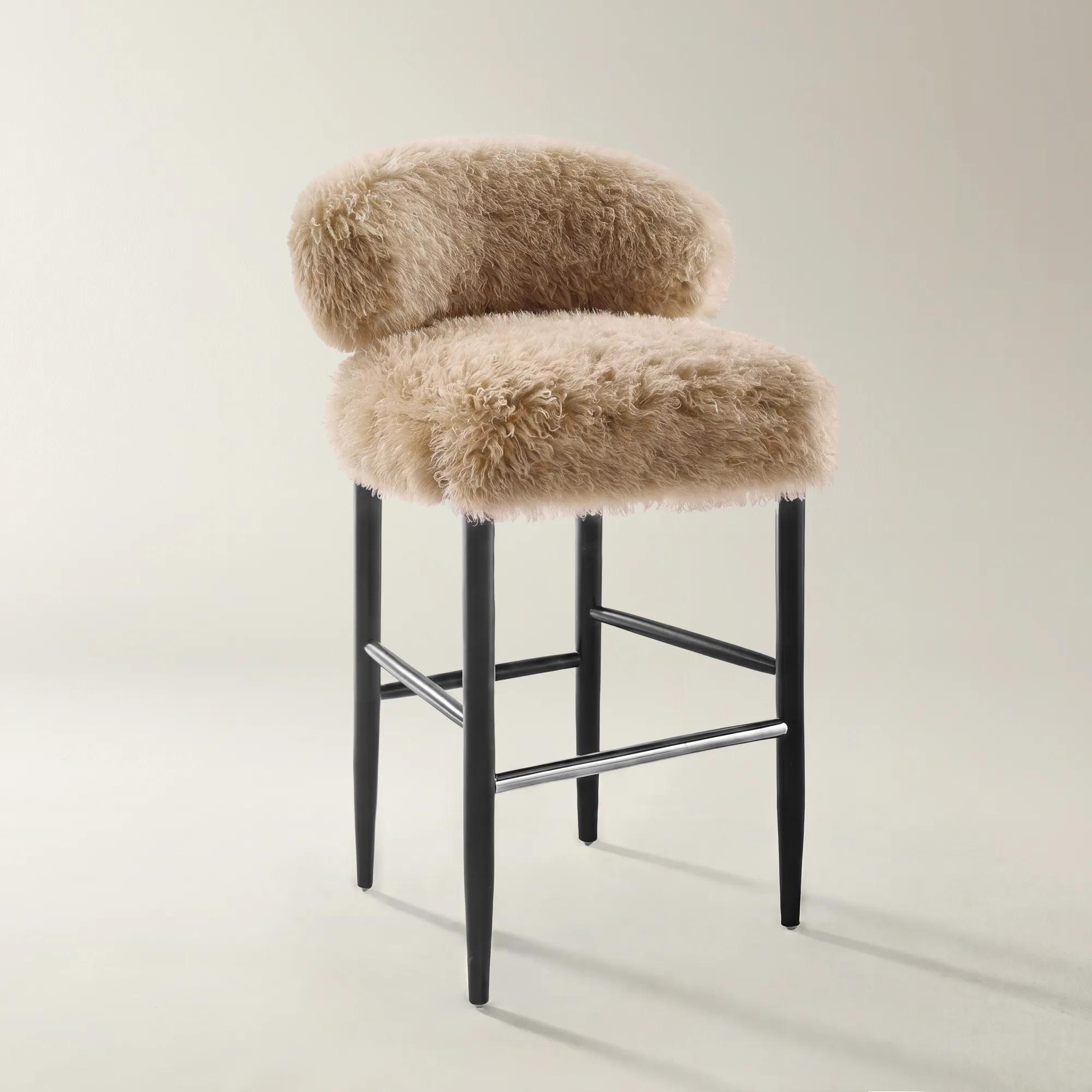
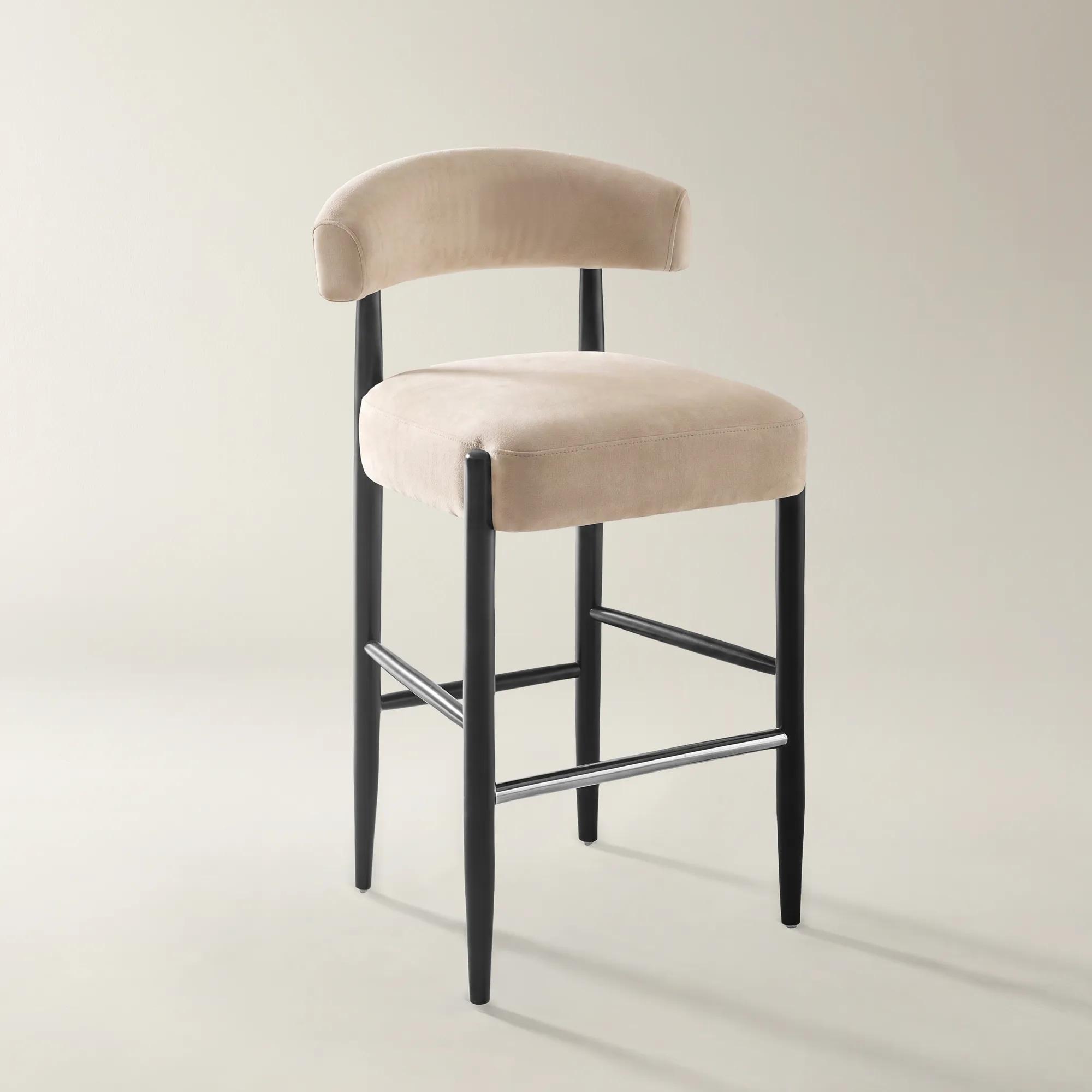 Anna Simply Taupe Velvet Bar/Counter Stool$399
A taupe velvet stool featuring sculpted support, a generously padded seat, and tapered solid rubberwood legs.
Add To Cart -
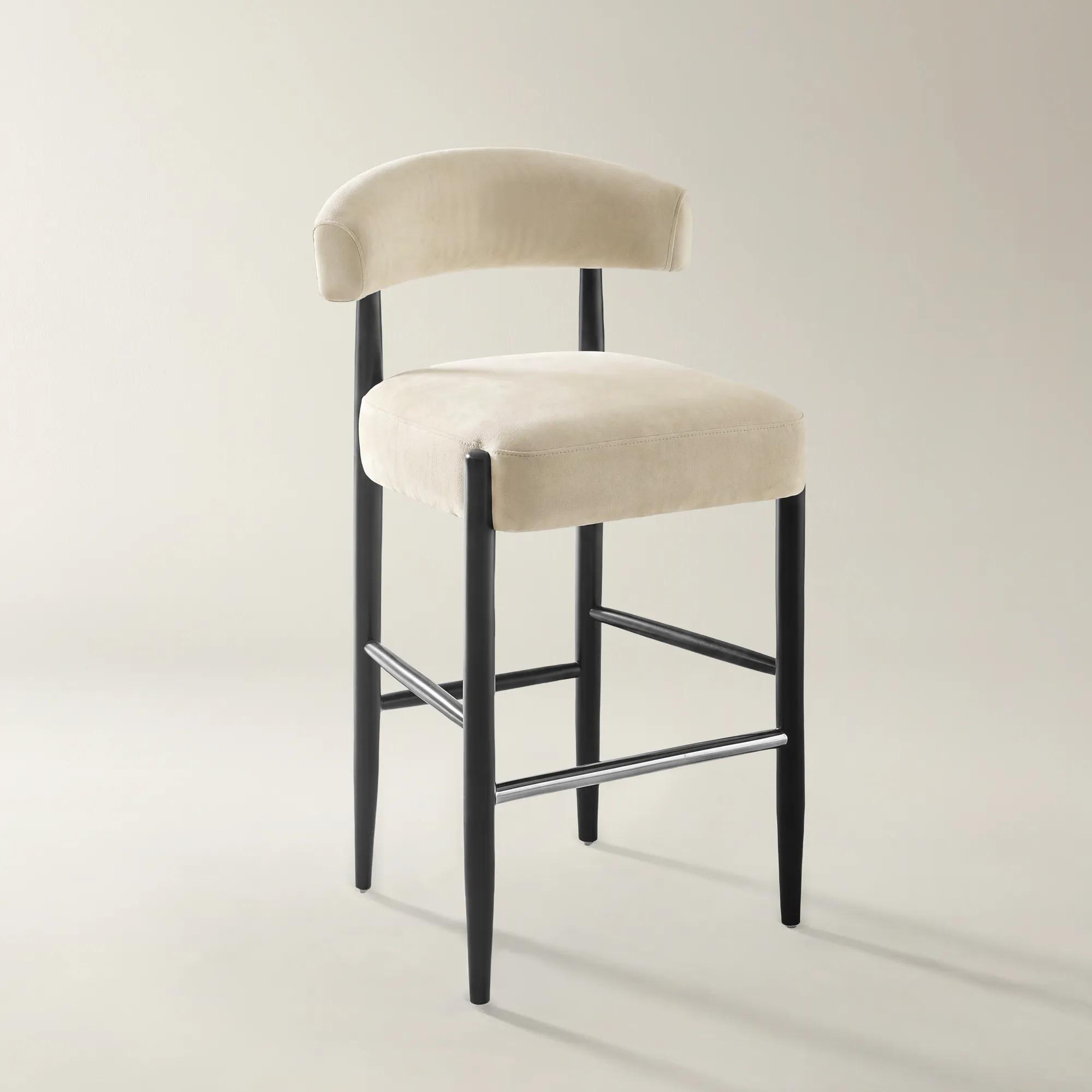 Anna Oatmeal Velvet Bar/Counter Stool$399
A refined oatmeal velvet stool with a sculpted padded seat and solid rubberwood legs.
Add To Cart -
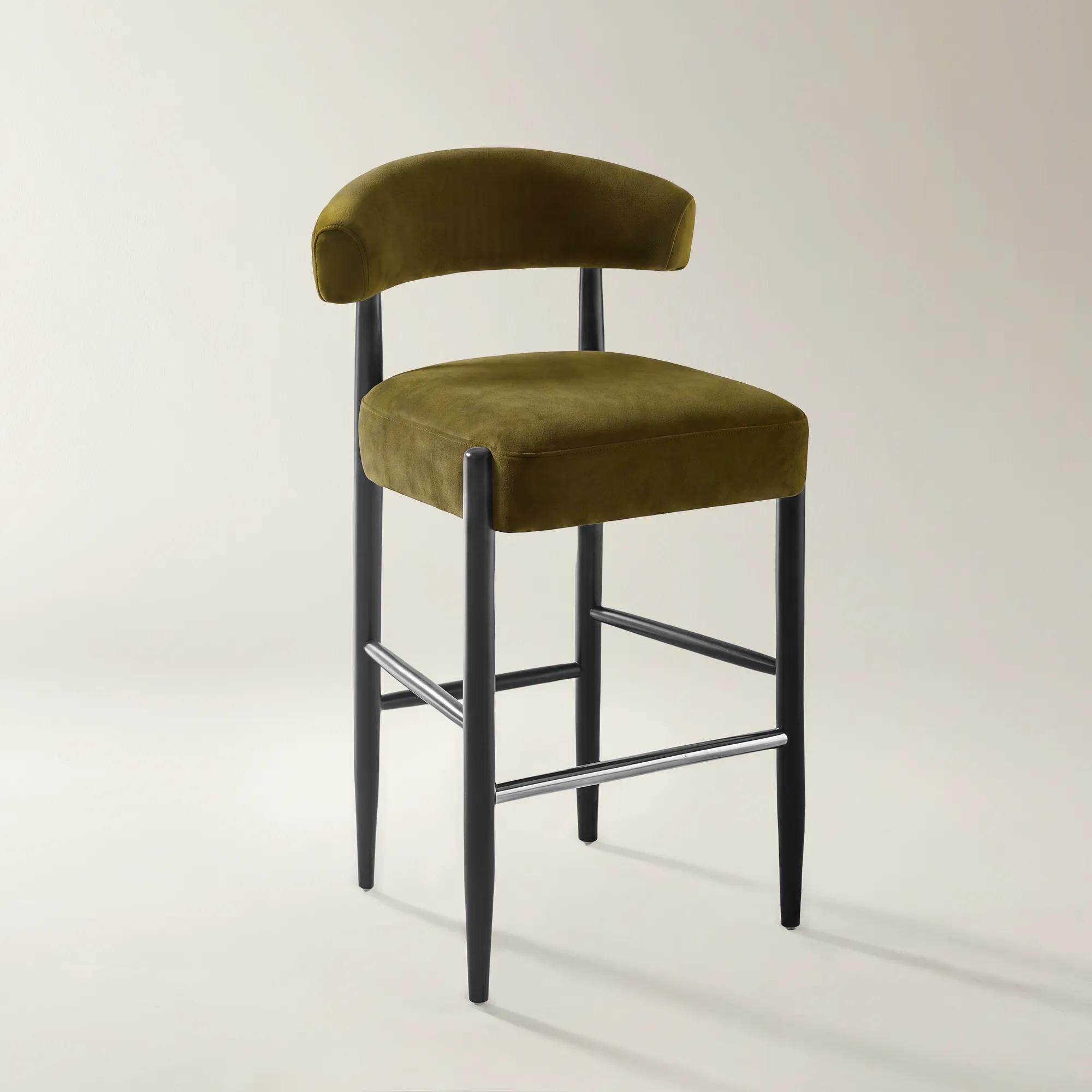 Anna Deep Olive Velvet Bar/Counter Stool$399
A deep olive velvet stool with sculpted support, padded comfort, and tapered solid rubberwood legs.
Add To Cart

Velvet Bar Stools With Backs
Explore velvet bar stools with backs for seating that pairs a sumptuous texture with a defined, polished silhouette. Create an inviting home bar with upholstered seating that brings depth and drama to your space. As you browse, compare seat height, back profile, and overall proportions to find a style that suits your bar’s height and leaves comfortable room between seats.
Velvet bar stools with backs bring the richness of an upholstered accent chair to the places where everyday life gathers: the kitchen island, the breakfast counter, the home bar arranged for conversation. Velvet gives these seats their unmistakable presence, catching light across the pile so a single color can reveal both luminous highlights and deeper, shadowed tones. A shaped back adds another layer of expression, whether its outline is gently curved, tailored and squared, or swept into a silhouette that feels almost sculptural. Together, fabric and form turn a row of stools into an intentional part of the room rather than an afterthought beneath a countertop. In an open living space, that distinction matters. The backs are often visible from the sofa or dining table, making their proportions, upholstery, and detailing as important as the view from the front. Channel stitching can introduce a crisp architectural rhythm, while a smooth upholstered back lets the depth of the velvet take center stage. Jewel tones lend intensity to pale stone and understated cabinetry; ivory, taupe, and gray create a quieter composition with depth and polish. Dark upholstery can establish a dramatic outline against a light island, while warm metallic finishes bring a gleaming accent to the lower half of the room. Wood frames offer a different kind of contrast, pairing tactile fabric with expressive grain. For anyone exploring the broader possibilities of this upholstery, Velvet Upholstered Bar Stools offer a related perspective on the interplay of texture, silhouette, and elevated seating. The appeal is both visual and personal: these are seats for a host who loves a beautifully composed room, a household that gathers over breakfast, or someone who wants an evening at home to feel a little more considered. A supportive back gives that setting a sense of invitation, defining a place to settle rather than simply perch.
The most successful arrangement balances that visual drama with a precise fit. Although “bar stool” is often used broadly, counter-height and bar-height seating serve different surfaces, and the distinction is essential before choosing a silhouette. A typical kitchen counter stands about 36 inches high and commonly pairs with a seat around 24 to 26 inches high; a bar surface around 40 to 42 inches generally calls for a seat around 28 to 30 inches high. Actual dimensions should lead the decision, with roughly 10 to 12 inches between the seat and the underside of the surface providing a useful starting point for legroom. Thick countertops, support brackets, and decorative aprons can reduce that clearance, so measuring only to the top edge may miss an important constraint. Width deserves equal attention. A generous upholstered back may look beautifully proportioned against a substantial island, yet several placed too closely together can make sitting down feel awkward. Allow space between seats for elbows and movement, and account for any arms that extend beyond the cushion. At a busy kitchen island, a narrower armless profile may preserve circulation without sacrificing the enveloping effect of a backrest. At a dedicated home bar, a deeper seat or taller back can create a more lounge-like mood, provided the surrounding floor space accommodates it. Swivel mechanisms, when included, can make it easier to turn toward guests without pulling the stool away from the counter, though the full turning radius should clear adjacent seating and cabinetry. A footrest is especially useful on taller seating, giving feet a resting place instead of leaving legs suspended. Comfort also depends on seat depth, cushioning, and back angle, not just the softness of the fabric. Someone lingering over conversation may appreciate a gently curved back, while a lower profile can preserve a view across an open room. Consider how the stools look when tucked in and how much space they occupy when someone is seated; both views shape the finished arrangement.
Velvet’s luxurious appearance can accompany regular use, but its performance depends on more than the name of the fabric. Velvet describes a pile construction rather than one particular fiber, and upholstery may incorporate polyester, cotton, or blends with different care requirements and responses to wear. Synthetic velvet can be a practical option for frequently used seating, but fiber content alone does not establish stain resistance, cleanability, or long-term durability. Where provided, upholstery specifications, abrasion-test information, and care instructions offer a more useful picture of suitability for the household. A breakfast counter used by children, for example, places different demands on fabric than a home bar reserved for occasional entertaining. Look beyond upholstery to the construction beneath it: a stable frame, secure joints, supportive cushioning, and a firmly attached footrest all contribute to how a stool feels over time. Metal and wood frames each bring distinct aesthetics, but neither material guarantees strength without sound construction. Floor protectors suited to the flooring can help limit scuffs as seats move, while routine checks of accessible fasteners, following the manufacturer’s directions, can help maintain stability. For the velvet itself, gentle, regular attention is preferable to aggressive cleaning. Removing loose dust and crumbs with an appropriate upholstery attachment can keep debris from settling into the pile; spills should be blotted promptly with a clean, absorbent cloth rather than rubbed into the fabric. Cleaning codes matter, since some upholstery permits water-based treatment while other fabrics require solvent-based or professional care. Any permitted cleaner should be tested in an inconspicuous area, and velvet should not be saturated. Changes in pile direction can create shading or pressure marks that are not necessarily stains, so avoid treating every variation as damage. Direct sunlight may also affect color over time, making placement worth considering in bright rooms. With thoughtful proportions and care suited to the material, velvet seating with backs brings tactile richness to a hardworking space. Its lasting attraction lies in that balance: expressive enough to anchor a room, comfortable enough to become a favorite place within it.
FAQs
Velvet bar stools with backs bring sumptuous texture to modern glam, Art Deco, and contemporary interiors. Sculptural silhouettes and gleaming metal accents create a dramatic focal point, while tailored upholstery and wood frames offer a more understated expression of luxury.
Let your palette set the mood. Emerald, sapphire, and burgundy velvet introduce jewel-like depth, while ivory, champagne, and soft gray create a luminous backdrop for expressive accents. For a cohesive composition, echo the stool color in artwork or decorative accessories without matching every detail.
Brass-toned and gold-toned frames lend velvet a warm, radiant contrast, while polished chrome introduces a crisp, reflective edge. Matte black emphasizes a sculptural silhouette, and richly finished wood adds organic depth. Draw inspiration from nearby lighting and cabinet hardware to create a deliberate mix of finishes.
Velvet bar stools feature a range of expressive back designs, from curved wraparound silhouettes to tailored square profiles. Channel tufting adds architectural rhythm, button tufting evokes classic opulence, and smooth upholstered backs let velvet’s shifting sheen take center stage. Consider the view from adjoining rooms—the back can be as striking as the front.
Follow the upholstery care label, since velvet fibers and cleaning requirements vary. When permitted, gently remove dust with a soft upholstery attachment and blot spills promptly with a clean, dry cloth rather than rubbing. Use only approved cleaning methods, testing any recommended cleaner in an inconspicuous spot to help preserve the fabric’s rich texture and color.