Upholstered Office Chairs With Wheels
Upholstered Office Chairs With Wheels
-
 Lucia Ivory Performance Chenille Swivel Desk Chair$499
A beige texture weave desk chair featuring a brass-plated metal base and adjustable gas lift for comfort.
Add To Cart -
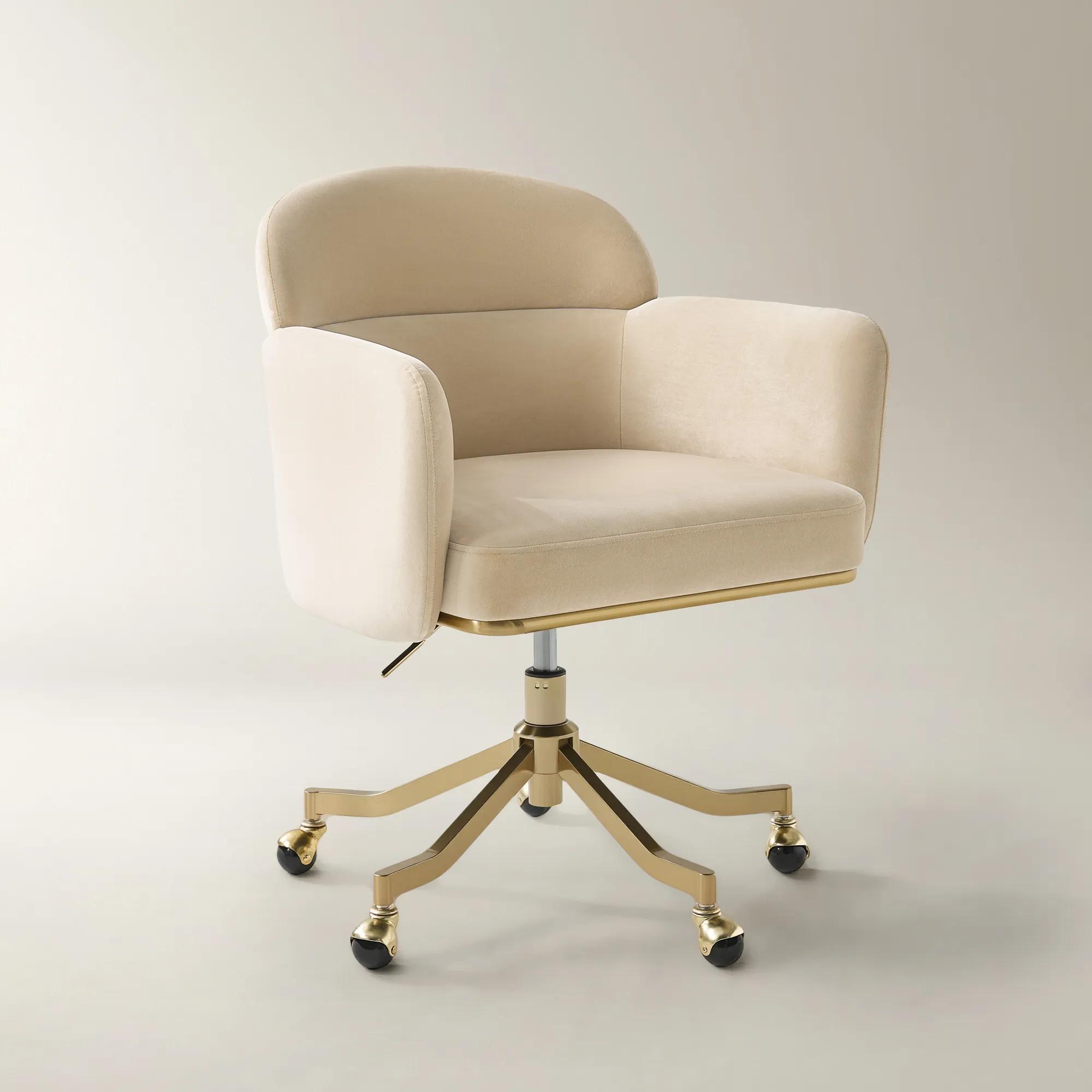 Paige Oatmeal Velvet Swivel Desk Chair$399
An oatmeal velvet swivel chair with adjustable height, ergonomic design, and a polished metal base with casters.
Add To Cart -
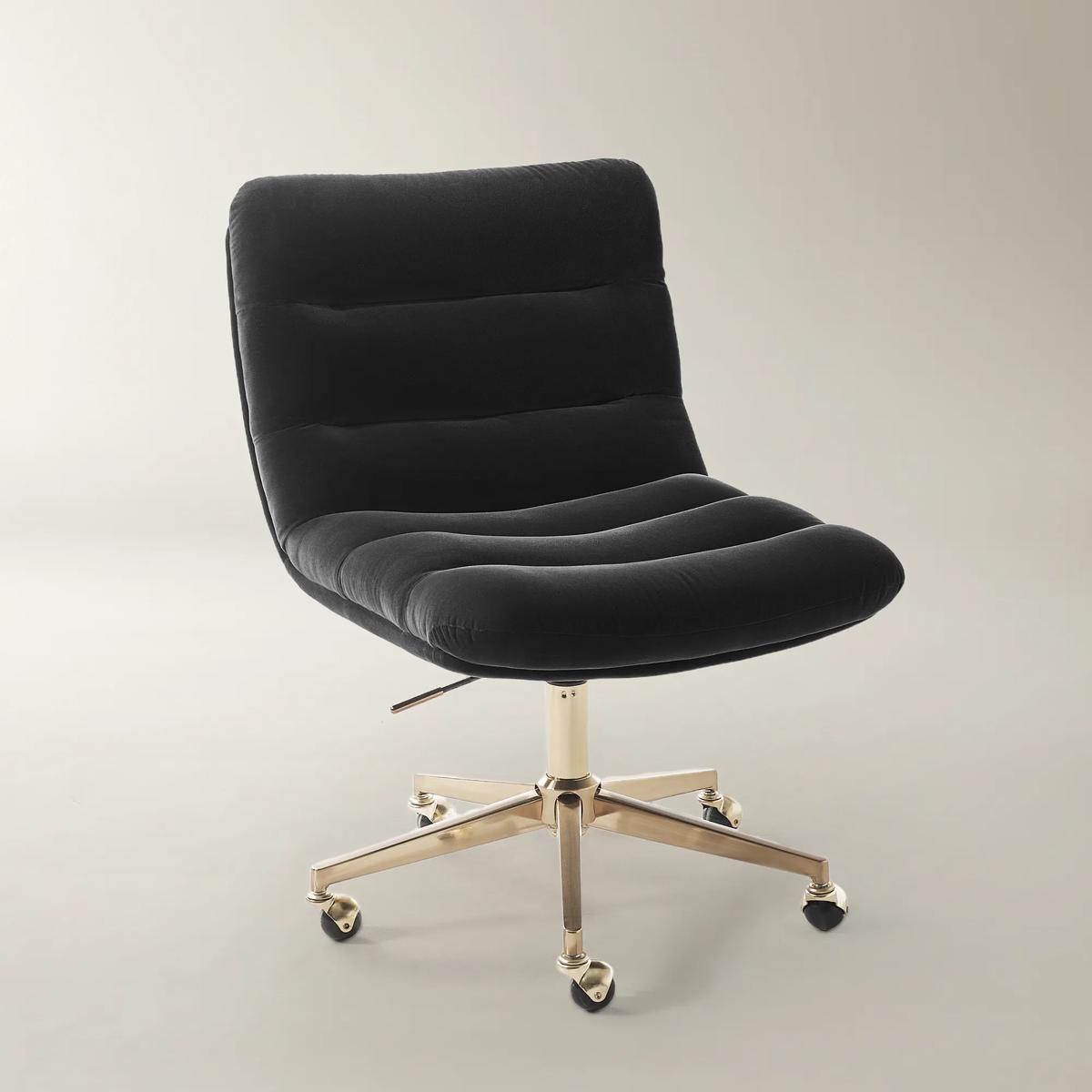 Serena Charcoal Velvet Swivel Desk Chair$399
A charcoal velvet office chair with plush foam cushioning, brass-plated metal base, and adjustable swivel design.
Add To Cart -

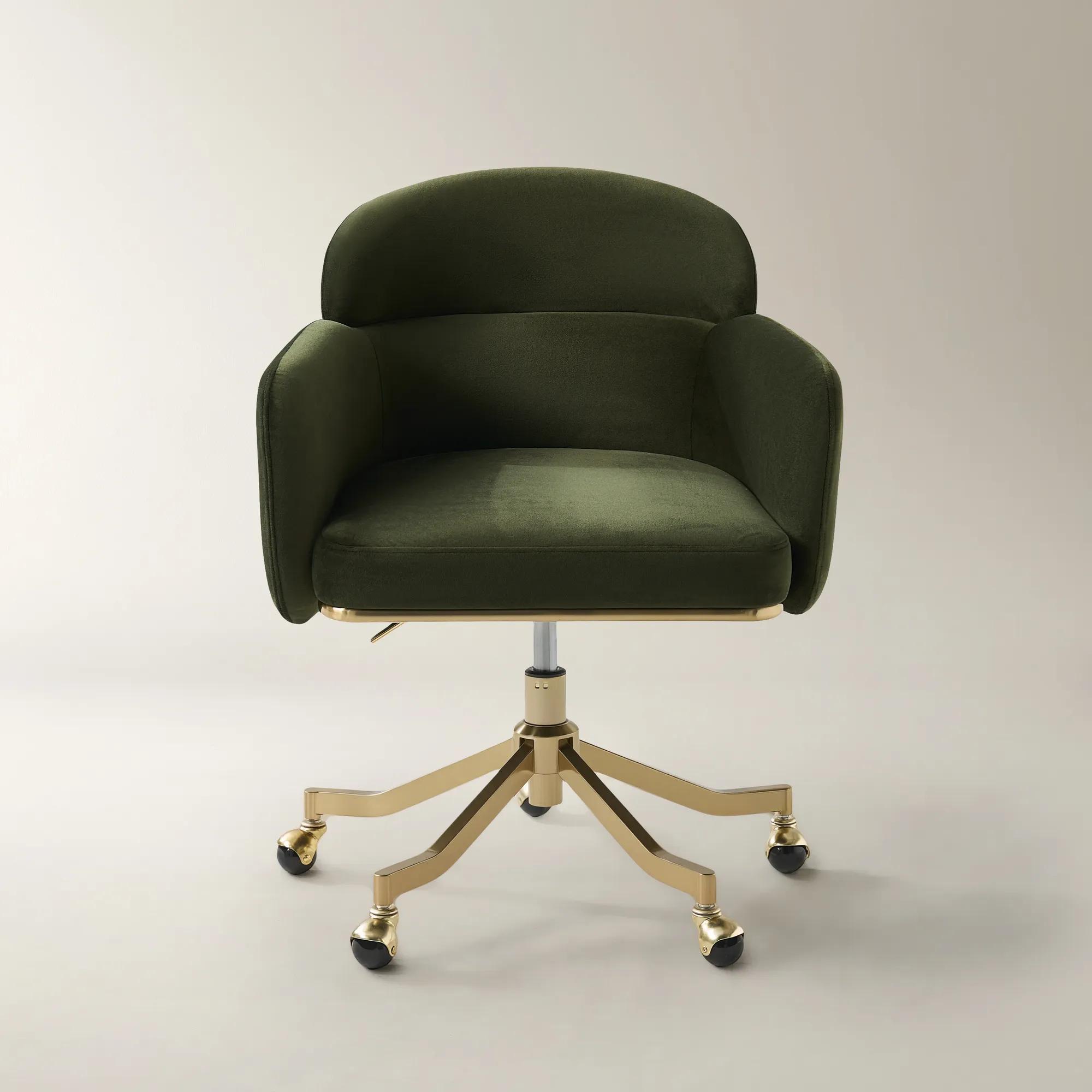 Paige Jade Green Velvet Swivel Desk Chair$399
A jade green velvet swivel chair featuring ergonomic design, adjustable height, and a glossy metal base with casters.
Add To Cart -

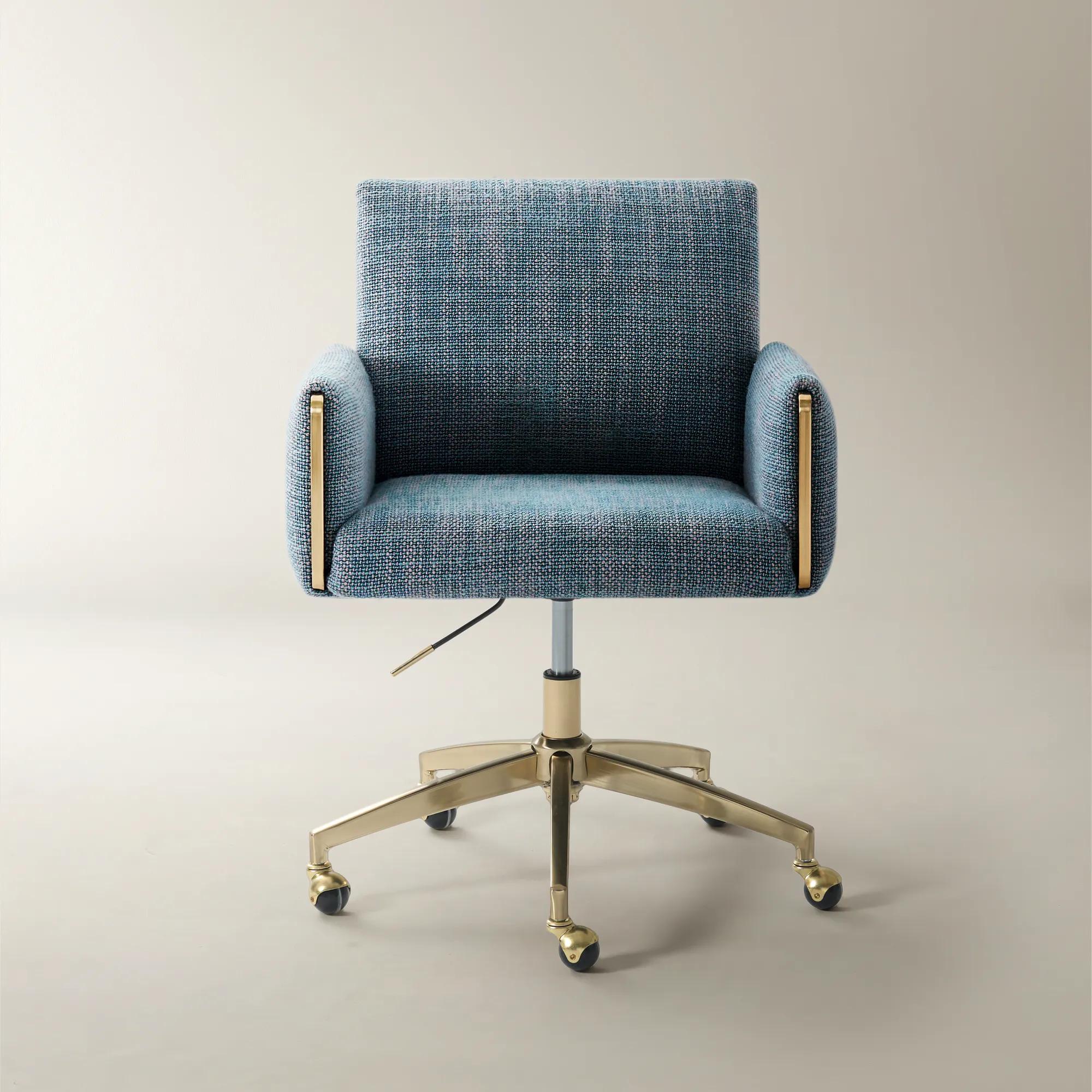 Lucia Peacock Performance Chenille Swivel Desk Chair$499
A peacock blue desk chair featuring textured polyester upholstery, brass-plated metal base, and adjustable comfort.
Add To Cart -
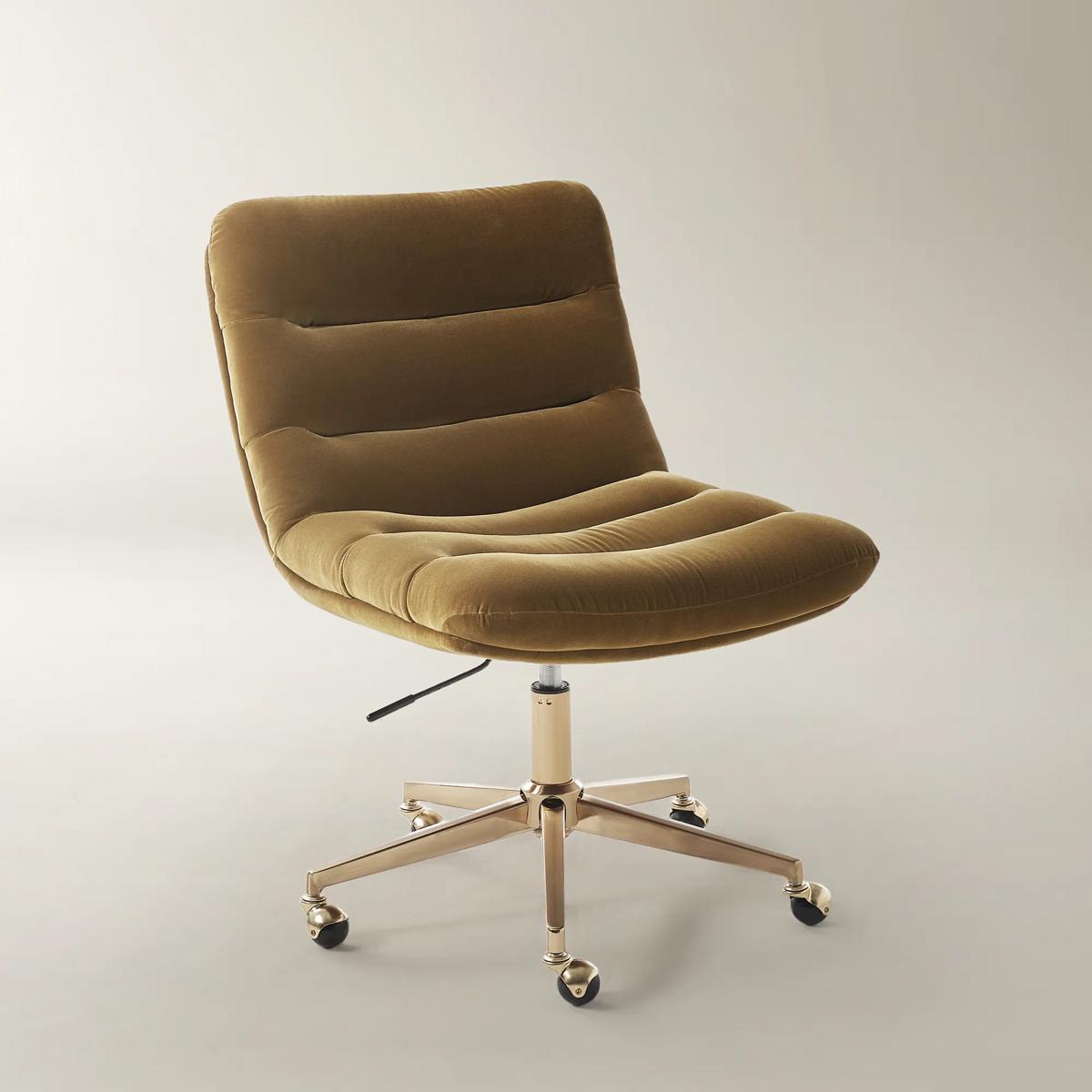
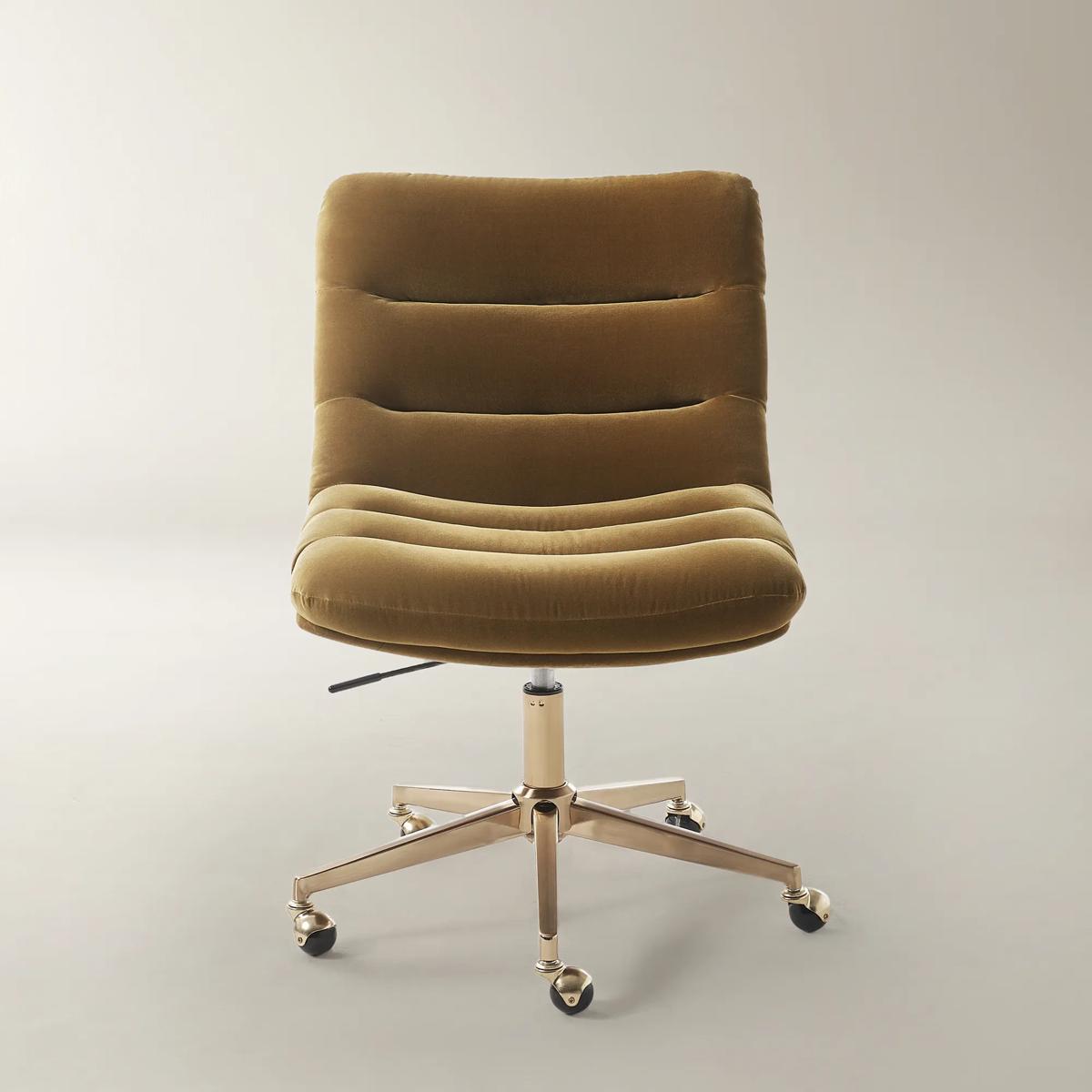 Serena Roasted Pecan Velvet Swivel Desk Chair$399
A brown velvet desk chair featuring adjustable tilt, brass-plated base, and smooth swivel wheels for comfort.
Add To Cart -

 Aria Pleated Swivel Chair$1349
A barrel-style swivel chair in kiln-dried hardwood, shown in Bella Velvet Pearl with pleated tailoring.
Add To Cart -
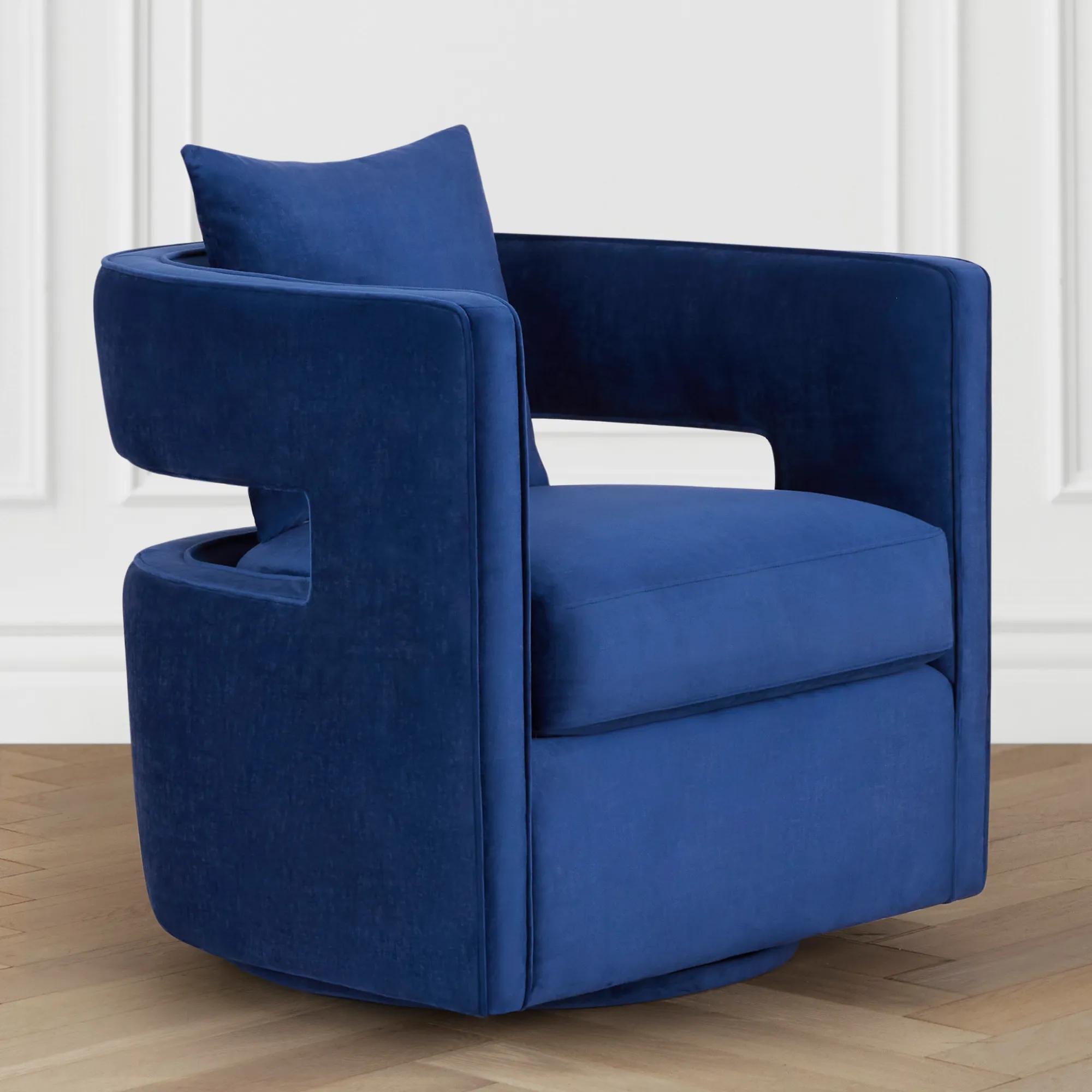
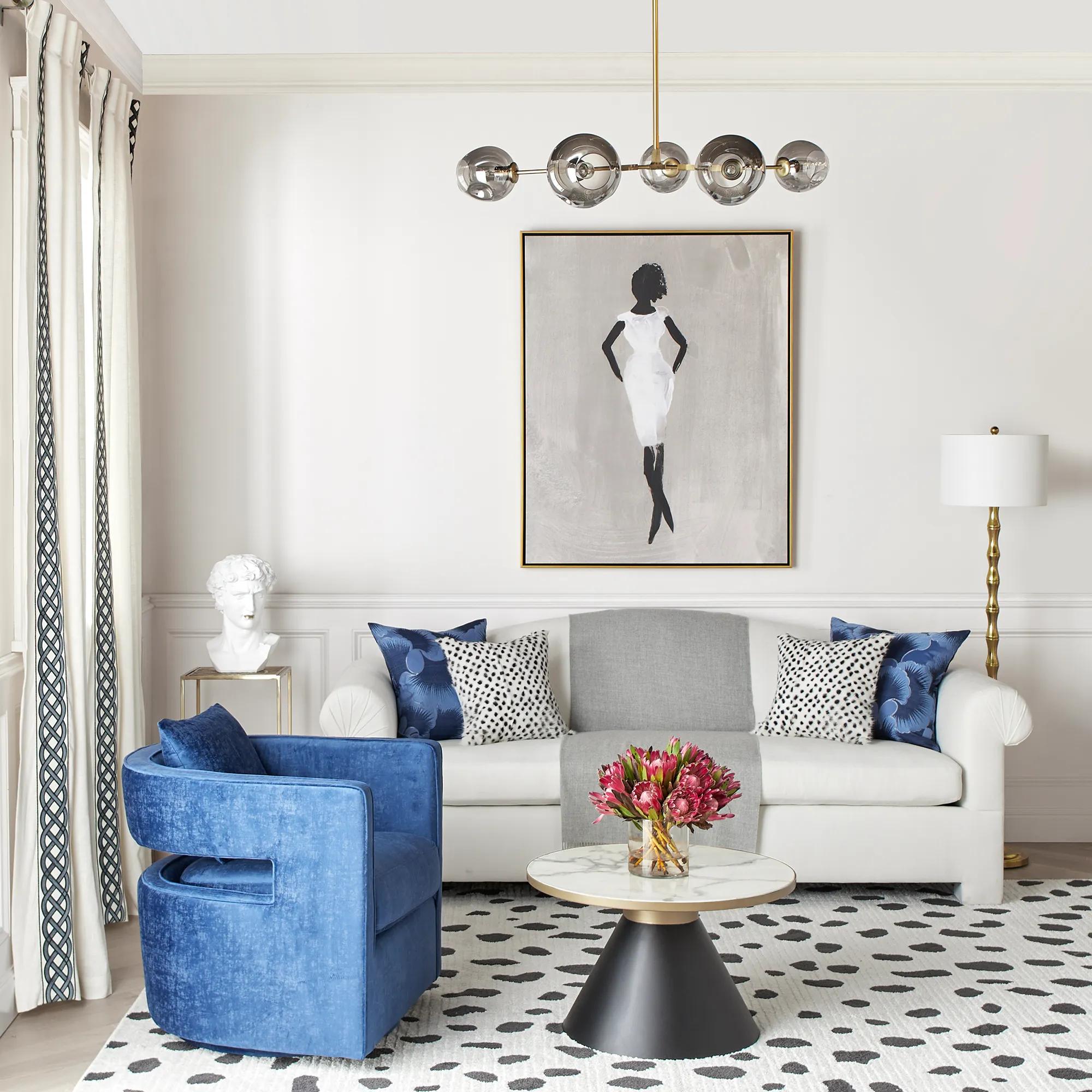 Lottie Navy Velvet Swivel Accent Chair$999
A navy velvet swivel accent chair featuring a sculpted barrel silhouette, open arms, and supportive cushioning.
Add To Cart -
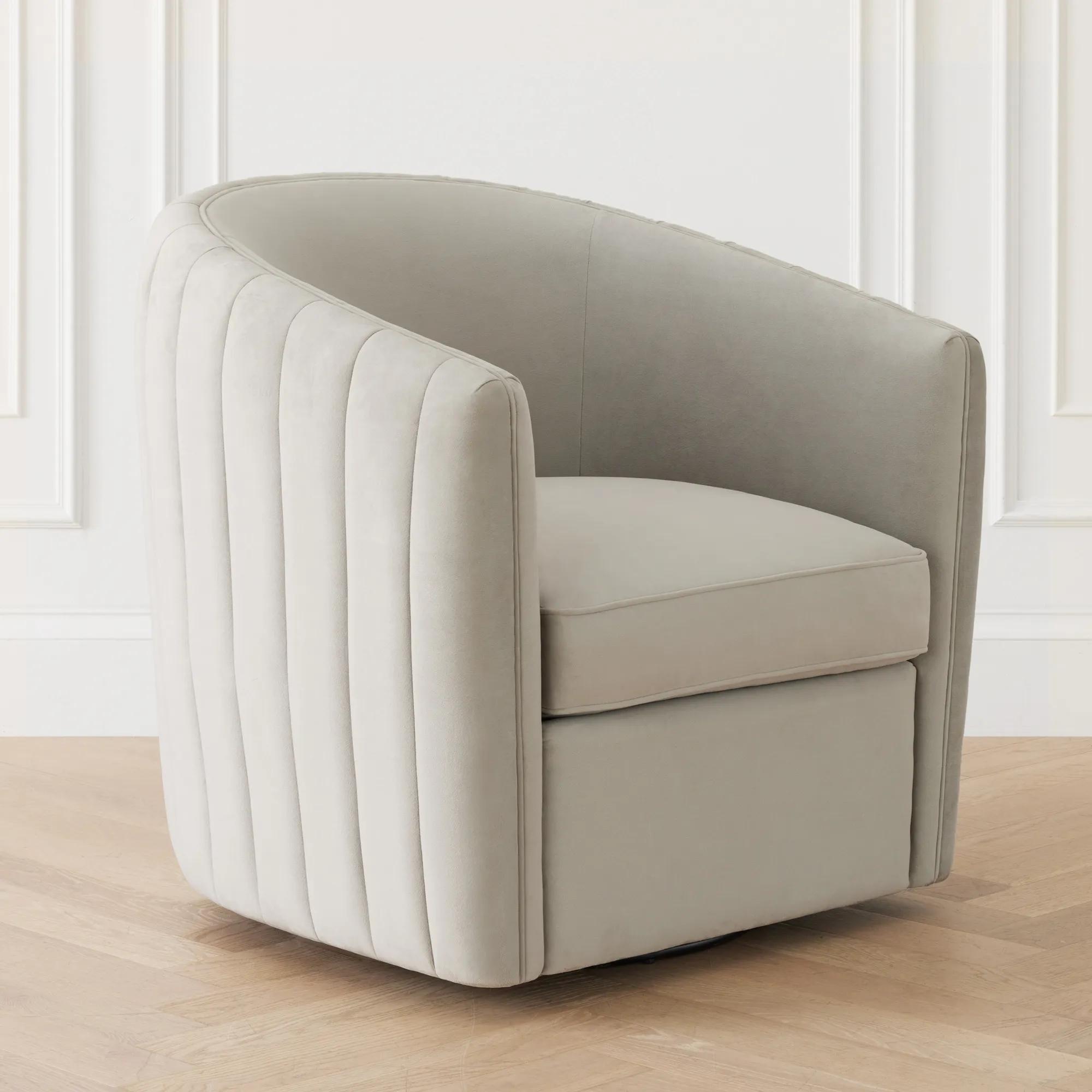
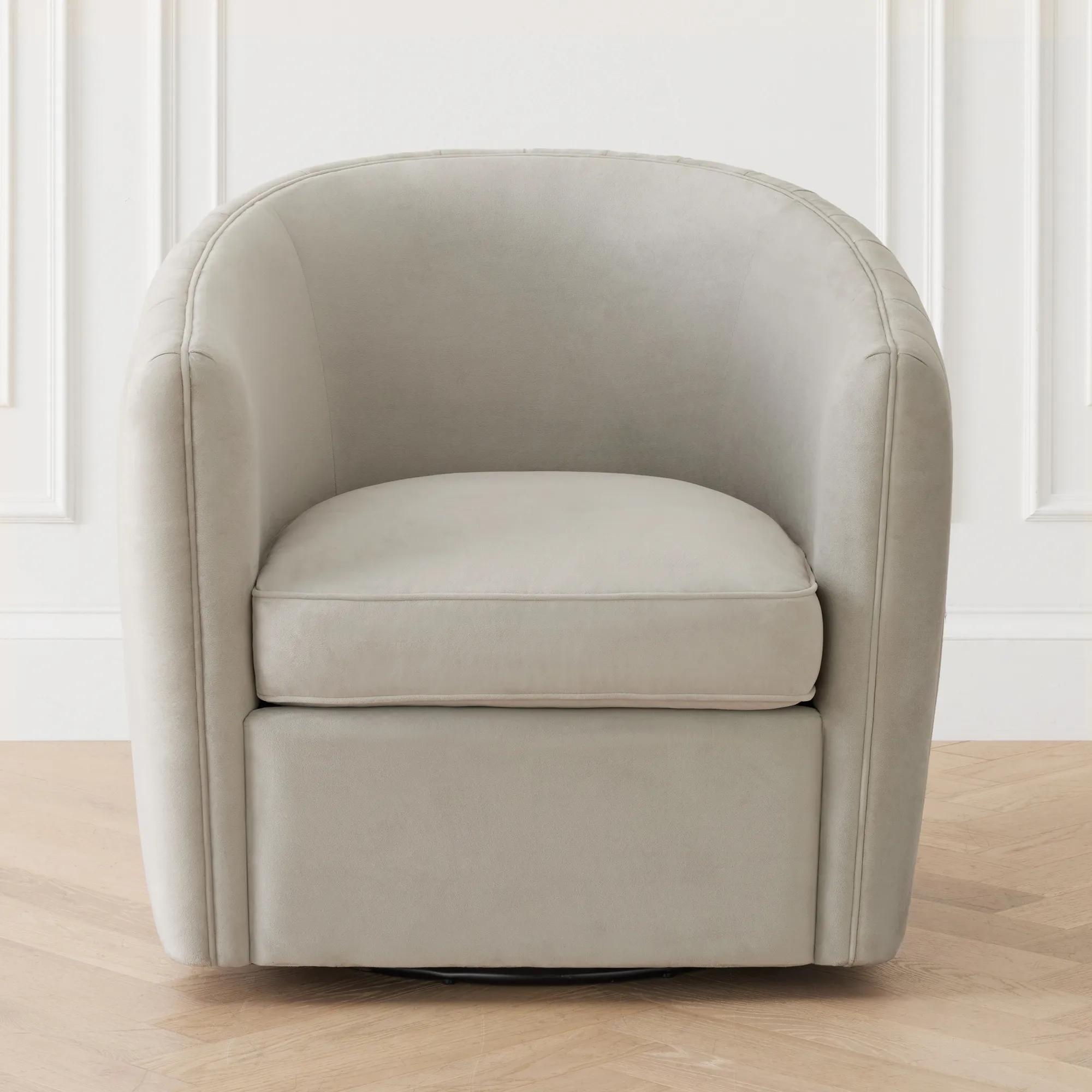 Aria Channeled Swivel Chair$1199
A modern barrel chair in kiln-dried hardwood with channeled velvet upholstery and a smooth swivel base.
Add To Cart -
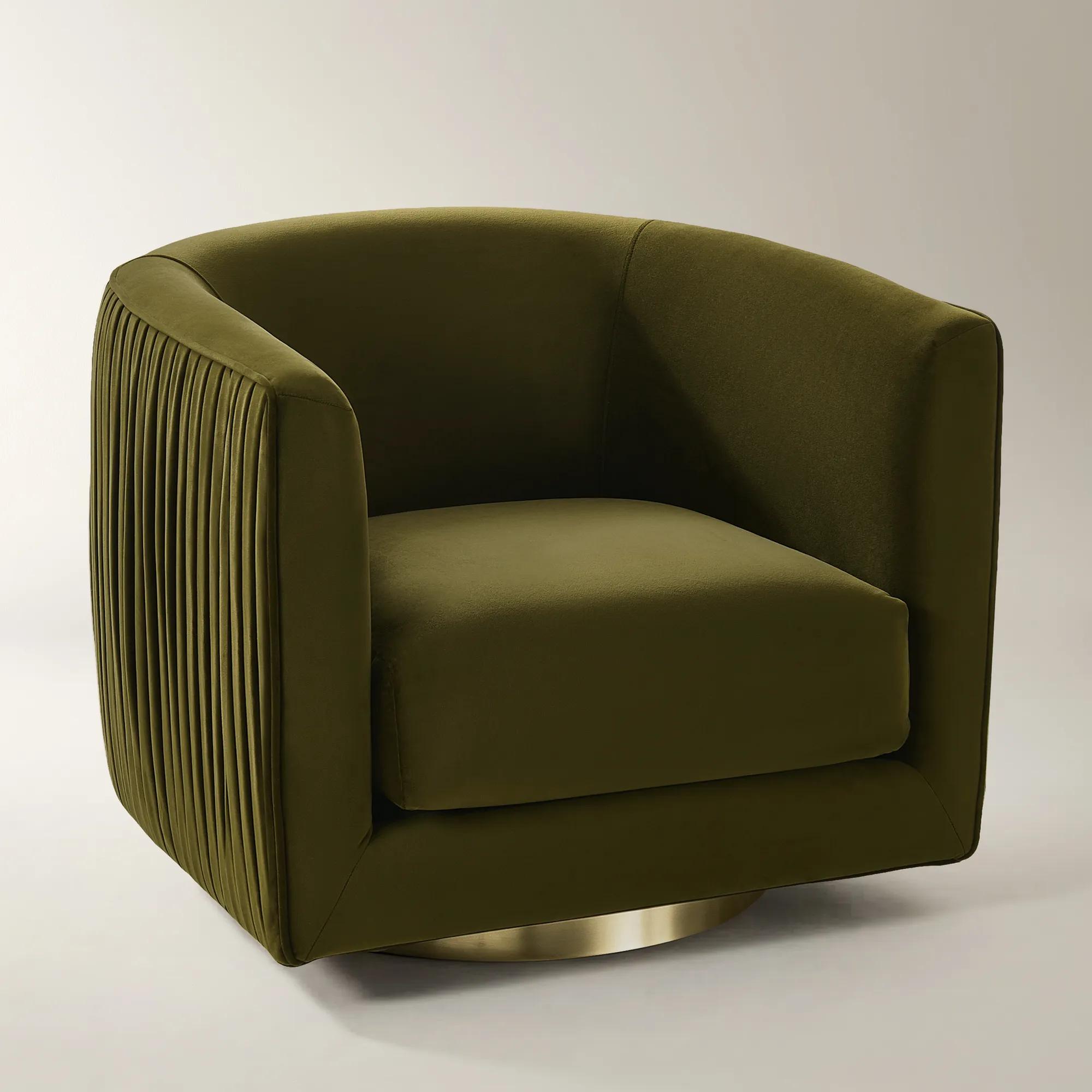
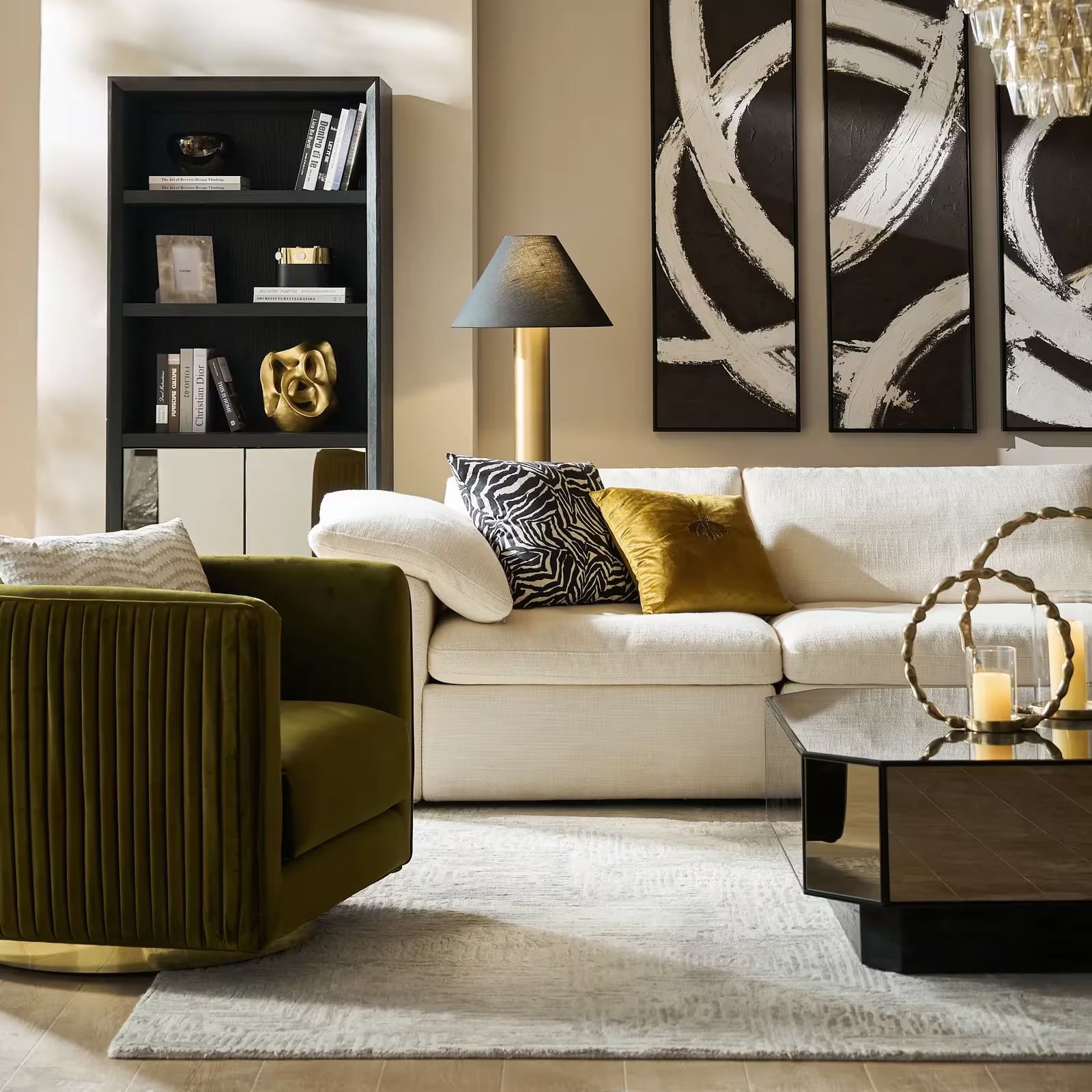 Lyssa Pleated Deep Olive Velvet Swivel Accent Chair$1099
A deep olive green velvet accent chair featuring pleated panels, smooth curves, and a 360-degree swivel base.
Add To Cart -
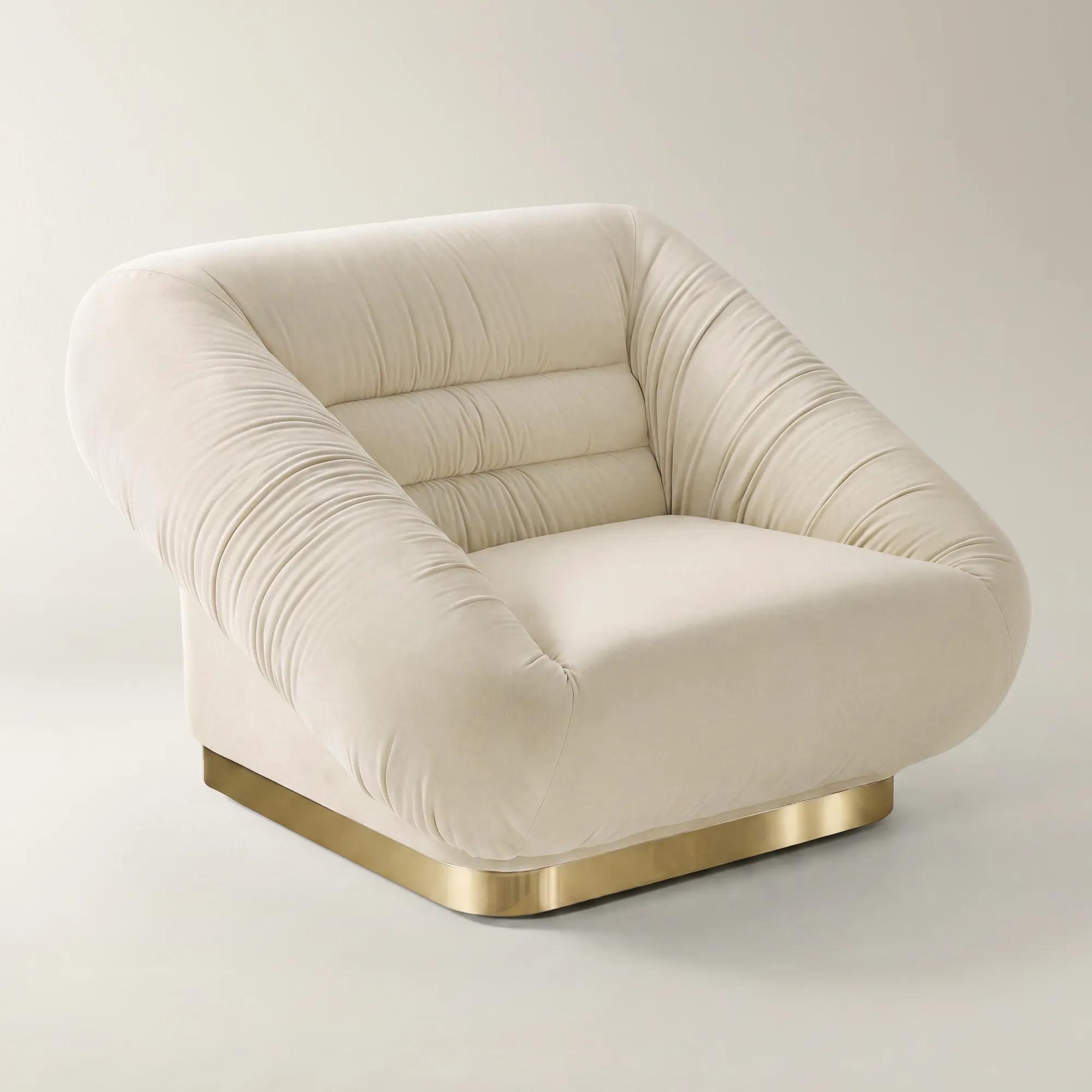
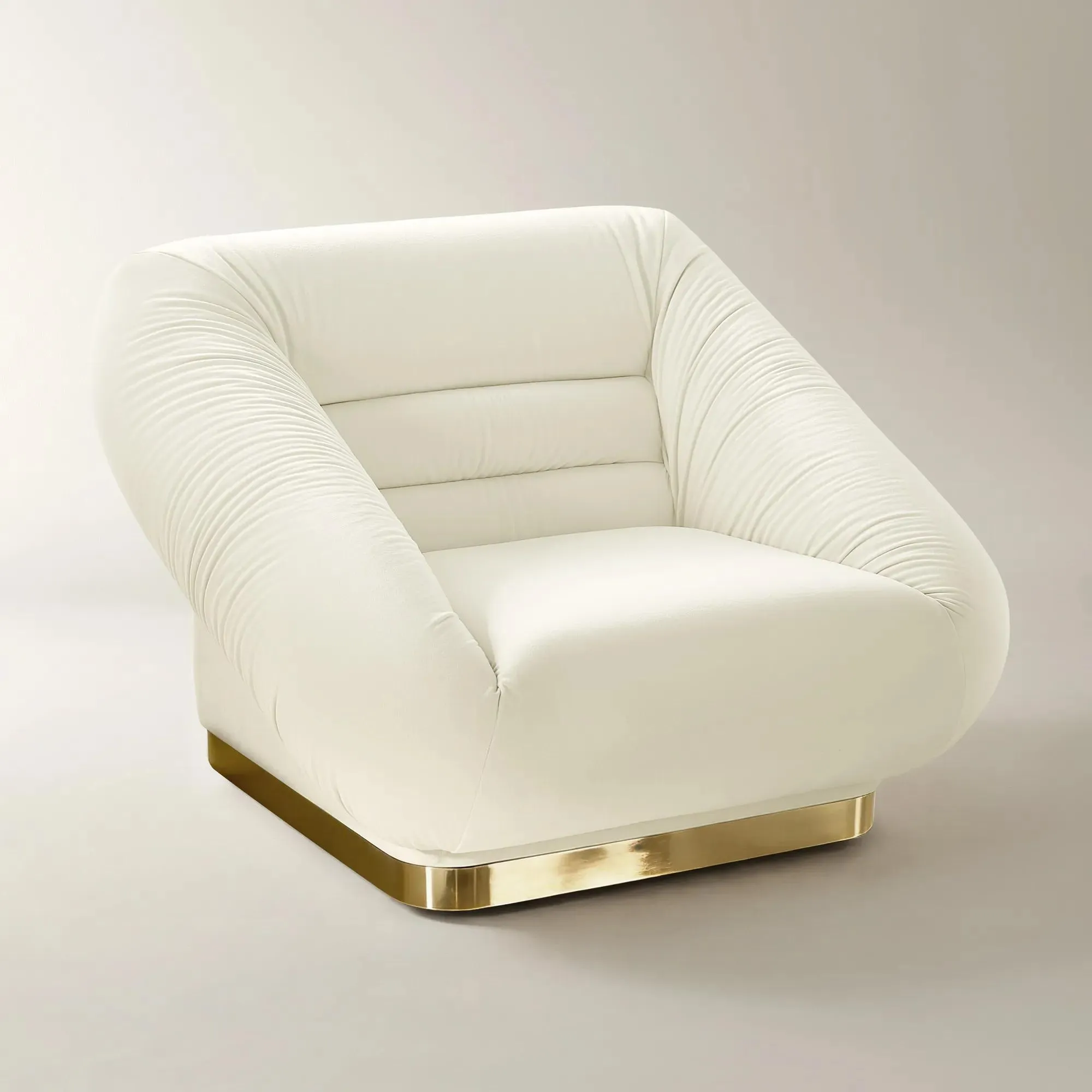 Dover Oatmeal Velvet Swivel Accent Chair$1299
A sculptural oatmeal velvet accent chair with gathered upholstery, a soft gold stainless steel base, and smooth 360-degree swivel functionality.
Add To Cart -

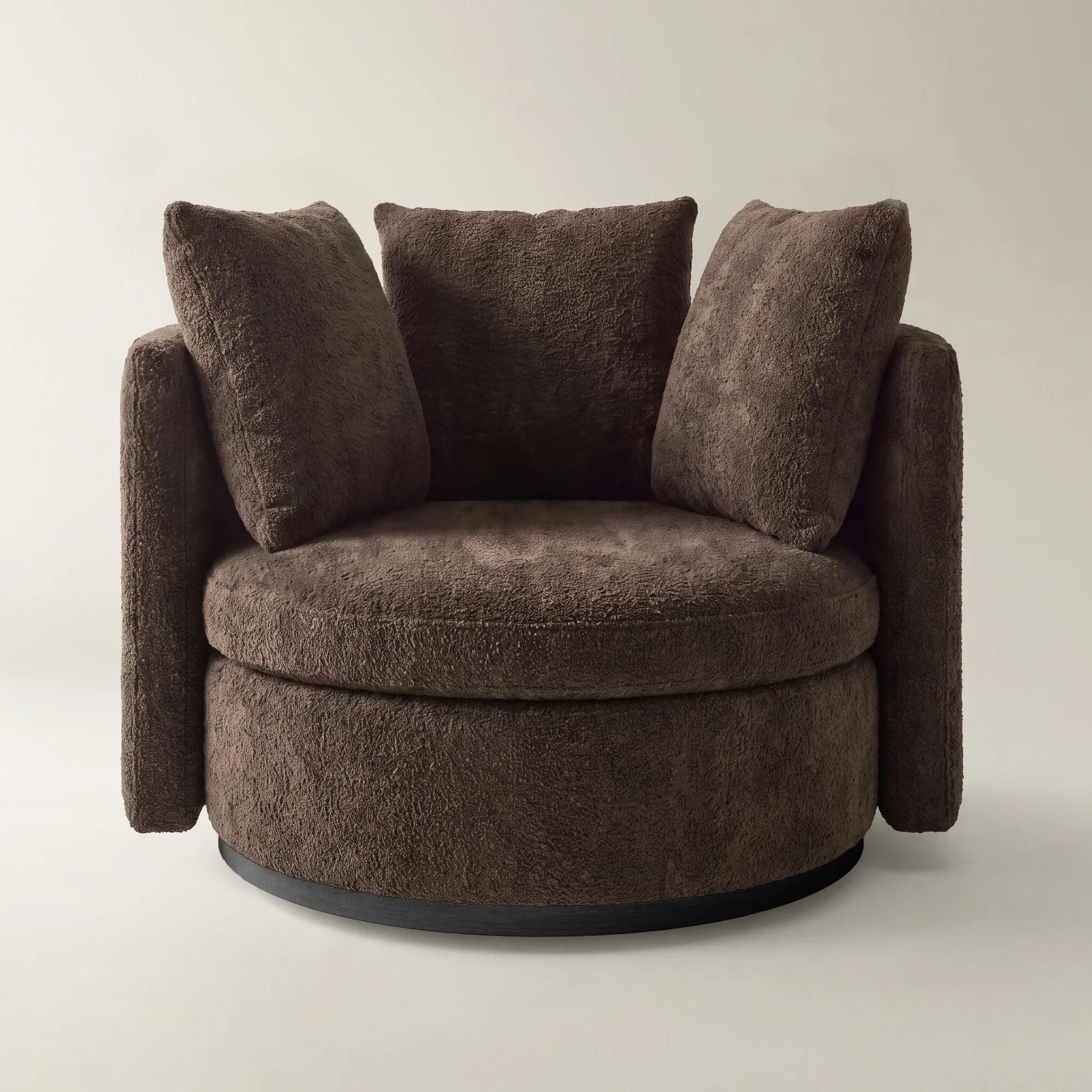
 Stria Light Brown Chenille Swivel Accent Chair$1499
A light brown chenille accent chair featuring triple-layer cushioning, a 360° swivel, and a solid oak base.
Add To Cart -
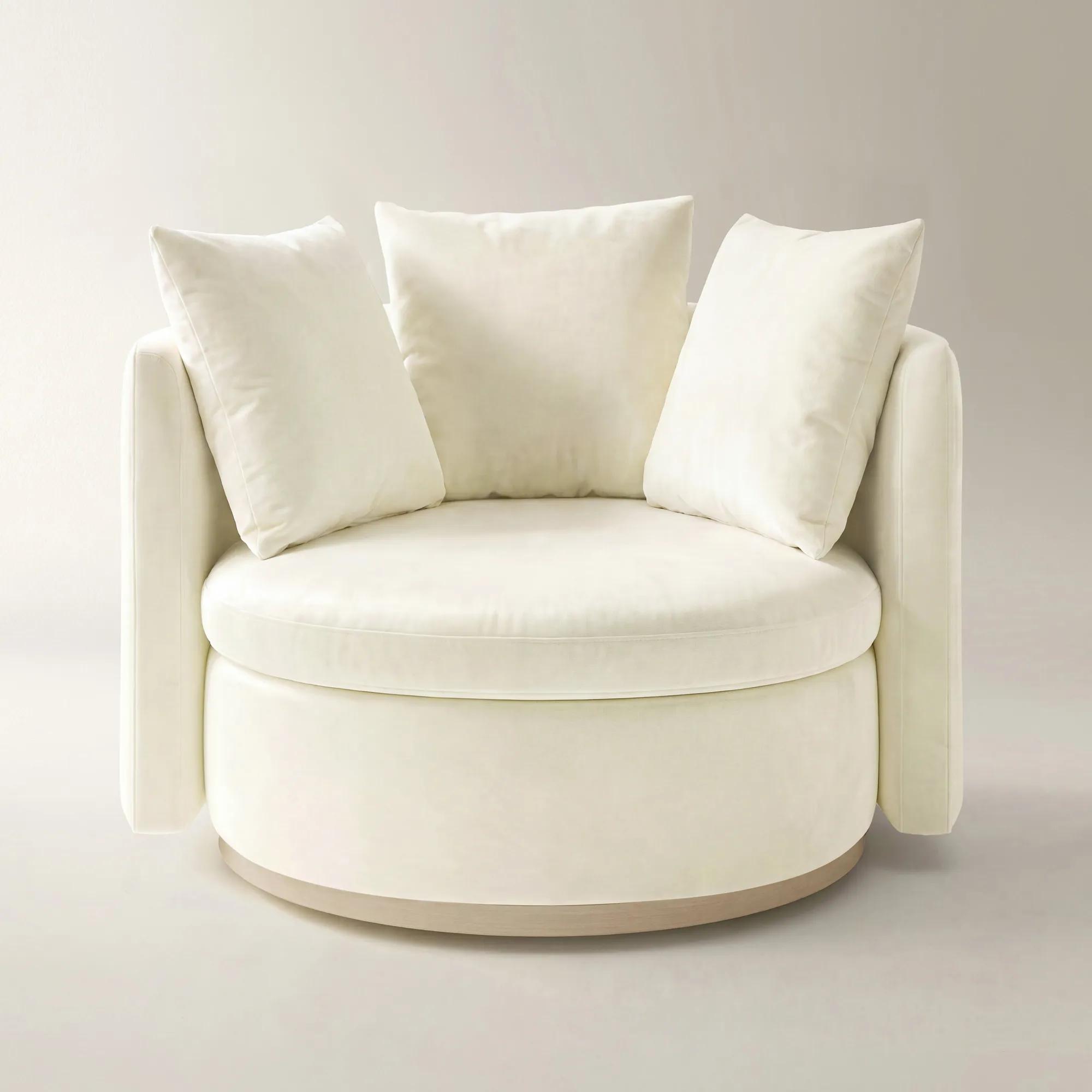
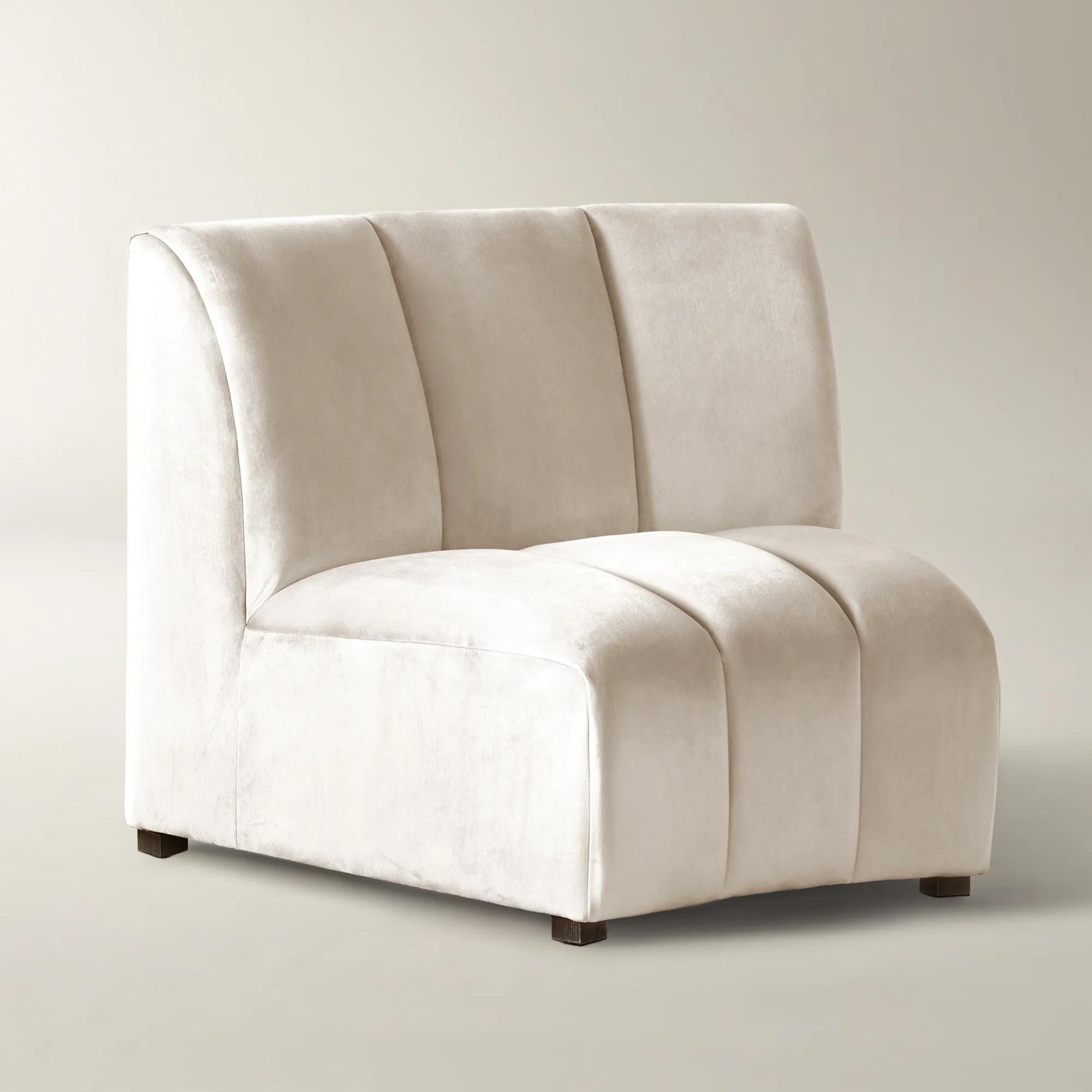
 Stria Cloud Velvet Swivel Accent Chair$1499
A sculptural cloud-velvet accent chair with enveloping curves, layered cushioning, and a concealed 360-degree swivel base.
Add To Cart -
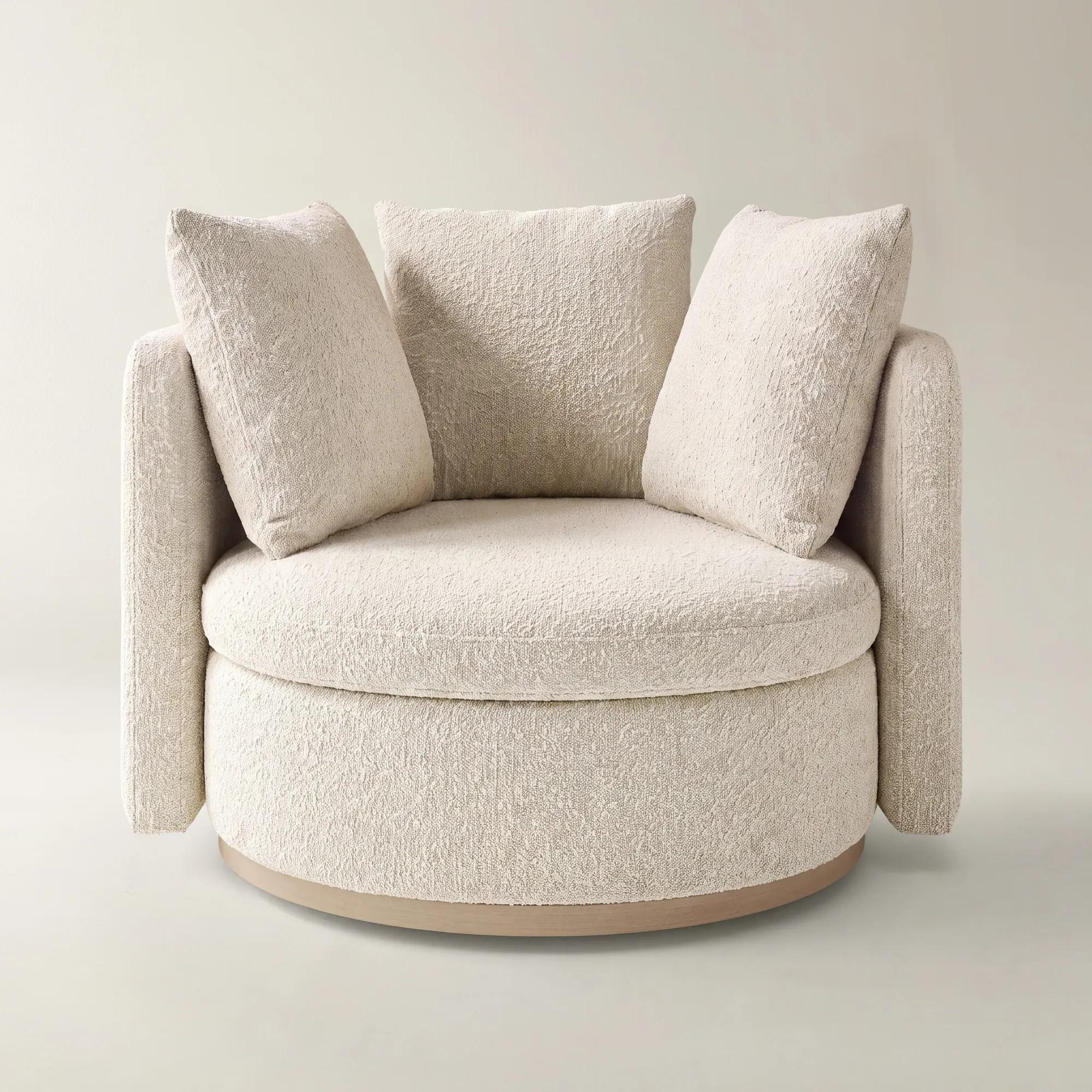
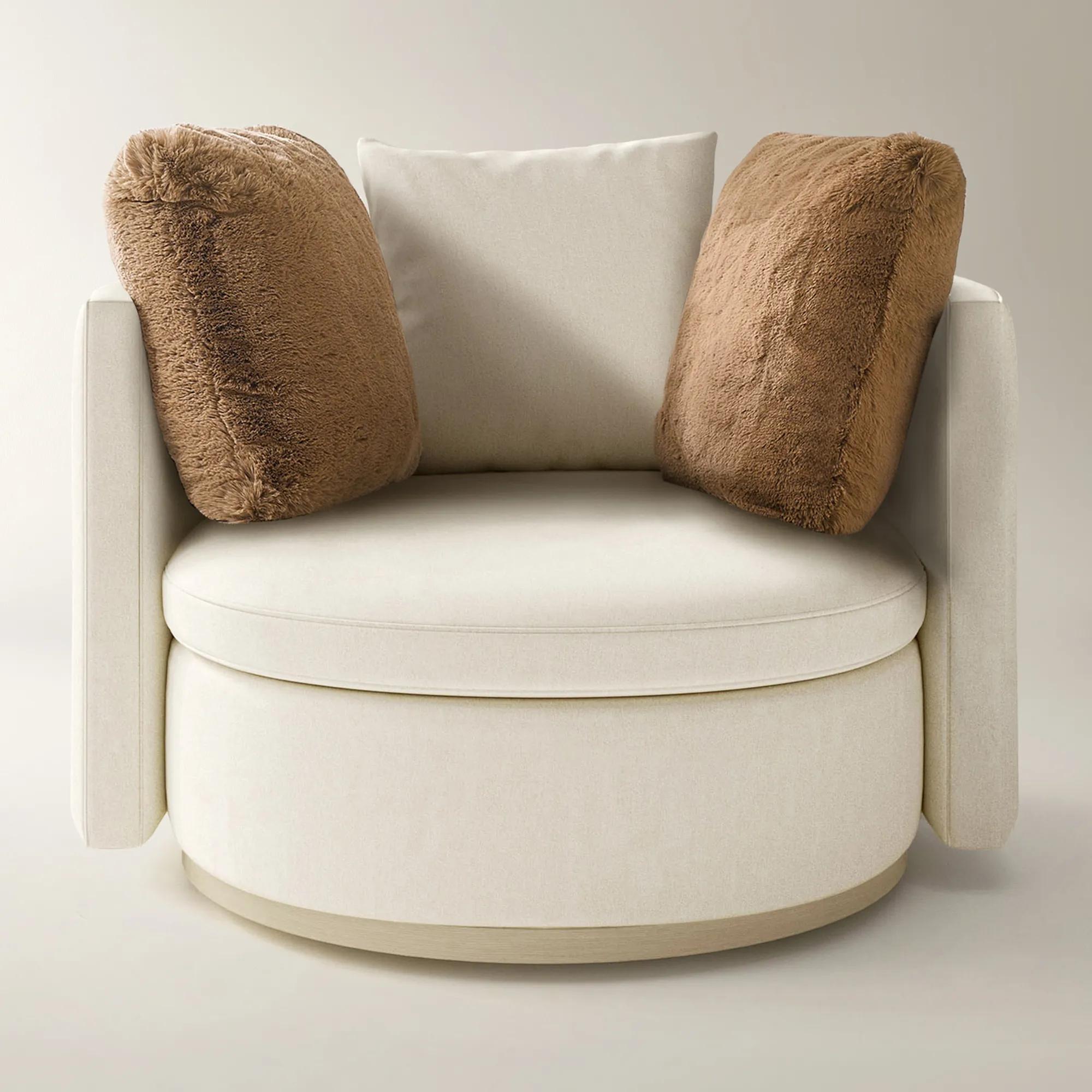 Stria Ivory Performance Boucle Swivel Accent Chair$1599
An ivory performance bouclé accent chair with enveloping curves, layered comfort, and a concealed 360-degree swivel.
Add To Cart -
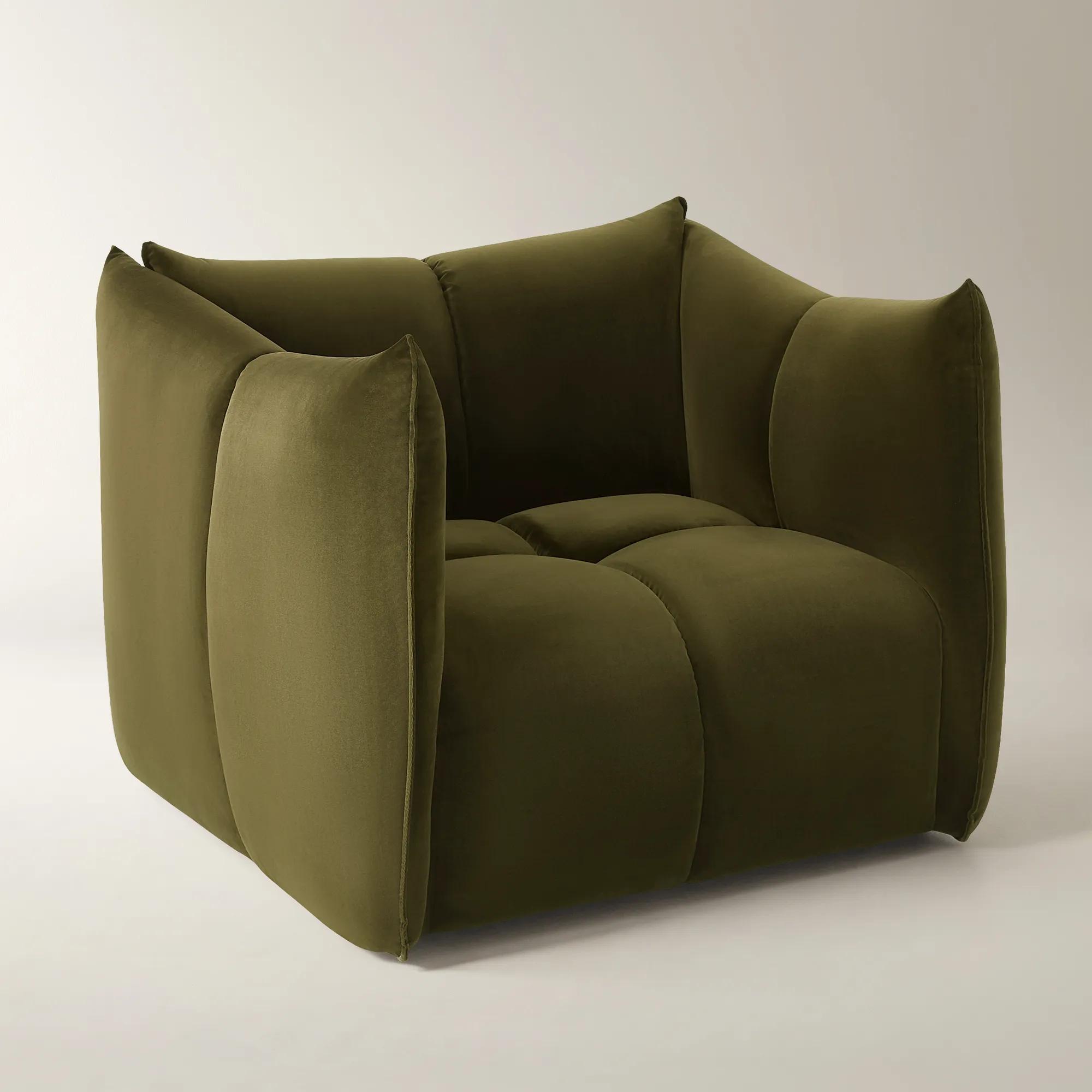
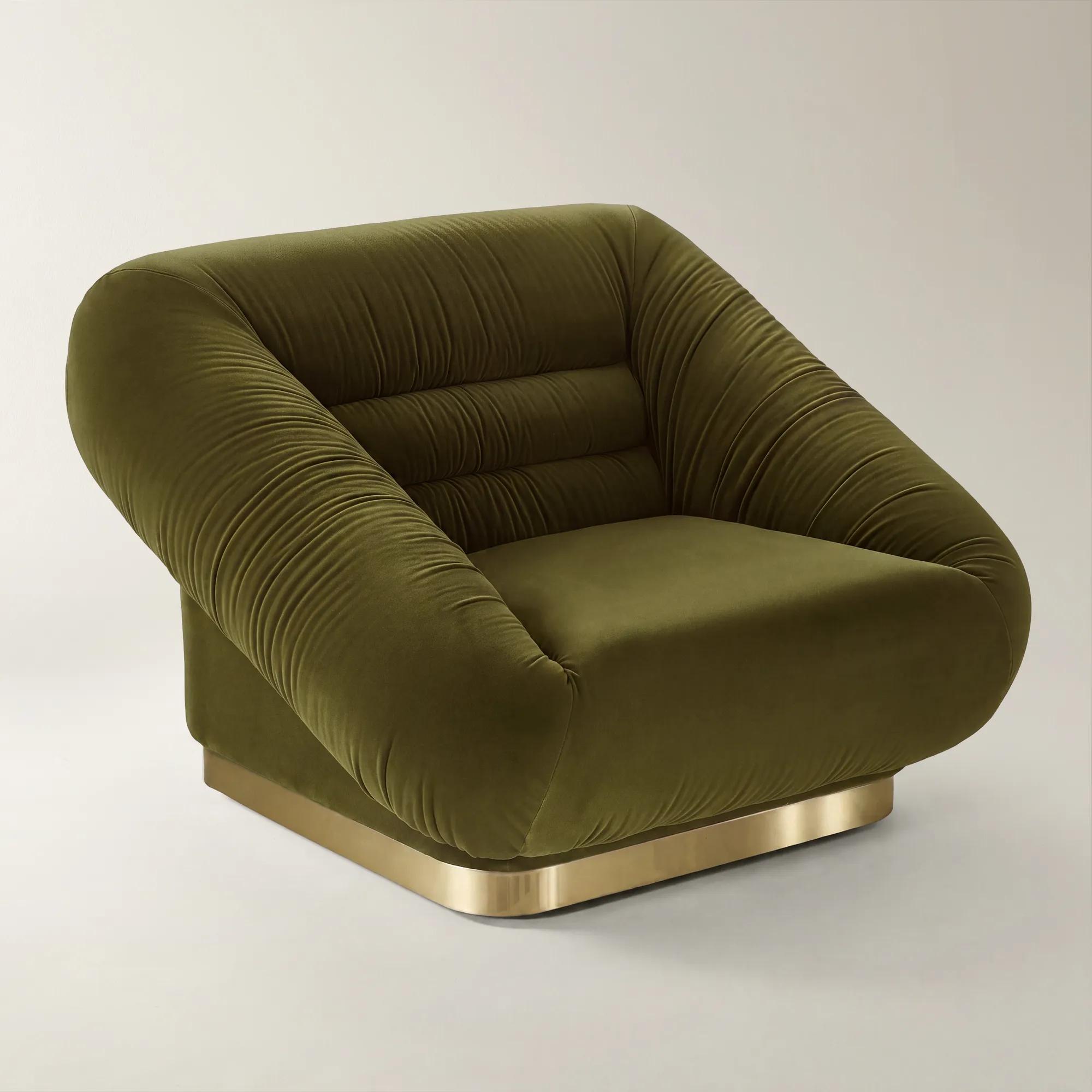 Dover Deep Olive Velvet Swivel Accent Chair$1299
A sculptural deep olive velvet chair with gathered upholstery, soft gold trim, and smooth 360-degree swivel functionality.
Add To Cart -
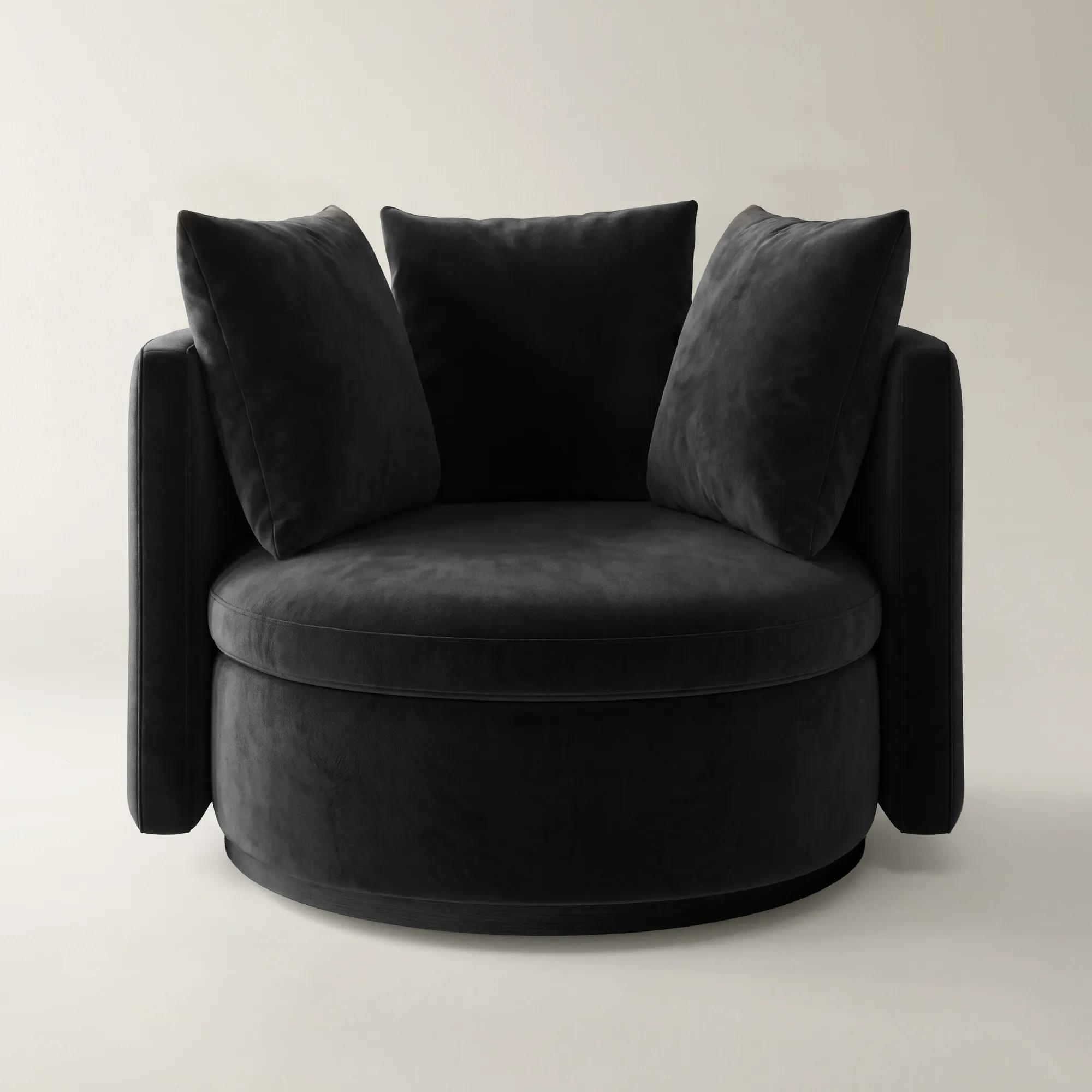 Stria Charcoal Velvet Swivel Accent Chair$1499
A sculptural charcoal velvet accent chair with enveloping curves, layered cushioning, and a concealed 360-degree swivel.
Add To Cart -
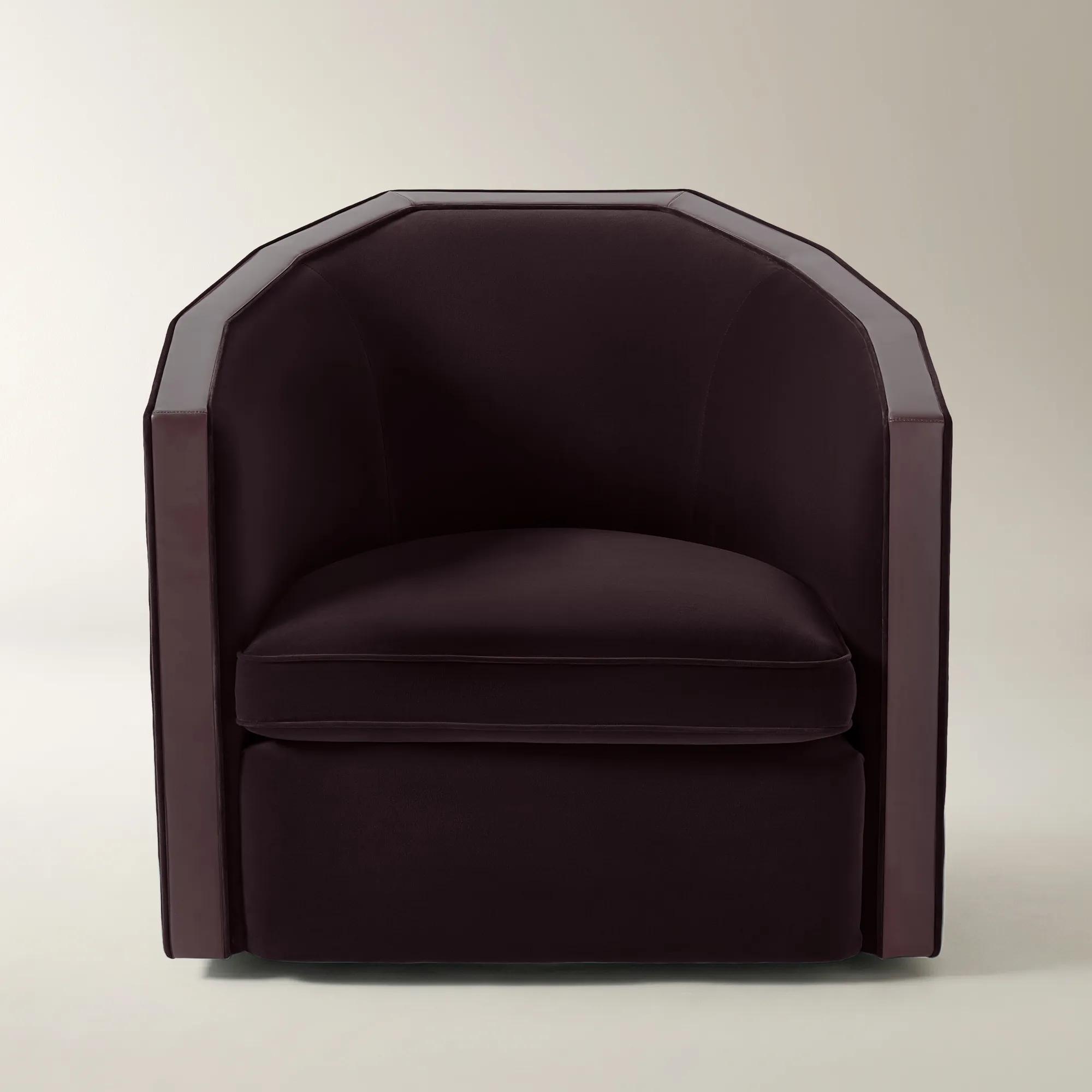
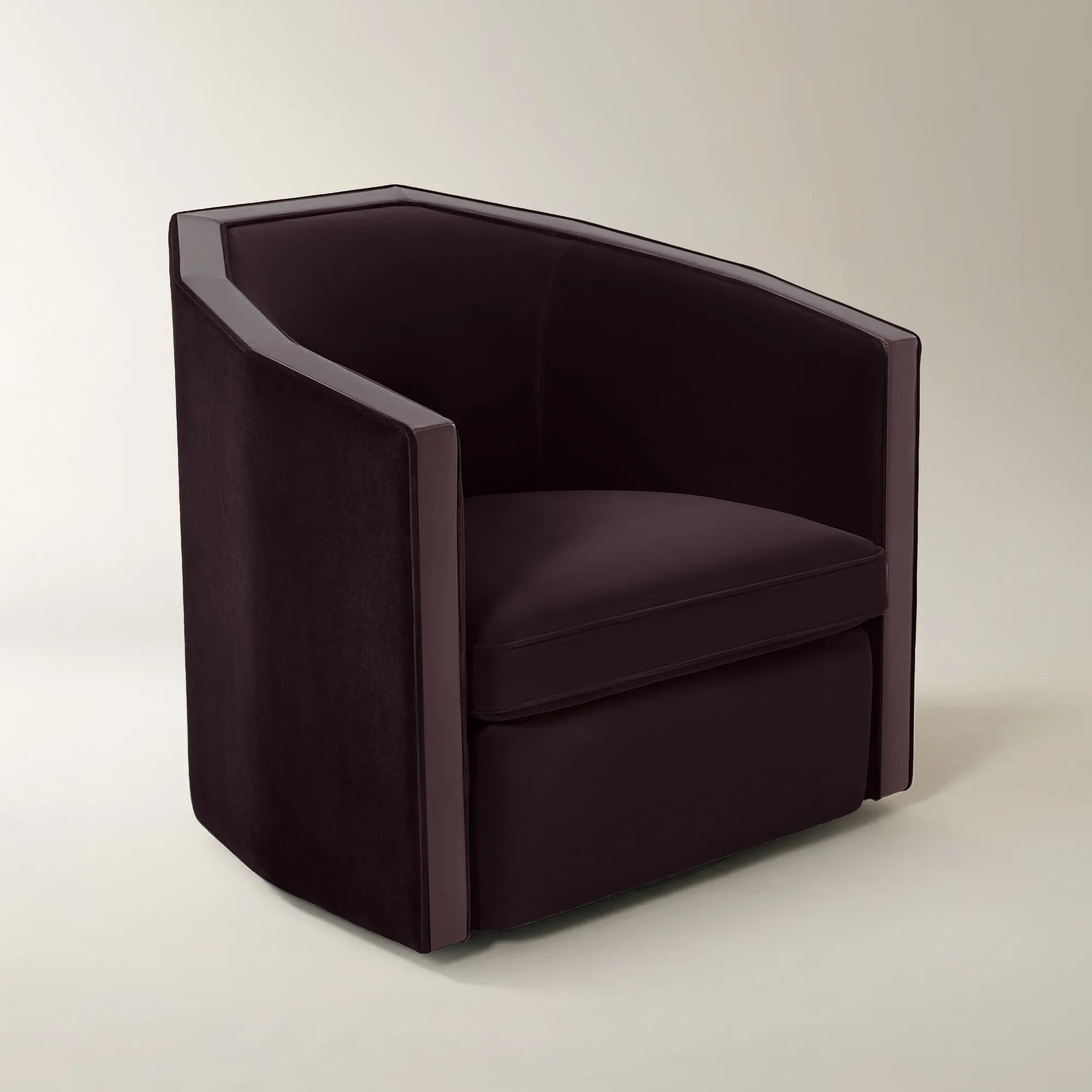 Vesper Fig Velvet With Leather Swivel Accent Chair$999
A modern accent chair featuring fig velvet upholstery, tonal leather trim, and a smooth 360° swivel base.
Add To Cart -
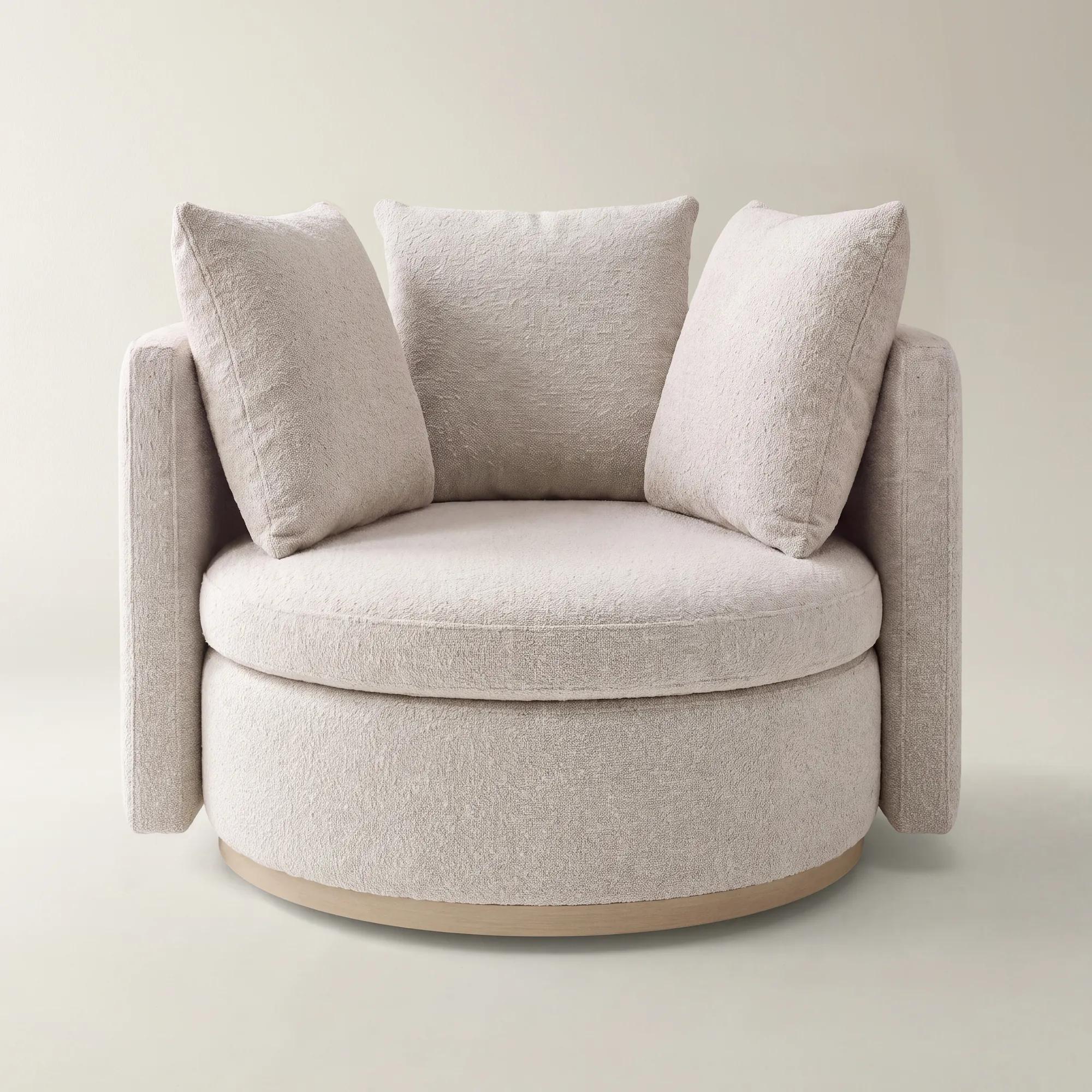 Stria Ivory Performance Boucle Swivel Accent Chair$1599
An ivory performance bouclé accent chair with enveloping curves, layered comfort, and a concealed 360-degree swivel.
Add To Cart -
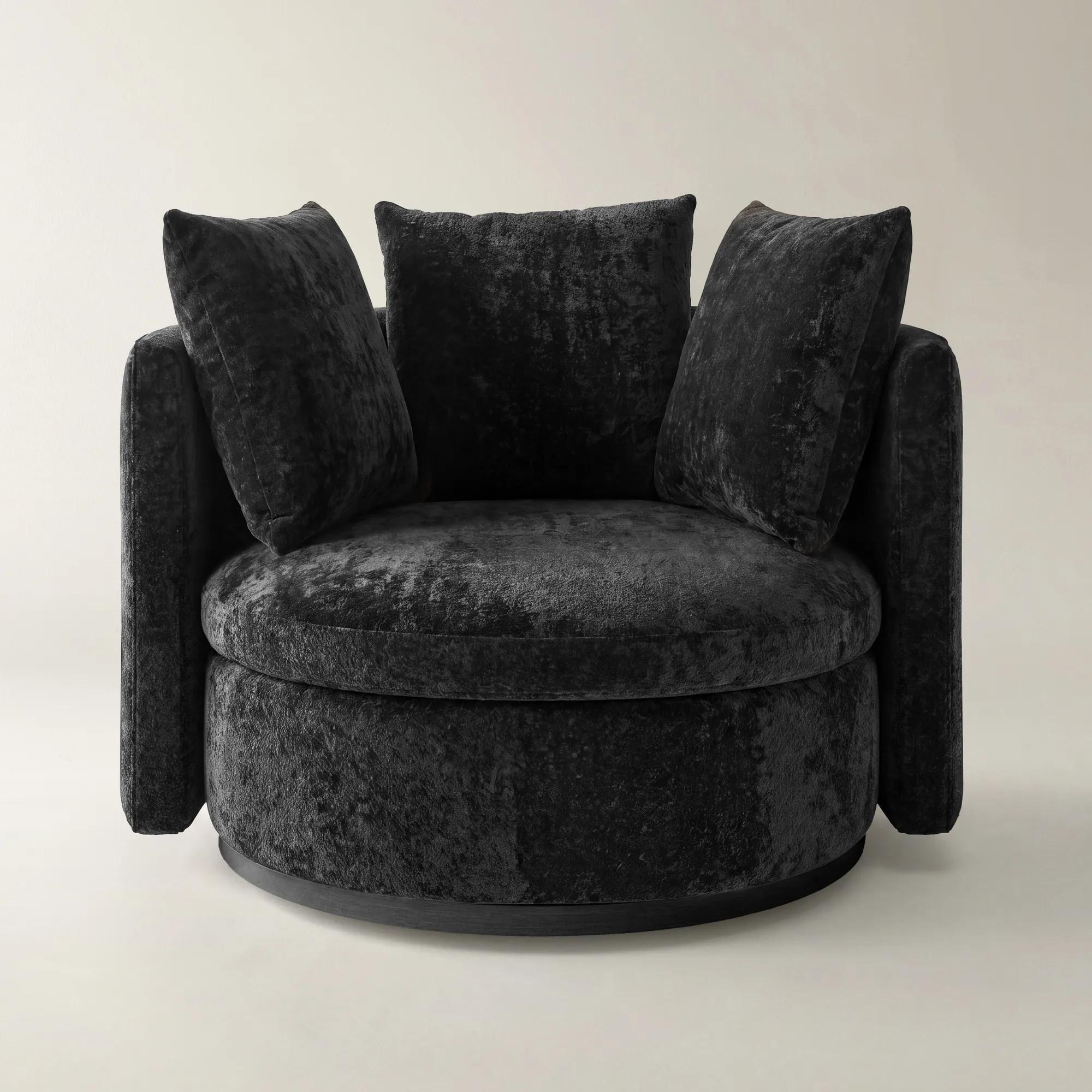 Stria Black Chenille Swivel Accent Chair$1599
A black chenille accent chair with enveloping curves, foam-and-down comfort, and a concealed 360-degree swivel.
Add To Cart -
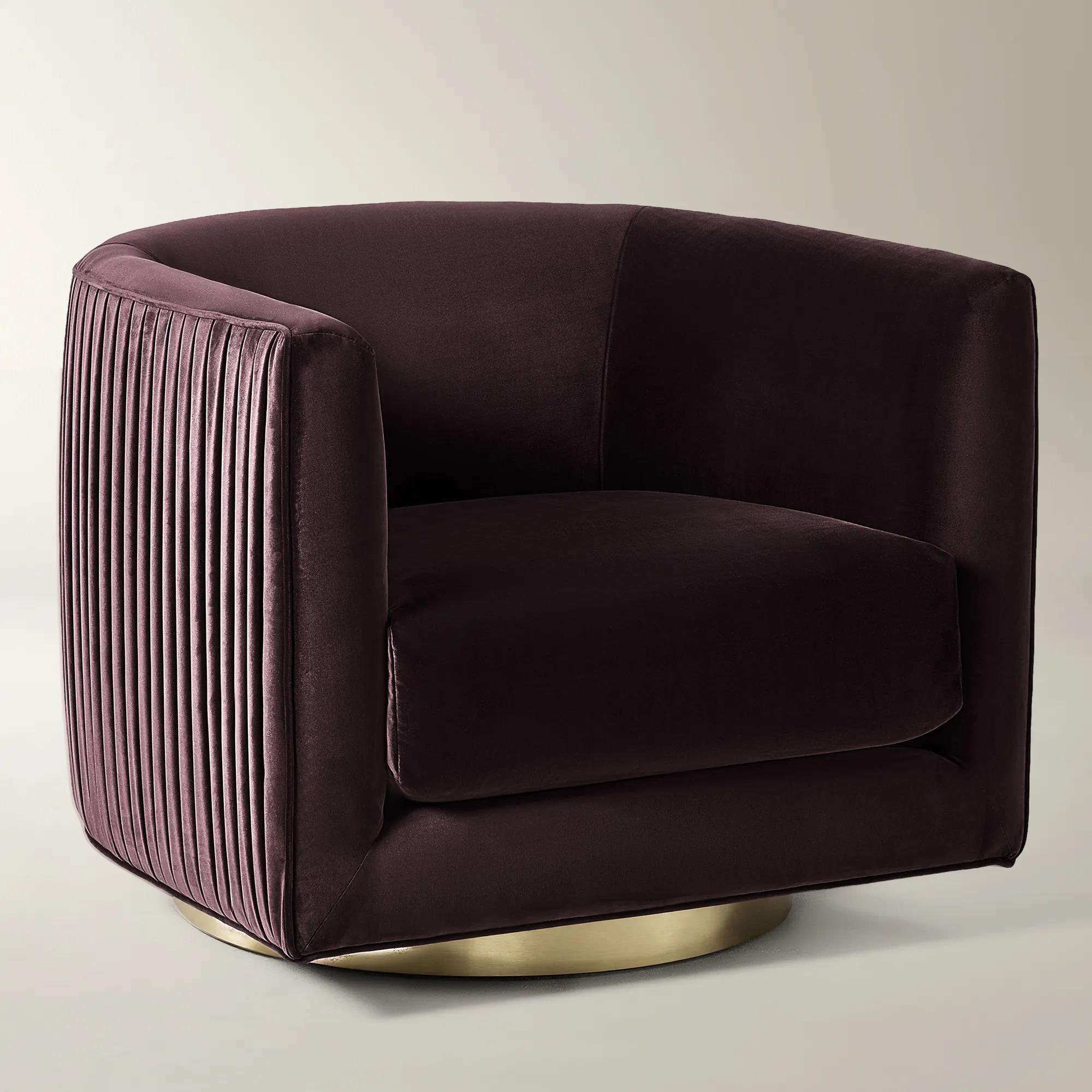 Lyssa Pleated Fig Velvet Swivel Accent Chair$1099
A fig-colored velvet accent chair featuring pleated detailing, a curved silhouette, and a smooth 360° swivel base.
Add To Cart -
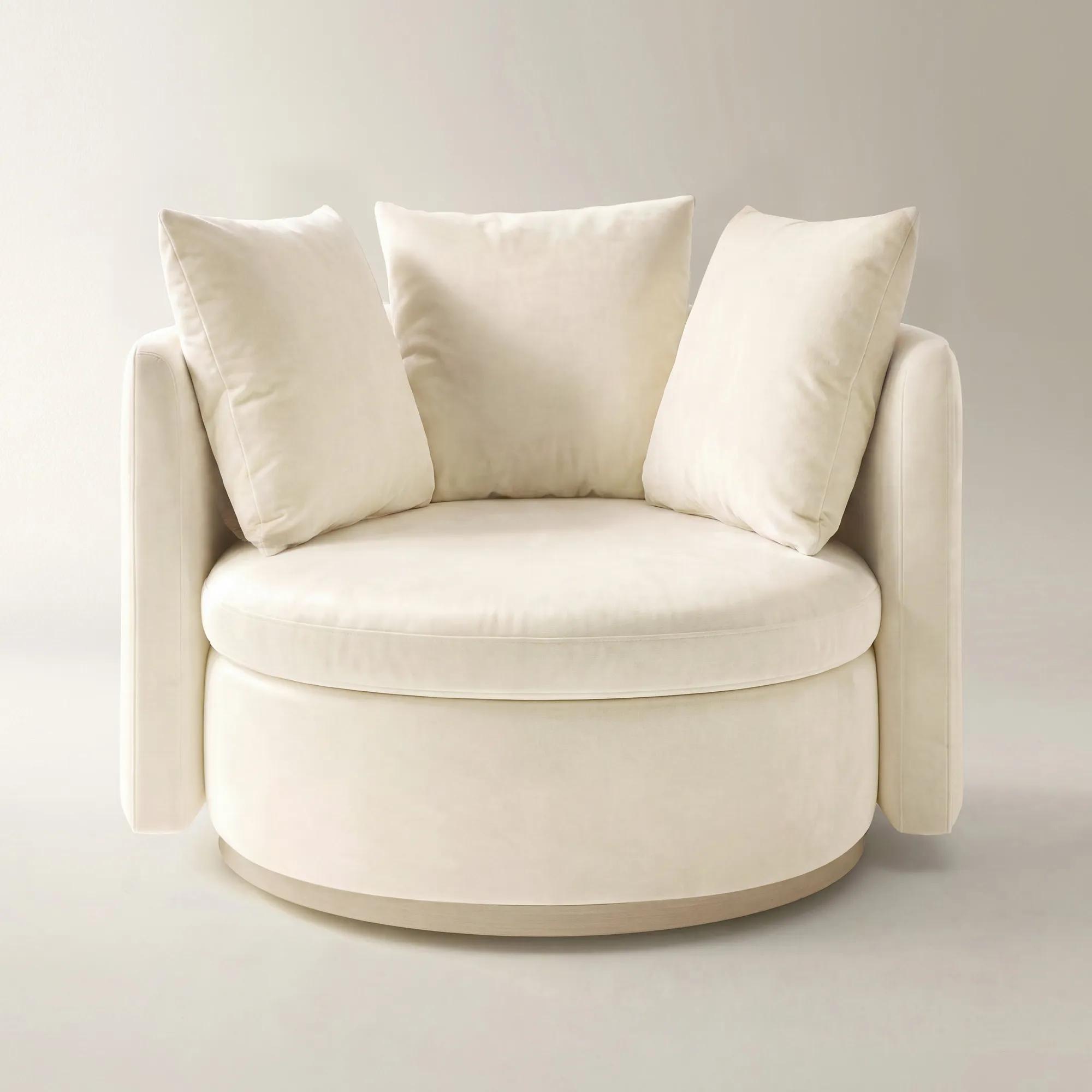 Stria Oatmeal Velvet Swivel Accent Chair$1499
An oatmeal velvet accent chair featuring enveloping curves, layered cushioning, and a concealed 360-degree swivel base.
Add To Cart -
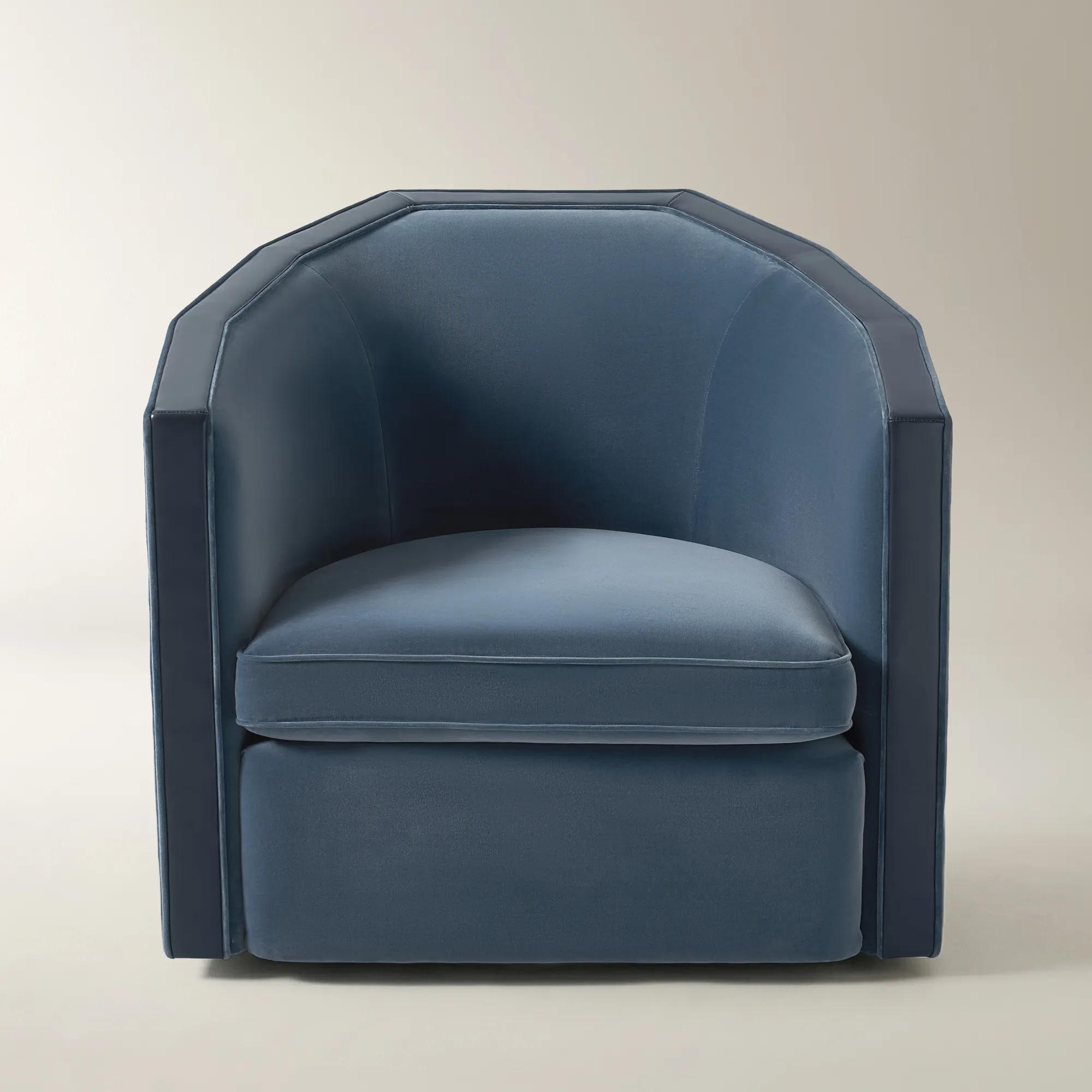 Vesper Dusty Blue Velvet With Leather Swivel Accent Chair$999
A modern accent chair in dusty blue velvet with tonal leather trim and a smooth 360-degree swivel base.
Add To Cart -
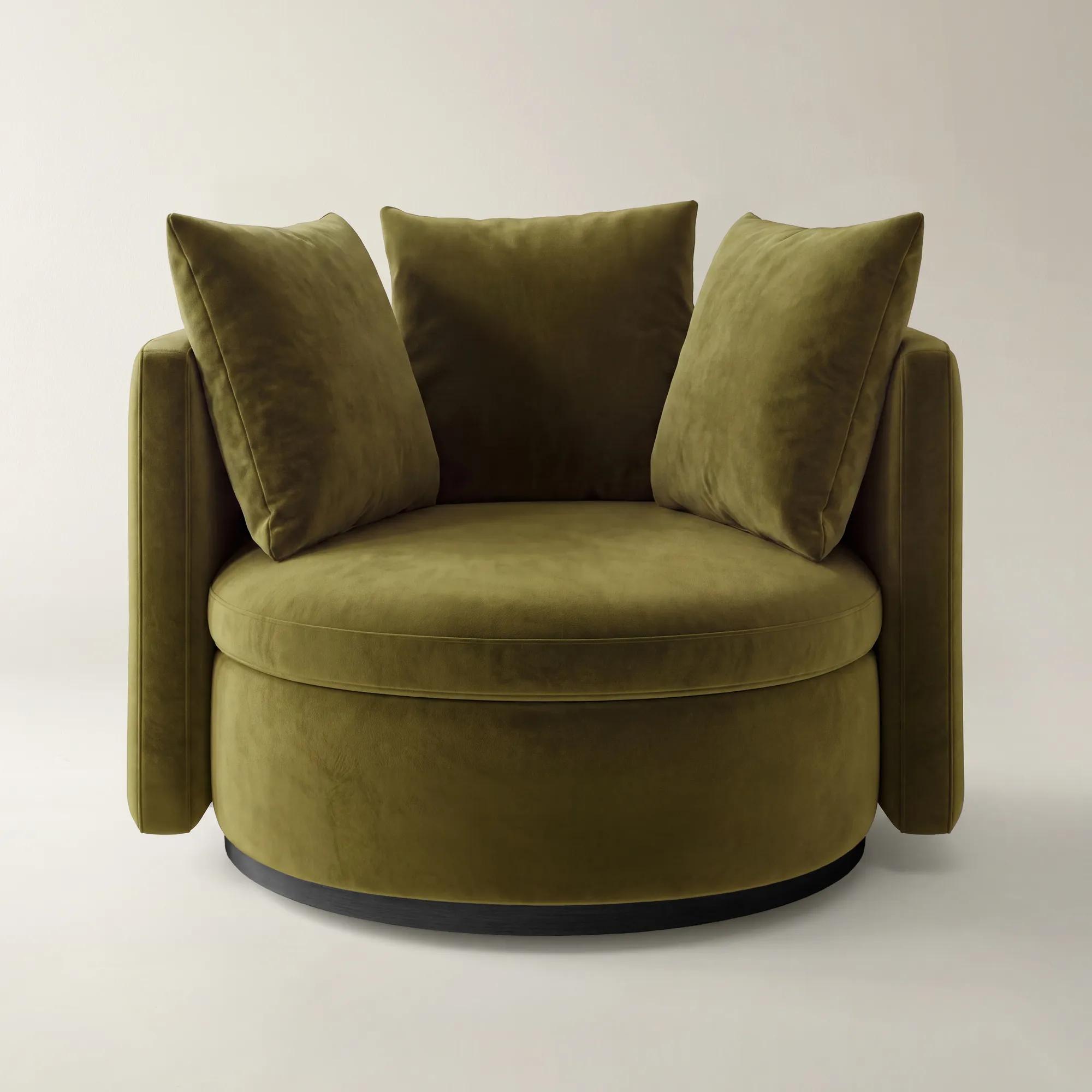 Stria Deep Olive Velvet Swivel Accent Chair$1499
A deep olive velvet accent chair with enveloping curves, layered cushioning, and a concealed 360-degree swivel base.
Add To Cart -
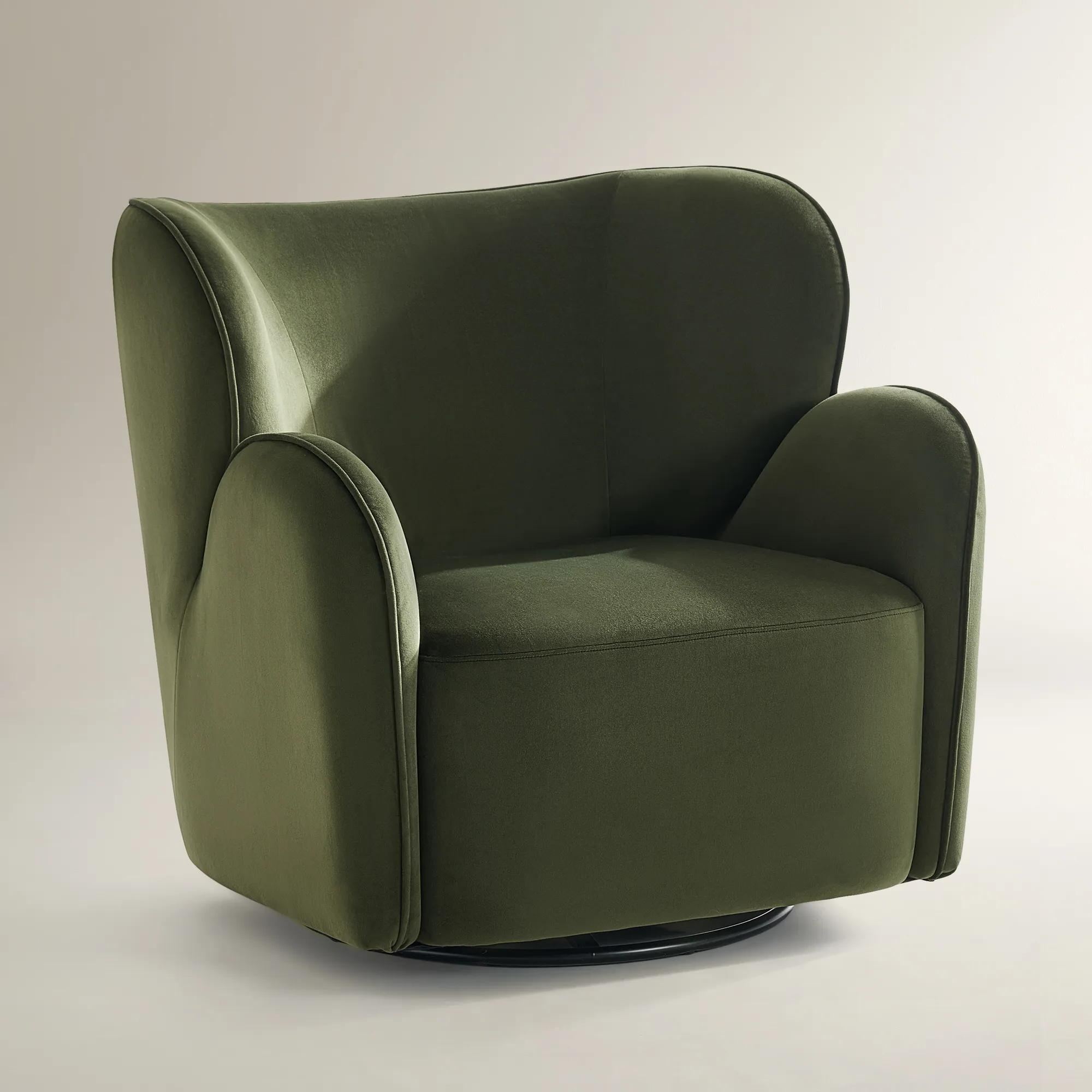
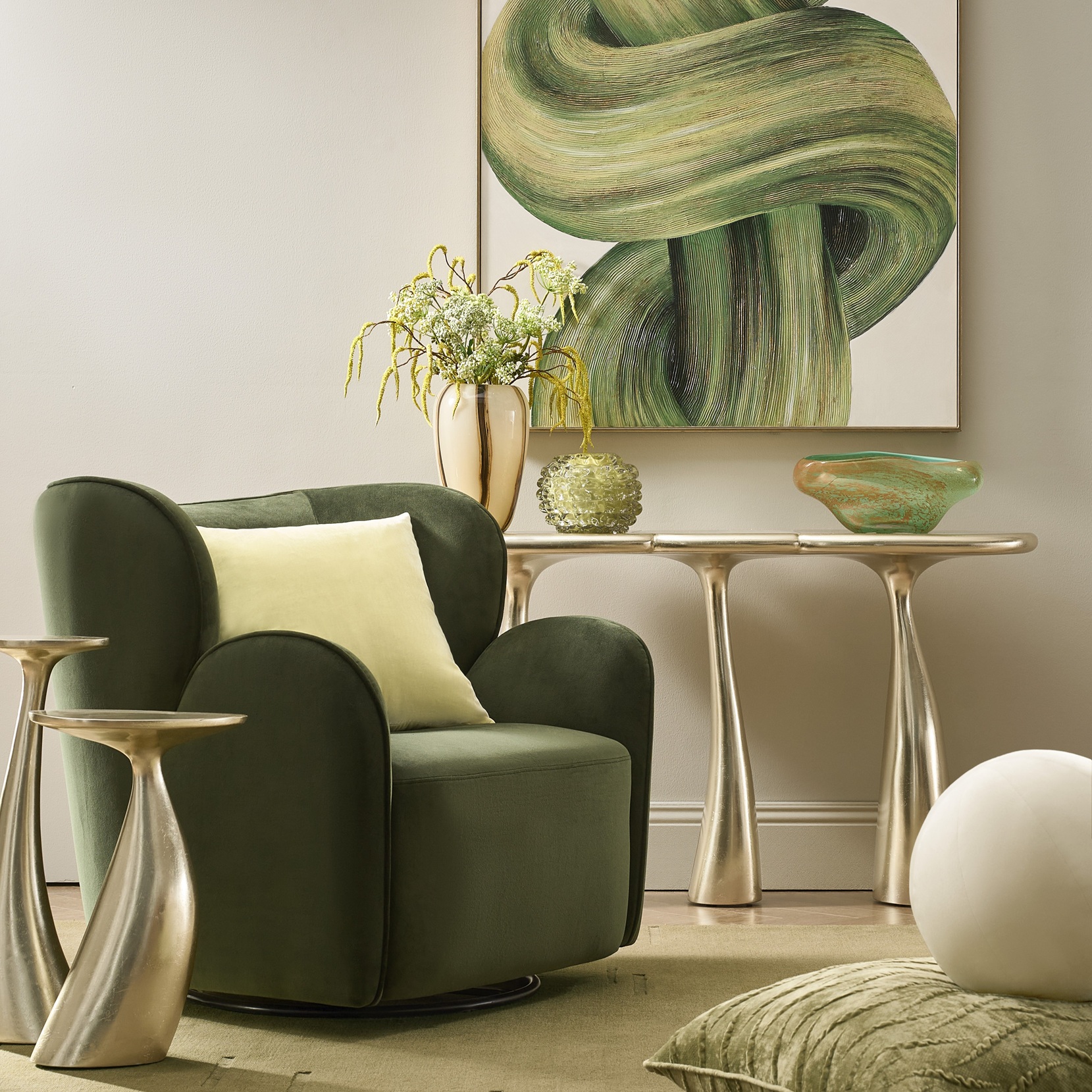 Ceres Jade Green Velvet Swivel Accent Chair$799
A plush jade green velvet chair with a curved silhouette, 360° swivel, and supportive foam cushioning.
Add To Cart

Upholstered Office Chairs With Wheels
Explore upholstered office chairs with wheels that bring a tailored presence and easy movement to your workspace. As you browse, consider how each chair’s proportions and upholstery complement your desk and room, creating a home office that feels as thoughtfully composed as the rest of your interiors.
Upholstered office chairs with wheels bring a softer, more expressive presence to the workspace, pairing the ease of a rolling base with the visual richness of a beautifully dressed seat. At a writing desk, behind a substantial executive desk, or within a creative studio, upholstery makes the chair feel like part of the room’s design rather than a purely functional addition. A velvet surface catches the light differently as the chair turns, giving even a restrained silhouette a sense of depth. A textured weave introduces quieter dimension, while leather or faux leather can create a sleek, tailored impression. Each material sets a distinct mood: plush and theatrical, crisp and architectural, or richly layered. Color adds another opportunity for expression. An ivory chair can illuminate a dark desk and lend contrast to a richly patterned rug; charcoal can anchor a room filled with glass and reflective finishes; a saturated jewel tone can become the focal point of an otherwise neutral workspace. The shape matters just as much as the fabric. A curved back softens the geometry of shelving and cabinetry, while a more structured profile complements a desk with strong lines. Tufting, channeling, and carefully finished seams introduce detail without requiring additional ornament. Where a metallic base is part of the design, its finish can echo nearby lighting or decorative hardware, creating a connection that feels considered rather than matched piece for piece. For remote professionals, entrepreneurs, students, and anyone who keeps a dedicated space for correspondence or creative projects, these chairs offer a way to make daily work feel more personal. A home office does not need to resemble a corporate setting to function beautifully. The right upholstered chair gives it a distinct identity, whether that means the composure of a tailored study or the expressive energy of an artist’s studio. Wheels add freedom of movement, allowing the chair to shift between the desk, a nearby cabinet, and an open work surface without interrupting the room’s visual rhythm.
Comfort and proportion give that visual statement its staying power. An upholstered office chair should suit both the person using it and the desk it accompanies, with enough room to sit naturally and move without feeling confined. Seat height is especially important: when the chair is positioned for work, feet should rest comfortably on the floor or a footrest, and the desktop should allow relaxed shoulders rather than requiring an upward reach. Adjustable height, when included, helps accommodate different users and work surfaces, but the available adjustment range deserves as much attention as the feature itself. Seat depth affects how the back meets the backrest; an overly deep seat can leave a shorter user perched forward, while a shallow seat may offer insufficient support for a taller person. Cushioning contributes to comfort, though a lavishly padded appearance alone does not establish suitability for extended desk work. Backrest shape, support, and the ability to change position matter throughout a day of typing, reading, and video calls. Armrests can offer a comfortable resting place between tasks, provided their height and width work with the desk opening. A chair that cannot slide beneath the desktop may occupy more floor space than expected, particularly in a bedroom office or a workspace tucked into a living area. Overall width, base diameter, and clearance behind the chair also influence how easily the room functions. A broad, sculptural chair needs room to turn; a more compact silhouette can preserve breathing space around a narrow desk. Wheels should be appropriate for the flooring and compatible with the chair’s design. Carpet, hardwood, tile, and rugs present different rolling conditions, and a suitable chair mat may help protect the surface while making movement smoother. A thick rug or raised edge can interrupt travel even when the chair rolls easily elsewhere. For frequent, prolonged use, documented adjustments and support features deserve close attention alongside upholstery and finish. For occasional planning, household paperwork, or a dressing-room desk, the balance may lean more toward silhouette and tactile appeal, while still allowing a comfortable seated position.
Materials, construction, and care determine how gracefully an upholstered rolling chair becomes part of everyday life. Upholstery suited to frequent contact is worth considering for a heavily used workspace, particularly where the seat and arms receive repeated wear. Fabric descriptions and care information can clarify whether a material has performance characteristics, but stain resistance should never be mistaken for immunity to spills. Velvet may develop shading or changes in its pile with use, creating variations in appearance that differ from actual soiling. Woven fabrics can conceal small changes in texture, while leather and faux leather have their own cleaning requirements and responses to abrasion. Secure seams, supportive cushioning, a stable base, and clearly stated weight limits all contribute to a more informed choice. A chair used daily should also have components appropriate to that level of use; caster movement, adjustment mechanisms, and the connection between seat and base matter as much as the upholstery visible above them. Routine care need not diminish the pleasure of a richly furnished office. Gentle vacuuming with an upholstery attachment, when permitted by the care instructions, helps remove dust from seams and crevices. Spills are best addressed promptly according to the material’s instructions, without aggressive rubbing or unapproved cleaners. Keeping wheels free of hair and debris supports smoother movement, while following any specified maintenance directions helps preserve the chair’s function. Direct sunlight can affect upholstery color over time, so placement deserves consideration in a bright room. For a complementary seat beside a bookcase or in a conversation corner, Upholstered Swivel Chairs With Arms can extend the same tactile richness beyond the desk, with each chair’s movement and support features considered for its intended setting. An upholstered office chair can also be a thoughtful gift for someone establishing a studio or dedicated home office, provided dimensions, preferences, and daily needs are understood. Ultimately, its appeal lies in the union of useful movement and expressive design: a seat that belongs to the work, and just as convincingly to the room.
FAQs
Upholstered office chairs with wheels bring the visual richness of accent seating to the workspace. Upholstery introduces texture and color, while the rolling base adds a distinctly office-inspired element. The combination creates a layered look that feels intentional rather than strictly utilitarian.
Treat the chair as the centerpiece of your desk vignette. Pair expressive upholstery with a sleek desk, a sculptural lamp, and a few gleaming accessories. Repeat one accent color in nearby artwork to connect the composition without making every detail match.
Ivory, taupe, and charcoal create a polished backdrop for bold artwork and decorative accents. Saturated jewel tones make the chair a more dramatic focal point, while softer hues introduce a quieter elegance. Choose a color that echoes your room’s palette or offers one deliberate, striking contrast.
Consider how the silhouette, upholstery texture, stitching, and base finish contribute to the overall mood. Details such as tufting or tailored seams can add visual depth, while a curved back can introduce a sculptural note. For a cohesive workspace, let one or two expressive details lead the design.
Follow the chair’s care label, since cleaning methods vary by upholstery. Where permitted, gently remove surface dust with an upholstery attachment, and blot spills promptly rather than rubbing. Use only recommended cleaning products to preserve the fabric’s distinctive texture and finish.