Upholstered Benches For Dressing Tables
Upholstered Benches For Dressing Tables
-
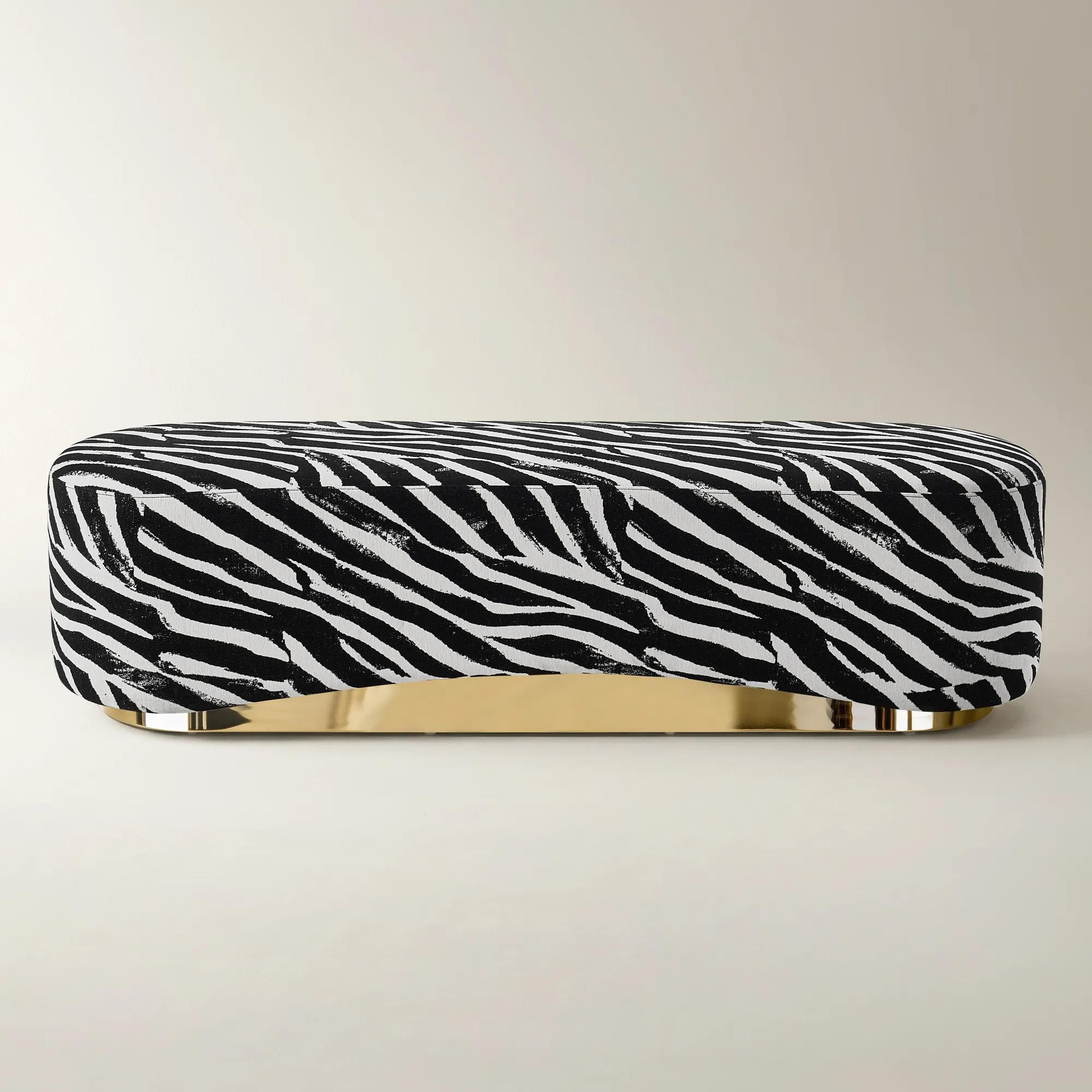
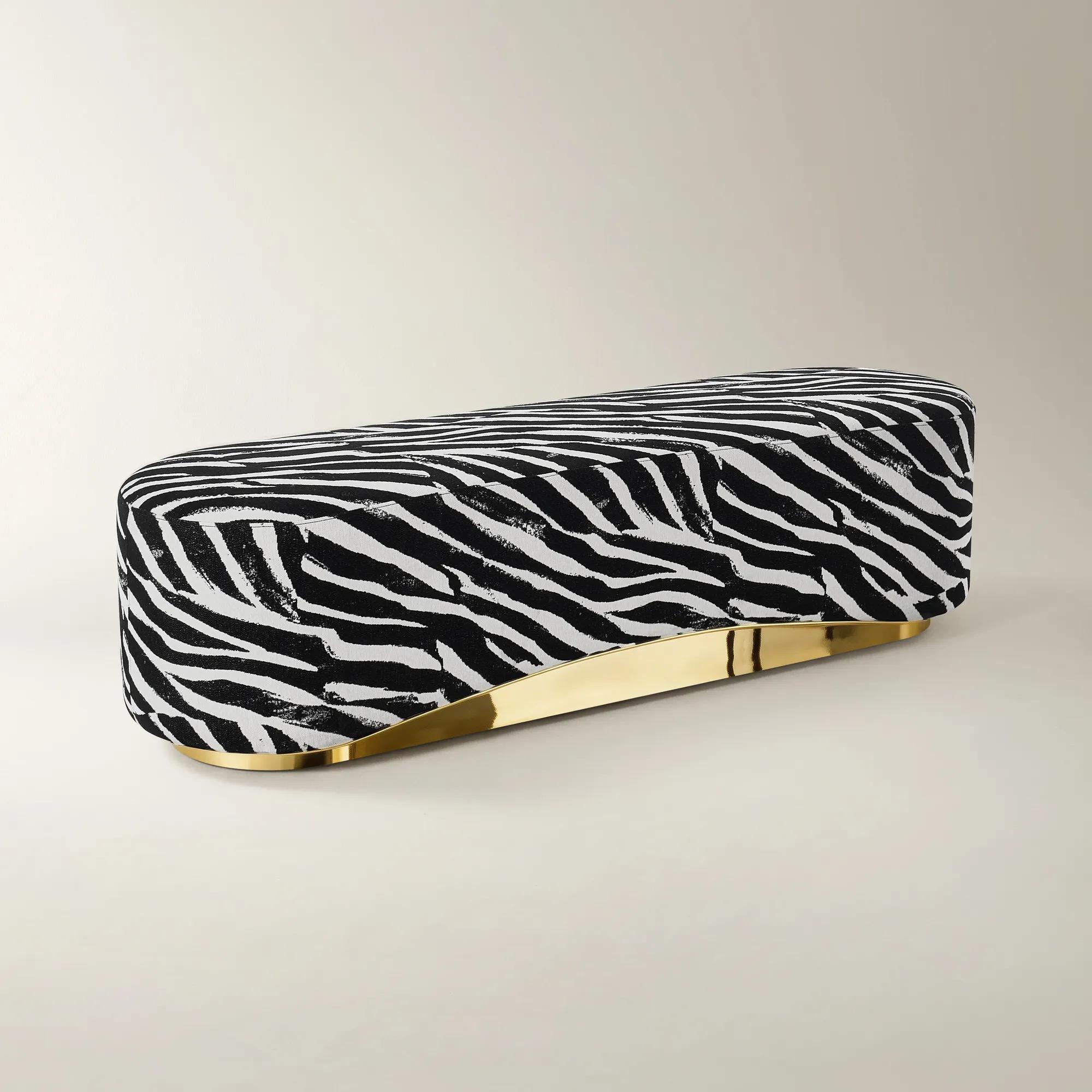 Kendra White/Black Performance Chenille Bench (70.47")$799
An elongated oval bench upholstered in white and black performance chenille with a polished gold stainless steel base.
Add To Cart -
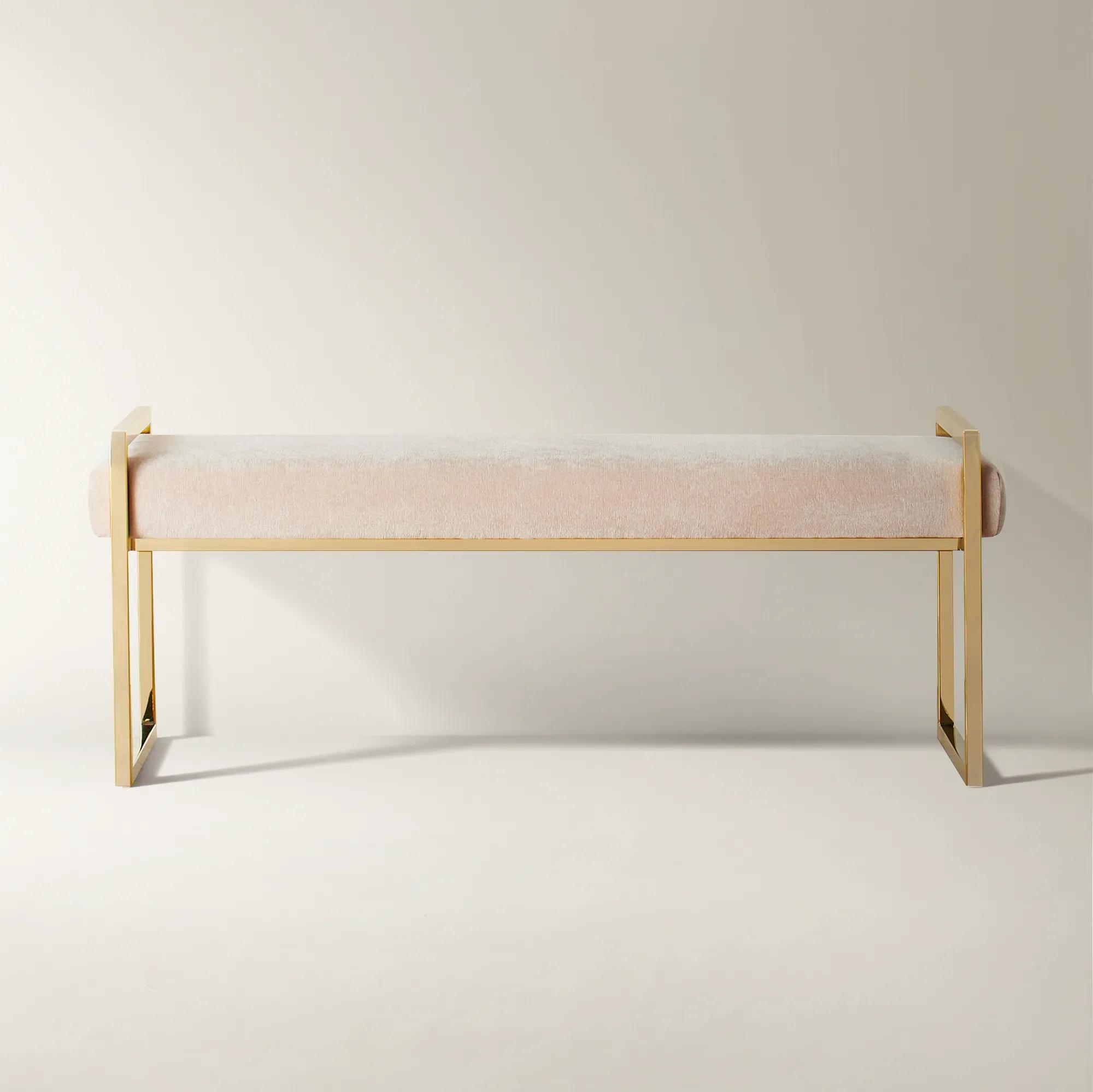 Clara Bench$799
A plush upholstered bench with a high-density foam seat and polished gold metal legs for modern elegance.
Add To Cart -
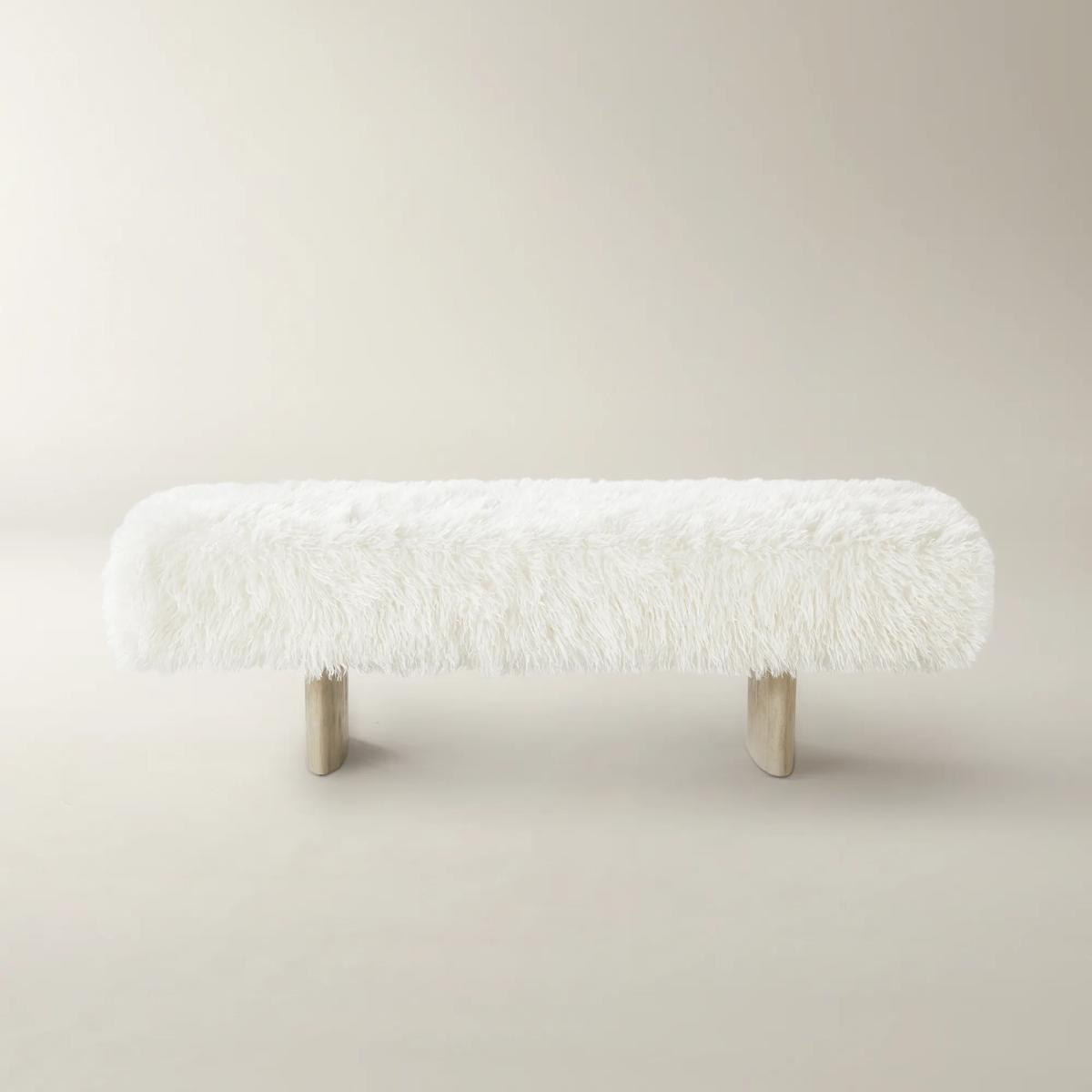 Micah Ivory Mongolian Faux Fur Bench With Rubberwood Legs (62.6")$699
An ivory faux Mongolian fur bench with high-density foam and sculptural solid rubberwood base for modern coziness.
Add To Cart -
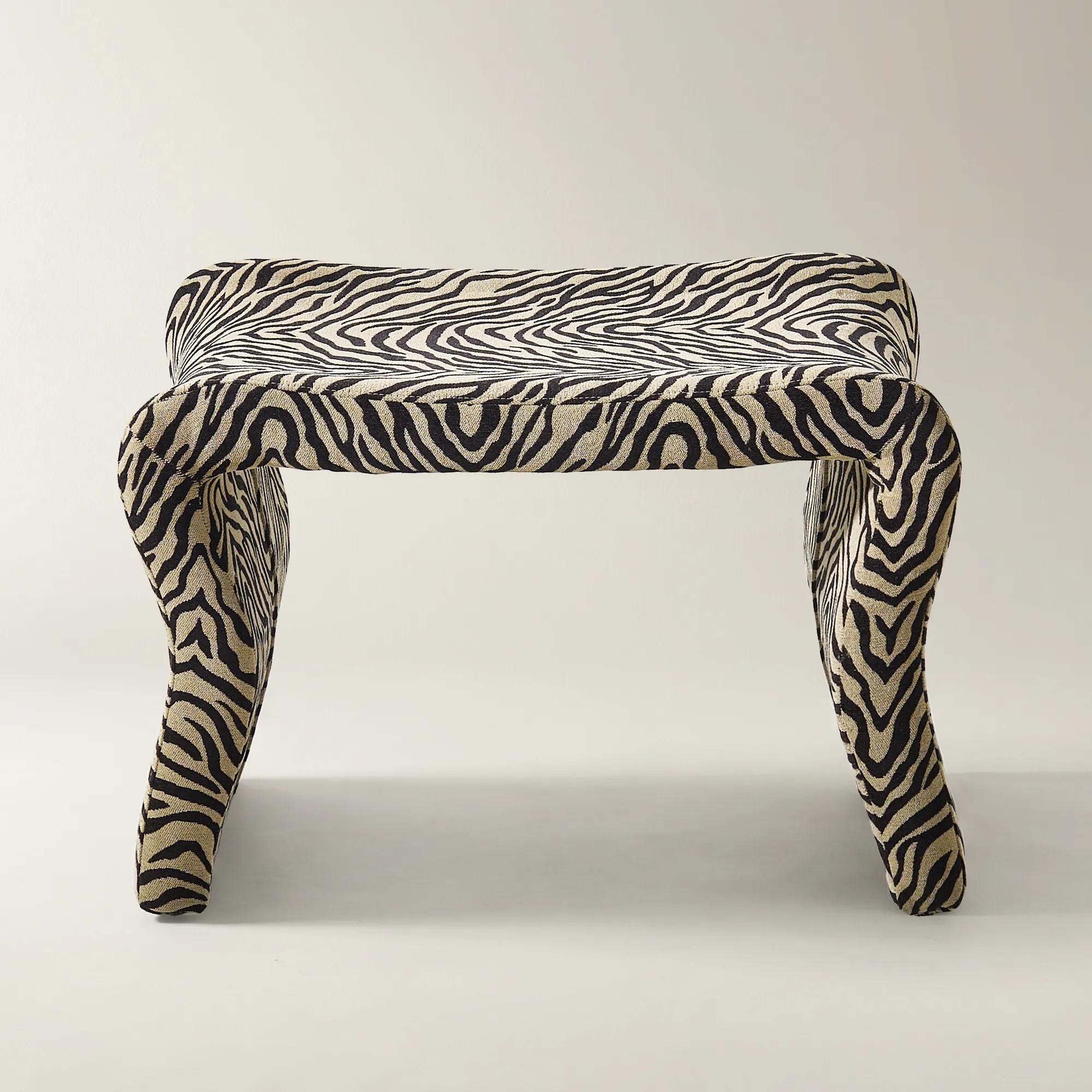
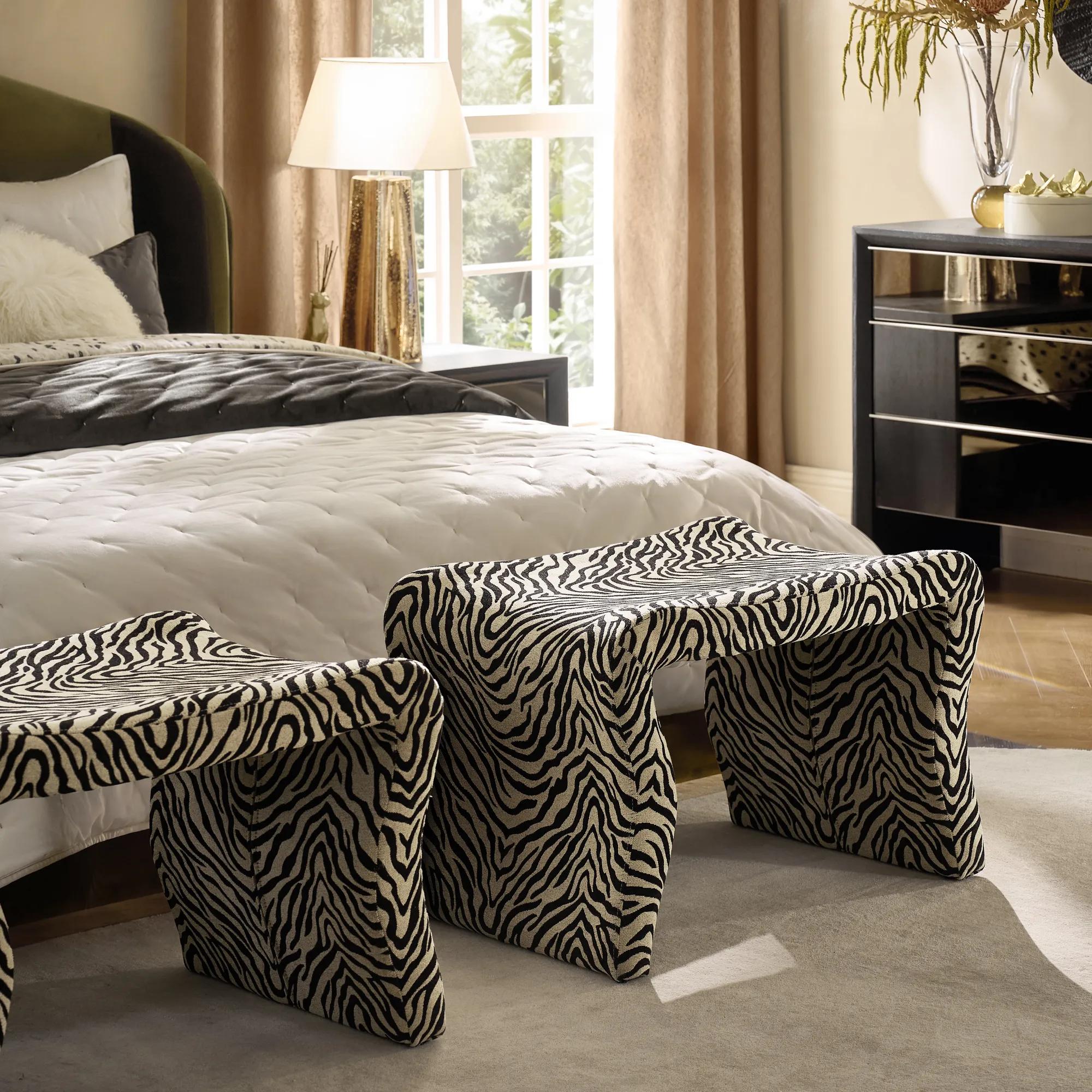 Romy Zebra Performance Chenille Bench (30.75")$499
A sculptural bench wrapped in zebra-patterned performance chenille with a wave-like silhouette and full foam construction.
Add To Cart -
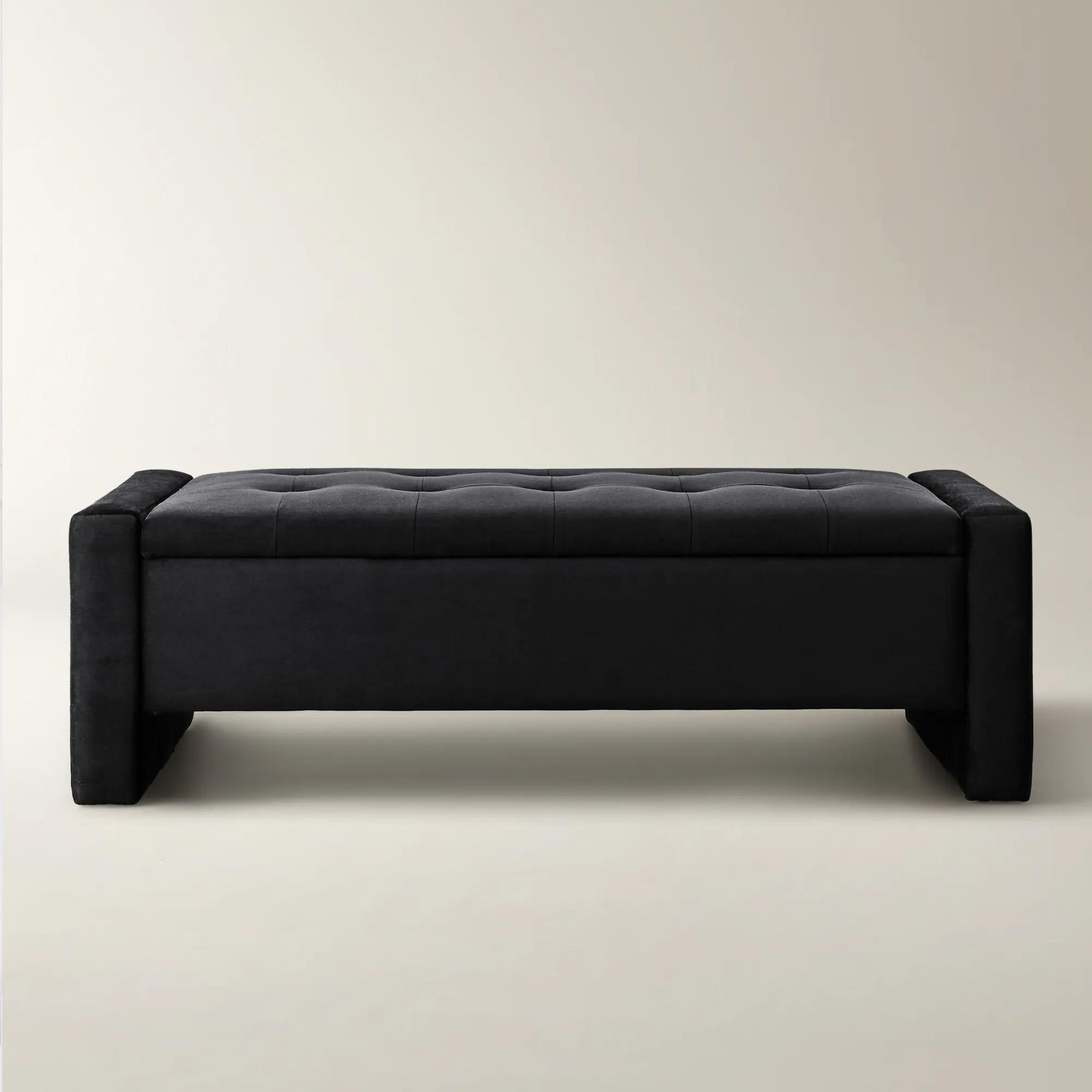
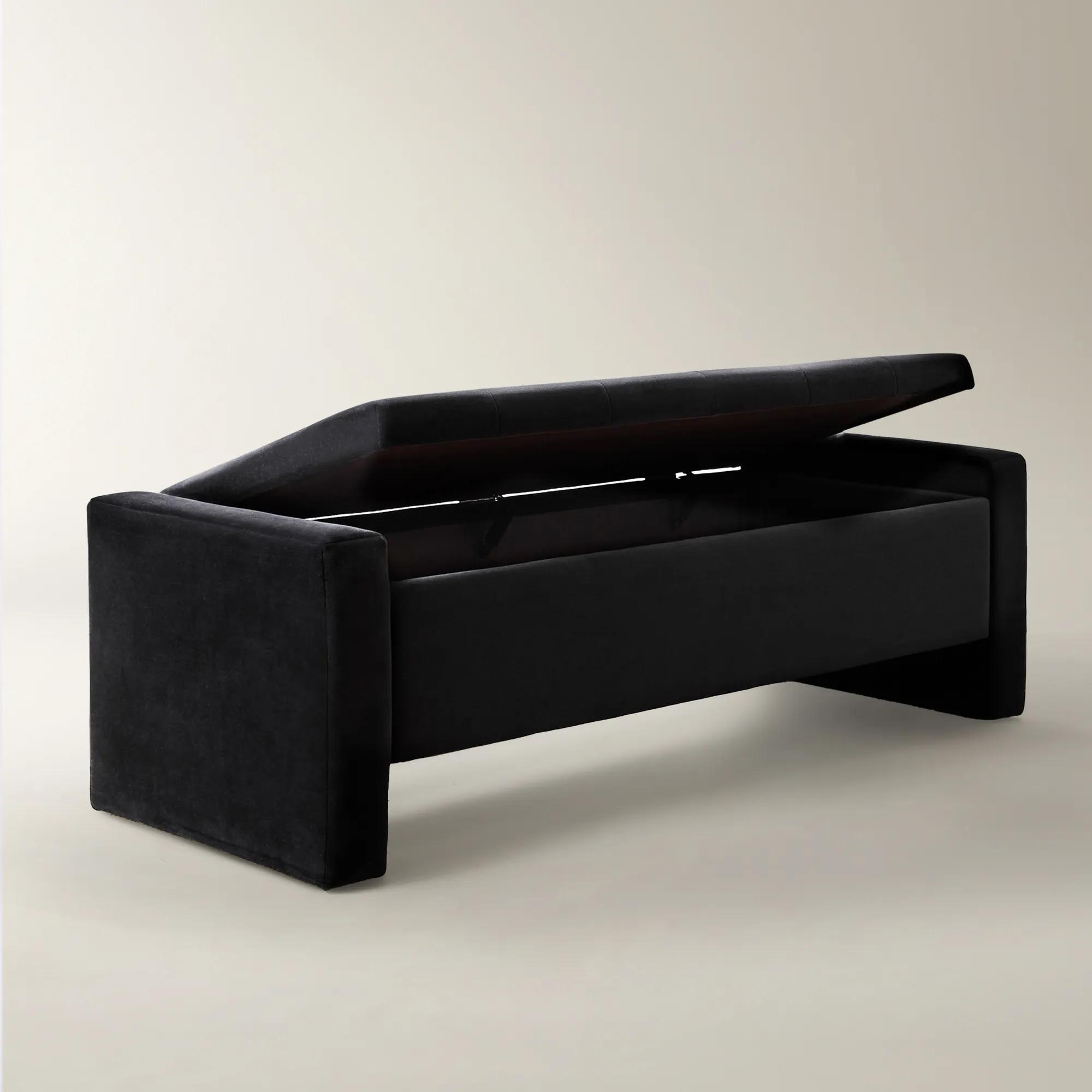 Maeve Storage Bench$1149
A modern velvet-upholstered bench with hidden storage, kiln-dried hardwood frame, and soft-closing glides.
Add To Cart -
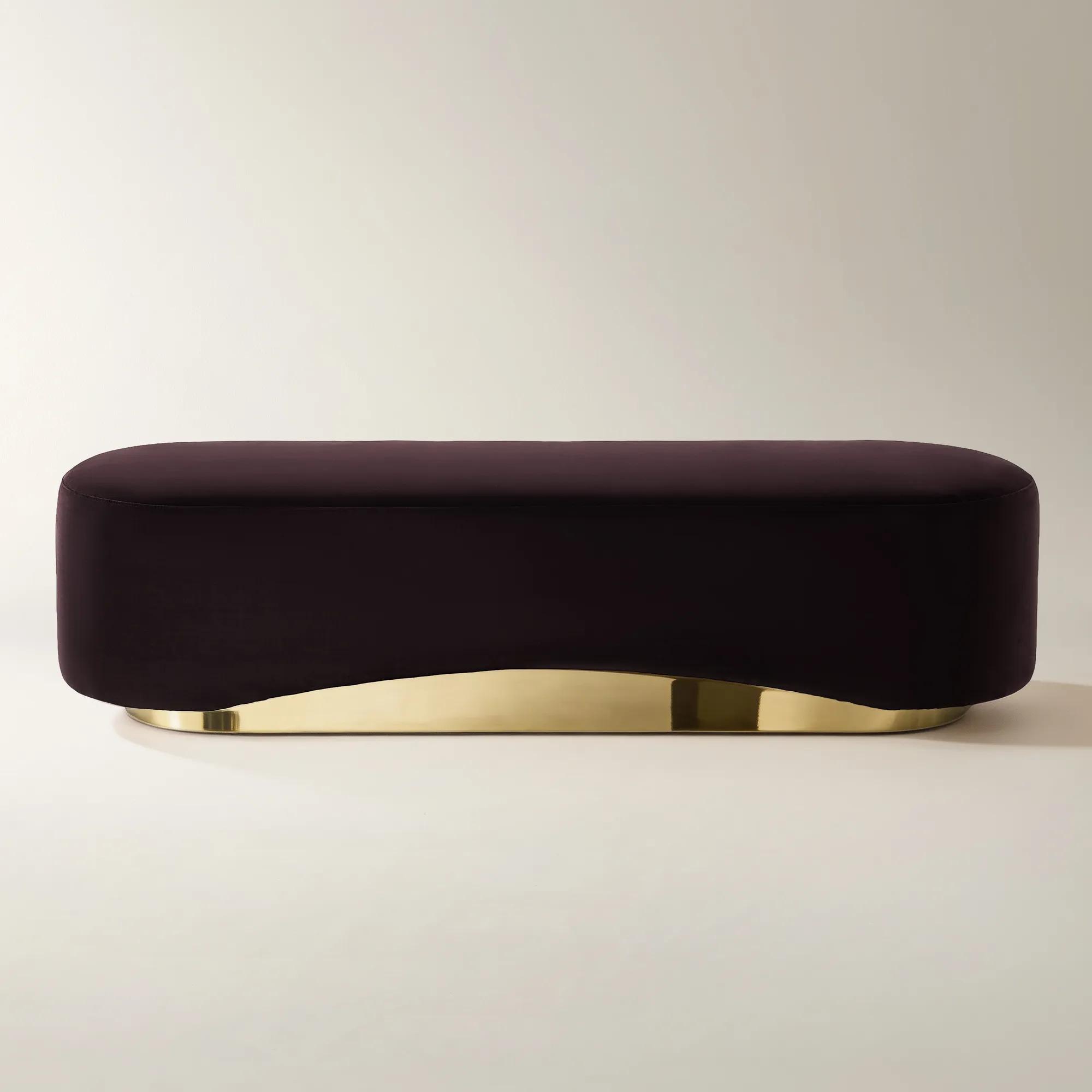 Kendra Fig Velvet Bench (70.47")$799
A plush fig velvet bench with an elongated oval silhouette and a polished gold stainless steel base.
Add To Cart -
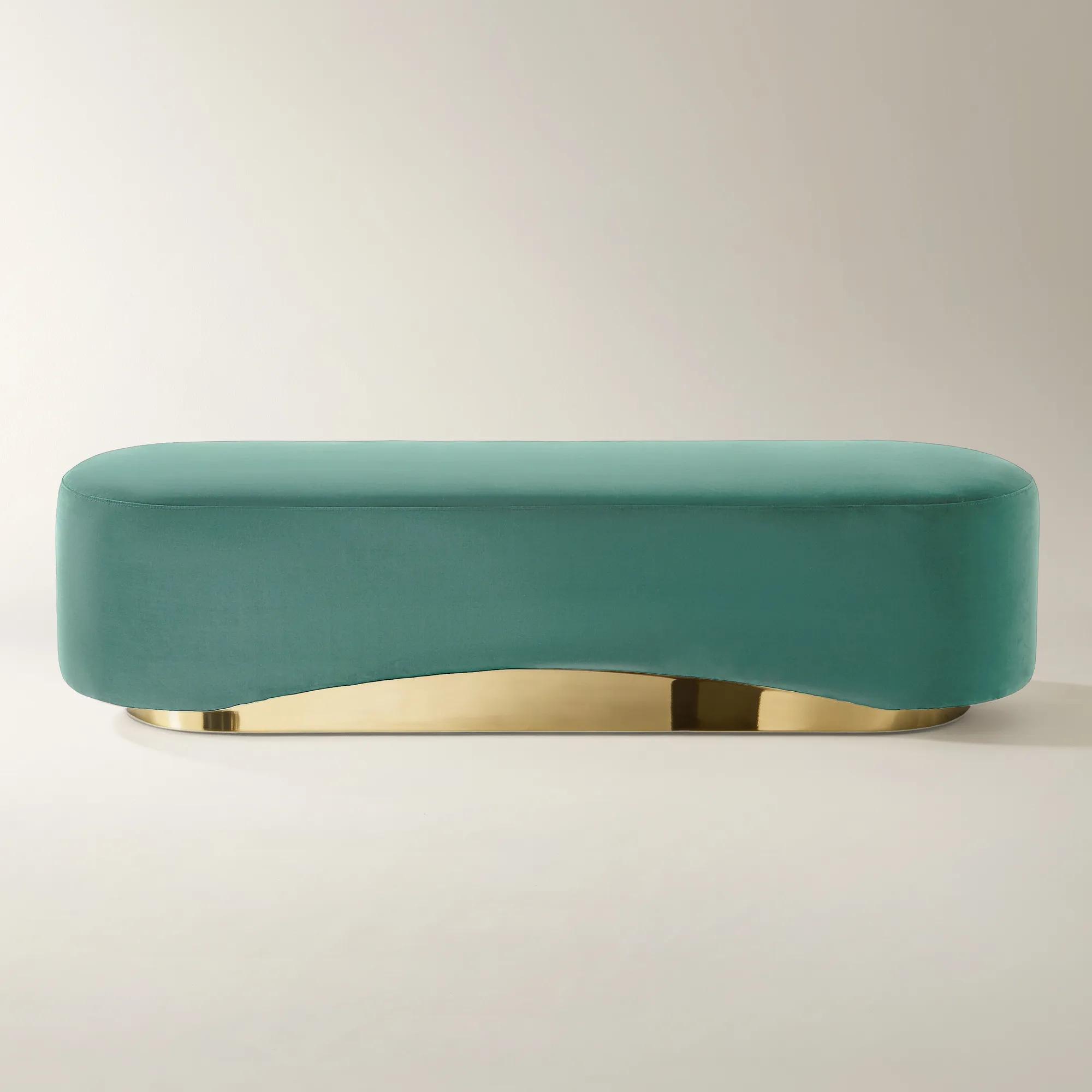 Kendra Ocean Teal Velvet Bench (70.47")$799
An elongated oval bench in ocean teal velvet with a plush seat and polished gold stainless steel base.
Add To Cart -
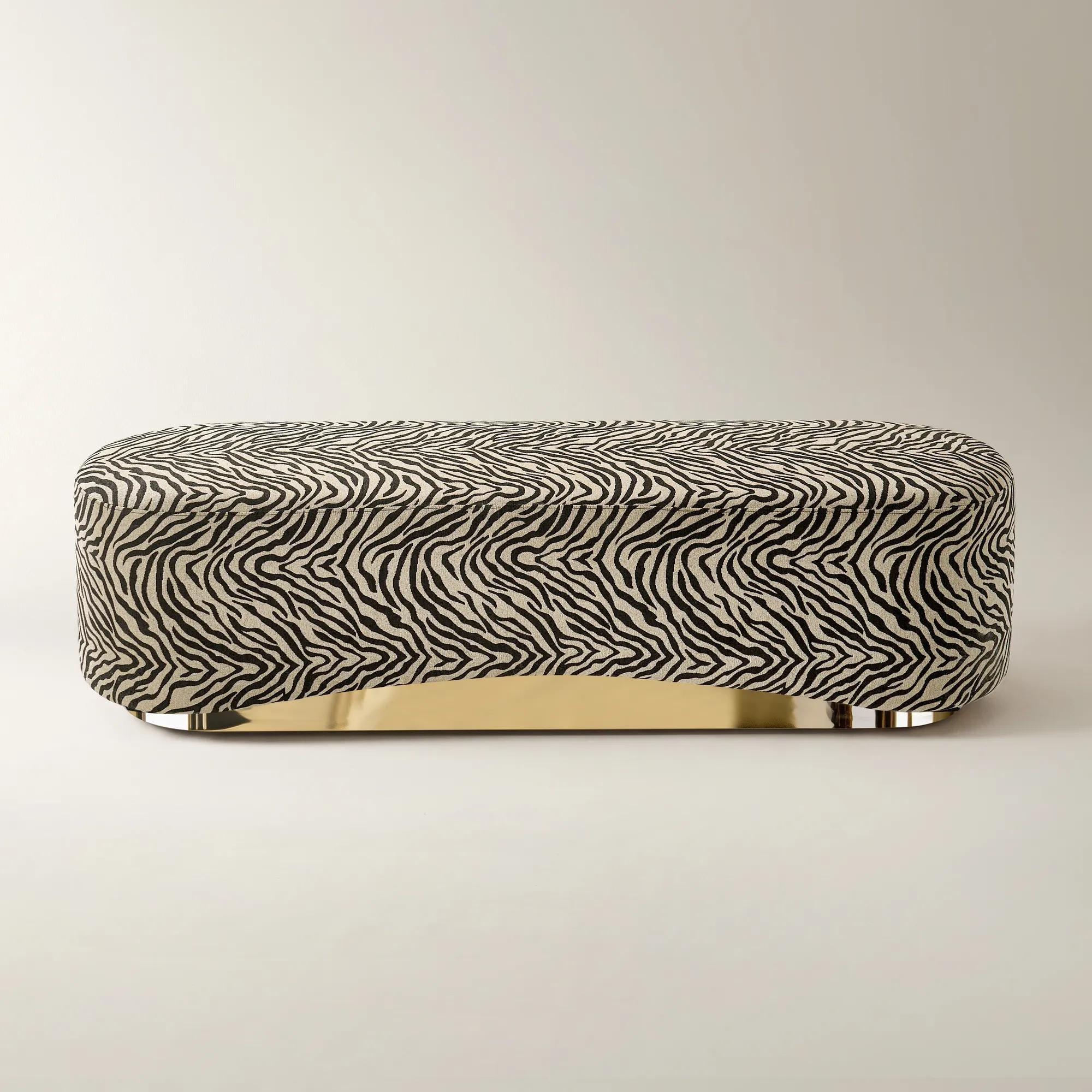
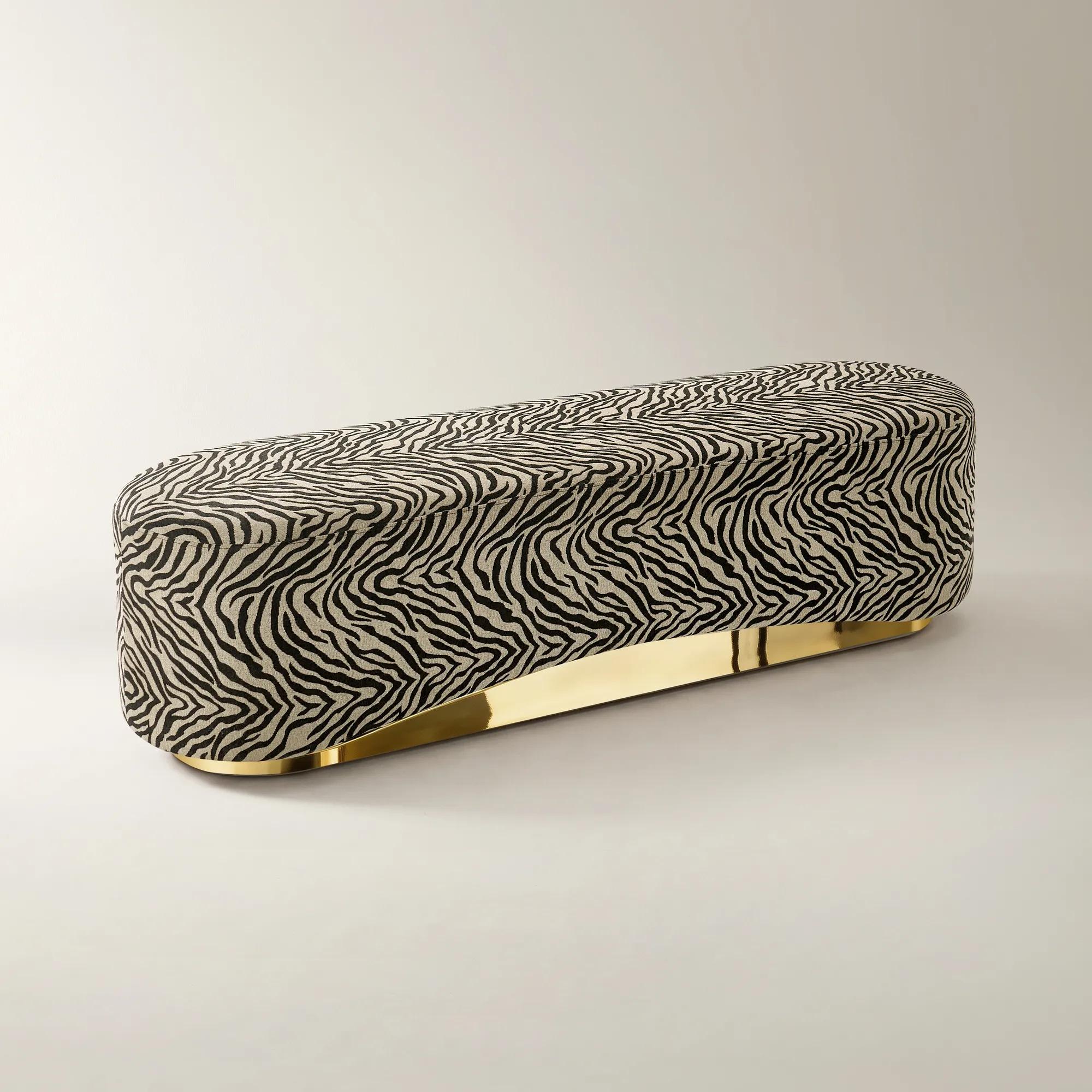 Kendra Zebra Performance Chenille Bench (70.47")$799
An elongated oval bench upholstered in textured zebra-pattern chenille with a polished gold stainless steel base.
Add To Cart -
 Micah Tan Mongolian Faux Fur Bench With Rubberwood Legs (62.6")$699
A light brown faux fur bench with a curved rubberwood base and plush high-density foam cushion.
Add To Cart -
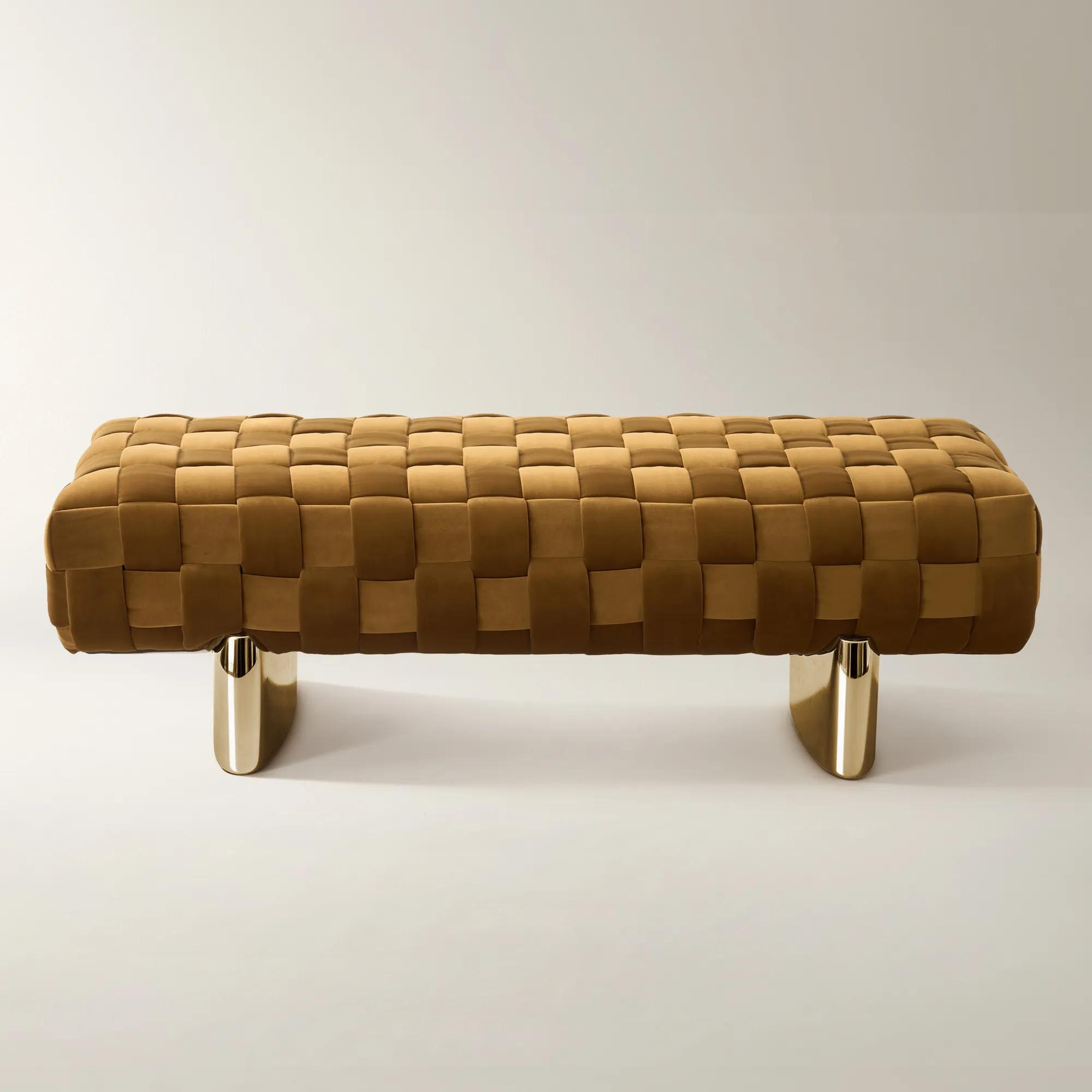
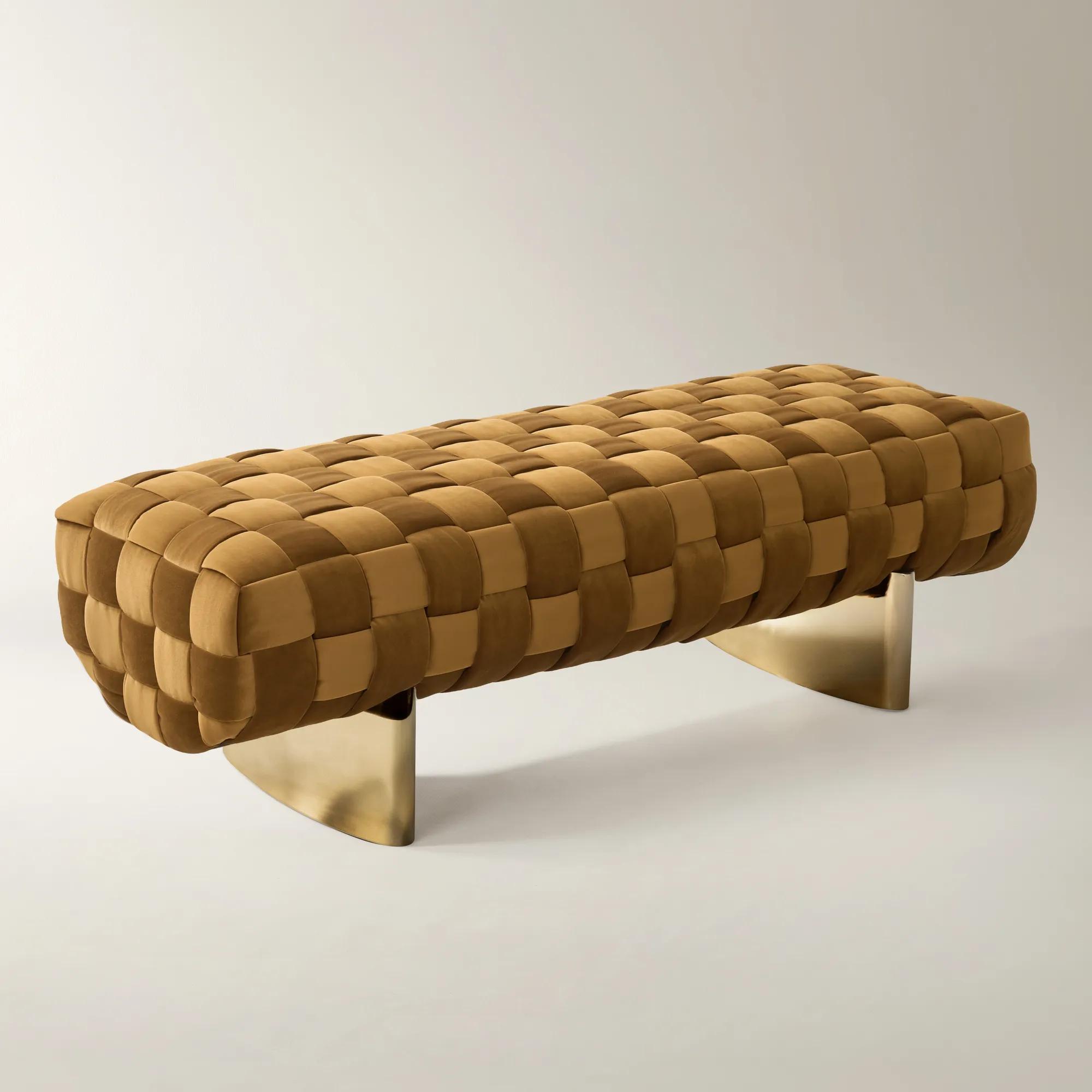 Dexter Woven Roasted Pecan Velvet Bench (64.2")$999
A woven roasted pecan velvet bench featuring plush upholstery and polished gold stainless steel legs for modern elegance.
Add To Cart -
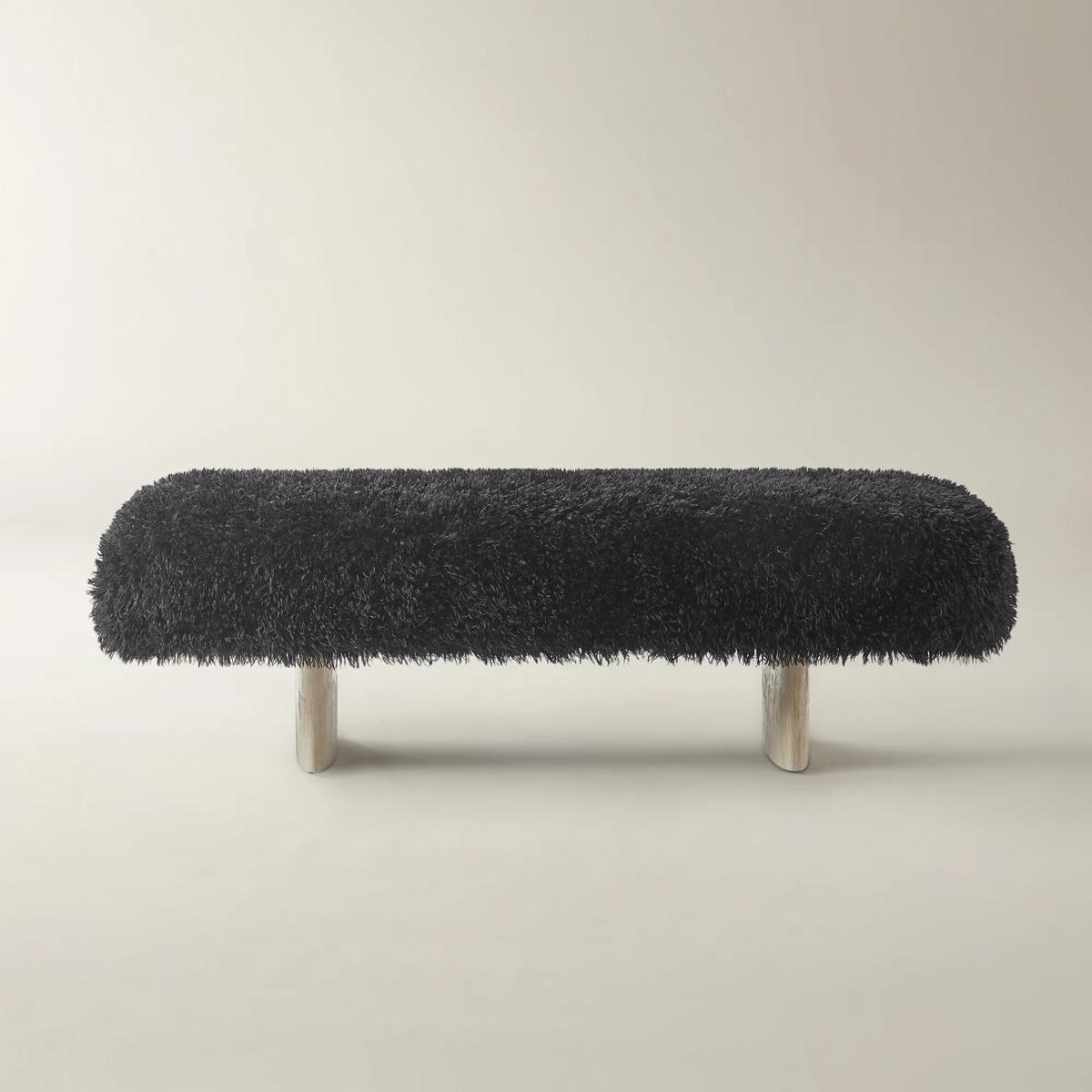 Micah Black Mongolian Fur Bench With Rubberwood Legs (62.6")$699
A striking black faux Mongolian fur bench with solid rubberwood legs for plush comfort and modern edge.
Add To Cart -
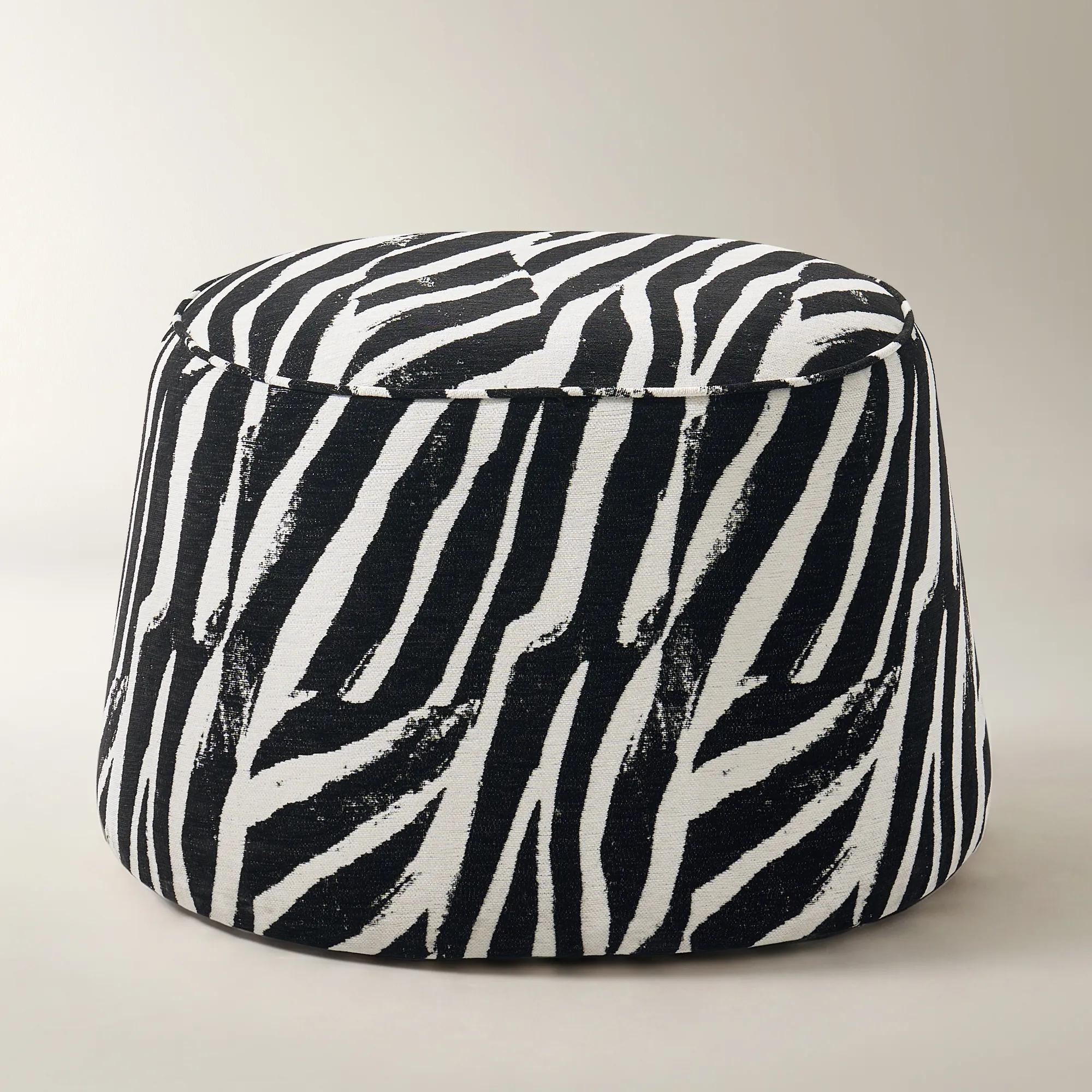 Avery White/Black Performance Chenille Stool$399
A sculpted drum accent stool in black and white performance chenille with an animal-inspired pattern.
Add To Cart -
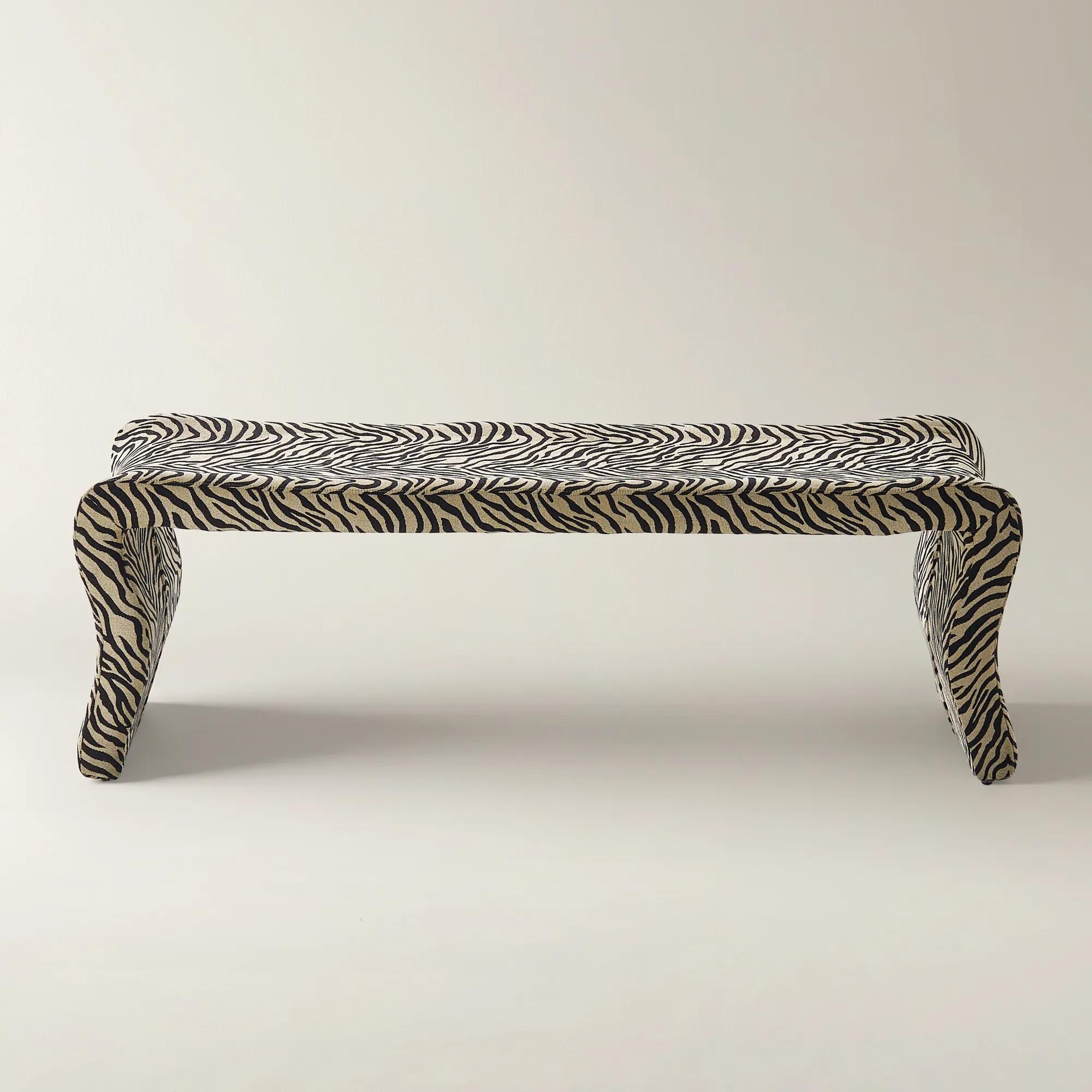 Romy Zebra Performance Chenille Bench (61.5")$899
A sculptural bench wrapped in zebra-patterned performance chenille with a wave-like silhouette and full foam construction.
Add To Cart -
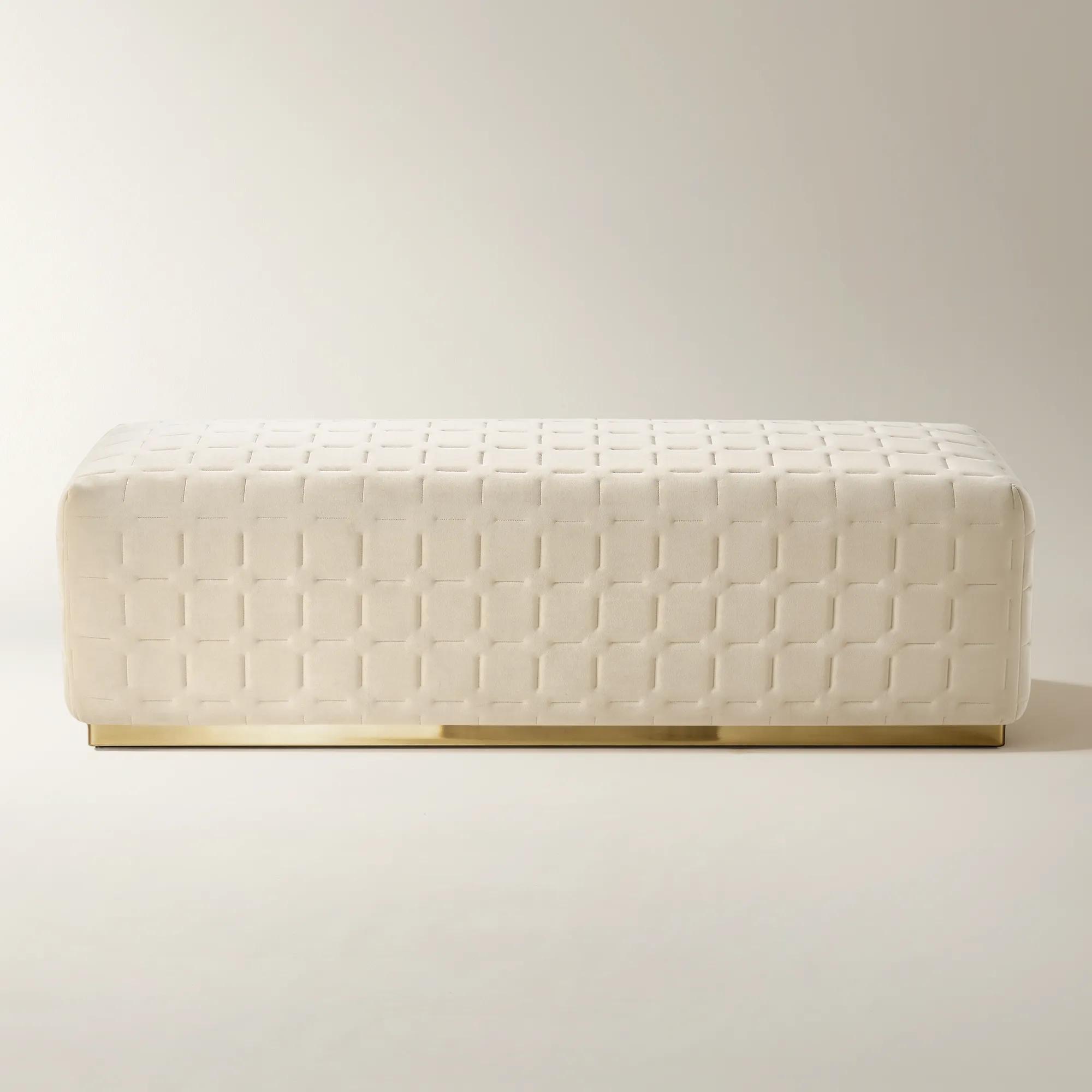
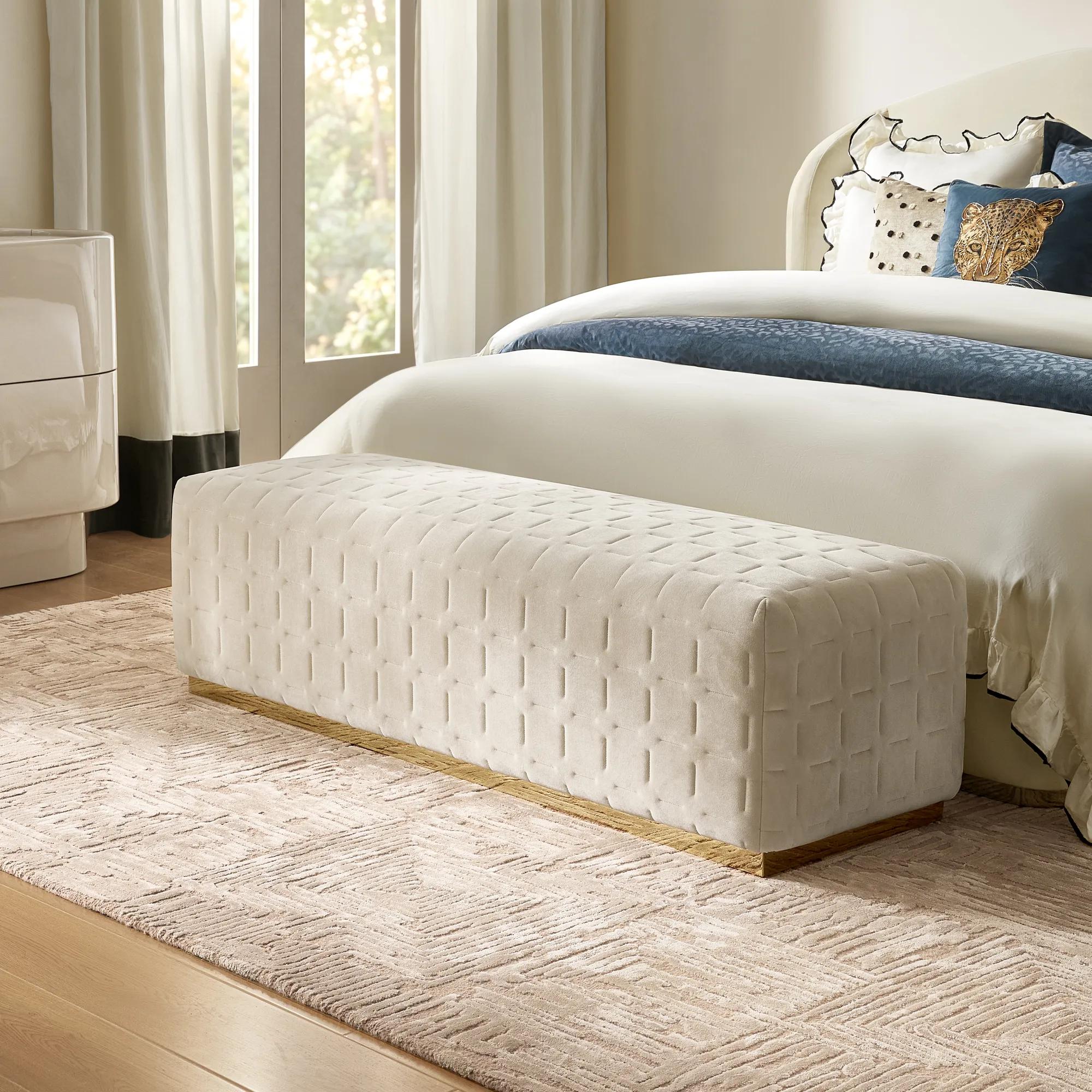 Vanta Quilted Oatmeal Velvet Bench (64.6")$899
A plush oatmeal velvet bench featuring checker quilted tufting and a sleek gold stainless steel base.
Add To Cart -
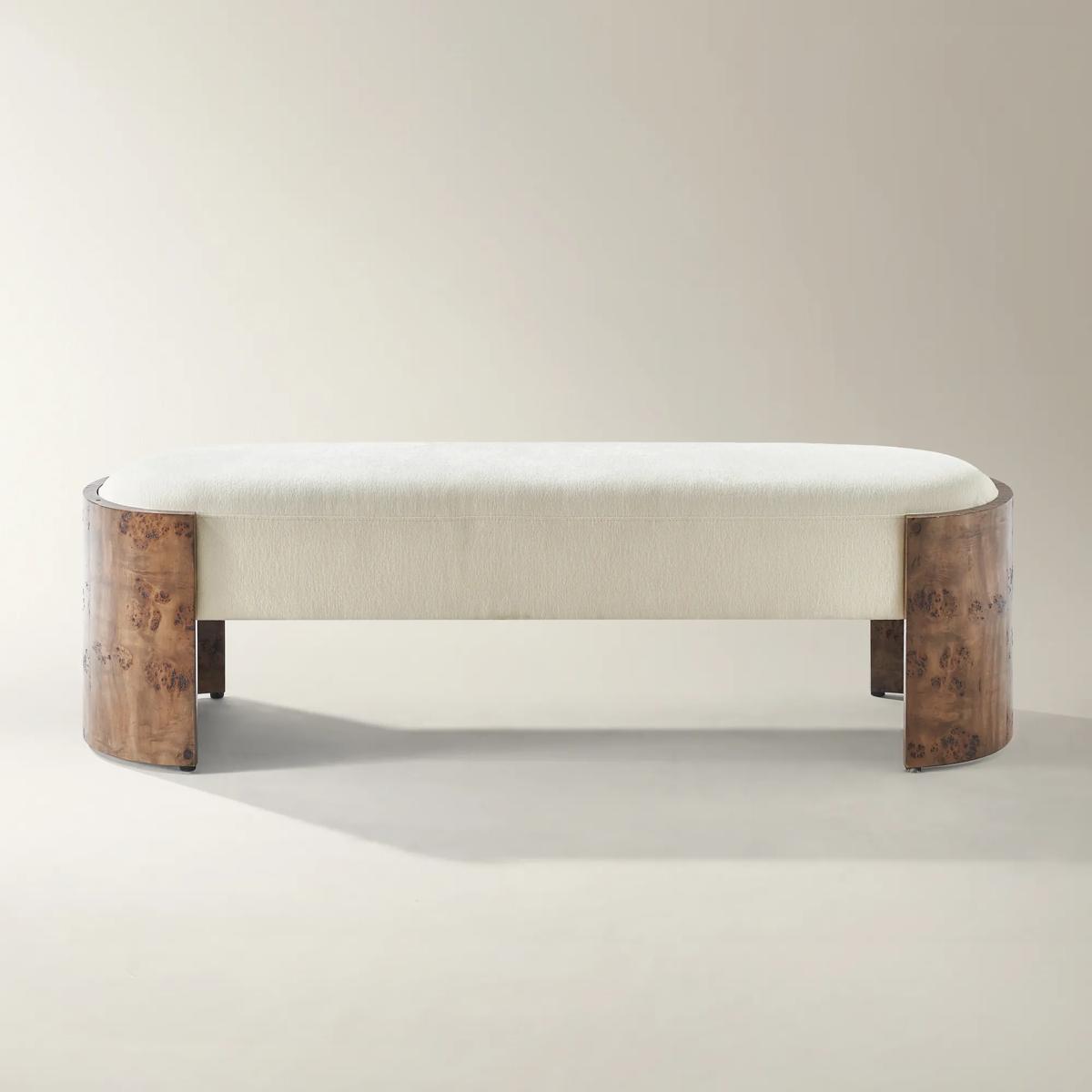 Cora Ivory Chenille With Ash Wood Bench (60.6")$999
An ivory chenille bench with curved ash burl veneer panels, blending plush comfort with striking wood artistry.
Add To Cart -
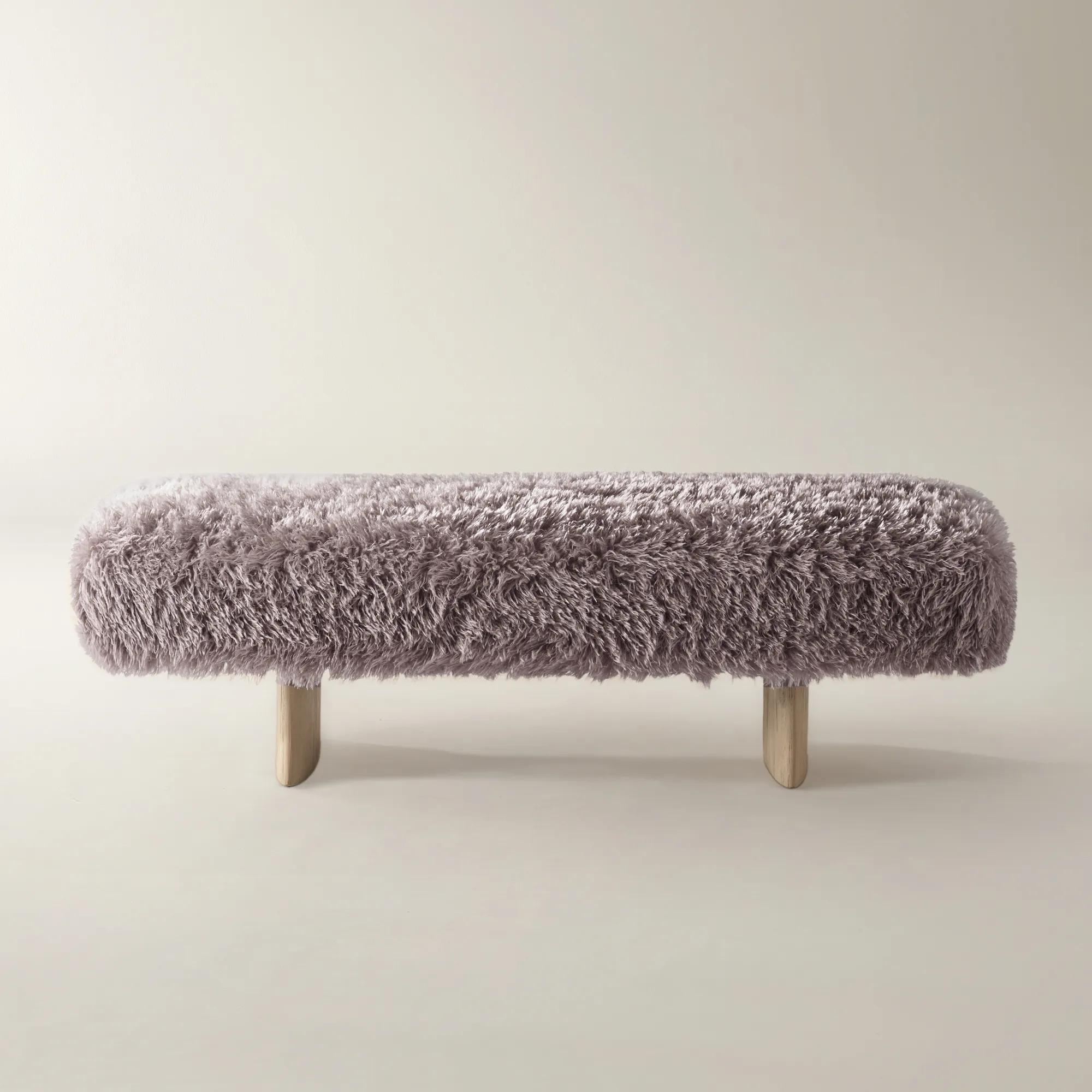
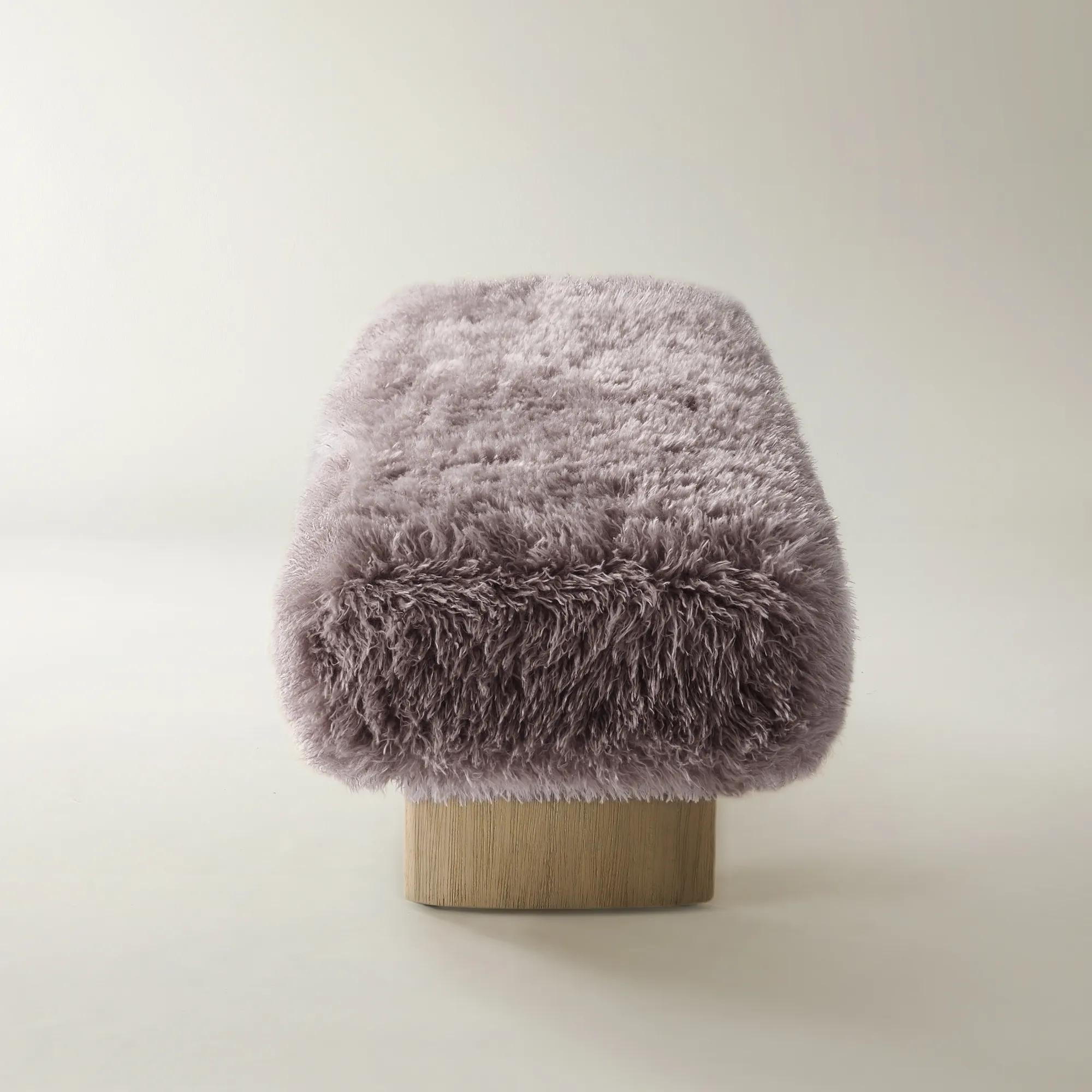 Micah Plum Truffle Mongolian Faux Fur Bench With Rubberwood Legs(62.6")$699
A sculptural bench featuring smoked plum Mongolian faux fur upholstery and warm solid rubberwood legs.
Add To Cart -
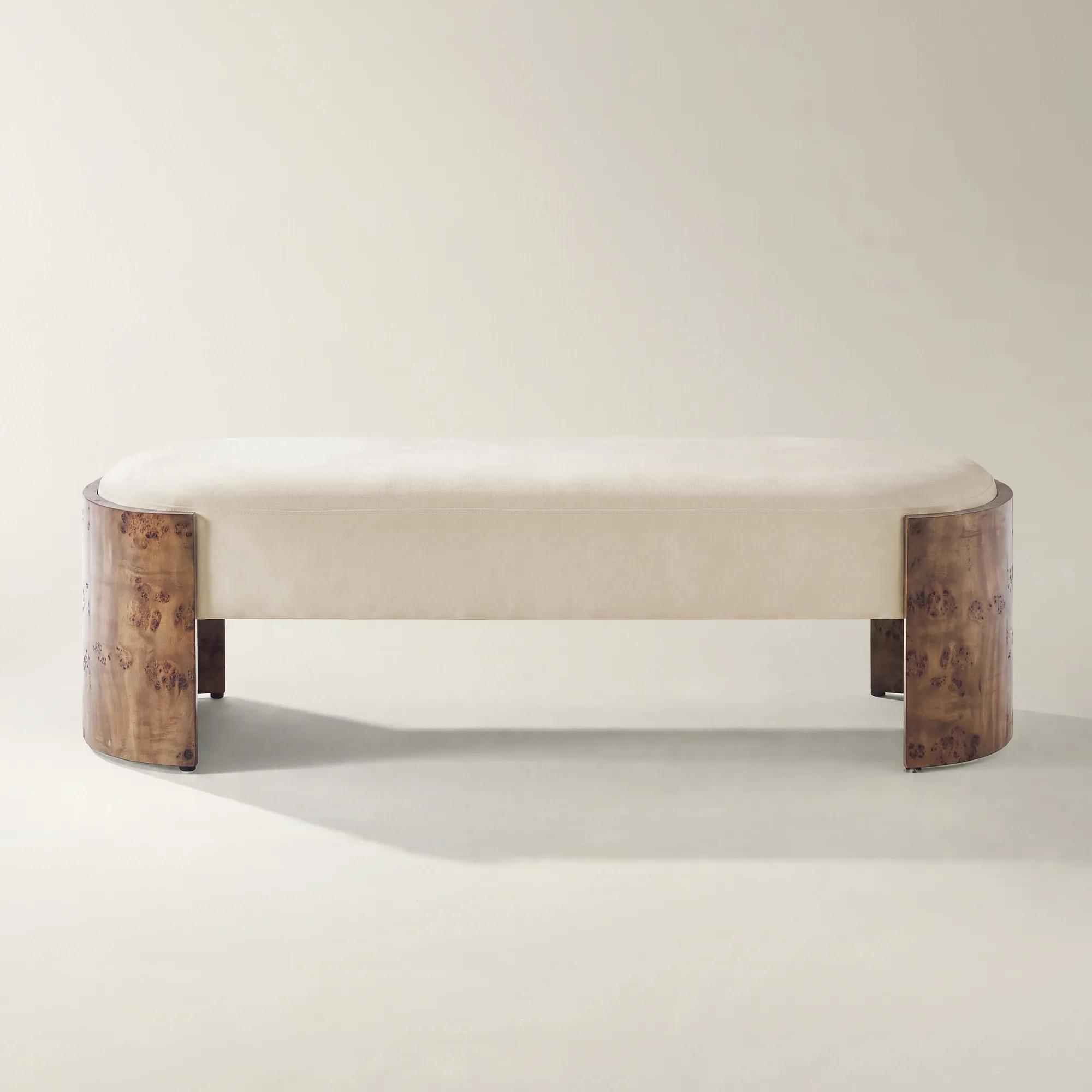
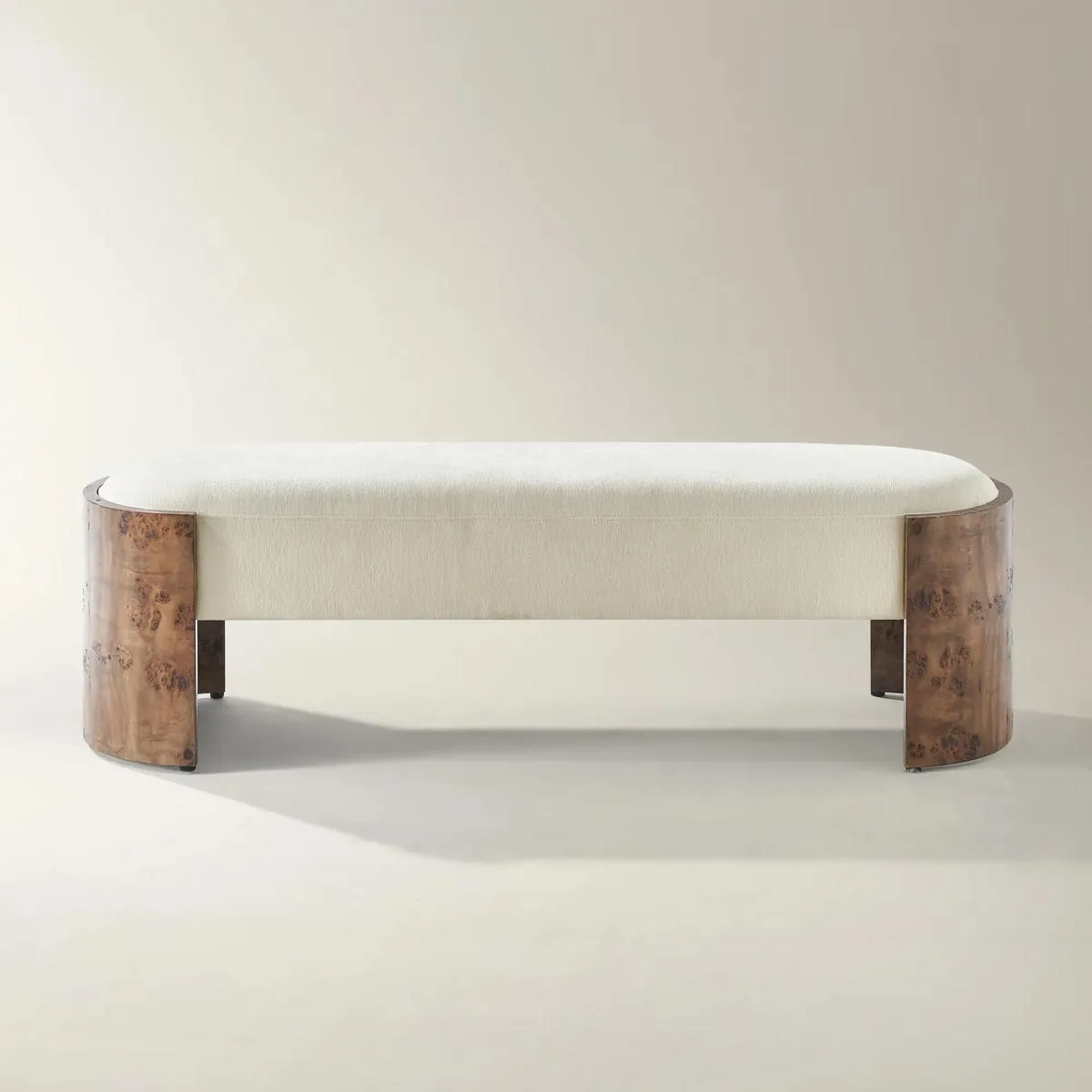 Cora Oatmeal Velvet With Ash Wood Bench (60.6")$999
A sculptural oatmeal velvet bench with curved ash burl wood panels and supportive foam cushioning.
Add To Cart -
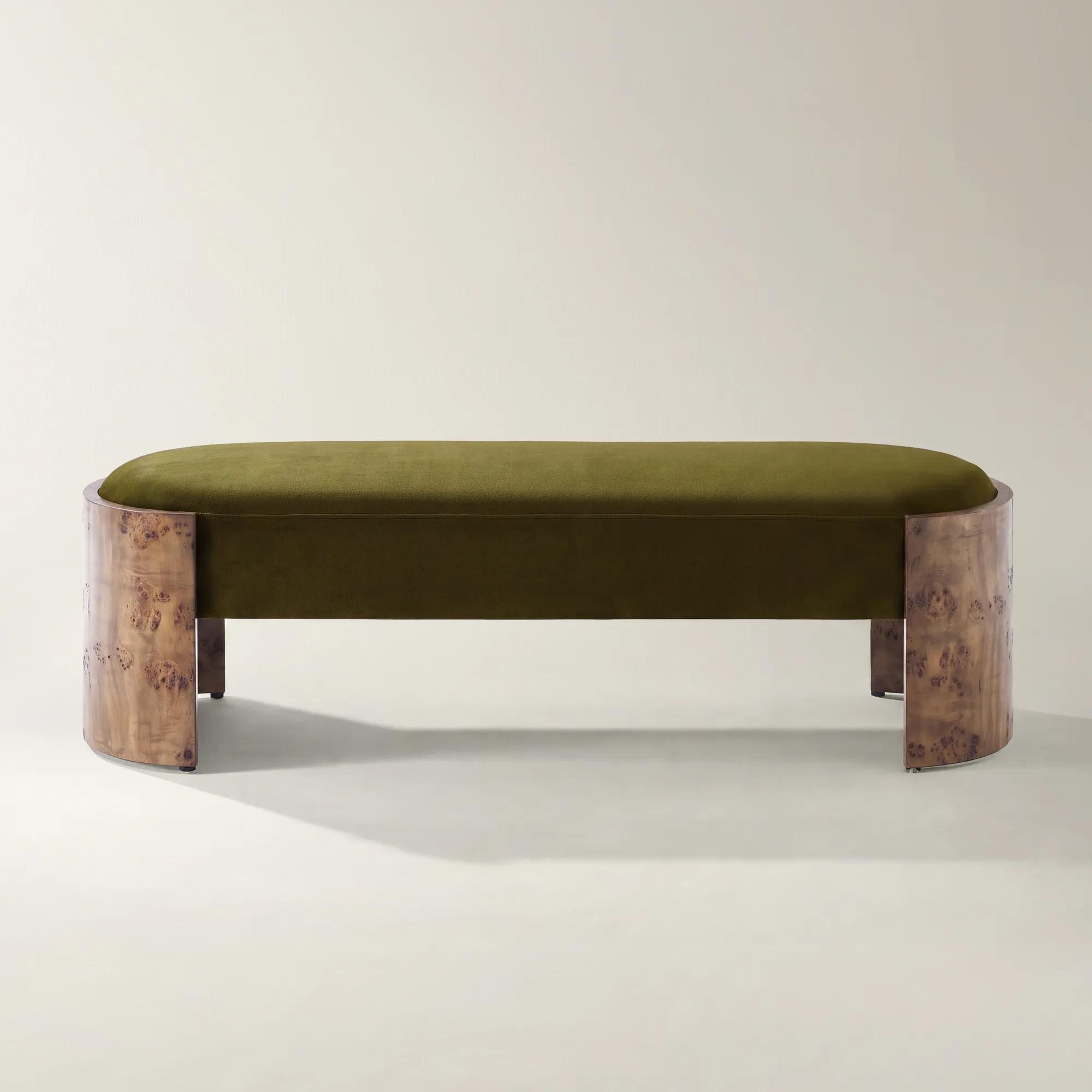 Cora Deep Olive Velvet With Ash Wood Bench (60.6")$999
A sculpted deep olive velvet bench featuring curved ash burl end panels and supportive foam cushioning.
Add To Cart -
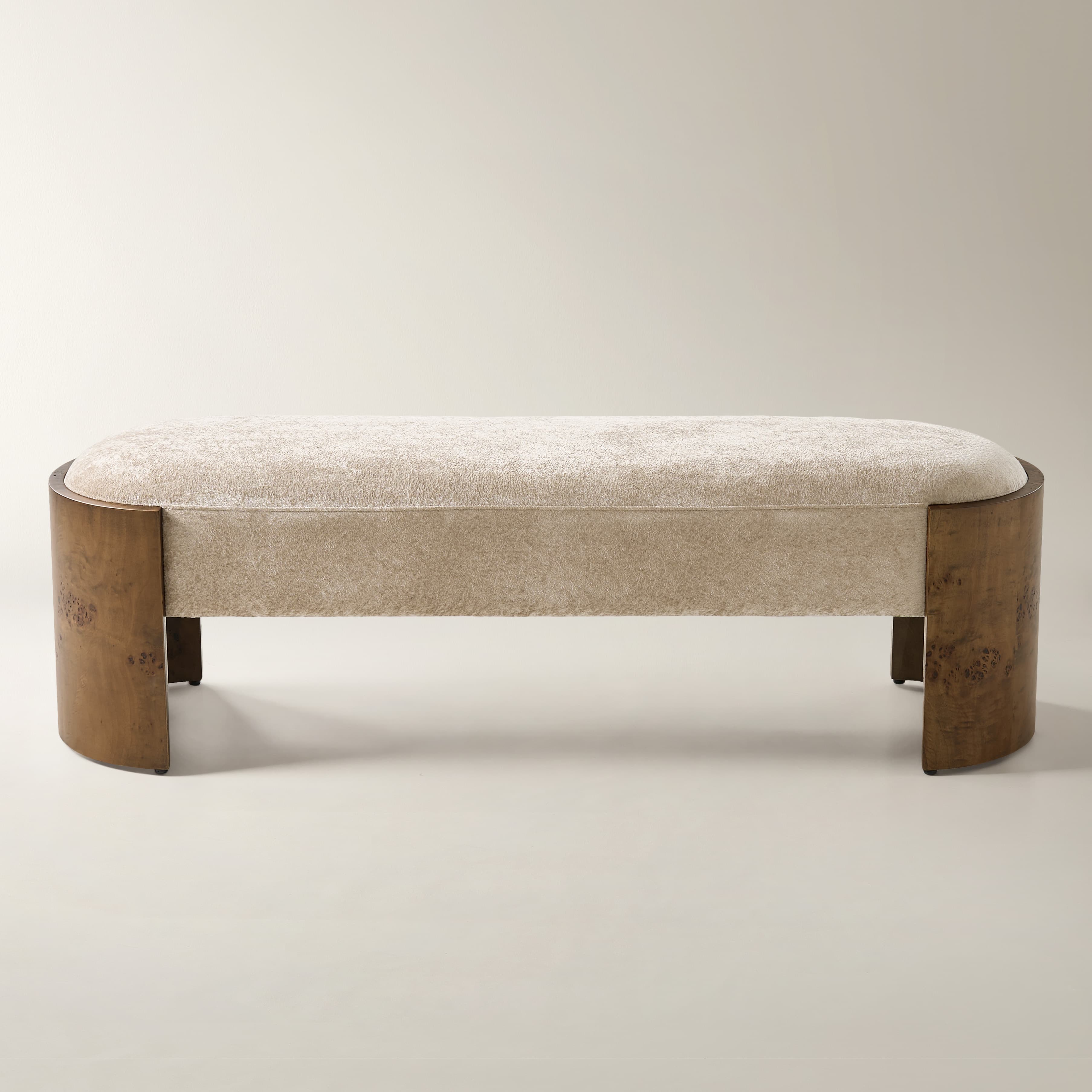 Cora Light Brown Chenille With Ash Wood Bench (60.6")$999
A light brown chenille bench with curved ash burl veneer panels, blending plush comfort and organic artistry.
Add To Cart -
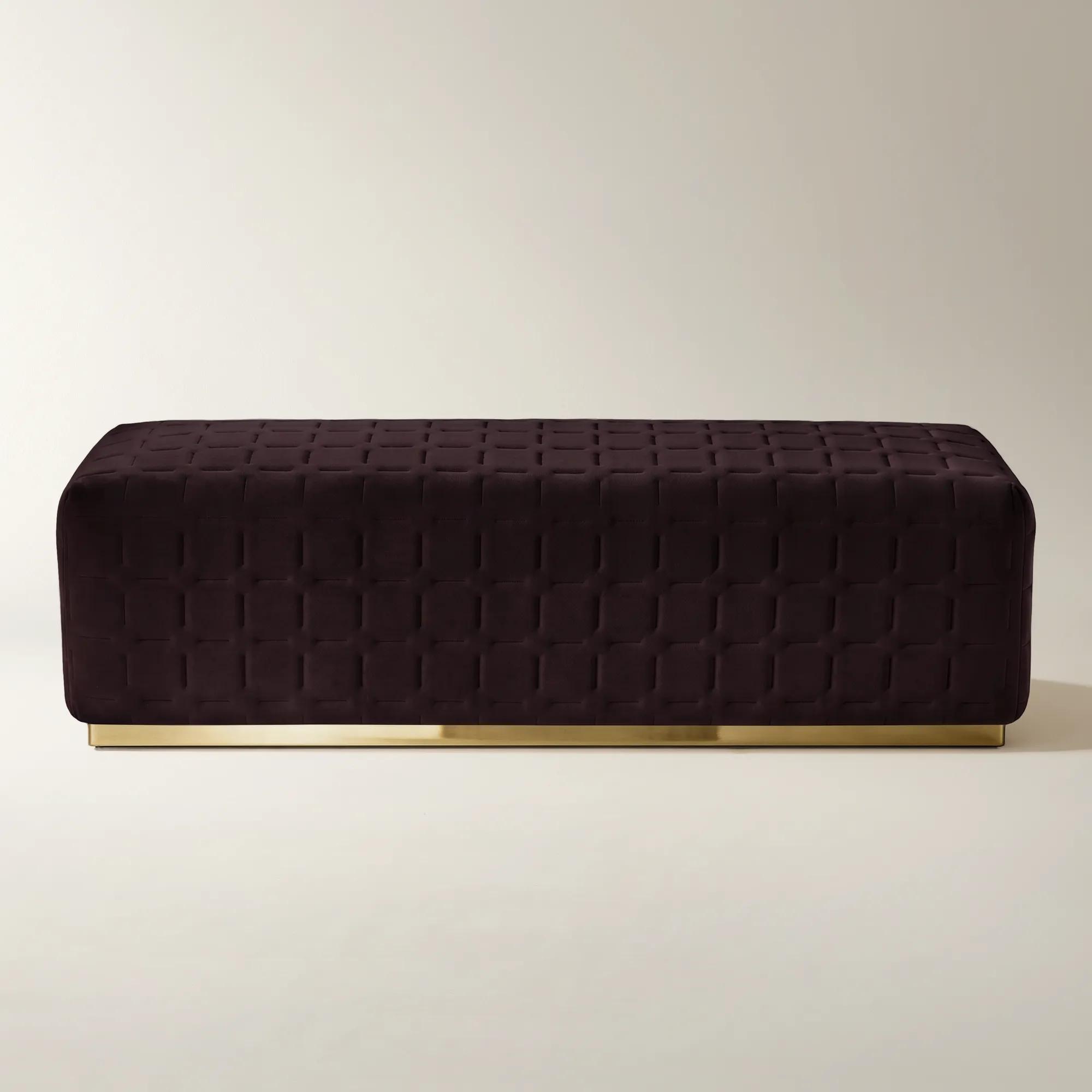
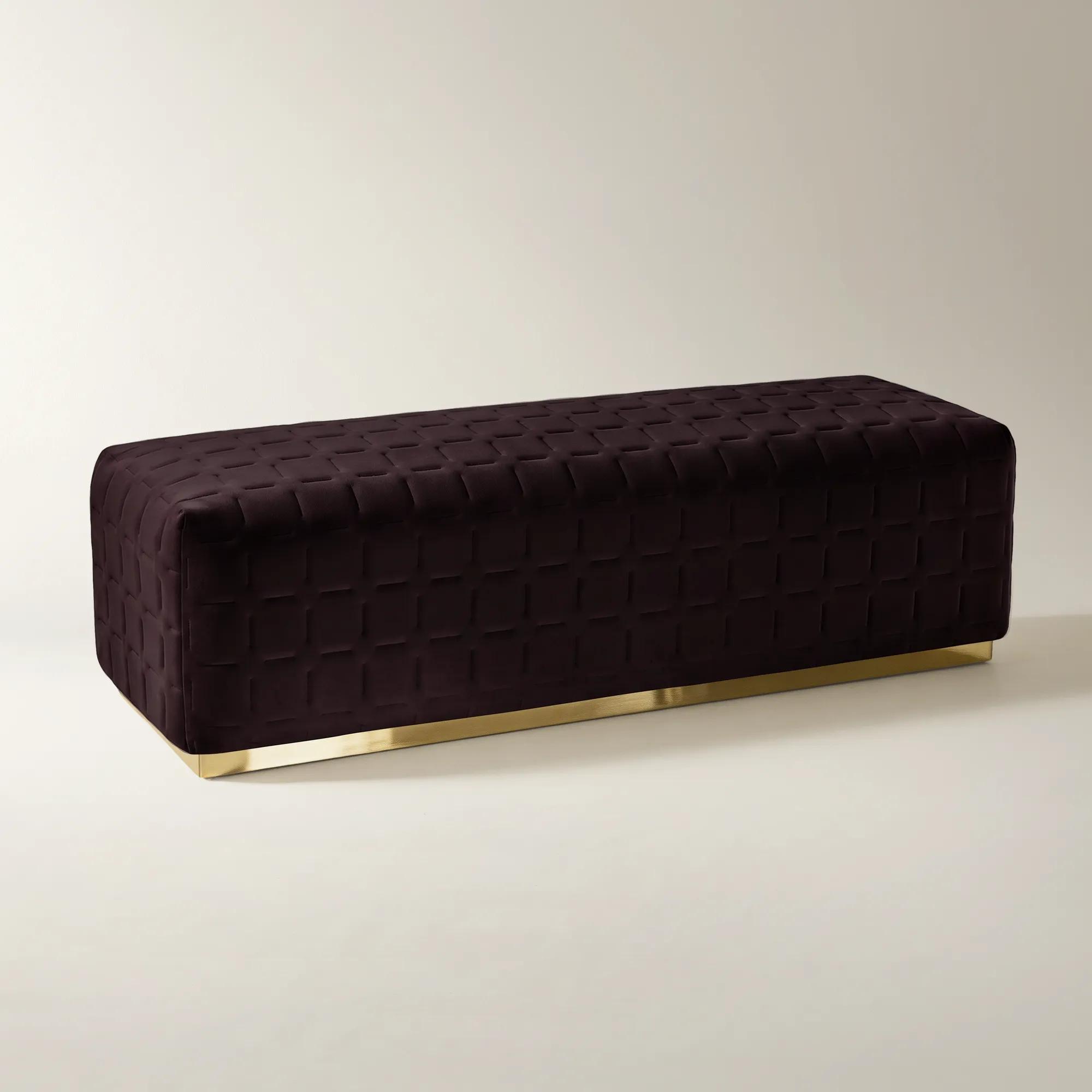 Vanta Quilted Fig Velvet Bench (64.6")$899
A plush fig velvet bench featuring checker quilted tufting and a sleek gold stainless steel base.
Add To Cart -
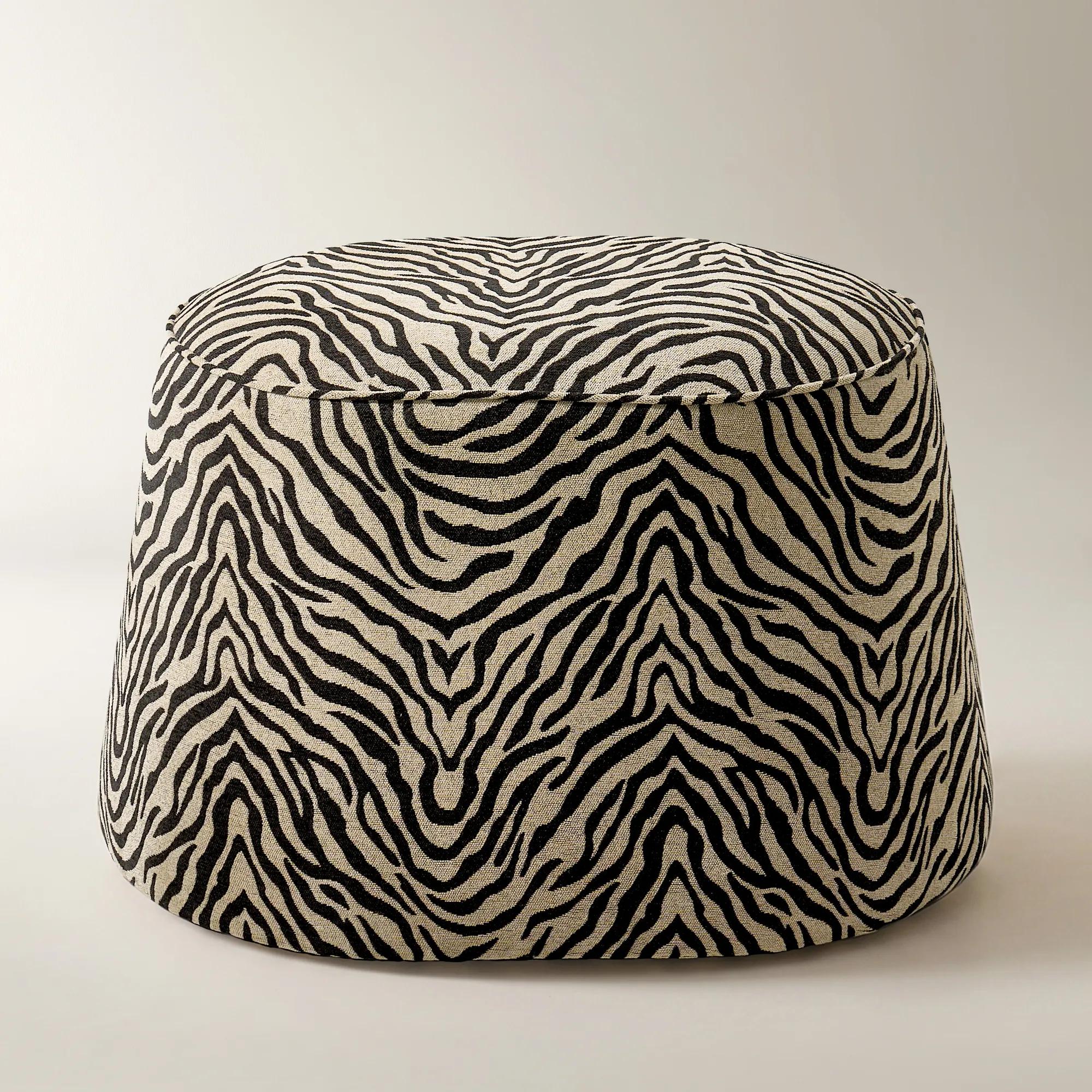 Avery Zebra Performance Chenille Stool$399
A sculpted drum-shaped accent stool upholstered in zebra-patterned performance chenille for bold, modern style.
Add To Cart -
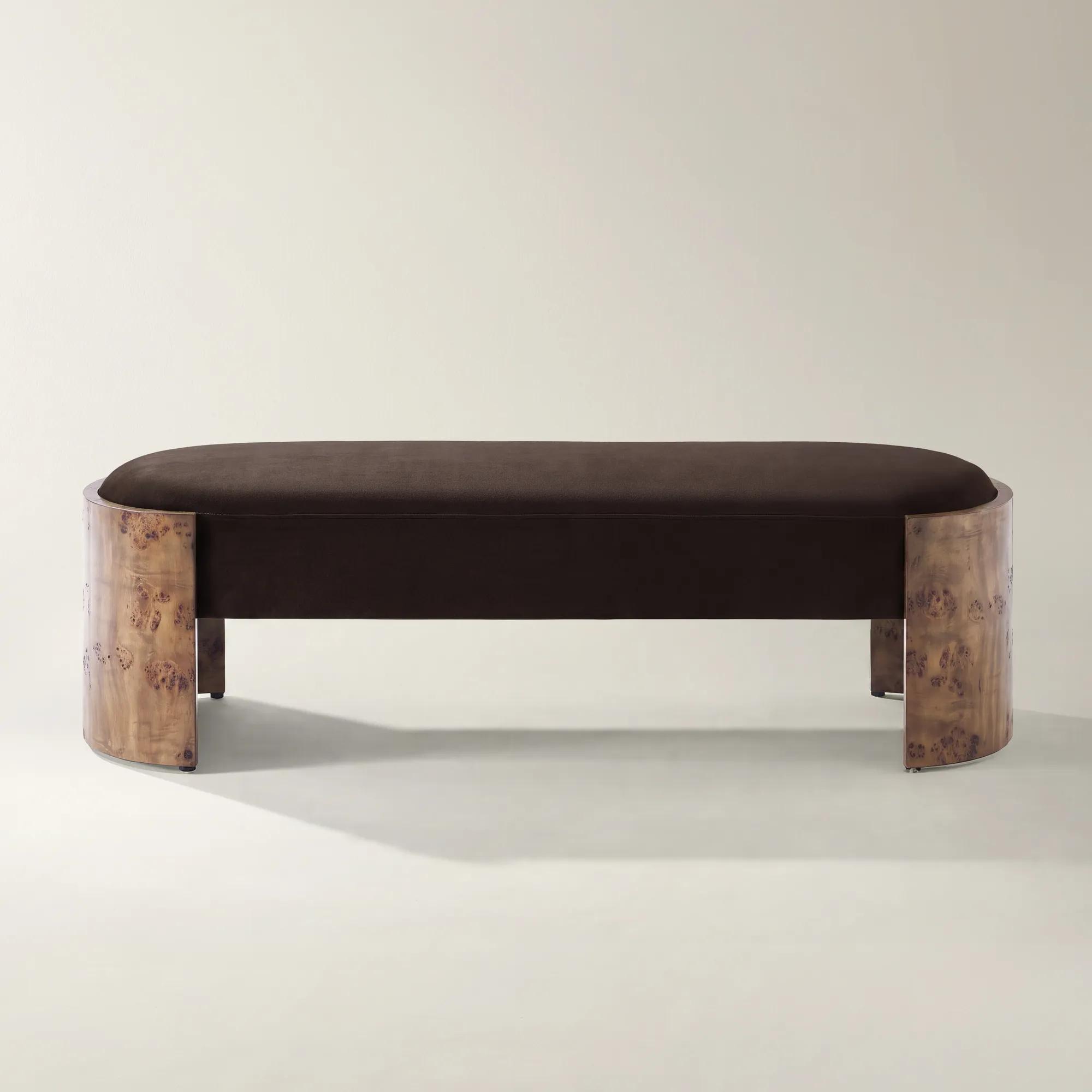 Cora Dark Chocolate Velvet With Ash Wood Bench (60.6")$999
A dark chocolate velvet bench with sculpted bookmatched ash burl end panels and high-resiliency foam cushioning.
Add To Cart -
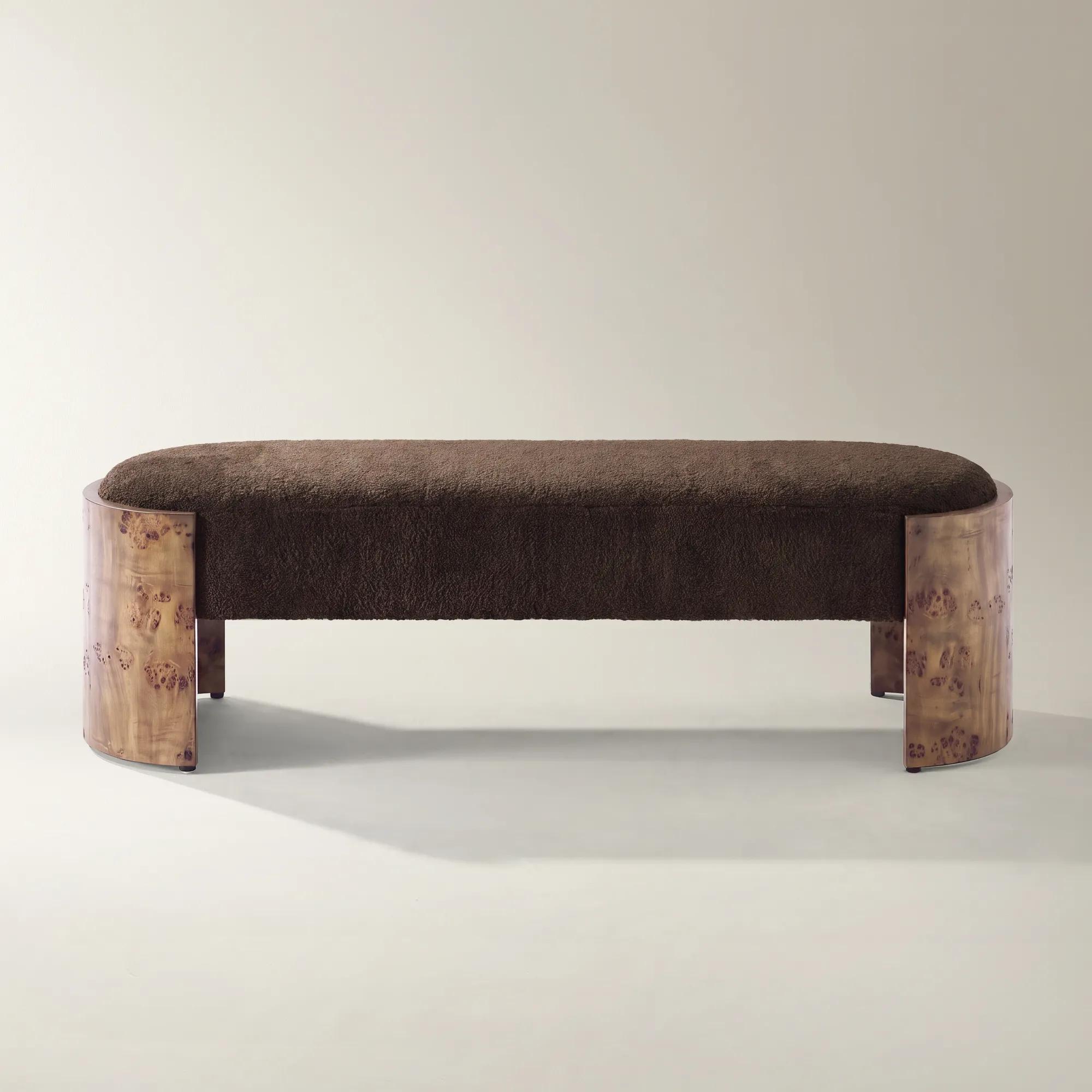 Cora Dark Chocolate Chenille With Ash Wood Bench (60.6")$999
A sculpted dark chocolate chenille bench with curved ash burl end panels and supportive foam cushioning.
Add To Cart -
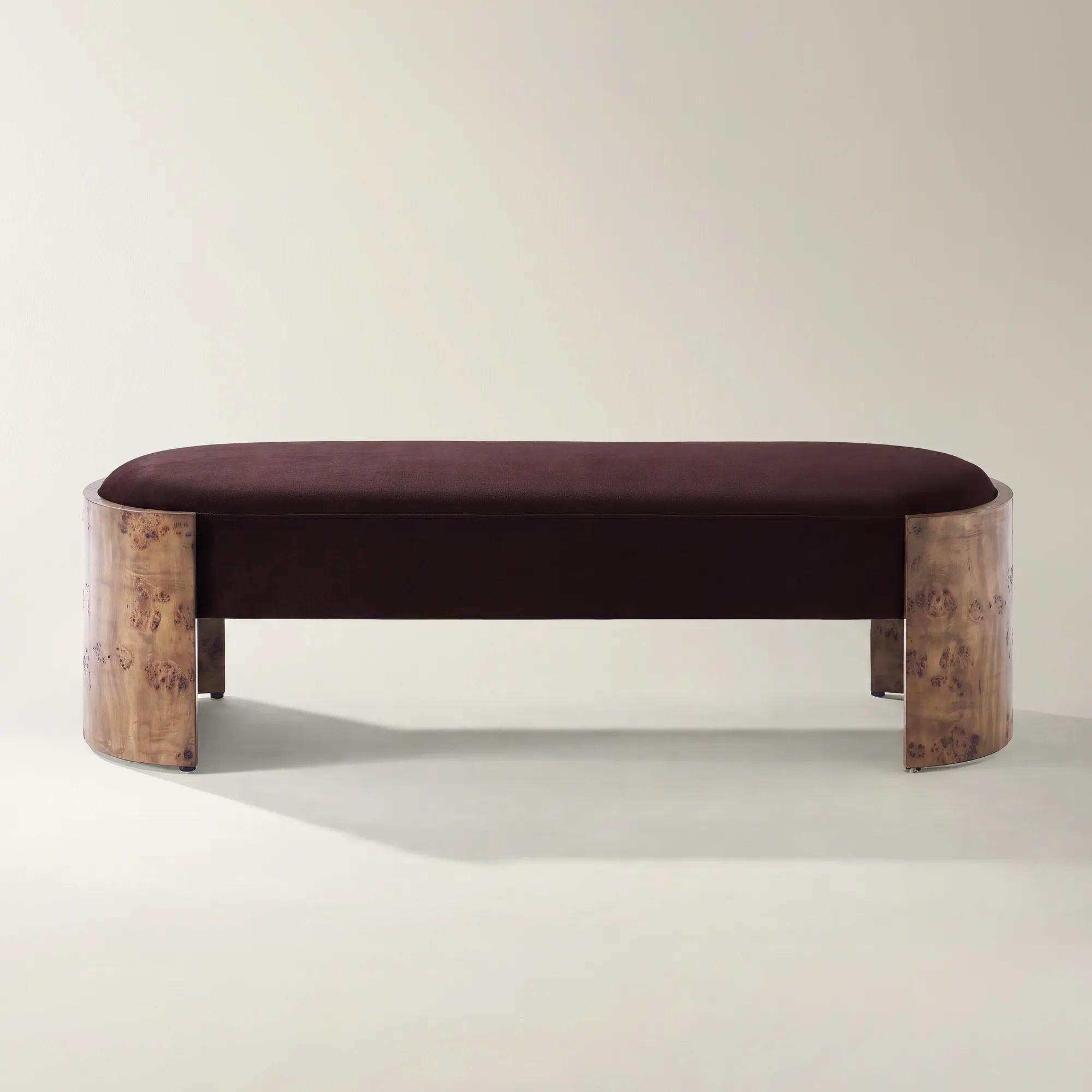 Cora Fig Velvet With Ash Wood Bench (60.6")$999
A sculptural bench with fig velvet upholstery, bookmatched ash burl panels, and supportive high-resiliency foam cushioning.
Add To Cart

Upholstered Benches For Dressing Tables
Upholstered benches for dressing tables invite a touch of grandeur to your daily ritual, transforming the ordinary act of getting ready into an experience worthy of a starlet’s suite. Imagine sumptuous fabrics, tailored silhouettes, and artful details that turn your vanity into a stage—each bench a statement in comfort and style. Whether you seek to evoke vintage Hollywood glamour or modern sophistication, these pieces promise to elevate your dressing area with an air of curated luxury. Let every morning begin with a flourish as upholstered benches for dressing tables infuse your space with elegance, drama, and unmistakable flair.
Upholstered benches for dressing tables pair a cushioned seat with a compact, usually backless silhouette, creating a comfortable place for applying makeup, arranging jewelry, or putting the finishing touches on an outfit. Their appeal is both practical and visual: a bench can slip beneath a vanity when its dimensions allow, leaving the mirror and tabletop in full view while adding softness to an otherwise angular arrangement. Against a gleaming dressing table, velvet upholstery introduces a rich contrast, with a pile that catches light and gives even a restrained color remarkable depth. Linen and linen-blend fabrics offer a more textured expression, balancing polished surfaces with a tailored, tactile finish. Woven upholstery can bring subtle pattern into the room, while leather and faux leather create a smooth, defined look; each material has different care requirements, so the upholstery description matters as much as its appearance. The base shapes the mood just as decisively. A polished metal X-frame lends architectural drama without visually enclosing the space beneath the seat. Straight wood legs establish a clean, composed profile, and turned legs introduce a more decorative character that sits beautifully beside a framed mirror or carved table. Tufting gives the cushion dimension, channel stitching creates a rhythmic surface, and a tightly upholstered seat lets the fabric and silhouette take the lead. These details also affect everyday use: a smooth seat is generally easier to clear of powder than one with deep folds or button recesses. Color can either connect the bench to the room or give the dressing area a distinct identity. Ivory beside champagne-toned metal feels luminous; charcoal against a mirrored surface brings sharper contrast; a saturated jewel tone makes the seat an expressive accent. The most compelling combinations do not depend on every finish matching. A shared undertone, a repeated curve, or a fabric color drawn from nearby artwork can make the entire arrangement feel intentional while preserving its personality.
The right fit begins with the relationship between the upholstered seat, the dressing table, and the person using them. Many vanity-height tables are approximately 28 to 30 inches tall, and many benches have seat heights around 17 to 20 inches, but these common ranges are only a starting point. A deep drawer or low apron can reduce usable knee clearance even when the tabletop height seems suitable. Measure from the floor to the lowest obstruction beneath the table, then compare that clearance with the bench’s overall height and the space needed to sit comfortably. A cushion also compresses under weight, so a generously padded bench may feel lower in use than its listed dimensions suggest. Ideally, the seated position allows feet to rest comfortably on the floor and elbows to reach the tabletop without lifting the shoulders. Anyone who spends longer periods at a dressing table may prefer more supportive cushioning and should consider whether a backless seat suits their comfort needs. Width and depth deserve equal attention. A bench that fits between the table legs can tuck away neatly, but projecting feet, crossbars, and drawer hardware may interfere even when the seat itself appears narrow enough. Leave room to pull the bench out and stand without brushing a bed frame, wall, or open wardrobe door. In a compact bedroom, a slim upholstered vanity bench can give the dressing area definition without overwhelming the surrounding furniture. In a spacious dressing suite, a broader seat offers a more substantial visual presence, although width alone does not establish seating capacity; the stated weight limit and intended use remain essential. A storage bench may provide a discreet place for accessories, provided there is sufficient room to lift its lid without striking the tabletop. For seating beyond the vanity, Benches For Dressing Rooms can complement spaces beside wardrobes and full-length mirrors, giving the room a cohesive rhythm without requiring identical pieces.
Lasting beauty depends on what sits beneath the upholstery as well as what is visible. A well-constructed frame, secure joints, and a stable base help an upholstered dressing table bench feel dependable through repeated daily use. Wood, metal, engineered materials, and combinations of these can all serve different designs; material names alone do not establish quality, so construction details and weight-capacity information deserve attention. Cushioning should support the body without immediately bottoming out, while upholstery should lie evenly across the seat, with seams and decorative details neatly finished. For a frequently used vanity, tightly woven fabrics or upholstery with documented performance characteristics may be worth considering, especially where makeup, lotions, and hair products are part of the routine. Performance claims vary, however, and stain resistance does not mean a fabric is stainproof. Keeping open cosmetics on a tray rather than on the seat helps protect the upholstery while bringing a composed, jewel-box quality to the tabletop. Regular gentle vacuuming with an appropriate upholstery attachment can remove dust and powder before they settle into the weave or tufting. Spills should be addressed promptly according to the care label; blotting rather than rubbing generally helps avoid spreading a mark, but the approved cleaning method must come first. Some fabrics require solvent-based care or professional cleaning, and leather and faux leather should not automatically receive the same treatment. Test any permitted cleaner in an inconspicuous area, and avoid saturating cushions. Direct sunlight can alter some upholstery colors over time, while rough clothing hardware may snag delicate surfaces. Suitable floor protectors beneath the legs can help preserve flooring, provided they do not compromise stability. The bench is intended for seating, not standing on to reach a high shelf, and moving it by its frame rather than pulling on decorative trim helps protect its finish. With thoughtful placement and consistent care, upholstered benches for dressing tables become more than an accessory beneath a mirror. They offer a poised place to pause, bring texture into a personal space, and turn the daily ritual of getting dressed into a moment with unmistakable presence.
FAQs
Designer upholstered benches for dressing tables often feature luxurious materials such as velvet, linen, boucle, or leather for the seat, paired with frames crafted from wood, metal, or acrylic. These materials are selected for their tactile appeal, durability, and ability to elevate the ambiance of a dressing area.
An upholstered bench introduces comfort, texture, and visual interest to a dressing room. It serves as an inviting focal point, encouraging moments of relaxation and reflection, while its design details—like tufting, nailhead trim, or sculptural legs—add a layer of sophistication and artistic flair to the space.
Absolutely. Cushioned benches are versatile accents that can be styled in entryways, at the foot of the bed, or in living areas. Their plush seating and elegant profiles make them ideal for creating cozy vignettes or providing extra seating wherever you desire a touch of luxury.
A formal bench typically features refined materials, intricate detailing, and a more structured silhouette, making it well-suited for elegant settings like dressing rooms or formal entryways. In contrast, casual seating options tend to prioritize relaxed shapes and understated finishes, focusing on comfort over drama.
Yes, an upholstered bar bench can bring a playful, contemporary twist to a dressing table setup. Its elevated height and bold presence make it a striking choice for those who want to infuse their space with modern glamour and create a unique, personalized dressing area.