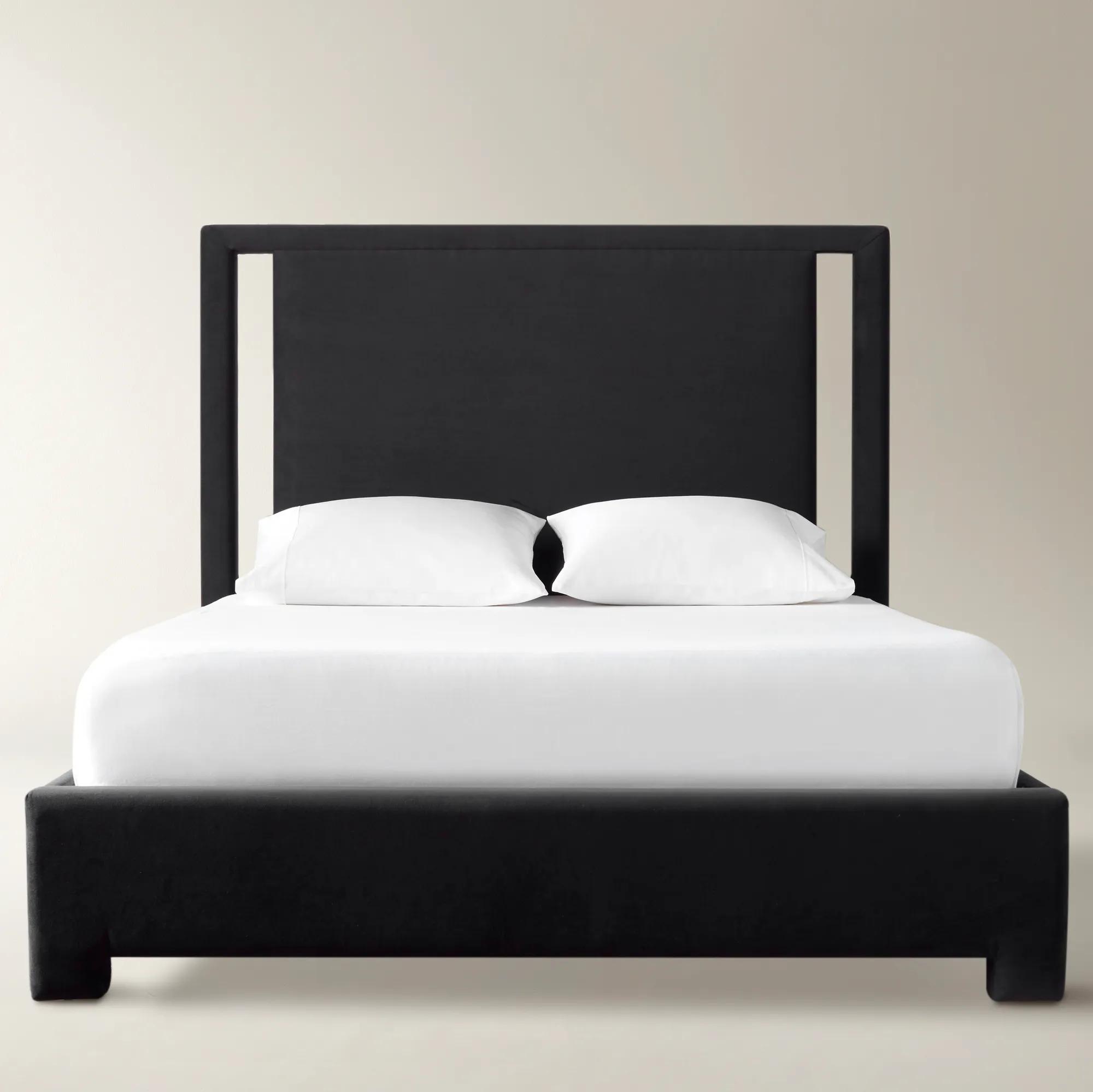
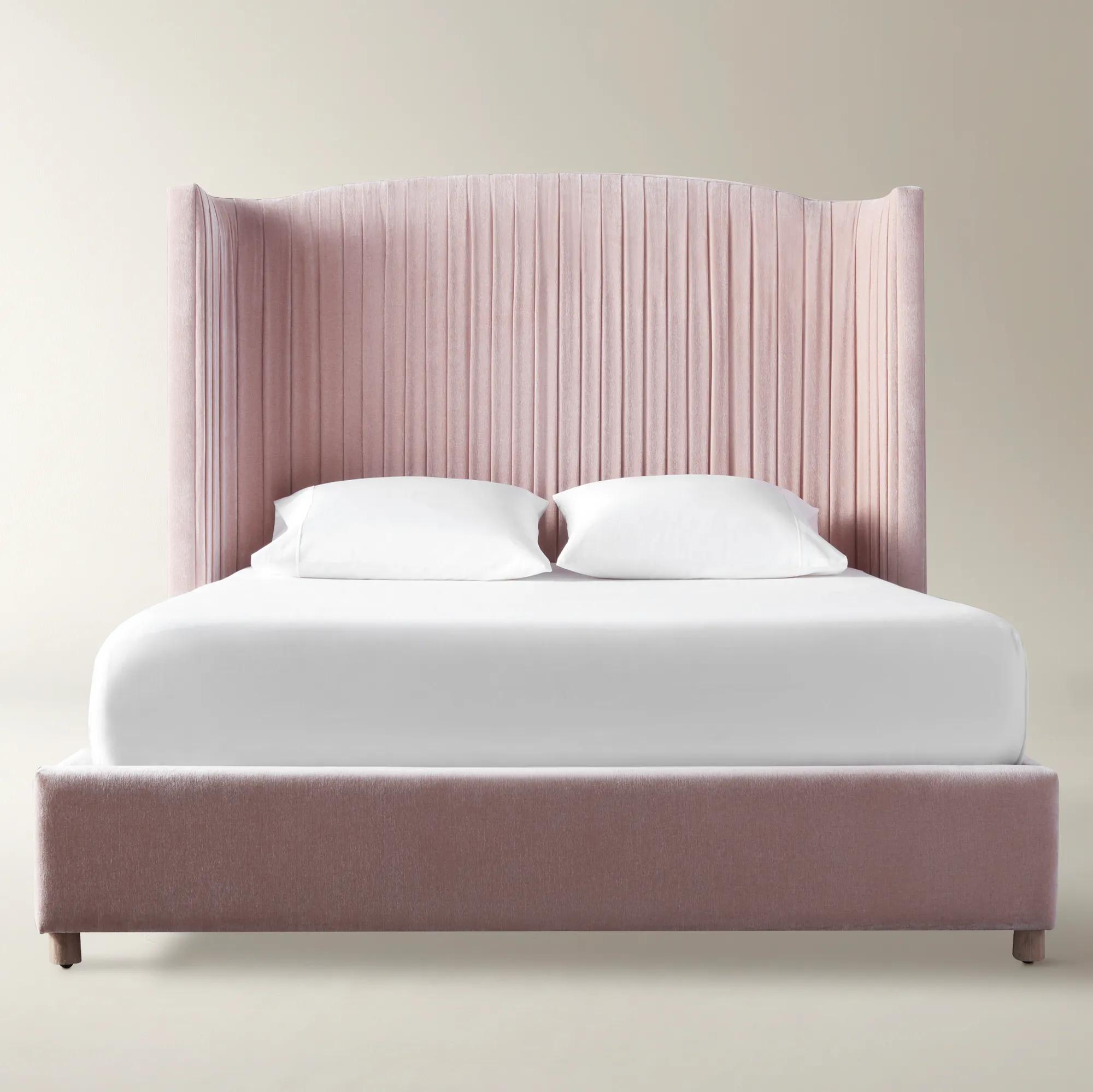
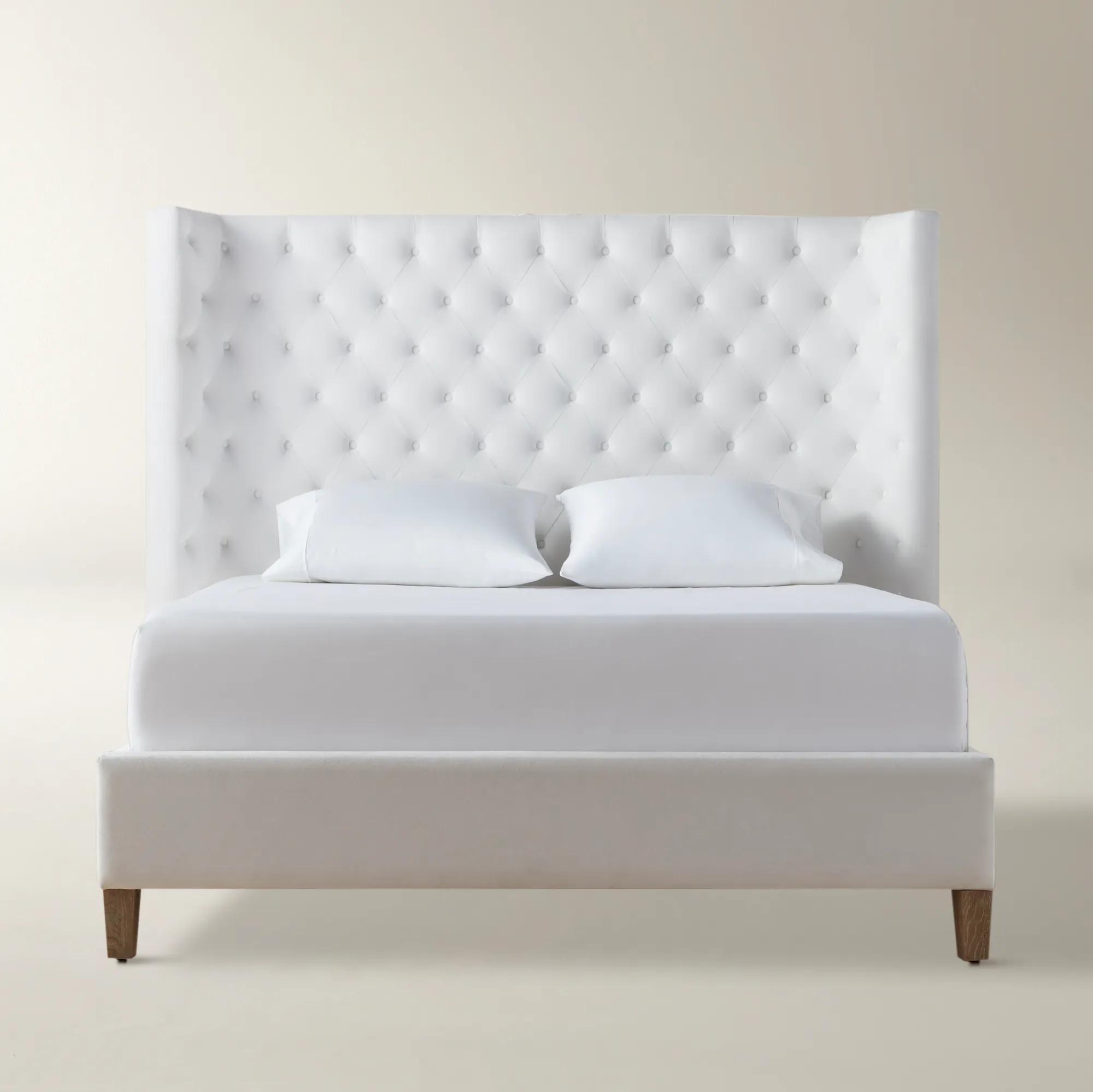
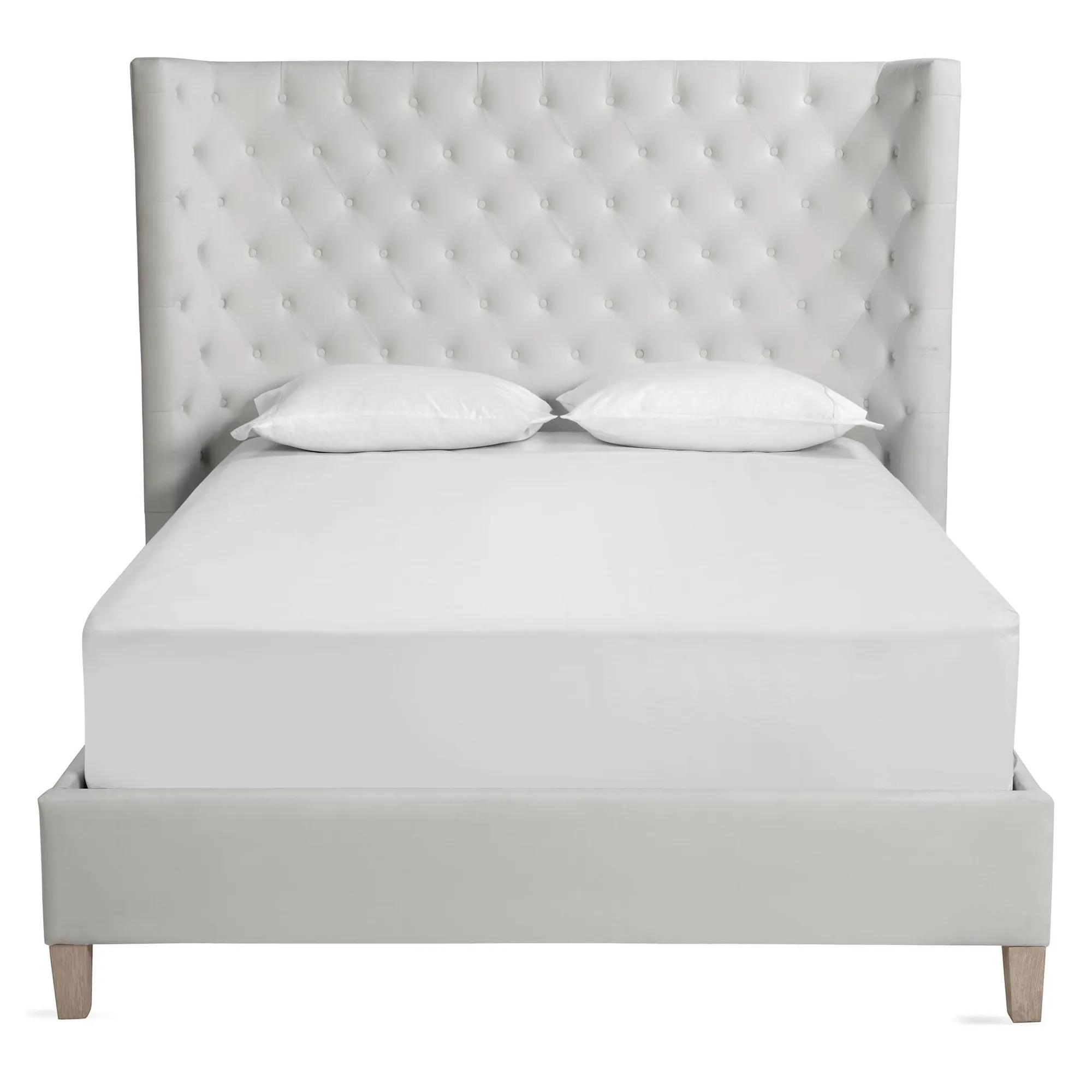
Upholstered Beds For Summer
Upholstered Beds For Summer
-
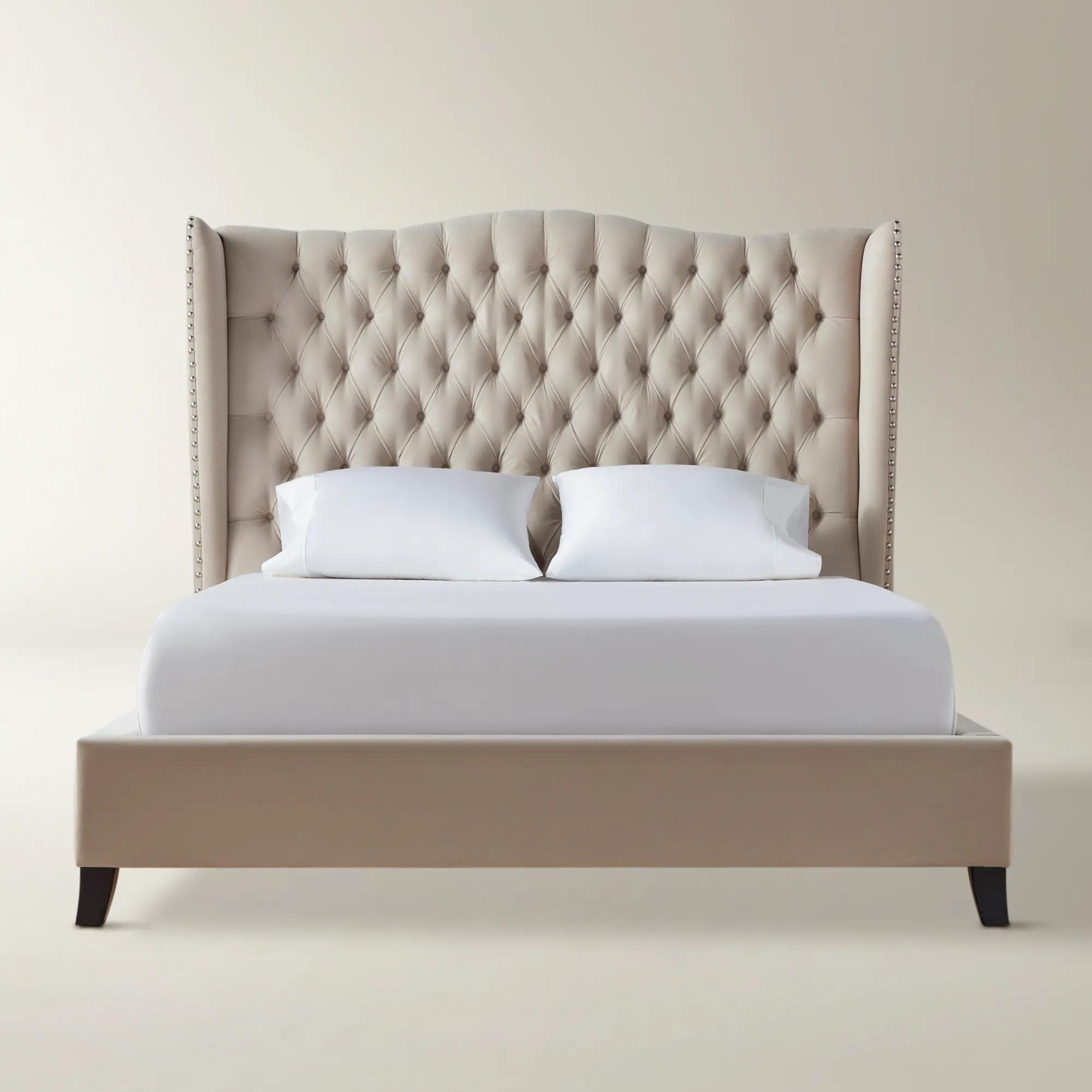
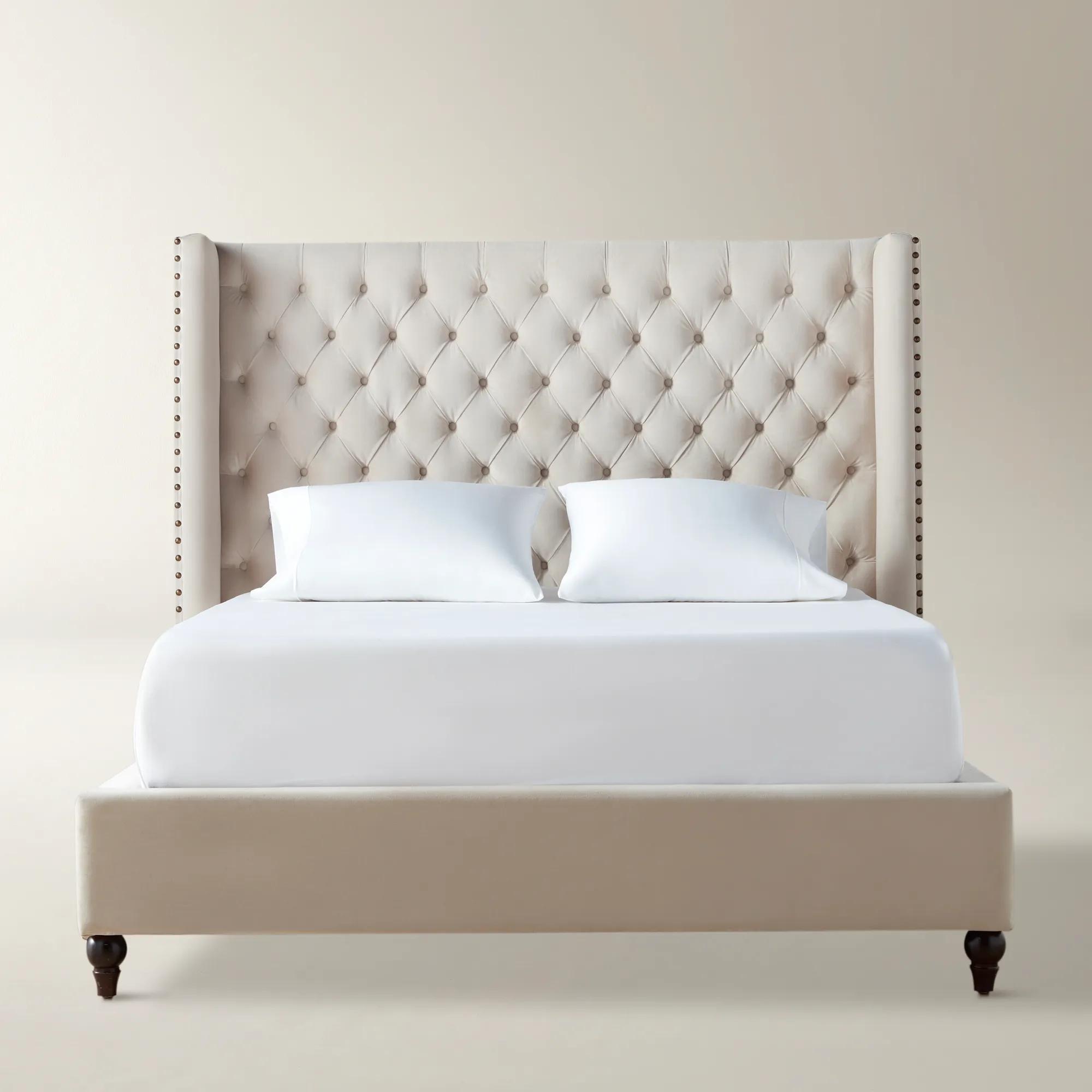
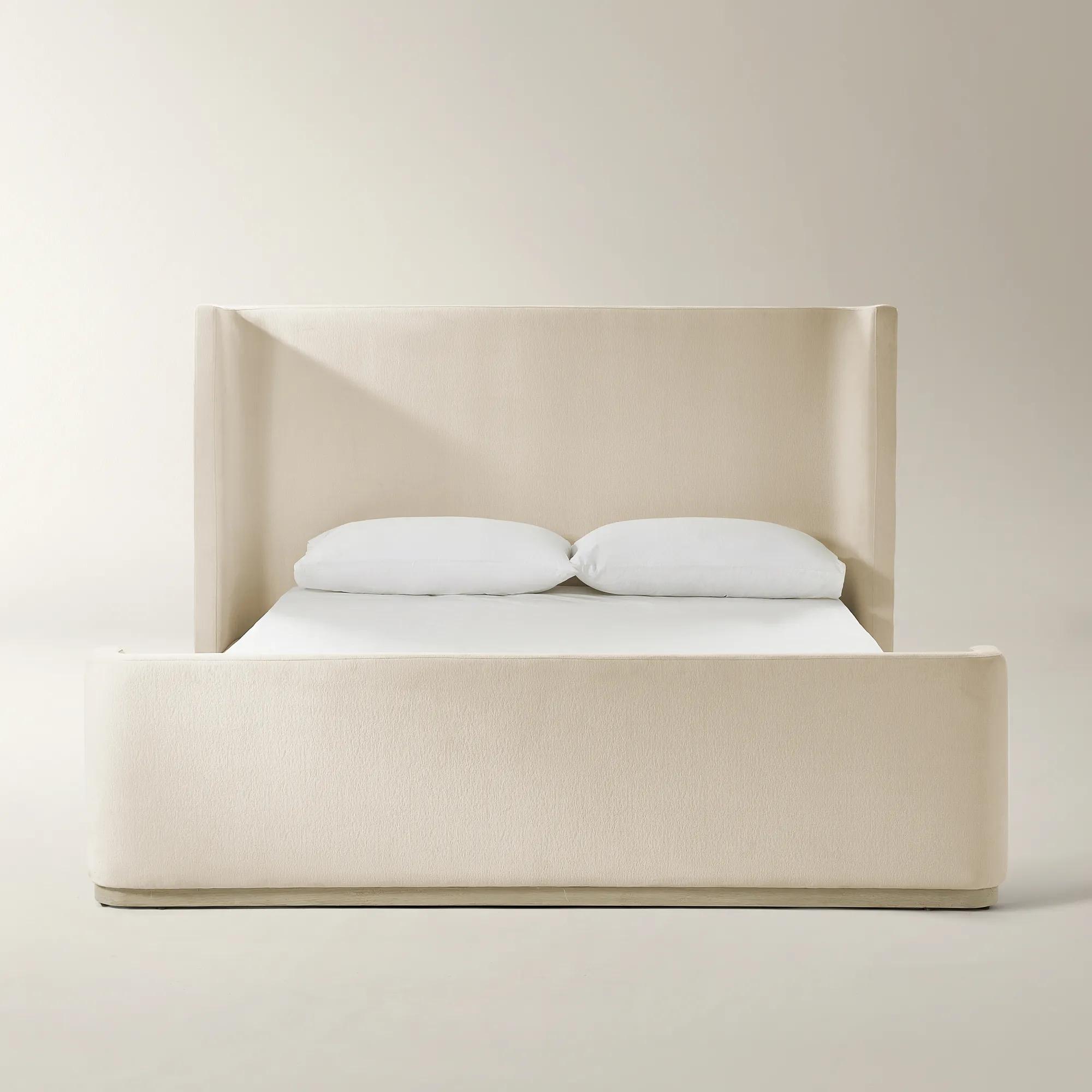 Stria Oatmeal Velvet Upholstered Queen Platform Bed$2299
A sculptural oatmeal velvet platform bed with a tall wingback headboard and FSC-certified solid oak base.
Add To Cart -
Stria Oatmeal Velvet Upholstered King Platform Bed$2499
A sculptural oatmeal velvet platform bed featuring a wingback headboard and FSC-certified oak base.
Add To Cart -
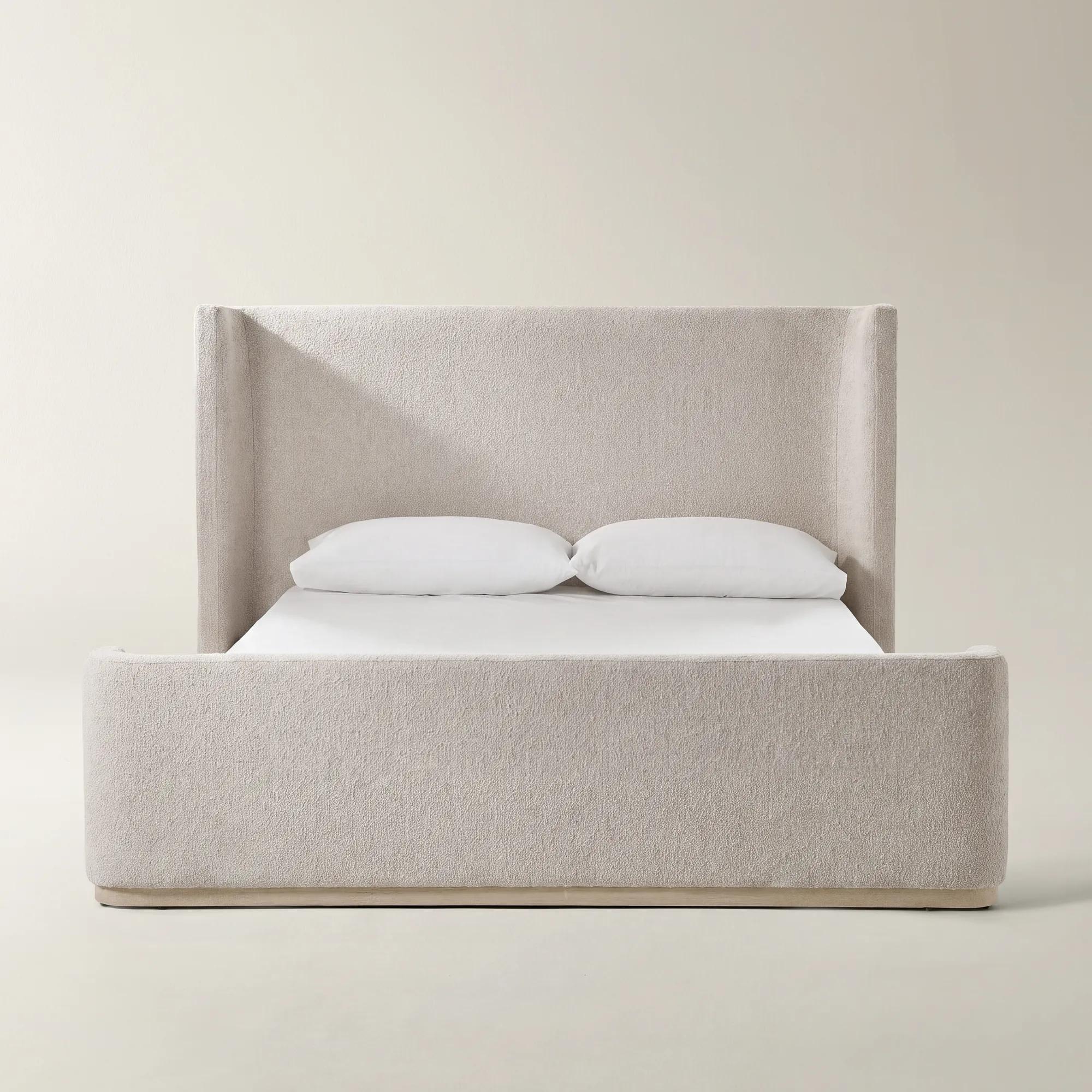
 Stria Ivory Performance Boucle Upholstered Queen Platform Bed$2399
A sculptural ivory performance boucle platform bed featuring a wingback headboard and FSC-certified solid oak base.
Add To Cart -
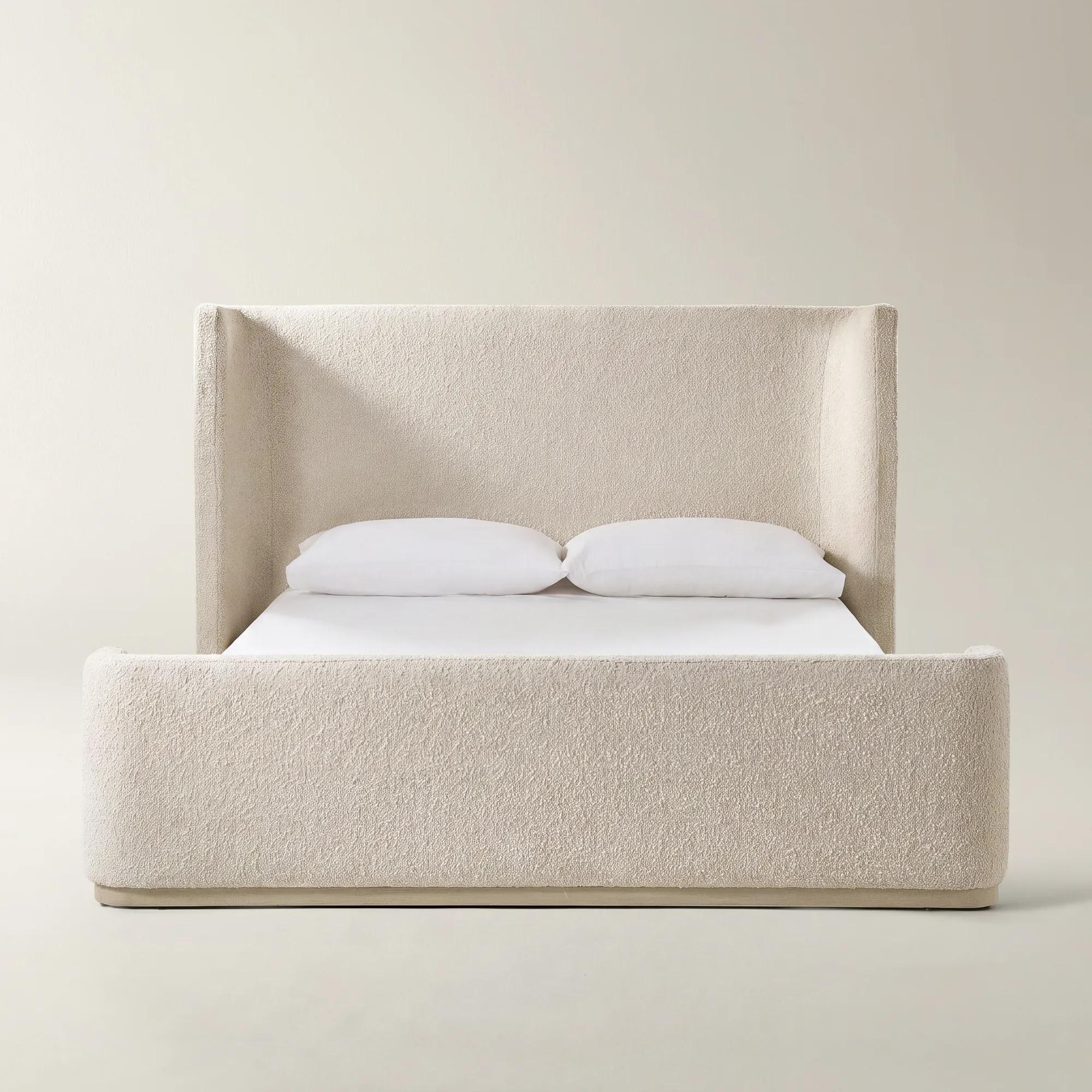 Stria Ivory Performance Boucle Upholstered Queen Platform Bed$2399
A sculptural ivory performance bouclé platform bed featuring a wingback headboard and FSC-certified solid oak base.
Add To Cart -
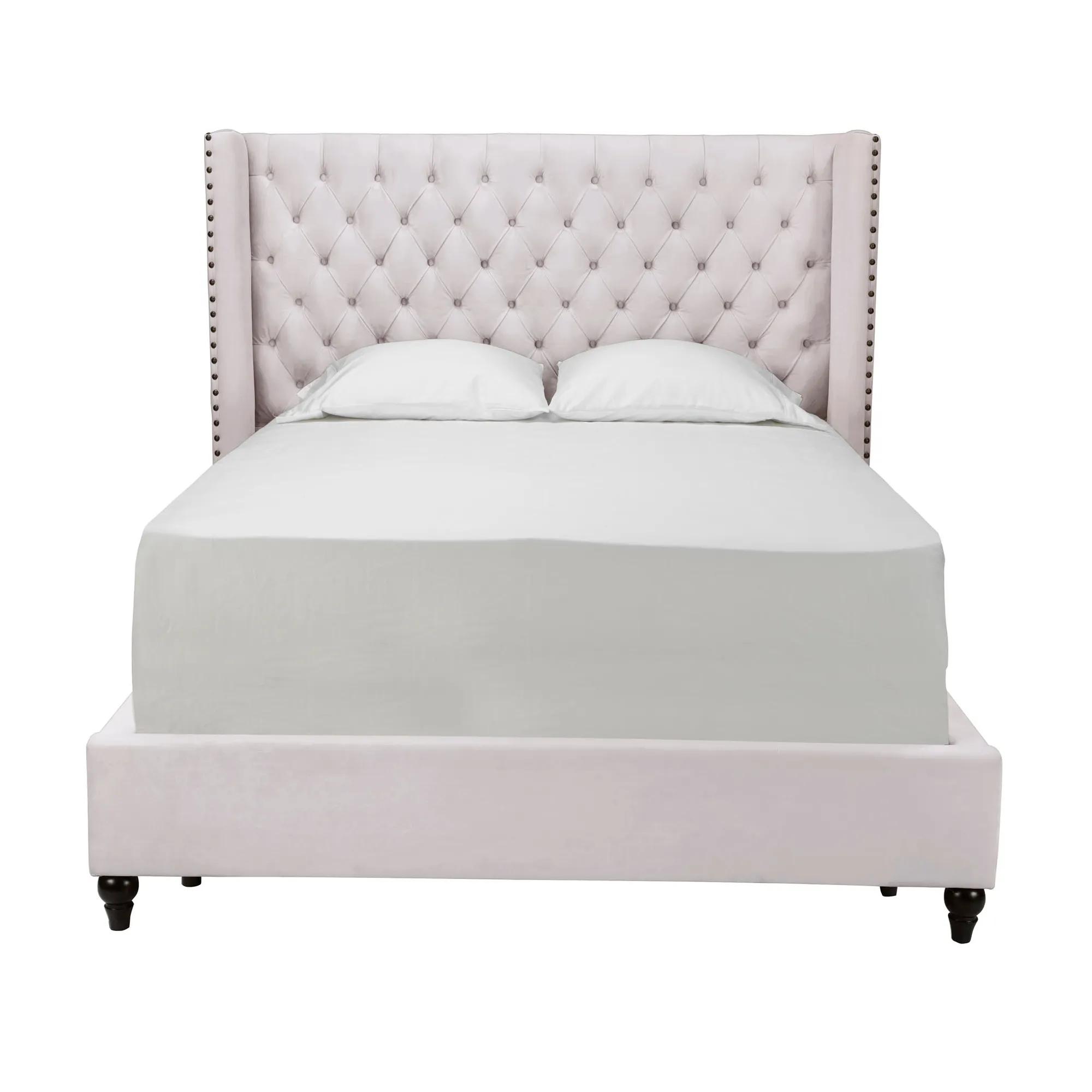
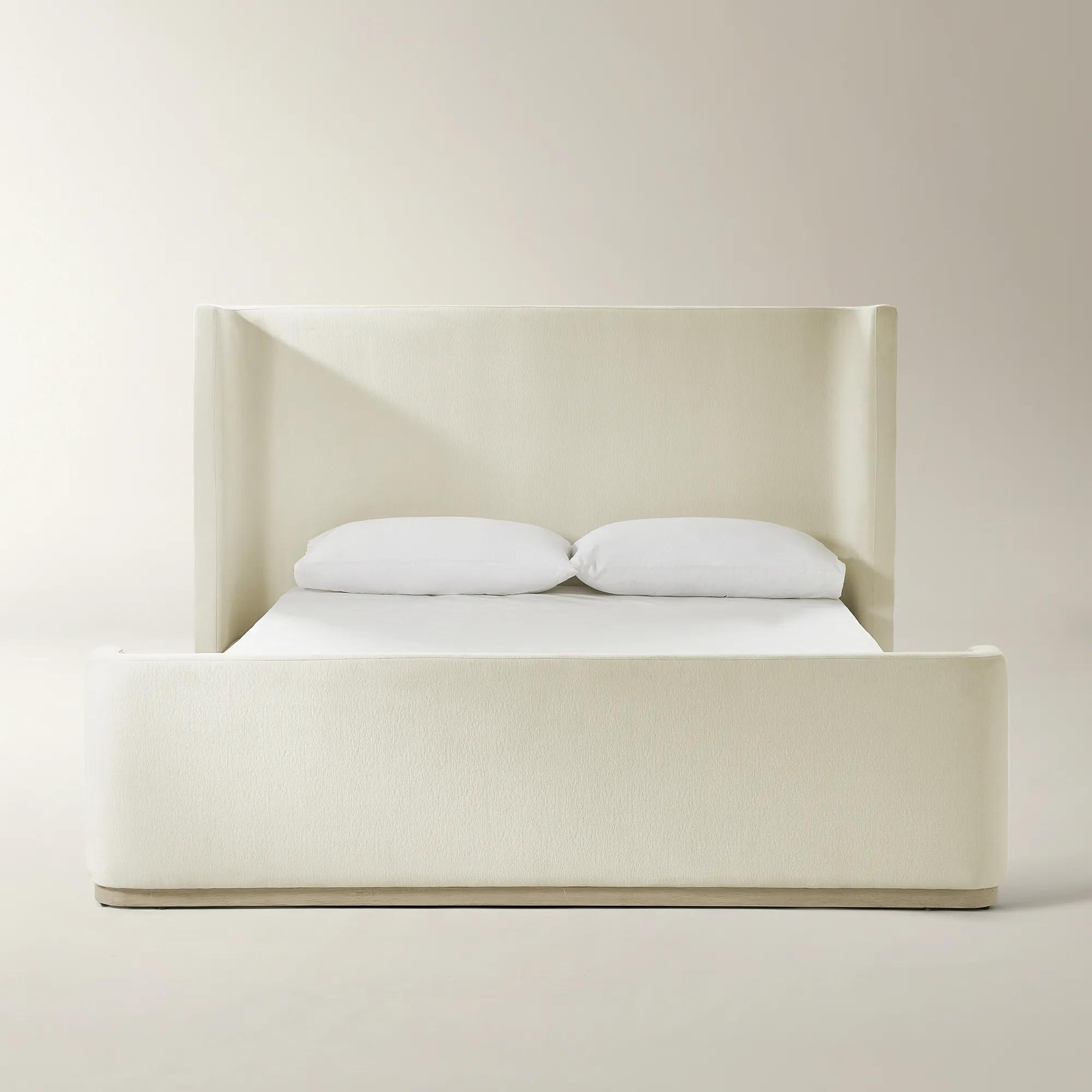 Stria Cloud Velvet Upholstered Queen Platform Bed$2299
A sculptural wingback platform bed with plush cloud velvet upholstery and an FSC-certified solid oak base.
Add To Cart -
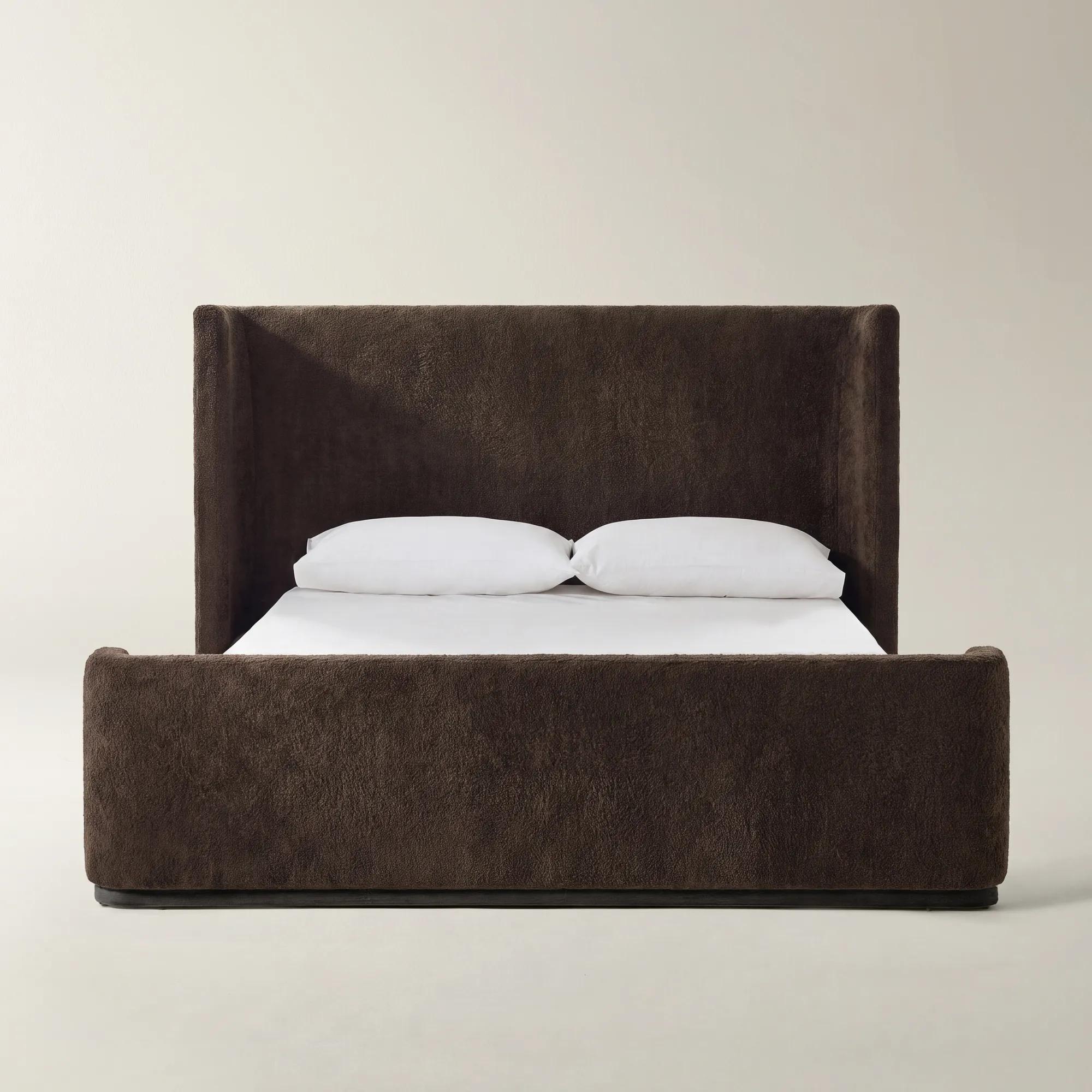 Stria Dark Chocolate Chenille Upholstered Queen Platform Bed$2299
A dark chocolate chenille platform bed featuring a sculptural wingback headboard and FSC-certified solid oak base.
Add To Cart -
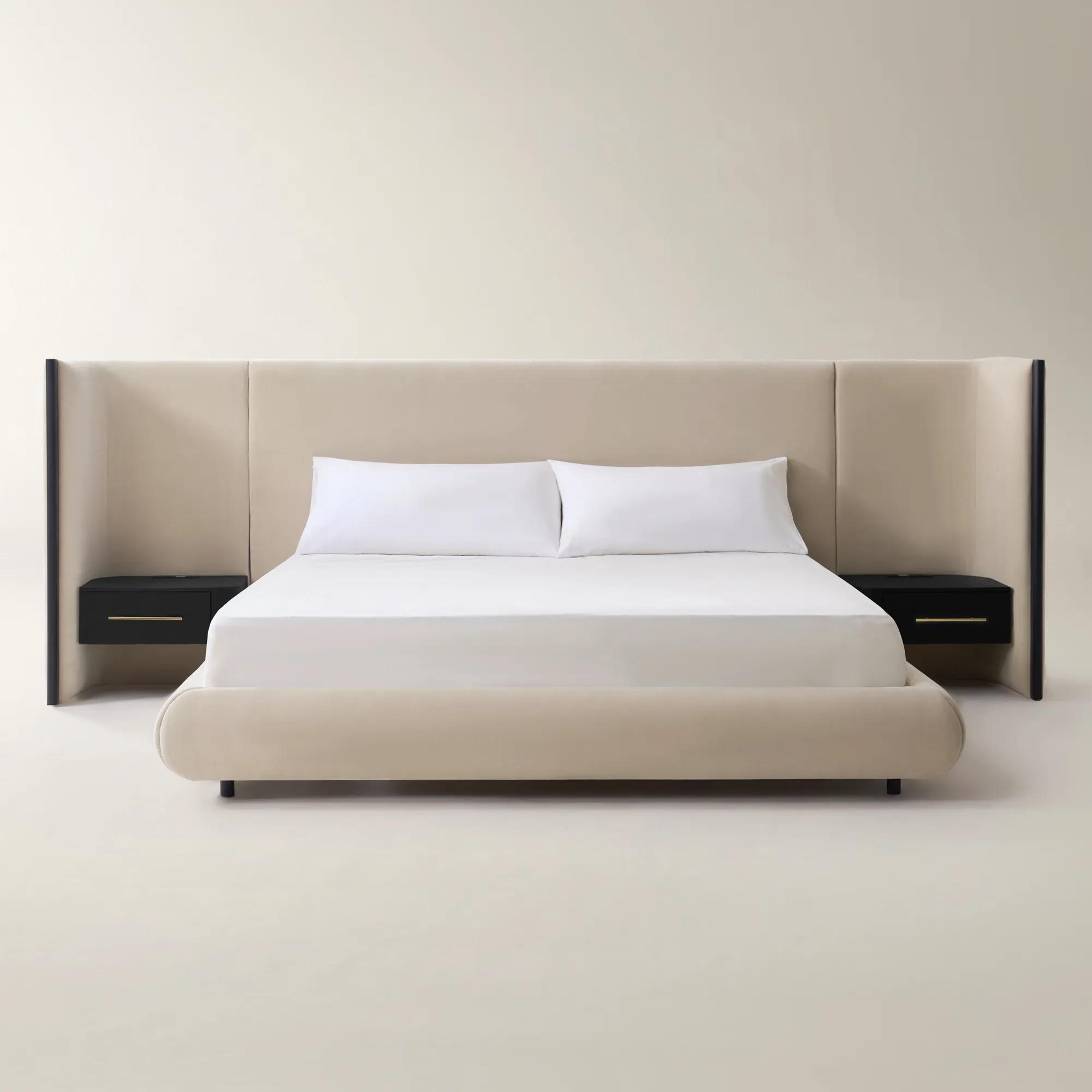 Sierra Oatmeal Velvet Upholstered King Bed With Nightstands$2899
An oatmeal velvet-upholstered platform bed with an extended headboard, floating nightstands, and built-in power access.
Add To Cart -
Sierra Oatmeal Velvet Upholstered Queen Bed With Nightstands$2699
A modern oatmeal velvet bed with an extended headboard, floating nightstands, and built-in power access.
Add To Cart -
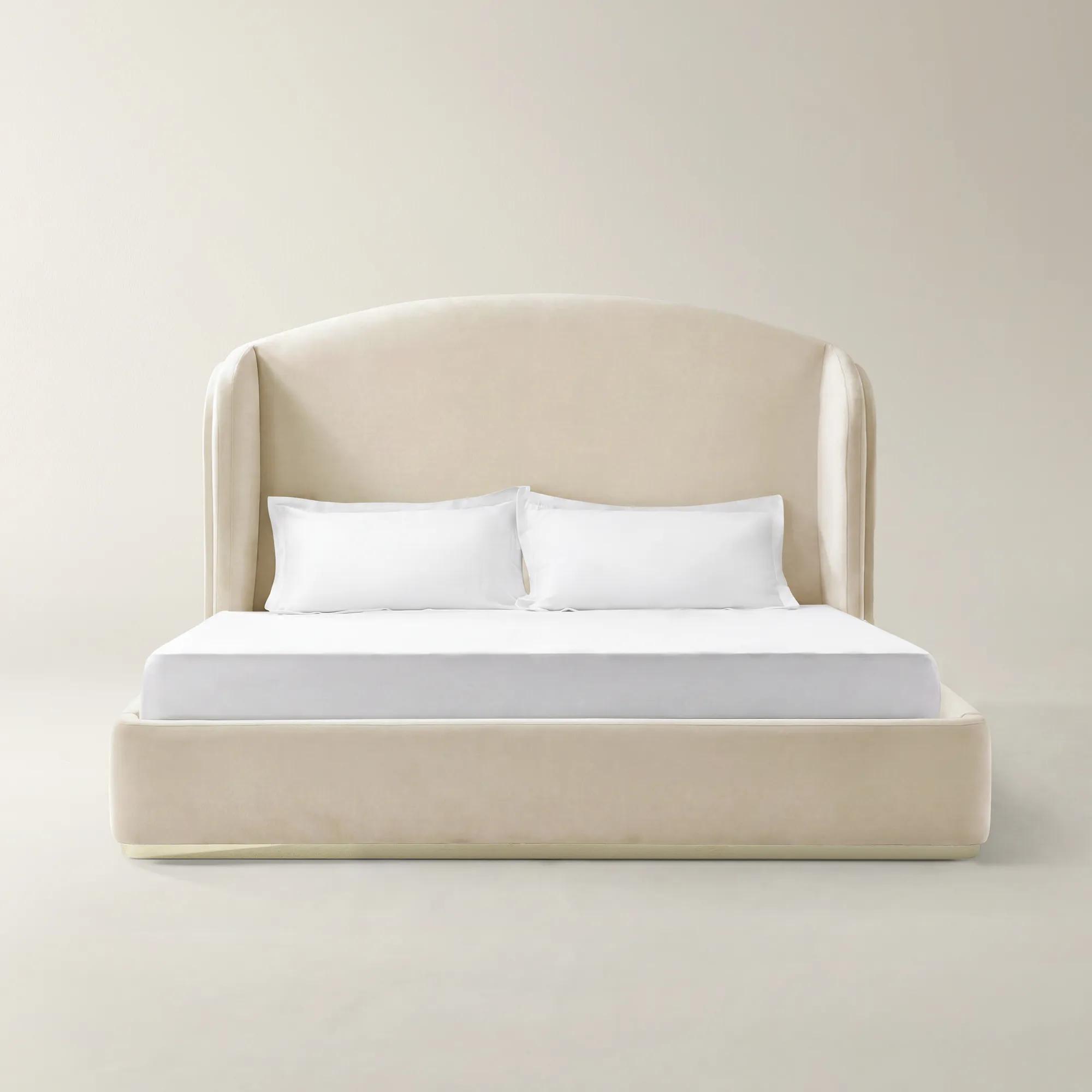
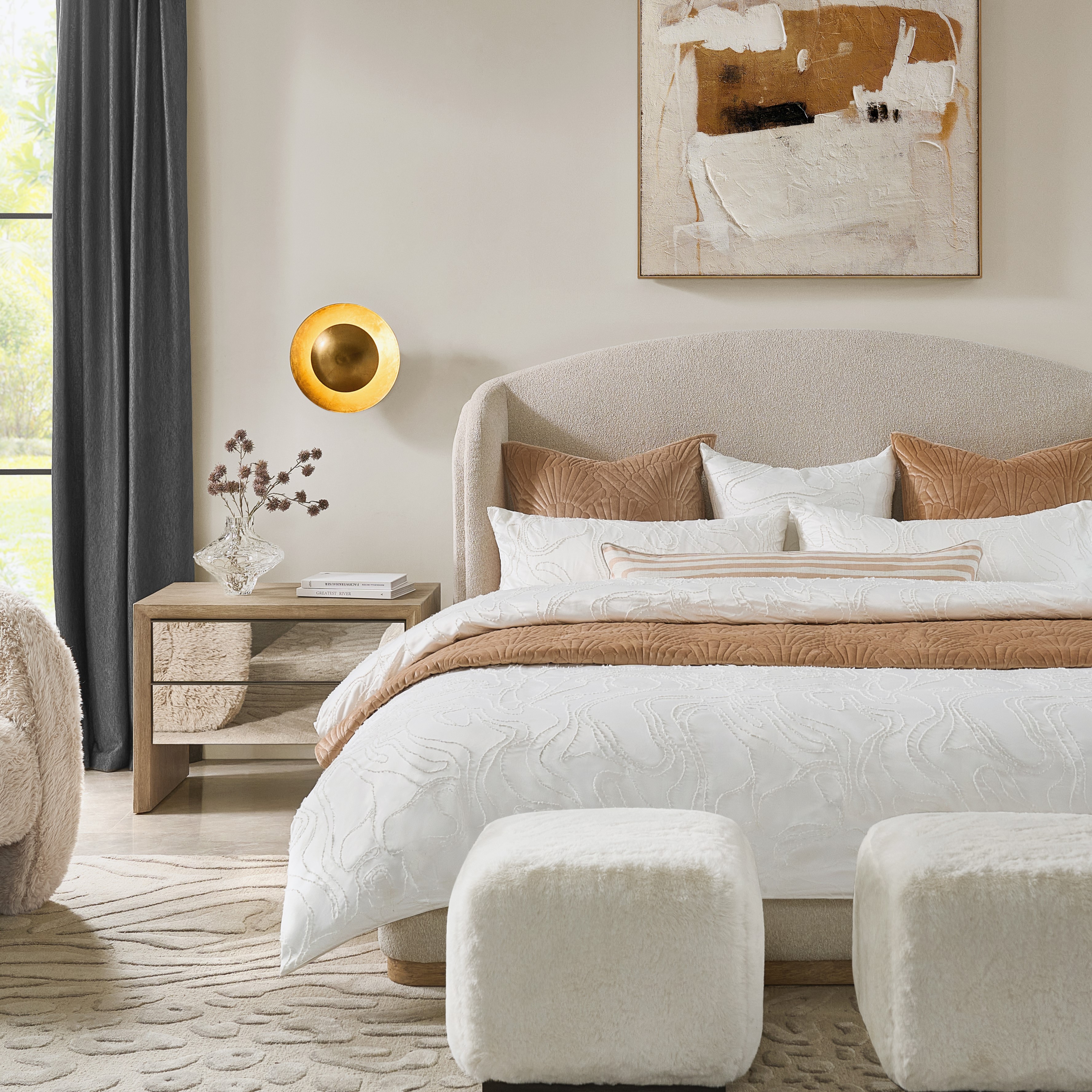 Glimmer Oatmeal Velvet Upholstered Queen Platform Bed$2099
A sculptural oatmeal velvet platform bed with a double-layered headboard and solid rubberwood base.
Add To Cart -
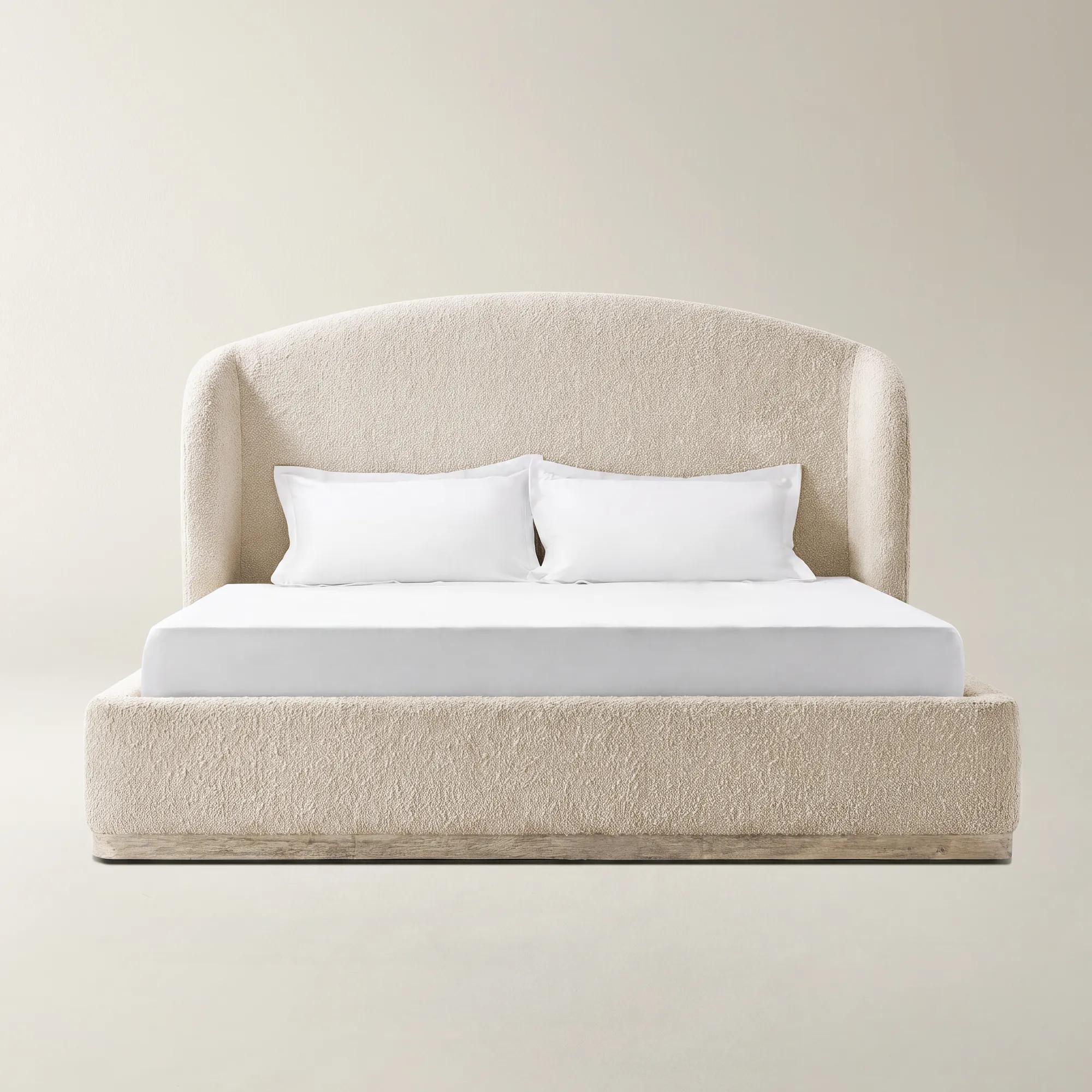
 Glimmer Ivory Performance Boucle Upholstered Queen Platform Bed$2099
A sophisticated ivory performance boucle platform bed featuring a sculpted double-layered headboard and solid rubberwood base.
Add To Cart -
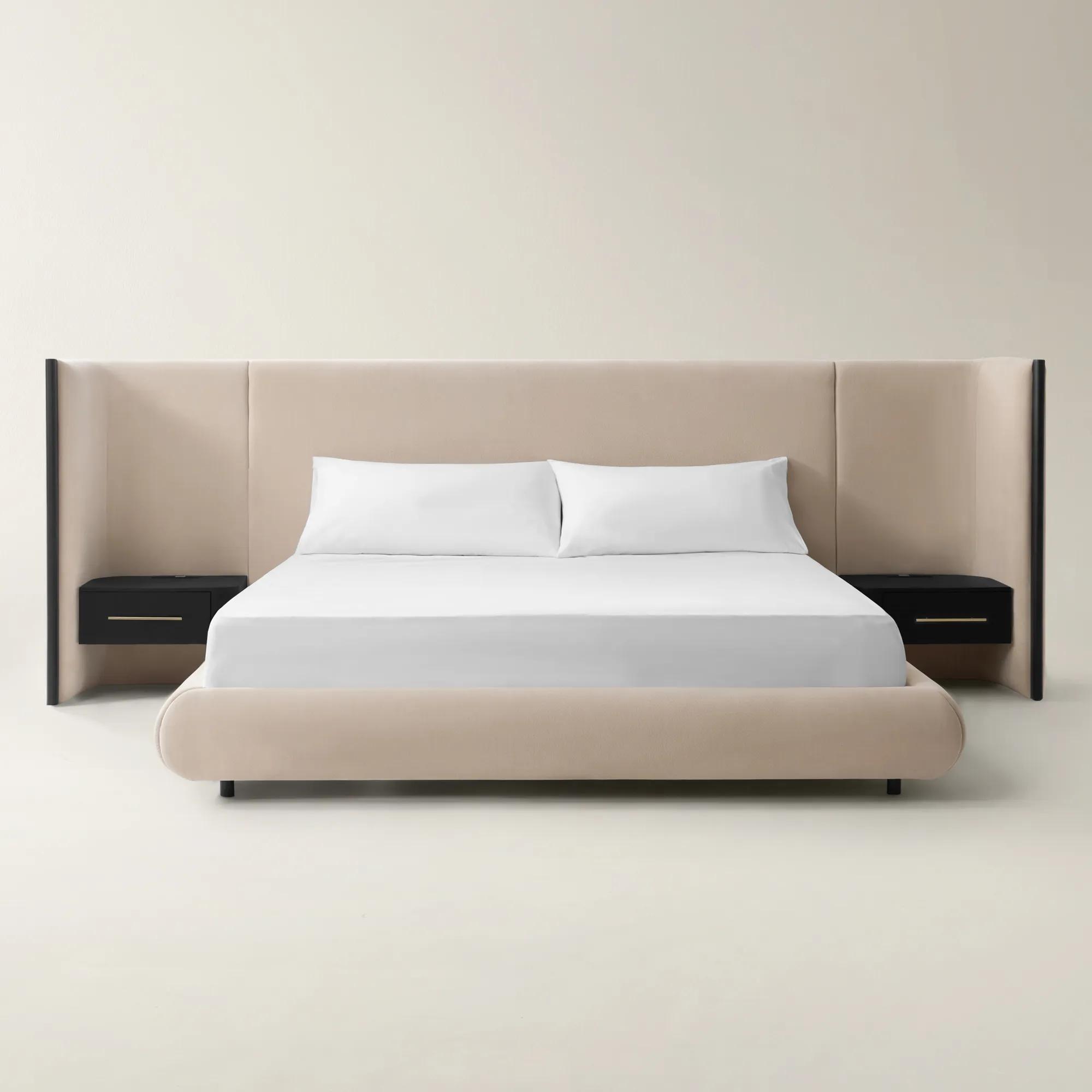
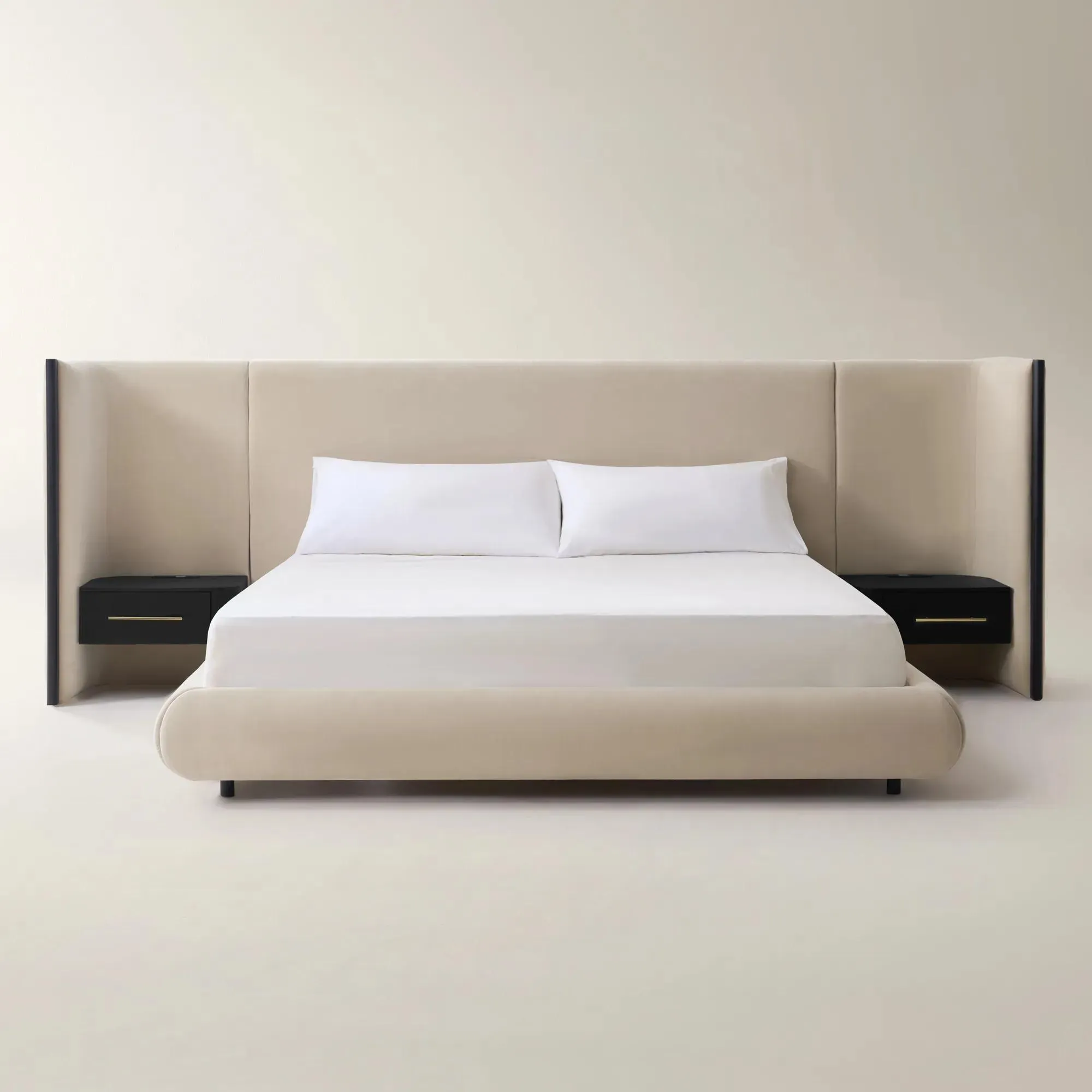 Sierra Simply Taupe Velvet Upholstered Queen Bed With Nightstands$2699
A taupe velvet platform bed featuring an extended headboard, black wood trim, and floating nightstands.
Add To Cart -
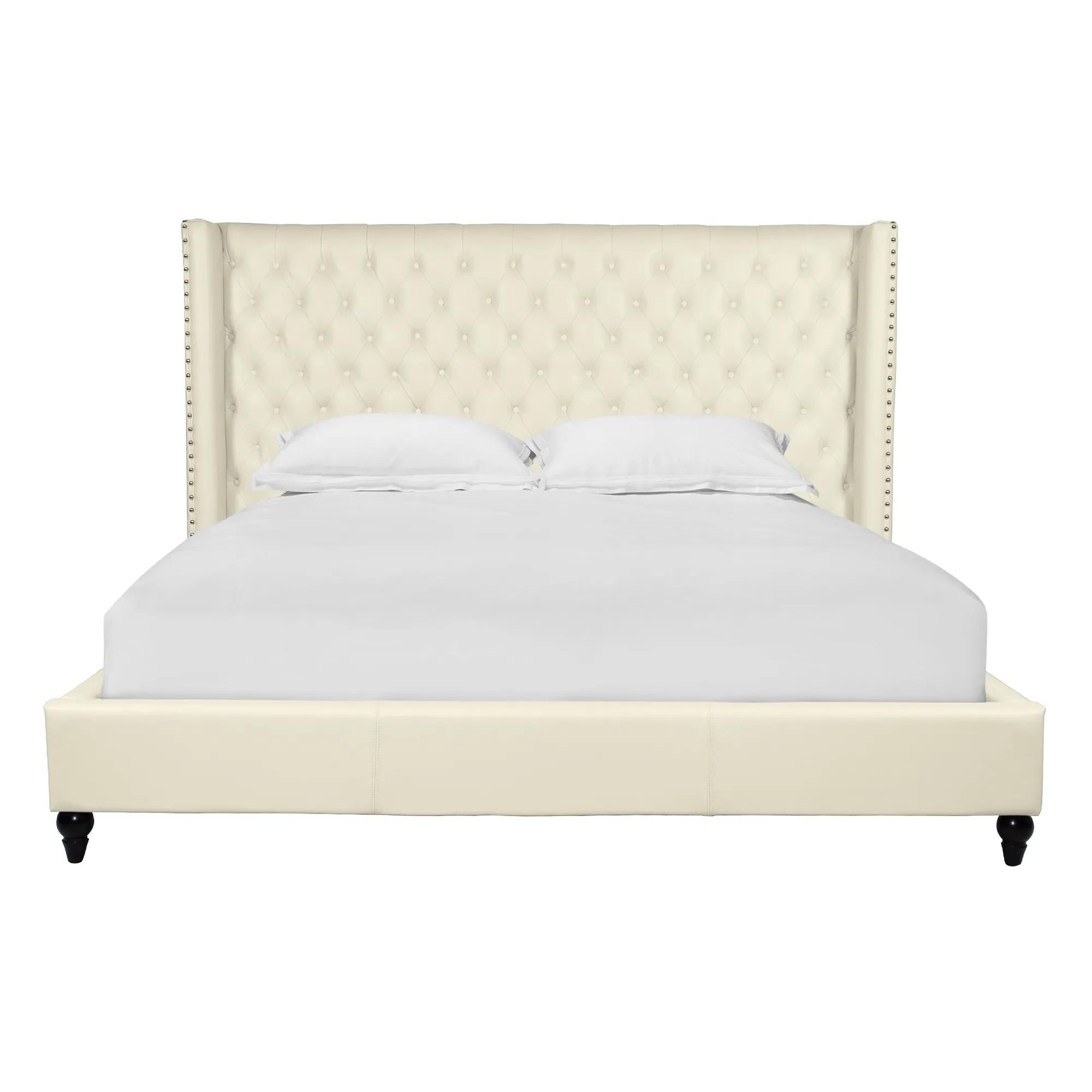
Stria Ivory Performance Boucle Upholstered King Platform Bed$2599
An ivory performance boucle platform bed with wingback headboard, FSC-certified oak base, and supportive hardwood construction.
Add To Cart -
Stria Ivory Performance Boucle Upholstered King Platform Bed$2599
An ivory boucle platform bed with a wingback headboard, FSC-certified oak base, and supportive construction.
Add To Cart -
Stria Cloud Velvet Upholstered King Platform Bed$2499
A cloud velvet wingback platform bed with a warm FSC-certified oak base and supportive construction.
Add To Cart -
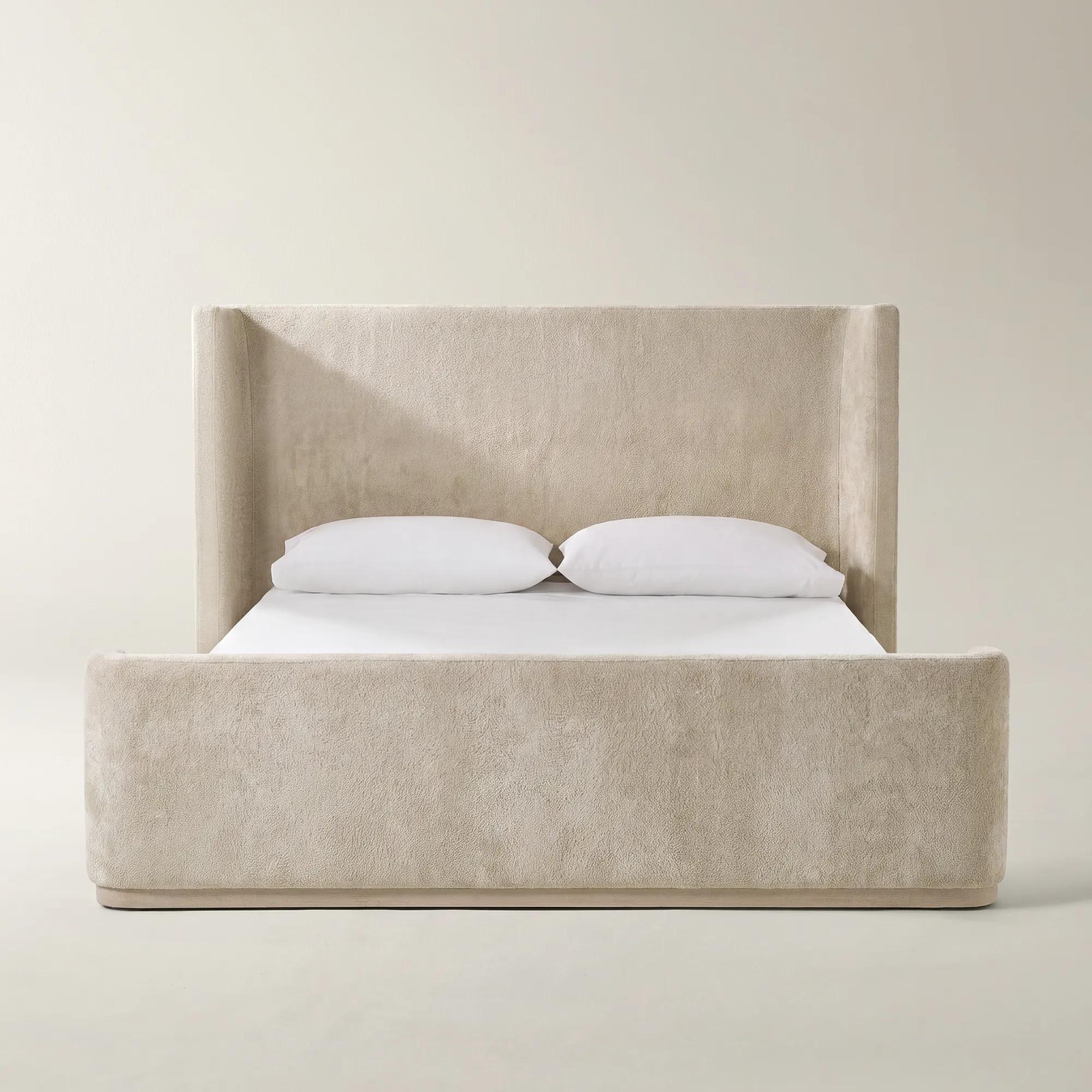 Stria Light Brown Chenille Upholstered King Platform Bed$2499
A sculptural brown chenille upholstered bed featuring a wingback headboard and FSC-certified solid oak base.
Add To Cart -
Stria Dark Chocolate Chenille Upholstered King Platform Bed$2499
A dark chocolate chenille upholstered platform bed featuring a wingback headboard and FSC-certified solid oak base.
Add To Cart -
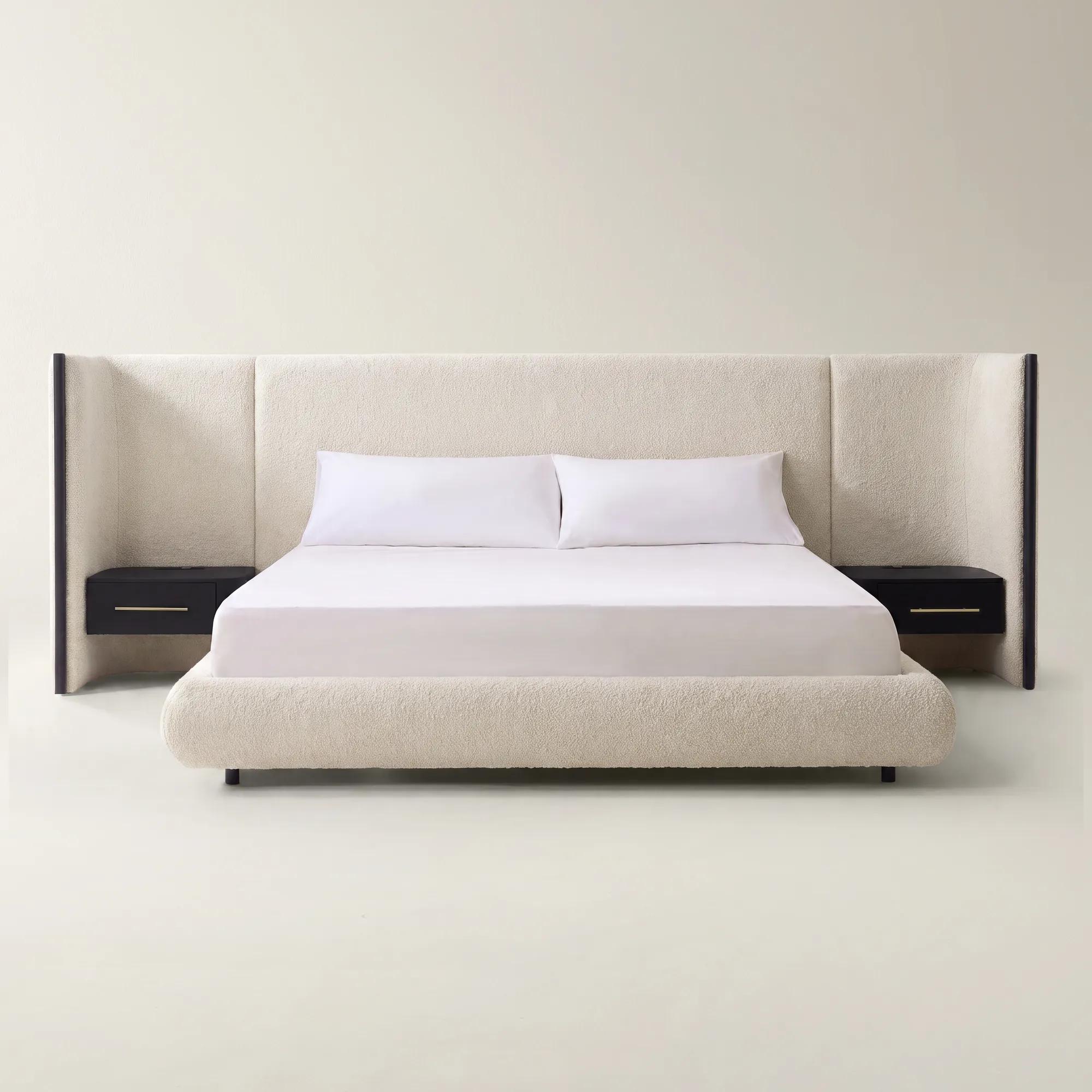 Sierra Utopia Sand Chenille Upholstered King Bed With Nightstands$2999
A sand chenille upholstered platform bed featuring an extended headboard with floating nightstands and black wood trim.
Add To Cart -
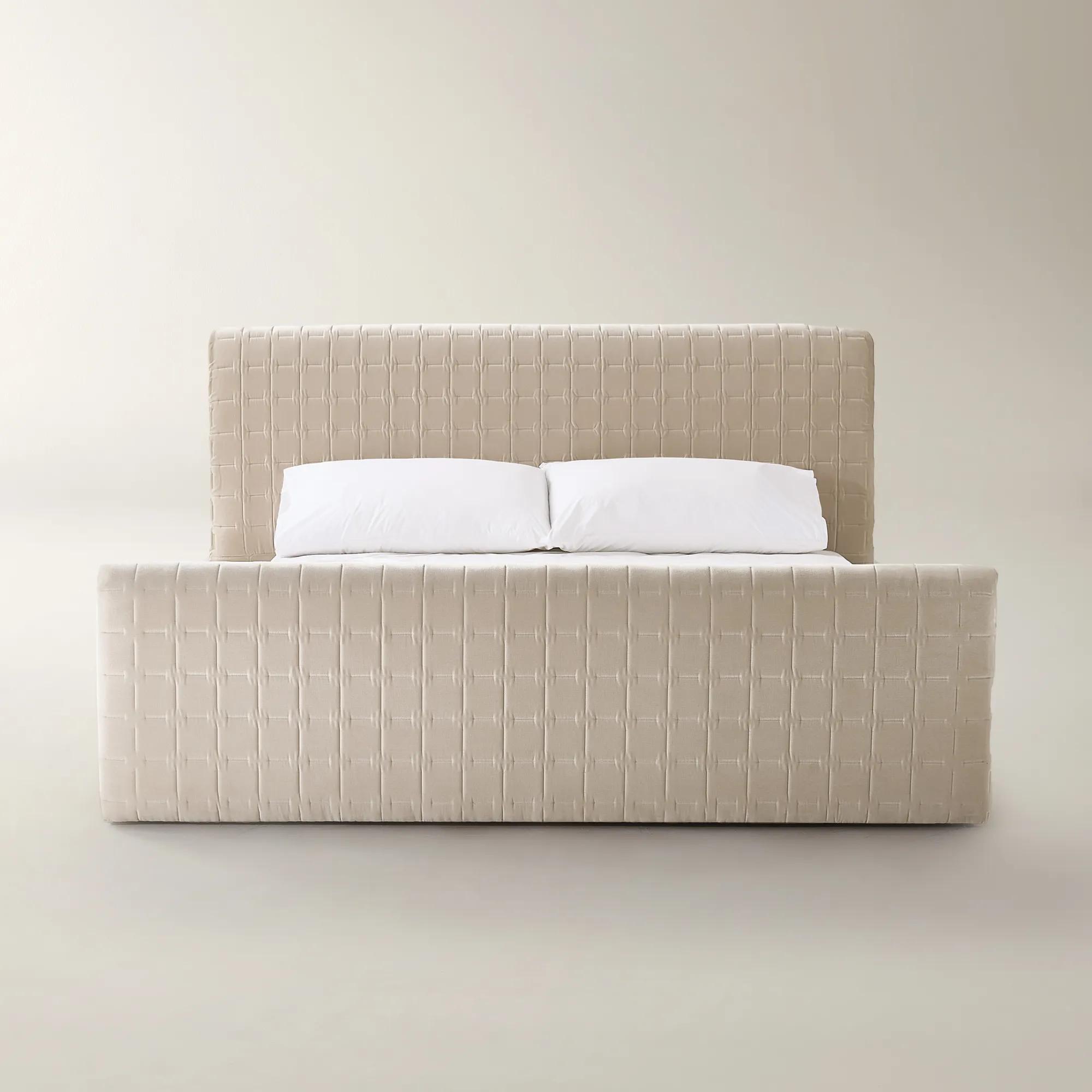
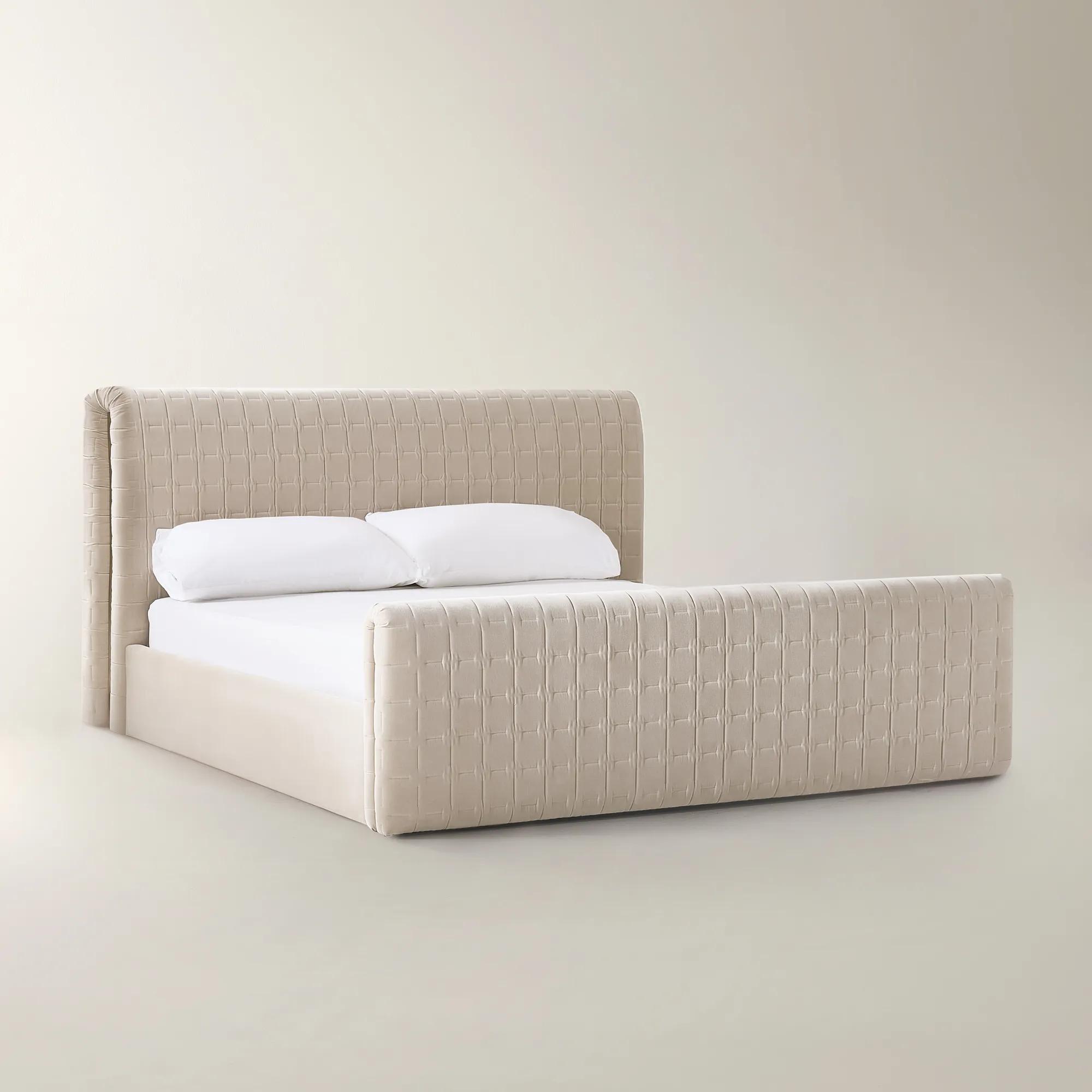 Vanta Oatmeal Velvet Upholstered King Platform Bed$2499
An oatmeal velvet-upholstered bed featuring a checker-quilted headboard and elegant gold-toned metal inlays.
Add To Cart -
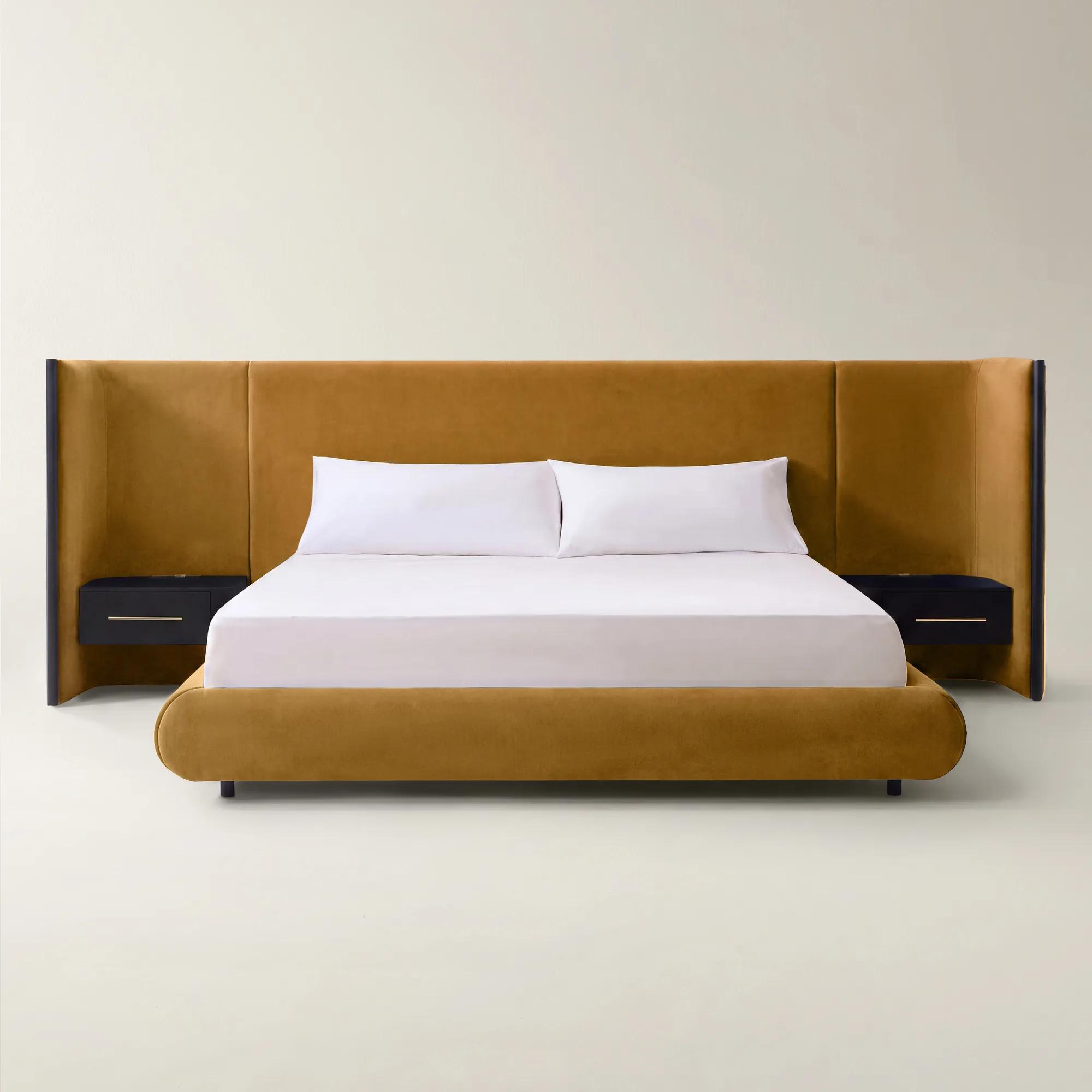 Sierra Roasted Pecan Velvet Upholstered King Bed With Nightstands$2899
A modern king platform bed in roasted pecan velvet with an extended headboard and floating nightstands.
Add To Cart -
Sierra Simply Taupe Velvet Upholstered King Bed With Nightstands$2899
A taupe velvet platform bed featuring an extended headboard, floating nightstands, and integrated power access.
Add To Cart -
Sierra Utopia Sand Chenille Upholstered Queen Bed With Nightstands$2799
A sand chenille upholstered platform bed featuring an extended headboard, black wood trim, and floating nightstands.
Add To Cart -
Glimmer Oatmeal Velvet Upholstered King Platform Bed$2299
A sculptural oatmeal velvet platform bed featuring a double-layered headboard, solid rubberwood base, and tailored craftsmanship.
Add To Cart -
Sierra Roasted Pecan Velvet Upholstered Queen Bed With Nightstands$2699
A roasted pecan velvet platform bed featuring an extended headboard, black wood trim, and floating nightstands.
Add To Cart -
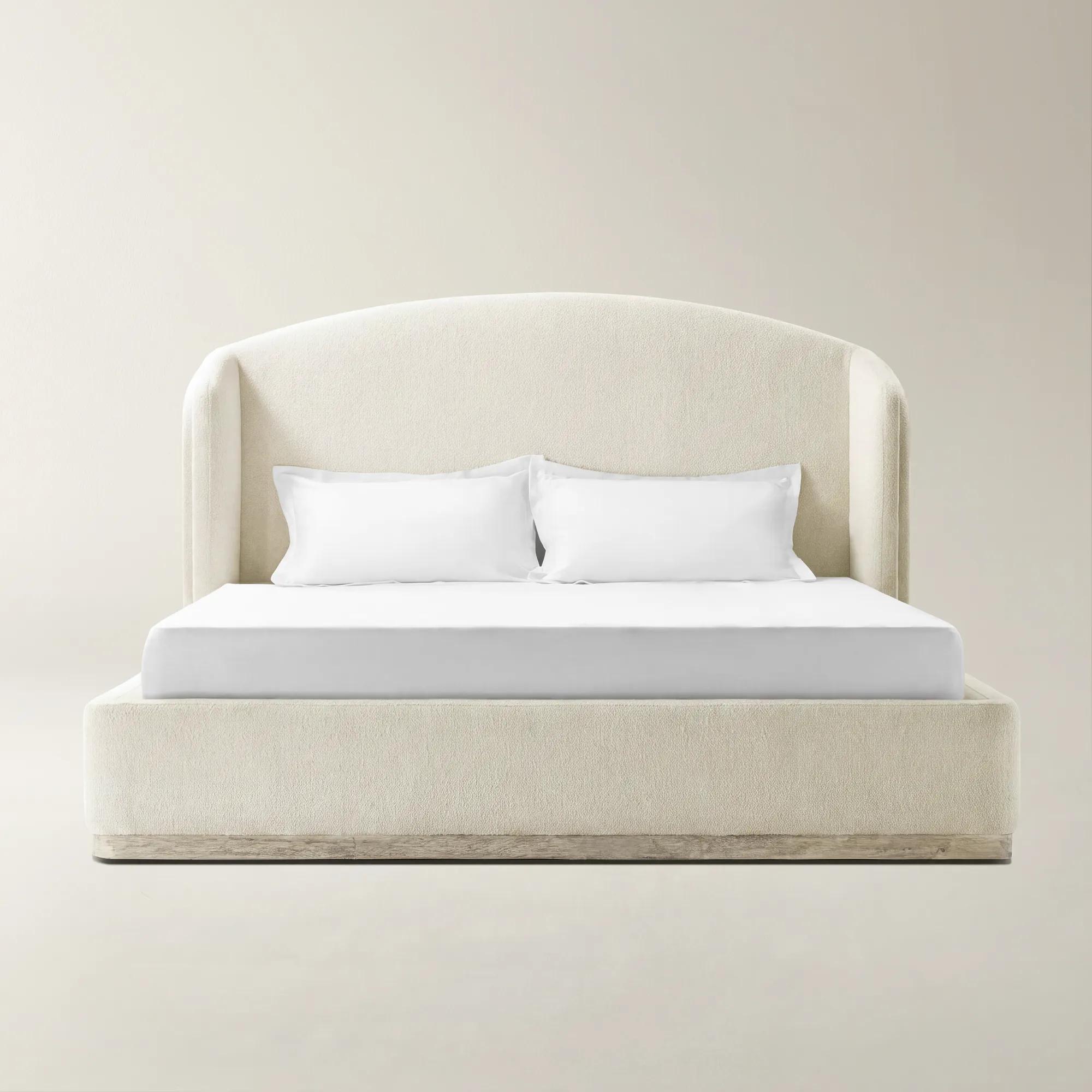 Glimmer Ivory Performance Chenille Upholstered Queen Platform Bed$2099
A sculptural ivory performance chenille platform bed with a double-layered headboard and solid rubberwood base.
Add To Cart

Upholstered Beds For Summer
Upholstered beds for summer invite you to indulge in a season of effortless elegance and plush serenity. Imagine sun-drenched mornings spent lounging against sumptuous headboards, where every curve and contour whispers comfort with a touch of drama. As sunlight dances across textured fabrics and sculptural silhouettes, your bedroom transforms into a sanctuary of style—cool, inviting, and undeniably chic. Let your retreat reflect the vibrancy of the season with statement-making pieces that turn restful moments into artful escapes.
Upholstered beds for summer give the bedroom a softer silhouette without sacrificing its sense of occasion. A fabric-covered headboard creates an inviting backdrop for crisp bedding, while tailored seams, sculptural curves, or dimensional tufting bring depth to a room dressed in lighter layers. The seasonal appeal comes from the entire composition: an airy palette, tactile upholstery, and proportions that let the surrounding space breathe visually. Ivory, sand, pale gray, and muted blue offer luminous foundations for white cotton sheets, translucent glass accents, and a single dramatic artwork. Linen upholstery has a distinctive, irregular texture that lends relaxed elegance to an otherwise polished setting; cotton and cotton-blend fabrics can offer a smoother hand and a more defined weave. Fiber content alone does not determine how a fabric feels, however. Weave density, backing, surface treatments, and the blend of fibers all influence texture, breathability, and everyday performance. An upholstered headboard may feel pleasant against bare shoulders when reading before sleep, but its fabric should not be mistaken for a cooling system. Overnight temperature depends much more on the mattress, bedding, room conditions, and individual preferences. For a bedroom intended to feel fresh in summer, breathable sheets and appropriately lightweight bedding do more direct work than the upholstery surrounding the mattress. Velvet still has a place in this setting, especially when its rich surface is balanced with pale linens and restrained layering. For a more luminous interpretation of plush texture, gray velvet beds for summer introduce subtle shifts of light and shade without requiring a dark or heavily layered room. Smoothly upholstered panels feel architectural; channel detailing adds rhythm; deep button tufting creates a more romantic focal point. Each treatment changes the character of the bedroom, allowing a summer-inspired space to feel serene, theatrical, or somewhere beautifully between the two. The result is softness with definition, rather than a room stripped of personality.
Beyond the fabric, an upholstered bed’s frame and mattress support determine how comfortably it functions from night to night. Wood, engineered wood, and metal may appear individually or together within the structure, and the quality of the joints, center support, and hardware matters more than a material name alone. A well-supported frame helps keep the sleeping surface stable, while secure connections reduce movement that can become noticeable when sitting against the headboard or getting into bed. Platform beds may use slats or a solid deck; whether a separate foundation is needed depends on the bed’s construction and the mattress manufacturer’s requirements. Slatted supports can leave more open space beneath the mattress, but they do not guarantee cooler sleep. Slat spacing, weight limits, center legs, and mattress compatibility deserve particular attention, especially with larger sizes or heavier mattresses. A foundation should never be omitted solely to create a lighter summer look if the support system requires one. Scale is equally important. Upholstery adds volume beyond the mattress dimensions, so a queen or king bed can occupy more floor space than its mattress size suggests. Thick side rails, sweeping wings, and an extended headboard can create an impressive focal point, yet they also affect the distance to nightstands, doors, and walking paths. In a compact bedroom, a slimmer upholstered profile can preserve the softness of fabric without overwhelming the layout. A generous primary suite can accommodate a broader silhouette that anchors the room with greater presence. Headboard height should be considered alongside the finished mattress height: a tall mattress and substantial pillows can hide detailing that would otherwise define the design. Low footboards keep sightlines open, while higher upholstered ends create a more enclosed, cocooning effect. Clearance underneath also influences everyday use, from reaching the floor with a vacuum to accommodating suitable under-bed storage. These practical details allow the bed’s dramatic presence to coexist with an easy, comfortable routine, whether the room serves as a personal retreat or a thoughtfully appointed guest space.
The lasting appeal of a summer-inspired upholstered bed depends on choosing a fabric that suits the people who use it and caring for that fabric with consistency. A lightly textured neutral can create a luminous backdrop, but its suitability for a household with children, pets, or frequent overnight guests depends on the weave, cleaning instructions, and tested performance rather than color alone. Tightly woven fabrics may be less tempting to claws than loose, open textures, although no upholstery is entirely scratch-proof. Performance finishes can help with certain spills or stains, but that designation does not mean a surface is impervious to damage or suitable for every cleaning method. Where durability information is provided, abrasion resistance and pilling results can offer useful context alongside the fabric’s feel. Regular, gentle vacuuming with an upholstery attachment helps remove dust from seams, channels, and the spaces around tufting. Fresh spills generally call for prompt blotting rather than vigorous rubbing, followed by the manufacturer’s fabric-specific cleaning directions. Water, solvent cleaners, steam, and household stain treatments are not interchangeable; an unsuitable method can leave rings, alter the pile, or damage the material beneath the surface. Removable upholstery should only be washed if its care instructions explicitly allow it. Placement matters, too, since prolonged direct sunlight can fade textiles, and repeated contact with hair products or skin oils may affect frequently used areas of a headboard. With those considerations addressed, styling can remain expressive rather than elaborate. A pale upholstered frame paired with a textured coverlet and one oversized accent pillow feels composed without visual weight. A taller, more sculptural bed can hold its own against bold art or a mirrored nightstand, with clear space around it allowing the silhouette to command attention. For guest bedrooms, soft upholstery adds a welcoming layer that feels considered rather than temporary. For everyday bedrooms, it offers a tactile foundation for reading, resting, and the quiet rituals that make a space personal. Summer becomes a design influence expressed through light, texture, and proportion—not a reason to surrender richness or character.
FAQs
For summer, natural fabrics like linen and cotton are ideal choices for upholstered beds. These materials are highly breathable, wick away moisture, and offer a cool, refreshing feel that’s perfect for warmer weather. Their airy texture not only enhances comfort but also brings a relaxed, inviting ambiance to your bedroom.
To evoke a summery, airy vibe, choose bedding in crisp whites or soft pastels, and layer with lightweight throws or pillows in complementary tones. Pair your upholstered bed with sheer curtains, natural fiber rugs, and metallic or glass accents to amplify the sense of openness and reflect natural light throughout the space.
Absolutely. Upholstered beds offer both comfort and a touch of luxury, making them a welcoming choice for guest rooms. Opt for designs with padded headboards so guests can lounge comfortably, and select light, breathable fabrics to ensure a cool, restful environment even during the warmest months.
Regularly vacuum the upholstery to remove dust and allergens, and spot-clean any spills promptly with a gentle fabric cleaner. Using removable, washable bedding and rotating accent pillows also helps keep your bed looking crisp and inviting all season long.
Look for beds with clean lines, slender legs, and minimalist silhouettes to maintain a sense of lightness. Upholstery in pale hues or subtle patterns adds visual interest without overwhelming the room, while a softly padded headboard invites lounging and relaxation, perfect for slow summer mornings or evenings.