Unique Vases For Wedding Centerpieces
Unique Vases For Wedding Centerpieces
-
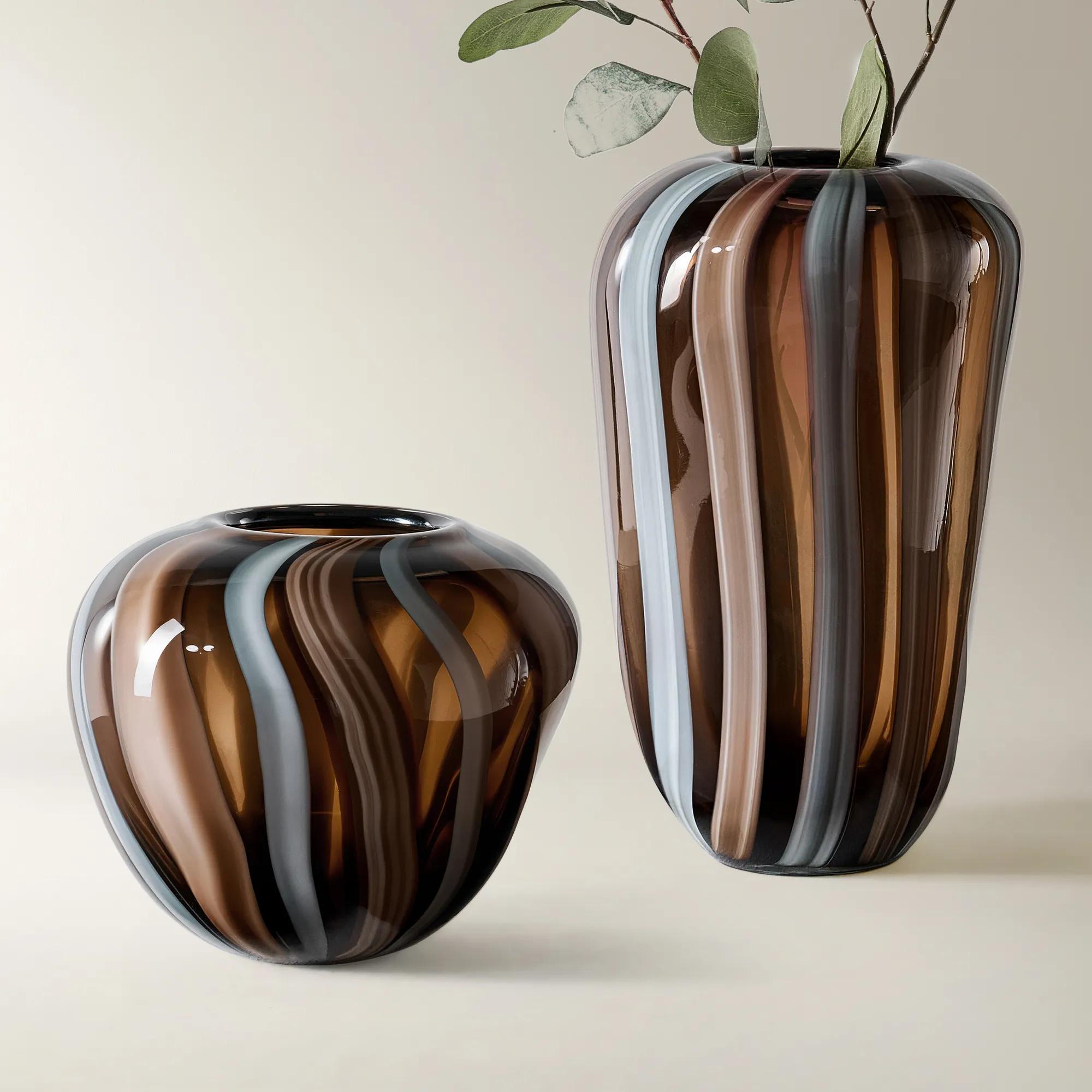
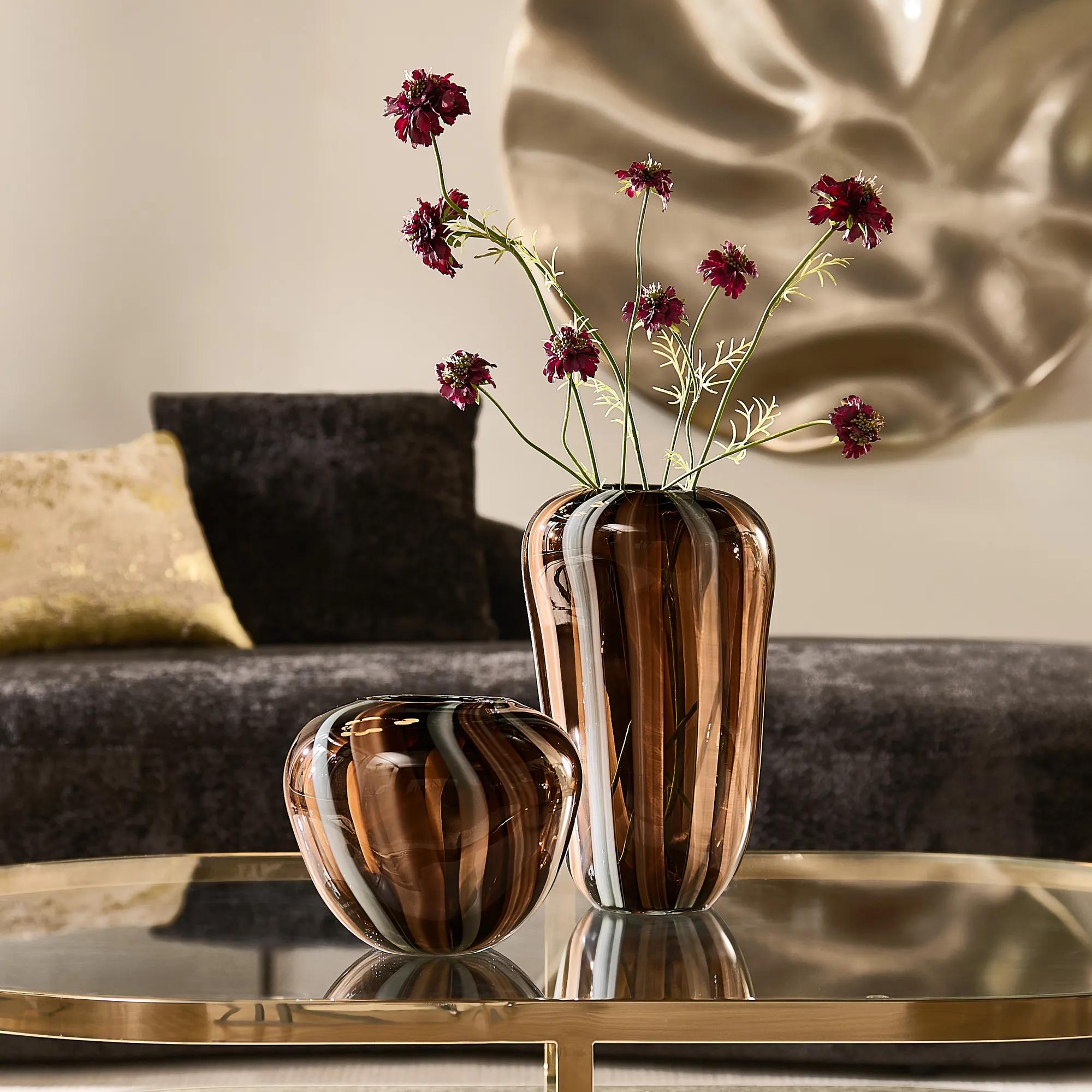 Billow Mouth Blown Brown Striped Glass Vases$89
A sculptural glass vase adding modern elegance to any décor.
Add To Cart -
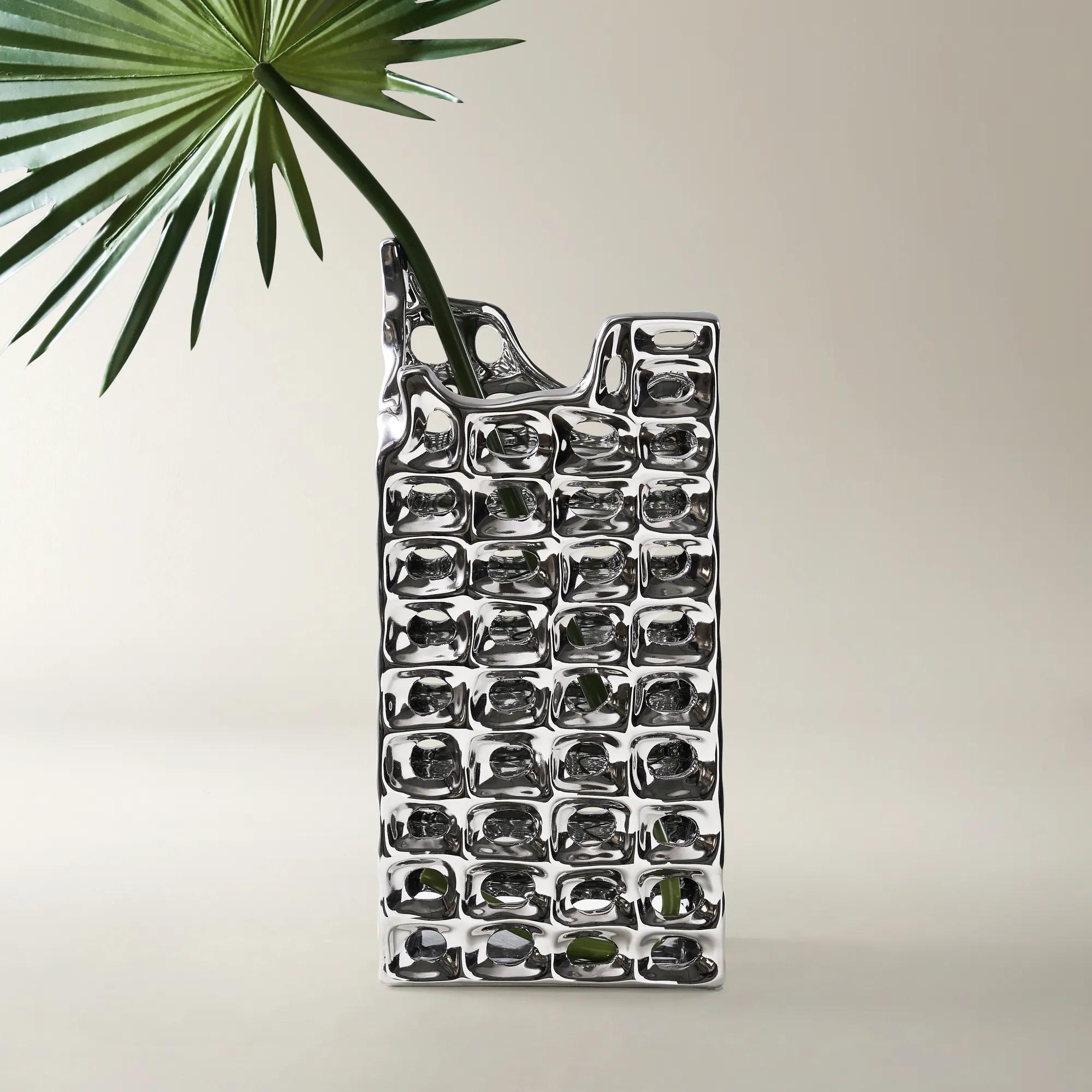
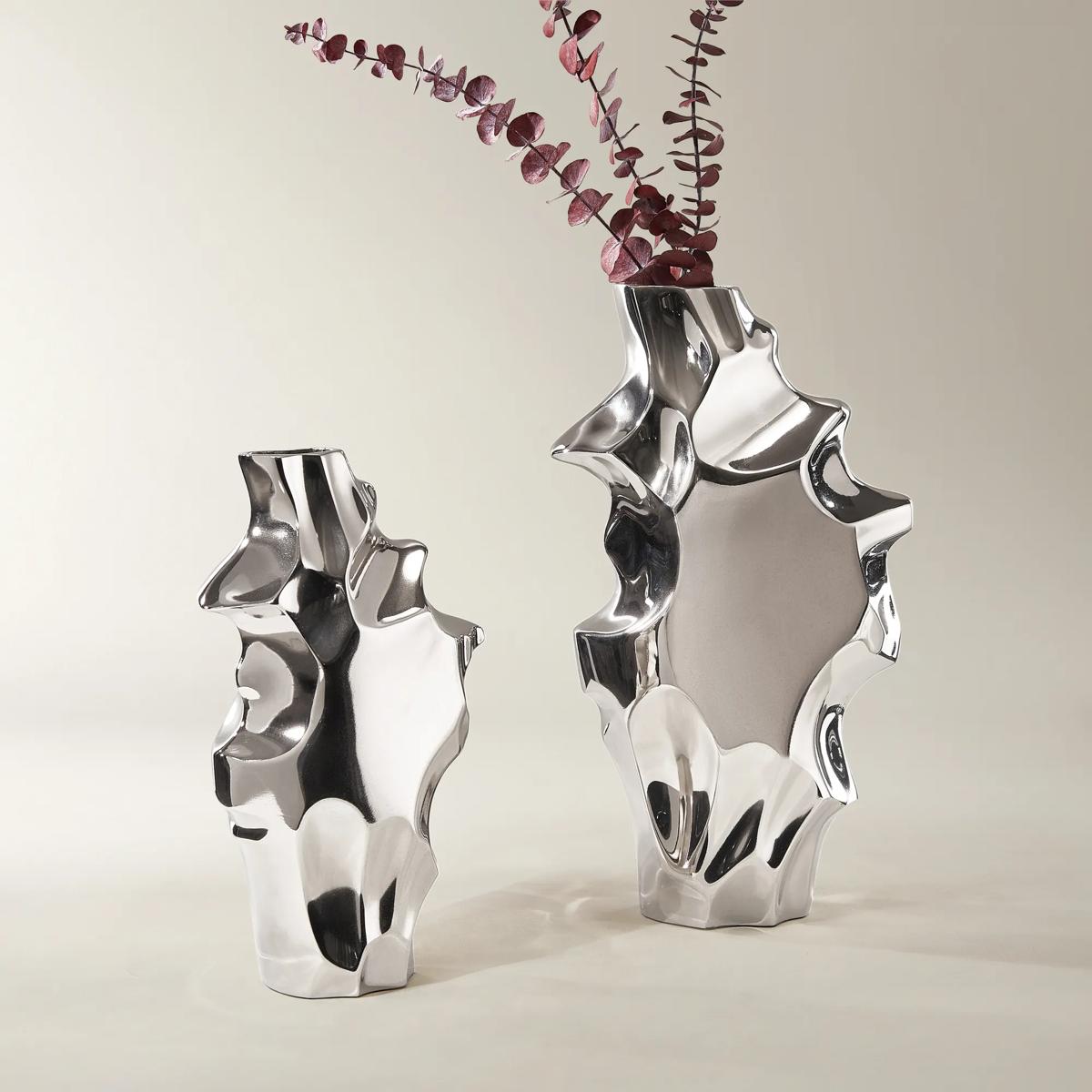
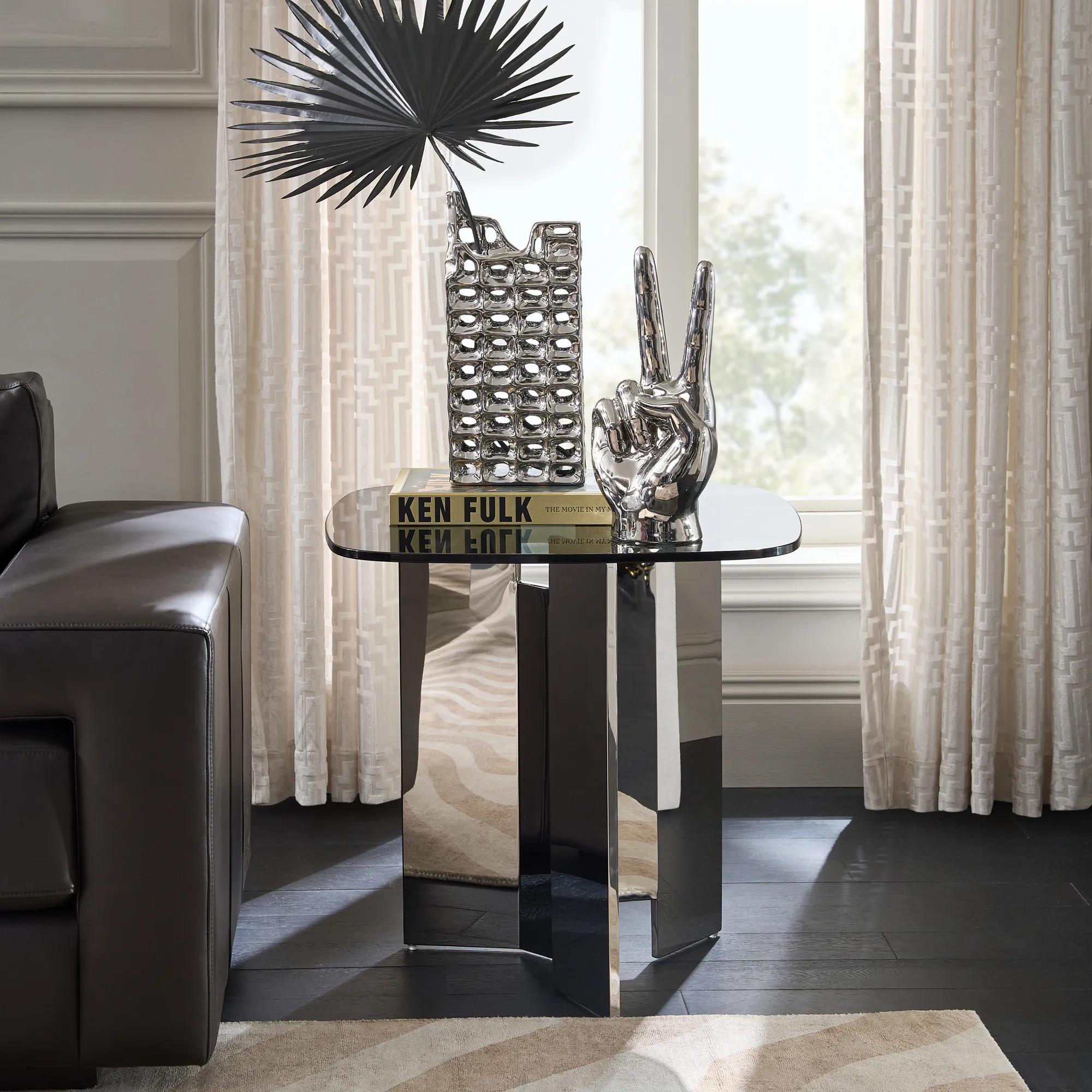 Pierce Vase$69
A ceramic vase with intricate facets and a gleaming silver finish for striking visual impact.
Add To Cart -
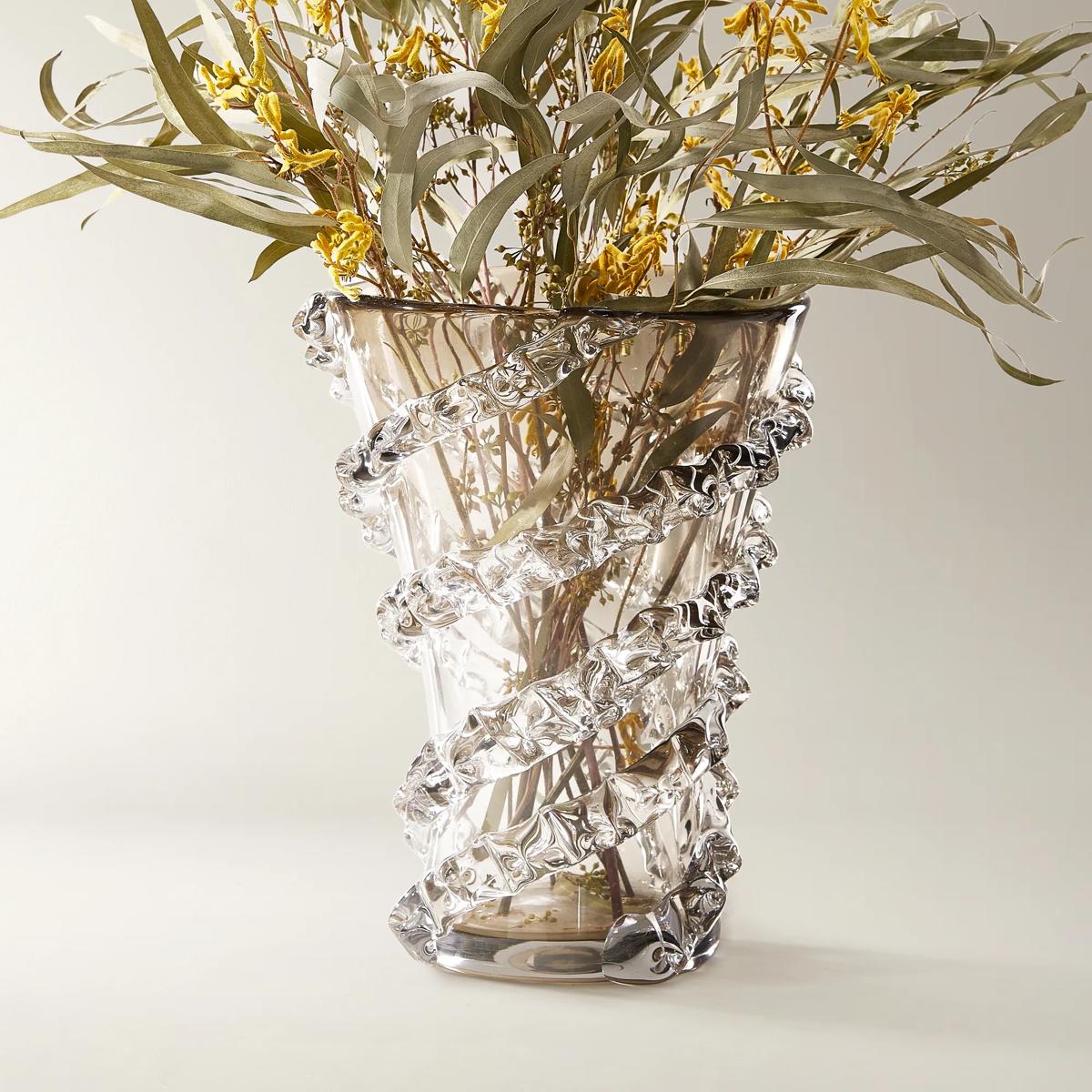
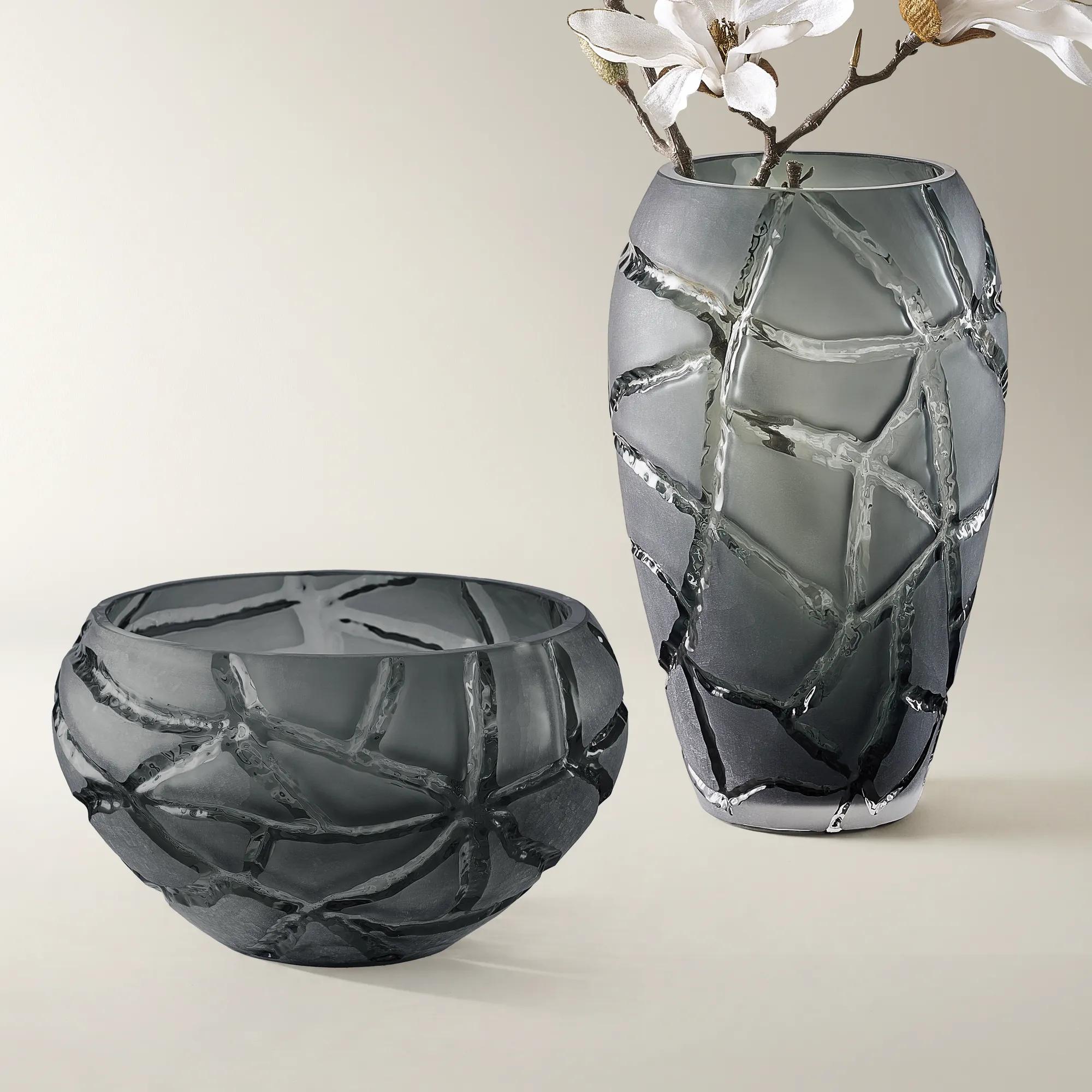
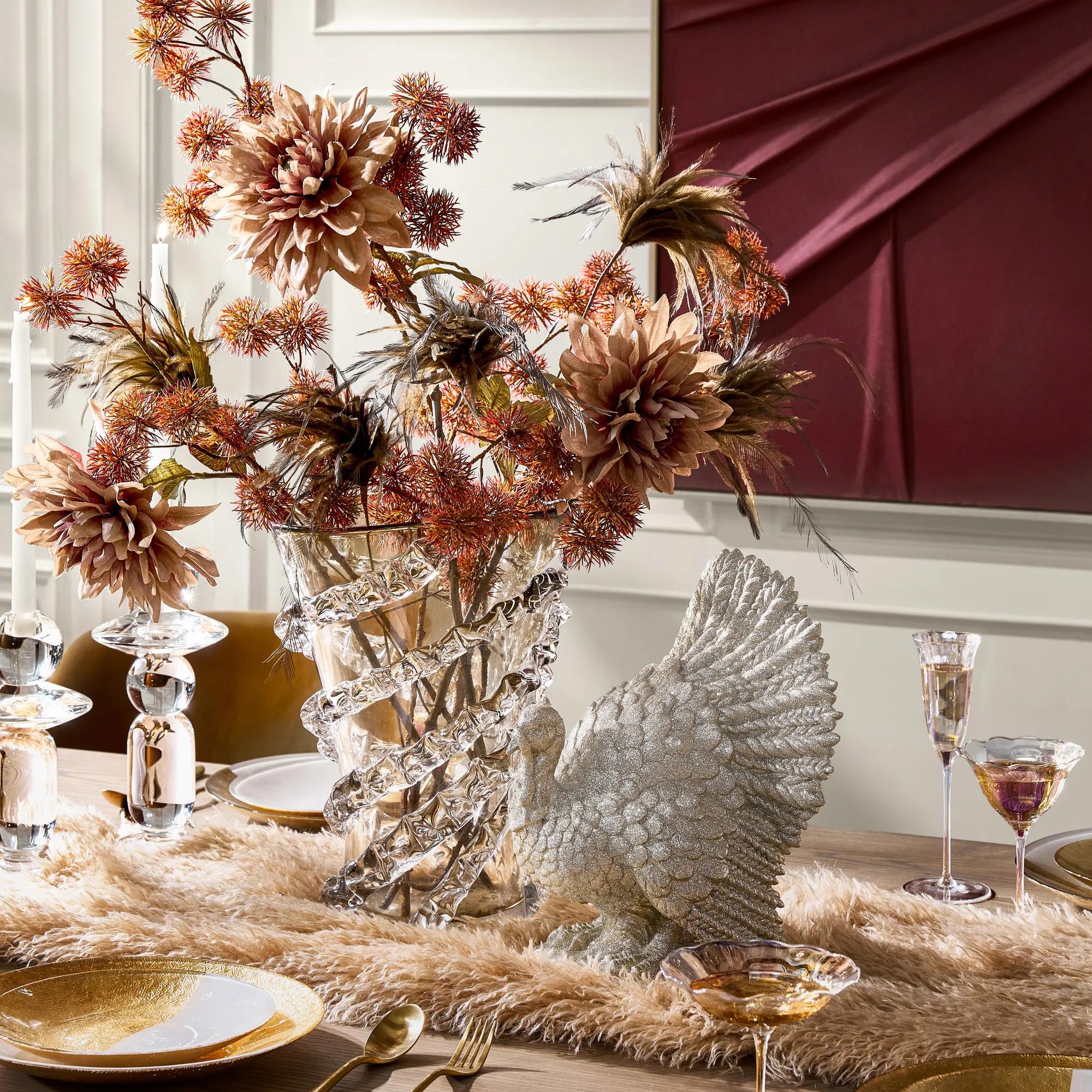 Reyna Glass Vase$299
A hand-blown glass vase featuring a sculptural swirl design and a smoky grey-brown finish.
Add To Cart -
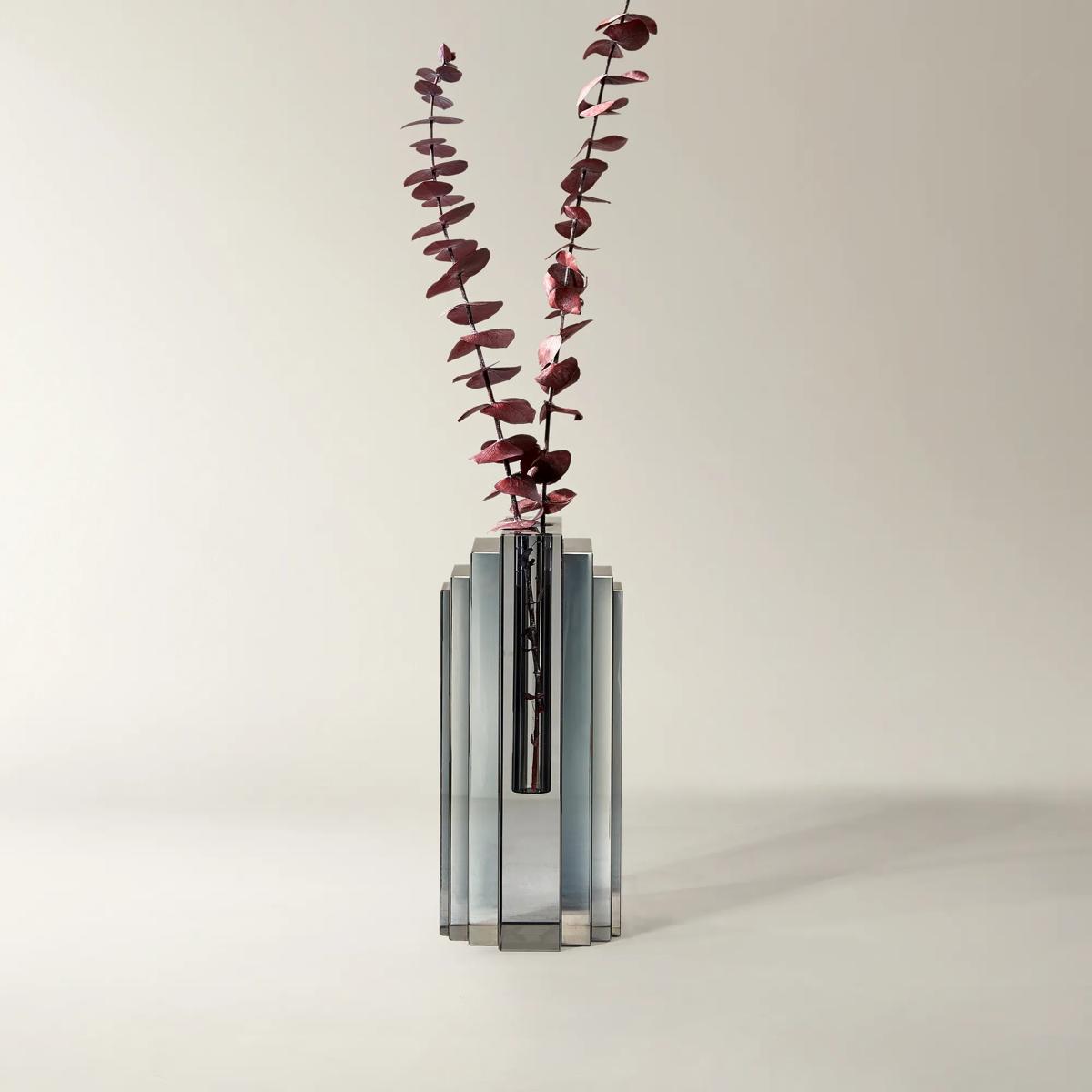 Lucca Crystal Vase - Mirrored Graphite$109
A mirrored graphite crystal vase with a multifaceted geometric design that reflects light for sculptural brilliance.
Add To Cart -
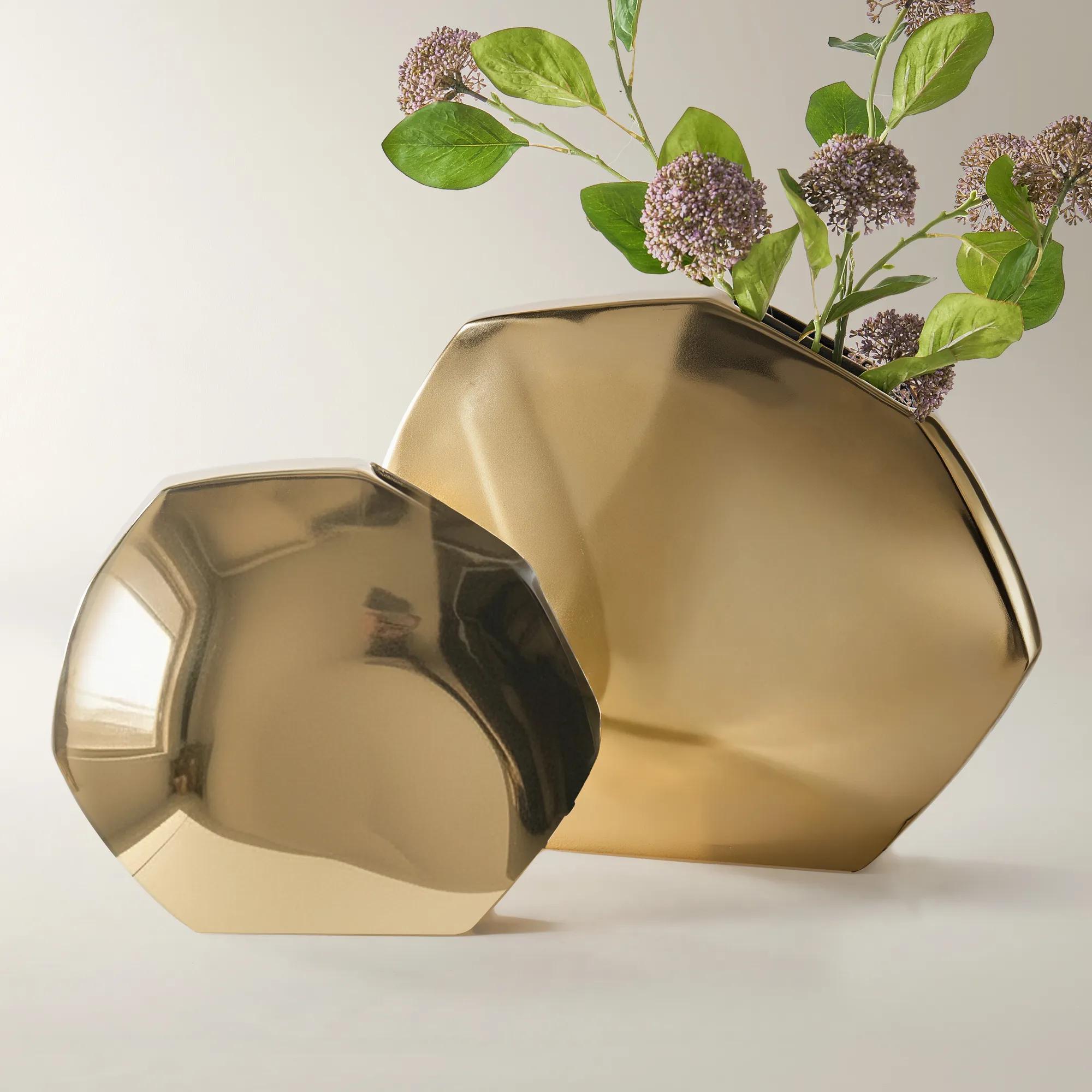
 Gem Handcrafted Gold Aluminum Vases$169
A handcrafted aluminum vase with faceted gem geometry, polished gold finish, and slim slot opening.
Add To Cart -
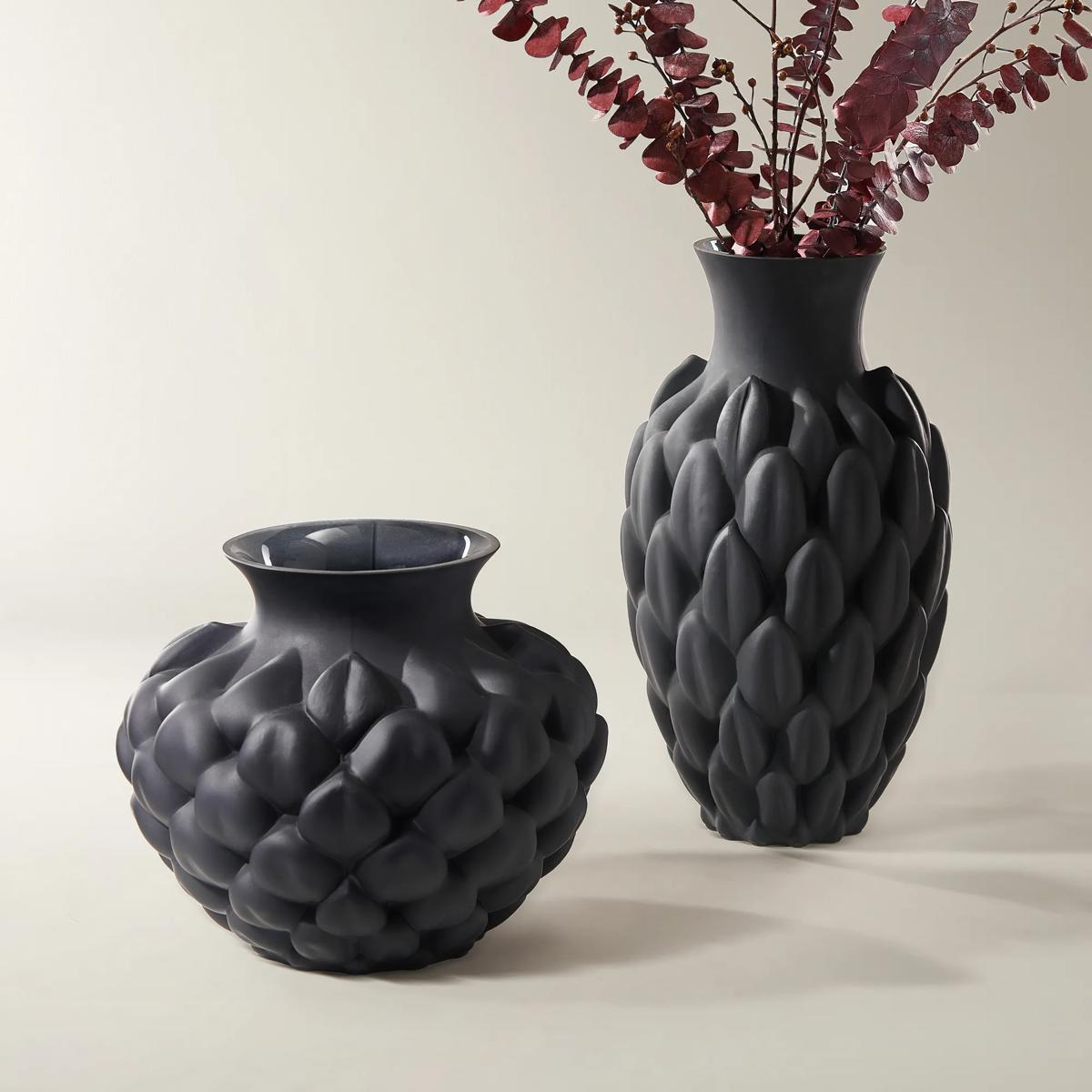
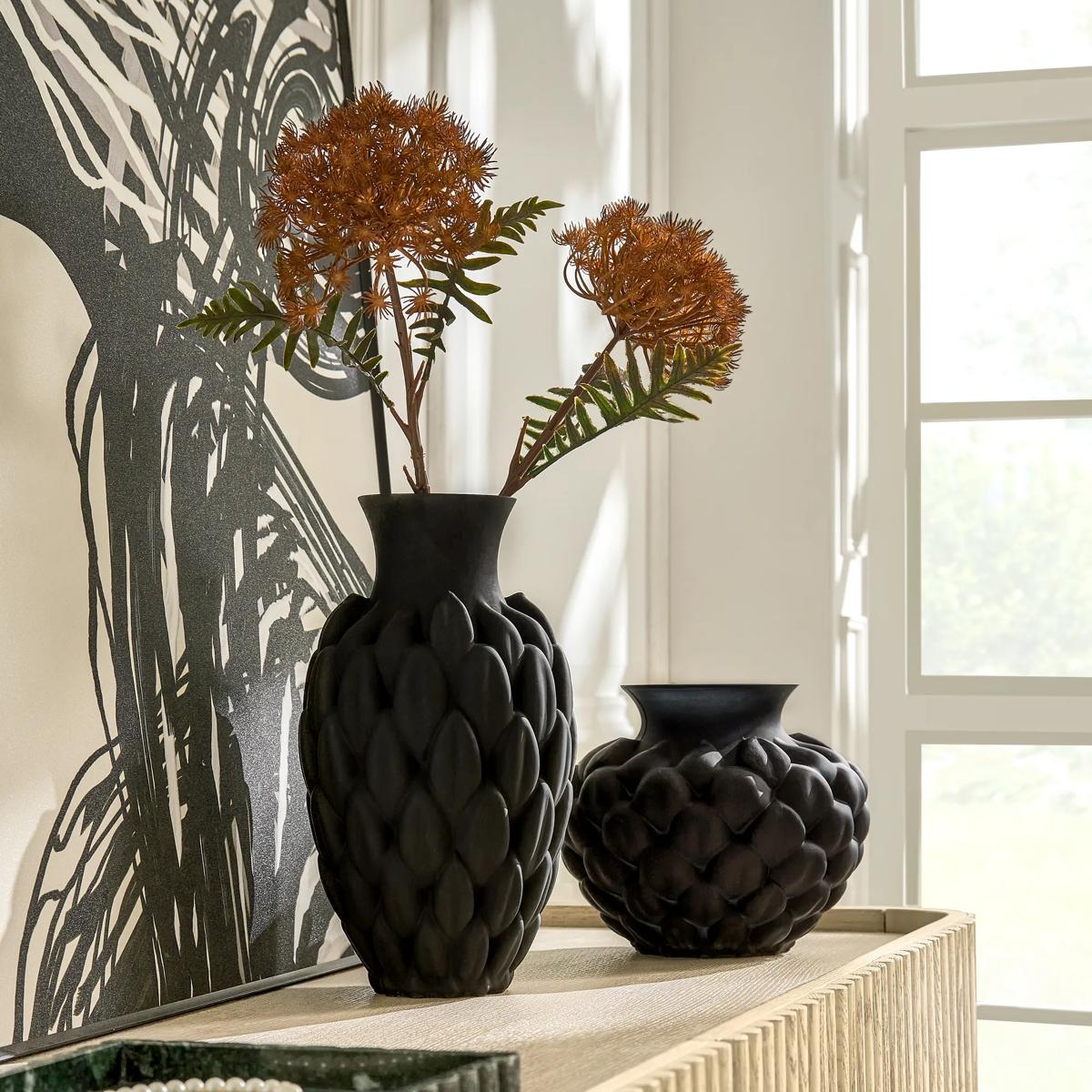 Sabine Glass Vase$69
A sculptural matte black glass vase featuring a dimensional, petal-inspired texture for bold visual impact.
Add To Cart -
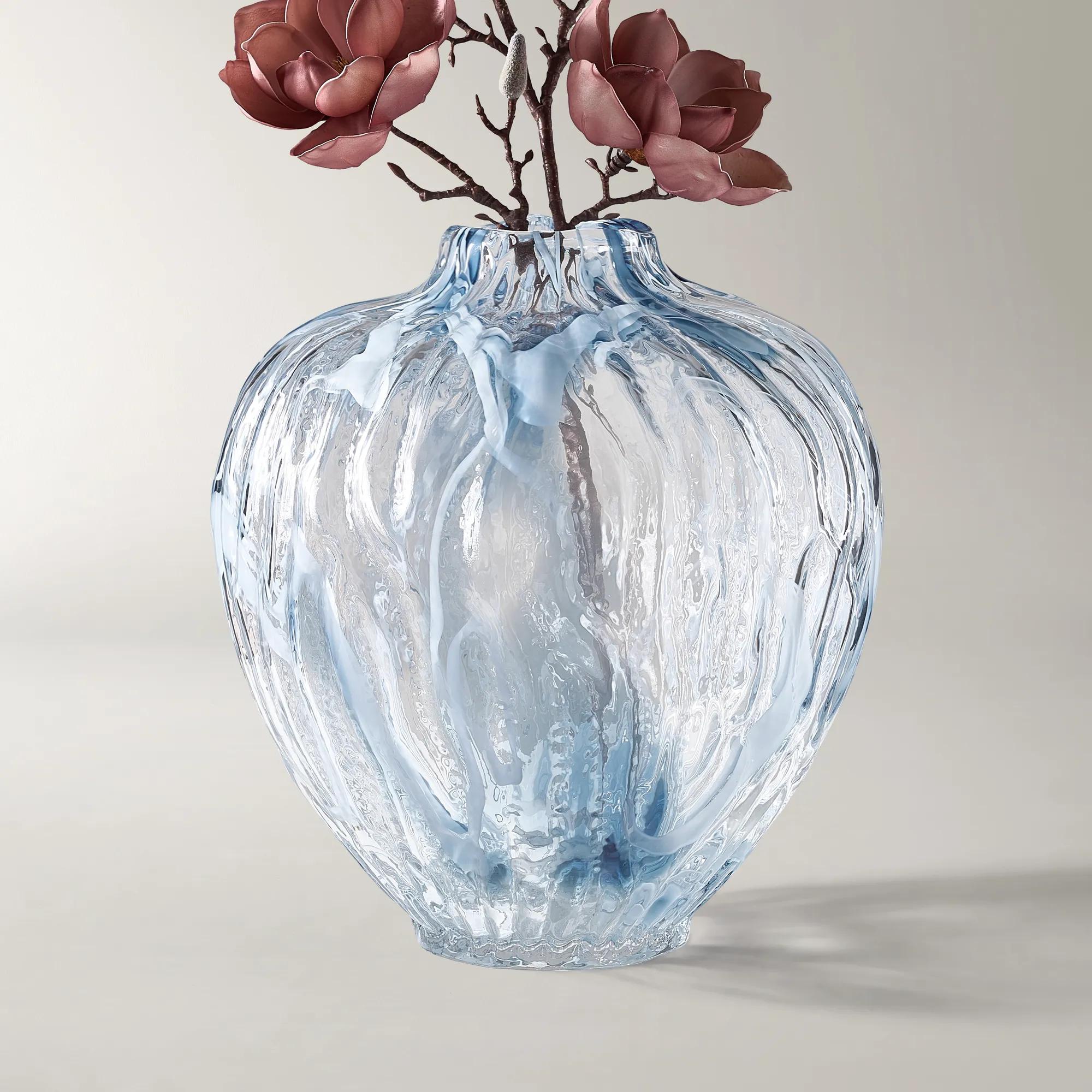 Cruz Mouth Blown Powder Blue Glass Vase 15.75"$169
A handblown glass vase in powder blue with a sculptural, light-catching surface for modern decor.
Add To Cart -
 Bree Brown Black Glass Vase 15.75"$129
A smoky brown-black sodalime glass vase featuring a dramatic tortoise pattern and flared neck.
Add To Cart -
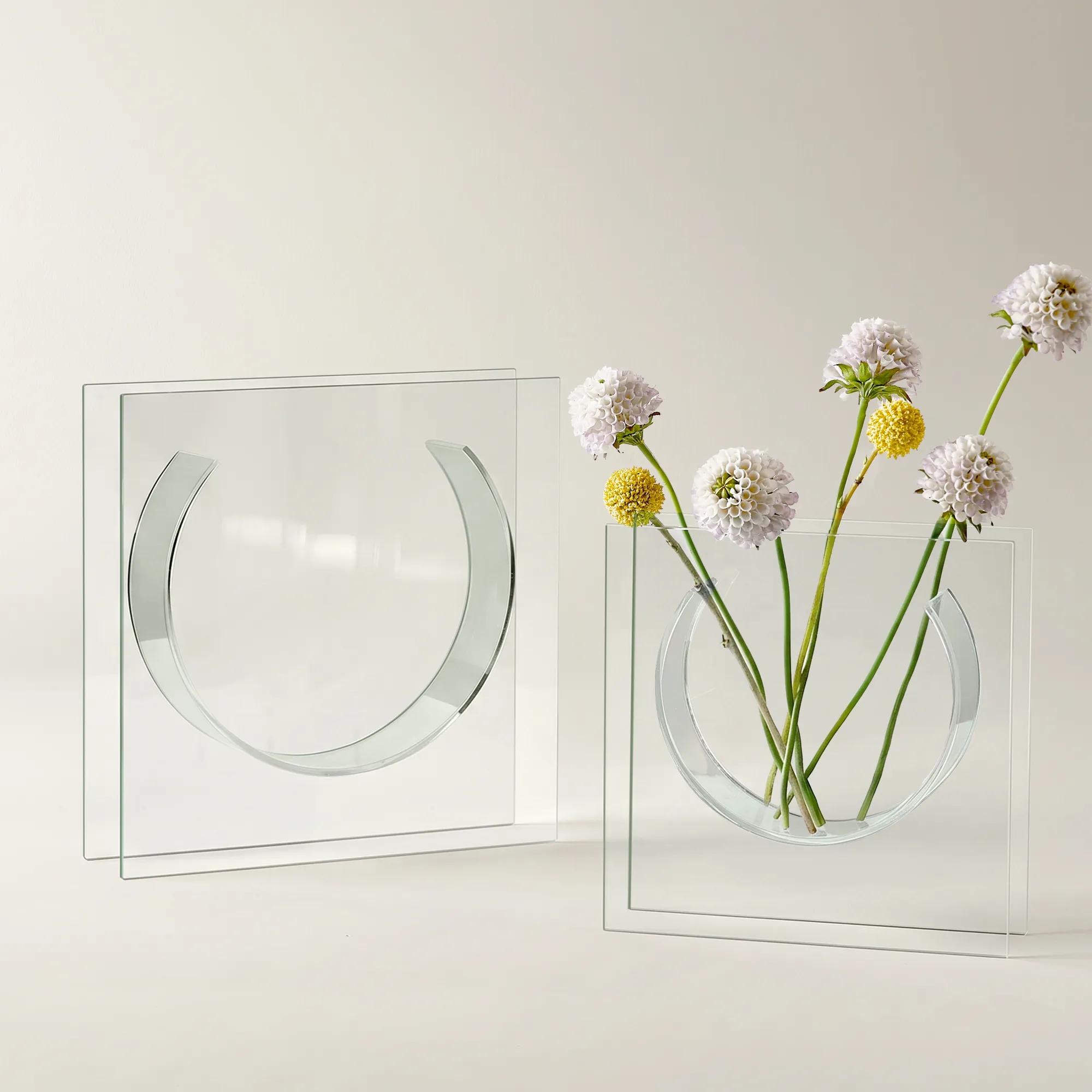
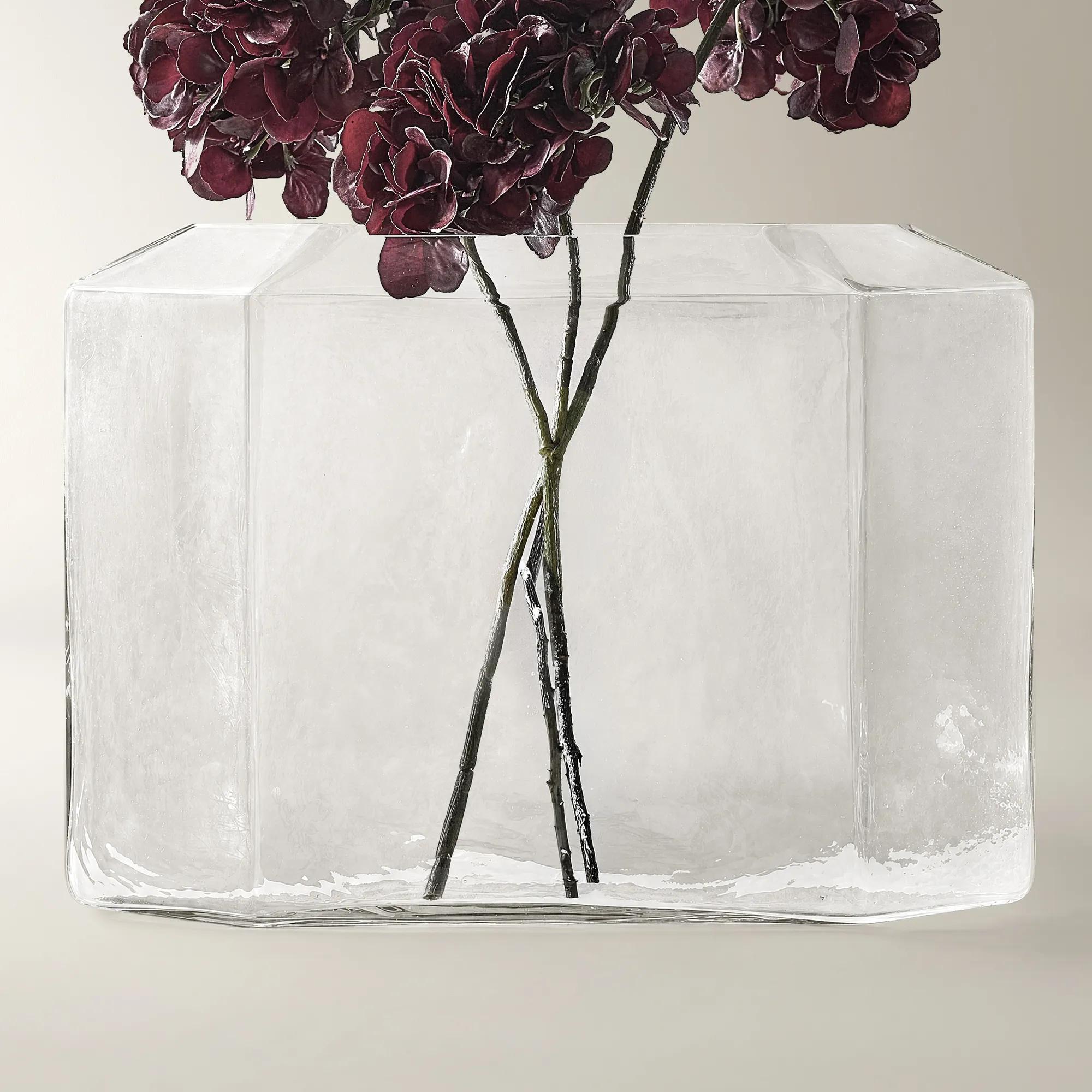 Studio Mouth Blown Clear Glass Vase 13.75"$199
A handblown clear glass vase with faceted detailing that beautifully reflects light for modern elegance.
Add To Cart -
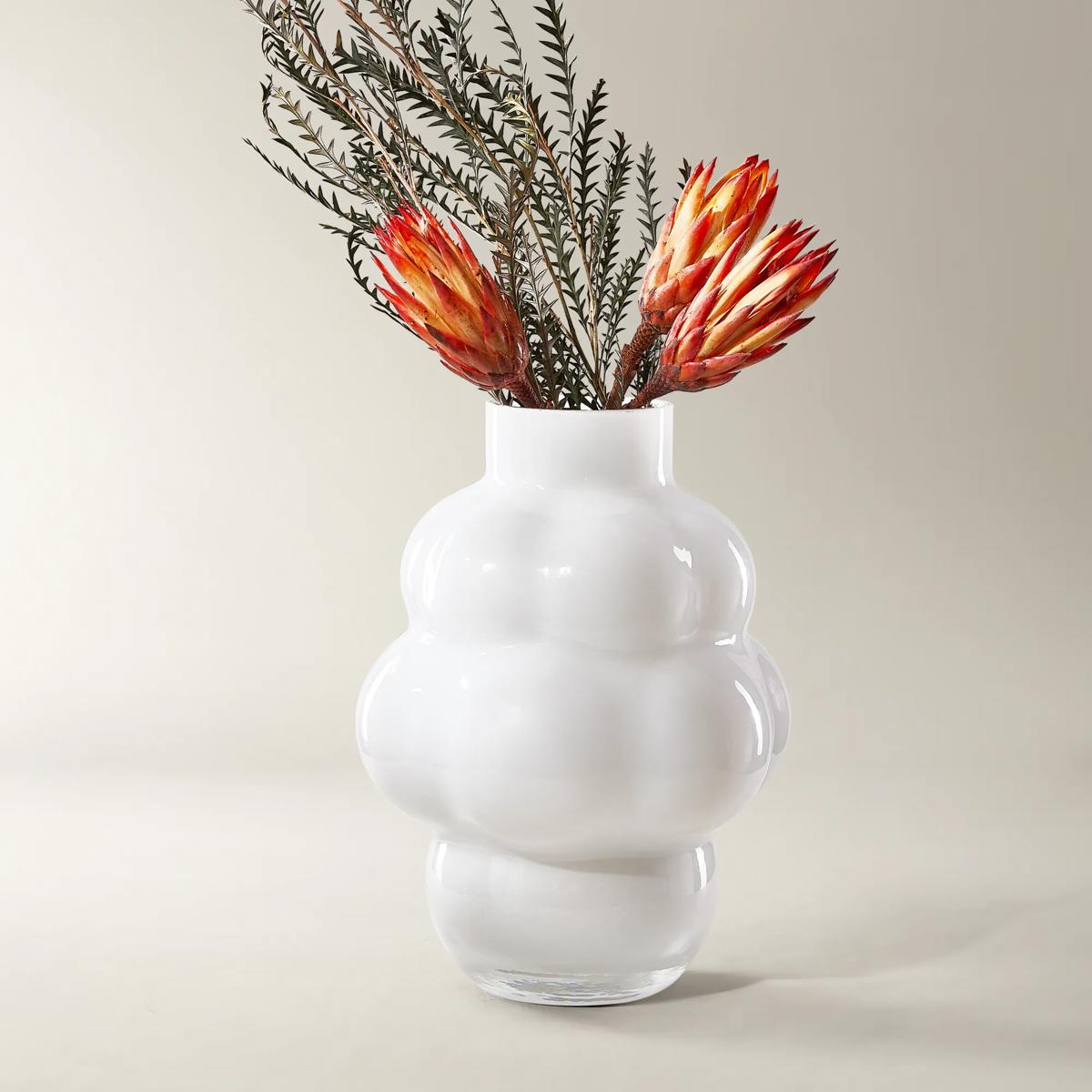 Cloud Glass Vase - White$129
A hand-blown glass vase in glossy opaque white with a sculptural, cloud-inspired silhouette.
Add To Cart -
 Lucca Crystal Vase - Mirrored Amber$129
A geometric mirrored crystal glass vase in warm amber, reflecting light for a sculptural, modern statement.
Add To Cart -
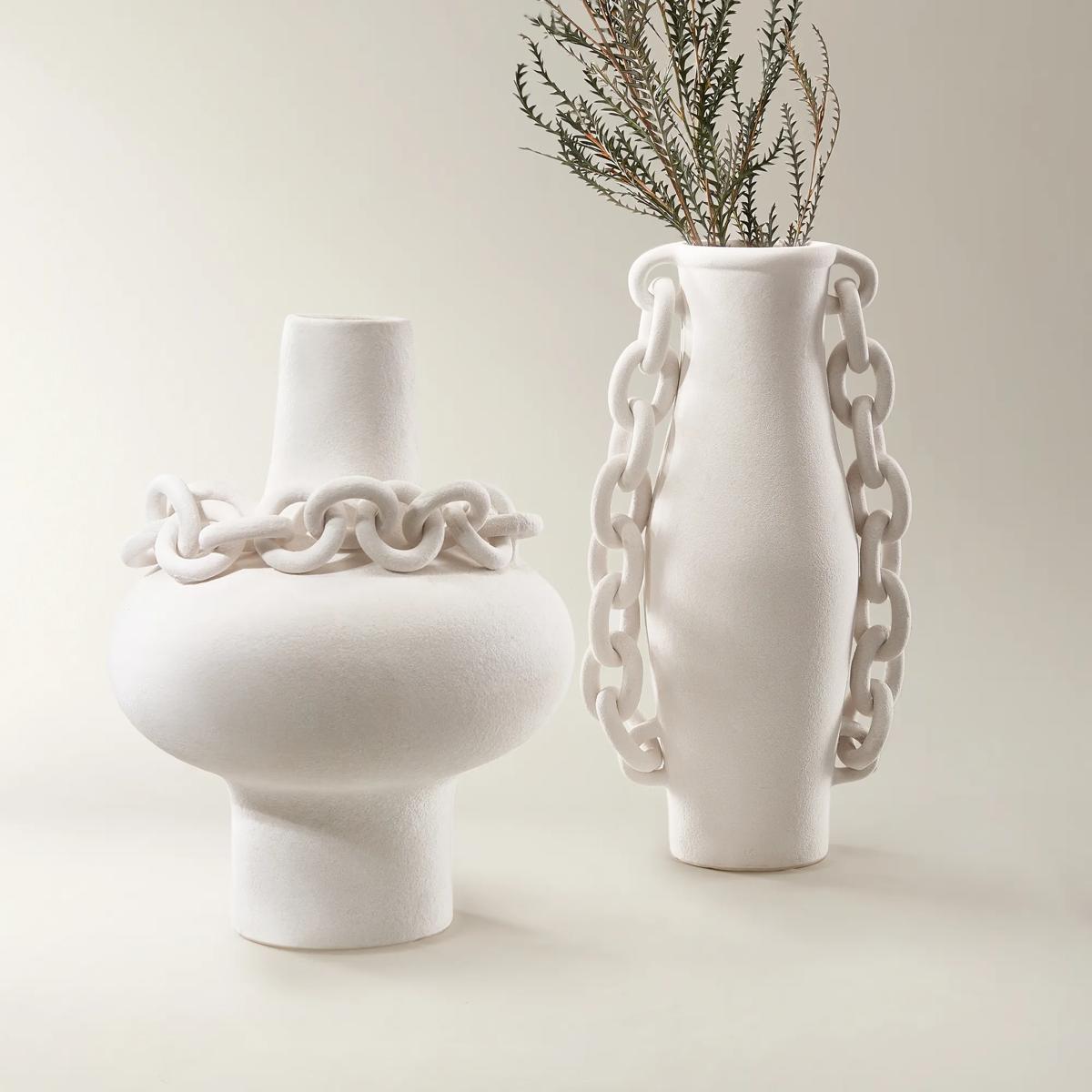
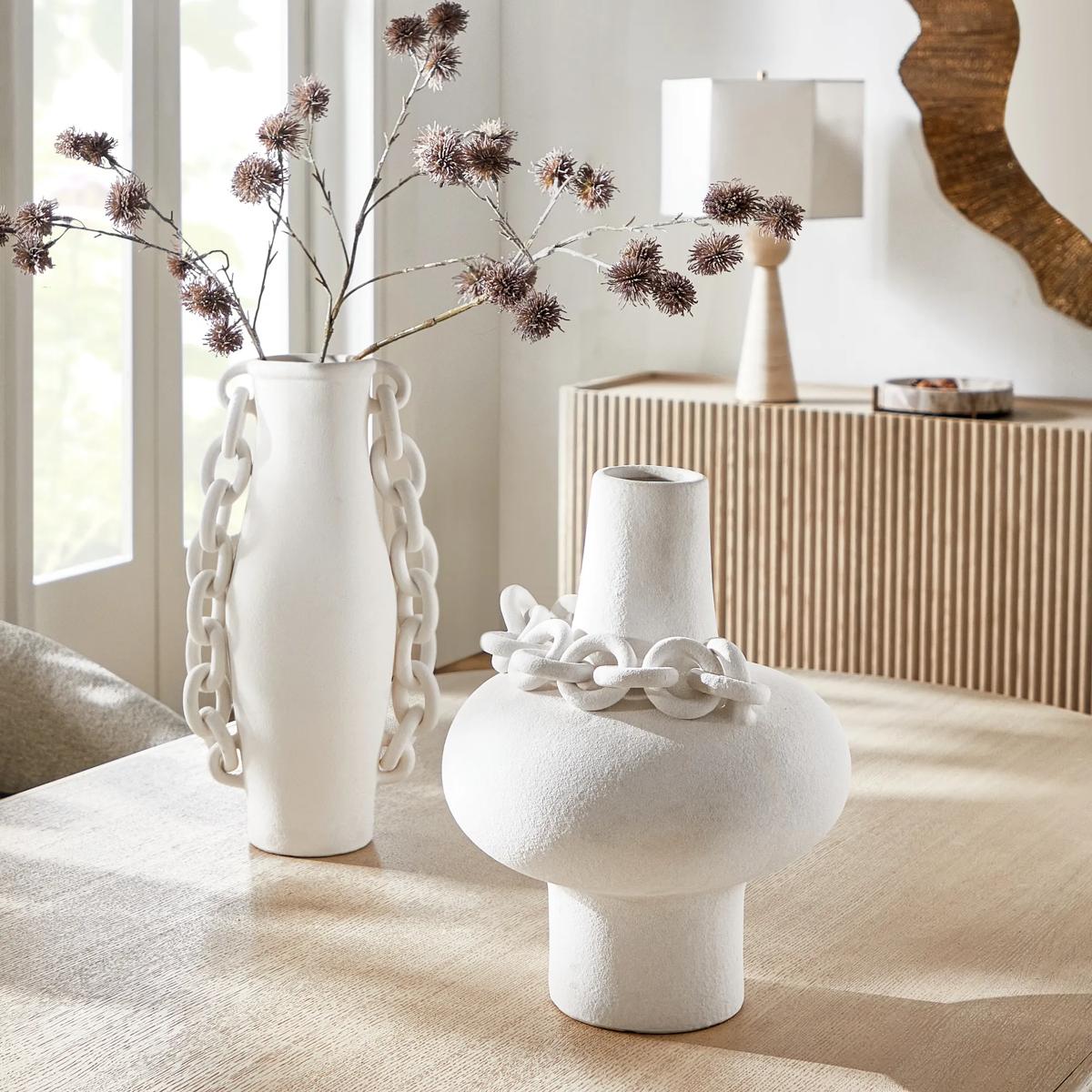 Links Stoneware Vases$119
A sculptural matte white stoneware vase featuring bold chain-link details for modern, artful texture.
Add To Cart -
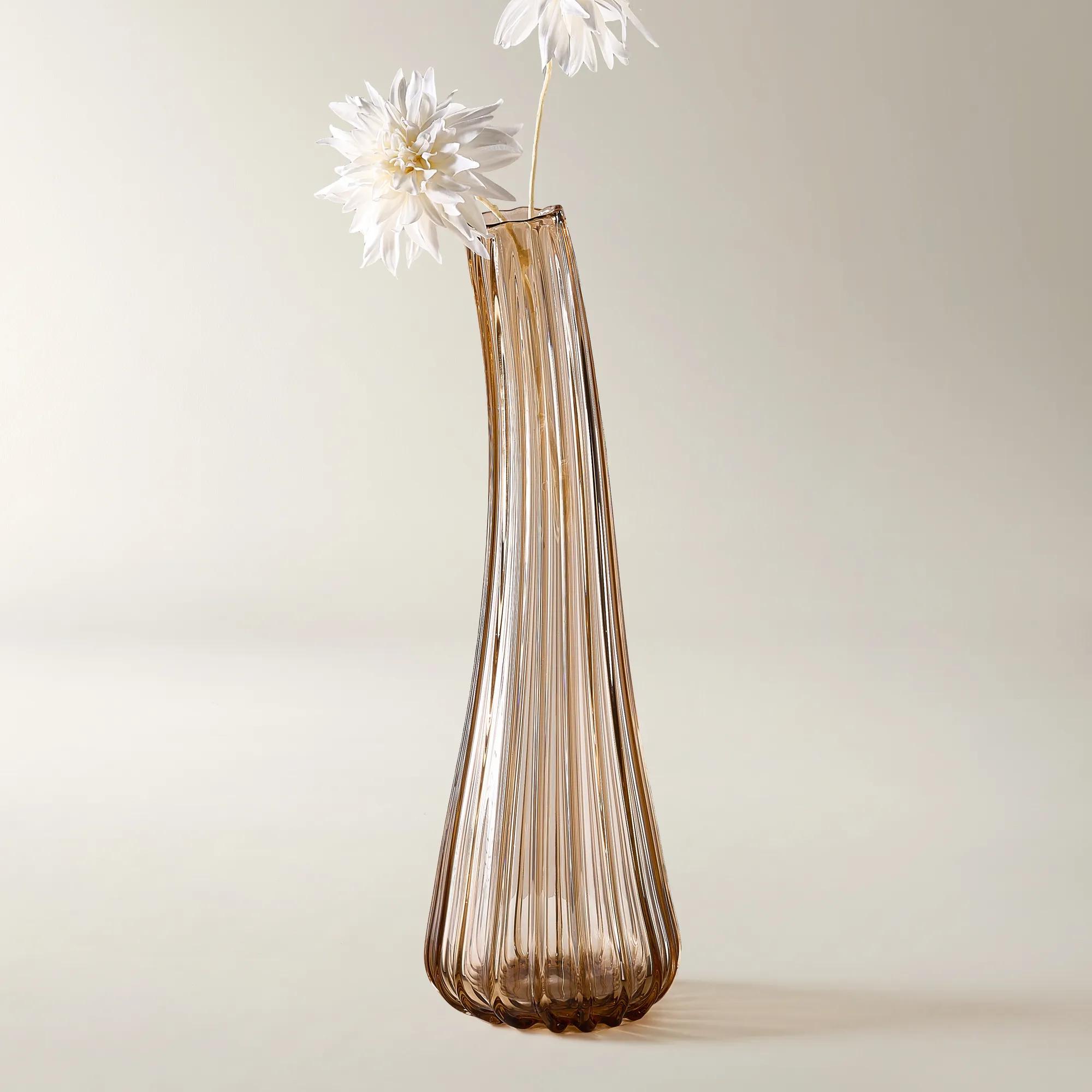
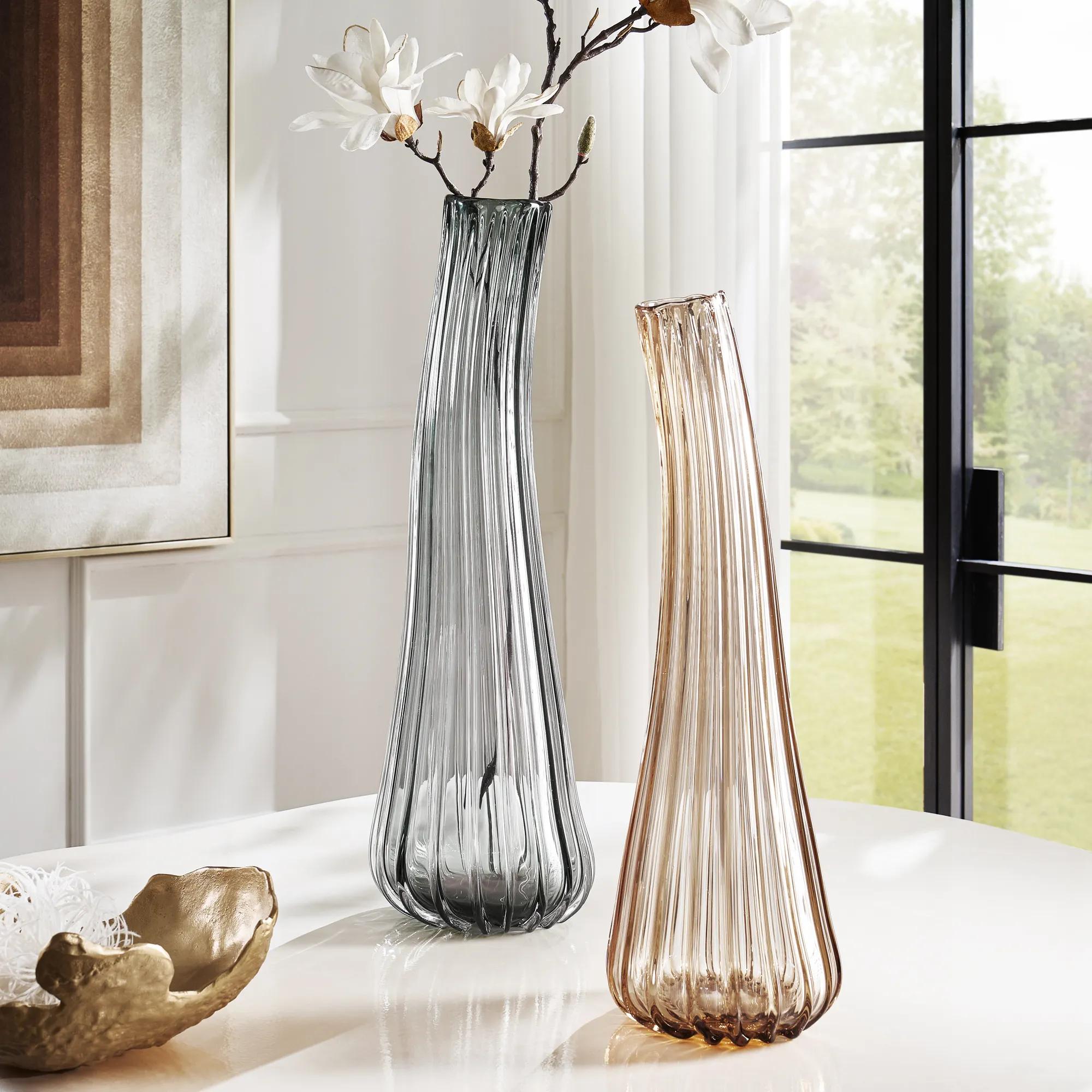 Tango Mouth Blown Soft Amber Vase 24.75"$179
A handblown glass vase in a soft amber finish with a textured, sculptural centerpiece design.
Add To Cart -
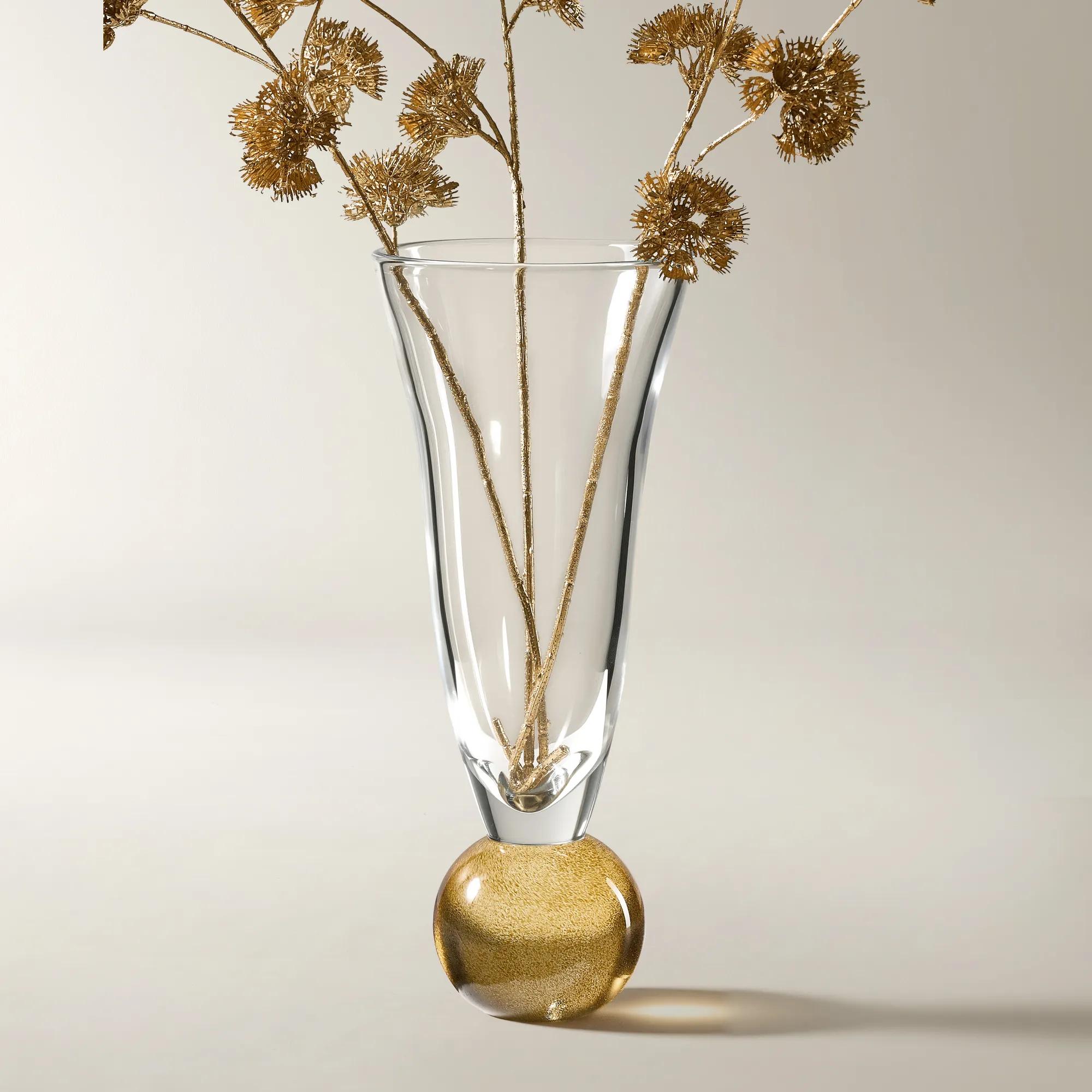 Palazzo Mouth Blown Honey Gold Clear Glass Vase 17.25"$119
A handblown glass vase in luminous honey gold with a sculptural, bauble-inspired silhouette.
Add To Cart -
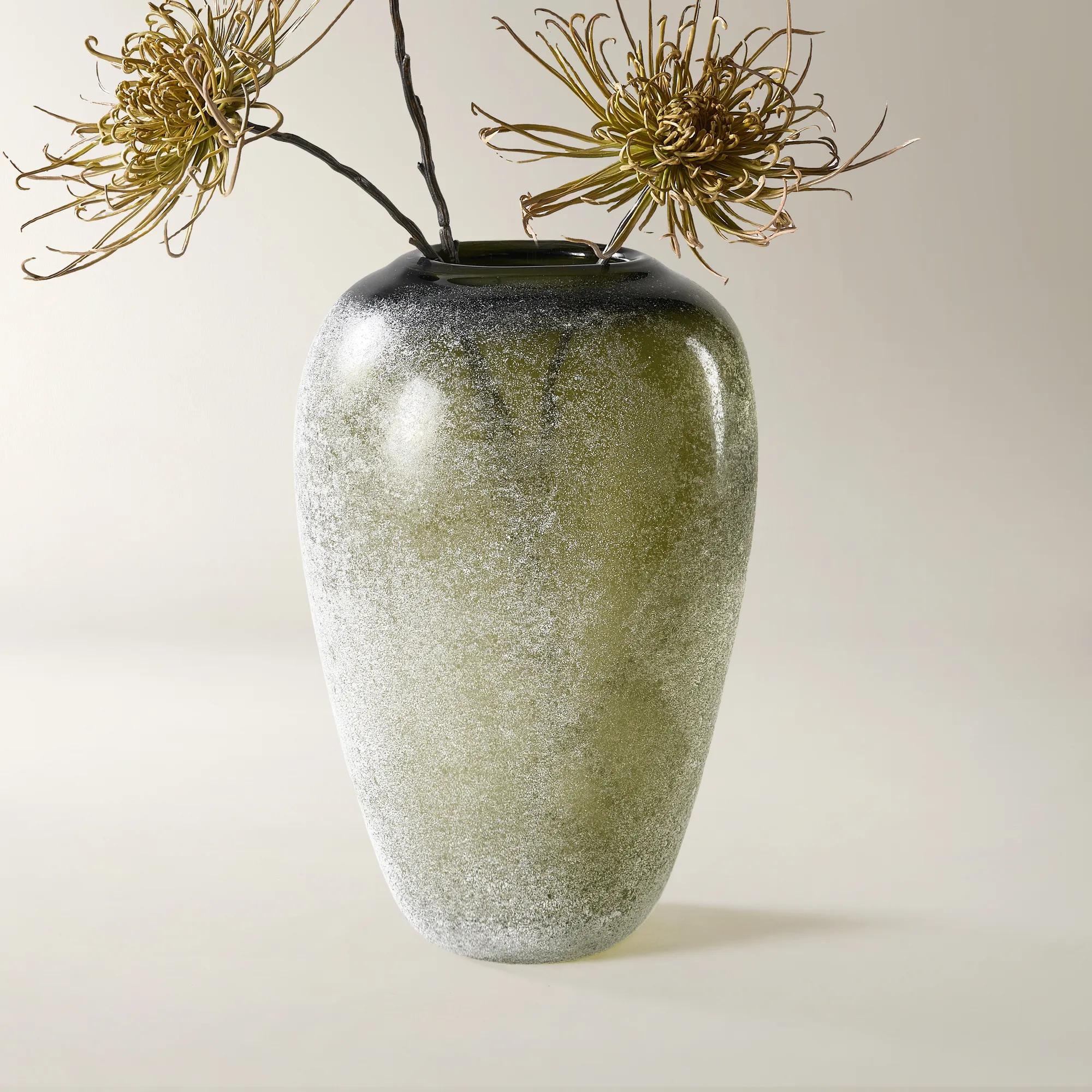 Linden Mouth Blown Pistachio Green Glass Vase 13.75"$129
A handblown glass vase in pistachio green adds a fresh, artful accent to any space.
Add To Cart -
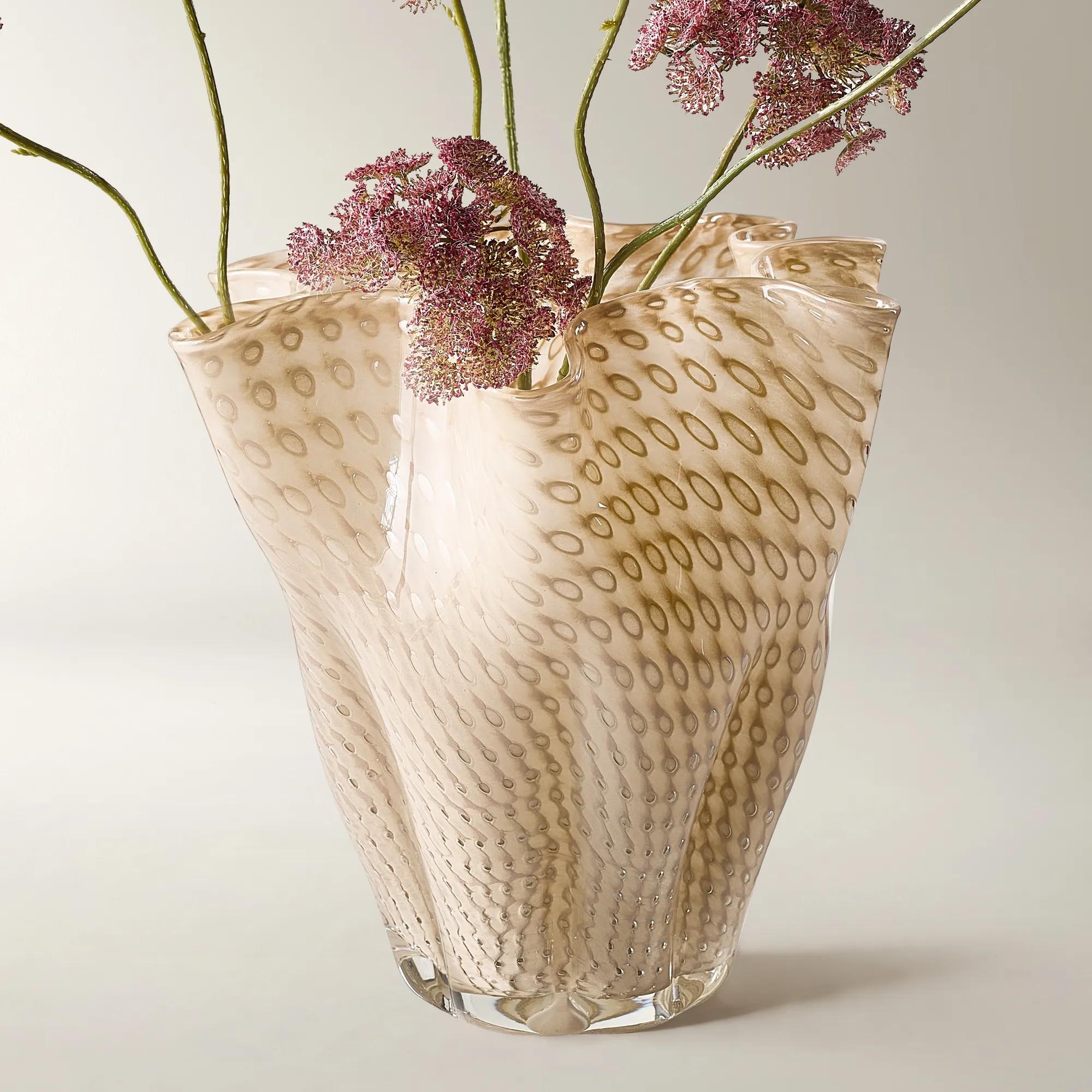 Elle Mouth Blown Tawny Glass Vase 11.25"$129
A handblown glass vase in a warm tawny hue with an organic, sculptural silhouette.
Add To Cart -
 Ripple Eggshell Blue Handblown Glass Vase 10.25"$89
A handblown eggshell blue glass vase adding sculptural elegance to modern decor.
Add To Cart -
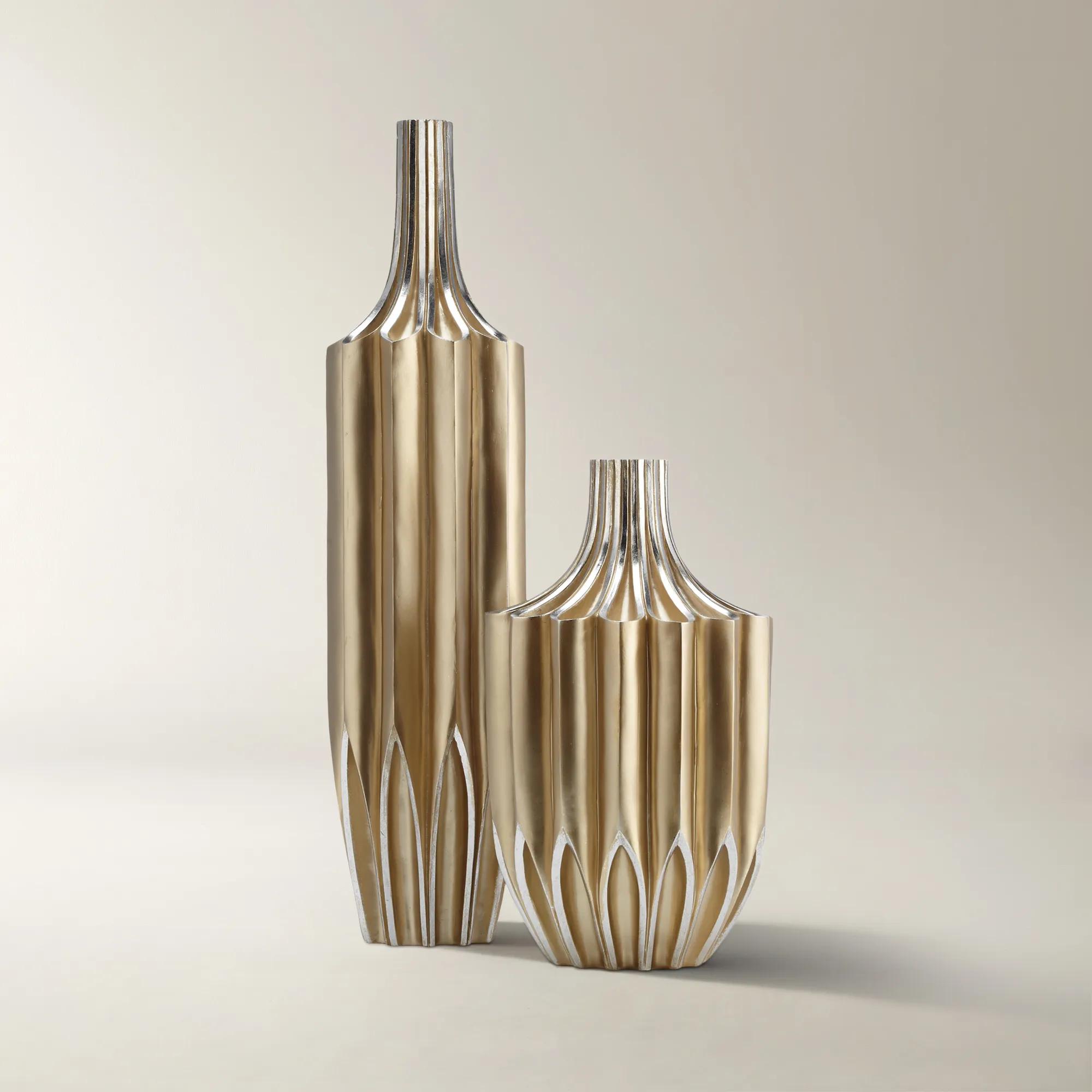
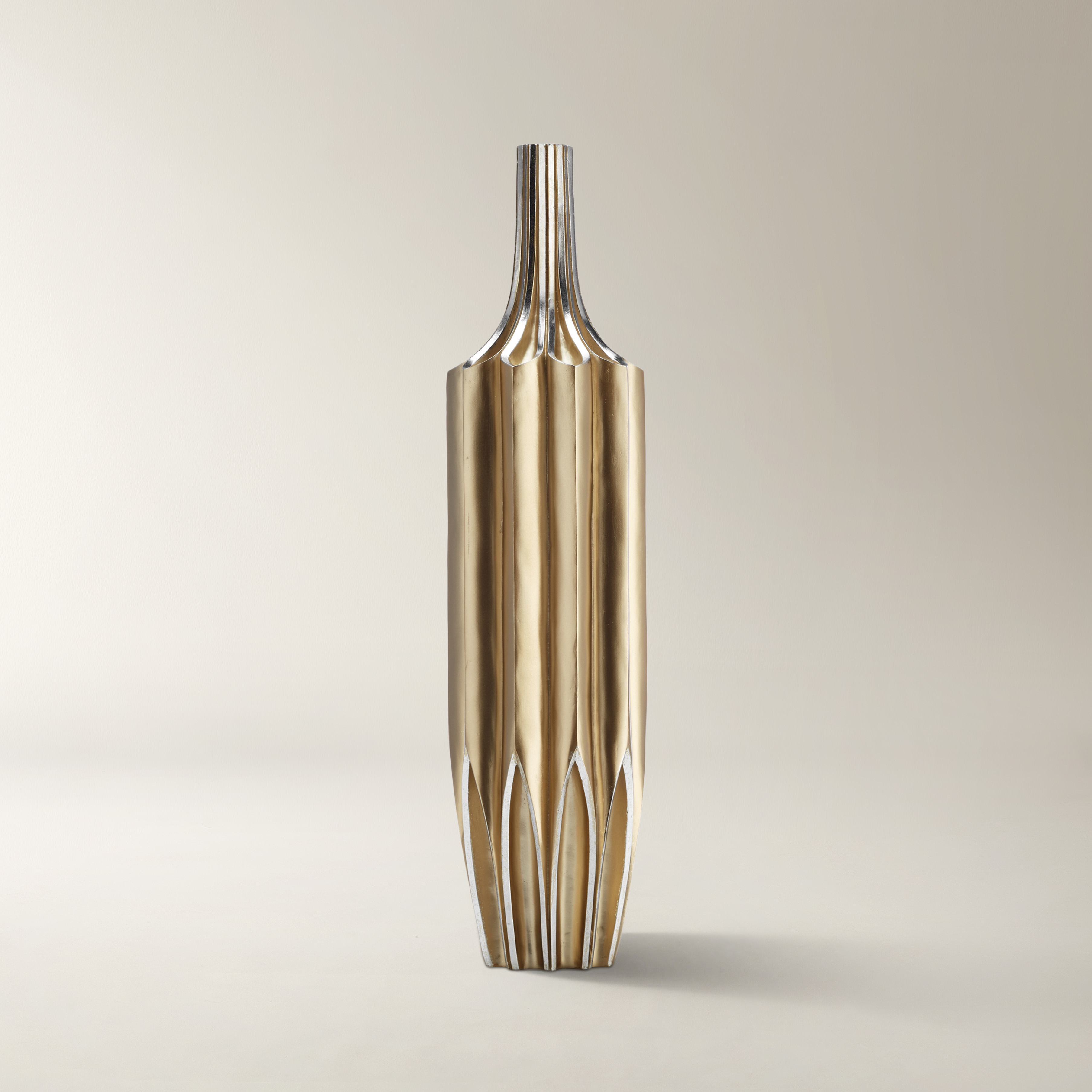 Savannah Gold Resin Vases$69
A sophisticated polyresin vase featuring sleek vertical curves and a modern, inward-flaring design.
Add To Cart -
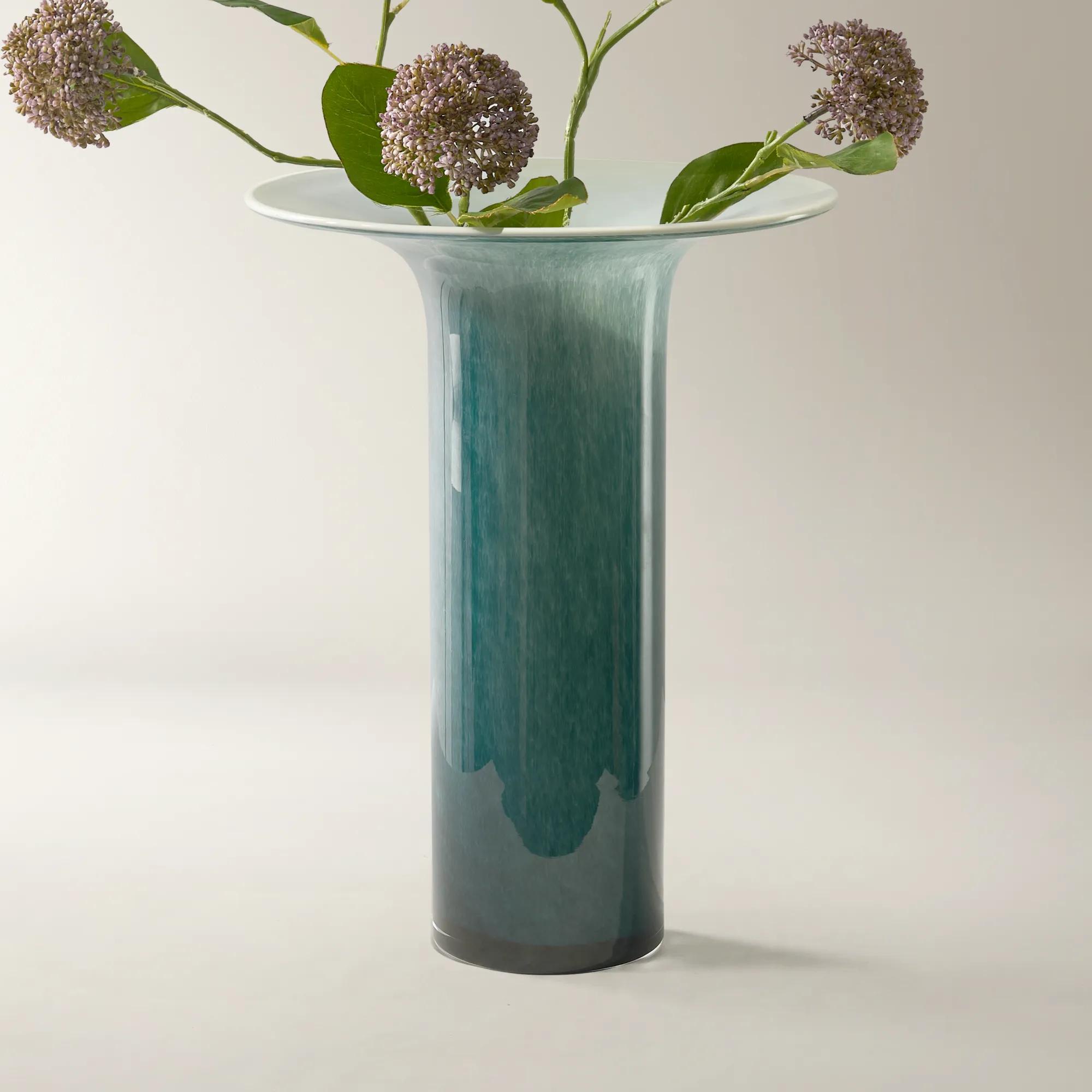 Loft Mouth Blown Deep Teal Glass Vase 15.75"$129
A handblown glass vase in deep teal with a sculptural column silhouette for bold, artful impact.
Add To Cart -
 Glow Mouth Blown Brown Glass Vase 10.75"$59
A luminous glass vase adding modern elegance to any décor.
Add To Cart -
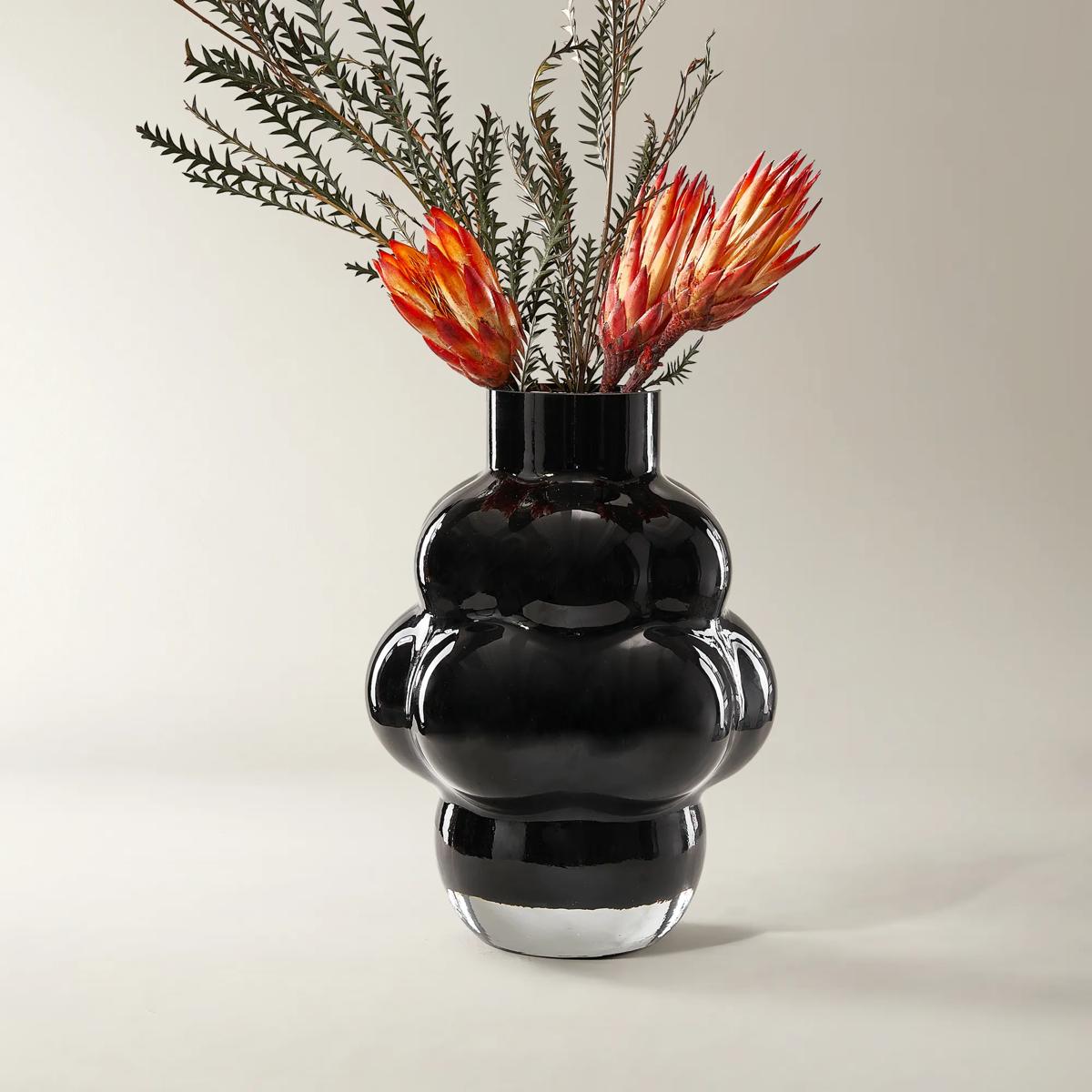 Cloud Glass Vase - Black$129
A hand-blown black glass vase featuring a sculptural silhouette and glossy, dramatic finish.
Add To Cart -
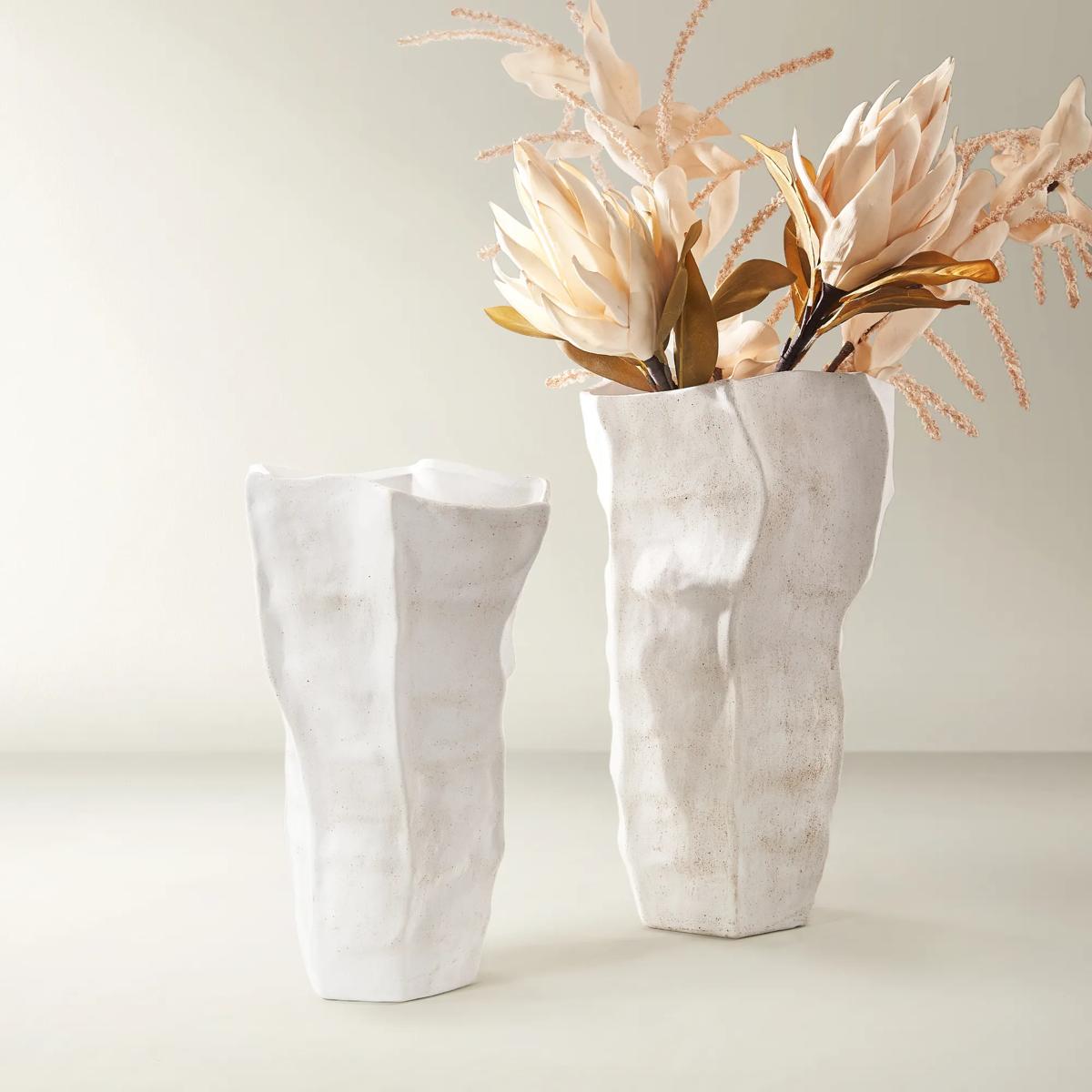 Kira Porcelain Vase$139
A sculptural matte white porcelain vase with fluid, faceted curves and a soft, textured finish.
Add To Cart -
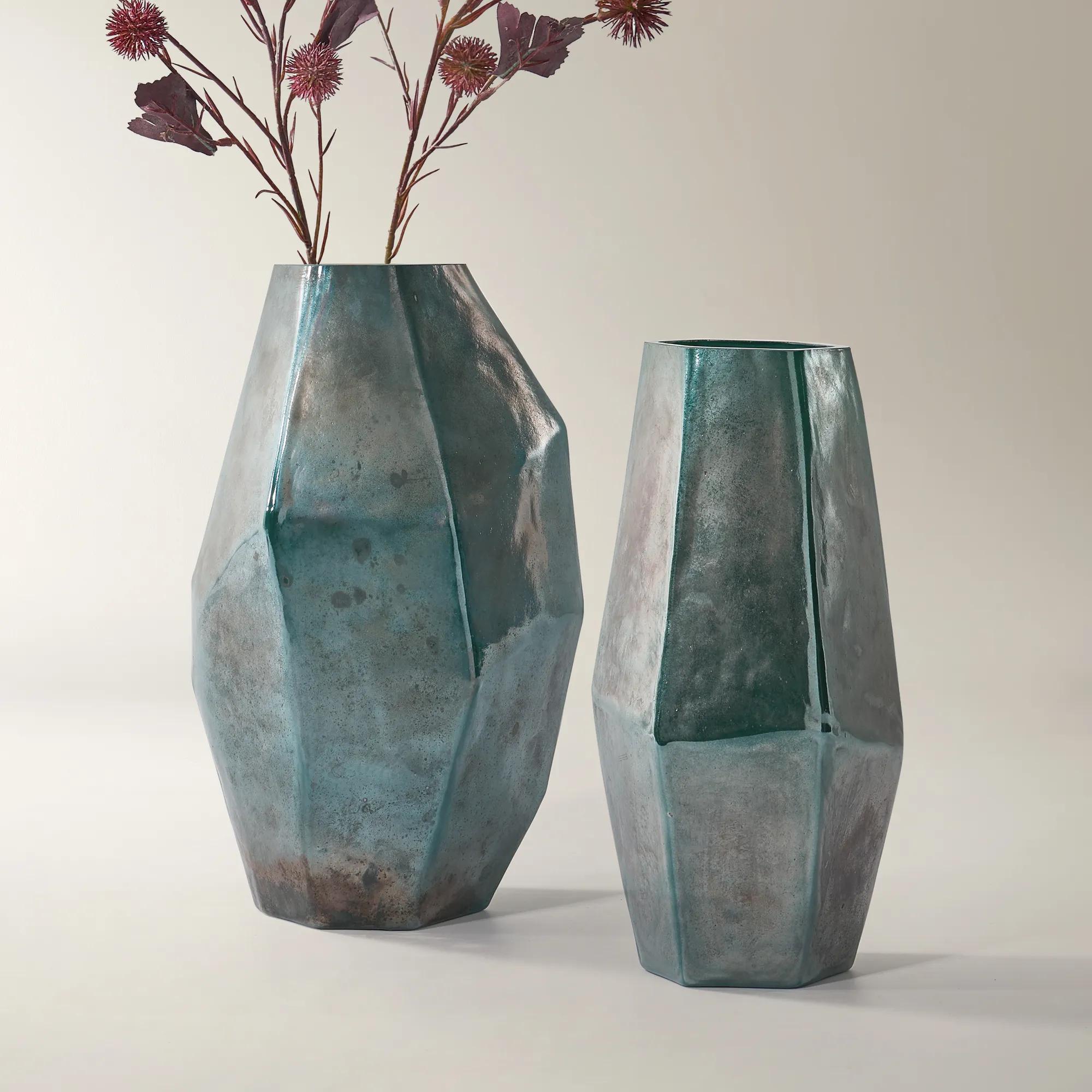
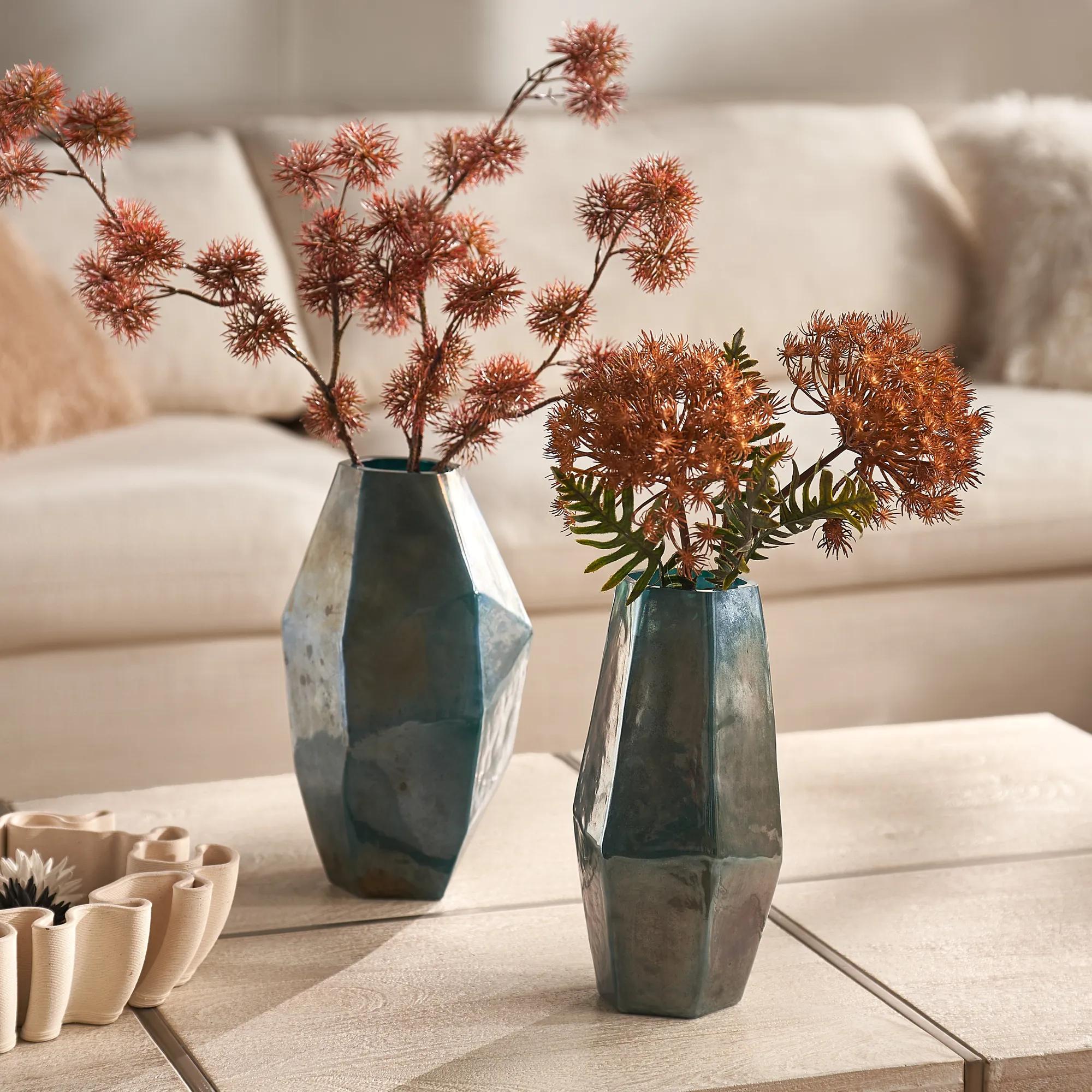 Sienna Vase$89
A sculptural hand-blown glass vase with a prismatic green finish and striking geometric silhouette.
Add To Cart -
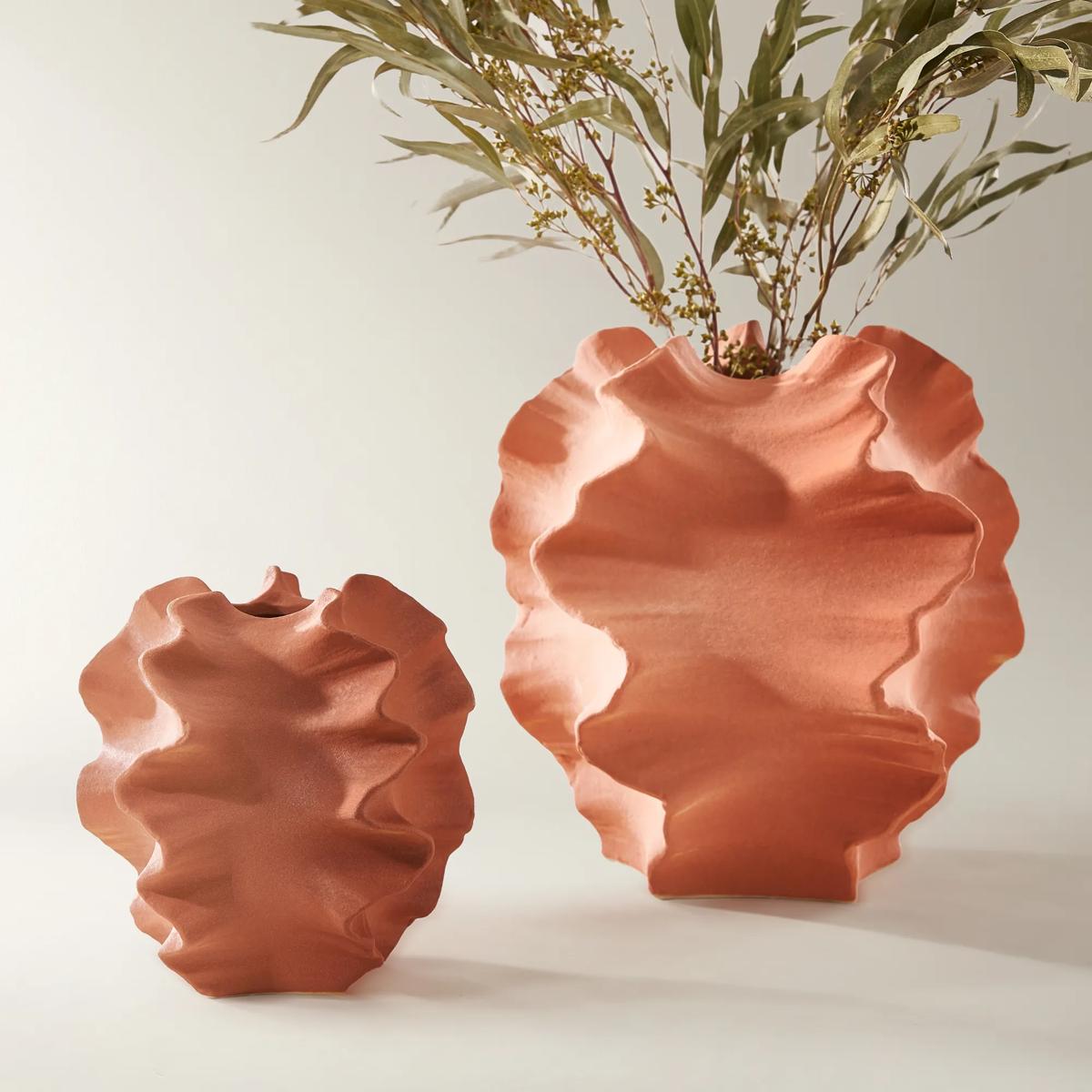
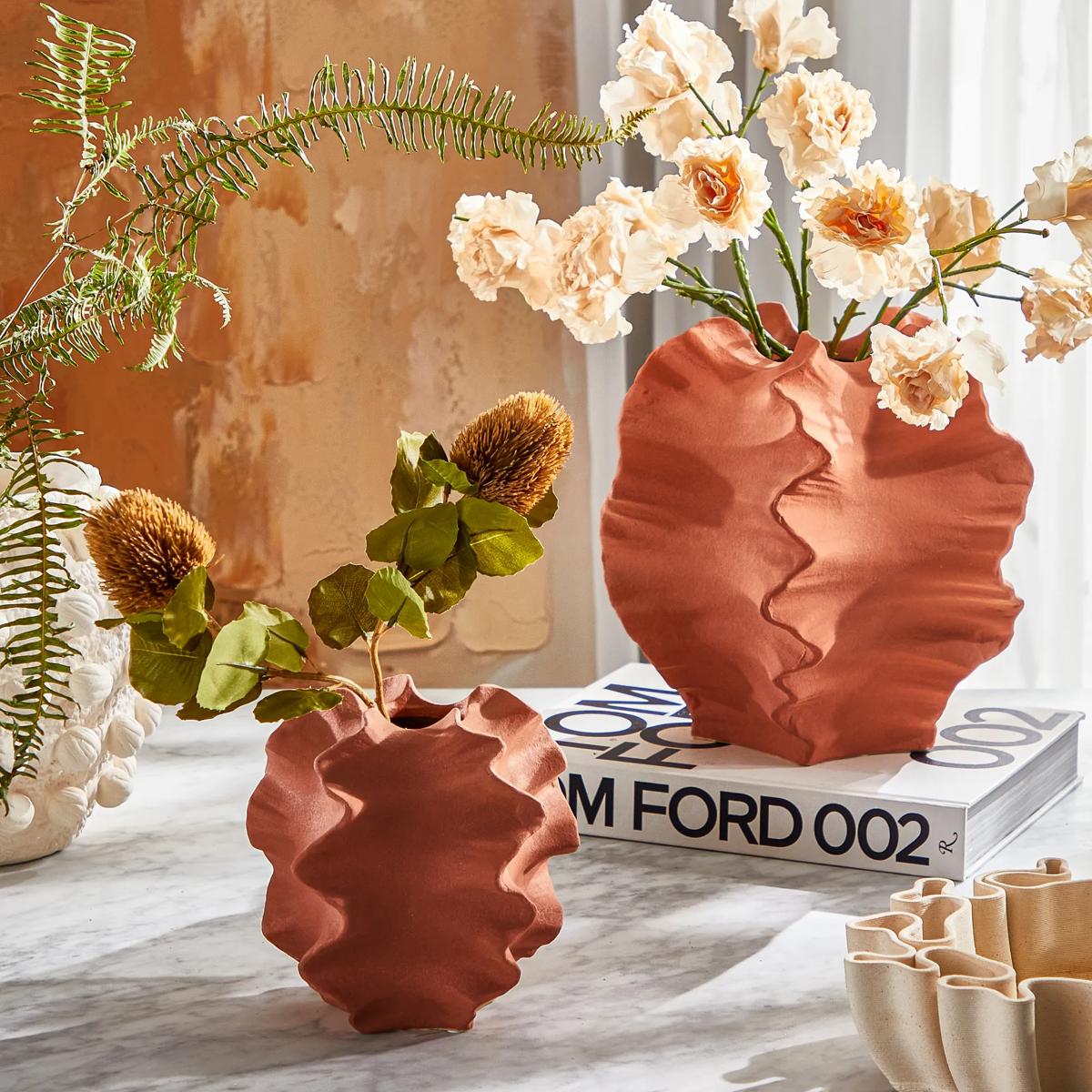 Morra Terracotta Sculptural Vases$99
A sculptural terracotta stoneware vase with rippling contours and a matte, earthy finish.
Add To Cart

Unique Vases For Wedding Centerpieces
Unique Vases for Wedding Centerpieces transform every table into a stage for romance and artistry. Imagine shimmering silhouettes catching the light as guests arrive, each vessel a sculptural masterpiece that elevates florals from simple arrangements to breathtaking displays. Whether your vision is modern elegance or whimsical grandeur, these vases invite you to create unforgettable moments, turning every centerpiece into a celebration of love and style. Let your wedding décor tell a story of opulence and originality, where every detail dazzles and every table becomes a work of art.
Unique vases for wedding centerpieces bring expressive shape, texture, and light to reception tables, giving floral arrangements a presence that extends beyond the blooms. Sculptural glass, fluted urns, glazed ceramics, metallic vessels, and low footed bowls each create a distinct visual rhythm. A softly rippled silhouette lends movement to a tightly composed bouquet; a sharply angled vessel gives loose branches an architectural frame. The most compelling choice reflects the celebration’s character while complementing its setting, whether that means polished surfaces beneath a grand ballroom chandelier or tactile pottery against an intimate dining room’s richly layered linens. Clear glass allows stems and water to become part of the composition, while opaque vessels conceal the mechanics of an arrangement and create a stronger block of color on the table. Tinted glass adds depth without necessarily competing with the flowers, especially when its hue echoes a detail in the stationery, napkins, or place settings. For tables styled around gleaming accents, unique metallic vases for centerpieces introduce another layer of radiance, carrying reflected light through the tablescape. Shape matters just as much as finish: a slender neck gathers a handful of stems into a deliberate gesture, while a generous opening accommodates fuller floral compositions. A footed bowl draws attention outward, making trailing greenery and arching stems feel especially graceful. Couples, floral designers, and event stylists can use these differences to establish a signature look without making every table identical. Repeating a material or color across varied silhouettes creates cohesion with a more collected, artistic sensibility. Three smaller vessels arranged together can feel intimate and richly detailed, while a single substantial vase gives a round table a confident focal point. The distinction comes from proportion and intention, not simply ornament. Even an unfilled sculptural vessel can contribute to a layered centerpiece when paired with floral pieces nearby, provided its scale feels deliberate rather than incidental. Each vessel should contribute to the scene, framing the flowers and giving guests something beautiful to discover from their seats.
Material determines much of a wedding vase’s appearance, weight, durability, and practical use. Glass brings luminosity and a sense of openness, with clear, colored, ribbed, or softly undulating surfaces offering different effects under reception lighting. Handblown glass may display subtle variations in contour, thickness, or bubbles that become part of its individual character; those details are distinct from chips, cracks, or damaged rims. Heavier glass can provide a reassuring base, but weight alone does not guarantee stability, particularly with a tall or top-heavy arrangement. Ceramic vessels offer a more substantial visual presence, ranging from smooth, luminous glazes to textured surfaces that invite a closer look. Glazing does not automatically make every ceramic vase watertight, so suitability for fresh flowers should be confirmed before filling. Unglazed terracotta and other porous materials may need a properly fitted waterproof liner to protect table linens and furniture. Metal vessels bring a different kind of drama: reflective finishes sharpen the composition, while brushed or aged effects add depth with a softer gleam. Their suitability for direct contact with water depends on the construction, lining, and finish. A removable, watertight insert can separate flower water from a decorative exterior when the vessel’s design permits it. Openwork metal frames, beaded stands, and other decorative holders should not be assumed to hold water; some are intended only for dry arrangements or a separate floral container. The same distinction applies to wood and other unconventional centerpiece vessels. A concealed liner should sit securely inside without forcing the opening or leaving an unstable arrangement above it. Fresh flowers require a suitable water reservoir, while dried stems and artificial botanicals can suit vessels designed for dry display. Wide openings may also require a floral grid or another appropriate support to keep stems positioned, ideally without adhesives that could damage the finish. For couples arranging flowers themselves, matching the vessel to the planned stems before the wedding makes preparation more predictable and helps preserve the intended silhouette.
Scale and placement turn a beautiful vase into a successful wedding table centerpiece. A long dining table often benefits from repeated smaller arrangements that carry the eye along its length, leaving room for shared platters, glassware, and guests’ hands. On a round table, a broader central arrangement can establish a focal point, but its footprint still needs to respect place settings and service. Low vases allow flowers to spread without interrupting conversation; taller designs work best when the floral mass sits above seated sightlines and the support beneath remains visually open. Testing a vase at an actual place setting is more revealing than judging its height alone. A narrow pedestal may look delicate in a photograph yet become less practical beneath a broad, heavy bouquet, so base width, filled weight, and the arrangement’s balance deserve attention together. Centerpieces should remain clear of table edges and open flames, and delicate surfaces benefit from discreet protection underneath. Care begins before the celebration: inspect vessels for damage, follow the material-specific cleaning instructions, and test any piece intended to hold water well ahead of setup. Dry the exterior thoroughly before placing it on linens. Soft cloths and nonabrasive cleaning methods are generally gentler on decorative finishes, while metallic coatings, painted details, and textured surfaces may require additional precautions. Dishwasher use should depend on the manufacturer’s guidance rather than the vessel’s appearance. For transport, separate fragile pieces with cushioning and protect rims, handles, and projecting details from contact. After the reception, wedding centerpiece vases can take on a lasting role at home, holding an anniversary bouquet, shaping a dining room vignette, or bringing sculptural interest to a console. They can also make meaningful gifts for newlyweds who enjoy entertaining or expressing their style through interiors. A vessel chosen for both the celebration and its life afterward carries the memory forward through enduring form, distinctive texture, and the simple pleasure of living with beautiful objects.
FAQs
Unique glass vases provide a versatile canvas for a wide range of floral arrangements. For a modern, editorial look, consider pairing sculptural vases with bold, architectural blooms such as calla lilies, orchids, or anthuriums. For a more romantic or organic style, mix soft peonies, garden roses, and trailing greenery. The transparency of glass vases allows for creative layering with river pebbles, submerged stems, or floating candles, enhancing the visual drama of your centerpiece.
To achieve a curated, visually dynamic tablescape, combine vases of varying heights, shapes, and textures within a cohesive color palette. For example, cluster ribbed metallic bowls with tall trumpet vases and petite bud vases in complementary tones. This approach adds depth and movement to each table, drawing the eye and encouraging guests to explore every detail. Mixing materials like glass, ceramic, and crystal can further enhance the sense of artistry and luxury.
Crystal vase centerpieces are remarkably adaptable, bringing a sense of elegance to formal affairs while also elevating more relaxed, bohemian settings. For classic, black-tie weddings, opt for tall, faceted crystal vases filled with dramatic florals. For intimate or rustic celebrations, choose smaller crystal vessels with wildflowers or minimalist arrangements. The reflective quality of crystal effortlessly amplifies candlelight and floral color, making it a timeless choice for any wedding style.
Absolutely. Many couples and hosts repurpose their wedding centerpiece vases as statement pieces in their homes, whether displayed on a dining table, entryway console, or bedroom dresser. These vases often become cherished keepsakes, evoking memories of the celebration and serving as a foundation for new arrangements at future gatherings, anniversaries, or seasonal décor updates.
Personalize your wedding glass centerpieces by incorporating meaningful elements such as colored water, monogrammed tags, or blooms that hold sentimental value. Layering the base with decorative stones, crystals, or even handwritten notes can add a bespoke touch. For a cohesive look, coordinate the vase style with your wedding palette and overall theme, ensuring each table tells a distinct part of your celebration’s story.