Unique Shaped Coffee Tables
Unique Shaped Coffee Tables
-
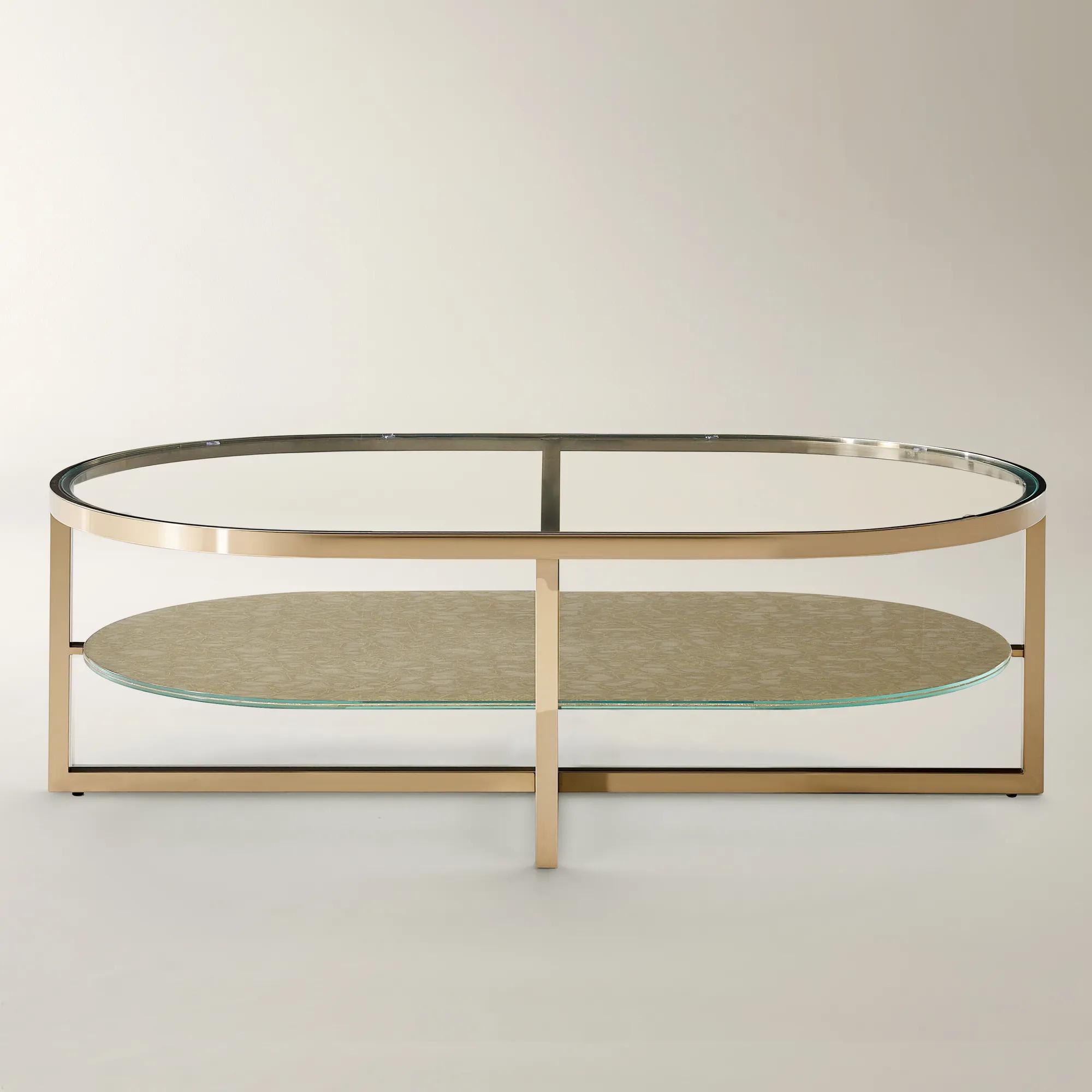
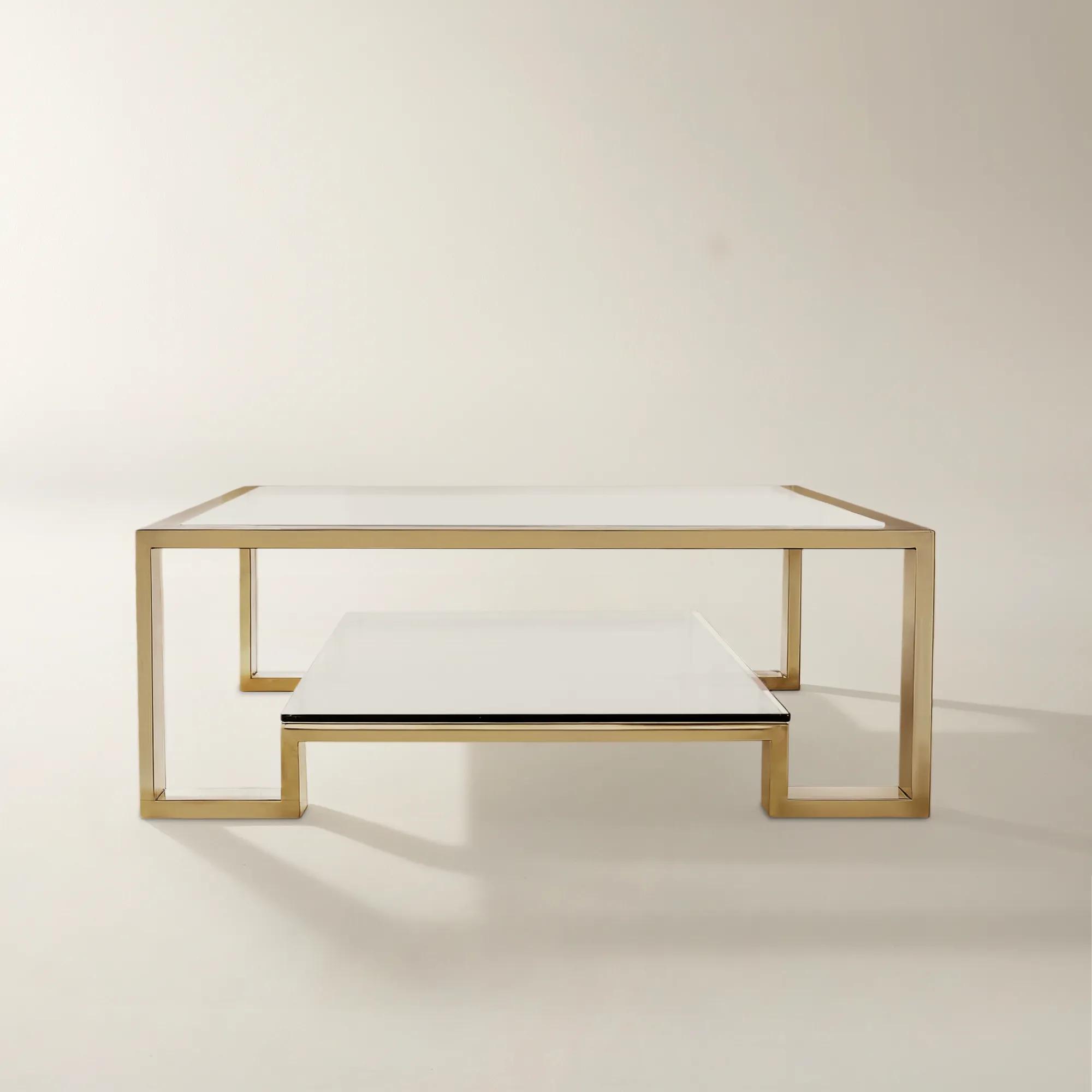
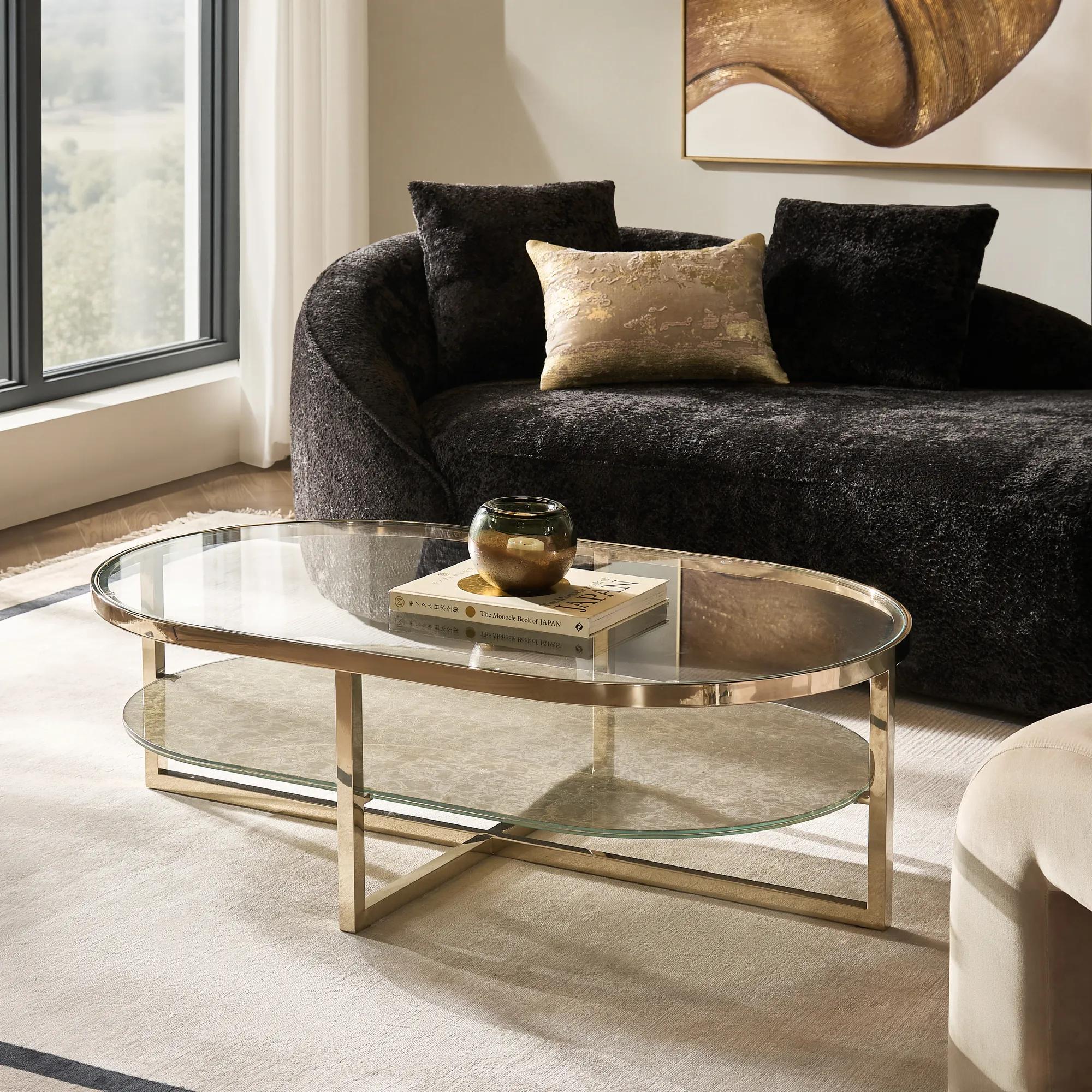 Duality Oval Fabric-Laminated Glass Coffee Table (47")$999
A modern oval coffee table featuring a tempered glass top, fabric-laminated shelf, and soft gold stainless steel frame.
Add To Cart -
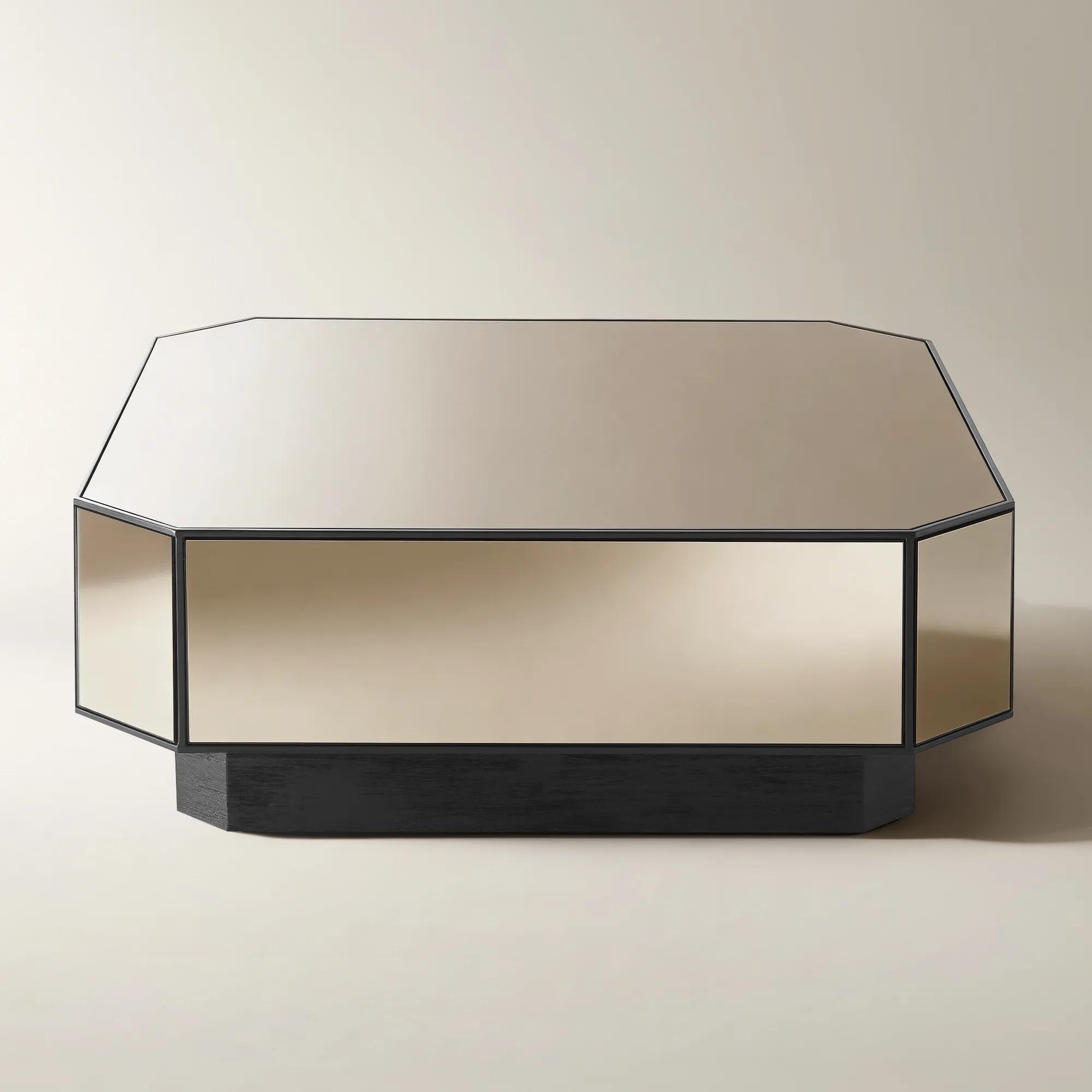 Glimmer Bronze Mirrored Coffee Table (44")$1699
A sculptural coffee table featuring bronze mirror panels and a black oak base for modern sophistication.
Add To Cart -
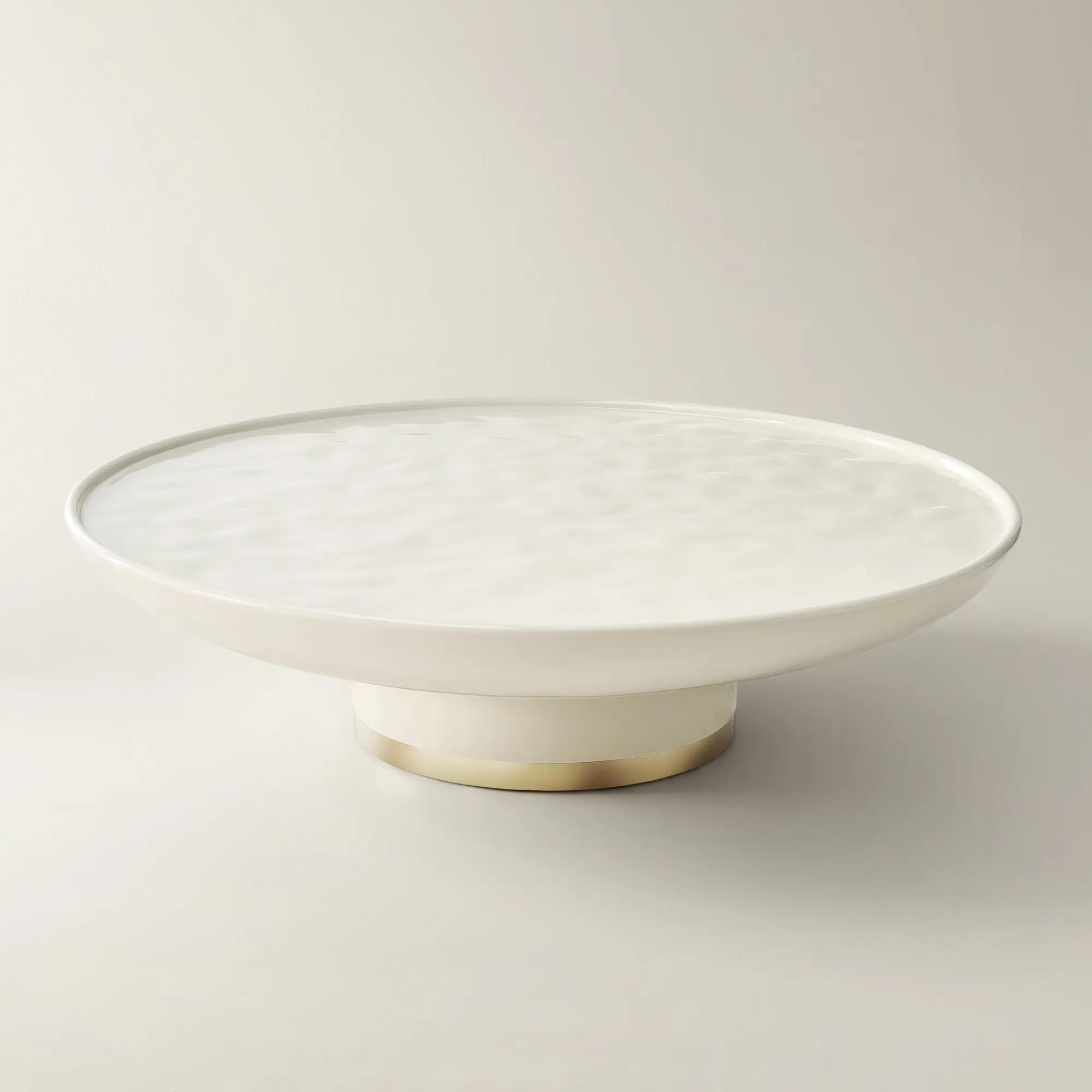
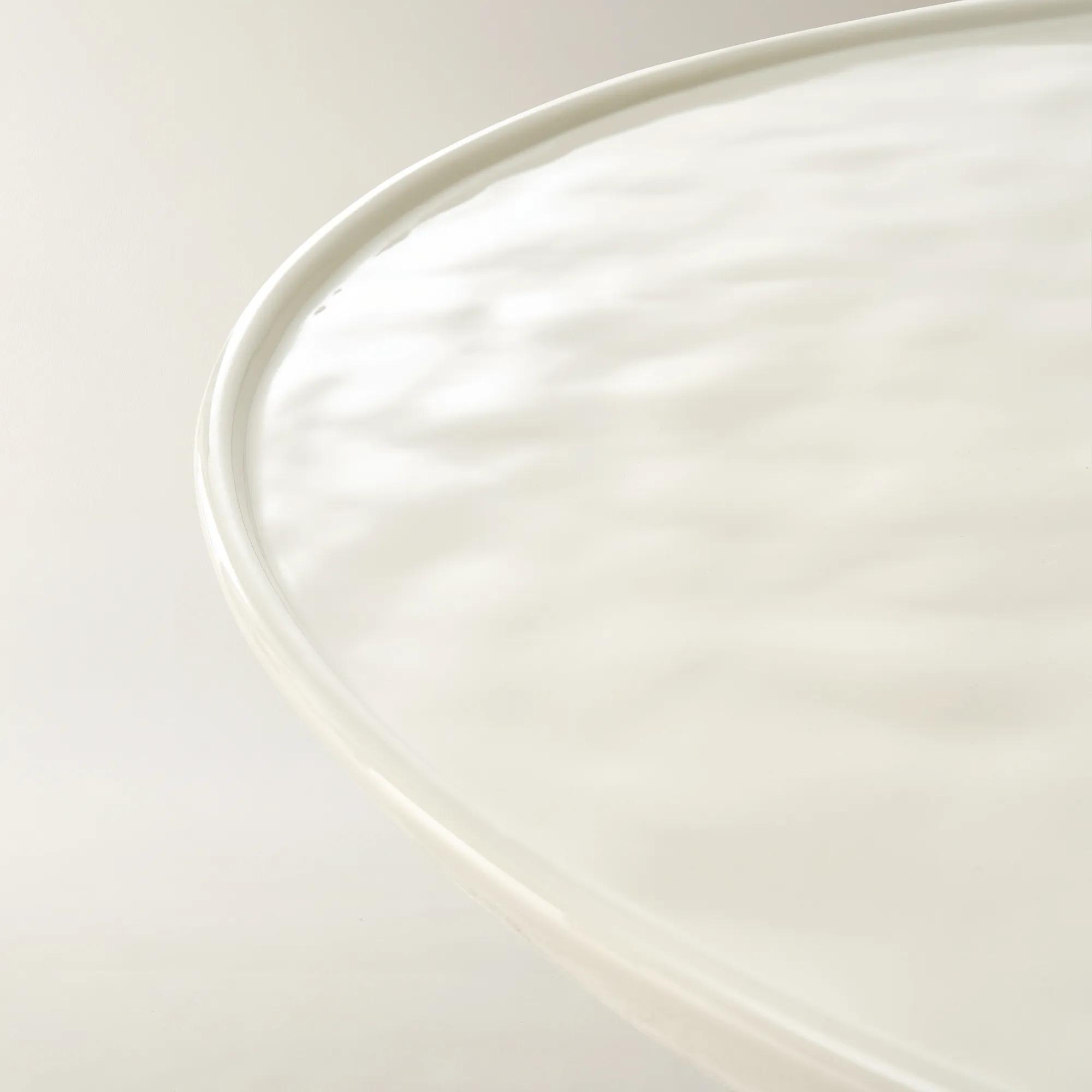 Celia Lacquered Cloud Resin Indoor/Outdoor Coffee Table (54")$1399
A sculptural one-piece resin coffee table with a high-gloss warm finish and gold stainless steel base.
Add To Cart -
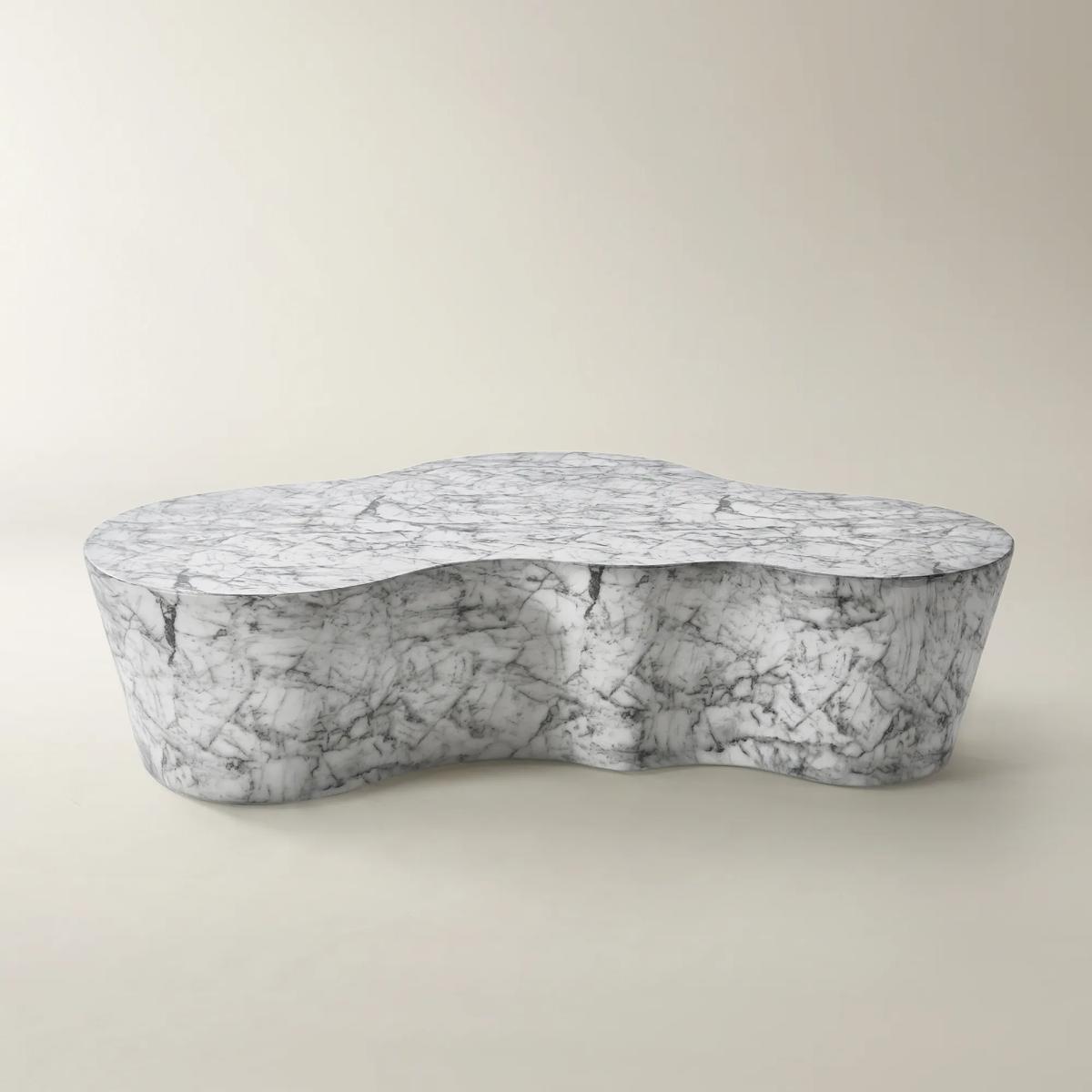
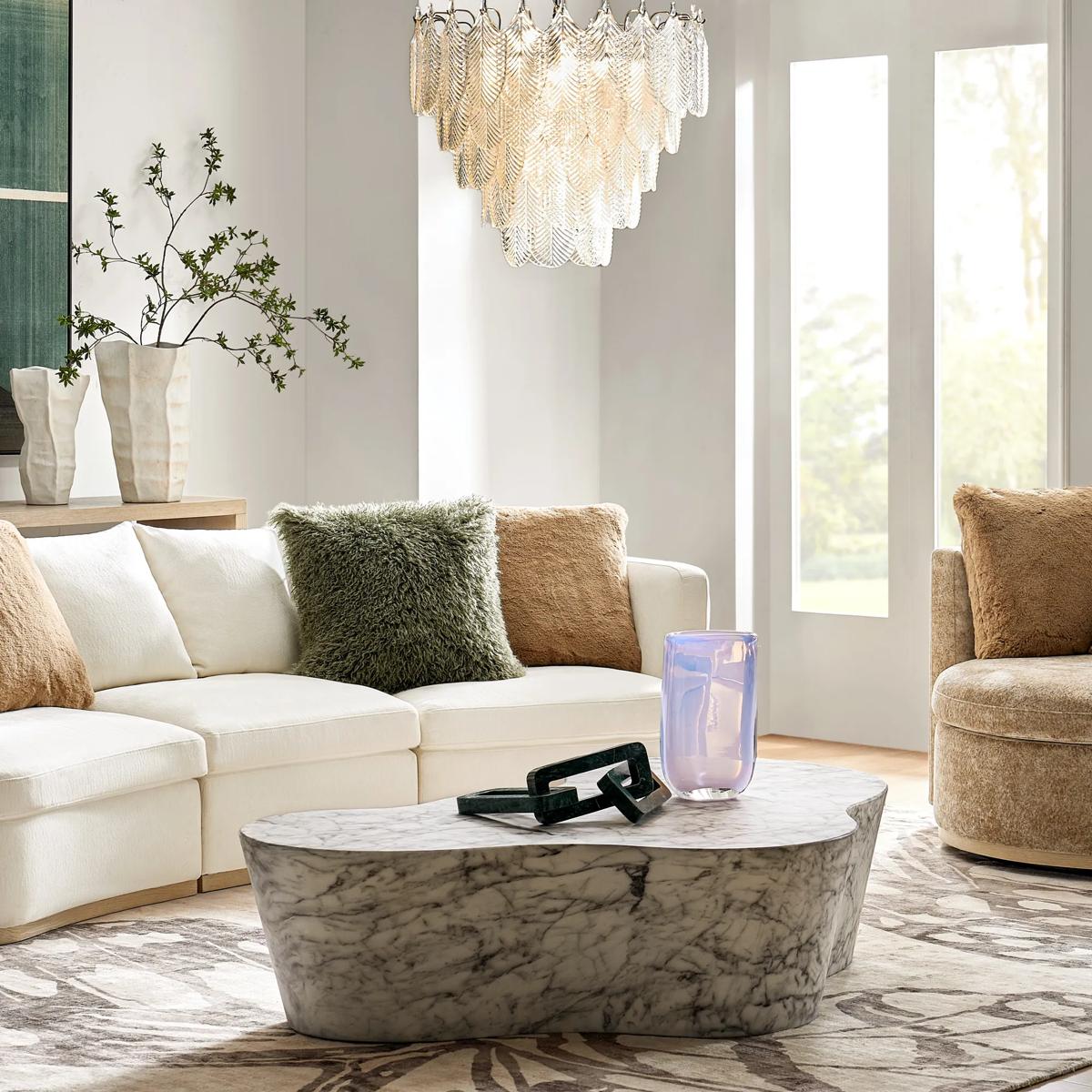 Petra White Concrete Indoor/Outdoor Coffee Table (59.4")$1099
A sculptural white concrete coffee table with cloud-like contours and marble-look veining, suitable indoors or outdoors.
Add To Cart -
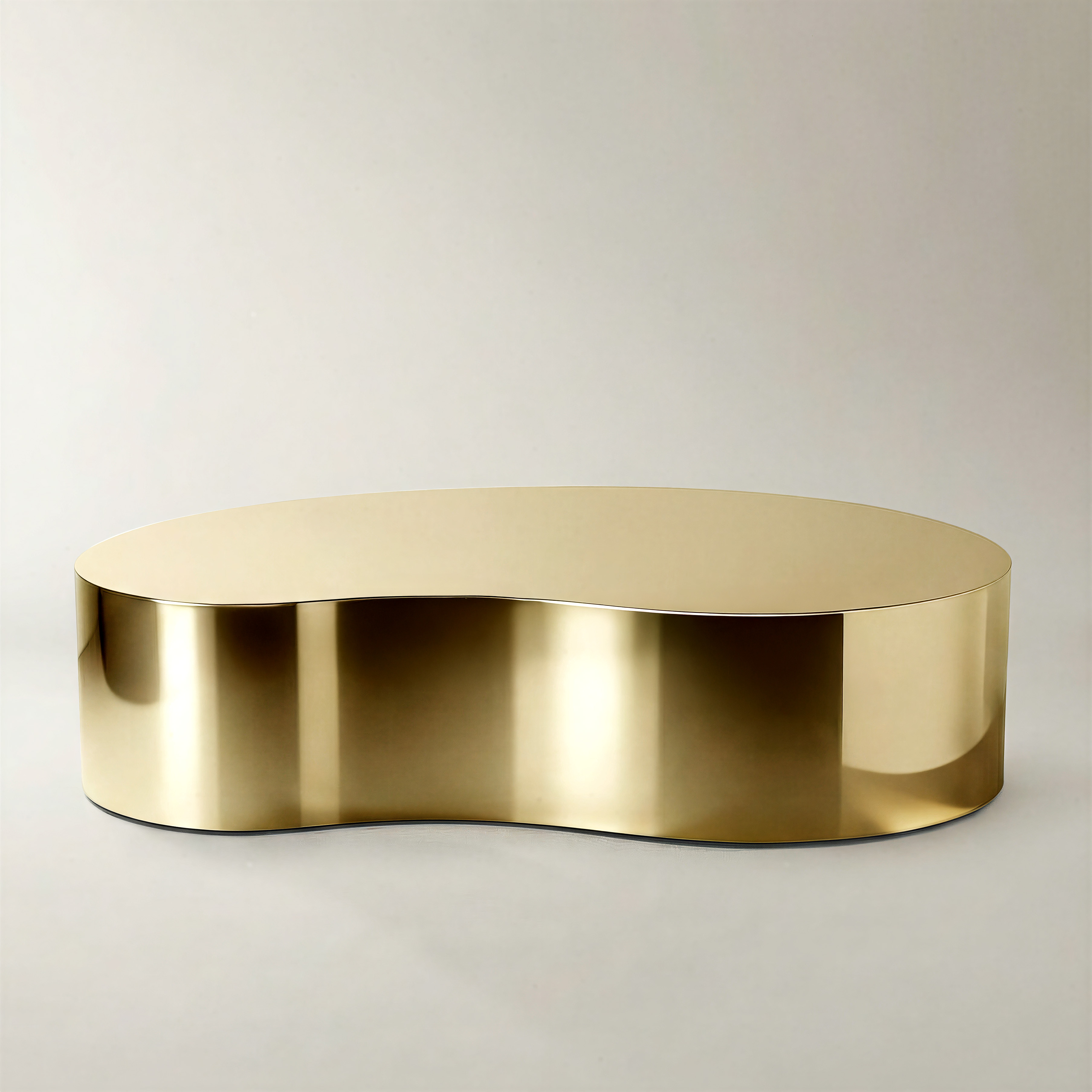
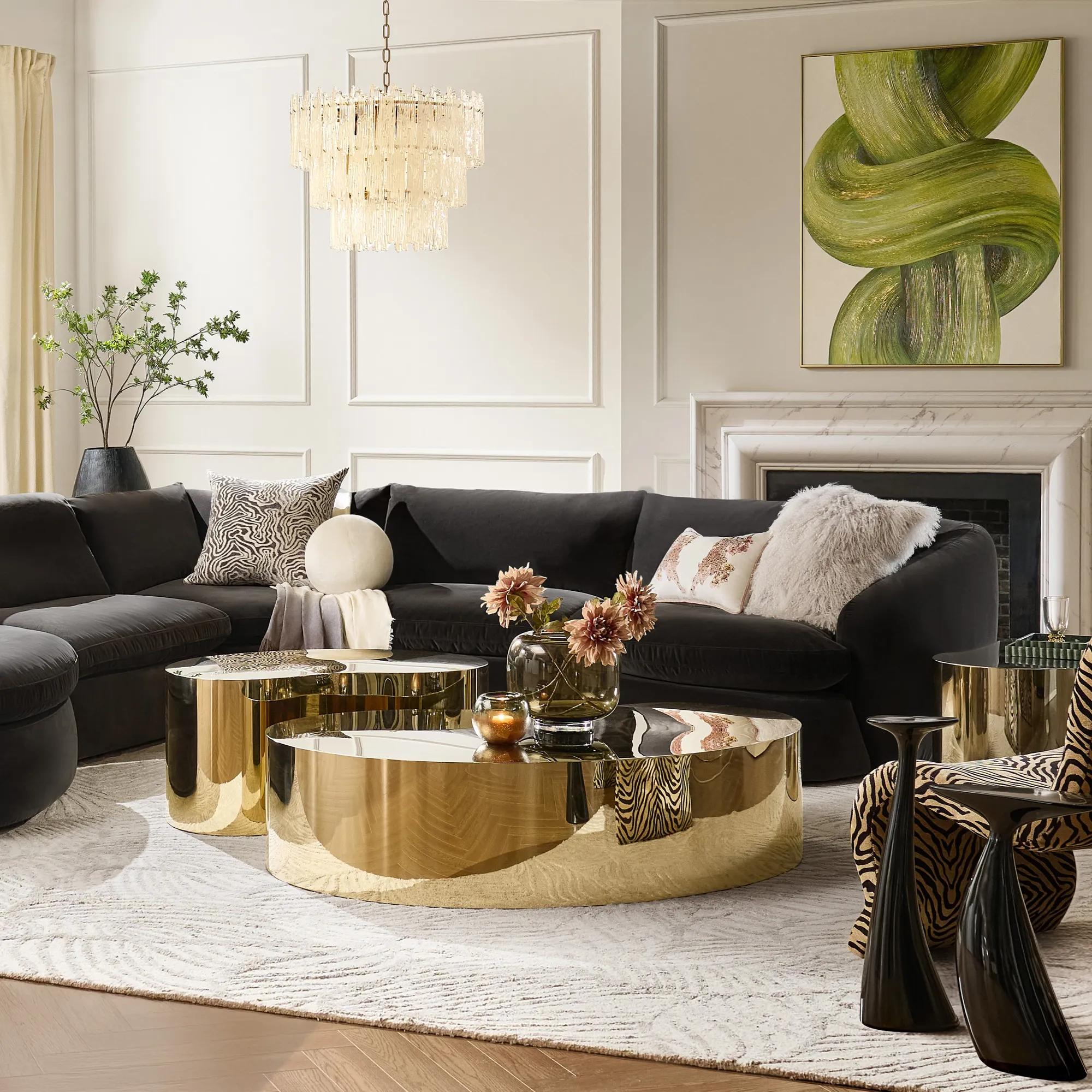 Aurea Soft Gold Coffee Table (57")$1399
A sculptural coffee table crafted from stainless steel with a high-gloss soft gold finish and rounded edges.
Add To Cart -
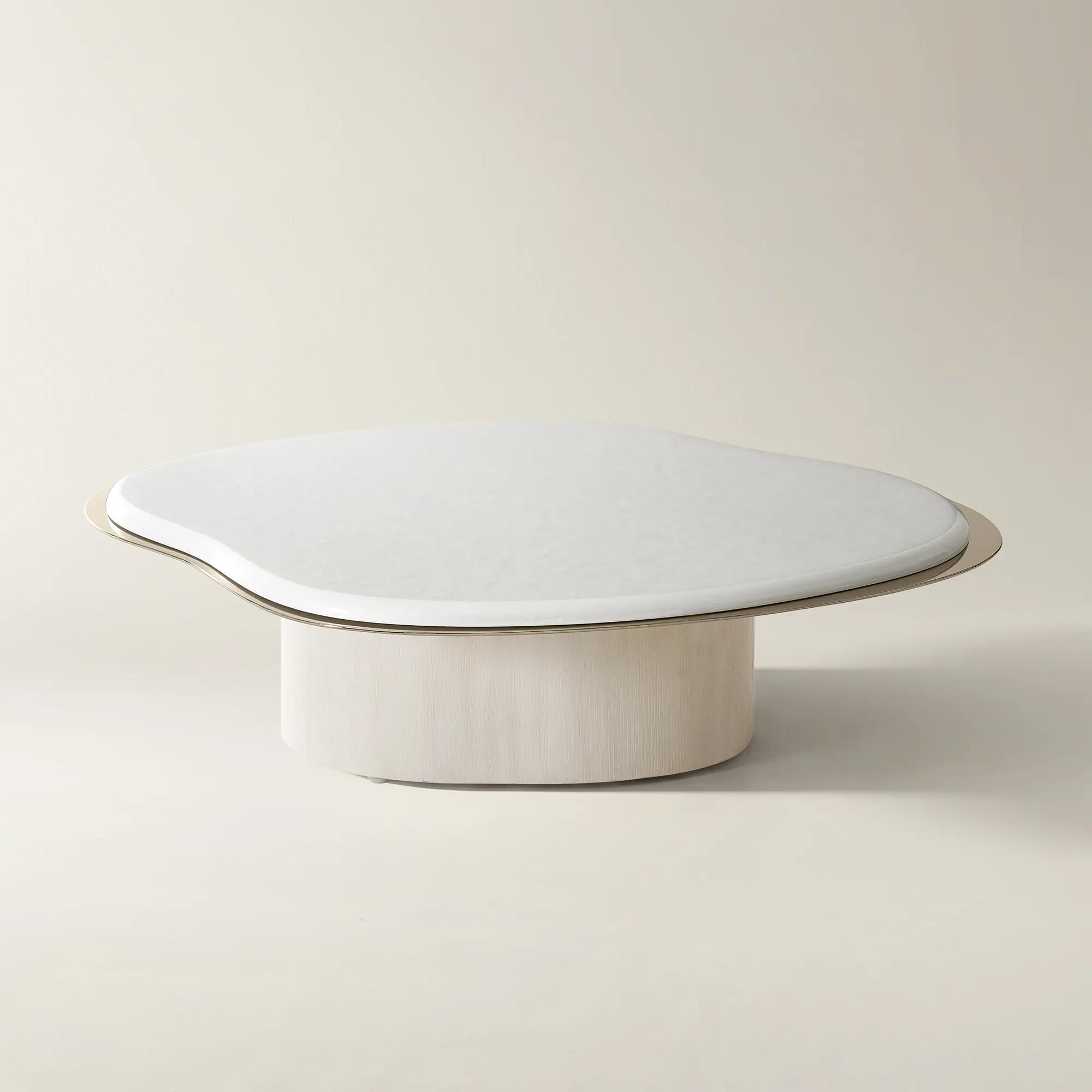
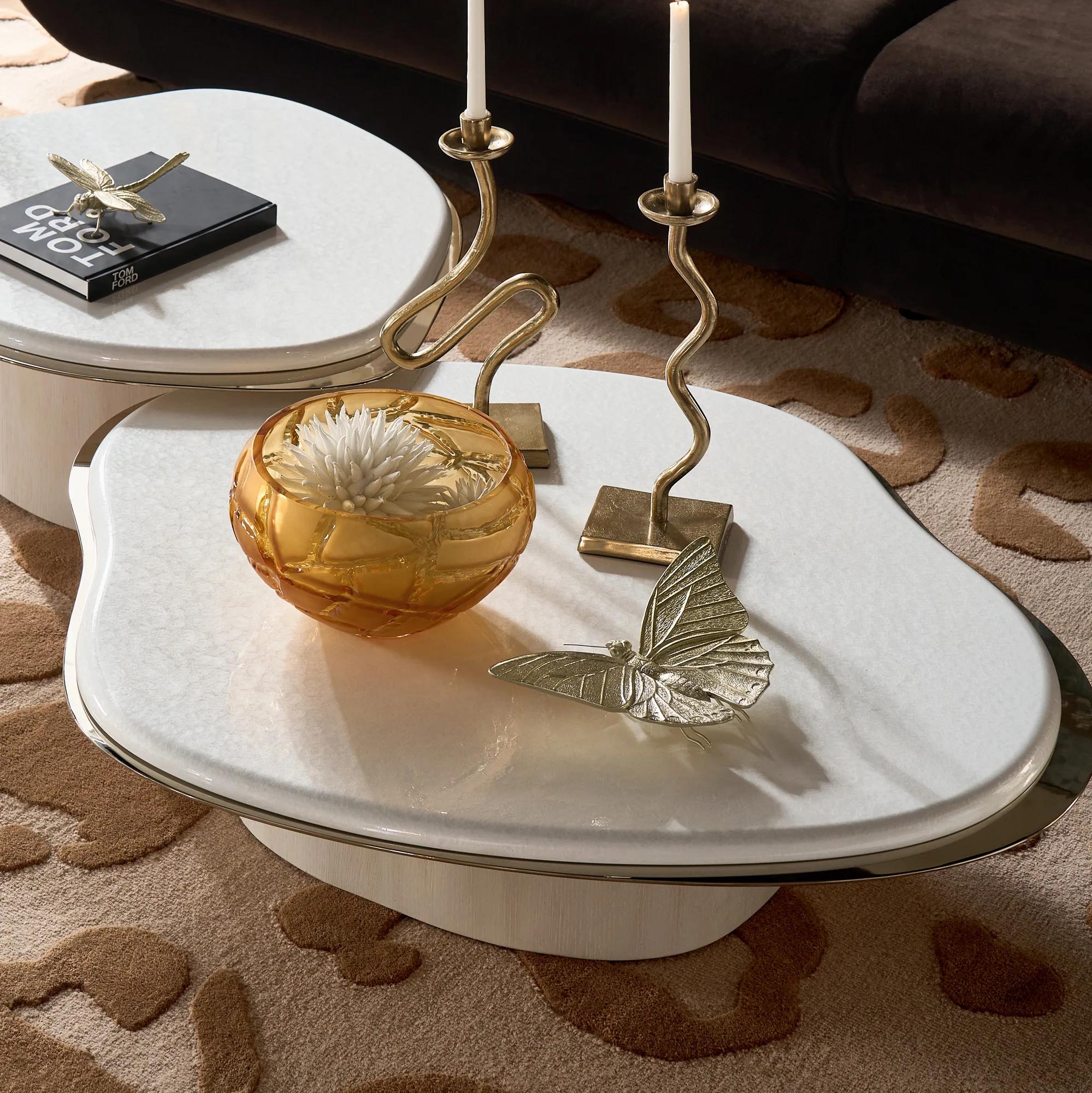 Lumina Bleached Oak Coffee Table With Pearl Lacquered Top (41")$1199
A sculptural coffee table featuring a pearl lacquered top, bleached oak base, and champagne gold trim.
Add To Cart -
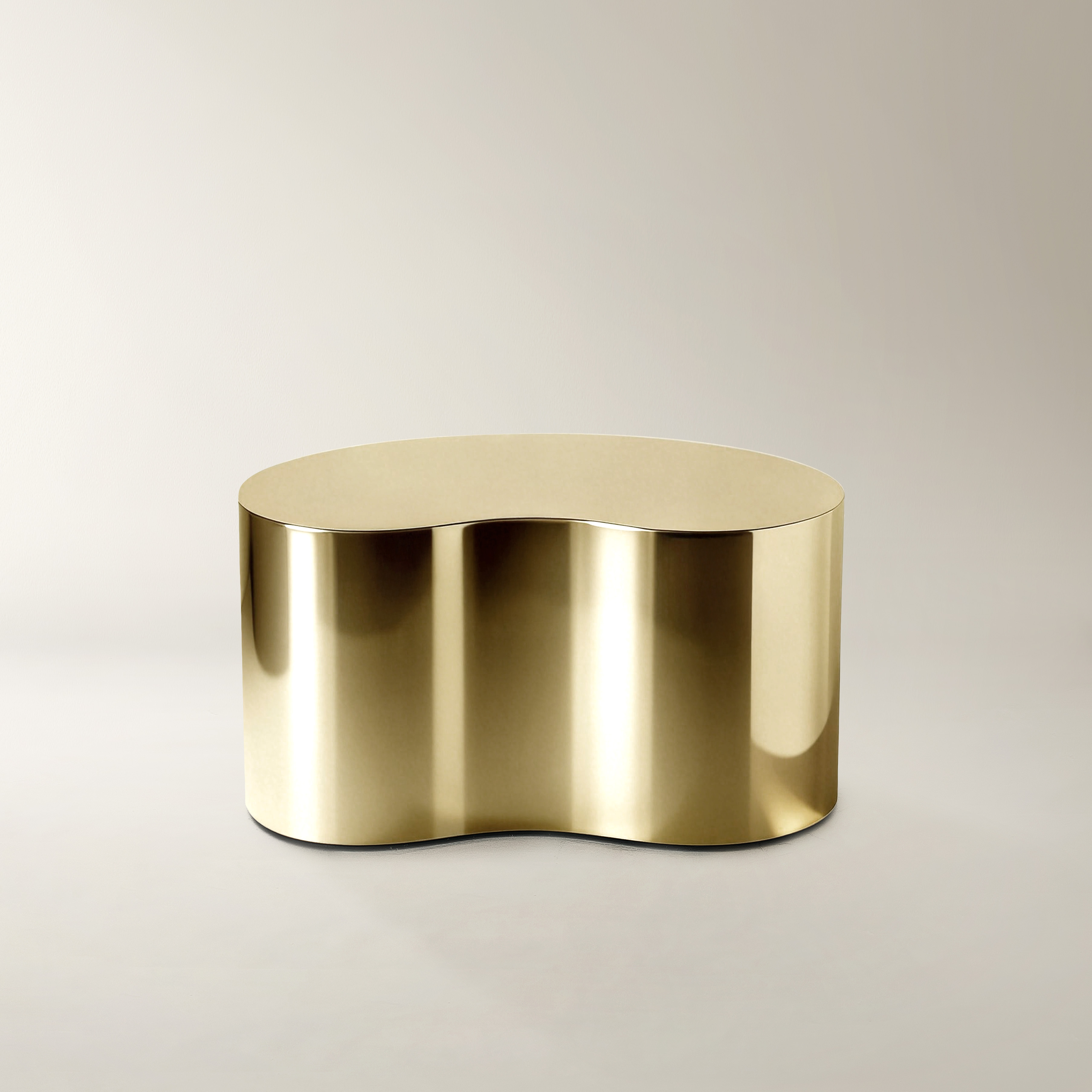 Aurea Soft Gold Coffee Table (32")$799
A sculptural coffee table crafted from premium stainless steel with a high-gloss, soft gold mirror finish.
Add To Cart -
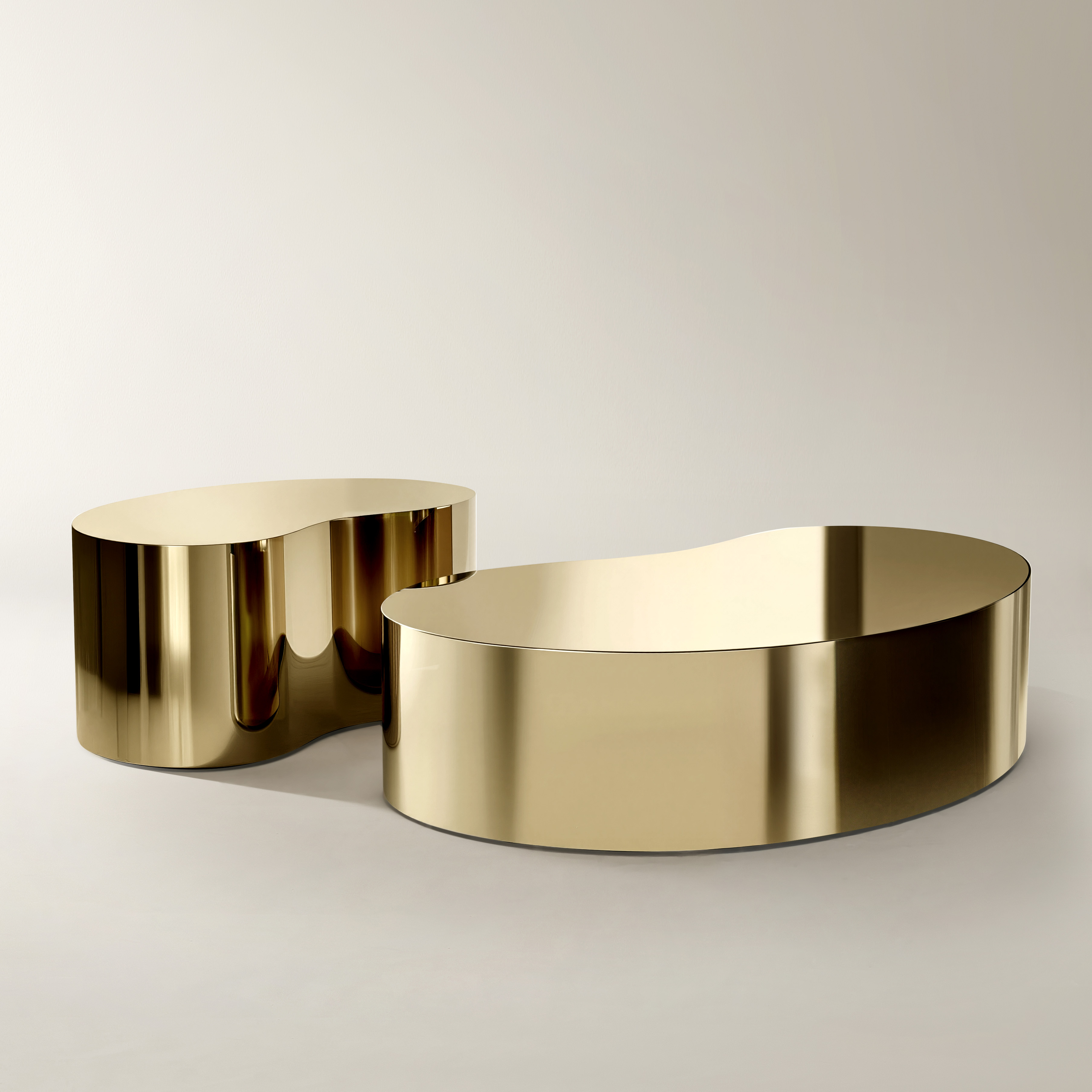 Aurea Soft Gold Coffee Table Set of 2 (37.5"-57")$2398
A sculptural coffee table crafted from premium stainless steel with a radiant, high-gloss soft gold finish.
Add To Cart -
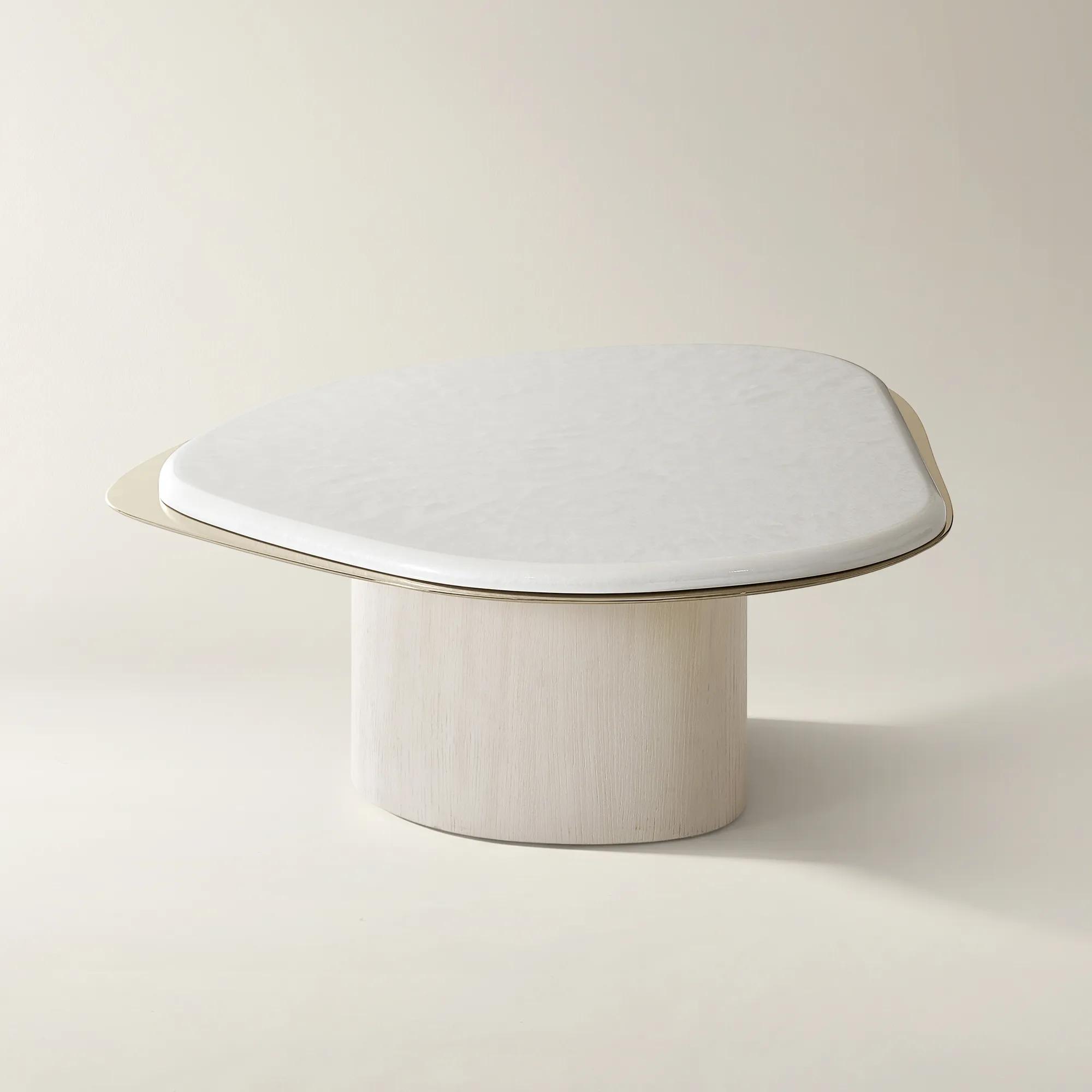
 Lumina Bleached Oak Coffee Table With Pearl Lacquered Top (32")$899
A sculptural coffee table featuring a pearl lacquered top, bleached oak base, and champagne gold trim.
Add To Cart -
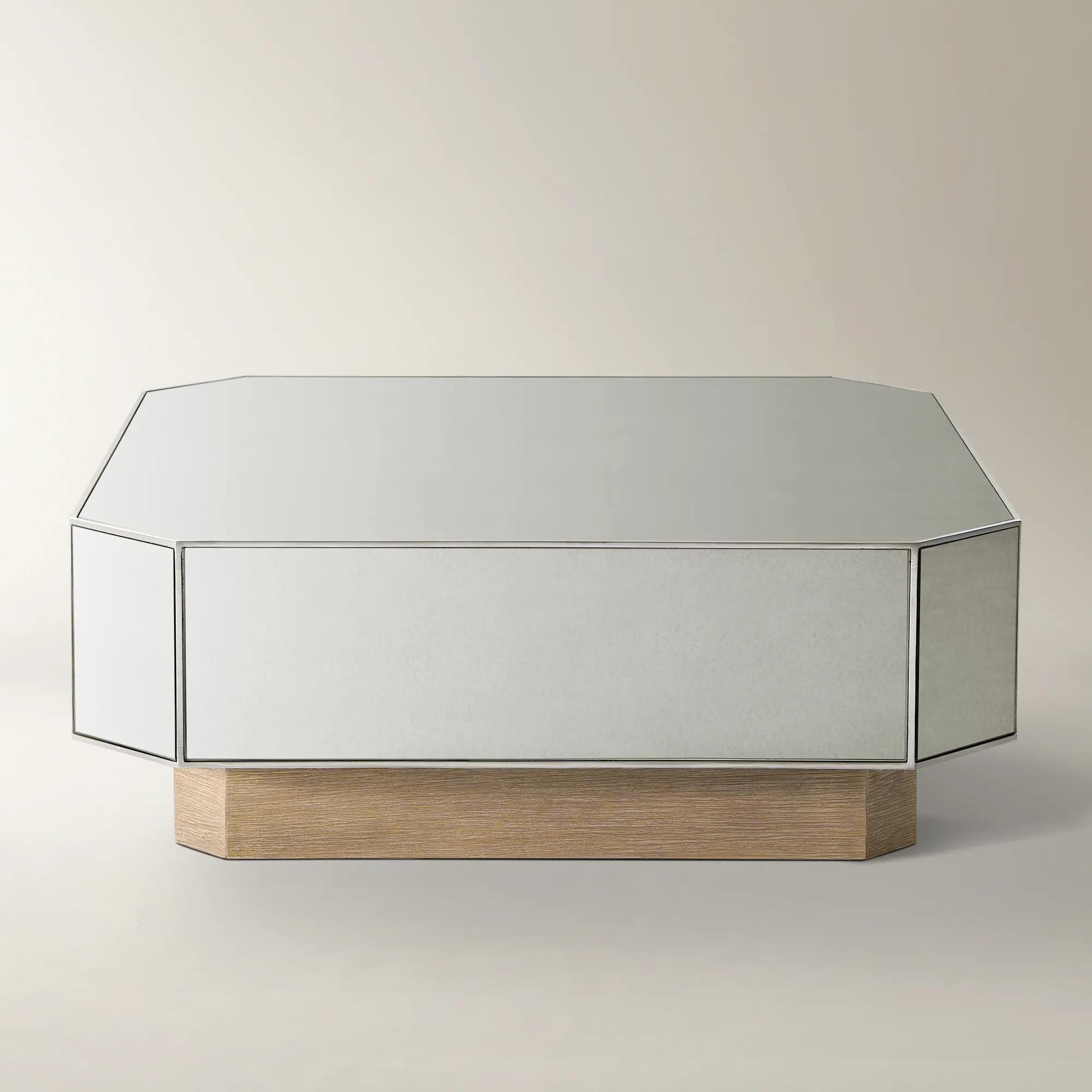 Glimmer Silver Mirrored Coffee Table (44")$1699
A luminous coffee table featuring an antique silver mirror top and warm oak veneer base with handcrafted details.
Add To Cart -
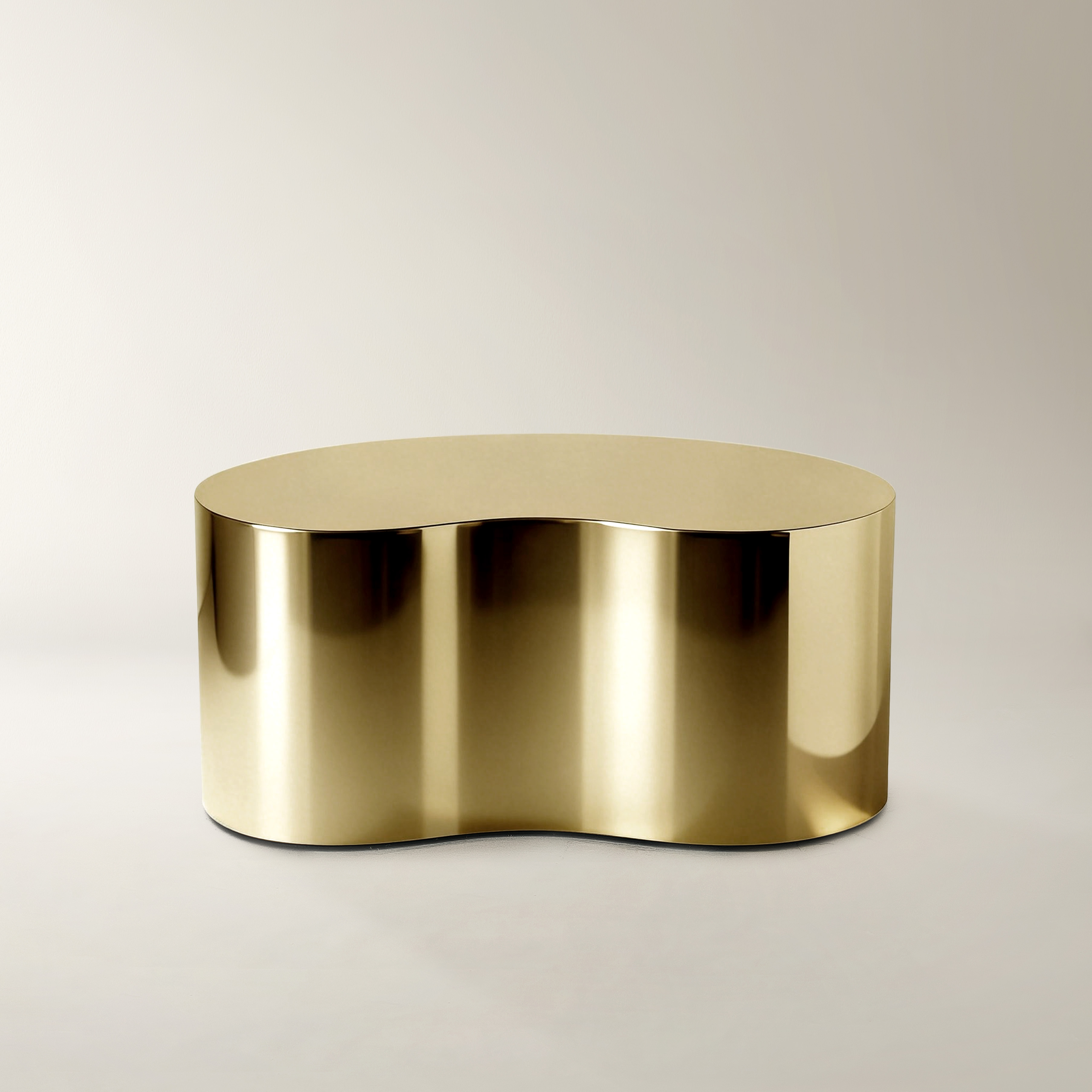 Aurea Soft Gold Coffee Table (37.5")$999
A sculptural coffee table crafted from premium stainless steel with a high-gloss soft gold mirror finish.
Add To Cart -
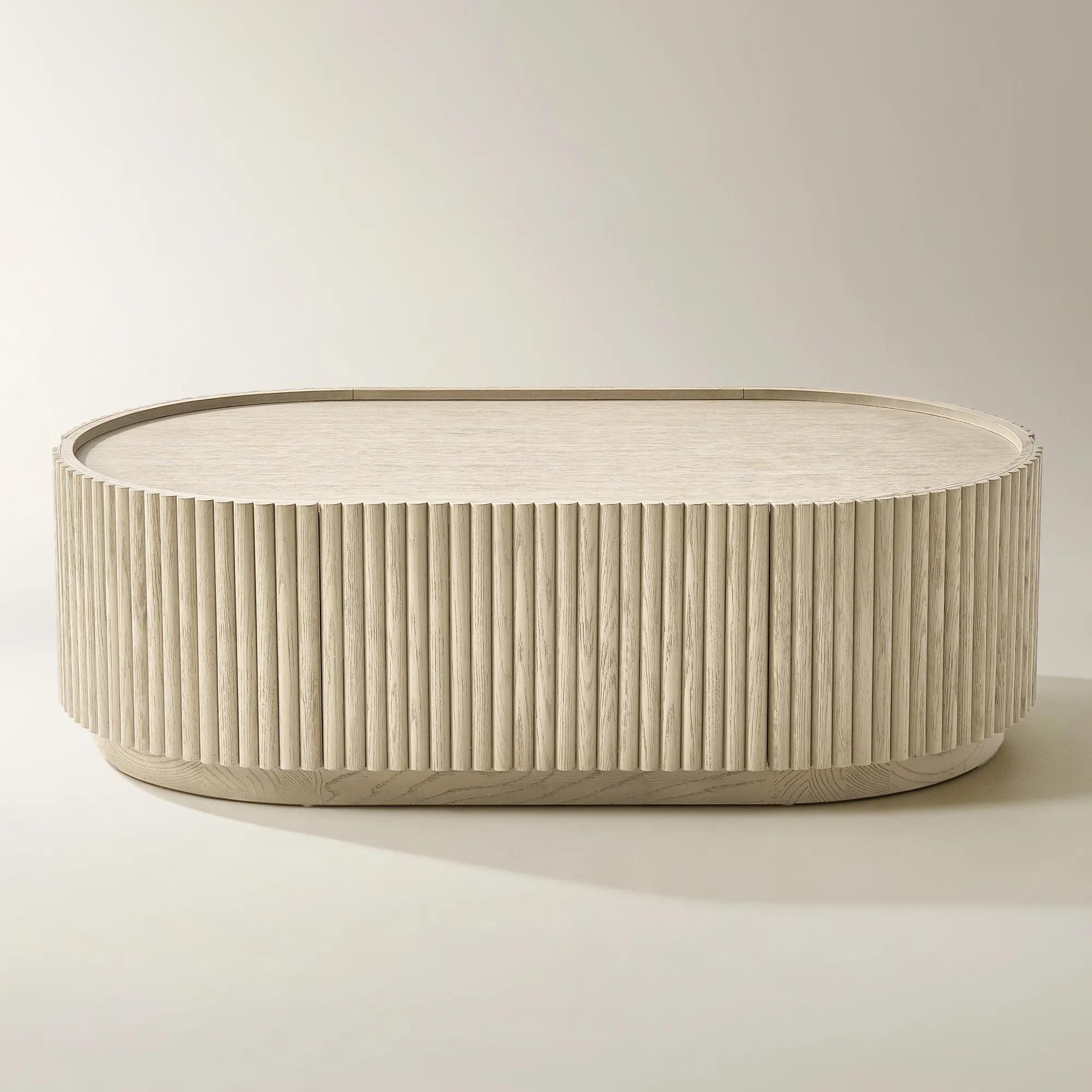
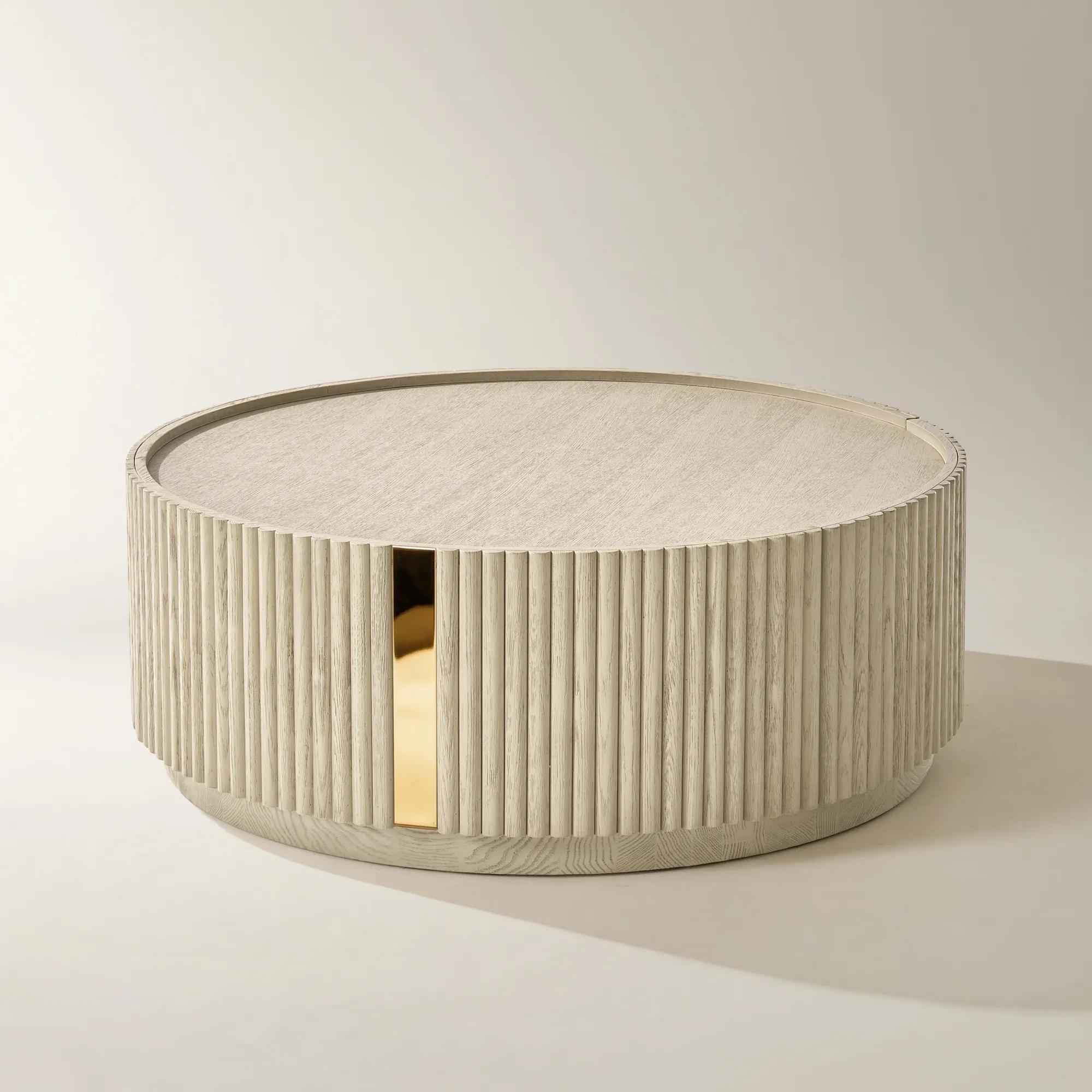
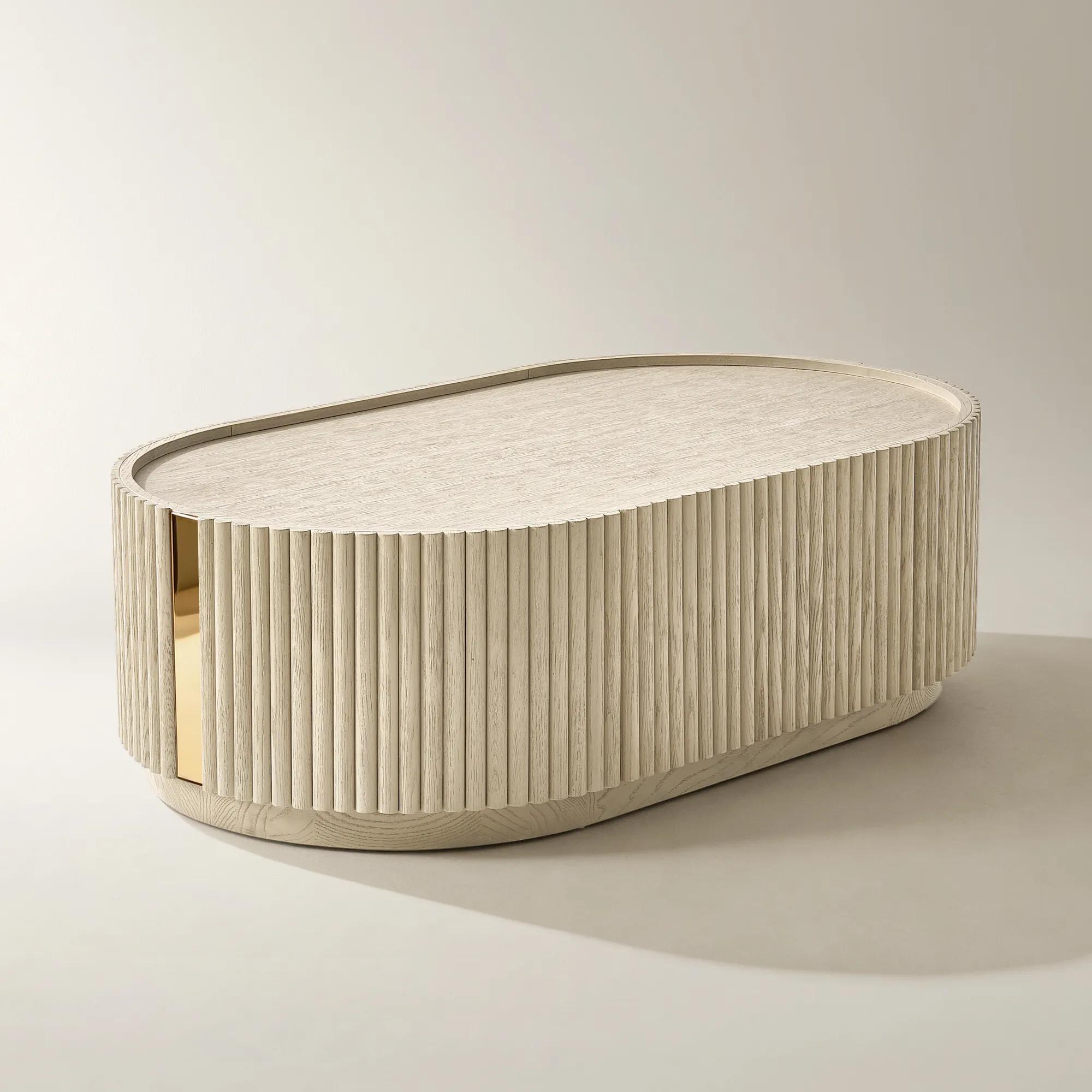 Stria Oval Reeded White Oak Coffee Table with Drawer (52")$1399
A reeded white oak coffee table with soft gold accents, recessed tabletop, and concealed soft-close drawer.
Add To Cart -
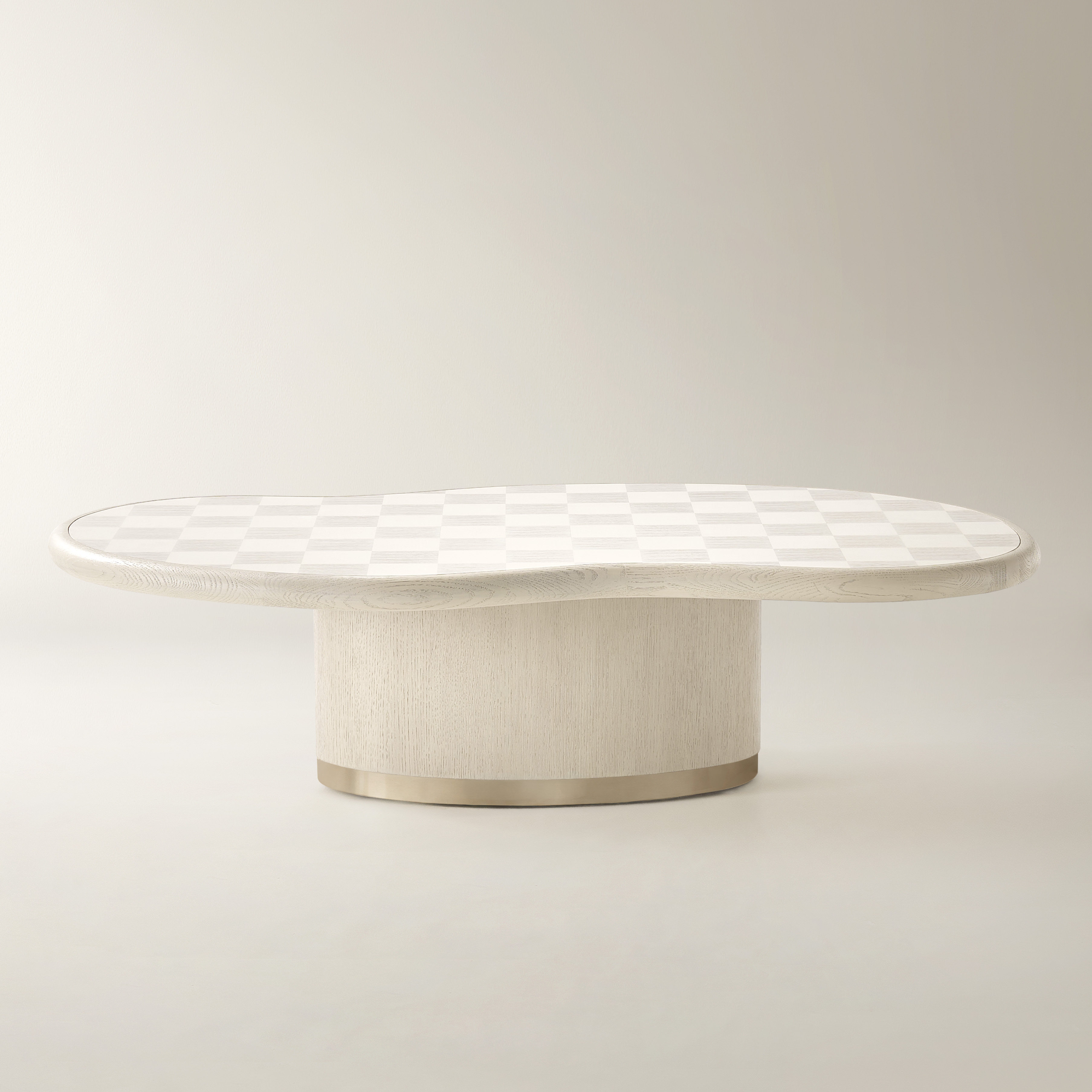 Vetra Checkerboard Oak and Maple Coffee Table (60")$1299
A sculptural coffee table featuring a hand-arranged oak and maple checkerboard top with gold-accented base.
Add To Cart -
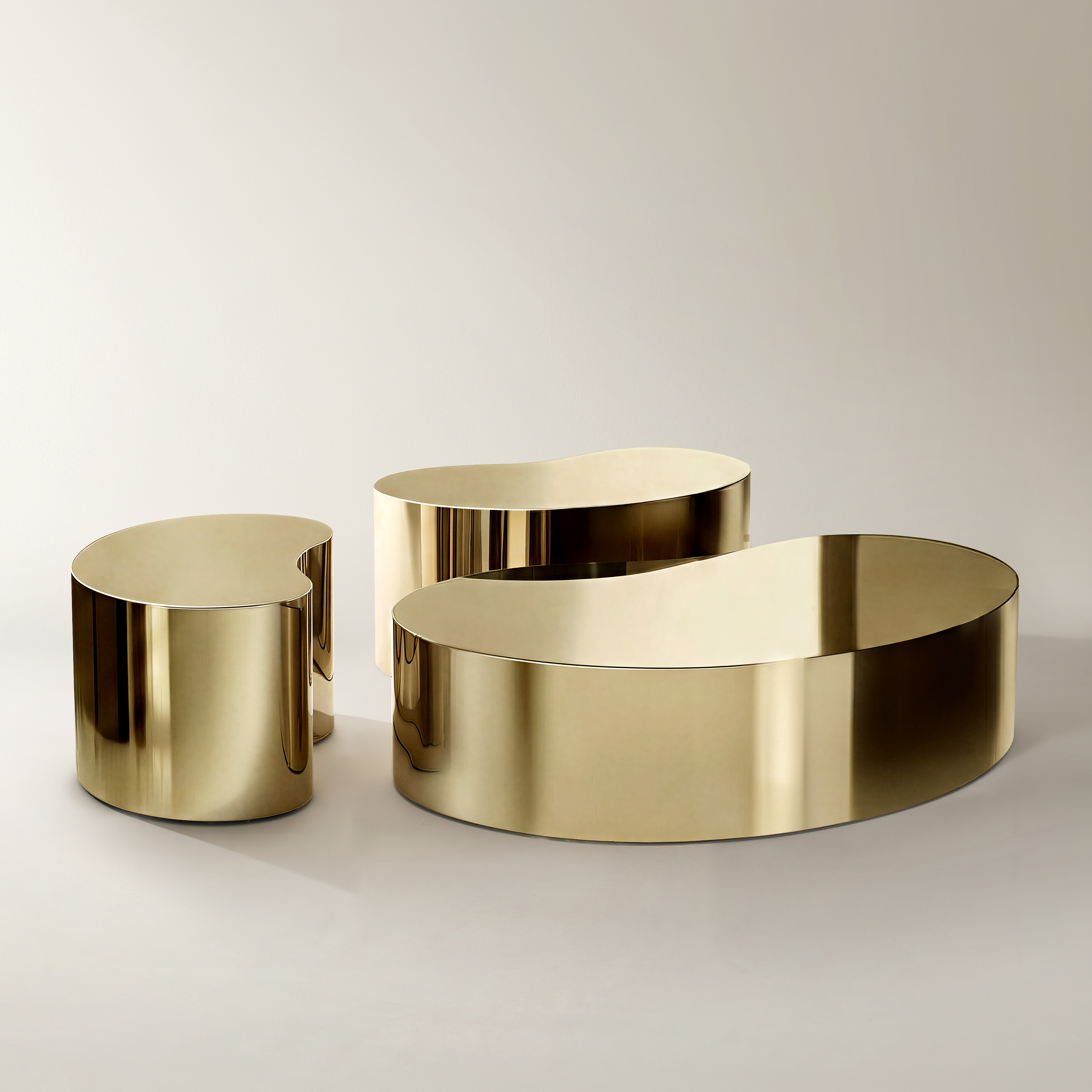 Aurea Soft Gold Coffee Table Set of 3 (32"-57")$3197
A sculptural coffee table crafted from premium stainless steel with a high-gloss, soft gold mirror finish.
Add To Cart -
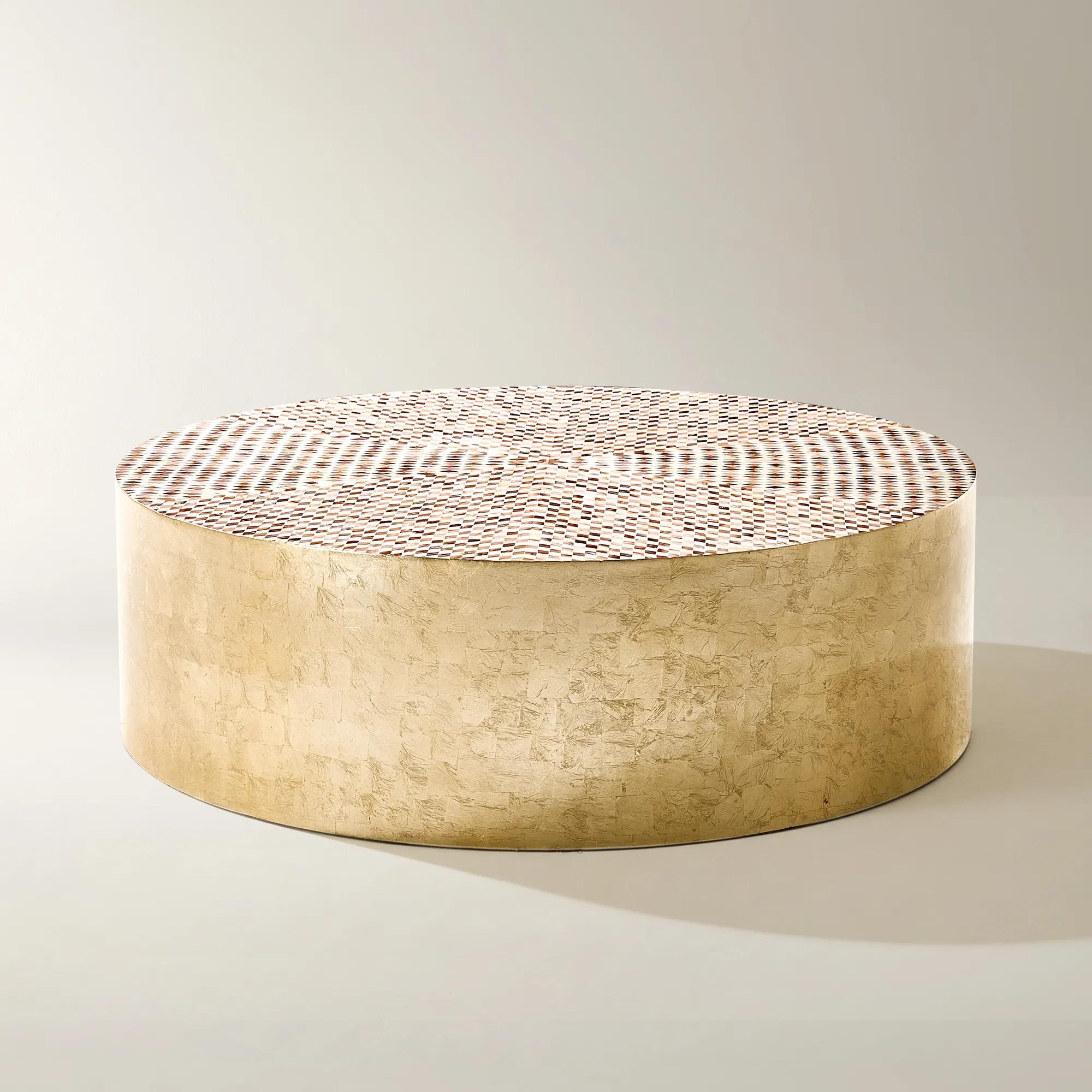
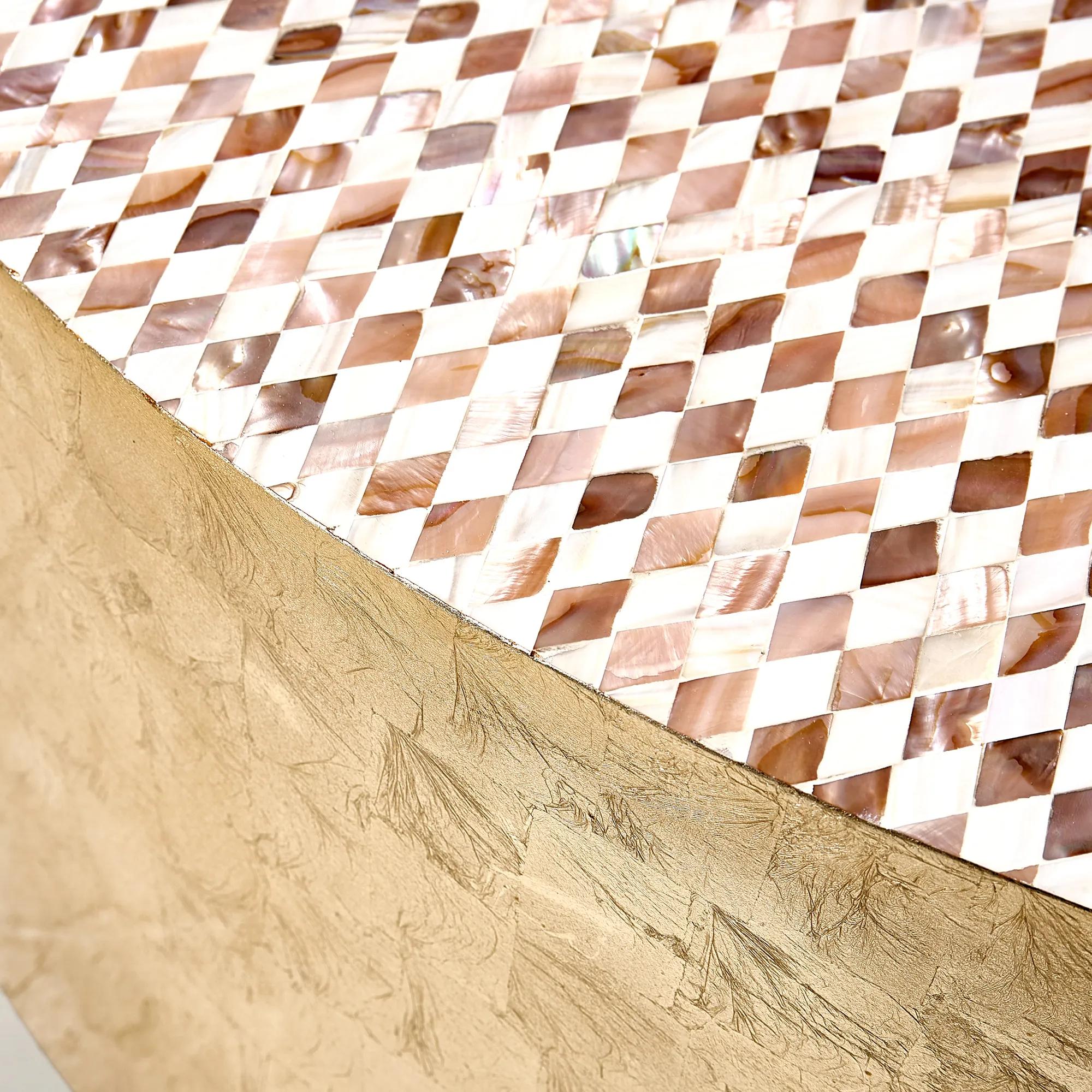 Lucien Round Diamond Coffee Table (47.24")$1299
A sculptural round coffee table featuring a hand-laid mother-of-pearl diamond mosaic and gold leaf sides.
Add To Cart -
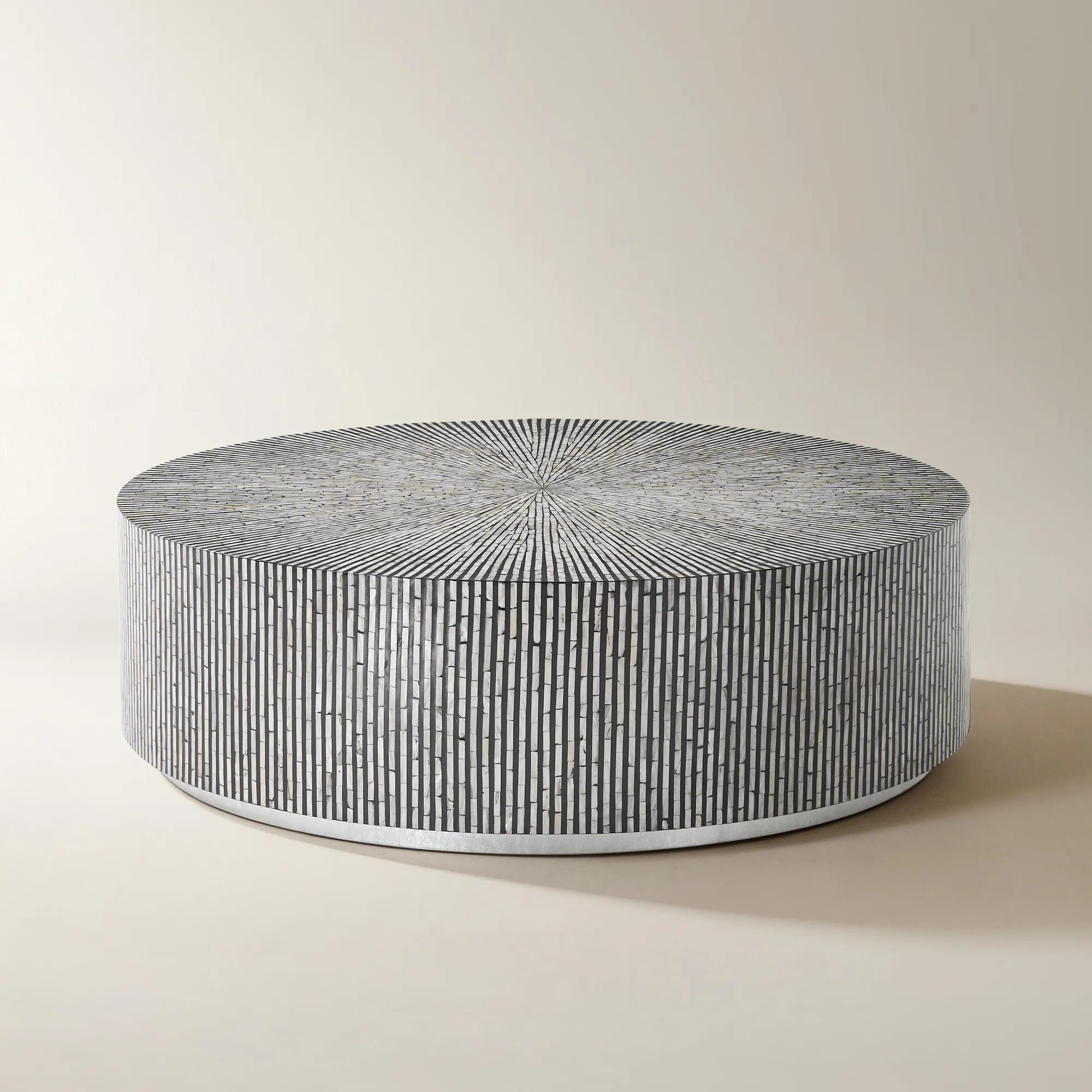
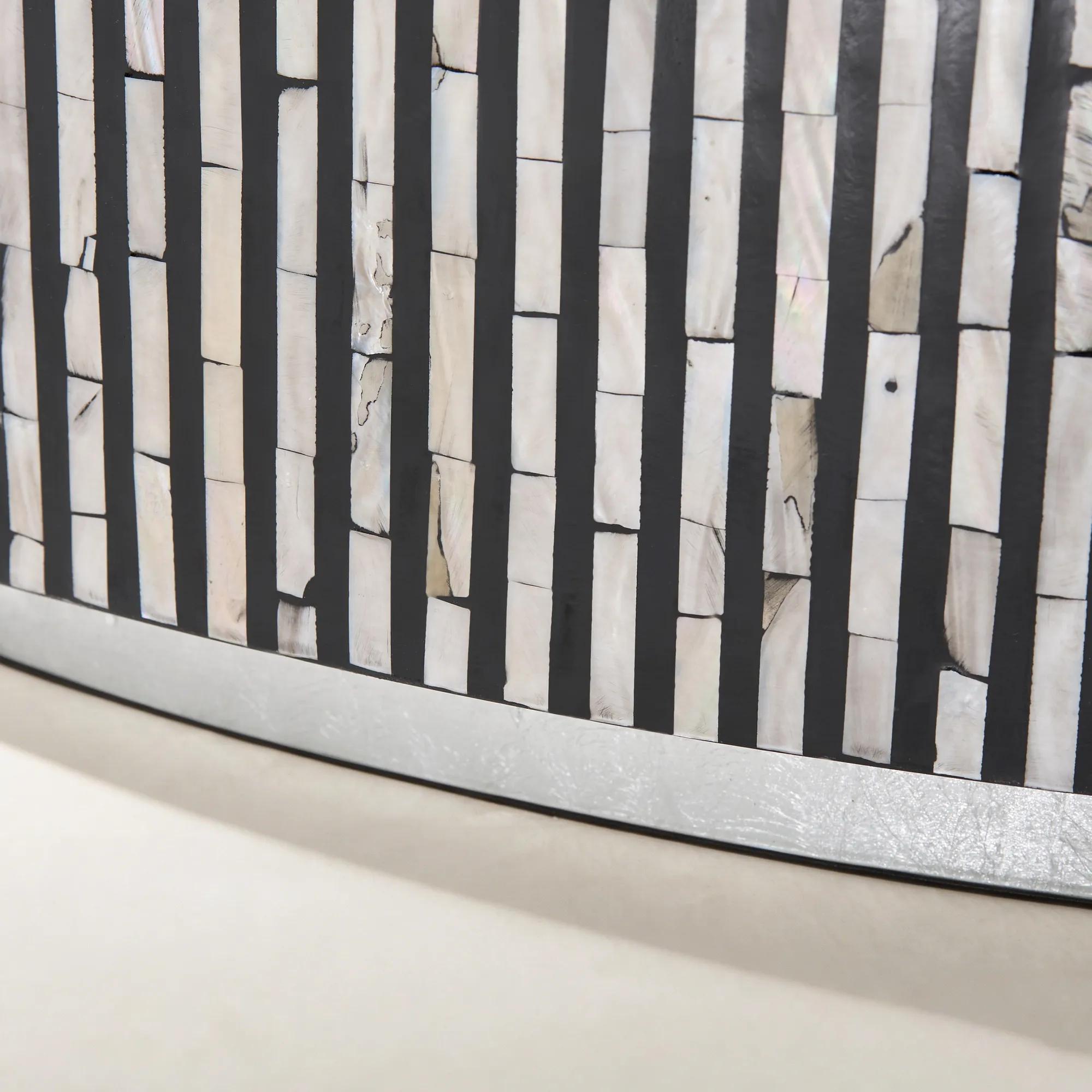 Marina Round Mosaic Black Coffee Table (52")$1399
A sculptural black coffee table featuring hand-applied mother-of-pearl mosaic and a silver leaf base.
Add To Cart -
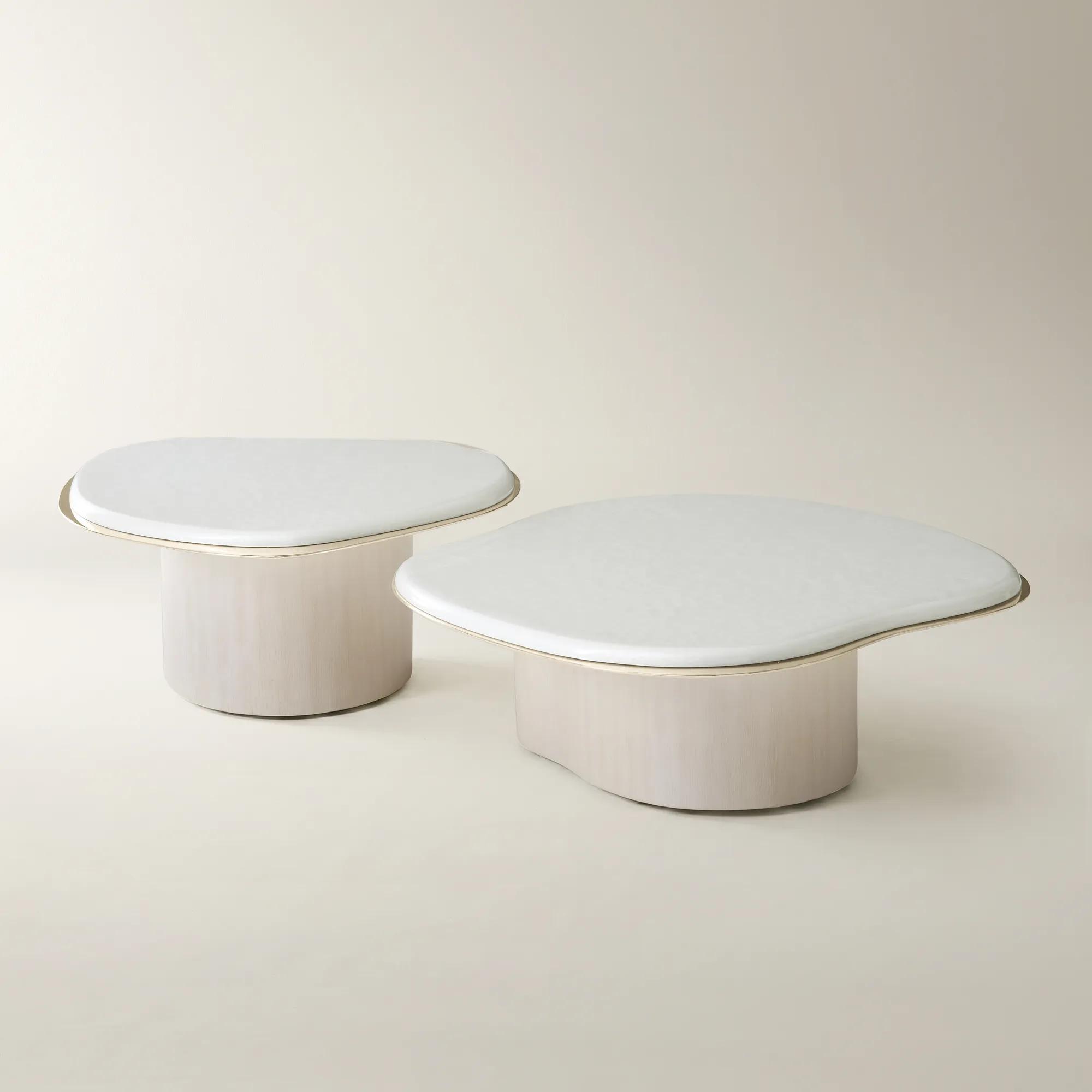 Lumina Bleached Oak Coffee Table Set Of 2$2098
A set of sculptural coffee tables featuring pearl lacquered tops, bleached oak veneer, and champagne gold trim.
Add To Cart -
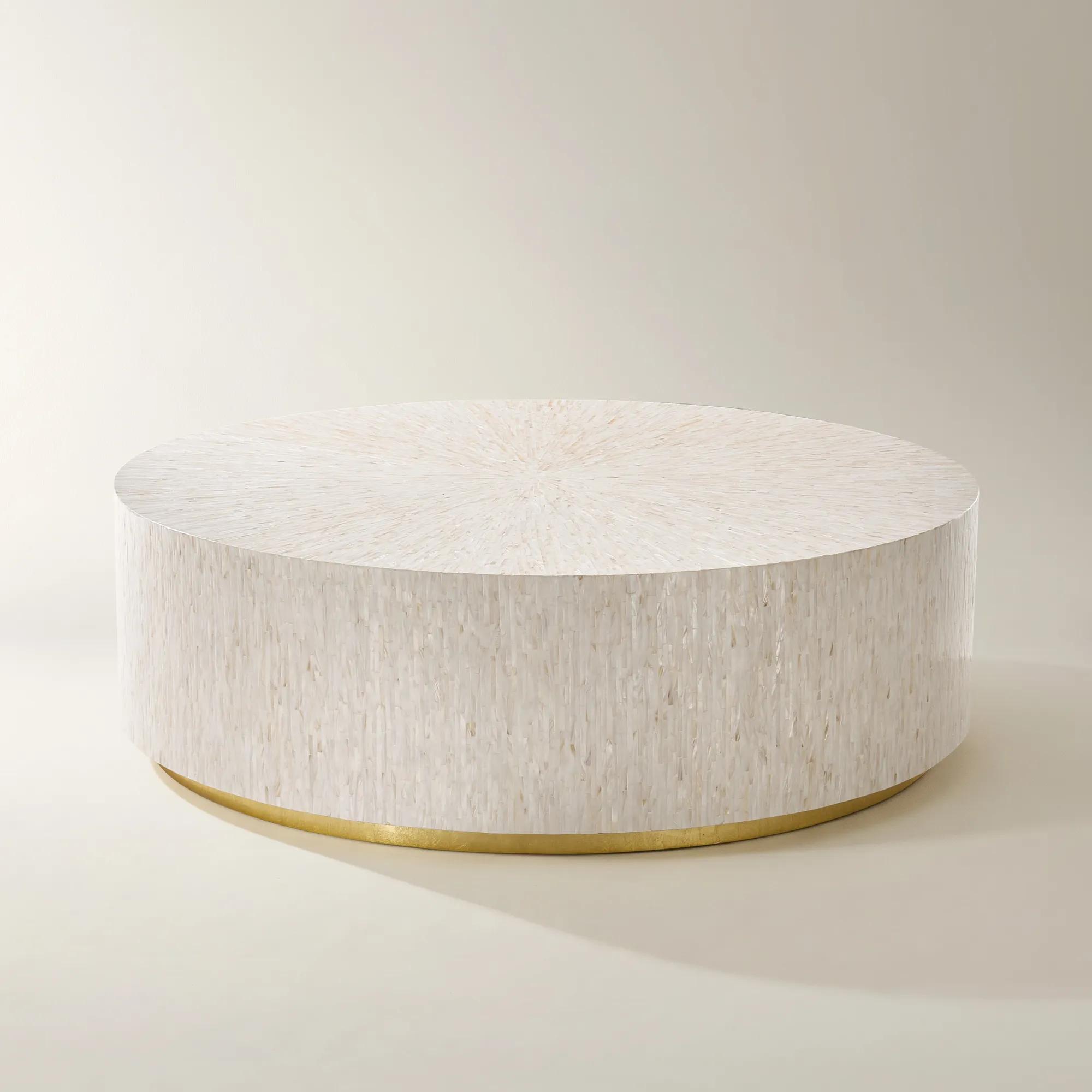 Alexandria Round Mosaic Platinum Coffee Table (52")$1399
A luminous mother-of-pearl mosaic coffee table with a sculptural round form and gold leaf–accented base.
Add To Cart -
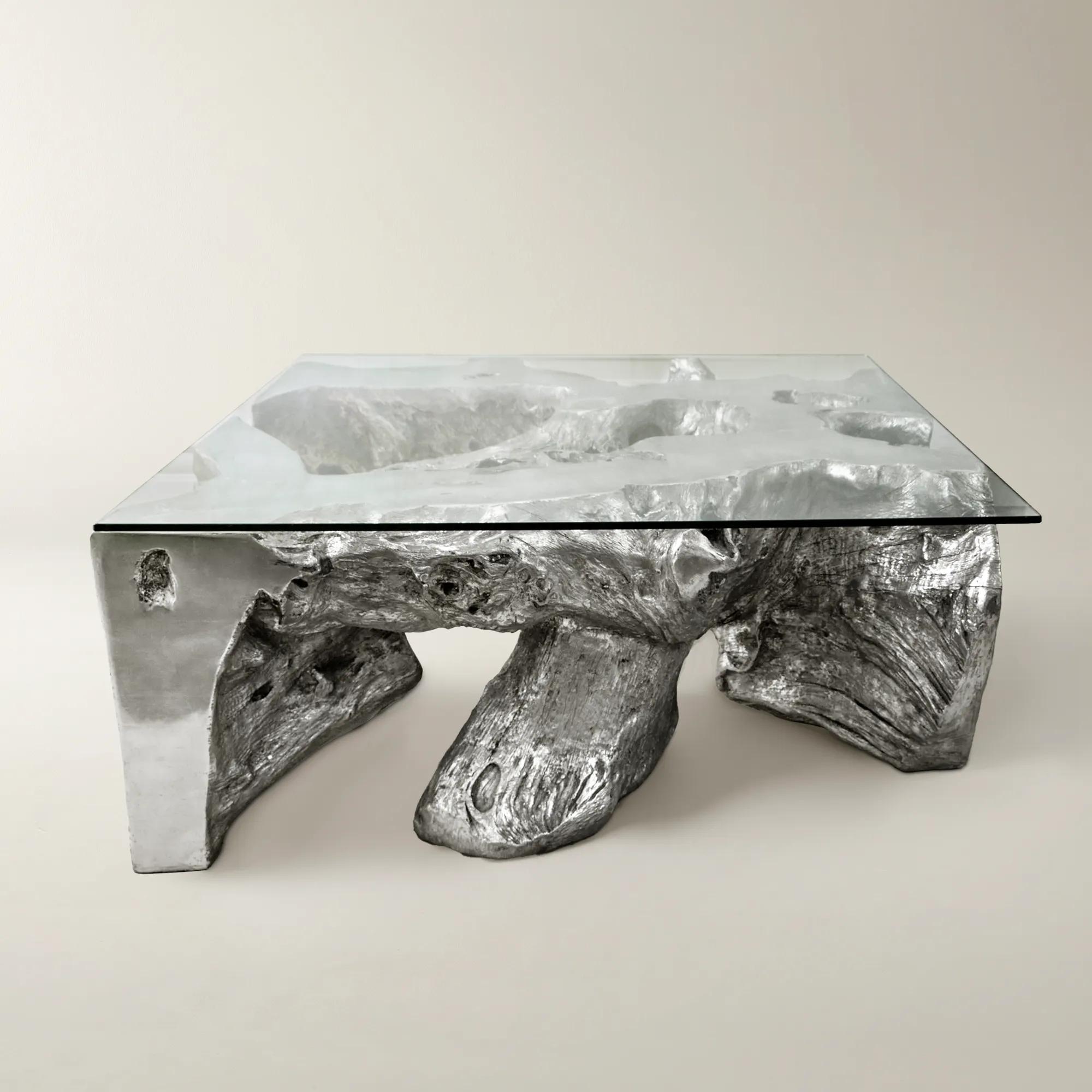 Sequoia Silver Resin Coffee Table With Glass Top (44")$2299
A sculptural coffee table featuring a hand-applied silver leaf resin base and a tempered glass top.
Add To Cart -
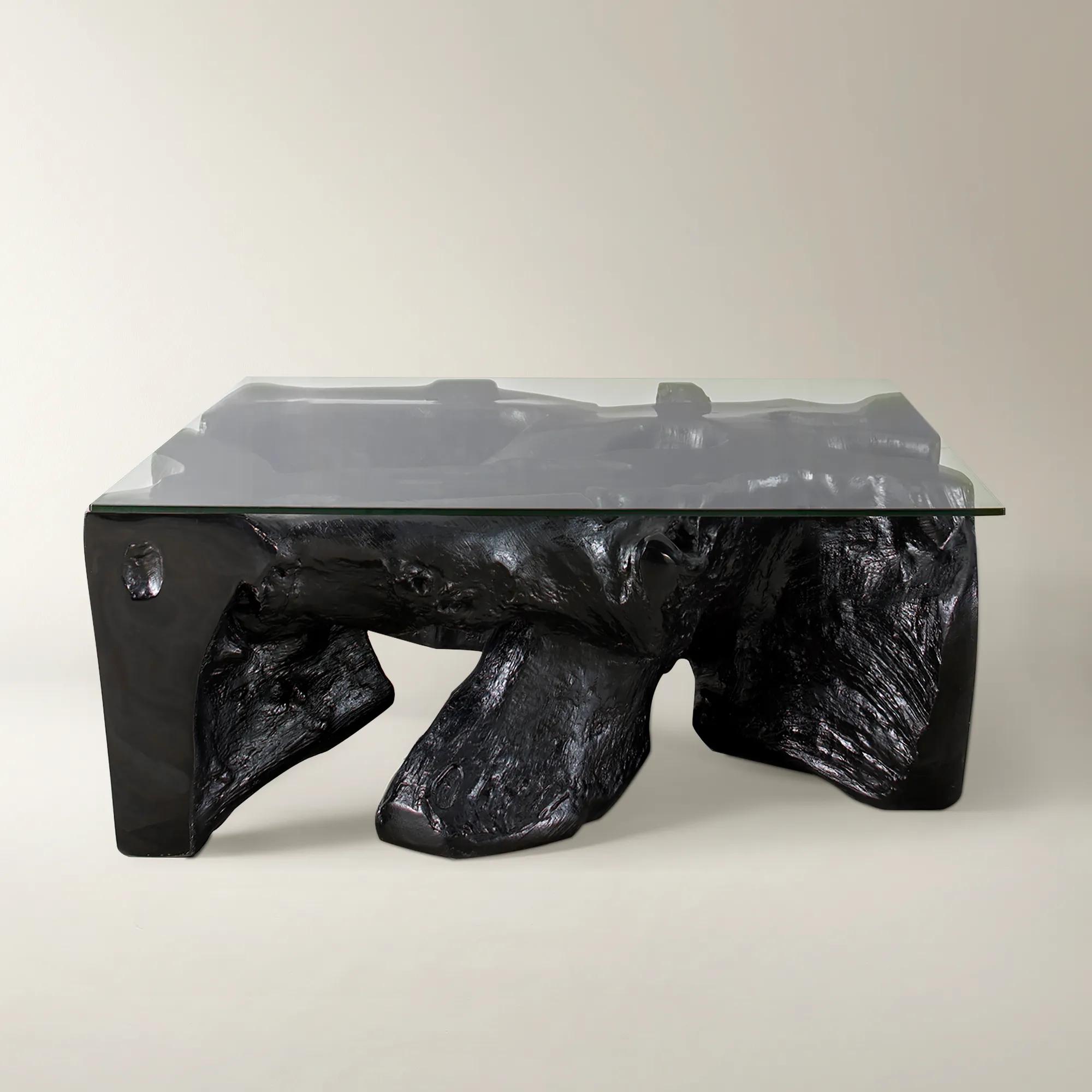
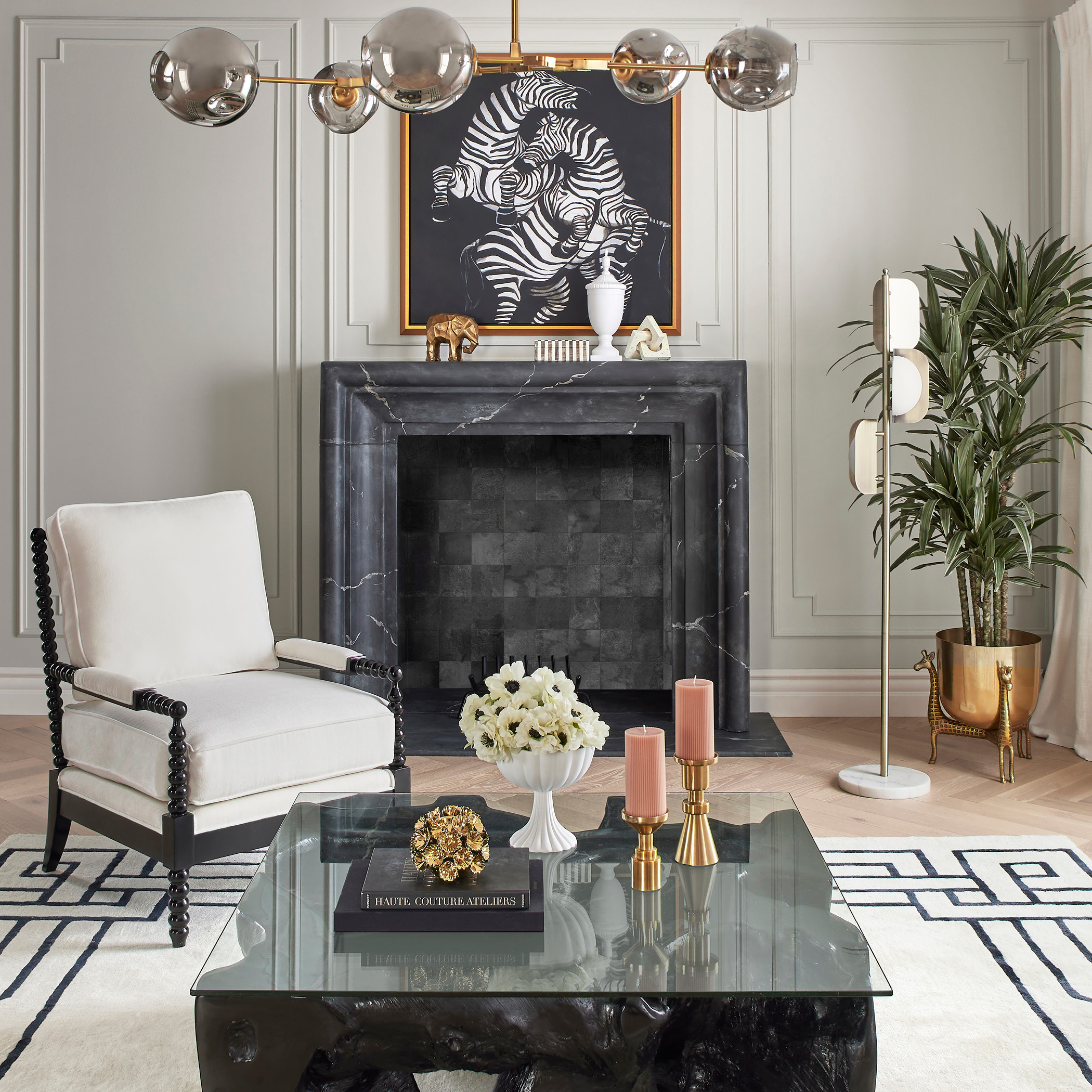 Sequoia Black Resin Coffee Table With Glass Top (44")$2299
A sculptural black coffee table crafted from resin and polished stone fragments for indoor or outdoor use.
Add To Cart -
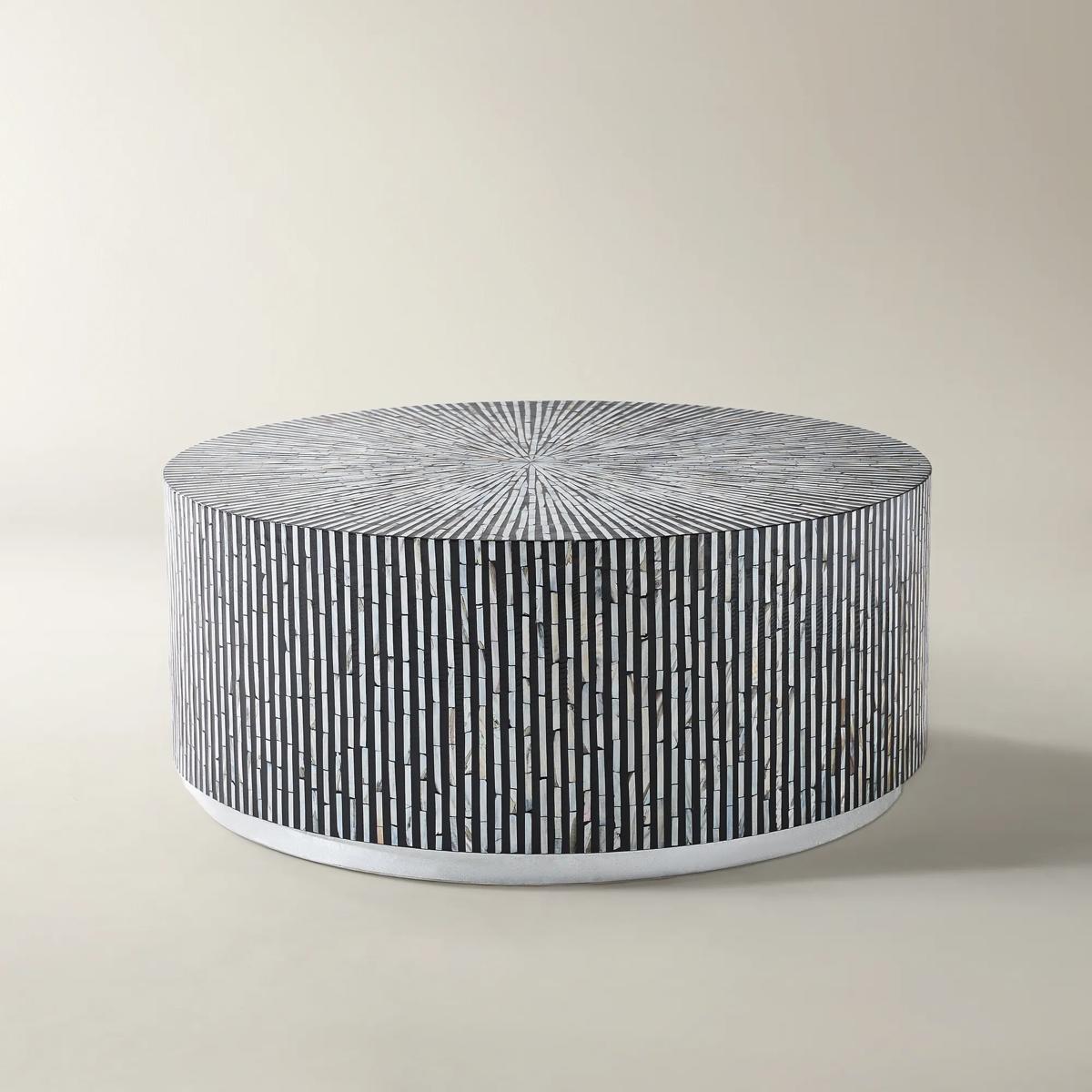
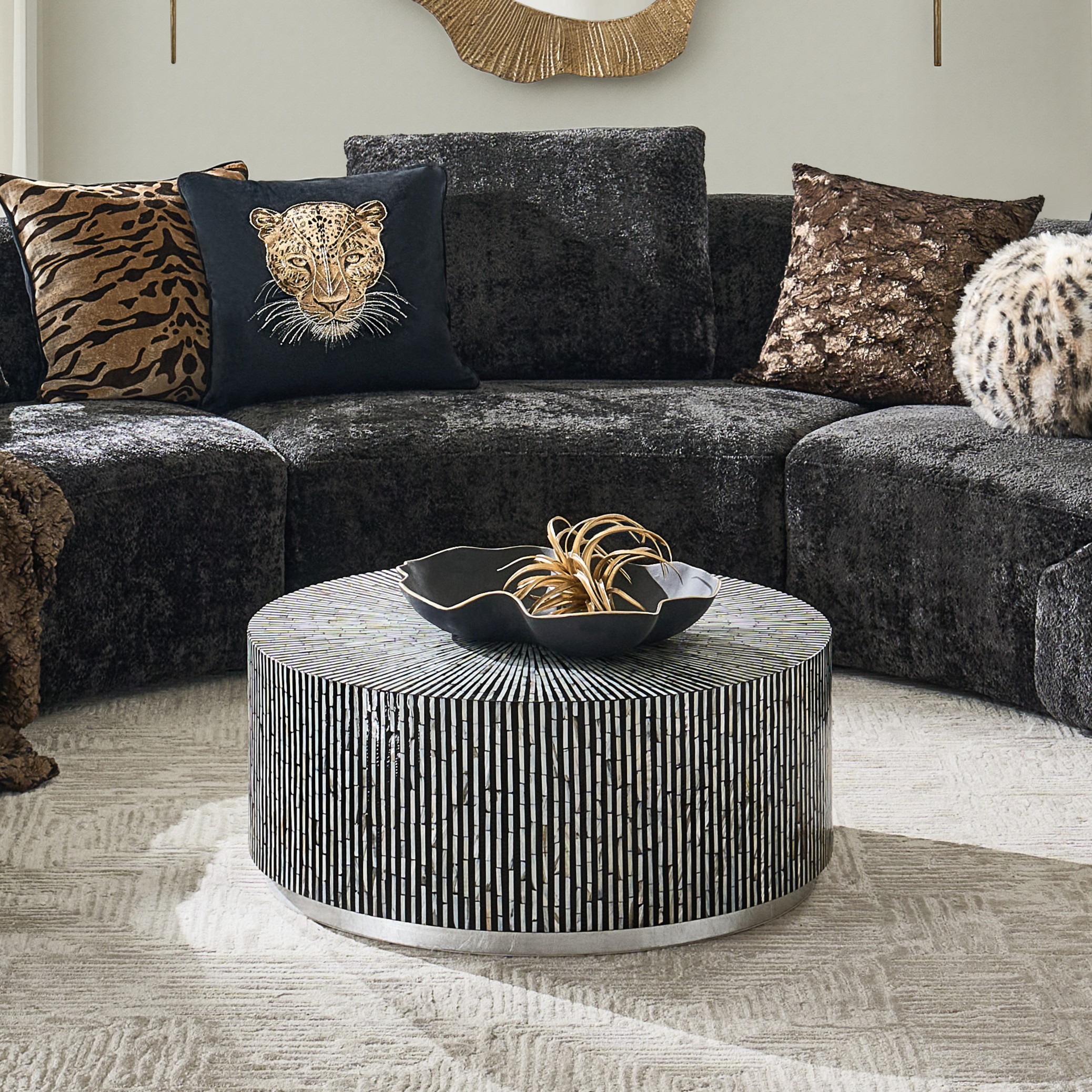 Marina Round Mosaic Black Coffee Table (35.8")$799
A handcrafted round coffee table featuring iridescent mother-of-pearl inlay and a silver leaf base.
Add To Cart -
 Lumina Bleached Oak Coffee Table Set Of 3$2597
A sculptural set featuring pearl lacquered tops, bleached oak veneer bases, and champagne gold trim accents.
Add To Cart -
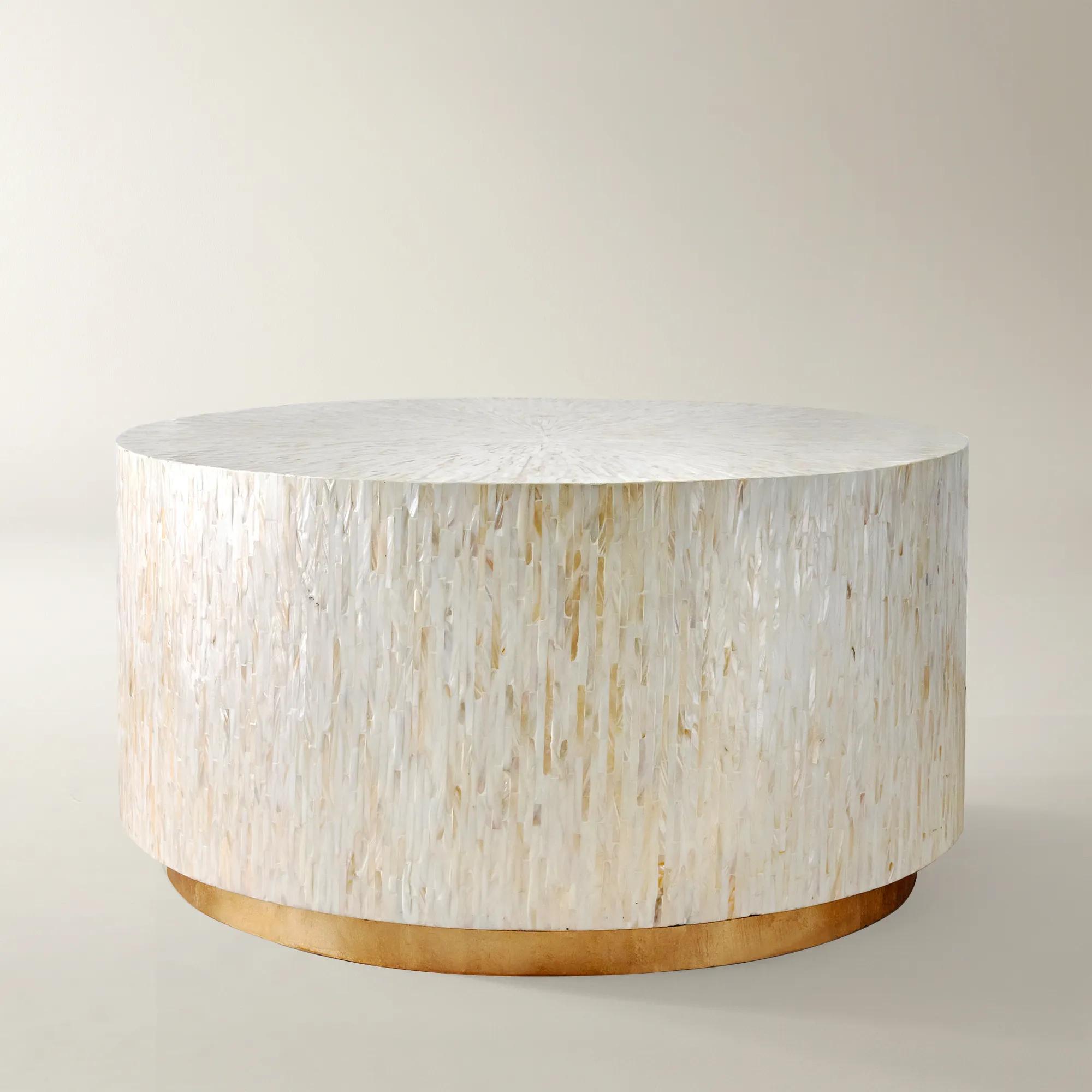
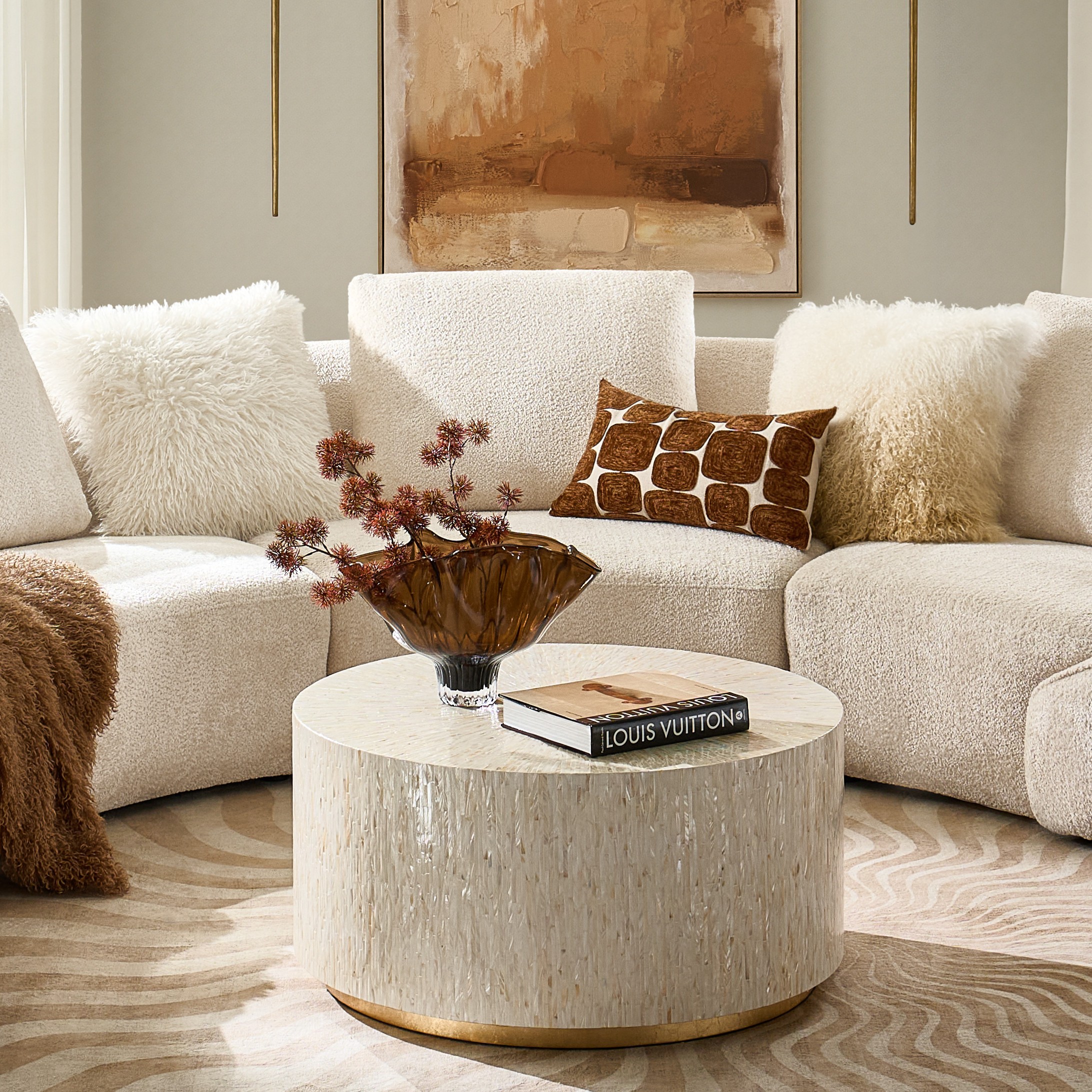 Alexandria Round Mosaic Platinum Coffee Table (36")$799
A luminous ivory coffee table featuring hand-applied mother-of-pearl mosaic and a gold leaf-accented base.
Add To Cart -
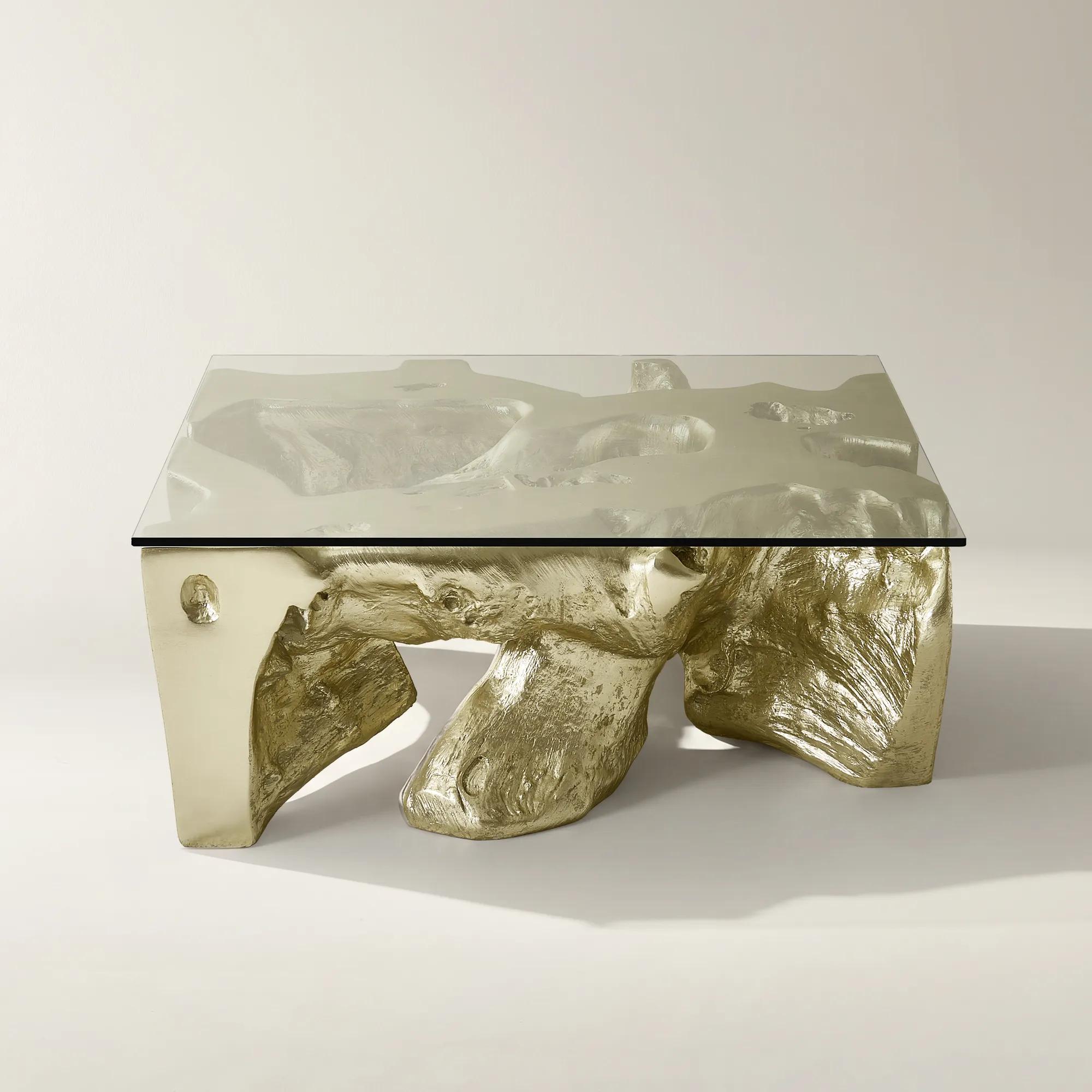 Sequoia Champagne Gold Resin Coffee Table With Glass Top (44")$2299
A sculptural resin coffee table with a champagne gold leaf finish and a clear tempered glass top.
Add To Cart

Unique Shaped Coffee Tables
Unique Shaped Coffee Tables invite the unexpected into your living space, transforming the ordinary into a bold artistic statement. Each silhouette is a celebration of form and imagination, designed to spark conversation and elevate your décor with sculptural intrigue. Whether you’re curating a dramatic focal point or layering visual interest, these tables offer more than utility—they become the heartbeat of your room’s narrative. Embrace the allure of geometry, curves, and creative contours that capture attention from every angle, turning your coffee table into a masterpiece of self-expression.
Unique shaped coffee tables bring sculptural presence to the center of a seating arrangement, replacing predictable outlines with organic curves, asymmetric profiles, and unexpected geometry. Their defining feature is a distinctive silhouette: cloud-like contours, pebble-inspired forms, kidney shapes, undulating edges, or intersecting planes that make the table feel considered from every angle. Some designs express their character through the tabletop alone; others pair a restrained surface with an architectural pedestal or an open, artful base. Organic coffee tables introduce softness beside a tailored sofa, while angular forms create a sharper contrast against plush upholstery and generously scaled cushions. A free-form glass top can reveal the composition beneath it, allowing a dramatic base and patterned rug to share the spotlight. A substantial stone silhouette creates a different mood, grounding the room with visual weight and richly varied texture. The sculptural character of Unique Modern Coffee Tables feels especially compelling in interiors where furniture is part of the artistic expression, rather than simply a backdrop. These pieces suit formal living rooms, intimate conversation areas, and family spaces that call for personality without sacrificing a useful surface. A curved outline can echo an arched doorway or rounded lounge chair; a geometric profile can pick up the lines of framed artwork or a faceted accent. The most convincing combinations do not require every shape to match. Contrast gives the arrangement depth, particularly when a flowing tabletop sits between crisp upholstery and a rectangular rug. Styling can remain selective so the silhouette stays visible: a low ceramic bowl, a generous art book, or a single sculptural vessel gives the surface purpose without concealing its outline. For entertaining, an open stretch of tabletop leaves room for drinks and small plates; between gatherings, the same surface becomes a quiet stage for objects with personal significance. The result is a focal point that feels expressive and comfortable to live with.
Materials give unusual coffee table shapes their distinct atmosphere, and the finish influences both daily use and long-term care. Marble and travertine bring natural variation, with veining, tonal shifts, and pores that make each surface visually individual. Broad curves can emphasize the movement within the stone, while a thick edge gives even a low table a substantial presence. Natural stone requires thoughtful care: coasters and trays help protect the surface, spills should be blotted promptly, and acidic liquids can etch sensitive materials such as marble and travertine. Sealing requirements vary by stone and finish, so care should follow the manufacturer’s recommendations. Wood introduces warmth and expressive grain, whether the design features a rounded solid-wood profile or a carefully veneered surface. Veneer is a real-wood layer over a supporting core, and its performance depends on the quality of the substrate, edges, finish, and construction. Both solid wood and veneered furniture benefit from protection against standing moisture, hot dishes, and prolonged direct sunlight. Glass lends visual openness, making a broad or irregular tabletop feel less imposing in a compact seating arrangement. Tempered glass is stronger than ordinary glass, but it is not scratchproof or unbreakable, and exposed edges still deserve care. Mirrored surfaces create a more reflective effect, catching surrounding light and lending a jewel-like quality to the room; fingerprints and water marks may be more noticeable on these finishes. Metal can introduce polished brilliance, brushed depth, or a restrained matte contrast, while resin and coated composite materials allow fluid forms that would be difficult to achieve in other mediums. Their resistance to heat, staining, and scratching varies, making finish-specific instructions essential. Across materials, a soft cloth and prompt attention to spills support a well-kept appearance, while abrasive pads and unapproved cleaners can damage delicate finishes. Durability also lives beneath the surface: secure connections, a stable base, and appropriate support matter as much as the drama of the outline. A beautiful table should feel composed in everyday use, not just in a photograph.
Scale determines how comfortably a statement coffee table belongs within the seating arrangement. A useful starting point is a table approximately two-thirds the length of a standard sofa, with the tabletop near the sofa’s seat height, often level with it or one to two inches lower. Many coffee tables fall around 16 to 18 inches high, although the right relationship depends on the seating itself; a deep, low lounge sofa and a more upright upholstered sofa call for different proportions. Approximately 14 to 18 inches between the table and seating generally supports comfortable reach while leaving legroom, and major walking routes need more generous clearance, often around 30 to 36 inches where the room allows. With an irregular silhouette, the widest projection matters as much as the listed length. A cloud-shaped lobe or extended corner may reach farther toward an armchair than the center of the table suggests. Mapping the actual outline on the floor helps reveal whether the shape preserves an easy route through the room and keeps useful surface area within reach. In front of a sectional, a broad pebble form can relate to multiple seats, while an elongated asymmetric profile may sit more naturally beside a longer sofa. The base also changes how a table feels in place: an open structure reveals more of the rug, while a substantial pedestal creates a stronger visual anchor. Rounded edges can soften circulation paths, but no shape alone makes a table safe for children or pets; stability, material, weight, and edge treatment all matter. For a household that regularly serves refreshments in the living room, a generous, level surface accommodates trays more easily than a narrow or sharply undulating top. In a quieter sitting room, sculptural impact may take precedence over serving space. Heavy stone and substantial wood designs also deserve consideration when rearranging furniture, with appropriate help for lifting and floor protection suited to the piece. When proportion, material, and daily rituals align, a unique shaped coffee table becomes more than an arresting object: it gives the entire seating area a distinctive, assured identity.
FAQs
Unique shaped coffee tables are remarkably versatile and can elevate a variety of design aesthetics. Their sculptural forms complement contemporary and modern interiors, adding a touch of drama and sophistication. In eclectic spaces, these tables serve as captivating focal points, while in glam or art deco-inspired rooms, they enhance the sense of luxury and artistry. Even traditional settings can benefit from the unexpected silhouette of an unusual table, introducing a fresh twist that feels curated and intentional.
To highlight the artistry of your coffee table, keep the surrounding décor thoughtfully curated. Use minimalist trays, bold coffee table books, or a single statement vase to draw attention to the table’s silhouette without overwhelming it. Layering textures—such as pairing glass or metal tables with plush rugs—can further accentuate their design. Let the table breathe within your space, ensuring it remains the star attraction while harmonizing with your room’s palette and mood.
Absolutely. These tables are designed to spark conversation and admiration, making them perfect for gatherings. Their distinctive forms offer ample surface area for serving drinks and hors d’oeuvres, while their artistic presence sets an elevated, welcoming tone. Guests are naturally drawn to the table, making it a centerpiece for memorable evenings and lively discussions.
Yes, a unique shaped coffee table can be a transformative addition to compact rooms. Opt for designs with open bases or glass tops to maintain visual lightness and avoid crowding the space. The table’s artistic silhouette can draw the eye and make the room feel thoughtfully designed, proving that even modest spaces can benefit from bold, expressive pieces.
A unique shaped coffee table makes an unforgettable gift for anyone who values design, creativity, and self-expression. It’s especially fitting for newlyweds, new homeowners, or those celebrating a milestone. Design aficionados, art lovers, and entertainers alike will cherish a piece that not only serves a purpose but also reflects their bold, individual style.