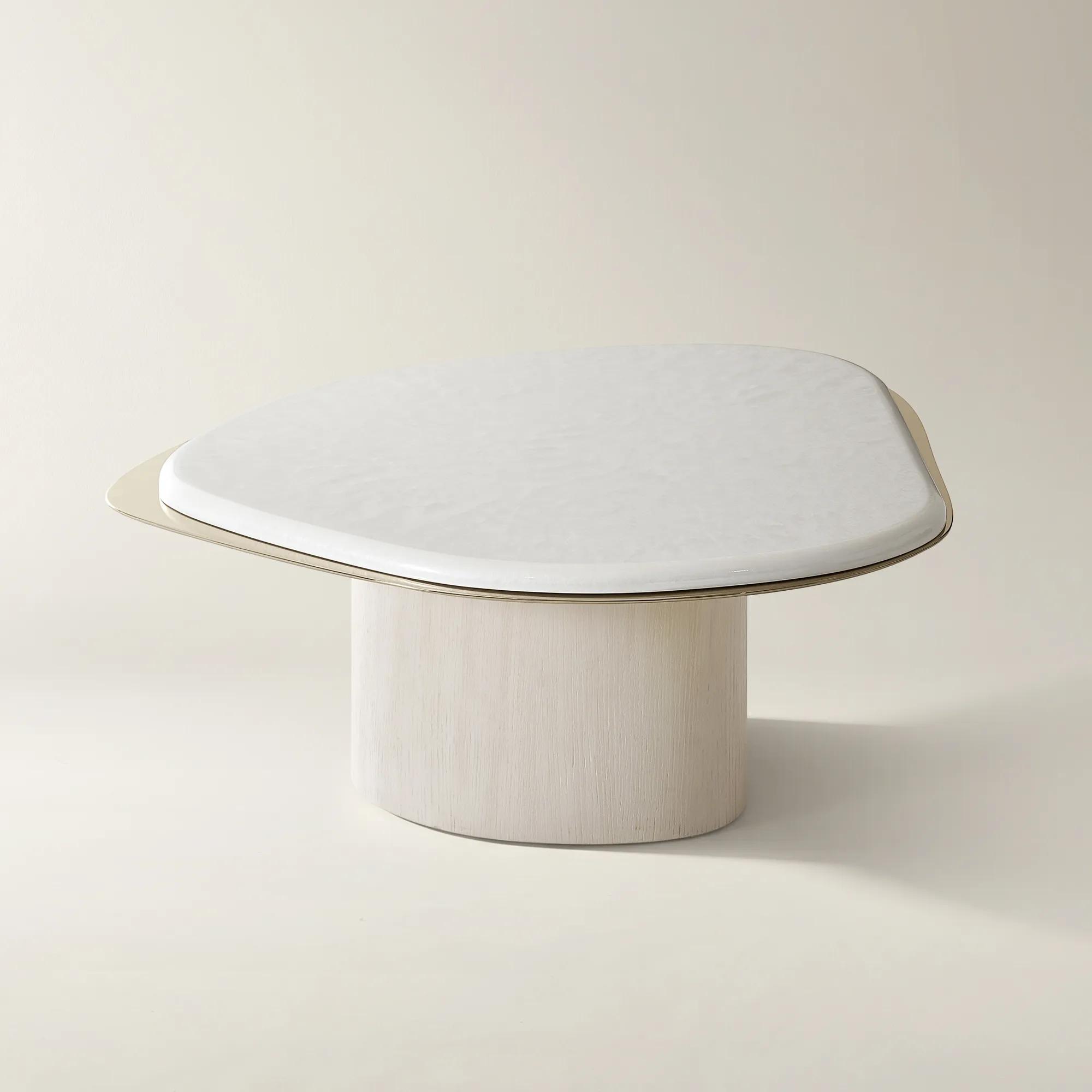
Unique Grain Pattern Coffee Tables
Unique Grain Pattern Coffee Tables
-
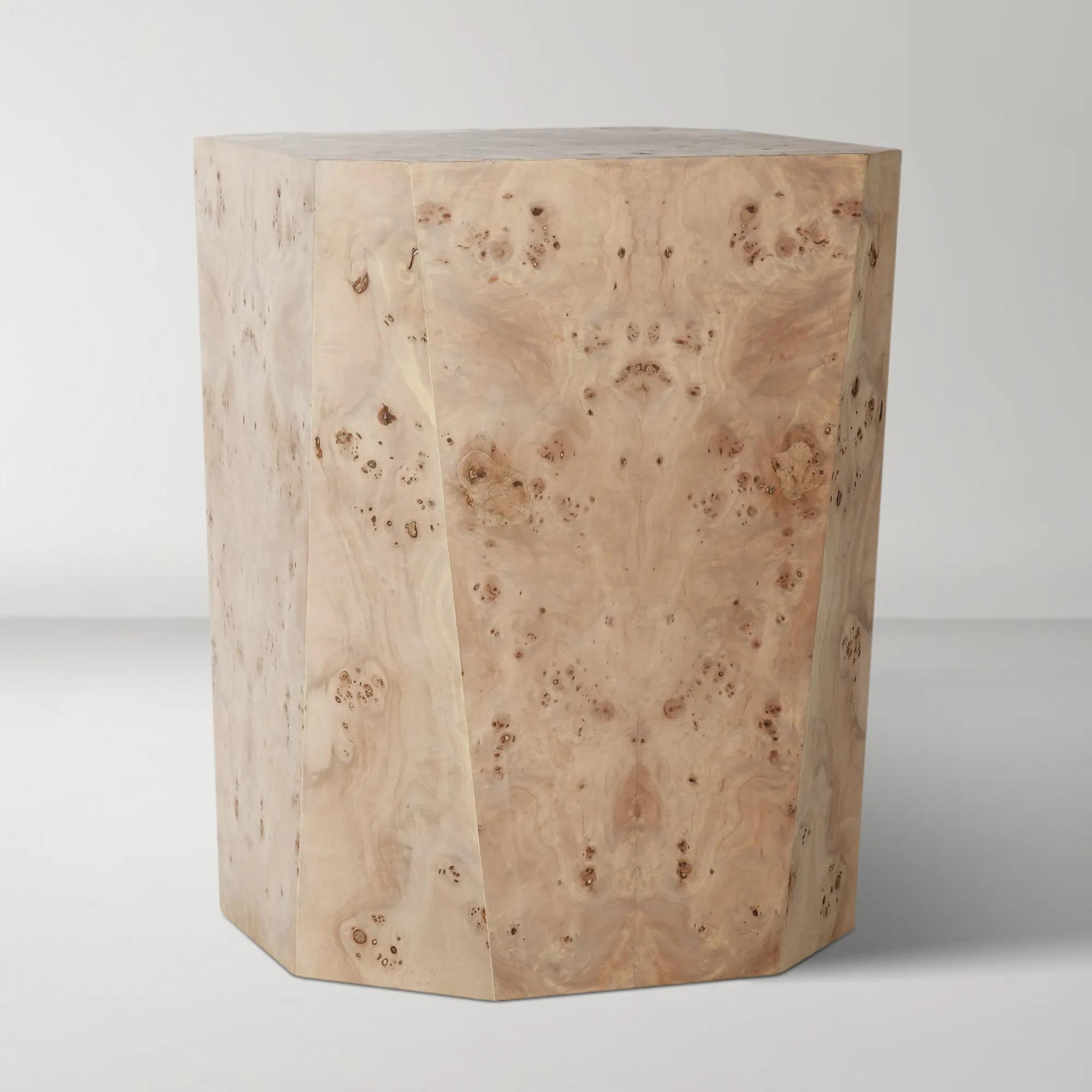
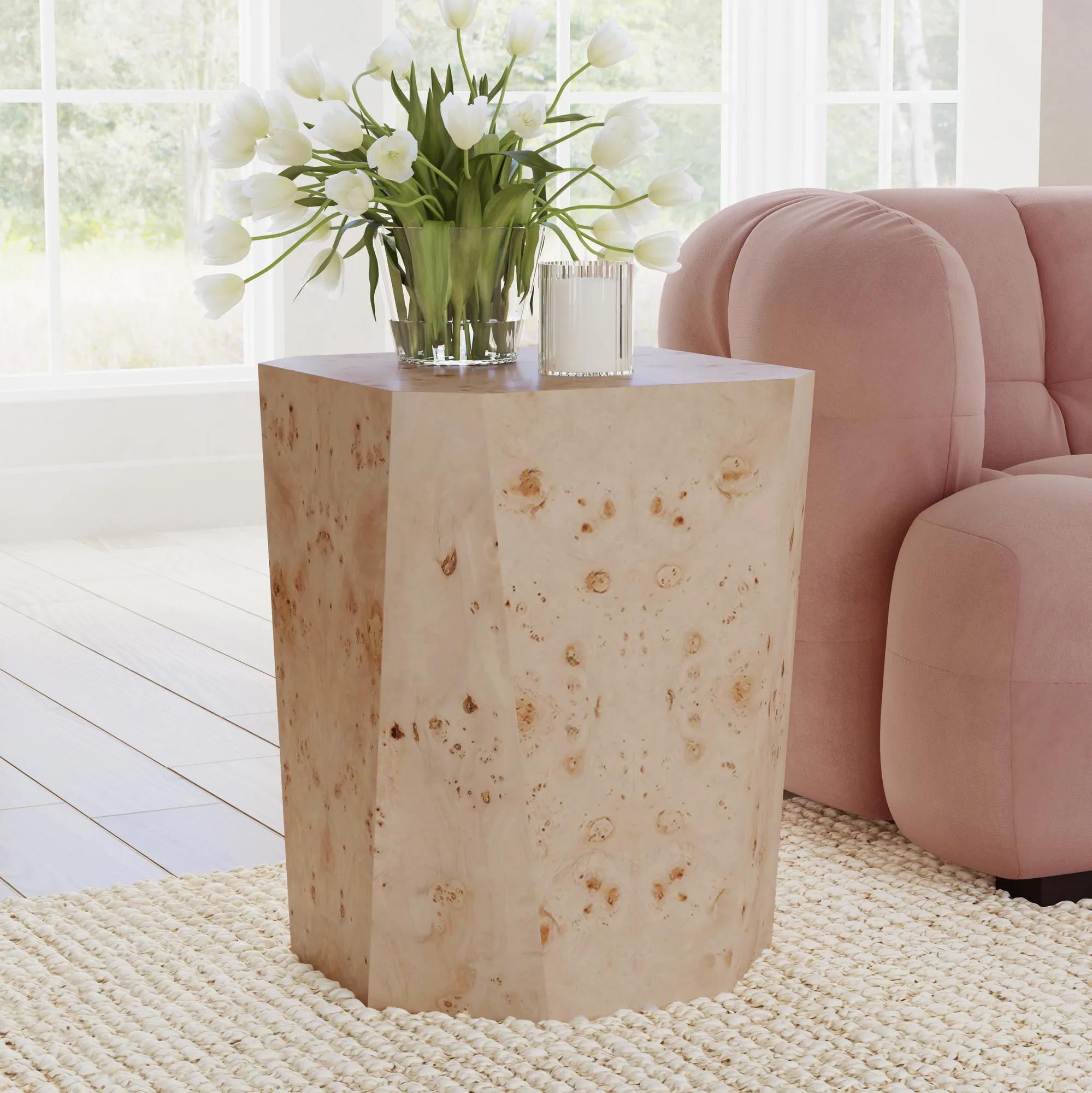 Avena Square Natural Burl Wood End Table (17.75")$699
A striking end table featuring natural burl wood veneer with unique swirling grain and warm, organic tones.
Add To Cart -
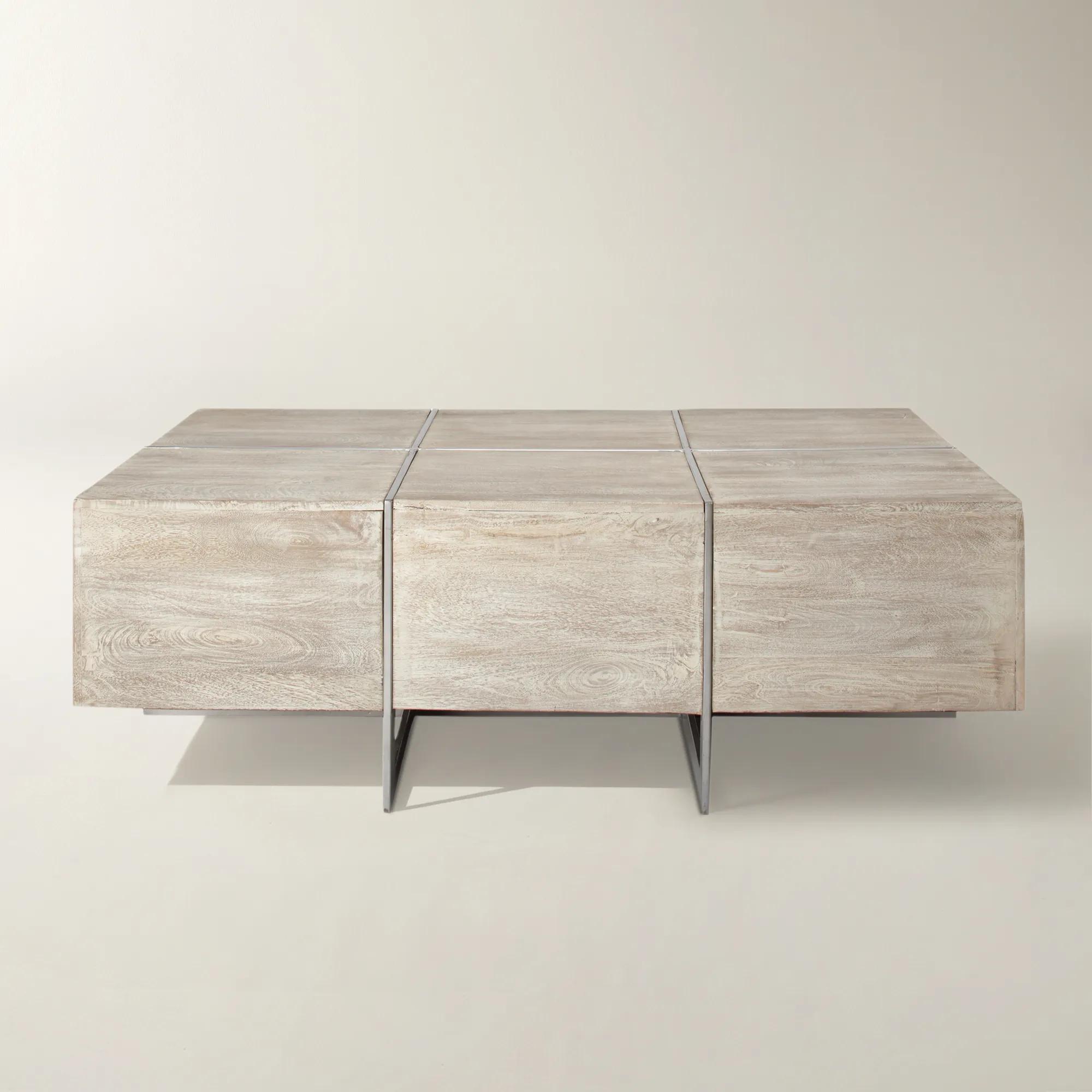
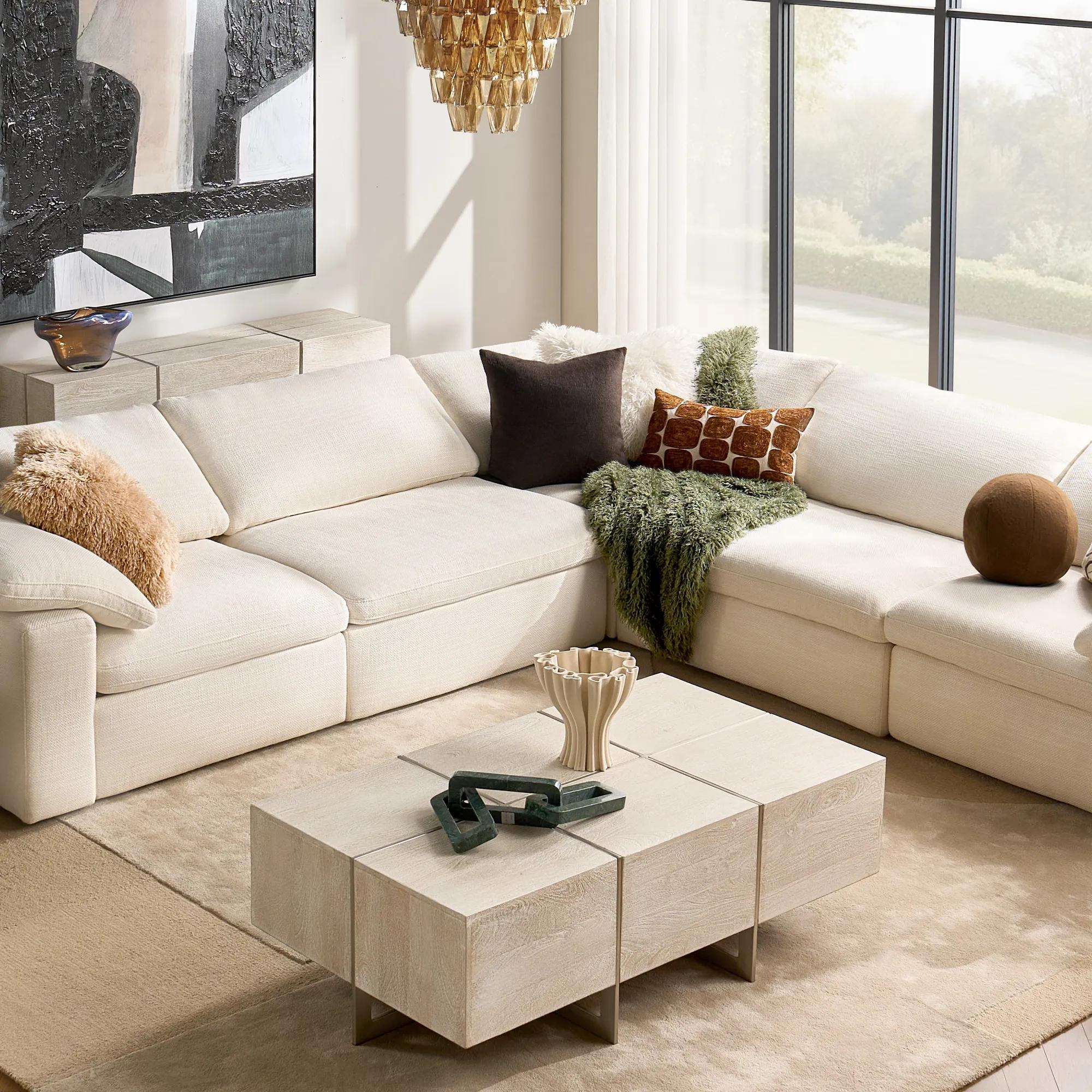 Clifton Rectangular Natural Mango Wood Coffee Table (54")$1299
A handcrafted mango wood table with a whitewashed finish and antiqued silver iron legs for organic appeal.
Add To Cart -
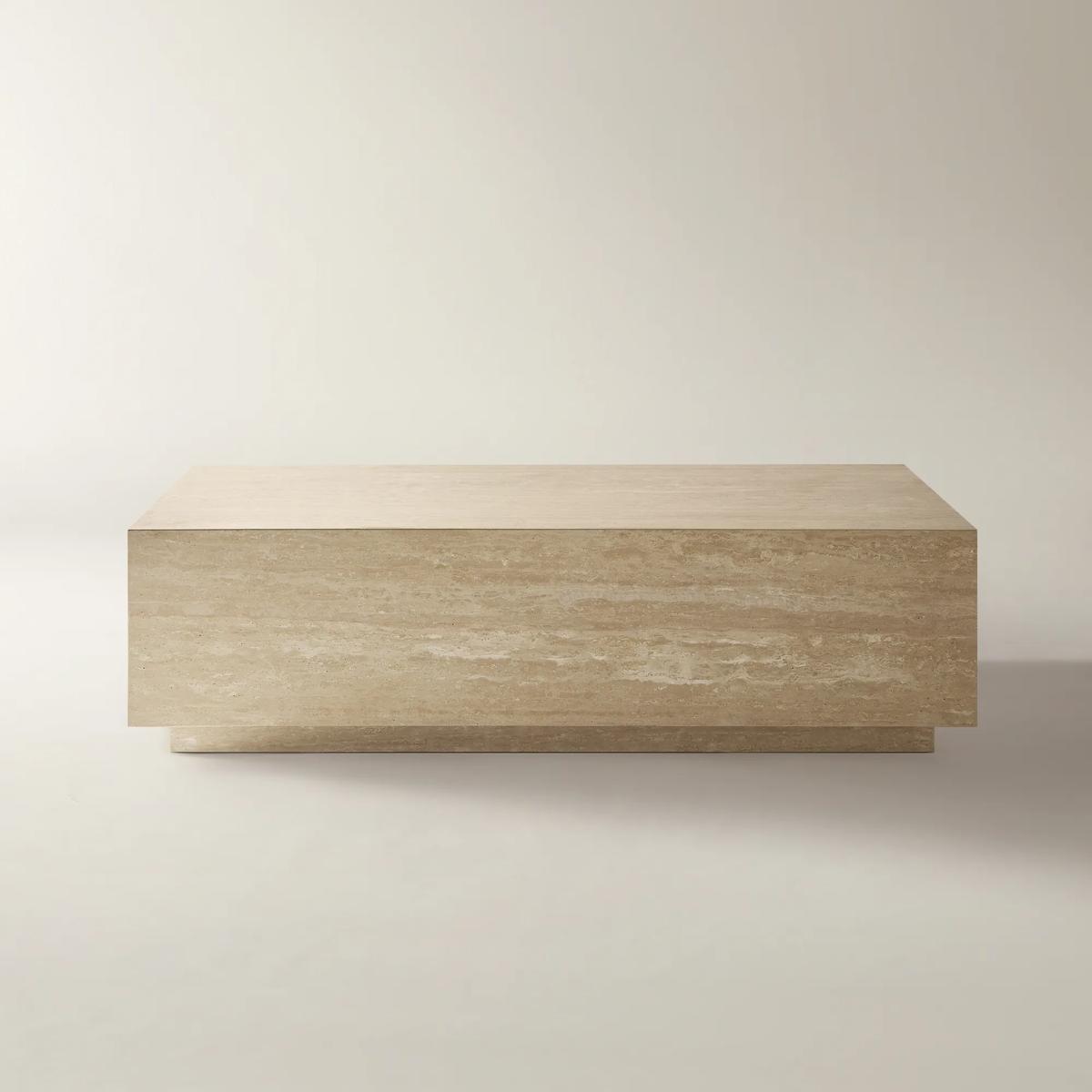
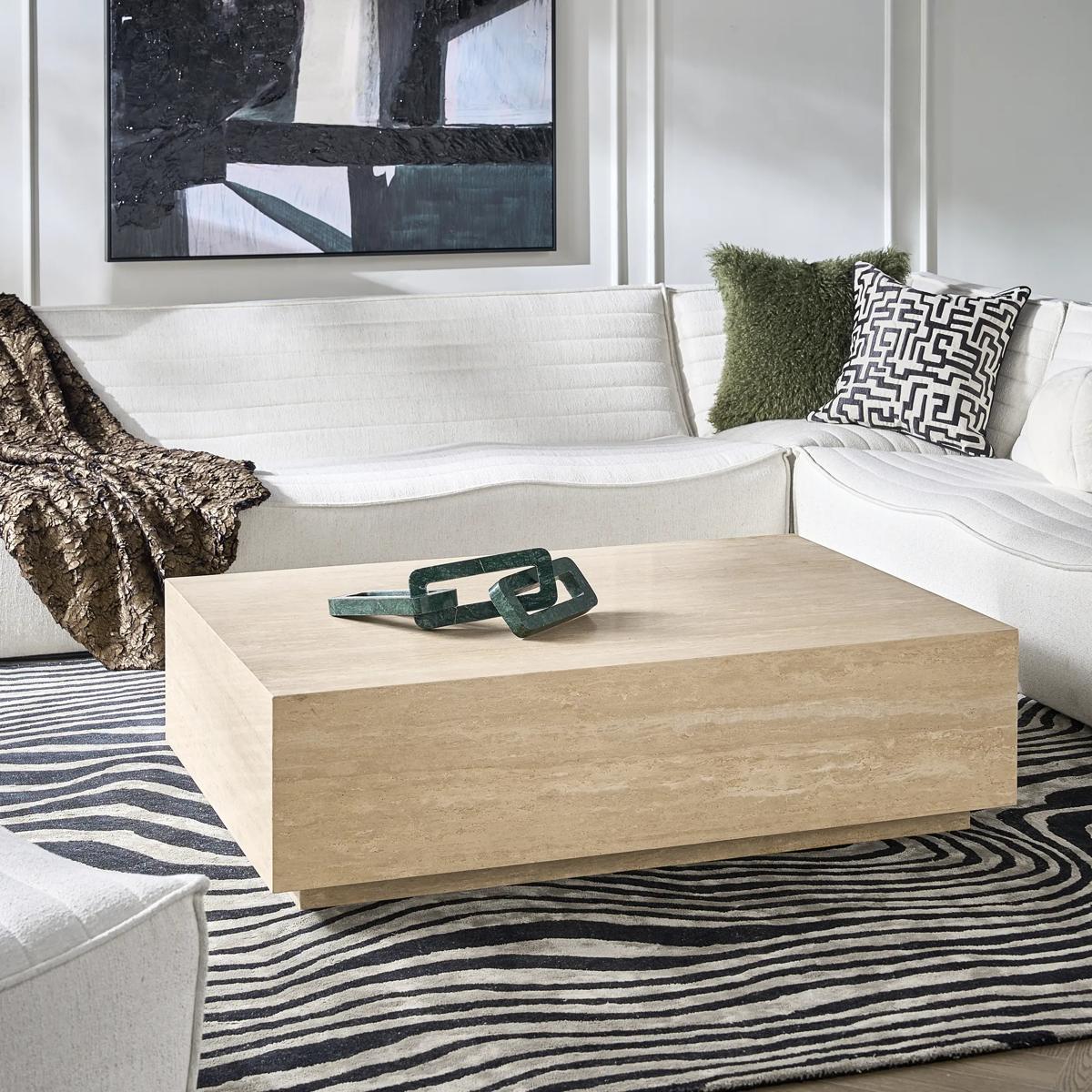 Vanta Rectangular Travertine Coffee Table (54")$2599
A seamless genuine travertine coffee table featuring ivory-gold tones and an ultra-light aluminum honeycomb core.
Add To Cart -
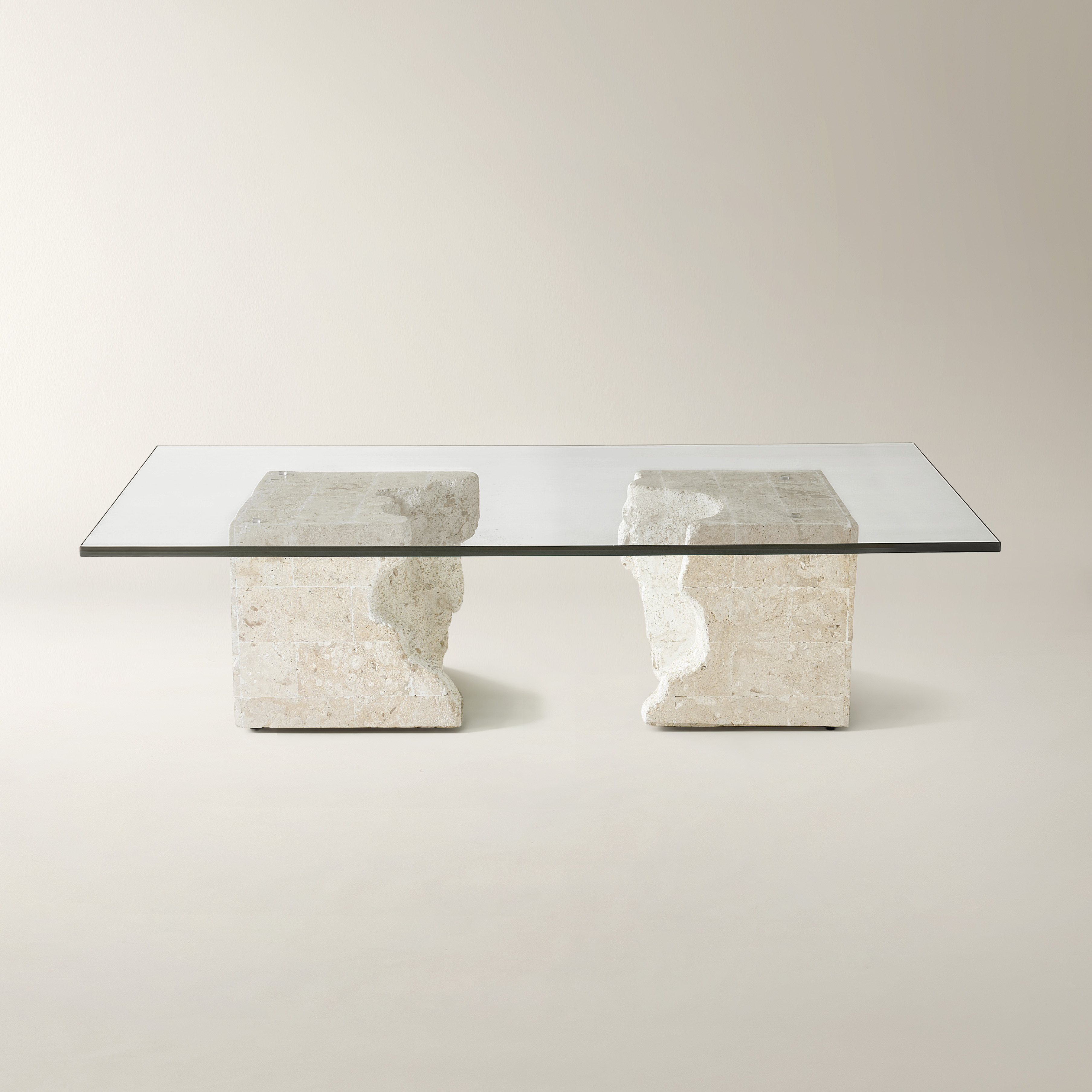 Cairo Rectangular Mactan Stone Coffee Table With Glass Top (63")$1899
A contemporary coffee table featuring a clear tempered glass top floating above hand-carved Mactan stone bases.
Add To Cart -
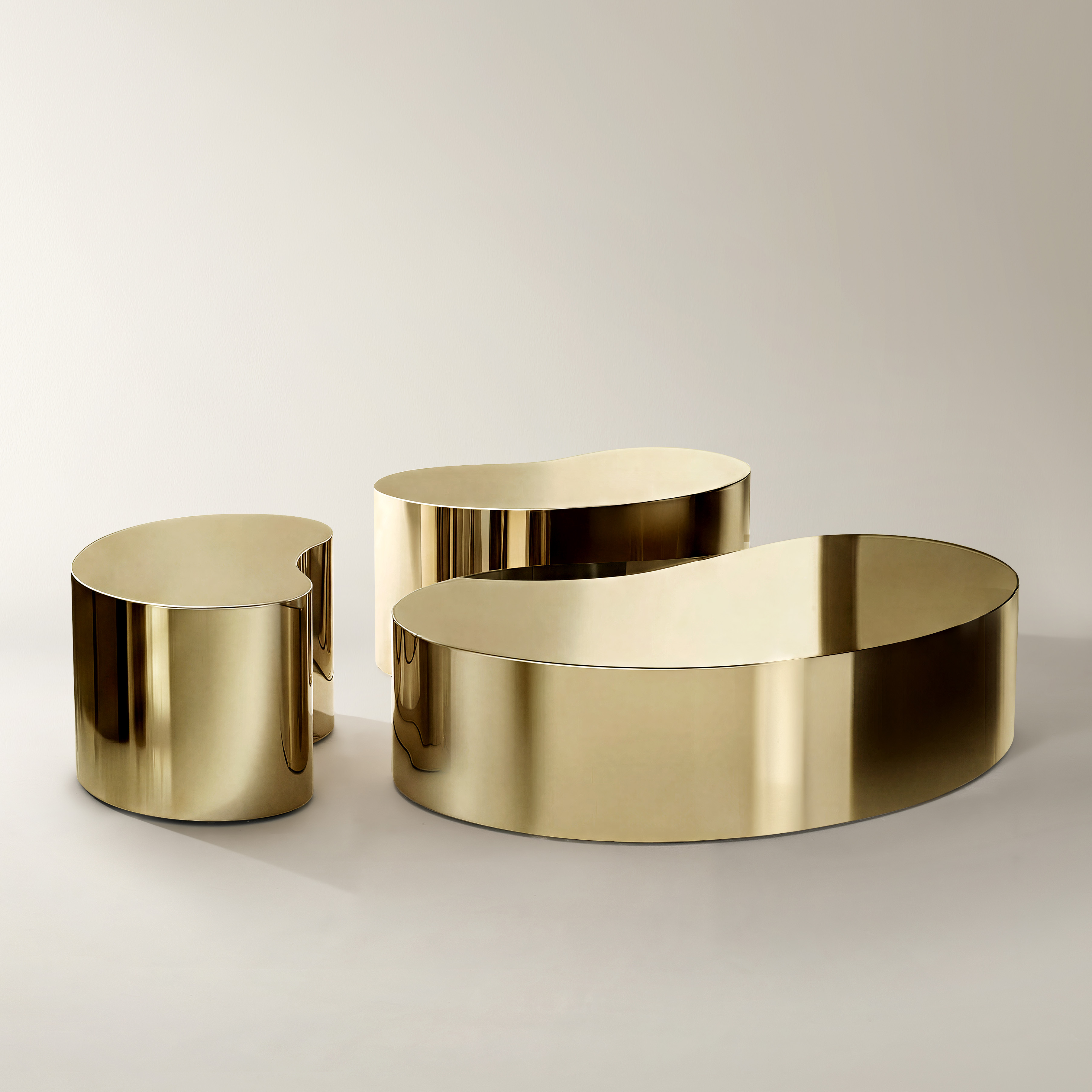
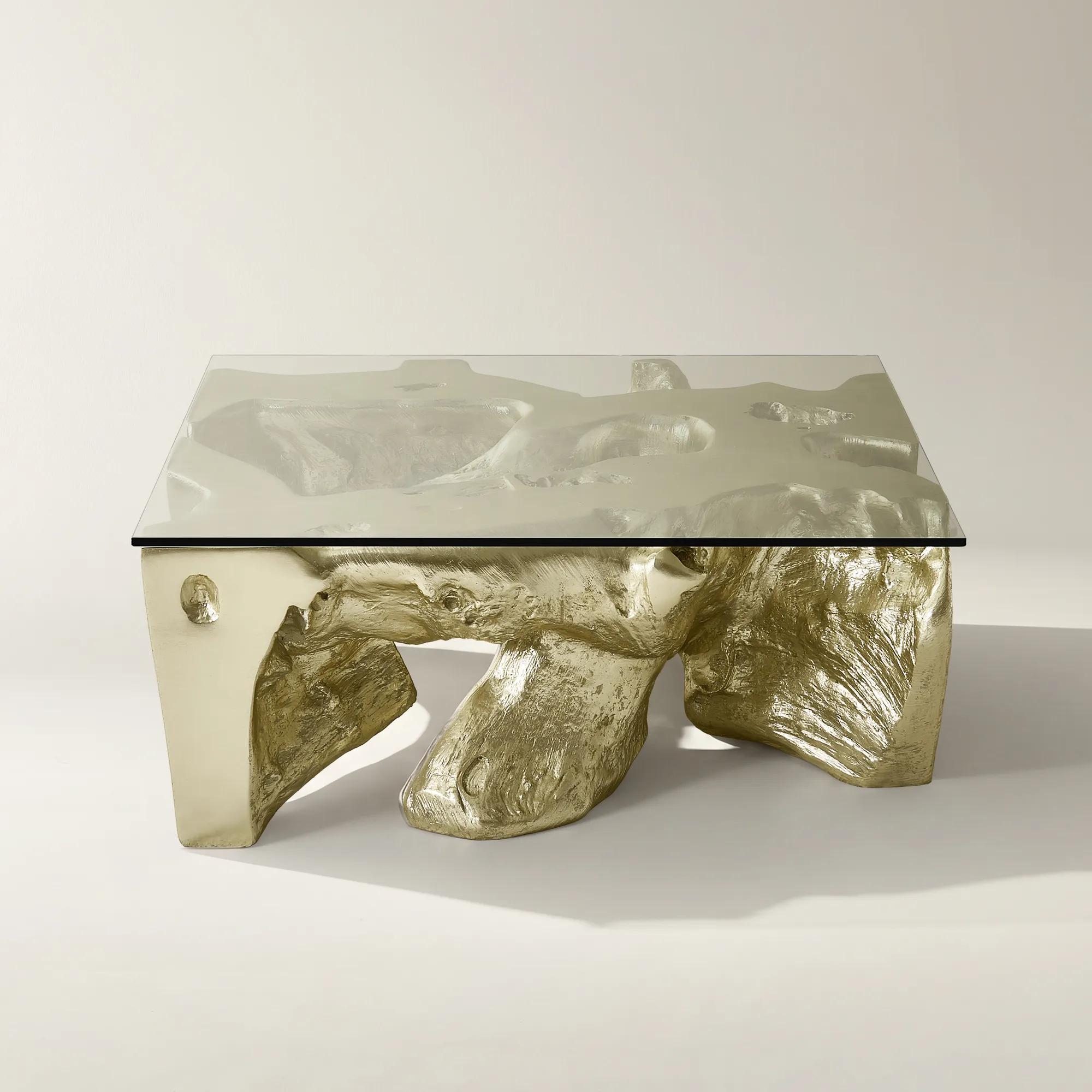 Sequoia Champagne Gold Resin Coffee Table With Glass Top (44")$2299
A sculptural resin coffee table with a champagne gold leaf finish and a clear tempered glass top.
Add To Cart -
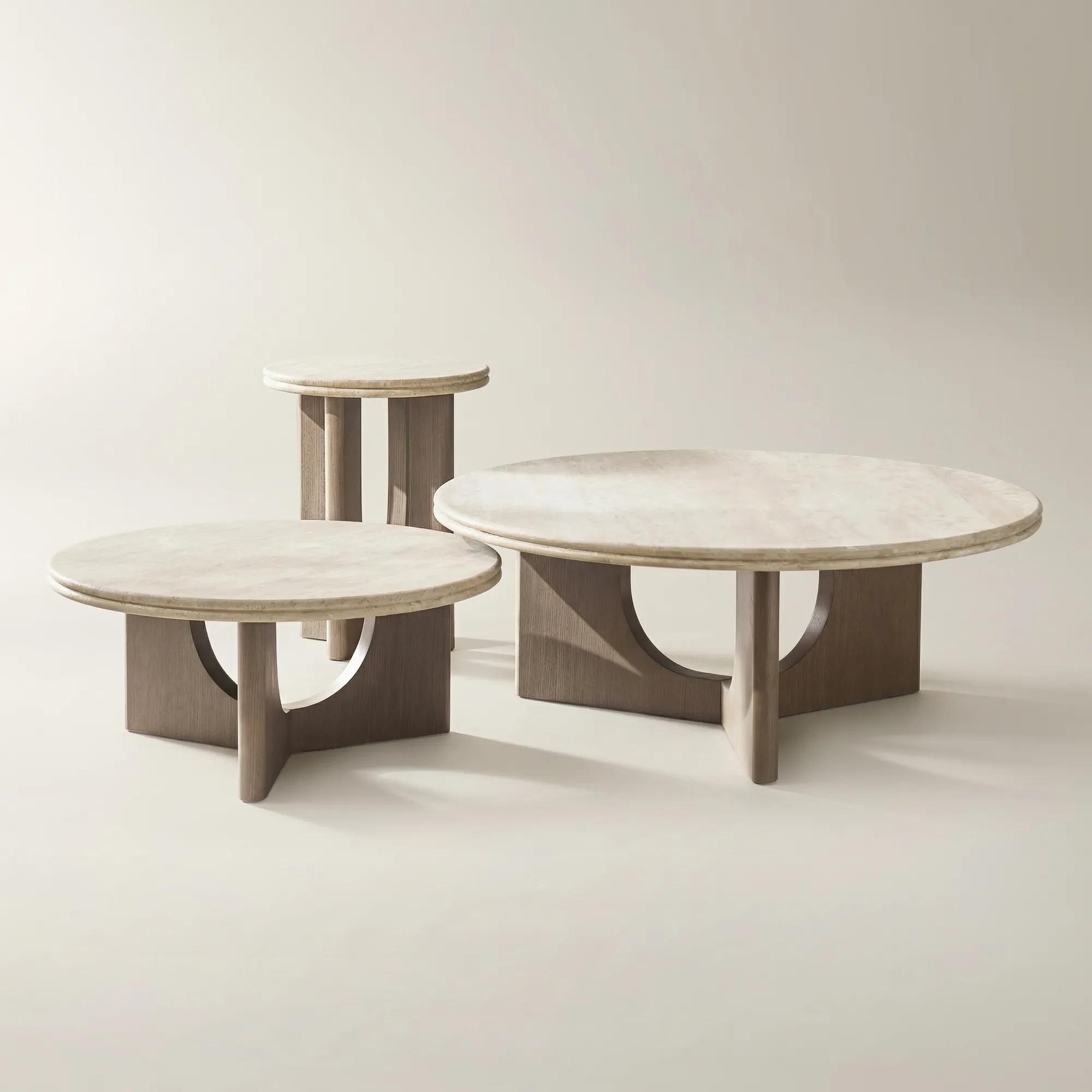
 Bond Nesting Coffee Table (17"-41") - Natural$699
A genuine travertine stone coffee table with warm ivory-gold tones atop a solid natural ash base.
Add To Cart -
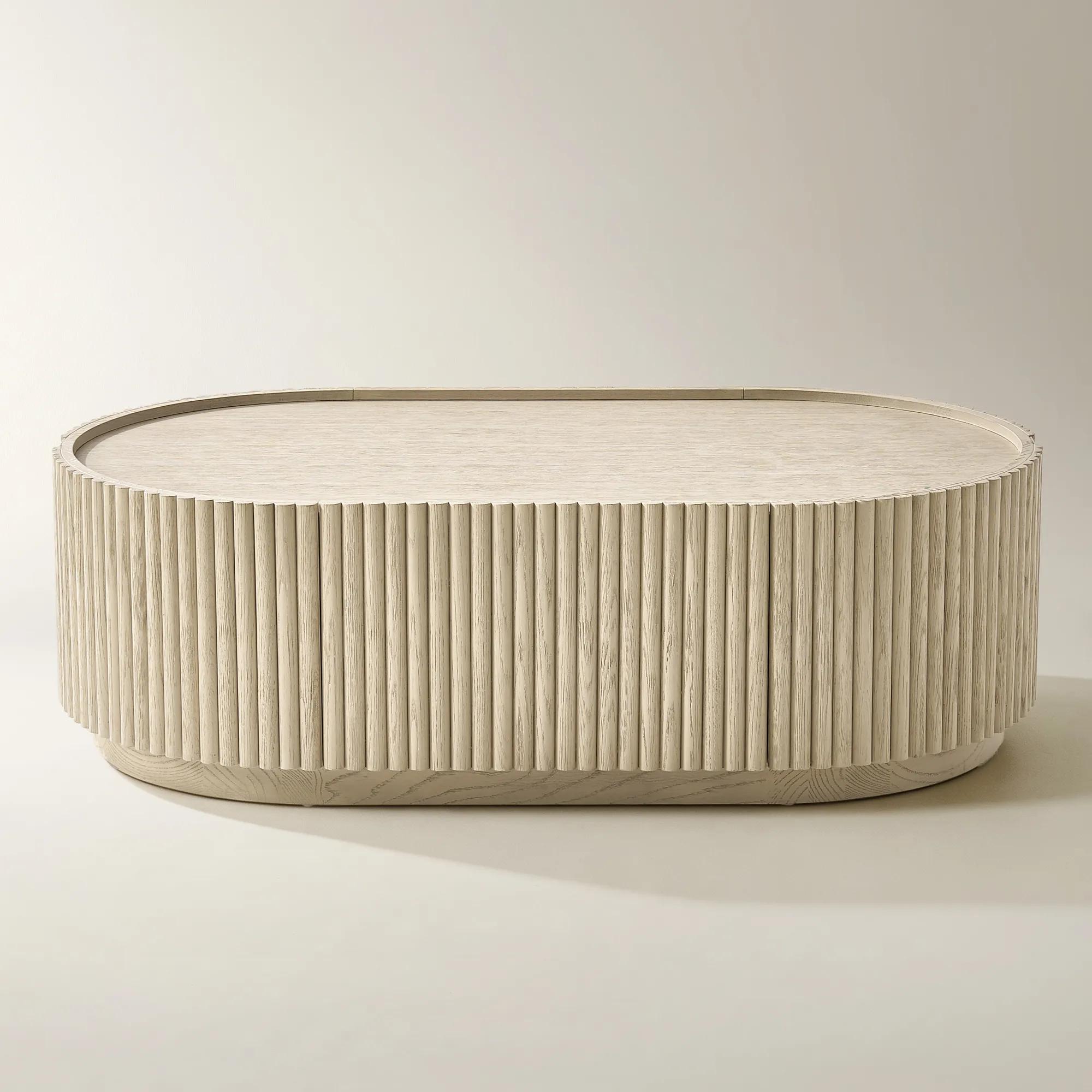
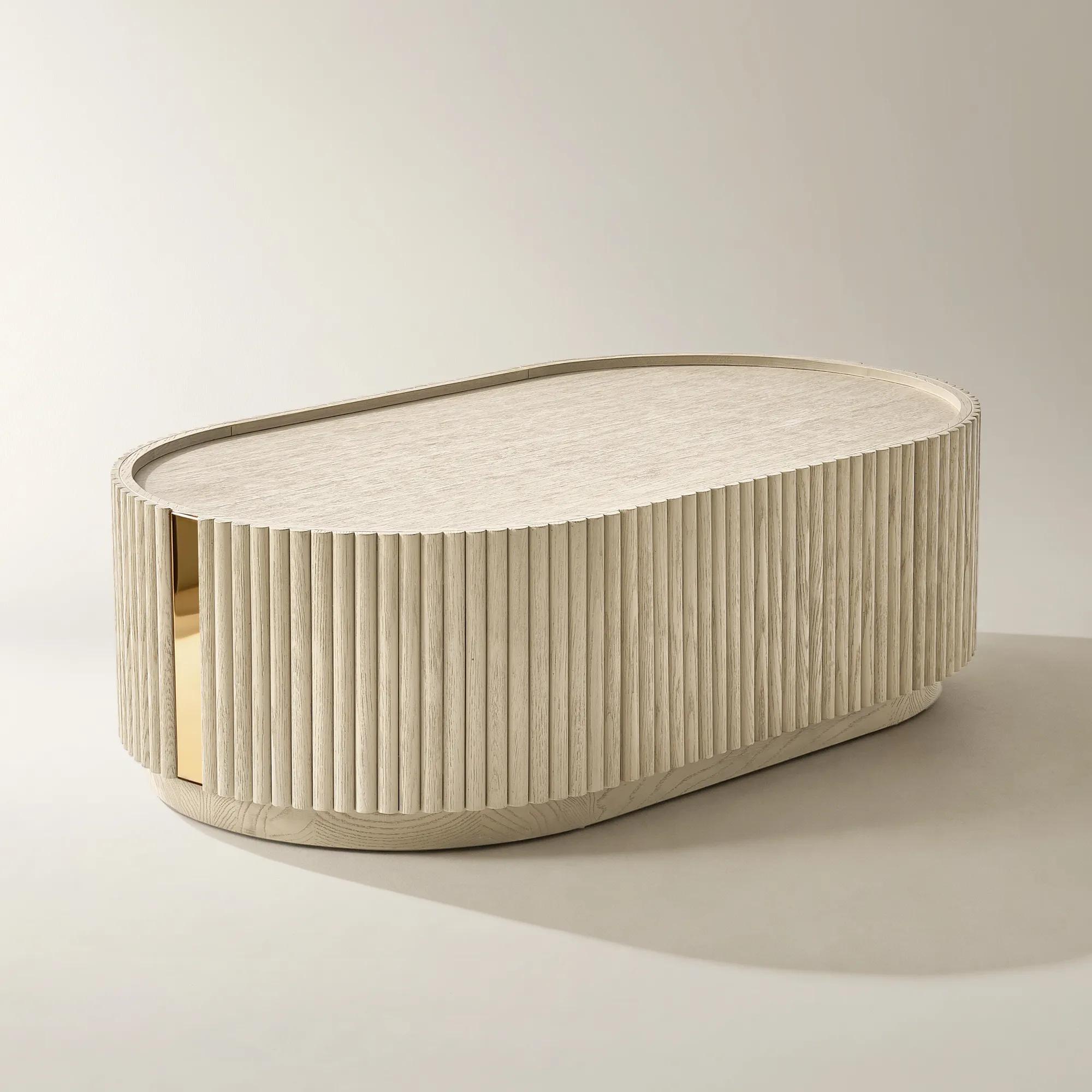 Stria Oval Reeded White Oak Coffee Table with Drawer (52")$1299
A reeded white oak coffee table with soft gold accents, recessed tabletop, and concealed soft-close drawer.
Add To Cart -
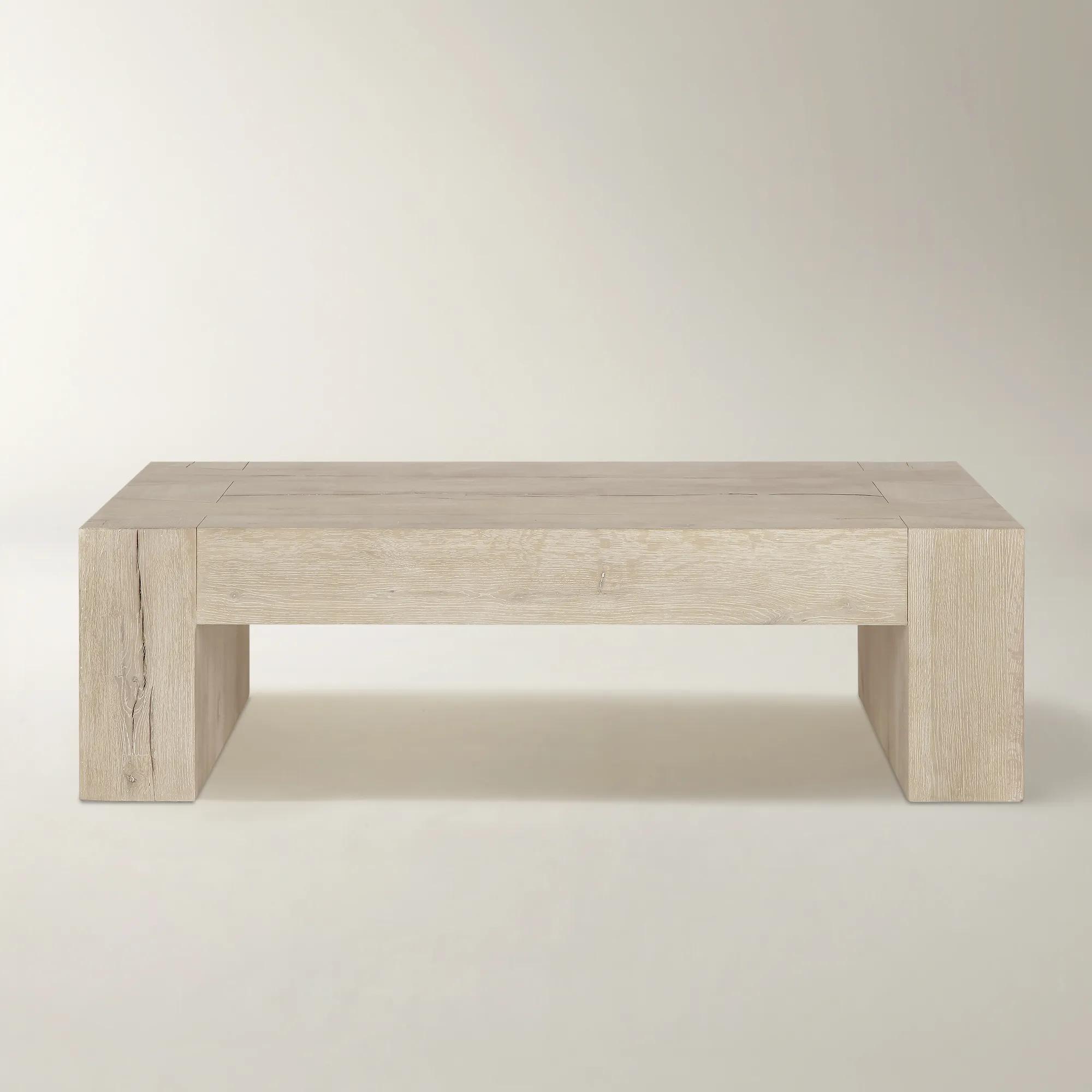 Bristol Rectangular Cream Oak Coffee Table (60")$2099
A handcrafted cream-finished coffee table featuring cracked oak details and modern dovetail accents for unique style.
Add To Cart -
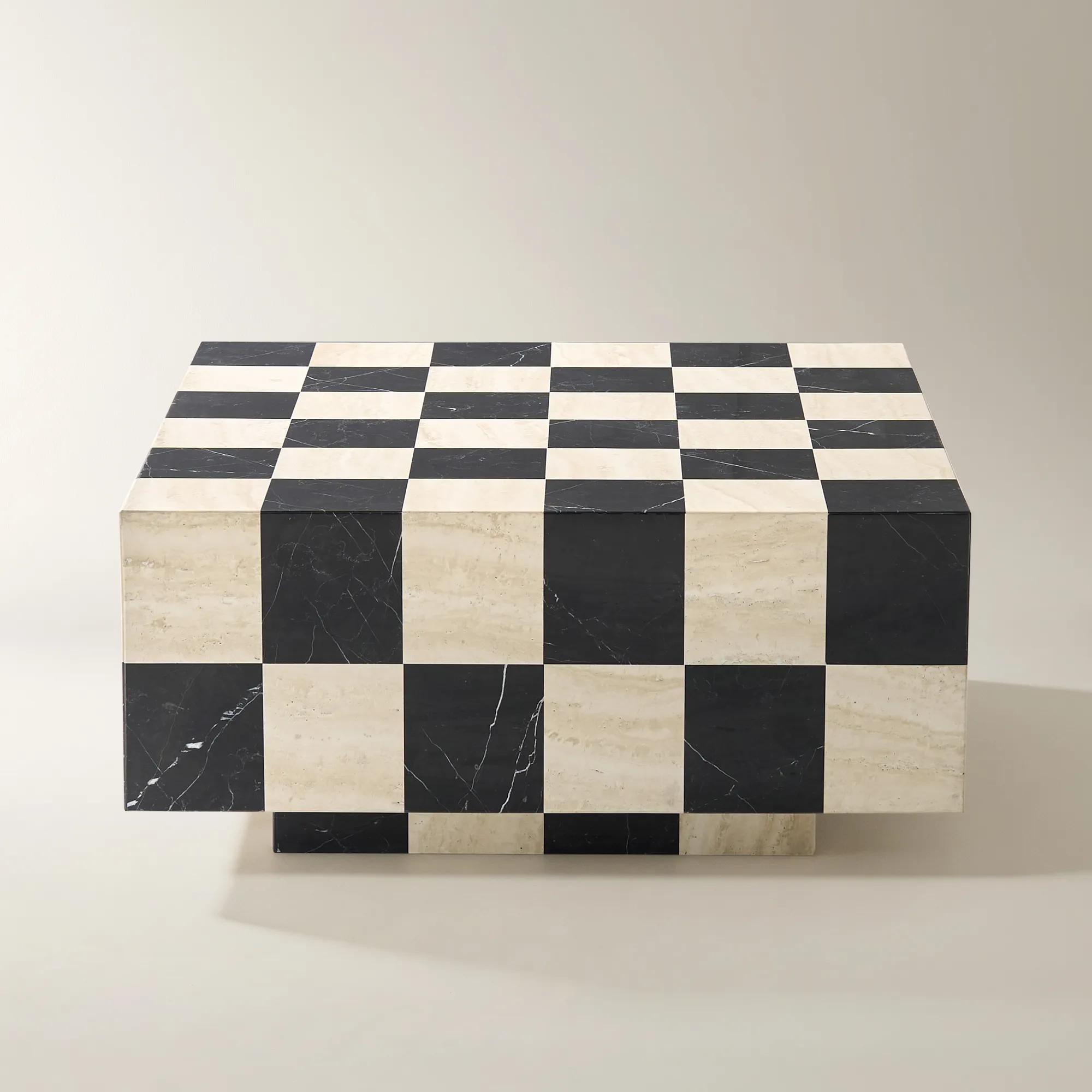
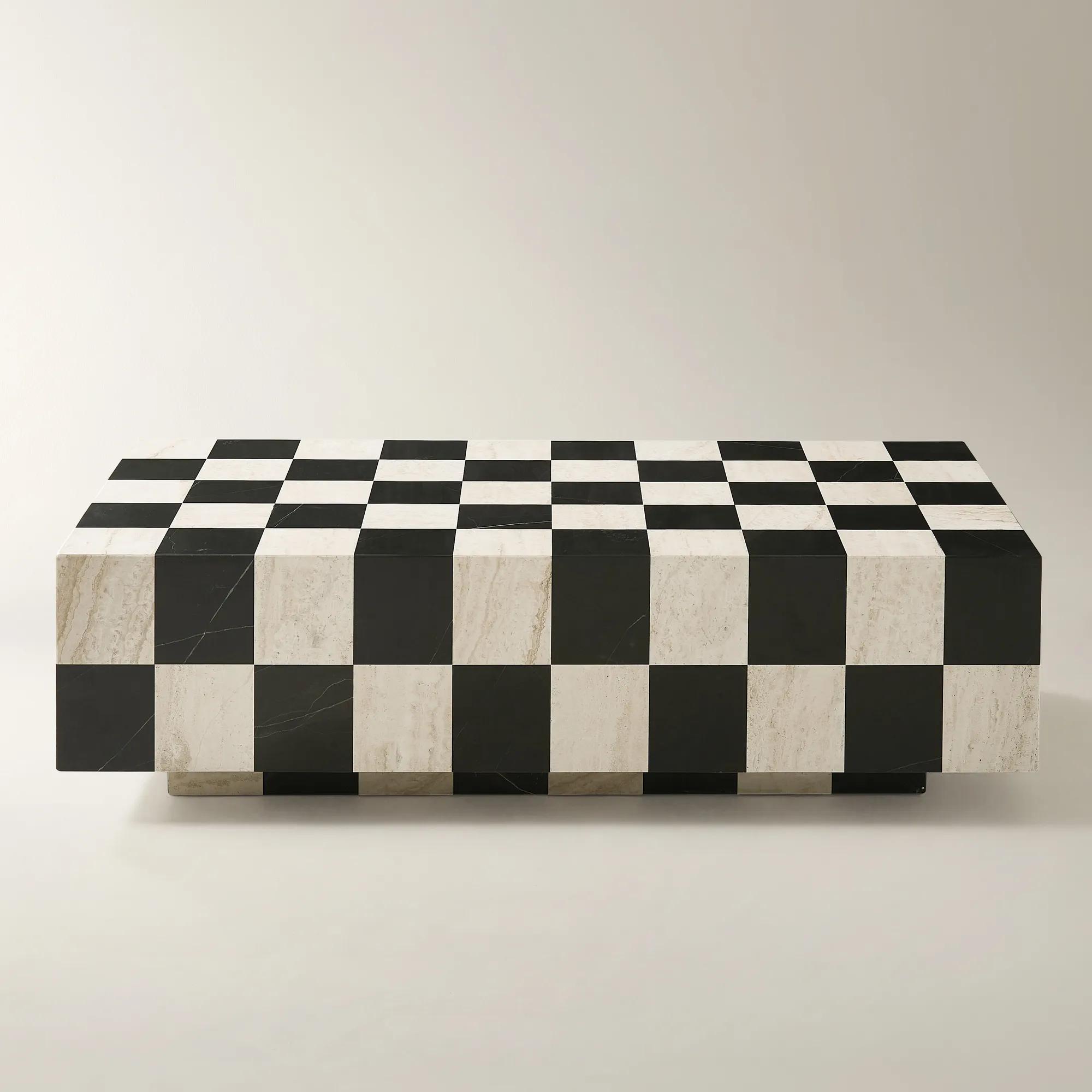 Chessa Rectangular Chequered Marble Coffee Table (53.1")$2399
A striking coffee table featuring a black marble and travertine checkerboard mosaic with sculptural precision.
Add To Cart -
.jpg?w=1200&h=1200) Flare Black Marble Coffee Table (51")$1499
Flare Black Marble Coffee Table (51")$1499A dramatic black marble coffee table with unique veining and a polished stainless steel sculptural base.
Add To Cart -
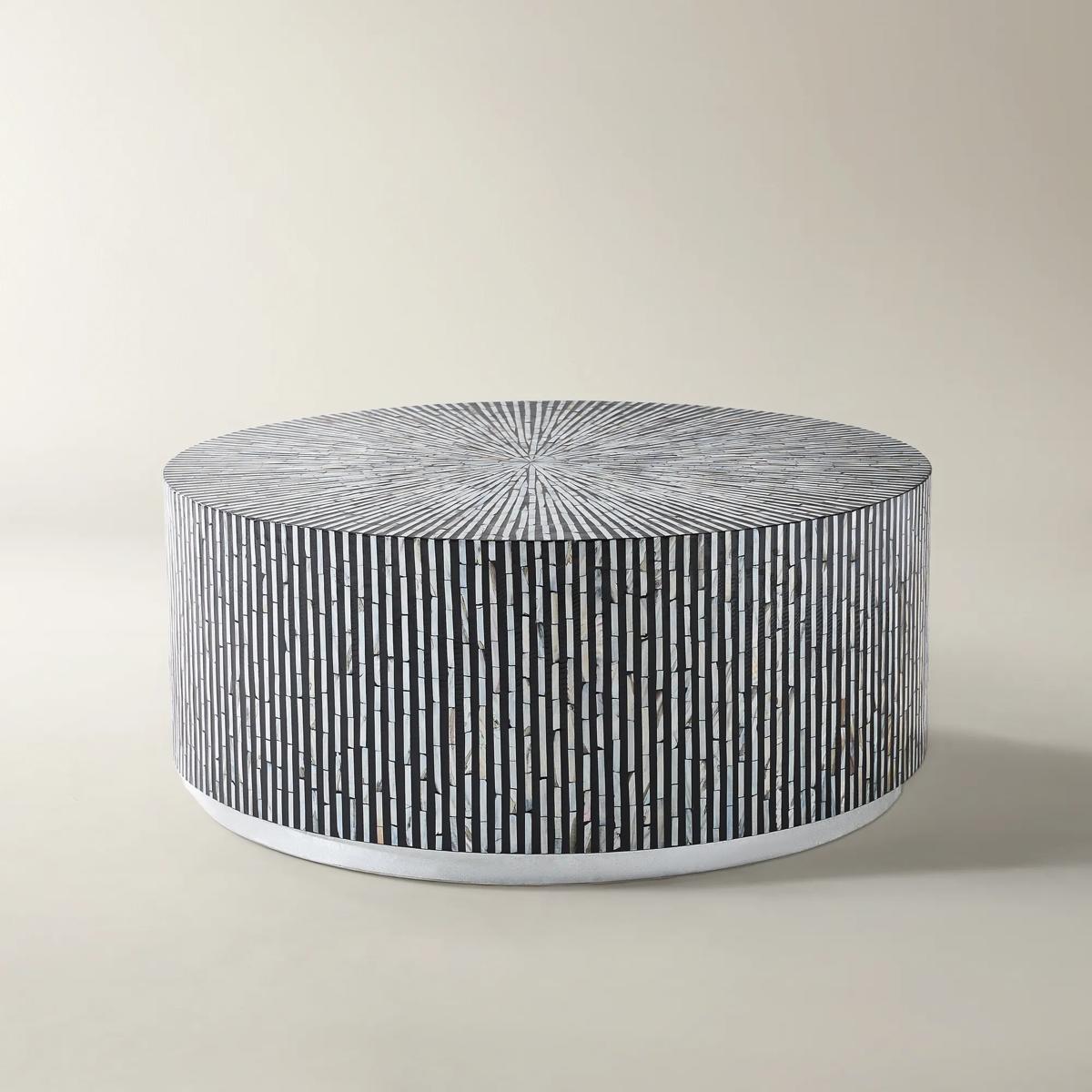
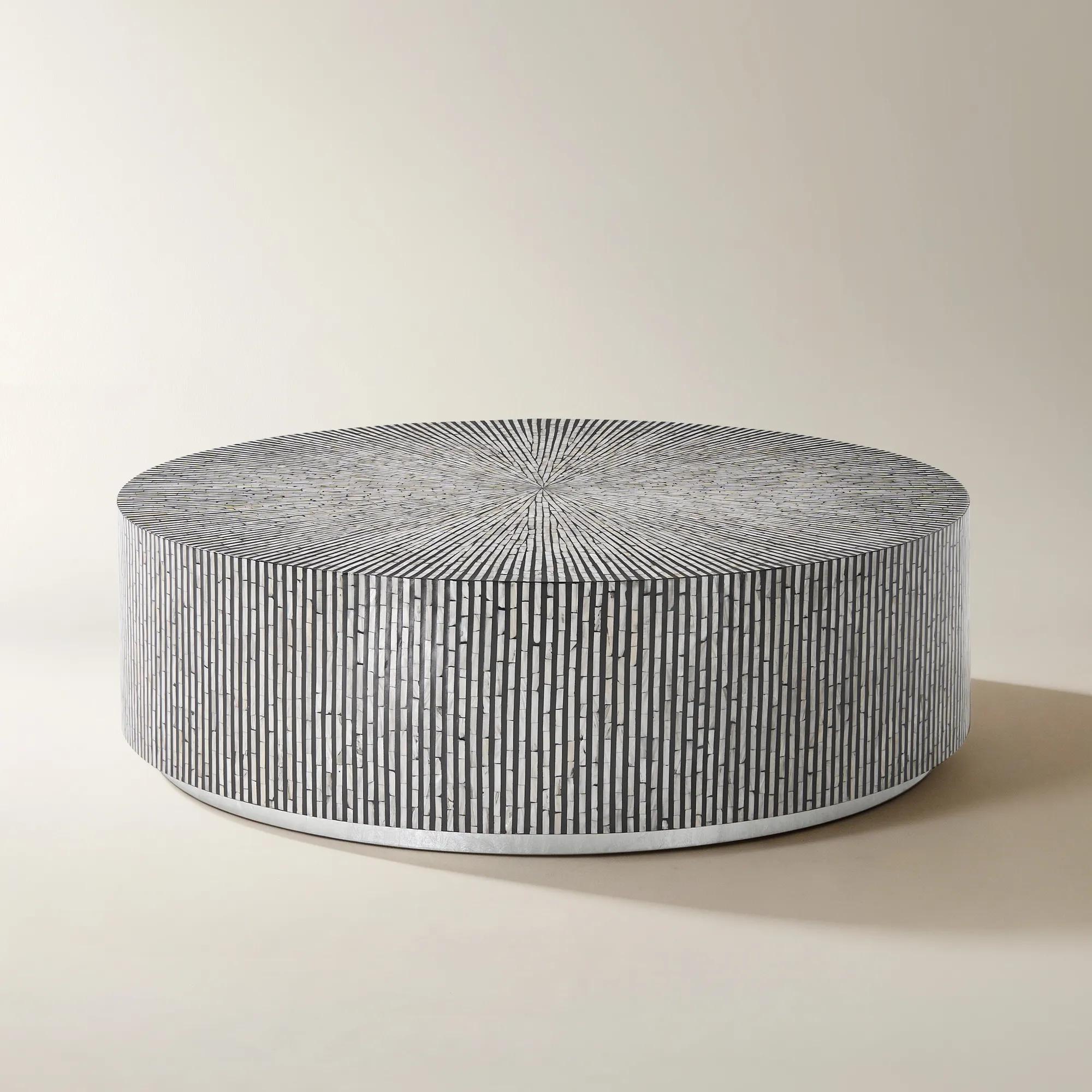
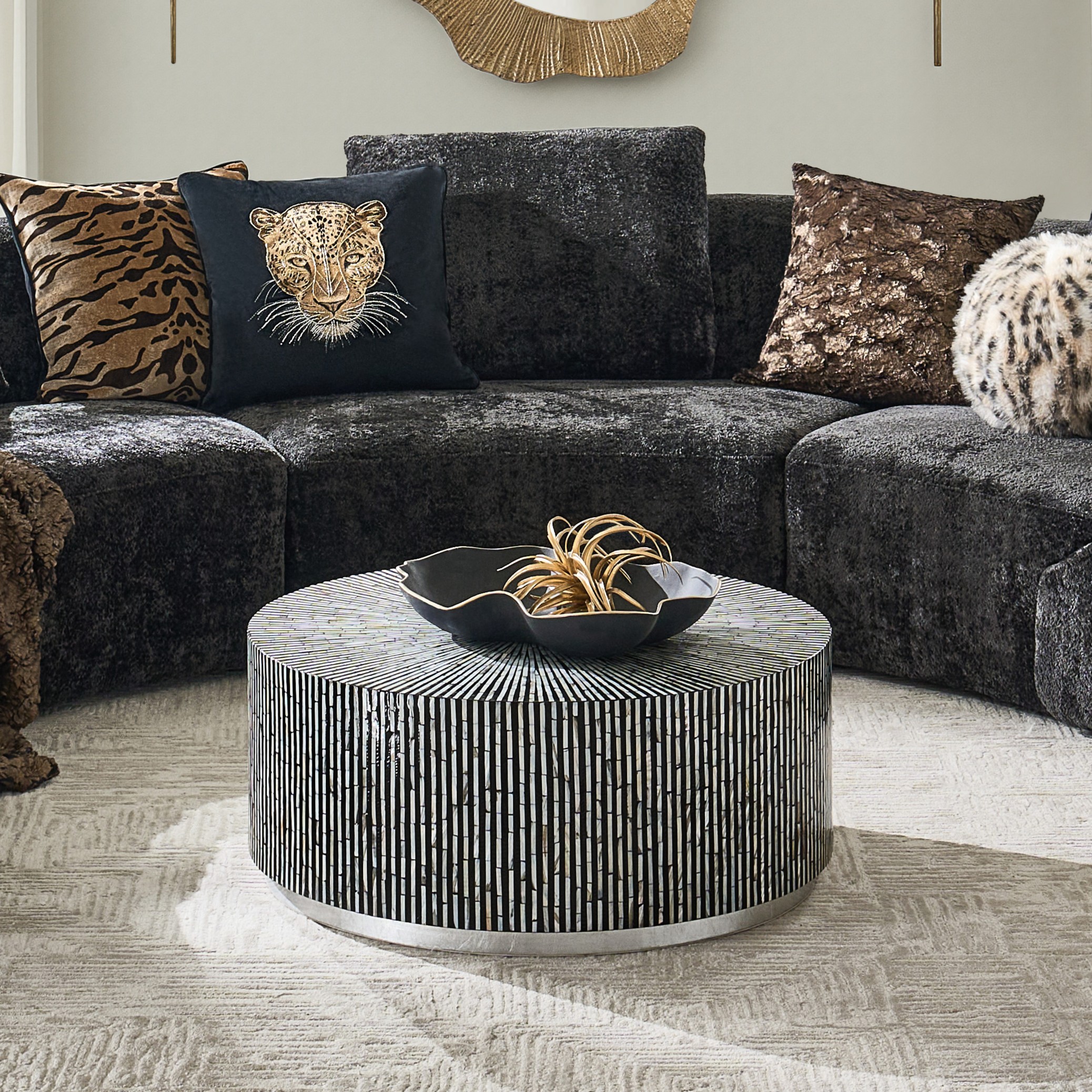 Marina Round Mosaic Black Coffee Table (35.8")$799
A handcrafted round coffee table featuring iridescent mother-of-pearl inlay and a silver leaf base.
Add To Cart -
.jpeg?w=1200&h=1200)
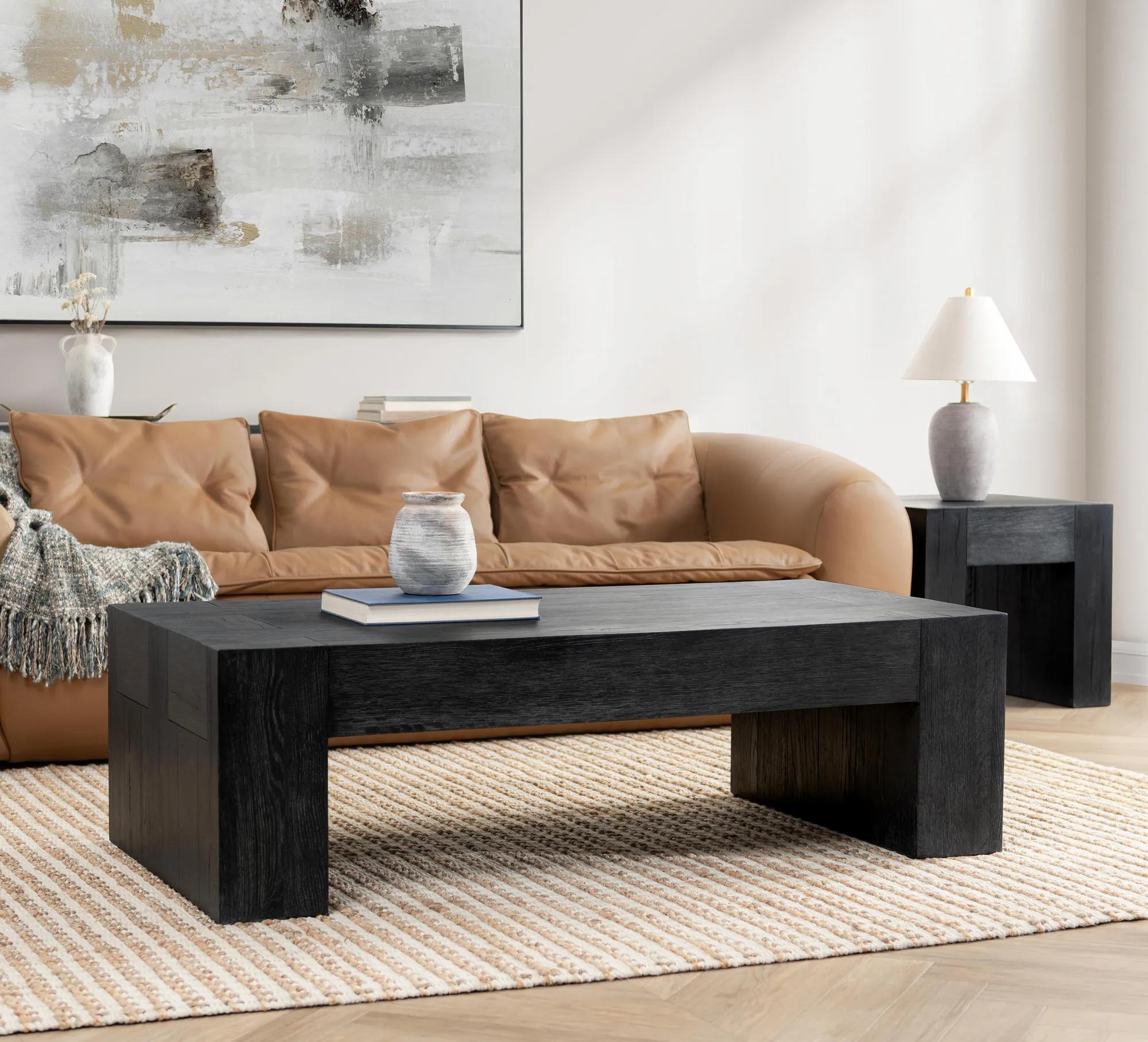 Bristol Rectangular Black Oak Coffee Table (60")$2099
A handcrafted black reclaimed oak coffee table featuring natural wood cracks and modern dovetail joints.
Add To Cart -
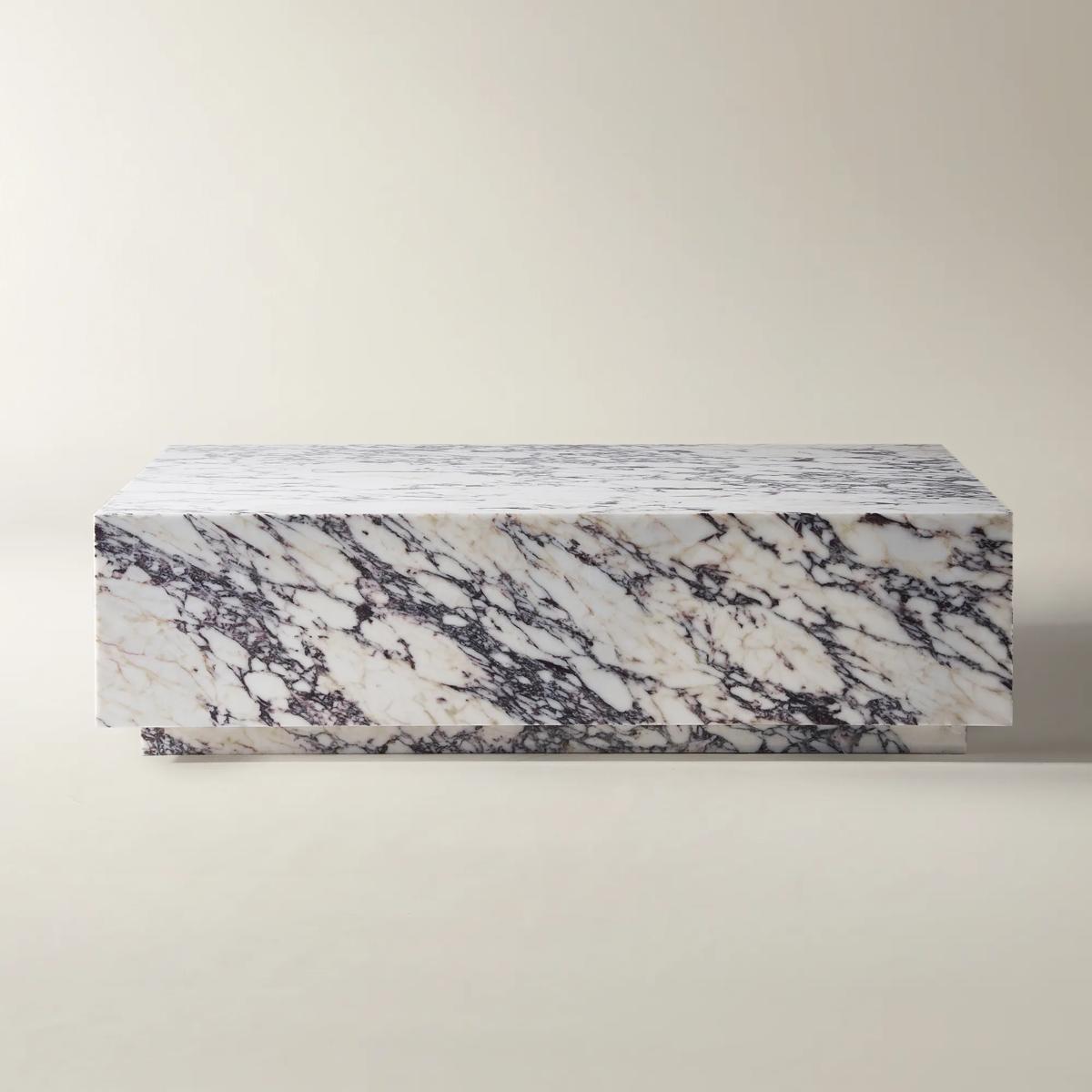
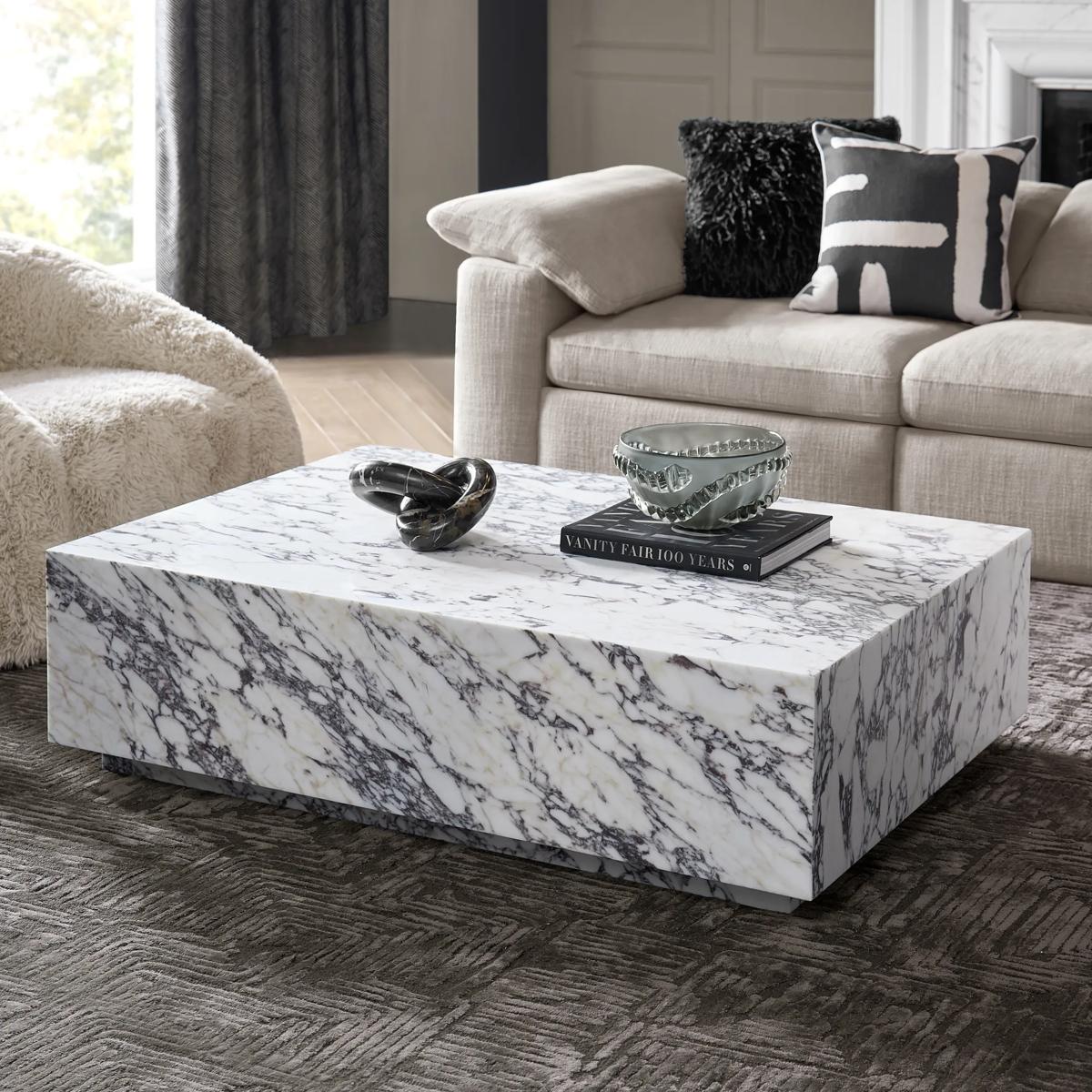 Vanta Rectangular Viola Calacatta Marble Coffee Table (54")$3699
A striking coffee table featuring genuine Calacatta Viola marble with bold violet veining and an aluminum core.
Add To Cart -
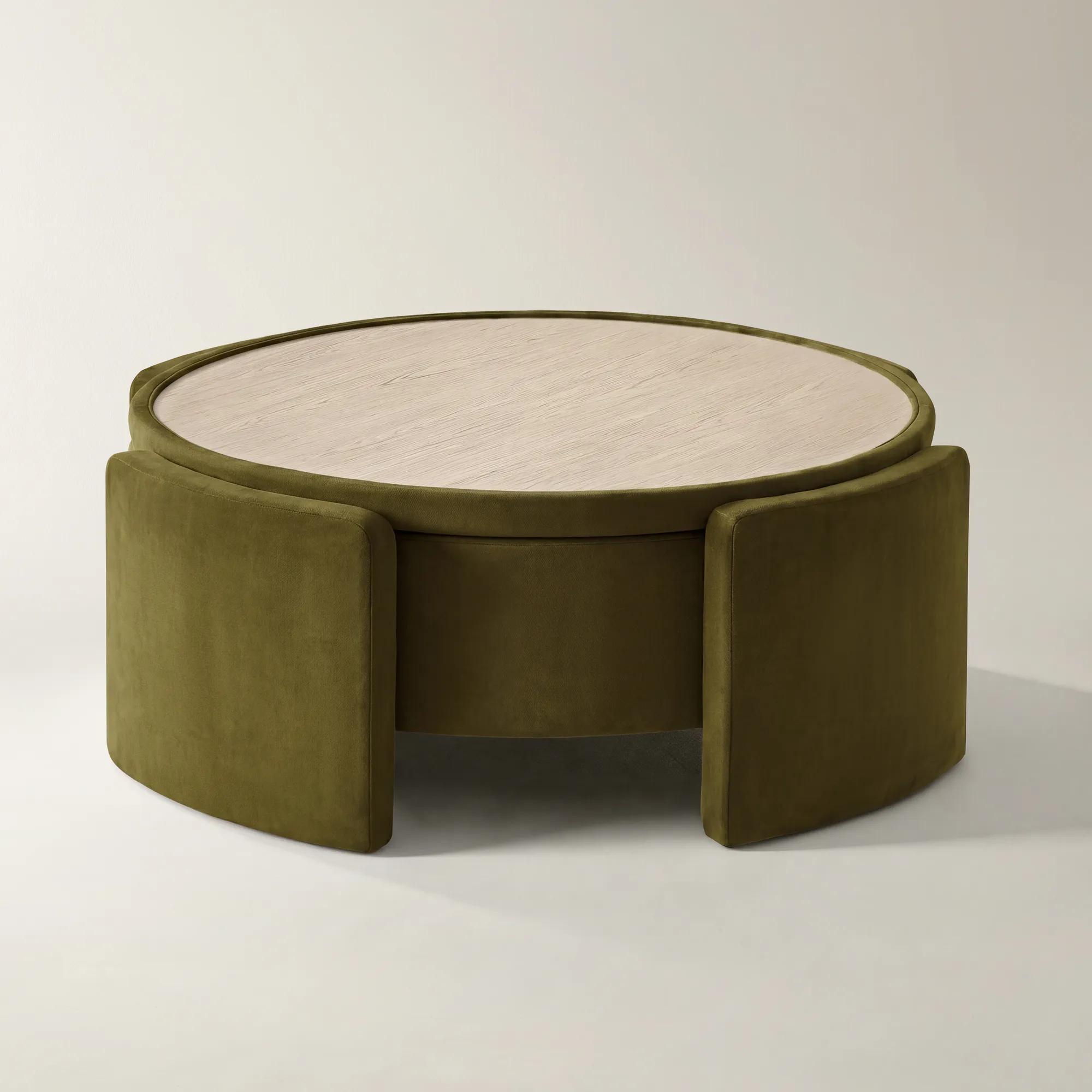
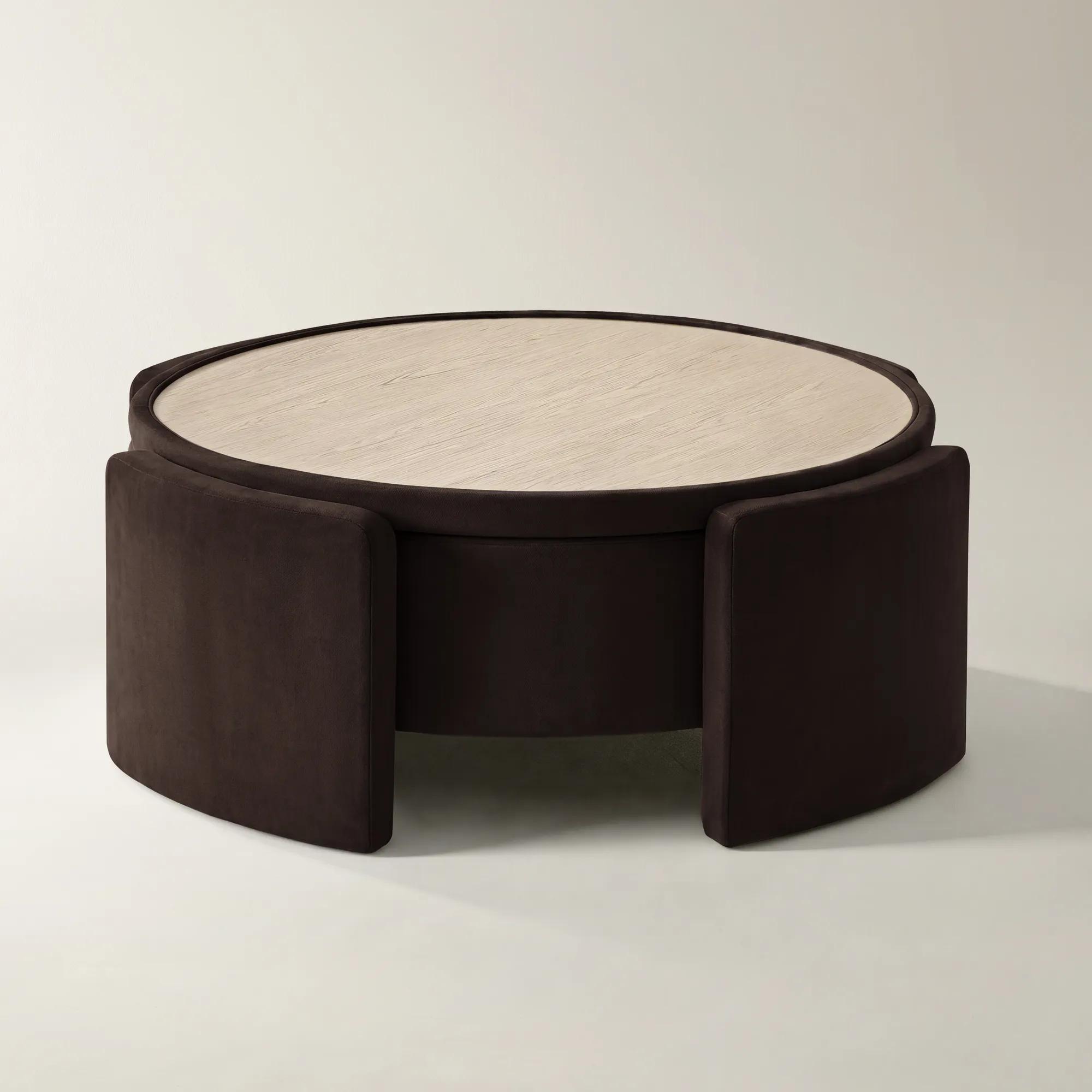
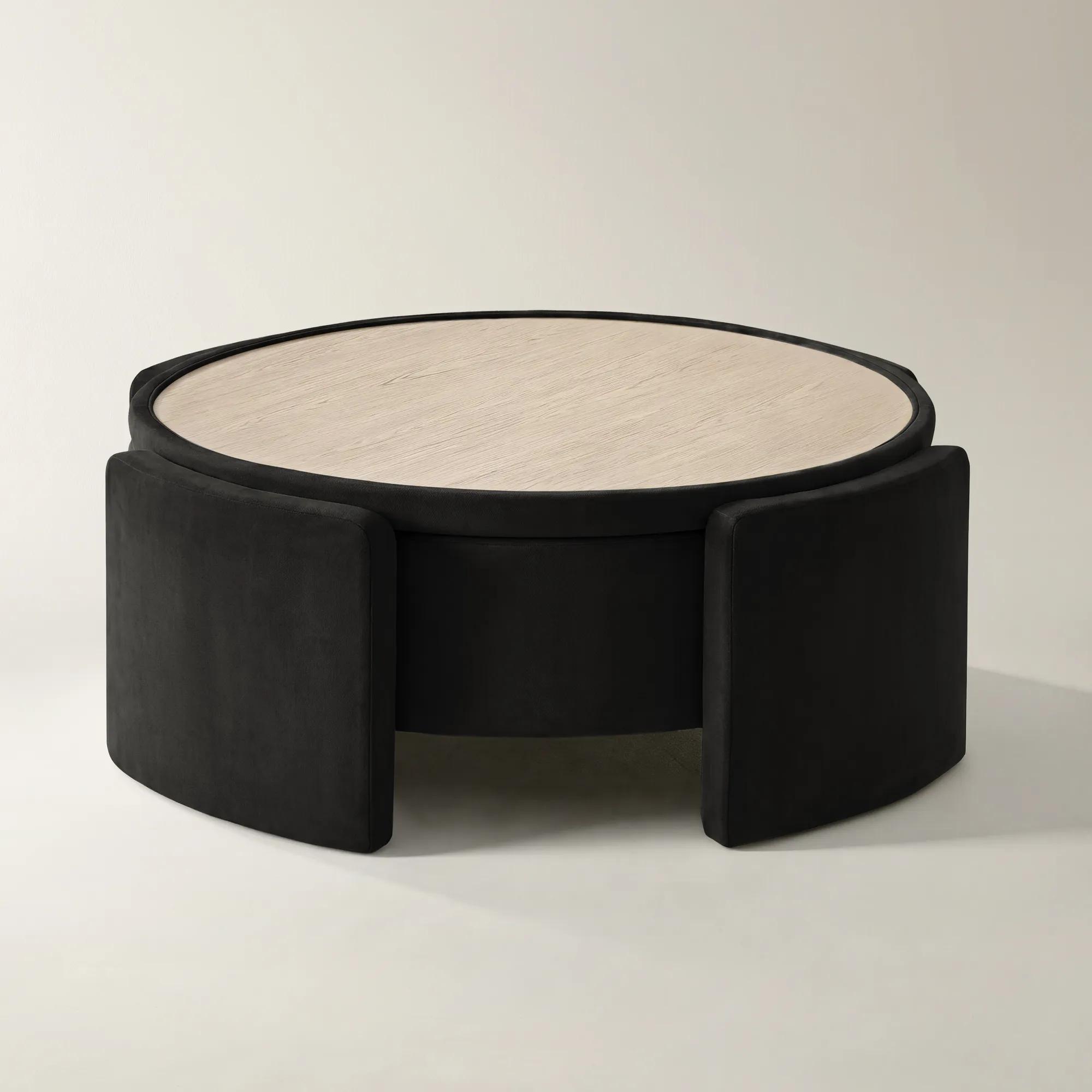
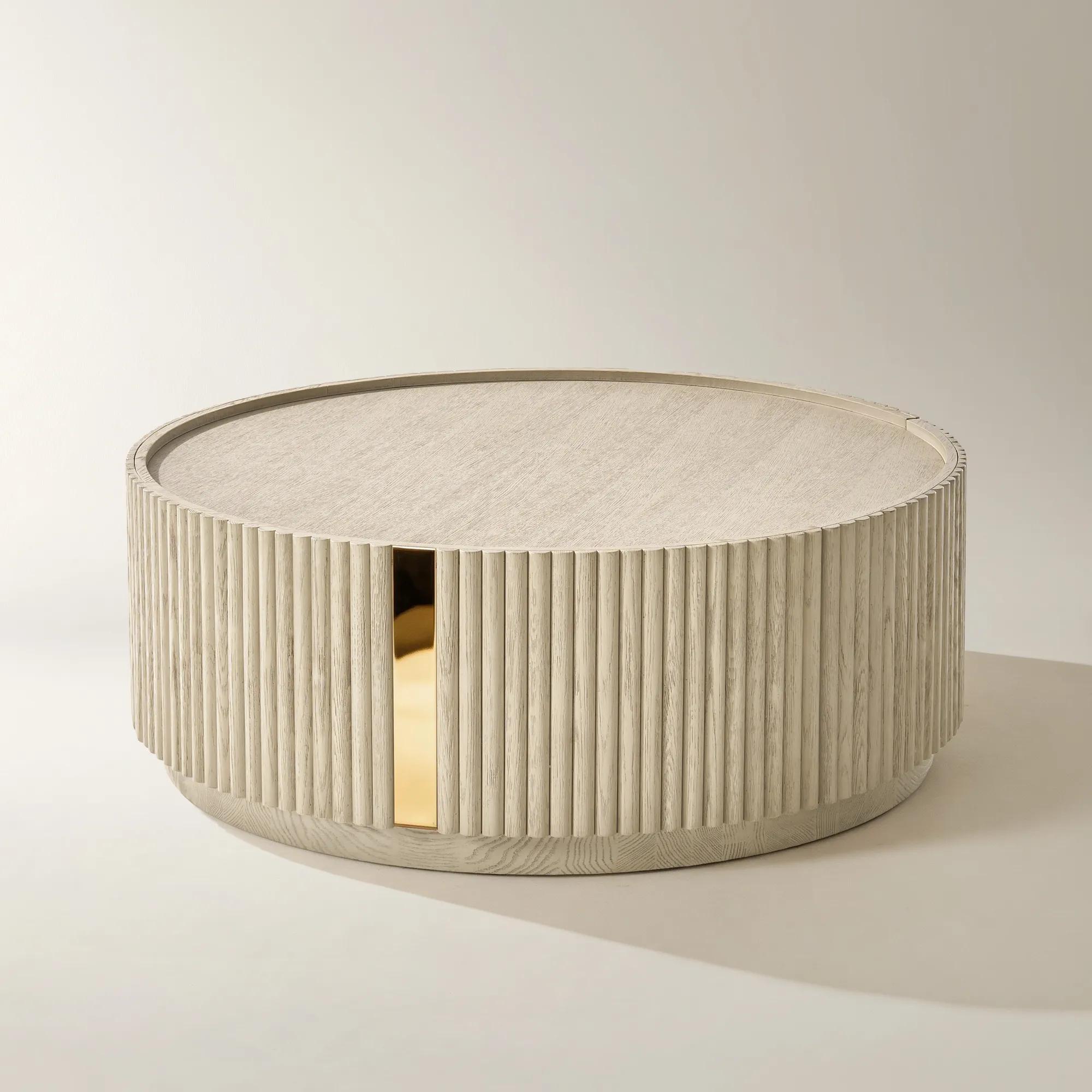 Stria Round Reeded White Oak Coffee Table with Drawer (42.3")$1399
A round coffee table featuring reeded white oak, soft gold metal trim, and a concealed soft-close drawer.
Add To Cart -
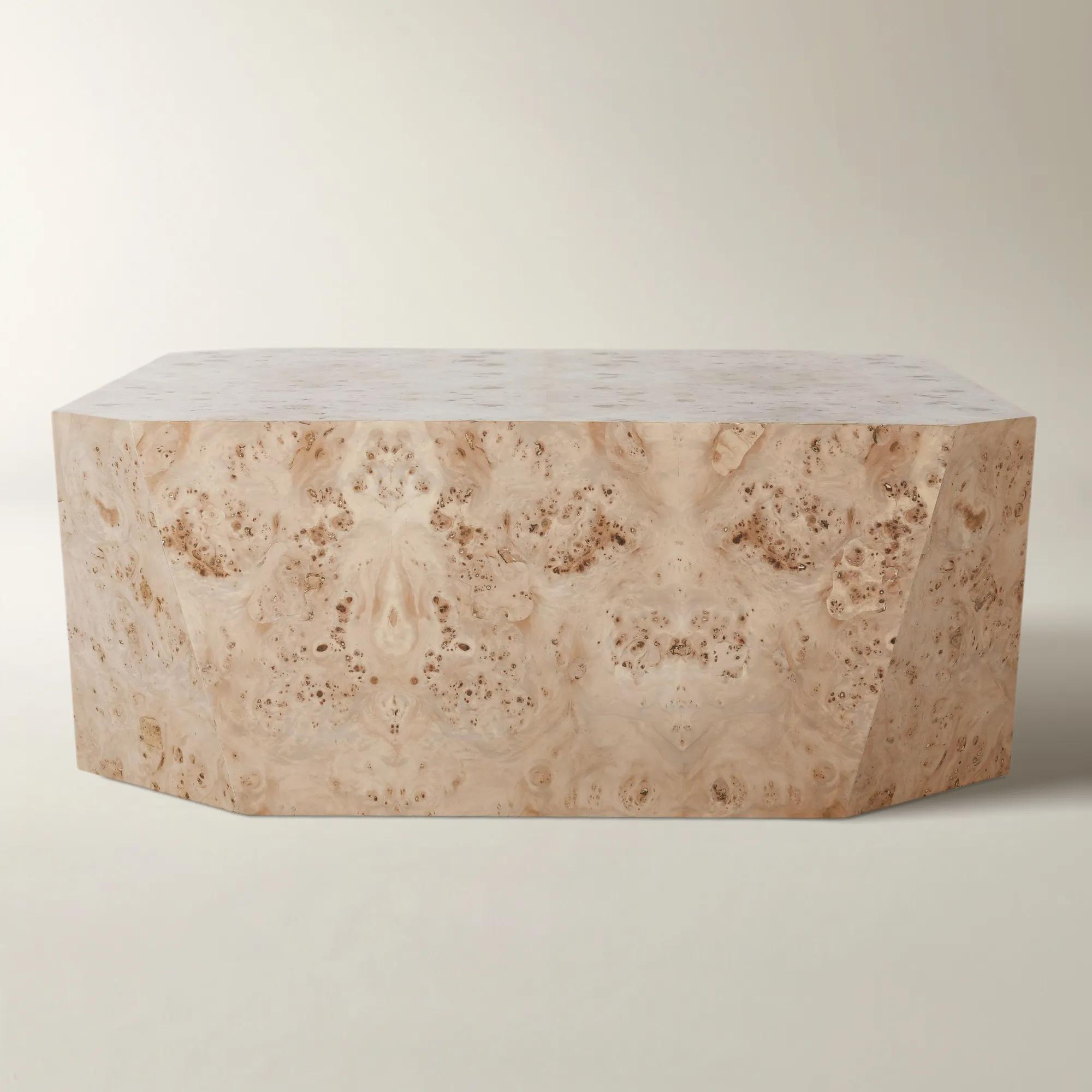
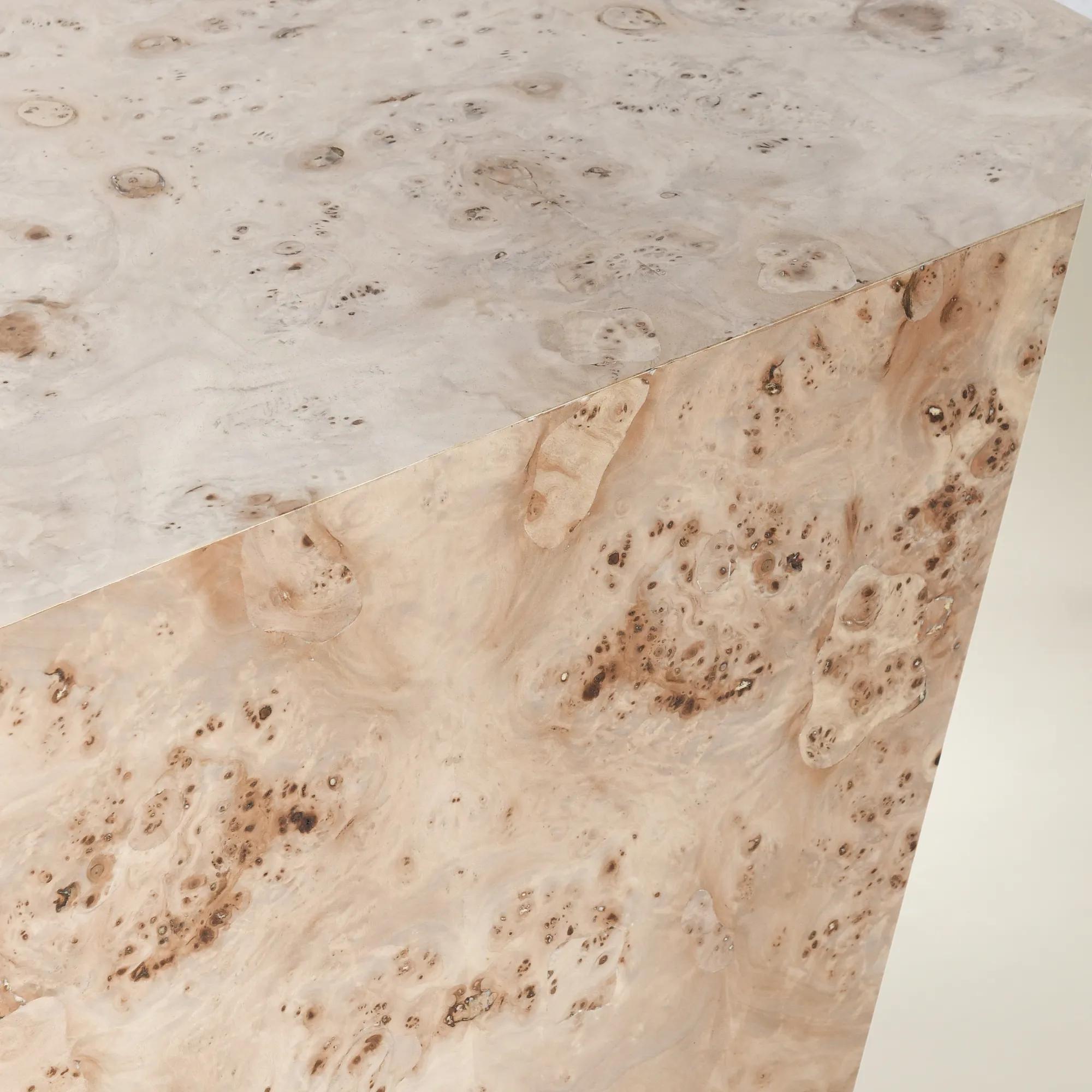 Avena Square Natural Burl Wood Coffee Table (41.75")$1399
A sculptural coffee table featuring natural burl wood veneer with unique grain patterns and a hand-applied finish.
Add To Cart -
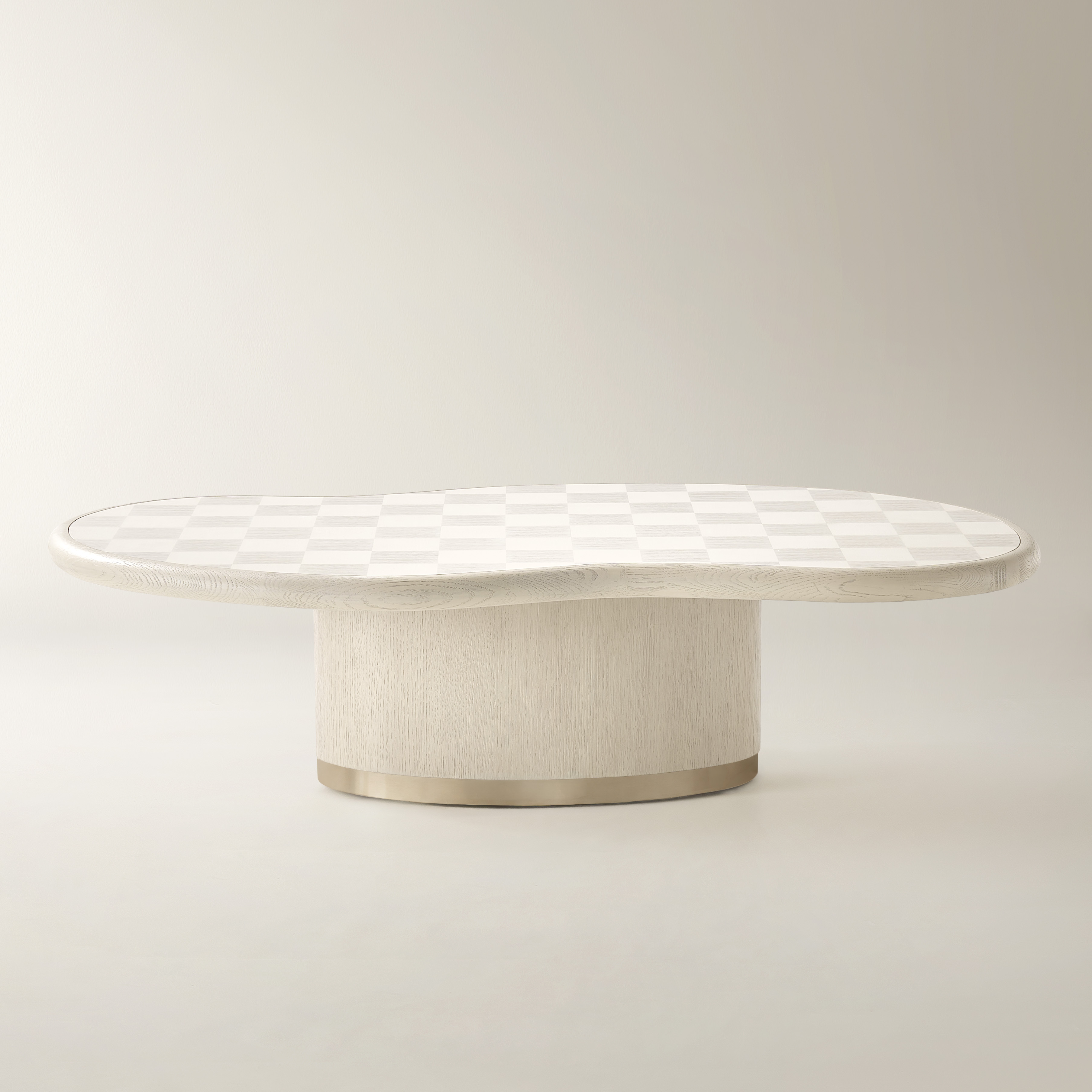 Vetra Checkerboard Oak and Maple Coffee Table (60")$1299
A sculptural coffee table featuring a hand-arranged oak and maple checkerboard top with gold-accented base.
Add To Cart -
.jpeg?w=1200&h=1200)
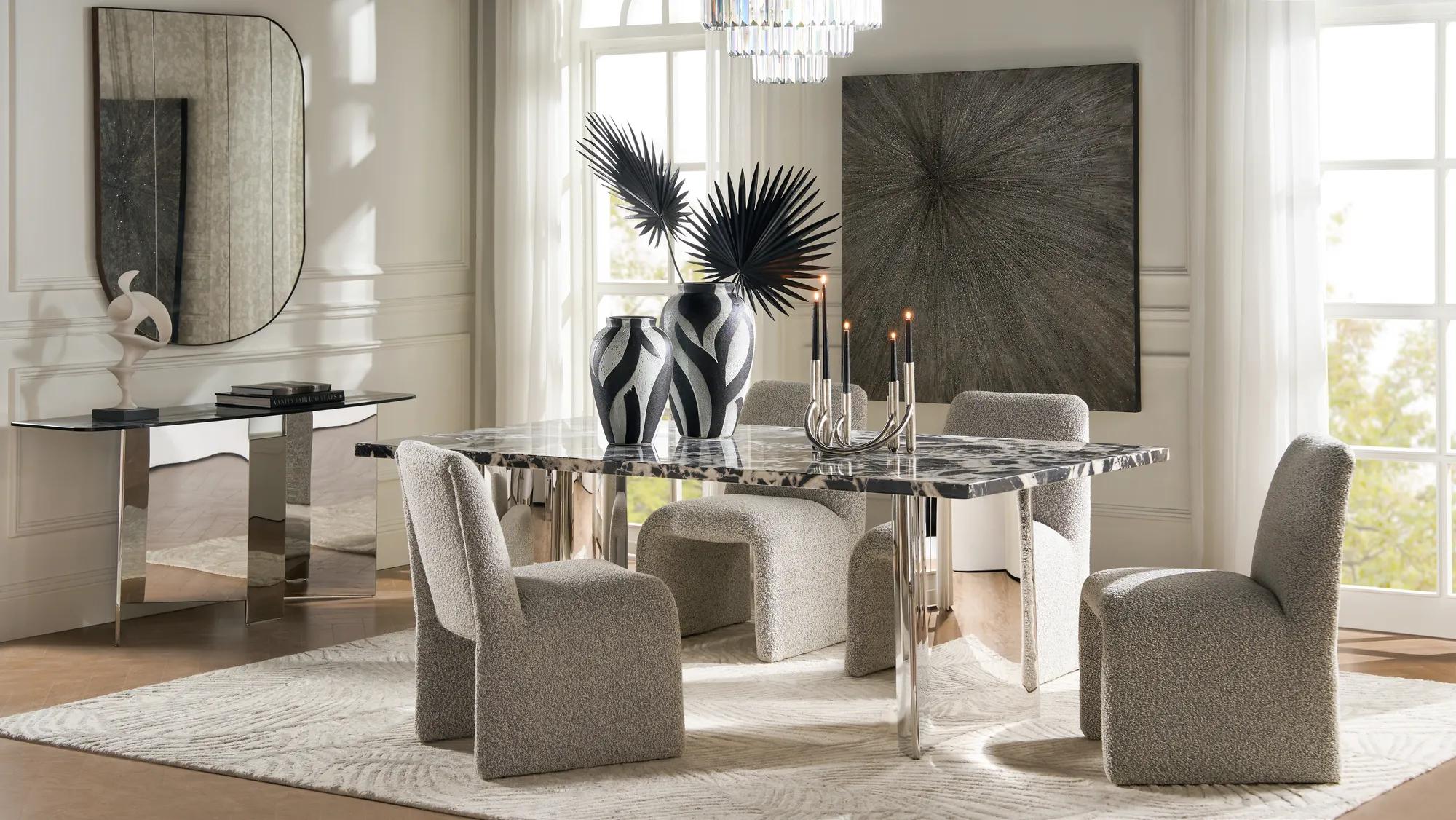 Muscat Rectangular Black Marble Dining Table With Stainless Steel Base (84")$3099
A dramatic black marble dining table with unique veining and a polished stainless steel base.
Add To Cart -
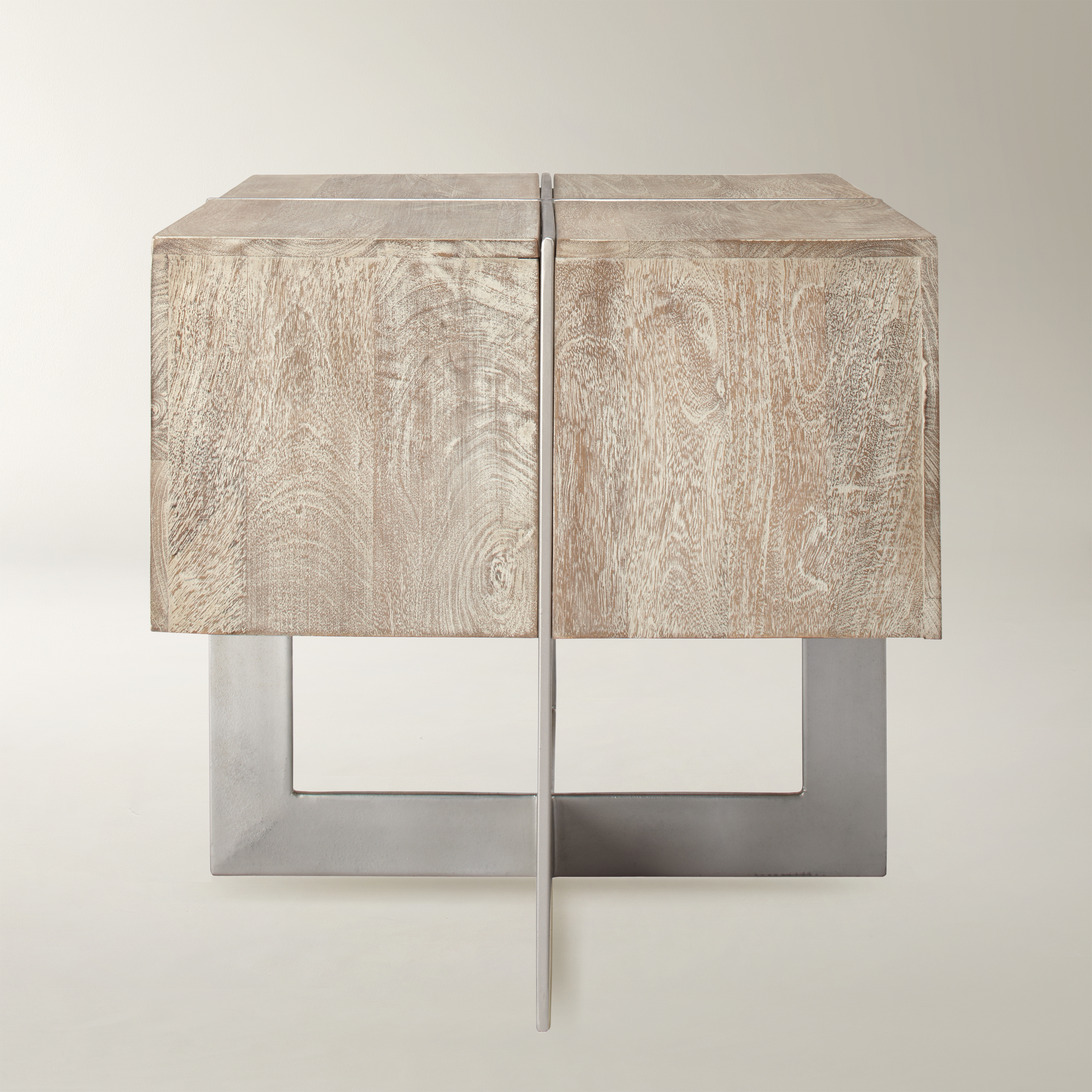
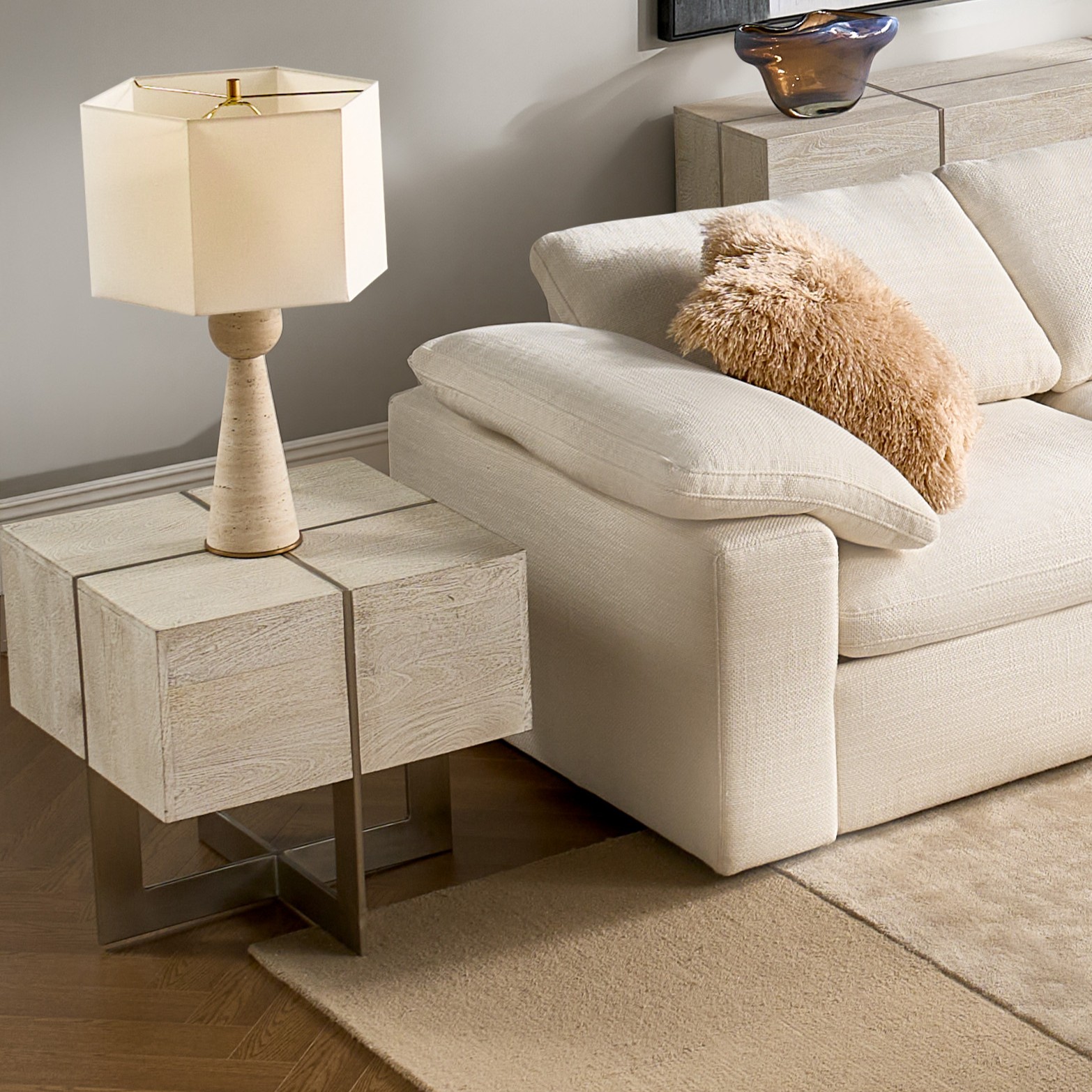 Clifton Square Natural Mango Wood End Table (24")$599
A handcrafted mango wood end table with a whitewashed finish and antiqued silver iron legs.
Add To Cart -
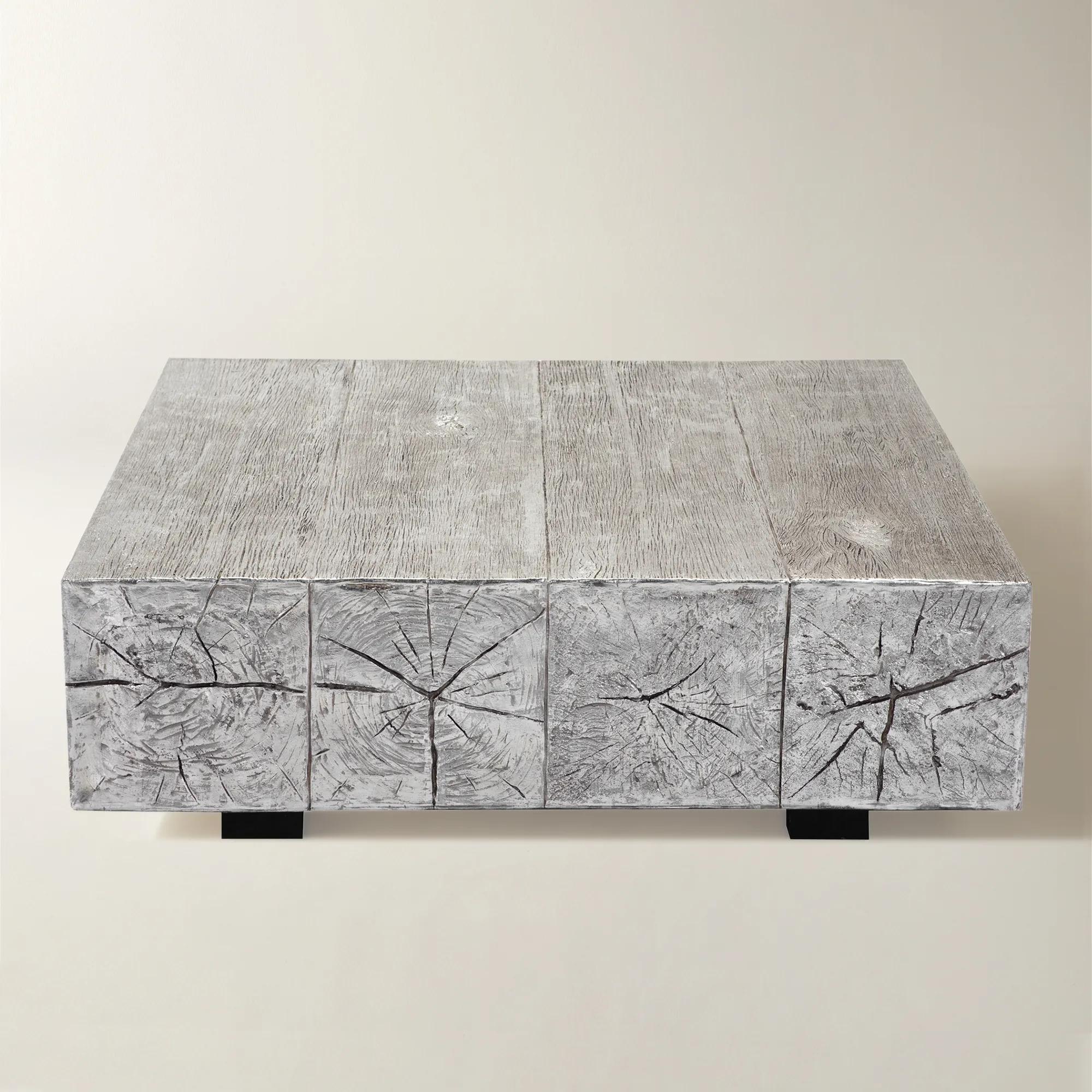
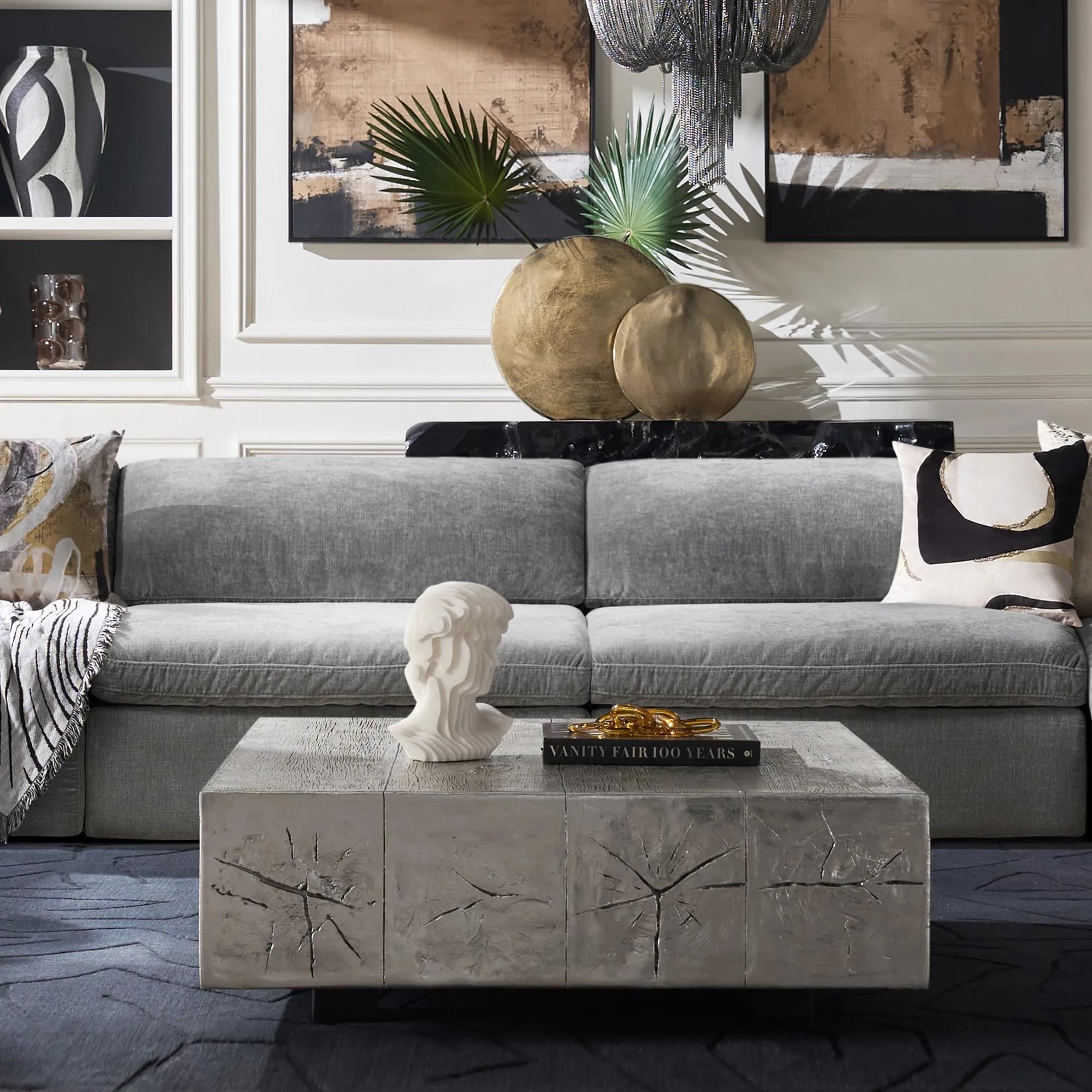 Timber Square Silver Resin Coffee Table (44")$1299
A hand-painted silver resin coffee table featuring authentic silver leaf and an antiqued, hand-rubbed oil finish.
Add To Cart -
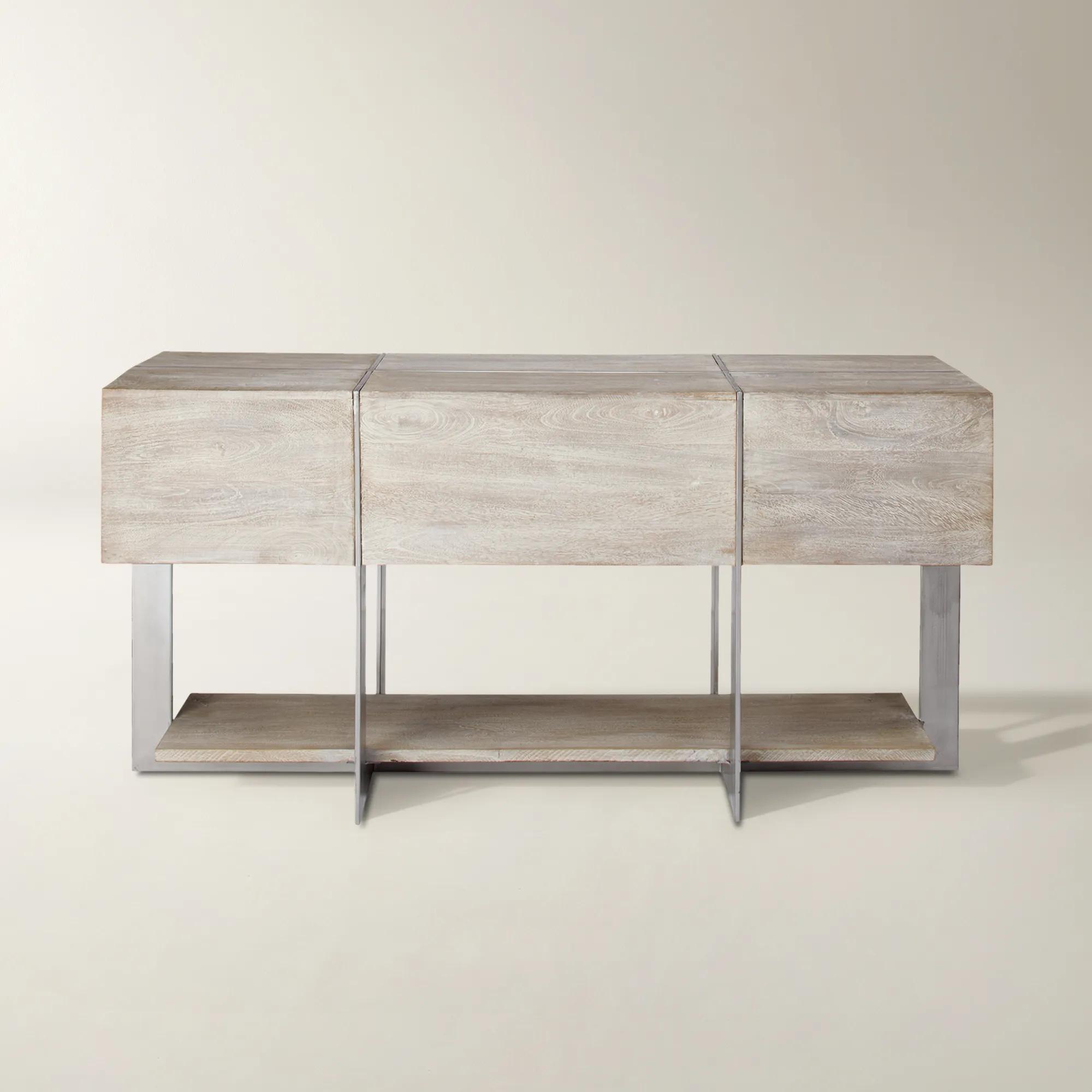
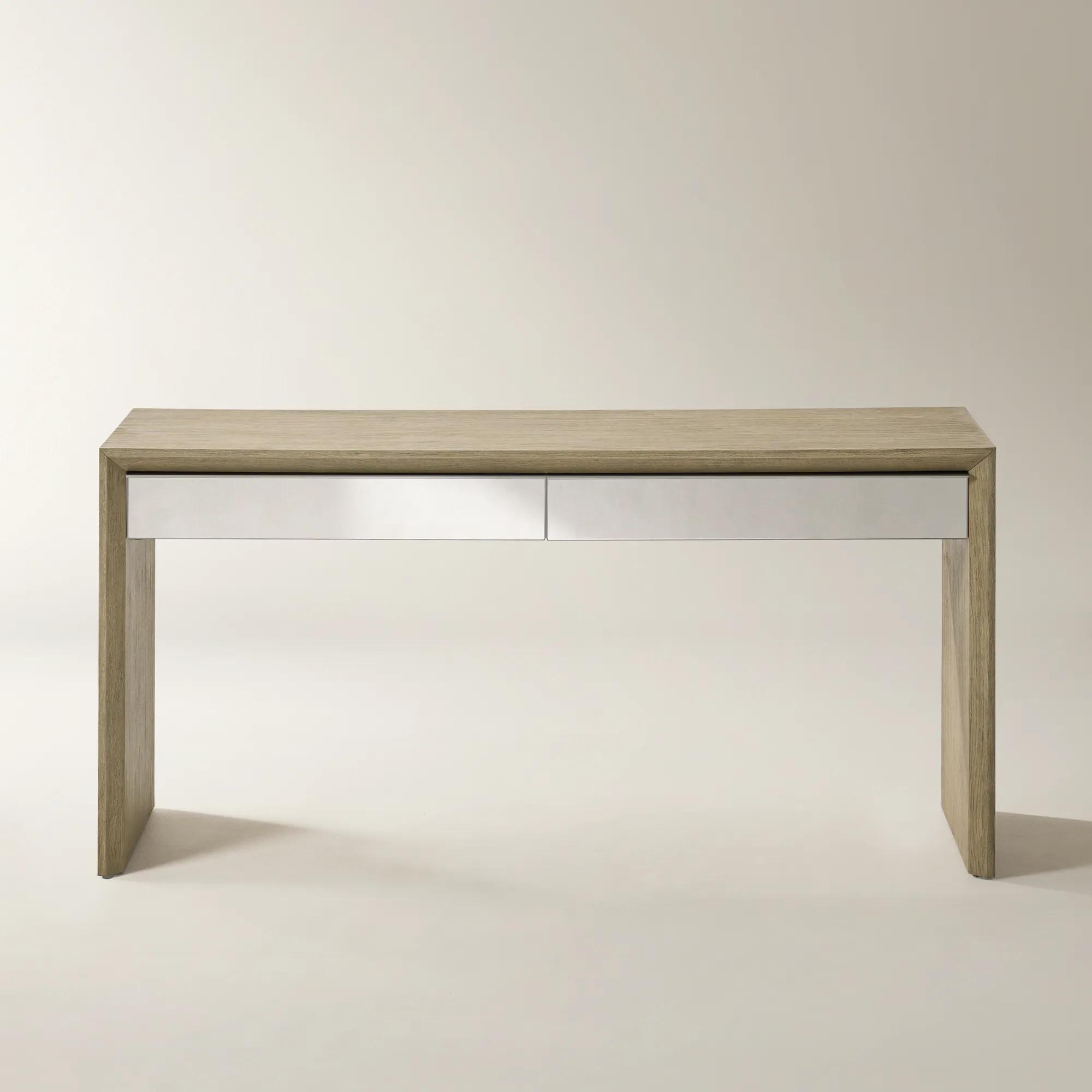
.jpg?w=1200&h=1200) Clifton Rectangular Natural Mango Wood Console Table (60")$1399
Clifton Rectangular Natural Mango Wood Console Table (60")$1399A handcrafted mango wood console table with a whitewashed finish and antiqued silver iron legs.
Add To Cart -
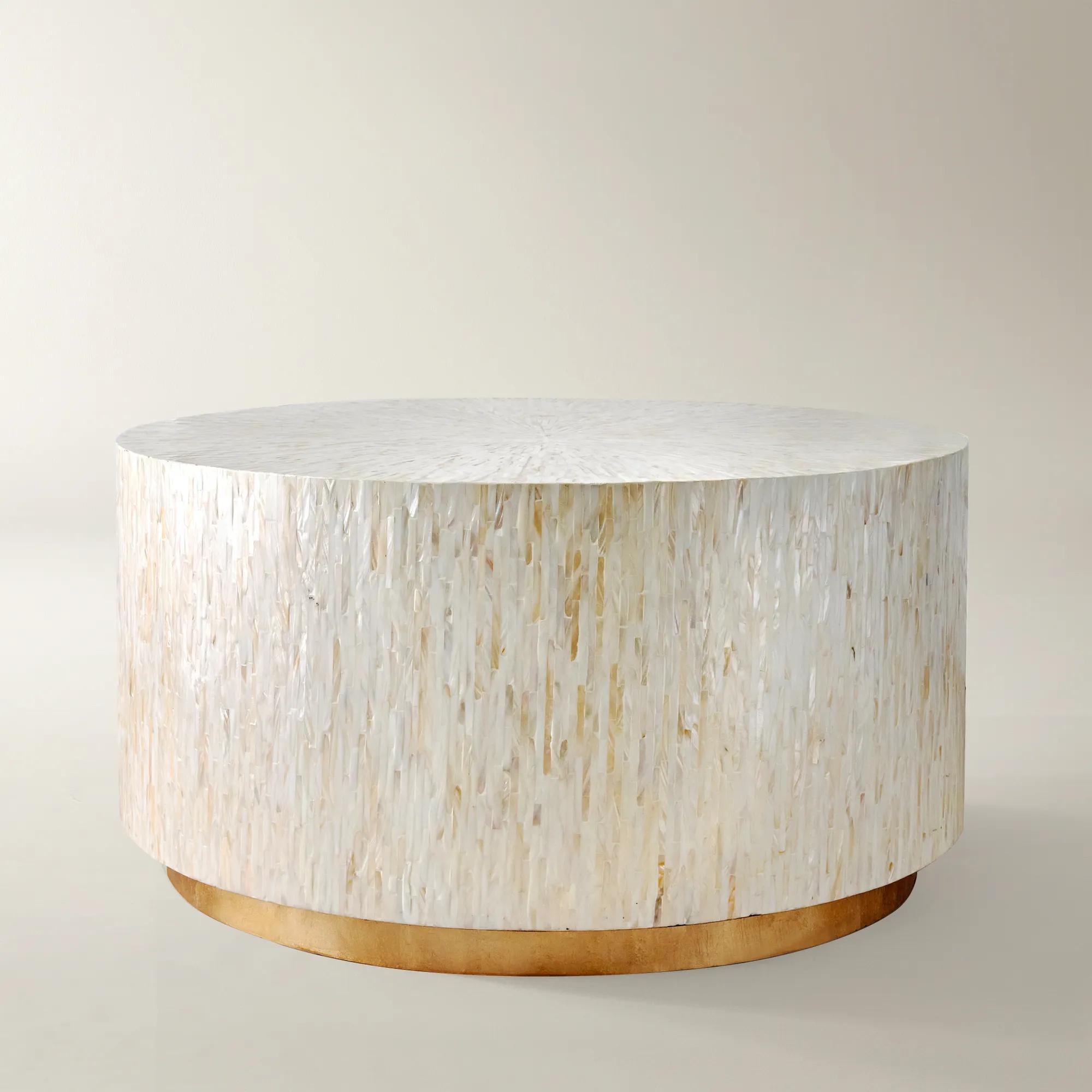
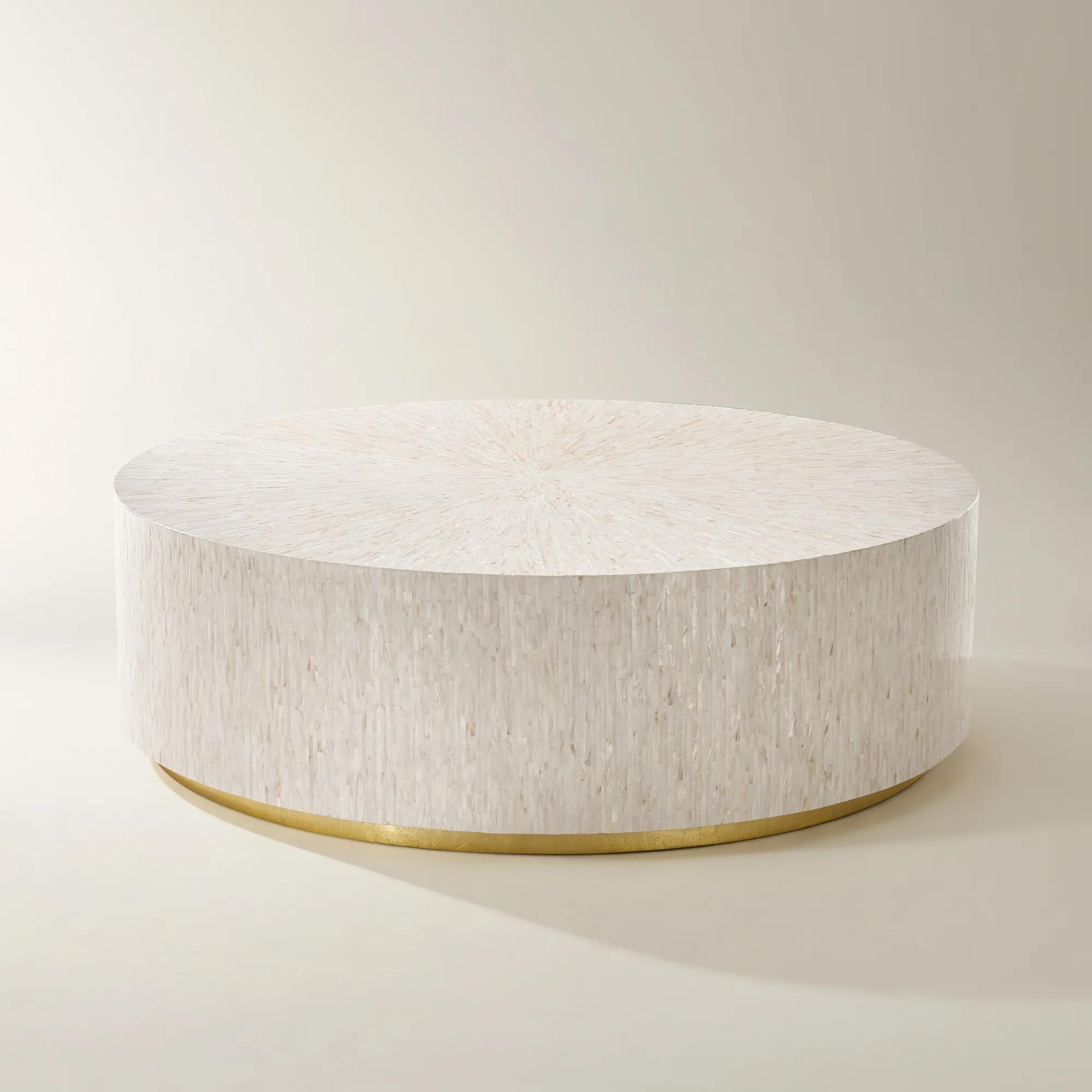
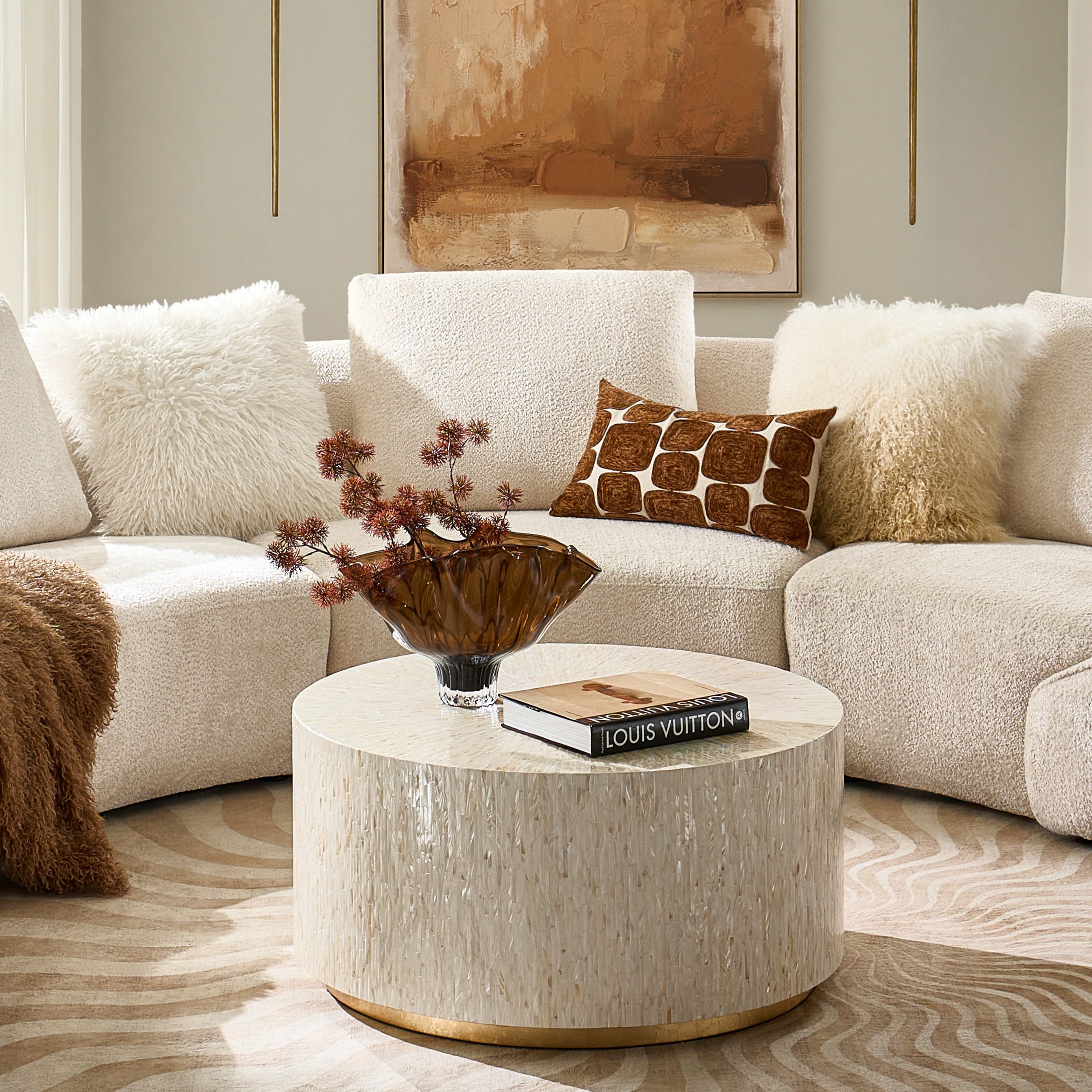 Alexandria Round Mosaic Platinum Coffee Table (36")$799
A luminous ivory coffee table featuring hand-applied mother-of-pearl mosaic and a gold leaf-accented base.
Add To Cart -
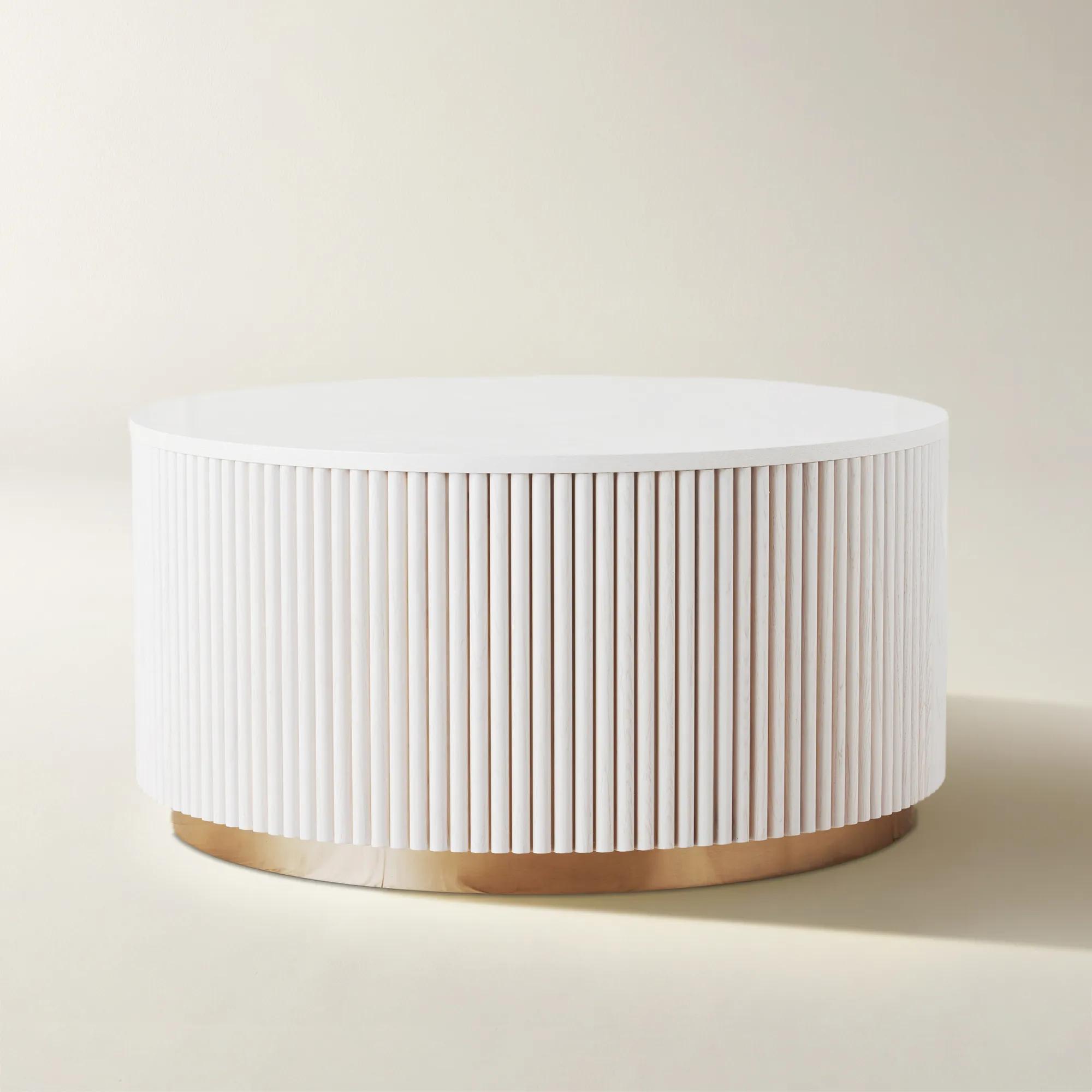
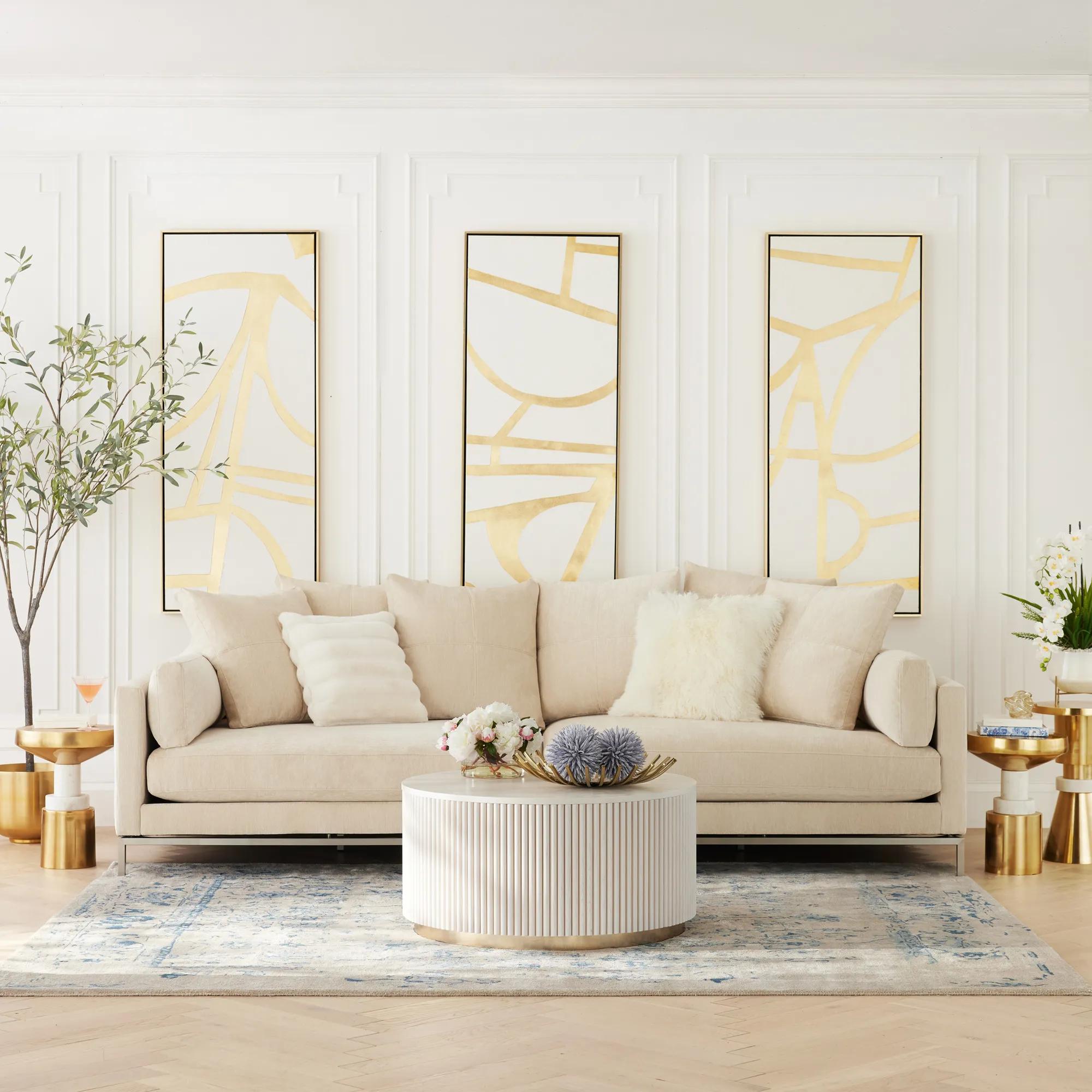 Natalia Round Reeded Whitewashed Ash Wood Coffee Table (36")$1299
A striking coffee table featuring reeded ash wood sides, a smooth top, and a whitewashed finish.
Add To Cart -
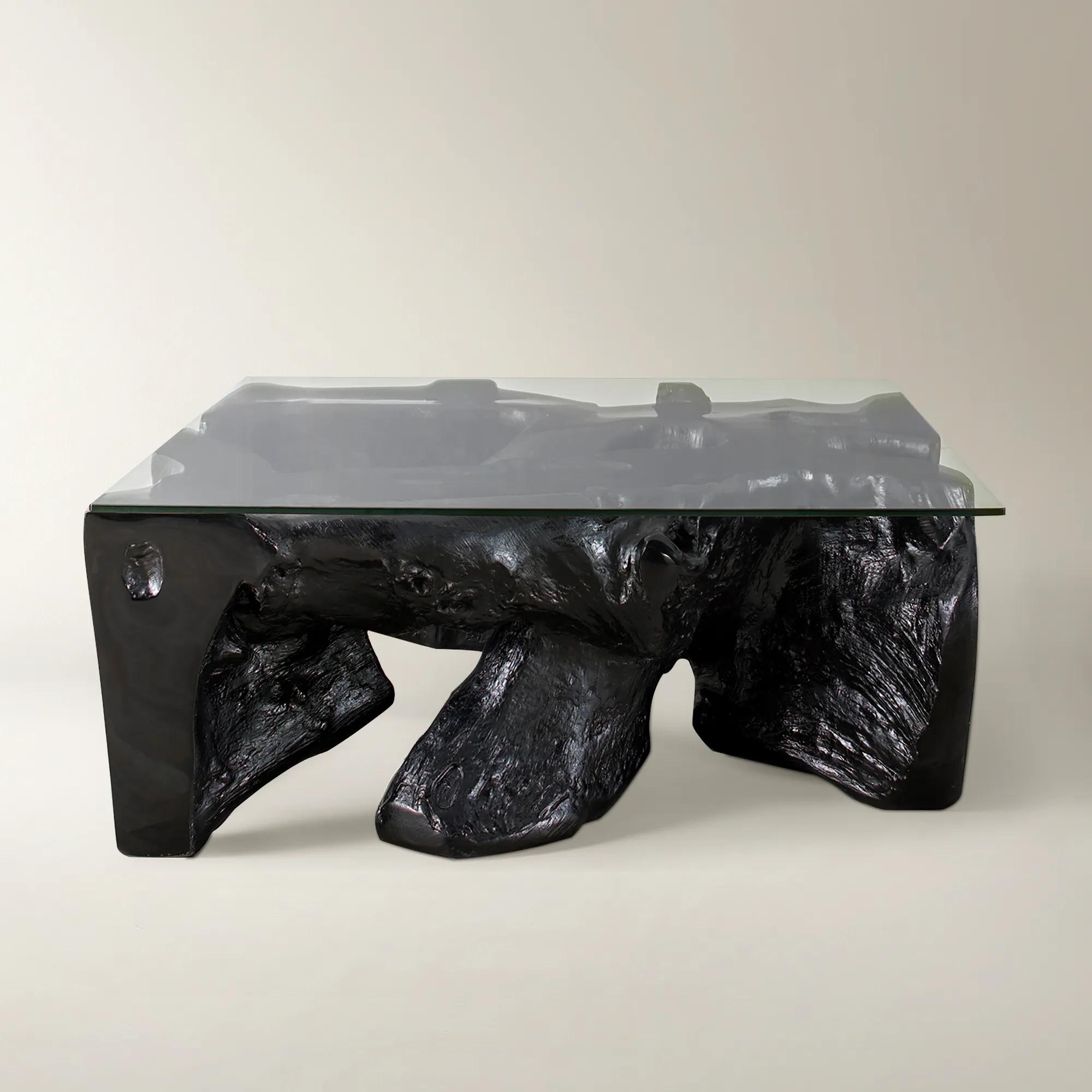
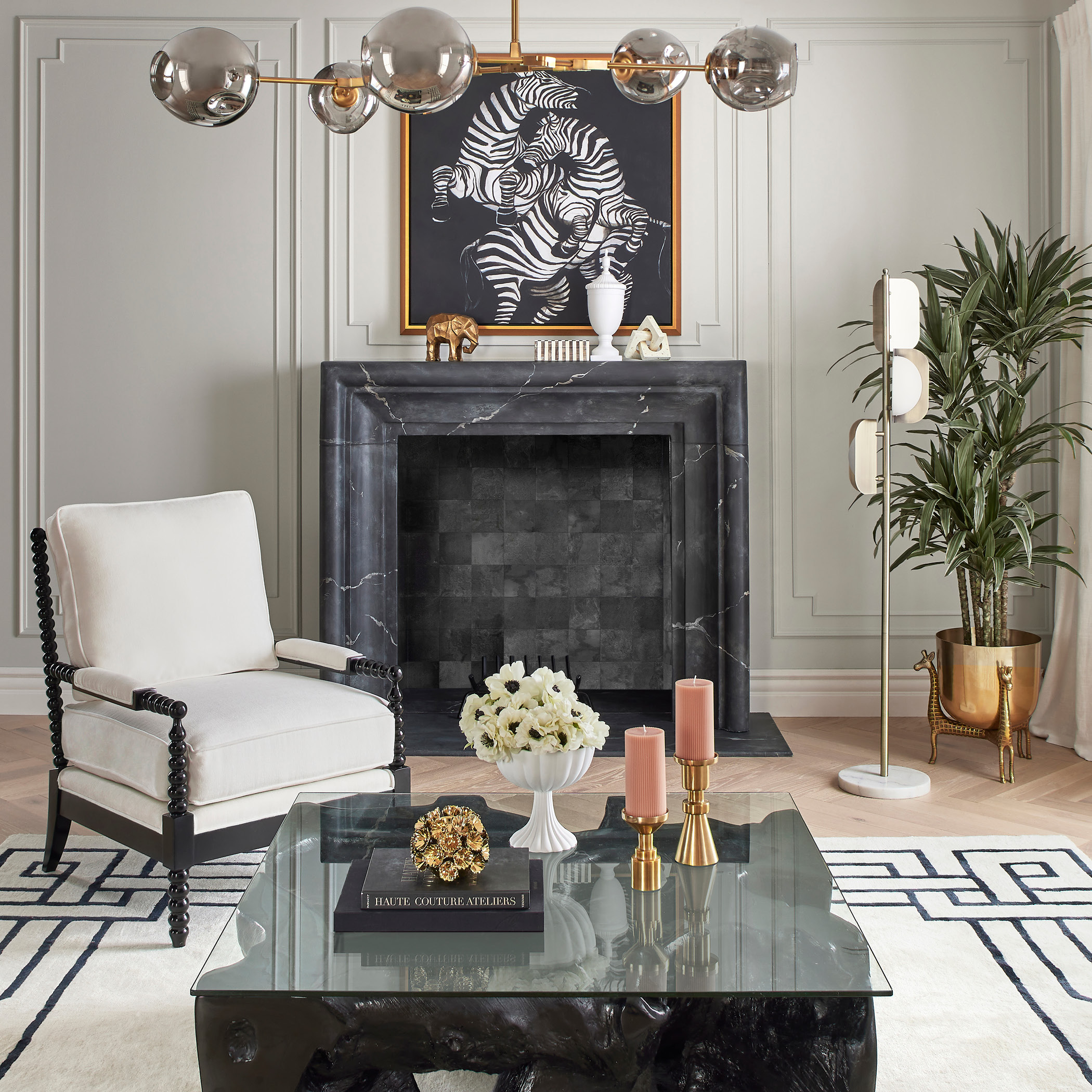 Sequoia Black Resin Coffee Table With Glass Top (44")$2299
A sculptural black coffee table crafted from resin and polished stone fragments for indoor or outdoor use.
Add To Cart -
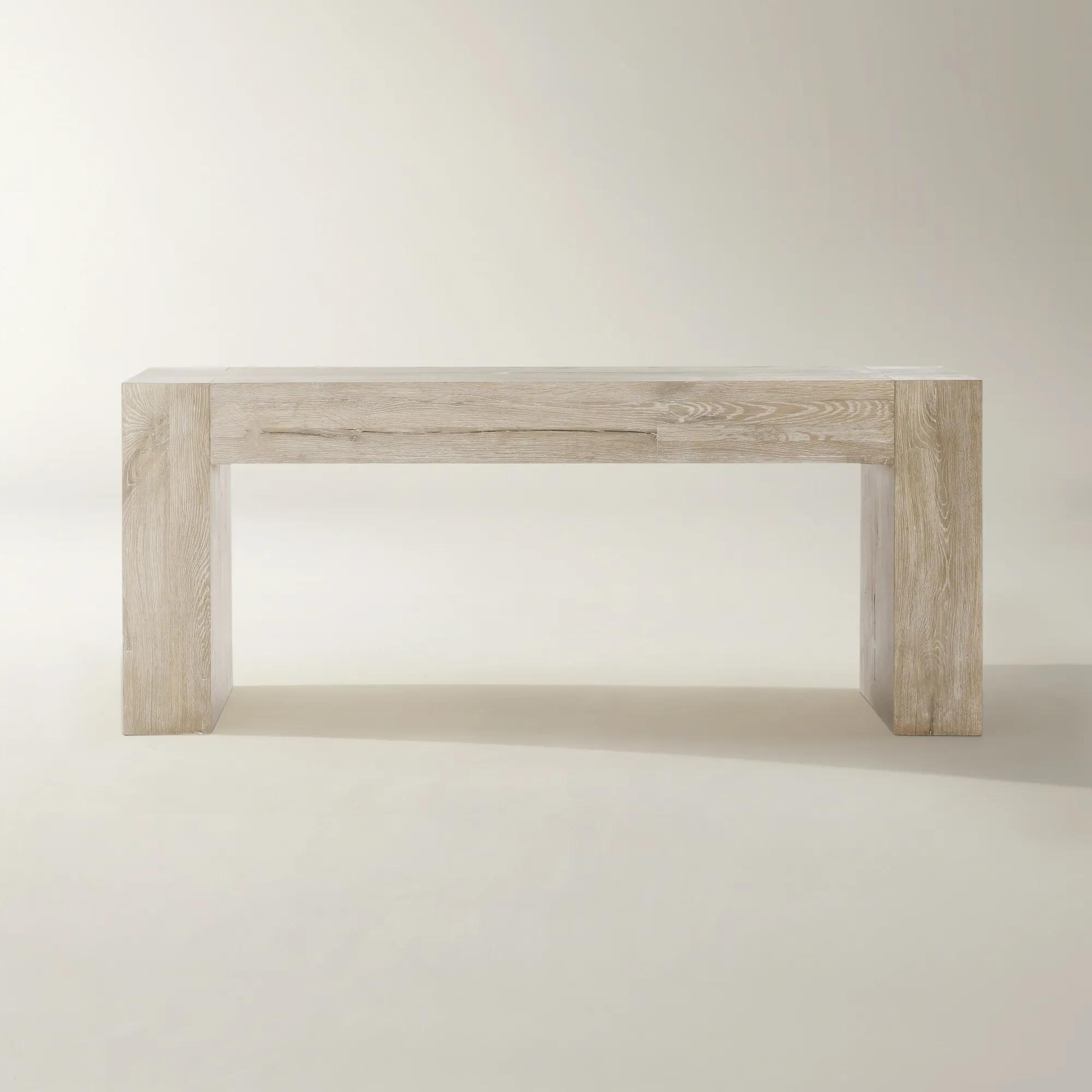
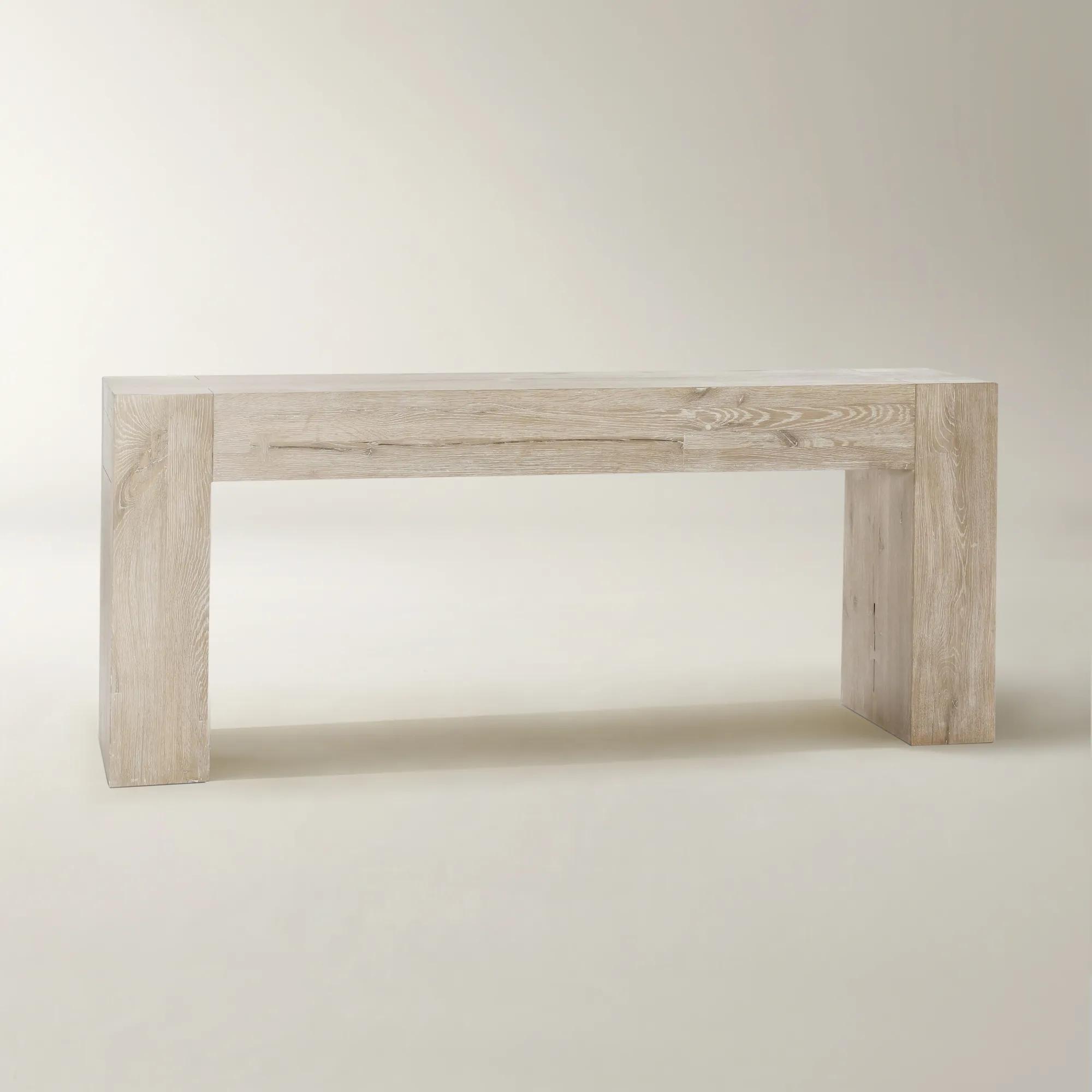 Bristol Rectangular Cream Oak Console Table (72")$2099
A handcrafted console table in aged cream cracked oak with modern dovetail detailing and artisanal character.
Add To Cart

Unique Grain Pattern Coffee Tables
Unique Grain Pattern Coffee Tables transform the ordinary into the extraordinary, elevating every living space with an artistry only nature can compose. Each table is a celebration of individuality—where swirling whorls, dramatic striations, and organic lines become the focal point of your room’s narrative. These captivating surfaces invite conversation and admiration, infusing your home with warmth, depth, and a sense of curated sophistication. For those who crave décor that dazzles as much as it grounds, Unique Grain Pattern Coffee Tables are more than furniture—they’re sculptural statements that make every moment feel remarkable.
Unique grain pattern coffee tables bring an unmistakable sense of artistry to the center of a room. Rather than blending quietly into the background, these tables invite the eye to linger over every ring, sweep, knot, and tonal variation. Their appeal begins with the wood itself: no two slabs develop in precisely the same way, which means each surface carries a story shaped by growth, time, and craftsmanship. Burl wood is especially prized for its swirling, fingerprint-like markings, created when a tree responds to stress with unusual growth. Live-edge designs preserve the organic outer contour of the trunk, allowing the table to retain a beautifully irregular silhouette. Bookmatched tops are made from consecutive slices of the same log, opened like the pages of a book to create a mirrored, butterfly-like composition. End-grain designs reveal the cut ends of wood pieces, forming a dense mosaic of growth rings and geometric detail. Walnut is known for deep chocolate tones and expressive dark lines, while lighter woods and burl varieties can introduce honey, taupe, cream, and soft brown movement. These natural variations are part of the character—not imperfections to be concealed. In a sophisticated living room, a unique grain pattern coffee table can soften the clean geometry of a modern sofa, add warmth to a room layered in metal and glass, or give a tailored space the unexpected focal point it needs. Pair an organic wood surface with sculptural seating, a textural area rug, and a few carefully chosen objects so the grain remains the star. For a more dramatic composition, contrast the warmth of the wood with gleaming accents, charcoal upholstery, or mirror-finish décor. Those drawn to expressive surfaces may also enjoy exploring Unique Finish Coffee Tables for additional ways to create a memorable centerpiece.
Choosing the right unique grain pattern coffee table begins with scale, shape, and the atmosphere you want to create. Start by measuring the seating area, including the distance between the sofa, chairs, and surrounding walkways. As a general guideline, leave enough room for comfortable movement around the table and aim for a tabletop that sits close to the height of the surrounding seat cushions. A rectangular table works beautifully with a long sofa and helps define a generous conversation area, while a round table can soften a room filled with straight lines and make circulation feel more fluid. Oval and organic freeform silhouettes offer a graceful middle ground, combining generous surface area with a less formal outline. Consider the visual weight of the base as carefully as the top. A substantial wood slab may call for an open metal base that lets the grain remain visible from every angle, while a lighter tabletop can support a more sculptural pedestal or architectural frame. The table’s finish matters as well. A low-sheen surface emphasizes the tactile, natural presence of the wood, while a richer finish can deepen color and heighten the drama of distinctive markings. If you are furnishing a compact space, look for a design with a visually open base or a slimmer profile; the room will feel less crowded without sacrificing personality. In a larger interior, a broader top can anchor layered seating and provide room for books, trays, candles, and decorative objects. Function should remain part of the design story. A coffee table may host morning coffee, evening cocktails, a stack of art books, or the quiet ritual of arranging flowers, but it should still leave generous open space for the room to breathe. When entertaining during the cooler months, a striking wood table becomes the natural gathering point, grounding conversation with its warmth and inviting guests to notice the artistry in its surface.
These tables are made for anyone who believes functional furniture should possess a little theater. They suit the collector who prefers interiors with a point of view, the design enthusiast refreshing a living room with one unforgettable piece, and the host who wants every gathering to feel considered without appearing overly arranged. A unique grain pattern coffee table can also make a thoughtful housewarming or wedding gift for someone settling into a new home, particularly when the recipient appreciates craftsmanship, natural materials, and décor with individual character. Because the grain provides so much visual interest, styling is best approached with restraint. A shallow tray can organize remotes and small essentials, a ceramic vessel can echo the earthy beauty of the wood, and a single sculptural object can create height without obscuring the pattern. Avoid covering the entire surface with accessories; the table’s organic markings deserve room to command attention. For everyday care, use coasters beneath drinks, wipe spills promptly with a soft cloth, and avoid placing hot cookware or damp containers directly on the finish. Keep the table away from prolonged direct sunlight and dramatic changes in humidity when possible, as natural wood responds to its environment over time. Always follow the care instructions provided for the specific finish, since sealed, oiled, and lacquered surfaces may require different maintenance. With thoughtful placement and simple care, a distinctive grain pattern can remain a lasting source of warmth and wonder. As daylight shifts and interiors become more layered for time spent indoors, the right coffee table does more than complete a seating arrangement—it introduces texture, movement, and a natural work of art to the center of everyday life.
FAQ List
A coffee table with a unique grain pattern instantly becomes a focal point, drawing the eye and adding depth, texture, and artistry to your room. The natural variations in wood, stone, or travertine create a sense of luxury and individuality, ensuring that no two tables are ever exactly alike. These pieces celebrate the beauty of organic materials, infusing your space with character and a touch of the unexpected.
Styling a coffee table with a striking grain pattern is all about balance and contrast. For everyday elegance, let the table’s natural beauty shine with minimal accessories—think a sleek tray, a sculptural vase, or a stack of art books. For special occasions, layer with metallic accents, fresh florals, or bold decorative objects to play up the table’s unique finish and create a dynamic, ever-changing vignette.
These coffee tables make extraordinary gifts for design enthusiasts, newlyweds, new homeowners, or anyone who values distinctive, expressive interiors. They’re perfect for those who appreciate artistry, craftsmanship, and the transformative power of beautiful décor—offering a lasting reminder of a special milestone or celebration.
Coffee tables with distinctive grain patterns are often crafted from richly grained woods like acacia, walnut, or oak, as well as from stone materials such as marble and travertine. Each material brings its own character—wood offers warmth and organic movement, while stone provides a sense of cool luxury and timeless elegance.
Whether your home is modern, eclectic, or classic, a coffee table with a remarkable grain pattern can elevate your décor. In contemporary spaces, it can add warmth and visual interest; in more traditional rooms, it introduces a fresh, artistic edge. The versatility of these tables allows them to seamlessly anchor a variety of design narratives, making them a sophisticated choice for any setting.