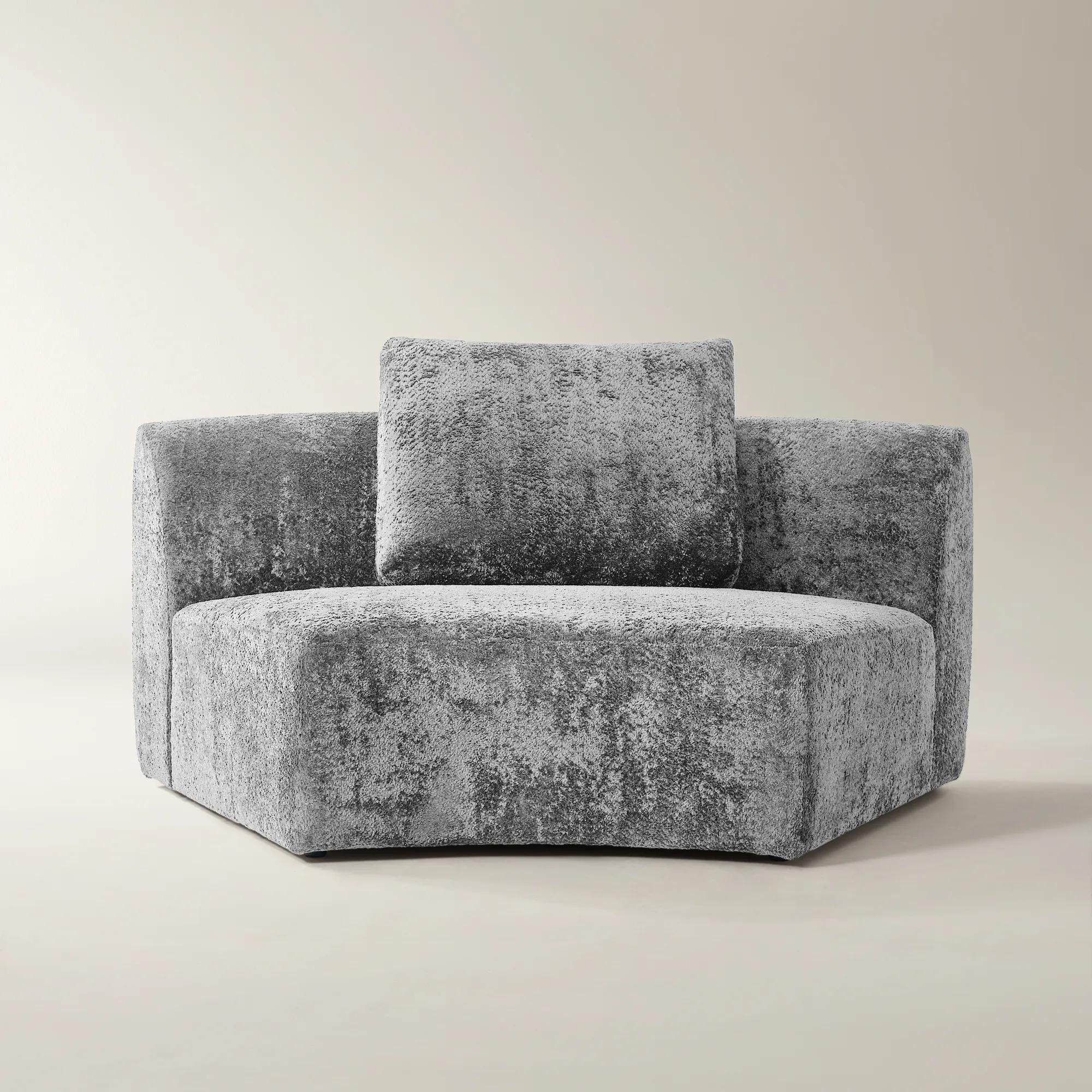
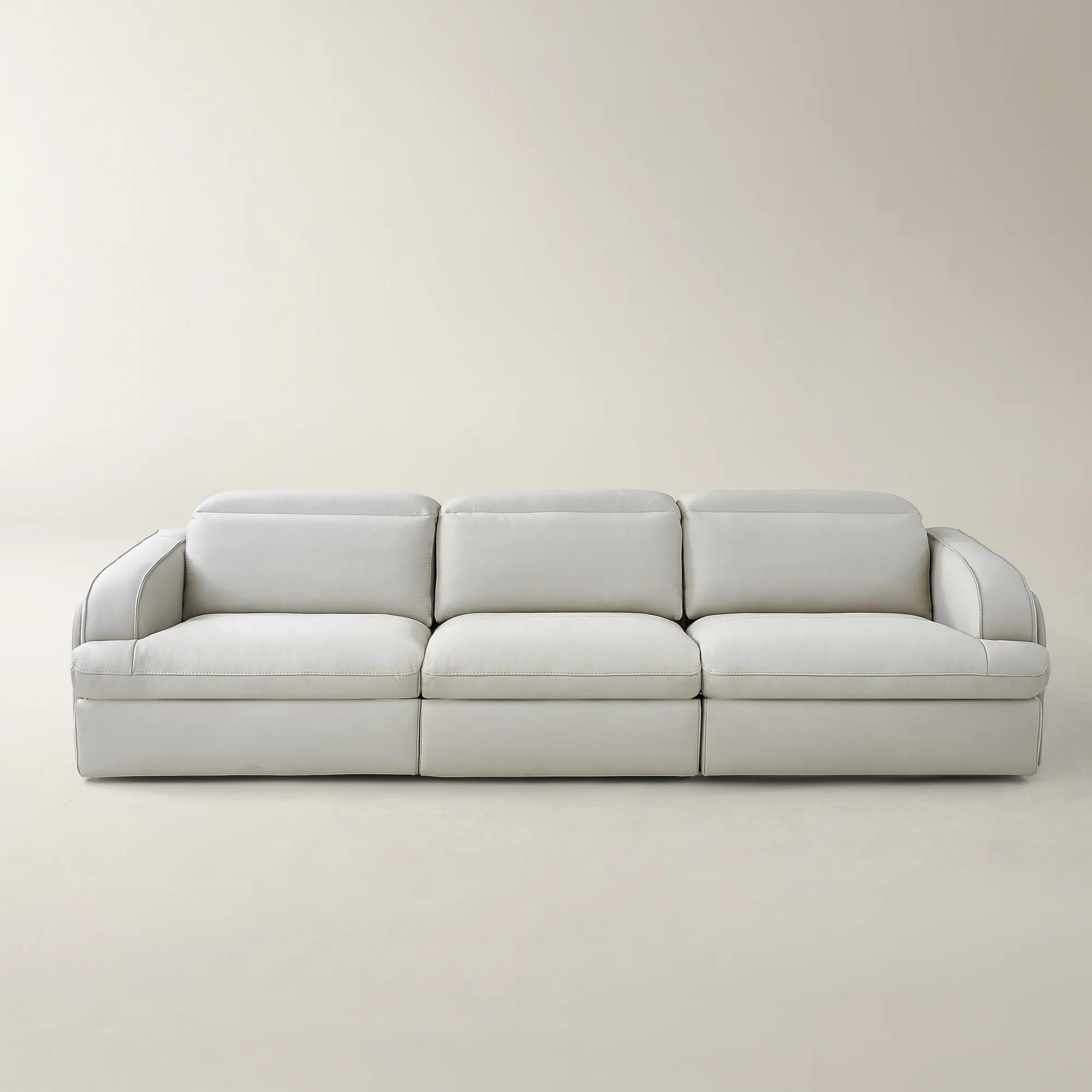
Two Piece Sectional Alternatives
Two Piece Sectional Alternatives
-
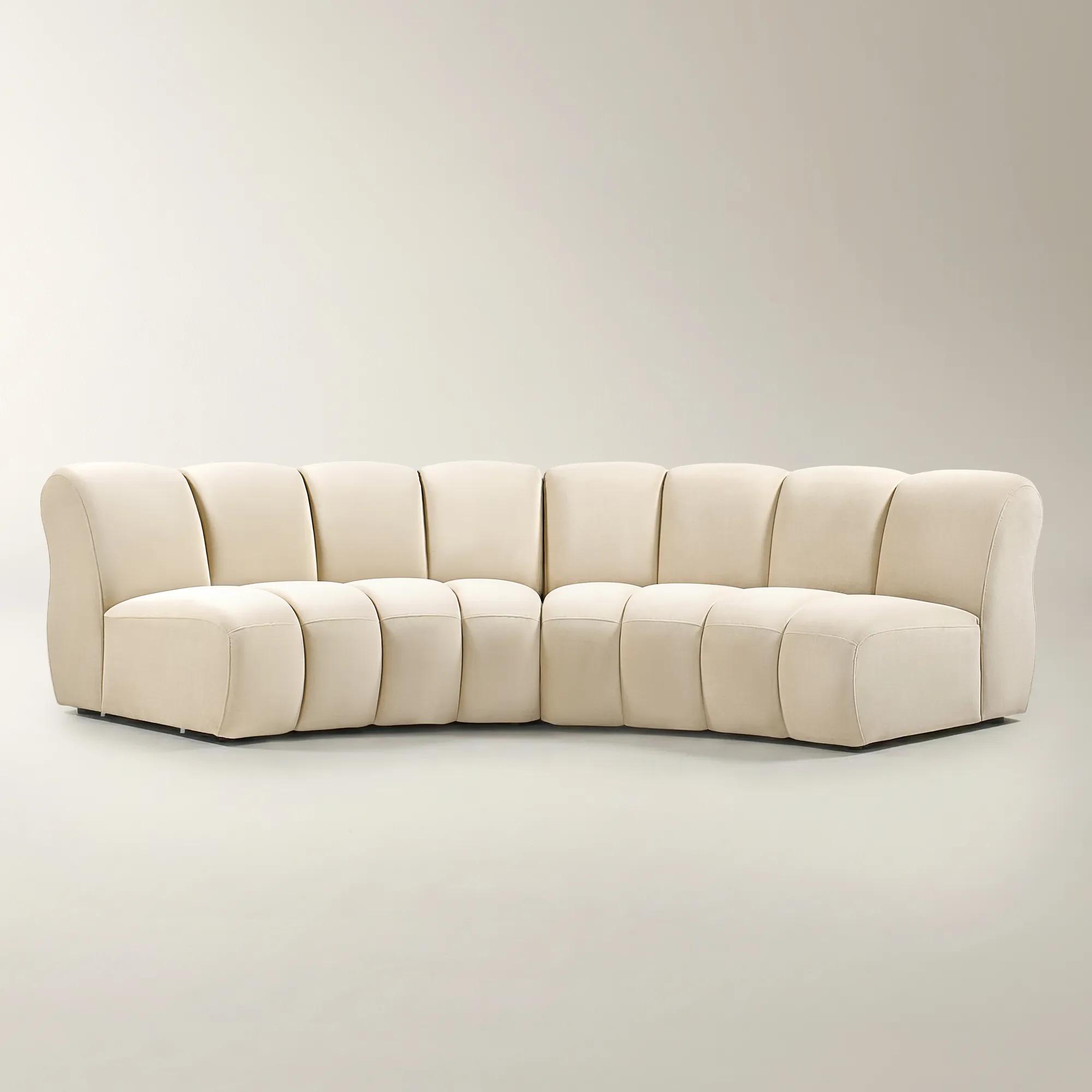
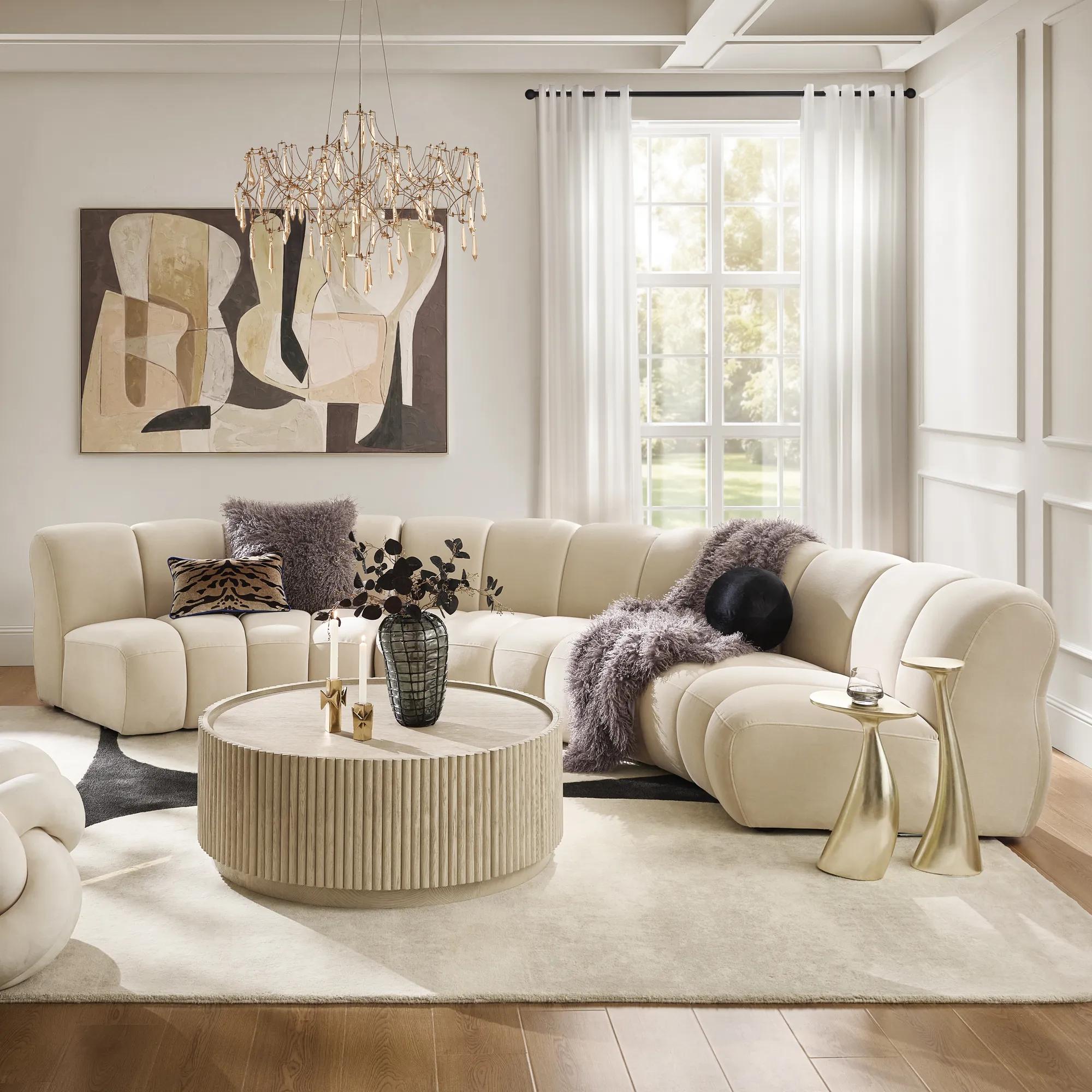 Jocelyn 2-Piece Channel-Tufted Oatmeal Velvet Sectional Sofa$2699
A sculptural oatmeal velvet sectional with deep channel tufting, curved silhouette, and modular, conversation-friendly design.
Add To Cart -
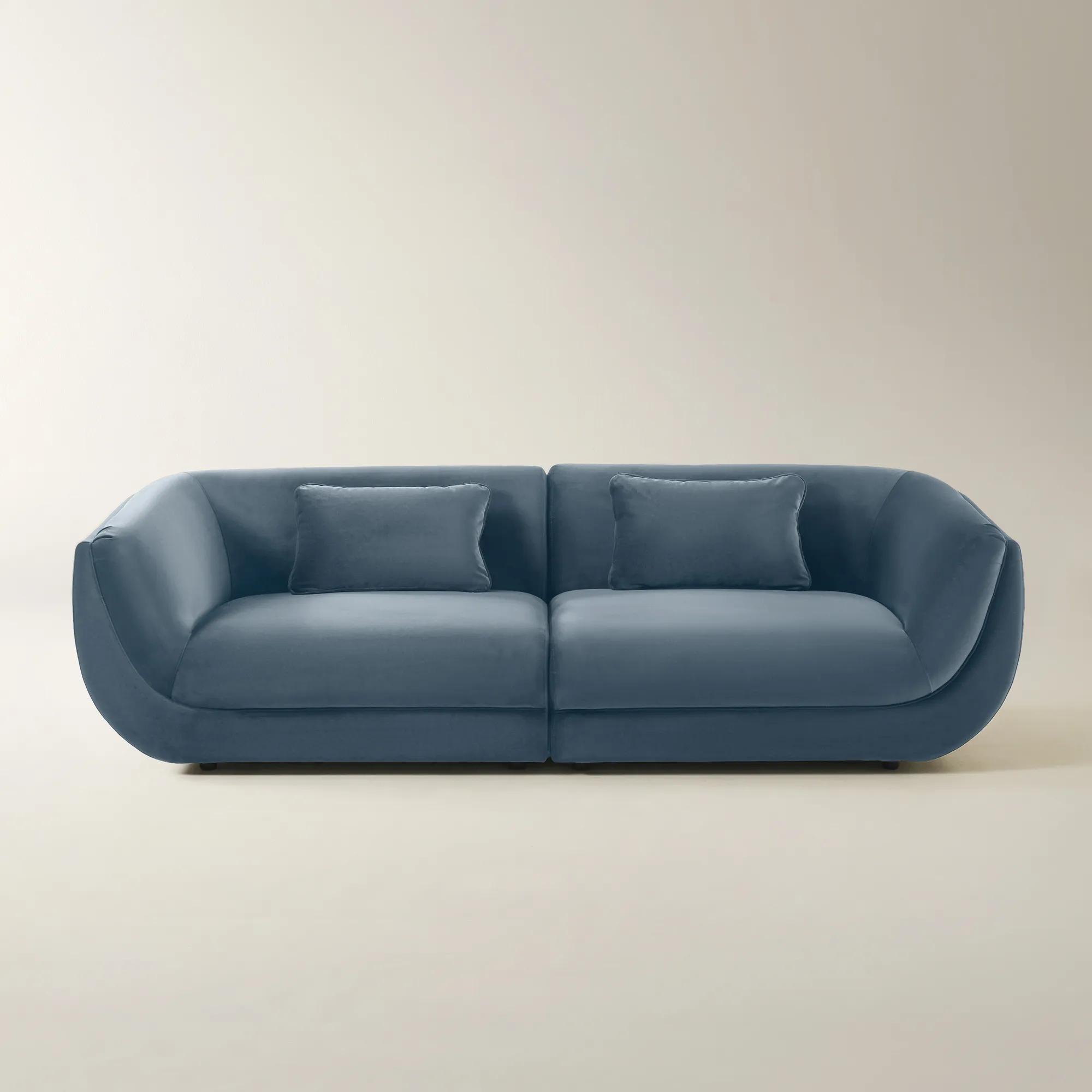 Curvia 2-Piece Dusty Blue Velvet Sectional Sofa$2699
A modular sectional wrapped in plush dusty blue velvet with sculptural curves and deep, lounge-worthy comfort.
Add To Cart -
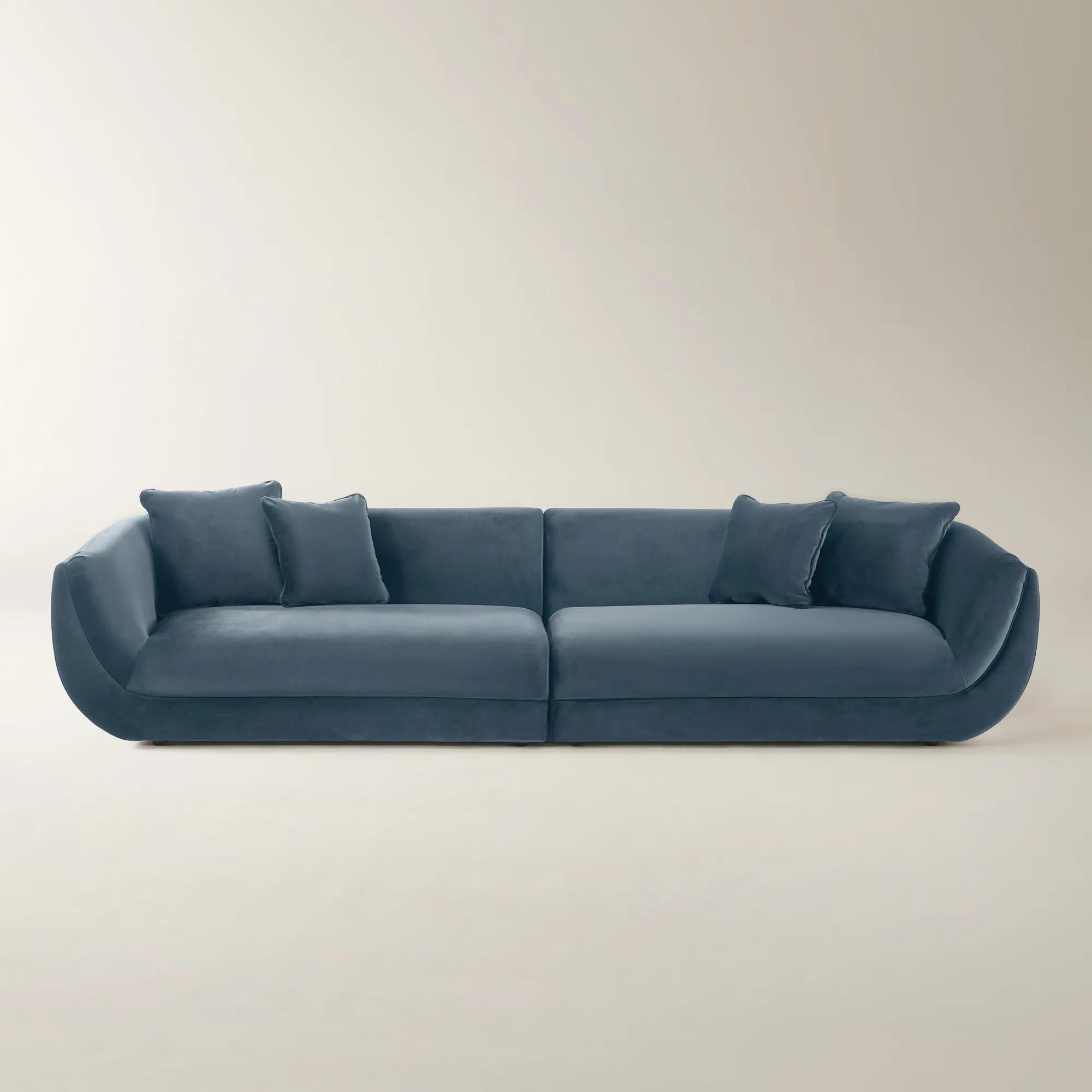
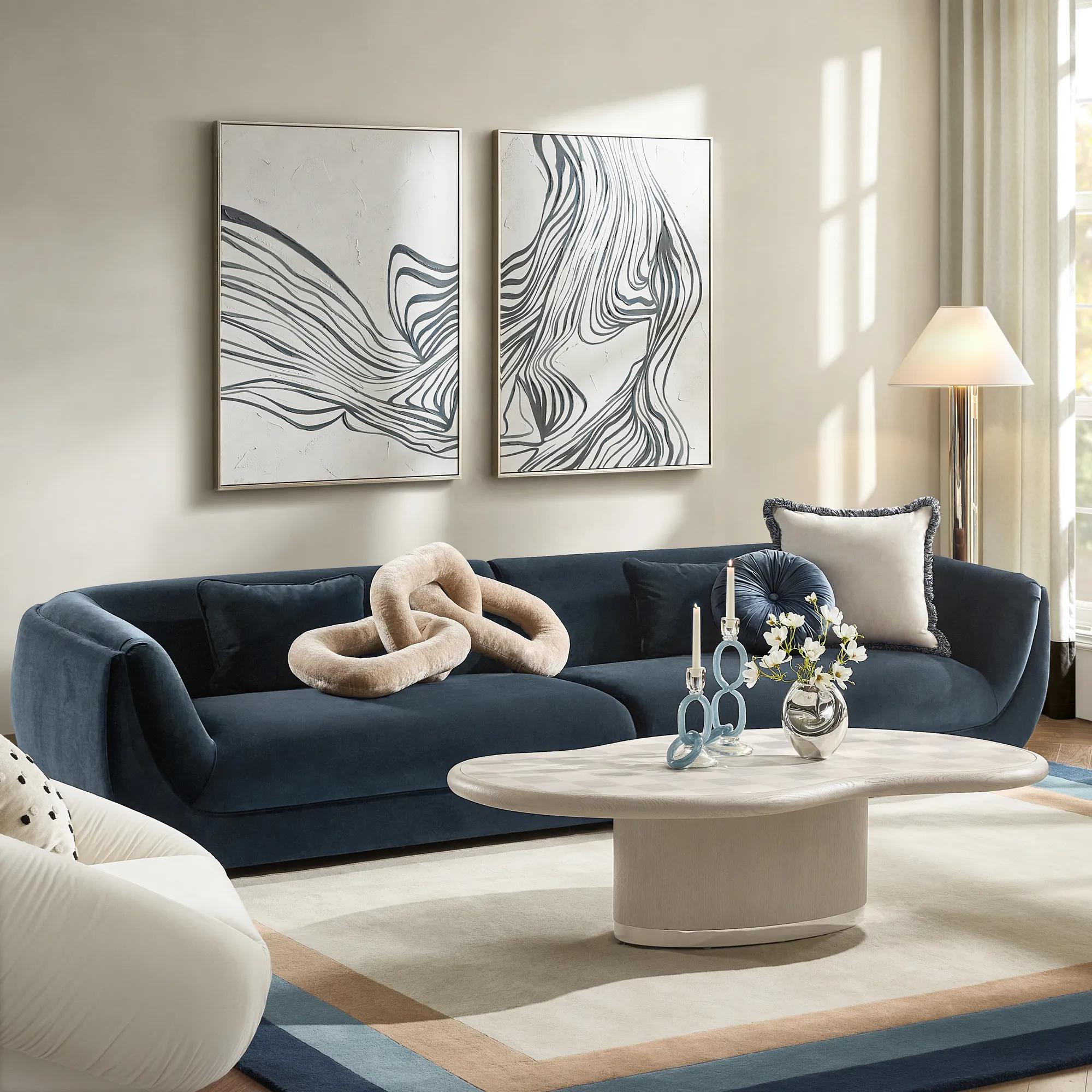 Curvia 2-Piece Dusty Blue Velvet Grand Sectional Sofa$2899
A plush, modular sectional wrapped in dusty blue velvet with sculptural curves and deep, lounge-worthy comfort.
Add To Cart -
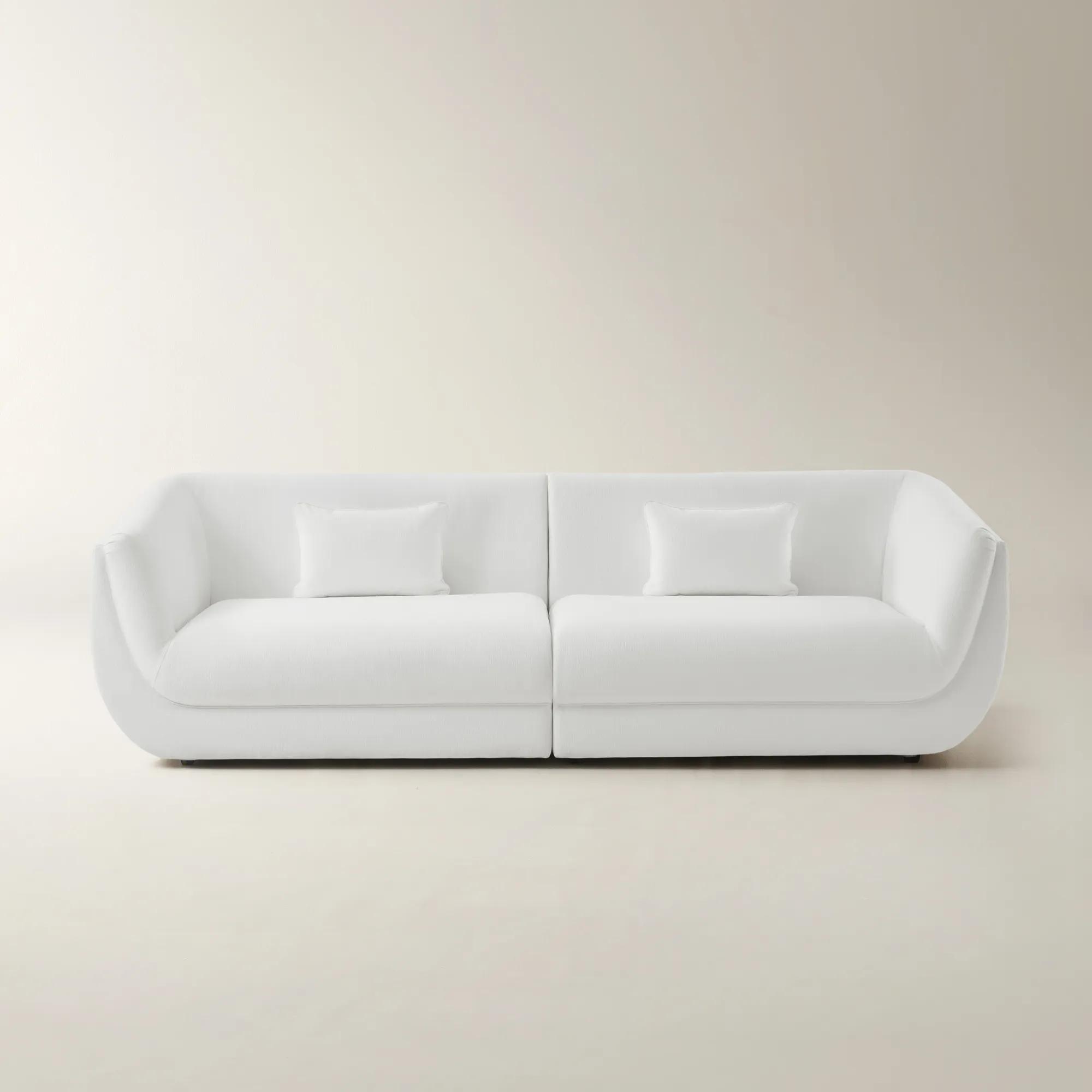
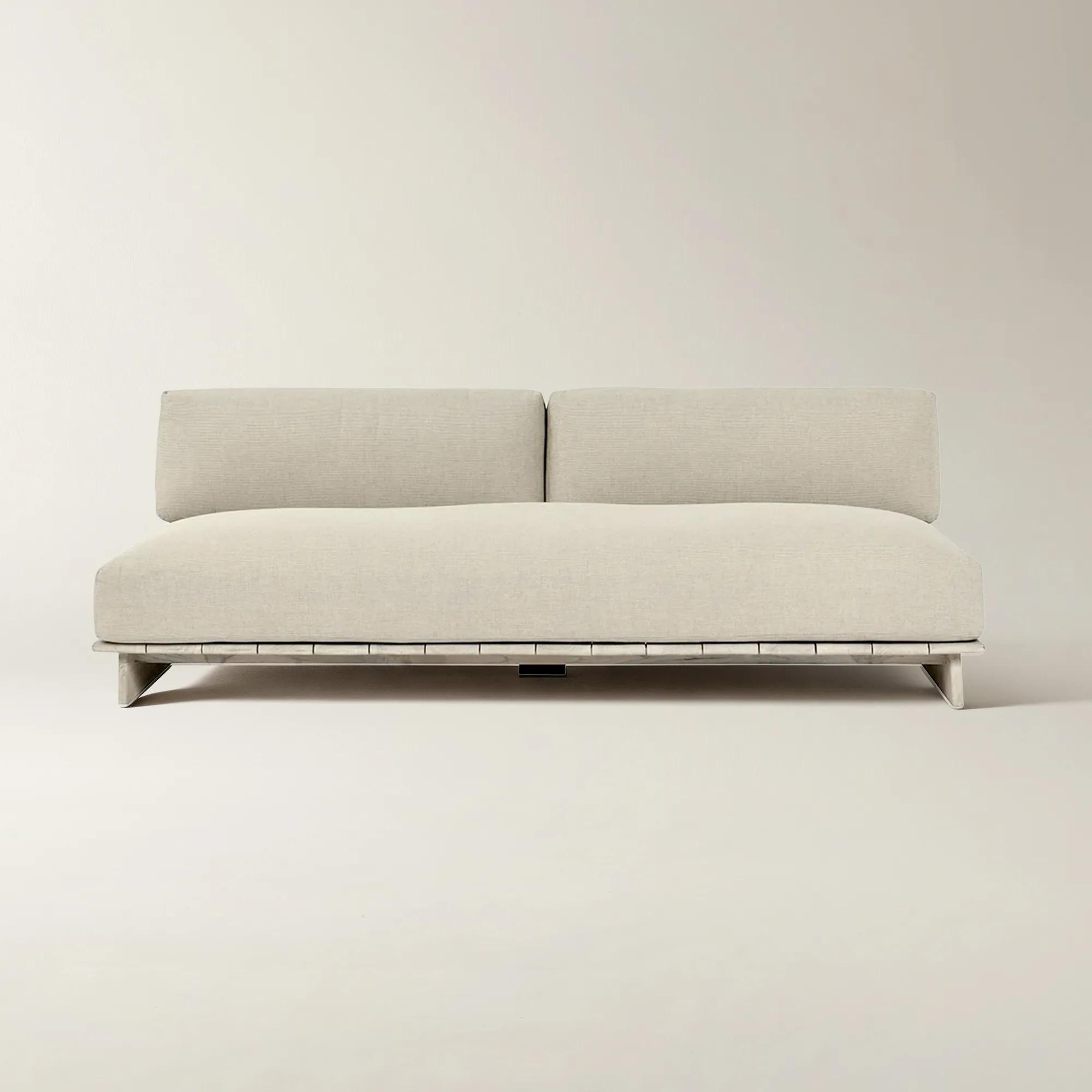
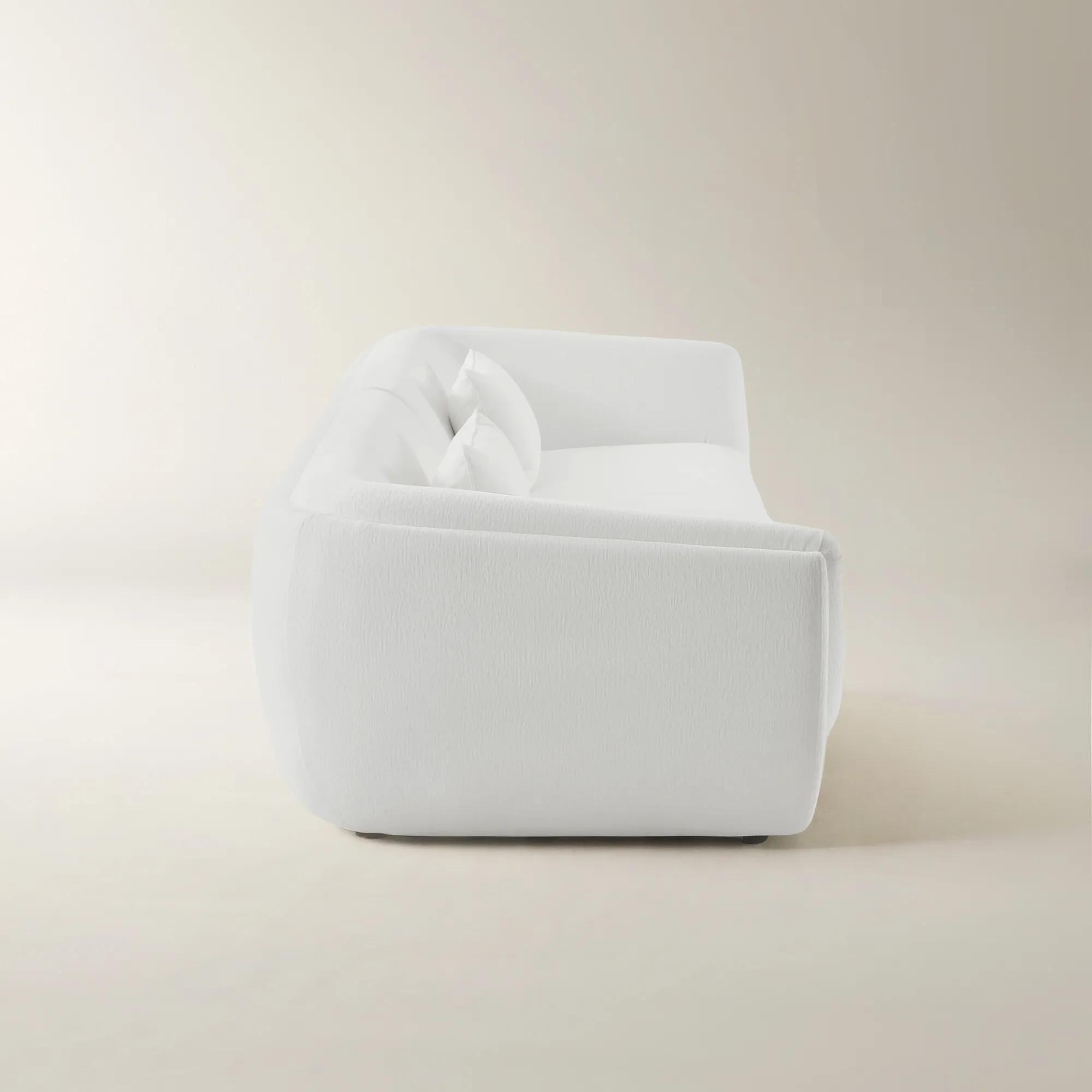 Curvia 2-Piece White Performance Chenille Indoor/Outdoor Sectional Sofa$2799
A sculptural white sectional sofa upholstered in performance chenille for luxurious indoor or outdoor lounging.
Add To Cart -

 Curvia 2-Piece Dark Chocolate Velvet Sectional Sofa$2699
A sculptural sectional wrapped in dark chocolate velvet with plush cushioning and modular, lounge-ready design.
Add To Cart -
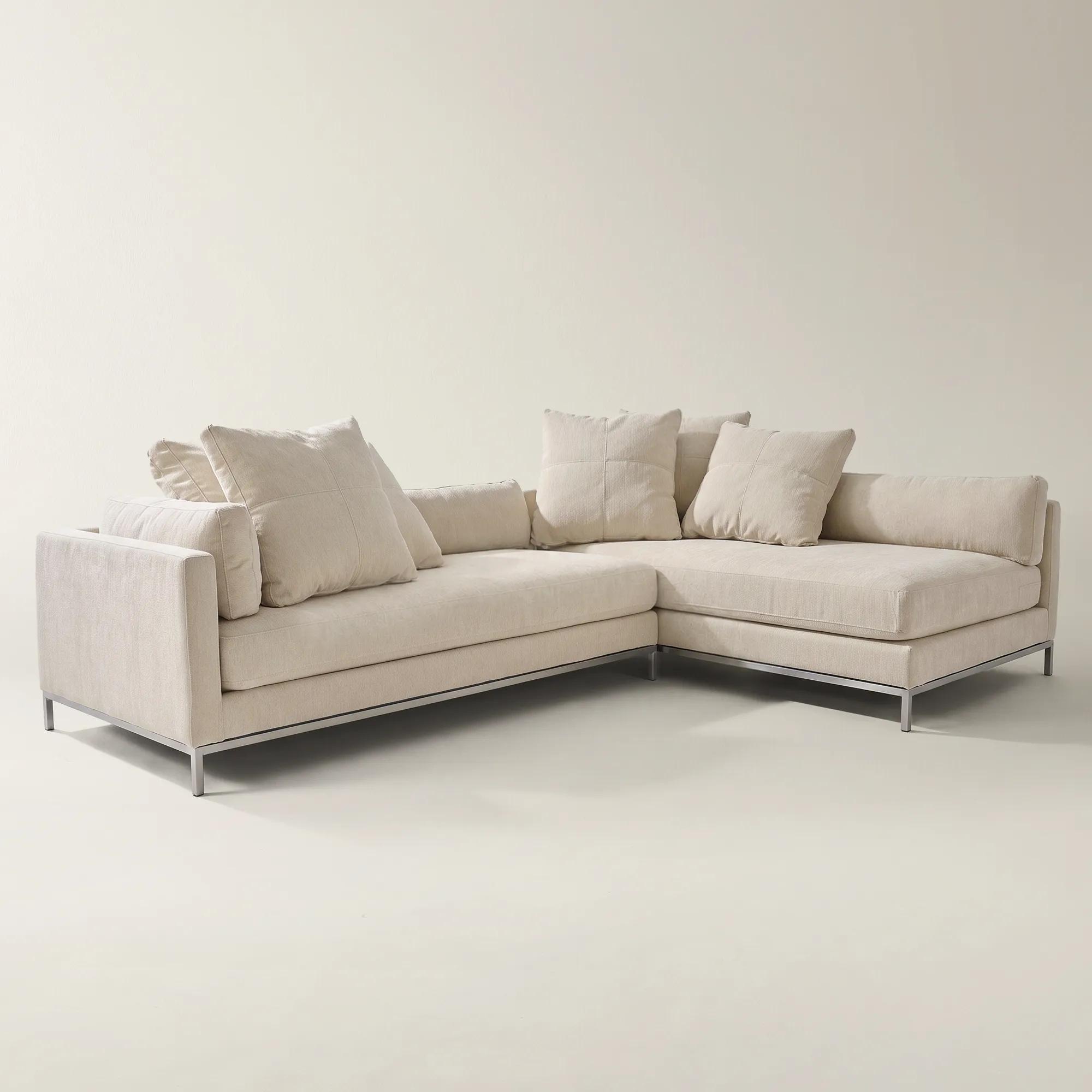
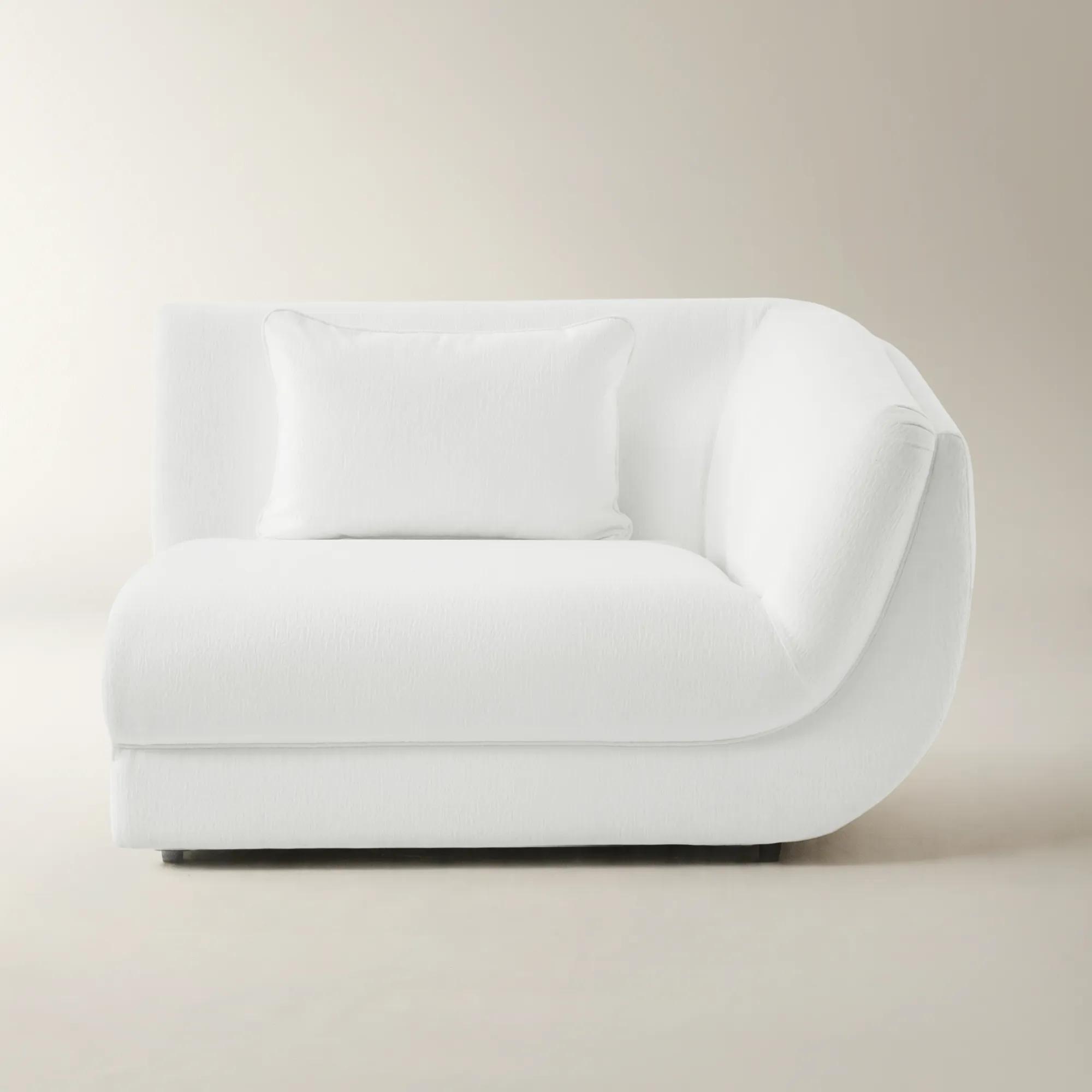
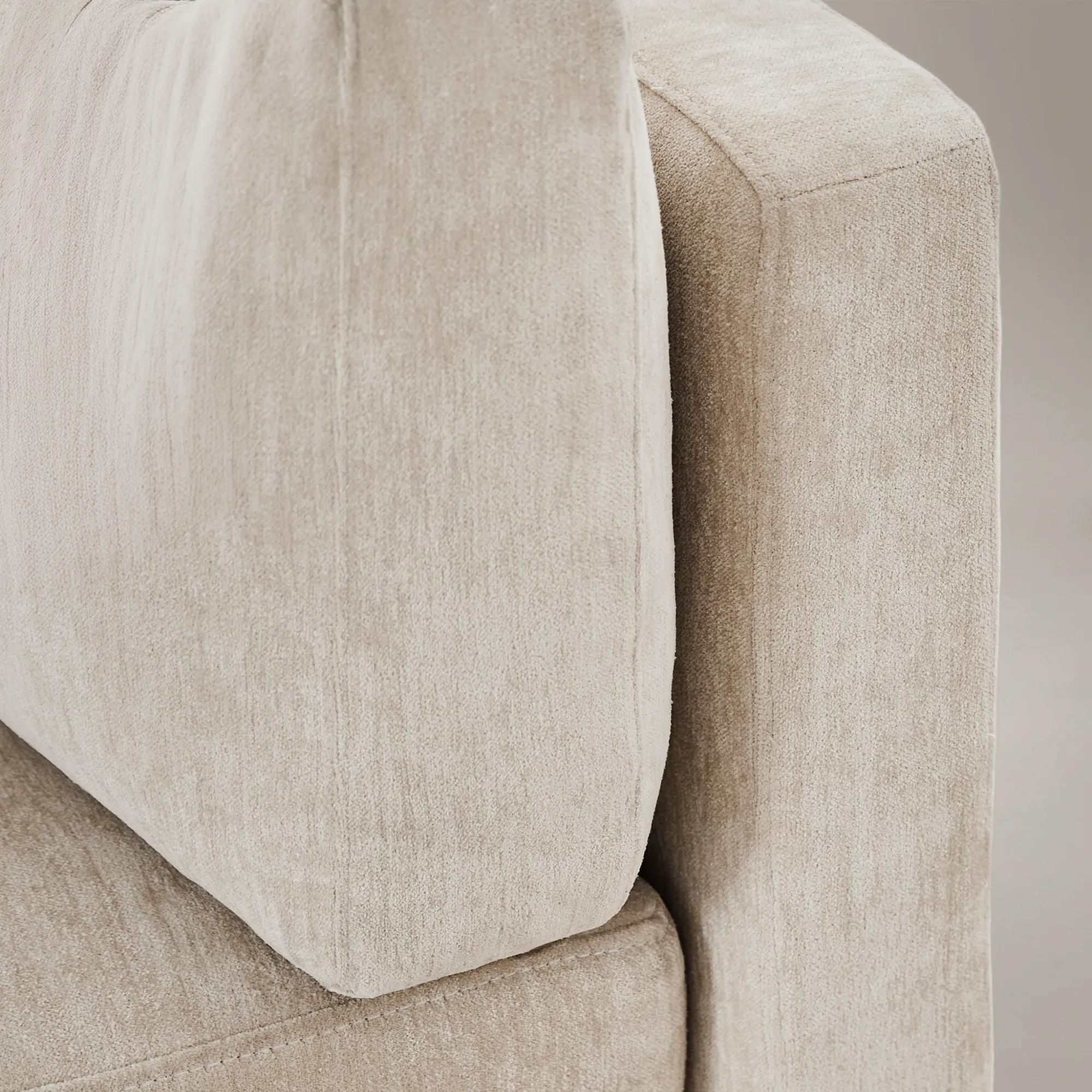 Ventura 2-Piece L-Shaped Snow Chenille Sectional Sofa With Left-Arm Chair$4099
A modern Snow chenille sectional with plush feather-filled pillows, supportive cushioning, and a stainless-steel base.
Add To Cart -
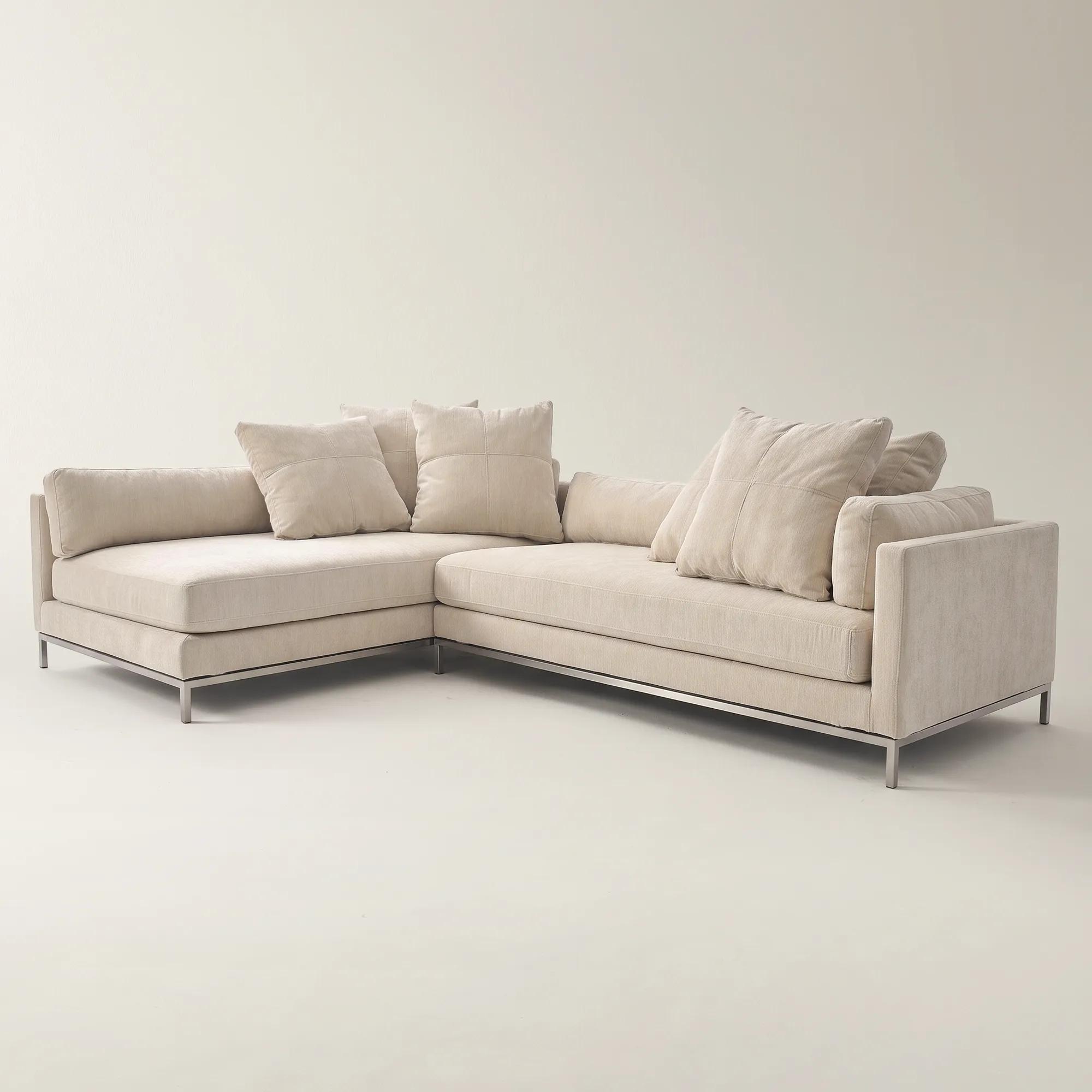 Ventura 2-Piece L-Shaped Snow Chenille Sectional Sofa With Right-Arm Chair$4099
A modern Snow chenille sectional with plush feather-filled cushions, streamlined metal base, and versatile L-shaped comfort.
Add To Cart -
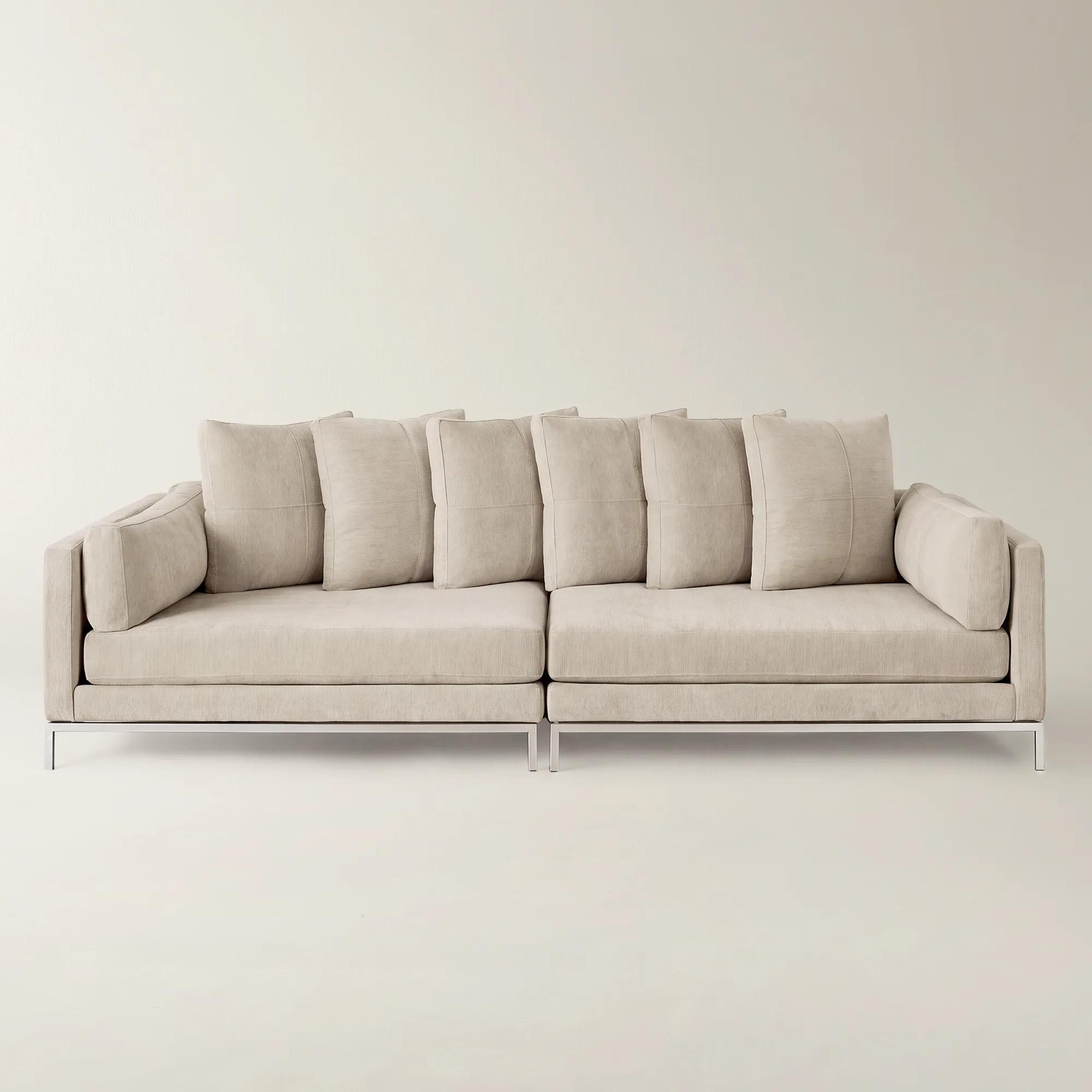
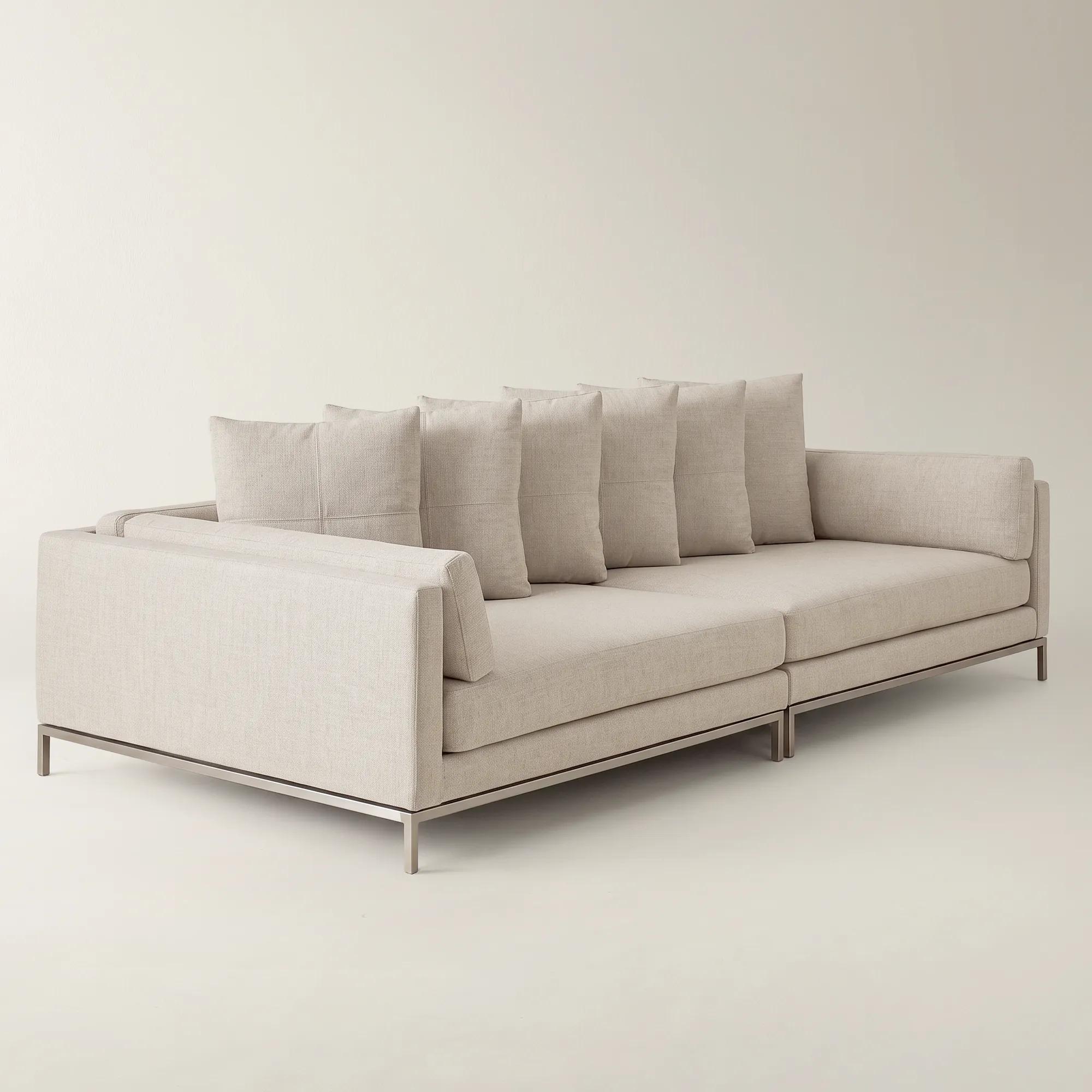 Ventura 2-Piece Square Snow Chenille Sectional Sofa$4299
A modern snow chenille sectional with a floating stainless-steel base, plush feather-filled pillows, and versatile configurations.
Add To Cart -
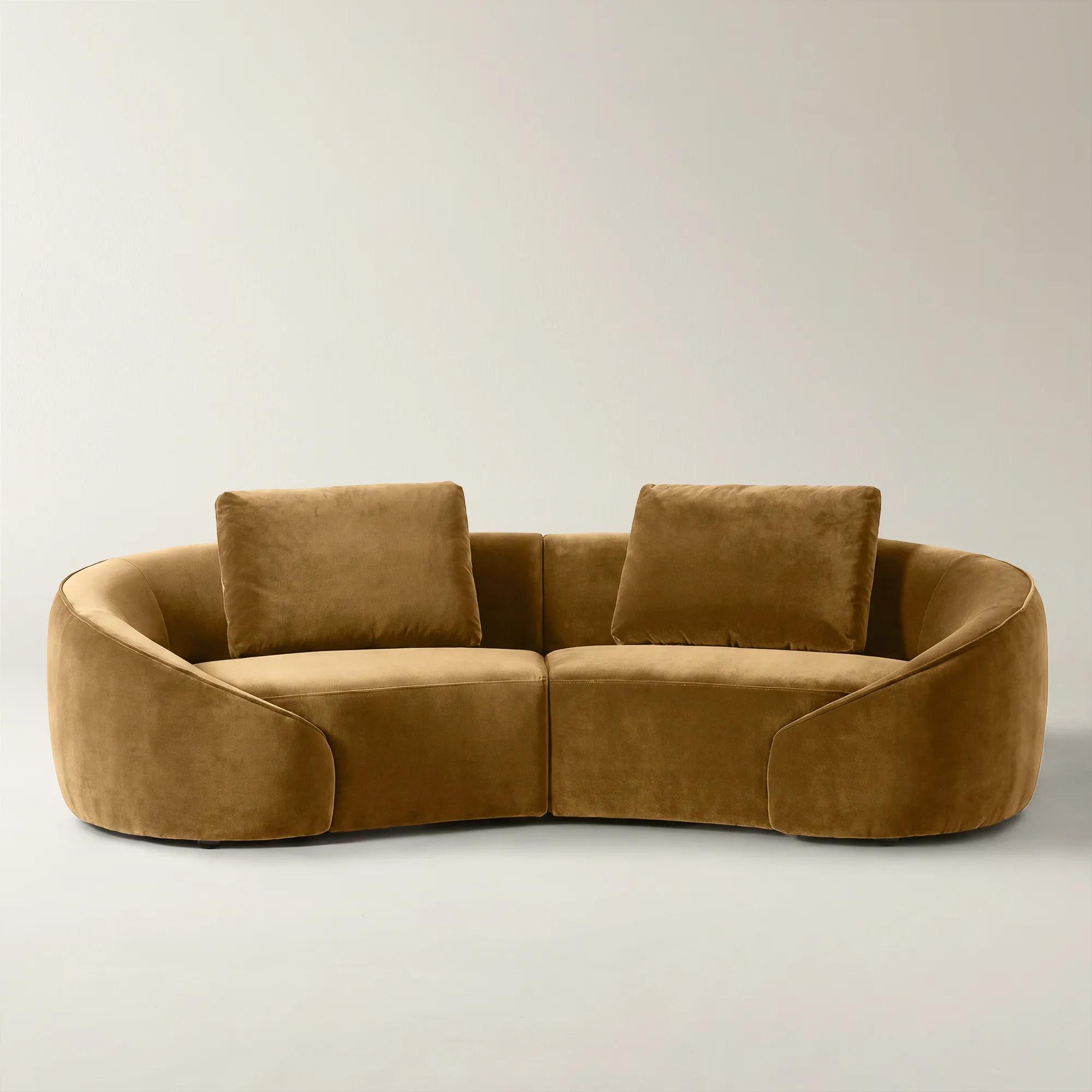
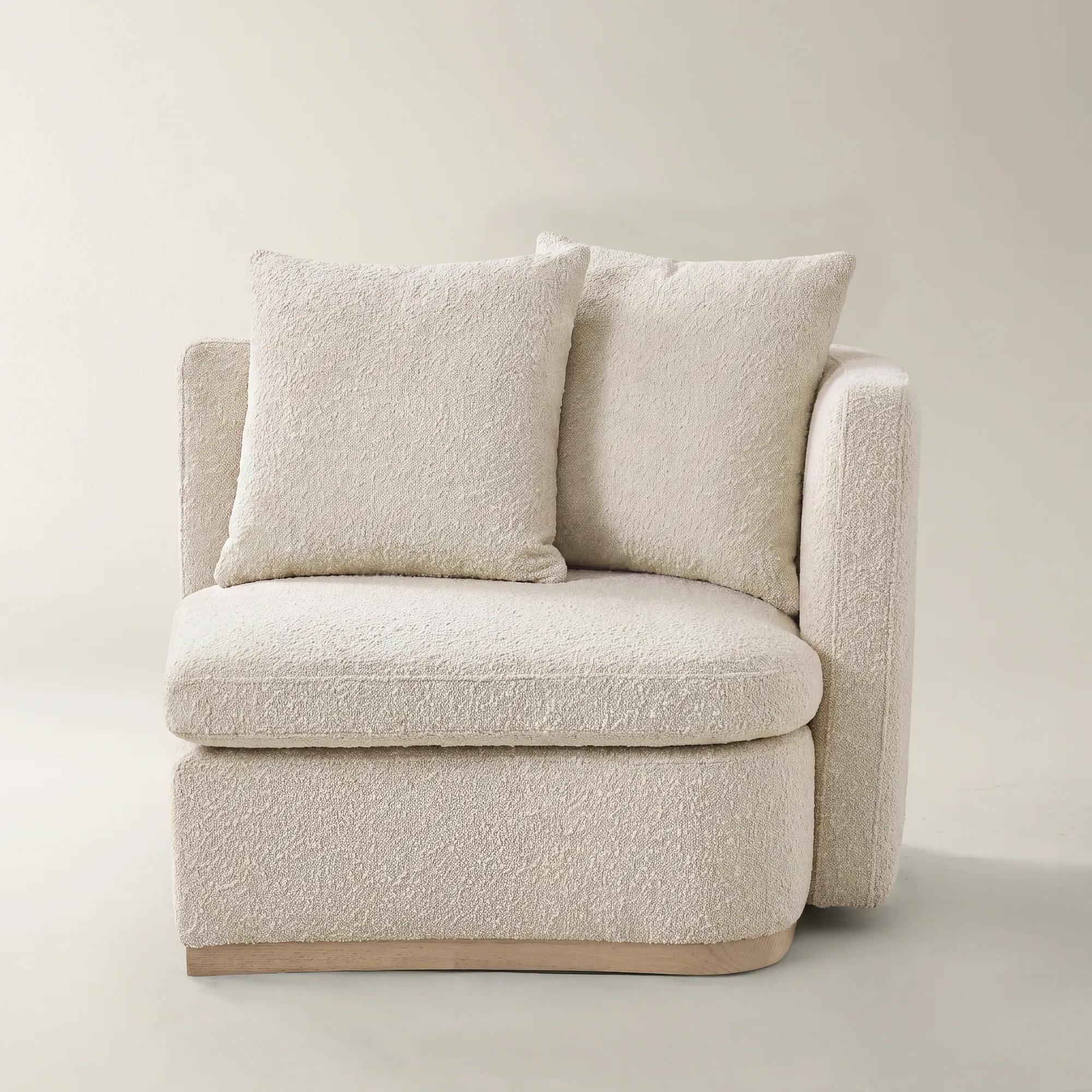
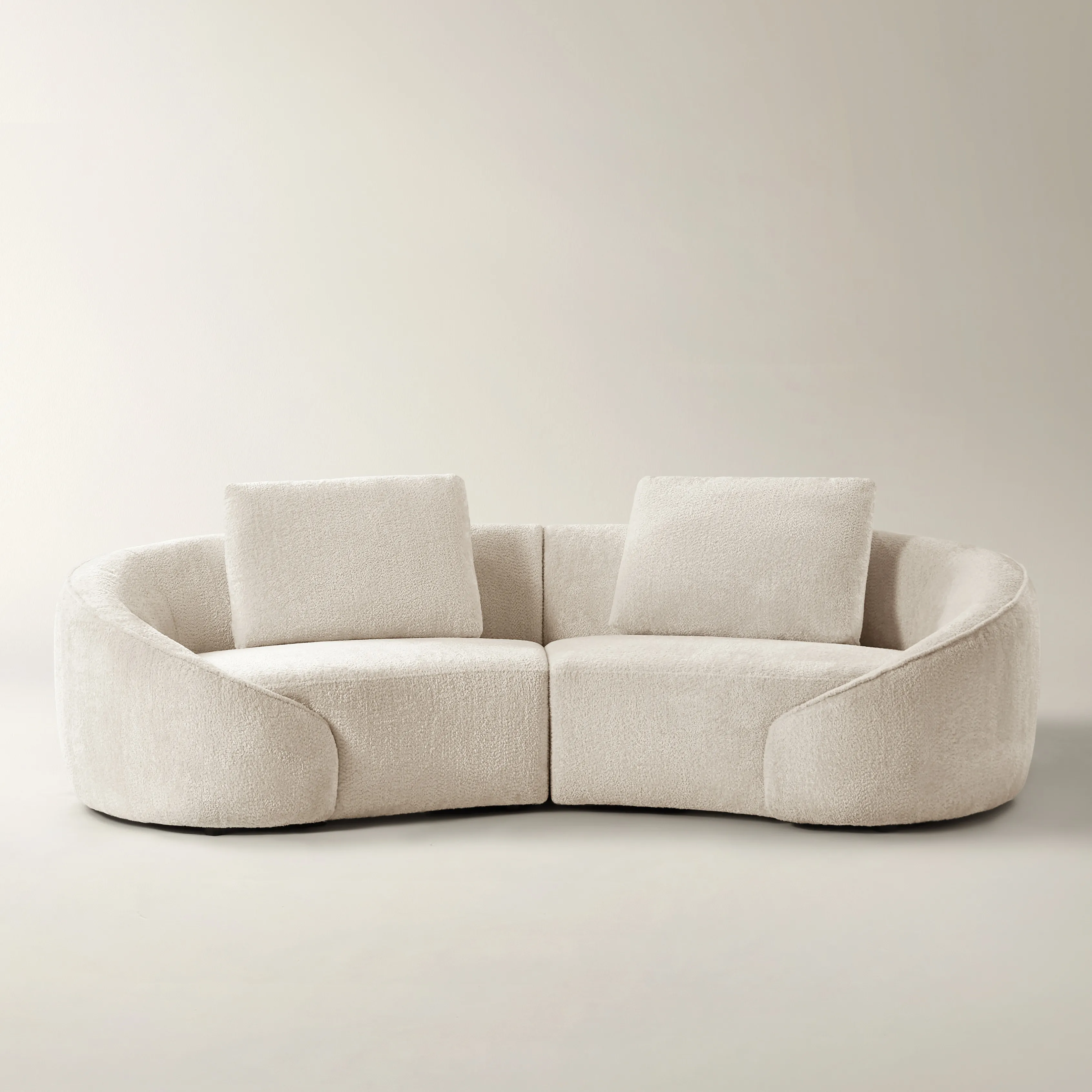 Irene 2-Piece Roasted Pecan Velvet Sectional Sofa$2699
A sculptural, hand-finished sectional in roasted pecan velvet with high-resiliency foam cushions and accent pillows.
Add To Cart -

 Curvia 2-Piece Dark Chocolate Velvet Grand Sectional Sofa$2899
A modular sectional wrapped in dark chocolate velvet, featuring sculptural curves and deep, plush lounge seating.
Add To Cart -
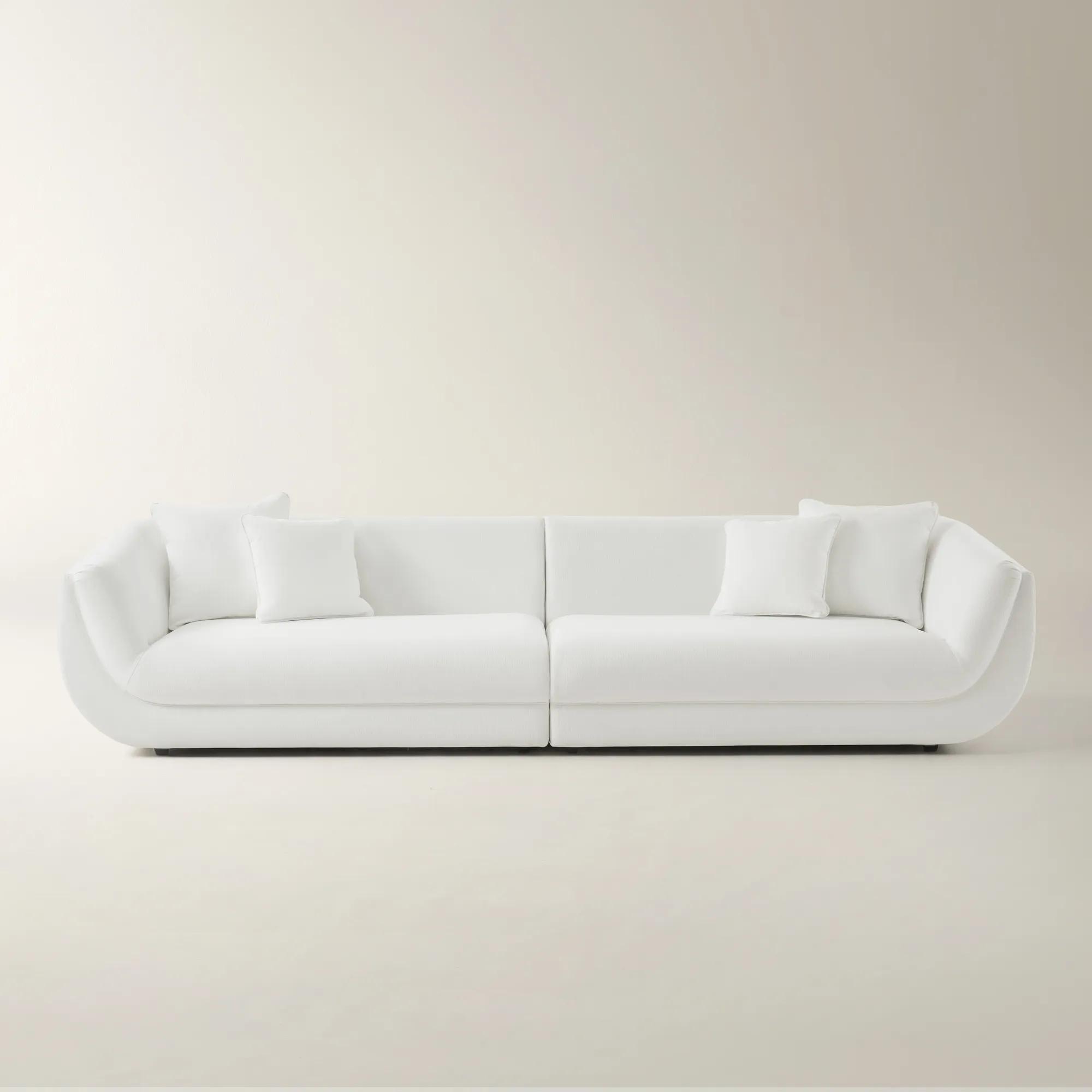
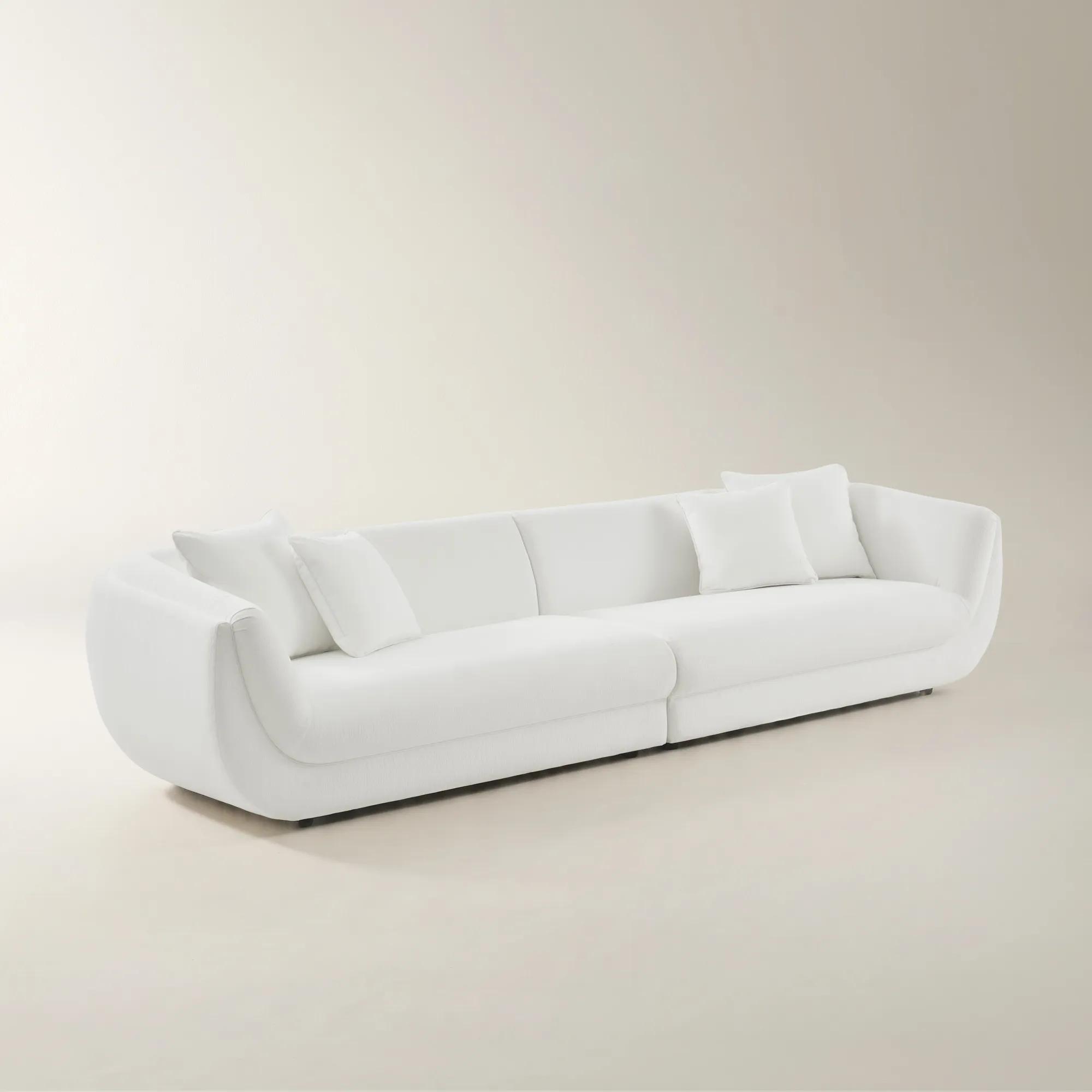 Curvia 2-Piece White Performance Chenille Indoor/Outdoor Grand Sectional Sofa$2999
A sculptural white sectional wrapped in performance chenille, designed for luxurious indoor or outdoor lounging.
Add To Cart -
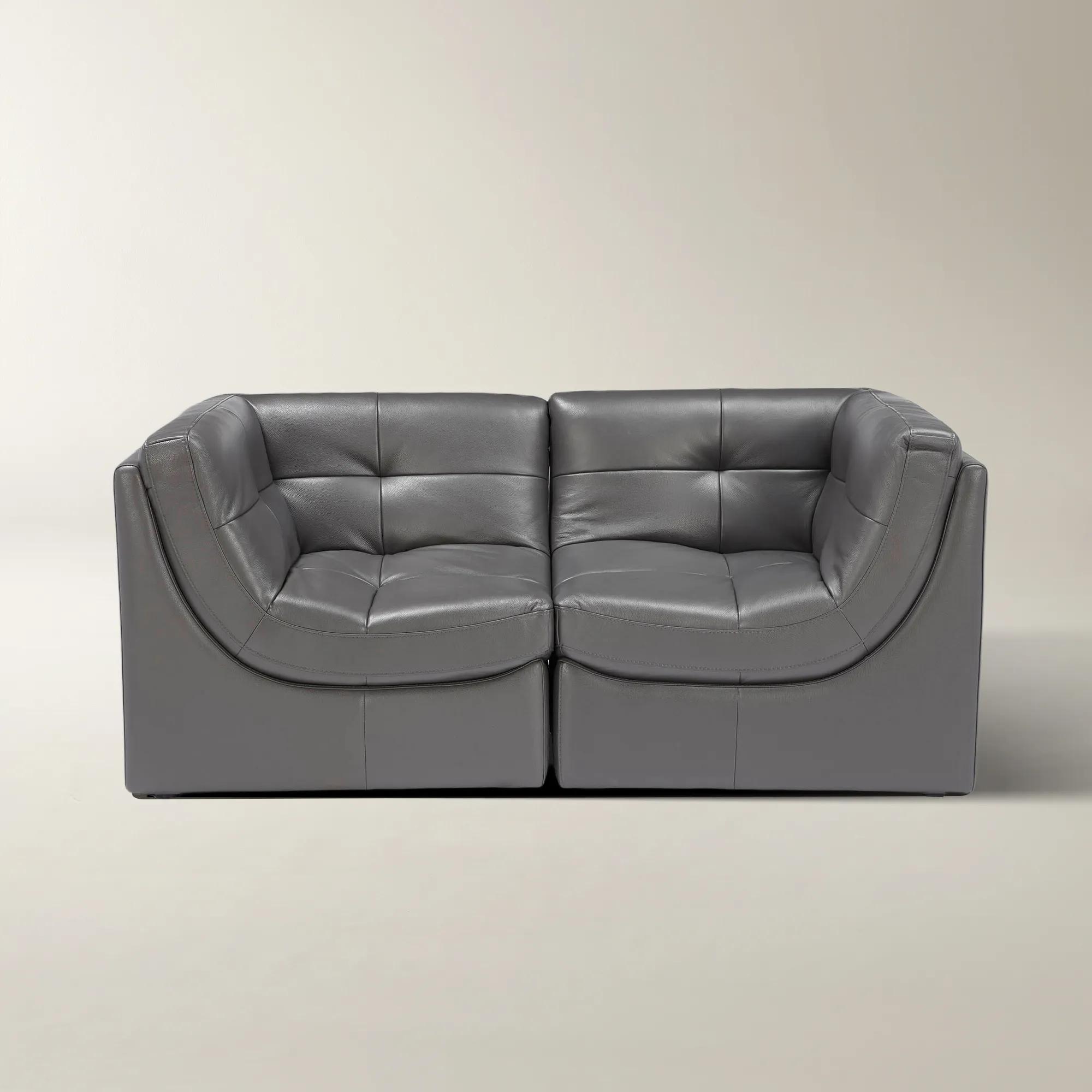 Convo 2-Piece Charcoal Leather Sectional Sofa$2799
A modular charcoal leather sofa with kiln-dried hardwood frame and blind-tufted, semi-aniline upholstery.
Add To Cart -
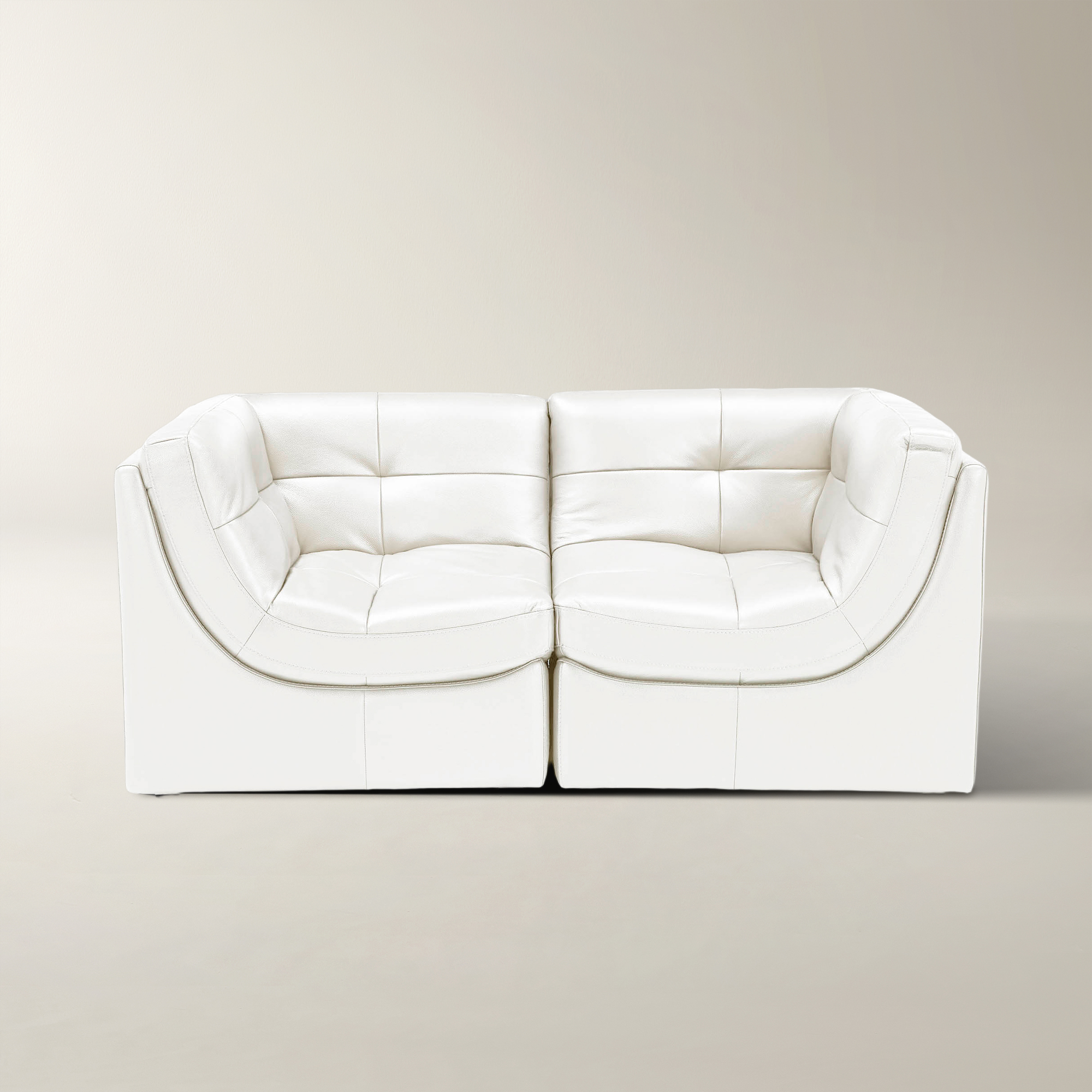 Convo 2-Piece White Leather Sectional Sofa$2799
A modular charcoal leather sofa with kiln-dried hardwood frame and blind-tufted, semi-aniline upholstery.
Add To Cart -
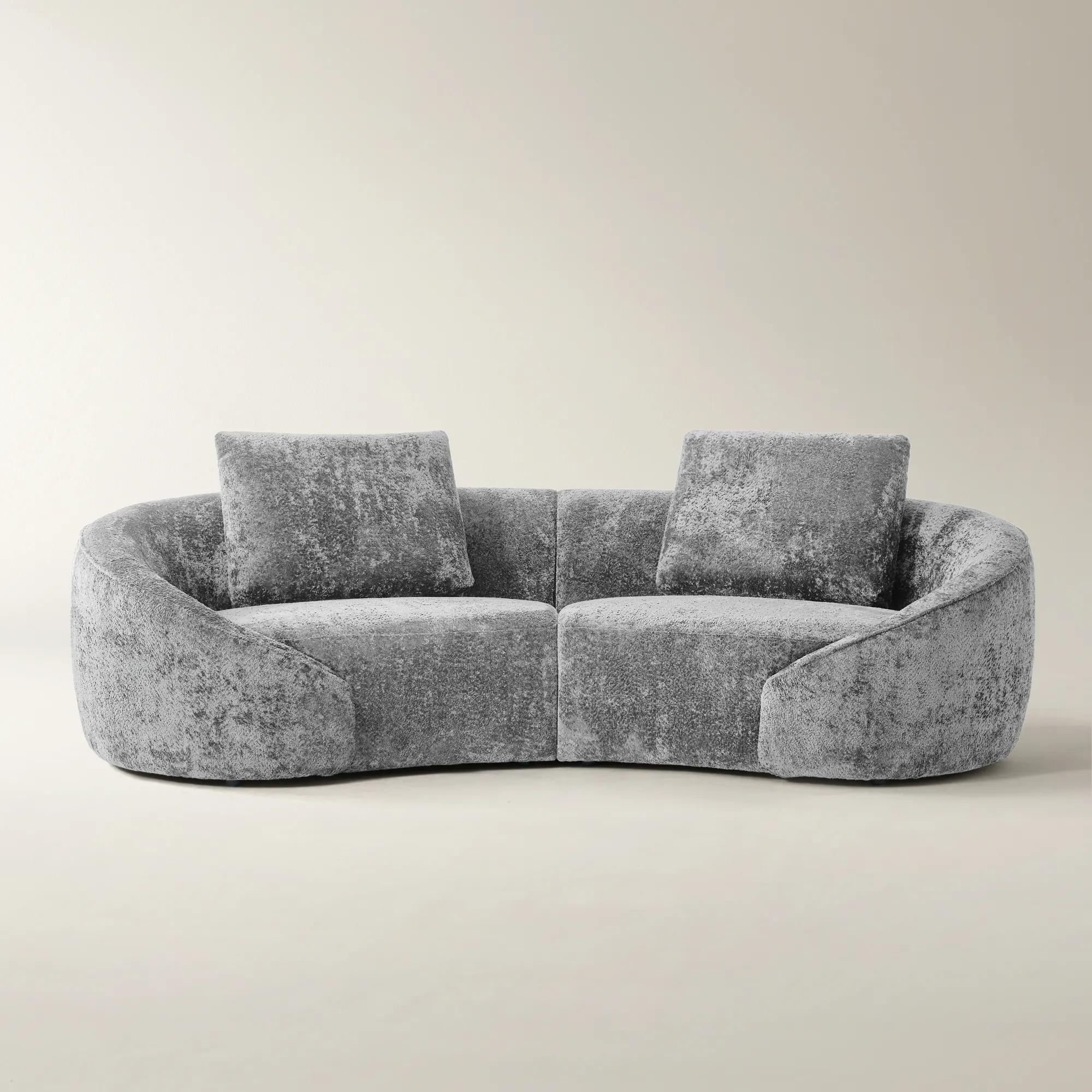 Irene 2-Piece Grey Chenille Sectional$2699
A modern curved sectional upholstered in plush Utopia Sand chenille with high-density foam cushioning for comfort.
Add To Cart -
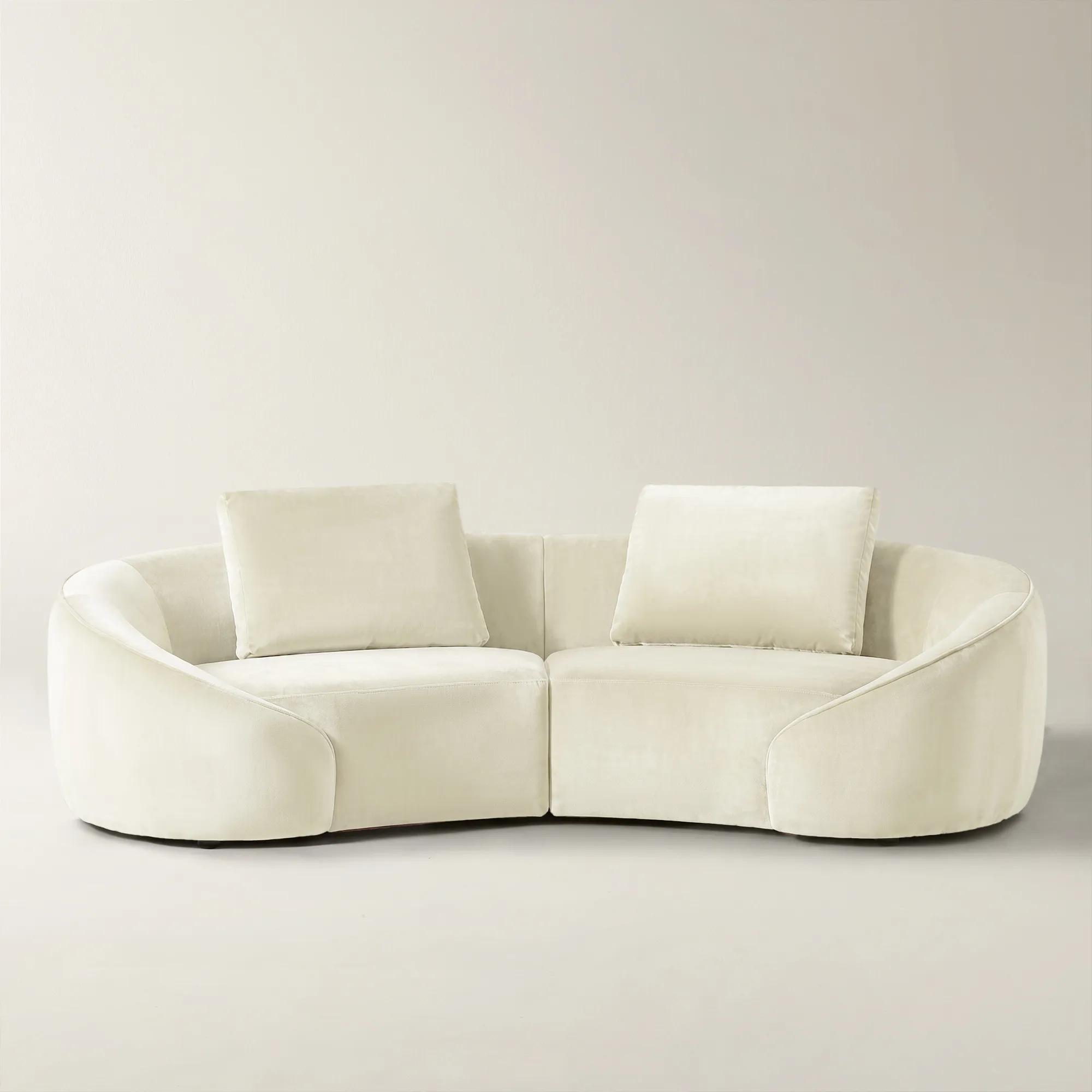 Irene 2-Piece Cloud Velvet Sectional Sofa$2699
A sculptural, curved sectional upholstered in plush velvet with high-resiliency foam cushions and artisan detailing.
Add To Cart -
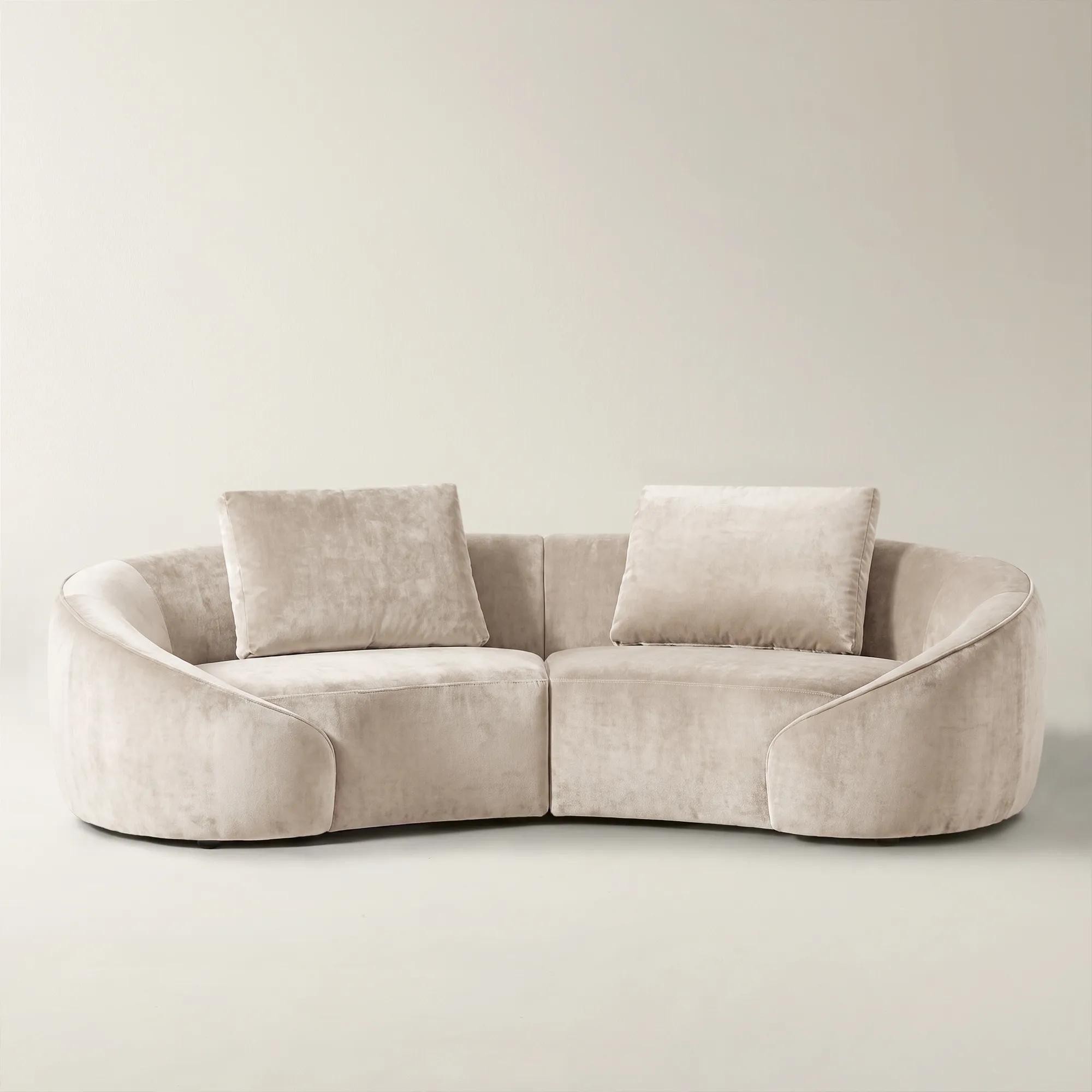 Irene 2-Piece Oatmeal Velvet Sectional Sofa$2699
A sculptural oatmeal velvet sectional featuring hand-finished upholstery, high-resiliency foam cushions, and accent pillows.
Add To Cart -

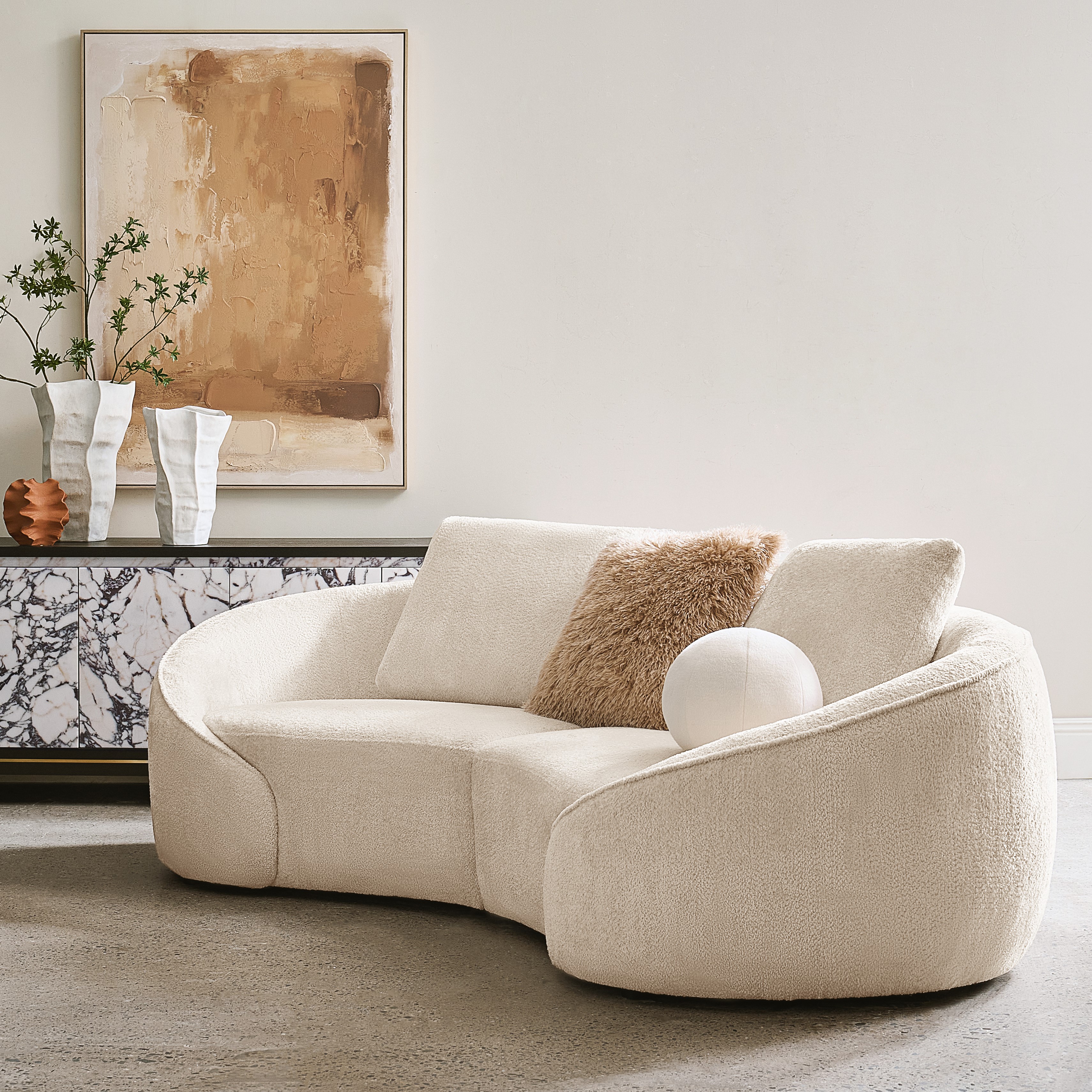 Irene 2-Piece Utopia Sand Chenille Sectional$2699
A modern curved sectional upholstered in plush Utopia Sand chenille with high-density foam cushioning for comfort.
Add To Cart -
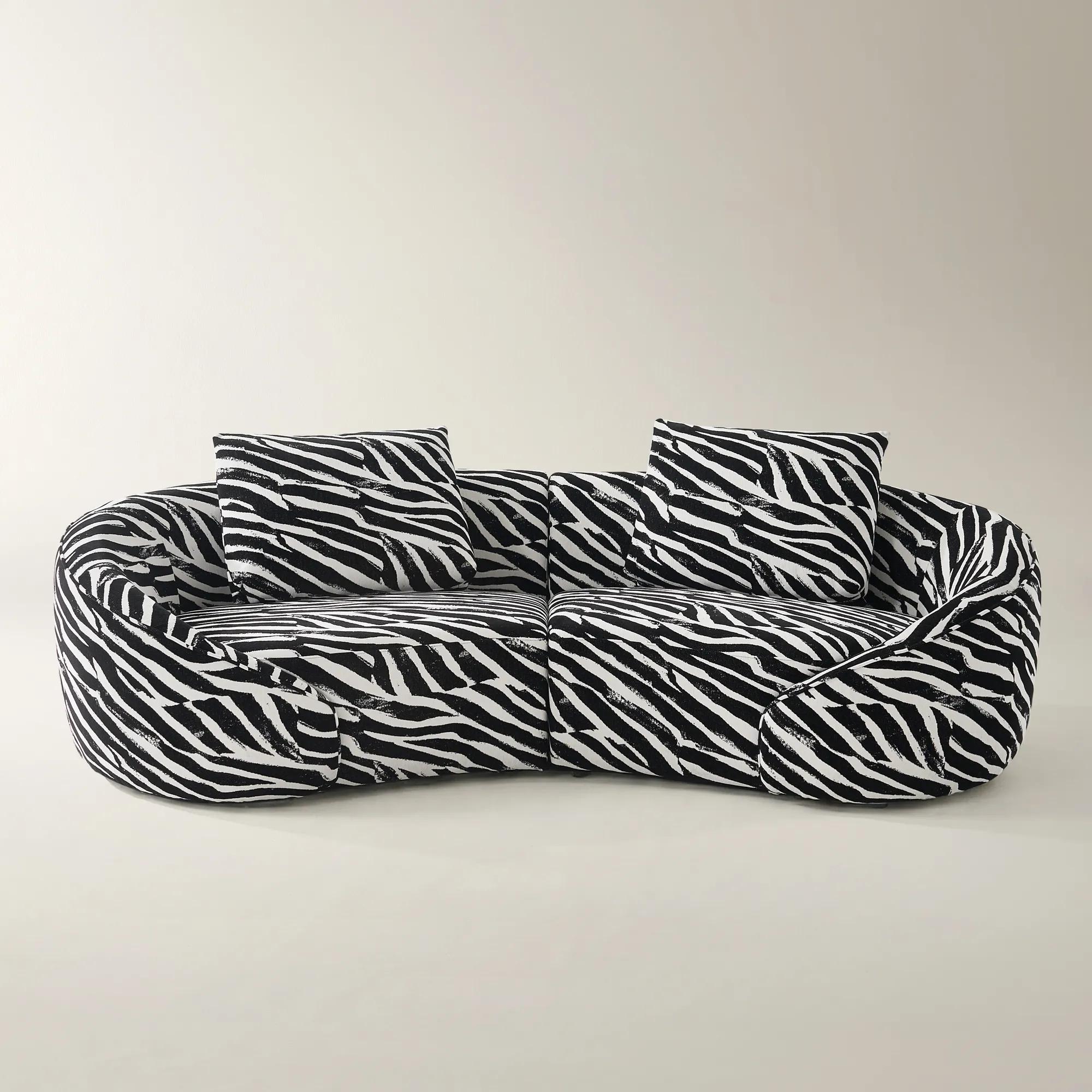 Irene 2-Piece White/Black Performance Chenille Sectional Sofa$2699
A sculptural white and black sectional wrapped in performance chenille with high-resiliency foam cushions and artisan detailing.
Add To Cart -
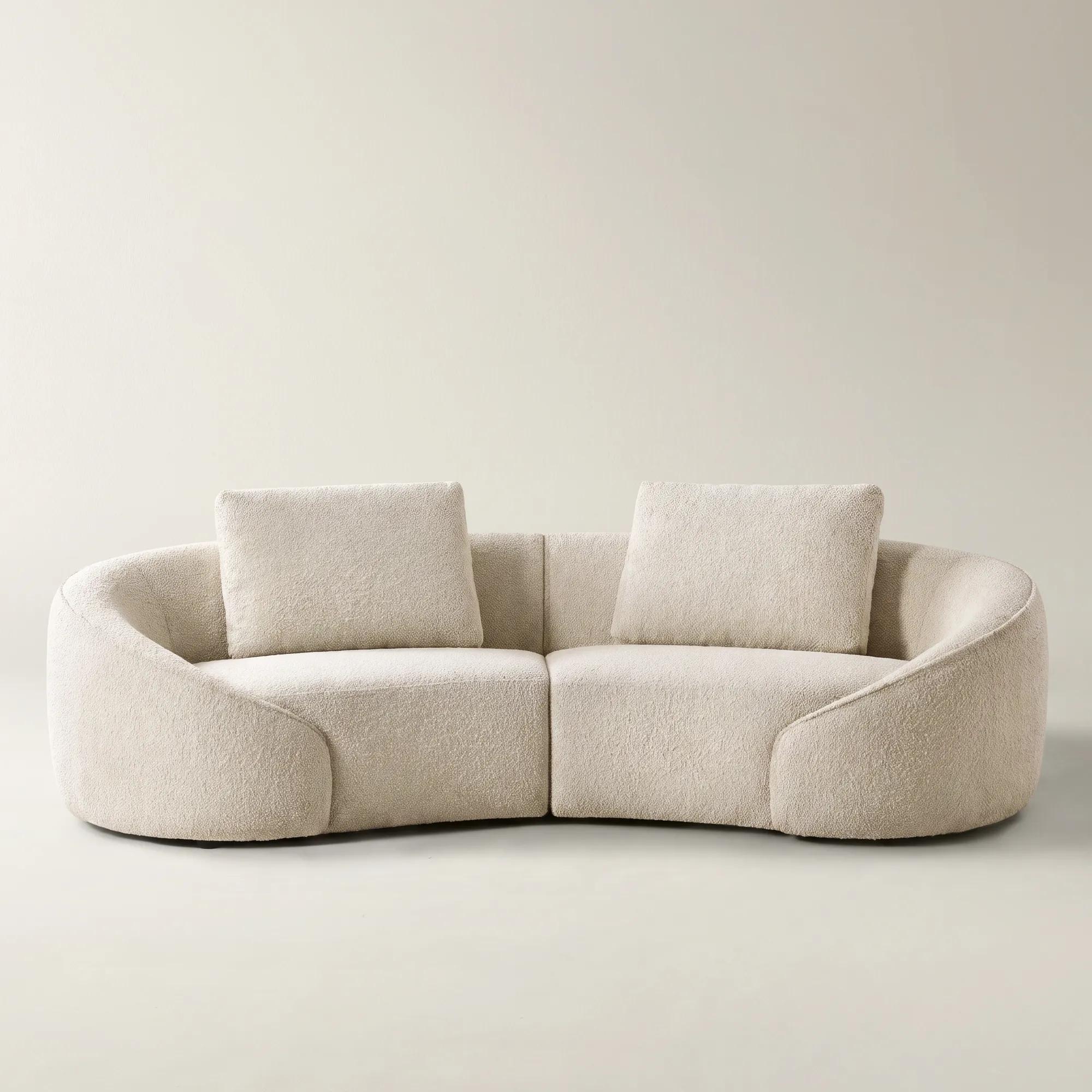 Irene 2-Piece Ivory Performance Boucle Sectional Sofa$2899
An inviting ivory performance boucle sectional featuring sculptural curves, high-resiliency foam, and artisan-tailored upholstery.
Add To Cart -
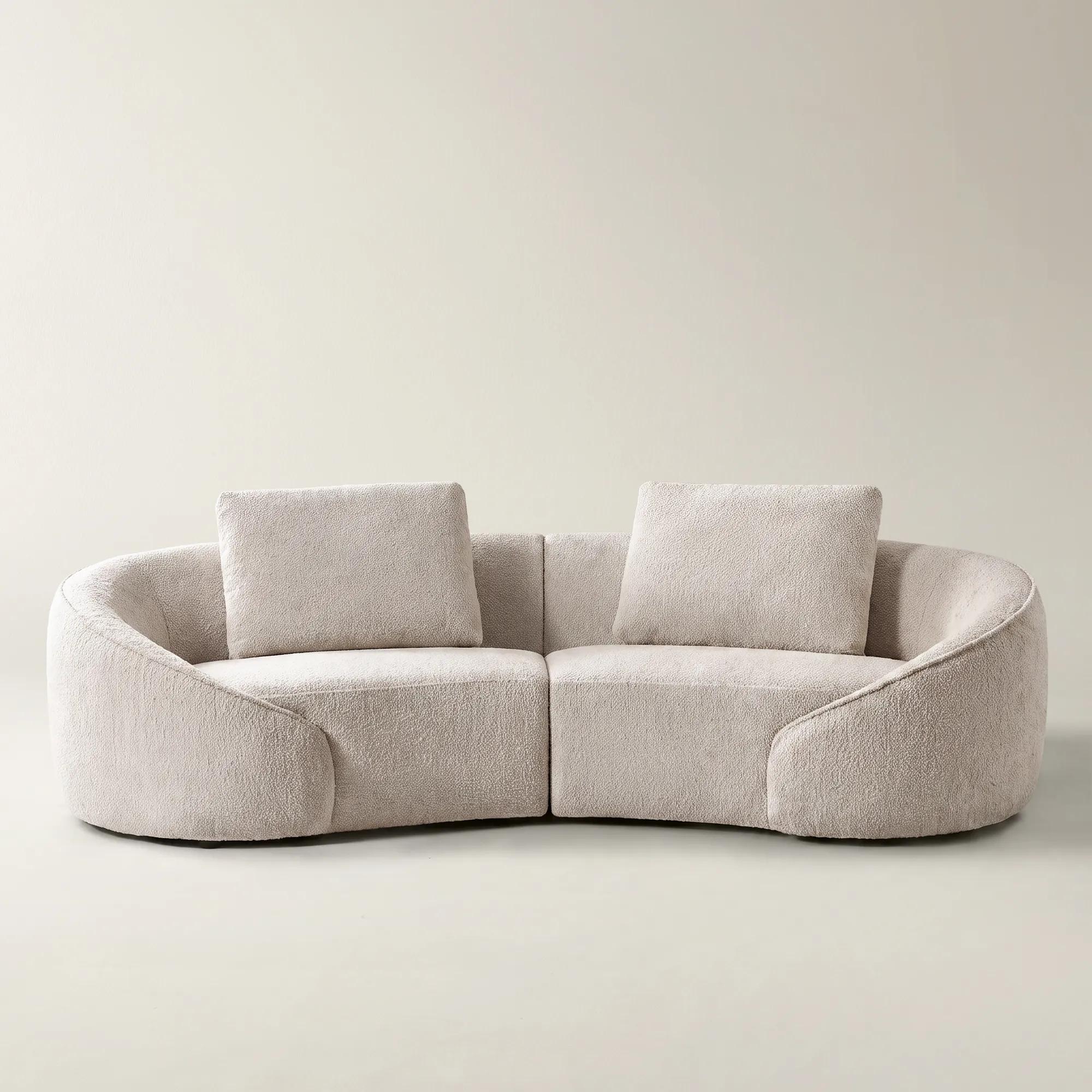
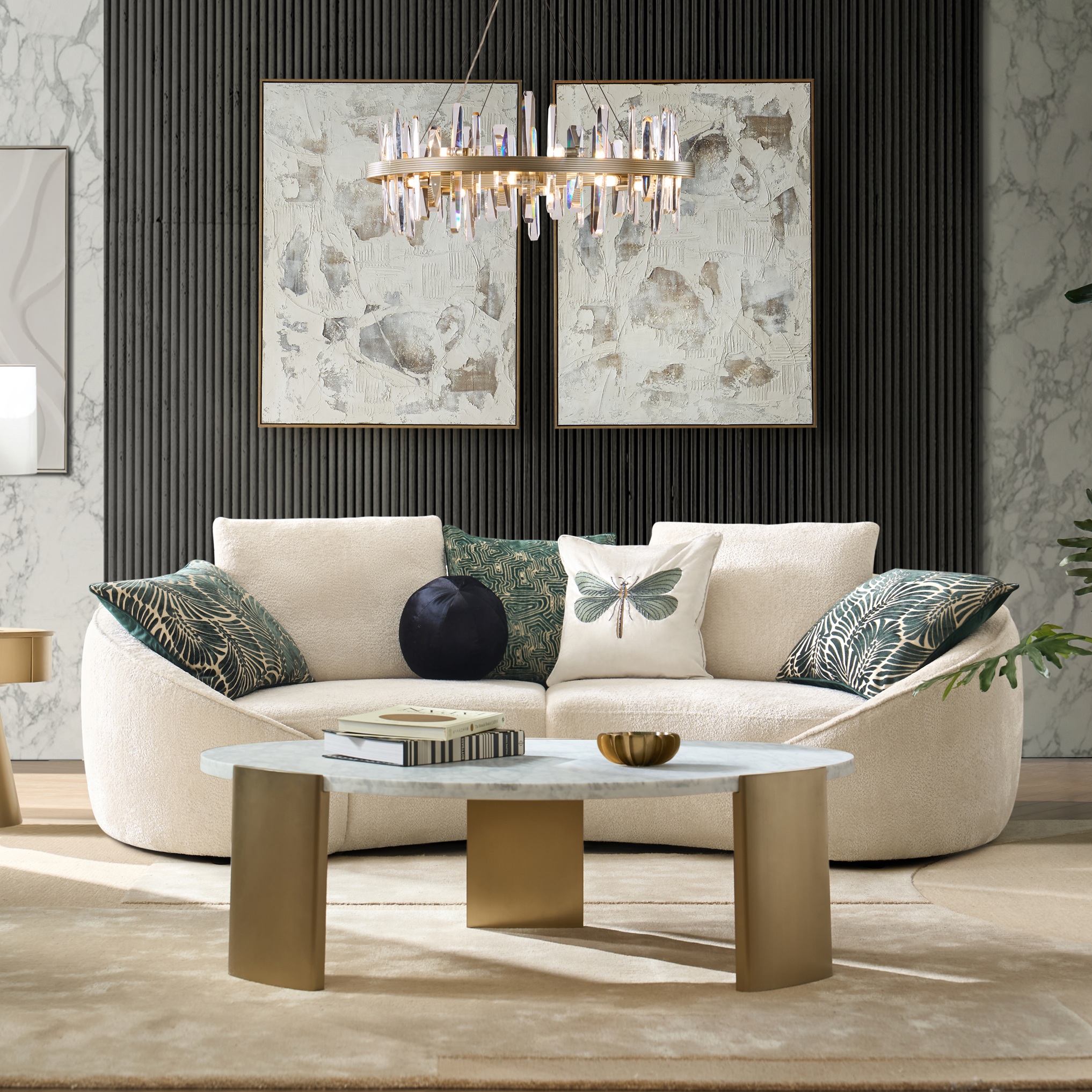 Irene 2-Piece Ivory Performance Boucle Sectional Sofa$2899
An inviting ivory performance boucle sectional featuring sculptural curves, high-resiliency foam, and artisan-tailored upholstery.
Add To Cart -

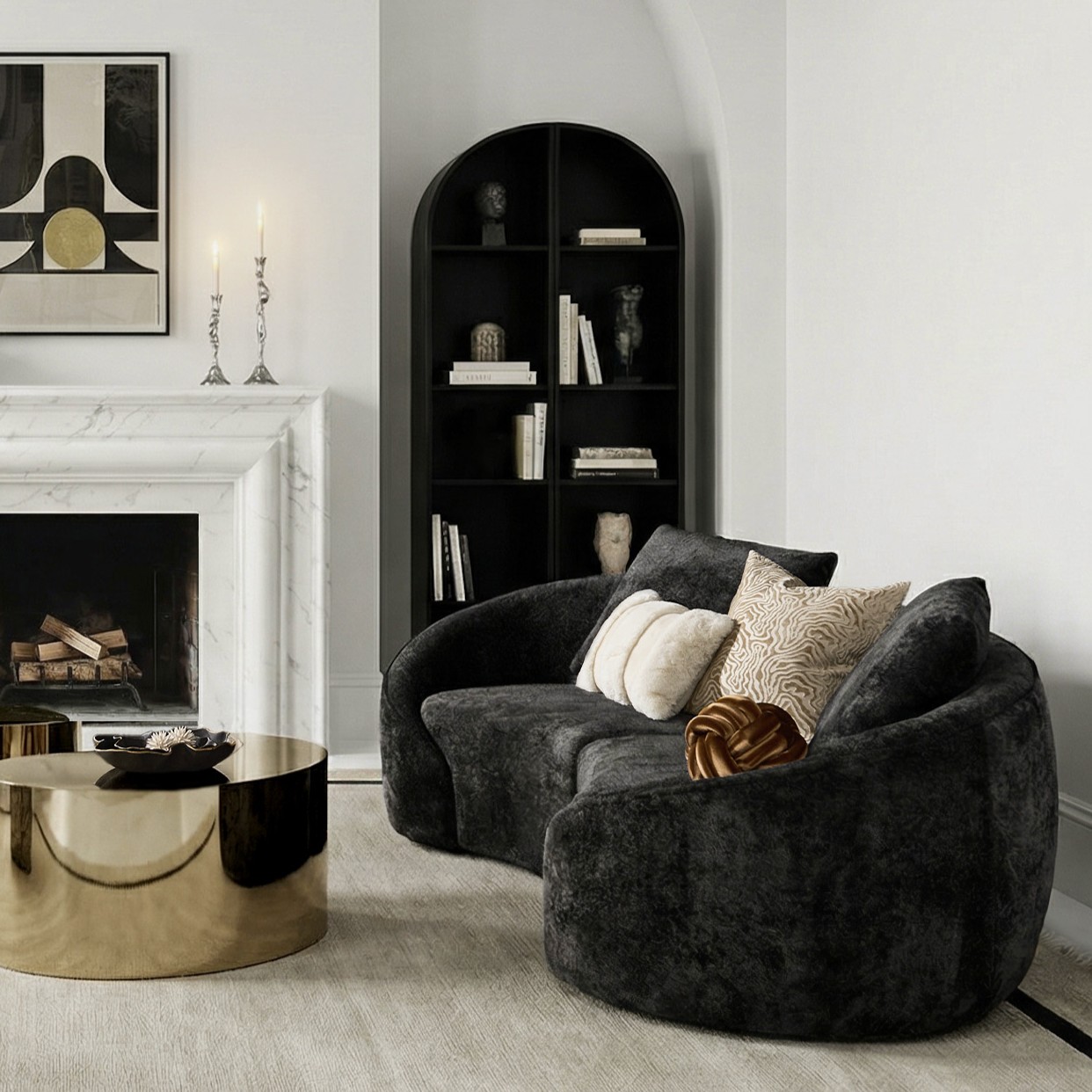 Irene 2-Piece Black Chenille Sectional$2699
A modern curved sectional upholstered in plush utopia sand chenille with high-density foam cushioning for comfort.
Add To Cart -
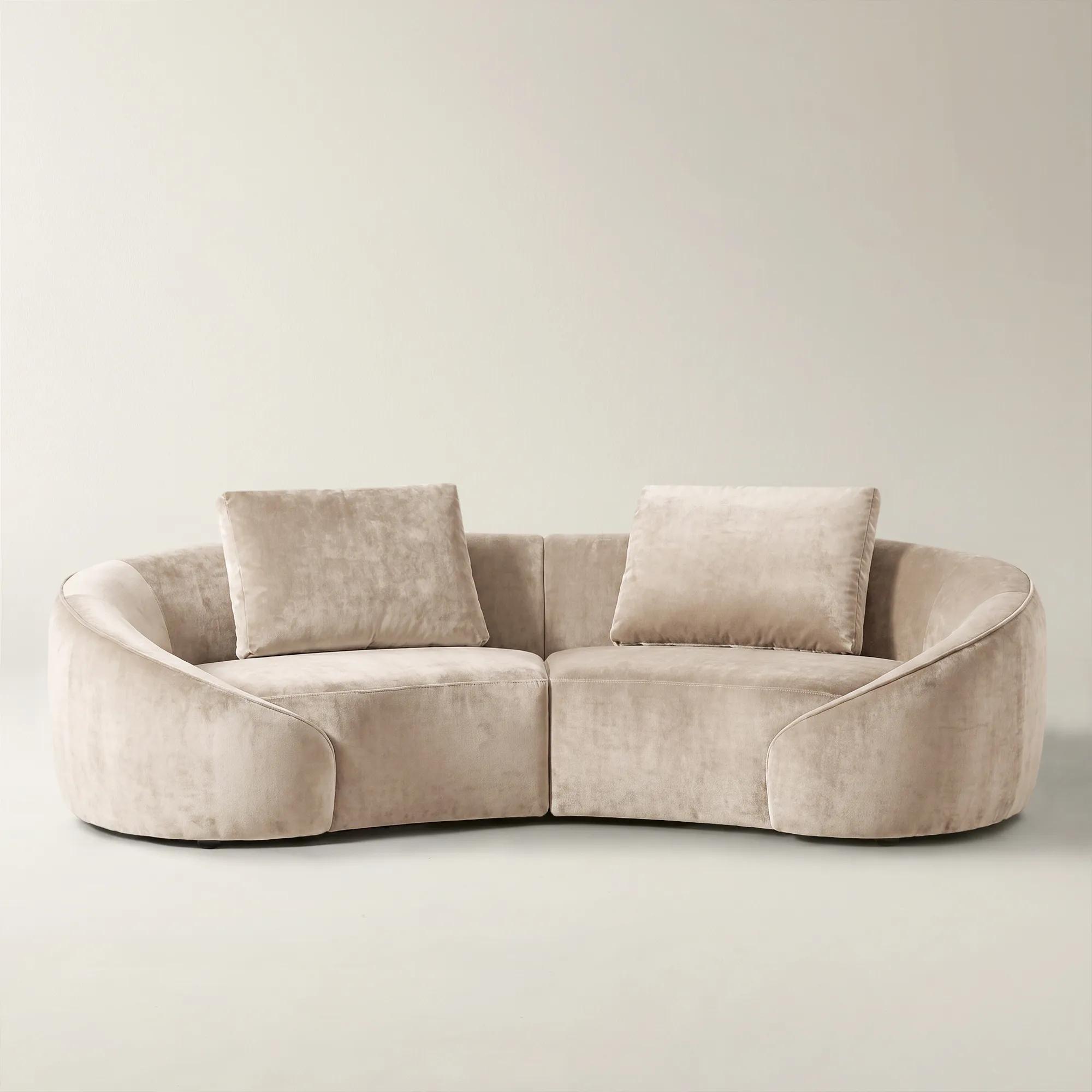 Irene 2-Piece Simply Taupe Velvet Sectional Sofa$2699
A sculptural taupe velvet sectional featuring high-resiliency foam cushions and artisan hand-finished upholstery.
Add To Cart -
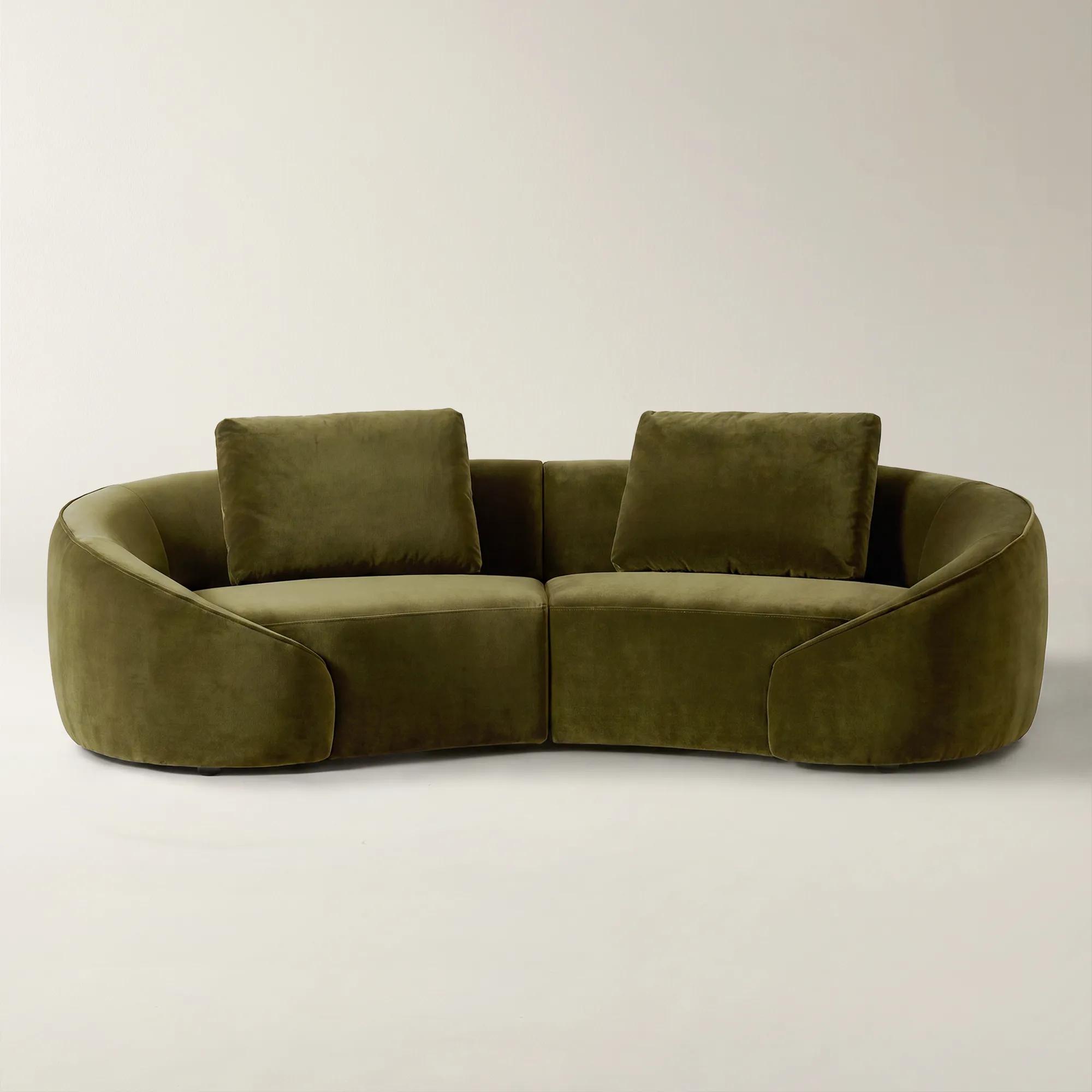 Irene 2-Piece Deep Olive Velvet Sectional Sofa$2699
A sculptural deep olive velvet sectional featuring high-resiliency foam cushions and artisan hand-finished upholstery.
Add To Cart -
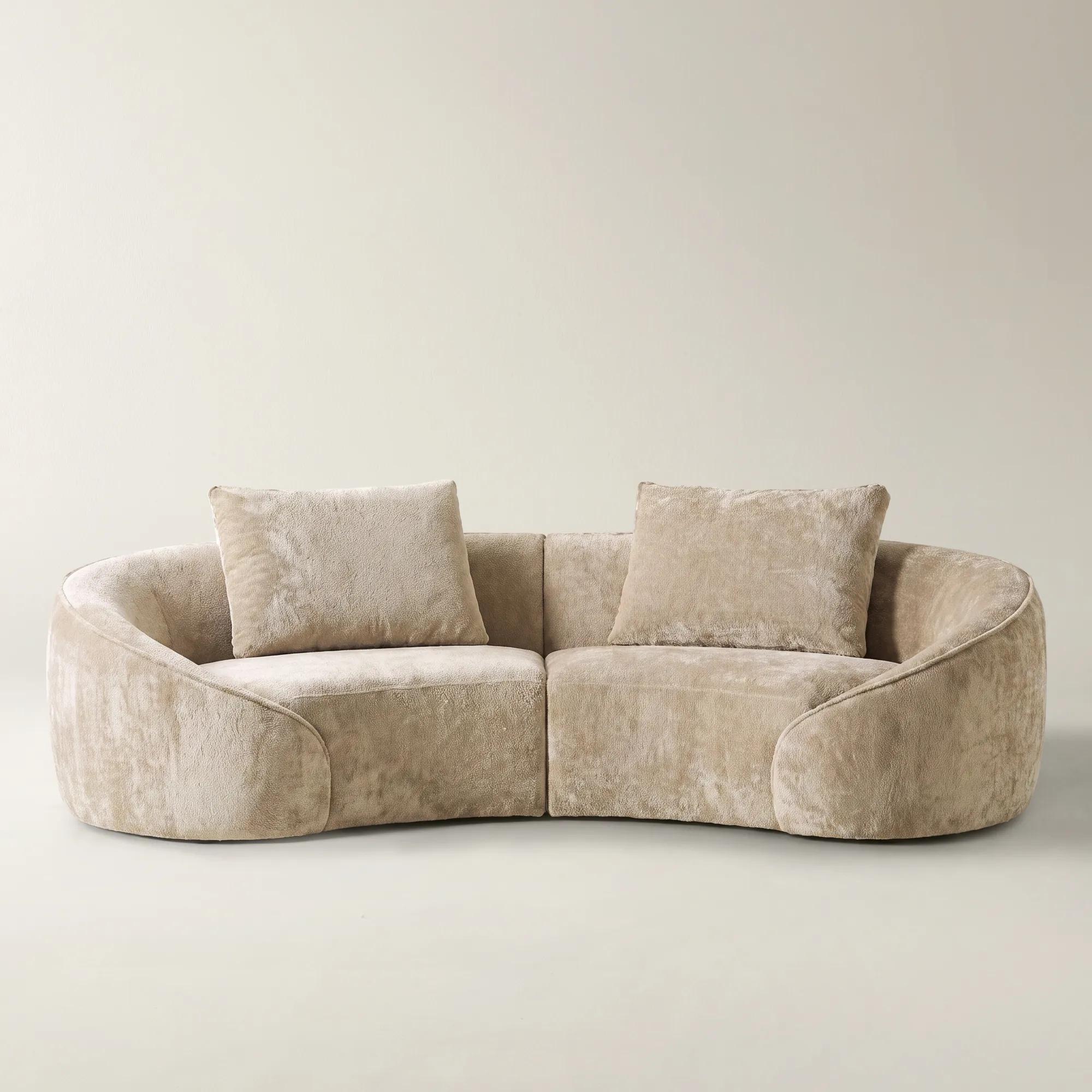 Irene 2-Piece Light Brown Chenille Sectional Sofa$2699
A sculptural light brown chenille sectional featuring high-resiliency foam cushions and artisan hand-finished upholstery.
Add To Cart

Two Piece Sectional Alternatives
Two piece sectional alternatives invite you to reimagine your living space with a fresh sense of artistry and allure. For those who crave the drama of grand design but seek versatility beyond the expected, these seating solutions offer endless possibilities for self-expression. Whether you’re curating an intimate lounge or crafting a statement-making salon, each alternative is an opportunity to layer texture, silhouette, and color—transforming your room into a gallery of personal style. Discover how two piece sectional alternatives can become the bold foundation of your next unforgettable interior moment.
Two-piece sectional alternatives include a sofa paired with a movable ottoman, a sofa and an oversized chair, two facing sofas, or modular seating with independently arranged components. Each composition offers generous seating without committing the room to a fixed L-shaped footprint. A sofa and ottoman setup creates a chaise-like place to stretch out, while allowing the footrest to move when conversation takes center stage. An ottoman designed with interior storage can also keep throws close at hand without leaving them on display; a firm, level top can accommodate a serving tray when the piece is used as a surface rather than a footrest. For a living room shared by someone who loves to recline and someone who prefers an upright seat, a sofa beside a chair-and-a-half gives both a comfortable place without forcing every seat into the same configuration. A freestanding chaise introduces a more sculptural silhouette, bringing the languid elegance of a lounge to a reading corner or the edge of a seating arrangement. Two sofas facing each other create a balanced setting for entertaining, with clear sightlines and a central space for a dramatic coffee table. This arrangement favors conversation over a shared forward-facing view, making it especially suited to rooms where gathering matters more than television placement. Modular seating offers another approach: individual seats and ottomans can form a straight sofa, an open-ended lounge, or separate groupings, provided their dimensions and connection system support those configurations. Compared with a conventional two-piece sectional, these combinations offer more freedom to distribute seating around windows, fireplaces, and doorways. Their appeal is not simply flexibility. A curved chair opposite a tailored sofa, or a richly upholstered ottoman beside a sleek frame, gives the room a collected character. Separate pieces create opportunities for contrast, allowing a living space to feel composed rather than dependent on a single oversized silhouette.
Upholstery, cushioning, and construction determine how these seating combinations feel long after their first dramatic impression. Velvet brings depth to color, catching light across an arm or backrest and giving even a restrained silhouette a sumptuous presence. Its pile can show shading and pressure marks, so a gently changing surface is part of the material’s character rather than necessarily a defect. Textured woven fabrics create a different effect, adding dimension through subtle variations in yarn and tone, while leather offers a distinctive surface that may develop creasing and patina according to its finish and use. In a household with children, pets, or frequent guests, fabric specifications matter as much as appearance: abrasion resistance, cleanability, and resistance to snagging are separate considerations, and a performance designation does not make upholstery impervious to damage. Tight weaves may be more practical around claws than pronounced loops, while removable cushion covers are only machine washable when the manufacturer explicitly says so. Regular vacuuming with an appropriate upholstery attachment helps remove grit before it settles into seams; spills call for prompt blotting and the cleaning method specified for that fabric. Direct sunlight can alter upholstery color over time, making placement and window treatments part of long-term care. Beneath the surface, sturdy frames, secure joints, supportive suspension, and well-constructed cushions contribute to lasting comfort. Foam cushions tend to deliver a more defined seat, while fiber or feather blends can provide a softer, more relaxed impression and may require regular fluffing. Seat depth also changes the experience: a deep sofa invites reclining, but a shallower chair may better support someone who wants their feet comfortably on the floor. Pairing pieces with different comfort profiles lets a room accommodate an evening of reading, an extended conversation, and everyday lounging without expecting one seat to suit every person. The most compelling combinations make that practical variety feel intentional, with complementary proportions and upholstery that holds its own visually.
Scale gives two-piece sectional alternatives their greatest advantage when every piece has a clear relationship to the room. A compact sofa with two slender accent chairs can preserve an open view through a smaller living area, while a substantial sofa and generous ottoman bring a grounded presence to a larger space. Separate furniture is not automatically smaller, however; two deep sofas may occupy more floor area than a sectional, especially once the central table and circulation routes are included. Overall width, depth, arm thickness, and the space needed to recline or move an ottoman all influence whether an arrangement feels generous or crowded. A frequently traveled route behind a sofa benefits from more clearance than an occasional gap beside a chair, and the path from the entry to the seating should remain comfortable when guests are settled in. Delivery access deserves the same attention, including doorway openings, stair turns, elevators, and any limits on removing legs or separating components. In an open-plan home, a finished sofa back can define the living area without closing it off, while swivel chairs can connect conversation with an adjacent dining space or a view. In an apartment, a movable ottoman can serve the lounge area by day and shift aside when more open floor space is needed. A dedicated media room may favor deep seats oriented toward the screen, whereas a formal sitting room can support facing sofas and a more symmetrical composition. For additional expressions of this flexible approach, Luxury Sectional Alternatives offers a related perspective on seating beyond the conventional sectional shape. Visual continuity can come from a shared color undertone, repeating curves, or coordinated metal finishes rather than identical upholstery. An ivory sofa beside a jewel-toned chair creates a deliberate focal point; a tonal pairing lets texture carry the drama. A generously scaled rug can connect separate seats into one cohesive setting. With proportion, comfort, and material working together, the result is a living room that welcomes daily use while leaving space for a distinctly personal expression of luxury.
FAQs
Sectional alternatives offer unmatched versatility and creative freedom, allowing you to customize your seating arrangement to suit your space, mood, and lifestyle. From modular sofas that adapt to changing needs to curated pairings of loveseats and accent chairs, these options let you define zones, encourage conversation, and express your personal style with every piece.
Achieving a cohesive look is all about balancing scale, color, and texture. Consider anchoring your space with a unifying element, such as a luxurious area rug or a statement coffee table. Choose upholstery and finishes that complement one another, and layer in metallic accents or plush throws to tie the arrangement together. The result is an inviting, harmonious environment that feels thoughtfully curated.
Absolutely. Sectional alternatives excel in both expansive and compact settings. In larger rooms, modular pieces or facing sofas create grand, conversation-friendly layouts. For smaller spaces, a combination of a daybed, ottoman, or select accent chairs offers flexibility and style without overwhelming the room, ensuring every square foot is both beautiful and functional.
Sectional alternatives are a canvas for any design aesthetic, from modern glam and urban chic to classic elegance and eclectic artistry. Choose sculptural silhouettes for a contemporary vibe, or opt for tufted upholstery and rich fabrics to evoke timeless sophistication. The key is to select pieces that resonate with your vision and elevate the mood of your home.
Yes, many sectional alternatives are designed with adaptability in mind. Modular sofas, movable accent chairs, and versatile ottomans can be repositioned effortlessly to accommodate gatherings, celebrations, or intimate evenings at home. This flexibility allows you to transform your space to suit any occasion, ensuring your home is always guest-ready and stylish.