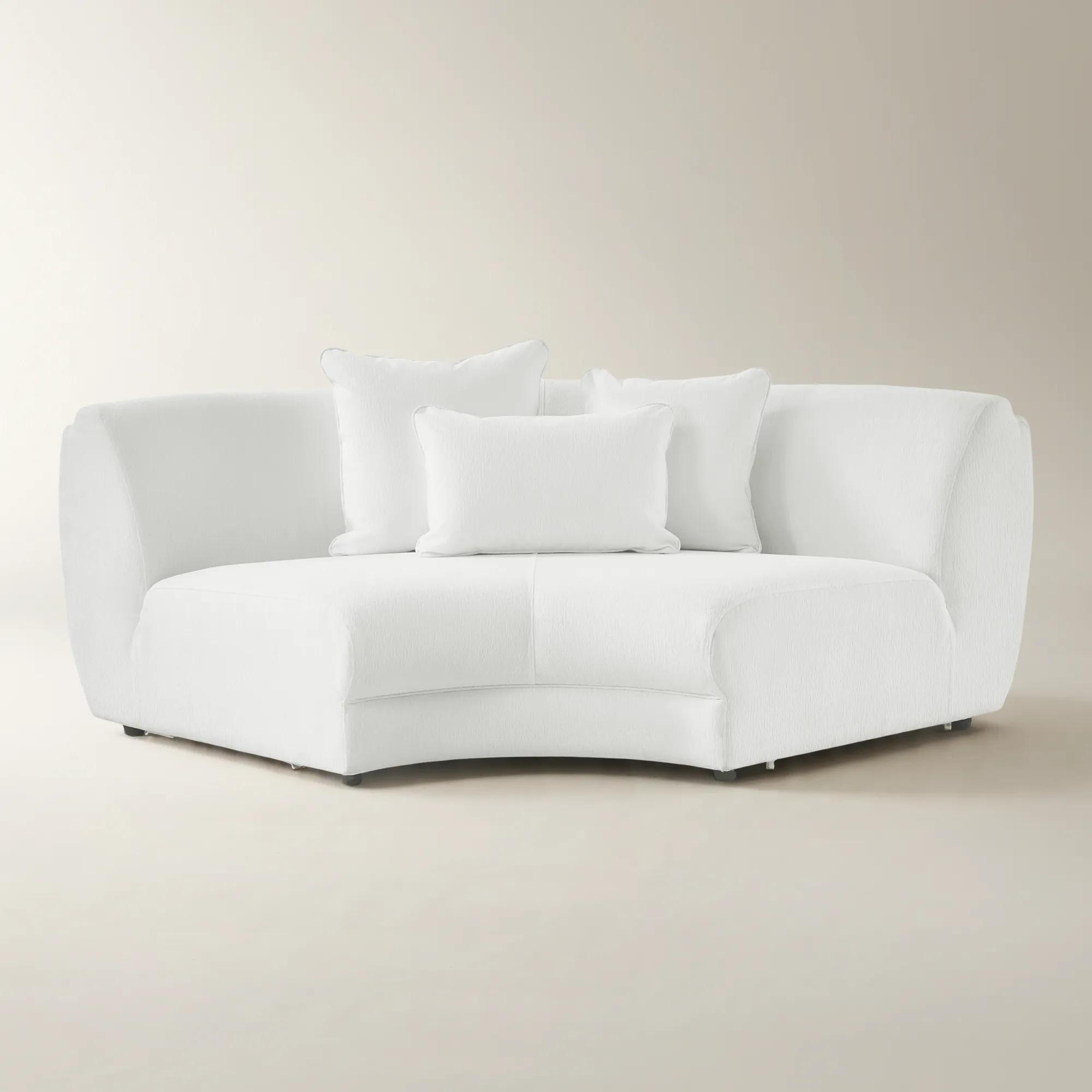
Indoor Three Piece Sectionals
Indoor Three Piece Sectionals
-
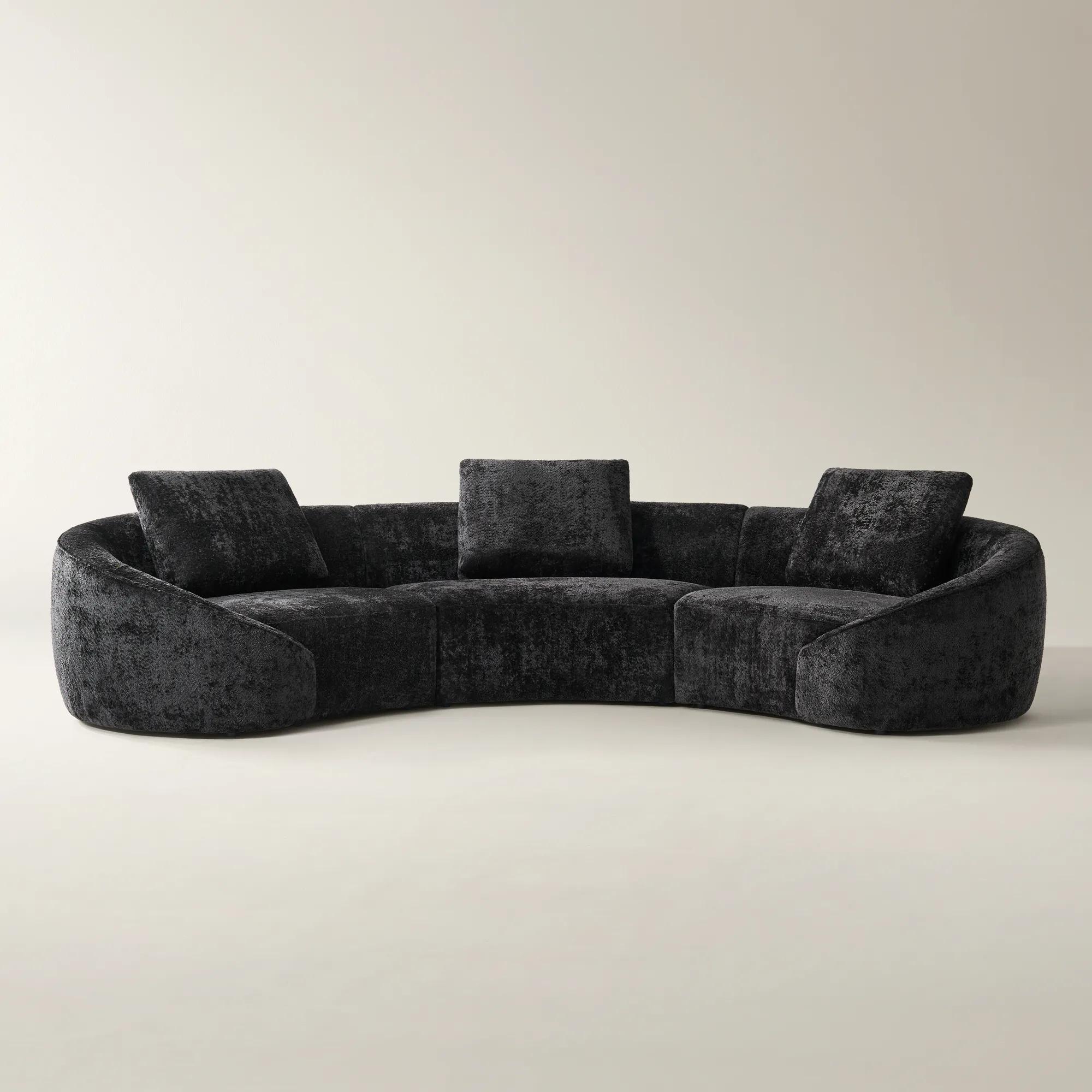 Irene 3-Piece Black Chenille Sectional$3899
A modern curved sectional upholstered in plush utopia sand chenille with high-density foam cushioning for comfort.
Add To Cart -
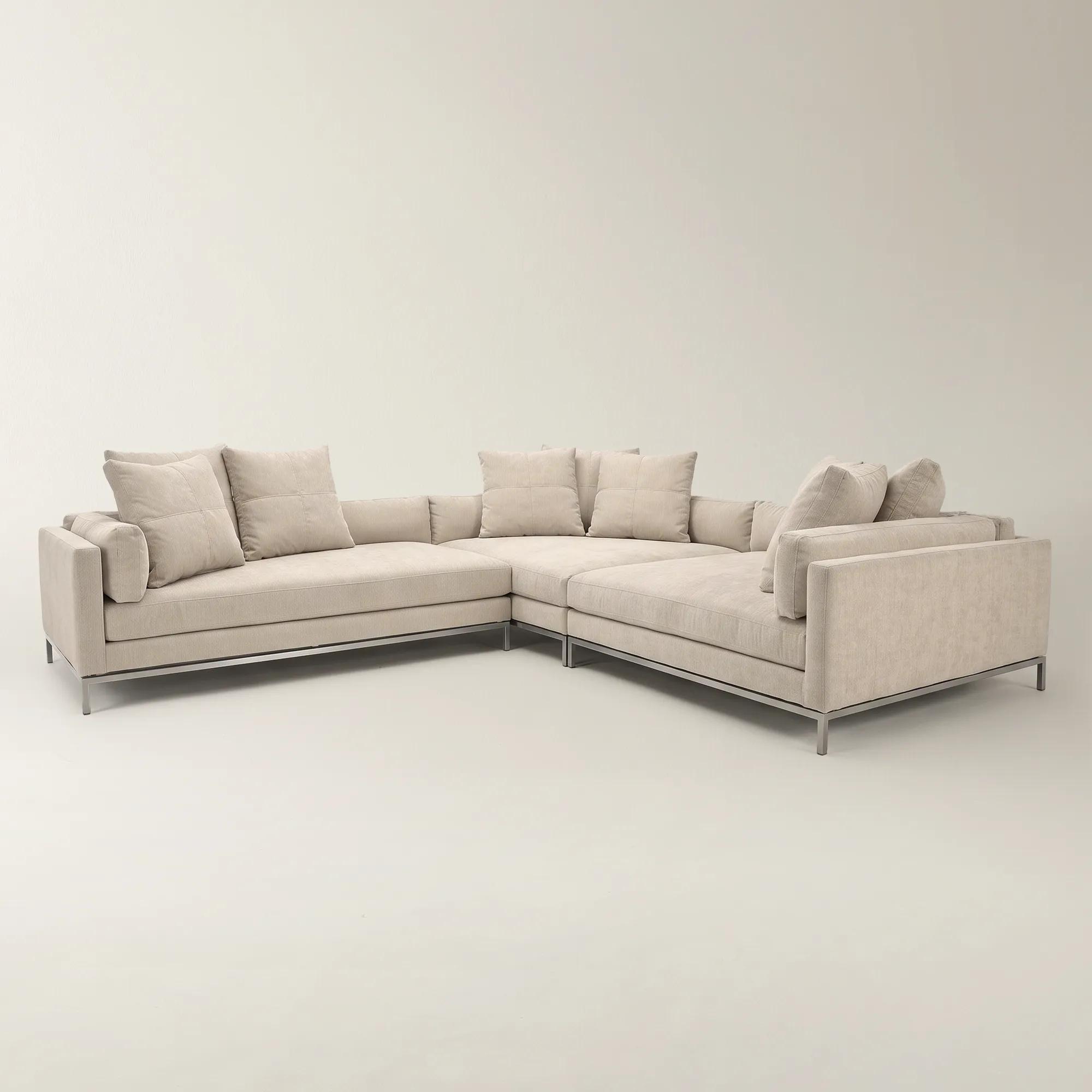
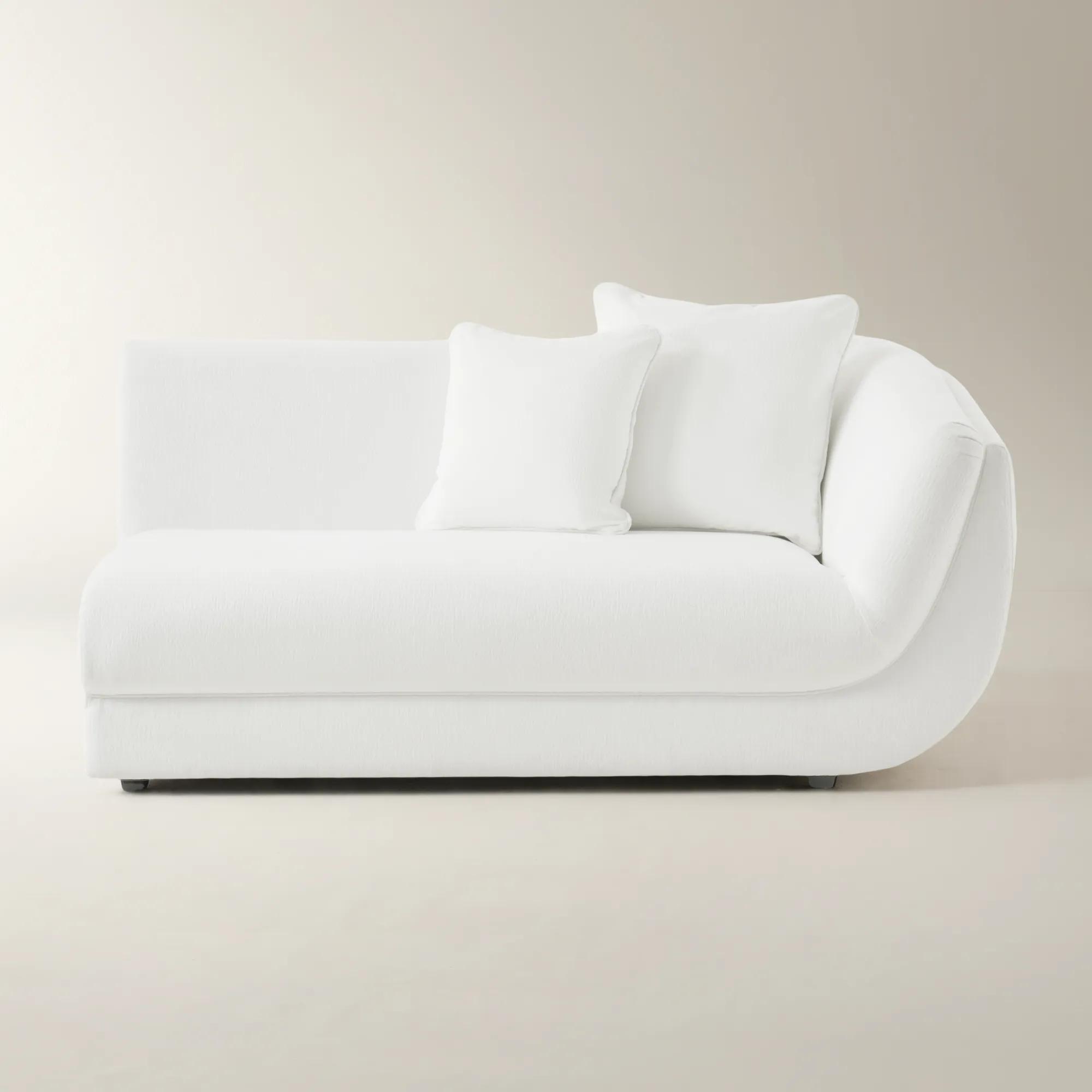
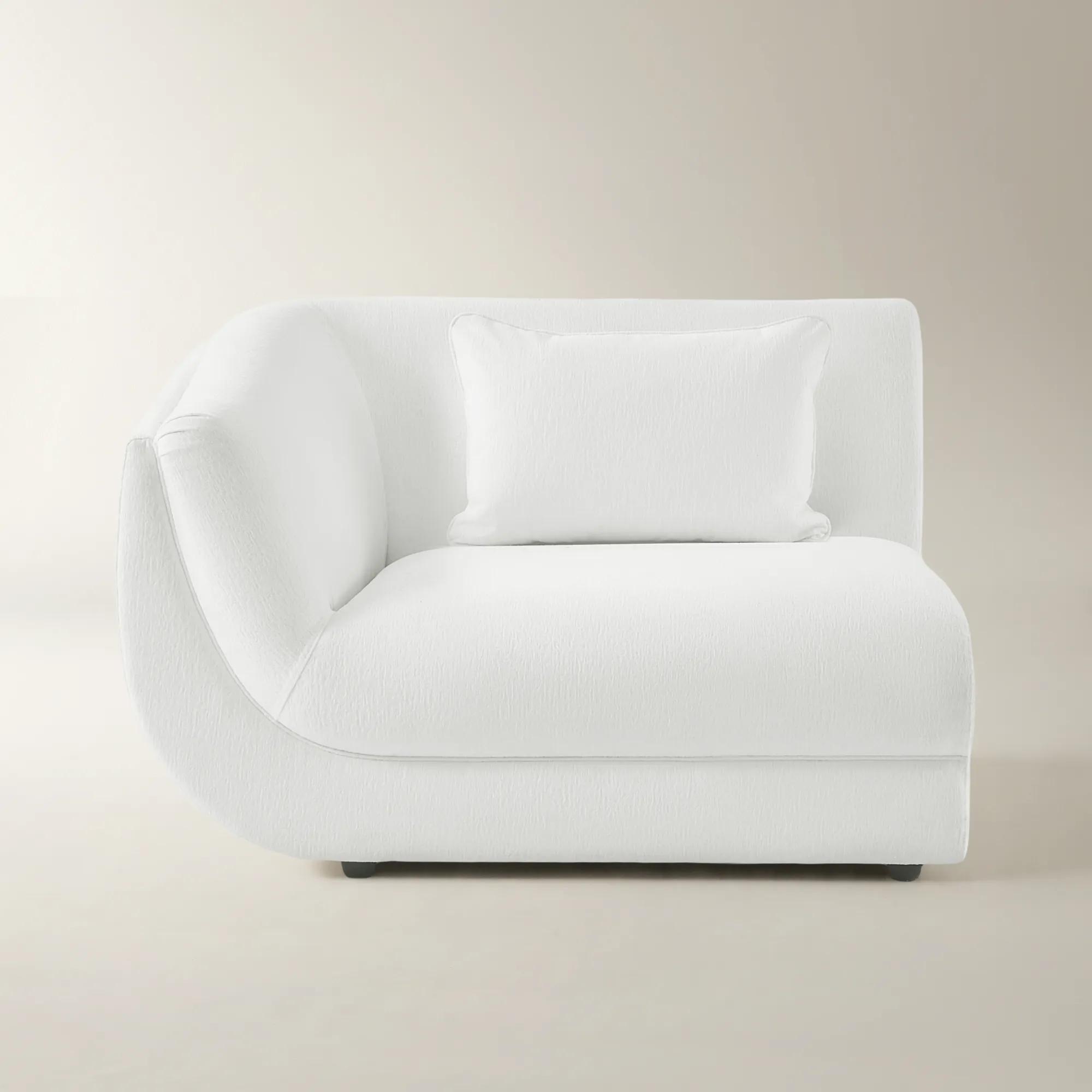
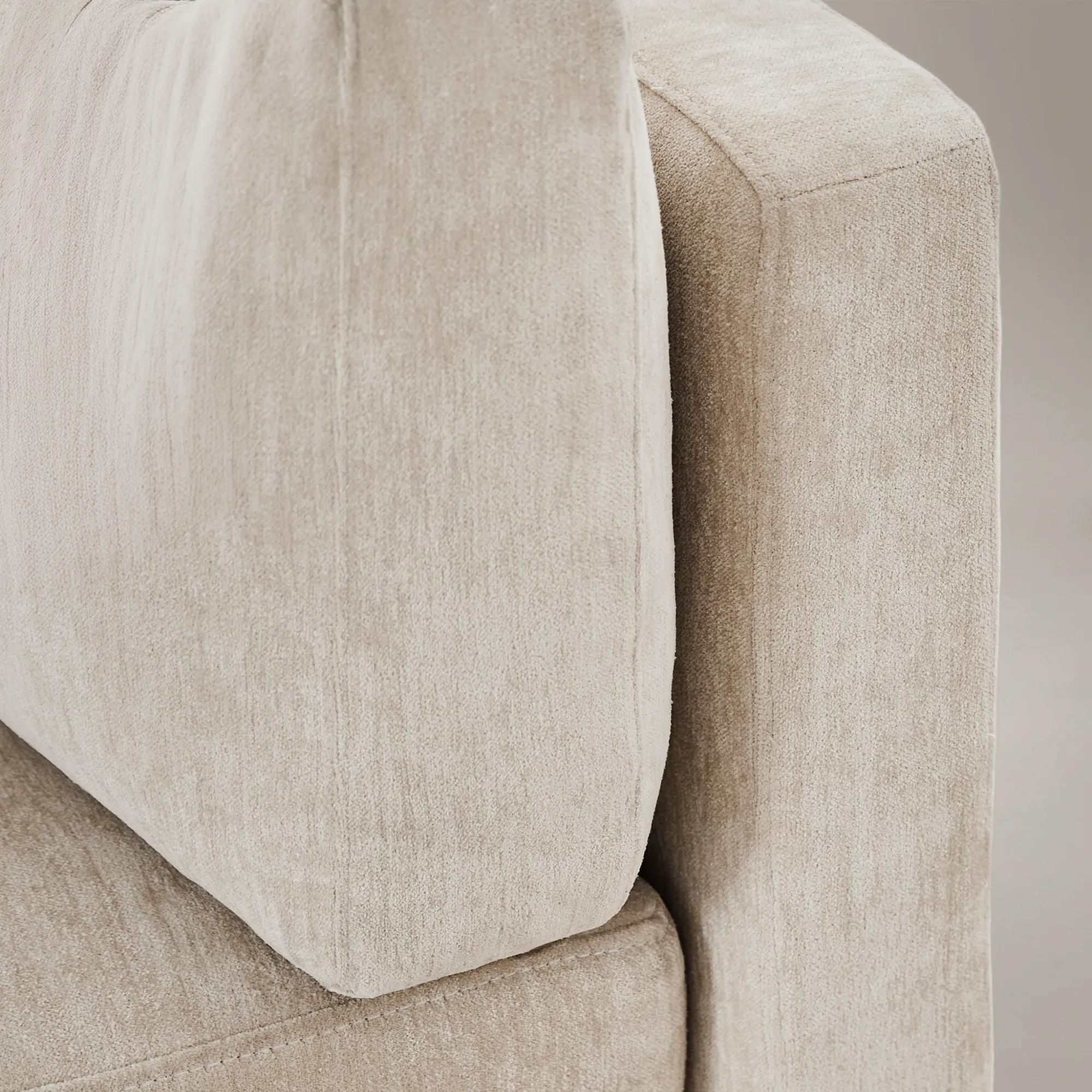 Ventura 3-Piece L-Shaped Snow Chenille Sectional Sofa With Left-Arm Chair$5999
A modern Snow chenille sectional with a stainless-steel base, plush feather pillows, and deep-seated comfort.
Add To Cart -
 Irene 3-Piece Grey Chenille Sectional$3899
A modern sectional featuring plush seating and contemporary design, perfect for elevating any living room.
Add To Cart -
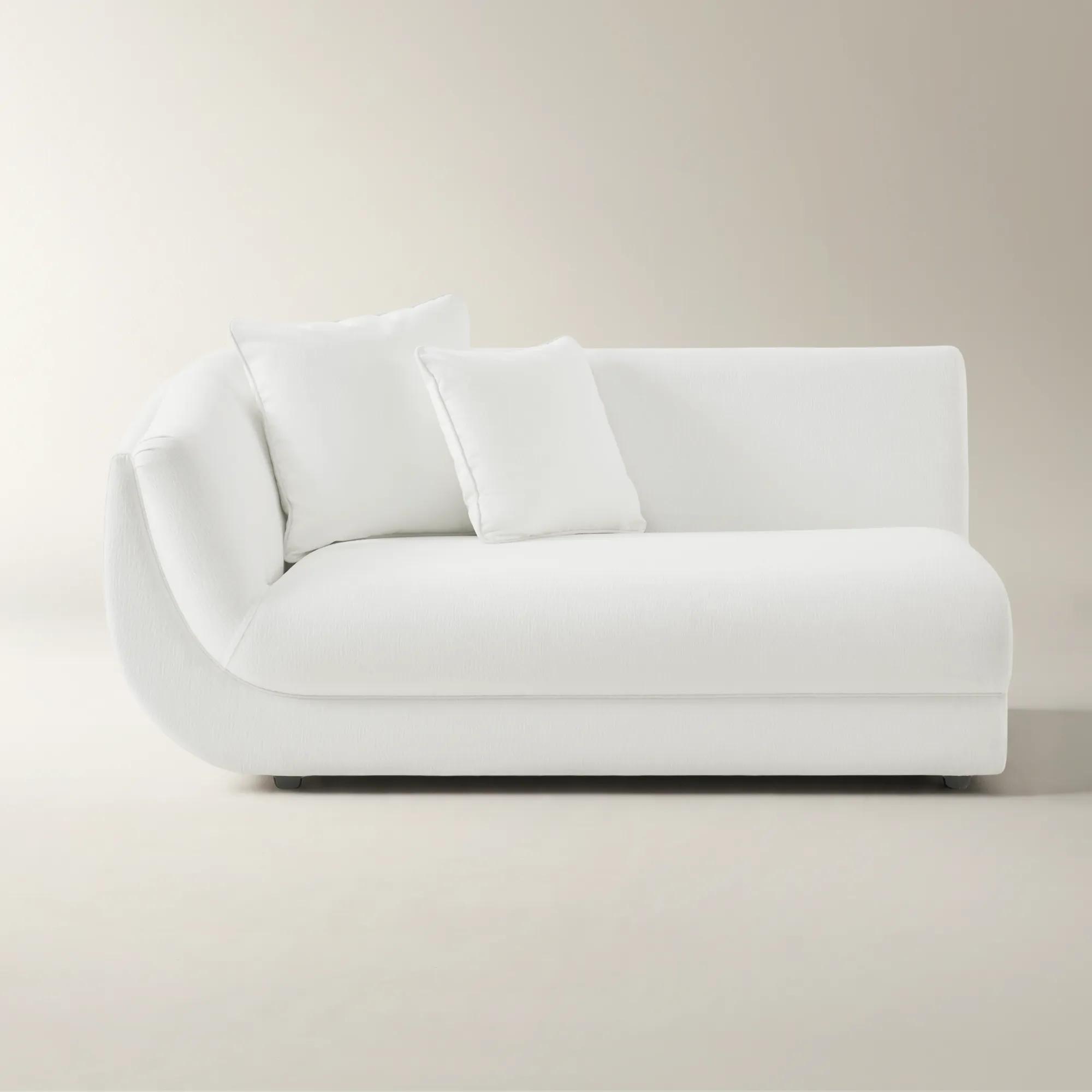
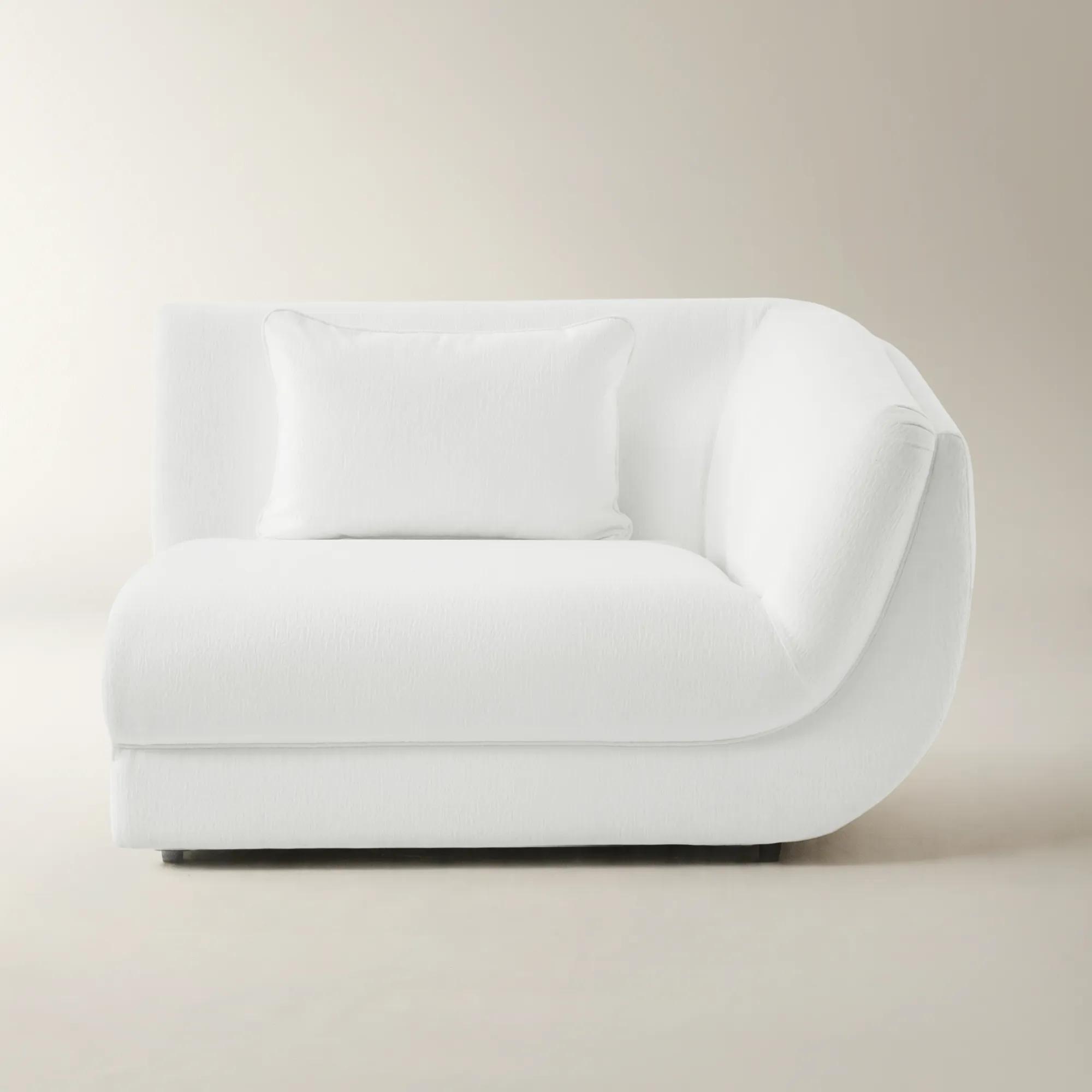
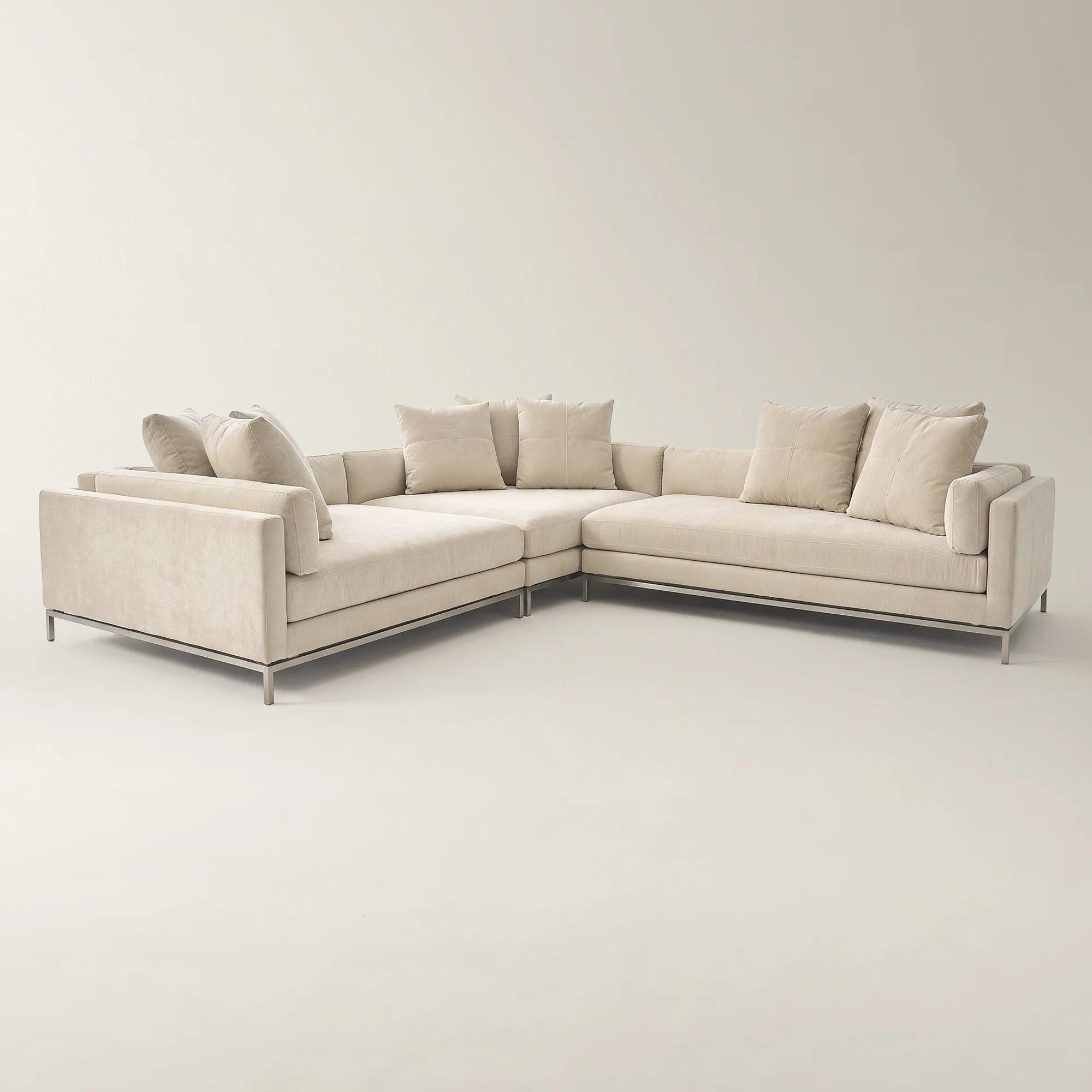 Ventura 3-Piece L-Shaped Snow Chenille Sectional Sofa With Right-Arm Chair$5999
A snow chenille sectional with a streamlined floating silhouette, plush feather-filled cushions, and versatile L-shaped seating.
Add To Cart -
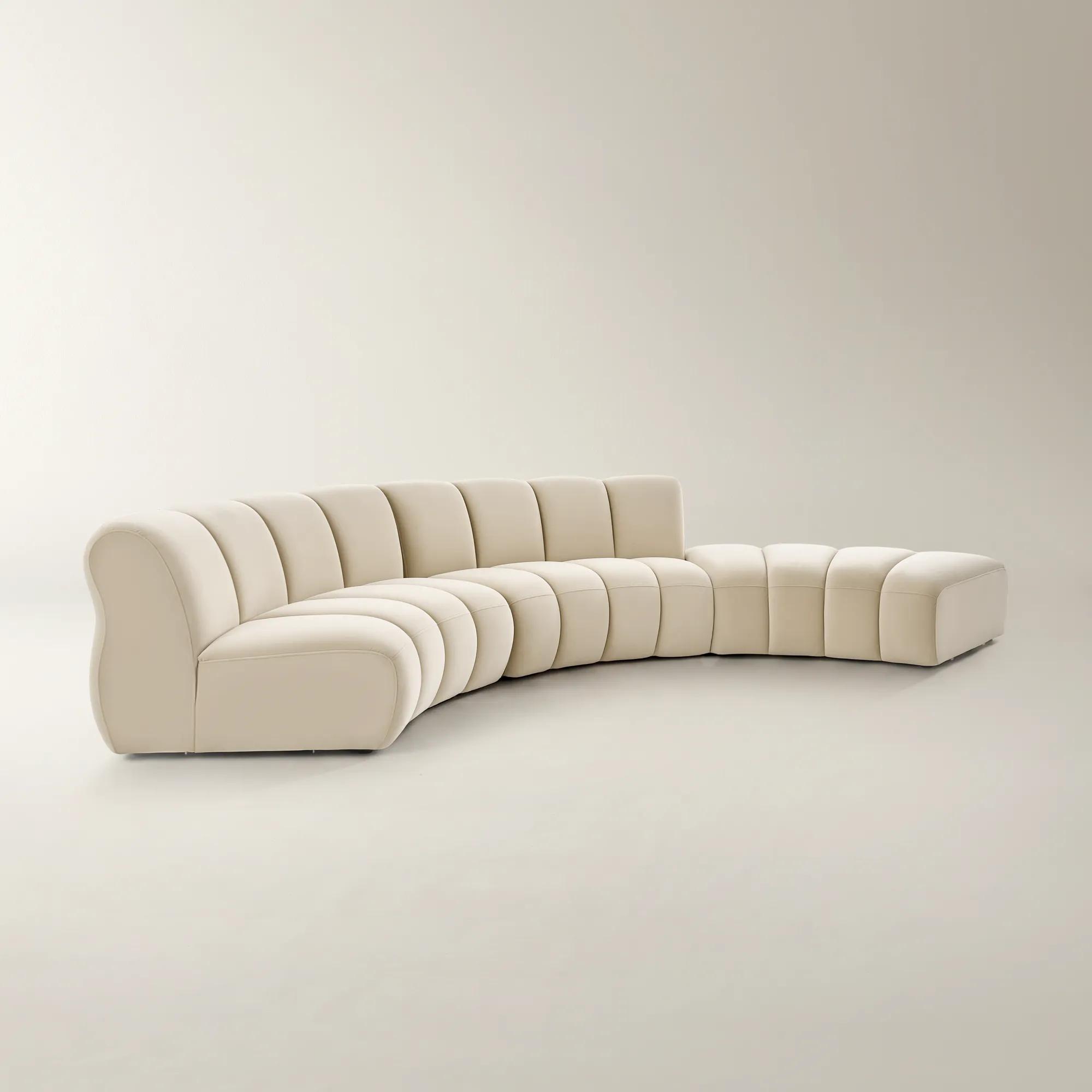 Jocelyn 3-Piece Channel-Tufted Oatmeal Velvet Sectional Sofa With Ottoman$3699
A beige velvet sectional sofa with deep channel tufting, curved modular design, resilient foam cushioning, and matching ottoman.
Add To Cart -
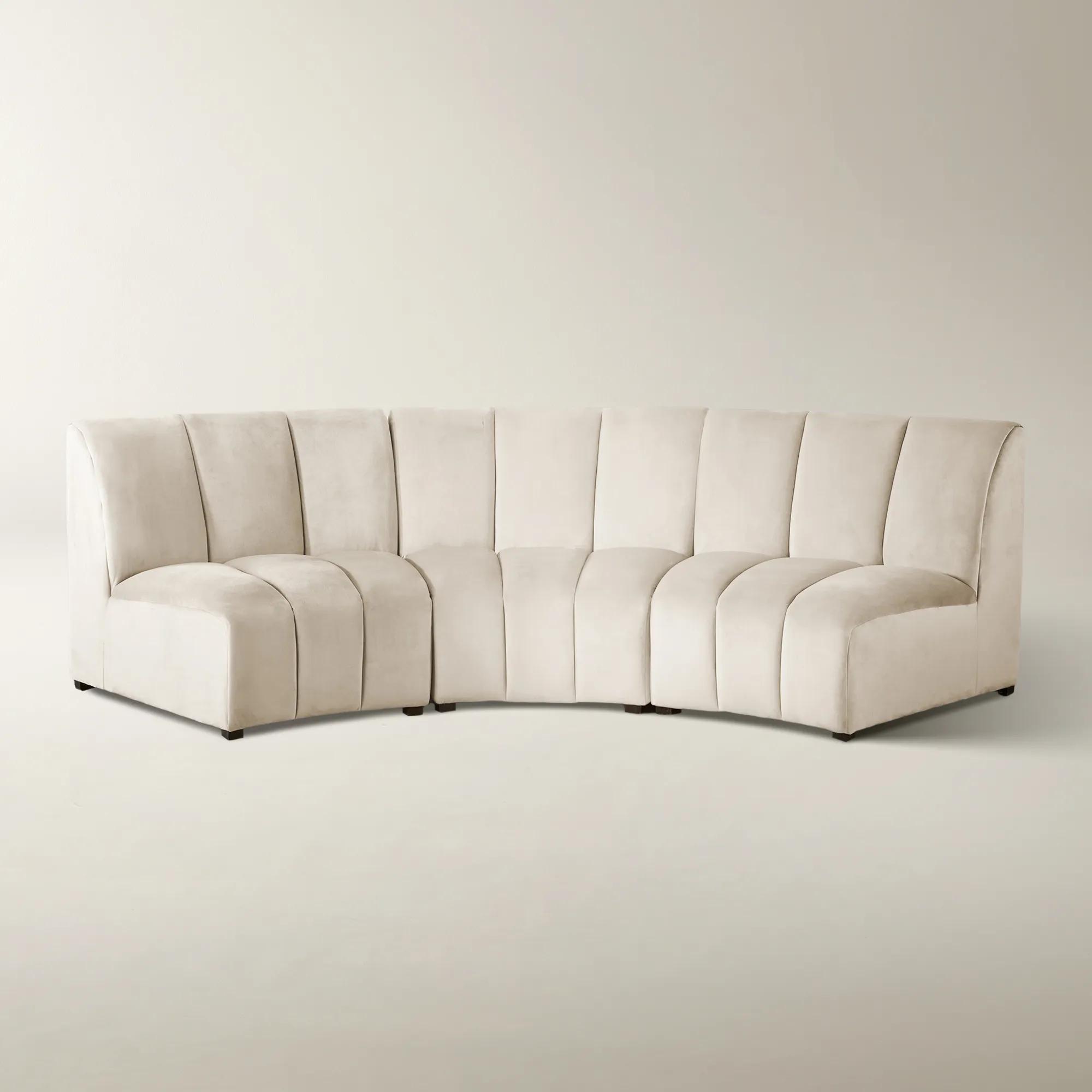
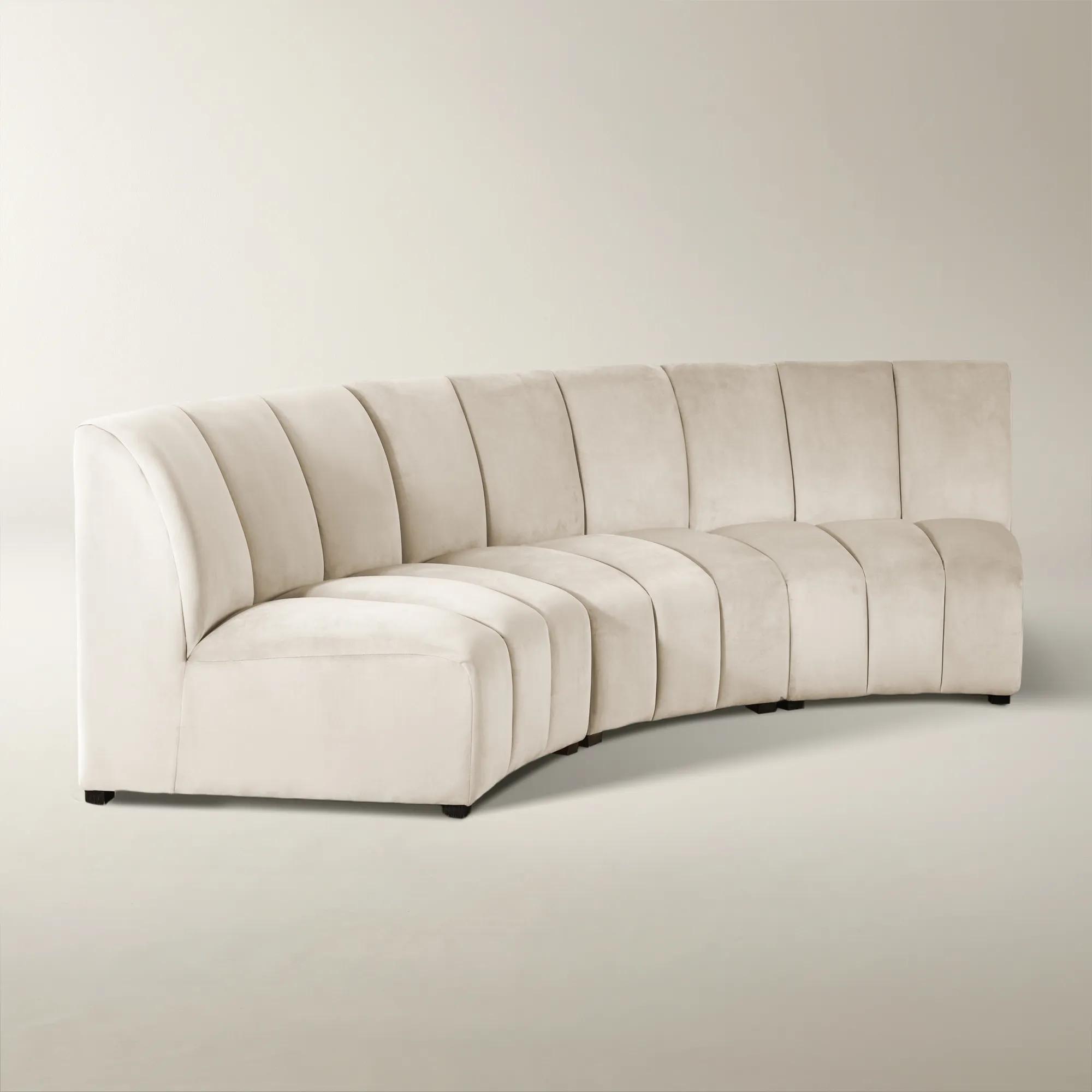 Jayce 3-Piece Channel-Tufted Ivory Velvet Sectional Sofa$2799
A modern curved sectional in stain-resistant Velvet Ivory with deep channel tufting and plush, structured cushions.
Add To Cart -
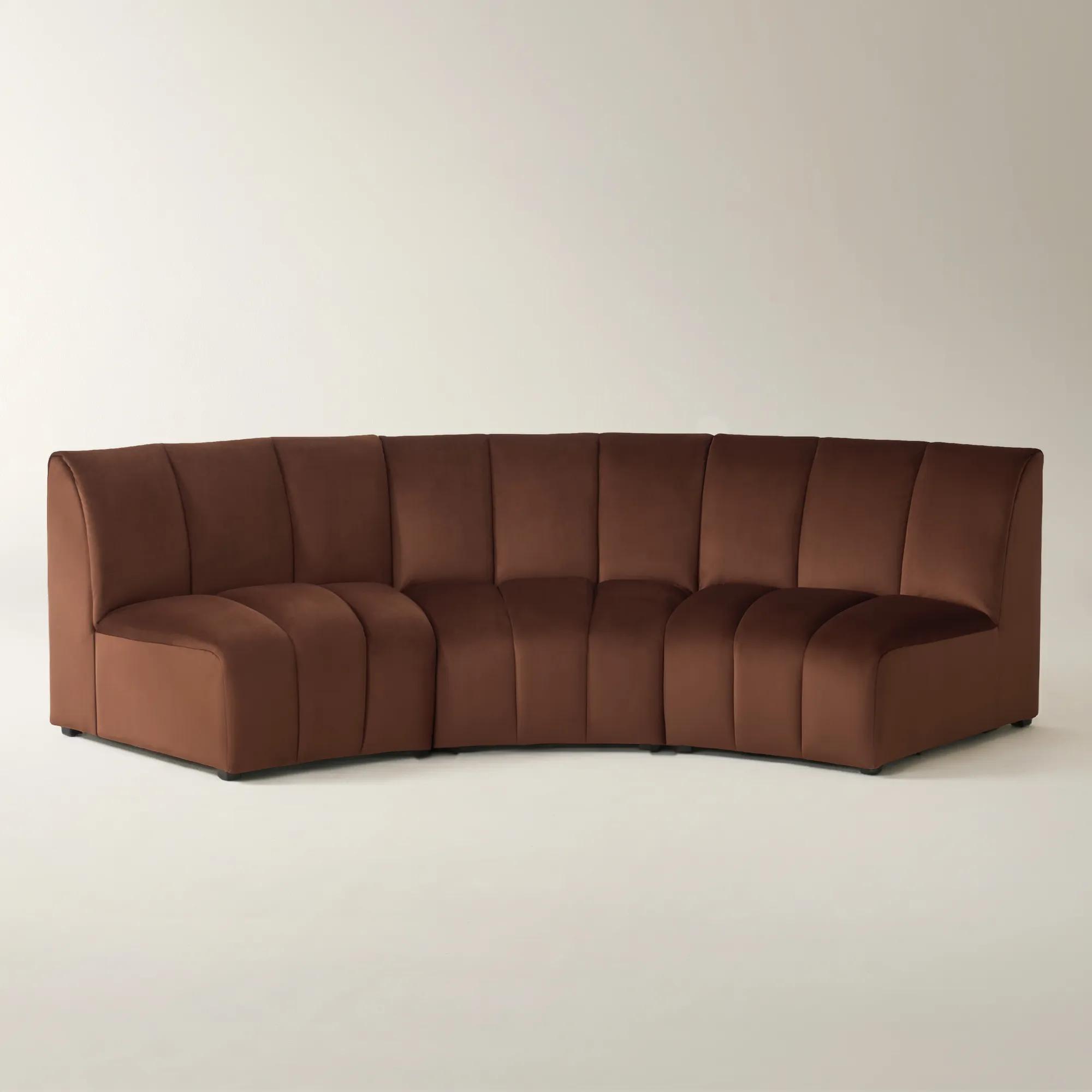 Jayce 3-Piece Channel-Tufted Burnt Umber Velvet Sectional Sofa$2799
A modern curved sectional in silver grey velvet with deep channel tufting and plush, water-repellent upholstery.
Add To Cart -
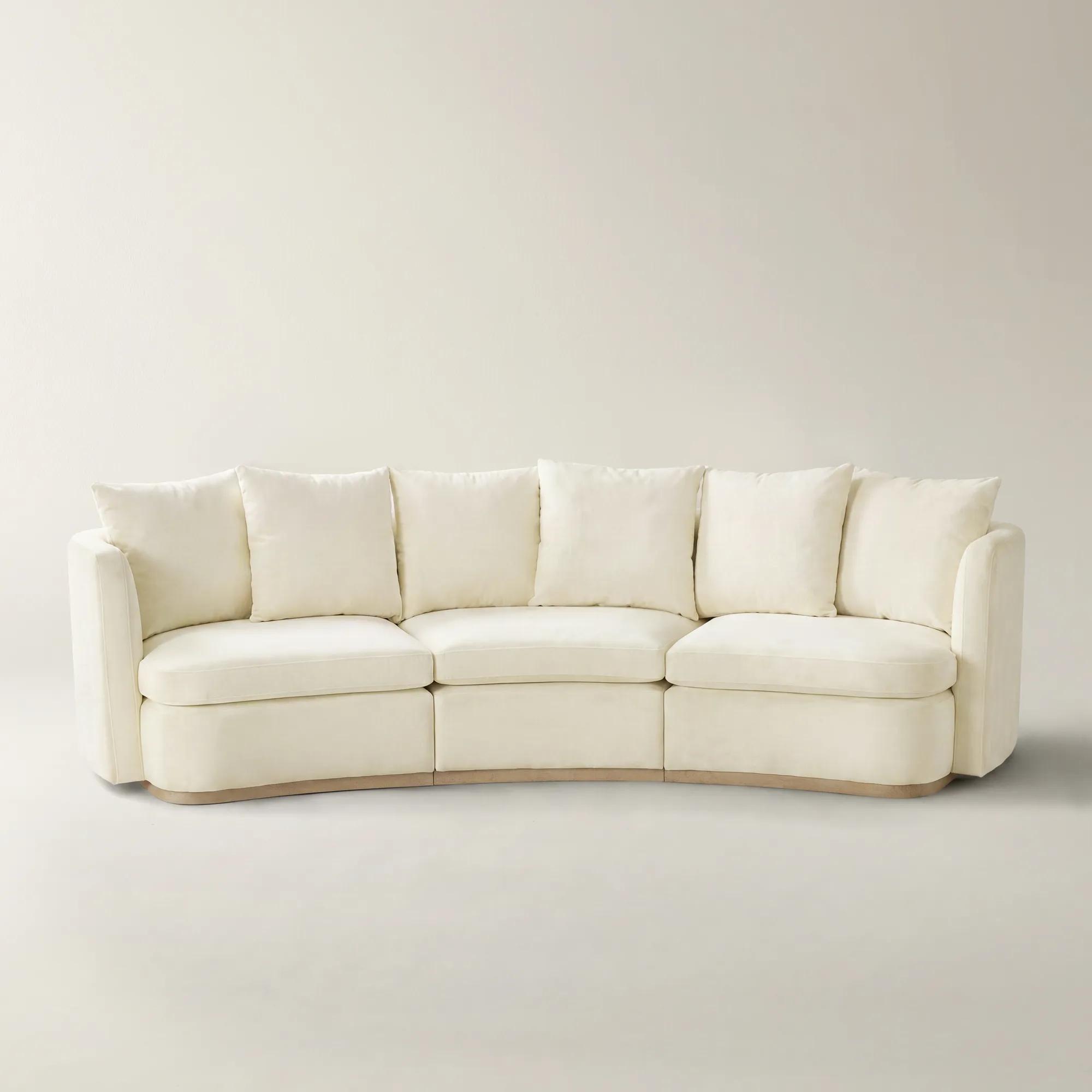 Stria 3-Piece Cloud Velvet Sectional Sofa$3399
A sculptural cloud velvet sectional with a curved silhouette, modular design, layered cushioning, and oak base.
Add To Cart -
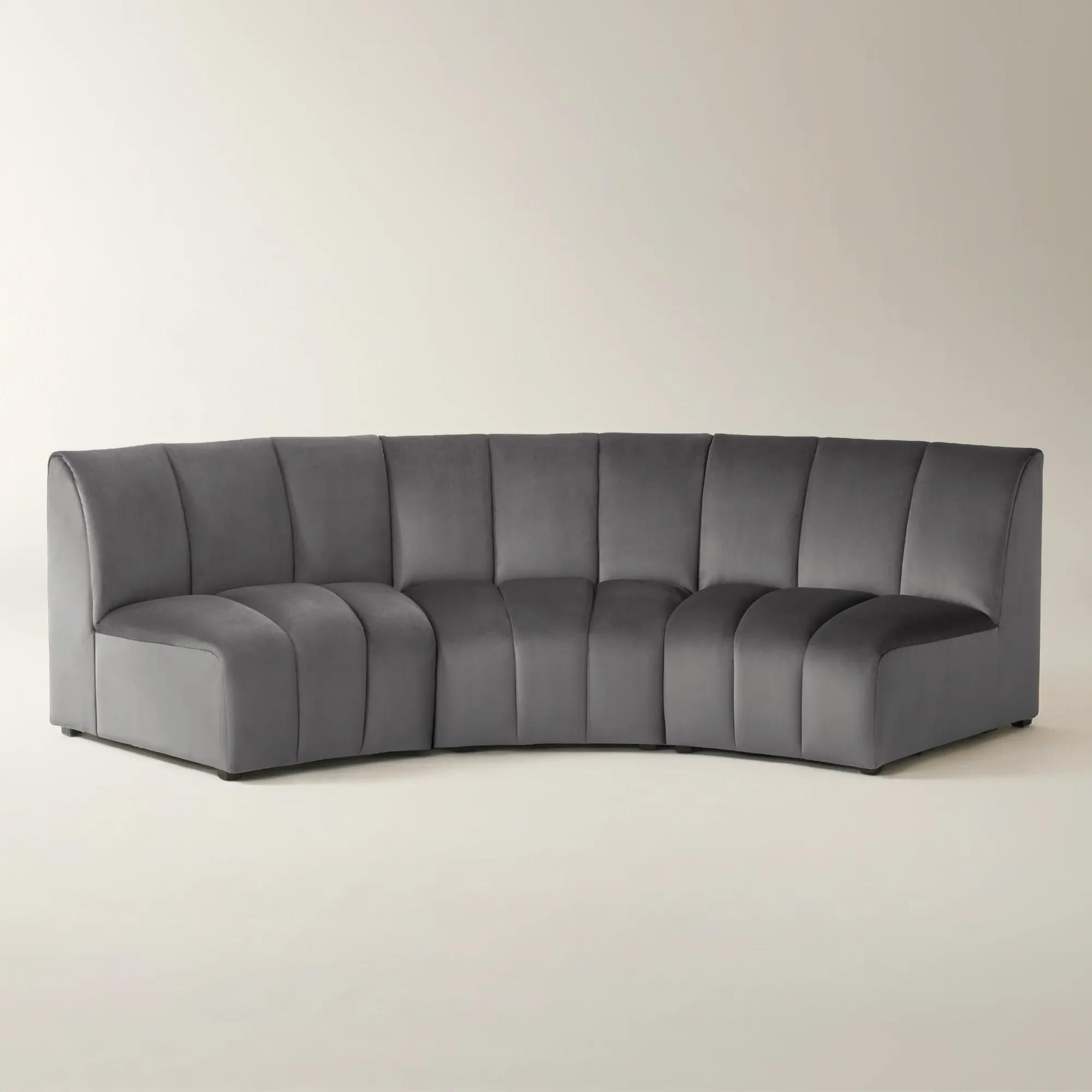 Jayce 3-Piece Channel-Tufted Smoked Pearl Velvet Sectional Sofa$2799
A modern curved sectional in silver grey velvet with deep channel tufting and plush, high-density foam cushions.
Add To Cart -
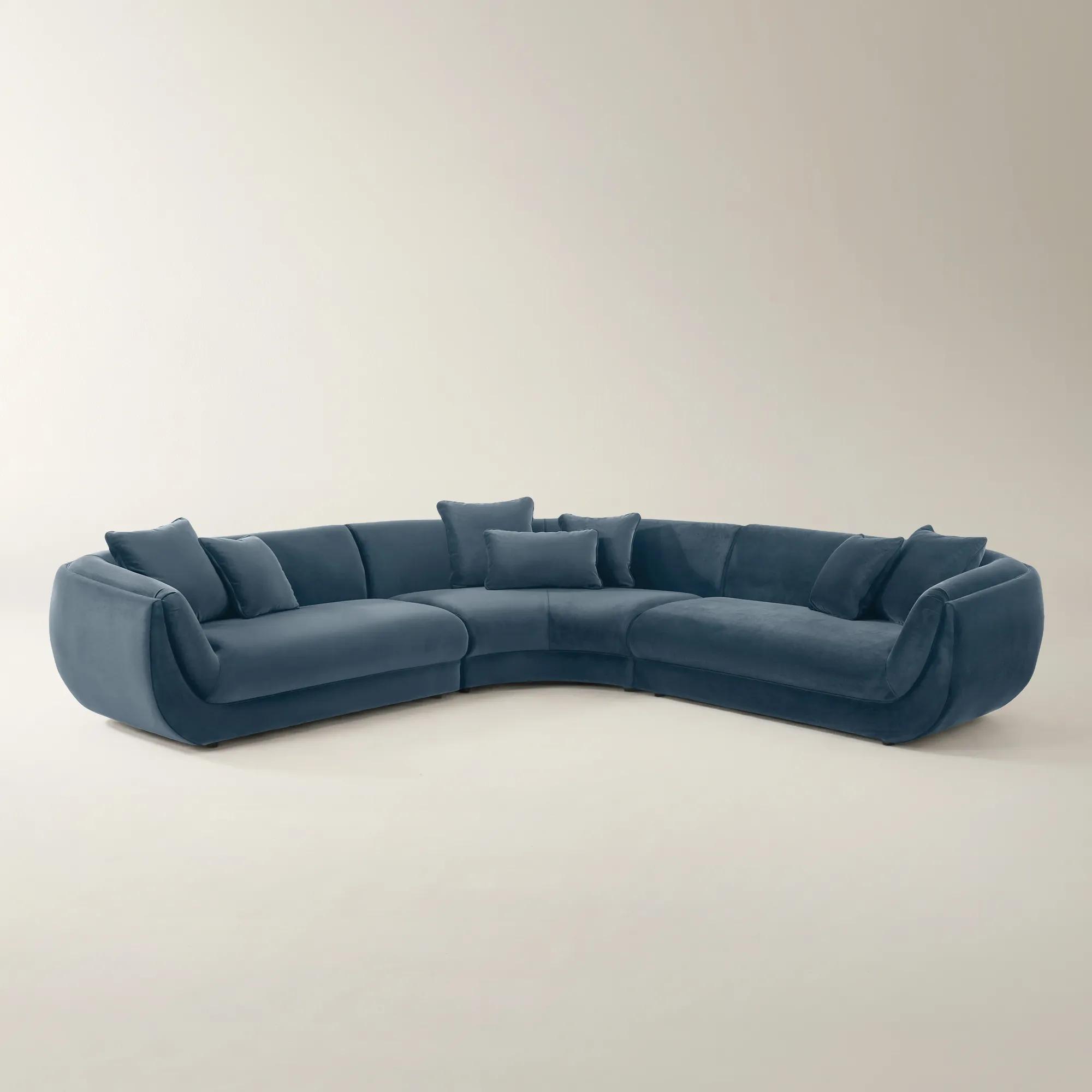
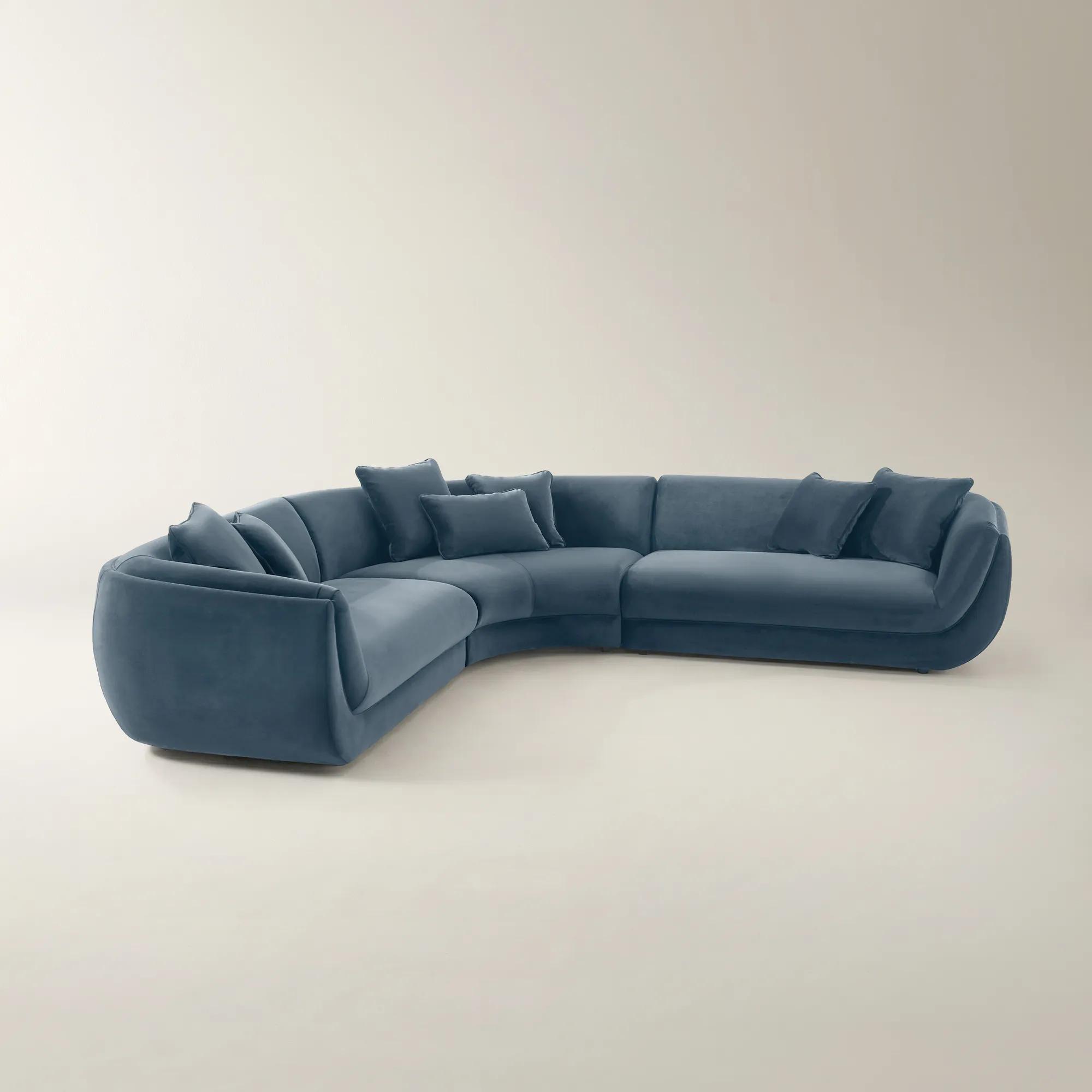 Curvia 3-Piece Dusty Blue Velvet Sectional Sofa$4599
A modular sectional wrapped in plush dusty blue velvet with deep lounge seating and sculptural curves.
Add To Cart -
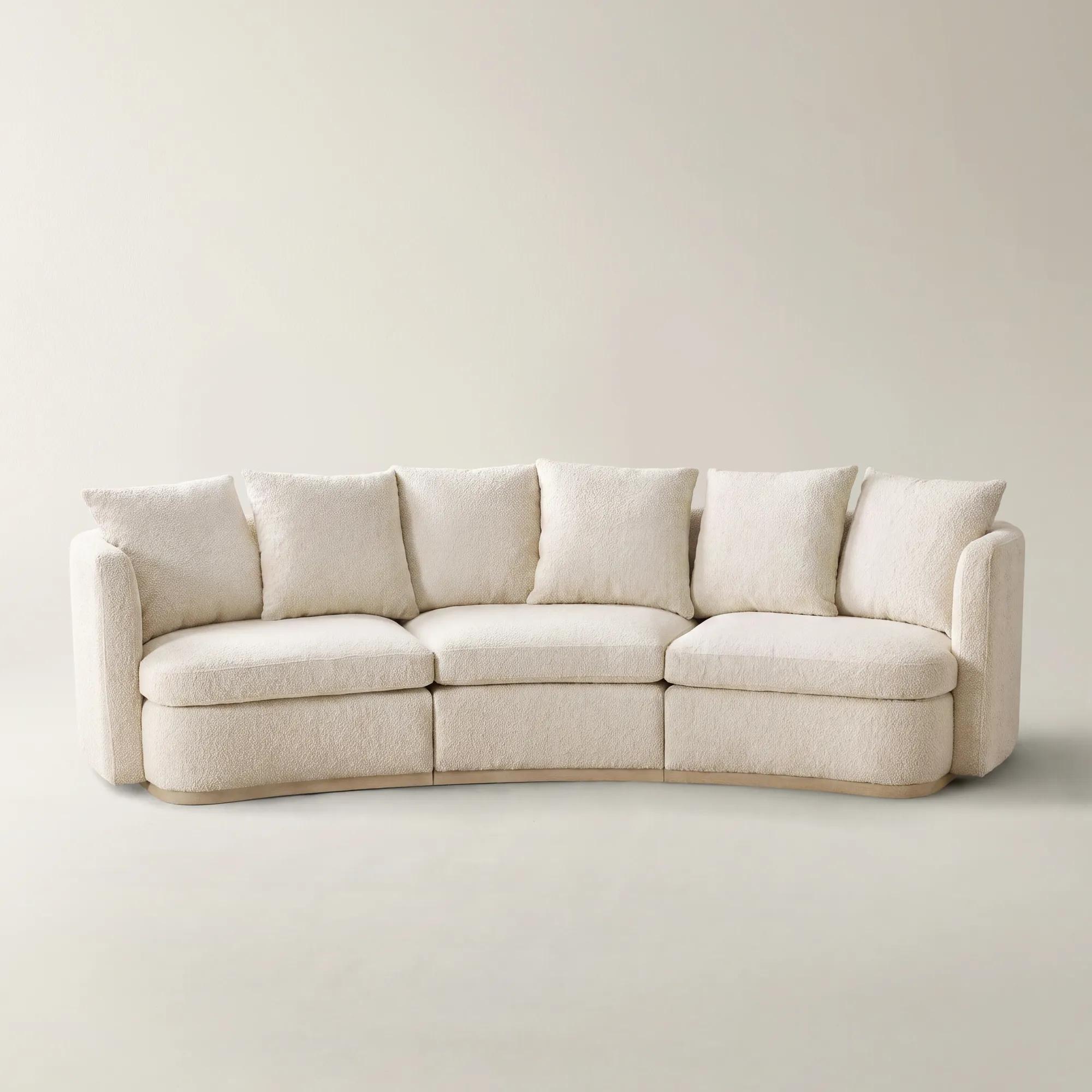 Stria 3-Piece Ivory Performance Boucle Sectional Sofa$3399
A sculptural ivory performance boucle sectional with kiln-dried wood, oak base, modular connectors, and down-blend cushioning.
Add To Cart -
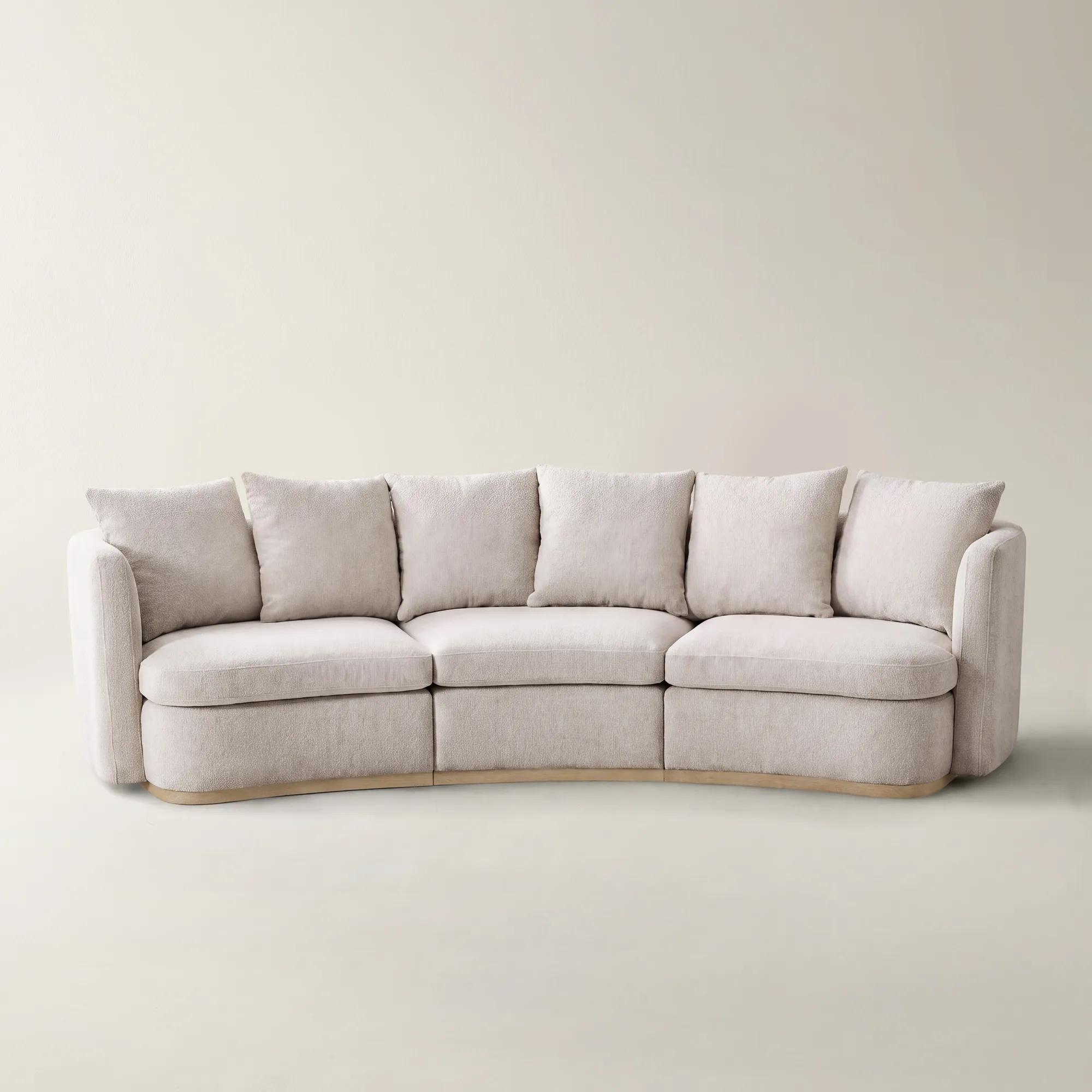 Stria 3-Piece Ivory Performance Boucle Sectional Sofa$3399
An ivory performance boucle sectional with sculptural curves, modular construction, and layered foam-down cushioning for comfort.
Add To Cart -
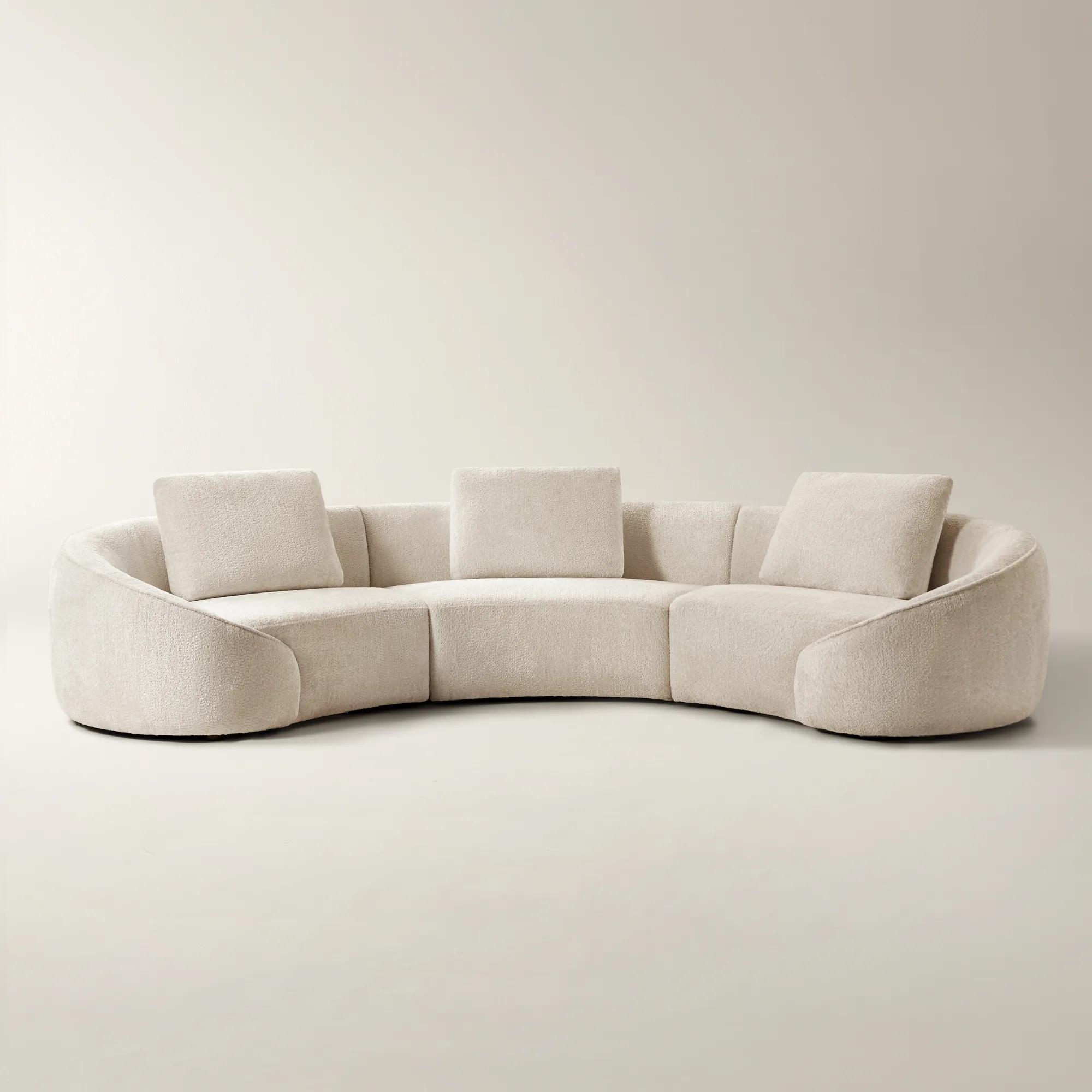 Irene 3-Piece Utopia Sand Chenille Sectional$3899
A modern curved sectional upholstered in plush Utopia Sand chenille with high-density foam cushioning for comfort.
Add To Cart -
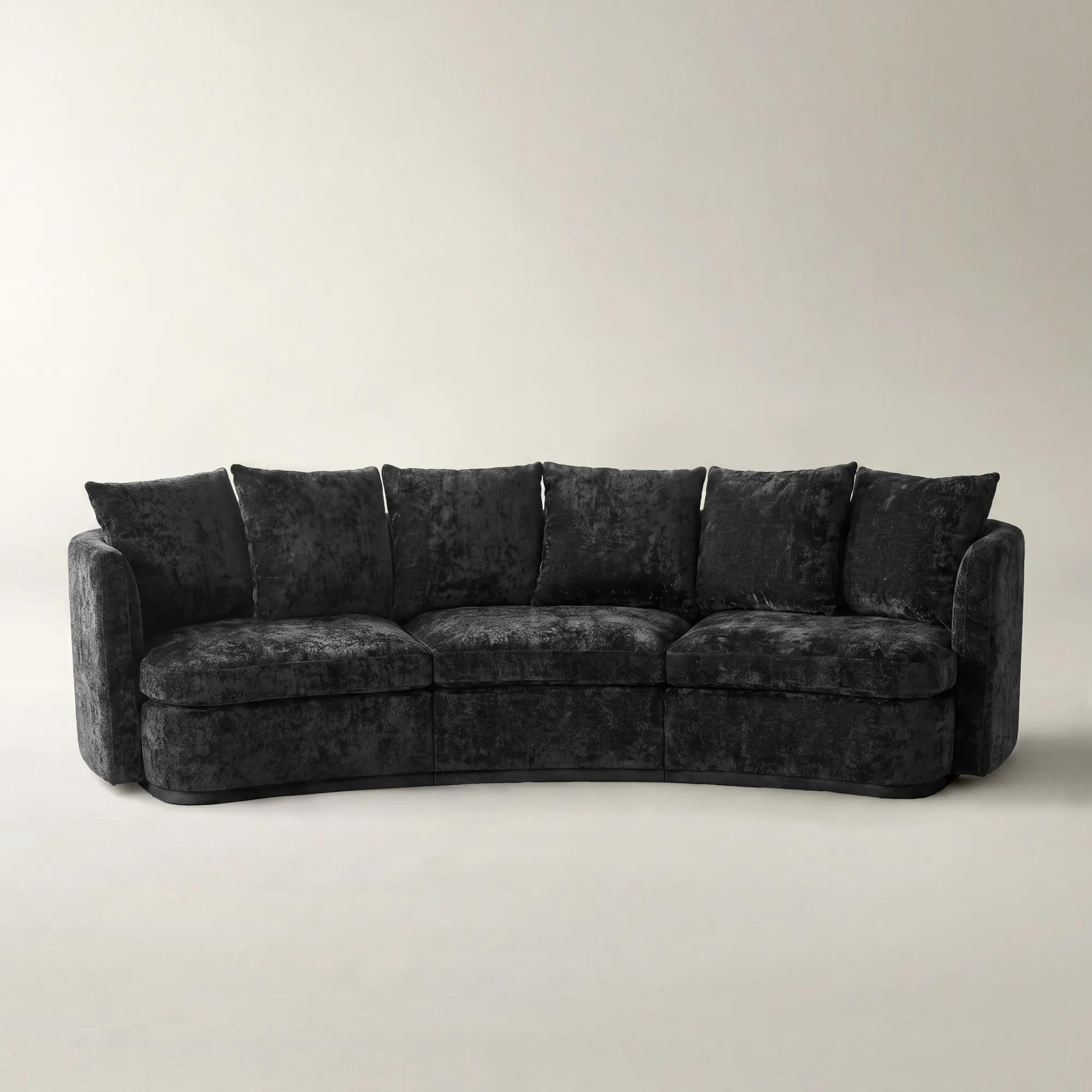 Stria 3-Piece Black Chenille Sectional Sofa$3399
A sculptural black chenille sectional with modular connectors, kiln-dried wood construction, and layered foam-down cushioning.
Add To Cart -
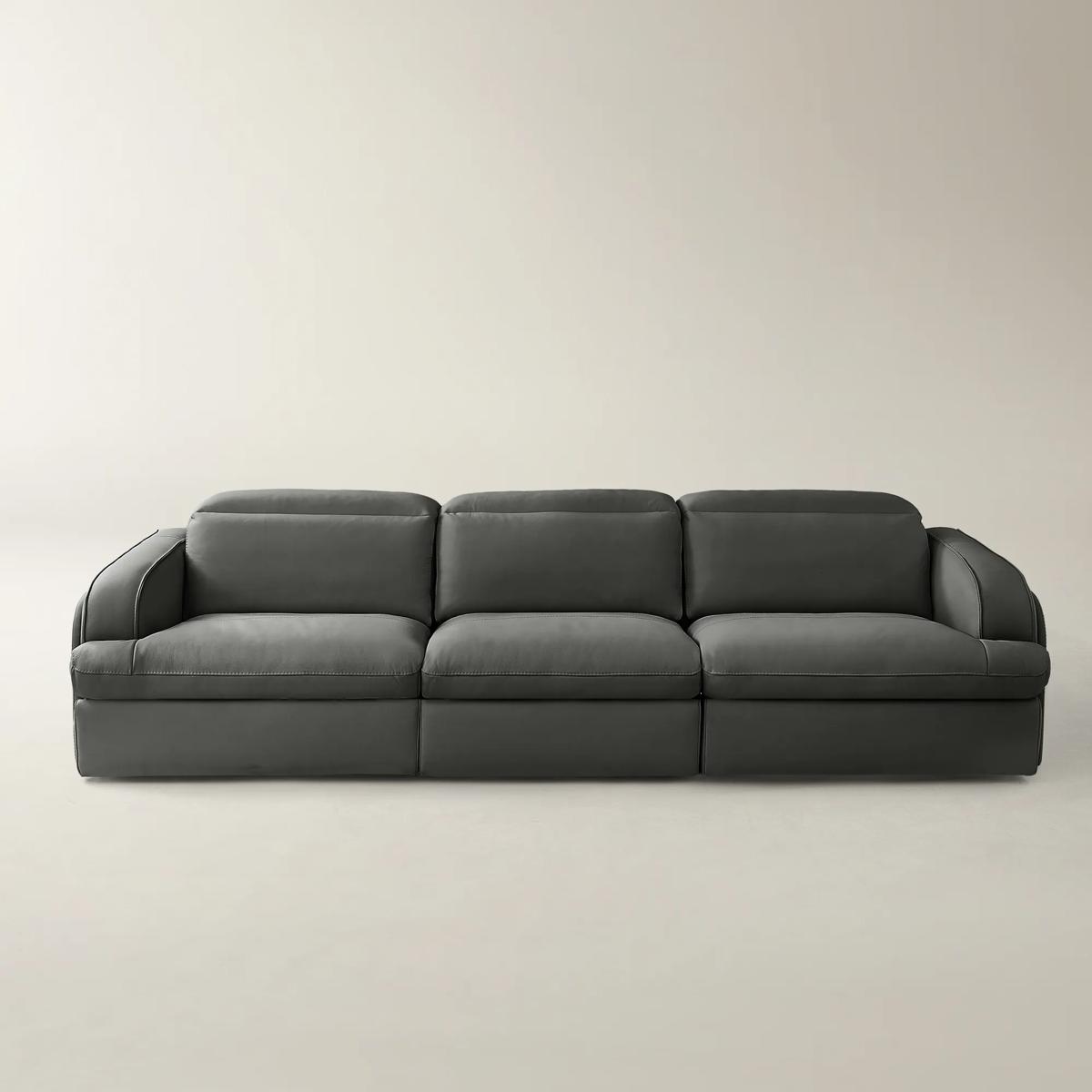
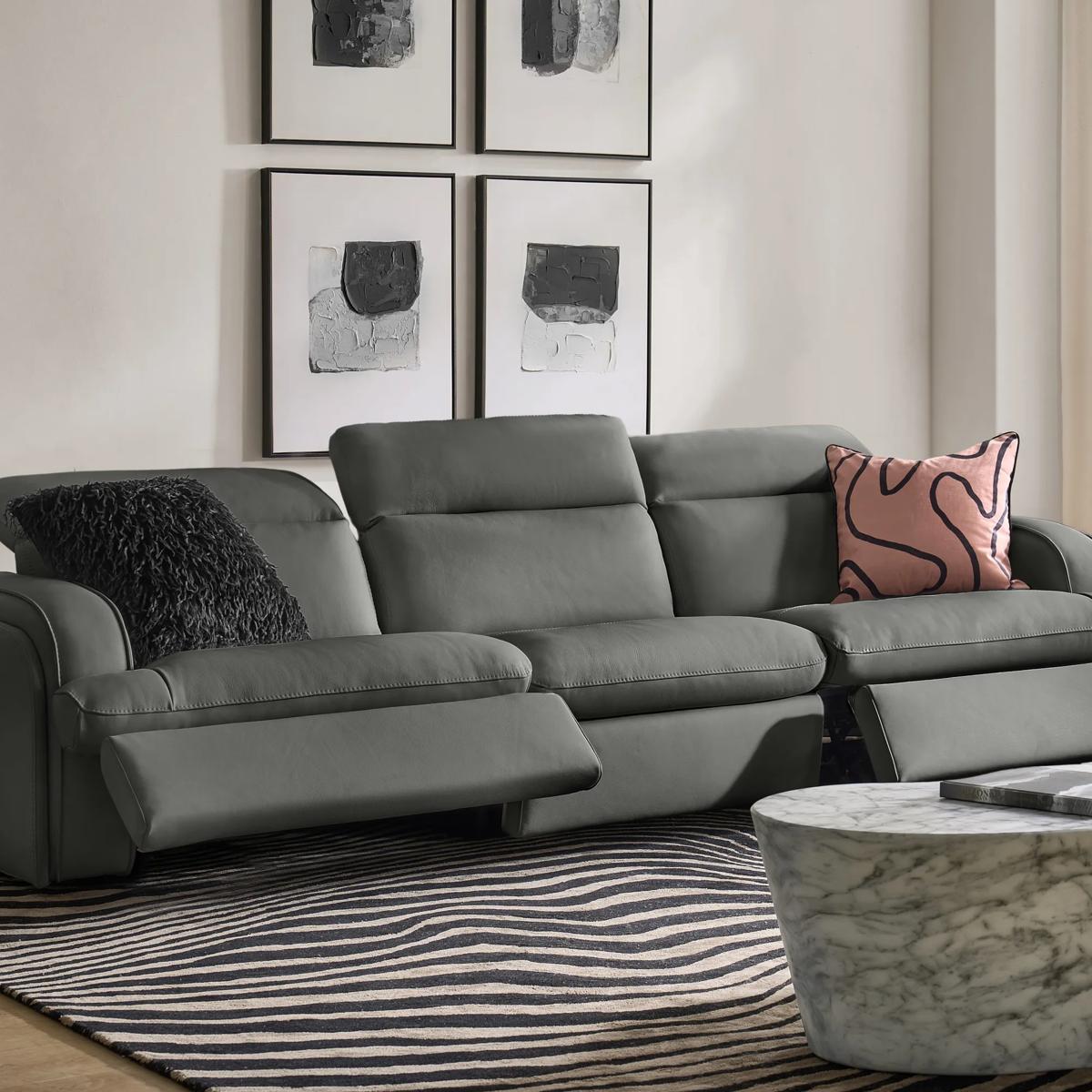 Terra 3-Piece Reclining Charcoal Leather Sectional$4699
A charcoal genuine leather sectional featuring modular design, power reclining headrests and footrests with foam-down cushioning.
Add To Cart -
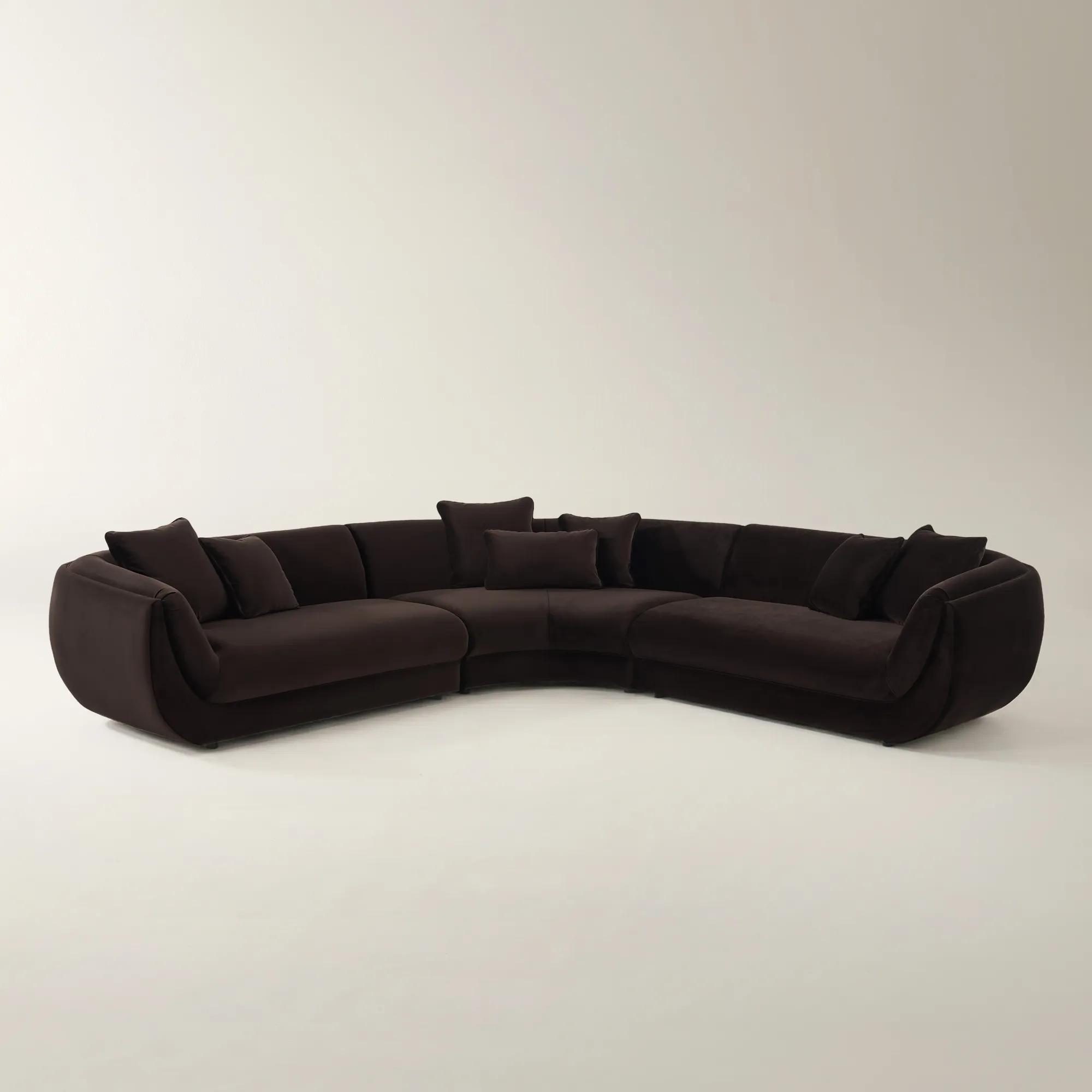
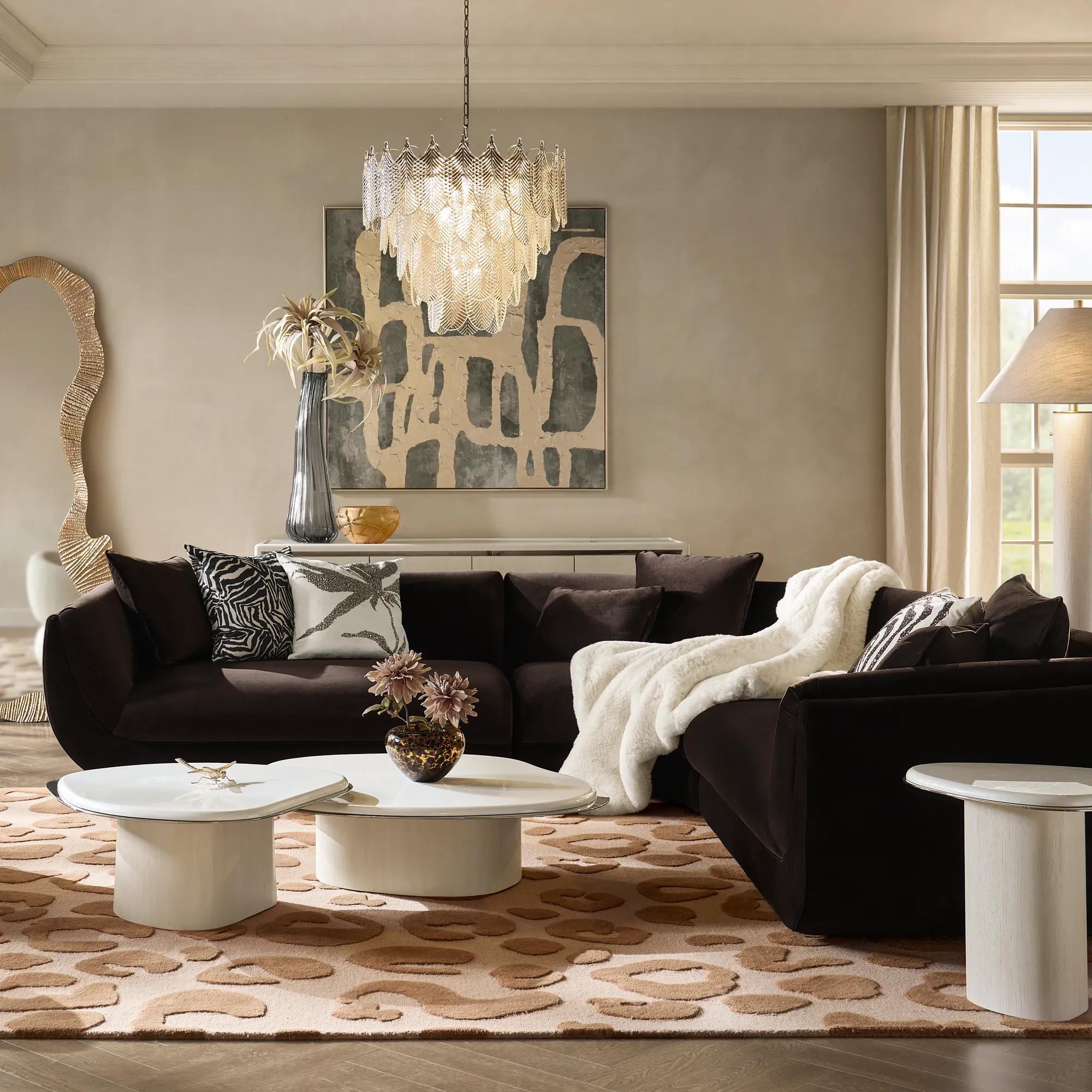 Curvia 3-Piece Dark Chocolate Velvet Sectional Sofa$4599
A modular sectional wrapped in dark chocolate velvet, featuring sculptural curves and deep, plush lounge seating.
Add To Cart -

 Reina 3-Piece Tufted Oatmeal Velvet Sectional Sofa$2499
A plush oatmeal velvet sectional featuring channel tufting, deep seating, and an architectural winged silhouette.
Add To Cart -
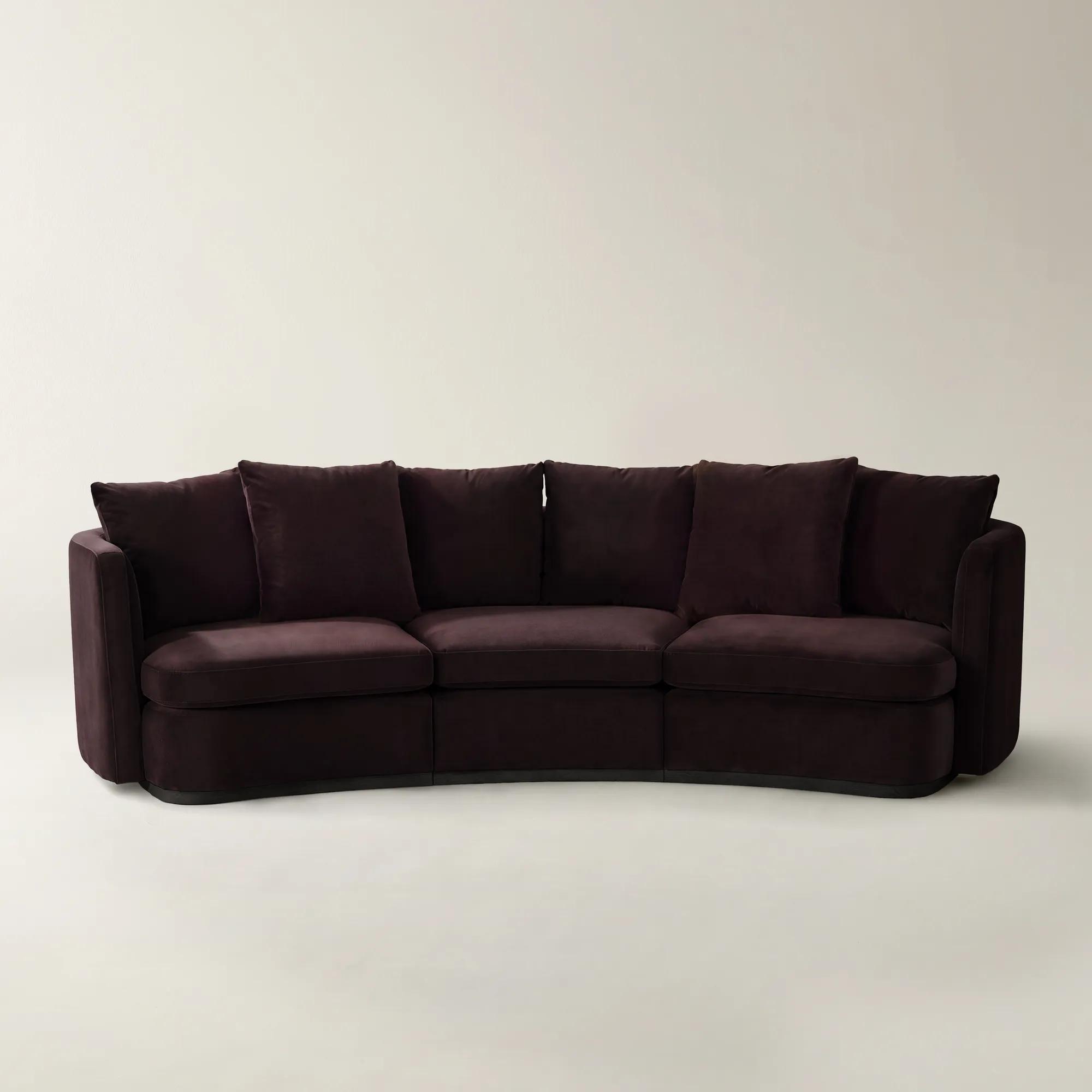
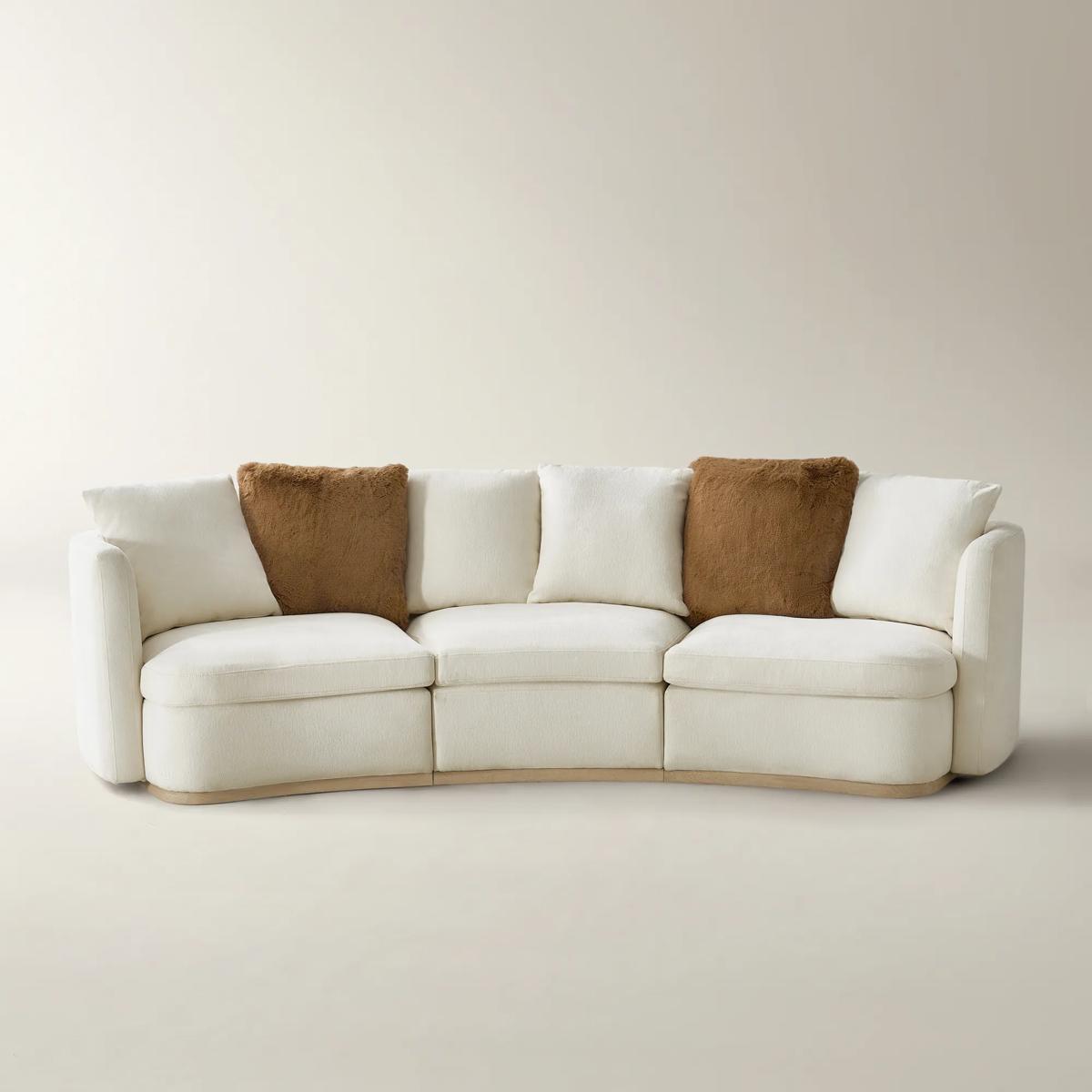 Stria 3-Piece Fig Velvet Sectional Sofa$3399
A sculptural fig velvet sectional with curved silhouette, layered cushioning, and modular connectors for flexible comfort.
Add To Cart -
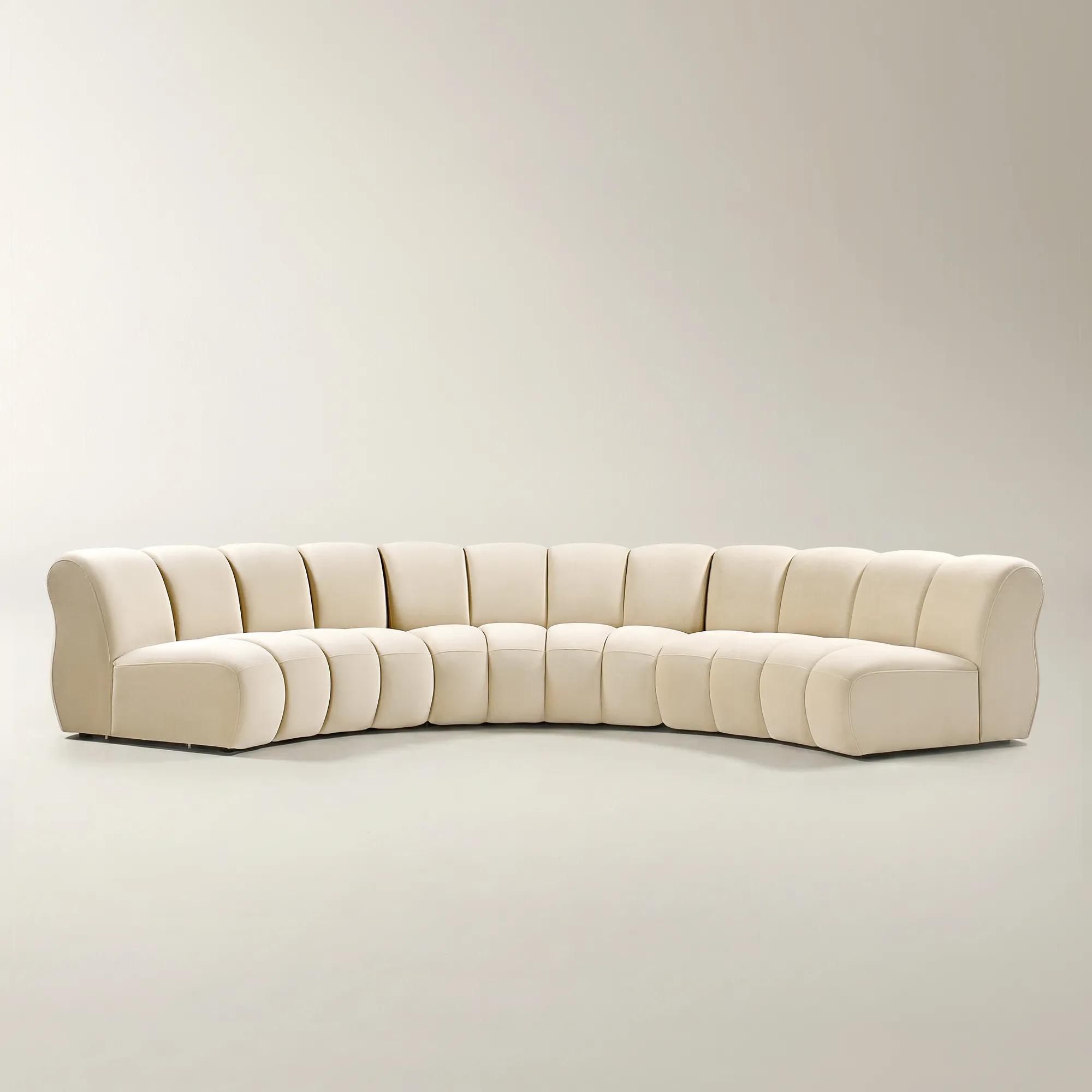
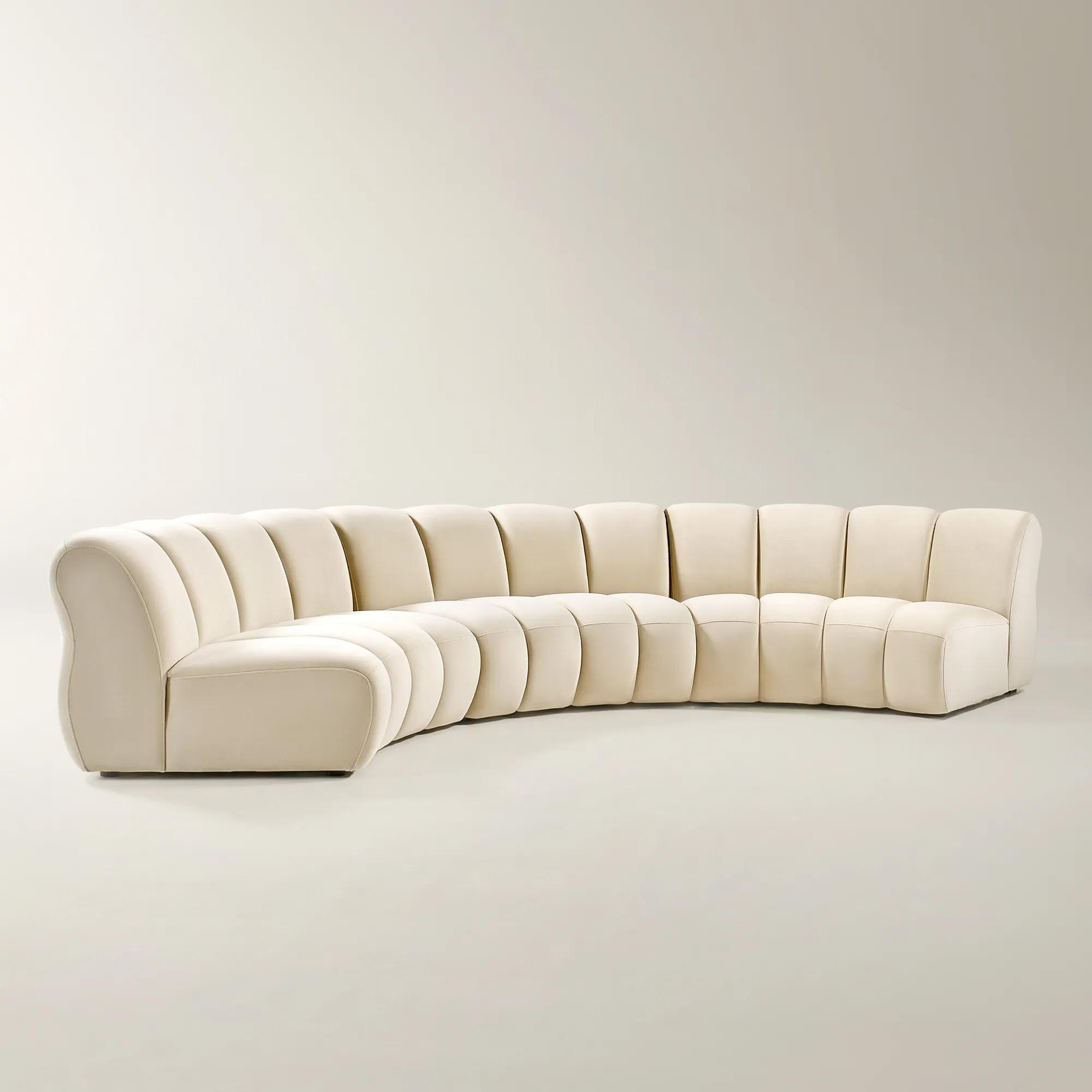 Jocelyn 3-Piece Channel-Tufted Oatmeal Velvet Sectional Sofa$4099
A curved modular sectional sofa in oatmeal velvet with deep channel tufting and plush foam cushioning.
Add To Cart -
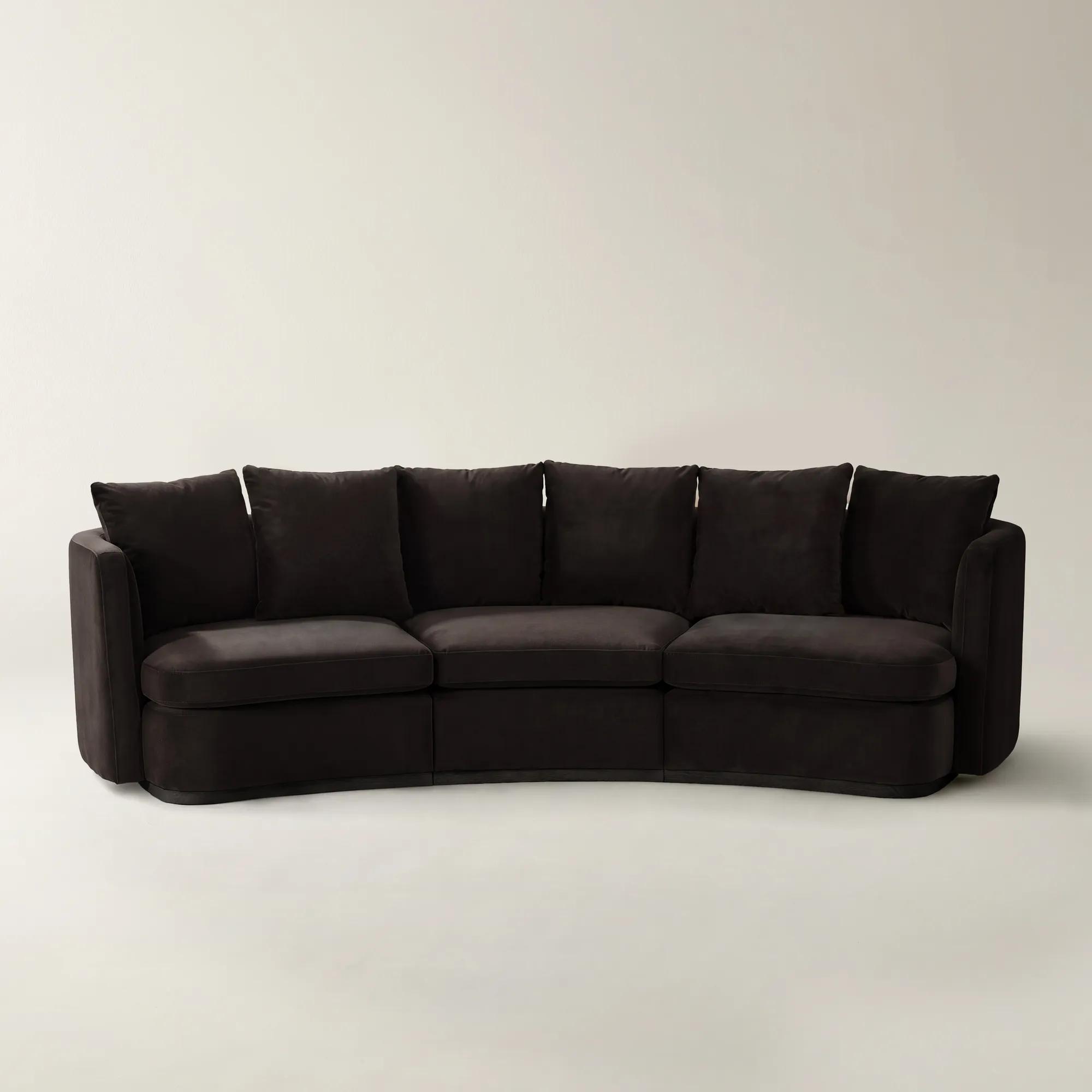 Stria 3-Piece Dark Chocolate Velvet Sectional Sofa$3399
A sculptural dark chocolate velvet sectional with curved styling, layered cushioning, and adaptable modular construction.
Add To Cart -
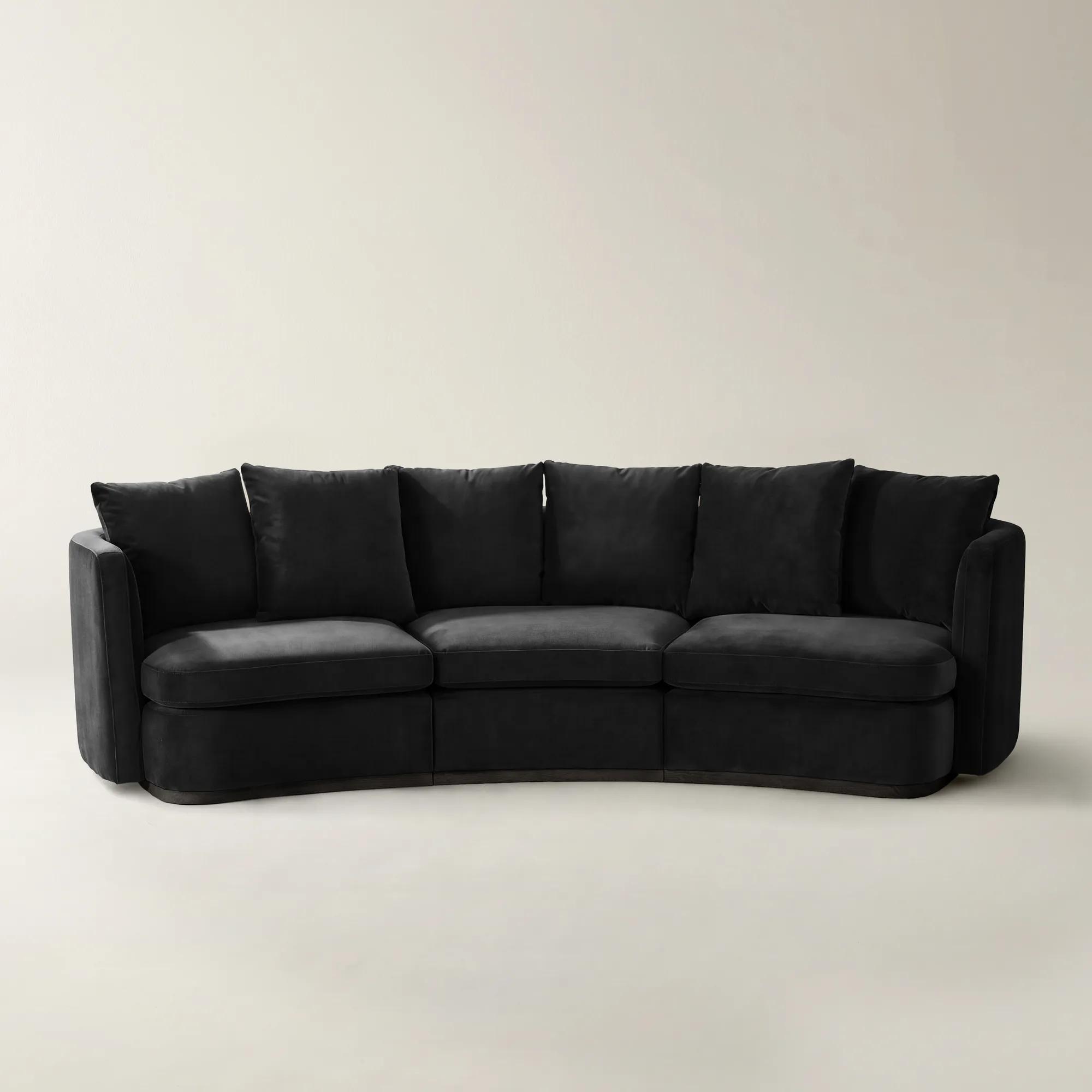 Stria 3-Piece Charcoal Velvet Sectional Sofa$3399
A sculptural charcoal velvet sectional featuring curved styling, layered cushioning, and modular connectors for adaptable comfort.
Add To Cart -
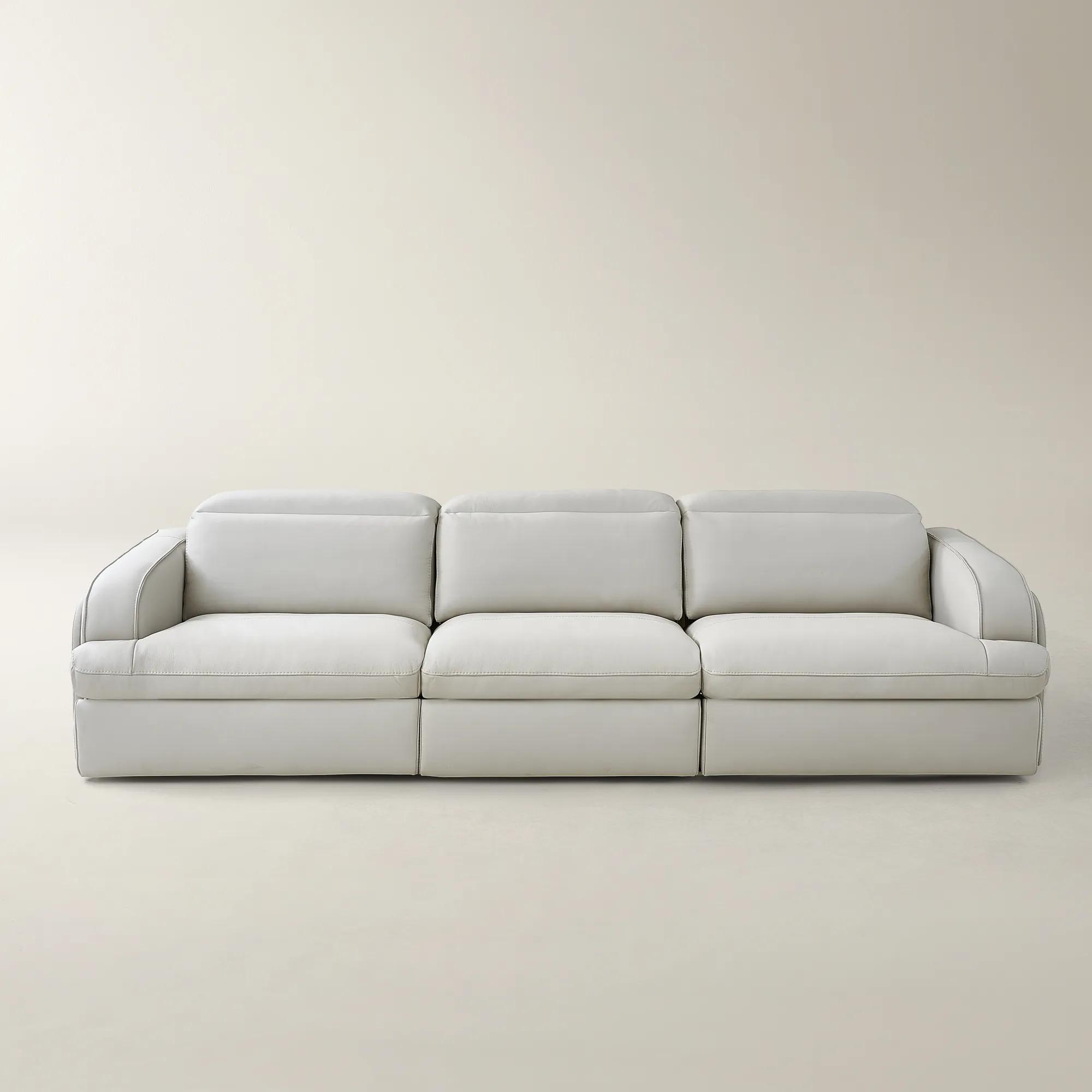
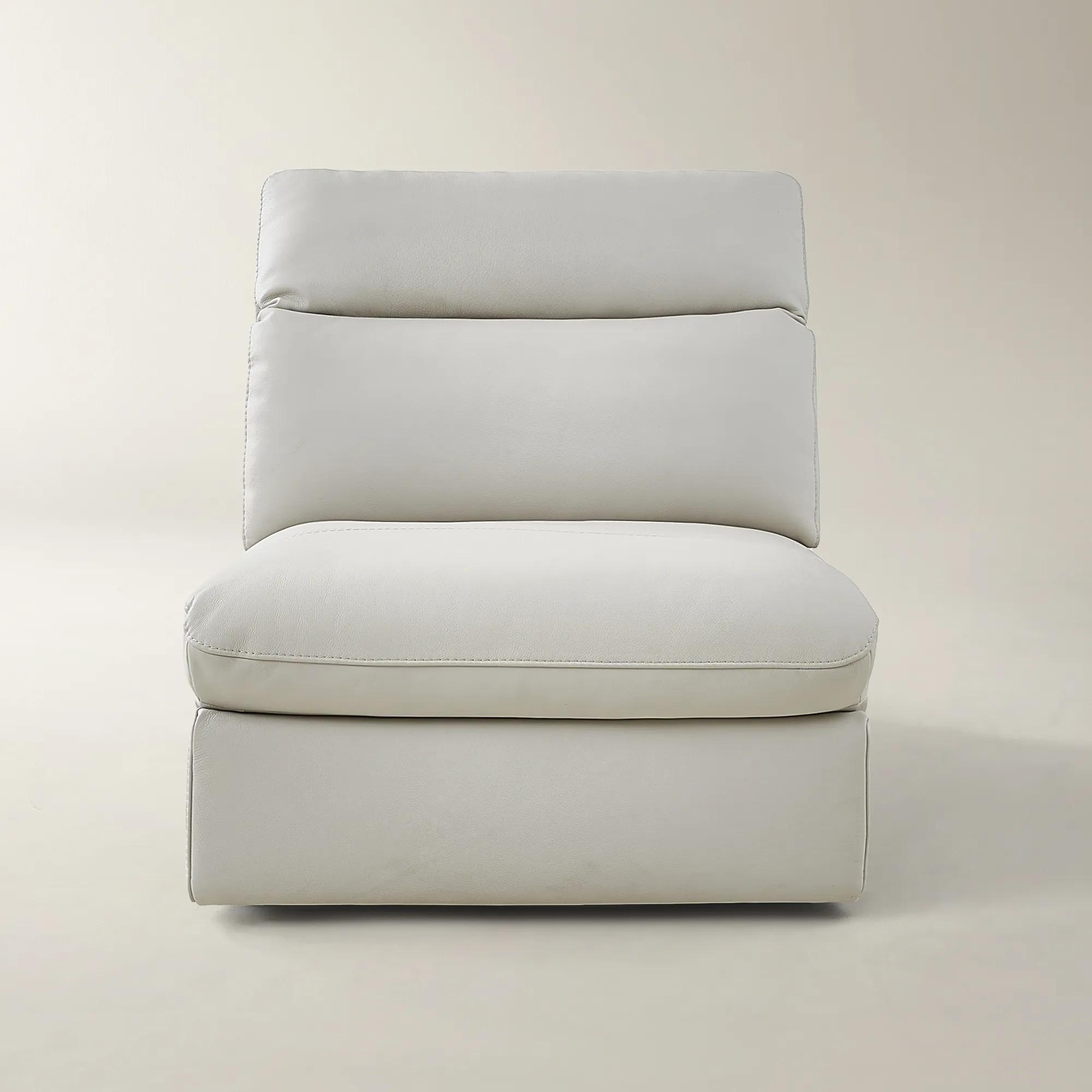
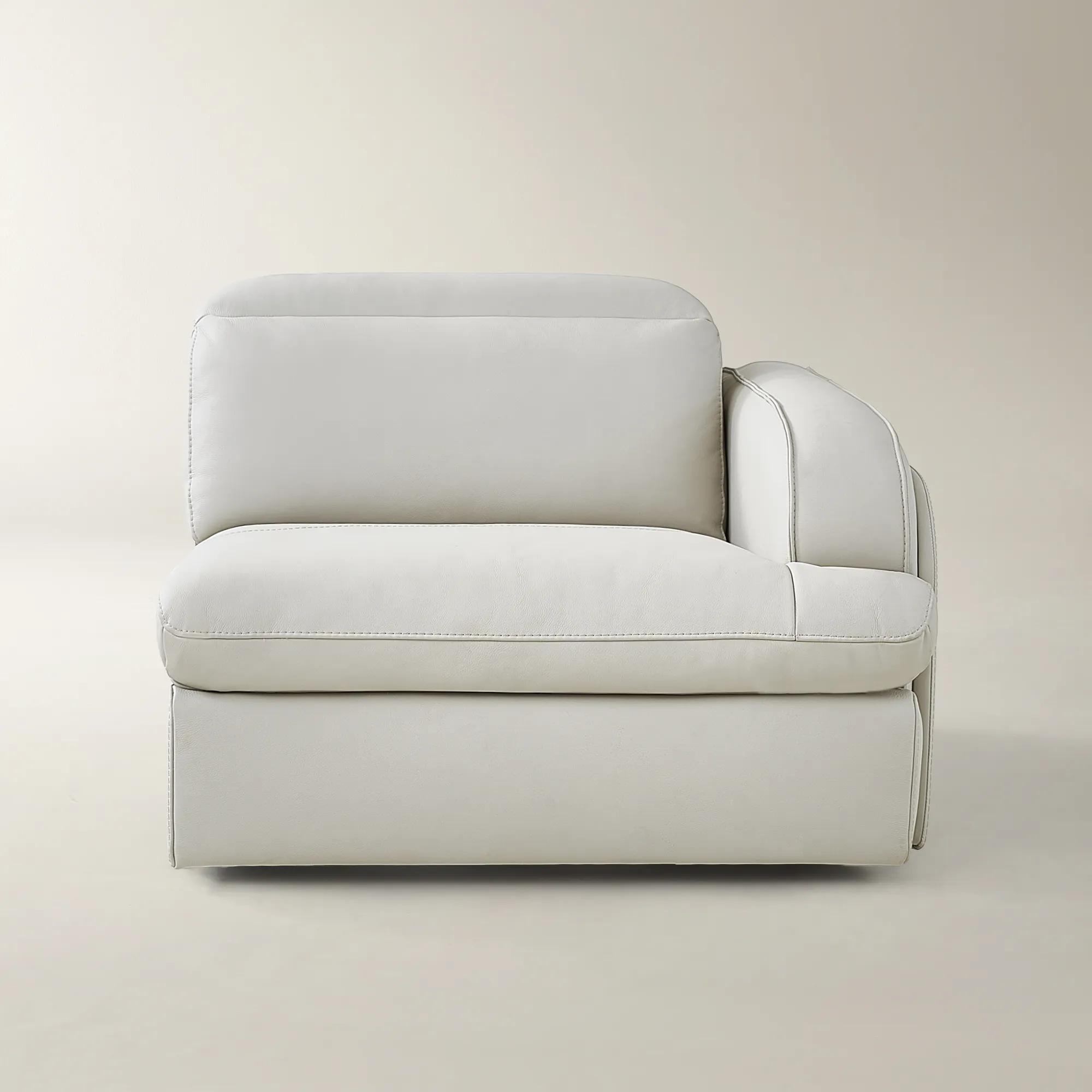
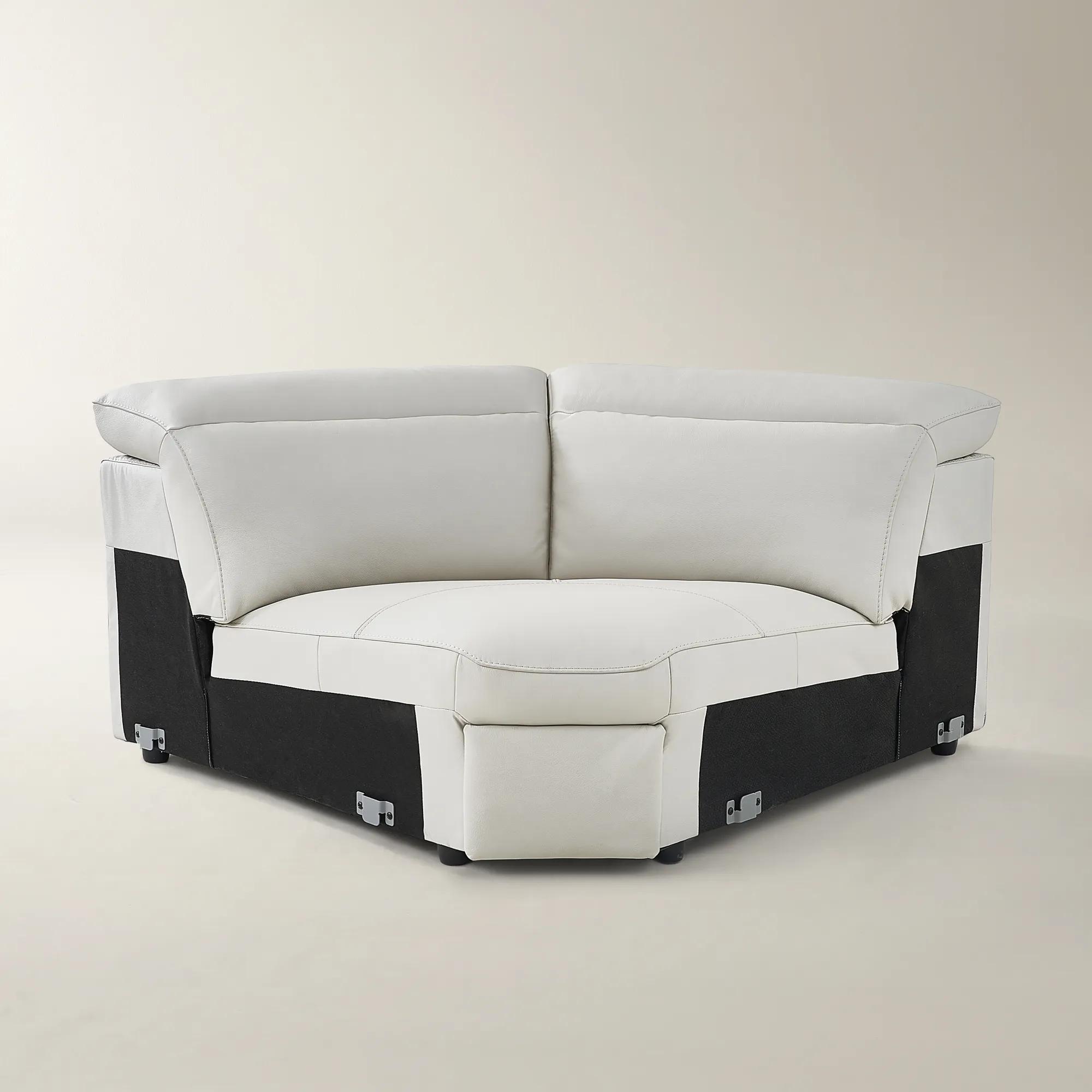
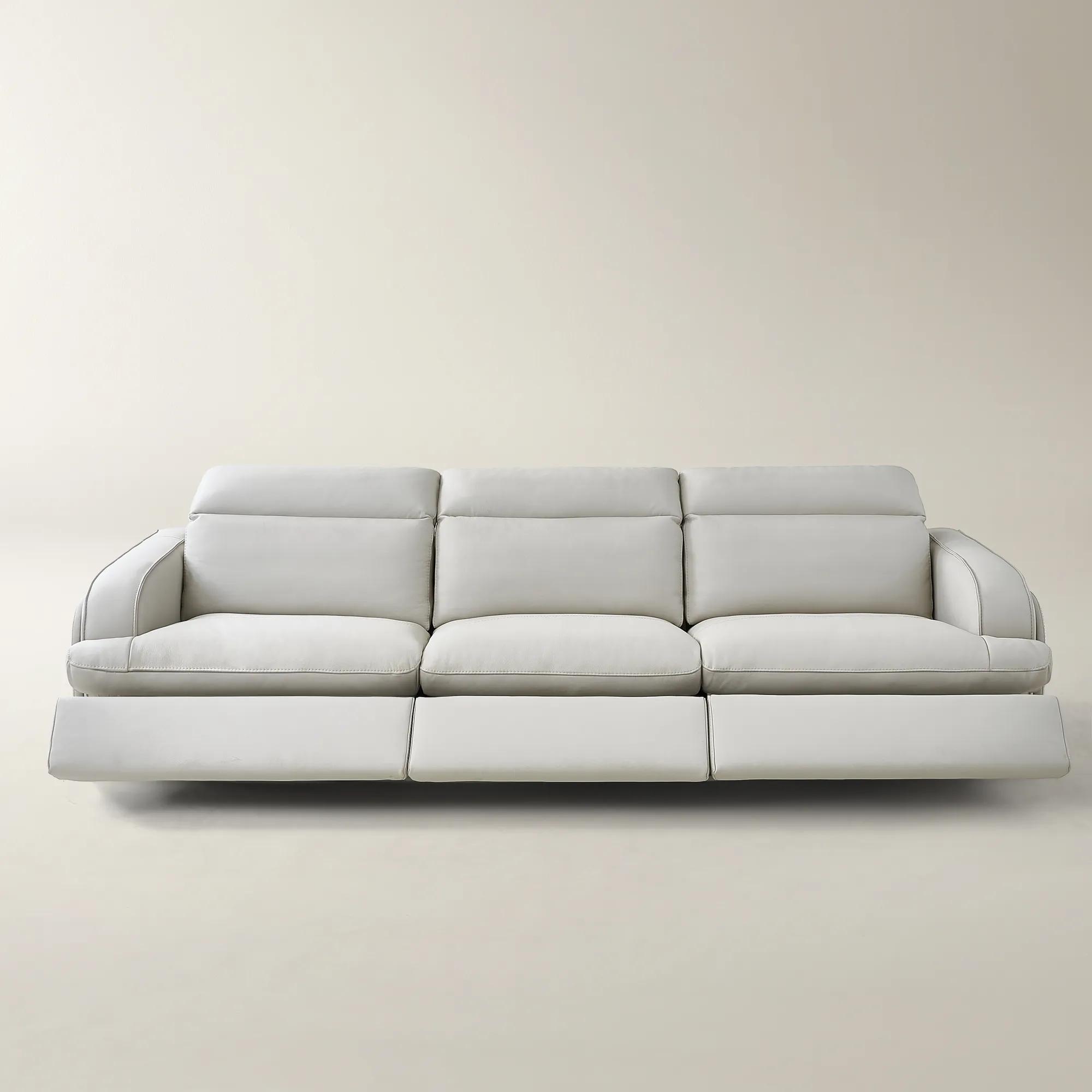 Terra 3-Piece Reclining Frost Leather Sectional$4699
A contemporary frost genuine leather modular sectional with power reclining headrests, footrests, and plush foam-down cushioning.
Add To Cart -
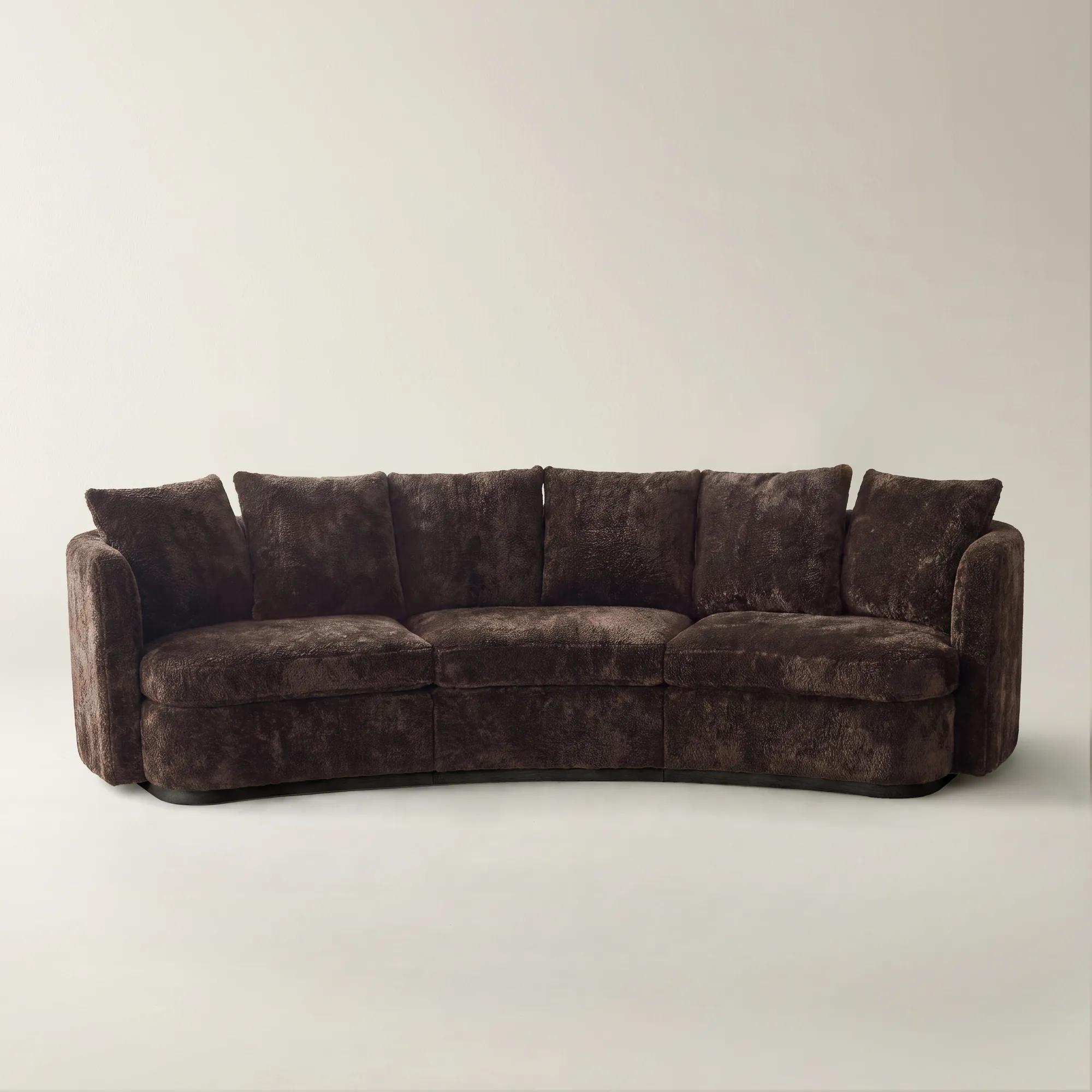 Stria 3-Piece Dark Chocolate Chenille Sectional Sofa$3399
A dark chocolate chenille sectional with sculptural curves, layered cushioning, and modular connectors for tailored comfort.
Add To Cart -
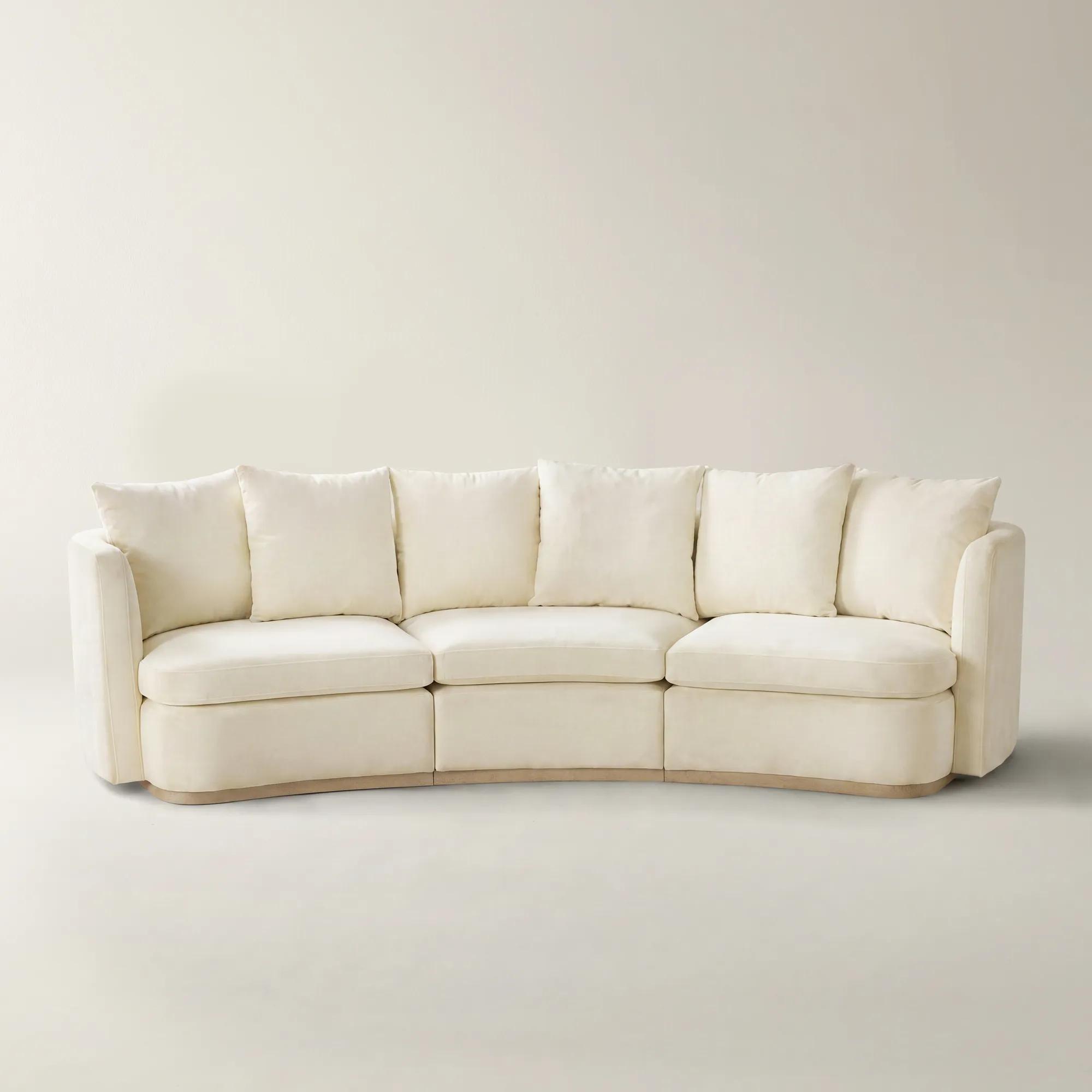 Stria 3-Piece Oatmeal Velvet Sectional Sofa$3399
A sculptural oatmeal velvet sectional with modular connectors, layered foam-and-down cushioning, and a kiln-dried wood frame.
Add To Cart

Indoor Three Piece Sectionals
Indoor three piece sectionals invite you to transform your living space into a stage for grand gestures and intimate gatherings alike. With their sculptural silhouettes and generous proportions, these statement-making ensembles create a foundation for dramatic design moments—whether you’re curating a glamorous lounge or crafting an inviting conversation pit. Each configuration becomes an artist’s tool, allowing you to define your room’s flow and ambiance with bold confidence. Discover how indoor three piece sectionals can elevate the everyday, turning ordinary corners into extraordinary expressions of style.
Indoor three-piece sectionals bring generous seating and a composed silhouette to living rooms, lounges, and open-plan interiors. Made up of three connected furniture sections rather than necessarily three individual seats, these upholstered arrangements create a shared place to gather while giving a room a distinct architectural presence. Depending on the configuration, a three-piece sectional may combine a sofa section with a corner and an adjoining seat, pair seating sections with a chaise, or incorporate reclining elements. The resulting shape can frame a conversation area, define the edge of a living space, or offer an inviting expanse for stretching out. Not every three-piece design is modular: some sections connect in a fixed arrangement, while others can be repositioned within the configurations supported by their construction. That distinction matters in a home where the living room doubles as a gathering place, a reading retreat, and the setting for an evening of films. An L-shaped arrangement can leave the center of the room open for a sculptural cocktail table, while a sofa-and-chaise configuration gives one end a more relaxed, elongated profile. In a compact apartment, a sectional can establish a generous seating area without the visual interruption of several separate chairs. In a larger room, its continuous outline helps anchor tall ceilings, expansive rugs, and expressive artwork. Three-piece construction alone does not determine scale; overall dimensions, arm width, seat depth, and the length of each return have a greater effect on how the furniture occupies a room. For interiors that can accommodate a more expansive arrangement, Roomy Three Piece Sectionals offer a related direction for creating a substantial seating centerpiece. Whether the mood is polished and conversational or sumptuous and lounge-oriented, the strongest composition gives the sectional enough breathing room to show its shape while keeping the people seated on it comfortably connected. A corner seat can draw guests into conversation, while a chaise placed away from the main walkway preserves an uninterrupted place to recline.
Upholstery gives an indoor sectional much of its character, influencing not only the color story but also the way light moves across the room. Velvet introduces a rich, directional sheen that emphasizes rounded arms and deep cushions; its pile can show shading or pressure marks, which are worth considering in a frequently used seating area. Textured woven fabrics lend dimension to broad upholstered surfaces, while leather, when used, brings a distinctive finish whose care and aging depend on its type and treatment. Fiber content, weave, backing, and finish all affect performance, so appearance alone cannot establish how well a material will handle daily lounging, pets, or an occasional spill. Performance upholstery may offer specific stain-resistance or cleaning benefits, but those qualities should be confirmed in the fabric information rather than assumed from the label. Color also changes the experience of scale. An ivory or pearl-toned sectional can create a luminous foundation for dramatic accents, while charcoal, espresso, or a saturated jewel tone gives the seating area greater visual weight. Beneath that surface, frame construction, joint reinforcement, suspension, and cushion composition influence support and long-term comfort. Foam cushions can provide a more structured seat, while fiber or feather-containing blends may feel softer and require more frequent reshaping; individual construction determines the actual result. Deep seats favor reclining and curling up, whereas a shallower seat may better suit upright conversation or someone who prefers their feet to rest comfortably on the floor. Seat height, back angle, and arm shape deserve equal attention. A broad upholstered arm makes a strong sculptural statement, while a slimmer profile can preserve more sitting space within the same overall footprint. For a household that entertains often, balanced support across adjoining sections matters as much as the initial impression of softness. The most satisfying three-piece sectional feels considered from every seat, not merely impressive from across the room, with upholstery and cushioning suited to the way the household actually lives.
Fit extends beyond the dimensions of the sectional itself. The room needs space for movement around its edges, access to nearby doors, and a comfortable relationship between the seating, tables, and other furnishings. A chaise that looks beautifully proportioned against a wall may feel intrusive if it projects into the route between the entry and the kitchen. Mapping the full footprint on the floor helps make that relationship visible, including the depth of corner sections and any clearance required by reclining components. Left-facing and right-facing terminology should be checked against the configuration diagram, since the intended orientation must work with the room’s openings and focal points. Delivery deserves the same attention: each section needs to pass through doorways, halls, elevators, and stair turns, and removable legs or backs should never be assumed. Once positioned, a sectional can feel especially intentional when an area rug extends beneath its front feet and a nearby accent table gives the chaise end a convenient surface. A few generously scaled pillows can introduce pattern or sheen without crowding the seats, allowing the upholstery and silhouette to remain the focus. Keeping that presence beautiful calls for care matched to the material. Follow the manufacturer’s upholstery instructions and cleaning code, remove loose dust with an appropriate vacuum attachment, and blot spills promptly rather than rubbing them into the fabric. Cleaning products should be compatible with the upholstery and tested as directed; removable cushion covers are not automatically machine washable. Rotate or exchange cushions only where the design permits, and reshape soft fills as recommended to maintain an even appearance. Placement away from prolonged direct sunlight and strong heat sources can help limit avoidable fading or material stress. With thoughtful proportions, suitable upholstery, and consistent care, an indoor three-piece sectional becomes a lasting foundation for expressive living: generous enough for company, comfortable enough for everyday rituals, and visually assured enough to hold a room together.
FAQs
A three piece sectional offers unmatched versatility and artistry in your living room. Its modular design allows you to tailor the layout to your space and lifestyle, whether you crave an intimate conversation nook or a sweeping, dramatic statement. With ample seating and luxe comfort, these sectionals transform ordinary gatherings into memorable moments and elevate your home with a sense of curated glamour.
Styling a three piece sectional is an invitation to play with texture, color, and pattern. Layer it with plush throws, bold accent pillows, and gleaming metallic trays to create a look that’s uniquely yours. Whether you favor moody jewel tones, crisp neutrals, or a mix of both, these sectionals provide a stunning foundation for self-expression and seasonal refreshes.
Absolutely. The generous seating and modular flexibility of a three piece sectional make it ideal for both lively gatherings and quiet moments of relaxation. Its inviting silhouette encourages guests to settle in, while deep cushions and supportive frames ensure everyday comfort for reading, streaming, or simply soaking in the ambiance of your beautifully designed space.
Yes, the adaptable nature of three piece sectionals allows them to shine in a variety of settings. In smaller rooms, a thoughtfully arranged sectional can maximize seating without overwhelming the space. In open-concept layouts, it can define zones and create an intimate atmosphere within a larger area, making it a truly versatile centerpiece.
Consider the artistry of the silhouette, the tactile appeal of the upholstery, and the craftsmanship of finishes. Look for features such as sculptural arms, sleek metal legs, or cloud-like cushions that echo your sense of style. Opt for performance fabrics if you desire both luxury and durability, and let the sectional’s presence inspire the rest of your room’s décor.