Two Drawer Nightstands
Two Drawer Nightstands
-
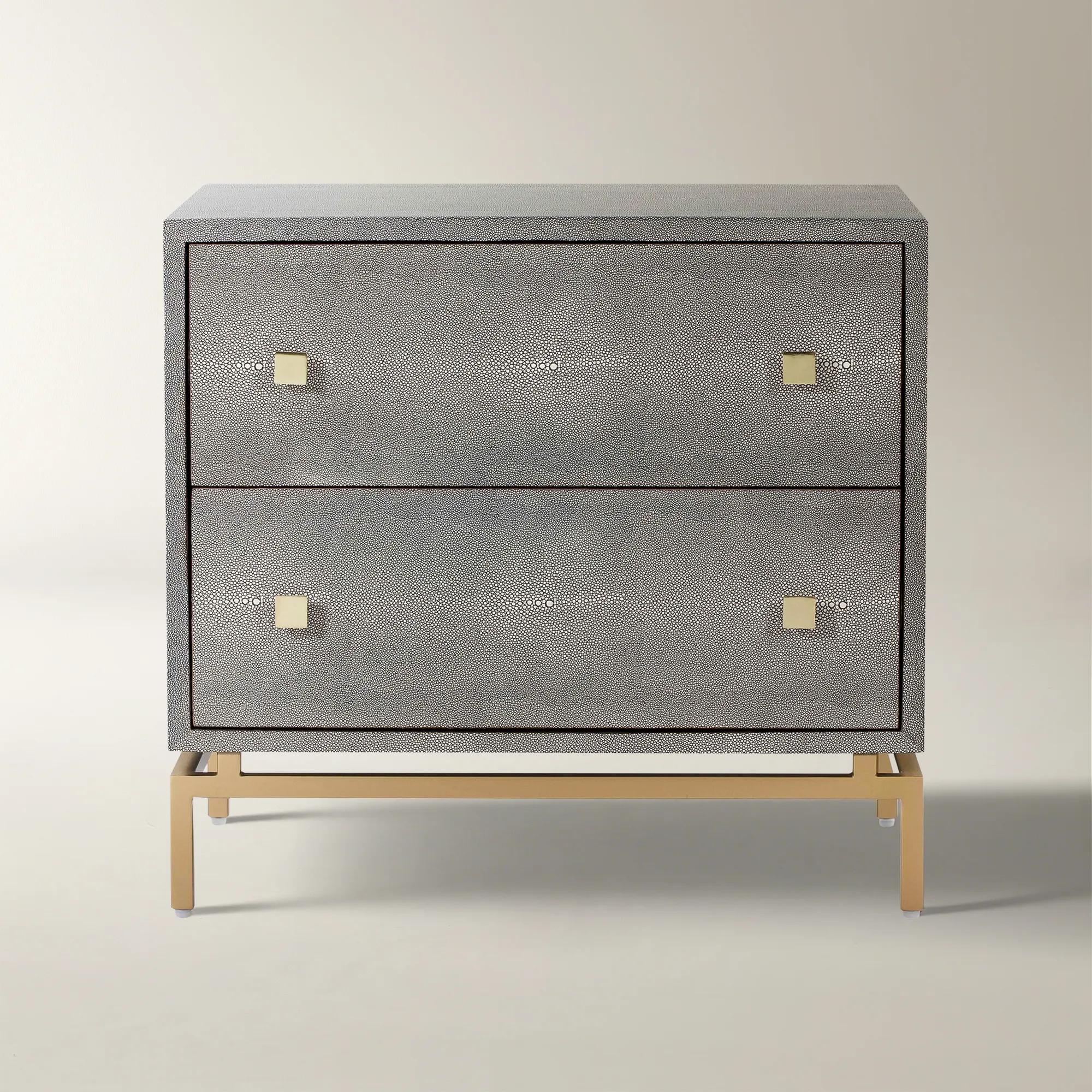
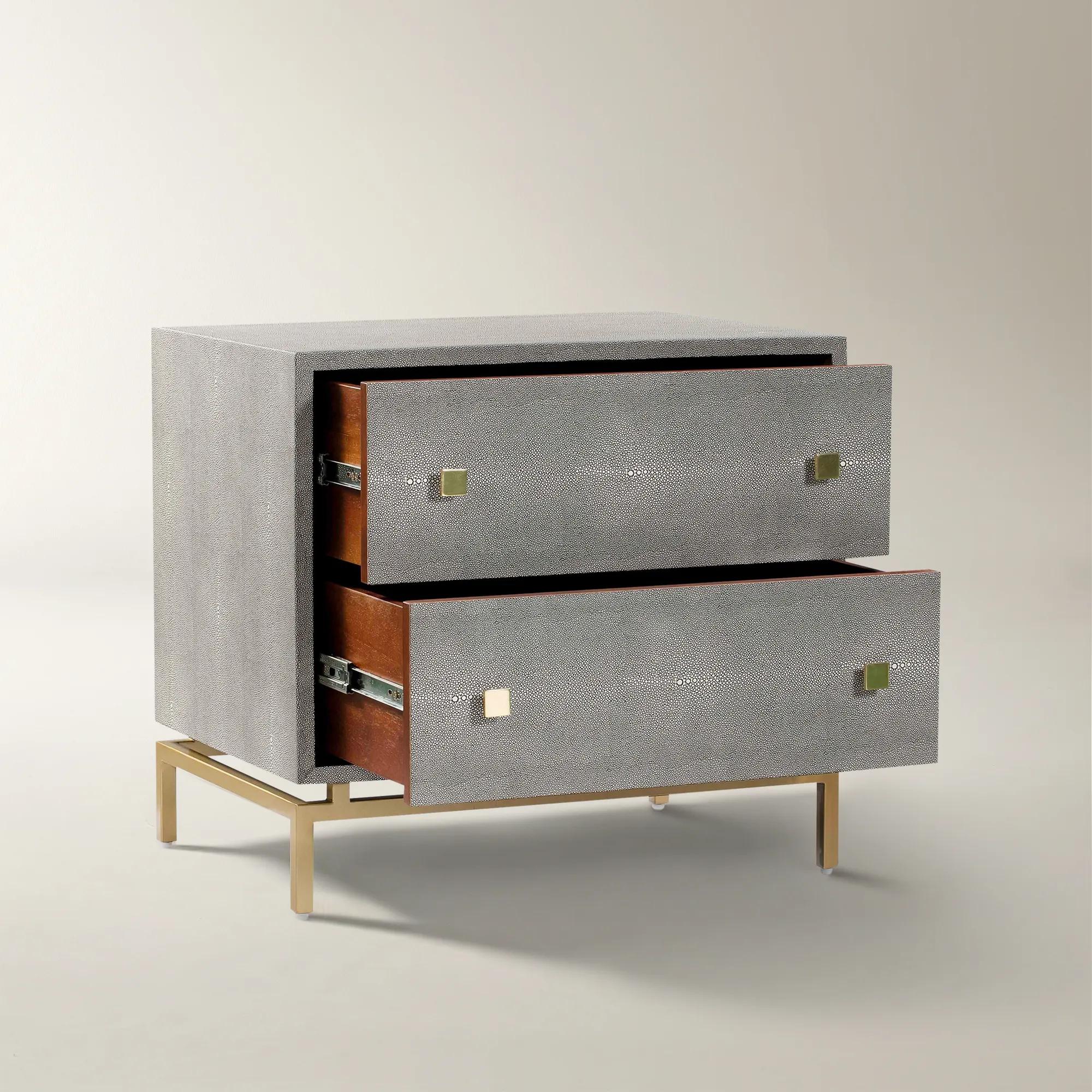 Misha Grey Shagreen 2-Drawer Nightstand (25")$749
A modern nightstand featuring faux shagreen texture, brass-finished base, and two cherry wood-lined drawers.
Add To Cart -
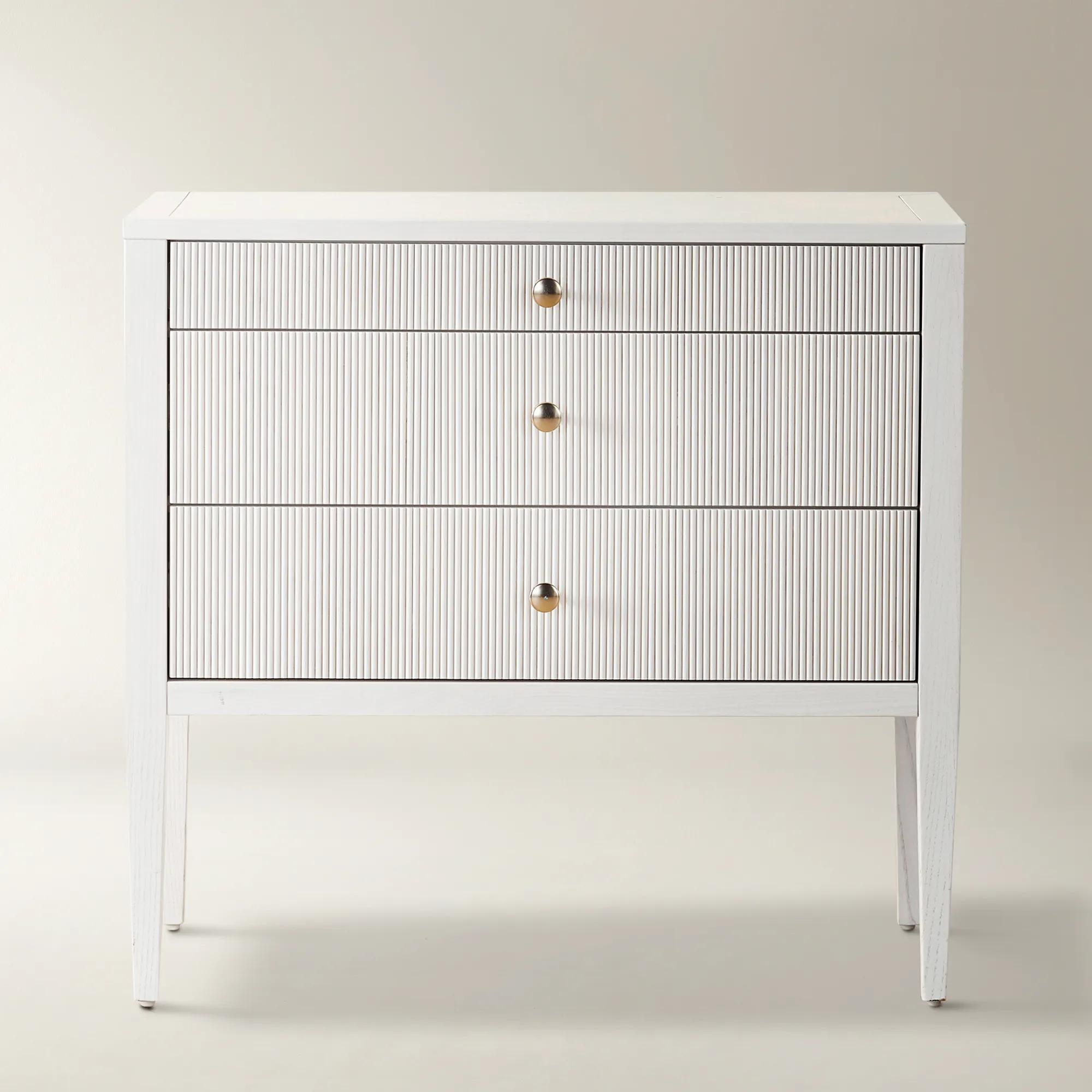 Viola Reeded White Ash Wood 3-Drawer Nightstand (31")$899
A modern nightstand in bone white ash wood with reeded drawers and brass hardware for a luxe touch.
Add To Cart -
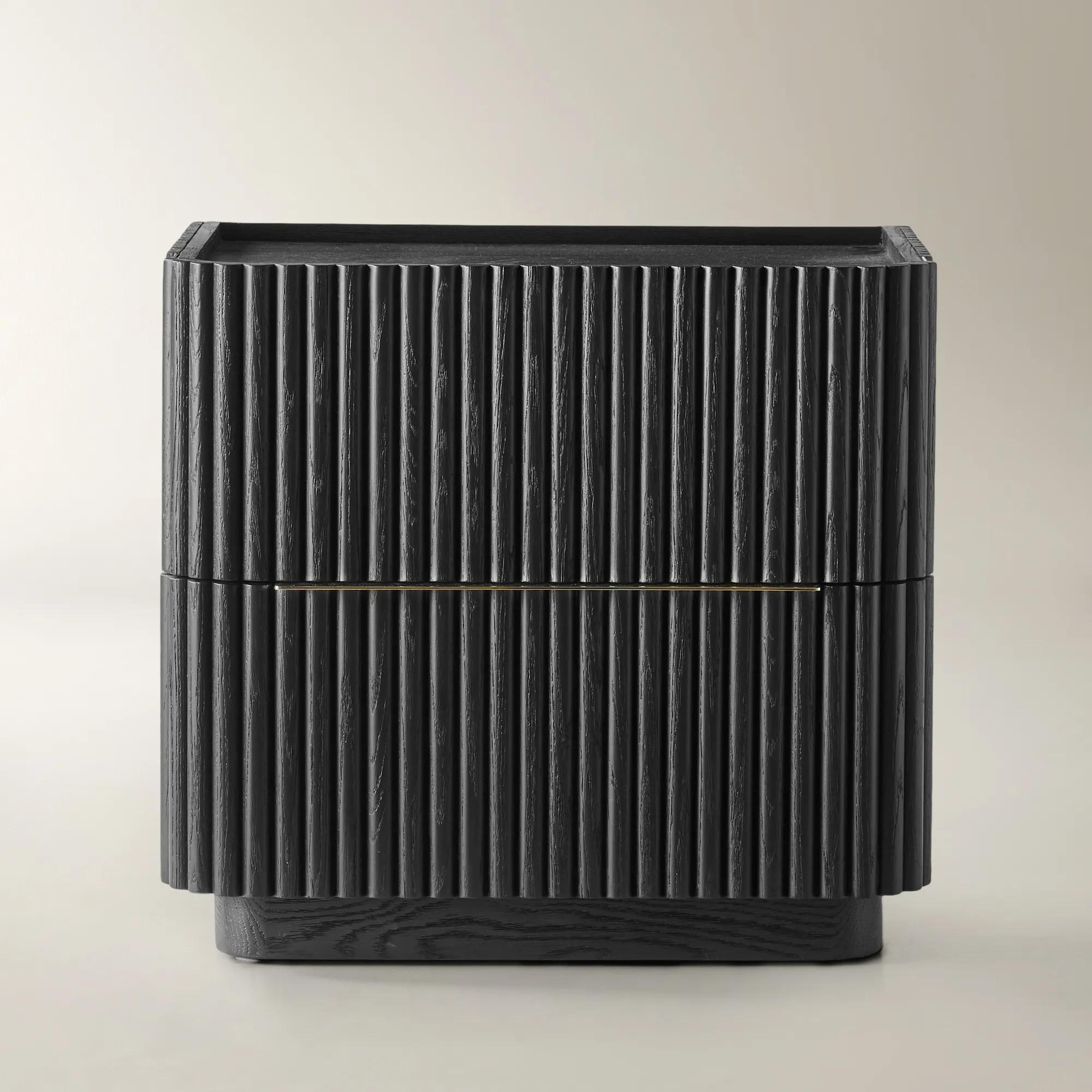 Stria Reeded Black Oak 2-Drawer Nightstand (26")$899
A black oak nightstand featuring vertical reeded texture, soft gold accents, and soft-close velvet-lined drawers.
Add To Cart -
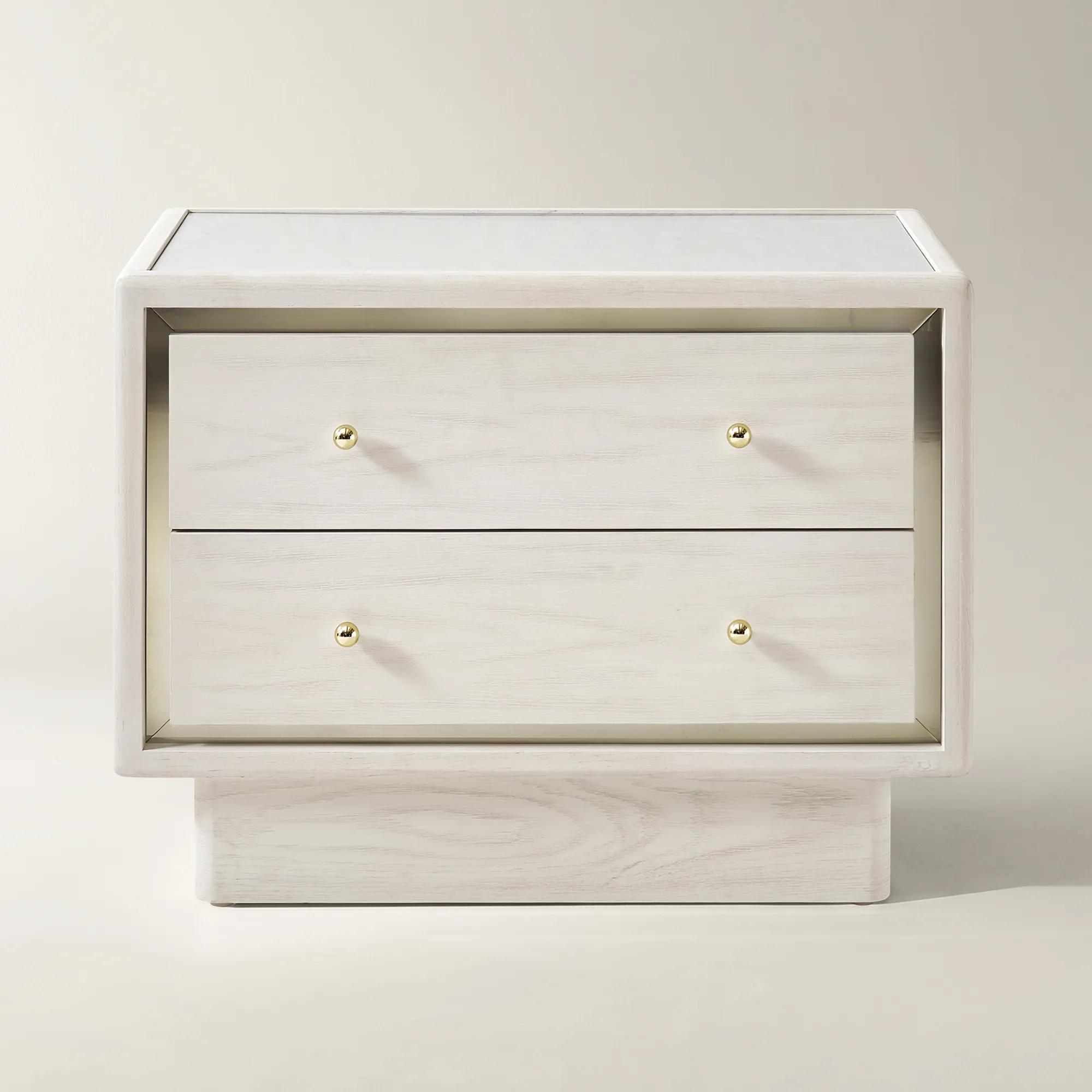
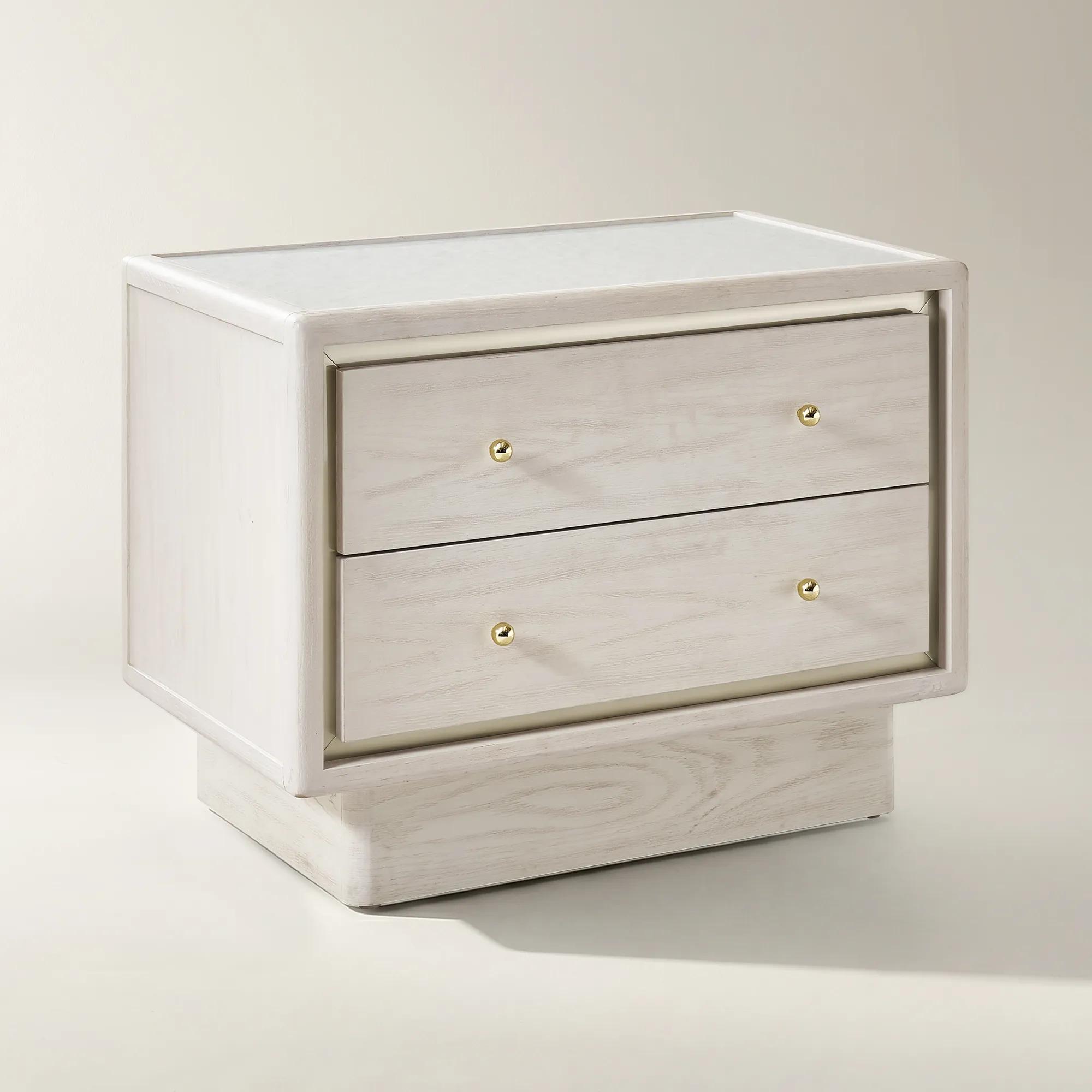 Lumina Bleached Oak 2-Drawer Nightstand With Pearl Lacquered Top (32")$999
A bleached oak nightstand featuring a pearl lacquered top, champagne gold trim, and soft-close drawers.
Add To Cart -
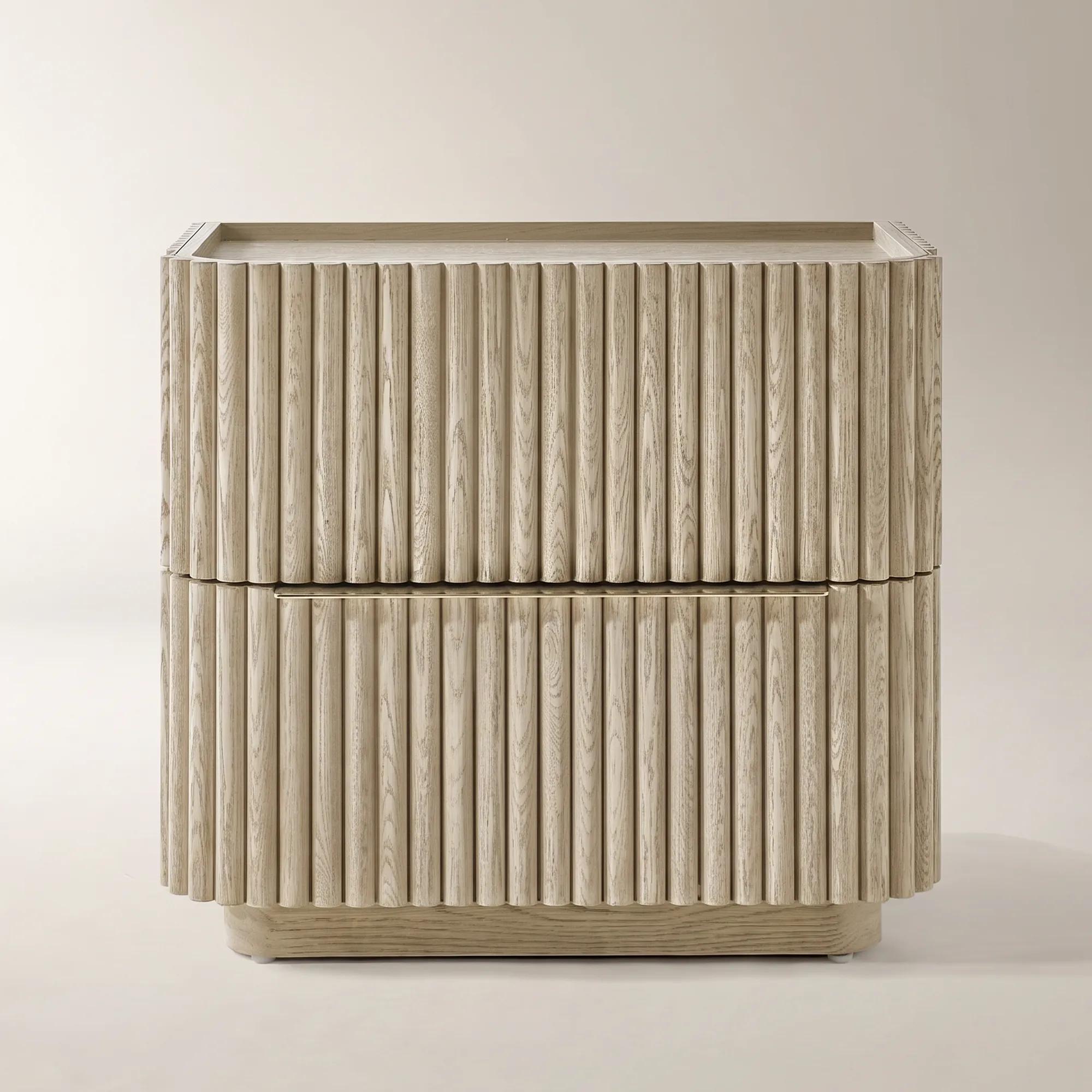
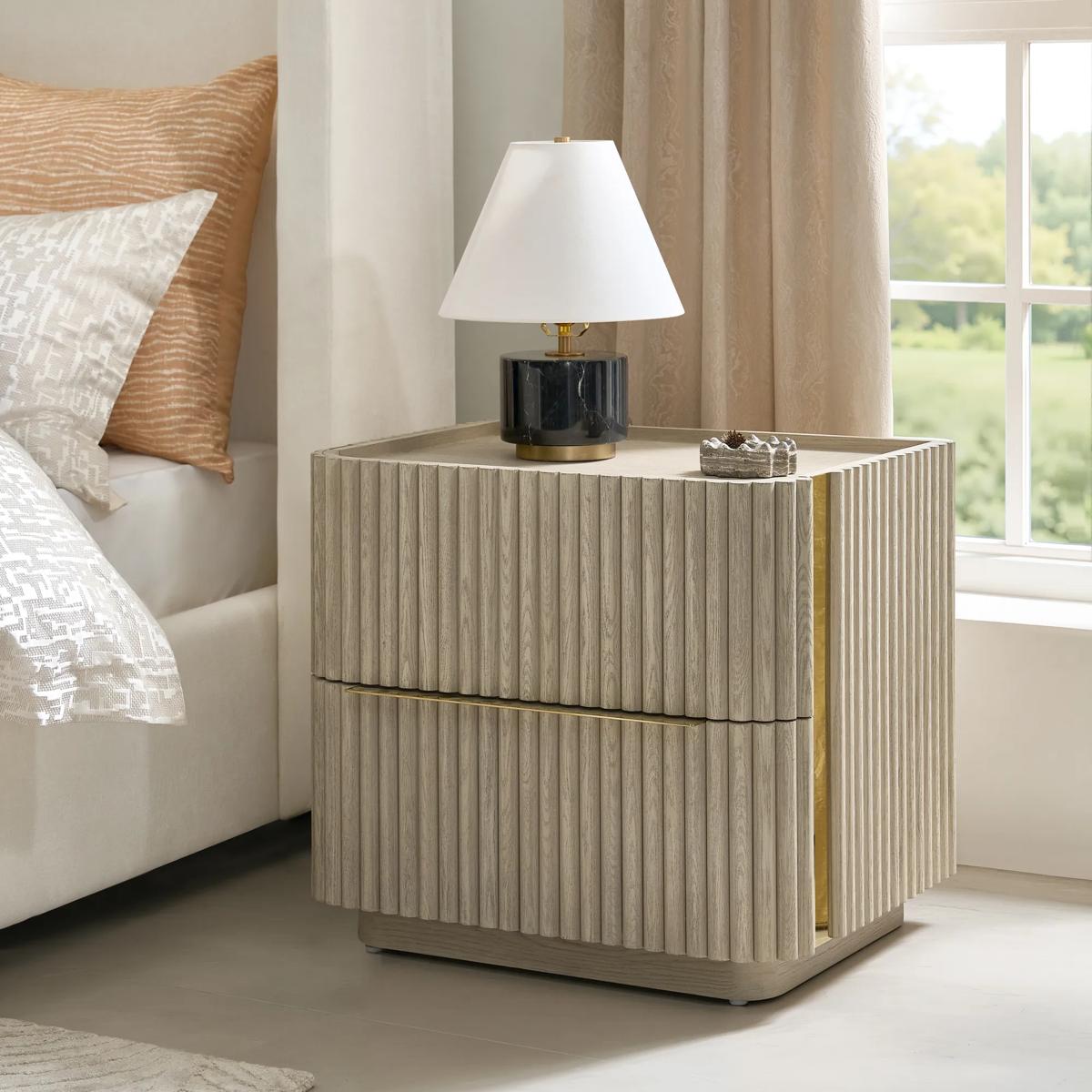 Stria Reeded White Oak 2-Drawer Nightstand (26")$899
A sculptural oak nightstand with reeded wood details, gold-plated trim, and soft-close felt-lined drawers.
Add To Cart -
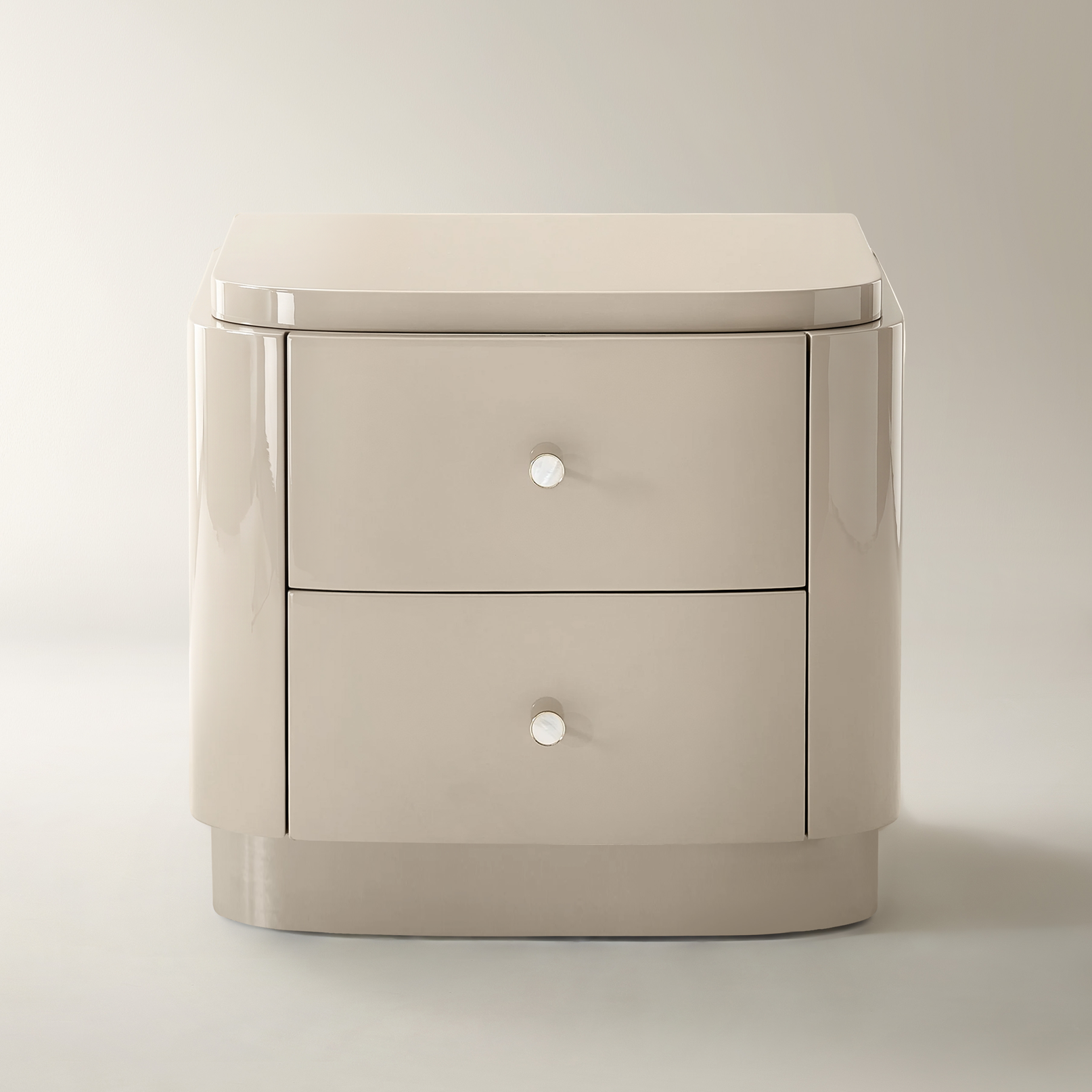
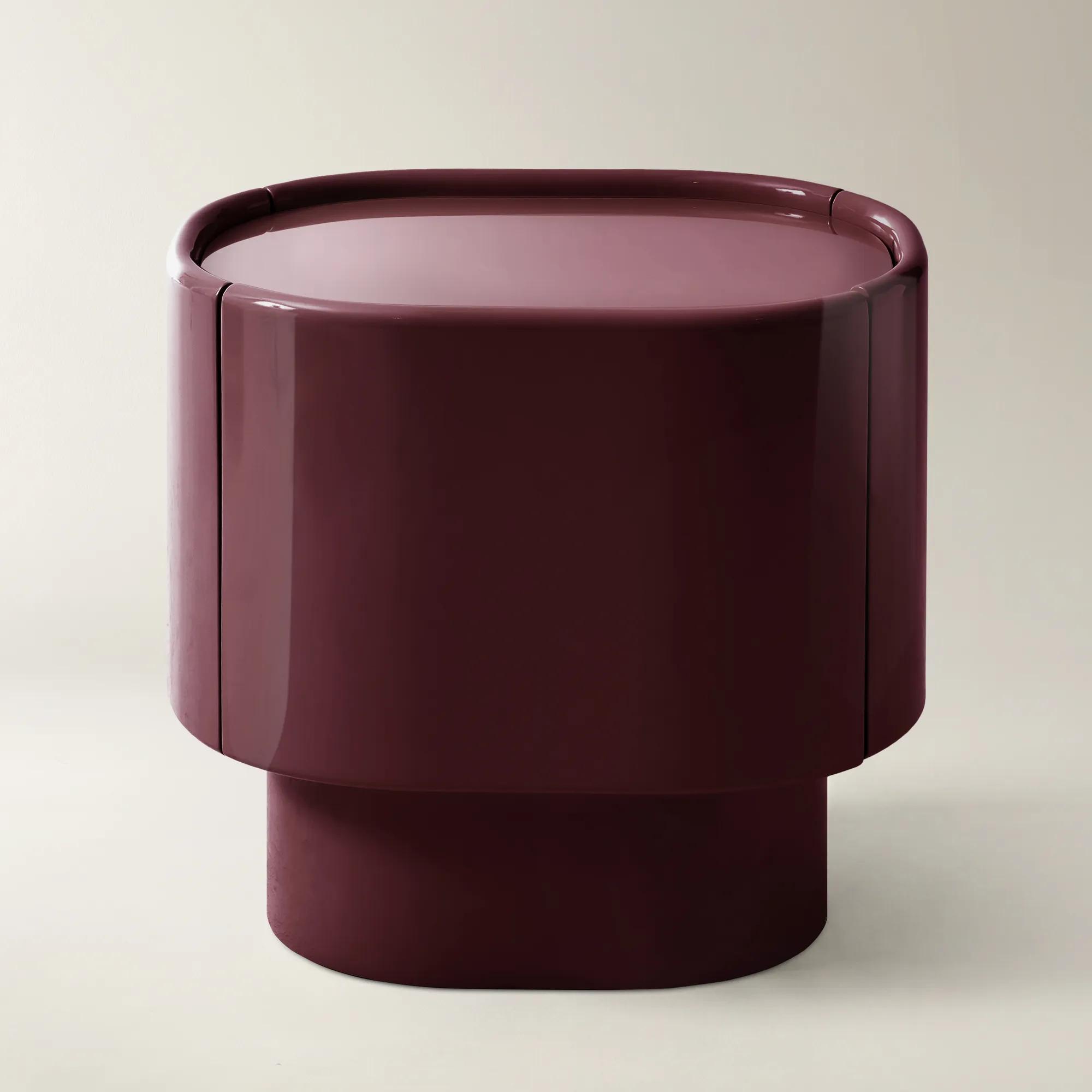
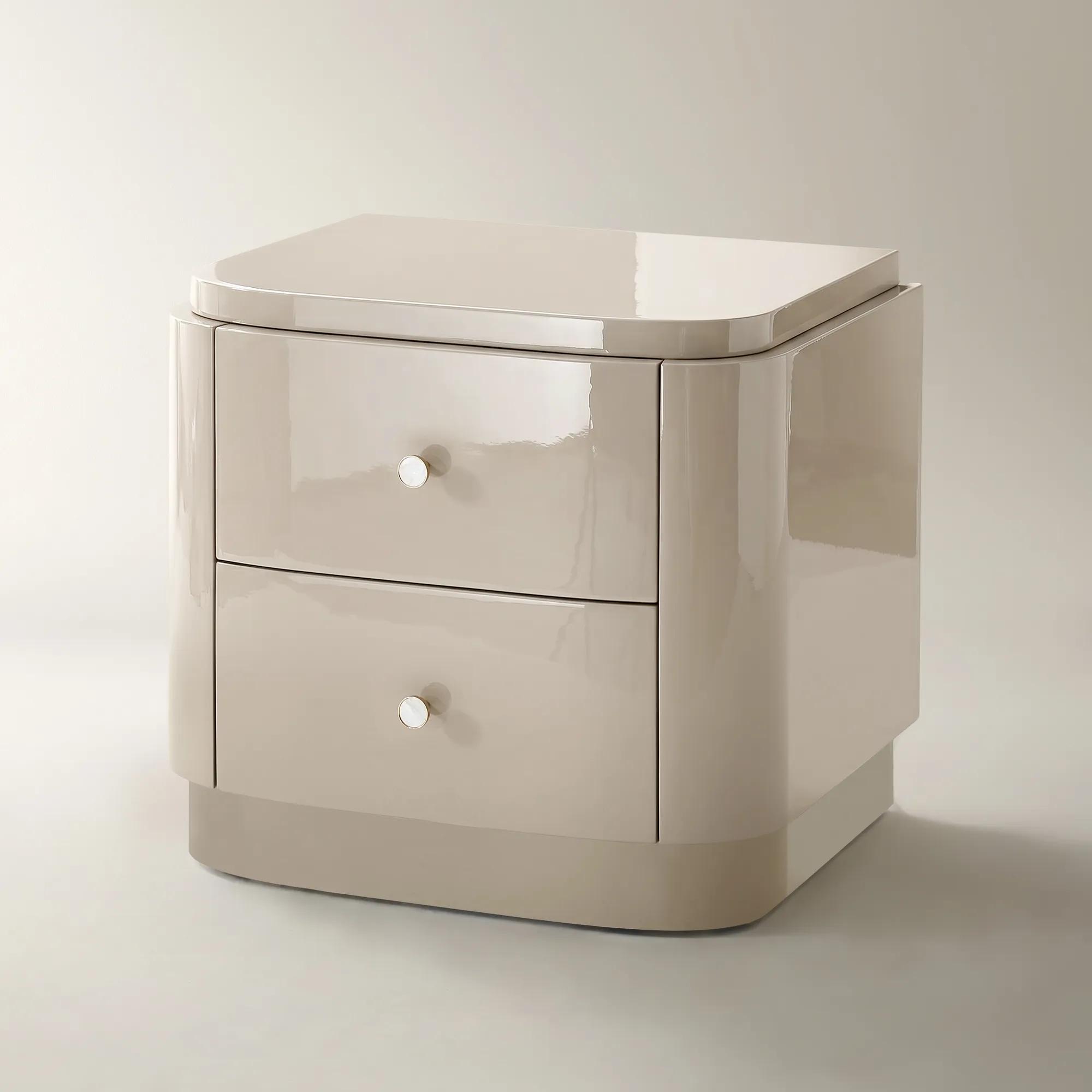 Nia Lacquered Turtle Dove 2-Drawer Nightstand (26")$599
A softly sculpted nightstand in turtle dove lacquer with pearlescent handles and two soft-close drawers.
Add To Cart -
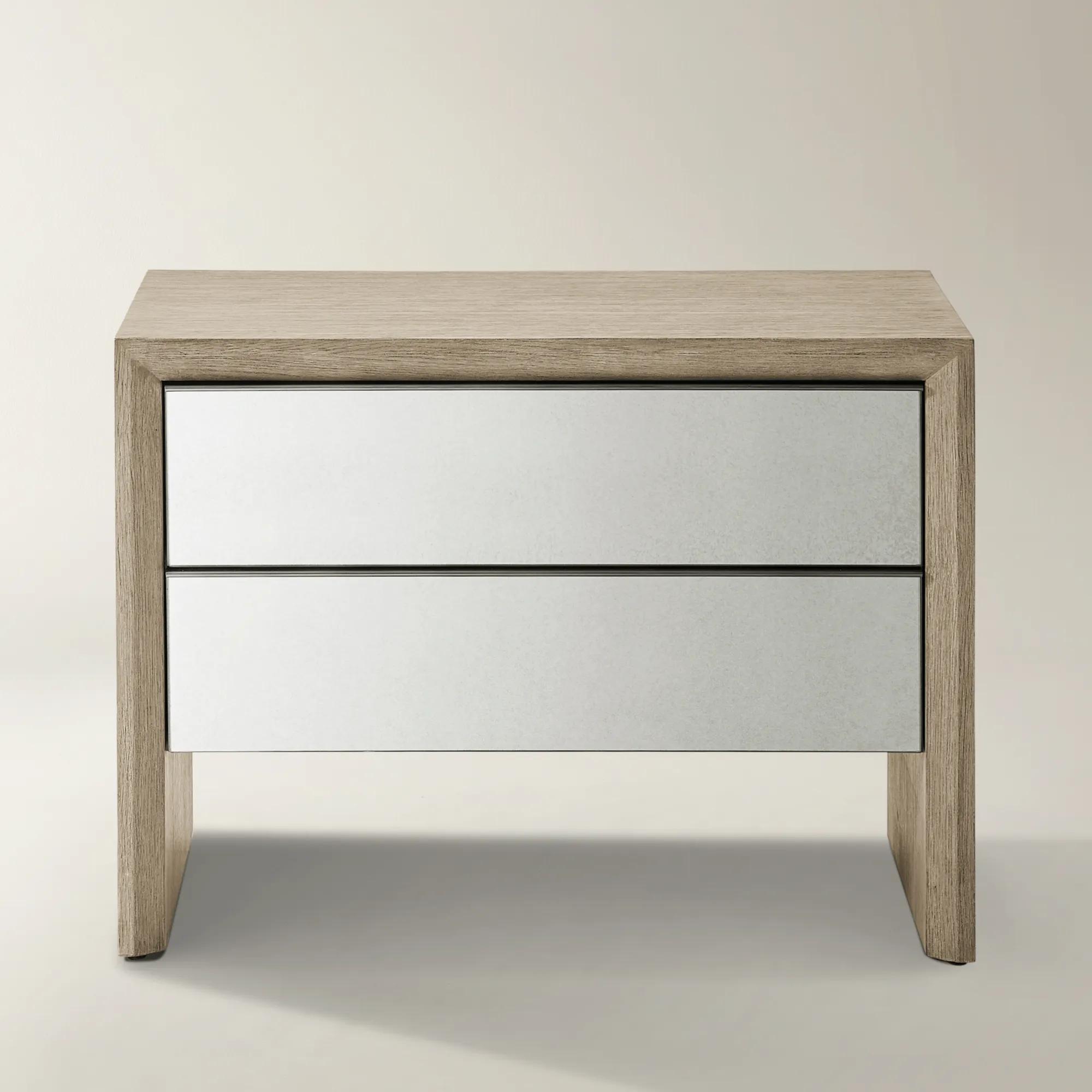
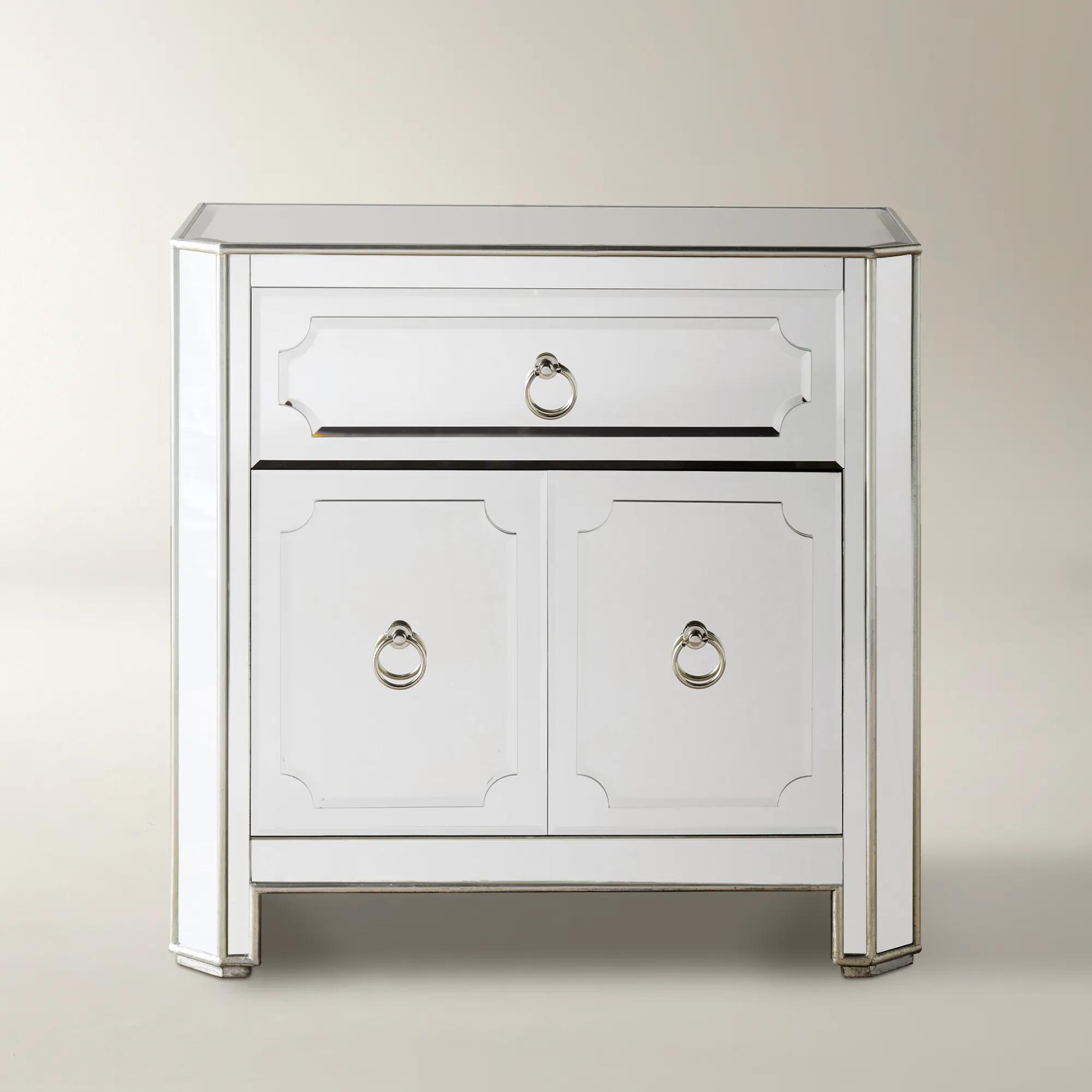
 Glimmer Mirrored Seadrift Oak 2-Drawer Nightstand (32")$799
A glamorous nightstand featuring sea drift oak veneer, antique mirrored drawers, and soft-close storage.
Add To Cart -
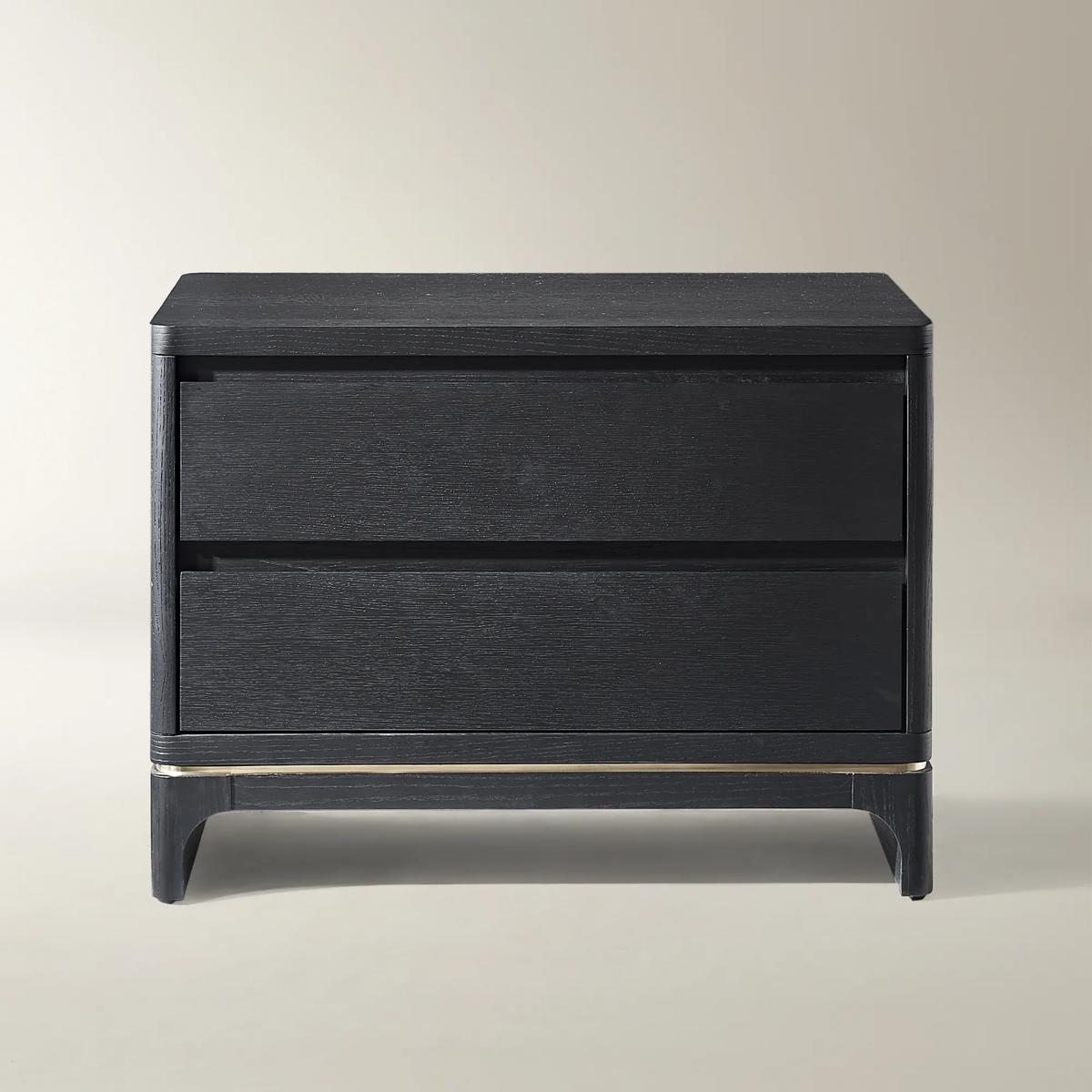
 Vanta Black Oak 2-Drawer Nightstand (32")$899
A matte black oak nightstand accented with gold stainless steel trim and soft-close, felt-lined drawers.
Add To Cart -
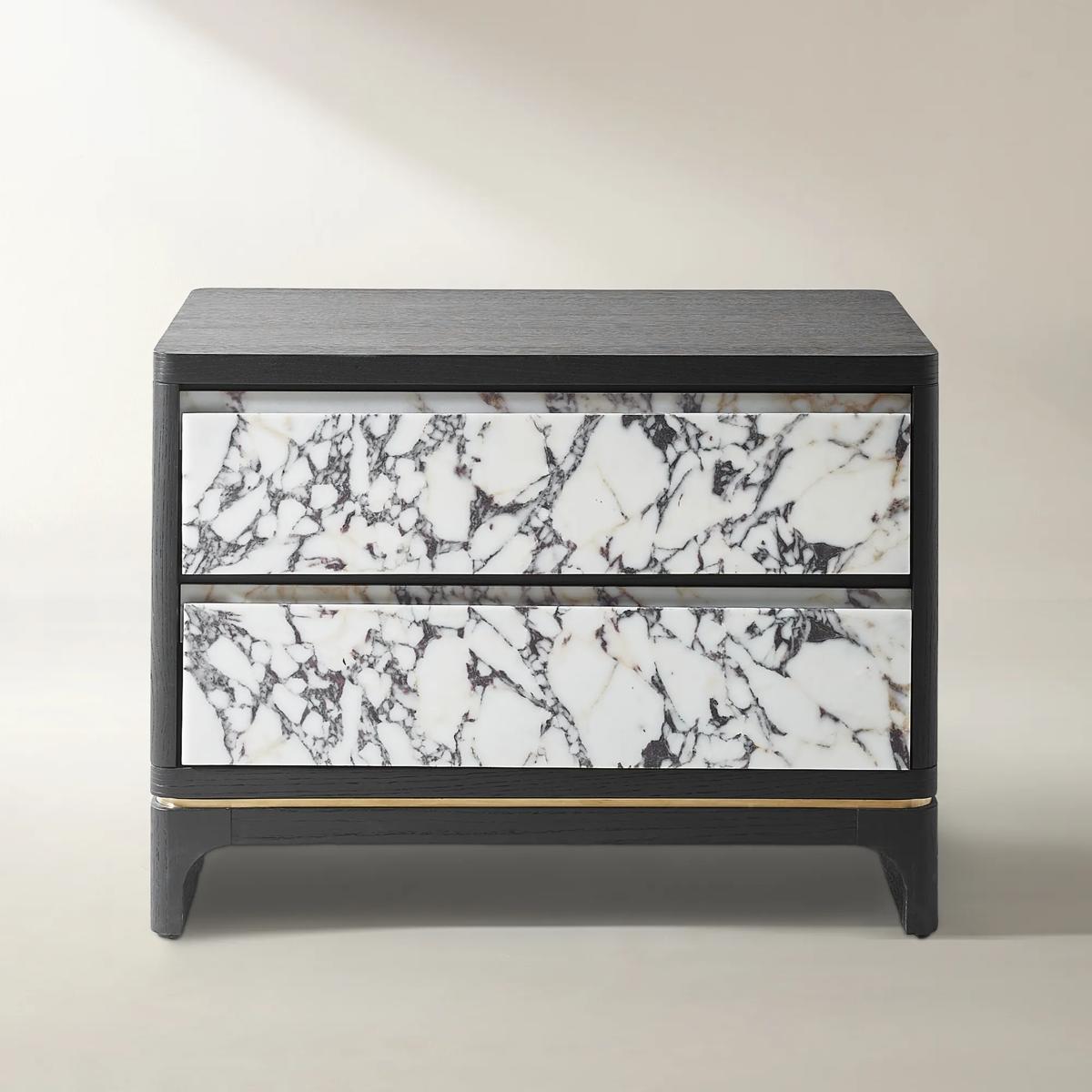 Vanta Black Oak And Calacatta Marble 2-Drawer Nightstand (32")$1099
A striking nightstand featuring genuine Calacatta Viola marble fronts and matte black oak veneer for bold elegance.
Add To Cart -
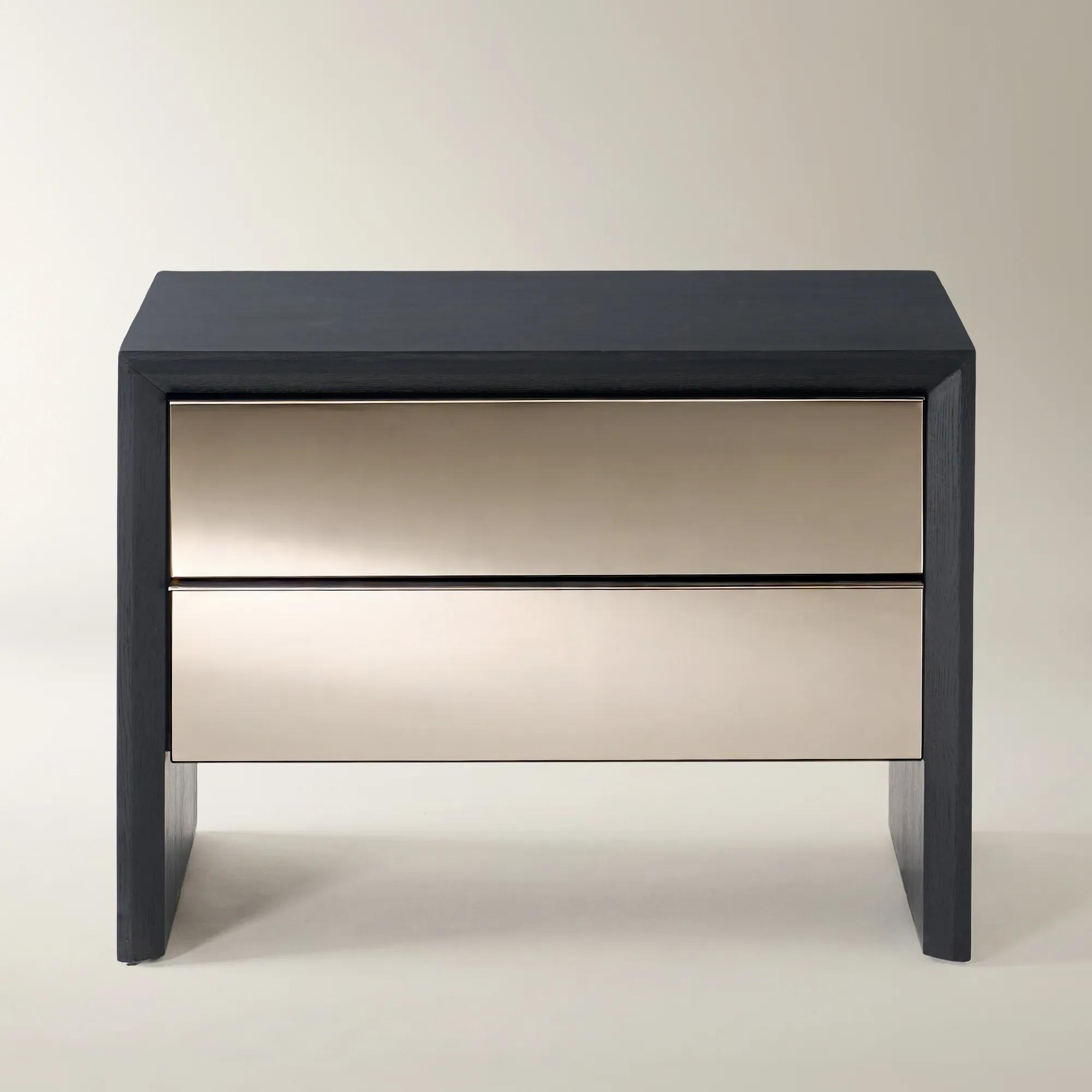
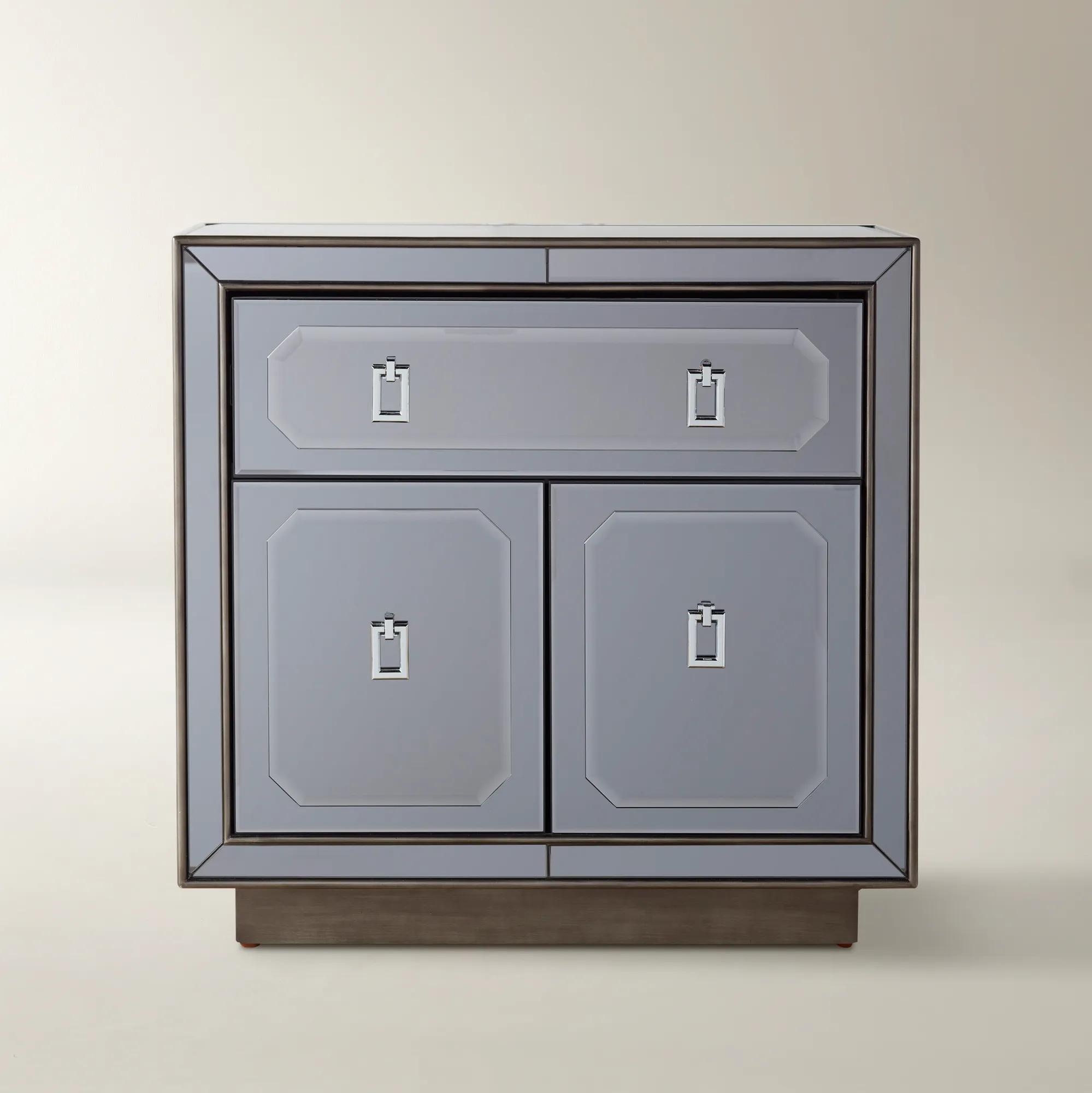
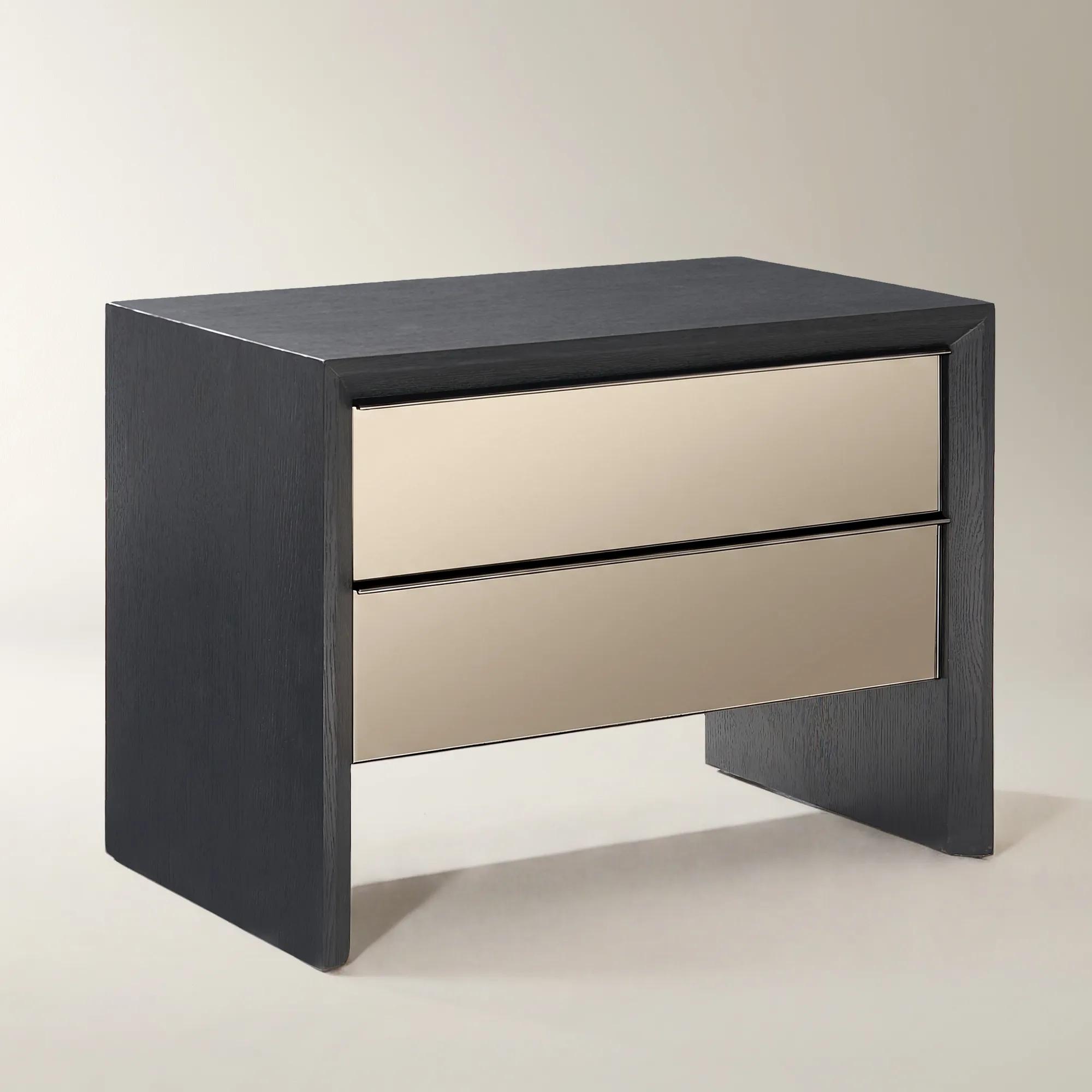 Glimmer Mirrored Black Oak 2-Drawer Nightstand (32")$799
A modern nightstand featuring black oak veneer, bronze mirrored drawer fronts, and soft-close velvet-lined drawers.
Add To Cart

Two Drawer Nightstands
Explore two drawer nightstands that pair bedside storage with a polished presence. Two drawers keep nighttime essentials tucked away, leaving the top ready for a lamp and a personal accent. Choose a bedside table with proportions that complement your bed and a design that brings your room’s expressive style into focus.
Two drawer nightstands bring a composed sense of luxury to the bedroom, giving everyday essentials a place behind a beautifully finished front. Beside a sumptuous upholstered bed, a nightstand becomes more than a surface for a lamp: it frames the room’s most intimate setting, balancing softness with structure and turning a bedside arrangement into a deliberate design statement. The appeal of two drawers lies in their flexibility. An upper drawer can hold reading glasses, a journal, and charging accessories, while a lower drawer keeps books, sleep masks, or other personal belongings out of sight. That separation makes the tabletop easier to style without sacrificing the conveniences that belong within reach. A sculptural lamp, a small dish for jewelry, and a favorite hardcover can feel expressive rather than crowded when the rest is neatly tucked away. Drawer proportions matter as much as drawer count; two shallow drawers suit smaller accessories, while a deeper lower compartment accommodates bulkier belongings. Interior measurements reveal more about usable storage than the outside silhouette alone, particularly when thick framing or decorative detailing occupies part of the cabinet. For a shared bedroom, individual nightstands give each person a distinct place for personal routines while preserving a cohesive visual rhythm. In a guest room, two drawers offer visitors space to unpack a few essentials and keep the bedside surface welcoming. These pieces can also serve smaller bedrooms where enclosed storage is valuable but a larger chest would overwhelm the layout. Their character can shift dramatically with the design: a crisply framed cabinet brings architectural definition, curved corners soften the composition, and jewel-like hardware adds a precise flash of glamour. The strongest bedside arrangement allows those details to complement the bed rather than compete with it. Against richly textured bedding or a dramatic headboard, a restrained drawer front can provide balance; in a quieter setting, bold handles or a luminous finish can become the focal point.
The right scale gives two drawer nightstands their effortless presence, allowing beauty and daily use to work together. A tabletop near the height of the mattress generally keeps a glass of water, a book, or a lamp switch comfortably accessible, although the ideal relationship depends on the bed frame, mattress thickness, and personal reach. A substantial bed with a tall headboard can carry a wider, more commanding nightstand, while a compact sleeping area often benefits from a narrower profile with thoughtfully proportioned storage. Width alone does not determine fit. Depth affects the path beside the bed, and the drawers need enough clearance to open without striking bedding, nearby furniture, or a door. Baseboards, wall outlets, and projecting bed frames can also influence where the cabinet sits. In an intimate room, a raised base may lend visual lightness, while a solid plinth can give a larger space a grounded, tailored look. Surface dimensions deserve equal attention: a generous lamp base should still leave a comfortable landing place for a phone and water glass, with cords routed so they do not interfere with drawer movement. Matching nightstands create a polished sense of symmetry, especially when paired with lamps of equal height. Different pieces can feel equally intentional when their proportions, finishes, or hardware share a clear relationship. Reflective surfaces offer another way to shape the room’s atmosphere. For a bedside arrangement that catches the shimmer of lamplight, mirrored nightstands with drawers introduce depth and luminosity while retaining enclosed storage. Their reflections become part of the composition, making nearby textiles, lighting, and decorative accents especially noticeable. Wood tones bring warmth to that interplay, painted finishes create a defined block of color, and metallic details add contrast without requiring every finish in the room to match. Repeating one element, such as the tone of a drawer pull in a lamp base, can connect the vignette with subtle precision. The result feels layered and personal rather than assembled around a single rigid formula.
Materials and construction determine how well a two drawer nightstand carries its beauty into everyday life. Solid wood can offer distinctive grain and a substantial feel, while wood veneers bring the character of natural timber to a surface supported by another material. Engineered wood, metal, glass, and upholstered accents each contribute different qualities, so the full construction deserves attention rather than a single material label. A veneered drawer front, for example, may be paired with a solid wood frame or an engineered cabinet body, and those combinations affect weight, surface care, and appearance. Smooth drawer movement, securely attached pulls, well-aligned fronts, and a stable base are useful indicators of a piece suited to regular use. Drawer interiors should accommodate belongings without forcing the slides or placing excessive weight on the bottom panel; liners or small organizers can help protect finishes and keep delicate accessories from shifting. Durability also depends on treating the surface according to its material. Coasters beneath drinking glasses help prevent moisture rings, and a protective pad beneath a decorative object can reduce scratching, provided the pad is compatible with the finish. Dusting with a soft cloth preserves clarity and sheen, while spills are best addressed promptly using the manufacturer’s recommended method. Mirrored panels need gentle handling and an appropriate glass-cleaning approach that avoids saturating edges or allowing liquid to collect around seams. Lacquered, painted, and metallic surfaces may require different products, making finish-specific care more reliable than an all-purpose cleaner. Solid wood can respond to changes in indoor humidity, and direct sunlight may alter the appearance of some finishes over time. Following assembly instructions, checking hardware when needed, and using any specified anchoring components support lasting stability. For a primary bedroom, the ideal nightstand balances generous storage with a silhouette that feels worthy of the surrounding furnishings; for a guest room, intuitive access and an uncluttered top make the space more gracious. As a housewarming or wedding gift, a pair can be a thoughtful contribution when the recipients’ room dimensions and design preferences are known. Whether styled with expressive accents or a few carefully chosen objects, two drawers provide the quiet organization that allows a distinctive bedroom to remain beautifully composed.
FAQs
Two drawer nightstands bring a composed, layered look to the bedside, pairing concealed storage with a surface for expressive styling. Sculptural silhouettes, luminous finishes, and distinctive hardware can turn these bedroom essentials into focal points that frame the bed with intention.
Wood, mirrored surfaces, lacquered finishes, and metal accents each offer a distinct design mood. Rich wood introduces warmth and depth, while mirrored panels catch the light for a glamorous effect. Glossy lacquer and gleaming hardware lend a polished, fashion-forward presence.
A coordinated bedroom can feel beautifully composed, but matching every finish is not essential. Pair an upholstered bed with mirrored nightstands for luminous contrast, or complement a wood dresser with lacquered bedside tables. Repeat a metal finish, color, or design detail to give the mix a deliberate, cohesive feel.
Create a bedside vignette with a sculptural table lamp, a decorative tray, and a personal accent such as a framed photograph or artful object. Contrast textures—glossy ceramic against brushed metal, for example—to add visual depth. Leave some surface visible so each detail has room to command attention.
Reserve the upper drawer for frequently reached-for pieces, such as reading glasses, journals, and charging cords. Use the lower drawer for books, sleep masks, or other bedtime accessories. Drawer organizers keep smaller belongings neatly arranged, preserving an uncluttered backdrop for a more expressive bedside display.