Tufted Headboard And Footboard Beds
Tufted Headboard And Footboard Beds
-
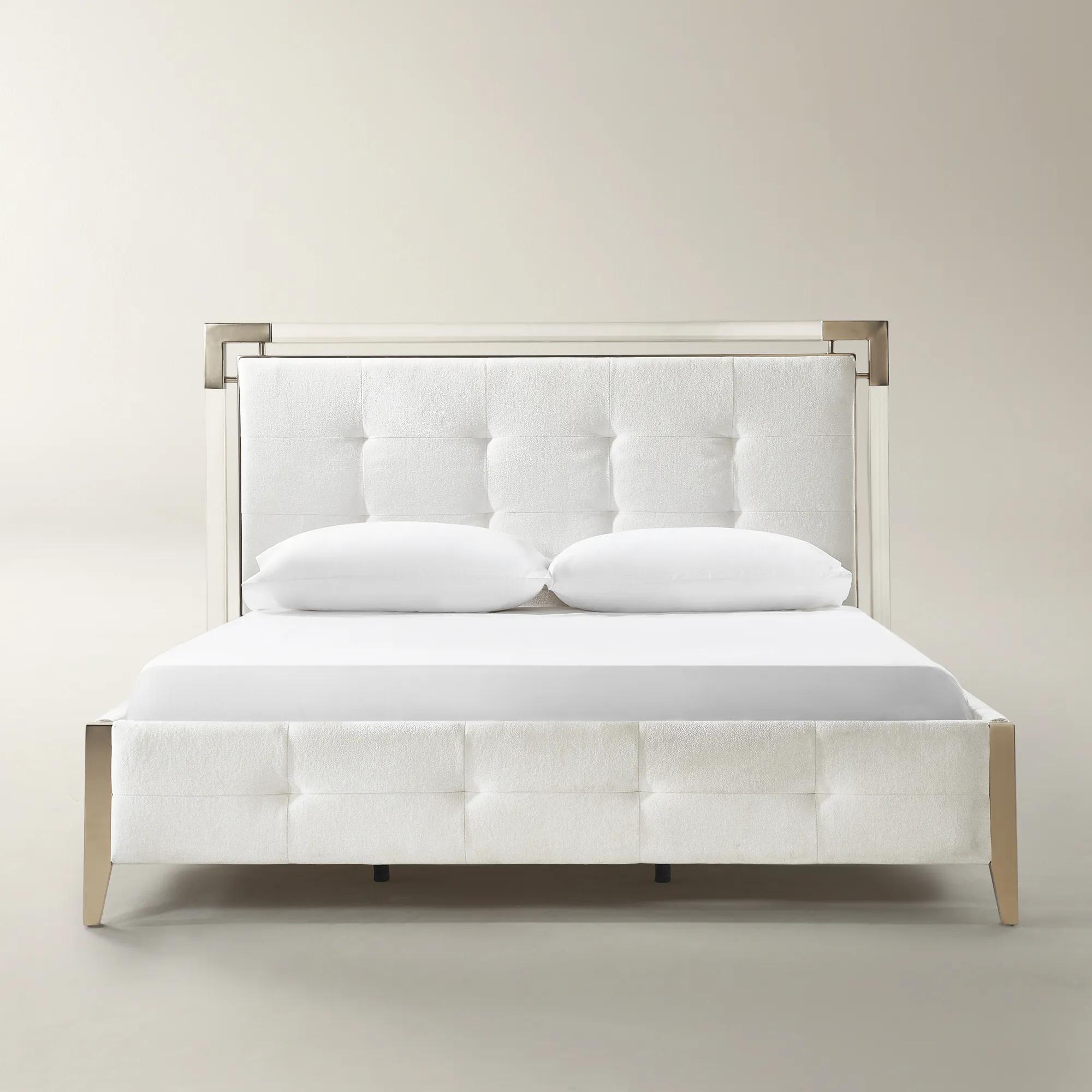
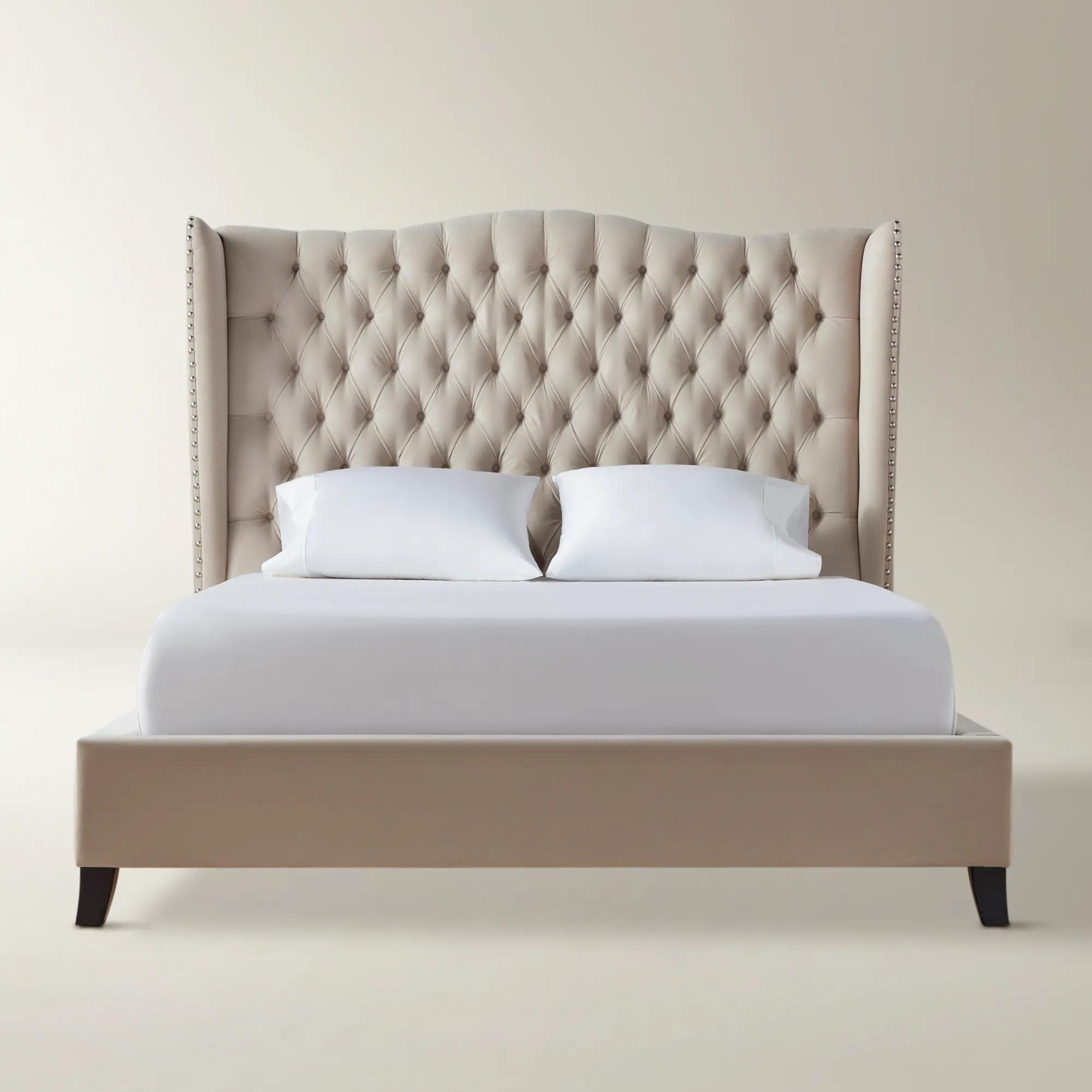
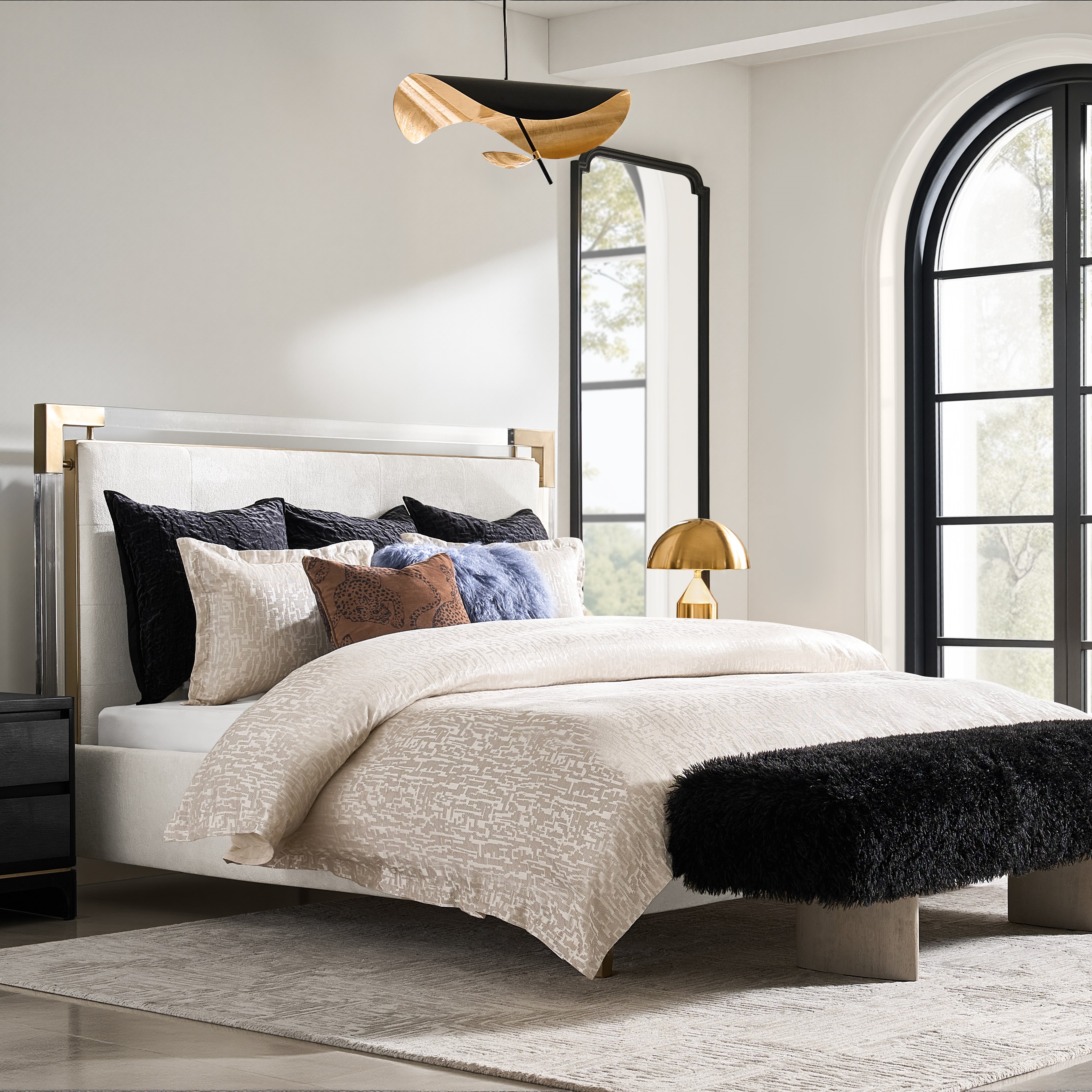 Vitrina Box-Tufted Ivory Velvet Upholstered King Platform Bed$2999
An ivory velvet upholstered bed featuring grid-tufted details, acrylic accents, and champagne-finished stainless steel trim.
Add To Cart -
Vitrina Box-Tufted Ivory Velvet Upholstered Queen Platform Bed$2799
An ivory velvet upholstered bed with grid-tufted headboard, acrylic accents, and champagne-finished stainless steel details.
Add To Cart -
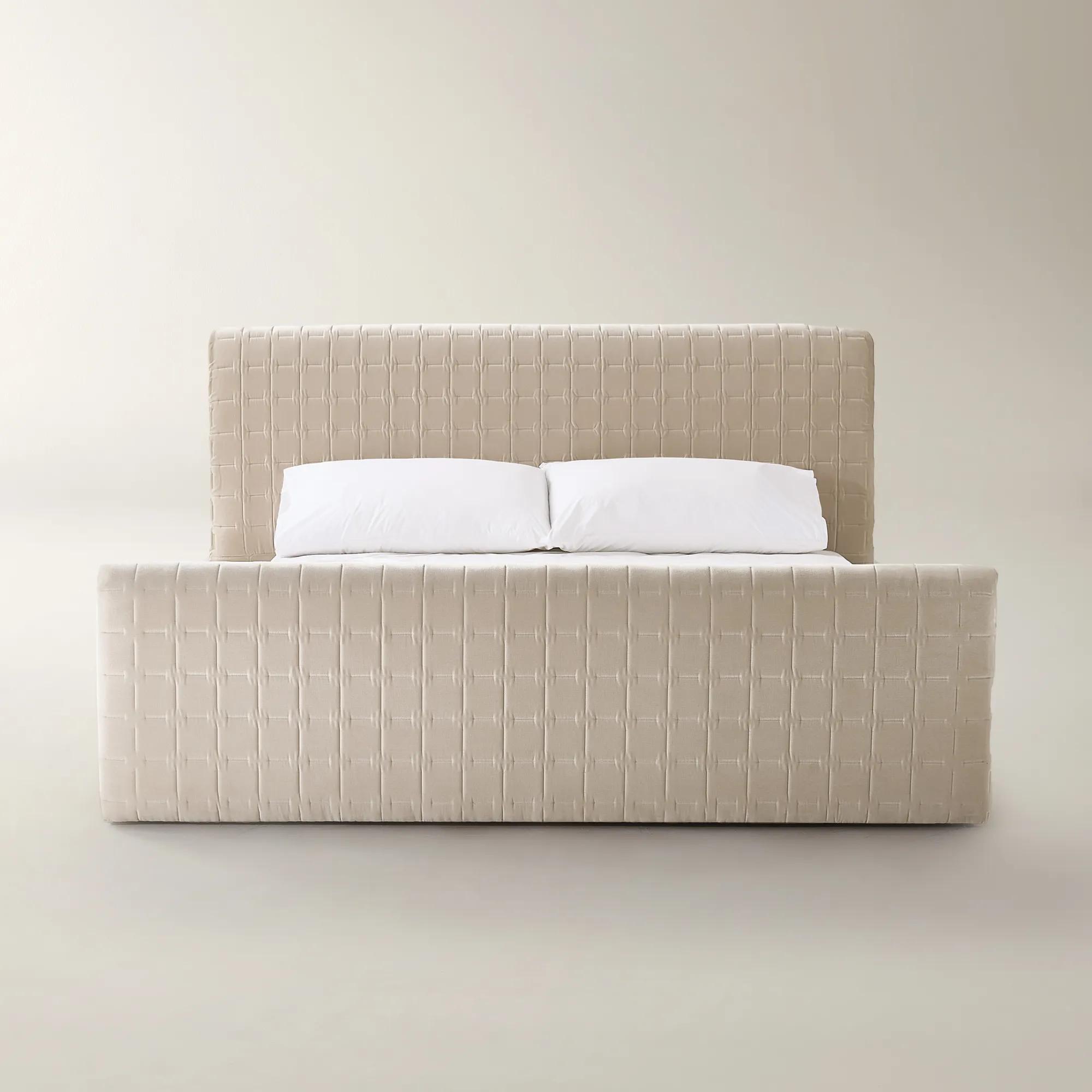
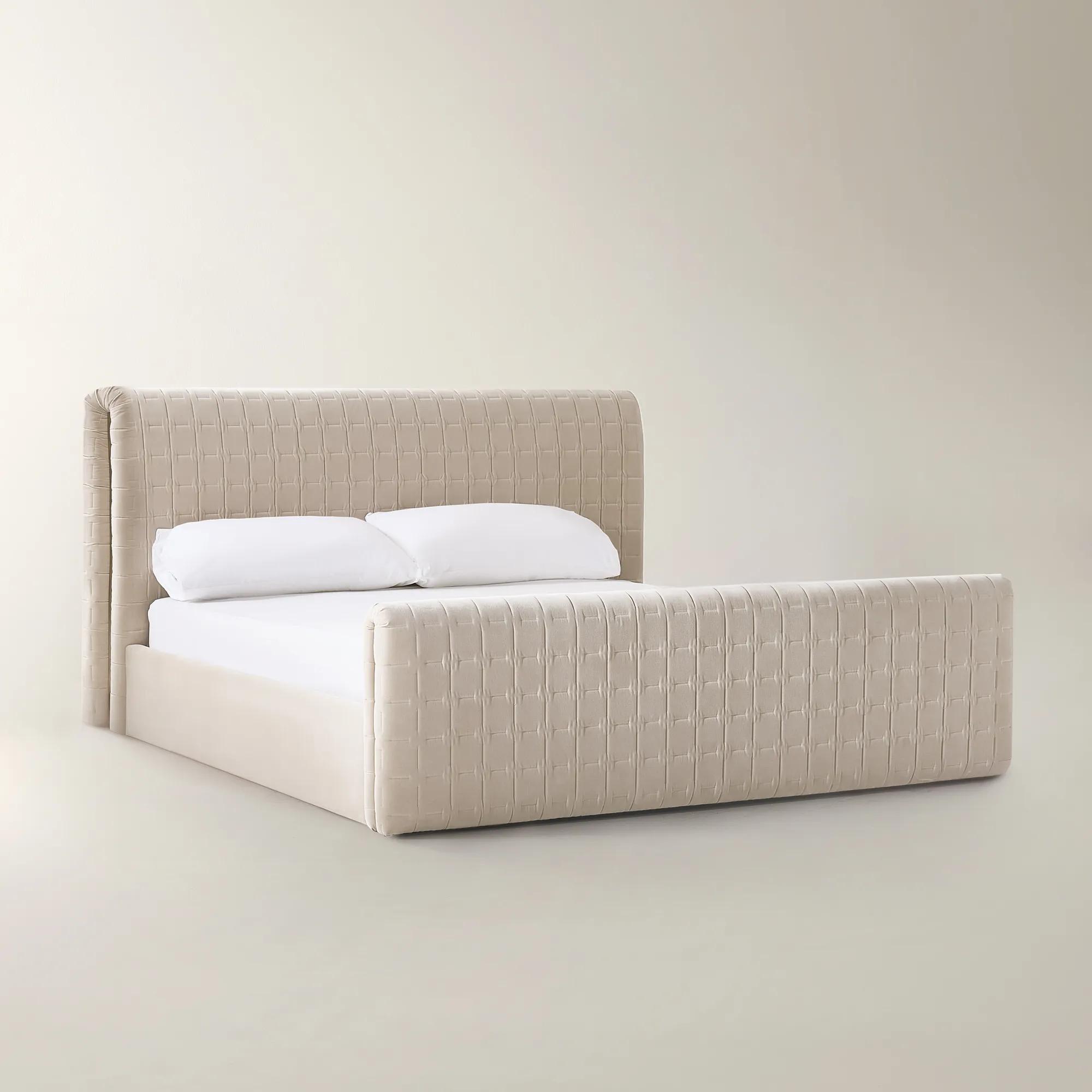 Vanta Oatmeal Velvet Upholstered King Platform Bed$2499
An oatmeal velvet-upholstered bed featuring a checker-quilted headboard and elegant gold-toned metal inlays.
Add To Cart -
Vanta Oatmeal Velvet Upholstered Queen Platform Bed$2299
A modern oatmeal velvet bed featuring a checker-quilted headboard and gold-toned metal inlay accents.
Add To Cart -
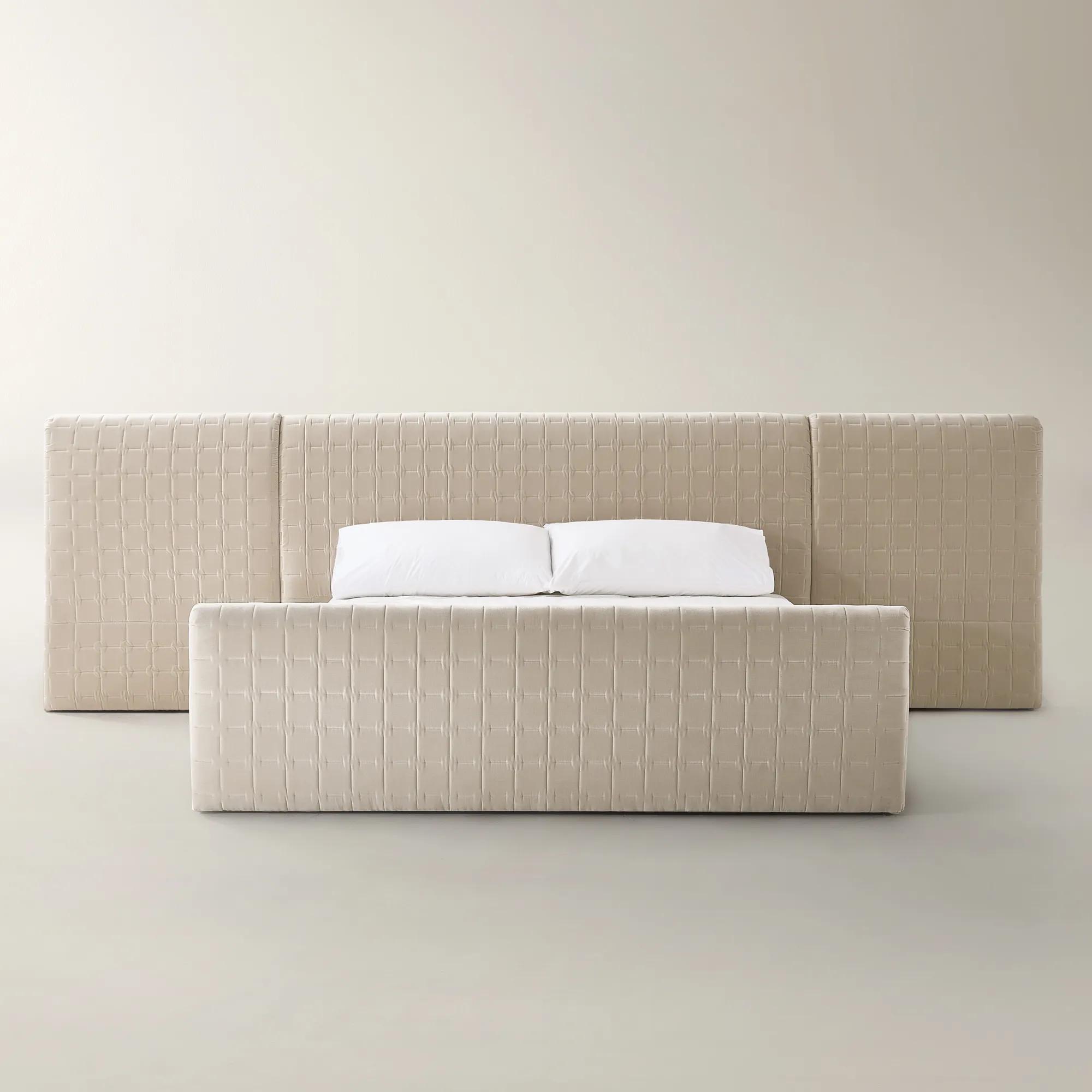
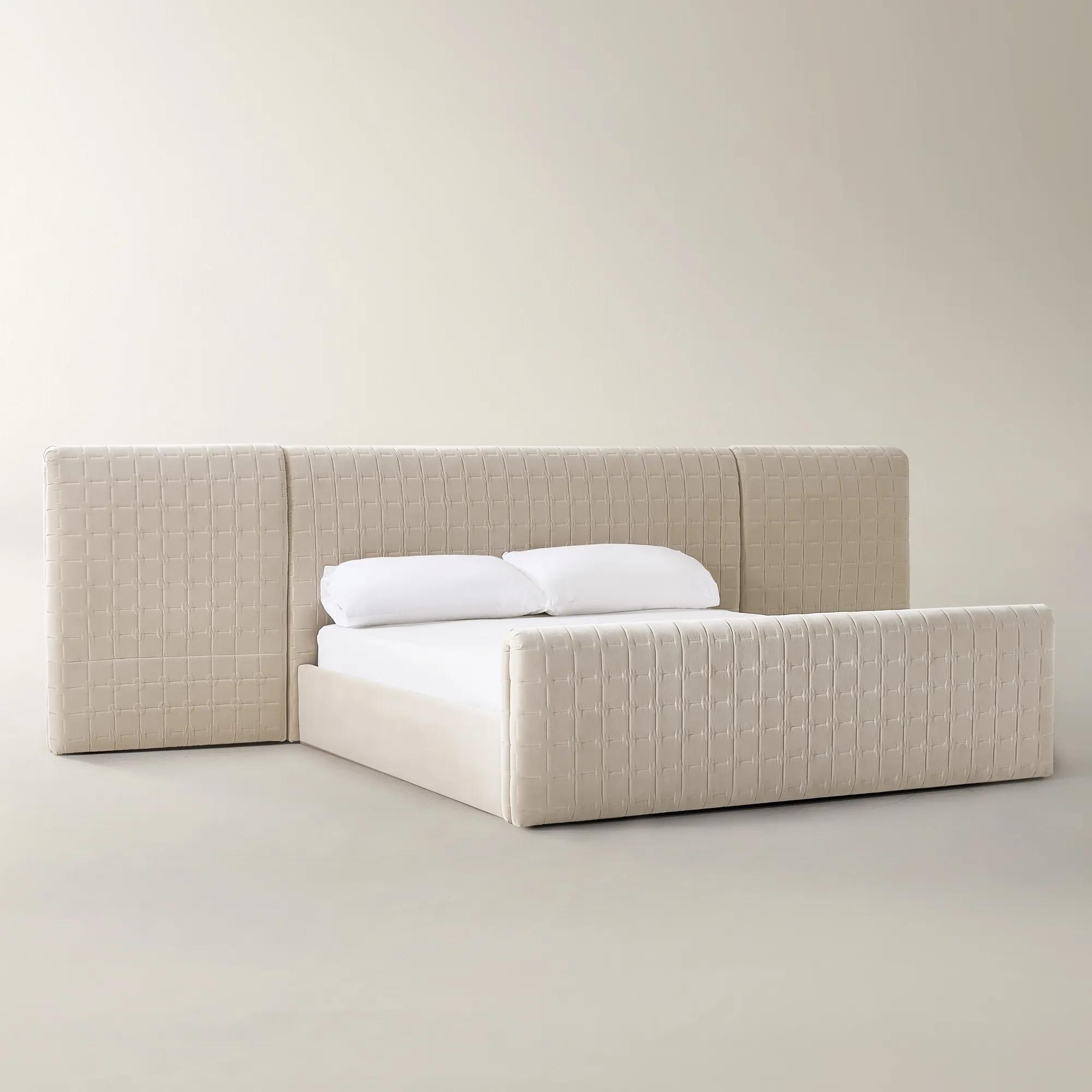 Vanta Oatmeal Velvet Upholstered King Extended Bed$2899
An oatmeal velvet platform bed featuring an extended checker-quilted headboard with elegant gold metal inlays.
Add To Cart -
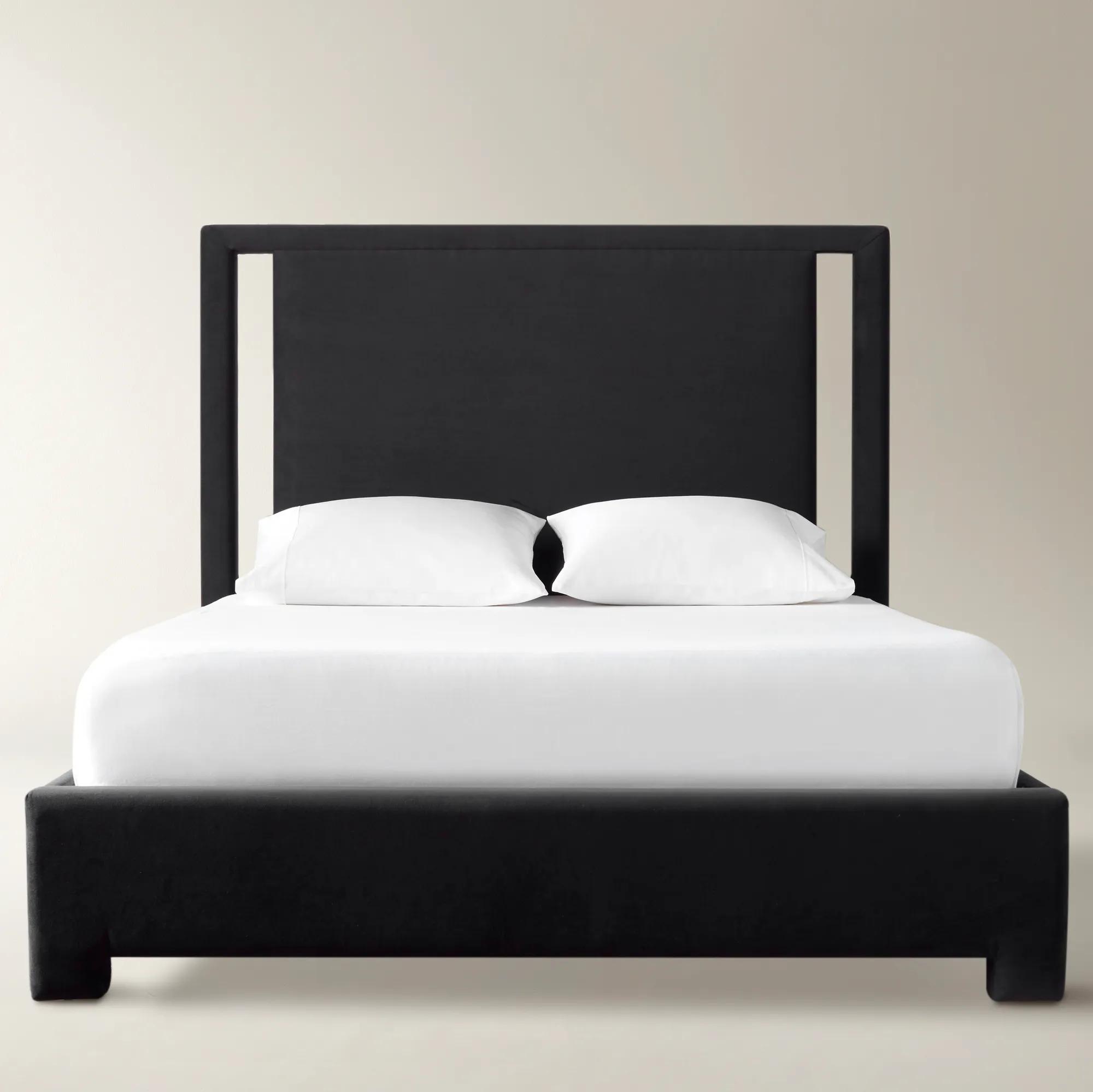
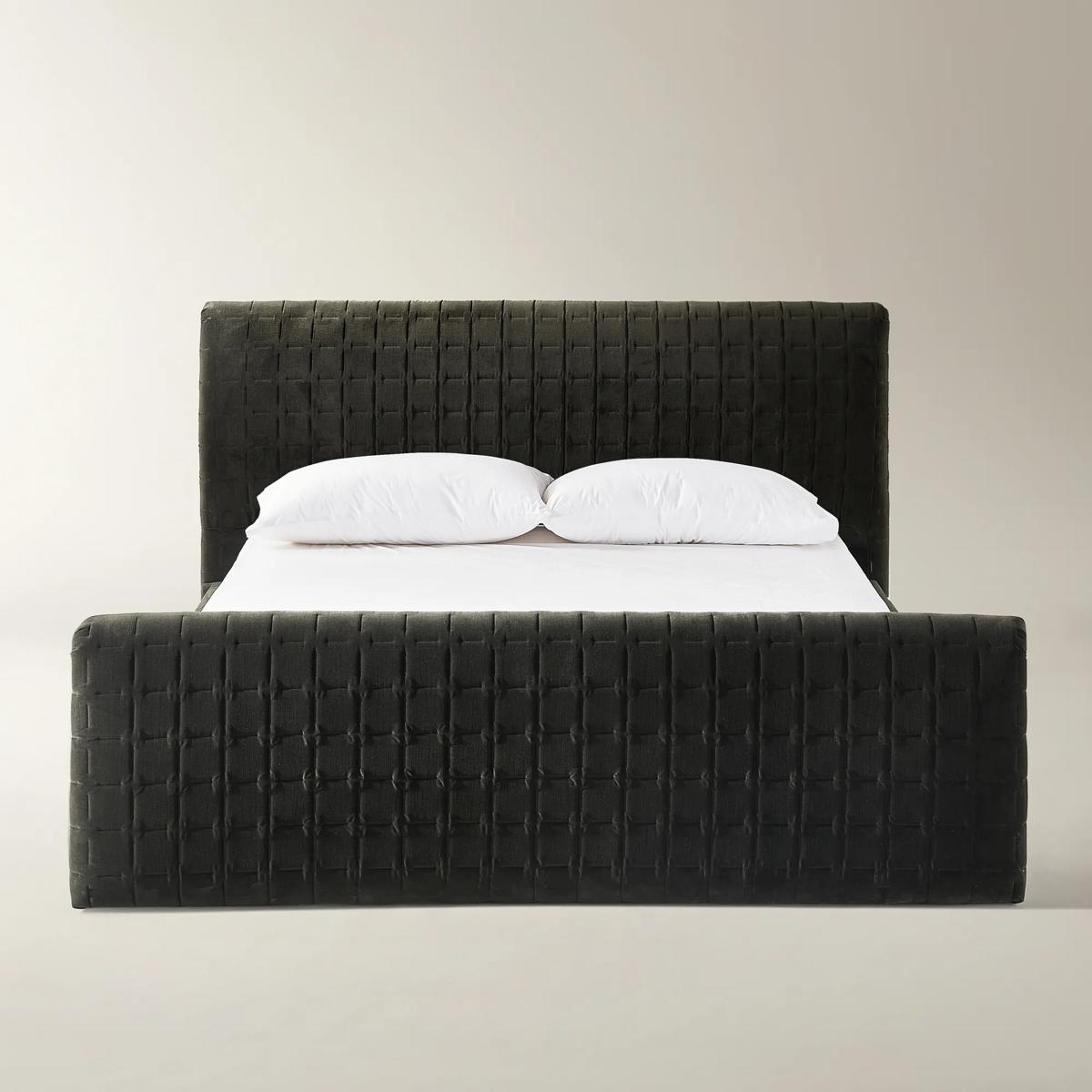 Vanta Charcoal Velvet Upholstered King Platform Bed$2499
A charcoal velvet bed with hand-tufted checker quilting and stainless steel inlays for modern sophistication.
Add To Cart -
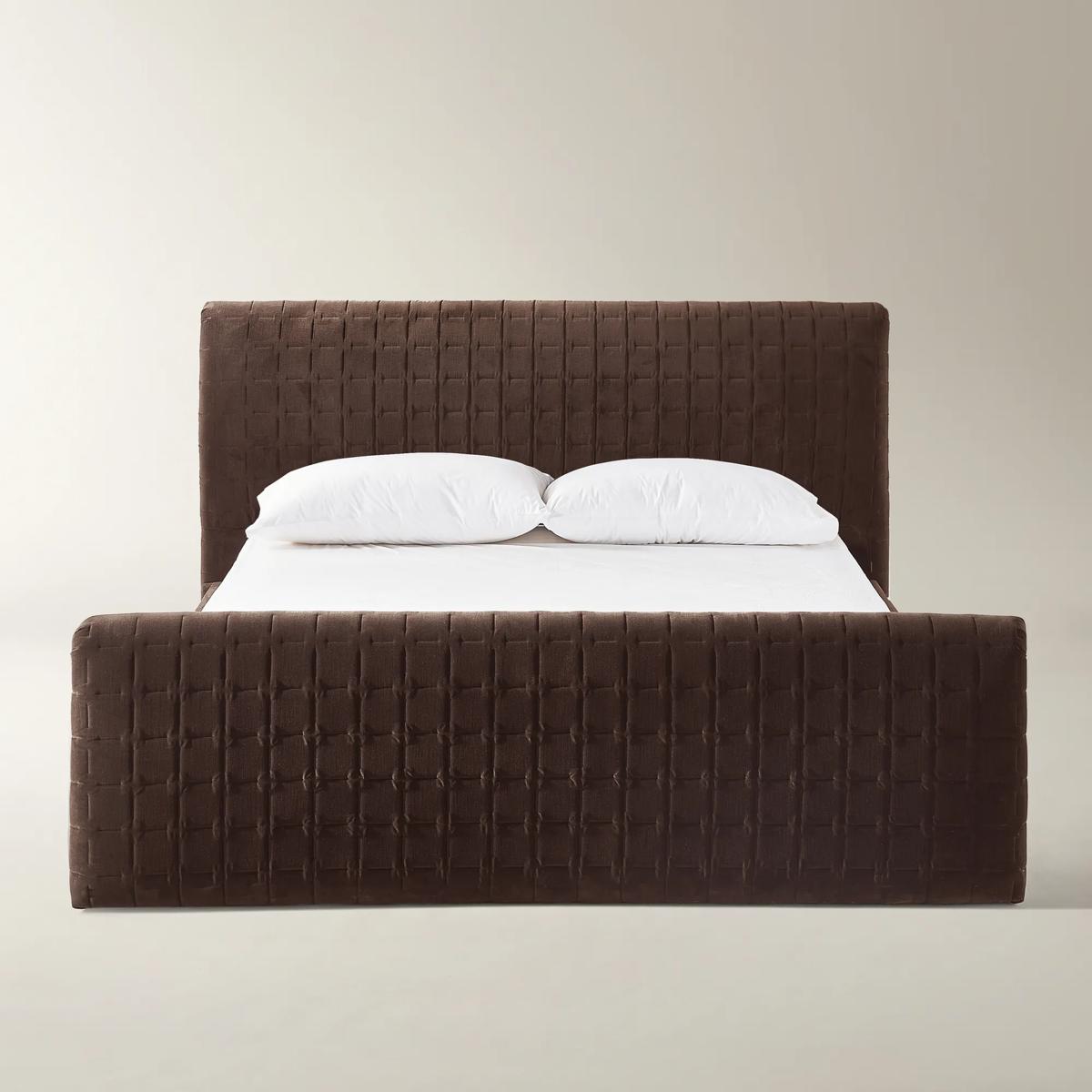
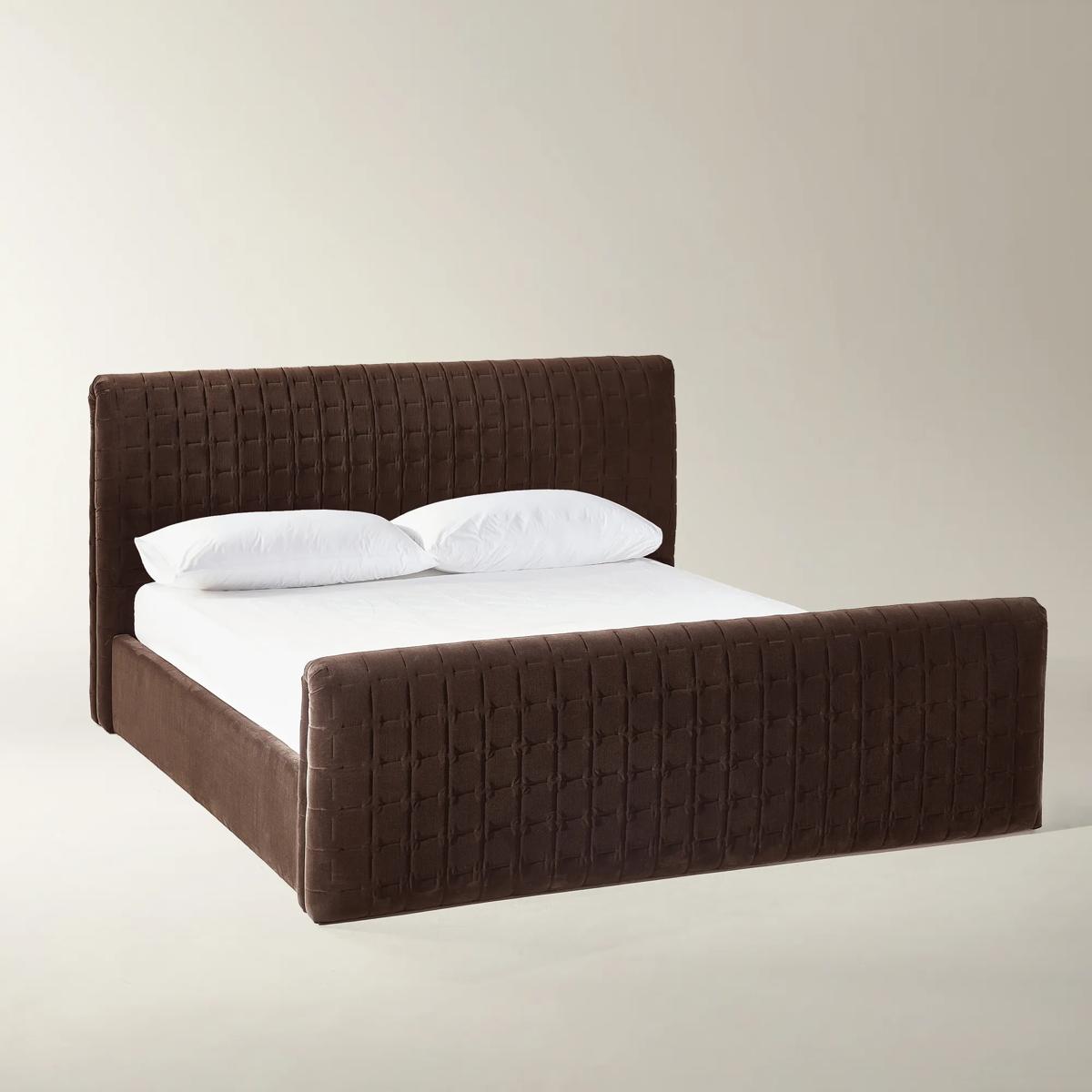 Vanta Burnt Umber Velvet Upholstered California King Platform Bed$2499
A chocolate velvet bed with hand-tufted checker quilting and brushed stainless steel inlays for modern elegance.
Add To Cart -
Vanta Burnt Umber Velvet Upholstered King Platform Bed$2499
A hand-tufted chocolate velvet bed with brushed stainless steel inlays for a plush, sculptural statement.
Add To Cart -
Vanta Charcoal Velvet Upholstered California King Platform Bed$2499
A charcoal velvet bed featuring hand-tufted checker quilting and stainless steel inlays for sculptural elegance.
Add To Cart -
Vanta Oatmeal Velvet Upholstered Queen Extended Bed$2699
An oatmeal velvet platform bed with an extended checker-quilted headboard and elegant gold-toned metal inlays.
Add To Cart -
Vanta Charcoal Velvet Upholstered Queen Platform Bed$2299
A sculptural bed featuring charcoal velvet upholstery, three-dimensional checker quilting, and sleek stainless steel inlays.
Add To Cart -
Vanta Burnt Umber Velvet Upholstered Queen Platform Bed$2299
A chocolate velvet bed with hand-tufted checker quilting and brushed stainless steel inlays for modern elegance.
Add To Cart -
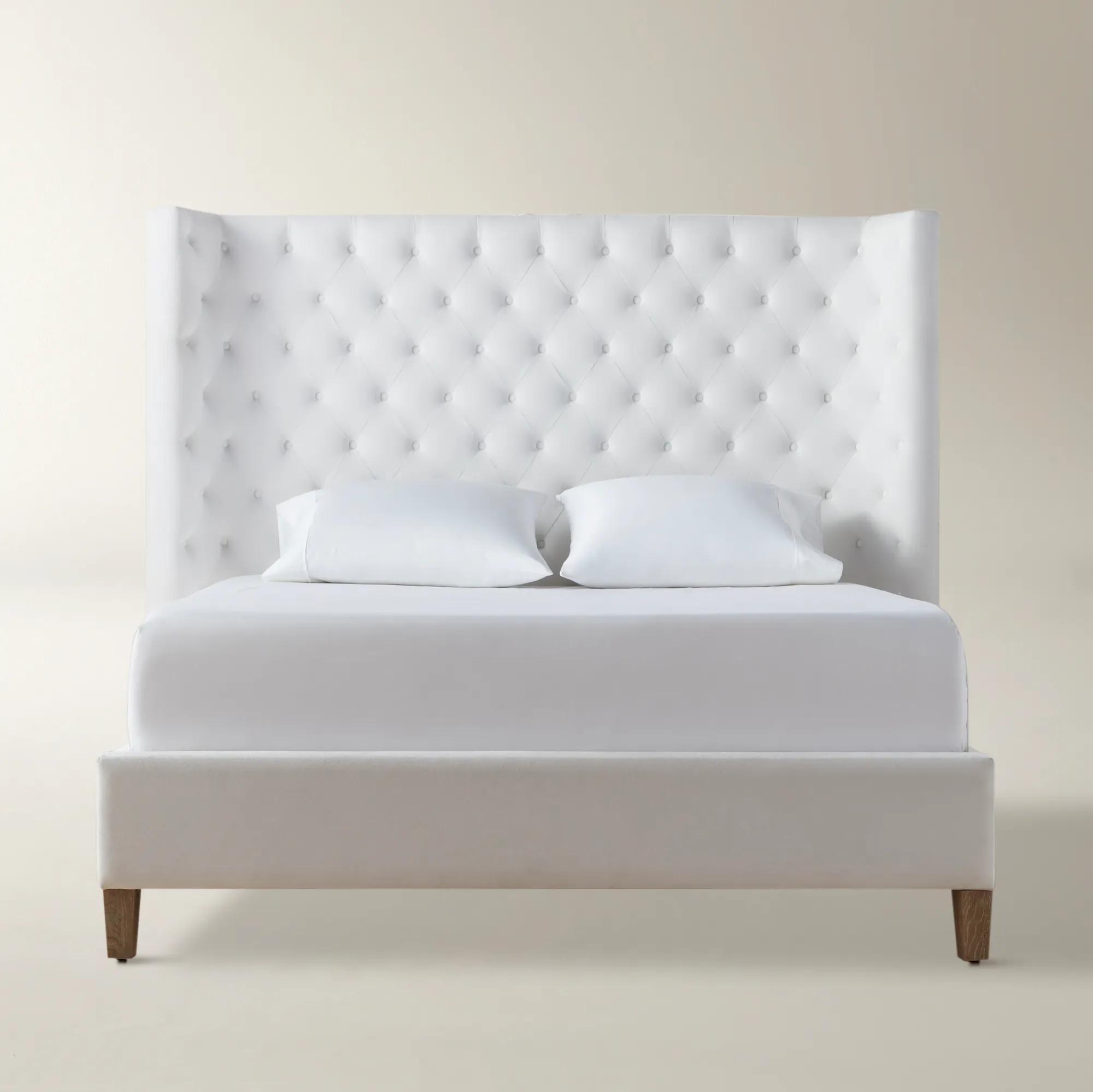
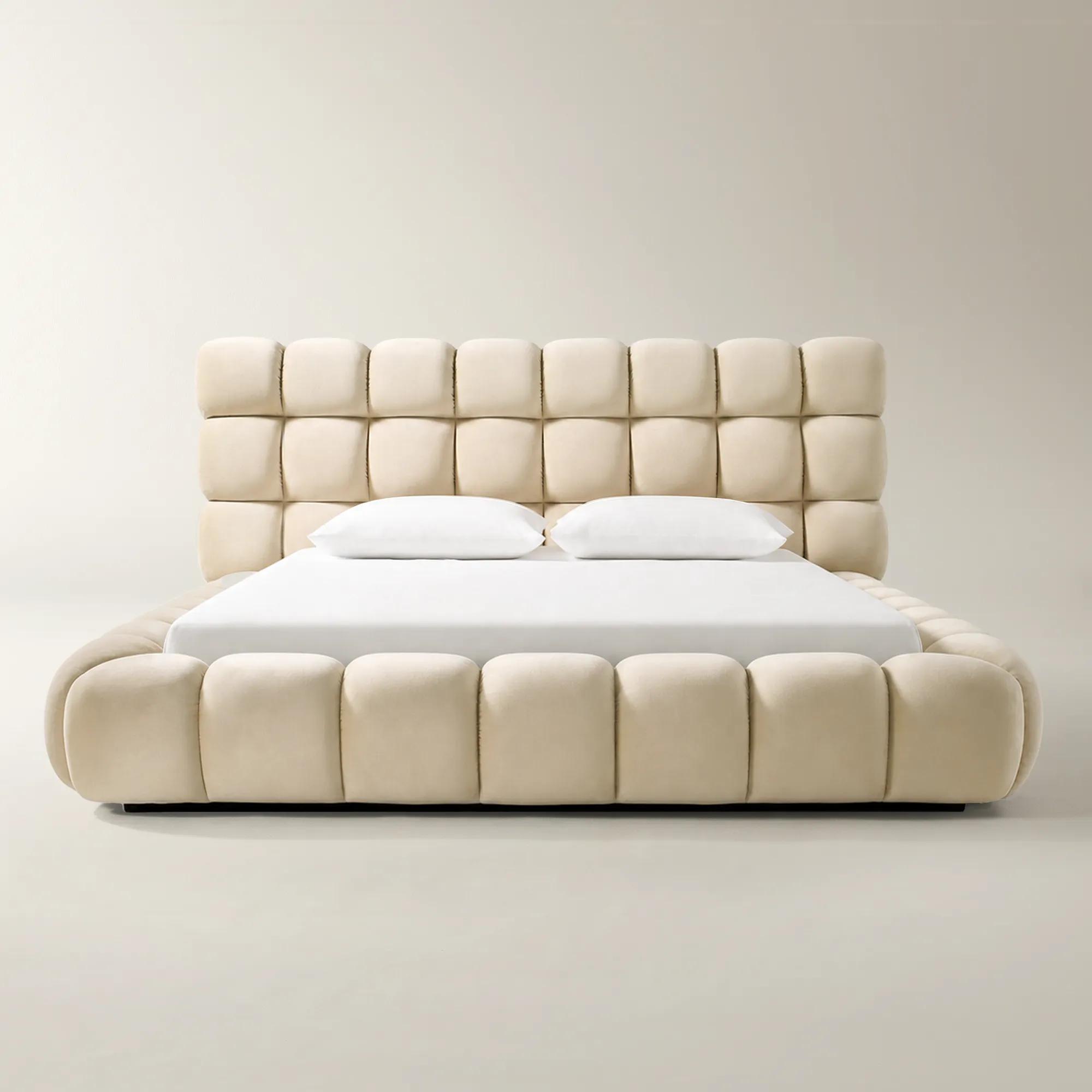 Paloma Tufted Oatmeal Velvet Upholstered King Platform Bed$2599
A sculptural platform bed upholstered in oatmeal velvet with plush tufted blocks and fully wrapped design.
Add To Cart -
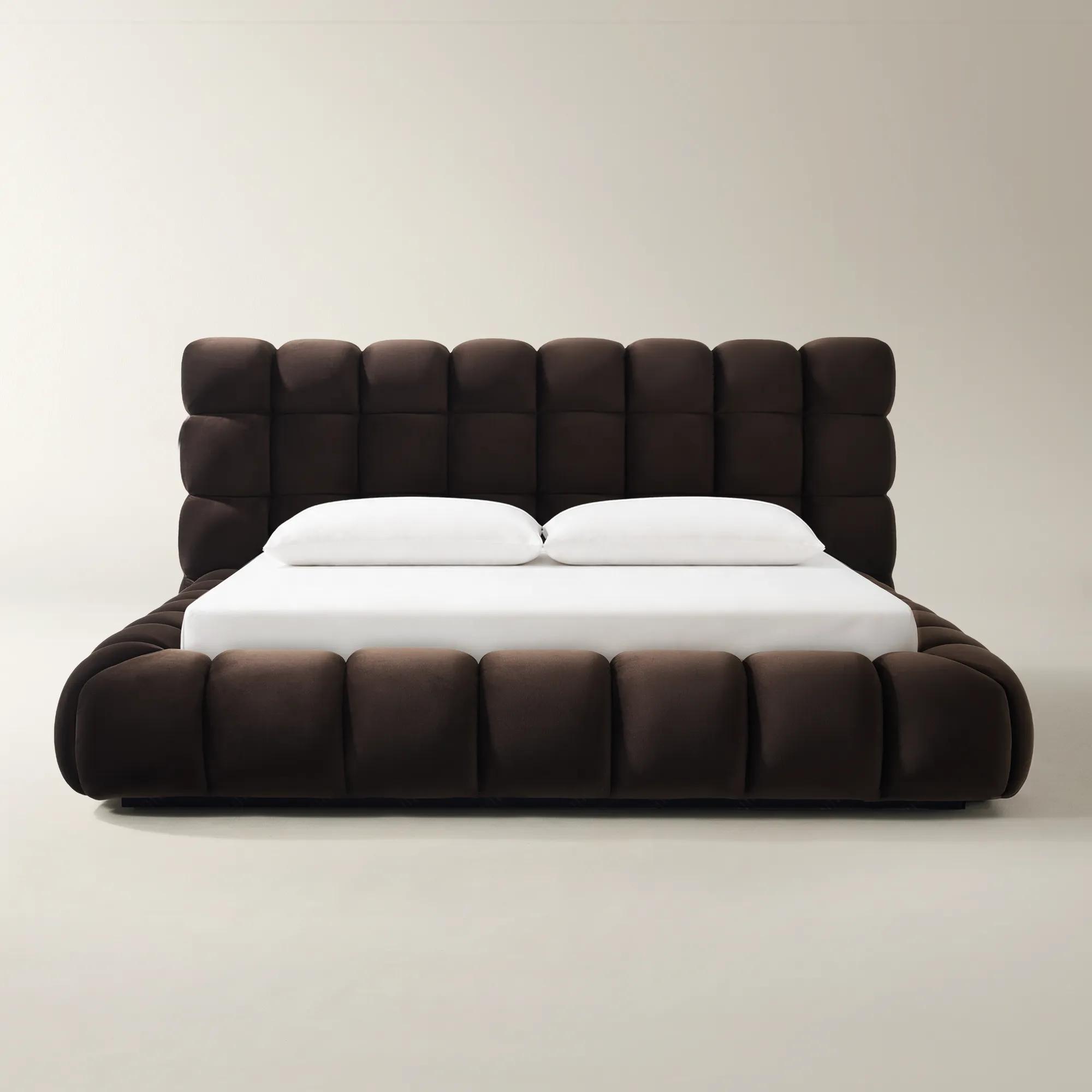 Paloma Tufted Dark Chocolate Velvet Upholstered King Platform Bed$2599
A sculptural platform bed wrapped in dark chocolate velvet with plush tufted blocks and solid wood construction.
Add To Cart -
Paloma Tufted Oatmeal Velvet Upholstered Queen Platform Bed$2399
A sculptural platform bed upholstered in plush oatmeal velvet with oversized tufted blocks and solid wood frame.
Add To Cart -
Paloma Tufted Dark Chocolate Velvet Upholstered Queen Platform Bed$2399
A sculptural platform bed upholstered in dark chocolate velvet with plush, oversized tufted blocks for modern elegance.
Add To Cart -
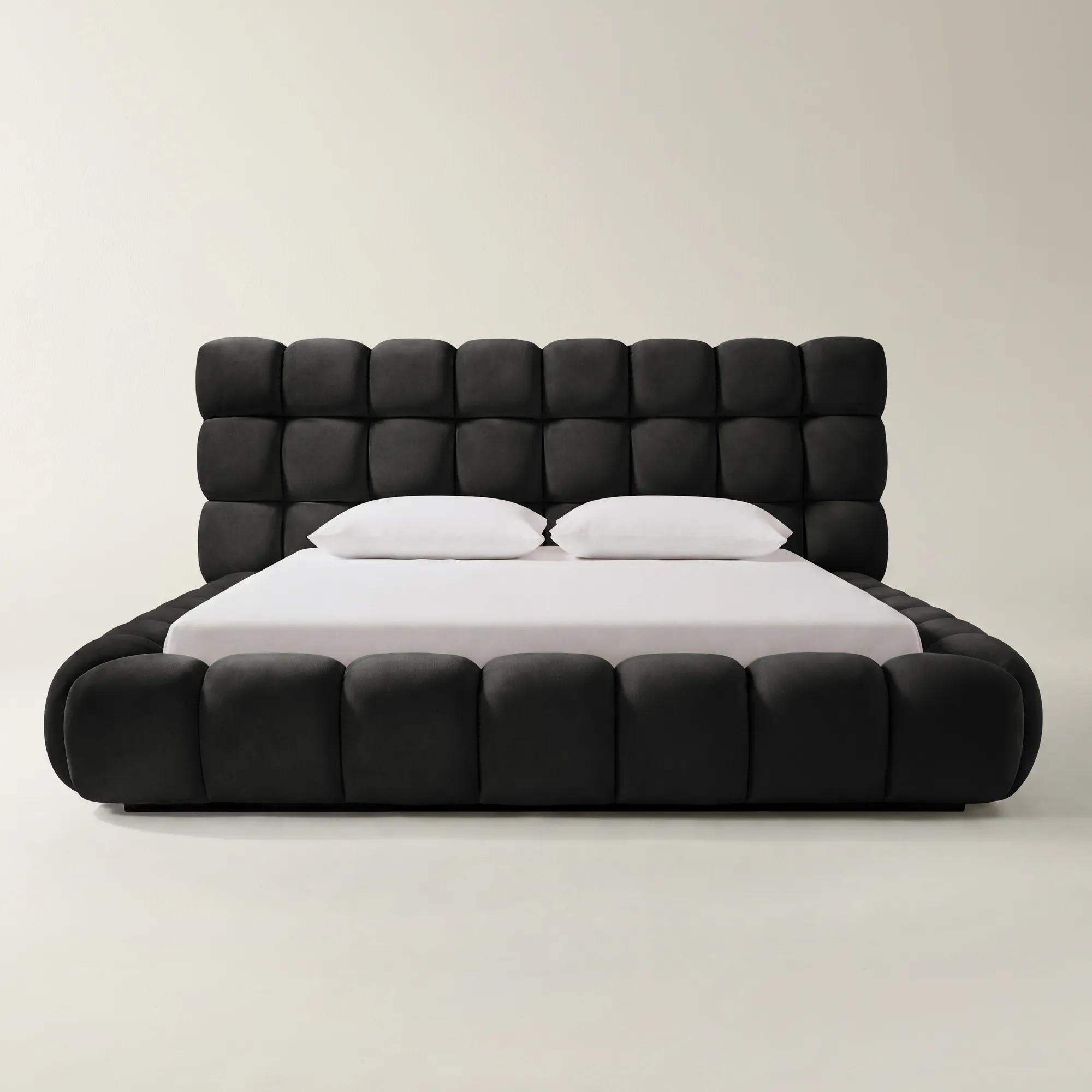 Paloma Tufted Charcoal Velvet Upholstered King Platform Bed$2599
A sculptural charcoal velvet platform bed with plush wrapped upholstery, solid wood construction, and slat support.
Add To Cart -
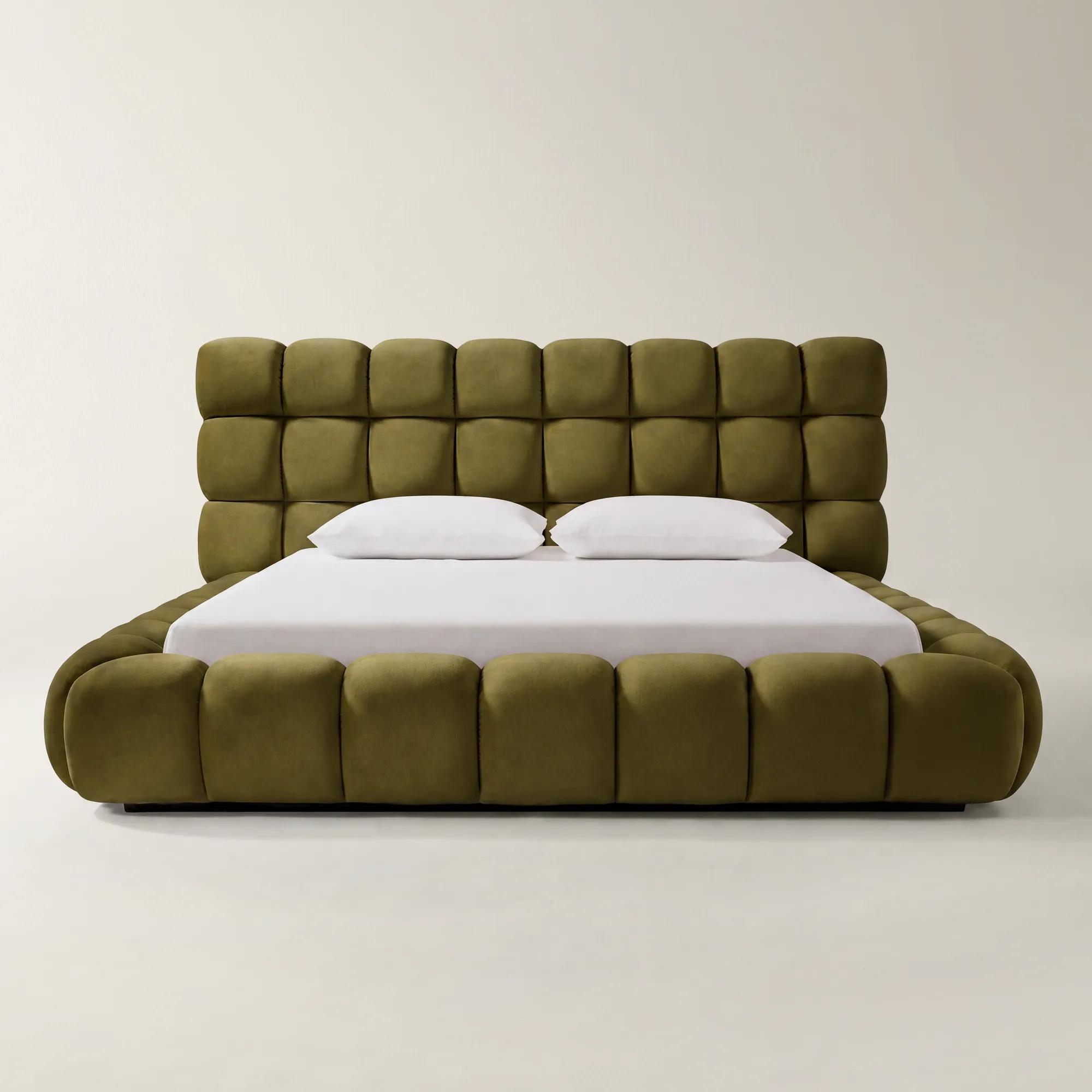 Paloma Tufted Deep Olive Velvet Upholstered King Platform Bed$2599
A sculptural deep olive velvet platform bed with plush padding, fully wrapped upholstery, and wood construction.
Add To Cart -
Paloma Tufted Charcoal Velvet Upholstered Queen Platform Bed$2399
A sculptural charcoal velvet platform bed with plush wrapped upholstery, solid wood construction, and supportive slats.
Add To Cart -
Paloma Tufted Deep Olive Velvet Upholstered Queen Platform Bed$2399
A sculptural deep olive velvet platform bed with wrapped upholstery, plush padding, and durable wood construction.
Add To Cart -
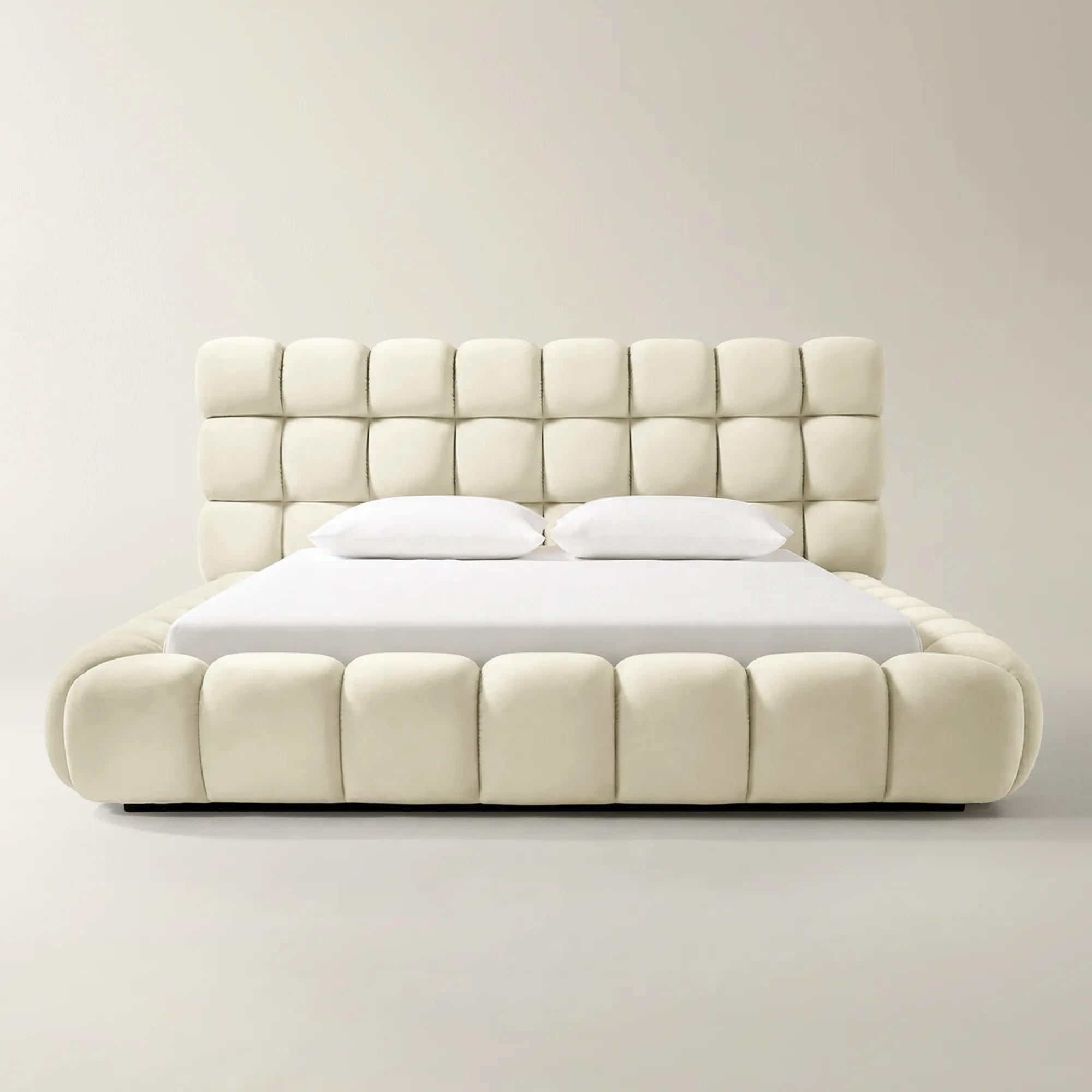 Paloma Tufted Cloud Velvet Upholstered Queen Platform Bed$2399
A sculptural velvet platform bed with plush padding, solid wood construction, and a fully wrapped silhouette.
Add To Cart -
Paloma Tufted Cloud Velvet Upholstered King Platform Bed$2599
A sculptural velvet platform bed featuring oversized upholstered blocks, plush cushioning, wood construction, and supportive slats.
Add To Cart -
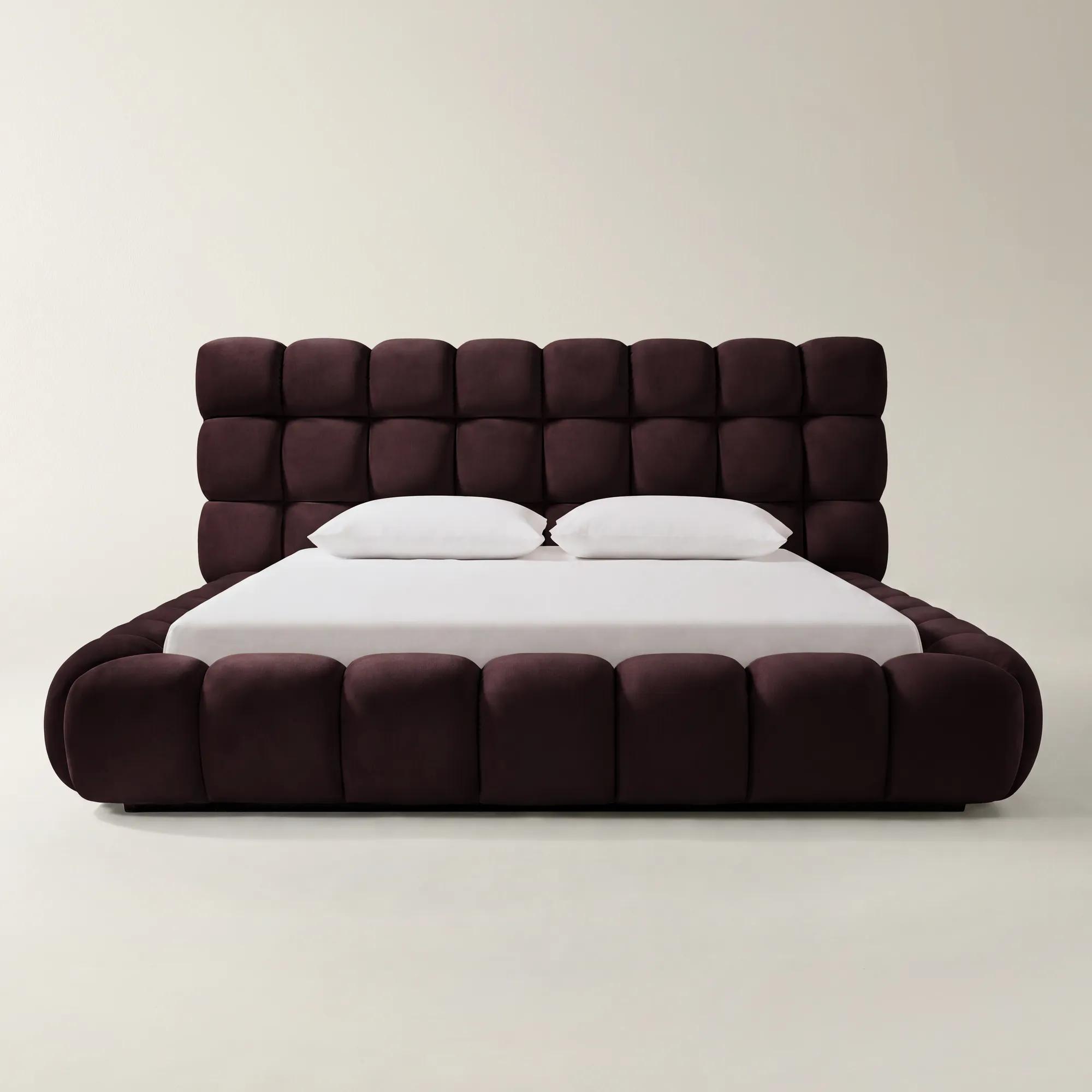 Paloma Tufted Fig Velvet Upholstered King Platform Bed$2599
A sculptural fig velvet upholstered platform bed with plush padding and durable solid wood construction.
Add To Cart -
Paloma Tufted Fig Velvet Upholstered Queen Platform Bed$2399
A fig velvet upholstered platform bed featuring plush padding, solid wood construction, and supportive wooden slats.
Add To Cart

Tufted Headboard And Footboard Beds
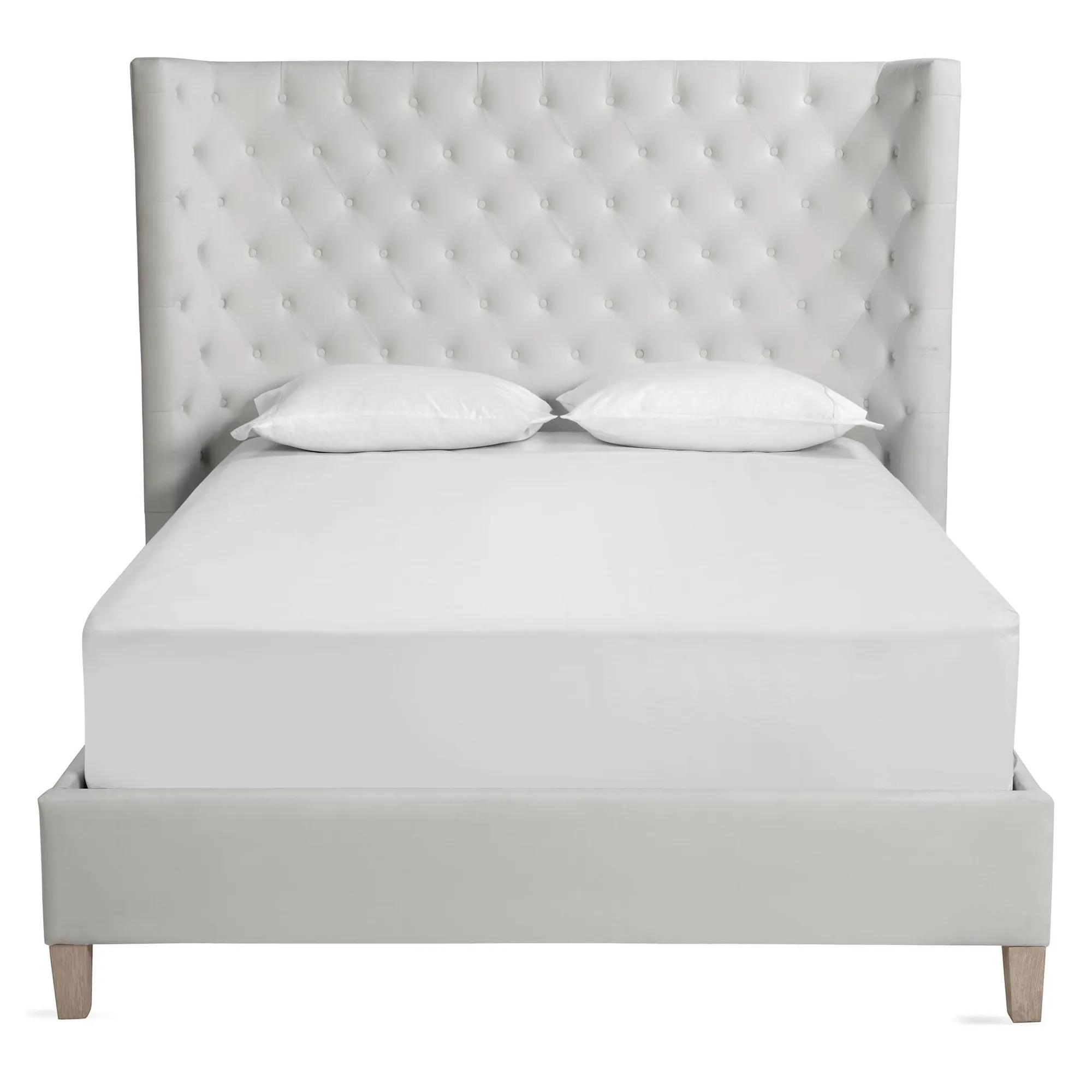
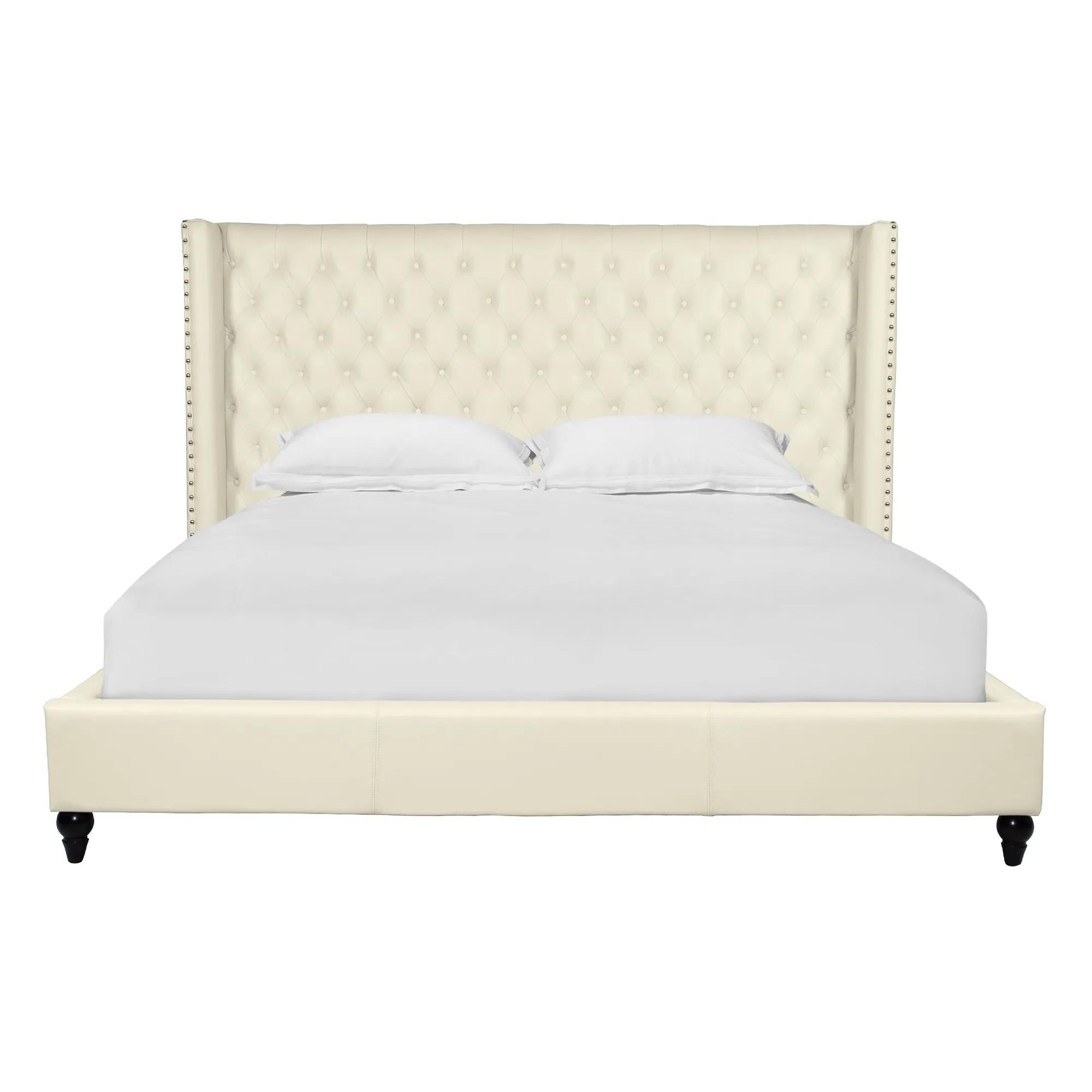
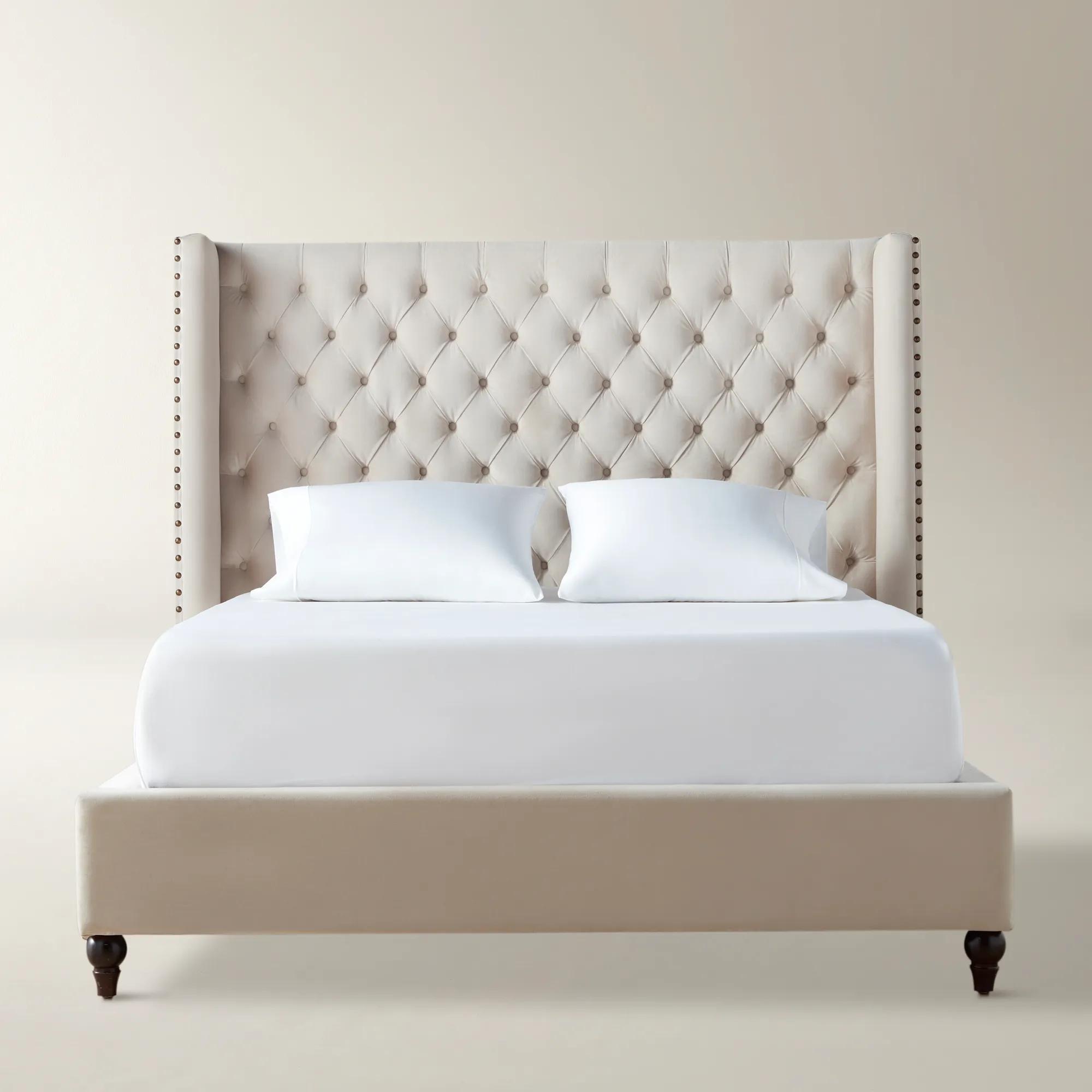
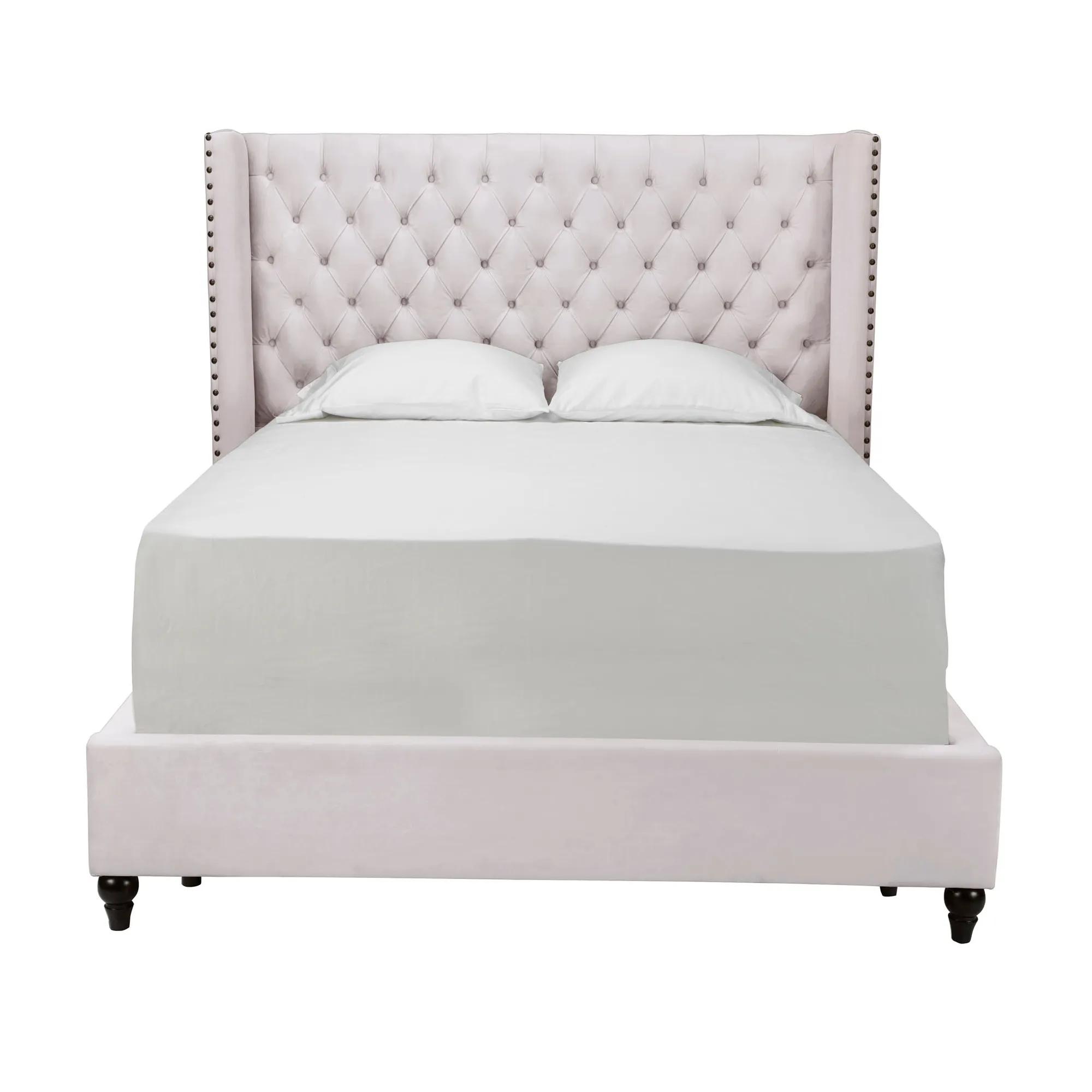
Tufted headboard and footboard beds invite an air of sumptuous sophistication into the bedroom, transforming an everyday retreat into a dramatic sanctuary of style. With their sculptural silhouettes and artful detailing, these statement pieces evoke the timeless glamour of boutique hotels and grand estates. Each bed becomes a canvas for self-expression, enveloping you in plush comfort while setting the stage for evenings steeped in luxury. Whether you crave bold drama or refined elegance, tufted headboard and footboard beds promise to elevate your space with irresistible texture and opulent allure.
Tufted headboard and footboard beds feature upholstered panels at both ends of the frame, with button or stitch detailing that draws the fabric into a dimensional pattern. The effect is richly architectural: a plush backdrop for pillows, a sculpted finish at the foot of the mattress, and a bed that feels composed from every angle. Unlike a frame with an upholstered headboard alone, this paired treatment carries texture through the entire silhouette, giving the bedroom a distinct center of attention. Diamond tufting creates a rhythmic arrangement of folds and recessed points, while square or biscuit-style tufting offers a more geometric expression. Deeply pulled buttons emphasize shadow and depth; shallower stitching delivers definition with a quieter profile. Each approach brings its own character to a bedroom, from expressive glamour to restrained elegance. A tall wingback headboard adds an enveloping quality, framing the sleeping area with upholstered sides, while a scroll footboard introduces a sweeping curve that feels almost sculptural. Straight-lined profiles let the fabric and tufting command attention without elaborate shaping. Velvet heightens this interplay of light and shadow, its directional pile shifting in appearance as daylight moves across the room. Woven upholstery can lend a more matte, tactile counterpoint, allowing the tufted pattern to stand out through texture rather than sheen. Pale neutrals emphasize the contours of the upholstery; charcoal and saturated jewel tones can make those same contours feel deeper and more theatrical. These upholstered beds suit primary bedrooms where the bed anchors the design, as well as thoughtfully appointed guest rooms intended to feel personal and indulgent. For someone who enjoys reading against a cushioned backdrop or arranging a generous spread of pillows, the upholstered headboard has an especially inviting presence. The matching footboard completes that setting even when viewed from an open doorway, making the bed as expressive in its outline as it is in its surface detail.
Proportion gives that drama its polish. Tufted headboard and footboard beds are defined by their overall frame dimensions, not simply by the mattress size they accommodate. Upholstered rails, projecting wings, and rolled ends can extend beyond the mattress footprint, so a queen or king designation alone does not establish how the bed will sit in a room. A standard queen mattress measures approximately 60 by 80 inches, while a standard king measures approximately 76 by 80 inches; the surrounding frame requires additional space. In a bedroom with a dresser opposite the footboard, that extra length can determine whether drawers open comfortably and whether the passage between furniture feels generous. A substantial scroll footboard deserves breathing room, while a lower, straighter footboard preserves a more open sightline across the mattress. For a queen-size setting, tufted headboard queen beds offer a related focus on upholstered texture and headboard proportions. Headboard height also changes the composition: a soaring panel can balance high ceilings, while a more contained silhouette may sit comfortably beneath artwork or alongside lower windows. Mattress thickness influences how much tufting remains visible above the bedding and where the sleeping surface meets the footboard. A deep mattress paired with a foundation may conceal detailing that would remain exposed with a lower sleep surface. Support requirements depend on the bed’s construction. A platform bed may support a mattress directly on slats or a solid deck, while another upholstered frame may require a separate foundation or box spring. The bed’s specifications and the mattress manufacturer’s requirements should agree, particularly on slat spacing, center support, and compatible mattress types. An upholstered frame is not automatically compatible with an adjustable base, and a decorative footboard does not establish its weight capacity. Stated load limits, support legs, and frame assembly all matter. Delivery deserves the same attention as room placement: a broad headboard or curved footboard must pass through doorways, stair turns, and elevators before it can take its place. Considered at the outset, these details allow a commanding bed to feel beautifully settled rather than crowded into its surroundings.
The fabric and underlying structure determine how that first impression carries into everyday life. Tufted upholstery combines a visible covering with padding and internal supports, while the frame may incorporate solid wood, engineered wood, metal, or a combination of materials. Durability comes from the complete construction rather than a single material name: secure joints, appropriately spaced supports, well-fitted upholstery, and careful assembly all contribute to lasting stability. The footboard is often closer to passing shoes, luggage, and pets than the headboard, making its fabric and placement particularly relevant in a frequently used bedroom. Velvet delivers sumptuous depth but may show pressure marks or changes in nap; textured weaves can soften the appearance of everyday contact, though snagging and cleaning requirements vary by fiber and weave. Performance upholstery, when specified, should be evaluated by its stated properties rather than assumed to resist every spill or stain. Care begins with the manufacturer’s upholstery instructions and cleaning code. Gentle vacuuming with a suitable upholstery attachment helps remove dust from tufted recesses, seams, and the space around buttons. Spills generally call for prompt blotting rather than rubbing, followed by the cleaning method approved for the fabric; saturating upholstered panels can affect both the covering and the padding beneath it. Strong direct sunlight may fade some textiles, and regular contact with hair products or skin oils can leave marks near the headboard. Decorative pillows provide an additional layer between the upholstered surface and the person reclining against it. The footboard remains a design element unless explicitly rated for seating, so a separate bench is the better place to sit while dressing. With those practical details resolved, styling can give the tufting room to resonate. Smooth cotton bedding sets crisp lines against plush upholstery, a folded coverlet introduces another plane of texture, and sculptural bedside lighting draws out the relief of each fold. Keeping bedding clear of the footboard’s most distinctive detailing lets the matched upholstery read as a complete composition—a richly framed place to rest, with presence that extends well beyond the mattress.
FAQs
Tufted headboard and footboard beds are remarkably versatile and complement a range of interior styles. Their sculptural profiles and rich textures are a natural fit for glamorous, Hollywood Regency-inspired spaces, but they also bring a touch of sophistication to modern, transitional, or even eclectic rooms. Pair with mirrored nightstands for a luxe look, or layer with organic linens and metallic accents for a fresh, contemporary feel.
To create a dramatic focal point, dress your tufted bed in sumptuous fabrics such as velvet or silk, and layer with bold, oversized pillows and textured throws. Incorporate statement lighting, such as a chandelier or sculptural bedside lamps, to highlight the bed’s elegant contours. Rich, jewel-toned bedding or metallic accessories can further amplify the sense of luxury and drama.
Absolutely. The deep, plush padding of tufted headboards and footboards provides exceptional comfort, making them ideal for lounging, reading, or enjoying breakfast in bed. The tufted upholstery offers a soft, supportive surface that enhances relaxation and encourages you to linger in your personal retreat.
Tufted headboards and footboards are often upholstered in luxurious fabrics such as velvet, linen, or leather. These materials are chosen for their tactile appeal, durability, and ability to showcase intricate tufting details. The frames are typically crafted from sturdy wood or metal, ensuring both beauty and lasting strength.
Beds with headboard and footboard designs instantly elevate the ambiance of a bedroom by serving as a striking centerpiece. The tufted details add depth and texture, while the cohesive silhouette creates a sense of enclosure and intimacy. This combination of visual drama and plush comfort transforms the bedroom into a sanctuary of style and relaxation.