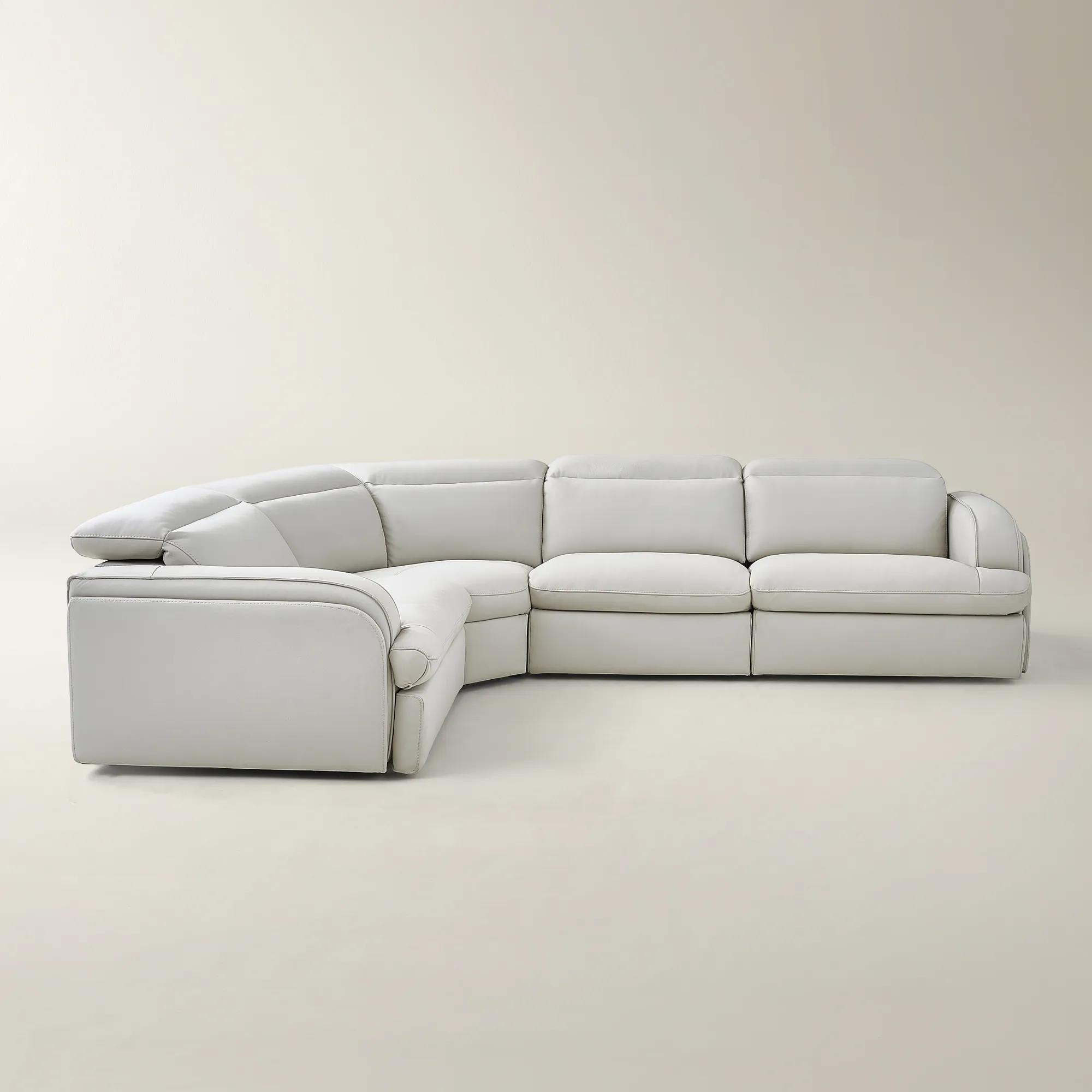
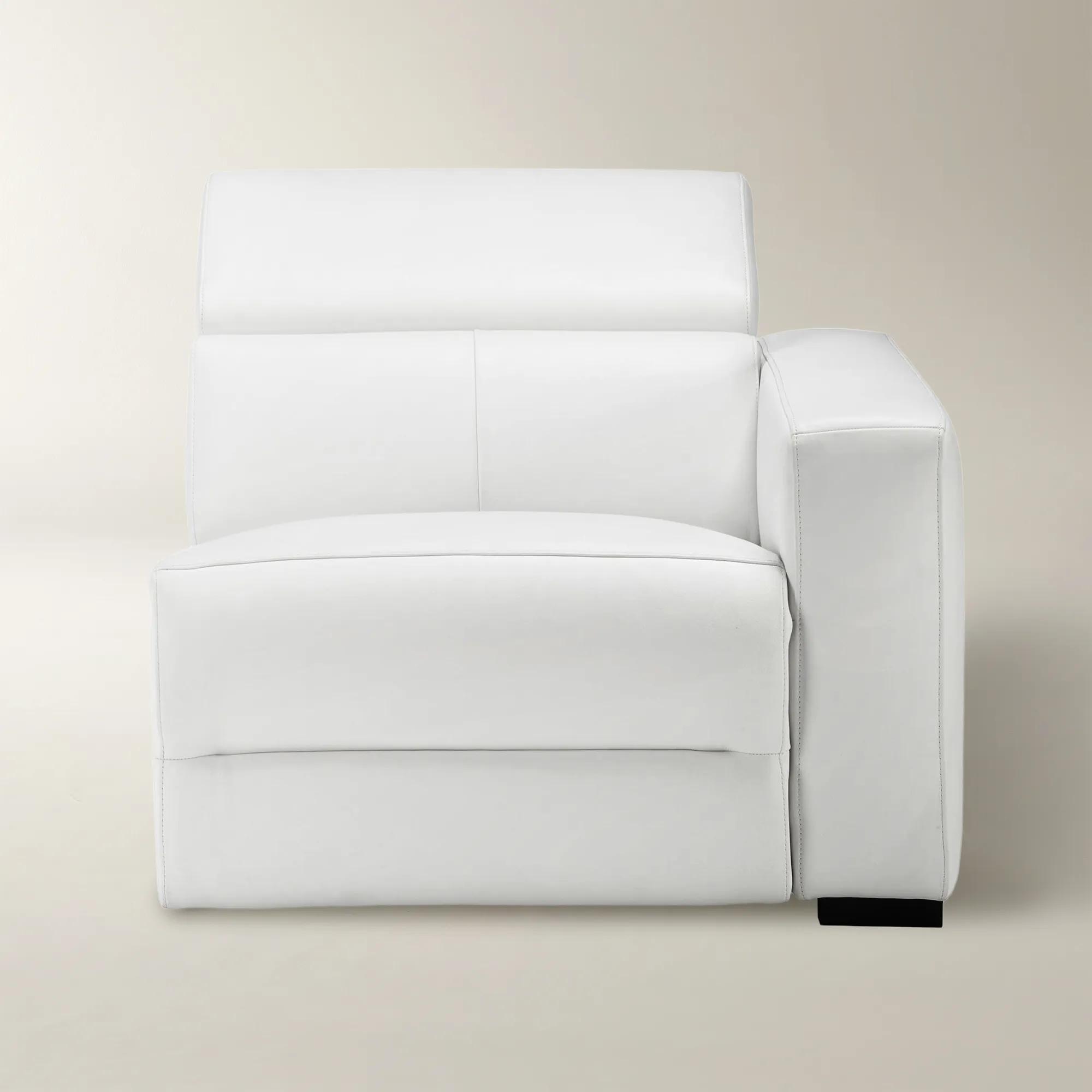
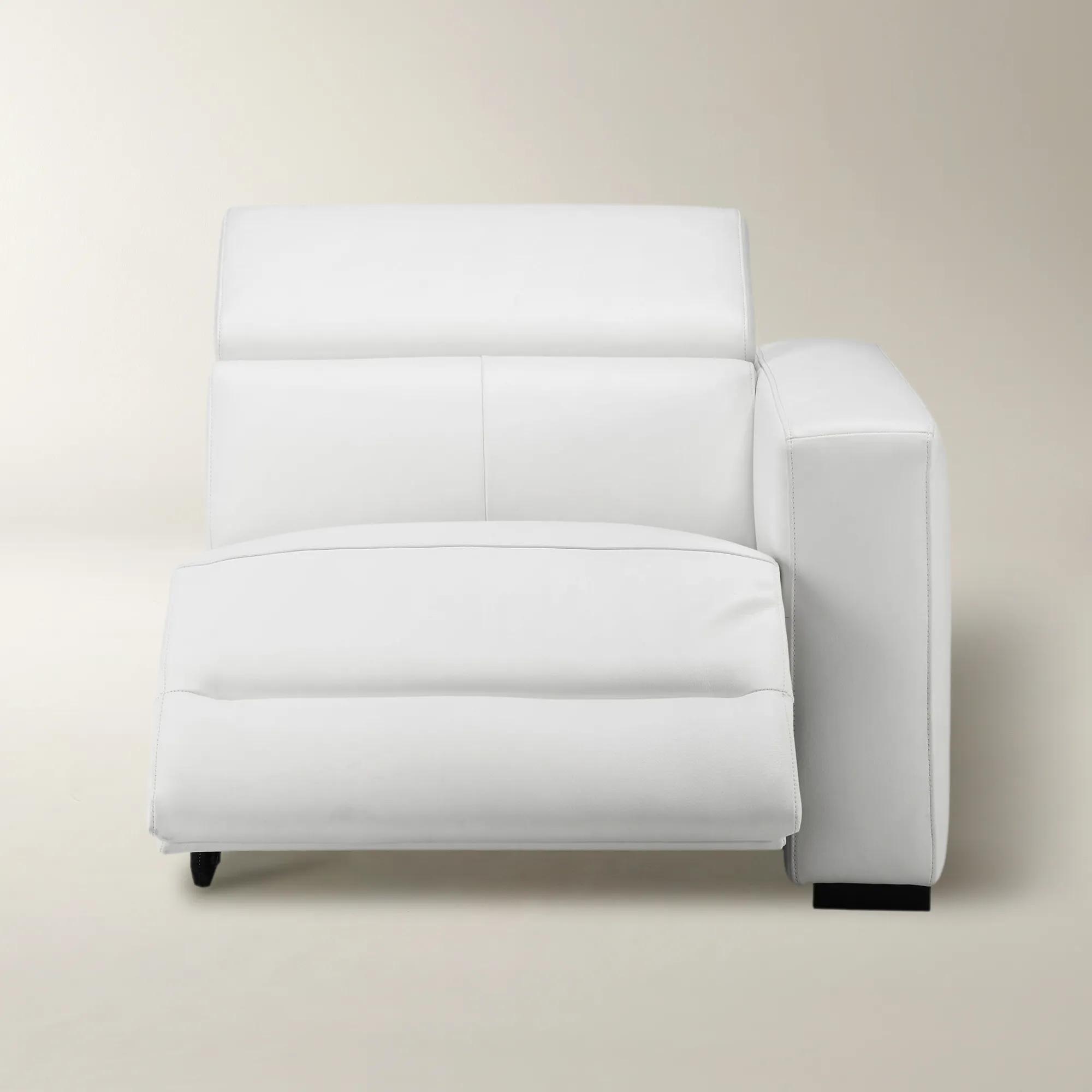
Traditional Handcrafted Accent Chairs
Traditional Handcrafted Accent Chairs
-
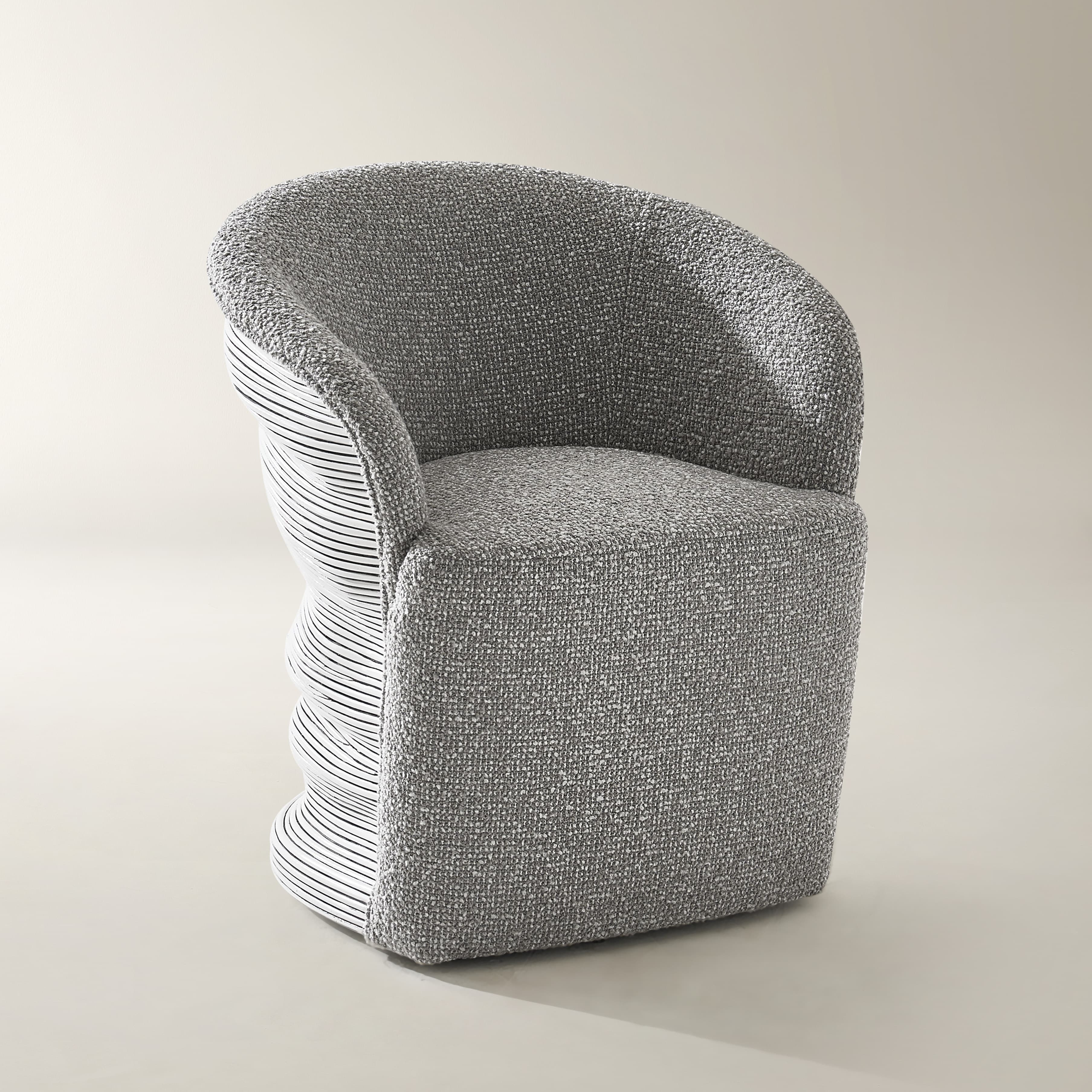
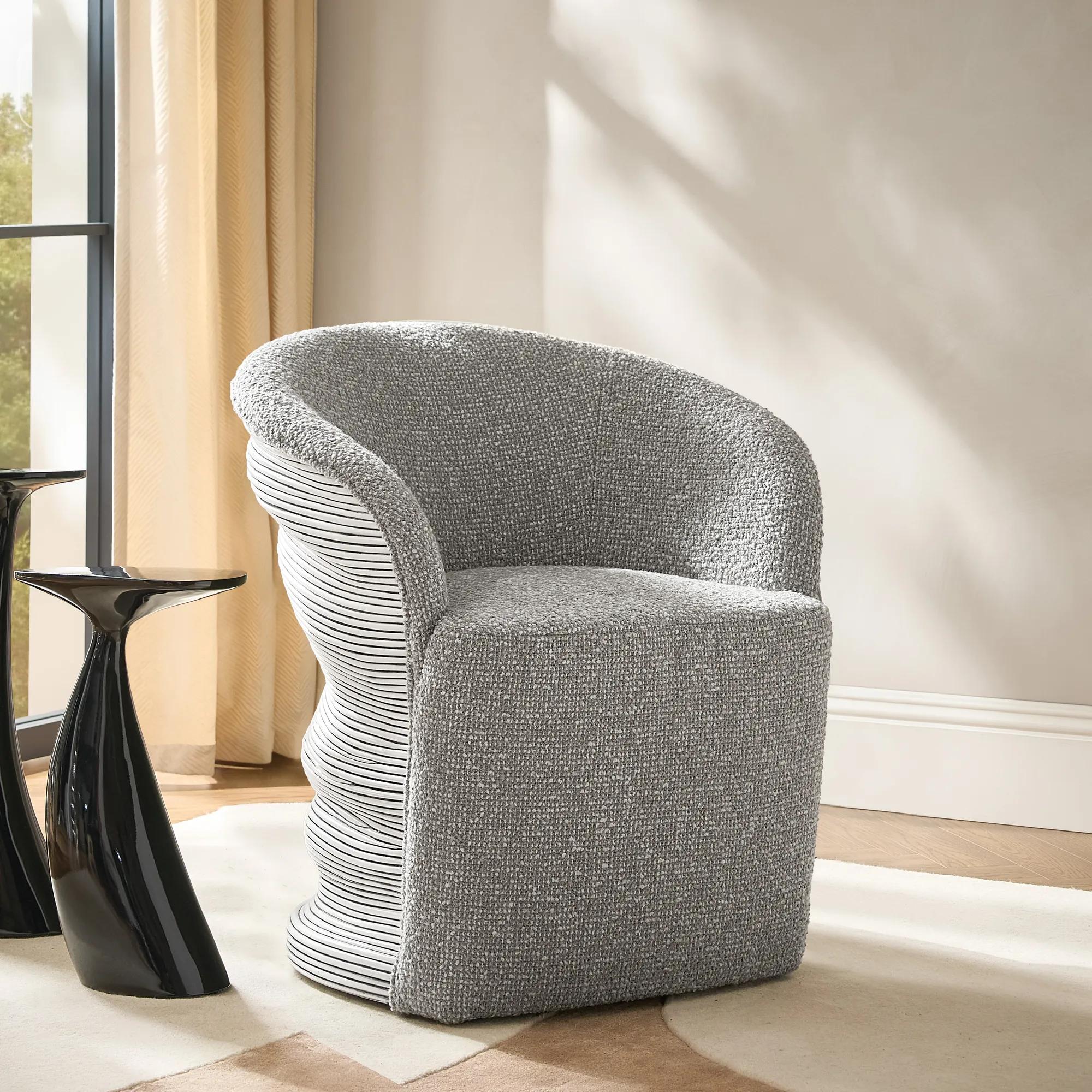 Cairo Rattan Grey Chenille Dining Chair$899
A handwoven natural rattan swivel chair in grey chenille, blending sculptural form with plush comfort.
Add To Cart -
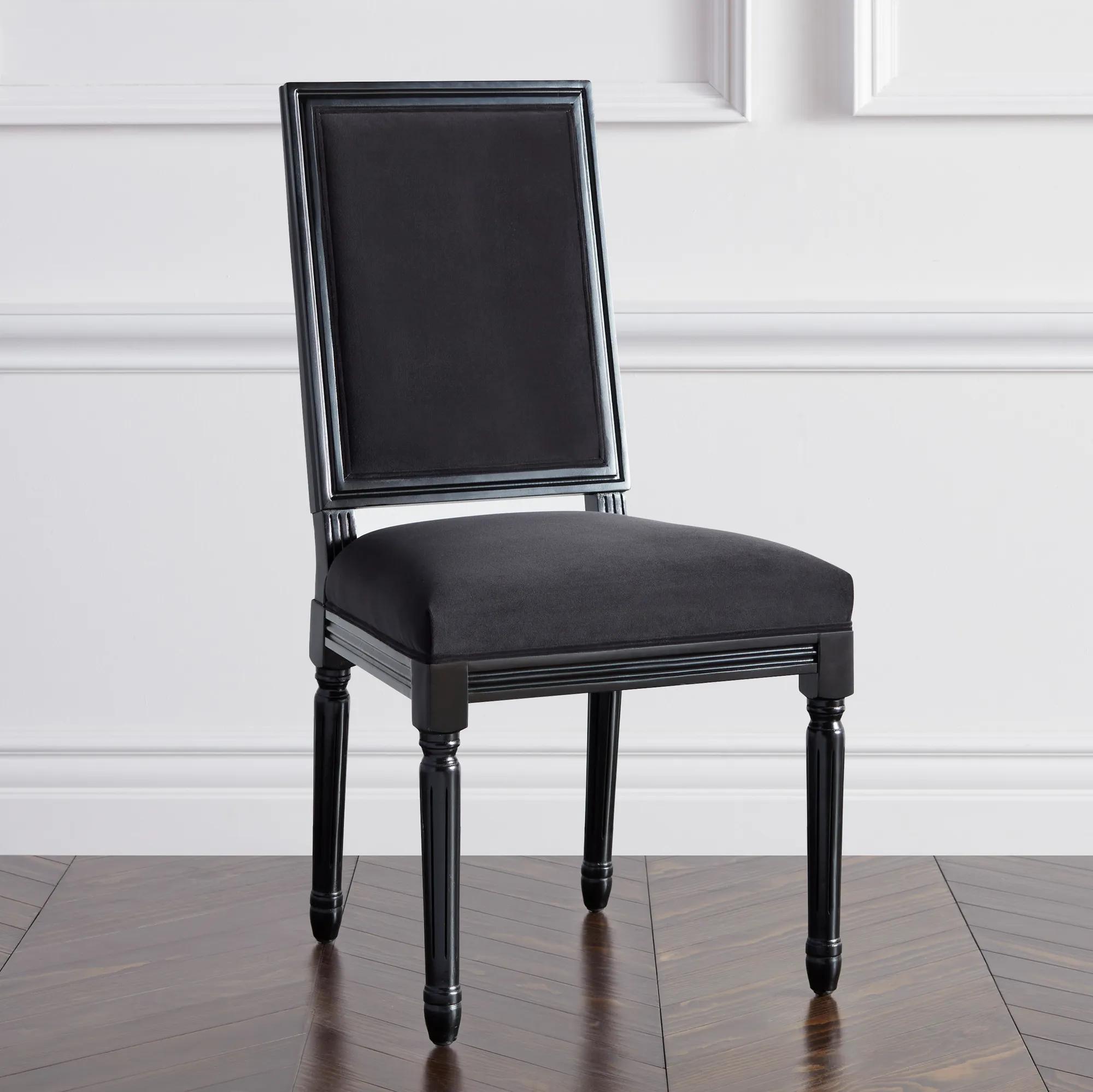
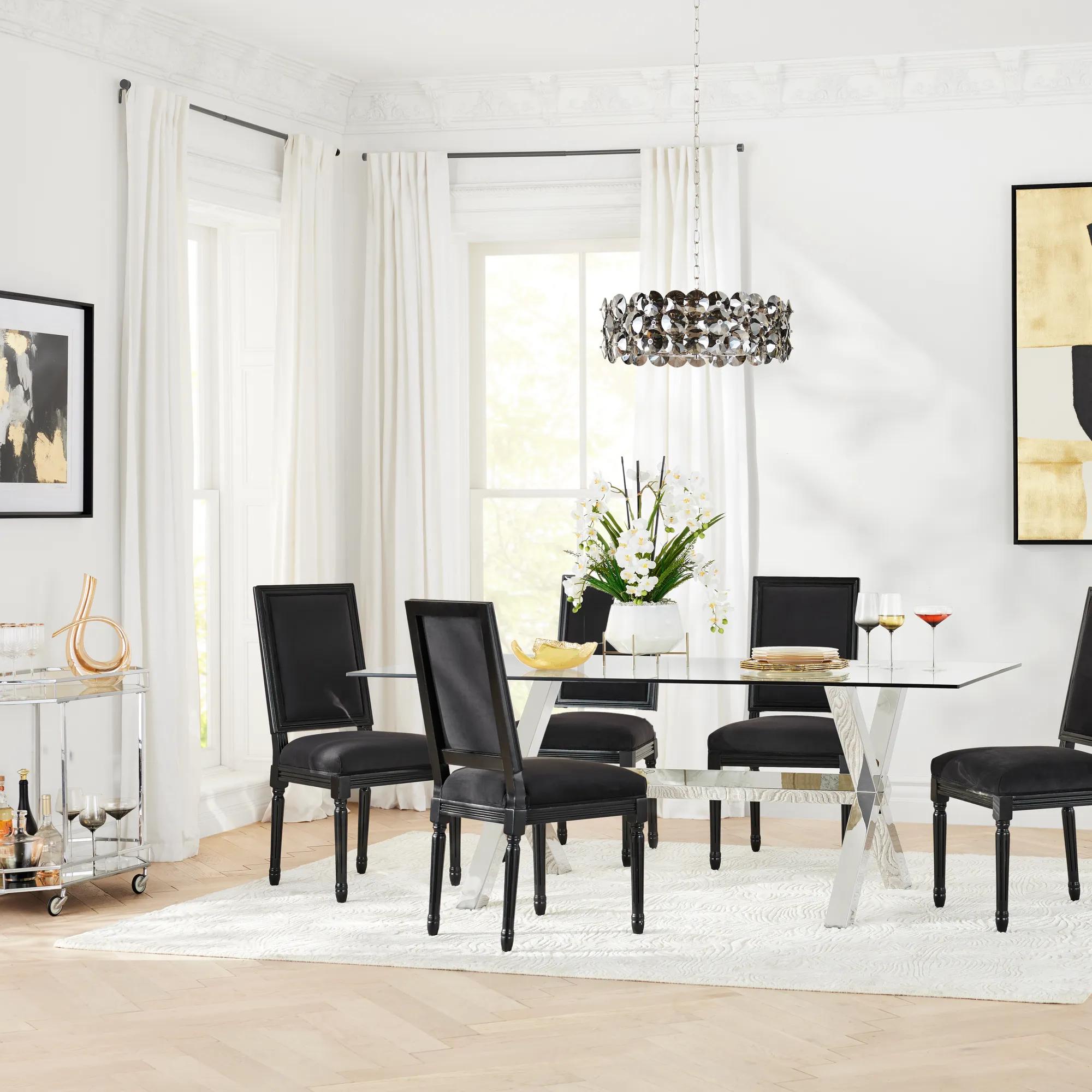 Callan Dining Chair - High Gloss Black$599
A handcrafted dining chair featuring high-gloss black Bella Velvet upholstery, fluted legs, and a squared back.
Add To Cart -
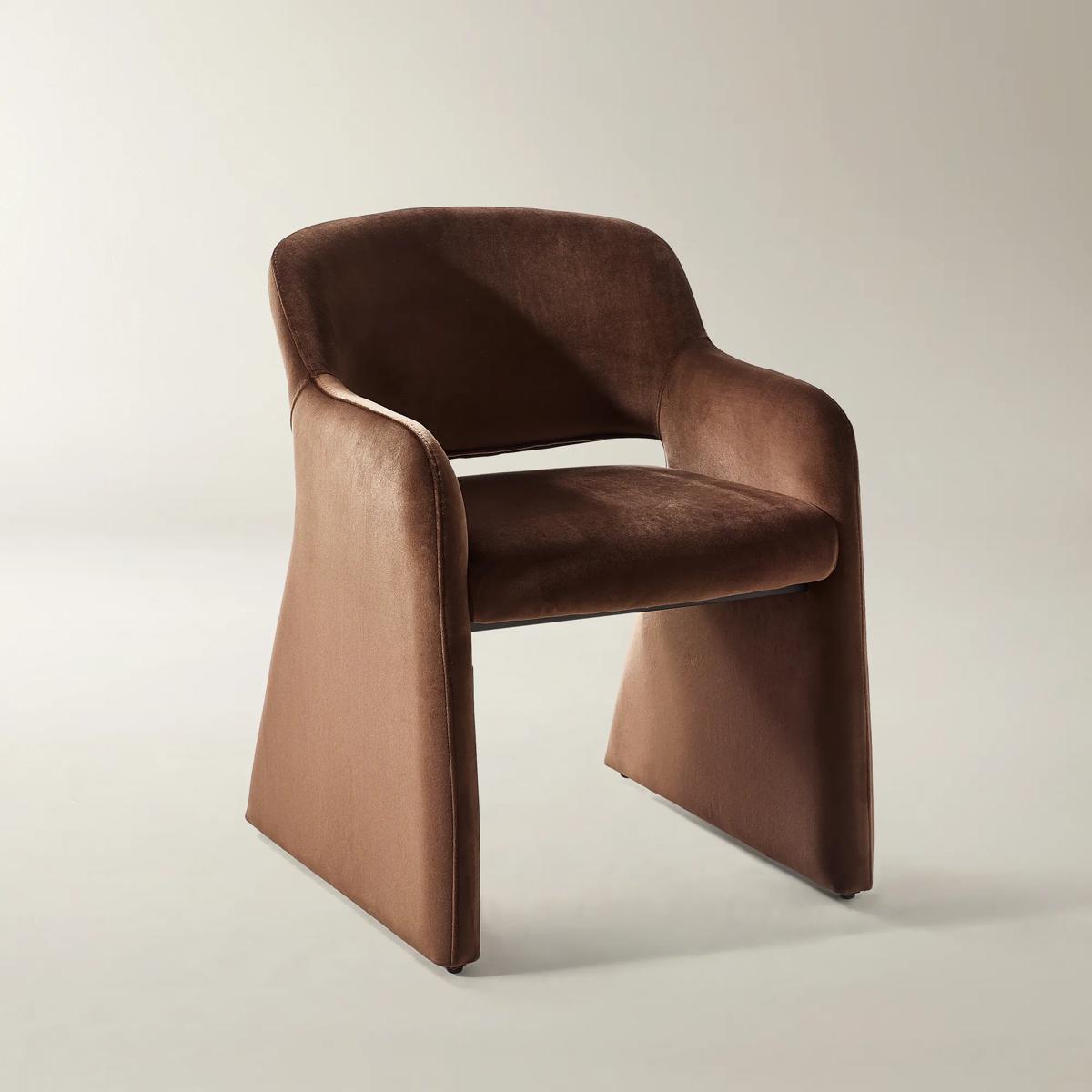
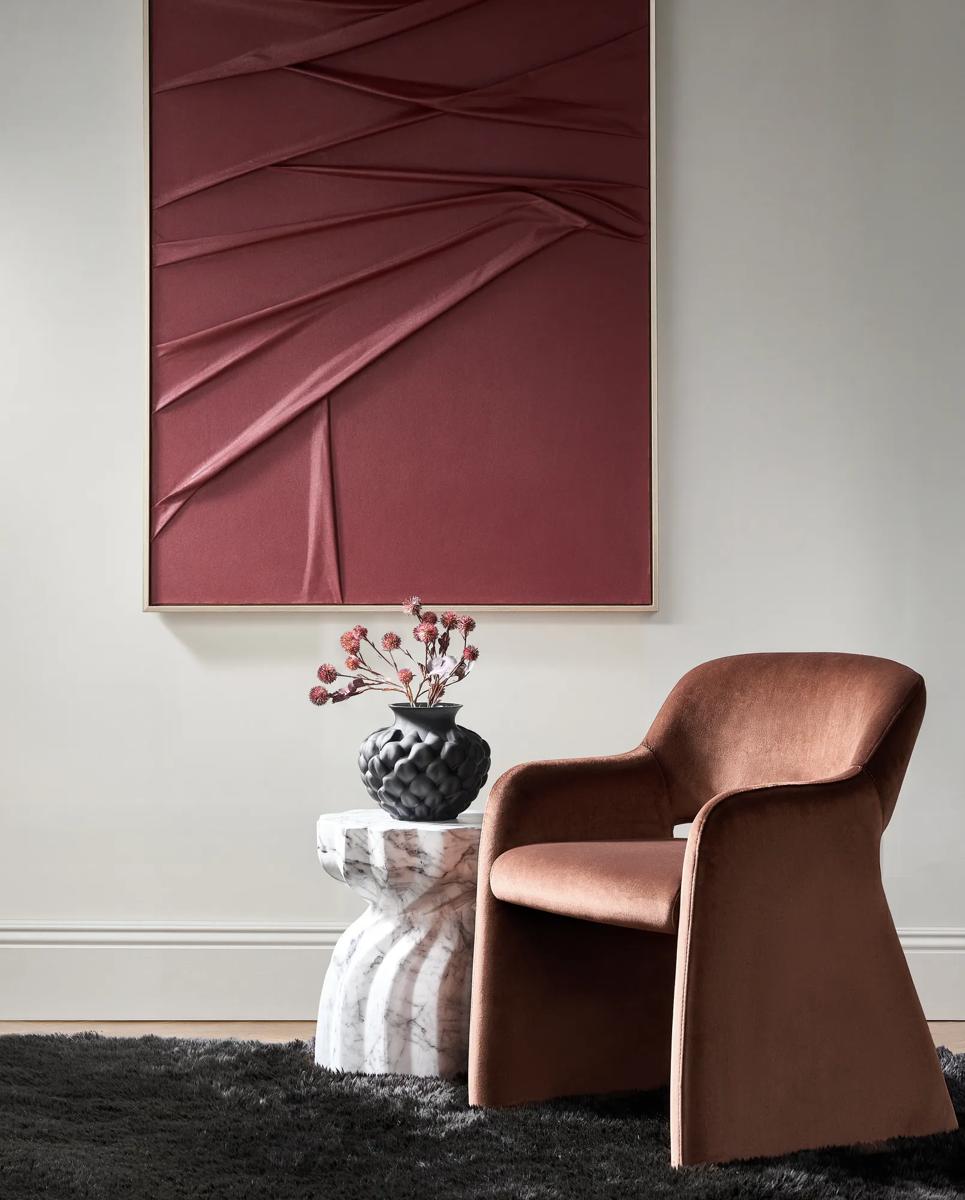 Elara Burnt Umber Velvet Dining Chair$399
A plush brown velvet armchair with sinuous curves, ergonomic support, and hand-crafted, reinforced details.
Add To Cart -
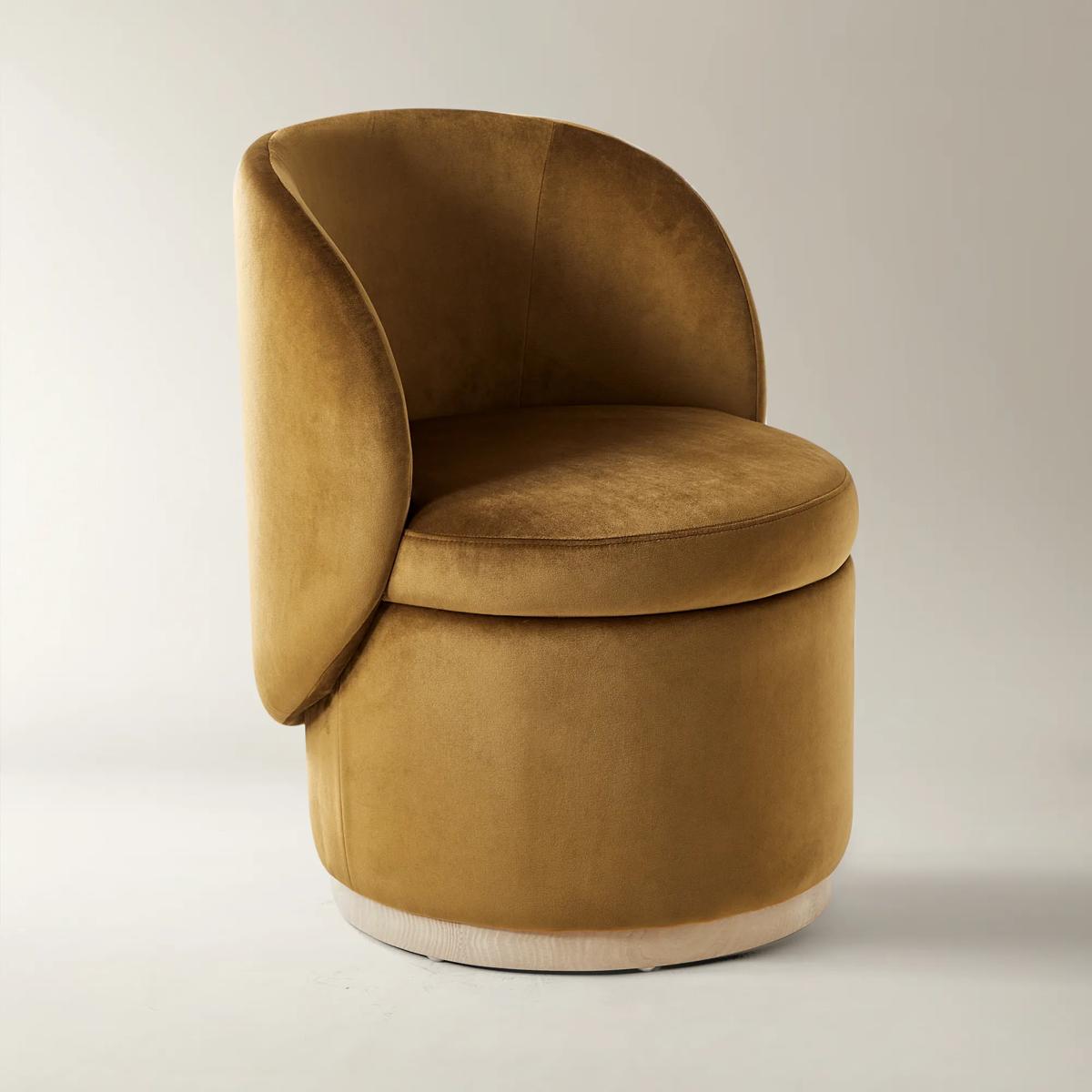
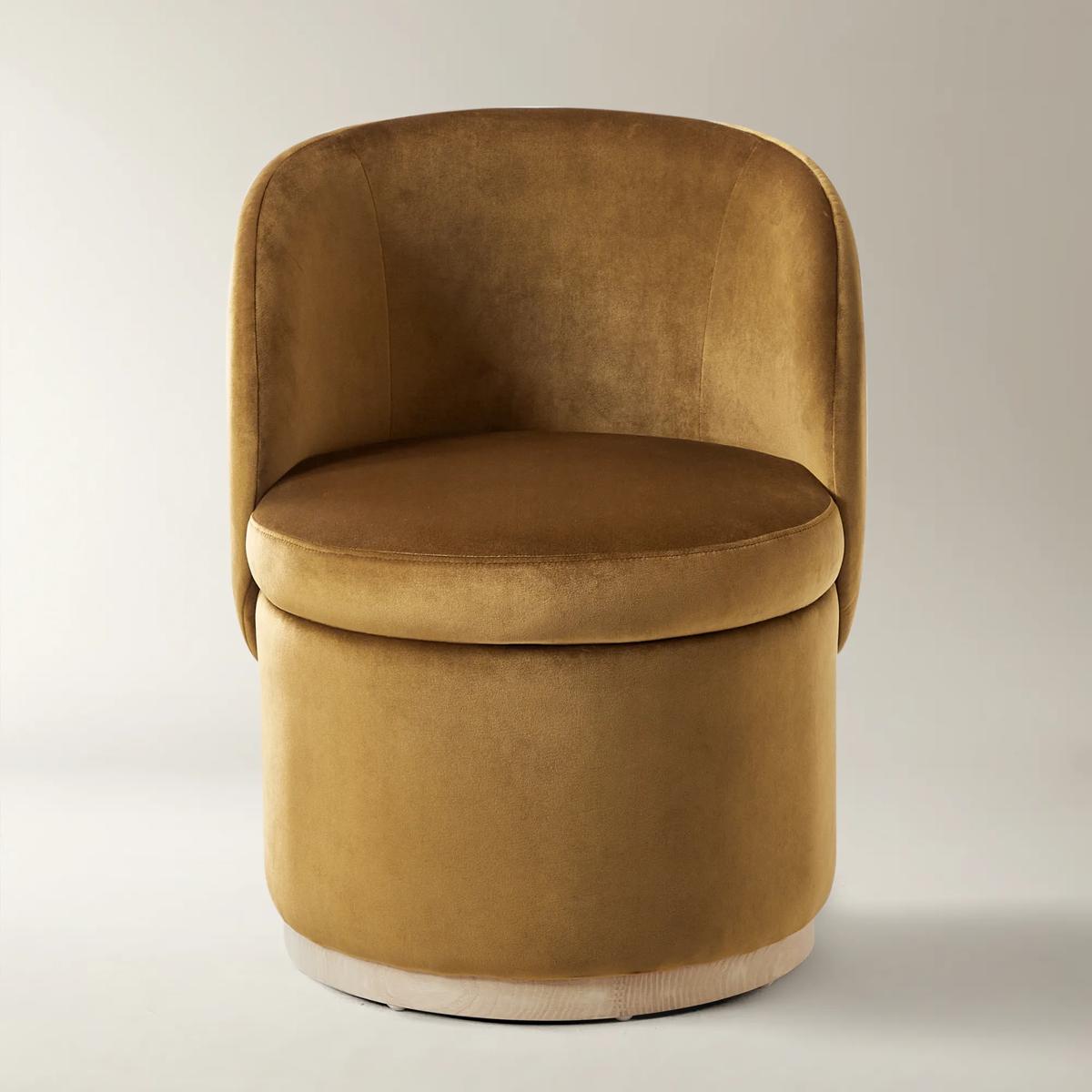 Stria Roasted Pecan Velvet Dining Chair With Oak Base$449
A khaki chenille chair featuring cozy upholstery and a handcrafted solid oak base for organic warmth.
Add To Cart -
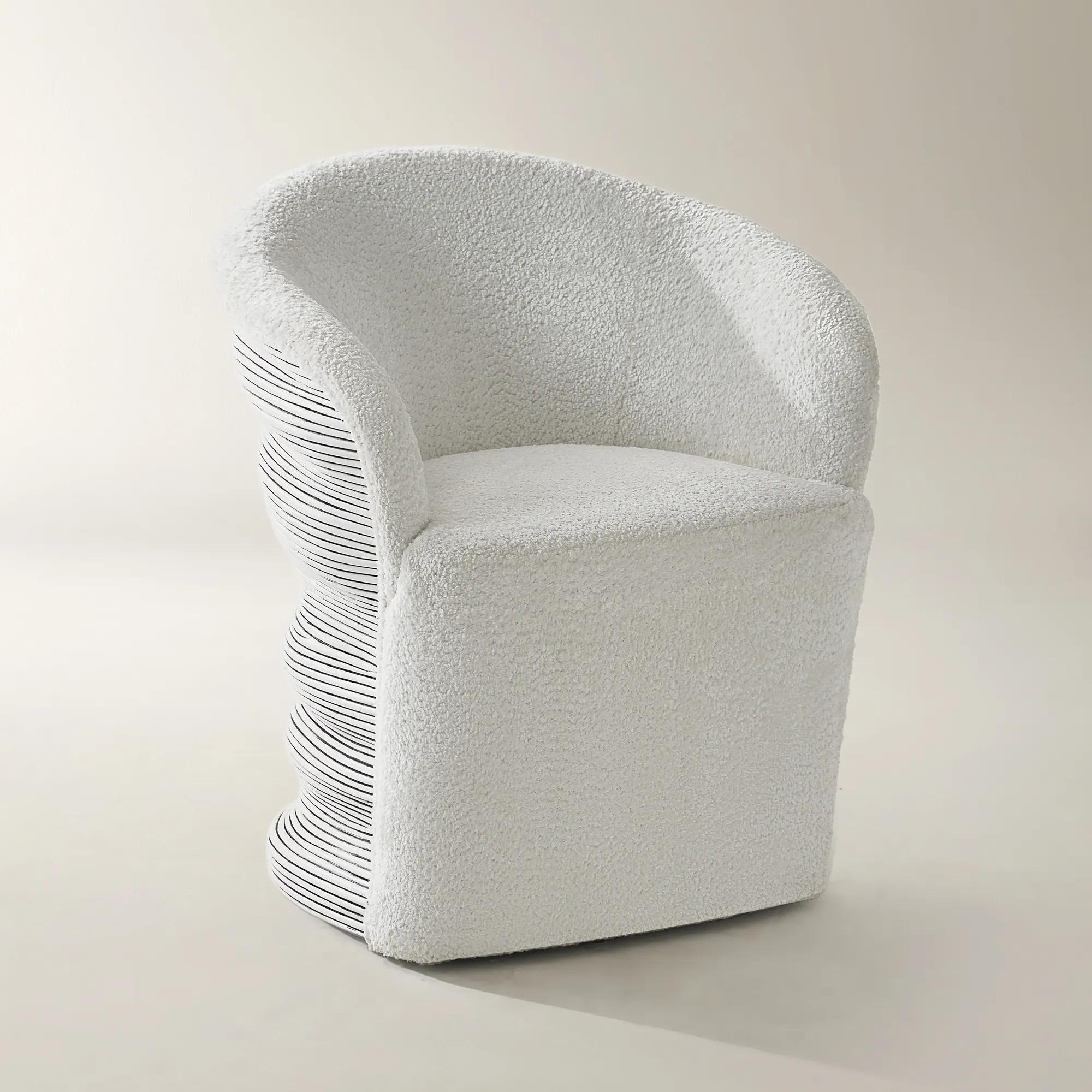
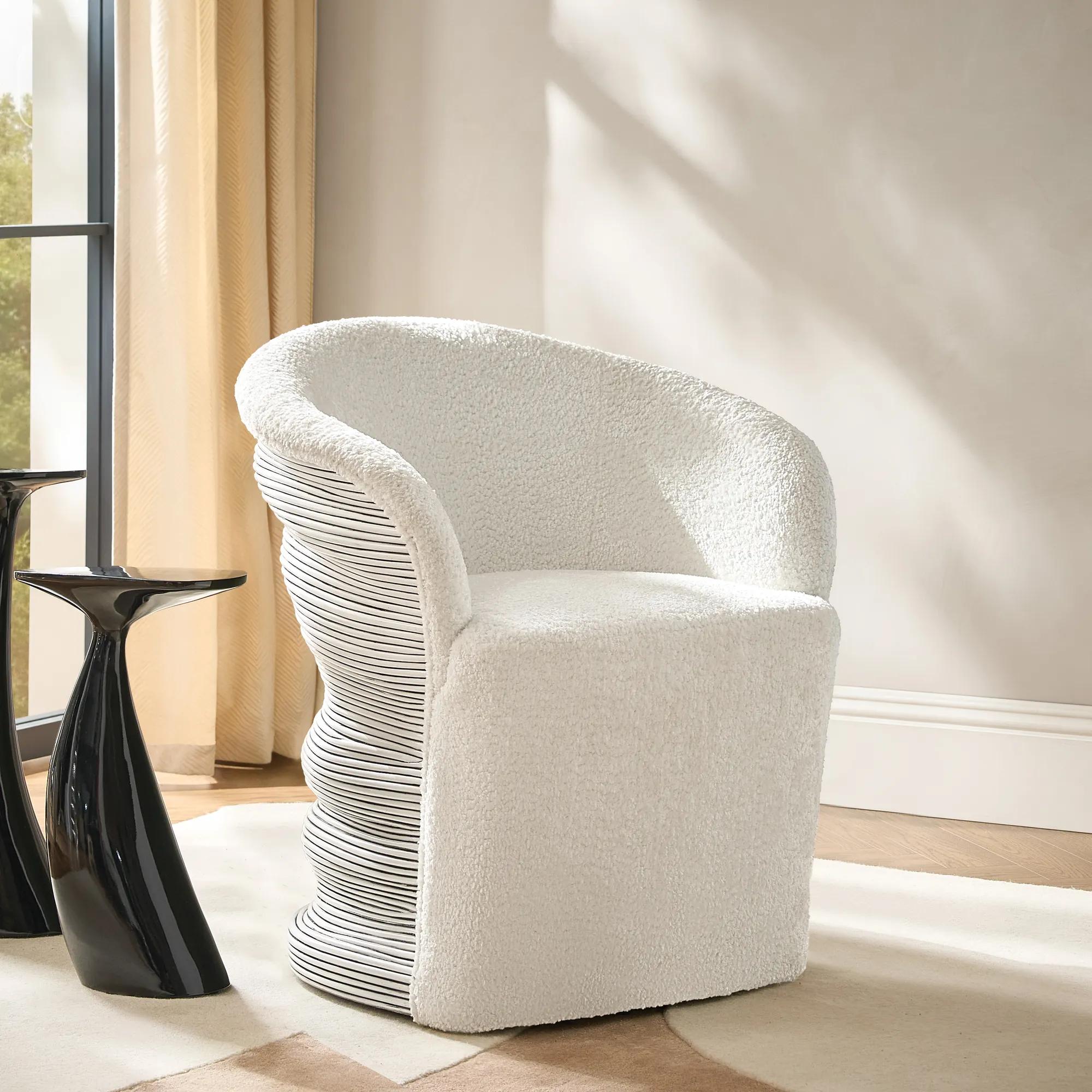 Cairo Rattan Ivory Chenille Dining Chair$899
An artisan-crafted swivel chair featuring handwoven natural rattan and plush ivory chenille upholstery for modern comfort.
Add To Cart -
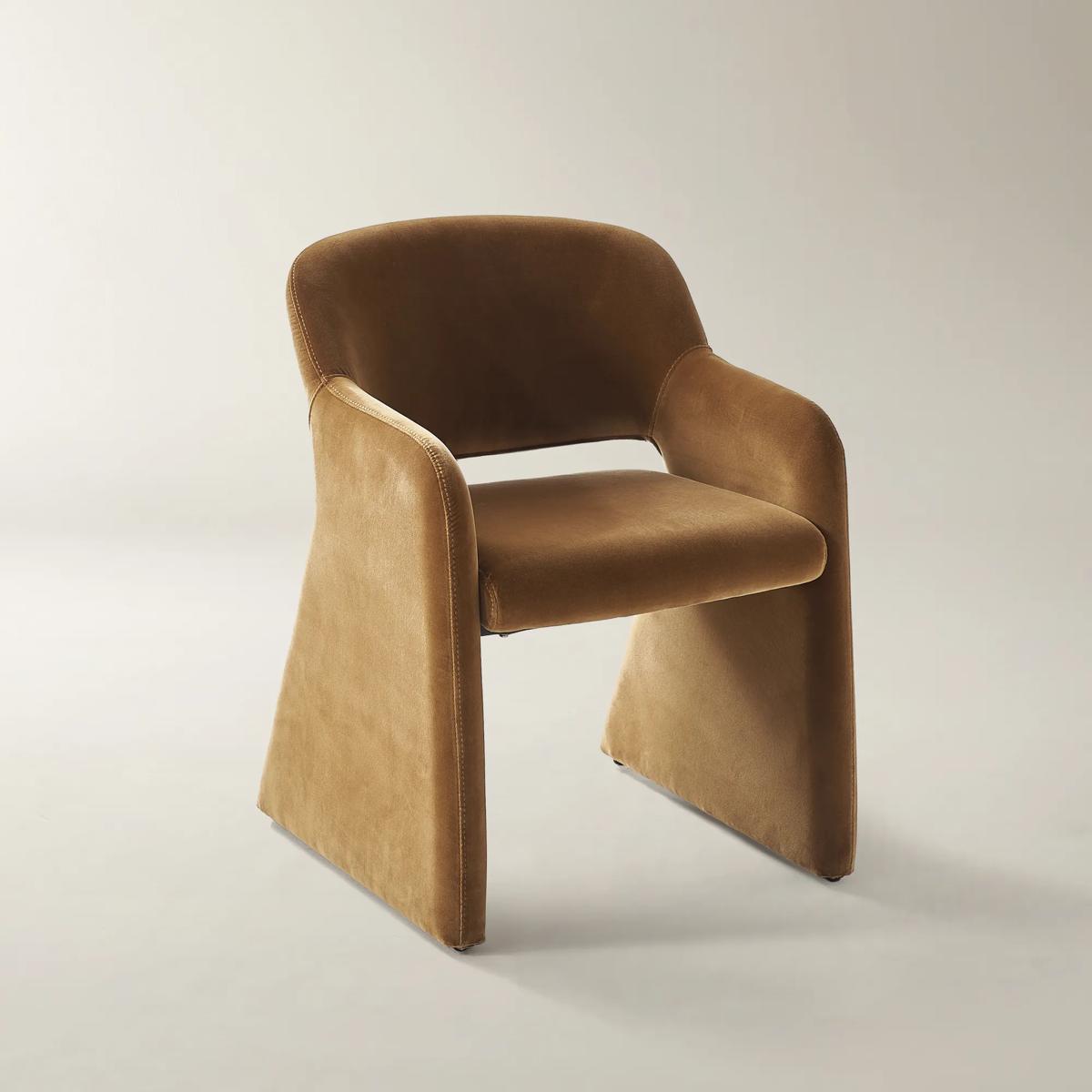
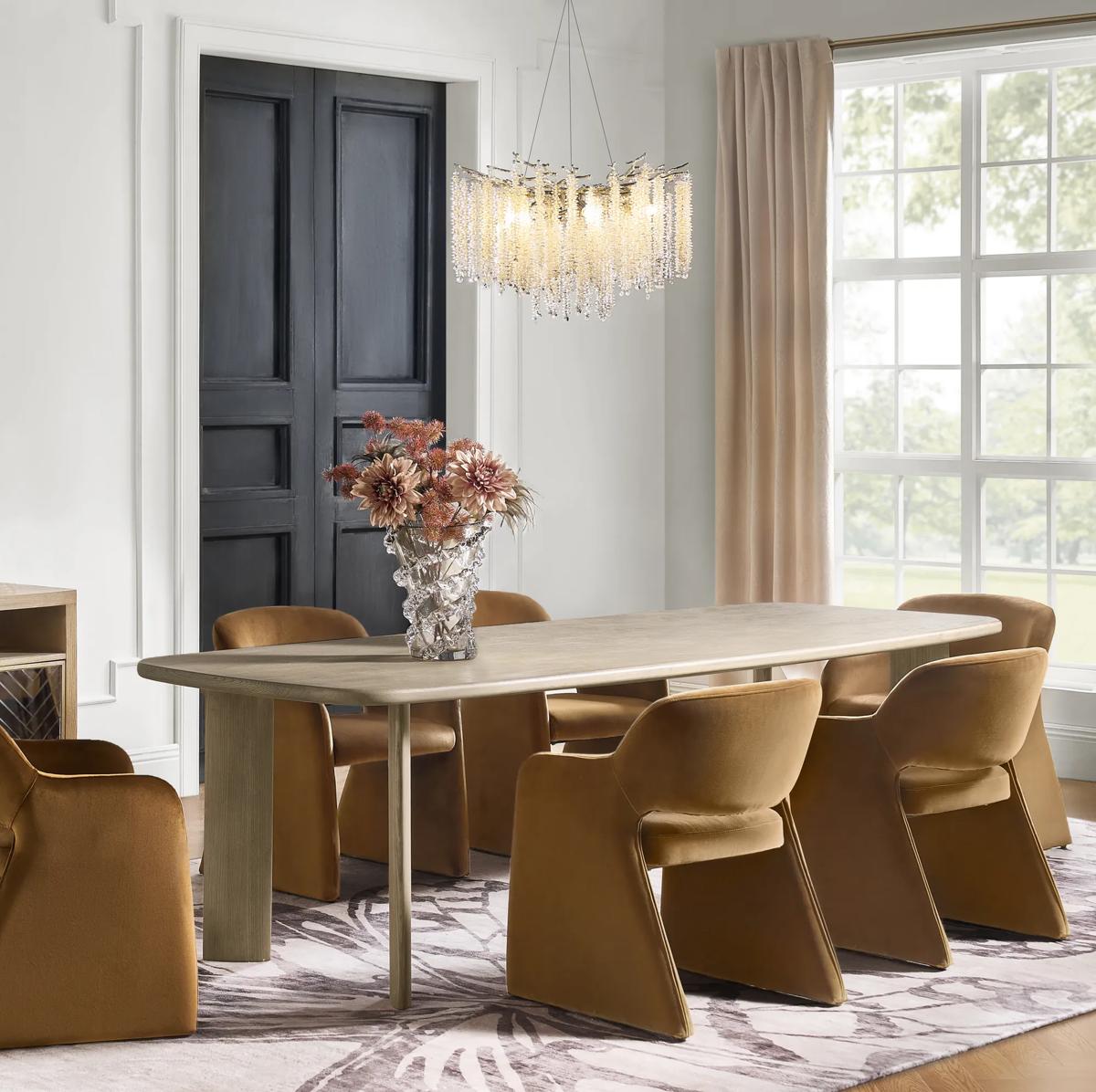 Elara Roasted Pecan Velvet Dining Chair$399
A sculptural armchair in mustard velvet with ergonomic curves, metal frame, and hand-crafted detailing.
Add To Cart -
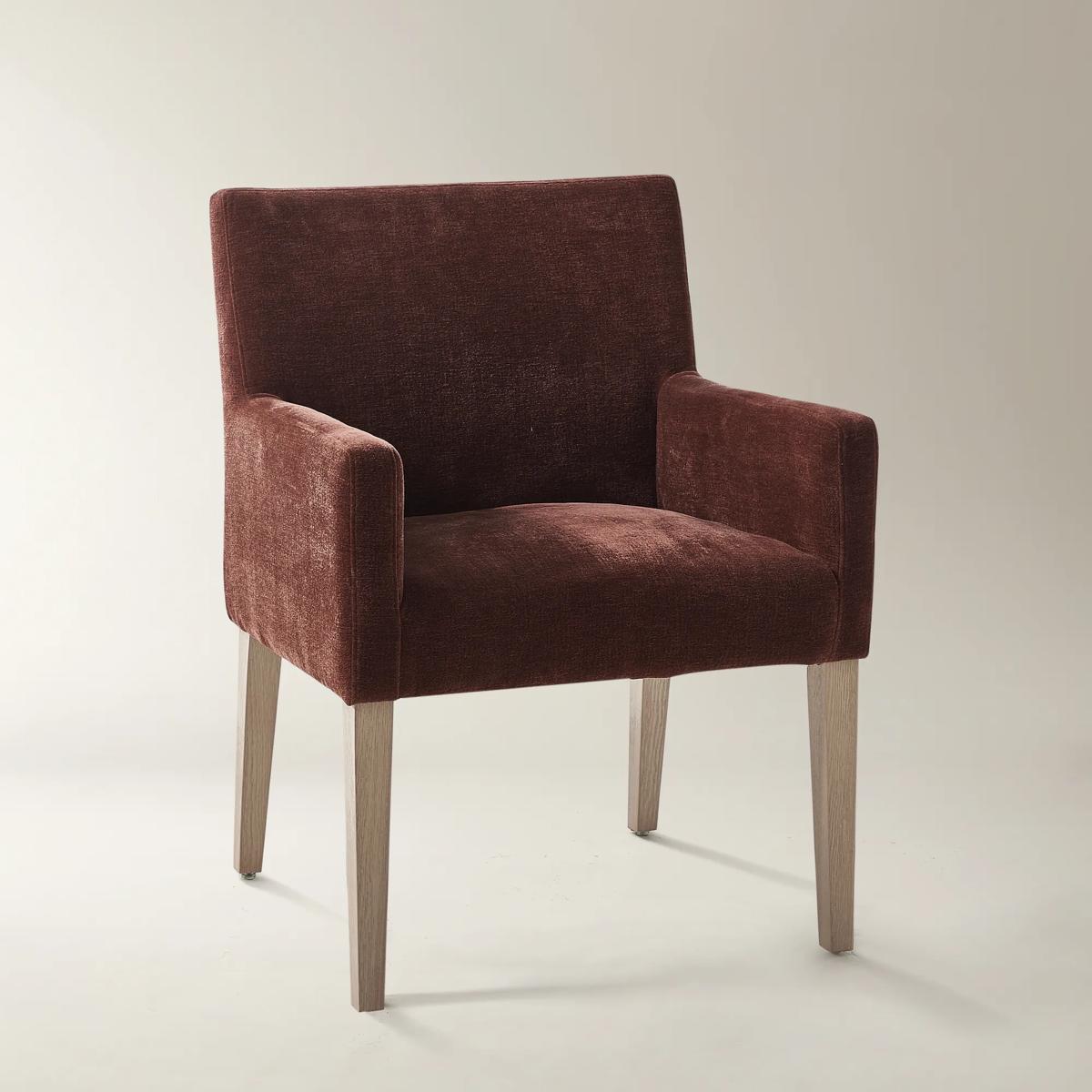
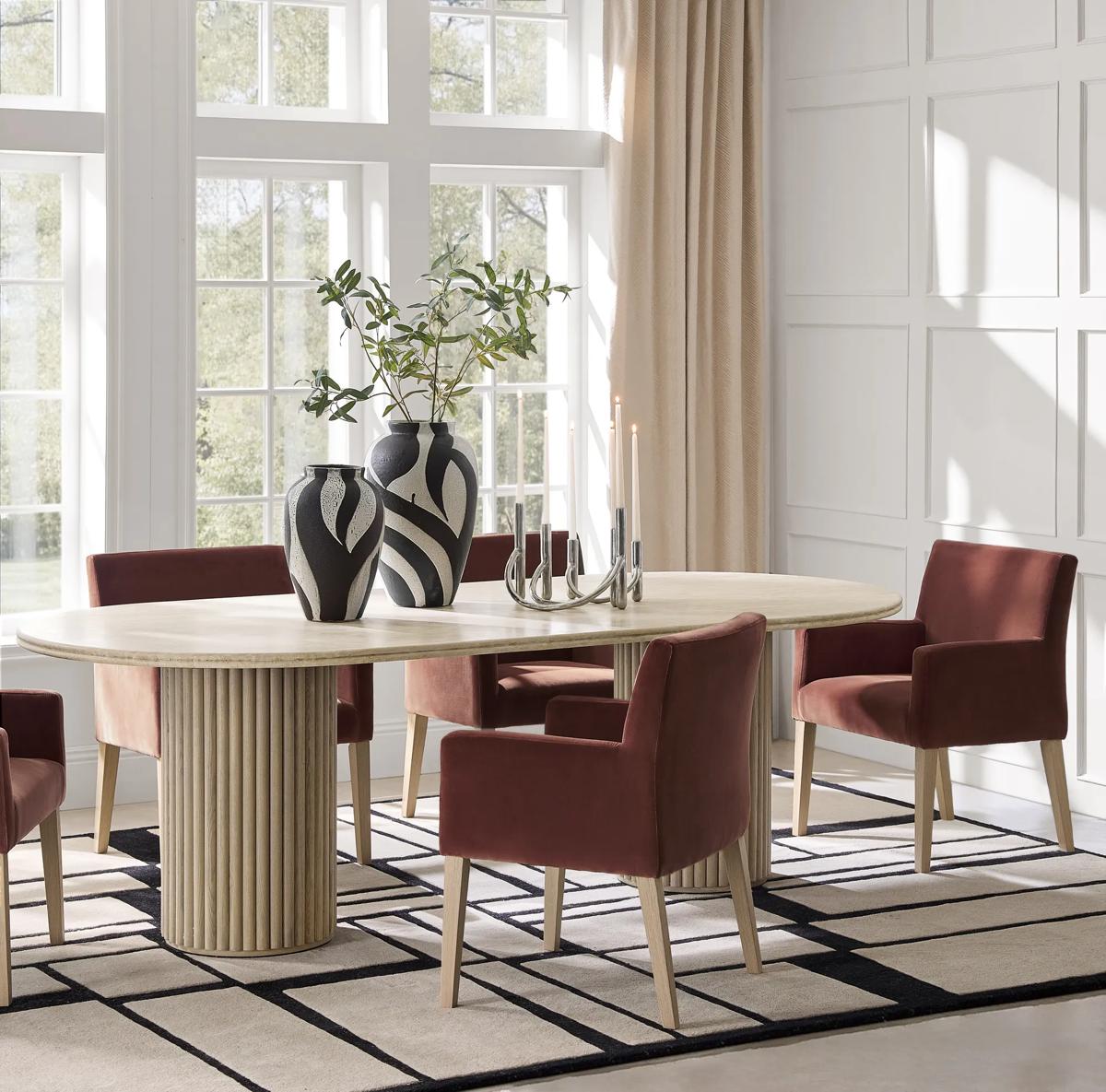 Stria Rust Velvet Dining Chair Set Of 2$599
A set of two arm chairs featuring cognac chenille upholstery and handcrafted solid oak legs for timeless style.
Add To Cart -
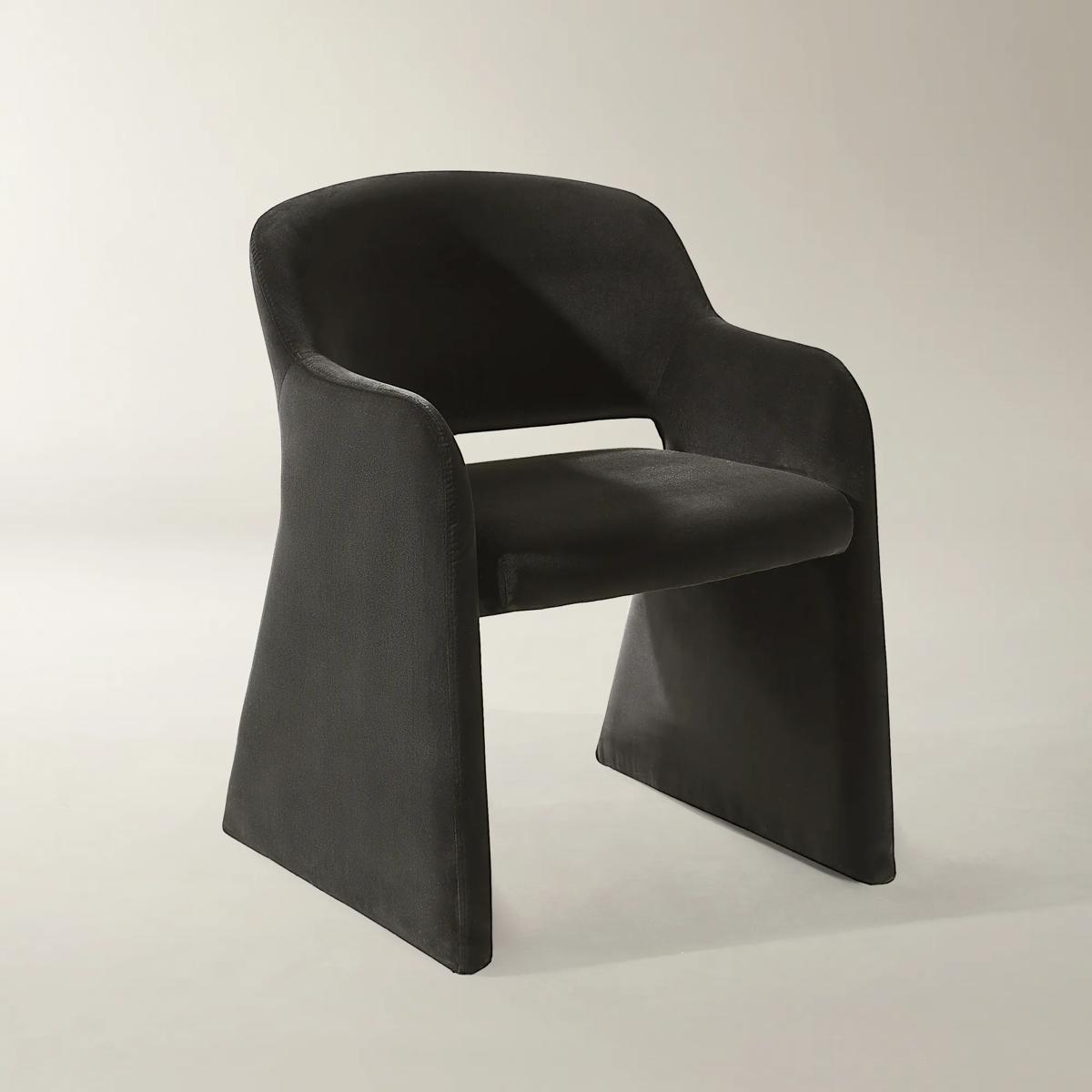 Elara Charcoal Velvet Dining Chair$399
A charcoal velvet armchair with sinuous curves, supportive embrace, and hand-crafted, reinforced construction.
Add To Cart -
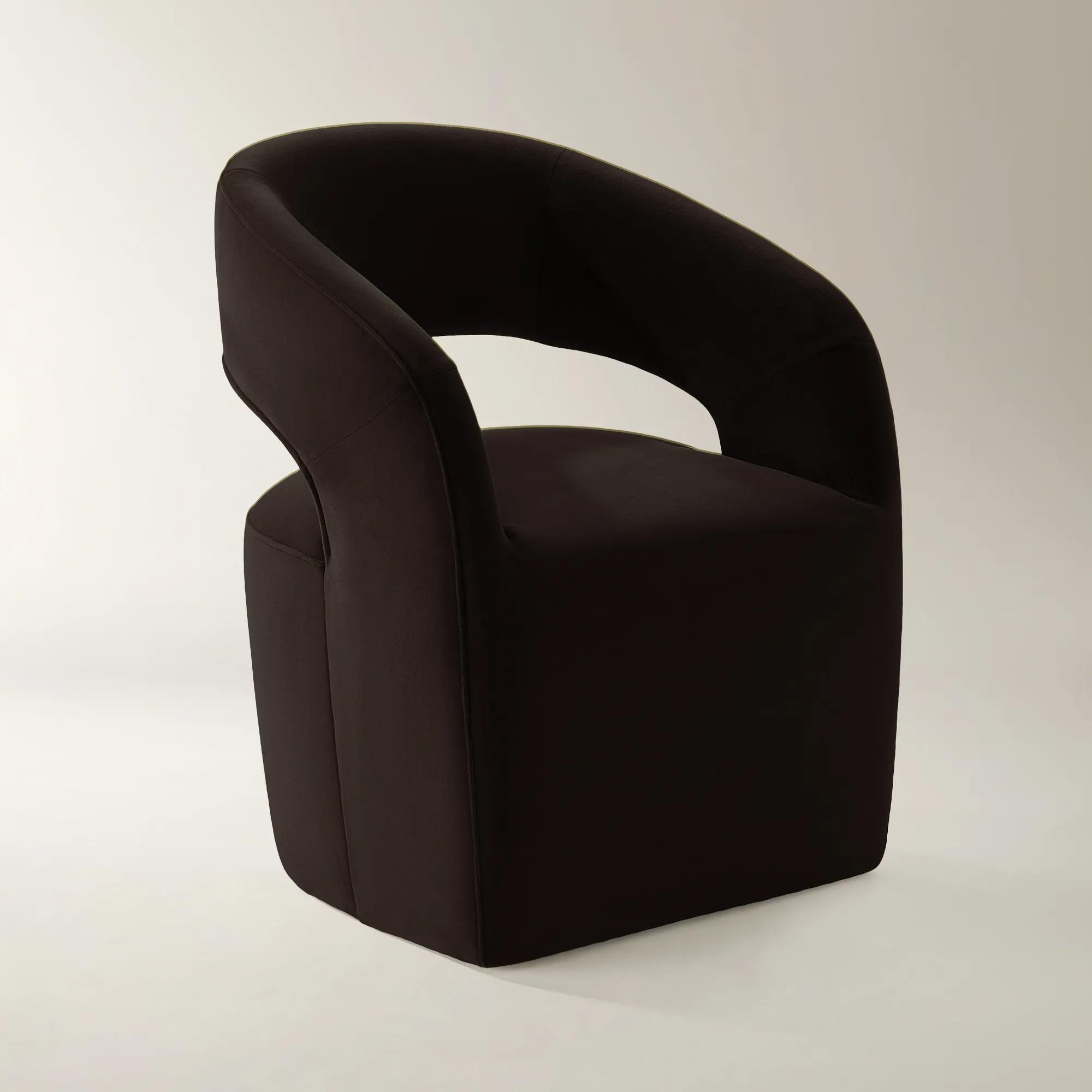
-2.jpg?w=1200&h=1200) Harrison Dark Chocolate Velvet Dining Chair$449
Harrison Dark Chocolate Velvet Dining Chair$449A sculptural dining chair upholstered in dark chocolate velvet with a plush feather-blend seat and curved back.
Add To Cart -
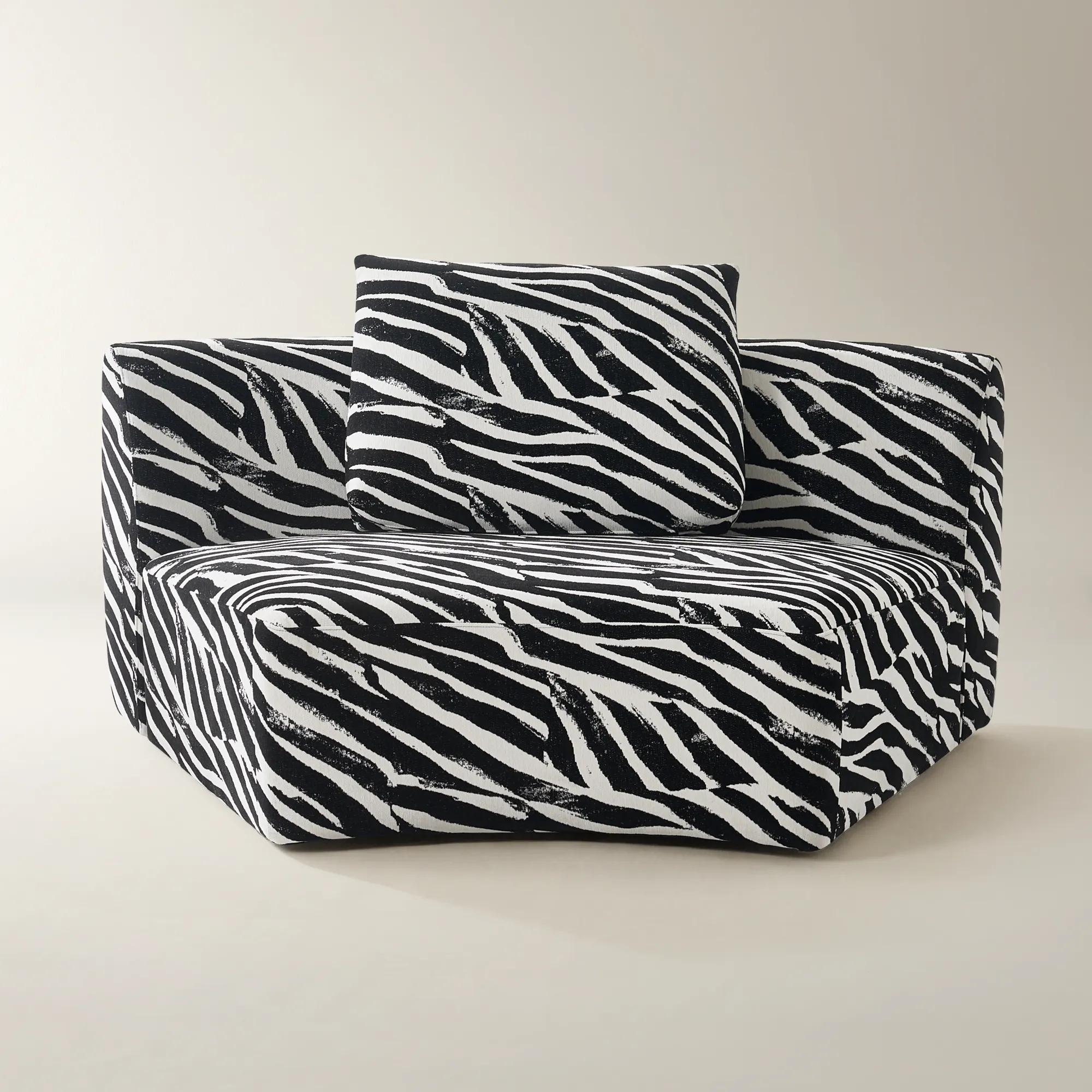
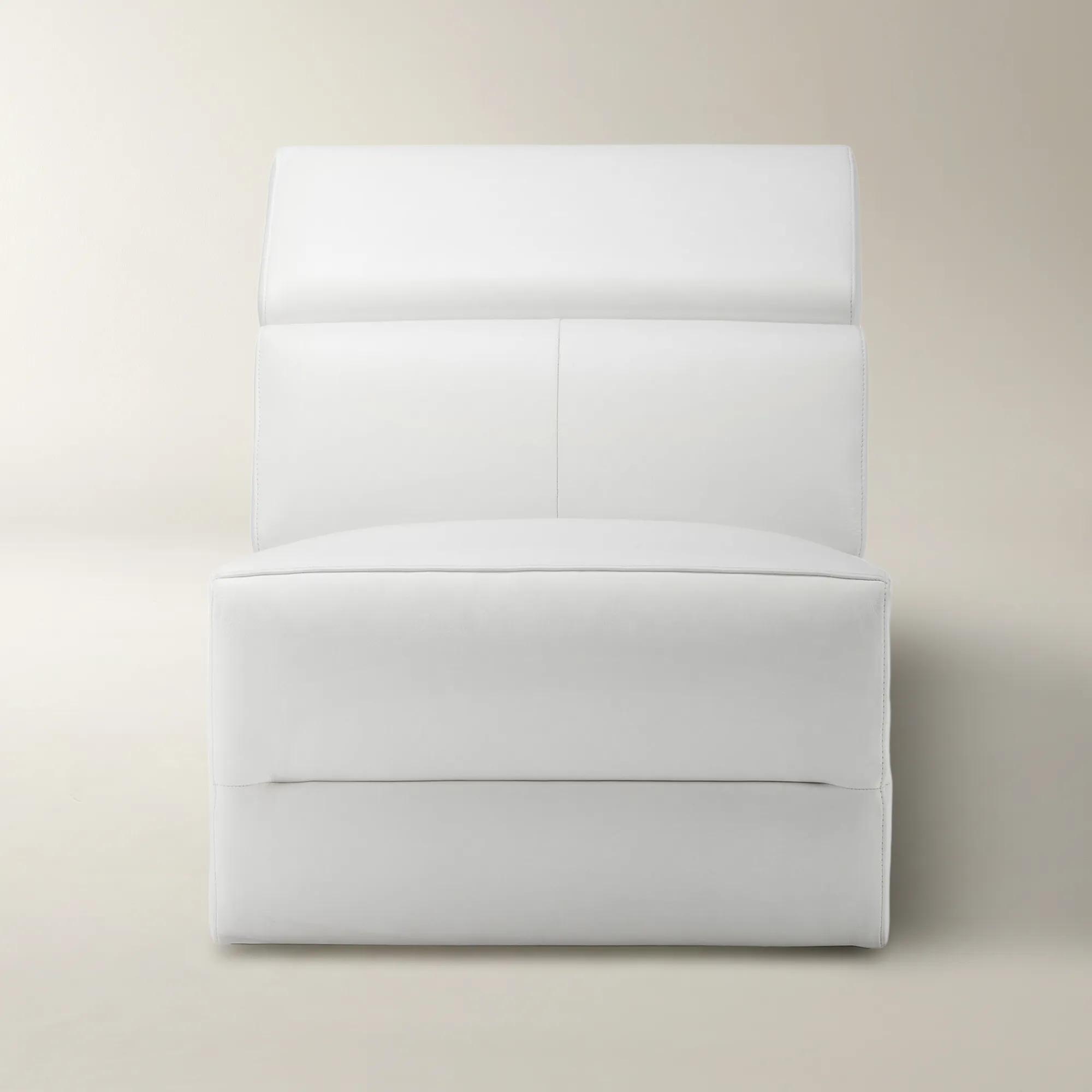
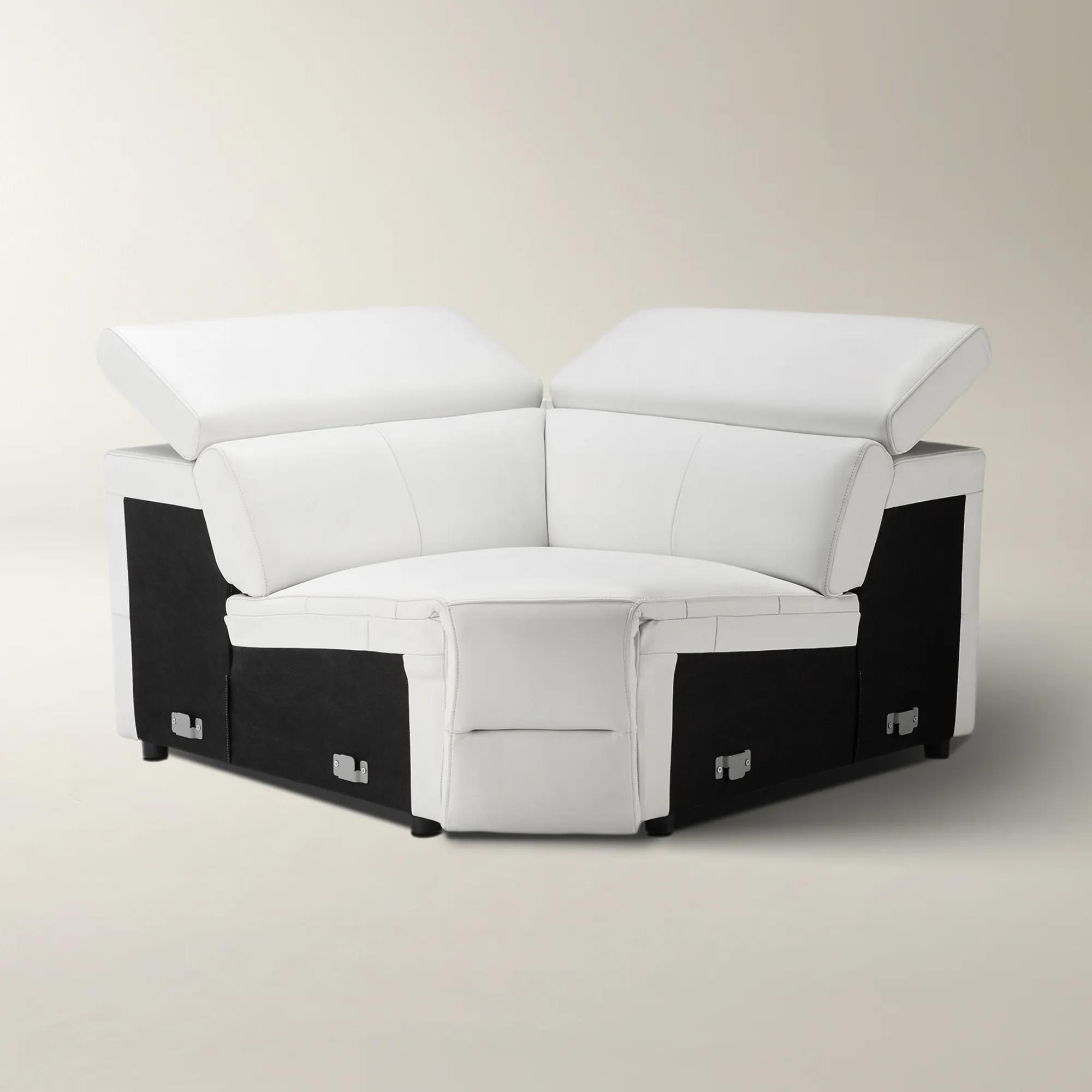
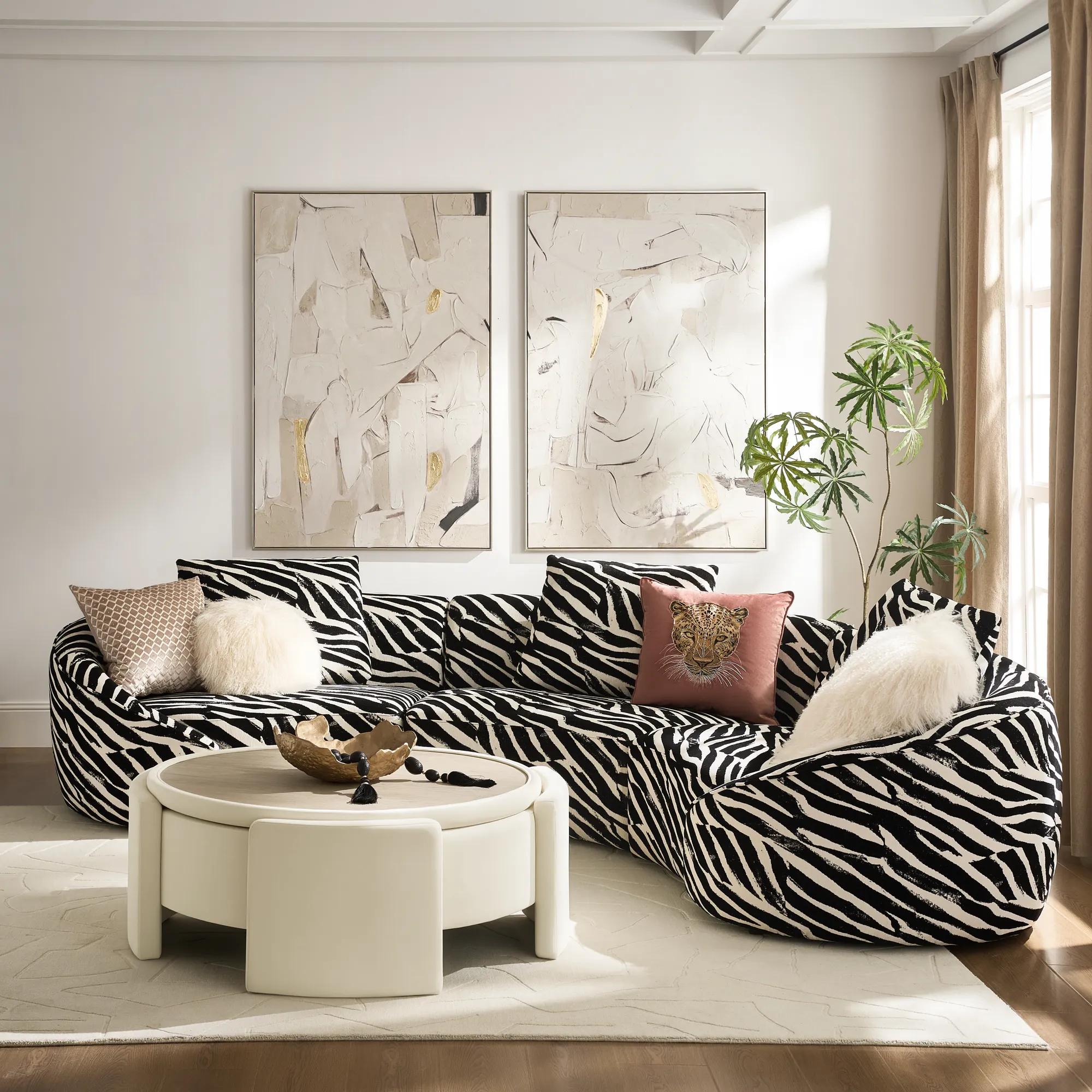 Irene White/Black Performance Chenille Armless Chair$1149
A sculptural armless chair in black and white performance chenille with high-resiliency foam cushions.
Add To Cart -
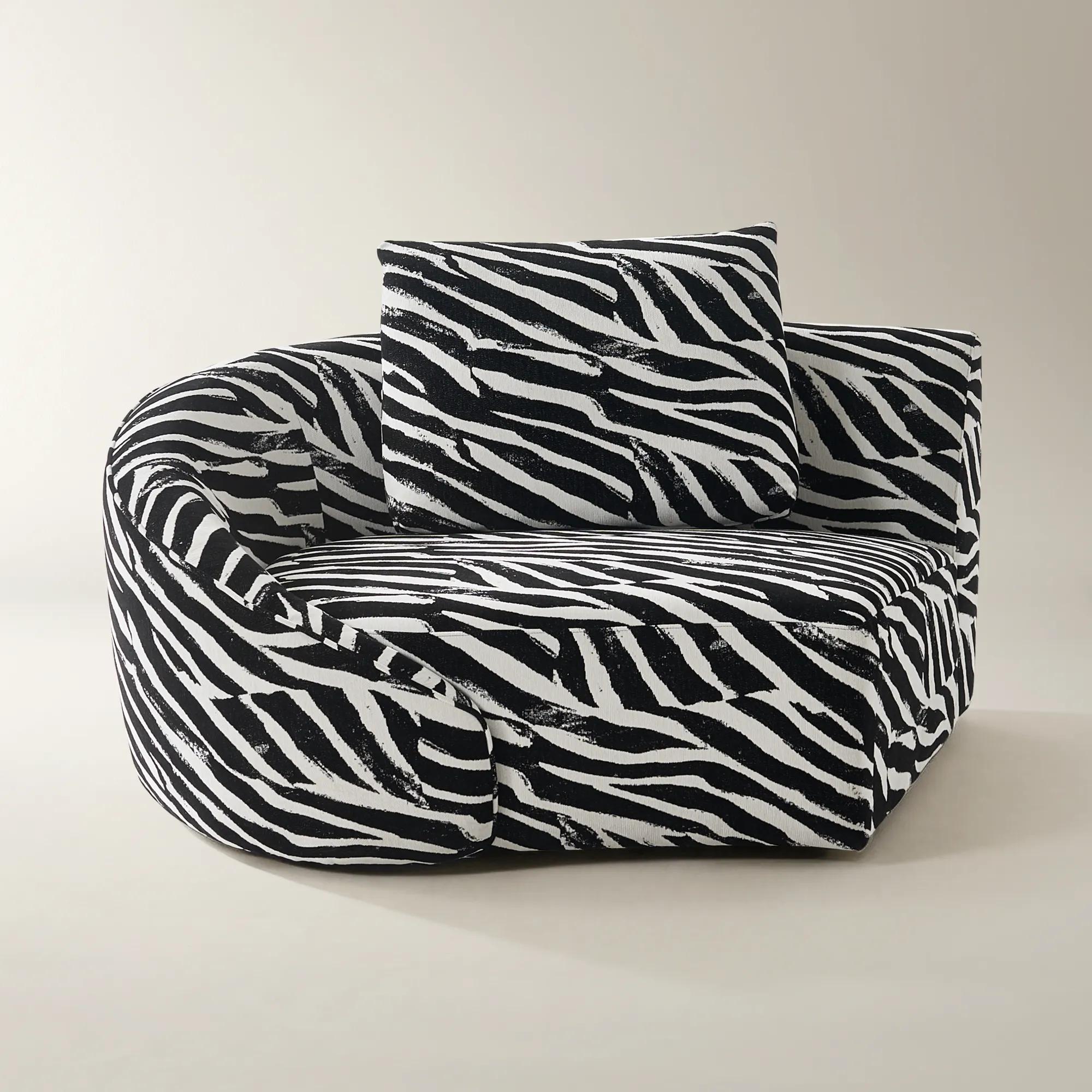
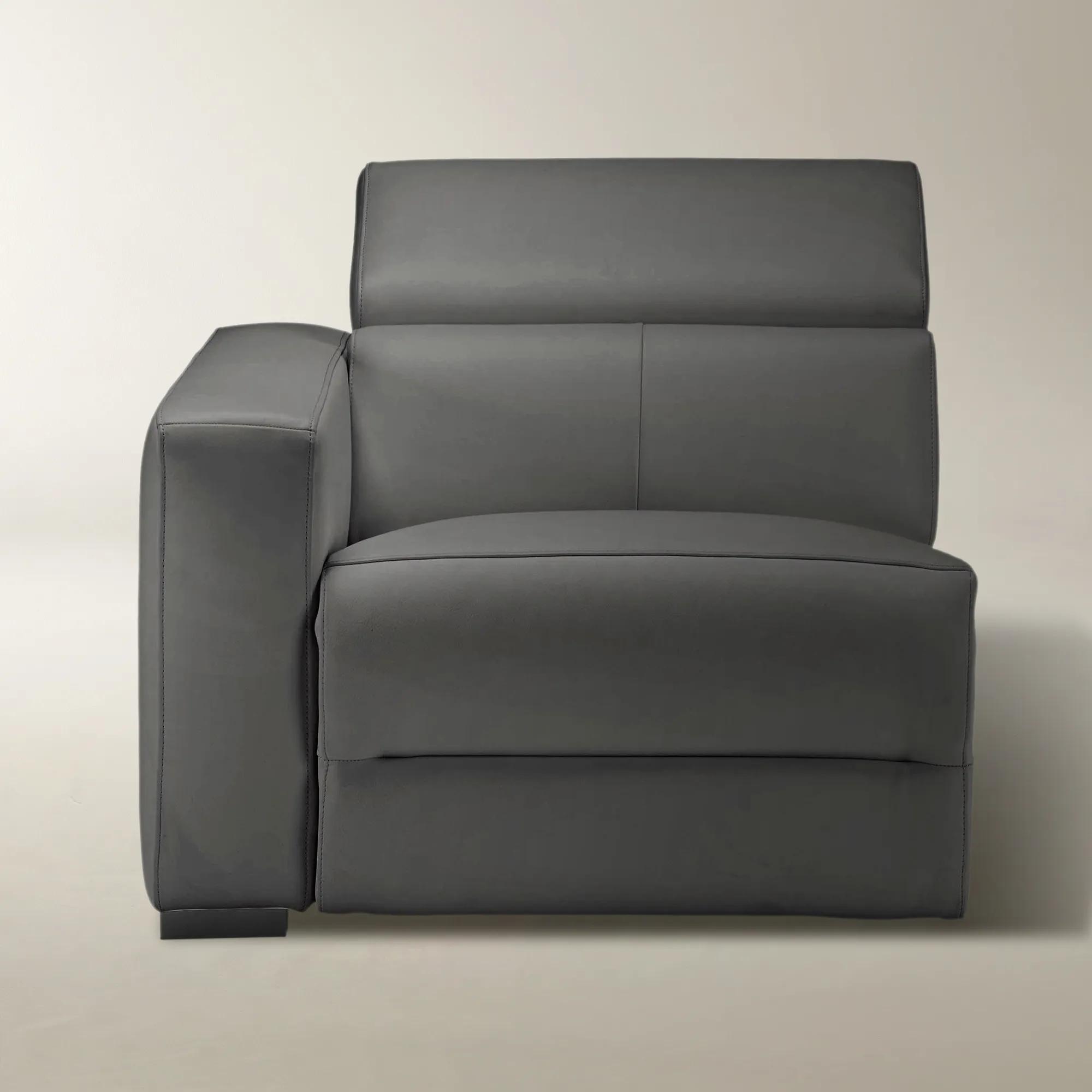
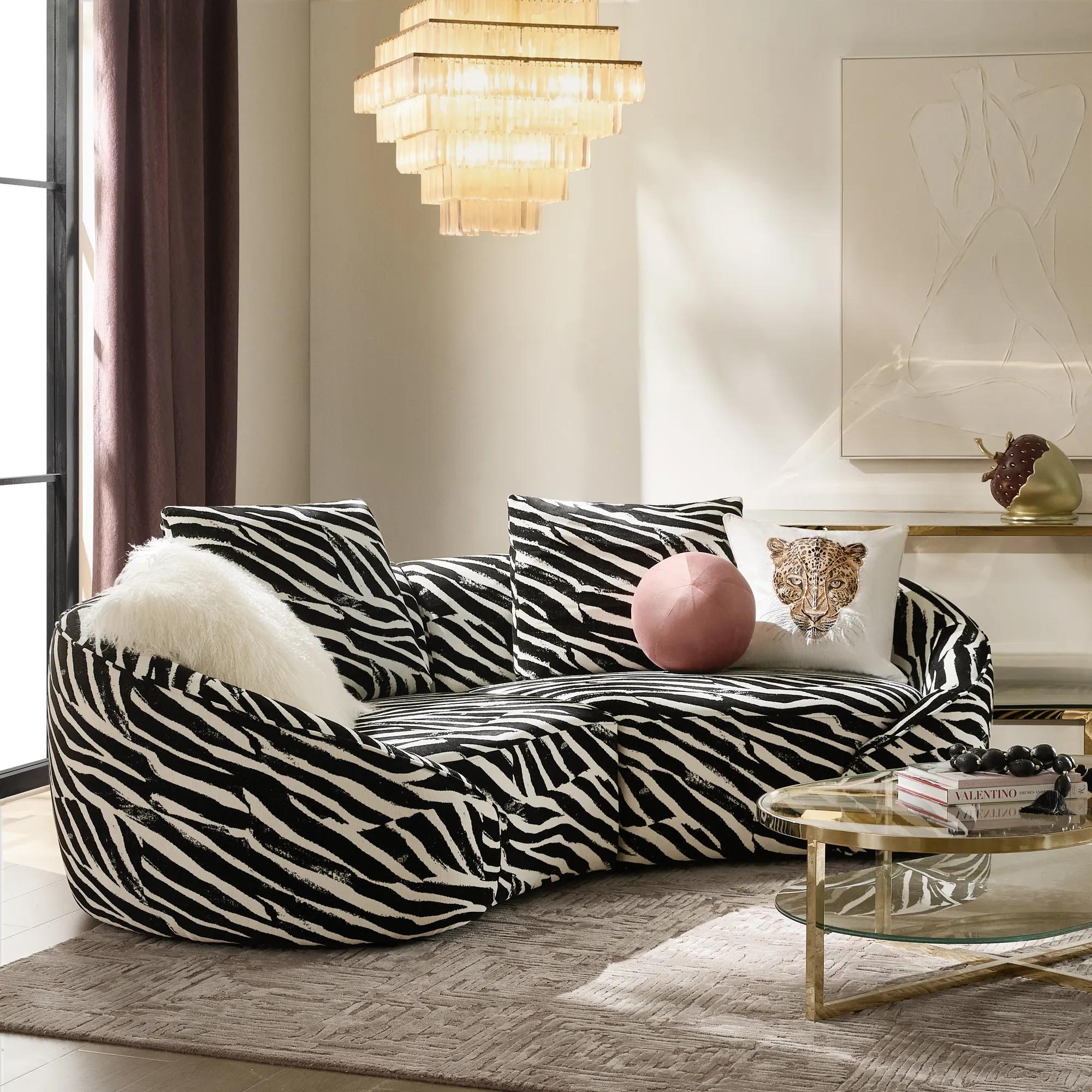 Irene White/Black Performance Chenille Left-Arm Chair$1399
A sculptural left-arm chair in black and white performance chenille with artisan hand-finished upholstery.
Add To Cart -
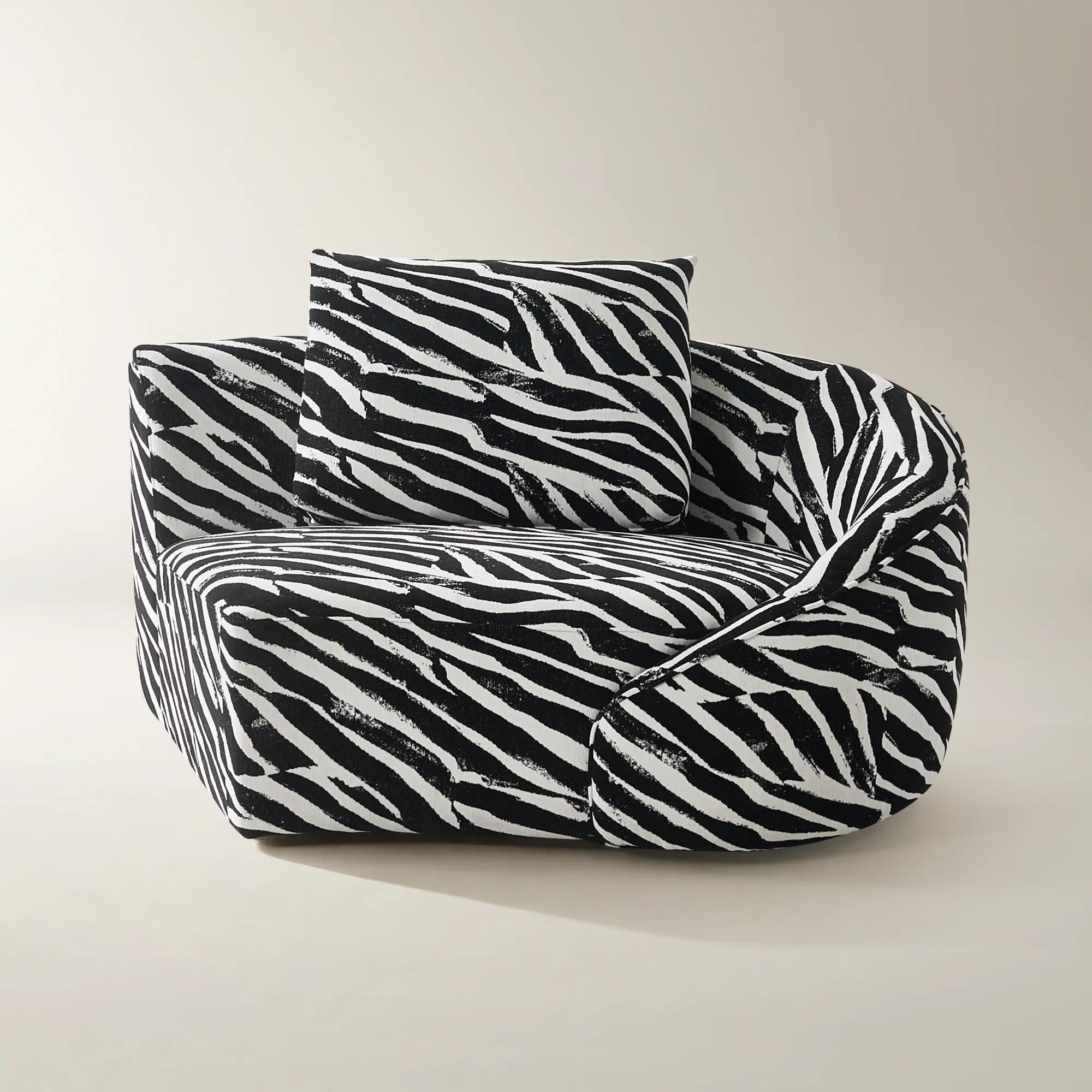 Irene White/Black Performance Chenille Right-Arm Chair$1399
A sculptural right-arm chair in black and white performance chenille with plush foam cushions and artisan detailing.
Add To Cart -
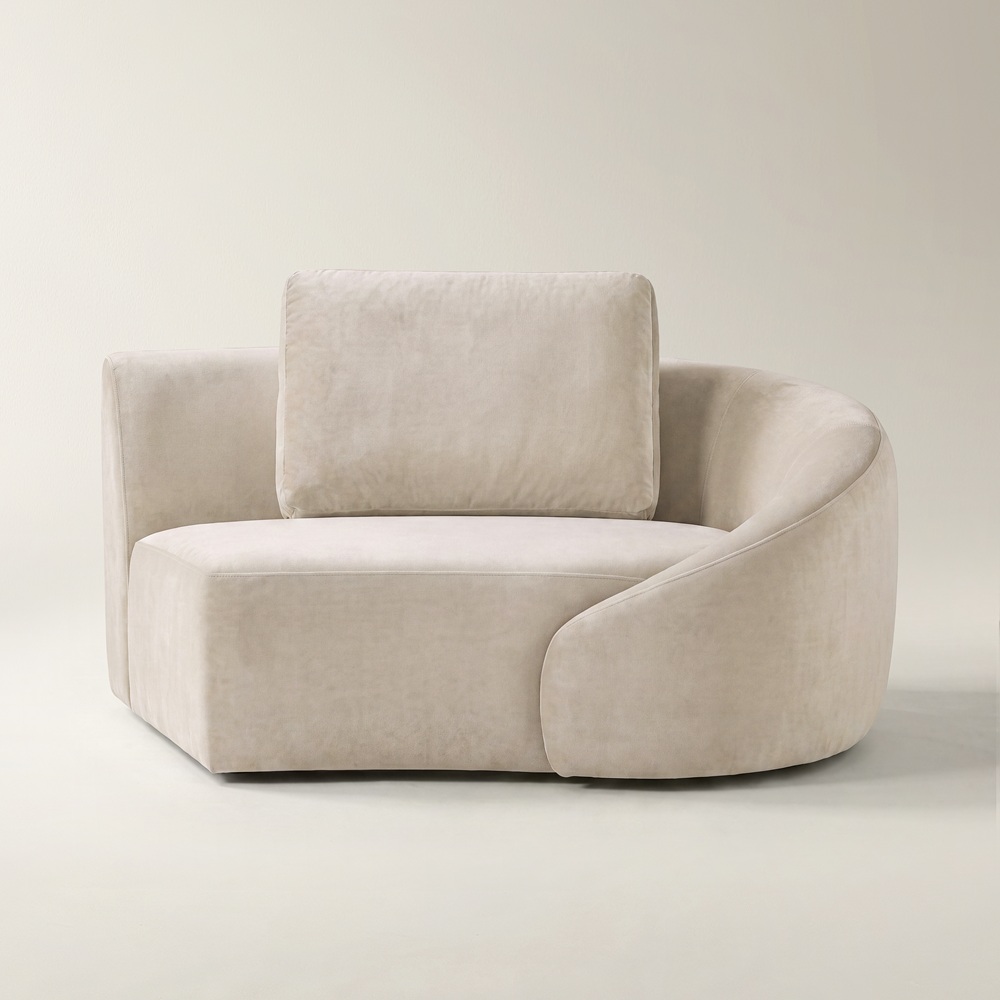
-10.jpg?w=1200&h=1200) Irene Oatmeal Velvet Right-Arm Chair$1299
Irene Oatmeal Velvet Right-Arm Chair$1299An oatmeal velvet right-arm chair featuring sculptural curves, high-resiliency foam, and artisan hand-finished upholstery.
Add To Cart -
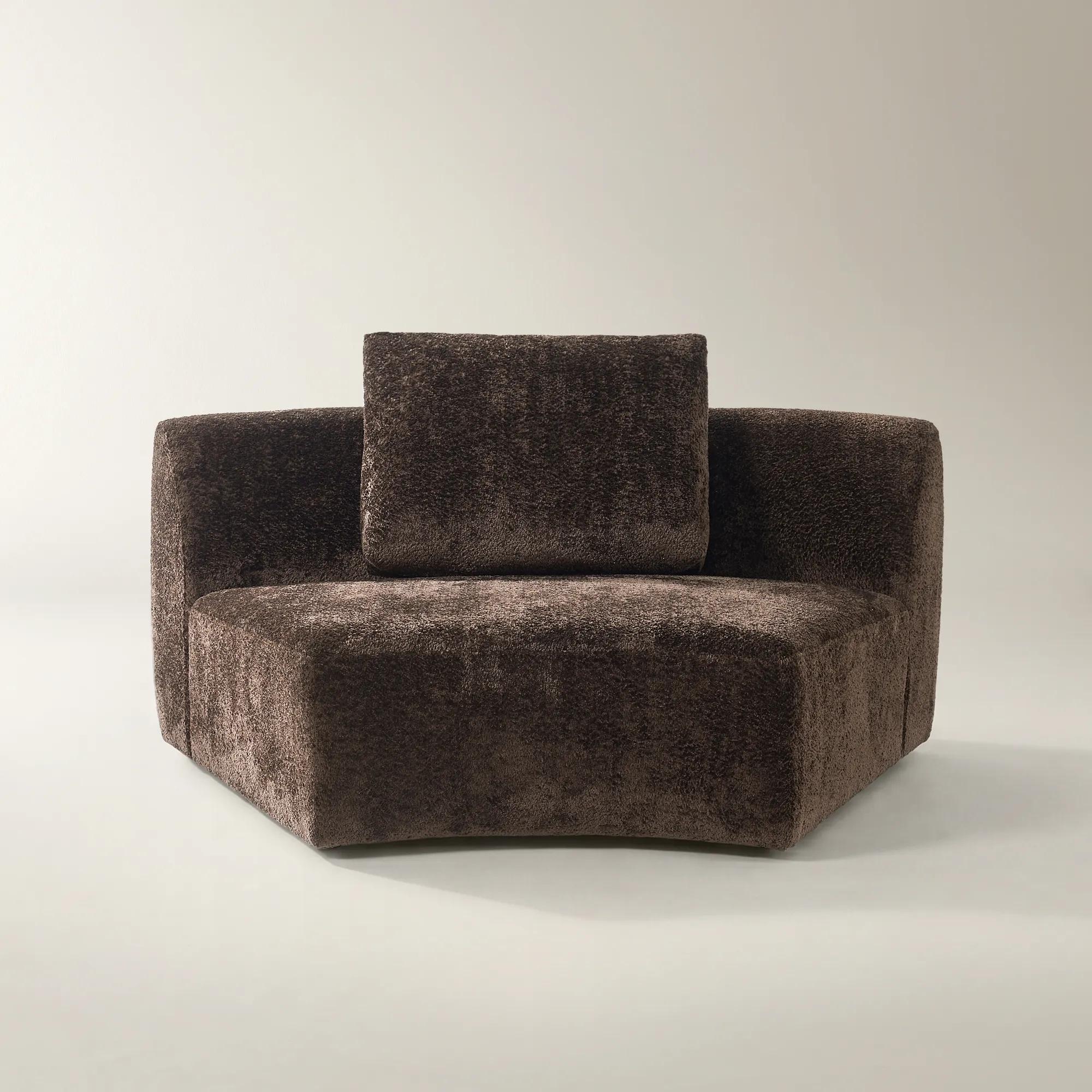
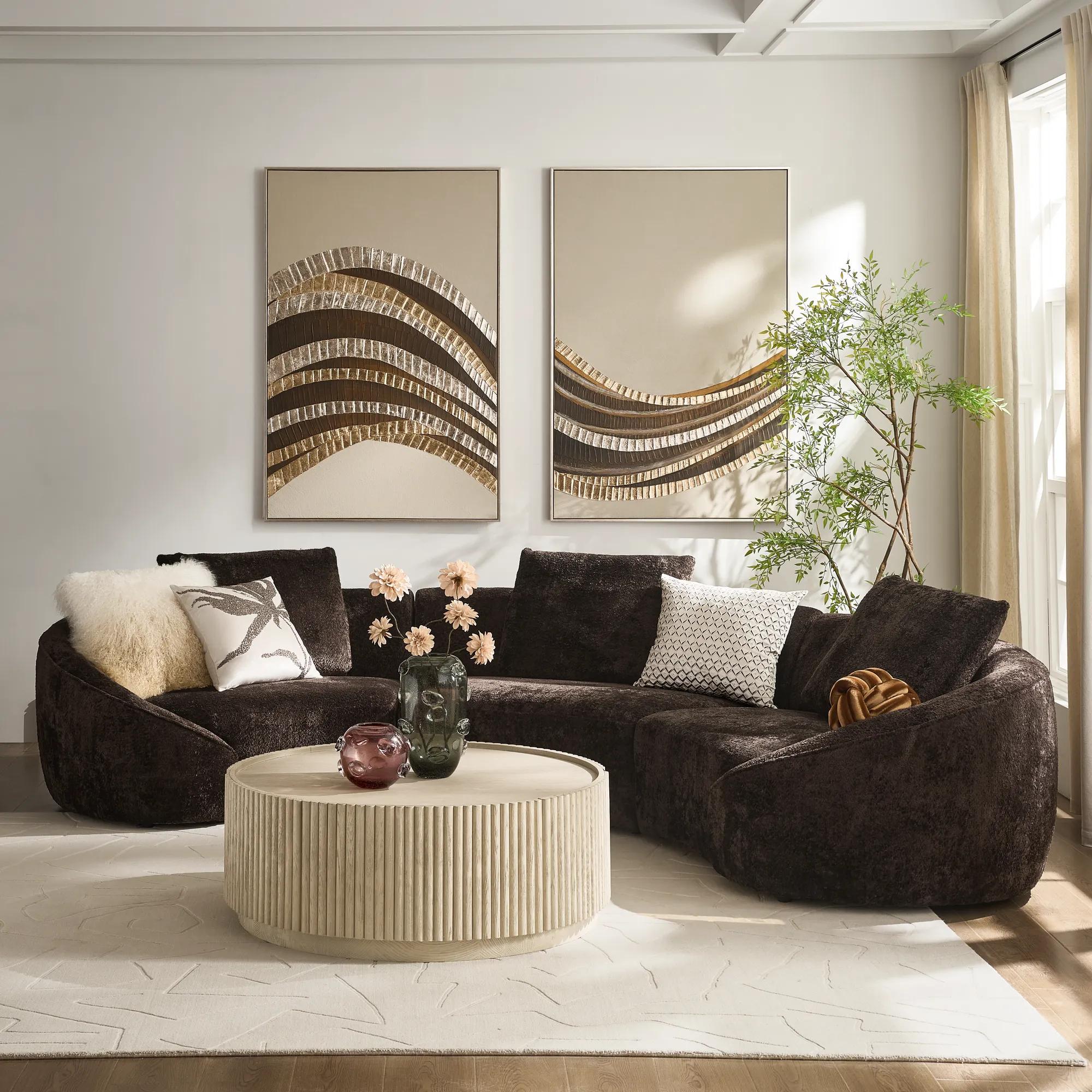 Irene Dark Chocolate Chenille Armless Chair$1049
A sculptural armless chair upholstered in dark chocolate chenille with high-resiliency foam cushions and artisan detailing.
Add To Cart -
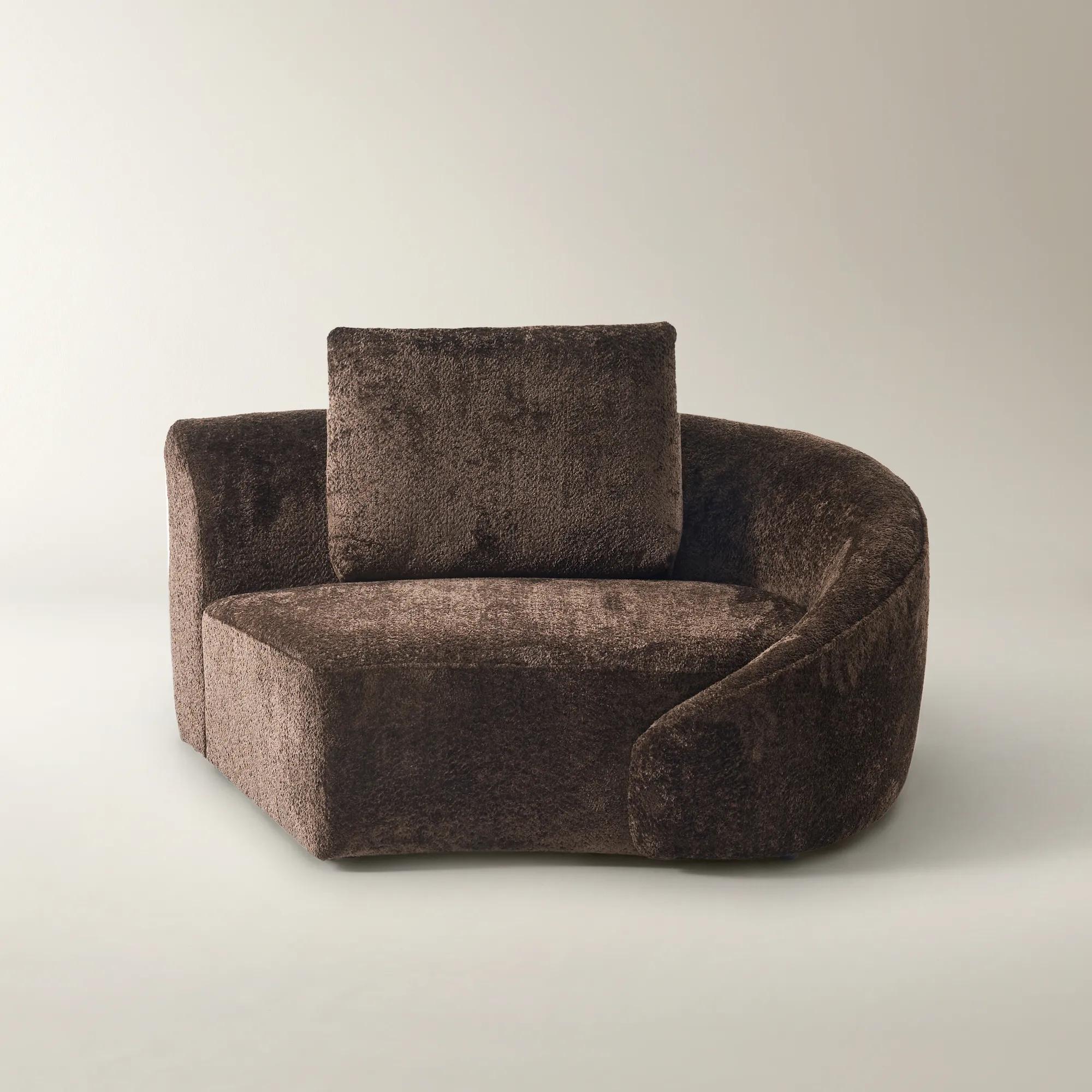 Irene Dark Chocolate Chenille Right-Arm Chair$1299
A sculptural right-arm chair in dark chocolate chenille, featuring plush upholstery and artisan hand-finished details.
Add To Cart -
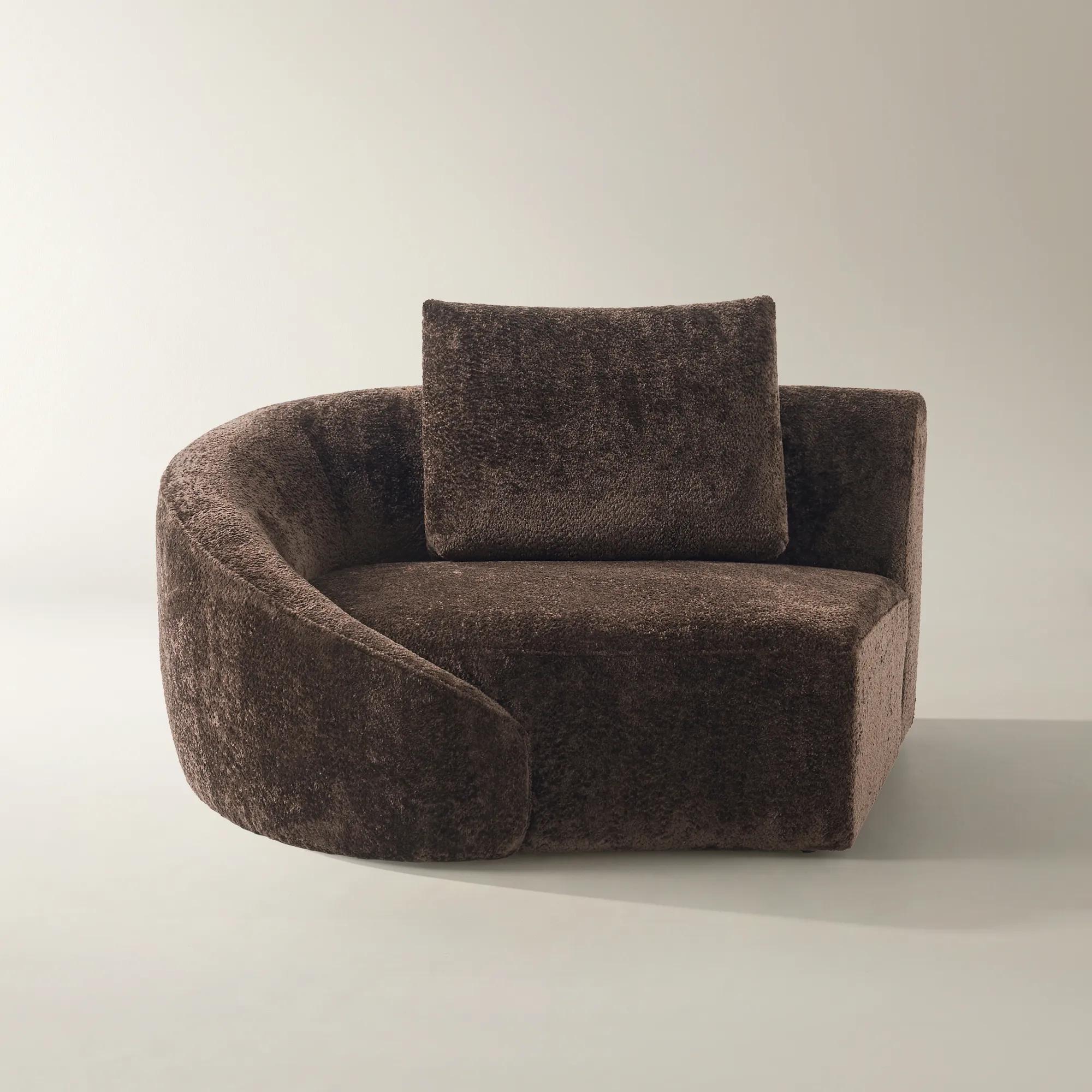
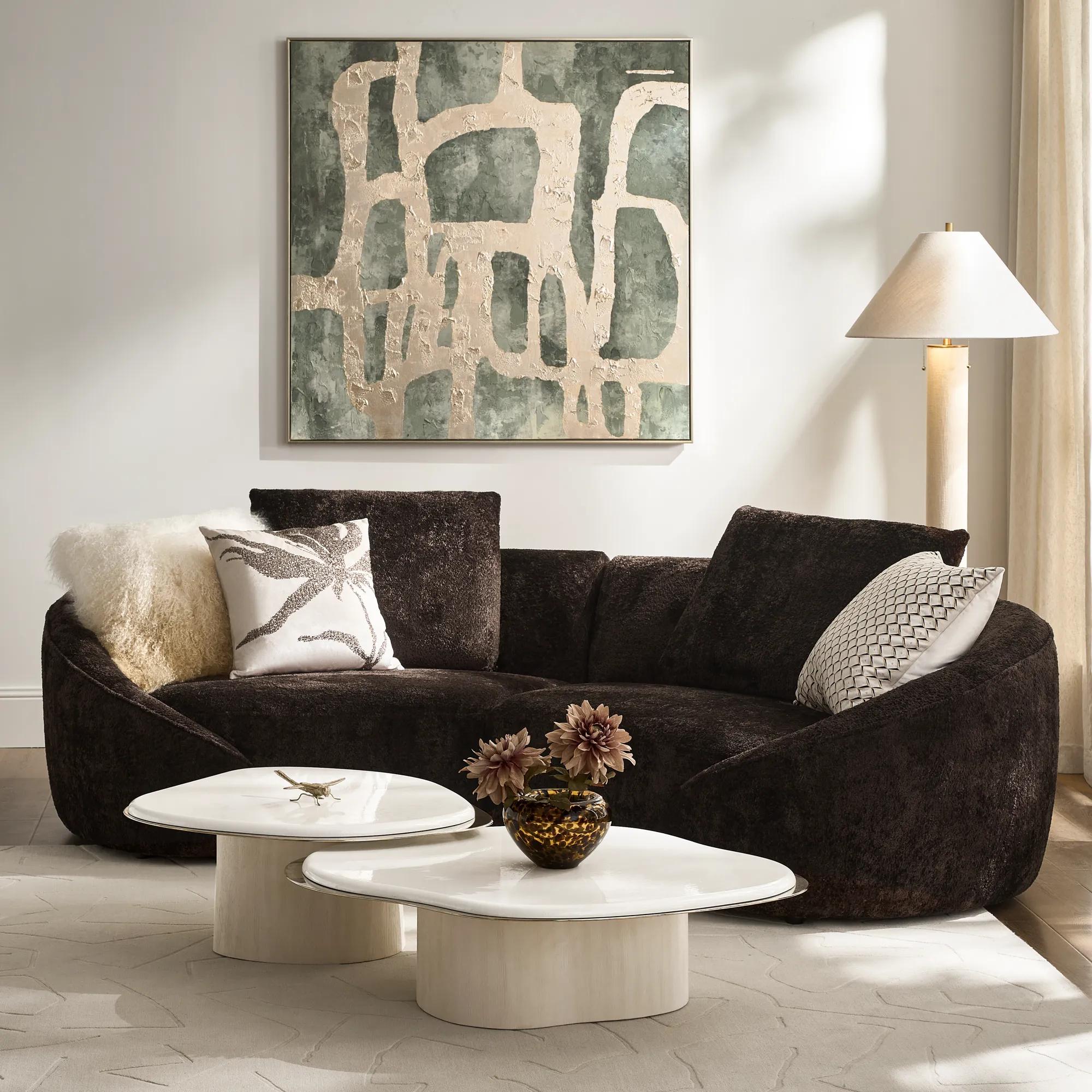 Irene Dark Chocolate Chenille Left-Arm Chair$1299
A sculptural left-arm chair in dark chocolate chenille, featuring plush upholstery and artisan hand-finished details.
Add To Cart -
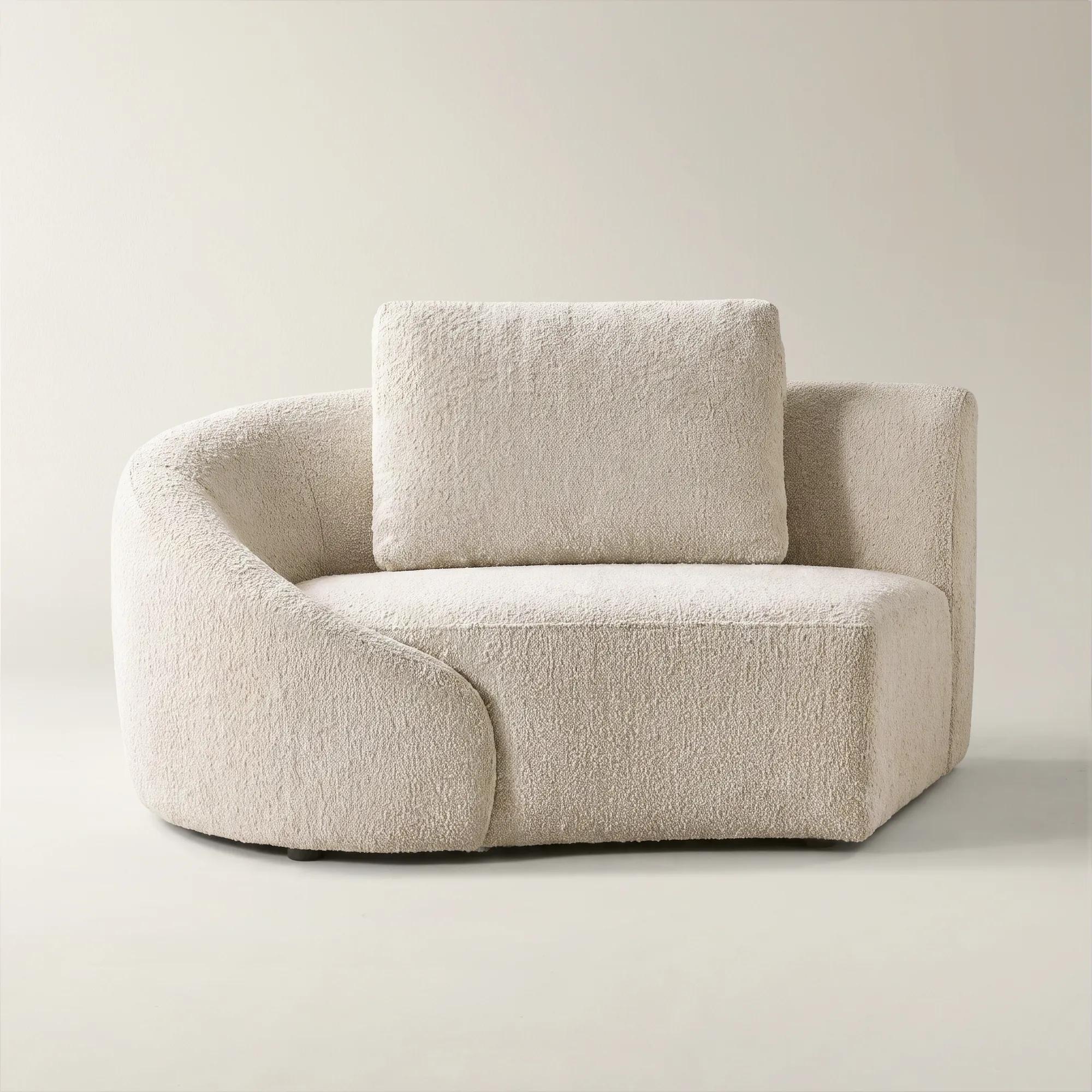
.jpg?w=1200&h=1200) Irene Ivory Performance Boucle Left-Arm Chair$1399
Irene Ivory Performance Boucle Left-Arm Chair$1399An inviting left-arm chair in ivory performance boucle with sculptural curves and hand-finished artisan details.
Add To Cart -
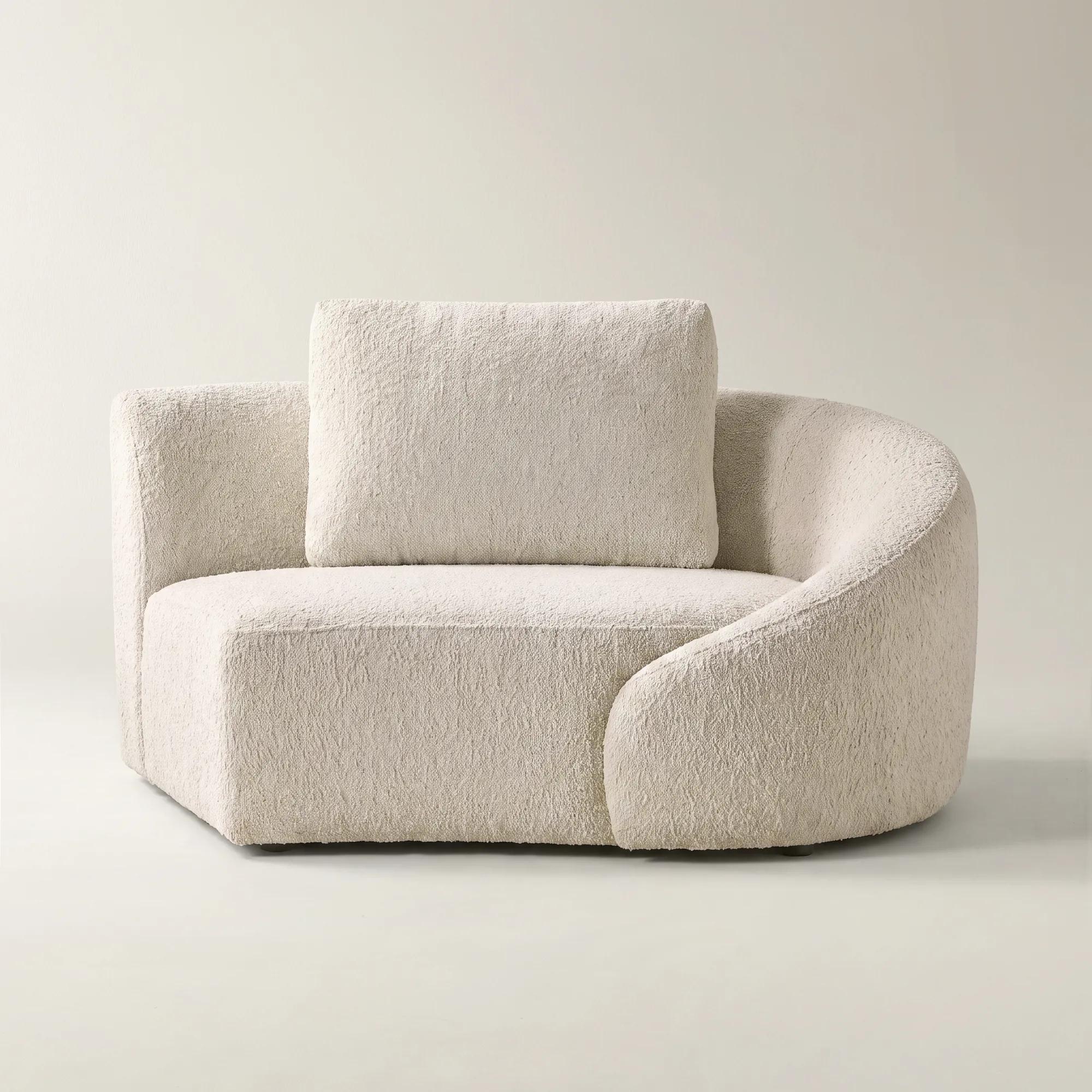 Irene Ivory Performance Boucle Right-Arm Chair$1399
An inviting right-arm chair in ivory performance boucle with sculptural curves and hand-finished artisan detailing.
Add To Cart -
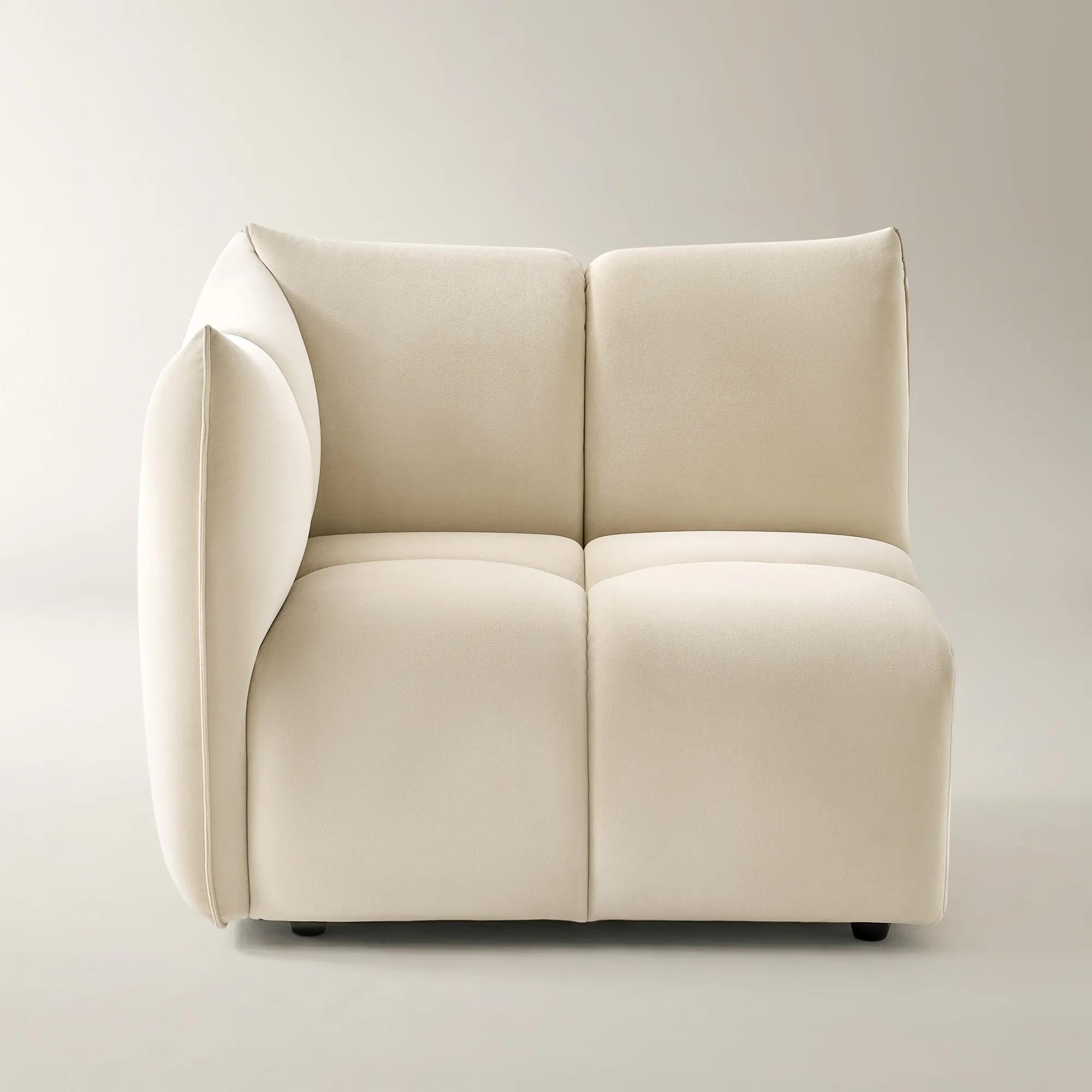 Reina Tufted Oatmeal Velvet Left-Arm Chair$899
A left-arm chair in oatmeal velvet featuring channel tufting, deep seating, and an architectural winged profile.
Add To Cart -
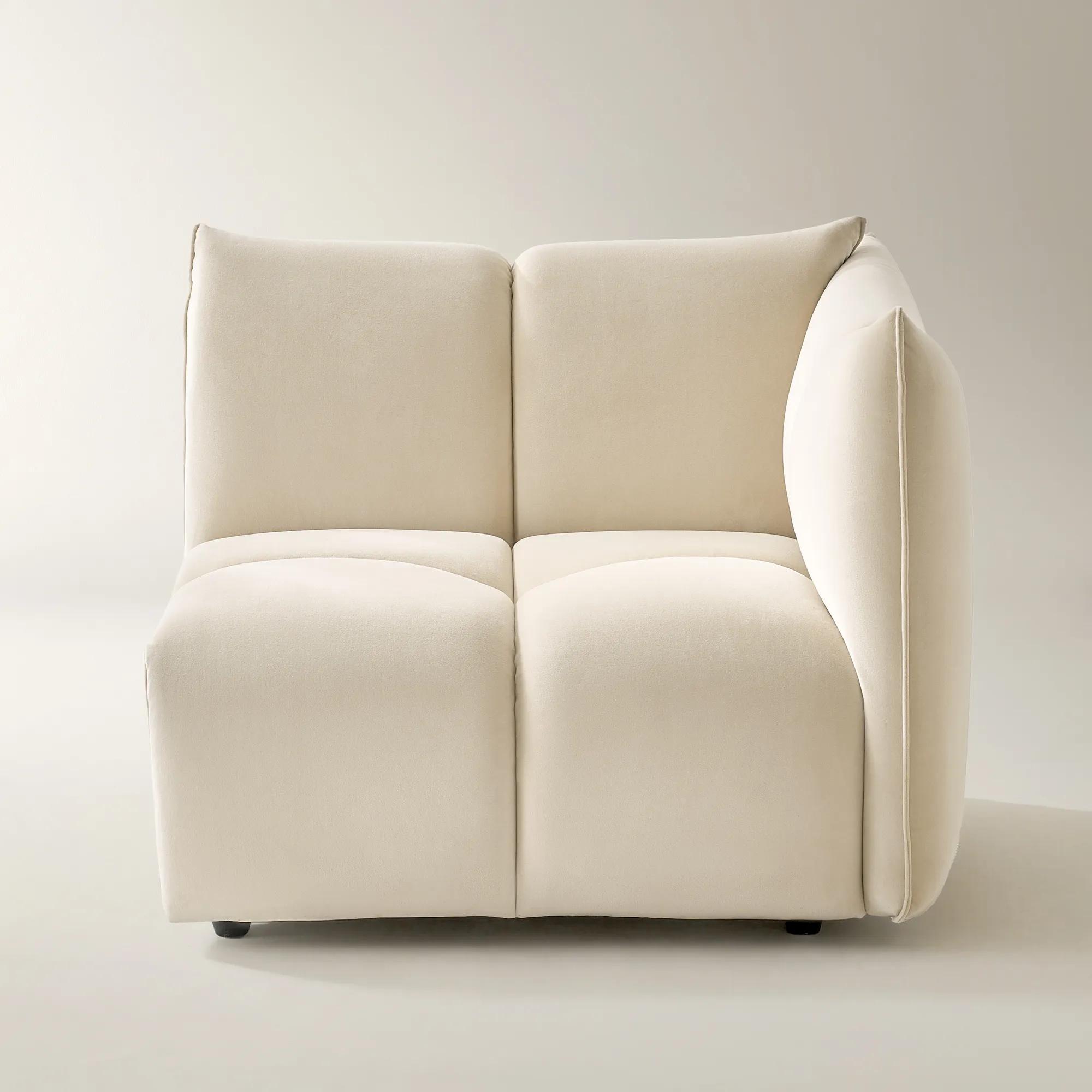
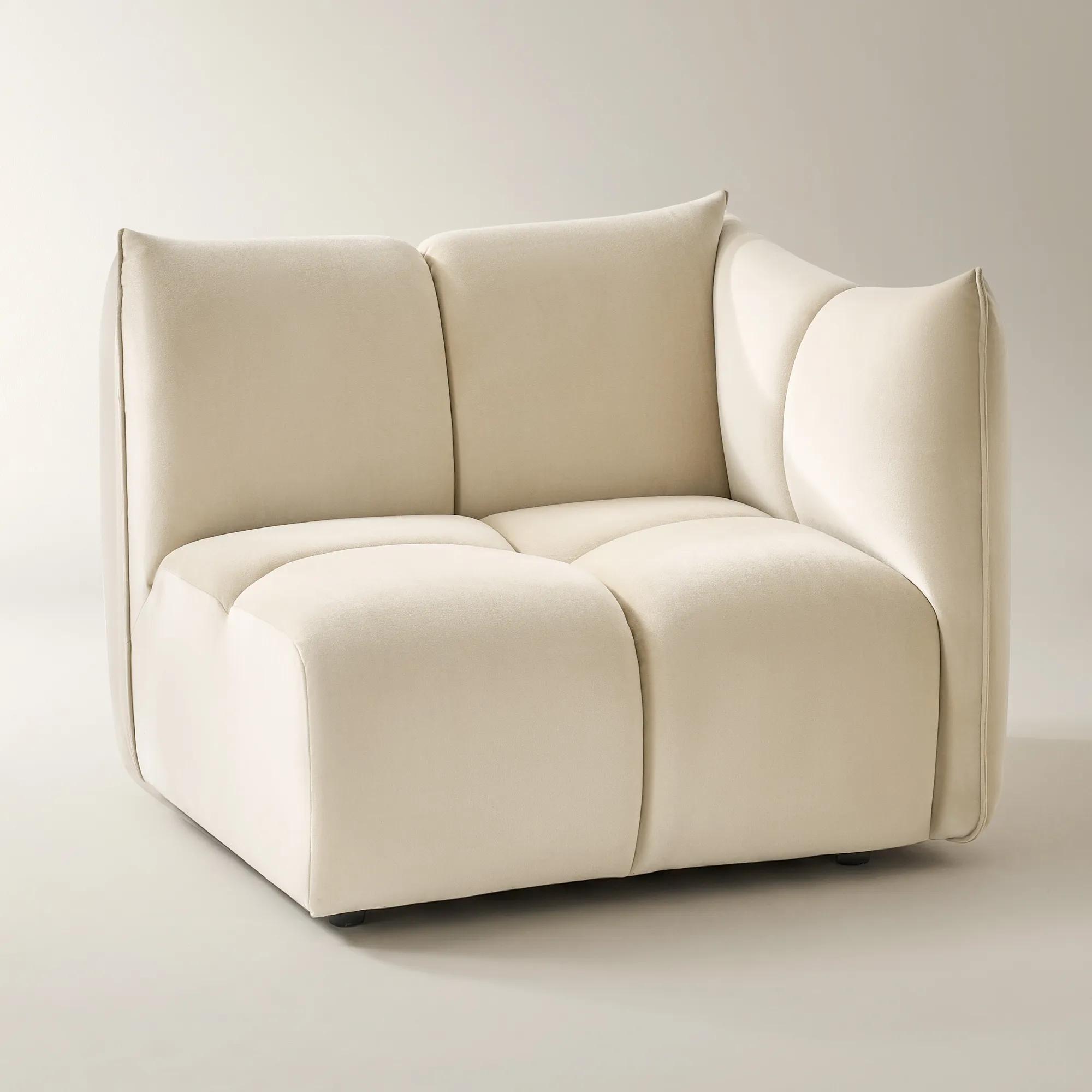 Reina Tufted Oatmeal Velvet Right-Arm Chair$899
A right-arm chair in oatmeal velvet featuring channel tufting, winged sides, and deep, plush seating.
Add To Cart -

 Aria Pleated Swivel Chair$1349
A barrel-style swivel chair crafted from kiln-dried hardwood and shown in luxurious Bella Velvet Pearl upholstery.
Add To Cart -
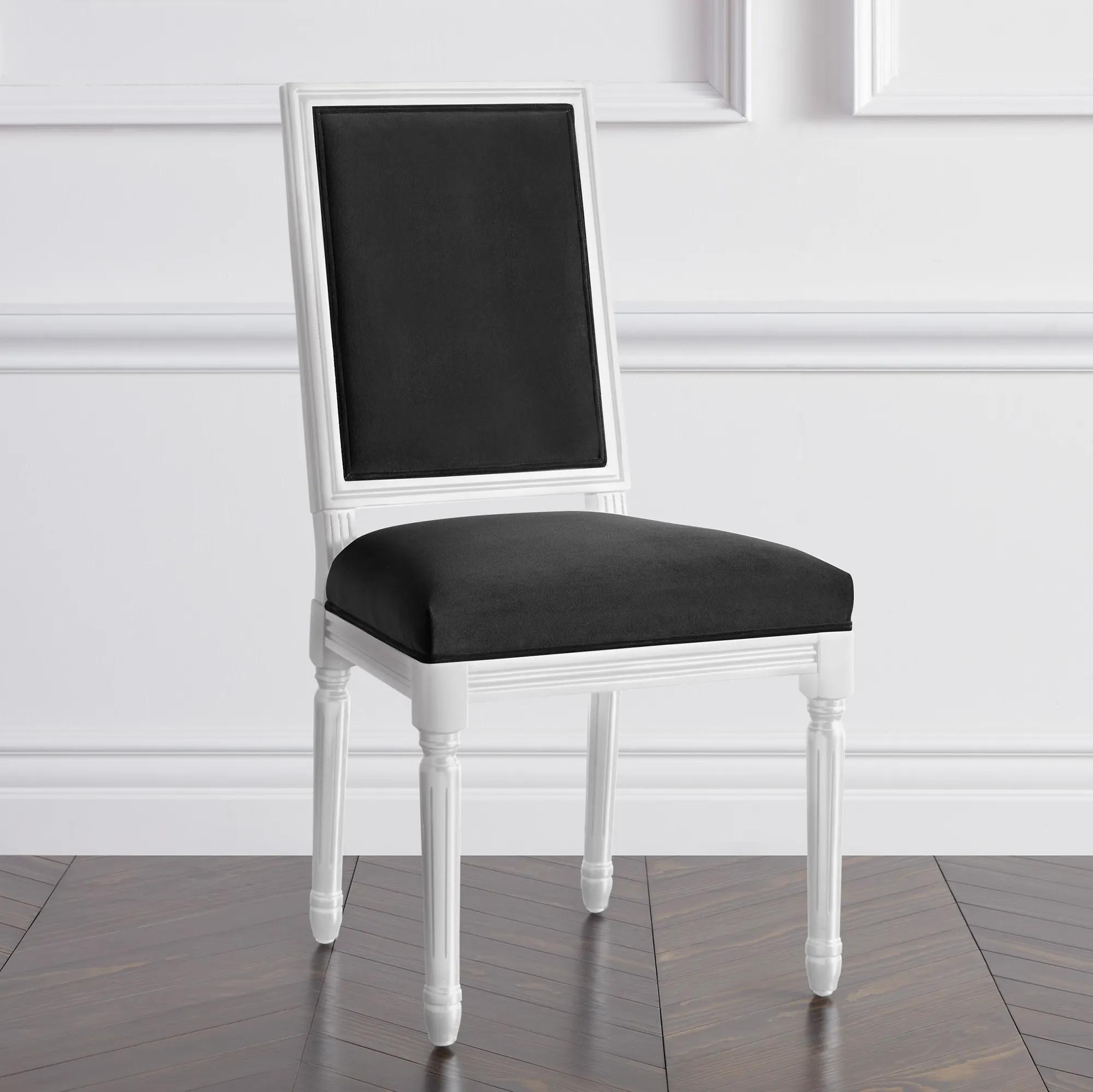
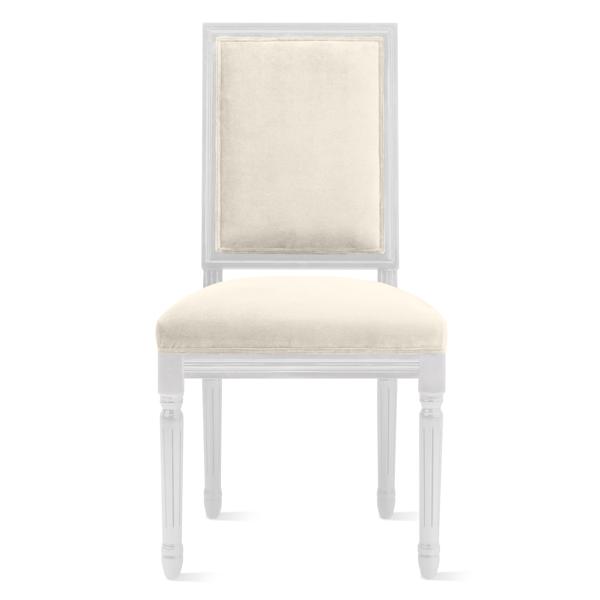 Callan Dining Chair - High Gloss White$599
A handcrafted dining chair featuring a high-gloss white finish, kiln-dried hardwood frame, and plush upholstery.
Add To Cart

Traditional Handcrafted Accent Chairs
Traditional Handcrafted Accent Chairs invite a sense of storied elegance into every room, transforming ordinary corners into curated vignettes of artistry and comfort. Each silhouette echoes the timeless grandeur of classic design, reimagined for the discerning eye that craves detail and distinction. With sculpted lines and artisanal flourishes, these chairs become more than mere seating—they are conversation pieces, poised to infuse your home with warmth, character, and a whisper of old-world charm. Let your space tell a tale of craftsmanship and sophistication, where every Traditional Handcrafted Accent Chair is both a statement and an heirloom in the making.
Traditional handcrafted accent chairs bring the expressive detail of furniture making into rooms designed for living, gathering, and lingering. Defined by historically influenced silhouettes and meaningful handwork in the frame, finish, carving, or upholstery, these chairs serve as both individual seats and decorative focal points. Their character can be graceful and restrained or richly ornamental: a curved arm that follows the hand, a carved leg with a delicate taper, a tall upholstered back framed in polished wood. Traditional design encompasses several distinct approaches, from the flowing lines associated with French-inspired seating to the upright proportions and visible construction of Arts and Crafts furniture. What connects them is an emphasis on proportion, material, and details that reward a closer look. Handcrafted does not necessarily mean every component was made entirely by hand; the term may describe particular stages of construction or finishing, so the nature of the handwork matters more than the label alone. Depending on the design, walnut, oak, cherry, and other hardwoods can lend structure and distinctive grain to an exposed frame, while carved motifs, turned spindles, or carefully fitted inlay create a more elaborate presence. Upholstery changes the mood just as decisively. Velvet lends depth to jewel tones and makes a sculpted chair feel sumptuous; a textured weave brings dimension to a quieter palette; leather emphasizes clean contours and develops character according to its finish and use. An accent chair need not echo every furnishing around it to feel at home. Beside a streamlined sofa, a traditional silhouette introduces contrast and a sense of history. Near an antique chest, a simpler upholstered frame can connect decorative pieces without making the room feel overly formal. For someone drawn to interiors with personality, these chairs offer a compelling balance: the intimacy of a favorite seat and the visual presence of an object chosen with intention. Even a single chair can establish the mood of a reading corner or give an otherwise understated living room a distinctly expressive edge.
Scale and comfort determine whether that visual presence becomes an everyday pleasure. Traditional handcrafted accent chairs may look airy when their legs and frames remain exposed, yet scrolled arms and deep backs can occupy more floor space than expected. Overall width and depth describe the footprint, while the usable seat dimensions reveal how the chair will actually feel. A broad silhouette with substantial arms may have a relatively narrow sitting area; a deep cushion may invite reclining but offer less support for someone who prefers feet planted firmly on the floor. Seat height, back angle, cushion firmness, and arm placement all contribute to the experience. An upright chair with supportive arms can suit conversation or a brief pause near a bedroom dressing area, while a generous upholstered seat may be more inviting for an evening spent with a novel. In a living room, a pair of chairs angled toward a sofa creates a defined place for conversation without closing off the arrangement. A single carved chair beside a compact table can turn an unused corner into a composed vignette, provided there is space to approach the seat and reach a lamp or drink comfortably. Allowing clear passage around projecting legs and arms protects both the furniture and the rhythm of the room. Doorways, stair turns, and delivery paths deserve the same attention as the final placement, particularly with rigid wood frames that cannot be compressed. Upholstery offers another way to tailor the chair to its setting. Pattern can emphasize a traditional outline, while a solid fabric lets carving and joinery hold the spotlight. Closely related Hand Upholstered Accent Chairs place particular emphasis on the fabric-covered elements, where fitted seams, aligned patterns, and carefully shaped padding contribute to the finished appearance. For frequently used seating, fabric specifications matter as much as color: tightly woven textiles, appropriate abrasion resistance, and documented cleaning instructions help distinguish a beautiful occasional chair from one suited to daily use. A household with children or pets may prioritize cleanability and resistance to snagging, while a quieter sitting room may allow for more delicate textures.
Lasting appeal depends on construction as well as surface beauty. A traditional chair intended for regular seating benefits from a stable frame, sound joints, and a support system suited to its design. Mortise-and-tenon or doweled joints, corner reinforcement, and other established construction methods can contribute to durability when properly executed; no single technique or wood species guarantees performance on its own. Cushion composition also affects how a chair wears. Resilient foam tends to retain a defined shape, while fiber or feather blends may create a softer profile that needs more frequent reshaping. Where construction details are provided, they offer useful context for judging whether a chair belongs in a busy family seating arrangement or a lightly used decorative setting. Small variations in grain, carving, or hand-applied finish can be part of handcrafted character, but loose joints, uneven support, or unstable legs are not desirable expressions of artistry. Thoughtful care preserves the details that make the piece distinctive. Regular light dusting helps keep exposed wood and carved recesses clear, and gentle vacuuming with an appropriate upholstery attachment removes debris before it works into seams. Spills call for prompt blotting rather than rubbing, followed by the cleaning method specified for the fabric or leather. Cleaning codes and manufacturer directions should govern product selection, since water, solvents, and conditioning treatments are not interchangeable across materials. Direct sunlight can alter wood finishes and fade upholstery, while placement too close to heating vents may stress wood and leather. Lifting a chair by its structural frame rather than dragging it by an arm helps protect joints and flooring. With this kind of attention, a well-made accent chair can remain a valued part of a room as surrounding colors, artwork, and arrangements evolve. Its appeal lies in that combination of usefulness and distinction: a welcoming seat for a guest, a personal retreat beside a bookcase, or a sculptural counterpoint to contemporary furnishings. Traditional craftsmanship gives the room something tangible to appreciate, from the sweep of a wooden arm to the precise line of an upholstered edge.
FAQs
A traditional handcrafted accent chair is distinguished by the artistry and attention to detail that only skilled artisans can provide. Each piece is meticulously crafted, often from solid woods and hand-finished upholstery, resulting in subtle variations and unique character that mass-produced furniture simply cannot replicate. These chairs often feature ornate carvings, luxurious fabrics, and construction techniques passed down through generations, making each chair a true work of functional art.
A traditional handcrafted accent chair serves as both a visual focal point and a tactile invitation to linger. Its sculptural silhouette, rich textures, and intricate details infuse a space with warmth, sophistication, and personality. Whether placed by a fireplace, in a reading nook, or as part of a dramatic entryway vignette, these chairs elevate the overall ambiance, transforming ordinary rooms into extraordinary experiences.
Traditional handcrafted accent chairs are often upholstered in luxurious materials such as velvet, linen, brocade, or premium leather. These fabrics are chosen not only for their aesthetic appeal but also for their durability and comfort. The upholstery process itself is typically performed by hand, ensuring that each chair’s finish is tailored to perfection and imbued with a bespoke quality.
A handcrafted accent chair makes a remarkable gift for anyone who values artistry, heritage, and expressive design. It is especially meaningful for new homeowners, newlyweds, or those marking significant life milestones. The timeless elegance and personal touch of a handcrafted piece ensure it will be cherished and remembered long after the occasion has passed.
Traditional handcrafted accent chairs offer a unique opportunity to showcase individual taste and creativity. With a diverse array of silhouettes, finishes, and upholstery options, these chairs can be selected to complement existing décor or to introduce a bold, contrasting statement. Their presence in a room speaks to a love of craftsmanship and an appreciation for details that tell a story, allowing homeowners to express their personality through thoughtful design choices.
.jpg?w=3853&h=3853)