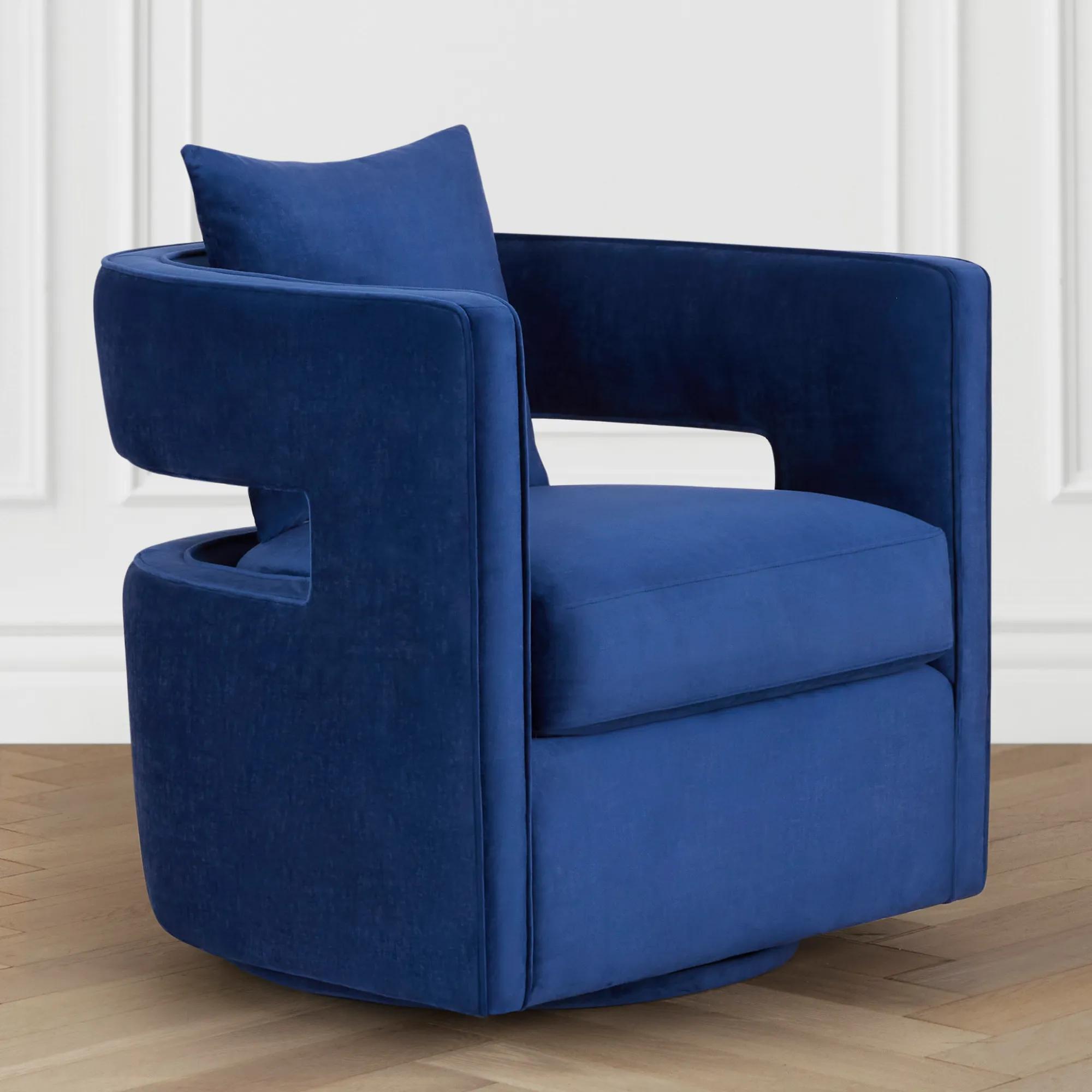
Hand Upholstered Accent Chairs
Hand Upholstered Accent Chairs
-
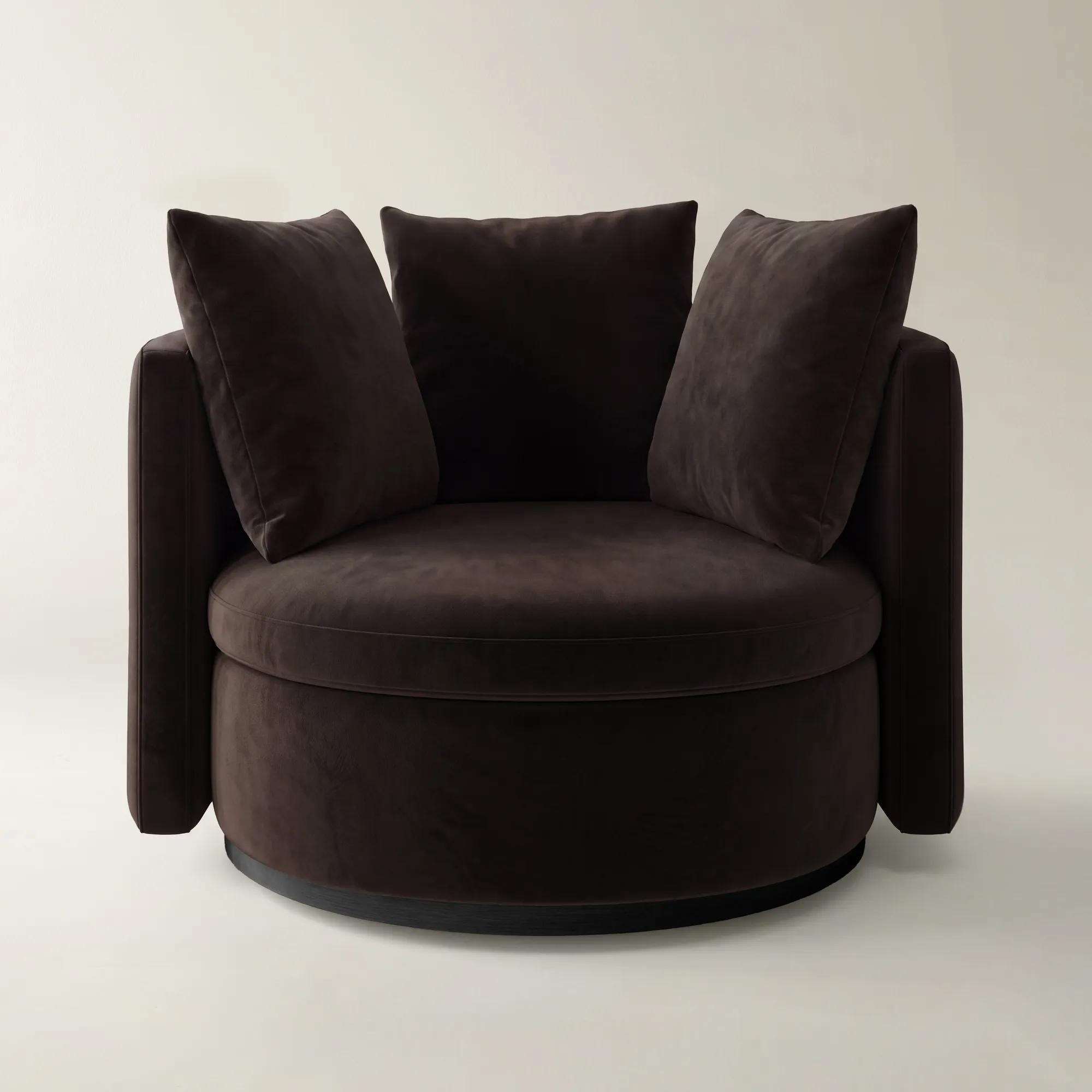
 Stria Dark Chocolate Velvet Swivel Accent Chair$1299
A dark chocolate velvet accent chair with enveloping curves, plush cushioning, and a concealed 360-degree swivel.
Add To Cart -
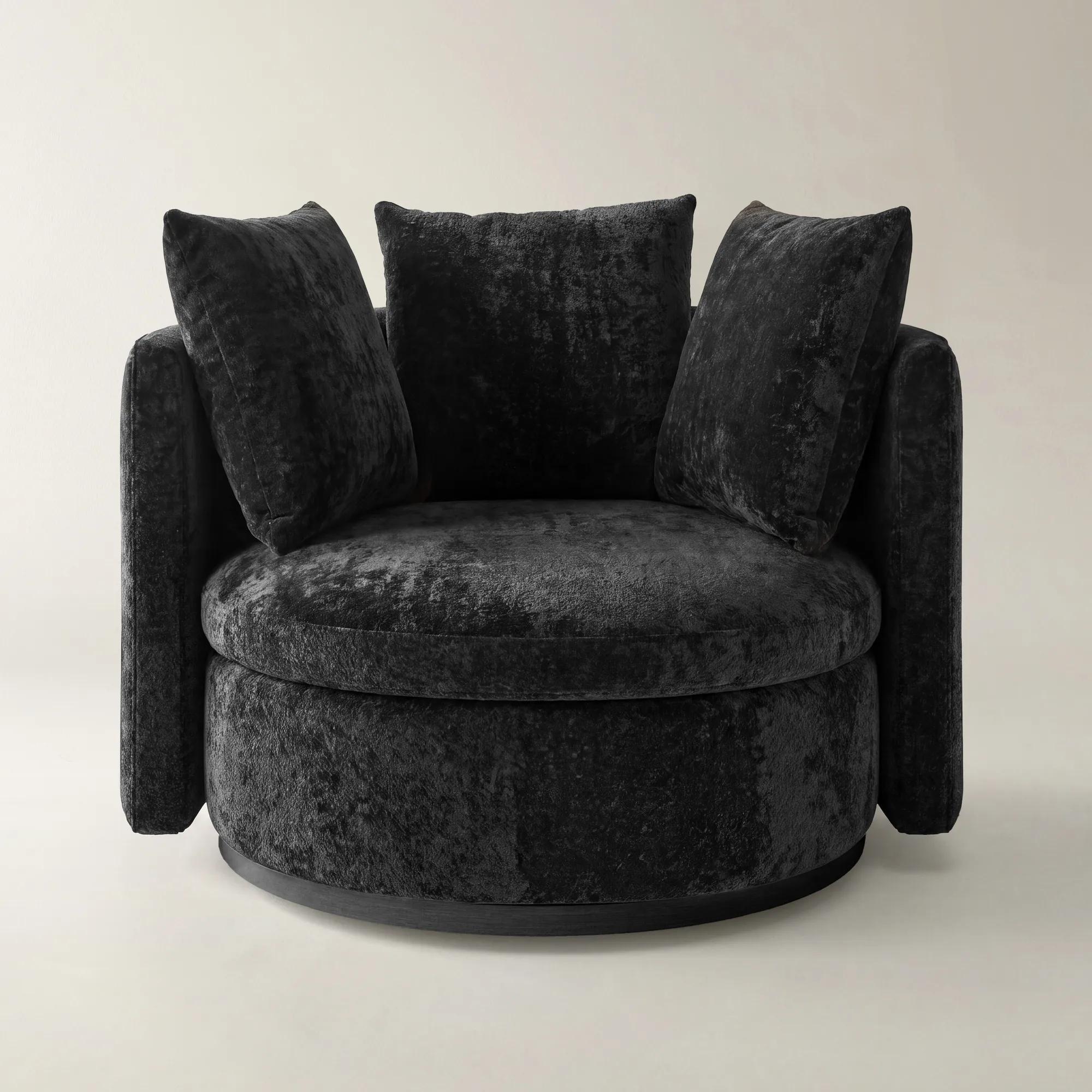 Stria Black Chenille Swivel Accent Chair$1399
A black chenille accent chair with enveloping curves, foam-and-down comfort, and a concealed 360-degree swivel.
Add To Cart -
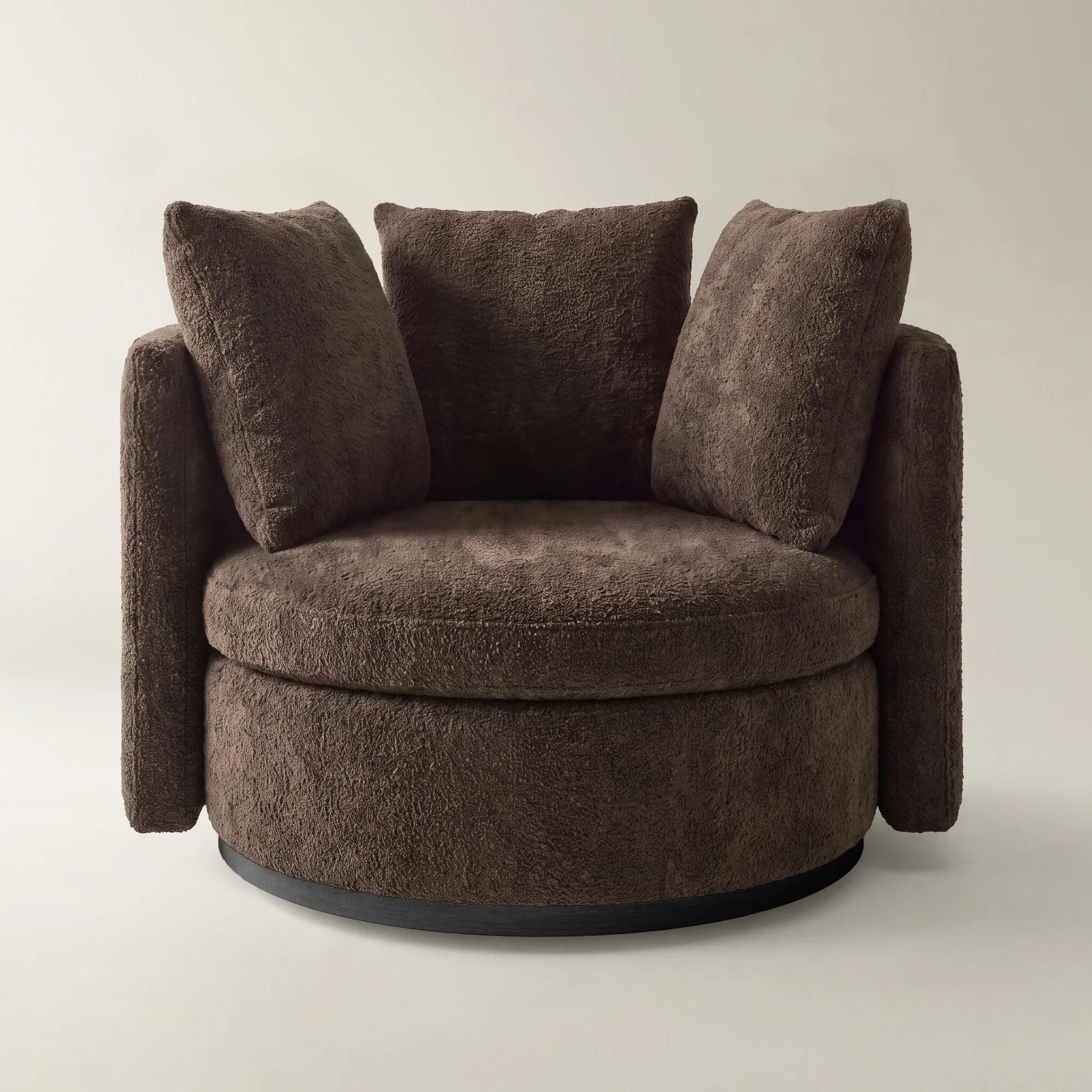 Stria Dark Chocolate Chenille Swivel Accent Chair$1399
A dark chocolate chenille accent chair featuring enveloping curves, layered cushioning, and a concealed 360-degree swivel.
Add To Cart -
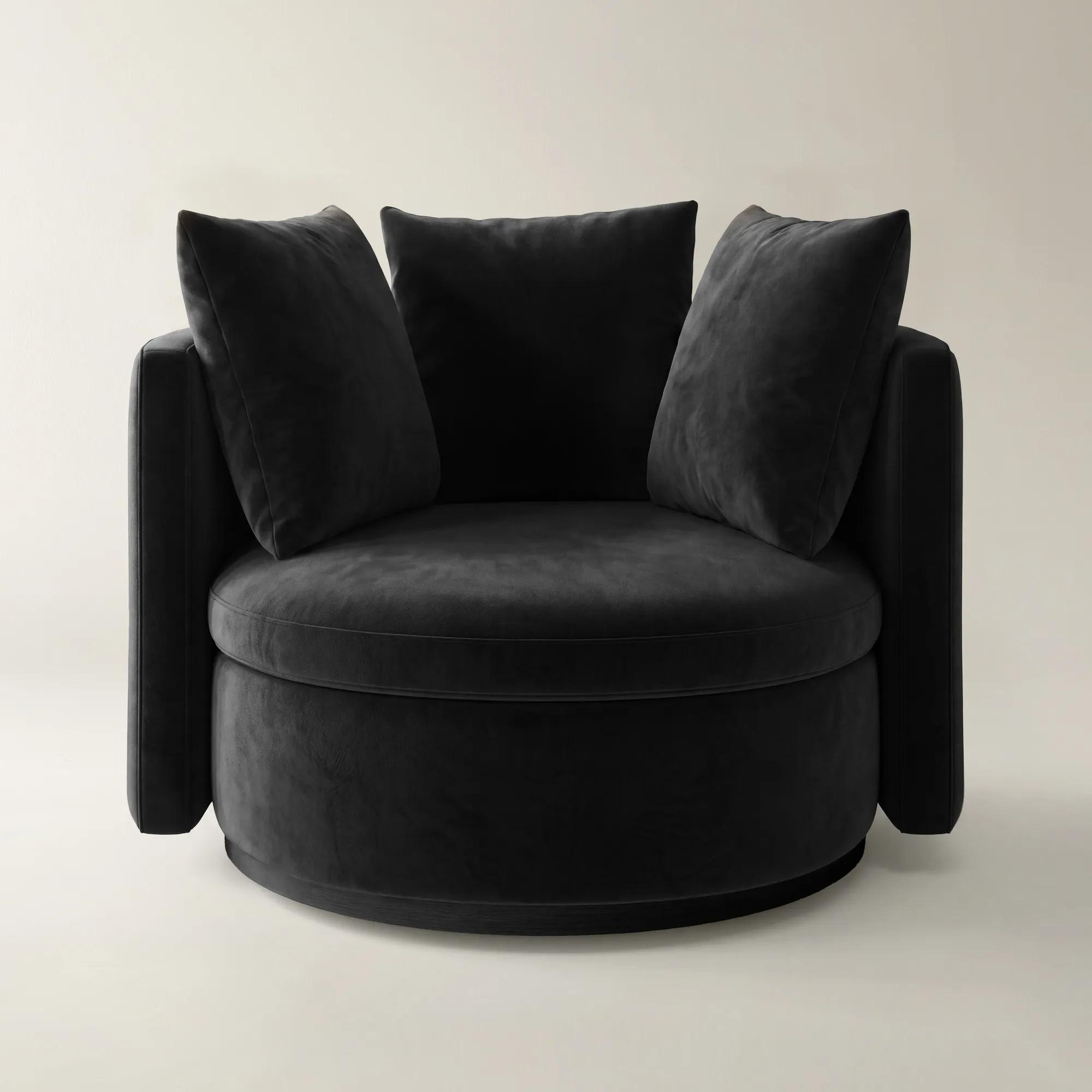
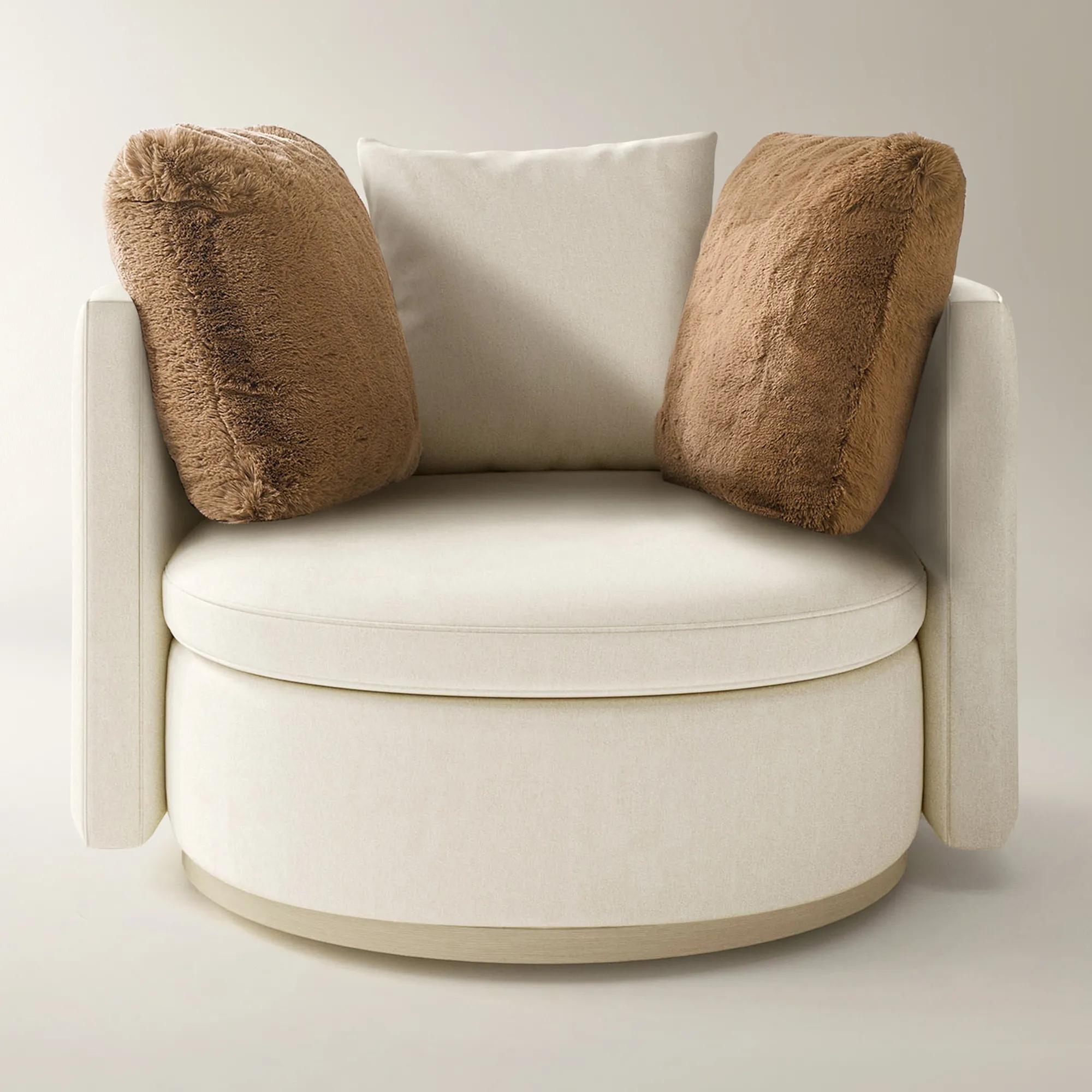 Stria Charcoal Velvet Swivel Accent Chair$1299
A sculptural charcoal velvet accent chair with enveloping curves, layered cushioning, and a concealed 360-degree swivel.
Add To Cart -
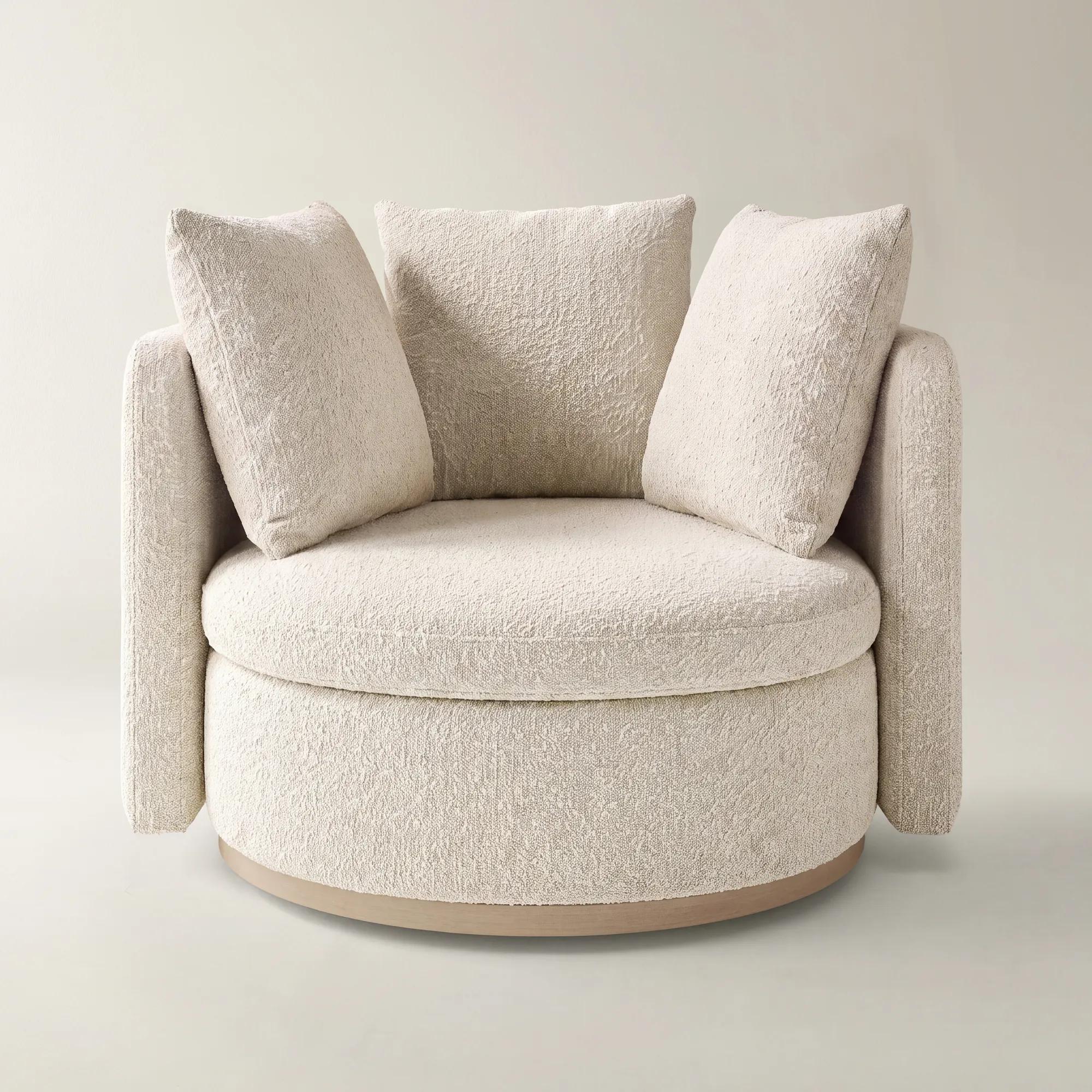 Stria Ivory Performance Boucle Swivel Accent Chair$1399
An ivory performance bouclé accent chair with enveloping curves, layered comfort, and a concealed 360-degree swivel.
Add To Cart -
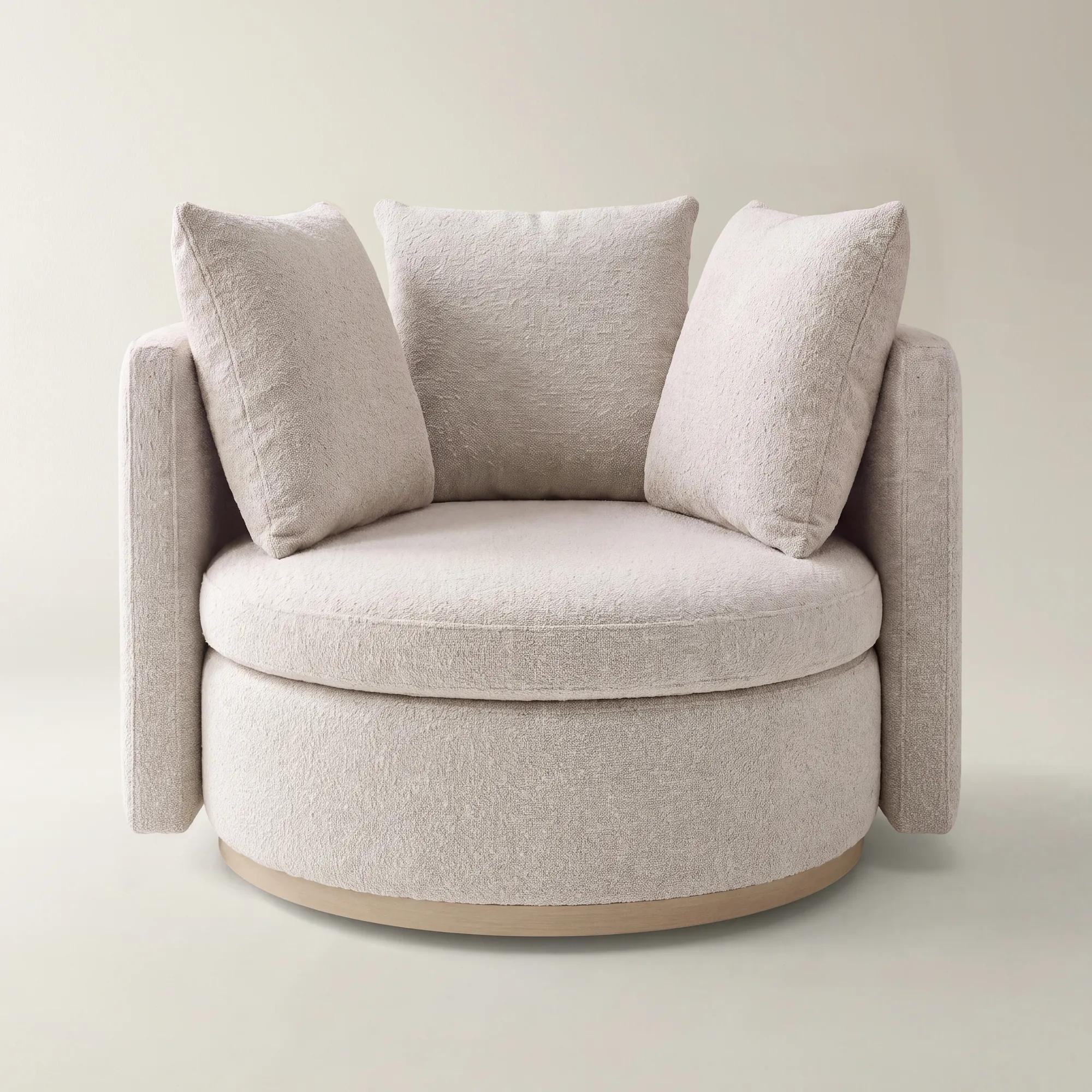 Stria Ivory Performance Boucle Swivel Accent Chair$1399
An ivory performance bouclé accent chair with enveloping curves, layered comfort, and a concealed 360-degree swivel.
Add To Cart -
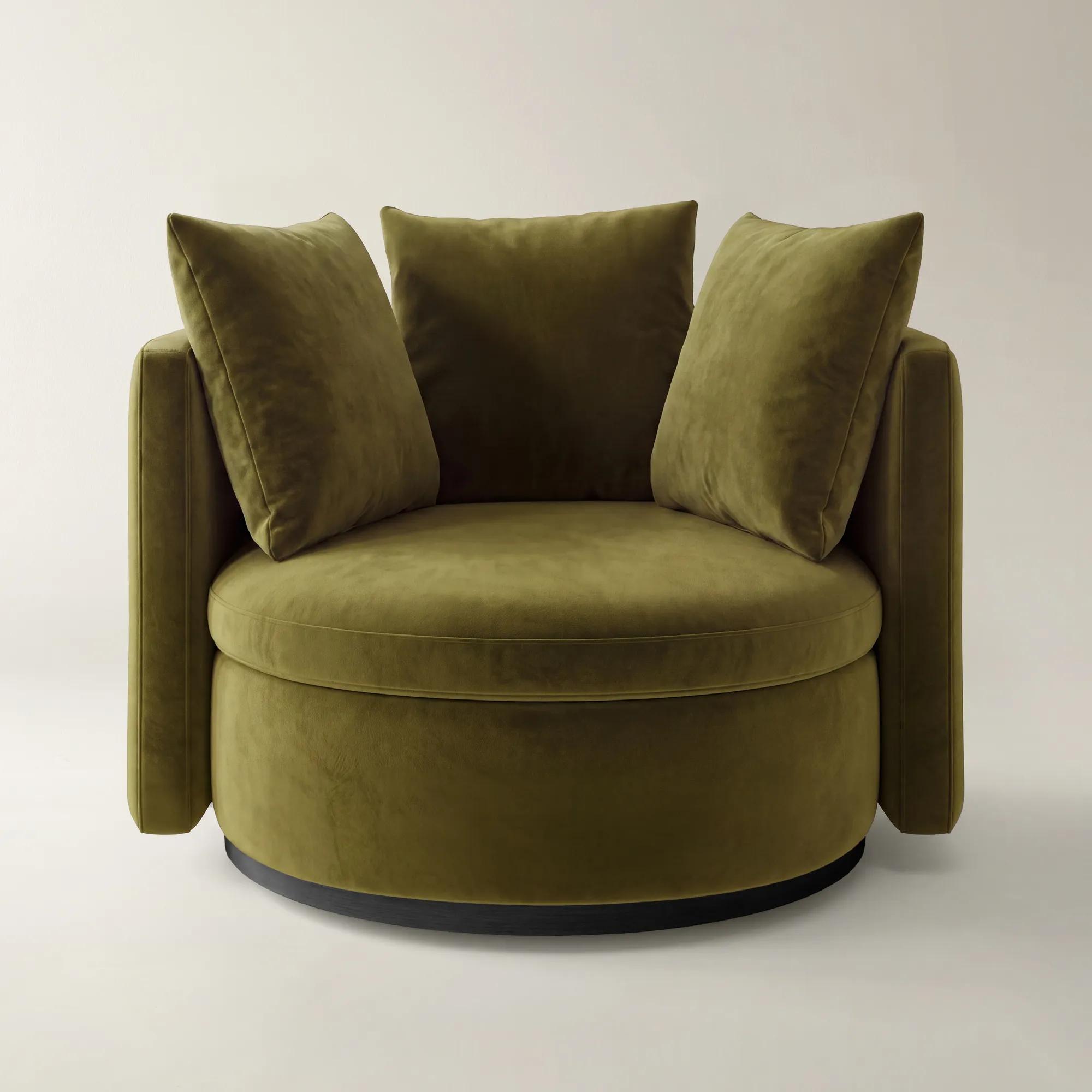 Stria Deep Olive Velvet Swivel Accent Chair$1299
A deep olive velvet accent chair with enveloping curves, layered cushioning, and a concealed 360-degree swivel base.
Add To Cart -
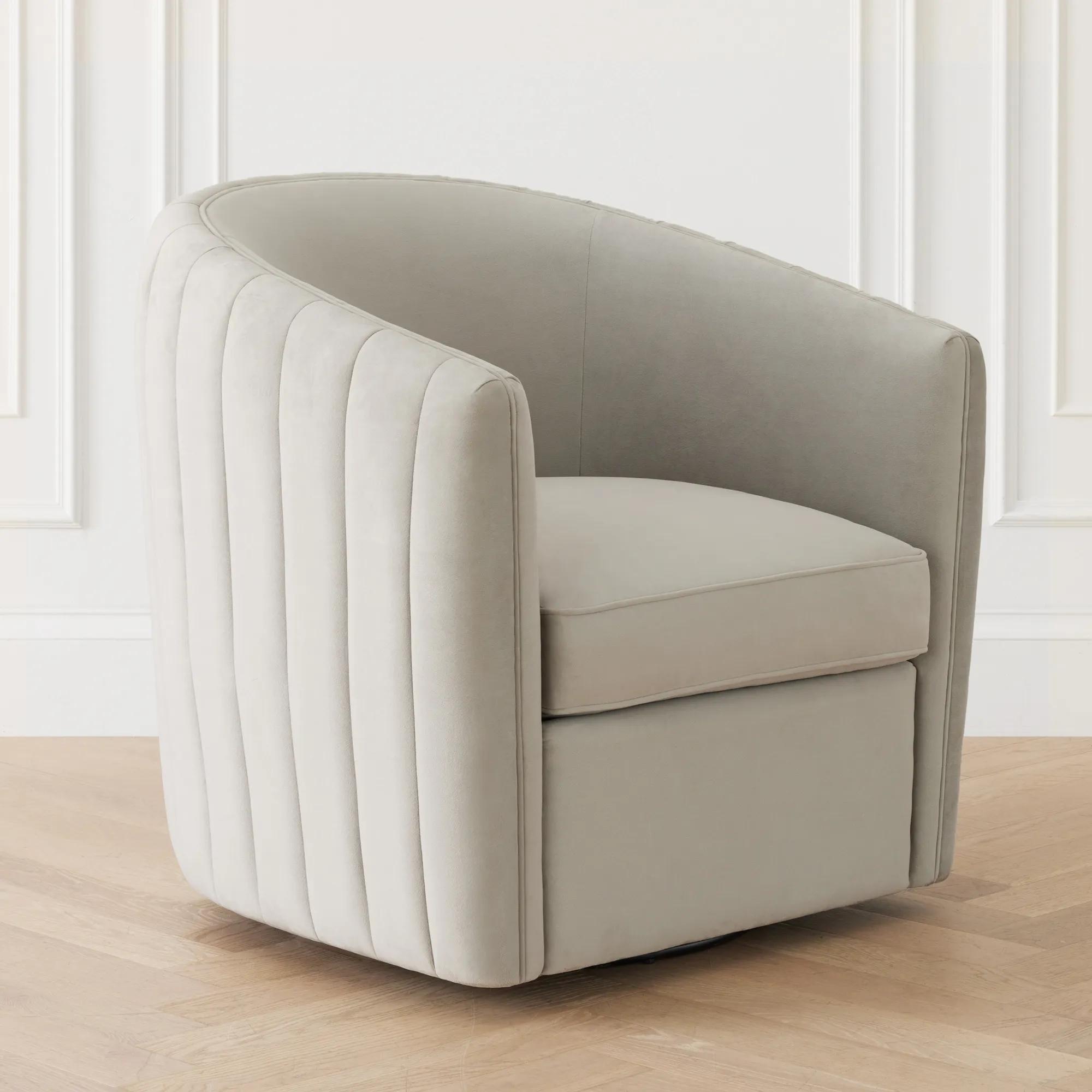
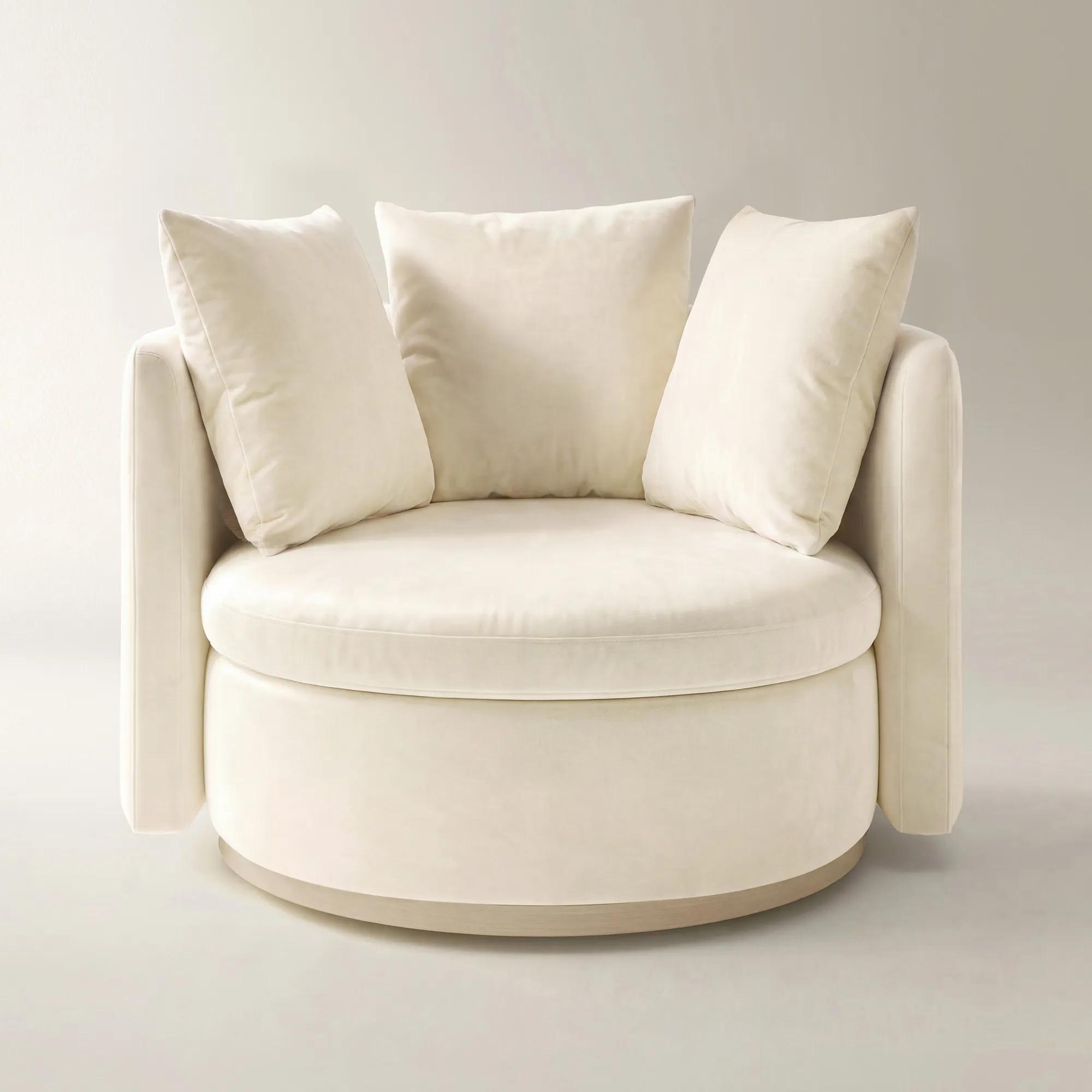 Stria Oatmeal Velvet Swivel Accent Chair$1299
An oatmeal velvet accent chair featuring enveloping curves, layered cushioning, and a concealed 360-degree swivel base.
Add To Cart -
 Romy Charcoal Velvet Accent Chair$999
A sculptural accent chair in charcoal velvet with a wave-like silhouette and full foam construction.
Add To Cart -
Stria Ivory Chenille Swivel Accent Chair$1499
An ivory chenille accent chair with triple-layer cushioning, ergonomic curves, and a smooth 360-degree swivel.
Add To Cart -
 Cora Ivory Velvet Accent Chair$899
A sculpted ivory velvet chair featuring a continuous curved silhouette and a gold stainless-steel accent.
Add To Cart -

 Cora Jade Green Velvet Accent Chair$899
A sculpted accent chair in jade green velvet with a gold stainless-steel inlay for refined glamour.
Add To Cart -
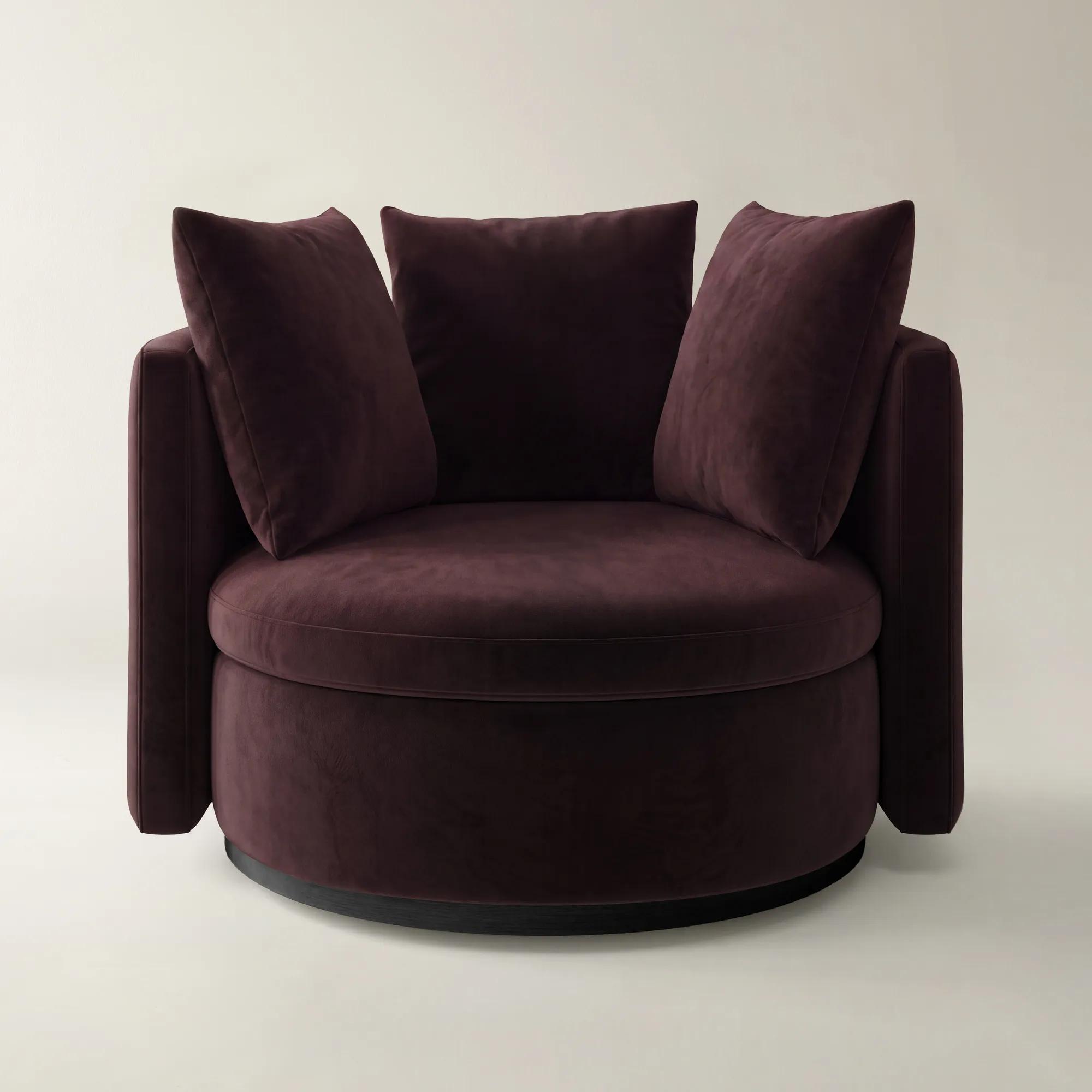 Stria Fig Velvet Swivel Accent Chair$1299
A fig velvet chair with a sculptural wraparound silhouette, layered foam comfort, and concealed 360-degree swivel.
Add To Cart -
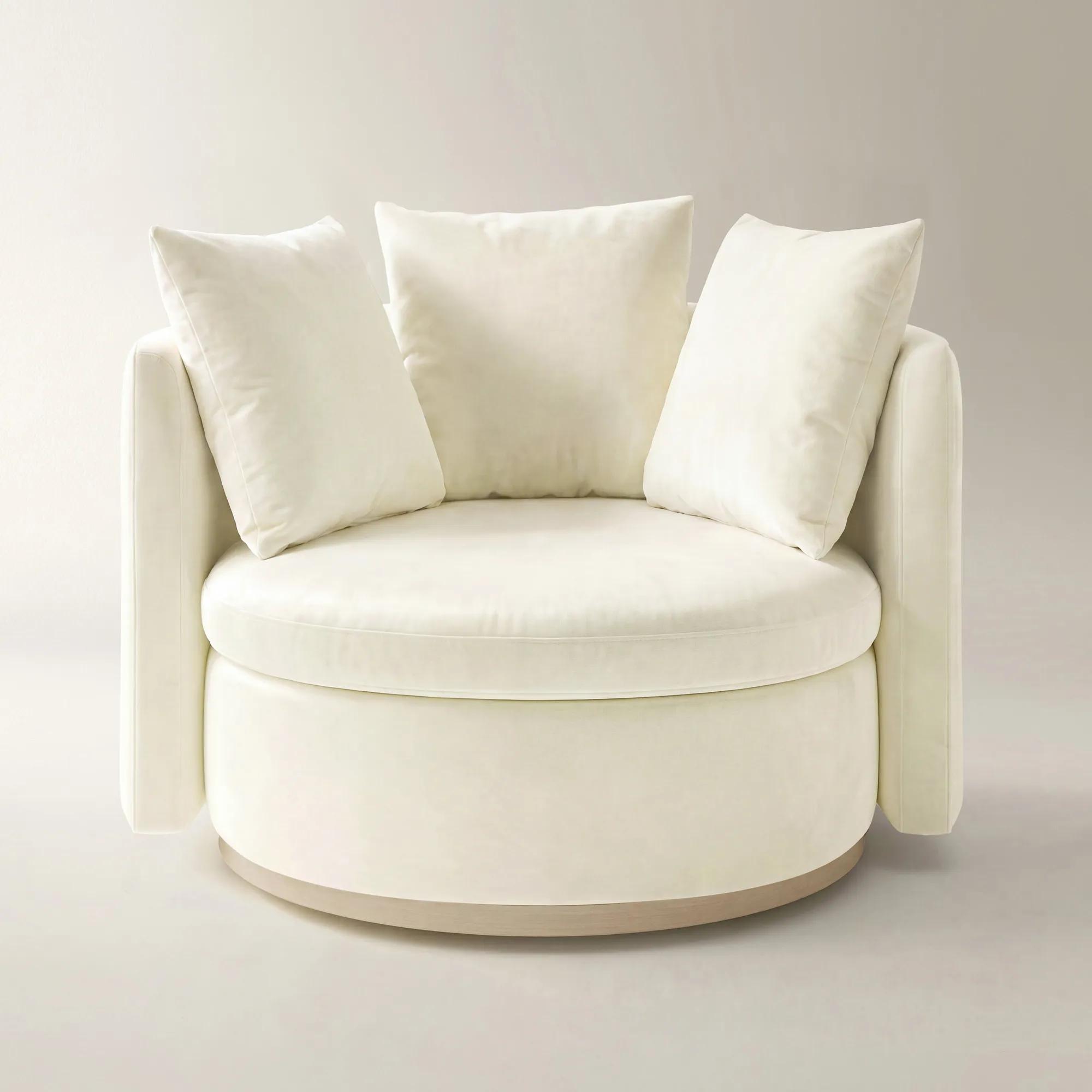 Stria Cloud Velvet Swivel Accent Chair$1299
A sculptural cloud-velvet accent chair with enveloping curves, layered cushioning, and a concealed 360-degree swivel base.
Add To Cart -
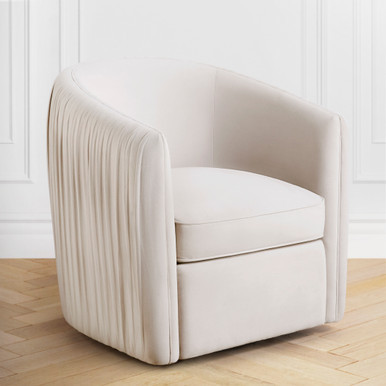
 Lyssa Pleated Simply Taupe Velvet Swivel Accent Chair$1099
A softly curved taupe velvet accent chair featuring pleated detailing, 360° swivel, and a gold stainless steel base.
Add To Cart -

 Stria Light Brown Chenille Swivel Accent Chair$1499
A light brown chenille accent chair featuring triple-layer cushioning, a 360° swivel, and a solid oak base.
Add To Cart -
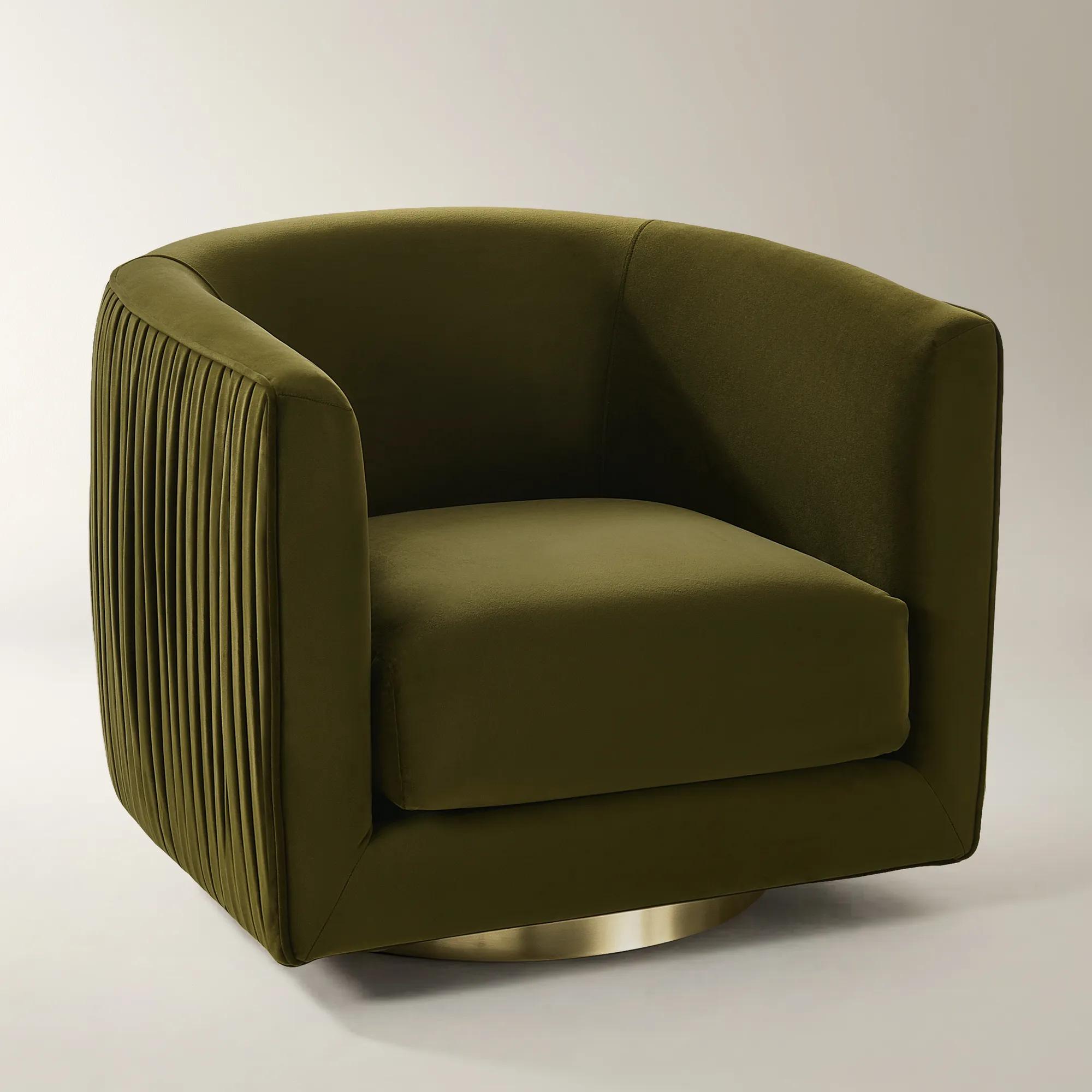
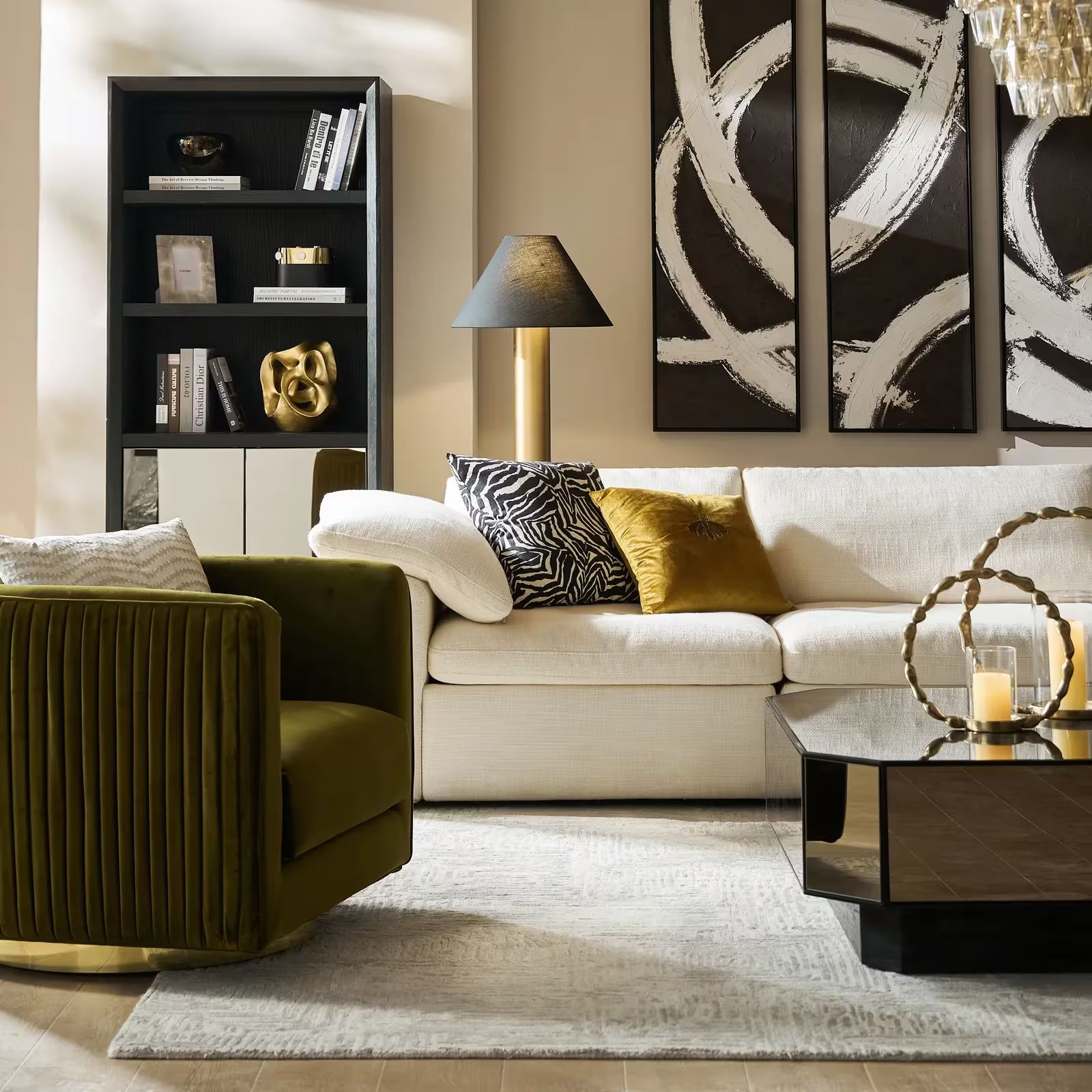 Lyssa Pleated Deep Olive Velvet Swivel Accent Chair$1099
A deep olive green velvet accent chair featuring pleated panels, smooth curves, and a 360-degree swivel base.
Add To Cart -
 Misha White Faux Fur Accent Chair$799
A modern white faux fur chair offering plush comfort, sculptural lines, and pet-friendly, easy-care upholstery.
Add To Cart -

 Sierra Jade Green Velvet Dining Chair$599
A sculptural accent chair in jade green velvet with gracefully arched arms and plush, supportive cushioning.
Add To Cart -

 Sierra Roasted Pecan Velvet Dining Chair$599
A sculptural accent chair in roasted pecan velvet with arched arms, curved back, and plush cushioning.
Add To Cart -

 Sierra Oatmeal Velvet Dining Chair$599
An elegant accent chair in oatmeal velvet with gracefully arched arms, curved back, and plush cushioning.
Add To Cart -
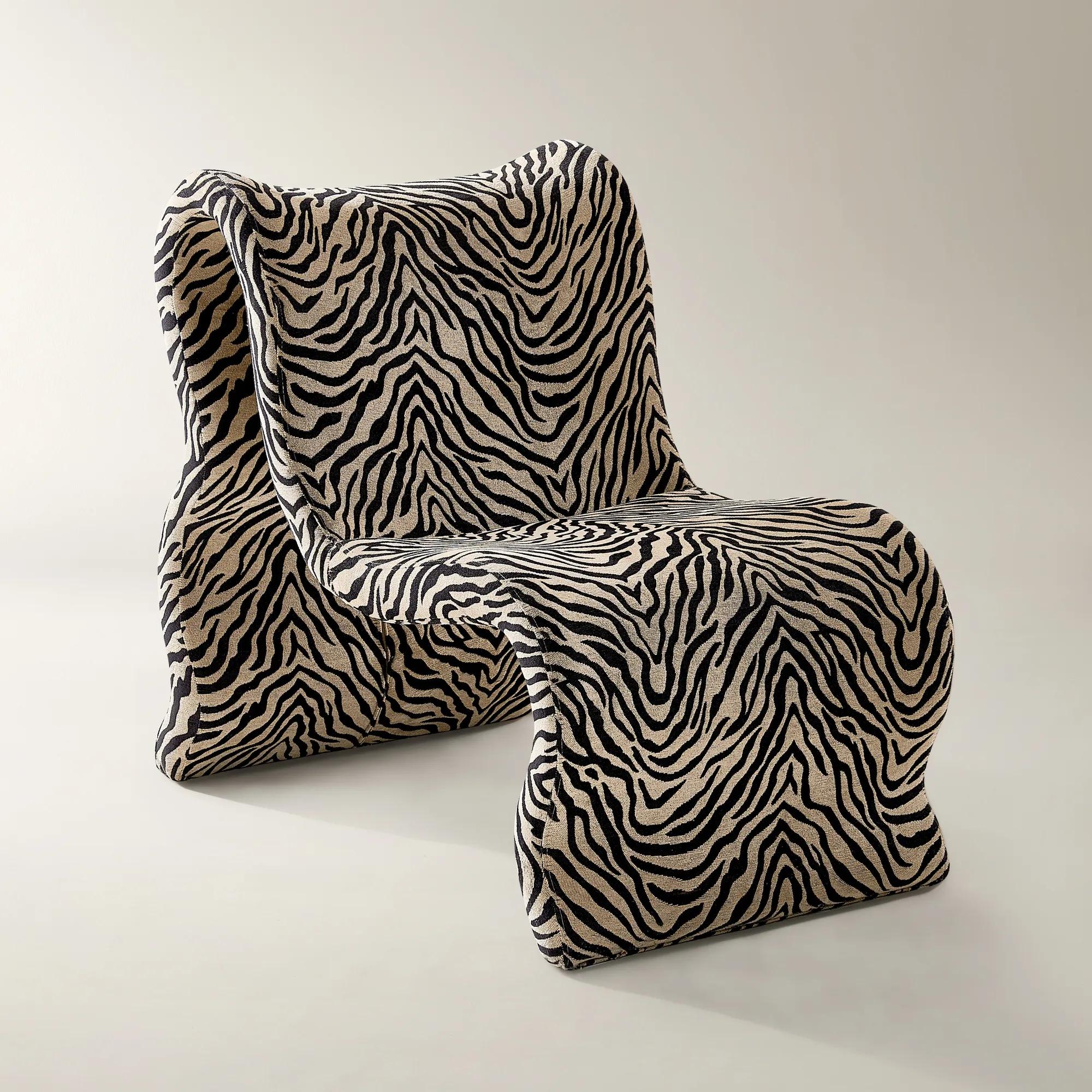
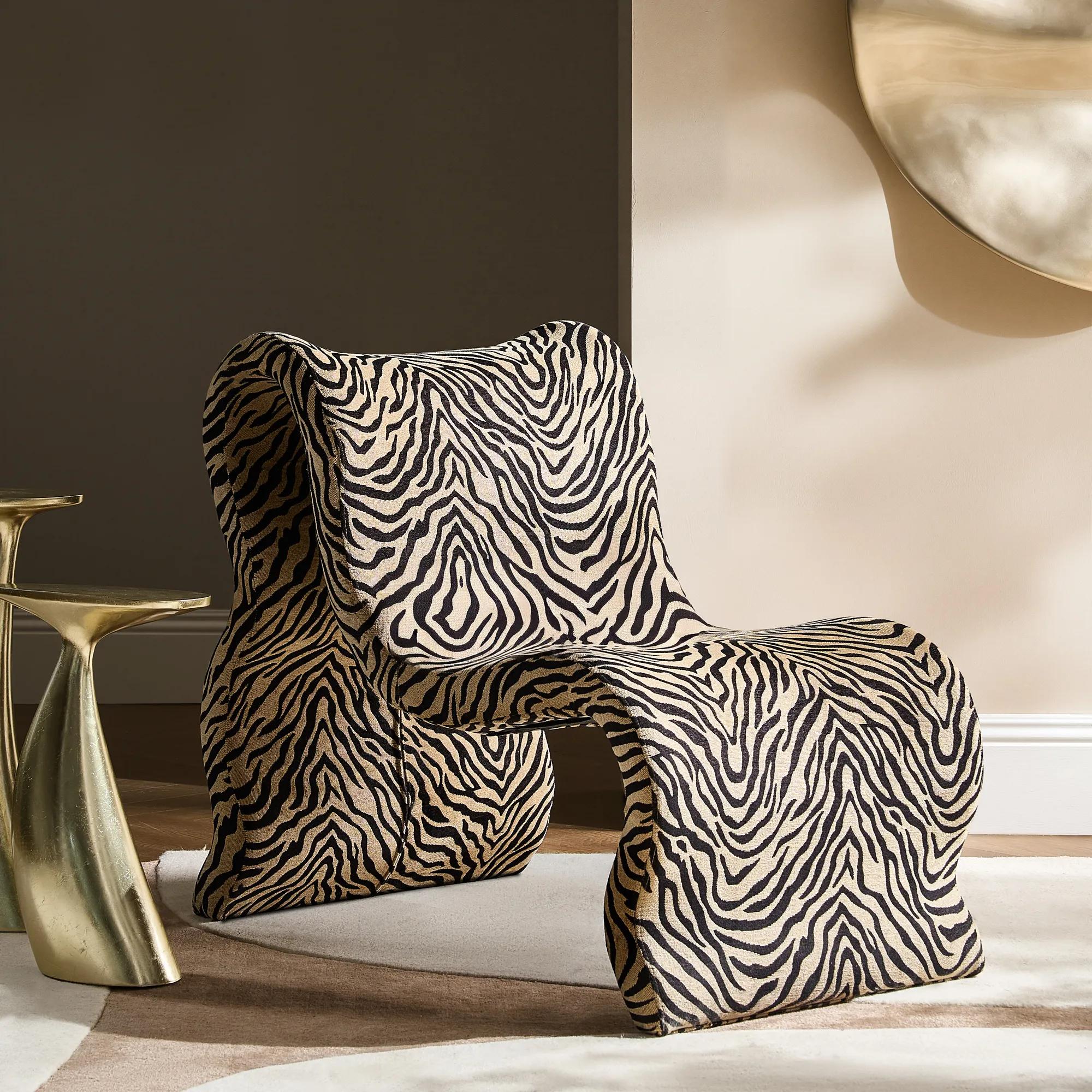 Romy Zebra Chenille Accent Chair$999
A sculptural accent chair featuring bold zebra-print chenille upholstery and a continuous wave-like silhouette.
Add To Cart -
 Dover Dusty Blue Velvet Swivel Accent Chair$1299
A sculptural blue velvet accent chair featuring soft gathered upholstery, gold-trimmed base, and smooth 360° swivel.
Add To Cart -
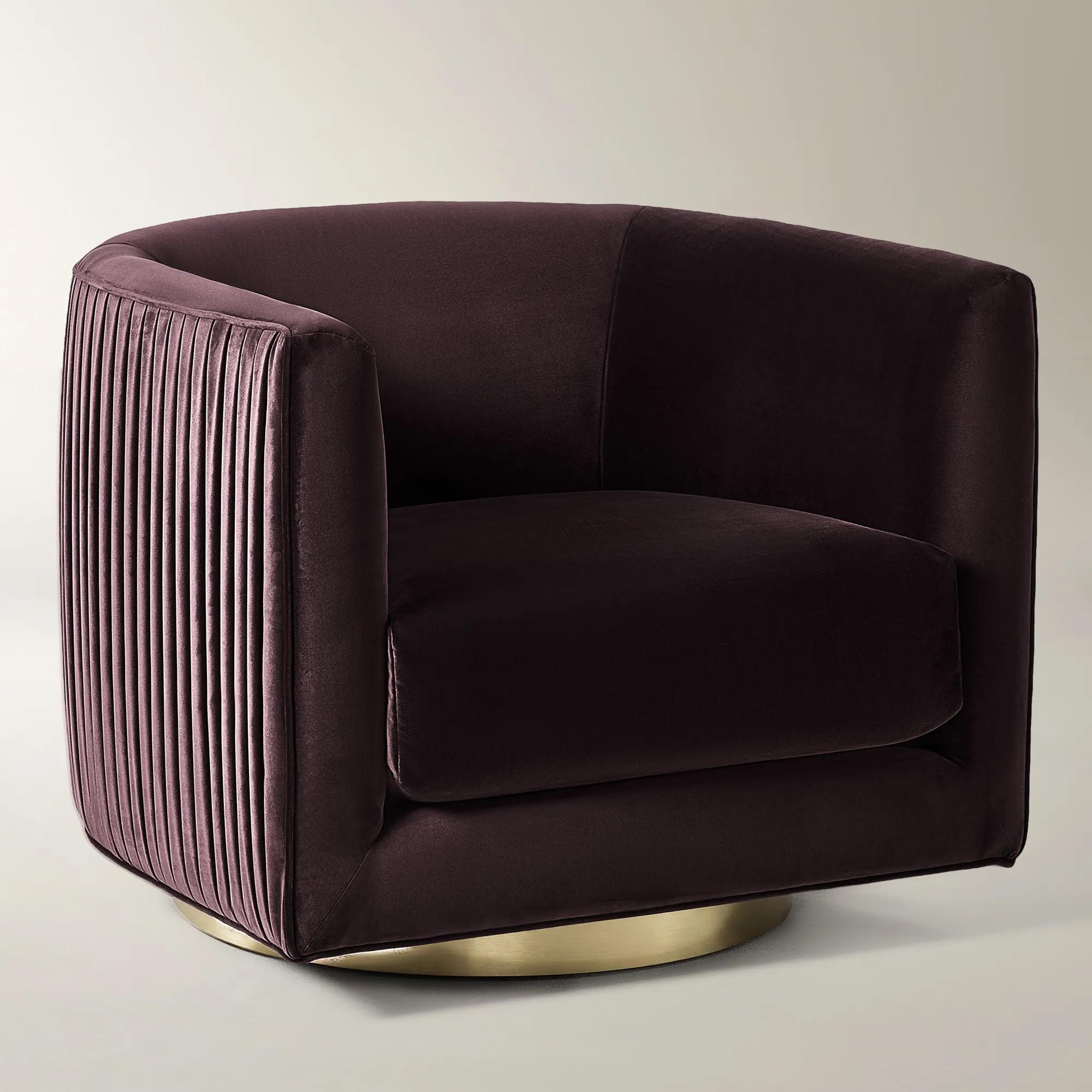 Lyssa Pleated Fig Velvet Swivel Accent Chair$1099
A fig-colored velvet accent chair featuring pleated detailing, a curved silhouette, and a smooth 360° swivel base.
Add To Cart

Hand Upholstered Accent Chairs
Hand upholstered accent chairs are the very definition of artistry meeting indulgence—each piece a testament to the transformative power of detail. Imagine sculptural silhouettes draped in sumptuous fabrics, every stitch a celebration of craftsmanship and creativity. These chairs don’t simply complete a room; they command attention, inviting you to linger, lounge, and luxuriate in your own personal gallery. With hand upholstered accent chairs, every seat becomes a statement, infusing your space with drama, sophistication, and an irresistible sense of occasion.
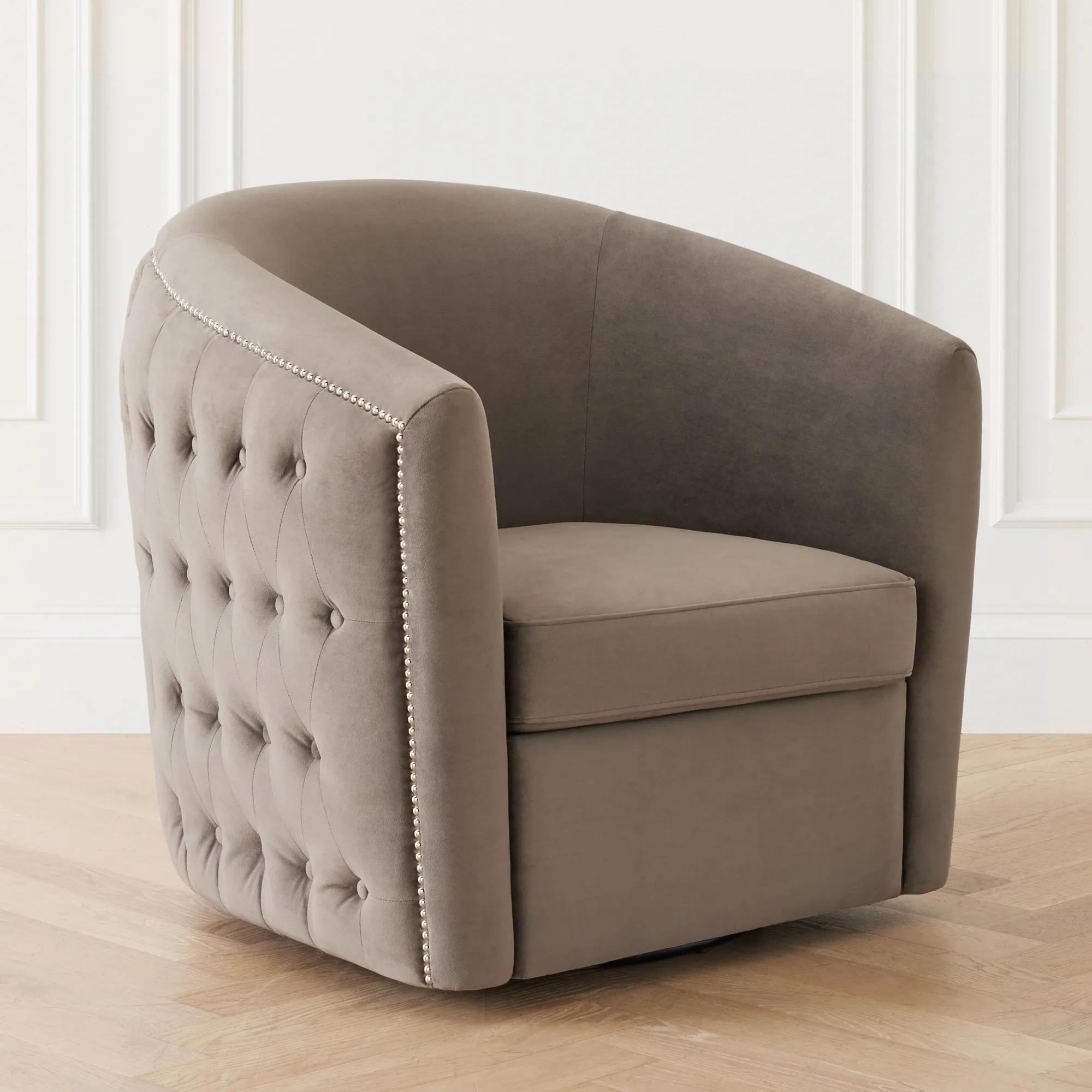
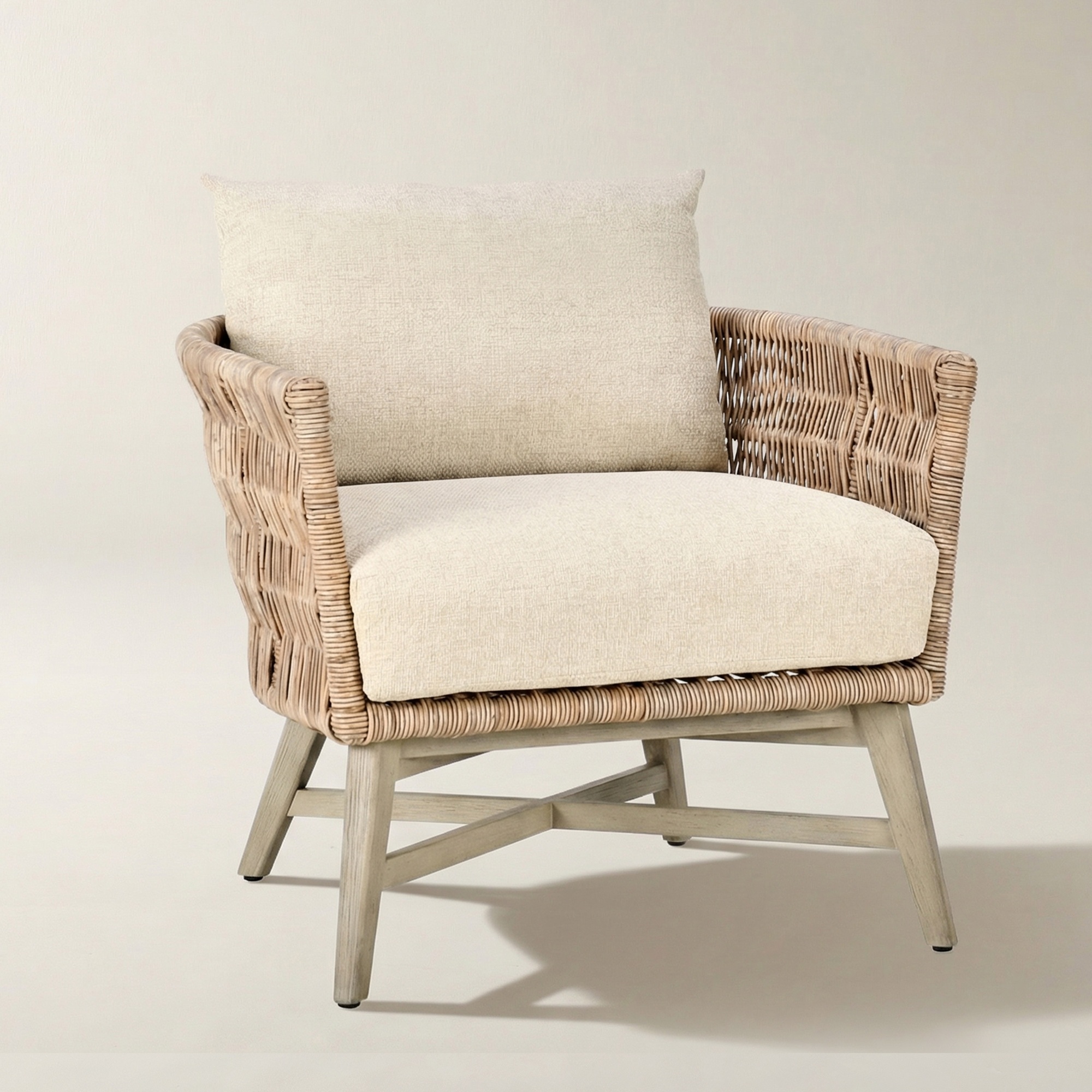
Hand-upholstered accent chairs bring the artistry of upholstery into everyday living, pairing expressive silhouettes with coverings fitted, shaped, and secured by hand. The distinction lies in the upholstery process: fabric or leather is worked around cushioning and contours to create a finished seat, while details such as seams, welting, tufting, and pattern placement help define its character. Hand upholstery does not automatically mean a chair is custom-made or that every component is handmade; frame construction, textile composition, and finishing methods remain separate considerations. What makes these chairs so compelling is the relationship between structure and surface. A curved back wrapped in luminous velvet creates a different mood from a sharply tailored seat in a richly textured weave. Deep tufting introduces shadow and dimension, while a smooth, uninterrupted back lets the silhouette take center stage. Welted edges can trace the chair’s architecture with precision, and exposed wood or metal legs add another layer of contrast. These are seats for people who see furniture as part of a room’s visual identity, not simply a place to sit. In a living room, an upholstered accent chair can interrupt the long horizontal line of a sofa with a sculptural curve. In a bedroom, it can turn an overlooked corner into an inviting place to read or dress. Beside a writing desk or within a spacious entry, it adds softness to a setting dominated by hard surfaces. Materials shape that experience as much as form: velvet offers depth and a shifting sheen, chenille brings plush texture, and woven upholstery can lend a more tailored presence. Leather, when used, introduces its own grain and character. The most convincing statement comes from choosing a chair whose texture, proportions, and detailing feel intentional together—a piece with enough presence to anchor a vignette and enough comfort to become part of a daily ritual.
The right fit begins with how the chair will be used and how it relates to everything around it. A generous seat with a relaxed back can suit unhurried reading, while a more upright profile may feel better for conversation or occasional desk use. Seat depth matters as much as overall width: a deep cushion may encourage lounging but leave a shorter sitter needing a supportive pillow behind the back. Seat height, arm placement, and cushion firmness also affect how comfortably someone settles in and stands again. For a conversation area, consider how the chair’s seat height relates to the sofa rather than assuming every accent seat will feel harmonious beside it. Overall dimensions should leave room for movement, nearby doors, and access to side tables; a dramatic barrel silhouette can occupy more floor space than its seat dimensions suggest. Measuring the delivery path, including doorways and tight turns, is equally important. Visual scale deserves the same attention. A tall back can hold its own beside substantial cabinetry, while open legs may keep a smaller sitting area from feeling crowded. Color offers another opportunity for expression. Ivory or champagne upholstery can create a luminous focal point against darker finishes, while saturated jewel tones introduce depth beside glass, polished metal, or richly grained wood. Pattern can establish a room’s palette, especially when one of its quieter colors is repeated in a pillow, artwork, or rug. For interiors that favor heritage detailing, traditional handcrafted accent chairs offer a related direction to explore, with the same attention to proportion and material that makes an upholstered seat feel considered. A matched pair can frame a fireplace or create balance across from a sofa; a single distinctive chair can provide a deliberate counterpoint. Neither approach requires every finish to match. Repeating one element, such as a warm metal tone or a curved line, can give contrasting pieces a clear relationship without diminishing their individuality.
Lasting appeal depends on matching the upholstery and construction to the demands of the household. A chair reserved for a bedroom retreat will experience different wear from a favorite living-room seat used throughout the day. For frequent use, look for clear information about frame materials, joinery, seat support, cushion fill, and fabric performance rather than treating hand upholstery alone as a promise of durability. Solid wood, engineered wood, and metal can each serve different structural roles; the quality of their construction matters more than a material name in isolation. Cushion fill influences both the initial feel and the upkeep involved. Some fills retain a more tailored profile, while softer fiber- or feather-containing cushions may need regular fluffing to redistribute their contents. Upholstery selection should reflect real routines, including pets, children, entertaining, and meals enjoyed near the seating area. Tightly woven fabrics may be worth considering where snagging is a concern, but no textile should be assumed claw-proof. Performance fabrics can offer useful stain-resistance or cleanability features, although those properties vary and do not make a chair immune to spills or wear. Velvet may show changes in shading as its pile moves, creating a characteristic play of light rather than a perfectly uniform surface. Care should follow the upholstery label and the manufacturer’s directions: a fabric’s appearance alone does not reveal whether water-based or solvent-based cleaning is appropriate. Regular gentle vacuuming with a suitable upholstery attachment helps remove dust before it settles into seams, and prompt blotting is generally preferable to rubbing a spill. Removable covers are not necessarily washable, so cleaning instructions still govern. Placement matters, too; prolonged direct sunlight can alter some colors, and sharp jewelry or rough fasteners can catch delicate surfaces. With thoughtful selection and appropriate care, hand-upholstered accent chairs can deliver both visual distinction and a welcoming seat—a place where expressive design becomes something to enjoy, not merely admire.
FAQs
A hand-upholstered accent chair is distinguished by its artistry and attention to detail. Each piece is crafted by skilled artisans, ensuring that every stitch, tuft, and fabric alignment is executed with care. This level of craftsmanship results in a chair that not only looks luxurious but also feels bespoke, with unique nuances that set it apart from factory-made furniture.
A handcrafted accent chair with real presence can serve as a stunning focal point or complement your current aesthetic. To integrate it seamlessly, consider echoing its color or texture elsewhere in the room—through throw pillows, artwork, or area rugs—while allowing the chair’s distinctive silhouette and upholstery to stand out. Placing it in a reading nook, beside a fireplace, or at the end of a hallway can create a dramatic and inviting vignette.
Hand-upholstered accent chairs make exceptional gifts for design enthusiasts, new homeowners, or anyone celebrating a significant milestone. They are especially cherished by those who value expressive interiors and see their living space as a reflection of their personality. A thoughtfully chosen accent chair becomes a lasting symbol of style and affection.
Luxury hand-upholstered accent chairs often feature sumptuous materials such as velvet, linen, chenille, or jacquard. These fabrics are selected for their tactile richness, durability, and visual allure, offering a range of finishes from shimmering and plush to crisp and tailored. The choice of material can dramatically influence the mood and style of the chair.
Handcrafted accent chairs infuse a space with character and drama, acting as both functional seating and artistic statements. Their bold silhouettes, exquisite fabrics, and meticulous detailing can set the tone for a room—whether it’s creating an atmosphere of cozy elegance, modern glamour, or timeless sophistication. The right chair elevates everyday living, making each moment at home feel more inspired.