Top Grain Leather Sectional Sofas
Top Grain Leather Sectional Sofas
-
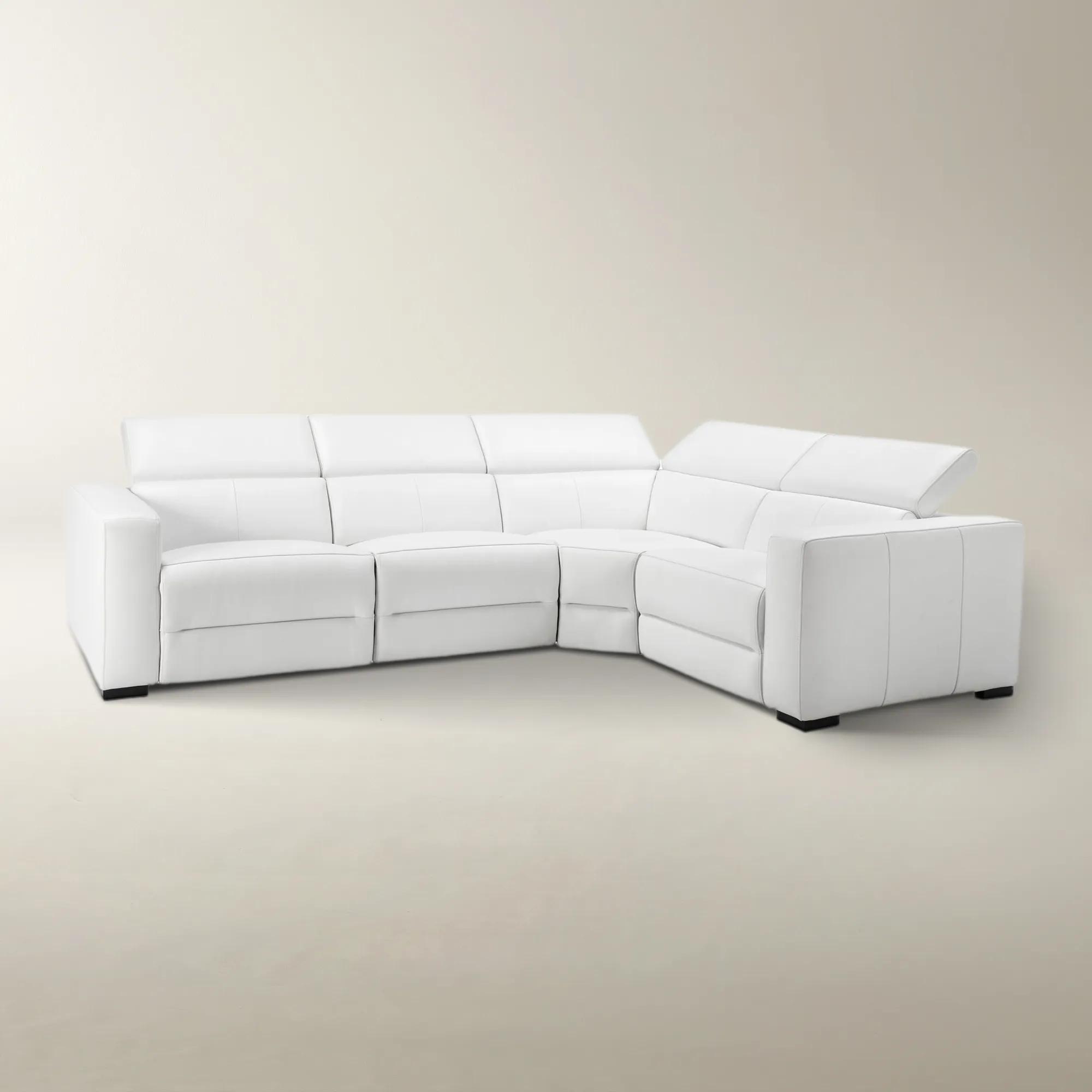
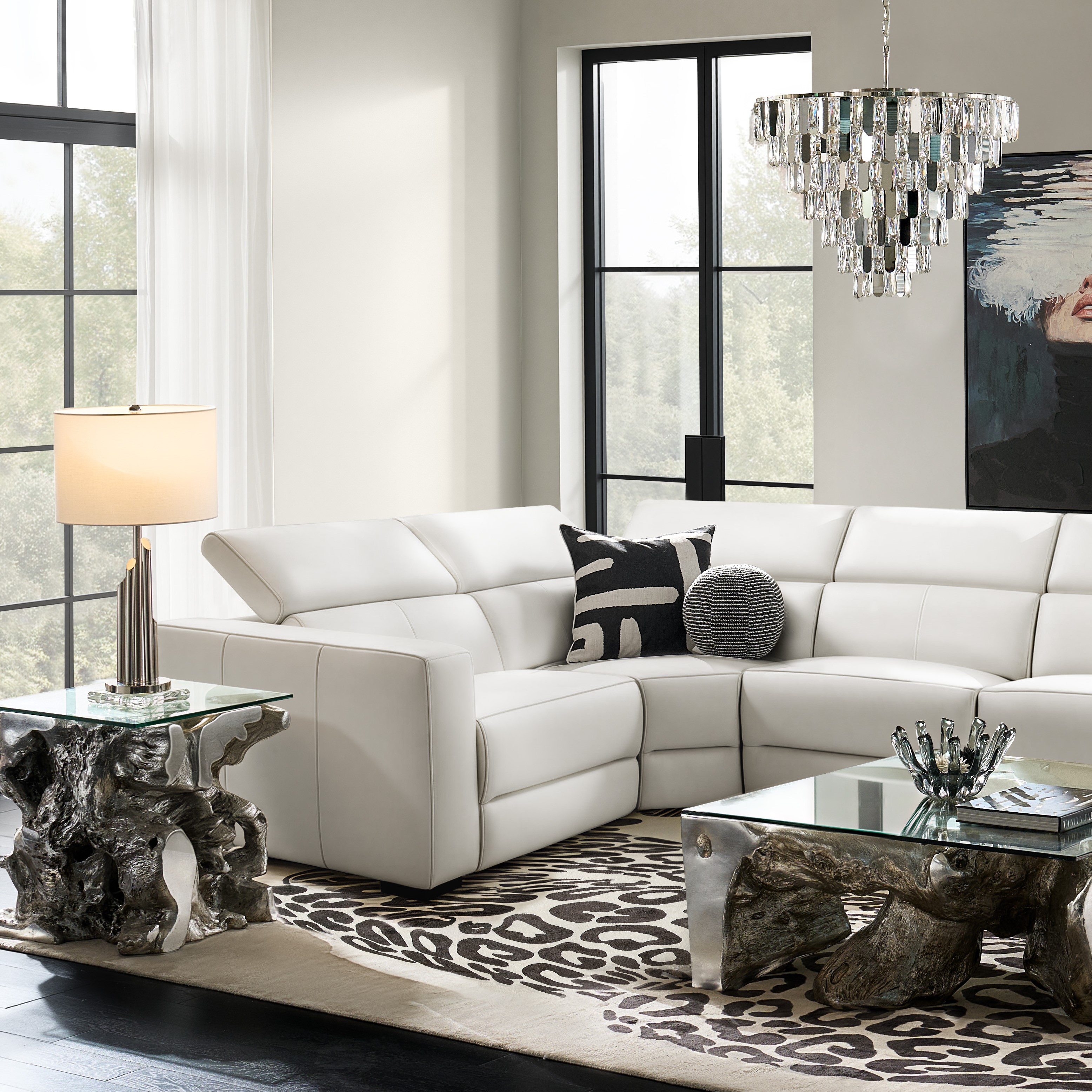 Verona 4-Piece L-Shaped Reclining White Leather Sectional Sofa With Right-Arm$5899
A modern sectional upholstered in supple white semi-aniline leather with adjustable headrests and power-reclining seats.
Add To Cart -
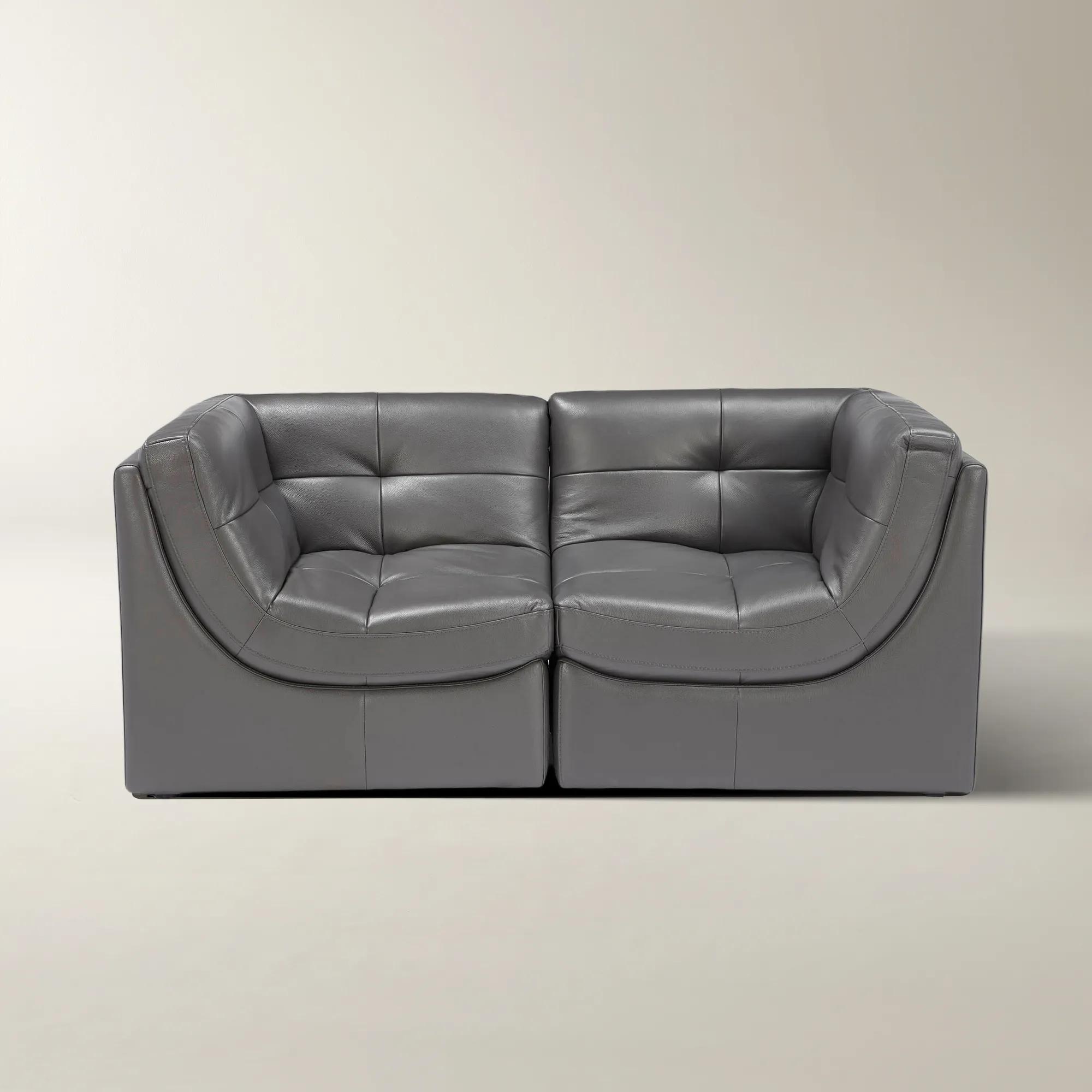 Convo 2-Piece Charcoal Leather Sectional Sofa$2799
A modular charcoal leather sofa with kiln-dried hardwood frame and blind-tufted, semi-aniline upholstery.
Add To Cart -
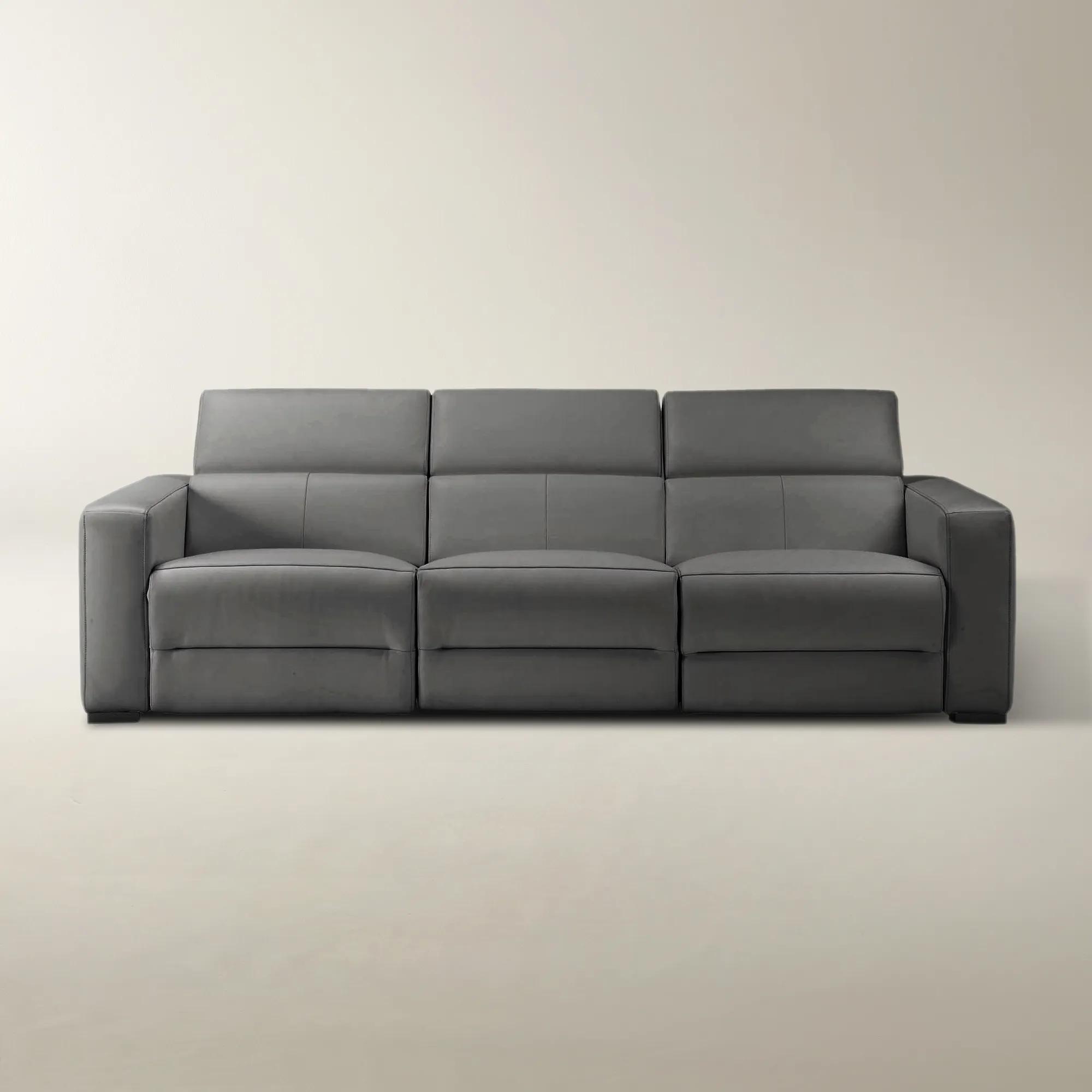 Verona 3-Piece Charcoal Leather Sectional Sofa$4399
A charcoal semi-aniline leather sectional featuring adjustable headrests, kiln-dried hardwood frame, and optional power recline.
Add To Cart -
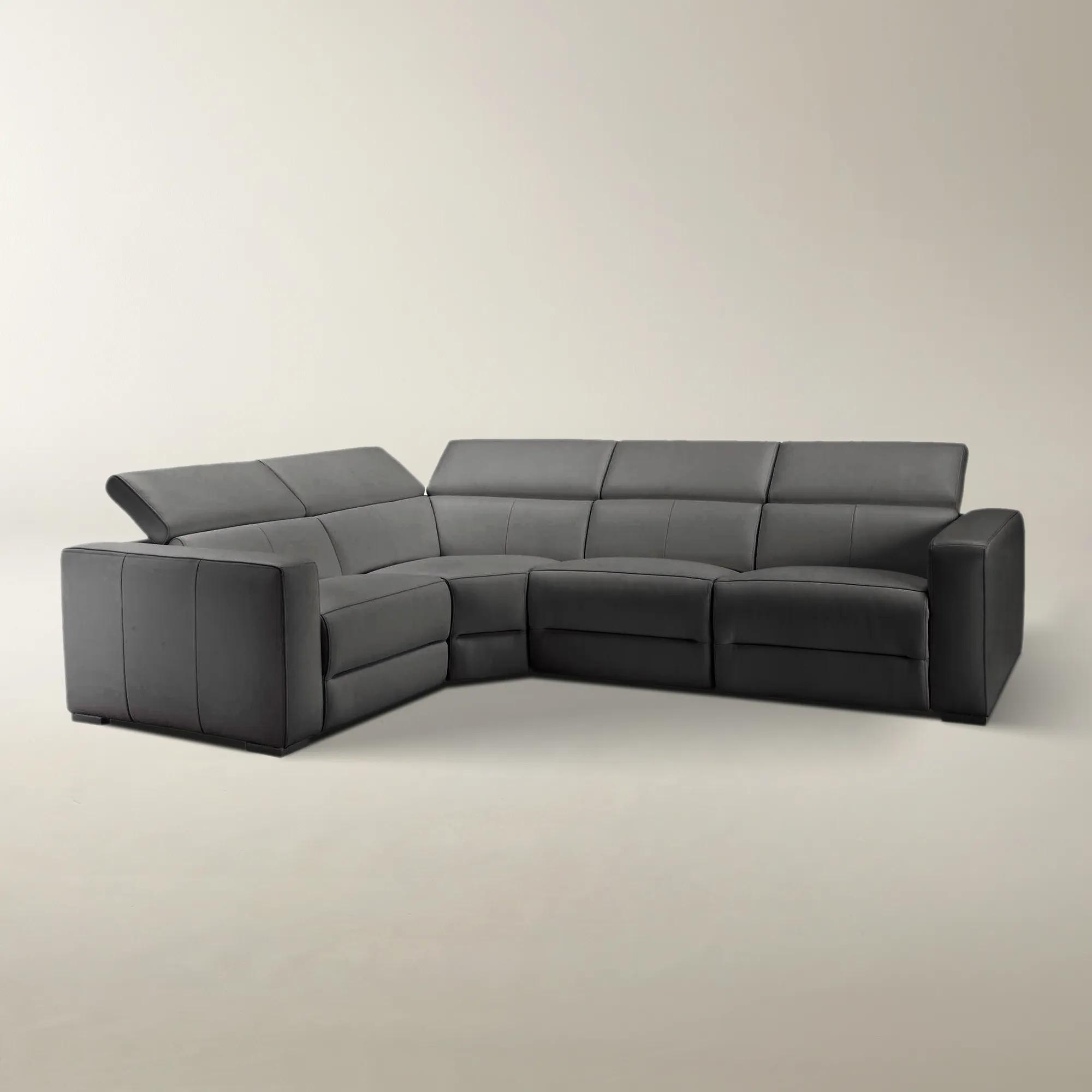 Verona 4-Piece L-Shaped Reclining Charcoal Leather Sectional Sofa With Left-Arm$5899
A charcoal semi-aniline leather sectional featuring adjustable headrests and optional power-reclining seats for comfort.
Add To Cart -
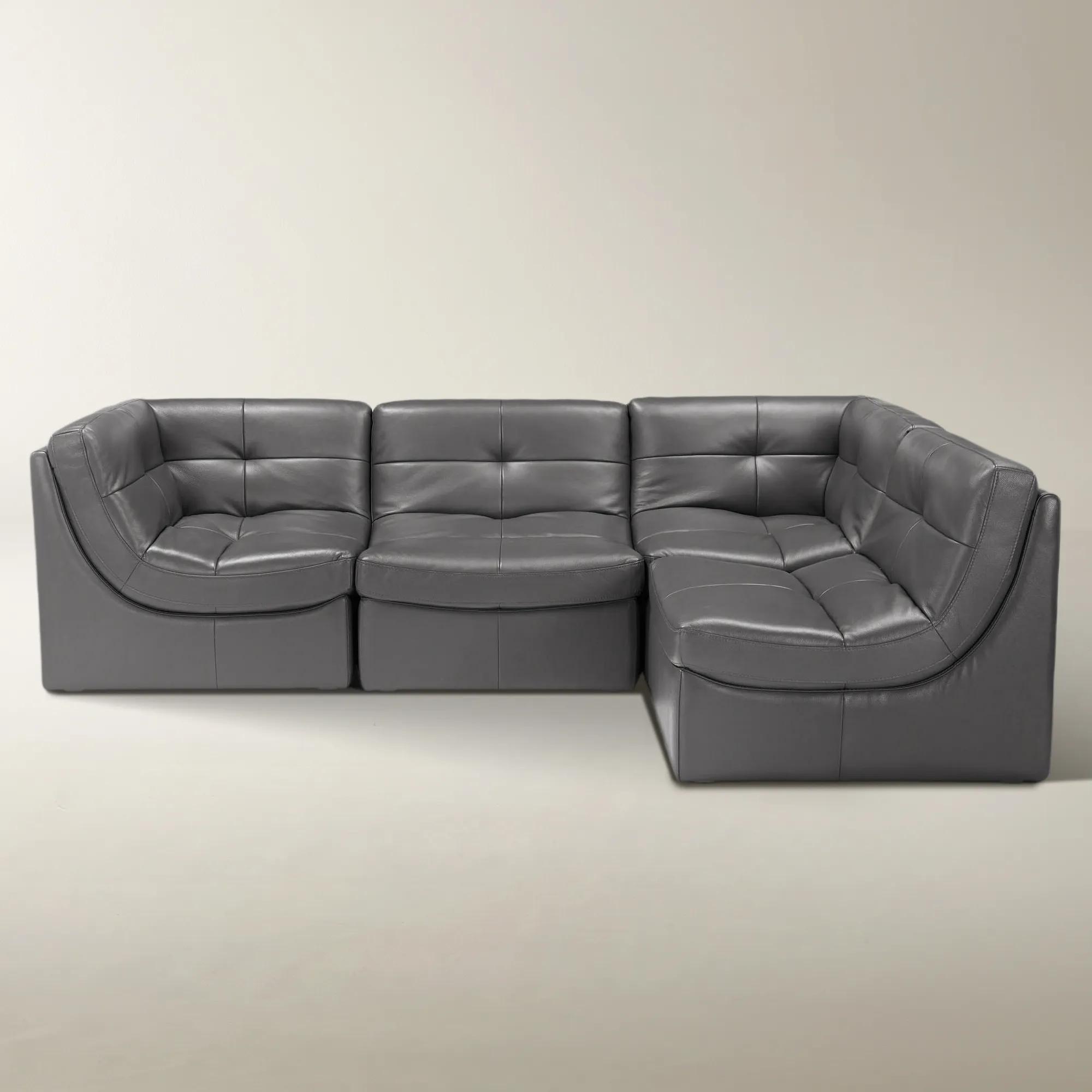
 Convo 4-Piece L-Shaped Charcoal Leather Sectional Sofa With Armless Chair$5199
A modular charcoal leather sectional with kiln-dried hardwood frame and gently curved, blind-tufted seats.
Add To Cart -
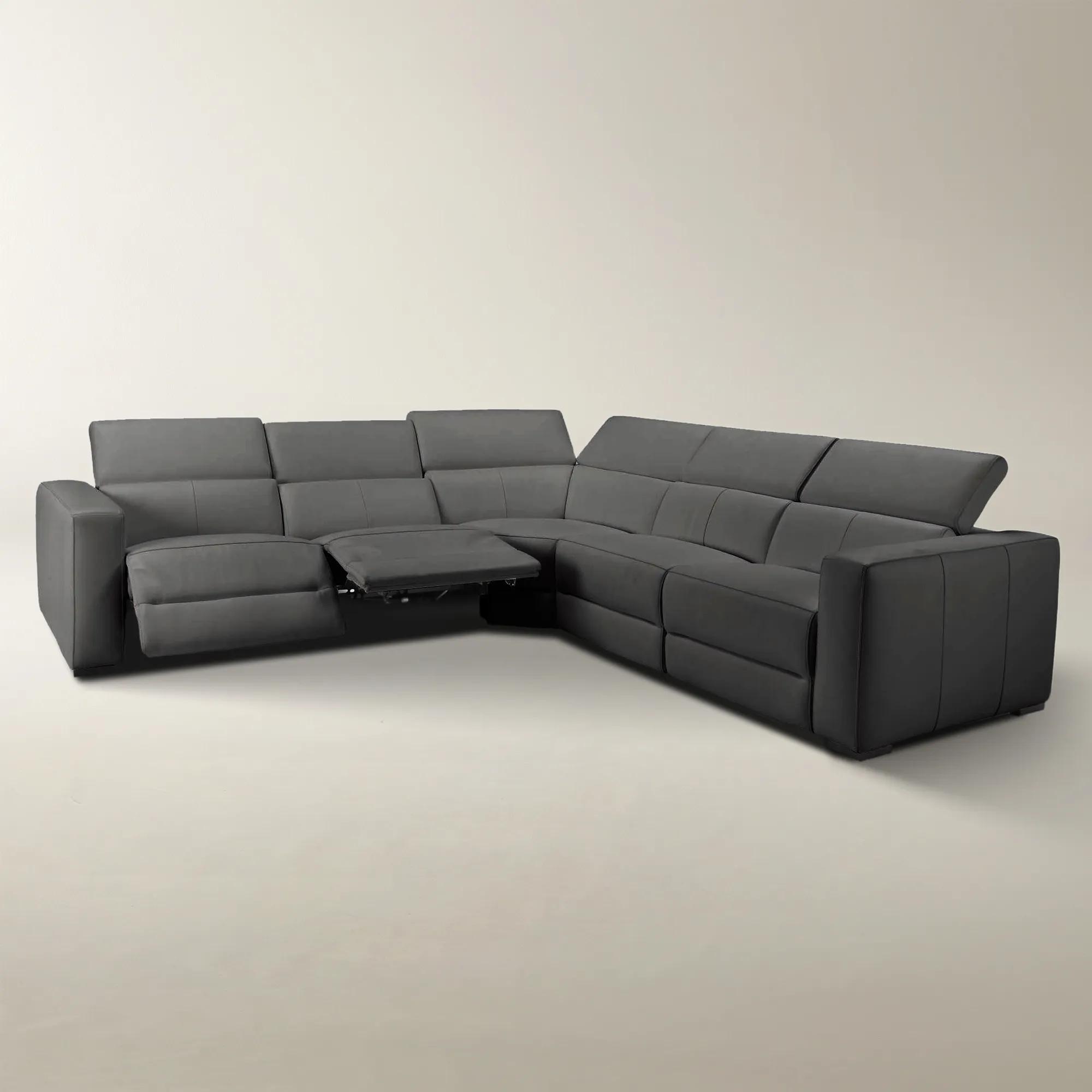 Verona 5-Piece Reclining Charcoal Leather Sectional Sofa$7199
A charcoal semi-aniline leather sectional featuring adjustable headrests, kiln-dried hardwood frame, and optional power recline.
Add To Cart -
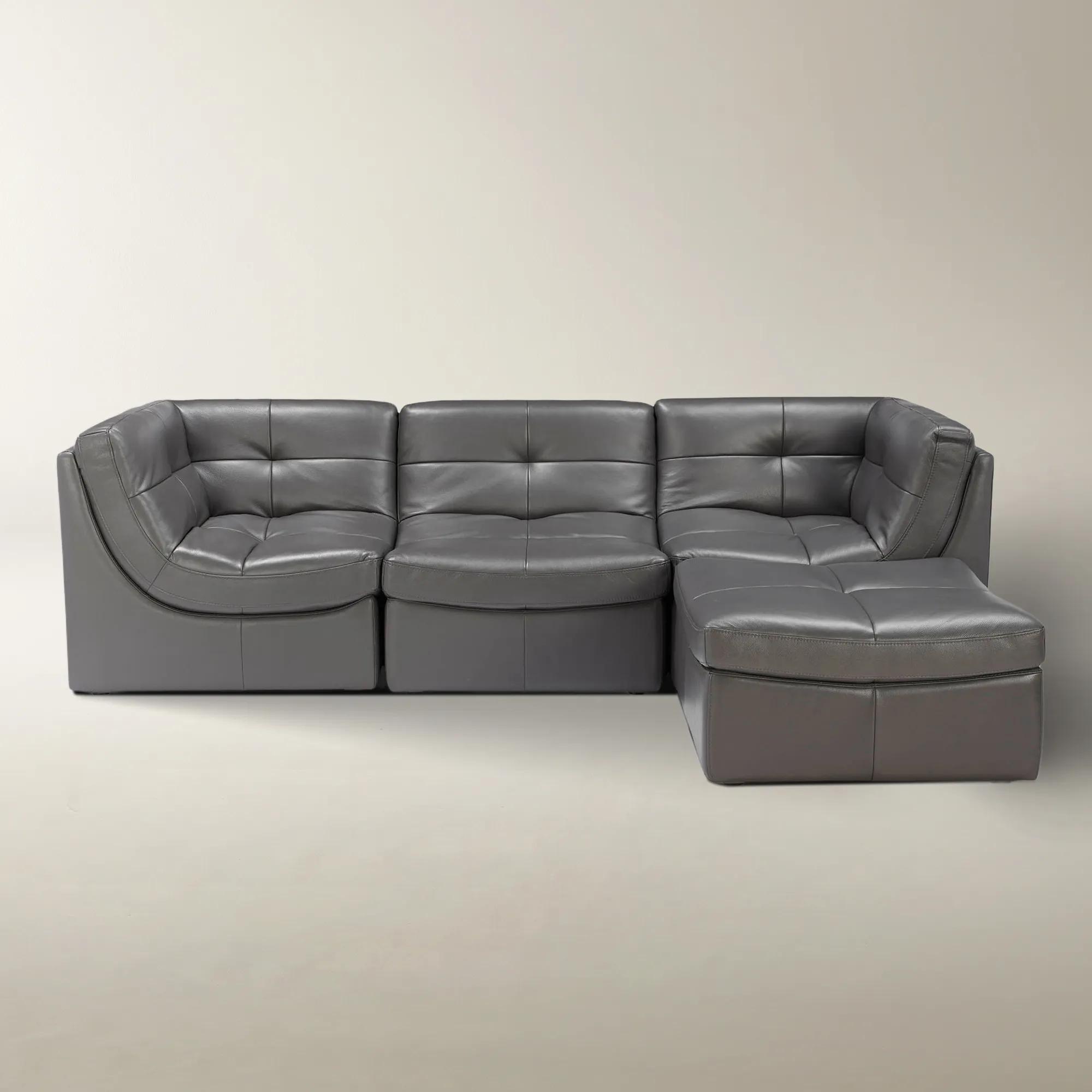 Convo 4-Piece L-Shaped Charcoal Leather Sectional Sofa With Ottoman$4849
A modular charcoal leather sectional with kiln-dried hardwood frame and gently curved, blind-tufted seats.
Add To Cart -
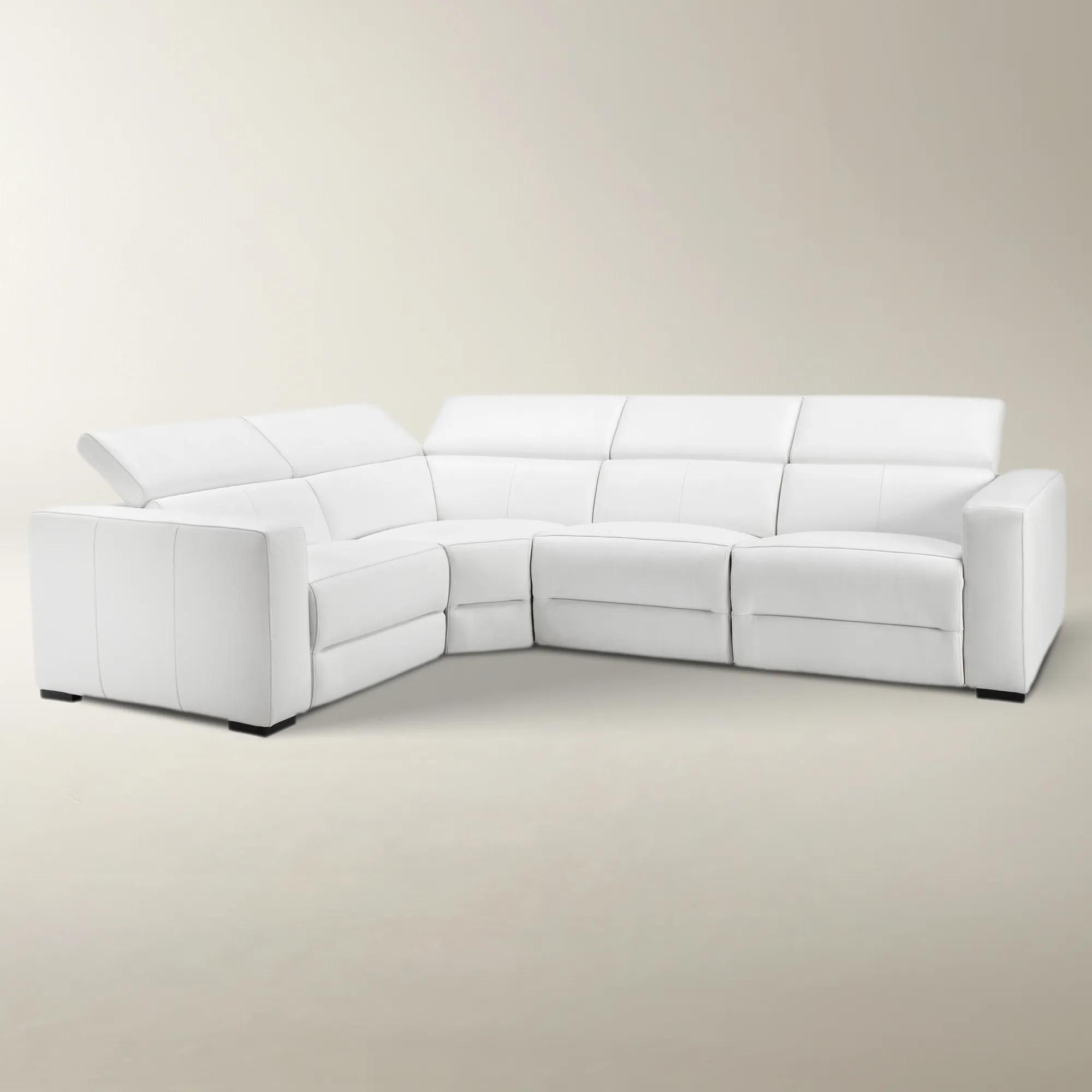 Verona 4-Piece L-Shaped Reclining White Leather Sectional Sofa With Left-Arm$5899
A modern sectional upholstered in supple white semi-aniline leather with adjustable headrests and power-reclining seats.
Add To Cart -
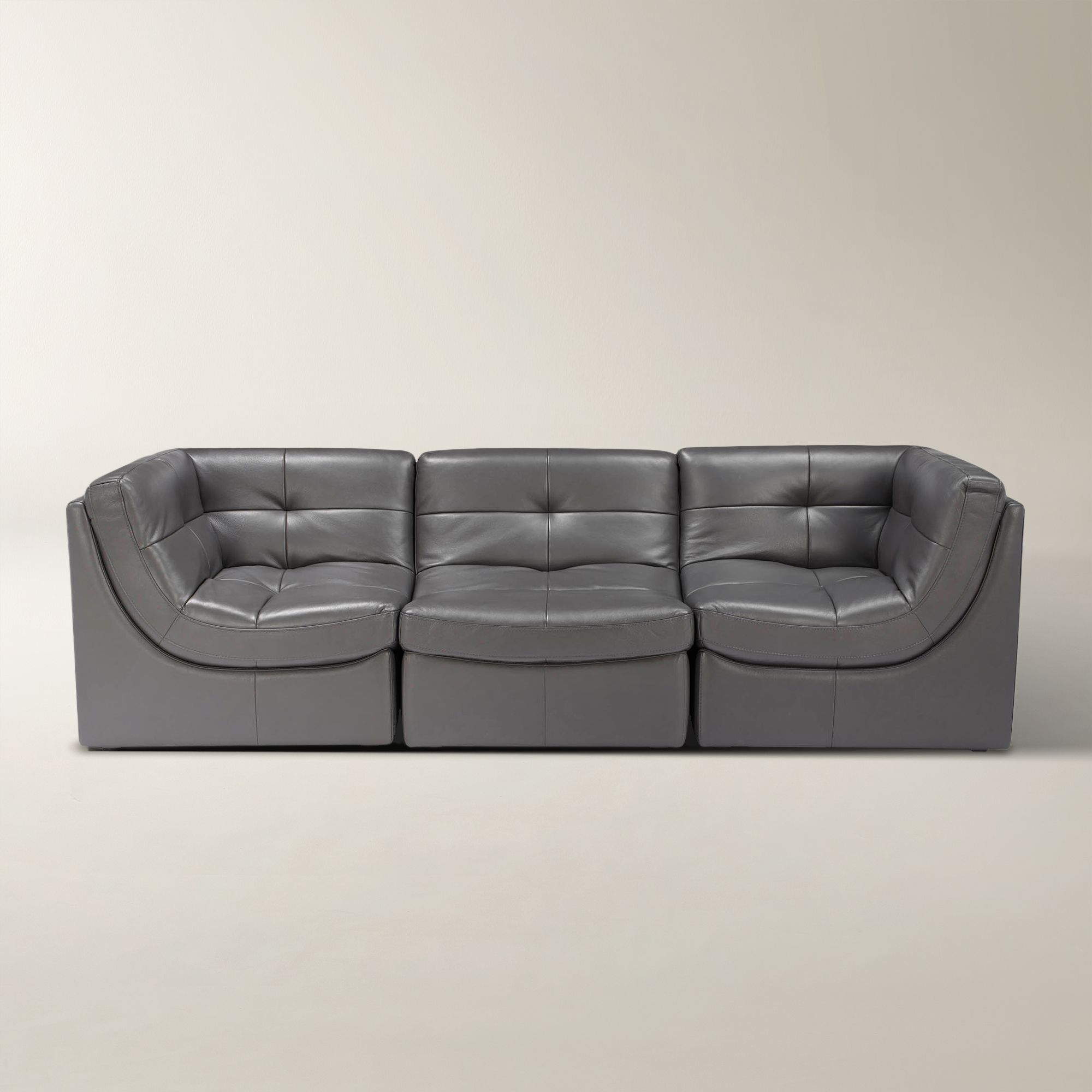 Convo 3-Piece Charcoal Leather Sectional Sofa$3999
A modular charcoal leather sofa with kiln-dried hardwood frame and gently curved, blind-tufted seats.
Add To Cart -
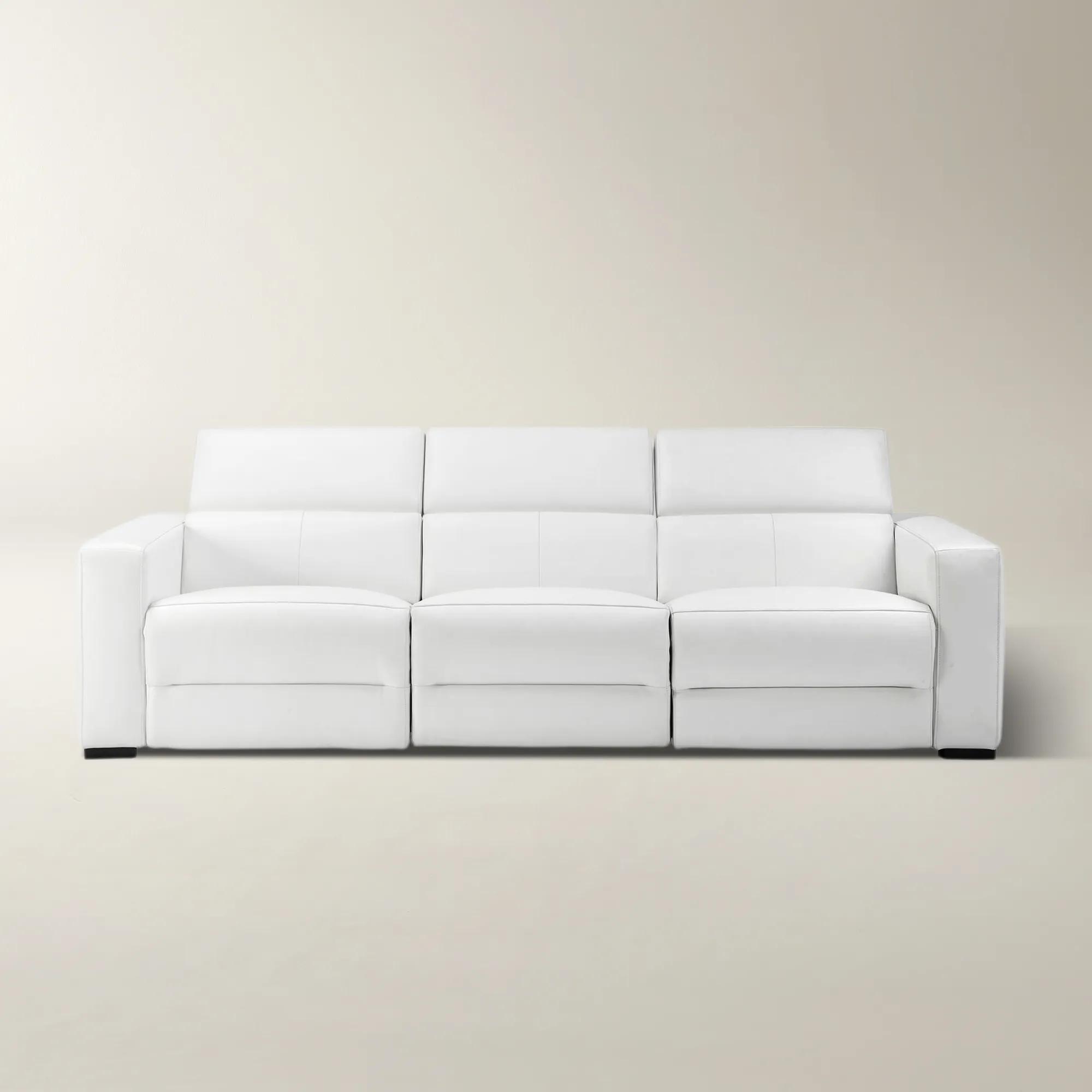 Verona 3-Piece White Leather Sectional Sofa$4399
A modern white sectional upholstered in supple semi-aniline leather with adjustable headrests and power-reclining seats.
Add To Cart -
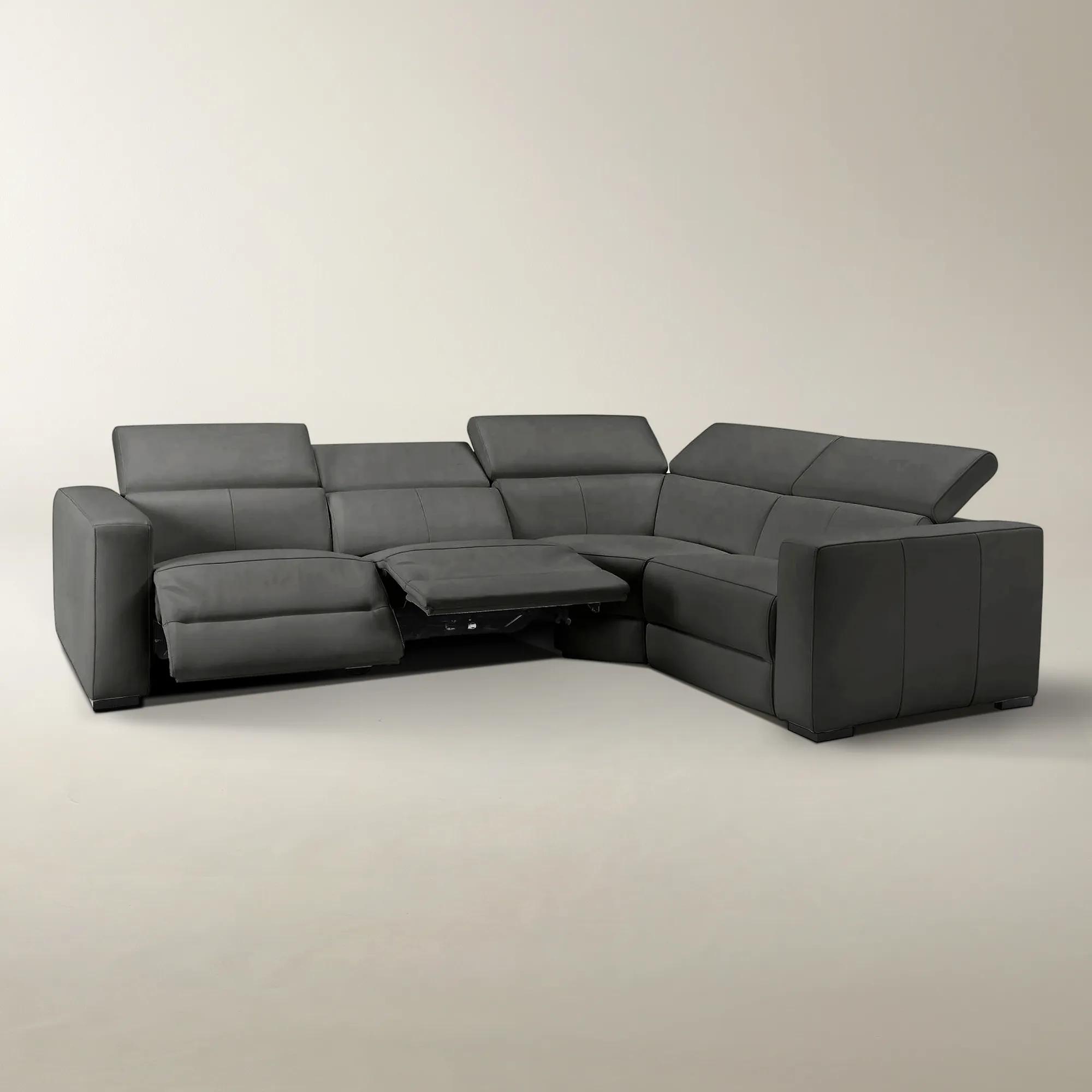
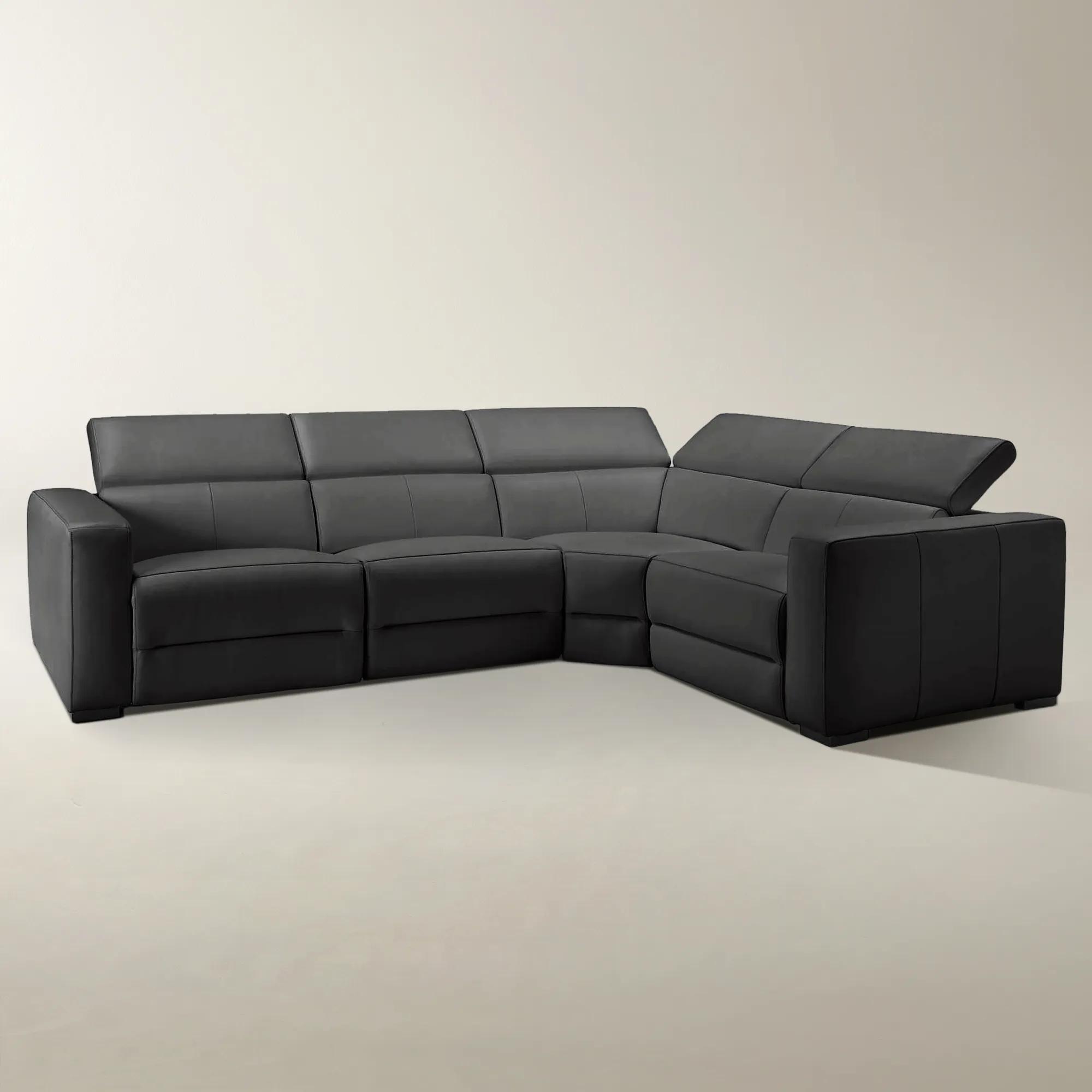 Verona 4-Piece L-Shaped Reclining Charcoal Leather Sectional Sofa With Right-Arm$5899
A charcoal semi-aniline leather sectional featuring adjustable headrests, power-reclining seats, and kiln-dried hardwood frame.
Add To Cart -
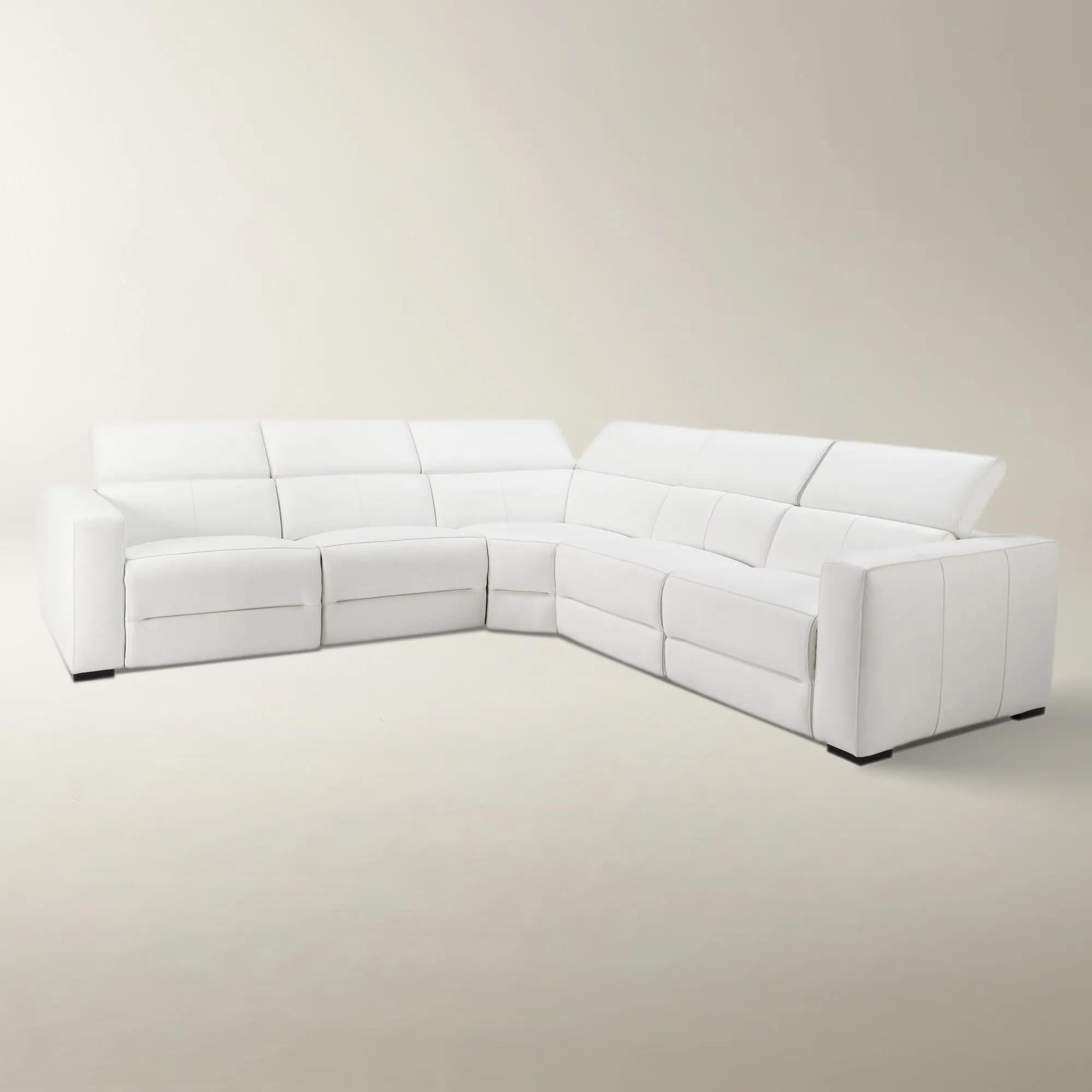 Verona 5-Piece Reclining White Leather Sectional Sofa$7199
A modern sectional upholstered in supple white semi-aniline leather with adjustable headrests and power-reclining seats.
Add To Cart -
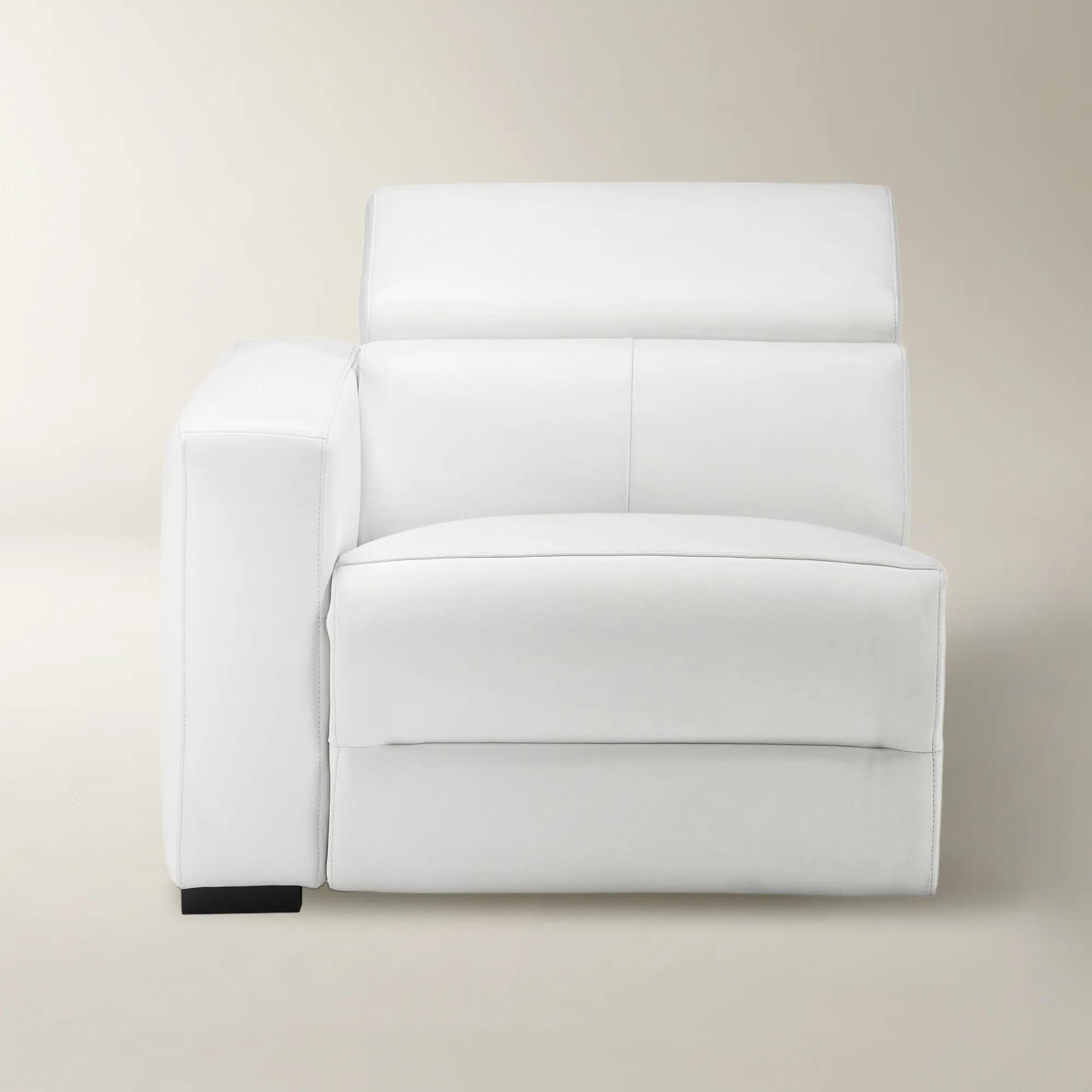
 Verona White Leather Left Arm Chair$1399
A modern white sectional upholstered in supple semi-aniline leather with adjustable headrests and power-reclining seats.
Add To Cart -
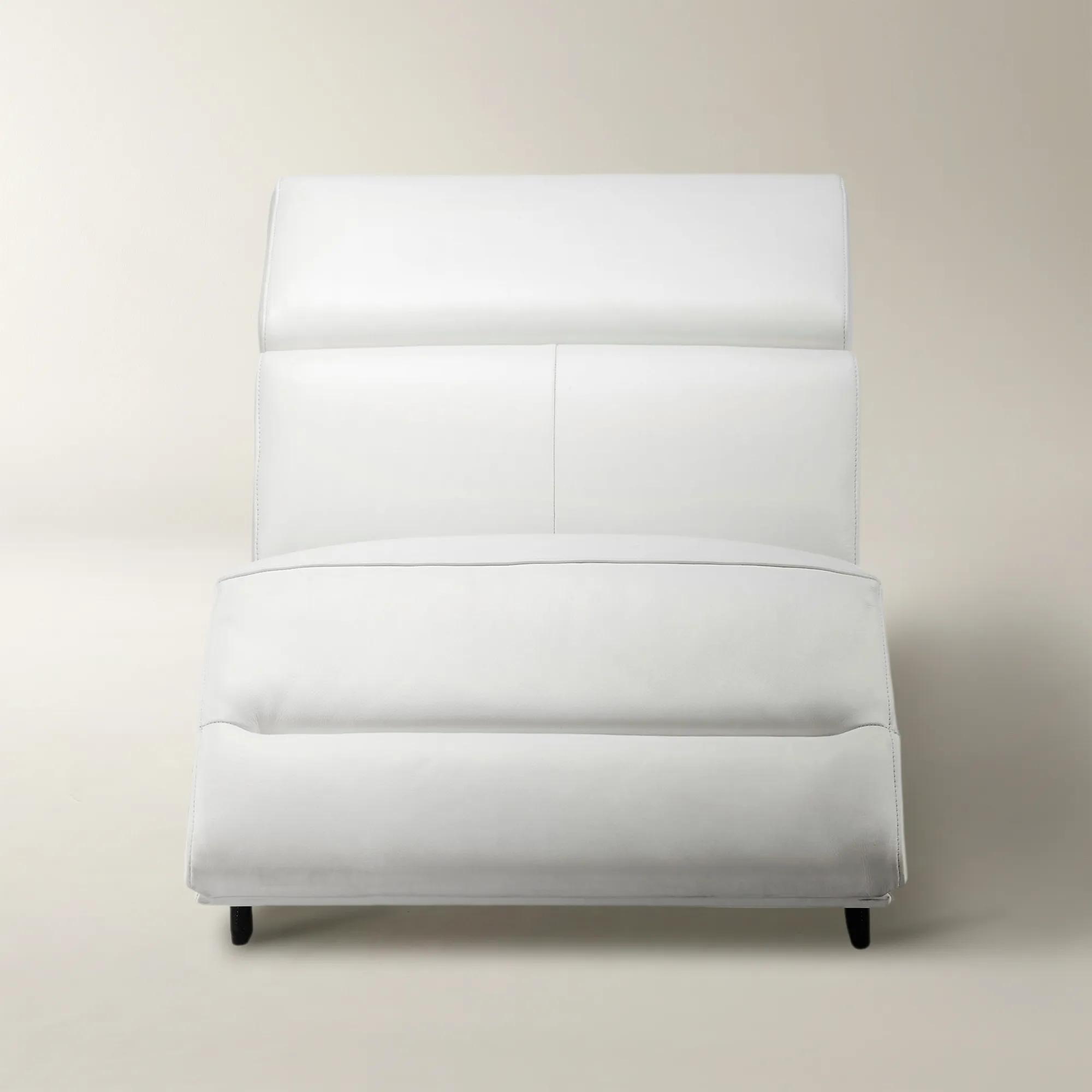 Verona Reclining White Leather Armless Chair With Power$1299
A modern white sectional upholstered in supple semi-aniline leather with adjustable headrests and power-reclining options.
Add To Cart -
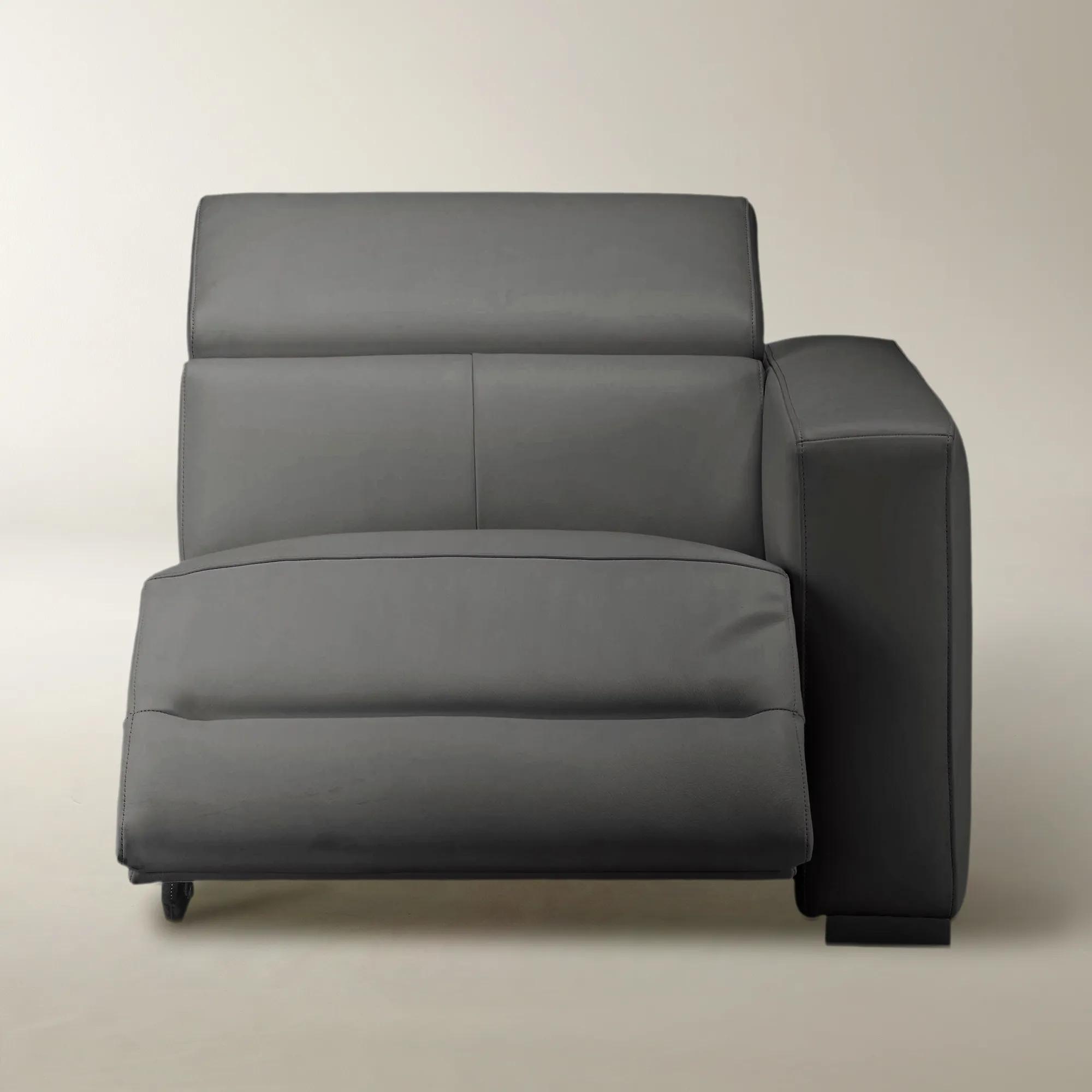
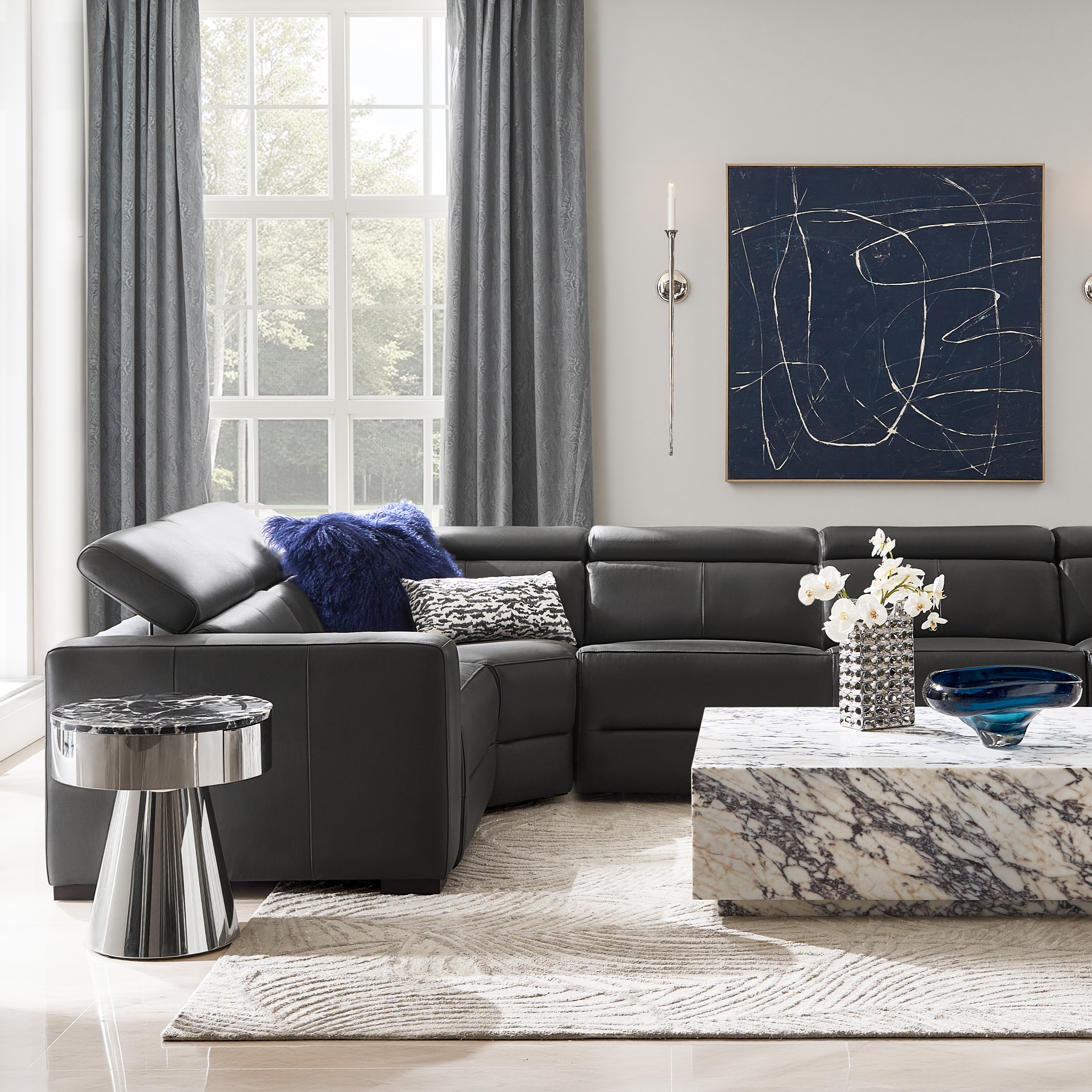 Verona Reclining Charcoal Leather Right Arm Chair With Power$1599
A charcoal semi-aniline leather sectional with adjustable headrests and optional power-reclining seats for comfort.
Add To Cart -
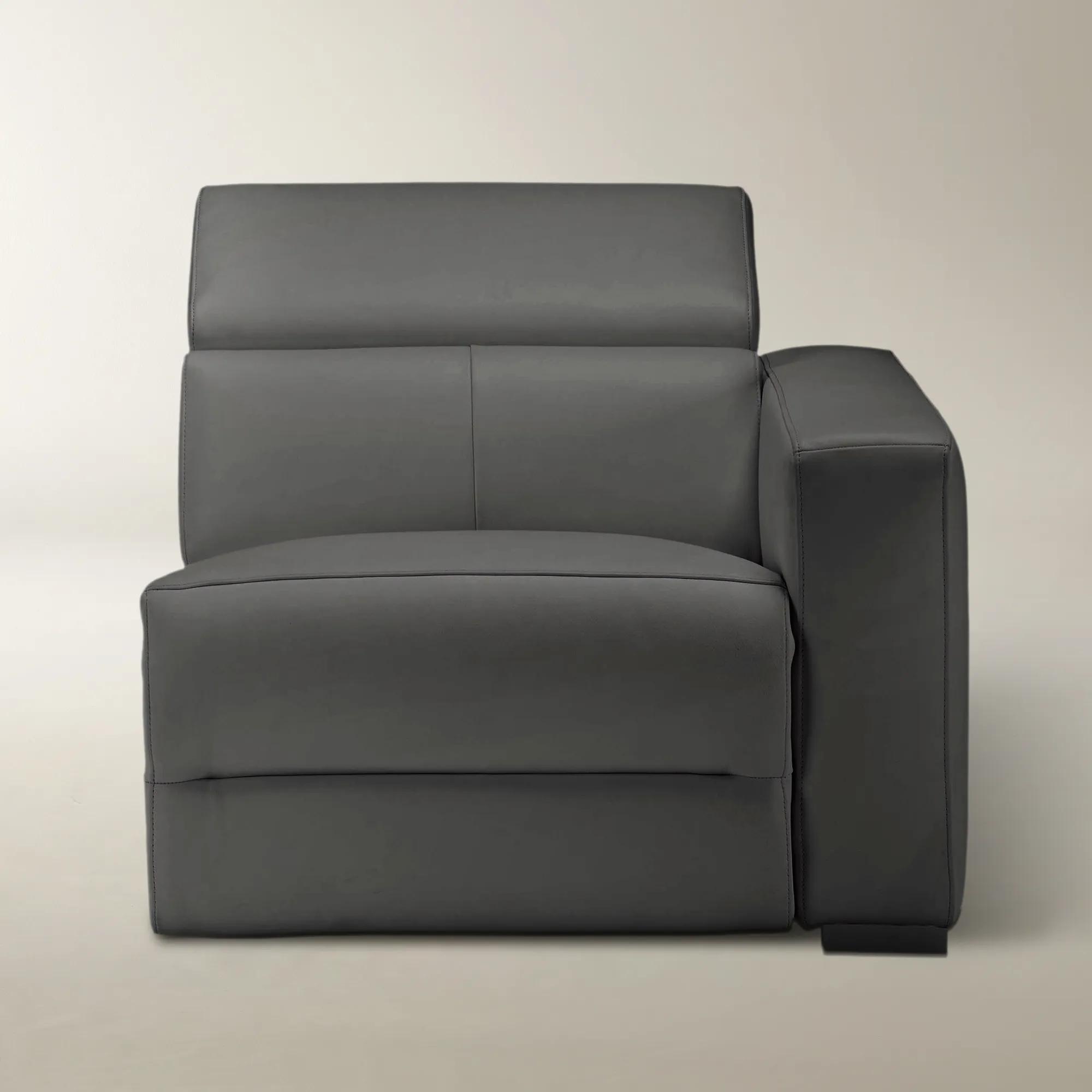 Verona Charcoal Leather Right Arm Chair$1399
A modern charcoal sectional upholstered in supple semi-aniline leather with adjustable headrests and optional power recline.
Add To Cart -
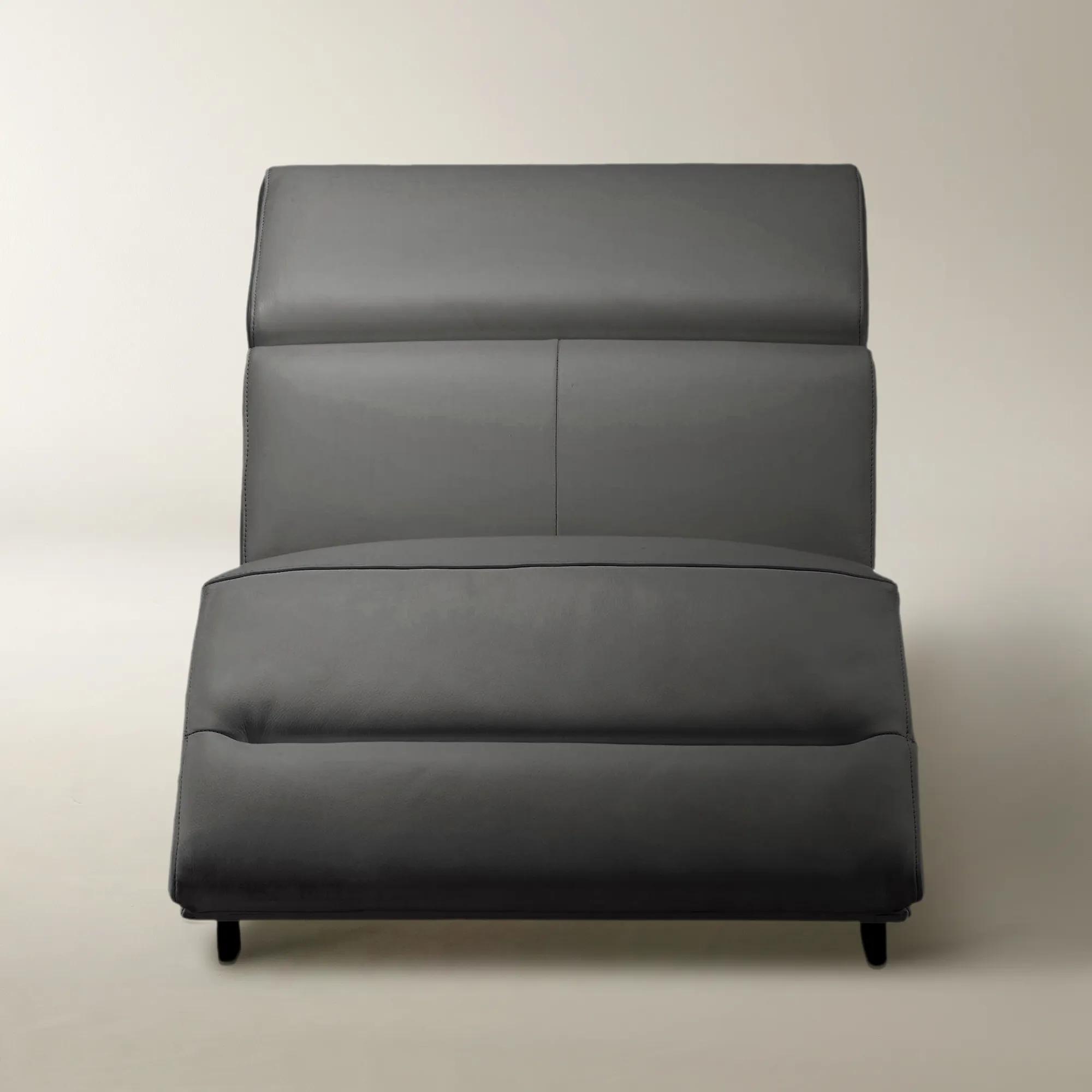 Verona Reclining Charcoal Leather Armless Chair With Power$1299
A charcoal semi-aniline leather sectional with adjustable headrests, power-reclining seats, and kiln-dried hardwood frame.
Add To Cart -
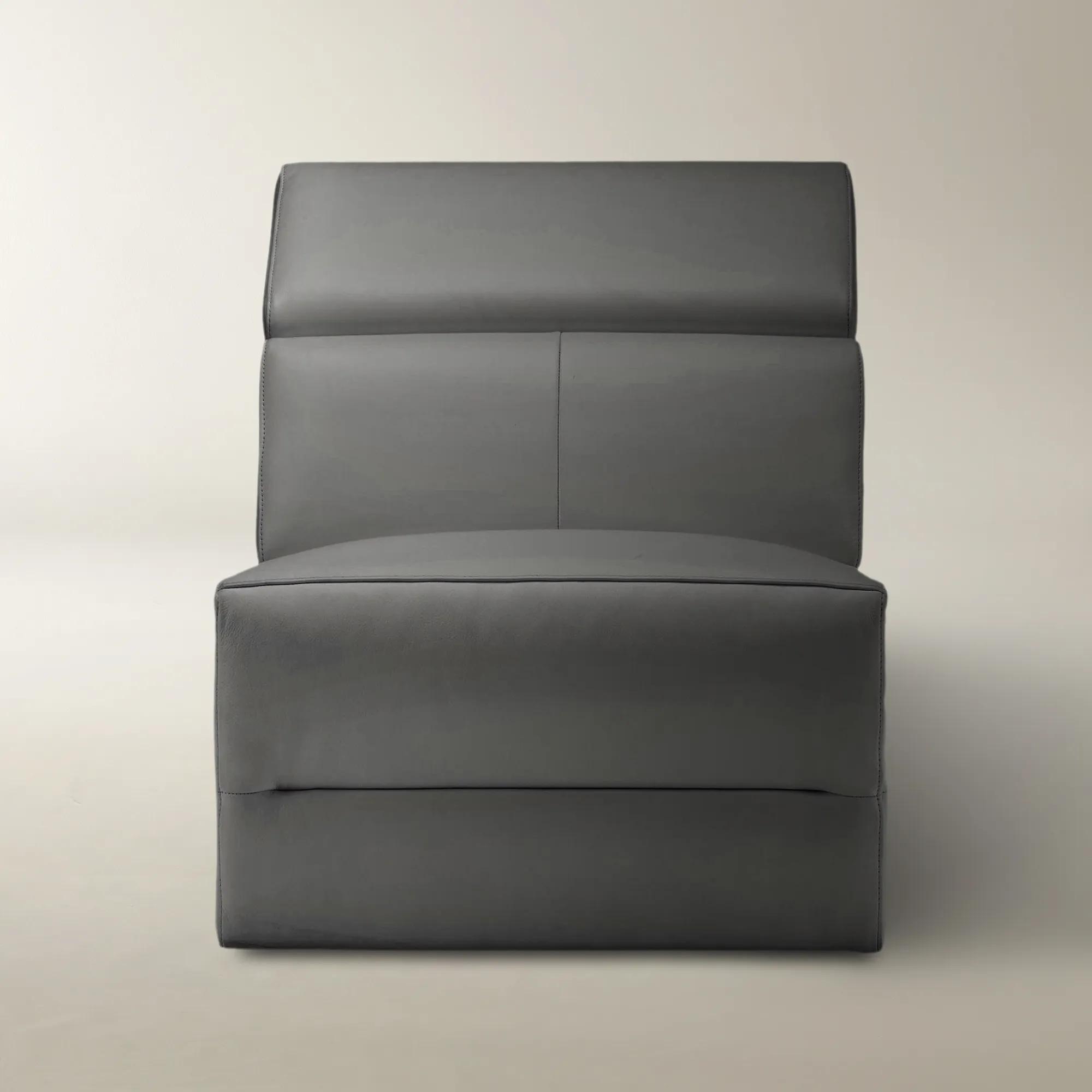 Verona Charcoal Leather Armless Chair$1099
A charcoal semi-aniline leather sectional featuring adjustable headrests and optional power-reclining seats for comfort.
Add To Cart -
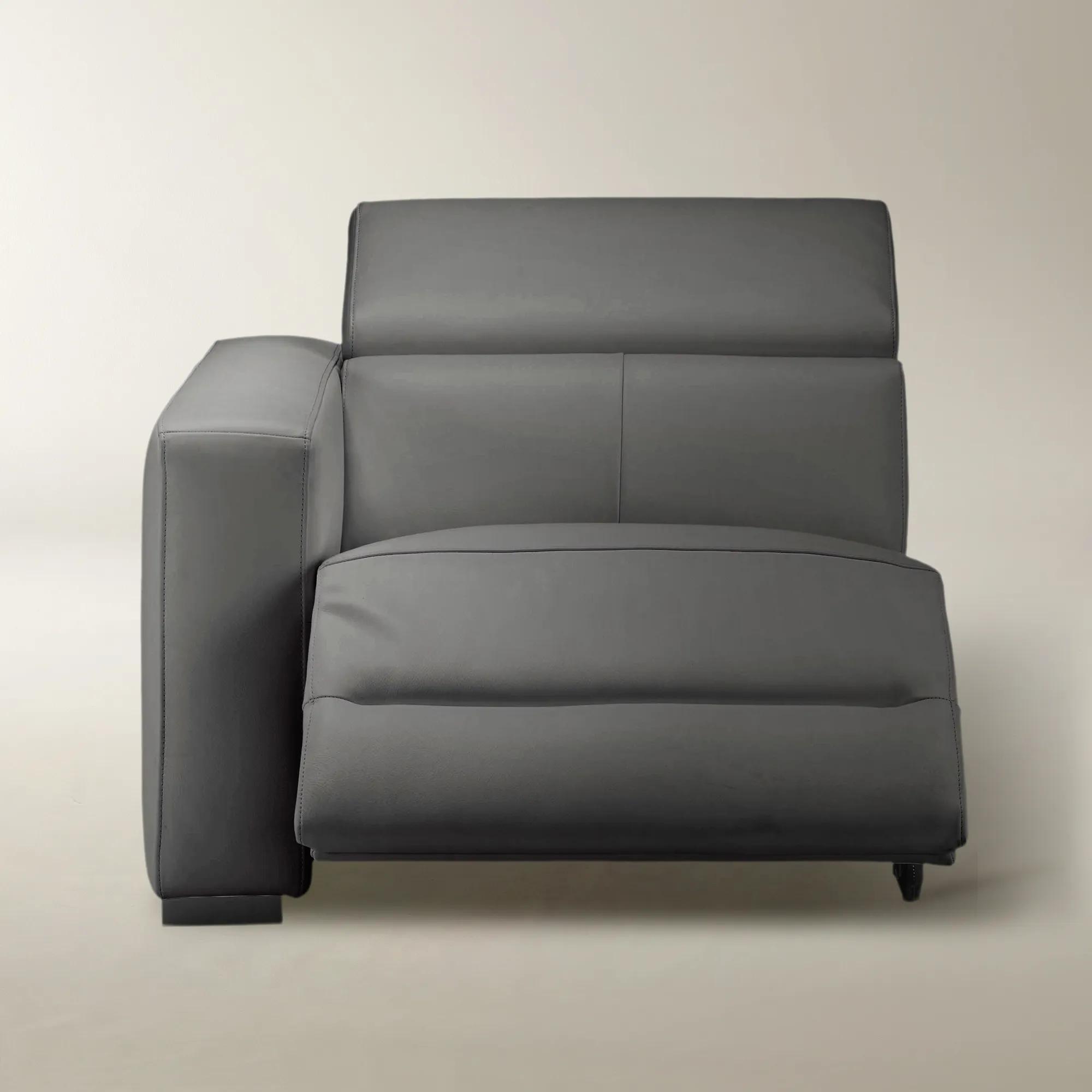 Verona Reclining Charcoal Leather Left Arm Chair With Power$1599
A charcoal semi-aniline leather sectional with adjustable headrests, power-reclining seats, and kiln-dried hardwood frame.
Add To Cart -
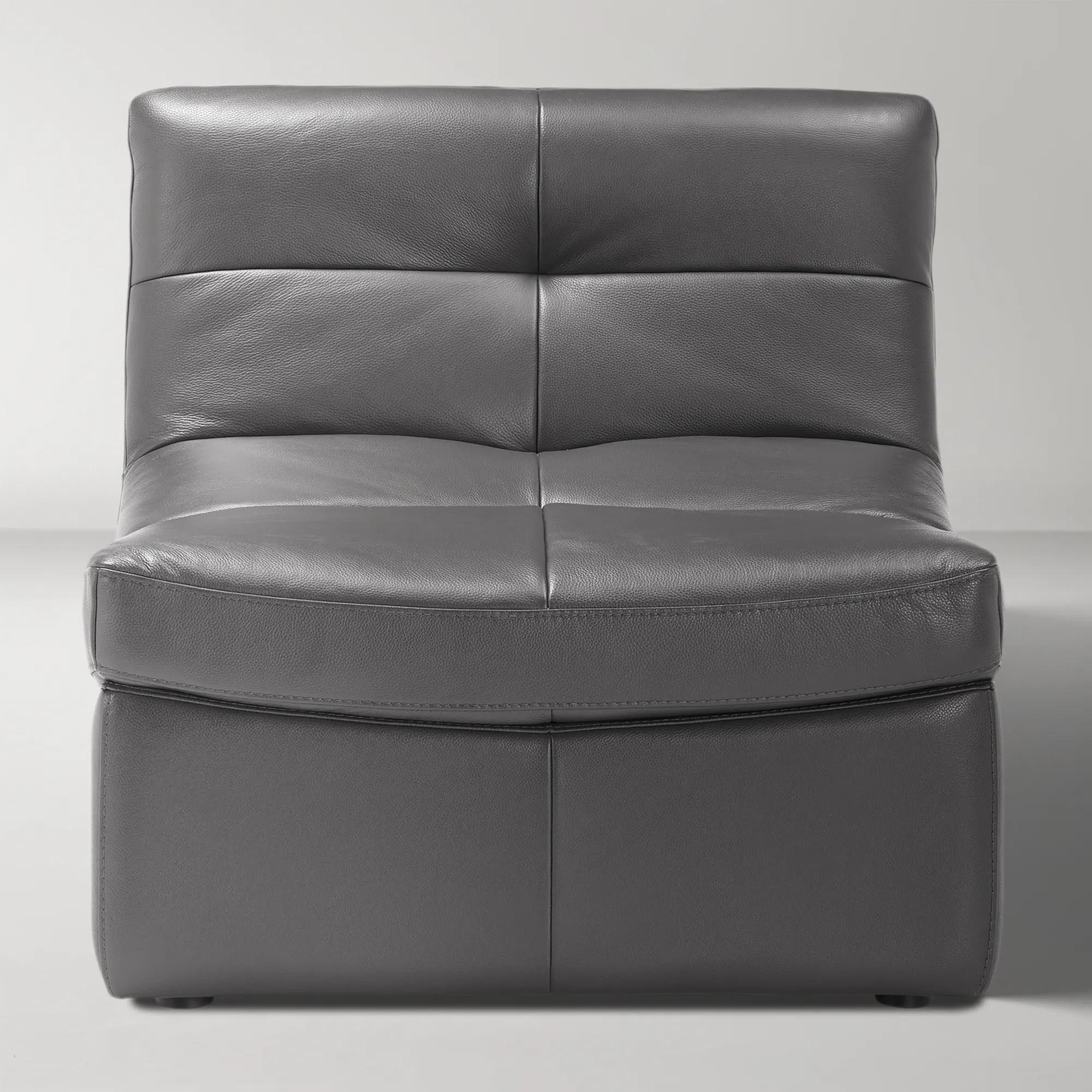 Convo Charcoal Leather Armless Chair$1199
A modular sectional with kiln-dried hardwood frame and charcoal semi-aniline leather upholstery for modern versatility.
Add To Cart -
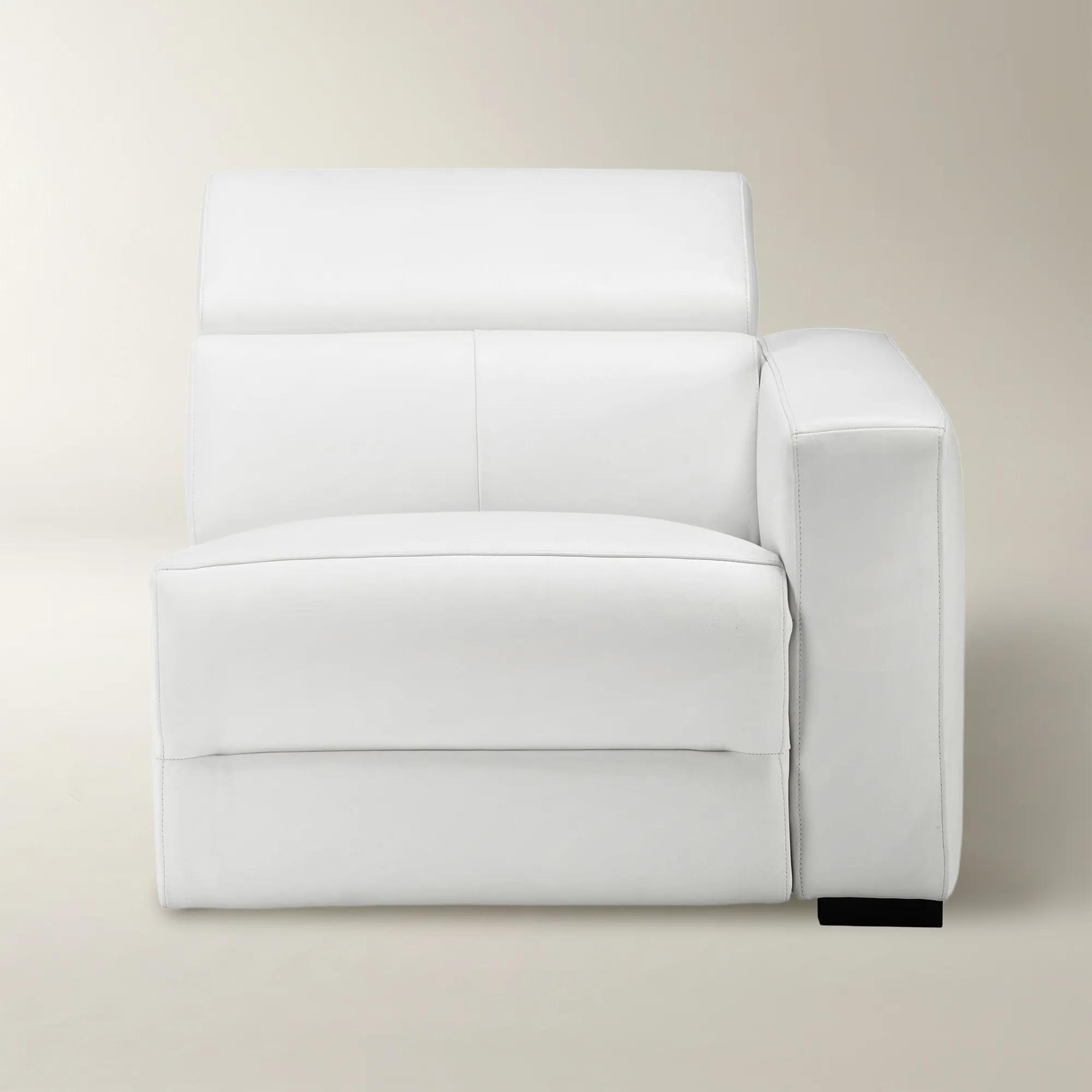 Verona White Leather Right Arm Chair$1399
A modern white sectional upholstered in supple semi-aniline leather with adjustable headrests and power-reclining options.
Add To Cart -
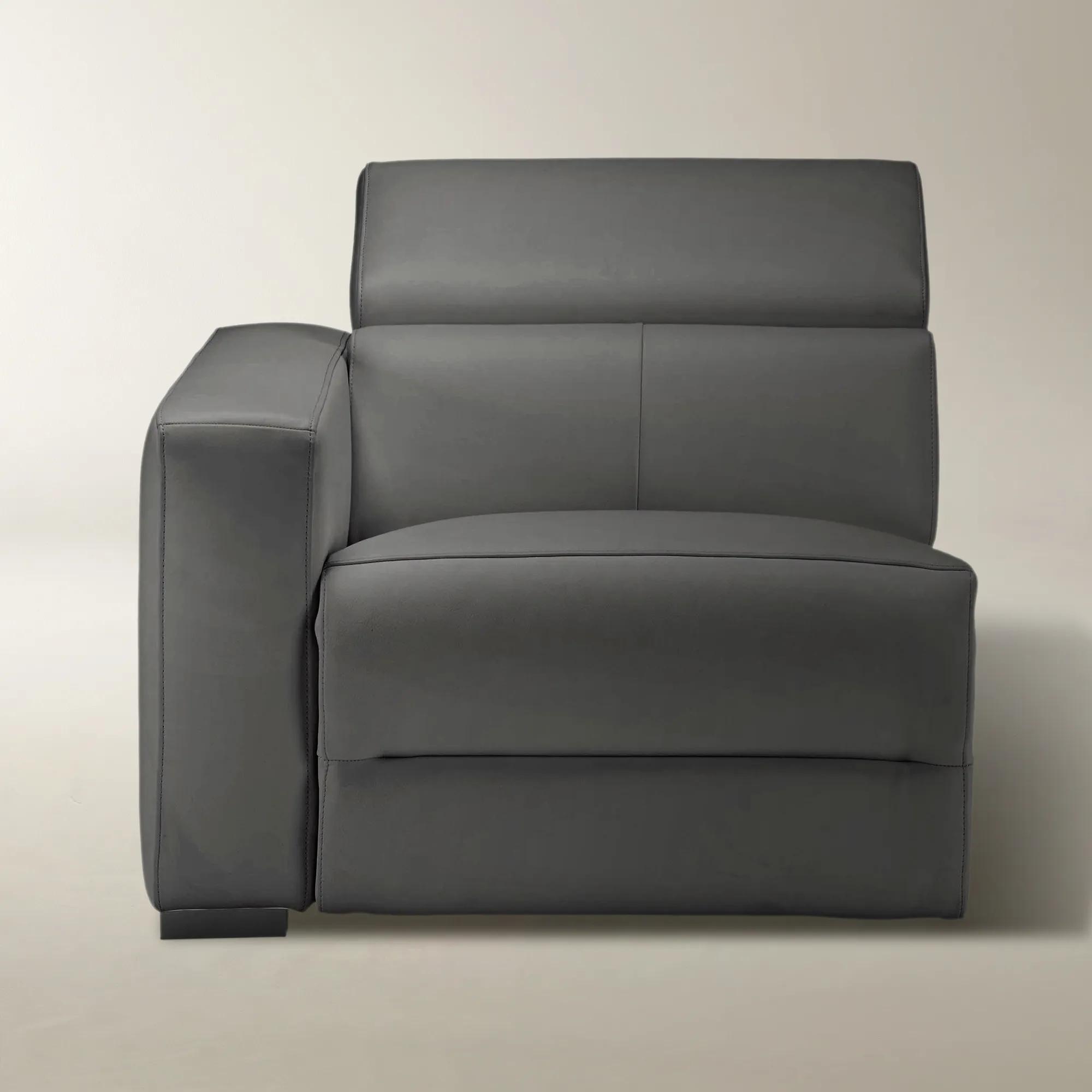 Verona Charcoal Leather Left Arm Chair$1399
A charcoal semi-aniline leather sectional with adjustable headrests, power-reclining seats, and kiln-dried hardwood frame.
Add To Cart -
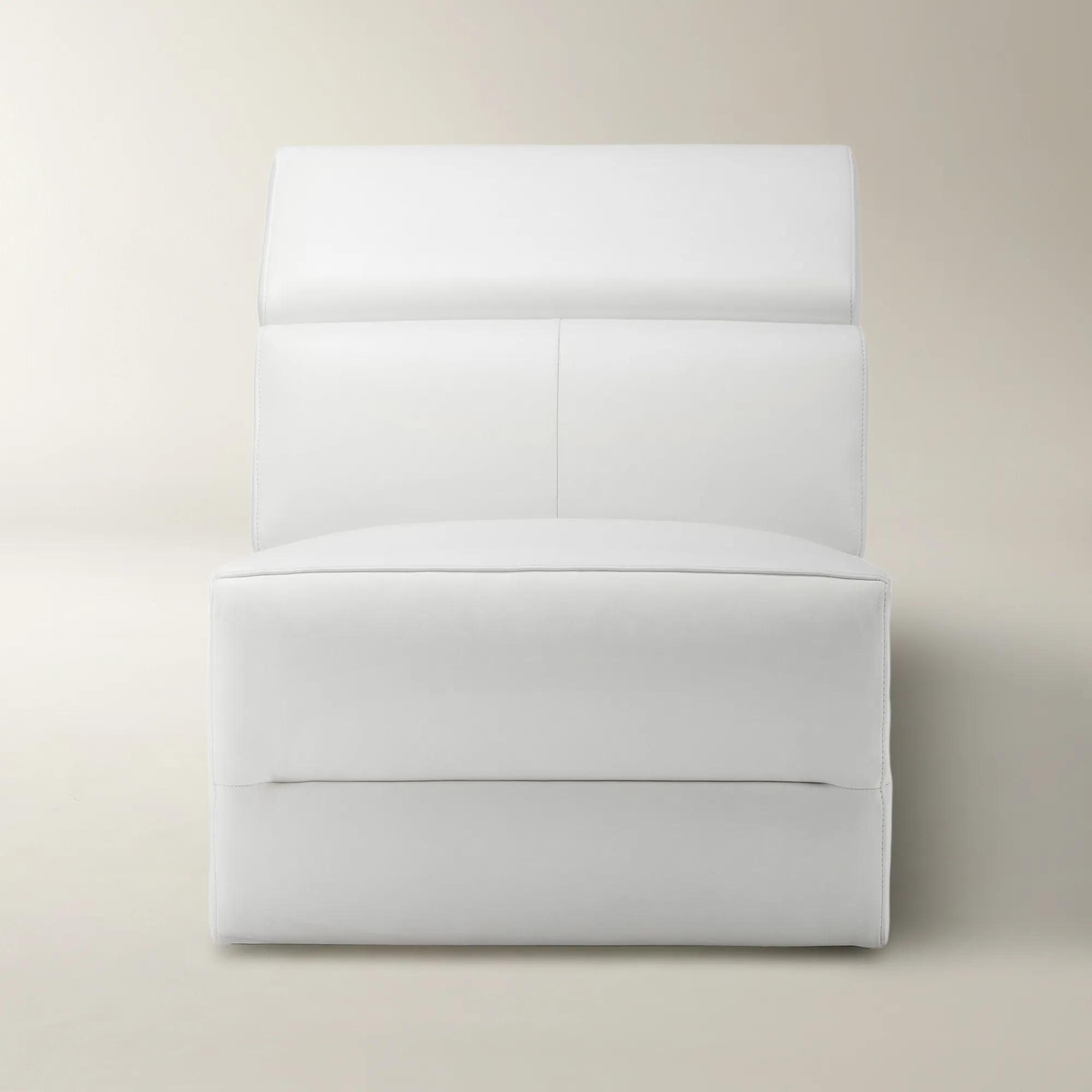 Verona White Leather Armless Chair$1099
A modern sectional upholstered in supple white semi-aniline leather with adjustable headrests and power-reclining options.
Add To Cart -
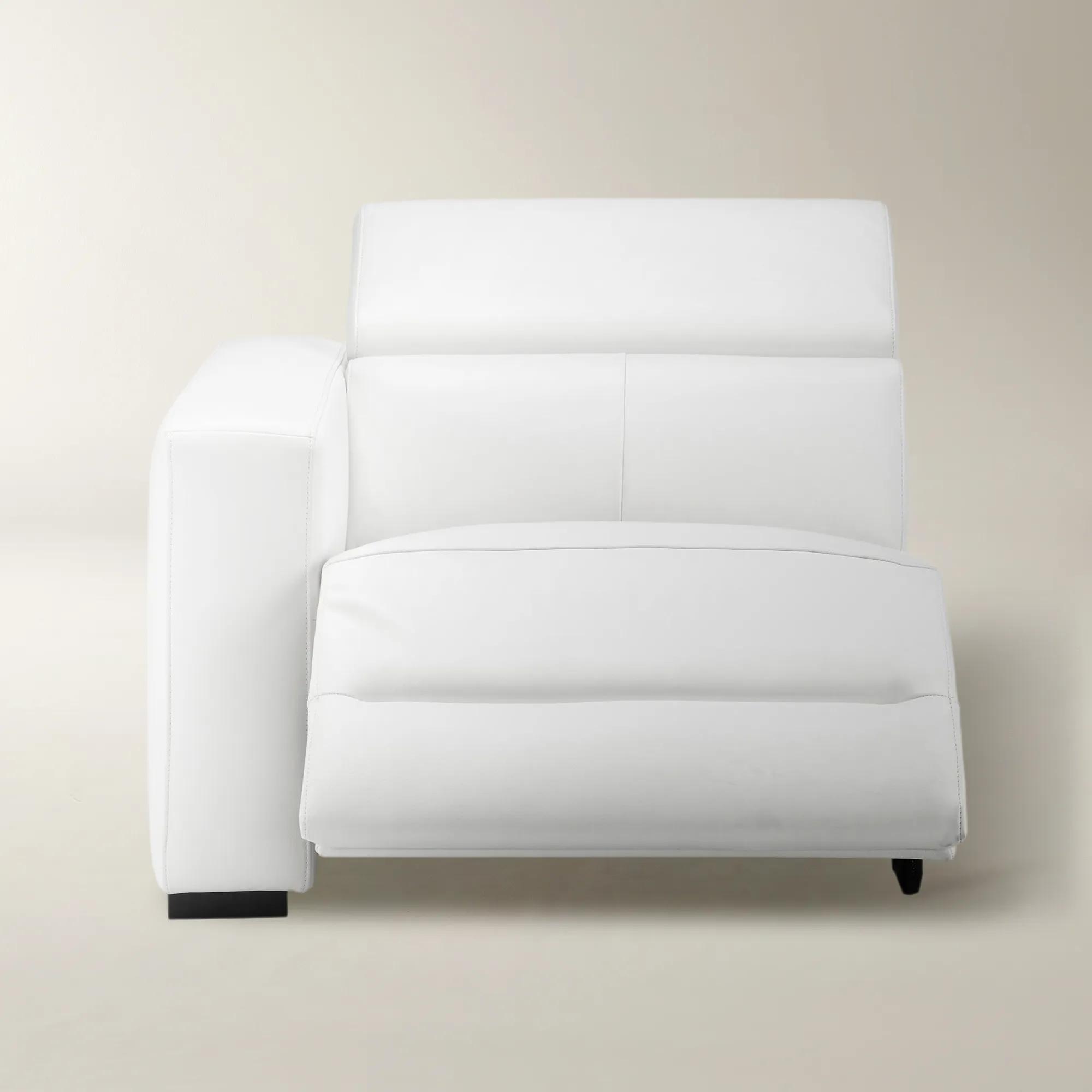 Verona Reclining White Leather Left Arm Chair With Power$1599
A modern white sectional upholstered in supple semi-aniline leather with adjustable headrests and power-reclining seats.
Add To Cart

Top Grain Leather Sectional Sofas
Explore top grain leather sectional sofas that bring rich texture and a confident presence to your living room. For intimate conversation or a room made for entertaining, sectional seating helps define the space with a cohesive look. Compare overall dimensions, seating capacity, and layout to find a design that suits your room’s proportions and leaves space to move comfortably.
Top-grain leather sectional sofas bring generous seating and a richly tactile finish to the living room, creating a place where relaxed comfort meets sculptural presence. Top-grain leather comes from the upper portion of the hide and is typically sanded or buffed to reduce surface imperfections before finishing. It is real leather, distinct from bonded leather, which combines leather fibers or scraps with binders and other materials. Unlike full-grain leather, which retains the hide’s original surface, top-grain upholstery generally has a more consistent appearance while preserving much of the strength of the upper hide. Its character depends on more than the name alone: the finish, thickness, upholstery coverage, and underlying construction all influence how a sectional feels and wears. Aniline finishes reveal more natural variation but offer less protection against staining; semi-aniline and pigmented finishes provide differing levels of surface protection and color consistency. Fine grain, subtle shading, and occasional natural markings can lend genuine leather a depth that flat, uniform upholstery cannot replicate. A cognac finish brings warmth to a room anchored by dark wood and polished metal, while ivory or taupe creates an elegant foundation for expressive art and richly textured accents. Deep brown and black emphasize a sectional’s silhouette, especially when paired with a pale rug or a gleaming cocktail table. Upholstery descriptions also matter because top-grain leather may cover the entire sectional or only designated areas. Leather-match construction typically uses real leather on specified seating surfaces and coordinated synthetic material elsewhere, such as the exterior sides and back. That distinction is particularly relevant when a sectional floats in the room with its back fully visible. The broader category of Genuine Leather Sectional Sofas includes a range of leather types and finishes, making precise material descriptions more useful than the word “leather” alone. Top-grain upholstery offers an appealing balance of refined texture, everyday practicality, and visual richness for interiors designed to feel as inviting as they look.
A sectional’s proportions shape the room just as decisively as its upholstery. An L-shaped leather sectional establishes a natural conversation area, with the chaise offering a place to stretch out without introducing a separate lounge chair. A U-shaped configuration creates a more enveloping arrangement for larger households or frequent entertaining, while modular designs may allow individual pieces to be arranged around the architecture of the space. Not every sectional is modular, and not every chaise is reversible, so configuration details determine how much flexibility a design actually offers. In a living room that opens to a dining area, a sectional can define the seating zone while maintaining a clear route between spaces. In a more intimate room, a streamlined profile and less substantial arms can preserve usable seating without overwhelming the floor plan. Overall width and depth are only part of the fit: chaise projection, seat height, seat depth, and back height affect both circulation and comfort. Deeper seats suit someone who likes to curl up with a book, while a shallower seat and supportive back can feel more comfortable for upright conversation. A generous silhouette should still leave room to approach a coffee table, open nearby doors, and move easily around the seating area. Delivery access deserves equal attention, including doorways, hall turns, elevators, and stair landings; sectional pieces must fit the route into the room as well as the room itself. Chaise orientation is best understood through the configuration diagram, since left-facing and right-facing terminology can be misread. Beneath the leather, frame construction, joinery, suspension, and cushion materials contribute to lasting support. Kiln-dried hardwood, reinforced joints, and well-designed suspension are useful construction details to evaluate rather than treating upholstery quality as the sole measure of durability. Foam density and cushion construction also deserve attention, since firmness alone does not establish quality. For a household that gathers for films, conversation, and unhurried evenings, the most satisfying sectional combines expressive scale with seating that supports the way people genuinely spend time together.
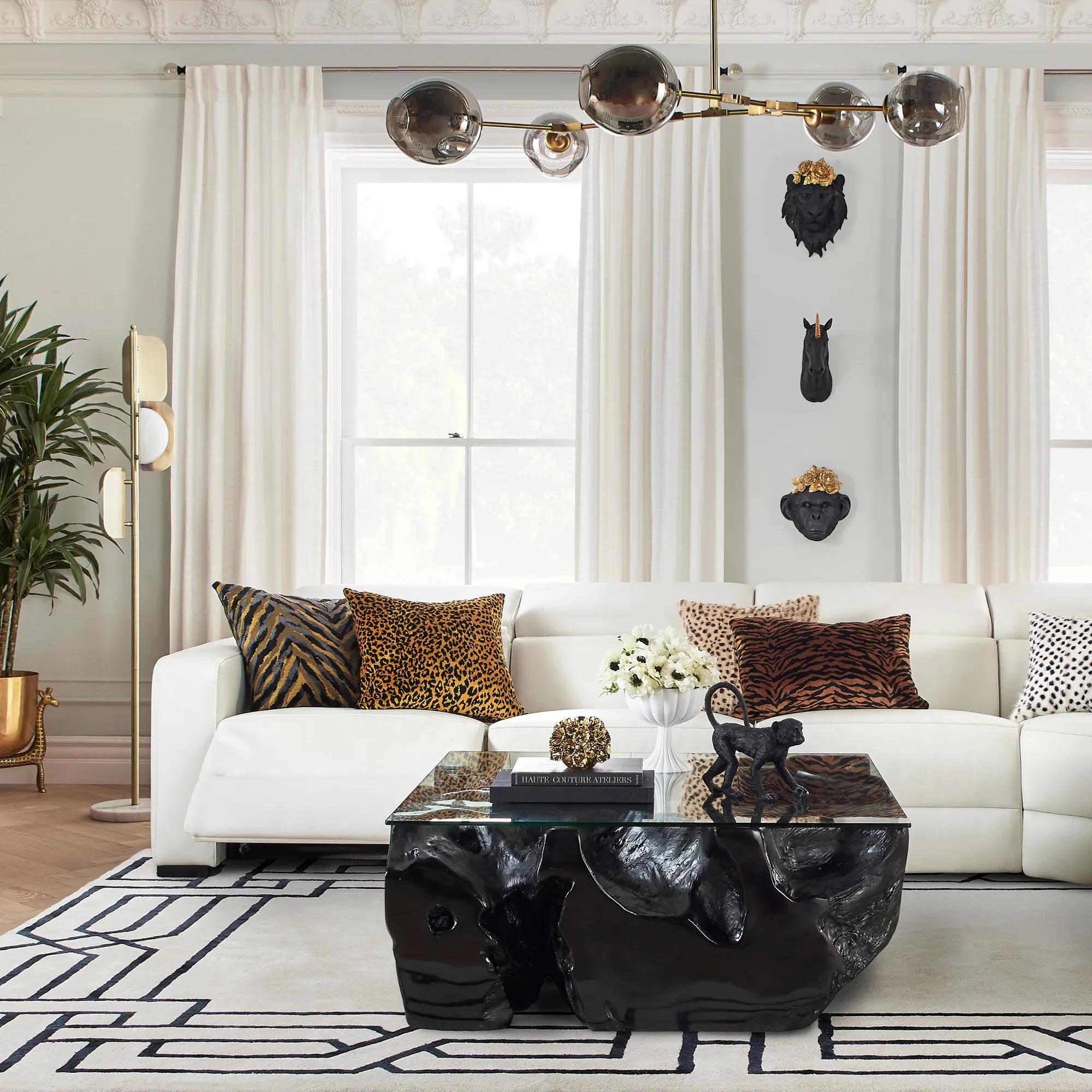
Leather’s beauty becomes most compelling when it remains part of everyday life rather than something reserved for display. Top-grain leather can perform well under regular use, but its resistance to spills, scratches, and fading depends significantly on the finish and the care it receives. A protected surface may make an accidental splash easier to address than a more absorbent finish, yet no leather sectional should be treated as stain-proof or scratch-proof. In homes with children or pets, the finish and upholstery coverage deserve particular consideration, along with the reality that claws, sharp toy edges, and abrasive objects can mark the surface. Promptly blotting spills with a clean, soft cloth helps limit spreading; vigorous rubbing can push moisture into the material or affect the finish. Routine dusting and gentle vacuuming along seams keep grit from accumulating where cushions meet. Cleaning products should be approved for the specific upholstery, and conditioning should follow the manufacturer’s recommendations rather than a fixed schedule applied to every leather type. Some finishes require different treatment, and household cleaners, solvents, or excessive water can cause damage. Placement away from sustained direct sunlight and heat sources helps reduce uneven fading and drying. Where cushions are removable and the construction permits it, rotation can distribute wear; fixed cushions require care consistent with their design. With use, some leathers develop a softer sheen or visible character, while more heavily protected finishes tend to retain a more uniform appearance. That evolution is part of the material’s appeal, but it should not be confused with neglect or a guarantee that every leather will age identically. Styling gives this substantial seating its final expression: a plush rug softens the surrounding composition, velvet pillows introduce depth, and a sculptural lamp draws attention to the leather’s grain. An oversized artwork above the sectional can balance its horizontal sweep without crowding the room. The result is a living space with presence and purpose—generous enough for shared moments, refined enough to anchor an expressive interior, and grounded in materials chosen for both beauty and daily use.
FAQs
Top grain leather comes from the outer layer of the hide and is typically sanded or buffed to refine its surface before finishing. It retains natural leather character while offering a more uniform appearance than full grain leather. On a sectional sofa, that balance creates a rich, tailored foundation for an expressive living room.
Top grain leather is genuine animal hide, while faux leather is manufactured to imitate leather’s appearance. Genuine leather can feature subtle variations in grain and develop character with use; faux leather generally has a more consistent surface. A top grain leather sectional brings organic nuance to a polished furniture silhouette.
Create contrast around leather’s rich surface with sumptuous textiles, sculptural accents, and expressive artwork. Velvet pillows introduce a plush counterpoint, while a textured rug adds visual depth. Finish the composition with gleaming metallic details or a glass coffee table for a living room that feels layered, confident, and distinctly personal.
Dust regularly with a soft, dry cloth and blot spills promptly rather than rubbing. Follow the manufacturer’s care instructions before applying any cleaner or conditioner, since leather finishes require different treatments. Keep the sectional away from direct sunlight and heat sources to help preserve its rich color and supple character.
Top grain leather may soften and develop subtle creasing, sheen, or color variation with use. How noticeably it changes depends on the hide, finish, care, and exposure to light. More heavily protected finishes may show less patina, while other finishes reveal a more expressive, lived-in surface.