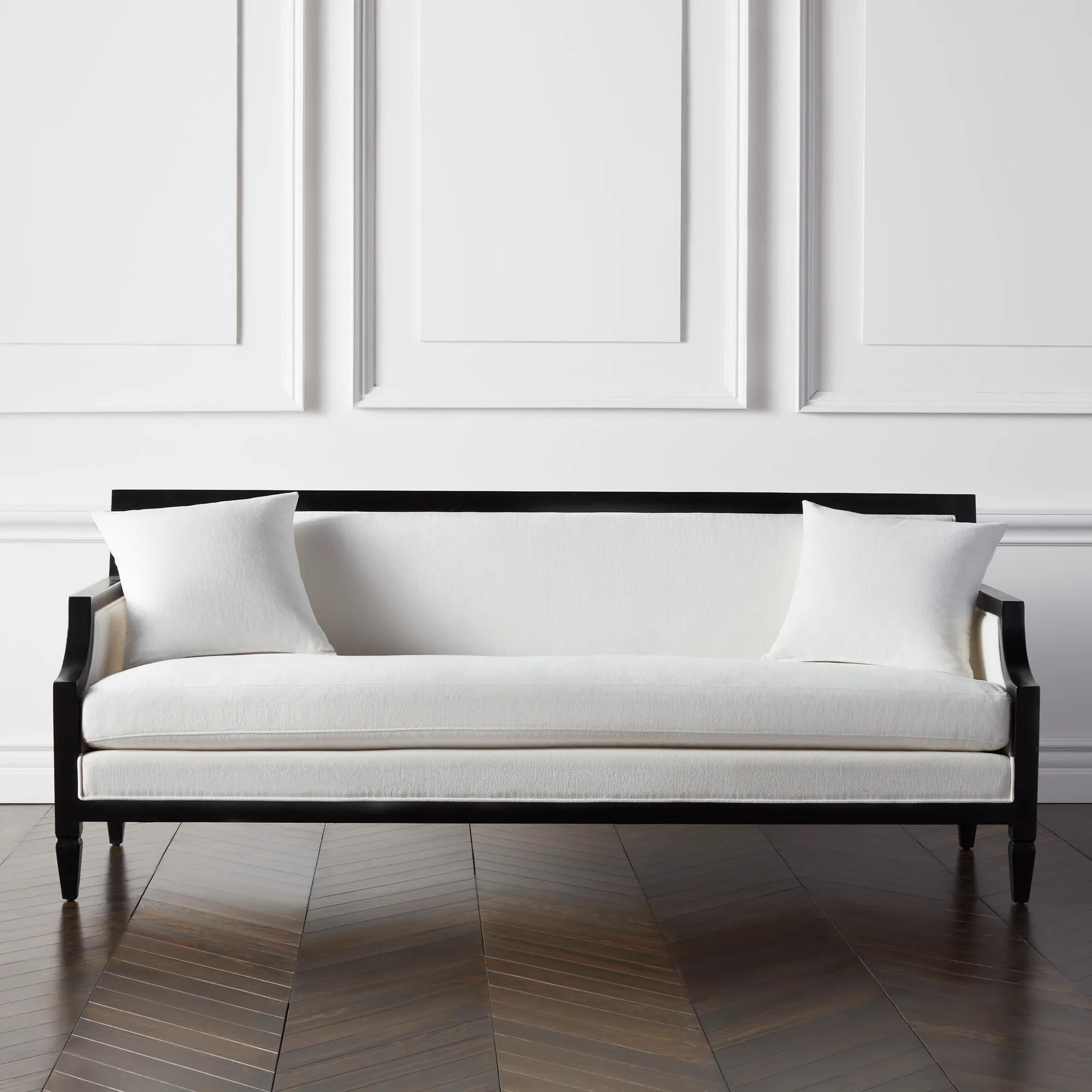
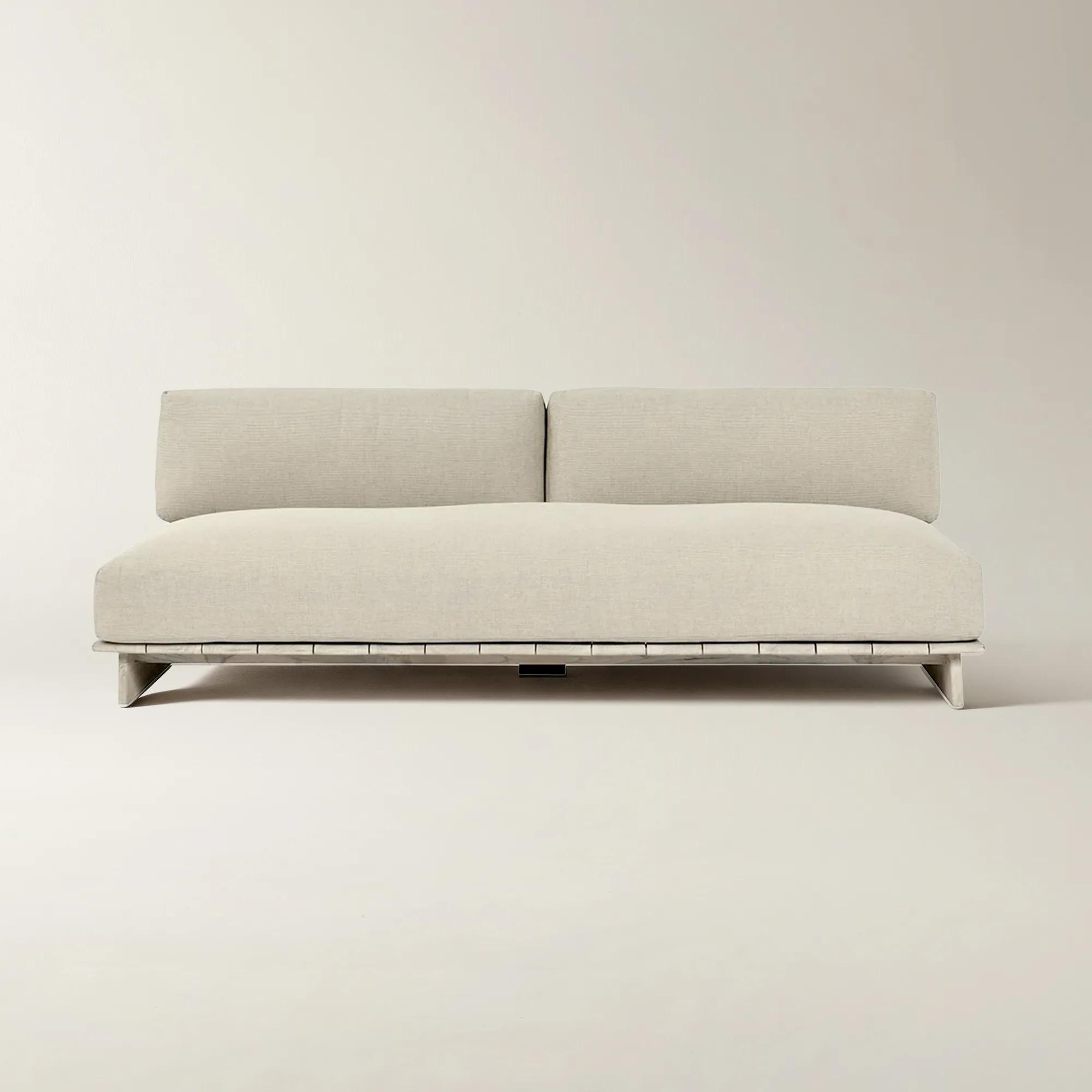
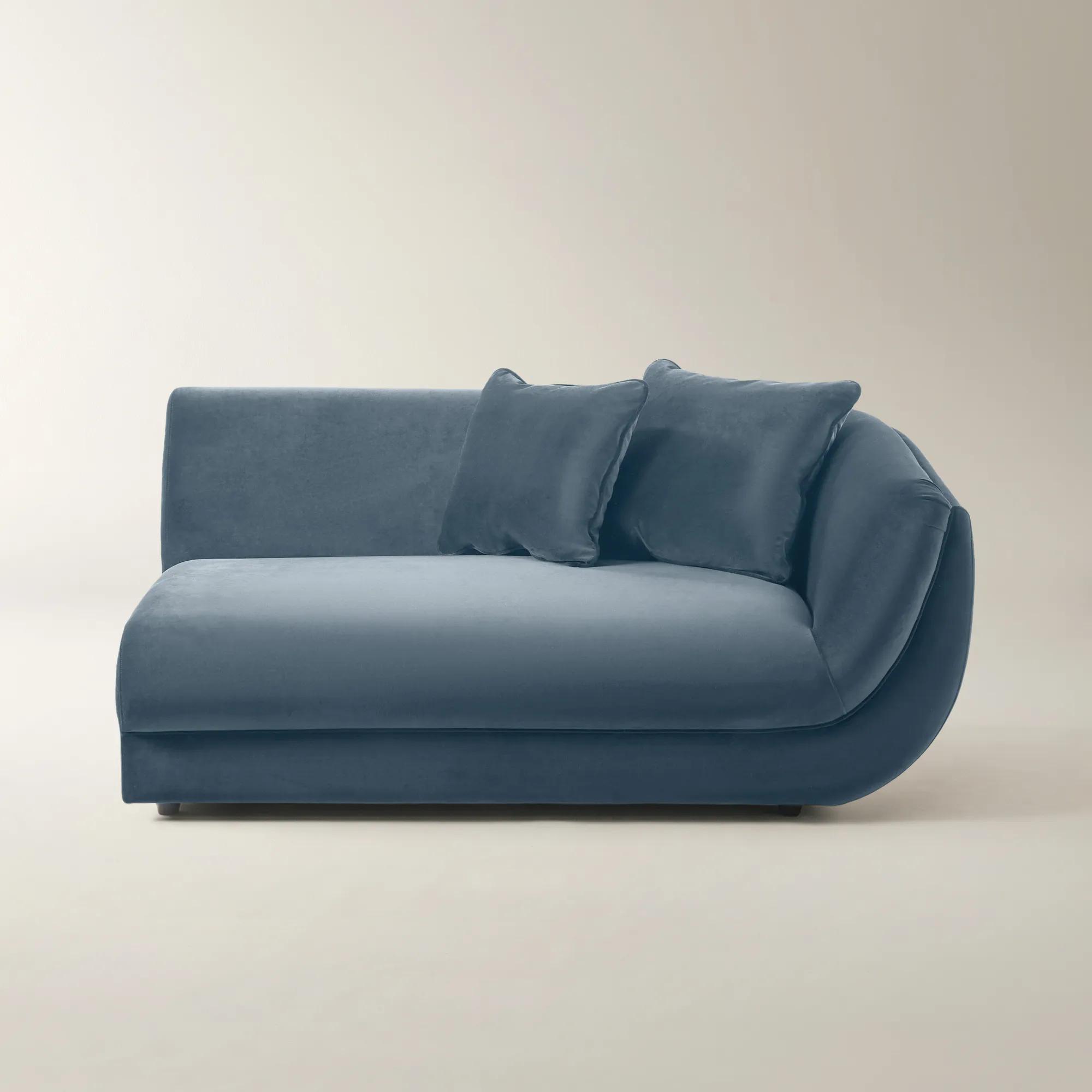
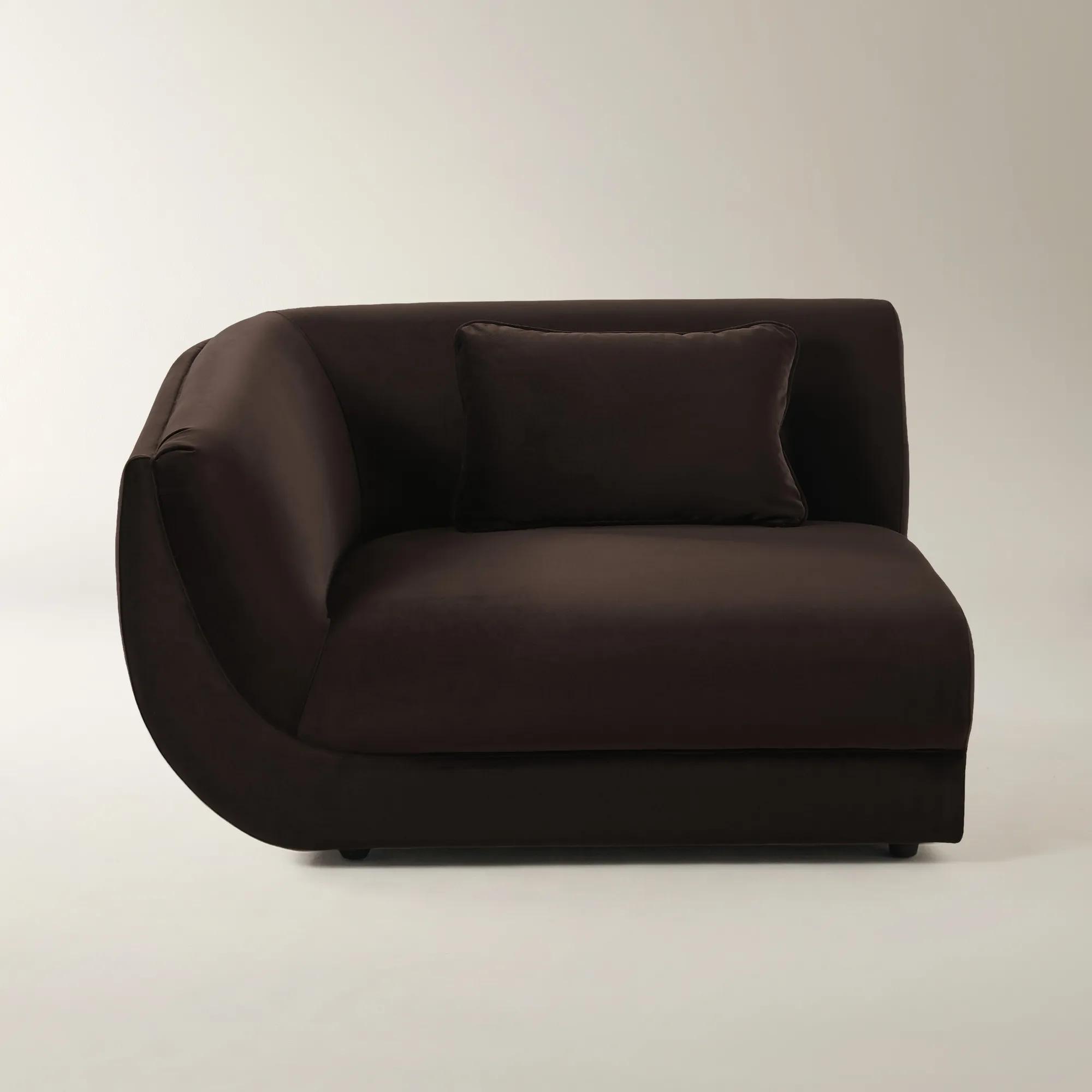
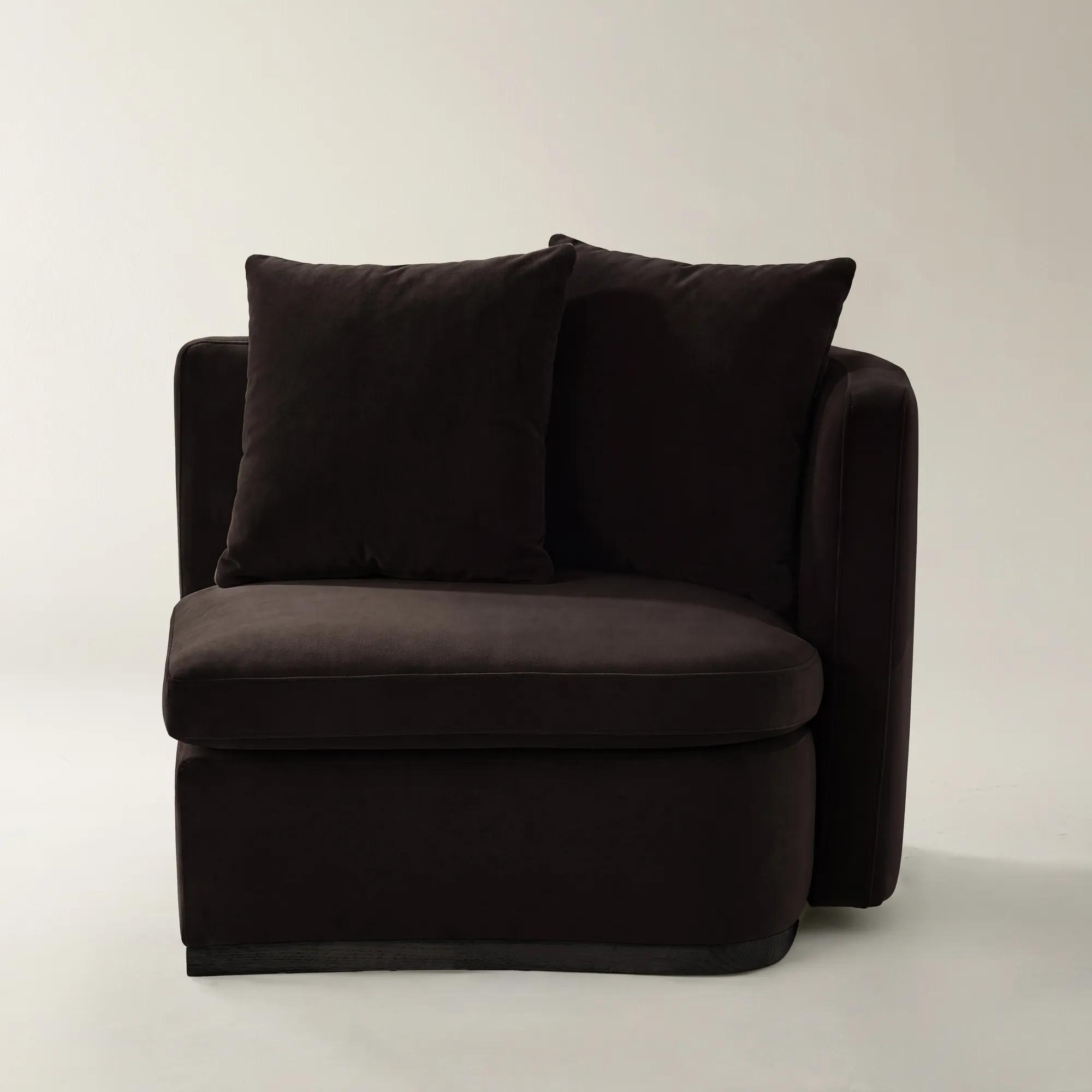
Genuine Leather Sectional Sofas
Genuine Leather Sectional Sofas
-
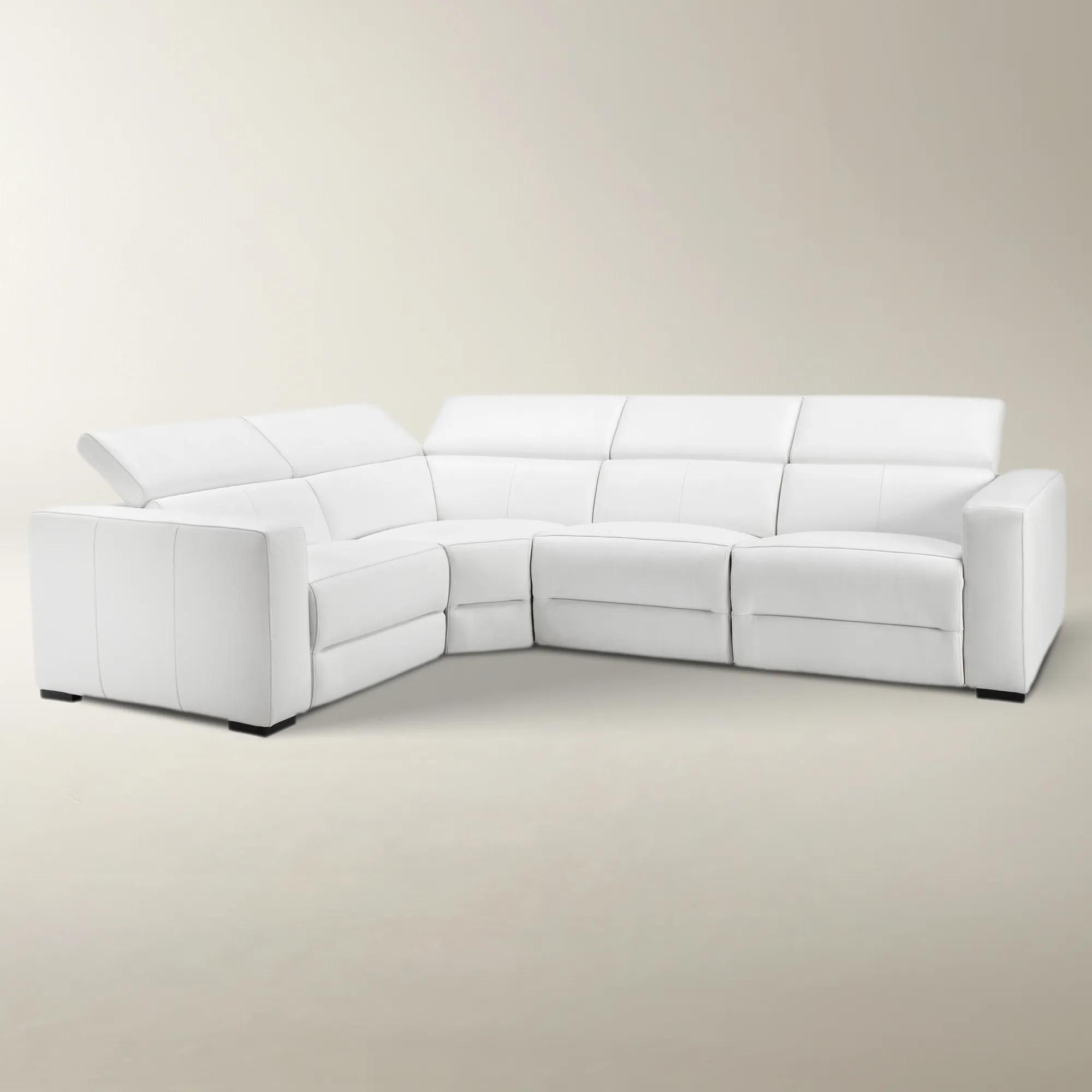 Verona 4-Piece L-Shaped Reclining White Leather Sectional Sofa With Left-Arm$5899
A modern sectional upholstered in supple white semi-aniline leather with adjustable headrests and power-reclining seats.
Add To Cart -
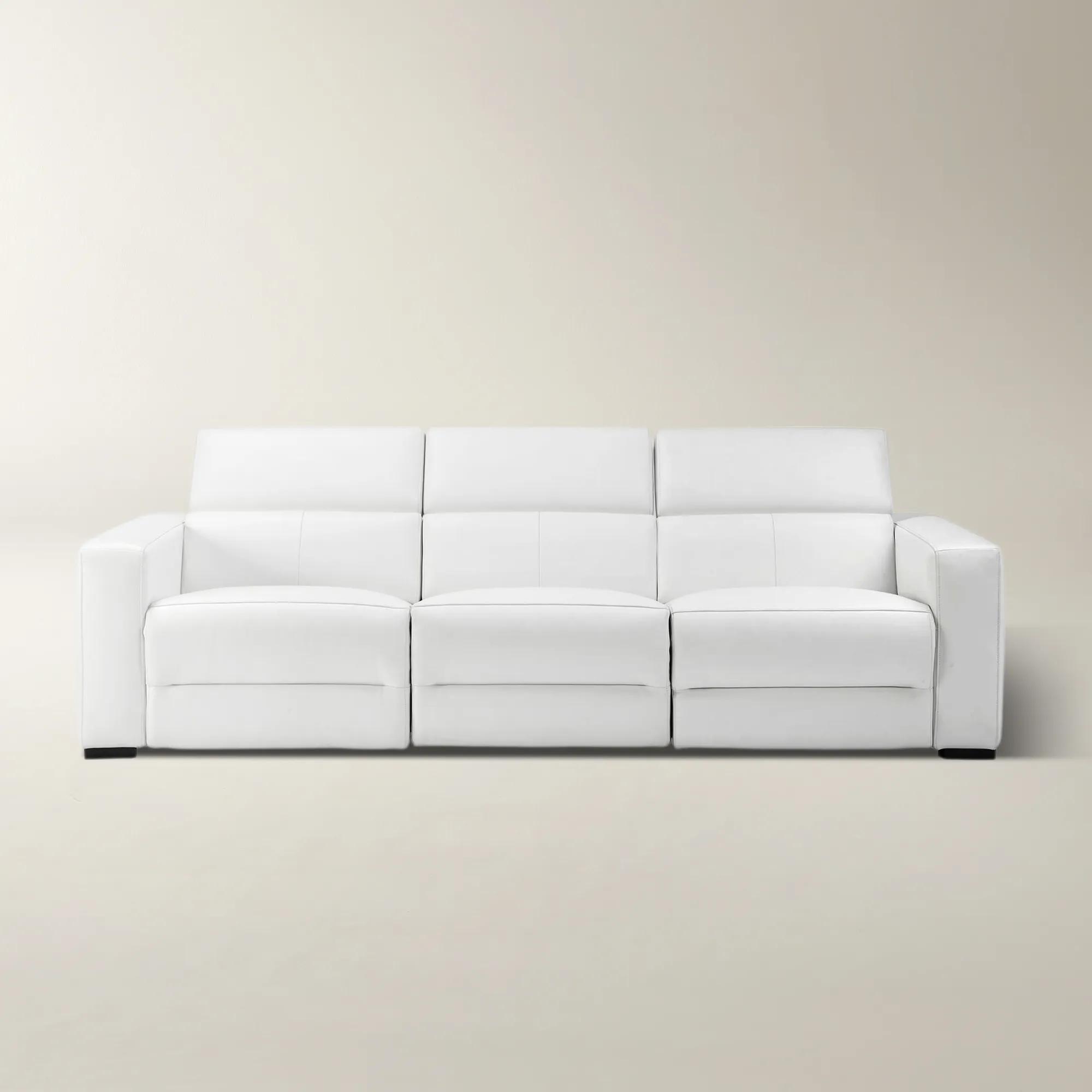
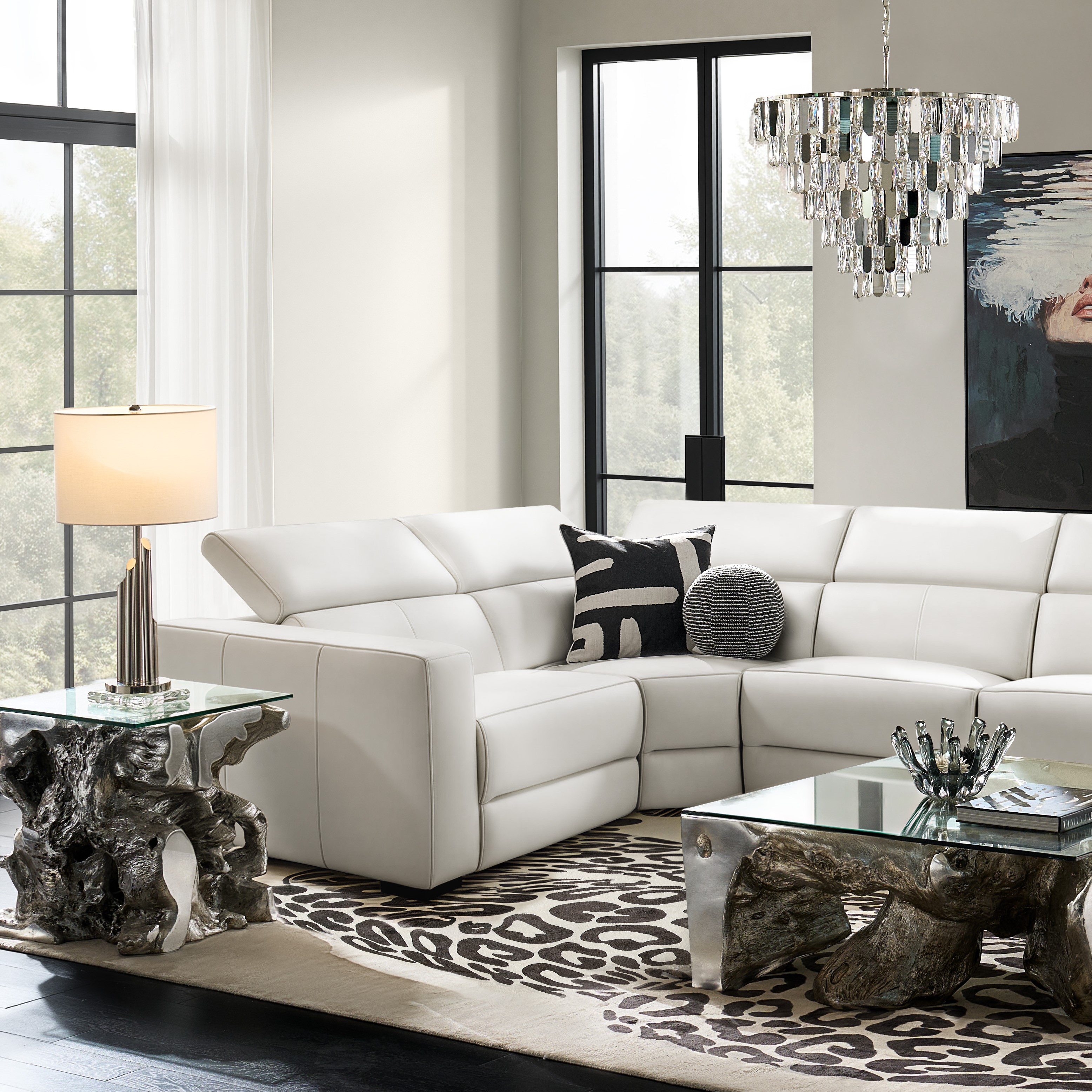 Verona 3-Piece White Leather Sectional Sofa$4399
A modern white sectional upholstered in supple semi-aniline leather with adjustable headrests and power-reclining seats.
Add To Cart -
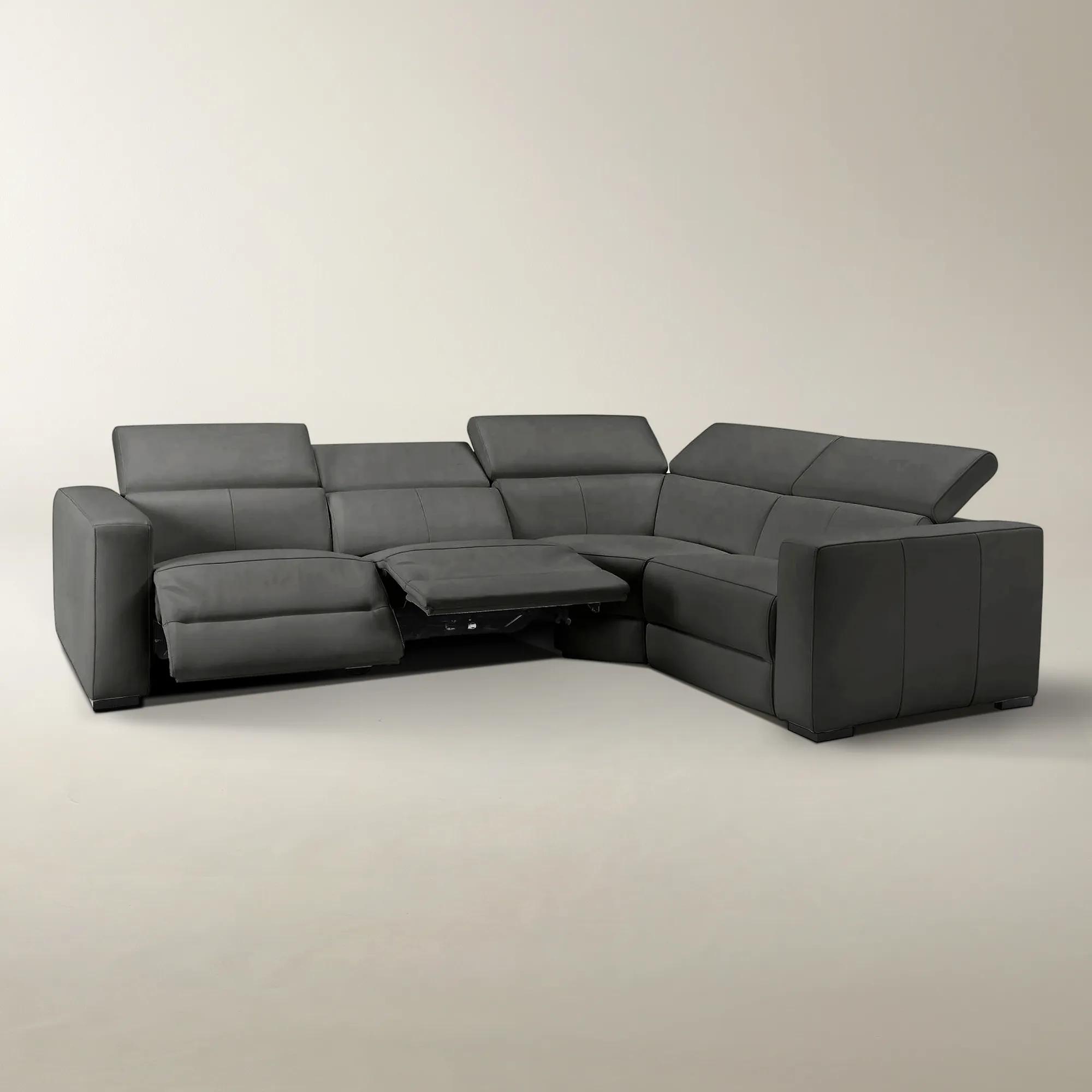
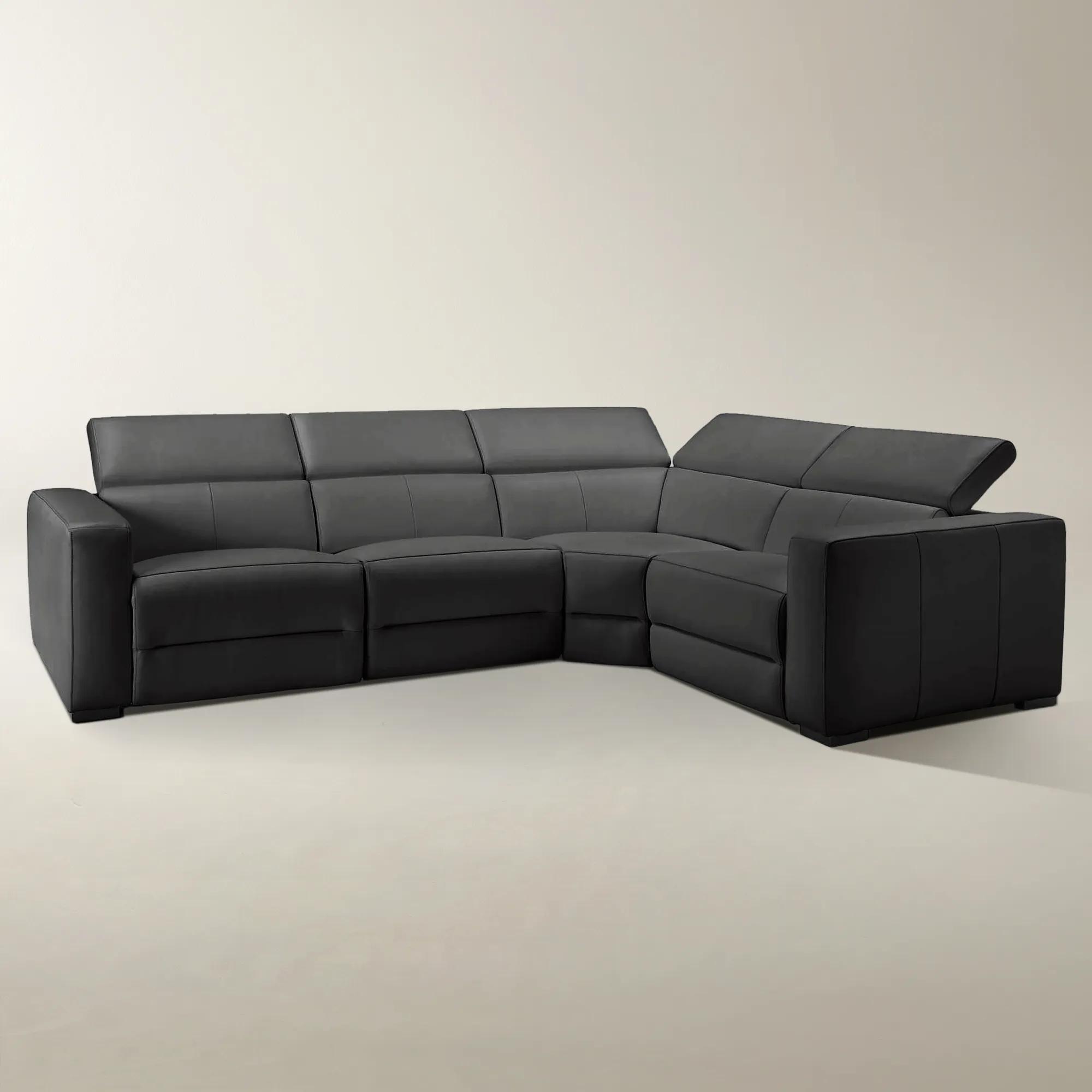 Verona 4-Piece L-Shaped Reclining Charcoal Leather Sectional Sofa With Right-Arm$5899
A charcoal semi-aniline leather sectional featuring adjustable headrests, power-reclining seats, and kiln-dried hardwood frame.
Add To Cart -
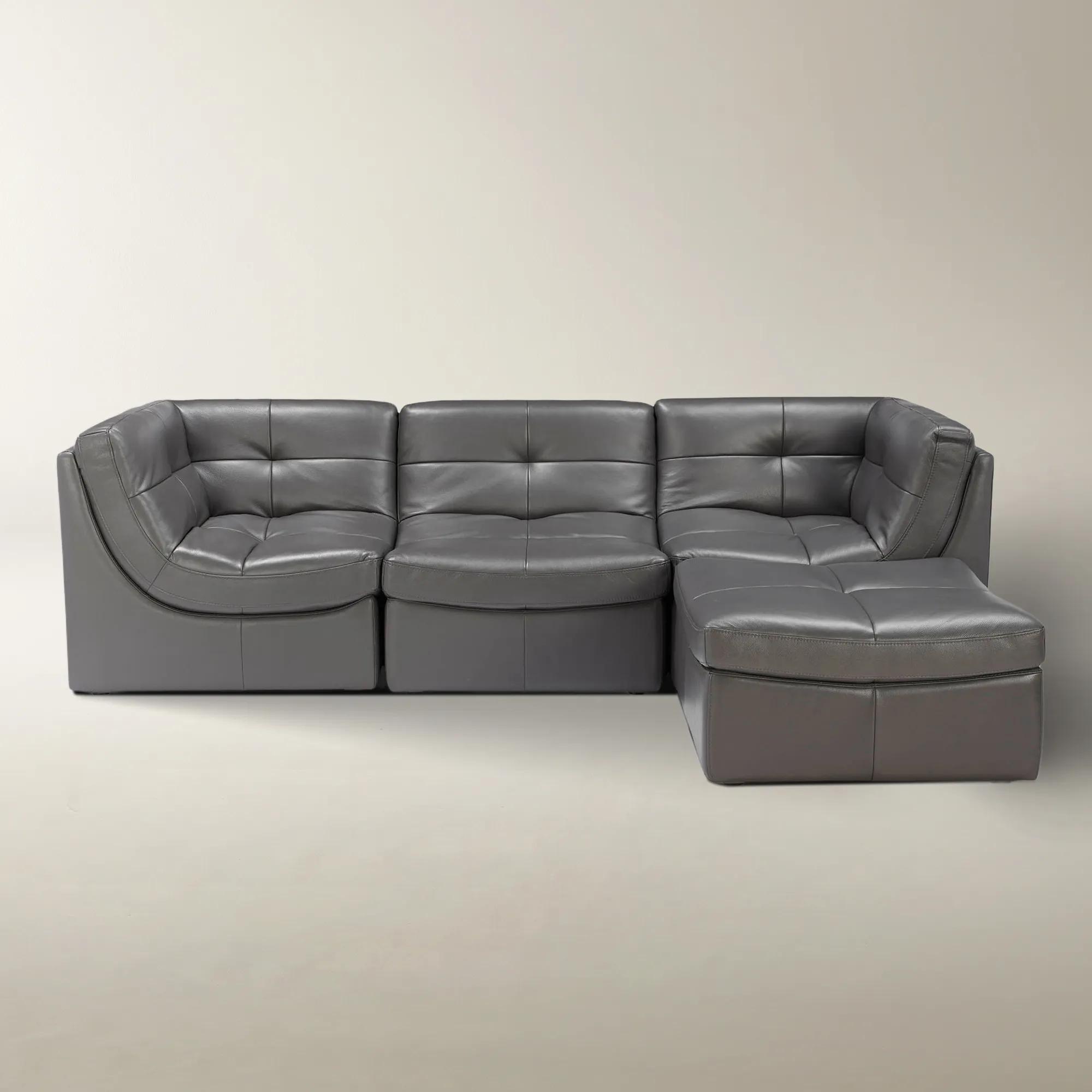
 Convo 4-Piece L-Shaped Charcoal Leather Sectional Sofa With Ottoman$4849
A modular charcoal leather sectional with kiln-dried hardwood frame and gently curved, blind-tufted seats.
Add To Cart -
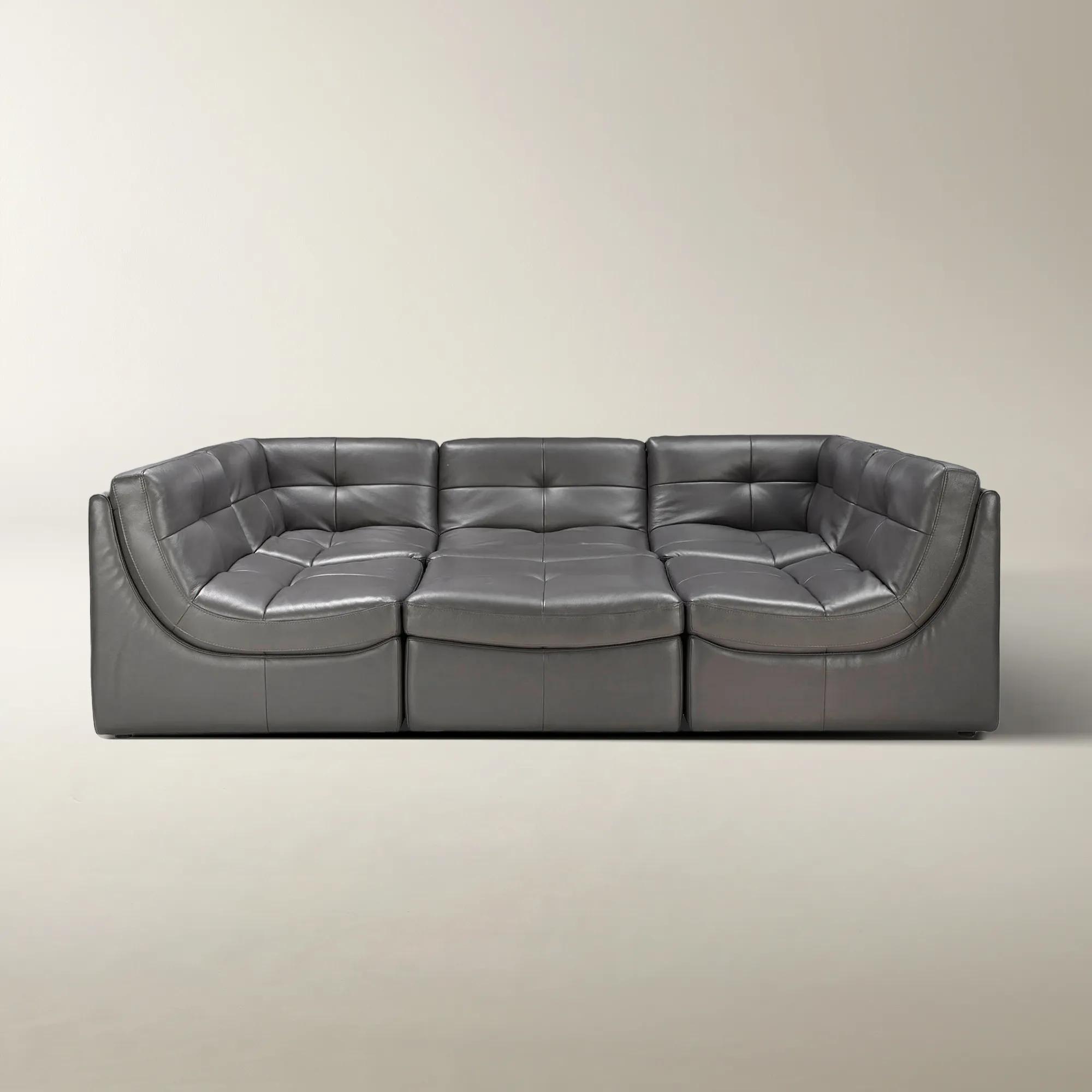
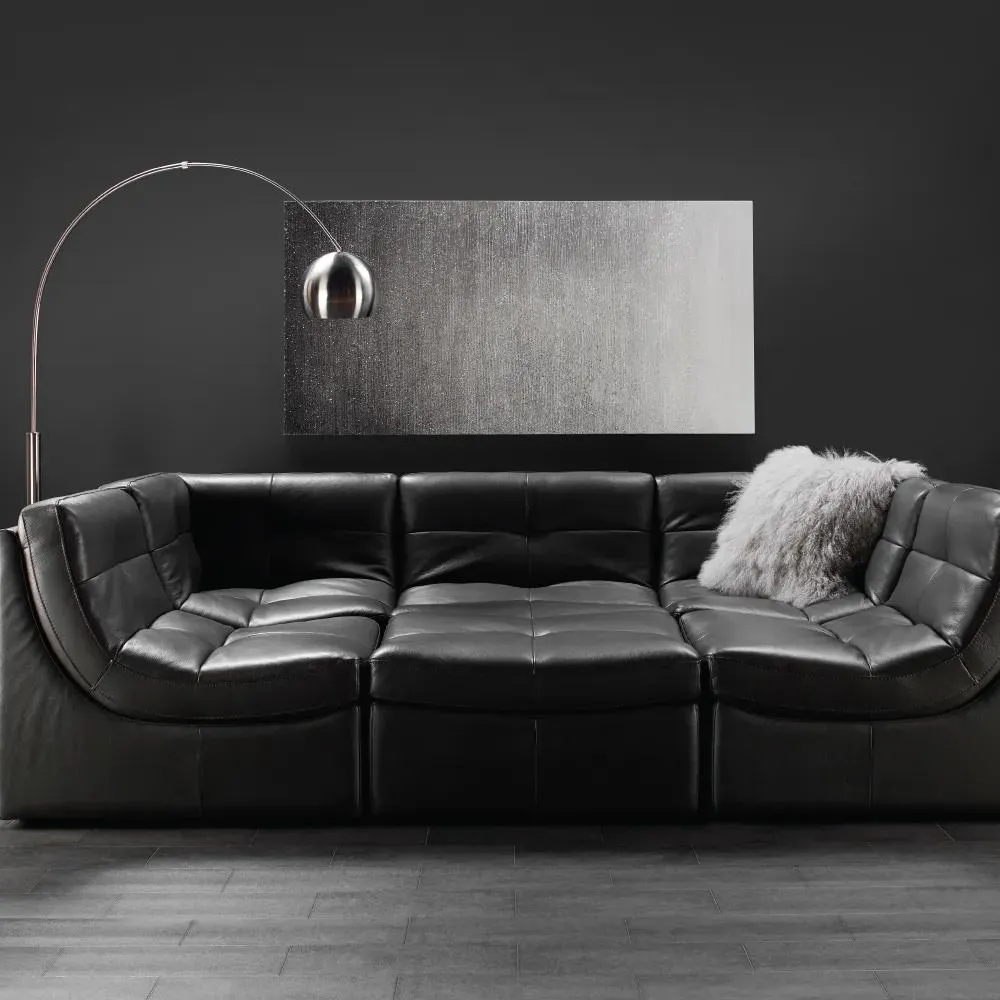 Convo 6-Piece Charcoal Leather Sectional Sofa$7249
A modular charcoal leather sectional with kiln-dried hardwood frame and blind-tufted, semi-aniline upholstery.
Add To Cart -
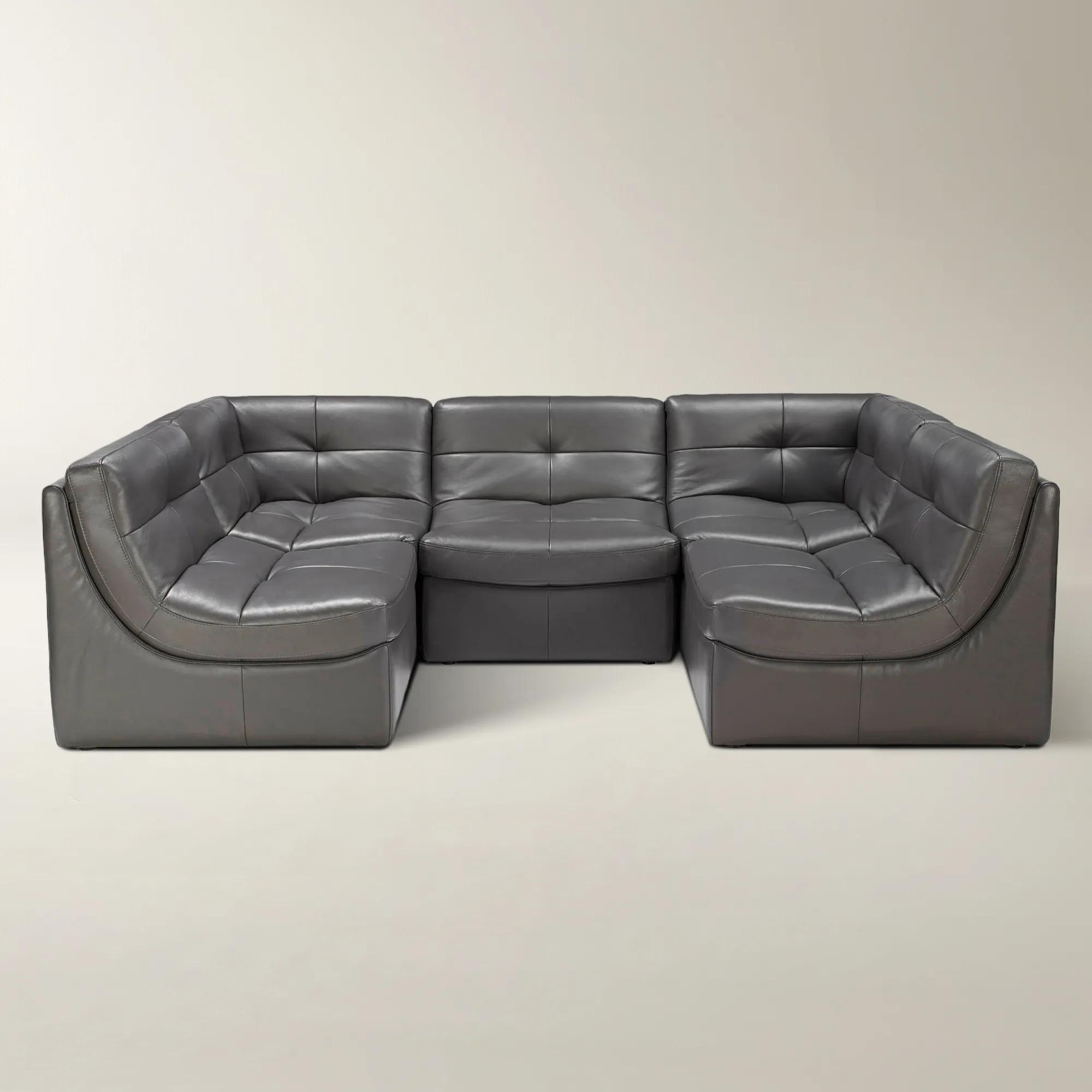 Convo 5-Piece U- Shaped Charcoal Leather Sectional Sofa$6399
A modular charcoal leather sectional with kiln-dried hardwood frame and blind-tufted, semi-aniline upholstery.
Add To Cart -
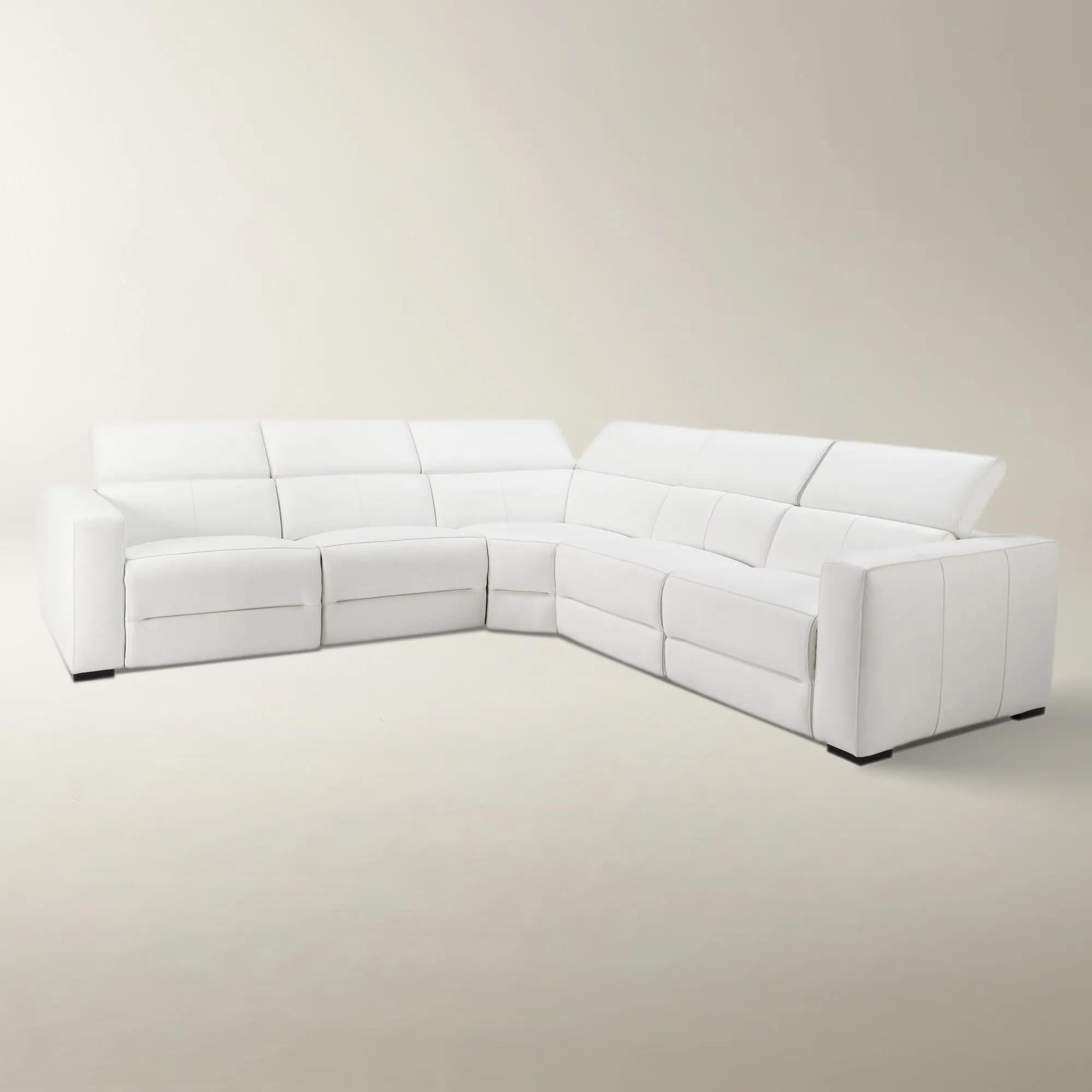 Verona 5-Piece Reclining White Leather Sectional Sofa$7199
A modern sectional upholstered in supple white semi-aniline leather with adjustable headrests and power-reclining seats.
Add To Cart -
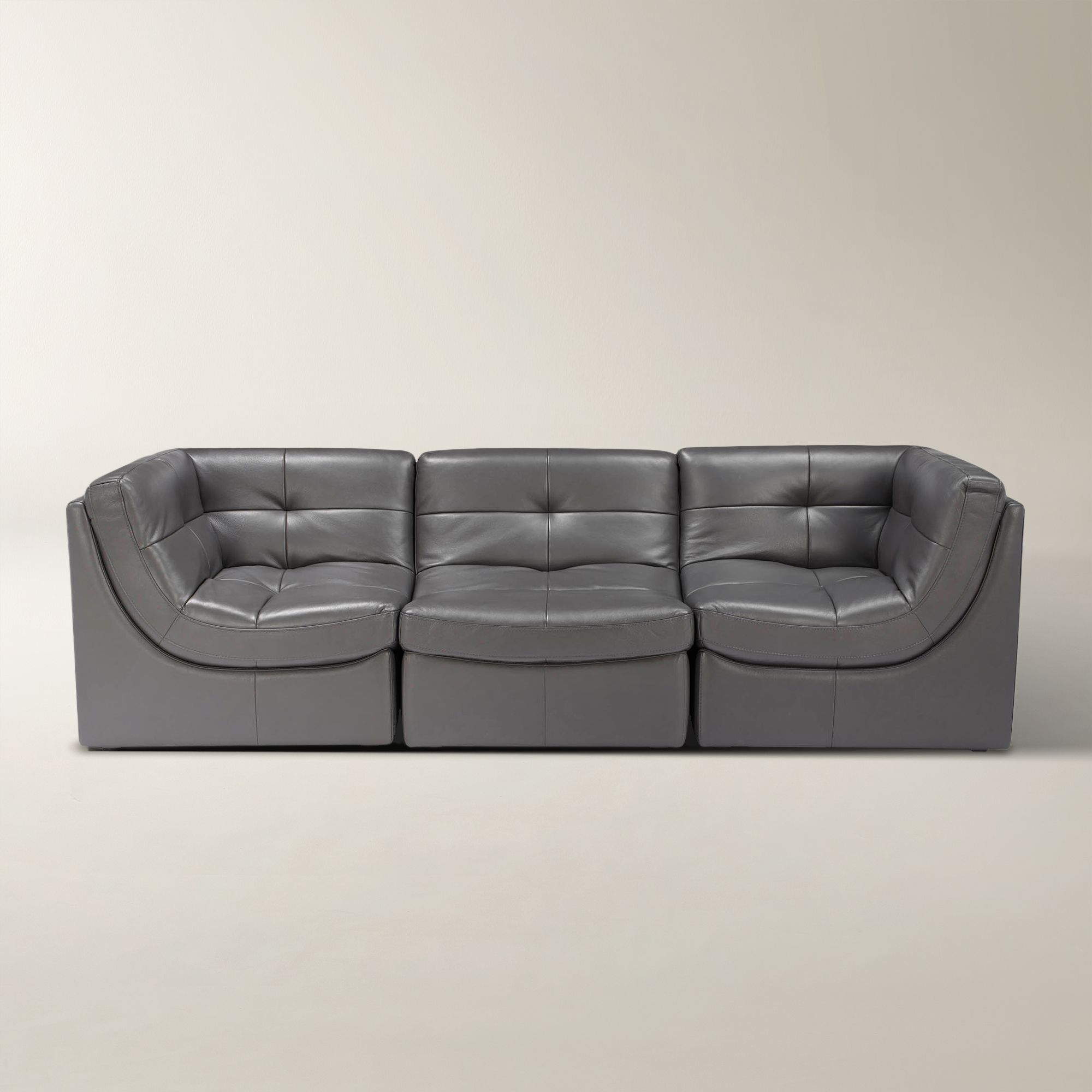 Convo 3-Piece Charcoal Leather Sectional Sofa$3999
A modular charcoal leather sofa with kiln-dried hardwood frame and gently curved, blind-tufted seats.
Add To Cart -
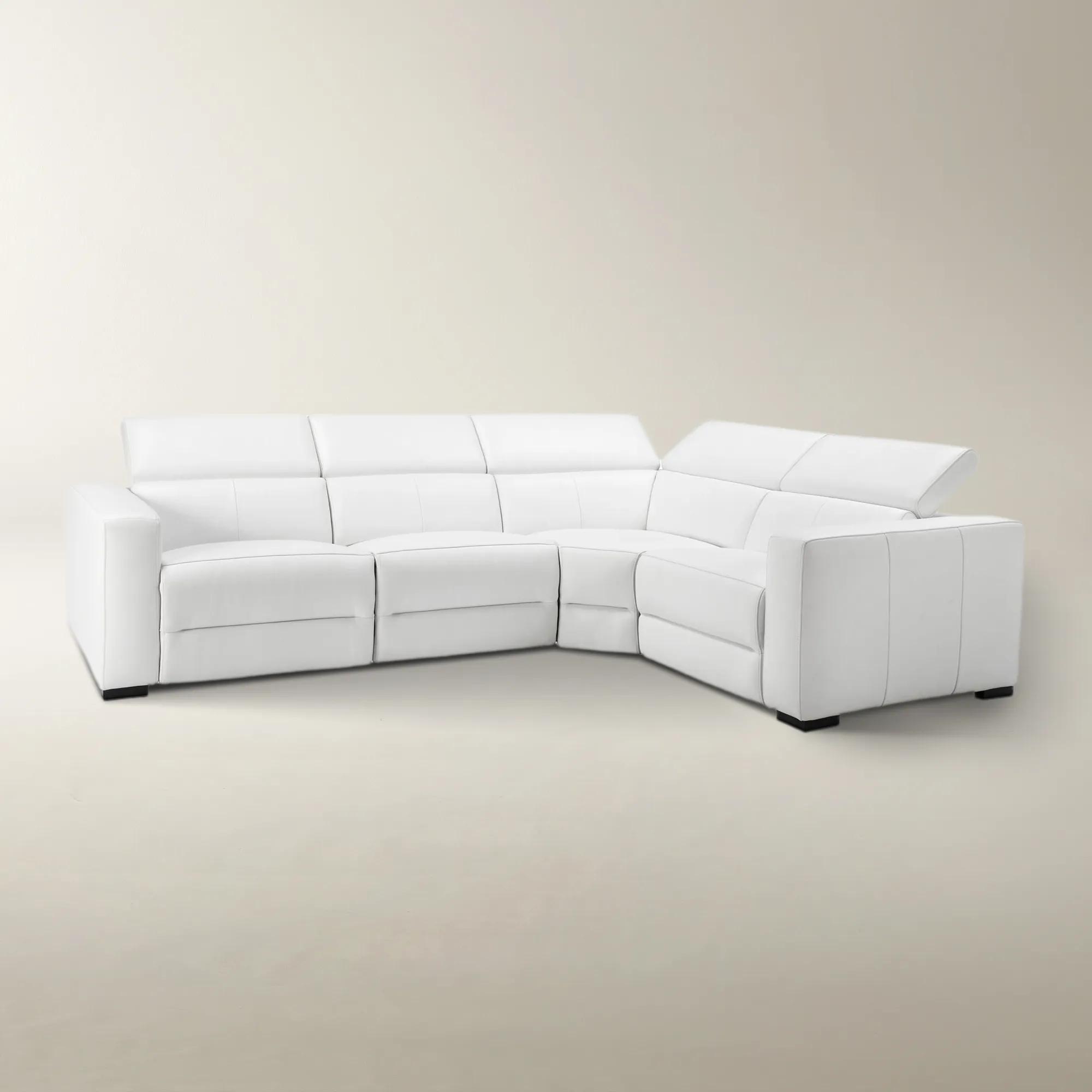 Verona 4-Piece L-Shaped Reclining White Leather Sectional Sofa With Right-Arm$5899
A modern sectional upholstered in supple white semi-aniline leather with adjustable headrests and power-reclining seats.
Add To Cart -
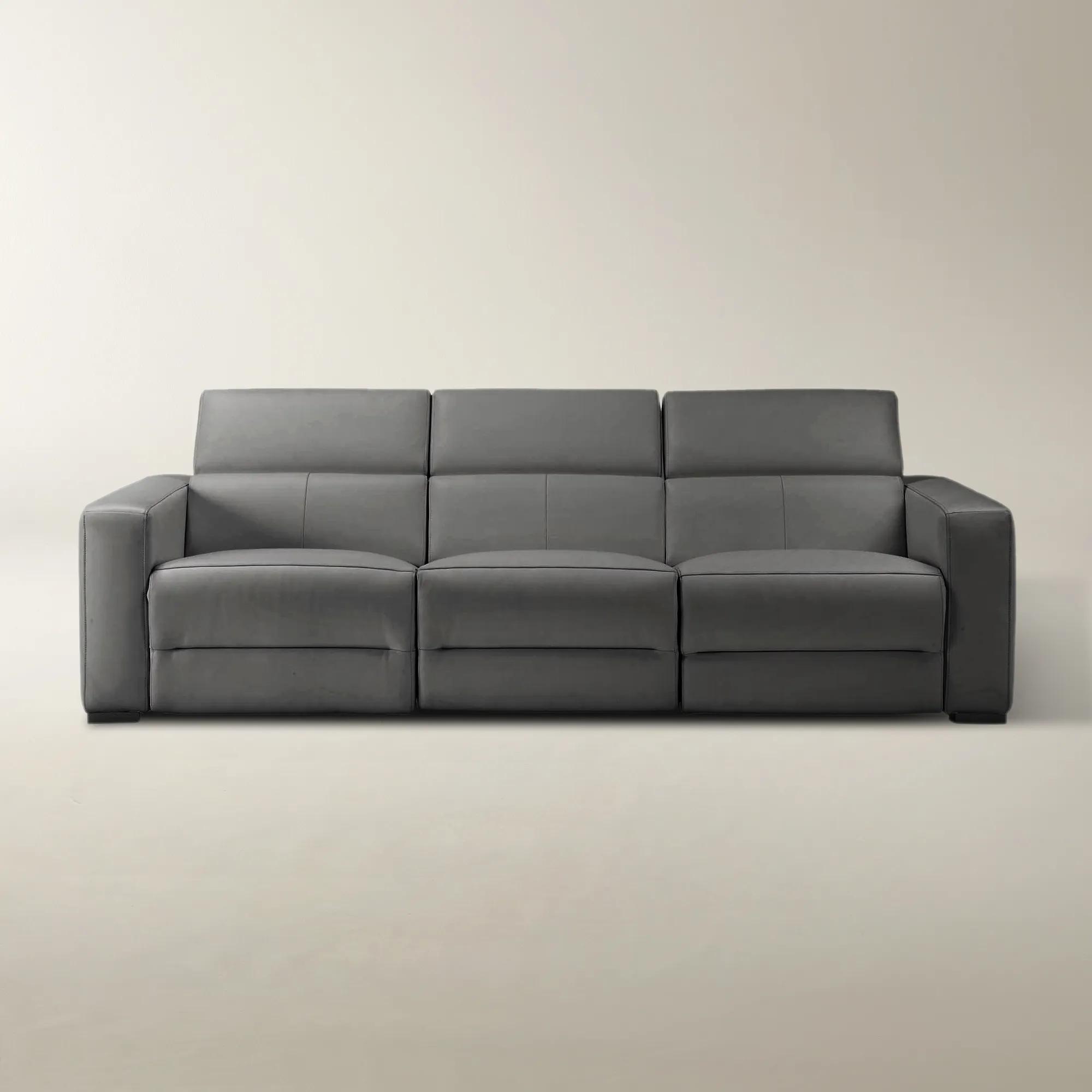 Verona 3-Piece Charcoal Leather Sectional Sofa$4399
A charcoal semi-aniline leather sectional featuring adjustable headrests, kiln-dried hardwood frame, and optional power recline.
Add To Cart -
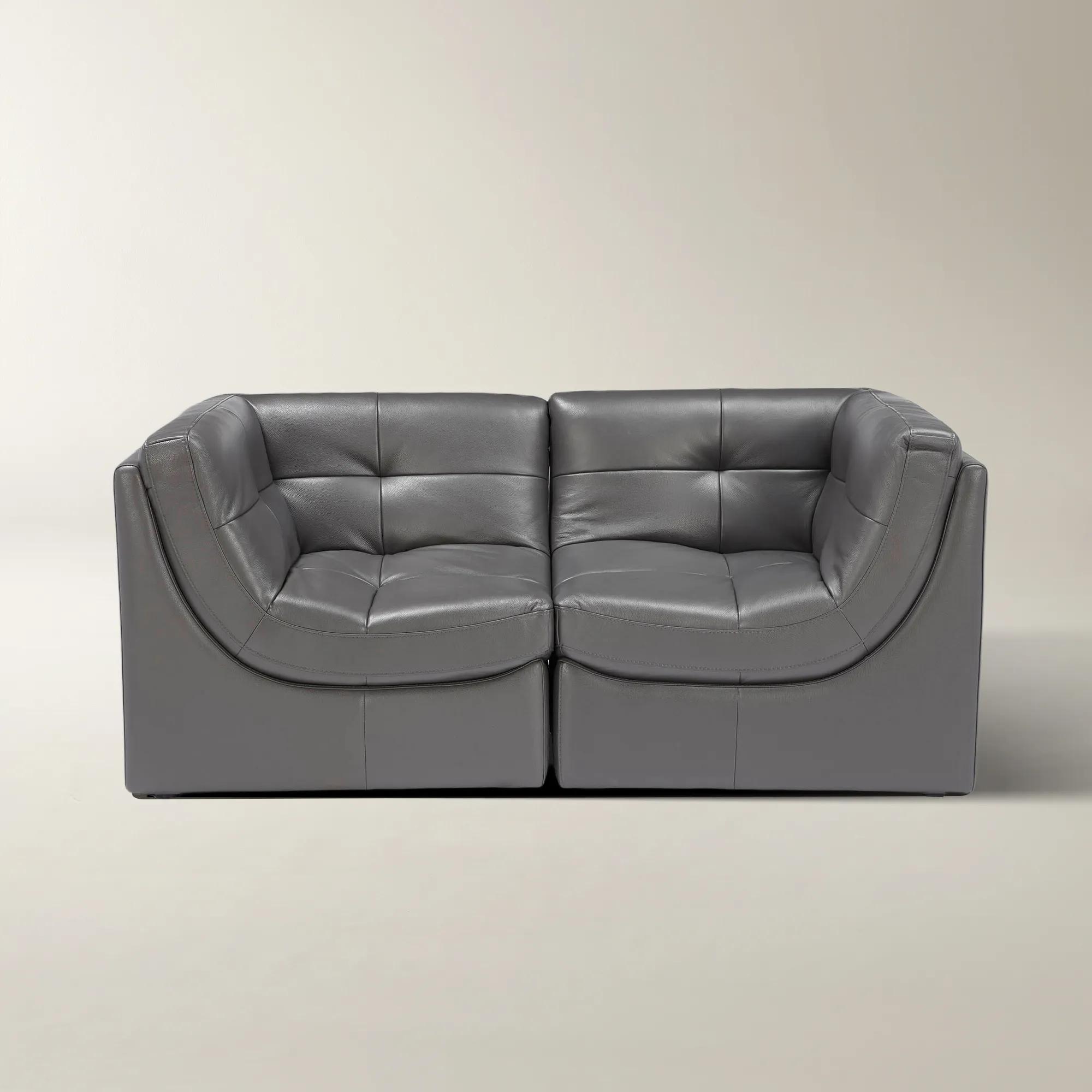 Convo 2-Piece Charcoal Leather Sectional Sofa$2799
A modular charcoal leather sofa with kiln-dried hardwood frame and blind-tufted, semi-aniline upholstery.
Add To Cart -
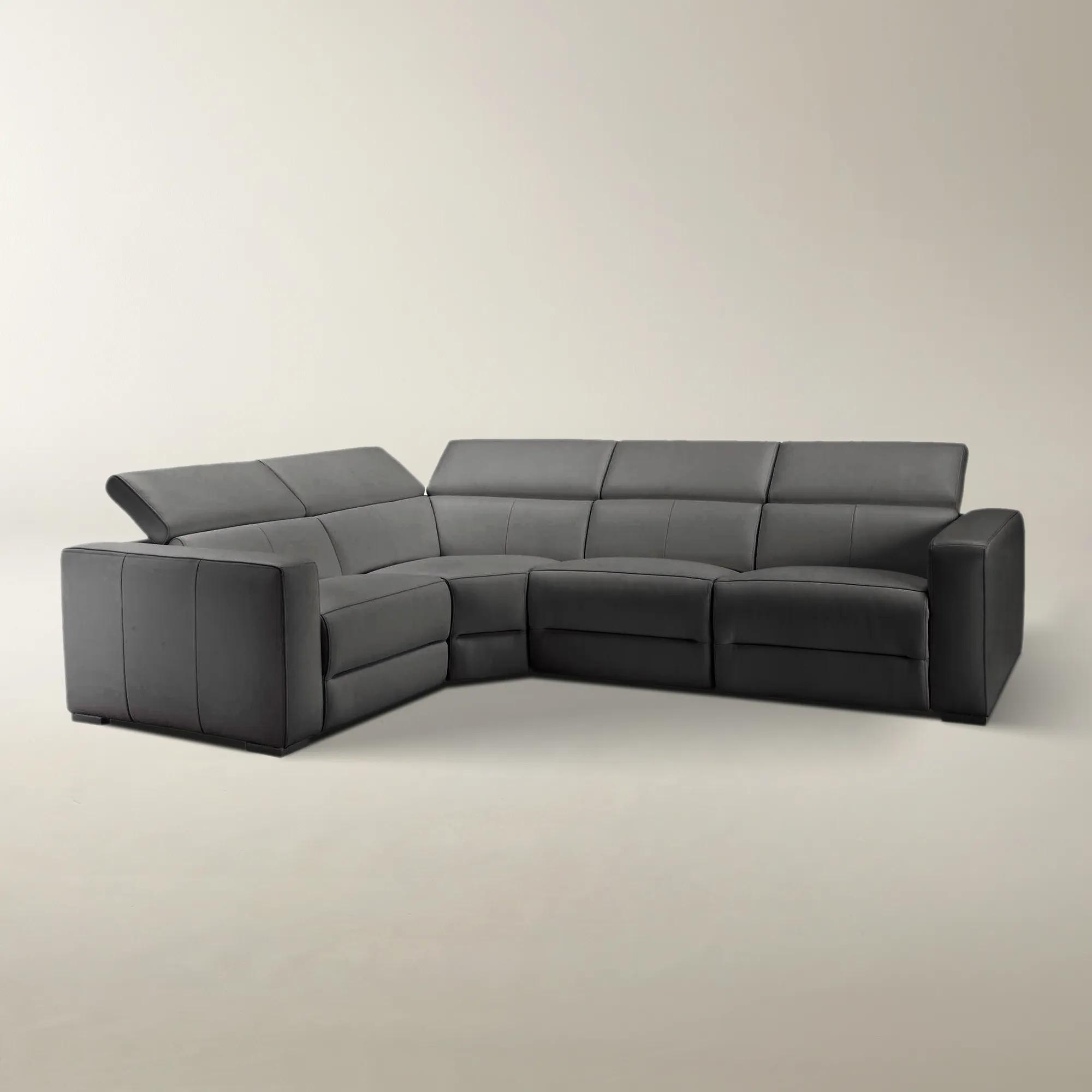 Verona 4-Piece L-Shaped Reclining Charcoal Leather Sectional Sofa With Left-Arm$5899
A charcoal semi-aniline leather sectional featuring adjustable headrests and optional power-reclining seats for comfort.
Add To Cart -
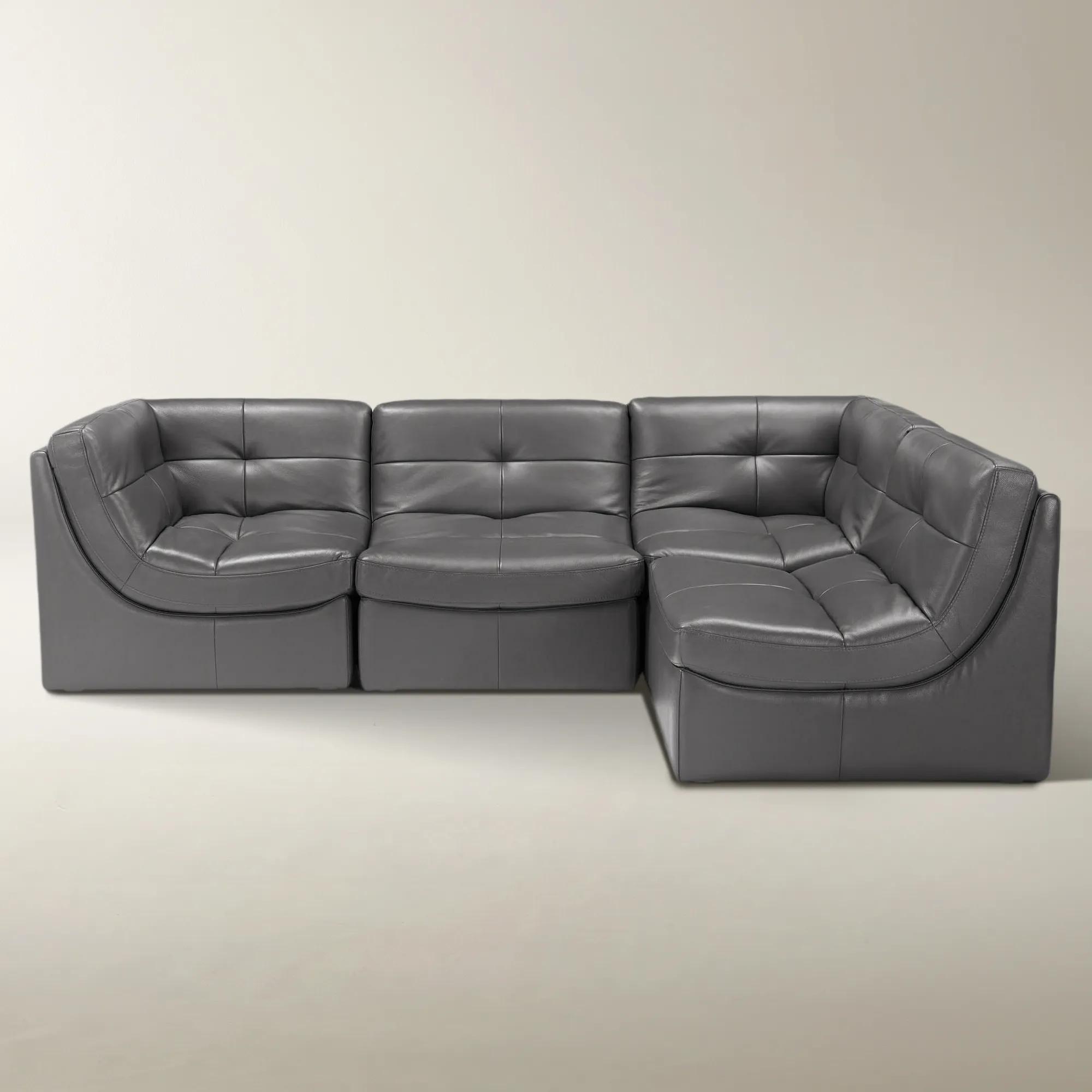 Convo 4-Piece L-Shaped Charcoal Leather Sectional Sofa With Armless Chair$5199
A modular charcoal leather sectional with kiln-dried hardwood frame and gently curved, blind-tufted seats.
Add To Cart -
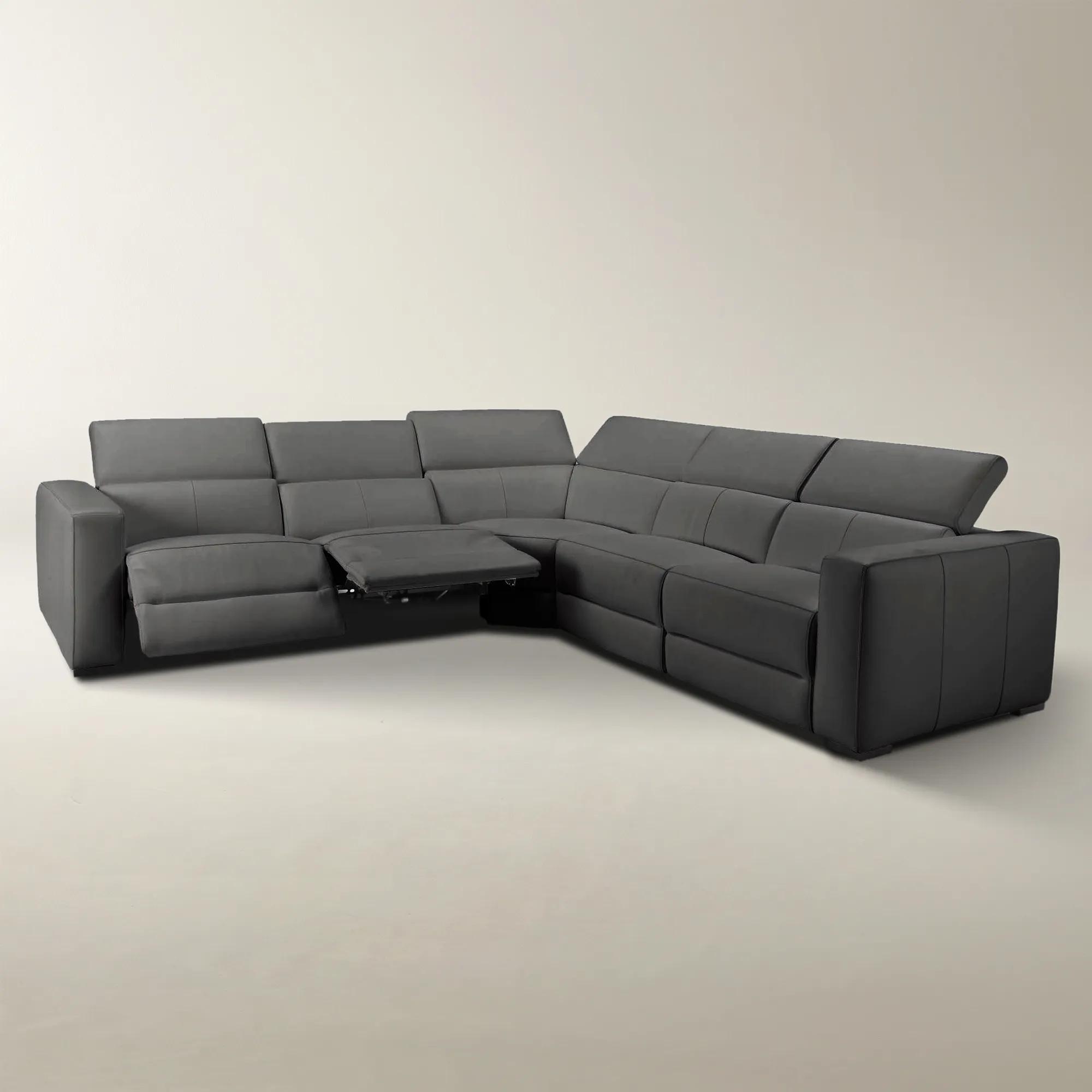 Verona 5-Piece Reclining Charcoal Leather Sectional Sofa$7199
A charcoal semi-aniline leather sectional featuring adjustable headrests, kiln-dried hardwood frame, and optional power recline.
Add To Cart -

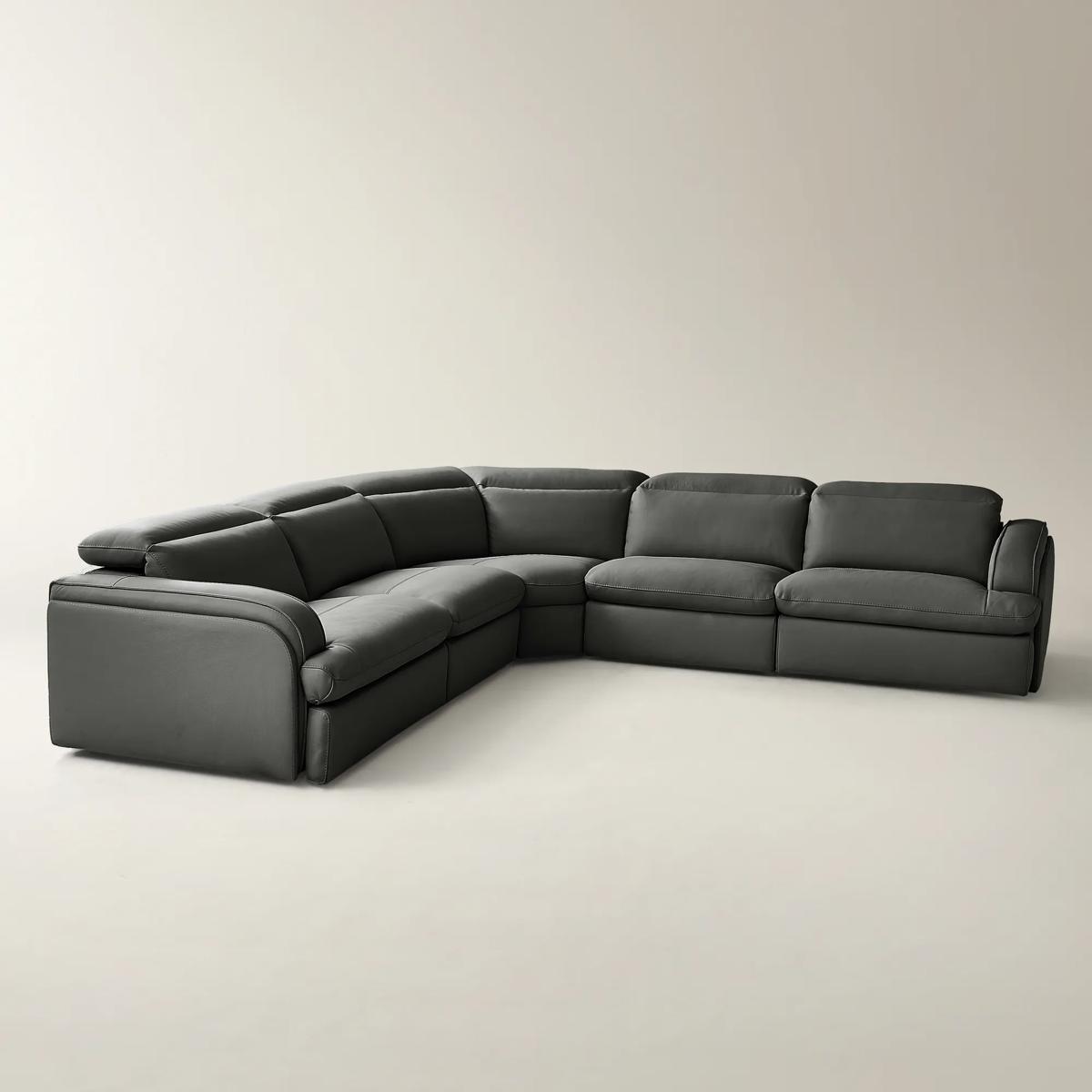 Terra 5-Piece Reclining Charcoal Leather Sectional$7399
A charcoal genuine leather sectional with powered reclining headrests and footrests, modular styling, and foam-down cushioning.
Add To Cart -
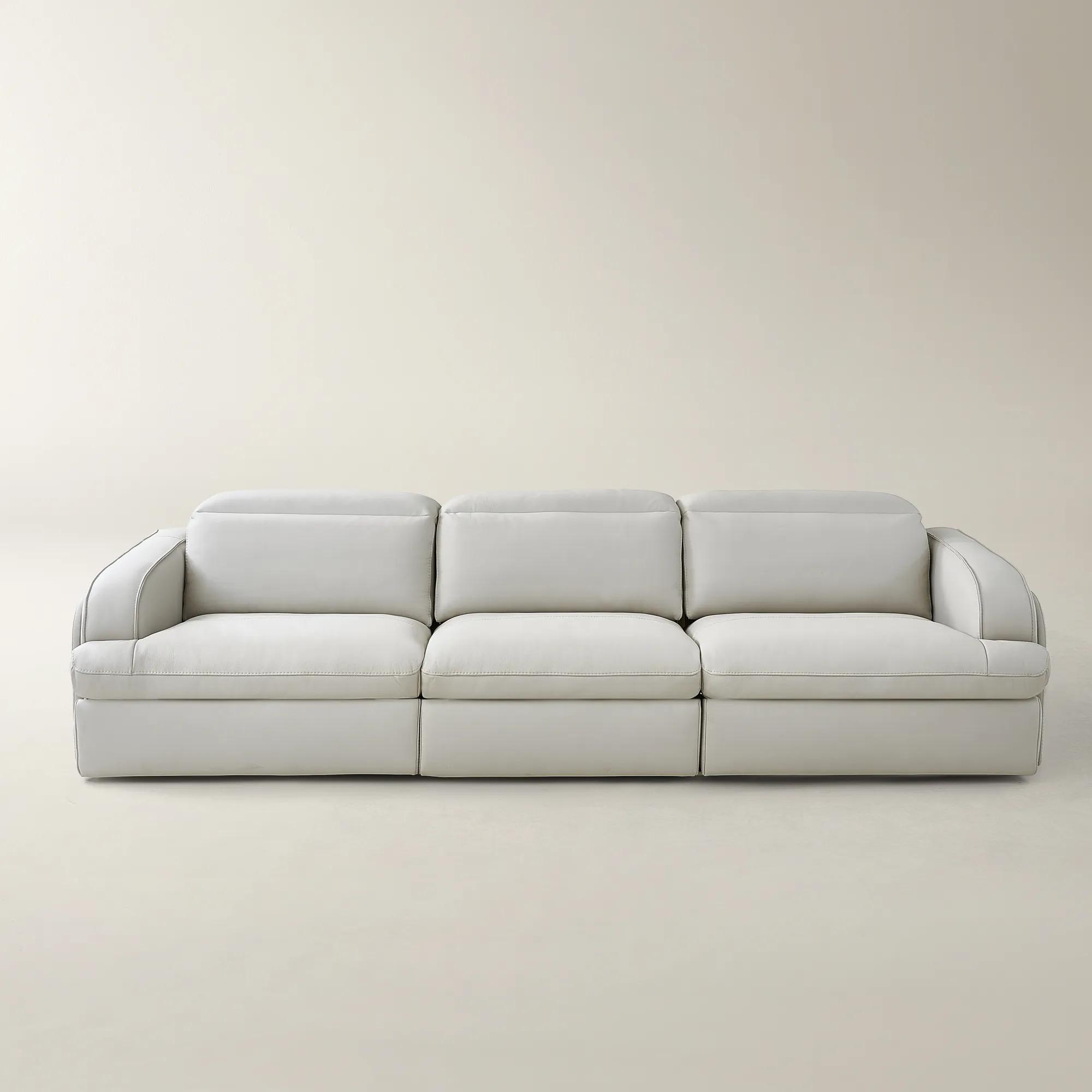
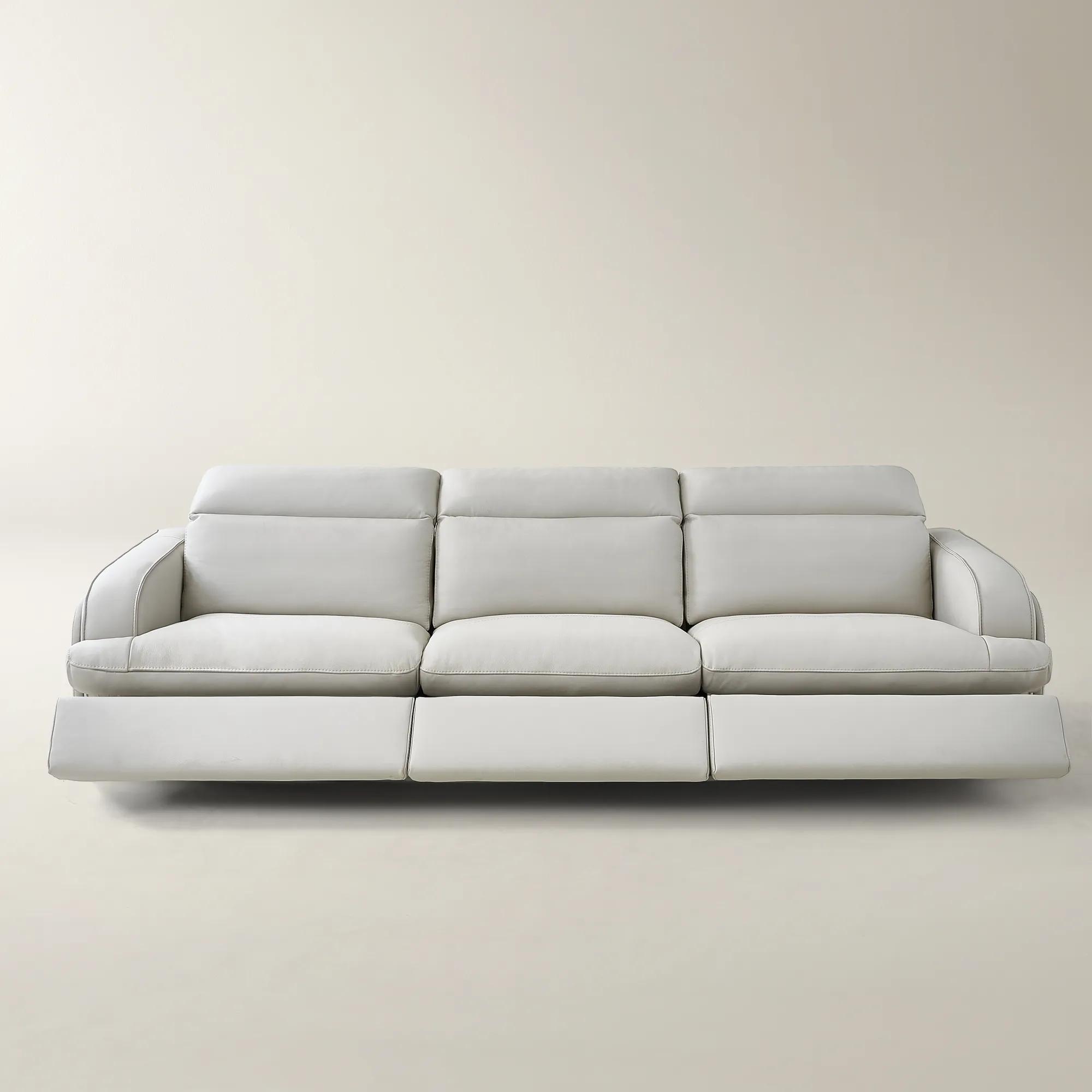 Terra 3-Piece Reclining Frost Leather Sectional$4699
A contemporary frost genuine leather modular sectional with power reclining headrests, footrests, and plush foam-down cushioning.
Add To Cart -
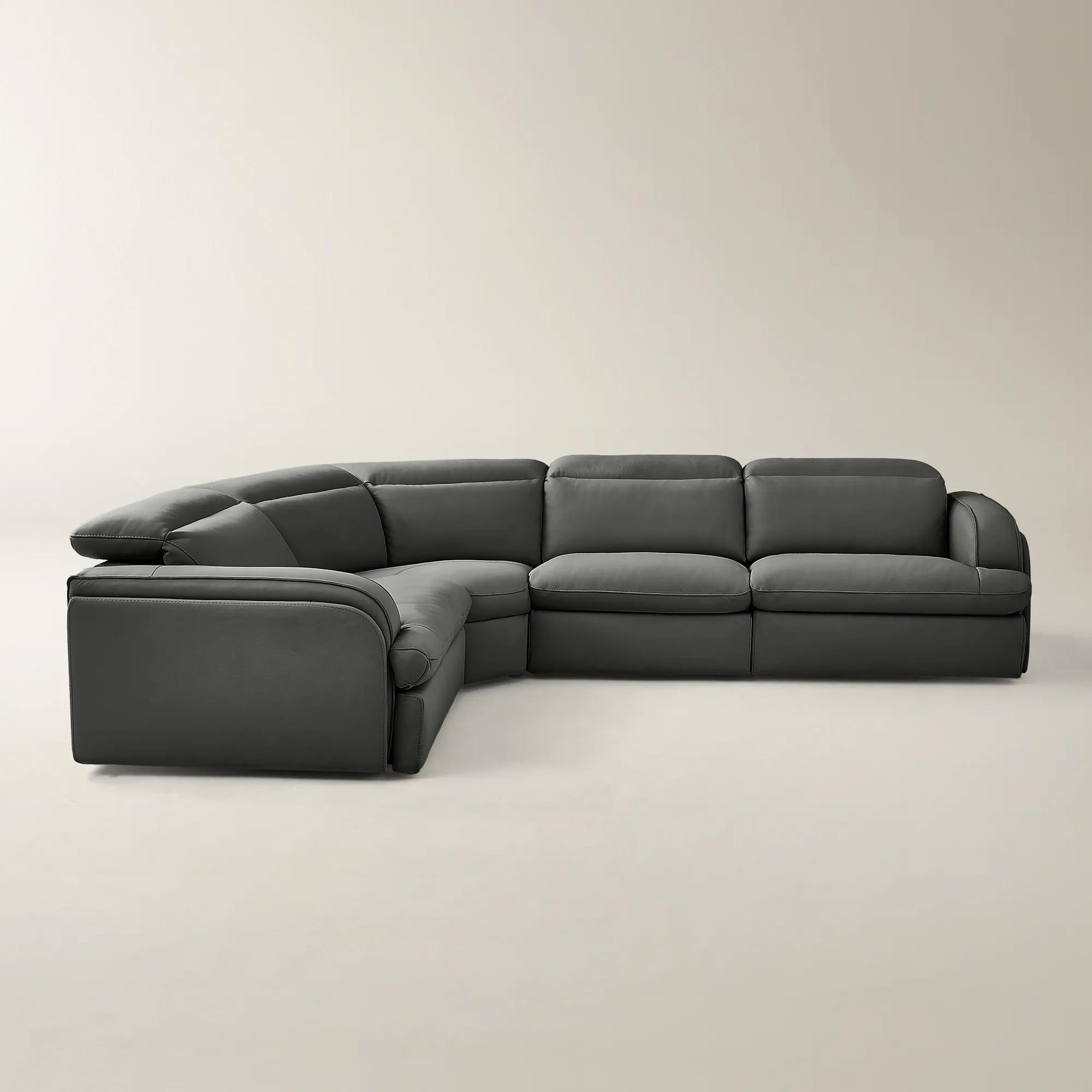
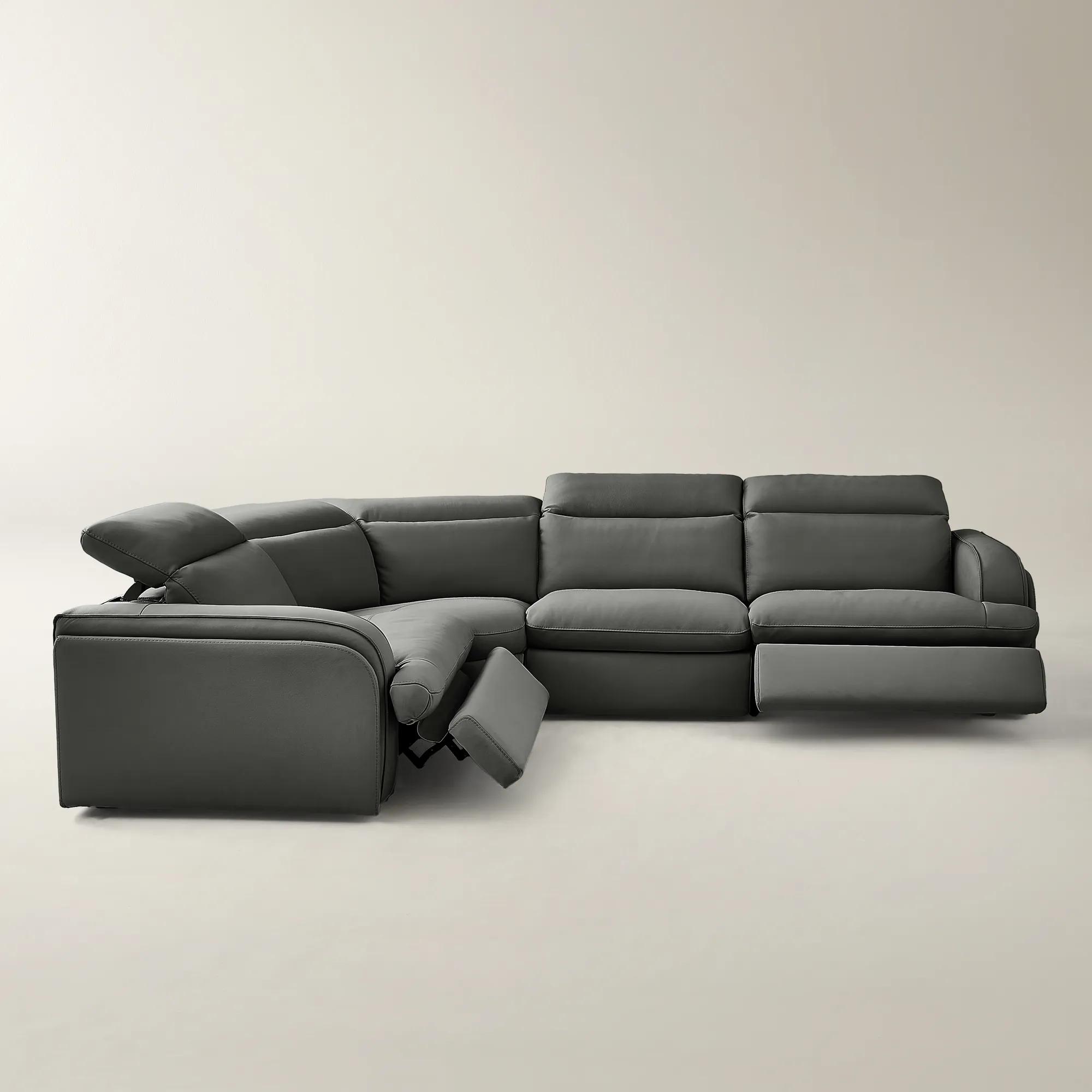 Terra 4-Piece Reclining Charcoal Leather Sectional With Left-Arm Chair$5999
A charcoal genuine leather modular sectional with powered headrests, footrests, tailored seams, and plush foam-down cushioning.
Add To Cart -
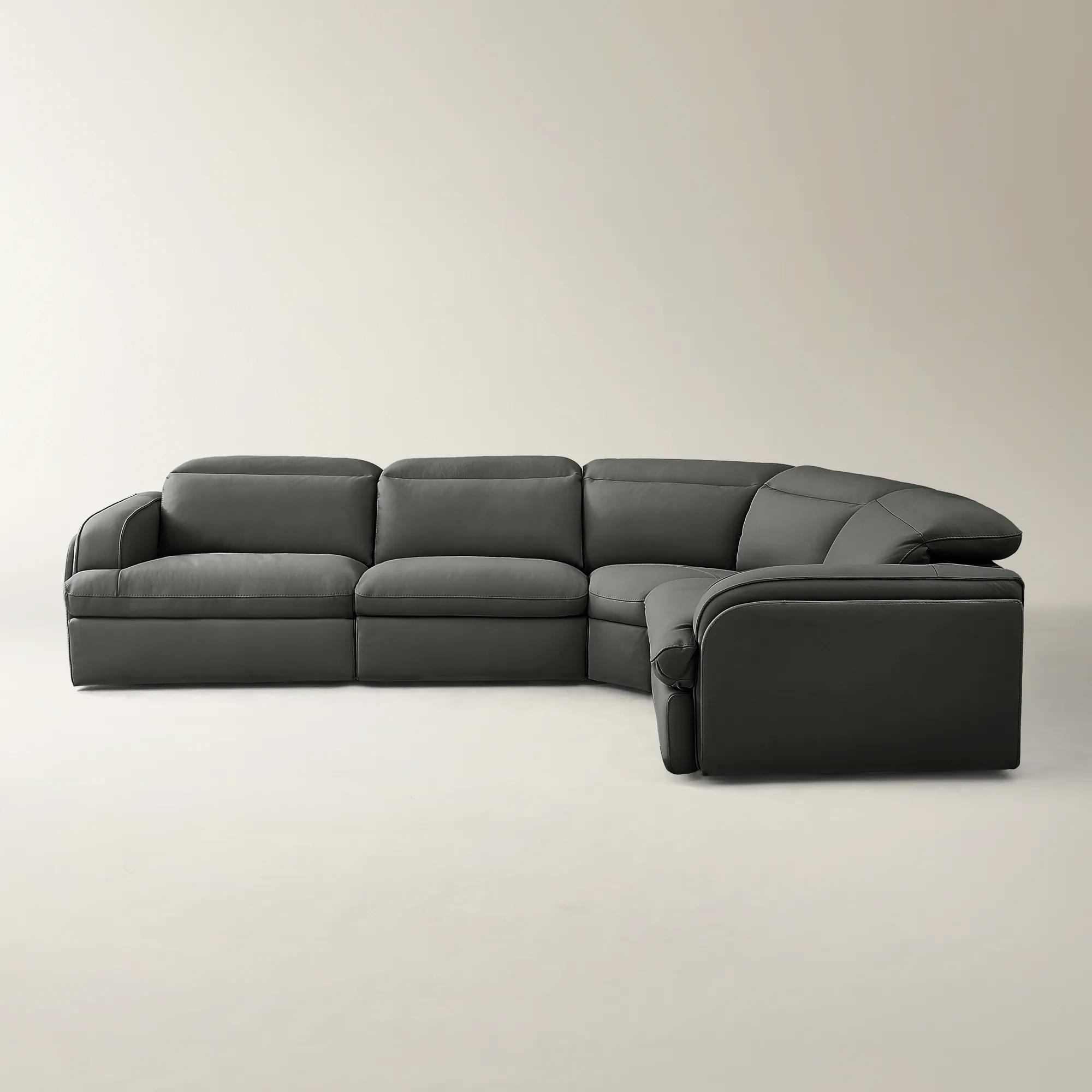
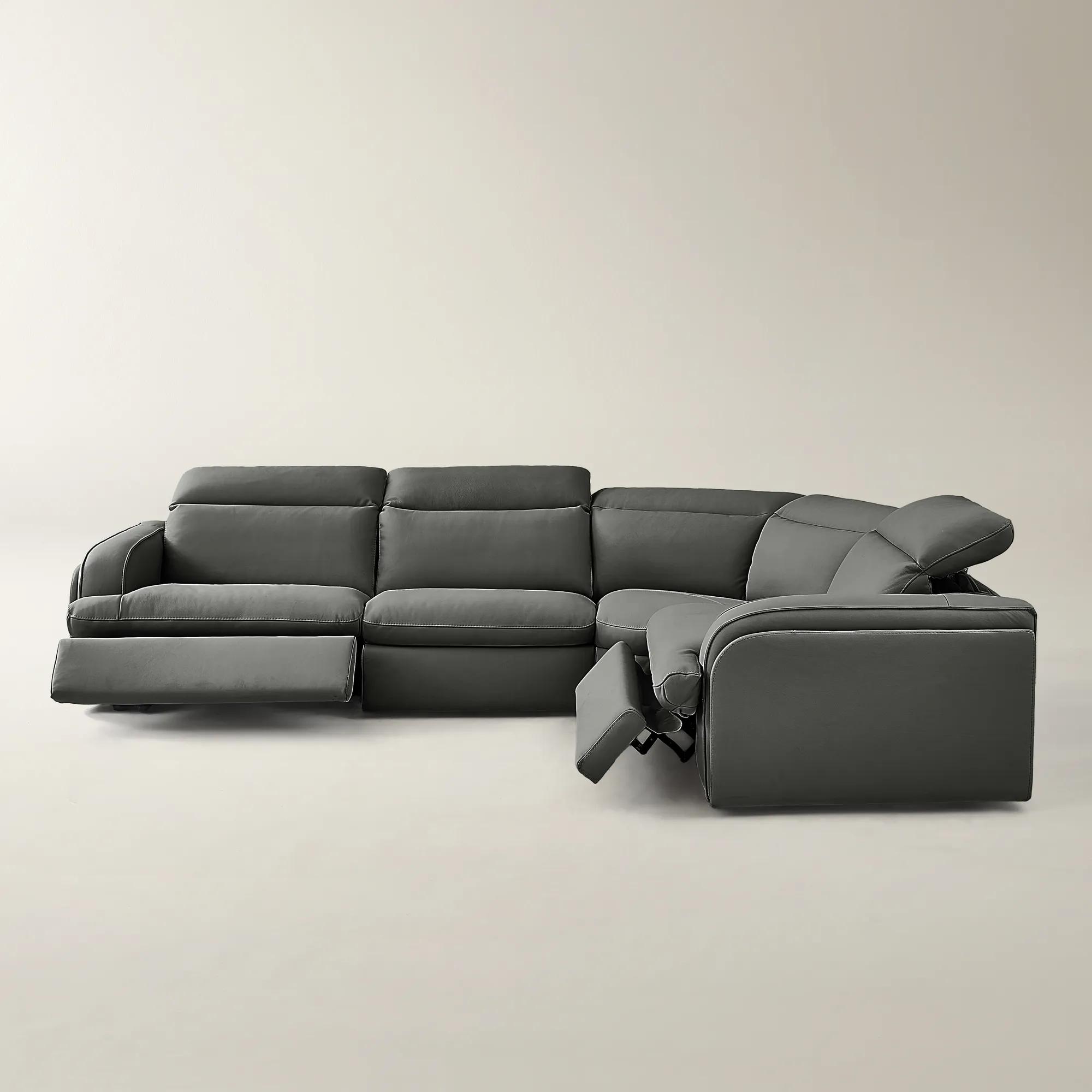 Terra 4-Piece Reclining Charcoal Leather Sectional With Right-Arm Chair$5999
A modular charcoal leather sectional with powered reclining headrests and footrests, tailored seams, and foam-down cushioning.
Add To Cart -
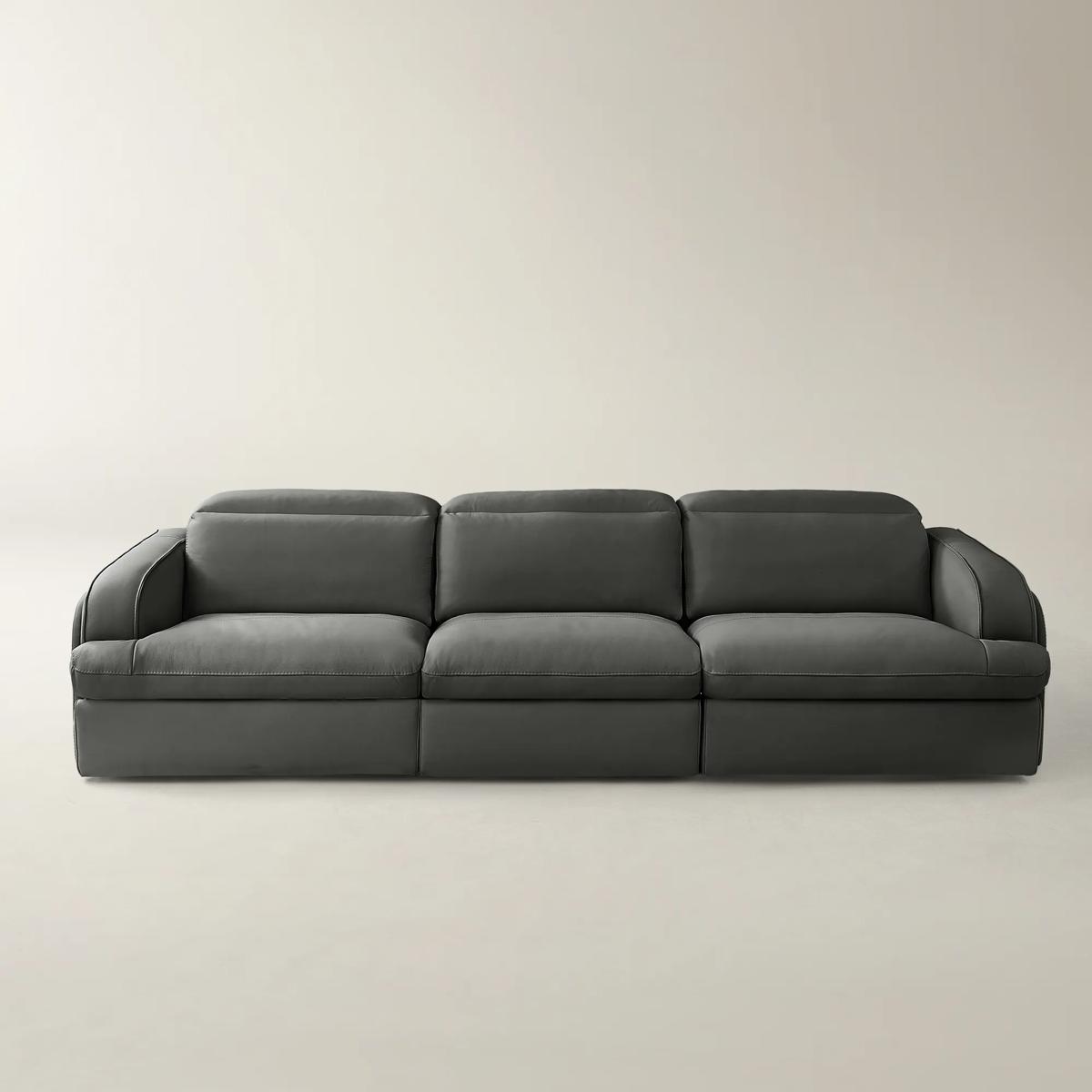
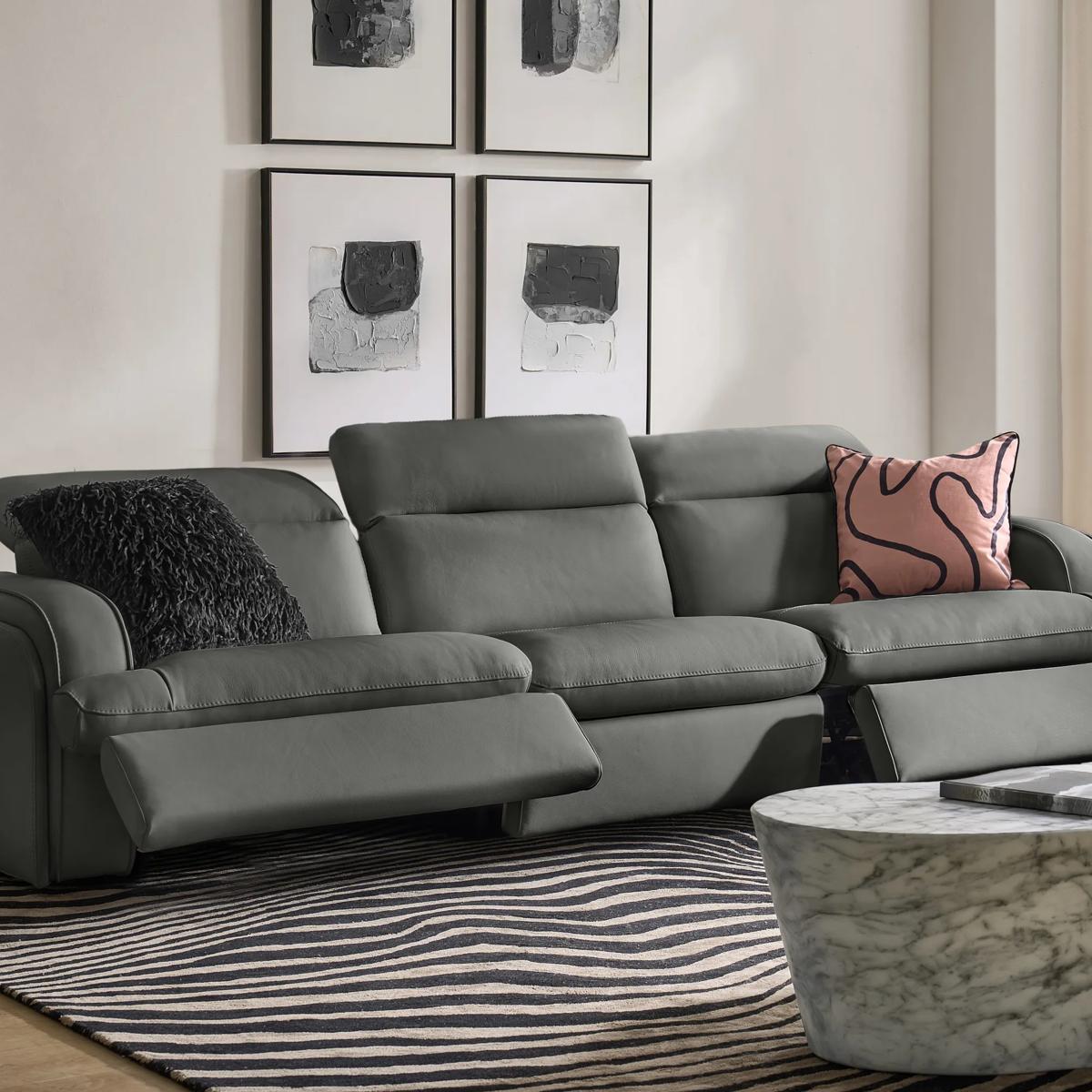 Terra 3-Piece Reclining Charcoal Leather Sectional$4699
A charcoal genuine leather sectional featuring modular design, power reclining headrests and footrests with foam-down cushioning.
Add To Cart -
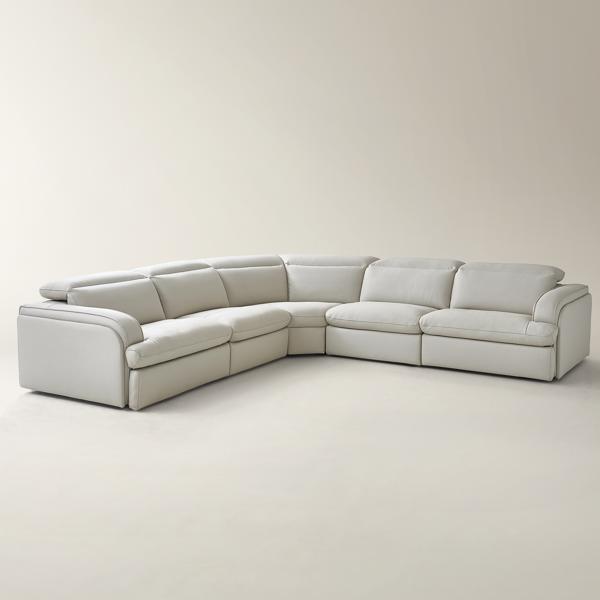
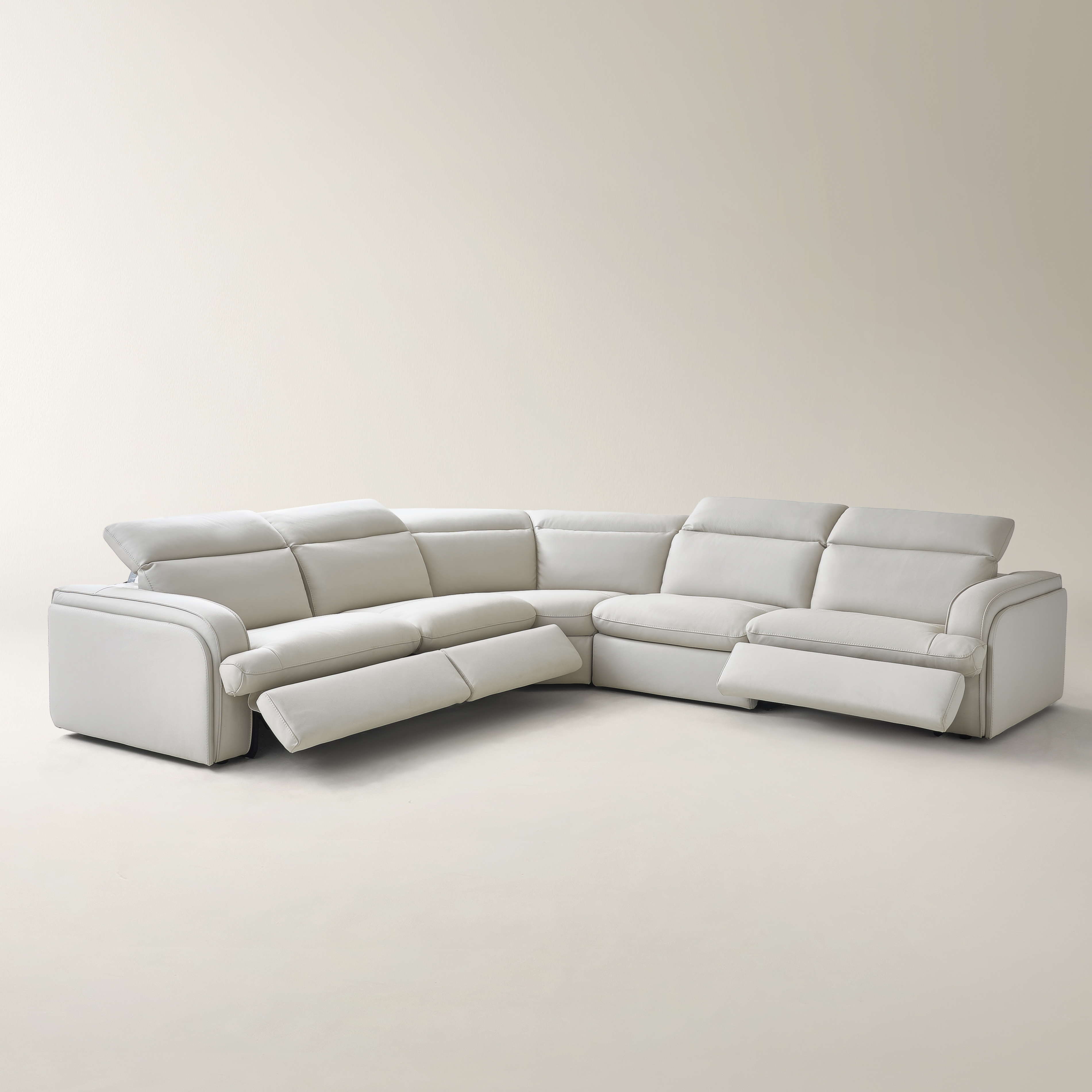 Terra 5-Piece Reclining Frost Leather Sectional$7399
A contemporary frost leather sectional with powered reclining, modular configuration, hardwood construction, and plush foam-down cushioning.
Add To Cart -

 Terra 4-Piece Reclining Frost Leather Sectional With Right-Arm Chair$5999
A contemporary frost genuine-leather sectional with powered reclining, modular configuration, and plush down-blend cushioning.
Add To Cart -
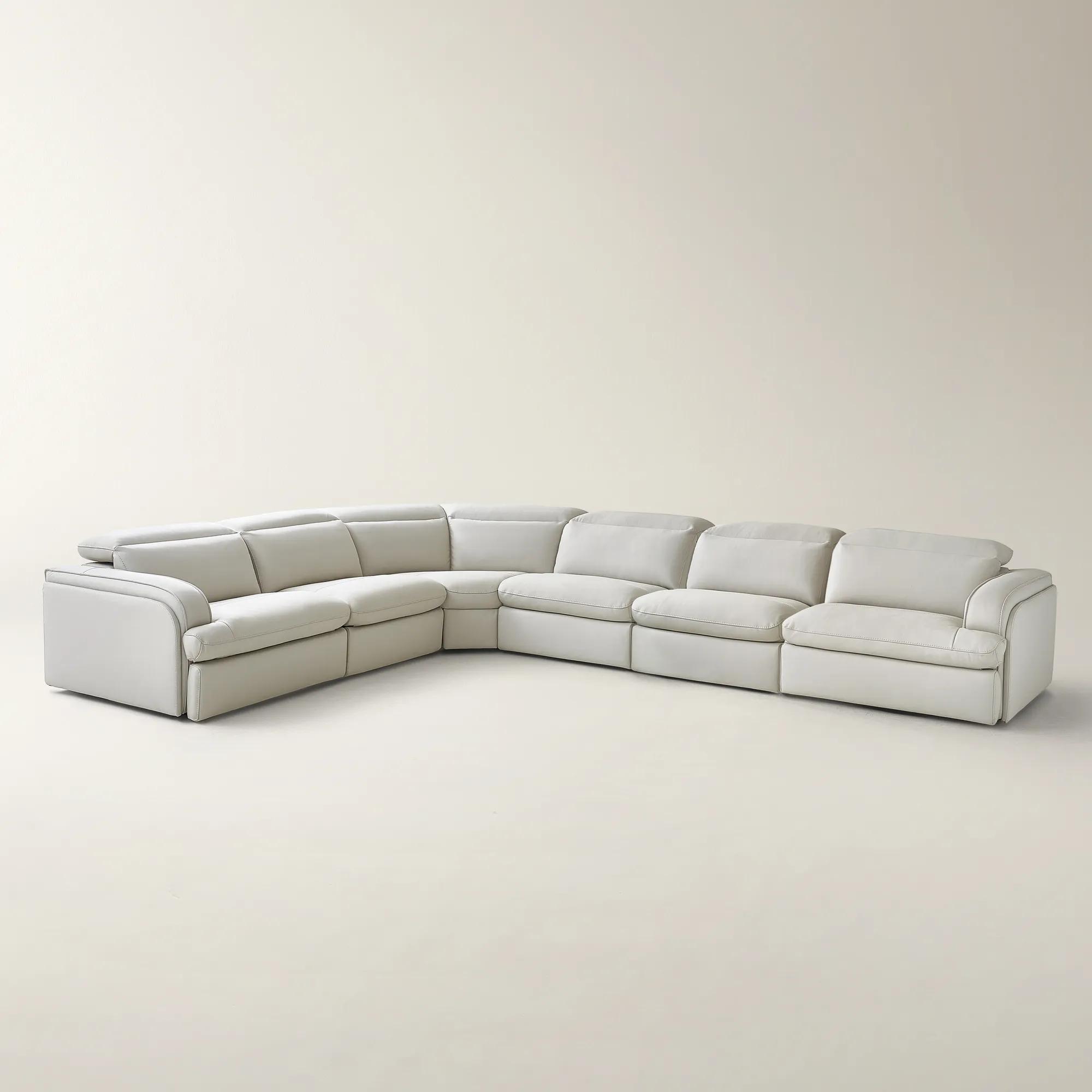
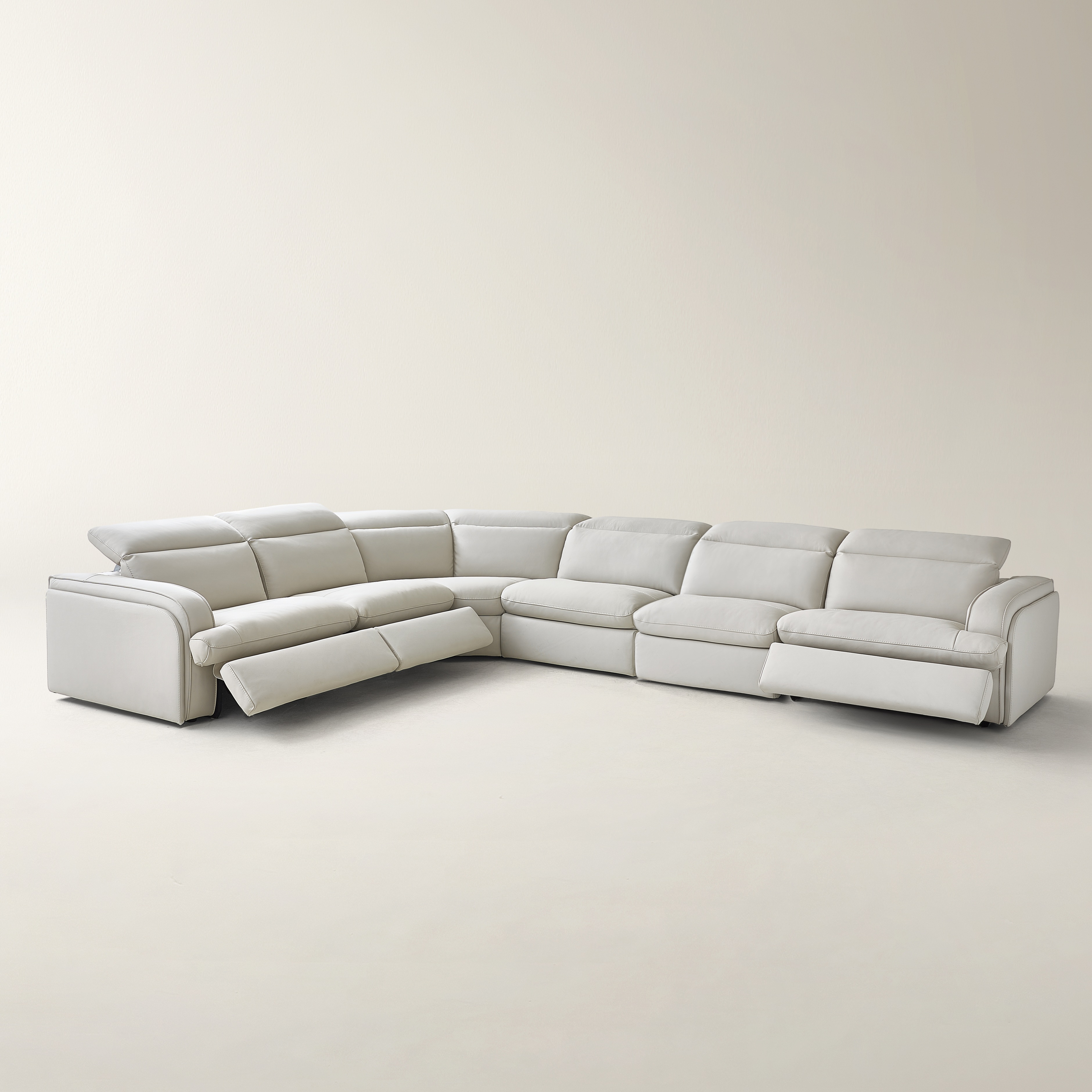 Terra 6-Piece Reclining Frost Leather Sectional$8499
A contemporary frost leather sectional with modular seating, power reclining headrests and footrests, and foam-down cushioning.
Add To Cart -
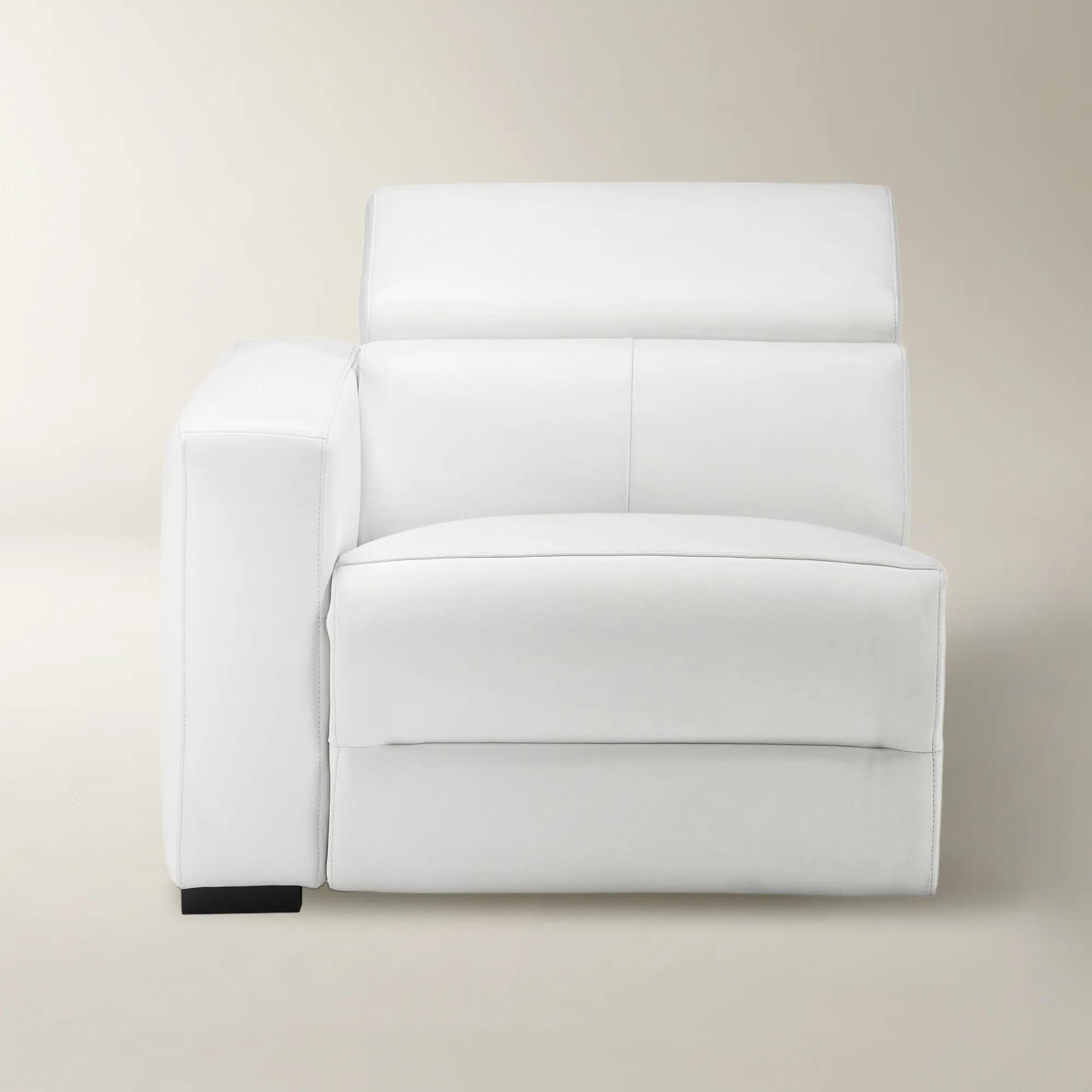
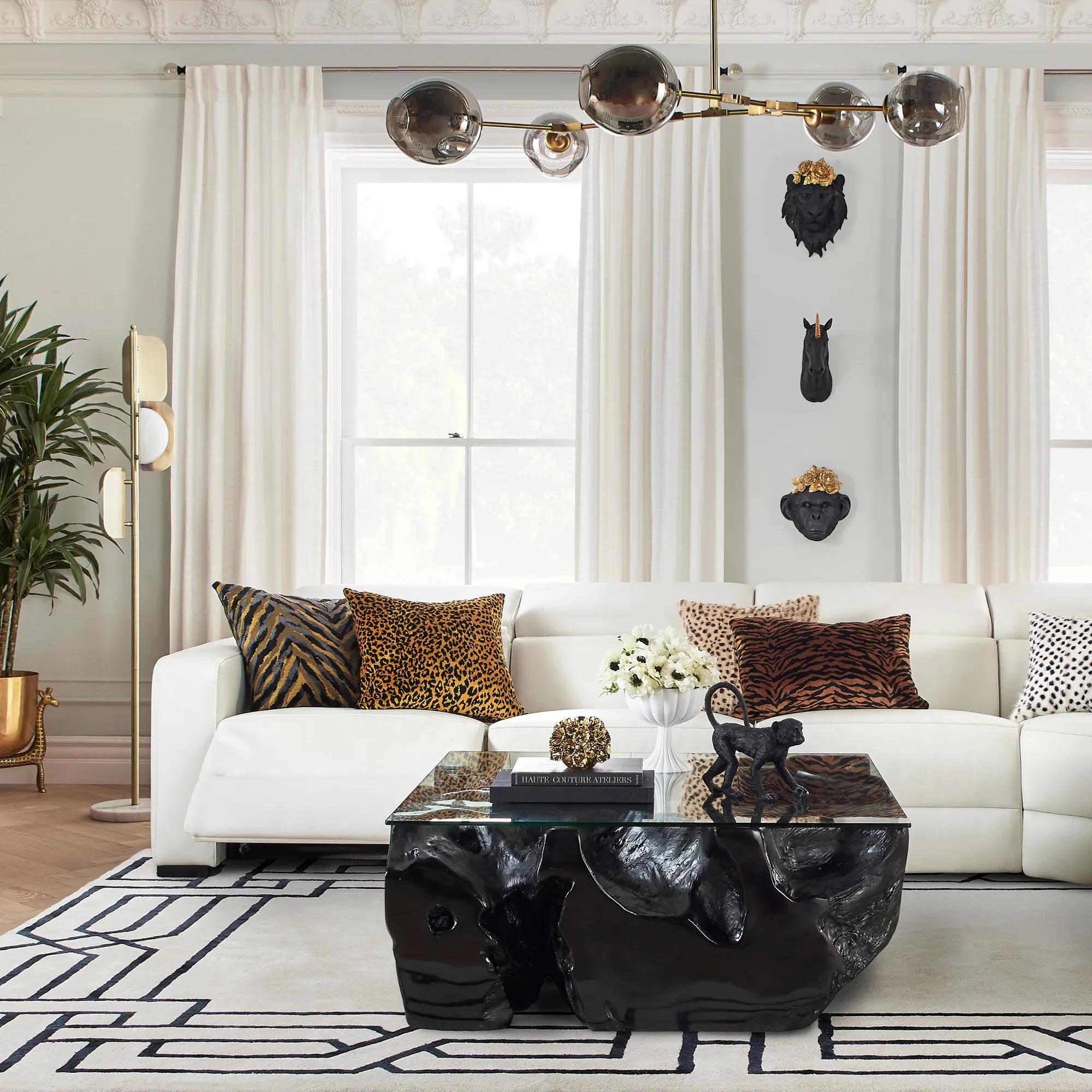 Verona White Leather Left Arm Chair$1399
A modern white sectional upholstered in supple semi-aniline leather with adjustable headrests and power-reclining seats.
Add To Cart -
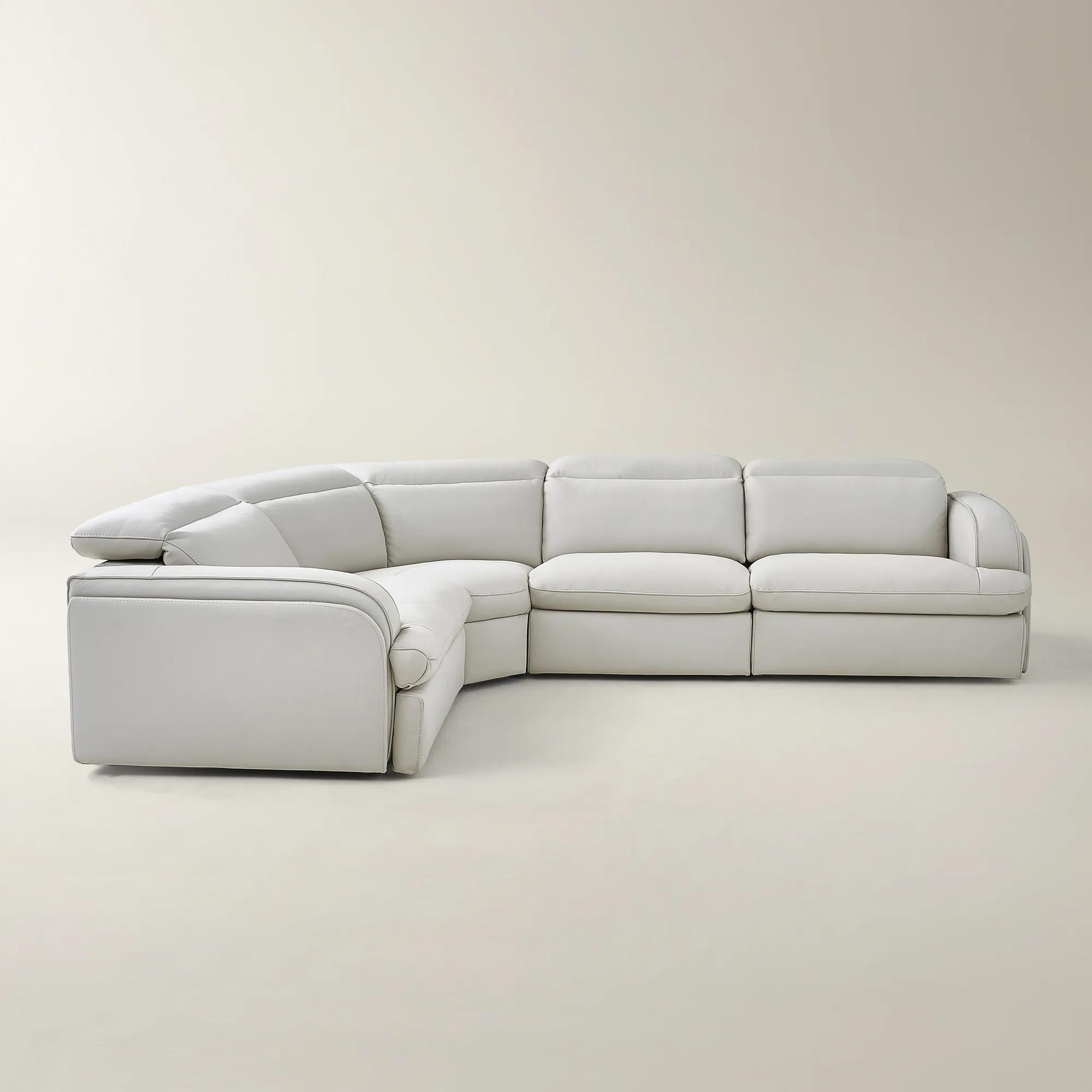
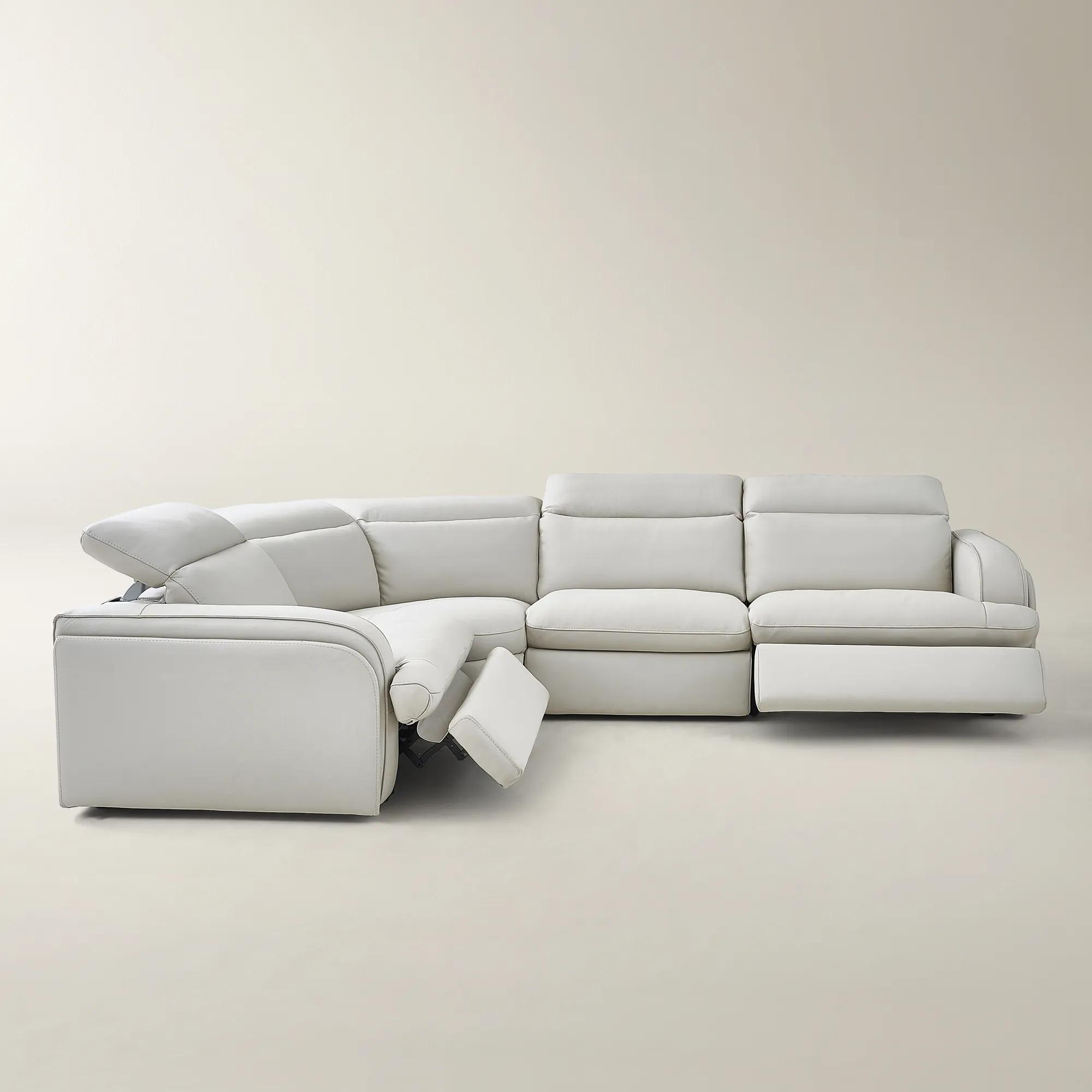 Terra 4-Piece Reclining Frost Leather Sectional With Left-Arm Chair$5999
A modular Frost leather sectional with powered reclining headrests and footrests, tailored seating, and plush down-blend cushioning.
Add To Cart

Genuine Leather Sectional Sofas
Explore genuine leather sectional sofas that bring an expressive focal point and inviting seating to your living room. Let the rich character of leather set the mood, then compare overall dimensions and sectional layouts to find a fit that balances room to gather with space to move.
Genuine leather sectional sofas bring a distinctive richness to a living room: broad expanses of supple upholstery, sculpted silhouettes, and a natural surface that gives even the most polished space a sense of depth. A sectional creates more than a place to sit. Its connected seating draws people together, whether the room is arranged for lively conversation, an evening of films, or a quiet hour with a favorite book. Leather adds its own visual presence, catching light along a curved arm or revealing subtle grain across a generous seat. In a pale neutral, it can feel luminous and architectural; in a deep brown or charcoal, it gives a room a more enveloping, dramatic character. The material is equally compelling alongside reflective metal, expressive artwork, and richly textured textiles, offering a grounded counterpoint to their shimmer and movement. Leather terminology deserves attention because “genuine leather” identifies real leather without, by itself, establishing a particular grade, finish, or level of performance. The appearance and feel depend on the portion of the hide used, how it is processed, and the protective treatment applied to its surface. Within that broader category, top grain leather sectional sofas use leather from the outer portion of the hide, with finishing methods that can vary considerably. Aniline leather typically reveals more natural markings and color variation, while semi-aniline and pigmented finishes generally offer additional surface protection. More protection can be helpful in a frequently used family room, though it may also change the leather’s texture and sheen. Natural creases, grain differences, and small markings can contribute to the character of real leather rather than indicate a defect. For someone who appreciates materials with individuality, those details are part of the attraction. The most satisfying choice balances that expressive surface with the way the sectional will actually be used, from hosting guests to becoming the household’s favorite everyday retreat.
Scale is essential to the impact of a genuine leather sectional. A beautifully proportioned arrangement can define an open living area without making it feel crowded, while an oversized footprint in a narrow room can interrupt both movement and conversation. Consider the full width and depth of the configuration, including the chaise, corner, or extended seating section, rather than relying on the number of seats alone. A chaise may look inviting in a photograph but feel intrusive if it projects into the route between the entry and the kitchen. Left-facing and right-facing descriptions should be checked against the seller’s diagram, since orientation terminology can vary. In an open floor plan, the back of a sectional often faces the dining area or entry, making the rear profile and upholstery finish just as important as the front. Leave comfortable walking space around the arrangement and enough room to reach a coffee table without squeezing between surfaces. The delivery route matters, too: doorways, elevators, stair turns, and tight landings can determine whether a large piece reaches its intended room. Separate sections may simplify access, but each component still needs to fit, and connection hardware should keep the assembled seating aligned. Comfort also has a precise, personal dimension. A deep seat encourages lounging, especially for someone who enjoys stretching out, while a shallower seat can offer easier conversation and a more upright posture. Seat height, cushion firmness, arm placement, and back support affect how comfortably different people settle in and stand up. A household with varied preferences may appreciate a generous lounging area alongside seats that feel more structured. Beyond the upholstery, frame construction, suspension, cushion materials, and joinery all influence long-term performance. Leather alone does not determine durability; a handsome surface needs a supportive foundation beneath it. Well-considered construction helps preserve the sectional’s silhouette through daily use, while balanced proportions allow its generous scale to feel intentional. In a compact space, restrained arms and raised legs can lighten the visual impression; in a larger room, a lower, broader form can create a striking, lounge-like centerpiece.
Living with leather is as much about understanding its finish as admiring its beauty. Some leathers develop a visible patina, softening and gaining tonal variation with use, while others are designed to retain a more consistent appearance. Neither approach is inherently better; the right choice depends on whether the household welcomes evolving character or prefers a closely tailored look. For homes with children, frequent guests, or pets, finish-specific care requirements deserve particular attention. Leather is not scratch-proof, and claws, sharp hardware, or abrasive clothing details can leave marks. Spills should be blotted promptly with a clean, soft cloth rather than rubbed into the surface, and any cleaning method should follow the upholstery manufacturer’s instructions. Gentle dusting and careful vacuuming along seams help prevent grit from collecting where cushions meet. Avoid harsh household cleaners, solvents, and unapproved oils, which can damage a finish or alter its color. Conditioning is appropriate for some leathers but not all, so use only products recommended for the particular upholstery and test them in an inconspicuous area first. Placement also affects longevity: sustained direct sunlight can fade leather, and nearby heating vents or other heat sources can contribute to drying. Where the design permits, rotating cushions and varying preferred seating positions can encourage more even wear. With those practical considerations addressed, the sectional becomes an expressive foundation for the room. A plush rug softens its substantial outline, a sculptural table introduces contrast, and carefully chosen pillows bring texture without concealing the leather’s natural beauty. Keep throws and decorative accents selective enough to let the upholstery remain visible. A reading lamp beside the chaise turns one end into a personal retreat, while occasional chairs angled toward the main seating create a more conversational arrangement for guests. For households furnishing a shared living space, genuine leather sectional sofas offer a compelling combination of tactile richness and generous seating. Their lasting appeal comes from that balance: a room-defining silhouette with enough comfort and character to make everyday moments feel beautifully considered.
FAQs
Genuine leather gives a sectional a richly expressive surface, with texture and natural markings that vary by hide and finish. The term identifies real leather, but does not by itself specify a particular grade. Look to the upholstery description for details about leather type and where it is used.
Leather brings visual depth to a modern sectional’s sculptural silhouette. Pair it with polished metal accents and striking abstract art for a glamorous composition, or introduce softly textured textiles for a more layered mood. The contrast lets the sectional anchor the room without defining every detail.
Create contrast with sumptuous pillows, a textured throw, and a rug that gives the seating area a distinct visual foundation. A sculptural coffee table adds an artistic counterpoint to leather upholstery, while a considered accent palette makes the arrangement feel composed and expressive.
Some genuine leathers develop a patina—a gradual evolution in tone and sheen that lends the upholstery a more personal character. How noticeably this appears depends on the leather type, finish, use, and exposure. More heavily protected finishes may show subtler changes than less coated leathers.
Follow the manufacturer’s care instructions, since different leather finishes require different treatment. Gently remove dust with a soft, dry cloth and blot spills promptly rather than rubbing. Use cleaners or conditioners only when recommended for the upholstery, and position your sectional away from direct sunlight and heat sources to help preserve its rich appearance.