Tailored Accent Benches
Tailored Accent Benches
-
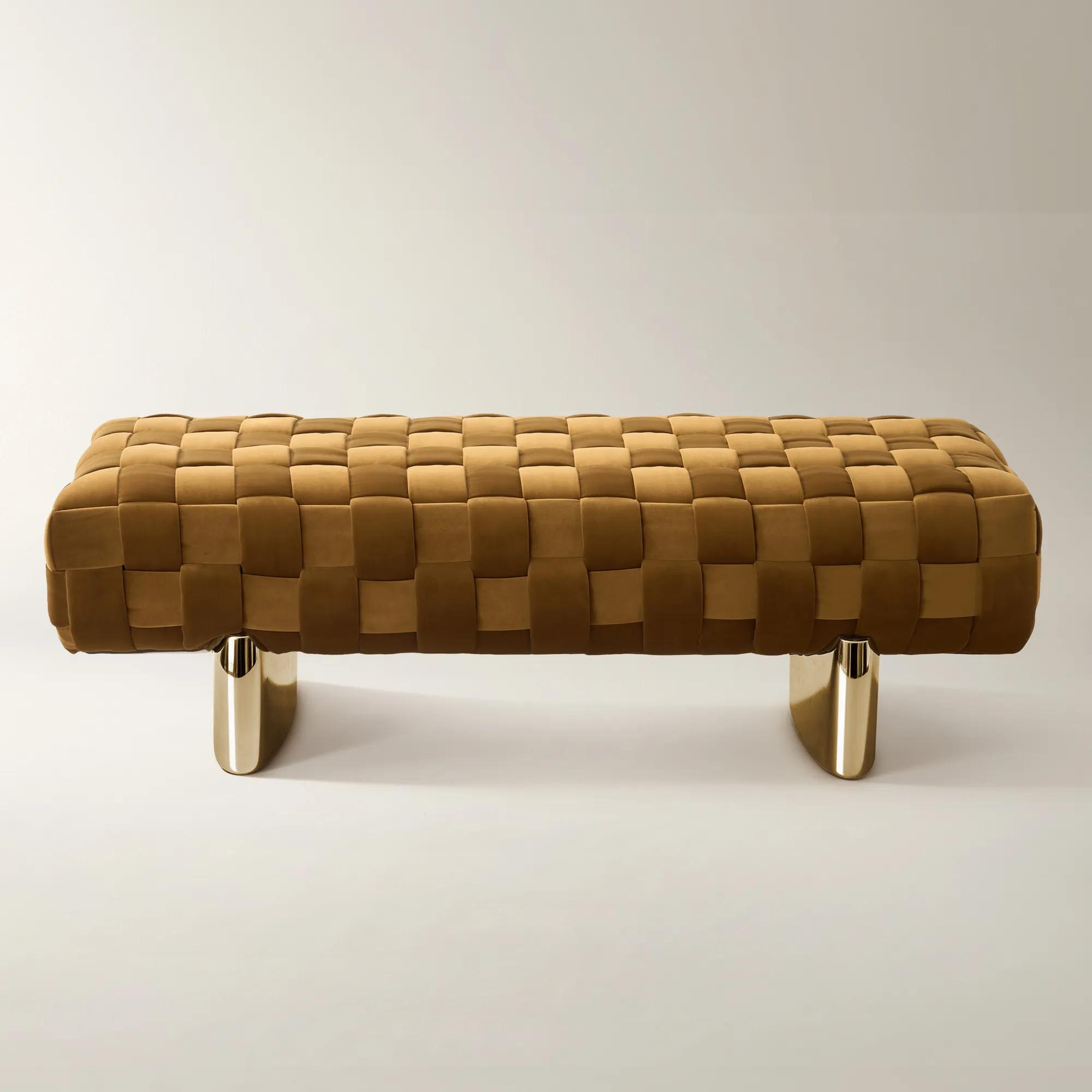
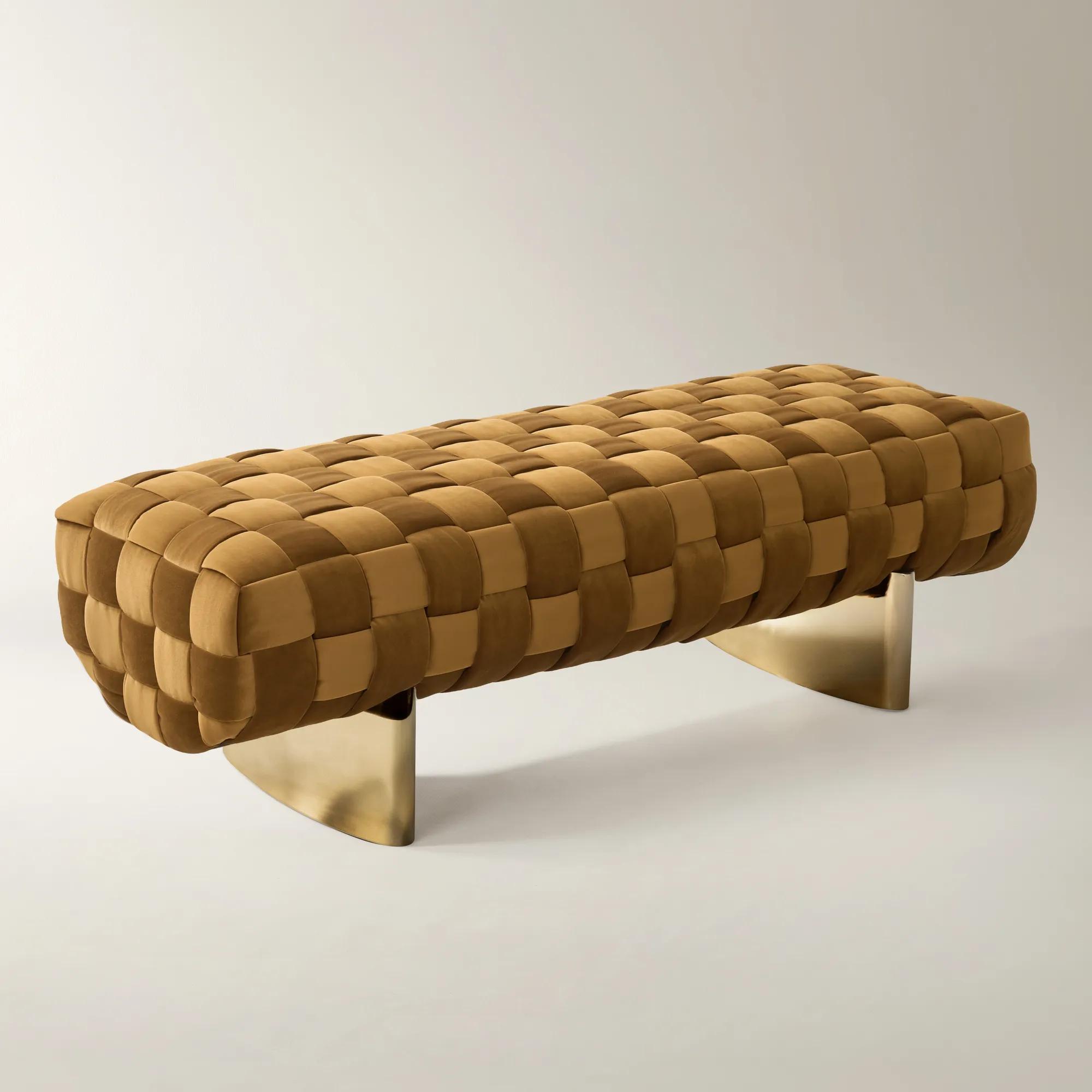 Dexter Woven Roasted Pecan Velvet Bench (64.2")$999
A woven roasted pecan velvet bench featuring plush upholstery and polished gold stainless steel legs for modern elegance.
Add To Cart -
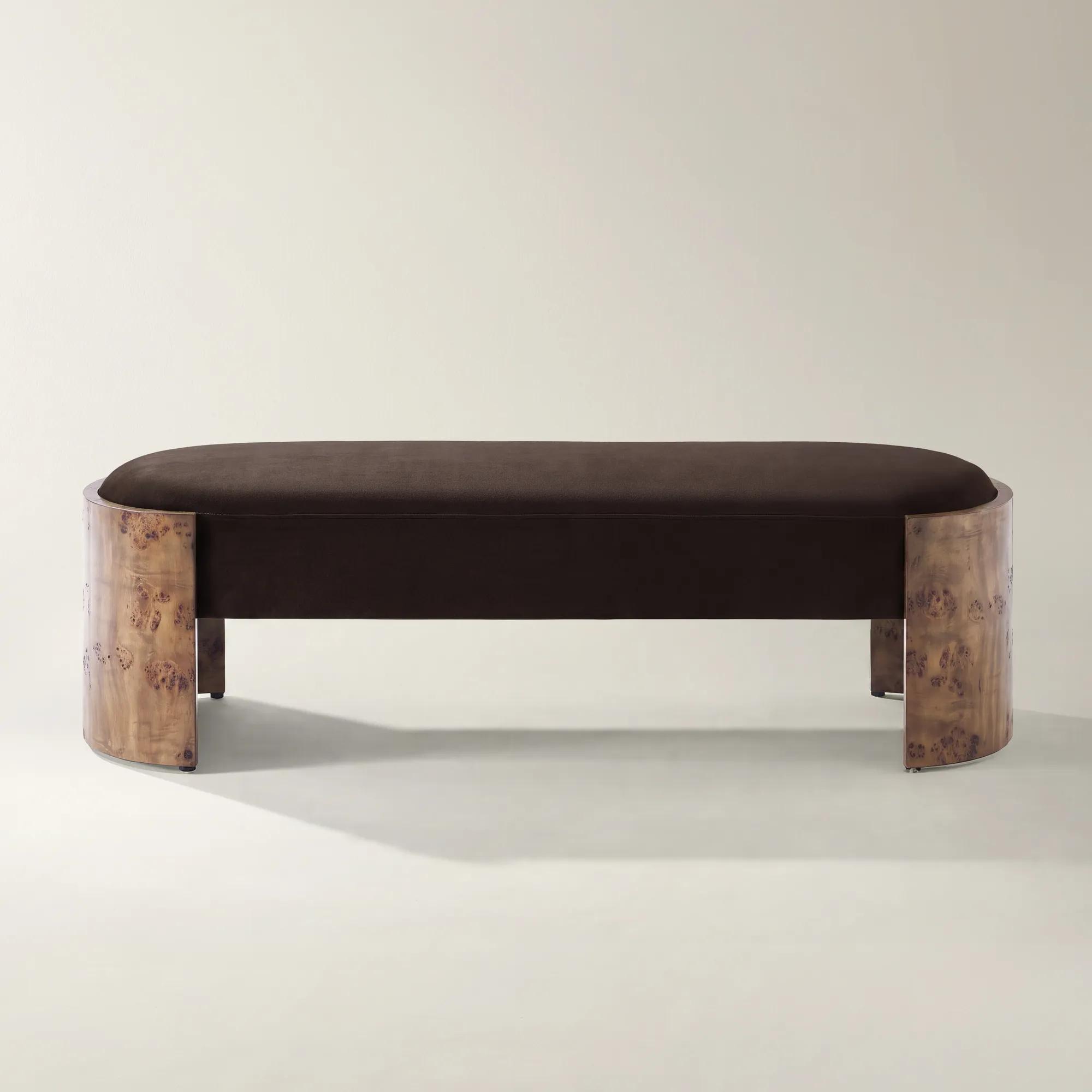
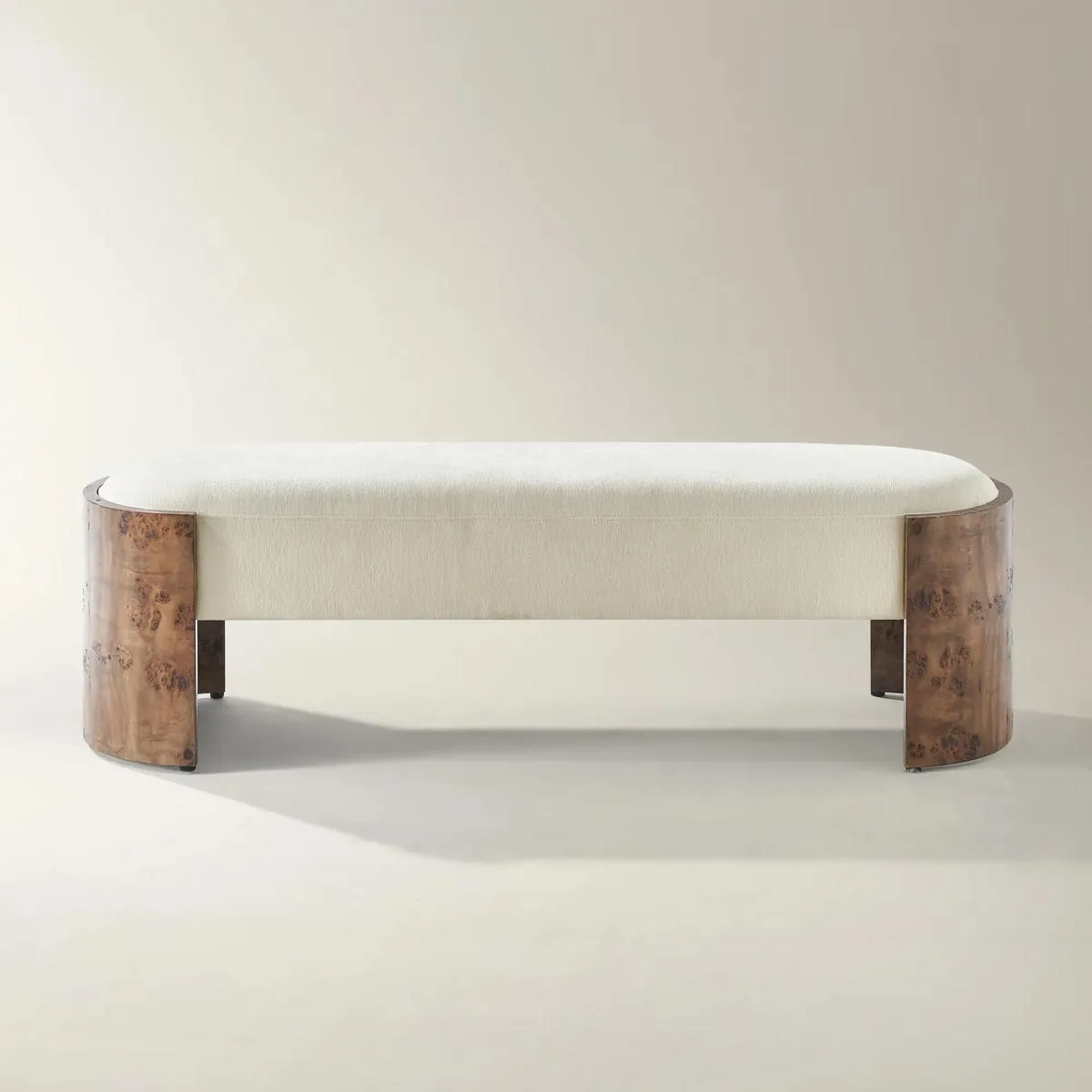 Cora Dark Chocolate Velvet With Ash Wood Bench (60.6")$899
A dark chocolate velvet bench with sculpted bookmatched ash burl end panels and high-resiliency foam cushioning.
Add To Cart -
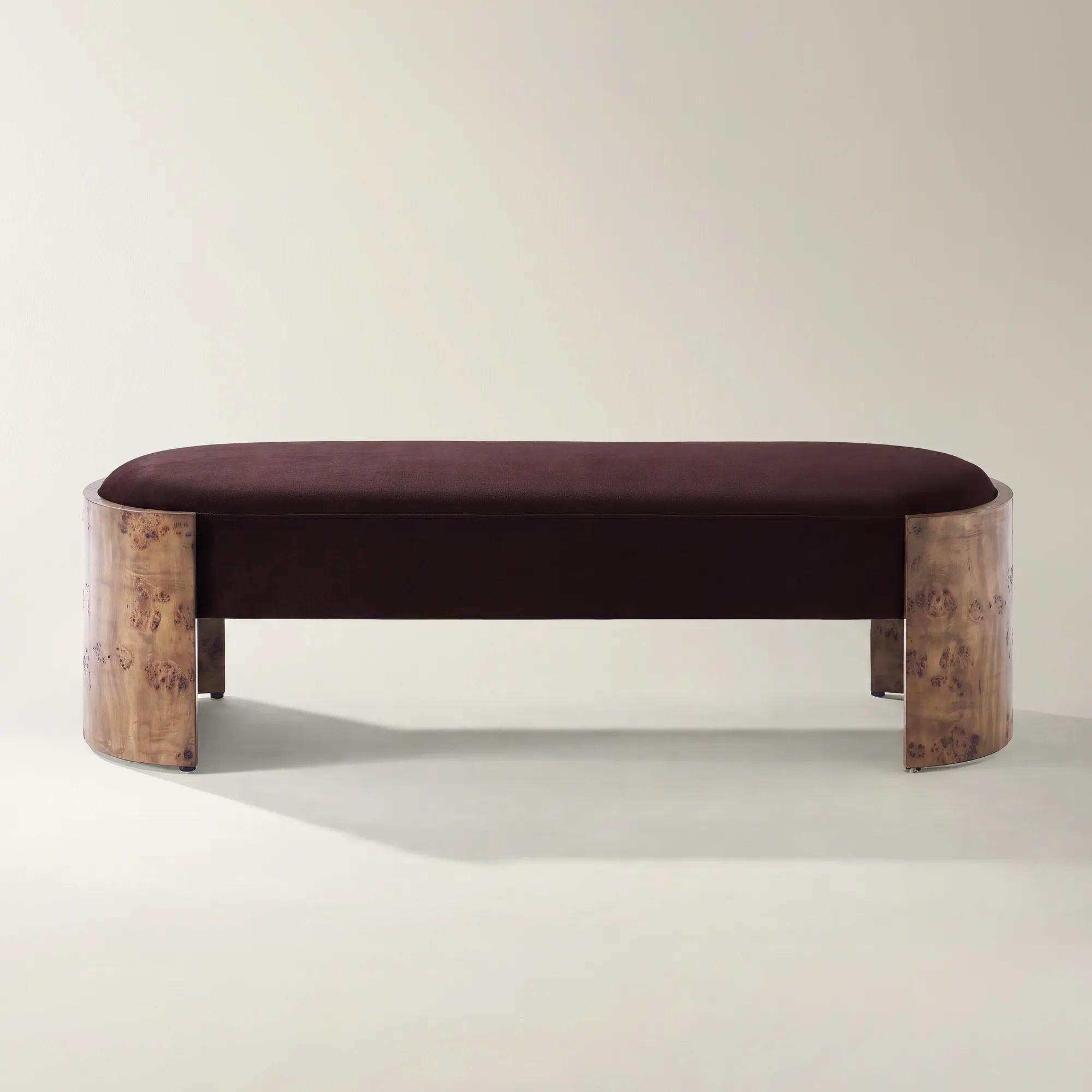 Cora Fig Velvet With Ash Wood Bench (60.6")$899
A sculptural bench with fig velvet upholstery, bookmatched ash burl panels, and supportive high-resiliency foam cushioning.
Add To Cart -
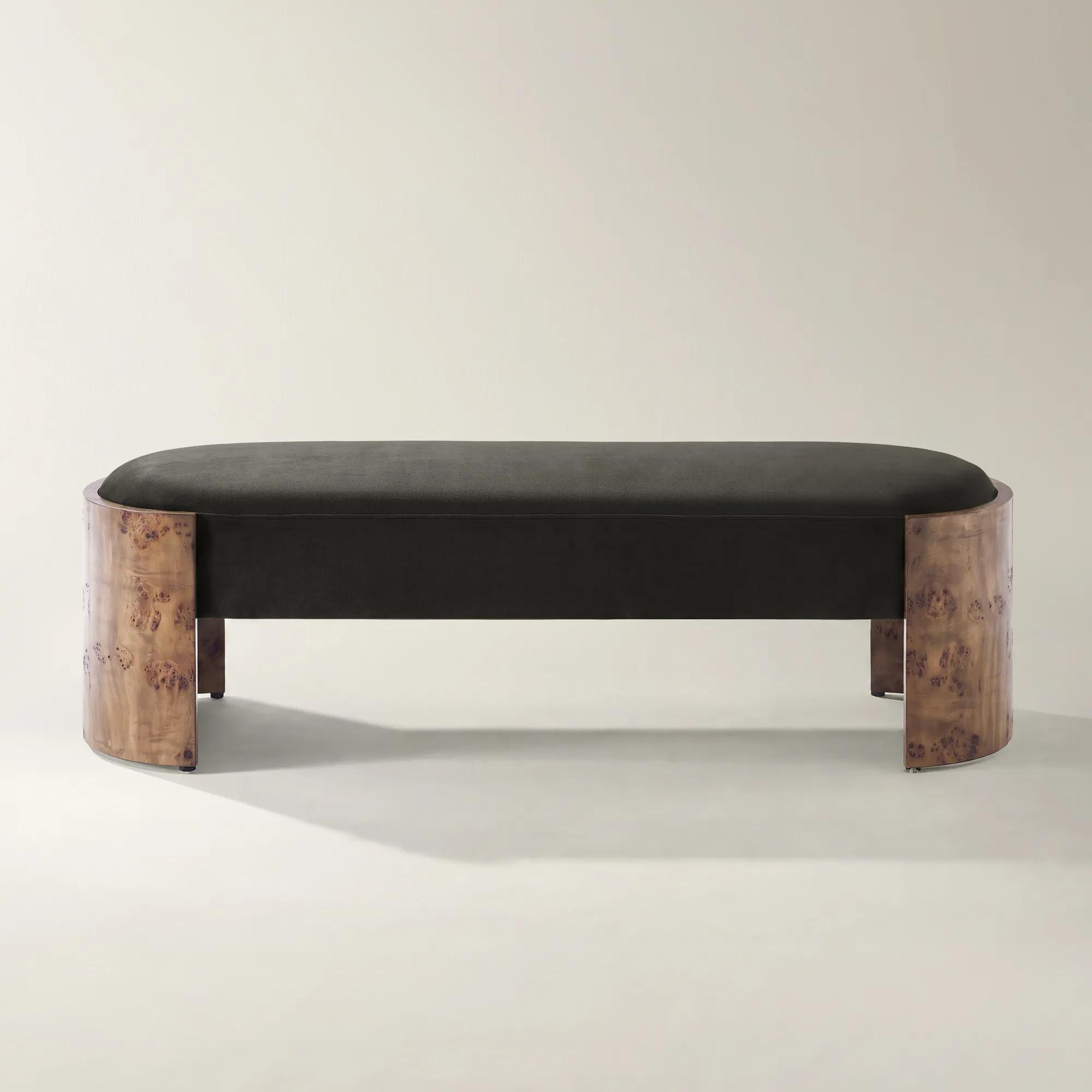 Cora Charcoal Velvet With Ash Wood Bench (60.6")$899
A sculpted charcoal velvet bench with curved bookmatched ash burl panels and supportive foam cushioning.
Add To Cart -
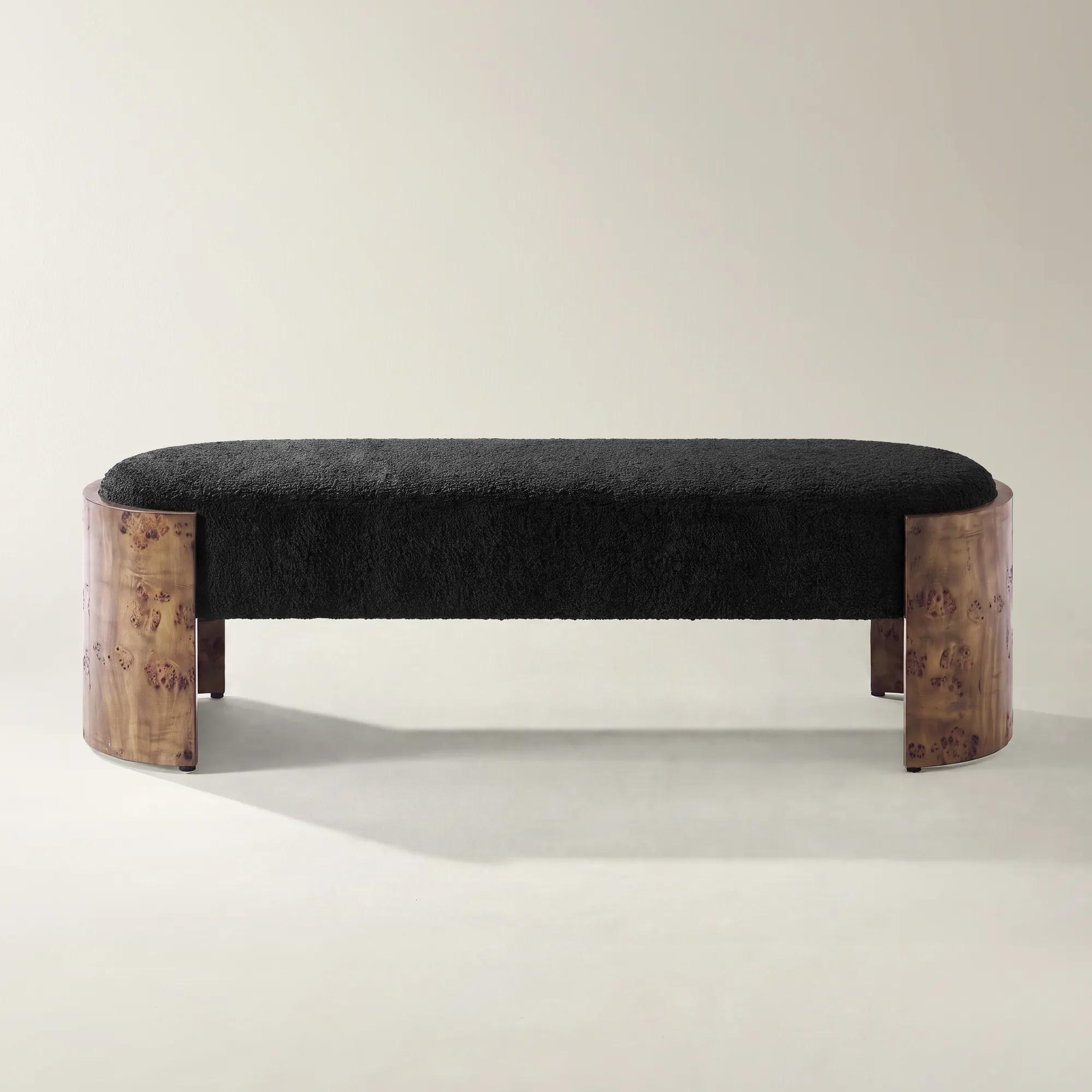 Cora Black Chenille With Ash Wood Bench (60.6")$899
A sculpted charcoal chenille bench featuring curved bookmatched ash burl panels and supportive foam cushioning.
Add To Cart -
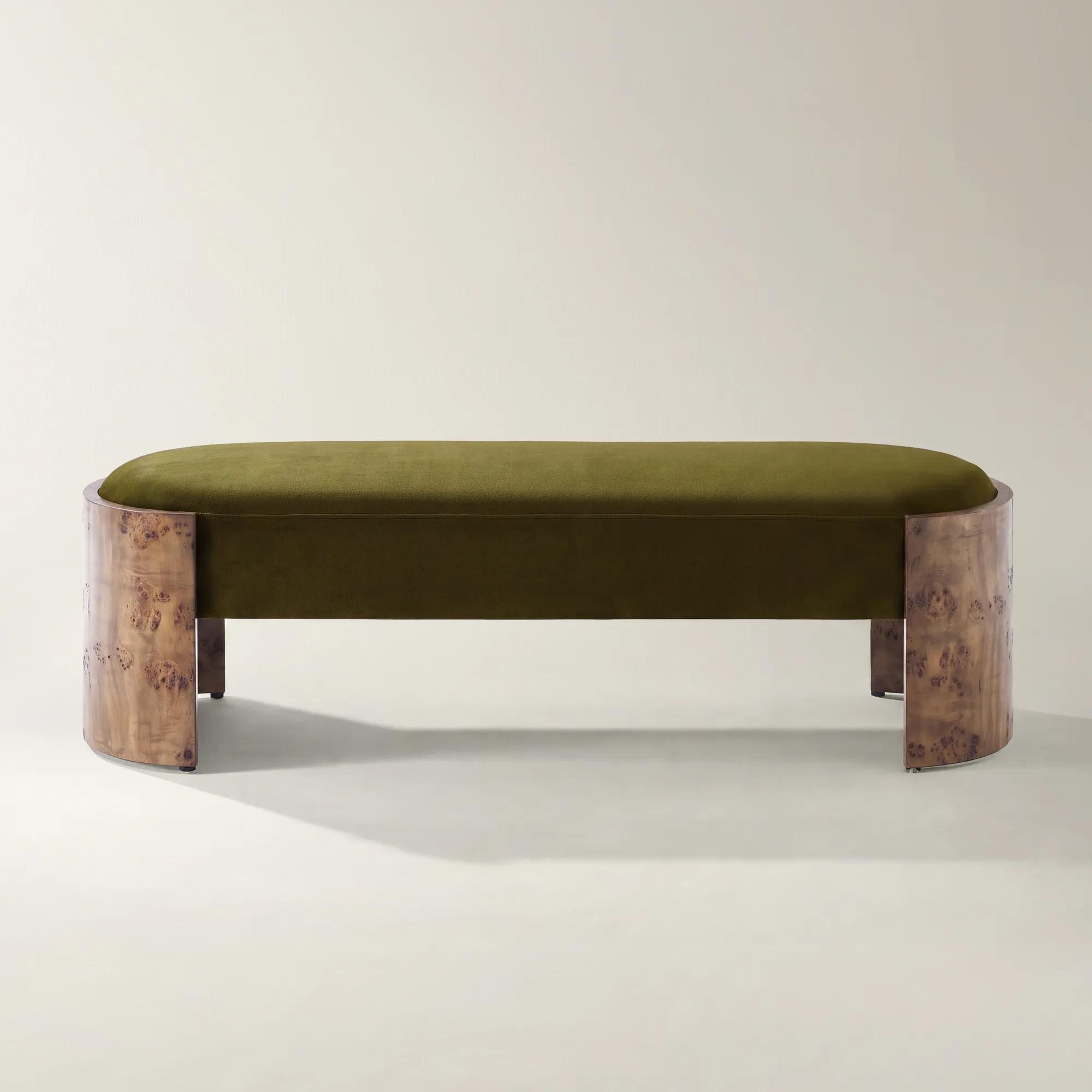 Cora Deep Olive Velvet With Ash Wood Bench (60.6")$899
A sculpted deep olive velvet bench featuring curved ash burl end panels and supportive foam cushioning.
Add To Cart -
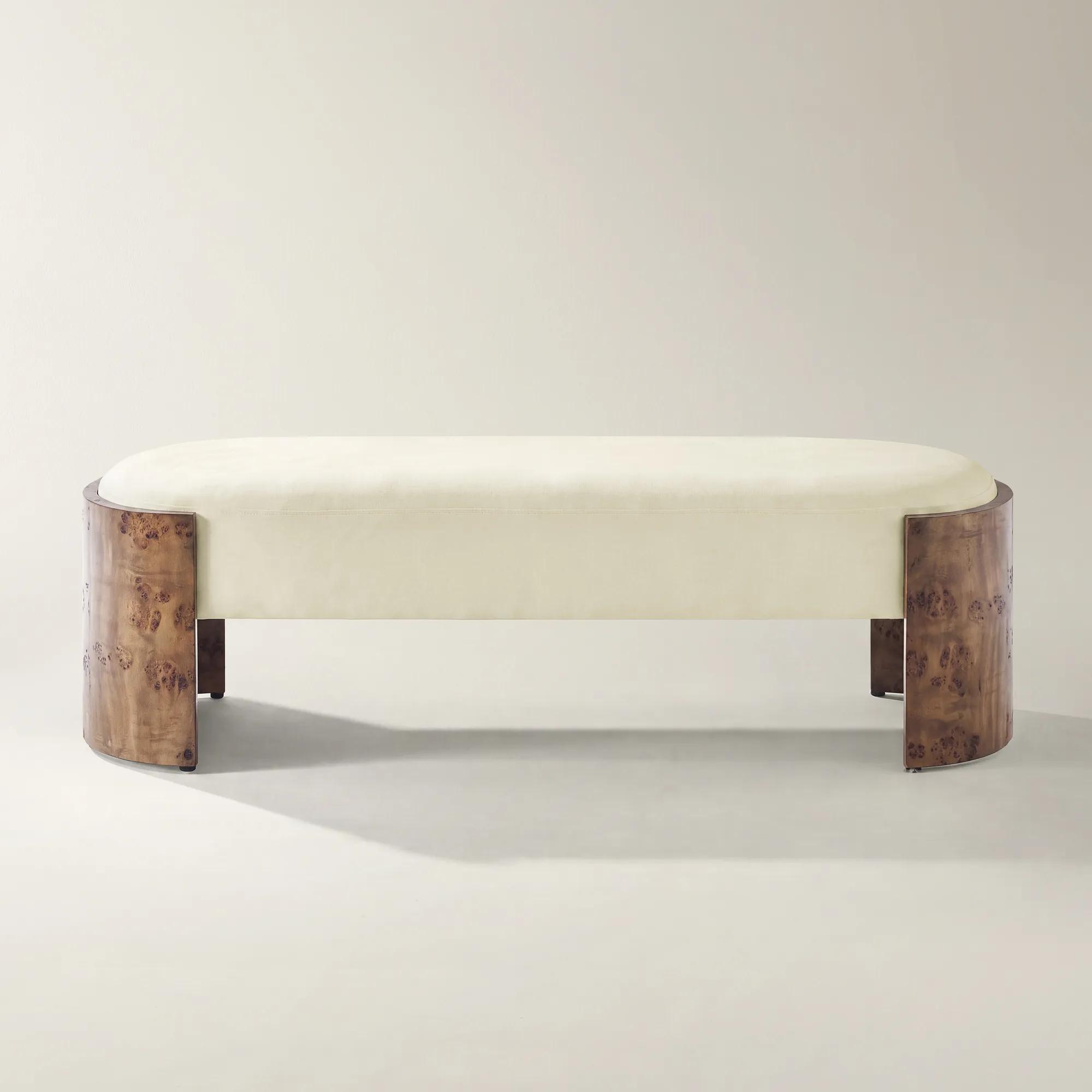 Cora Cloud Velvet With Ash Wood Bench (60.6")$899
A cloud velvet bench with bookmatched ash burl panels and supportive foam cushioning.
Add To Cart -
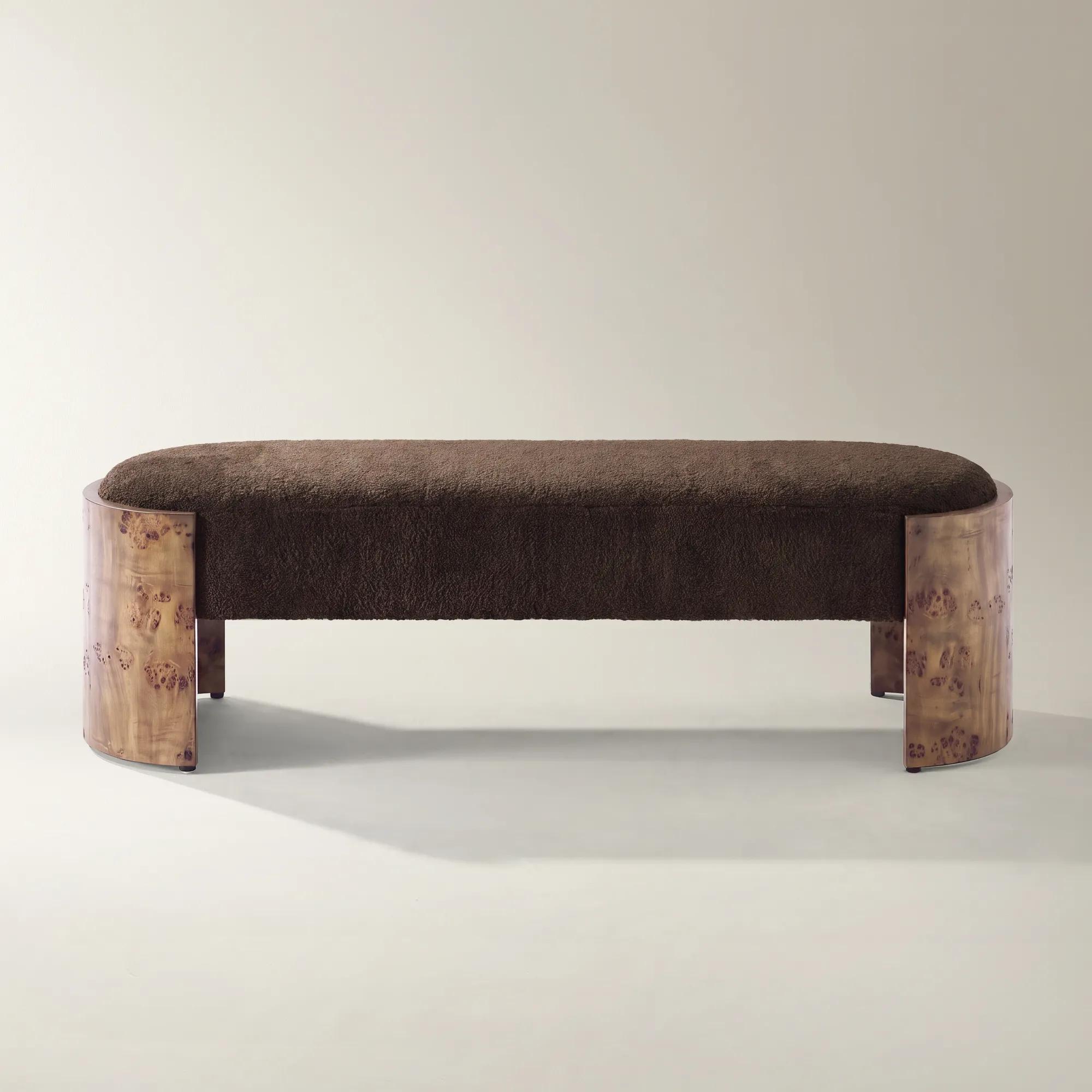 Cora Dark Chocolate Chenille With Ash Wood Bench (60.6")$899
A sculpted dark chocolate chenille bench with curved ash burl end panels and supportive foam cushioning.
Add To Cart -
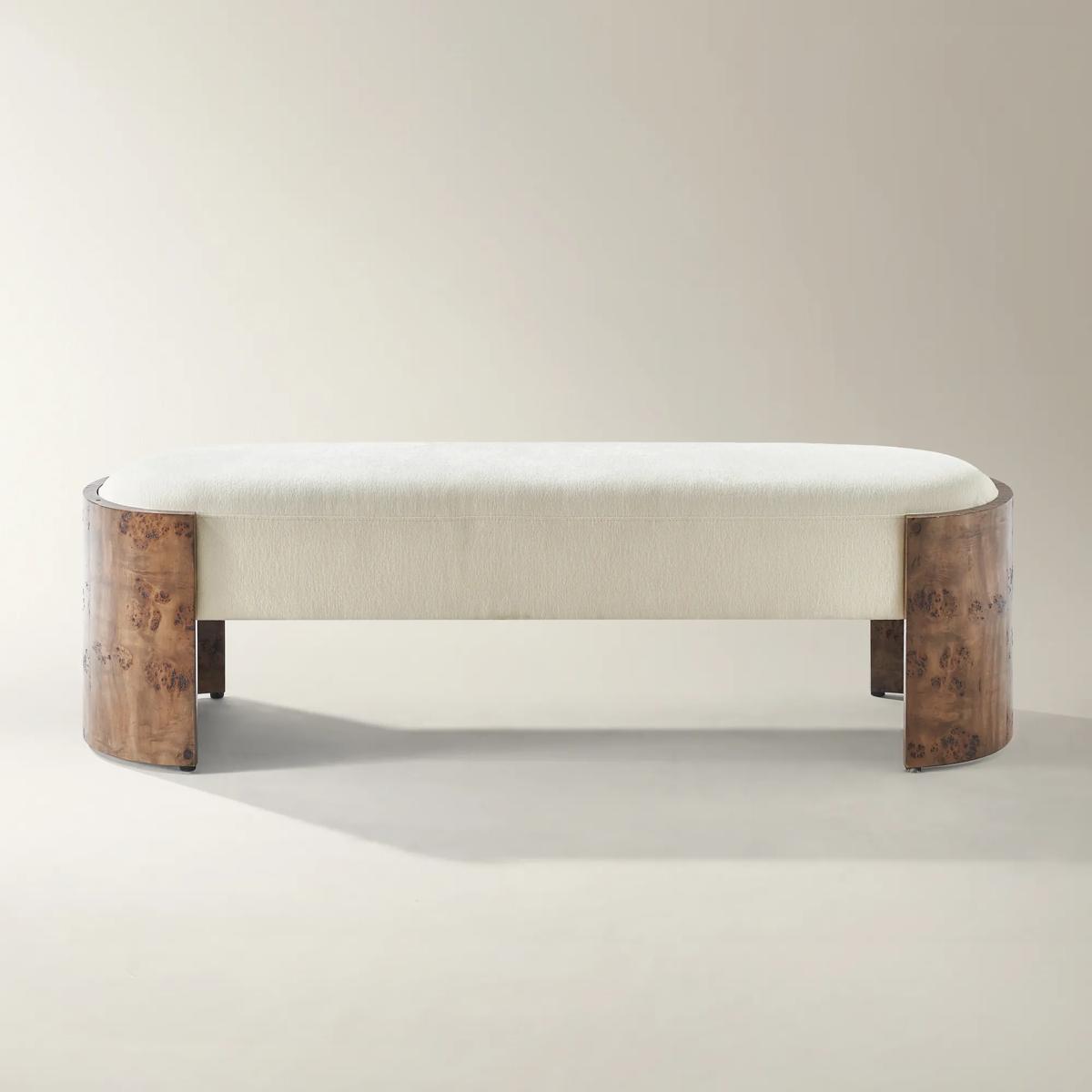 Cora Ivory Chenille With Ash Wood Bench (60.6")$999
An ivory chenille bench with curved ash burl veneer panels, blending plush comfort with striking wood artistry.
Add To Cart -
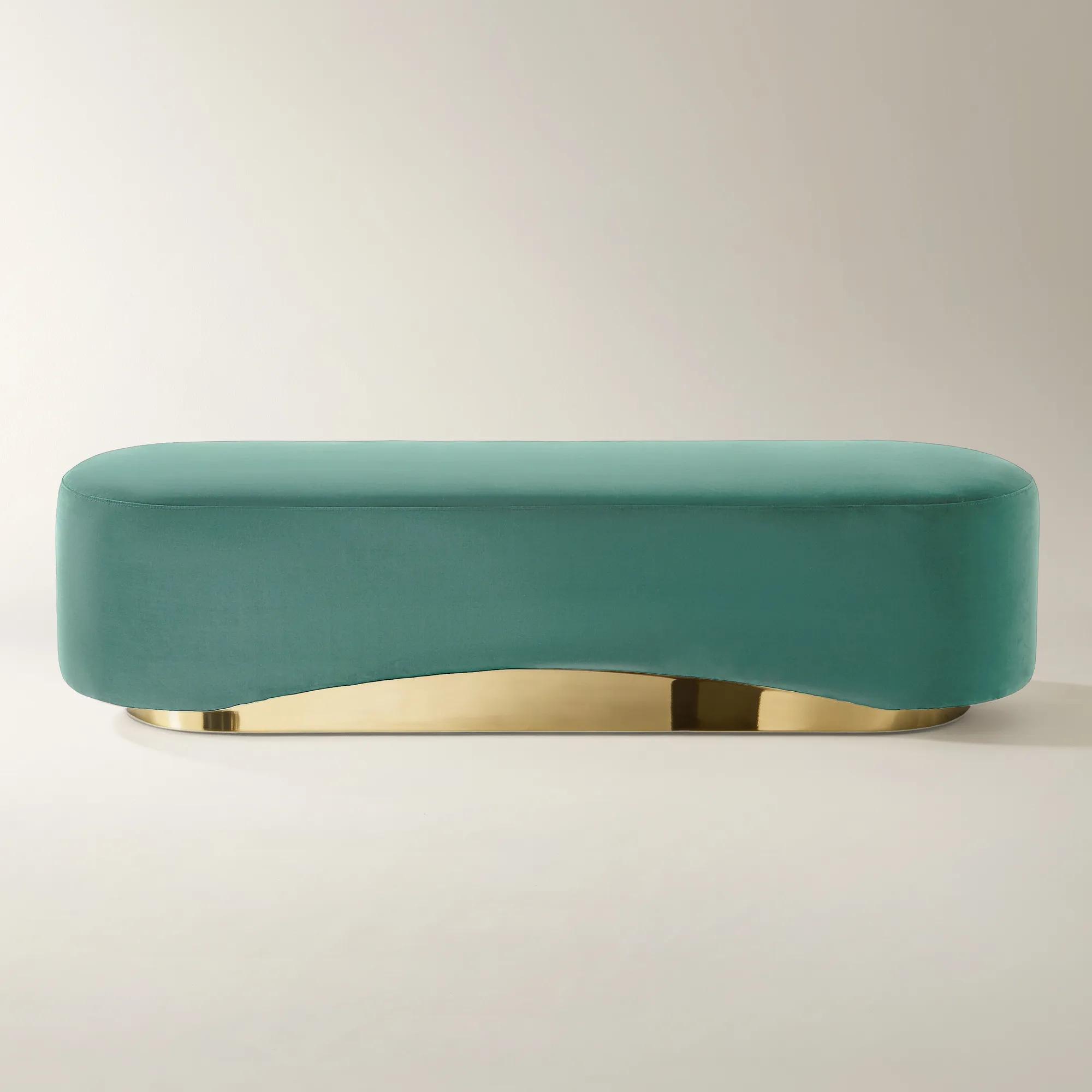 Kendra Ocean Teal Velvet Bench (70.47")$799
An elongated oval bench in ocean teal velvet with a plush seat and polished gold stainless steel base.
Add To Cart -
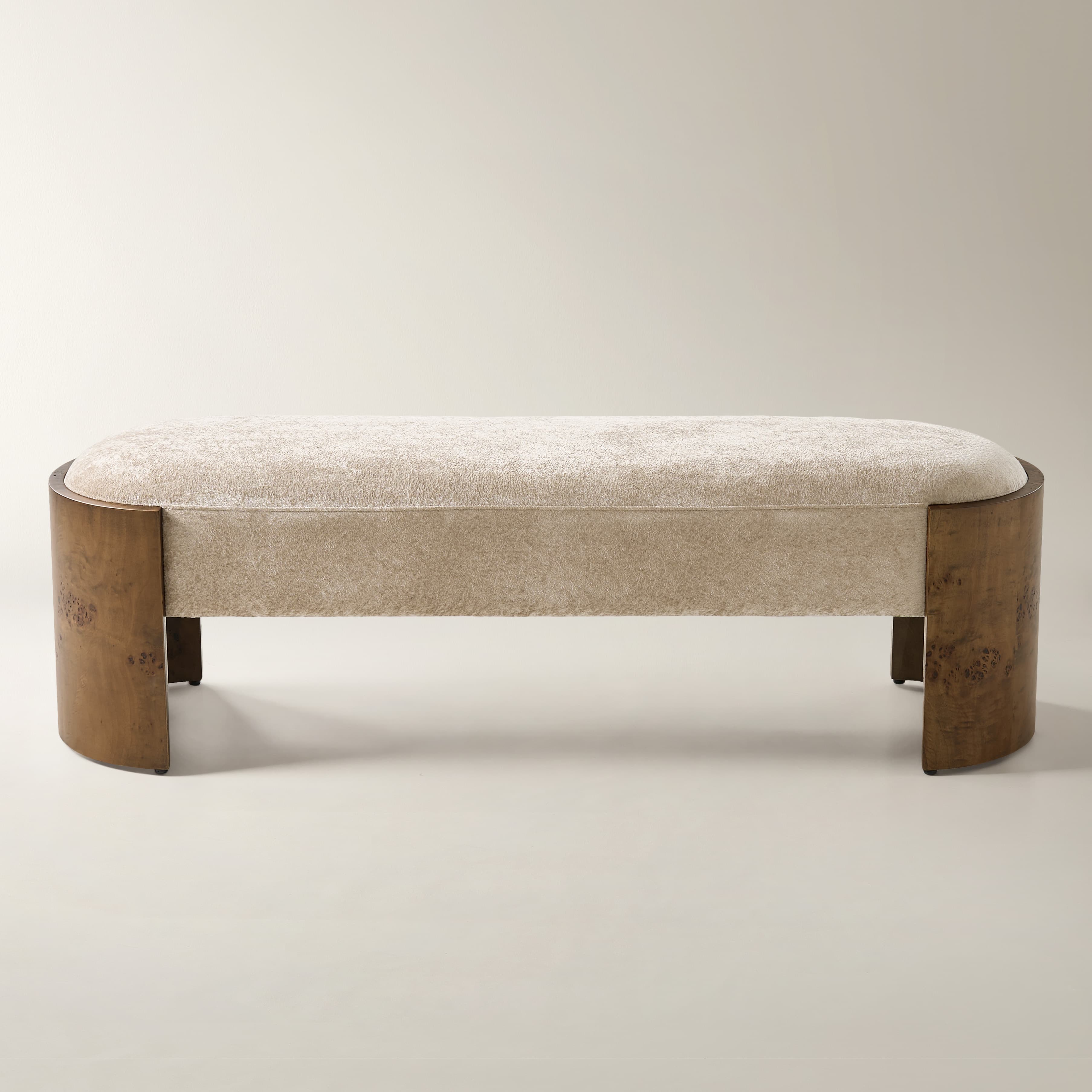 Cora Light Brown Chenille With Ash Wood Bench (60.6")$999
A light brown chenille bench with curved ash burl veneer panels, blending plush comfort and organic artistry.
Add To Cart -
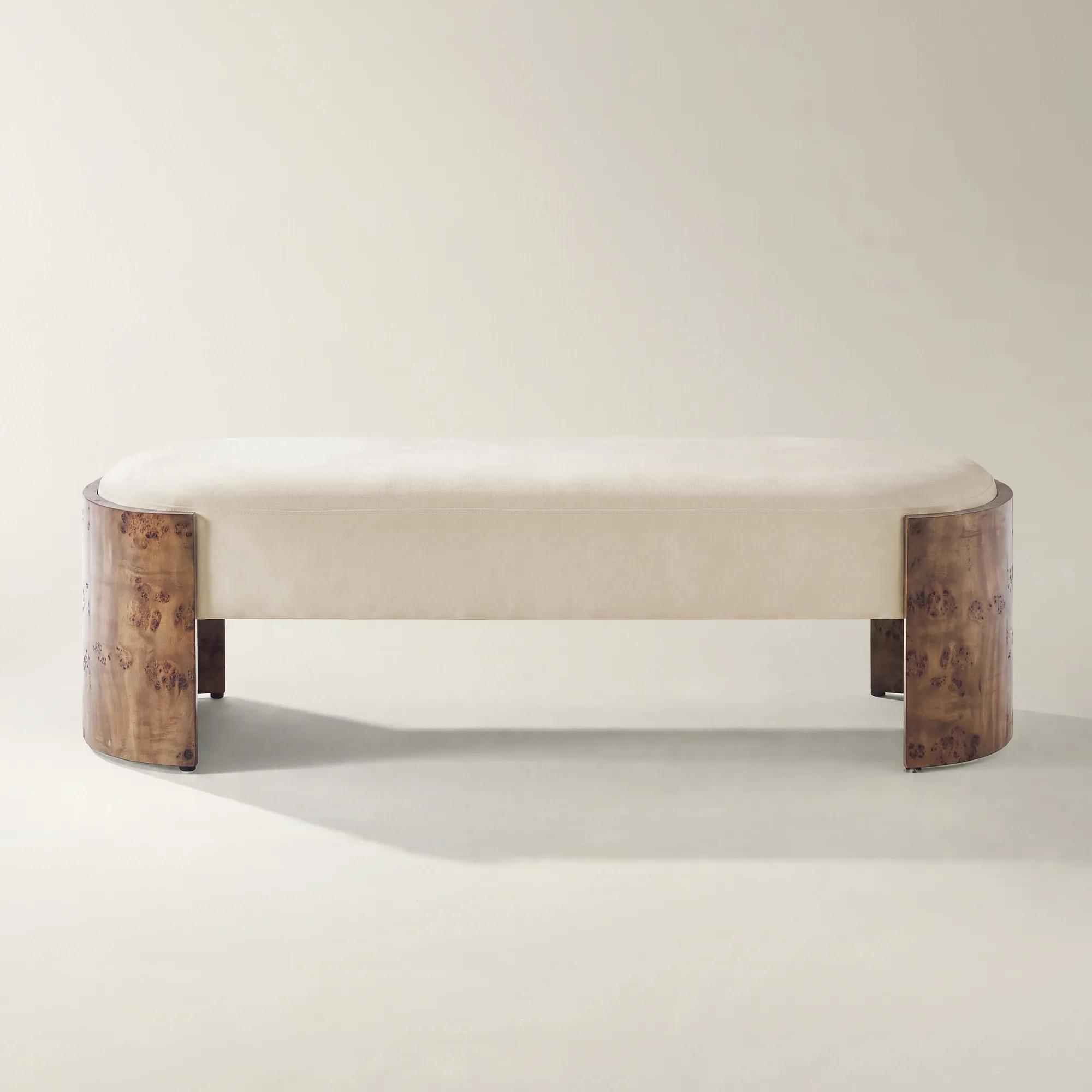 Cora Oatmeal Velvet With Ash Wood Bench (60.6")$899
A sculptural oatmeal velvet bench with curved ash burl wood panels and supportive foam cushioning.
Add To Cart -
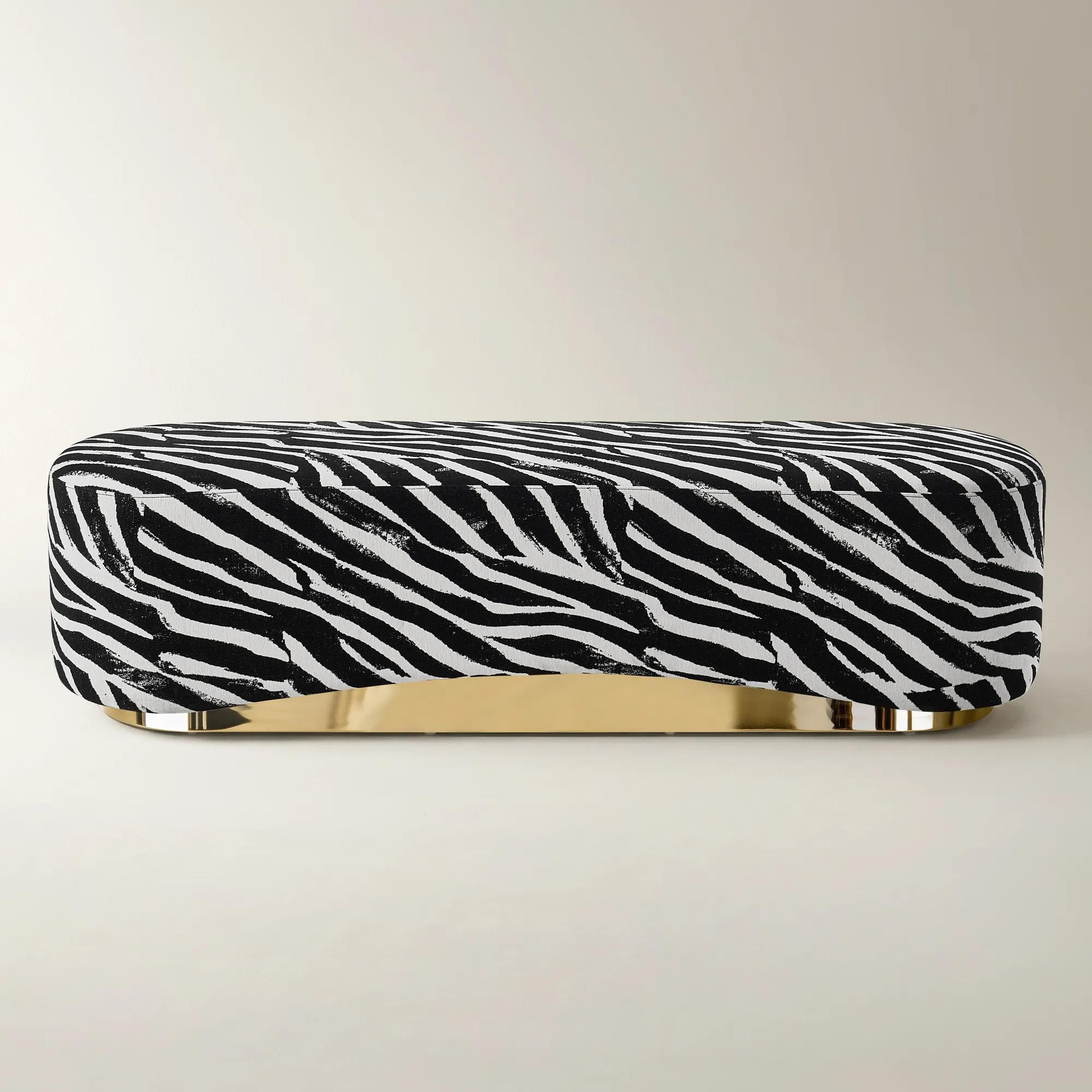
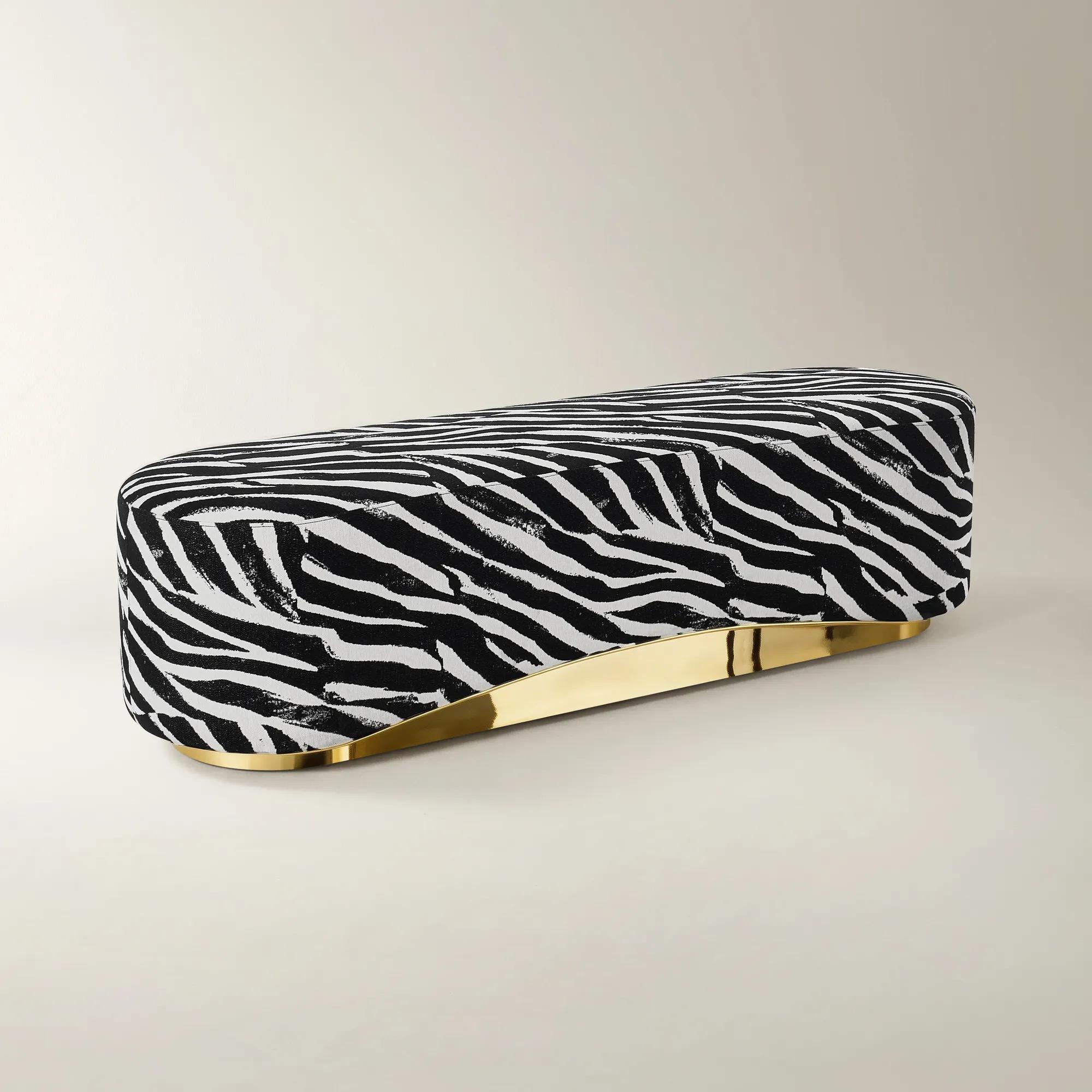 Kendra White/Black Performance Chenille Bench (70.47")$799
An elongated oval bench upholstered in white and black performance chenille with a polished gold stainless steel base.
Add To Cart -
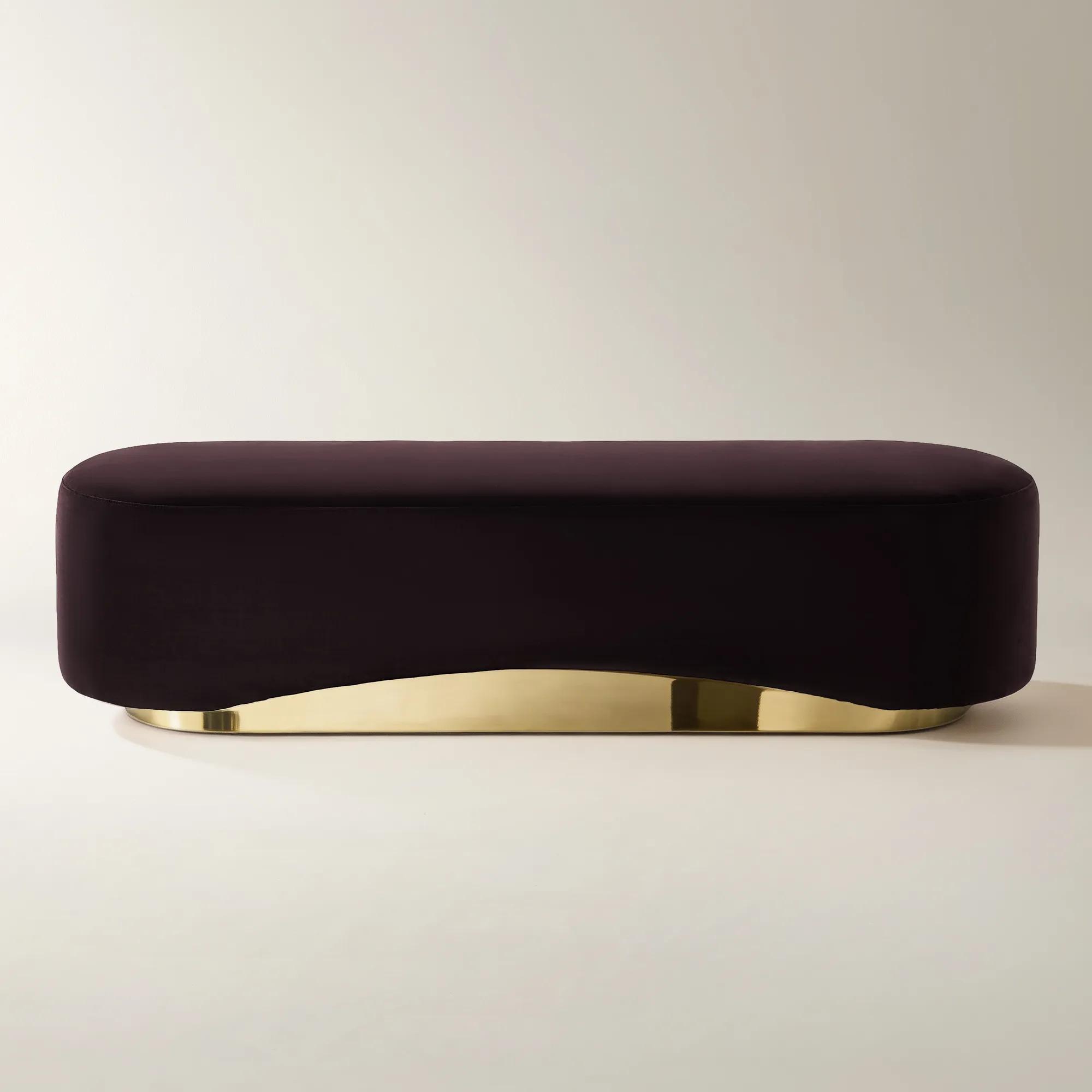 Kendra Fig Velvet Bench (70.47")$799
A plush fig velvet bench with an elongated oval silhouette and a polished gold stainless steel base.
Add To Cart -
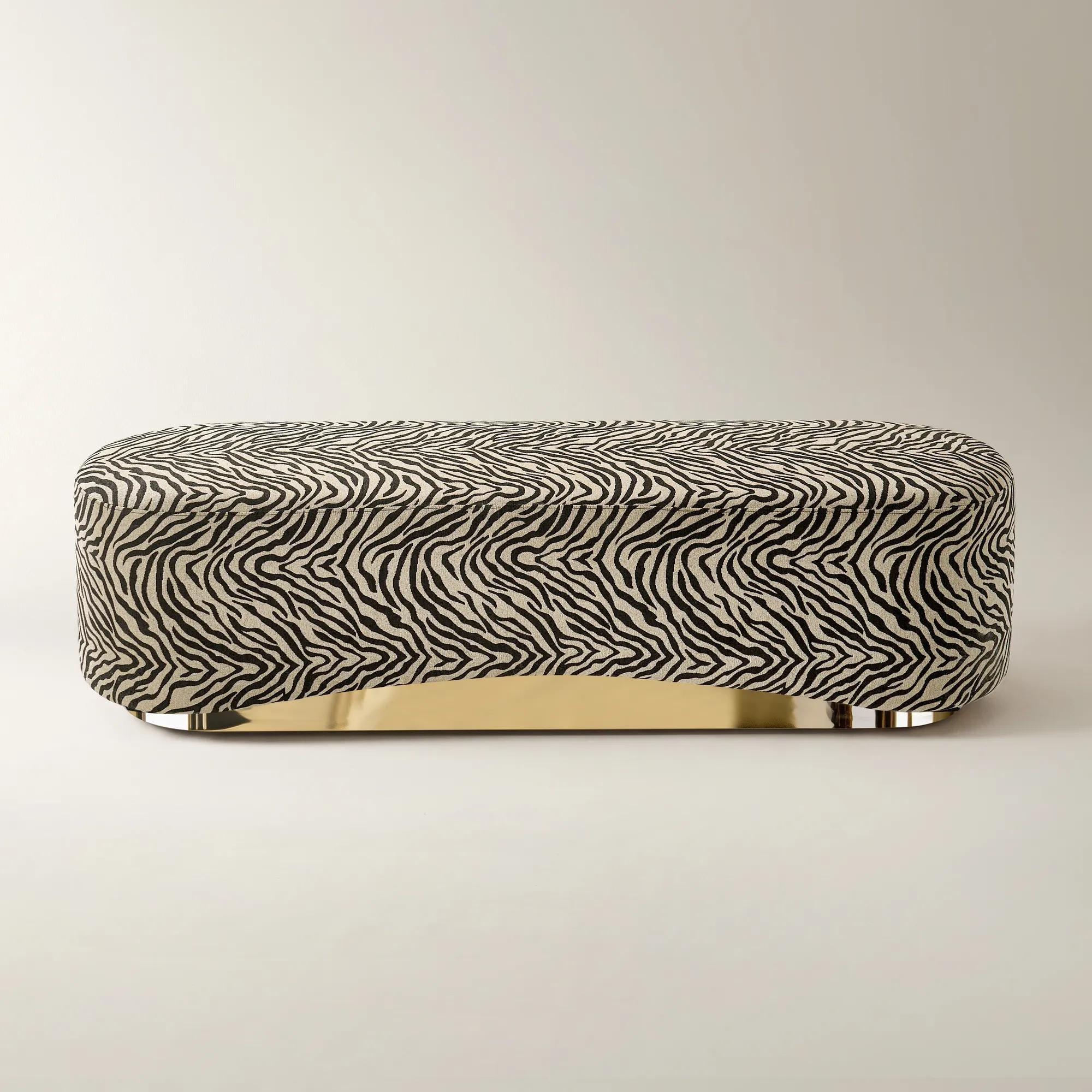
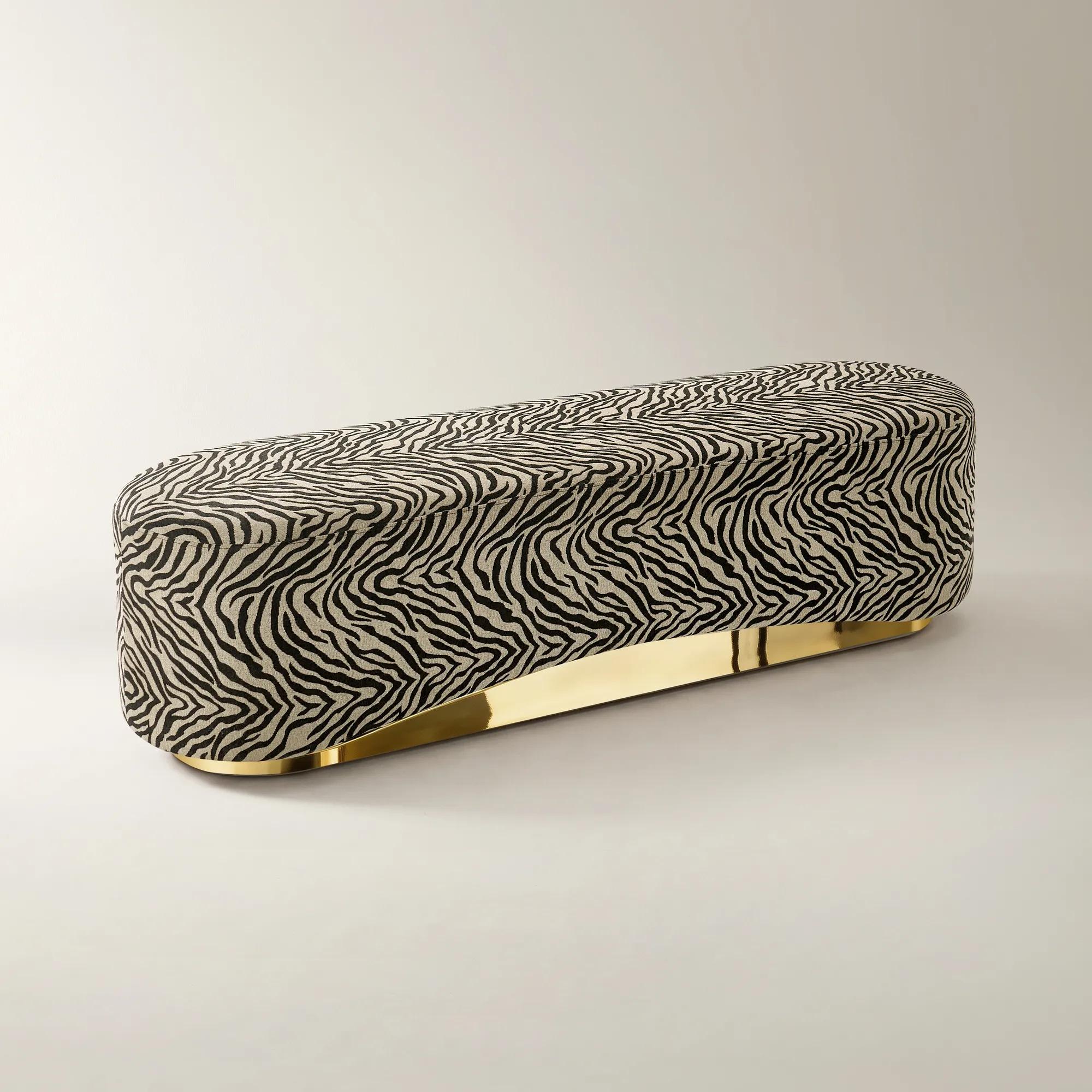 Kendra Zebra Performance Chenille Bench (70.47")$799
An elongated oval bench upholstered in textured zebra-pattern chenille with a polished gold stainless steel base.
Add To Cart -
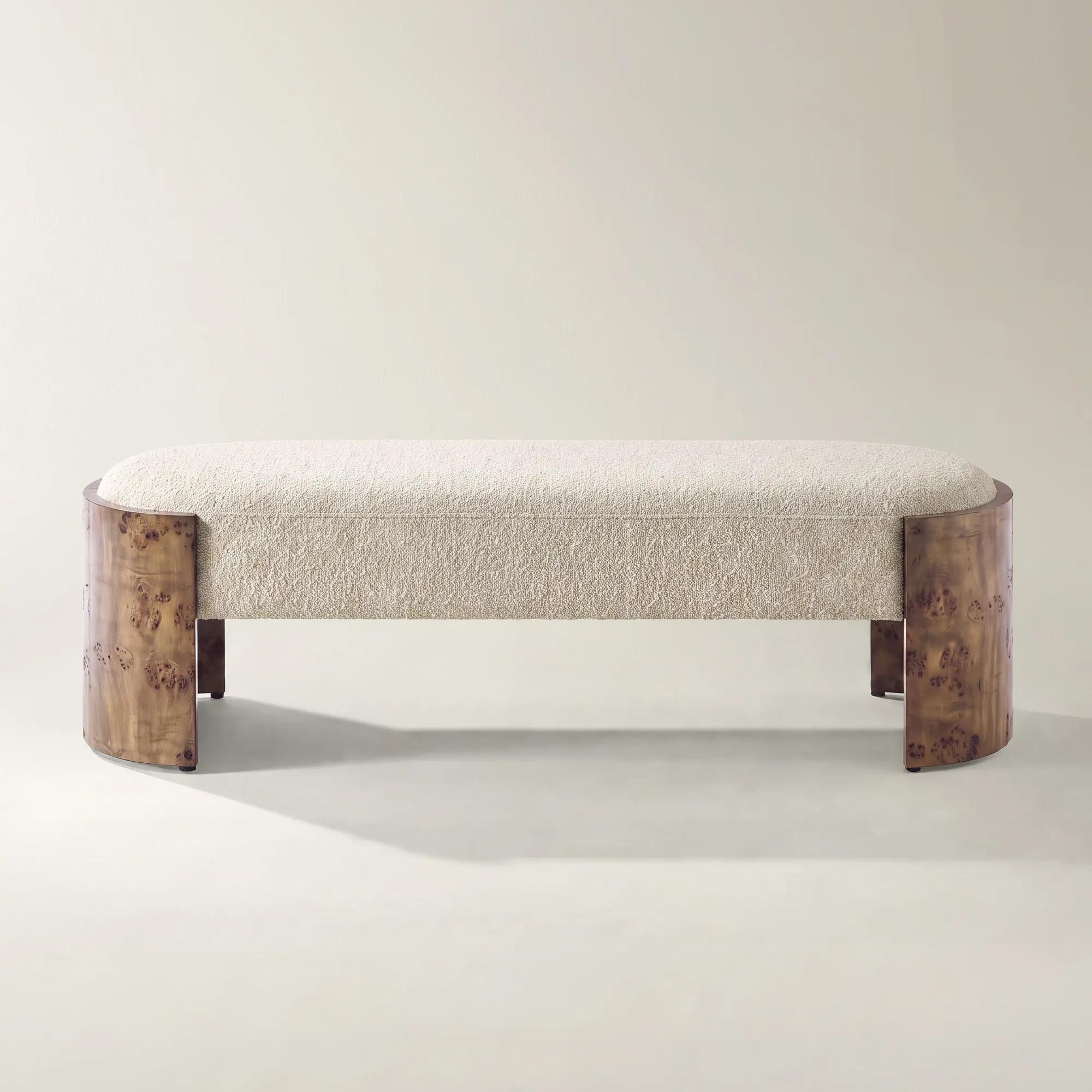 Cora Ivory Performance Boucle With Ash Wood Bench (60.6")$899
An ivory performance boucle bench with curved bookmatched ash burl panels and supportive foam cushioning.
Add To Cart -
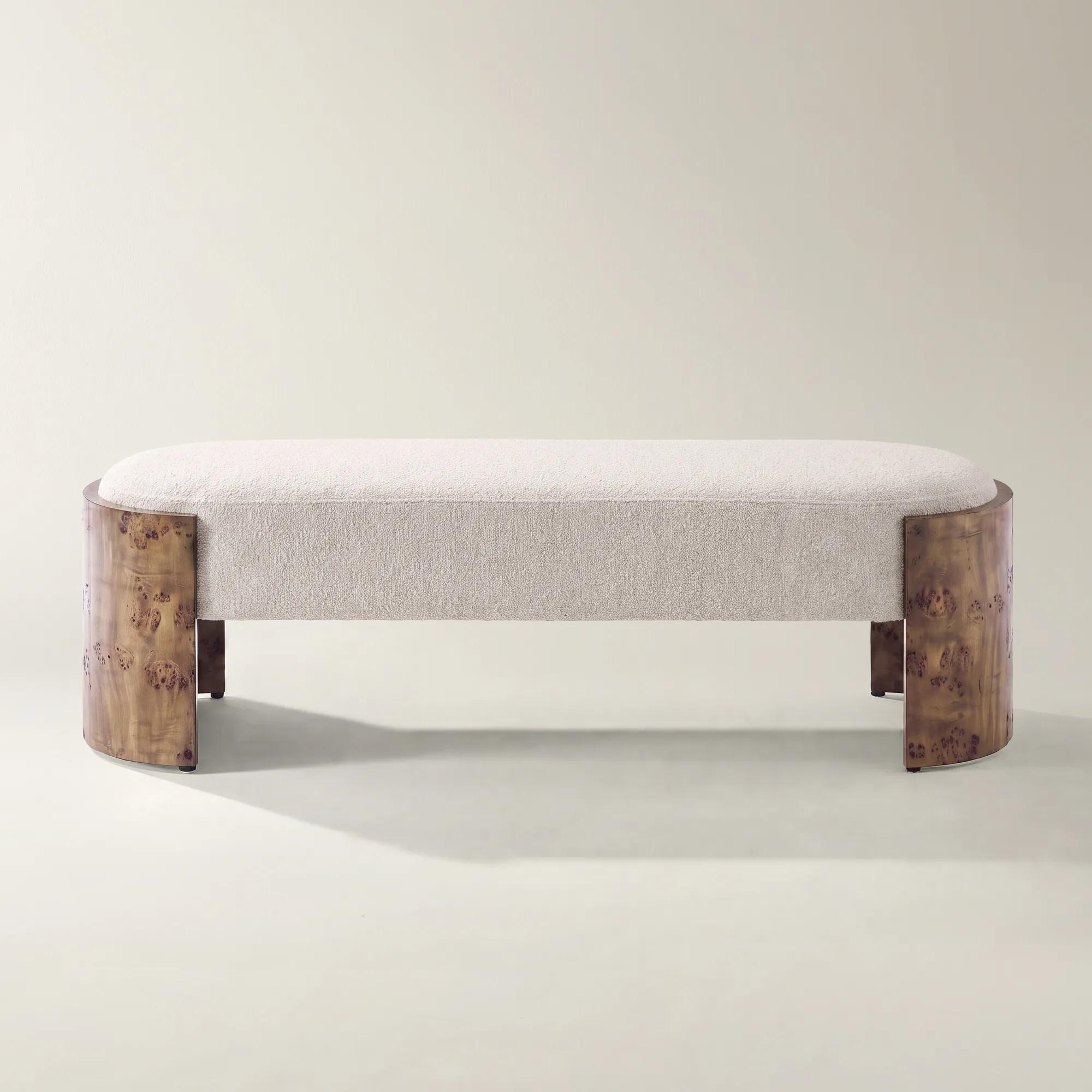 Cora Ivory Performance Boucle With Ash Wood Bench (60.6")$899
A sculpted ivory performance bouclé bench with curved bookmatched ash burl panels and supportive foam cushioning.
Add To Cart -
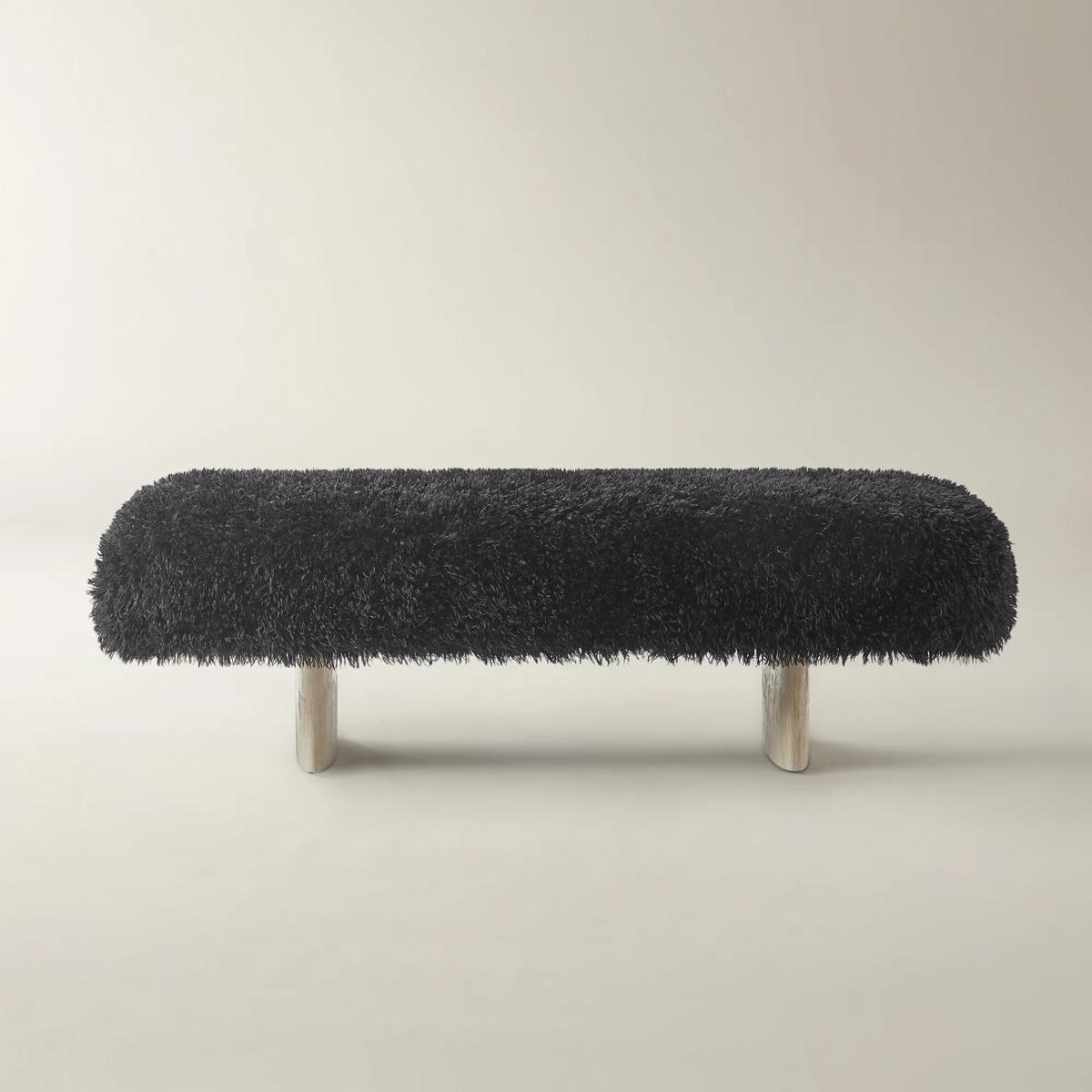 Micah Black Mongolian Fur Bench With Rubberwood Legs (62.6")$699
A striking black faux Mongolian fur bench with solid rubberwood legs for plush comfort and modern edge.
Add To Cart -
 Micah Tan Mongolian Faux Fur Bench With Rubberwood Legs (62.6")$699
A light brown faux fur bench with a curved rubberwood base and plush high-density foam cushion.
Add To Cart -
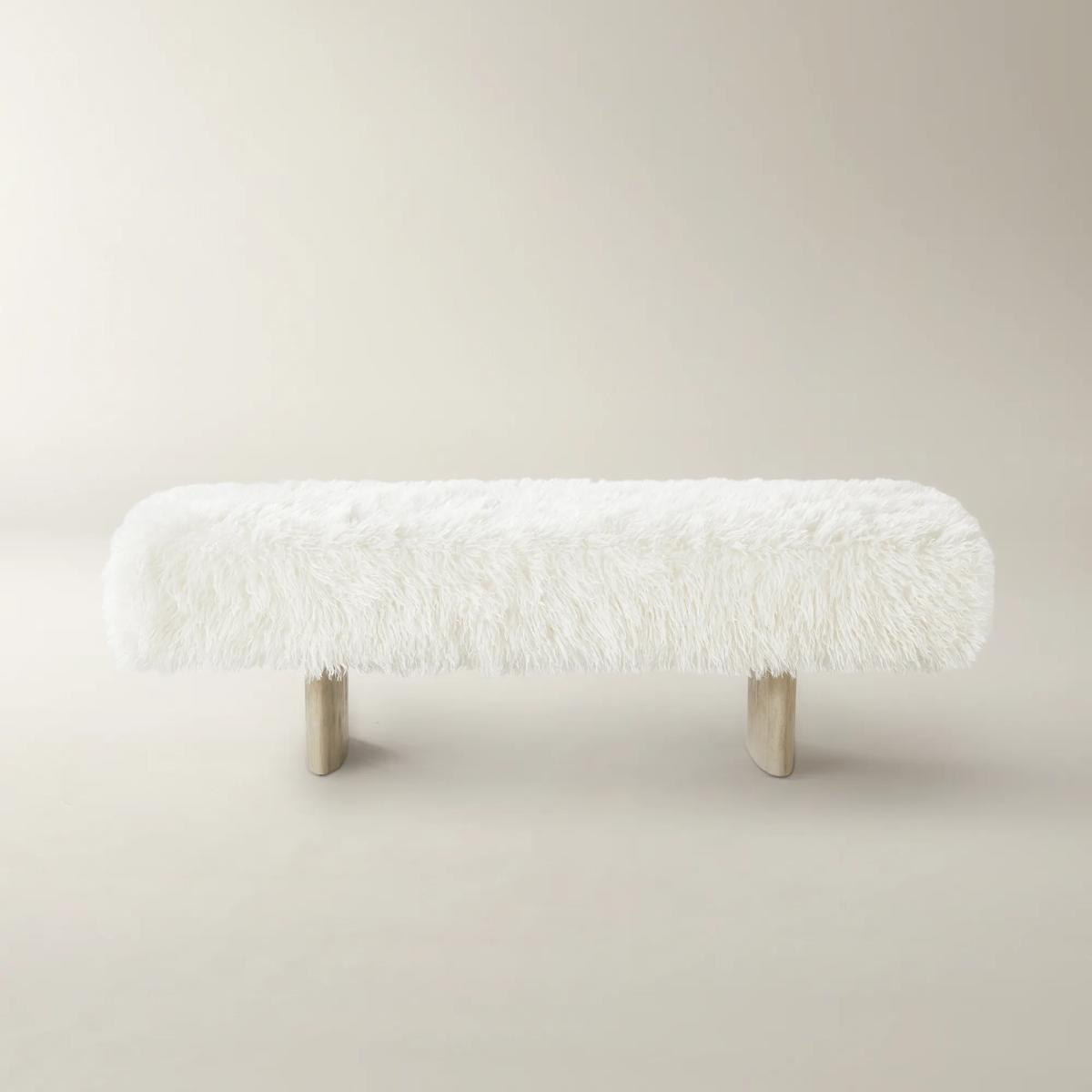 Micah Ivory Mongolian Faux Fur Bench With Rubberwood Legs (62.6")$699
An ivory faux Mongolian fur bench with high-density foam and sculptural solid rubberwood base for modern coziness.
Add To Cart -
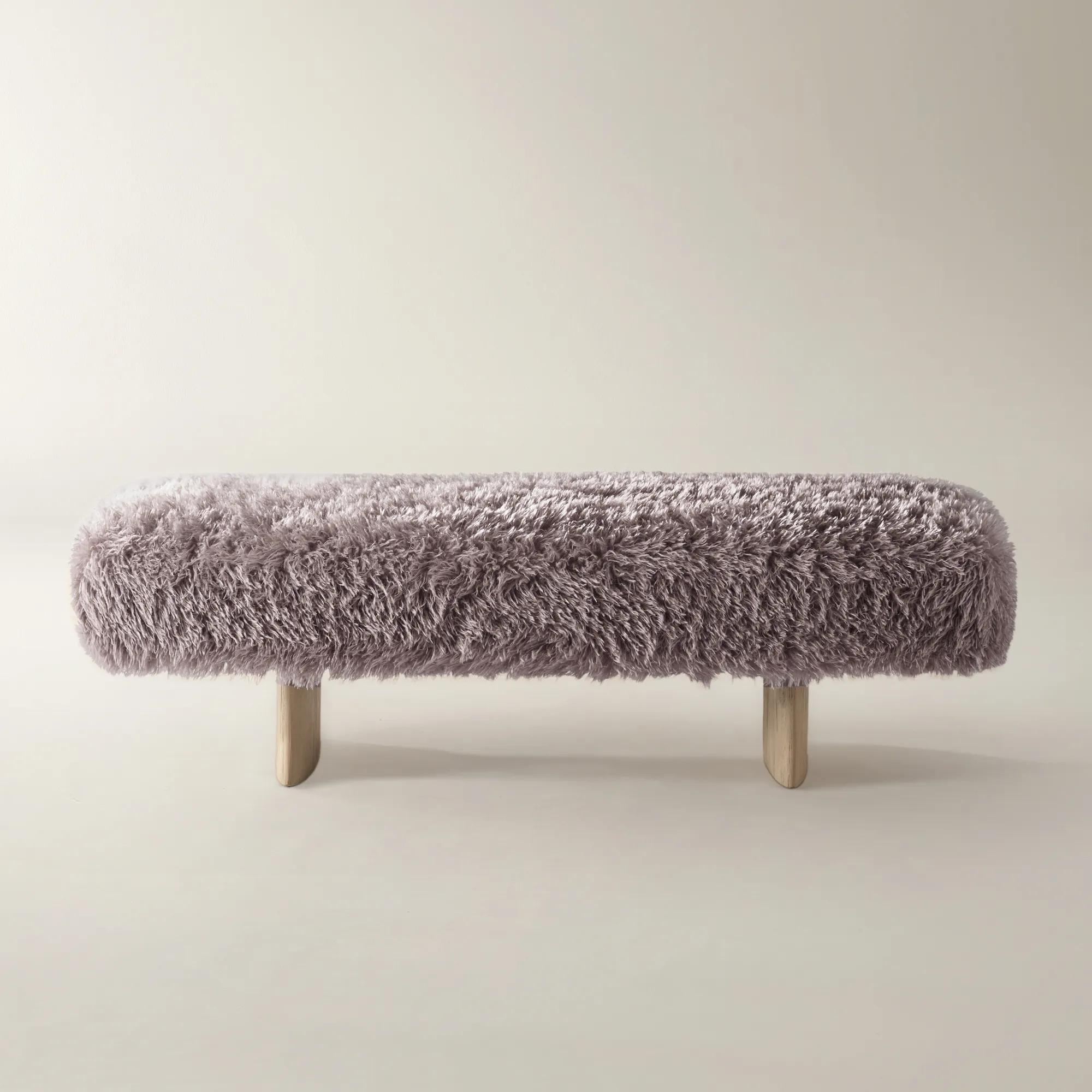
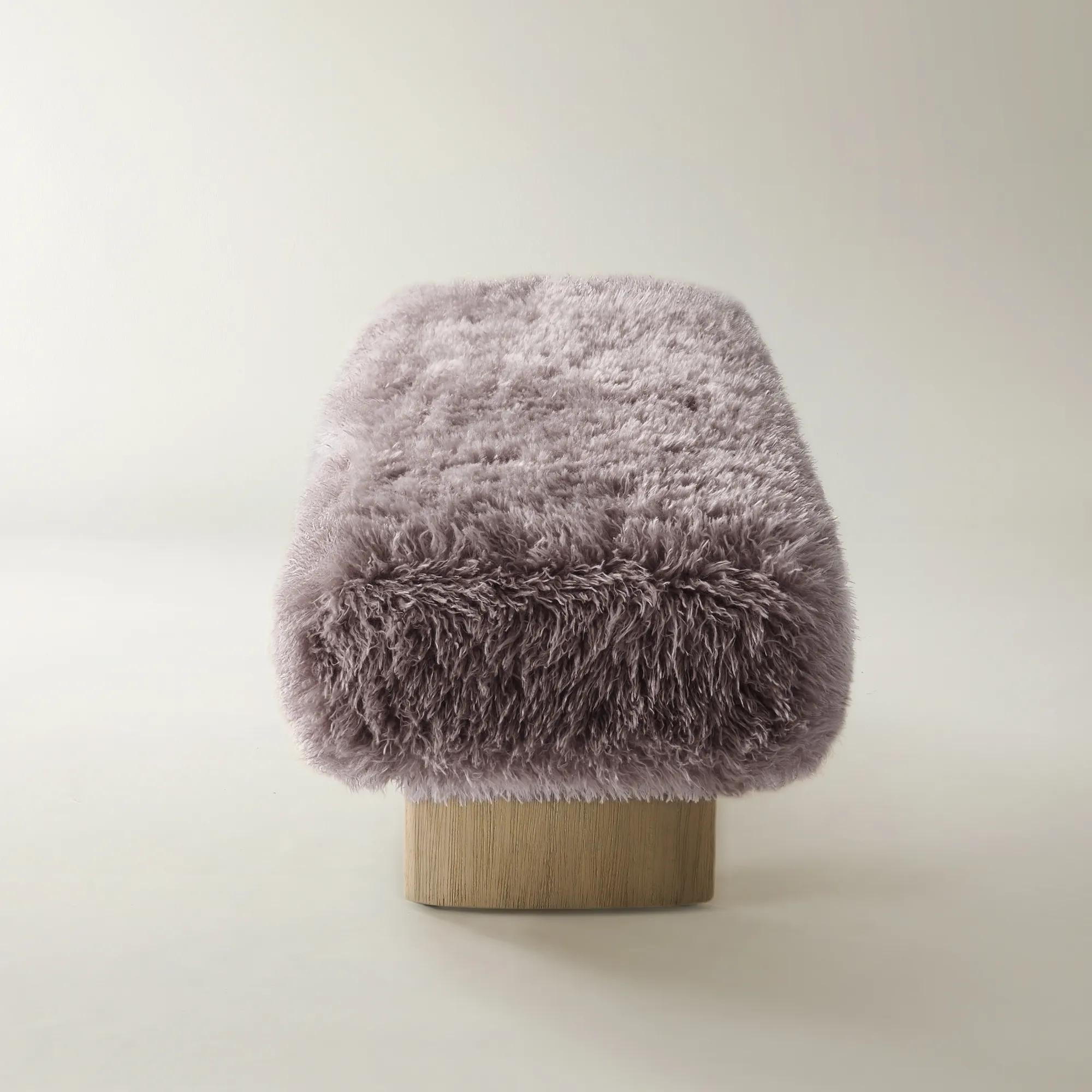 Micah Plum Truffle Mongolian Faux Fur Bench With Rubberwood Legs(62.6")$699
A sculptural bench featuring smoked plum Mongolian faux fur upholstery and warm solid rubberwood legs.
Add To Cart -
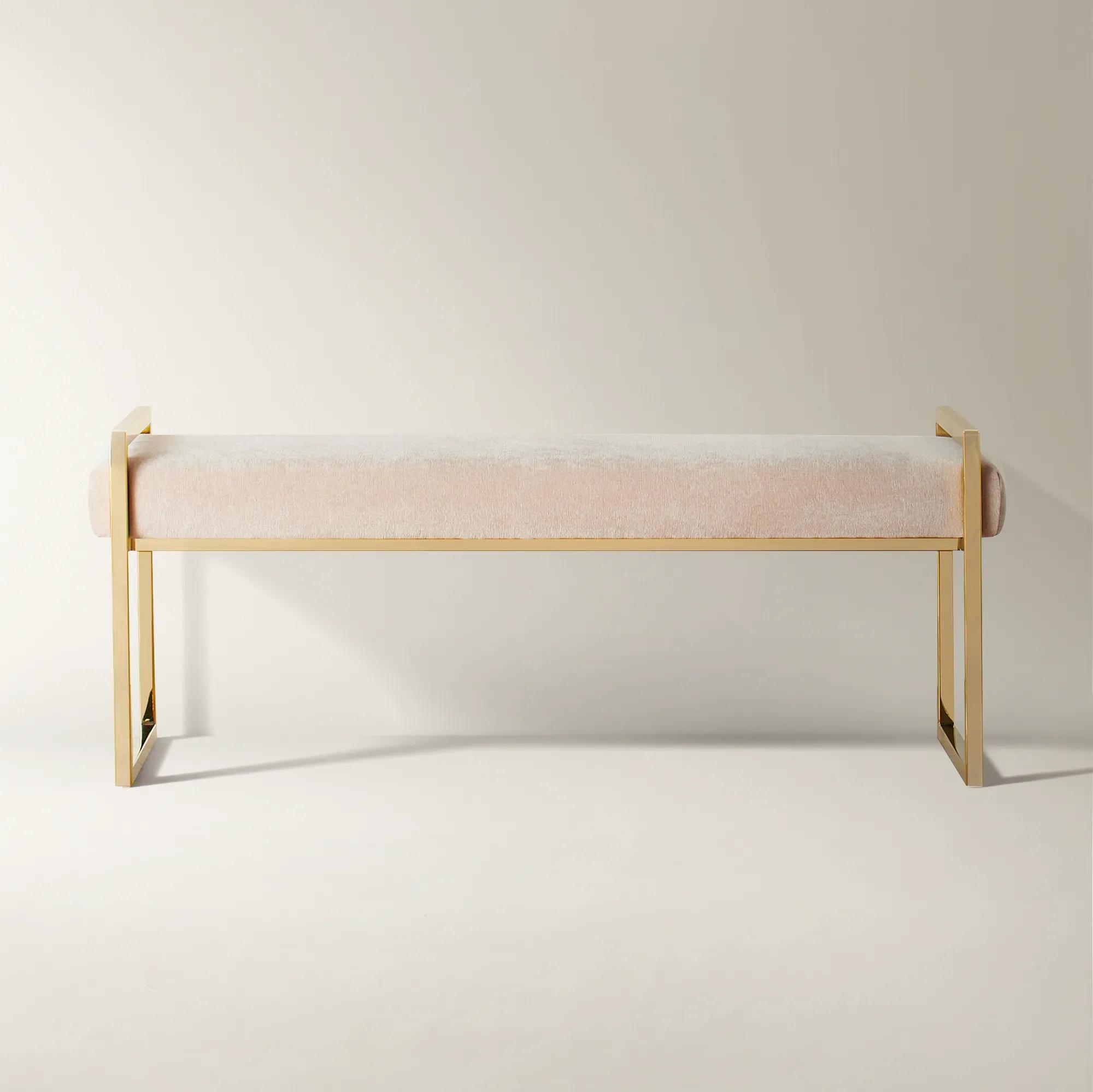 Clara Bench$699
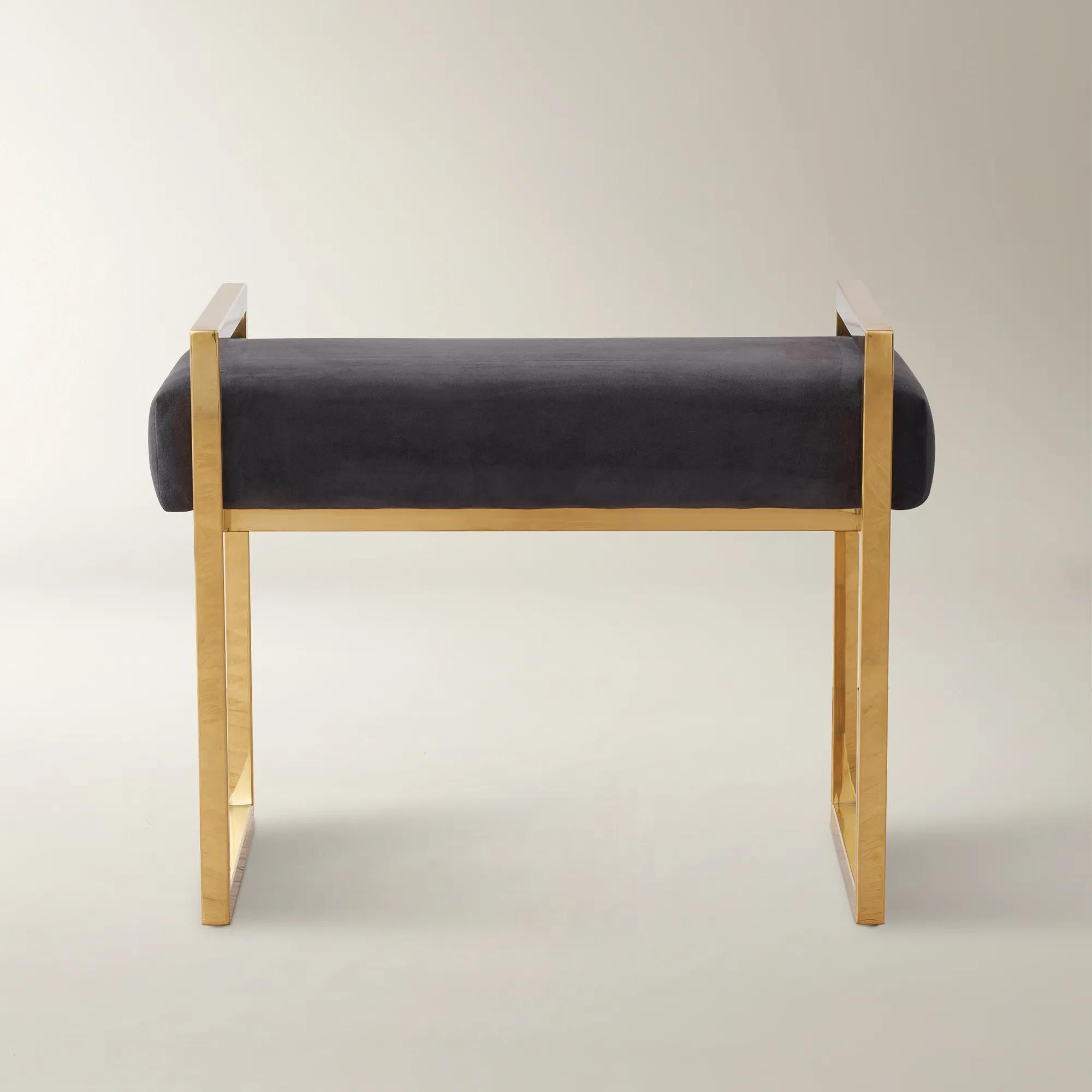
A chic bench featuring a plush chenille seat and polished gold metal legs for modern elegance.
Add To Cart -
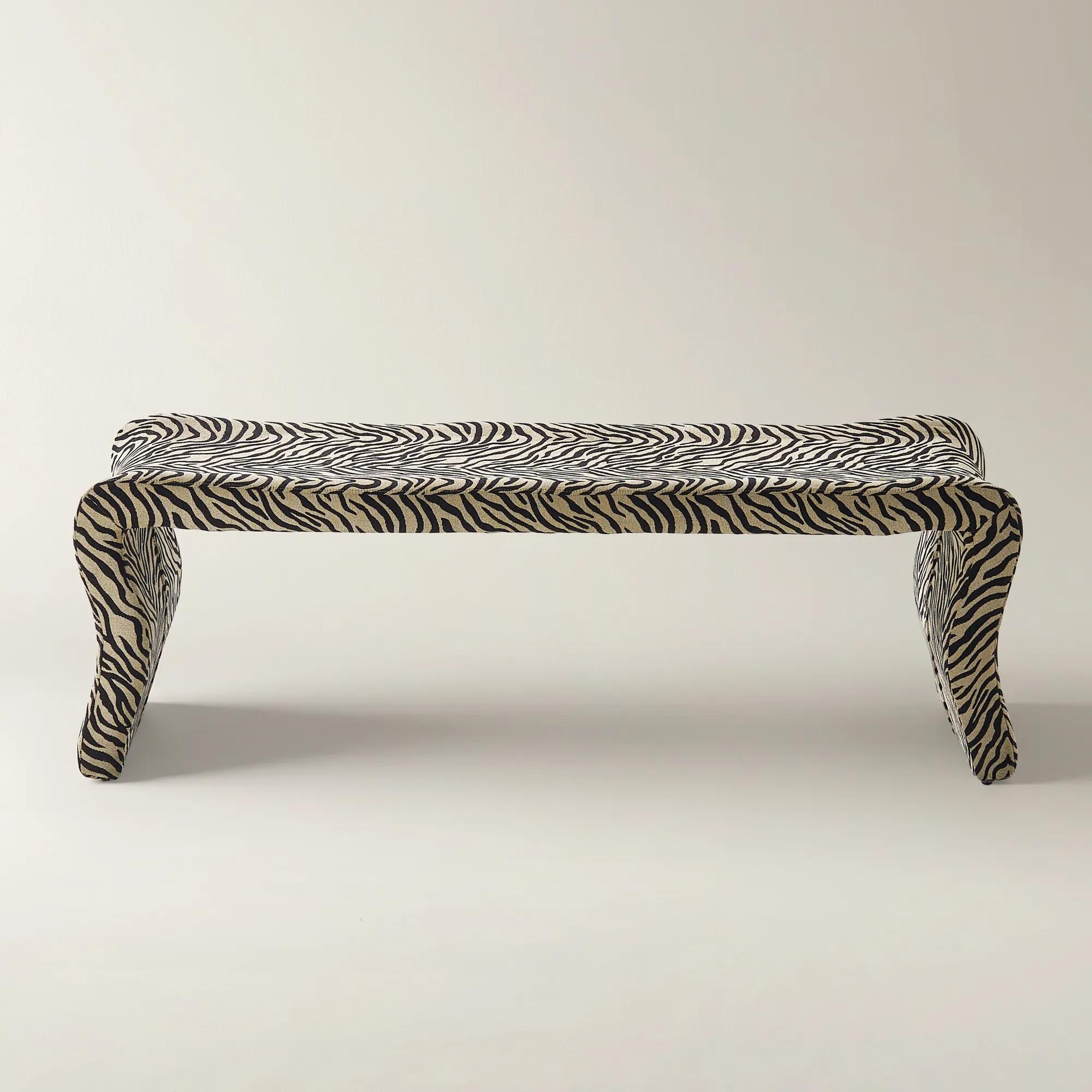 Romy Zebra Performance Chenille Bench (61.5")$899
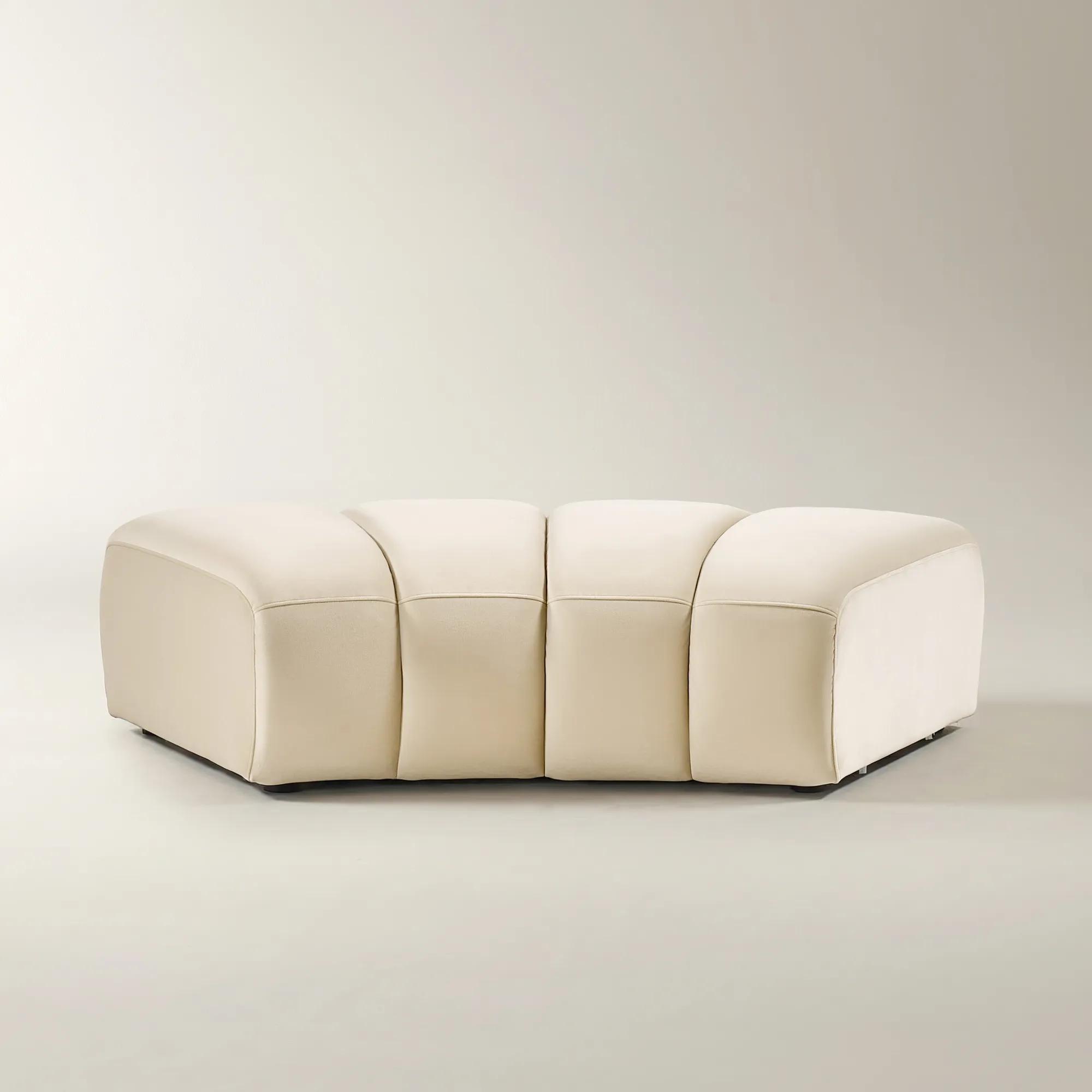
A sculptural bench wrapped in zebra-patterned performance chenille with a wave-like silhouette and full foam construction.
Add To Cart -
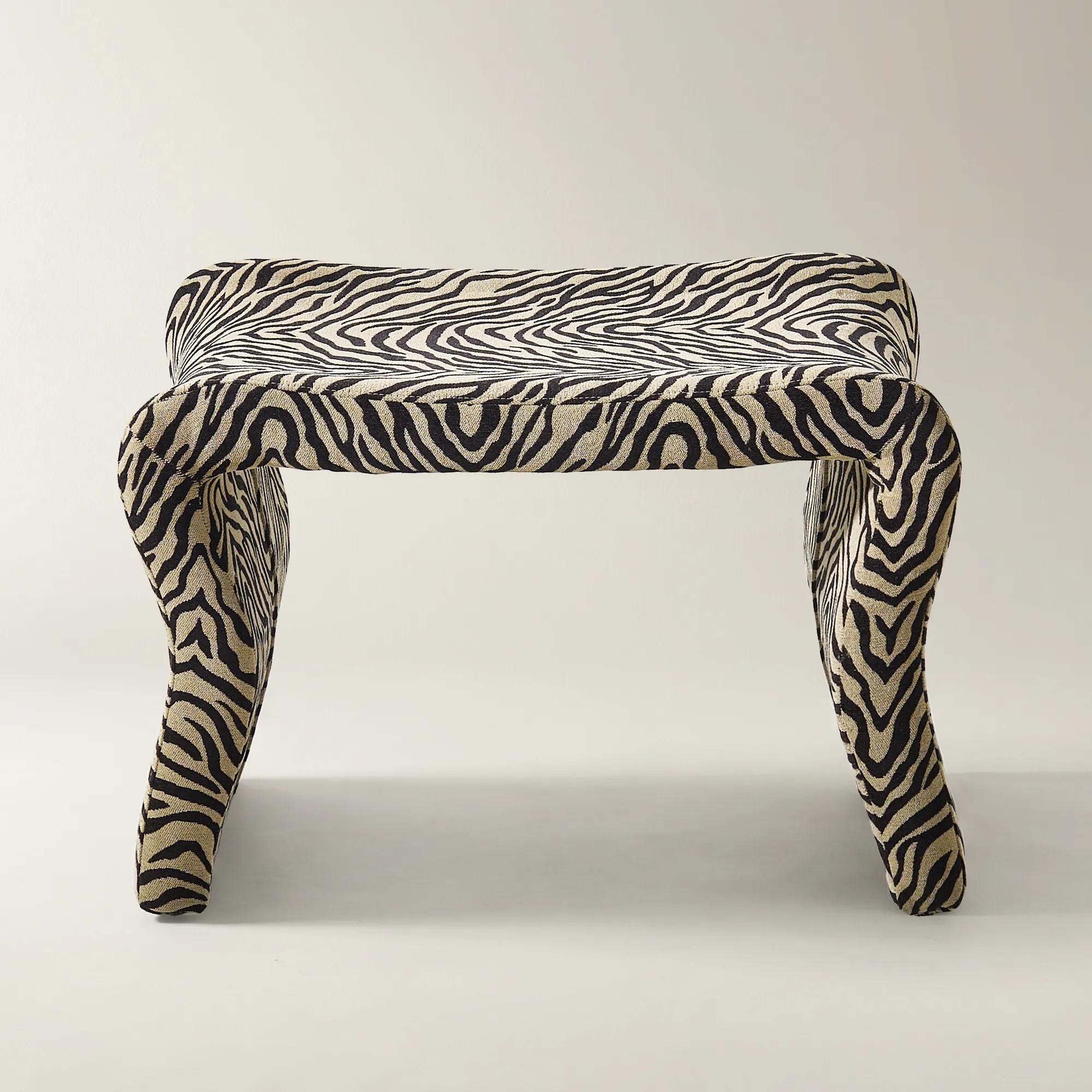
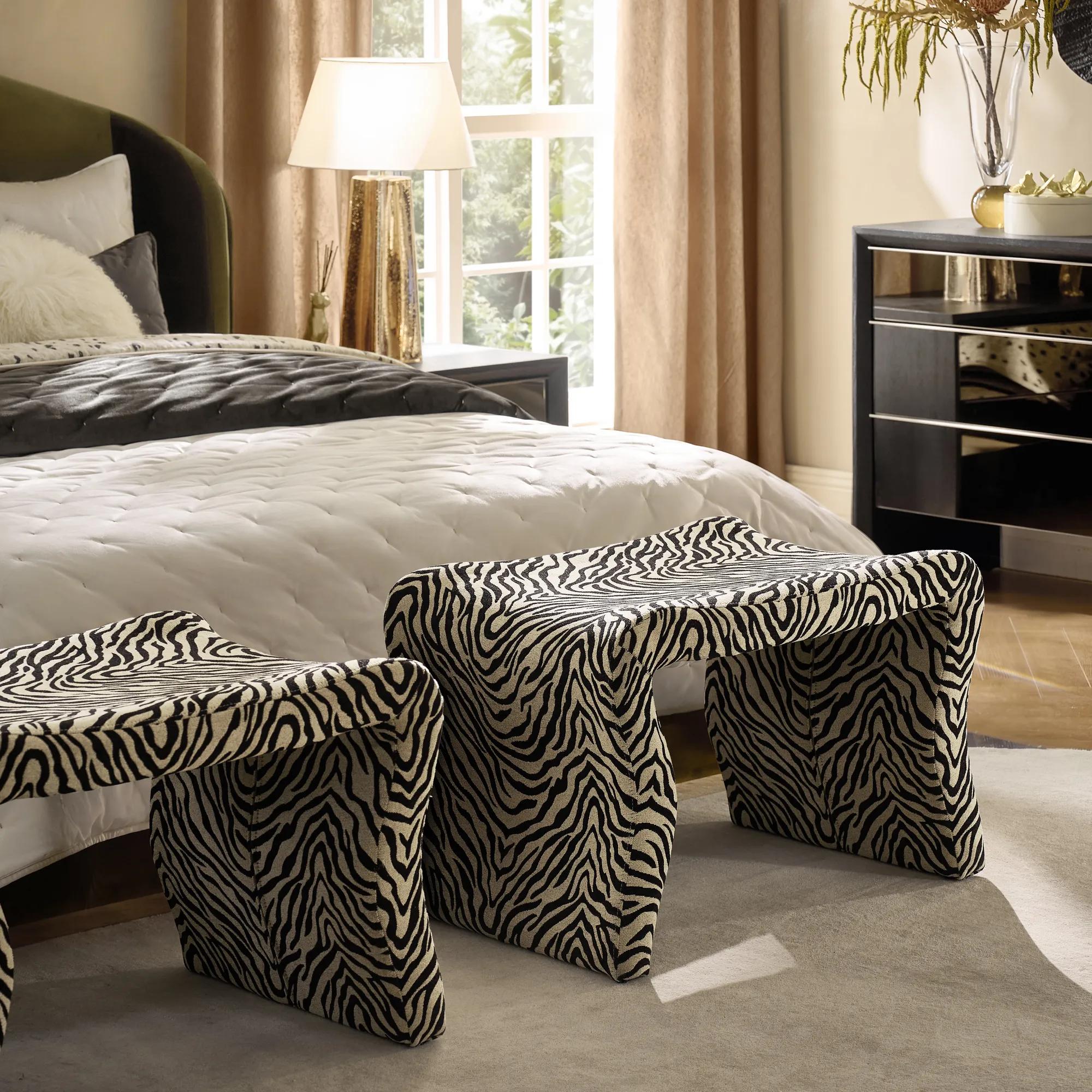 Romy Zebra Performance Chenille Bench (30.75")$499
A sculptural bench wrapped in zebra-patterned performance chenille with a wave-like silhouette and full foam construction.
Add To Cart

Tailored Accent Benches
Tailored Accent Benches invite you to reimagine every corner of your home as a stage for sophisticated self-expression. Each piece is a study in sculptural elegance, designed to captivate with its refined silhouette and impeccable attention to detail. Whether anchoring an entryway or punctuating the foot of your bed, these benches transform functional seating into a statement of artistry—effortlessly blending comfort with couture. Unapologetically chic, they embody the spirit of Z Gallerie: bold, glamorous, and always ready to steal the scene.
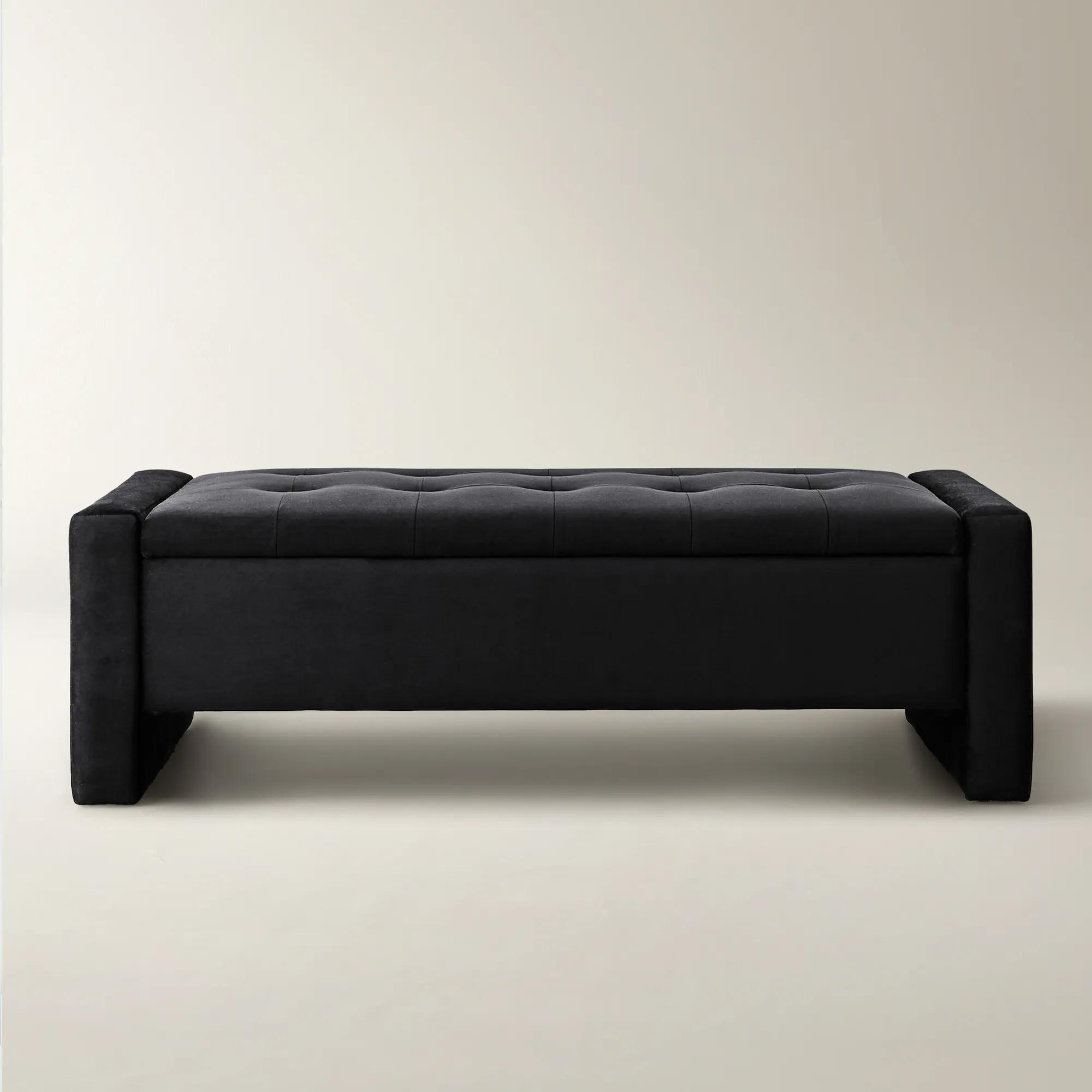
Tailored accent benches bring the precision of fine upholstery to expressive interiors, pairing structured silhouettes with details that make a room feel thoughtfully composed. Their defining qualities are clean lines, neatly finished seams, and a sense of proportion that allows decorative elements to shine without overwhelming the shape. Piping can trace the edge of a cushion like a drawn outline; channel stitching introduces rhythm; button tufting gives a smooth upholstered surface depth and dimension. Nailhead trim, when part of the design, adds a gleaming border that feels especially striking against richly colored fabric. These details distinguish a tailored bench from more relaxed, loosely upholstered seating, making it a natural companion to polished furniture, sculptural lighting, and art with a commanding presence. The effect can be quiet and architectural or decidedly glamorous, depending on the upholstery, base, and surrounding decor. A velvet surface gives a disciplined silhouette a sumptuous finish, while a woven fabric brings visible texture to an otherwise streamlined form. Smooth leather can emphasize crisp edges and develop character with use, though its appearance and care needs depend on the finish. Exposed wood legs lend warmth and visual definition; metal bases can introduce a slender profile and a flash of reflected light. A low, open base lets more of the floor remain visible, while a fully upholstered frame creates a more substantial presence. Armless designs keep the outline uninterrupted, whereas a bench with raised ends or a back makes a stronger architectural statement and may offer a more supported sitting position. Color shapes the mood just as decisively. Ivory and warm gray create a luminous foundation for layered textiles, deep charcoal sharpens a pale room, and jewel-toned upholstery turns a useful seat into a focal point. The most compelling tailored accent benches feel intentional from every angle, with upholstery, trim, and proportions working together rather than competing for attention.
In an entryway, an accent bench creates a graceful place to pause, set down a handbag, or sit while changing shoes. Positioned beneath a substantial mirror or a favorite piece of art, it gives the arrival space a finished composition without requiring the footprint of a full seating arrangement. In a bedroom, a bench at the foot of the bed adds a horizontal line that balances a tall upholstered headboard and offers a place to sit while dressing. A bench slightly narrower than the bed often feels proportionate, but the surrounding floor space matters more than a fixed styling formula: drawers, doors, and the route around the bed still need room to function comfortably. In a living room, a tailored bench can provide occasional seating without the visual weight of another armchair, particularly when conversation areas need an open sightline. A backless silhouette can connect two sides of a seating arrangement, although it will not provide the support of a chair for extended sitting. Along a broad hallway or beside a dressing area, the same piece can become a purposeful resting spot rather than a purely decorative accent. Fit involves more than overall width. Seat height affects how comfortably someone can sit down and stand up, depth determines how far the bench projects into the room, and arms or raised ends may reduce the usable seating area. Allow clearance for doors to swing and people to pass without turning sideways; wherever the layout permits, roughly 30 to 36 inches of passage space can help maintain a comfortable route. A design with enclosed storage may offer a discreet place for spare linens or accessories, provided the compartment dimensions suit the intended contents and the lid can open unobstructed. For a dressing space shared by two people, a longer seat may be useful, but seating capacity and weight limits should always follow the furniture’s specifications. A bench can also make a thoughtful housewarming gift when the recipient’s room measurements, preferred palette, and daily routines are already understood.
Materials and construction determine whether a tailored bench remains as satisfying to use as it is to admire. Upholstery should suit the room’s habits: a surface intended for occasional bedroom seating faces different demands from one used daily beside the front door. Velvet offers a distinctive play of light across its pile, with shading and pressure marks that may be part of its character rather than signs of damage. Linen and linen-blend fabrics create a tactile, woven appearance, though resistance to wrinkling, staining, and wear varies with the blend and finish. Performance upholstery may be worth considering in busy households, but that description alone does not establish how a fabric handles every spill; the stated testing, cleaning instructions, and intended use provide more meaningful detail. Leather and leather-look upholstery also require different care, so their maintenance instructions should not be treated as interchangeable. Beneath the surface, frame construction, secure joints, cushion support, and firmly attached legs all contribute to everyday stability. A dense cushion may hold a crisp outline, while a softer fill can feel more yielding; comfort depends on the complete construction, not simply how plush the seat looks. Benches intended for seating should be used within their stated limits and are not substitutes for step stools or ladders. Regular care helps preserve the deliberate finish that makes these designs distinctive. Gentle vacuuming with an appropriate upholstery attachment can remove dust from seams and tufting, and spills are best blotted promptly rather than rubbed, with any treatment guided by the care label. Direct sunlight may alter upholstery color over time, while suitable floor protectors can help reduce marks beneath the legs. The relationship between placement and purpose also makes Versatile Accent Benches a natural point of connection for interiors where seating serves more than one role. Whether anchoring an art-filled entry or completing a layered bedroom, a tailored accent bench brings useful comfort into focus through precise lines, considered materials, and just enough drama to give the room its own signature.
FAQs
A tailored accent bench stands apart for its bespoke upholstery, refined detailing, and sculptural silhouette. Unlike standard benches, these pieces are designed to be both functional and visually striking, often featuring luxurious fabrics, artisanal trims, and distinctive shapes that transform any space into a statement of personal style.
A tailored accent bench elevates the ambiance by adding a layer of sophistication and artistry. Whether placed in an entryway, bedroom, or living room, it acts as a focal point that draws the eye and introduces texture, color, and form. Its presence can define a vignette, offer inviting seating, or serve as a canvas for decorative accents.
Absolutely. Tailored accent benches make memorable gifts for occasions such as housewarmings, weddings, or milestone celebrations. Their luxurious materials and expressive designs convey thoughtfulness and a keen sense of style, making them perfect for those who cherish unique, statement-making home pieces.
Tailored accent benches often feature premium materials such as velvet, linen, performance textiles, and supple leather. These fabrics are paired with details like hand-applied nailhead trim, gleaming metallic or sculpted wood legs, and intricate tufting, resulting in a piece that feels both opulent and artfully crafted.
A tailored accent bench is remarkably versatile and can be used to dramatic effect in entryways, at the foot of a bed, beneath a window, or as extra seating in a living or dining room. Its adaptable nature allows it to serve as both a functional resting spot and a bold decorative statement, completing the story of any well-appointed space.