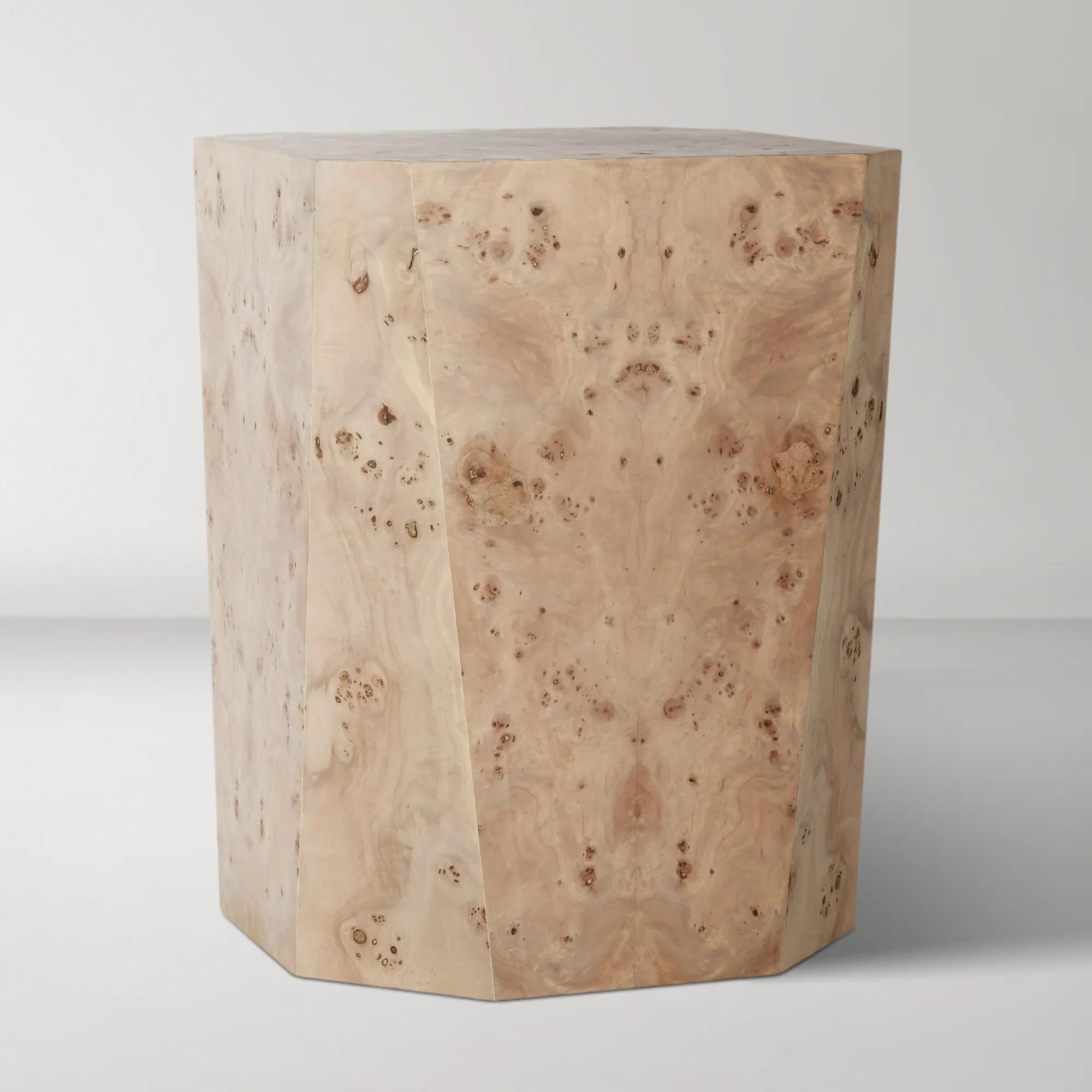
Stylish Metal Base Side Tables
Stylish Metal Base Side Tables
-
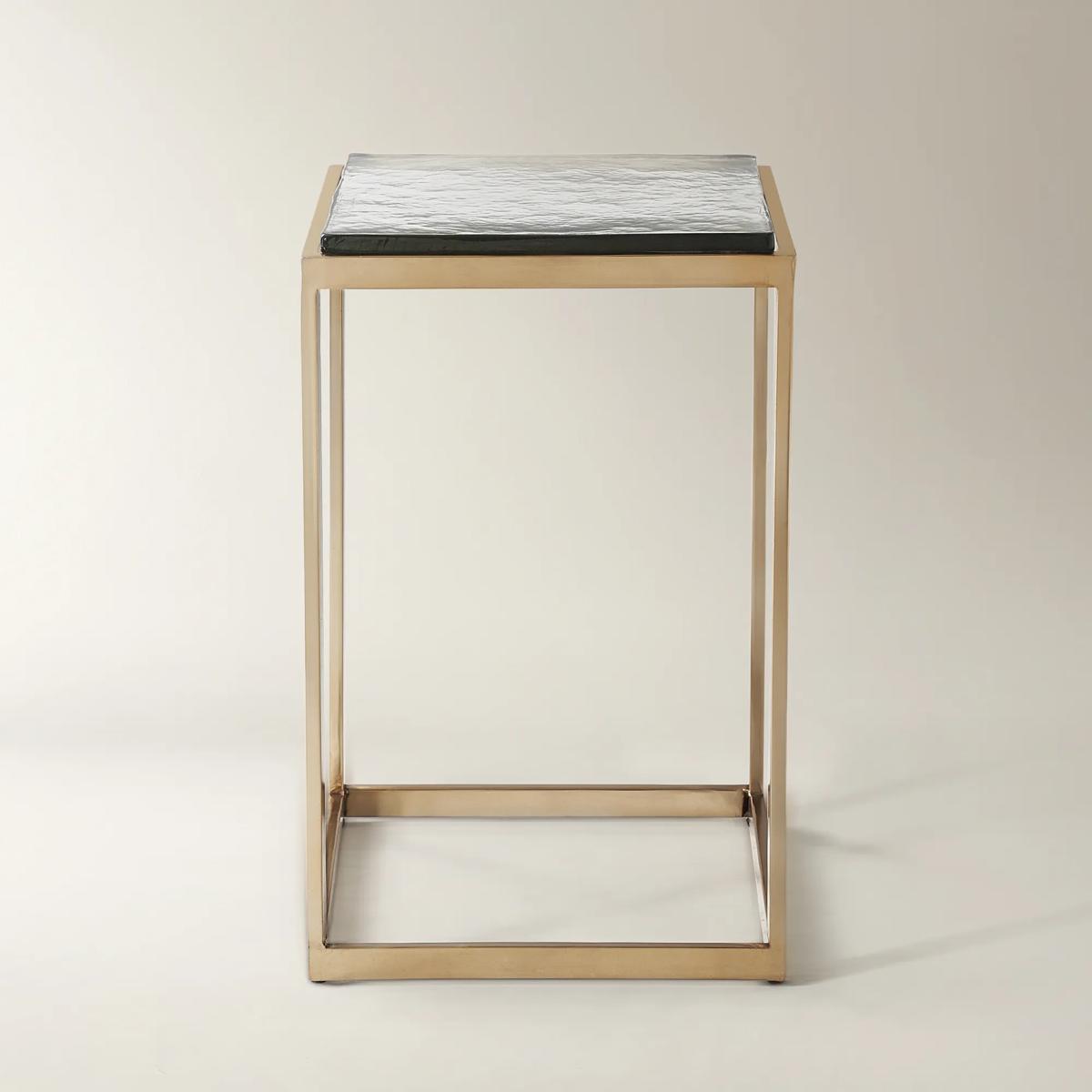
 Lyra Square Brass Metal Side Table With Glass Top (13.8")$239
A sculptural side table featuring a thick cast glass top and a lustrous brass-finished metal base.
Add To Cart -
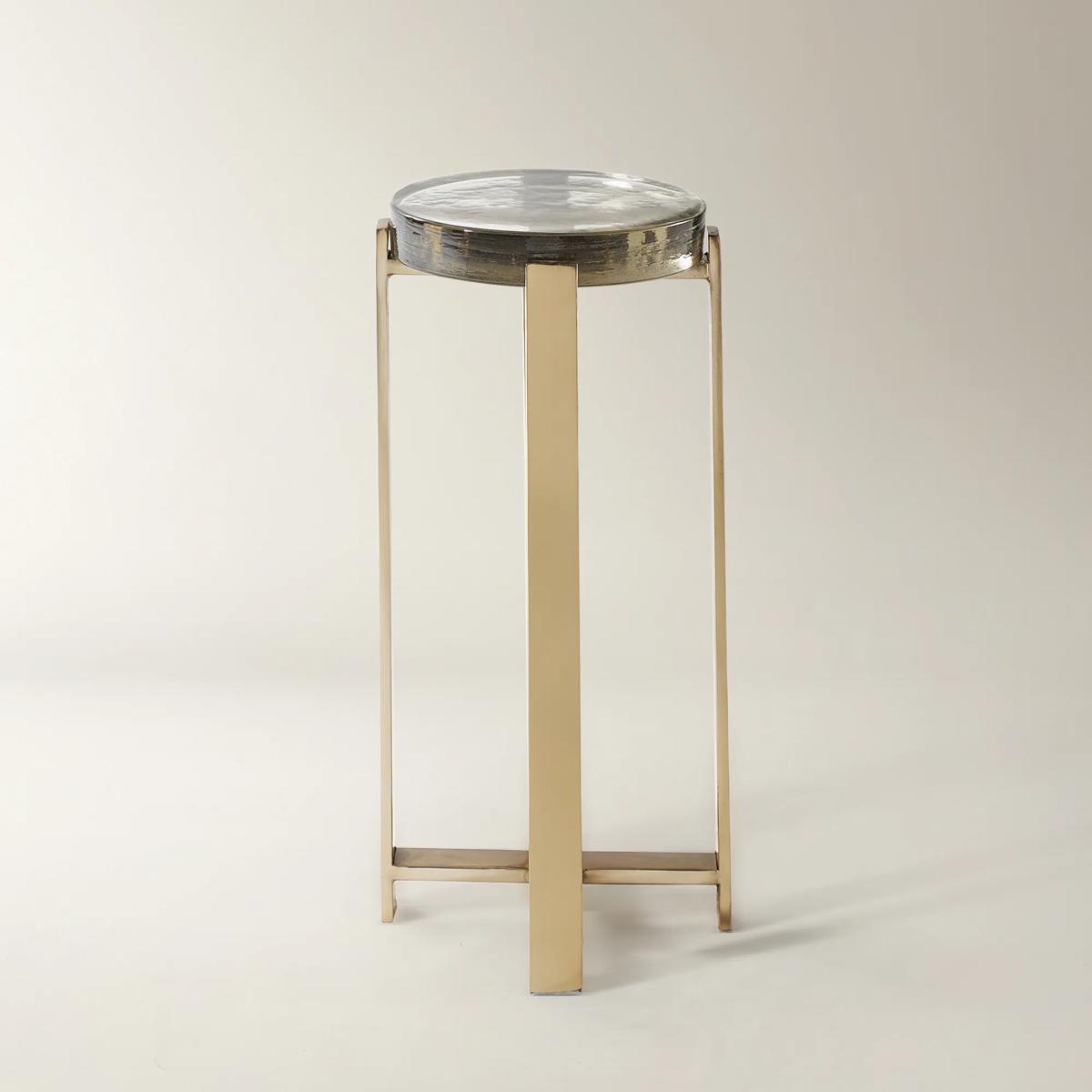
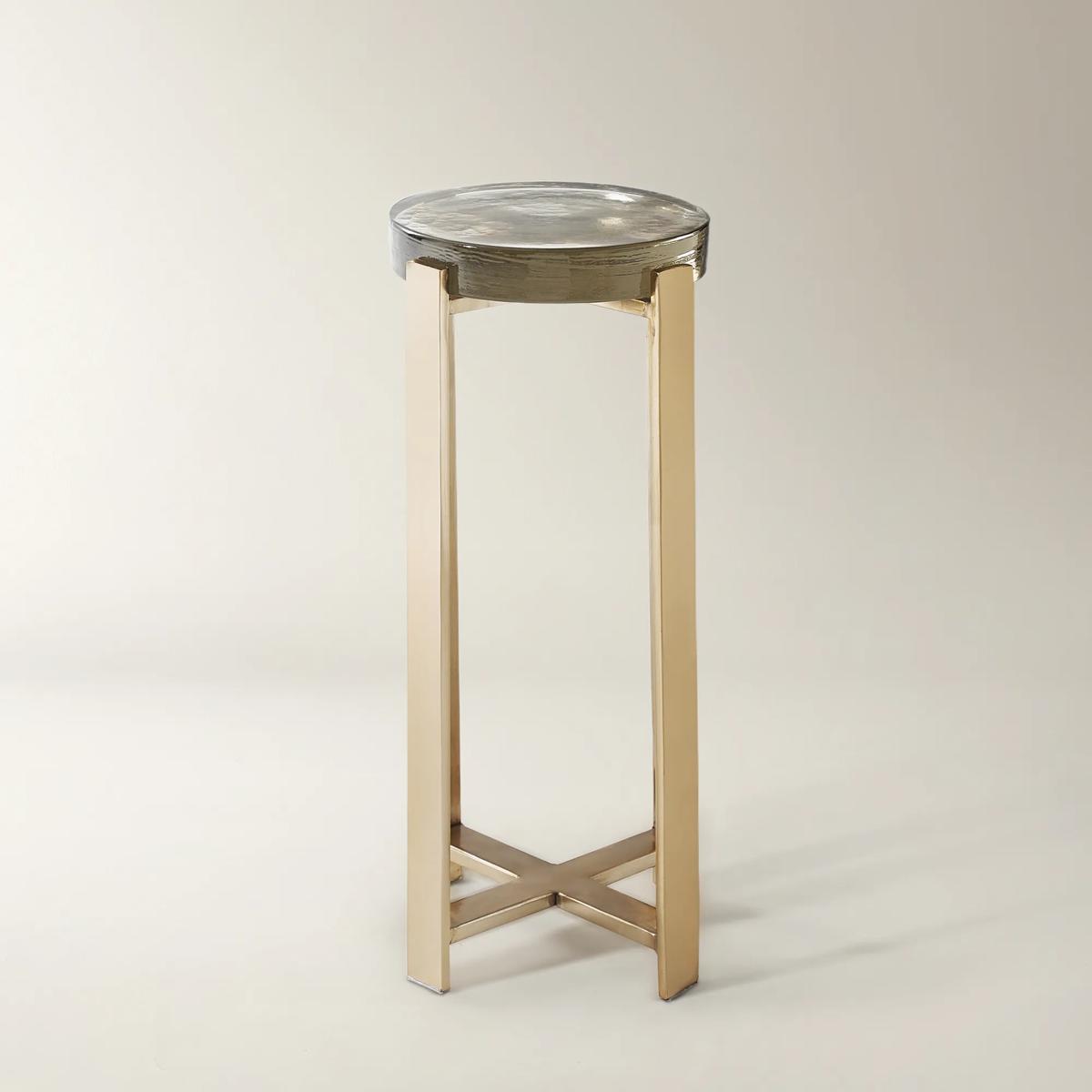 Lyra Round Brass Metal Side Table With Glass Top (10.75")$259
A sculptural side table featuring a thick cast glass top and lustrous brass-finished metal base.
Add To Cart -
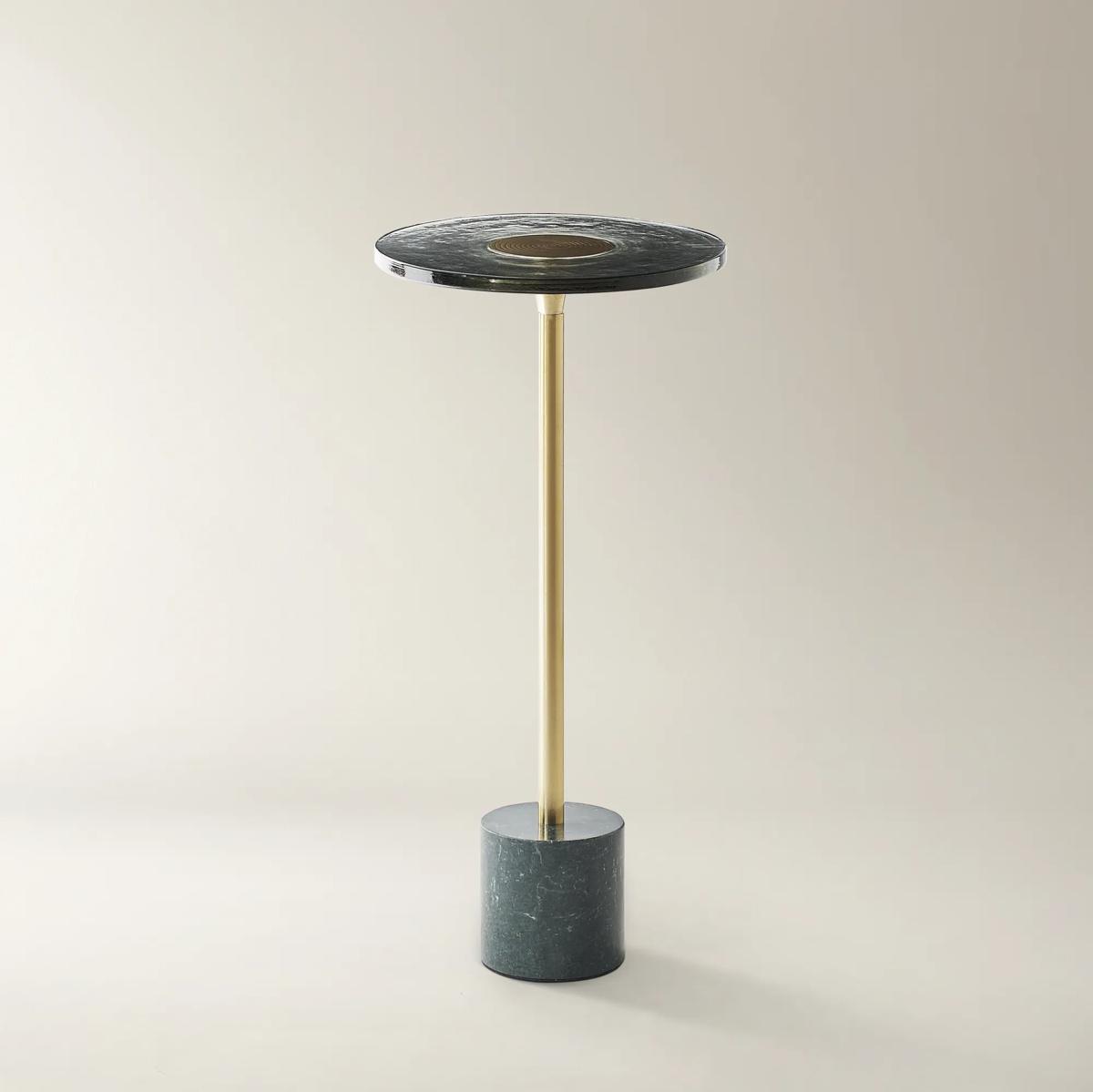
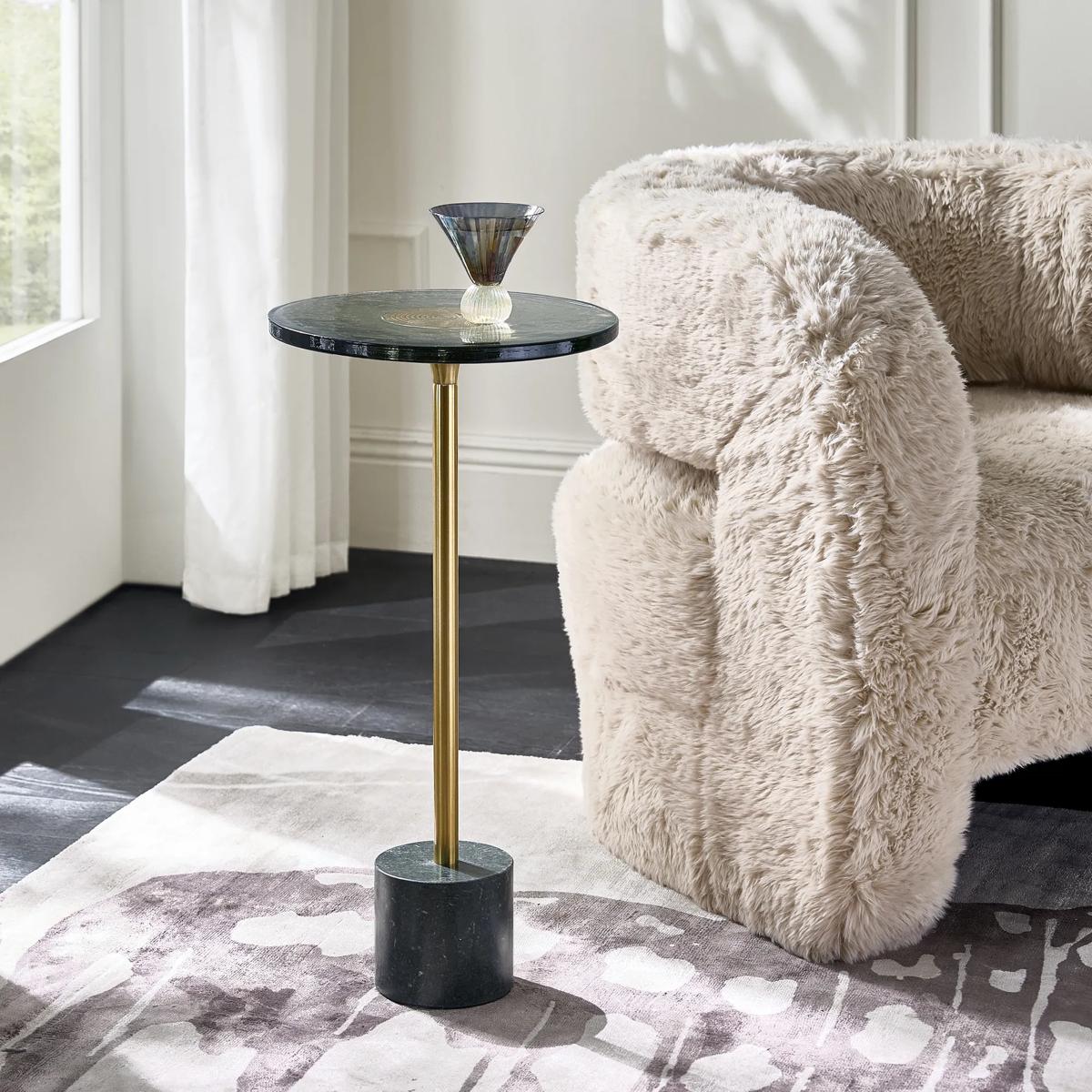 Seraphy Round Green Metal Side Table With Glass Top (13.75")$179
A modern side table featuring a green cast glass top, brass-finished post, and Indian green marble base.
Add To Cart -
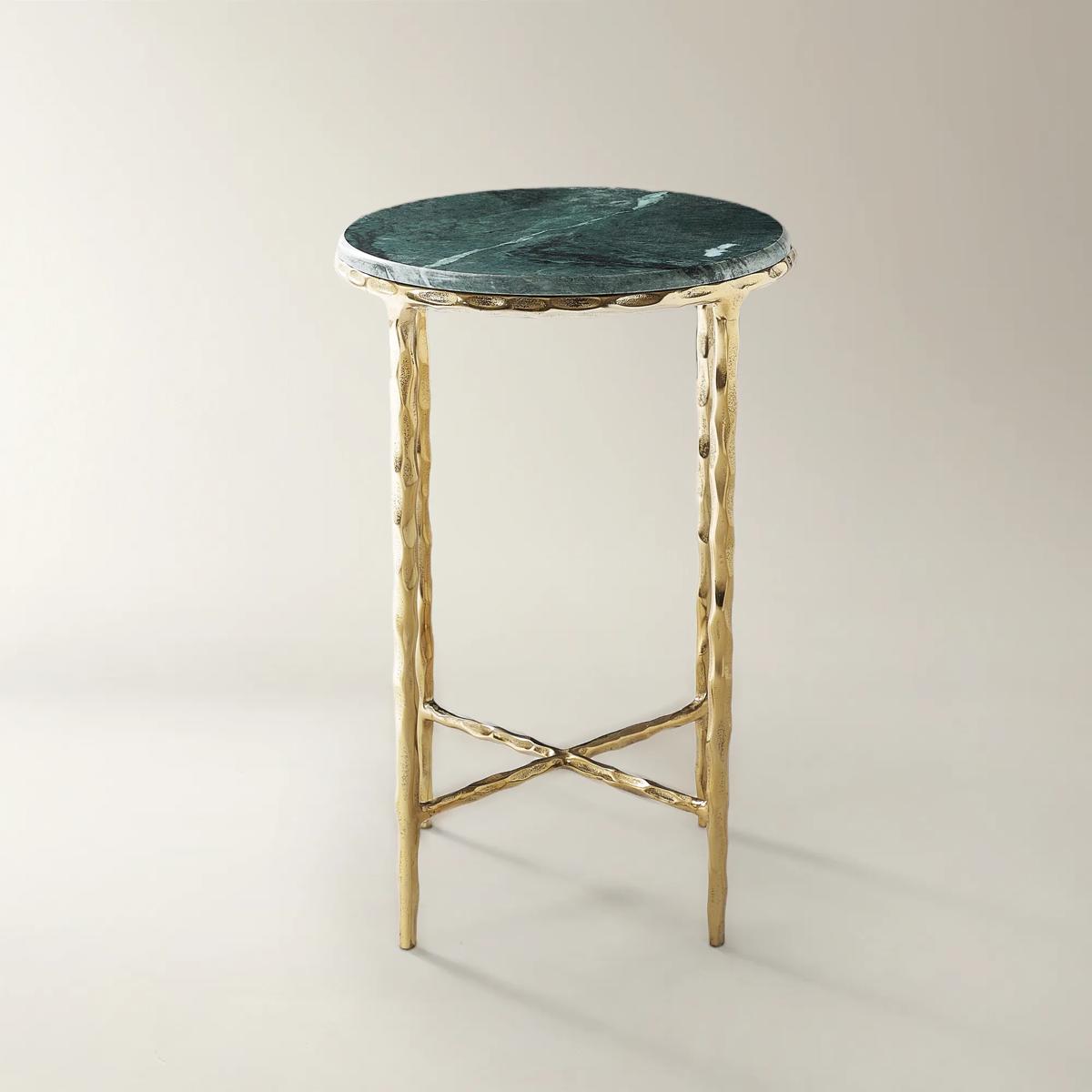
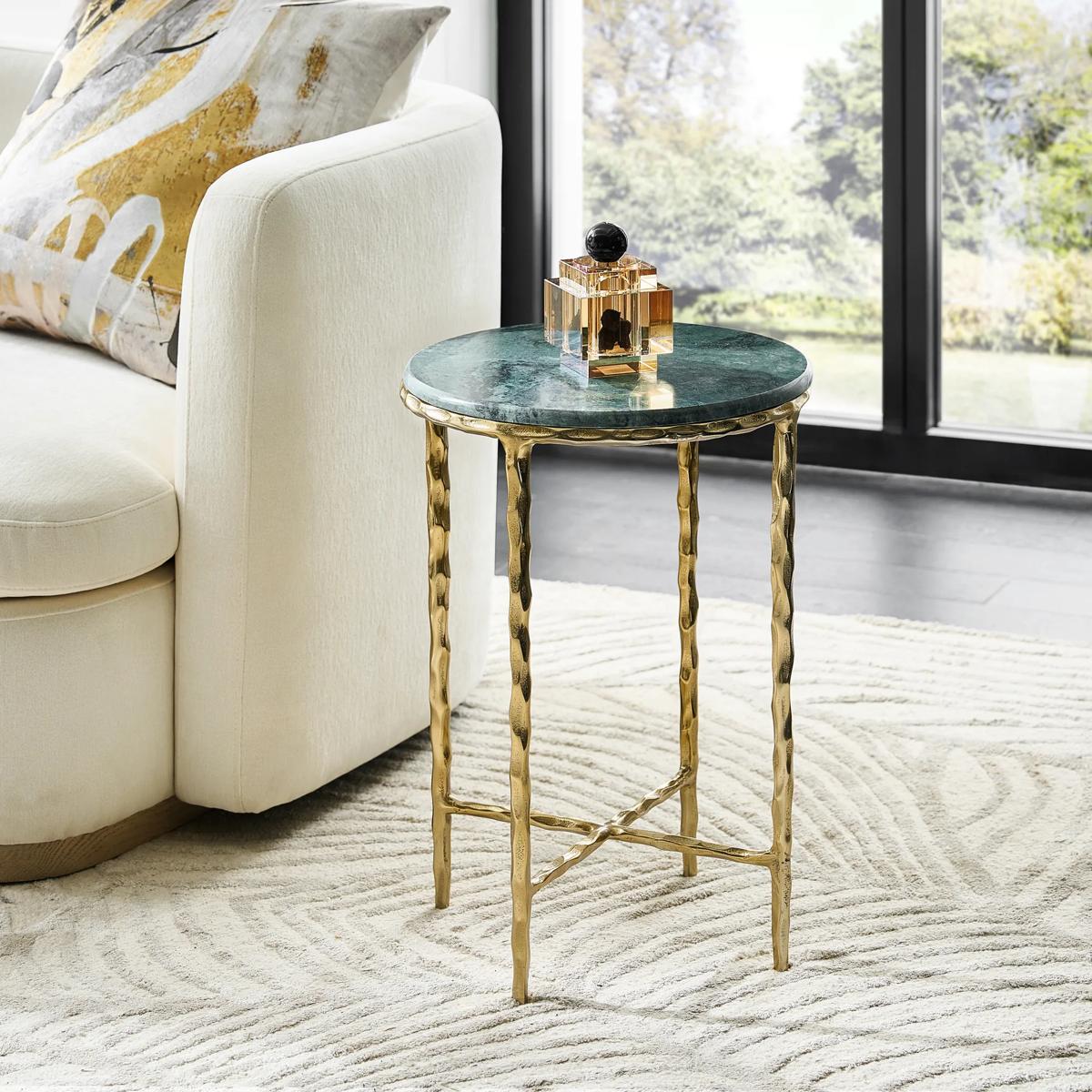 Juliet Round Green Marble Side Table (15")$269
A striking side table featuring a deep green Indian marble top and a hand-hammered metal base.
Add To Cart -
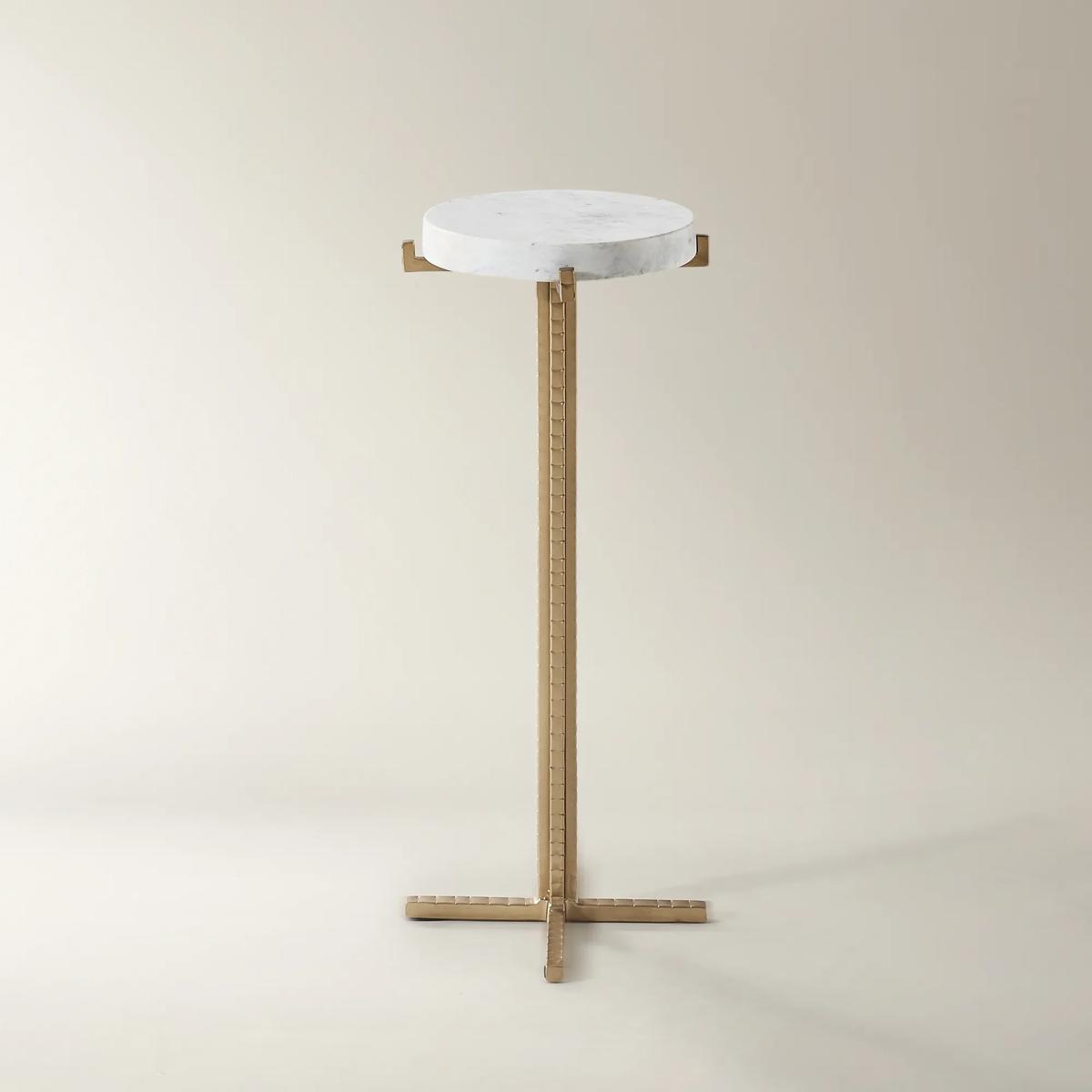 Anya Round White Marble Side Table (10")$199
A sculptural side table featuring a genuine white marble top and gold-finished metal pedestal base.
Add To Cart -
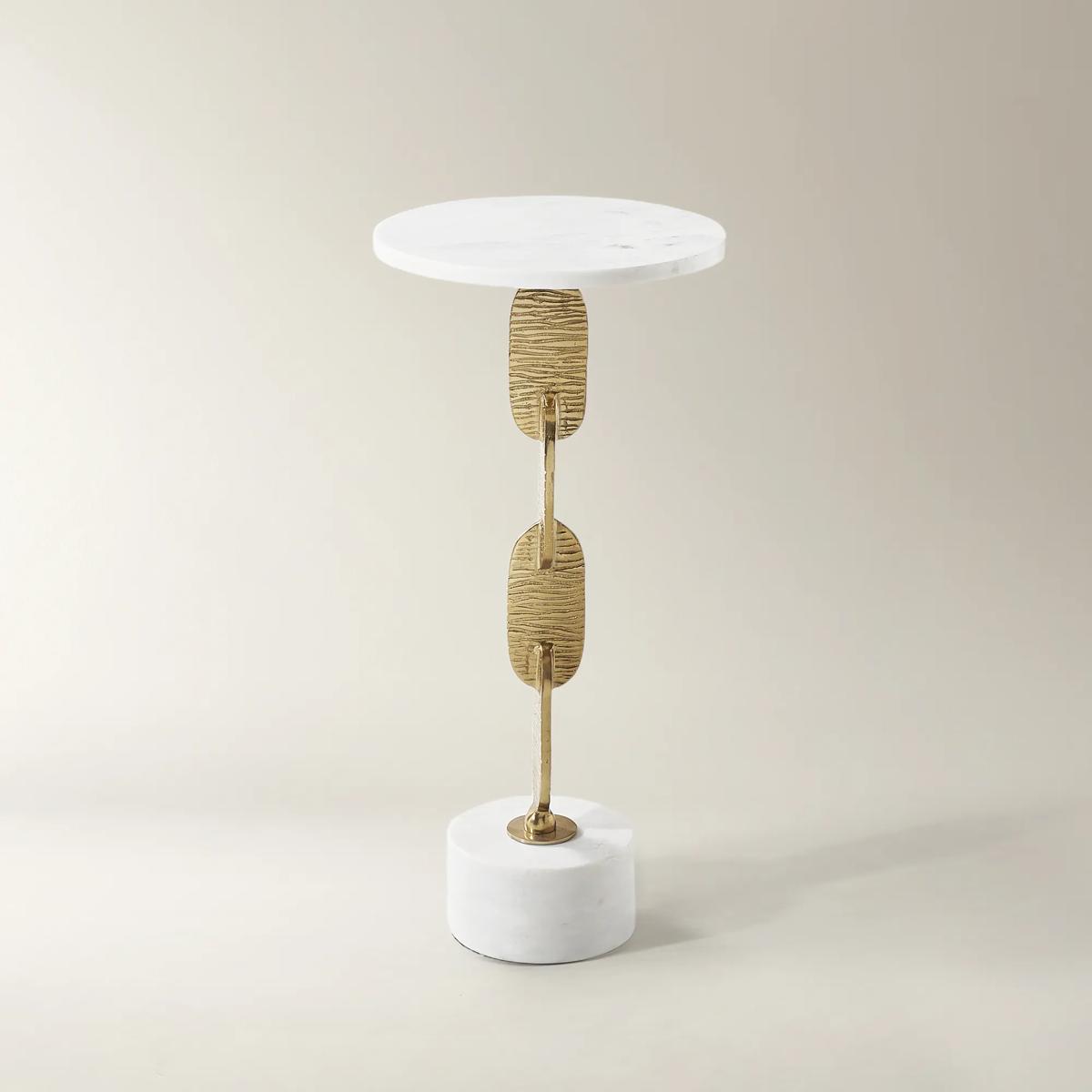
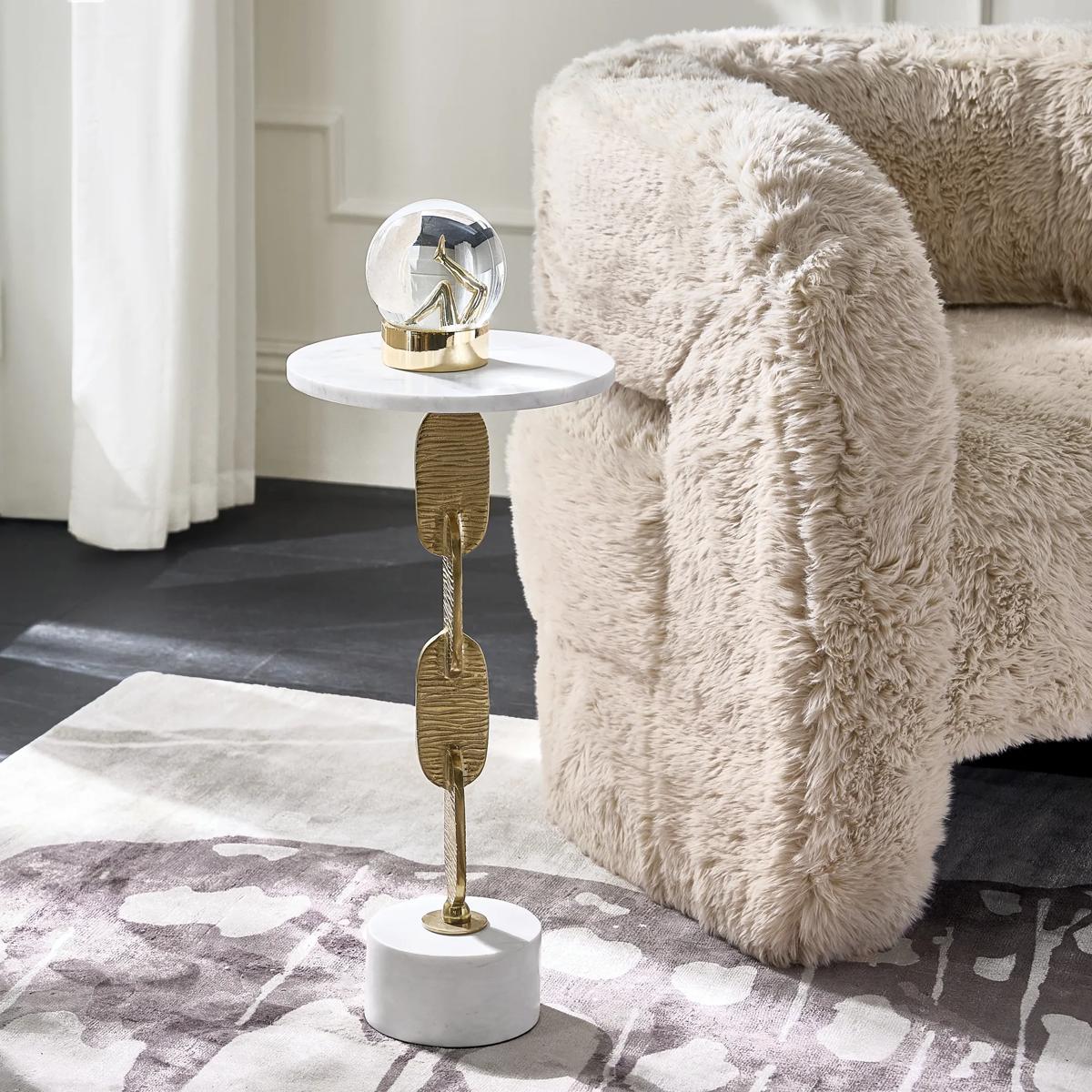 Luna Round White Marble Side Table (11.25")$199
A sculptural side table featuring a genuine white marble top and an open gold-finished metal frame.
Add To Cart -
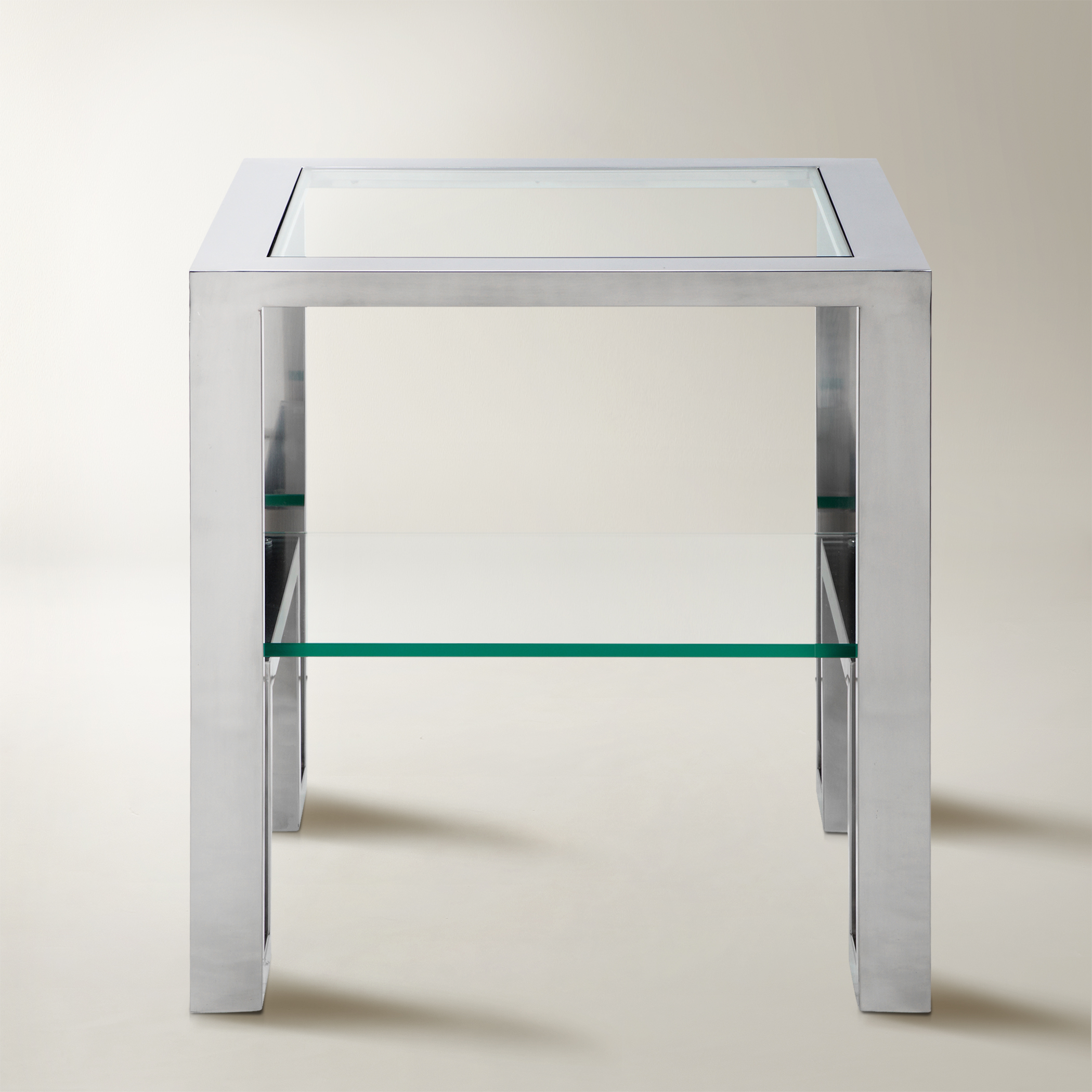
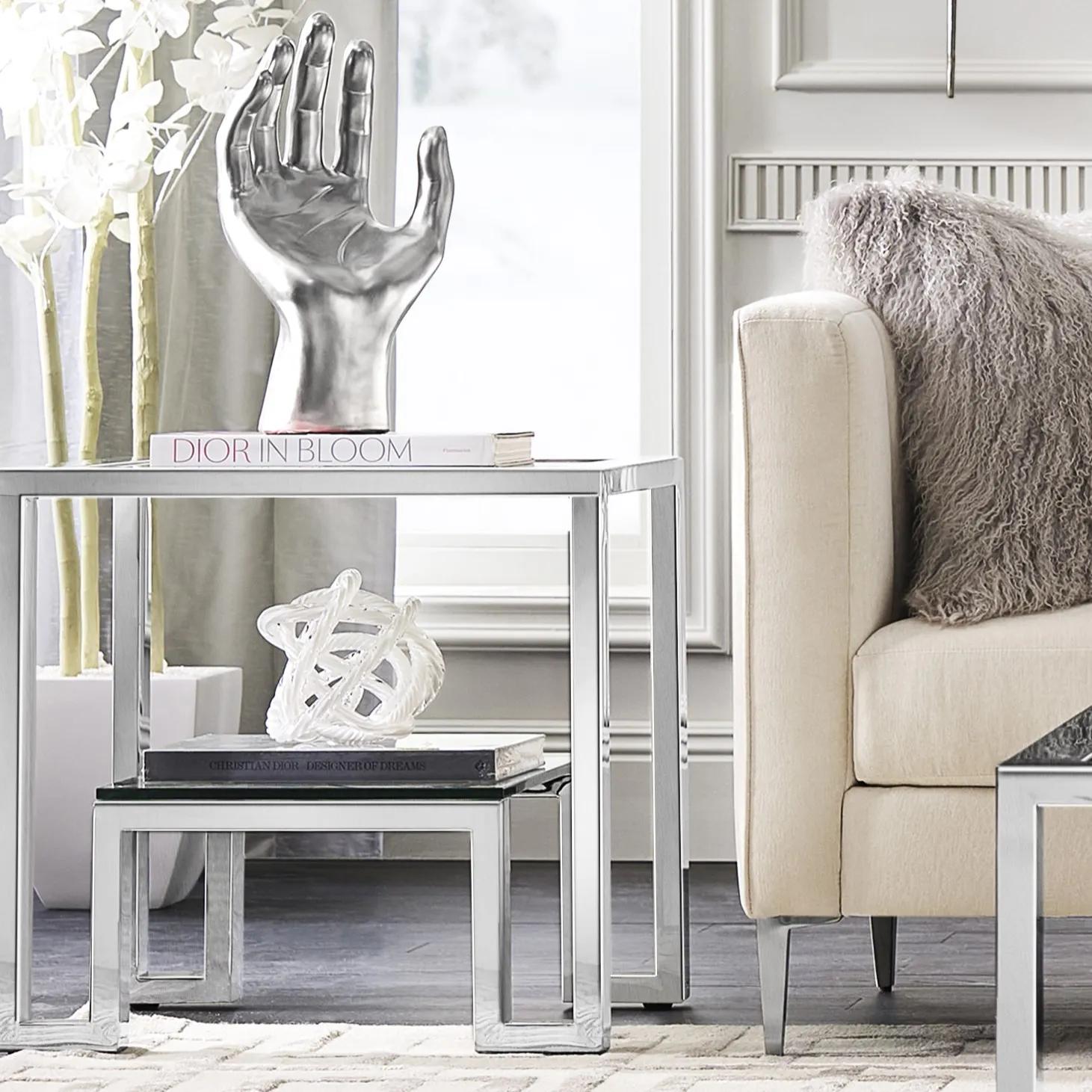 Duplicity Square Silver Stainless Steel End Table With Glass Top (24")$749
A modern end table featuring a stainless steel frame, tempered glass top, and floating bottom shelf.
Add To Cart -
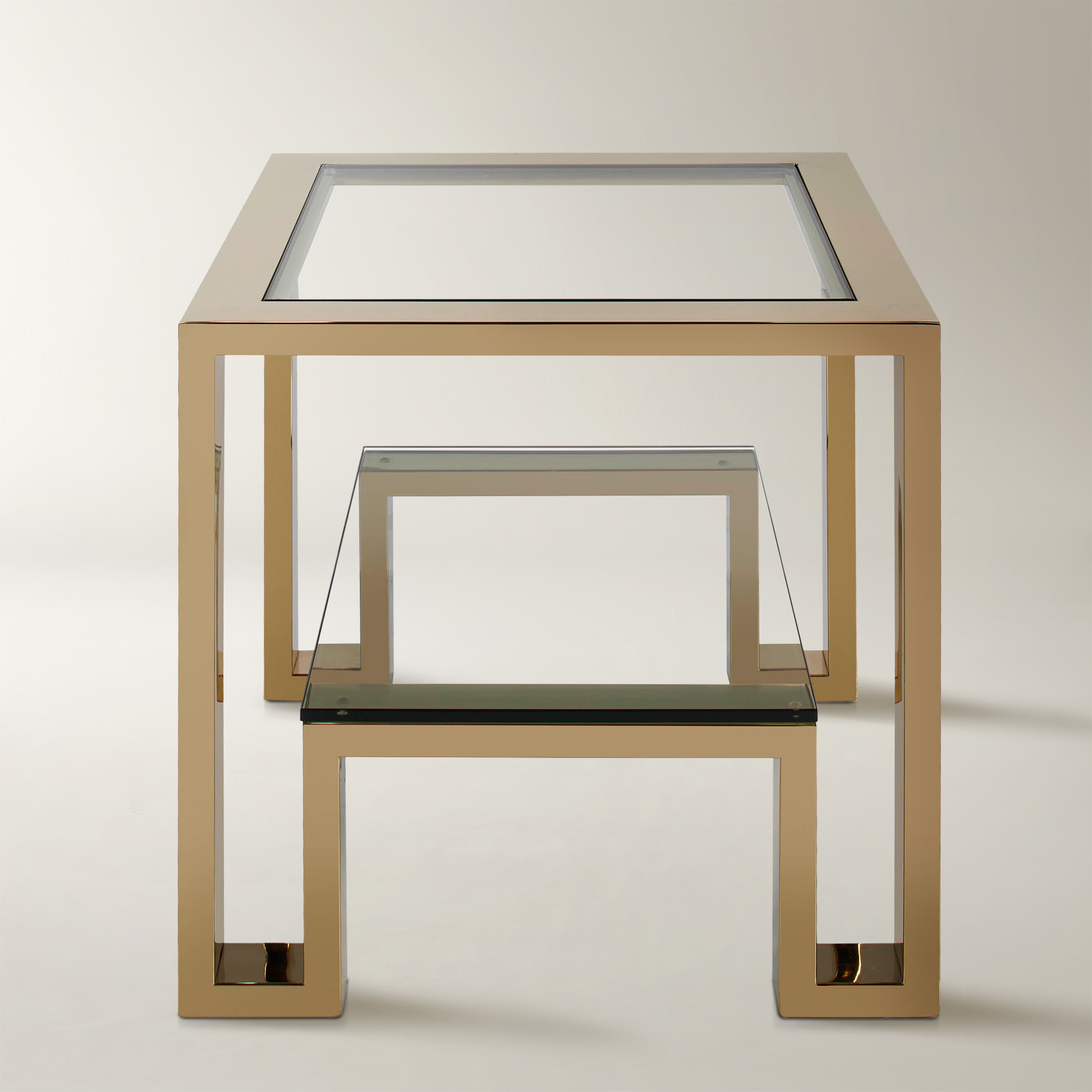 Duplicity Square Gold Stainless Steel End Table With Glass Top (24")$749
A modern end table crafted from stainless steel and tempered glass with a floating bottom shelf.
Add To Cart -
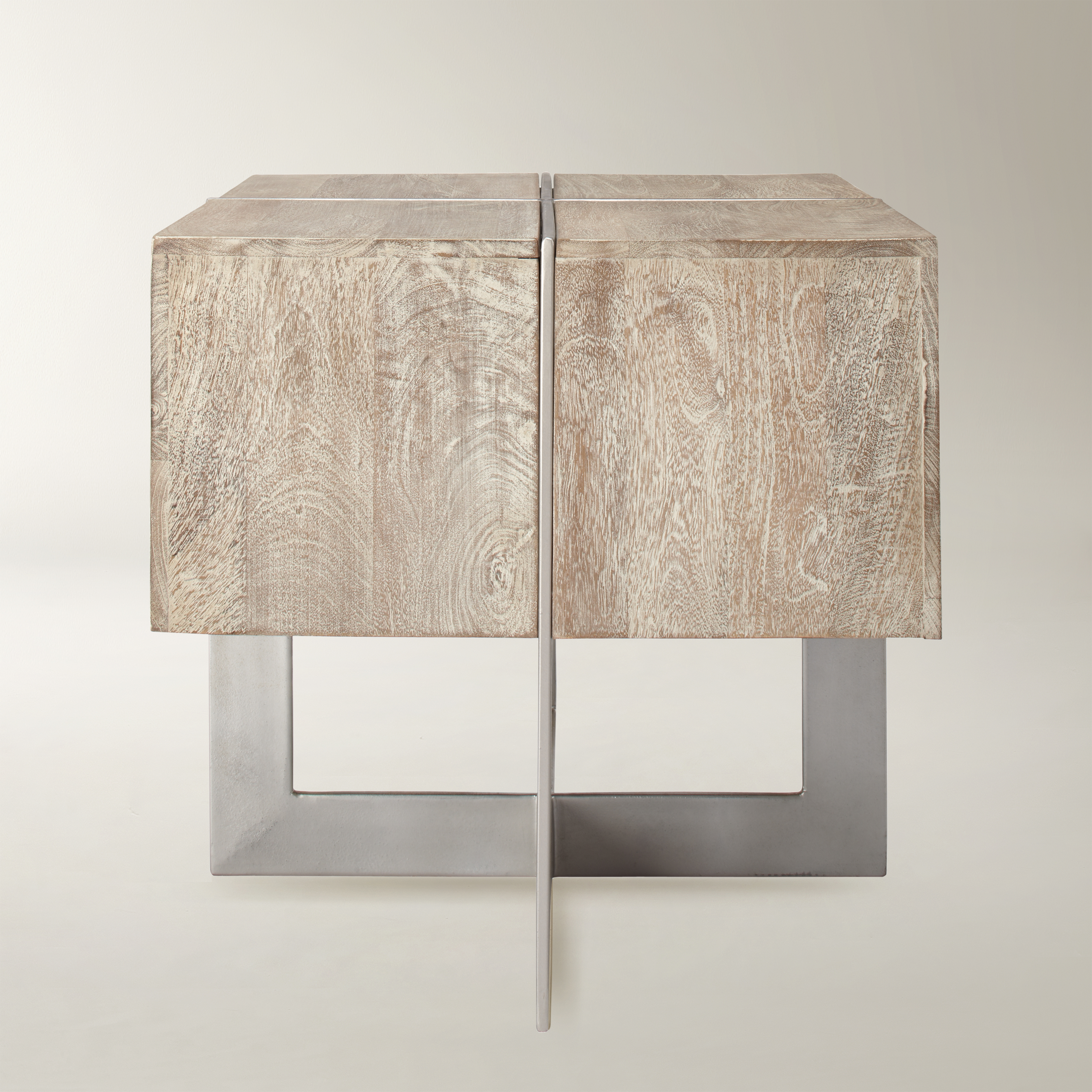
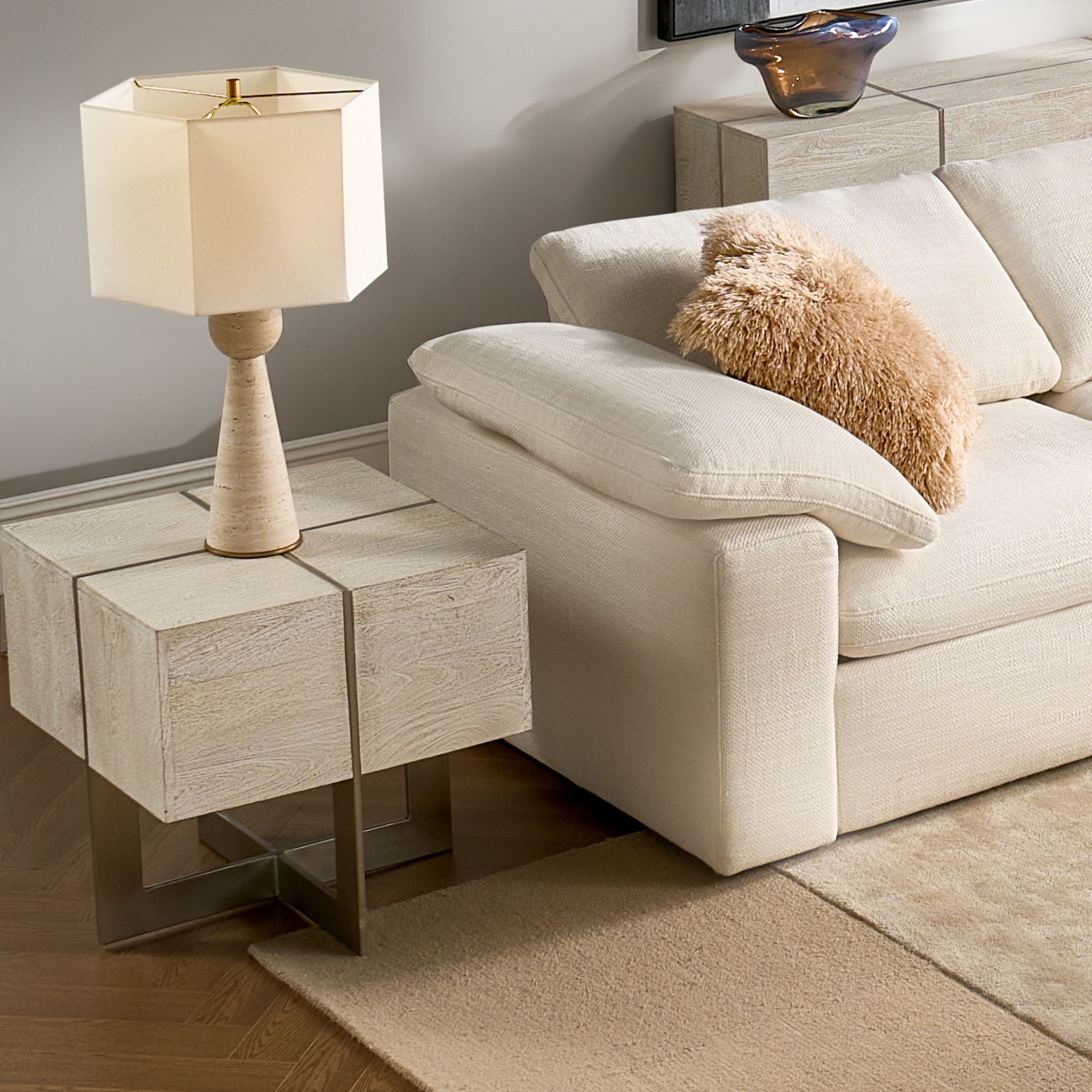 Clifton Square Natural Mango Wood End Table (24")$599
A handcrafted mango wood end table with a whitewashed finish and antiqued silver iron legs.
Add To Cart -
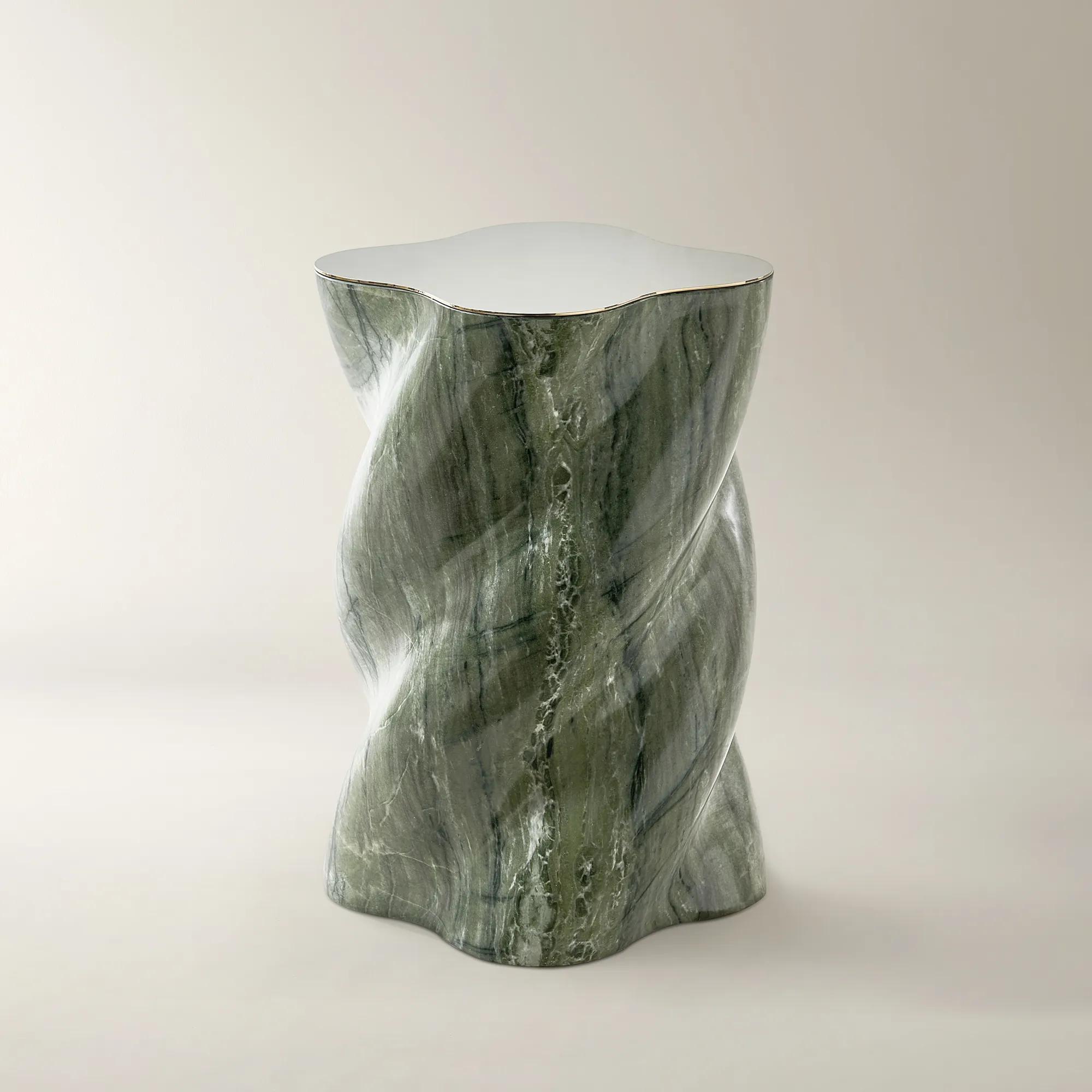 Vega Malachite Green Concrete Indoor/Outdoor Side Table With Stainless Steel Top (13.8")$459
A green concrete side table with a sculptural pedestal, marble-inspired finish, and removable stainless-steel top.
Add To Cart -
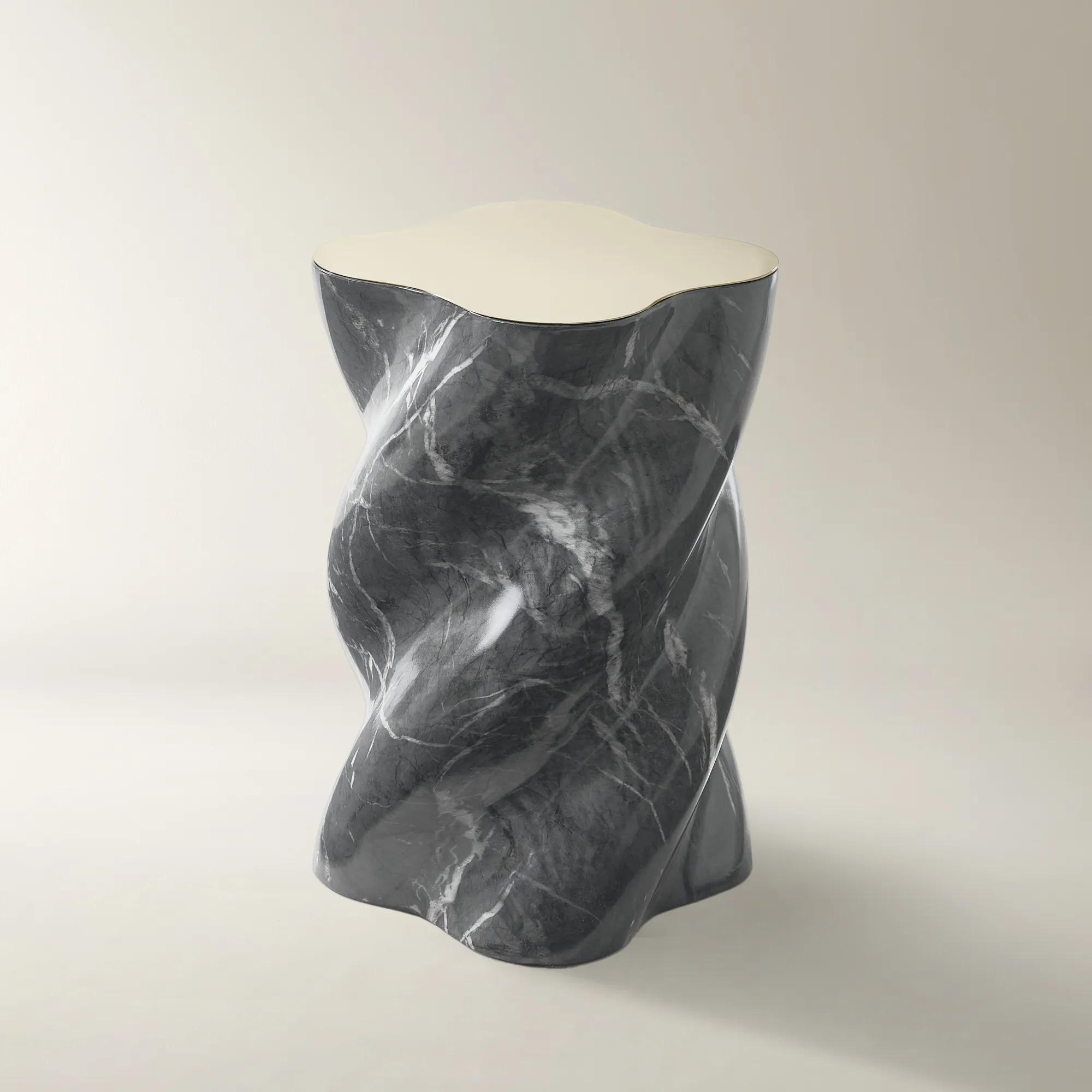 Vega Bvlgary Black Concrete Indoor/Outdoor Side Table With Stainless Steel Top (13.8")$459
A black concrete side table with a sculptural pedestal, removable stainless-steel top, and marble-inspired finish.
Add To Cart -
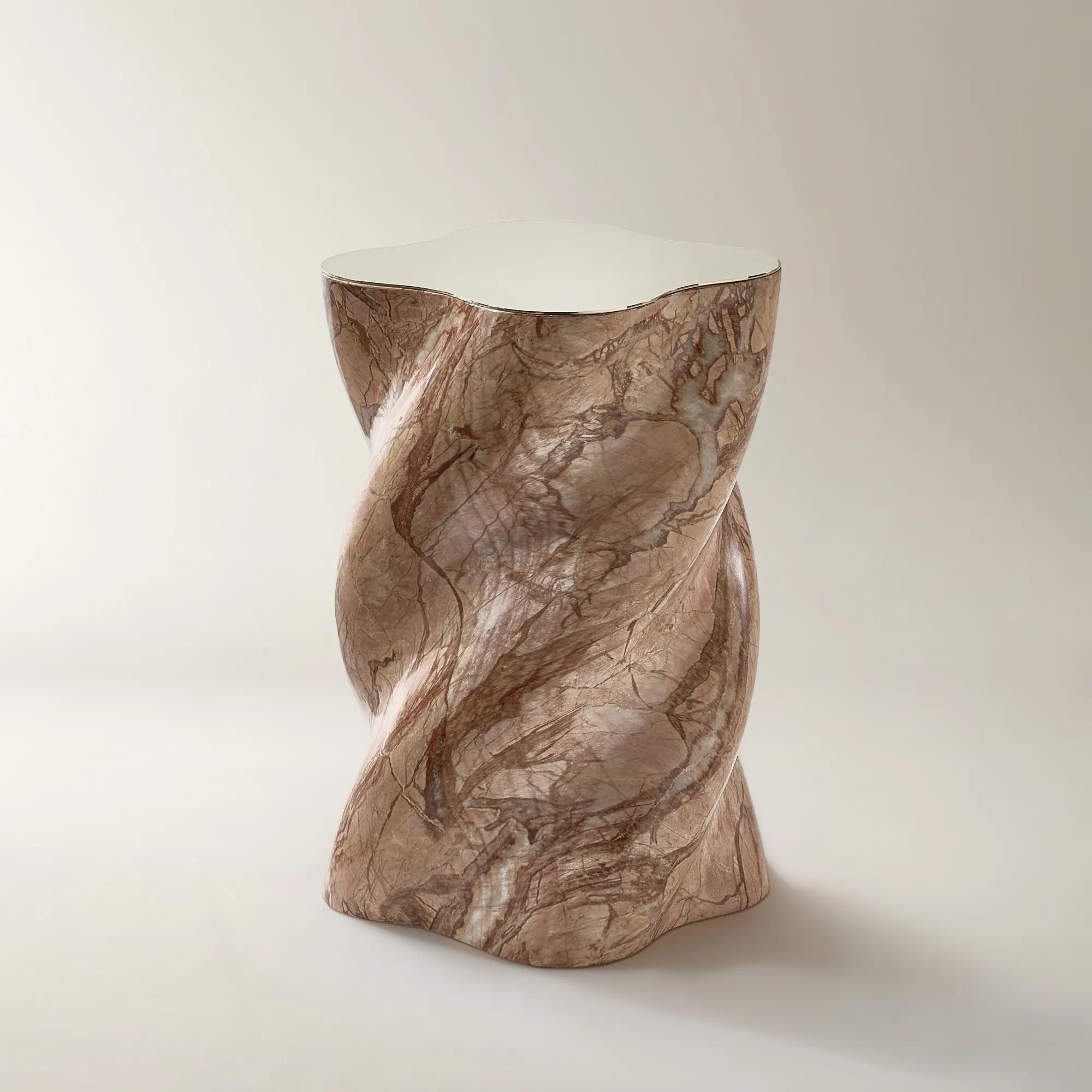
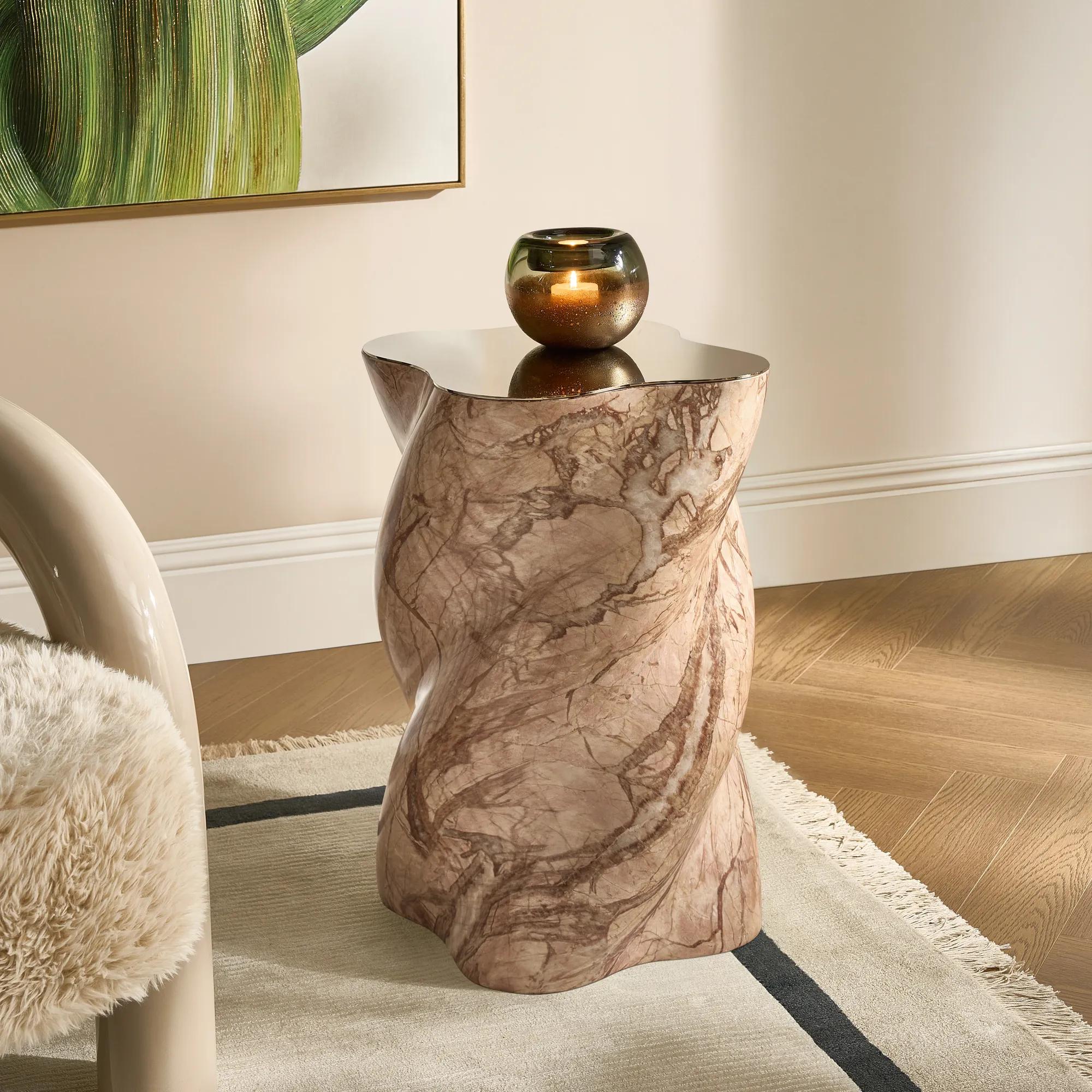 Vega Concrete Indoor/Outdoor Side Table With Stainless Steel Top (13.8")$459
A black, orange, or green concrete side table with removable stainless-steel top and marble-inspired veining.
Add To Cart -

 Flare Round White Marble End Table (21.5")$799
A sophisticated end table featuring a natural white marble top and polished stainless steel base.
Add To Cart -
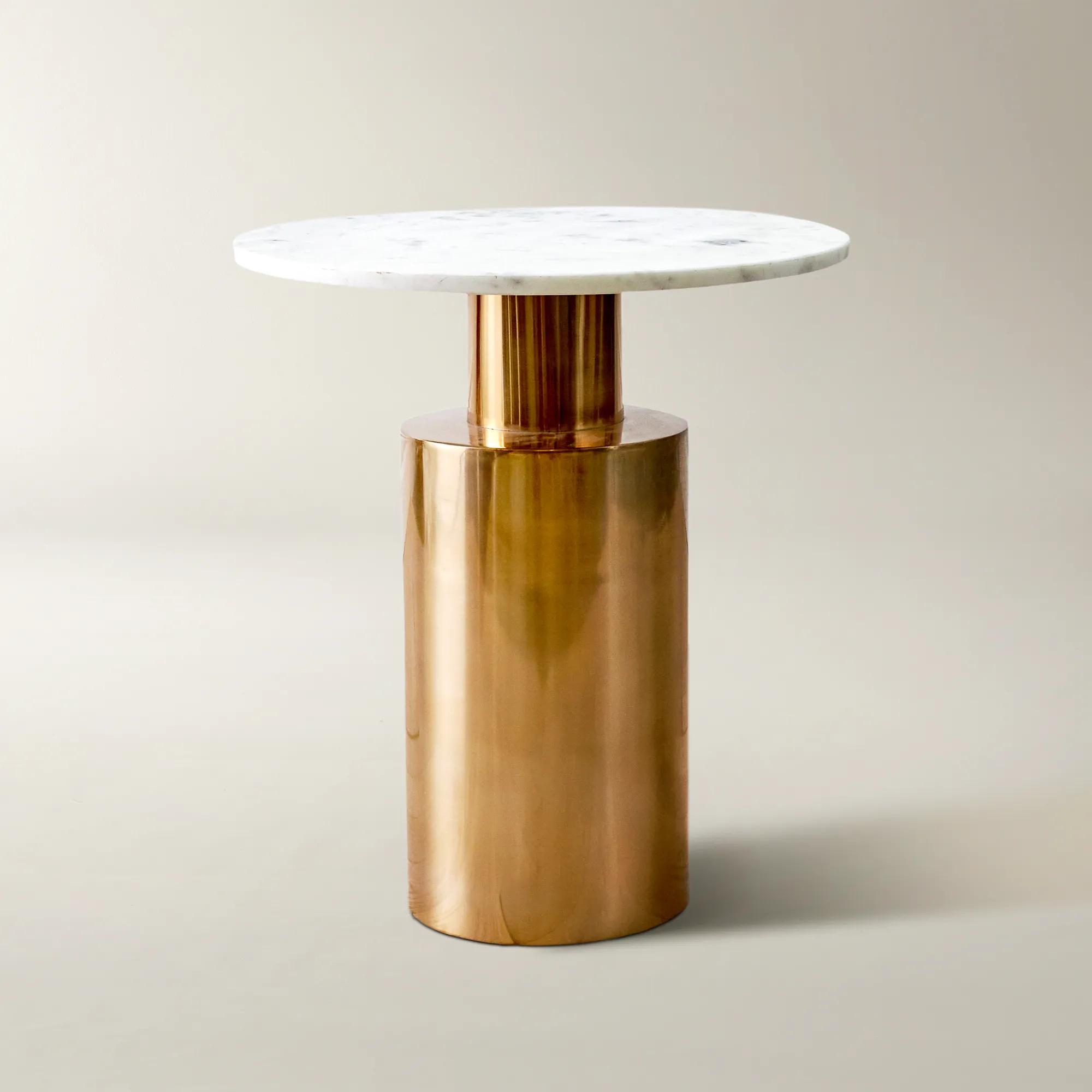 Capri Round White Marble Accent Table (16")$299
A striking accent table featuring a white marble top and gold-finished stainless steel base.
Add To Cart -
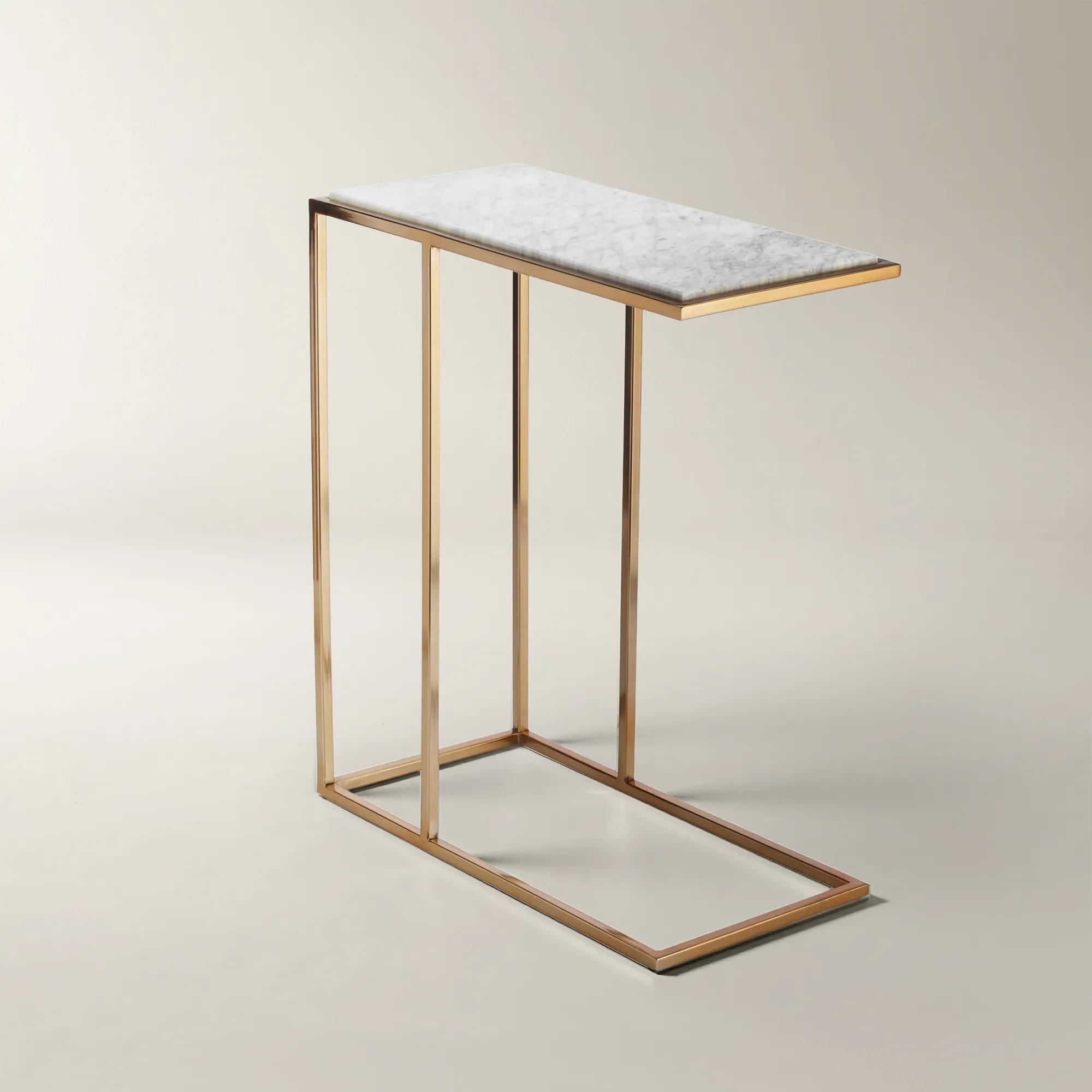
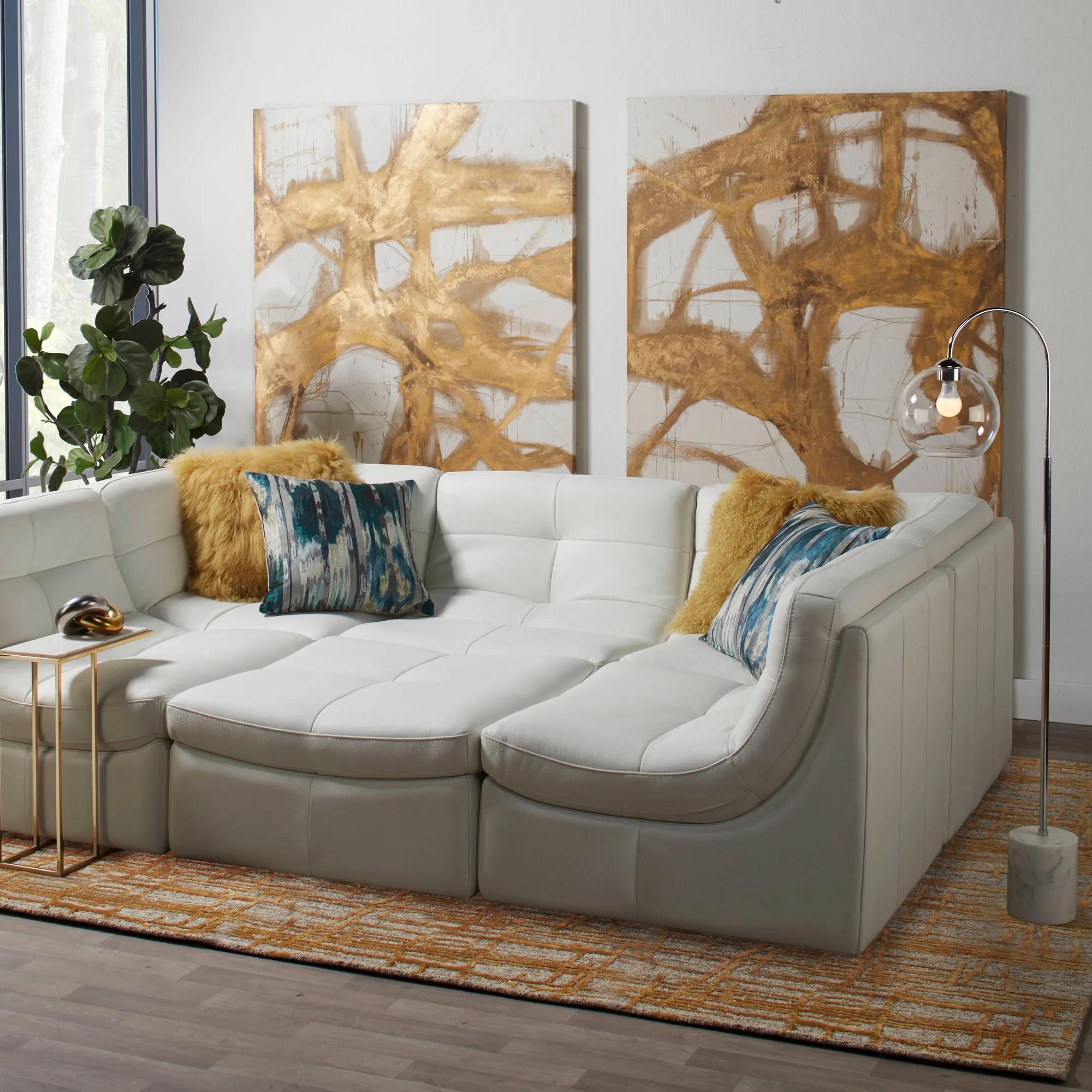 Lawton Rectangular Gold Stainless steel Accent Table With Marble Top (19.75")$259
A space-saving table featuring a white marble top and gold-finished stainless steel base.
Add To Cart -
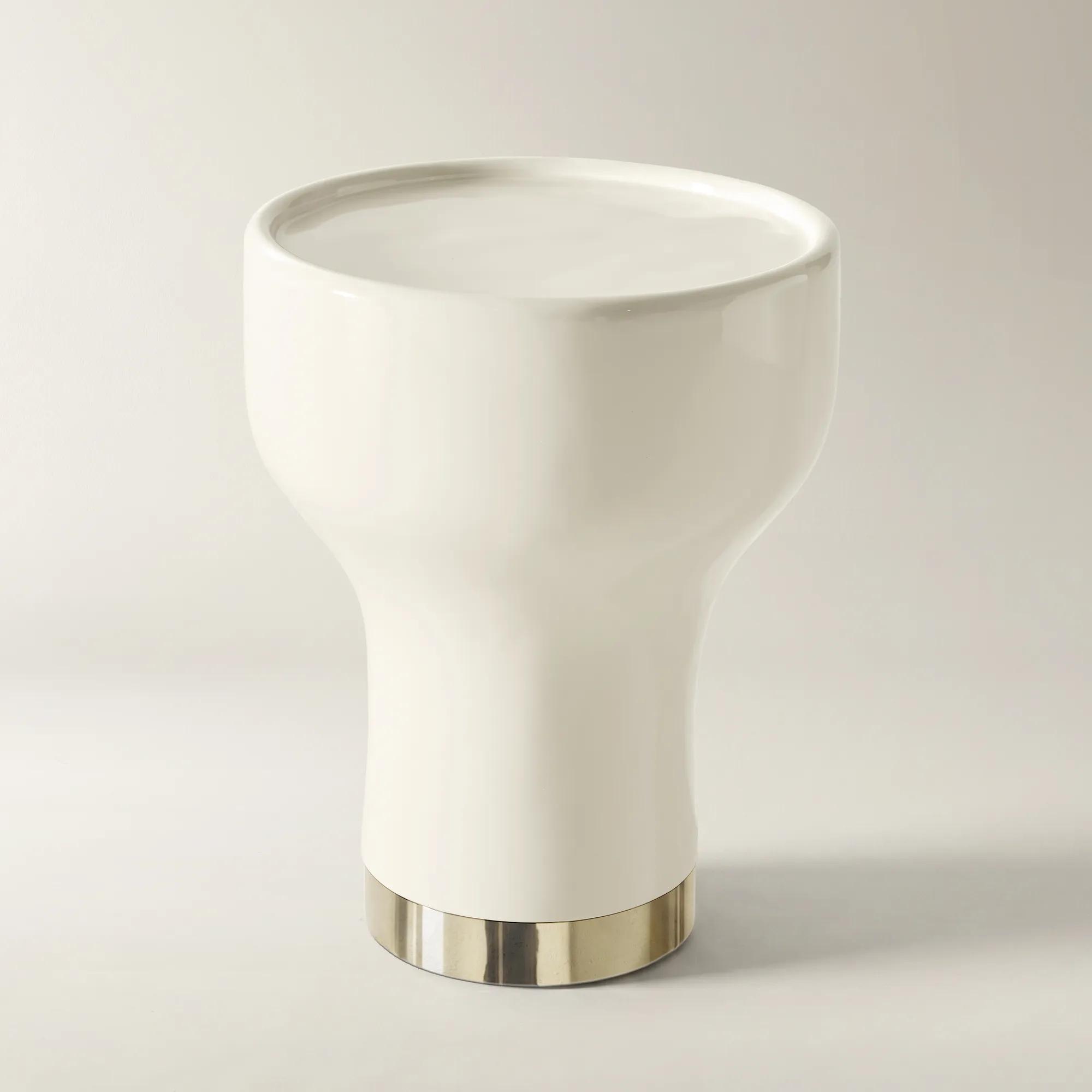
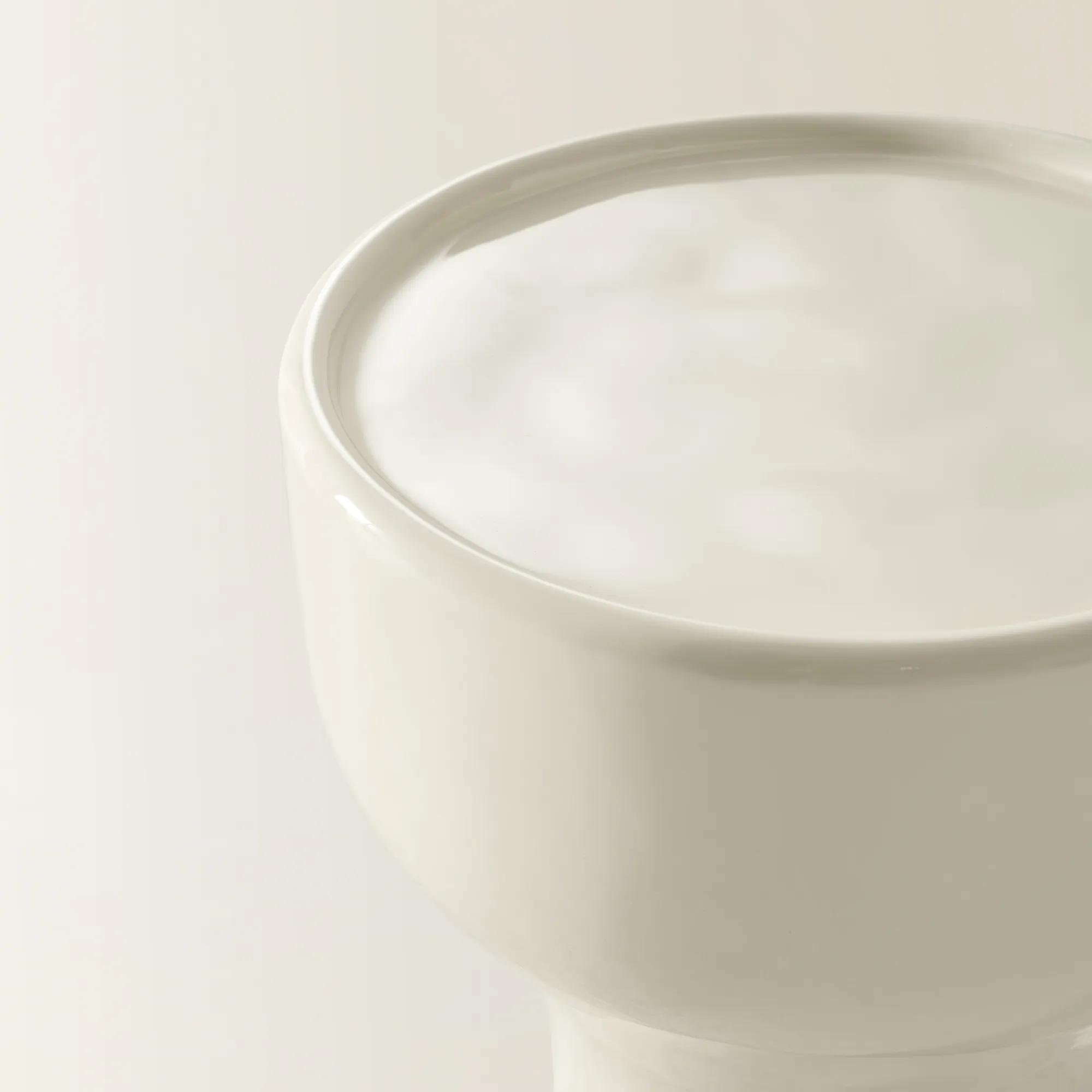 Celia Lacquered Cloud Resin Indoor/Outdoor End Table (16")$399
A sculptural one-piece resin end table with a warm high-gloss finish and gold stainless steel base.
Add To Cart -
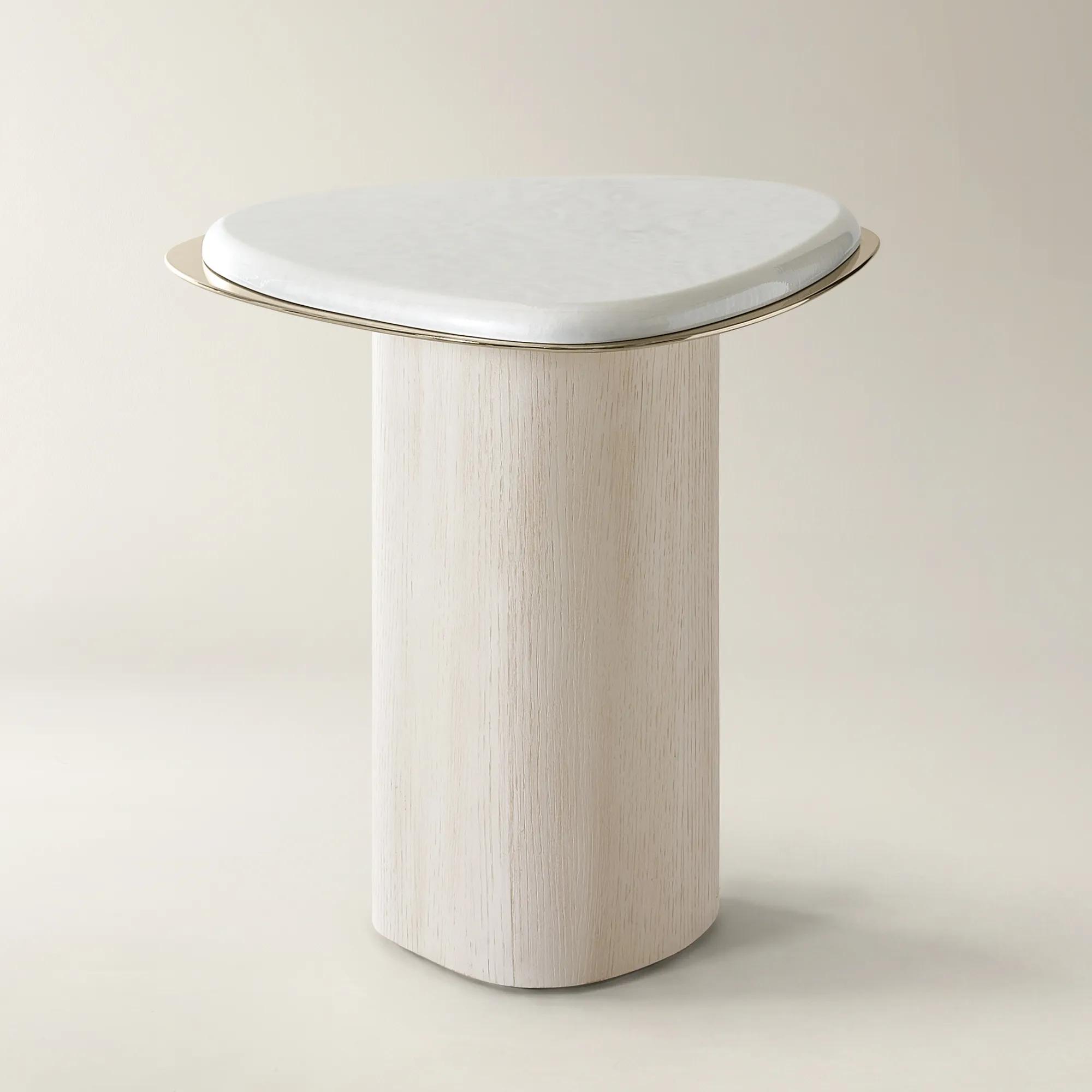
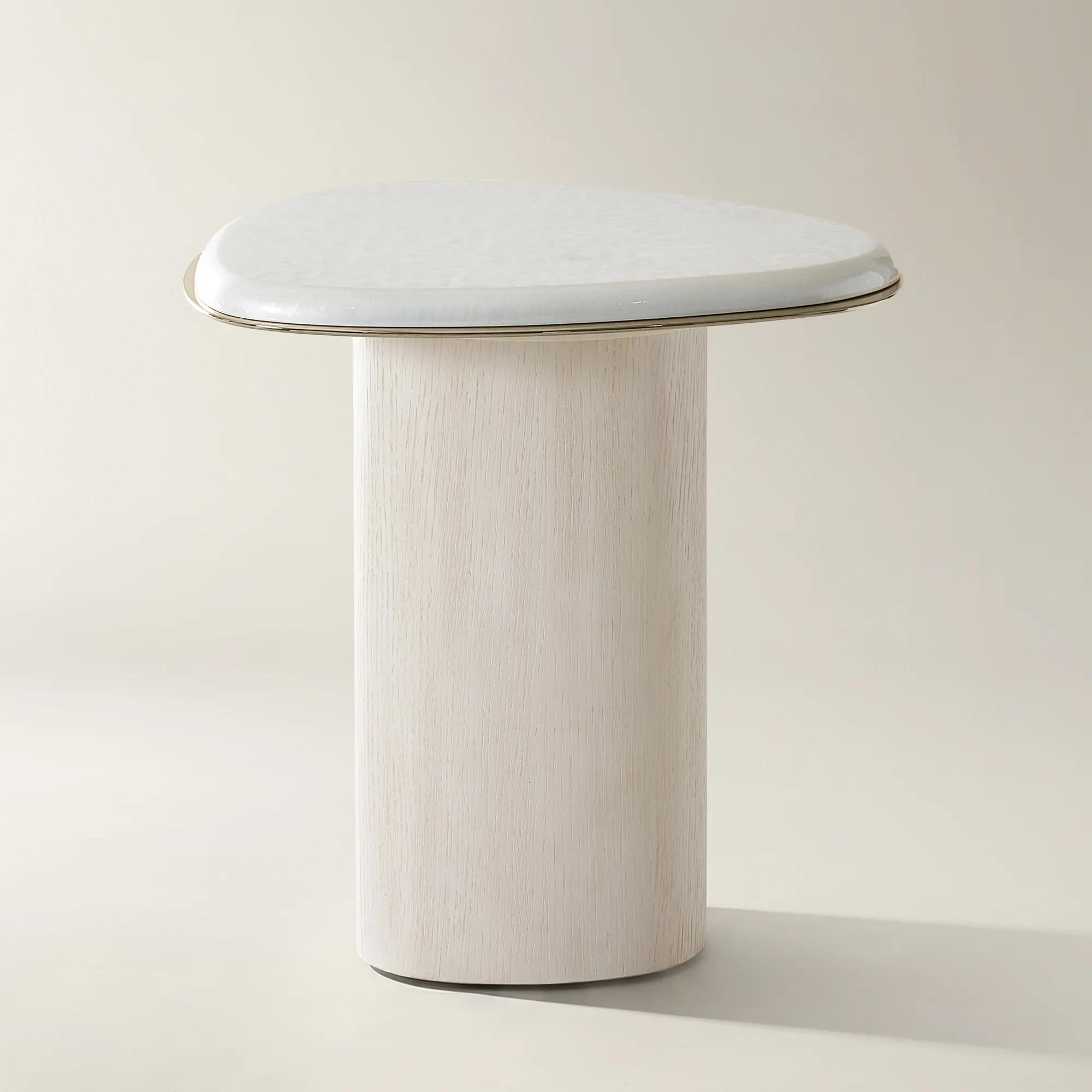 Lumina Bleached Oak End Table With Pearl Lacquered Top (18")$499
A sculptural end table featuring a pearl lacquered top, bleached oak base, and champagne gold trim.
Add To Cart -
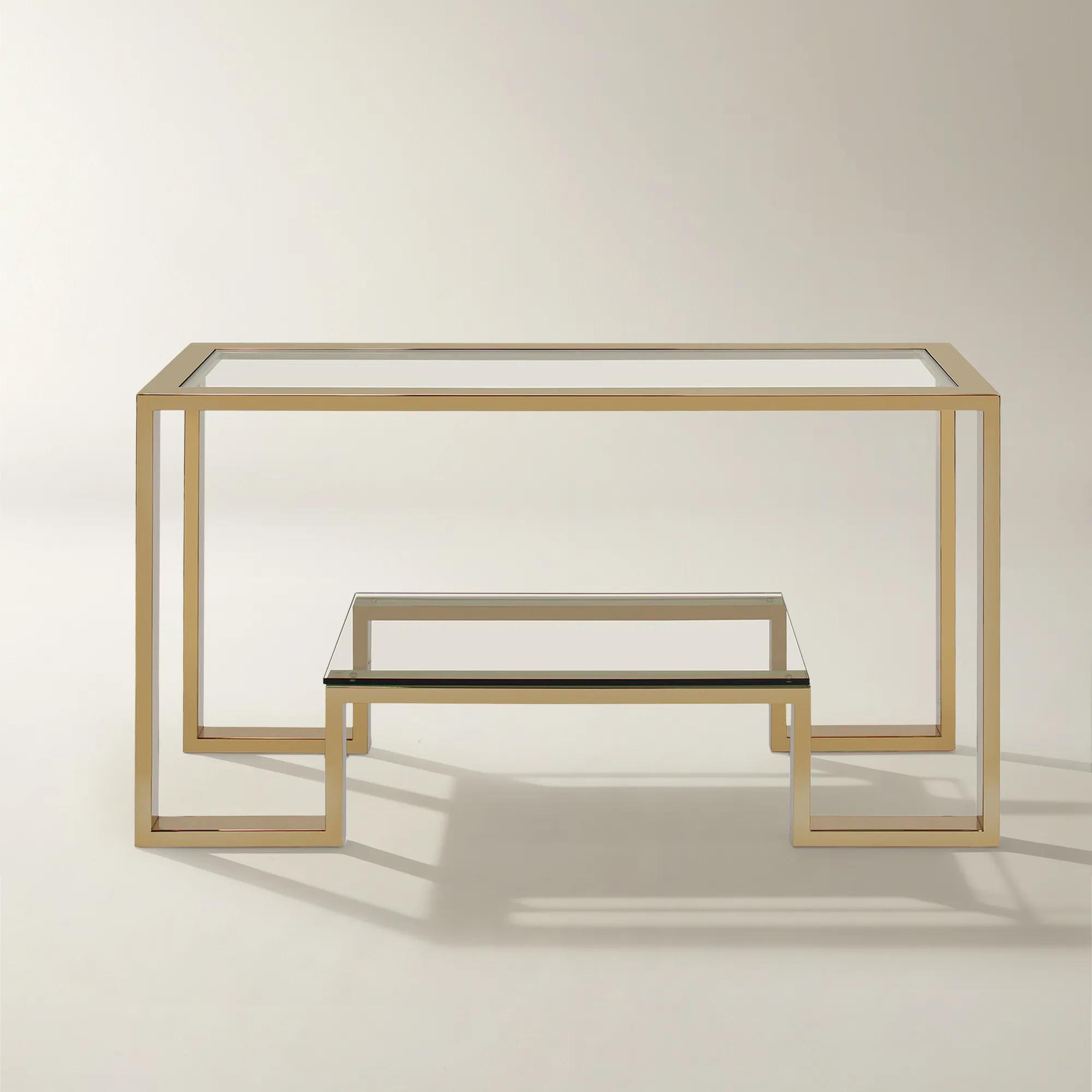
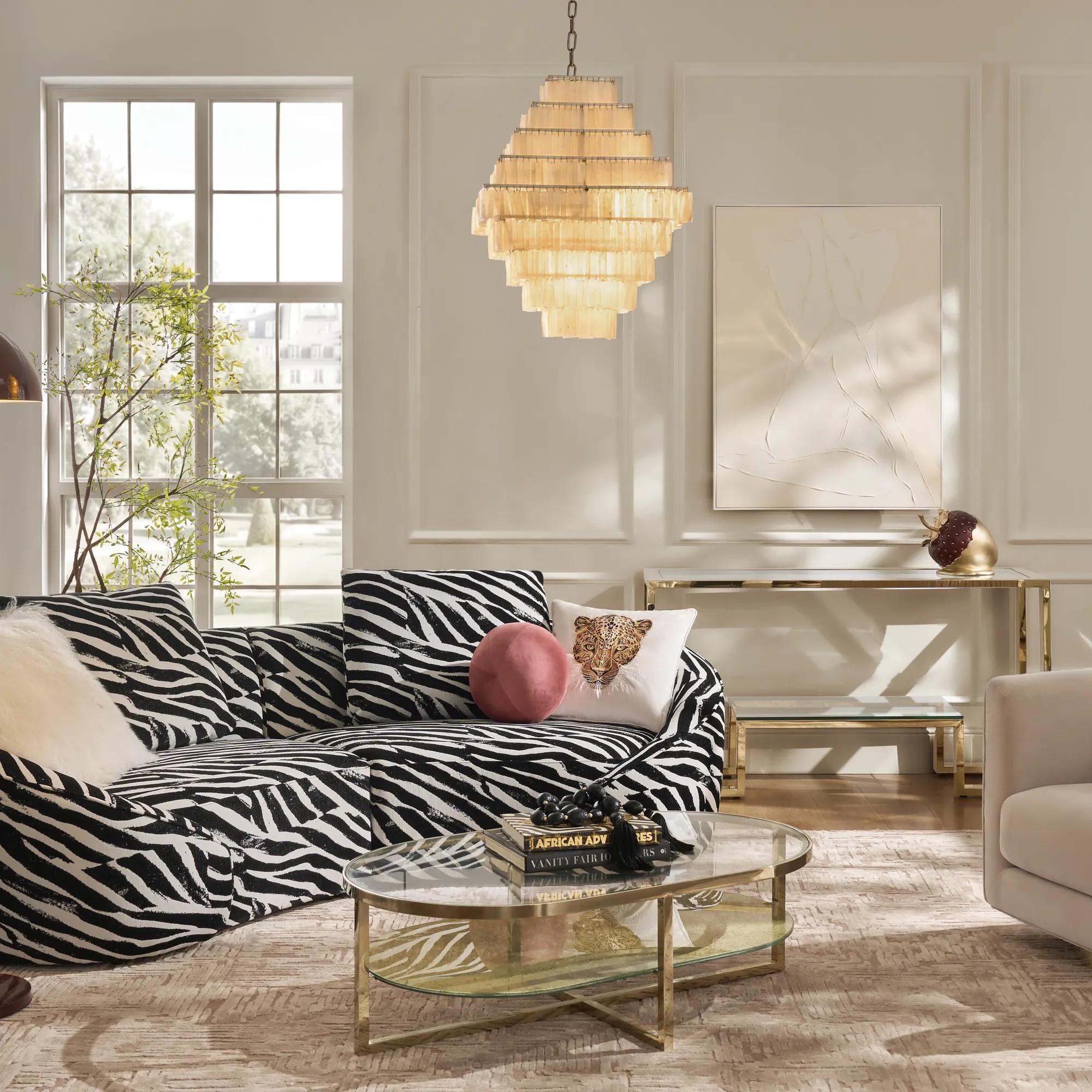 Duplicity Rectangular Gold Stainless Steel Console Table With Glass Top (59")$1399
A modern console table crafted from stainless steel and tempered glass with a floating bottom shelf.
Add To Cart -
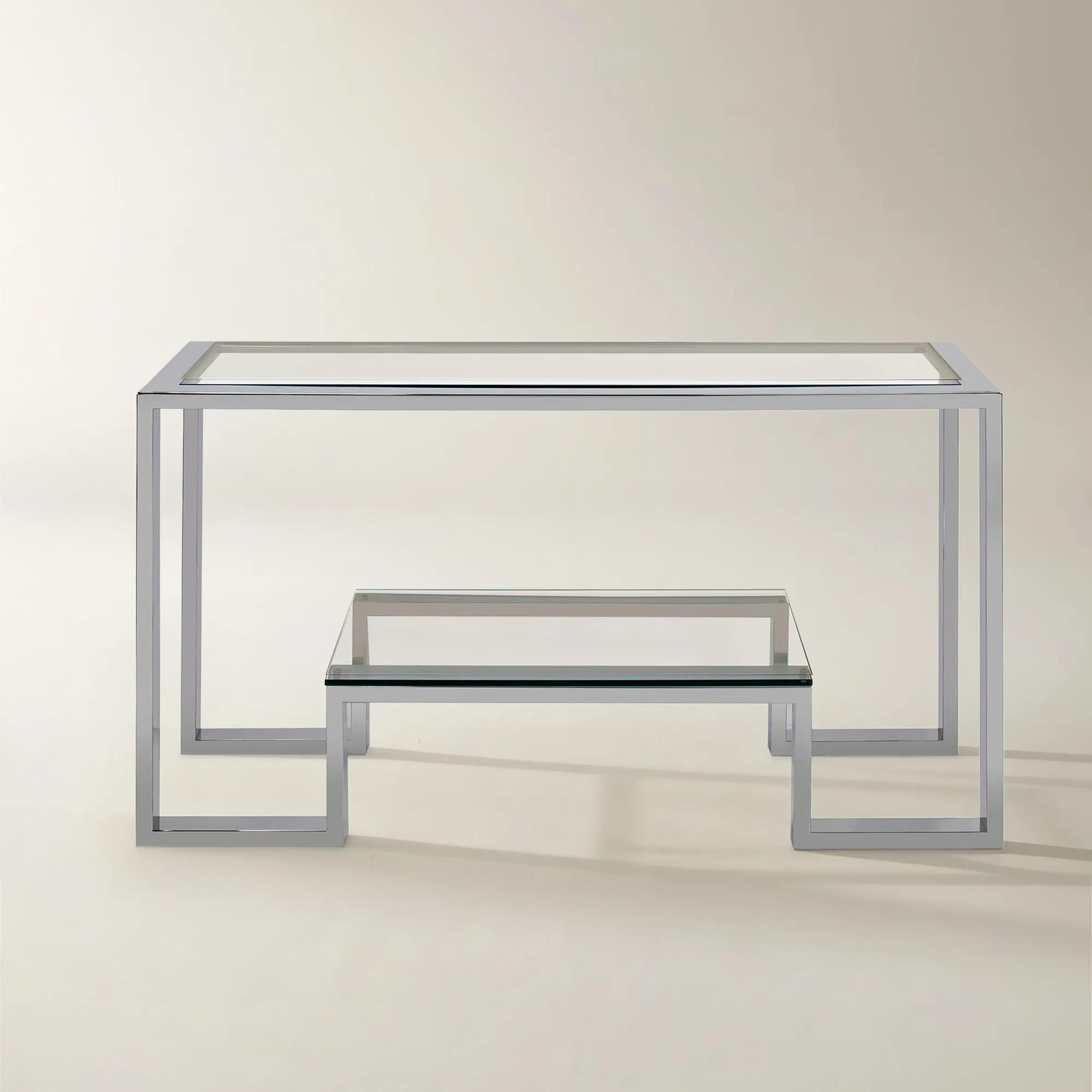
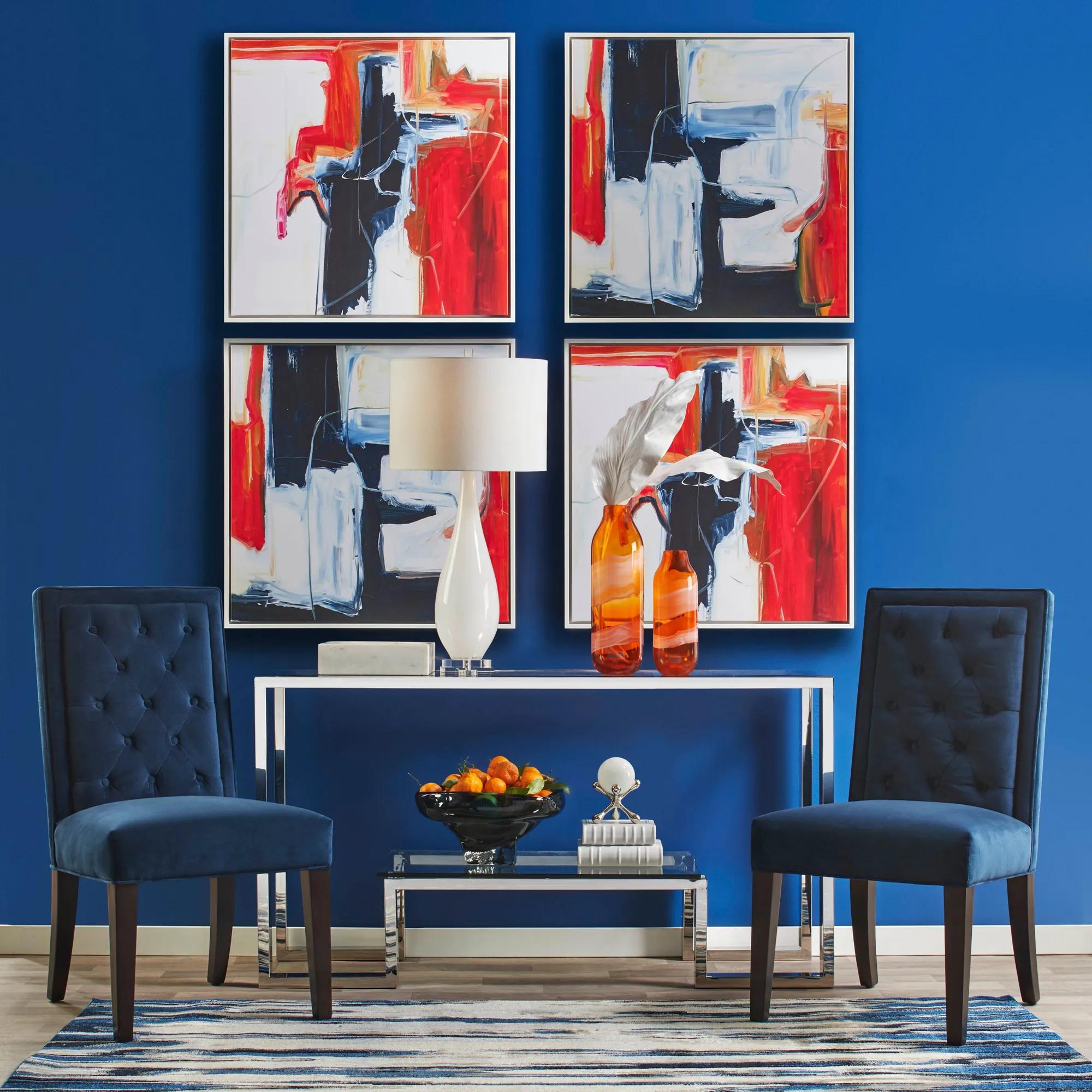 Duplicity Rectangular Silver Stainless Steel Console Table With Glass Top (59")$1399
A modern console table crafted from stainless steel and tempered glass with a floating bottom shelf.
Add To Cart -
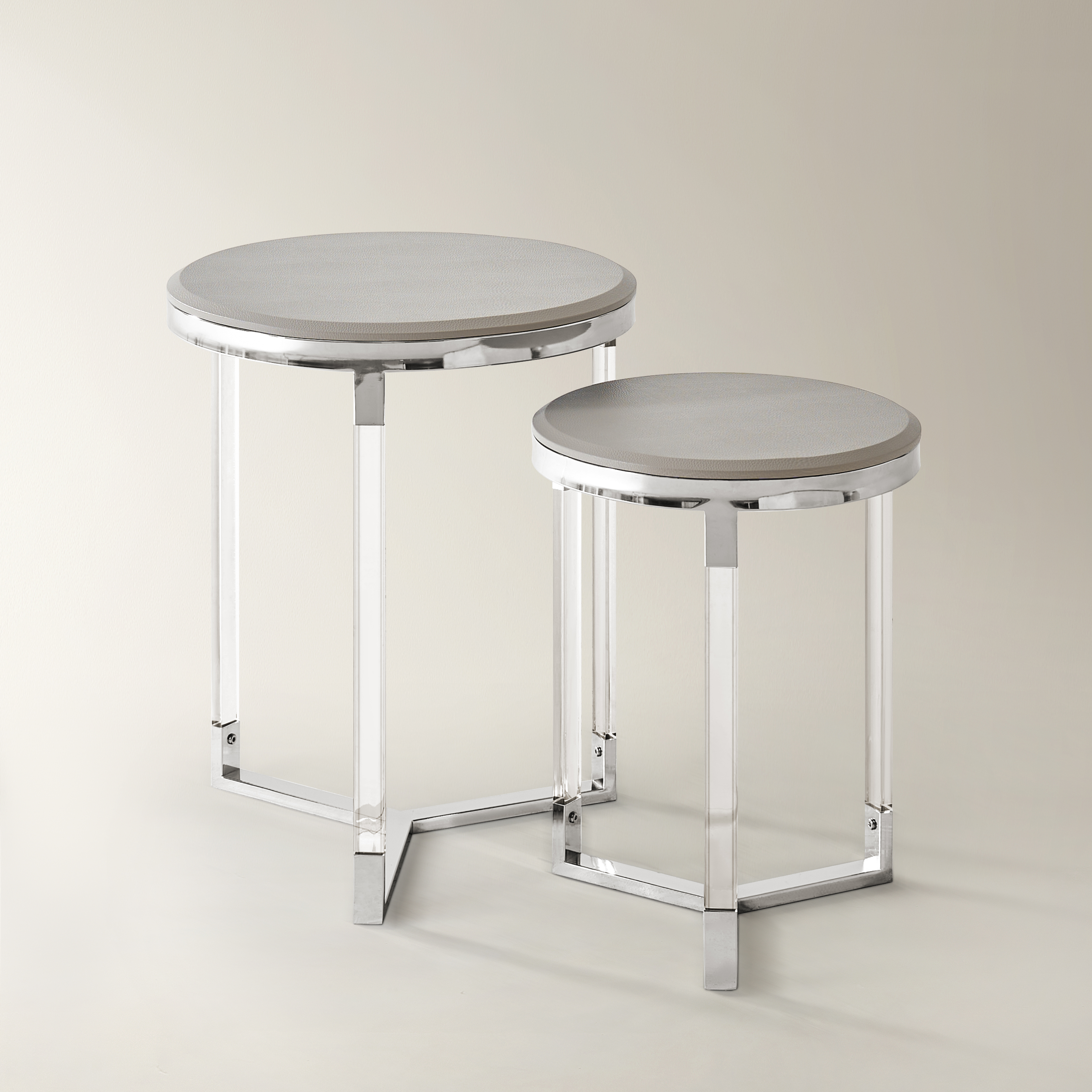
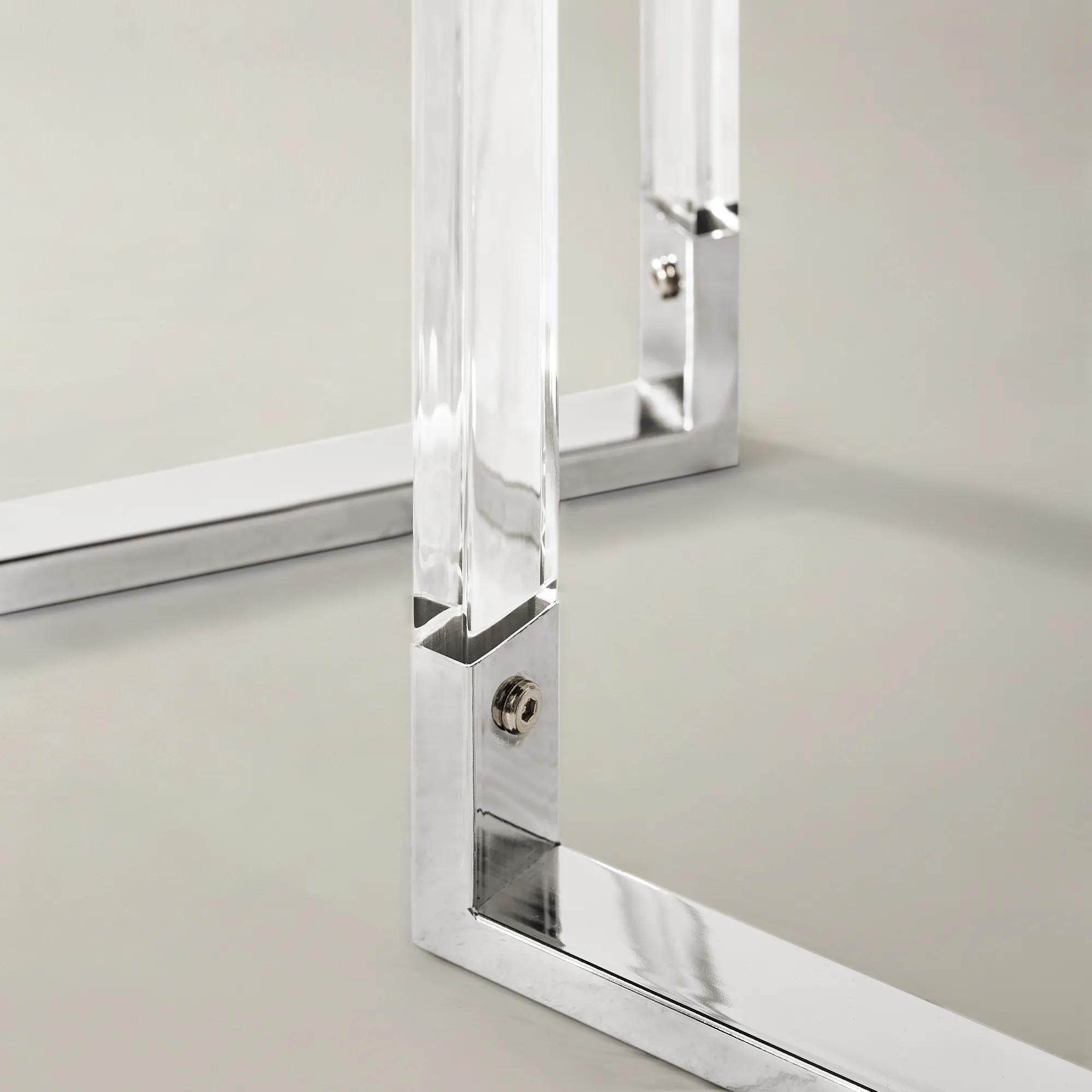 Murano Round Grey Accent Table With Faux Leather Top Set Of 2 (14.5"-18.5")$399
A bold set of two accent tables featuring mixed woods, acrylic legs, and faux leather tops.
Add To Cart -
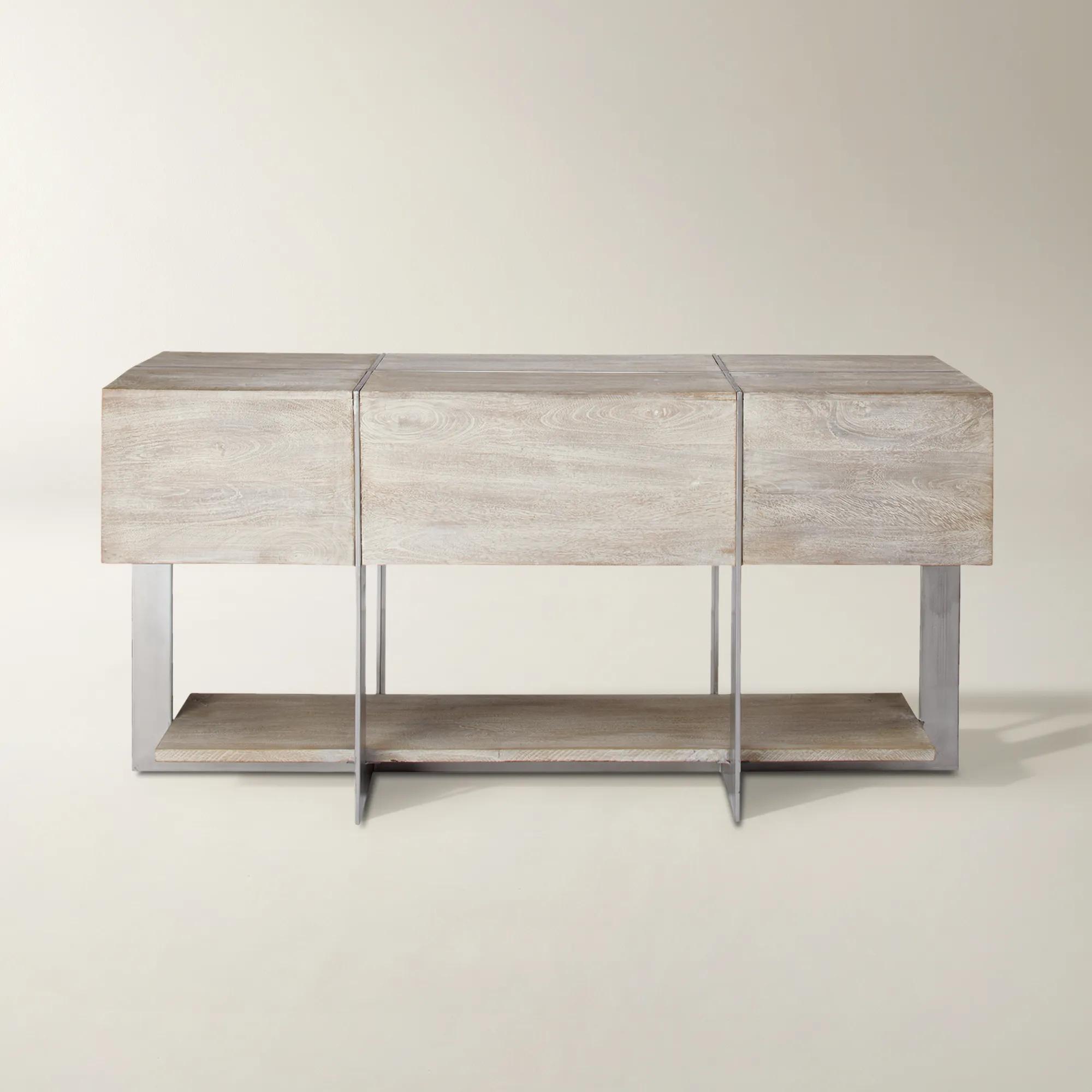
 Clifton Rectangular Natural Mango Wood Console Table (60")$1399
A handcrafted mango wood console table with a whitewashed finish and antiqued silver iron legs.
Add To Cart -
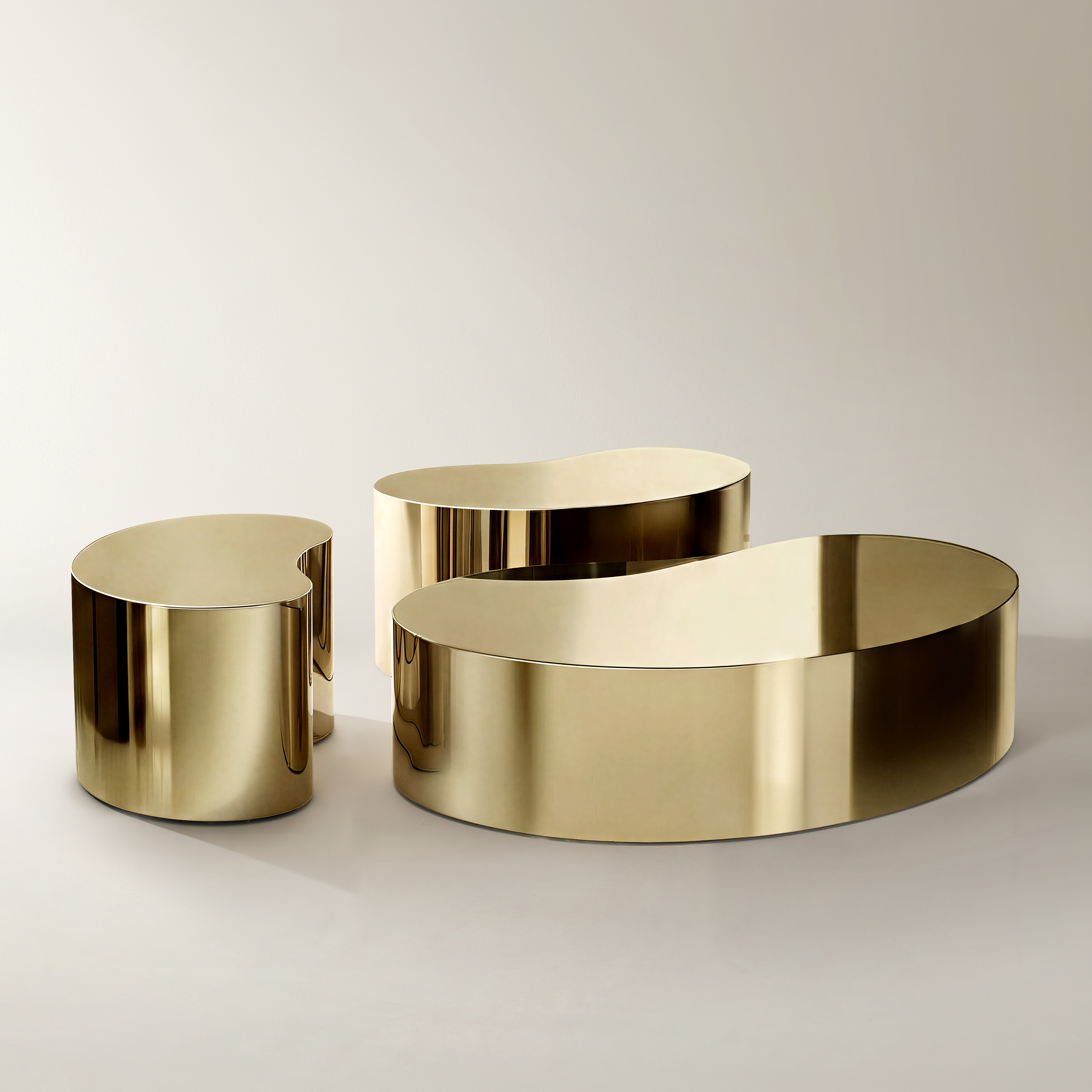 Aurea Soft Gold Coffee Table Set of 3 (32"-57")$3197
A sculptural coffee table crafted from premium stainless steel with a high-gloss, soft gold mirror finish.
Add To Cart -
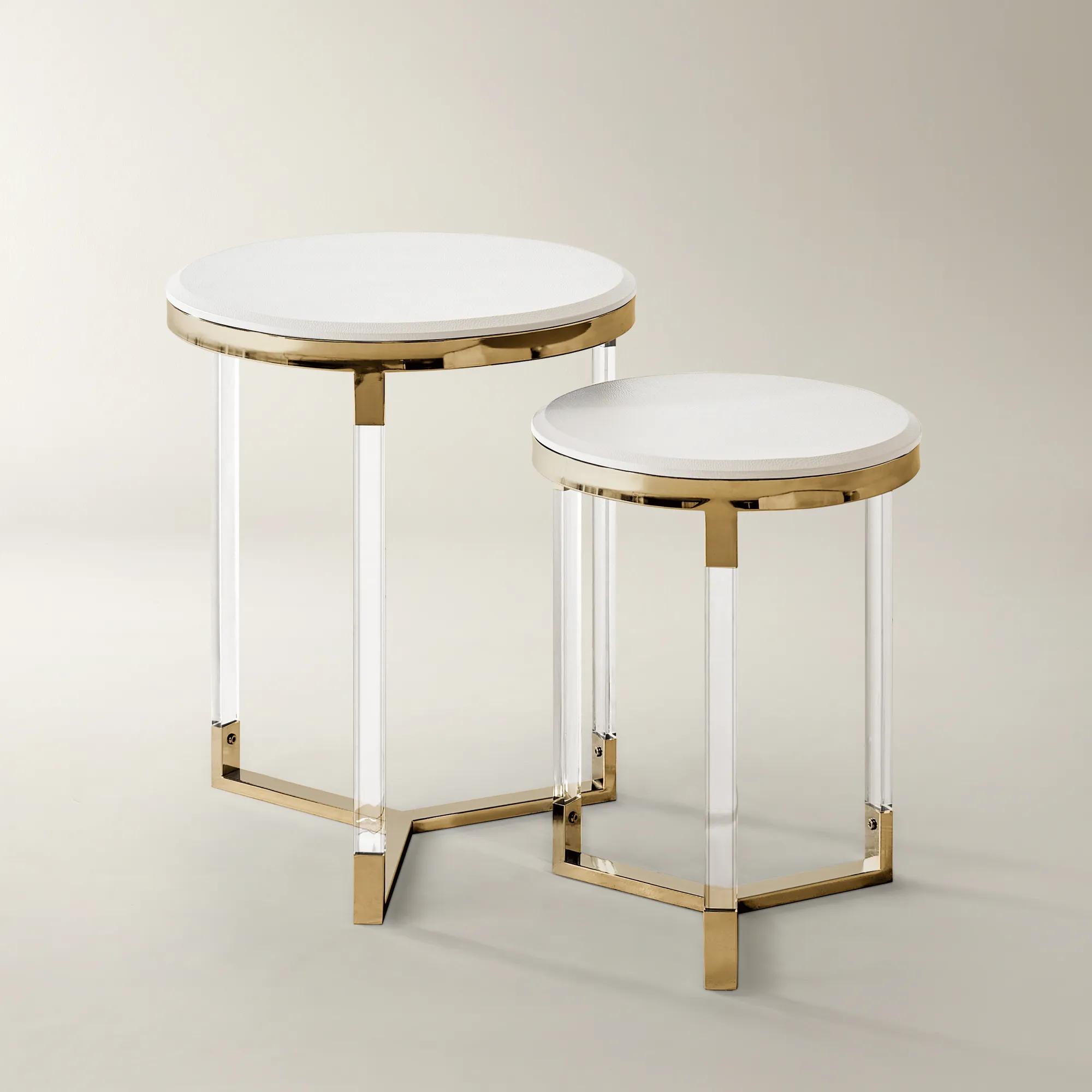
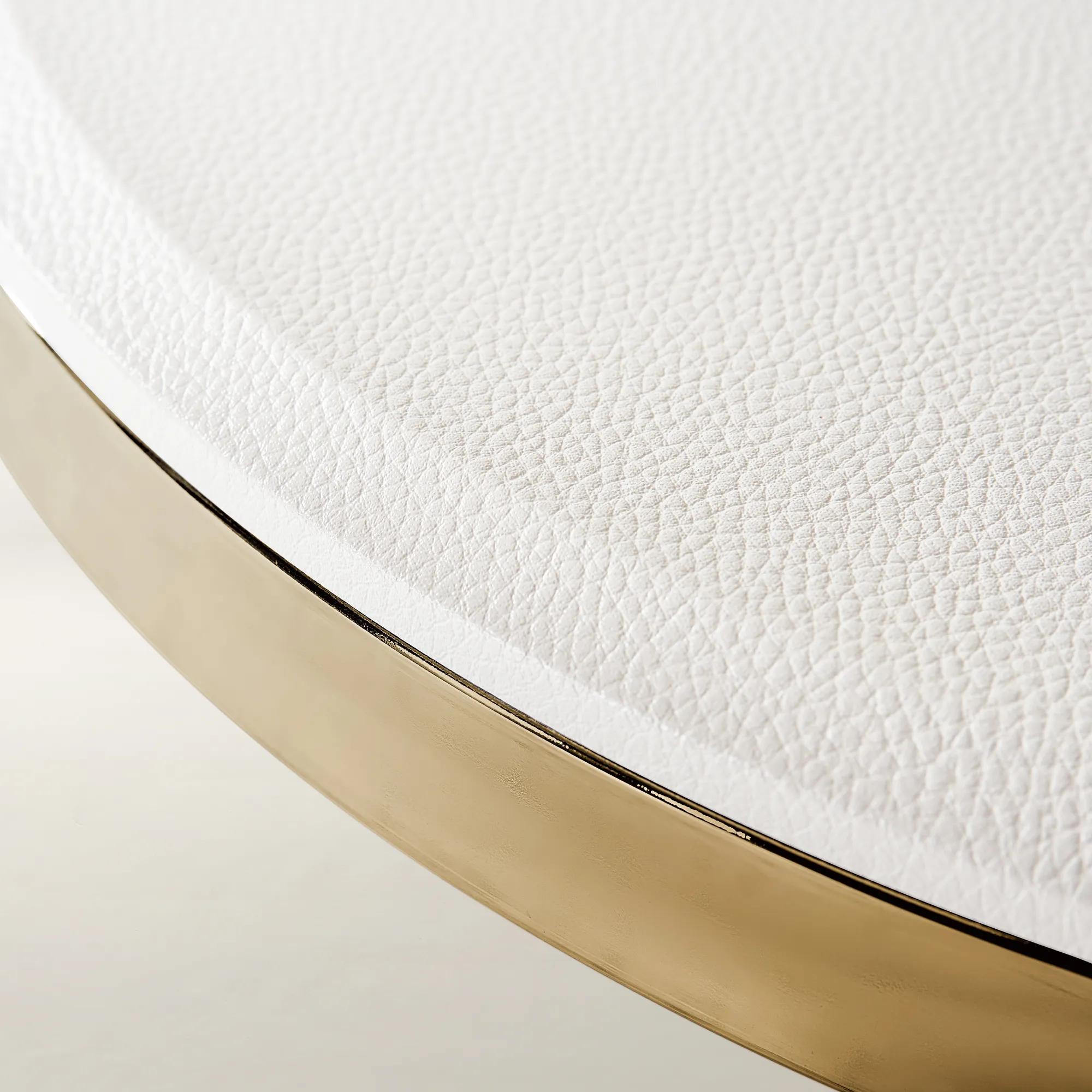 Murano Round White Accent Table With Faux Leather Top Set Of 2 (14.5"-18.5")$399
A set of two accent tables featuring mixed woods, faux leather tops, and acrylic legs with metallic finishes.
Add To Cart -
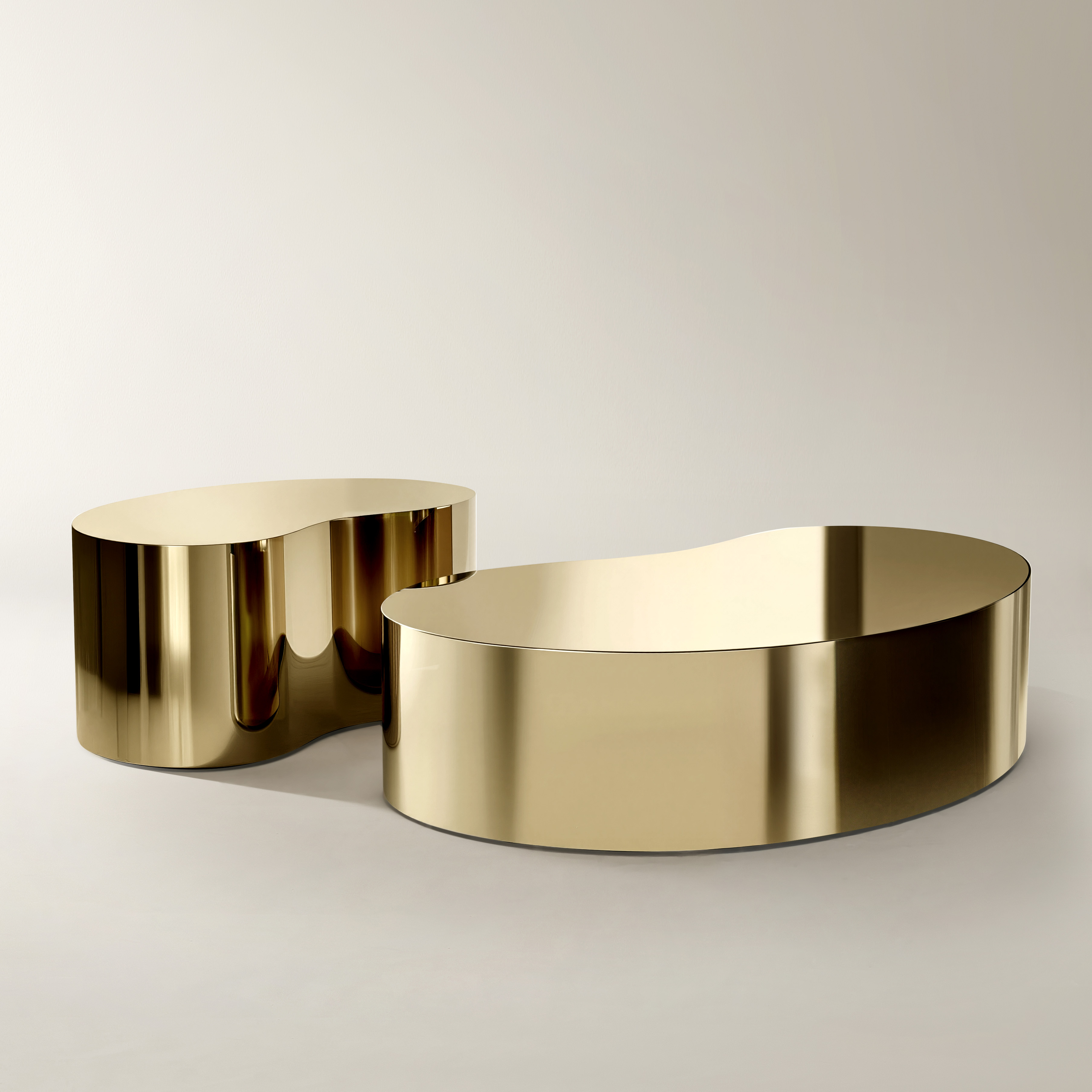 Aurea Soft Gold Coffee Table Set of 2 (37.5"-57")$2398
A sculptural coffee table crafted from premium stainless steel with a radiant, high-gloss soft gold finish.
Add To Cart

Stylish Metal Base Side Tables
Elevate your living space with the magnetic allure of stylish metal base side tables—where artistry meets utility in every gleaming line. These striking silhouettes are crafted to command attention, transforming any room into a showcase of modern sophistication. Whether anchoring a dramatic vignette beside your sofa or punctuating a serene bedroom retreat, each table is an invitation to indulge in bold design and expressive detail. Let your home shimmer with the sculptural elegance that only stylish metal base side tables can bring, turning everyday moments into extraordinary statements.
Stylish metal base side tables bring architectural definition to a room, pairing a sculptural foundation with a surface made for everyday rituals. Beside a sumptuous sofa, a velvet accent chair, or an upholstered bed, the contrast is compelling: gleaming metal against soft fabric, a crisp geometric frame beneath richly veined stone, or an open silhouette that lets a patterned rug remain part of the composition. Their appeal lies in that balance of visual presence and practical scale. A slender metal frame can give a compact corner polish without making it feel crowded, while a substantial pedestal introduces a concentrated dose of drama. Round tops soften arrangements with strong angles; square and rectangular tops echo the lines of tailored upholstery and fit neatly beside seating. Base design shapes the experience just as much as the tabletop. C-shaped bases can bring a surface closer to a sofa or chair when the lower section fits beneath the furniture, making them useful for a drink, a book, or a small plate. Open geometric bases create an airy effect, while sculptural columns and interlocking forms make the table feel like a piece of functional art. Steel, iron, and aluminum each offer different possibilities for construction, weight, and finish; overall stability depends on the complete design rather than the metal alone. The top adds another layer of character. Glass reveals the artistry of the base and preserves sightlines through a room. Marble and other natural stones introduce individual veining and substantial visual weight. Wood brings warmth and grain, while mirrored surfaces catch surrounding color and light for a more theatrical expression. Polished, brushed, antiqued, and matte finishes change how those materials interact. A reflective frame creates bright highlights near a lamp, whereas a darker, low-sheen base draws attention to its outline. These distinctions give metal base accent tables remarkable range, from a restrained architectural note to a jewel-like focal point with a commanding presence.
The most satisfying metal base side tables feel considered in relation to the furniture around them. Beside a sofa, a tabletop near the height of the arm generally keeps a glass or remote within comfortable reach; beside an armless chair, the seat height and the way someone naturally reaches outward become more useful references. A bedside table needs a similar relationship to the mattress, with enough surface for the objects that genuinely belong there. A lamp, water glass, and current book require a different footprint than a single decorative bowl. Measuring the intended surface area as well as the floor space helps preserve that distinction. A small table with a broad base may occupy more room than its top suggests, while an overhanging top can extend into a walkway even when the legs appear neatly tucked away. In a compact sitting area, an open frame or clear glass top can maintain visual breathing room, though the physical dimensions still determine fit. Nesting designs offer layered surfaces where their construction allows, and a lower shelf provides another place for reading material without crowding the main display. For C-shaped side tables, clearance beneath the sofa and the depth of the base are essential to whether the silhouette will work as intended. Pedestal tables deserve attention to both the width of the foot and the balance of the top, particularly where people pass frequently. A heavier surface does not automatically mean a more stable table, and manufacturer weight limits matter when the intended arrangement includes a substantial lamp or stone accessory. On wood or tile floors, suitable protective glides can help reduce scratches; on a rug, a level position helps prevent rocking. Within those practical boundaries, asymmetry can feel especially sophisticated. Two complementary tables can frame a sofa without matching precisely, allowing one sculptural shape to answer another through a shared finish, proportion, or material.
Finish is where a metal base side table begins to speak to the room’s broader palette. Brass-toned and gold-toned metal lends warmth to ivory upholstery, deep jewel tones, and richly textured fabrics. Silver-toned finishes create a cooler, luminous counterpoint, while black metal gives pale surfaces a decisive outline. Bronze tones can introduce depth without the brightness of a highly polished finish. A room does not need identical metals throughout to feel cohesive; repeating one tone in a lamp, mirror frame, or decorative object can give a mixed-metal arrangement a deliberate rhythm. For a lighter expression of this contrast, stylish gold and white side tables pair a luminous foundation with a crisp, pale surface. Whatever the palette, a little open tabletop lets the materials remain visible. One sculptural vase beside a reading lamp often gives a beautiful base more presence than a crowded collection of accessories. Lasting beauty also depends on care suited to both the frame and the top. A soft, dry cloth is a useful starting point for regular dusting, with cleaning products chosen according to the manufacturer’s instructions. Abrasive pads and harsh cleaners can damage decorative finishes, and standing moisture may affect coatings or joints. Coasters and protective pads help shield surfaces from drink rings, heat, and scratches. Natural stone may require sealing and stone-safe care; acidic spills can mark some stones, so prompt attention matters. Glass benefits from gentle cleaning that avoids saturating nearby metal connections, while wood surfaces need protection from prolonged moisture. Metal construction alone does not make a table suitable for outdoor use; placement should follow its intended rating. For a housewarming or wedding gift, dimensions and the recipient’s existing finishes matter more than choosing an elaborate silhouette in isolation. In a personal reading corner, a welcoming guest room, or an expressive living room, the right table supports the way the space is enjoyed while giving even a quiet corner a distinct identity.
FAQs
Metal base side tables are remarkably versatile, harmonizing beautifully with a range of aesthetics—from modern glam and urban loft to classic elegance and eclectic artistry. Their sculptural lines and metallic finishes can anchor a minimalist space with a touch of drama or add a contemporary edge to more traditional interiors. For a curated look, pair them with plush textiles, mirrored accents, or rich woods to create a layered, gallery-inspired atmosphere.
A metal decorative table serves as both a functional surface and a striking statement piece. Style it beside a sofa or accent chair to showcase a dramatic lamp, a bold floral arrangement, or a cluster of your favorite objets d’art. The reflective qualities of metal add light and dimension, making your living room feel more open and inviting. Consider grouping multiple tables of varying heights for a dynamic, artful effect.
Absolutely—metal frame side tables bring a touch of refined glamour to the bedroom, whether used as nightstands or accent pieces. Their sleek profiles and shimmering finishes create a sense of luxury, while offering a perfect perch for bedside essentials like books, candles, or a chic tray. For a cohesive look, coordinate the table’s finish with other metallic accents in the room, such as lighting or hardware.
Astair nesting tables invite creativity and flexibility in styling. Arrange them together to form a tiered display for art books, vases, or decorative trays, or separate them to serve as individual accents throughout the room. Their nesting design allows you to easily adapt your layout for entertaining or everyday living, while the gleaming metal bases add a sophisticated edge to any vignette.
While brushed steel side tables are primarily designed for indoor use, they can bring a touch of modern luxury to a covered patio or sunroom, provided they are protected from direct exposure to the elements. Their lustrous finish and sturdy construction make them an elegant choice for transitional spaces, where they can serve as a chic surface for drinks, plants, or decorative accents.