Spring And Summer Dining Chairs
Spring And Summer Dining Chairs
-
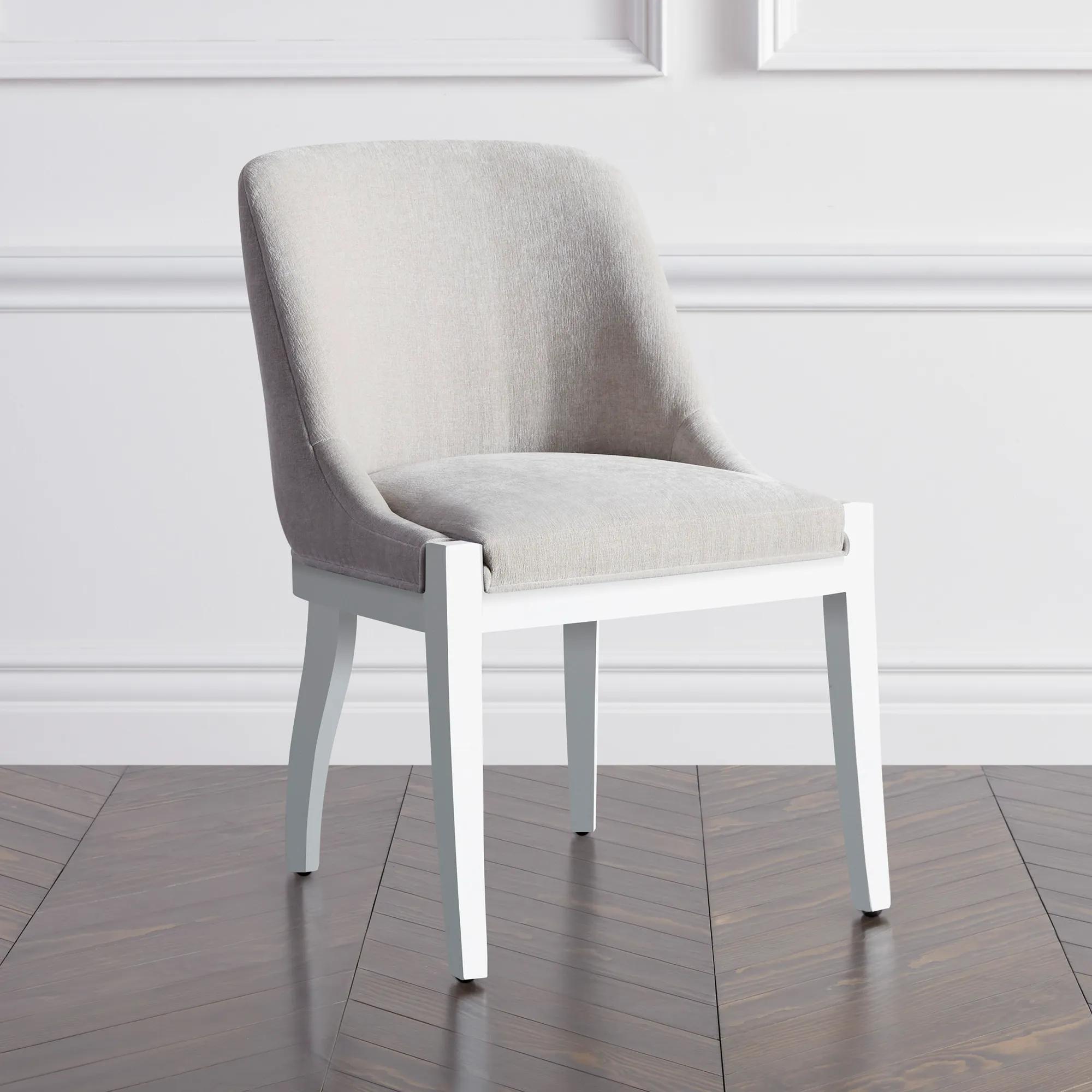
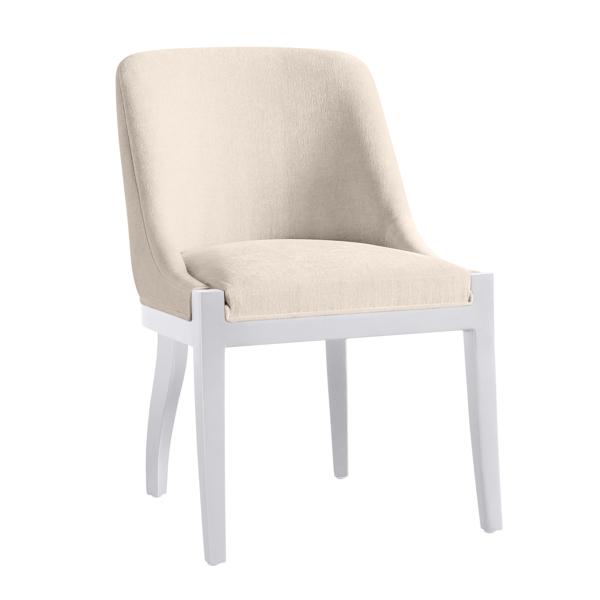 Lily Dining Chair - High Gloss White$649
A modern dining chair featuring kiln-dried hardwood, high-gloss white legs, and neatly tailored upholstery.
Add To Cart -
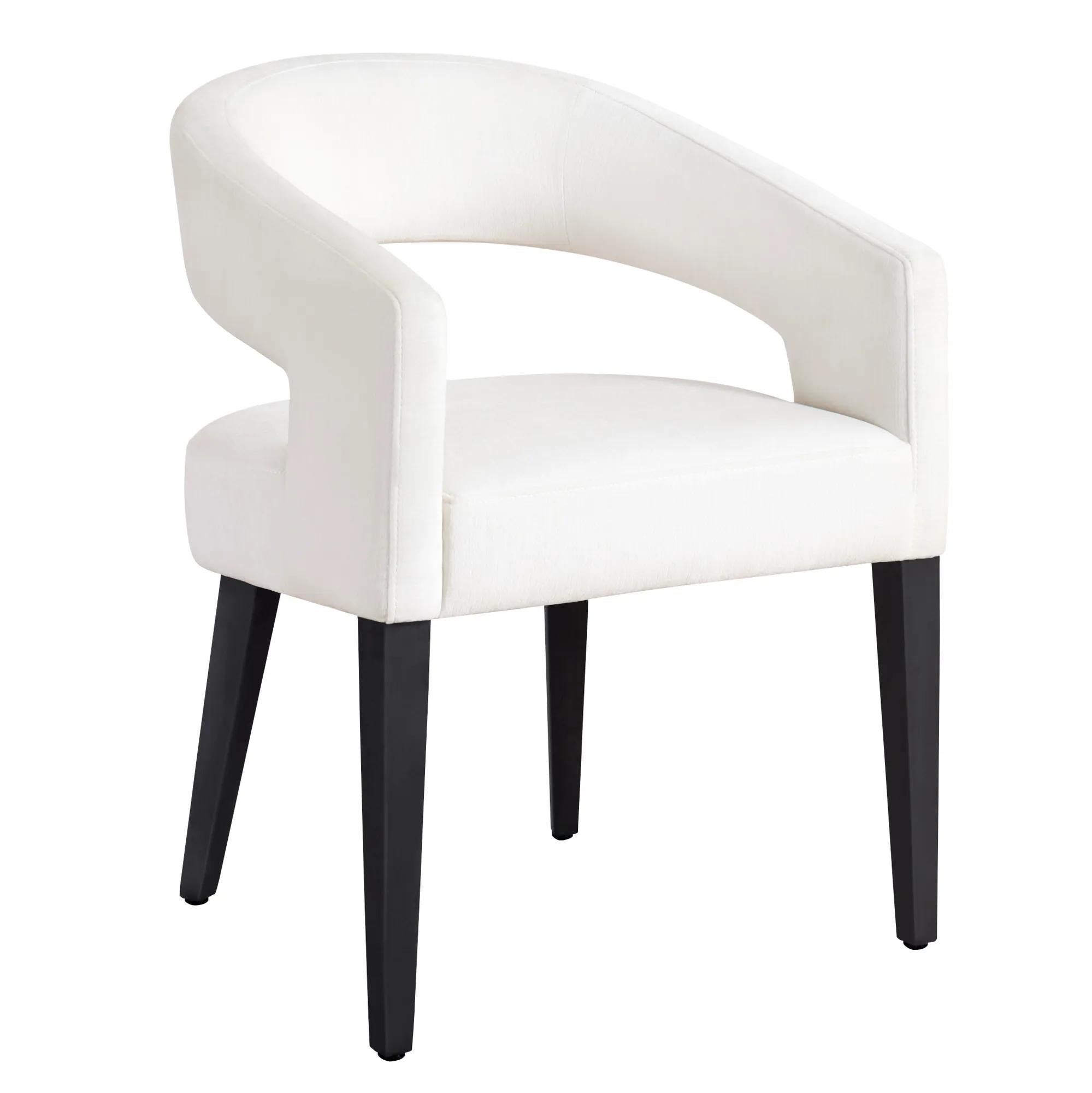
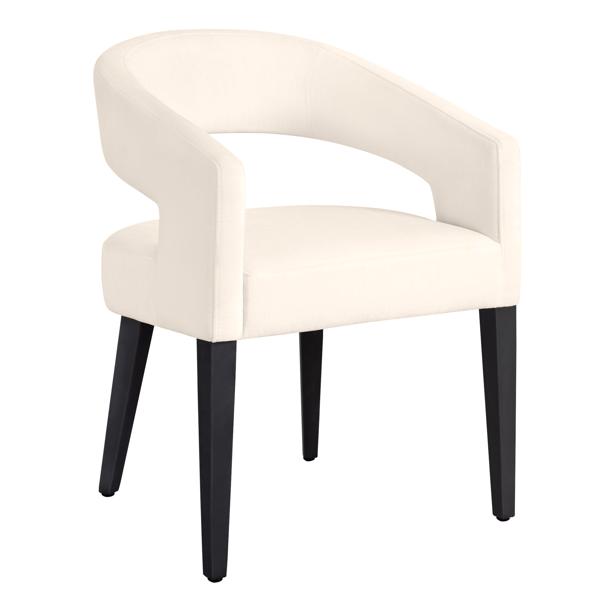 Philippa Dining Chair - Matte Black$599
A modern dining chair featuring a curved silhouette, matte black legs, and neatly tailored upholstery.
Add To Cart -
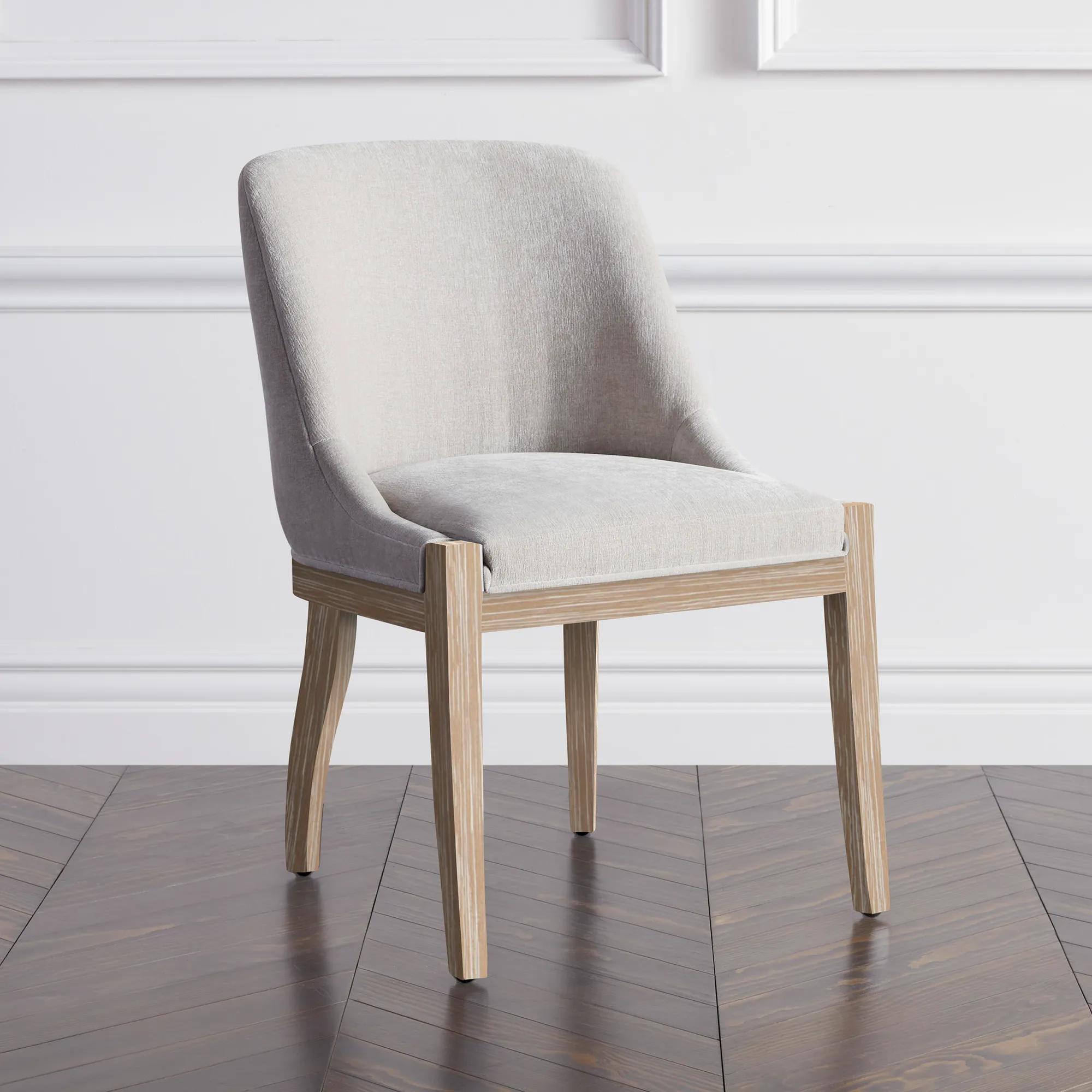
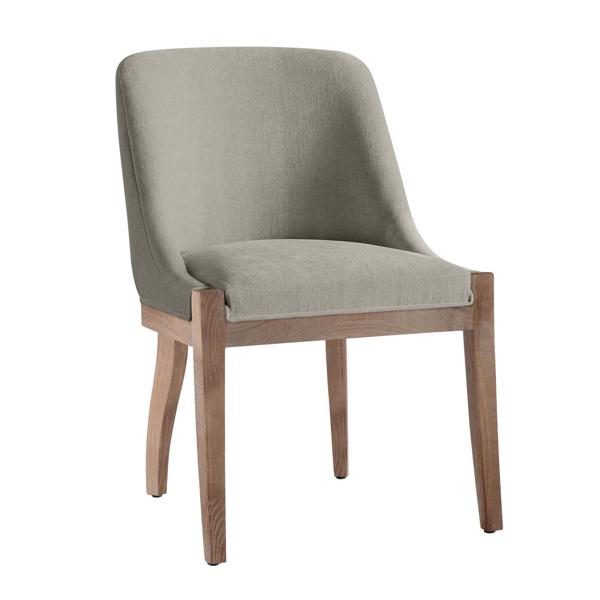 Lily Dining Chair - Wash Oak$699
A modern dining chair featuring a kiln-dried hardwood frame, wash oak legs, and tailored chenille upholstery.
Add To Cart -
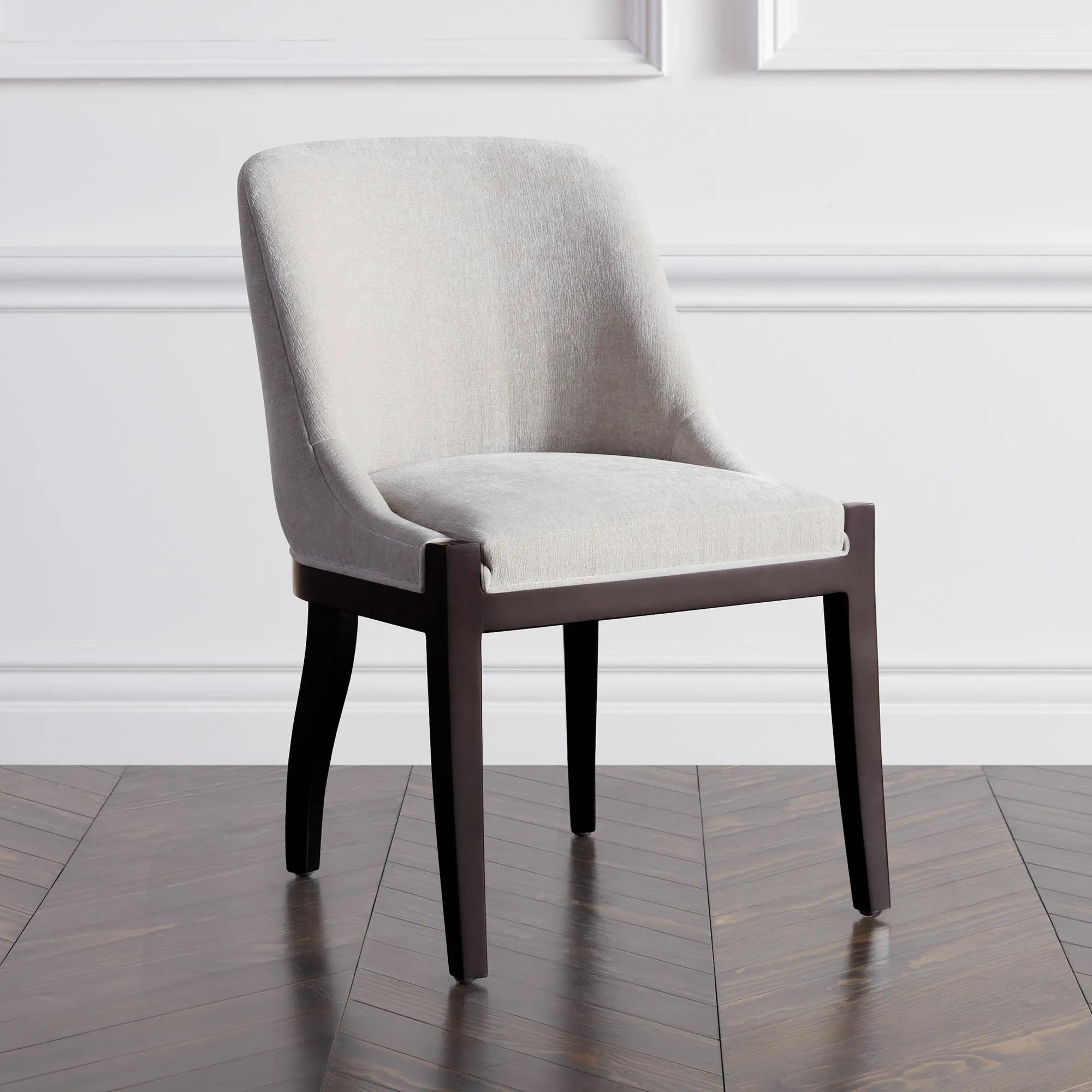
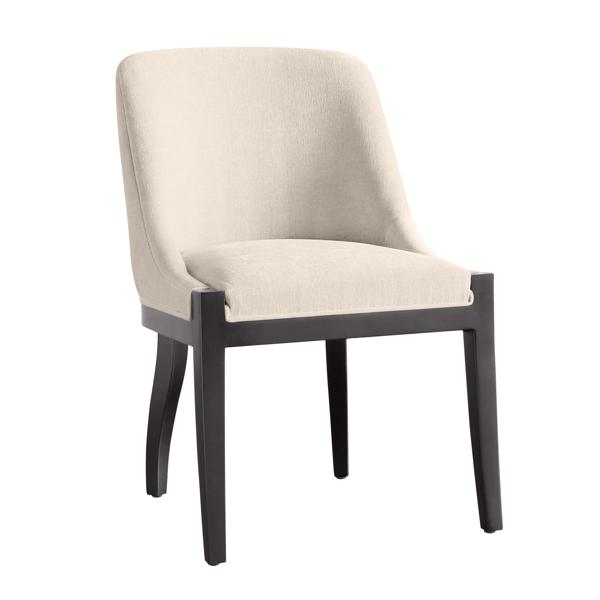 Lily Dining Chair - Espresso$649
A modern dining chair with espresso-finished hardwood frame and plush, tailored upholstery for lasting comfort.
Add To Cart -
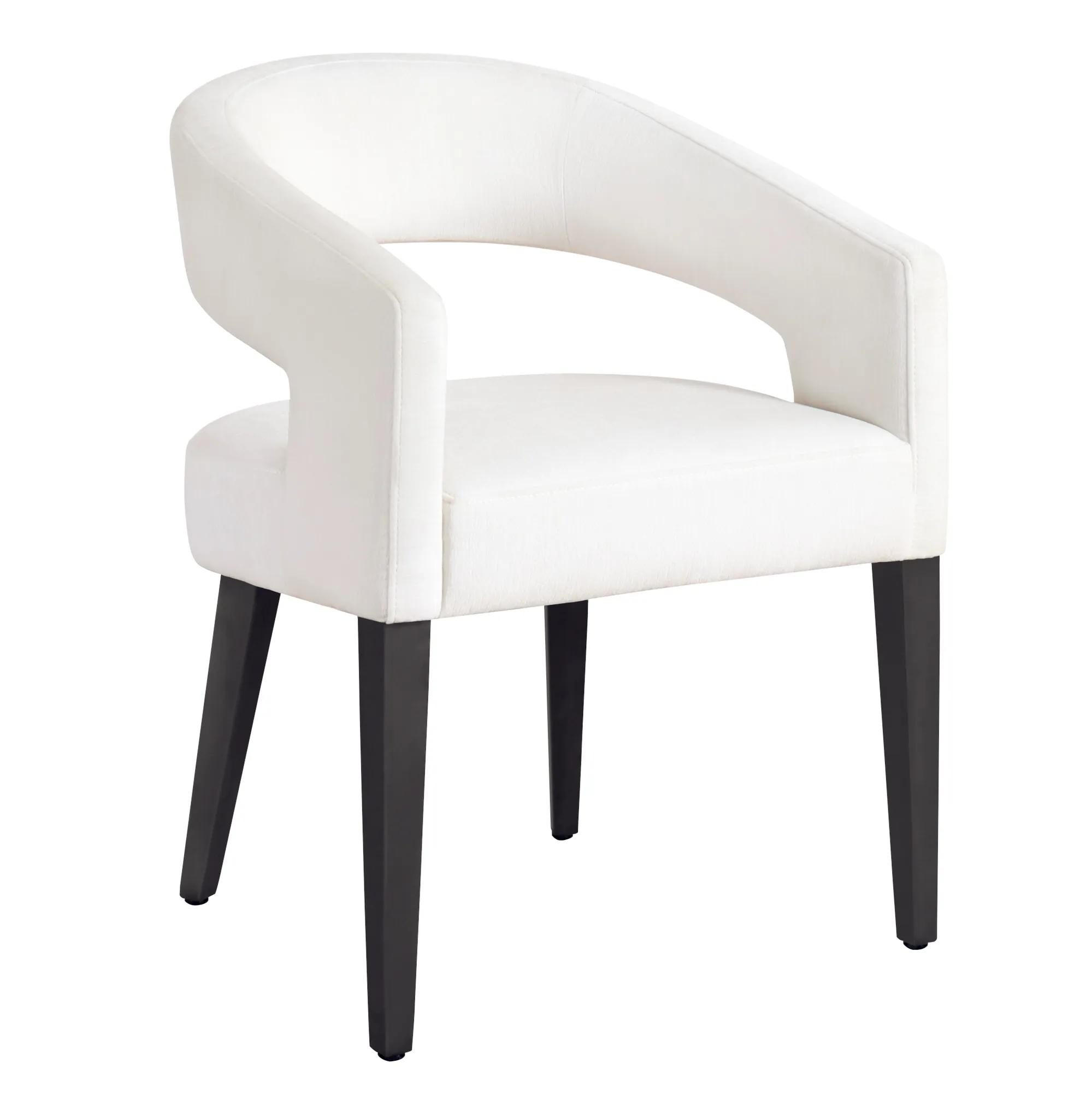
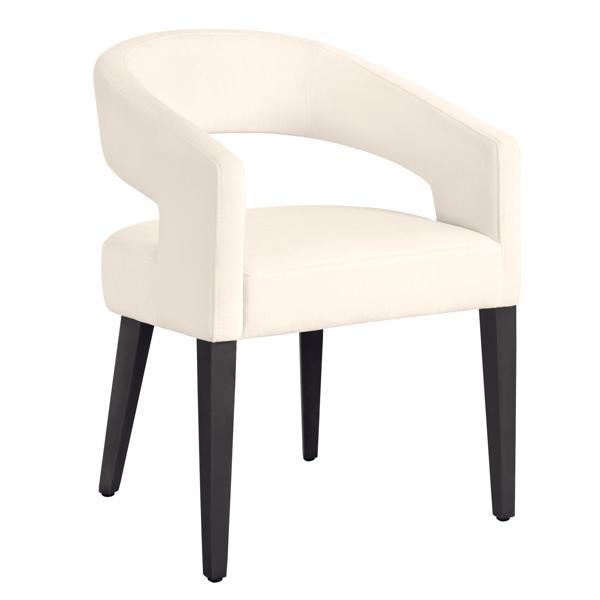 Philippa Dining Chair - Espresso$599
A modern dining chair featuring a curved silhouette, tailored upholstery, and espresso-finished legs.
Add To Cart -
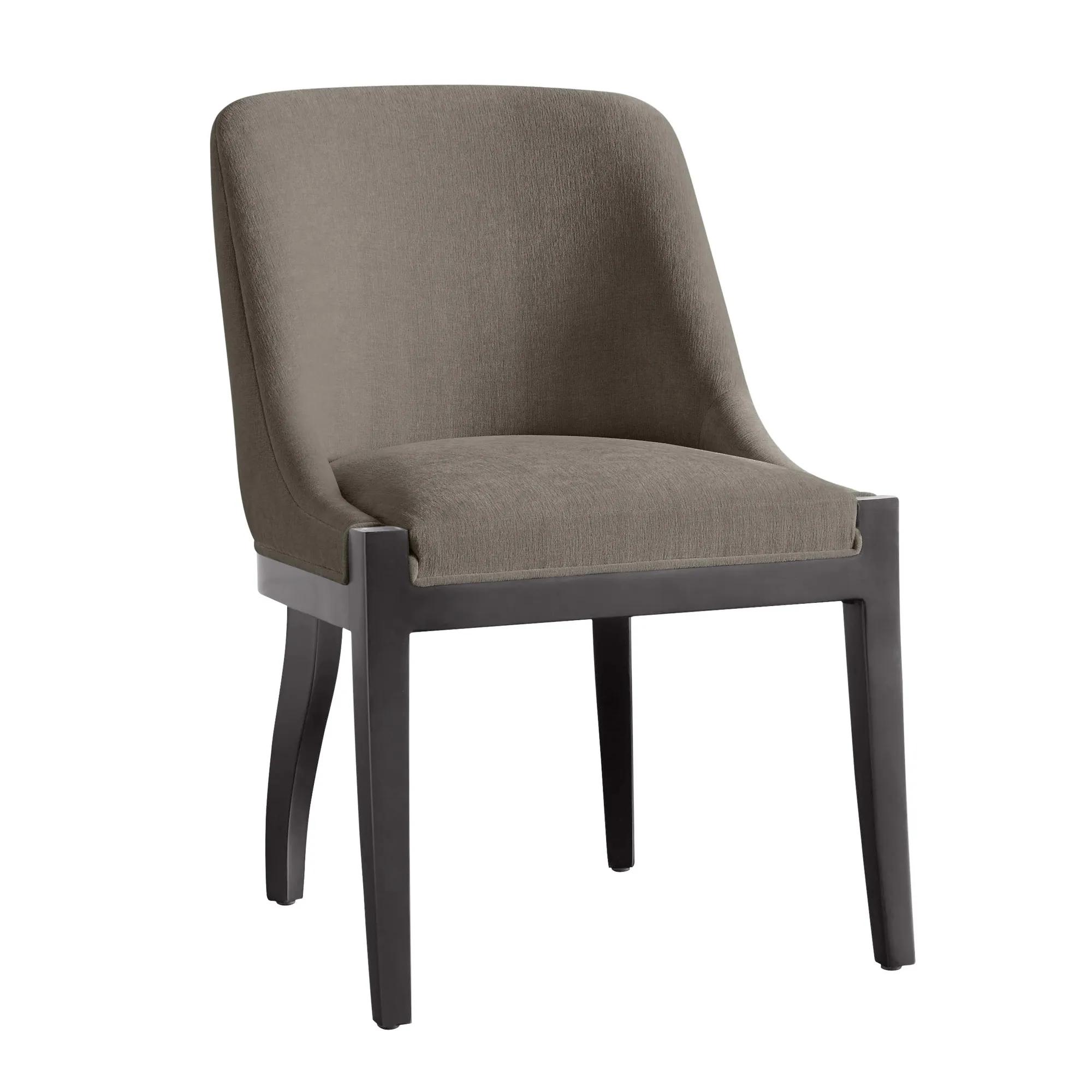 Lily Dining Chair - Espresso$649
A modern dining chair featuring espresso-finished hardwood, curvaceous silhouette, and plush tailored upholstery.
Add To Cart -
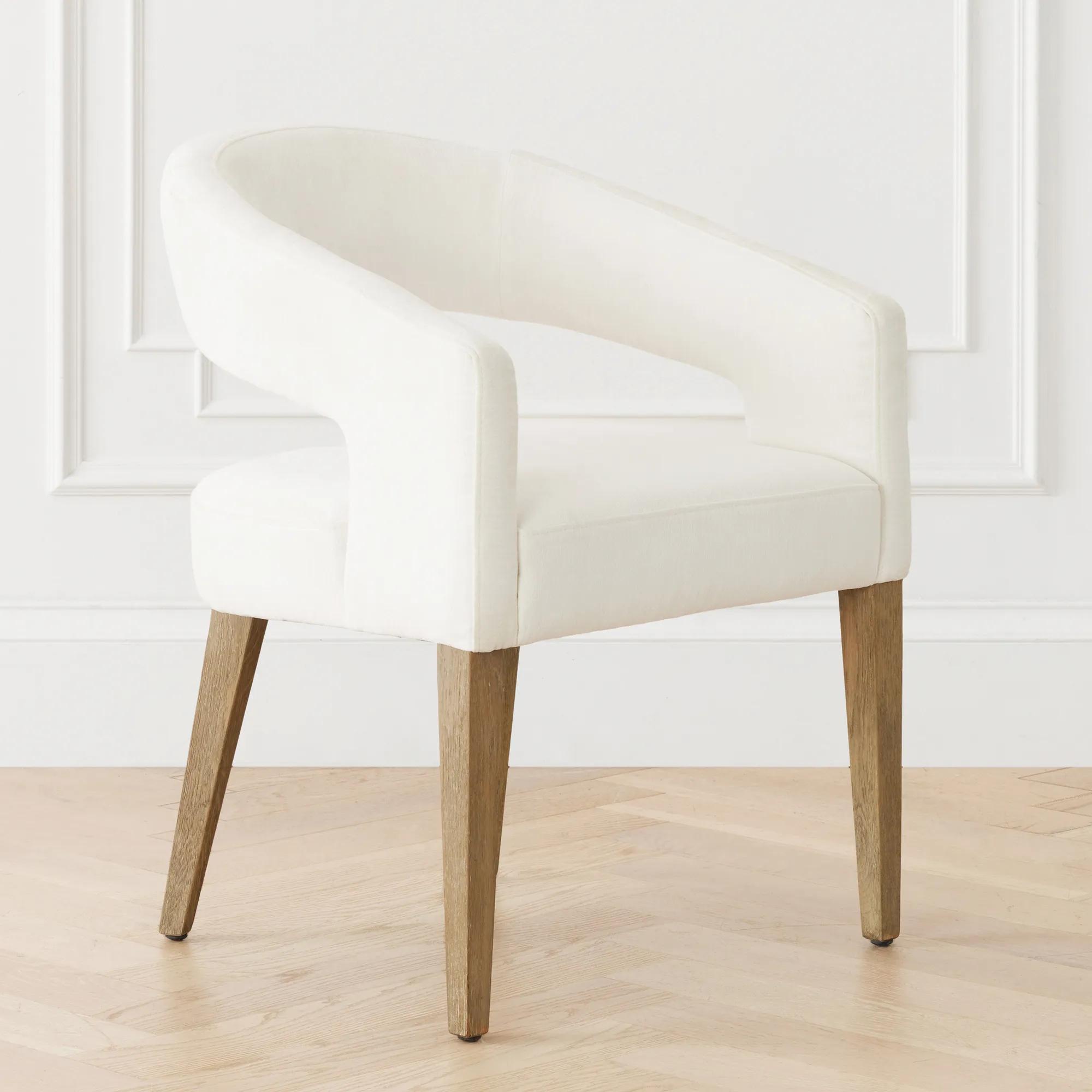 Philippa Dining Chair - Natural Grey$649
A modern dining chair featuring grey upholstery, a curved silhouette, and a kiln-dried hardwood frame.
Add To Cart -
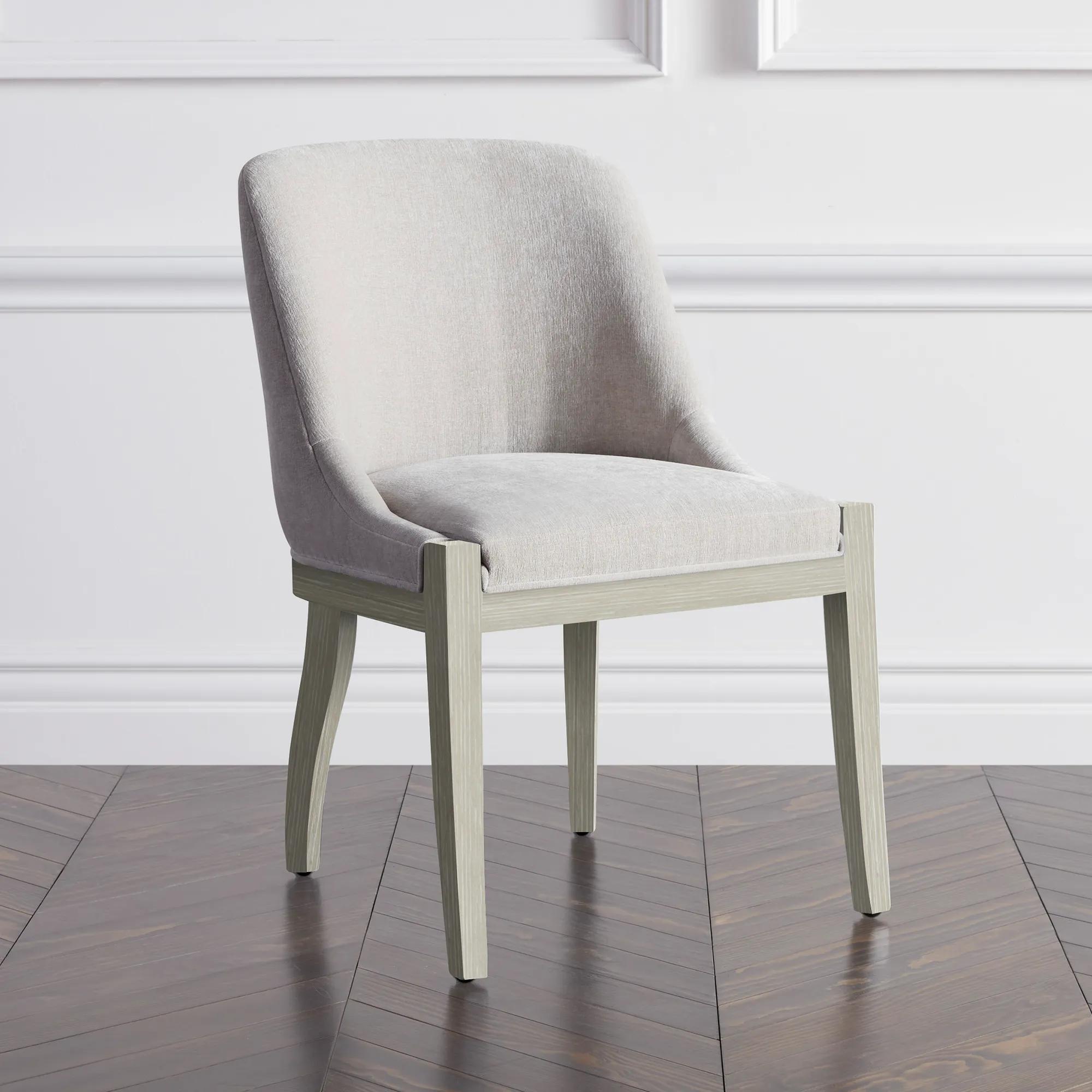 Lily Dining Chair - Natural Grey$649
A modern grey dining chair featuring kiln-dried hardwood, plush foam cushioning, and tailored chenille upholstery.
Add To Cart -
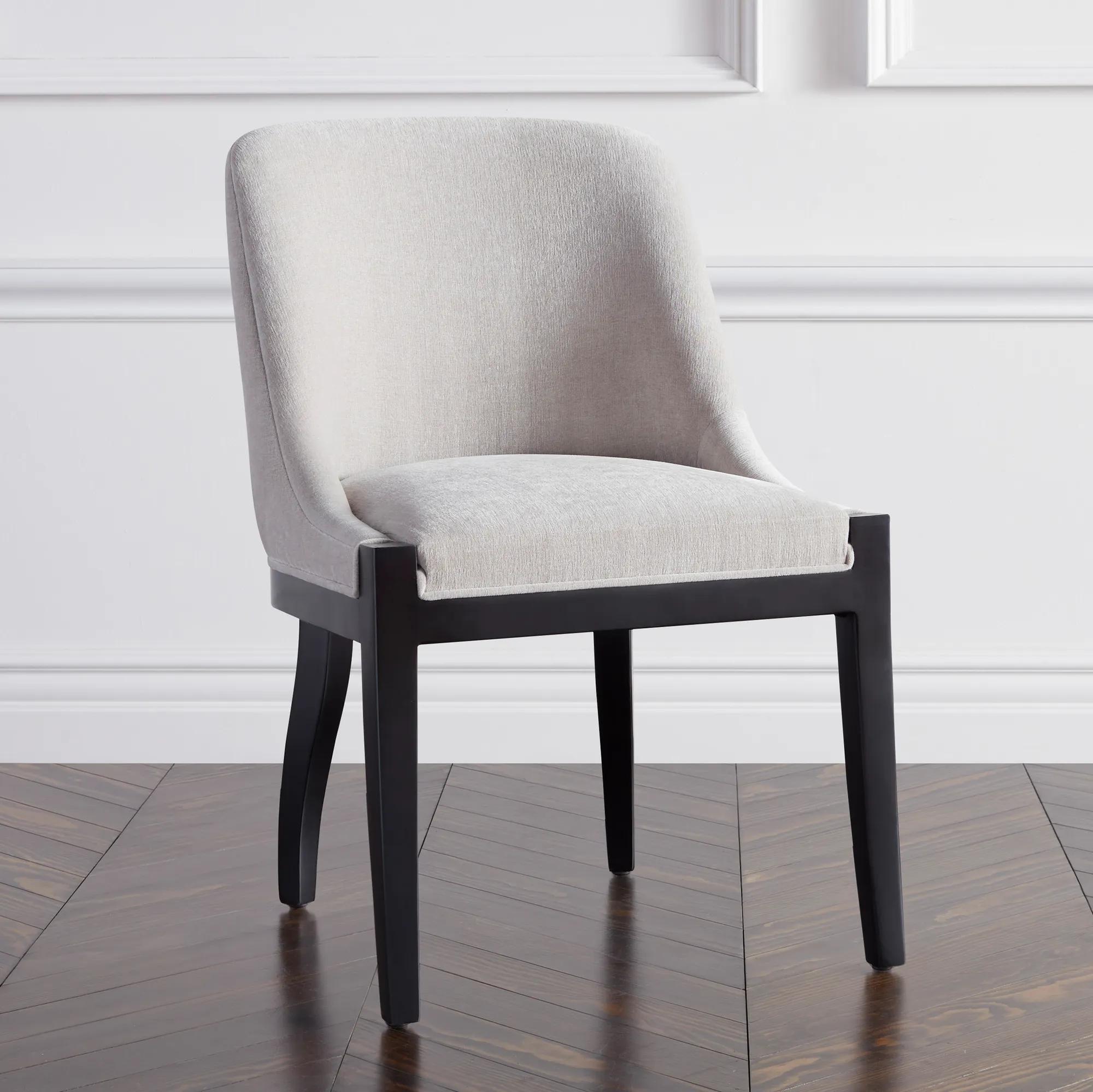 Lily Dining Chair - Matte Black$649
A modern dining chair featuring a kiln-dried hardwood frame and plush, tailored upholstery in matte black.
Add To Cart -
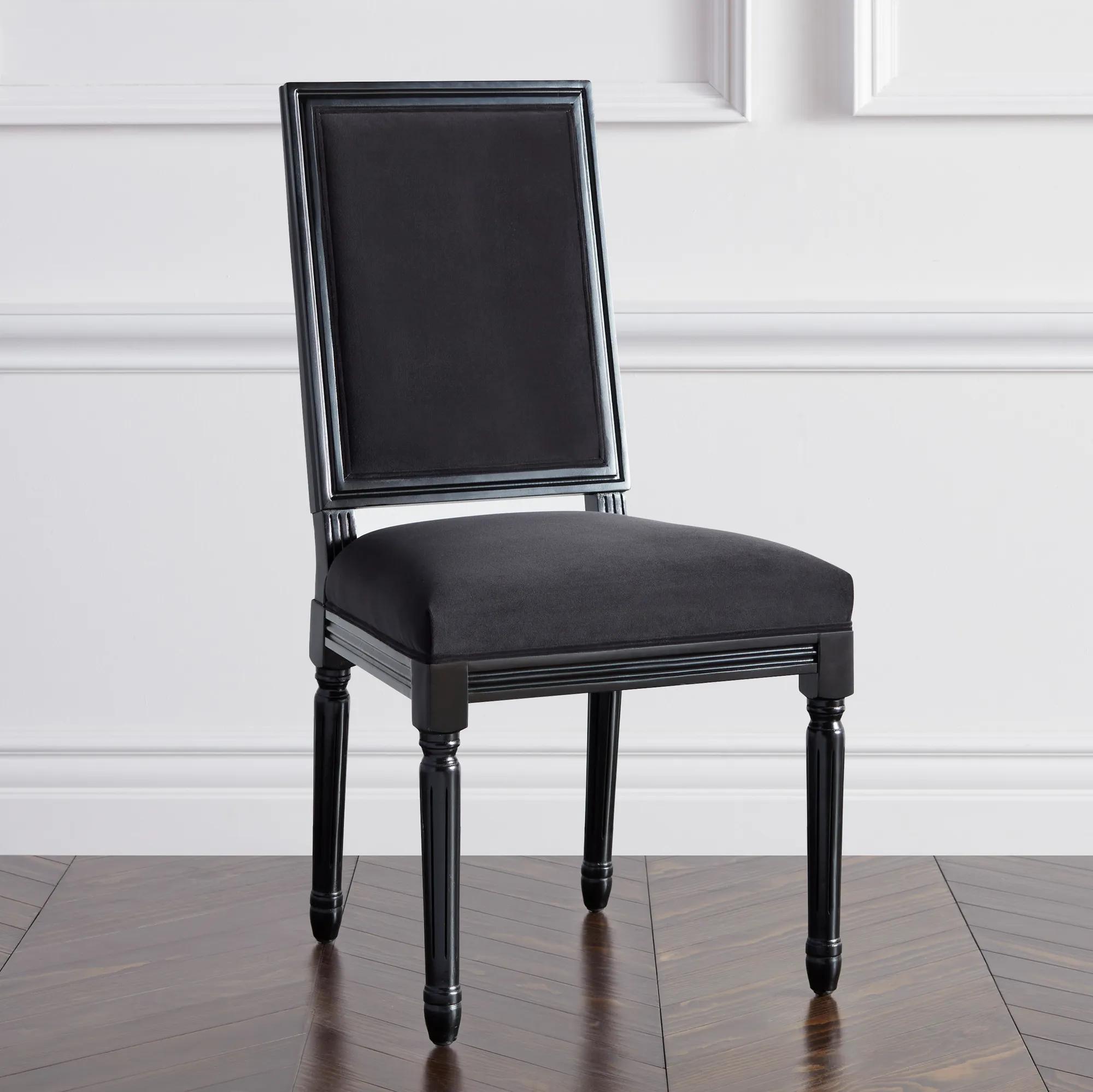
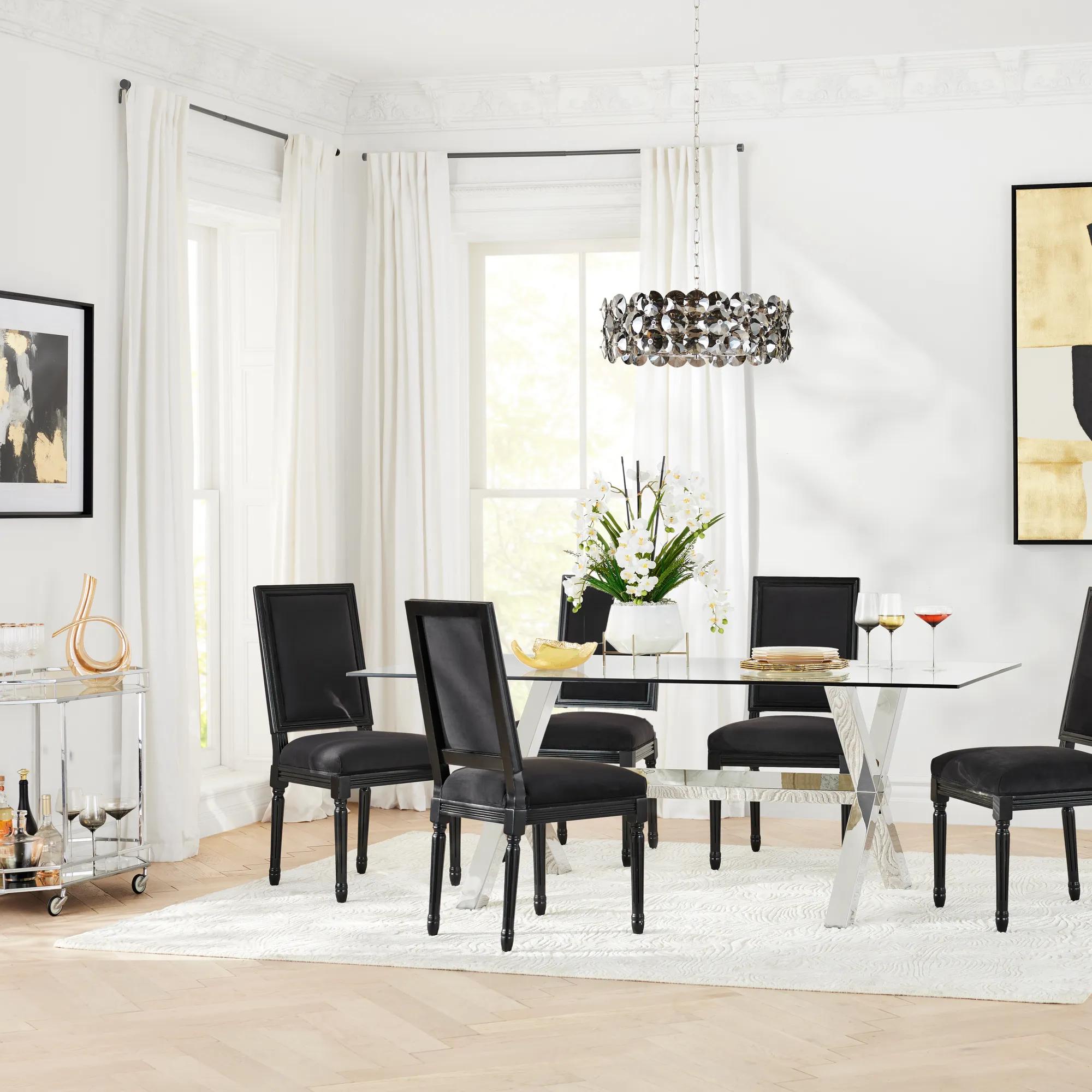 Callan Dining Chair - High Gloss Black$599
A handcrafted dining chair featuring high-gloss black Bella Velvet upholstery, fluted legs, and a squared back.
Add To Cart -
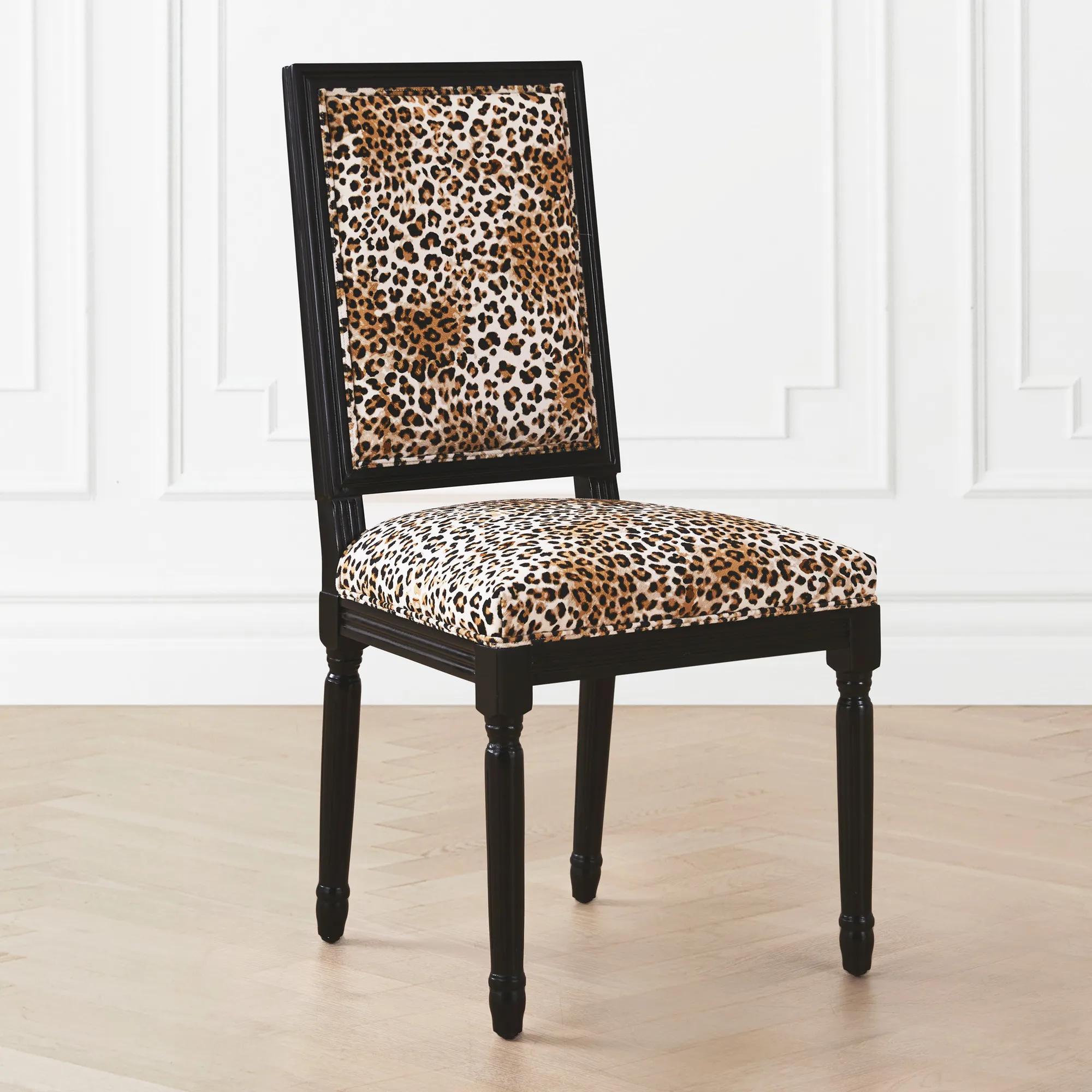
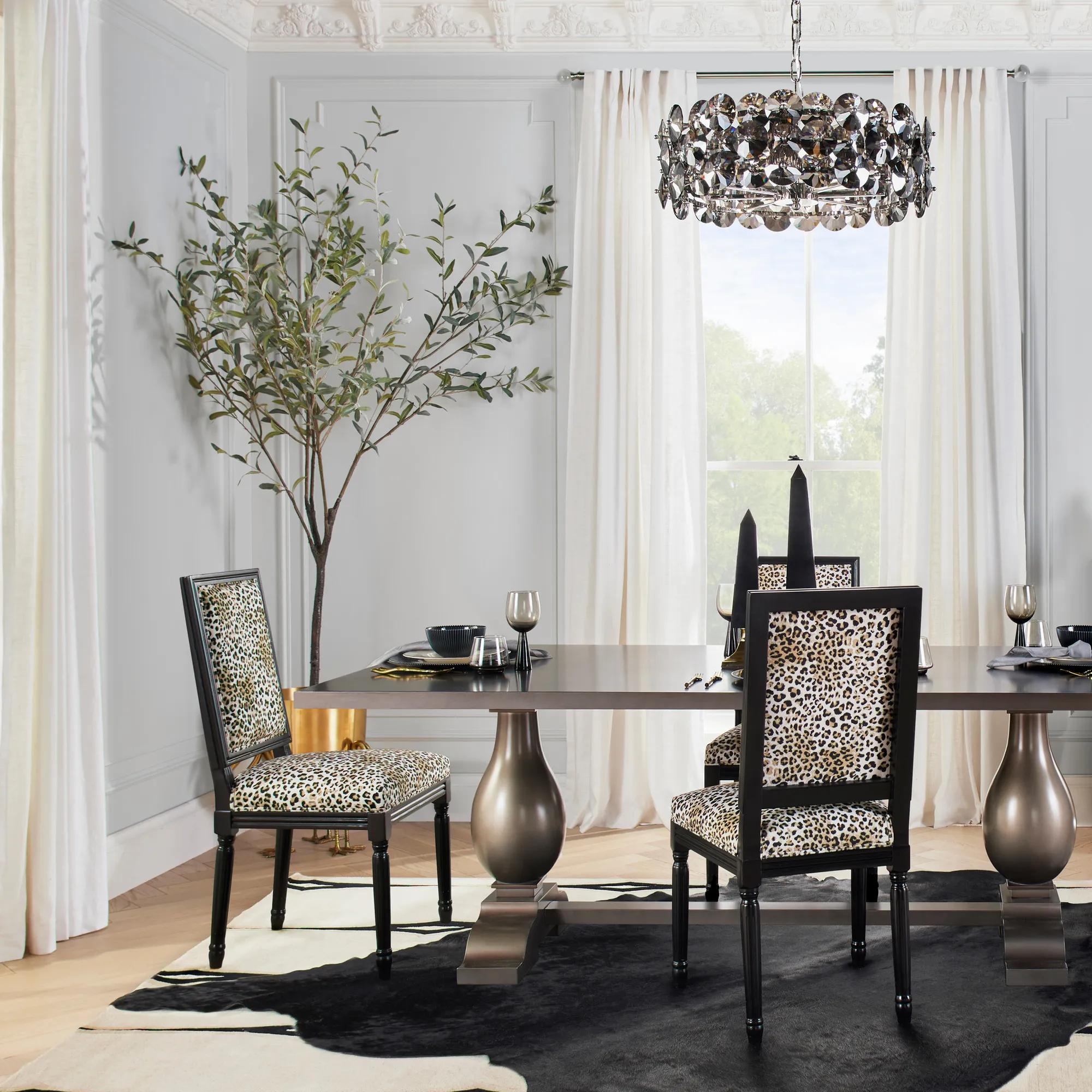 Callan Dining Chair$599
A handcrafted modern chair featuring classic upholstery, squared back, fluted legs, and high-gloss finish.
Add To Cart -
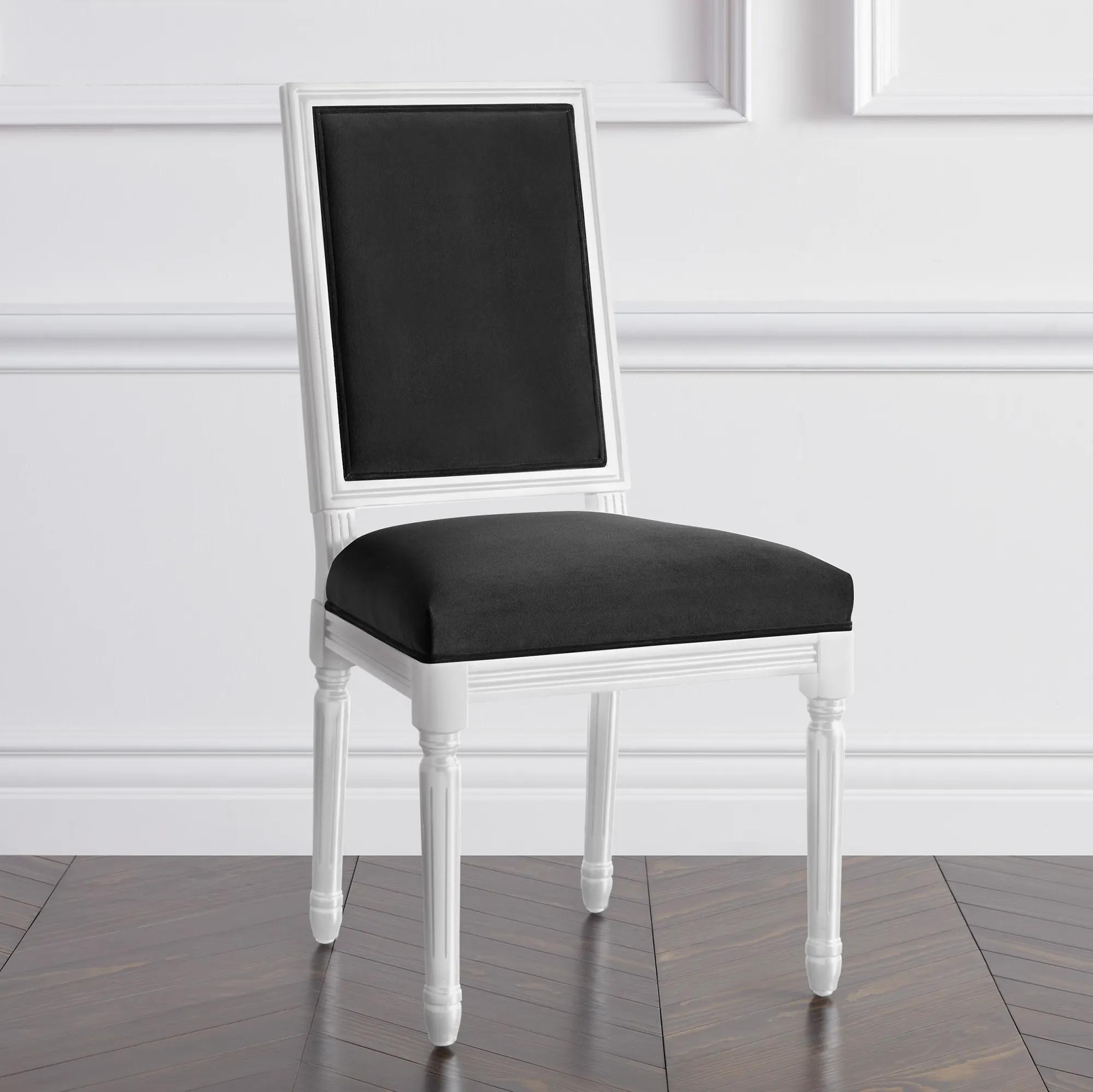
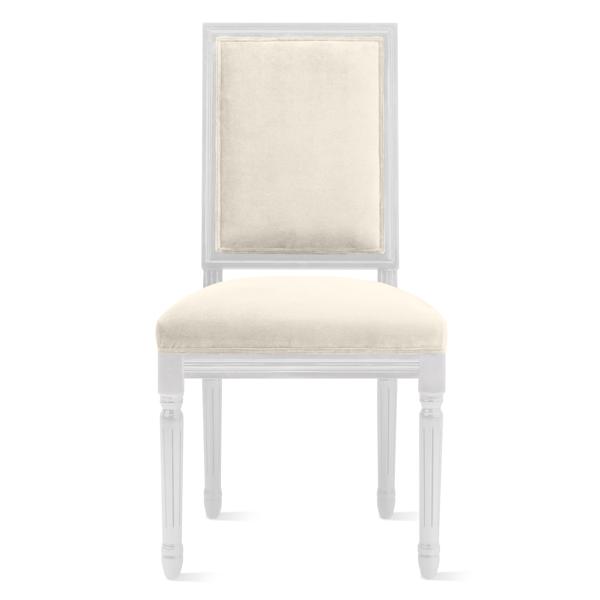 Callan Dining Chair - High Gloss White$549
A handcrafted dining chair featuring high-gloss white finish, kiln-dried hardwood frame, and plush velvet upholstery.
Add To Cart -
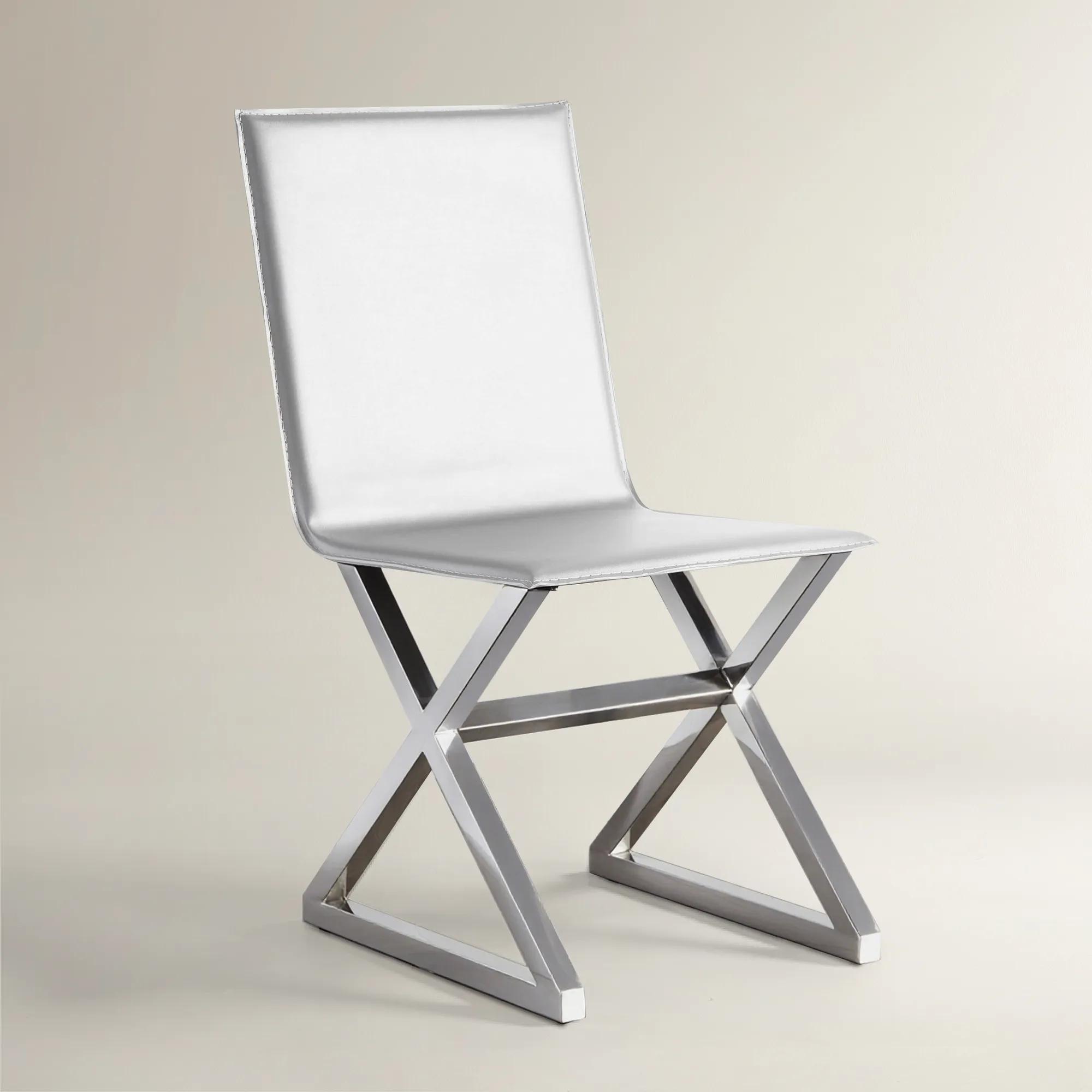
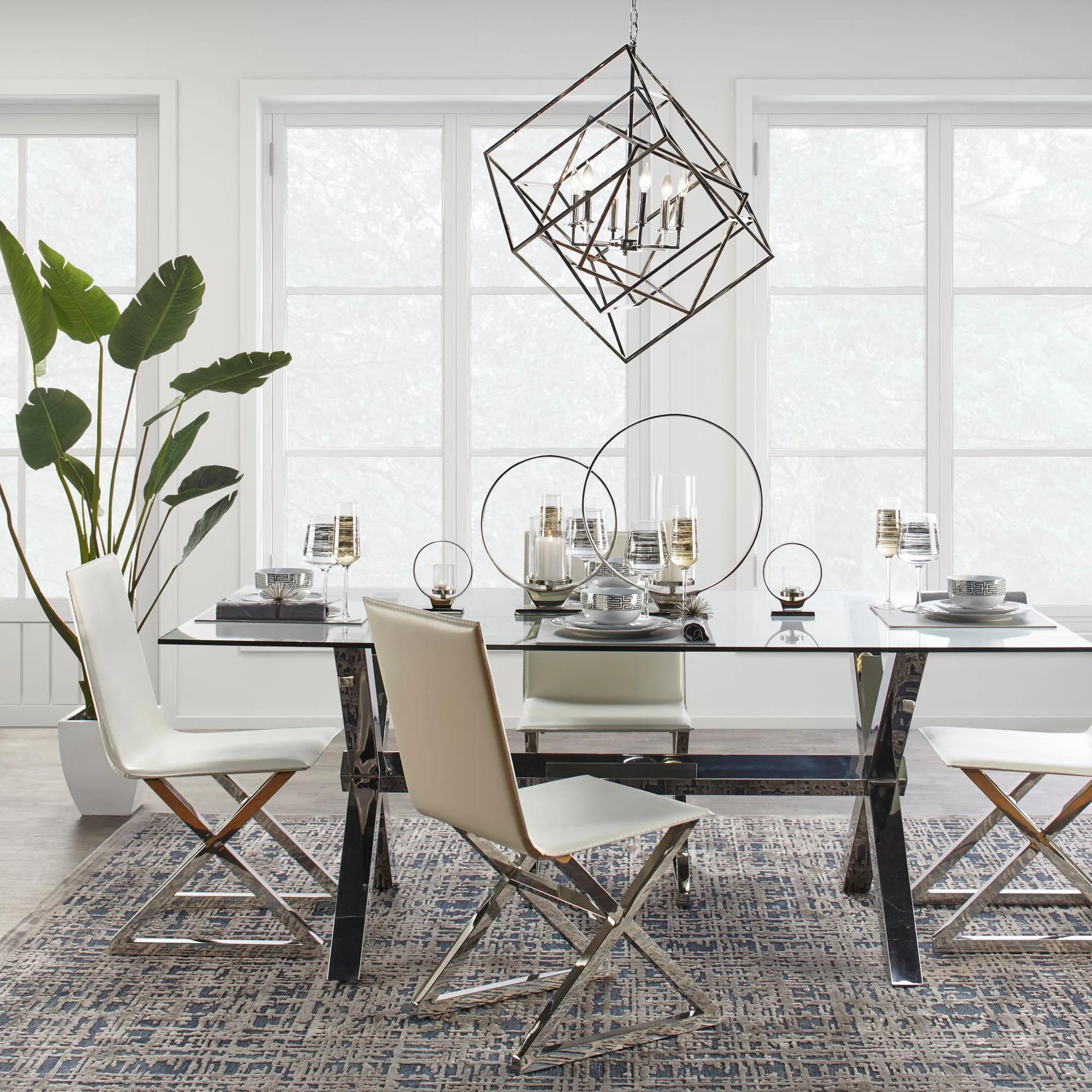 Axis Dining Chair - Set of 2$399
A contemporary chair set featuring white bonded leather upholstery and a polished stainless steel base.
Add To Cart -
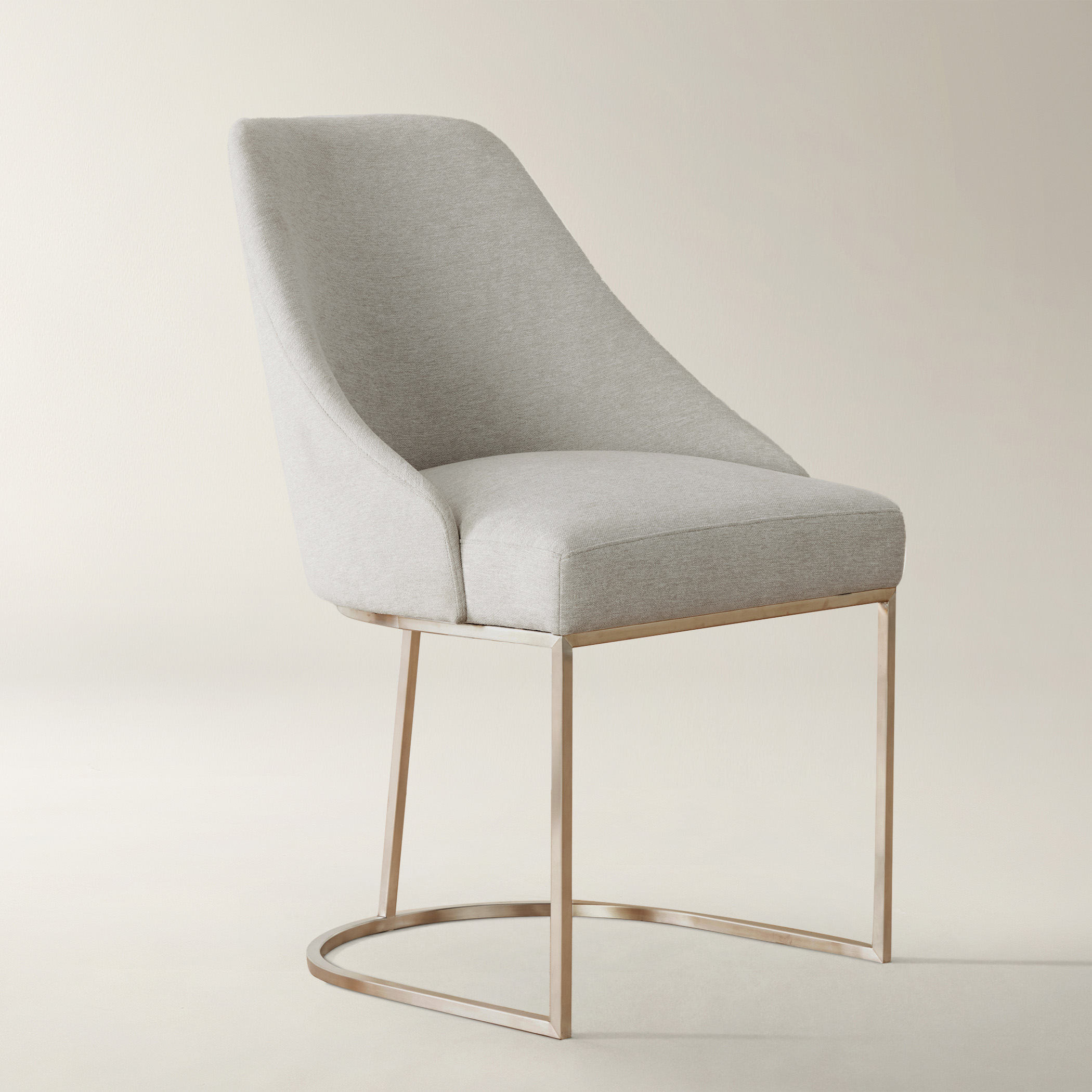
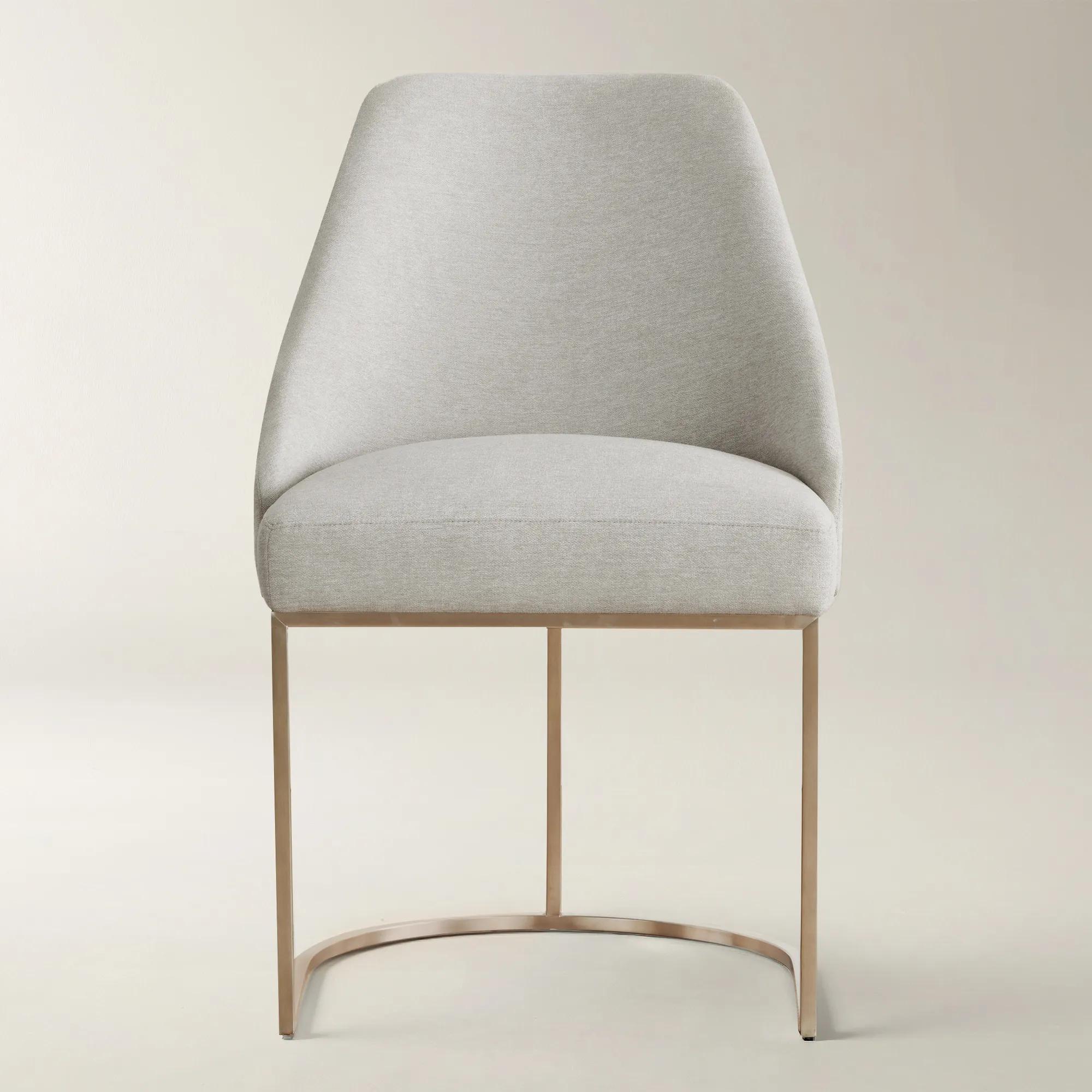 Rowan Ivory Fabric Dining Chair$599
A modern chair featuring brushed stainless steel legs and stain-resistant, water-repellent Roxboro Frost fabric.
Add To Cart -
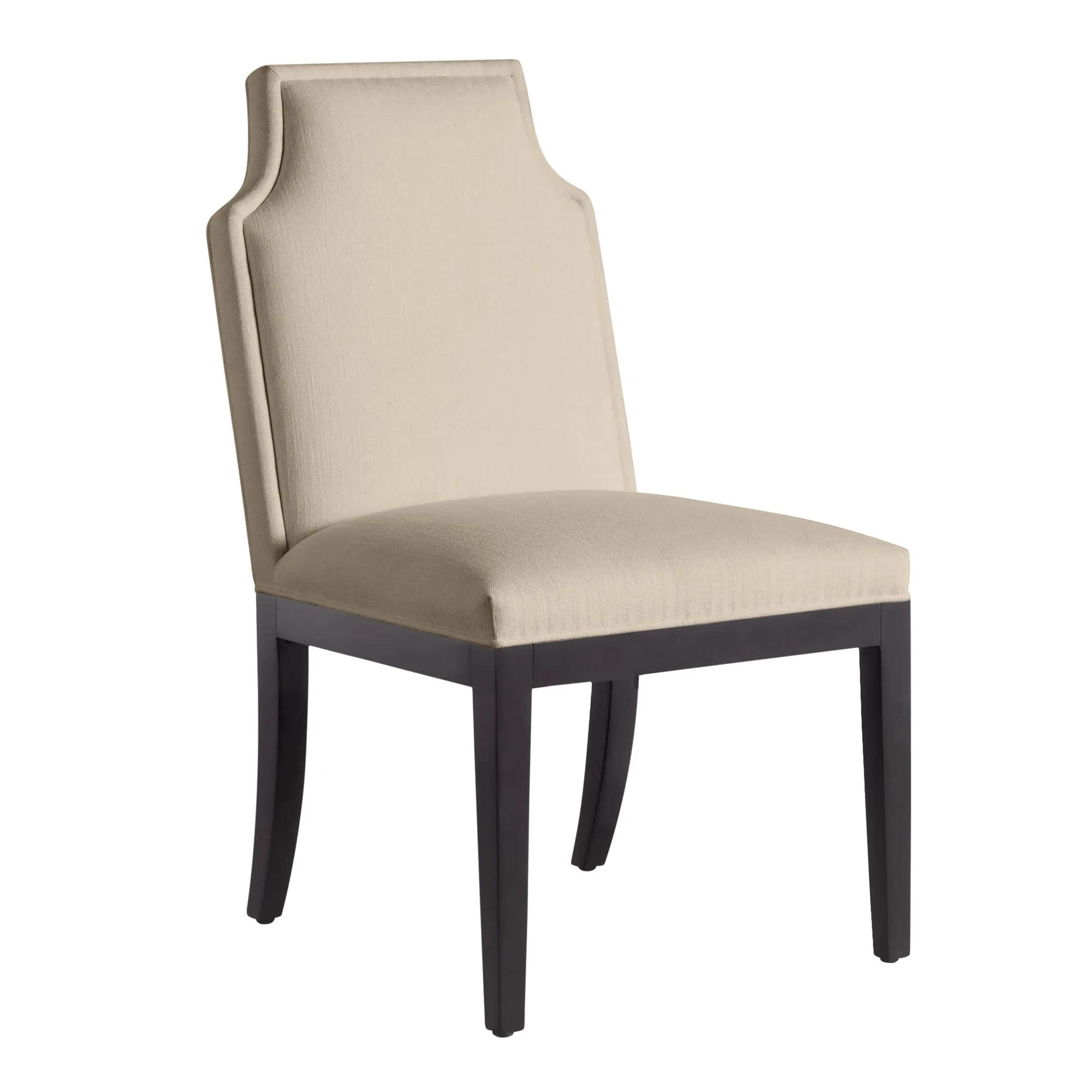
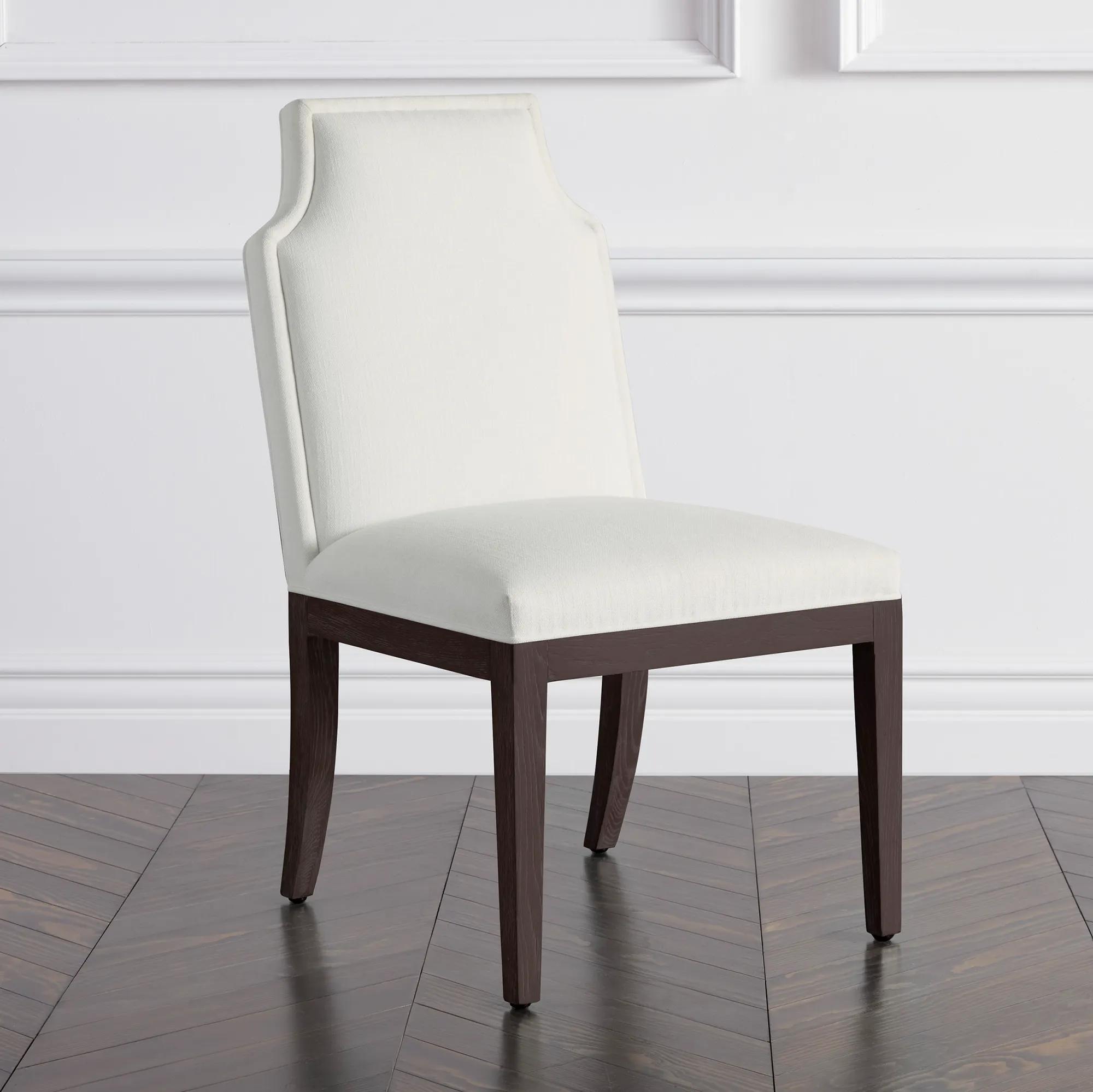 Jasmine Dining Chair - Espresso$649
A chic dining chair featuring a notched back, espresso legs, and plush upholstery for lasting comfort.
Add To Cart -
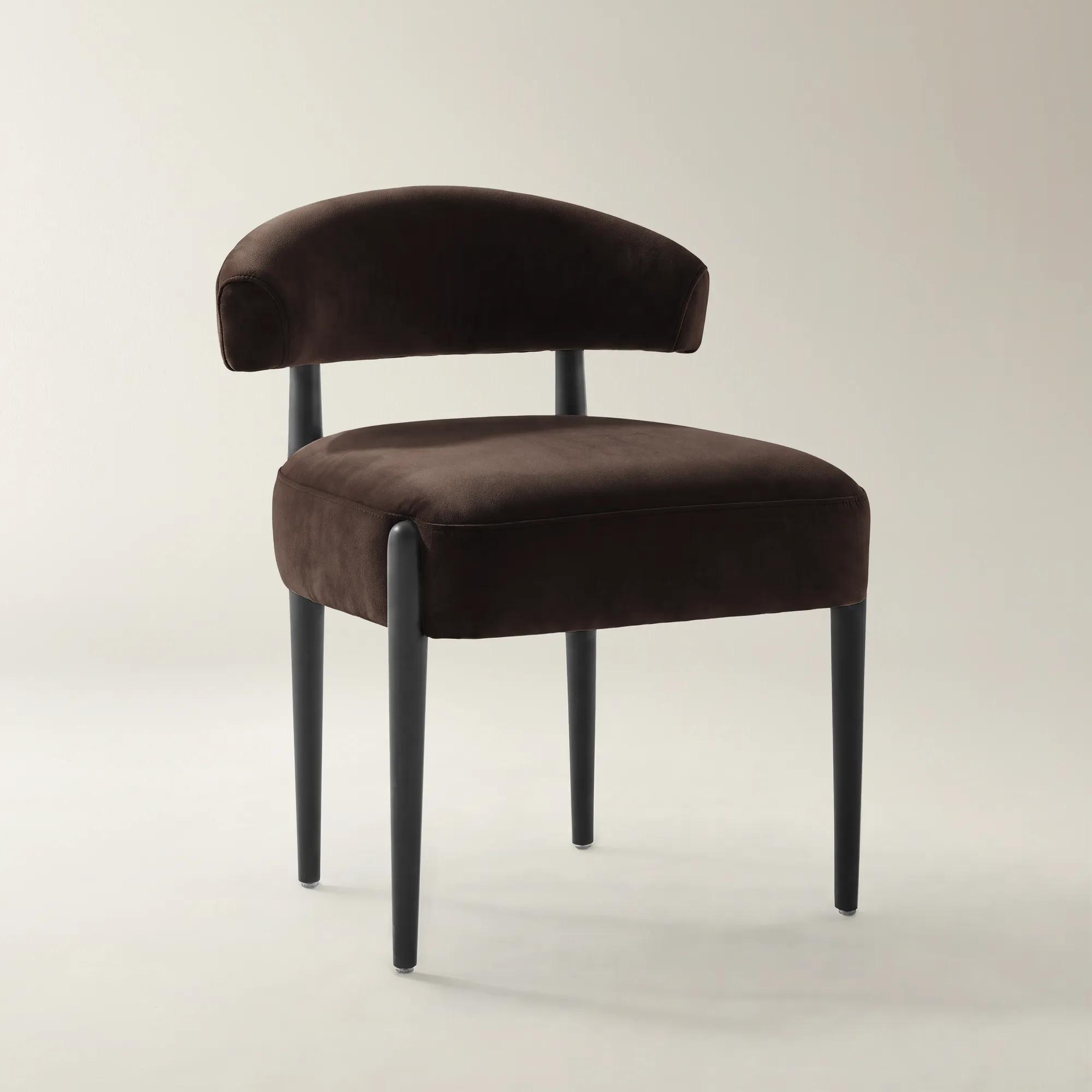
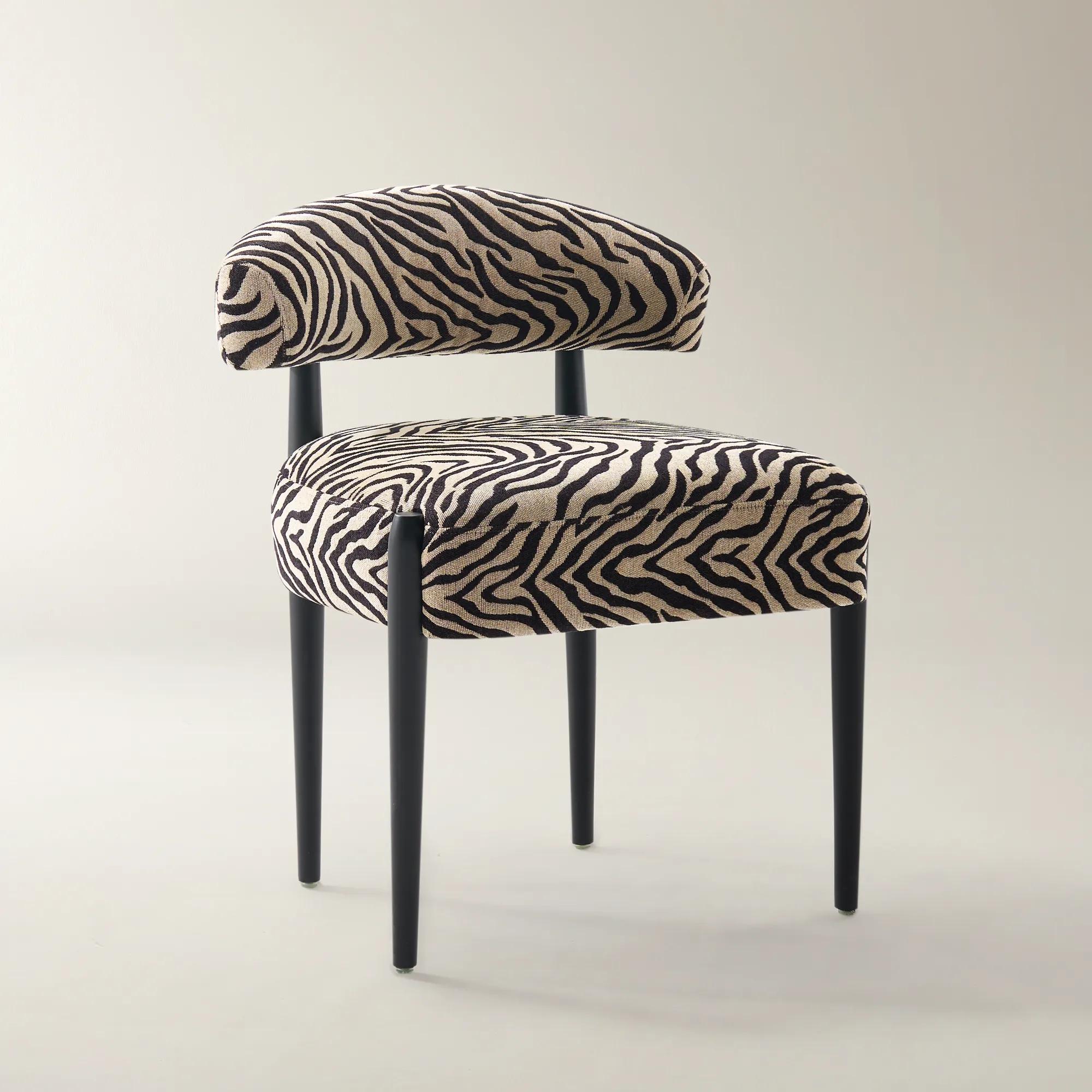 Anna Dark Chocolate Velvet Dining Chair Set of 2$599
A dark chocolate velvet dining chair set featuring an arched back, high-density foam, and solid wood construction.
Add To Cart -
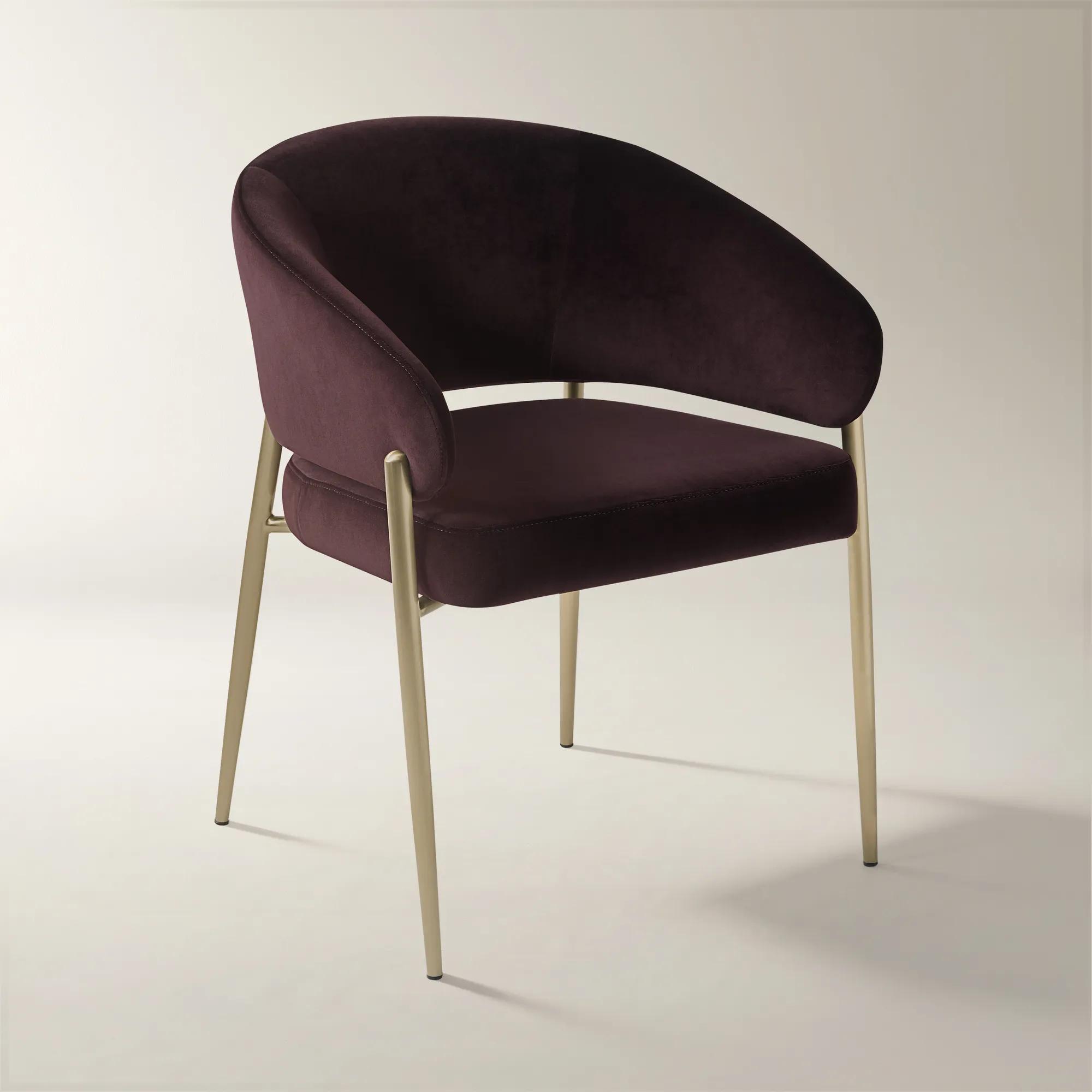 Nara Fig Velvet Dining Chair Set Of 2$599
A set of two dining chairs featuring plush fig velvet upholstery and brushed brass stainless-steel legs.
Add To Cart -
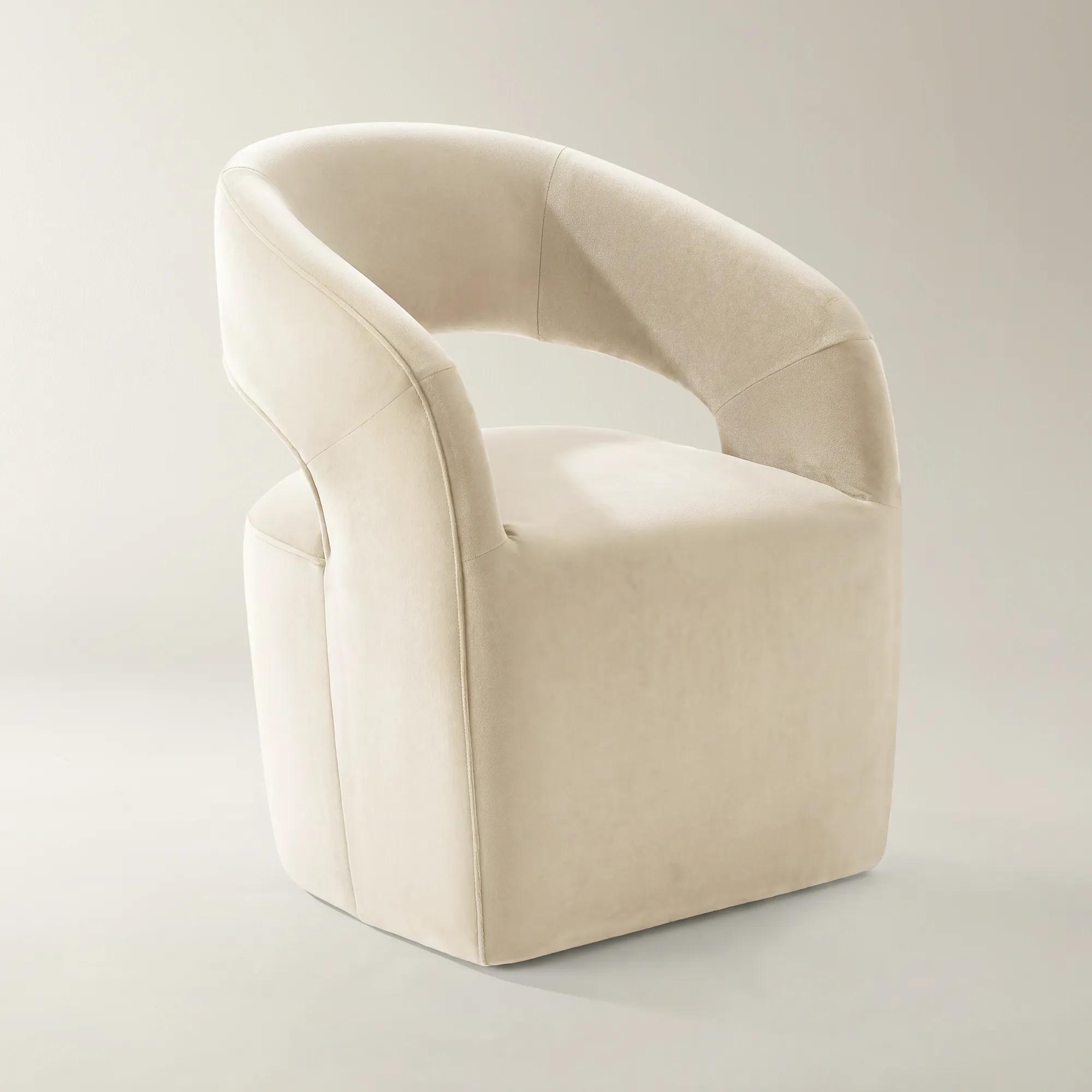
-2.jpg?w=1200&h=1200) Harrison Oatmeal Velvet Dining Chair$449
Harrison Oatmeal Velvet Dining Chair$449A sculptural dining chair upholstered in oatmeal velvet with a curved back, feather-blend seat, and integrated arms.
Add To Cart -
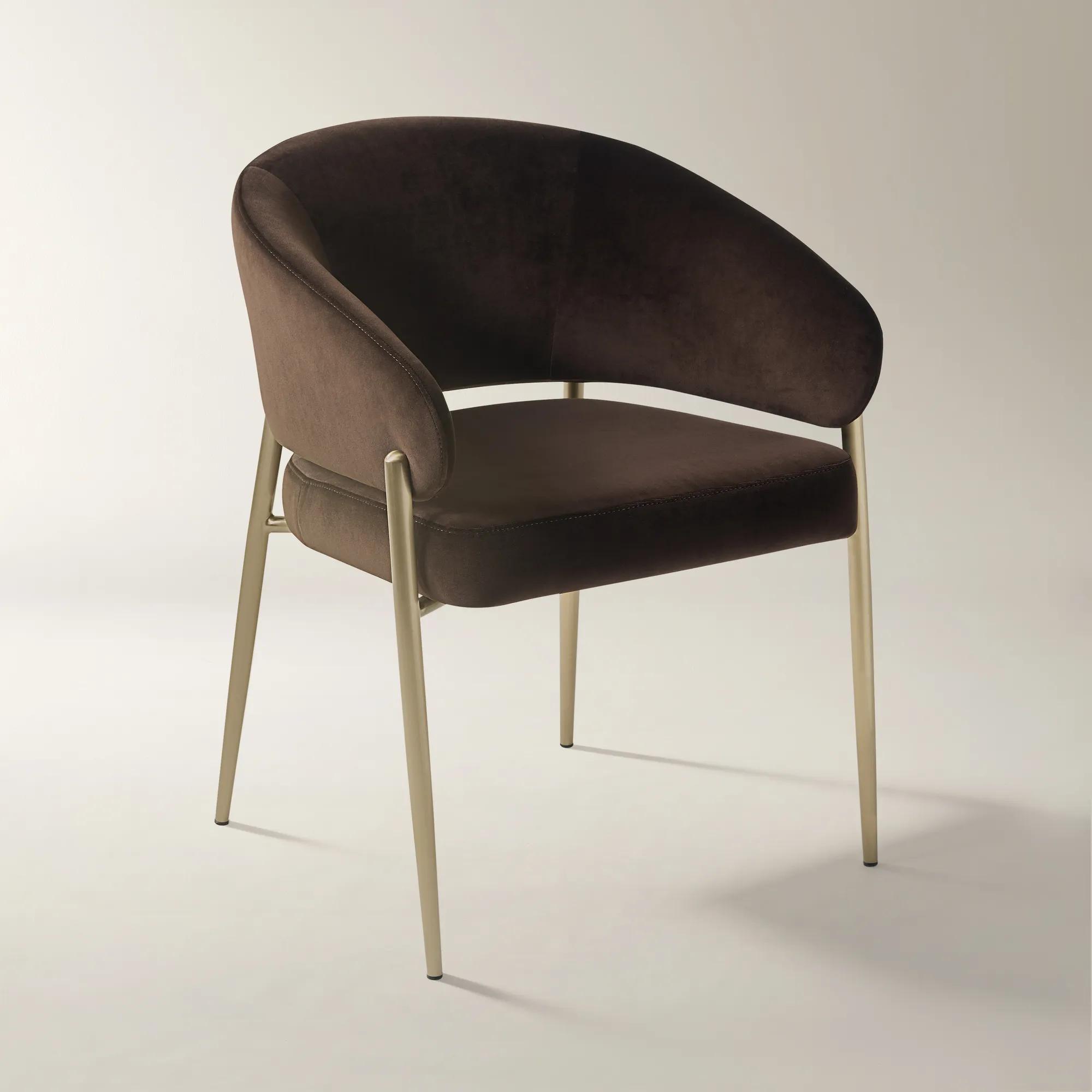 Nara Dark Chocolate Velvet Dining Chair Set Of 2$599
A pair of dark chocolate velvet chairs with curved backs and brushed brass stainless-steel legs for modern elegance.
Add To Cart -
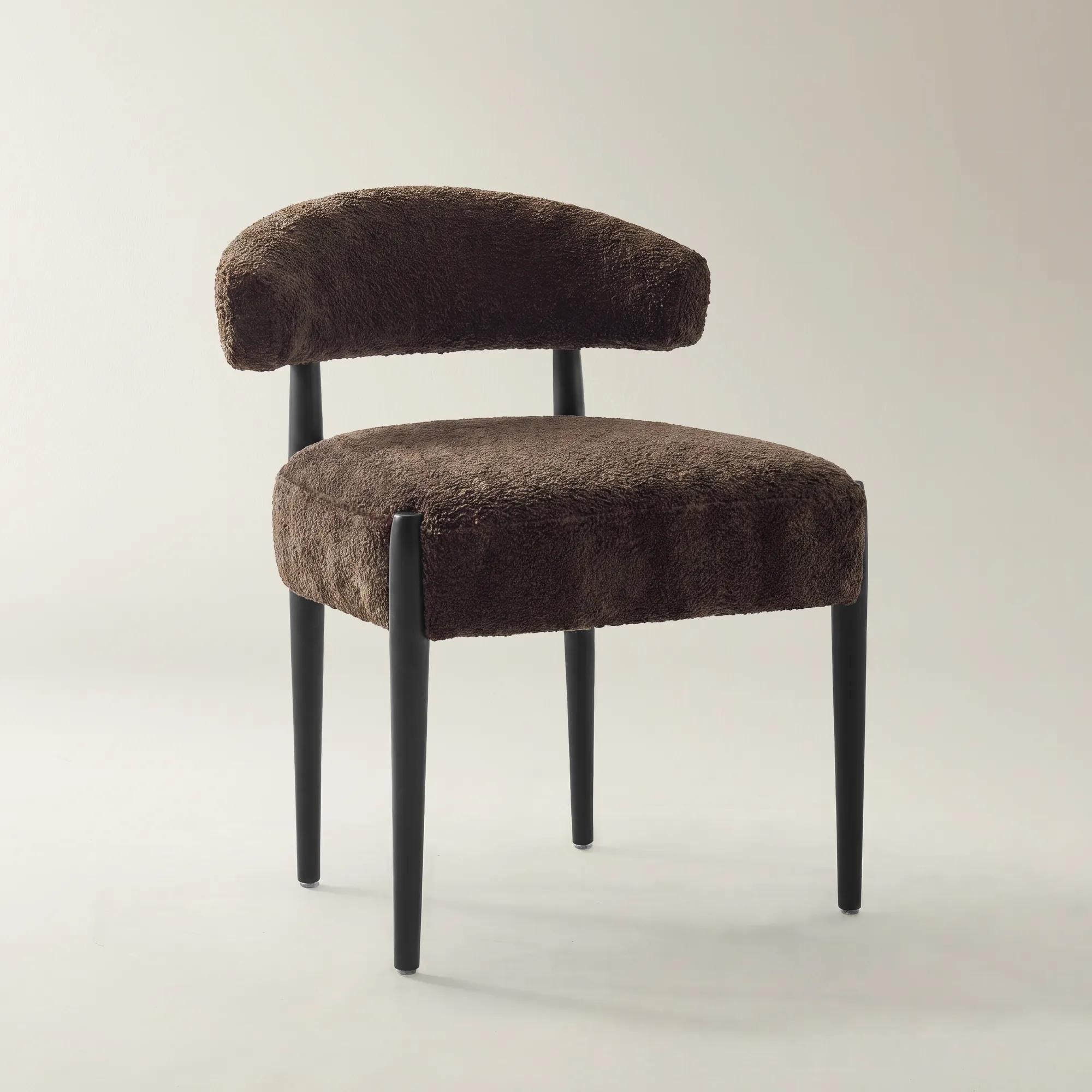 Anna Dark Chocolate Chenille Dining Chair Set of 2$599
A dark chocolate chenille chair pair featuring tailored curved backs, high-density foam, and solid rubberwood legs.
Add To Cart -
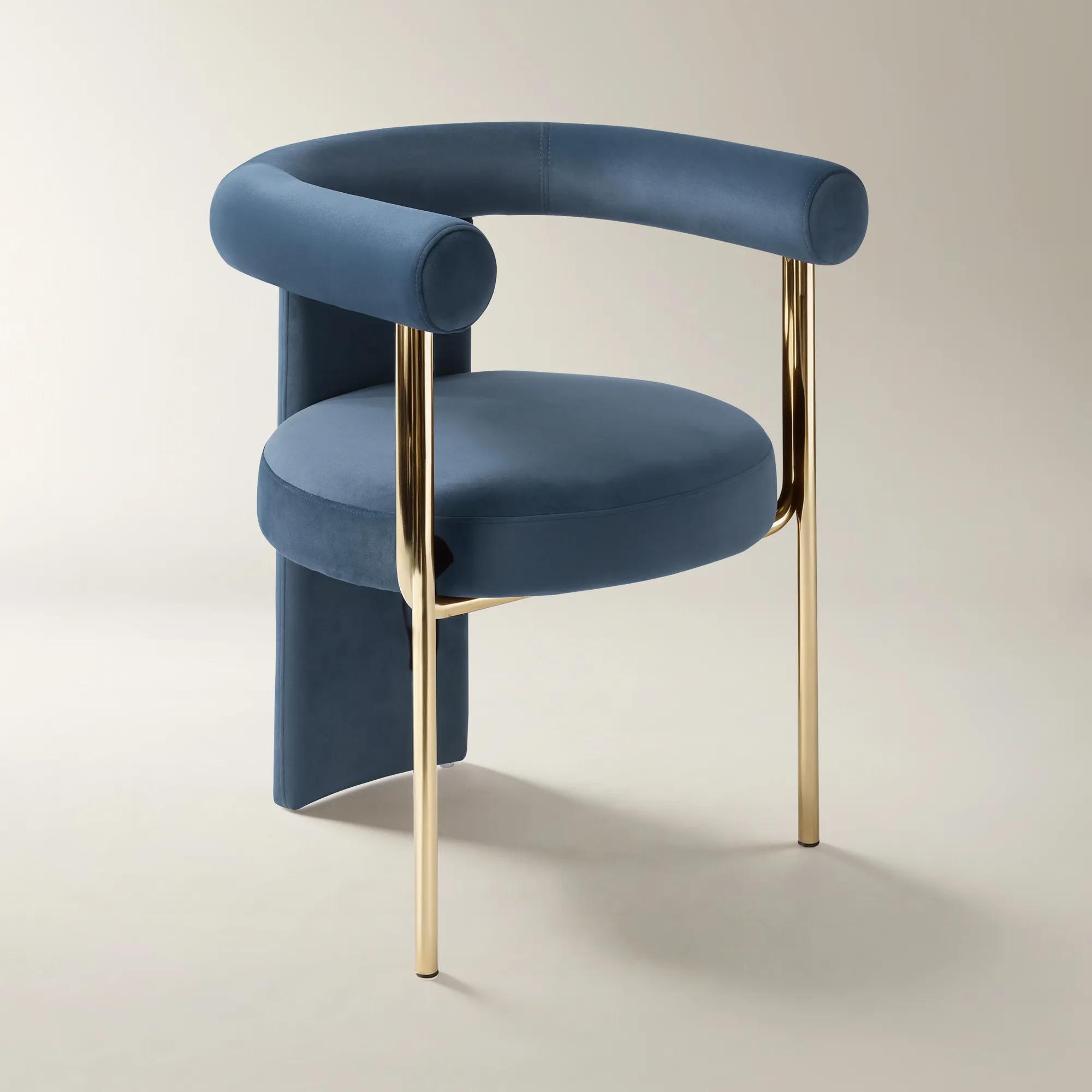 Davina Dusty Blue Velvet Dining Chair Set Of 2$799
A set of two dining chairs featuring dusty blue velvet upholstery and a polished gold metal frame.
Add To Cart -
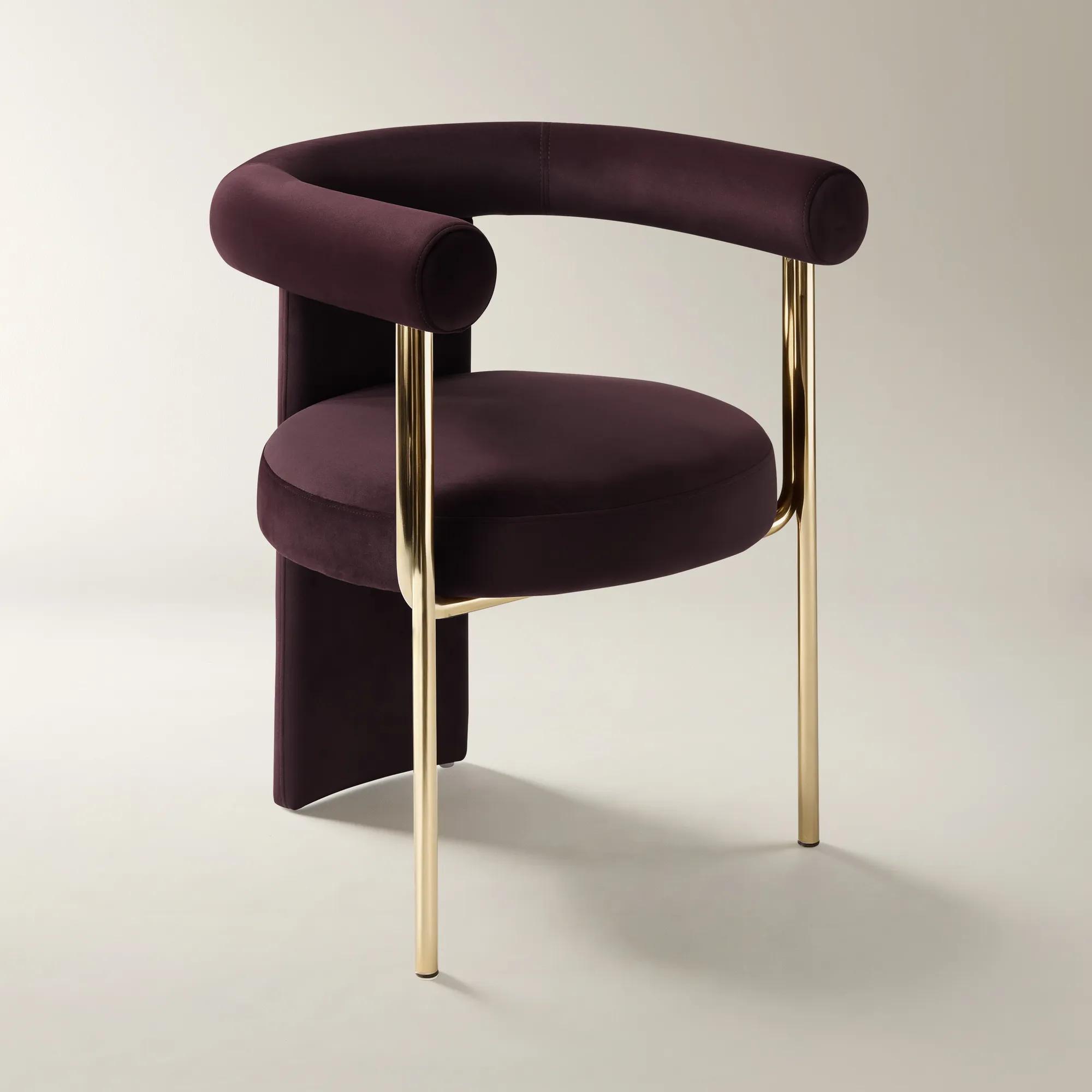 Davina Fig Velvet Dining Chair Set Of 2$799
A set of two dining chairs featuring plush fig velvet upholstery and a sleek gold-finished metal frame.
Add To Cart -
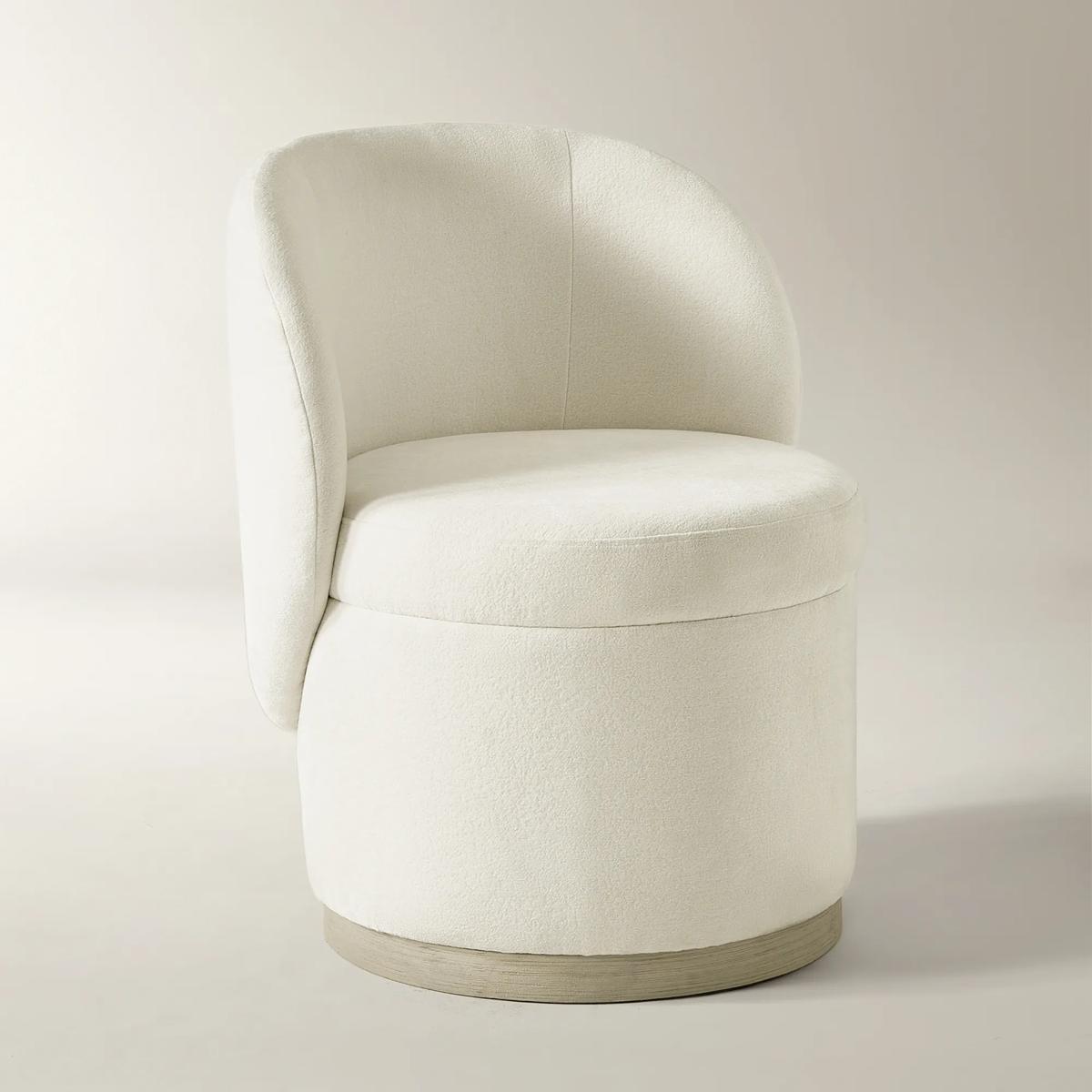 Stria Ivory Chenille Dining Chair With Oak Base$449
An ivory chenille chair featuring a plush, velvet-like finish and a handcrafted solid oak base.
Add To Cart -
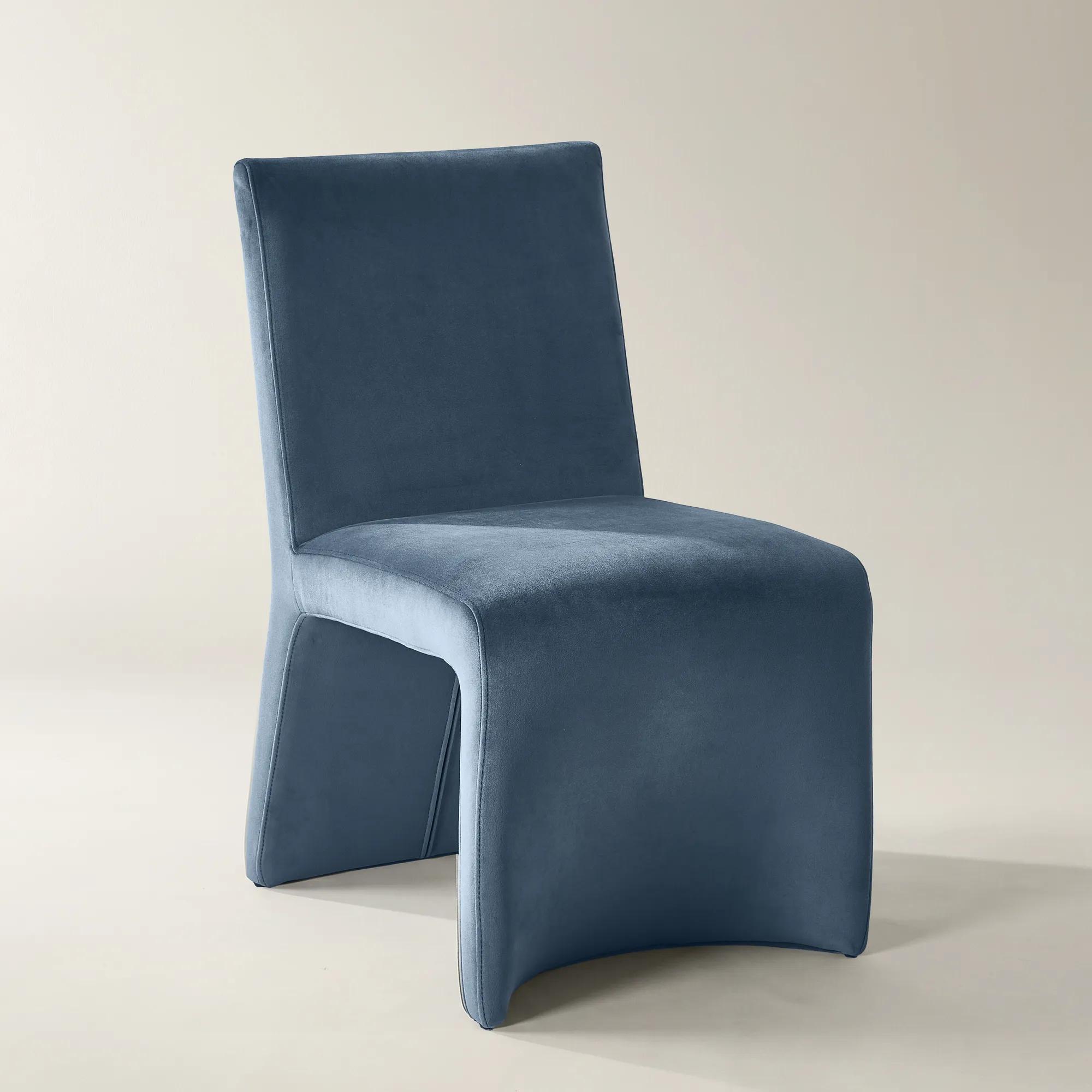 Elara Dusty Blue Velvet Dining Chair Set Of 2$649
A set of two dining chairs featuring plush dusty blue velvet upholstery and a seamless, artful silhouette.
Add To Cart

Spring And Summer Dining Chairs
Explore spring and summer dining chairs to give your dining room a fresh, expressive point of view. Whether you’re refreshing a pair of seats or reimagining the entire table setting, compare silhouettes, colors, and proportions to complement your table. Check seat height and chair width to leave guests room to gather comfortably for seasonal celebrations and everyday meals.
Spring and summer dining chairs bring a lighter visual rhythm to the table without asking a room to surrender its sense of drama. A sculptural back, luminous upholstery, or a slender metallic frame can change the entire composition of a dining space, turning an everyday gathering into something beautifully considered. Think ivory seating against a dark wood table, pale blue upholstery beside clear glass, or warm neutral chairs that allow a centerpiece of flowering branches to command attention. These combinations capture the expressive ease of spring and summer while remaining compelling throughout the year. Color is only part of the story: the shape of a chair determines how much of the table, rug, and surrounding room remains visible. Open backs and slim profiles create visual breathing room, while fully upholstered silhouettes lend softness and a more enveloping presence. Curved backs introduce movement around rectangular tables; angular frames give round tables a crisp counterpoint. For a more architectural expression, modern dining chairs for summer offer a natural starting point for a setting built around clean lines and striking proportions. A coordinated set creates a composed, gallery-like effect, while contrasting host chairs can add distinction at either end of the table. When mixing silhouettes, a shared upholstery tone, frame finish, or back detail keeps the arrangement intentional rather than disconnected. Spring brunches, summer dinner parties, and leisurely weekend breakfasts each place different demands on a dining room, but the most inviting chairs accommodate them all with equal poise. For households that entertain frequently, seating should feel as appealing at the end of a long conversation as it does when guests first arrive. In an open-plan home, the backs of dining chairs also become part of the living room’s view, making their contours and finishing details especially important. The result is seating that contributes to the architecture of the room, not simply the number of places at the table.
Proportion gives beautiful dining chairs their everyday grace. A chair that looks exquisite on its own needs to sit comfortably beneath the table, leave room for neighboring guests, and move easily across the floor. Seat height is best considered alongside the underside of the tabletop, including any apron that extends below it; approximately 10 to 12 inches between the seat and the lowest obstruction is a useful starting point, with cushion compression and individual comfort also affecting the fit. Arms require their own clearance, particularly when a chair is expected to tuck neatly away. Allowing roughly 24 to 30 inches of table edge per diner helps preserve elbow room, although wider chairs may need more generous spacing. Behind the seating, about 36 inches of clearance is a practical baseline for pulling out a chair, with additional room desirable wherever people regularly pass. These relationships matter just as much in an intimate breakfast area as in a formal dining room. Materials influence both the mood and the experience of sitting: upholstered seats soften a setting and can make extended meals more comfortable, while exposed wood or metal frames emphasize structure and silhouette. Linen and linen blends bring visible texture; velvet adds depth as its pile catches the light; leather and leather-look surfaces offer a smoother, more tailored appearance. Each material has different cleaning requirements, and neither a refined finish nor a substantial silhouette alone establishes durability. Frame construction, secure joints, upholstery performance, and any stated weight limits deserve equal attention. A supportive back, a well-proportioned seat, and cushioning that suits the intended use are particularly valuable when dining chairs also serve for conversation, reading, or occasional work at the table. For smaller rooms, armless profiles can simplify movement, while generously scaled host chairs give a larger dining space a sense of ceremony. Neither approach needs to feel restrained: thoughtful proportions allow expressive details to flourish without crowding the gathering.
The appeal of spring and summer dining chairs is strongest when their beauty can coexist with real life: a lingering lunch, a spilled drink, a child joining the conversation, or an extra guest arriving for dinner. Upholstery suited to the household helps protect that ease. Performance fabrics can be useful in busy dining spaces, but their resistance to stains, moisture, or fading varies, so care information matters more than the label alone. Tightly woven textiles may offer a different maintenance experience from loosely textured fabrics, while pale upholstery makes prompt attention to spills especially important. Blotting rather than rubbing, testing an approved cleaner in an inconspicuous area, and following the manufacturer’s care instructions help preserve the surface without creating a larger mark. Velvet may need gentle attention to its pile, and leather benefits from products specifically approved for its finish. Wood and metal frames generally call for soft cloths and appropriate cleaners rather than abrasive treatments, particularly where polished or plated details give the chair its gleam. Regularly checking hardware, using floor protectors appropriate to the flooring, and lifting chairs instead of dragging them can help safeguard both the seating and its surroundings. Placement matters, too: prolonged direct sunlight can affect some upholstery colors and finishes, even in a bright indoor dining room. Chairs intended for indoor use should remain indoors; a covered porch or shaded patio still exposes furniture to humidity and other conditions it may not be designed to withstand. Outdoor dining requires seating explicitly intended for that environment, with suitable materials and care requirements. Inside, a pale upholstered chair can feel especially striking against a richly patterned rug, while a darker frame can anchor an airy arrangement of glassware and seasonal flowers. Table linens, art, and lighting can carry the seasonal accents, allowing the chairs themselves to remain a lasting part of the room. That balance makes spring and summer dining seating feel expressive rather than temporary: a graceful foundation for celebrations, everyday meals, and the pleasure of gathering around a beautifully composed table.
FAQs
Spring and summer dining chairs bring a fresh perspective to the table through sculptural silhouettes, luminous finishes, and expressive texture. Curved upholstered chairs create a soft, inviting mood, while open-back designs lend visual lightness. Pair ivory upholstery with gleaming metal accents for a dining room that feels sunlit and sophisticated.
Ivory, champagne, and warm white create a radiant foundation for seasonal dining. For a more expressive palette, consider blush, sage, or ocean blue—colors that introduce a garden-inspired or coastal mood without becoming overly literal. Echo a chair color in your centerpiece or table linens to give the room a beautifully composed finish.
Linen-look upholstery, woven cane, and light-toned wood bring an airy, tactile quality to spring and summer dining chairs. For a more glamorous interpretation, consider plush velvet in a pale hue or upholstered seating accented with polished metal. Contrasting matte fabrics with gleaming details gives the dining room depth and a distinctly expressive character.
Give mixed dining chairs a deliberate point of connection, such as a shared color, curved silhouette, or metal finish. Upholstered armchairs at the heads of the table can introduce drama alongside open-back side chairs. Keep the surrounding palette cohesive, then layer in seasonal florals and artful dinnerware for a table with personality.
Let your dining chairs guide the atmosphere of the table. Pale upholstery pairs beautifully with colored glassware and fresh branches, while richly hued seating creates a striking backdrop for crisp linens and sculptural serving pieces. Carry one chair detail—a metallic accent, a fabric tone, or a graceful curve—into the tablescape to make every place setting feel considered.