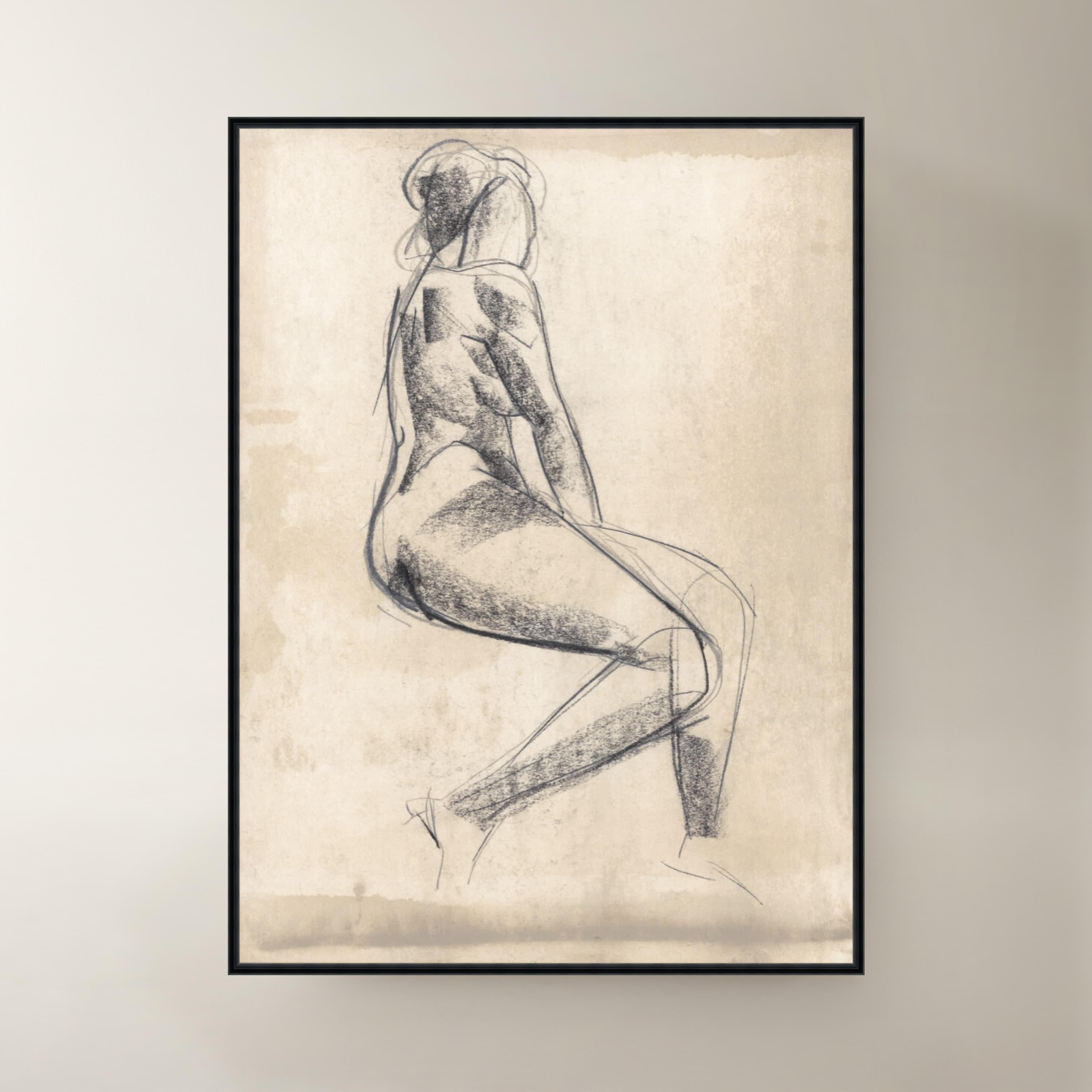
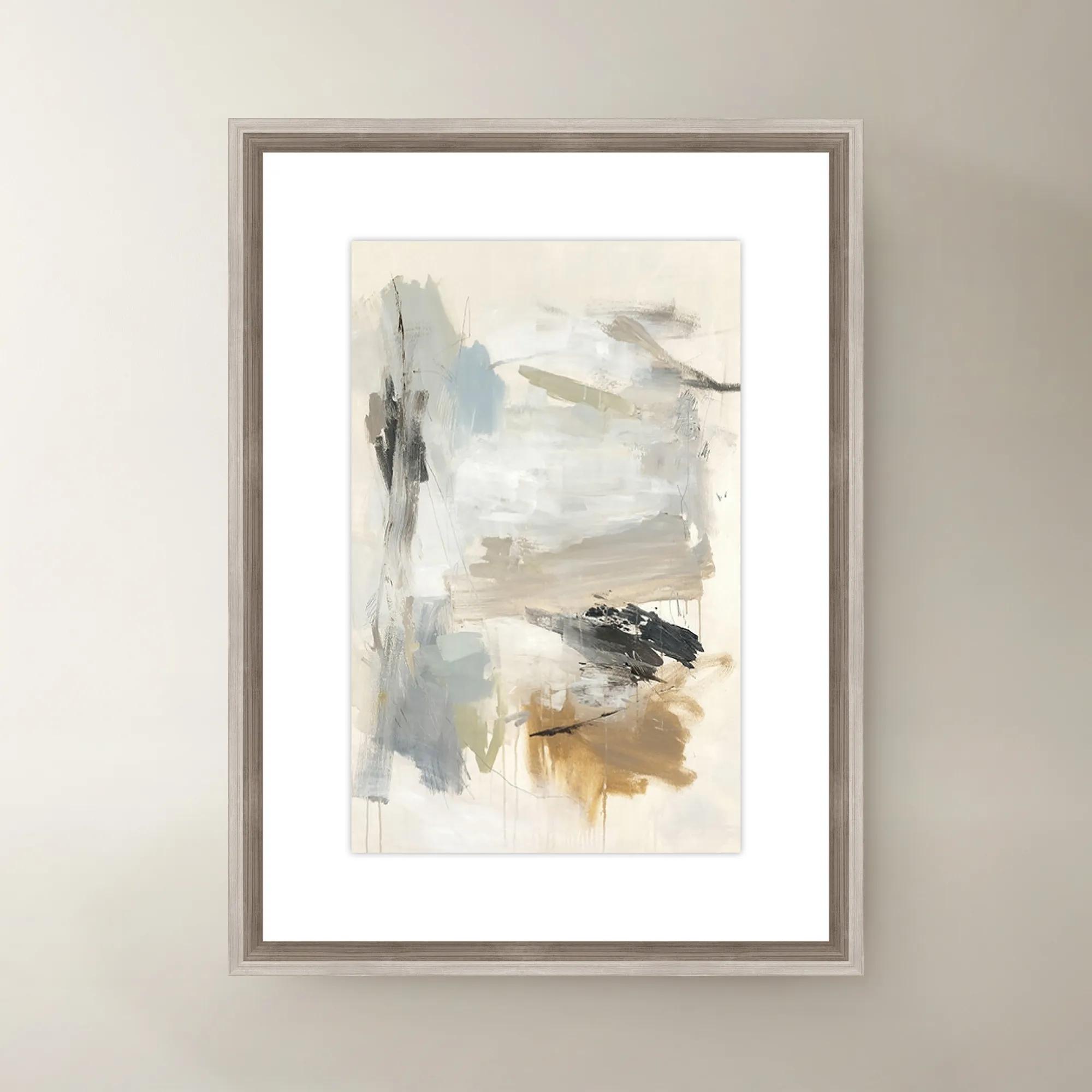
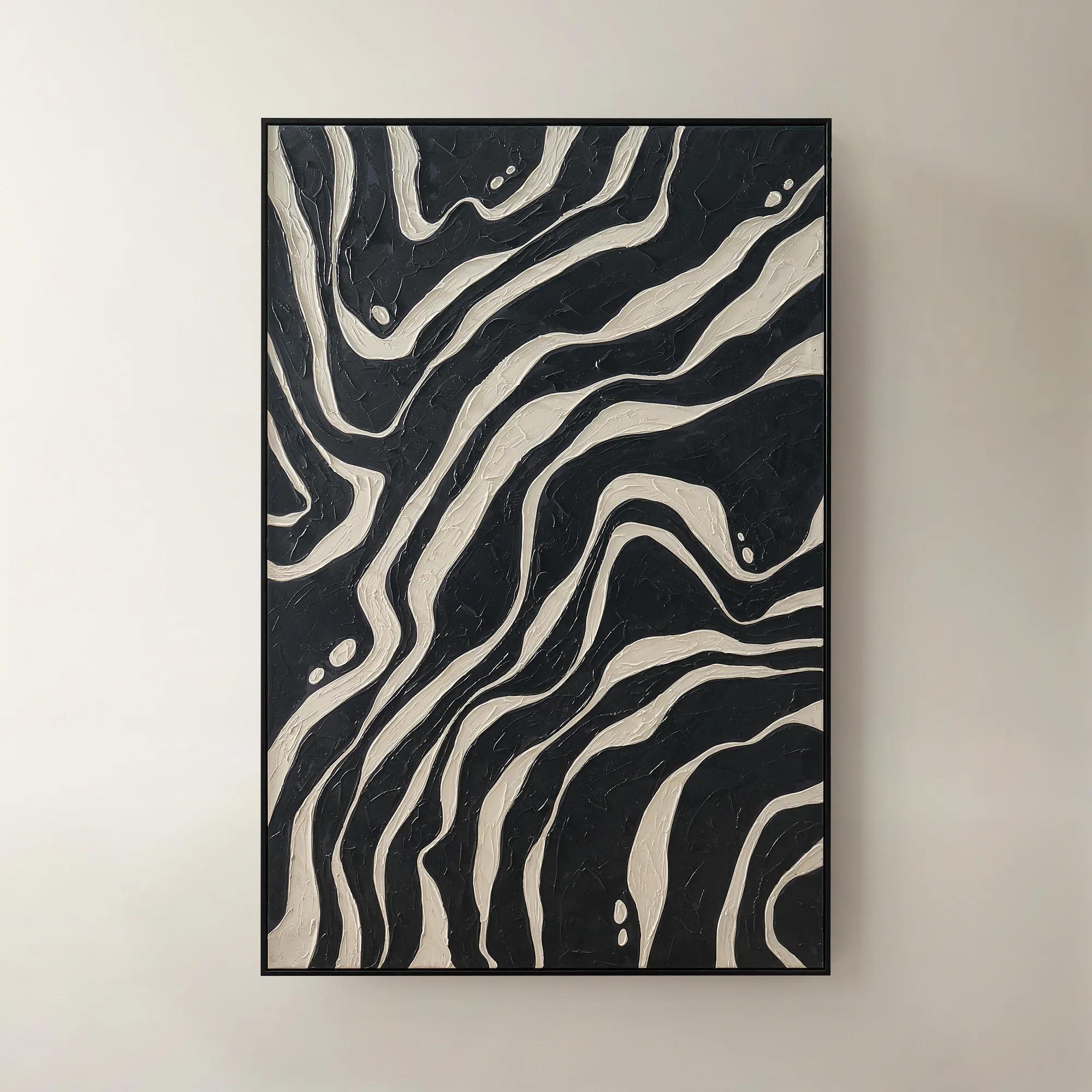
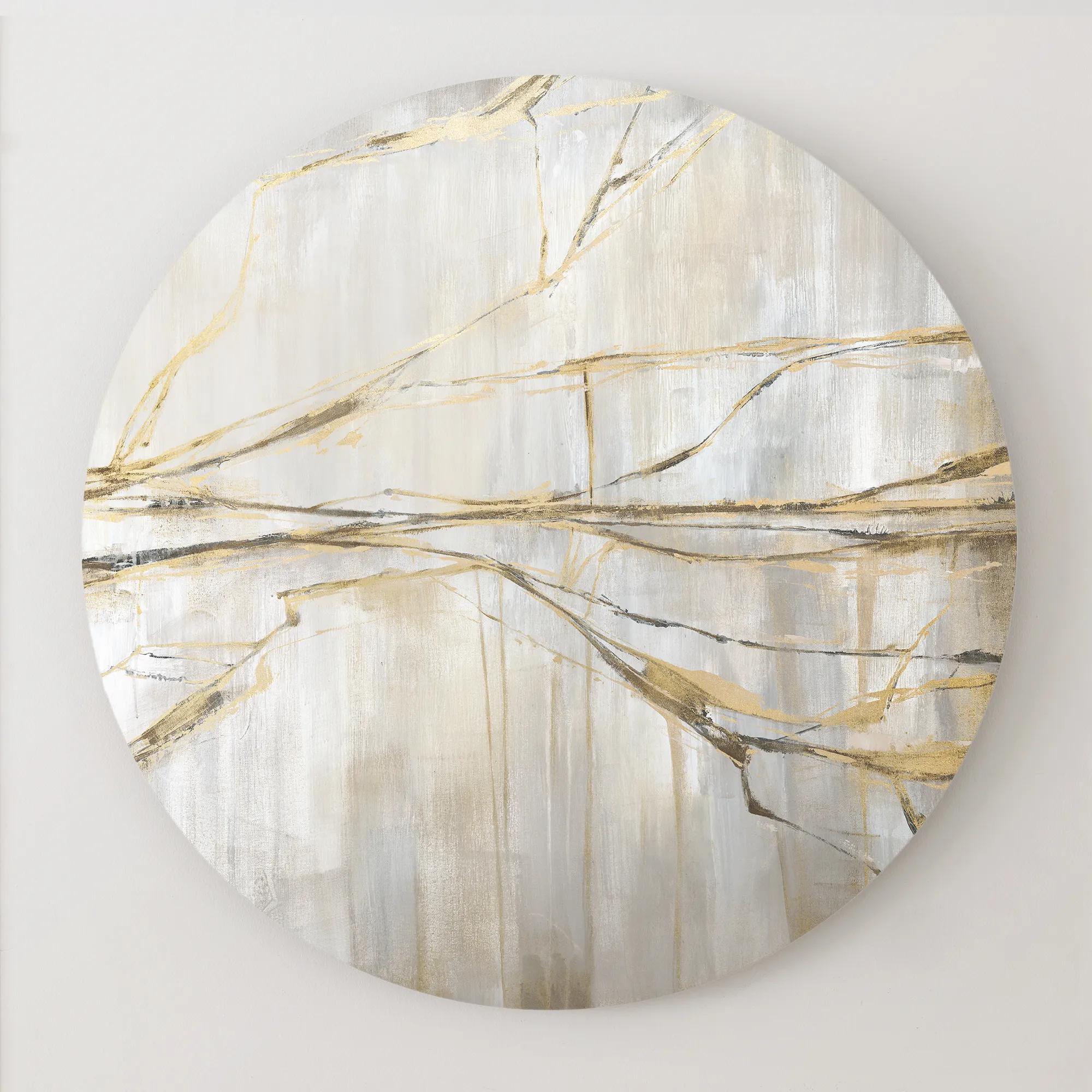
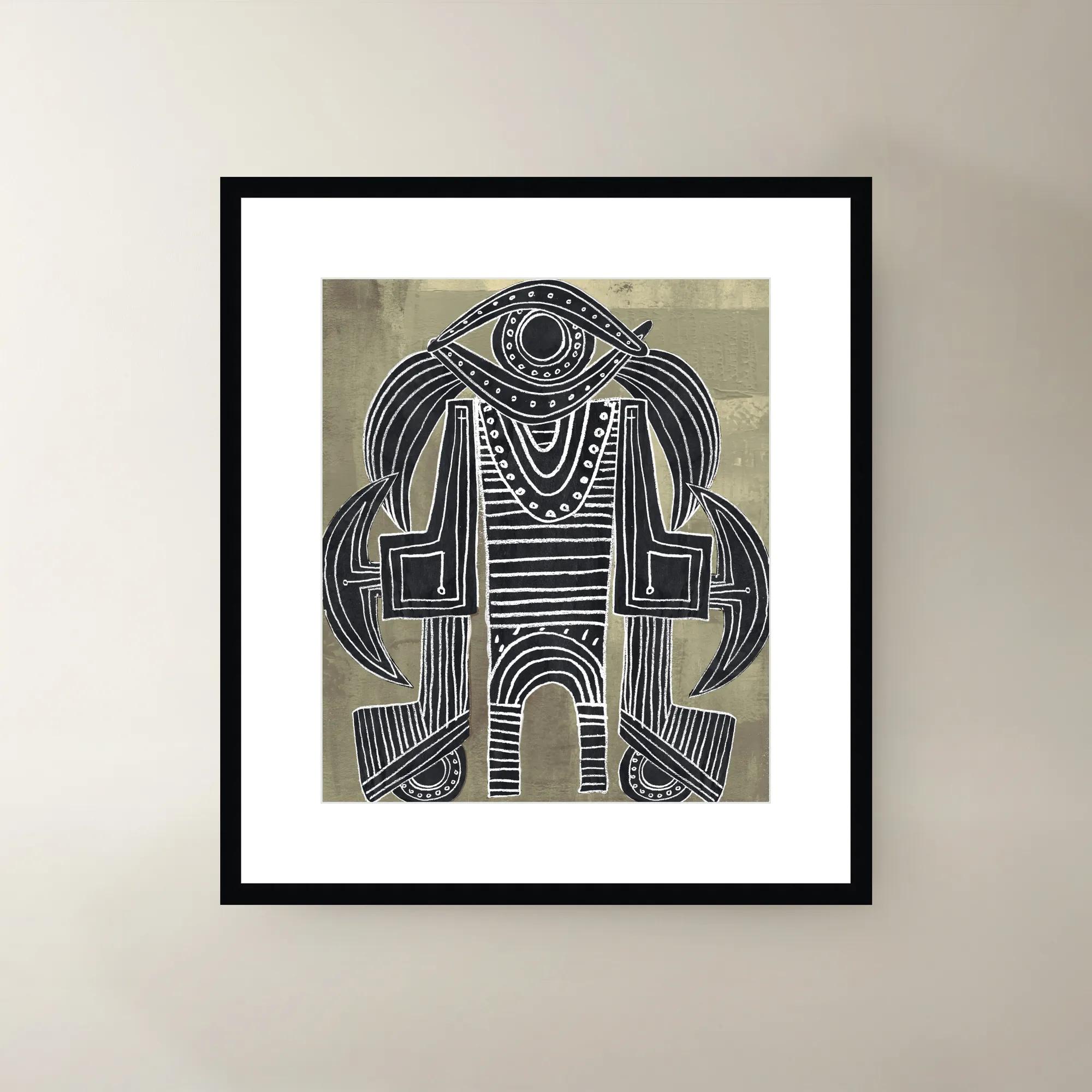
Spontaneous Abstract Wall Arts
Spontaneous Abstract Wall Arts
-
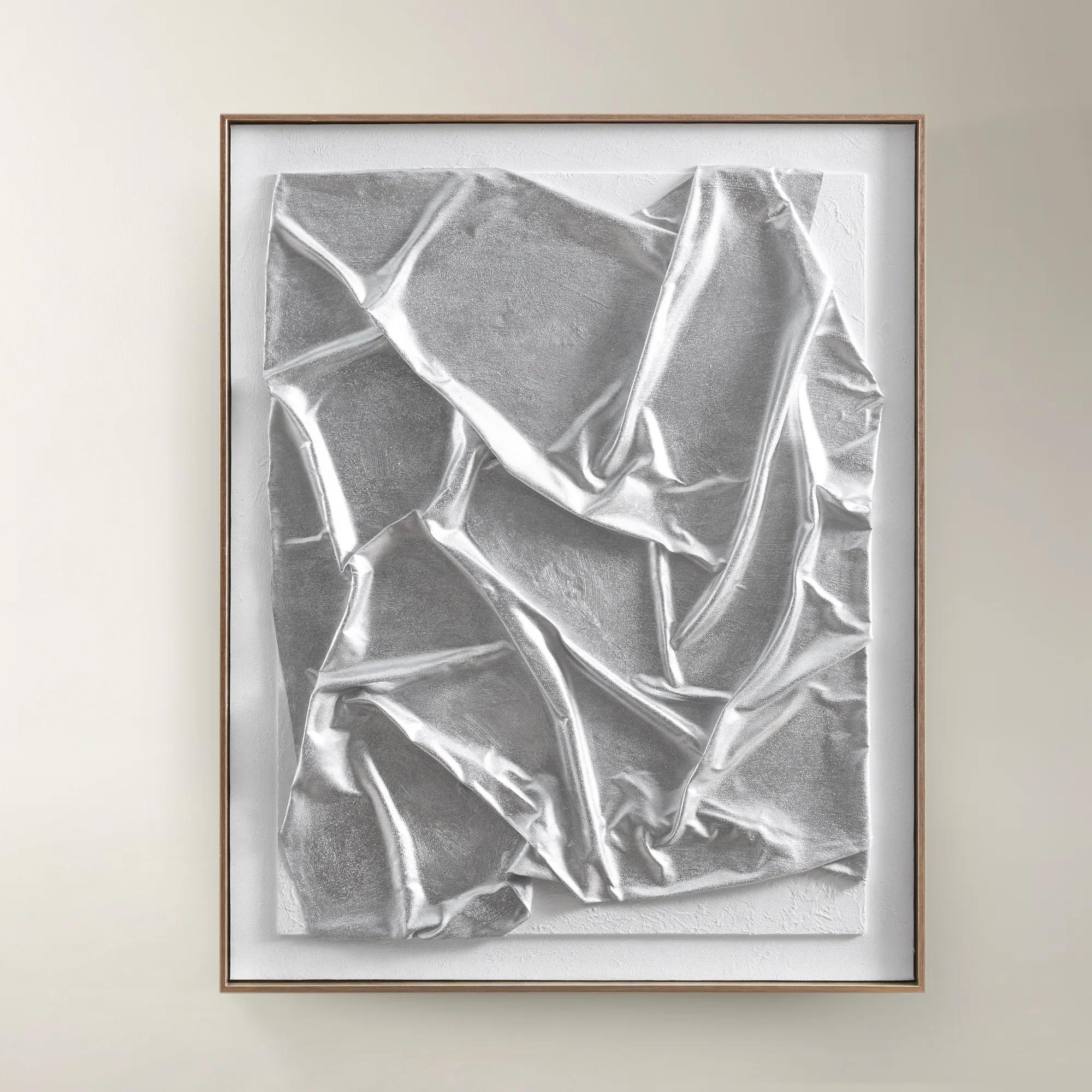 In the Mood Framed Painted Wall Art 31.5" x 39.5"$199
A hand-painted abstract canvas in shimmering silver tones, set in a warm champagne floater frame.
Add To Cart -
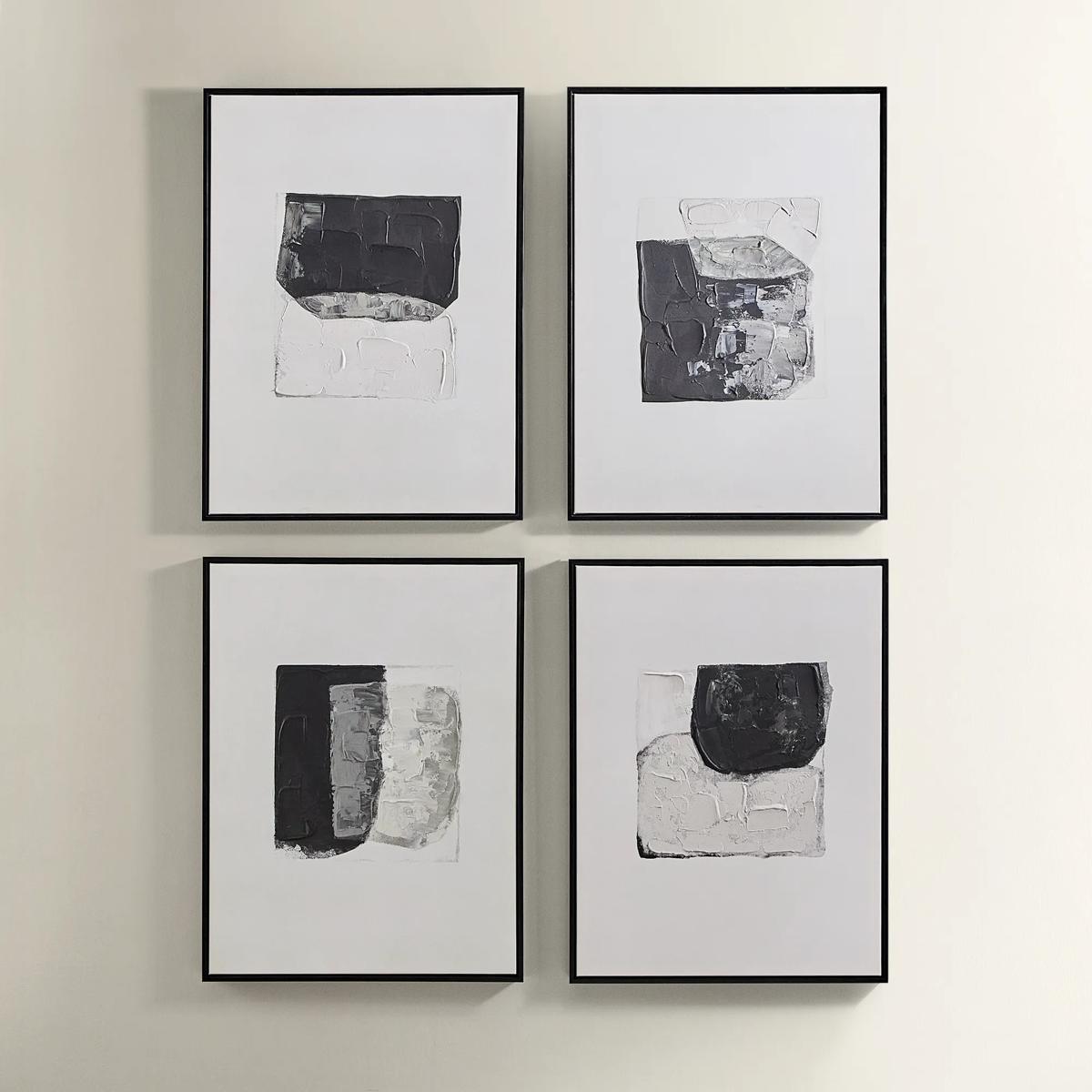
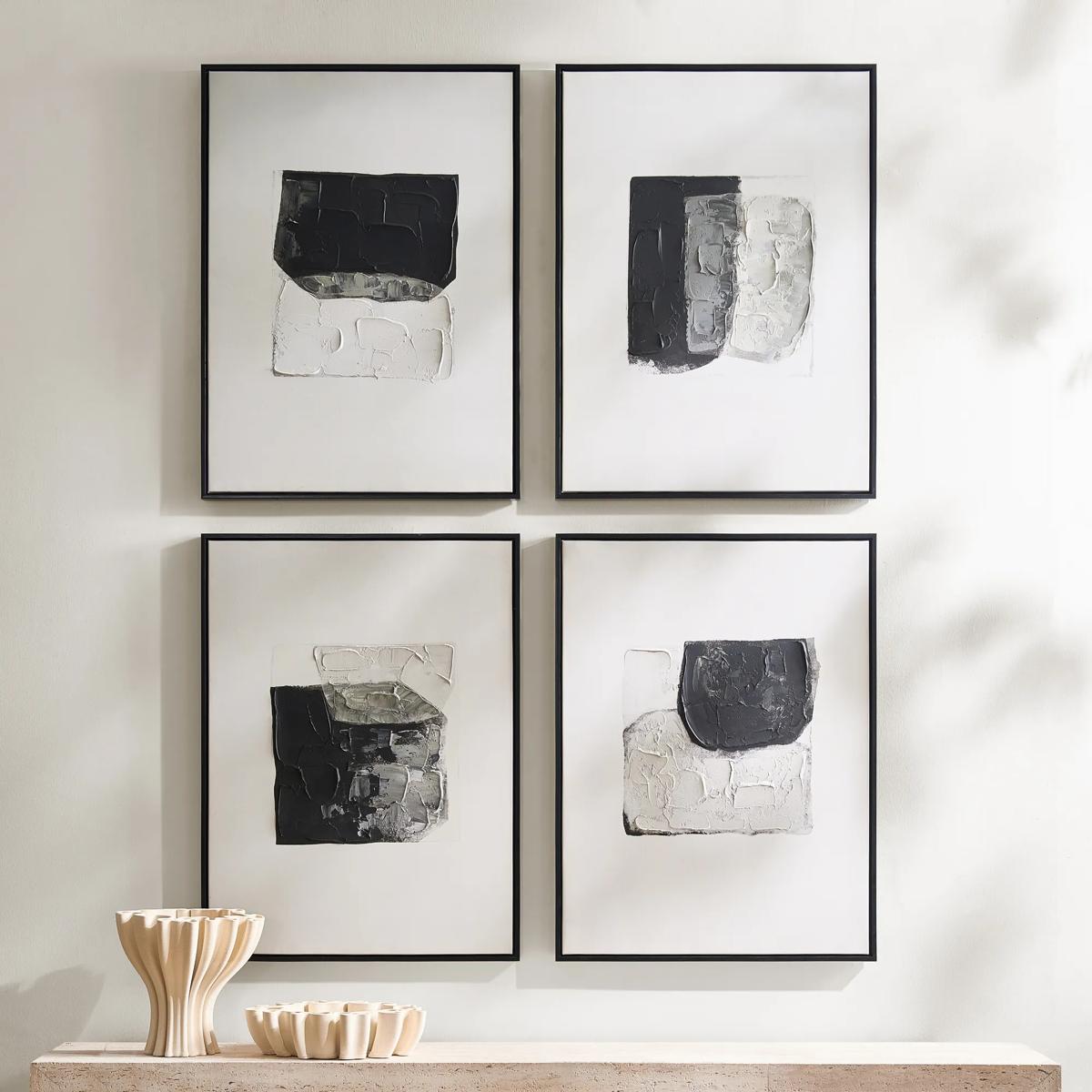 Shadows Framed Painted Wall Art Set of 4$299
A set of four hand-painted abstract canvases featuring black, white, and gold accents in black frames.
Add To Cart -
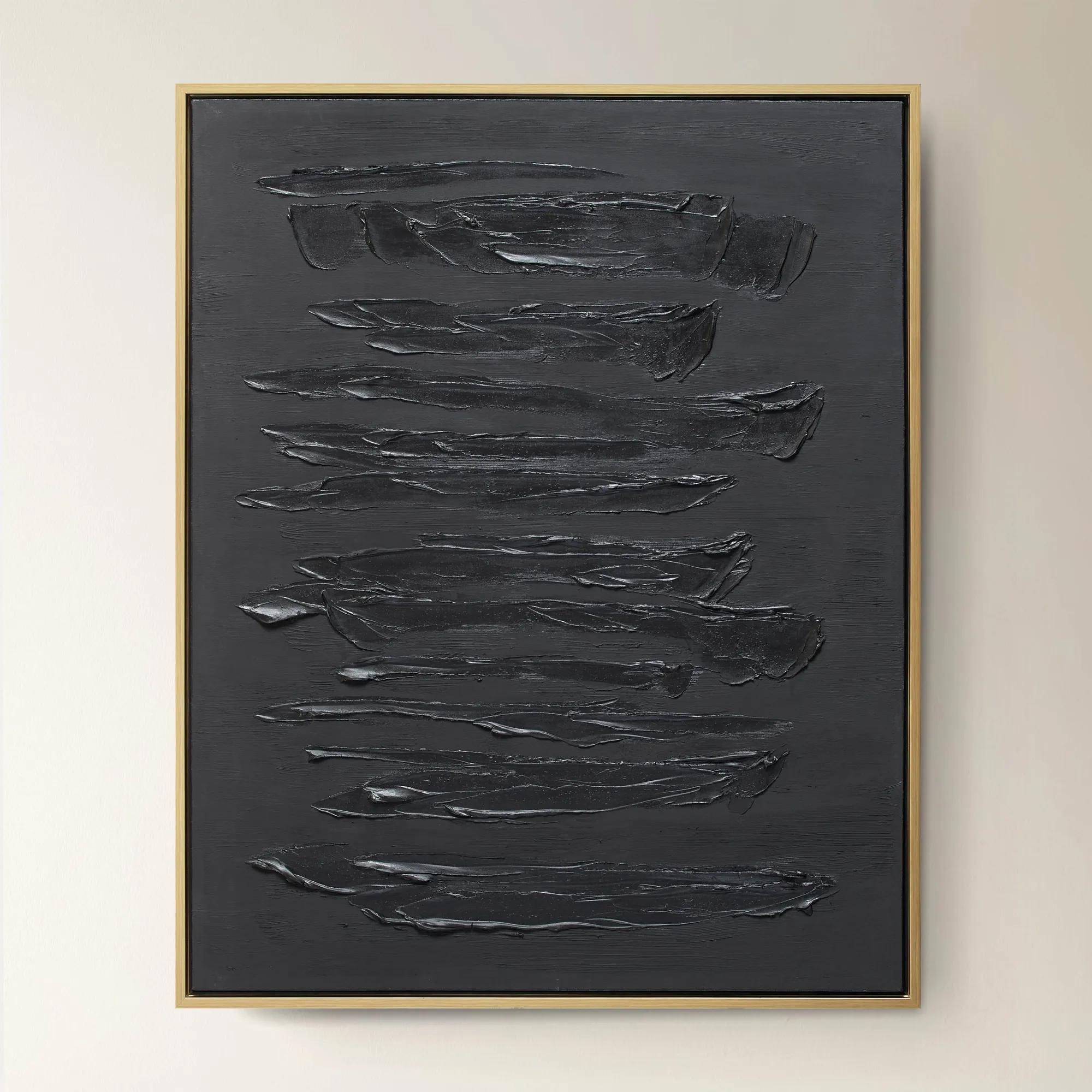
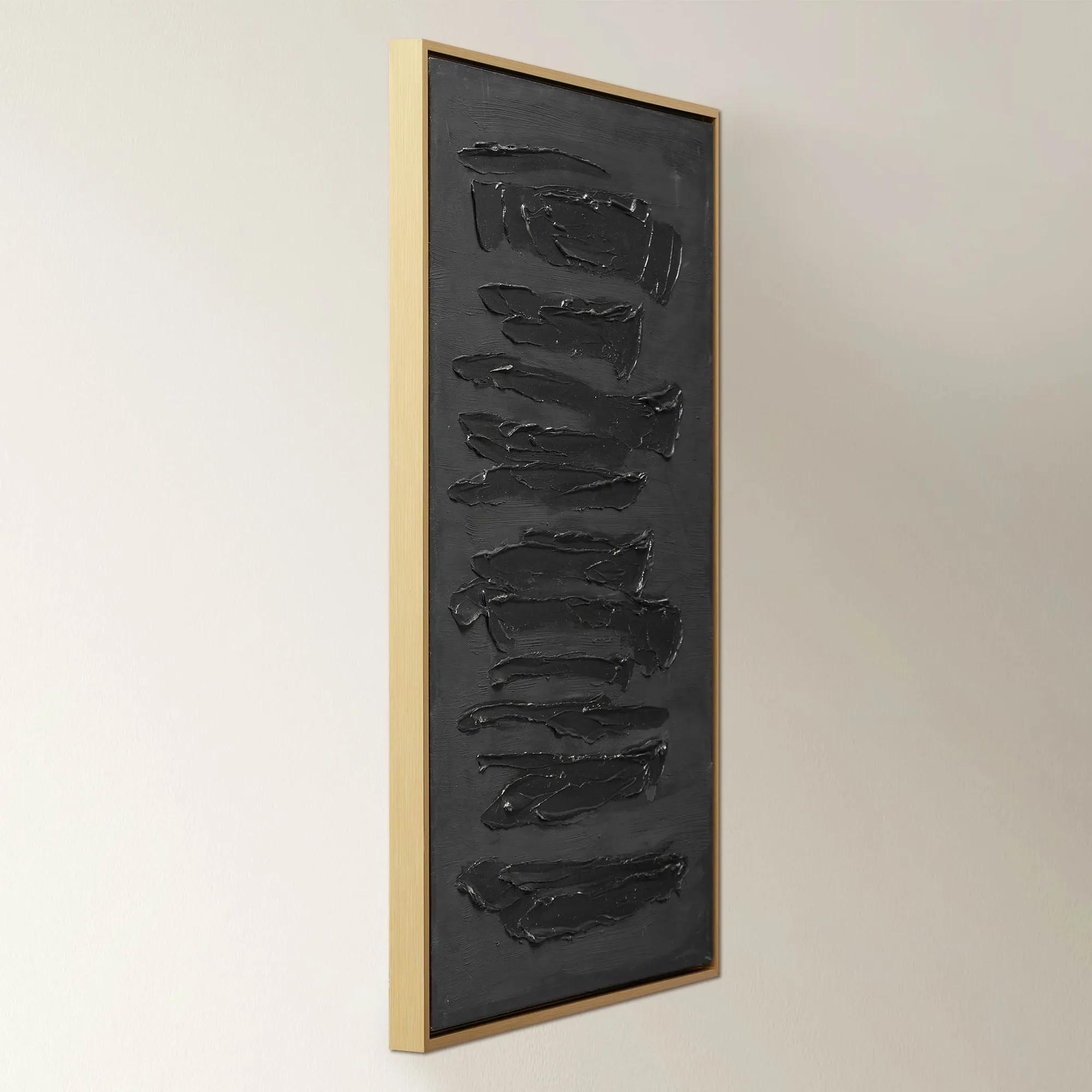 Nocturne$599.95
A dramatic abstract artwork featuring bold, dark brushstrokes on hand-painted canvas in a gold floater frame.
Add To Cart -
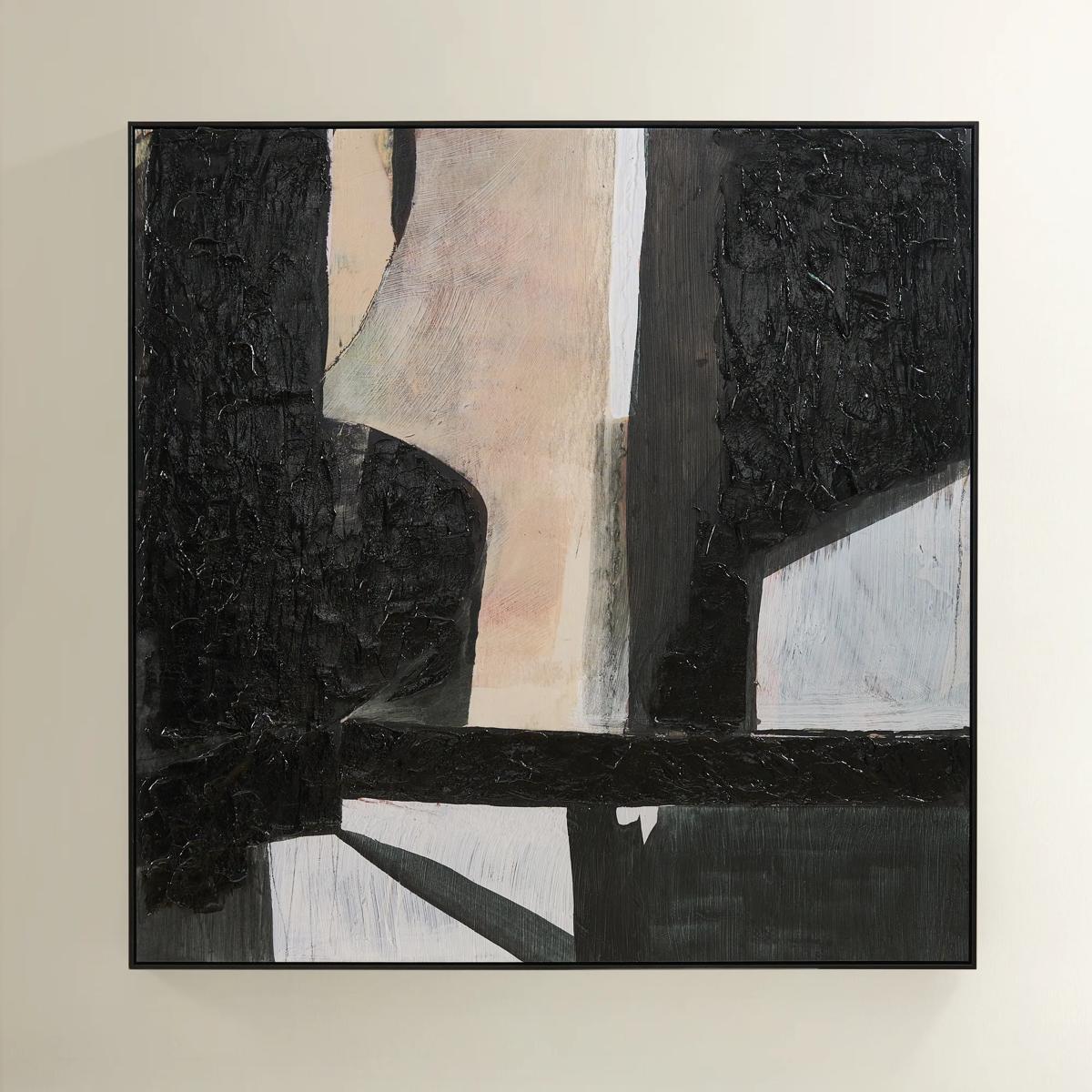 Grounded Painting$699
A hand-painted abstract canvas featuring black, cream, and earth tones in a sleek black floater frame.
Add To Cart -
-0.jpeg?w=1200&h=1200)
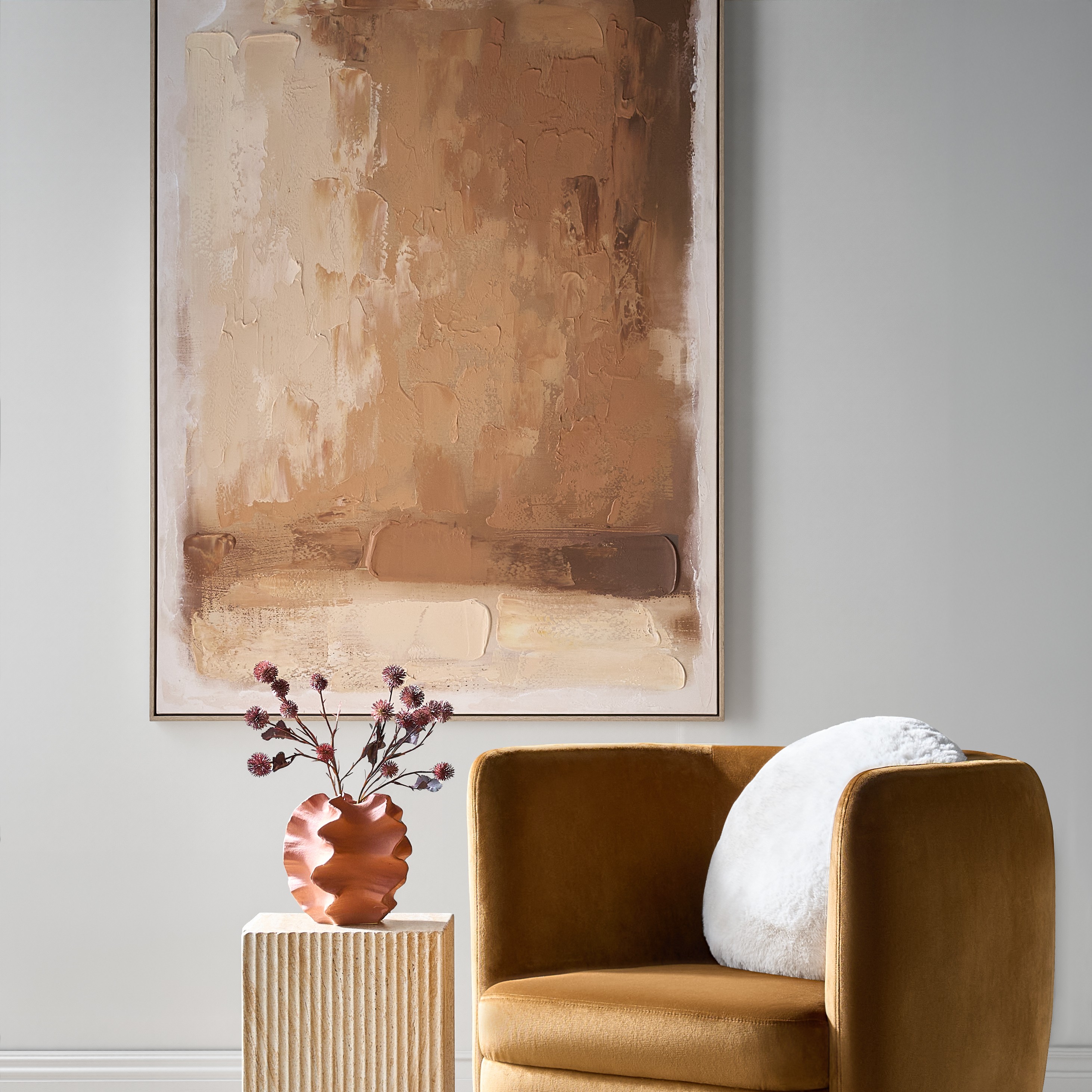 Ember Glow Framed Painted Wall Art 39.25" x 55"$499
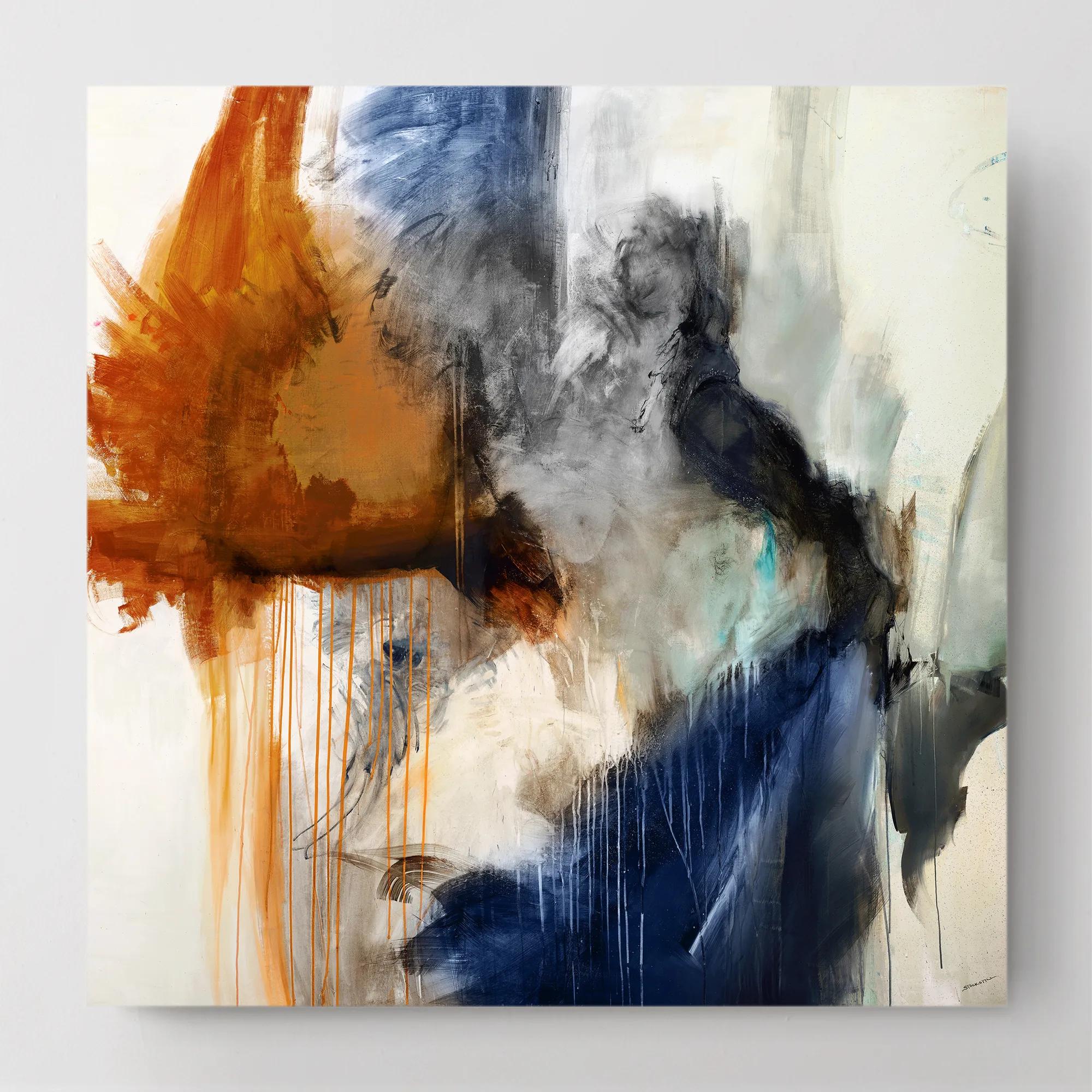
A hand-painted abstract canvas blending ochre, terracotta, and golden clay hues in a light natural frame.
Add To Cart -
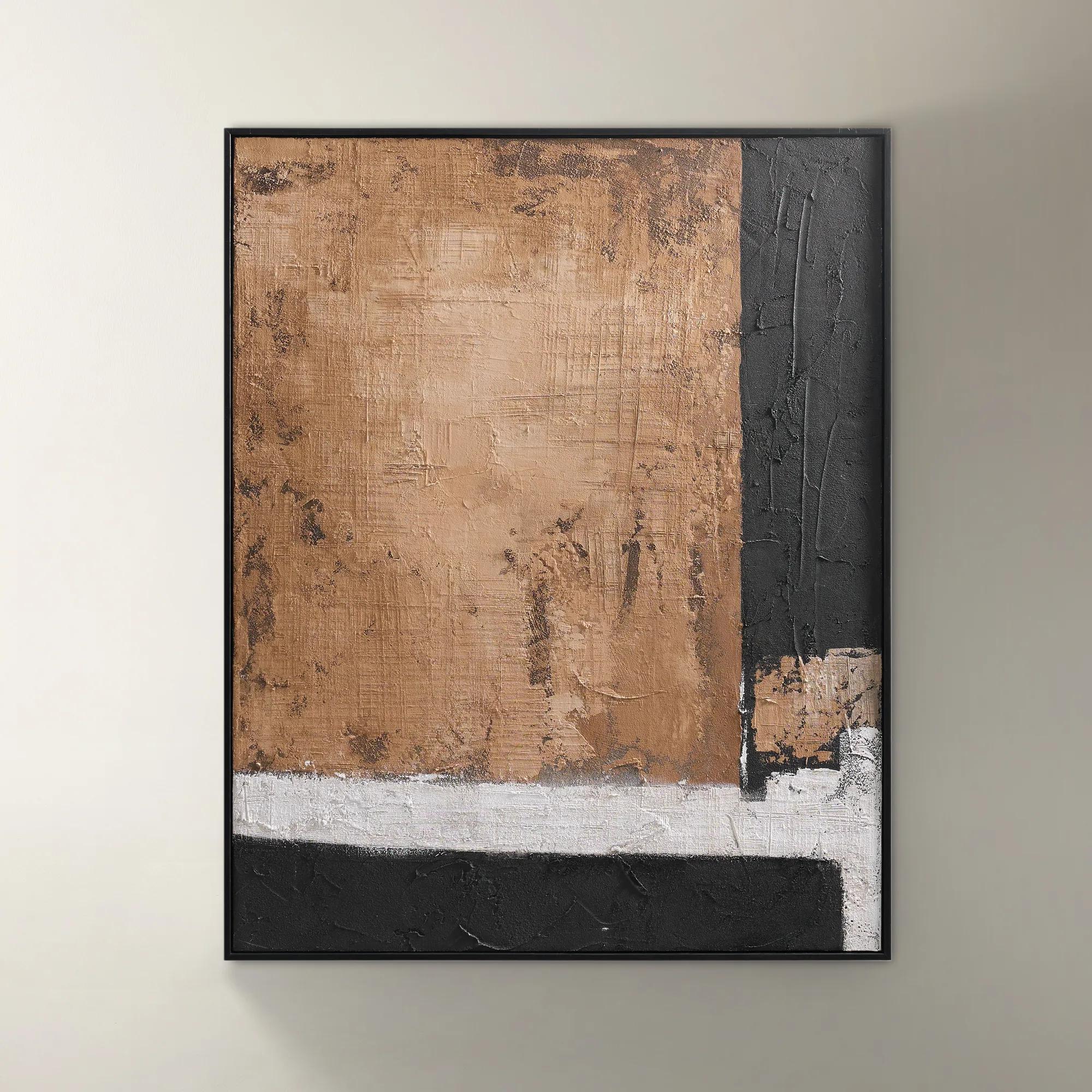 Drift Framed Painted Wall Art I 39.4" x 31.5"$299
A bold hand-painted abstract artwork featuring layered brown tones in a sleek black floater frame.
Add To Cart -
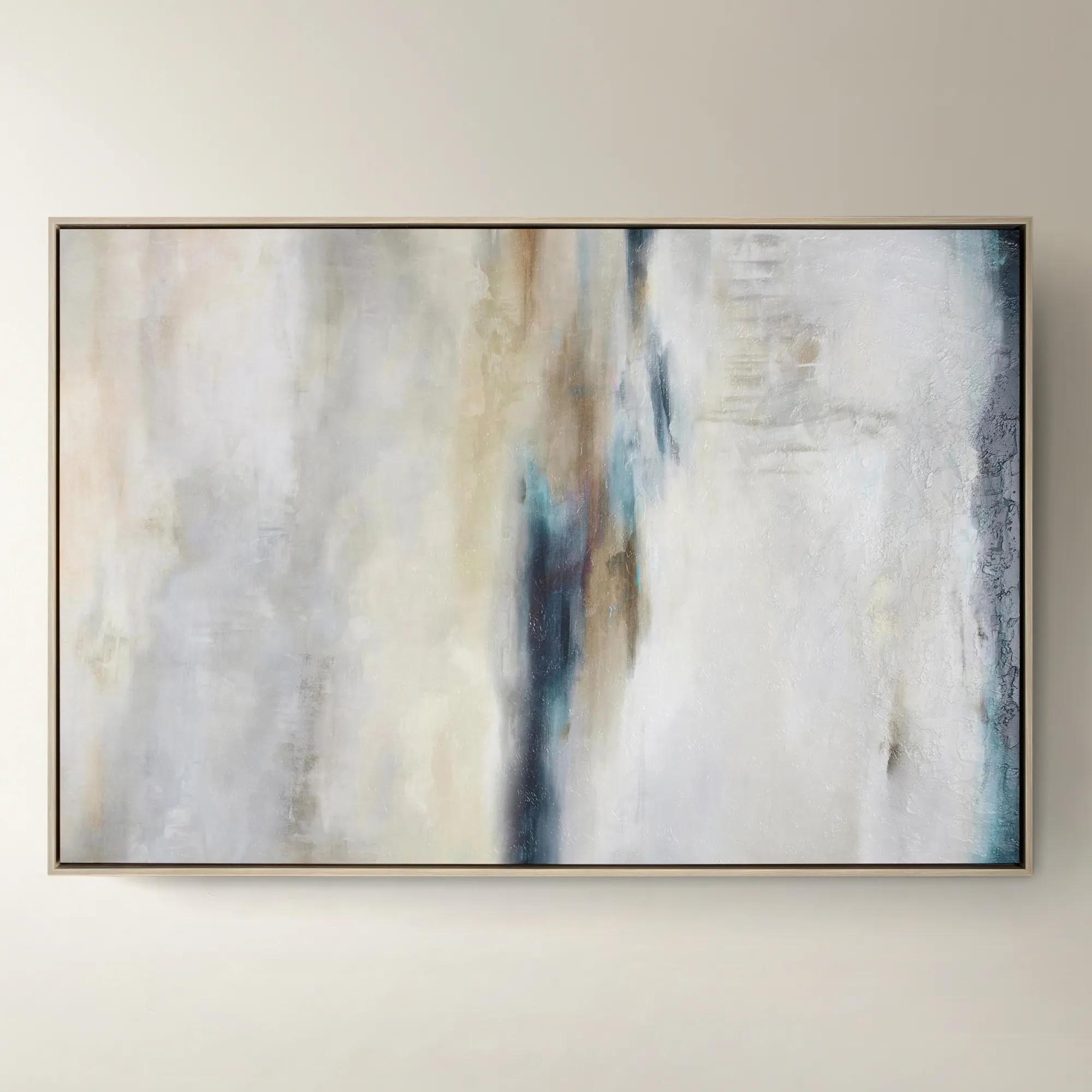
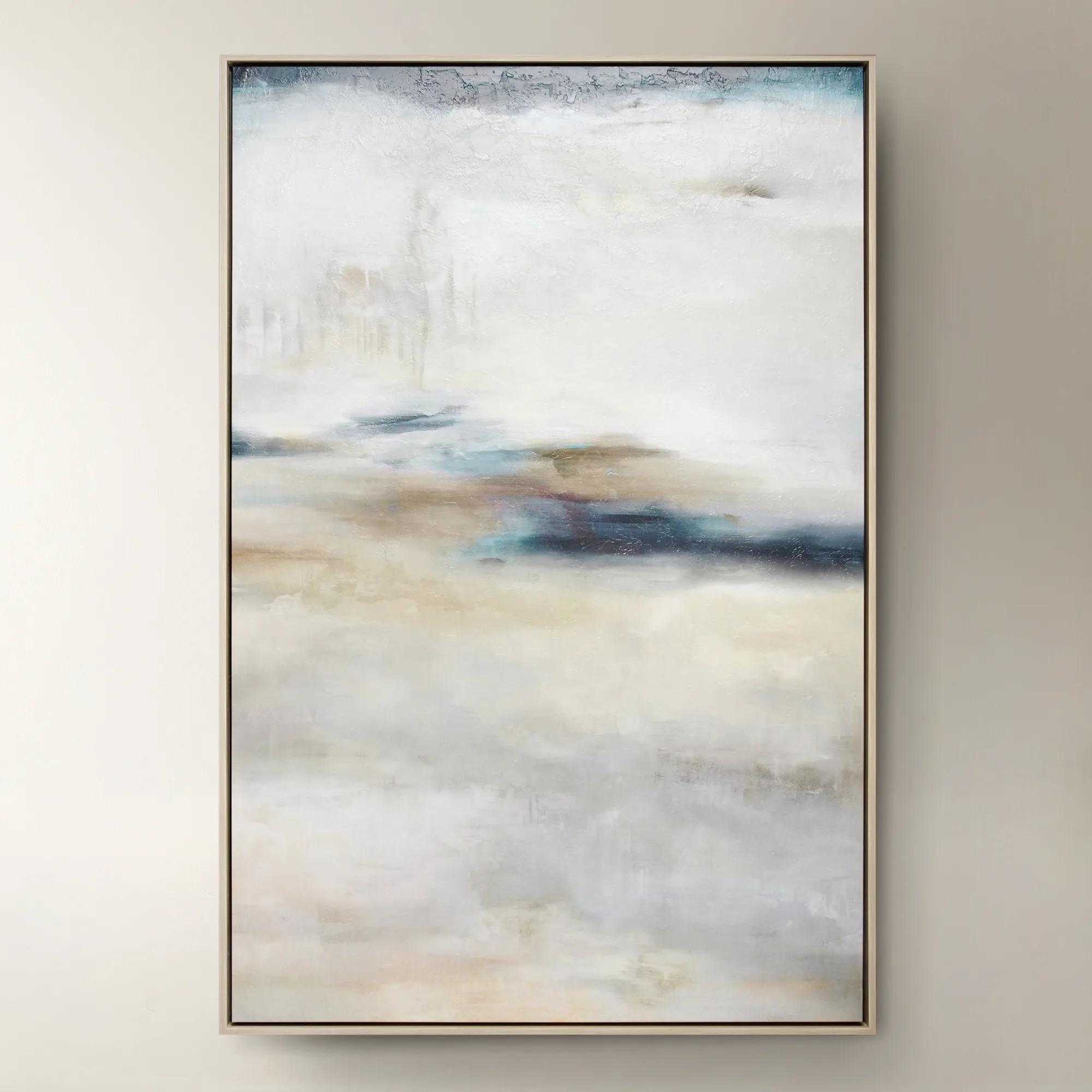 Forward Looking$1299
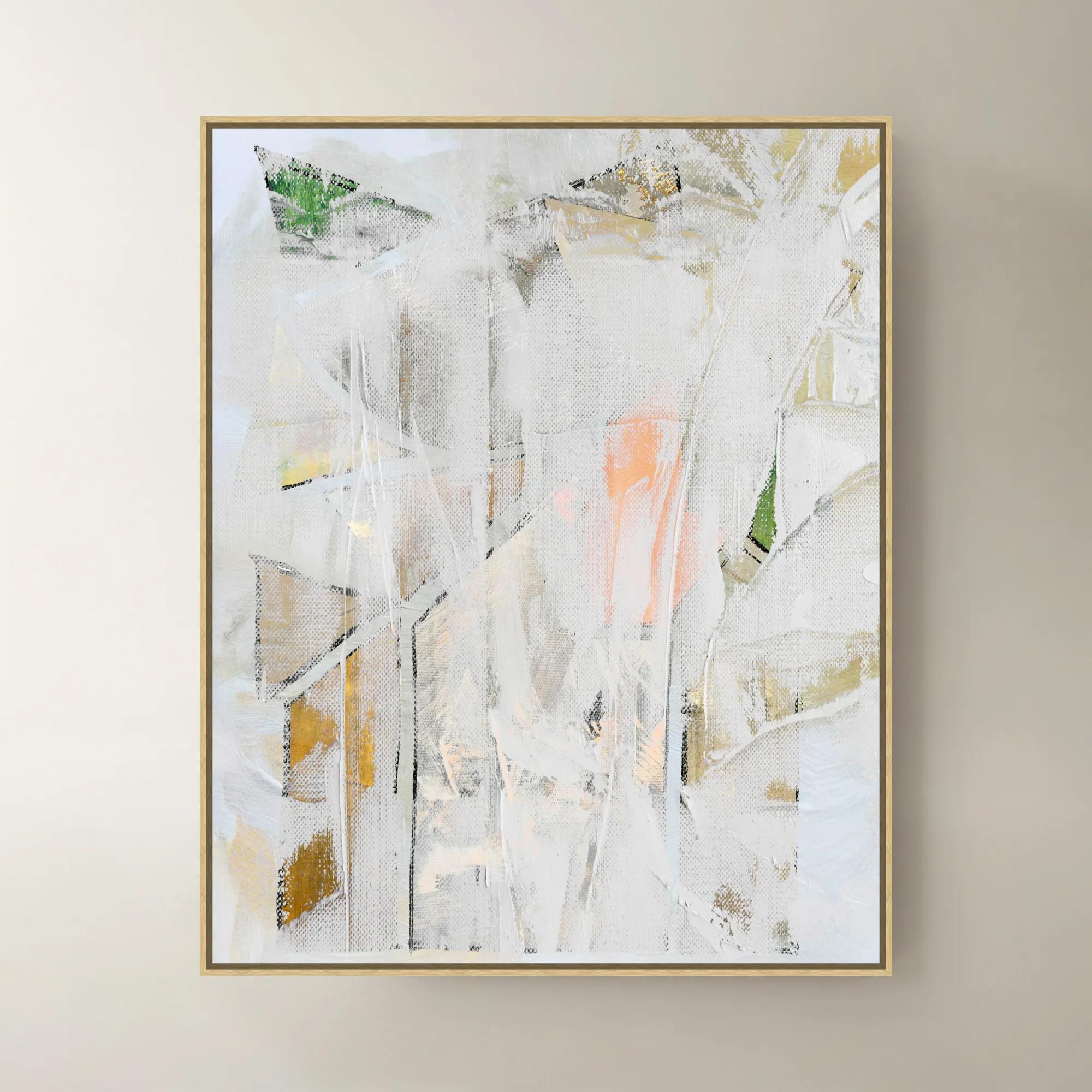
A softly layered abstract canvas print with a gel finish, set in a natural-hued floater frame.
Add To Cart -
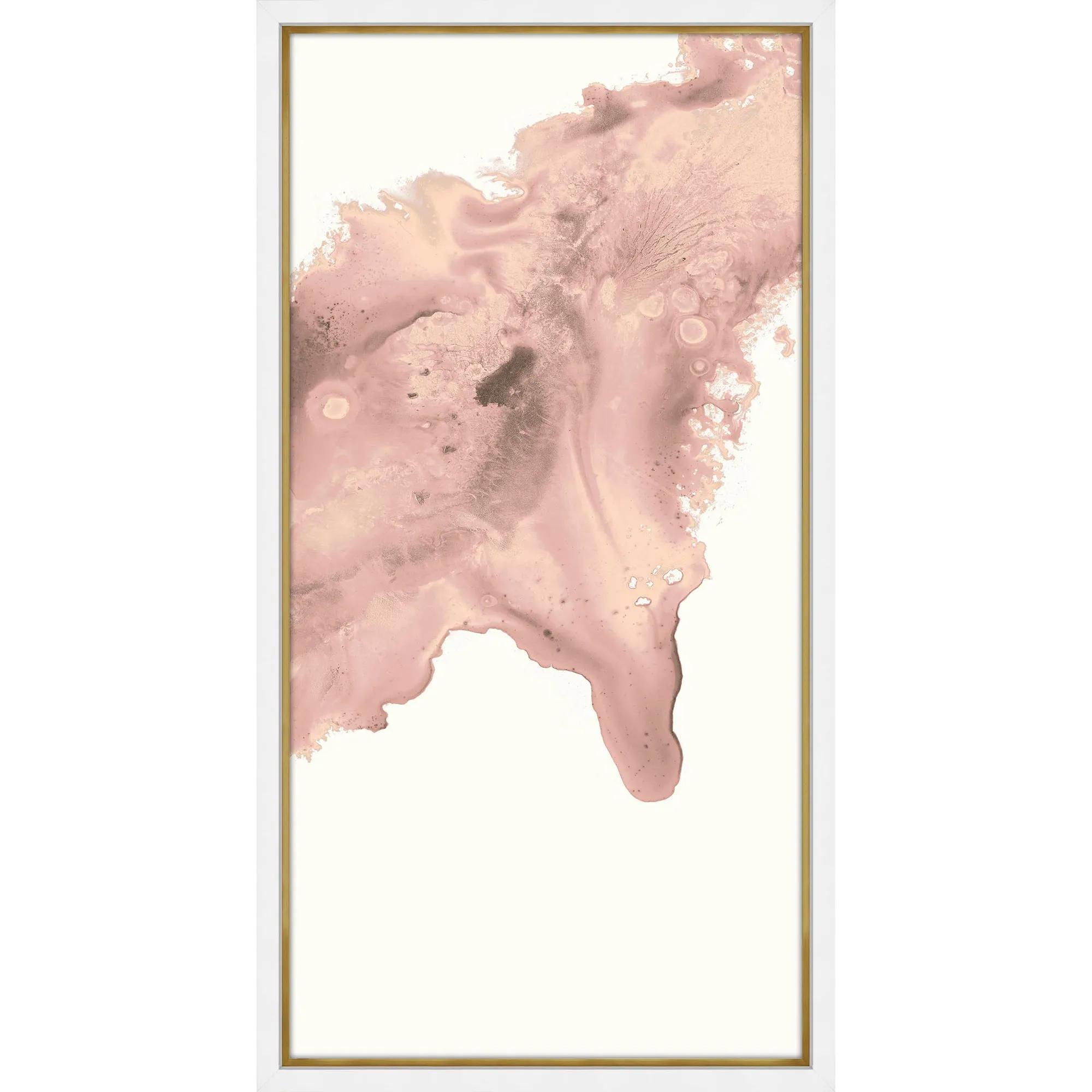
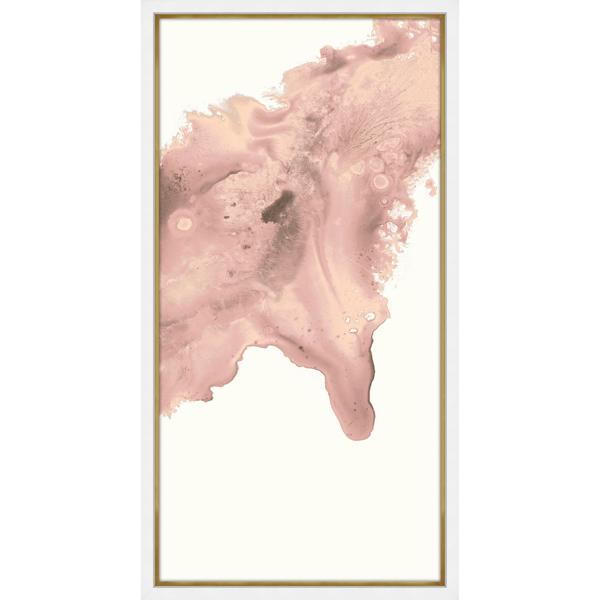 Blush Conduit 2 Framed Wall Art 24" x 48"$849
A striking abstract print on pearl paper, elegantly framed in gold and matte white for modern appeal.
Add To Cart -
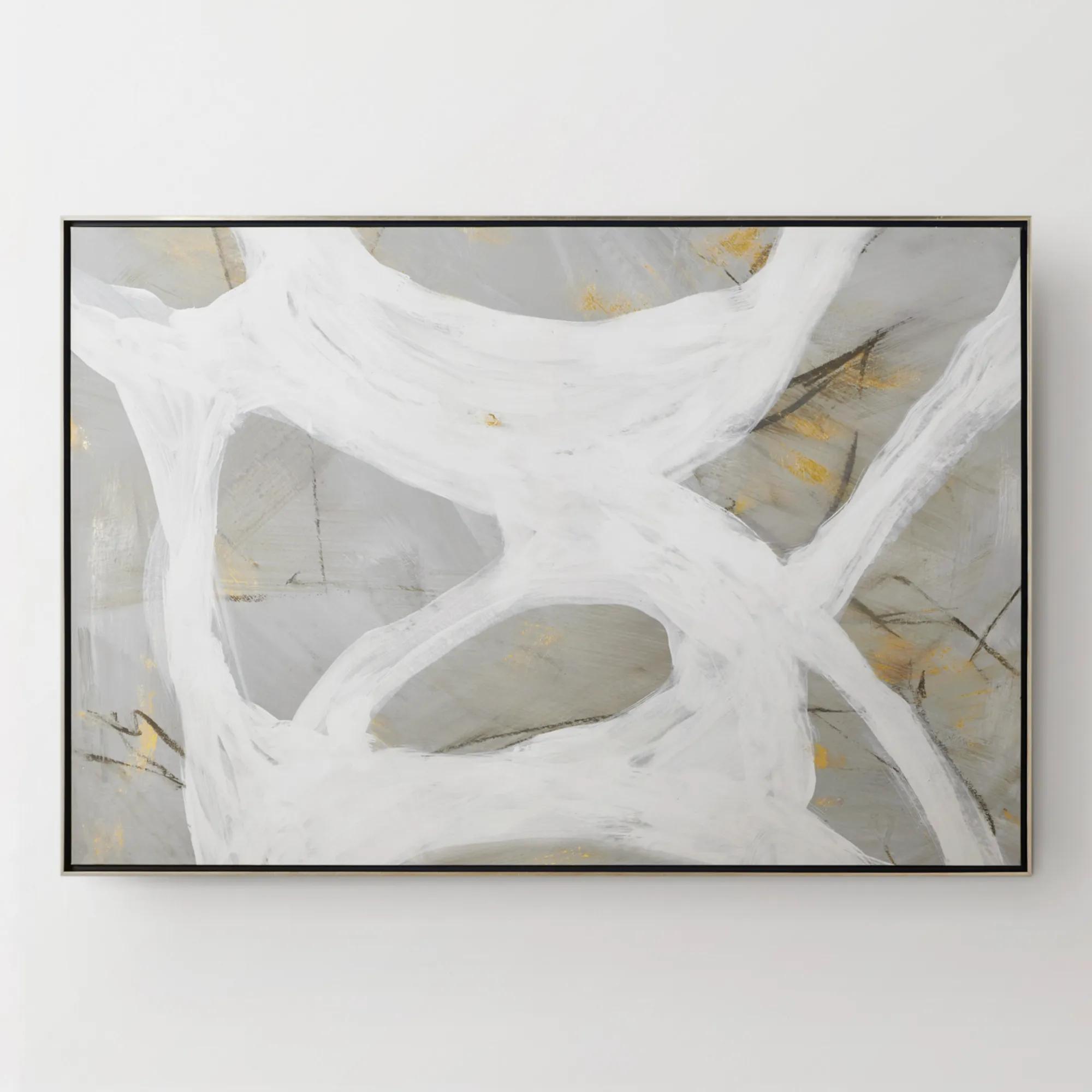
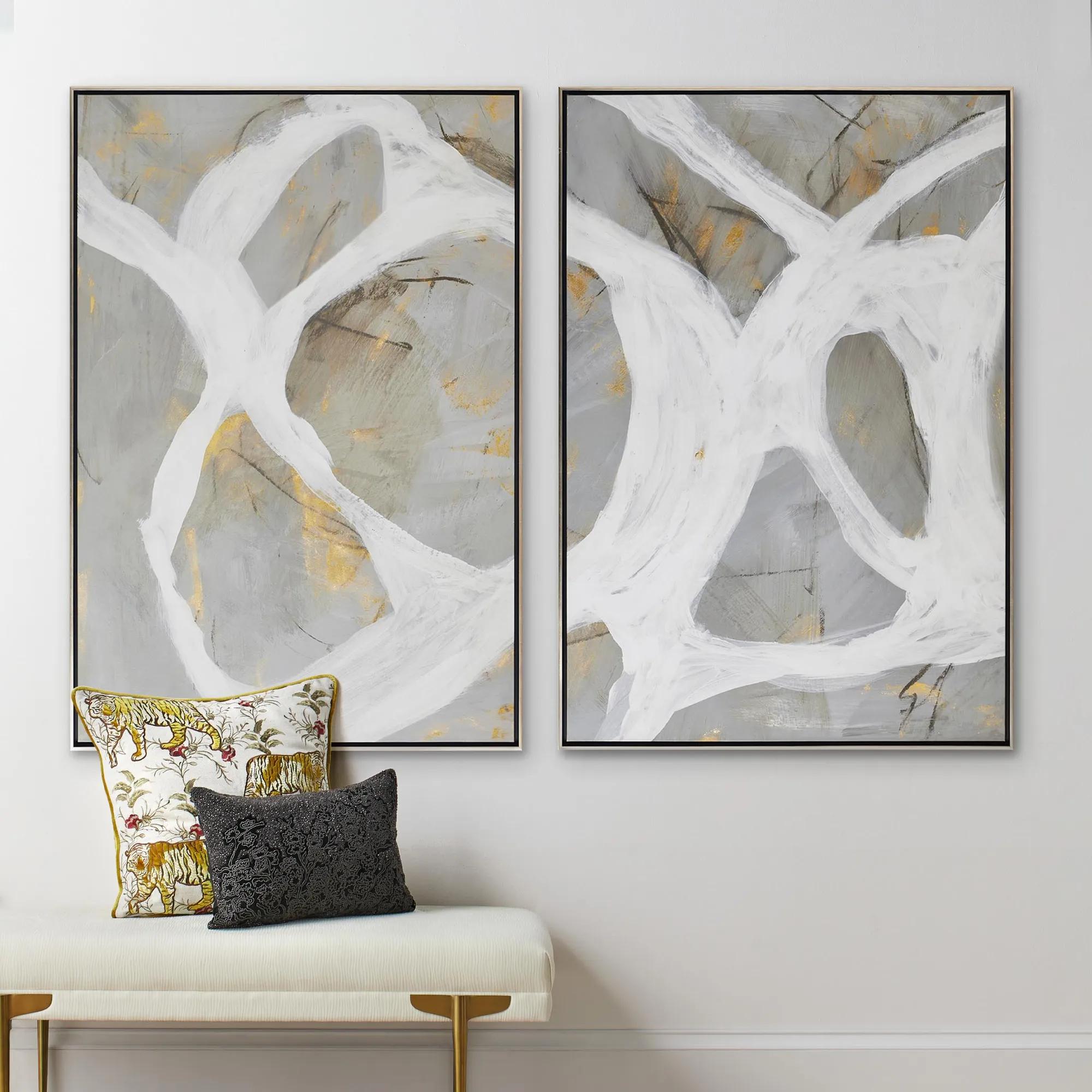 Les Series Framed Painted Wall Art II 61" x 41"$1099
An abstract canvas artwork featuring bold brushstrokes, hand-applied gold accents, and a silver floater frame.
Add To Cart -
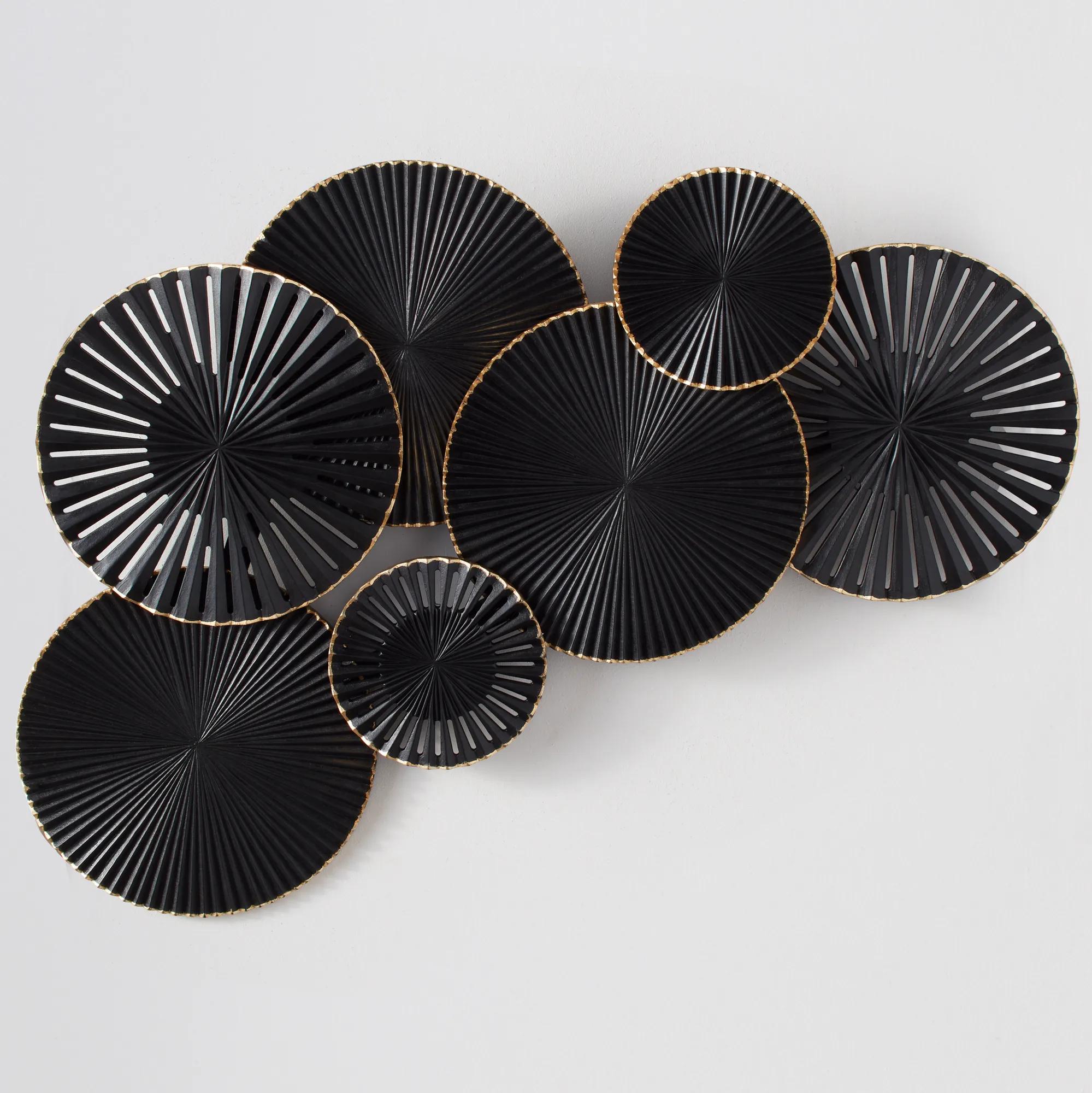
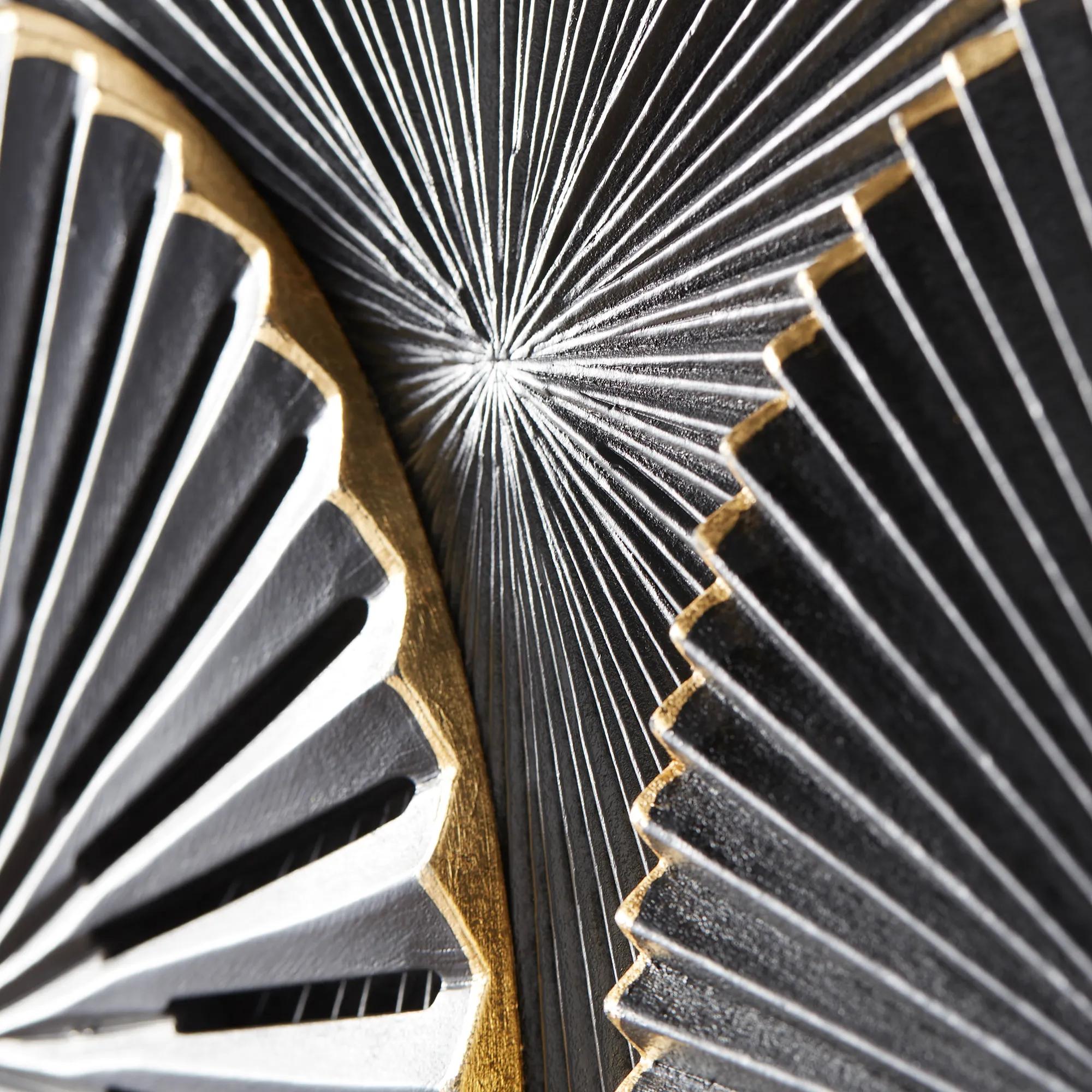 Circa Black Carved Wood Dimensional Wall Panel 47.25" x 27.5"$499
A carved wood wall art panel in black and gold that adds abstract intrigue to any room.
Add To Cart -
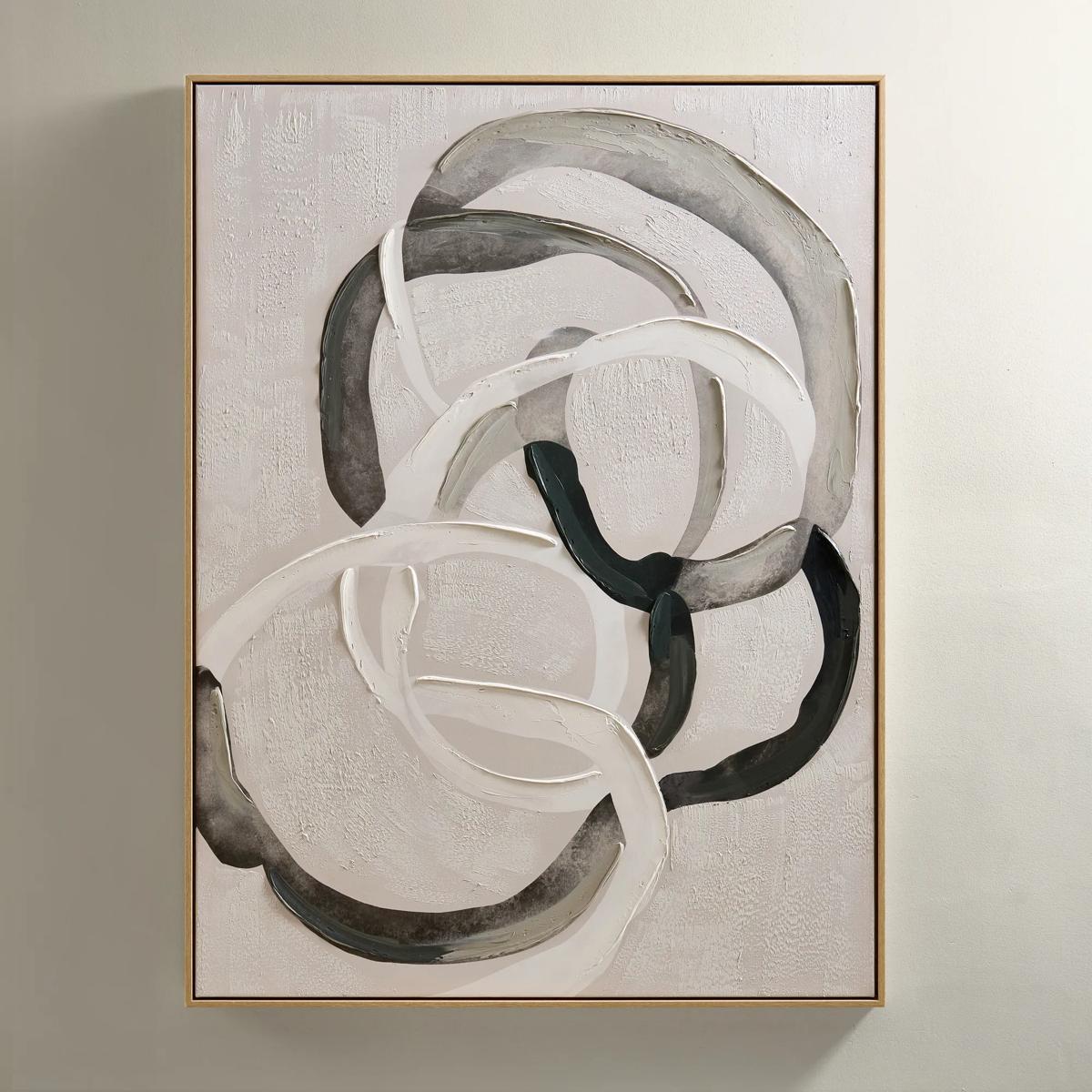
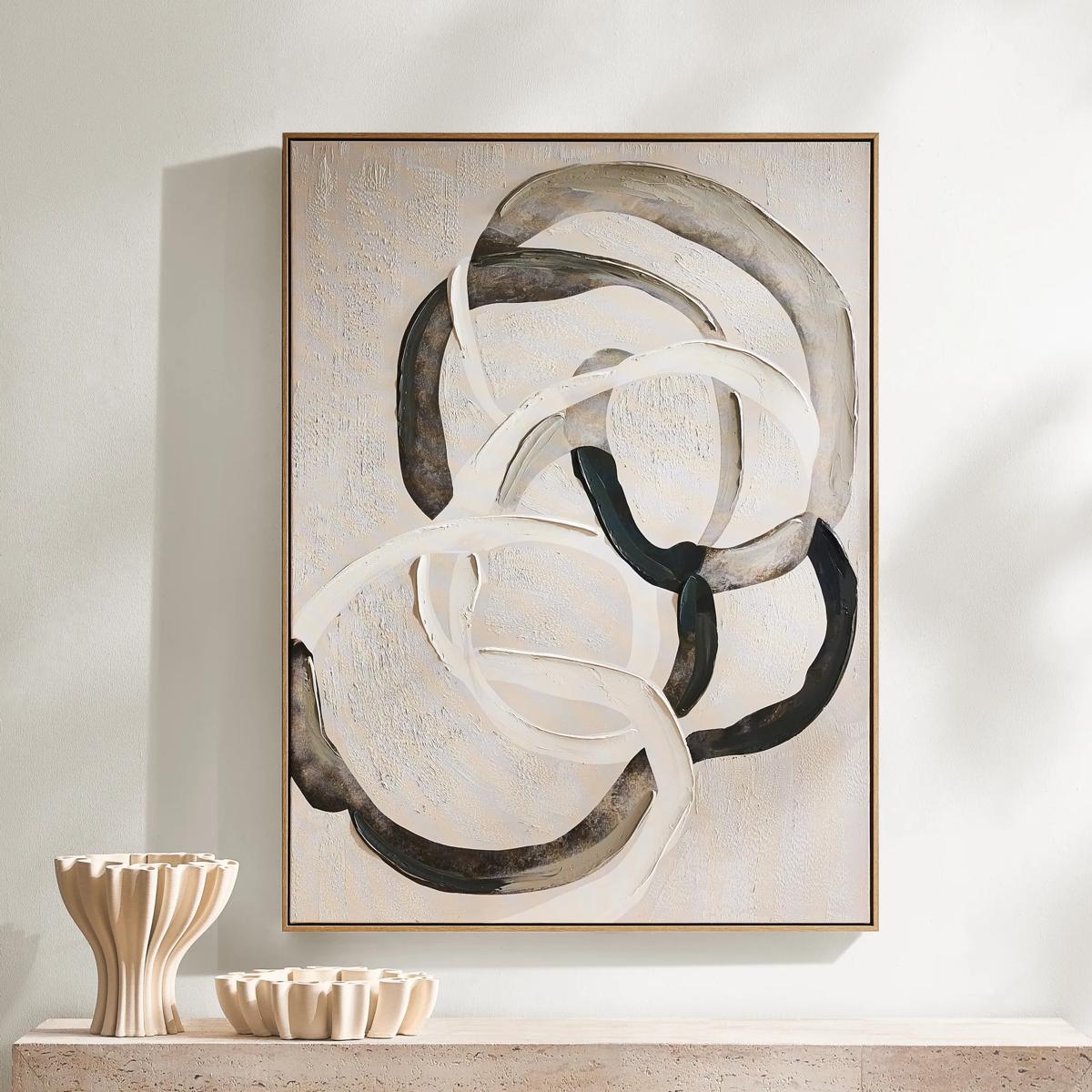 Round About Framed Painted Wall Art 35.25" x 47.25"$349
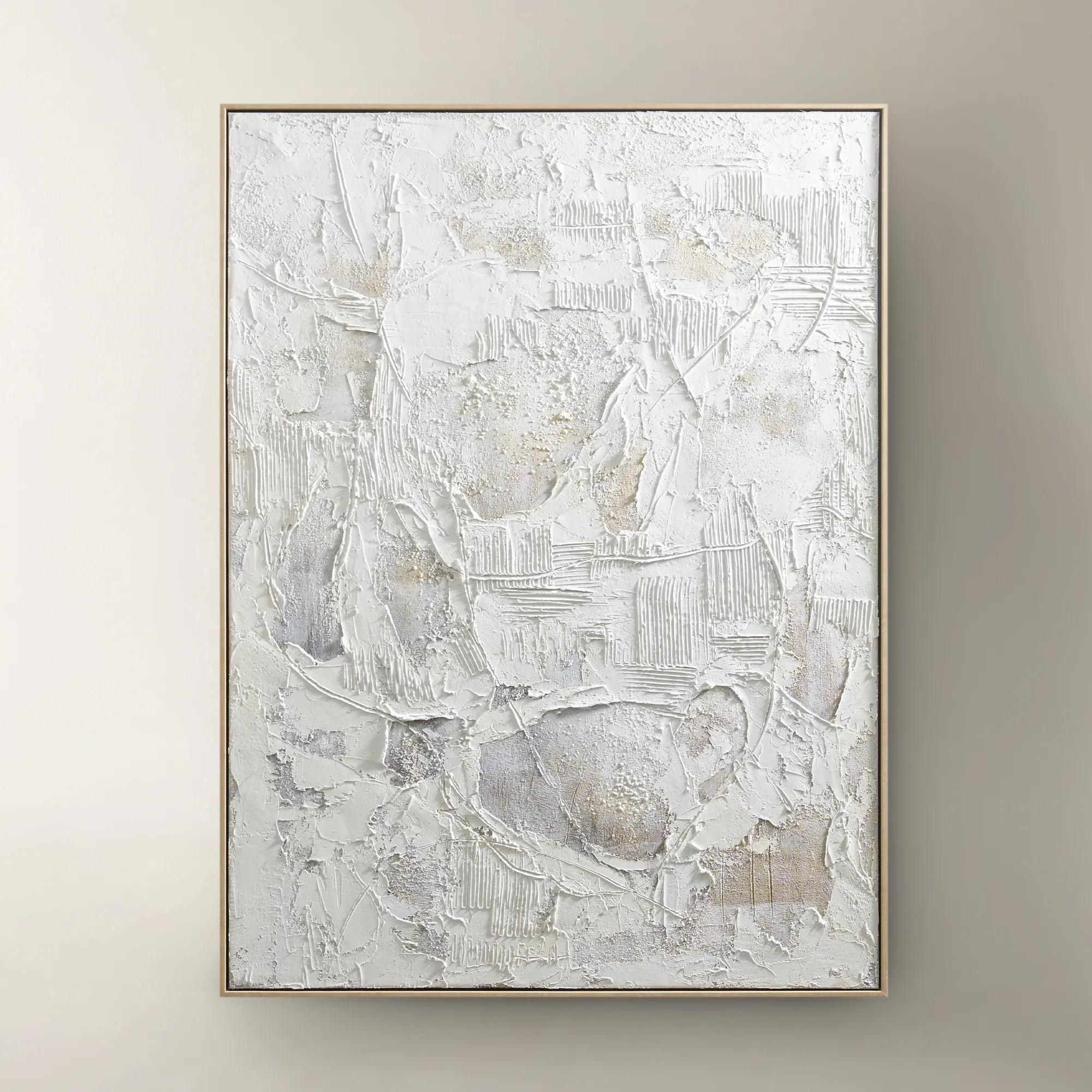
An abstract hand-painted canvas with tonal whites, charcoals, and taupes in a light wood floater frame.
Add To Cart -
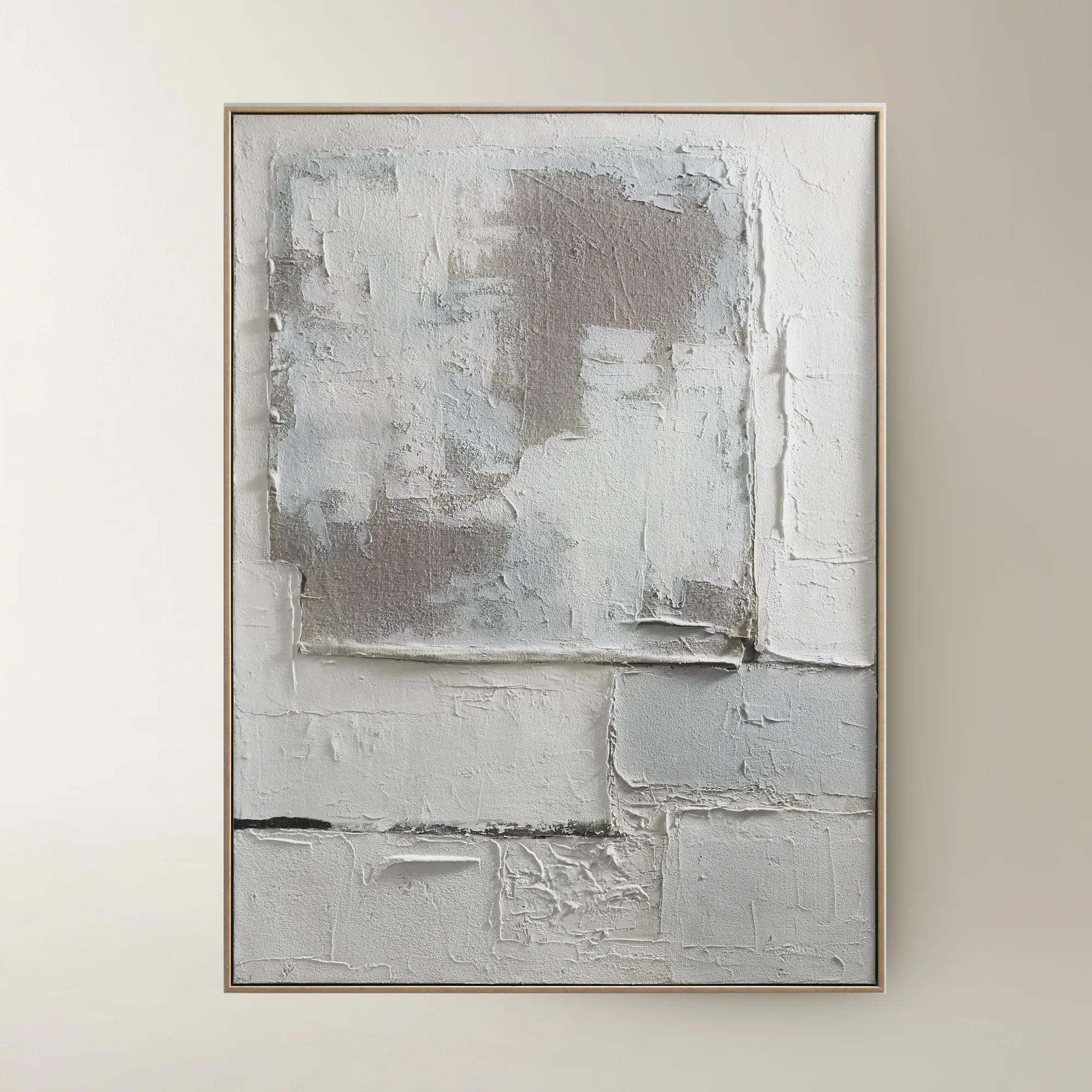
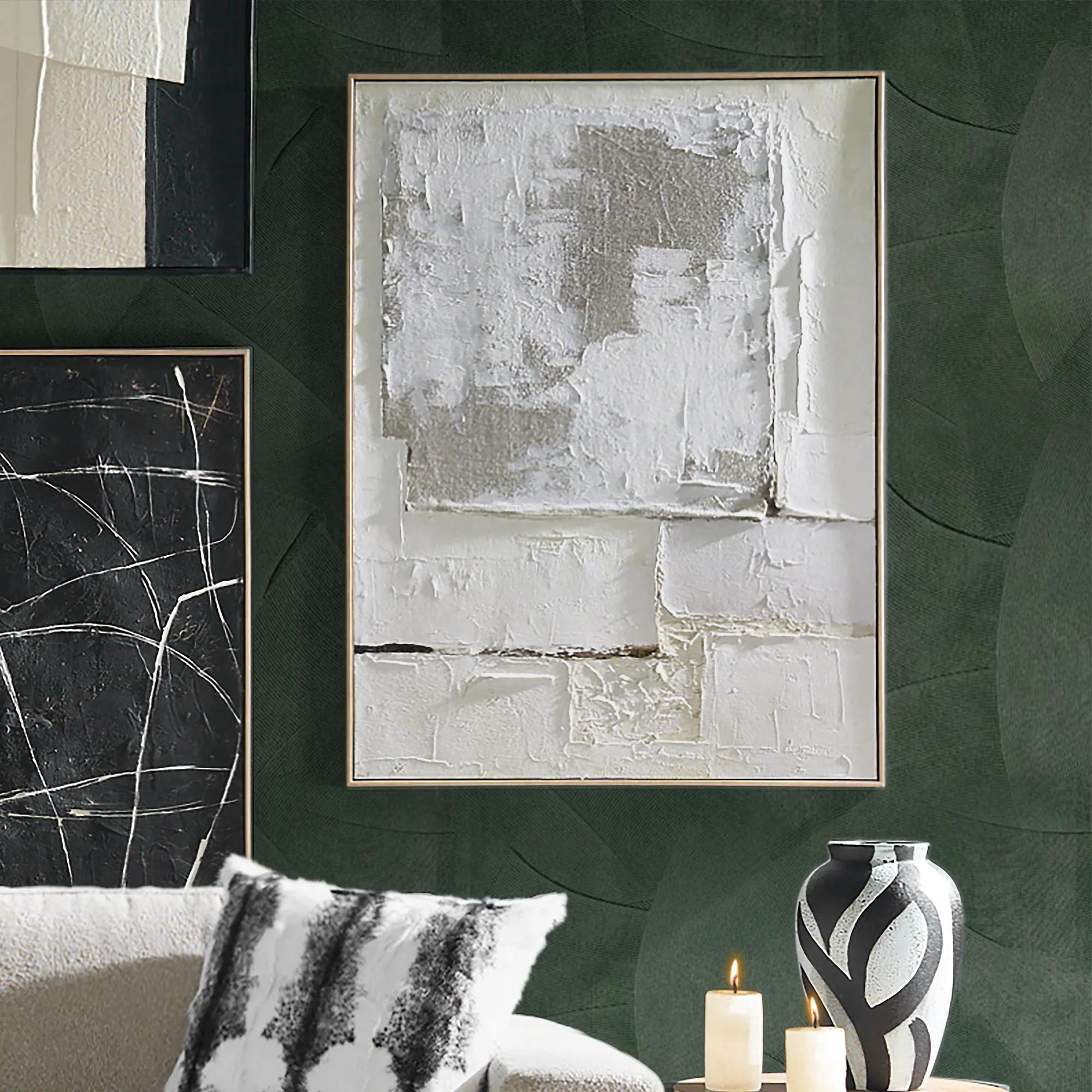 Marrow Painting$399
A hand-painted abstract canvas in subtle beige hues, elegantly framed in a warm beech wood floater.
Add To Cart -
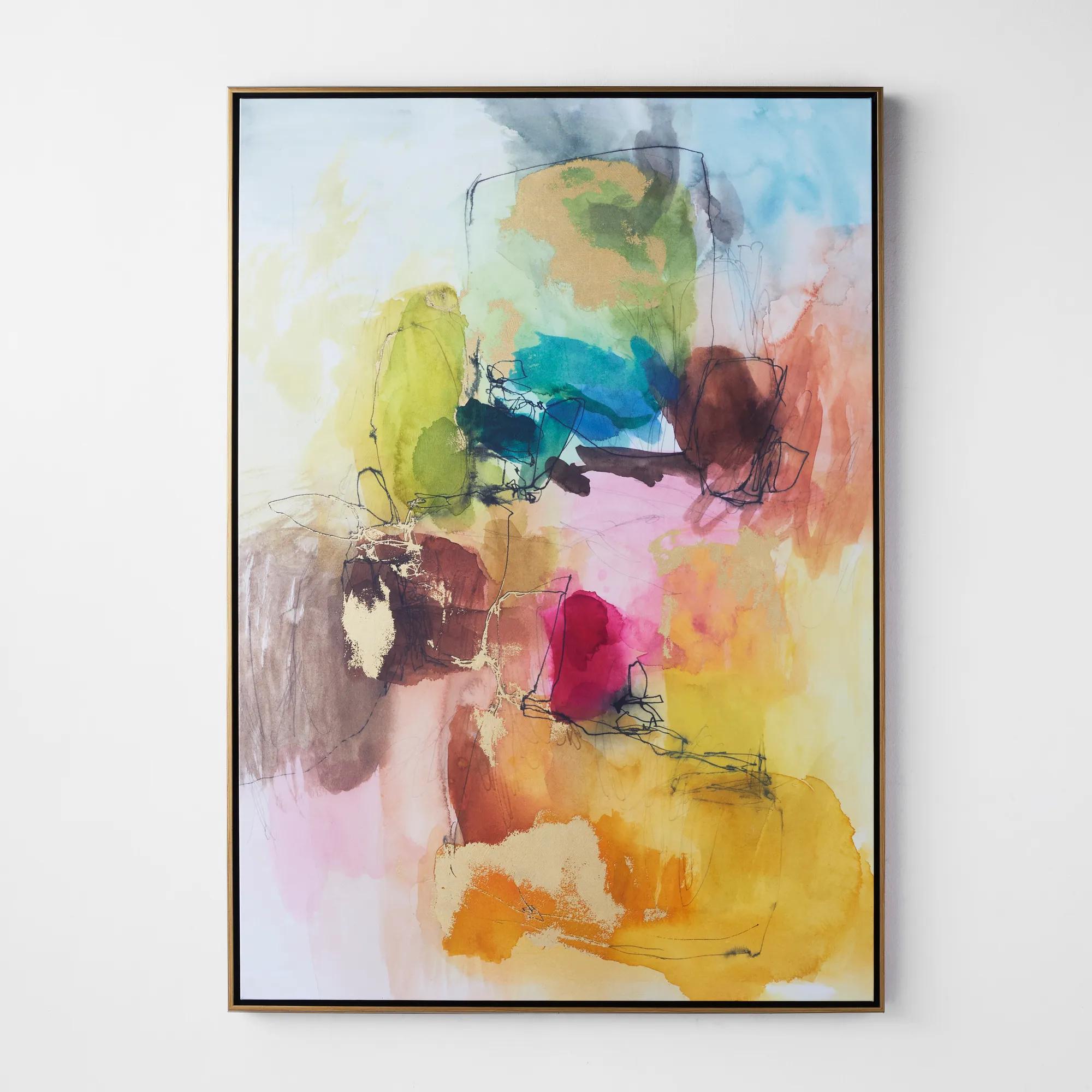 Apricity 3 Framed Wall Art 41" x 58"$899
A vibrant giclee on canvas featuring hand-applied gold gilding and a gold floater frame.
Add To Cart -
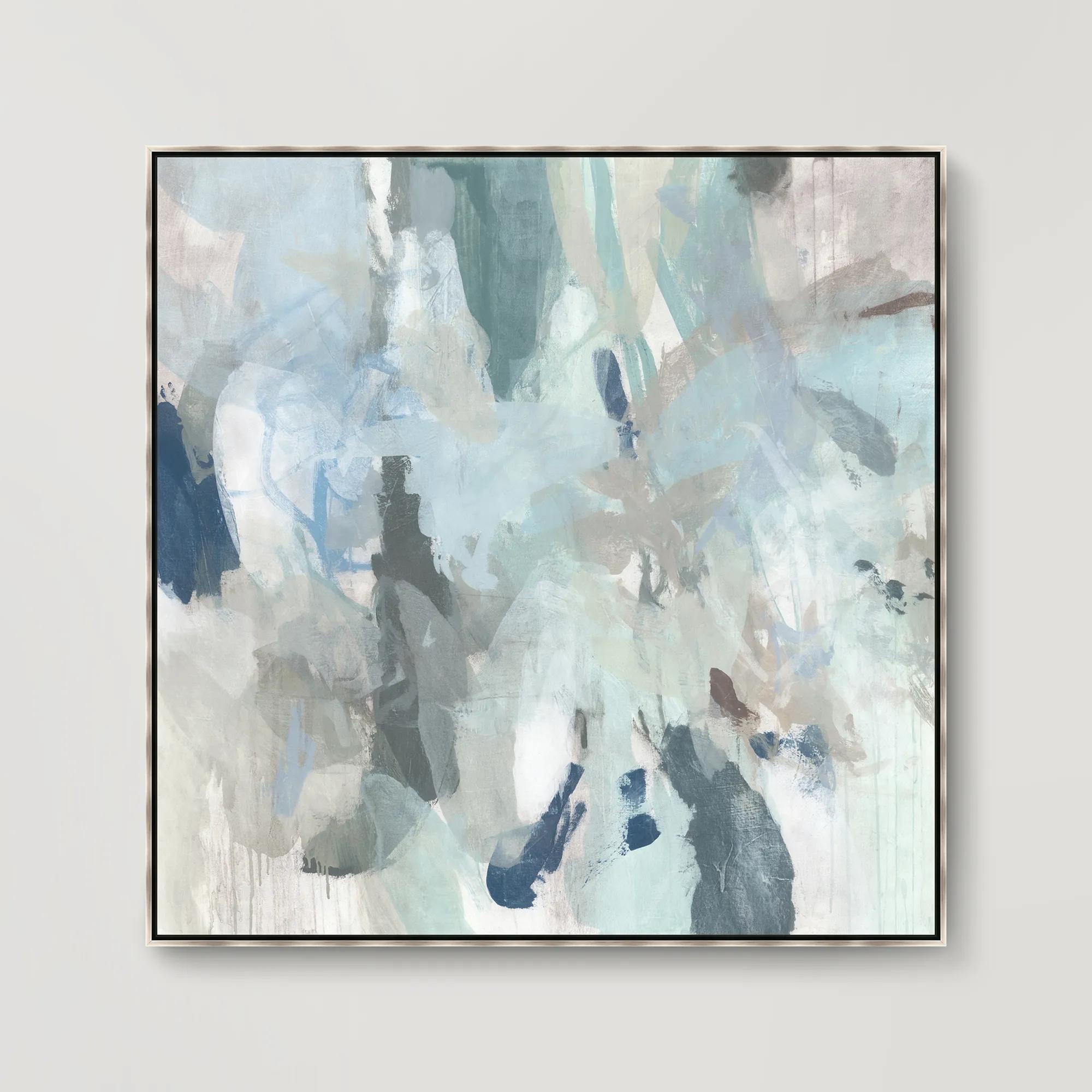
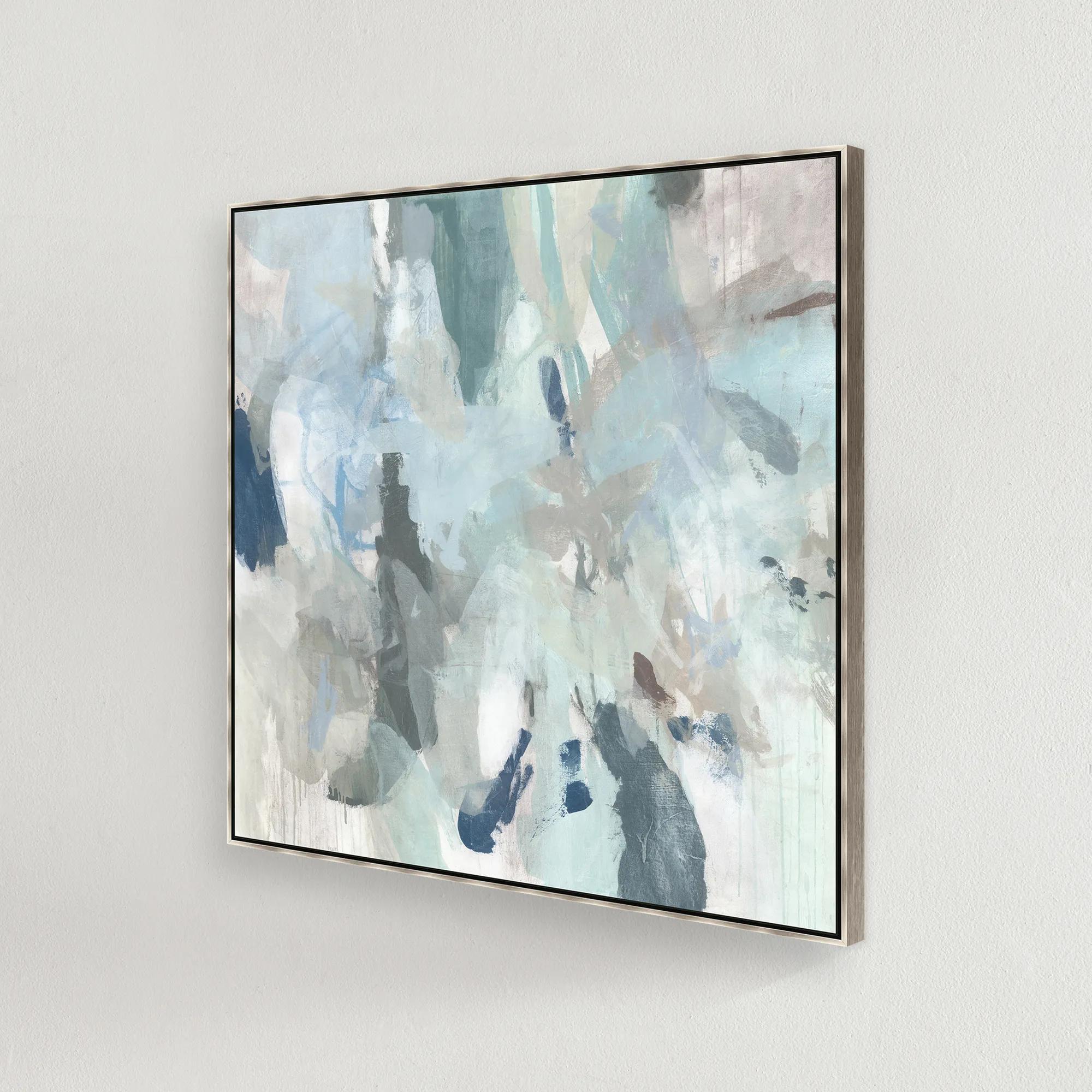 Sage Honey Dew I Framed Wall Art 41.5" x 41.5"$749
A gallery-wrapped abstract canvas featuring hand-applied gel finish in a silver floater frame.
Add To Cart -
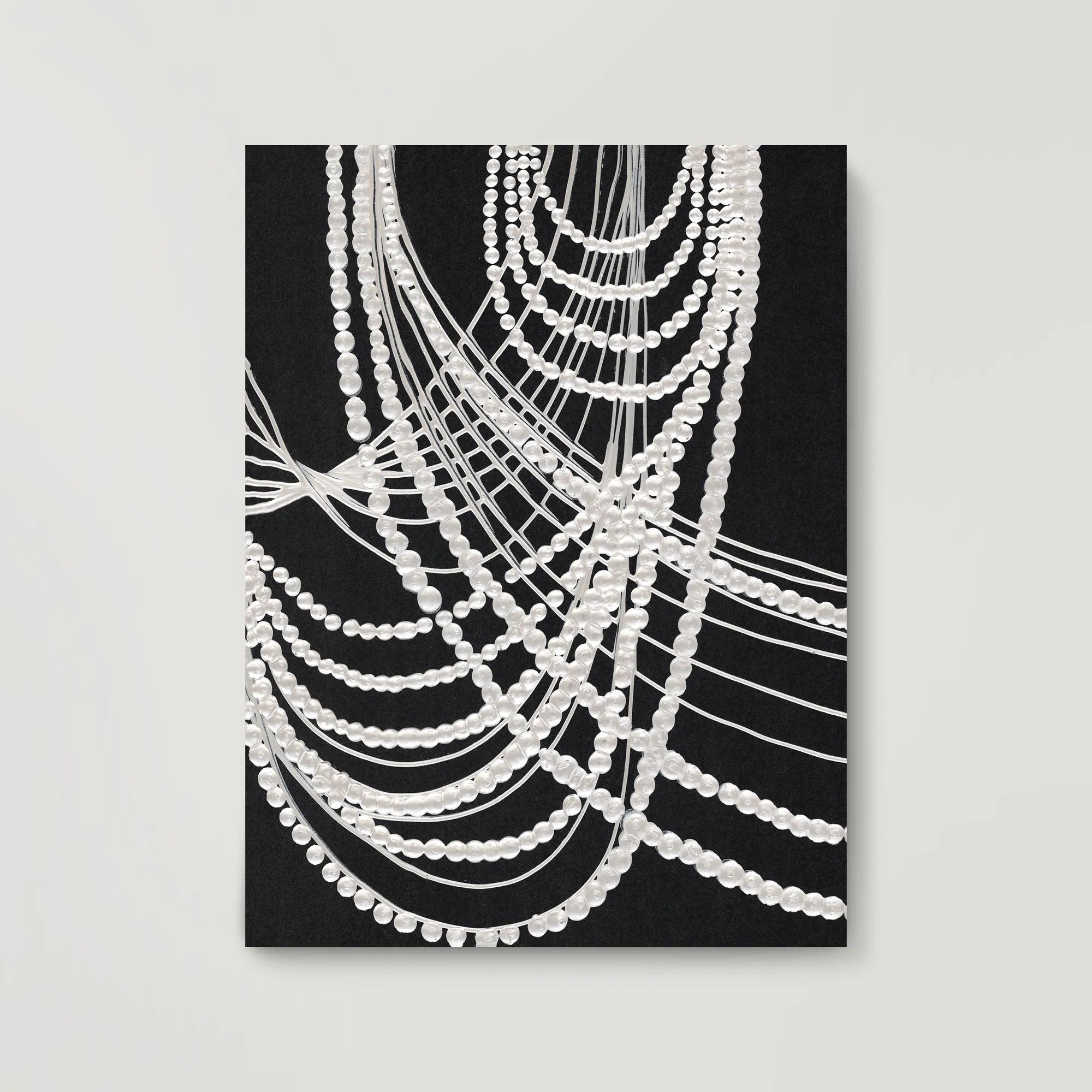 Dripping Pearls Painted Wall Art 36" x 48"$949
A striking hand-painted abstract artwork featuring layered acrylic and watercolor textures in a modern design.
Add To Cart -
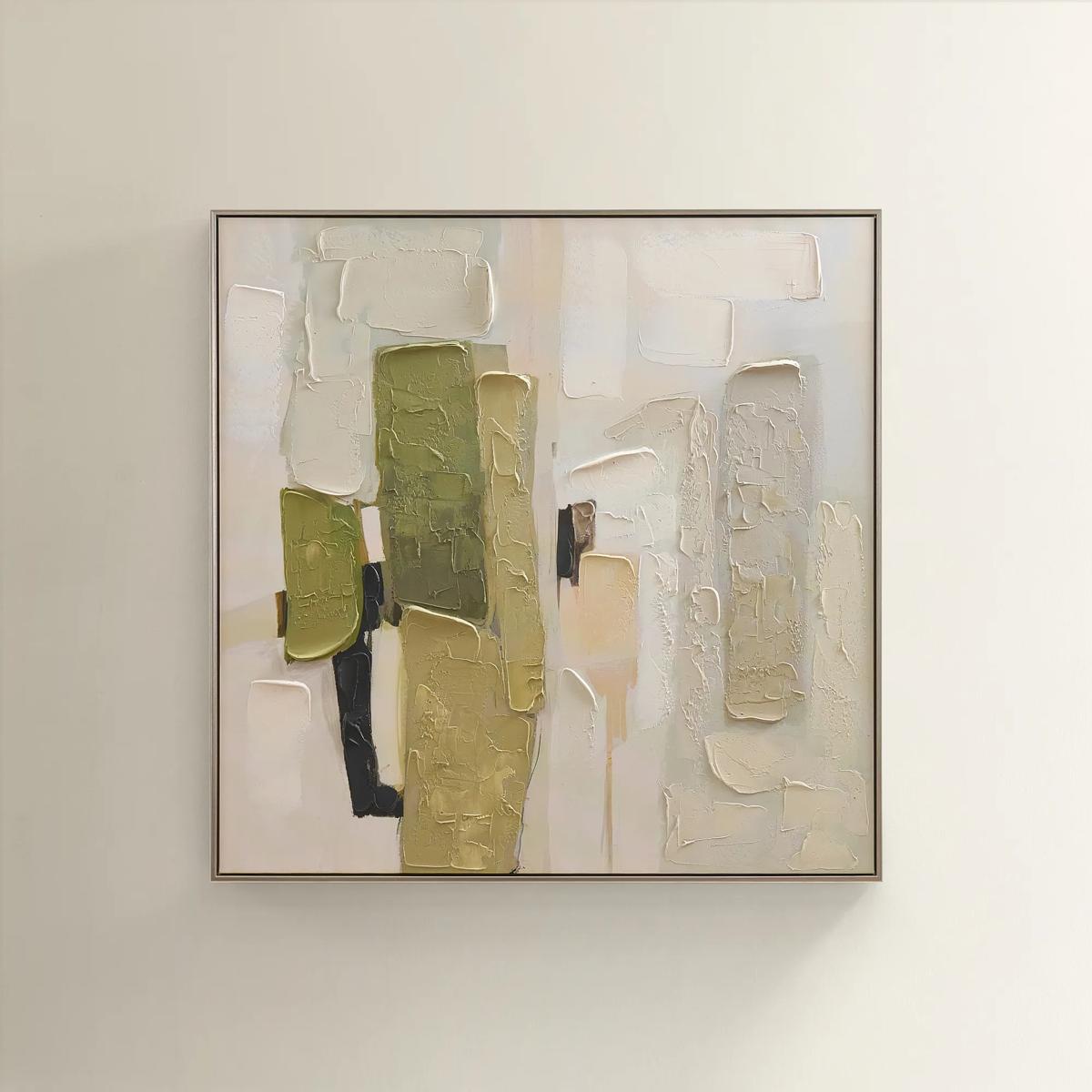 Verde Crush Framed Painted Wall Art 39.25" x 39.25"$349
A hand-painted abstract canvas featuring rich green tones, layered neutrals, and a champagne floater frame.
Add To Cart -
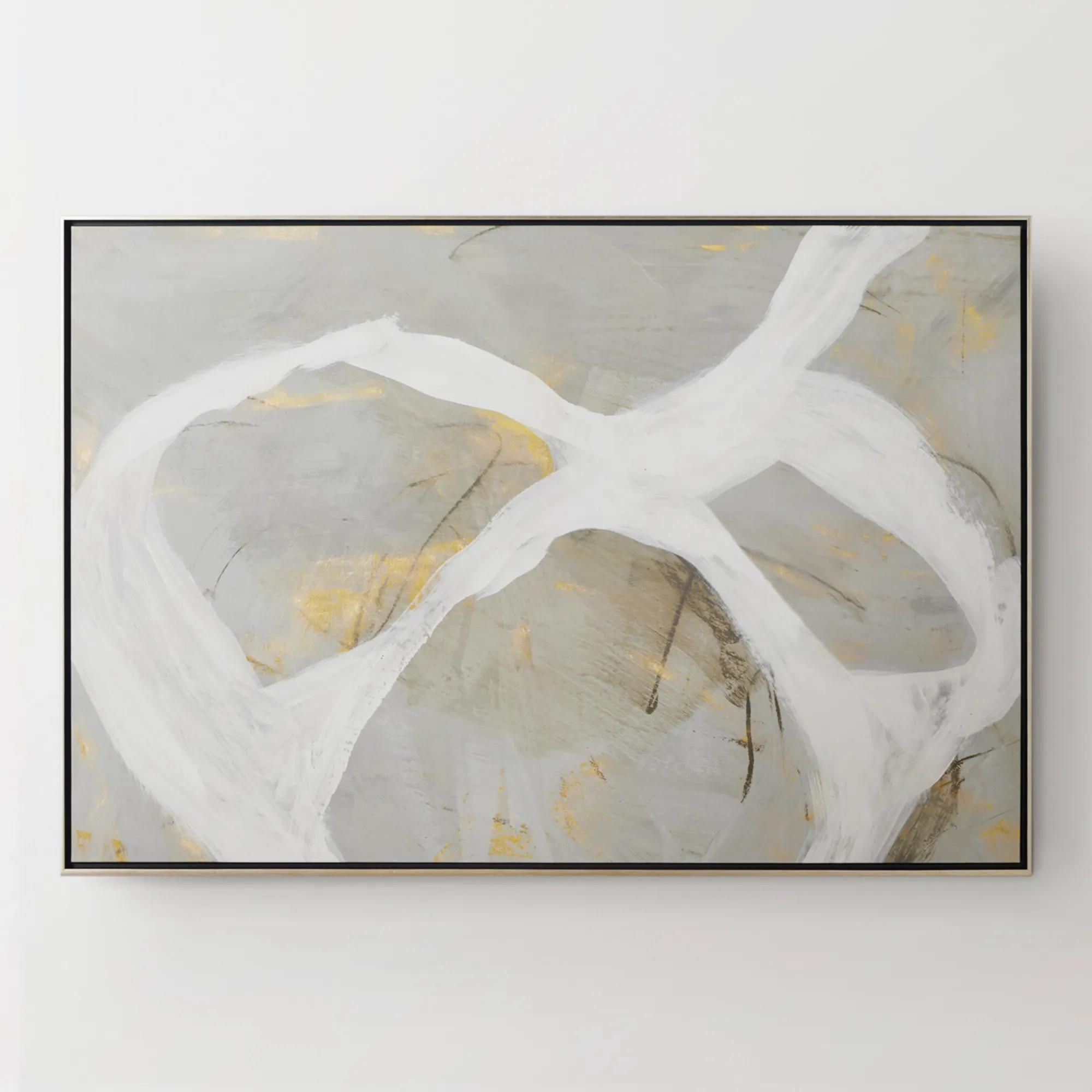
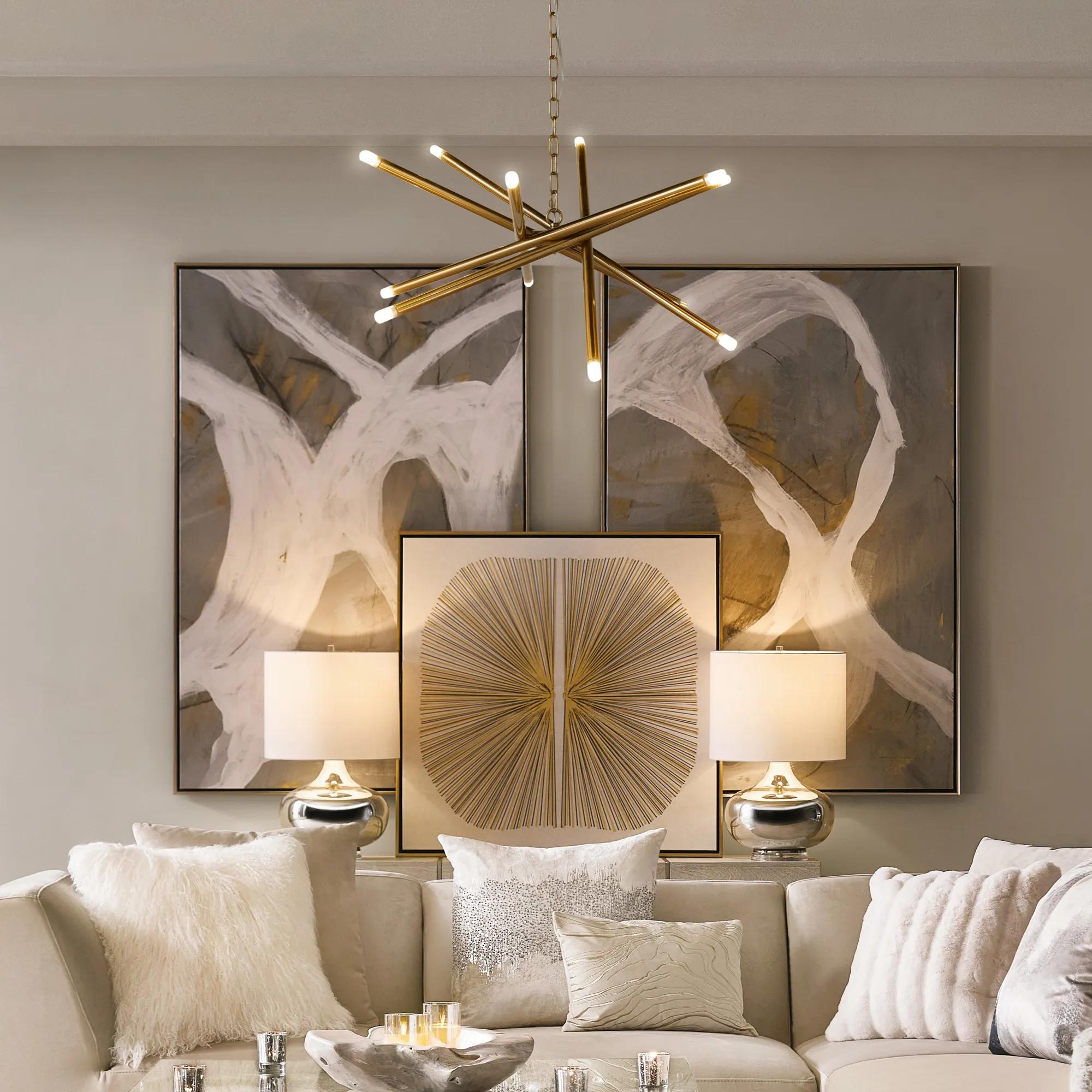 Les Series Framed Painted Wall Art I 61" x 41"$1099
An abstract canvas artwork featuring bold brushstrokes, hand-applied gold accents, and a silver floater frame.
Add To Cart -
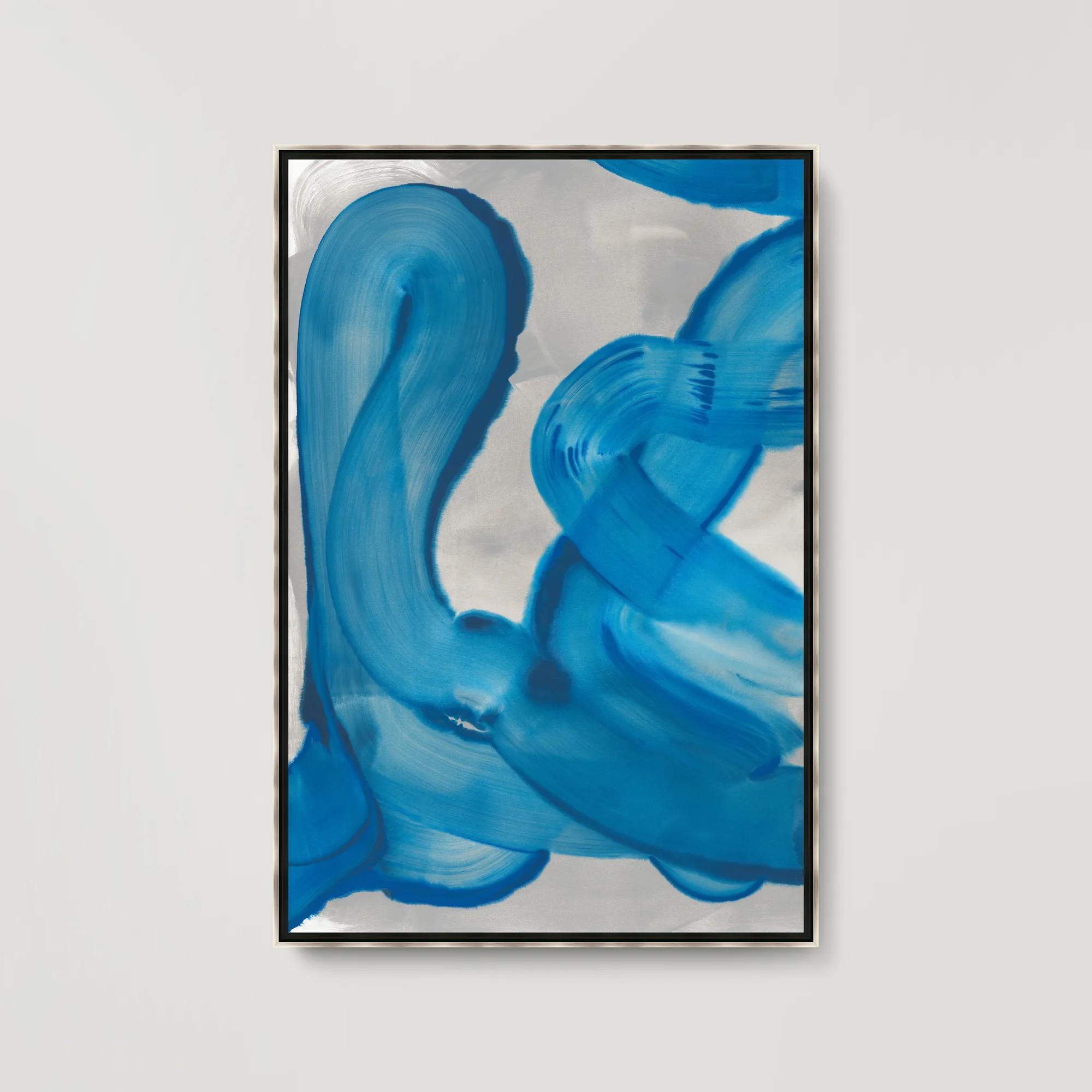 Royal Waves I Framed Wall Art 31.5" x 46.5"$699
A gallery-wrapped abstract canvas featuring hand-applied brush gel and set in a sleek silver floater frame.
Add To Cart -
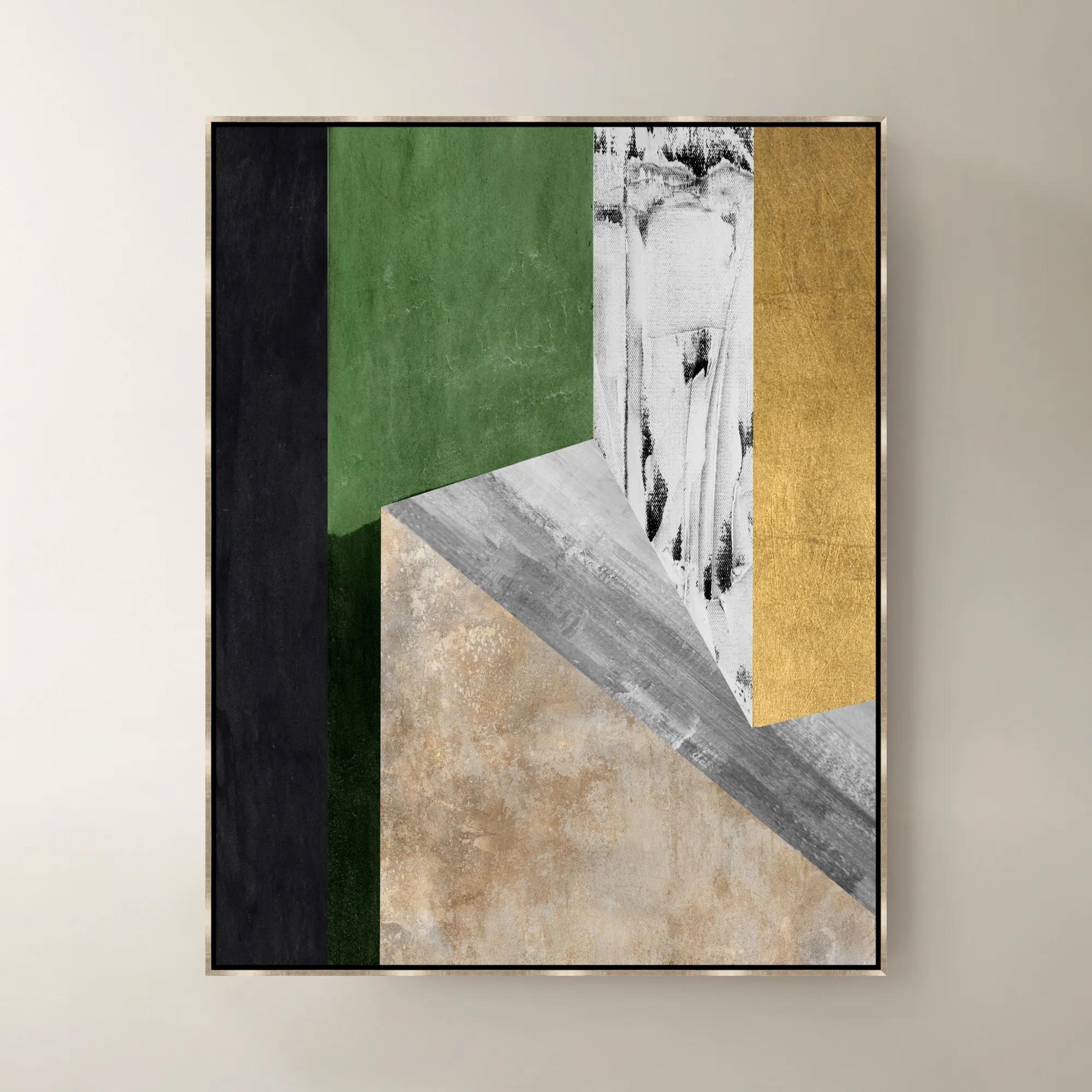
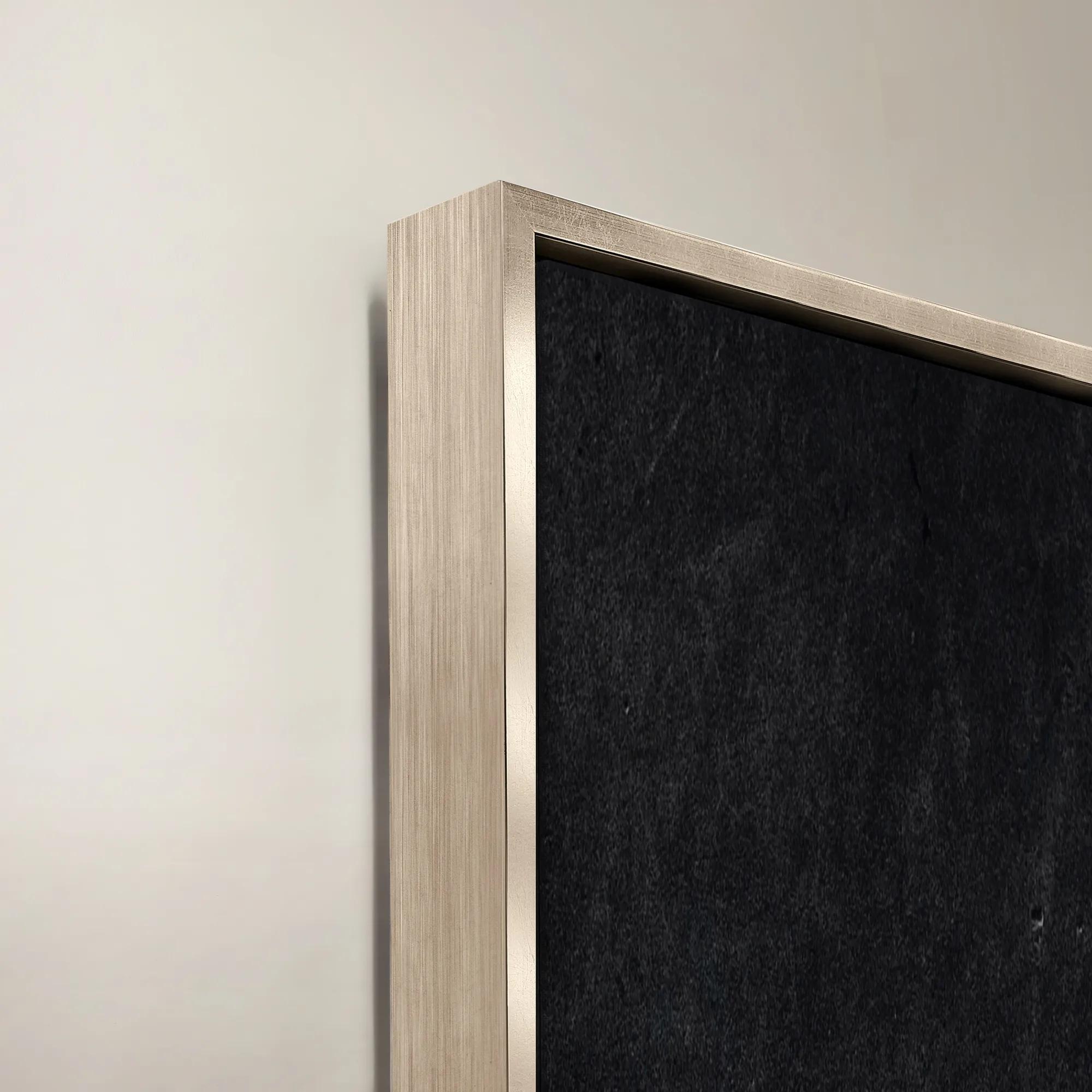 Blocked III Framed Wall Art 42" x 50"$1199
A striking abstract art piece featuring bold geometric shapes and modern design by Nikki Chu.
Add To Cart -
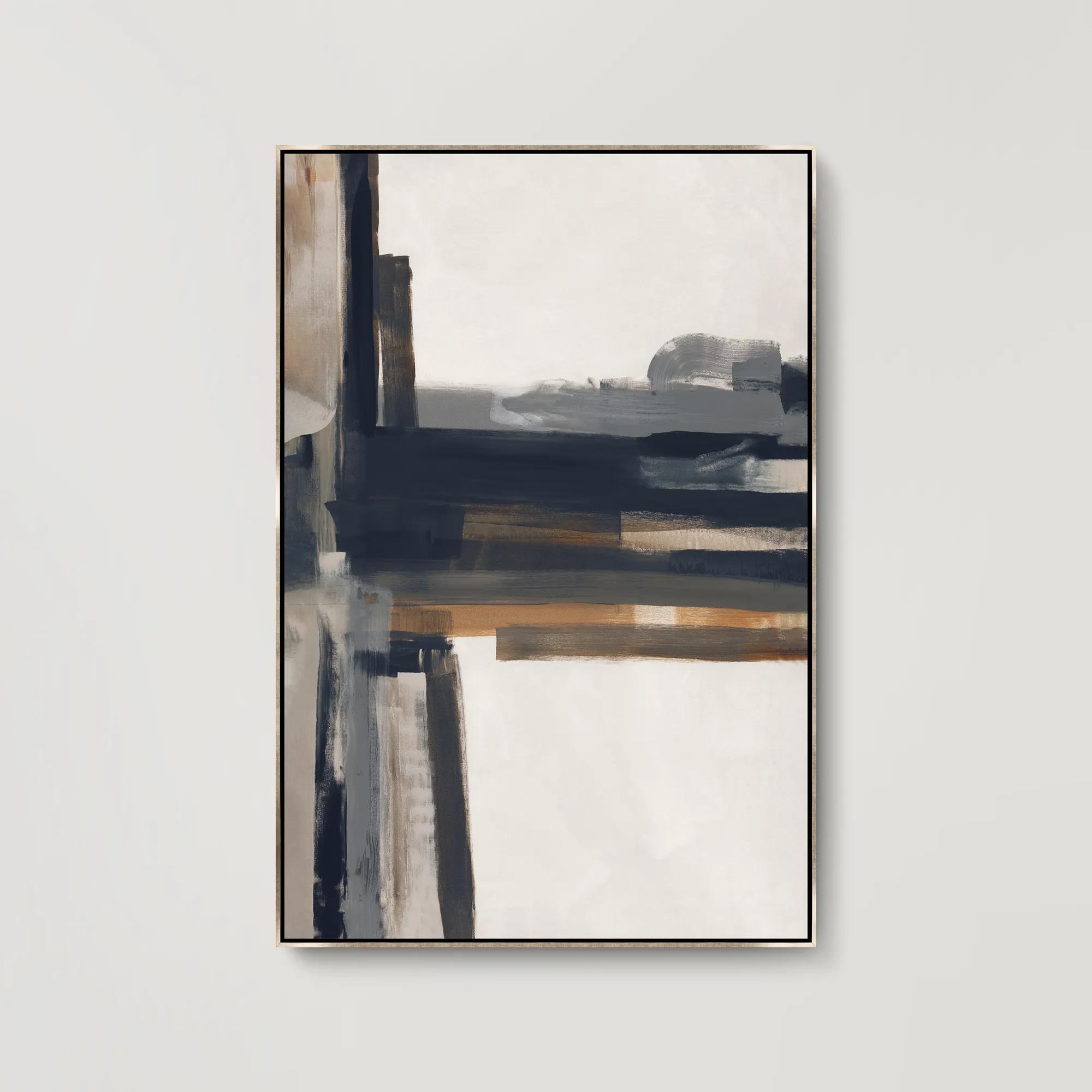
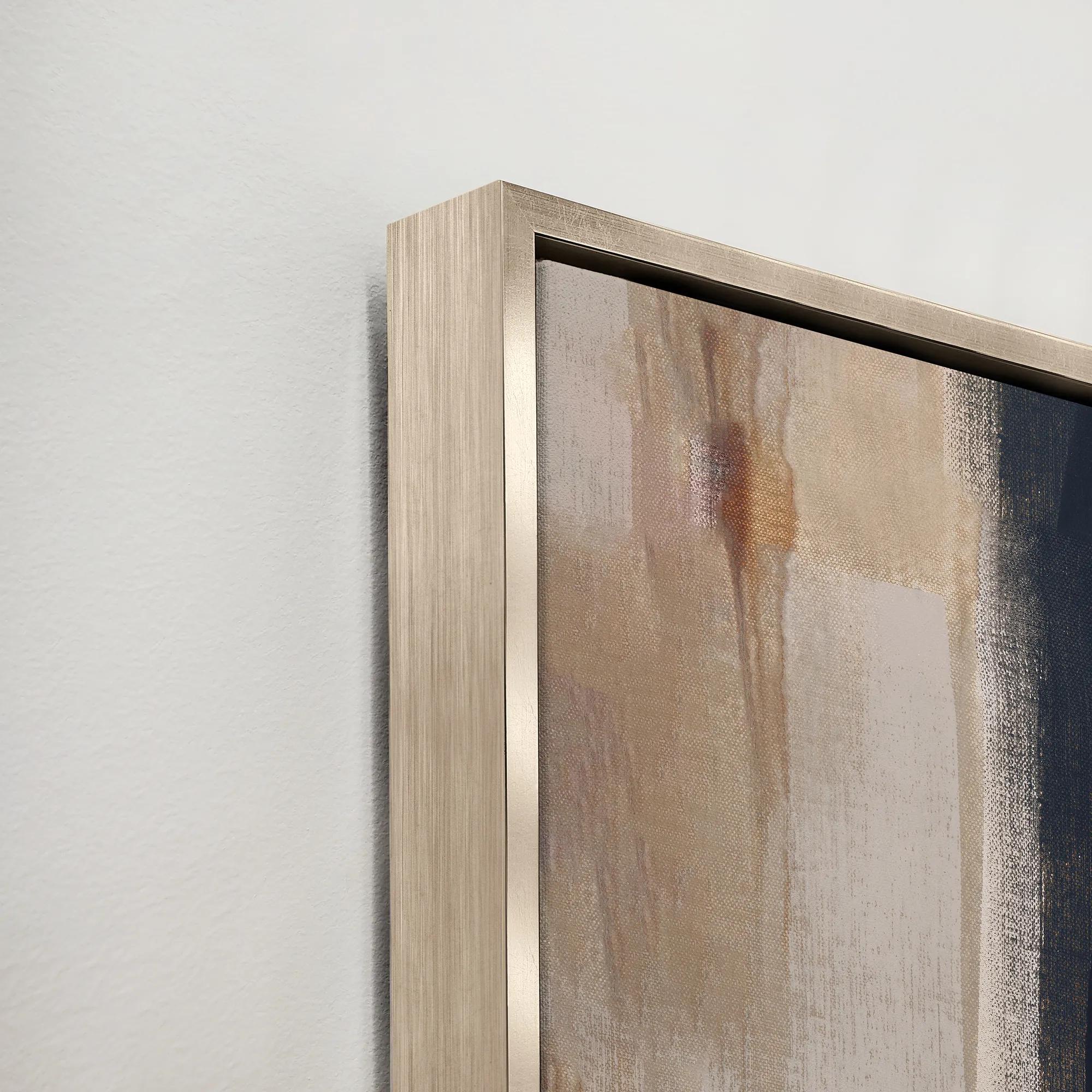 Imposing Construct I Framed Wall Art 41.5" x 61.5"$949
A gallery-wrapped abstract canvas featuring hand-applied brush gel and set in a sleek silver floater frame.
Add To Cart -
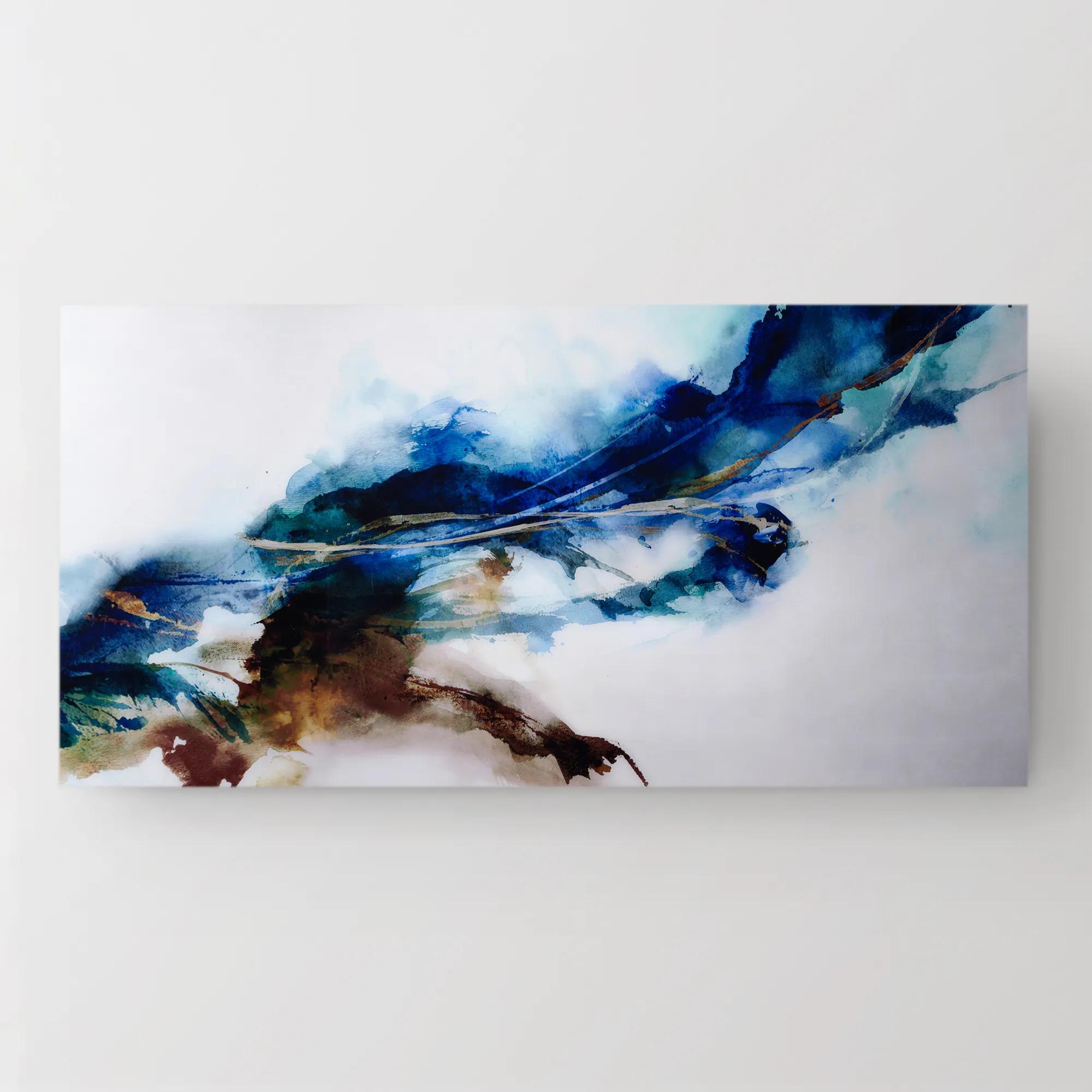 Cerulean Movement Acrylic Art 72" x 36"$1299
A vibrant abstract artwork printed on high-gloss acrylic, infusing your space with dynamic energy and movement.
Add To Cart -
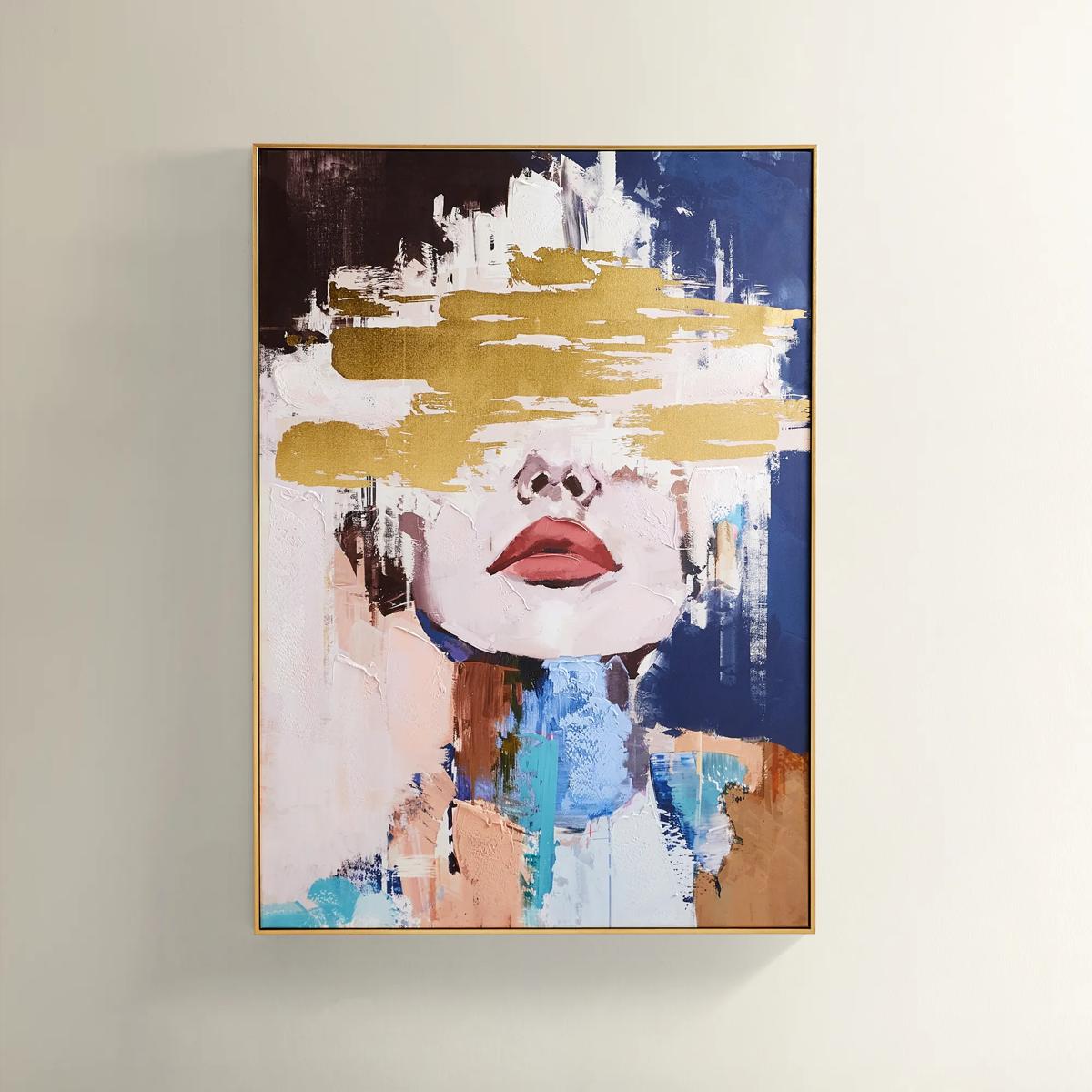
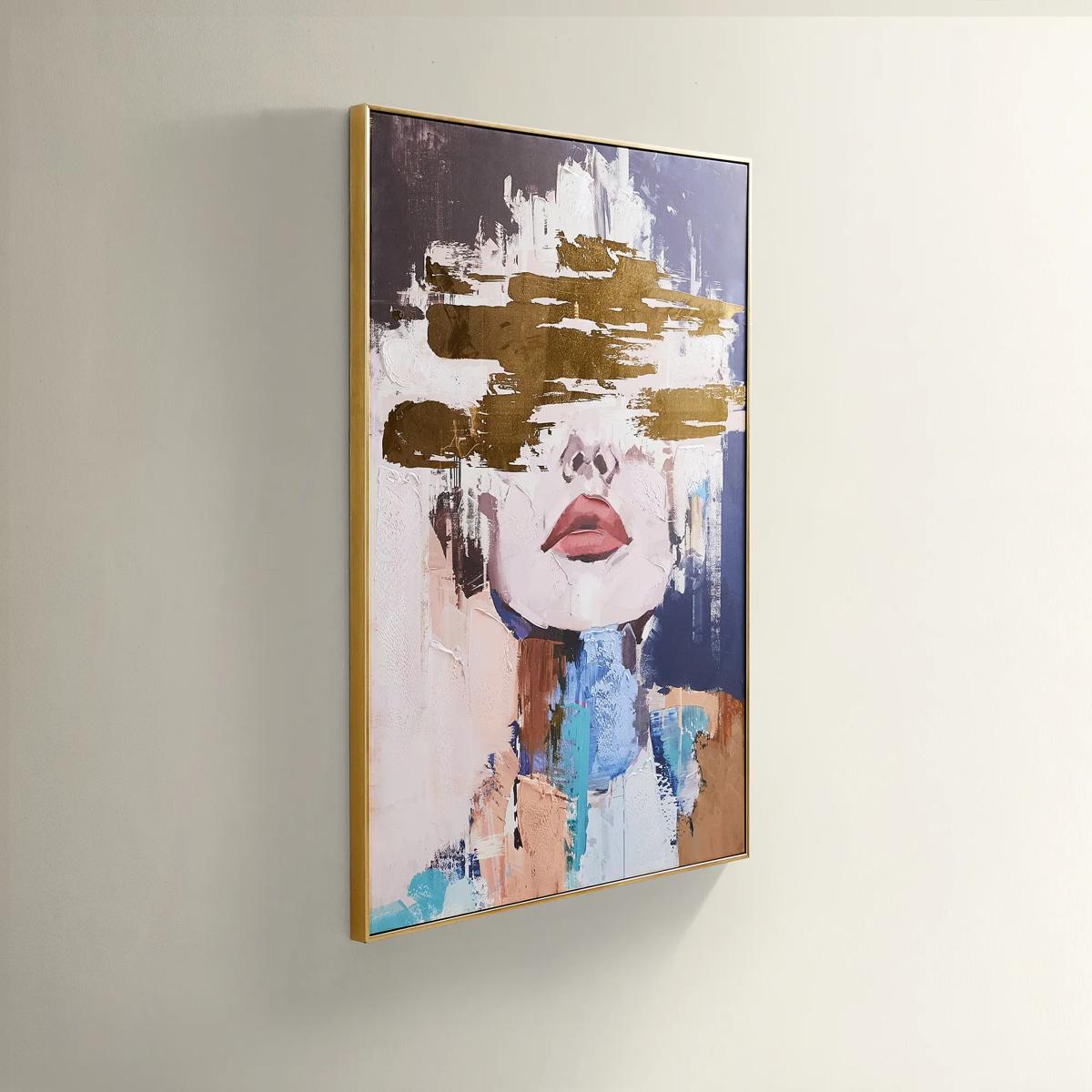 Waiting in Color Gold Foil Painted Wall Art 39.25" x 55"$499
A hand-painted abstract portrait in vivid blue, blush, and gold foil, framed in luxe gold.
Add To Cart -
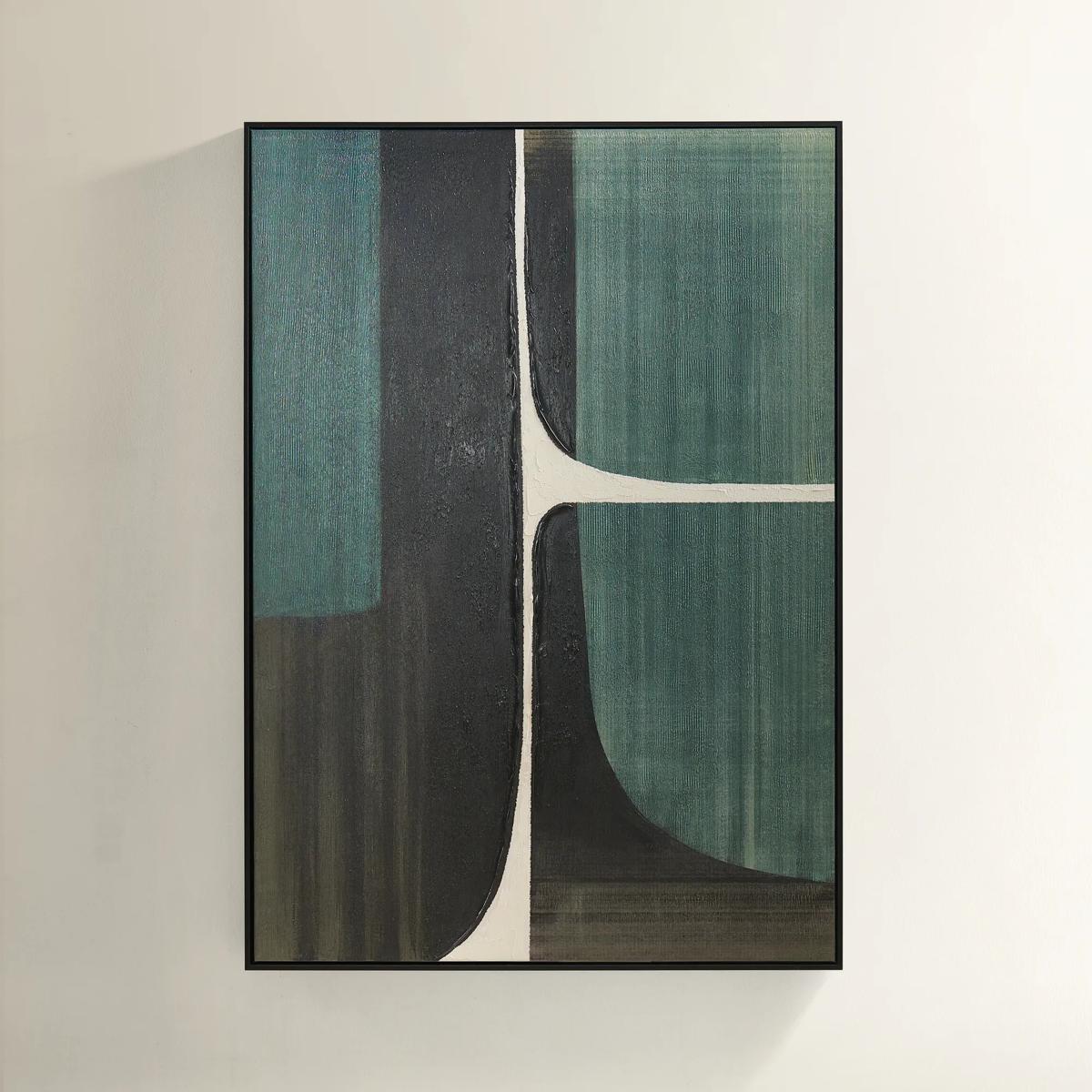 Plains Framed Painted Wall Art 39.25" x 55"$499
A hand-painted abstract canvas in forest green, ivory, and black with a sleek black floater frame.
Add To Cart -
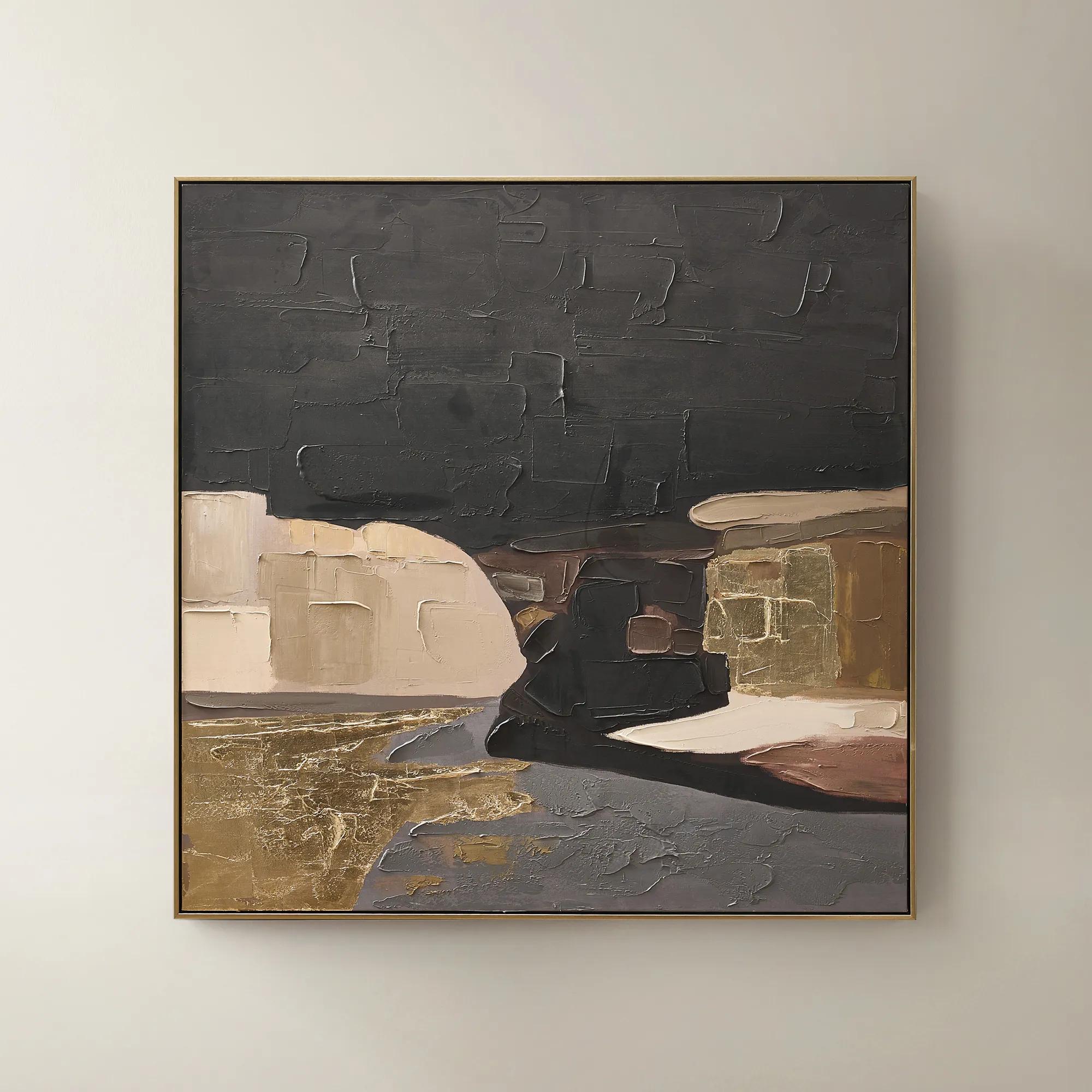 Obscured Light Framed Gold Leaf Painted Wall Art 48" x 48"$499
A hand-painted canvas with gold leaf accents and a black-gold frame in dramatic neutral tones.
Add To Cart

Spontaneous Abstract Wall Arts
Spontaneous Abstract Wall Arts ignite interiors with a sense of movement and imagination, transforming every wall into a dynamic focal point. Each piece pulses with expressive energy—bold brushstrokes, unexpected color stories, and fluid forms that invite interpretation. These artworks are more than décor; they are declarations of individuality, perfect for those who seek to infuse their home with artistry and intrigue. Let your space become a gallery of emotion and inspiration, where every glance reveals something new and every moment feels unapologetically alive.
Spontaneous abstract wall art captures the energy of an expressive gesture through sweeping brushstrokes, scattered pigment, fluid shapes, and unexpected shifts in color. Rather than depicting a recognizable scene, it draws attention to movement, rhythm, and the relationship between marks and open space. The effect can be exuberant or quietly charged: a rush of black across an ivory ground, a veil of blue interrupted by a sharp line, or jewel-toned splashes that seem suspended just before they settle. Associated with gestural abstraction and action painting, this visual language celebrates the appearance of immediacy, though a seemingly effortless composition may reflect careful decisions about balance, layering, and contrast. That tension between freedom and control gives spontaneous abstract art its distinctive presence. On a living room wall, it can introduce a sense of motion above the still, sumptuous lines of a velvet sofa. In an entryway, a dramatic composition establishes an expressive mood before the rest of the interior comes into view. A bedroom may call for diluted washes and generous negative space, allowing the artwork to feel expansive without overwhelming the room’s intimacy. Color is only part of that experience. Dense, overlapping gestures create a different atmosphere than a handful of spare marks, even when both share the same palette. For interiors with sculptural furniture, gleaming accents, or richly patterned textiles, a restrained abstract can give the eye a place to pause. In a room defined by tailored upholstery and broad, uninterrupted surfaces, a more animated work adds welcome complexity. Spontaneous abstract wall decor appeals to those who want their surroundings to express personality without prescribing a single story. One viewer may see a distant horizon in a blurred band of pigment; another may respond simply to its cadence. That openness makes the artwork especially compelling in shared spaces, where its meaning can remain personal to everyone who encounters it. Its most lasting contribution is often the freedom it gives a room to feel collected, expressive, and unmistakably individual.
Materials and presentation shape how that expression reads in person. Canvas brings a visible woven foundation to an image, softening certain edges and lending the work a tactile presence. A stretched canvas can have a clean, dimensional profile, while a floating frame introduces a narrow shadow gap that emphasizes the artwork’s silhouette. Works on paper offer another character, from crisp graphic marks to delicate tonal transitions, and a mat can create breathing room around a lively composition. When framed behind glass or acrylic, the glazing becomes part of the viewing experience; reflections, clarity, and placement all influence how easily subtle details can be seen. A print may reproduce the appearance of thick paint or raised brushwork without having a physically textured surface, so the distinction between depicted texture and actual relief matters when choosing art for a prominent wall. Hand-applied embellishment, where specified, can add dimension, but it should not be assumed from an image alone. Frame finish also carries visual weight. A slender black border sharpens pale passages and connects naturally with dark architectural details, while a metallic finish can echo the gleam of a console or accent table. Wood introduces a warmer counterpoint to energetic color and polished furnishings. Scale deserves equal attention: the dimensions of the framed piece, not just the image, determine its relationship to the surrounding furniture. Above a substantial sofa, artwork spanning roughly two-thirds to three-quarters of the furniture’s width often feels balanced, though the composition and wall proportions may suggest a different approach. A compact work can be equally commanding in a narrow entry or above a small chest, where its gestures are experienced at closer range. For a diptych or multipanel arrangement, the spaces between panels count toward the overall footprint. Painter’s tape placed to match the outer dimensions can make the intended scale tangible before installation. The result should feel deliberate rather than crowded, with enough separation from lamps, door trim, and adjacent furnishings for the composition’s movement to remain legible.
Spontaneous abstract wall art is most effective when it has a clear relationship with the room without repeating every color already present. A trace of burgundy might converse with a single pillow; a smoky gray passage might echo the veining of a stone tabletop. Those small connections can be more sophisticated than a fully matched palette, particularly when the artwork introduces one unexpected hue. In a dining room, gestural marks can enliven a symmetrical arrangement of chairs and lighting. In a home office, a sweeping composition offers a visual counterpoint to shelves and straight-edged work surfaces, while a quieter piece can sit comfortably within the background of video calls. Mixed arrangements benefit from variation with a common thread: shared frame finishes, related undertones, or a considered rhythm of large and small forms. For a pairing that introduces a recognizable subject without losing expressive freedom, Abstract Face Wall Arts connects gestural abstraction with the suggestion of human features. Whatever the setting, these decorative pieces are generally intended for interior display, and their longevity depends on both construction and surroundings. Direct sunlight can fade pigments and printed inks over time; persistent humidity, splashes, and abrupt environmental changes may affect paper, canvas, frames, and backing materials. A protected living area is usually more suitable than a position above a sink or beside a steamy shower. Care should follow the instructions for the particular material and finish. Routine dusting with a clean, soft, dry cloth may suit many frames, while painted, embellished, or delicate paper surfaces require greater caution. Cleaning liquid should never be sprayed directly onto framed artwork, where it can seep beneath the edges. Secure mounting hardware suited to the piece’s weight and the wall construction helps protect both the art and its surroundings. As a housewarming or milestone gift, an abstract work is most thoughtful when its scale and palette reflect the recipient’s home and taste. For someone drawn to expressive interiors, it offers more than another decorative layer: it gives a familiar room a new center of attention, alive with movement and open to interpretation.
FAQs
Spontaneous abstract wall art is remarkably versatile and thrives in a variety of interiors. It can add a burst of energy to modern minimalist spaces, create a striking contrast in traditional rooms, or enhance the layered look of eclectic and maximalist environments. The key is to let the art guide the mood—whether as a bold centerpiece or as part of a curated gallery wall.
Abstract wall art has a unique ability to transform the ambiance of a space. Vibrant, dynamic pieces can infuse a room with energy and creativity, while softer, more fluid works evoke calm and introspection. The interplay of color, movement, and form allows you to set the emotional tone—from lively and dramatic to serene and contemplative.
Absolutely. Abstract wall art makes a thoughtful and memorable gift for art lovers, new homeowners, or anyone seeking to refresh their space. Its open-ended nature allows the recipient to interpret and connect with the piece in a personal way, making it a meaningful gesture for special occasions and milestones.
To create a gallery wall with abstract art, mix pieces of varying sizes, shapes, and color palettes for a dynamic, collected look. Combine spontaneous abstract works with other art forms—such as photography, sculpture, or <a href="https://zgallerie.com/o/abstract-face-wall-arts">Abstract Face Wall Arts</a>—to add depth and intrigue. Allow for negative space between pieces to let each work breathe and stand out.
Spontaneous abstract wall art is defined by its expressive freedom and unpredictability. Unlike representational art, it relies on color, form, and gesture to convey emotion and invite interpretation. Each piece is a celebration of individuality and creativity, making it an ideal choice for those who wish to make a bold, personal statement in their home.