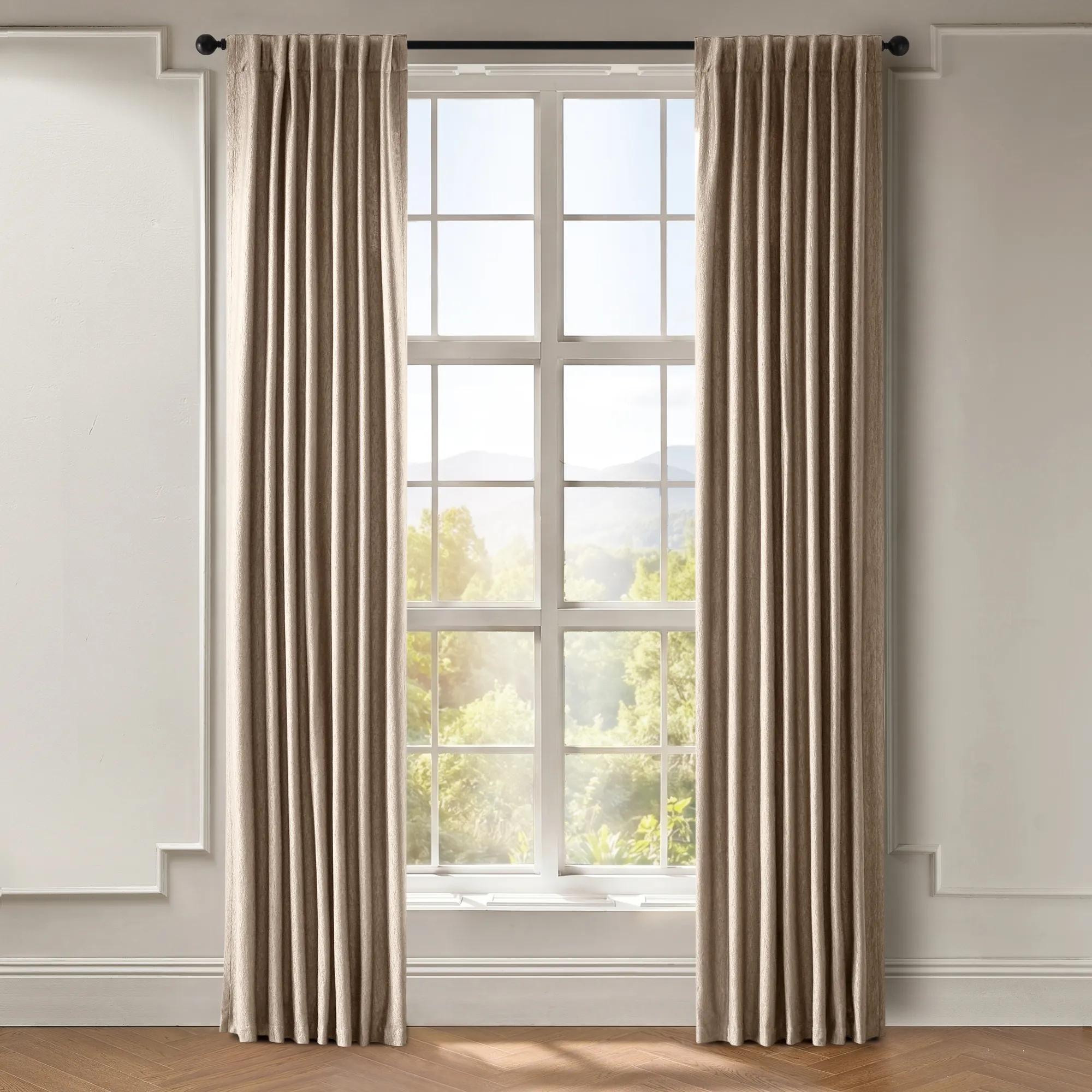
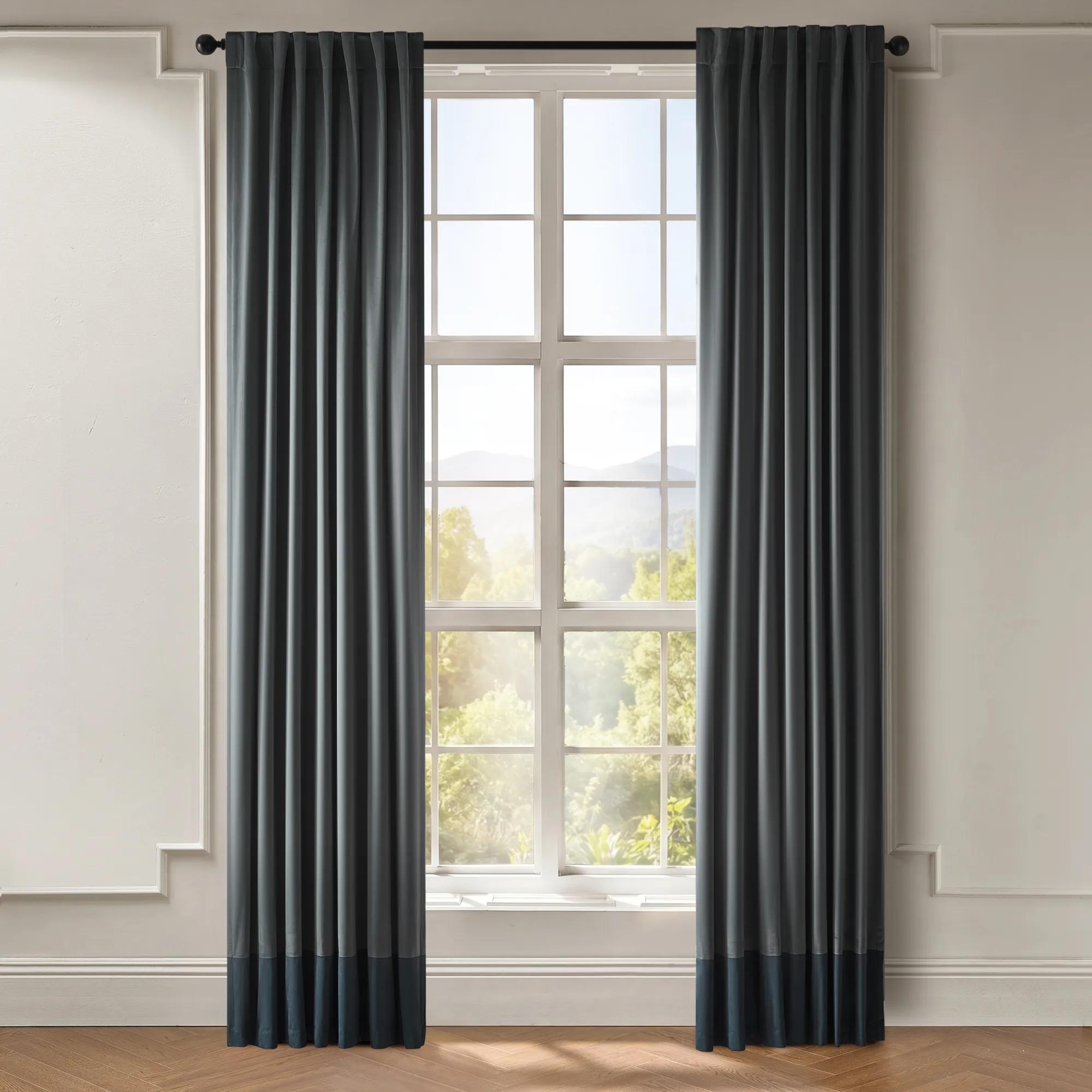
Soft Textured Linen Blend Panels
Soft Textured Linen Blend Panels
-
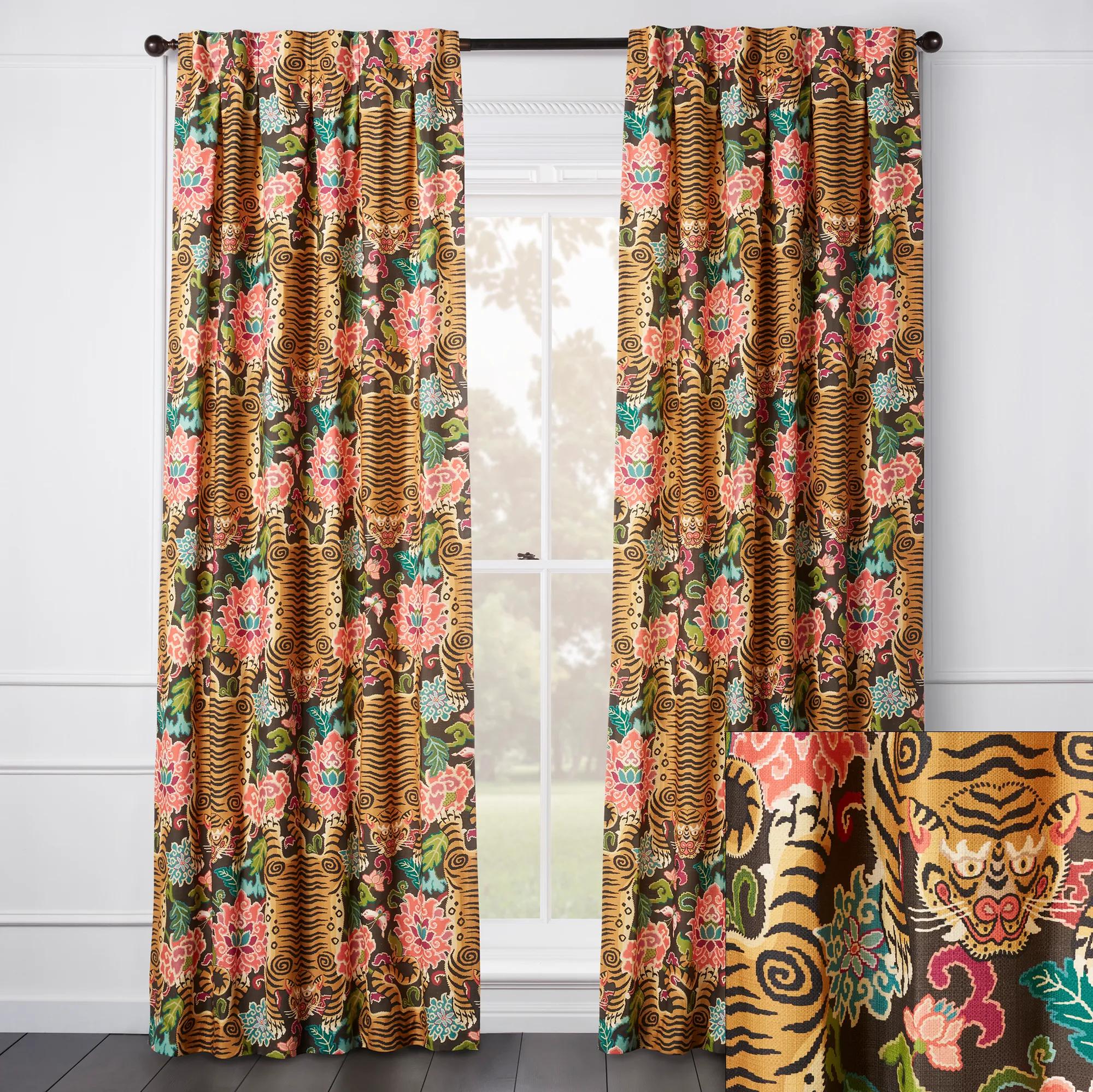
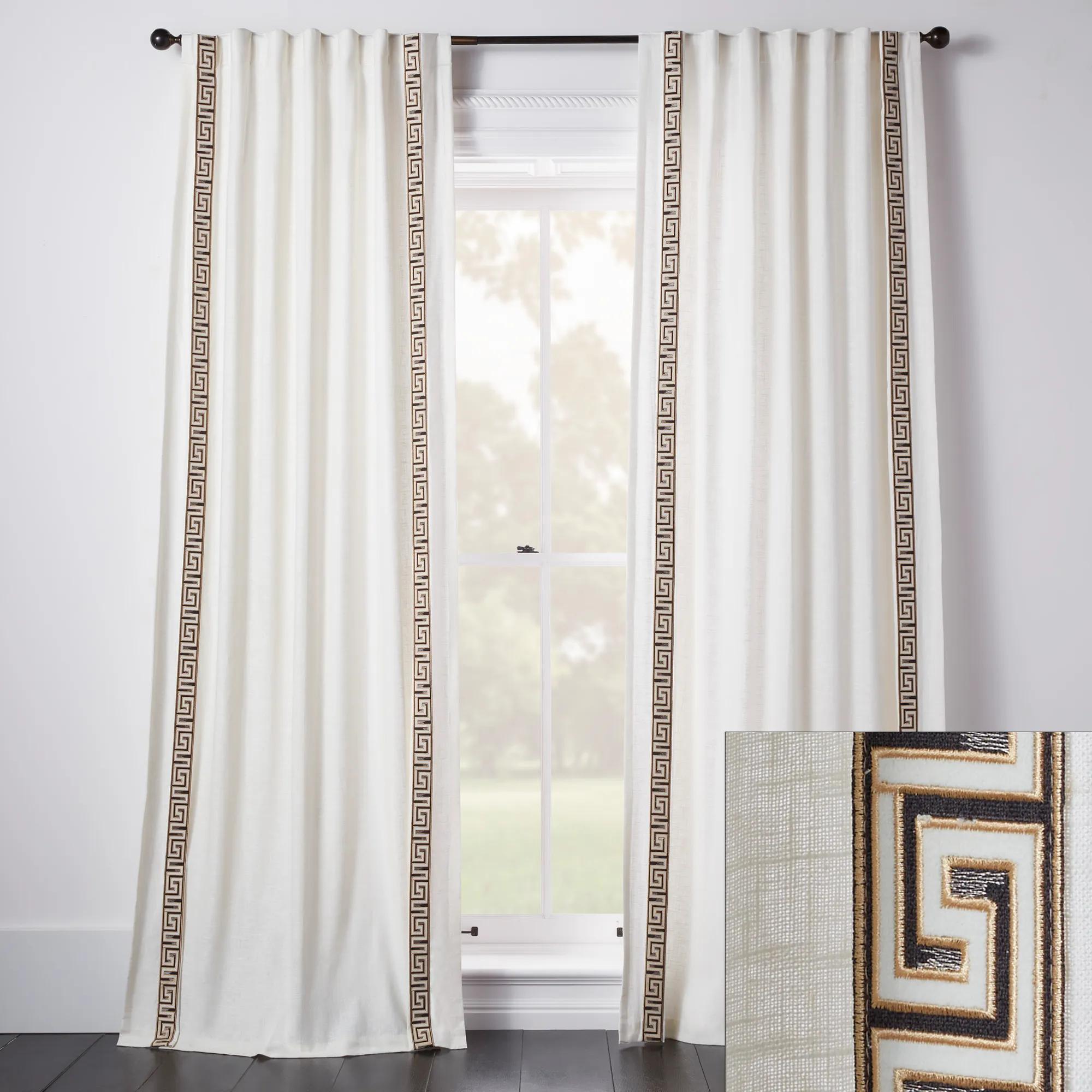 Chole Greek Key Border Velvet Widow Curtain Panels Custom$379
A linen-blend curtain panel with black and gold velvet Greek key border and customizable hanging options.
Add To Cart -
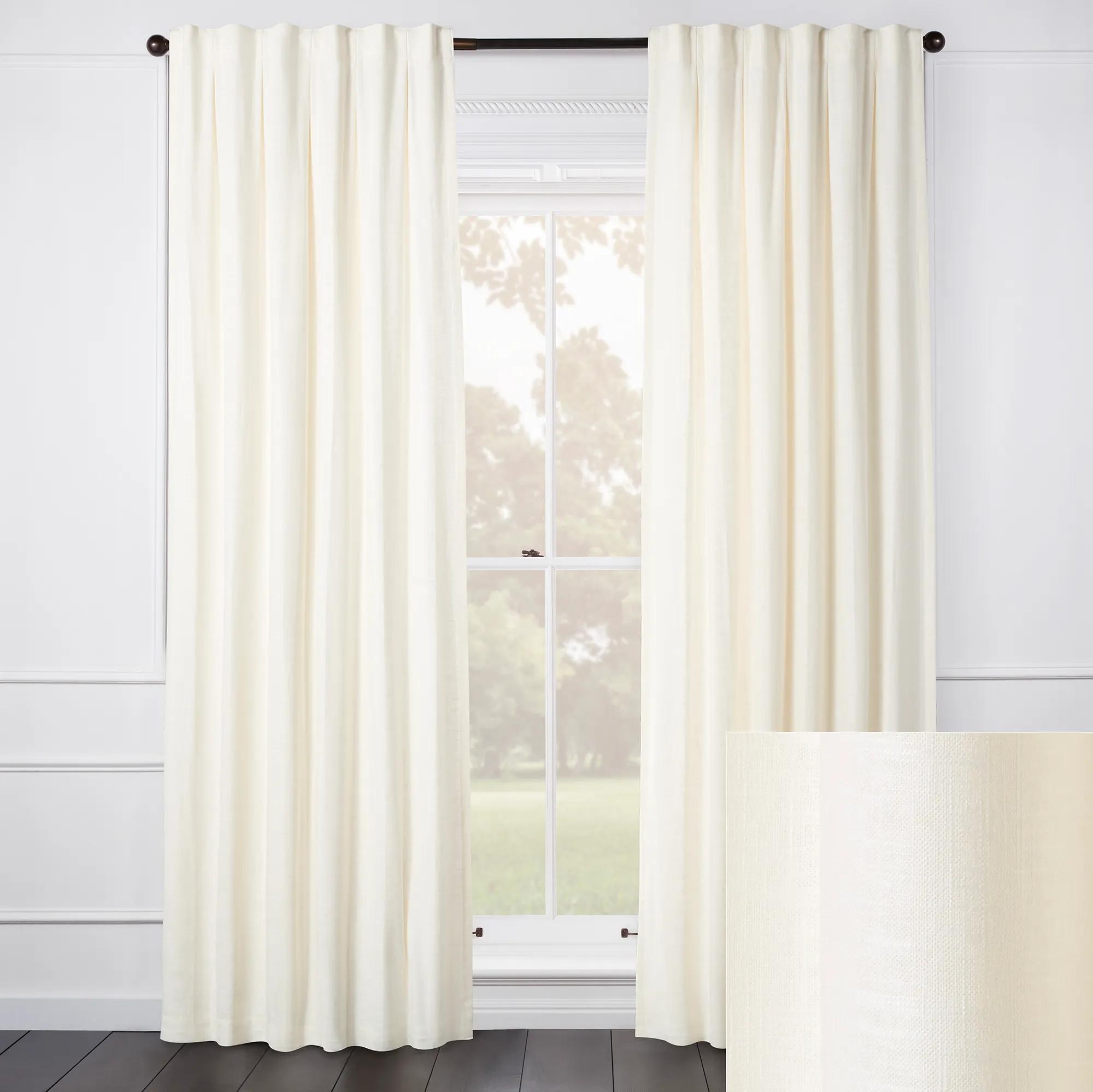
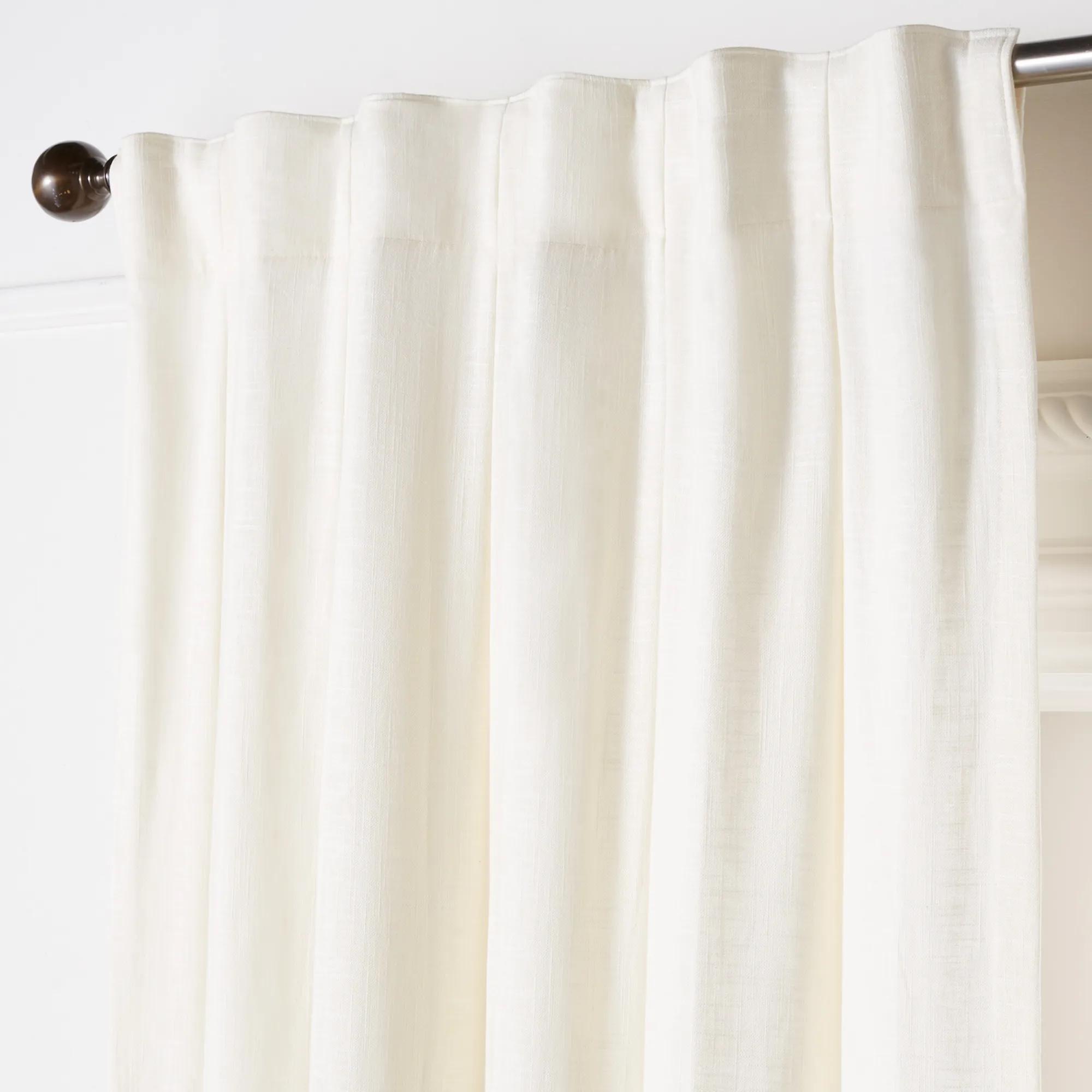 Audrey Linen Ivory Curtain - Custom$269
An ivory linen-blend curtain panel with lining, offering customizable lengths and two elegant header styles.
Add To Cart -
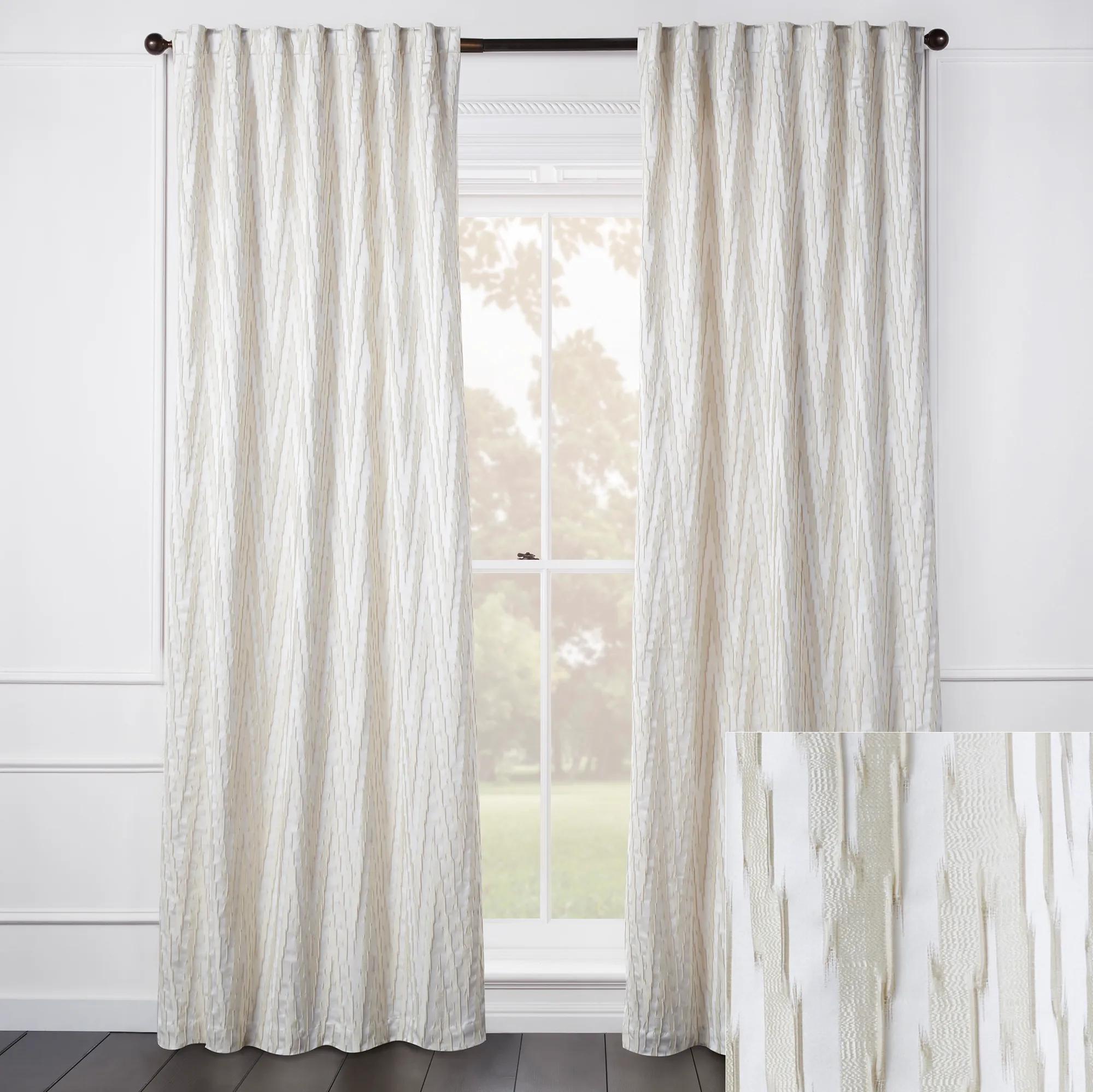
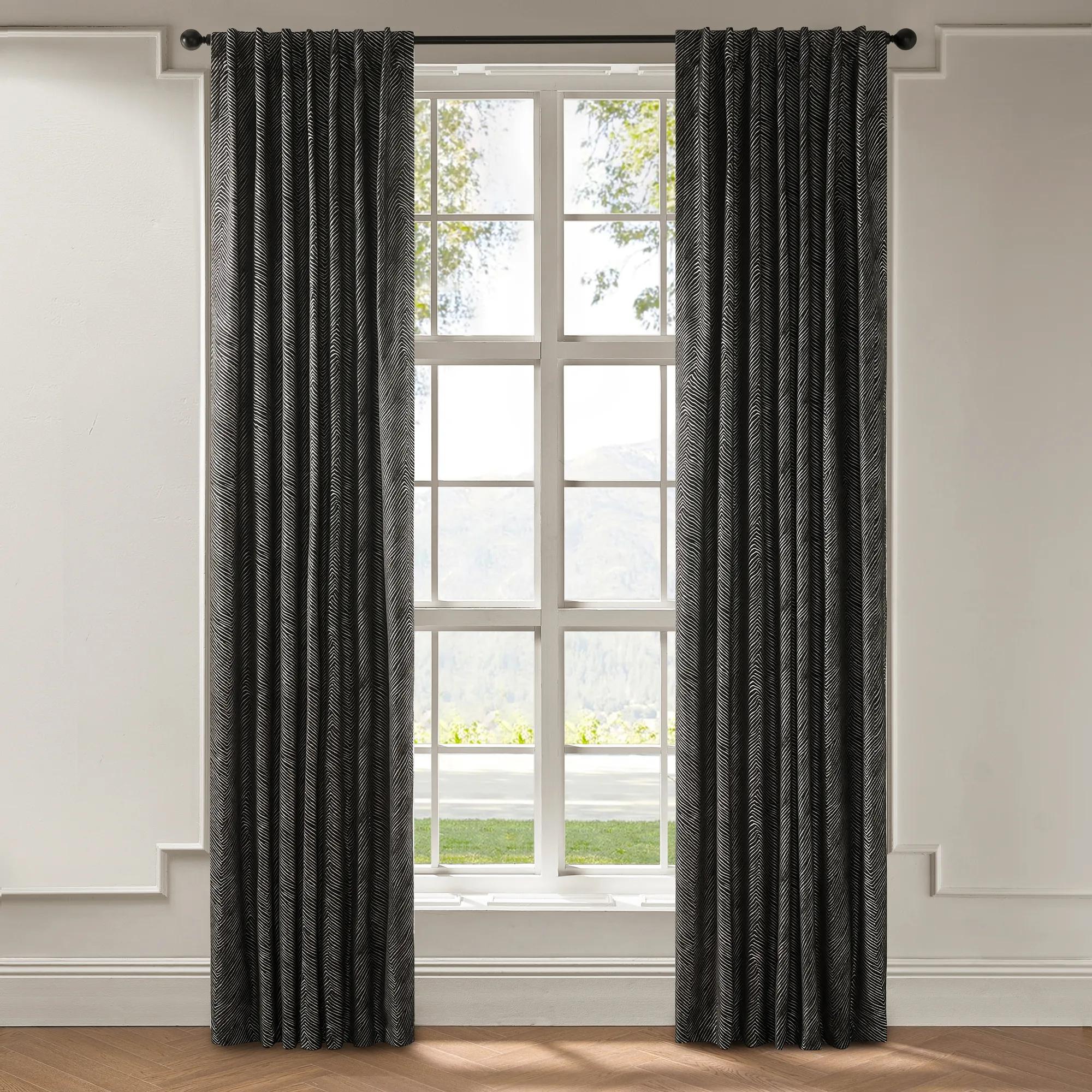
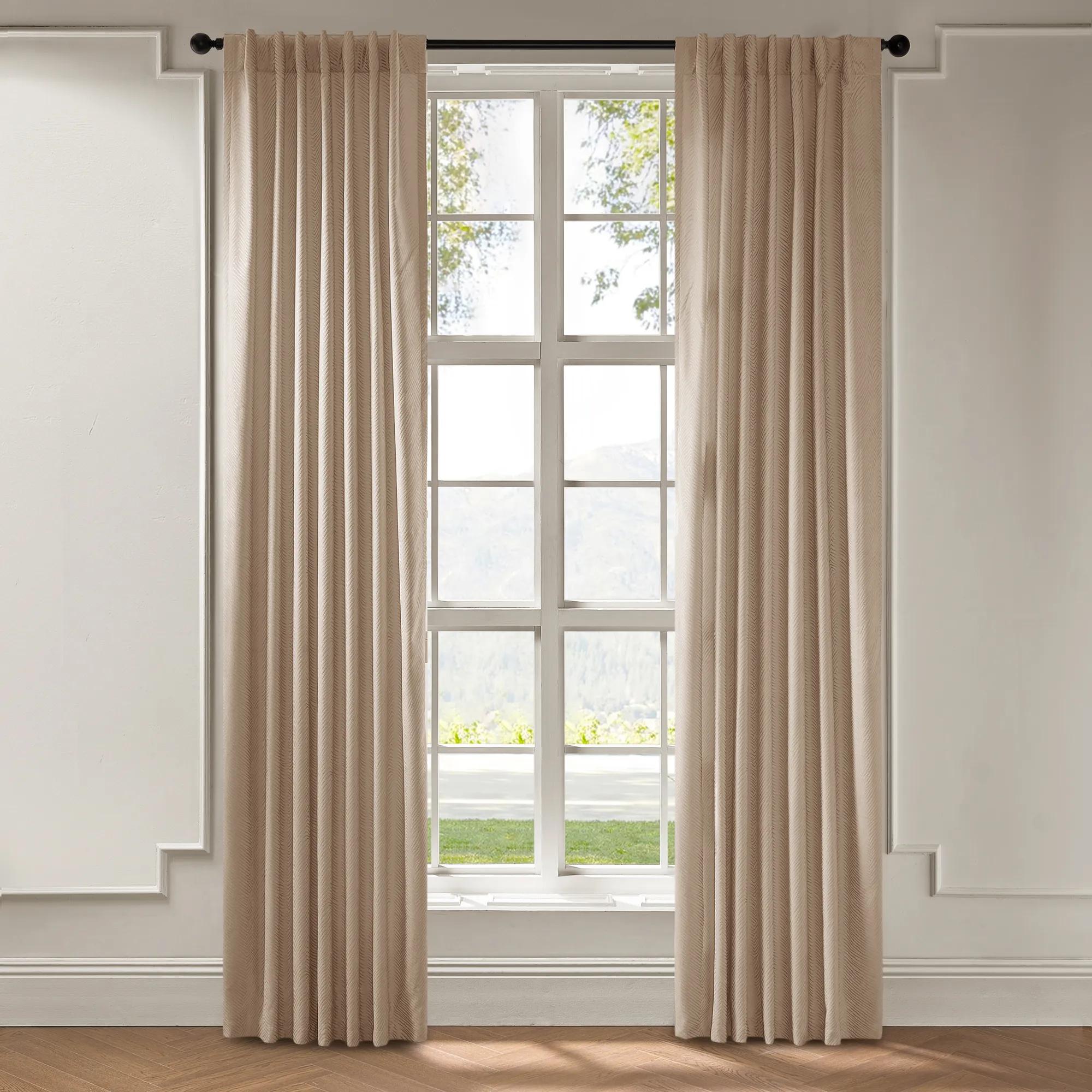
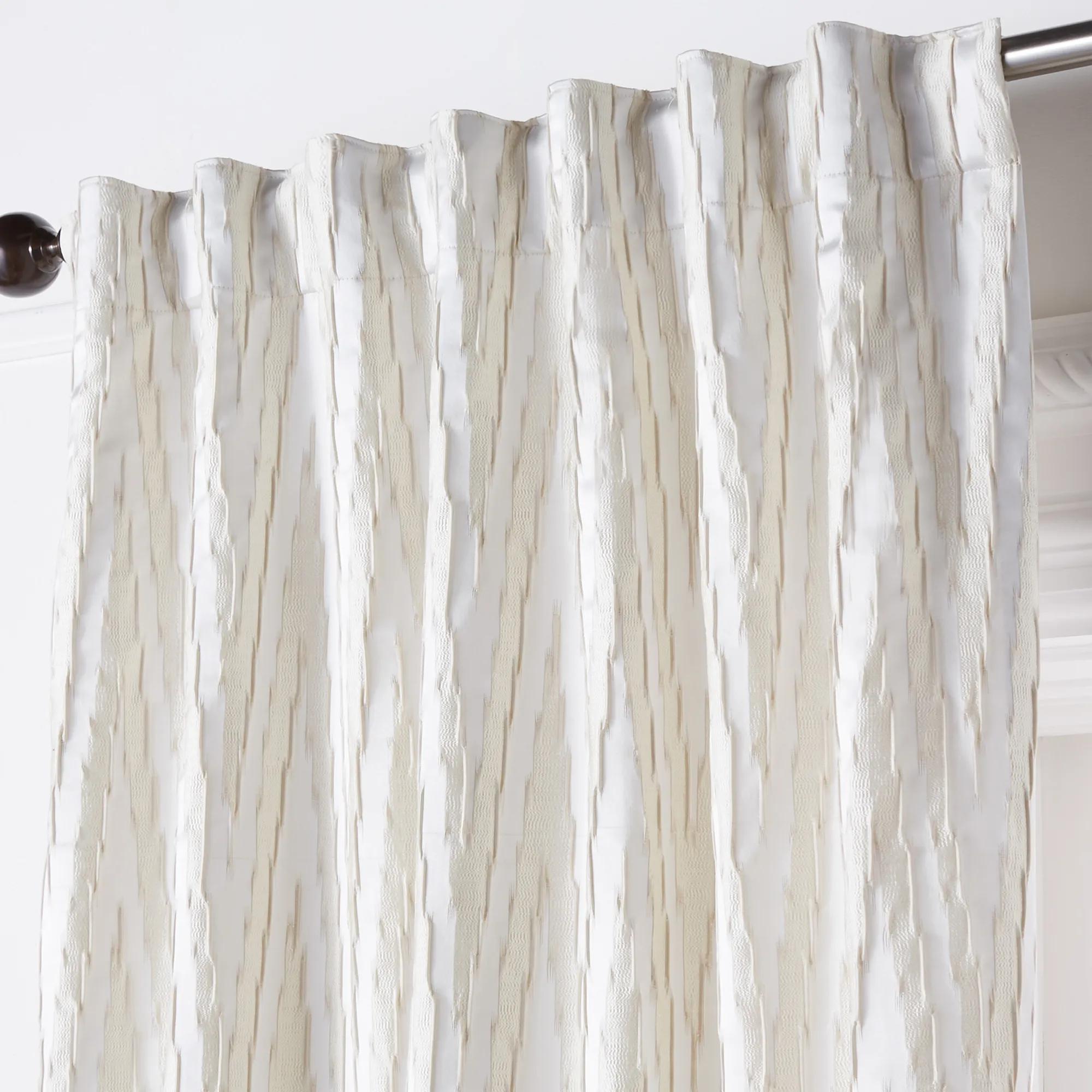 Minka Jacquard Pearl Window Curtain Panel Custom$239
A highly textured chevron curtain panel in pearl, grey, or natural, crafted from soft polyester blend.
Add To Cart -
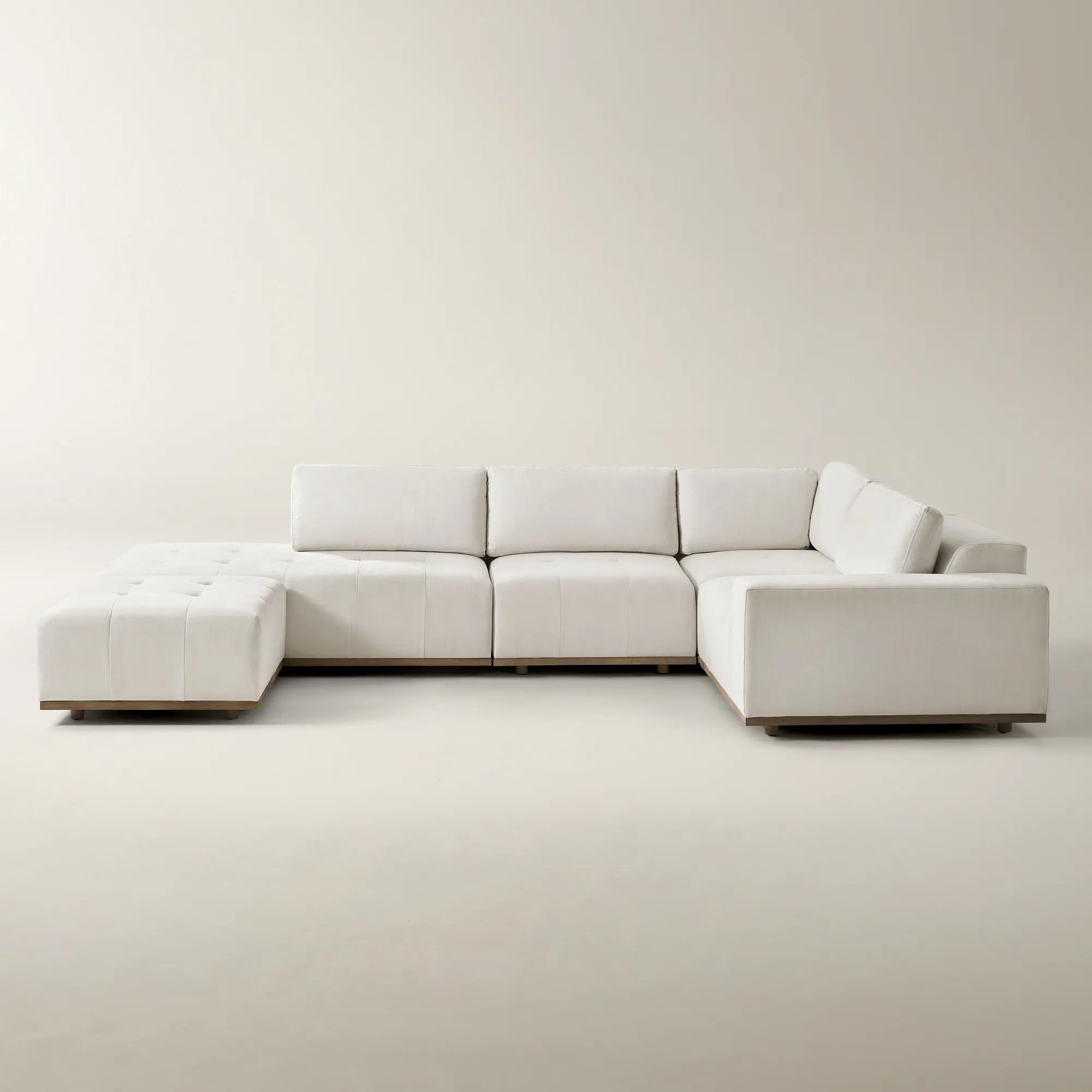
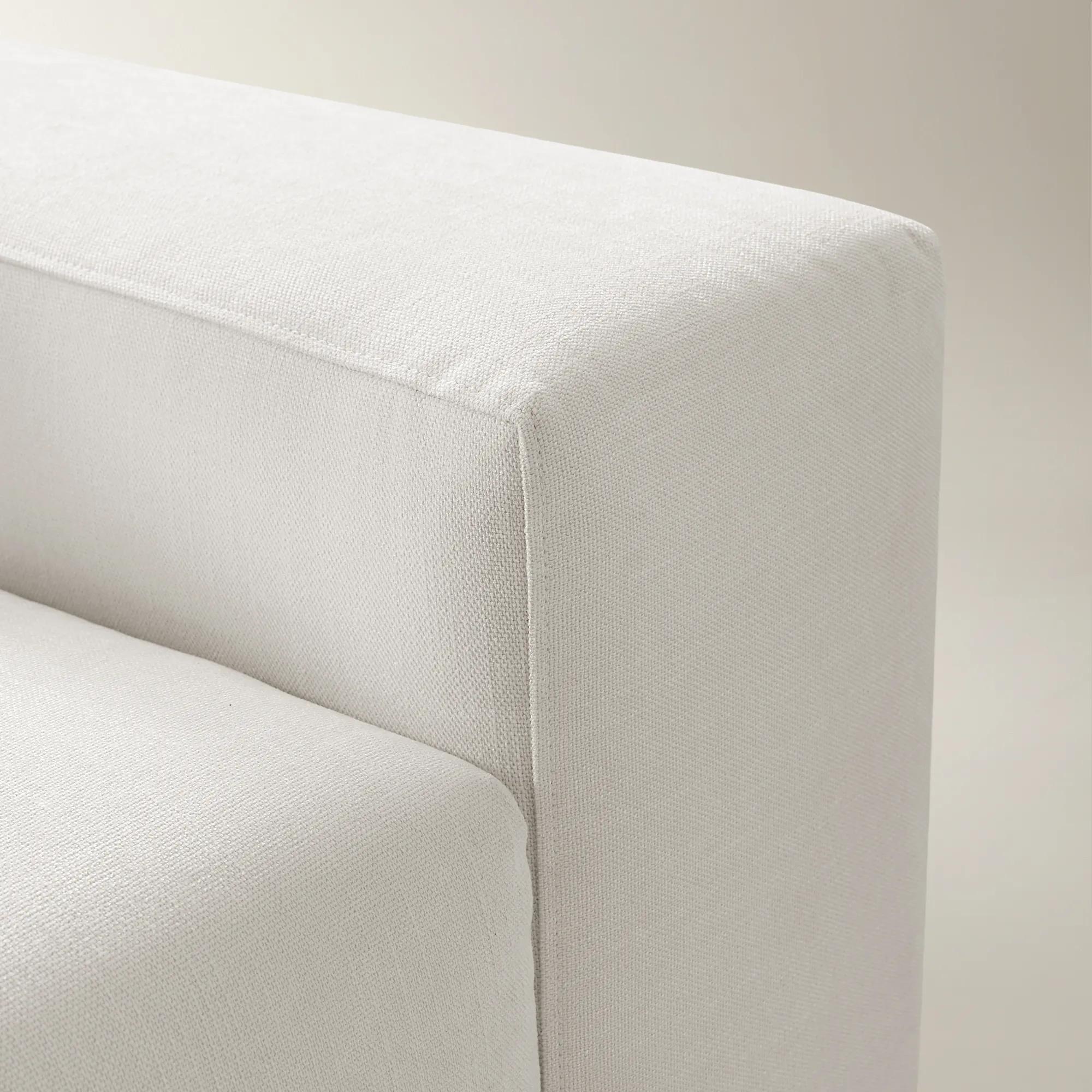 Carlos 5-Piece L-Shaped Oyster Linen Sectional Sofa$6849
A hand-tufted sectional with luxurious linen-blend upholstery and a kiln-dried rubberwood frame for refined comfort.
Add To Cart -
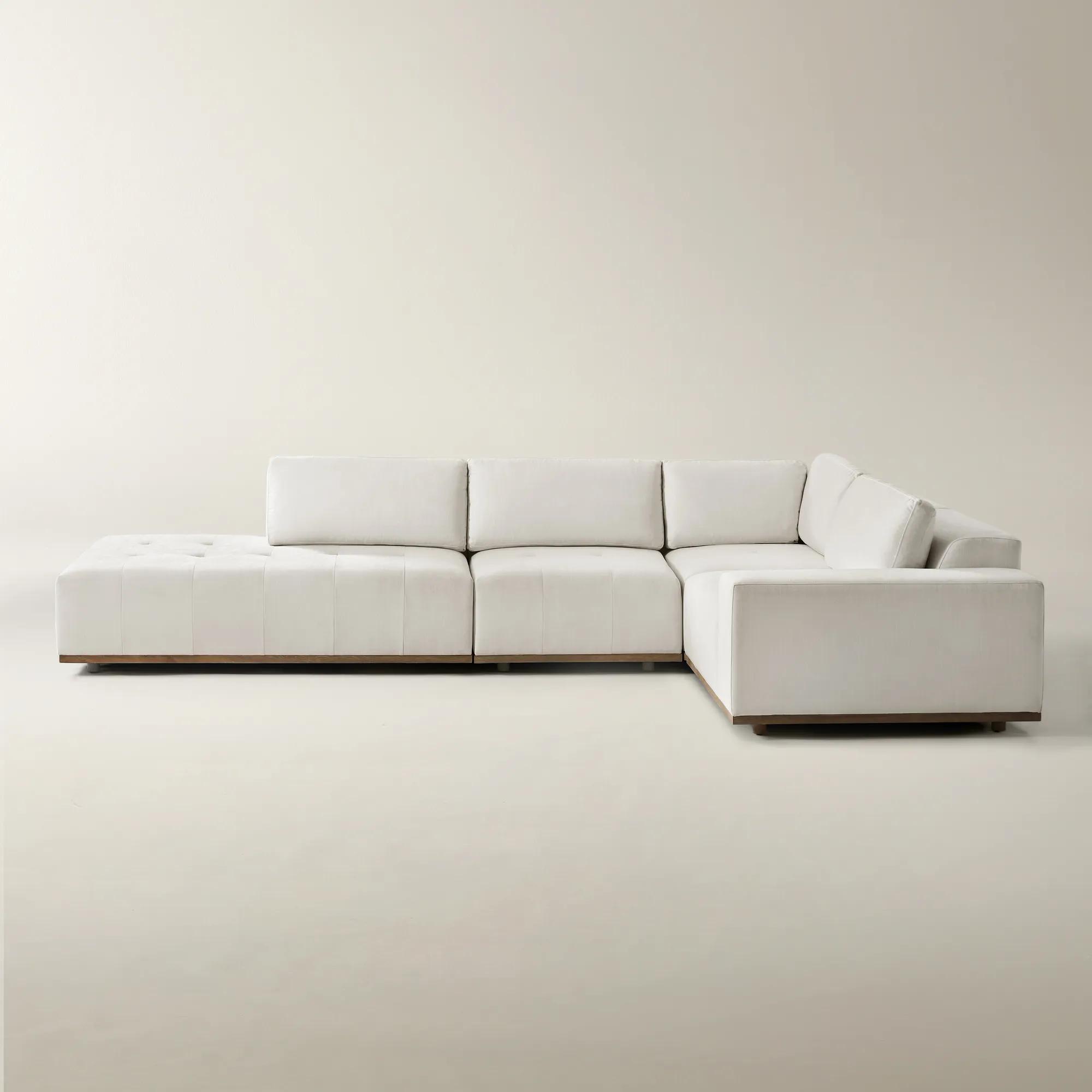 Carlos 4-Piece L-Shaped Oyster Linen Sectional Sofa$5899
A hand-tufted sectional with luxurious linen-blend upholstery, natural grey legs, and plush duck feather cushions.
Add To Cart -
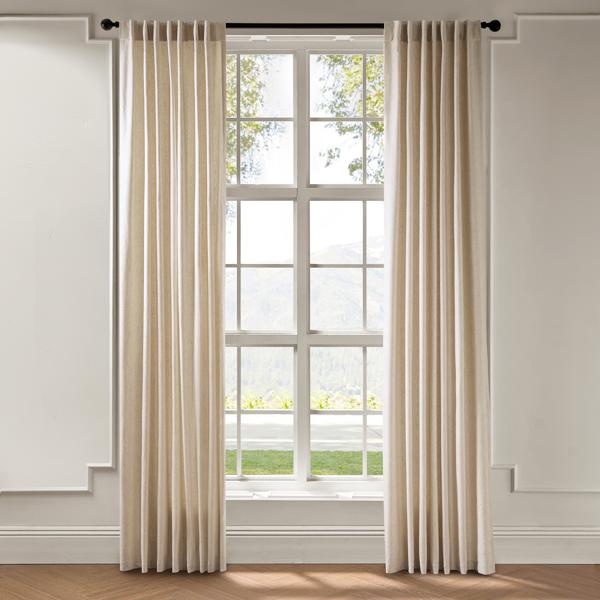
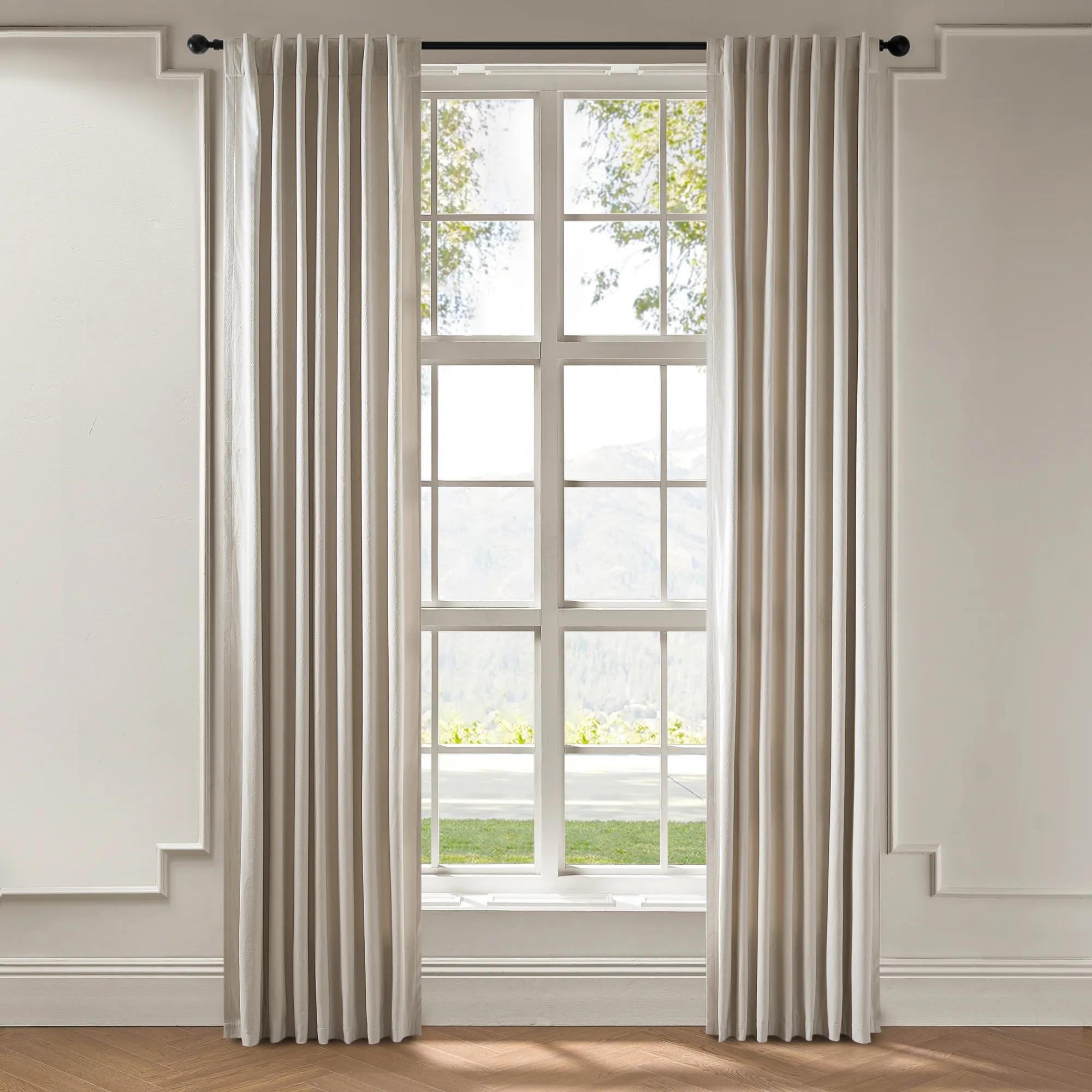
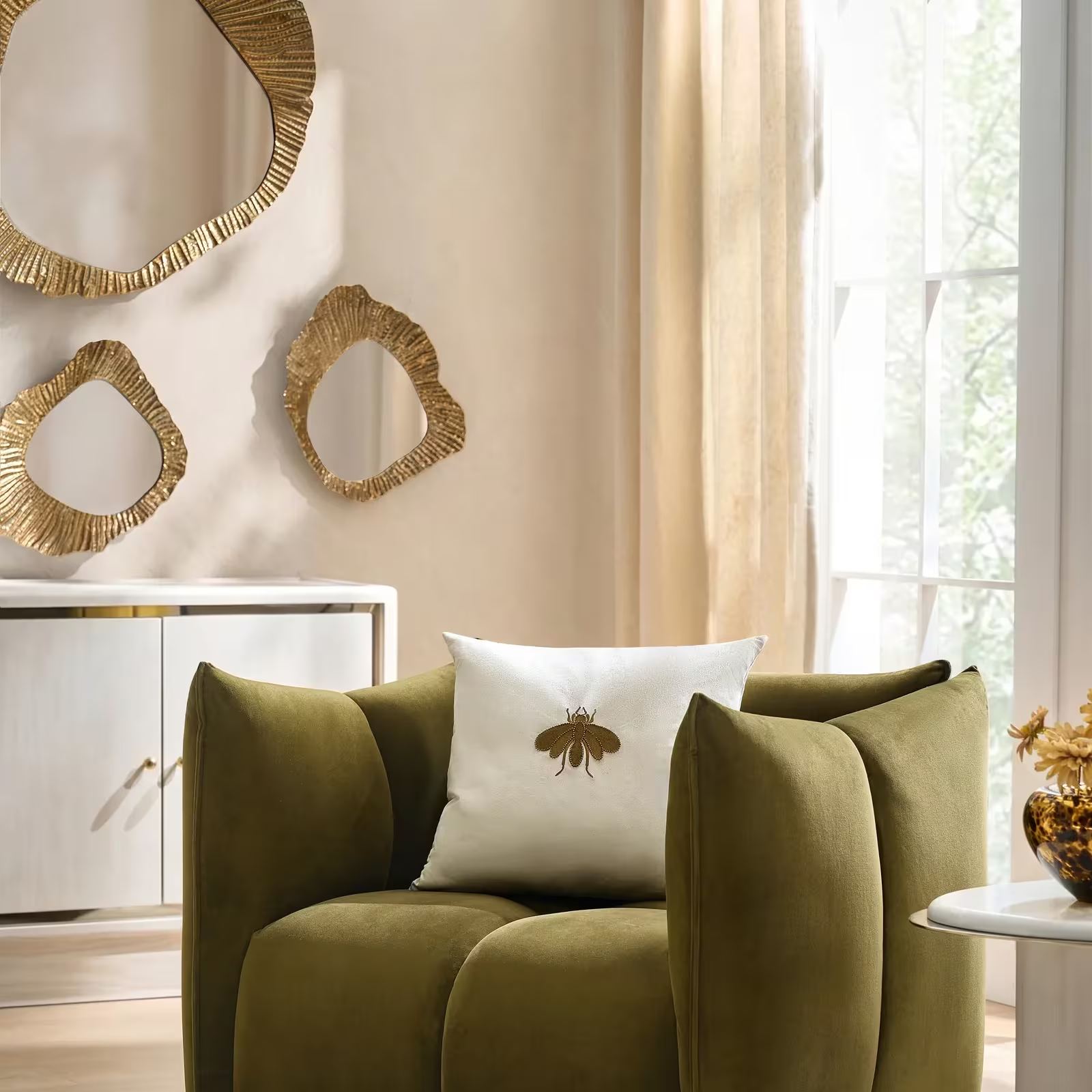 Anson Ivory Textured Window Curtain Panel$99
An elegant ivory curtain panel with a crushed, light-reflective texture for subtle shine and room darkening.
Add To Cart

Soft Textured Linen Blend Panels
Explore soft textured linen blend panels to frame your windows with tactile dimension and understated glamor. This selection of curtain panels brings linen-inspired texture to your window treatments, adding visual depth while creating an elegant backdrop for expressive furniture and decor.
Soft textured linen blend panels bring a tactile richness to windows, giving a room the graceful movement and considered detail of a beautifully dressed interior. Their appeal begins with the fabric: linen is made from flax fibers and is valued for its distinctive surface, where subtle variations in the yarn lend depth rather than a perfectly uniform finish. Blending linen with fibers such as cotton, polyester, or rayon can influence softness, drape, wrinkle resistance, and ease of care, so the fiber composition matters as much as the color. Some blends have a relaxed, airy hand; others carry enough weight to form fuller folds with a more tailored presence. The result is a window treatment that can soften strong architectural lines without obscuring their character. Against a dark-painted wall, a pale linen blend can introduce a luminous contrast; beside a velvet sofa, its understated texture gives the richer upholstery room to shine. In a space with polished metal, glass, or glossy lacquer, the woven surface offers a pleasing counterpoint, keeping the composition layered rather than overly reflective. Color also changes the mood. Ivory and warm white tend to feel expansive, while oatmeal and pale taupe lend depth to a tonal interior. Cooler neutrals can complement silver accents and crisp upholstery, provided their undertones sit comfortably alongside the surrounding finishes. A fabric swatch, when offered, is especially useful for judging those nuances against wall paint and flooring. Texture becomes more noticeable when light passes across the fabric or through an unlined weave, revealing the subtle character that makes linen blends compelling. For those drawn to expressive interiors, these panels provide a quieter form of drama: generous folds, a softly articulated surface, and a vertical sweep that gives even a simply furnished room a more deliberate composition. They belong as naturally beside sculptural accent furniture as they do in a restful bedroom, where tactile details carry much of the atmosphere.
The proportions of linen blend window panels determine whether that softness feels elegant or incidental. Width deserves particular attention because a panel stretched flat across a window will look different from the same fabric gathered into deep, generous folds. Many arrangements use a combined panel width around one and a half to two times the width being covered, although the ideal fullness depends on the fabric weight, heading style, and whether the panels are decorative or expected to close. For a broad window, multiple panels may create a more balanced composition than a narrow pair, while a smaller opening can still benefit from enough fabric to preserve its graceful drape. Length should be measured from the actual hanging point, which changes with rings, grommets, rod pockets, and other header constructions. A hem that just clears the floor feels precise and allows easier movement; a slight break at the floor introduces a softer line. More pronounced pooling creates a lavish effect but requires extra attention in busy rooms, particularly where pets, children, or frequent vacuuming are part of daily life. Rod placement can influence the entire wall: mounting above the frame and extending beyond its sides often gives the window greater visual stature and leaves more glass exposed when the panels are open. Hardware should support the fabric’s weight while complementing the room, whether through the contrast of a dark finish or the gleam of warm metal. Light control and privacy deserve the same consideration as appearance. An open weave may diffuse light beautifully without preventing views into a lit room after dark, and a linen blend should not be assumed to provide blackout coverage. Lining, weave density, and any additional shade determine how the treatment performs. In a gathering space, Linen Blend Window Panels for Living Rooms can frame a seating arrangement with texture and height; explore Linen Blend Window Panels for Living Rooms for a room-focused selection. Layering panels with a separate shade can preserve their decorative presence while allowing more precise control over privacy and glare.
The most satisfying soft textured linen blend panels are those whose character suits both the room and the way it is lived in. A bedroom may call for a fluid drape paired with a lining or shade that supports restful darkness, while a dining room can carry a more generous silhouette that echoes upholstered chairs and a dramatic light fixture. In a home office, the same woven texture can temper hard-edged desks and shelving, with an underlying shade helping manage reflections on a screen. For someone furnishing a first home or refining a long-established interior, window panels can connect otherwise separate elements: the warmth of a wood console, the softness of a rug, and the subtle tones in a piece of art. Their longevity depends partly on construction, including secure seams, even hems, and a header suited to repeated opening and closing. Fabric blends differ in how they respond to handling and cleaning, so the care label should guide every decision. Washable panels may require a gentle cycle, mild detergent, and careful drying, while others need professional cleaning to protect their dimensions, lining, or finish. Linen content can bring natural creasing, which often belongs to the fabric’s relaxed elegance rather than signaling poor quality. For a more tailored appearance, steaming or pressing may help, but only at settings appropriate to the full fiber blend and any lining. Regular light dust removal with a suitable vacuum attachment can keep the folds looking fresh without unnecessary washing. Avoid tugging on the fabric to move panels when the hardware allows a gentler method, and keep hems clear of furniture that might catch or abrade them. As a housewarming gift, panels are most thoughtful when window measurements, hanging preferences, and the recipient’s palette are already known; fabric and fit are personal parts of a room’s expression. Chosen with that same care for any interior, linen blend panels offer a lasting decorative foundation—one that lets bold artwork, gleaming accents, and sumptuous upholstery feel beautifully connected rather than competing for attention.
FAQs
Soft textured linen blend curtain panels pair linen with complementary fibers for a fabric with tactile depth and a relaxed, elegant character. Their distinctive weave brings subtle dimension to windows, creating a richly layered backdrop for expressive interiors. The precise texture and drape depend on the fiber blend and construction.
Linen blend panels introduce an organic counterpoint to polished surfaces and sumptuous upholstery. Style them alongside velvet seating, mirrored accents, and sculptural metallic finishes for a room that balances luminous glamour with inviting texture.
Linen blend panels range from airy sheers to more opaque woven styles. Fabric density, color, and lining influence their appearance in the light: an open weave feels ethereal, while a denser or lined panel creates a more substantial frame for the window. Review the fabric and lining details to choose the look you envision.
Ivory, cream, and warm neutral linen blends create an elegant foundation for jewel-toned upholstery, gleaming brass, or dramatic black accents. Cooler gray tones complement silver finishes and smoky palettes. For a richly composed room, echo the curtain color in a decorative pillow or artwork while varying the textures.
Follow the care label, since cleaning requirements vary with the fiber blend, finish, and lining. Some panels allow gentle laundering, while others require dry cleaning. If steaming or ironing is permitted, use the recommended setting to soften pronounced creases while preserving the fabric’s naturally textured character.
.jpeg?w=4130&h=4130)
.jpeg?w=3942&h=3942)