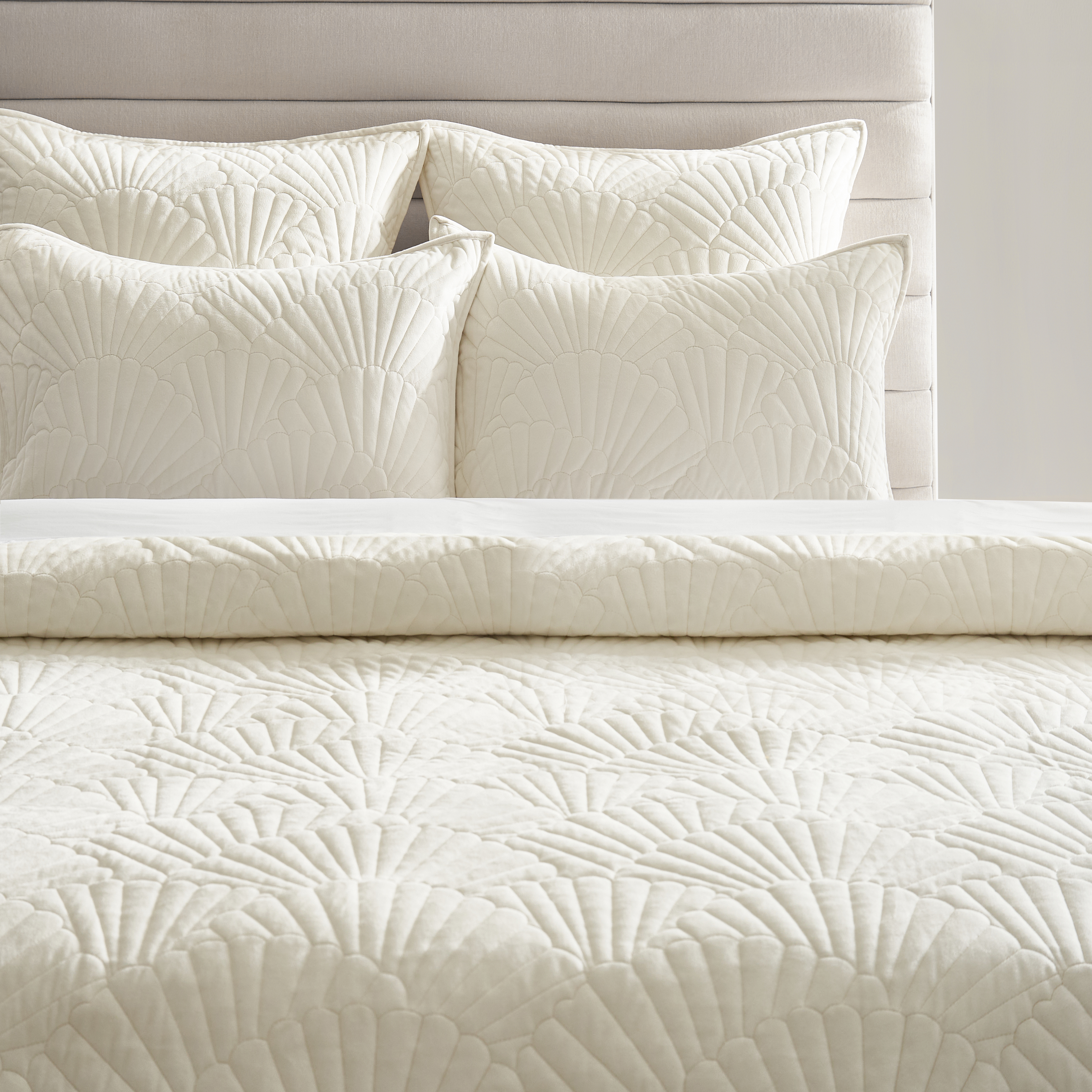
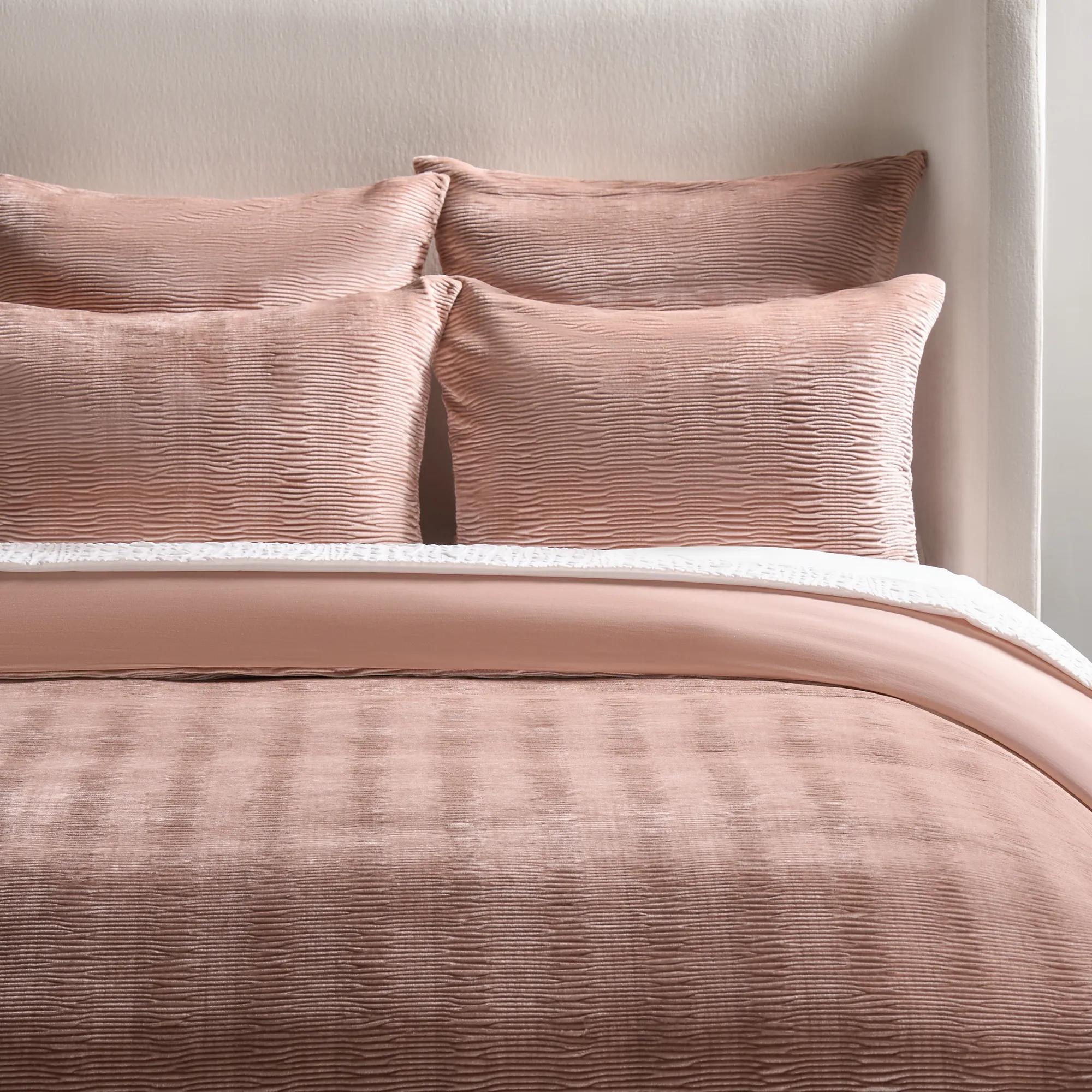
Soft Satin Duvet Covers
Soft Satin Duvet Covers
-
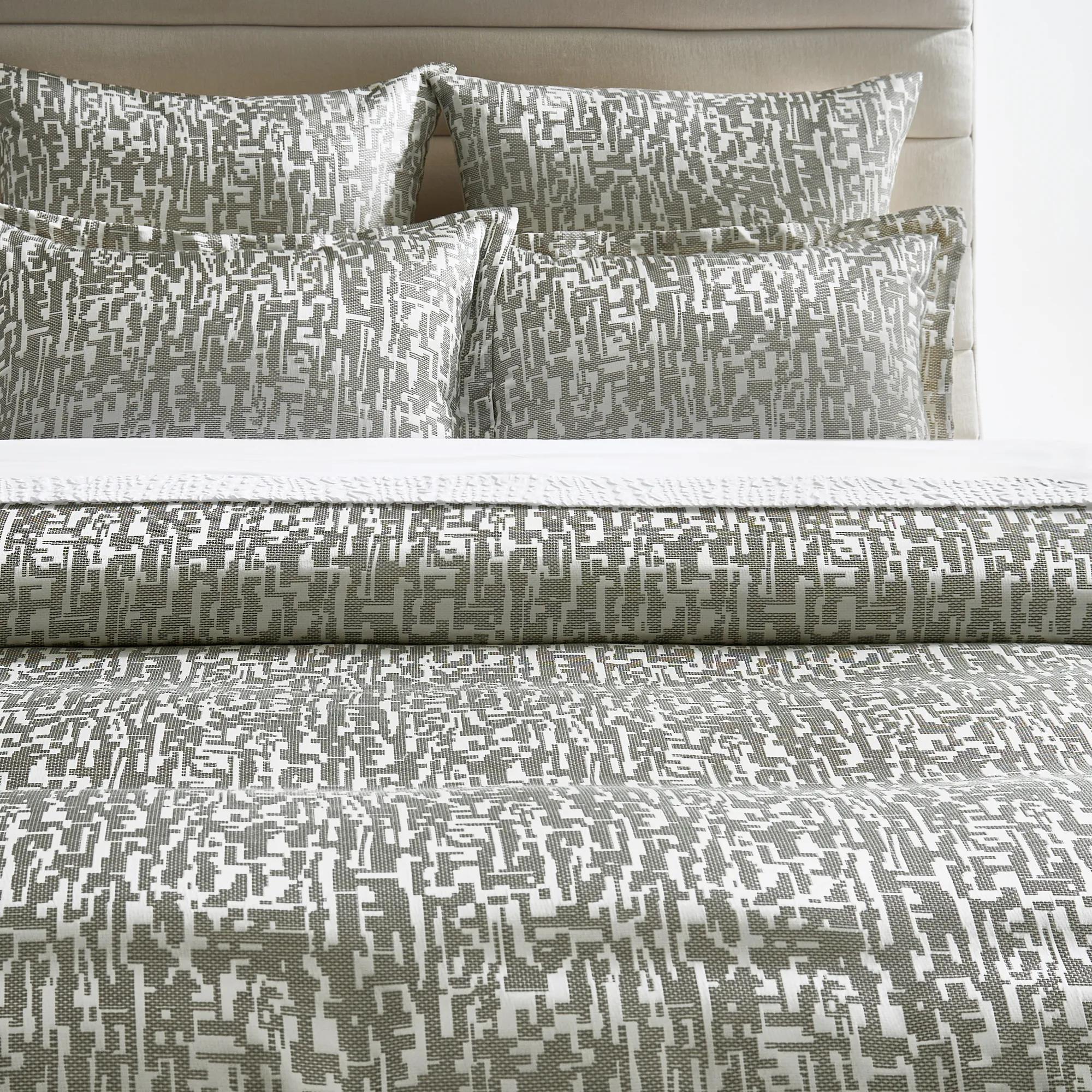
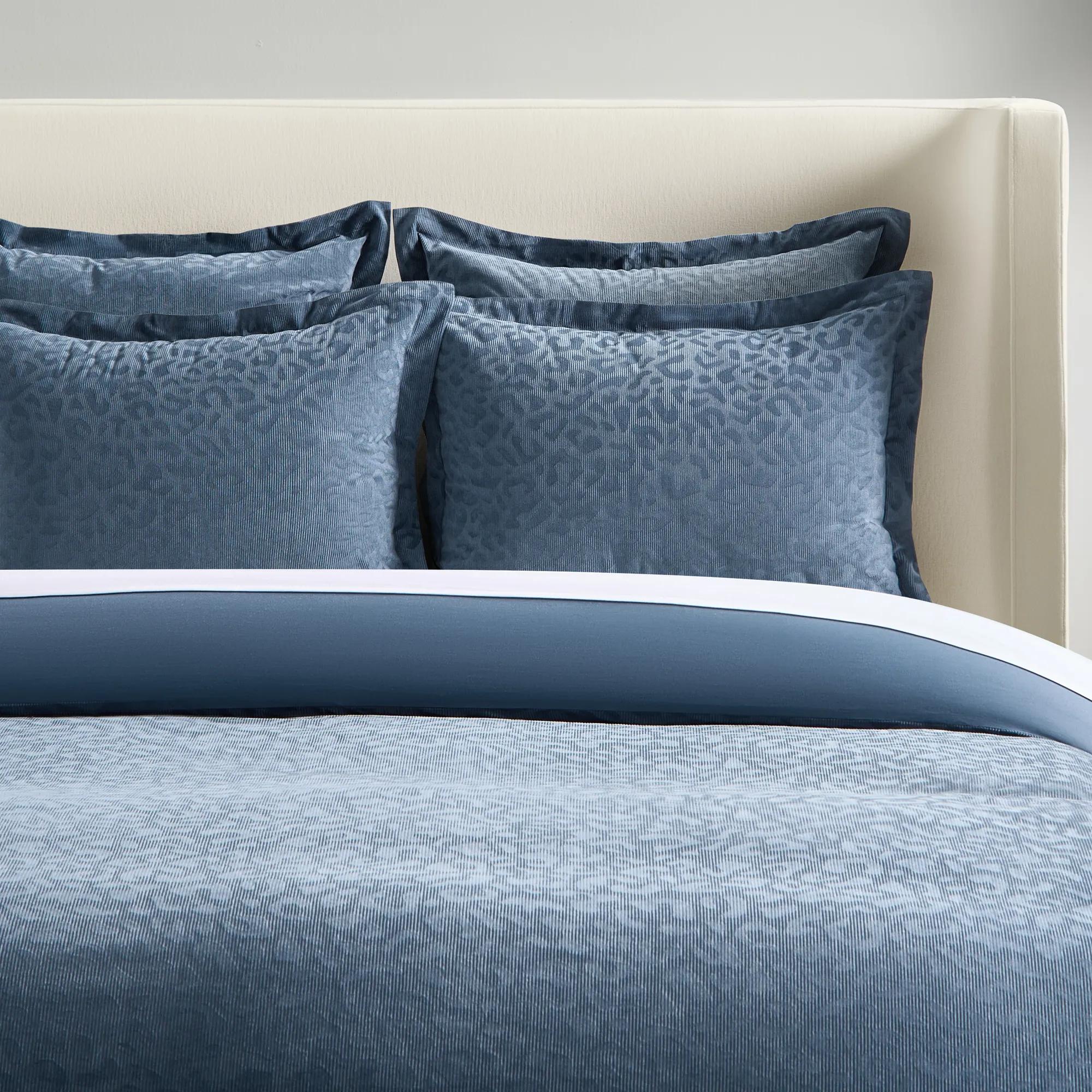
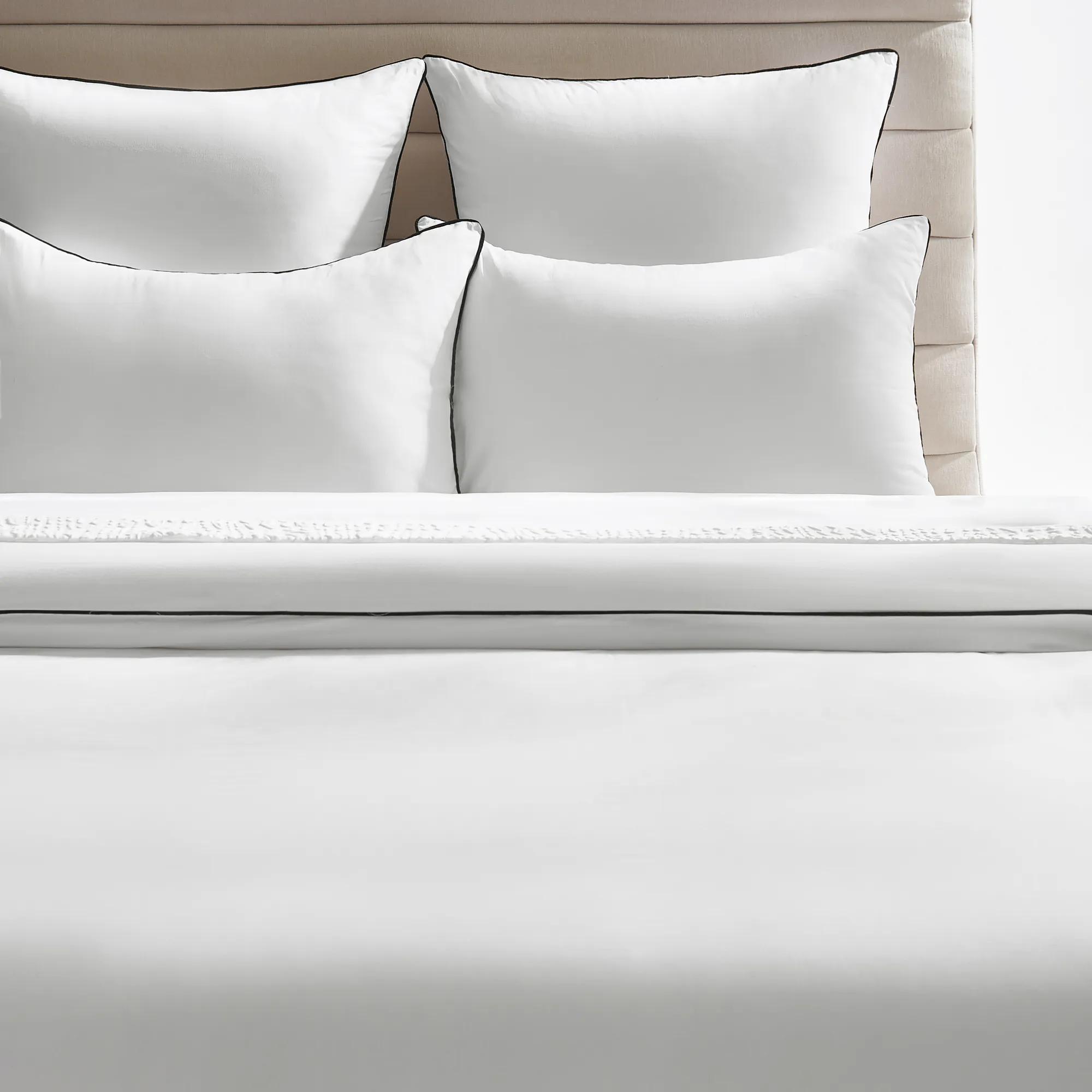
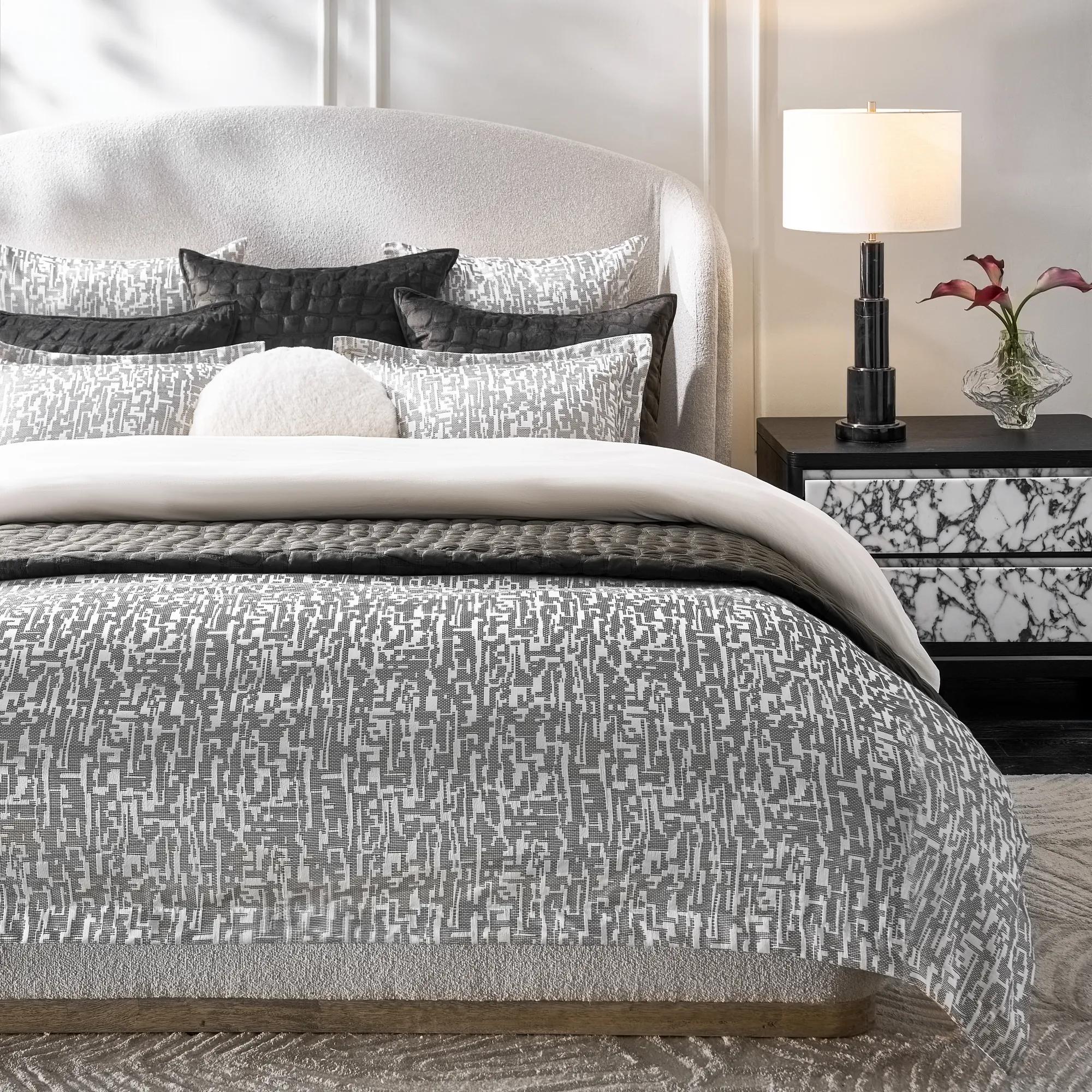 Podva Embroidered Bedding Set - Pearl/ Charcoal$279
A smooth satin bedding set in pearl and charcoal, featuring abstract embroidery and tailored flange edges.
Add To Cart -
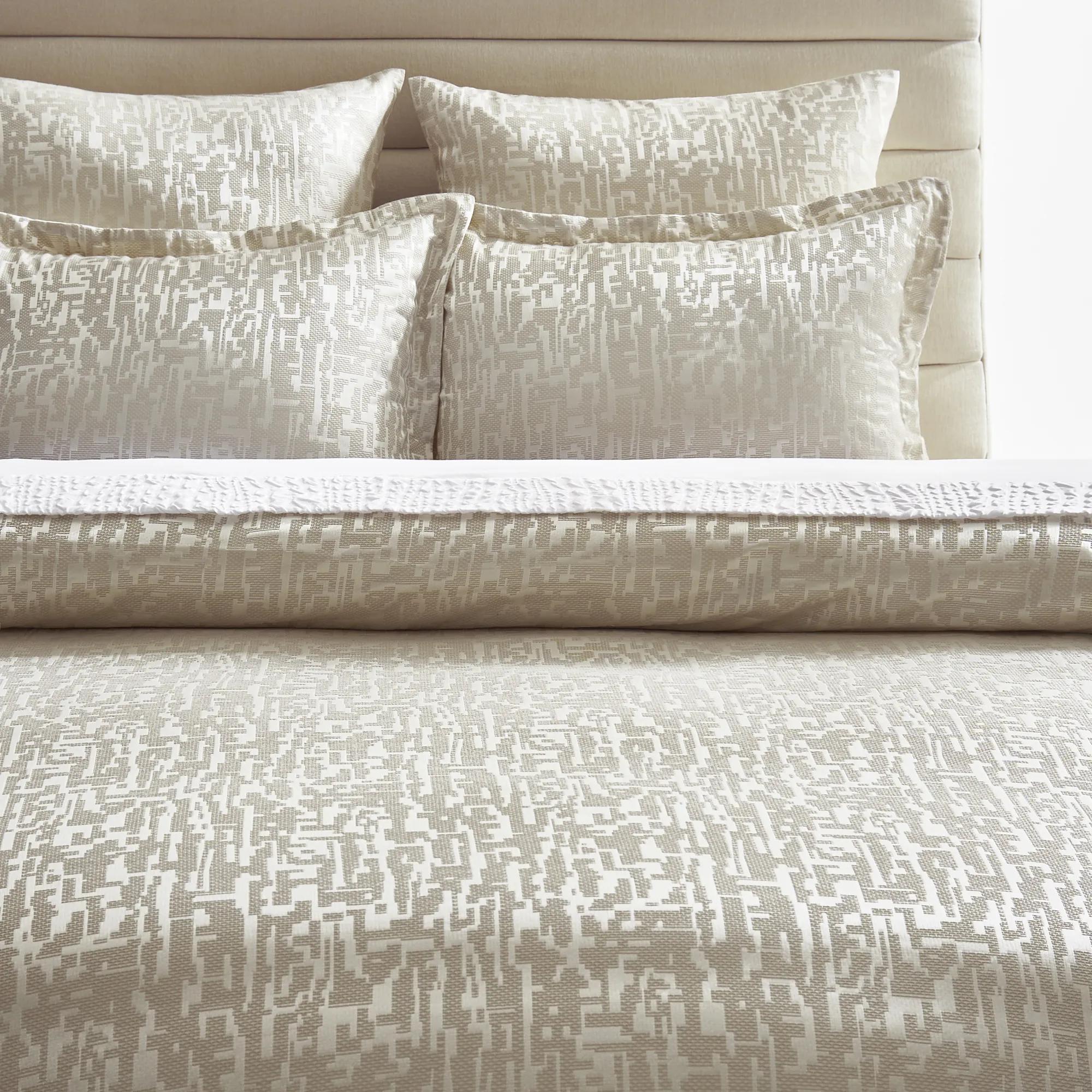
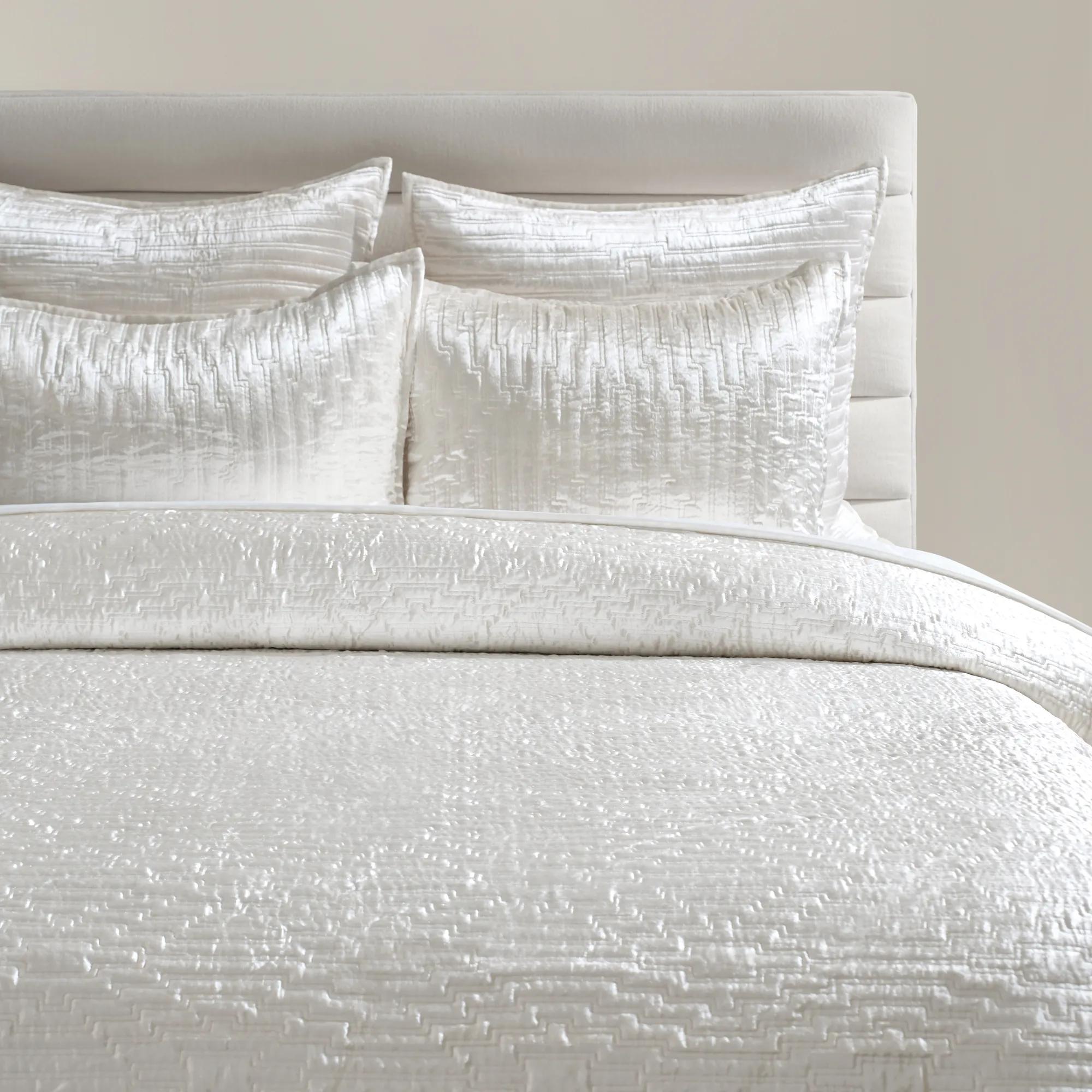
 Podva Embroidered Pearl/Ivory Bedding Set$249
A satin and cotton bedding set in pearl and ivory, featuring modern embroidery and crisp flange edges.
Add To Cart -
 Cora Crane Multicolor Satin Bedding Set$179
A smooth satin bedding set featuring a whimsical fig, white, and charcoal crane print with tailored flange edges.
Add To Cart -
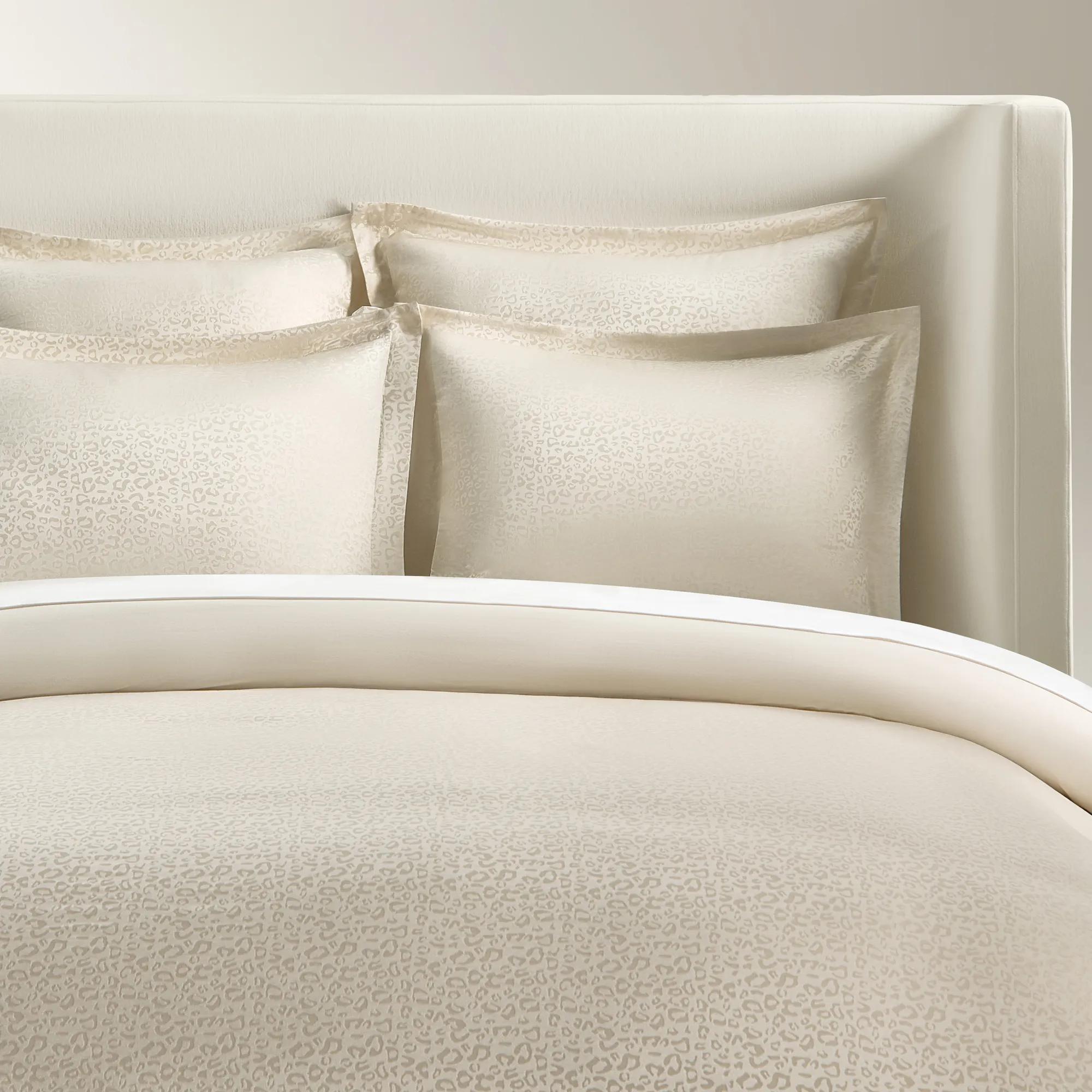
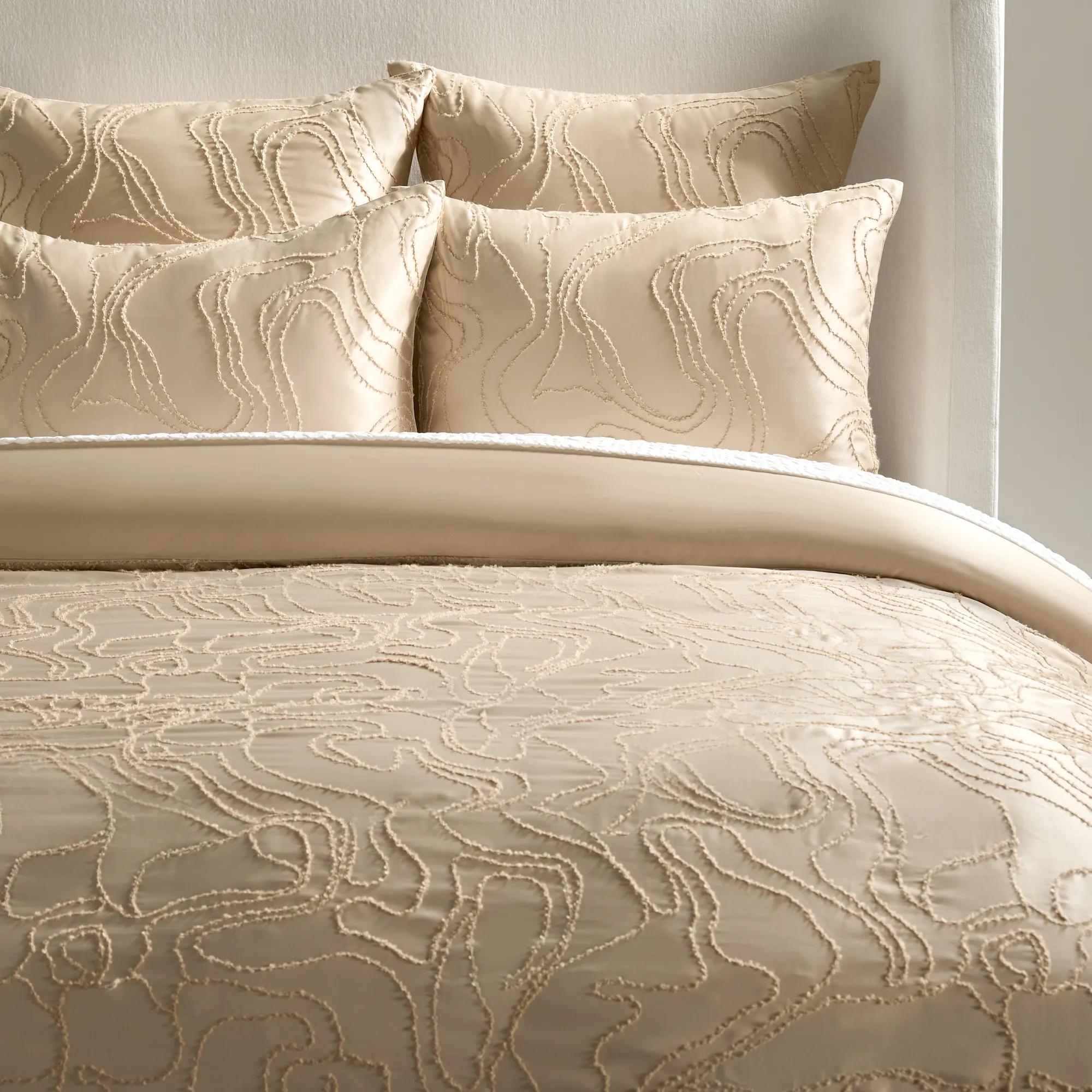 Noa Embroidered Champagne Beige Bedding Set$229
A champagne beige embroidered bedding set with a duvet cover and coordinating sham covers.
Add To Cart -

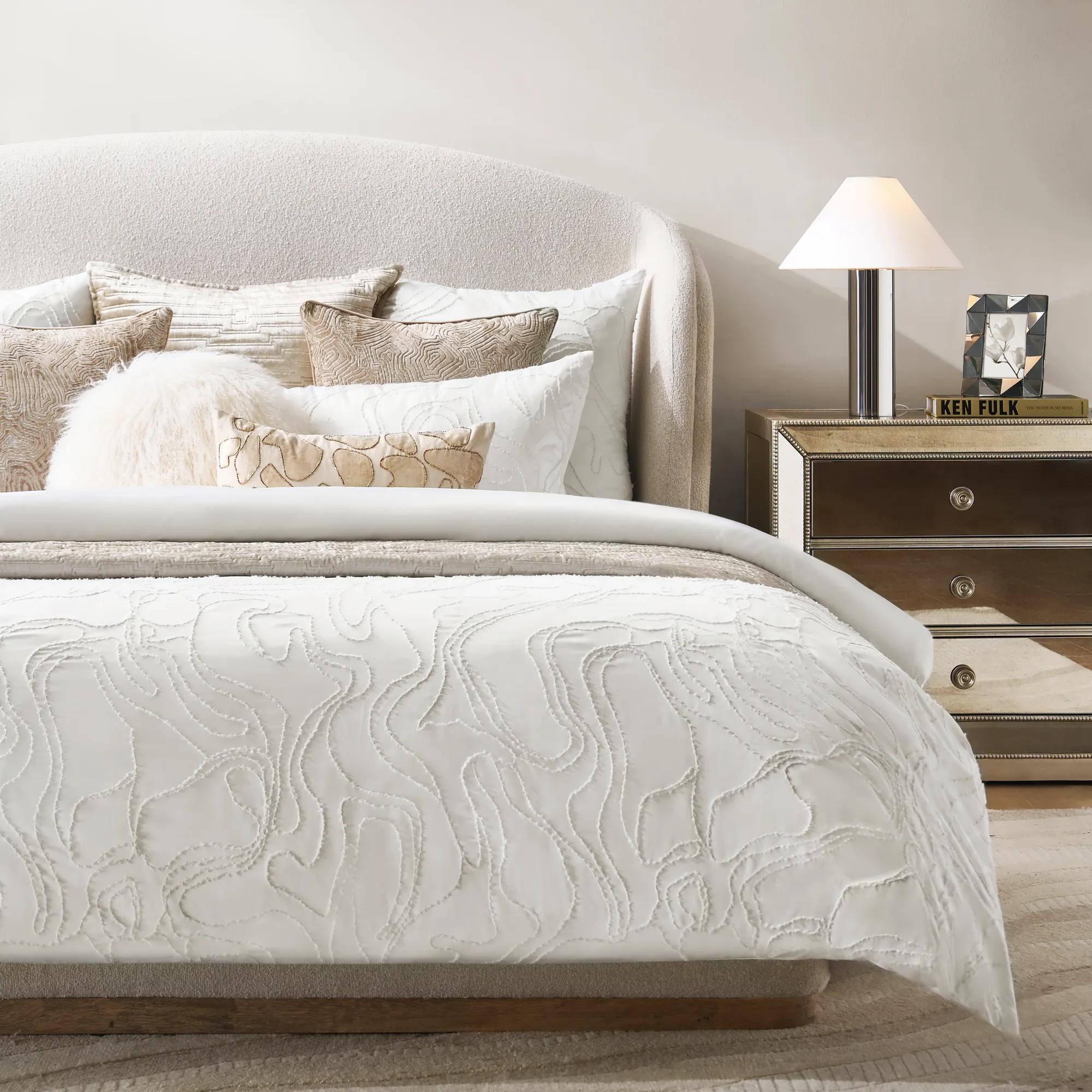 Noa Embroidered Pearl White Bedding Set$59
A luminous pearl satin bedding set featuring an embroidered swirl pattern for a touch of refined elegance.
Add To Cart -

 Jungle Toile Bedding Set - Pale Pink$59
A luxurious satin bedding set featuring a delicate black jungle print on a pale pink background.
Add To Cart -
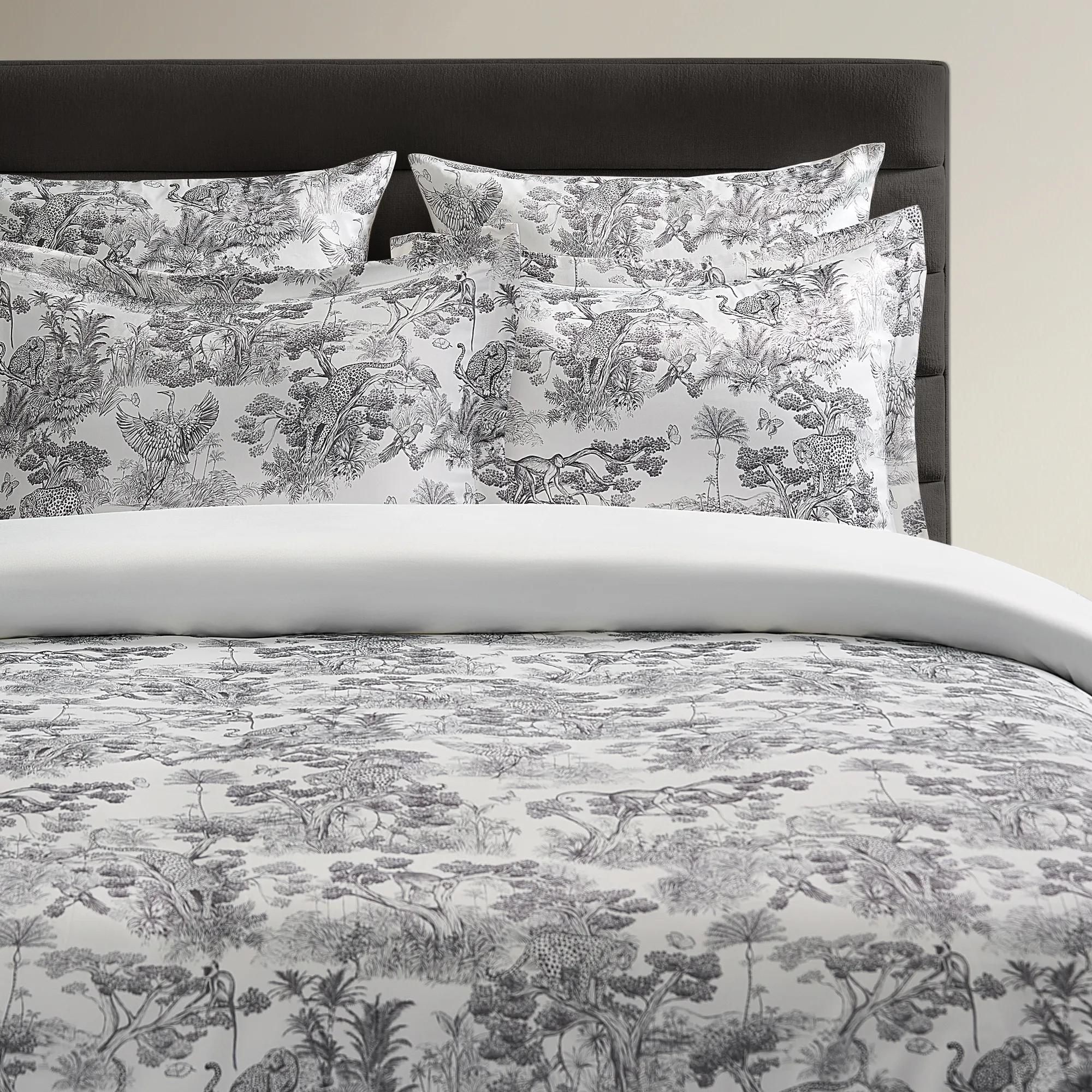
 Jungle Toile Bedding Set - Ivory/Black$59
An elegant ivory and black satin bedding set featuring a delicate jungle print and refined flange edging.
Add To Cart

Soft Satin Duvet Covers
Soft Satin Duvet Covers transform the ordinary into the extraordinary, enveloping your bedroom in a cascade of luminous elegance. Each piece is an invitation to indulge—where every fold shimmers with subtle sheen and every touch whispers of luxury. Let your sanctuary glow with an air of sophistication, as these duvet covers drape your bed in fluid, silken beauty. For those who believe that sleep should be as glamorous as it is restorative, Soft Satin Duvet Covers promise nights wrapped in opulence and mornings awash in radiant style.
Soft satin duvet covers bring a silky hand and a luminous finish to the bed, creating a surface that feels indulgent against the skin and catches light with every fold. Designed to slip over a duvet insert, a duvet cover provides a removable outer layer rather than the loft or cushioning of a filled comforter. Satin describes the fabric’s construction, not a particular fiber: its characteristic weave produces a smooth, lustrous face, often paired with a more subdued reverse. That distinction matters because silk satin, polyester satin, and blended satin fabrics can differ in drape, care requirements, and everyday performance. The appeal of Polyester Satin Duvet Covers lies in their combination of fluid sheen, softness, and generally straightforward maintenance, although the care label remains the authority for any individual cover. Silk satin has its own distinctive touch and may require more delicate handling. Across materials, satin’s smooth surface can create less friction against hair and skin than coarsely textured bedding, making it appealing to sleepers who prefer a sleek rather than crisp or nubby feel. The sensation still depends on the fiber, fabric weight, finishing, and condition of the cloth; a glossy appearance alone does not establish softness or quality. Fine, even stitching and neatly finished seams contribute to a polished result, while a supple drape allows the fabric to fall gracefully around the insert instead of appearing stiff. Visually, satin transforms broad expanses of color into something more dimensional. Ivory develops subtle shadows, silver takes on a liquid quality, and saturated jewel tones reveal dramatic highlights along the folds. On a generously dressed bed, that interplay of light and depth becomes the focal point without requiring an elaborate pattern. For a bedroom built around expressive furniture, sculptural lighting, or a striking piece of art, a soft satin duvet cover adds another layer of richness while keeping the overall composition composed.
A beautiful finish has the greatest impact when the proportions are right. Duvet cover sizes should be considered alongside the actual length and width of the insert, since a shared size name does not always mean identical measurements. A cover that is substantially larger than its insert can leave loose fabric at the edges, while one that is too small may compress the filling and create an uneven surface. Closely matched dimensions help preserve the intended silhouette, whether the desired effect is a tailored bed with defined edges or a fuller arrangement with generous drape. The mattress depth and bed frame also influence how much coverage appears along the sides; a tall mattress can make the same duvet look shorter than it would on a lower platform. Inside the cover, corner ties or other attachment points can help hold a compatible insert in position, an especially useful detail when smooth fabrics might otherwise shift during sleep. Secure button or zipper closures keep the opening contained, and a concealed closure maintains an uninterrupted appearance at the foot of the bed. These practical elements support the visual effect: an evenly distributed insert lets satin form broad, graceful folds rather than empty pockets. Styling can be equally deliberate. A pearl-toned duvet cover against an upholstered headboard creates a luminous centerpiece, while a deep charcoal or inky blue cover lends definition beside reflective accents. Matte sheets, woven throws, and textured decorative pillows provide contrast, allowing the satin finish to remain distinctive instead of competing with equally glossy layers. A restrained palette can still feel extravagant when the textures are varied; a more expressive room can carry a richly colored cover beside patterned cushions and sculptural bedside lamps. Coordinating pillow shams create continuity, but matching every surface is not necessary. Repeating a single tone through artwork, a cushion, or a bedside accessory gives the bed a considered connection to the room.
Soft satin duvet covers are well suited to primary bedrooms, thoughtfully appointed guest rooms, and spaces where bedding is part of the design statement rather than an afterthought. Their removable construction allows the outer layer to be refreshed separately from the insert, subject to the care requirements of both pieces. For everyday use, the most satisfying choice balances a pleasing hand with maintenance that fits the household. Many polyester satin fabrics tolerate machine washing, while silk satin and certain embellished or blended constructions may call for specialized care. Following the sewn-in instructions helps protect the finish, color, seams, and closures. Where machine washing is permitted, a gentle cycle and mild detergent can help limit unnecessary abrasion; fastening the closure and keeping the cover away from exposed hooks, rough towels, or other snagging surfaces can also preserve its appearance. Drying methods deserve equal attention. Excessive heat can damage some fibers or finishes, so tumble-drying settings, air-drying, and any ironing should follow the manufacturer’s directions rather than a single rule for all satin. Durability depends on more than fiber alone: fabric construction, seam quality, laundering habits, and everyday handling all influence how well a cover wears. Jewelry, sharp nails, and pet claws can catch smooth fabrics, making thoughtful use particularly important in a busy bedroom. Those details need not diminish satin’s appeal; they simply help match the material to its setting. A guest bed dressed in softly gleaming fabric offers a memorable welcome, while a primary suite gains an inviting sense of ceremony each time the duvet is drawn back. A duvet cover can also make a distinctive wedding or housewarming gift when the recipient’s bedding dimensions, preferred colors, and care preferences are known. Choosing a finish that complements the way someone actually lives gives the gesture lasting relevance. With appropriate fit and care, soft satin brings a fluid, light-catching elegance to the bed, turning an everyday essential into a deliberate expression of personal style.
FAQs
Satin duvet covers are celebrated for their smooth, lustrous surface and elegant drape, which set them apart from traditional cotton or linen bedding. The tightly woven fibers create a distinctive sheen that reflects light beautifully, elevating the ambiance of any bedroom. Satin’s texture feels cool and soft against the skin, offering a sense of luxury and comfort that transforms everyday rest into a truly indulgent experience.
Satin duvet covers act as a statement piece, infusing the room with a sense of glamour and refinement. Their reflective finish adds depth and dimension, making the bed the focal point of your space. Whether paired with bold patterns or subtle neutrals, satin brings a touch of sophistication that complements a variety of décor styles, from modern chic to classic elegance.
Yes, satin duvet covers are ideal for all seasons. Their breathable weave keeps you cool during warmer months, while their gentle warmth provides comfort in cooler weather. Satin’s ability to regulate temperature makes it a versatile choice for those who appreciate bedding that adapts gracefully to seasonal changes.
A satin duvet cover makes a thoughtful and luxurious gift for anyone who values comfort and style in their home. It’s especially well-suited for newlyweds, housewarming celebrations, or anyone looking to refresh their bedroom with a touch of opulence. The tactile pleasure and visual appeal of satin make it a memorable present for loved ones who enjoy the finer things.
To create a striking bedscape, layer your satin duvet cover with complementary textures such as velvet throw pillows or a faux fur blanket. Choose accent colors that play off the sheen of the satin, and let the duvet cover take center stage. For a dramatic effect, allow the fabric to cascade over the sides of the bed, emphasizing its fluid drape and luxurious presence.