Sofas For Relaxing With Pets
Sofas For Relaxing With Pets
-
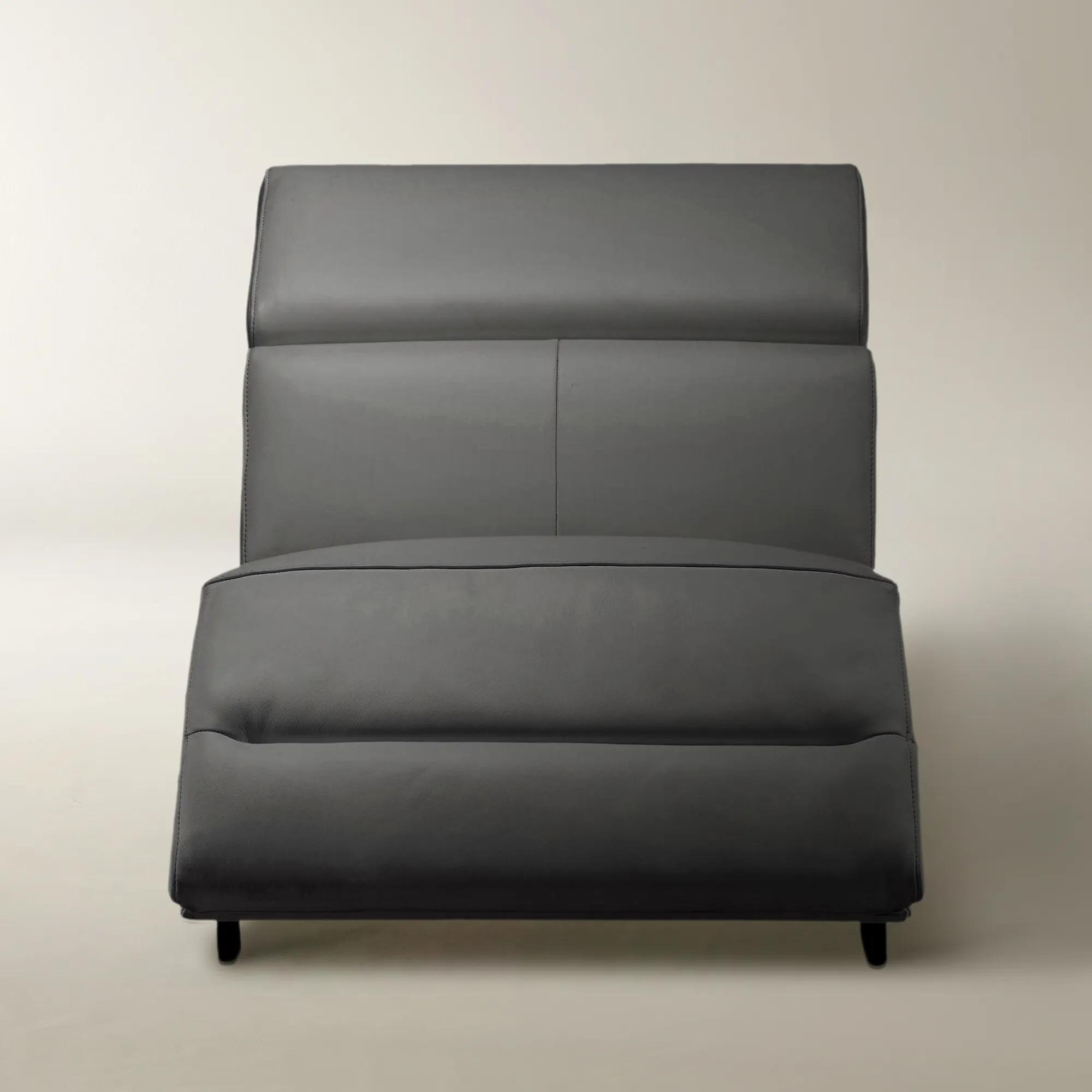
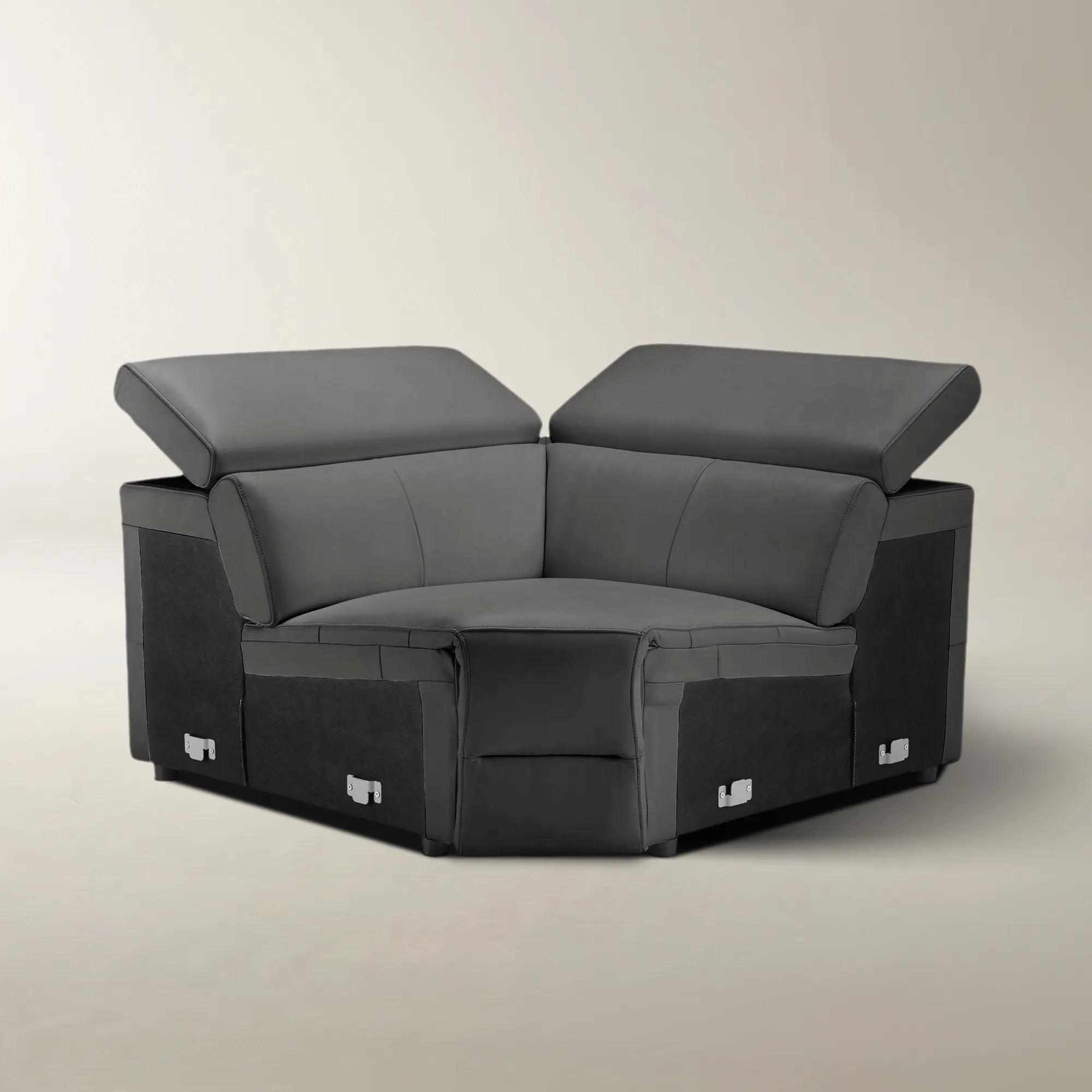
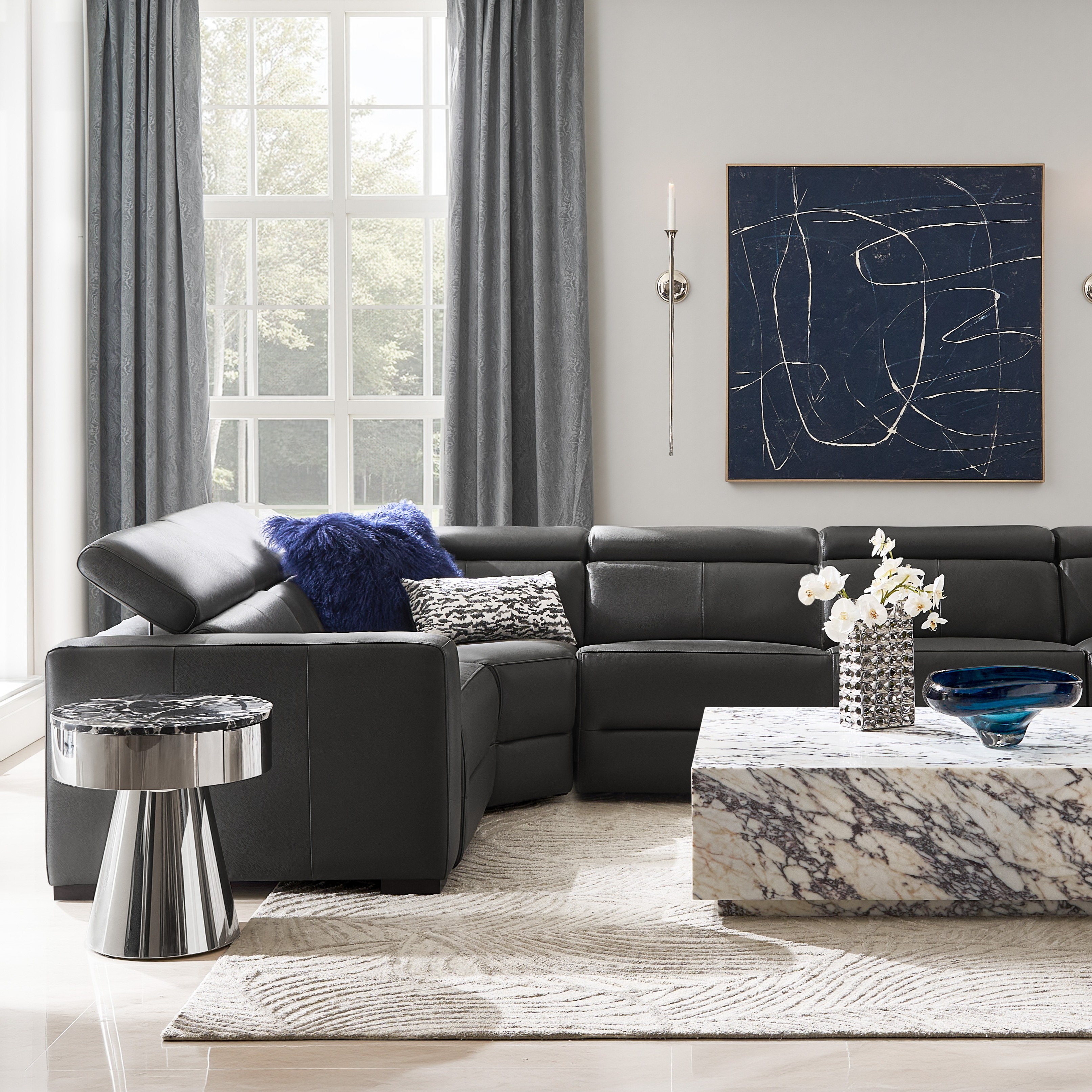 Verona Reclining Charcoal Leather Armless Chair With Power$1249
A charcoal semi-aniline leather sectional with adjustable headrests, power-reclining seats, and kiln-dried hardwood frame.
Add To Cart -
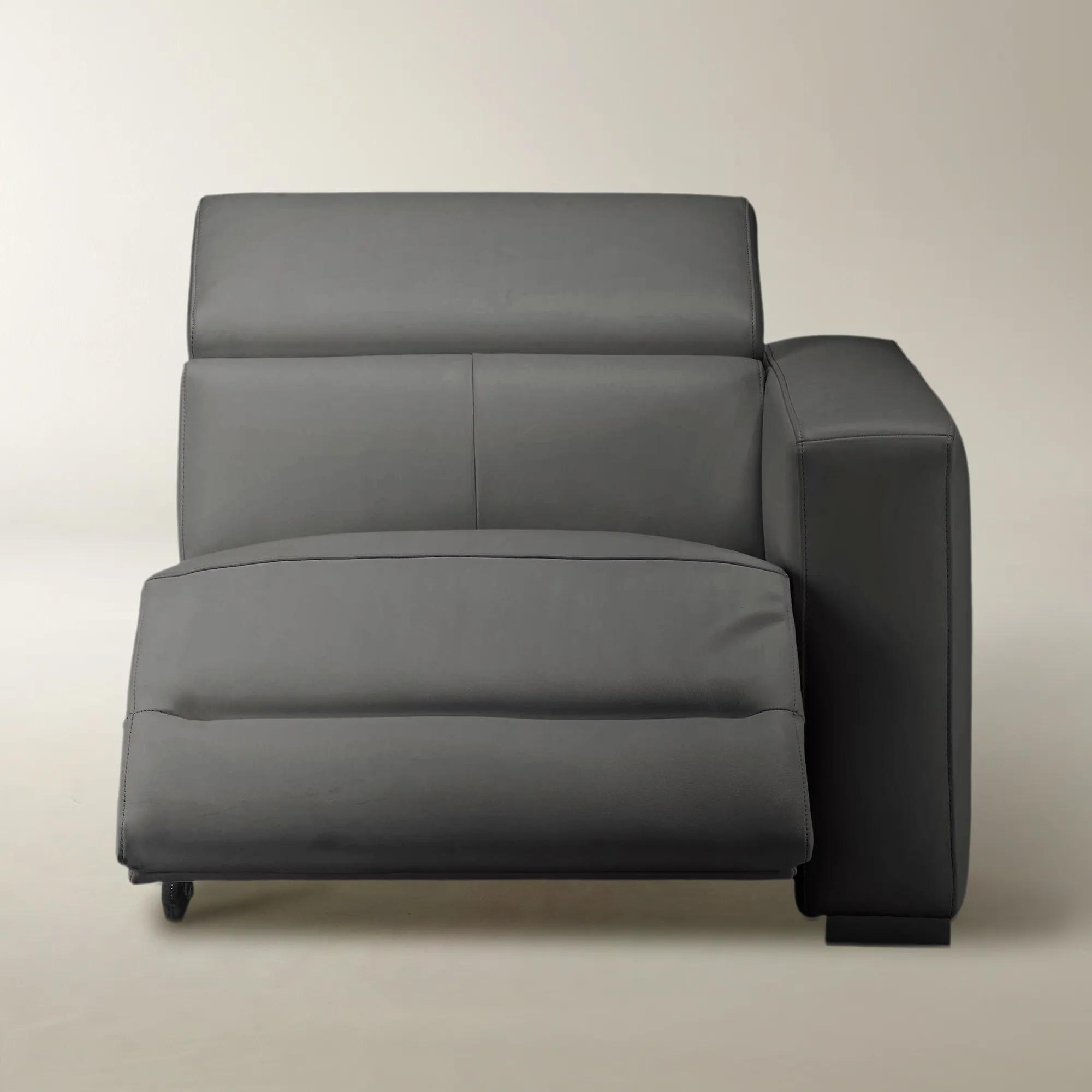
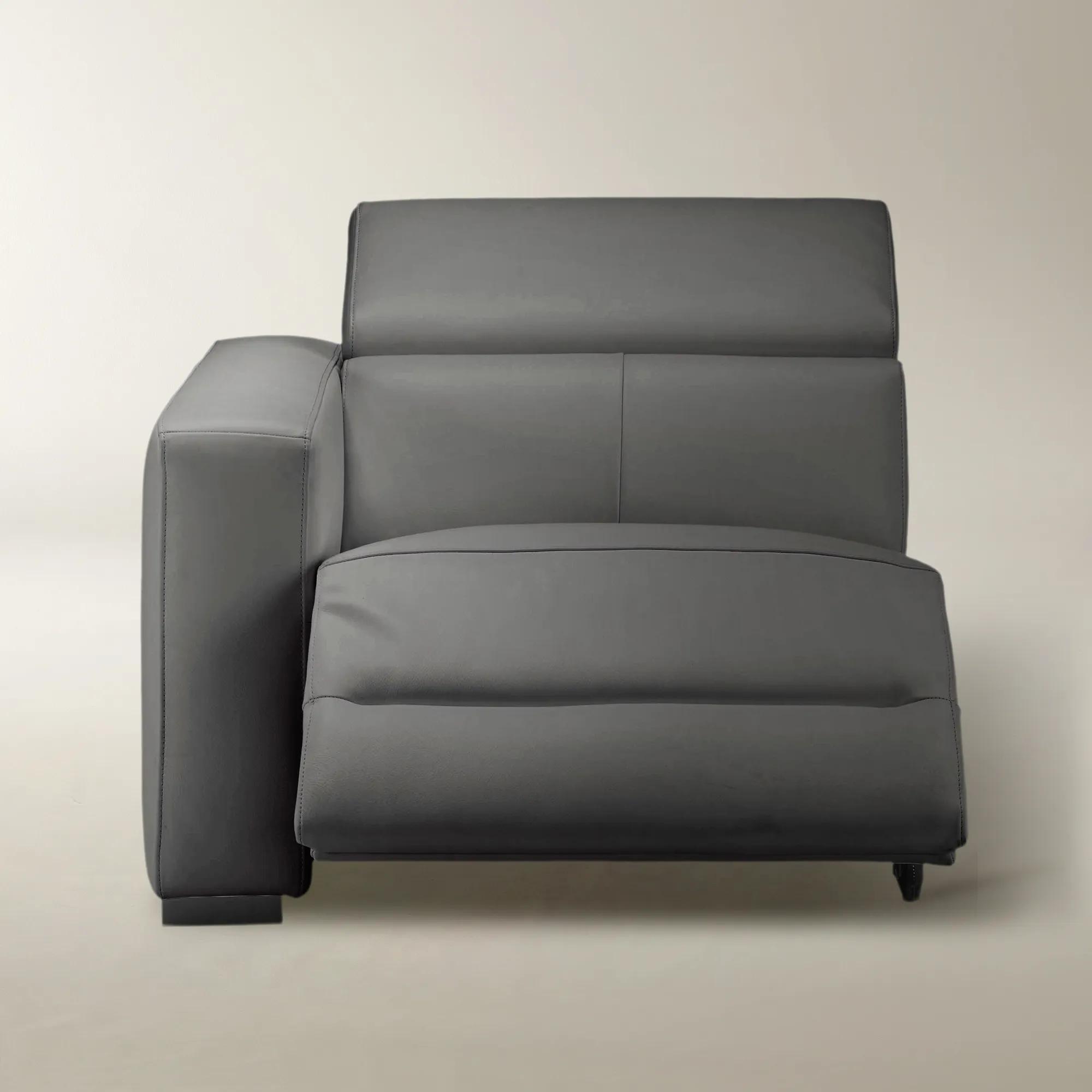 Verona Reclining Charcoal Leather Left Arm Chair With Power$1499
A charcoal semi-aniline leather sectional with adjustable headrests, power-reclining seats, and kiln-dried hardwood frame.
Add To Cart -
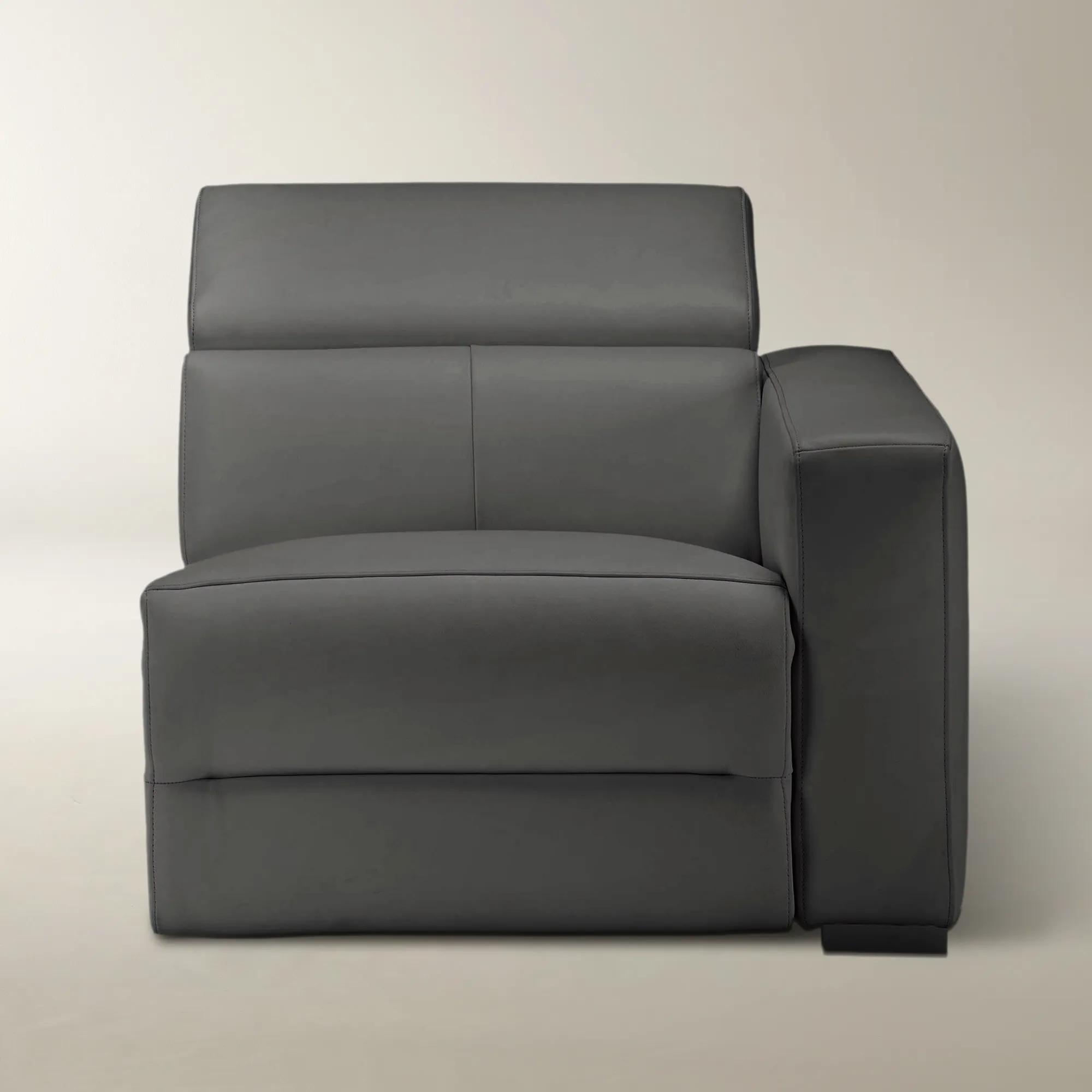
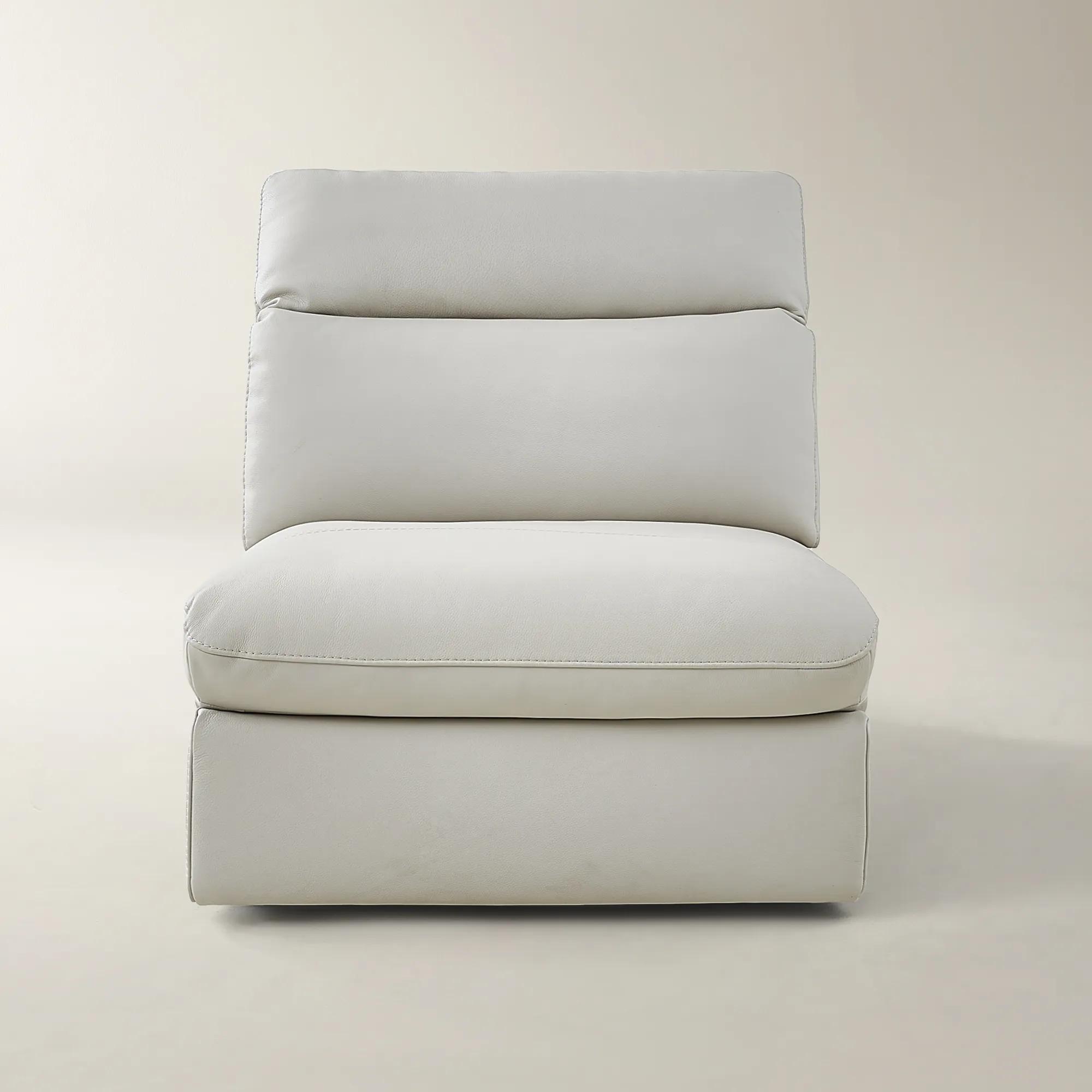
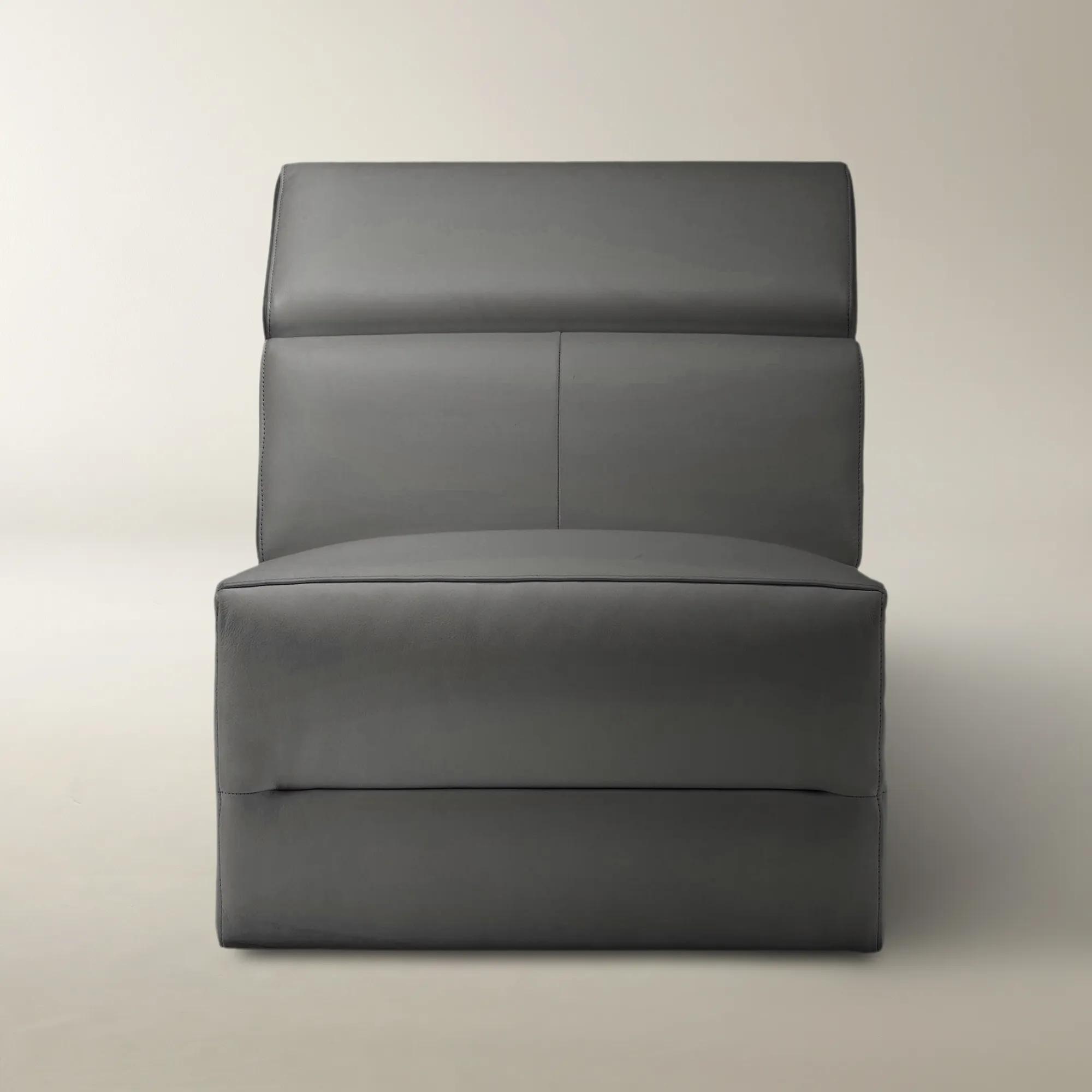 Verona Charcoal Leather Armless Chair$1099
A charcoal semi-aniline leather sectional featuring adjustable headrests and optional power-reclining seats for comfort.
Add To Cart -
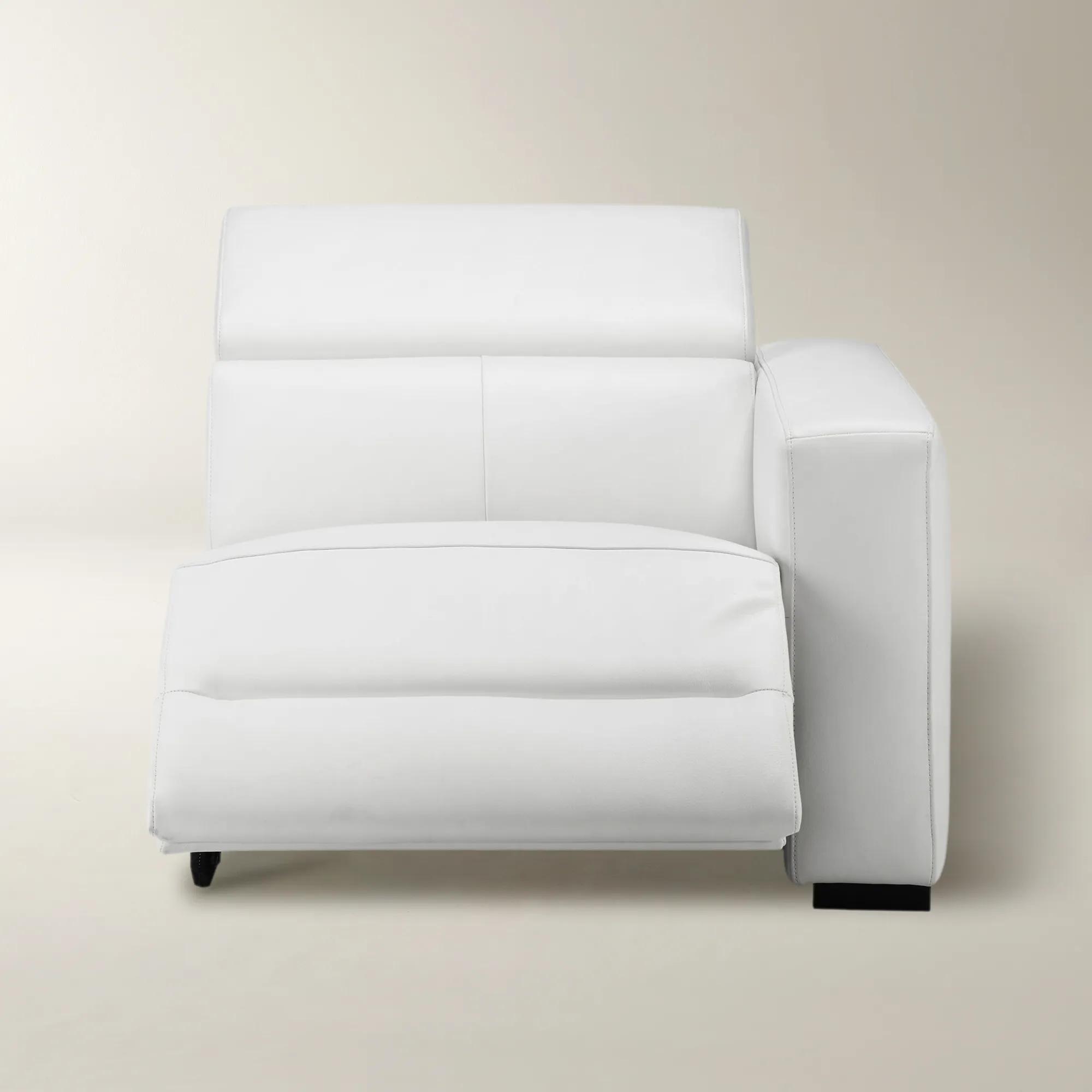
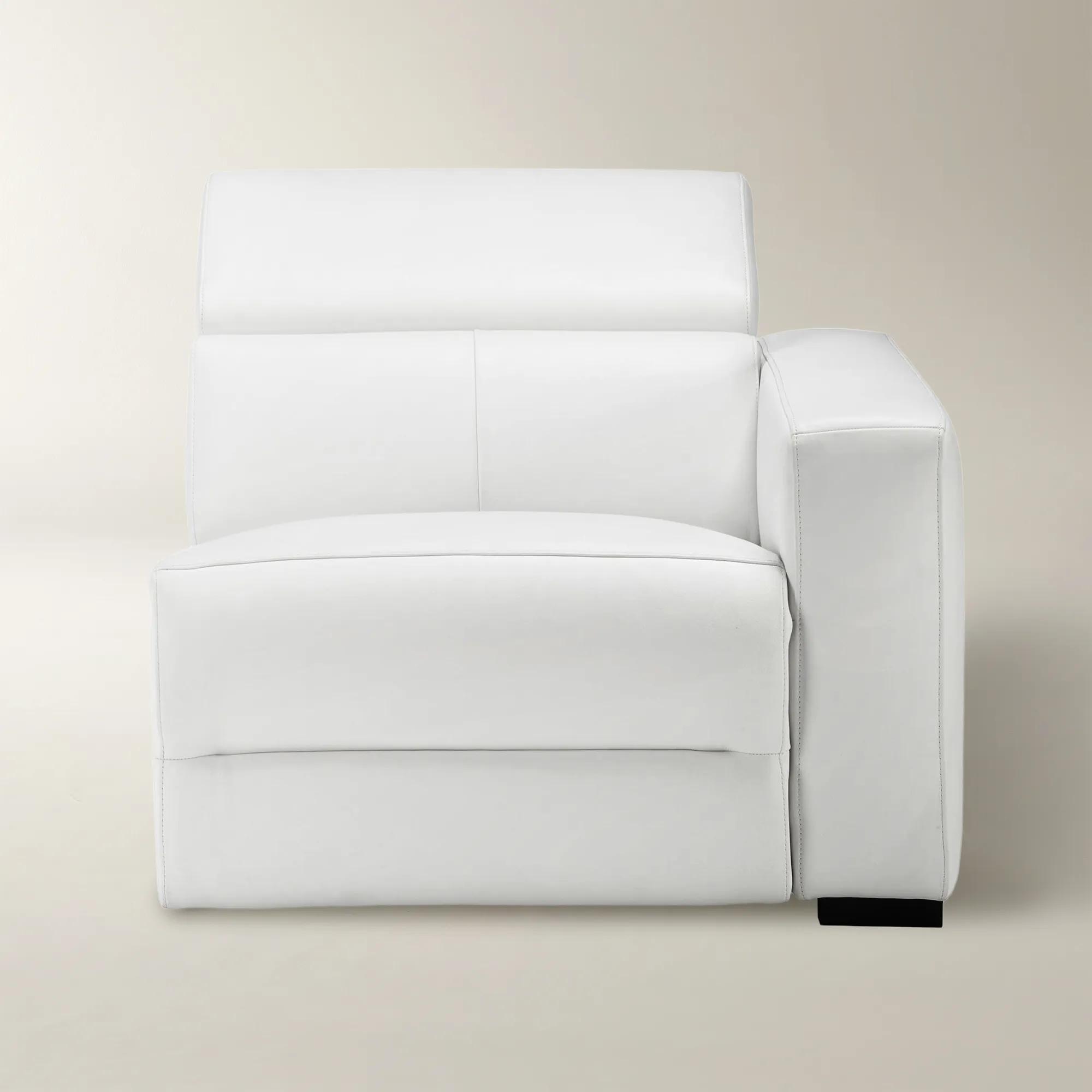
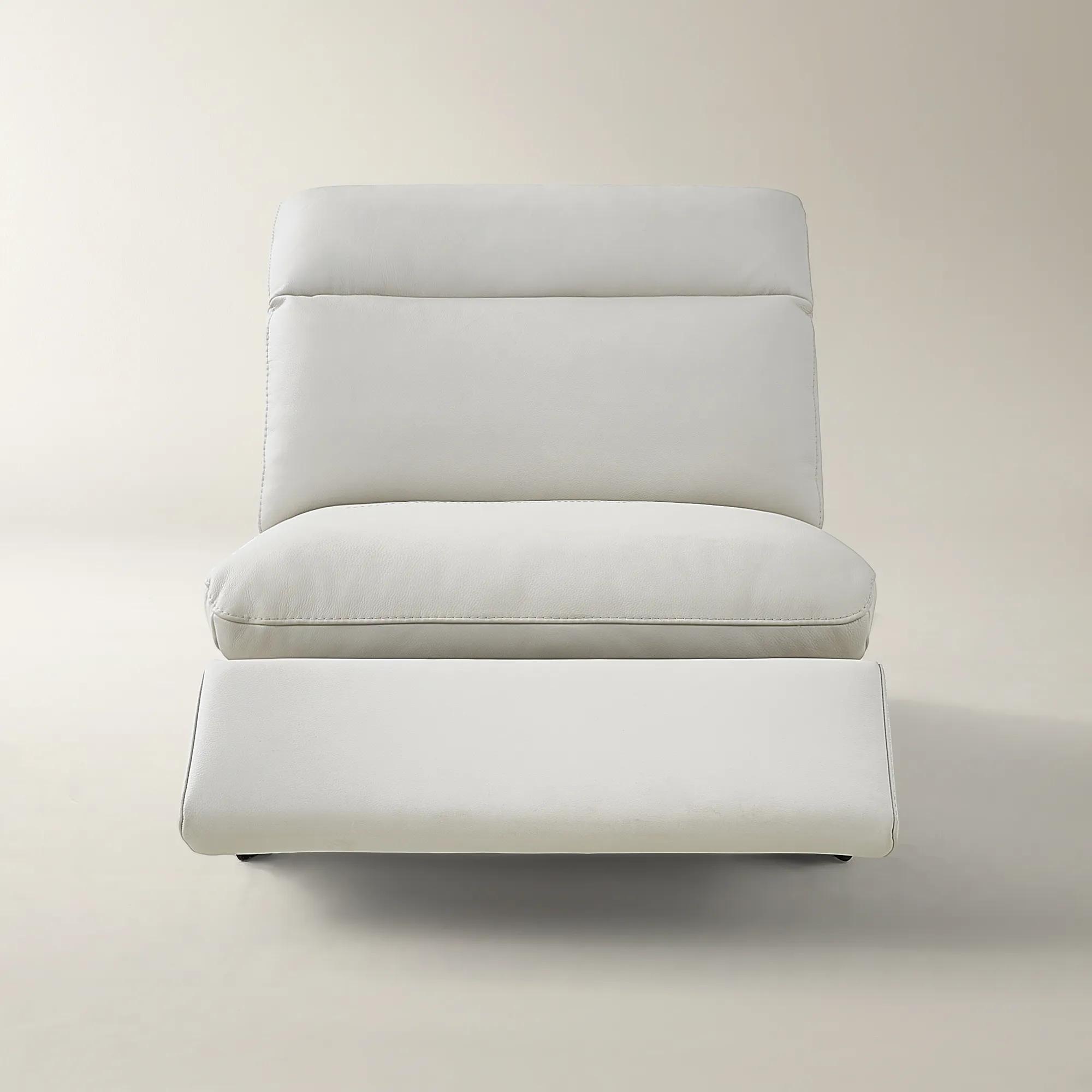
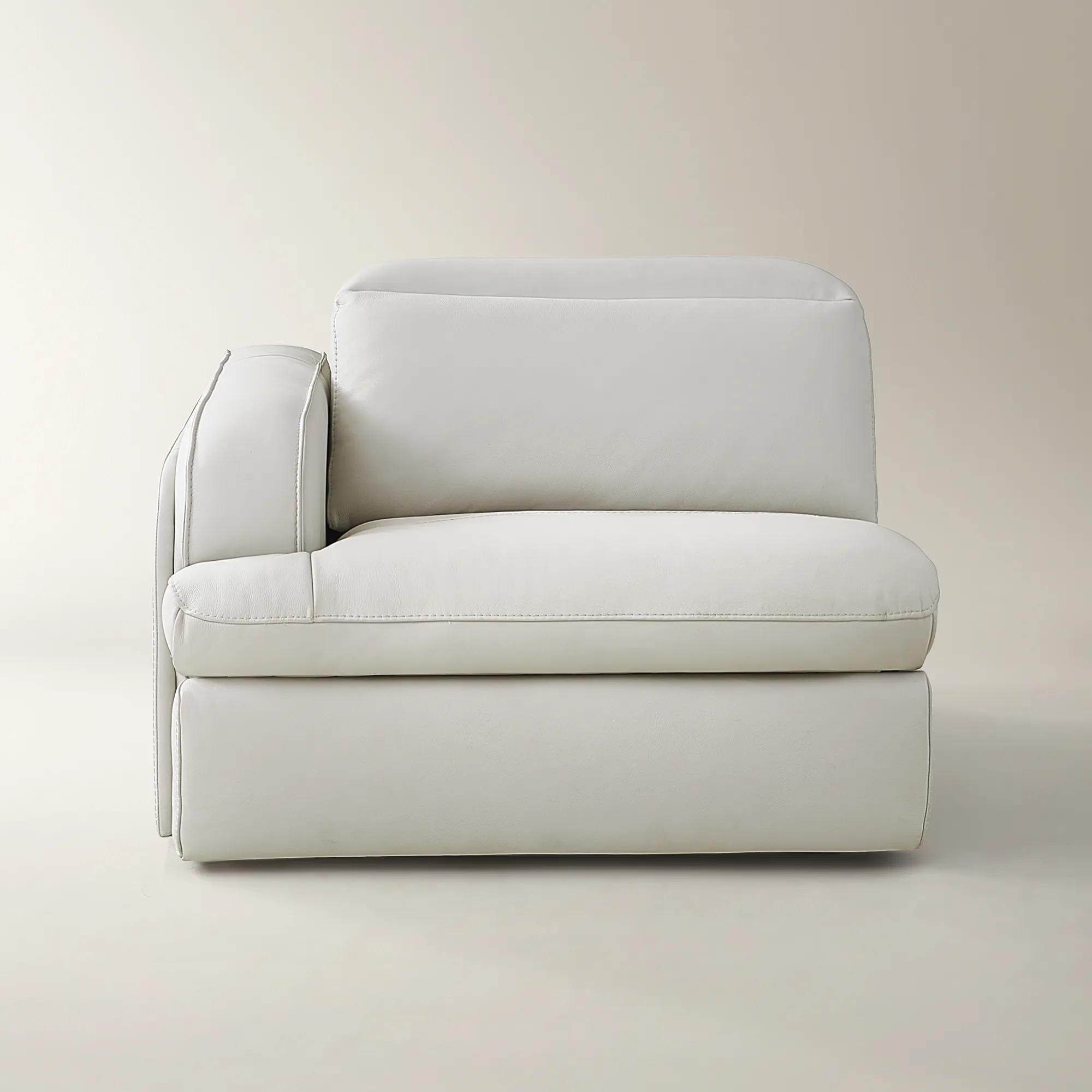
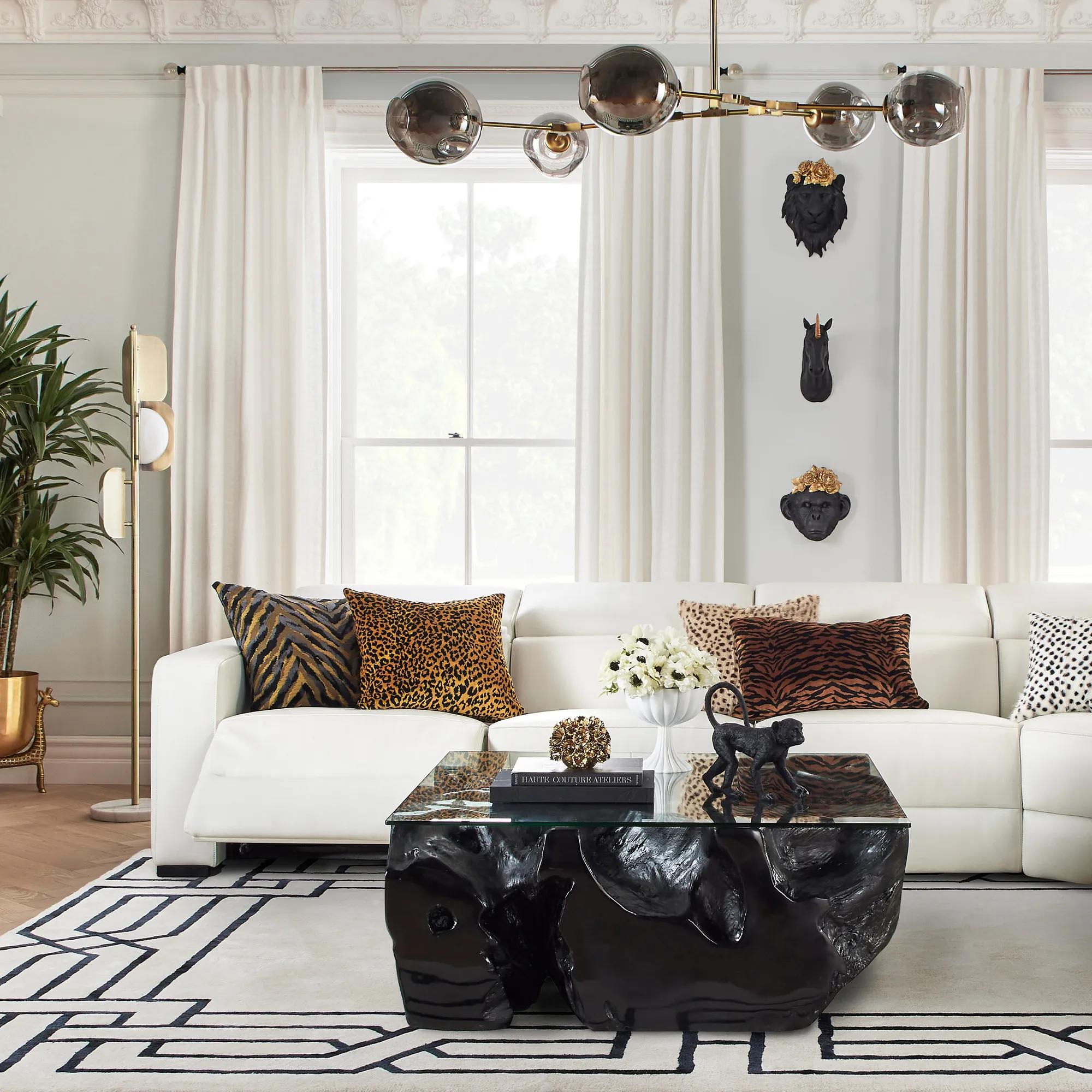 Verona Reclining White Leather Right Arm Chair With Power$1499
A modern white sectional upholstered in supple semi-aniline leather with adjustable headrests and power-reclining options.
Add To Cart -
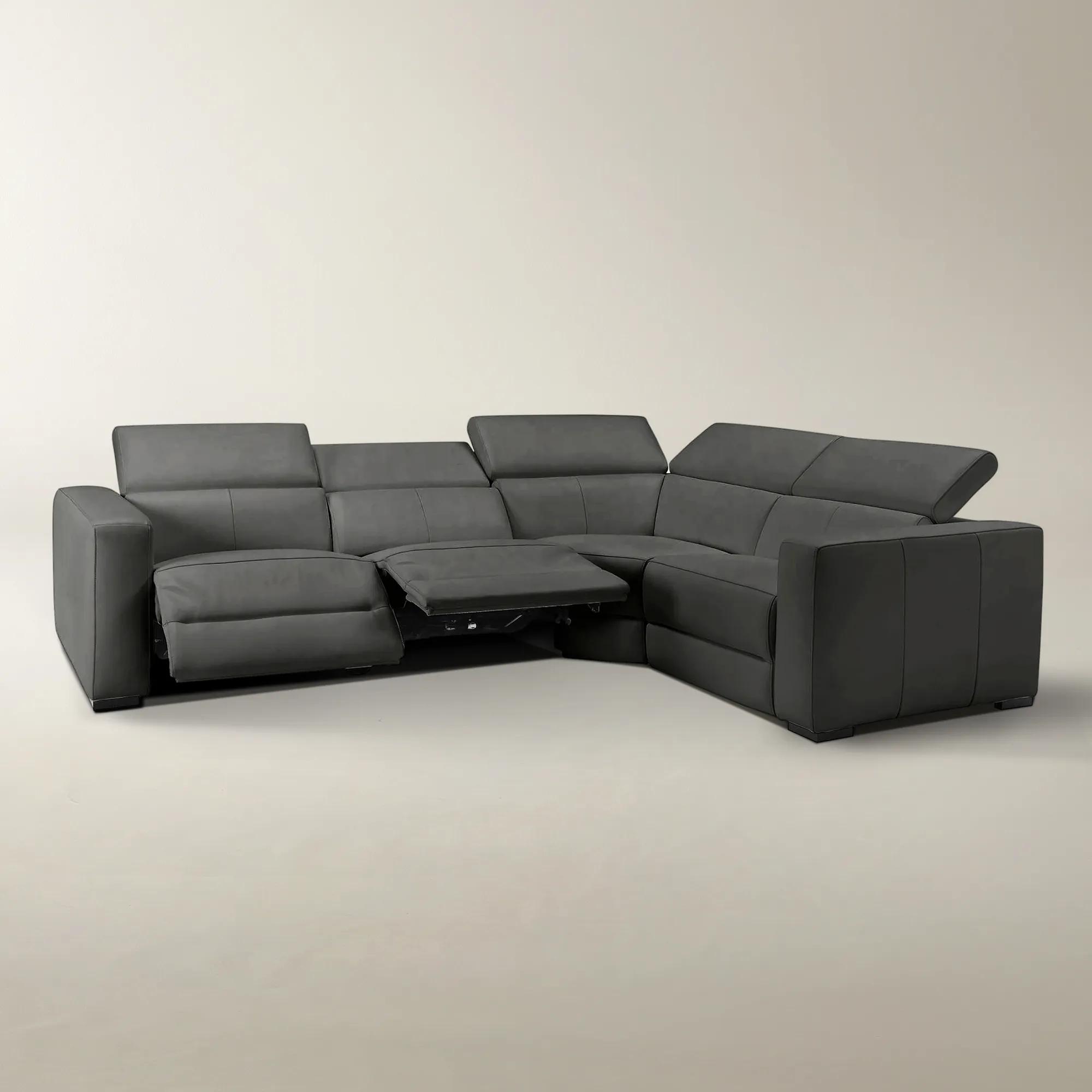
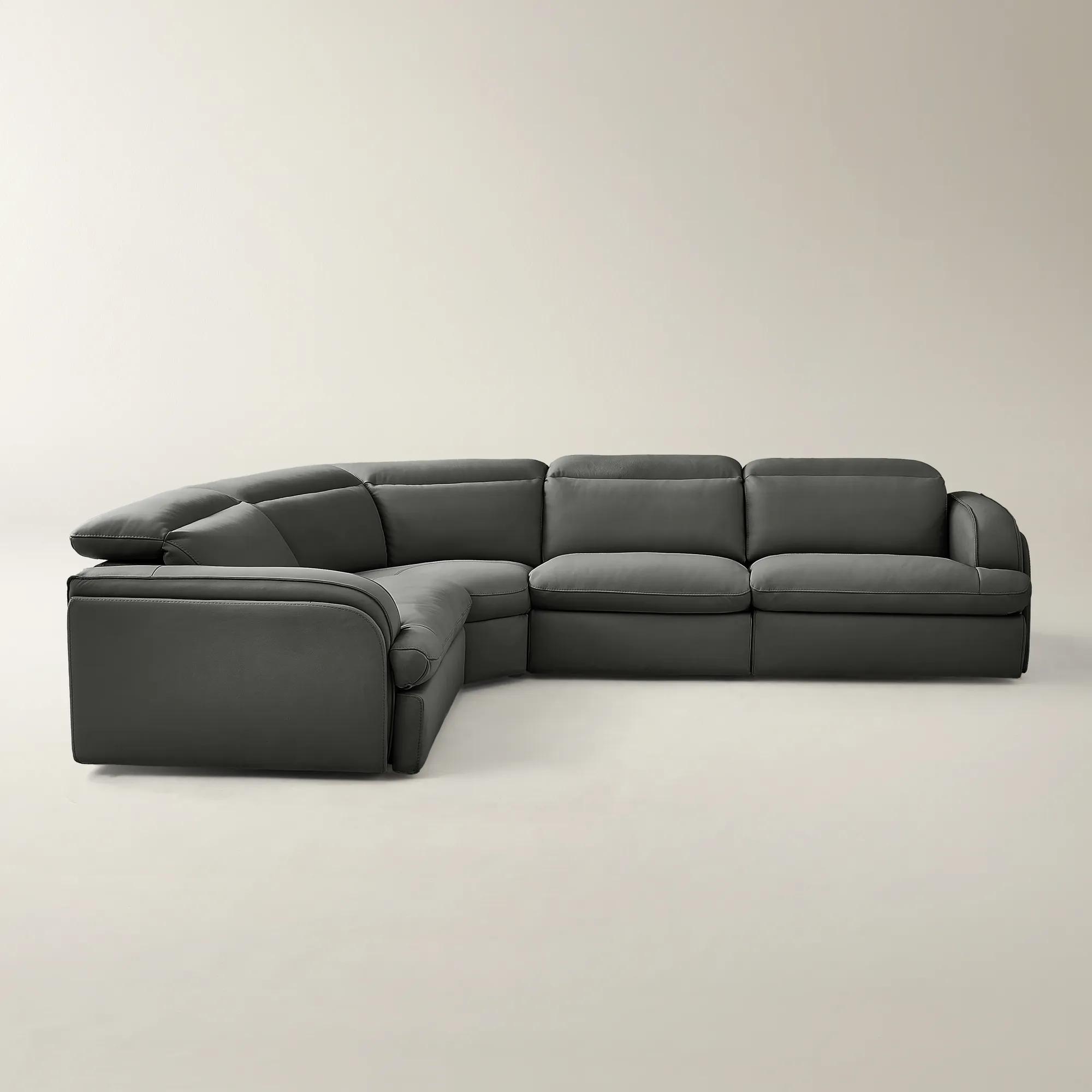
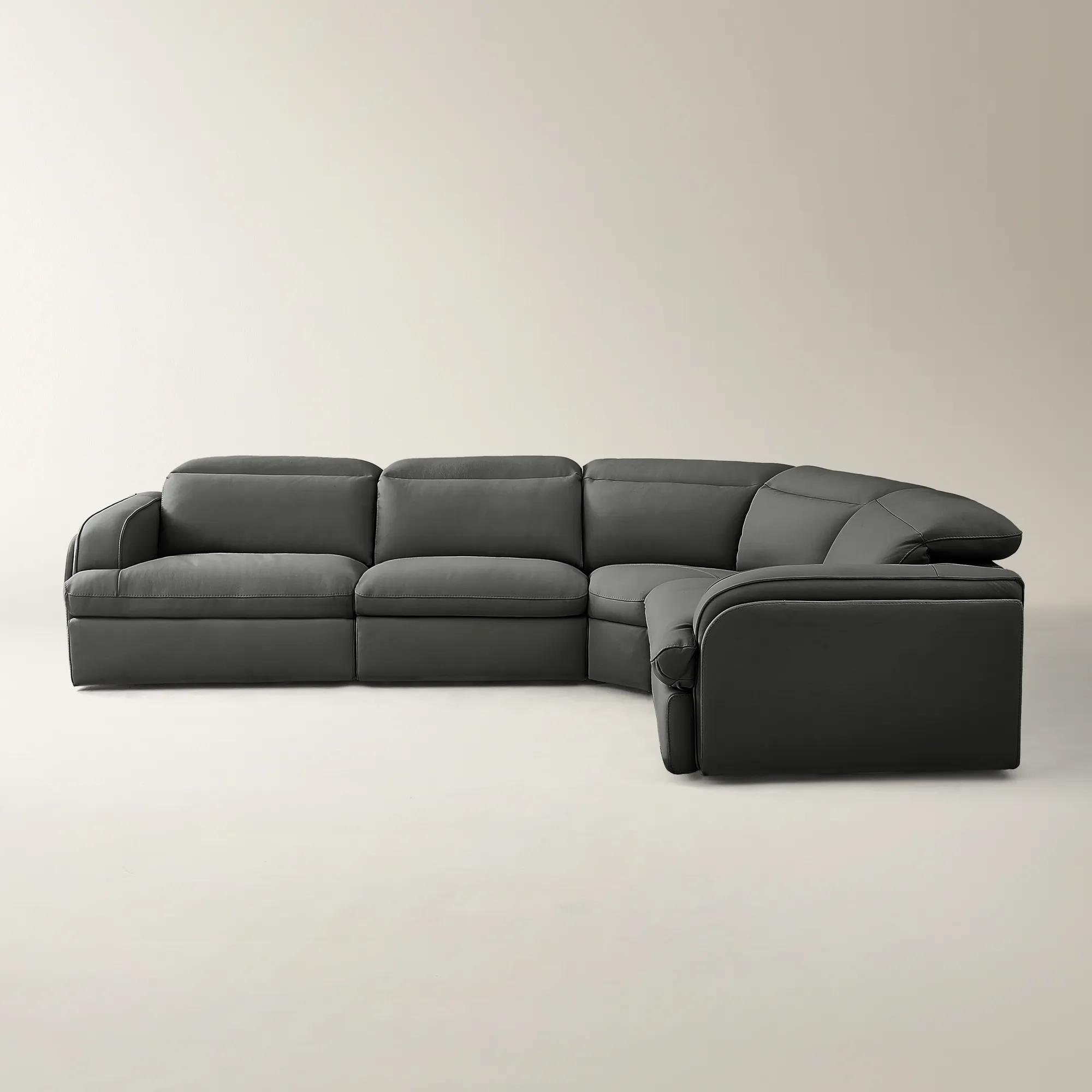
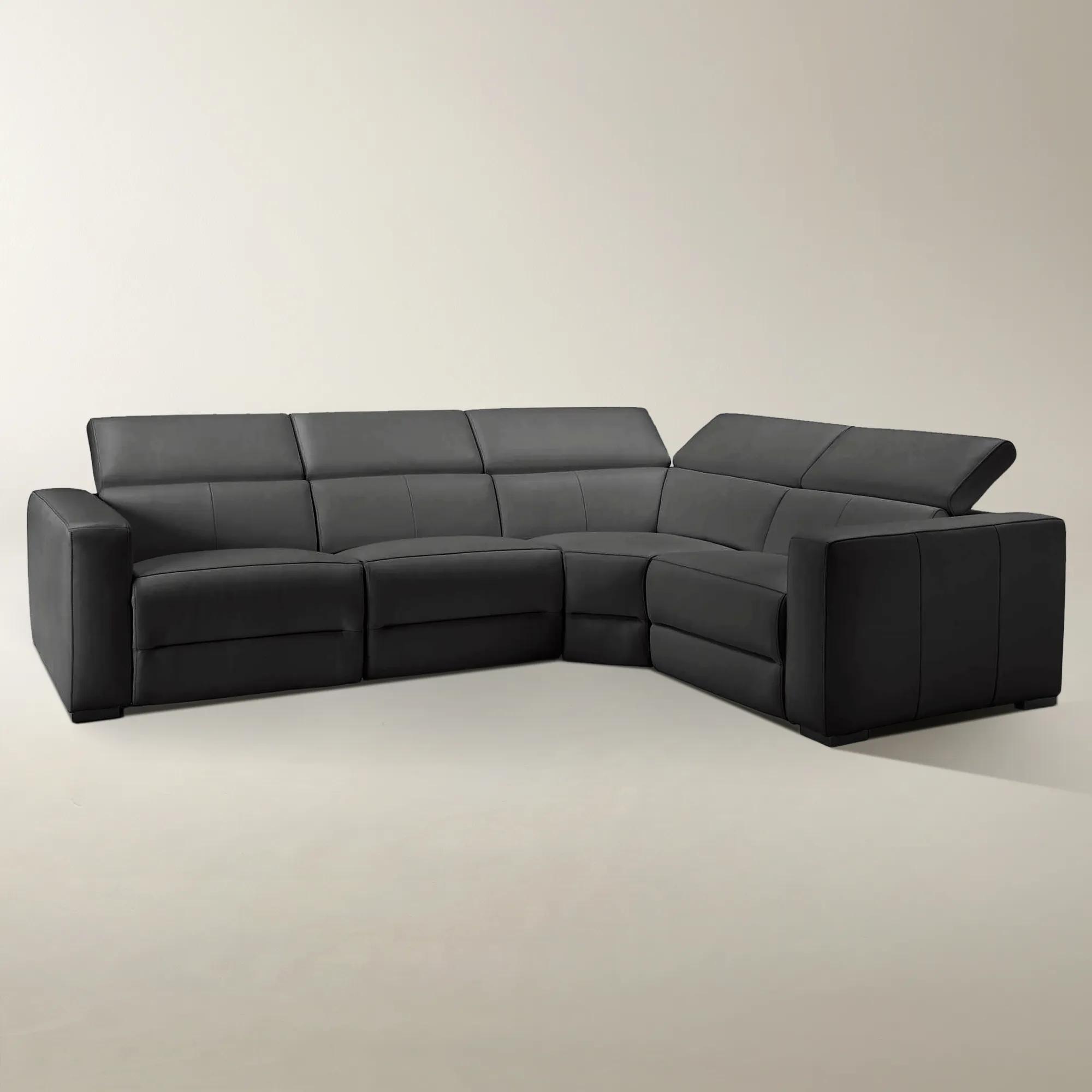 Verona 4-Piece L-Shaped Reclining Charcoal Leather Sectional Sofa With Right-Arm$5499
A charcoal semi-aniline leather sectional featuring adjustable headrests, power-reclining seats, and kiln-dried hardwood frame.
Add To Cart -
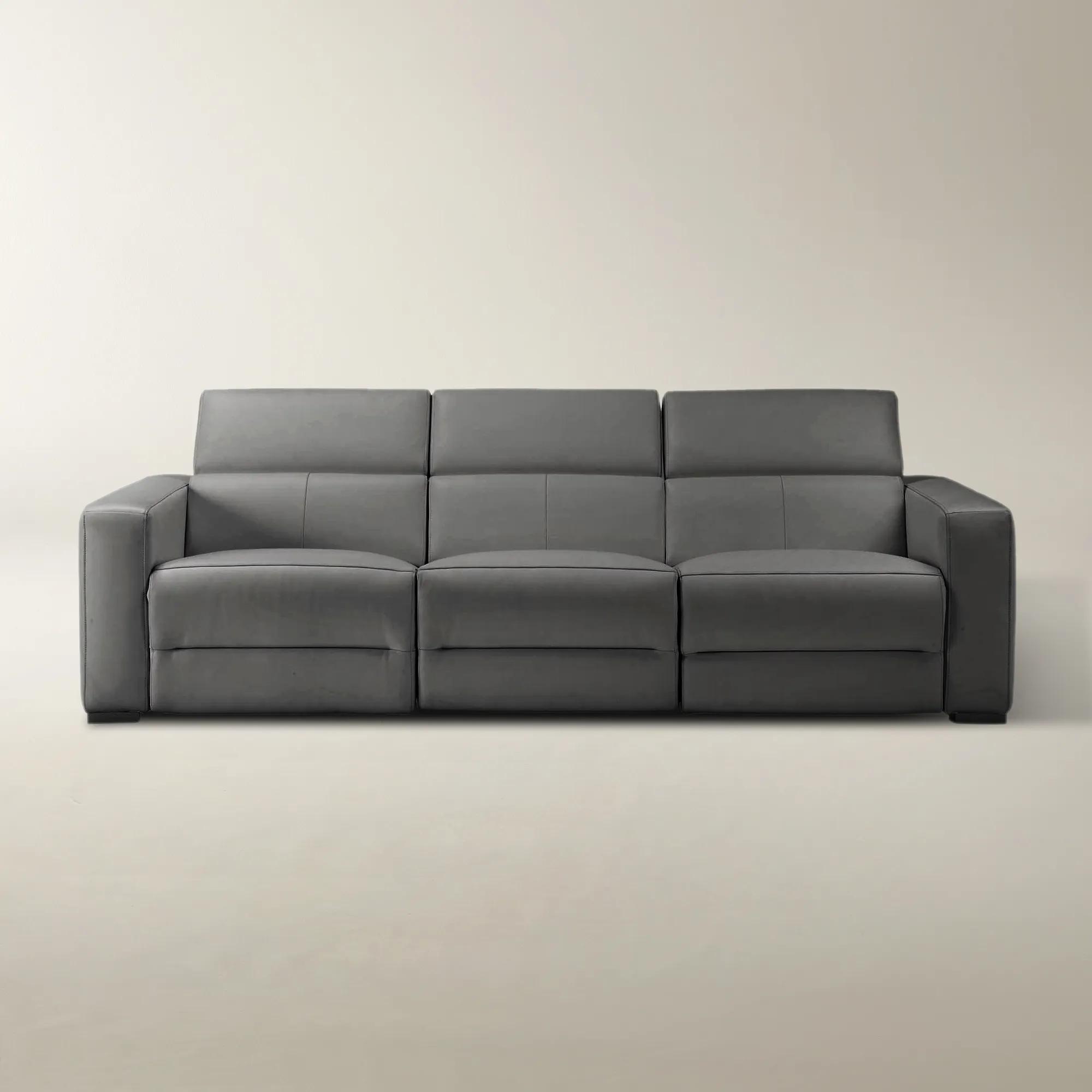 Verona 3-Piece Charcoal Leather Sectional Sofa$4199
A charcoal semi-aniline leather sectional featuring adjustable headrests, kiln-dried hardwood frame, and optional power recline.
Add To Cart -
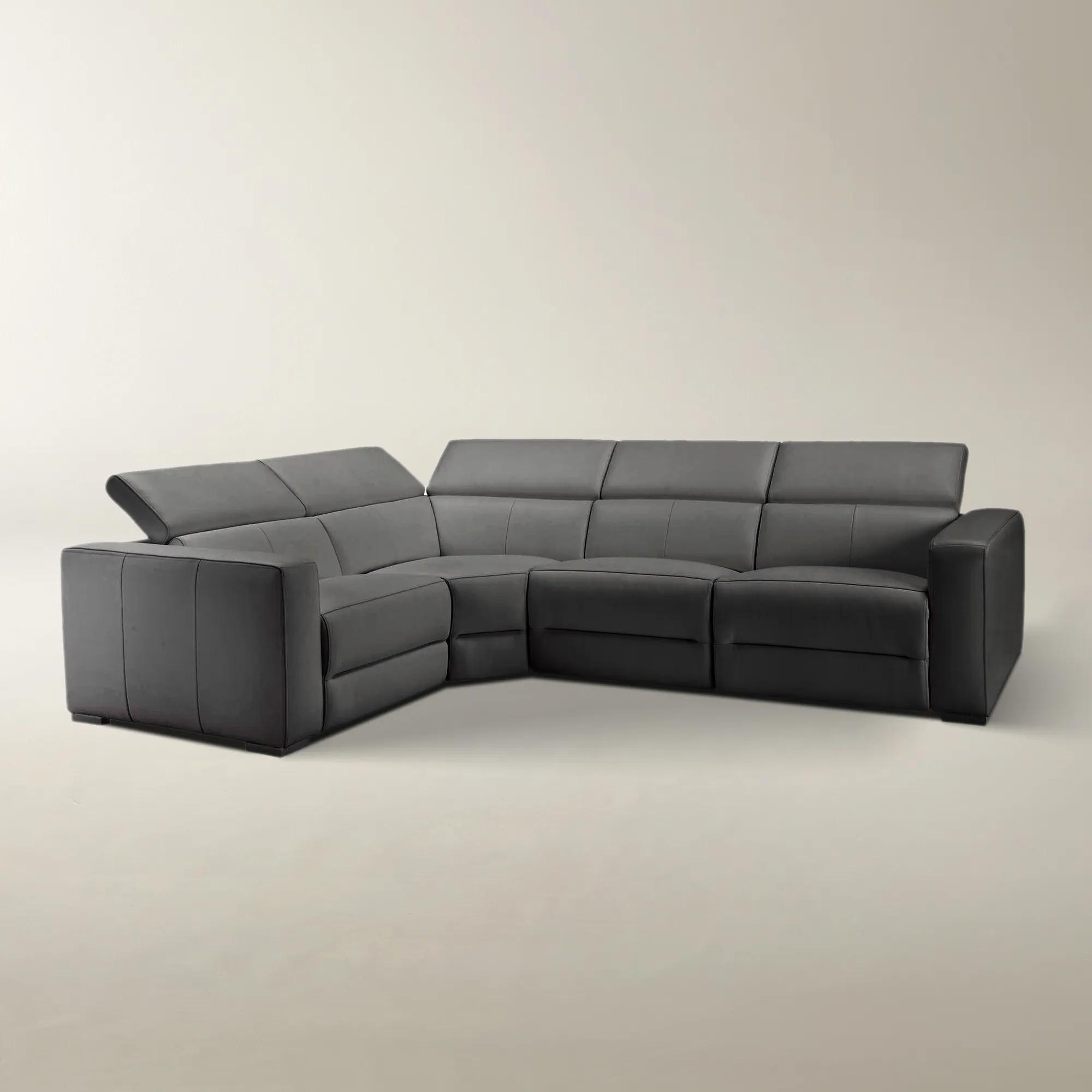 Verona 4-Piece L-Shaped Reclining Charcoal Leather Sectional Sofa With Left-Arm$5499
A charcoal semi-aniline leather sectional featuring adjustable headrests and optional power-reclining seats for comfort.
Add To Cart -
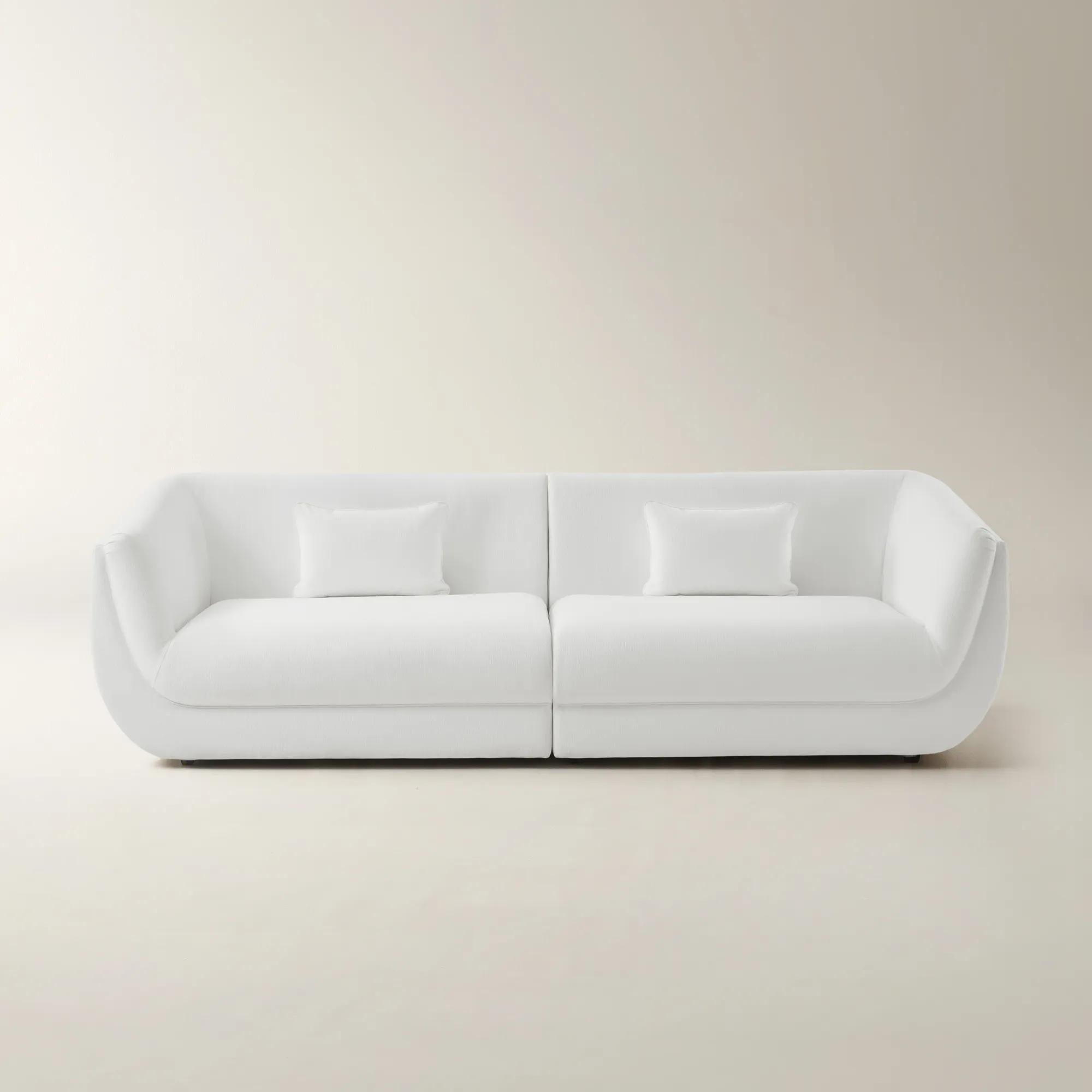
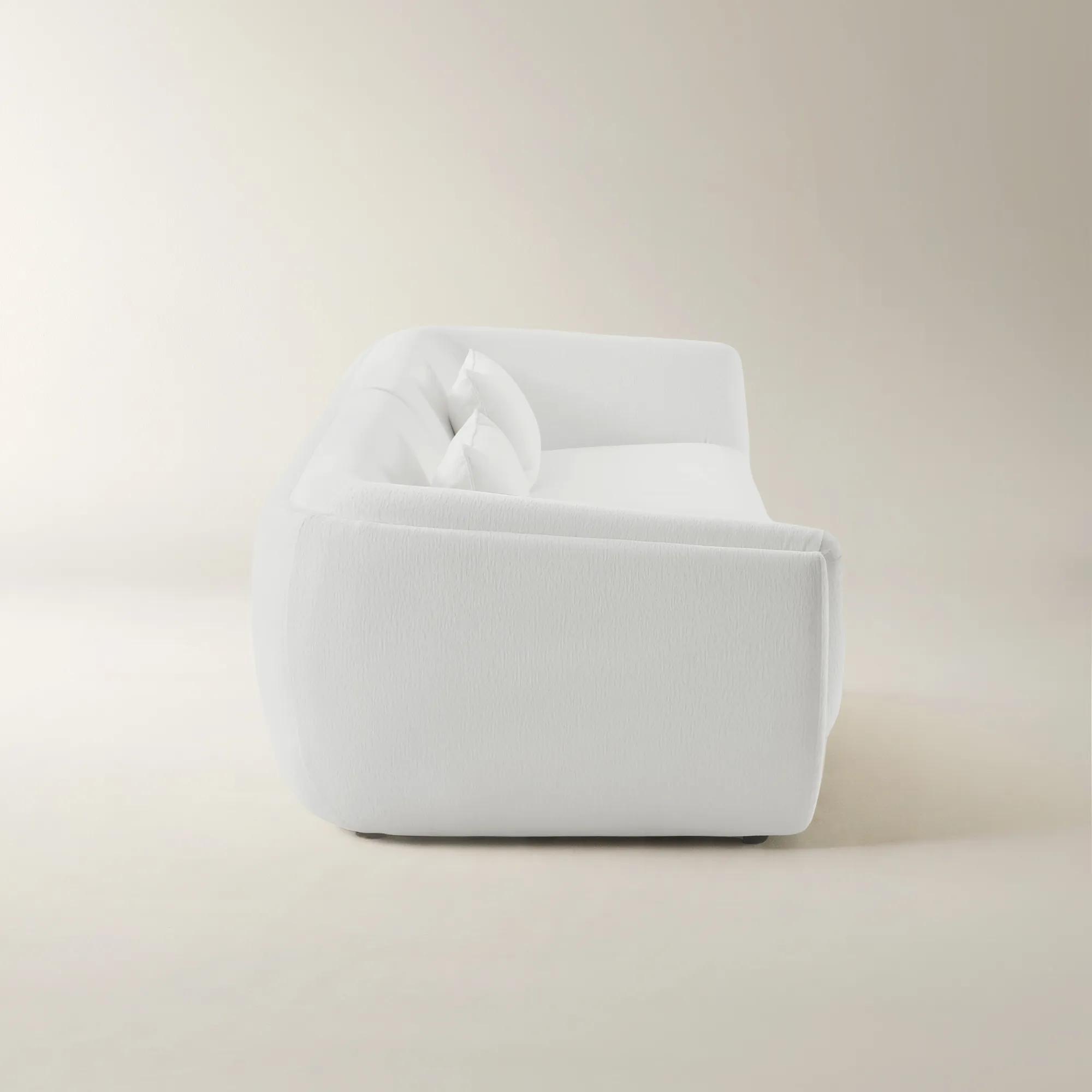 Curvia 2-Piece White Performance Chenille Indoor/Outdoor Sectional Sofa$2599
A sculptural white sectional sofa upholstered in performance chenille for luxurious indoor or outdoor lounging.
Add To Cart -
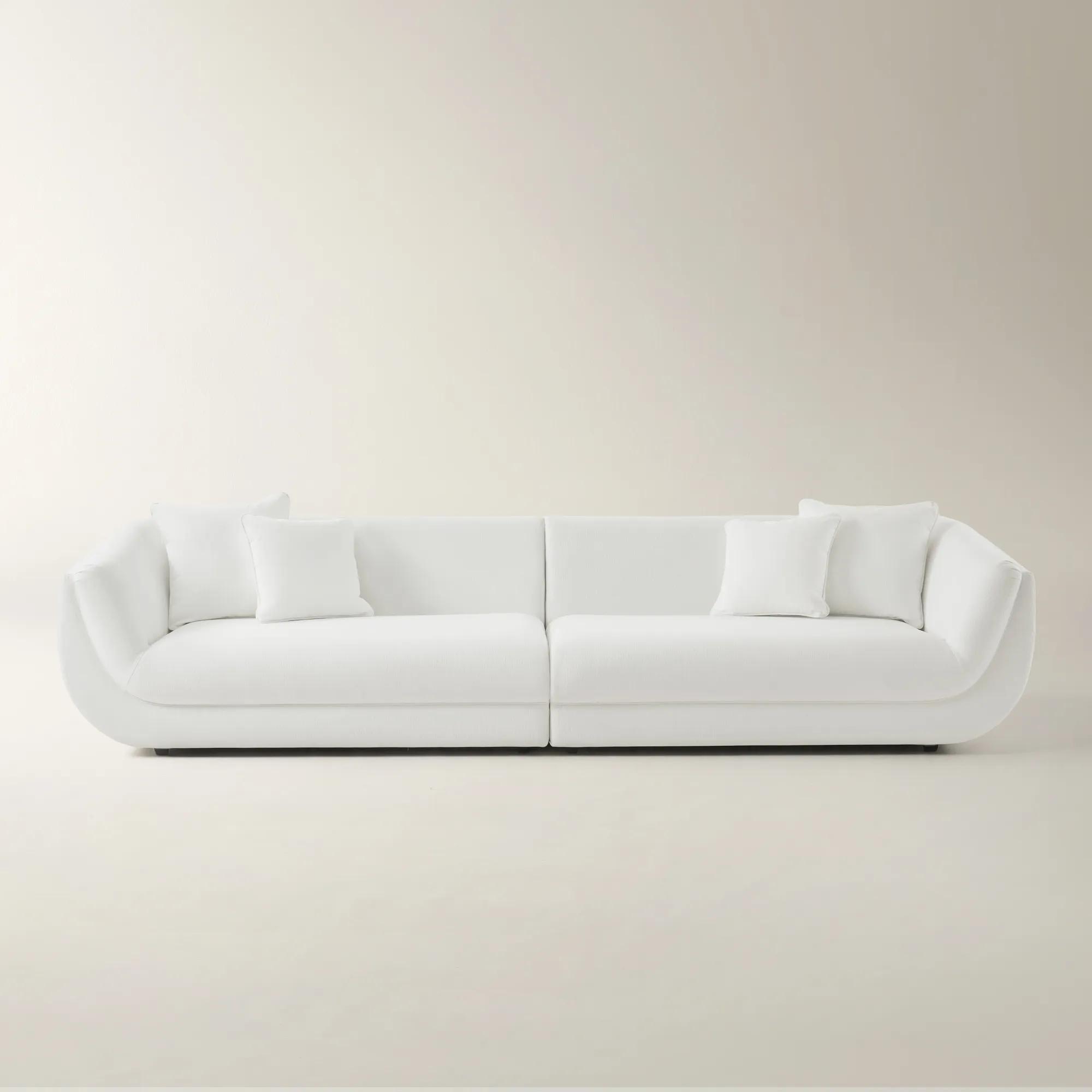
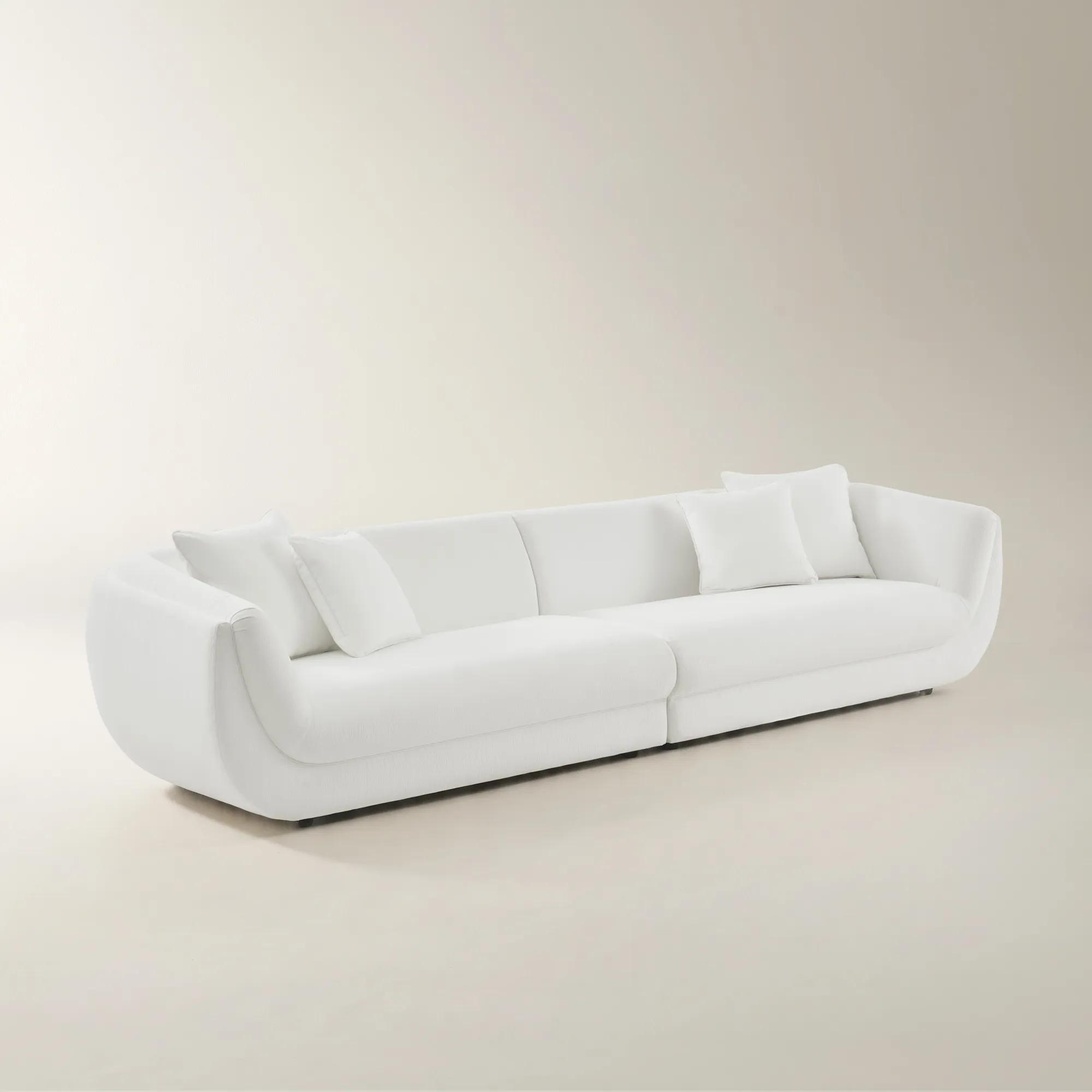 Curvia 2-Piece White Performance Chenille Indoor/Outdoor Grand Sectional Sofa$2799
A sculptural white sectional wrapped in performance chenille, designed for luxurious indoor or outdoor lounging.
Add To Cart -
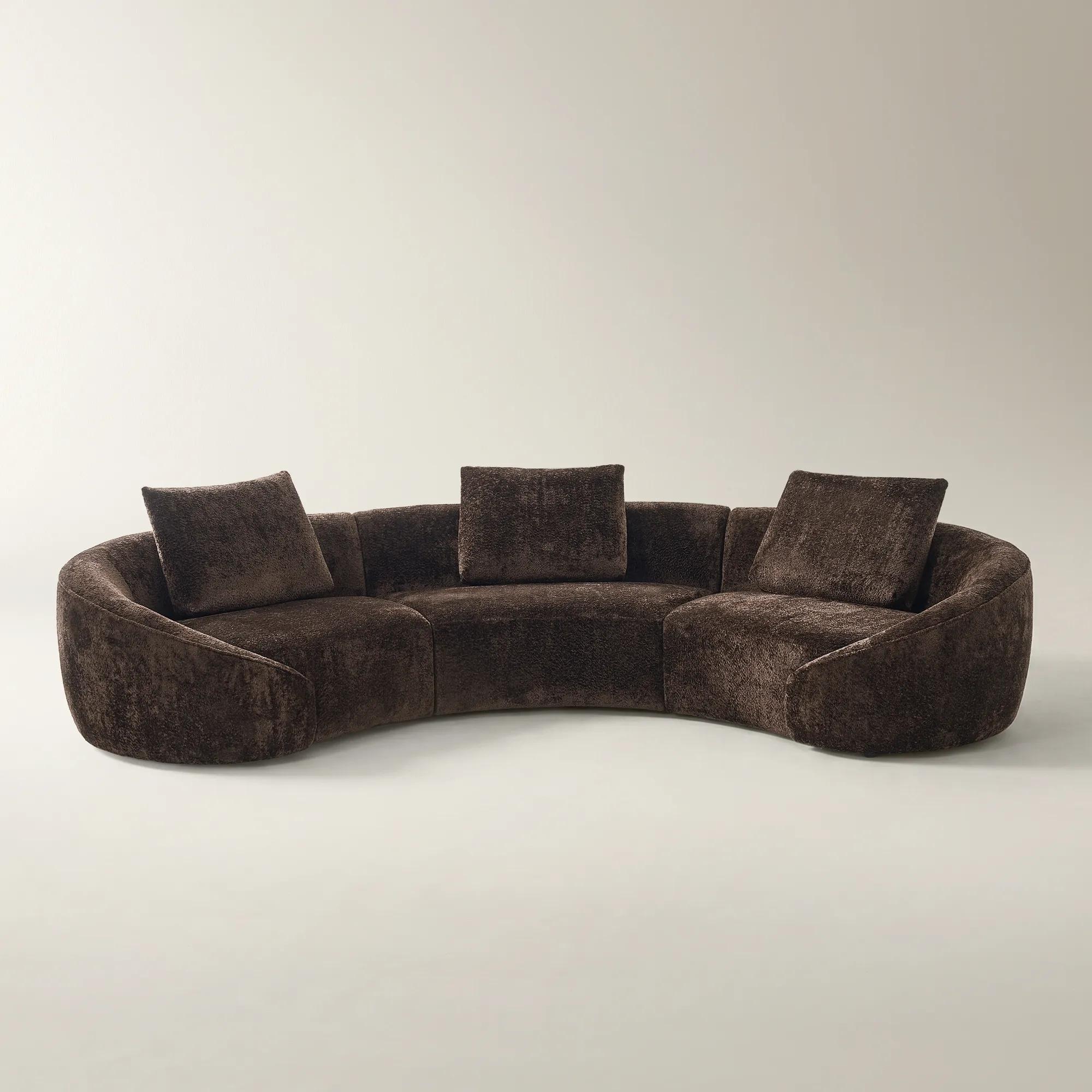 Irene 3-Piece Dark Chocolate Chenille Sectional Sofa$3599
A sculptural, hand-finished sectional wrapped in dark chocolate chenille with plush foam cushions and accent pillows.
Add To Cart -
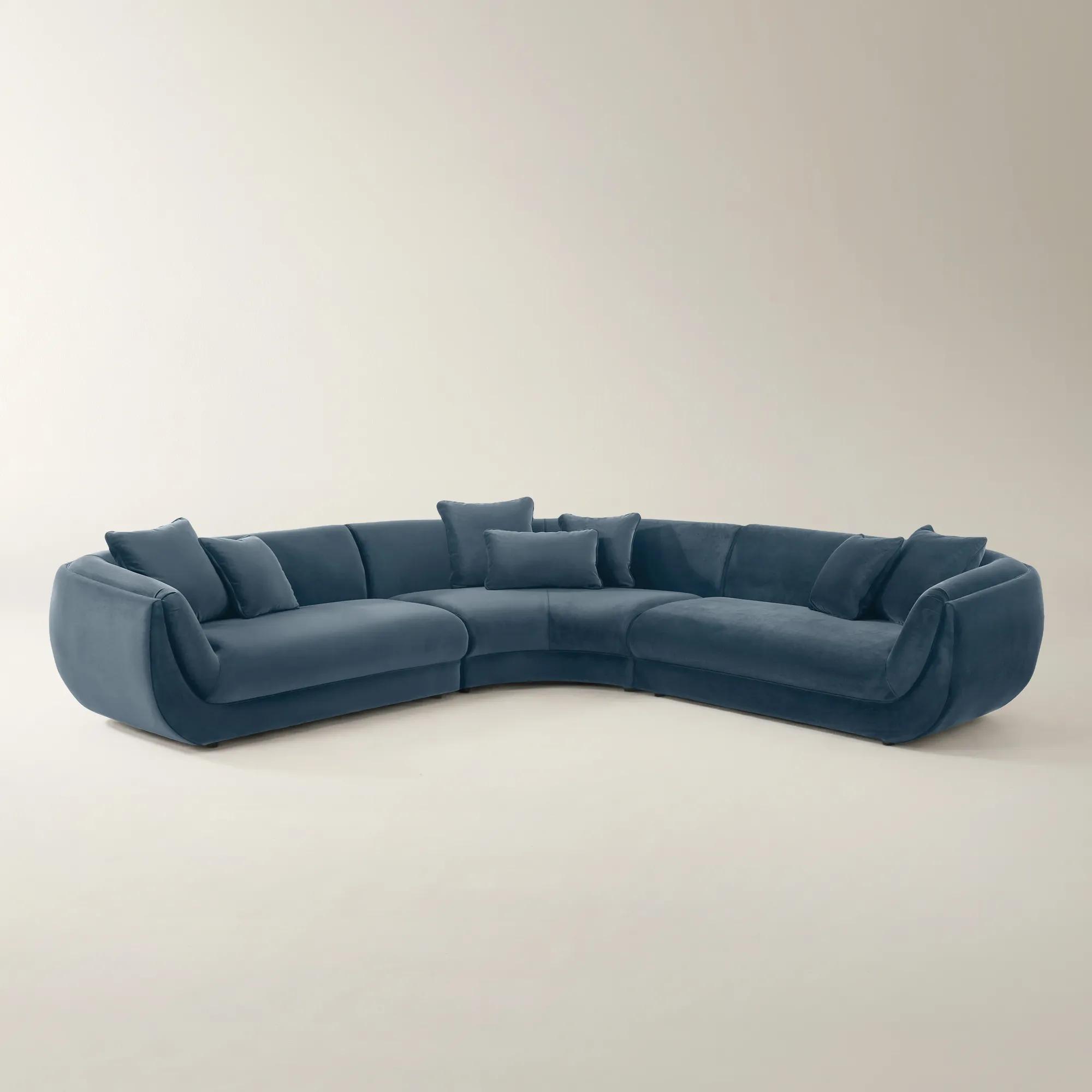
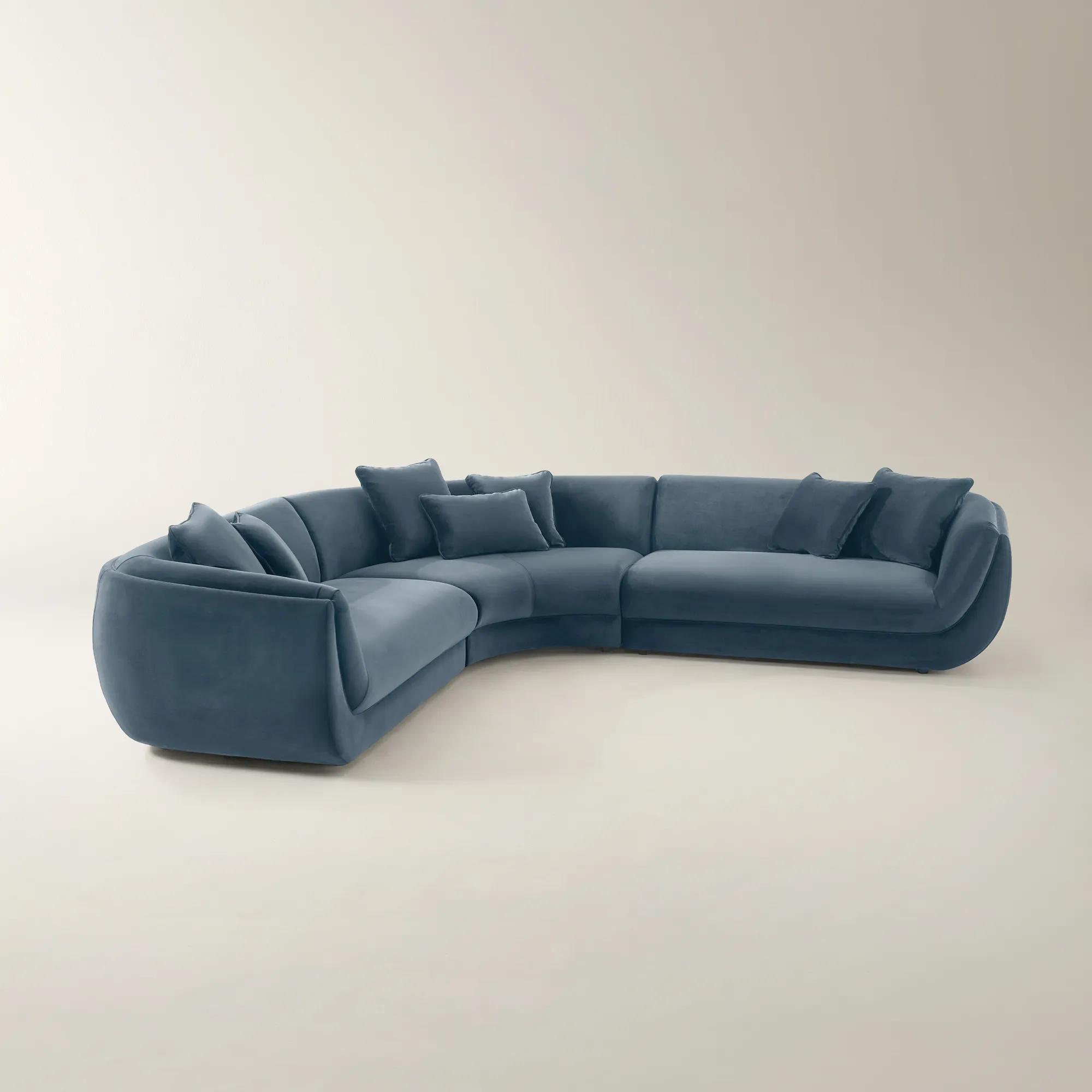 Curvia 3-Piece Dusty Blue Velvet Sectional Sofa$4199
A modular sectional wrapped in plush dusty blue velvet with deep lounge seating and sculptural curves.
Add To Cart -
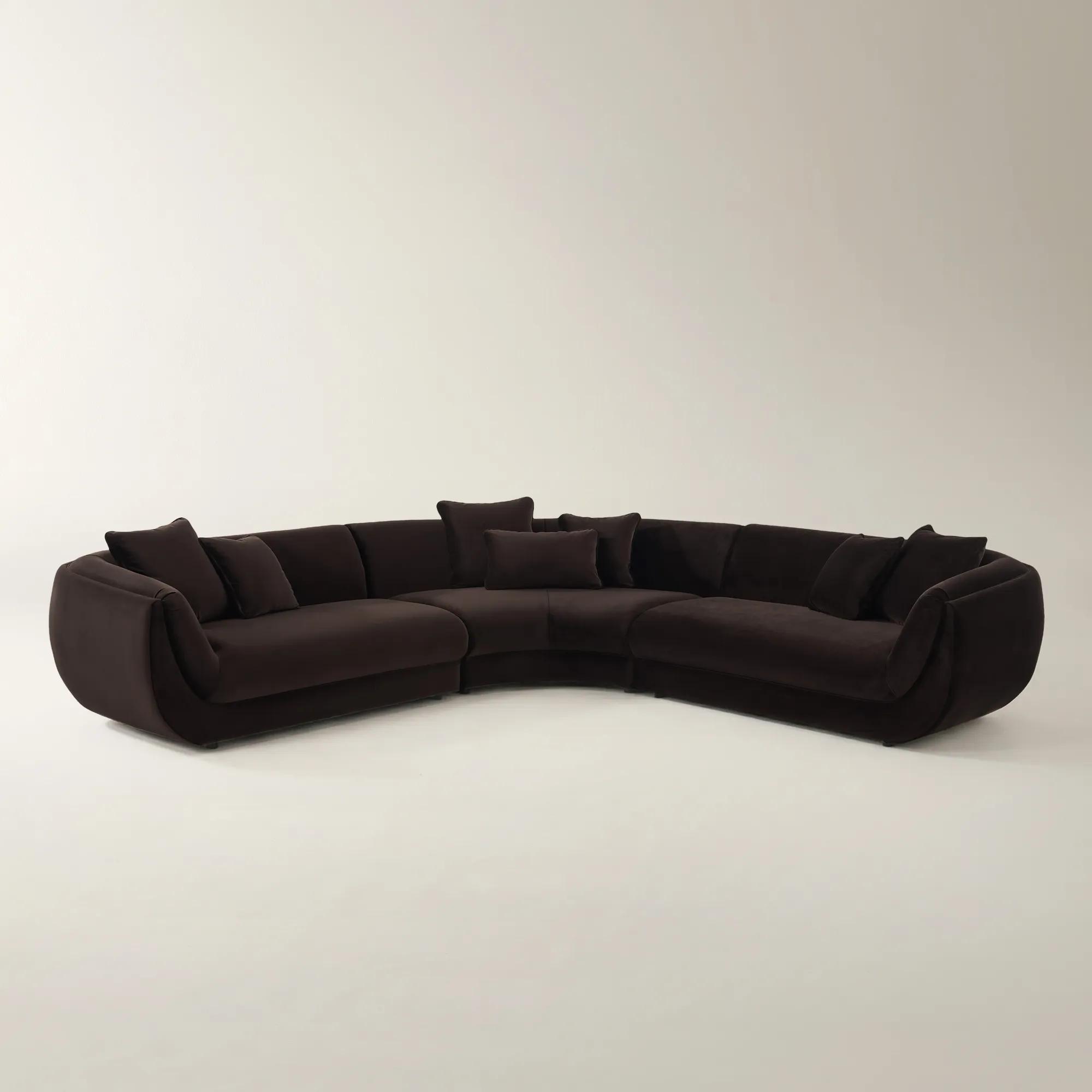
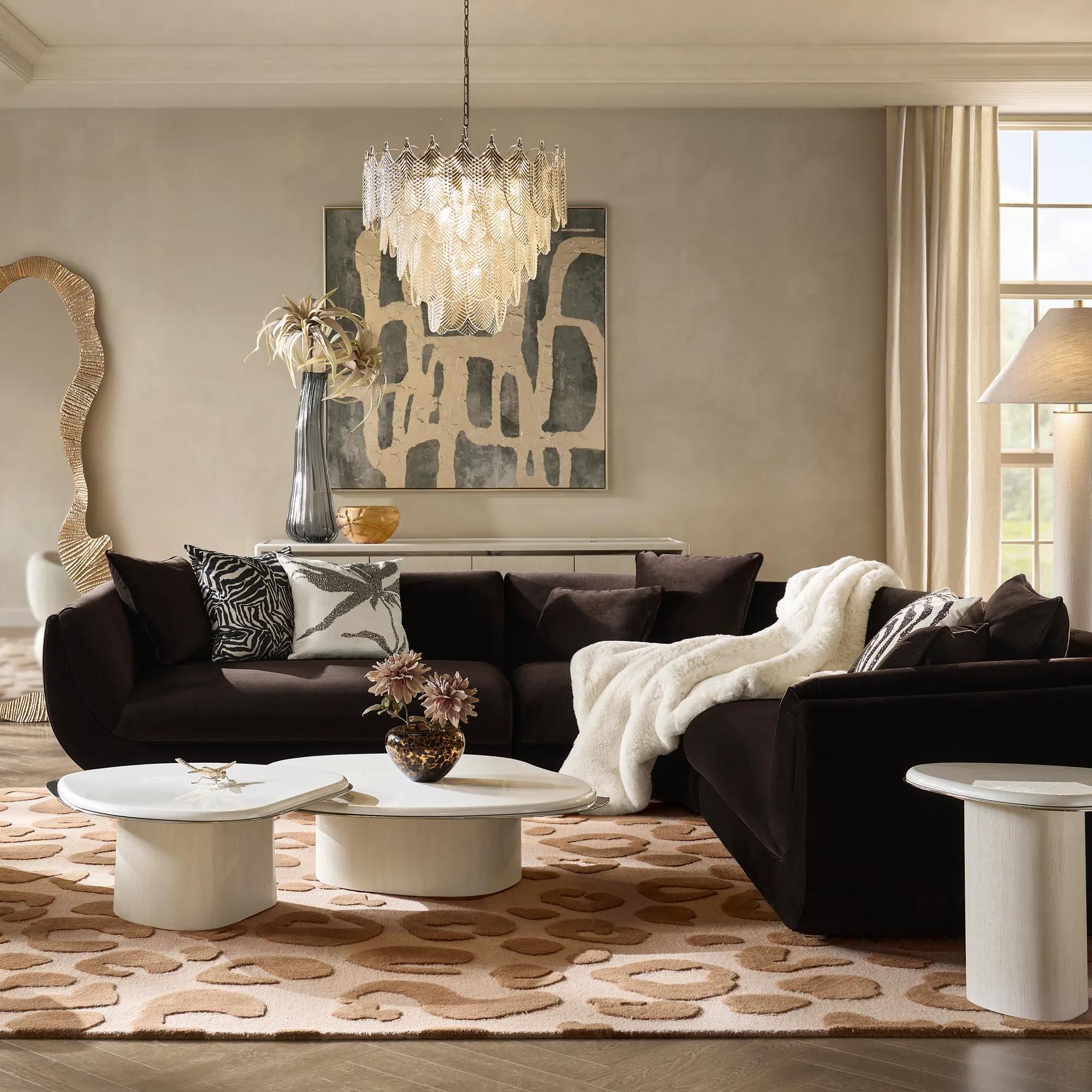 Curvia 3-Piece Dark Chocolate Velvet Sectional Sofa$4199
A modular sectional wrapped in dark chocolate velvet, featuring sculptural curves and deep, plush lounge seating.
Add To Cart -
.jpg?w=1200&h=1200)
 Milo 3-Piece Reclining Ivory Performance Fabric Sectional Sofa$2999
Milo 3-Piece Reclining Ivory Performance Fabric Sectional Sofa$2999A modular, power-reclining sofa in beige textured polyester with plush feather-blend cushions for ultimate comfort.
Add To Cart -
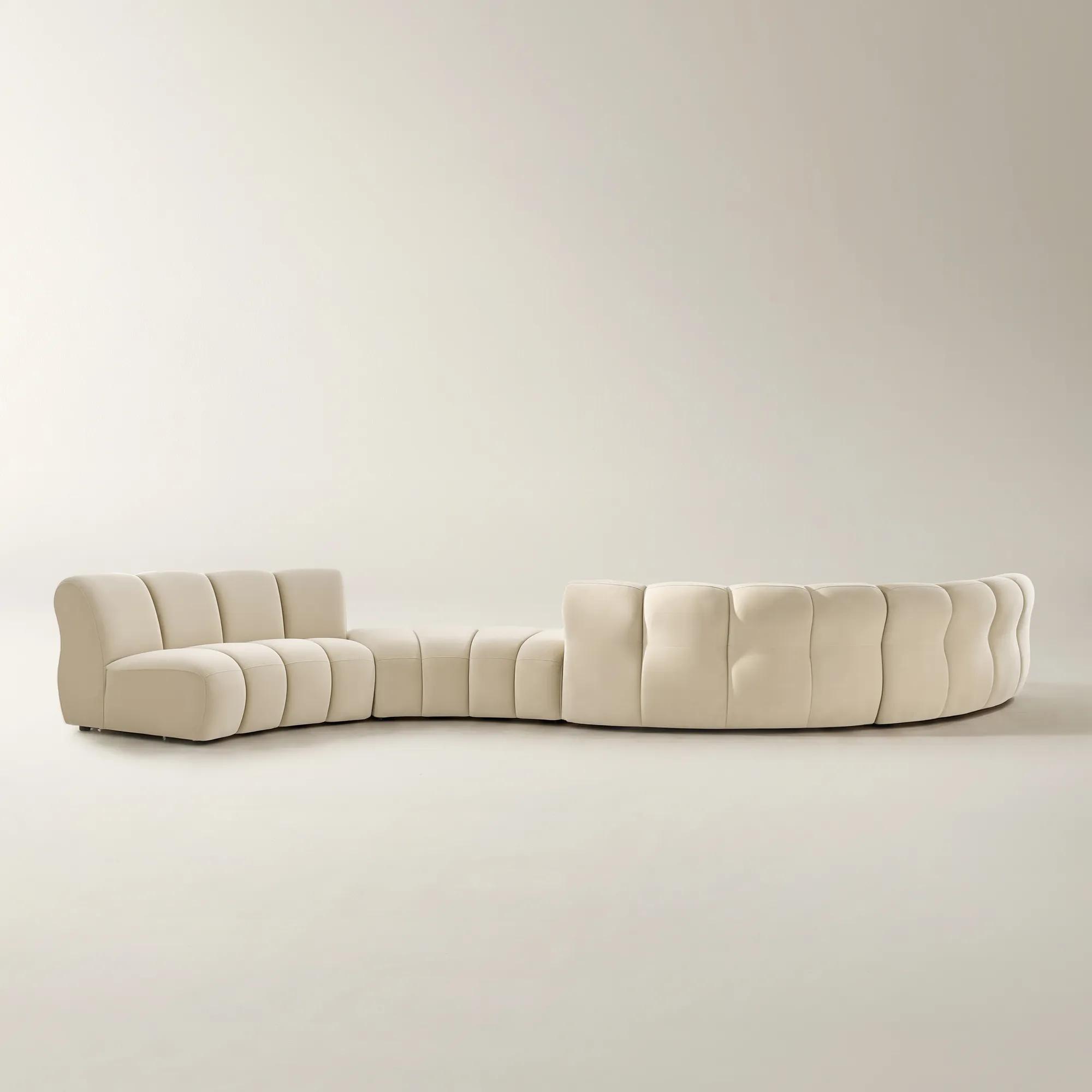 Jocelyn 4-Piece Channel-Tufted Oatmeal Velvet Sectional Sofa With Ottoman$4599
An oatmeal velvet sectional with deep channel tufting, curved silhouette, and modular design for flexible arrangements.
Add To Cart -
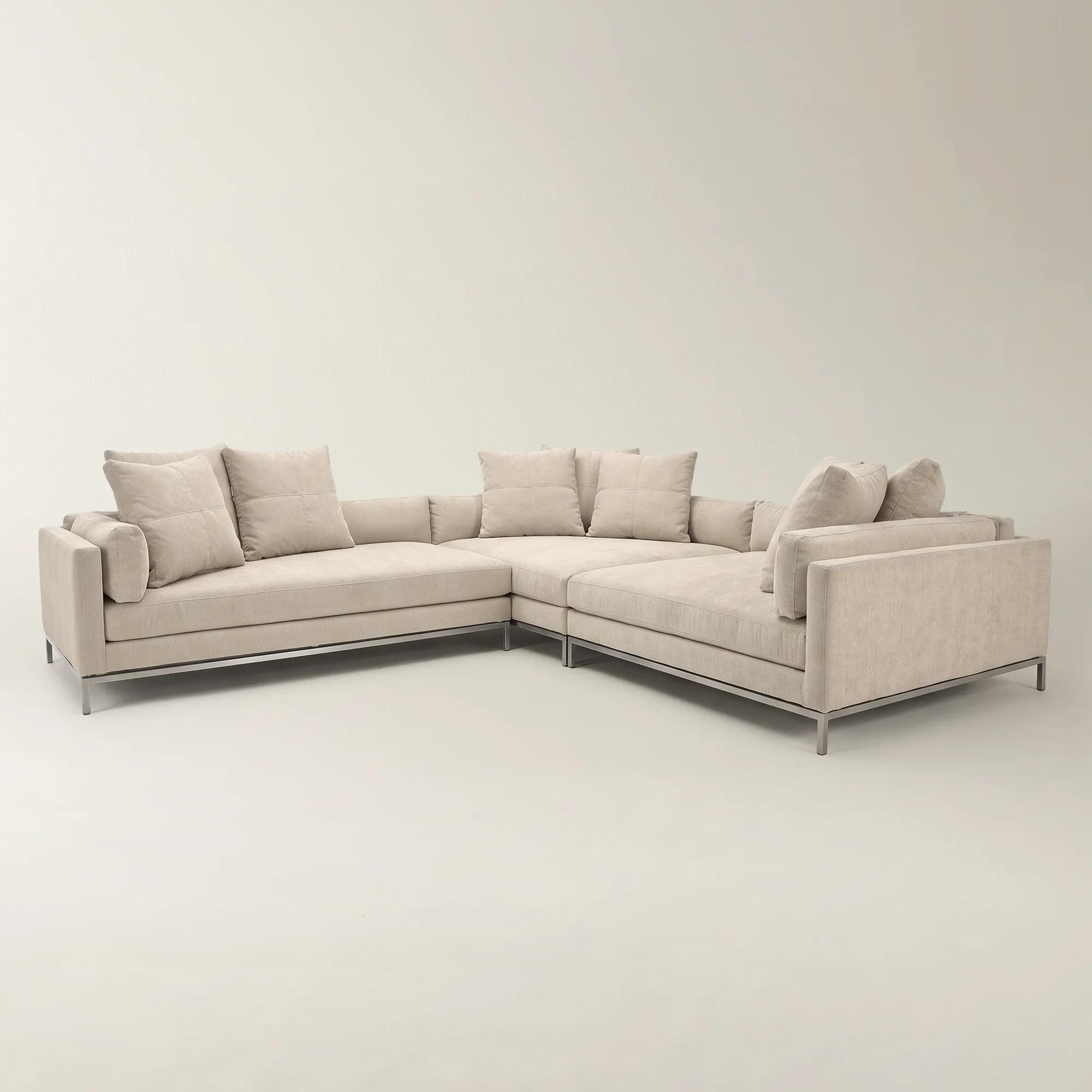
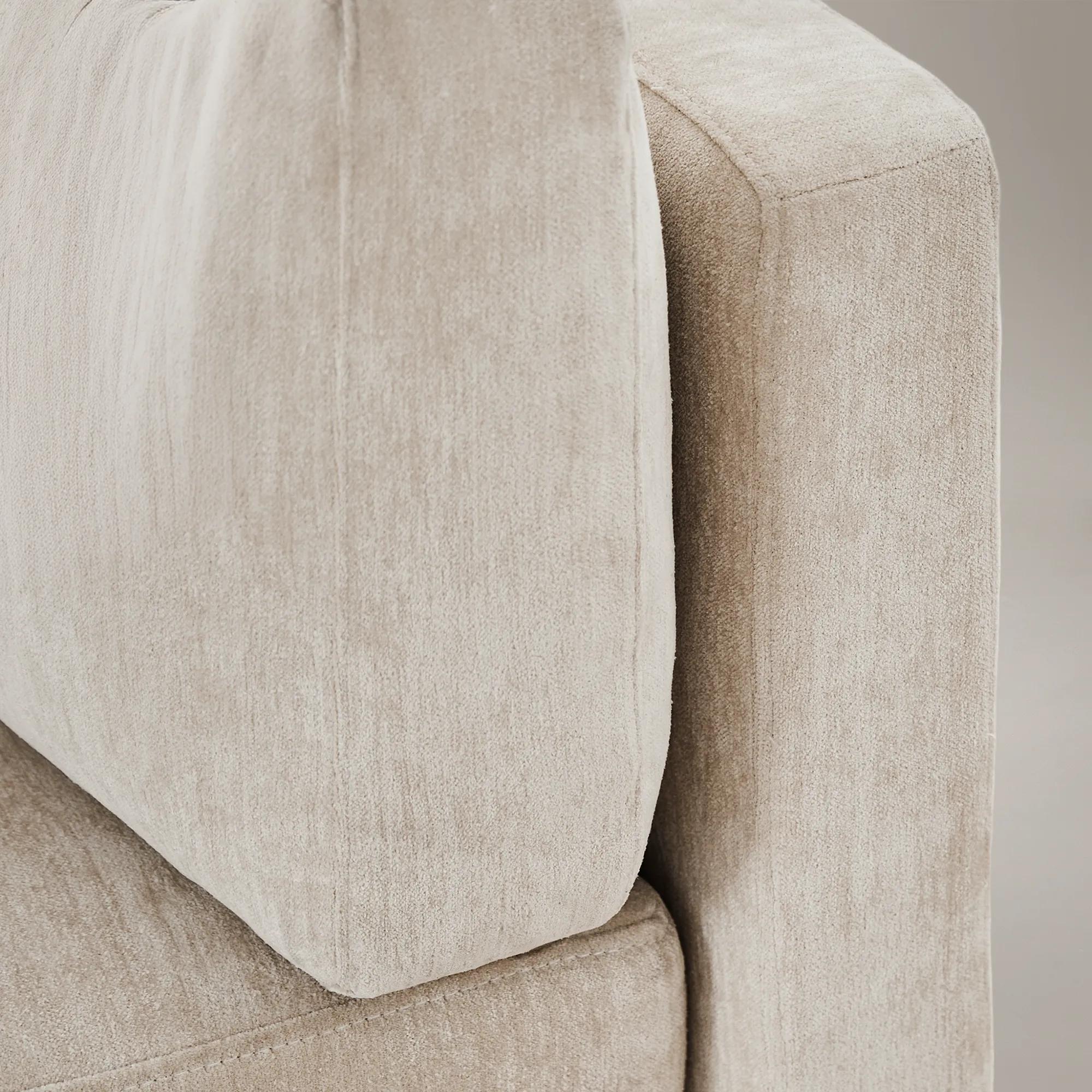 Ventura 3-Piece L-Shaped Snow Chenille Sectional Sofa With Left-Arm Chair$5499
A modern Snow chenille sectional with a stainless-steel base, plush feather pillows, and deep-seated comfort.
Add To Cart -
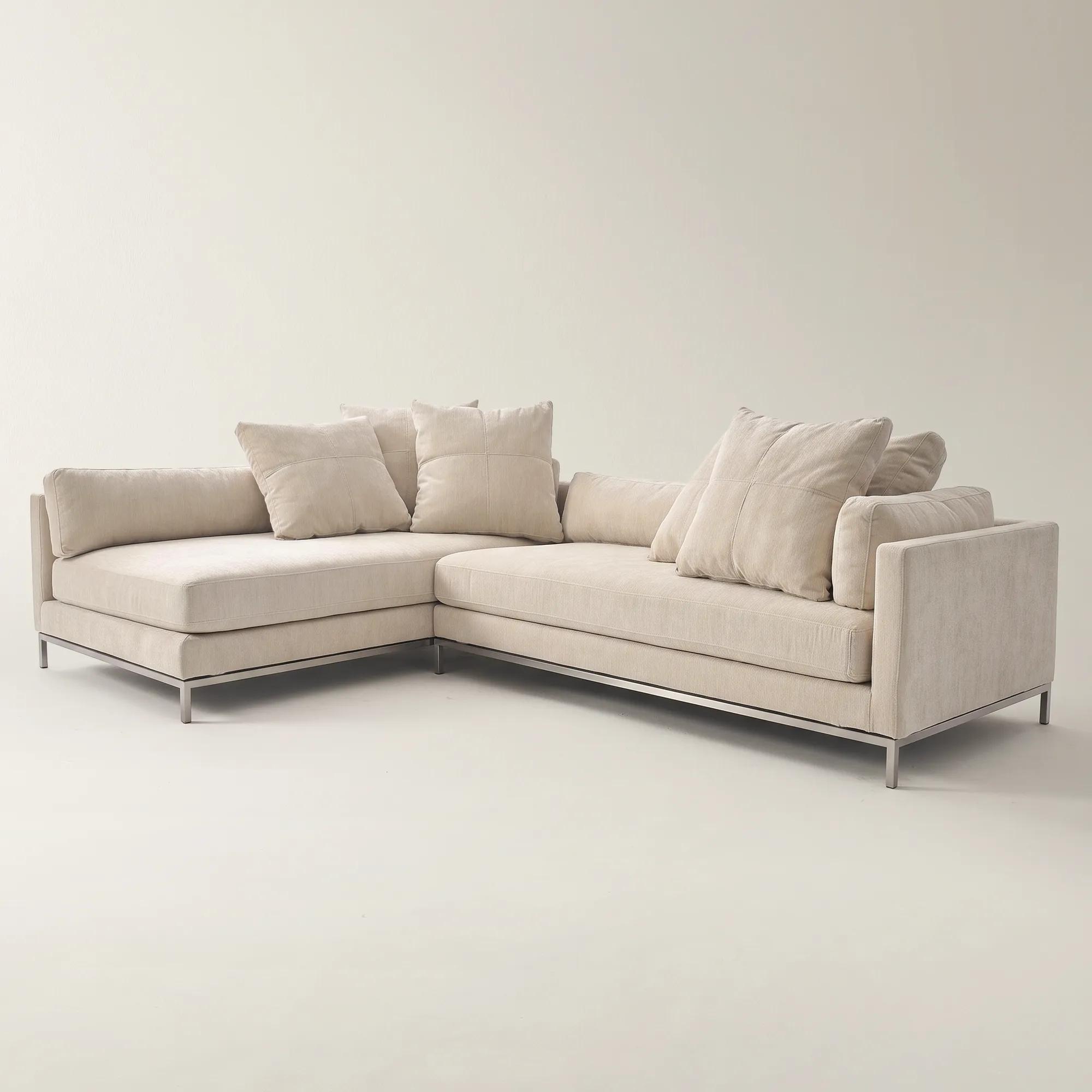 Ventura 2-Piece L-Shaped Snow Chenille Sectional Sofa With Right-Arm Chair$3799
A modern Snow chenille sectional with plush feather-filled cushions, streamlined metal base, and versatile L-shaped comfort.
Add To Cart -
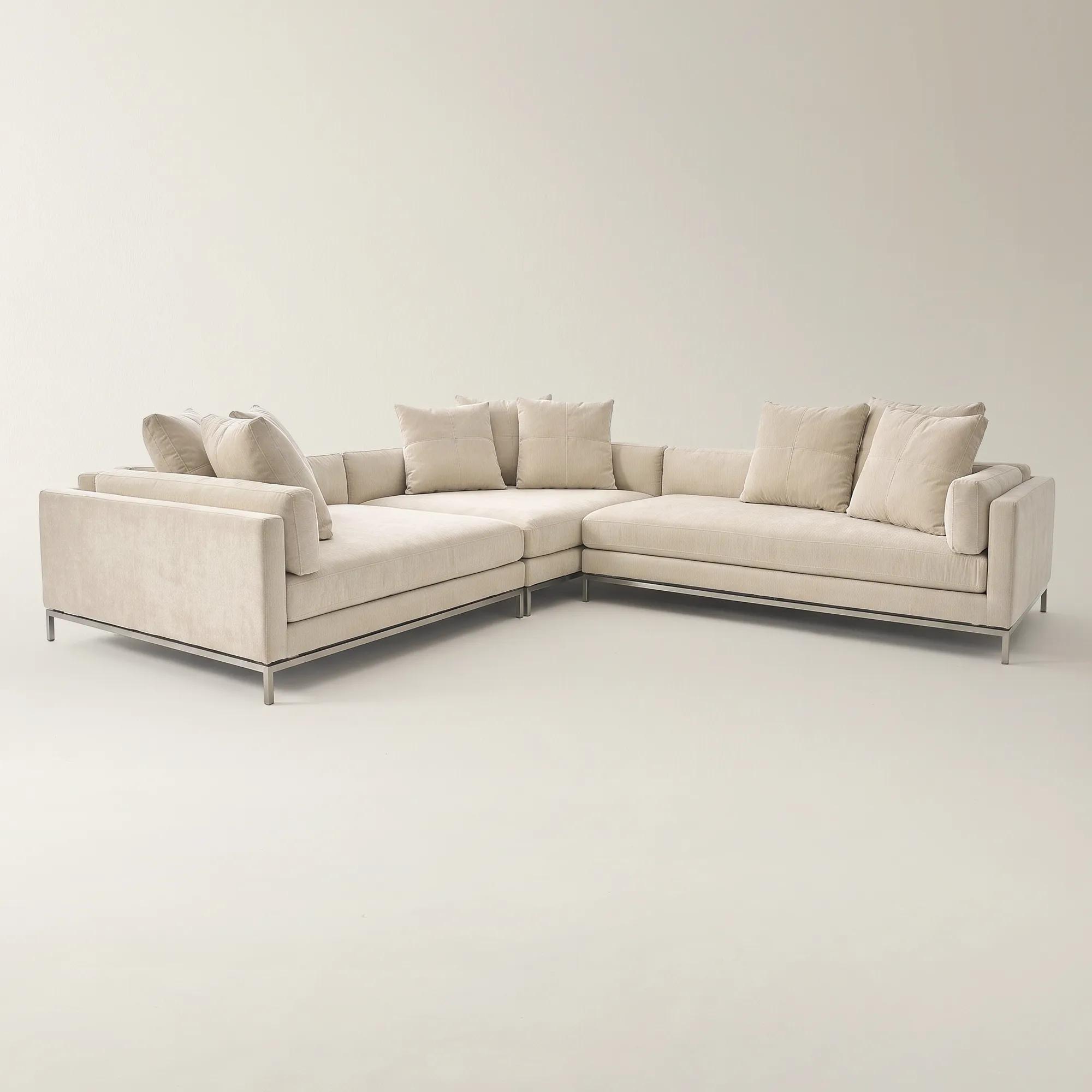 Ventura 3-Piece L-Shaped Snow Chenille Sectional Sofa With Right-Arm Chair$5499
A snow chenille sectional with a streamlined floating silhouette, plush feather-filled cushions, and versatile L-shaped seating.
Add To Cart -
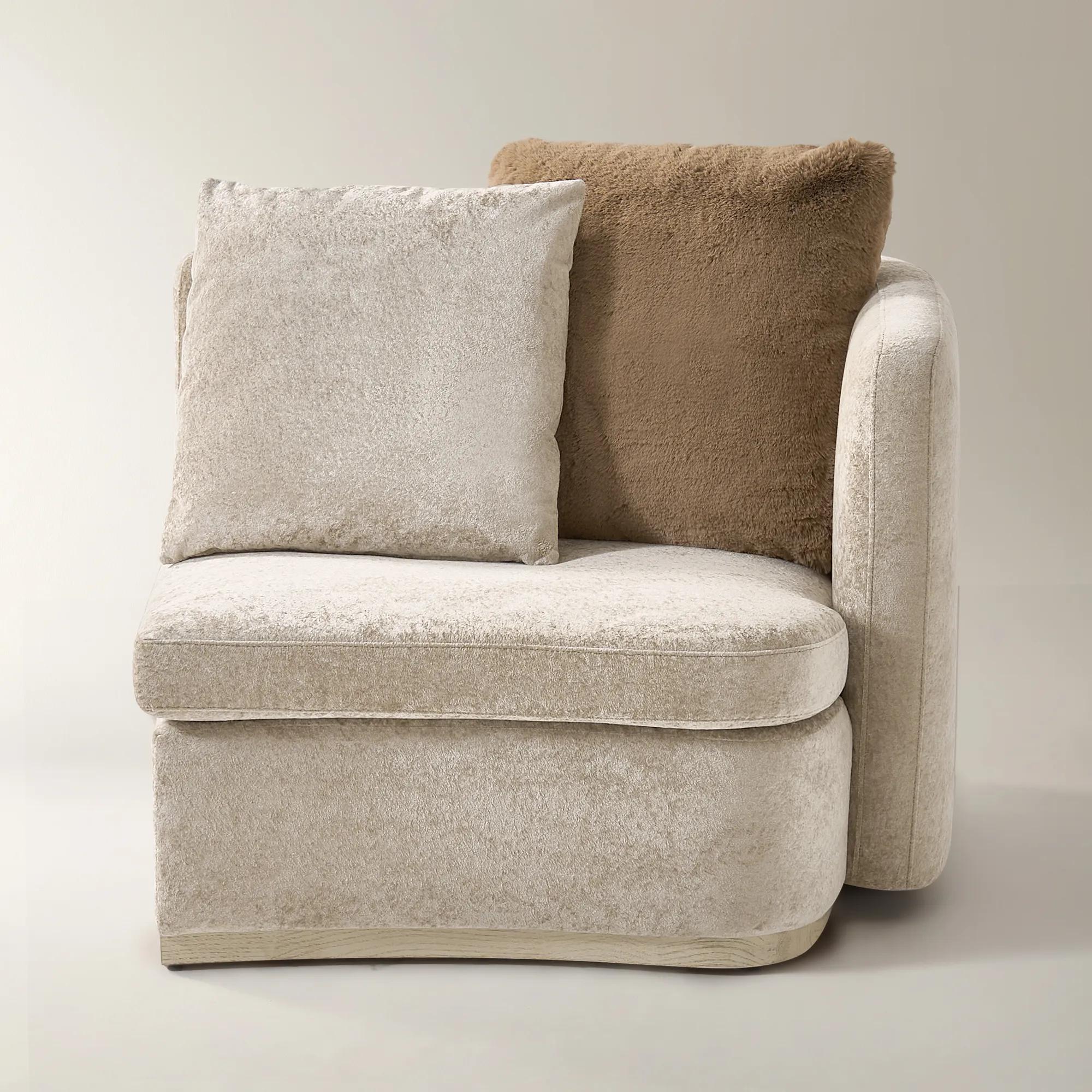 Stria Light Brown Chenille Right-Arm Chair$1099
A light brown chenille sectional features triple-layer cushioning, kiln-dried oak frame, and handcrafted upholstery.
Add To Cart -
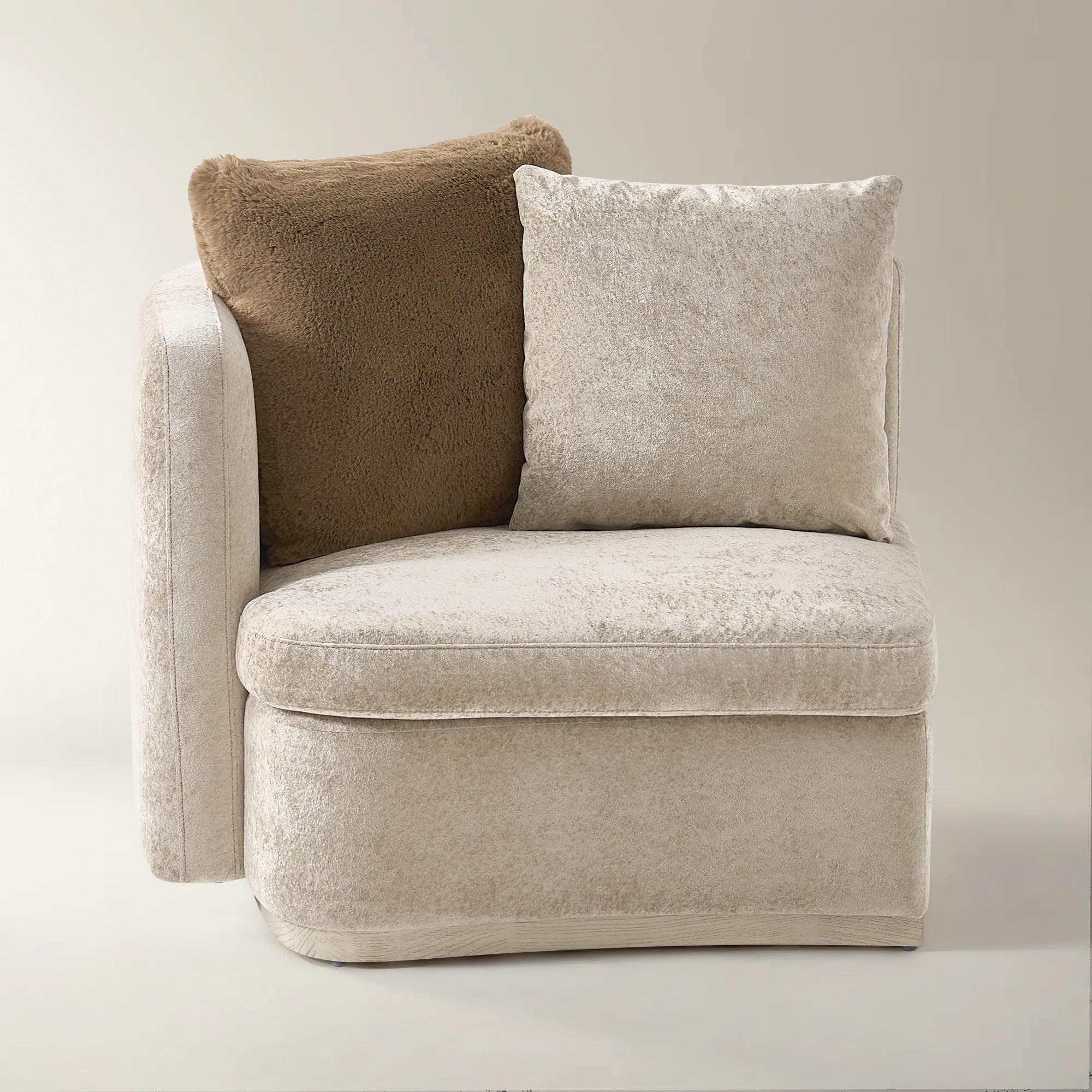
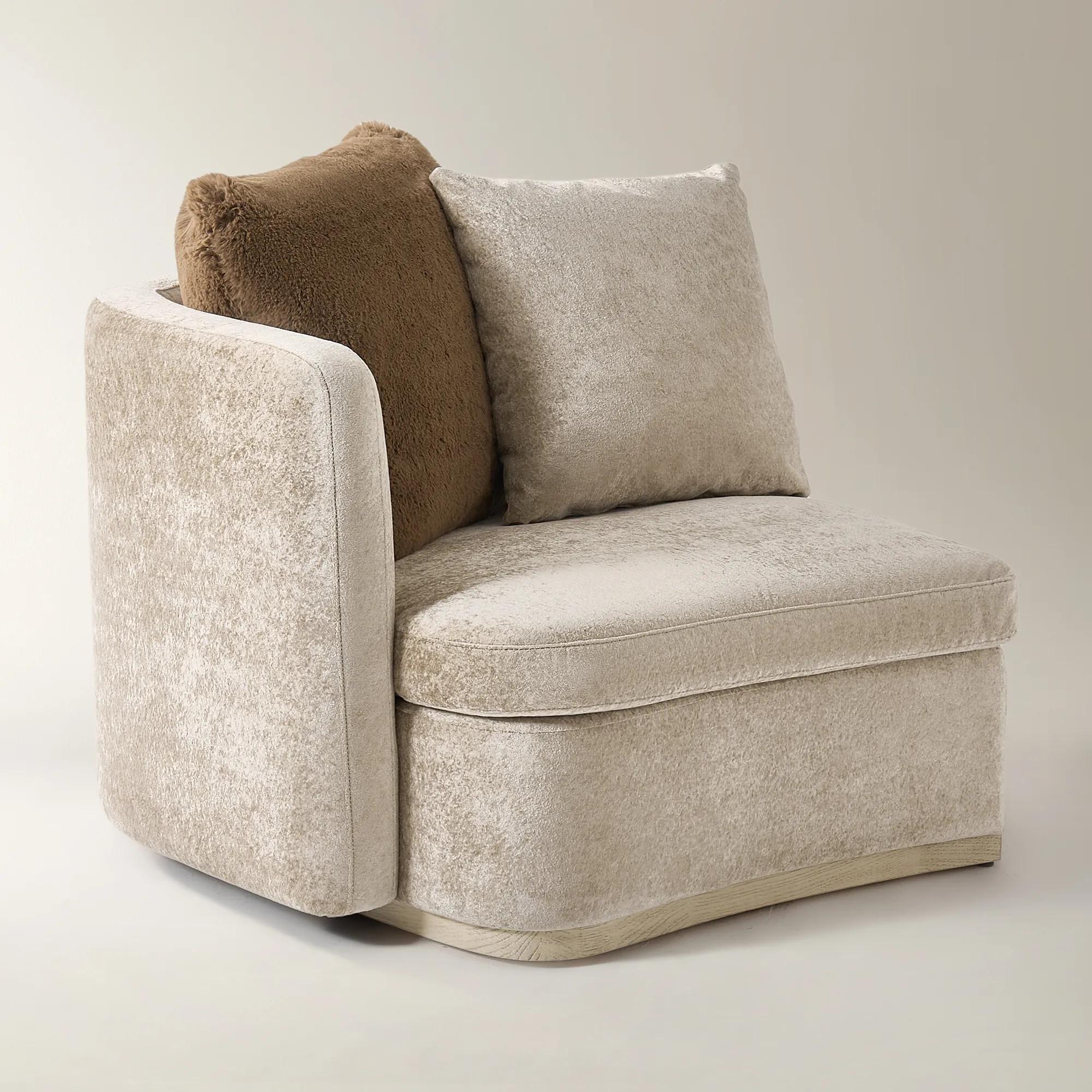 Stria Light Brown Chenille Left-Arm Chair$1099
A light brown chenille sectional features triple-layer cushioning and a kiln-dried oak frame for lasting comfort.
Add To Cart -
.jpg?w=1200&h=1200) Asheville Beige Boucle Sofa$2199
Asheville Beige Boucle Sofa$2199A light grey boucle sofa with feather-filled cushions, removable slipcover, and kiln-dried solid oak feet.
Add To Cart -
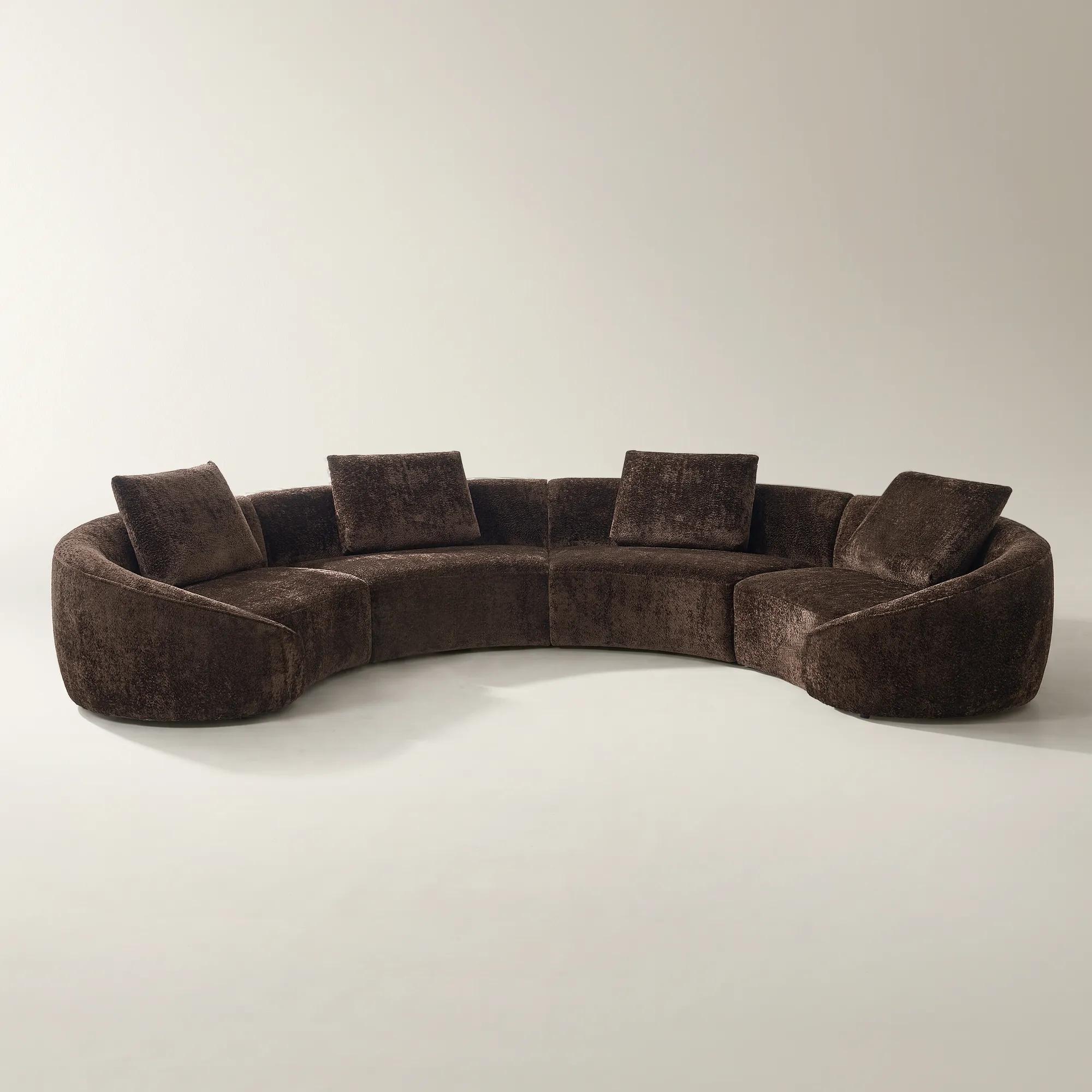 Irene 4-Piece Dark Chocolate Chenille Sectional Sofa$4599
A sculptural, hand-finished sectional wrapped in plush dark chocolate chenille with resilient foam cushions.
Add To Cart -
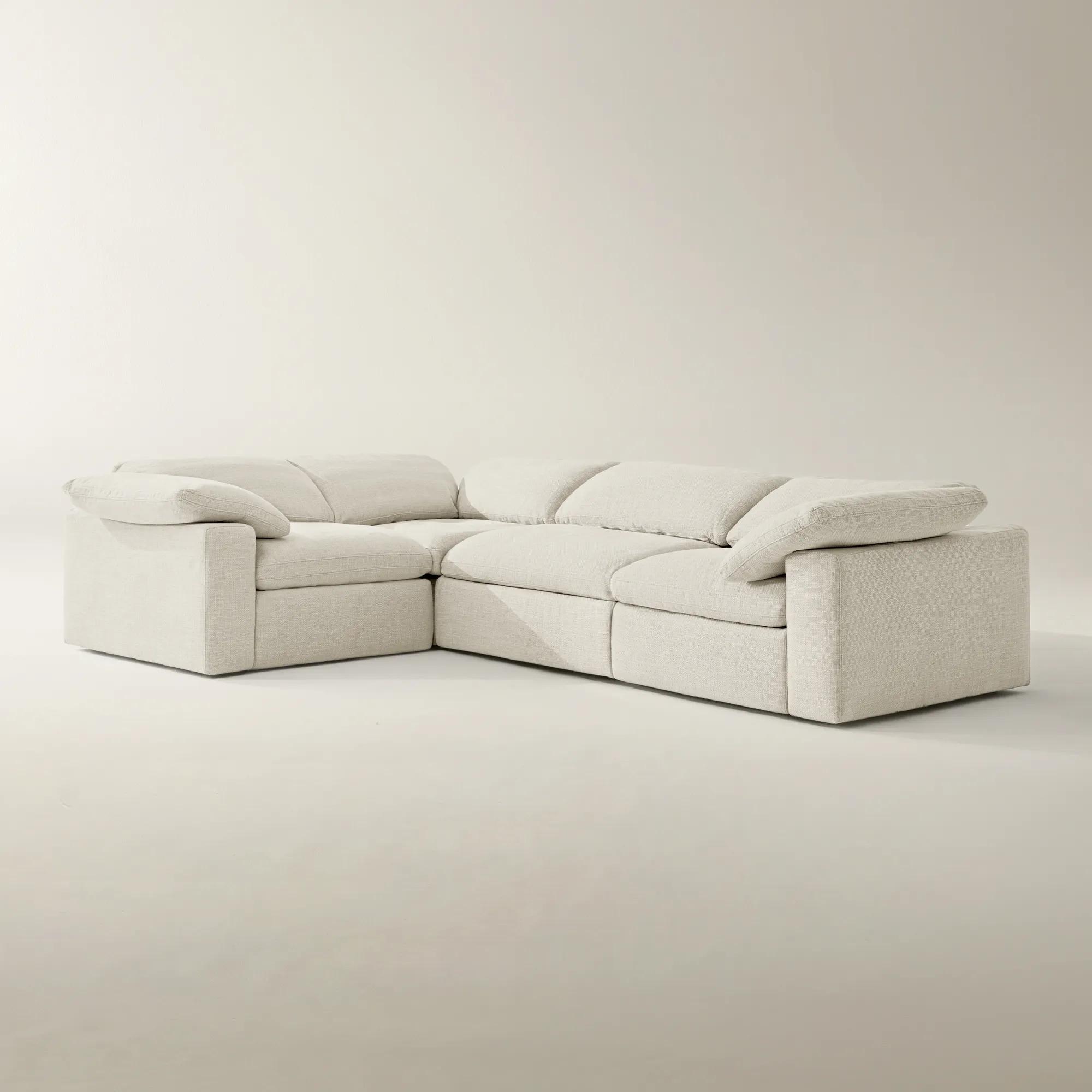
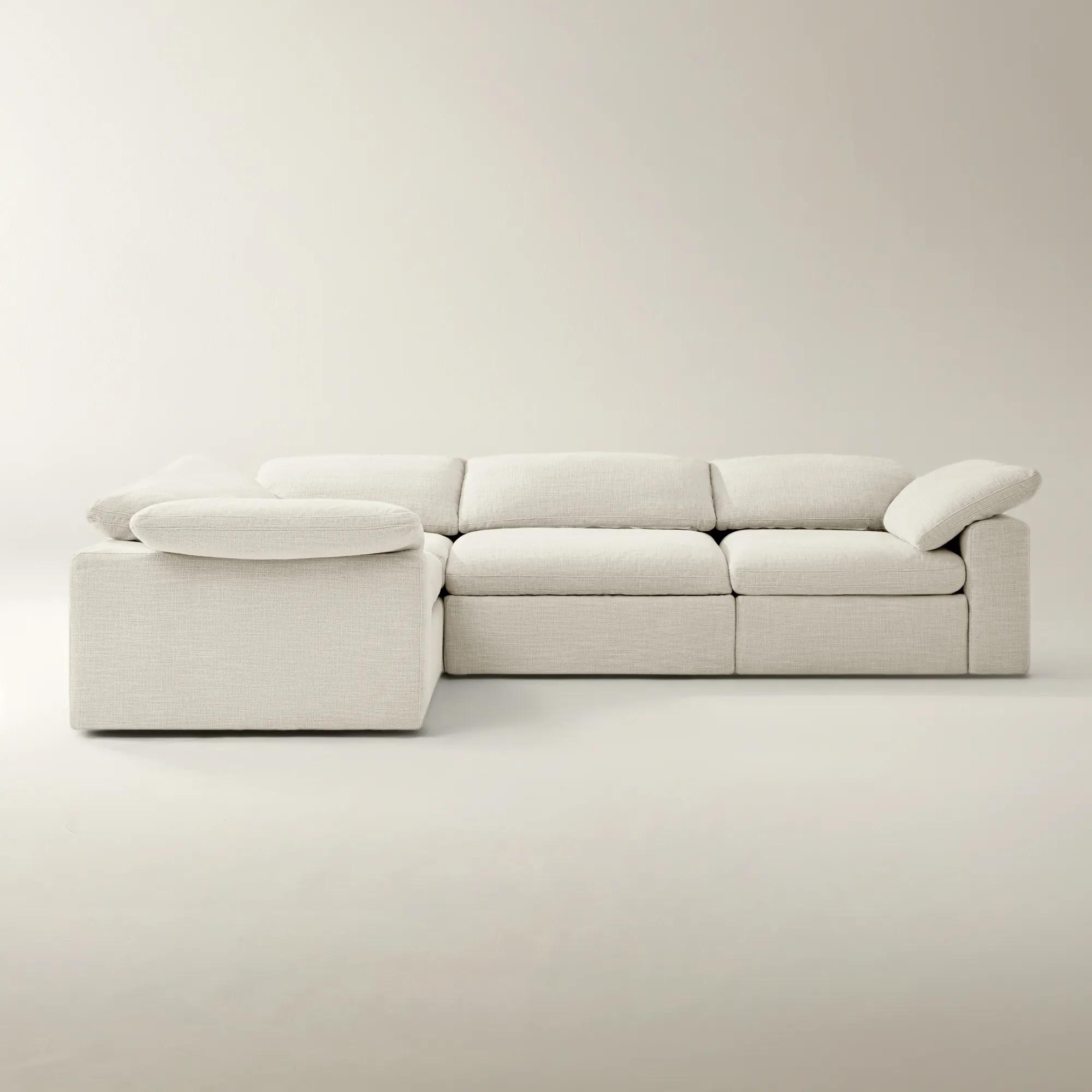 Milo 4-Piece L-Shaped Reclining Ivory Performance Fabric Sectional Sofa With Left-Arm Chair$3999
A modular sectional in beige or dove grey with plush feather cushions and power reclining footrests.
Add To Cart -
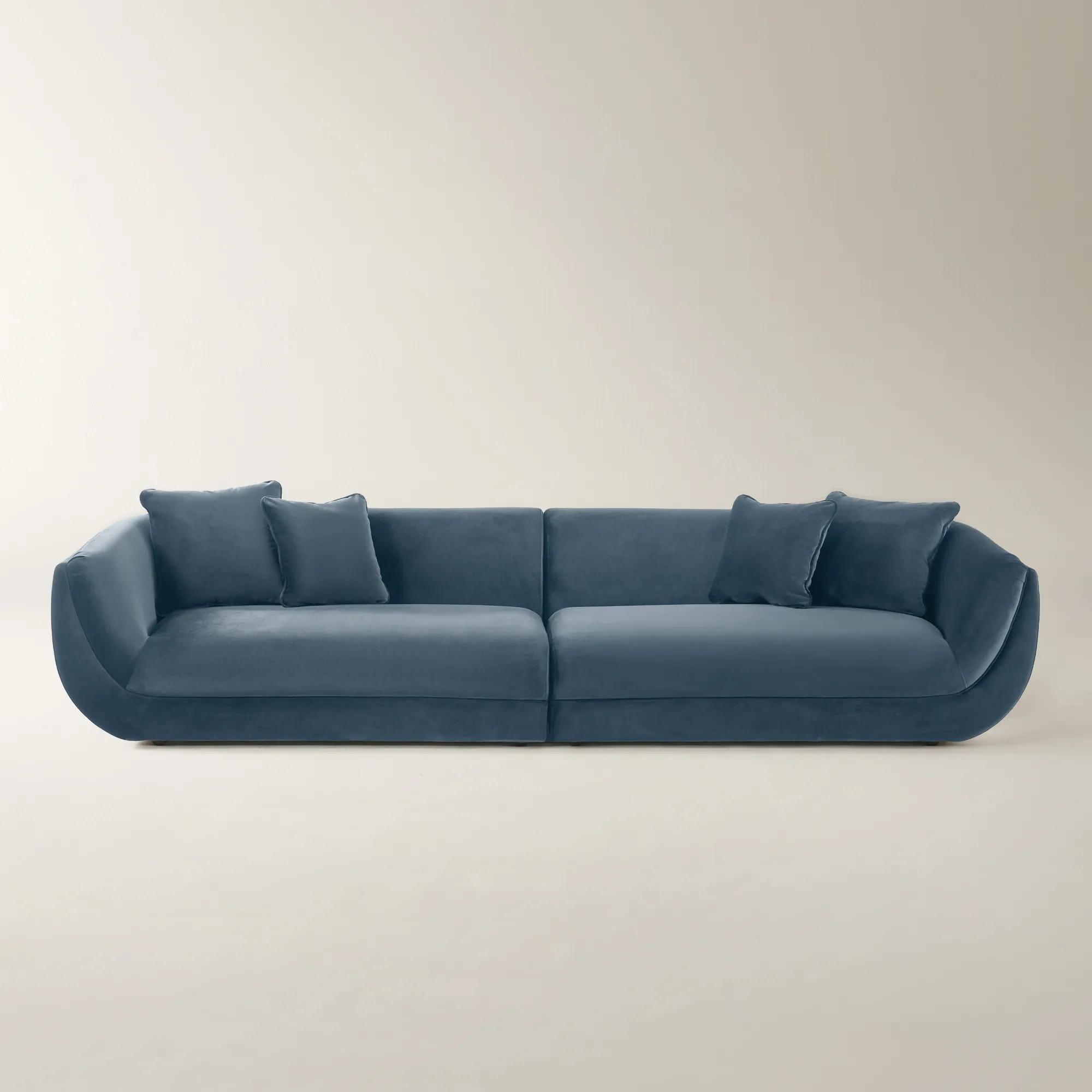
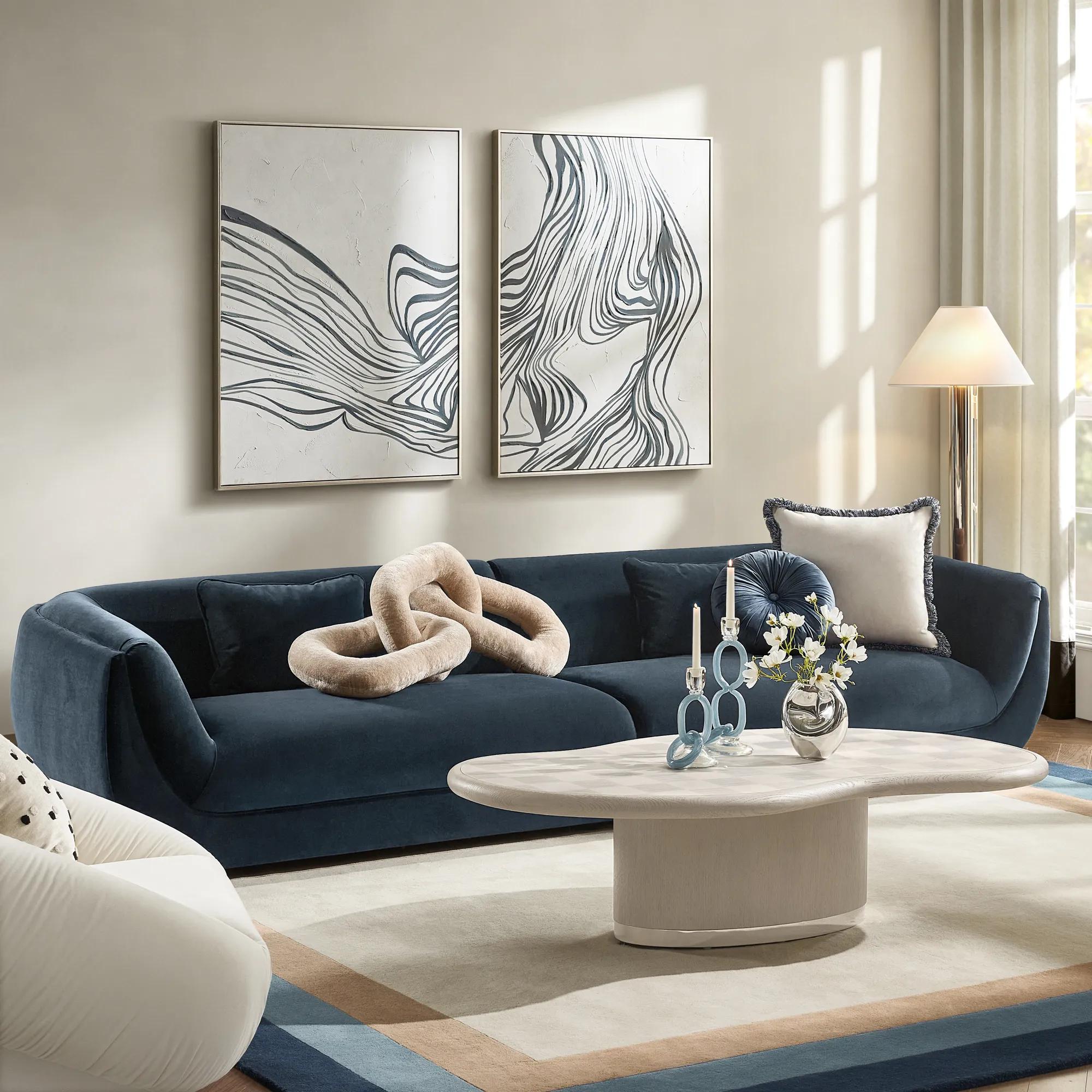 Curvia 2-Piece Dusty Blue Velvet Grand Sectional Sofa$2699
A plush, modular sectional wrapped in dusty blue velvet with sculptural curves and deep, lounge-worthy comfort.
Add To Cart -
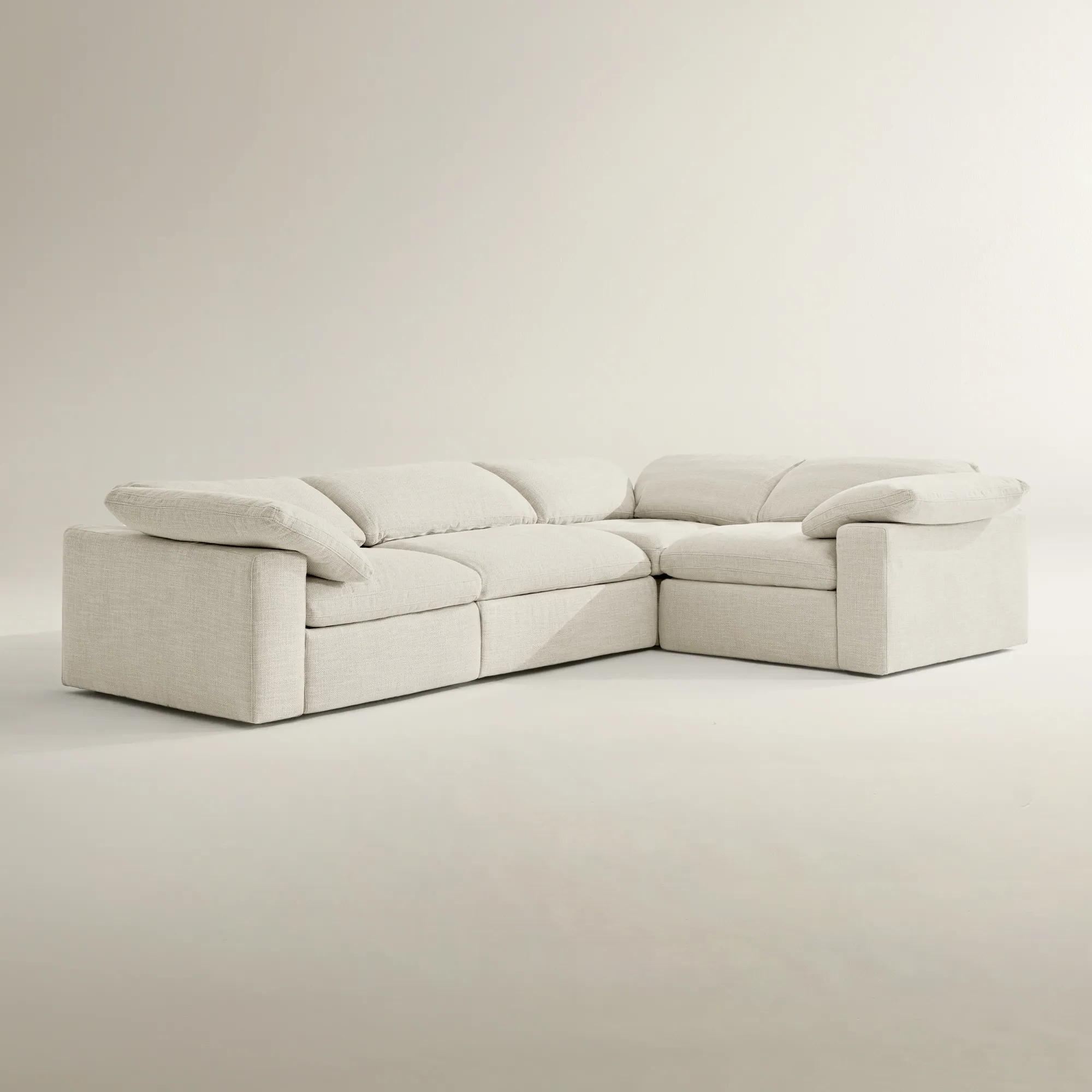
.jpg?w=1200&h=1200) Milo 4-Piece L-Shaped Reclining Ivory Performance Fabric Sectional Sofa With Right-Arm Chair$3999
Milo 4-Piece L-Shaped Reclining Ivory Performance Fabric Sectional Sofa With Right-Arm Chair$3999A modular sectional in beige or dove grey with plush feather cushions and power reclining footrests.
Add To Cart

Sofas For Relaxing With Pets
Sofas for relaxing with pets invite you to indulge in a world where comfort meets couture—where every cushion is an invitation to unwind, and every silhouette is designed for both style and snuggles. Imagine sinking into plush upholstery, your loyal companion curled beside you, as the day’s stresses melt away in a haven of softness and sophistication. These sofas transform living spaces into sanctuaries of togetherness, effortlessly blending pet-friendly practicality with the signature drama and artistry that define expressive interiors. Let your home become the stage for moments of pure relaxation—tail wags, purrs, and all.
Sofas for relaxing with pets bring generous comfort and expressive design into the same beautifully composed space. The most suitable choices balance supportive seating, upholstery that tolerates everyday use, and care requirements that fit life with a dog or cat. Tightly woven fabrics, documented stain resistance, and removable covers with clear cleaning instructions are useful features to consider, but no upholstery is completely claw-proof or immune to accidents. A sofa should feel inviting enough for an evening stretched out beside a sleeping companion while retaining the tailored presence that anchors a living room. Think broad cushions framed by sculptural arms, a low-profile silhouette with room to recline, or a sectional that gives everyone a place without surrendering the room’s sense of proportion. For a large dog that settles at full length, usable seat width matters more than the sofa’s overall width; substantial arms can claim inches that might otherwise become lounging space. A cat that prefers to curl beside a person may need little extra room, while two pets with distinct resting habits can make separate cushions or a chaise especially appealing. Seat depth shapes that experience, too. A deeper cushion accommodates tucked legs and a pet nestled nearby, although shorter users may want a supportive back pillow to sit comfortably upright. Explore Deep Seat Sofas For Relaxation for seating centered on that expansive, unhurried feeling. Seat height deserves equal attention: older animals and smaller dogs may find a lower seat easier to approach, while a stable pet step or ramp can provide an alternative to jumping when appropriate. Allow space for that accessory rather than crowding it between the sofa and a coffee table. The result is a seating arrangement with a clear purpose: comfortable companionship, graceful movement, and a room that feels personal without losing its polish.
Upholstery sets both the visual mood and the rhythm of everyday care. A closely woven fabric with a smooth surface generally offers fewer places for claws to catch than an open weave, pronounced loops, or loose decorative threads. That distinction can be especially important with cats that knead before settling or dogs that circle against the cushions. Microfiber and other densely constructed textiles can be practical candidates, though fiber content, finish, and the manufacturer’s care directions determine how any particular fabric performs. Performance upholstery may offer resistance to certain stains or moisture, but the designation alone does not guarantee protection from pet urine, scratching, or lingering odors. Look for clearly stated properties rather than assuming that a luxurious surface will repel every spill. Velvet brings depth of color and a luminous, light-shifting finish to a seating area; a short, dense pile may suit some pet households, but it can also show pressure marks and collect visible hair. Leather delivers a different kind of drama, with a supple surface that can make loose fur easier to remove, yet claws may leave scratches, and some finishes are sensitive to moisture or cleaning products. Fabric swatches, when accessible, offer a useful way to assess texture, see how a color behaves beside existing furnishings, and notice how conspicuous a pet’s shed hair might be. A nuanced taupe, smoky gray, or softly mottled textile can make stray fur less apparent when its tone is close to the animal’s coat, though color never replaces cleaning. Removable cushion covers add flexibility only when their care instructions permit the cleaning method intended; a zipper does not necessarily mean a cover is machine washable. Washable slipcovers can simplify routine upkeep, while professionally cleaned upholstery may suit households comfortable with a different maintenance schedule. For a pet’s favorite corner, a washable throw adds a deliberate layer of texture and helps intercept fur and surface dirt. Keep it neatly draped over the seat rather than treating protection as an afterthought, and choose a backing that will not damage or discolor the upholstery.
Lasting comfort depends as much on what sits beneath the fabric as on the surface itself. A well-constructed frame, dependable suspension, and cushions that recover their shape help a sofa support the repeated rituals of sitting, stretching, and sharing space. Foam density and seat firmness are different characteristics, so a firm cushion should not automatically be read as a more durable one. The right feel also depends on how the sofa will be used: a supportive seat can make getting up easier, while a softer, enveloping cushion invites longer lounging but may need more frequent reshaping. Loose back pillows offer flexibility for different postures, whereas attached cushions reduce daily repositioning; neither construction is universally better for a home with pets. Modular sofas can make it easier to arrange separate lounging zones, but secure connections matter, and the ability to replace an individual cover or section should be verified rather than assumed. Measure the room, entryways, and the sofa’s full footprint before settling on a shape, including the reach of a chaise and clearance for any reclining mechanism. Pets should remain clear of moving furniture parts, and their resting spot should not obstruct a walkway. Once the sofa is in place, consistent care does more than an occasional intensive cleaning. Remove loose fur with an upholstery attachment or fabric-compatible tool, lift dry debris from seams, and blot spills promptly rather than rubbing them into the fibers. Follow the upholstery cleaning code, test permitted cleaners in an inconspicuous area, and avoid saturating cushions, since moisture that reaches the filling can be difficult to remove. Regular nail care and an appealing scratching surface nearby can reduce wear, although they cannot eliminate it. These details make a meaningful difference in apartments where the sofa serves as the principal retreat, family rooms with frequent activity, and quieter living spaces shared with a devoted companion. With thoughtful proportions, tactile upholstery, and realistic care expectations, a pet-friendly sofa can hold its place as the room’s defining piece: sumptuous enough to command attention, comfortable enough to share.
FAQs
For homes with pets, performance fabrics such as tight-weave microfiber, durable polyester blends, and genuine leather are highly recommended. These materials resist stains, snags, and pet hair, making maintenance effortless while retaining a luxurious look and feel. Velvet blends with short piles can also be surprisingly pet-friendly, as they resist embedded fur and are easy to clean.
Protect your sofa by layering decorative throws or blankets in areas where your pets love to lounge. Opt for sofas with removable, washable covers to make deep cleaning simple. Regularly vacuum the upholstery with a pet-specific attachment to keep fur and dander at bay, and promptly spot-clean any spills to preserve the fabric’s beauty.
Darker hues and textured patterns are especially practical for pet-friendly homes, as they tend to disguise fur, dirt, and minor stains. Subtle patterns or rich, deep colors like charcoal, navy, or emerald can elevate your décor while minimizing the appearance of everyday pet messes.
Deep seats, plush cushions, and wide armrests create a welcoming space for both you and your pets to stretch out and relax. Modular or sectional designs offer flexibility for multiple lounging positions, while low-profile textures and tight weaves ensure claws won’t snag, keeping both comfort and aesthetics intact.
Select a sofa with bold lines, luxe finishes, and elegant details that reflect your personal style. Complement the sofa with statement accessories—such as metallic accent tables or dramatic lighting—that draw the eye and create a cohesive, elevated look. With the right fabric and thoughtful styling, a pet-friendly sofa can be both practical and unapologetically chic.