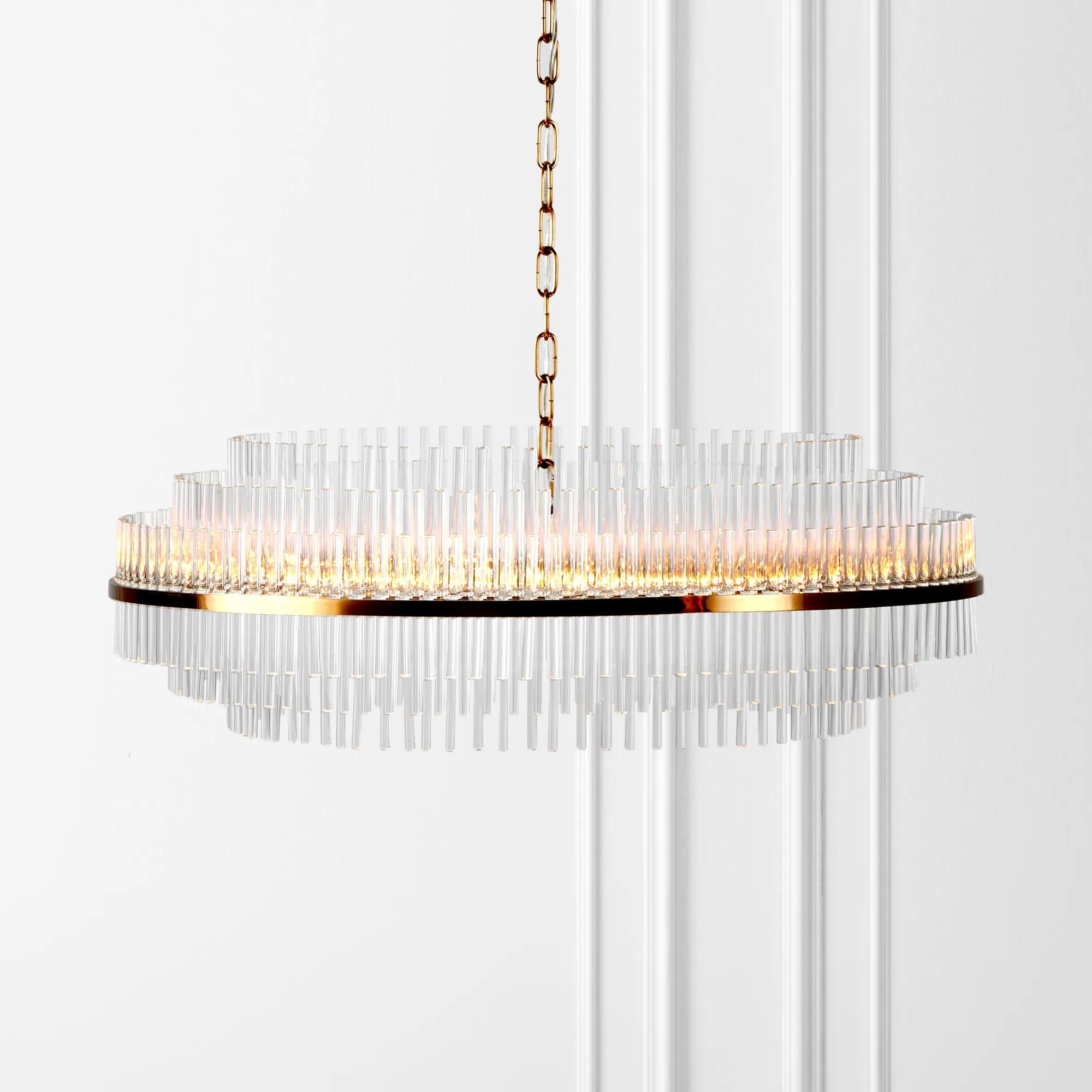
Smoke, Amber & Champagne Glass Lighting
Smoke, Amber & Champagne Glass Lighting
-
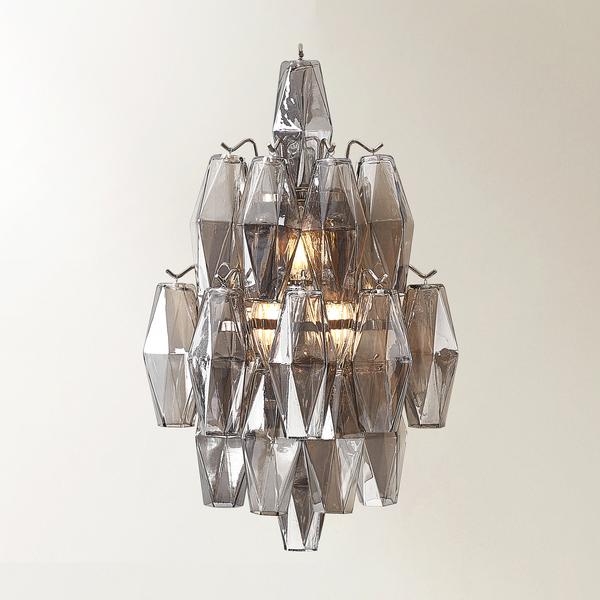
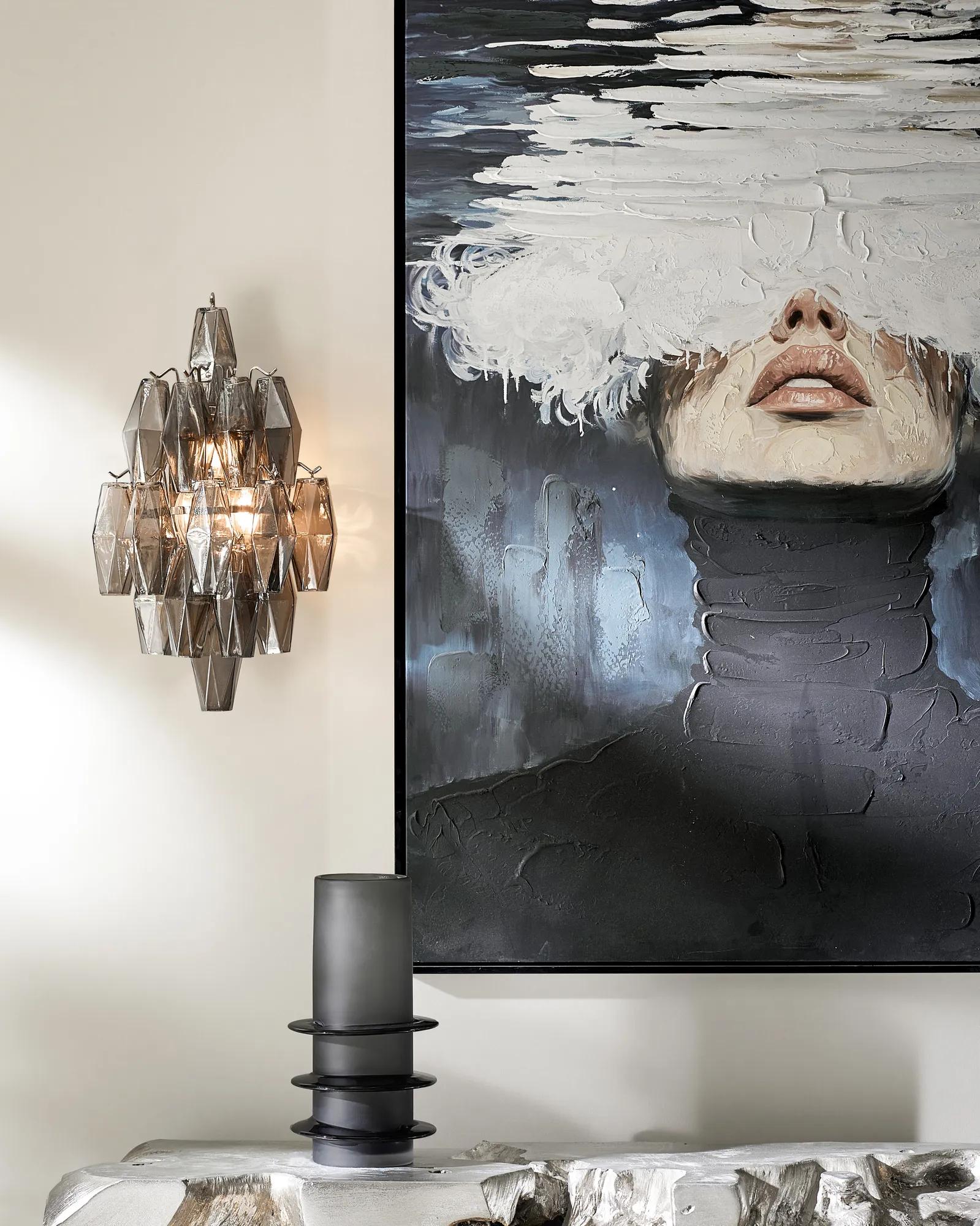 Cosima Glass Sconce 19.75" - Smoke$299
A sculptural sconce featuring hand-blown smoked gray glass and a polished nickel backplate for moody elegance.
Add To Cart -
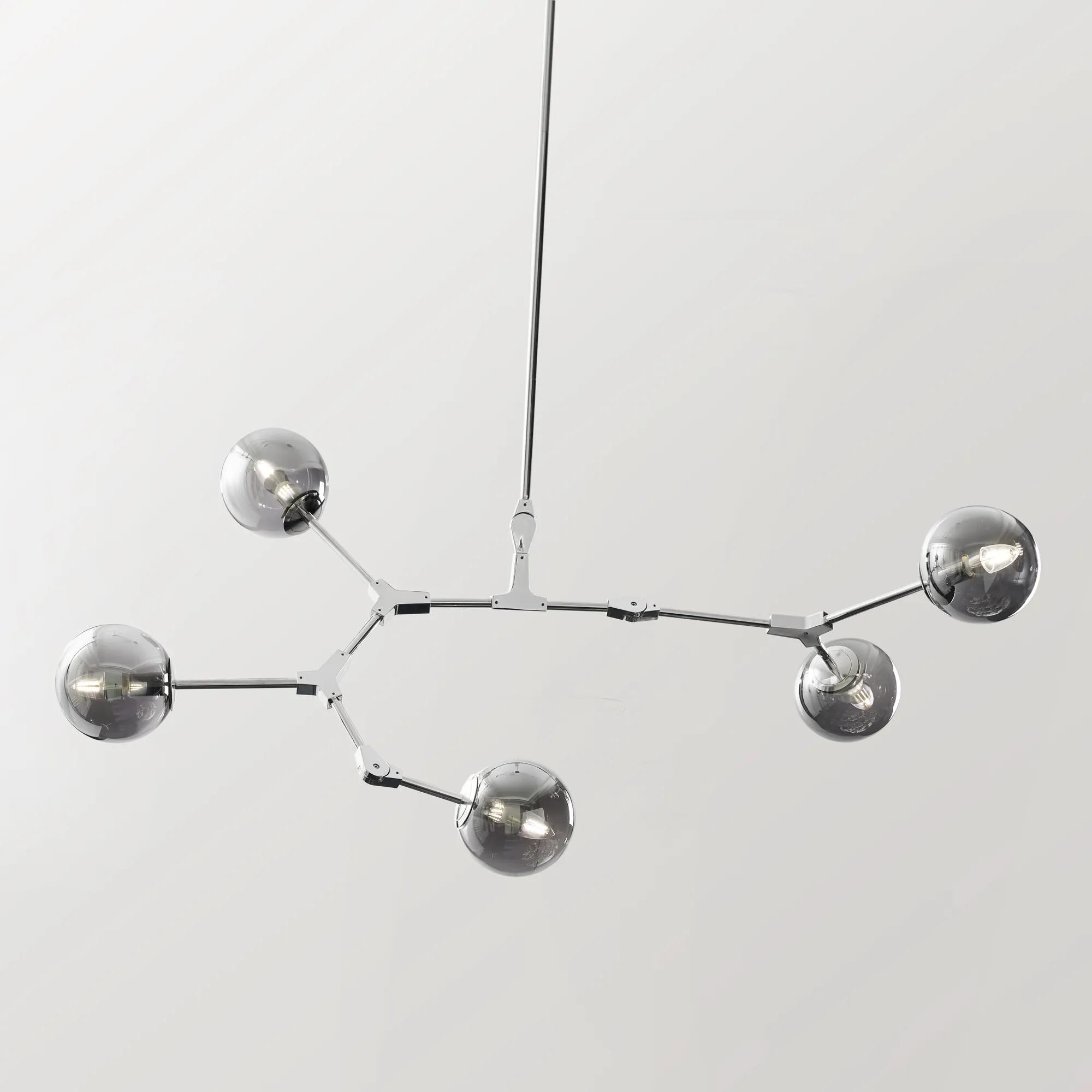
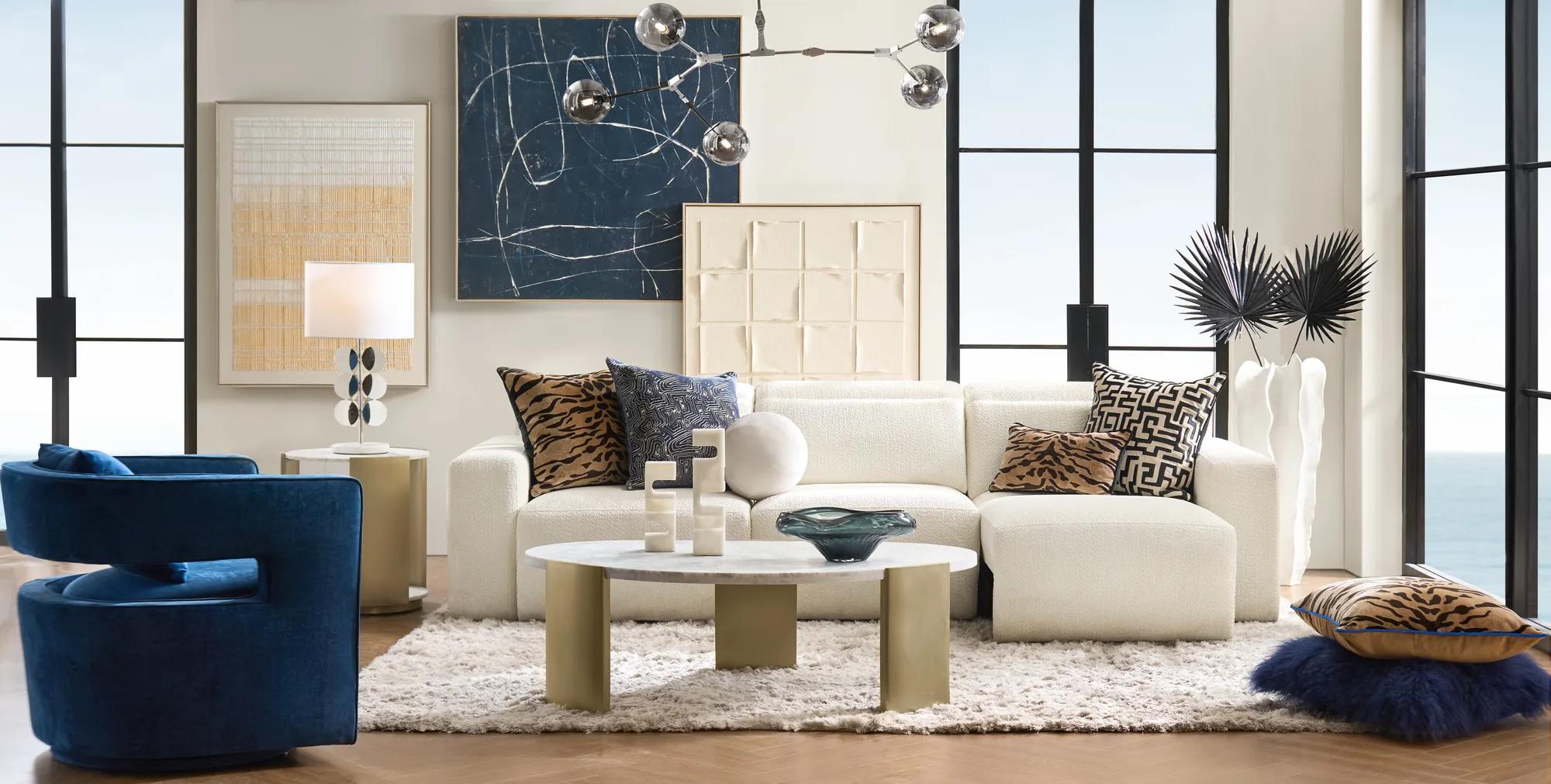 Axel Chandelier$499
A modern chandelier featuring polished nickel arms and smoked glass bulbs for striking, contemporary illumination.
Add To Cart -

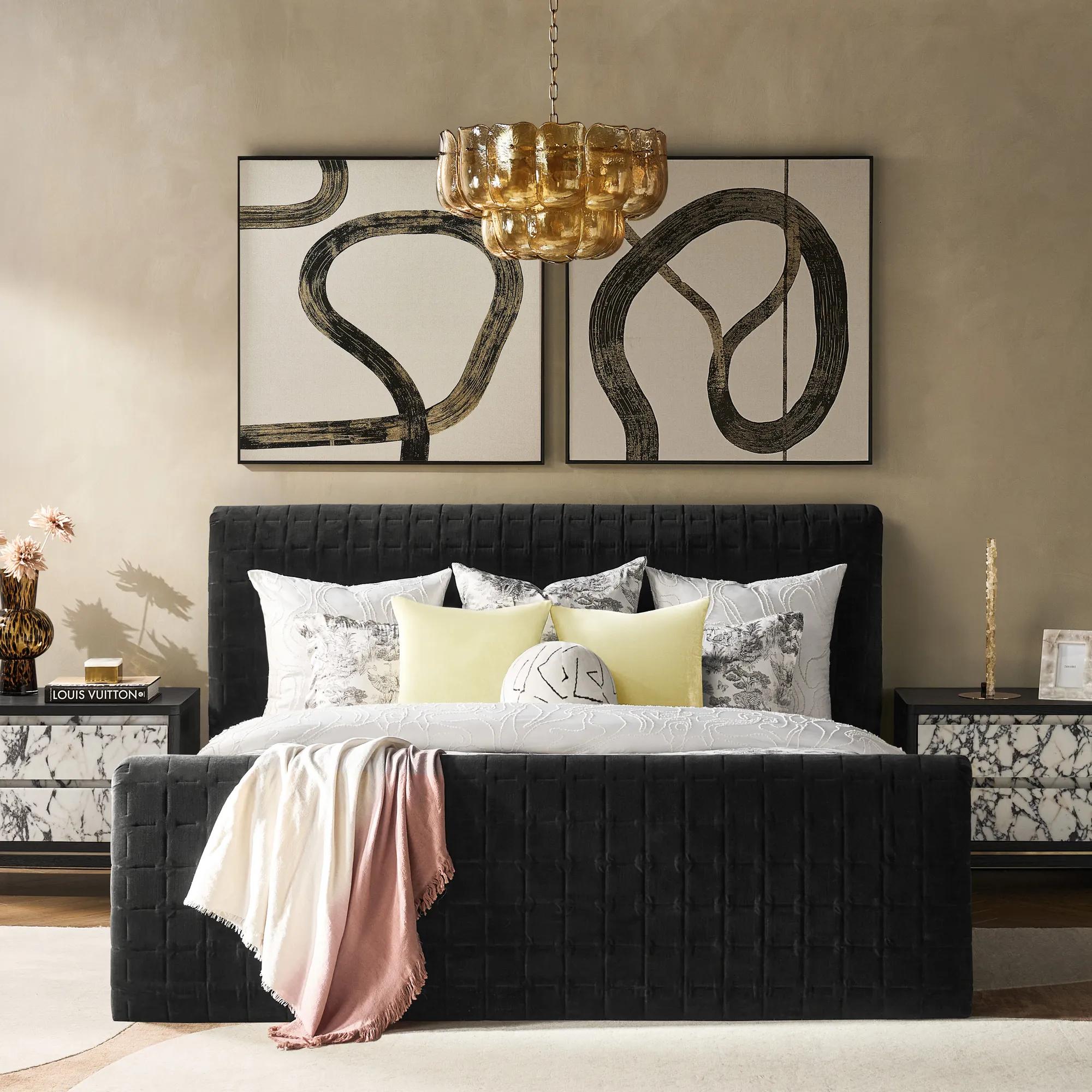 Ember Glow Amber Textured Glass Chandelier 24"$799
A sculptural chandelier with textured amber glass, brushed brass iron, and nine candelabra lights.
Add To Cart -
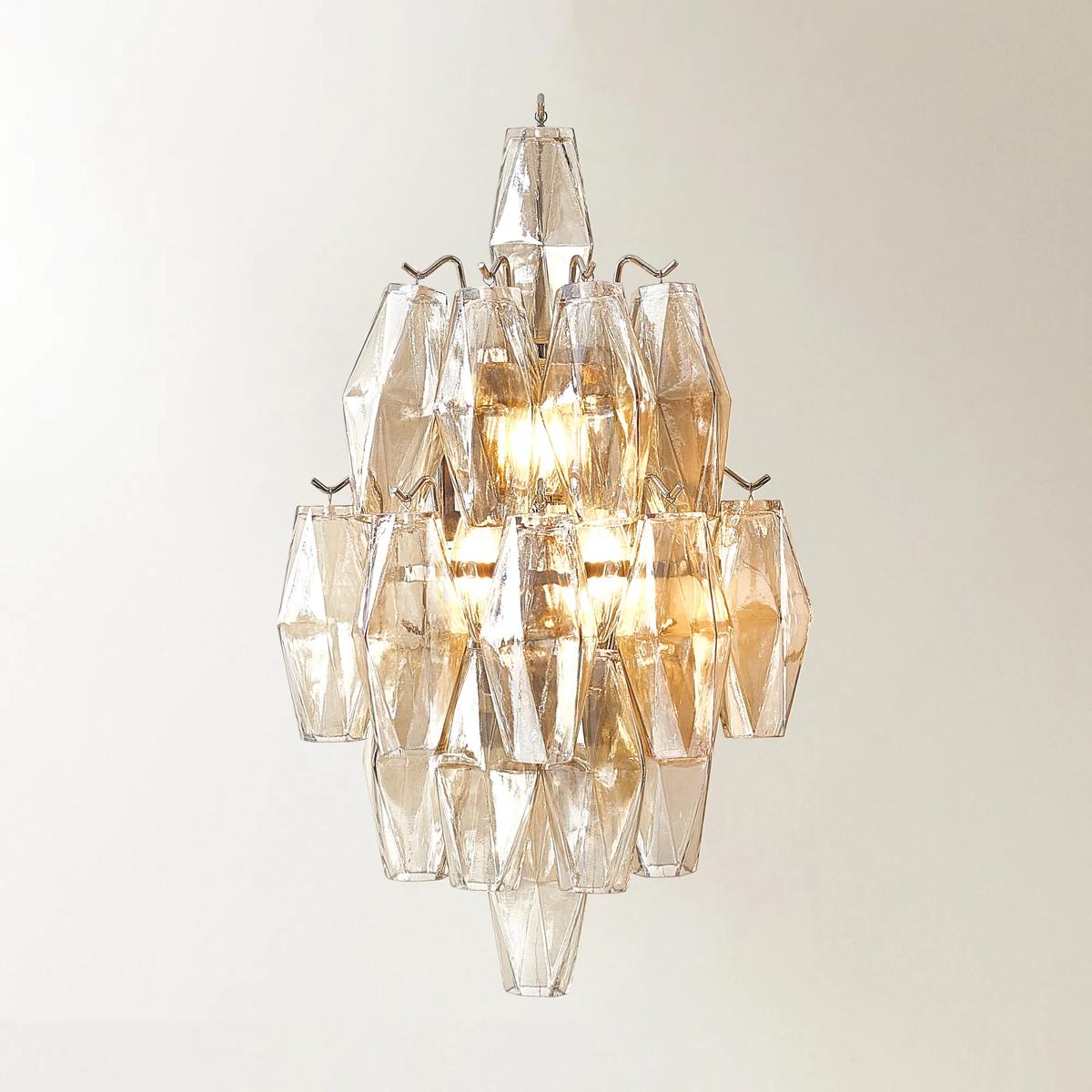
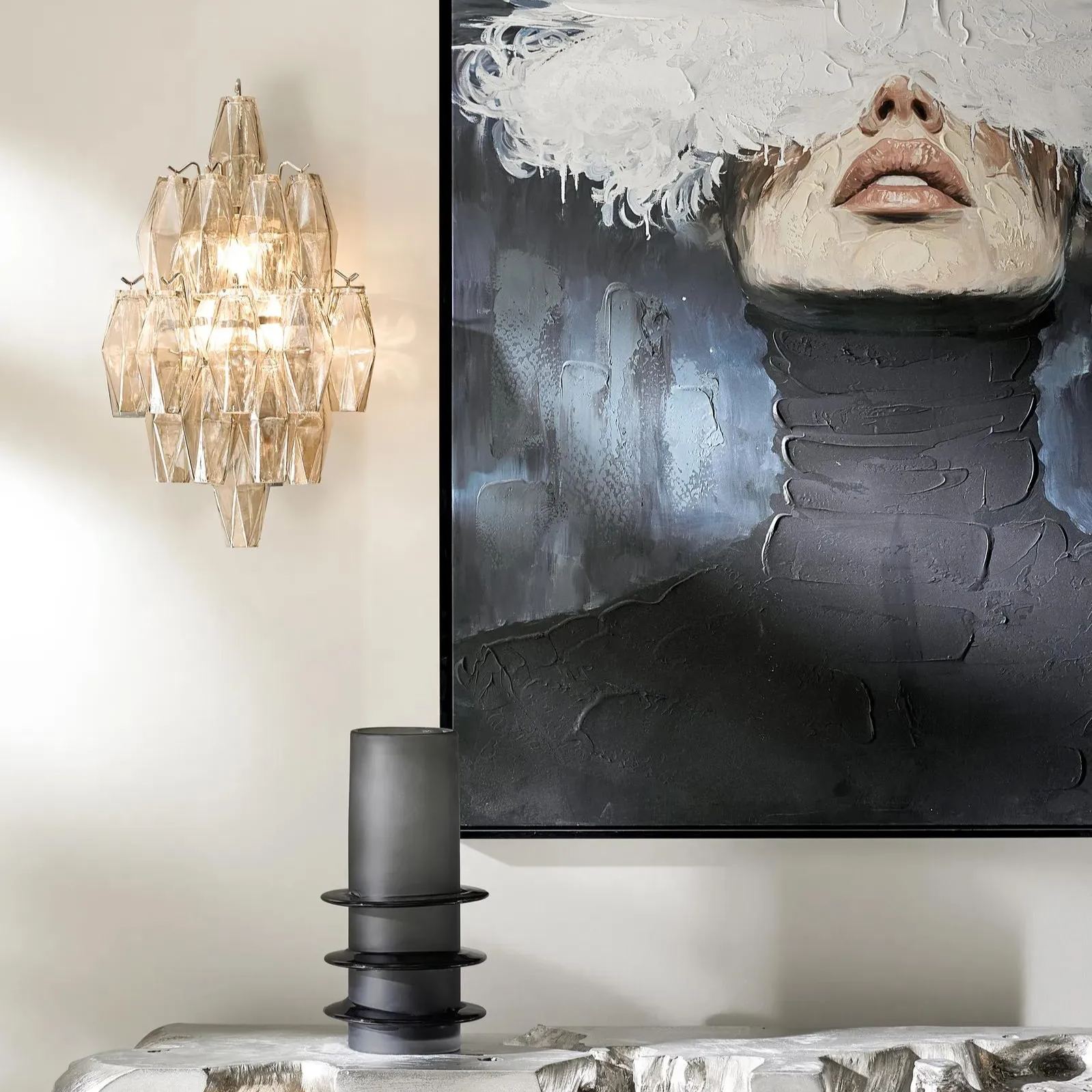 Cosima Champagne Hand-Blown Glass Electric Wall Sconce 19.75"$299
A cascading wall sconce featuring hand-blown champagne glass and a polished nickel backplate for elegant ambiance.
Add To Cart -
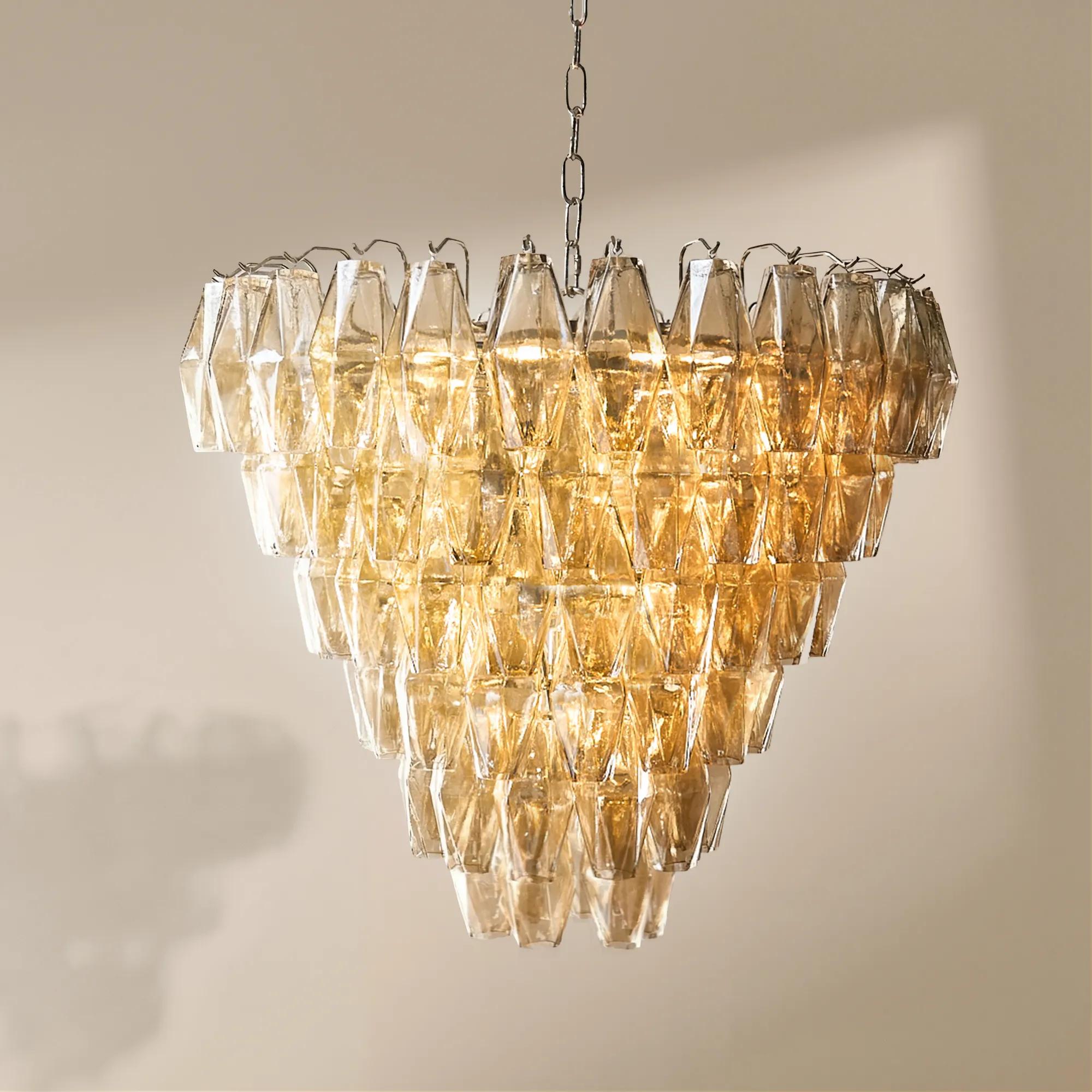
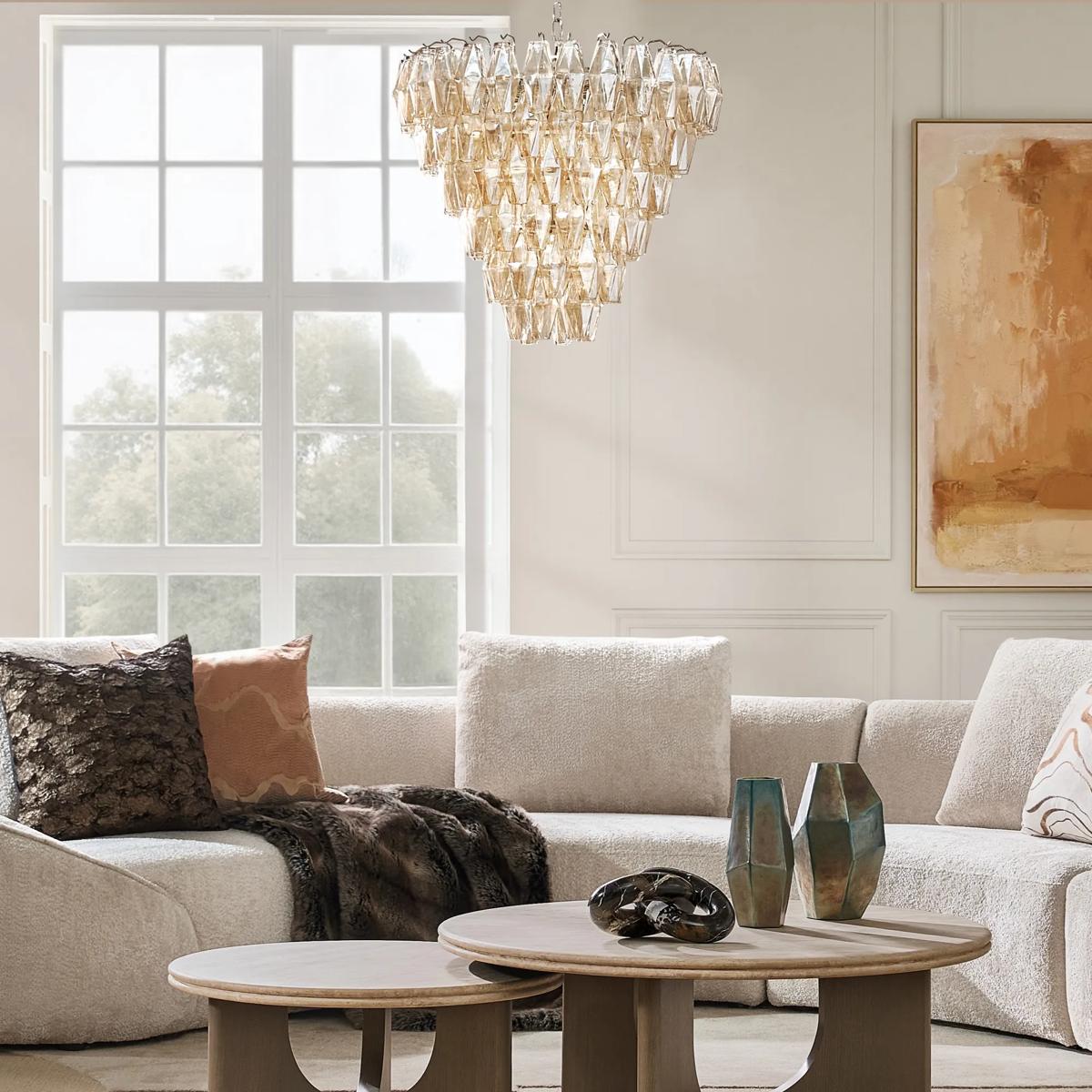 Cosima Champagne Blown Glass Chandelier 25.5"D x 23"H$1299
A sculptural chandelier featuring hand-blown champagne glass and a polished nickel frame for radiant, modern elegance.
Add To Cart

Smoke, Amber & Champagne Glass Lighting
Tinted glass lighting gives a room color, dimension, and presence—even before the lights come on. Explore electric wall sconces and statement chandeliers in smoke, amber, and champagne tones, balancing sculptural glass with gleaming metal details. Choose smoky depth for a dramatic contrast or golden undertones to bring warmth to your living and entertaining spaces.
The glass tone sets the mood, so begin with the palette already shaping your room. Smoke introduces a gray cast that feels especially striking against pale walls, rich upholstery, or reflective surfaces. Amber brings a deeper golden note that complements wood tones and warm neutrals, while champagne offers a subtler tint for a luminous, layered look. Consider the glass color separately from the frame finish: a cool metallic frame can sharpen warm glass, creating contrast rather than a strictly matched effect. View the fixture as part of the room in daylight, too, when its silhouette and glass detailing take the lead. Let placement determine how boldly the fixture enters the composition. A tinted glass chandelier can anchor a dining table or establish a focal point in an entry, while wall sconces can frame artwork or bring sculptural interest beside a mirror. Compare fixture dimensions, wall projection, and hanging requirements with the surrounding furniture and architecture before choosing. For a layered lighting scheme, balance decorative fixtures with other light sources rather than asking one statement piece to serve every purpose. Review each design’s bulb requirements, installation details, and any listed dimmer compatibility; the glass tint alone does not determine the room’s final illumination.
FAQs
Tinted glass introduces a visible hue, making color part of the fixture’s design even while it is unlit. Clear glass emphasizes transparency, while smoke, amber, and champagne glass add another layer of contrast or warmth to the room’s palette.
Yes. Look to the silhouette as well as the glass color. An open, architectural form can give tinted glass a contemporary edge, while cascading elements create a more theatrical expression. Echo a line or finish elsewhere in the room to connect the fixture to its surroundings.
Warm metals can emphasize the golden character of amber or champagne glass, while polished nickel offers a crisp counterpoint. Smoke glass can complement either direction. Choose whether you want the frame to blend with the glass or stand apart as a deliberate contrast.
Smooth glass emphasizes clean contours and reflections. Textured glass adds surface detail, giving the fixture a more tactile, sculptural character. Consider nearby materials: rippled glass can enliven a restrained setting, while smoother glass can balance richly patterned upholstery or decorative finishes.
Repeat an undertone rather than matching every piece. Amber glass can converse with bronze reflection, while smoke can lend depth beside warmer accents. Explore <a href="https://zgallerie.com/o/bronze-mirror-tinted-glass-furniture-decor">bronze mirror and tinted glass decor</a> for complementary details, leaving the lighting as the room’s defining focal point.