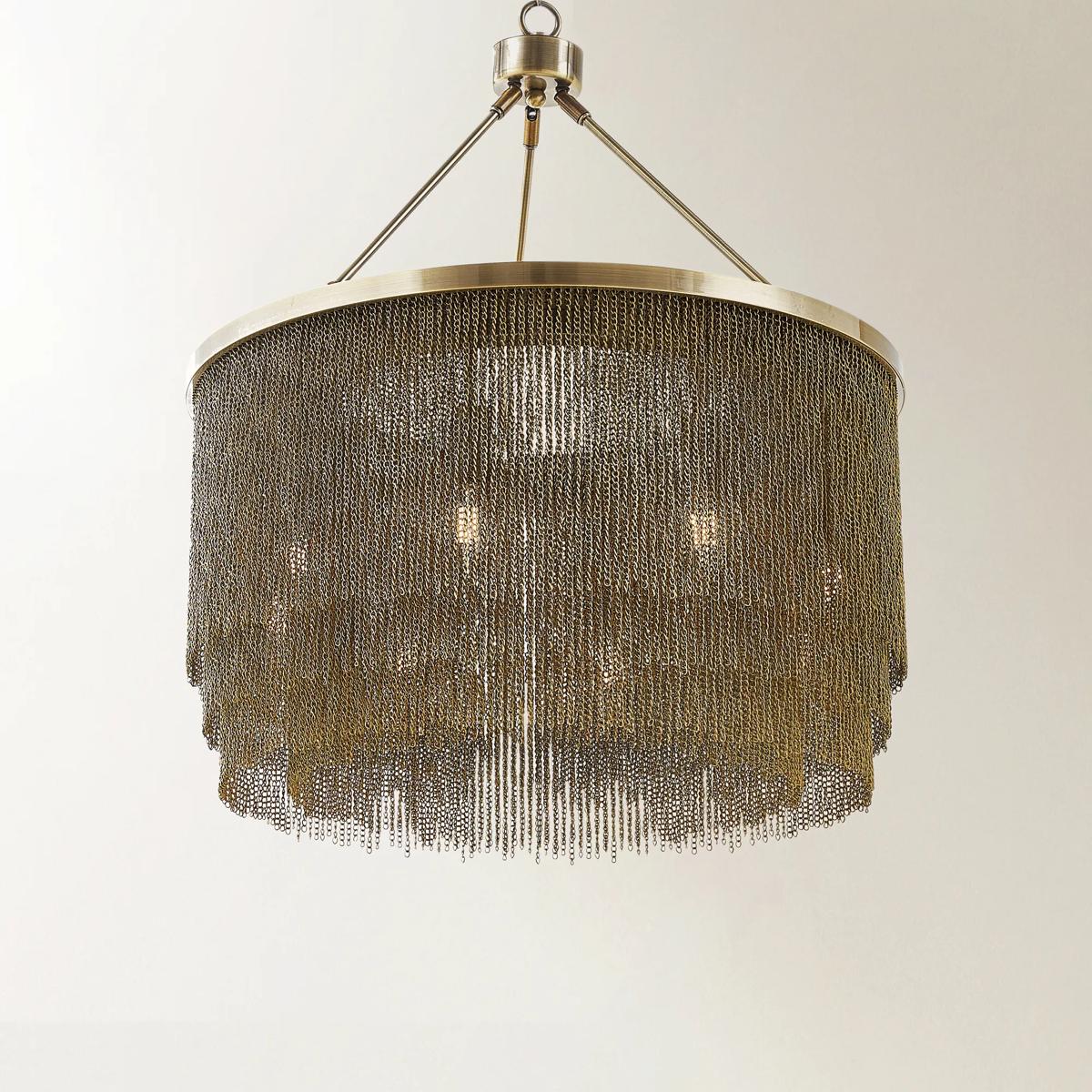
Hand-Blown Glass Table Lamps
Hand-Blown Glass Table Lamps
-
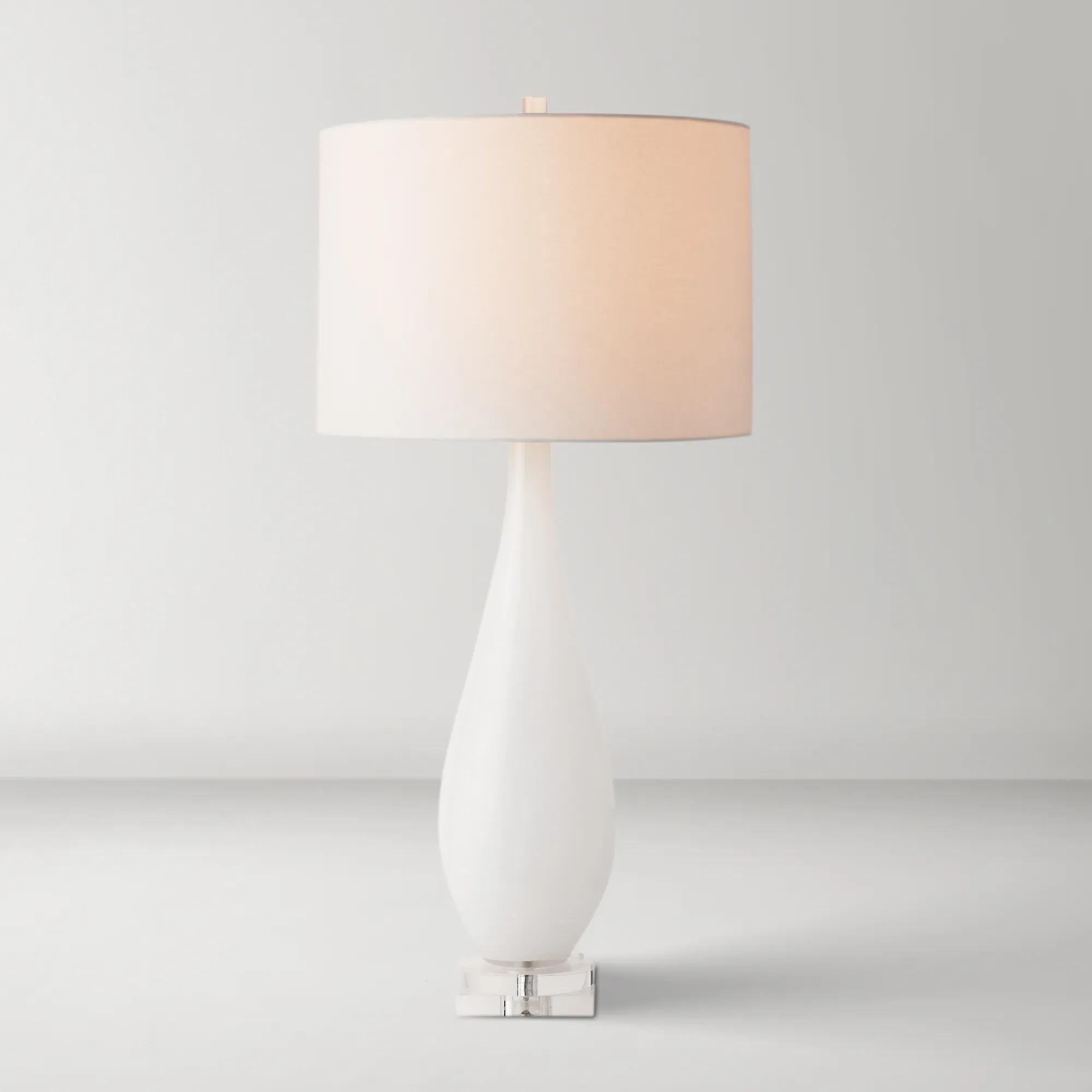
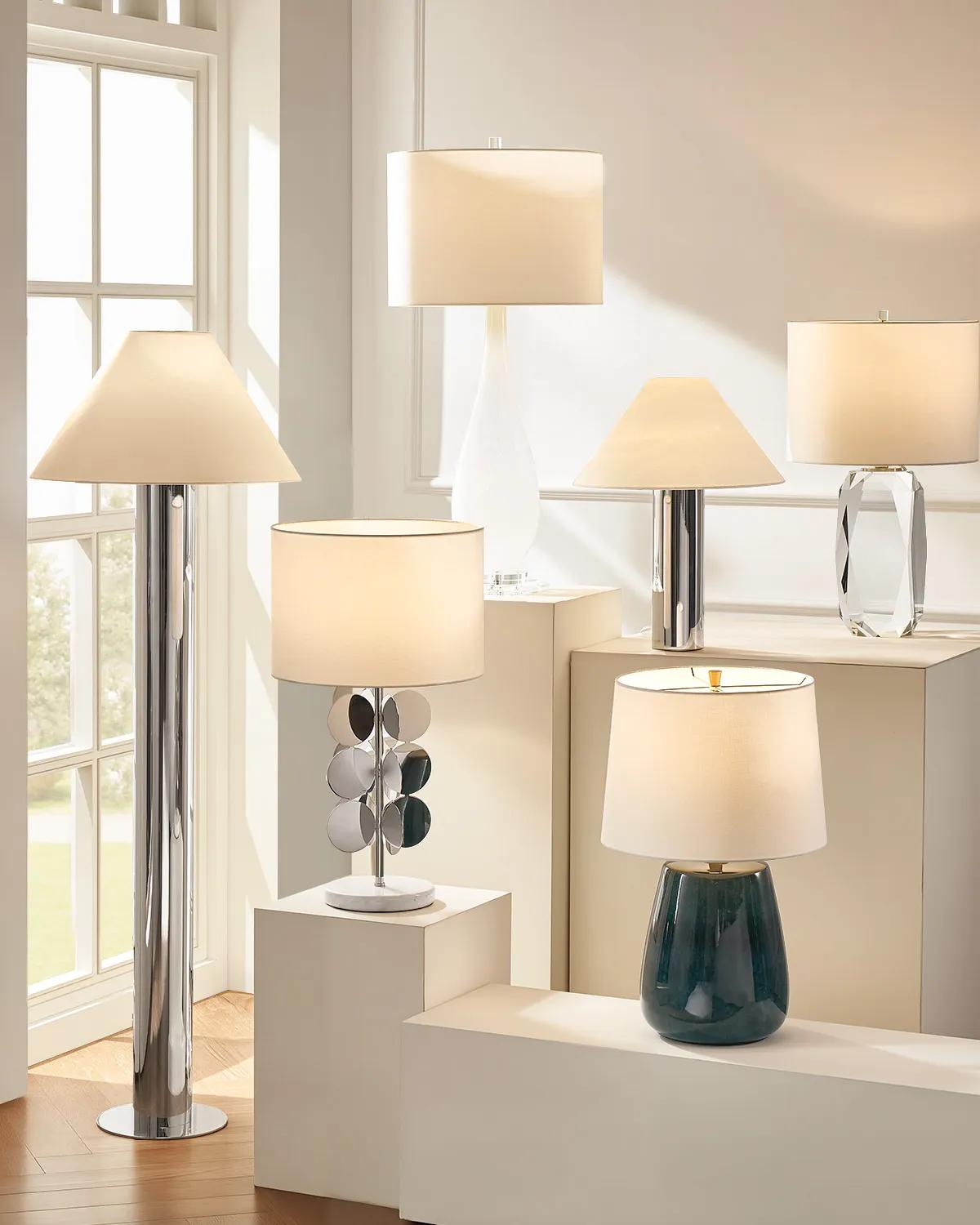 Serena Table Lamp$299
A chic table lamp featuring a handblown glass body, crystal base, and monochromatic white finish.
Add To Cart -

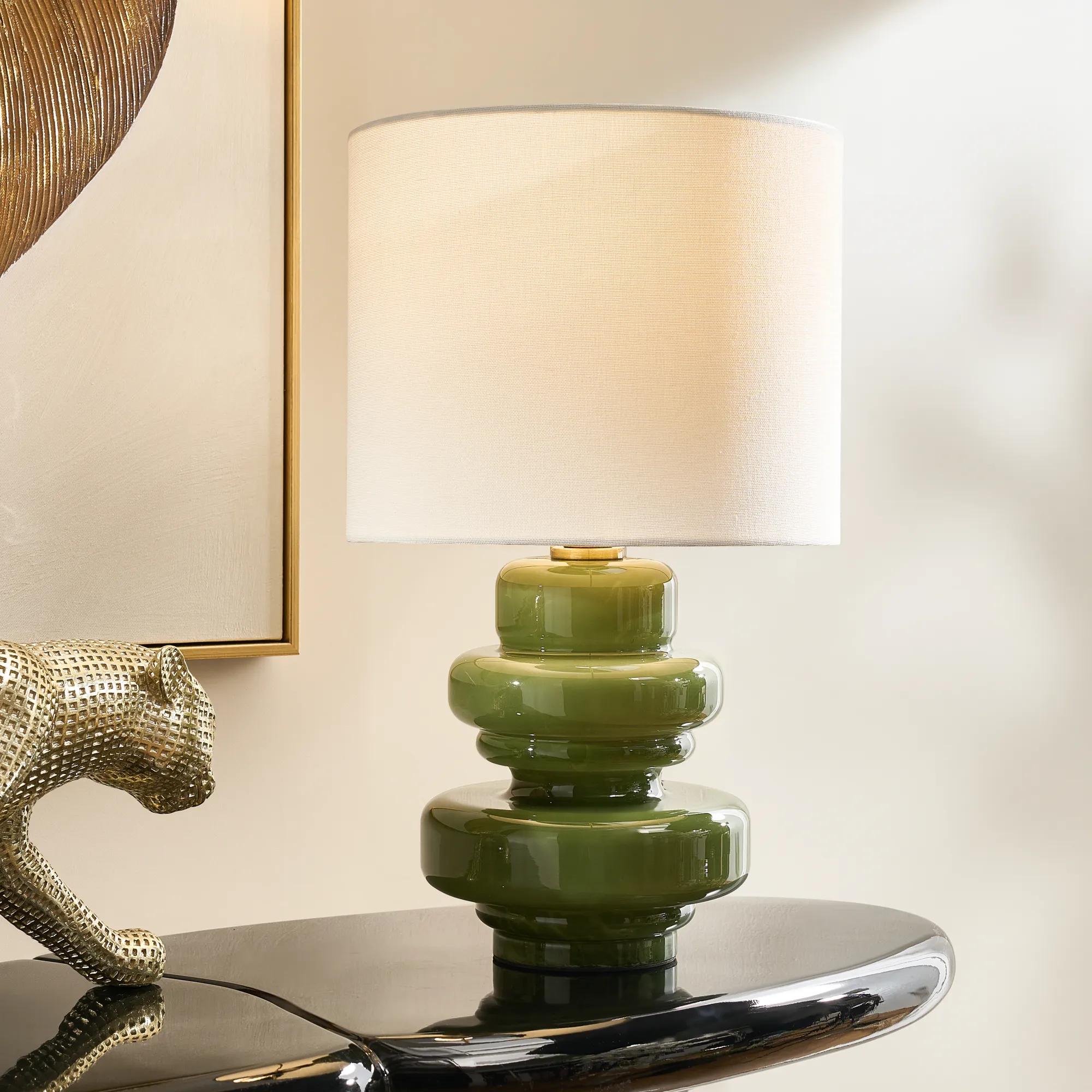 Edin Mouth Blown Pistachio Green Glass Table Lamp 17.5"$99
A sculptural table lamp featuring mouth-blown pistachio green glass and brushed nickel accents with an ivory linen shade.
Add To Cart -
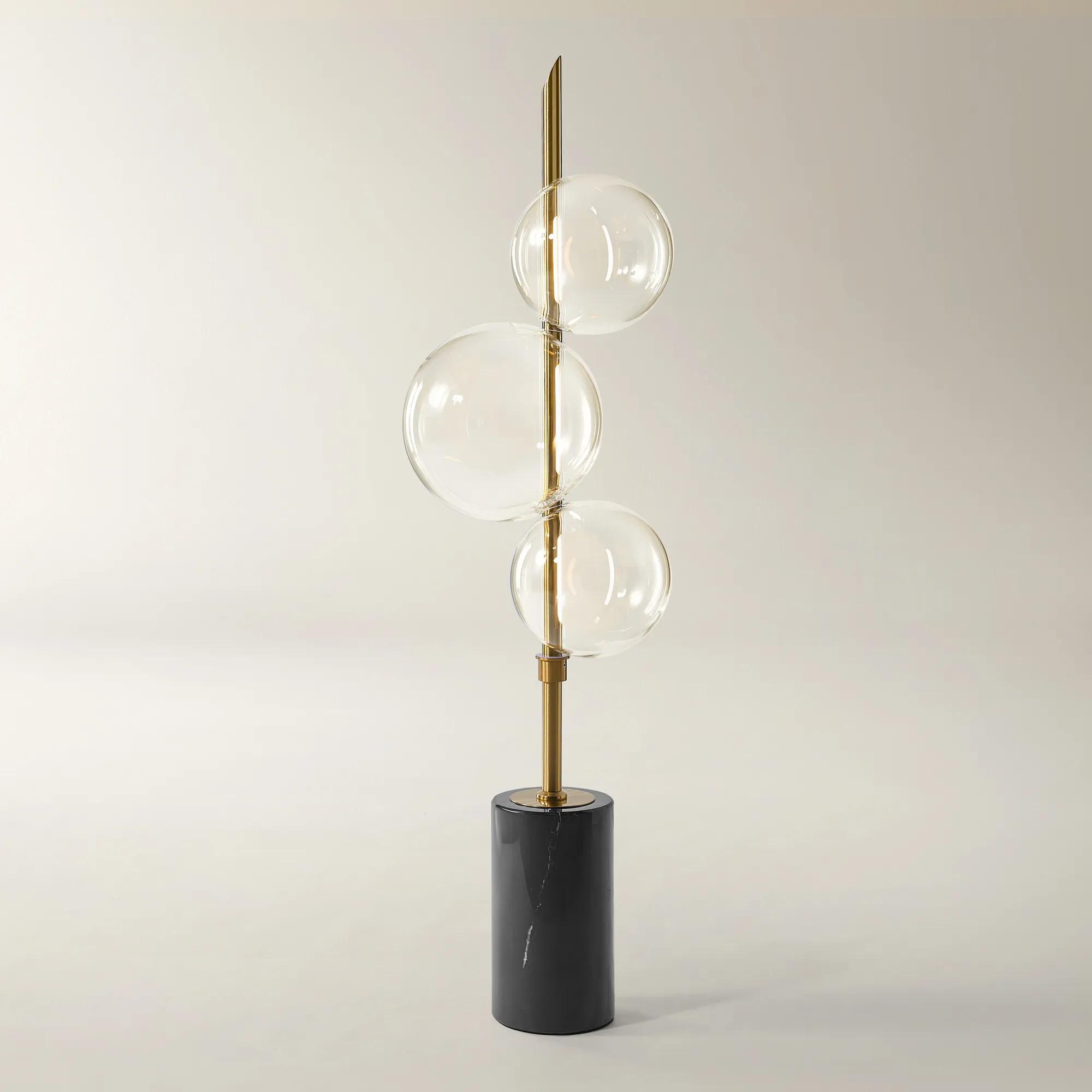
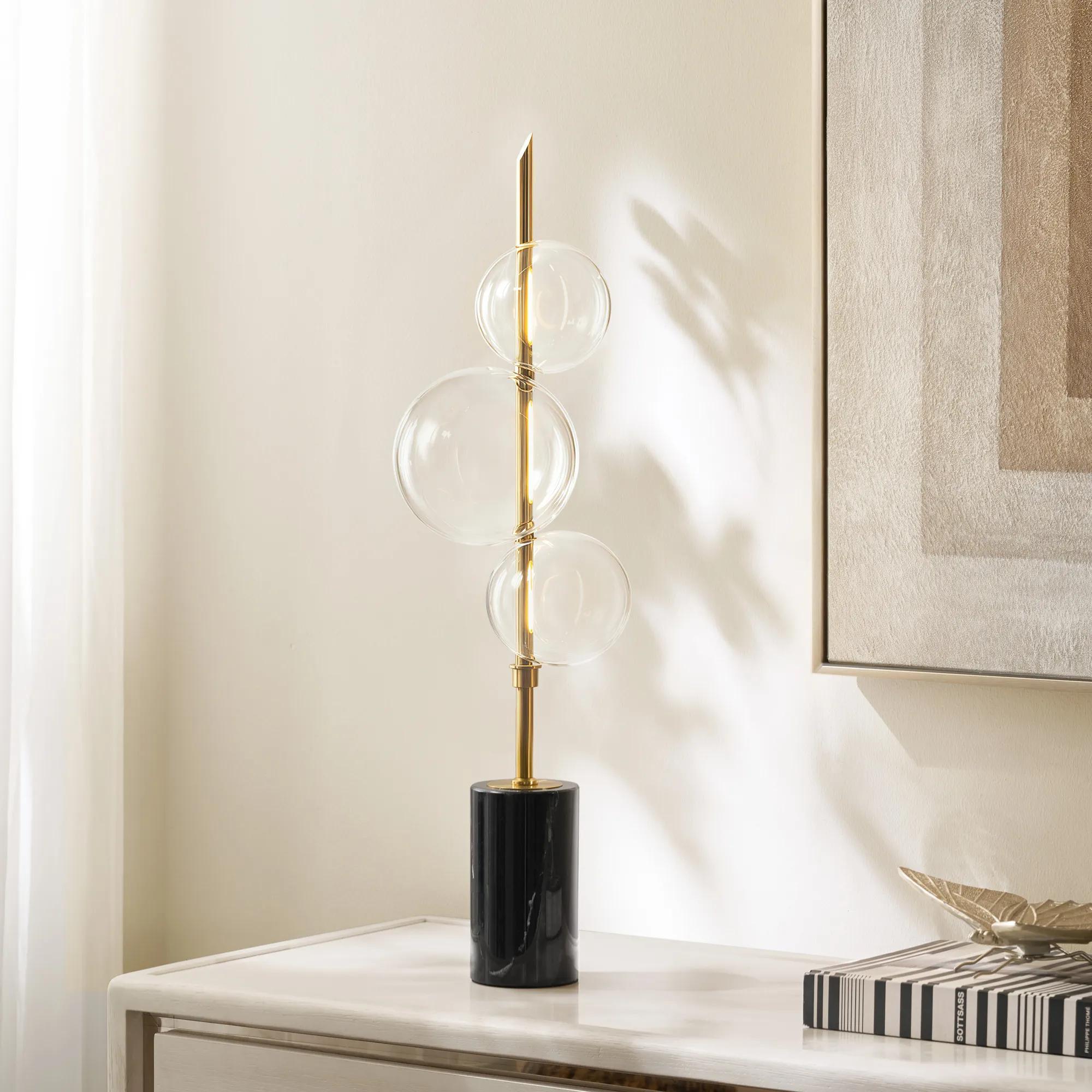 Bolla LED Hand-Blown Glass Bubble And Stone Table Lamp 31.5"$249
A sculptural table lamp featuring clear hand-blown glass bubbles, brass and stone accents, and integrated LED lighting.
Add To Cart -
 Blair Mouth Blown Tortoise Brown Glass Table Lamp 25"$229
A mouth-blown glass lamp in a brown tortoise finish with antique brass accents and an ivory linen shade.
Add To Cart -
 Edin Mouth Blown Slate Blue Glass Table Lamp 17.5"$99
A sculptural slate blue mouth-blown glass lamp with brushed nickel accents and an ivory linen shade.
Add To Cart -

 Blair Mouth Blown Sea Glass Blue Glass Table Lamp 25"$229
A mouth-blown glass lamp in soft blue sea glass with antique brass accents and an ivory linen shade.
Add To Cart

Hand-Blown Glass Table Lamps
Hand-blown glass table lamps bring artful dimension to a living room side table or dining room console. Explore sculptural lighting with an eye for glass color, silhouette, and the balance between base and shade. Whether you favor airy clarity or a richly colored accent, choose a design that complements your furnishings while giving the room a distinctive focal point.
Hand-blown glass table lamps bring a distinctive kind of drama to a room: sculptural by day, luminous after dark, and expressive from every angle. The appeal begins with the glass itself. Shaped while molten, blown glass can take on generous curves, elongated silhouettes, and fluid contours that feel especially striking beside the crisp lines of upholstered furniture or a tailored console. Depending on the artisan’s technique, subtle variations in shape, color, or decorative bubbles may become part of the finished piece’s character. These details give the eye something to linger on without requiring an elaborate setting. Clear glass creates a light visual presence, allowing surrounding colors and textures to remain visible; smoky tones introduce depth, while richly colored or opaque glass can hold its own against patterned wallpaper and saturated upholstery. A rounded base feels sumptuous beside a velvet chair, while a slender profile lends elegance to a narrow bedside table. The shade completes the composition, balancing the glass with a softer surface and influencing how the light enters the room. A pale fabric shade can soften the bulb’s brightness, while a darker or more opaque shade often creates a more concentrated pool of illumination above and below. The glass base itself does not necessarily glow; on many designs, it catches reflections from the bulb above and the room around it. That distinction is part of its beauty. A gleaming curve can echo a nearby mirror, pick up the color of artwork, or lend dimension to a quiet corner. For interiors that embrace expressive detail, these lamps offer an artful balance of ornament and purpose. They can anchor a polished living room, soften the geometry of a home office, or introduce a jewel-like accent to a bedroom without overwhelming the furniture beneath them. Even when switched off, the interplay of glass, shade, and surrounding light gives the arrangement a finished, considered presence.
Proportion gives that artistry room to resonate. A table lamp should relate to both its supporting surface and the furnishings nearby, with enough space around the base for the objects that belong there. On a bedside table, that might mean leaving a comfortable landing place for a book, glasses, and a water carafe; beside a sofa, it may mean preserving space for a drink without placing it against the lamp. Shade width matters as much as base width, particularly on shallow consoles and compact accent tables, where an oversized shade can project into a walkway. Height also changes the experience. When a lamp accompanies a reading chair, positioning the lower edge of its shade near seated eye level can help conceal the bulb while directing light toward the page. Beside a bed, the relationship between mattress height, table height, and shade position deserves the same attention. A grand silhouette may suit a broad nightstand and tall upholstered headboard, while a more restrained scale keeps a smaller setting balanced. Matching lamps create symmetry across a console or on either side of a bed, though hand-worked glass may introduce subtle differences that keep the arrangement from feeling rigid. Lamps with complementary shapes or related colors offer a more collected effect. For another perspective on glass as a decorative focal point, Unique Glass Base Table Lamps brings attention to the relationship between an expressive base and its surrounding setting. Beyond silhouette, bulb compatibility and shade construction shape everyday comfort. Warm-white light often flatters amber, smoke, and metallic accents, while the bulb’s lumen output determines how much illumination reaches the surrounding space. Dimming offers additional control when the lamp, bulb, and dimmer are compatible. A reading corner benefits from useful light directed where it is needed; a console arrangement may call for a gentler glow that complements overhead fixtures rather than competing with them.
Material details determine how gracefully a glass table lamp becomes part of daily life. Metal fittings, a supporting plinth, and the shade’s texture can shift the mood from sleek and architectural to richly layered, so their finishes deserve consideration alongside nearby hardware and furniture. A polished accent can converse with a mirrored chest, while a quieter metal finish lets the glass remain the focal point. Construction matters just as much as appearance: a level surface, a stable base, and a cord route clear of foot traffic help make the placement practical. Glass can retain its beauty with thoughtful handling, but it remains vulnerable to sharp impacts and falls. In homes with active children or curious pets, a protected location away from table edges and busy passageways is especially important. Moving a lamp calls for support beneath the base rather than lifting it by the shade, socket, or neck. Routine care is usually gentle: switch the lamp off, unplug it, allow the bulb to cool, and remove dust with a soft, dry microfiber cloth. Applied finishes, painted details, and metal components may require different treatment from plain glass, making the manufacturer’s care directions essential before introducing moisture or cleaning products. Abrasive pads and harsh cleaners can damage delicate surfaces, and electrical components should never be immersed. Following the specified bulb type and maximum wattage also helps protect the lamp and shade. These considerations support a piece chosen for both atmosphere and regular use, whether it illuminates evening reading or lends polish to an entryway console. For a housewarming or wedding gift, a hand-blown glass table lamp can feel personal and substantial when its dimensions, color, and electrical features suit the recipient’s home. Its lasting appeal lies in that meeting of visual pleasure and everyday ritual: switching on a soft pool of light, settling into a favorite chair, and seeing familiar furnishings take on a richer dimension.
FAQs
Look for explicit wording such as hand-blown, handblown, or mouth-blown in the product description or material details. Glass material, an unusual shape, or a hand-painted finish alone does not confirm blown-glass construction.
No. Blown-glass table lamps can feature clear, white, or colored glass. Treat color and construction as separate choices: first confirm the documented glassmaking process, then select a finish that creates the mood you want.
A fabric shade adds a textile contrast to the glass and helps define the lamp's overall silhouette. An exposed glass shade makes the glass itself more prominent in the composition. Consider the entire design—not just the base—to decide whether you want a tailored accent or a more sculptural statement.
Yes. Mixed metals can give a room a collected, expressive character. Create a deliberate connection by repeating one finish elsewhere, or let the lamp's glass color tie into the room while its metal details provide contrast.
Follow the care instructions for the individual lamp, including any guidance for its shade, hardware, and base. Use a soft cloth and avoid harsh chemicals or abrasive cleaners that can damage finishes. A mixed-material design may require different care for each surface.