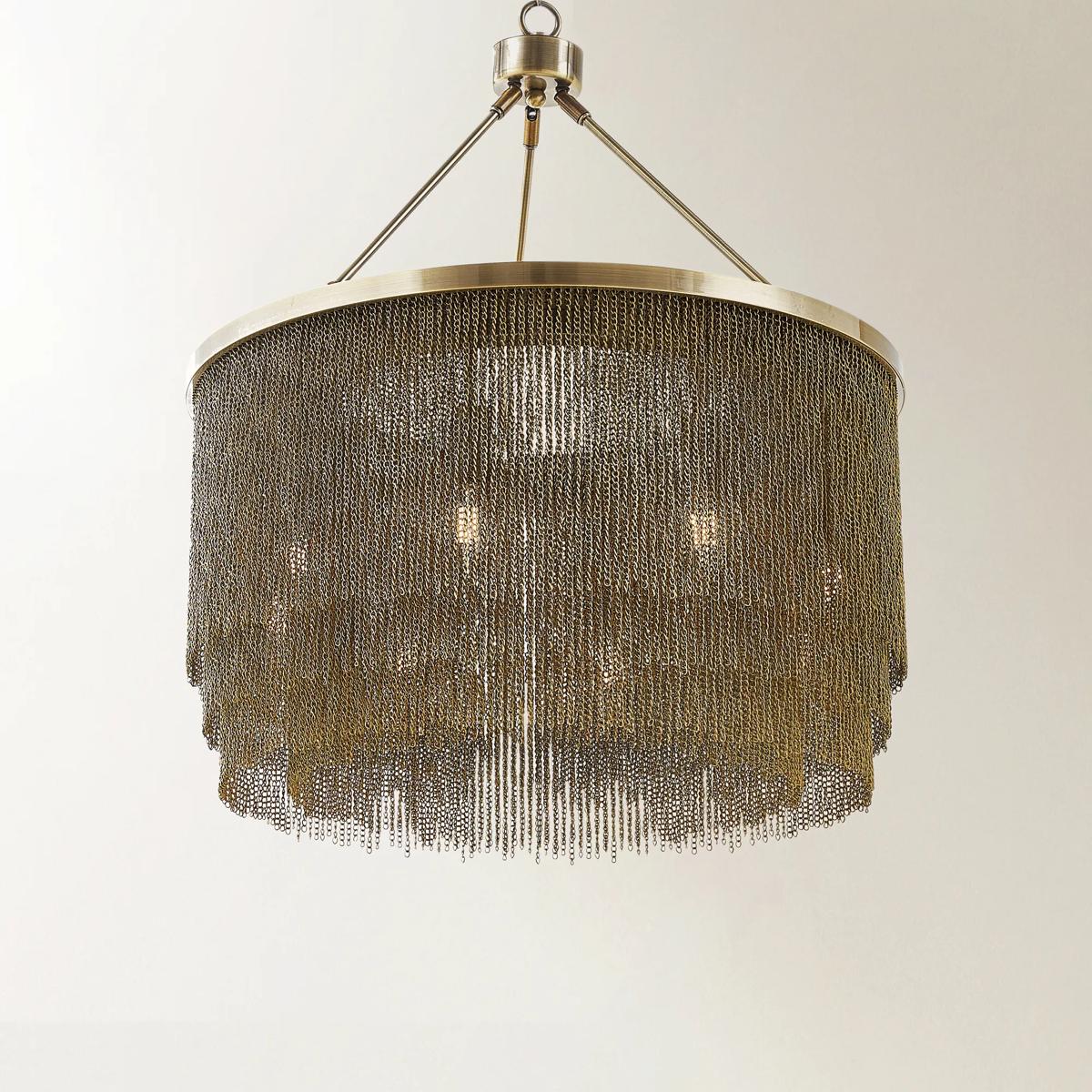
Colorful Glass Table Lamps
Colorful Glass Table Lamps
-

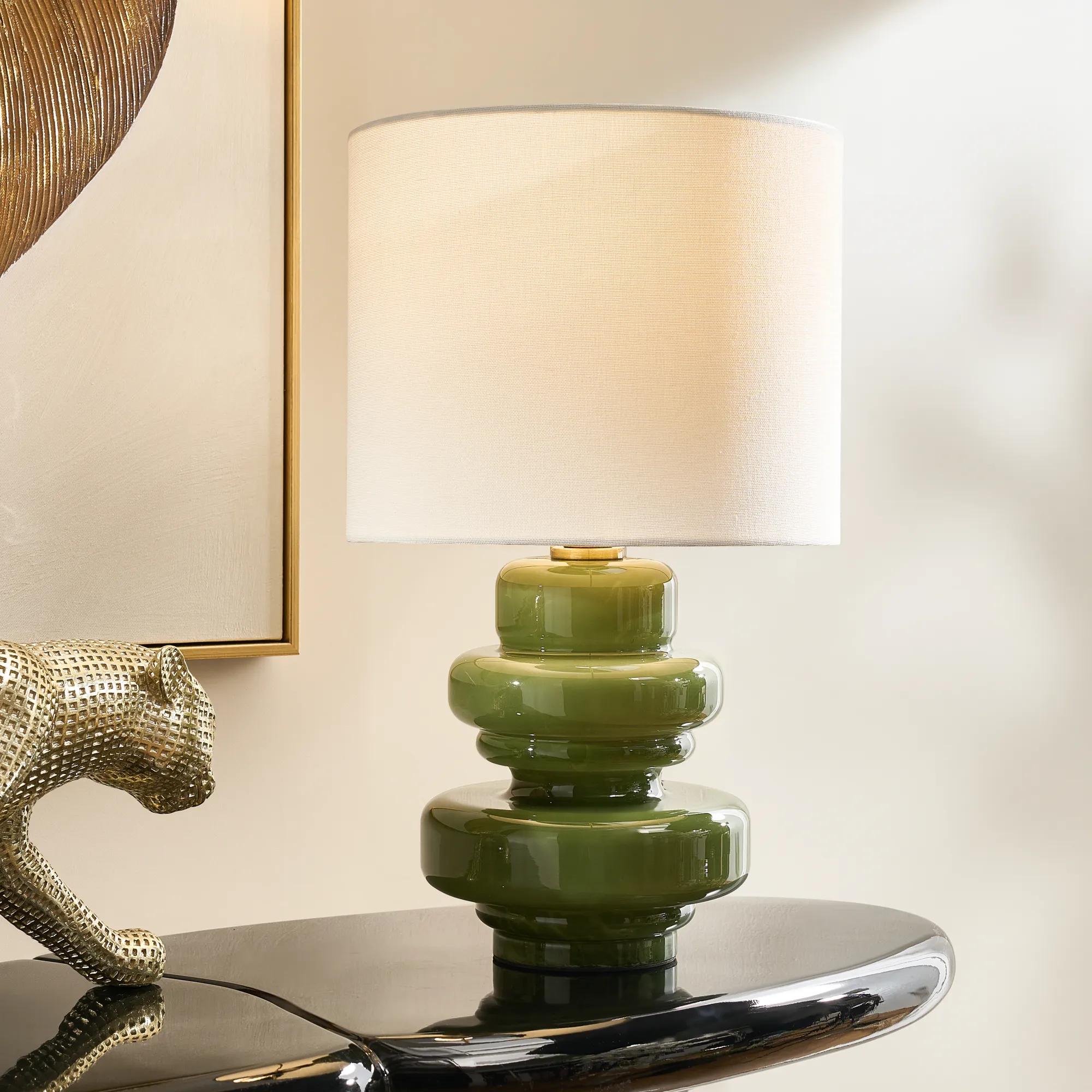 Edin Mouth Blown Pistachio Green Glass Table Lamp 17.5"$99
A sculptural table lamp featuring mouth-blown pistachio green glass and brushed nickel accents with an ivory linen shade.
Add To Cart -
 Edin Mouth Blown Slate Blue Glass Table Lamp 17.5"$99
A sculptural slate blue mouth-blown glass lamp with brushed nickel accents and an ivory linen shade.
Add To Cart -

 Blair Mouth Blown Sea Glass Blue Glass Table Lamp 25"$229
A mouth-blown glass lamp in soft blue sea glass with antique brass accents and an ivory linen shade.
Add To Cart -
 Blair Mouth Blown Tortoise Brown Glass Table Lamp 25"$229
A mouth-blown glass lamp in a brown tortoise finish with antique brass accents and an ivory linen shade.
Add To Cart

Colorful Glass Table Lamps
Colorful glass table lamps turn a side table or dining-room console into an artful focal point. Explore colored-glass designs that pair expressive hues with sculptural form, then choose a tone that draws inspiration from your upholstery, artwork, or decorative accents. From subtle washes of color to richly patterned glass, these lamps bring personality to dining rooms and adjoining living spaces.
Colorful glass table lamps bring a painterly dimension to a room, pairing the presence of sculptural glass with the intimacy of lamplight. A saturated blue base can draw out the inky threads of an upholstered chair; a soft rose silhouette can introduce warmth beside pale stone and polished metal. Emerald, amber, smoky violet, and translucent aqua each create a different visual rhythm, whether the surrounding palette is restrained or richly layered. The appeal lies in the way glass holds color. Transparent surfaces reveal overlapping curves and subtle changes in depth, while opaque or frosted treatments give a hue a denser, more sculptural presence. Even before a lamp is illuminated, its base can serve as a luminous accent against a dark wall or a jewel-like focal point on a neutral console. Once the light is on, the shade typically shapes the room’s glow, while the colored glass adds visual richness beneath it; a colored base alone does not necessarily cast colored light. This distinction makes these lamps especially versatile for living rooms, bedrooms, and entryways, where atmosphere matters as much as decoration. A pair can frame a sofa with deliberate symmetry, while a single generous silhouette can give an otherwise quiet corner a confident point of view. For a layered composition, let the glass repeat one color already present in artwork, a rug, or a decorative pillow without matching every surrounding detail. Blue glass beside warm wood feels composed rather than predictable, and amber against charcoal creates a rich contrast without overwhelming the room. Colorful glass table lamps also work beautifully in interiors that rely on texture rather than pattern: the contrast of a gleaming base with nubby upholstery, matte ceramics, or softly veined marble gives each surface greater definition. The result is expressive but purposeful, with color doing the work of connecting furniture, art, and the smaller details that make a room feel personal.
Within the broader collection of Decorative Glass Table Lamps, differences in silhouette, surface, and construction can be just as important as the palette. Rounded bodies have a full, sculptural presence, elongated necks introduce height, and ribbed or faceted surfaces add a changing pattern of highlights as the viewing angle shifts. Depending on the design, color may be incorporated into the glass itself or applied through a surface treatment, a distinction worth noting when considering appearance and care. Clear glass can feel visually lighter on a substantial cabinet, while richly colored or opaque glass brings definition to an open arrangement. Metal accents introduce another layer: a warm metallic finish can echo the depth of amber or blush, while a cool finish can sharpen blue, green, or gray. The shade completes that relationship. Pale fabric often softens illumination, whereas a darker or less translucent shade may direct more light upward and downward, creating a more defined pool of light. Scale deserves equal attention. On a bedside table, the lamp should leave comfortable room for a book, a glass of water, and everyday essentials; on a console, the shade should sit comfortably within the available depth rather than project into a walkway. Consider the full height, including the shade, in relation to nearby artwork and furniture. For reading beside a chair or in bed, a shade positioned near seated eye level can help conceal the bulb and reduce direct glare, though the ideal placement depends on the shade’s shape and the reader’s position. A compact lamp may bring atmosphere to a narrow accent table, but focused reading calls for sufficient light output and a shade that directs it where needed. Bulb compatibility, maximum wattage, switch placement, and access to an outlet all influence daily enjoyment. Dimming can create a softer evening mood when both the lamp and bulb are designed for it, while a thoughtfully chosen bulb color temperature helps neighboring lamps feel harmonious rather than noticeably mismatched.
The lasting appeal of colored glass comes from preserving both its clarity and its place in the room’s composition. Glass can retain its beauty with attentive handling, but it remains vulnerable to chips and breakage, making a level surface and a secure position especially important in busy households. A lamp placed away from a table’s edge, with its cord routed clear of foot traffic and curious hands or paws, feels considered in every sense. Lift it by the base rather than the shade, socket, or neck, and support its weight when moving it to a new setting. For routine care, disconnect the lamp from power, let the bulb cool, and use a soft, dry cloth to remove dust. Fingerprints or marks may require a lightly dampened cloth if the care instructions permit, but moisture should stay away from sockets, switches, and electrical components. Abrasive pads and strong cleaners can damage decorative coatings or metal finishes, so the manufacturer’s directions should guide any deeper cleaning. Fabric shades benefit from gentle dust removal appropriate to their material, helping the entire lamp maintain a crisp, polished appearance. These practical details support the pleasure of using a decorative piece every day, whether it anchors a bedside arrangement or lends a welcoming glow to an entry. For someone furnishing a first home, celebrating a wedding, or refreshing a favorite room, a colorful glass table lamp can also be a thoughtful gift when the recipient’s palette, available space, and lighting needs are known. A familiar accent color offers a personal connection without requiring a complete redesign. At home, the same principle keeps a bold choice feeling natural: give the glass enough breathing room to reveal its outline, balance its sheen with contrasting textures, and let its color converse with the room rather than compete with every object nearby. A well-placed lamp brings artistry to an everyday ritual—the turn of a switch, a chapter before bed, an evening conversation—and gives those moments a setting with unmistakable character.
FAQs
No. Glass in a single distinctive hue can be just as expressive as a multicolor design. Solid-colored and patterned glass both suit this look; the defining detail is color in the glass itself, rather than color supplied only by the shade or hardware.
Decide whether you want a subtle accent or a pronounced contrast. A muted hue can add dimension without dominating the room, while a deeper tone creates a stronger focal point. Take inspiration from one detail in your artwork or textiles to make the choice feel intentional.
Colored glass describes appearance, while hand-blown glass describes a making process. One does not necessarily imply the other. Review each lamp’s material and craftsmanship details if the way the glass is formed is part of your design vision.
A neutral fabric shade lets the glass color and silhouette command attention. For a more layered composition, consider how the shade’s texture and undertone relate to the base. Ivory offers a softer contrast, while crisp white creates a sharper visual distinction.
Yes—give the patterns a shared color and different visual rhythms. A fluid glass pattern can complement a more structured textile, especially with a solid-colored surface or accessory between them. Let one pattern lead so the composition feels richly layered rather than crowded.