Small Accent Tables Under $300
Small Accent Tables Under $300
-
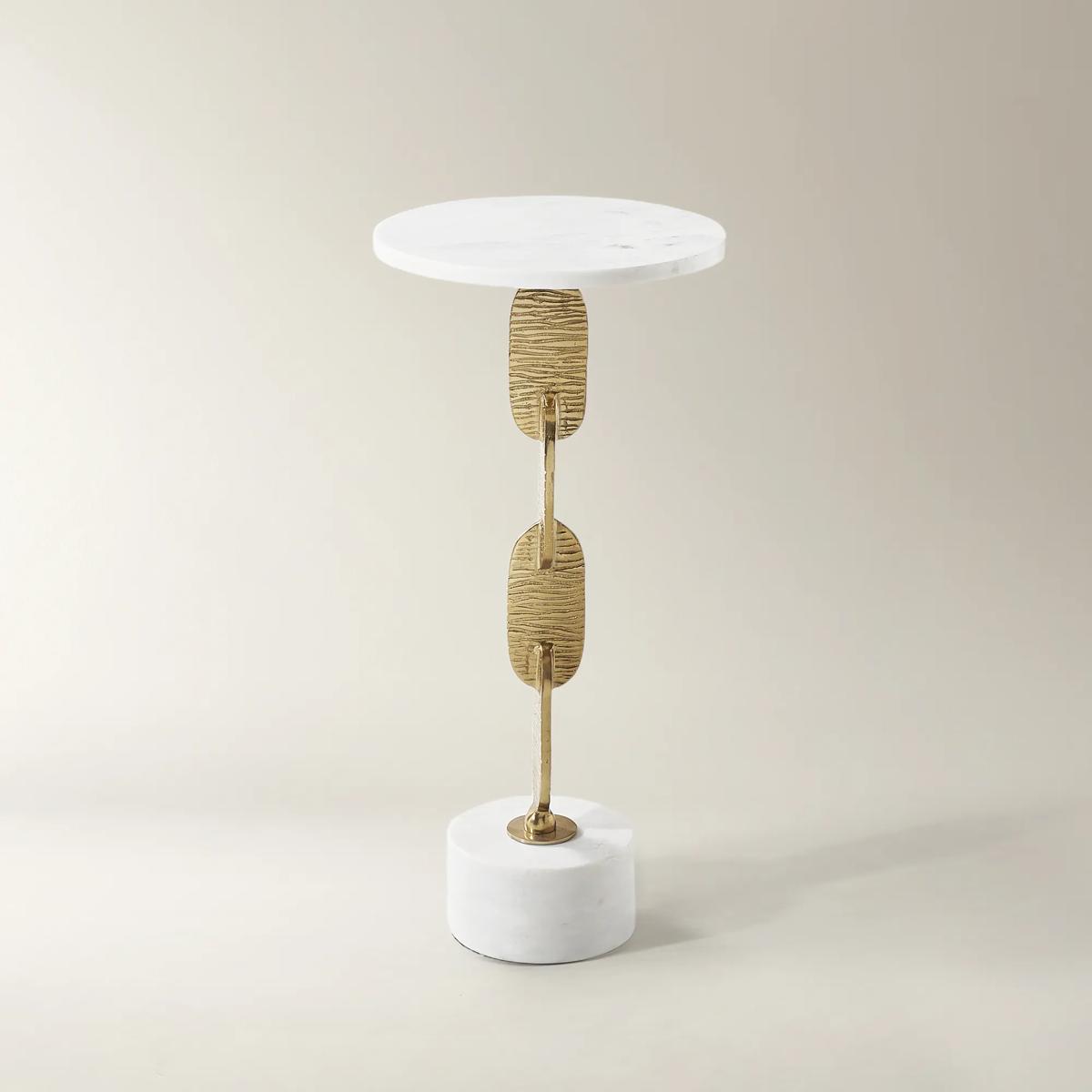
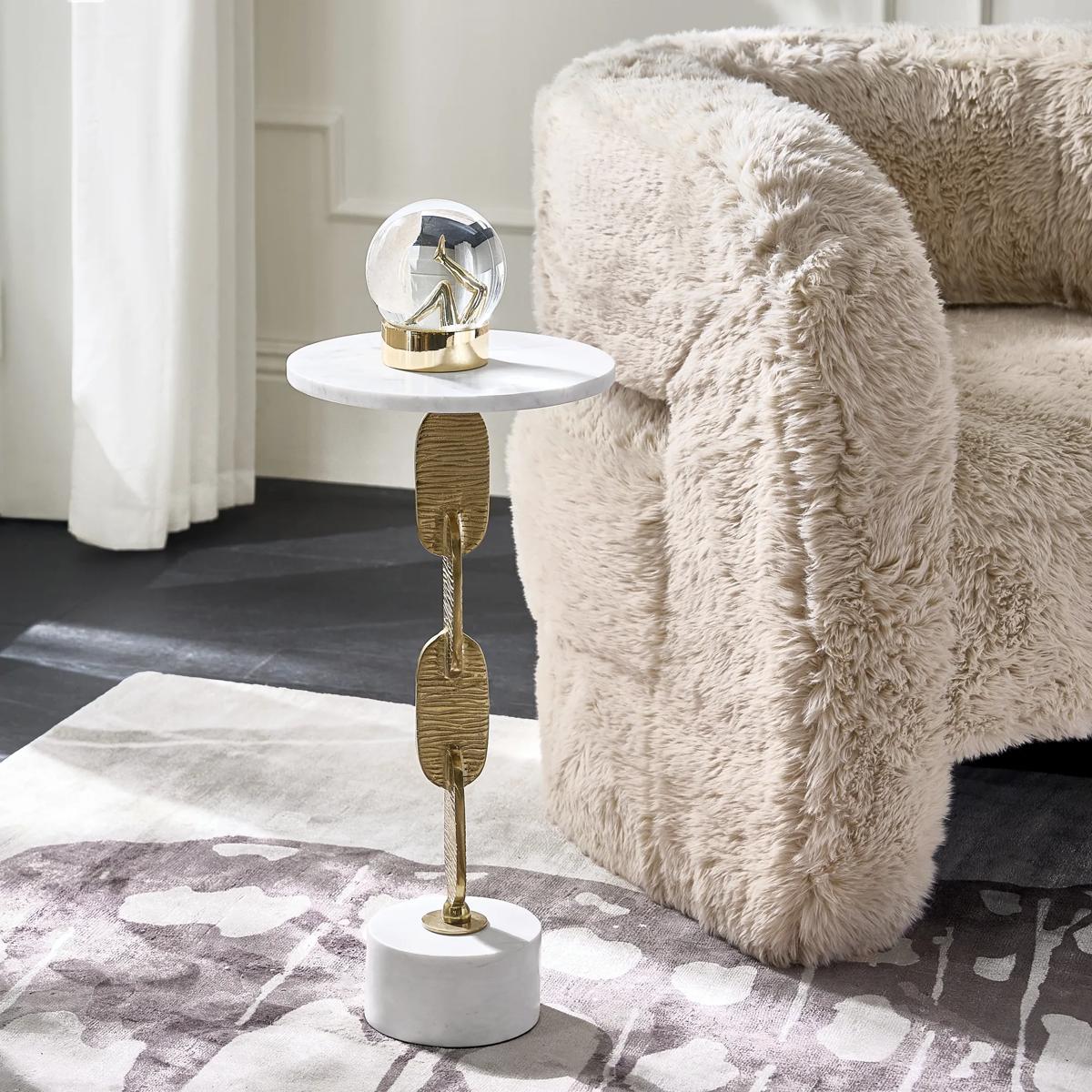 Luna Round White Marble Side Table (11.25")$199
A sculptural side table featuring a genuine white marble top and an open gold-finished metal frame.
Add To Cart -
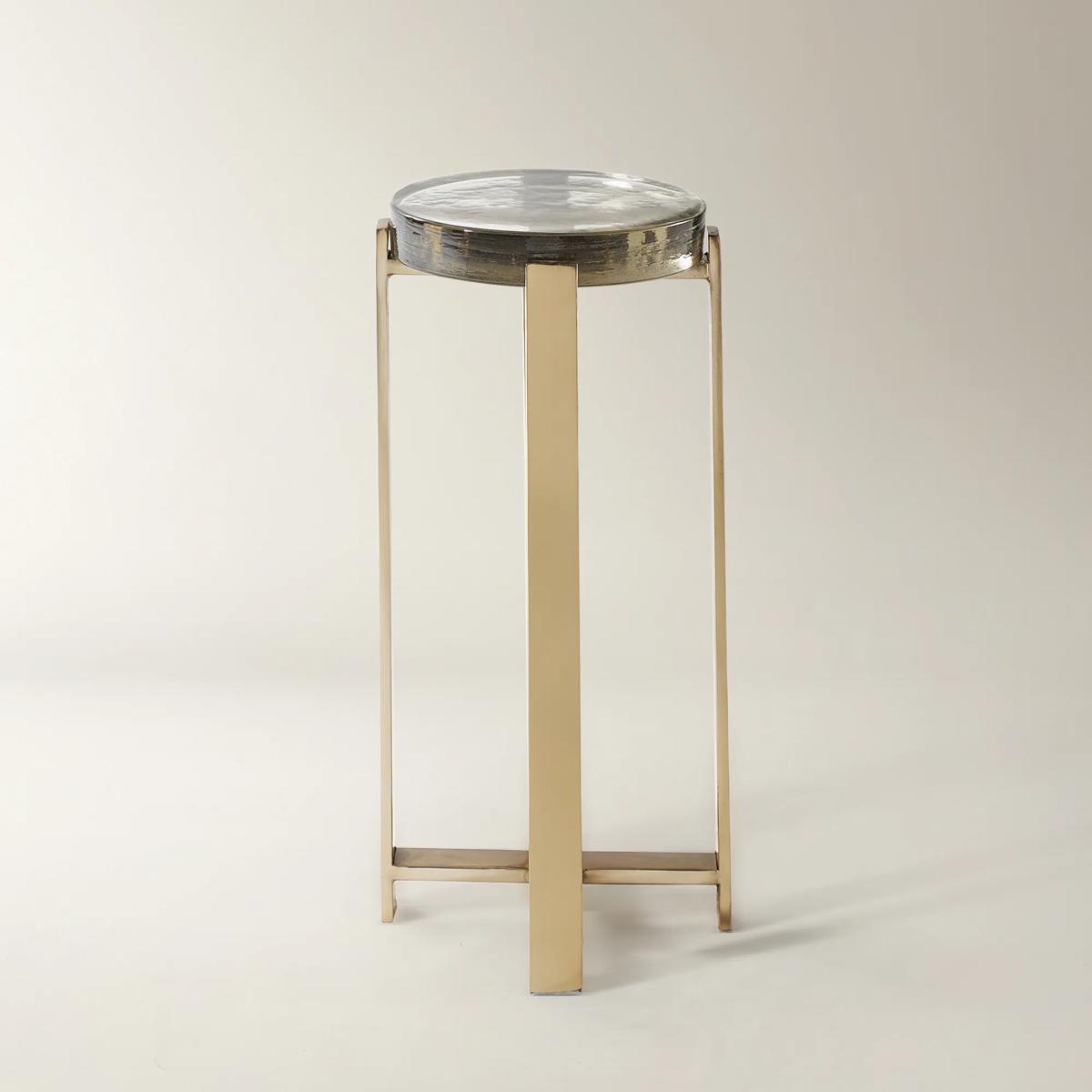
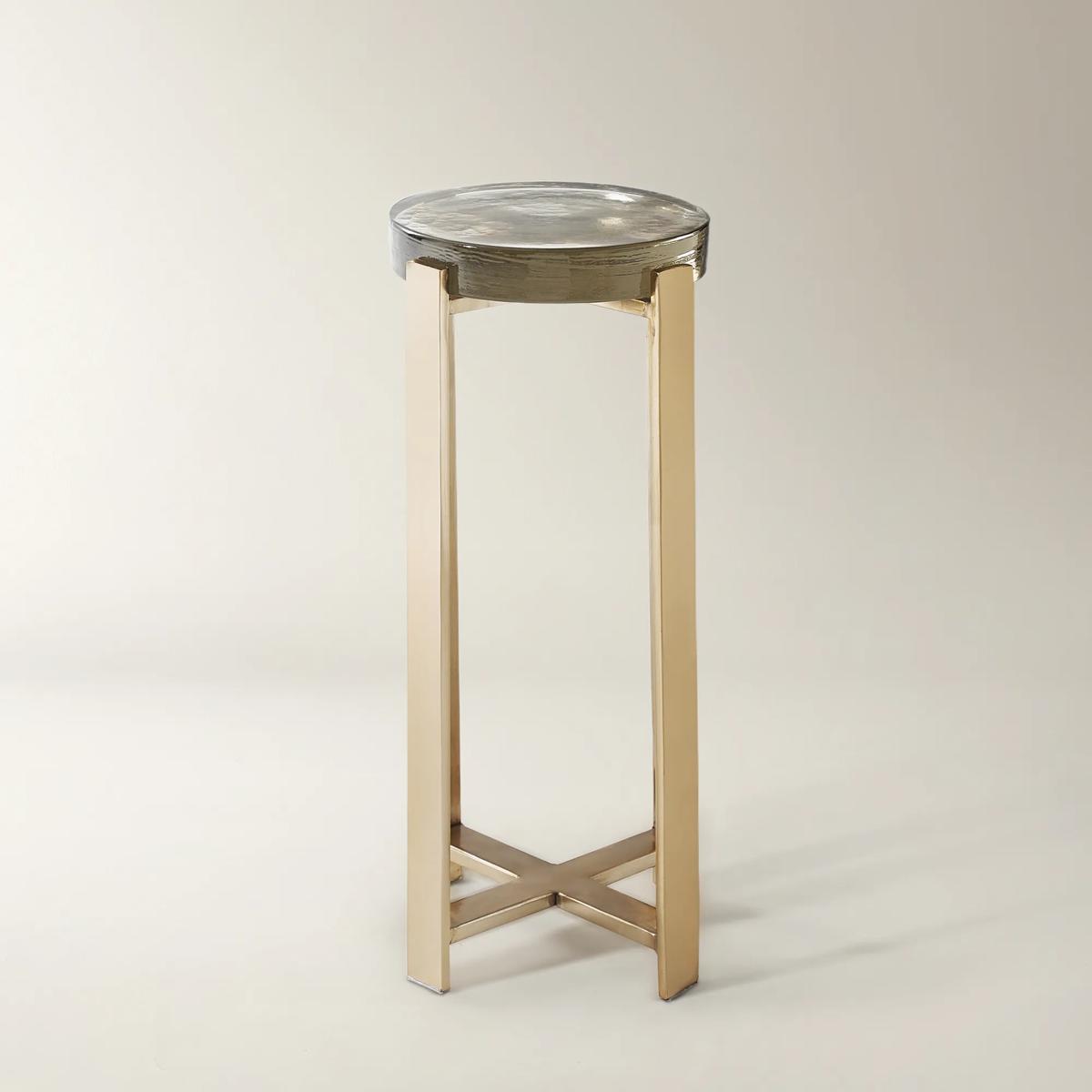 Lyra Round Brass Metal Side Table With Glass Top (10.75")$259
A sculptural side table featuring a thick cast glass top and lustrous brass-finished metal base.
Add To Cart -
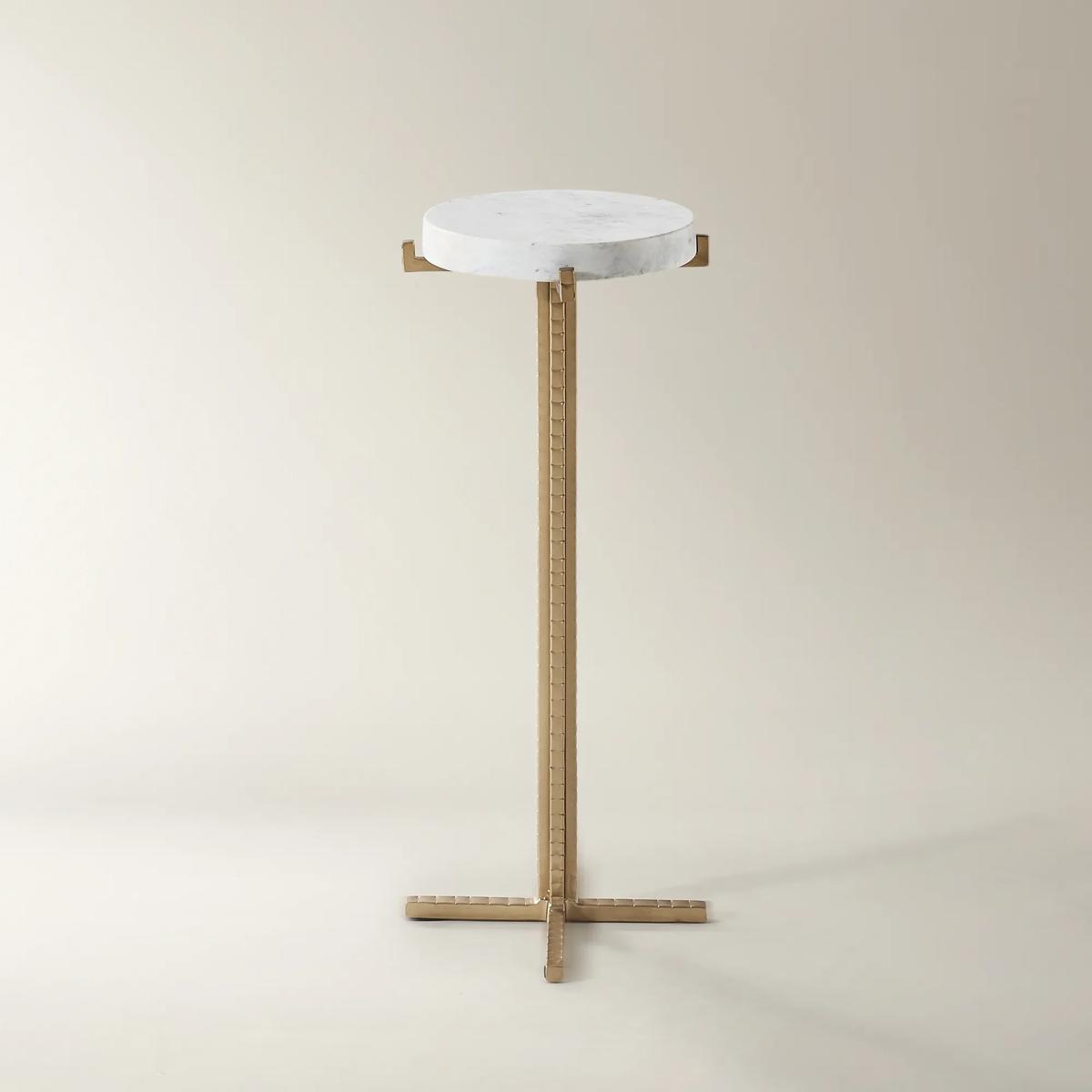 Anya Round White Marble Side Table (10")$199
A sculptural side table featuring a genuine white marble top and gold-finished metal pedestal base.
Add To Cart -
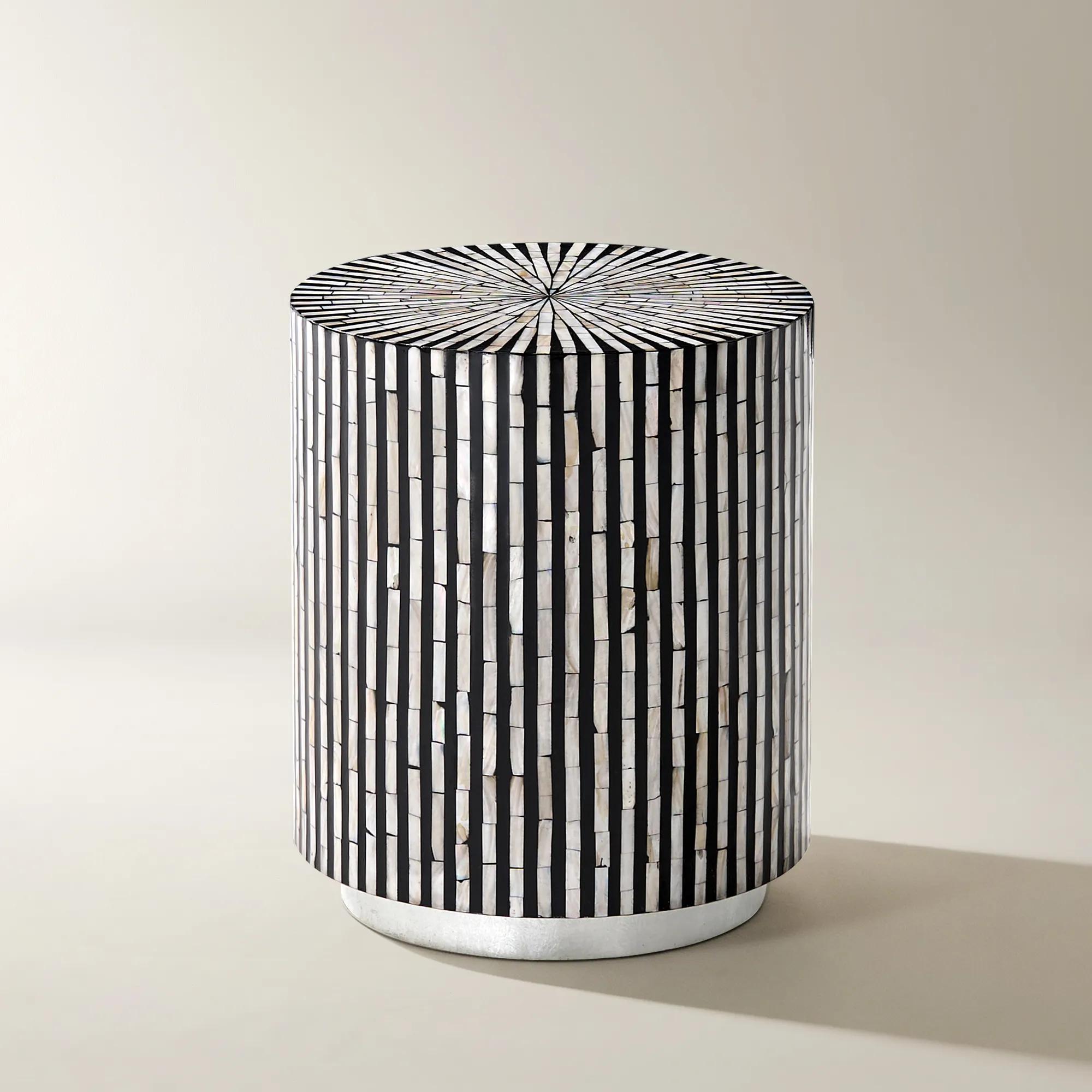
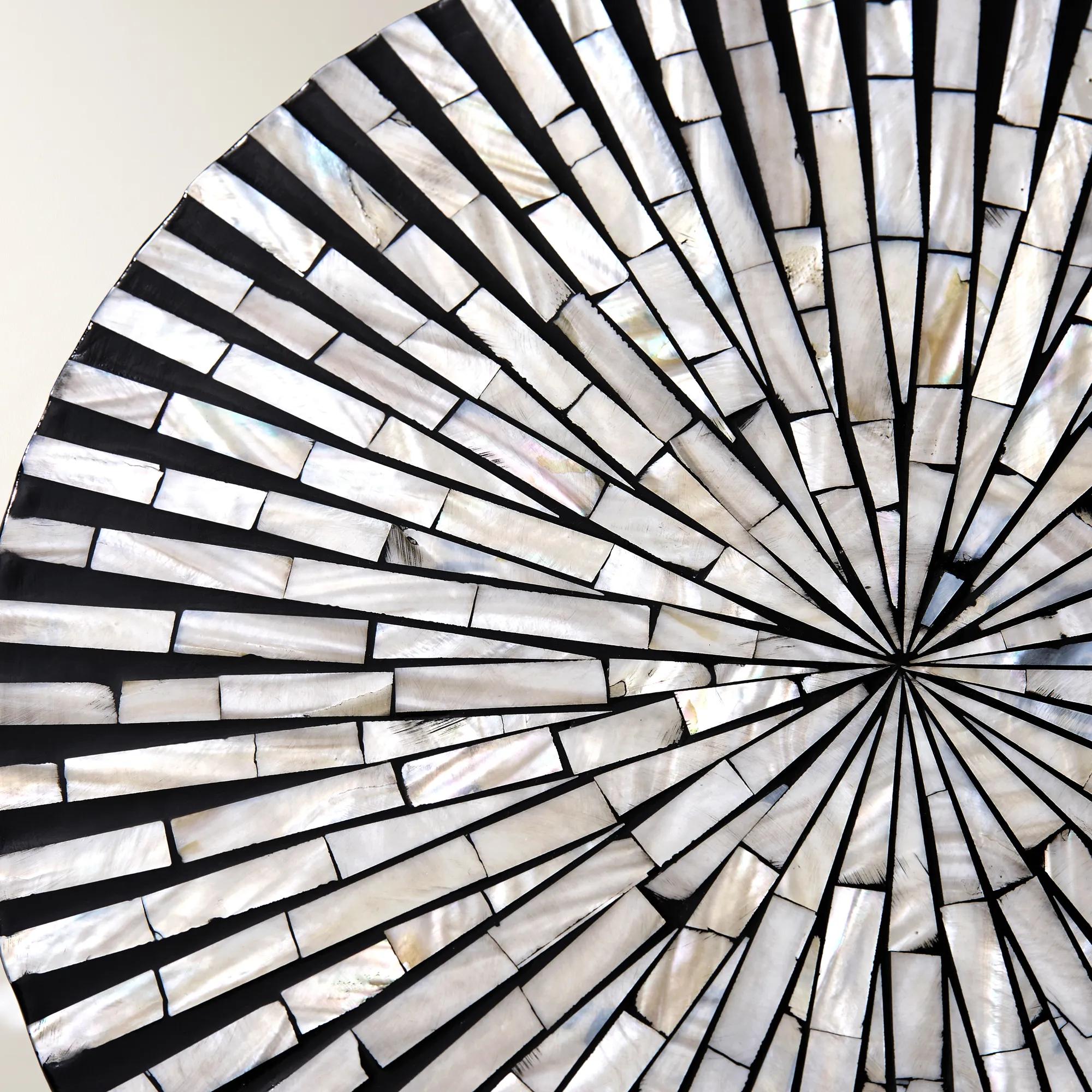 Marina Round Mosaic Black End Table (13.75")$299
A sculptural black end table featuring hand-applied mother-of-pearl mosaic and a silver leaf–accented base.
Add To Cart -
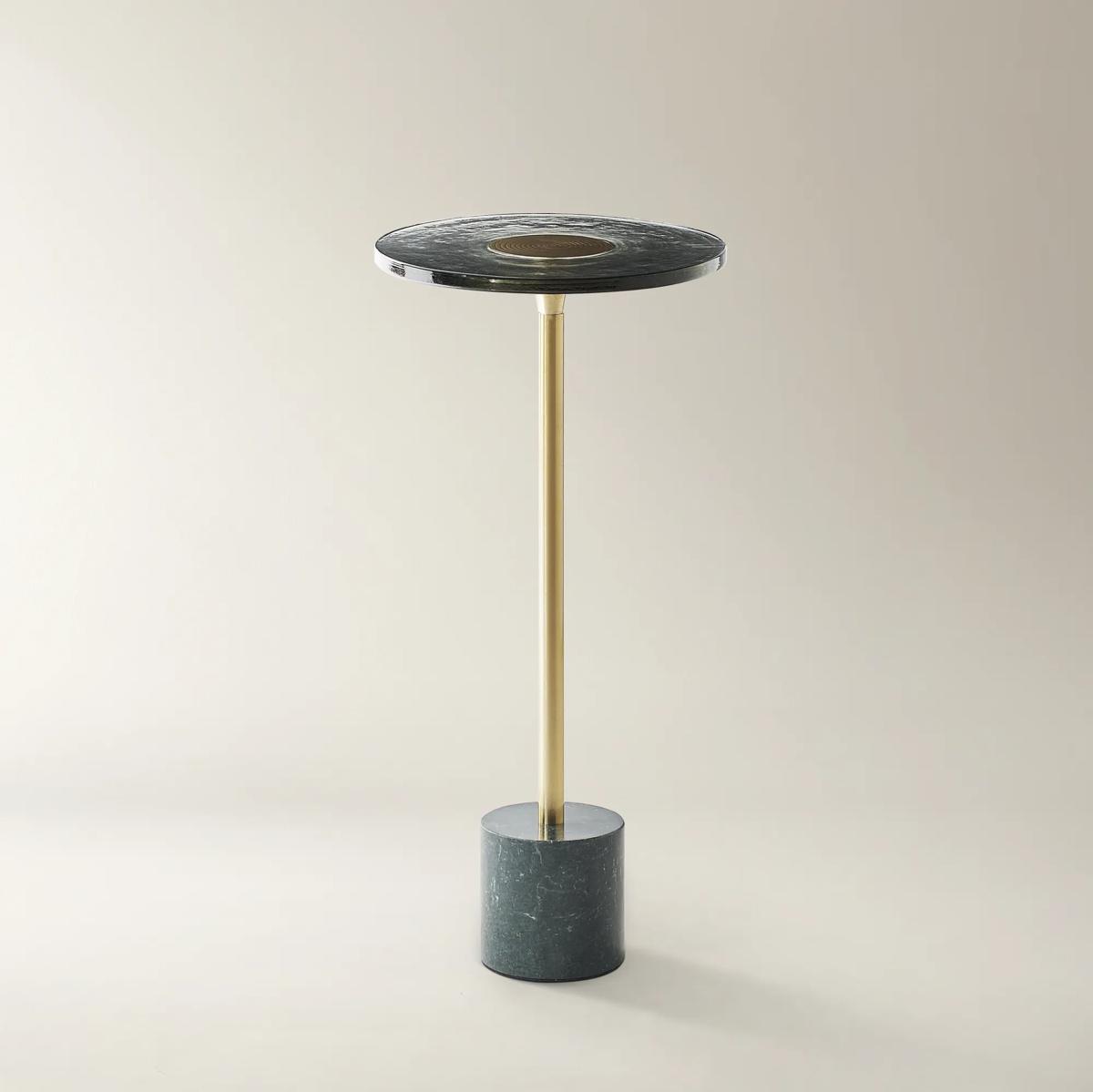
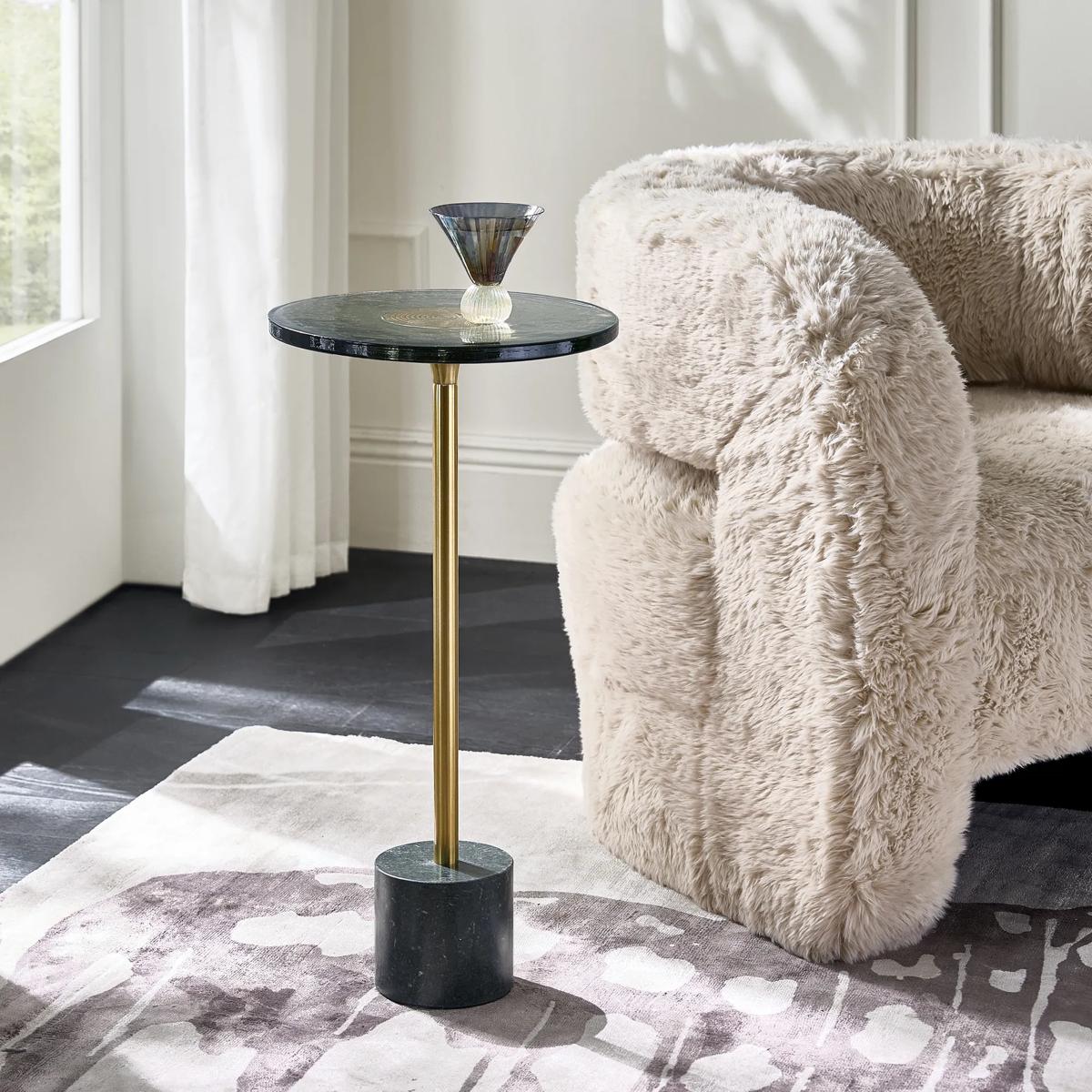 Seraphy Round Green Metal Side Table With Glass Top (13.75")$179
A modern side table featuring a green cast glass top, brass-finished post, and Indian green marble base.
Add To Cart -
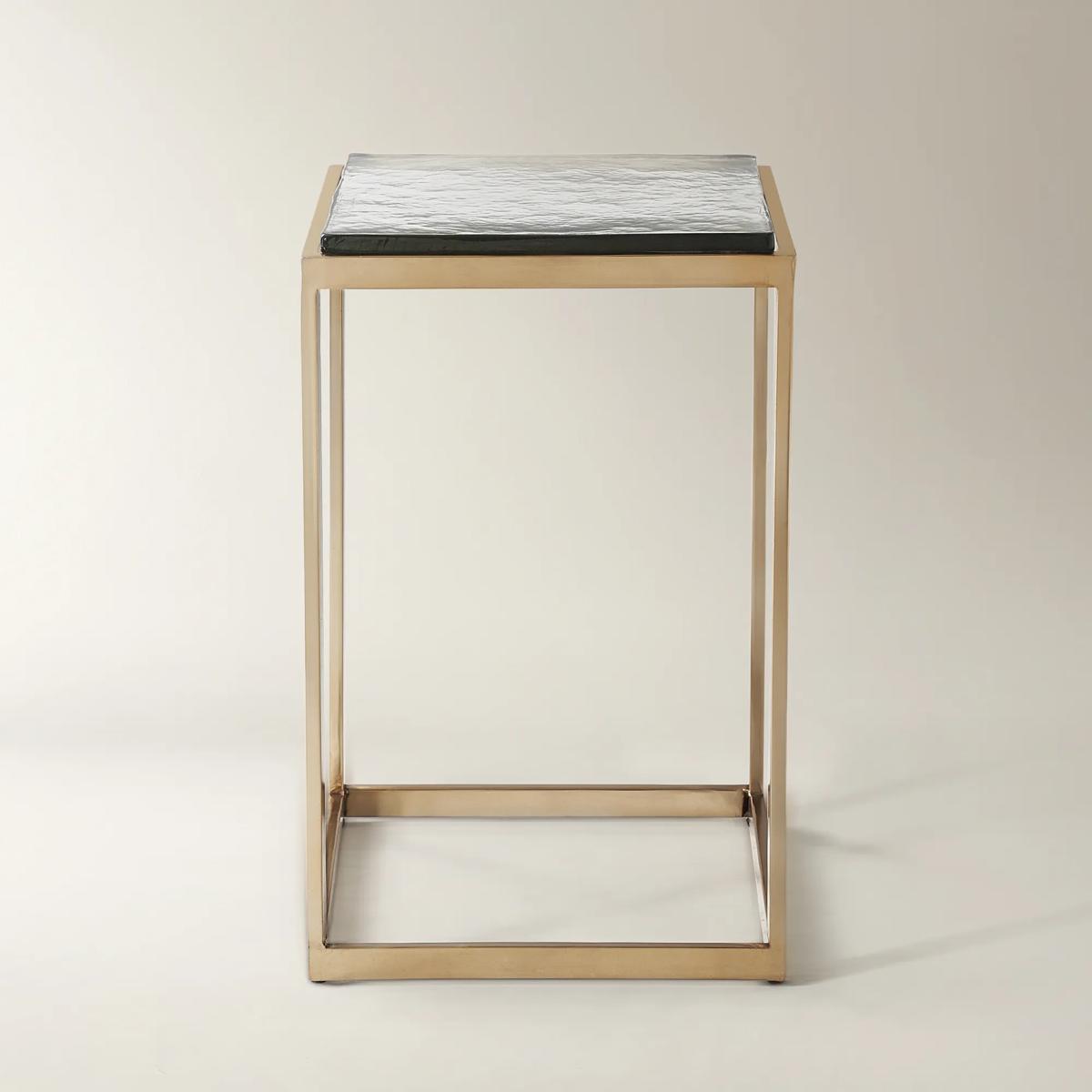
 Lyra Square Brass Metal Side Table With Glass Top (13.8")$239
A sculptural side table featuring a thick cast glass top and a lustrous brass-finished metal base.
Add To Cart -
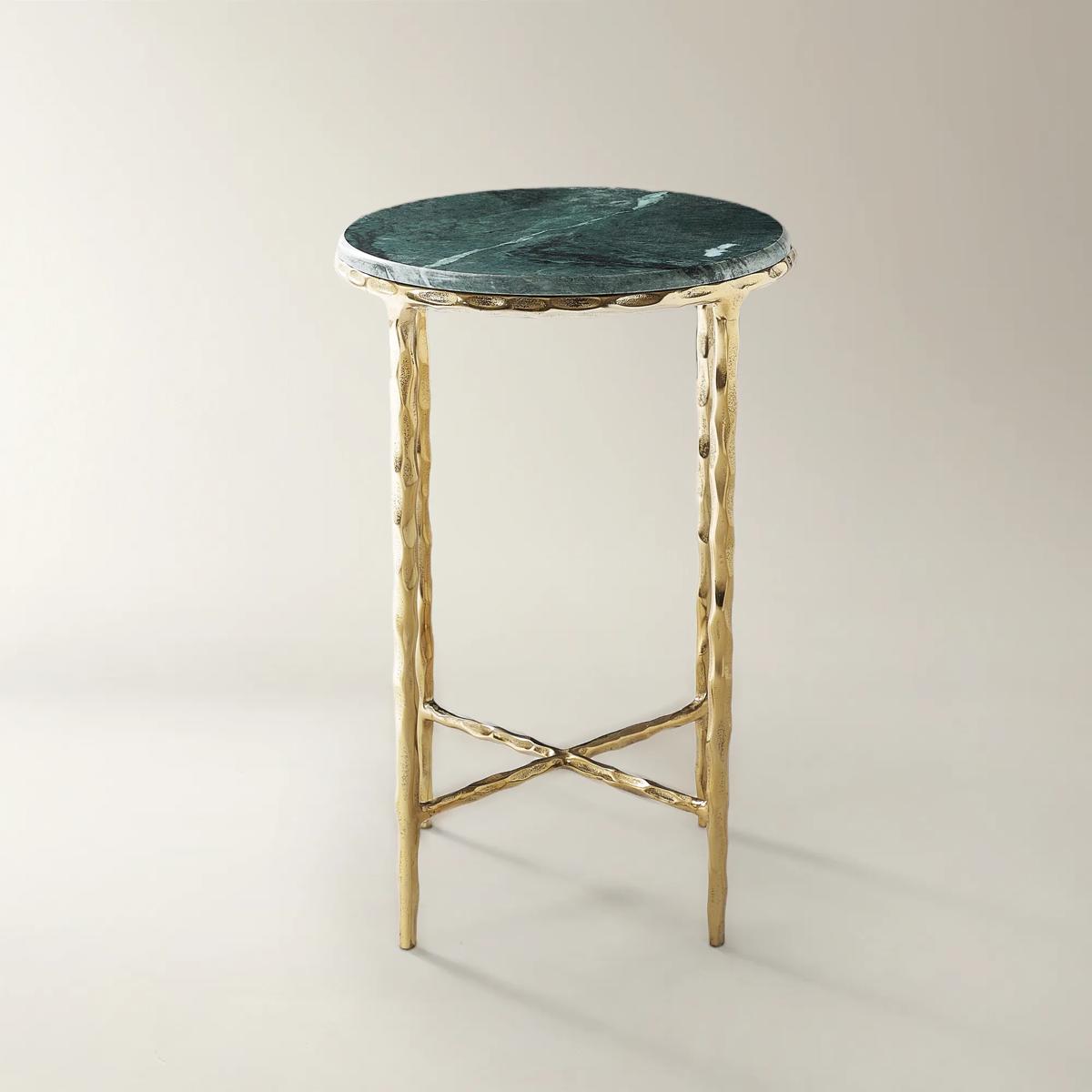
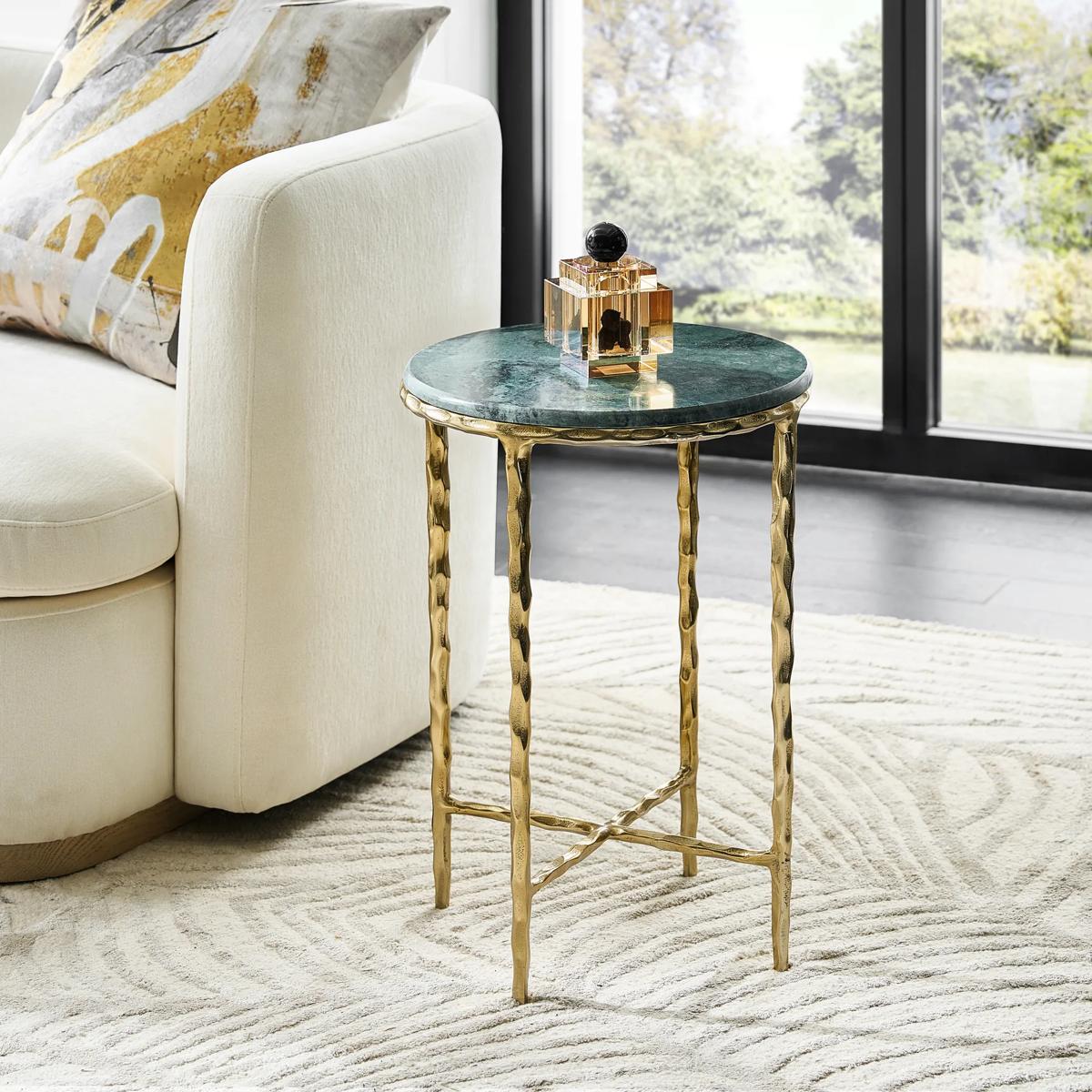 Juliet Round Green Marble Side Table (15")$269
A striking side table featuring a deep green Indian marble top and a hand-hammered metal base.
Add To Cart -
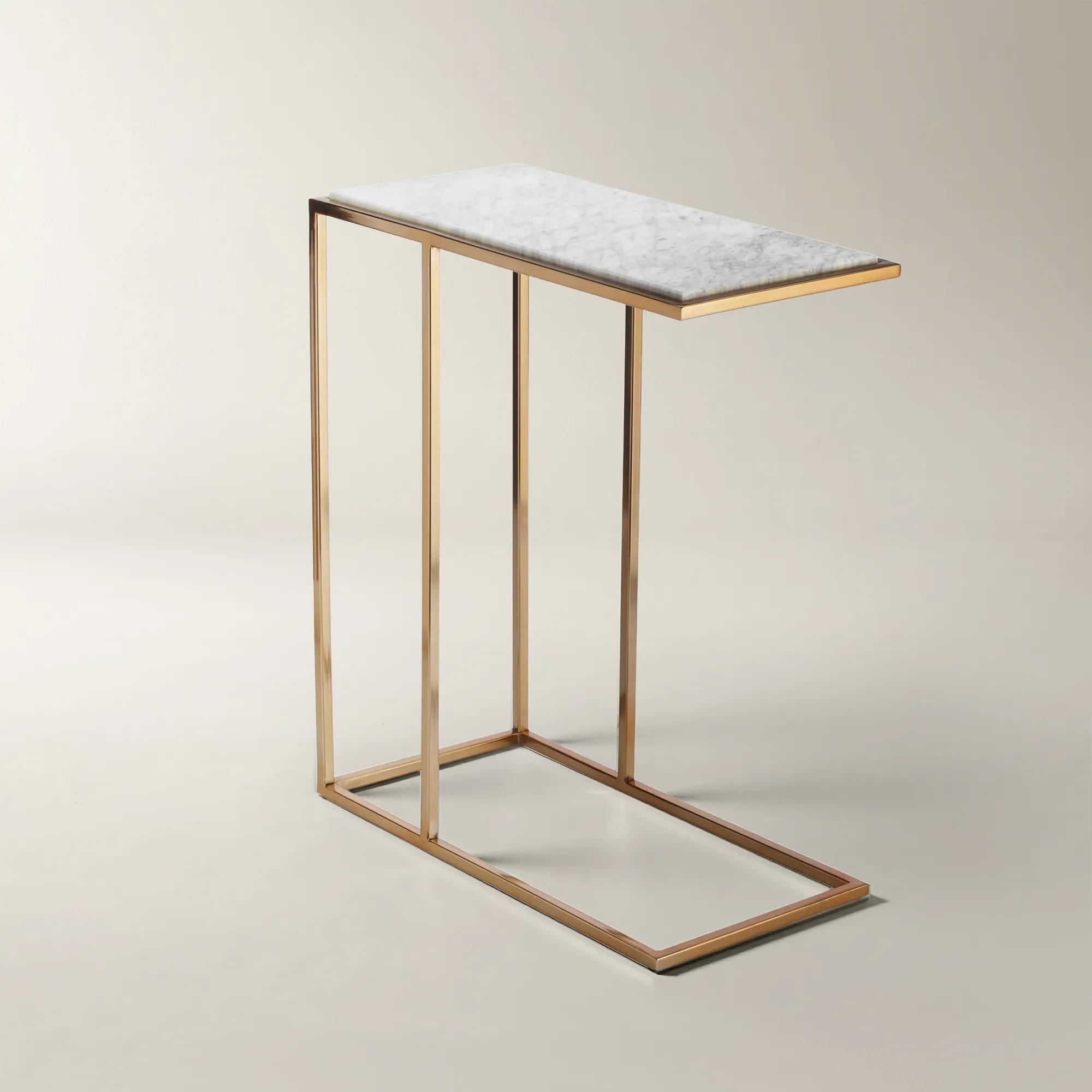
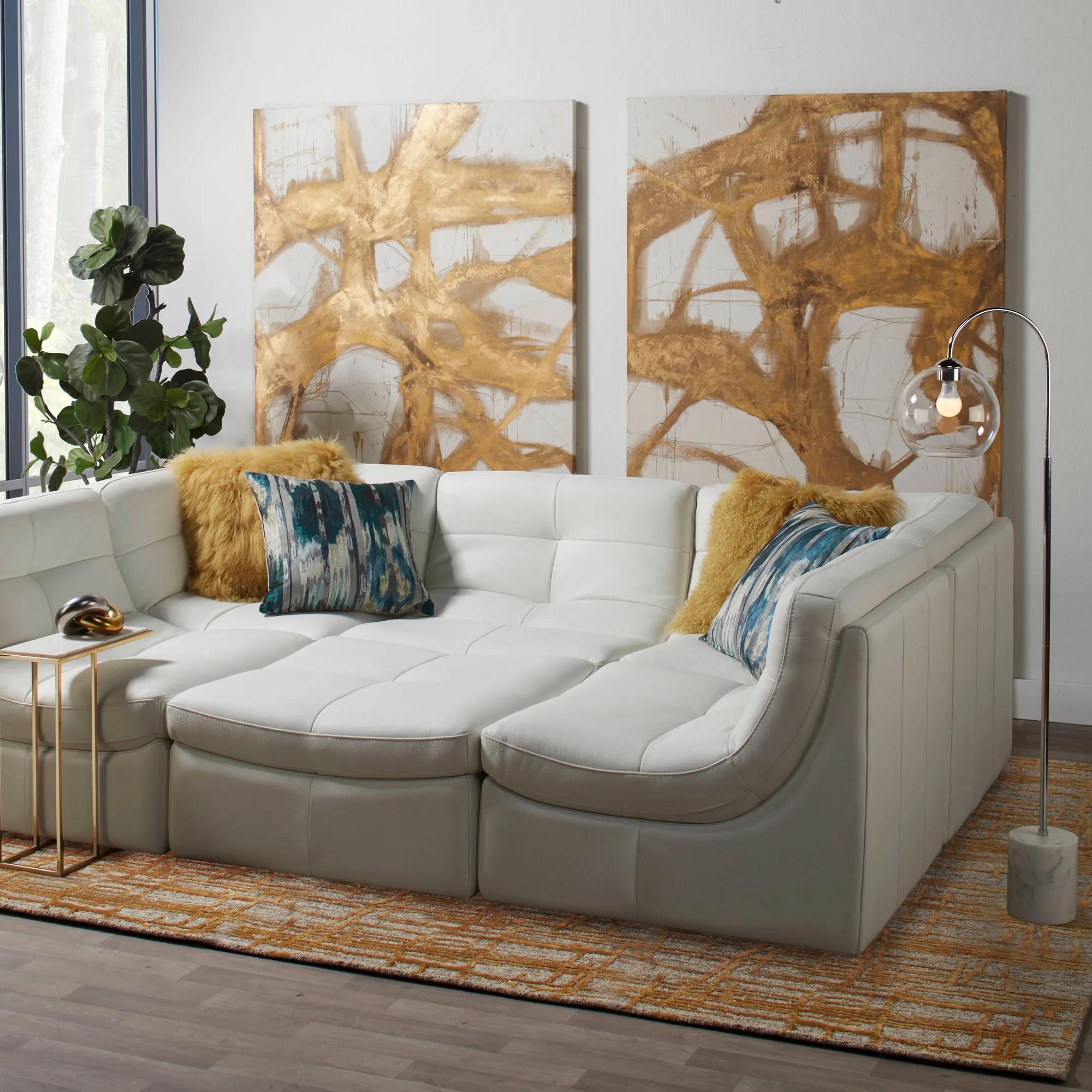 Lawton Rectangular Gold Stainless steel Accent Table With Marble Top (19.75")$259
A space-saving table featuring a white marble top and gold-finished stainless steel base.
Add To Cart -
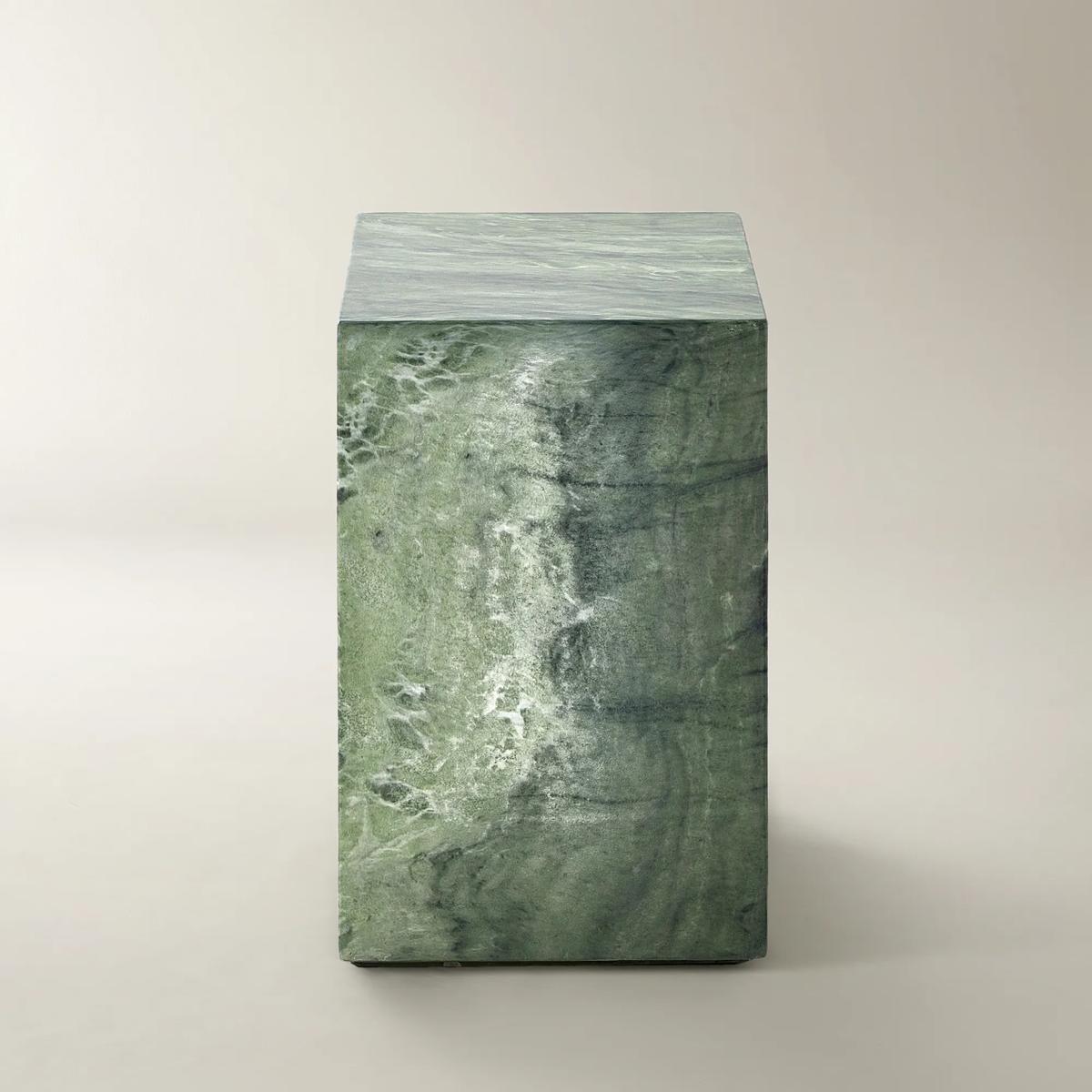
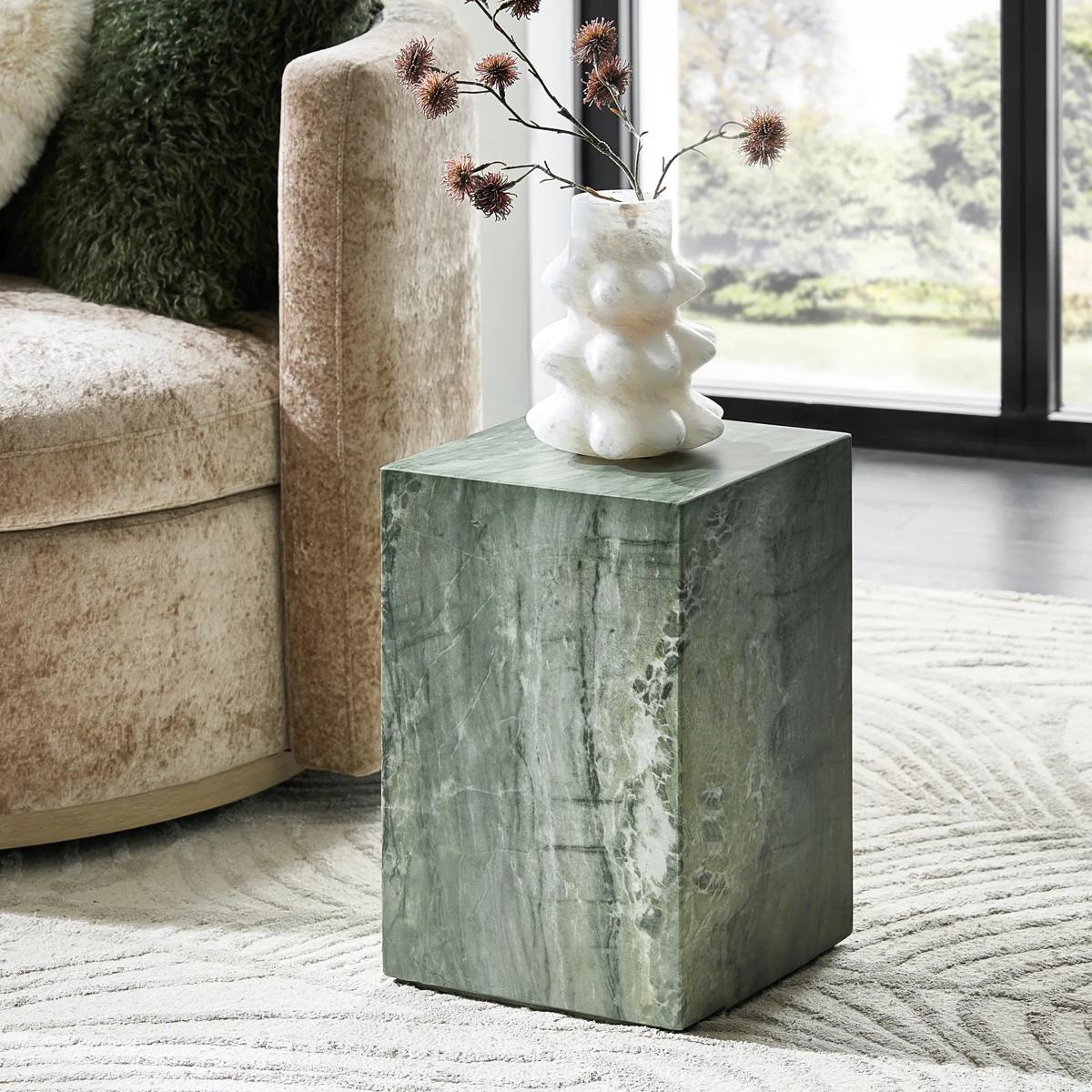 Strata Square Green Concrete Indoor/Outdoor Side Table (11.8")$299
A green concrete side table with marble-look veining and a sculptural cuboid form for indoor use.
Add To Cart -
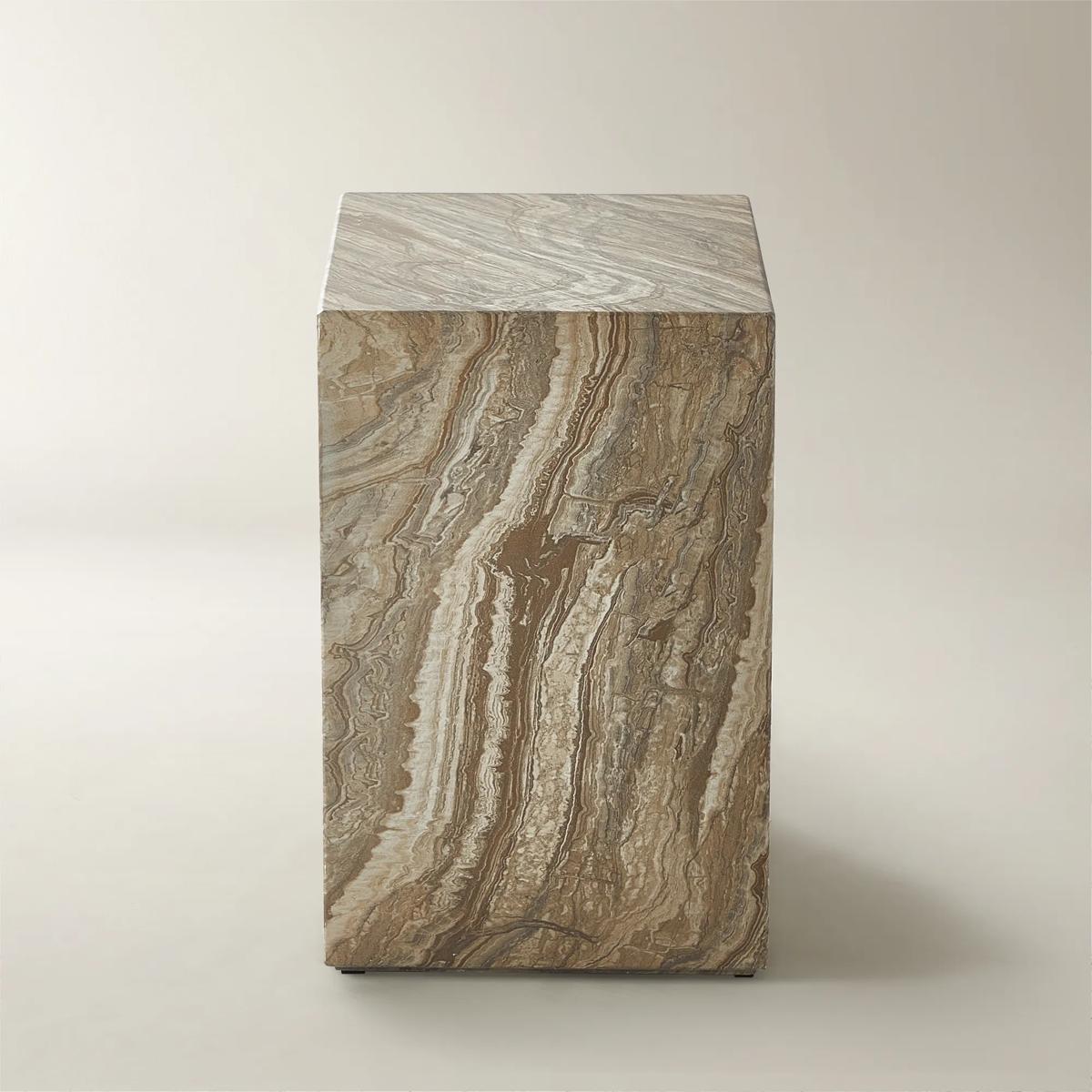
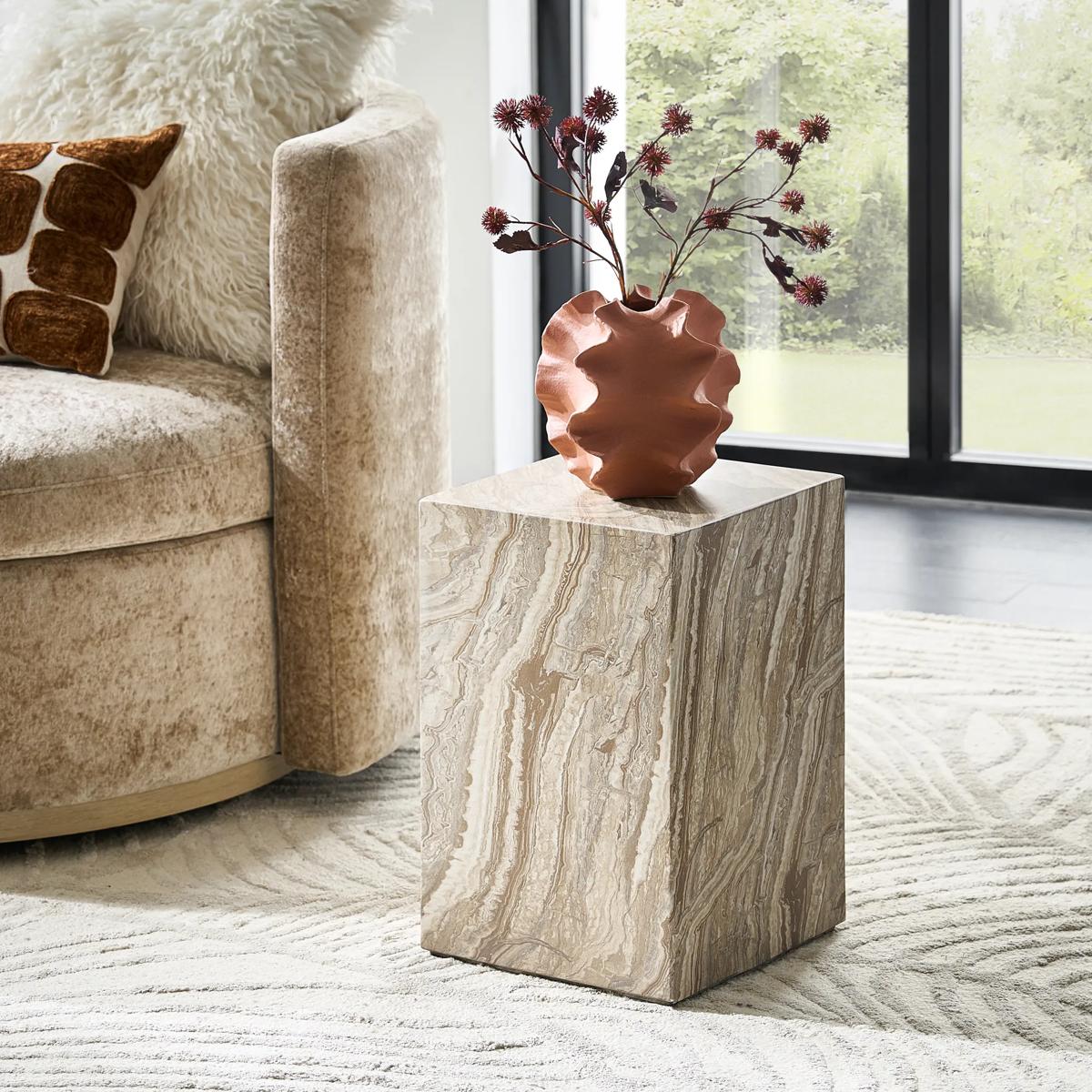 Strata Square Brown Concrete Indoor/Outdoor Side Table (11.8")$299
A brown concrete side table with a sculptural cuboid profile and marble-look finish, indoors or outdoors.
Add To Cart -
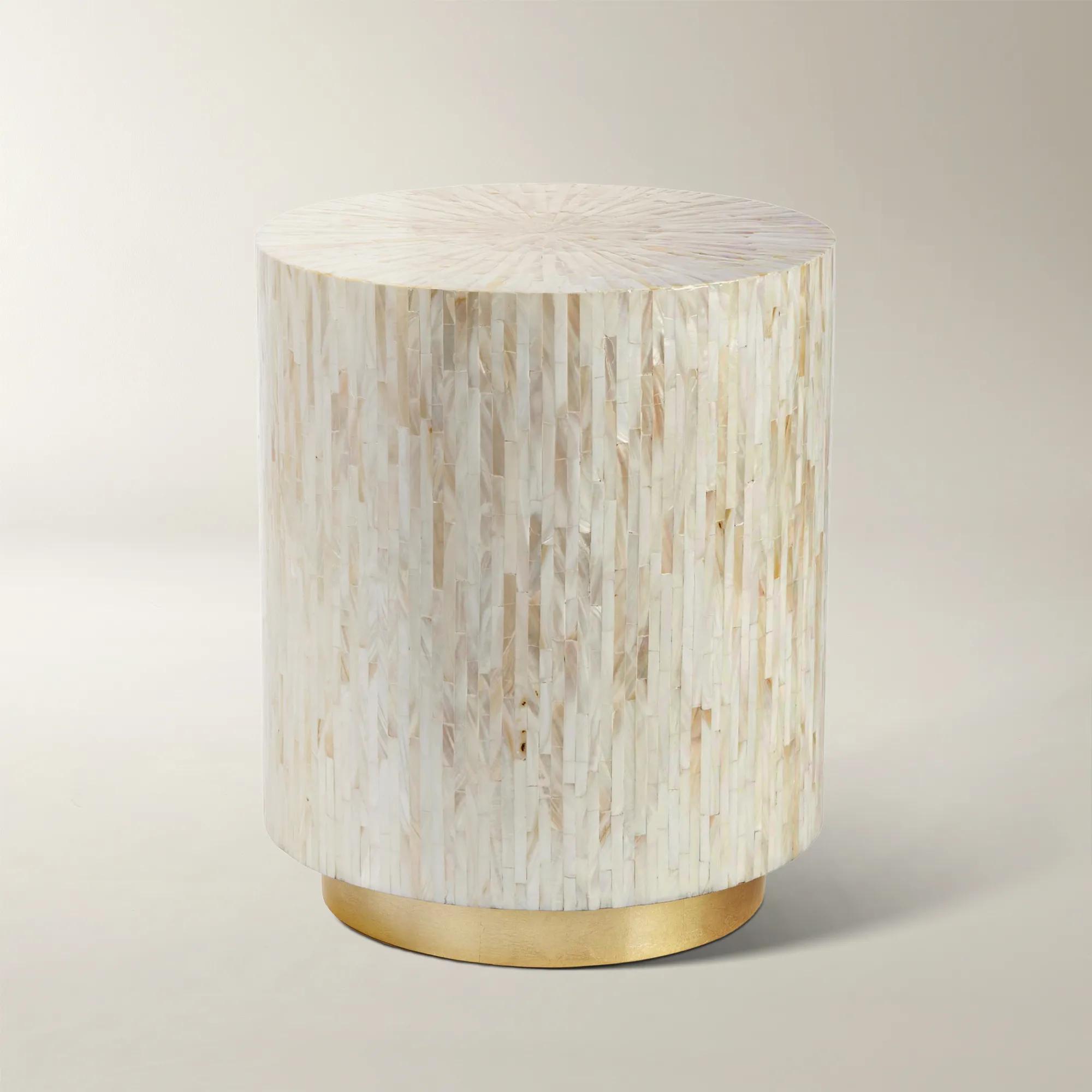 Alexandria Round Mosaic Platinum End Table (13.75")$299
A glamorous accent table featuring hand-applied mother-of-pearl mosaic and a gold leaf-accented base.
Add To Cart -
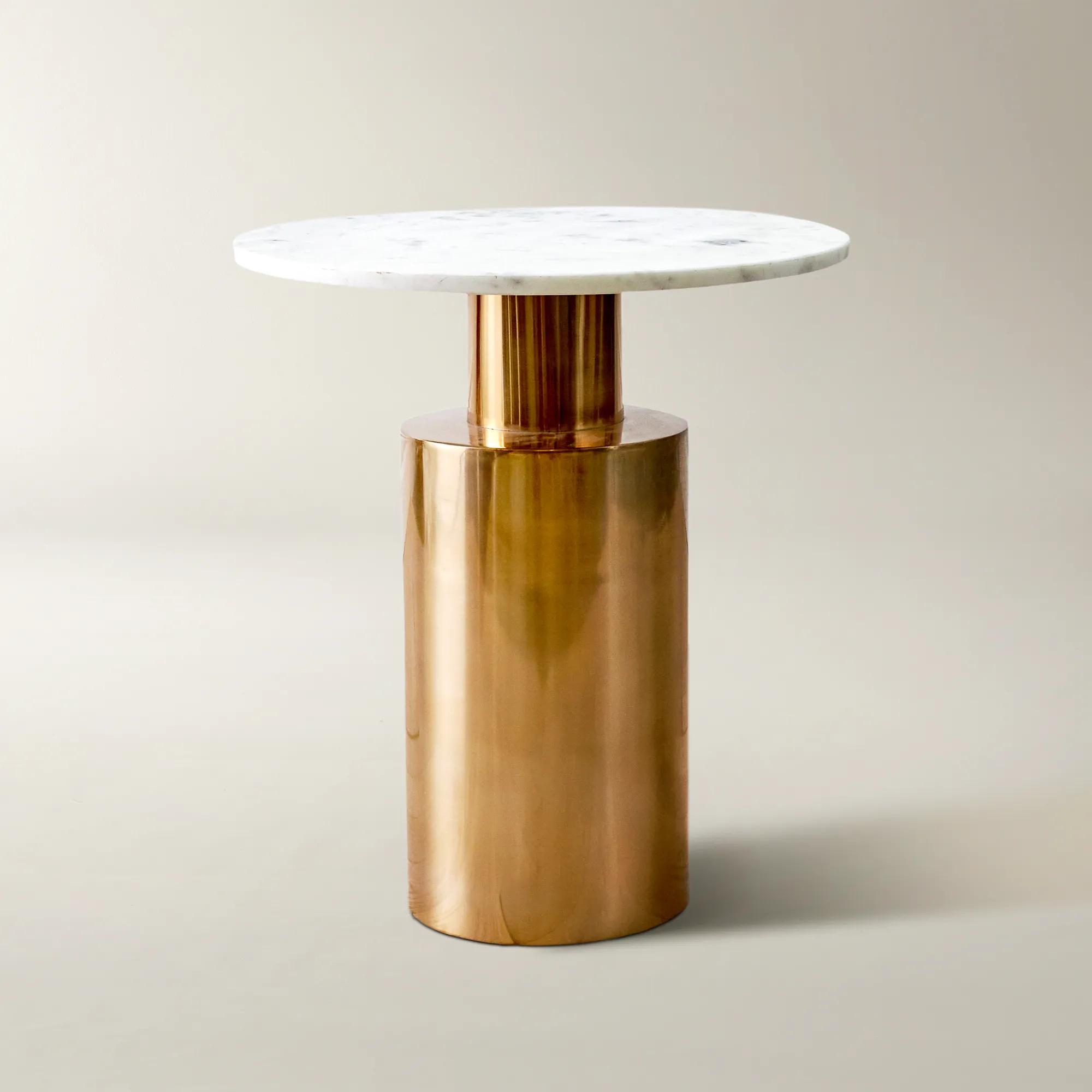 Capri Round White Marble Accent Table (16")$299
A striking accent table featuring a white marble top and gold-finished stainless steel base.
Add To Cart

Small Accent Tables Under $300
Discover affordable accent tables under $300 that give a compact living room an artful finishing touch. Small side and end tables bring a useful surface beside your seating while adding sculptural presence. Choose proportions that leave room to move and a finish that makes even a modest corner feel richly considered.
A well-chosen accent table begins with the way you live around it. Decide whether you need a perch for a drink and a book, a surface for a lamp, or a decorative companion to a favorite chair. Then measure the available floor space, checking both the tabletop and the widest part of the base. Compare the table’s height with your seating so everyday essentials remain comfortably within reach. A round silhouette introduces curves beside tailored upholstery, while an angular form can echo the architecture of the room. Mark the footprint on the floor before choosing, and leave surrounding pathways open so the arrangement feels composed rather than crowded. Give the table a clear visual role: a luminous accent, a rich contrast, or a sculptural focal point. As you compare designs, consider how transparent glass and open metalwork preserve sightlines, while marble veining or mosaic pattern creates a more pronounced decorative moment. Read material descriptions closely to distinguish natural stone from stone-look finishes, and consider the care each surface requires. In a compact room, expressive details deserve space to be seen; keep tabletop styling selective rather than covering the finish that drew you in. Carry a curve, tone, or metallic accent into your surrounding furniture for small apartments to create continuity without making every piece match.
FAQs
Accent table describes a piece’s decorative role, while side table and end table usually describe its placement beside seating. The terms often overlap. Choose according to the surface you need and the visual character you want to introduce, rather than relying on the name alone.
Coordinated tables can feel polished without being identical. Connect contrasting designs through a shared finish, color, or shape. Pairing an expressive table with a quieter companion lets each piece contribute to the room without competing for attention.
Mixed metals can create a richly layered composition. Let one finish lead, then introduce another as a deliberate accent. Repeating each tone elsewhere in the room helps warm and cool metallics feel connected rather than accidental.
Choose a focused arrangement, such as a sculptural object or a favorite book topped with a decorative accent. Leave part of the tabletop visible so its texture, veining, or sheen remains part of the composition. Reserve an open area for everyday use.
Follow the care instructions for the table’s specific materials and finishes. Use coasters or protective pads, address spills promptly, and avoid abrasive cleaners unless expressly recommended. Natural stone, glass, metal, and mosaic surfaces can require different cleaning methods, so check before applying a product.