Silver Decorative Sculptures
Silver Decorative Sculptures
-
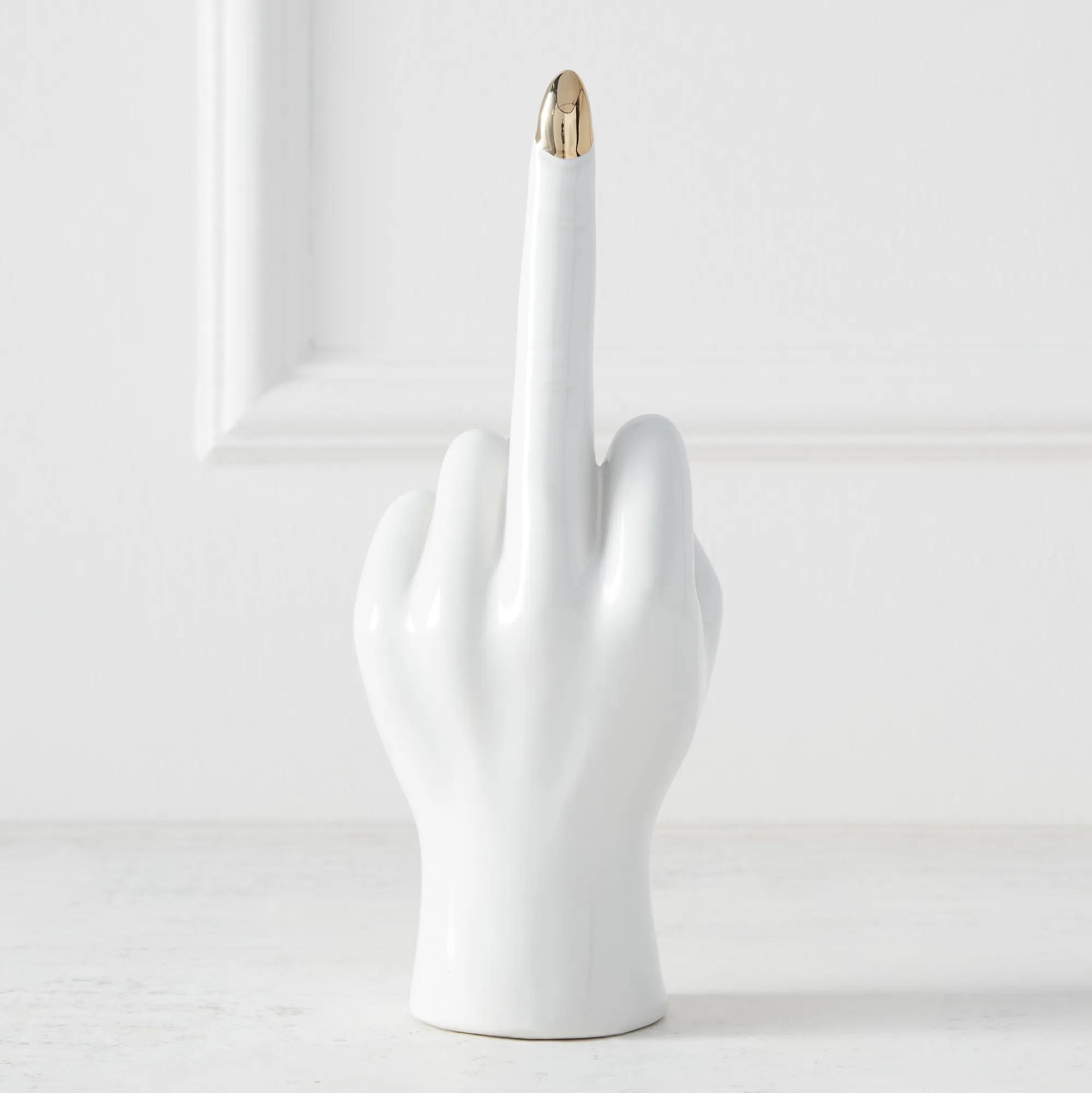
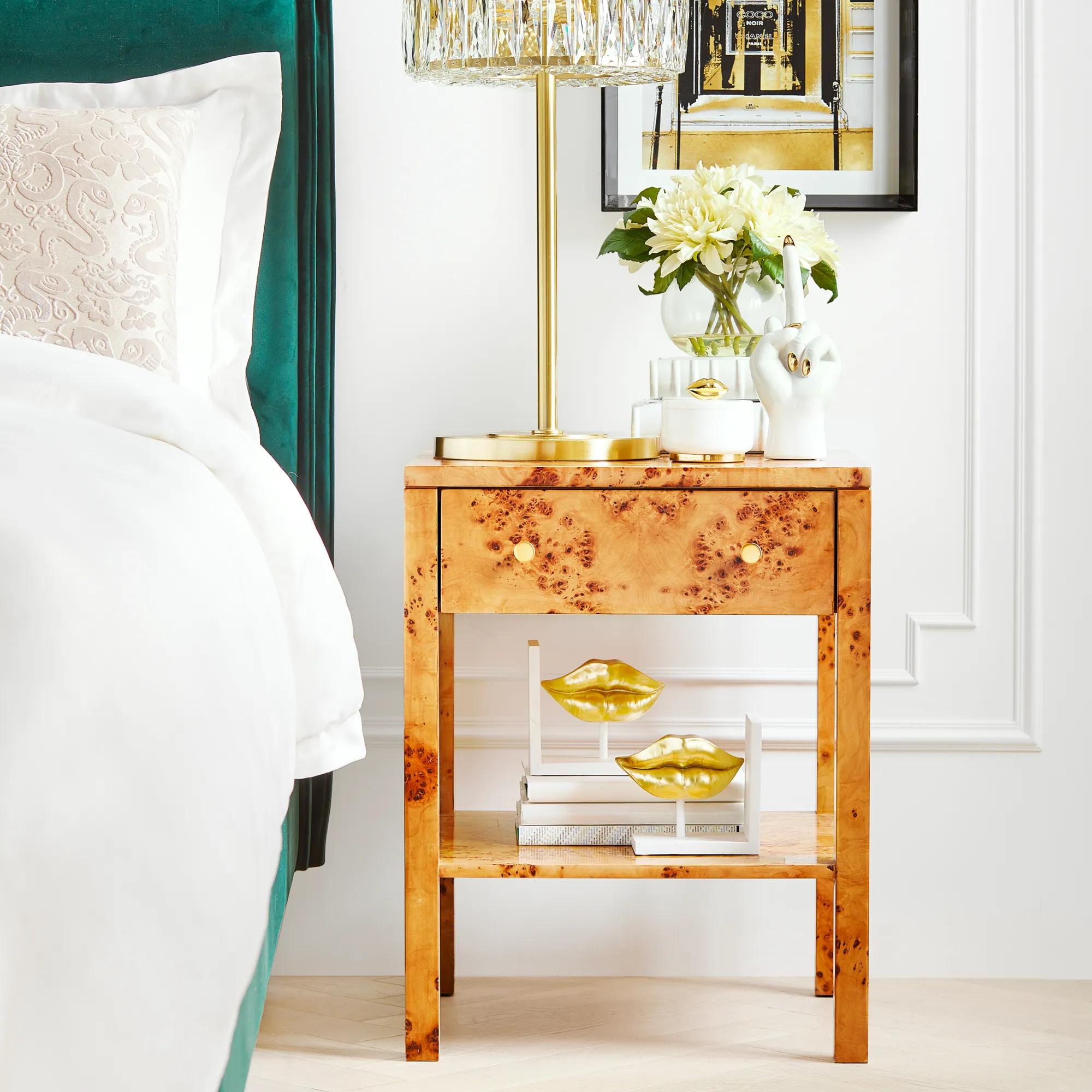 The Finger Hand$39
A glossy white and gold ceramic hand sculpture perfect for displaying jewelry or as a playful accent.
Add To Cart -
 Glossy Fig Stainless Steel Decorative Ball 7.75"$59
A glossy fig-hued stainless steel ball that adds modern warmth and sculptural shine to any display.
Add To Cart -

 Carved Silver Handcrafted Aluminum Candle Wall Sconce 19.75"$99
A handcrafted silver aluminum wall sconce featuring carved detailing for elegant candlelit ambiance.
Add To Cart -

 Rock Wave Taper Holder$89
A sculptural candle holder with an organic wave-inspired silhouette, designed to elevate modern tabletop displays.
Add To Cart -
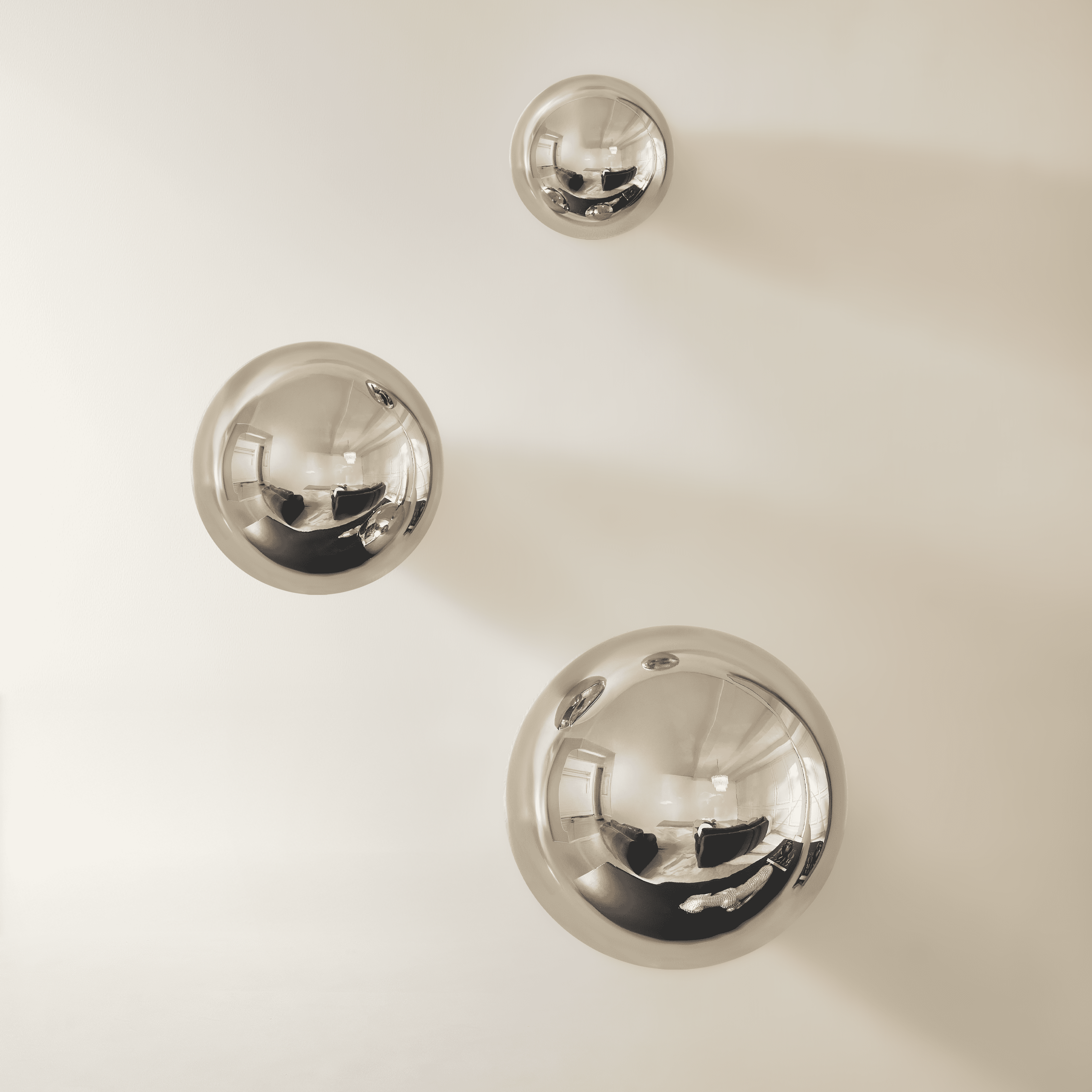
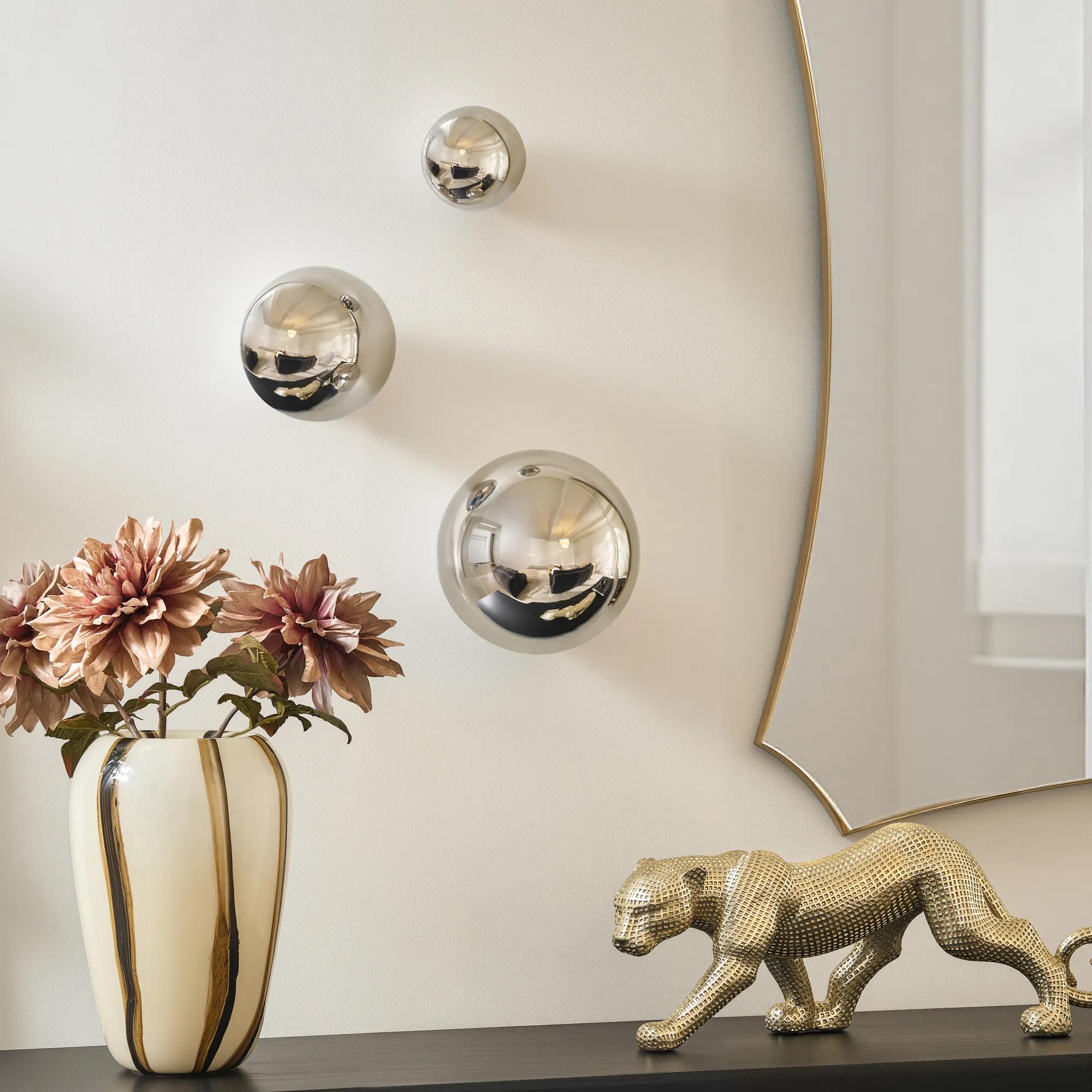 Chrome Spheres Stainless Steel Wall Decor Set of 3$129
A set of three polished chrome stainless steel spheres adds modern sculptural shine to any wall display.
Add To Cart -
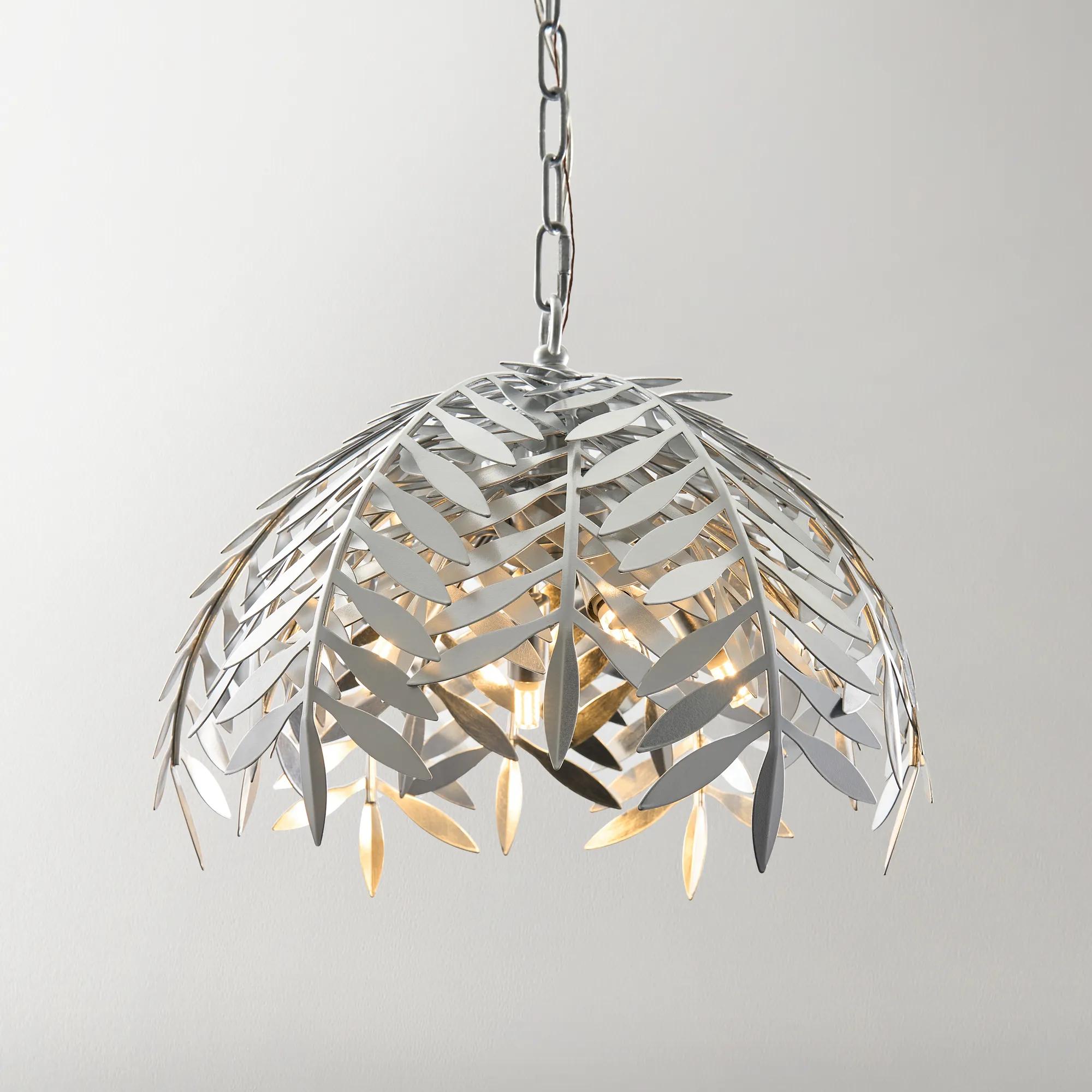
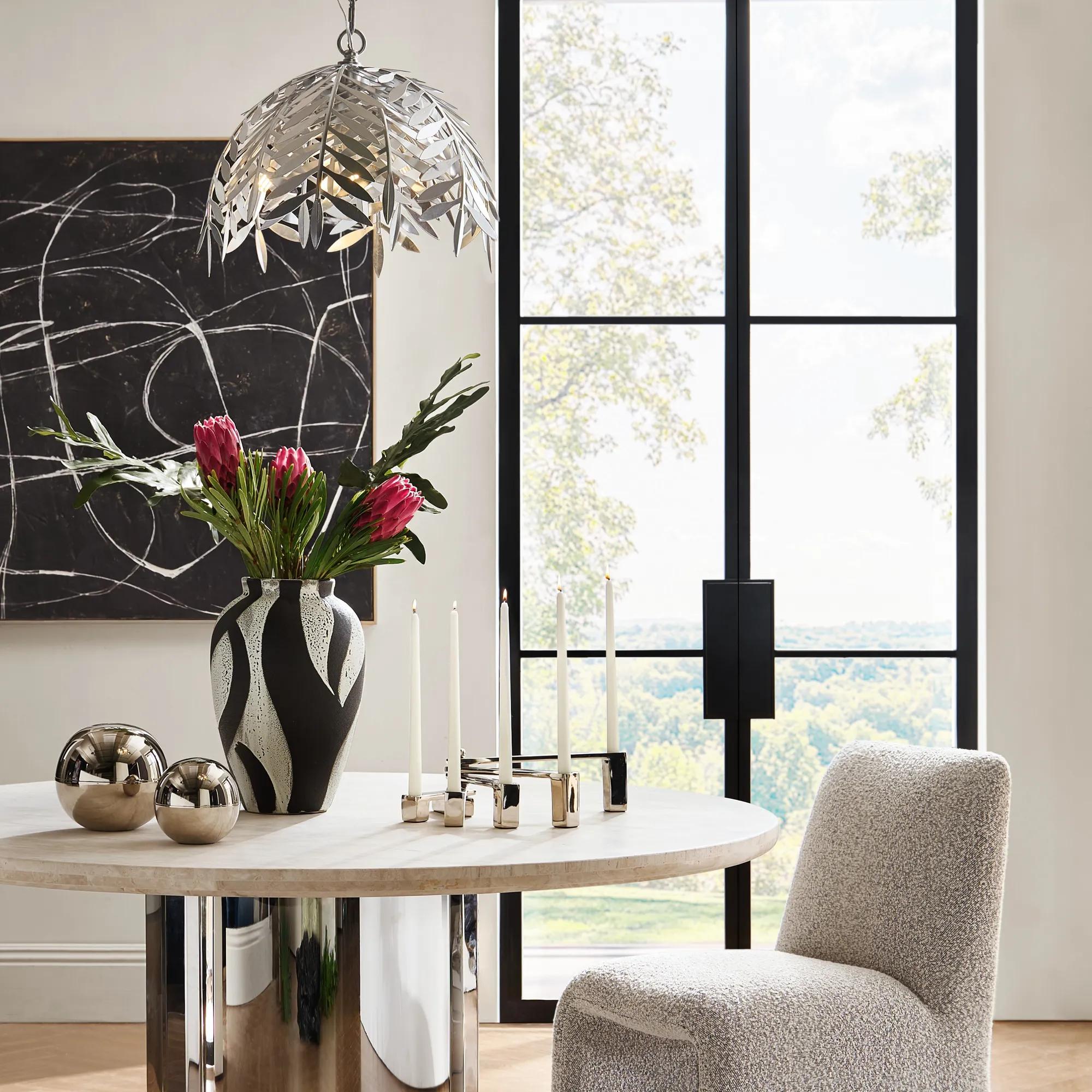 Palm Pendant - Silver$429
A sculpted iron pendant in a lustrous silver finish, casting dramatic shadows with elegant illumination.
Add To Cart -
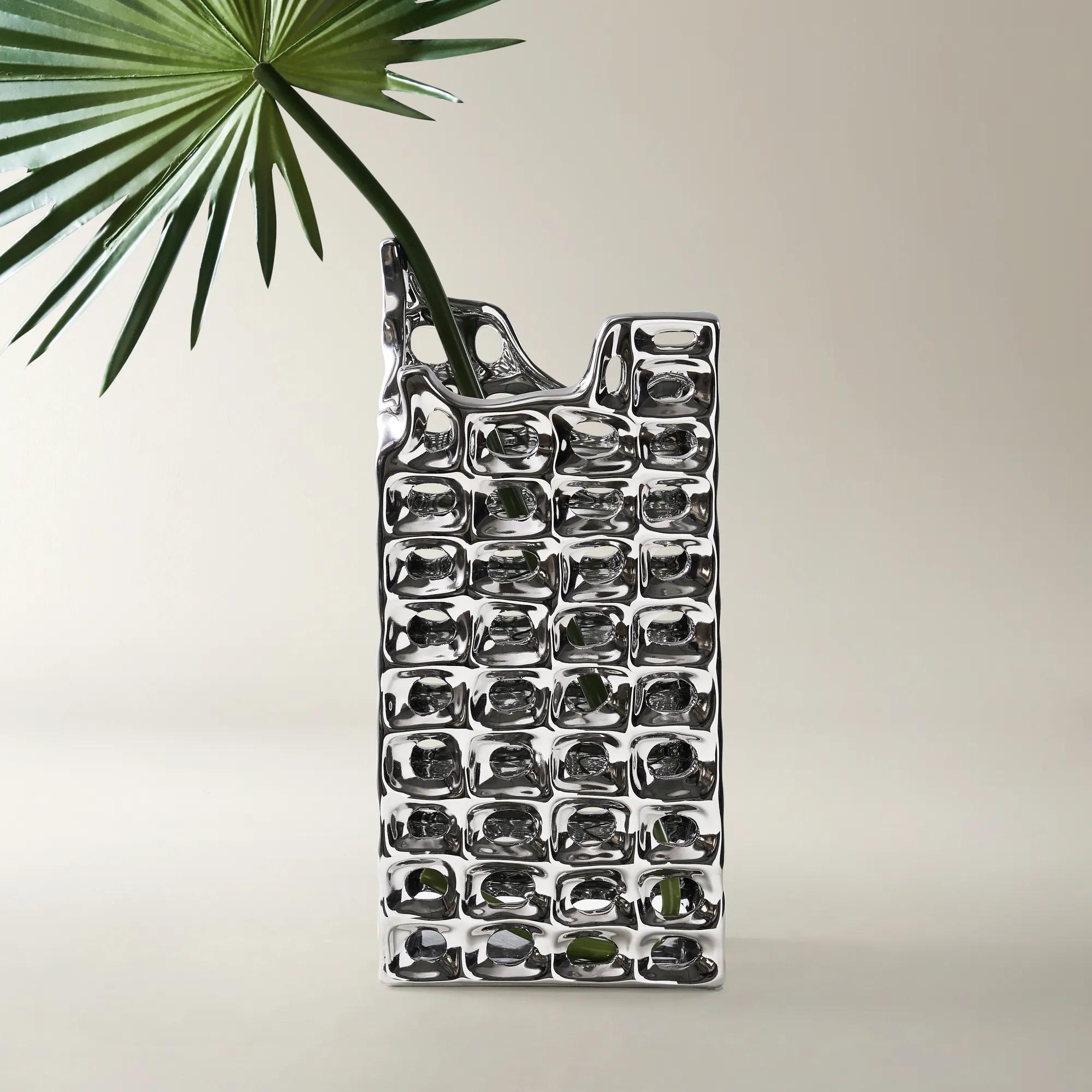
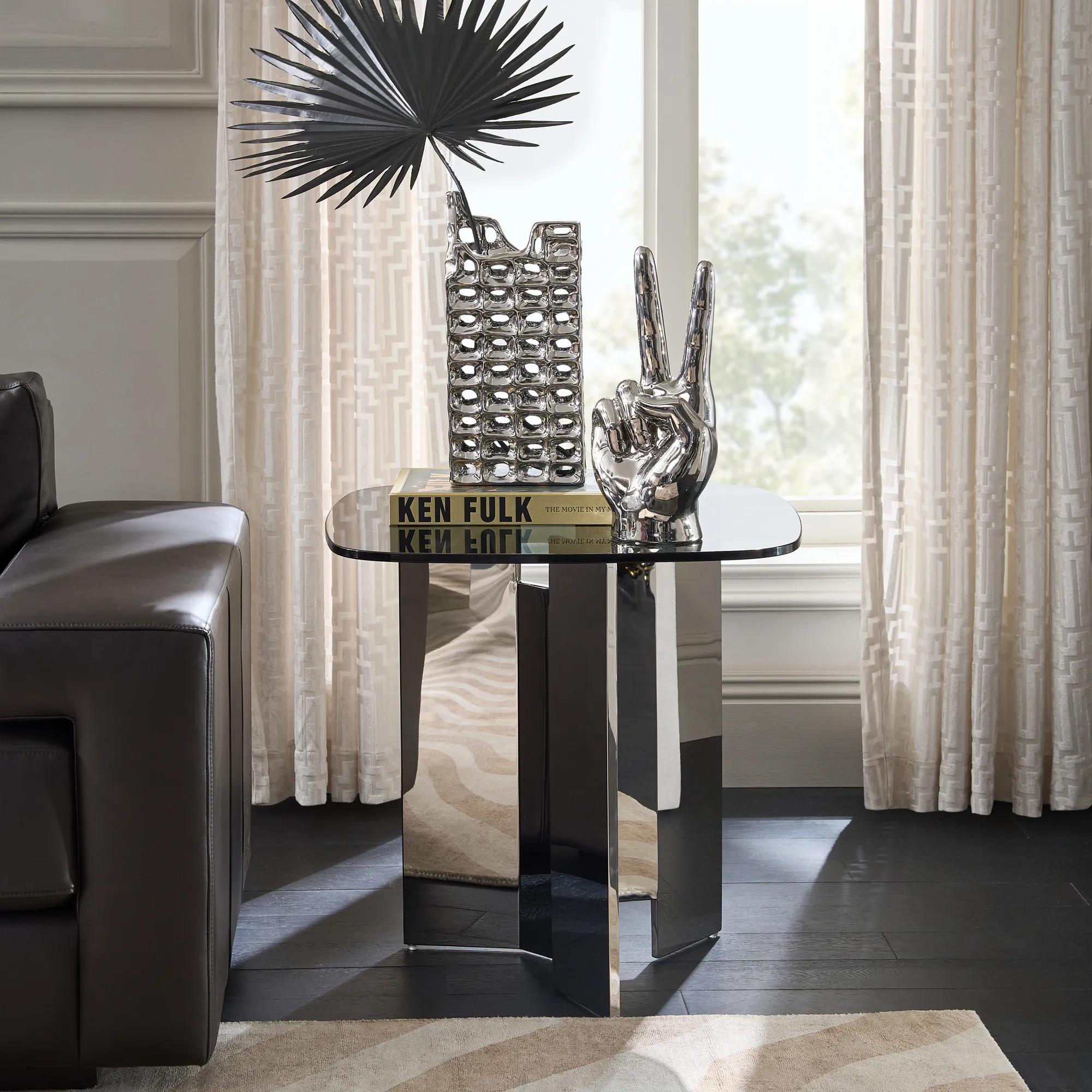 Pierce Vase$69
A ceramic vase with intricate facets and a gleaming silver finish for striking visual impact.
Add To Cart -
 Handbag Silver Ceramic High Gloss Coin Bank Large$59
A glossy silver ceramic coin bank shaped like a designer handbag for a chic decorative accent.
Add To Cart -
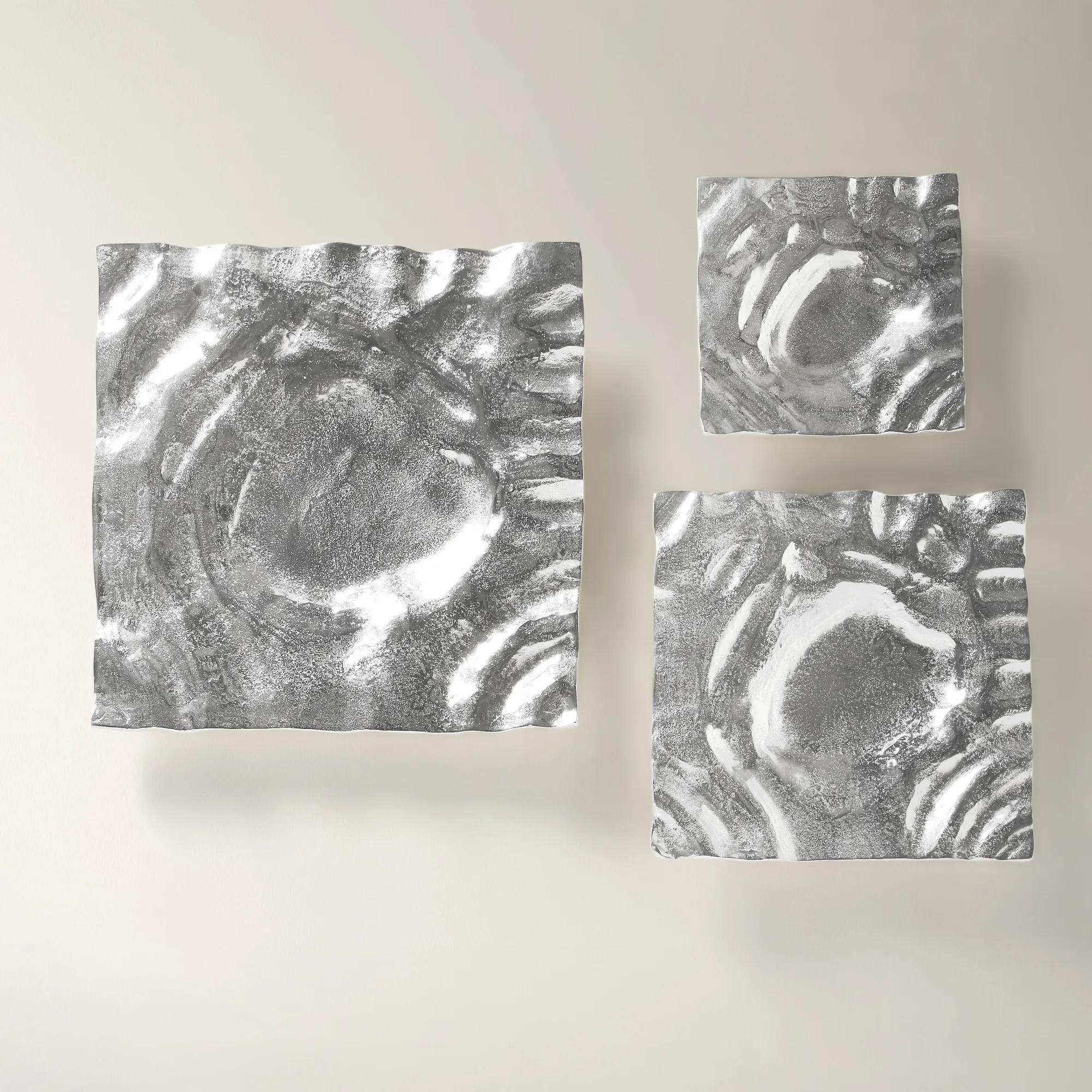
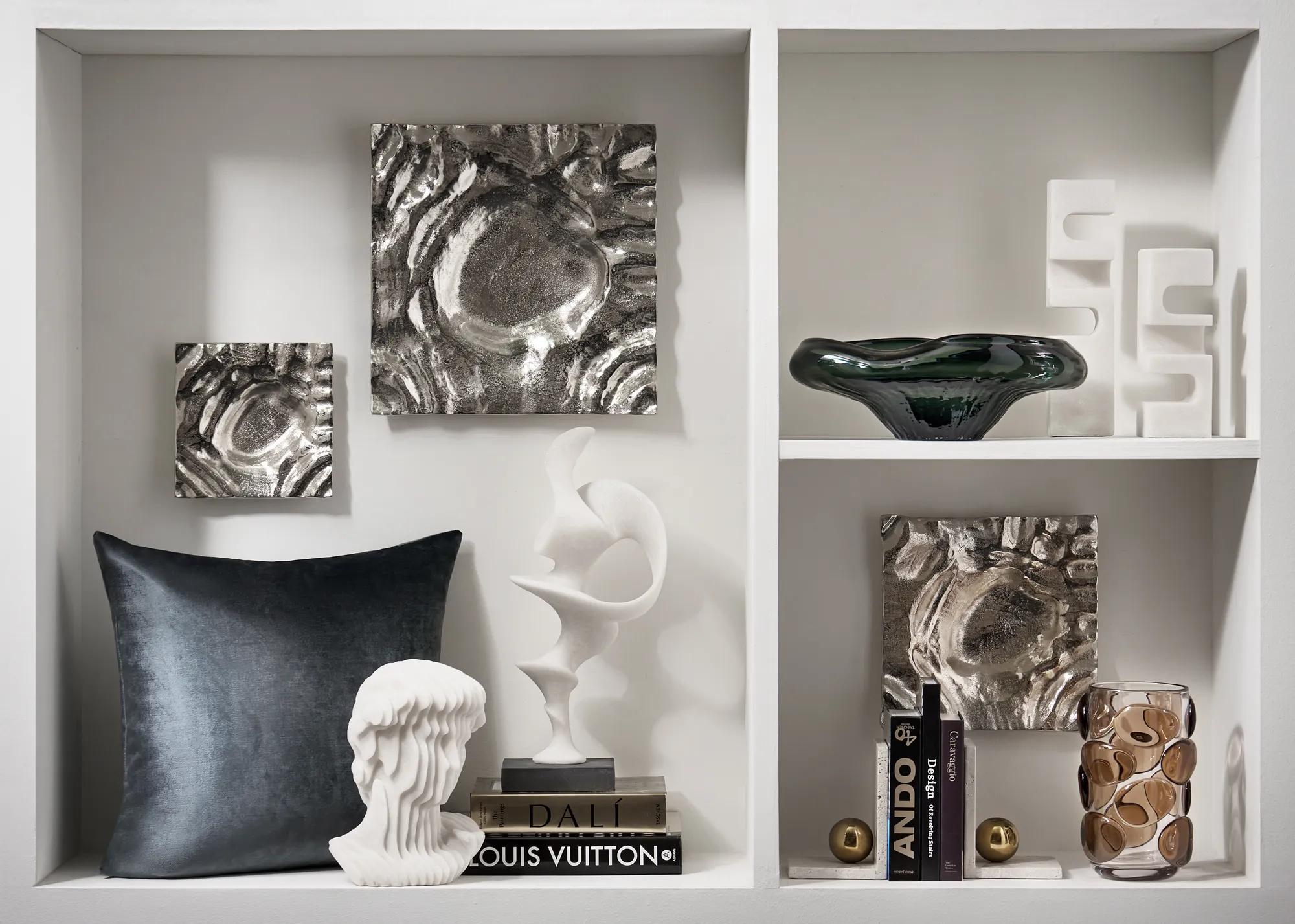 Cascade Wall Art - Set of 3$119
A set of three silver aluminum wall art pieces featuring textured surfaces that reflect and play with light.
Add To Cart -
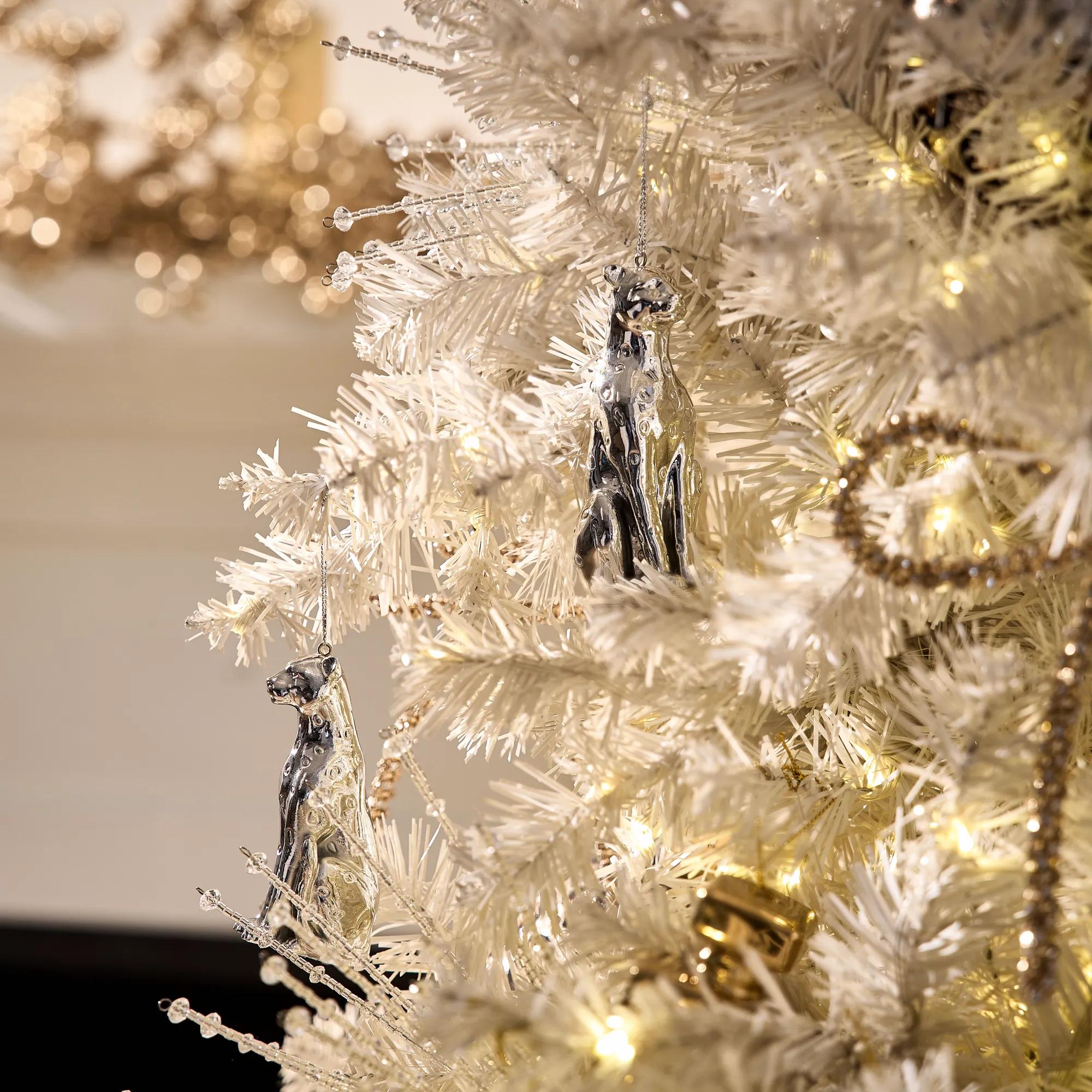
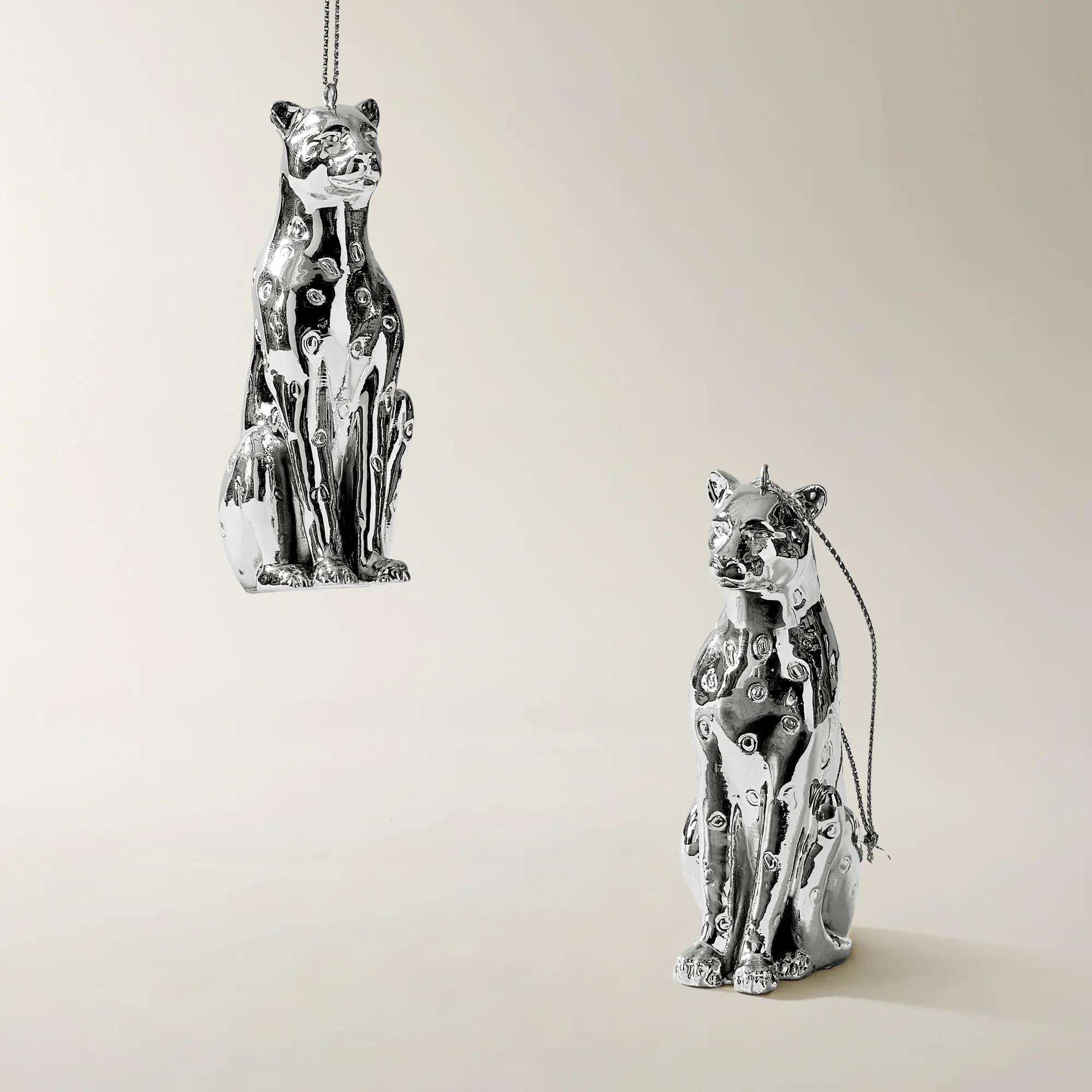 Leopardo Metallic Silver Resin Ornament Set of 2$39
A set of two metallic silver resin leopard ornaments adds sleek, sculptural glamour to holiday décor.
Add To Cart -
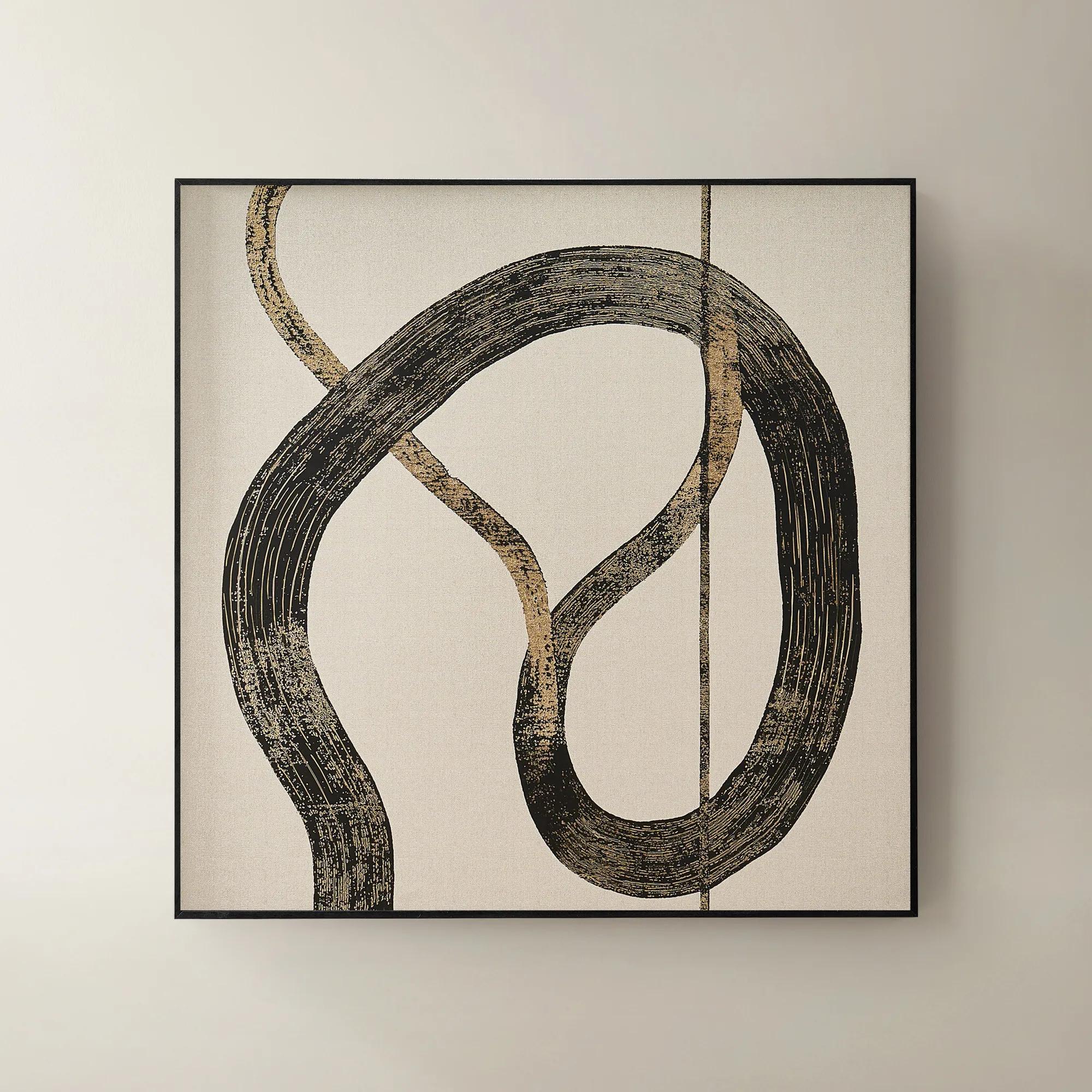
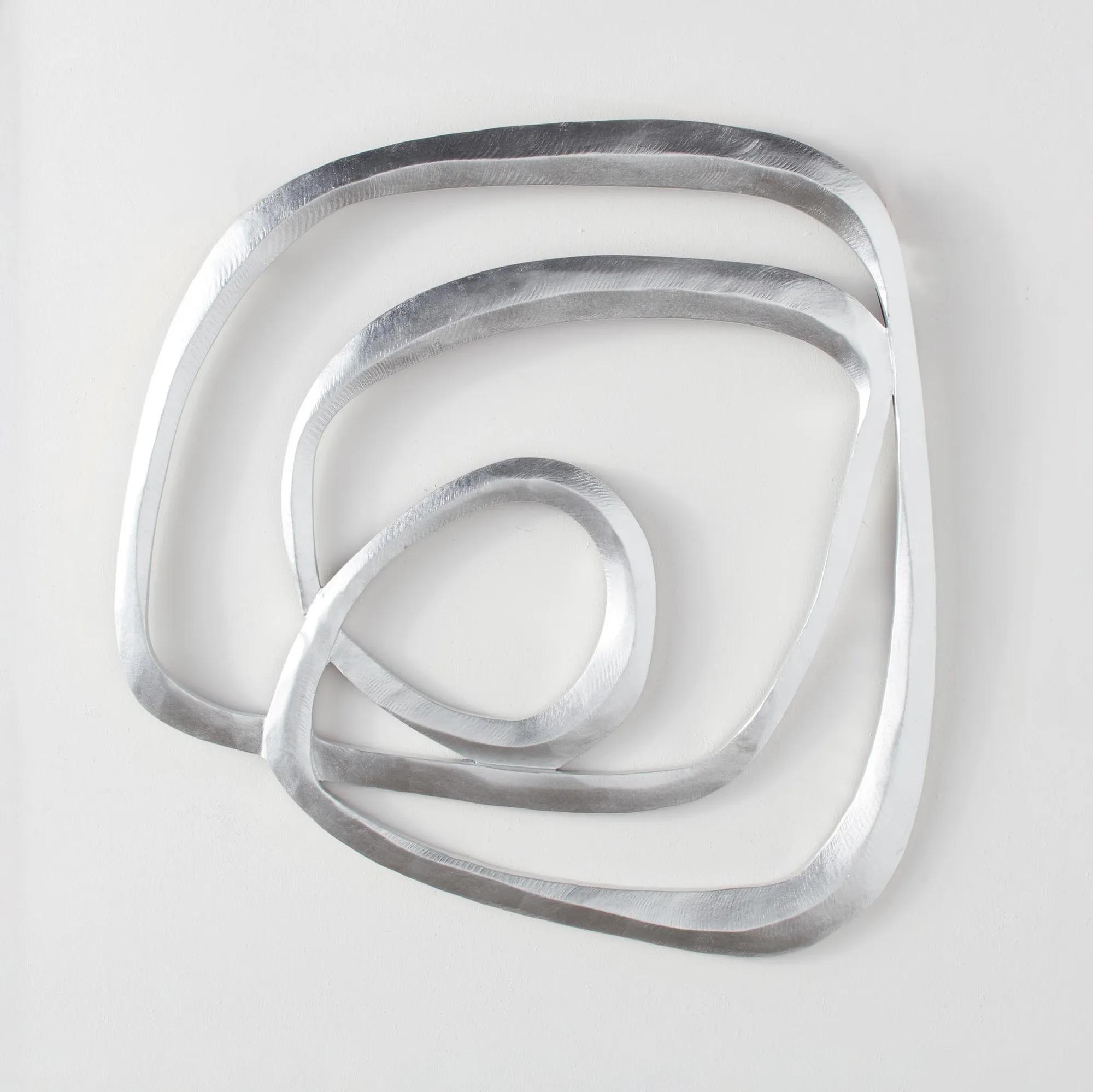 Infinity Silver Leaf Wood Wall Decor II 31.5" x 31.5"$299
A swirling wooden wall sculpture featuring a striking metallic silver finish for modern visual impact.
Add To Cart -
 Etched in Gold$229
A hand-carved gold copper artwork set in a sleek black alloy frame for modern contrast.
Add To Cart -

 Baubles Turtledove Stainless Steel Wall Decor 39"$299
A sculptural stainless steel wall décor piece featuring an elegant turtledove finish.
Add To Cart -
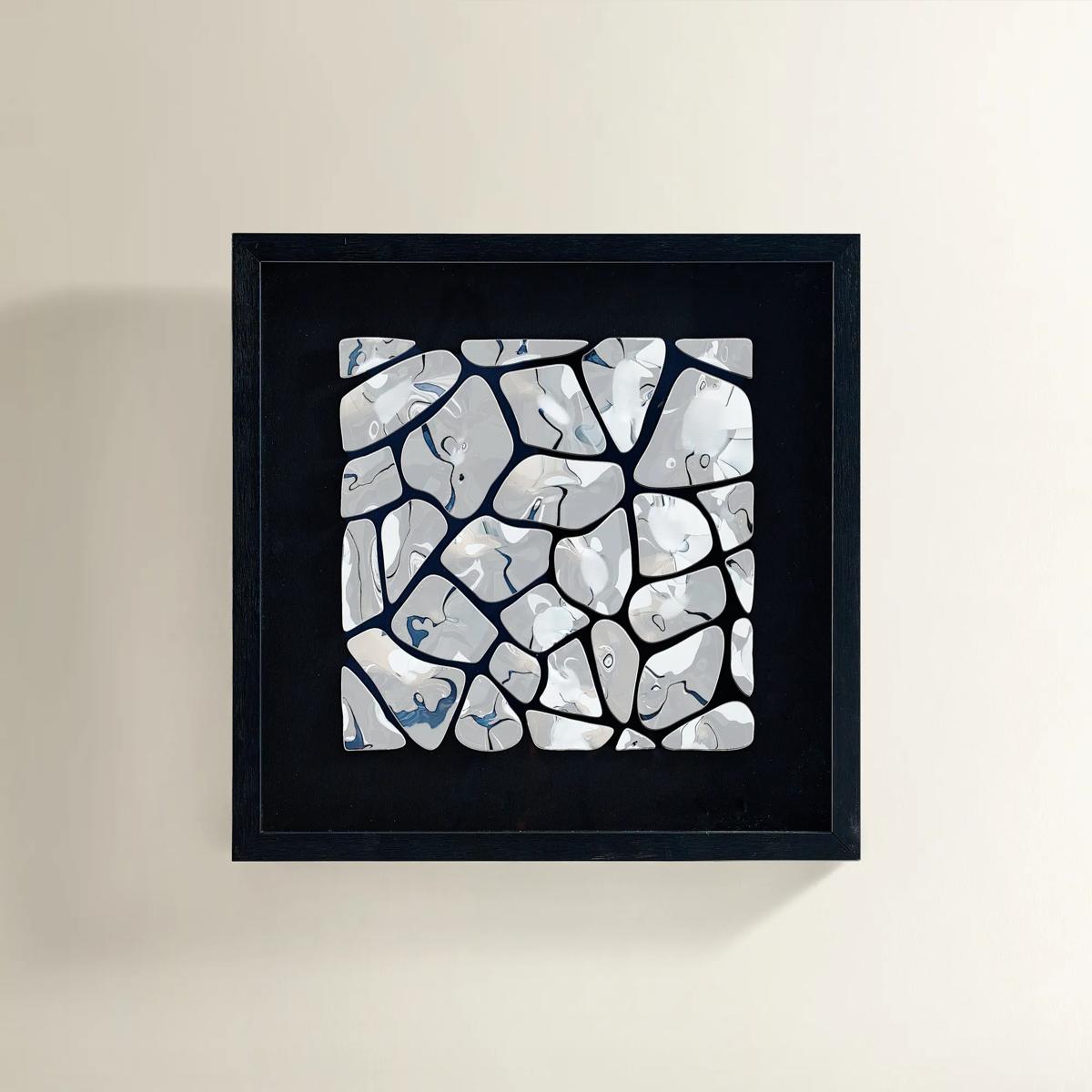 Reflect Silver And Black Shadowbox Art I$189
A dimensional metal wall art piece featuring polished silver and black forms in a sleek black frame.
Add To Cart -
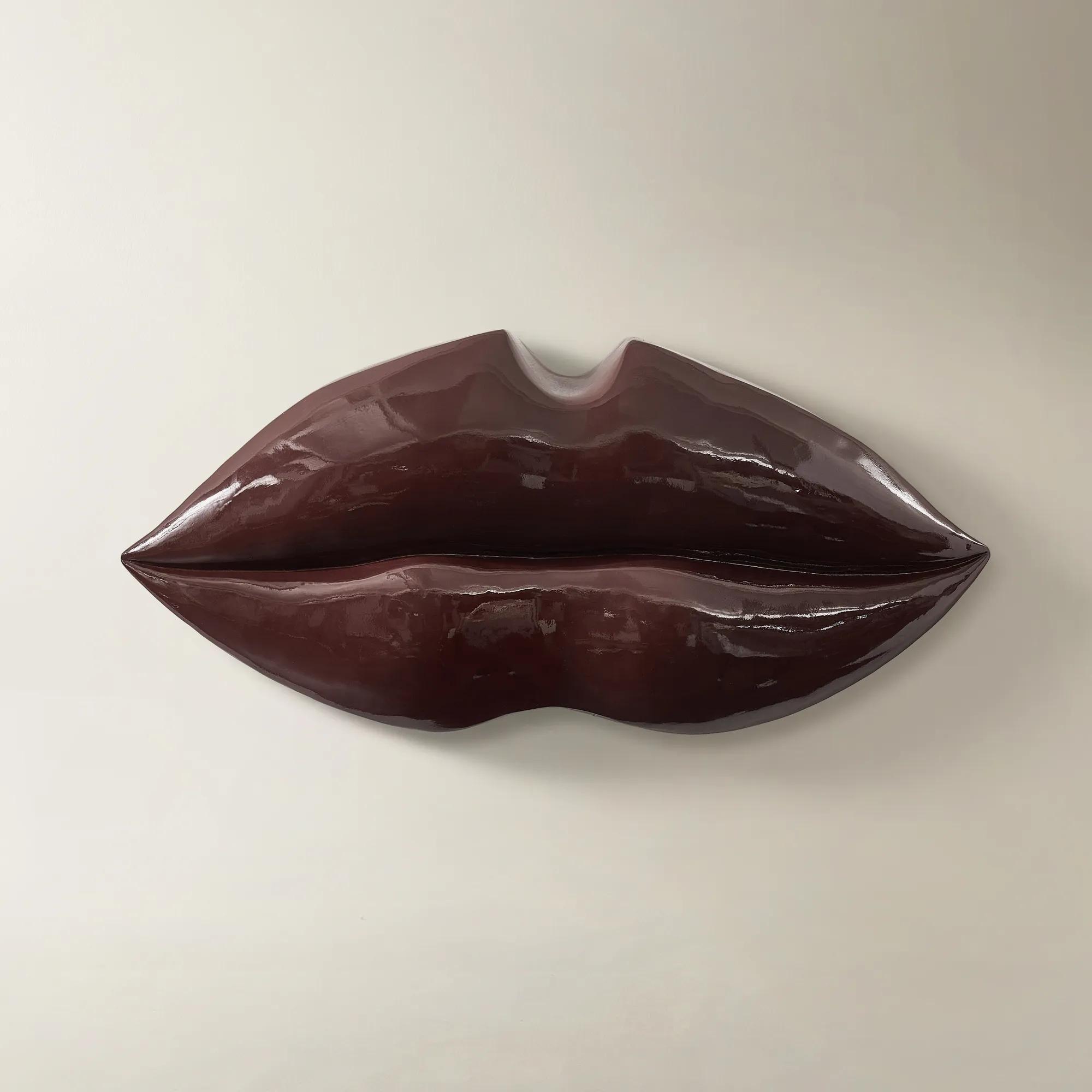
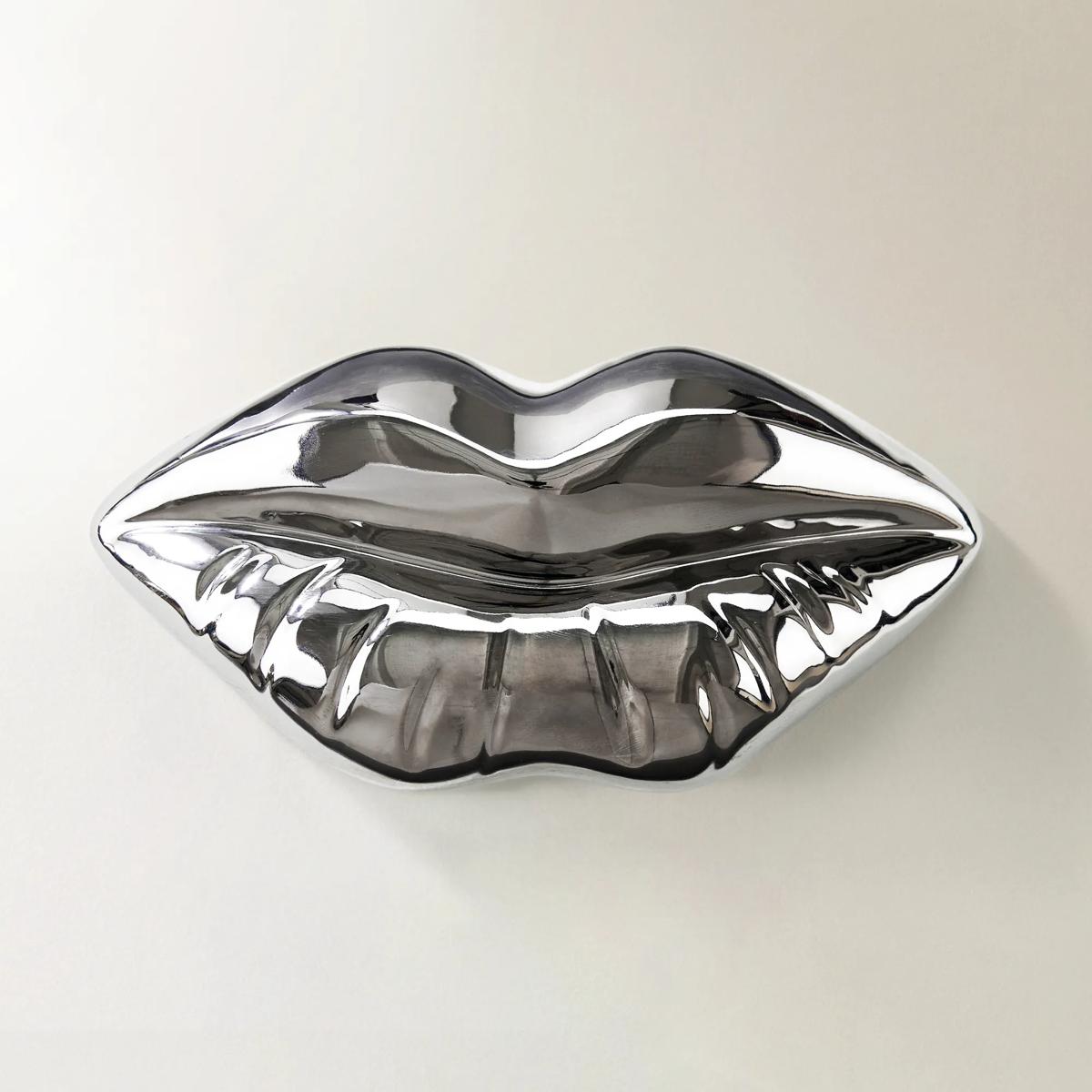 Chrome Lips Ceramic Decorative Object 5.25"$29
A high-shine silver ceramic sculpture that adds modern pop art flair and playful sophistication to any space.
Add To Cart -
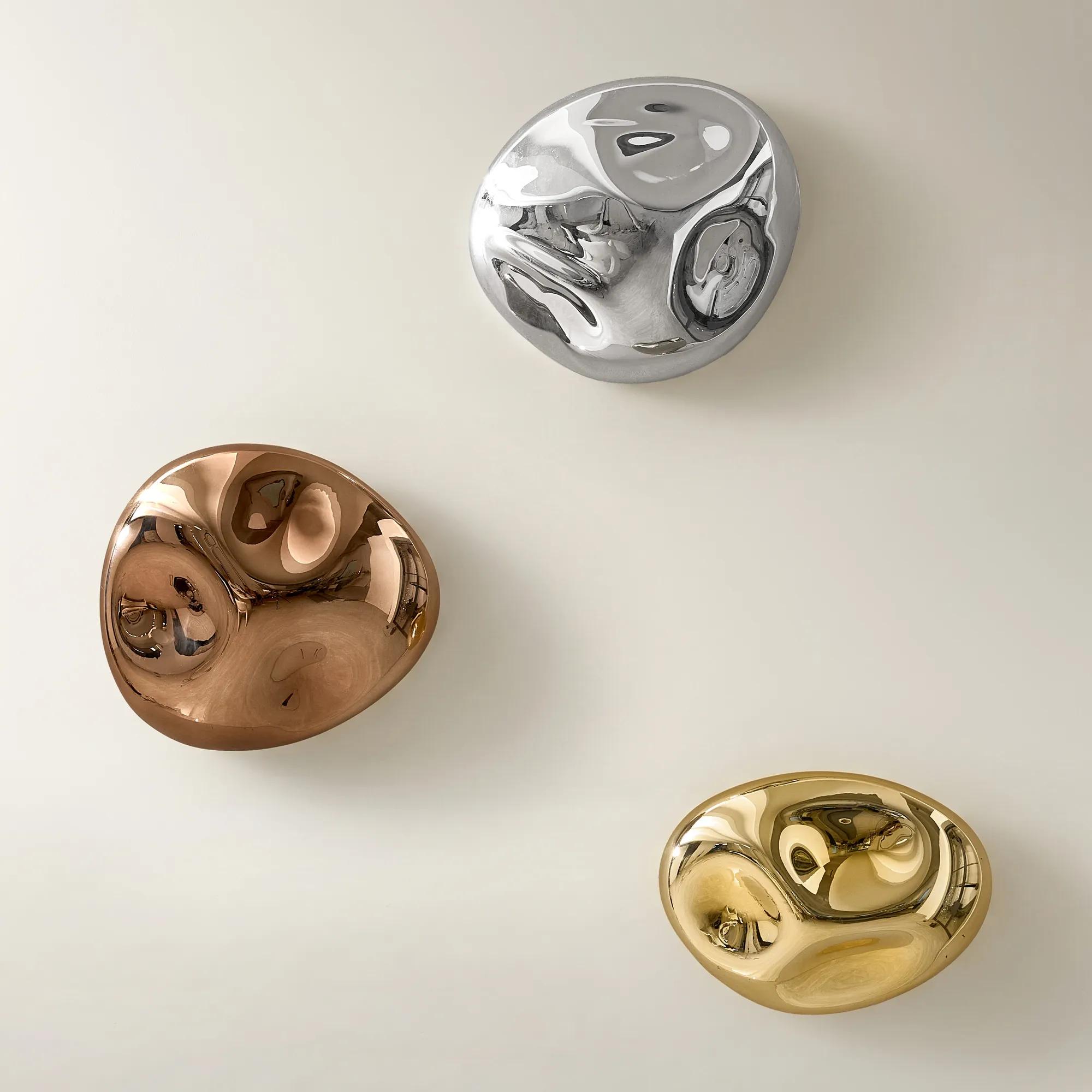
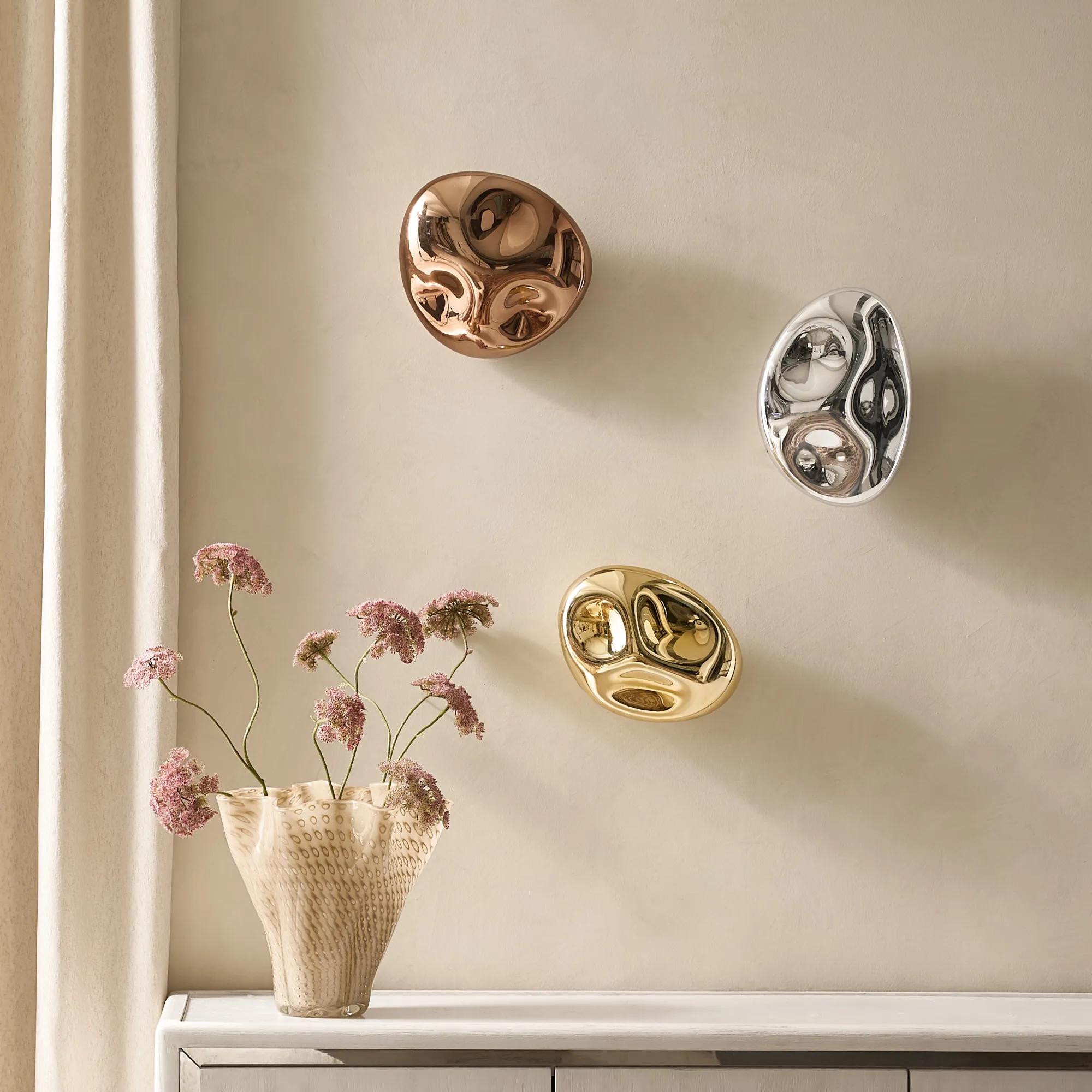 Nebula Electroplated Metallic Glass Wall Decor Set of 3$279
A set of three electroplated glass wall sculptures in polished silver, soft gold, and bronze tones.
Add To Cart -
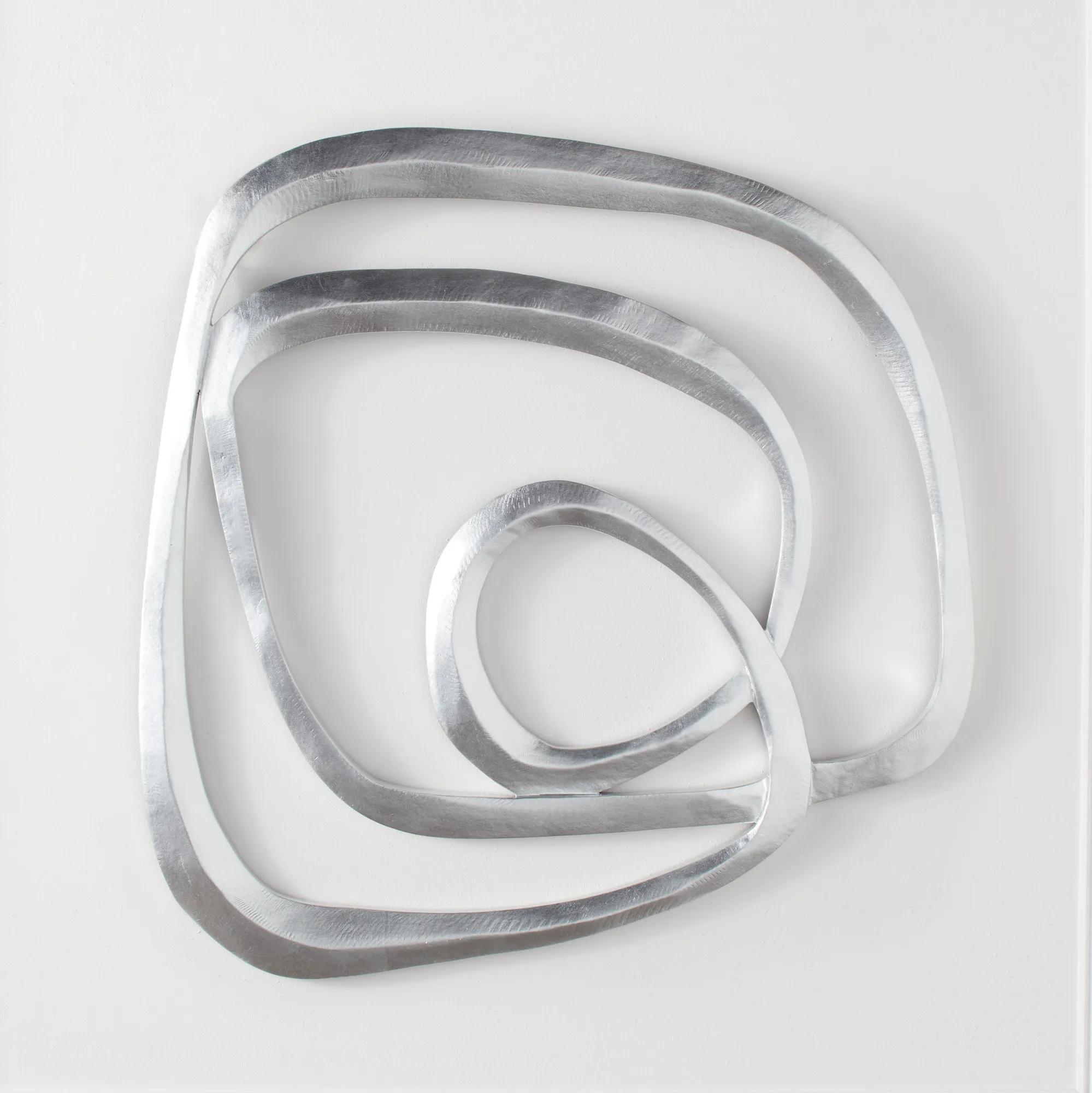 Infinity Silver Leaf Wood Wall Decor I 31.5" x 31.5"$299
A swirling wooden wall sculpture featuring a striking metallic silver finish for modern visual impact.
Add To Cart -
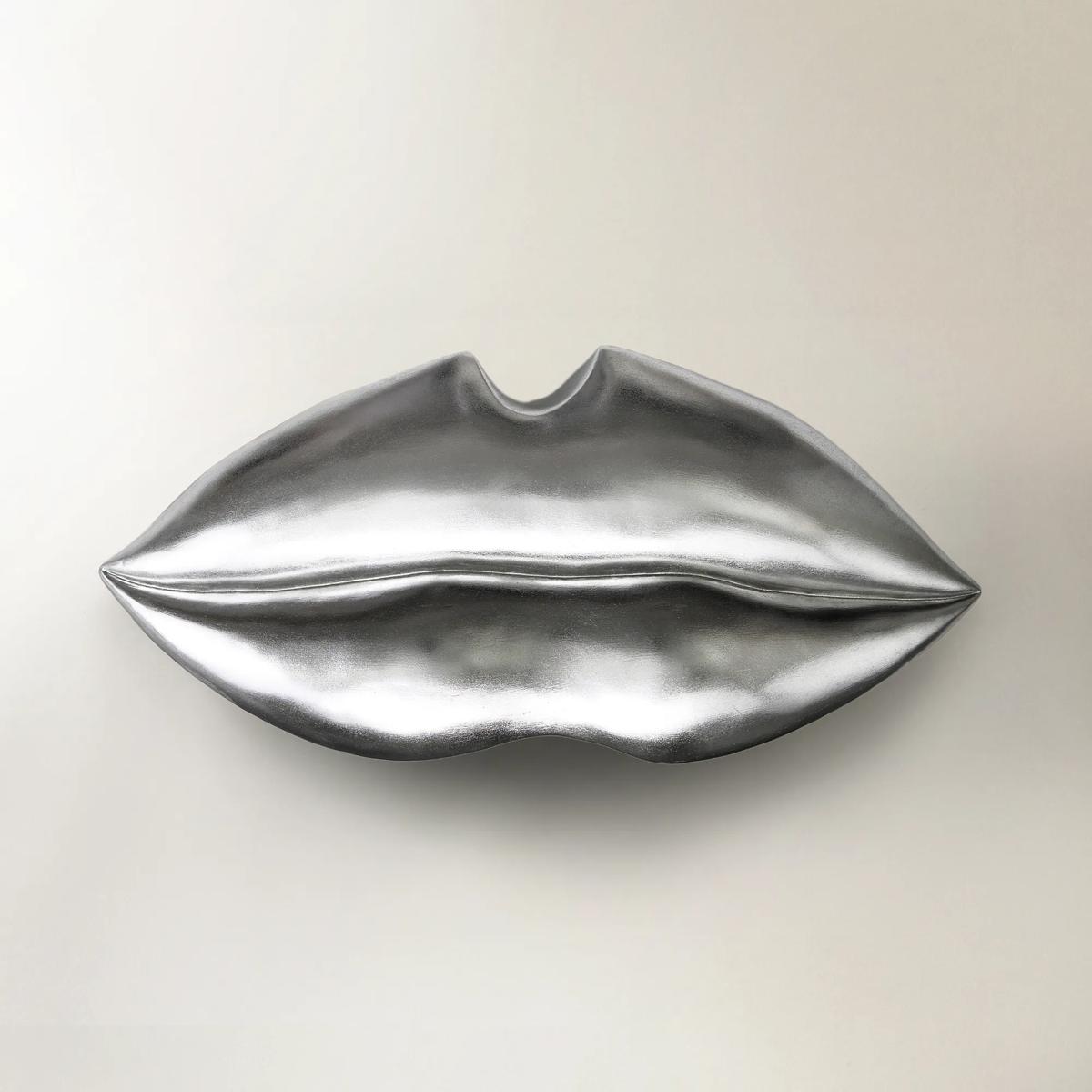 Grand Lips Silver Poly Resin Wall Decor 27.5" x 12.5"$99
A playful resin sculpture in sleek silver, perfect for adding modern flair to any space.
Add To Cart -
Handbag Silver Ceramic High Gloss Coin Bank Small$39
A glossy silver ceramic coin bank shaped like a designer handbag for a whimsical decorative accent.
Add To Cart -
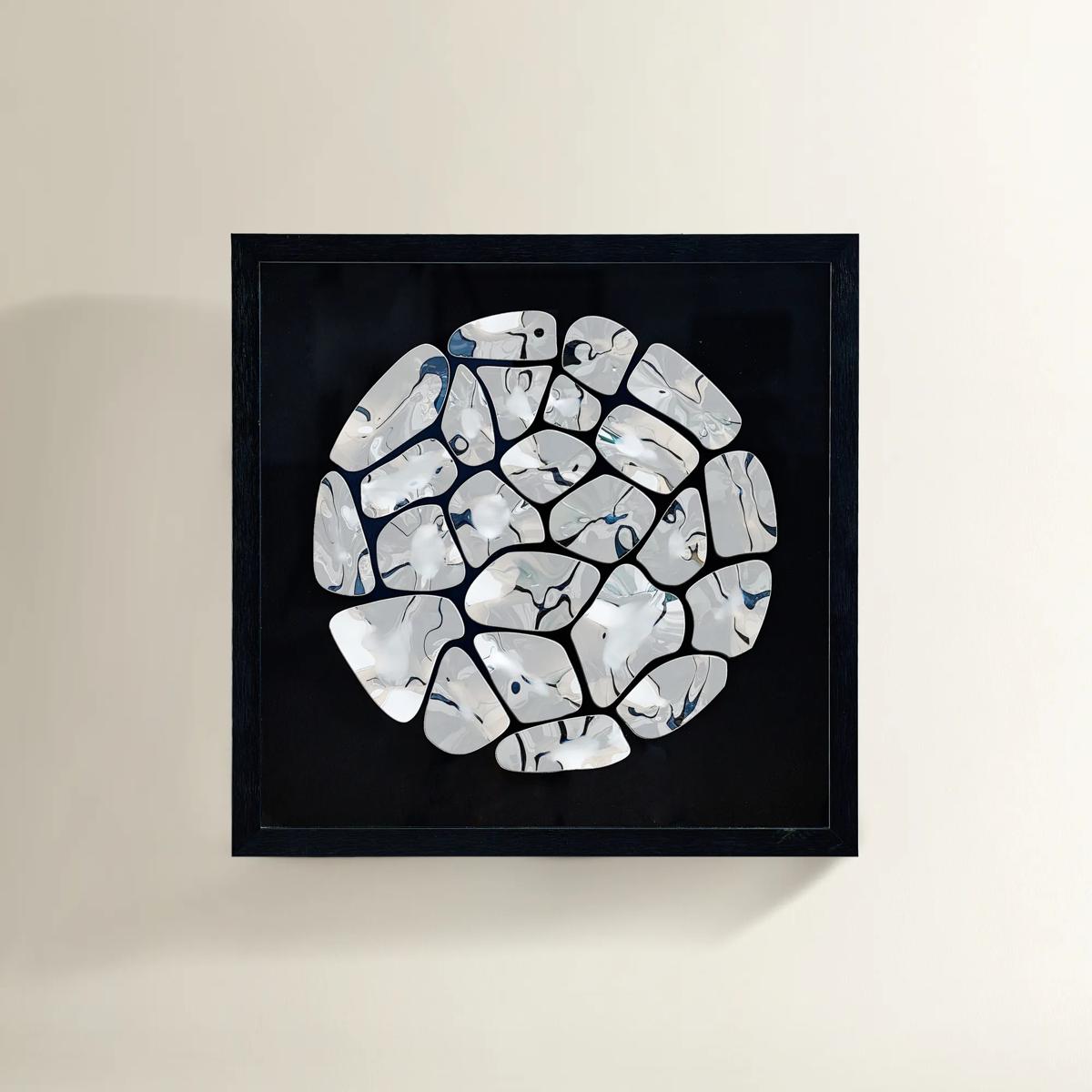
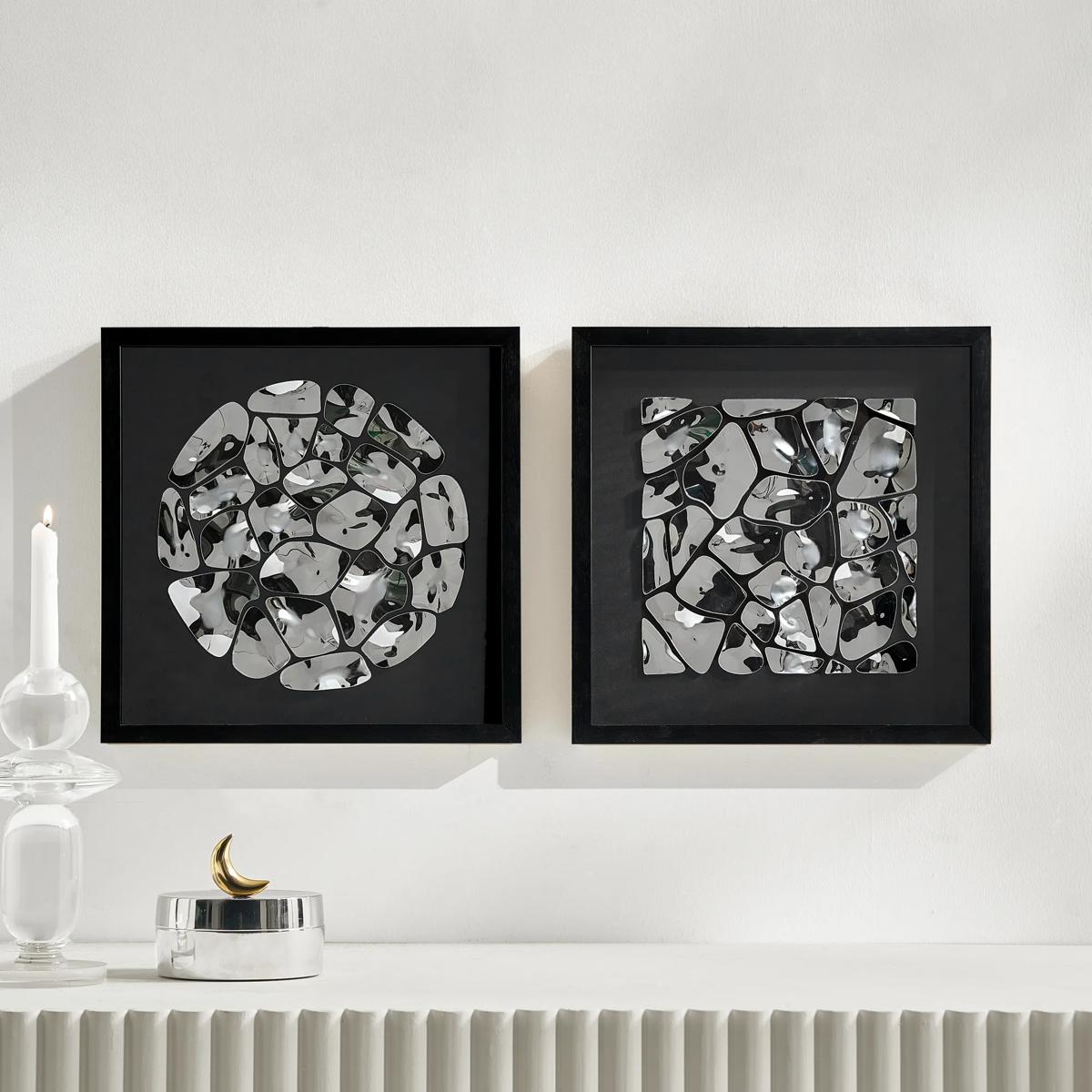 Reflect Silver And Black Shadowbox Art II$189
A dimensional metal wall art piece featuring polished silver and black forms in a sleek black frame.
Add To Cart -
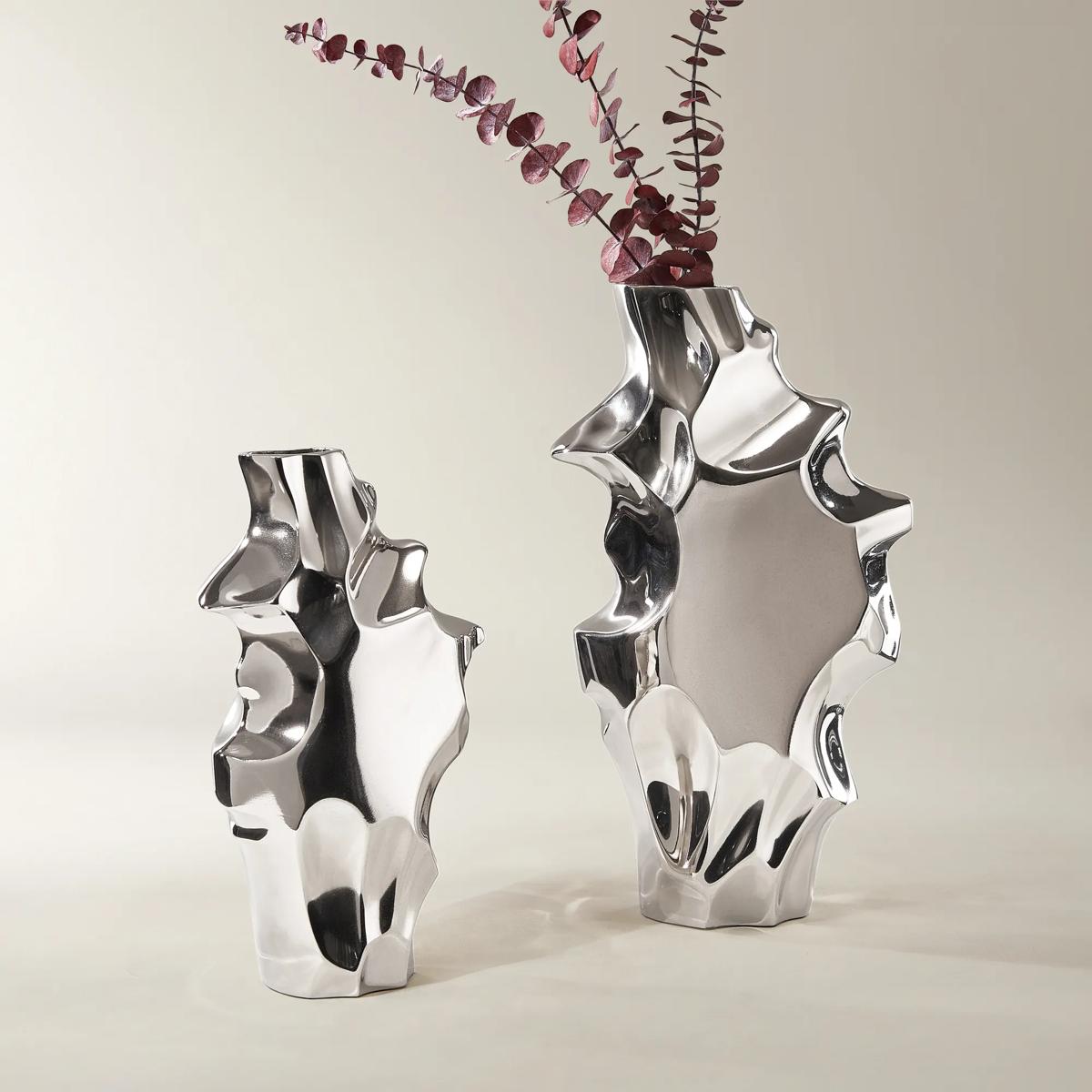
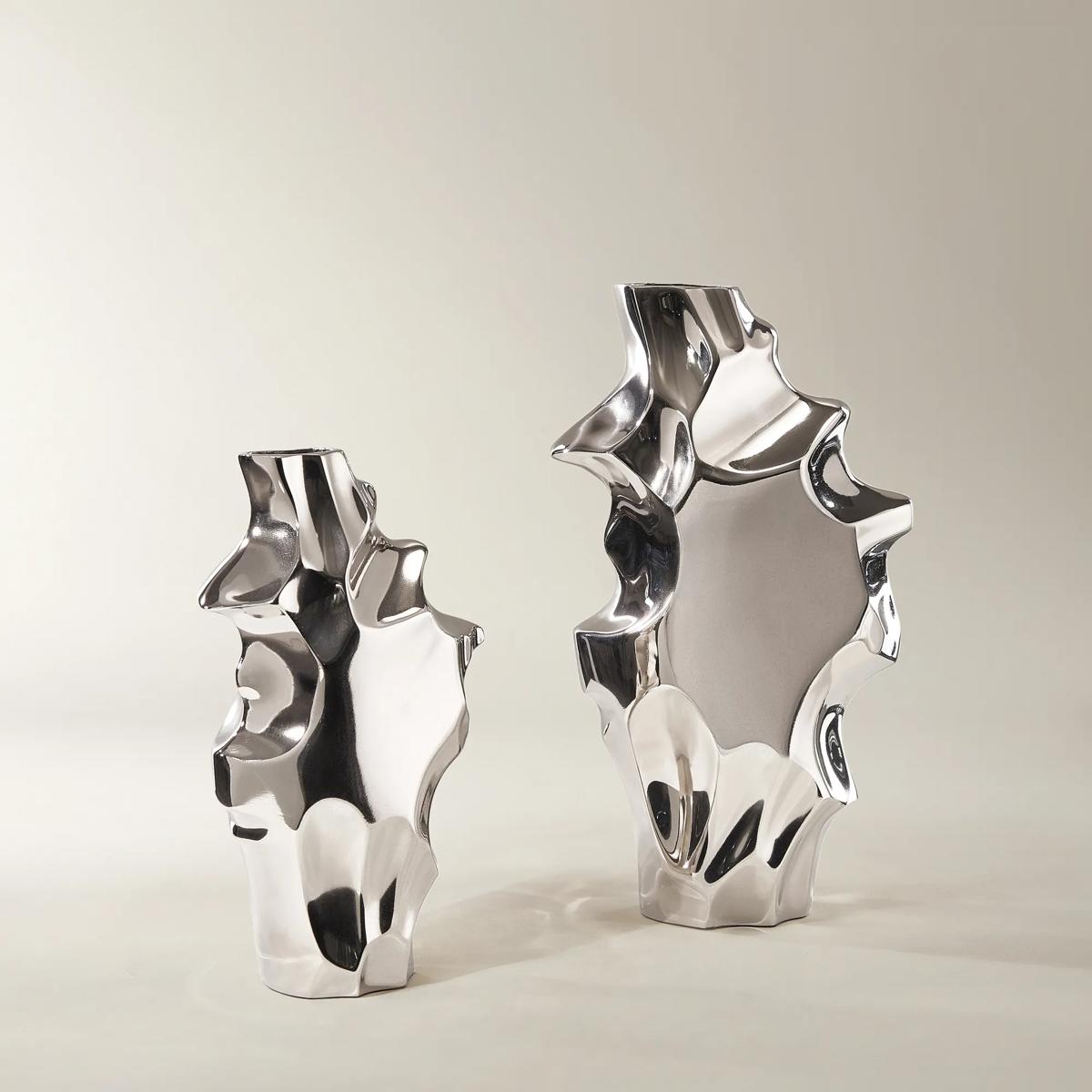 Sculpt Silver Aluminum Vases$79
A fluid, organic silhouette in lustrous silver aluminum brings modern artistry to any space.
Add To Cart -
 Etched in Silver$229
An abstract hand-carved aluminum wall art featuring shimmering silver tones in a modern black alloy frame.
Add To Cart -
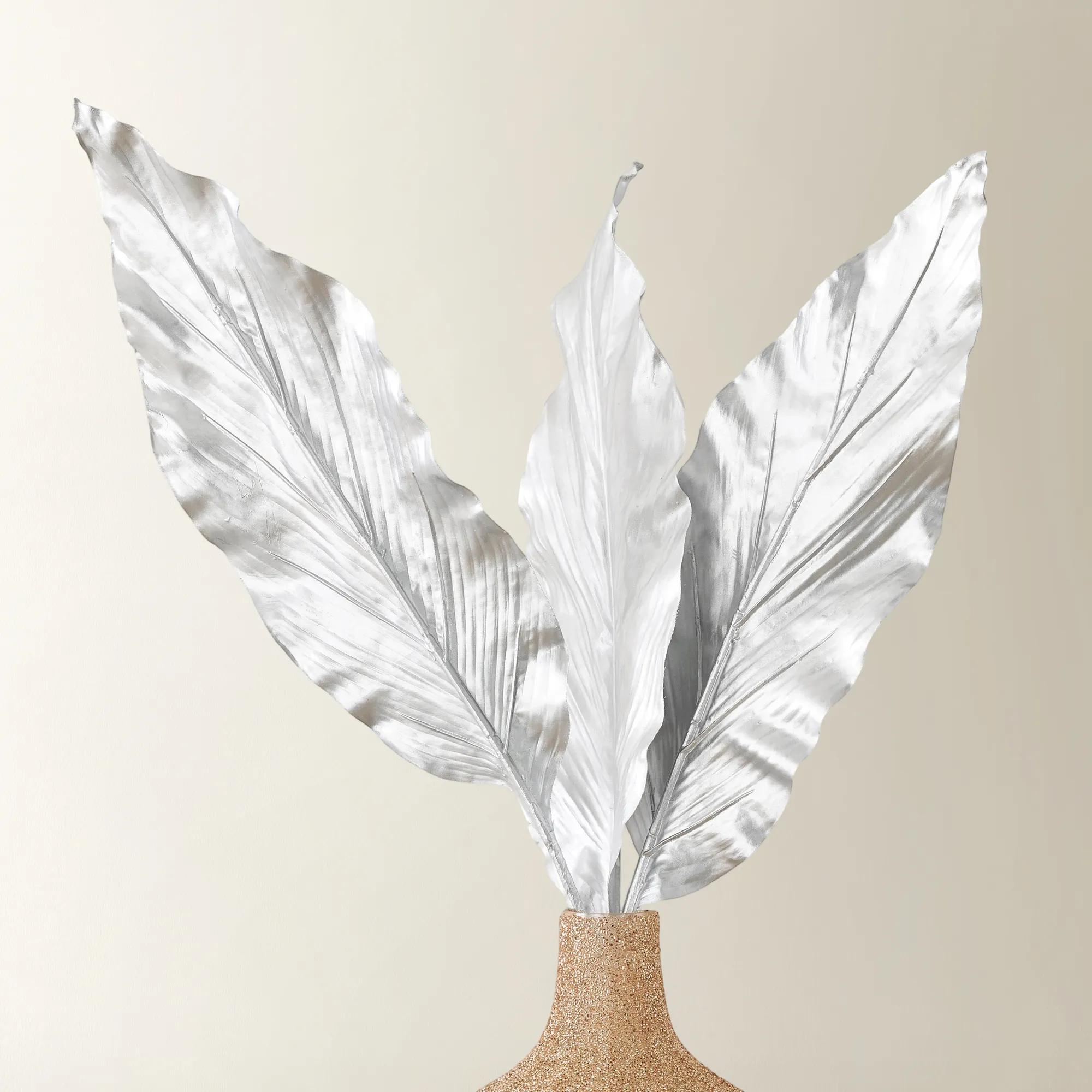
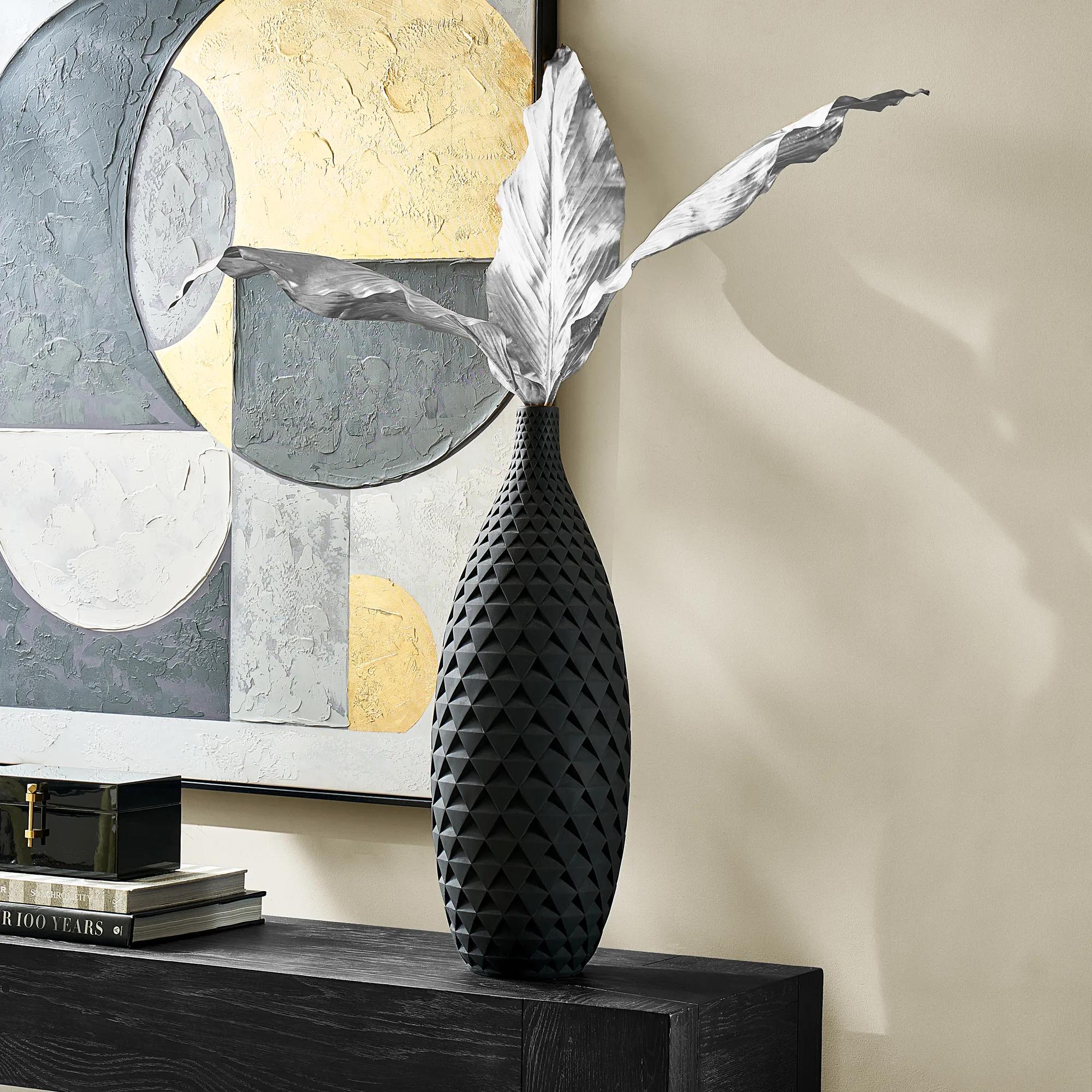 Faux Silver Canna Leaf Branch 38" Set of 3$49
A set of three silver metallic leaves inspired by the Canna plant for modern seasonal décor.
Add To Cart -
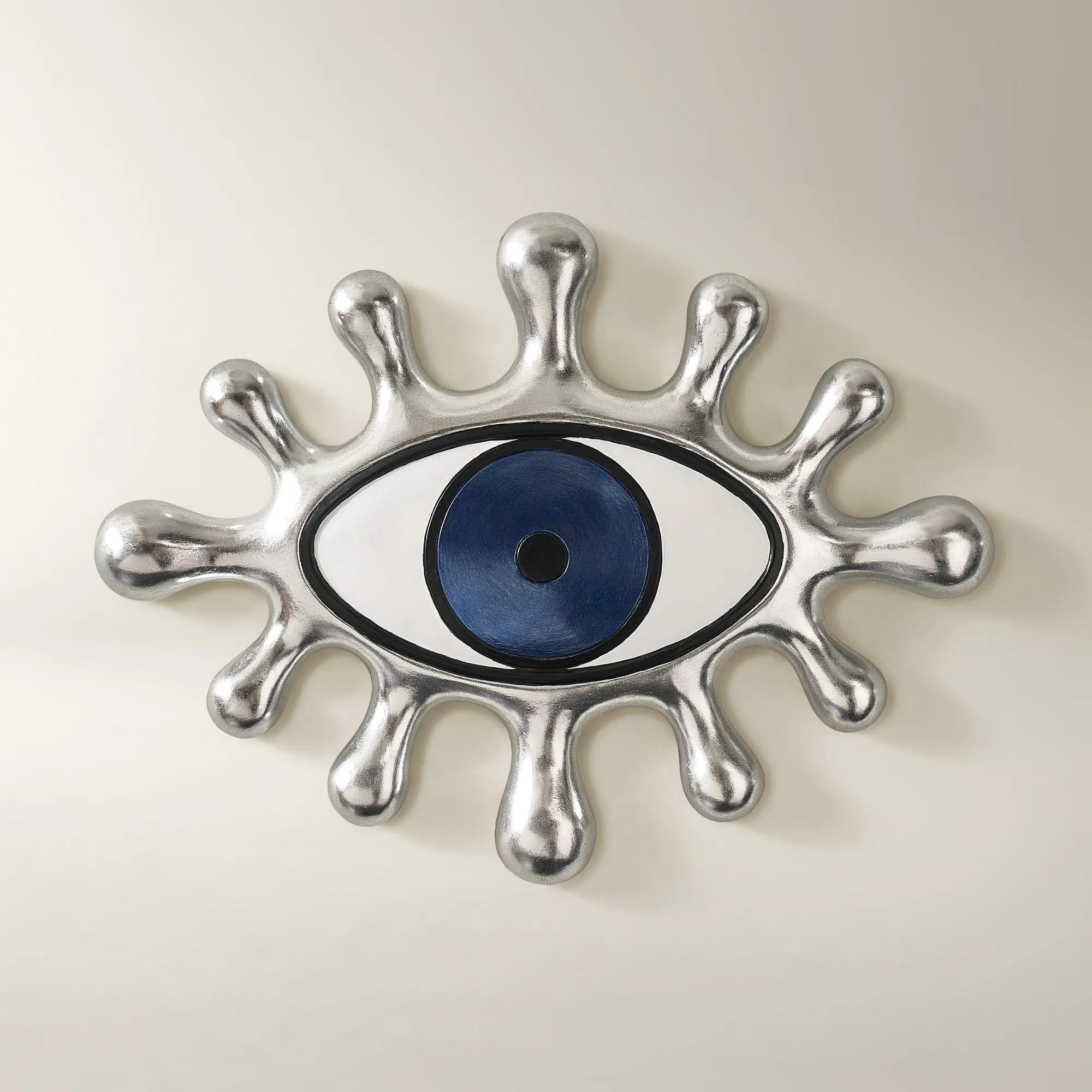 Grand Eye Ink Blue And Silver Resin Wall Decor 18" x 13.5"$79
An exaggerated eye motif in ink blue and silver brings playful, sculptural texture to any wall.
Add To Cart

Silver Decorative Sculptures
Silver decorative sculptures bring an artful focal point and metallic dimension to your décor. Explore silver-toned accents with an eye for silhouette, scale, and how each piece will sit alongside your existing collection. Style one as the centerpiece of a console or layer it into a shelf arrangement for a touch of drama.
Silver decorative sculptures are three-dimensional home accents with silver-toned surfaces, ranging from polished metallic finishes to softly brushed, textured, or antiqued effects. Their appearance does not necessarily indicate solid silver: many decorative sculptures are made from metal, ceramic, resin, or glass with a silver-colored finish, while sterling silver pieces belong to a distinct category of precious-metal objects. That distinction matters when considering weight, care, and intended use, but the visual appeal begins with light. A gleaming curve catches the glow of a nearby lamp; a deeply textured surface breaks that light into quieter highlights and shadows. Against velvet upholstery, richly grained wood, or a dark painted wall, silver introduces a luminous contrast that feels deliberate rather than decorative for decoration’s sake. Abstract forms bring movement and ambiguity, inviting a different impression from every angle, while figurative and nature-inspired shapes give a room a more recognizable focal point. Material and construction influence that presence. Cast metal can lend satisfying weight and crisp definition, although hollow construction may make a large form lighter than expected. Ceramic offers a different expression, with contours that can feel fluid and substantial, while molded resin accommodates intricate detail without necessarily carrying the weight of a comparable metal form. Glass introduces its own interplay of reflection and transparency, depending on the treatment. None of these materials alone determines quality or durability; the stability of the base, the execution of the finish, and the demands of the setting matter just as much. For interiors built around expressive design, silver sculpture offers a particularly versatile accent. It can sharpen a soft, tonal room, echo the sheen of mirrored furniture, or add a cool flash to an otherwise earthy composition. The most compelling effect comes from contrast: smooth beside tactile, reflective beside matte, and sculptural beside clean-lined furniture. A single well-proportioned form can give an entire surface a sense of purpose, turning a console, bookcase, or pedestal into a considered composition.
Scale gives silver decorative sculptures their relationship to a room. A tall, open form can bring vertical movement to a low console without appearing as visually dense as a solid silhouette of the same height. A broad, low sculpture may feel more grounded on a generous coffee table, especially when surrounded by enough clear surface to reveal its outline. Dimensions deserve attention beyond height alone: width, depth, base size, and any projecting elements determine whether a sculpture sits comfortably on a shelf or extends into a walkway. On a dining table, a lower profile helps preserve conversation across the setting; in an entryway, a more expansive silhouette can establish a striking first impression. Reflective finishes also respond to their surroundings, so placement near a lamp can create controlled highlights, while direct glare may obscure the very details meant to be admired. Open shelving benefits from a balance of objects and breathing room. A silver form beside clothbound books or a matte vessel creates a richer composition than a crowded row of equally reflective accents. Repeating the finish elsewhere can make the room feel connected without requiring every metal surface to match. Silver can sit confidently alongside warm brass, bronze, or blackened metal when each finish has a clear role and the surrounding palette provides continuity. Pairing tabletop sculpture with Silver Finish Wall Hangings carries that luminous thread from furniture surfaces to the wall, adding dimension at different heights. The shapes need not repeat exactly; a shared finish or a similar sense of movement can be enough. For a living room centered on plush seating, a sharply defined sculpture adds tension and polish. In a home office, an expressive form can interrupt the geometry of shelves and cabinetry with something more personal. Bedrooms often benefit from a quieter interpretation, such as a softly textured finish that catches lamplight without dominating the room. In each setting, the sculpture feels most intentional when its proportions suit the furniture and its silhouette remains visible from the places where the room is actually experienced.
Durability depends on both the underlying material and the surface treatment, making care instructions an important part of choosing silver sculpture decor. A metallic finish over ceramic or resin should not automatically be treated like solid metal, and a silver-colored surface should not automatically be cleaned with silver polish. Abrasive cleaners, rough cloths, and vigorous rubbing can scratch or dull delicate coatings; even a sturdy metal body may carry a finish that requires a gentle touch. Routine dusting with a clean, soft cloth is often appropriate, but any moisture, cleaning solution, or polishing product should follow the manufacturer’s directions. Genuine silver may tarnish and require care intended for that material, while plated or painted finishes can respond differently. Moisture, direct sunlight, and heat may affect some surfaces, so indoor decorative pieces are best placed according to their stated use rather than assumed suitable for bathrooms, covered patios, or other demanding environments. Everyday placement matters, too. A stable, level surface helps protect both the sculpture and nearby furnishings, and discreet furniture-safe pads may be useful when compatible with the base. Shelves should support the object’s weight, and delicate projections deserve distance from busy pathways, playful pets, and small hands. Decorative sculptures are display objects, not toys, and their visual impact does not require frequent handling. These practical considerations also make silver-toned sculpture a thoughtful gift when the recipient’s home and tastes are understood. For a housewarming or wedding, a versatile abstract shape can acknowledge a love of art without prescribing an entire decorating style. A more expressive silhouette suits someone who collects distinctive objects and enjoys rearranging a mantel or console as a personal composition. Considering the recipient’s available display space, preferred finishes, and comfort with maintenance makes the gesture feel attentive. Whether chosen as a gift or as a finishing accent for a carefully layered interior, silver sculpture brings artistry into daily view: a flash of light beside a favorite chair, an unexpected contour among books, or a commanding form that gives an otherwise quiet corner its own identity.
FAQs
Give silver decorative sculptures a deliberate place in your room’s composition: a console becomes a gallery-inspired vignette, while a mantel gains a striking artistic accent. Pair a sculpture with art books, a richly textured vase, or framed artwork, leaving visual breathing room for its silhouette to command attention.
Silver brings luminous contrast to deep navy, emerald, and charcoal, creating a mood that feels richly layered and dramatic. Against ivory, soft gray, or blush, silver decorative accents introduce a cooler brilliance that keeps a softer palette expressive.
Yes—silver sculptures can create a compelling dialogue with gold- or brass-toned accents. Choose one metallic tone to lead, then repeat the other in a few deliberate details, such as picture frames or candleholders, for a composition that feels collected rather than competing.
Silver decorative sculptures can bring artistic definition to modern, glamorous, and transitional interiors. An abstract silhouette reinforces a contemporary mood, while a figurative form can introduce an expressive counterpoint to traditional furnishings. Let the sculpture’s shape connect with the room’s lines, or use it to create intentional contrast.
Choose an abstract silver sculpture when you want movement, sculptural intrigue, and room for interpretation. Figurative designs offer a recognizable subject that can reflect a personal interest or establish a distinct mood. Either approach turns a decorative accent into a statement about your point of view.