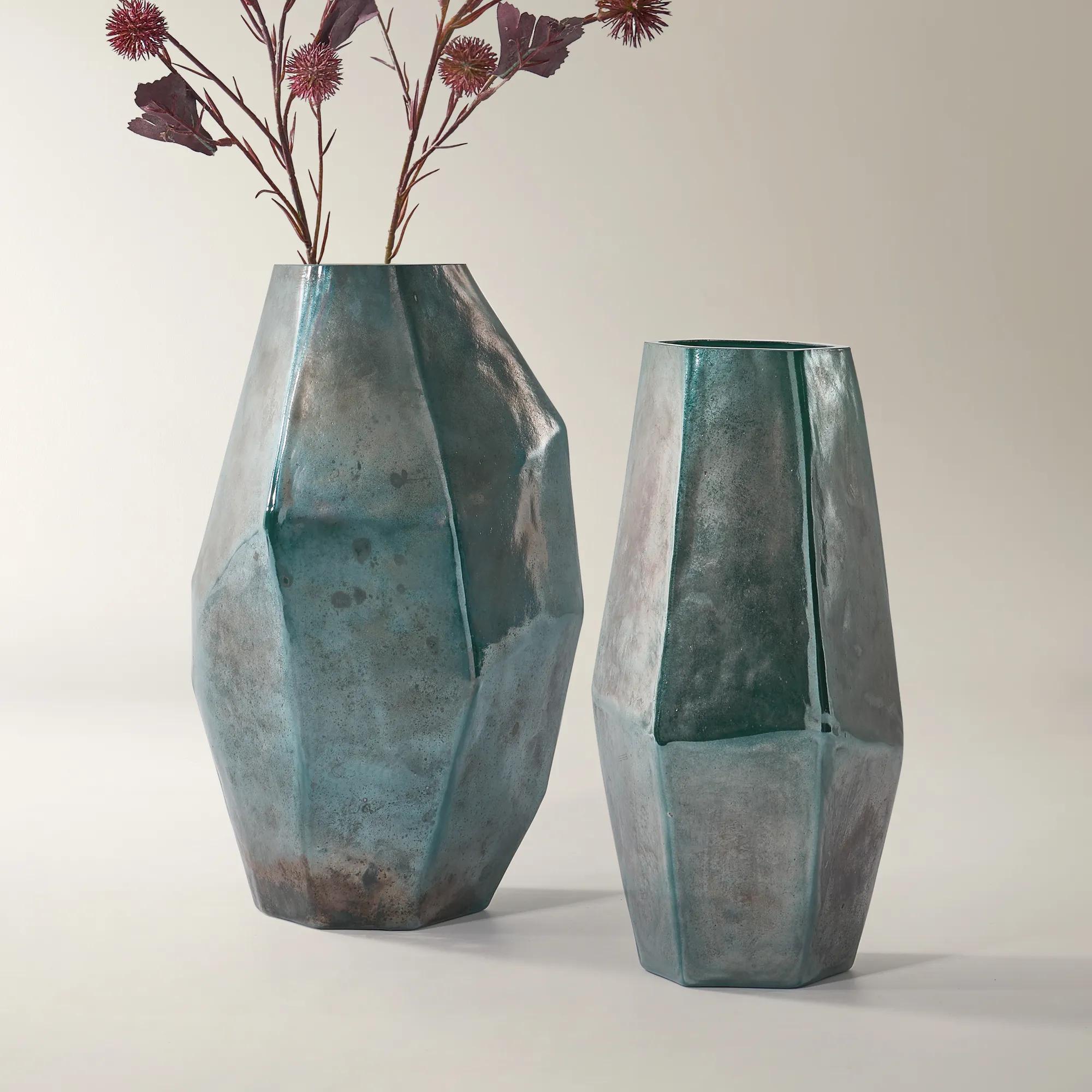
Silver Ceramic Decor Accents
Silver Ceramic Decor Accents
-
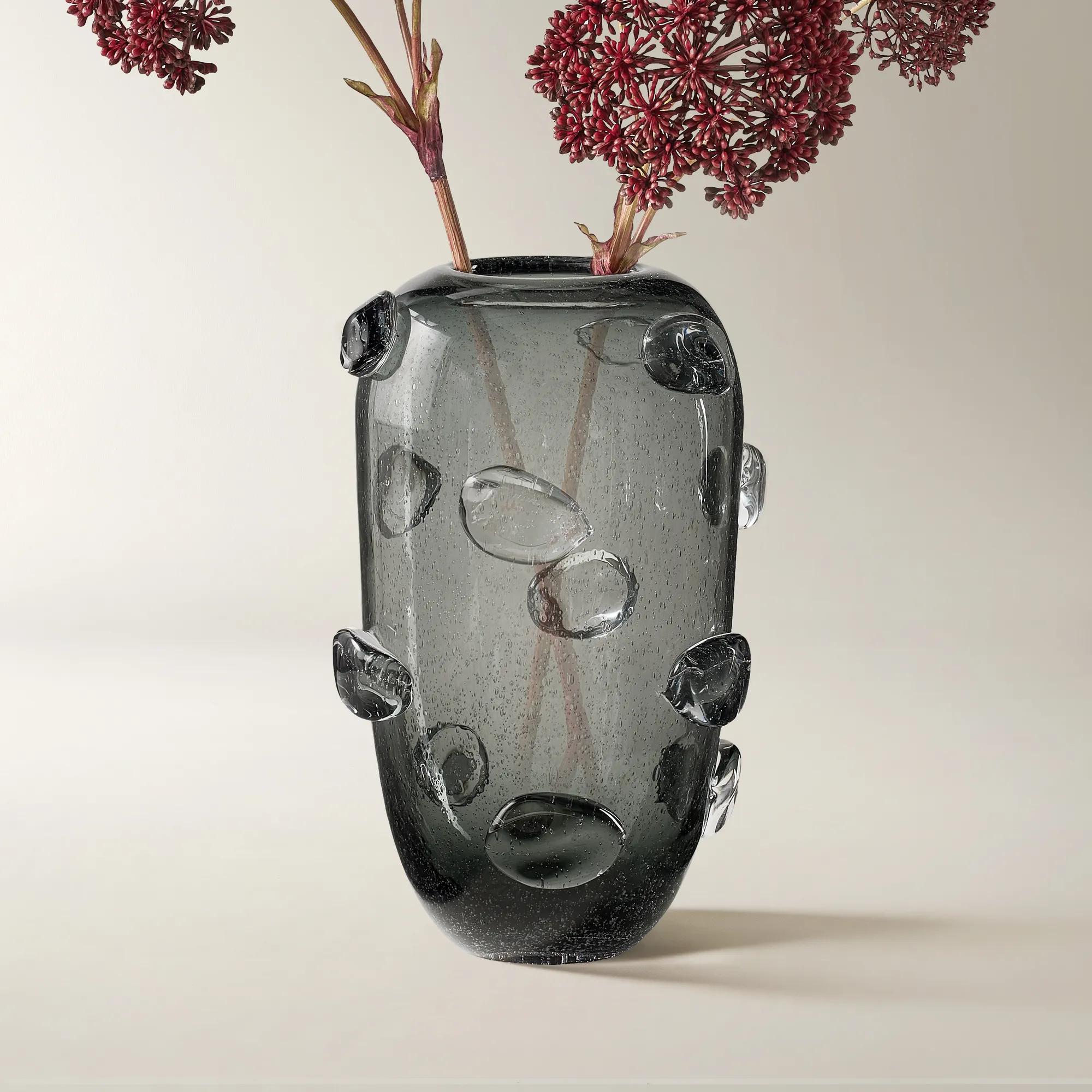
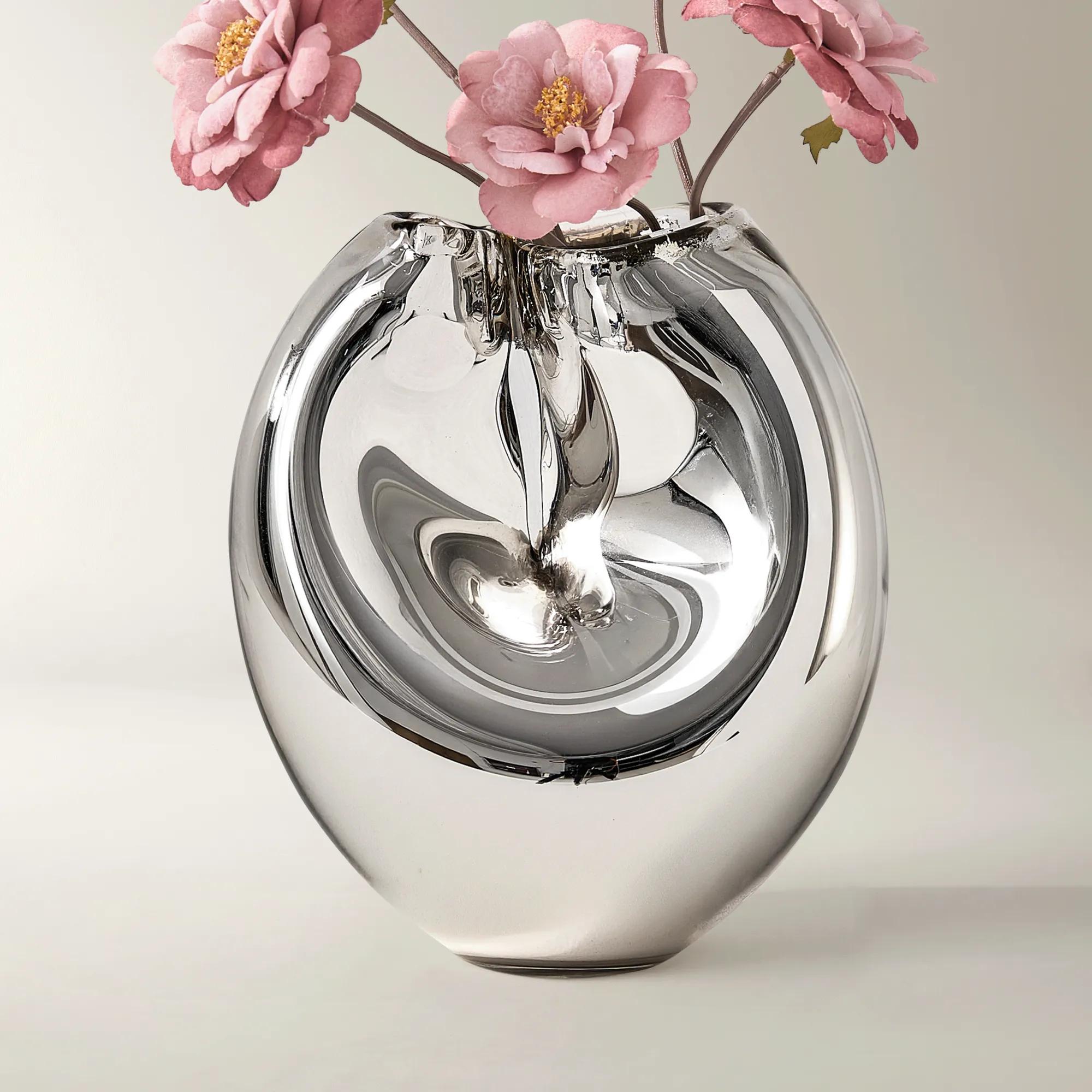 Ono Mouth Blown Mirrored Silver Glass Vase 7.75"$79
A handblown glass vase with a mirrored finish and organic silhouette for modern, artful display.
Add To Cart -
.jpeg?w=1200&h=1200)
 Odessey Collection$99
Odessey Collection$99A shiny silver porcelain accent piece perfect for adding modern elegance to any decorative display.
Add To Cart -
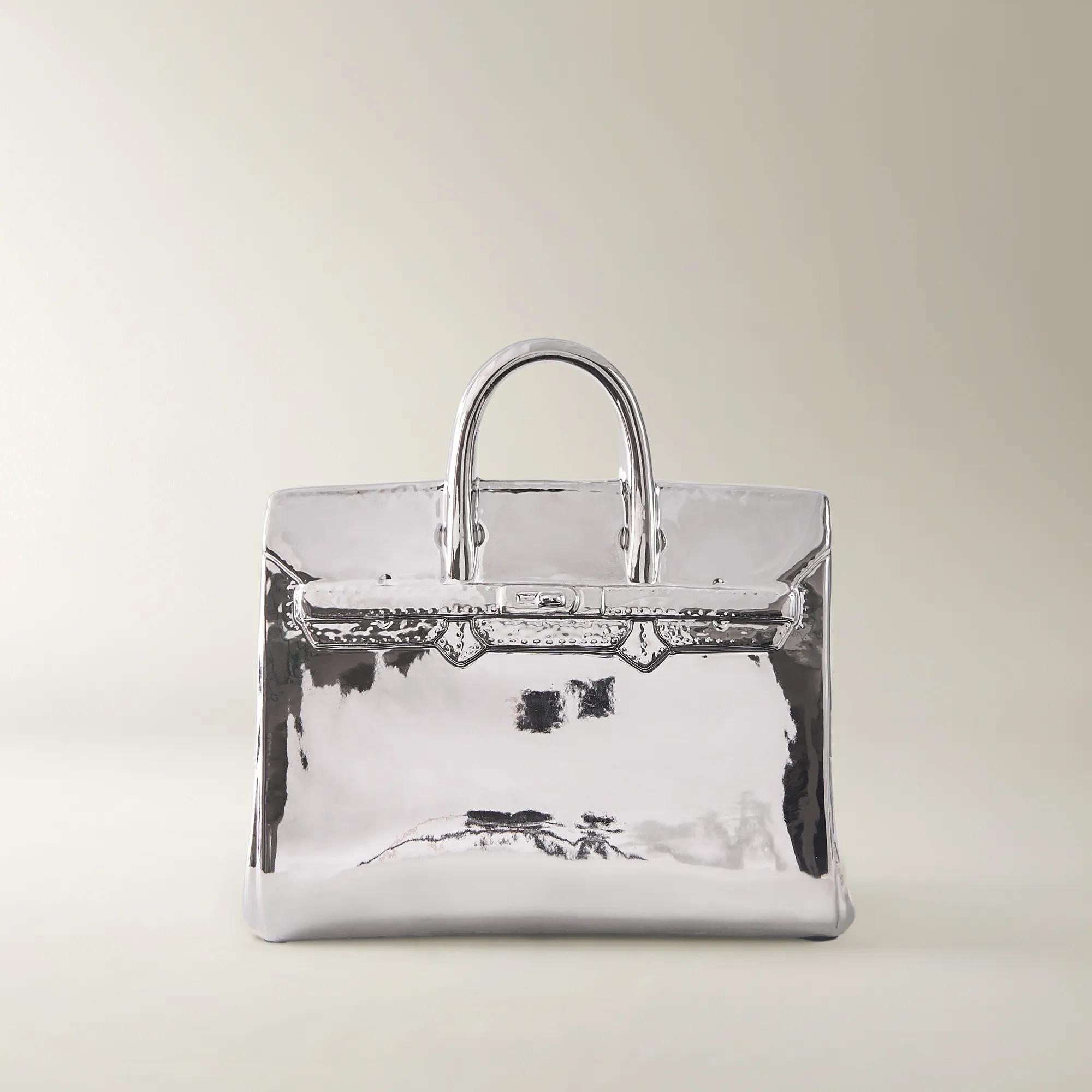 Handbag Silver Ceramic High Gloss Coin Bank Small$39
A glossy silver ceramic coin bank shaped like a designer handbag for a whimsical decorative accent.
Add To Cart -
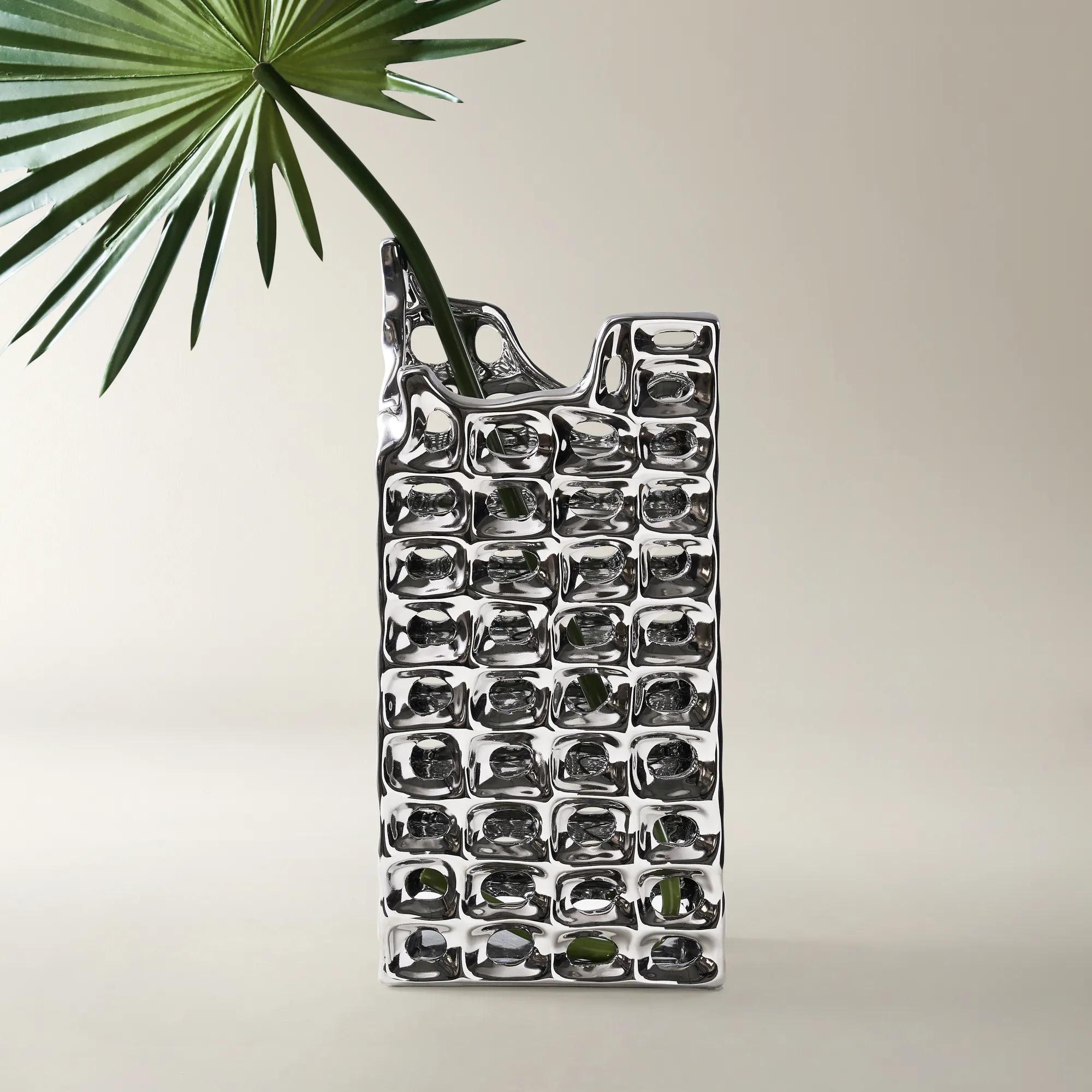
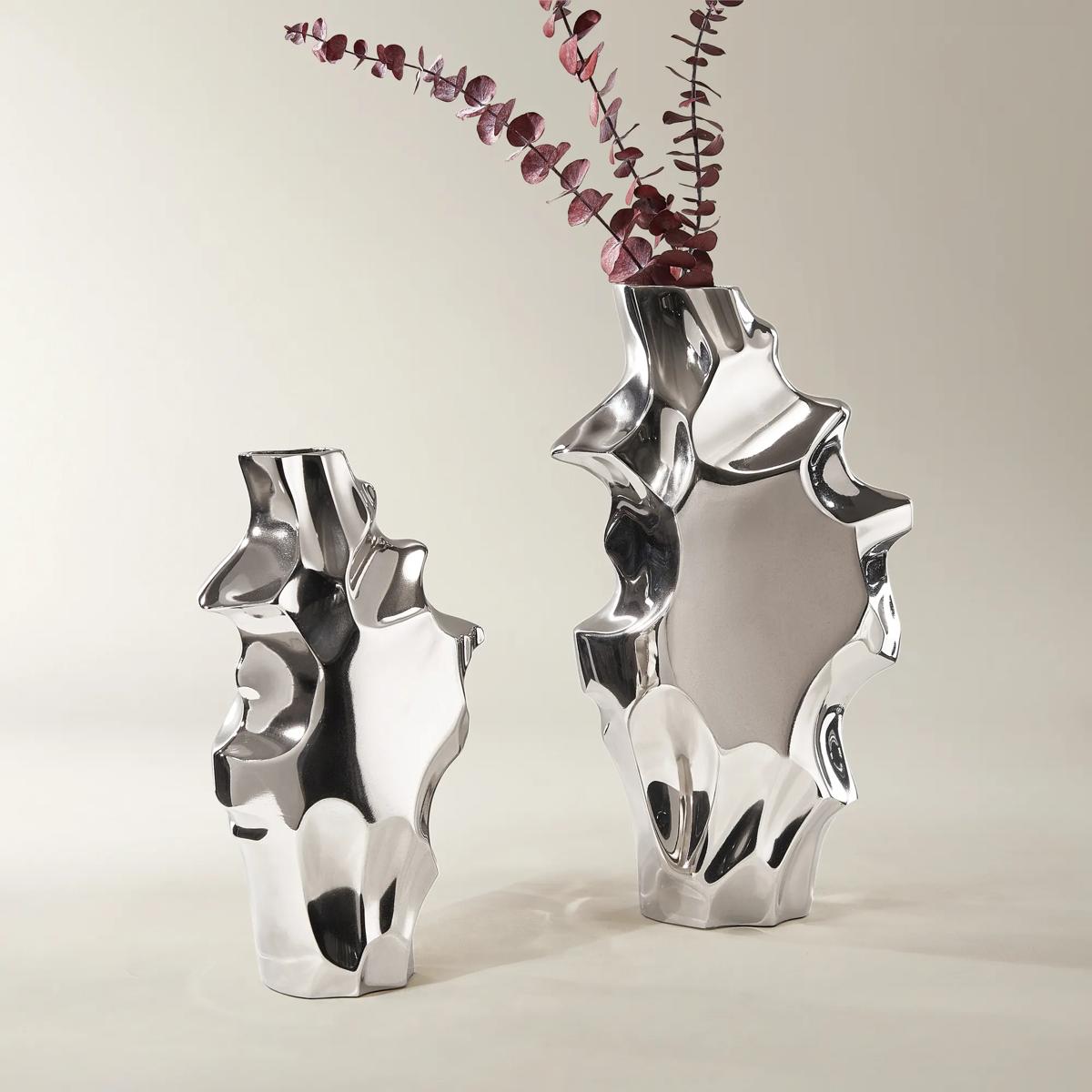
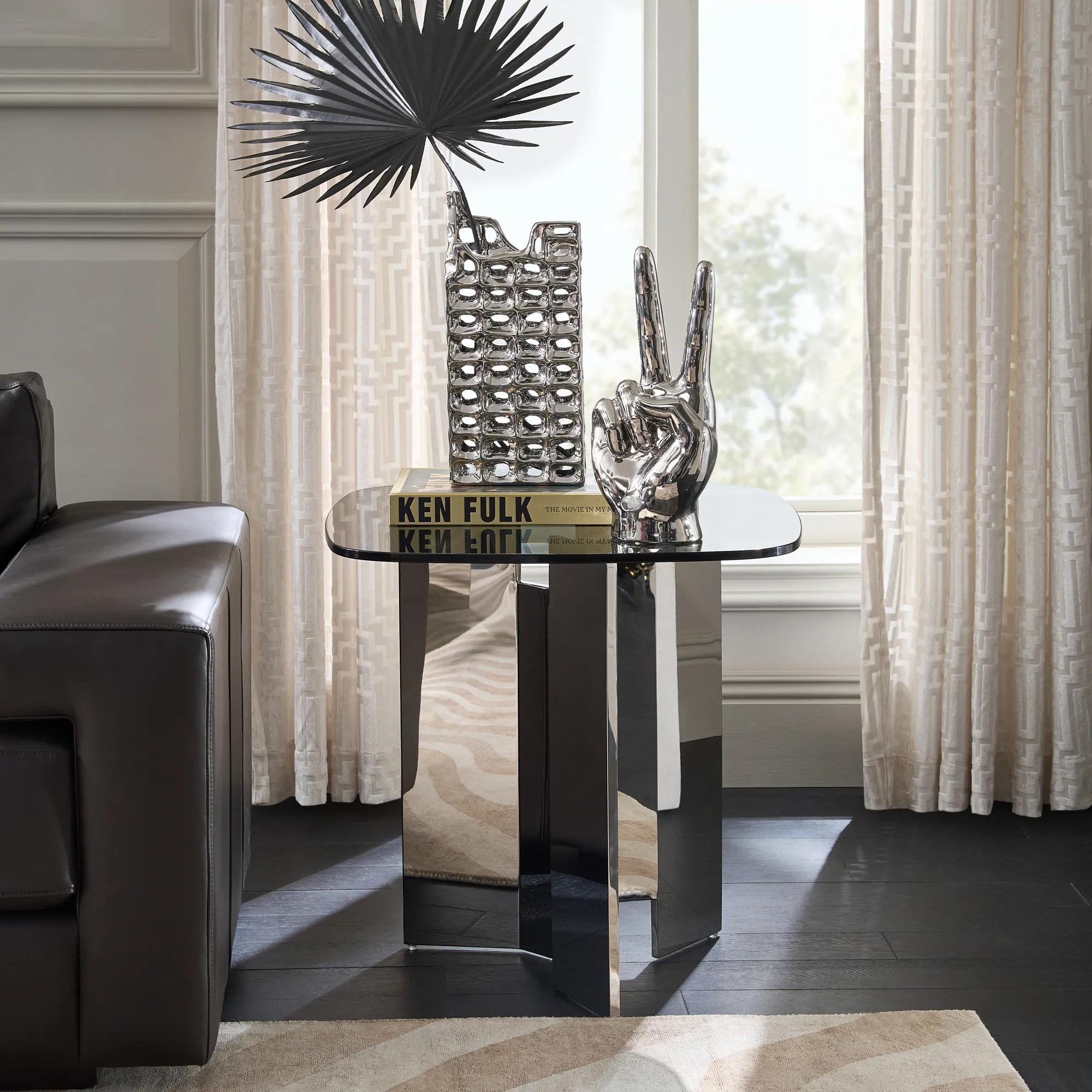 Pierce Vase$69
A ceramic vase with intricate facets and a gleaming silver finish for striking visual impact.
Add To Cart -
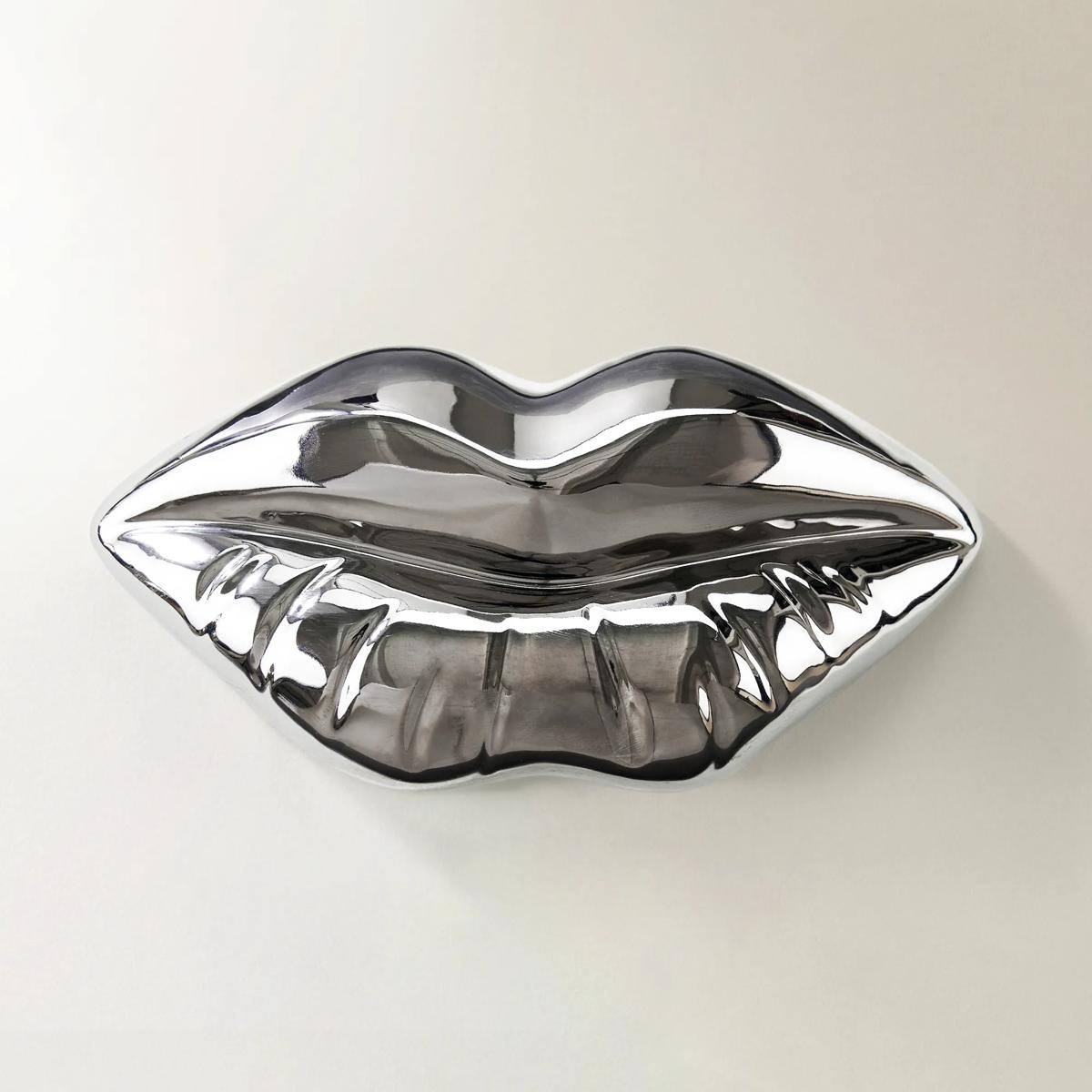 Chrome Lips Ceramic Decorative Object 5.25"$29
A high-shine silver ceramic sculpture that adds modern pop art flair and playful sophistication to any space.
Add To Cart -
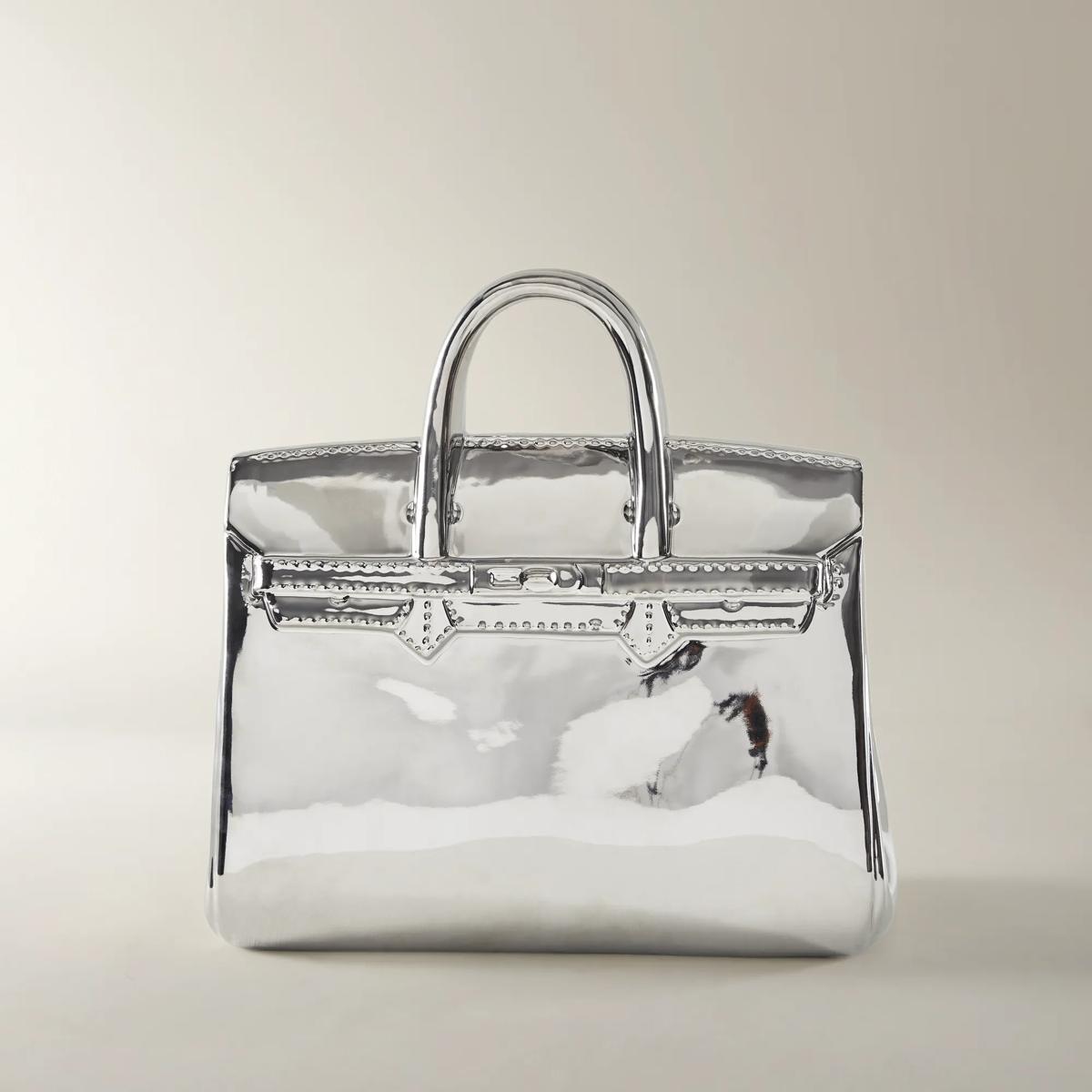
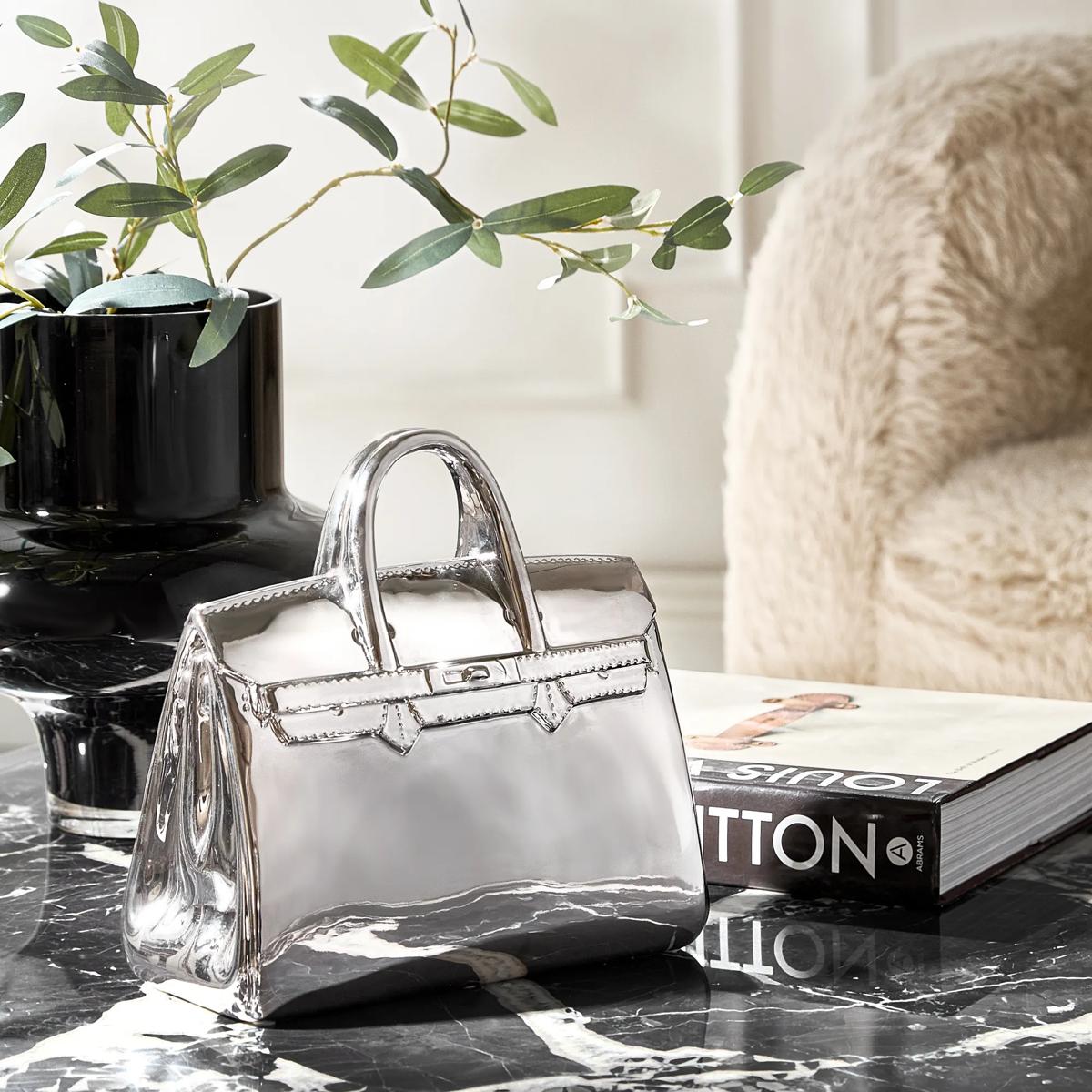 Handbag Silver Ceramic High Gloss Coin Bank Large$59
A glossy silver ceramic coin bank shaped like a designer handbag for a chic decorative accent.
Add To Cart -
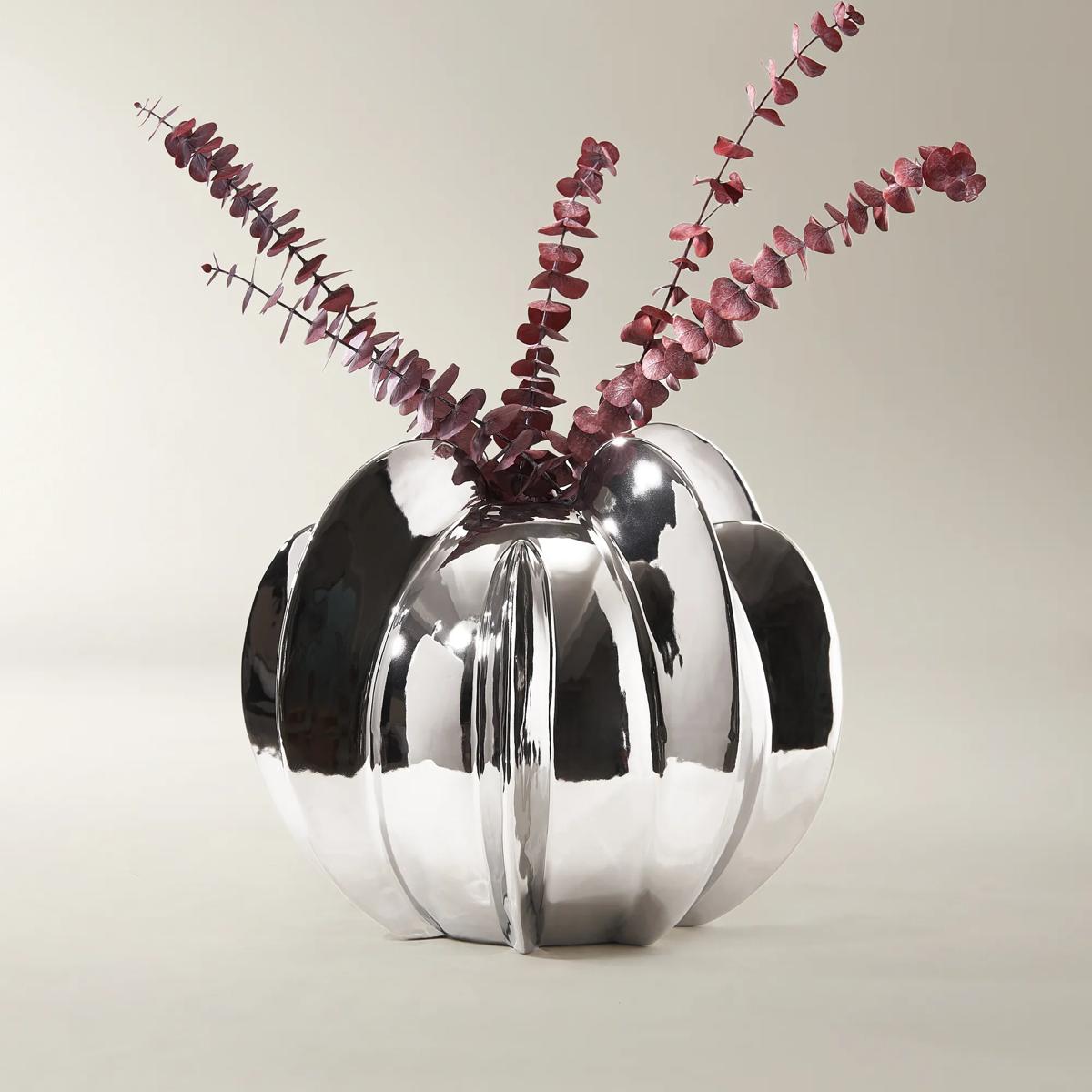
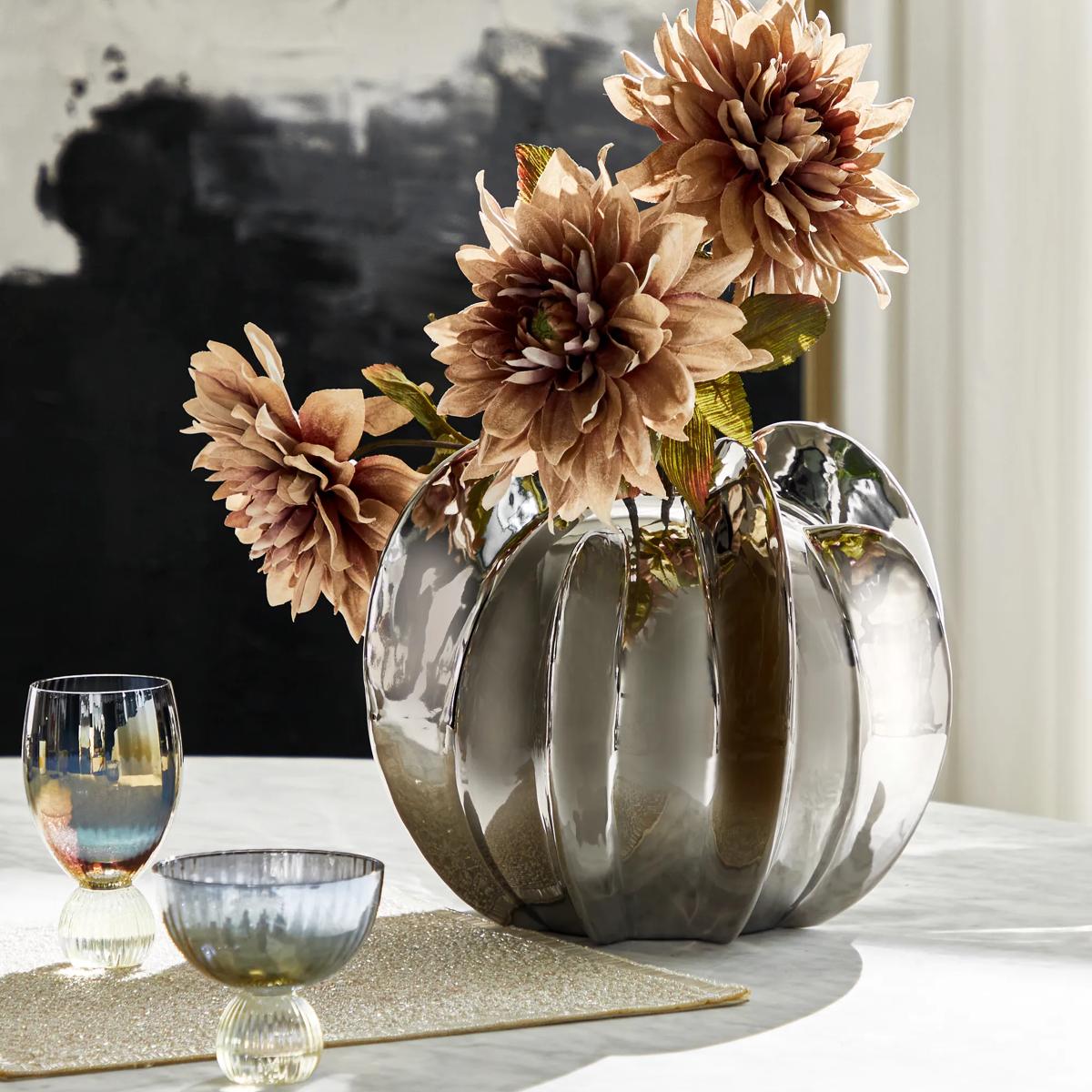 Voyage Vase$99
A reflective silver ceramic vase featuring a bold orb shape and dimensional vertical finned texture.
Add To Cart -
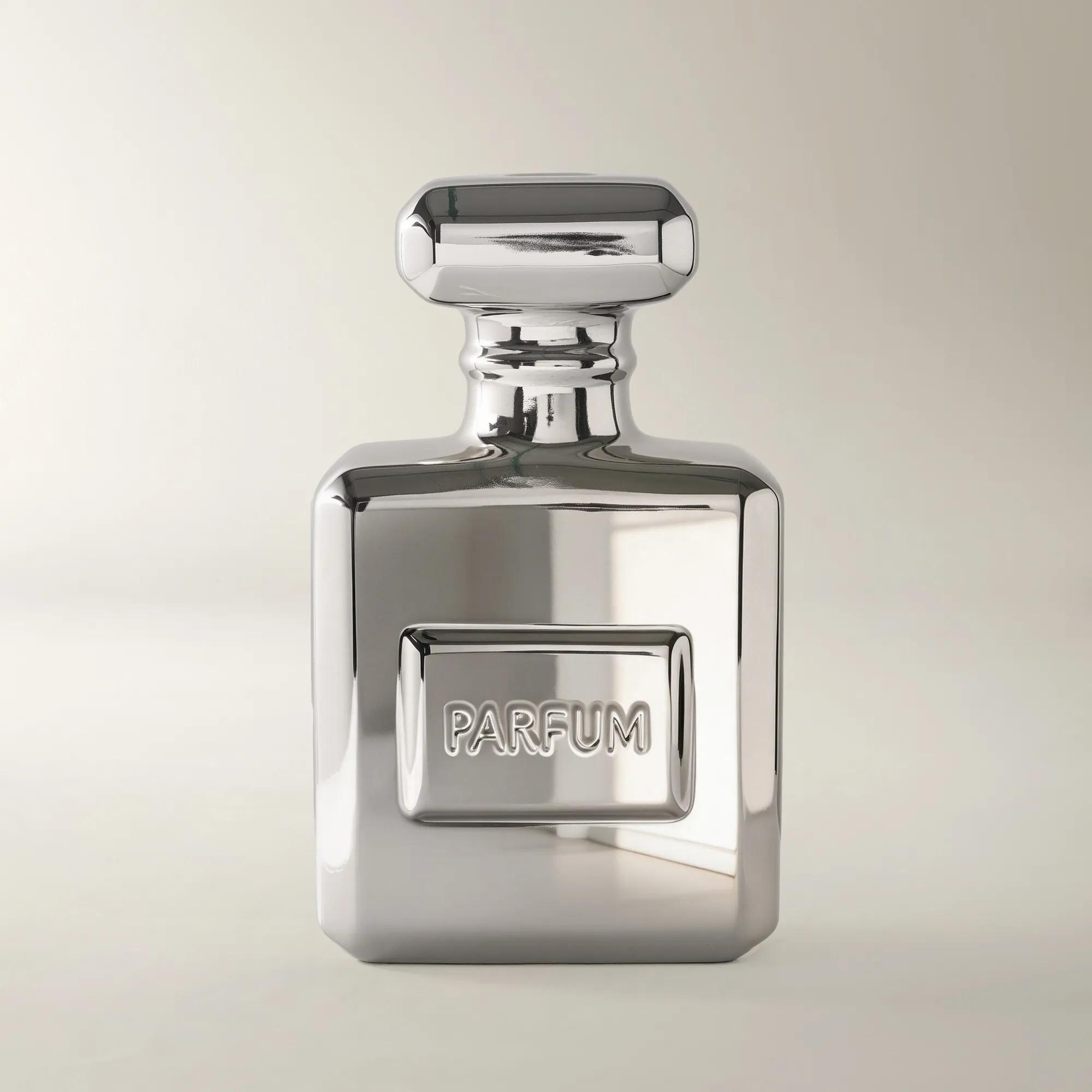 Parfum Bottle Silver Ceramic High Gloss Coin Bank$39
A silver chrome ceramic coin bank with a playful perfume bottle silhouette and polished modern shine.
Add To Cart -
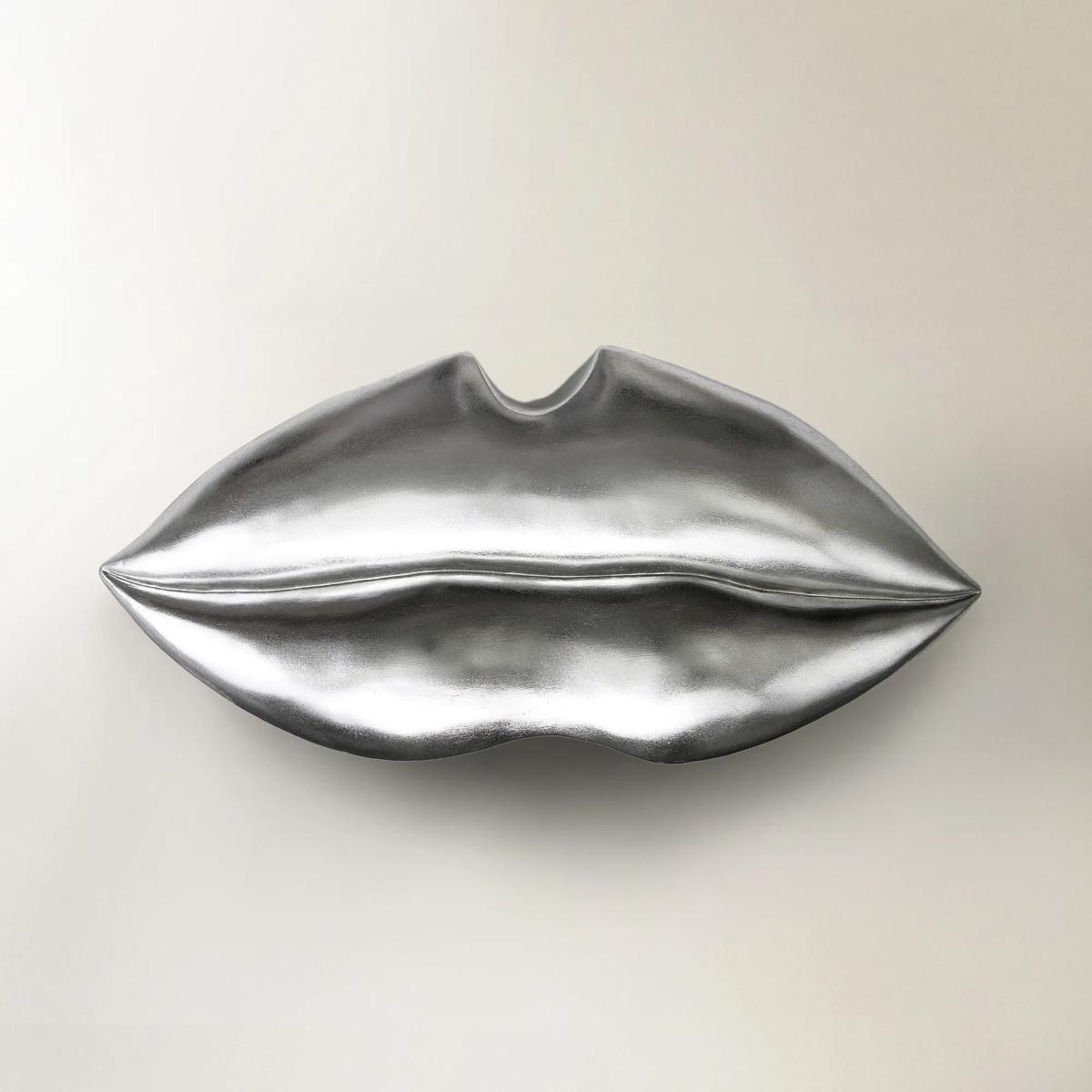 Grand Lips Silver Poly Resin Wall Decor 27.5" x 12.5"$99
A playful resin sculpture in sleek silver, perfect for adding modern flair to any space.
Add To Cart -
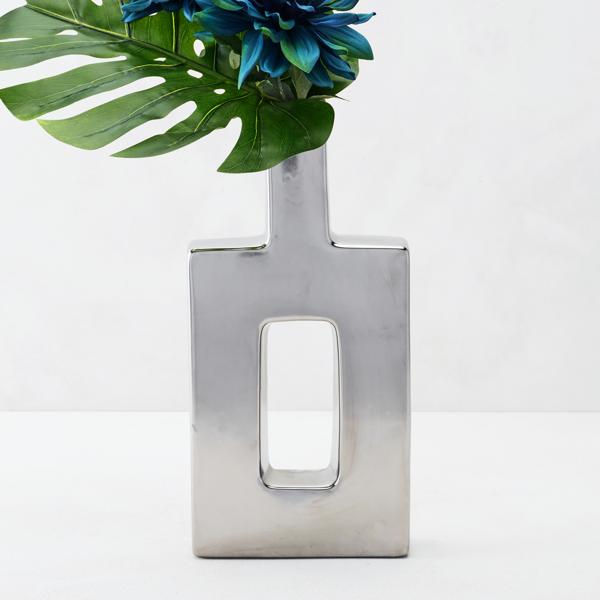
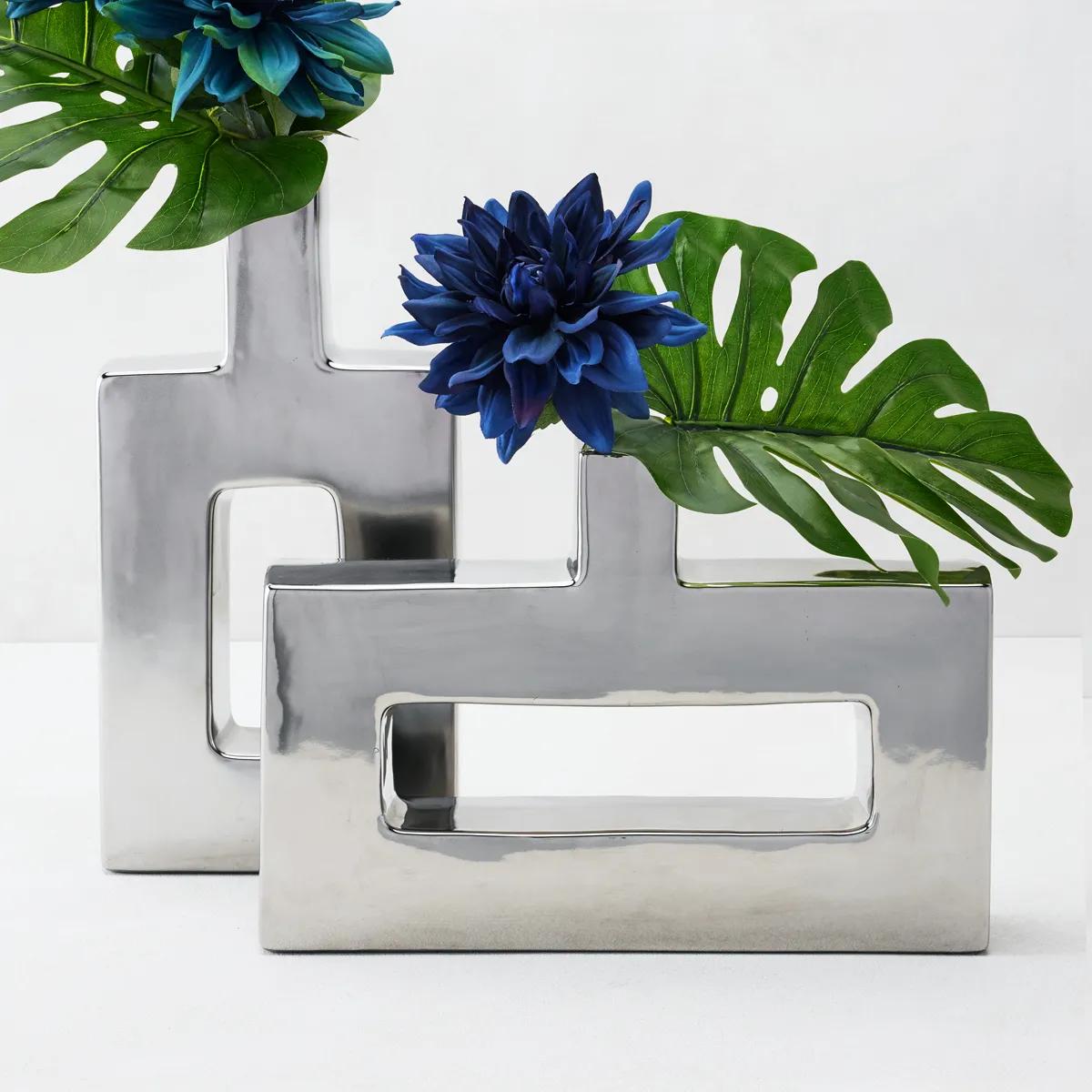 Miami Silver Ceramic High Gloss Vase 18.5"$69
A contemporary silver ceramic vase with a stylish gold glaze, perfect for decorative foliage or display.
Add To Cart -
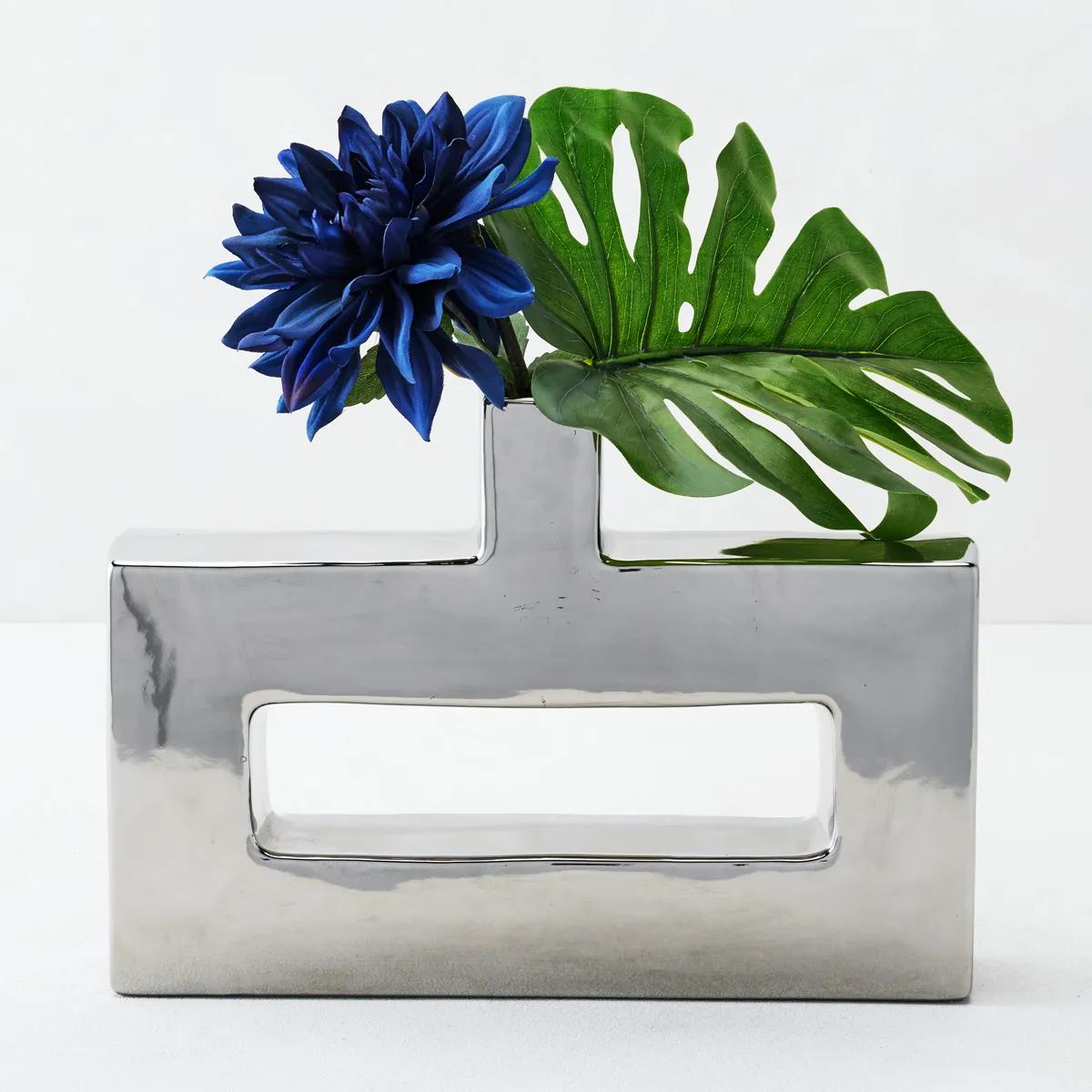 Miami Silver Ceramic High Gloss Vase 11.75"$69
A contemporary silver ceramic vase with a stylish gold glaze, perfect for decorative foliage or display.
Add To Cart -
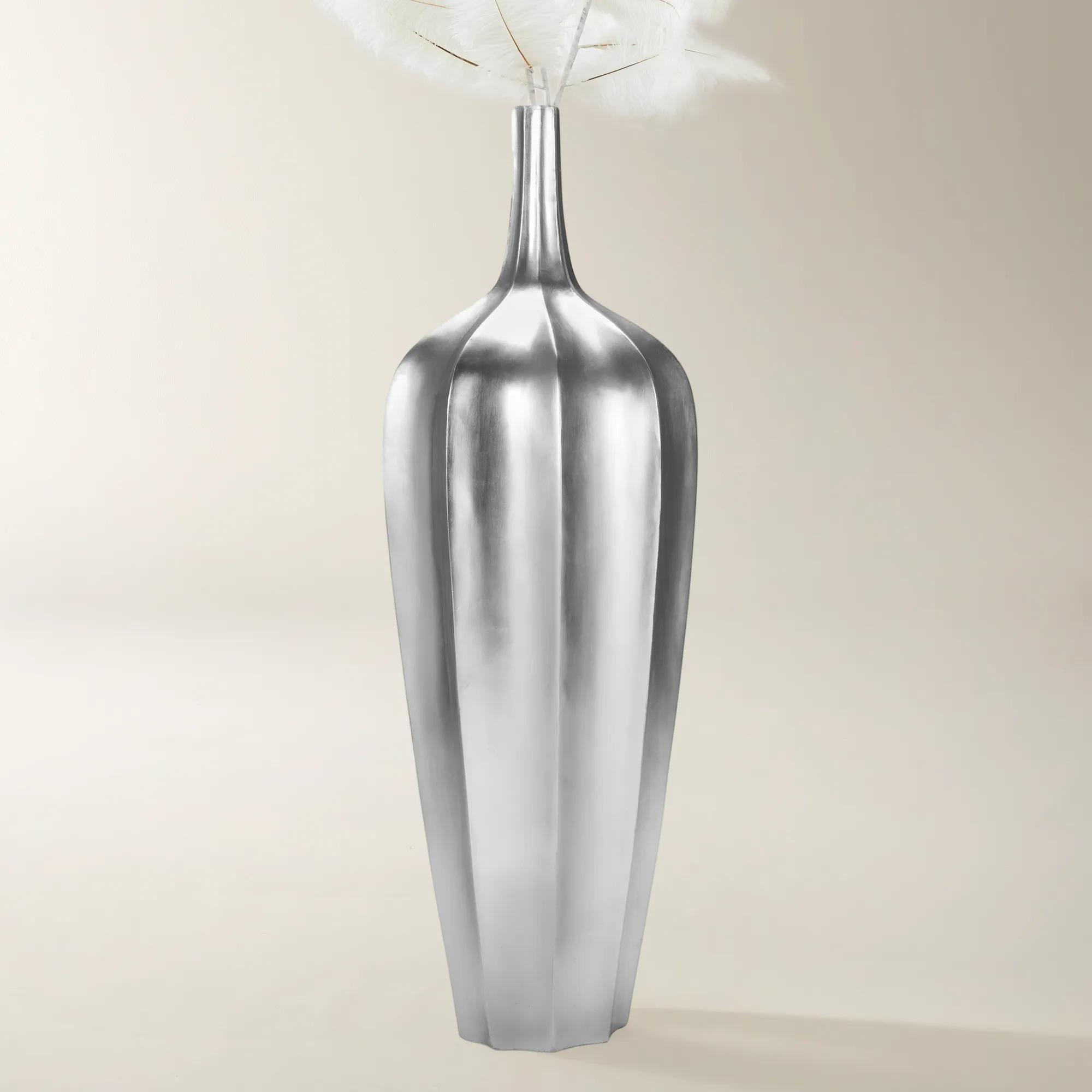
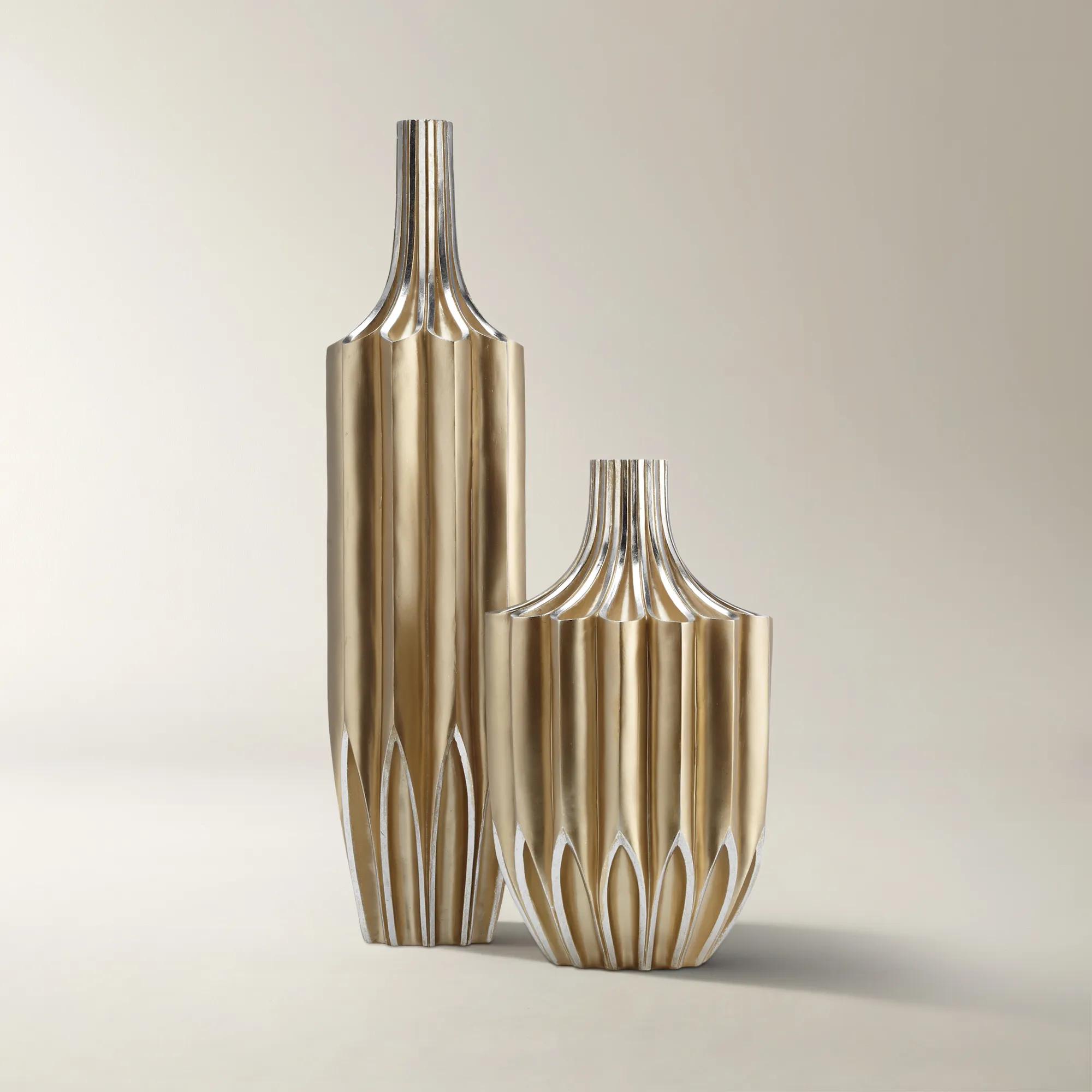
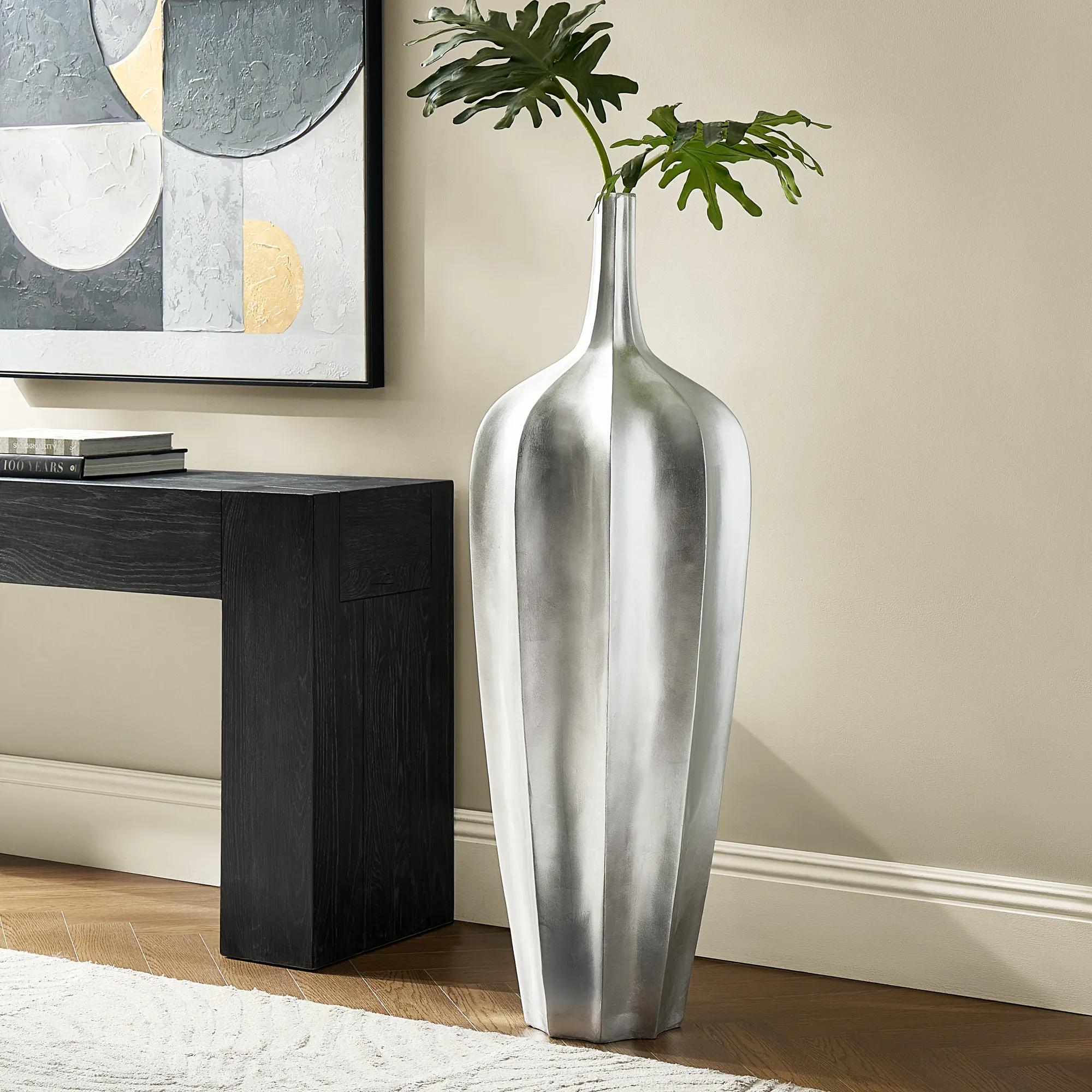 Accolade Silver Leaf Resin Floor Vase 48.75"$539
A fluted fiberglass vase featuring a lustrous metallic silver foil finish for a striking decorative accent.
Add To Cart -
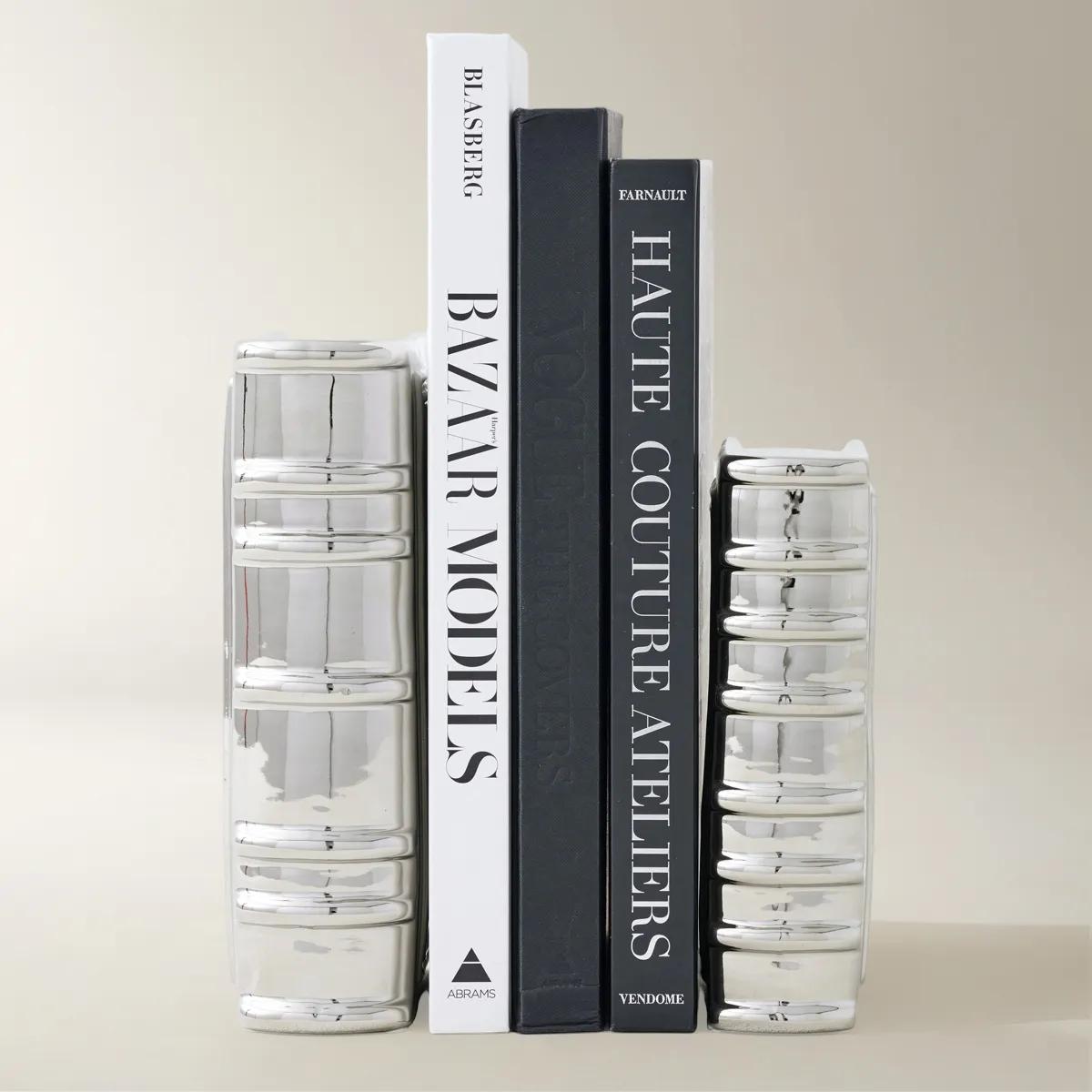
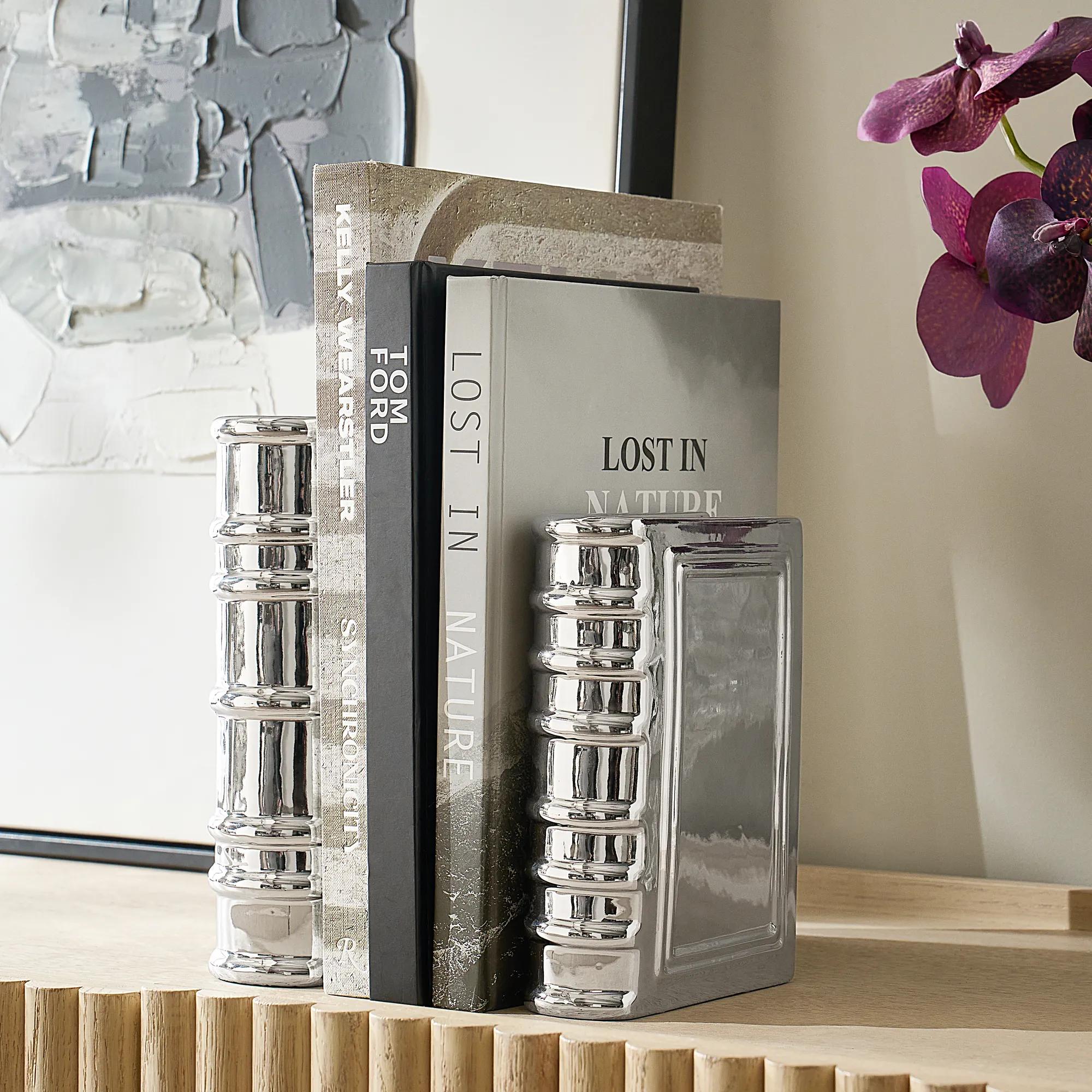 Silver Ceramic Bookends$49
A sleek silver ceramic accent that doubles as stylish bookends for modern decorative displays.
Add To Cart -
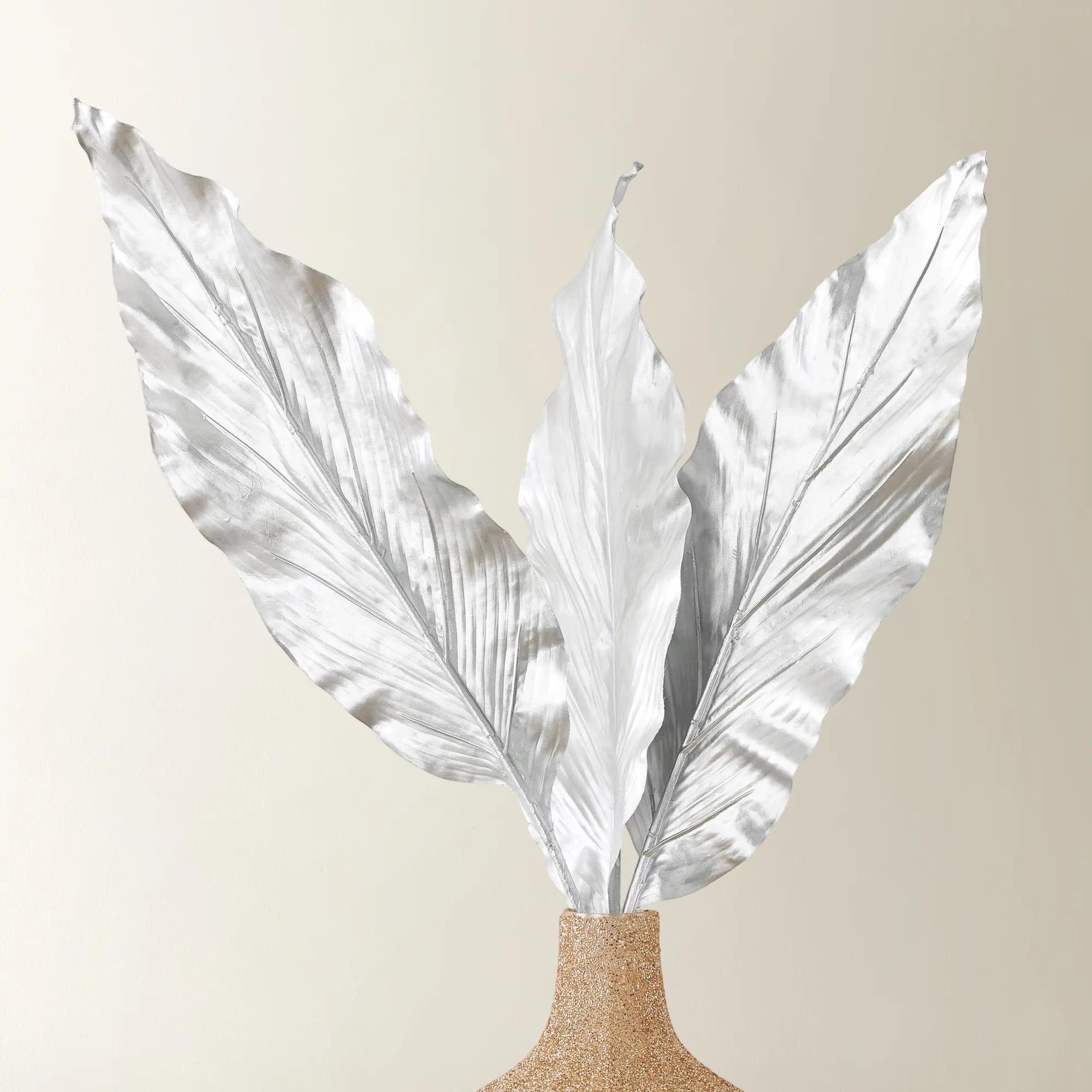
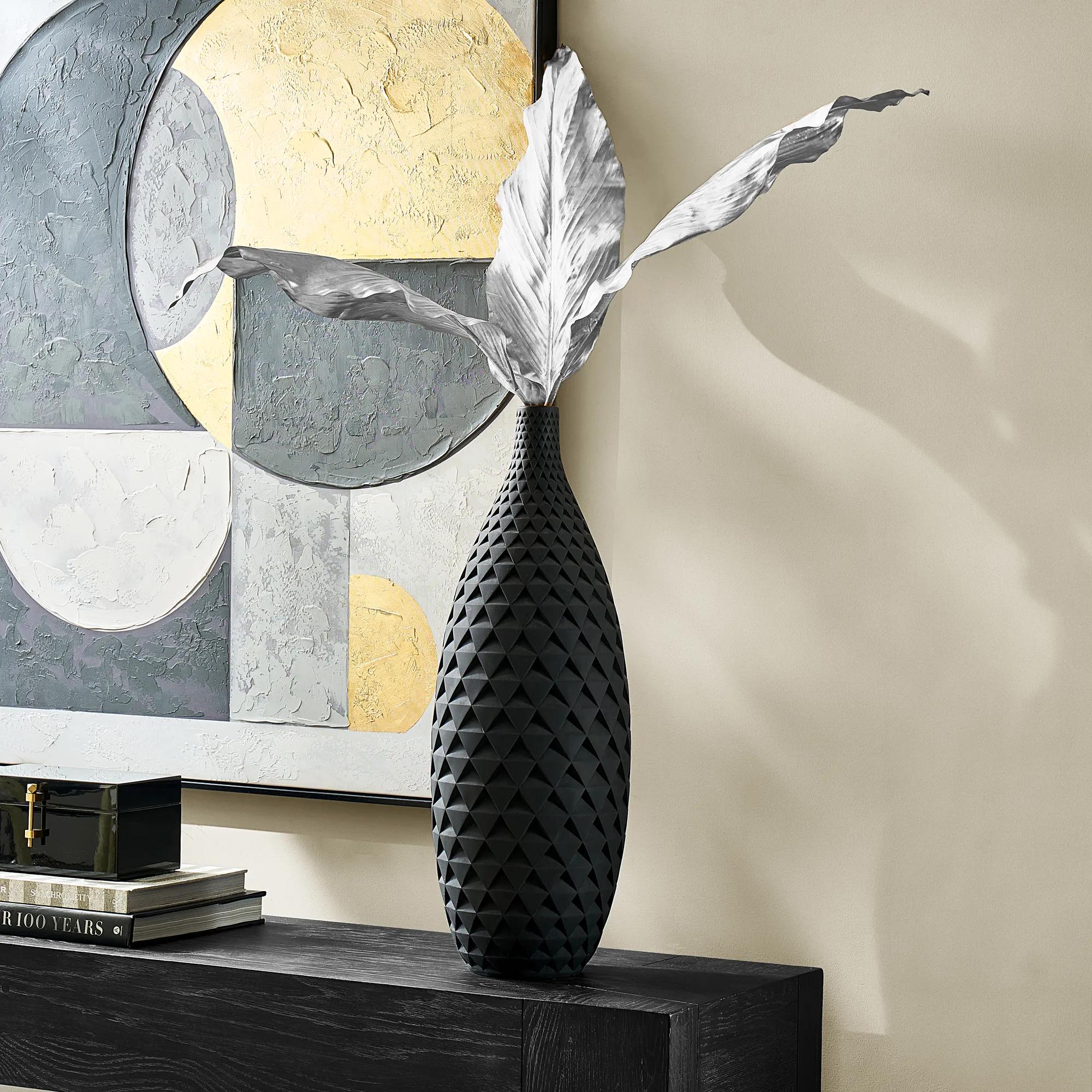 Faux Silver Canna Leaf Branch 38" Set of 3$49
A set of three silver metallic leaves inspired by the Canna plant for modern seasonal décor.
Add To Cart -
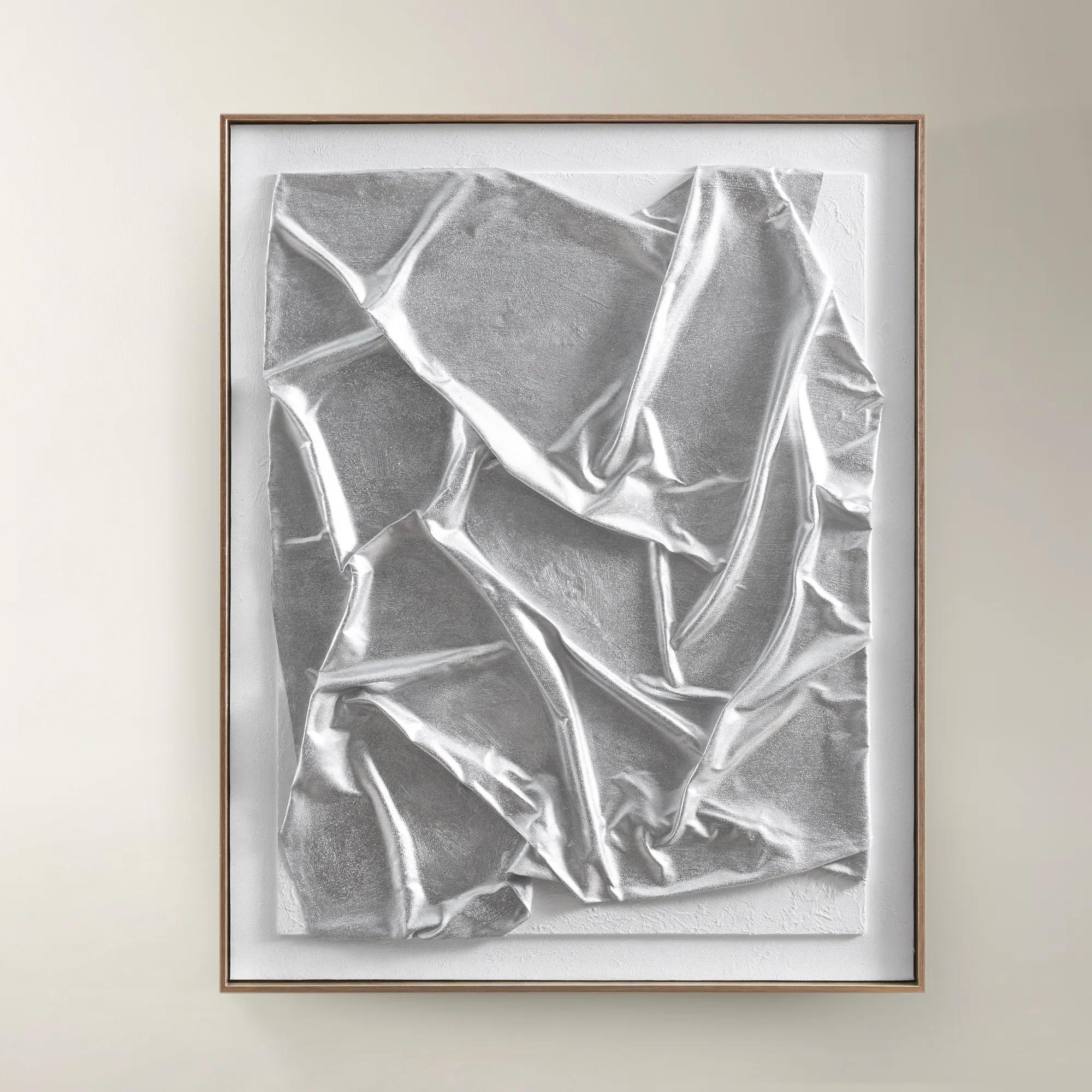 In the Mood Framed Painted Wall Art 31.5" x 39.5"$199
A hand-painted abstract canvas in shimmering silver tones, set in a warm champagne floater frame.
Add To Cart -
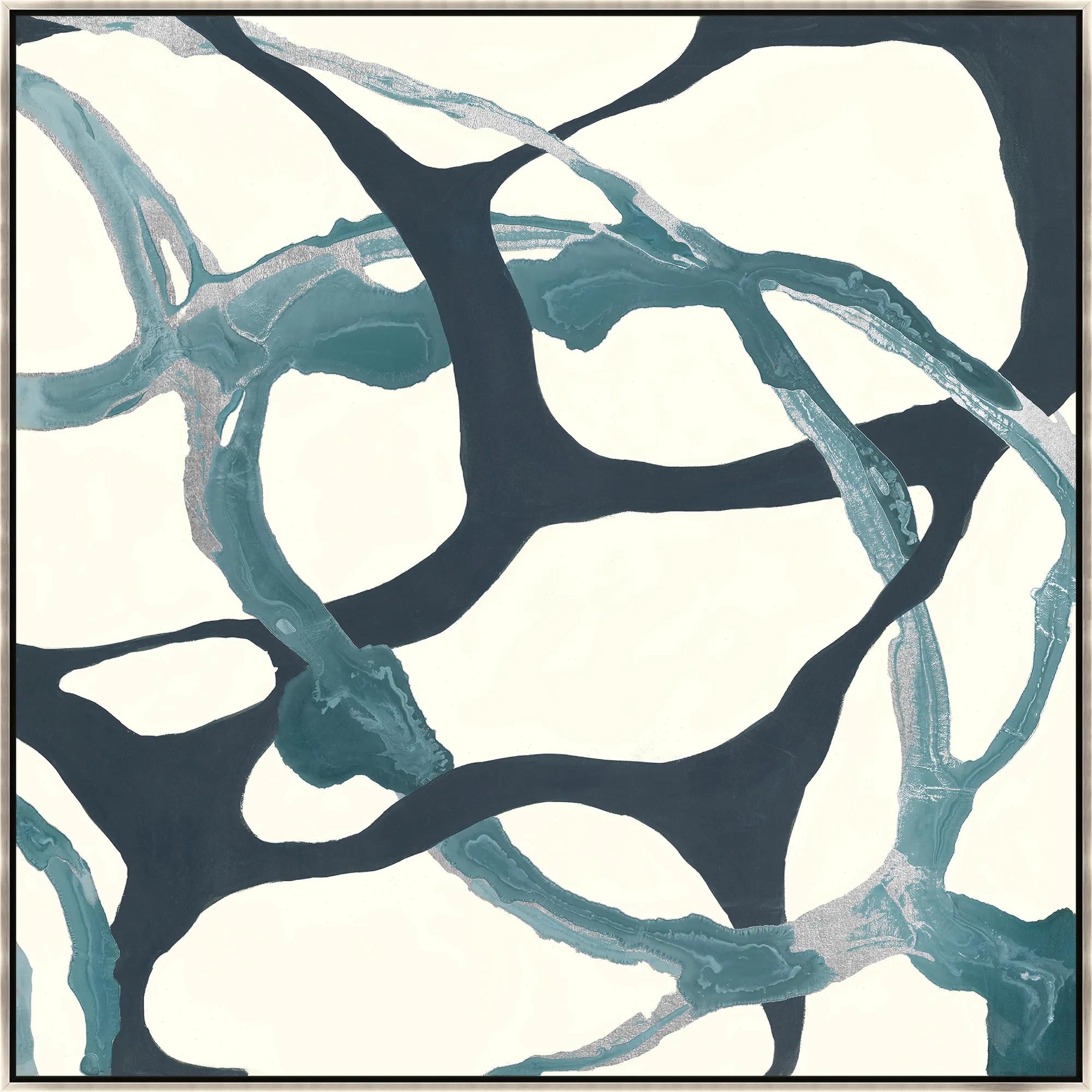
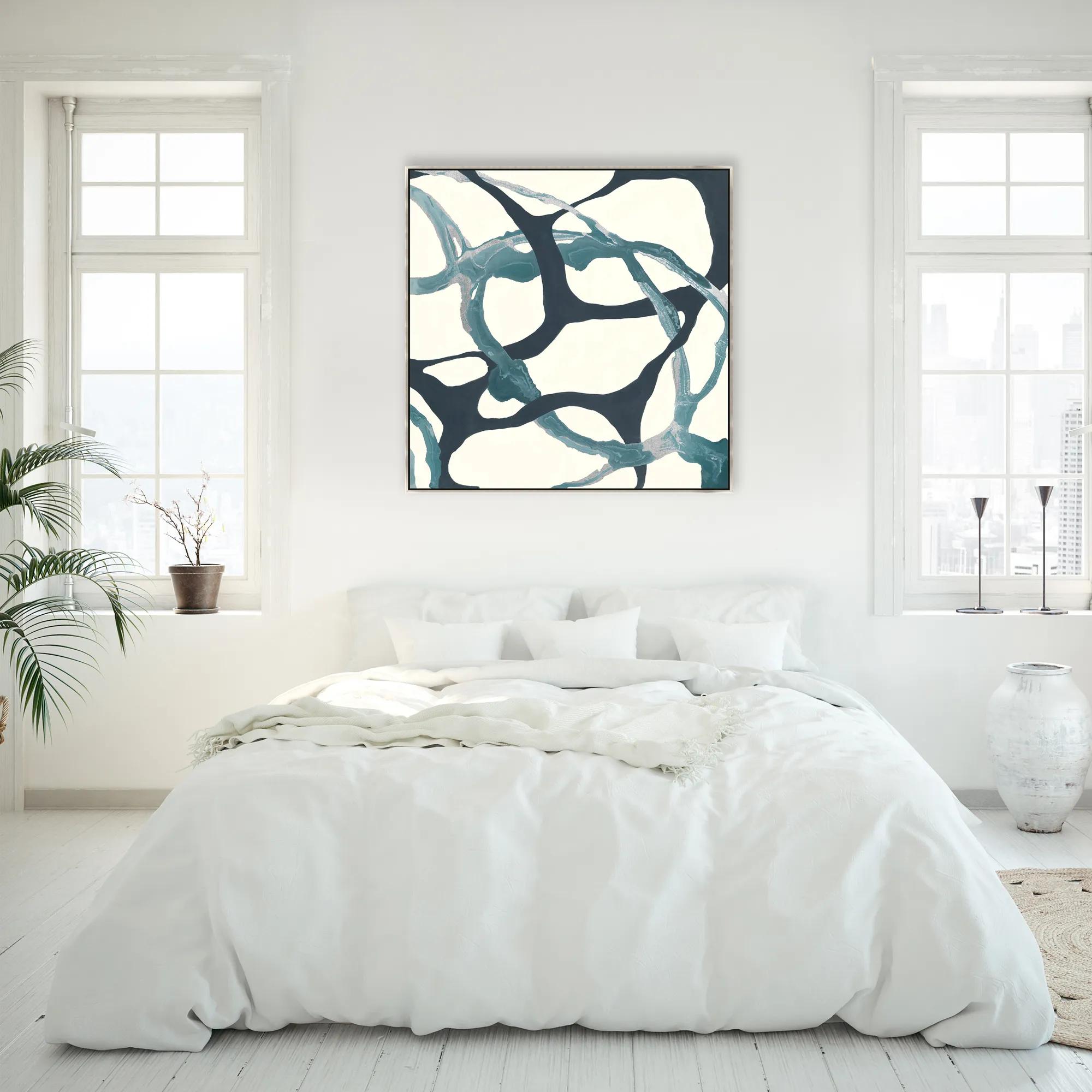 Alignments II Framed Wall Art 40" x 40"$899
A gallery-wrapped canvas featuring gilded silver accents and hand-applied brush gel in a silver floater frame.
Add To Cart -
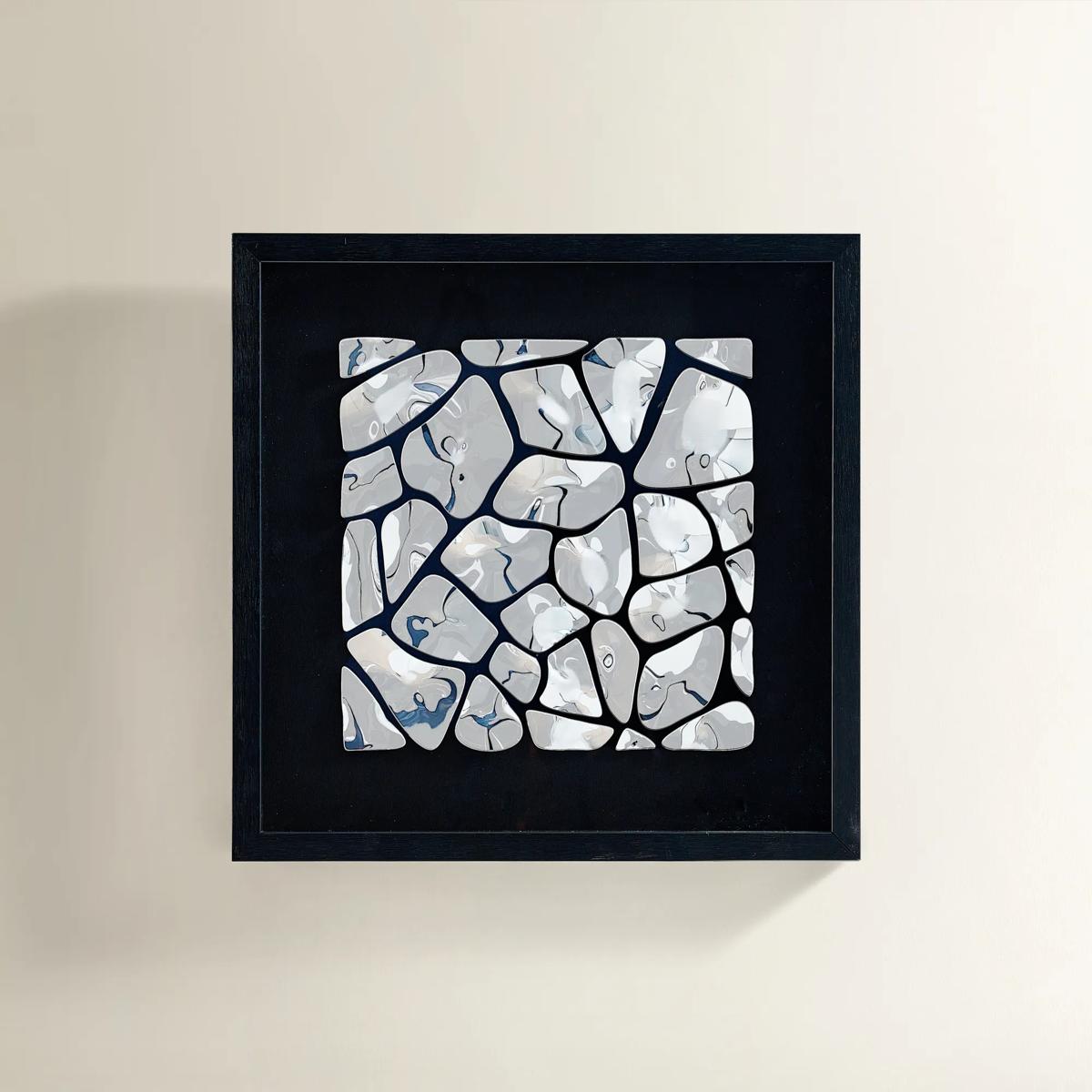 Reflect Silver And Black Shadowbox Art I$189
A dimensional metal wall art piece featuring polished silver and black forms in a sleek black frame.
Add To Cart -
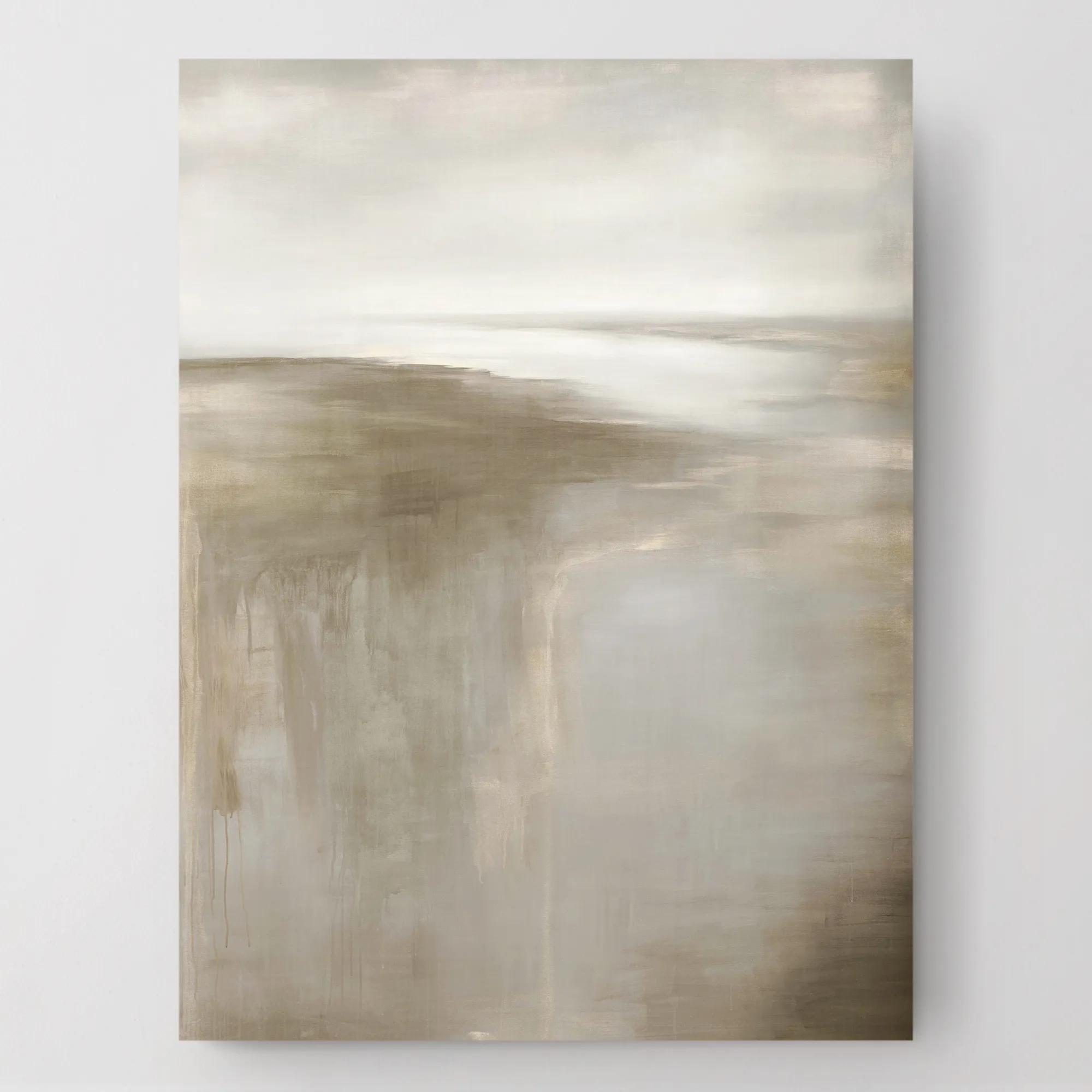
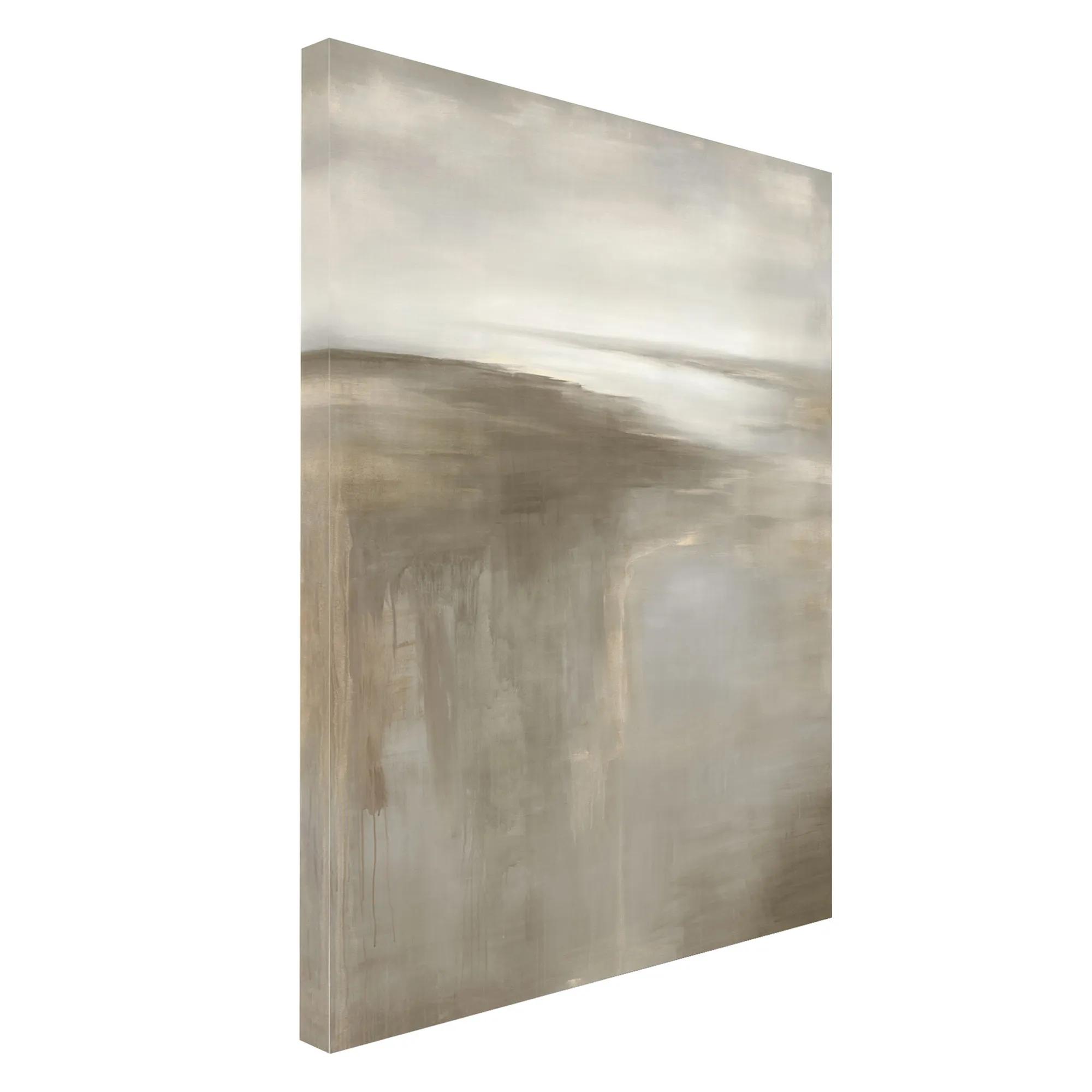 Silver Morning Wall Art 30" x 40"$449
A gallery-wrapped silver canvas artwork featuring a hand-applied image brush gel finish.
Add To Cart -
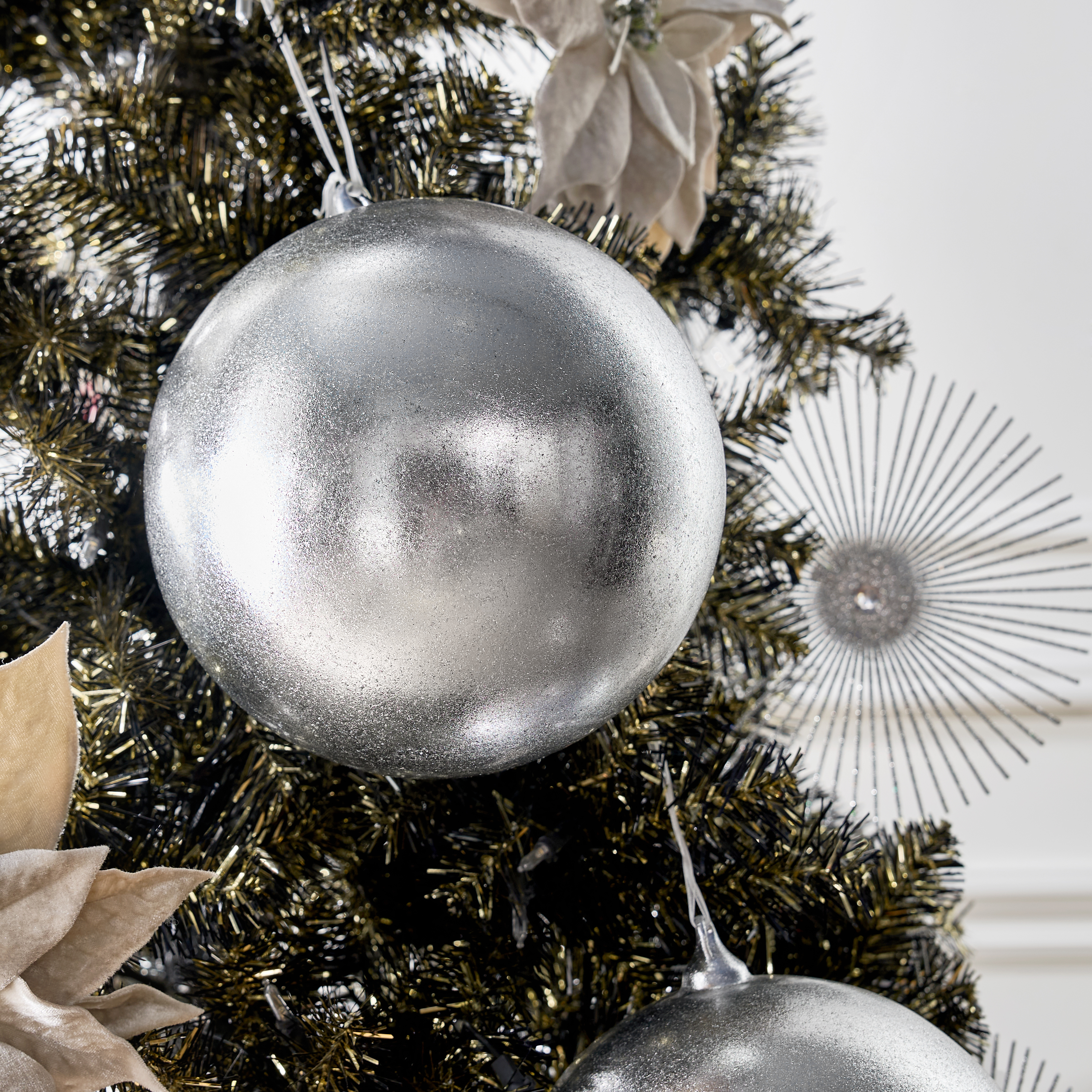
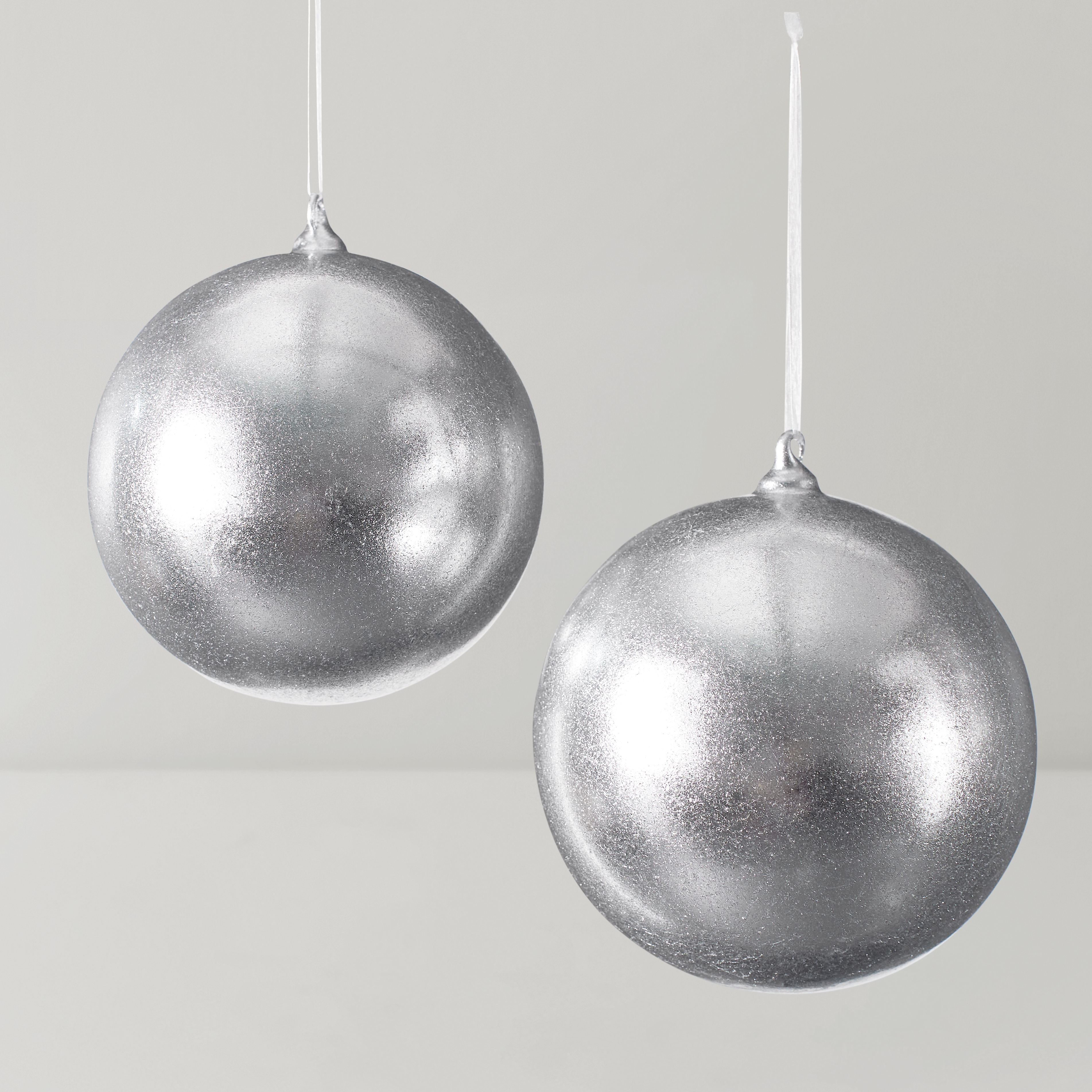 Oversized Silver Ornament 8" - Set of 2$79
A set of two oversized glass ornaments in a striking metallic silver finish for dramatic holiday decor.
Add To Cart -
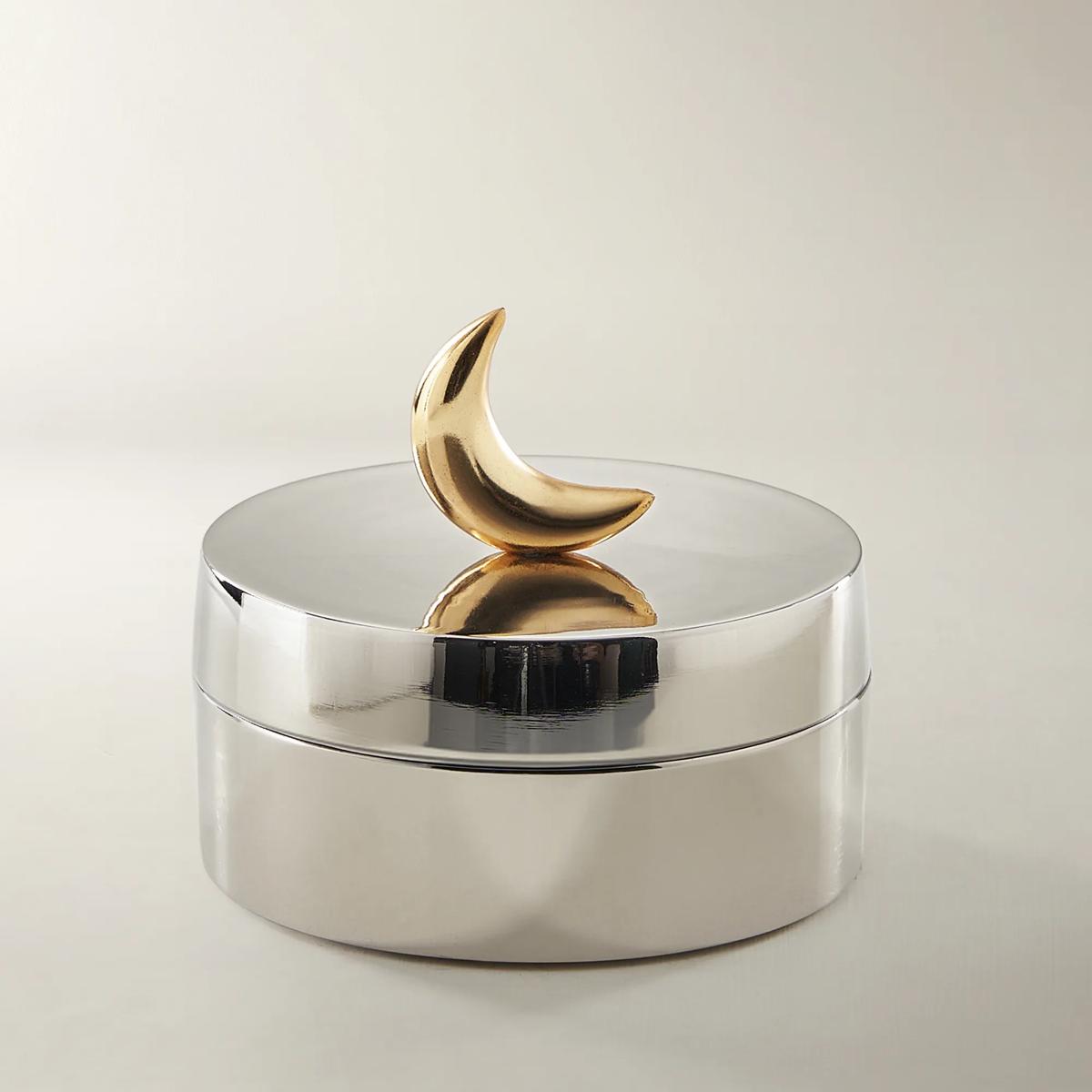
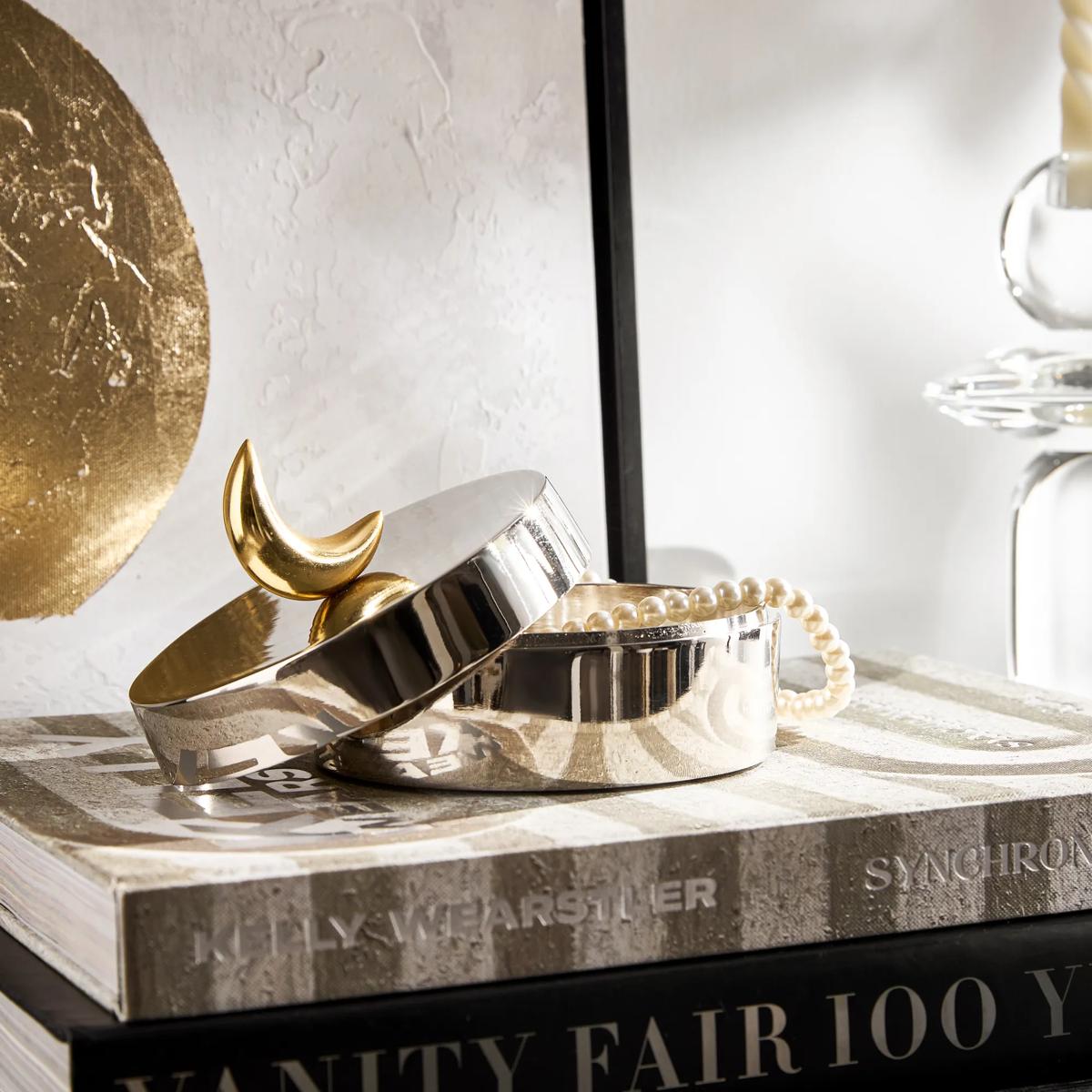 Crescent Moon Chrome Gold Aluminum Box$39
A polished silver aluminum box featuring a sculptural gold crescent for celestial-inspired jewelry storage.
Add To Cart -
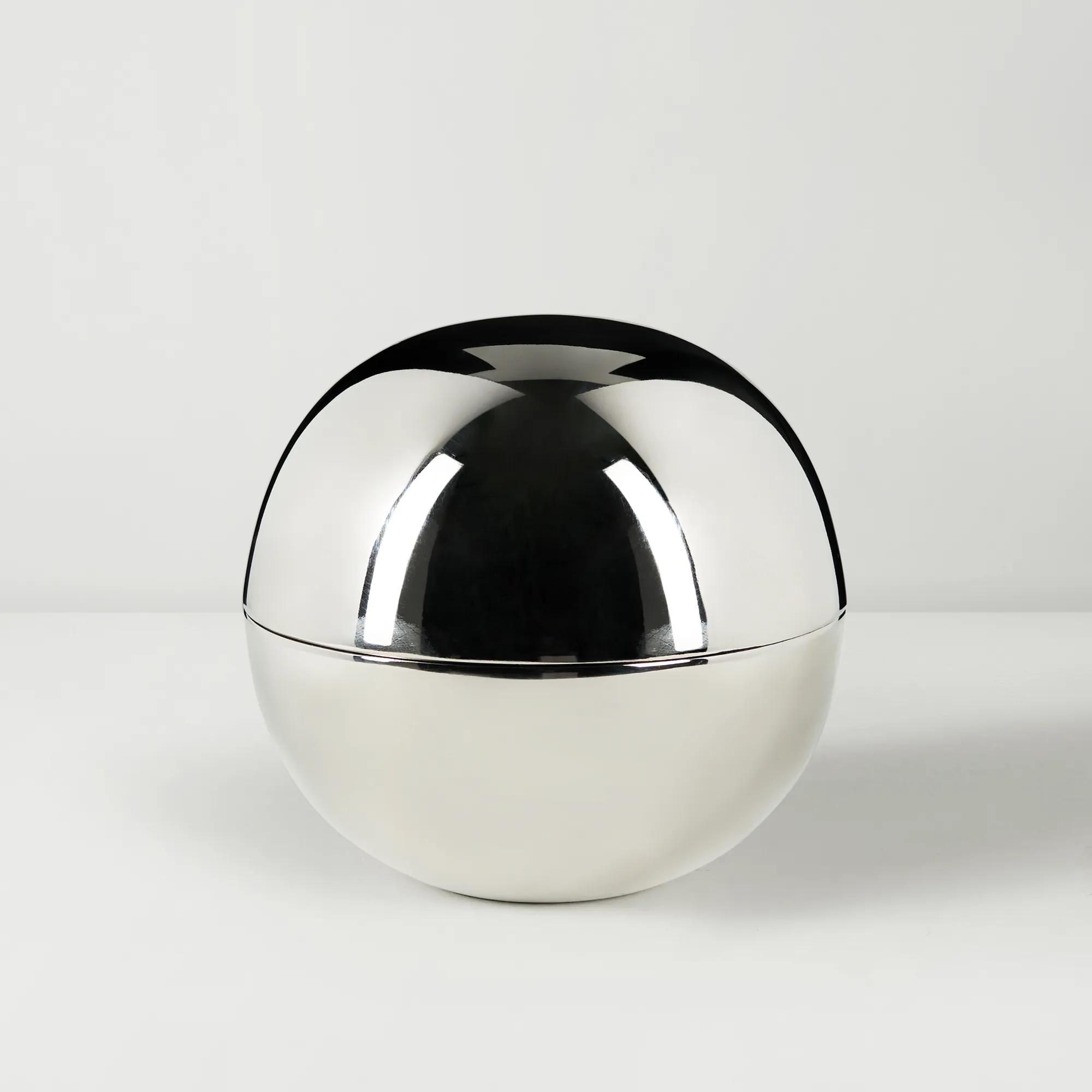
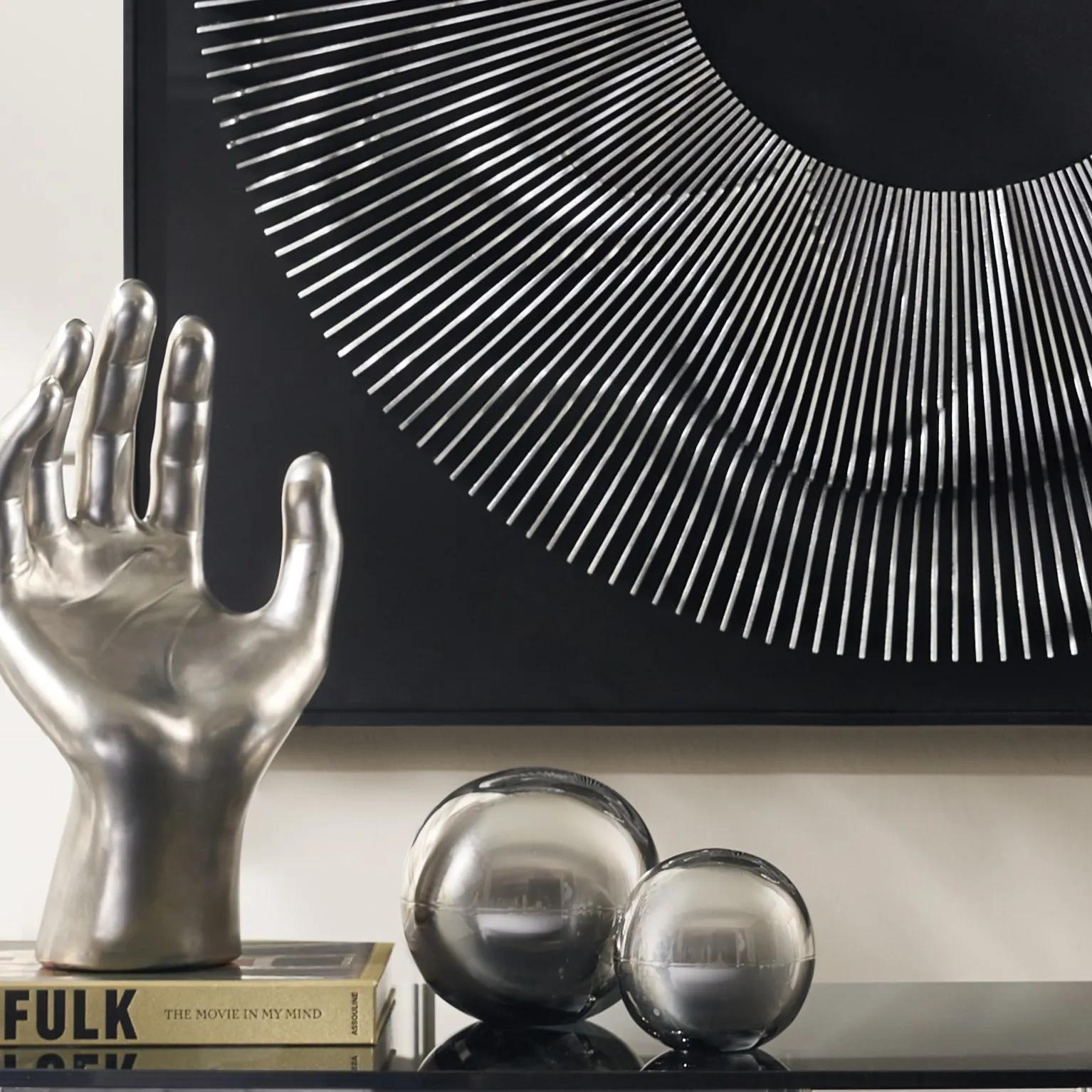 Orion Box$39
A sleek silver aluminum orb box that seamlessly combines modern style with practical storage.
Add To Cart -
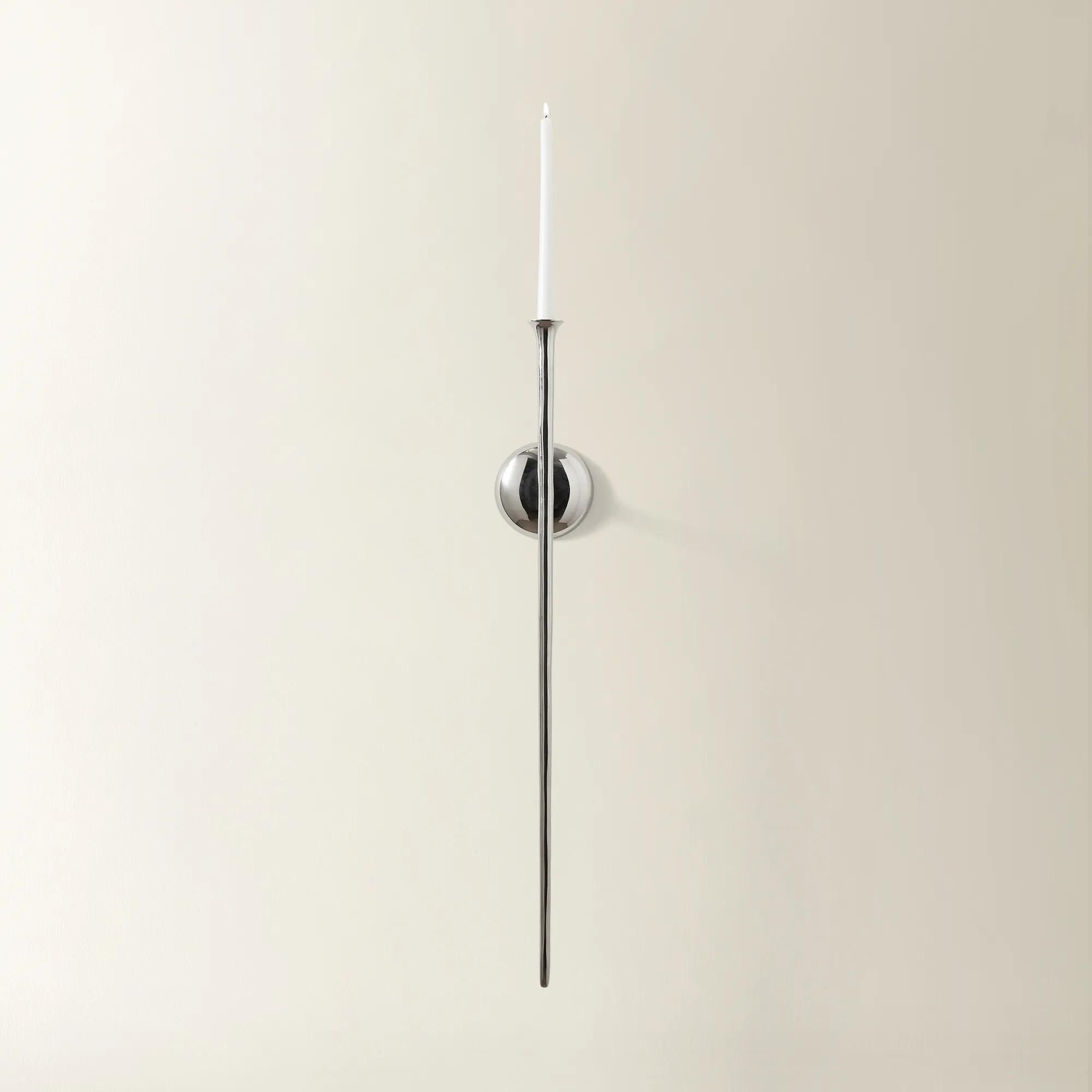 Aspar Wall Sconce$59
A slender, shiny silver aluminum sconce designed to hold a standard taper candle for elegant wall decor.
Add To Cart -
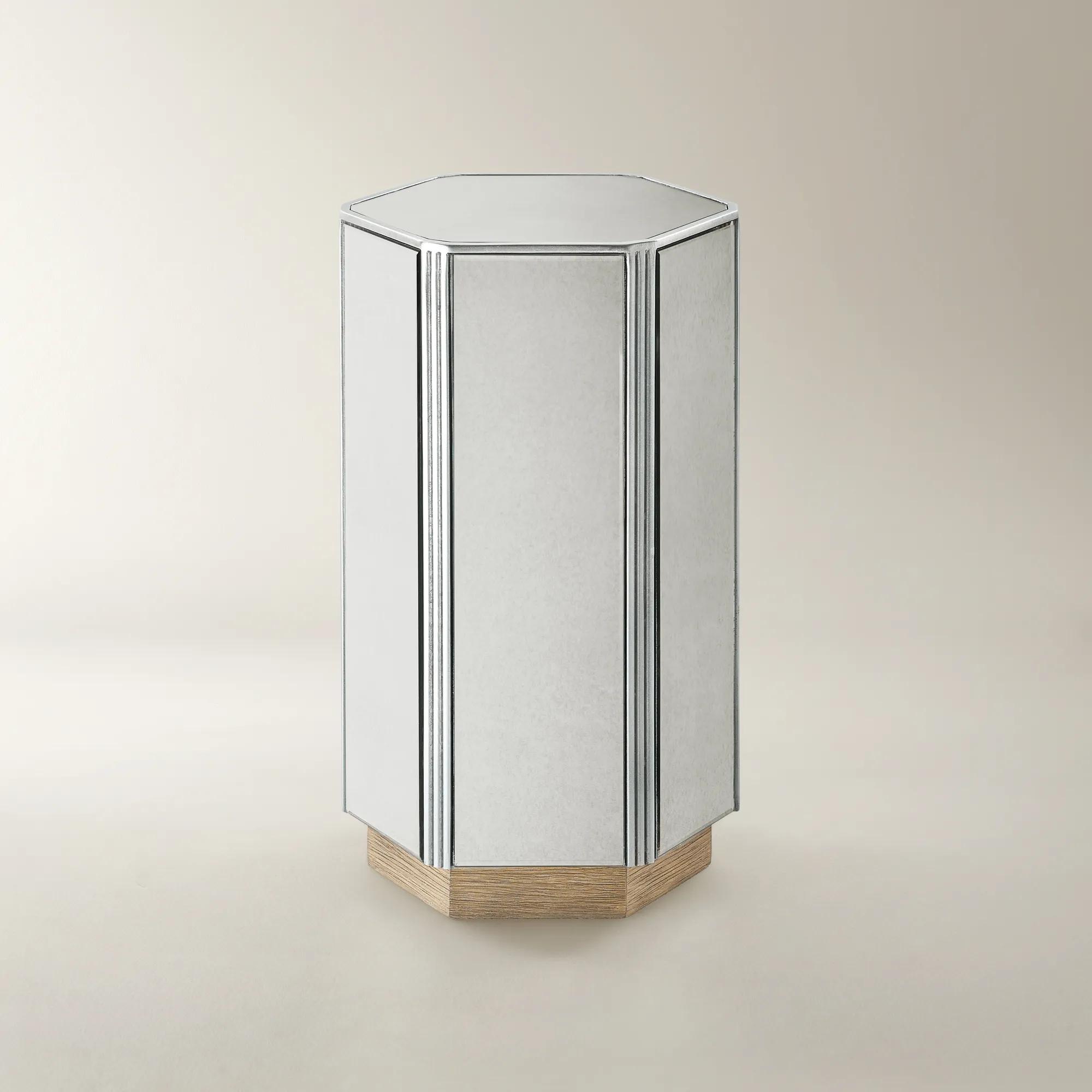 Glimmer Silver Mirrored End Table (12")$399
A chic side table featuring an antique silver mirror top and warm oak veneer base with handcrafted details.
Add To Cart -
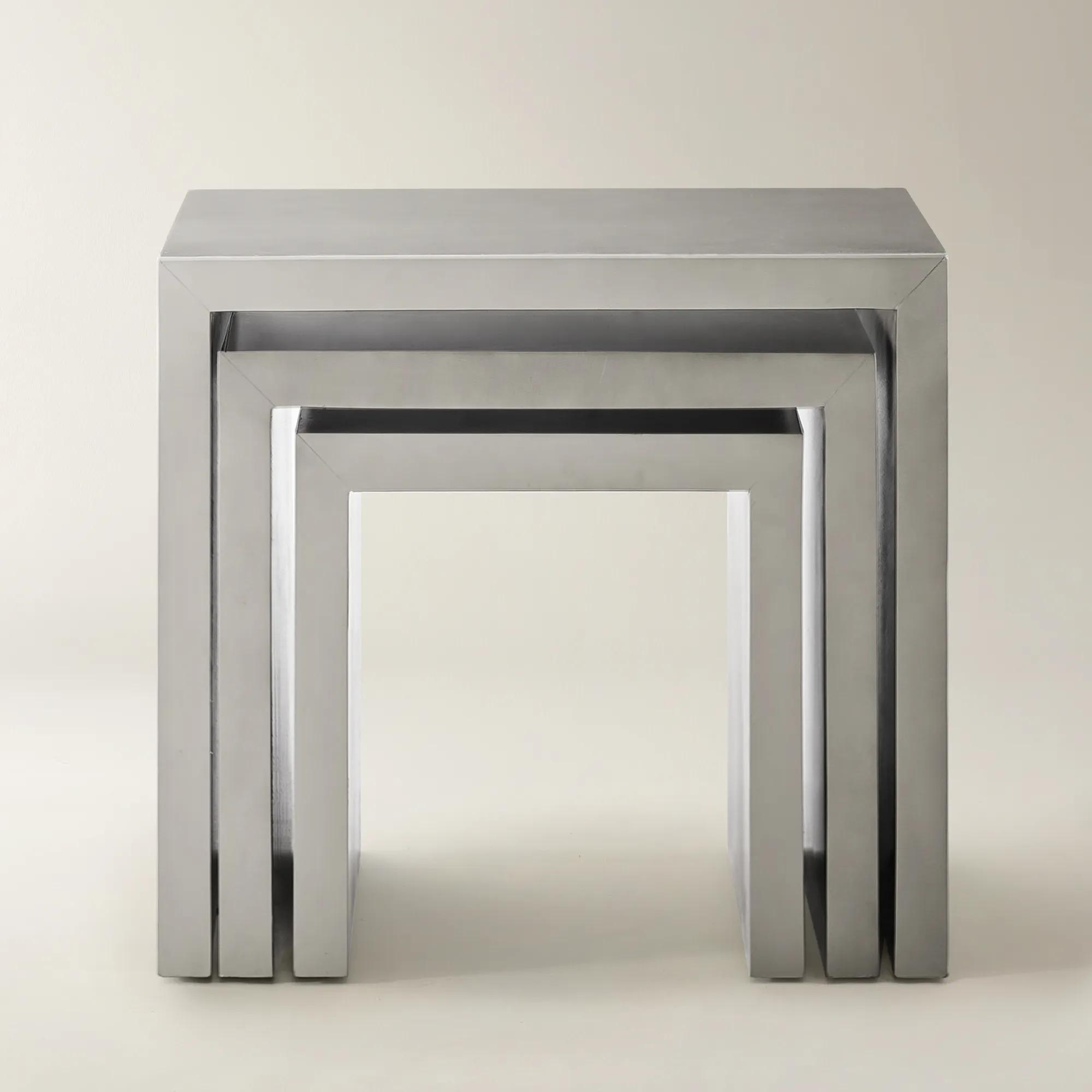
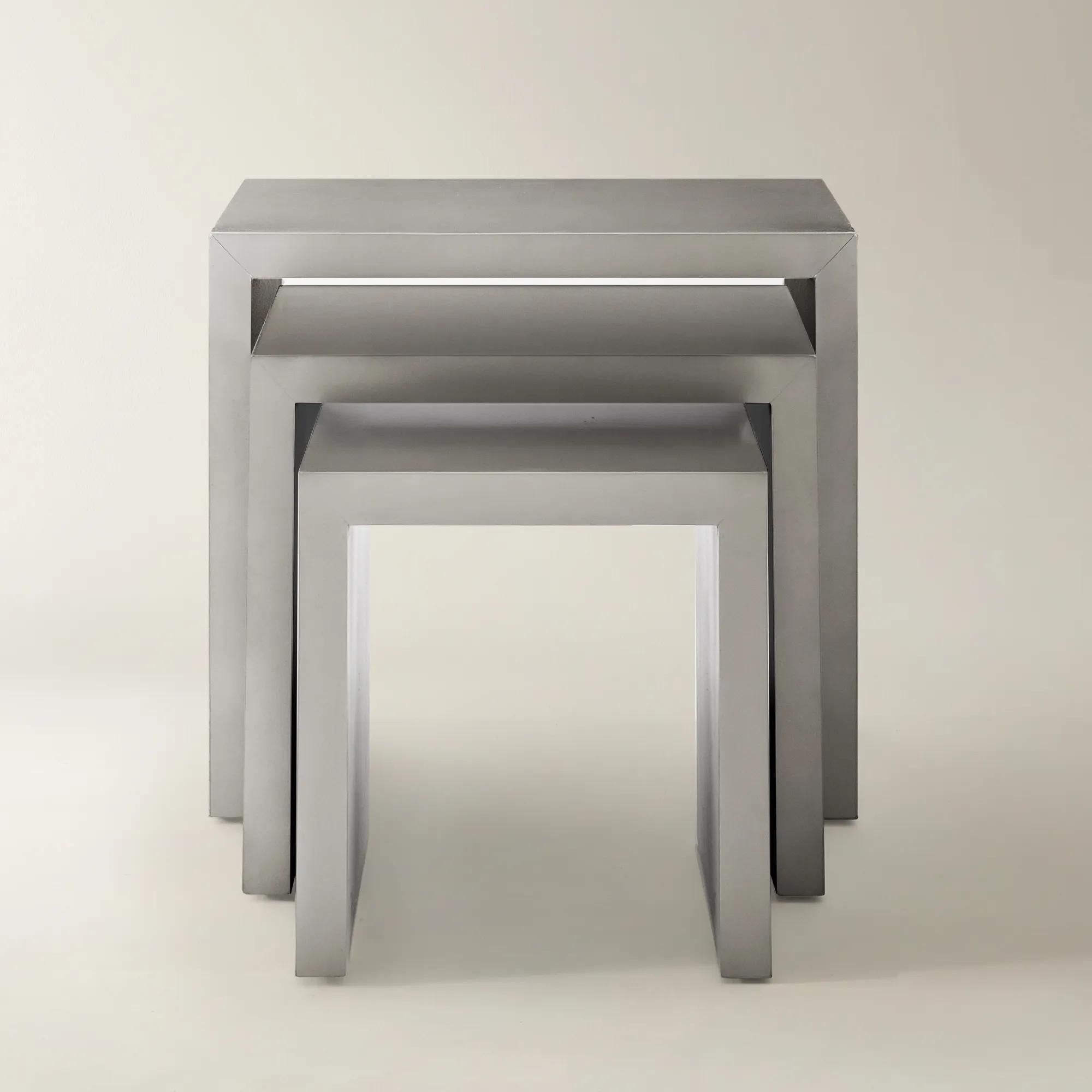 Astair Silver Nesting Accent Table Set Of 3 (16.25"-25.5")$299
A trio of engineered wood nesting tables with a sleek silver metallic finish and minimalist block silhouette.
Add To Cart

Silver Ceramic Decor Accents
Silver Ceramic Decor Accents are the secret to transforming everyday spaces into dazzling showcases of style. With their luminous sheen and sculptural allure, these pieces capture the light—and the imagination—casting a spell of sophistication across any room. Whether perched atop a mantel or artfully arranged on a console, each accent becomes a statement in modern glamour, infusing interiors with an irresistible sense of drama and refined artistry. Let your home shimmer with the expressive brilliance that only Silver Ceramic Decor Accents can deliver.
Silver ceramic decor accents are decorative objects made from fired clay and finished with a silver-toned surface, bringing the expressive shapes of ceramics together with the luminosity of metallic color. The silver appearance describes the finish rather than solid silver construction; depending on the piece, that effect may come from a glaze, luster treatment, or an applied coating. Decorative vases, abstract sculptures, ornamental bowls, and geometric forms all lend themselves to this combination, with surfaces that range from smooth and highly reflective to softly brushed, distressed, or richly textured. Each treatment gives light a different role. A polished curve reflects nearby colors and furnishings, while a ridged or faceted surface breaks illumination into smaller highlights that emphasize its contours. The result is ornament with presence: a sculptural silhouette that holds attention even without flowers, foliage, or additional embellishment. Silver offers a cool, luminous counterpoint to plush upholstery, dark wood, and saturated color, yet feels equally composed beside ivory textiles and translucent glass. Against a charcoal backdrop, its outline becomes crisp and dramatic; on pale stone, the distinction is quieter, defined by sheen and shadow rather than strong contrast. These accents suit interiors that favor artistic expression, whether the surrounding furnishings are clean-lined and architectural or layered with velvet, mirrors, and richly patterned textiles. Rounded ceramic shapes can soften the strict lines of a console, while angular forms introduce structure to a room filled with generous curves. Texture matters as much as shape: a subtly uneven finish can feel more tactile and less formal than a mirror-like surface, even when both share the same silver tone. For anyone drawn to metallic home decor but seeking something beyond metal’s familiar profiles, ceramic offers an appealing breadth of sculptural possibilities. Its fired body supports substantial curves, narrow openings, and modeled details, allowing the finish to trace a silhouette with the poise of a small work of art.
Scale determines how silver ceramic accents inhabit a room. A substantial form can give a broad entry console a focal point, while a smaller accent brings definition to a stack of books or a recessed shelf. Height, width, and depth deserve equal attention: an elongated silhouette may fit a narrow tabletop, but a sweeping base needs more surface area than its height suggests. On bookcases, clearance above the object allows its outline to read clearly and makes handling easier. A silver ceramic vase placed against a dark shelf backing creates depth without requiring an elaborate arrangement, while a low decorative bowl on a generous coffee table offers a more grounded composition. In seating areas, lower profiles preserve conversation and sightlines; near a television, a softly lustrous finish may be more comfortable than a highly reflective surface positioned to catch a lamp. These practical distinctions help decorative pieces feel integrated rather than imposed. Arrangements also benefit from differences in proportion and surface. A rounded ceramic object beside tall books and a matte vessel creates a rhythm of curves, vertical lines, and contrasting textures. Leaving open space around an intricate silhouette gives its detail room to register. Silver need not appear in every accessory to feel intentional; a few considered repetitions across a tabletop, lighting fixture, or frame can establish continuity without making the room feel overly coordinated. For a composition that extends beyond furniture surfaces, Silver Geometric Wall Decor can echo the metallic palette at eye level, connecting sculptural tabletop accents with architectural pattern. The relationship is most compelling when shapes converse rather than duplicate one another exactly: fluid ceramic curves beneath angular wall decor, for example, create tension and balance. Placement near soft, indirect light reveals modeling and surface detail, while a position directly beneath a concentrated beam produces sharper highlights. Both effects can be striking, but the best choice depends on whether the room calls for a restrained shimmer or a more theatrical focal point.
Intended use is an important distinction within silver ceramic decor. A vessel shaped like a vase is not necessarily watertight, and a decorative bowl is not automatically suitable for serving food. Product specifications should confirm water resistance, food-contact suitability, and any restrictions before an ornamental piece takes on a functional role. For decorative-only vessels, faux botanicals offer height and movement without introducing moisture; where a separate watertight liner is permitted, its fit should protect the ceramic interior and remain discreet beneath the opening. Ceramic can retain its beauty with thoughtful handling, but it remains vulnerable to chips, cracks, and breakage from impacts or falls. Delicate projections, thin rims, and narrow necks call for particular care, especially in busy households. Stable surfaces away from table edges, swinging doors, and active play areas make more suitable settings than precarious ledges. A compatible felt protector beneath an unglazed base can help reduce abrasion on finished furniture, provided it does not compromise stability. Cleaning requirements depend on the surface treatment, so the maker’s care directions take priority. Gentle dusting with a soft, dry cloth is often the most conservative approach; abrasive pads, harsh cleaners, and silver polish can damage coatings that only resemble metal. Immersion, prolonged dampness, and dishwasher cleaning should be avoided unless expressly allowed. When moving a piece, support its body and base rather than lifting it by an ornamental extension or slender opening. Those considerations make silver ceramic accents especially rewarding for people who enjoy composing shelves, refreshing a console arrangement, or collecting objects for their shape and finish. They can also make thoughtful housewarming or wedding gifts when chosen with the recipient’s space in mind. A compact, self-contained sculpture suits someone with limited display room, while a larger vessel may appeal to a person who favors expansive arrangements and bold silhouettes. The most personal choice reflects how someone lives as much as what they admire: room for flowers, a passion for abstract form, or an affinity for gleaming detail. Silver ceramic decor brings those preferences into focus, turning a considered accent into a distinctive expression of home.
FAQs
Silver ceramic decor accents infuse your home with an air of sophistication and artistry by reflecting light and drawing the eye. Their luminous surfaces create dynamic interplay with surrounding textures and colors, adding depth and drama to any room. Whether used as a centerpiece or a subtle highlight, these accents elevate the everyday into something extraordinary.
Absolutely. Silver ceramic accents are incredibly versatile, seamlessly complementing both modern minimalism and traditional opulence. Their reflective finishes and sculptural forms adapt beautifully to a variety of design aesthetics, allowing you to layer them into your existing decor or use them as bold statements in any setting.
During winter, silver ceramics pair elegantly with deep velvets and candlelight for a cozy, glamorous effect. In spring and summer, they can be combined with fresh florals and airy linens to evoke a sense of lightness and renewal. Group them in clusters for visual impact, or let a single piece shine as a focal point on a mantel or entryway table.
Silver ceramic accents make exquisite gifts for housewarmings, anniversaries, weddings, or milestone celebrations. Their timeless appeal and luxurious finish convey thoughtfulness and style, ensuring your gift becomes a cherished part of the recipient’s home and memories.
The reflective qualities of silver ceramic decor allow them to capture and amplify both natural sunlight and artificial illumination. Placed near a window, they cast luminous glimmers across a room; under accent lighting, they create striking highlights and enhance the mood, making every moment feel artfully curated.