Ready To Hang Wall Art
Ready To Hang Wall Art
-
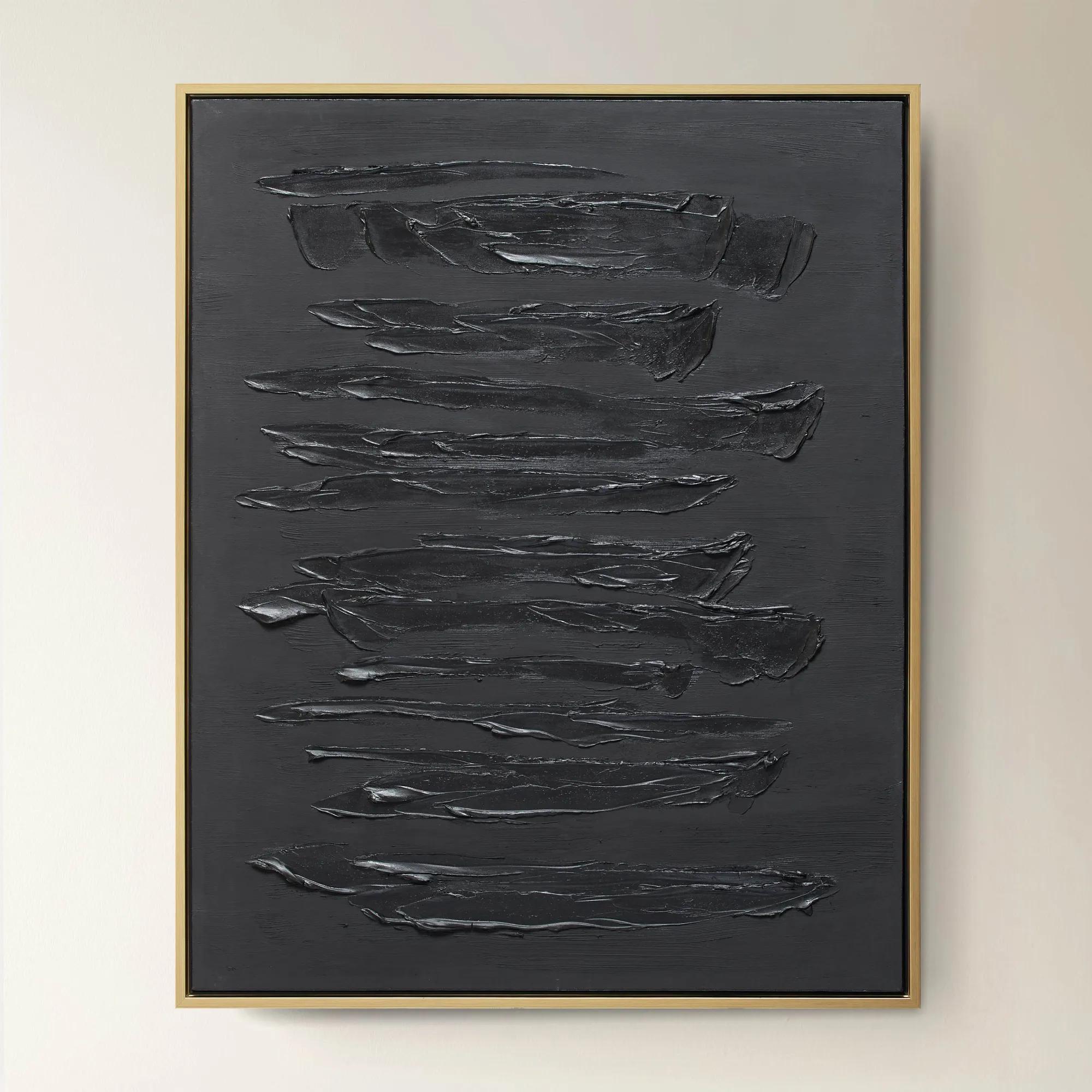
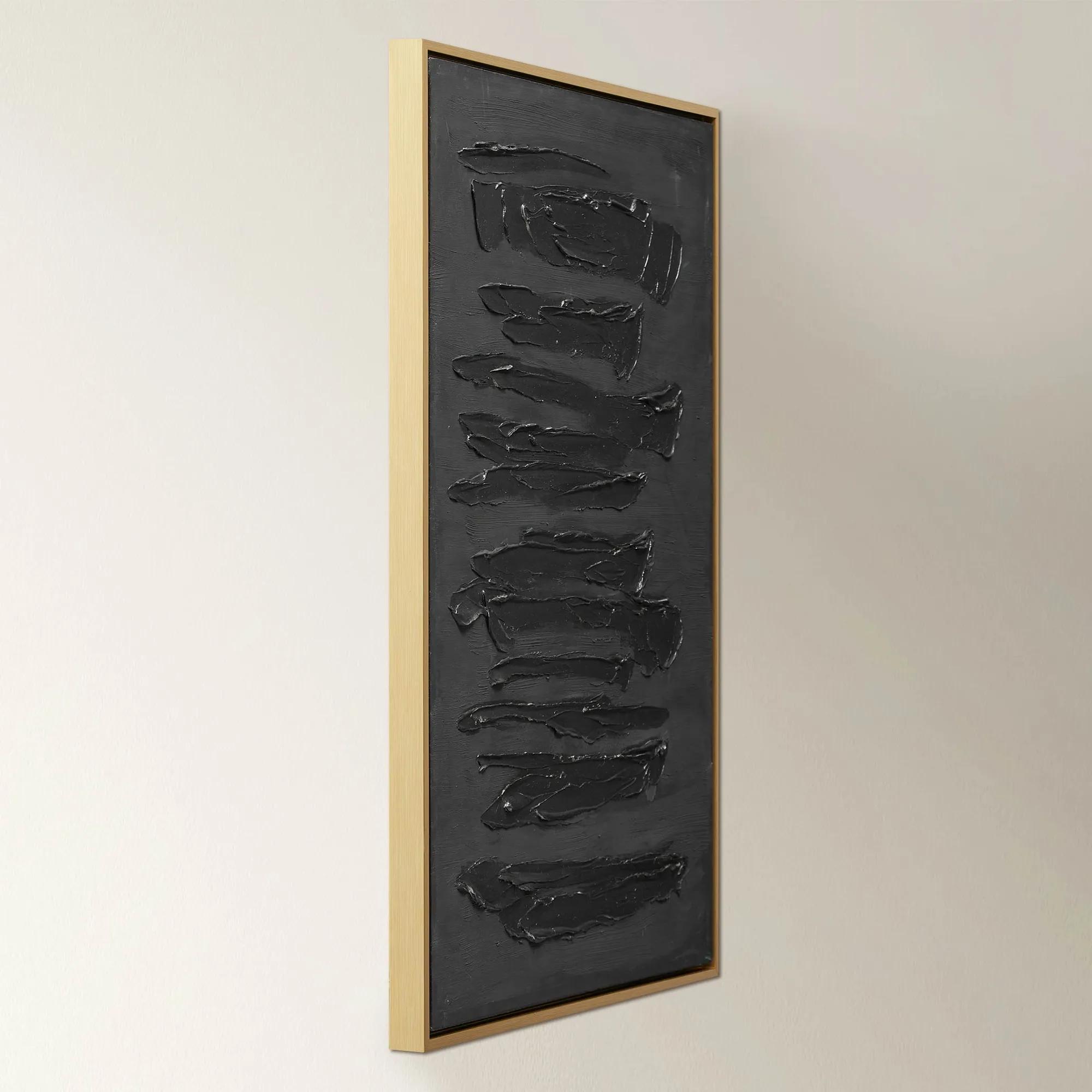 Nocturne$599.95
A dramatic abstract artwork featuring bold, dark brushstrokes on hand-painted canvas in a gold floater frame.
Add To Cart -
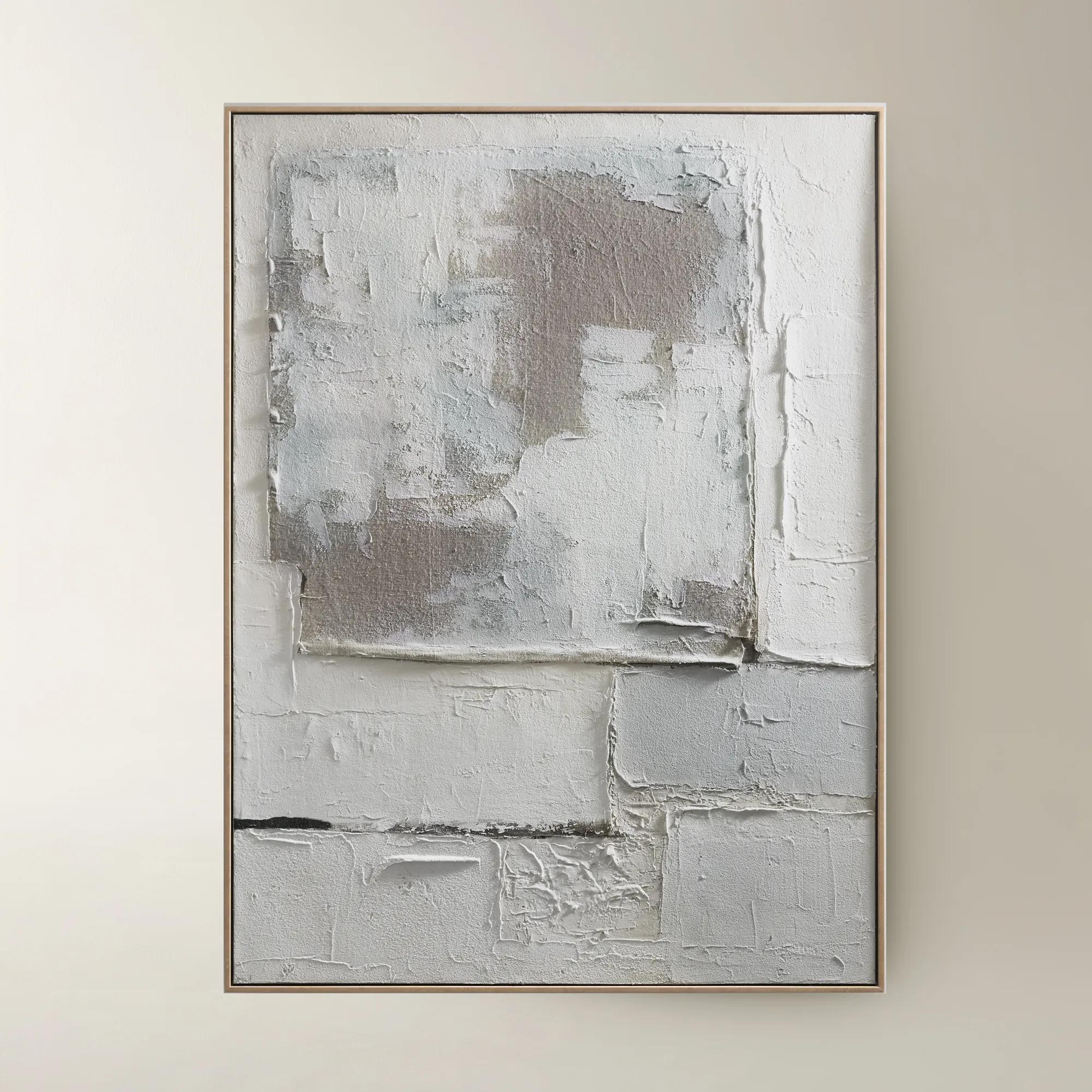
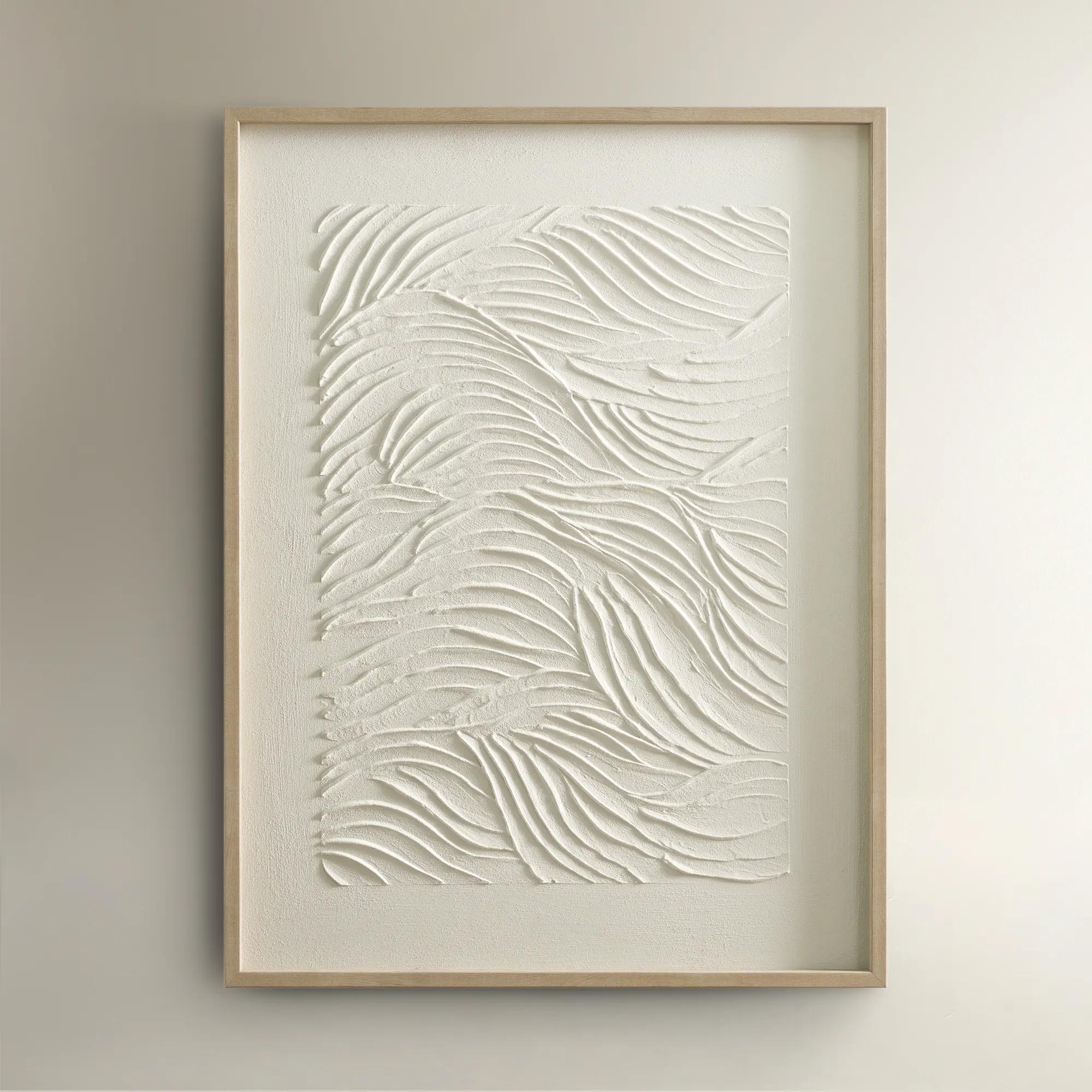
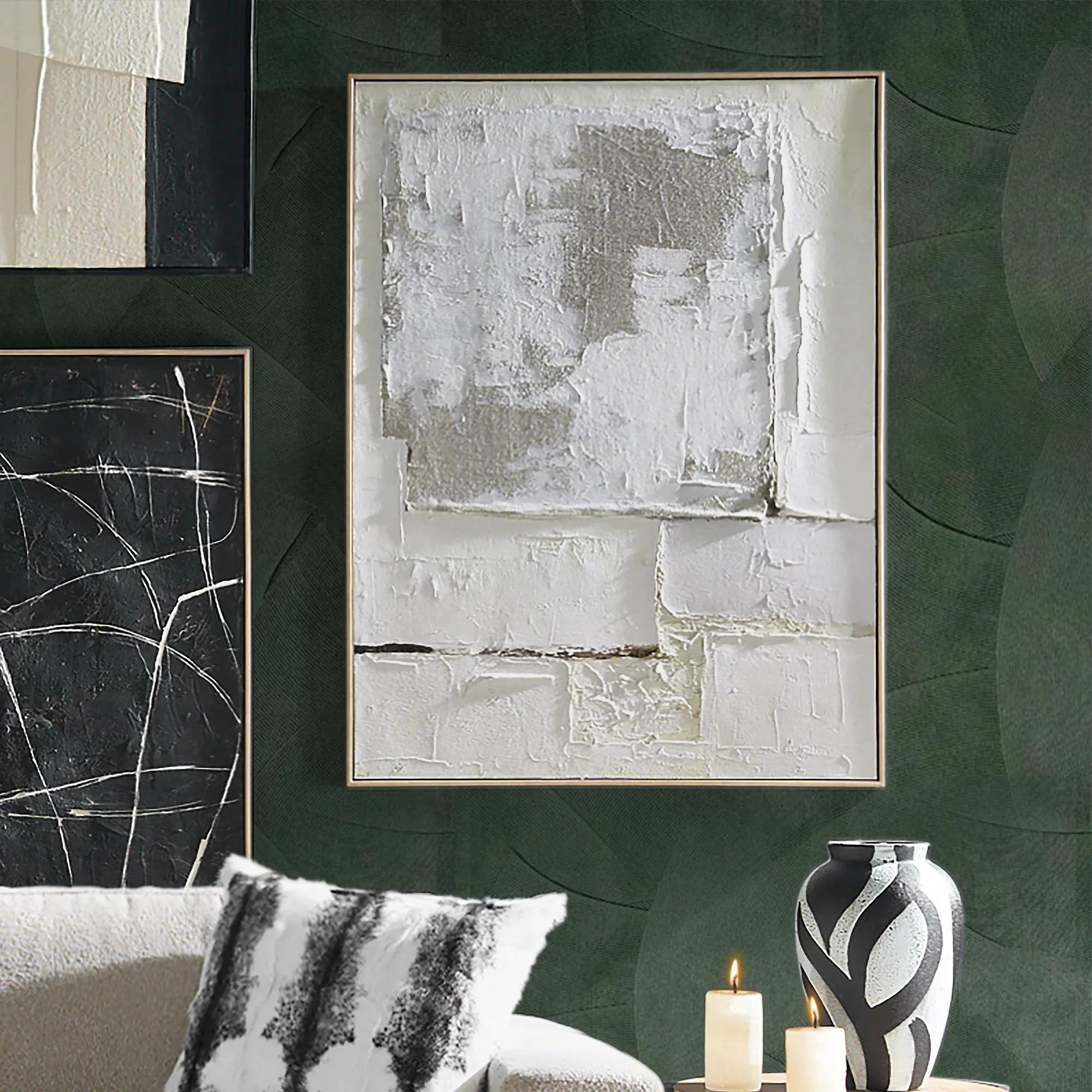 Marrow Painting$399
A hand-painted abstract canvas in subtle beige hues, elegantly framed in a warm beech wood floater.
Add To Cart -
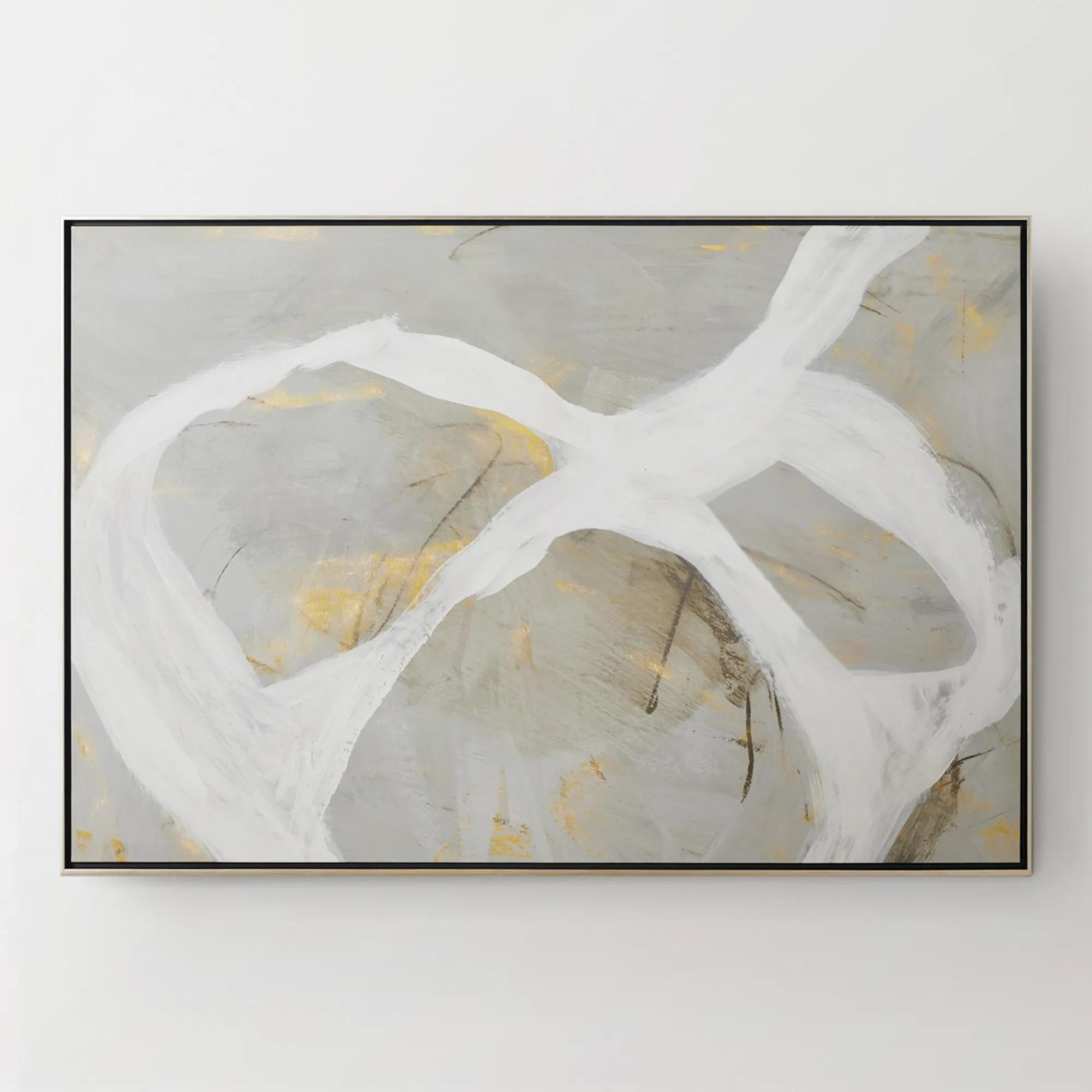
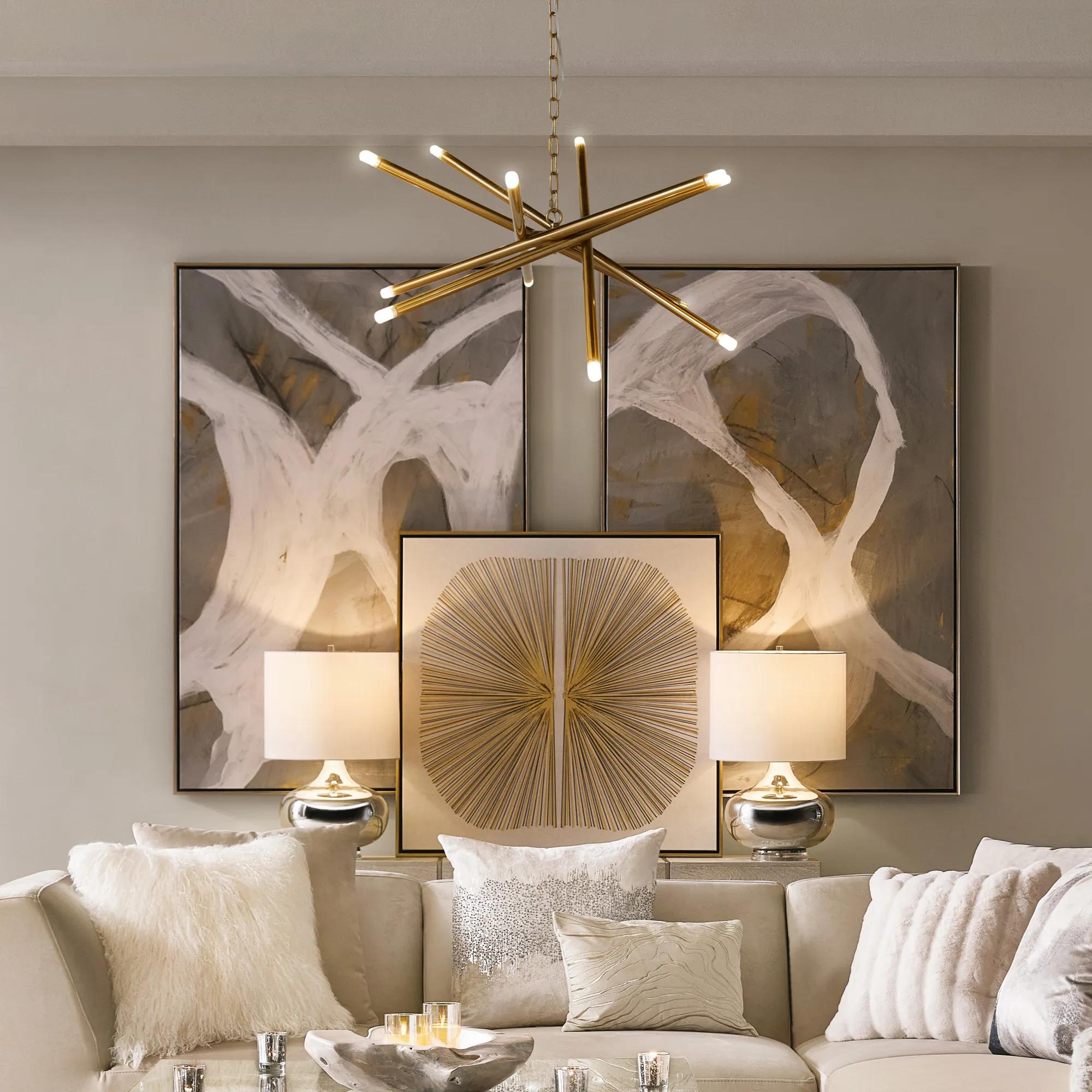 Les Series Framed Painted Wall Art I 61" x 41"$1099
An abstract canvas artwork featuring bold brushstrokes, hand-applied gold accents, and a silver floater frame.
Add To Cart -
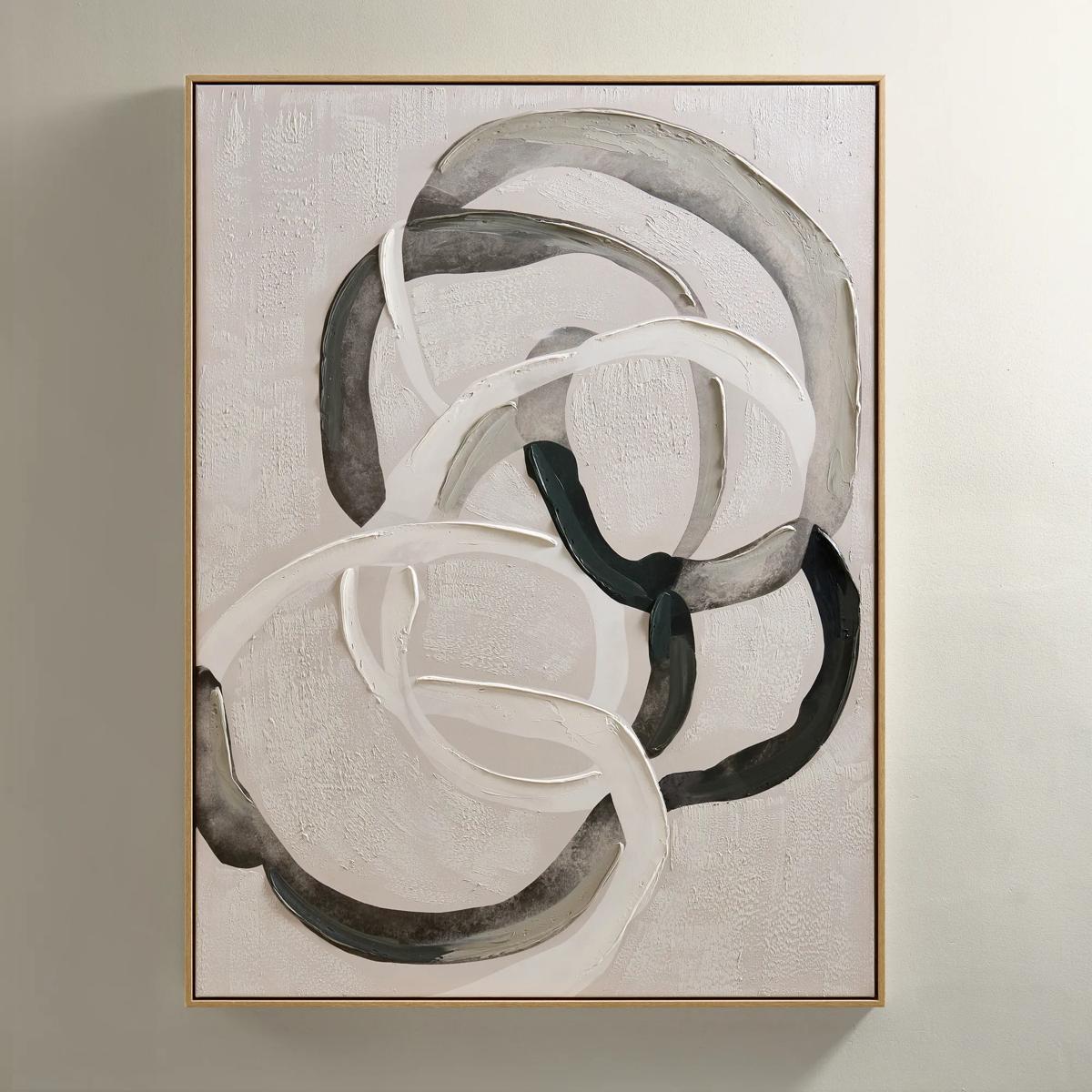
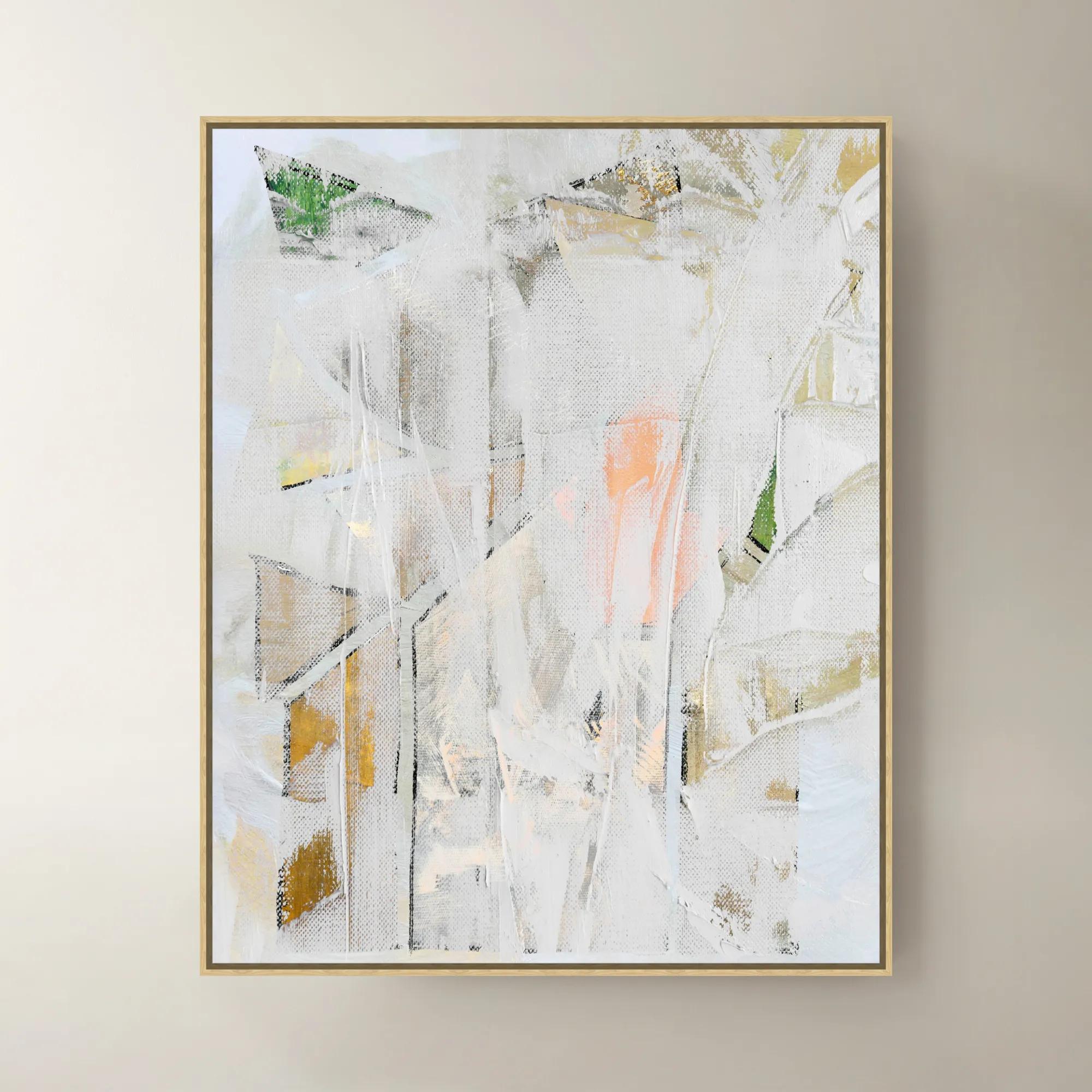
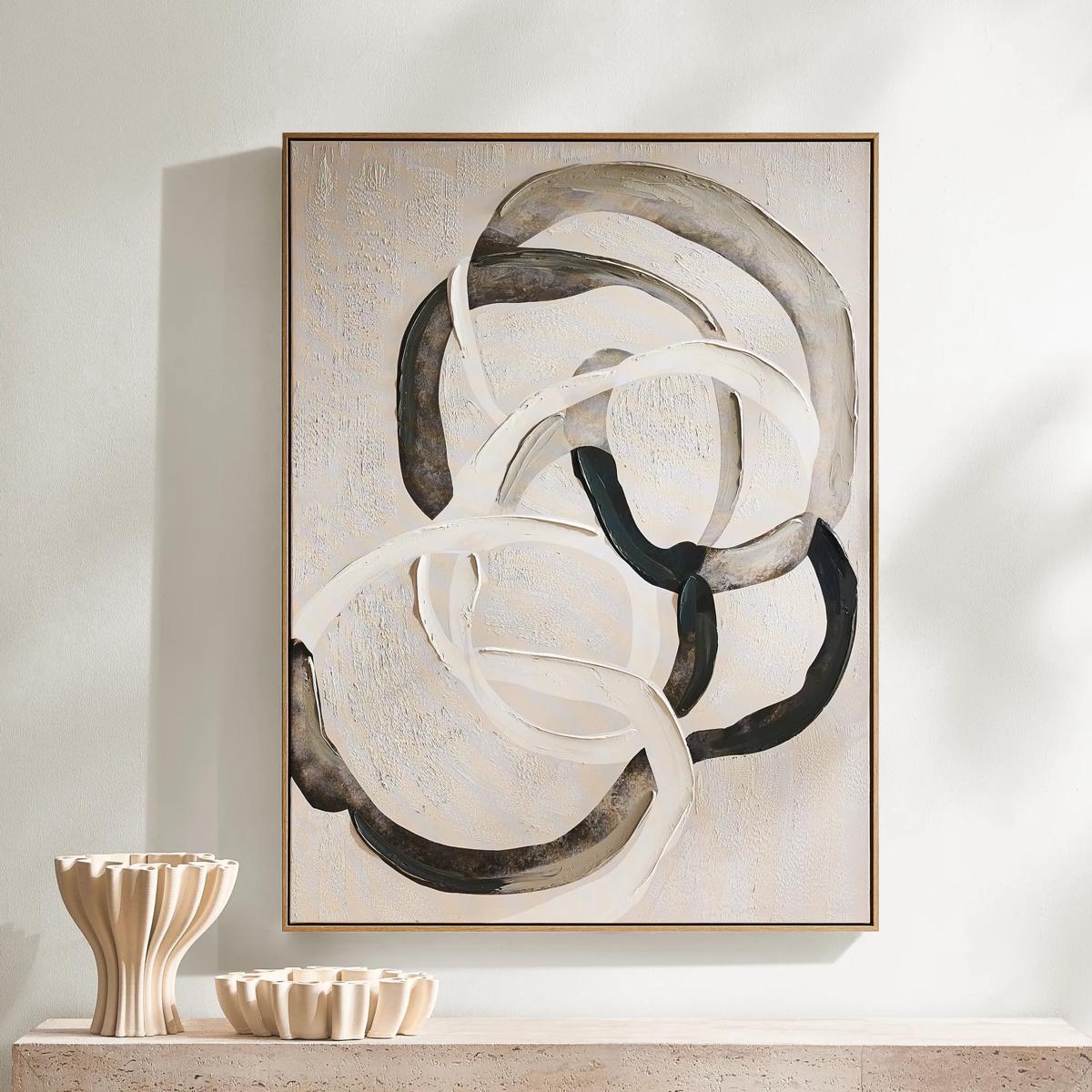 Round About Framed Painted Wall Art 35.25" x 47.25"$349
An abstract hand-painted canvas with tonal whites, charcoals, and taupes in a light wood floater frame.
Add To Cart -
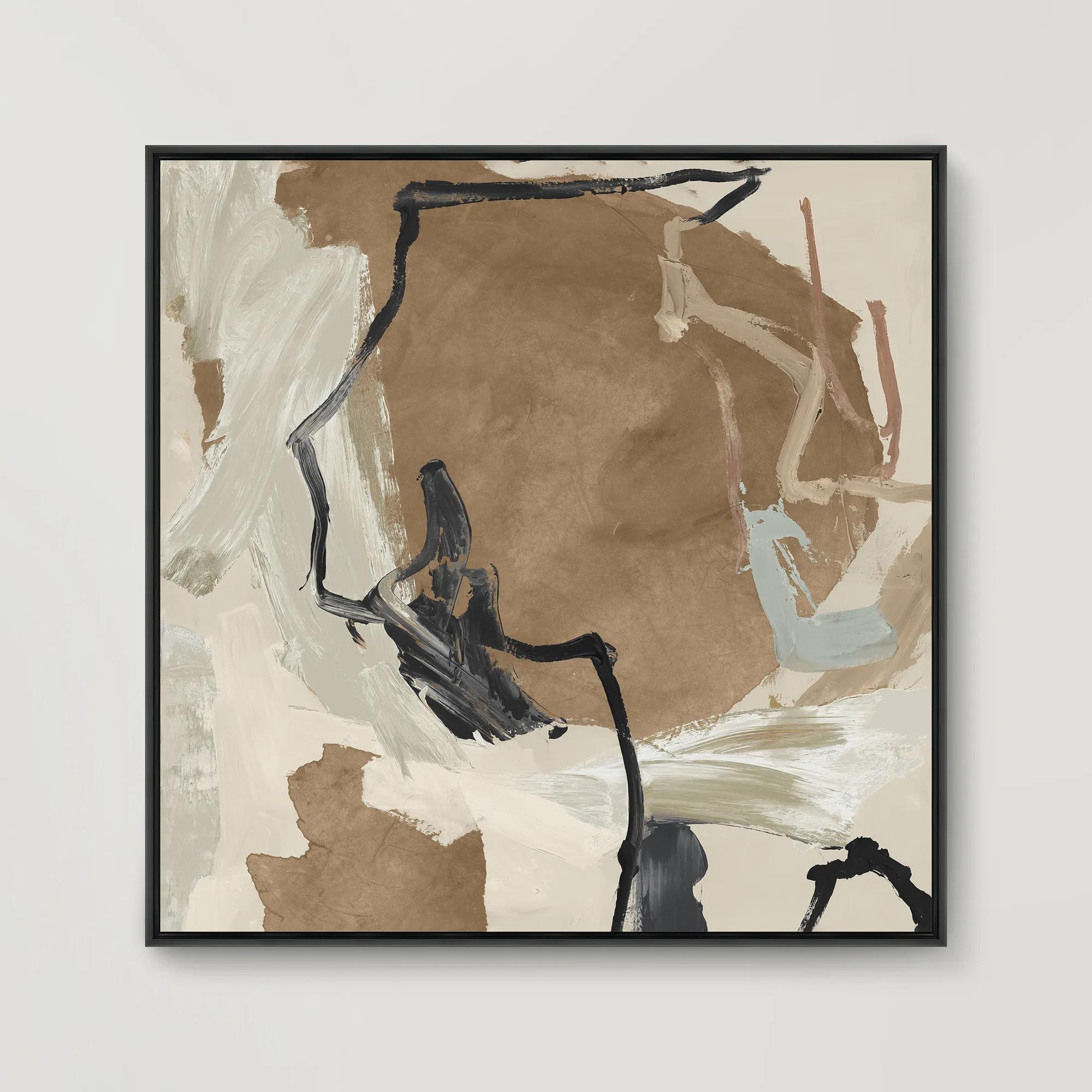
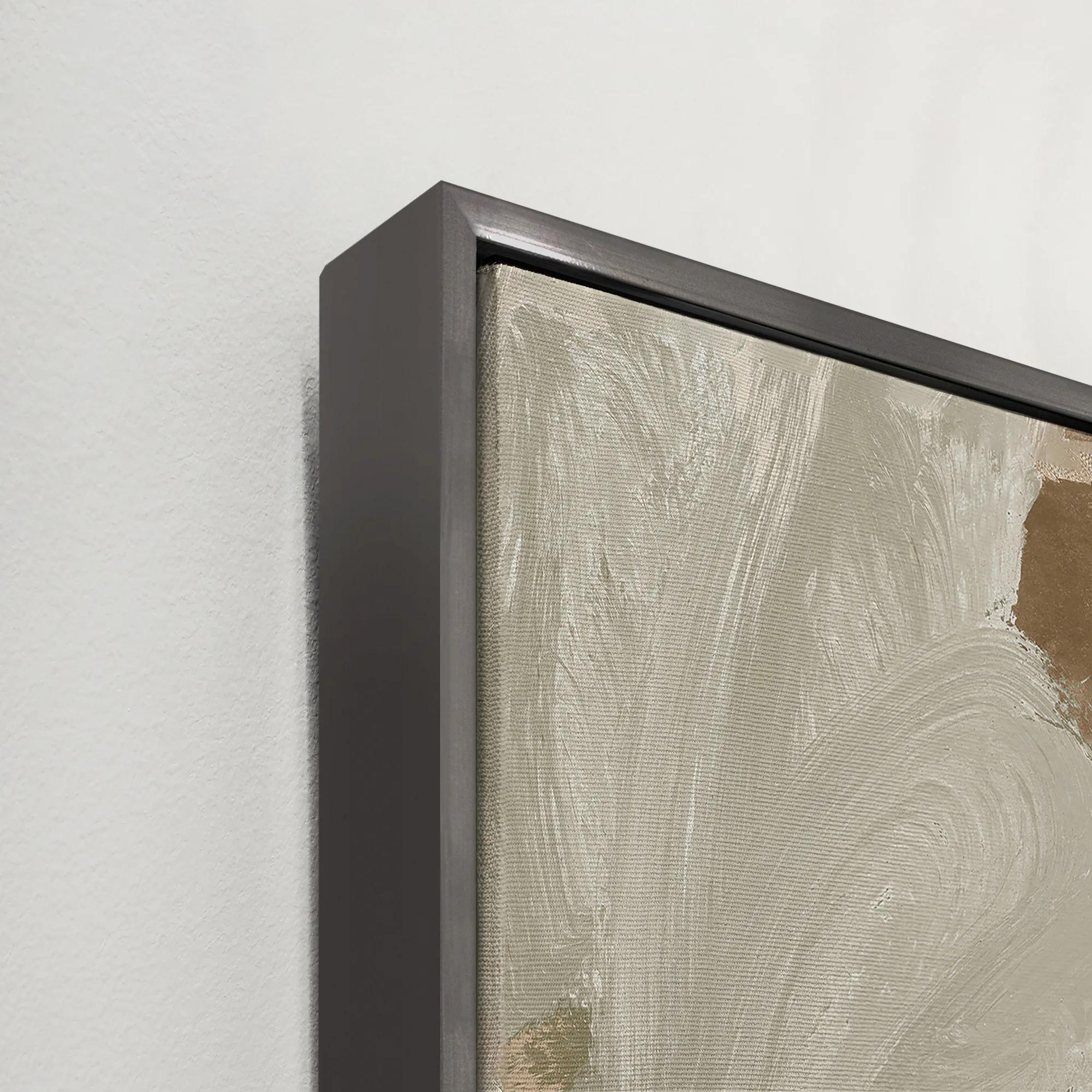 Borderlands IV Framed Wall Art 31.5" x 31.5"$499
A gallery-wrapped canvas artwork with a hand-applied brush gel finish in a sleek gray floater frame.
Add To Cart -
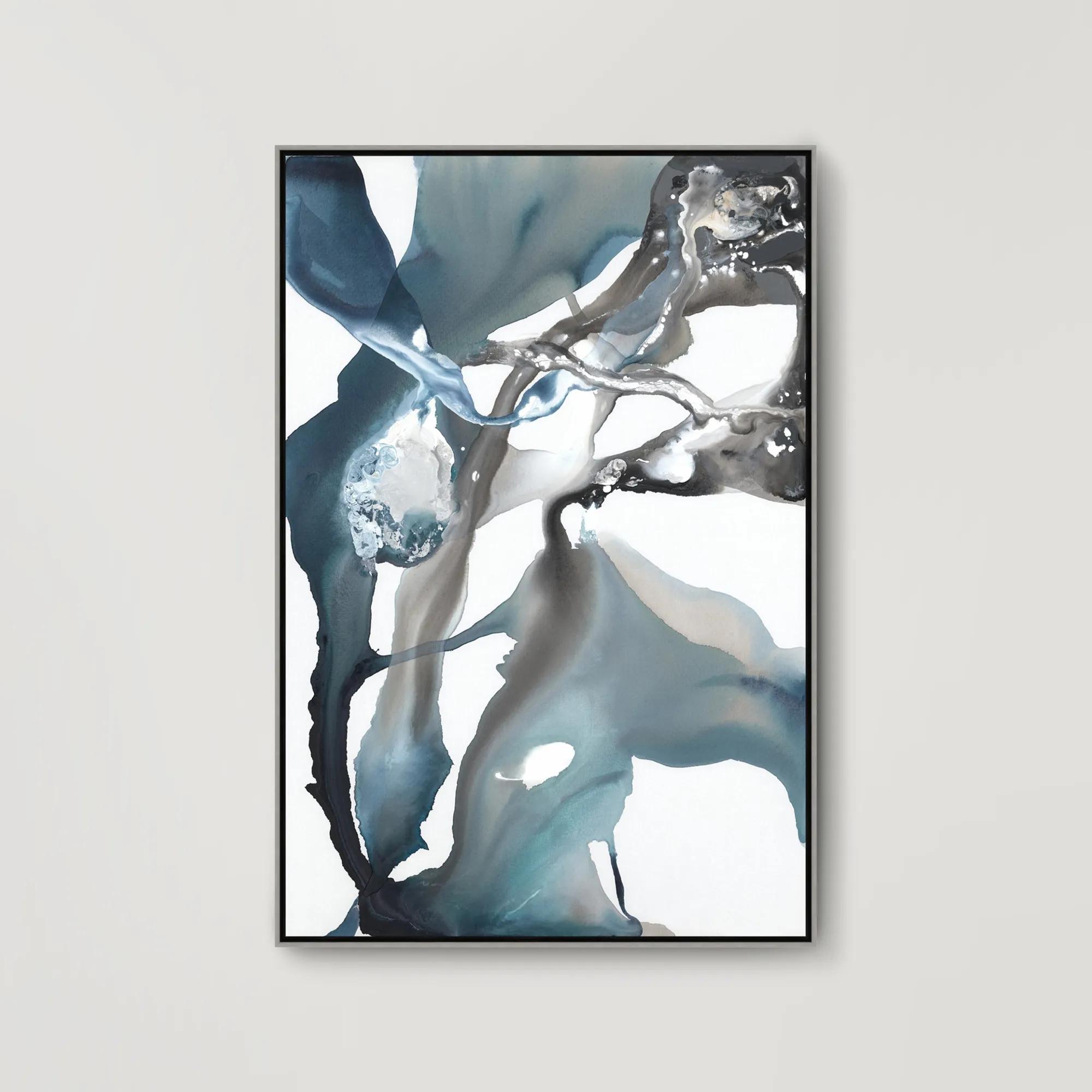
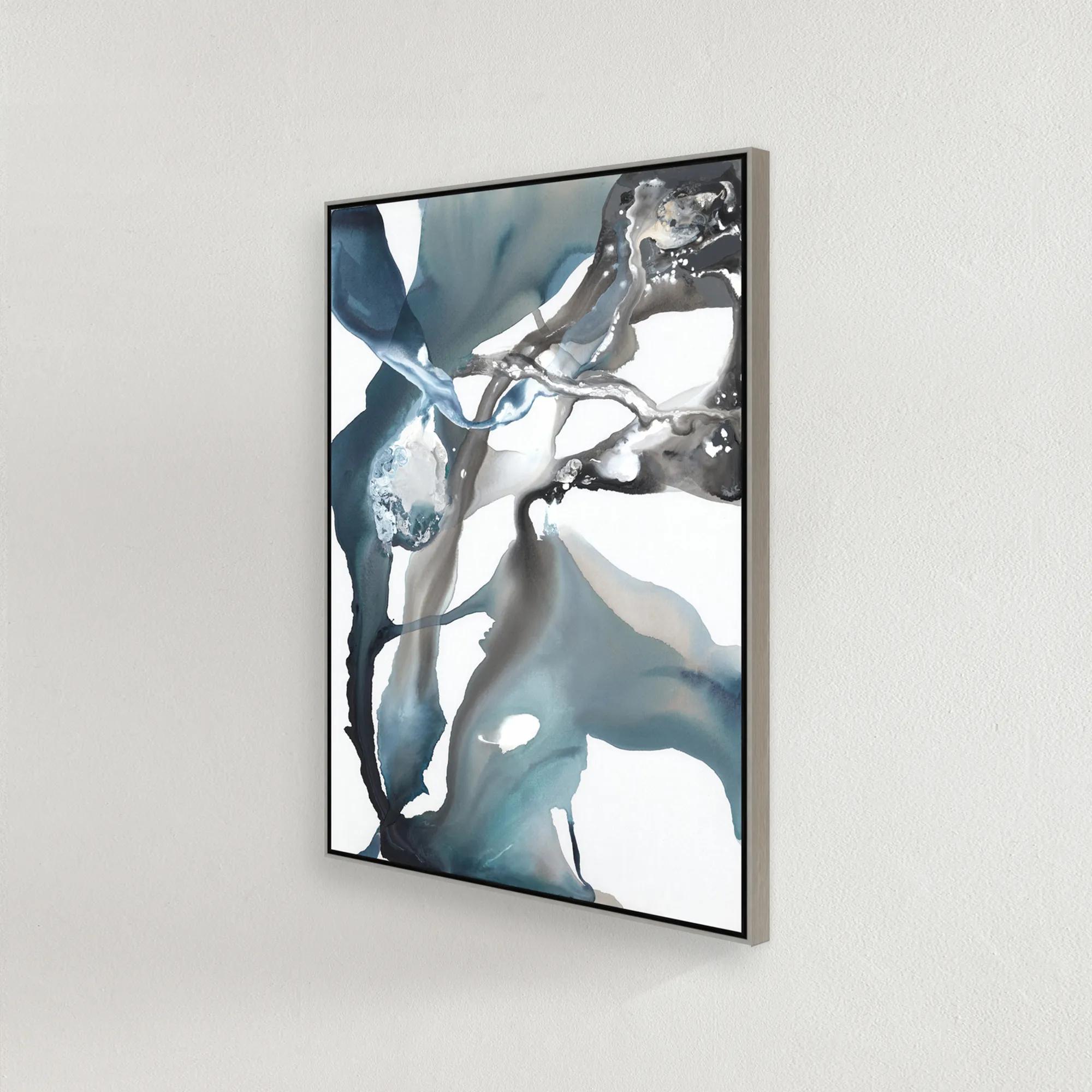 Cool Cascade Framed Wall Art 37.5" x 55.5"$849
A gallery-wrapped canvas artwork featuring expressive colors, hand-applied brush gel, and a gunmetal floater frame.
Add To Cart -
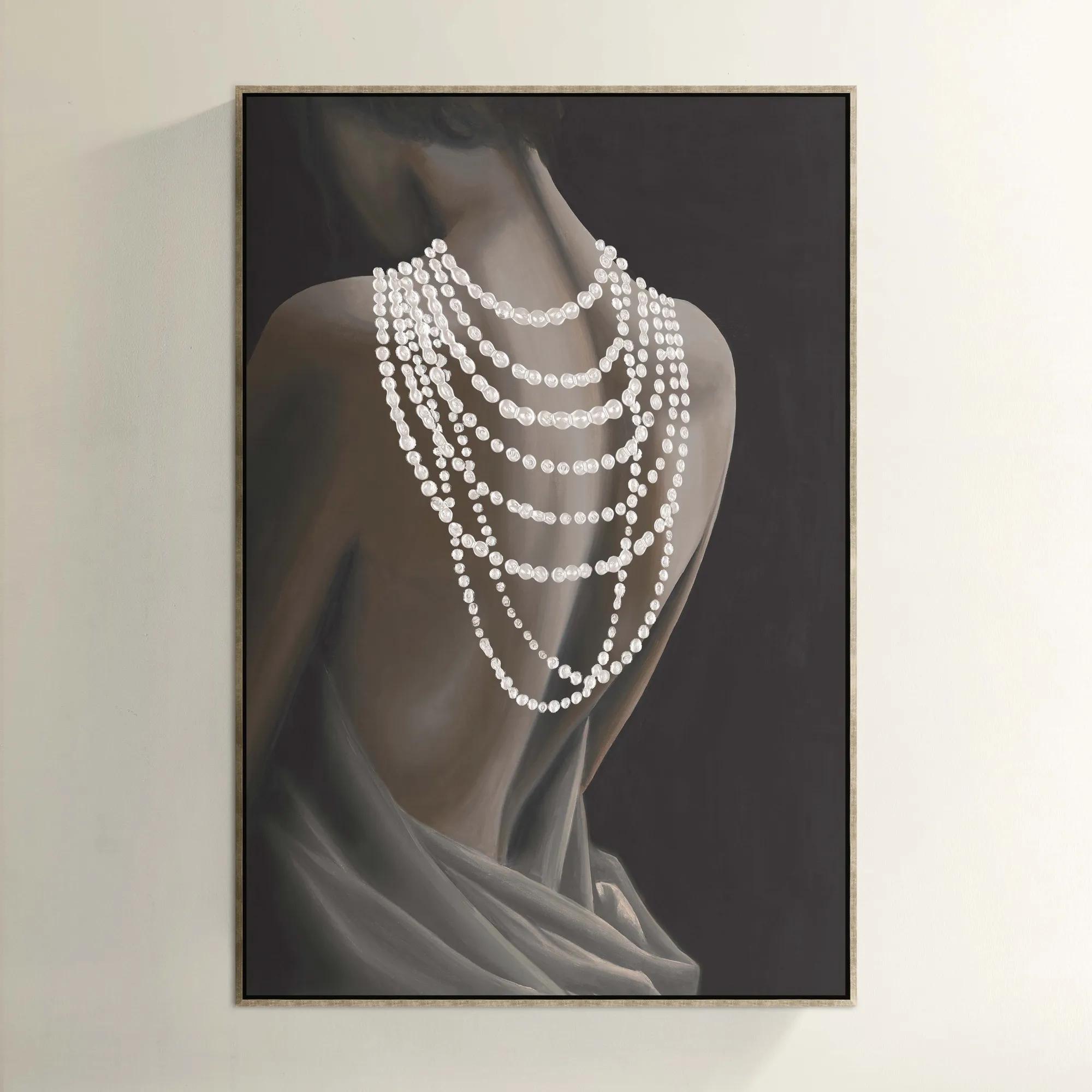 Luminescent Pearls Framed Wall Art 40" x 60"$1119
A hand-embellished canvas artwork featuring textured brush gel, set in a sleek silver floater frame.
Add To Cart -
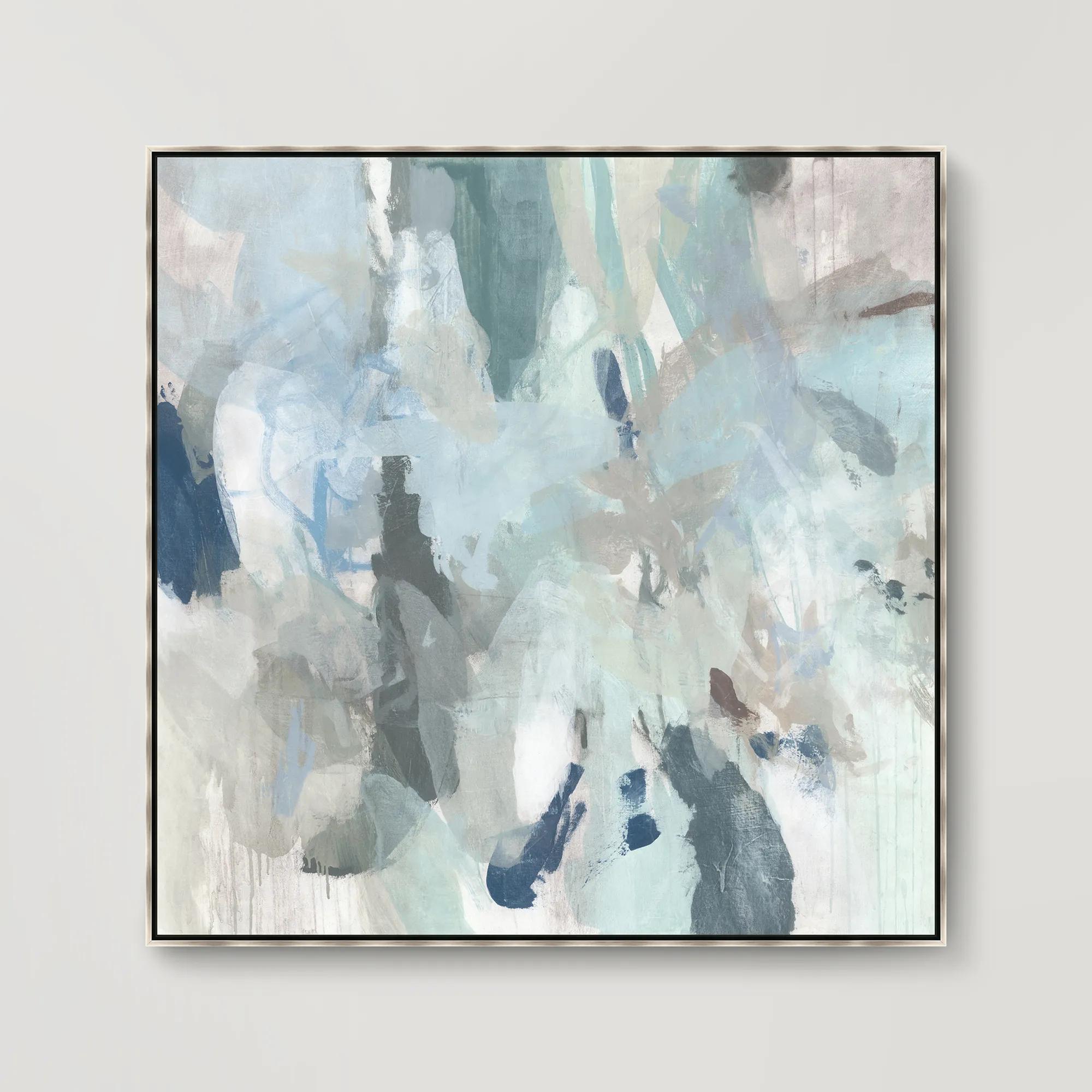
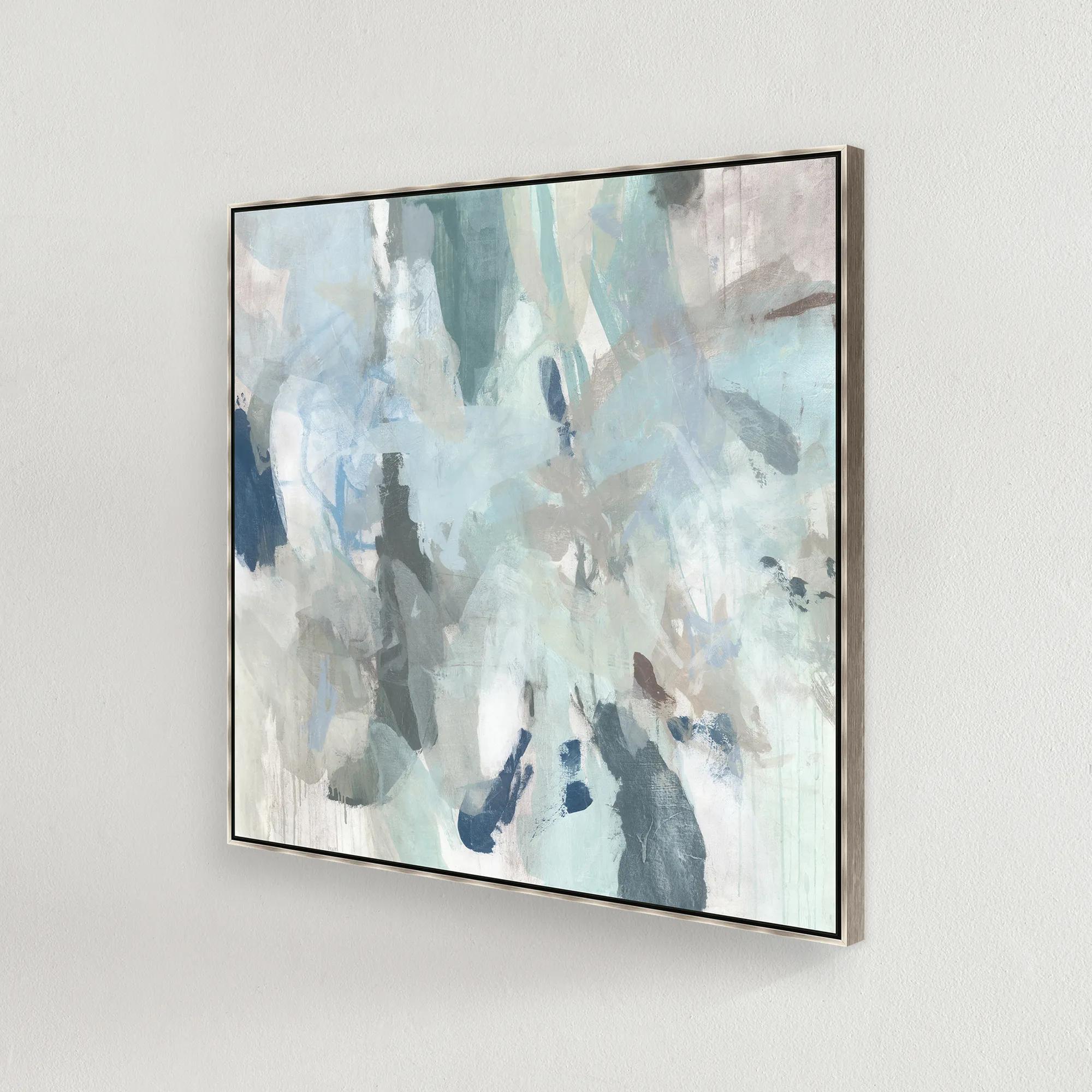 Sage Honey Dew I Framed Wall Art 41.5" x 41.5"$749
A gallery-wrapped abstract canvas featuring hand-applied gel finish in a silver floater frame.
Add To Cart -
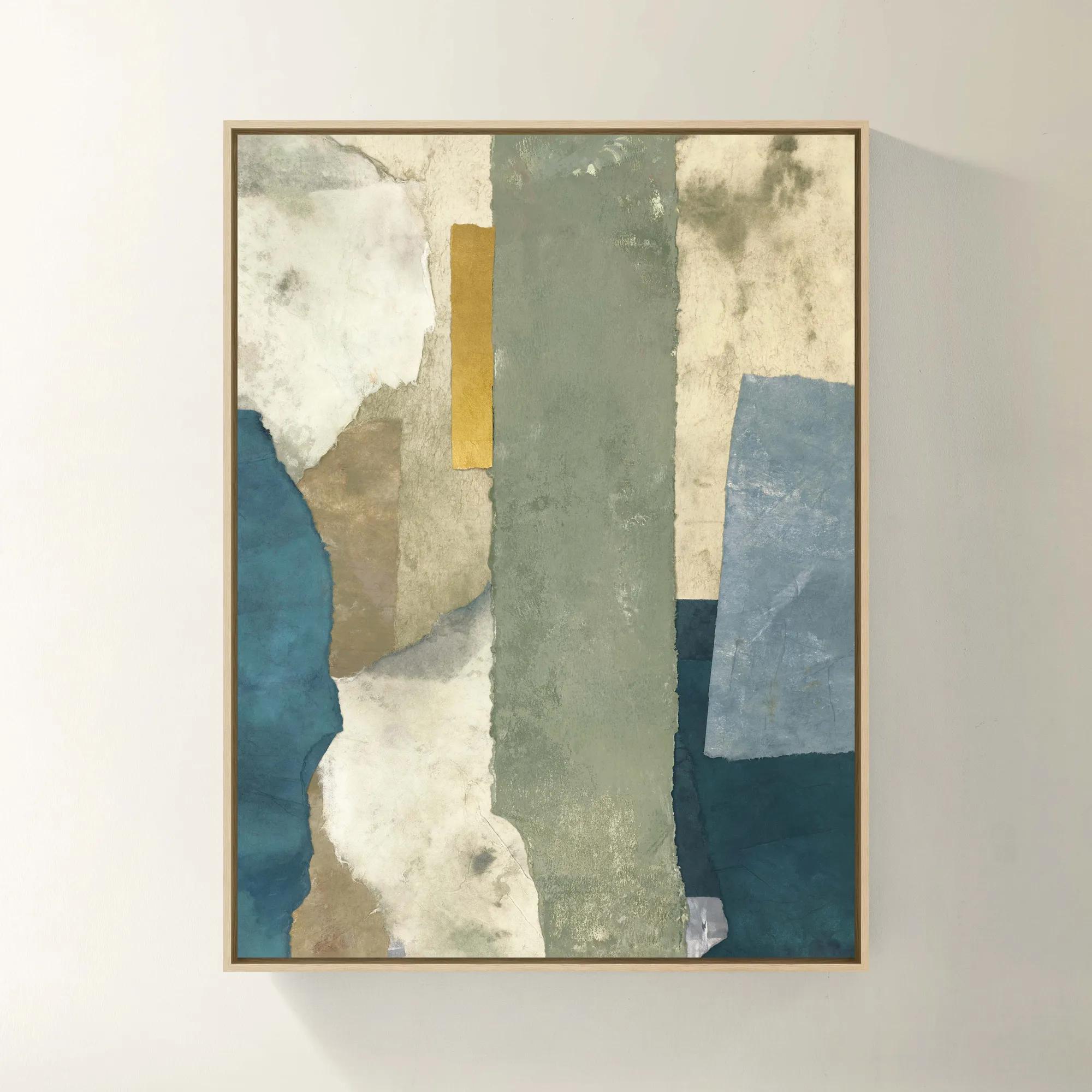 Earth Fragments II Framed Wall Art 30" x 40"$799
A gallery-wrapped canvas featuring gild accents and hand-applied gel, set in a natural floater frame.
Add To Cart -

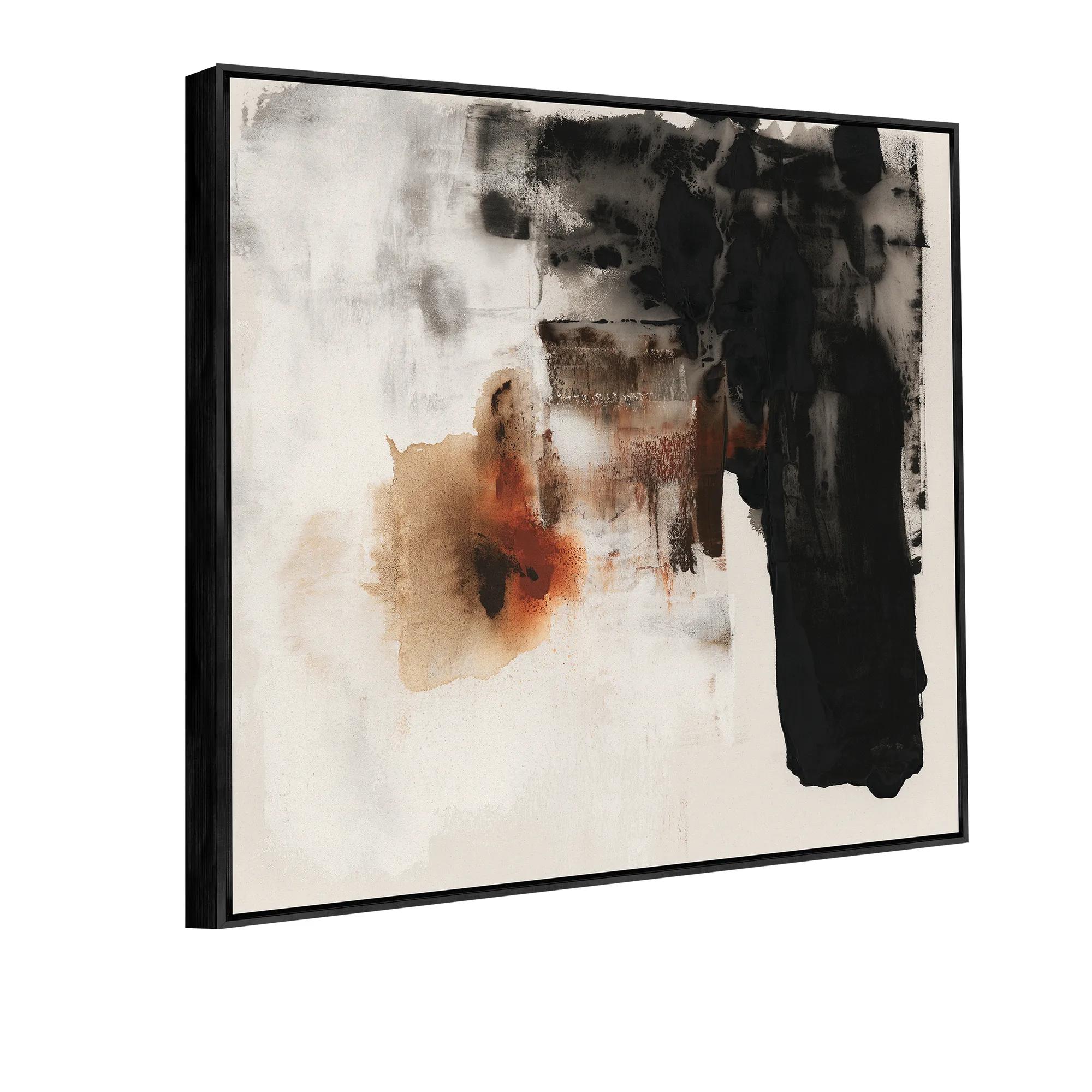 Burning for You II Framed Wall Art 40" x 40"$799
A gallery-wrapped canvas artwork with hand-applied brush gel, set in a sleek black floater frame.
Add To Cart -

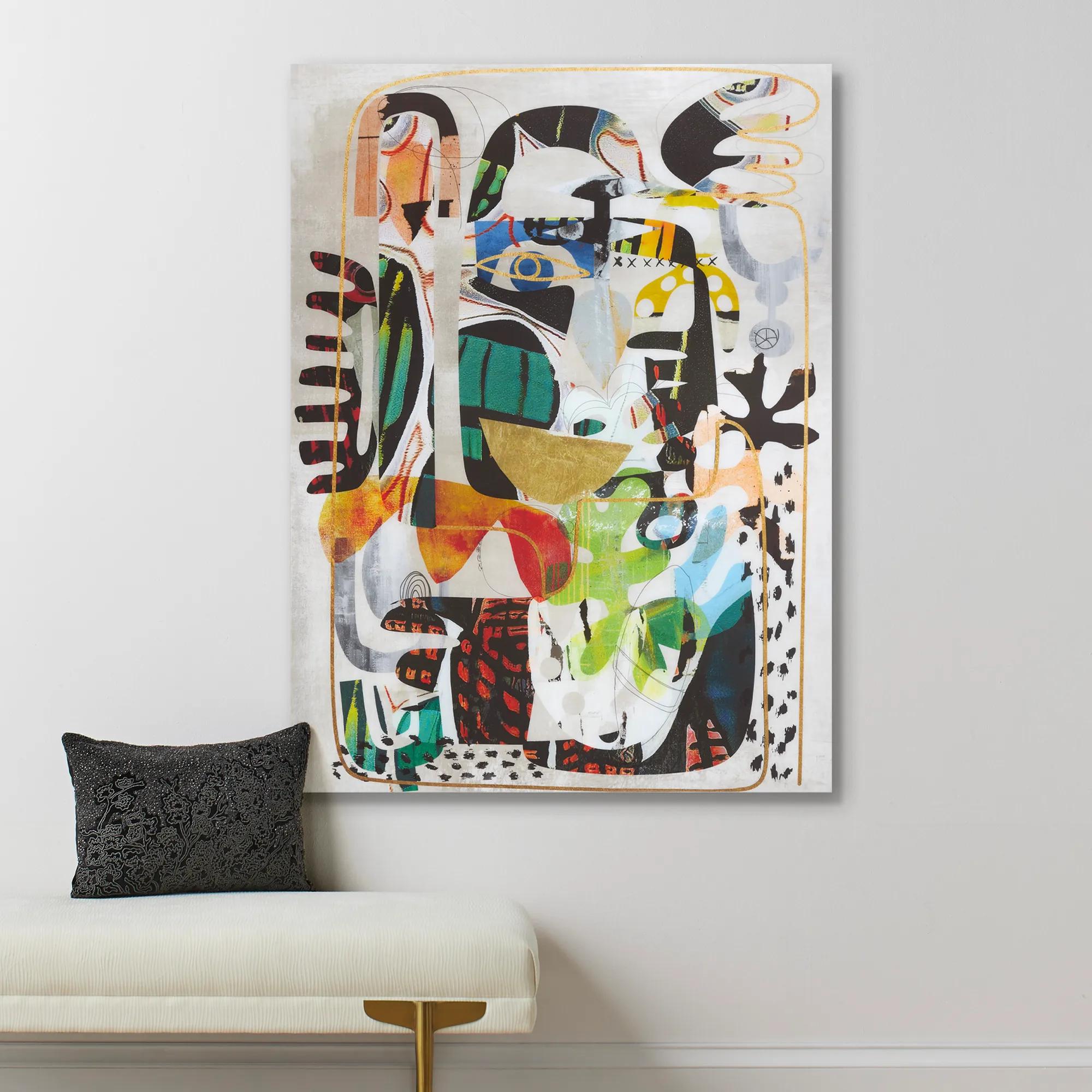 Nikki Chu Masked Wall Art 40" x 54"$899
A vibrant giclee print on canvas featuring a hand-applied glossy finish for a modern statement.
Add To Cart -
 World At Night Framed Wall Art 40" x 50"$899
A gallery-wrapped canvas artwork featuring a hand-applied gel finish and set in a sleek black frame.
Add To Cart -

 Morning Lift Wall Art 30" x 30"$399
A gallery-wrapped canvas artwork featuring a hand-applied image brush gel finish for added texture and depth.
Add To Cart -
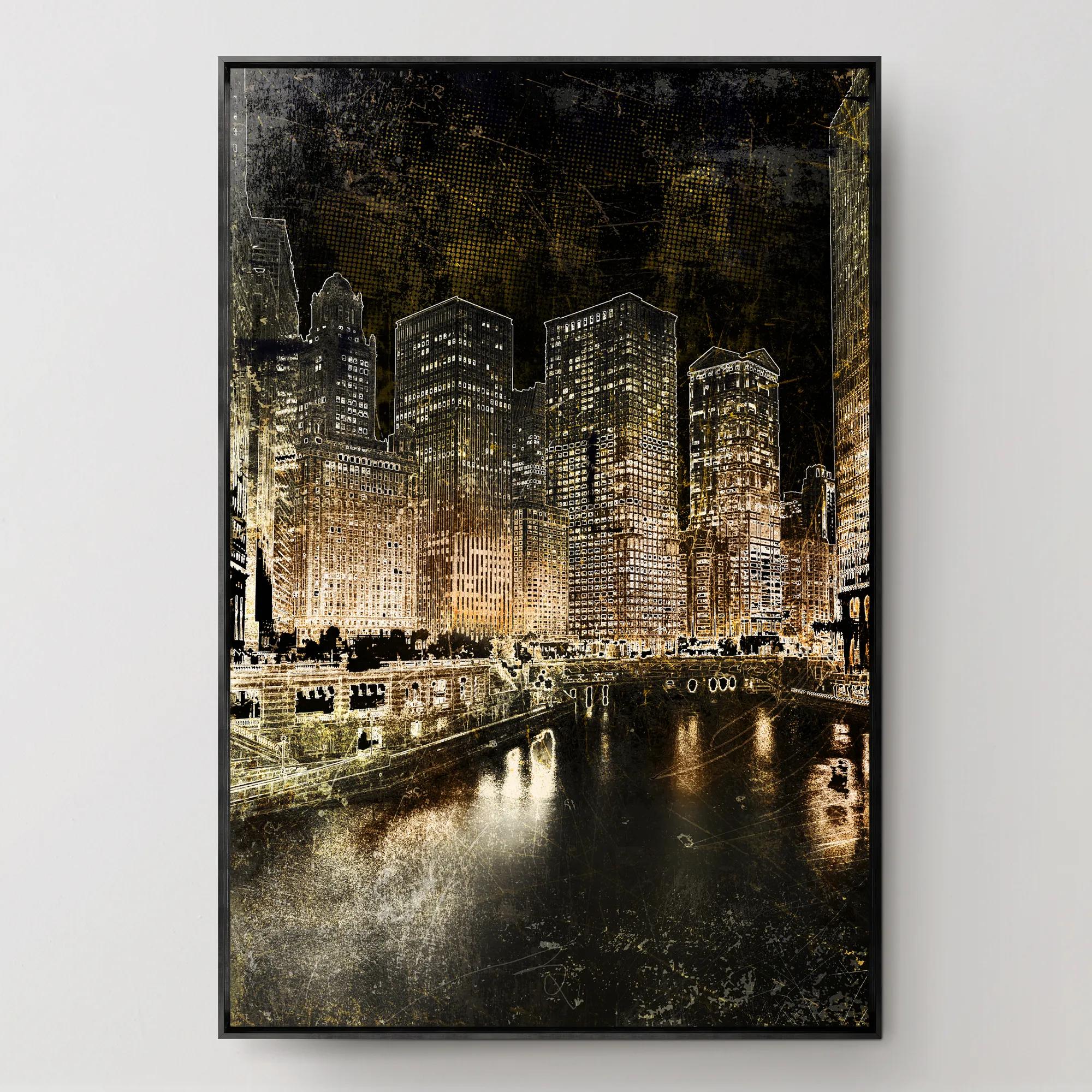
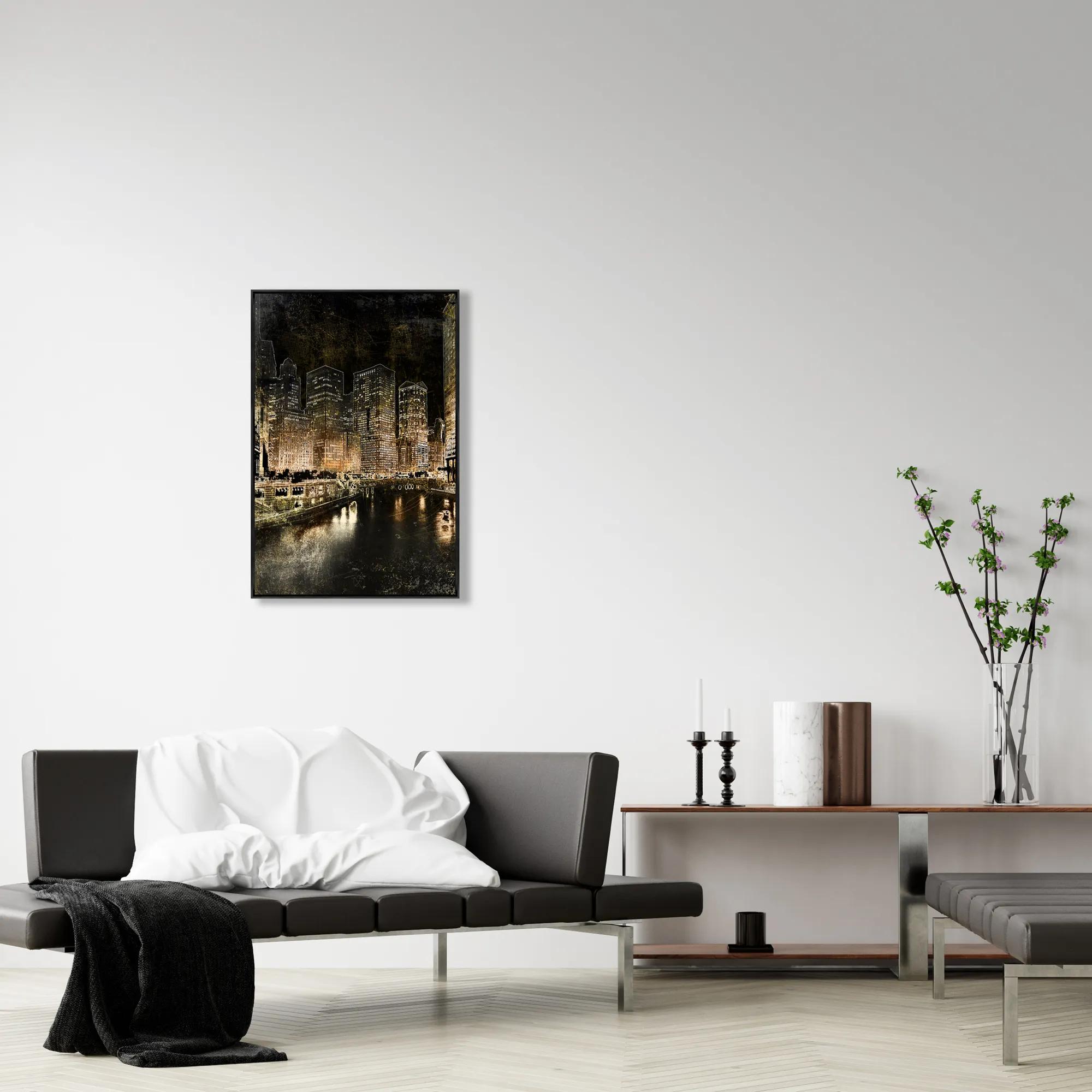 Chicago Lights Framed Wall Art 30" x 45"$649
A gallery-wrapped canvas artwork featuring a hand-applied gel finish in a sleek black floater frame.
Add To Cart -
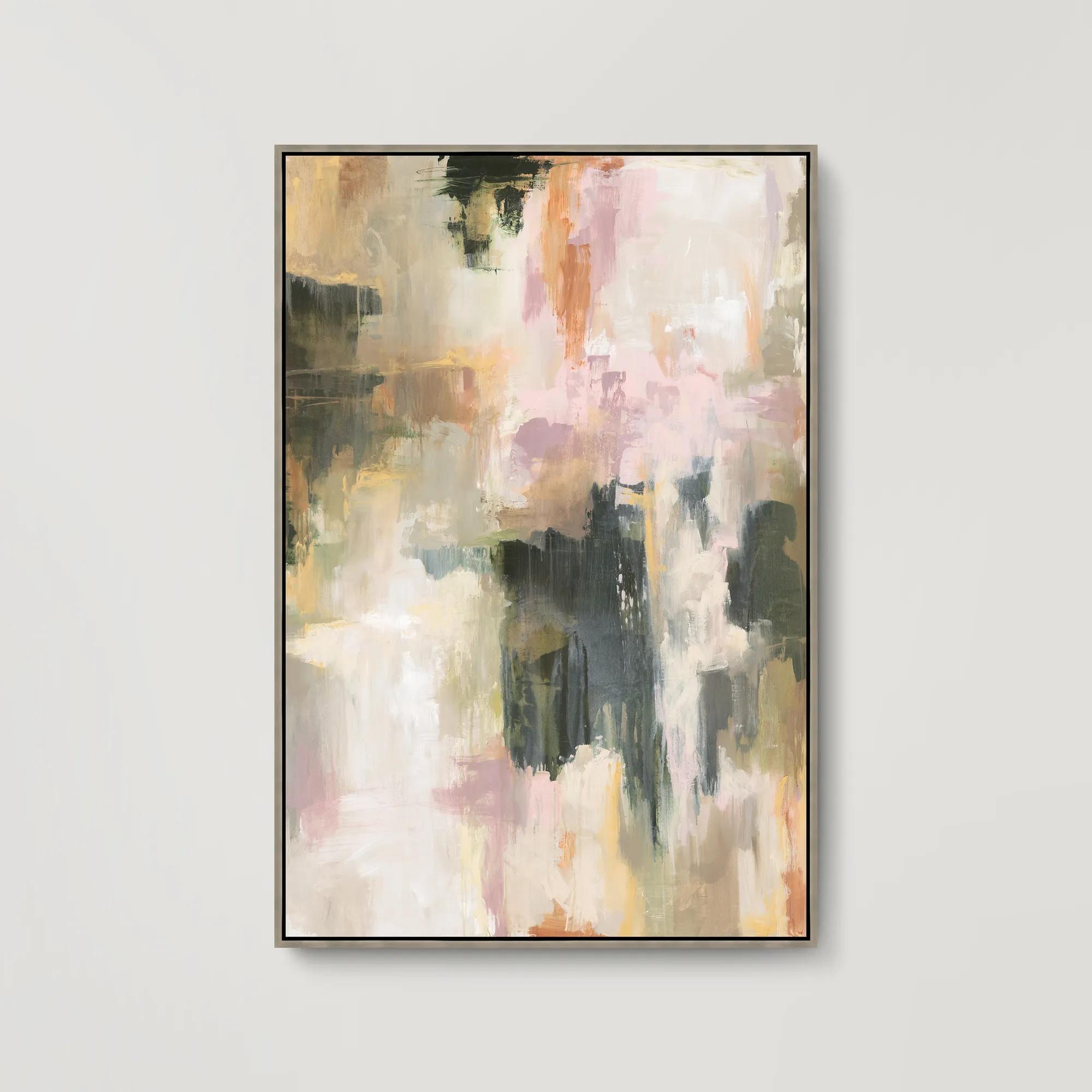
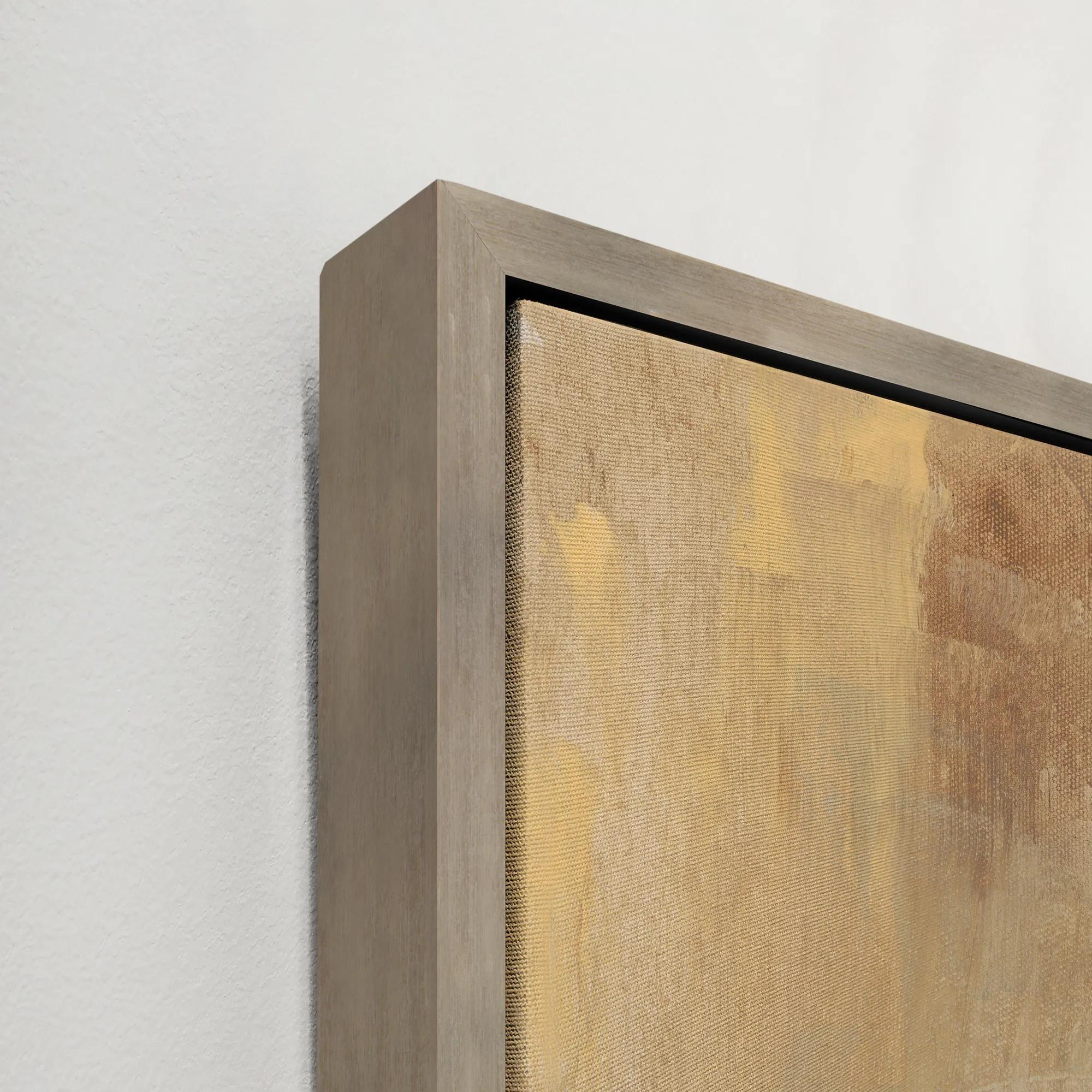 Sculpted Dreamscape Framed Wall Art 41.5" x 61.5"$999
A gallery-wrapped canvas artwork featuring a hand-applied gel finish and a sleek silver floater frame.
Add To Cart -
 Sugar Wings Framed Wall Art 49.5" x 37.5"$799
A vibrant gallery-wrapped canvas artwork with hand-applied brush gel finish in a sleek silver floater frame.
Add To Cart -
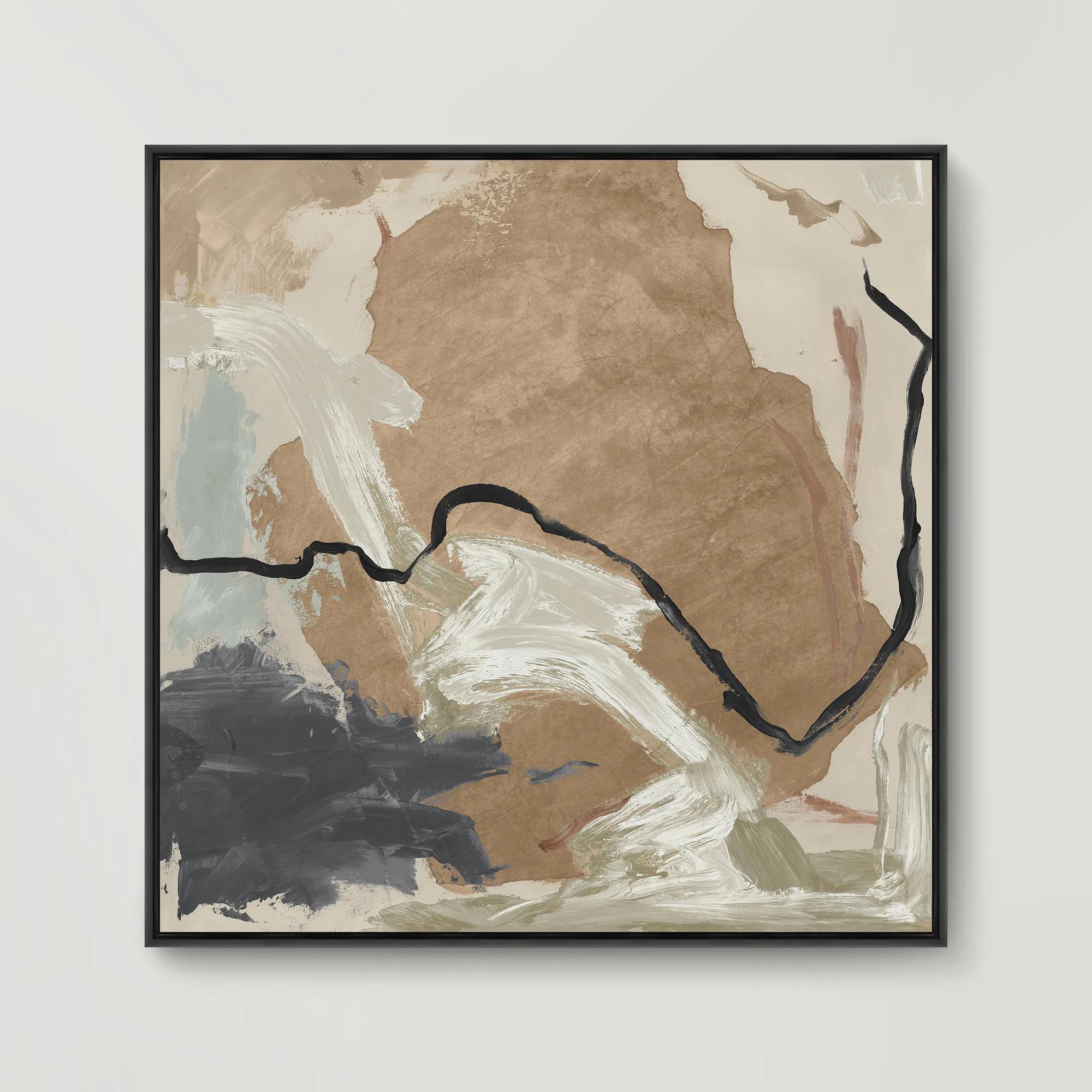 Borderlands III Framed Wall Art 31.5" x 31.5"$499
A gallery-wrapped canvas artwork with hand-applied brush gel finish, set in a sleek gray floater frame.
Add To Cart -
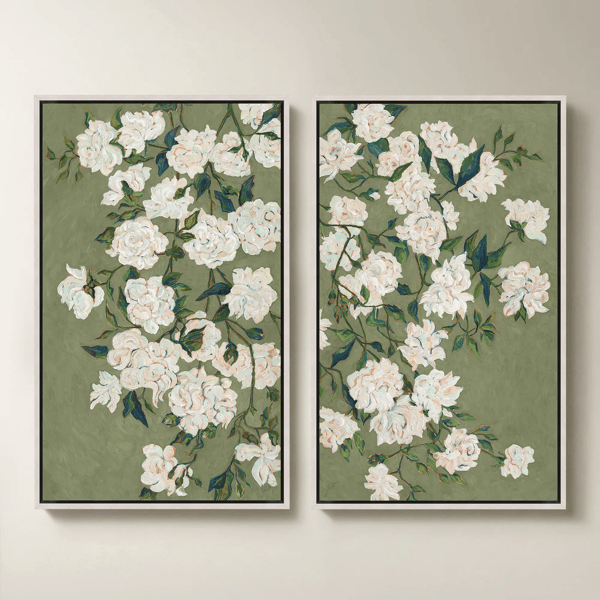
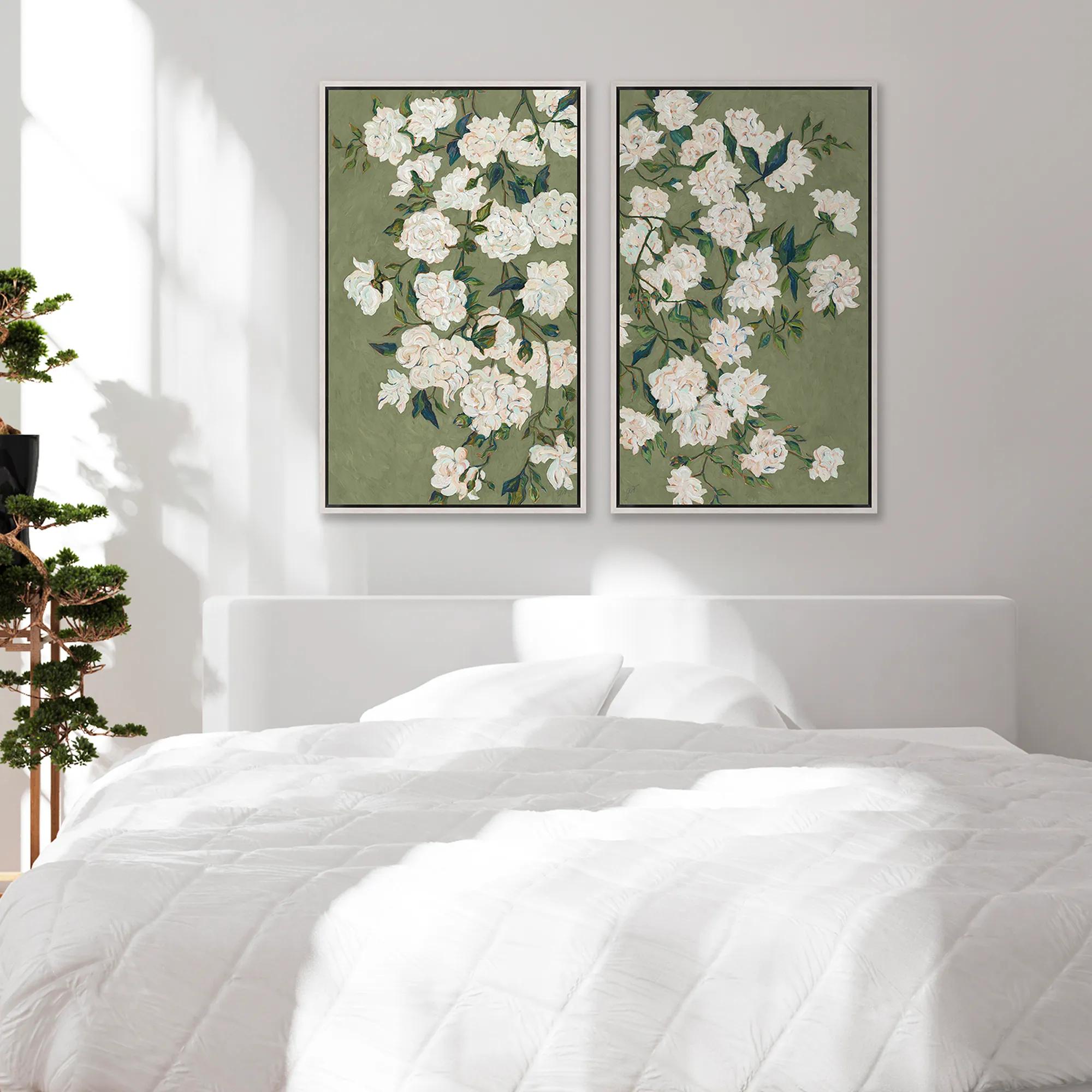 Verdi Vincent Framed Wall Art 21.5" x 41.5" Set of 2$949
A set of two gallery-wrapped fiber texture canvases in white floater frames for modern wall decor.
Add To Cart -
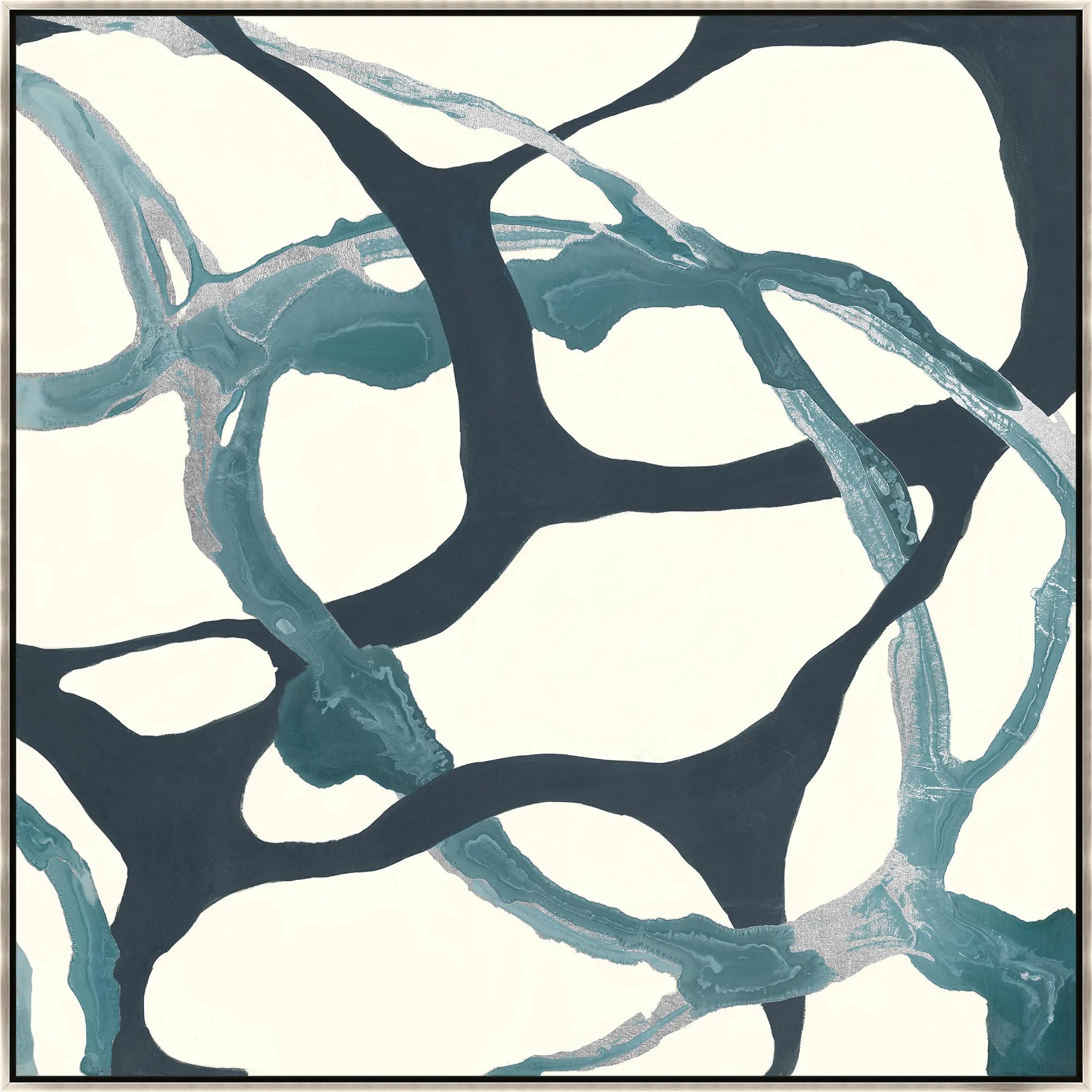
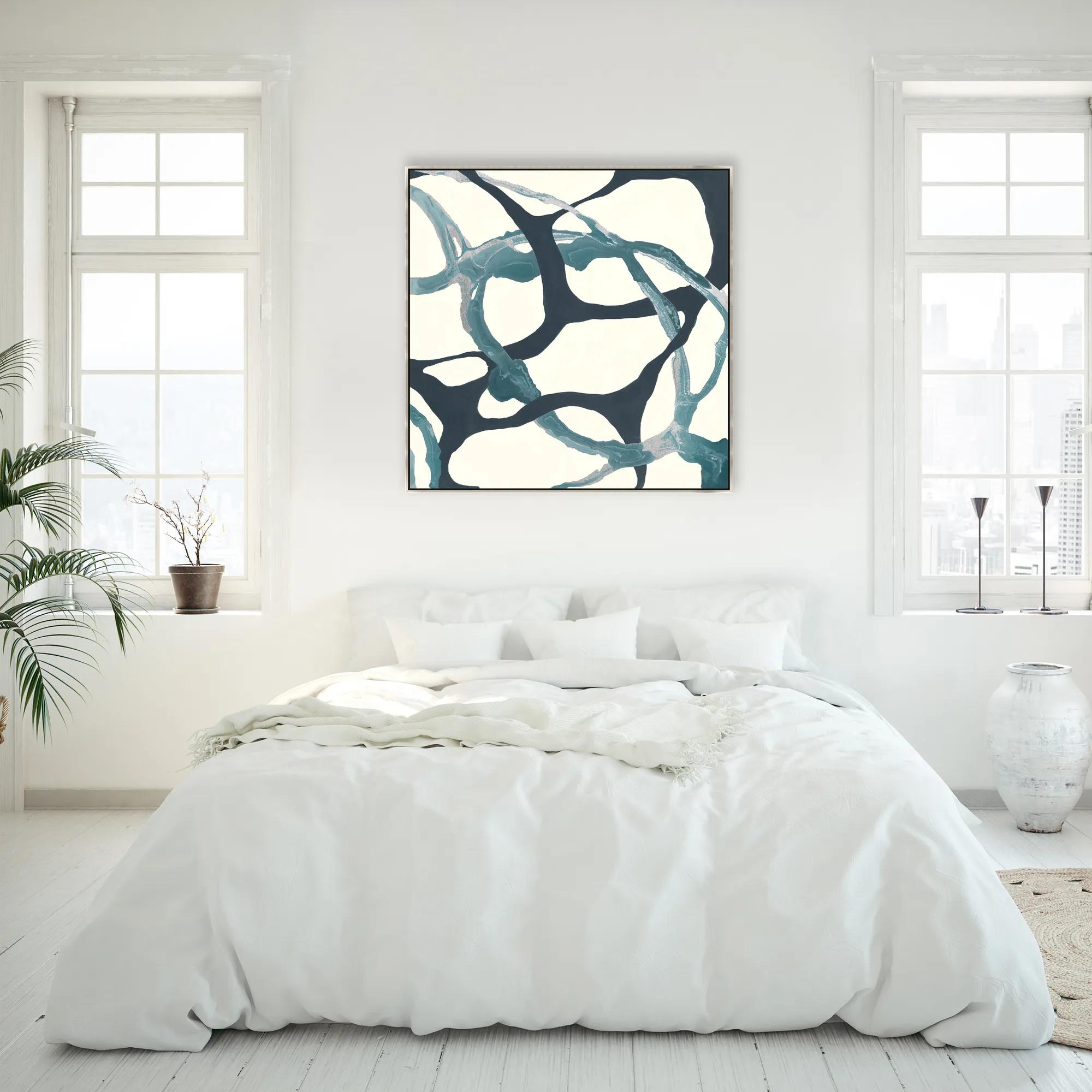 Alignments II Framed Wall Art 40" x 40"$899
A gallery-wrapped canvas featuring gilded silver accents and hand-applied brush gel in a silver floater frame.
Add To Cart -
 Burning for You I Framed Wall Art 40" x 40"$799
A gallery-wrapped canvas artwork with hand-applied brush gel, set in a sleek black floater frame.
Add To Cart -
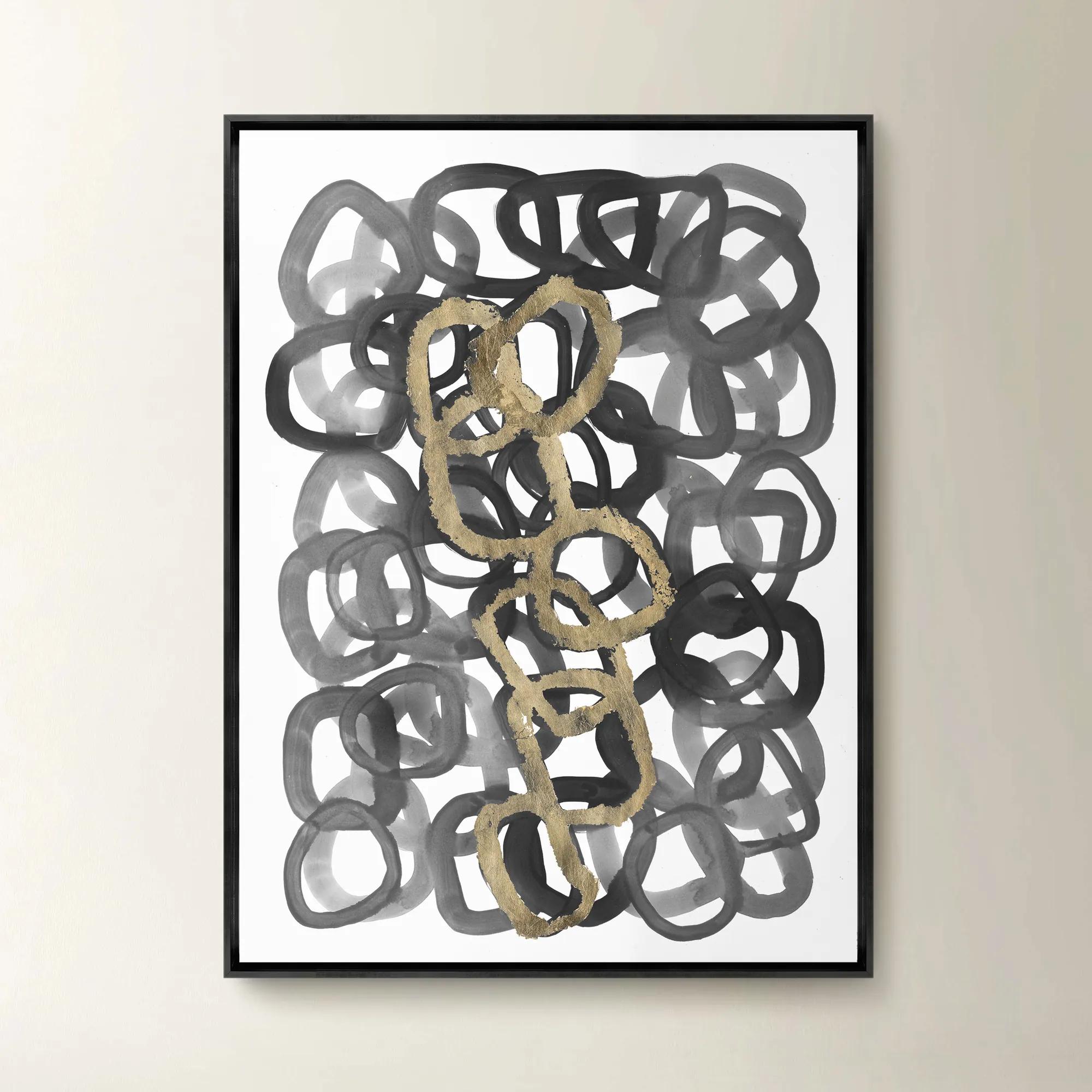
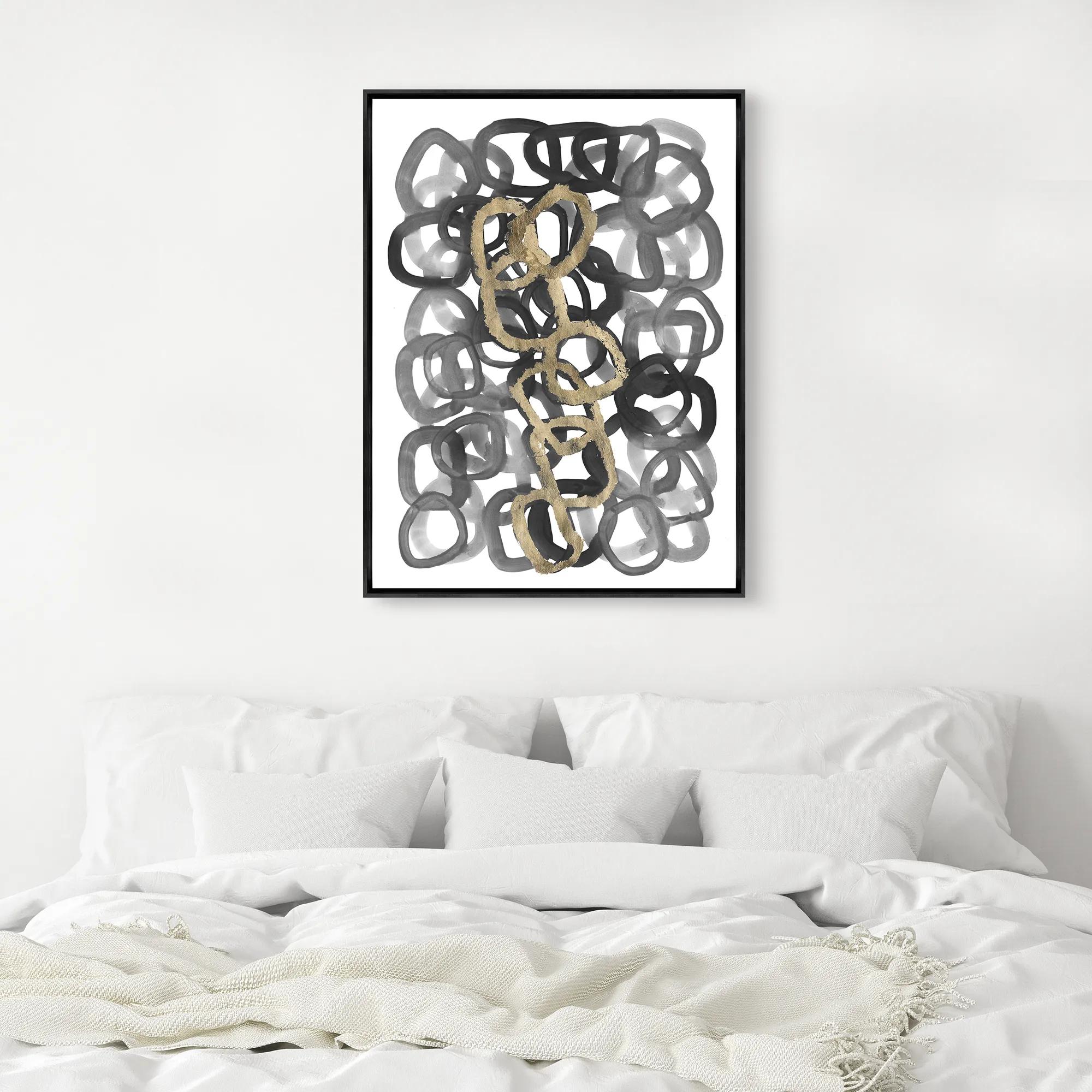 Unbroken Framed Wall Art 26" x 35"$499
A gallery-wrapped canvas artwork with a hand-applied gel finish, set in a sleek black floater frame.
Add To Cart -
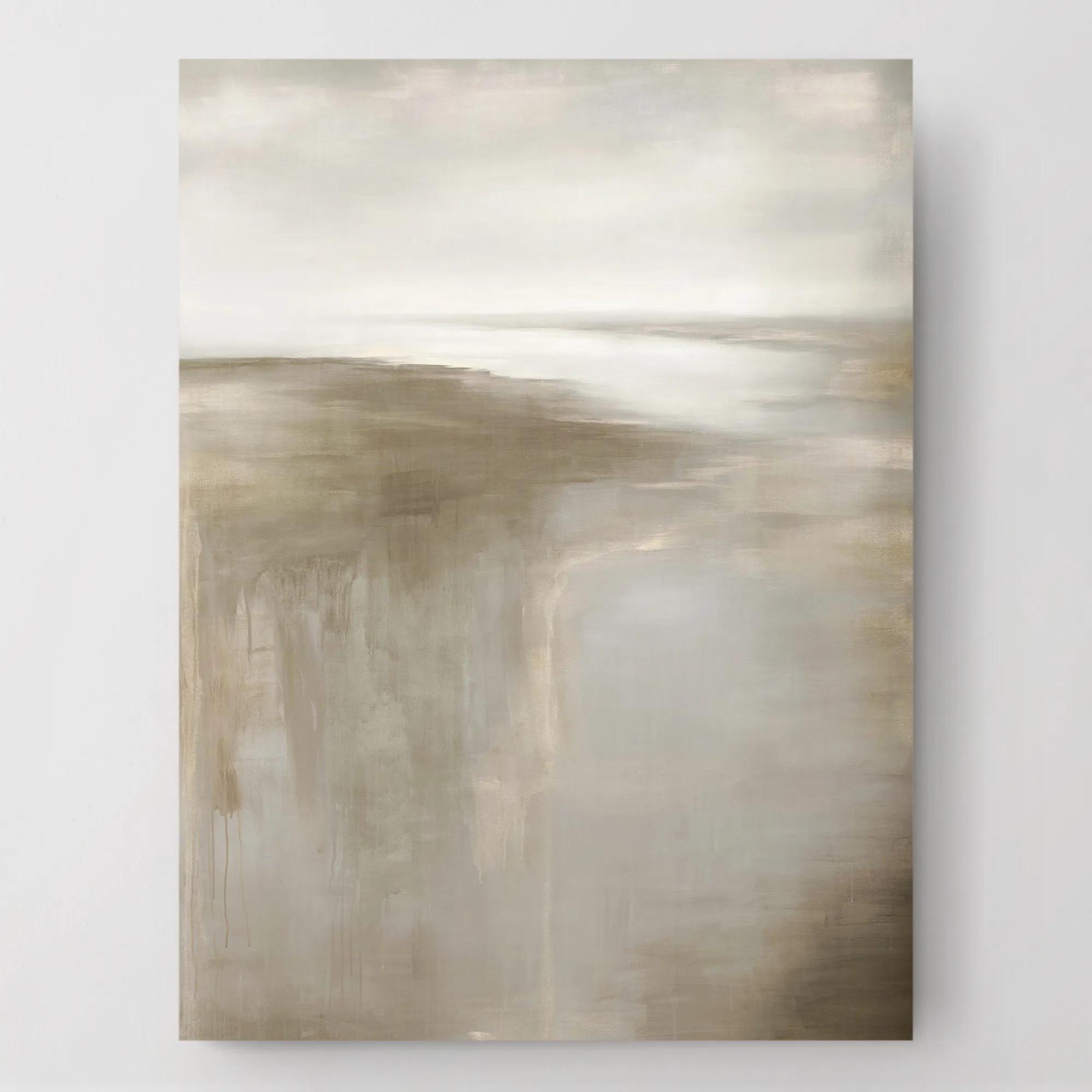
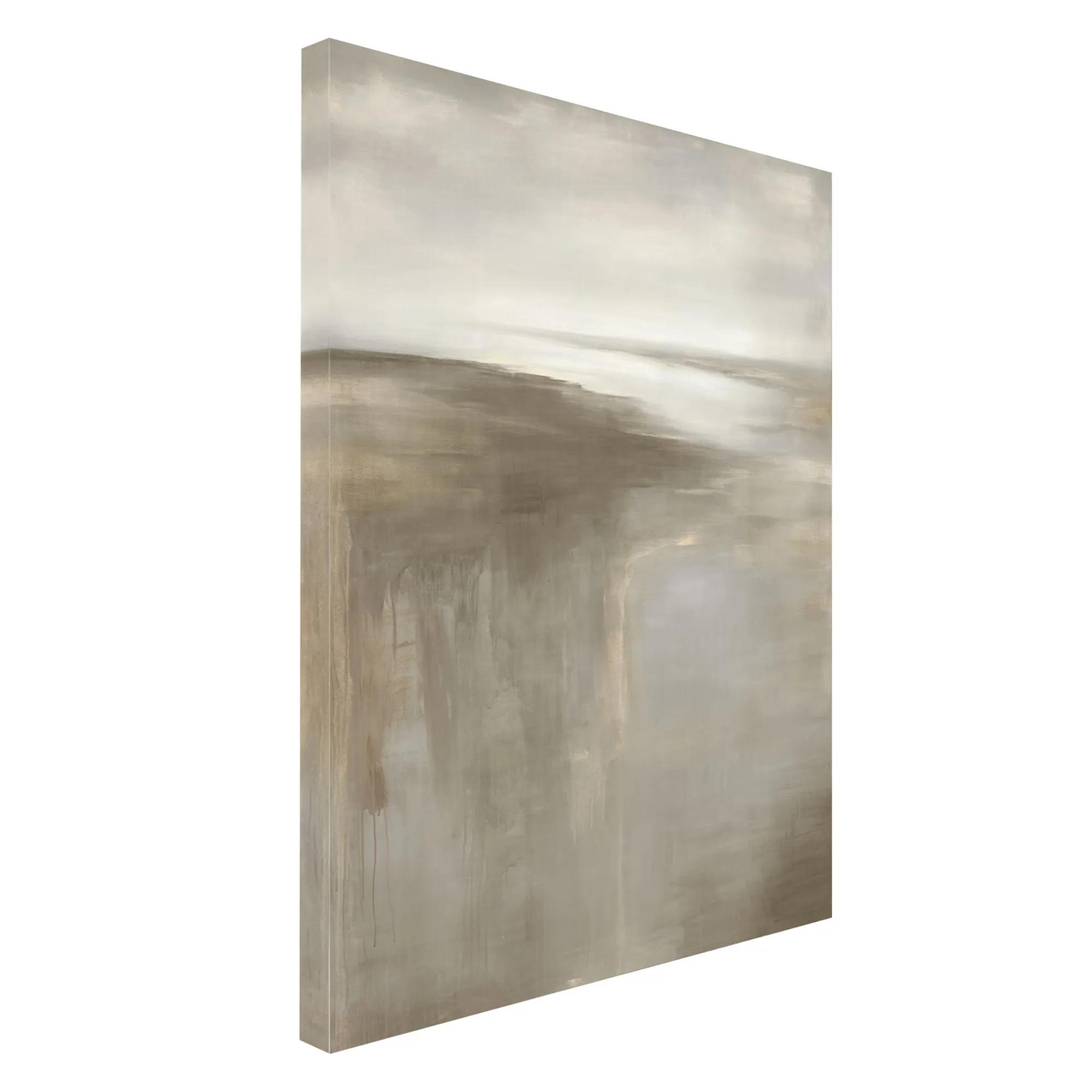 Silver Morning Wall Art 30" x 40"$449
A gallery-wrapped silver canvas artwork featuring a hand-applied image brush gel finish.
Add To Cart -

 Blooming in Her Own Time Framed Wall Art 40" x 50"$1029
A vibrant multicolored canvas wall artwork featuring an expressive botanical-inspired design in a framed presentation.
Add To Cart -
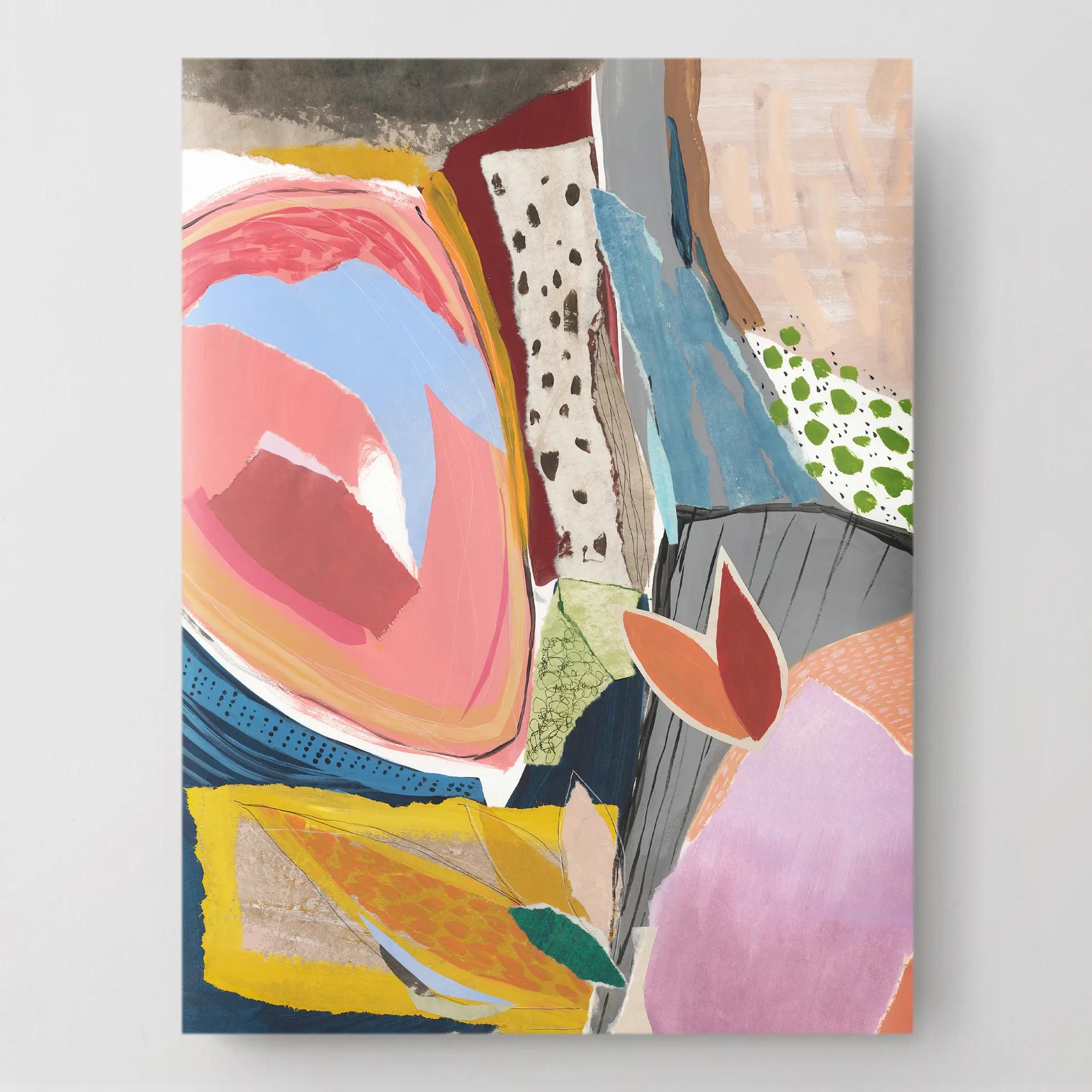
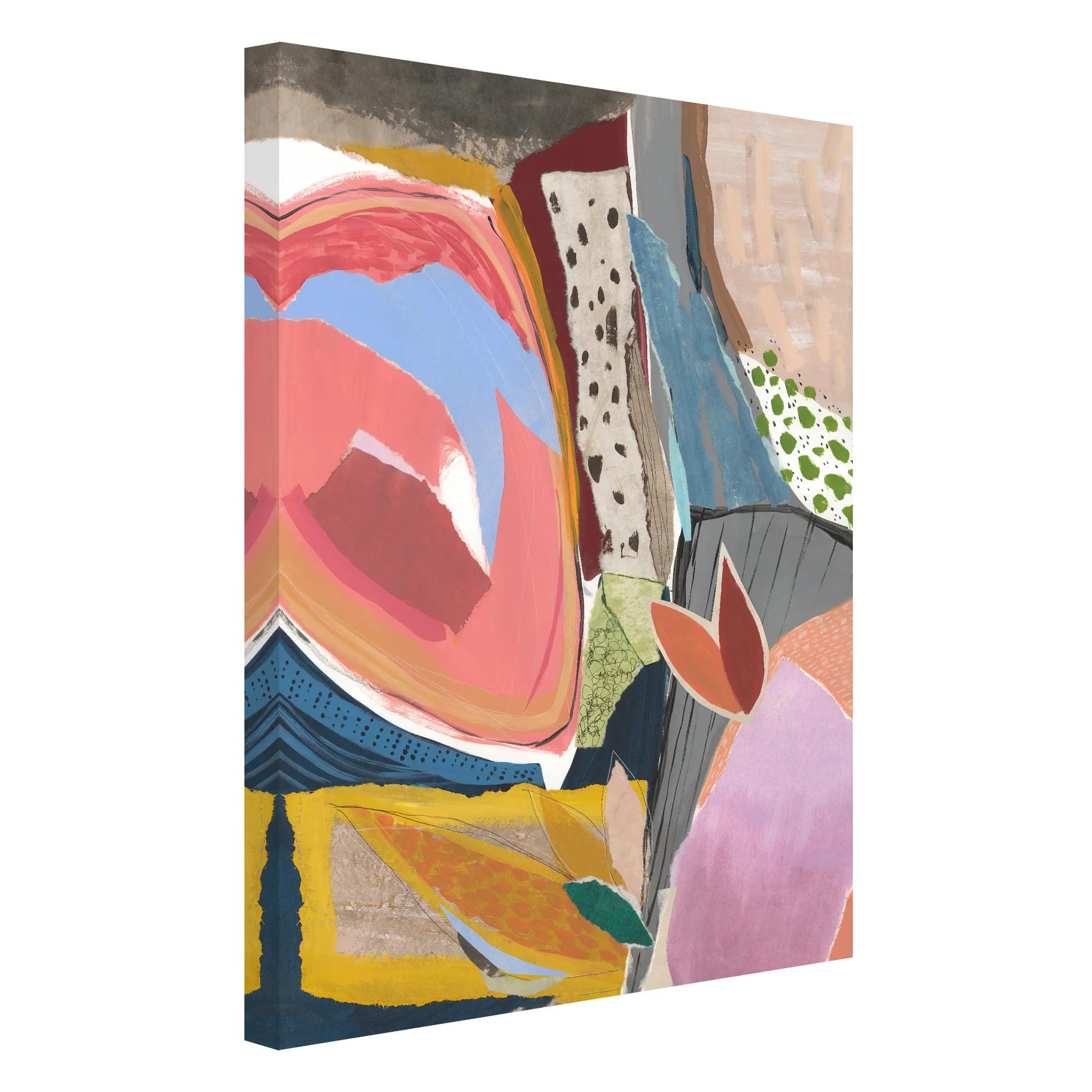 Sunday Vibes 1 Wall Art 30" x 40"$449
A gallery-wrapped canvas artwork featuring a hand-applied image brush gel finish for a textured look.
Add To Cart

Ready To Hang Wall Art
Ready To Hang Wall Art transforms blank walls into curated masterpieces, infusing your space with instant artistry and allure. Each piece arrives poised for display, inviting you to indulge in expressive design without delay. Whether you crave a gallery-inspired focal point or a touch of avant-garde drama, these works bring depth, texture, and personality to every room. Elevate your interiors with art that speaks volumes—because your home deserves to make a statement as bold as you are.
Ready-to-hang wall art is artwork supplied with an attached hanging system, such as D-rings, picture wire, sawtooth hangers, or integrated mounting slots, so the piece does not require separate framing or the addition of hangers before installation. Wall hooks, screws, and anchors may still be needed; the appropriate fasteners depend on the artwork’s weight, its mounting system, and the wall material. That distinction makes ready-to-hang art an appealing finishing touch for a thoughtfully furnished space: the composition, surface, and frame arrive as a considered whole, ready to bring color and character to a bare wall. A sweeping abstract can give a living room the visual energy of a private gallery, while a softly rendered landscape introduces depth above a bedroom dresser. Graphic black-and-white imagery creates a striking counterpoint to sumptuous upholstery; luminous metallic accents echo the gleam of a sculptural lamp or polished console. The expressive gestures of ready-to-hang abstract art are especially compelling in interiors that balance strong silhouettes with fluid movement, allowing color and composition to connect furnishings without matching every finish. The strongest choice often begins with the atmosphere a room needs rather than a literal subject. Broad, open compositions lend breathing room to richly layered interiors, while intricate imagery rewards a closer look in an entryway or intimate sitting area. Saturated jewel tones can anchor pale walls and neutral seating; tonal artwork brings nuance to a space already defined by dramatic furniture. For an expressive decorator, wall art can be the starting point for the entire palette, inspiring a velvet accent, a ceramic vessel, or the subtle shimmer of a textile. For someone completing an established room, it can draw those details together with a single confident gesture. Whether the effect is serene, theatrical, or quietly architectural, ready-to-hang wall decor gives the room a focal point that feels intentional rather than incidental.
Materials shape that impression as much as the image itself. Canvas has a woven surface that can soften reflections and lend printed artwork a painterly presence. A gallery-wrapped canvas carries the image or a finished edge around its sides, creating dimension without necessarily requiring an outer frame. A floating frame introduces a narrow reveal around the canvas, adding shadow and a crisp architectural outline. Paper-based prints offer a different kind of refinement, with smooth surfaces, precise linework, and the opportunity for matting to create generous visual space around the composition. When glazing is part of the construction, glass provides clarity and a substantial feel, while acrylic is generally lighter and more resistant to shattering, though it can scratch more easily. Neither should be assumed to provide ultraviolet protection unless that feature is specified. Wood frames can introduce warmth or a lacquered finish; metal frames offer slender profiles and a precise edge. These distinctions matter in daily life, especially where daylight, reflected lamps, or frequent activity influence how art is experienced. A piece opposite a bright window may show more glare behind glazing, while a textured canvas can bring welcome softness to a room dominated by reflective surfaces. Scale deserves equal attention. Above a sofa or sideboard, artwork spanning roughly two-thirds to three-quarters of the furniture’s width often creates a balanced relationship, although surrounding architecture and adjacent decor may call for a different proportion. An oversized composition can command a generous wall without competing with smaller accents, while a coordinated pair or multipanel arrangement adds rhythm across a wider span. The full arrangement, including the spaces between panels, should be considered when assessing fit. Vertical artwork draws attention upward beside a tall cabinet or along a narrow wall; horizontal compositions echo the lines of low seating and long consoles. Visible wall space around the piece gives the image room to register, particularly when its colors, textures, or frame already carry substantial drama.
Ready-to-hang artwork belongs wherever a room calls for a more personal point of view. In an entryway, a commanding composition establishes the mood before the rest of the home comes into view. Over a dining room sideboard, layered color can enrich the glow of nearby lighting without crowding the tabletop. A home office benefits from imagery that feels engaging rather than distracting, while a bedroom often welcomes gentler contrast and shapes that complement upholstered surfaces. Shared spaces may suit broadly expressive subjects, whereas a private dressing area or reading corner offers an opportunity for a more individual choice. Ready-to-hang art can also make a thoughtful housewarming, wedding, or milestone gift when the recipient’s taste and wall dimensions are familiar; a carefully chosen palette or subject feels more personal than an image selected simply to fill space. Long-term enjoyment depends on both placement and care. Direct sunlight can fade pigments and affect frame finishes over time, while excessive humidity, splashes, and heat may damage paper, canvas, backing materials, or adhesives. Standard indoor artwork is best kept away from areas exposed to moisture unless it is specifically rated for those conditions. Gentle dusting with a clean, soft cloth is usually suitable for frames, but textured or embellished surfaces may require a softer brush and minimal contact, according to the care instructions. Clean glazing only with a compatible product applied to the cloth rather than sprayed onto the artwork, and avoid abrasive cleaners that can mark acrylic or delicate finishes. Secure installation is equally important: attached hangers do not replace properly rated wall fasteners, and heavier pieces may require anchors or professional installation. Checking the mounting points occasionally helps keep the display stable. With considered placement and care, a finished canvas or framed composition becomes more than a decorative addition. It brings a distinct perspective to the room, lending depth to familiar furnishings and making the surrounding space feel unmistakably personal.
FAQs
Ready to hang wall art transforms ordinary walls into expressive focal points, setting the mood and elevating the ambiance of any room. Whether you prefer bold abstracts, serene landscapes, or metallic accents, these pieces infuse your space with personality, color, and texture—creating a layered, curated look that feels both intentional and inviting.
Experiment with salon-style gallery walls by mixing different shapes, sizes, and finishes, or let a single oversized piece command attention as a dramatic centerpiece. Layer art above a console, lean framed pieces on shelves for a relaxed vibe, or pair complementary works to create visual harmony in your hallway or bedroom.
Ready to hang wall art makes a memorable gift for art lovers, new homeowners, newlyweds, or anyone celebrating a milestone. Its instant impact and effortless installation mean your recipient can enjoy a transformed space right away—making it an inspired choice for housewarmings, anniversaries, or special occasions.
Consider the mood and color palette of your room—do you want to introduce bold contrast, subtle elegance, or a touch of glamour? Reflect on your personal taste and the story you wish your space to tell. Whether you gravitate toward abstract expressionism, modern minimalism, or classic motifs, select pieces that resonate with your unique vision.
Absolutely. Ready to hang wall art brings artistry and sophistication to every corner of your home—from dining rooms and bedrooms to entryways, offices, and even powder rooms. Use art to define a reading nook, enliven a hallway, or add a luxurious accent to your dressing area for a cohesive, gallery-inspired effect throughout your home.