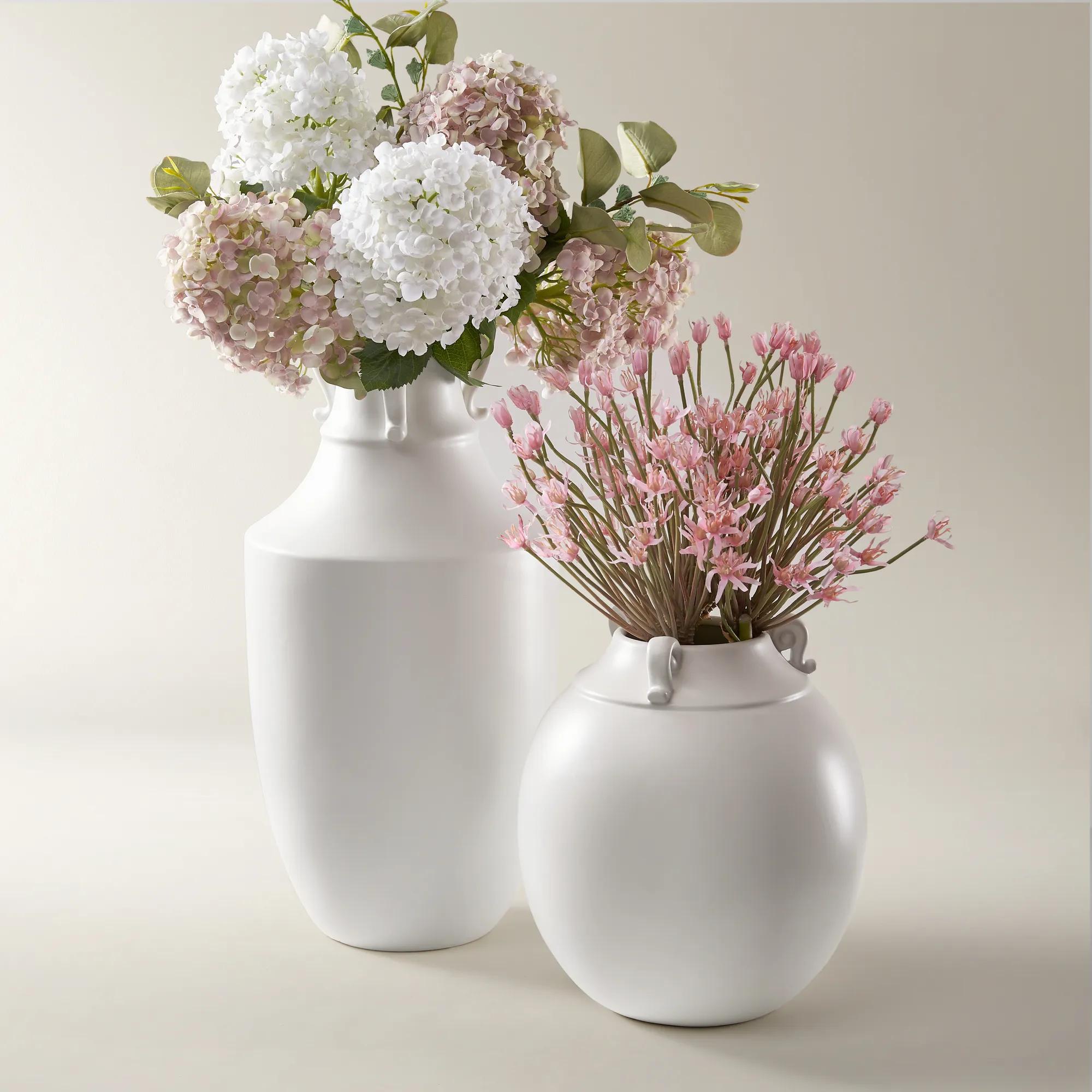
Polyresin Floor Vases For Home Decor
Polyresin Floor Vases For Home Decor
-
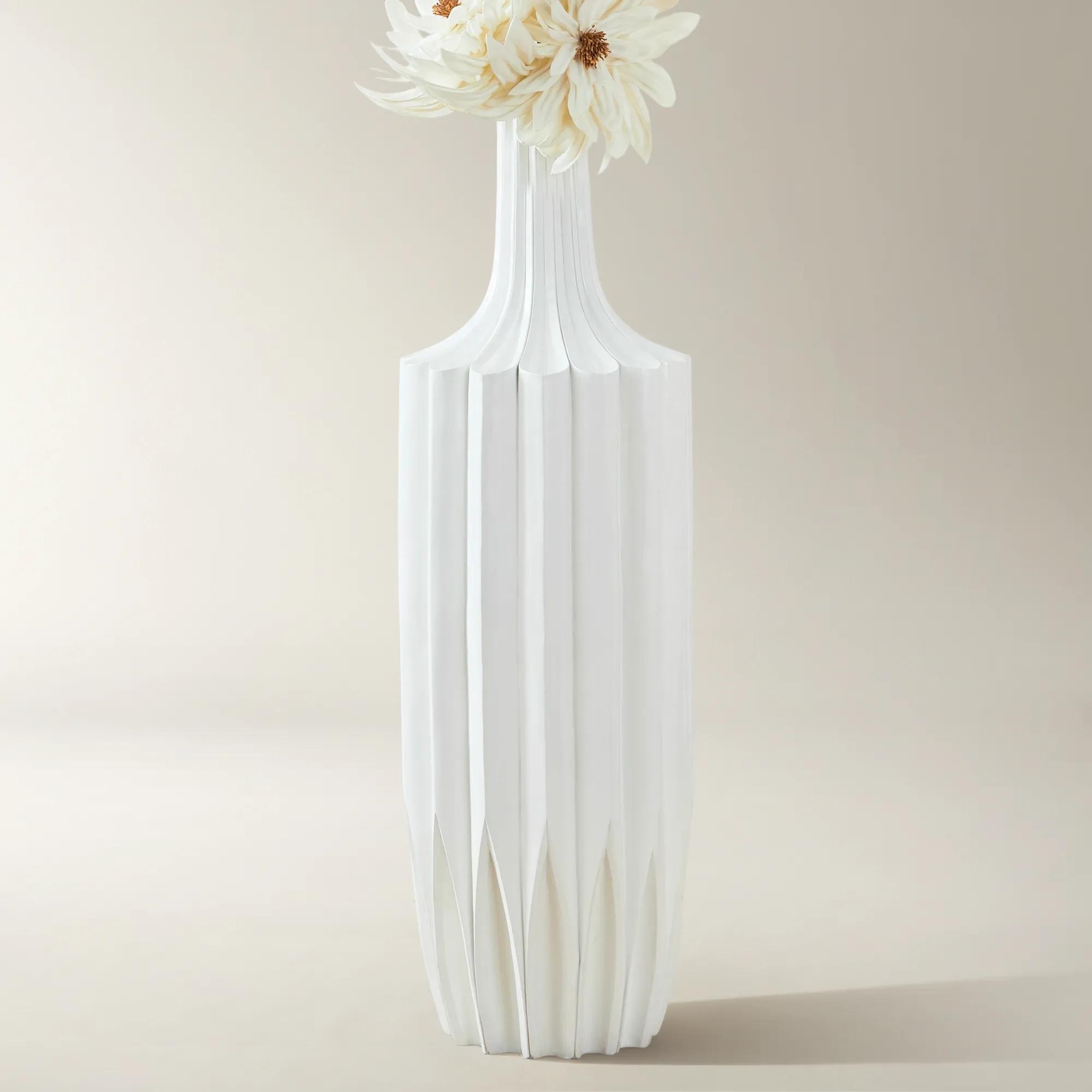 Savannah White Resin Floor Vase 48.75"$509
A sophisticated polyresin vase featuring sleek vertical curves, perfect for displaying decorative flowers or foliage.
Add To Cart -
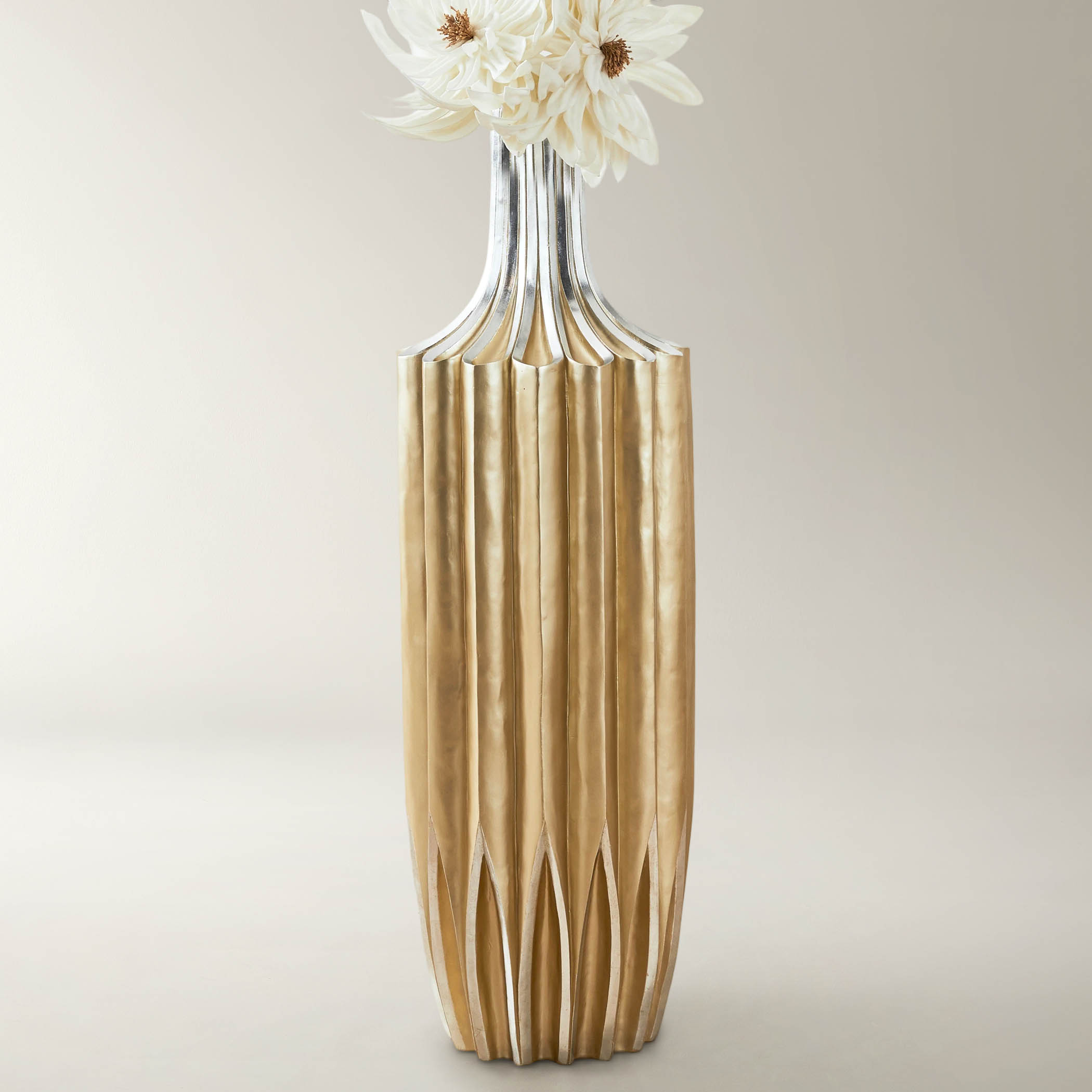
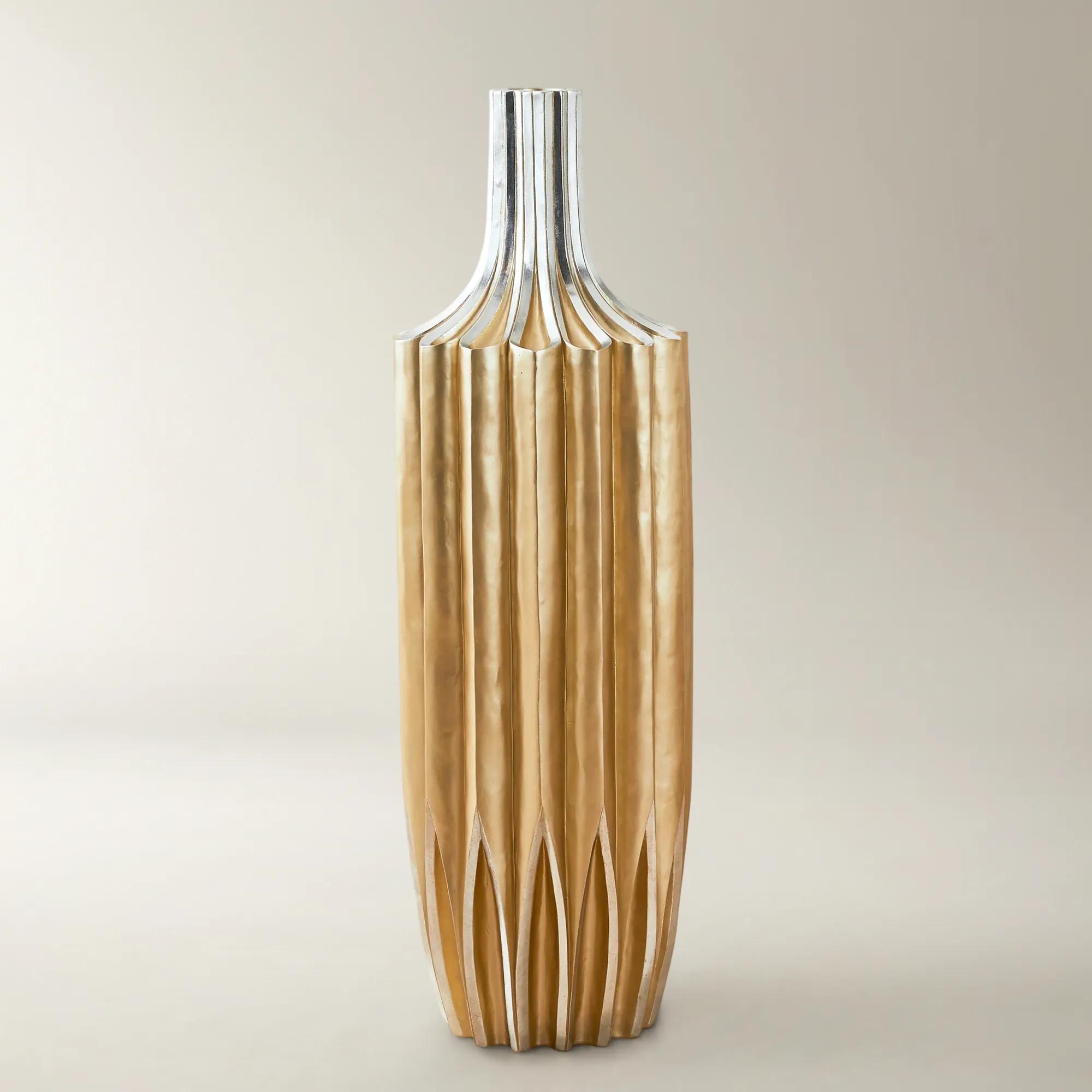 Savannah Gold Resin Floor Vase 48.75"$509
A sophisticated polyresin vase featuring sleek vertical curves for a modern decorative accent.
Add To Cart -
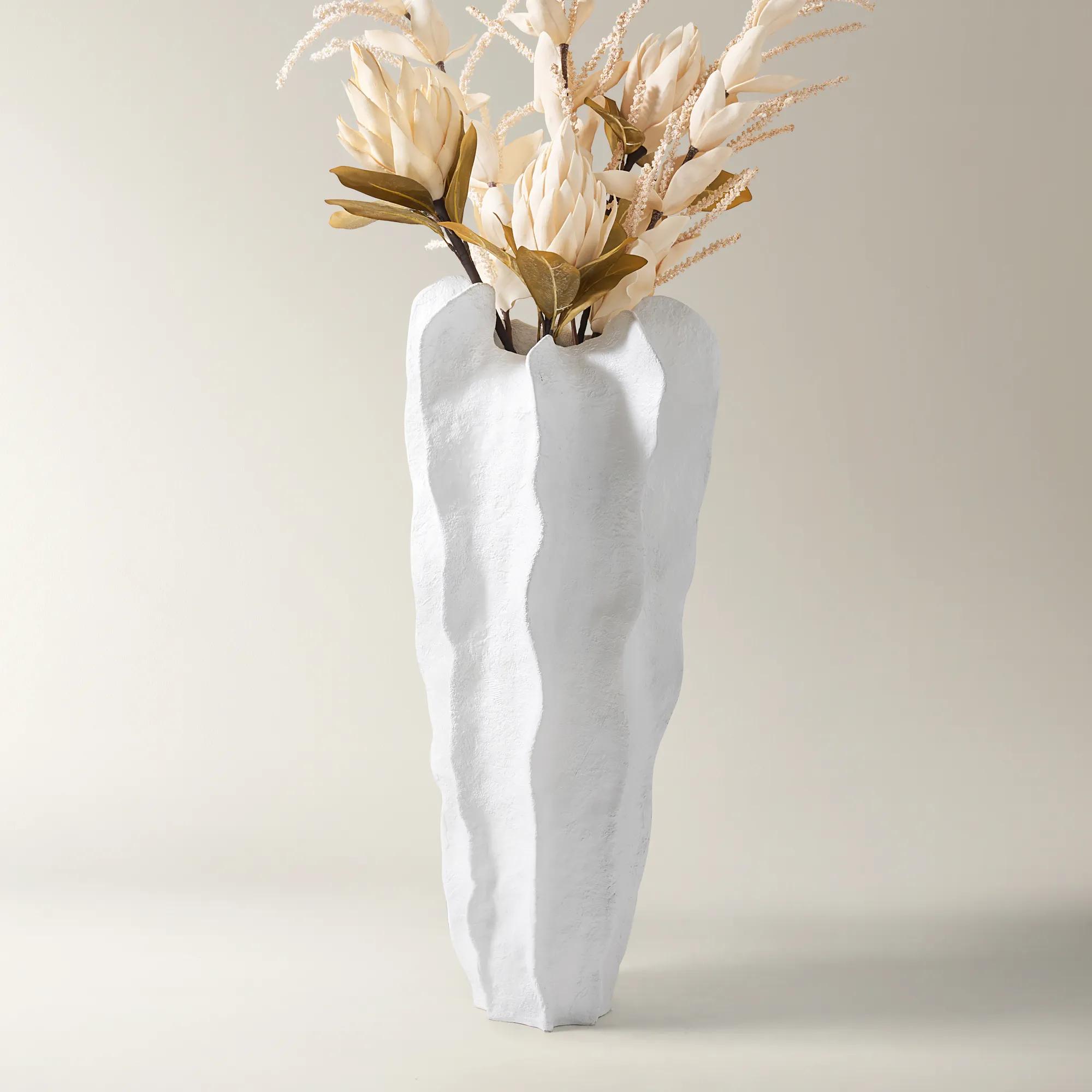 Playa White Resin Floor Vase 15" x 36"$299
A sculptural matte white resin vase featuring organic texture for a bold, dramatic accent.
Add To Cart -
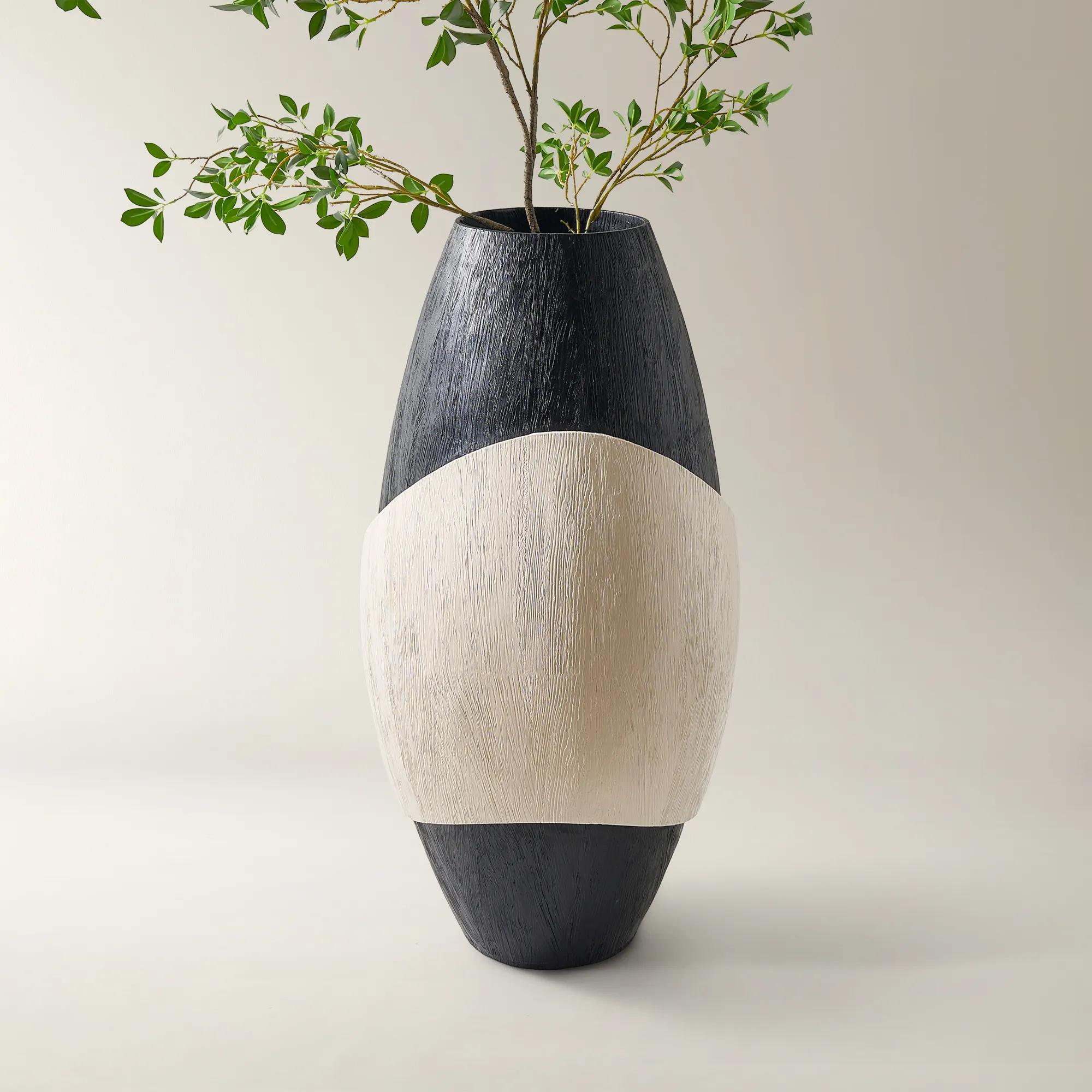
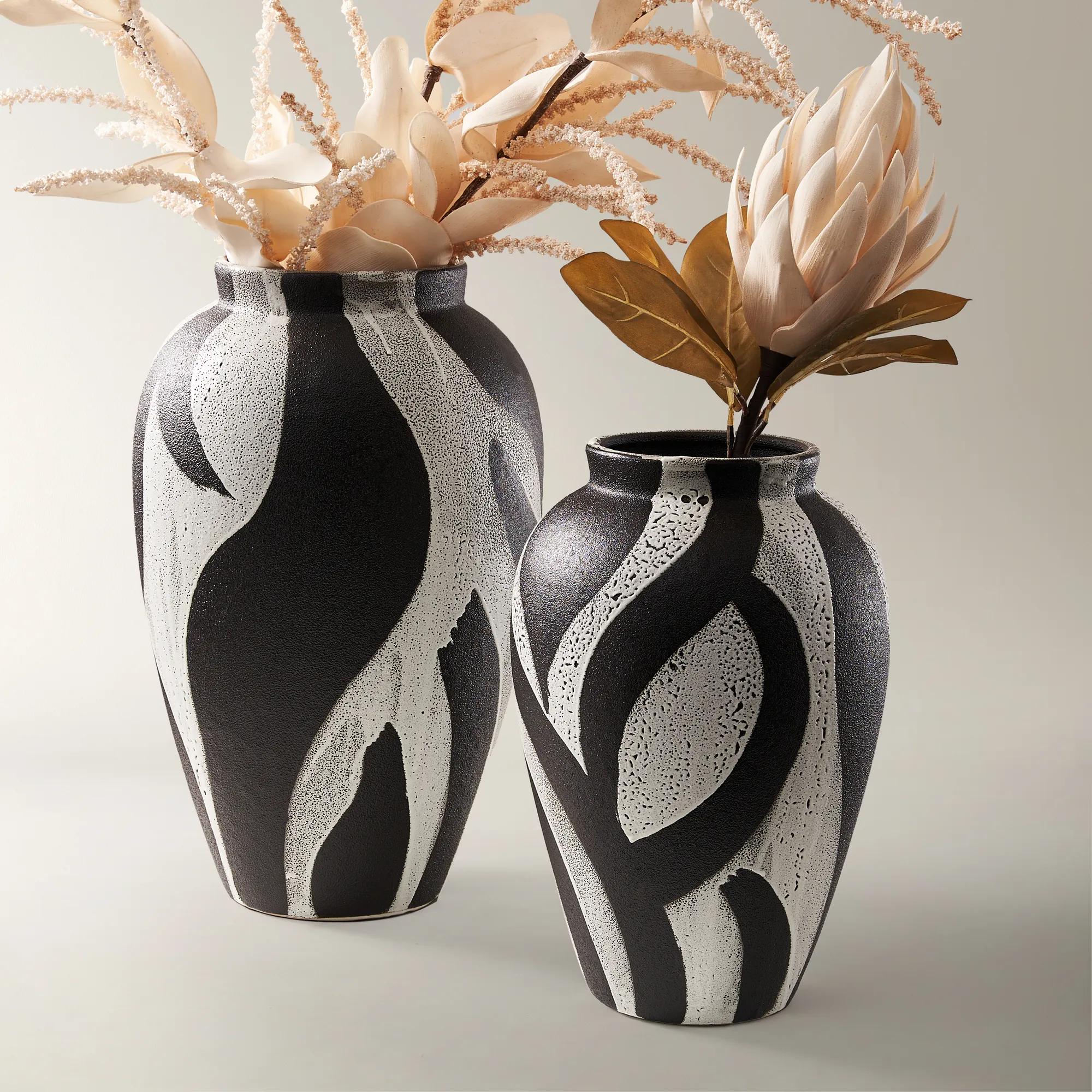
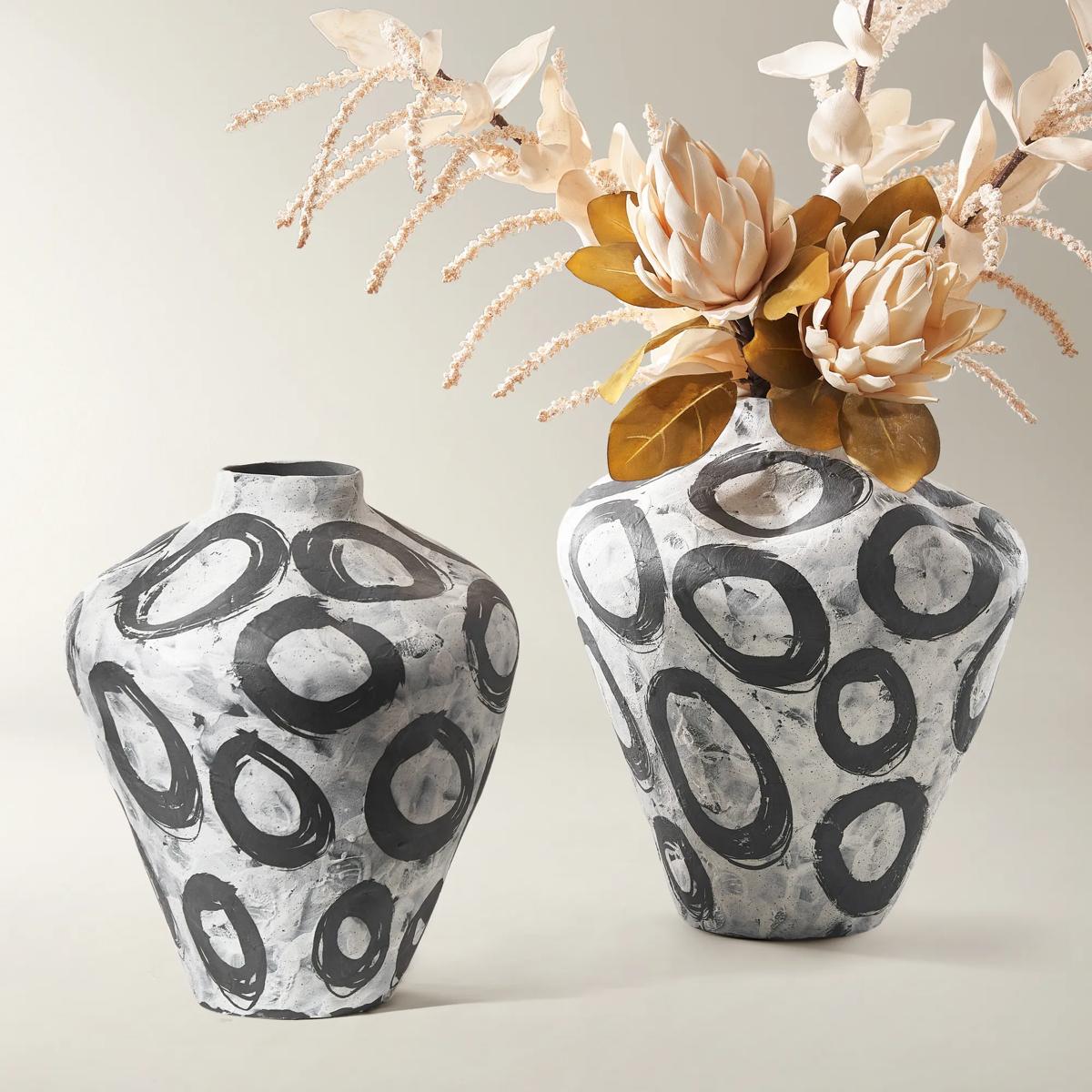
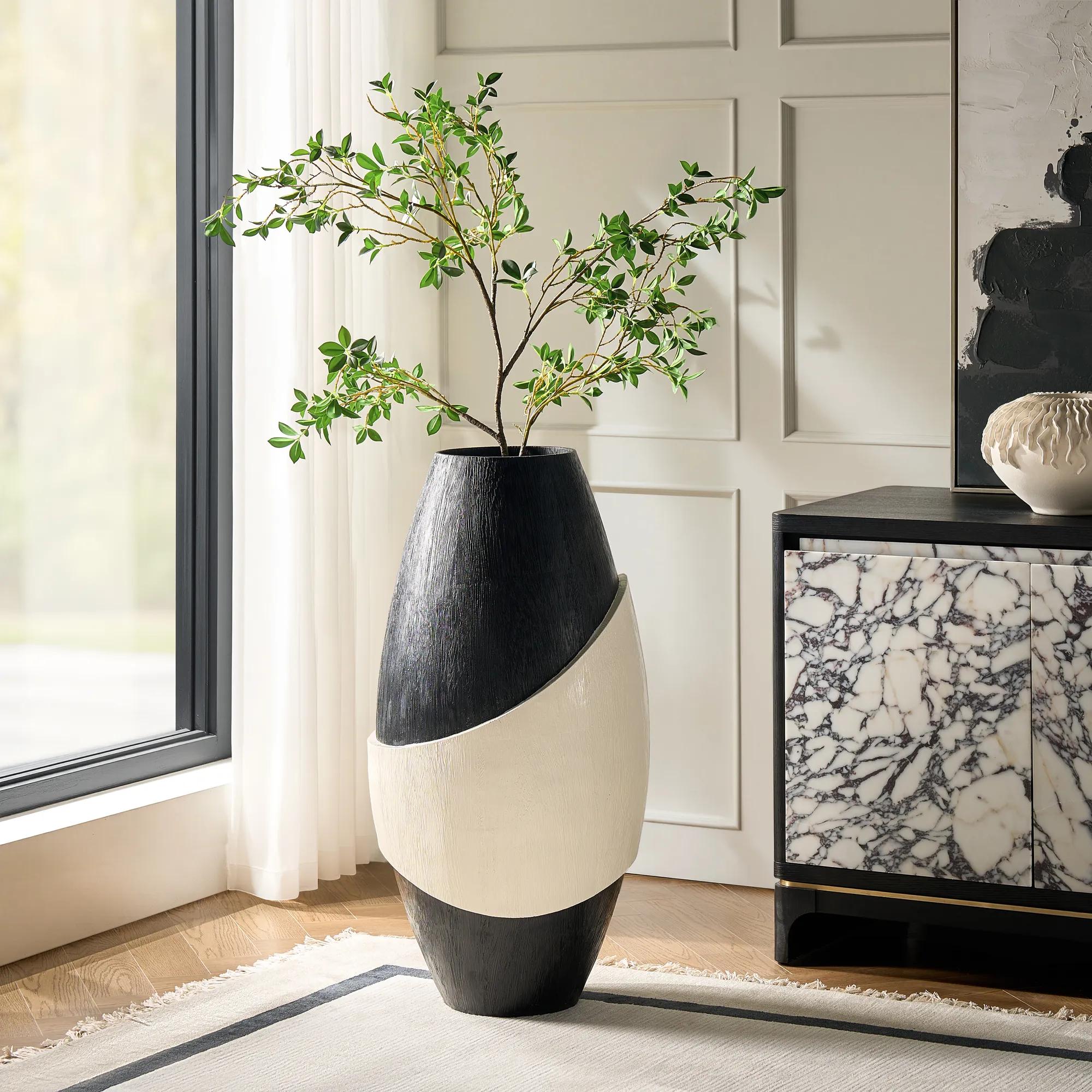 Domino Black And White Resin Floor Vase 35"$449
A modern decorative floor vase with a sculptural silhouette.
Add To Cart -
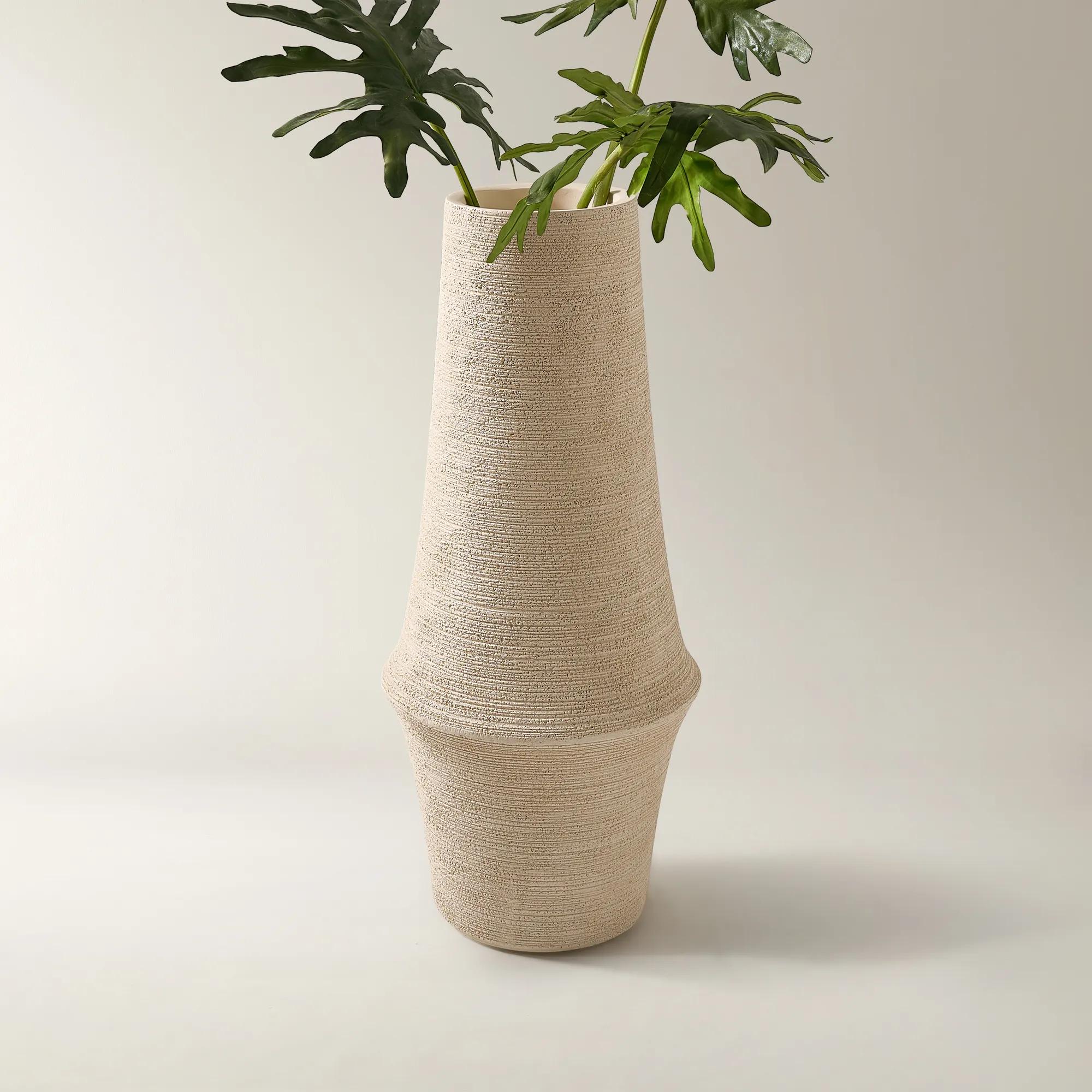 Tulum Sand Resin Floor Vase 33.75"$249
A sand-toned resin floor vase adding modern sculptural appeal to contemporary interiors.
Add To Cart -
 Playa Black Resin Floor Vase 15" x 36"$299
A matte black resin vase featuring an organic texture that adds modern sophistication to any space.
Add To Cart -
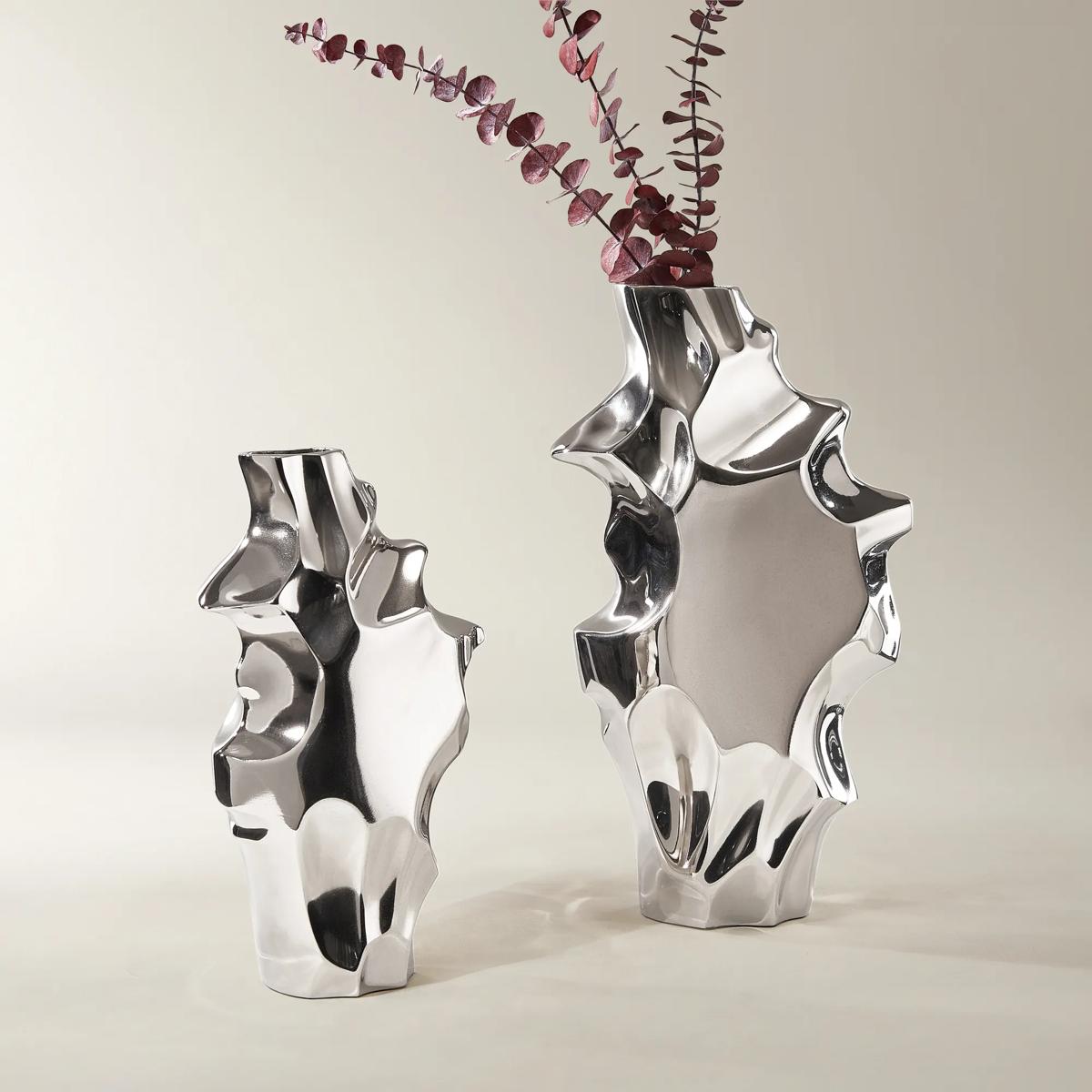
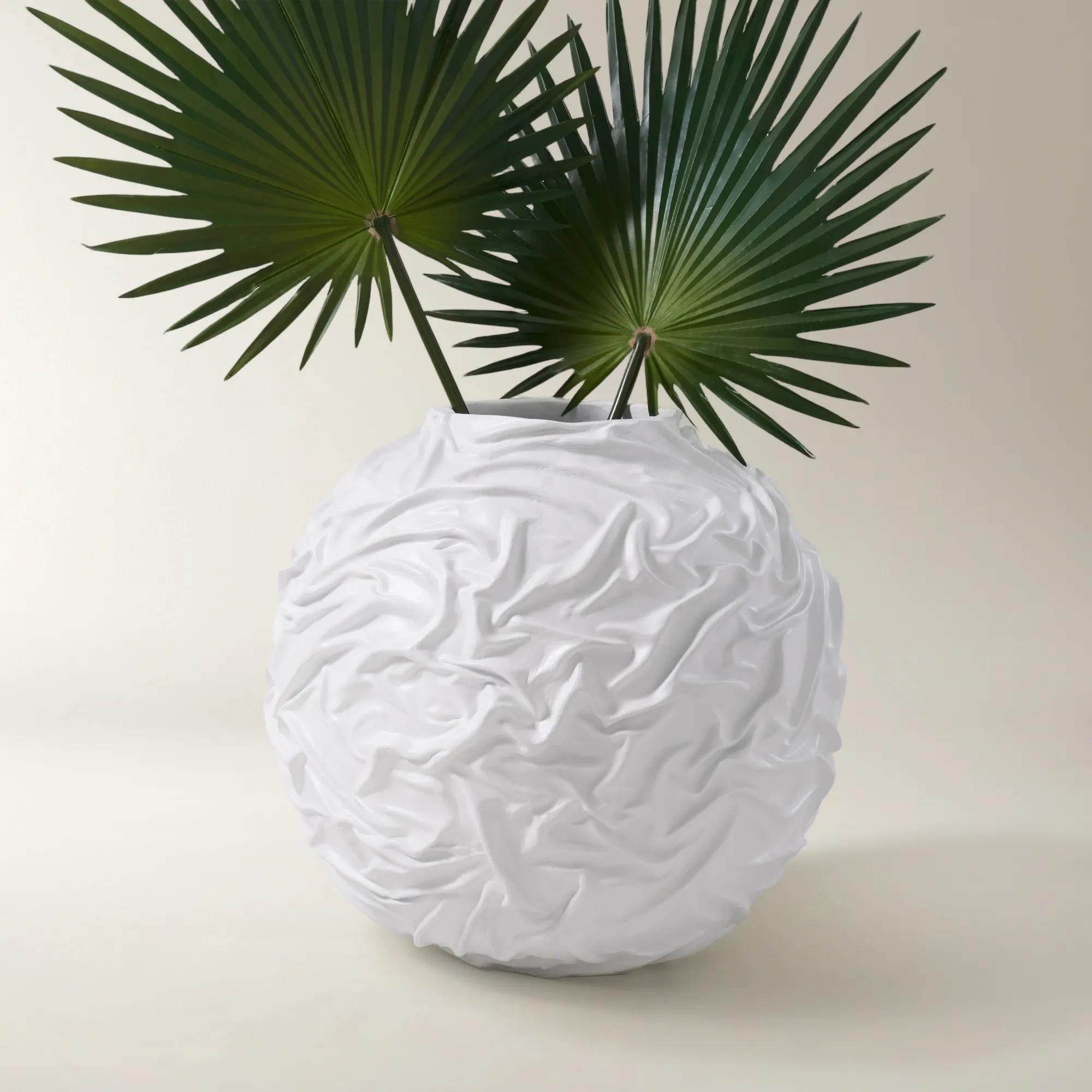 Crumple White Resin Floor Vase 18.3"$259
A sculptural resin vase with a crumpled-paper design and a sleek white finish for modern spaces.
Add To Cart -
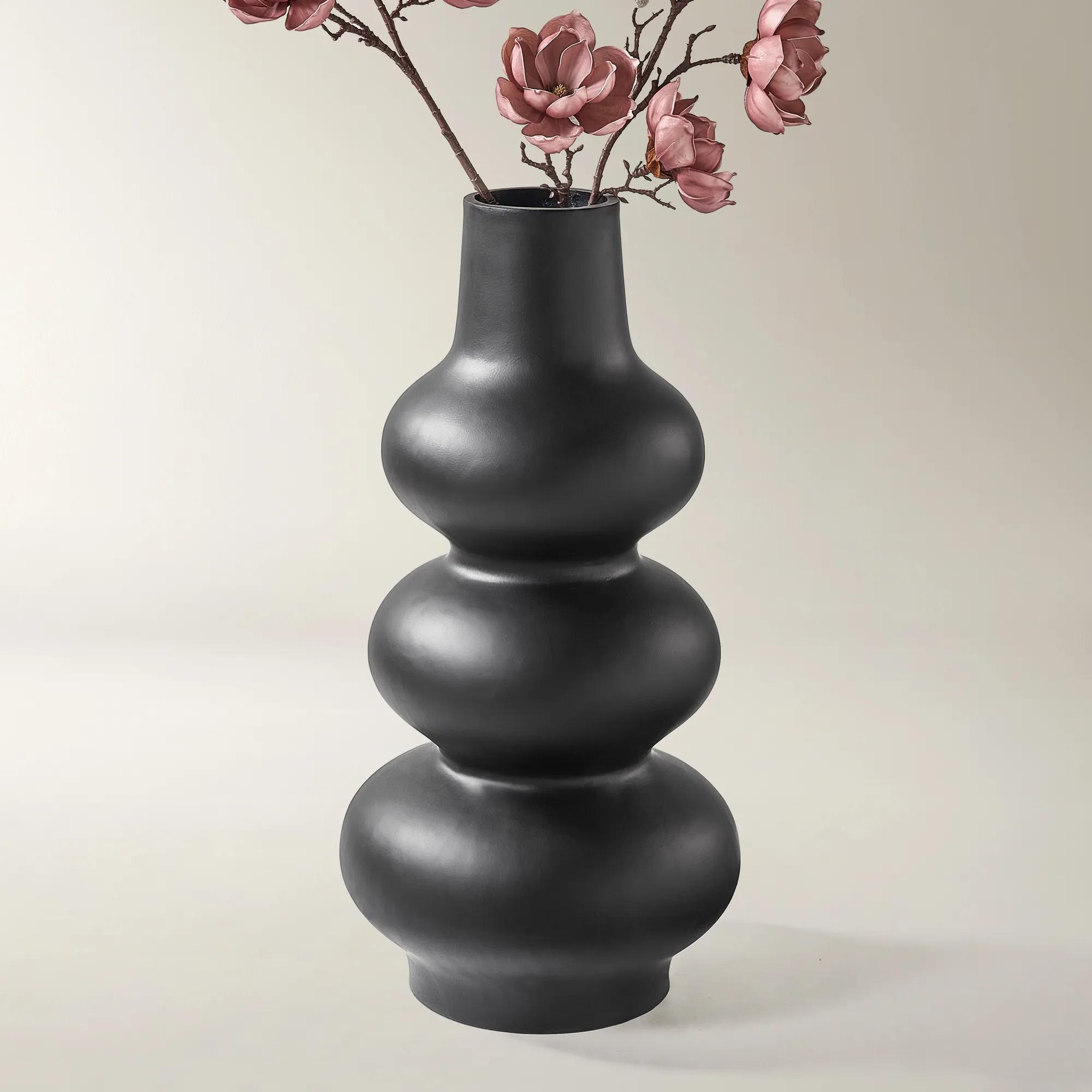 Naali Black Resin Floor Vase 31"$279
A bold black resin vase featuring a chunky, sculptural silhouette for striking modern decor.
Add To Cart -
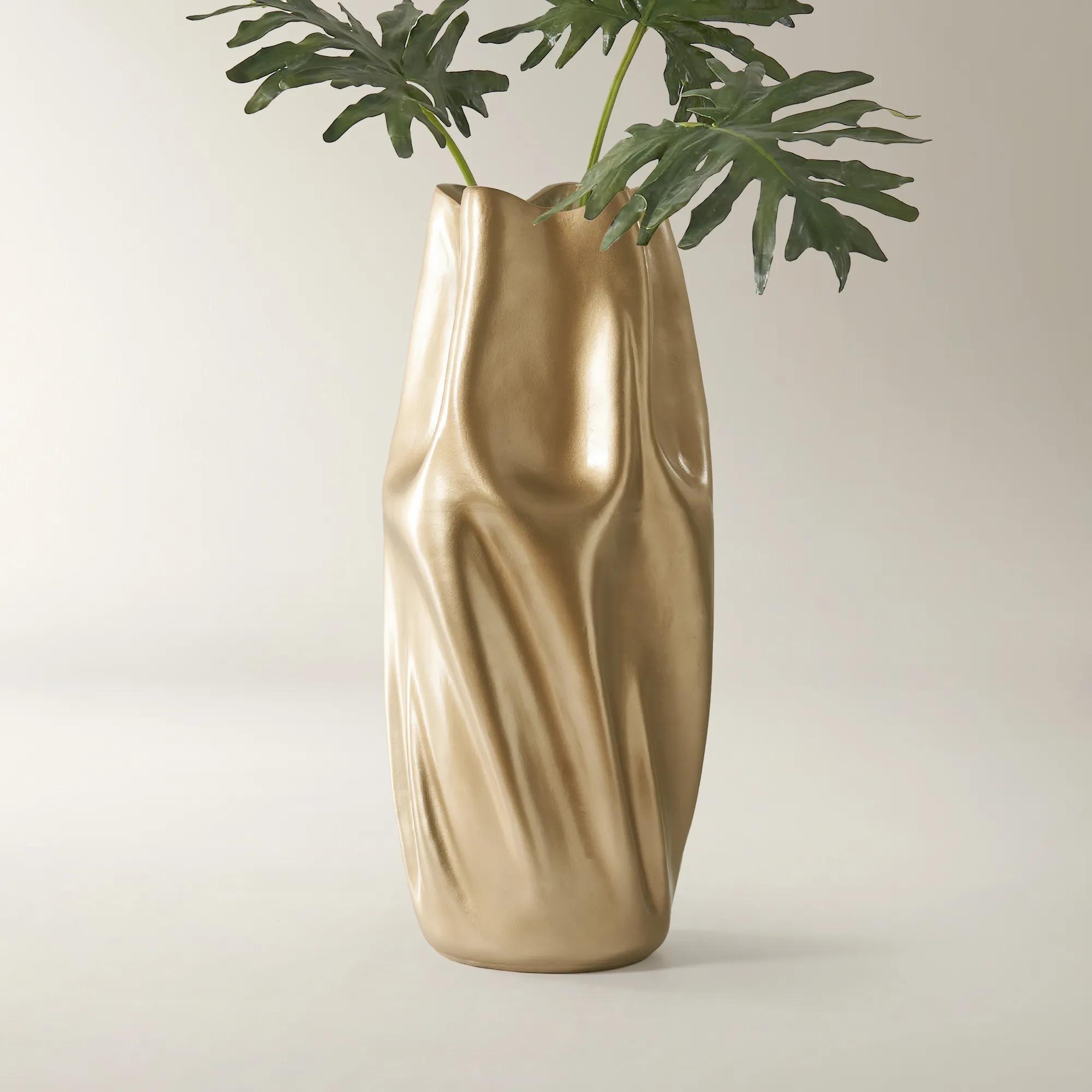
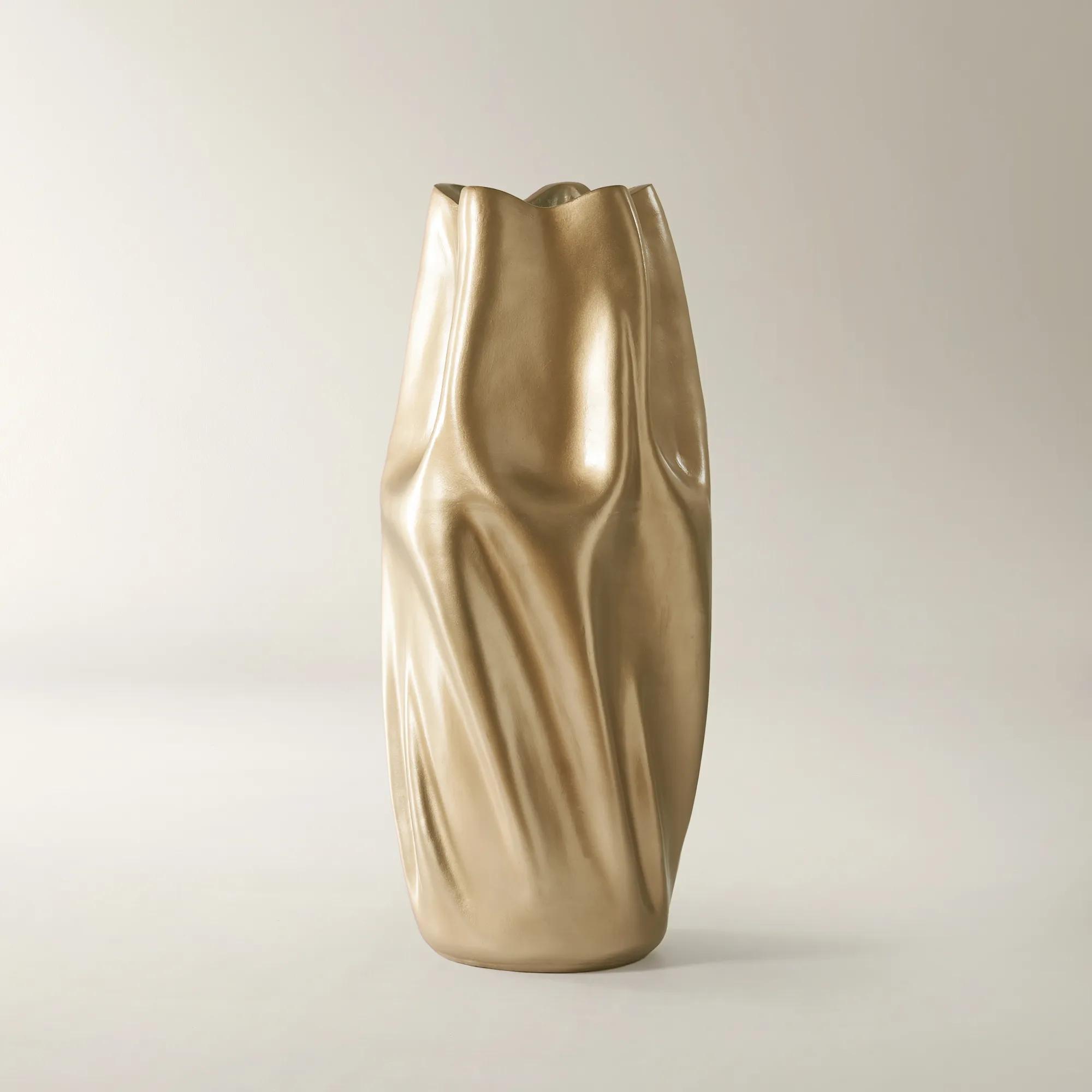 Miel Gold Resin Floor Vase 39.25"$429
A sculptural resin floor vase with an elongated silhouette and luminous molten-gold finish.
Add To Cart -
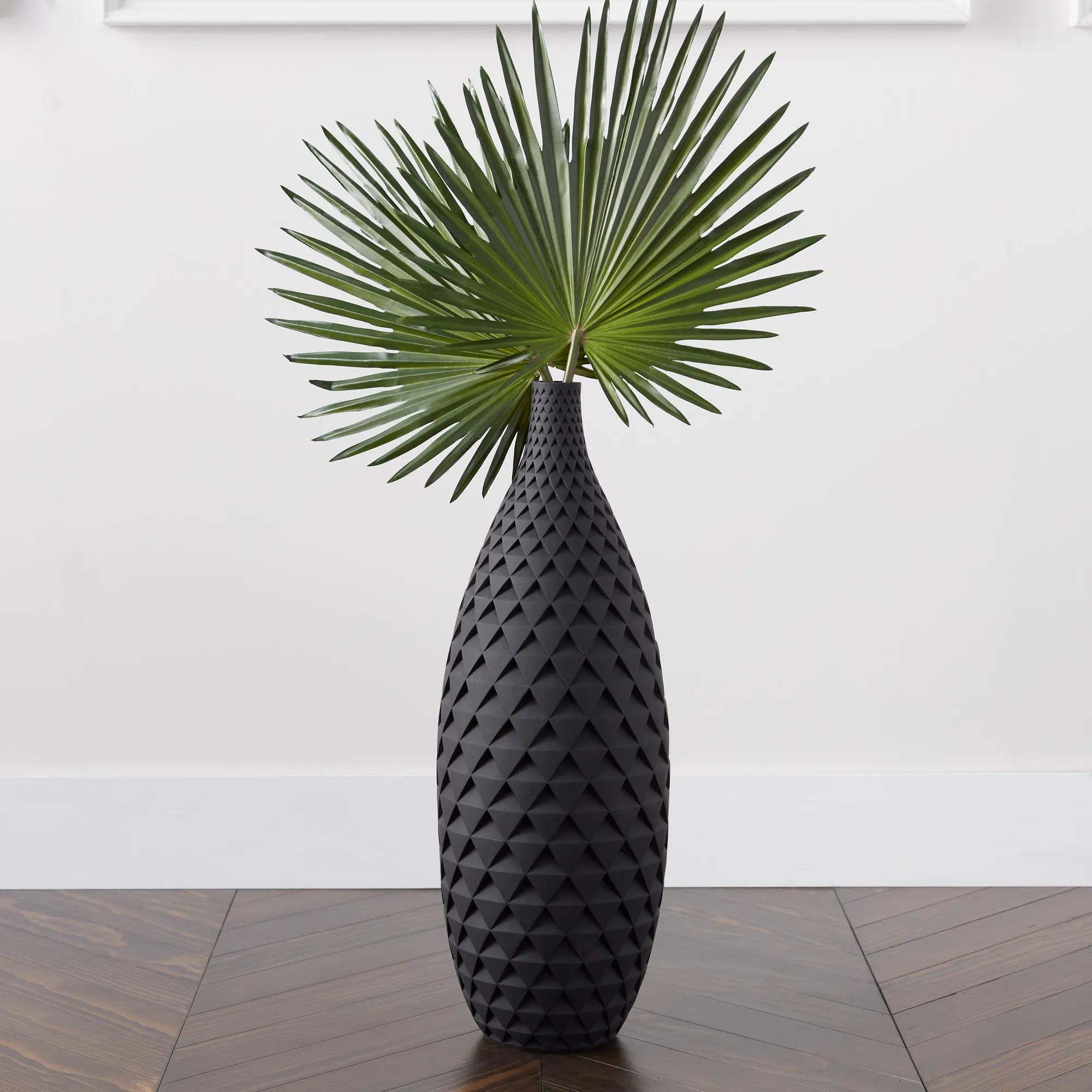 Cairo Floor Vase$99
A lightweight resin floor vase featuring a matte black finish and a striking scalloped texture.
Add To Cart -
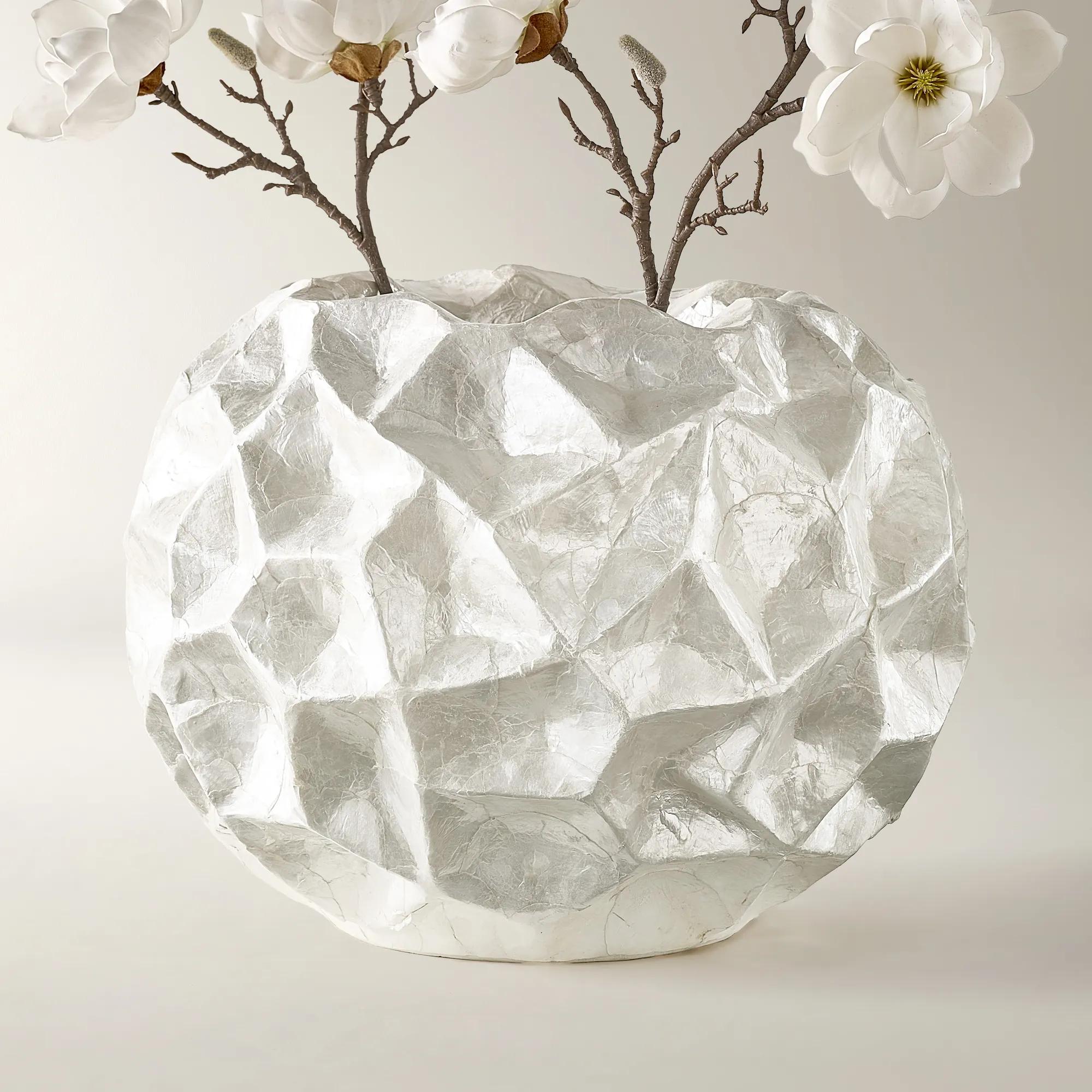
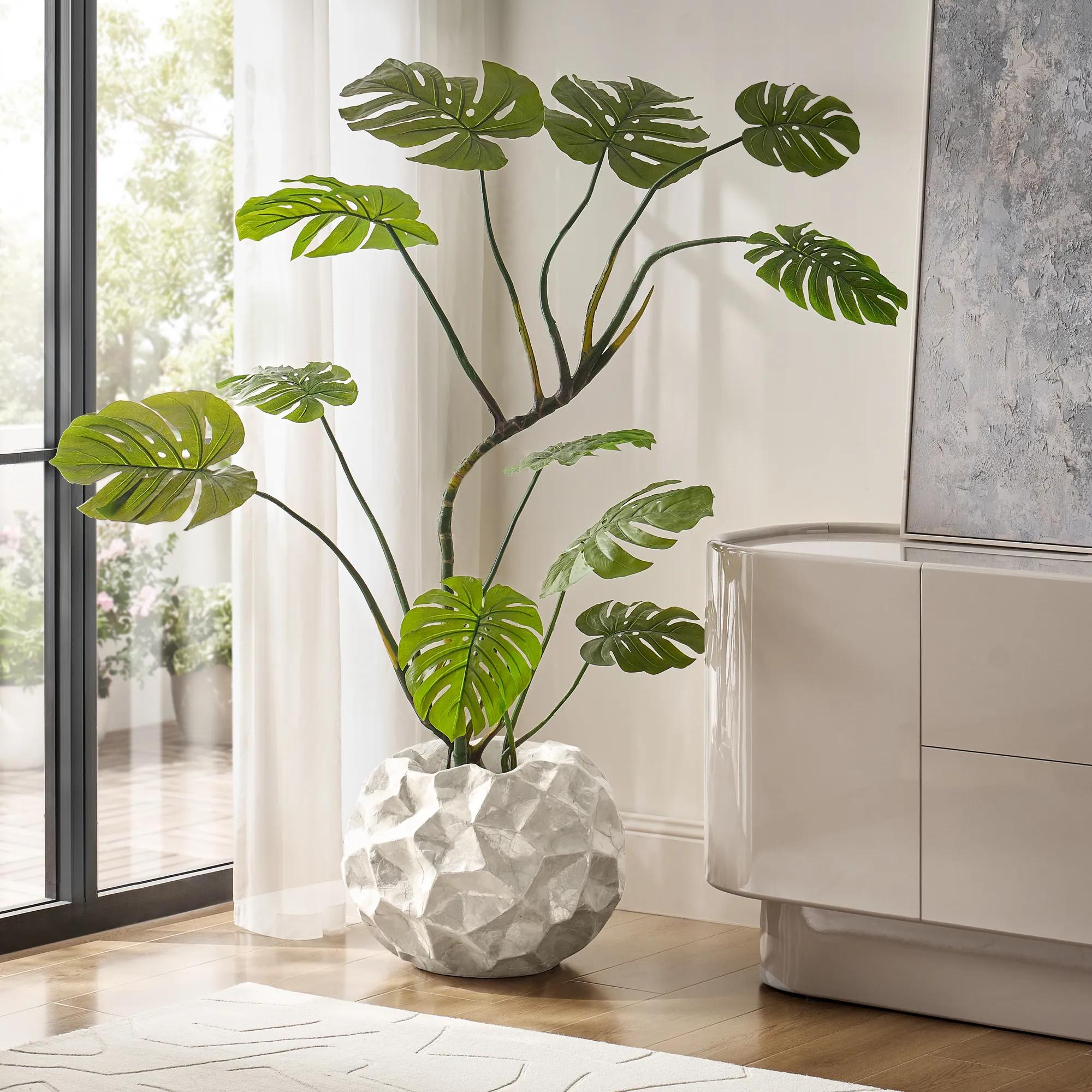 Aspen Capiz Shell Floor Planter 20.25" x 15.25"$299
An opaline pearl floor vase featuring luminous capiz shell texture and a sculptural resin form.
Add To Cart -
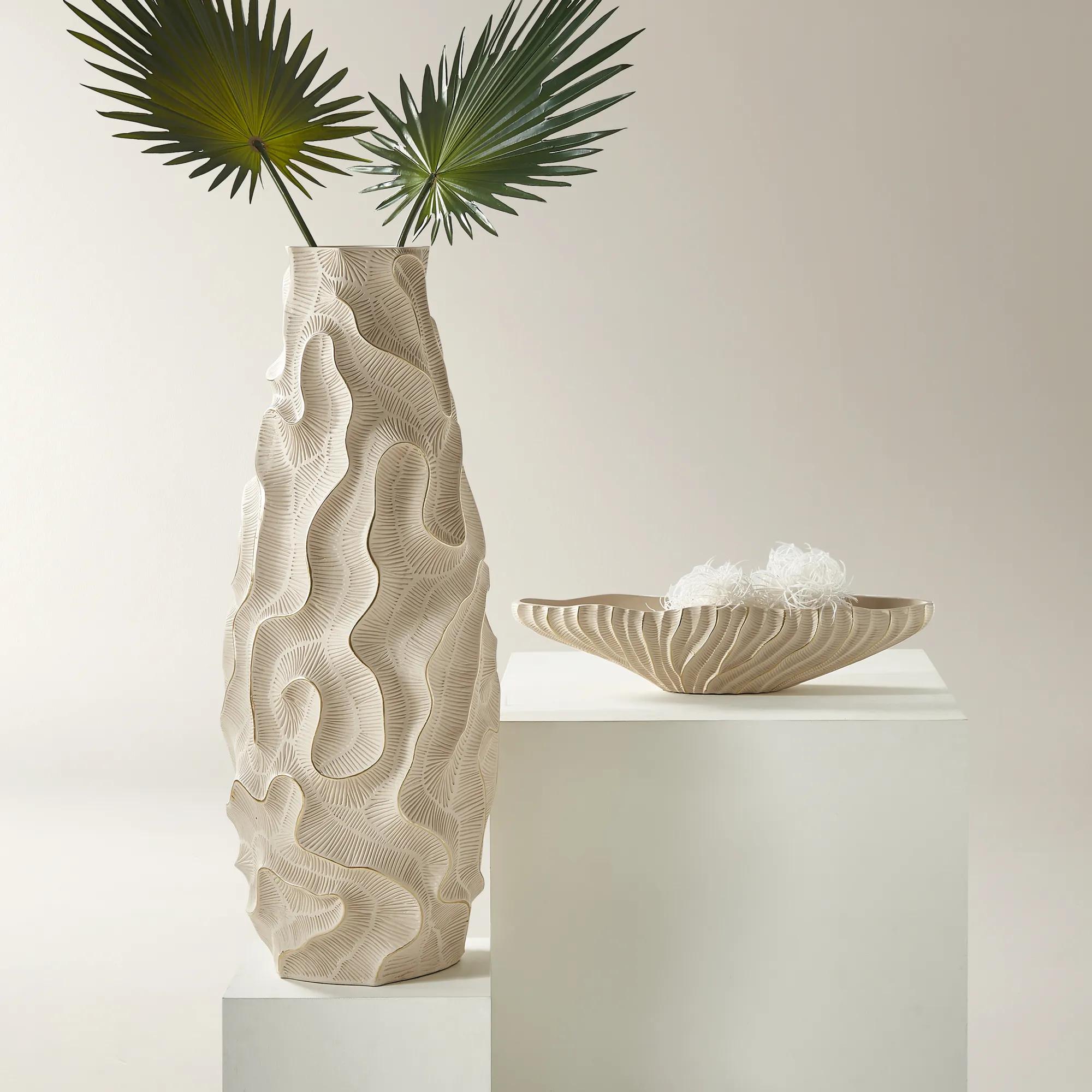
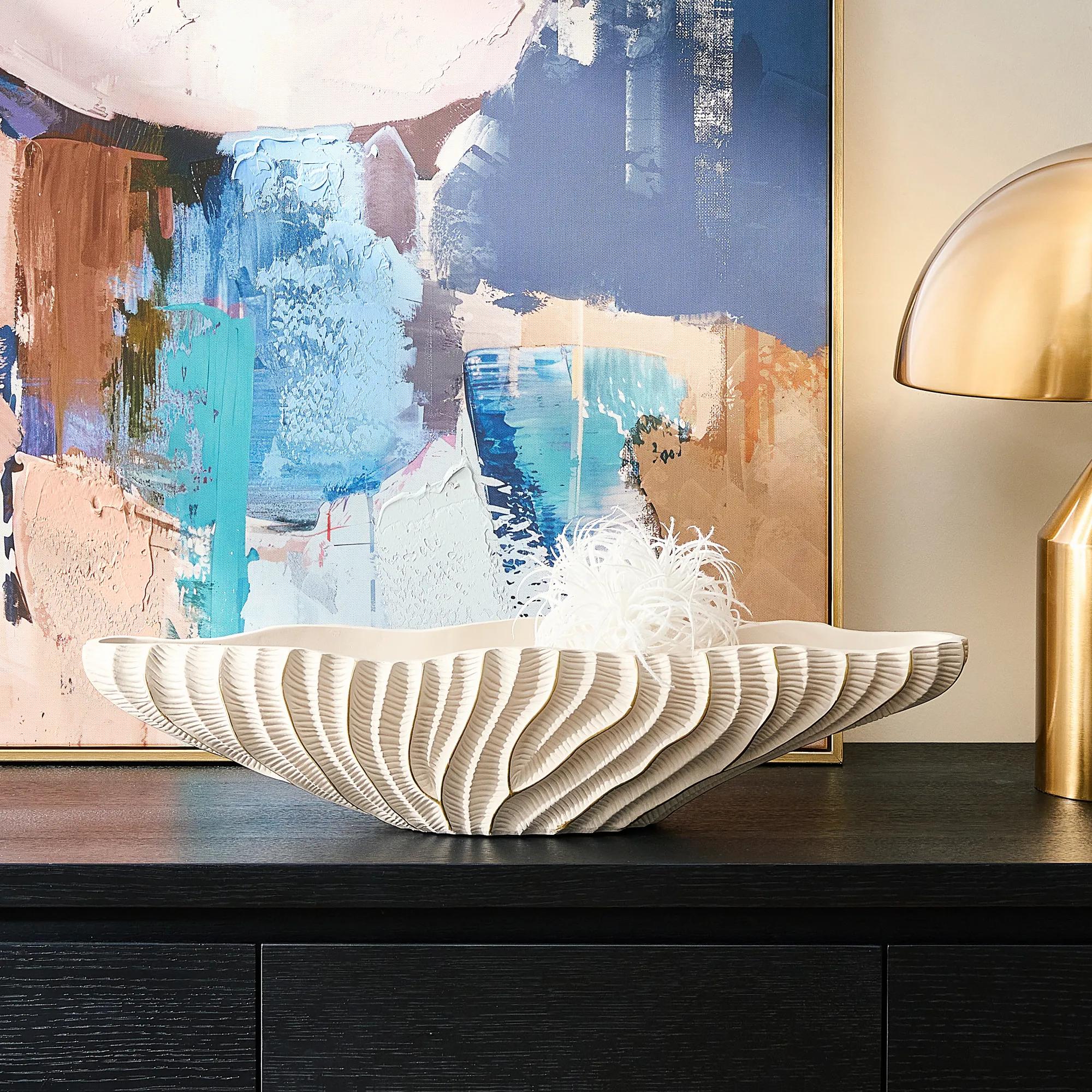 Rouche Ivory And Gold Etched Resin Floor Vase & Bowl$379
An ivory-toned resin collection featuring sculptural, hand-etched textures and undulating organic contours.
Add To Cart -
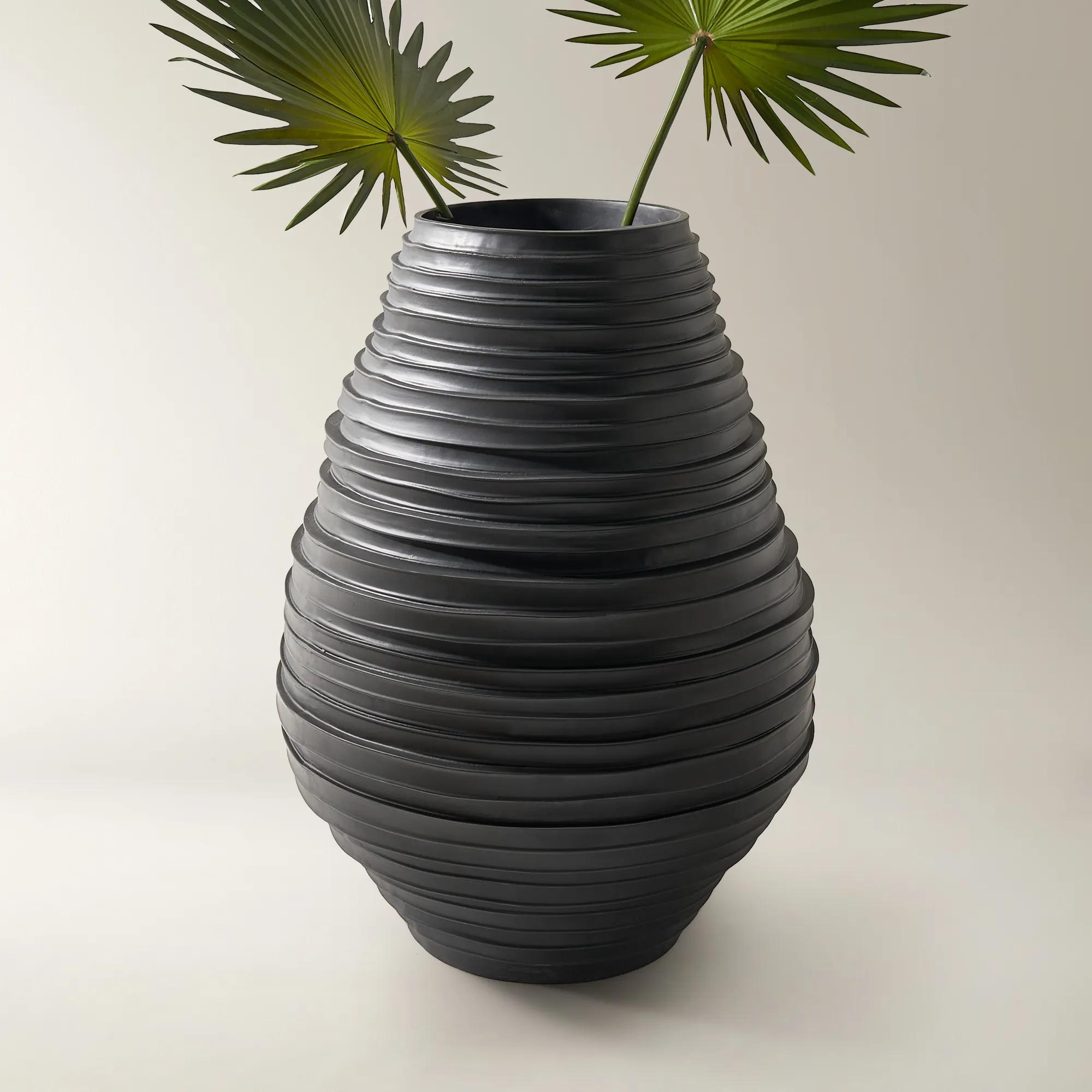
 Koma Floor Vase$529
A sculptural black floor vase adding modern dimension to contemporary interiors.
Add To Cart -
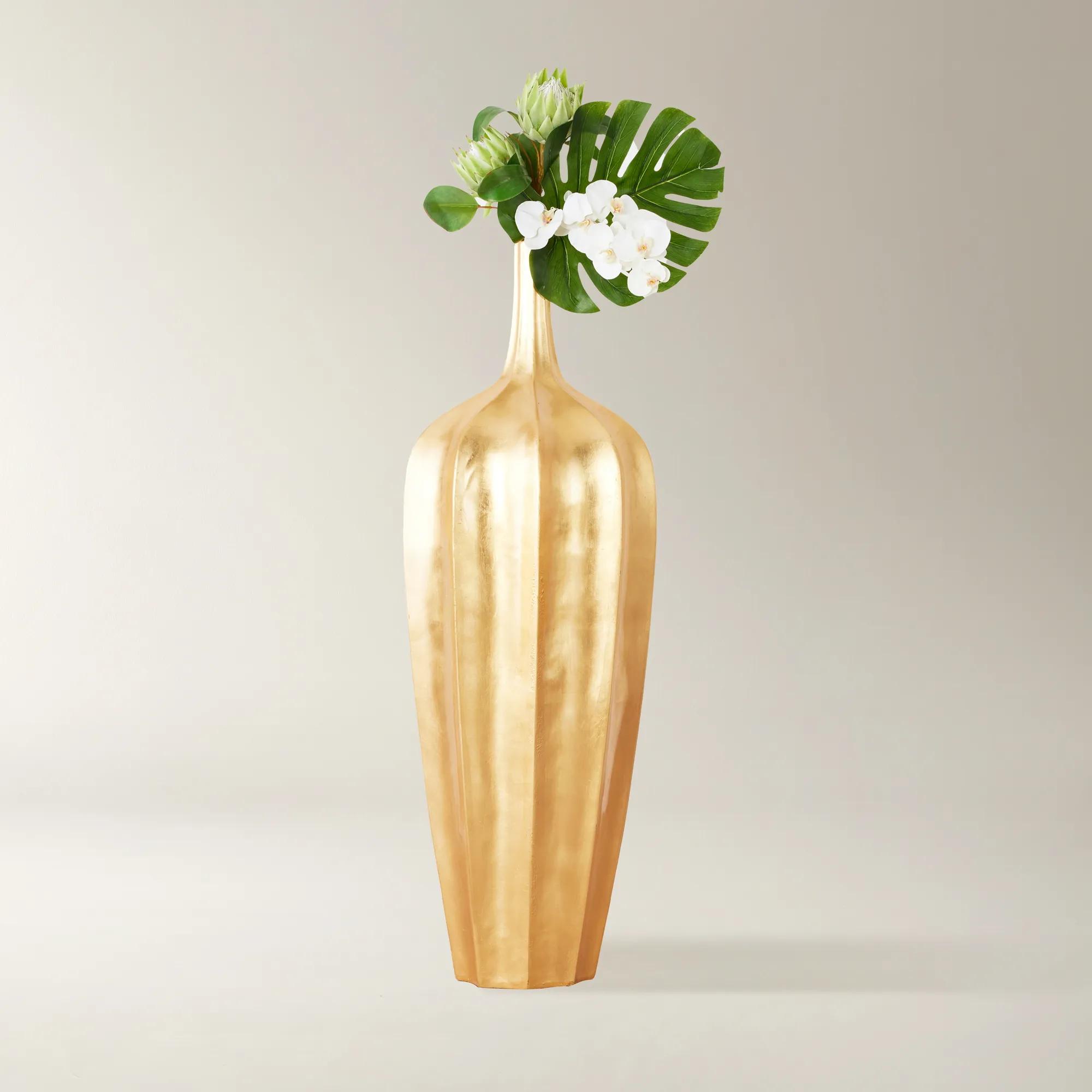 Accolade Gold Leaf Resin Floor Vase 48.75"$539
A fluted fiberglass vase featuring a lustrous gold foil finish for a striking decorative accent.
Add To Cart -
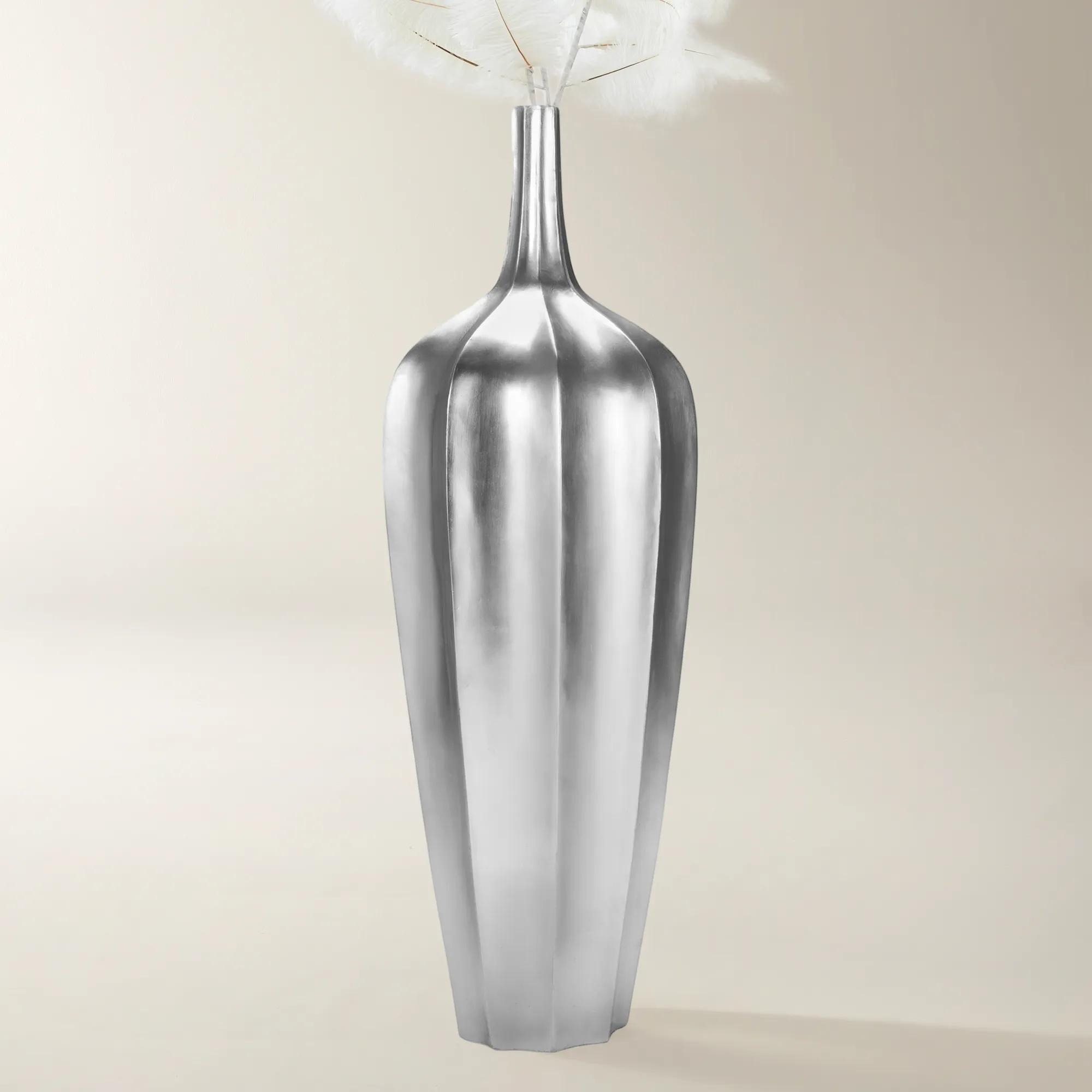
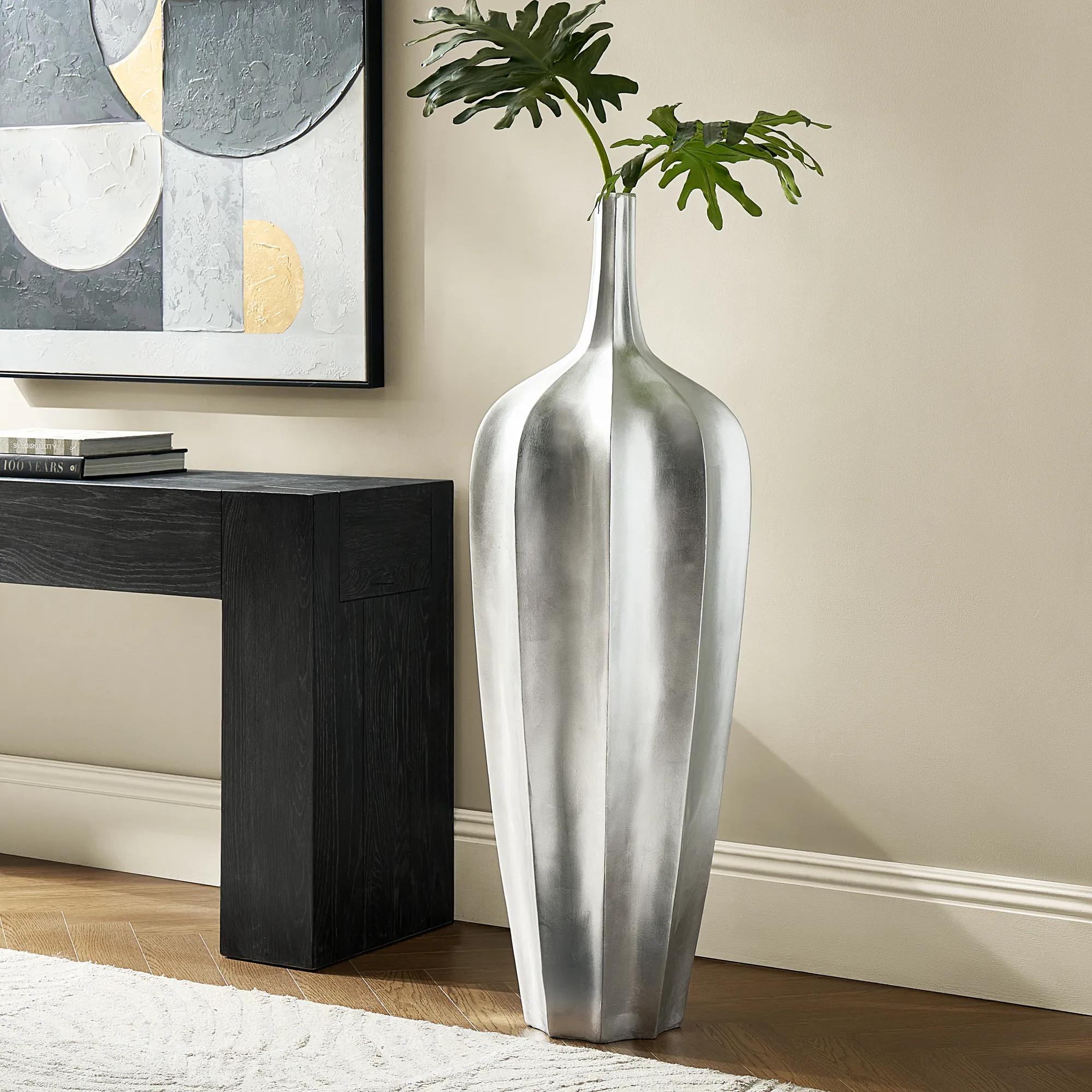 Accolade Silver Leaf Resin Floor Vase 48.75"$539
A fluted fiberglass vase featuring a lustrous metallic silver foil finish for a striking decorative accent.
Add To Cart -
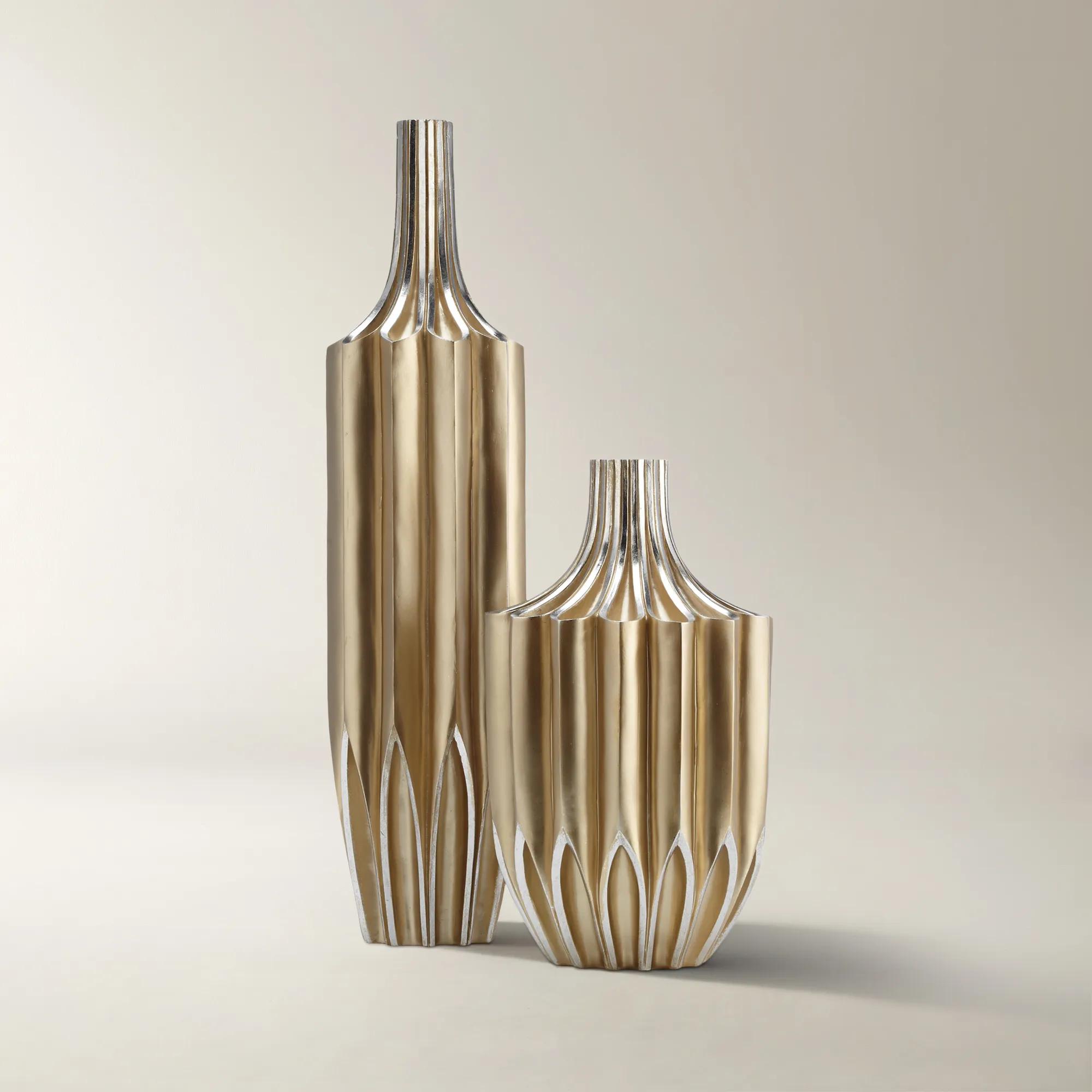
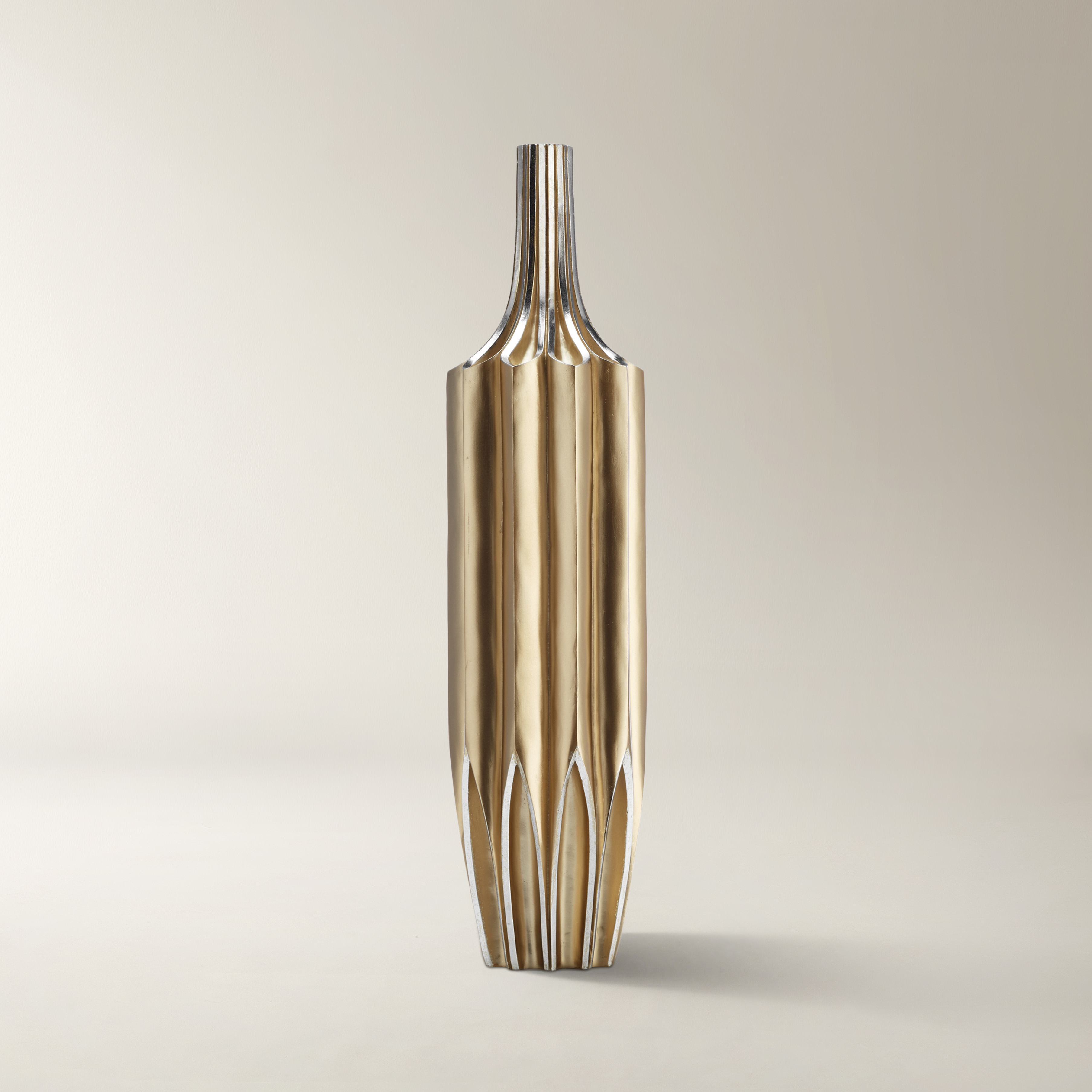 Savannah Gold Resin Vases$79
A sophisticated polyresin vase featuring sleek vertical curves and a modern, inward-flaring design.
Add To Cart -
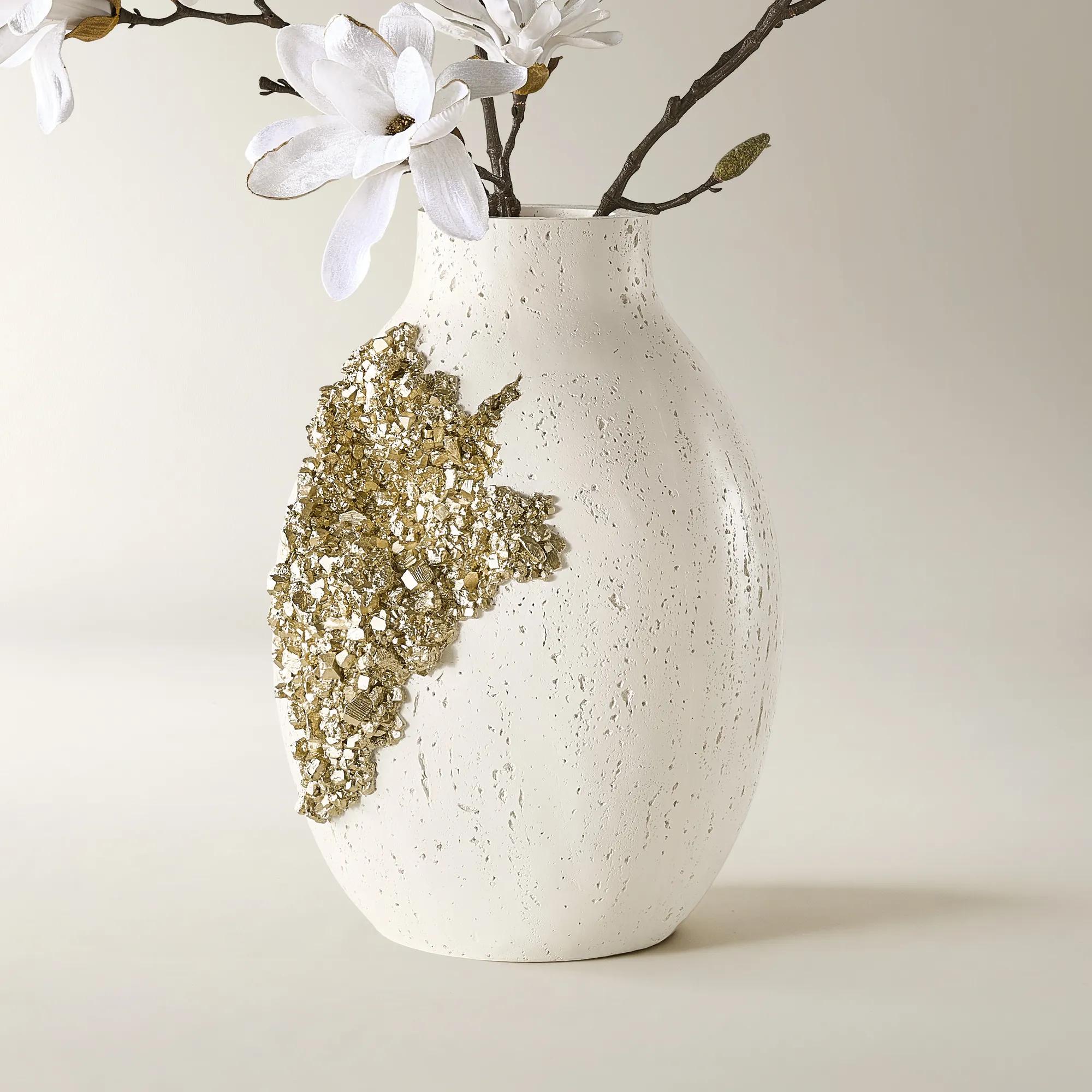 Delve Soft Gold Ivory Resin Vase 18.5"$199
A sculptural polyresin and stone vase in soft gold and white, adding modern glamour to any space.
Add To Cart -
 Lennon Champagne Resin Vase 5"$99
A sculptural polyresin and stone blend vase in a champagne finish with a bold, rounded silhouette.
Add To Cart -
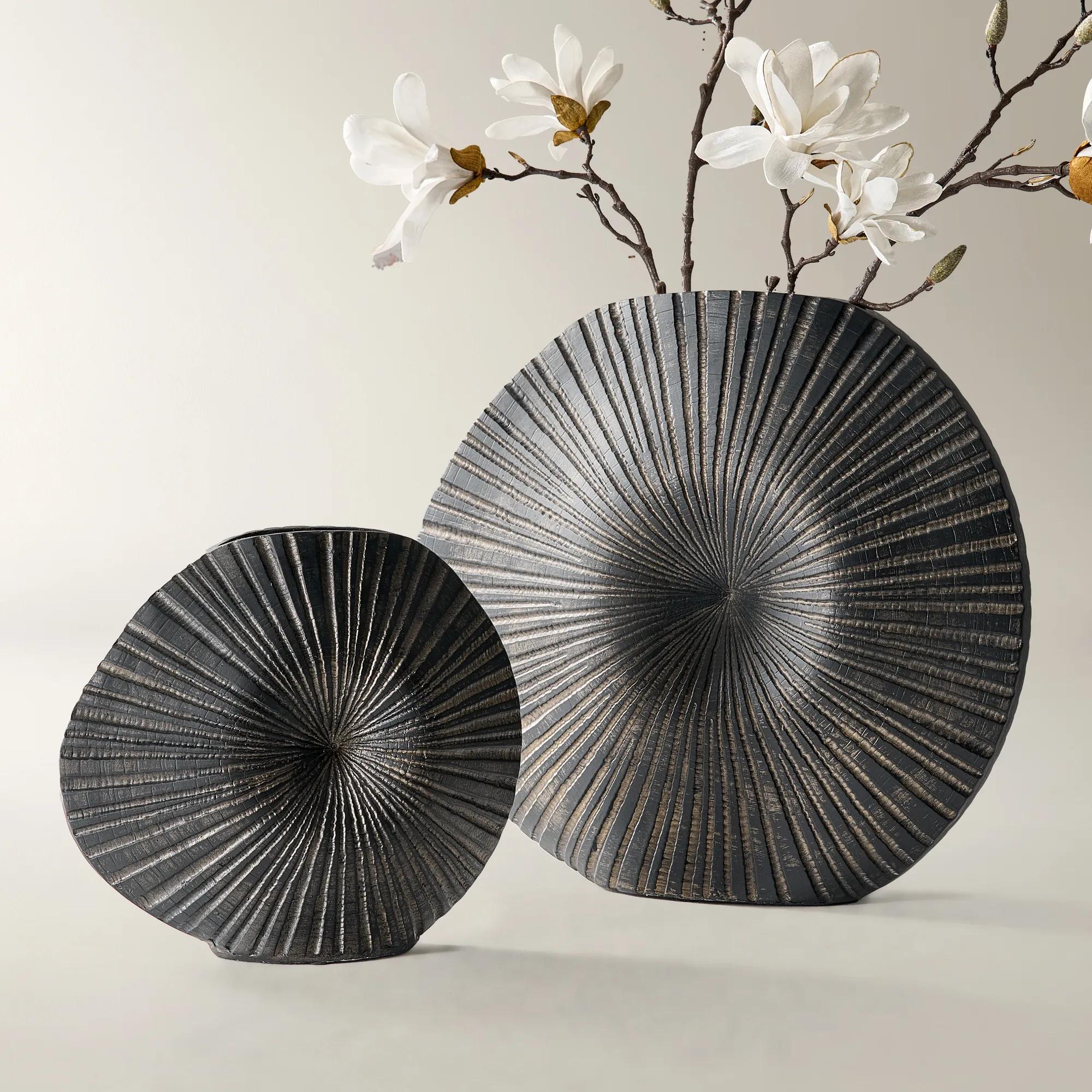
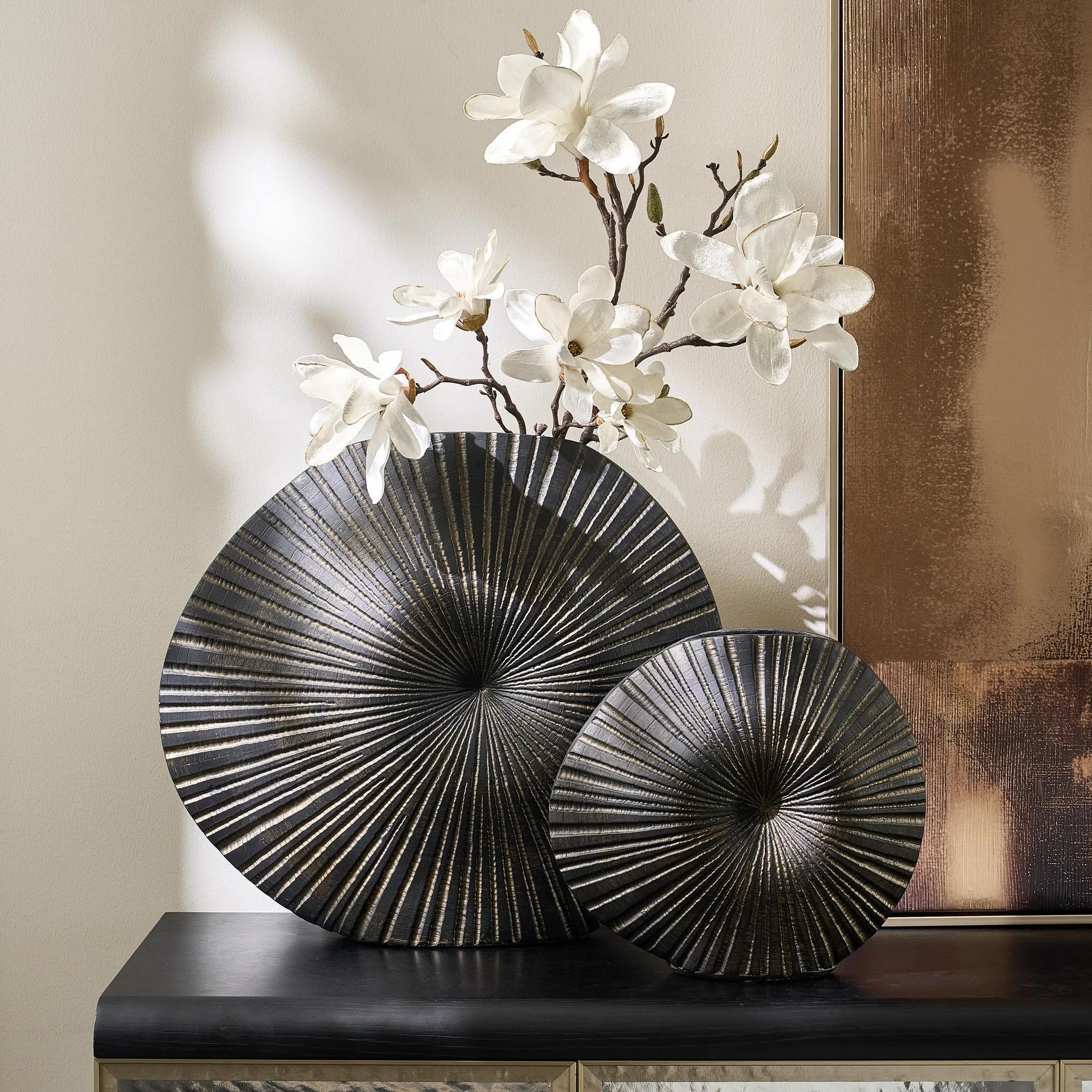 Stellar Black Champagne Resin Vases$149
A sculptural resin vase in black and champagne tones, offering bold modern glamour and refined visual depth.
Add To Cart -
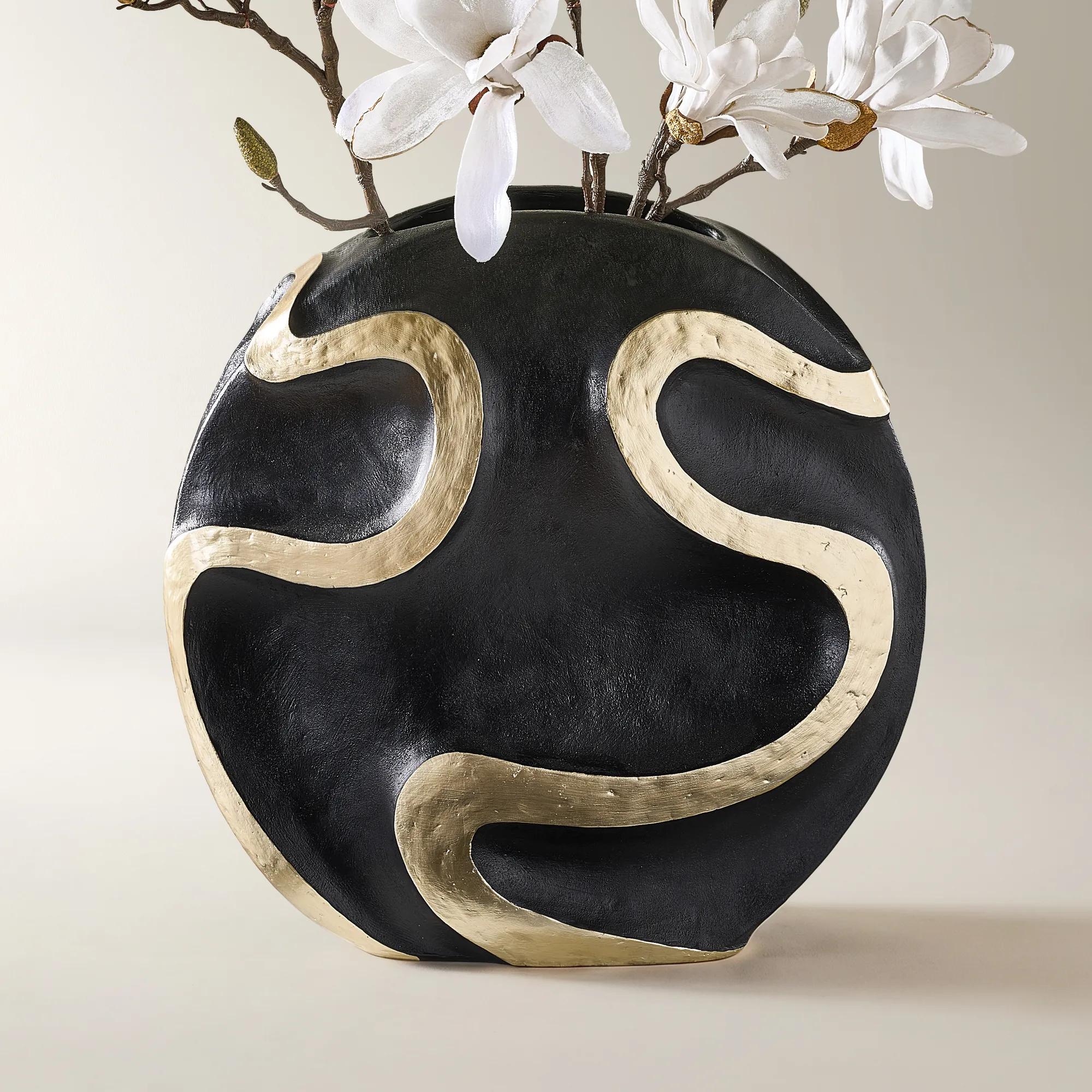 Seraphina Black Soft Gold Resin Vase 16.5"$179
A sculptural resin vase featuring interlacing wavy loops in soft gold and black for modern glamour.
Add To Cart -
 Daria Metallic Champagne Resin Vase 20"$199
A sculpted black resin vase featuring layered brushed champagne and silver metallic panels for modern impact.
Add To Cart -
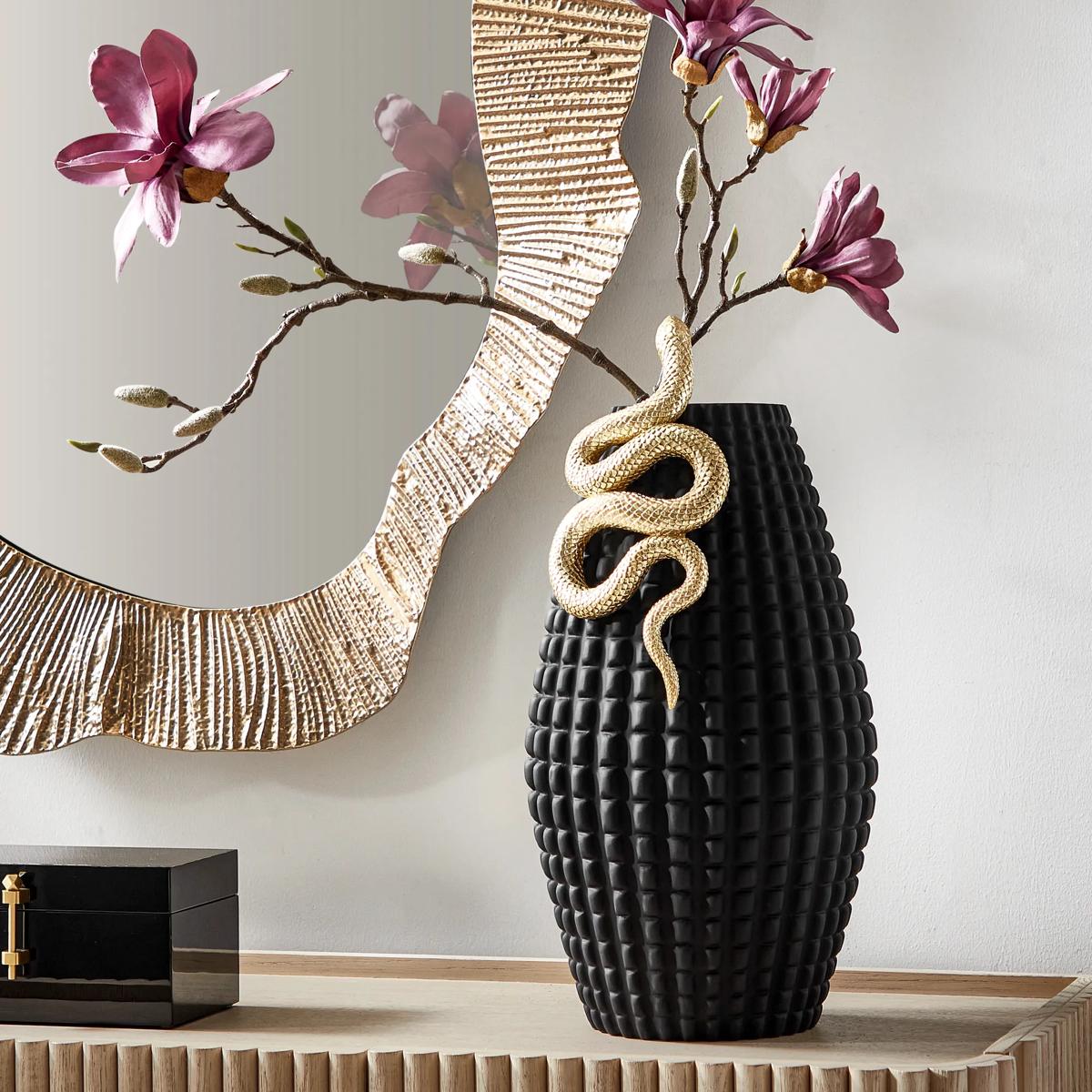
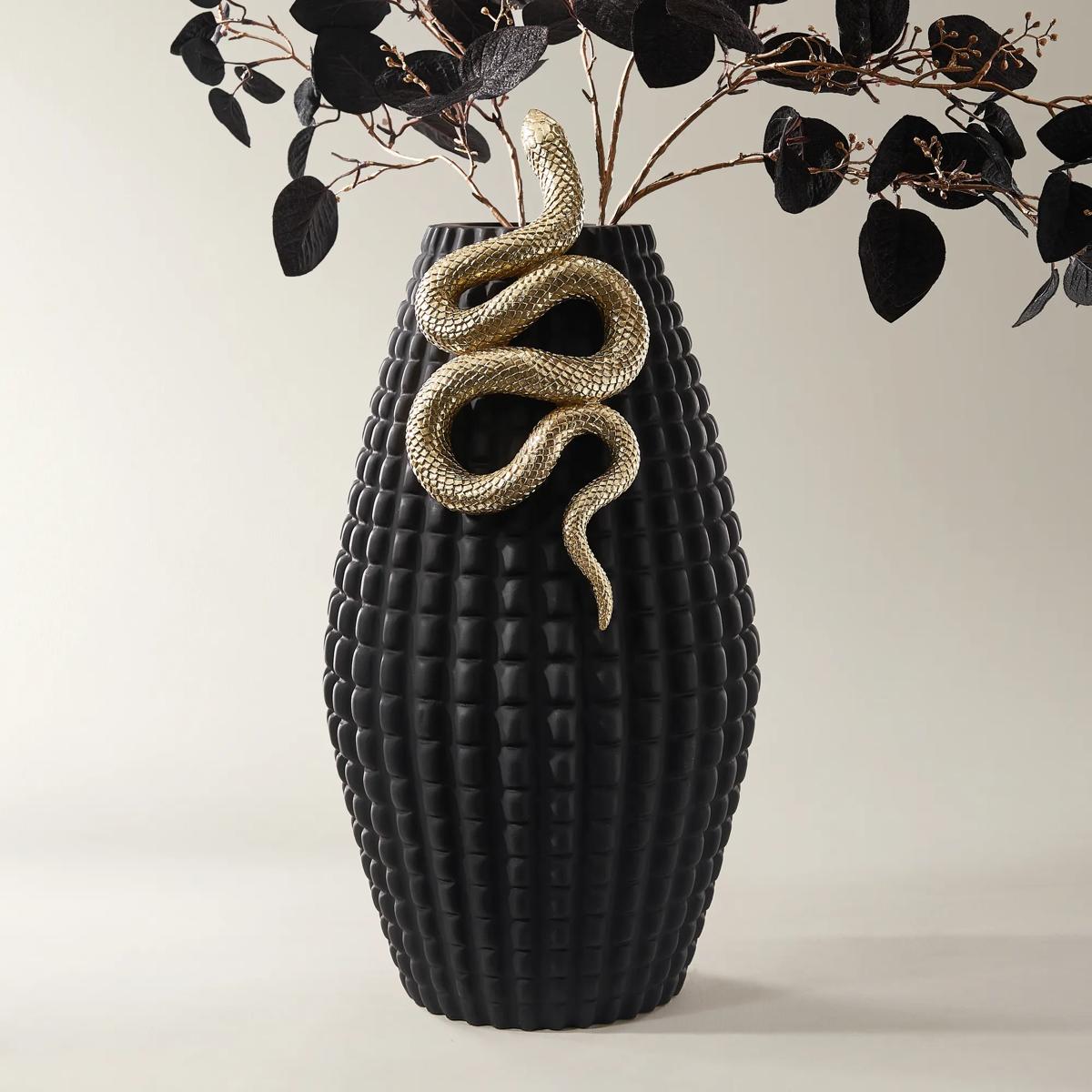 Serpent Vase$119
A matte black resin vase featuring a dramatic gold serpent and raised geometric pattern for bold elegance.
Add To Cart -
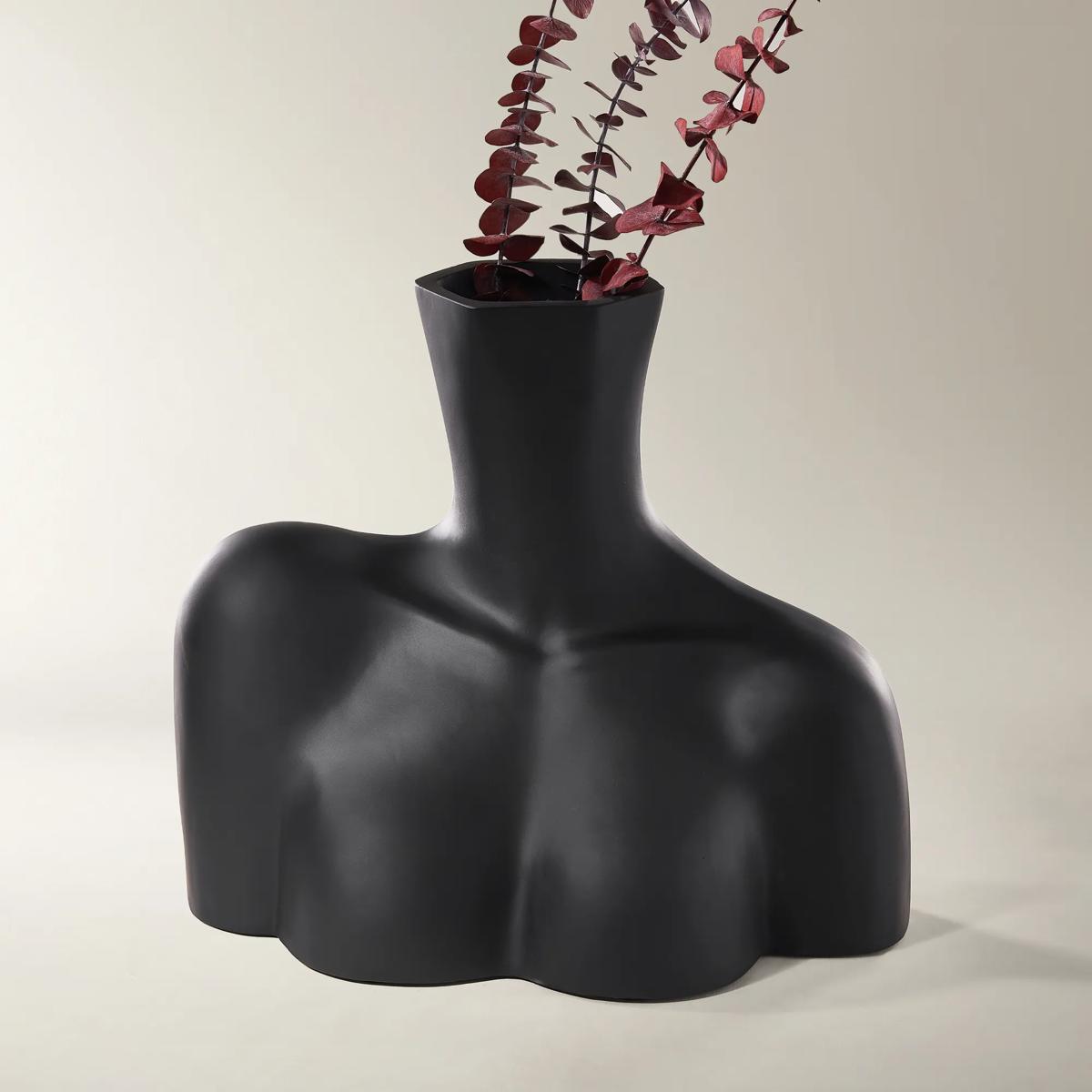 Figure Black Resin Vase 11.25"$79
A sculptural matte black resin vase that reimagines the human form as bold, modern decor.
Add To Cart -
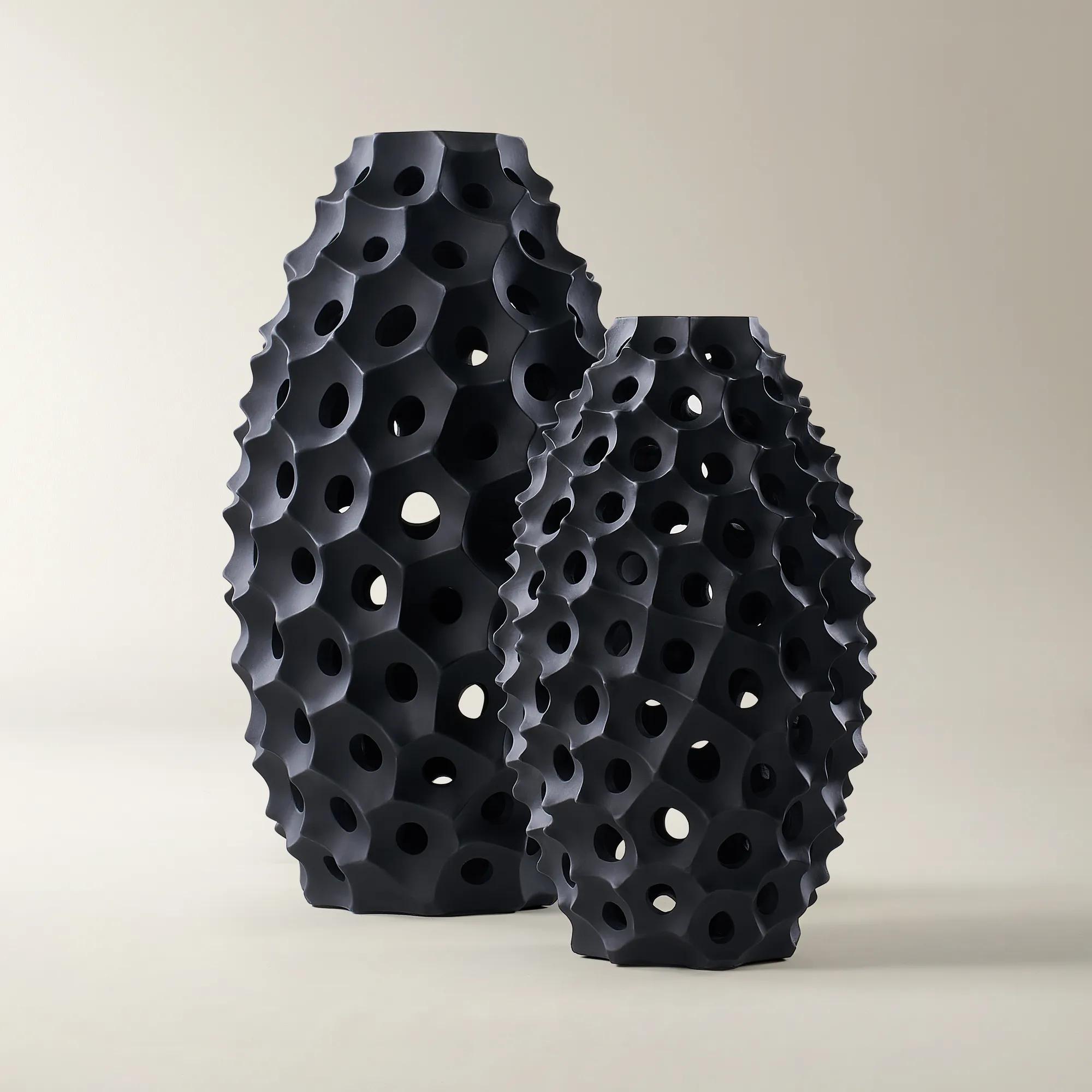
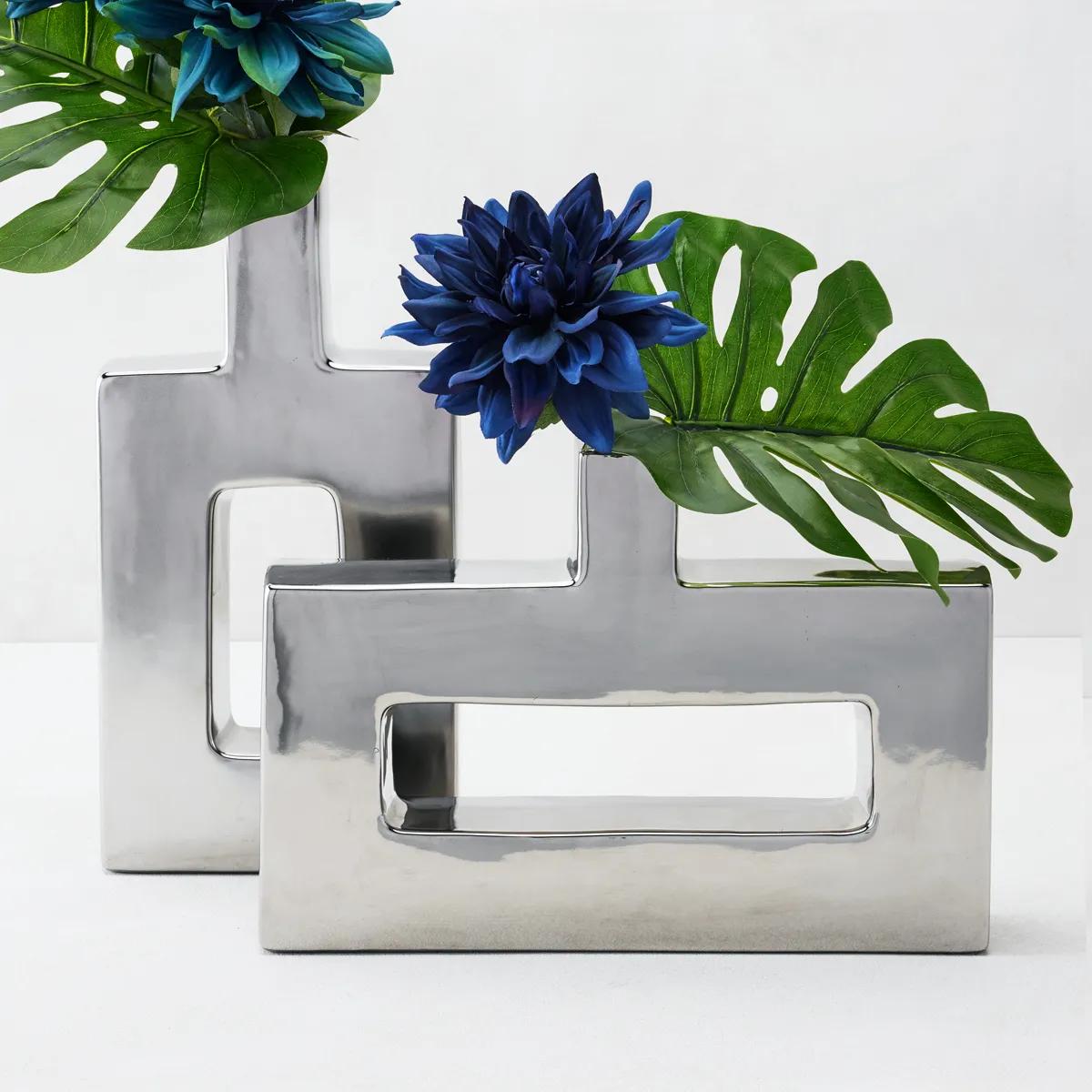
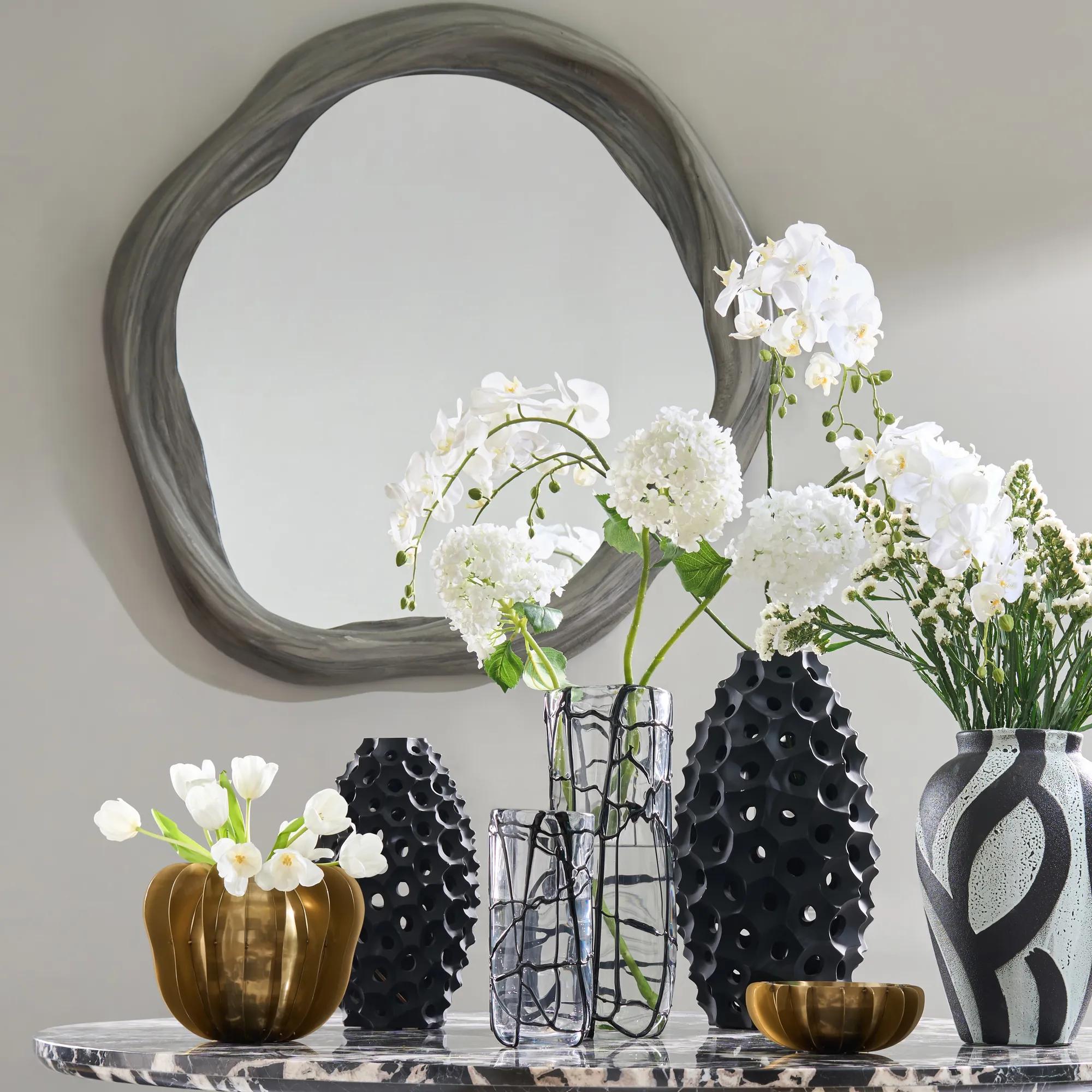 Neo Vase$79
A sleek black resin vase with an aperture design, perfect for adding modern drama to any space.
Add To Cart

Polyresin Floor Vases For Home Decor
Polyresin Floor Vases For Home Decor transform any space into a gallery of bold expression and sculptural intrigue. With their striking silhouettes and artful finishes, these vases invite the eye to linger, turning empty corners into curated moments of drama. Each piece is an invitation to play with scale, color, and texture—an opportunity to elevate your surroundings with a touch of modern luxury. Whether anchoring a grand entryway or adding height to a living room vignette, Polyresin Floor Vases For Home Decor are the secret to creating spaces that feel both curated and captivating.
Polyresin floor vases for home decor bring sculptural height, expressive texture, and a sense of composition to interiors. Made from a cast resin mixture that often includes mineral fillers, polyresin can take on intricate contours and surface detail while generally weighing less than similarly sized solid stone pieces. That versatility allows decorative floor vases to suggest the veining of marble, the rugged character of carved rock, or the smooth precision of a contemporary sculpture without relying on those materials themselves. Weight, finish, and durability still vary by construction, so the material name alone does not describe every vessel’s performance. The appeal is both visual and practical: a substantial silhouette can anchor an otherwise empty corner, while molded ridges, recessed patterns, and dimensional surfaces give light something to reveal. A pale, stone-inspired finish introduces a luminous counterpoint to dark upholstery; a deep charcoal vessel lends definition beside a cream sectional; metallic accents can echo the gleam of a nearby mirror or decorative lighting. Finish matters as much as color. Matte surfaces soften reflections and emphasize shape, while glossier treatments draw attention to curves and create a more polished presence. In a room layered with velvet, glass, and brushed metal, a textured polyresin vase adds contrast without requiring another piece of furniture. Rounded forms create a fluid transition between angular furnishings, while tall, slender profiles introduce a vertical line beside low seating. A wide-bodied vessel has a more grounded presence and can hold its own near a substantial console or expansive wall. These pieces are especially suited to interiors where decorative objects are meant to be seen, not merely fill a gap. Their scale brings the artistry of a tabletop accent into the room itself, making a floor-level arrangement feel deliberate. Even without flowers or branches, a well-proportioned vase can stand as a complete decorative statement, its silhouette and finish carrying the composition.
The most compelling placement balances the vase’s dimensions with the architecture and furnishings around it. Height, maximum width, base size, and opening diameter all influence how a floor vase fits and what it can display. A narrow neck may suit a restrained grouping of tall stems, while a broader opening allows a fuller arrangement; either choice changes the finished outline. In an entryway, a vase positioned beside a console can establish an elegant introduction without crowding the passage. In a living room, one placed near the end of a sofa can extend the composition upward, particularly when the seating has a low, horizontal profile. Beneath artwork, the vase and any stems should leave enough visual space for the art to remain distinct rather than overlapping it unintentionally. An alcove may welcome a fuller silhouette, while a tighter corner benefits from a vessel whose widest point stays comfortably within the available footprint. Measuring the placement area and accounting for the spread of branches helps prevent an arrangement from intruding into a walkway, brushing against curtains, or competing with a door’s swing. Floral styling offers another layer of expression. Artificial orchids can create graceful arcs, dried branches emphasize line and movement, and sculptural faux foliage adds volume without the maintenance of living greenery. For displays centered on the relationship between vessel and stems, Polyresin Vases For Decorative Flowers provide a related direction for floral composition. Keeping the arrangement proportional to the base makes the result feel assured: an oversized spray can overwhelm a slender vessel, while a few expressive branches allow a richly textured surface to remain visible. Groupings can be equally dramatic when the forms share a color family but differ in height or contour. Space between vessels lets each silhouette register clearly, avoiding the crowded effect of several decorative objects pressed together. Nearby furnishings can supply the balance, so a single vase beside a substantial chair may feel more resolved than a cluster in the same setting.
Polyresin’s molded construction makes it useful for decorative floor accents, but durability should not be confused with resistance to every kind of damage. A vessel may tolerate ordinary handling yet still chip, crack, or lose surface finish if dropped, struck, or dragged across a hard floor. Lifting from the body with both hands, rather than pulling on a narrow neck or decorative projection, helps protect the form during repositioning. A level, stable placement away from busy walkways is especially important for tall designs and arrangements with spreading stems. Homes with young children or pets may benefit from a broader base and a location that is less likely to be bumped; lightweight construction does not automatically make a large vase tip-resistant. Floor protection also deserves attention, particularly on polished wood or stone, where an appropriate nonmarking pad beneath the base can help prevent scratches without compromising stability. Routine care usually begins with gentle dusting using a soft cloth or brush that can reach recessed detail. Cleaning requirements depend on the surface treatment, and the manufacturer’s instructions should take precedence over general recommendations. Abrasive scrubbers, strong solvents, and prolonged soaking can damage decorative finishes. Polyresin should not automatically be treated as waterproof, even when its surface appears sealed. Fresh flowers require a vessel specifically approved to hold water or a properly fitted watertight liner; dried and artificial arrangements avoid that requirement. Likewise, indoor decorative vases should not be assumed suitable for outdoor exposure unless explicitly rated for it. These considerations preserve the visual character that makes the piece distinctive, from delicate painted veining to a softly burnished finish. For design enthusiasts, newly settled homeowners, or anyone refining a room’s focal points, a floor vase can be a thoughtful housewarming gift when its scale and finish suit the recipient’s space. It offers room for personal expression through changing arrangements, yet remains compelling on its own—a sculptural presence that gives an overlooked corner purpose and lends the surrounding interior a more confident, composed finish.
FAQs
Polyresin floor vases stand out for their remarkable versatility and artistry. The material allows for intricate textures, sculptural forms, and a wide spectrum of finishes—from high-gloss metallics to hand-painted patterns—while remaining lighter and more resilient than traditional ceramics or stone. This means you can enjoy the luxury of bold, statement-making design without the constraints of weight or fragility.
Polyresin floor vases are exceptionally adaptable and can be styled to enhance any interior. For a dramatic effect, position a tall vase in a sunlit corner and fill it with oversized botanicals or sculptural branches. In more intimate spaces, cluster a pair of vases with contrasting shapes or finishes to create visual intrigue. The key is to play with scale, color, and placement—let your vase become the anchor for an unforgettable vignette.
Absolutely. The beauty of polyresin lies in its chameleon-like ability to echo a variety of design eras. Choose sleek, minimalist forms in metallic finishes for a contemporary look, or opt for ornate, textured designs to channel a sense of old-world grandeur. Whether your home is a modern masterpiece or a classic retreat, there’s a polyresin floor vase that will elevate your aesthetic.
While polyresin is celebrated for its durability and resistance to chipping, it’s best to display these vases indoors or in covered outdoor spaces. Prolonged exposure to harsh sunlight or extreme weather can affect the finish over time. For patios or sunrooms, a polyresin floor vase can bring a touch of luxury and artistry, provided it’s protected from the elements.
Polyresin floor vases are true multi-taskers in the world of décor. Beyond holding flowers or branches, they can be left empty as sculptural art pieces, used to display decorative twigs or pampas grass, or even filled with string lights for a soft, ambient glow. Their dramatic silhouettes make them perfect for anchoring entryways, framing fireplaces, or creating a sense of grandeur in overlooked corners.