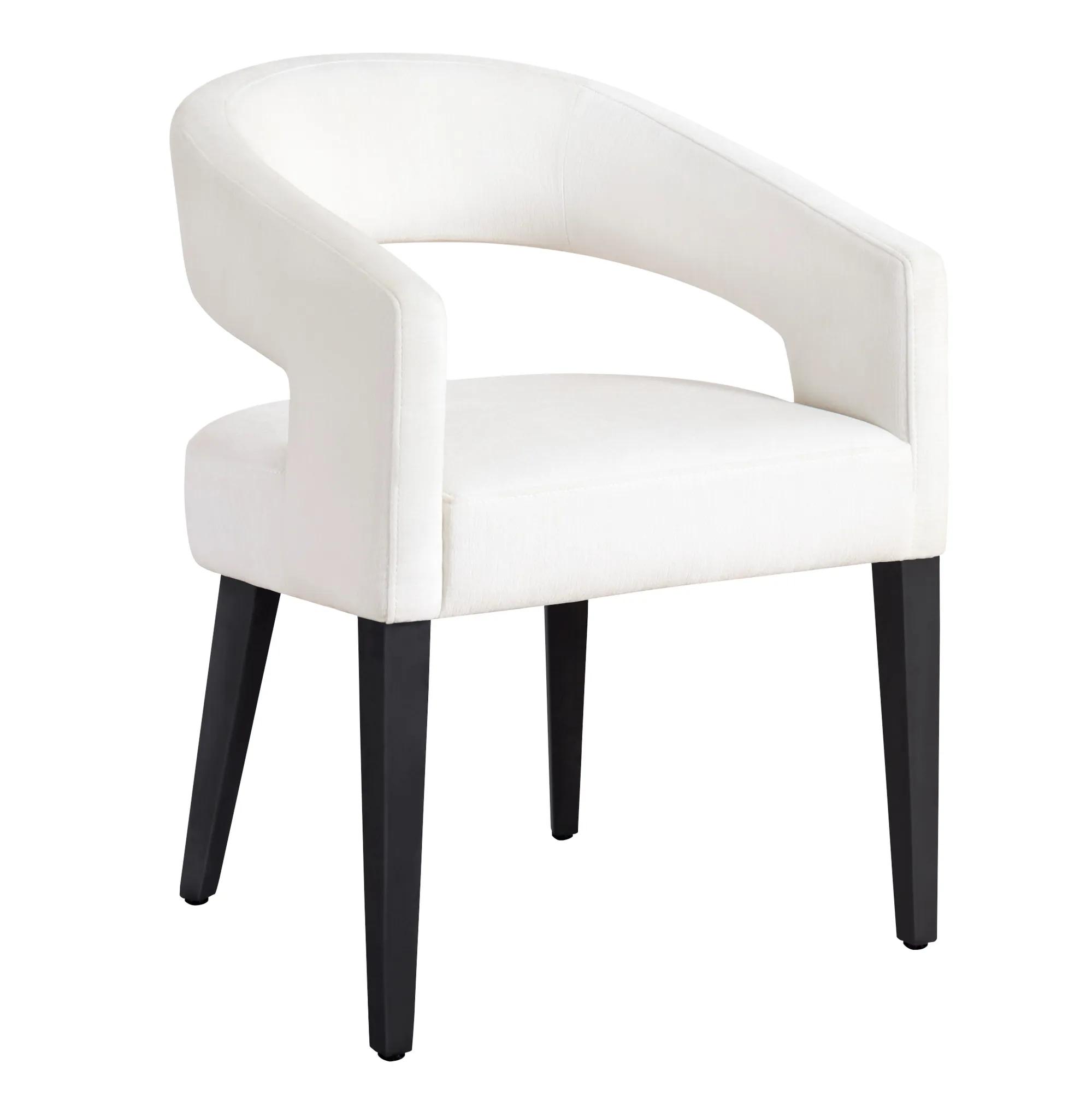
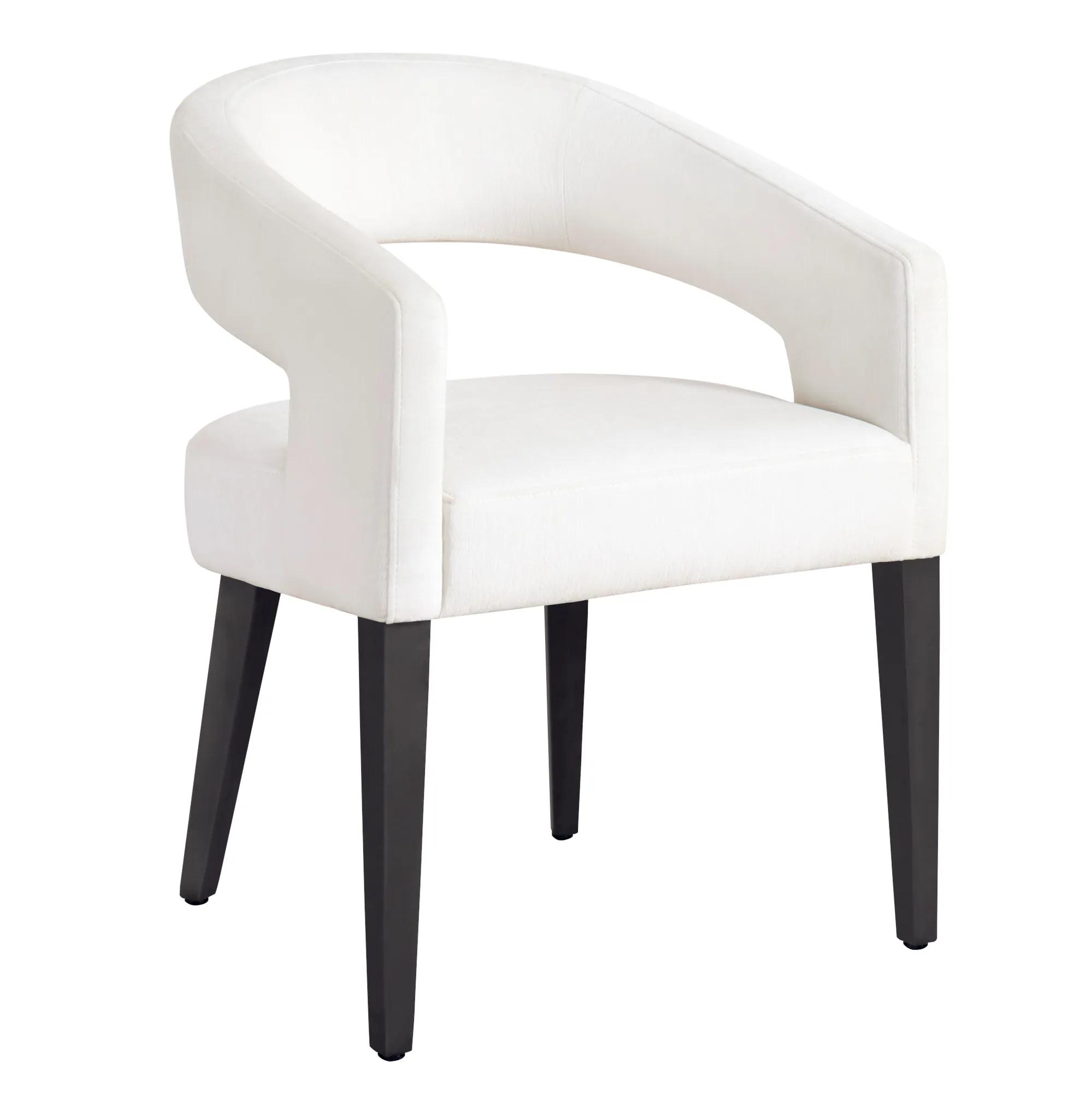
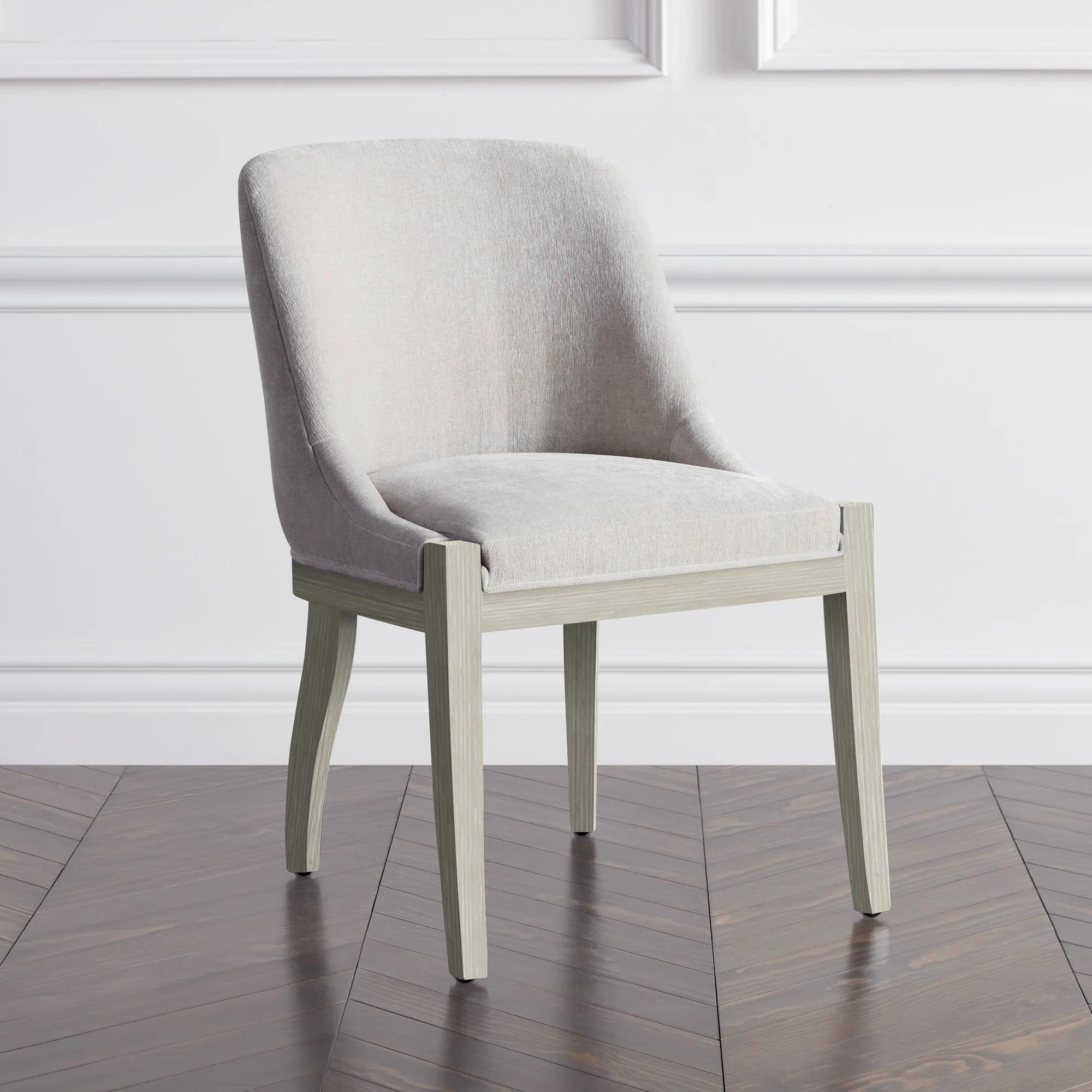
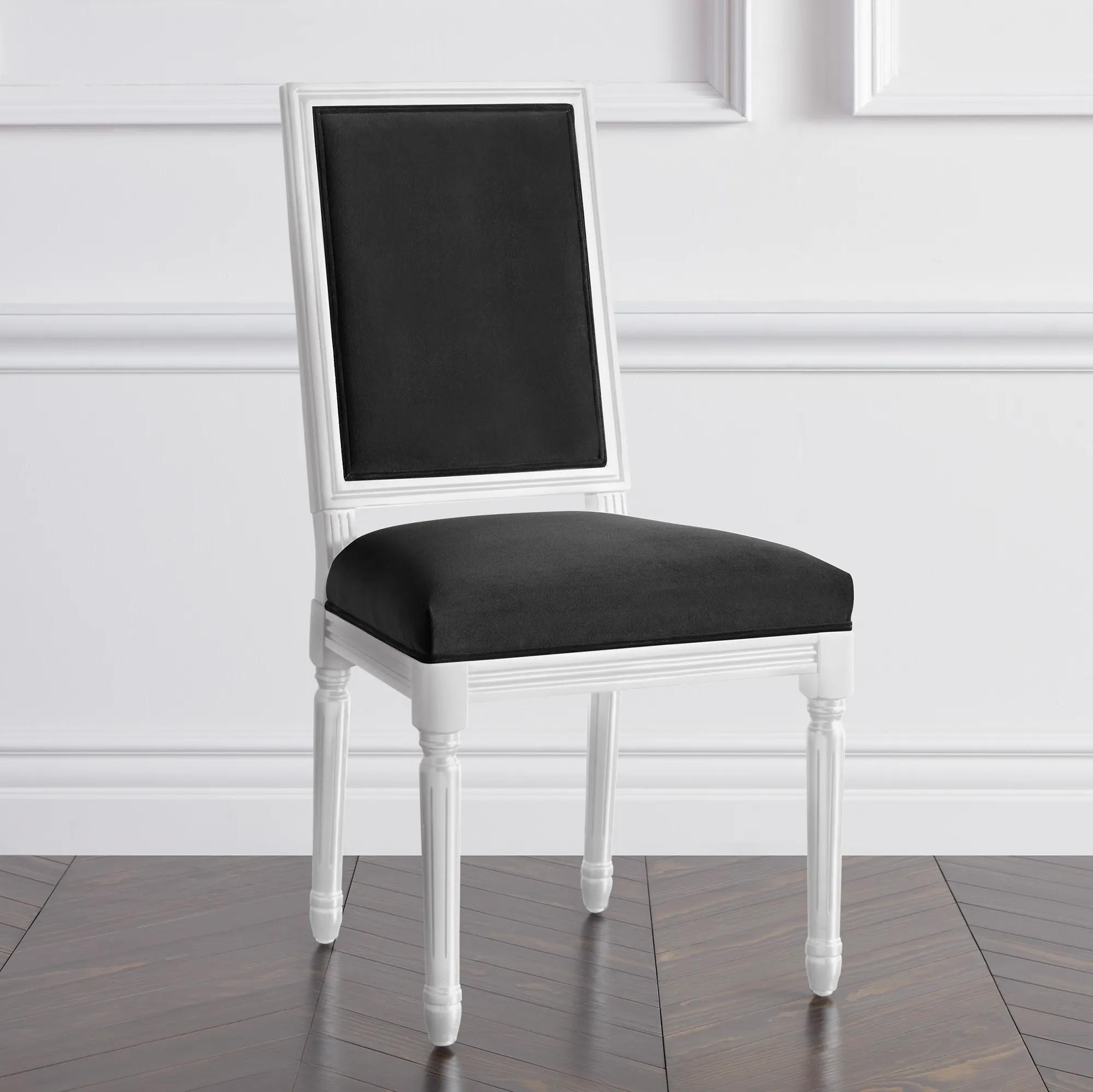
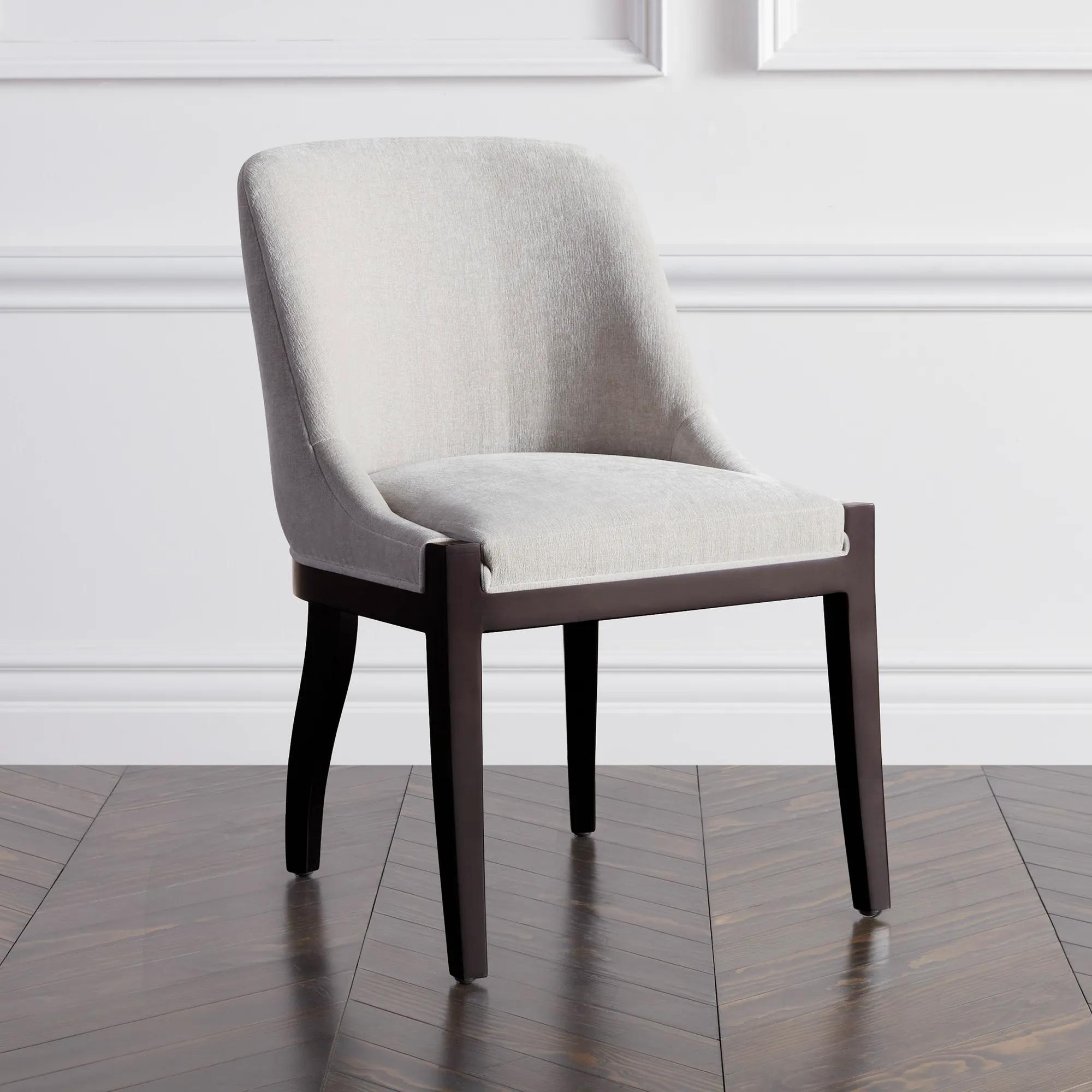
Plush Upholstered Kitchen Stools
Plush Upholstered Kitchen Stools
-
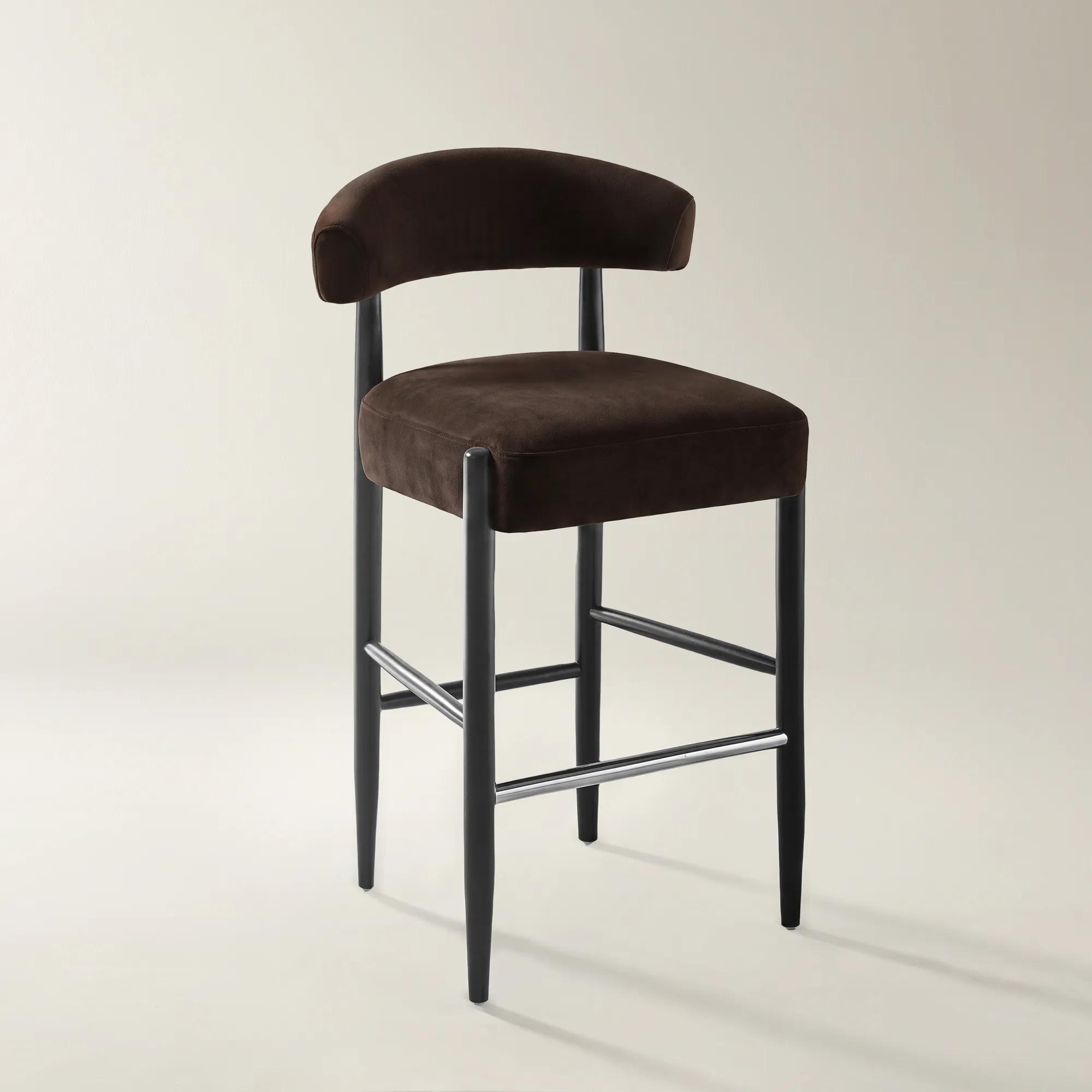 Anna Dark Chocolate Velvet Bar/Counter Stool$399
A dark chocolate velvet stool featuring sculpted support, high-density cushioning, and tapered solid-rubberwood legs.
Add To Cart -
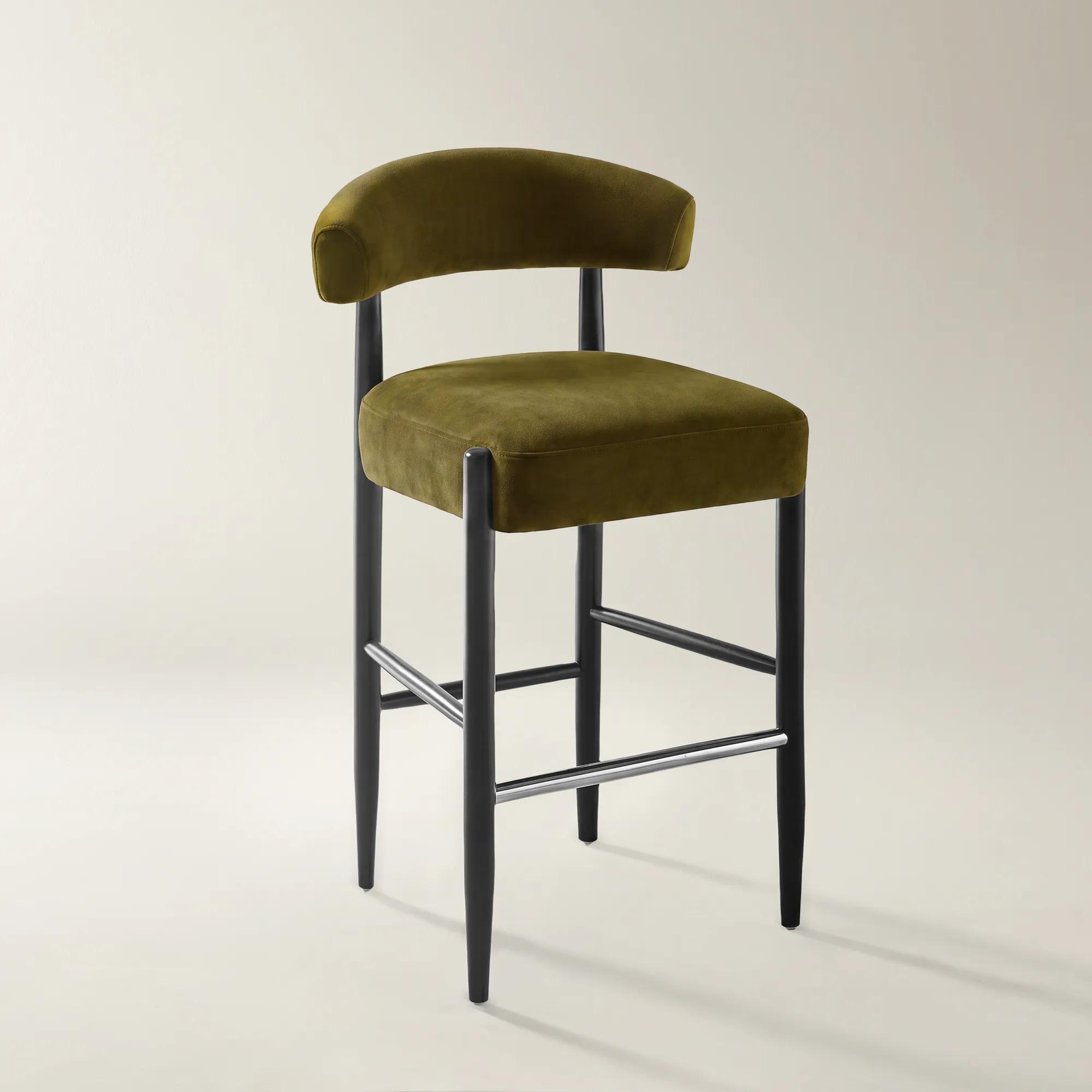 Anna Deep Olive Velvet Bar/Counter Stool$399
A deep olive velvet stool with sculpted support, padded comfort, and tapered solid rubberwood legs.
Add To Cart -
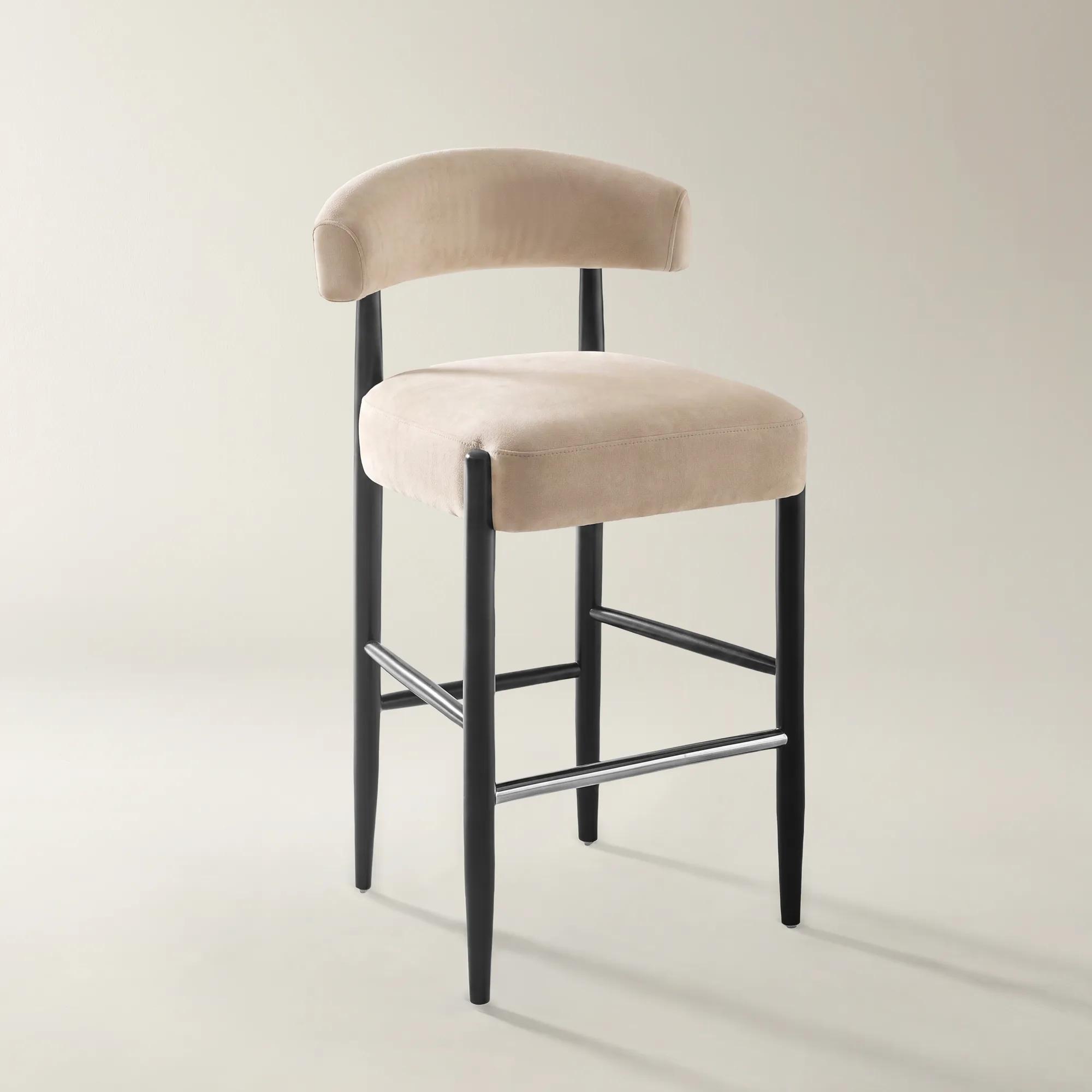 Anna Simply Taupe Velvet Bar/Counter Stool$399
A taupe velvet stool featuring sculpted support, a generously padded seat, and tapered solid rubberwood legs.
Add To Cart -
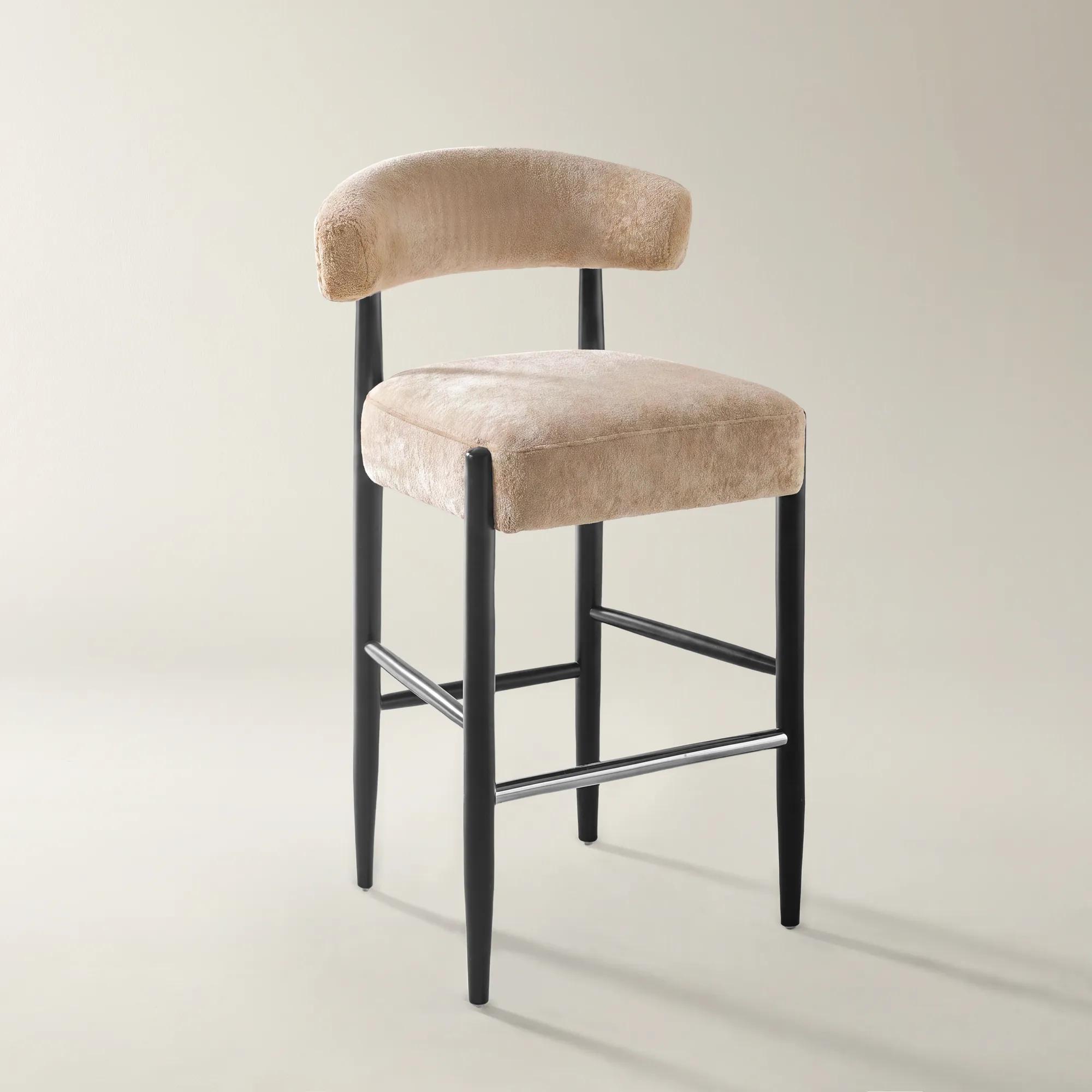 Anna Light Brown Chenille Bar/Counter Stool$399
A brown chenille stool featuring a sculpted back, padded seat, and tapered solid-rubberwood legs.
Add To Cart -
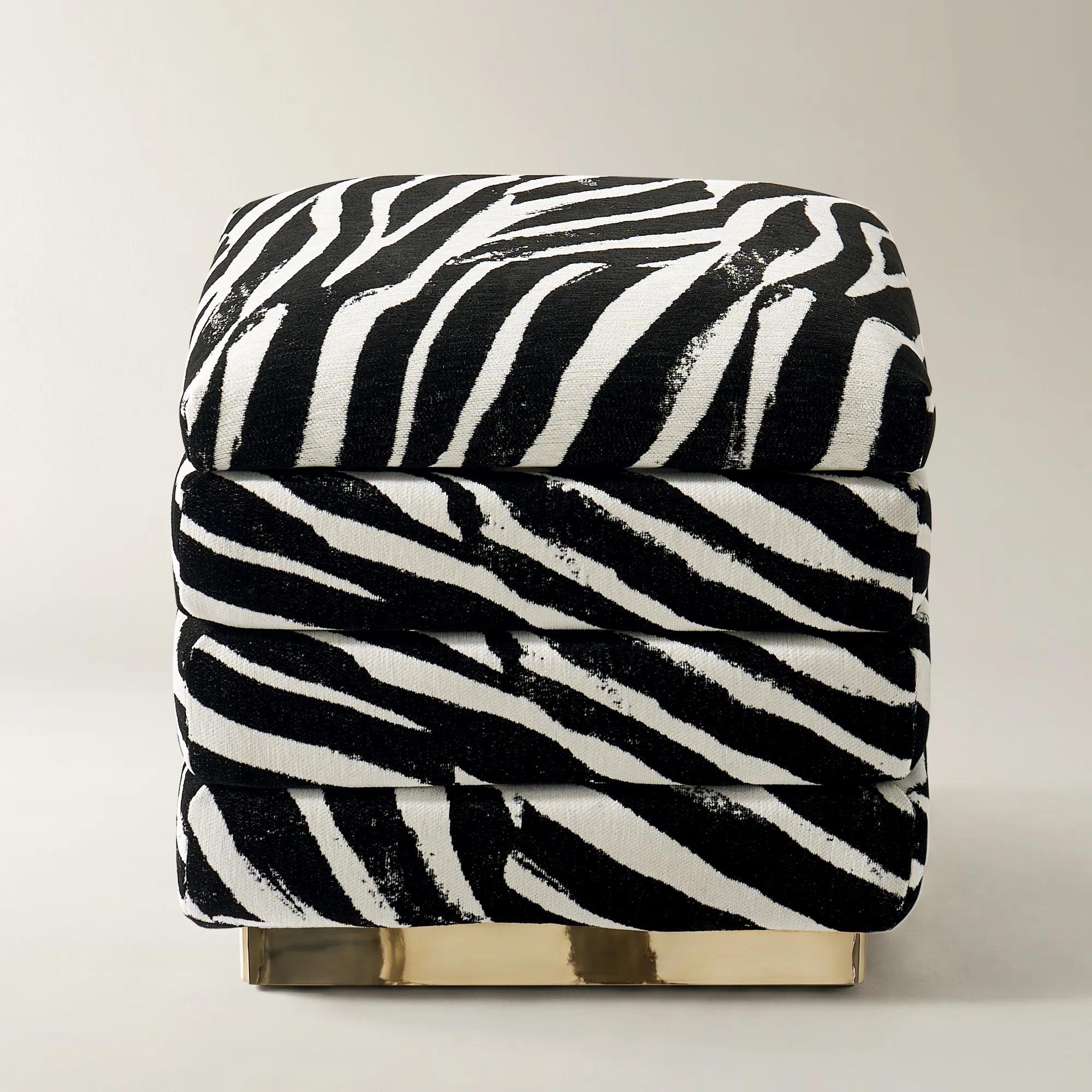
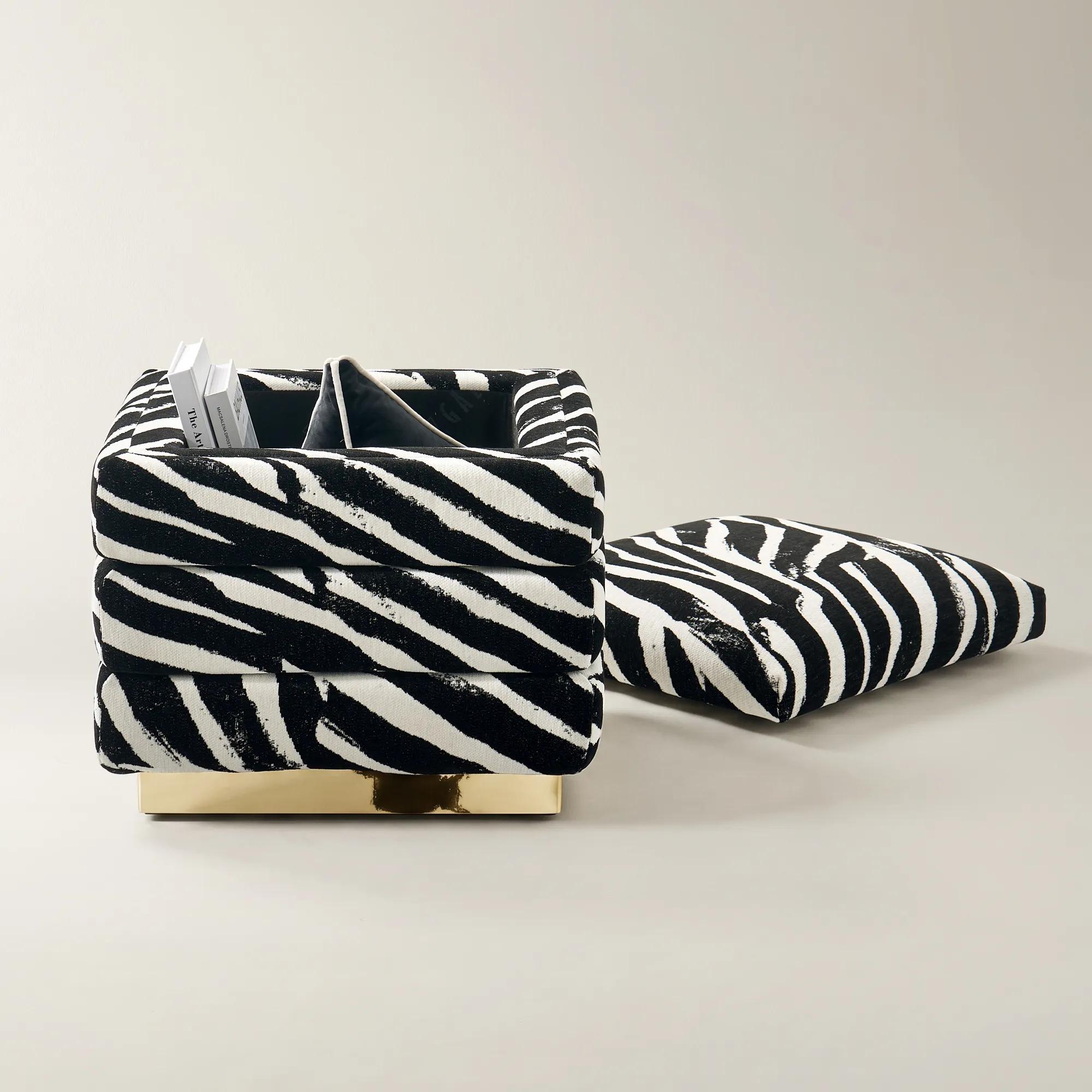 Gable White/Black Performance Chenille Stool$399
A plush white and black chenille stool with hidden storage and a polished gold stainless steel base.
Add To Cart -
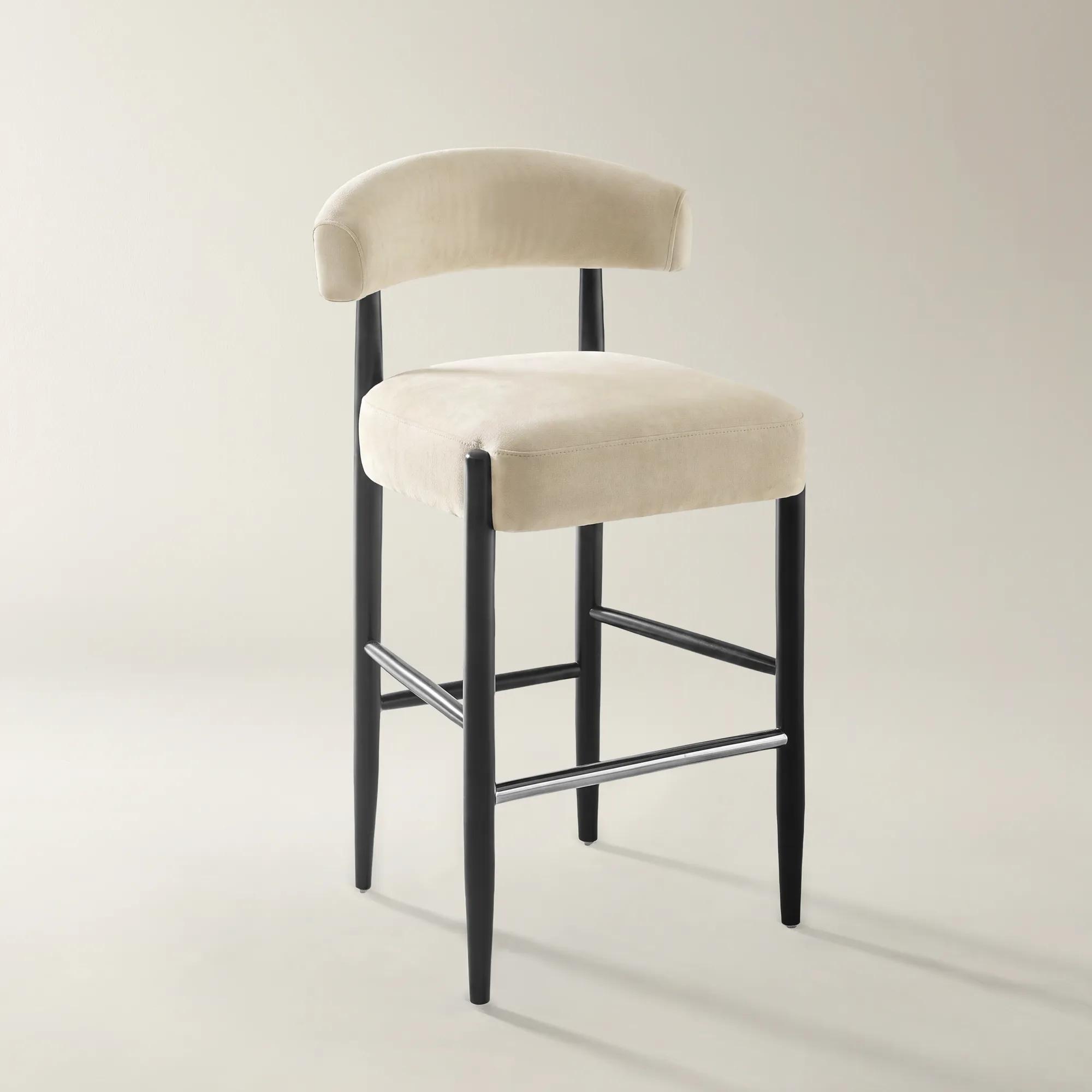 Anna Oatmeal Velvet Bar/Counter Stool$399
A refined oatmeal velvet stool with a sculpted padded seat and solid rubberwood legs.
Add To Cart -
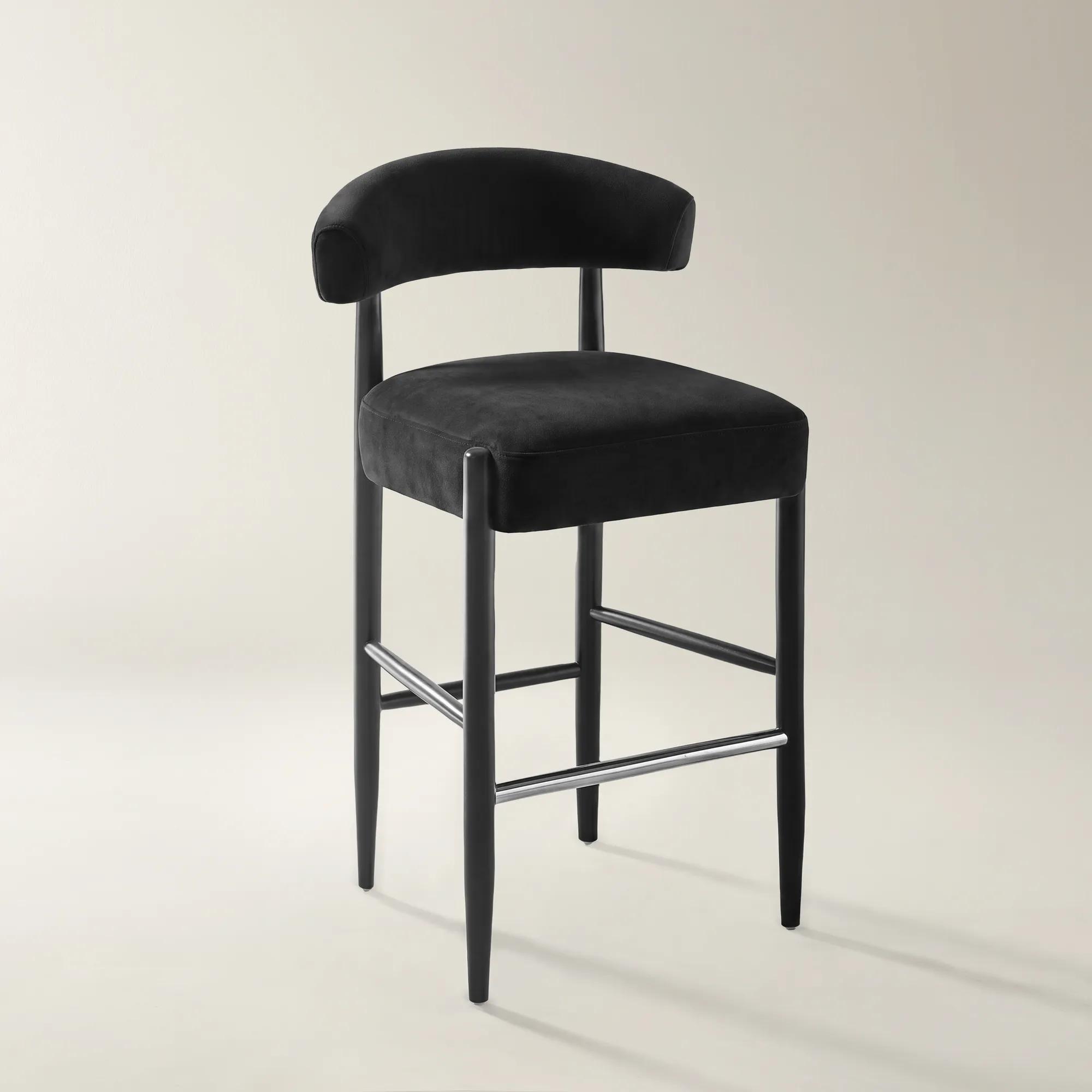 Anna Charcoal Velvet Bar/Counter Stool$399
A charcoal velvet stool featuring a sculpted padded seat, tailored upholstery, and tapered solid-rubberwood legs.
Add To Cart -
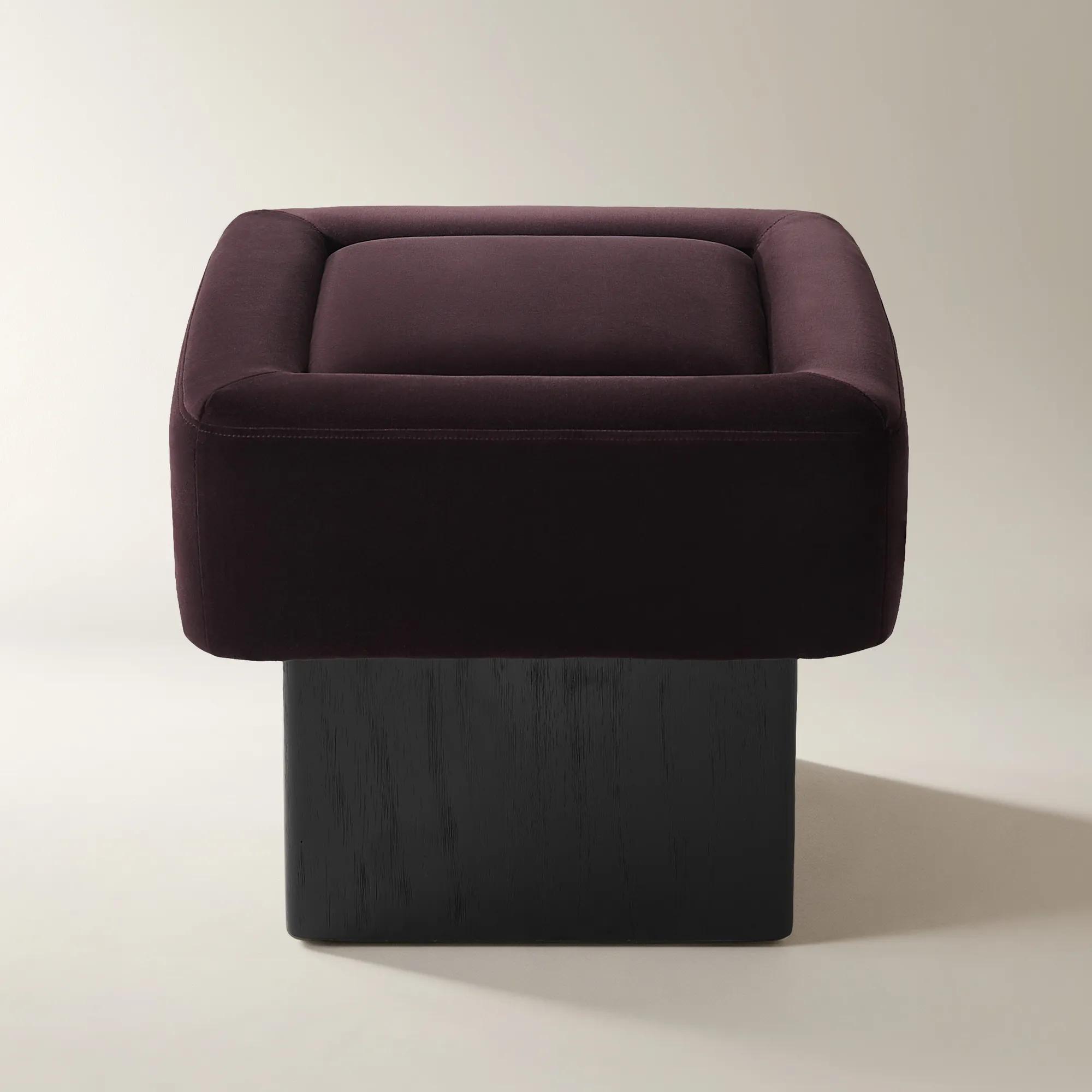 Reims Fig Velvet Stool$399
A plush fig-colored velvet stool featuring a sculpted cushion and a solid rubberwood base for modern contrast.
Add To Cart -
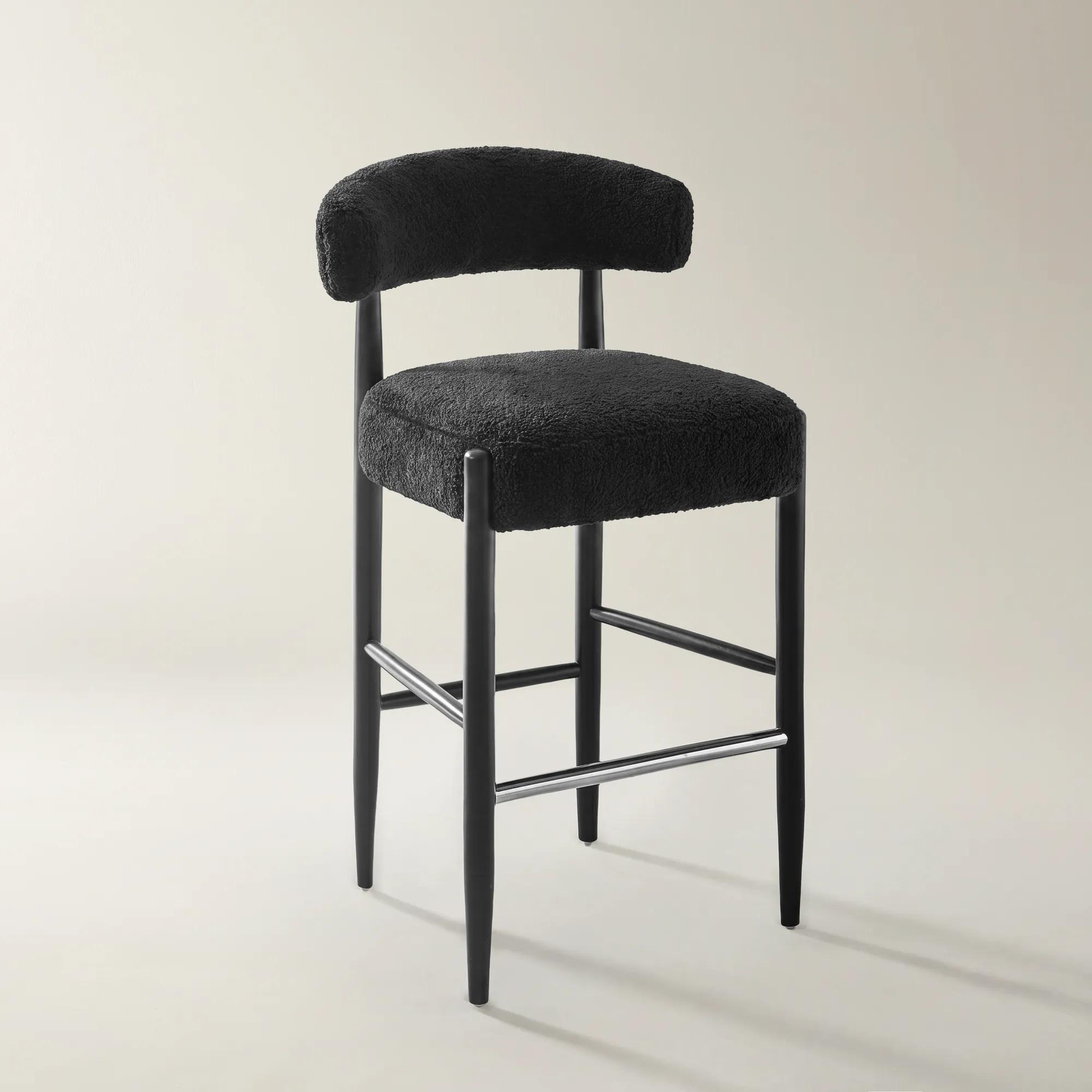 Anna Black Chenille Bar/Counter Stool$399
A charcoal chenille stool featuring sculpted support, high-density cushioning, and tapered solid rubberwood legs.
Add To Cart -
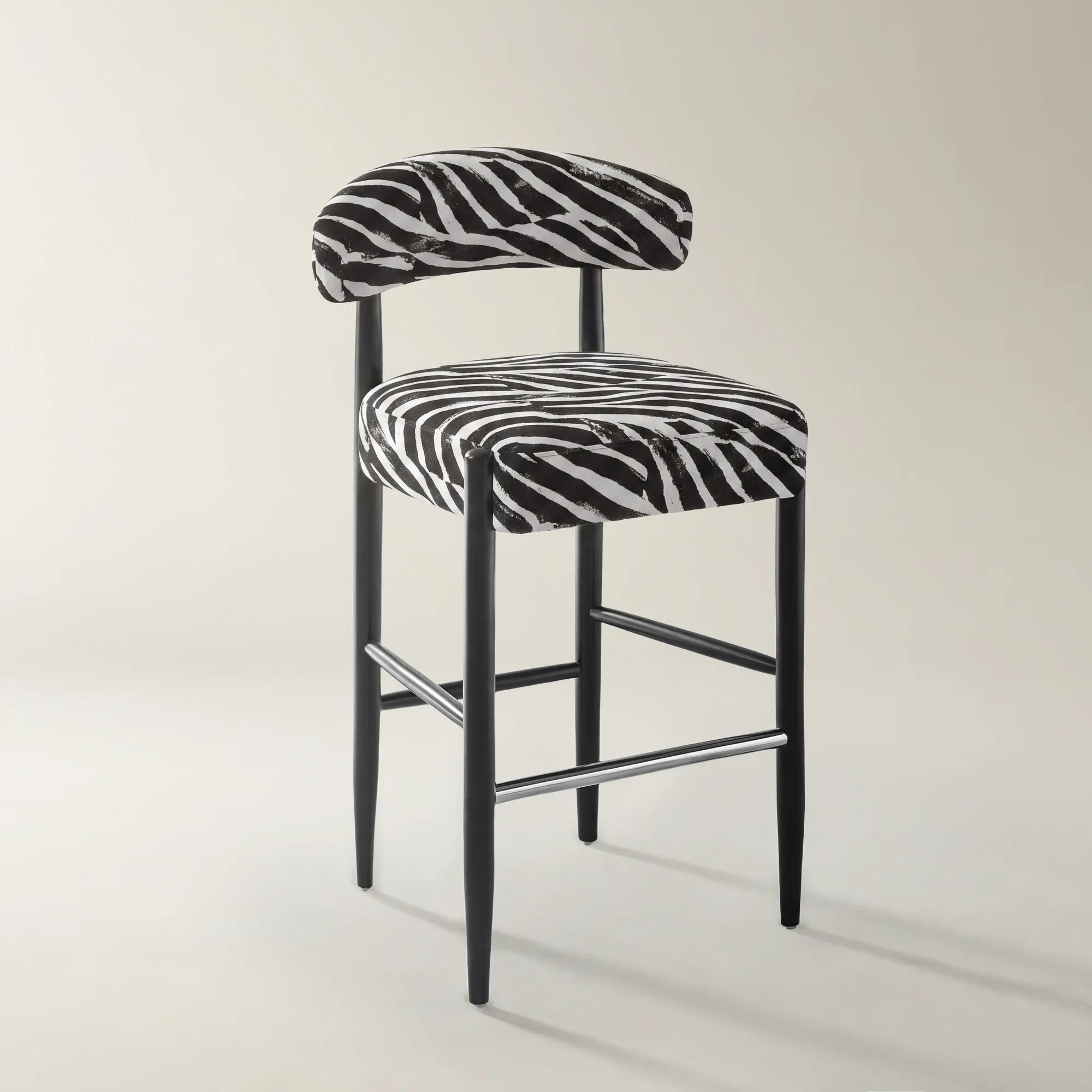 Anna White/Black Performance Chenille Bar/Counter Stool$399
A black-and-white performance chenille stool with sculpted support, padded seating, and tapered solid-rubberwood legs.
Add To Cart -
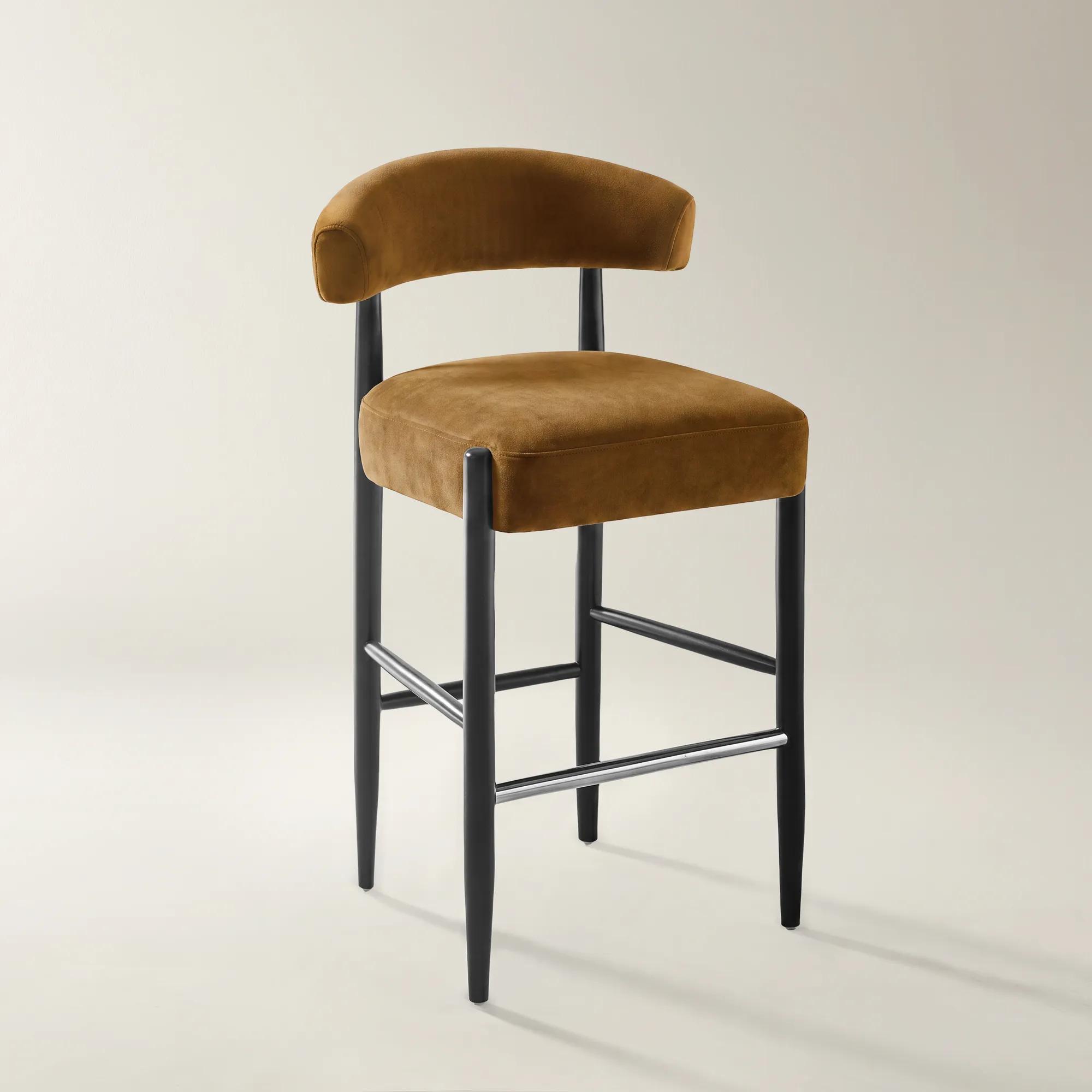 Anna Roasted Pecan Velvet Bar/Counter Stool$399
A roasted pecan velvet stool with a sculpted padded seat and solid rubberwood legs, fully assembled.
Add To Cart -
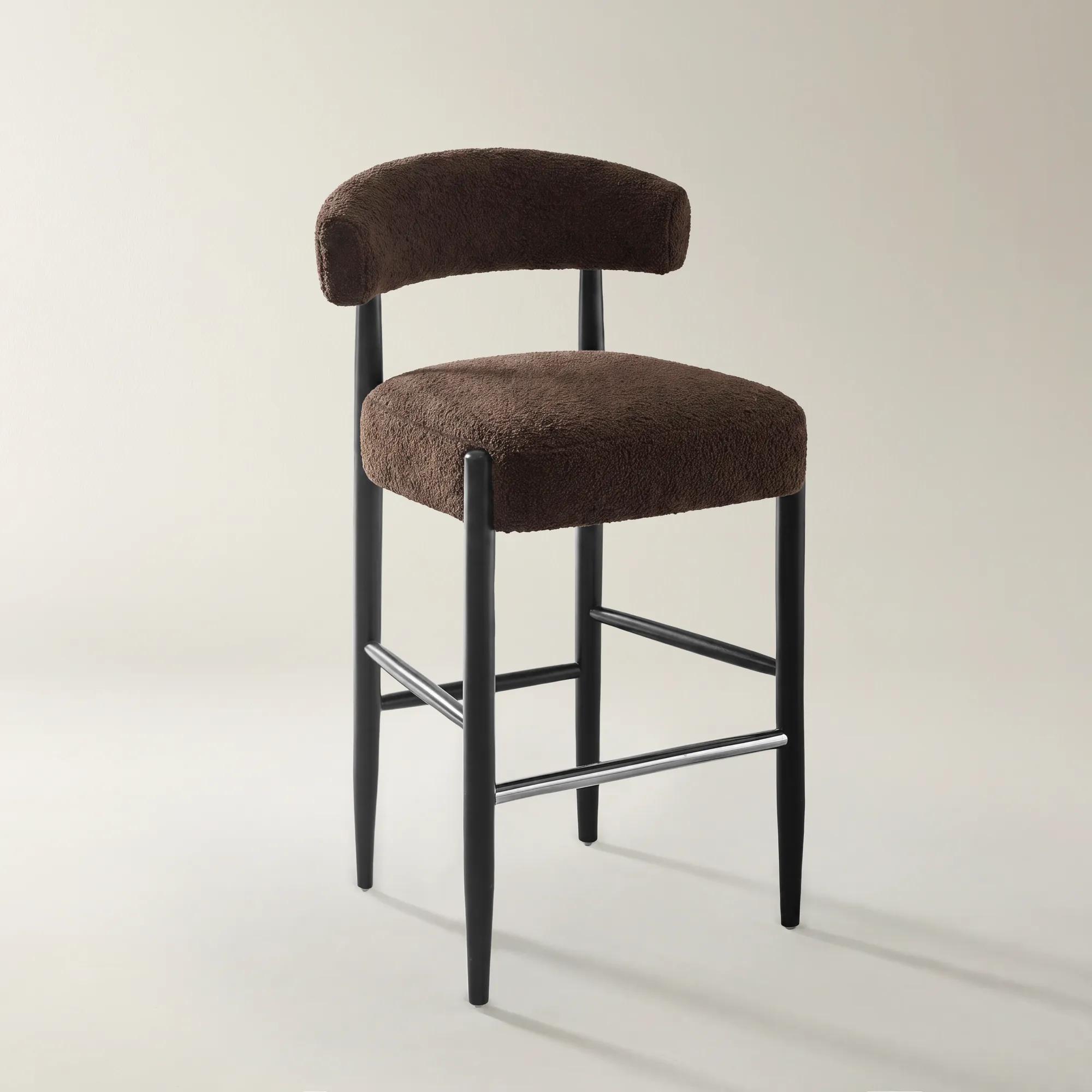 Anna Dark Chocolate Chenille Bar/Counter Stool$399
A dark chocolate chenille stool with sculpted support, padded comfort, and tapered solid rubberwood legs.
Add To Cart -
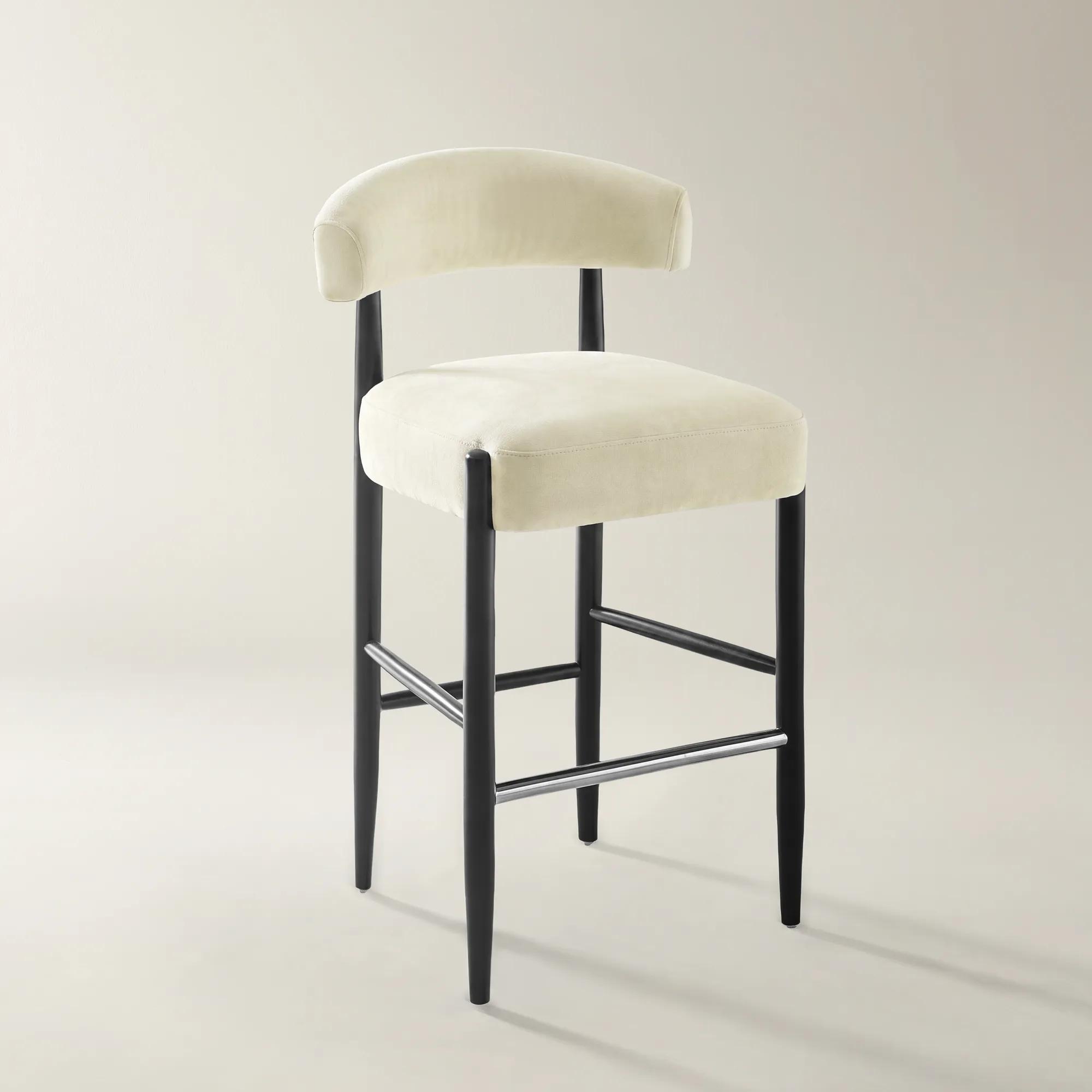 Anna Cloud Velvet Bar/Counter Stool$399
A tailored velvet stool with sculpted support, padded comfort, and solid rubberwood legs.
Add To Cart -
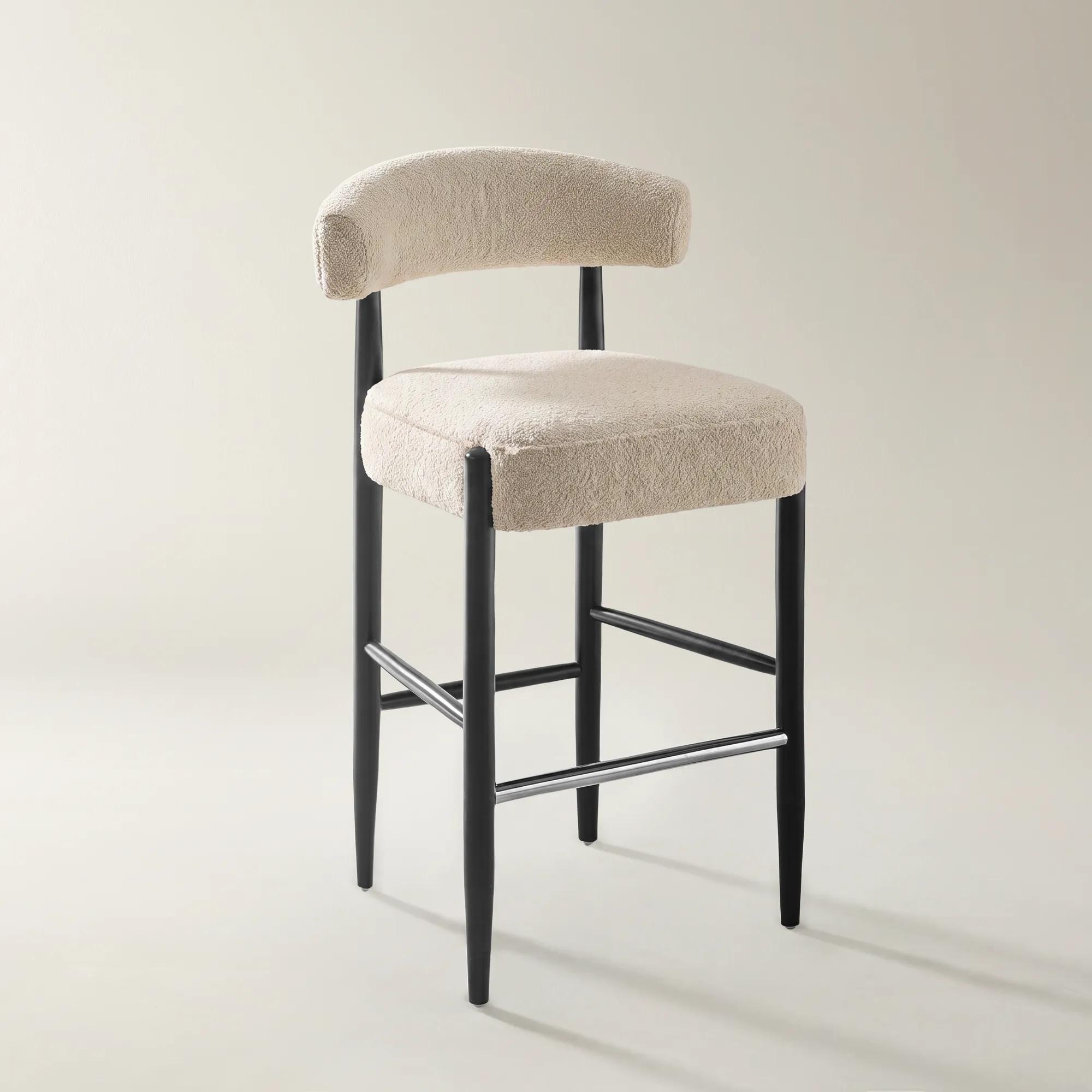 Anna Utopia Sand Chenille Bar/Counter Stool$399
A sand chenille stool with a sculpted padded seat, tailored upholstery, and tapered solid rubberwood legs.
Add To Cart -
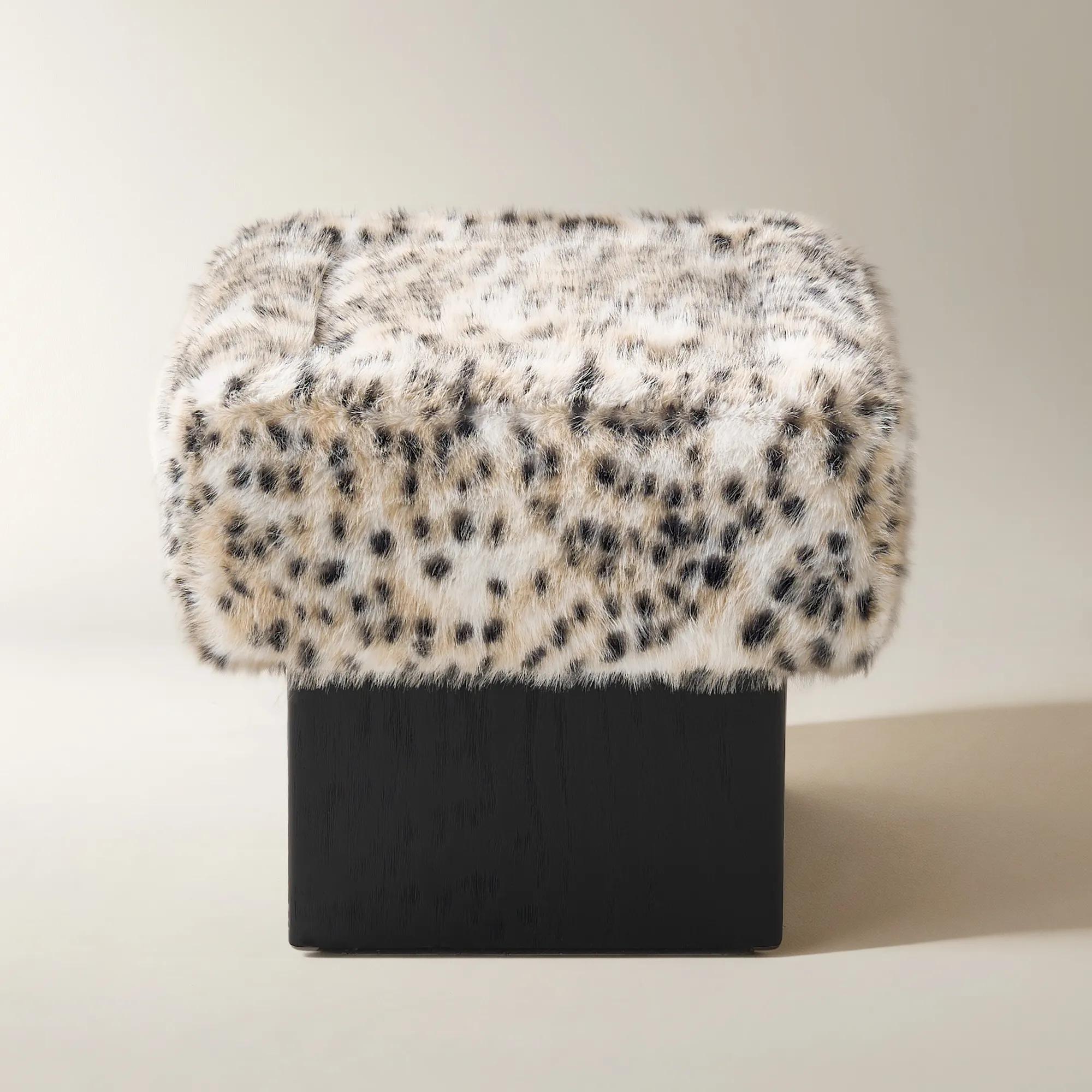 Reims Spotted Faux Fur Stool$399
A plush spotted faux fur stool with a sculpted cushion and solid rubberwood base for modern contrast.
Add To Cart -
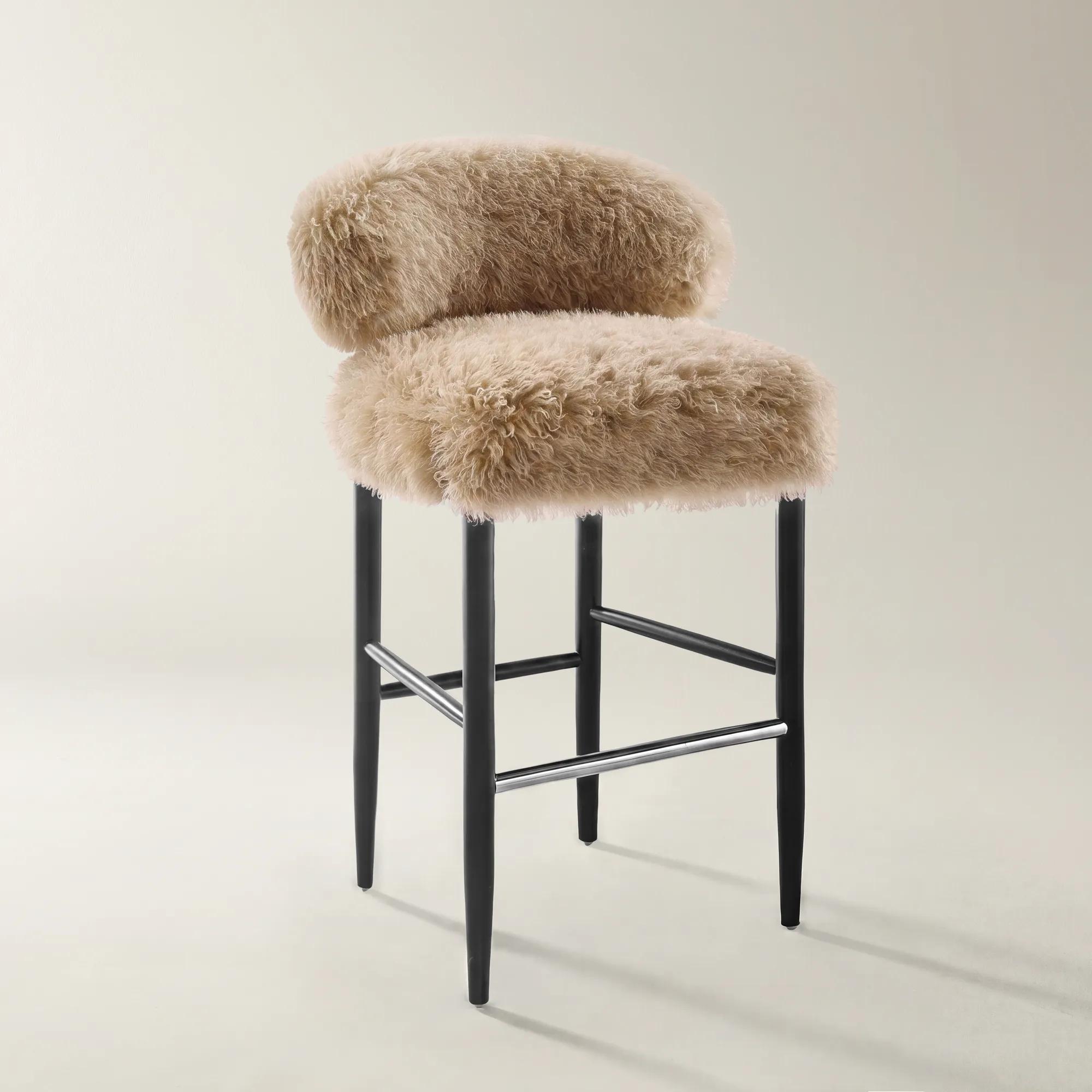 Anna Tan Faux Fur Bar/Counter Stool$499
A tan faux-fur counter stool featuring sculpted support, high-density cushioning, and tapered solid rubberwood legs.
Add To Cart -
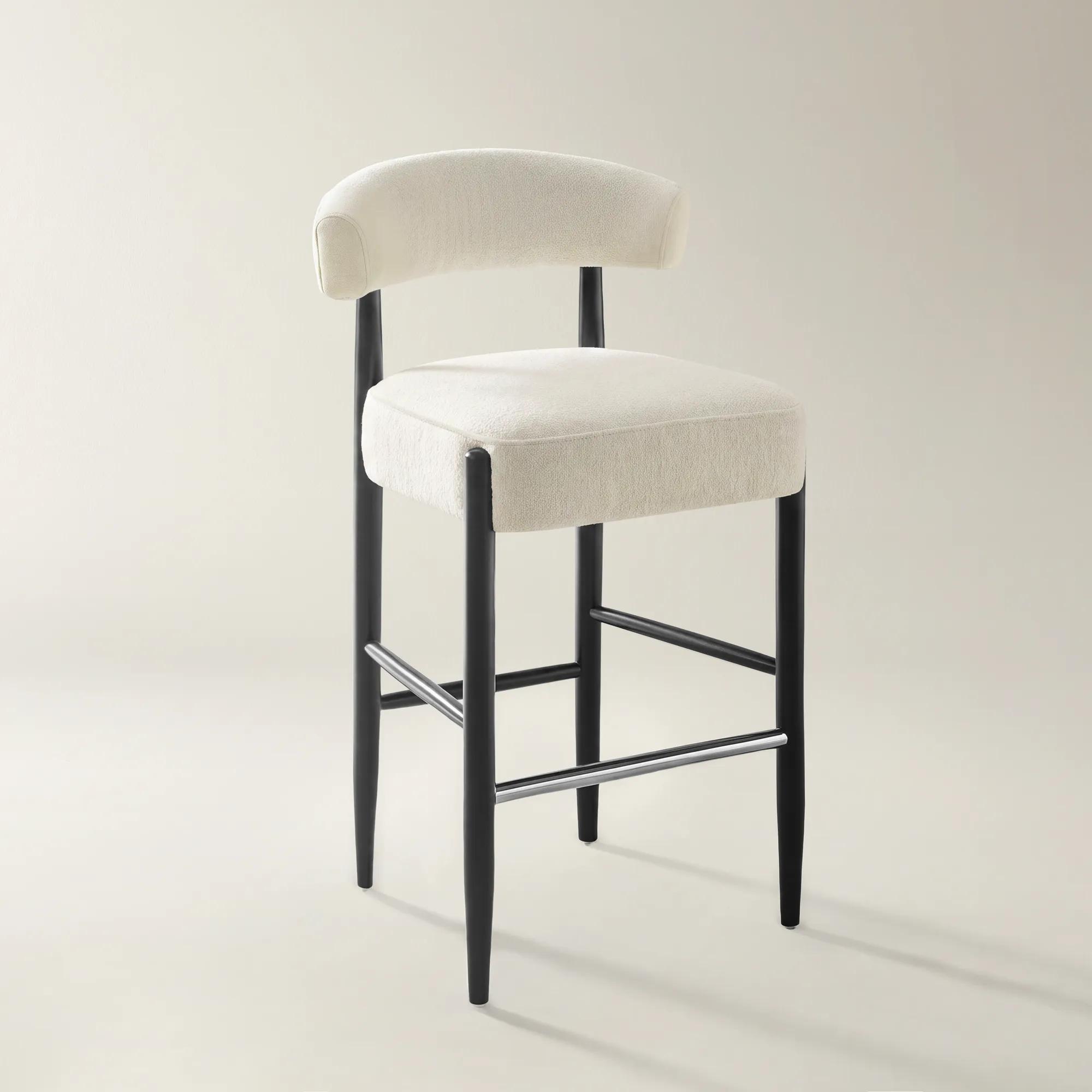 Anna Ivory Performance Chenille Bar/Counter Stool$399
A sculpted ivory performance chenille stool with plush padding and tapered solid rubberwood legs.
Add To Cart -
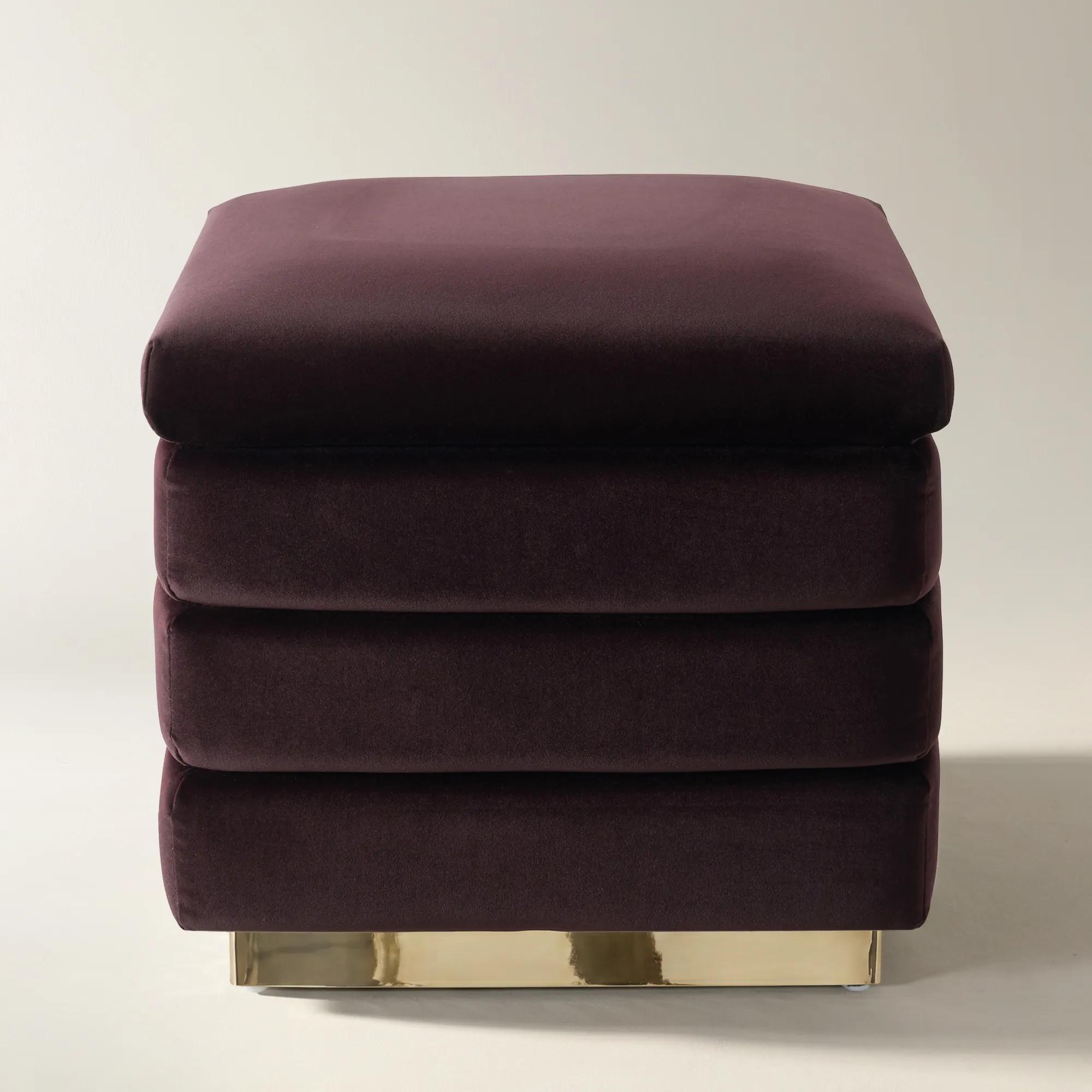
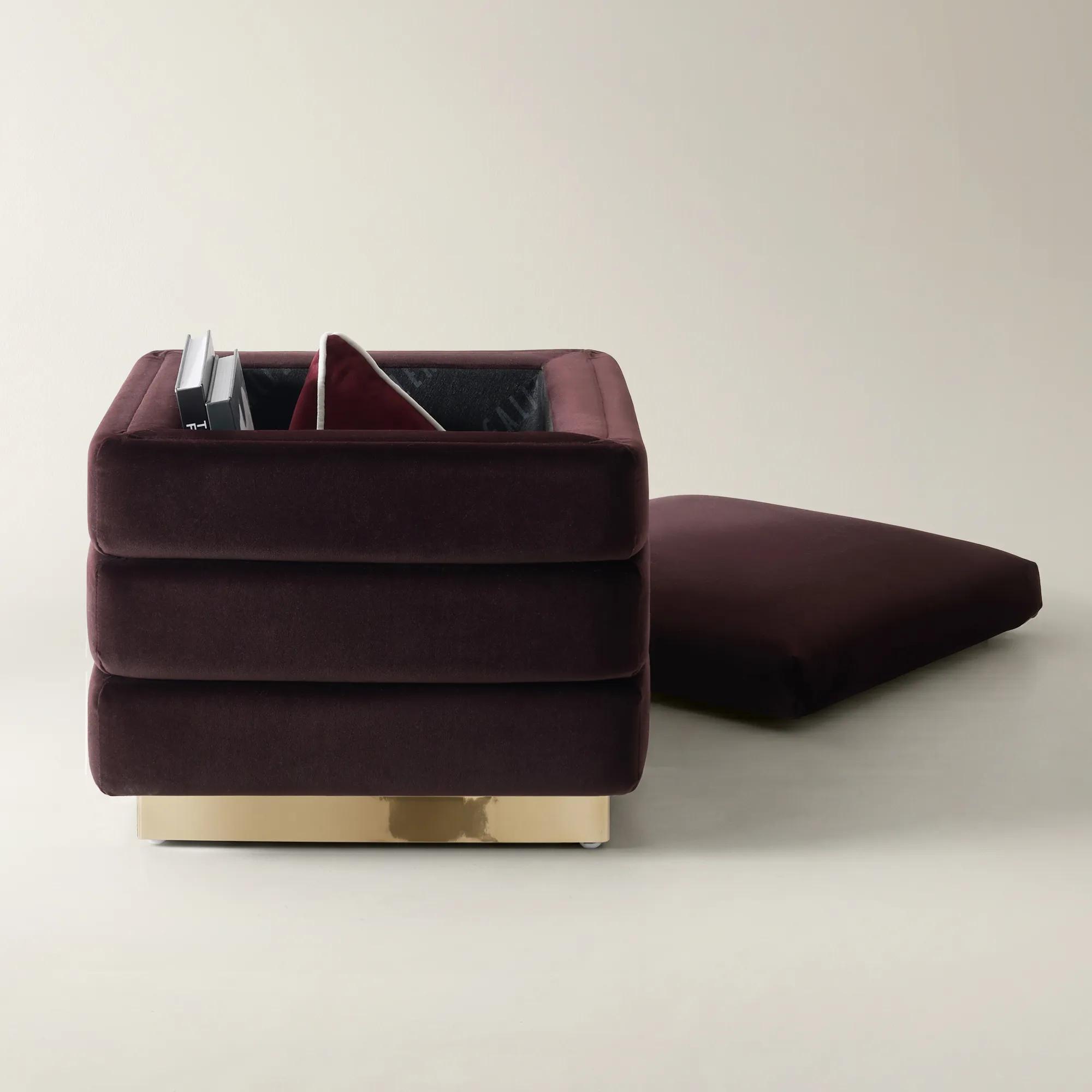 Gable Fig Chenille Storage Stool$399
A plush fig chenille stool with hidden storage, velvet upholstery, and a polished gold stainless steel base.
Add To Cart -
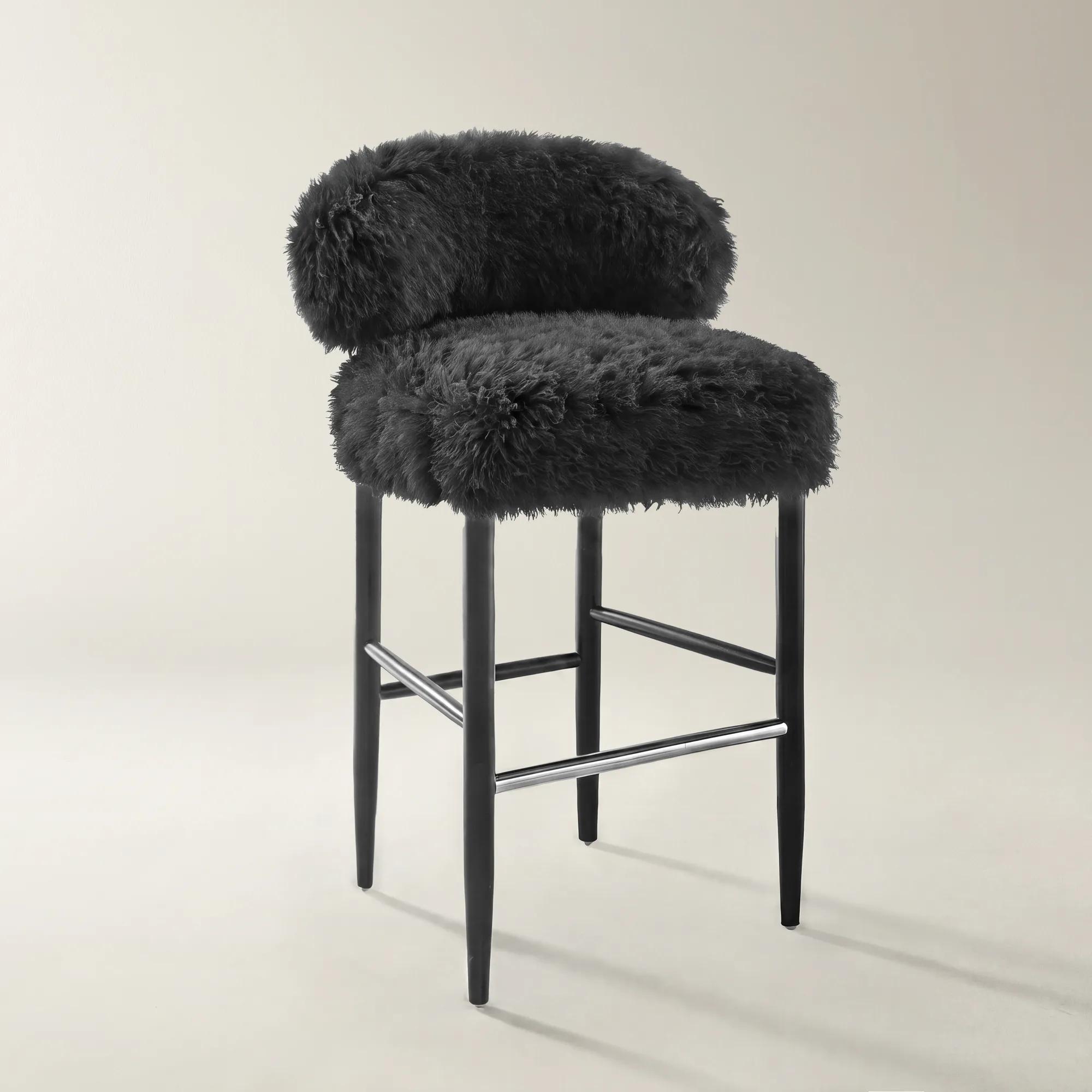 Anna Black Faux Fur Bar/Counter Stool$499
A black faux fur stool with sculpted support, padded seating, and solid rubberwood legs.
Add To Cart -
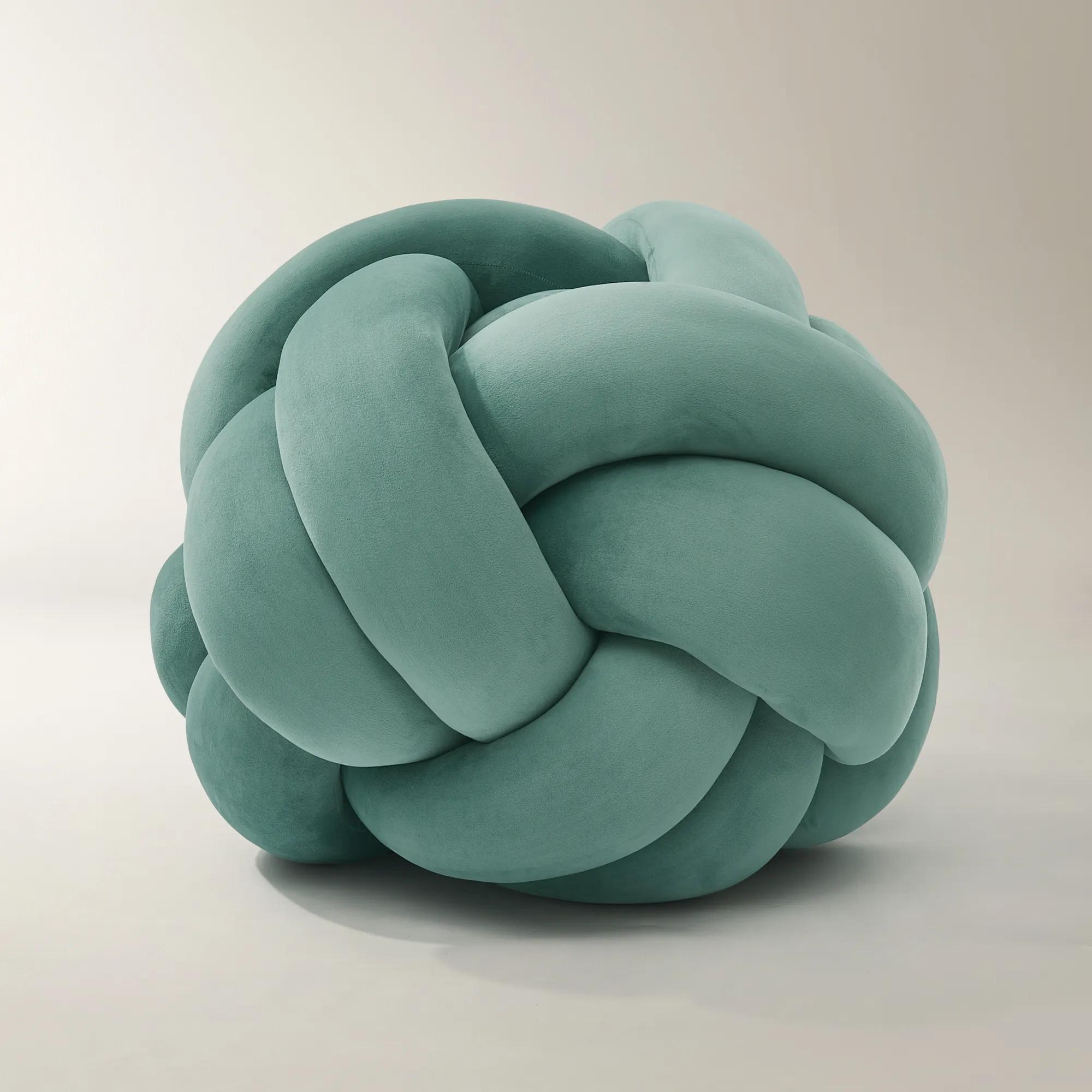 Loopie Ocean Teal Velvet Stool (34.5")$399
A bold sculptural stool featuring plush ocean teal velvet upholstery and an oversized knotted silhouette.
Add To Cart -
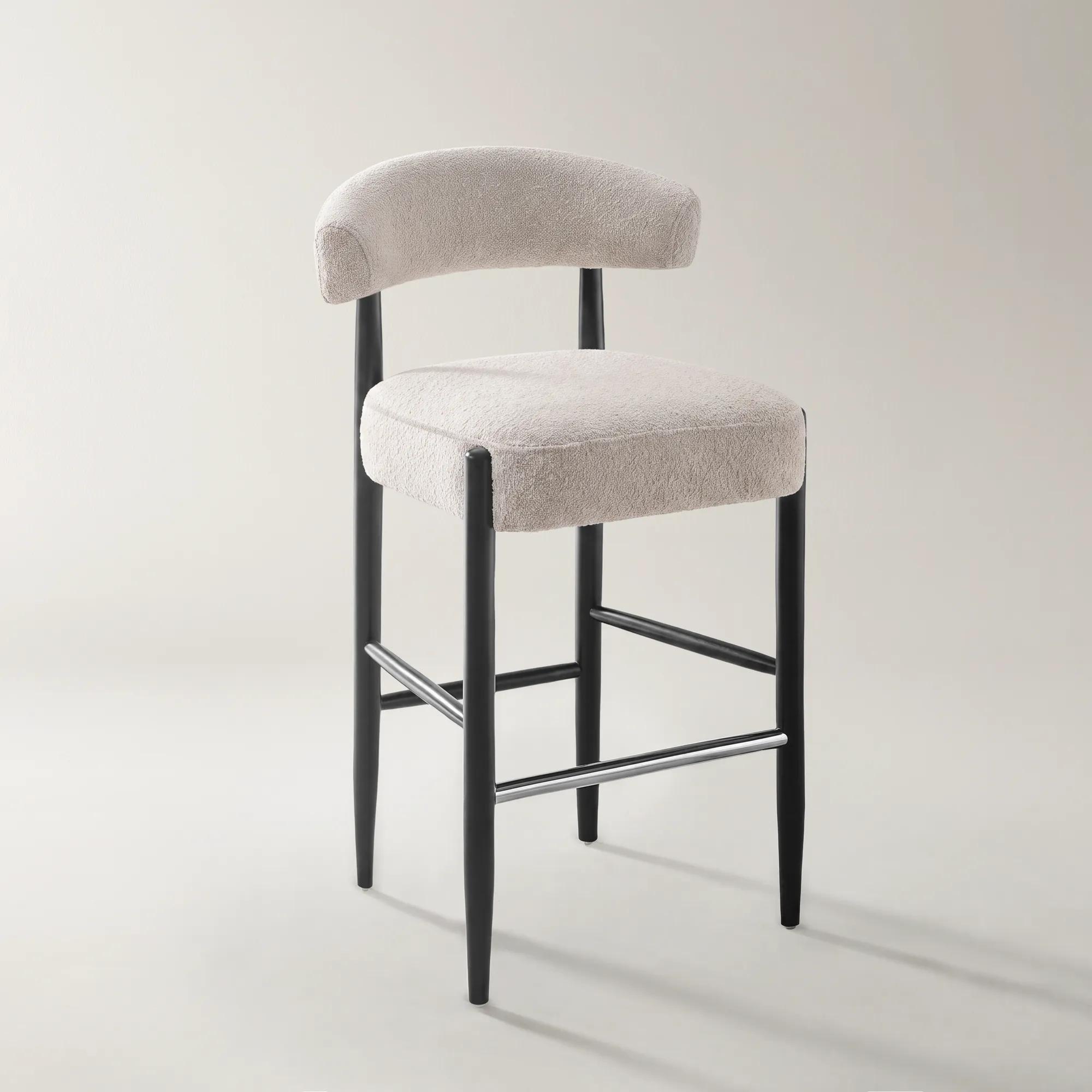 Anna Ivory Performance Boucle Bar/Counter Stool$399
A sculpted ivory performance-bouclé stool with padded support and tapered solid-rubberwood legs for elevated entertaining.
Add To Cart -
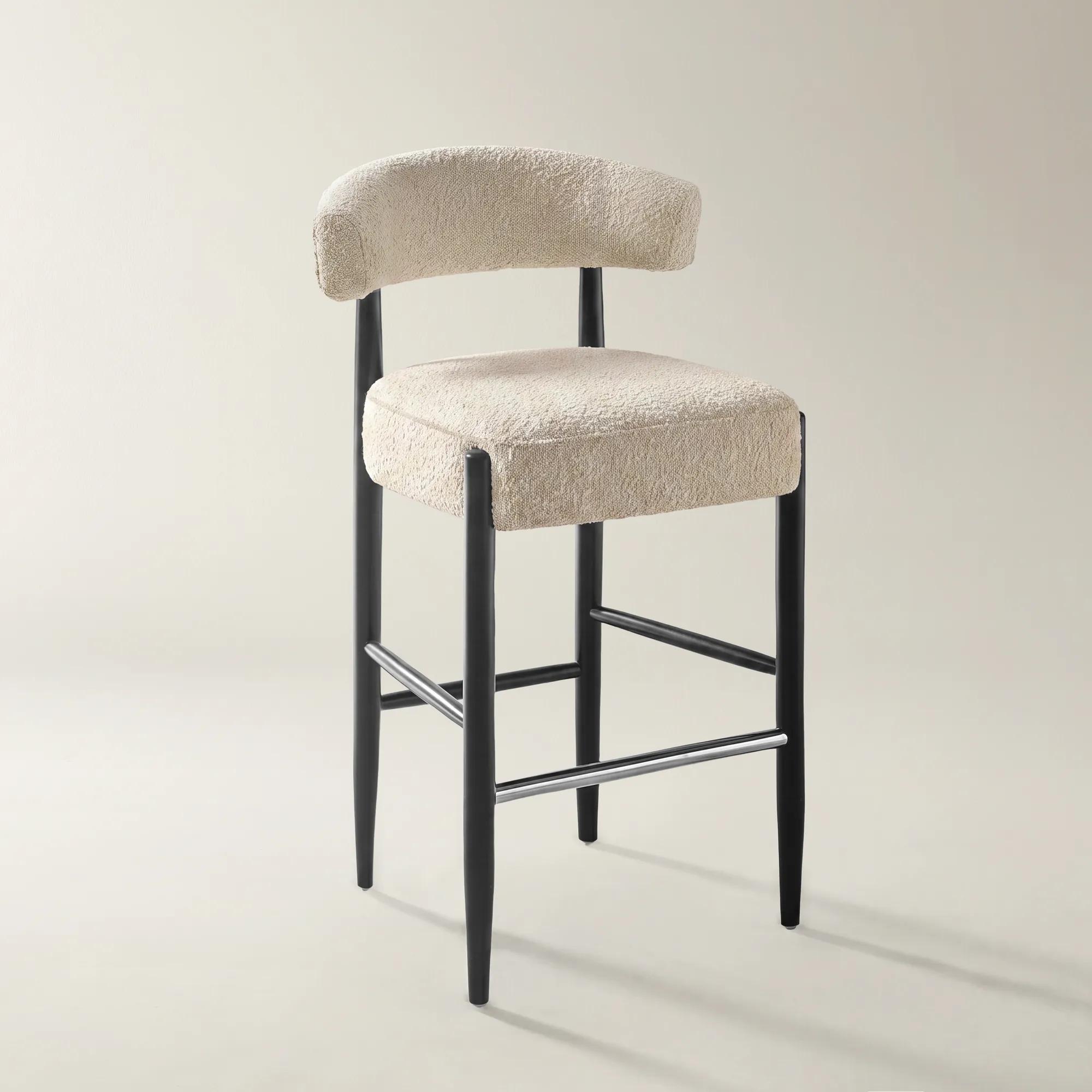 Anna Ivory Performance Boucle Bar/Counter Stool$399
A sculpted ivory performance-bouclé stool with padded support, tailored upholstery, and tapered solid-rubberwood legs.
Add To Cart -
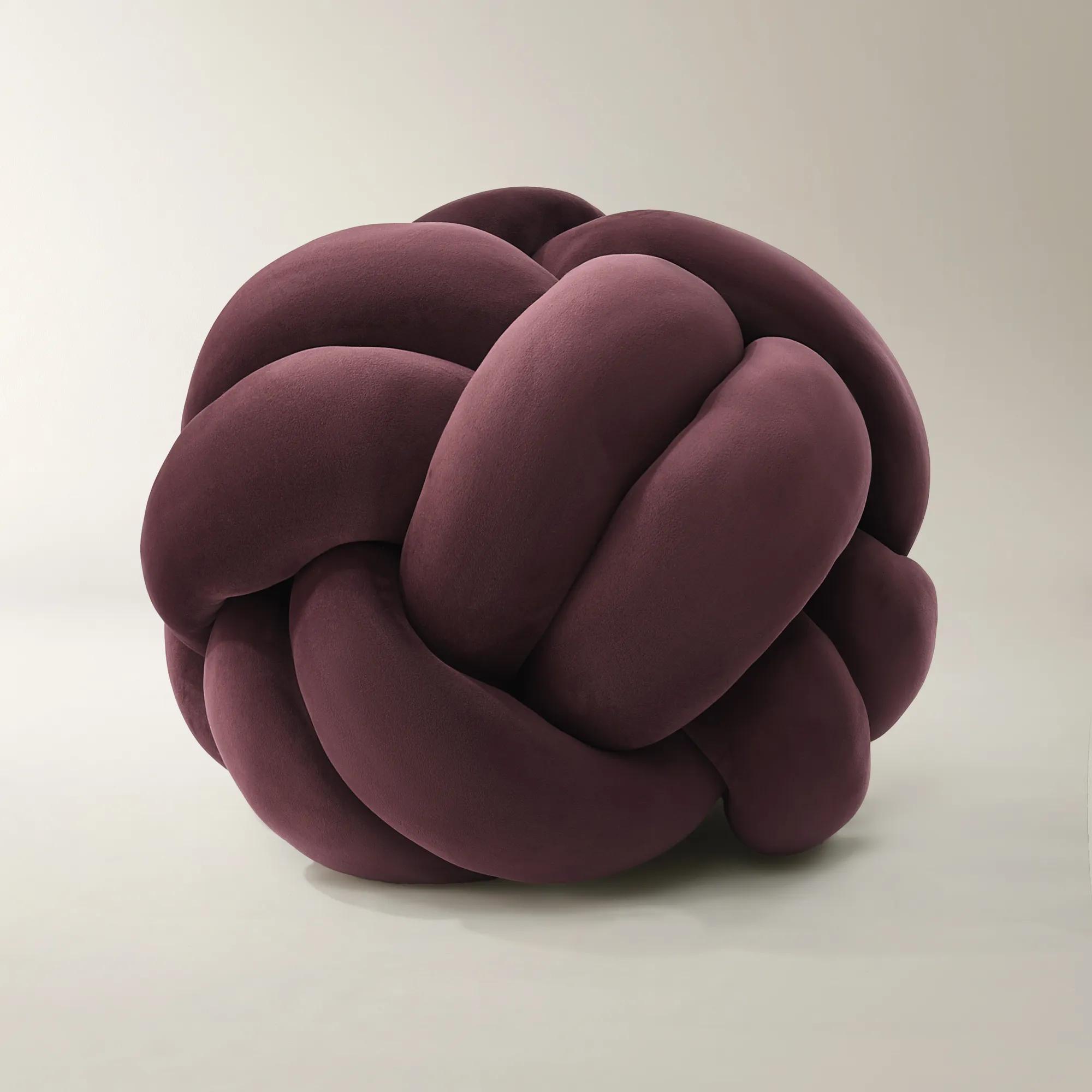
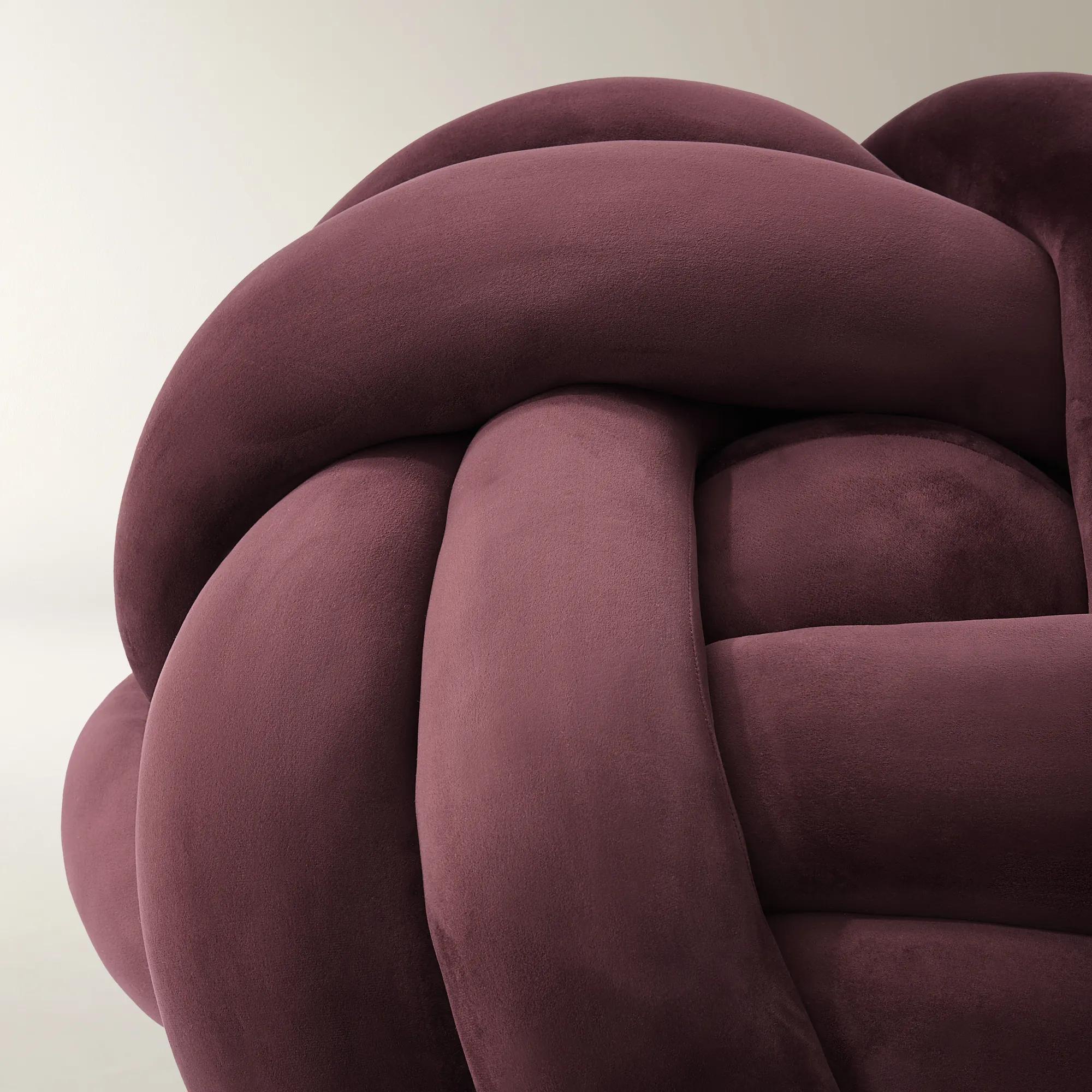 Loopie Fig Velvet Stool (34.5")$399
An oversized, knot-inspired stool hand-upholstered in plush fig velvet for bold sculptural appeal.
Add To Cart -
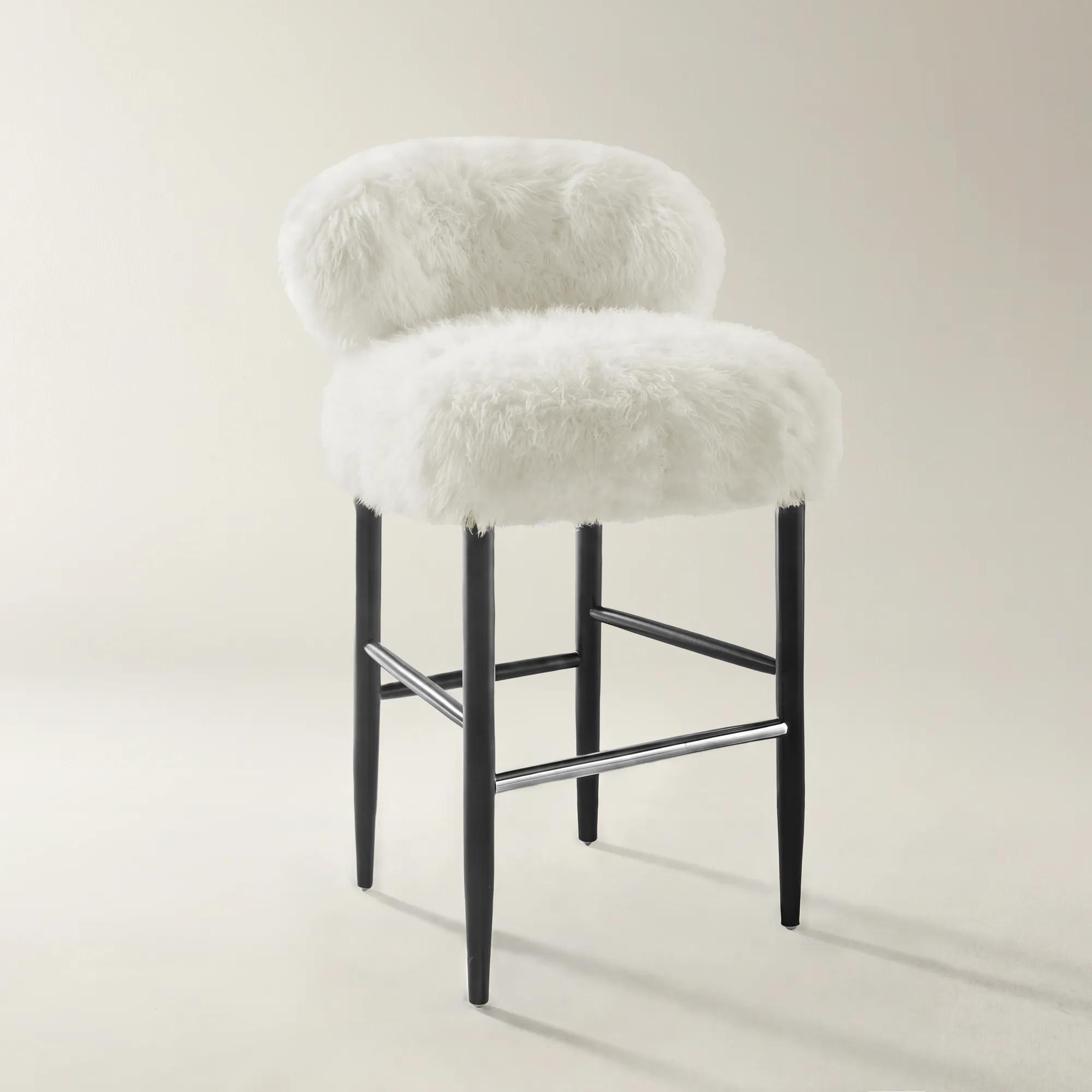 Anna Ivory Faux Fur Bar/Counter Stool$499
An ivory faux-fur stool with a sculpted padded seat and tapered solid rubberwood legs.
Add To Cart

Plush Upholstered Kitchen Stools
Plush upholstered kitchen stools transform the everyday into an experience of pure indulgence. Imagine mornings spent perched on sumptuous seats, where every meal becomes a moment of luxury and every gathering feels like a celebration. These artful accents invite you to linger longer—infusing your kitchen with tactile elegance, sculptural silhouettes, and irresistible comfort. Whether framing a glamorous breakfast bar or elevating an intimate nook, plush upholstered kitchen stools become the statement-making foundation for spaces that are as inviting as they are unforgettable. Paint your culinary haven with layers of texture and style—because extraordinary living begins at home.
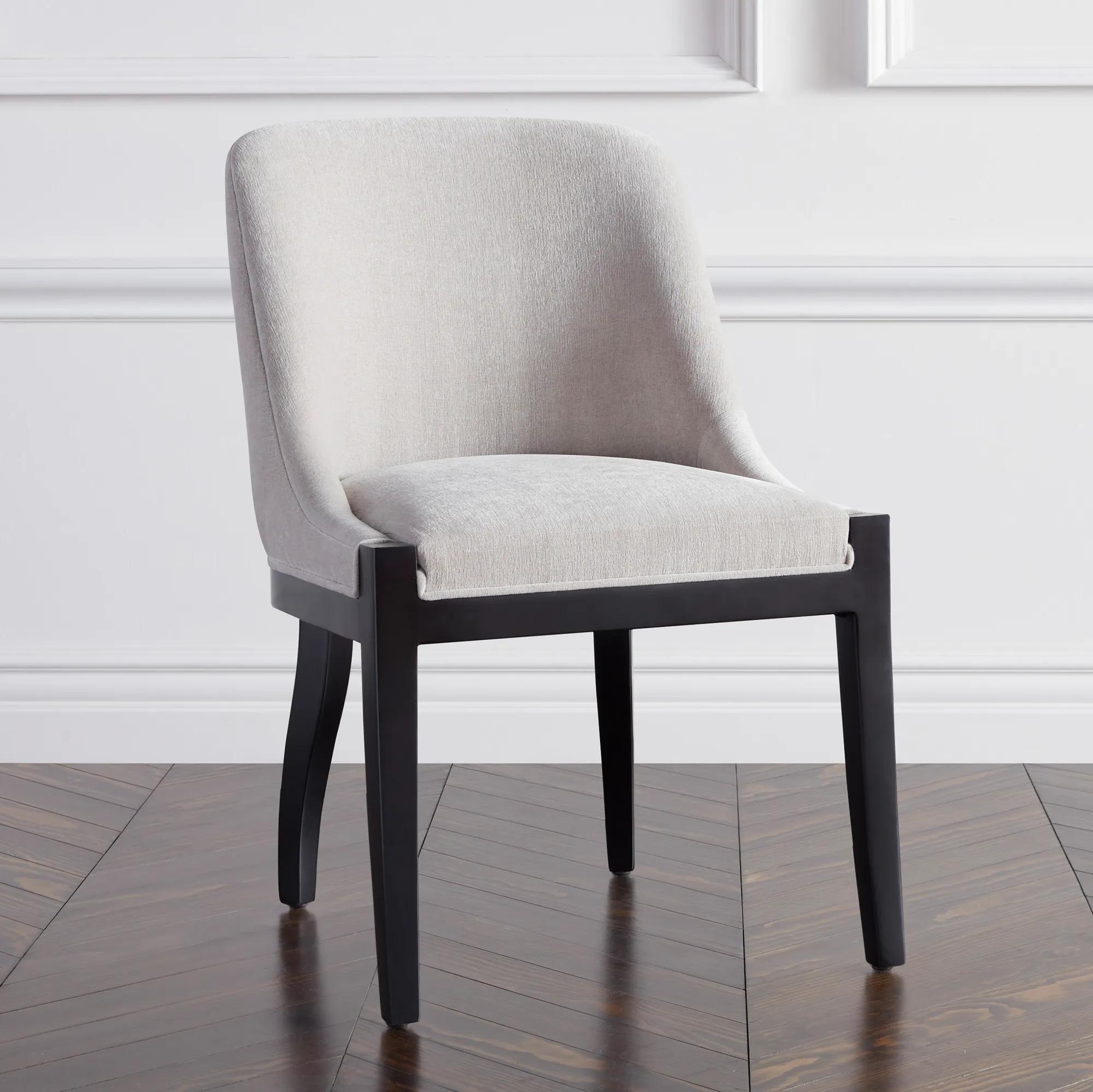
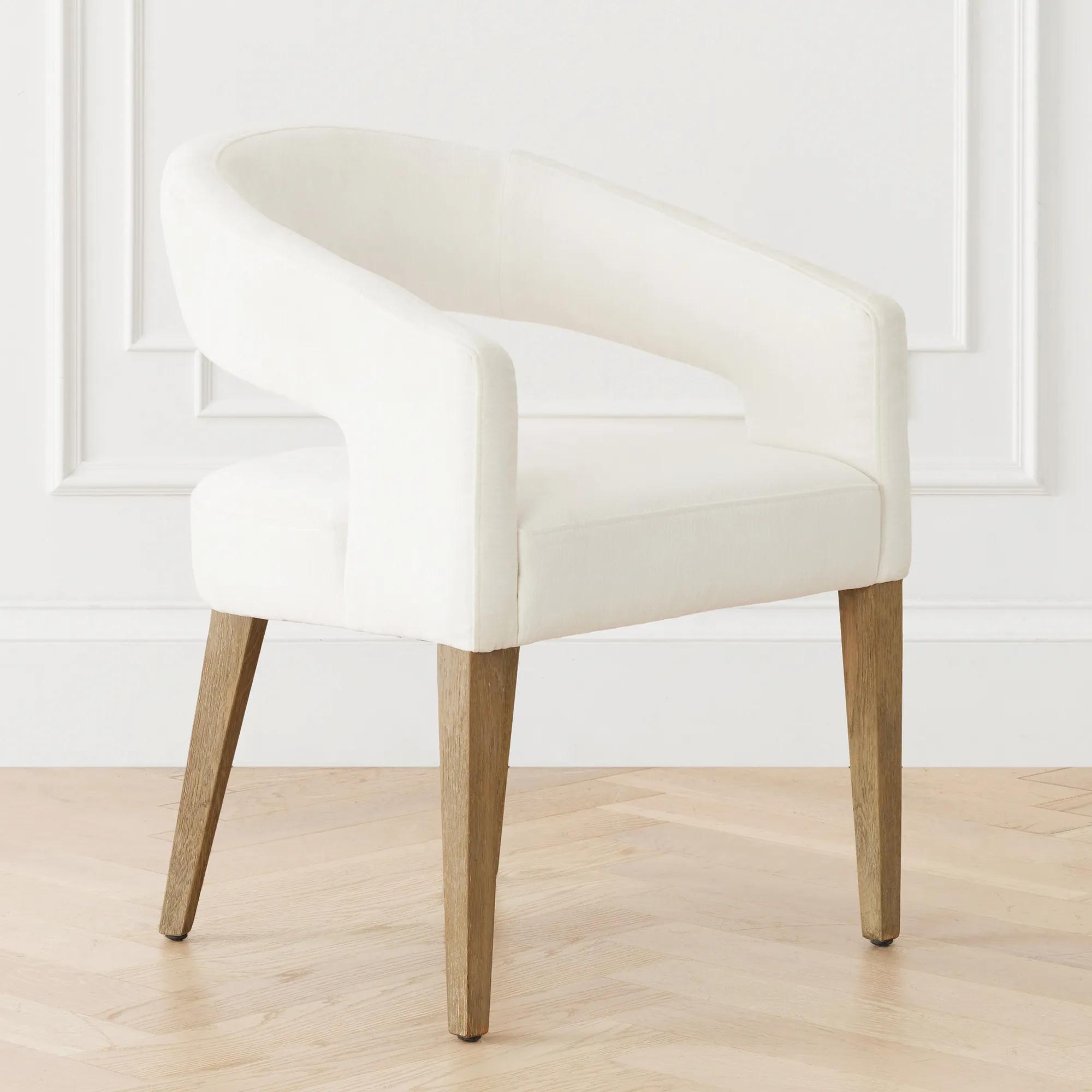
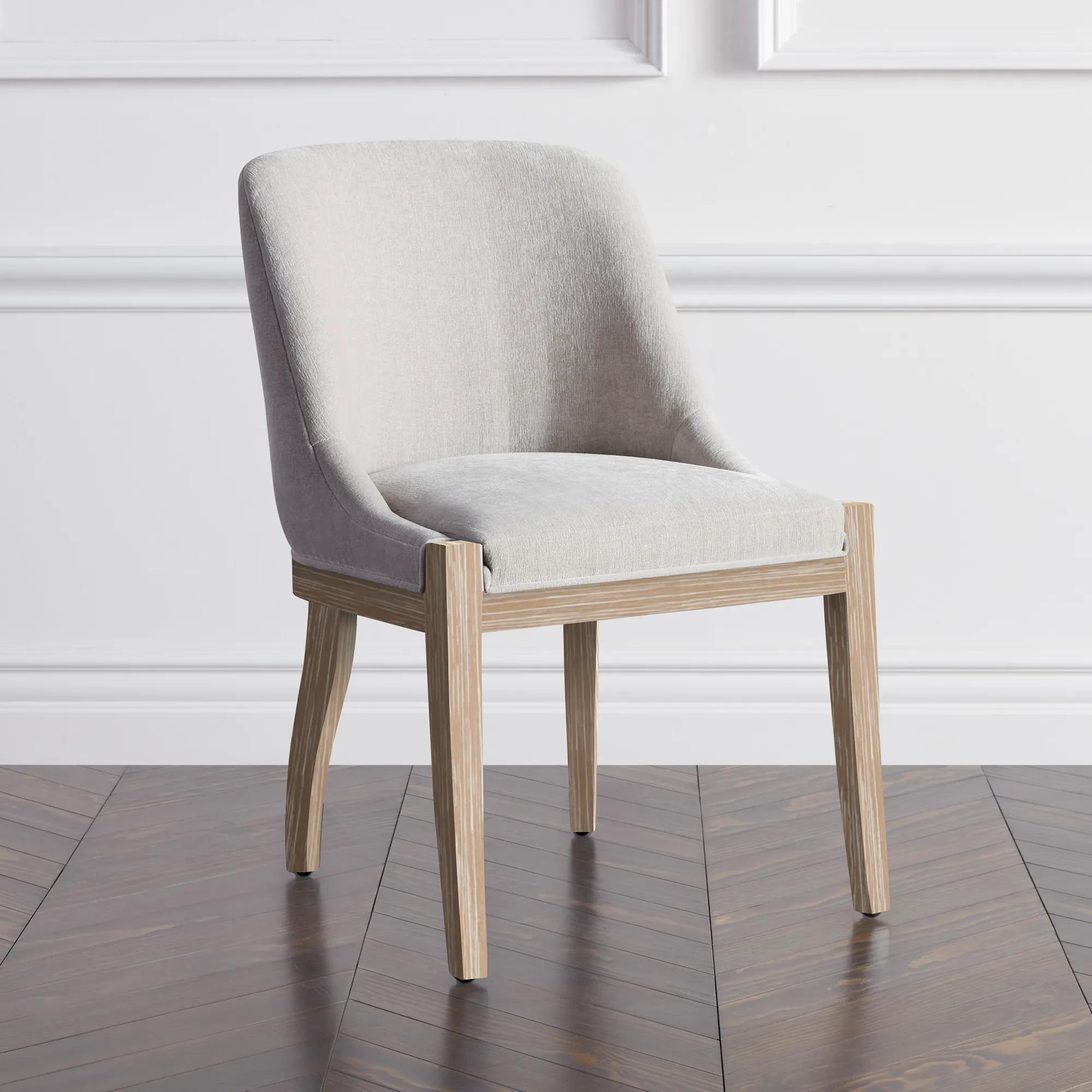
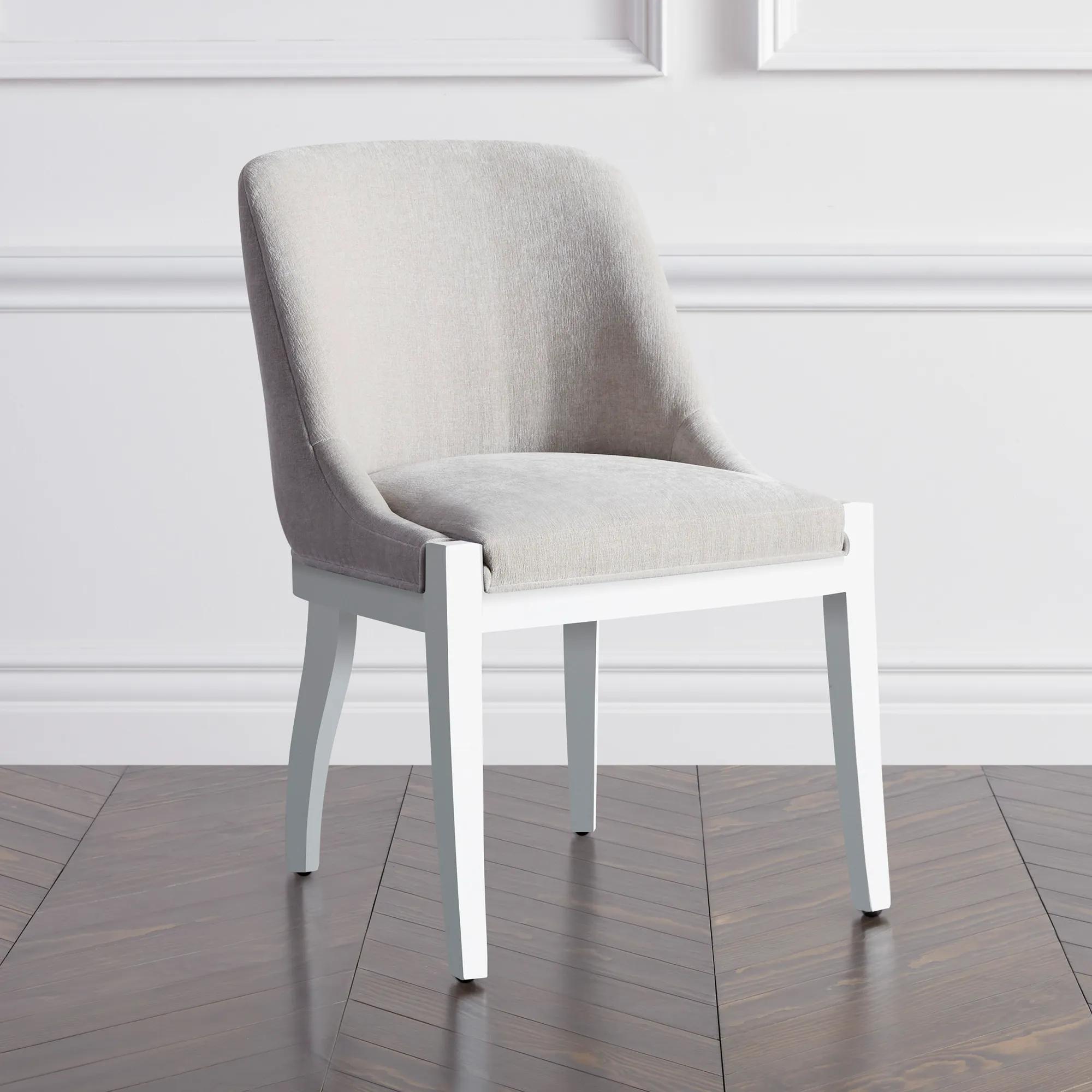
Plush upholstered kitchen stools bring generous cushioning and expressive texture to the kitchen island, breakfast counter, or elevated dining ledge. Their defining appeal is a padded seat wrapped in fabric, leather, or faux leather, often complemented by an upholstered back that makes everyday seating feel more inviting. A sculpted silhouette in luminous velvet can lend a kitchen the polish of a dining room, while softly looped bouclé introduces depth against smooth stone, lacquered cabinetry, and gleaming metal. These are seats for lingering over espresso, sharing conversation while dinner takes shape, or turning an island into an intimate gathering place. Velvet has a directional pile that catches light differently across its surface, creating tonal variation and a rich, dimensional finish. Bouclé offers a nubby, textured appearance, although its loops may require extra consideration around pets whose claws can snag the weave. Tightly woven fabrics create a more tailored impression and can be practical for frequently used seating, depending on their fiber content and construction. Performance upholstery may offer added stain resistance or easier cleaning, but those benefits vary by fabric and should be confirmed in the care information rather than assumed from the label alone. Leather brings a supple surface and distinctive character; faux leather offers a similar visual effect with different maintenance requirements. Neither should be treated as impervious to spills, scratches, or wear. Beneath the upholstery, padding determines whether a stool feels gently yielding or more firmly supportive. A thick cushion creates visual fullness, but thickness alone does not establish comfort or durability: foam resilience, the underlying seat support, and the way the upholstery is secured all contribute. Button tufting, channel stitching, and neatly finished seams add definition, giving the cushion an architectural presence rather than simply increasing its softness. For a kitchen with strongly veined countertops or dramatic pendants, restrained upholstery can provide a composed counterpoint. In a quieter setting, a richly colored seat or an enveloping backrest can become the detail that gives the entire room its identity.
Scale is what allows that sense of luxury to function beautifully in daily life. Kitchen stools are generally offered in counter-height and bar-height proportions, and the names are not interchangeable. Counter-height seats are typically about 24 to 26 inches high for surfaces around 34 to 36 inches tall, while bar-height seats are commonly about 28 to 30 inches high for surfaces around 40 to 42 inches tall. The actual measurements matter more than the category name: approximately 10 to 12 inches between the seat and the underside of the counter usually provides comfortable legroom, with thick countertop edges, support brackets, and aprons potentially reducing that space. An upholstered cushion also has depth and may compress when someone sits, so the listed seat height should be considered alongside the stool’s construction. Across the island, allowing roughly 24 to 30 inches of width per person is a useful starting point, although broad seats, arms, and swivel mechanisms may need more room. Several inches between seat edges help guests sit down without brushing against neighboring upholstery, and a swivel stool needs clearance through its turning arc. A full back offers a more enclosed, supportive feel for extended conversation or a leisurely meal; a low back creates a lighter visual line, while a backless silhouette can tuck beneath an overhang when its dimensions permit. Arms add a lounge-like quality but may prevent a stool from sliding fully beneath the counter. A well-positioned footrest provides a place to settle the feet instead of leaving them suspended, especially on taller seating. Solid wood frames can introduce warmth and visible grain, while metal frames offer crisp outlines and finishes ranging from understated matte surfaces to polished accents. Lasting stability depends on secure joints, sound construction, and an appropriate stated weight capacity, not merely the frame material. Protective glides suited to the floor help reduce scratching, and a stable base is particularly important where seating is moved frequently. The related silhouettes within Upholstered Kitchen Bar Stools offer another way to consider how upholstered seating can connect an island with the surrounding entertaining space.
The most compelling plush seating balances its decorative presence with the realities of a working kitchen. In a household where the island hosts breakfast, homework, and evening conversation, upholstery that tolerates frequent use deserves as much attention as its color. A tightly constructed weave, resilient cushioning, reinforced seams, and a frame that remains steady under normal movement are useful indicators to evaluate in the product details. Where abrasion ratings are provided, they offer information about a fabric’s tested wear resistance, but they do not predict every kind of damage or guarantee protection against stains. Pale ivory can create a striking contrast against dark cabinetry, while charcoal, taupe, or a saturated jewel tone may make some everyday marks less conspicuous; no color eliminates the need for care. Routine maintenance begins with the manufacturer’s instructions and the upholstery cleaning code. Gentle vacuuming with a suitable upholstery attachment helps remove crumbs and dust from seams, tufting, and textured surfaces before they become embedded. Fresh spills should generally be blotted promptly with a clean, absorbent cloth rather than rubbed into the fibers, and any permitted cleaner should be tested in an inconspicuous area. Water-based cleaning is not appropriate for every fabric, and excess moisture can affect both the covering and the cushion beneath it. Velvet may show pressure marks or changes in pile direction, so brushing or other treatments should follow its specific care guidance. Leather and faux leather require their own approved cleaning methods; harsh solvents and abrasive tools can damage their finishes. Positioning upholstered seating away from direct splashes, cooking grease, and prolonged strong sunlight can help preserve its appearance. For frequent hosts, a cushioned back and generous seat can make the island feel like an extension of the dining area. For compact kitchens, a narrower silhouette or a stool that tucks neatly beneath the counter can preserve circulation without surrendering texture or drama. Repeating a metal finish from nearby lighting creates continuity, while echoing an upholstery tone in adjacent dining seating draws the spaces together. The result is a kitchen with a deliberate point of view: beautifully proportioned, richly tactile, and comfortable enough for the conversations that continue long after the plates have been cleared.
FAQs
Plush upholstered kitchen stools are remarkably versatile, complementing a wide range of interiors. They infuse glamour into modern and contemporary kitchens, add softness to industrial spaces, and bring a sense of curated luxury to transitional or eclectic designs. Their tactile appeal and rich textures make them a standout choice for anyone looking to create a welcoming, expressive kitchen environment.
To keep your upholstered kitchen stools looking their best, regularly vacuum or gently brush the fabric to remove dust and crumbs. For spills, blot immediately with a clean, dry cloth—avoid rubbing, which can set stains. Many performance fabrics are designed to resist stains and can be spot-cleaned with mild soap and water. For velvet or other delicate materials, use a soft brush to restore the pile and consult care instructions for specific recommendations.
Absolutely—many upholstered stools are crafted with durable, stain-resistant fabrics that stand up beautifully to everyday life. Look for options featuring performance textiles and sturdy frames, which can handle the hustle and bustle of busy households. The plush comfort also makes them a favorite spot for family gatherings, homework sessions, and casual meals.
This season, lush jewel tones like emerald, sapphire, and deep amethyst are making a bold statement, while soft neutrals such as dove gray, taupe, and blush offer timeless elegance. Textures are equally important—think rich velvets, sophisticated boucle, or classic linen weaves. These choices add depth and dimension, transforming any kitchen into a space that feels both current and inviting.
Yes, their versatility extends well beyond the kitchen island. Plush upholstered stools make striking additions to home bars, game rooms, or even as chic seating in a vanity area or dressing room. Their sculptural silhouettes and luxurious materials allow them to elevate any corner, creating moments of comfort and style throughout your home.