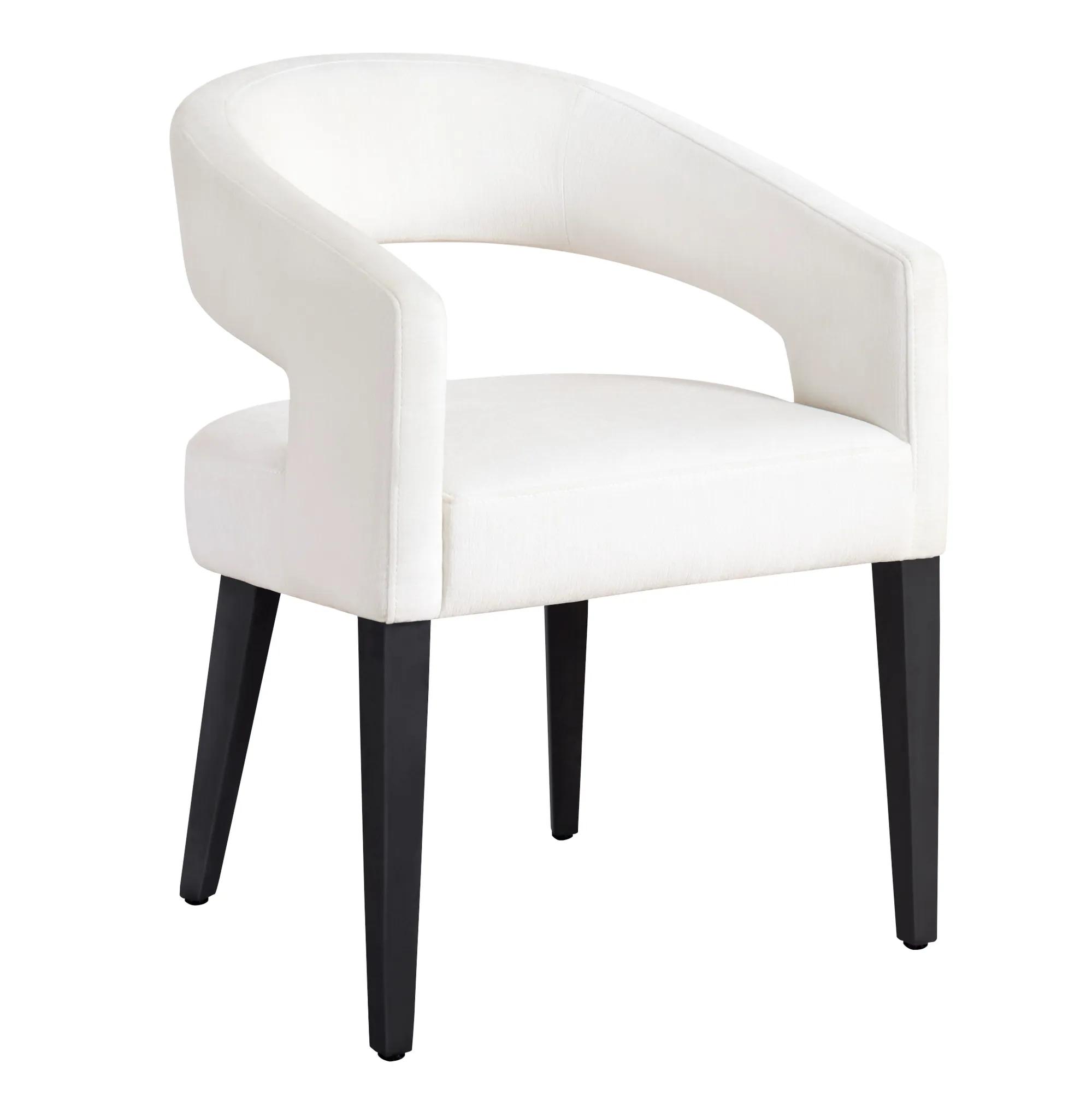
Plush Upholstered Counter Stools With Back
Plush Upholstered Counter Stools With Back
-
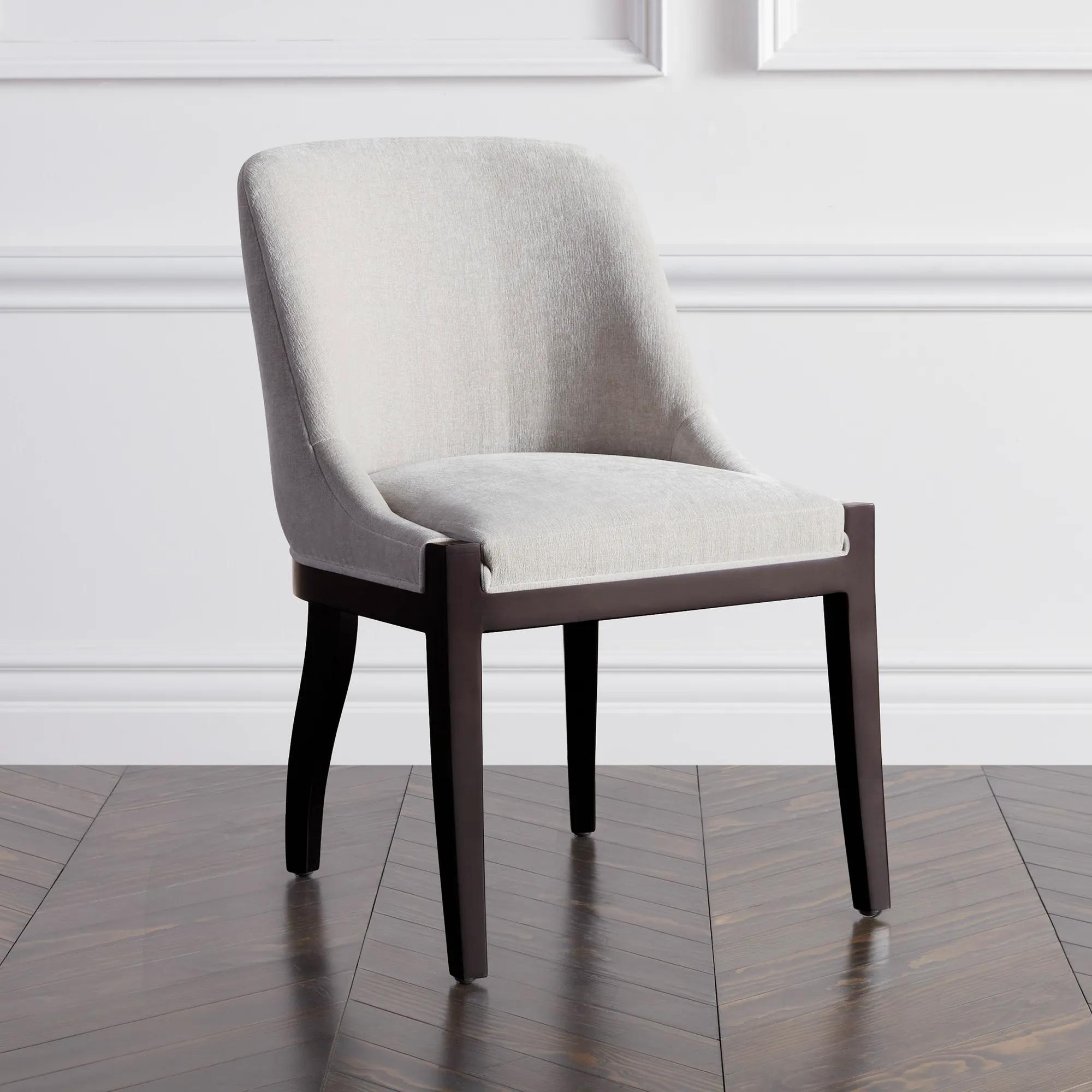
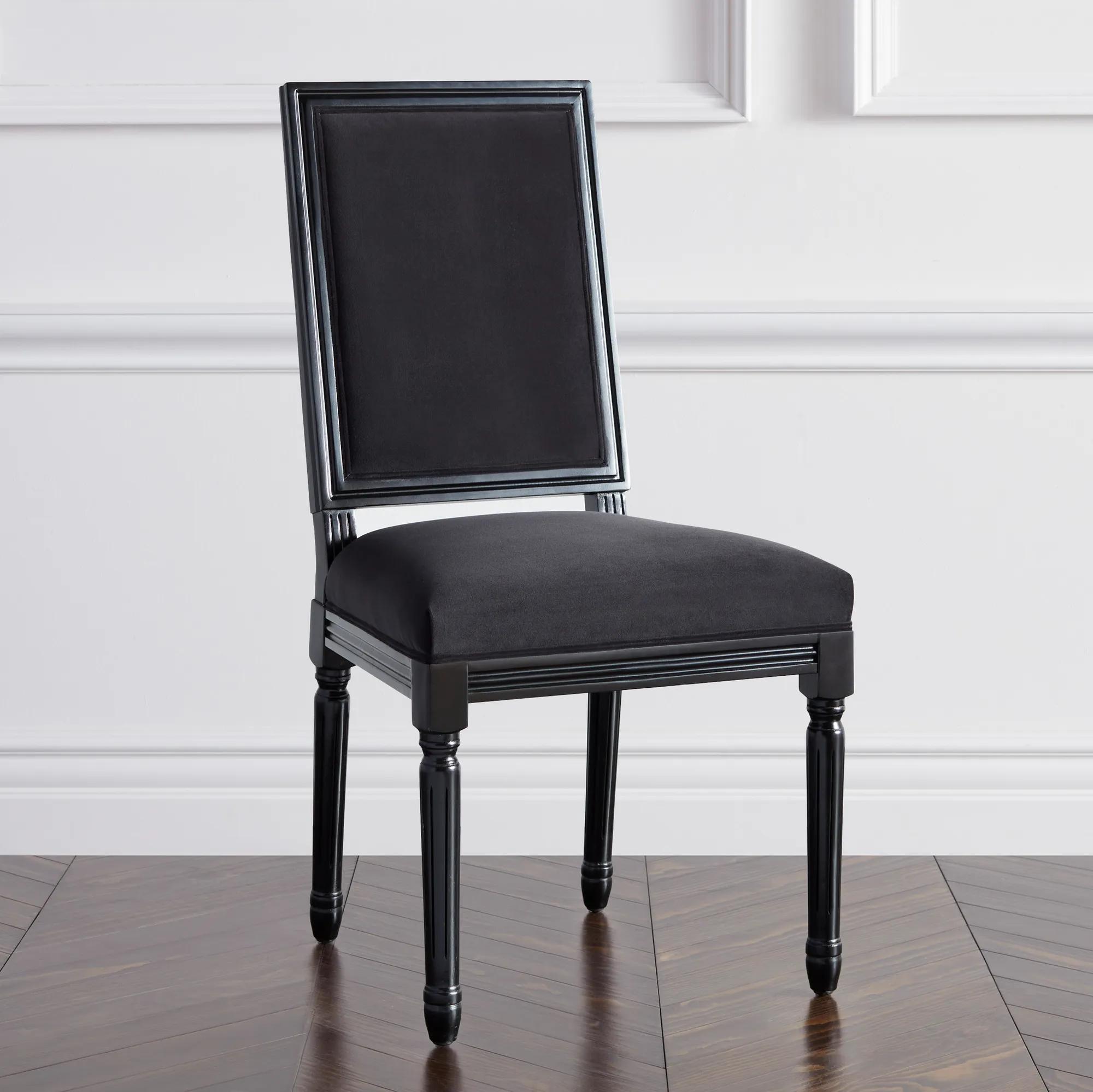
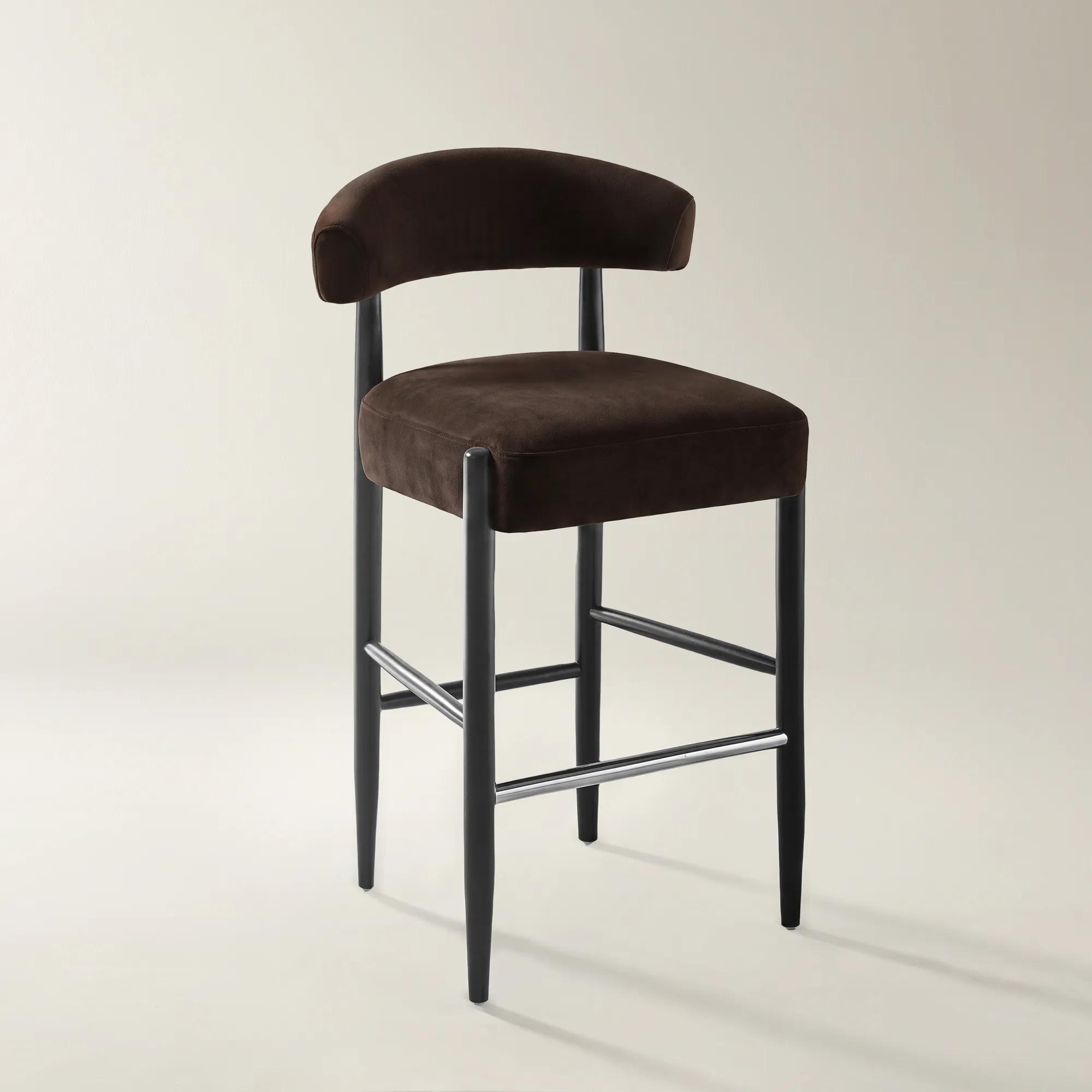 Anna Dark Chocolate Velvet Bar/Counter Stool$449
A dark chocolate velvet counter stool with a sculpted back, padded seat, and tapered solid-rubberwood legs.
Add To Cart -
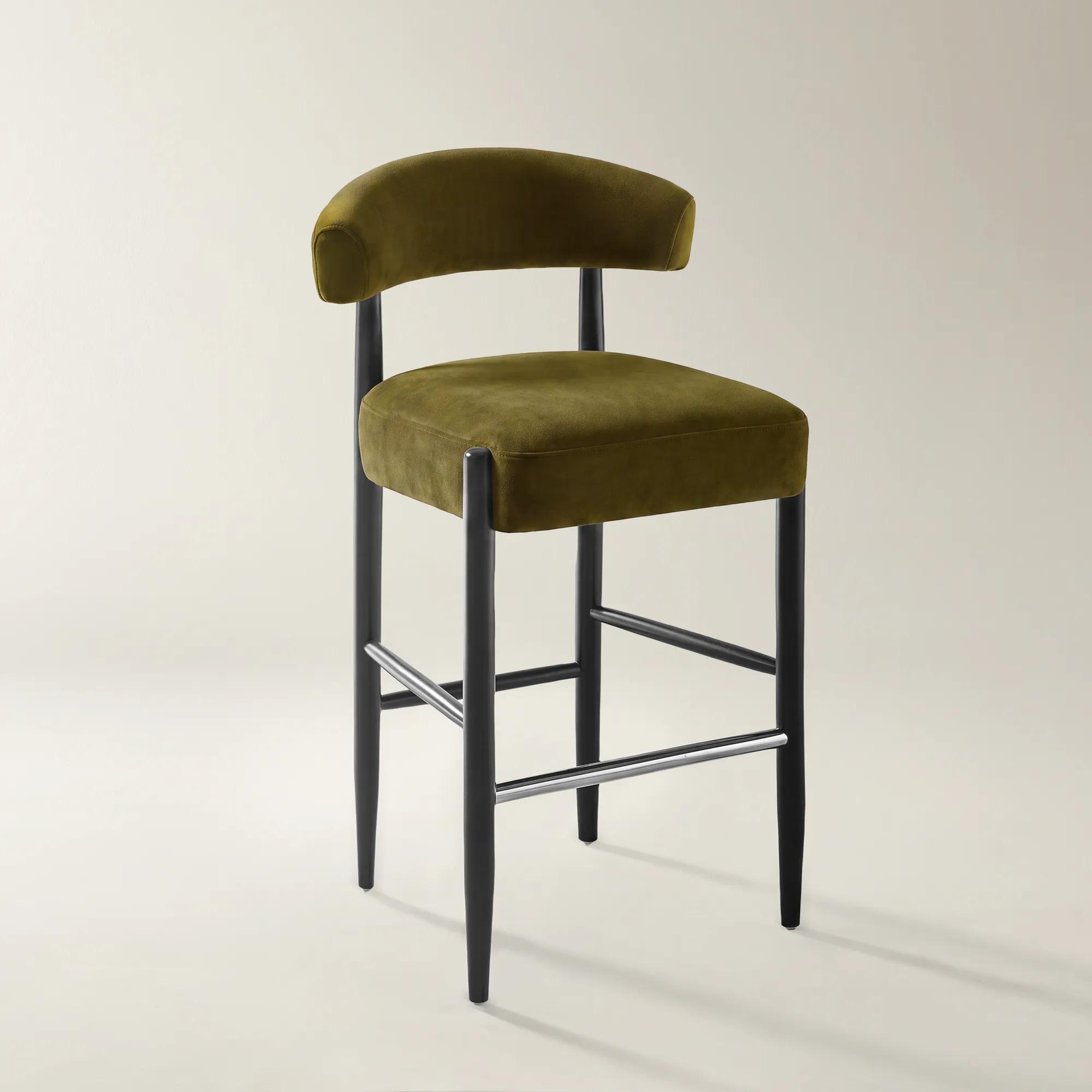 Anna Deep Olive Velvet Bar/Counter Stool$449
A green velvet bar stool with a sculpted padded seat, tailored upholstery, and tapered solid-rubberwood legs.
Add To Cart -
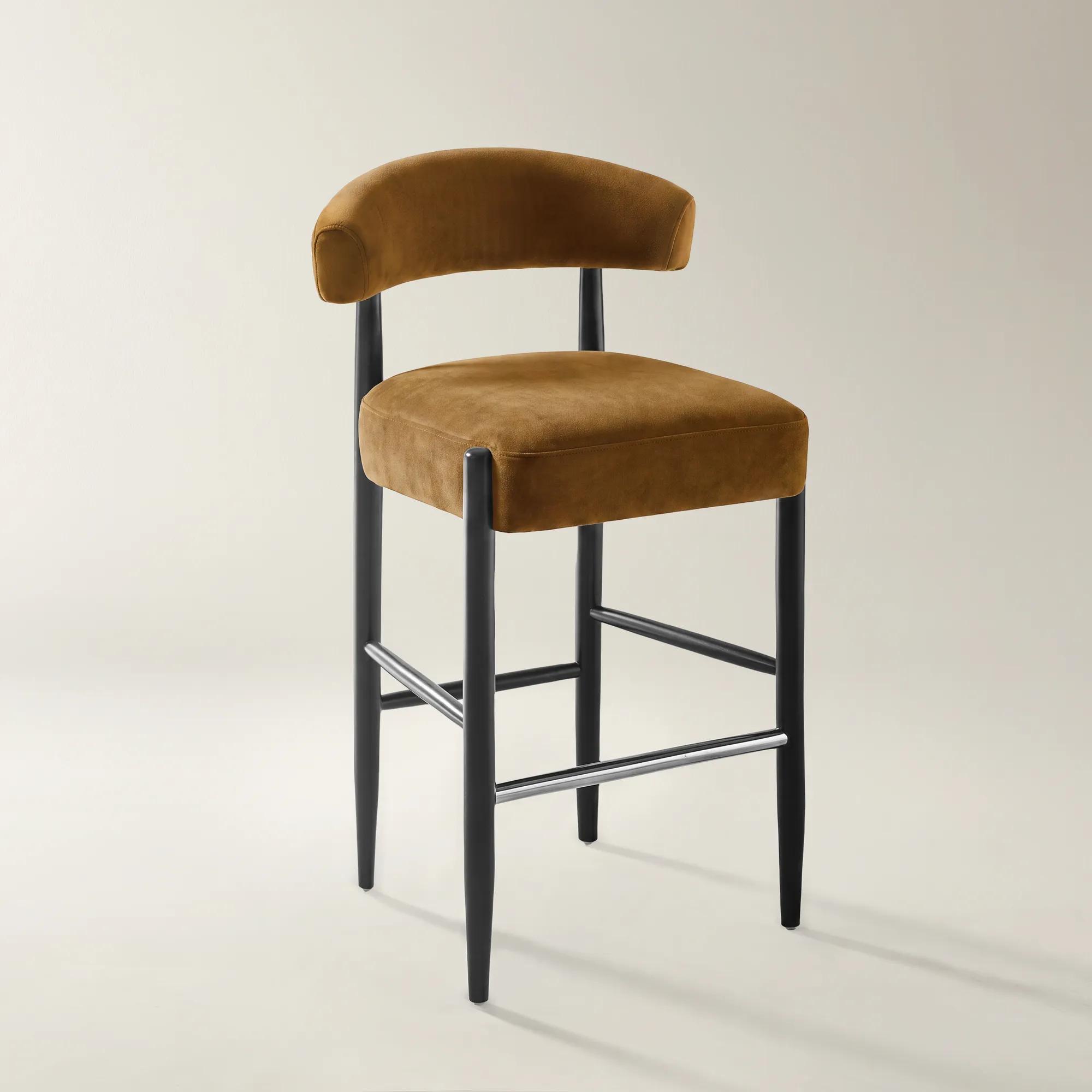 Anna Roasted Pecan Velvet Bar/Counter Stool$449
A roasted pecan velvet bar stool with a sculpted padded back, custom upholstery, and tapered solid-rubberwood legs.
Add To Cart -
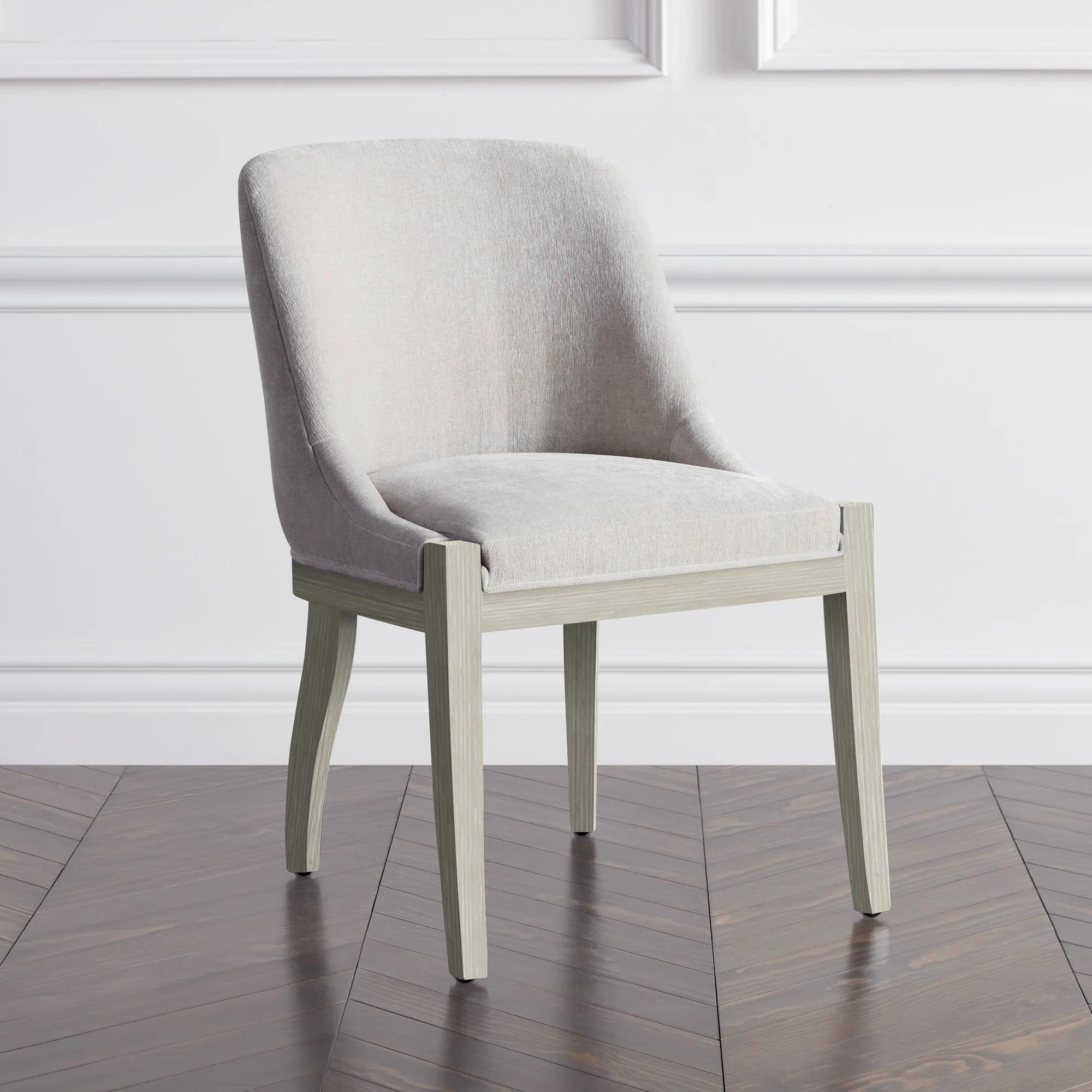
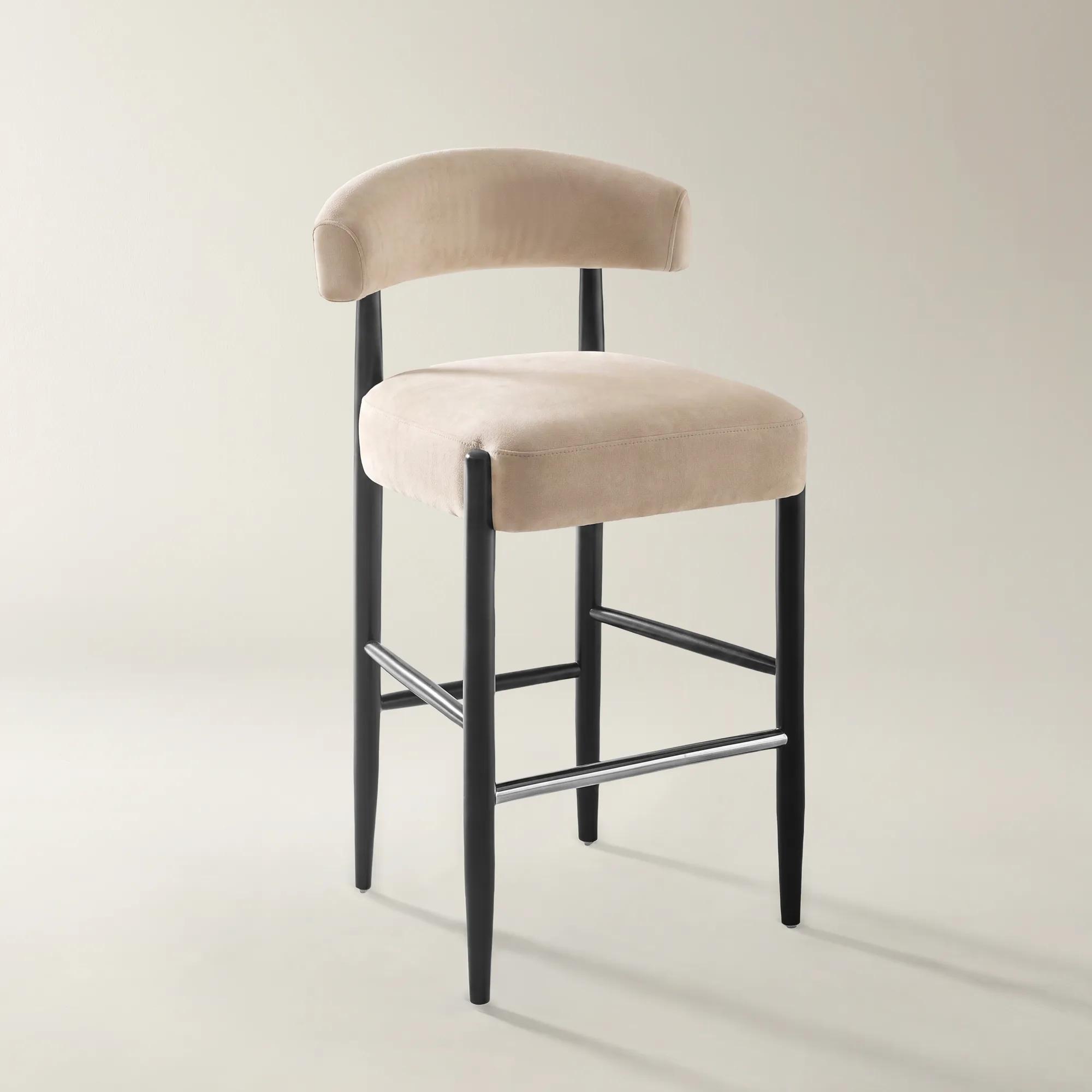 Anna Simply Taupe Velvet Bar/Counter Stool$449
A taupe velvet counter stool with a sculpted back, padded seat, and tapered solid-rubberwood base.
Add To Cart -
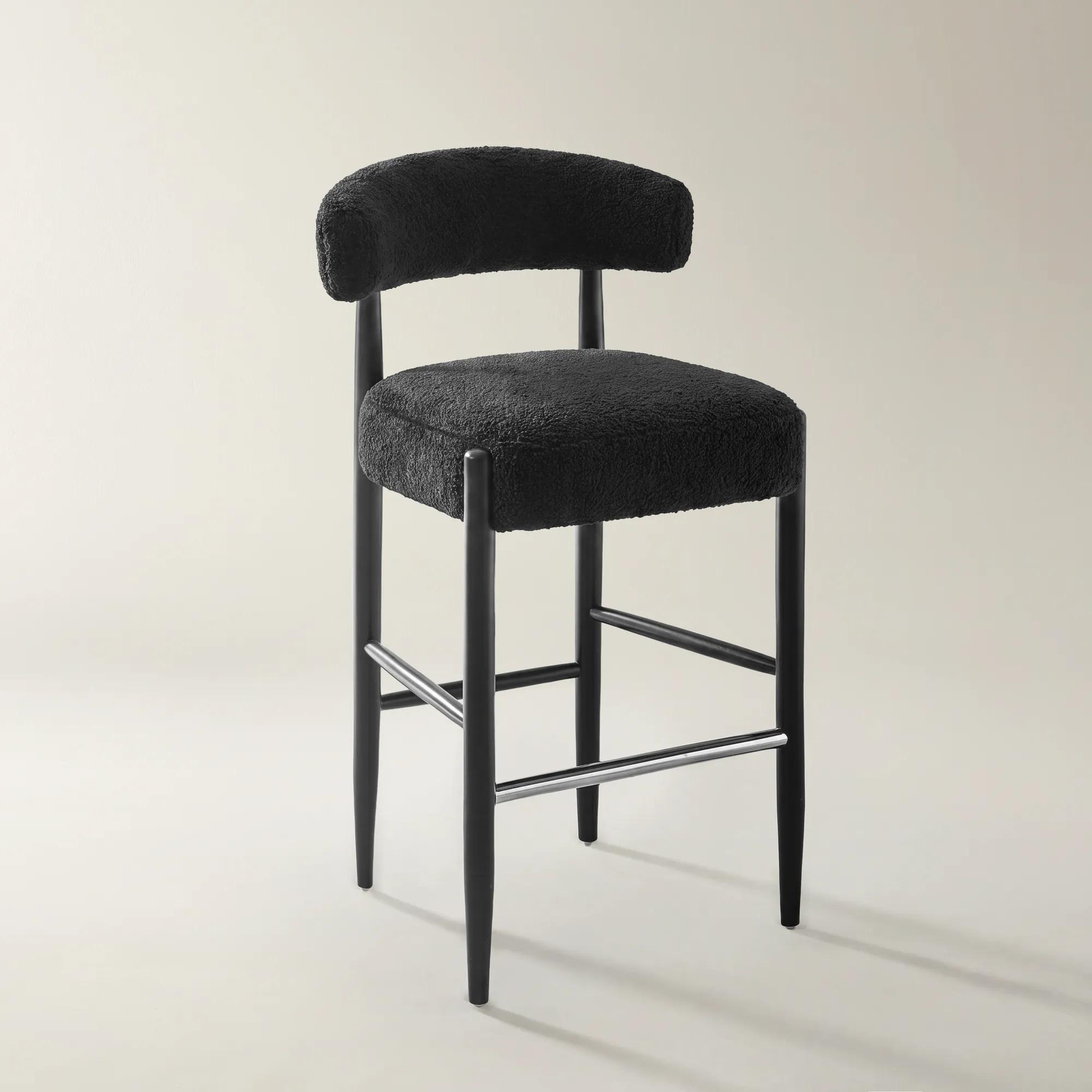 Anna Black Chenille Bar/Counter Stool$449
A black chenille counter stool with a sculpted padded seat and solid rubberwood legs.
Add To Cart -
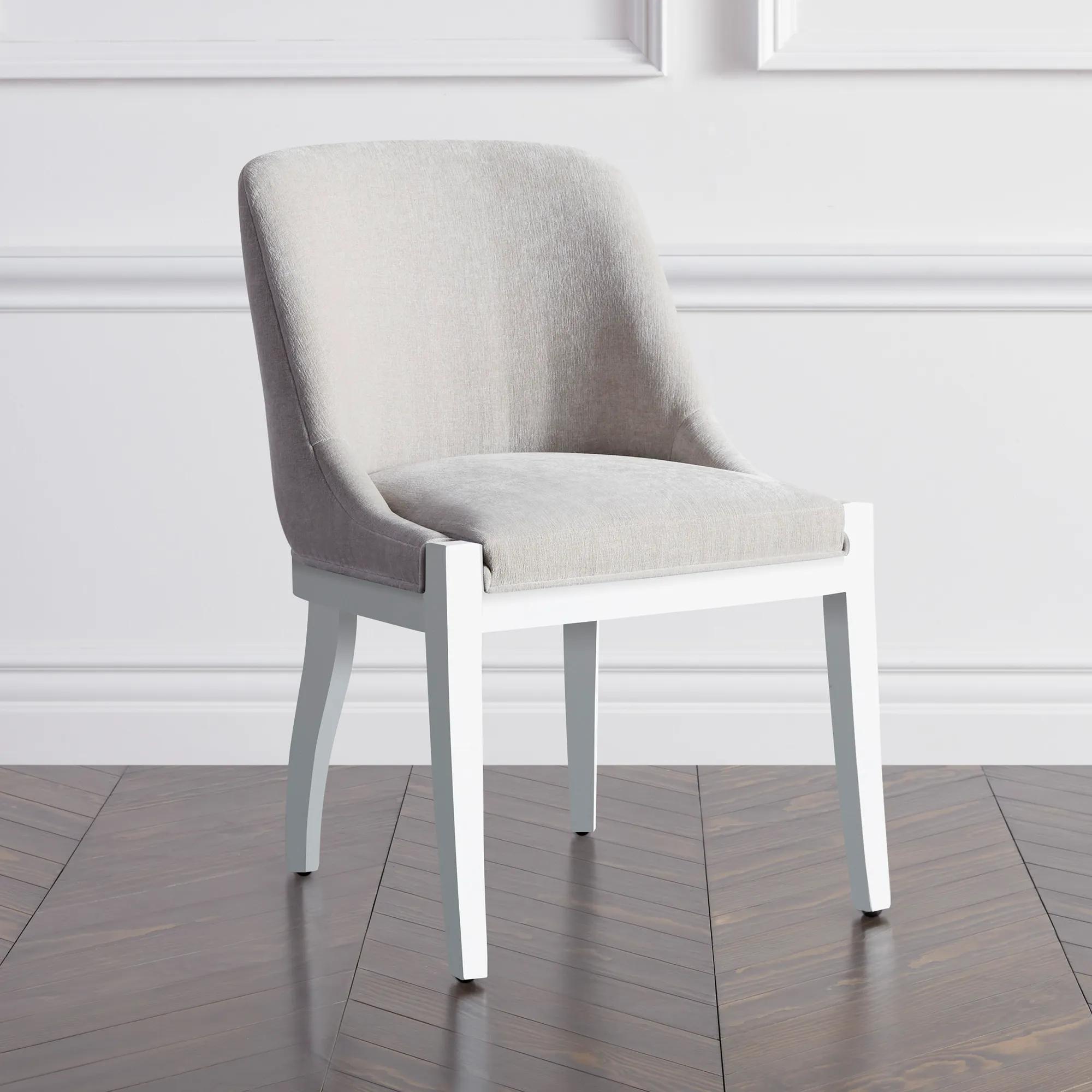
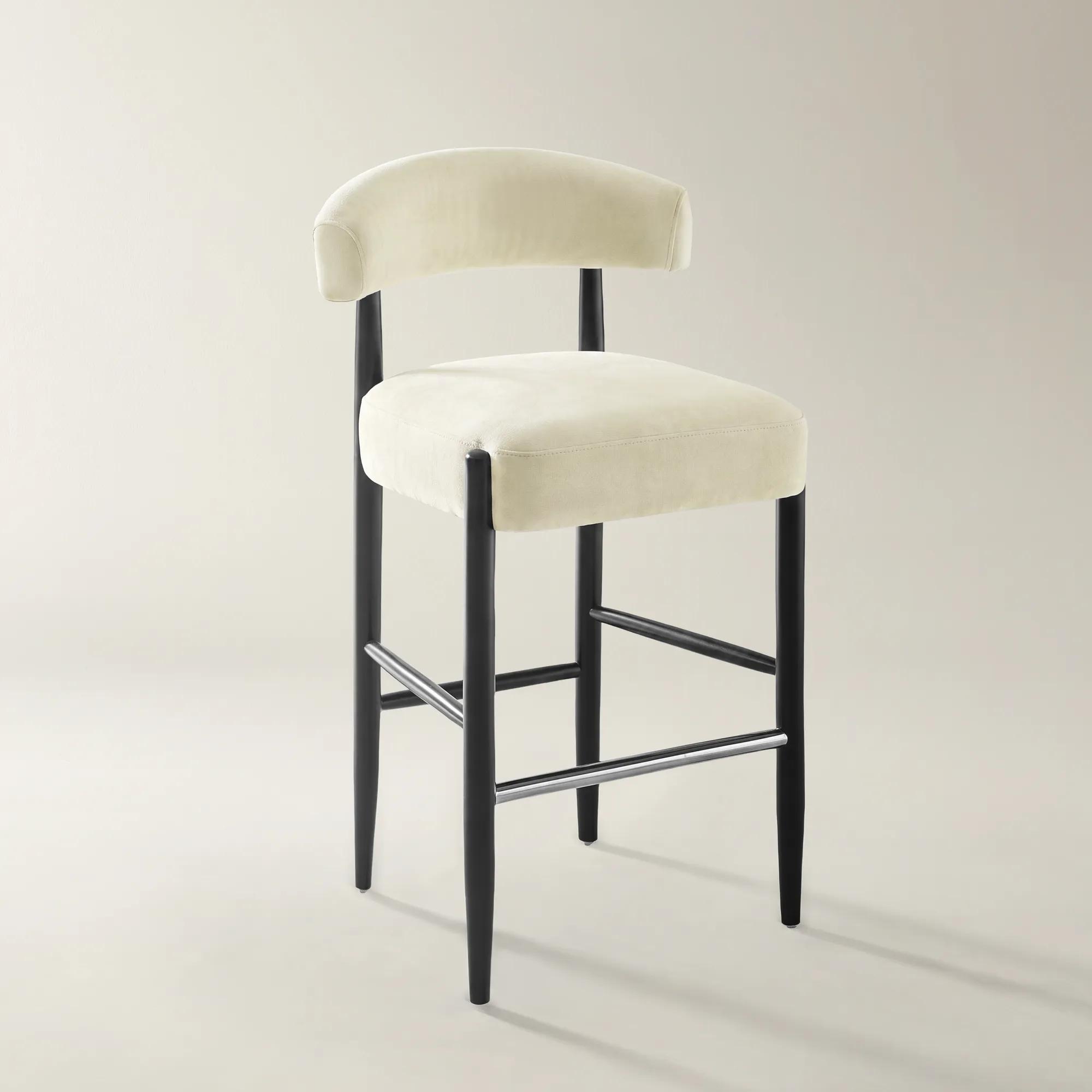 Anna Cloud Velvet Bar/Counter Stool$449
A cloud velvet counter stool with sculpted padded support and tapered solid-rubberwood legs.
Add To Cart -
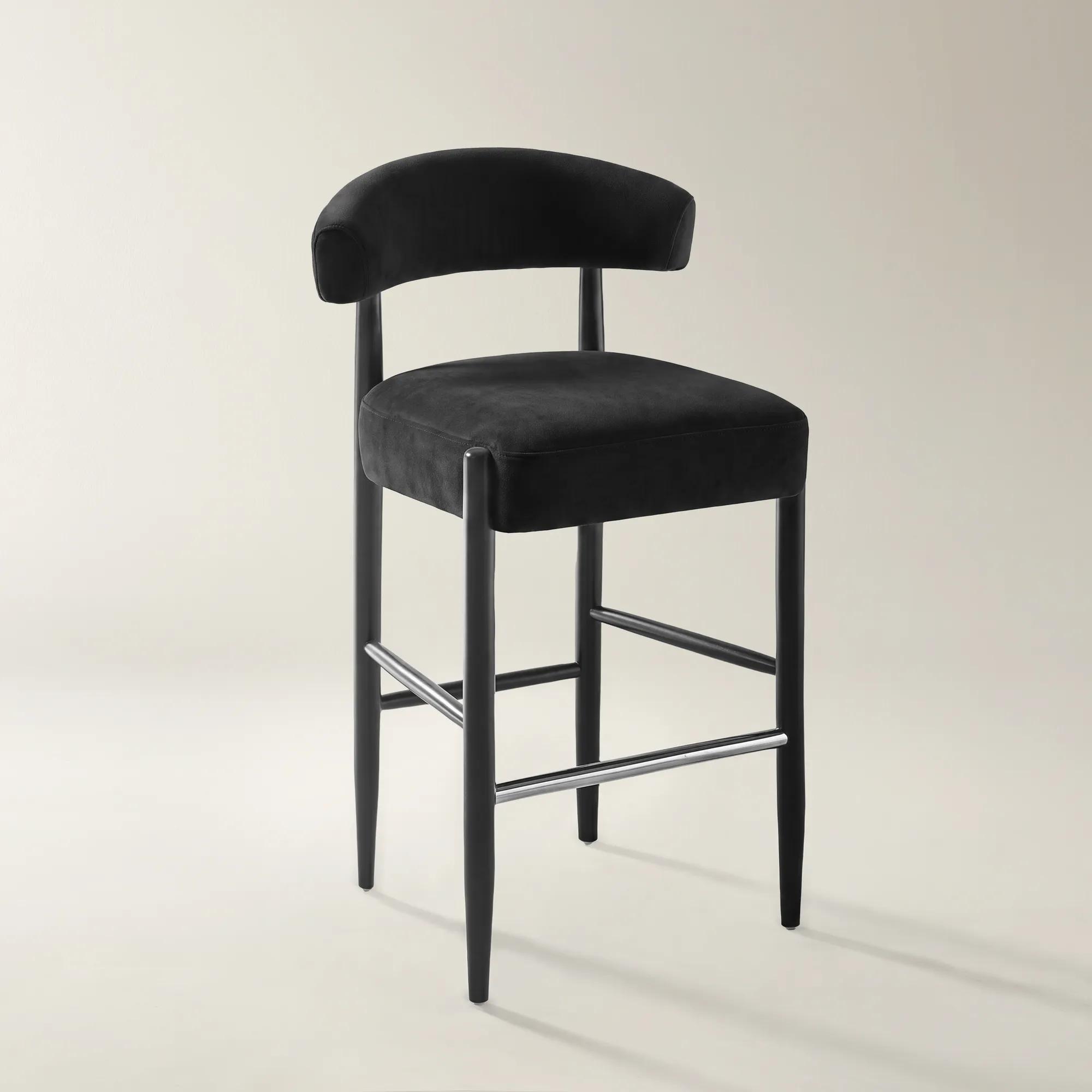 Anna Charcoal Velvet Bar/Counter Stool$449
A charcoal velvet bar stool with a sculpted padded seat and solid rubberwood legs.
Add To Cart -
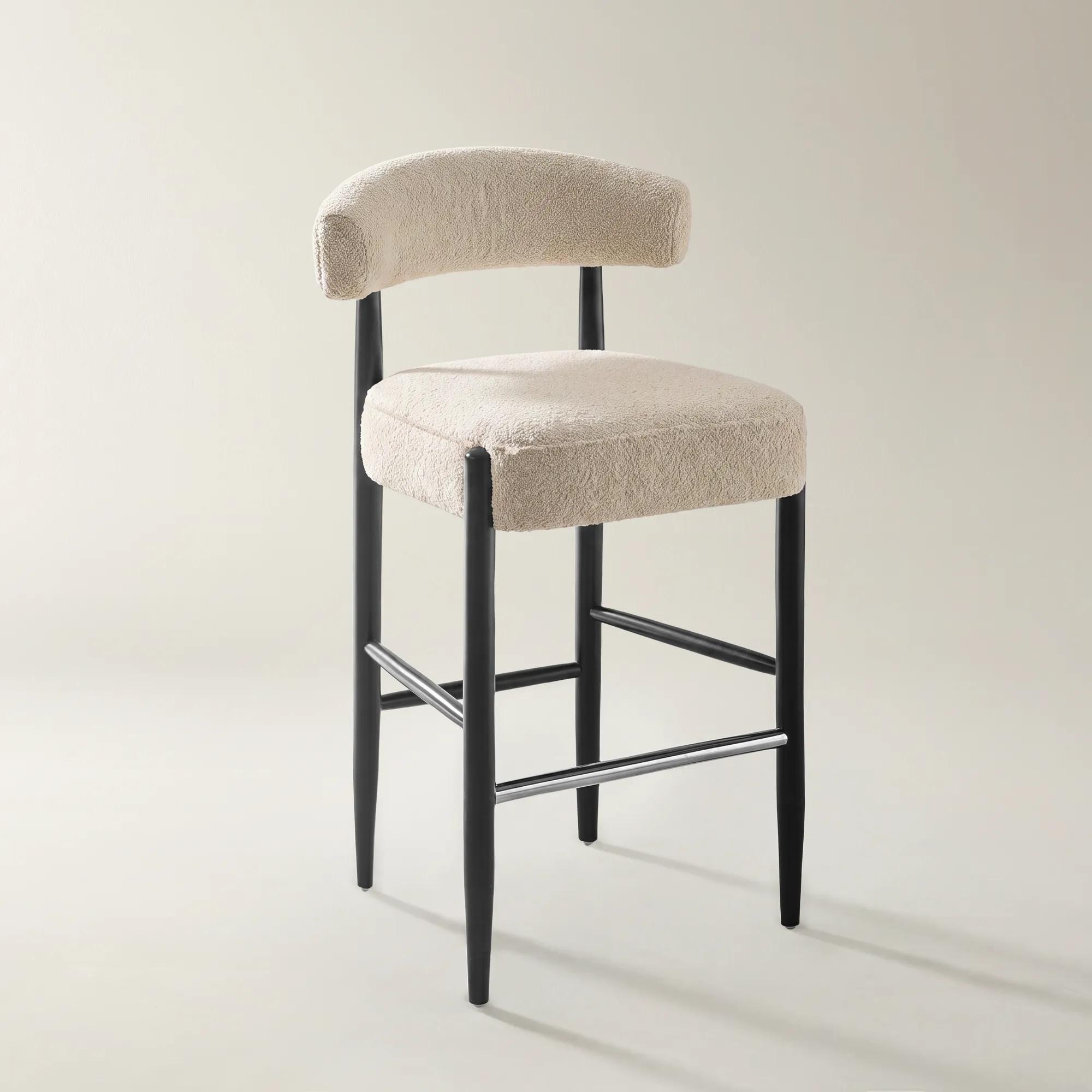 Anna Utopia Sand Chenille Bar/Counter Stool$449
A chenille bar stool with a sculpted padded seat, kiln-dried hardwood frame, and solid rubberwood legs.
Add To Cart -
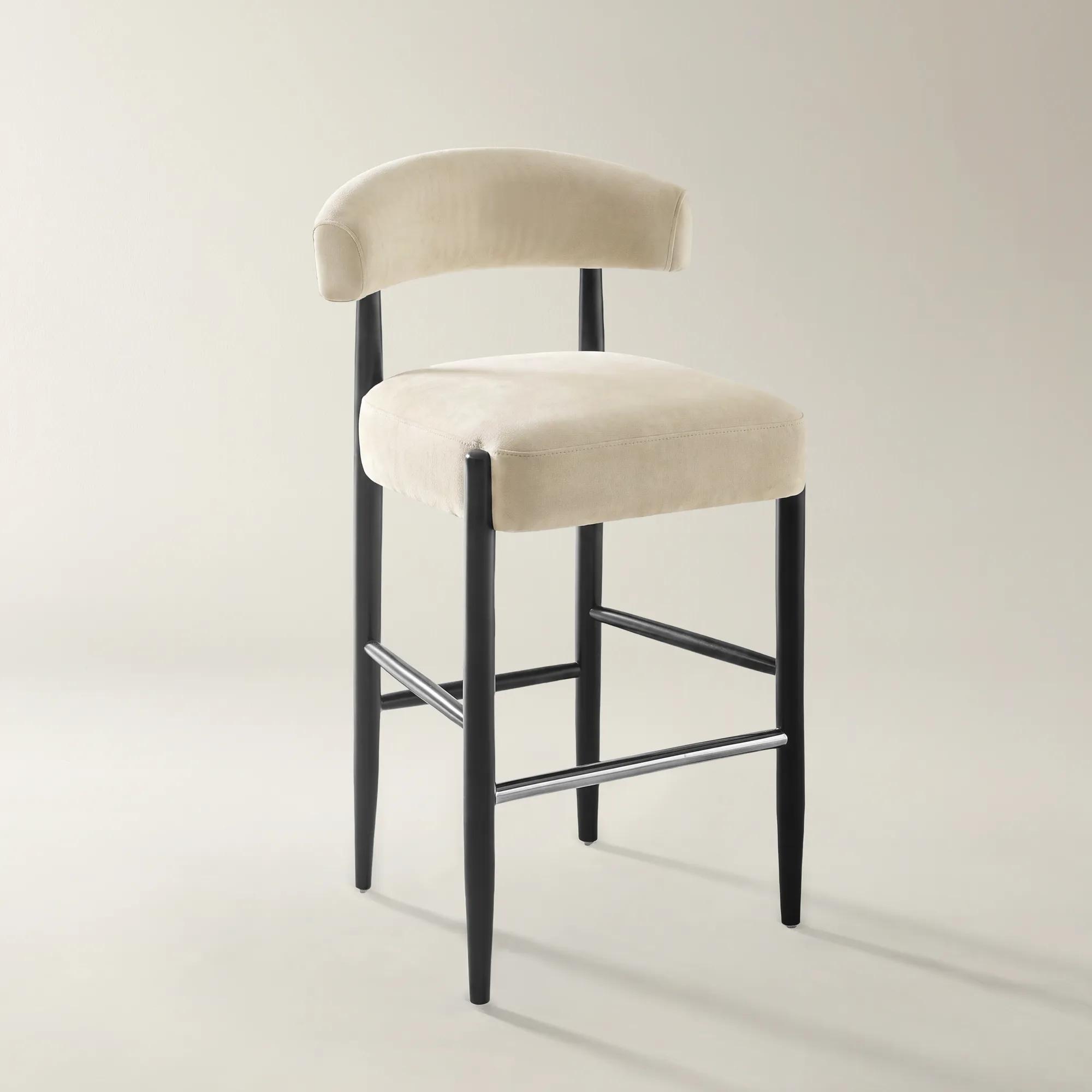 Anna Oatmeal Velvet Bar/Counter Stool$449
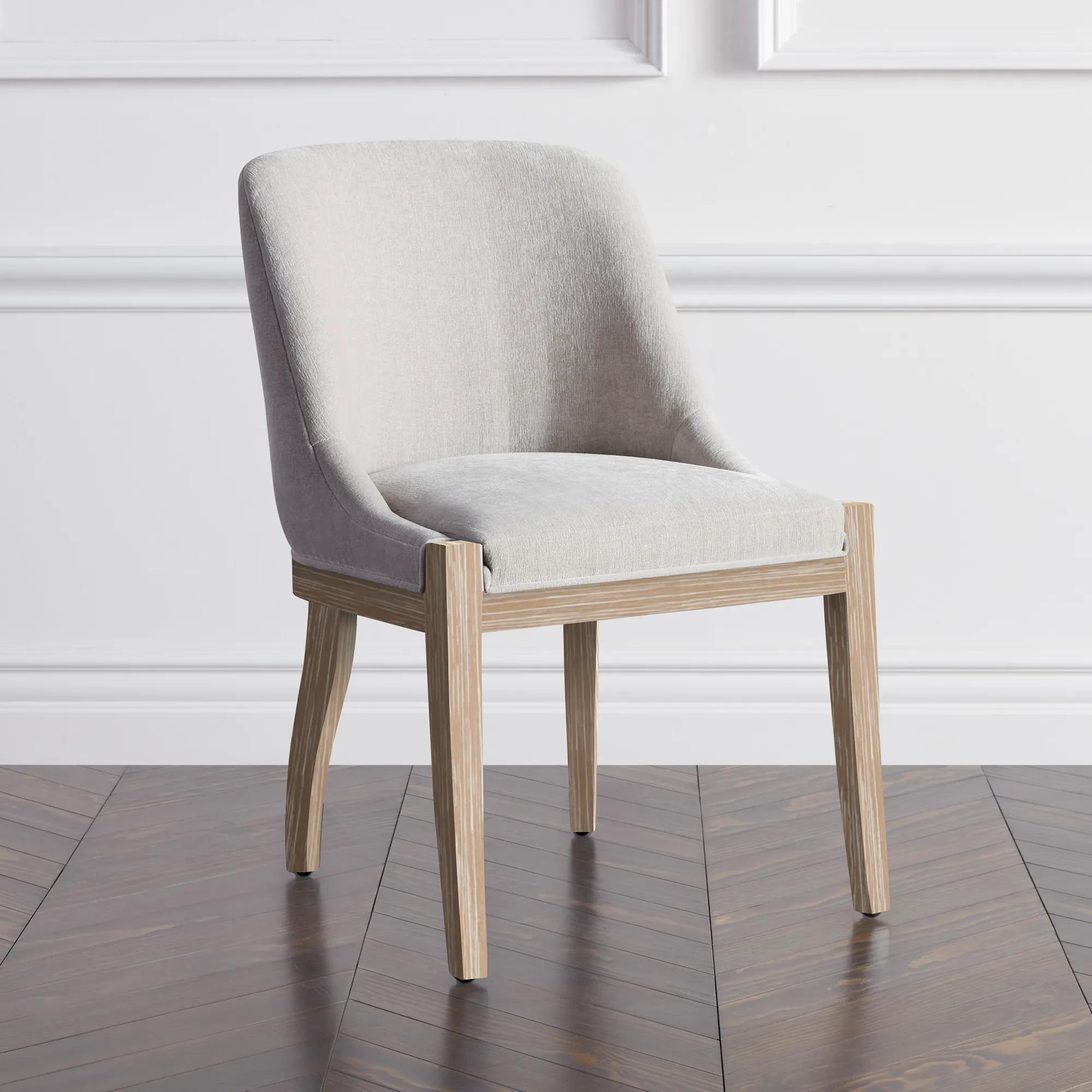
A counter stool with oatmeal velvet upholstery, sculpted back, padded seat, and solid rubberwood legs.
Add To Cart -
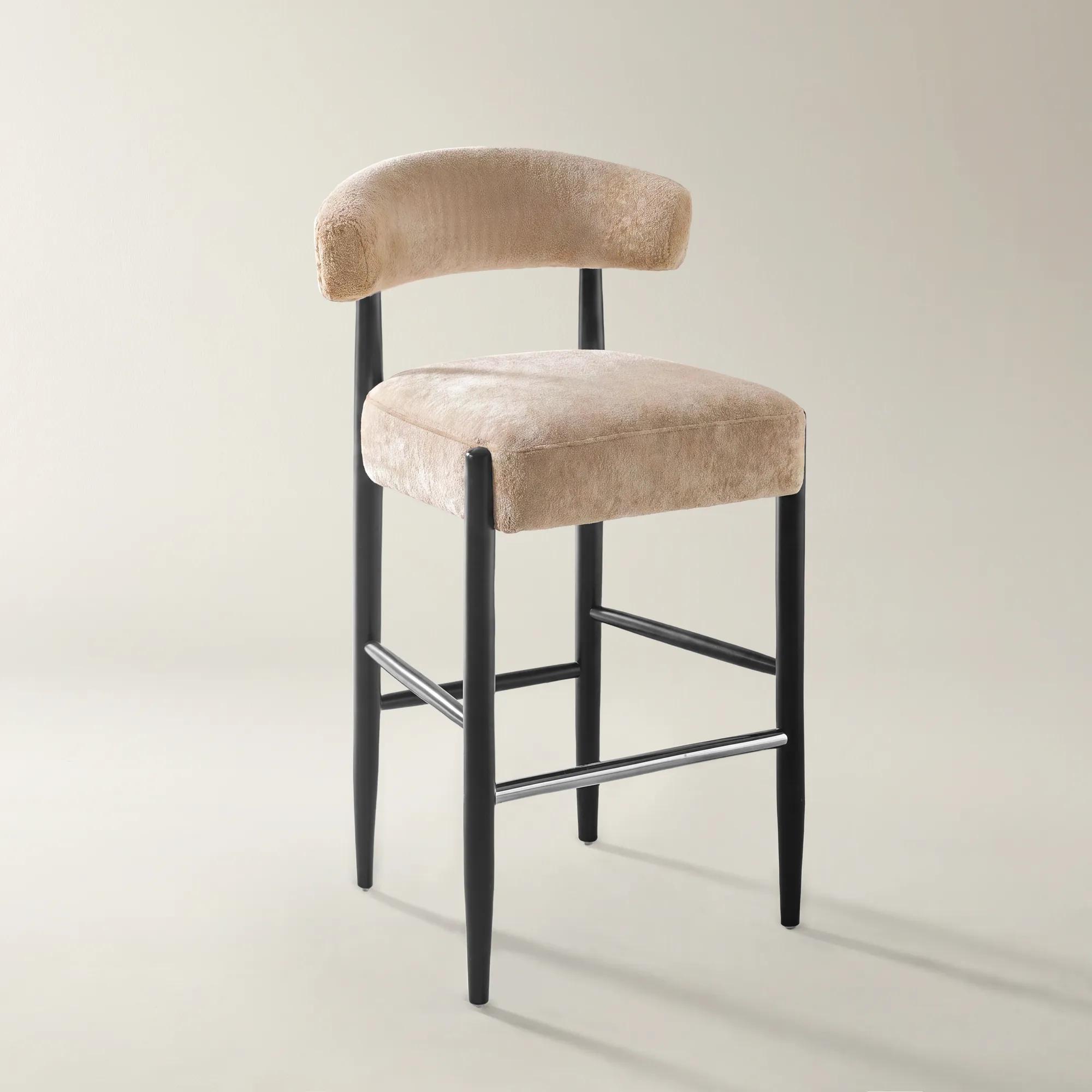 Anna Light Brown Chenille Bar/Counter Stool$449
A brown chenille counter stool with a sculpted back, padded seat, and tapered solid-rubberwood legs.
Add To Cart -
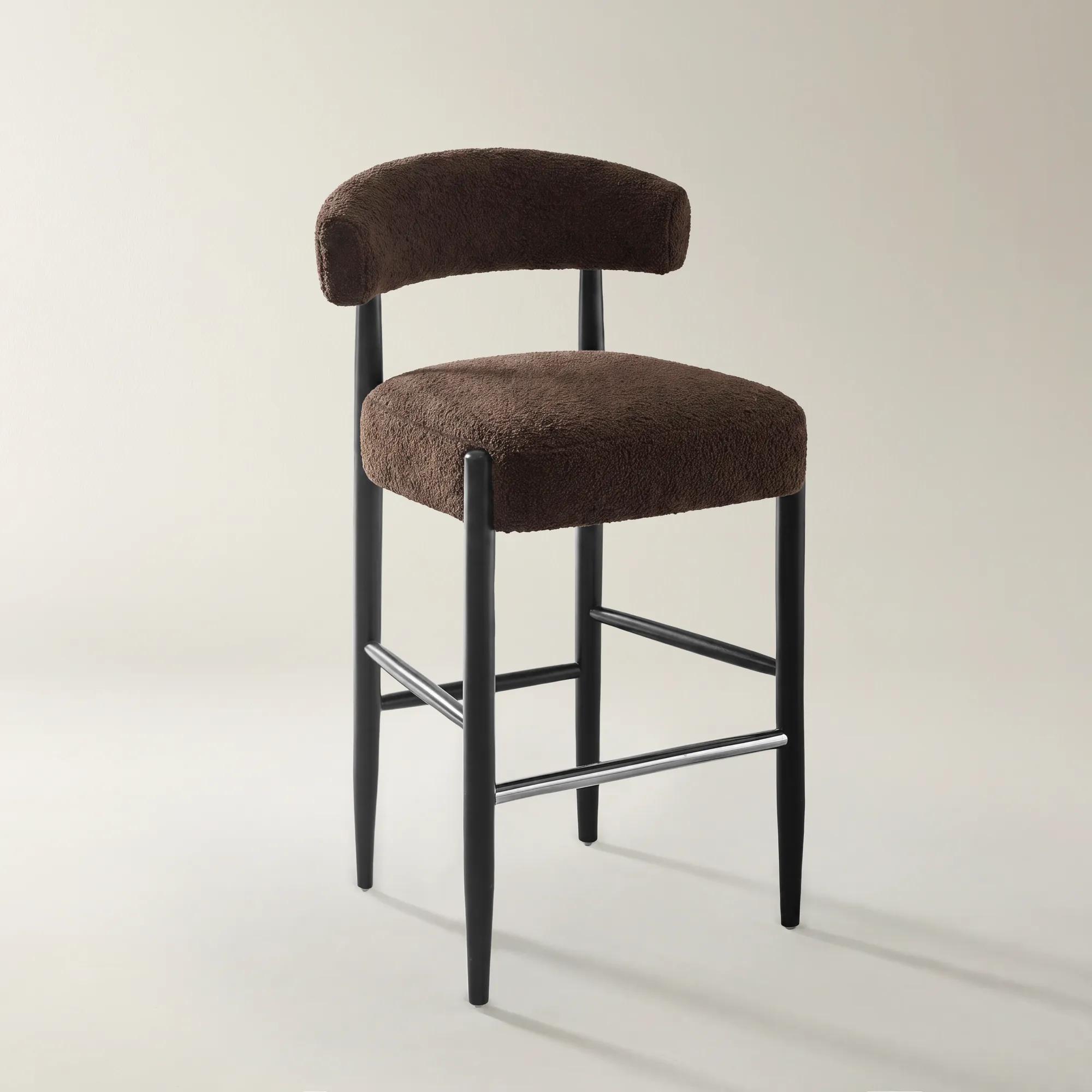 Anna Dark Chocolate Chenille Bar/Counter Stool$449
A dark chocolate chenille counter stool with a sculpted padded seat and solid rubberwood legs.
Add To Cart -
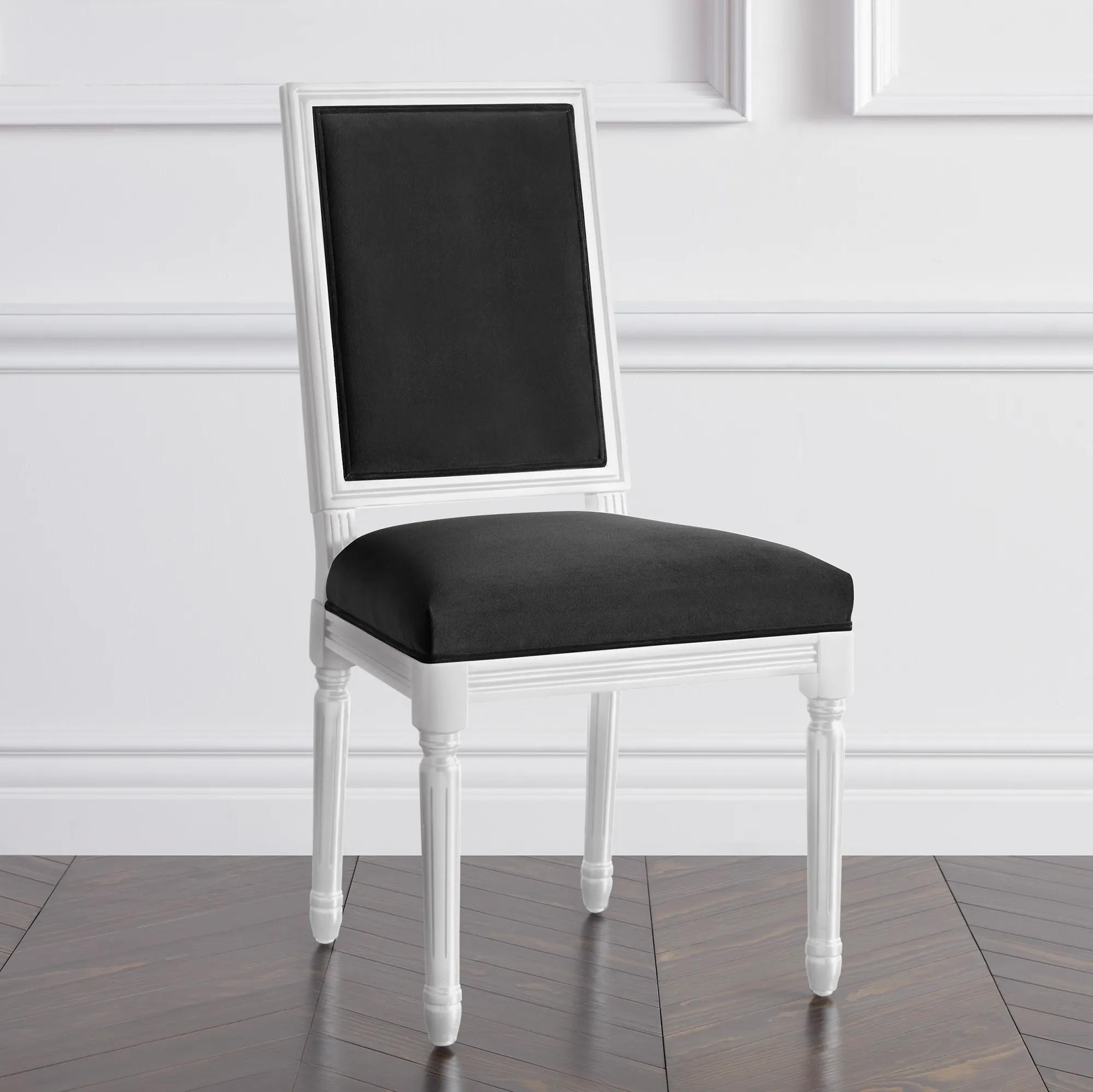
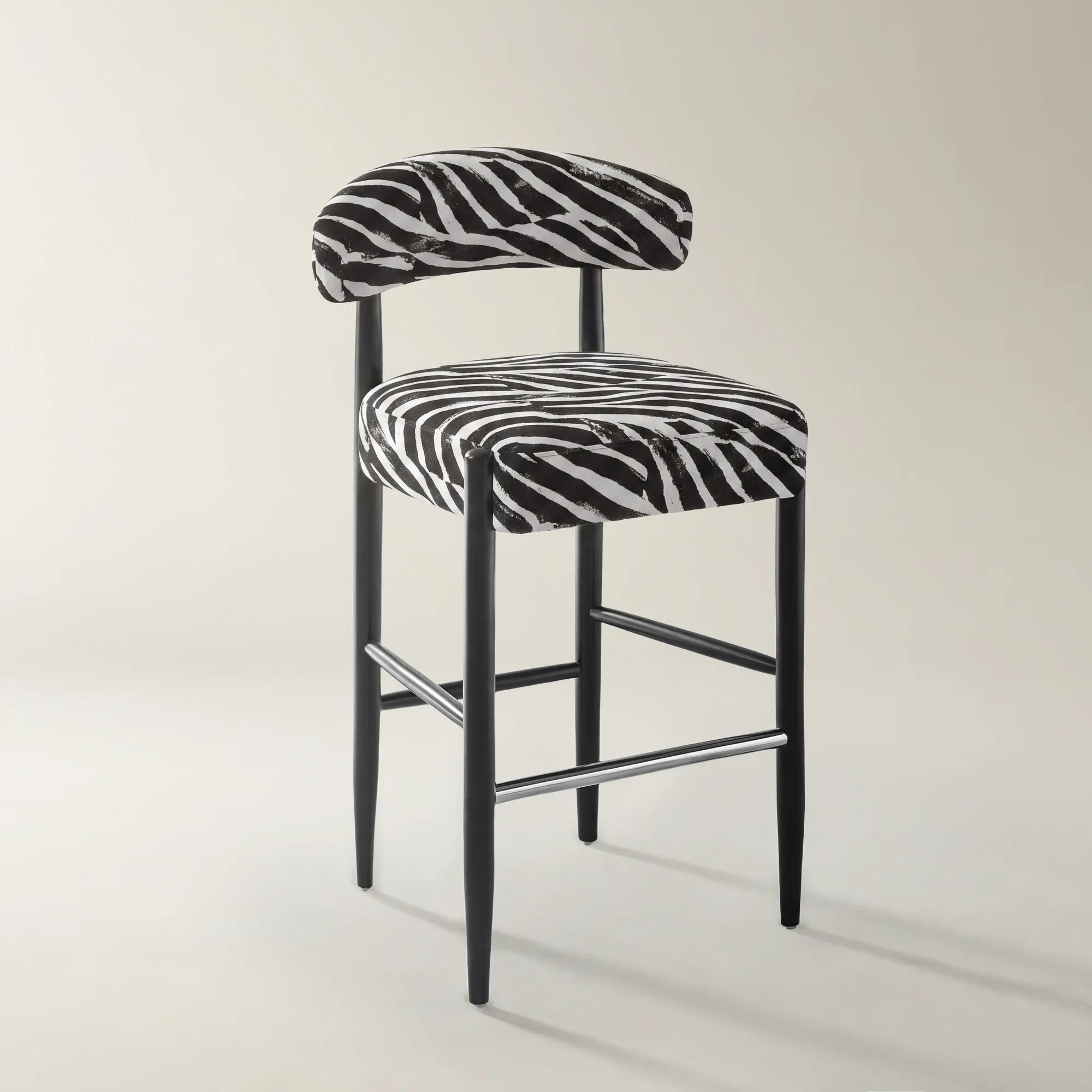 Anna White/Black Performance Chenille Bar/Counter Stool$449
A black-and-white chenille bar stool with a sculpted back, padded seat, and tapered solid rubberwood legs.
Add To Cart -
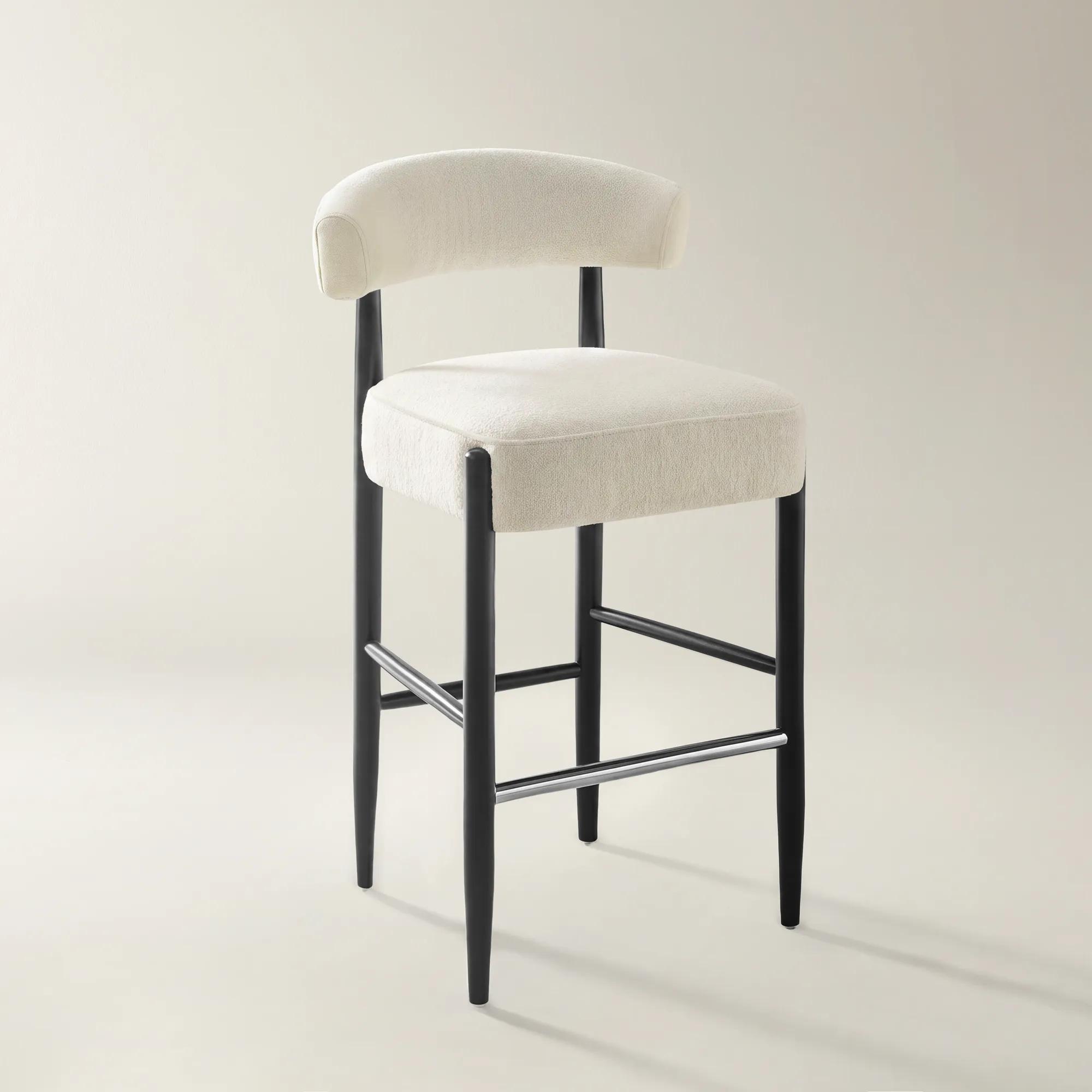 Anna Ivory Performance Chenille Bar/Counter Stool$449
An ivory performance-chenille bar stool with a sculpted back, padded seat, and tapered solid-rubberwood legs.
Add To Cart -
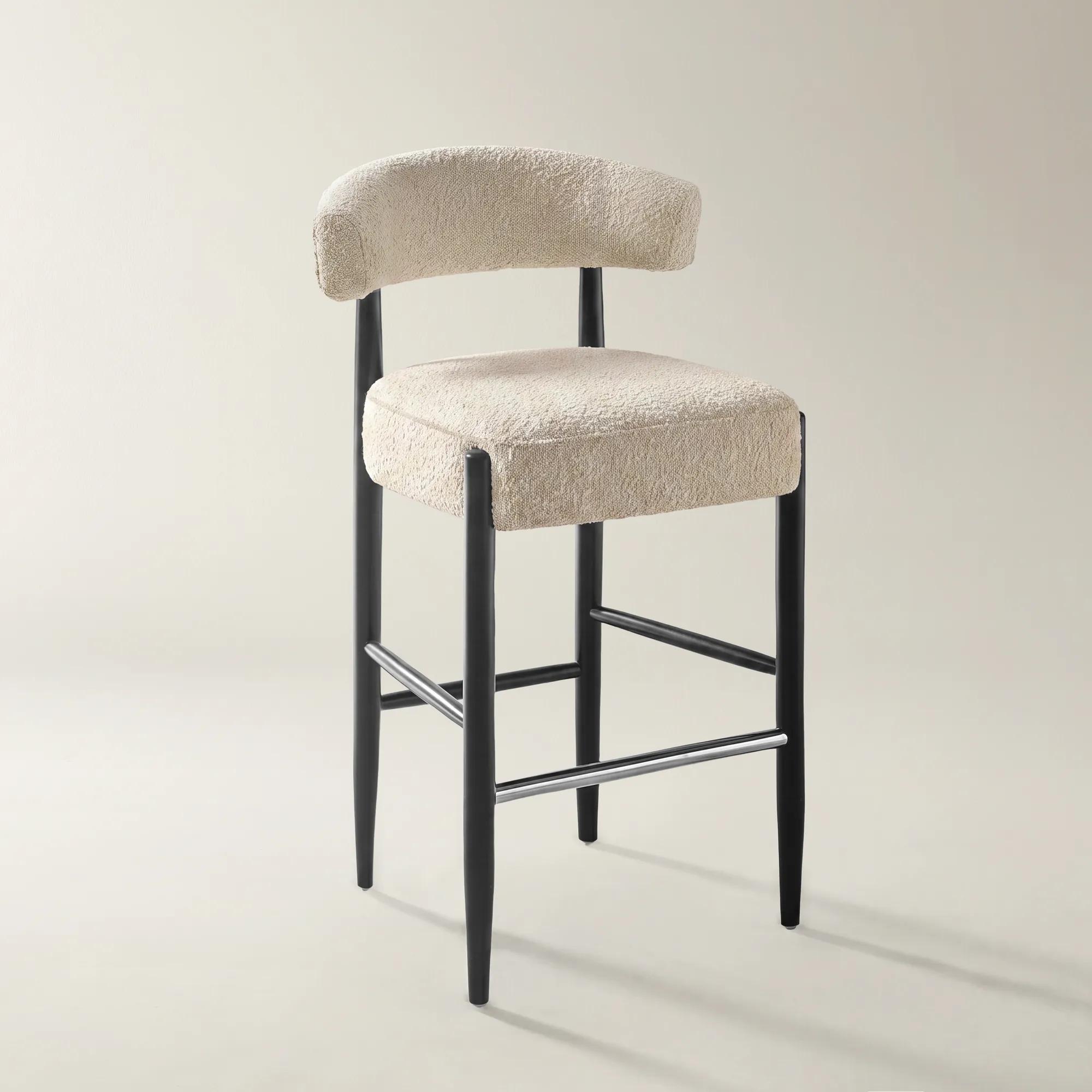 Anna Ivory Performance Boucle Bar/Counter Stool$449
A counter stool with ivory performance boucle upholstery, sculpted support, and tapered solid rubberwood legs.
Add To Cart -
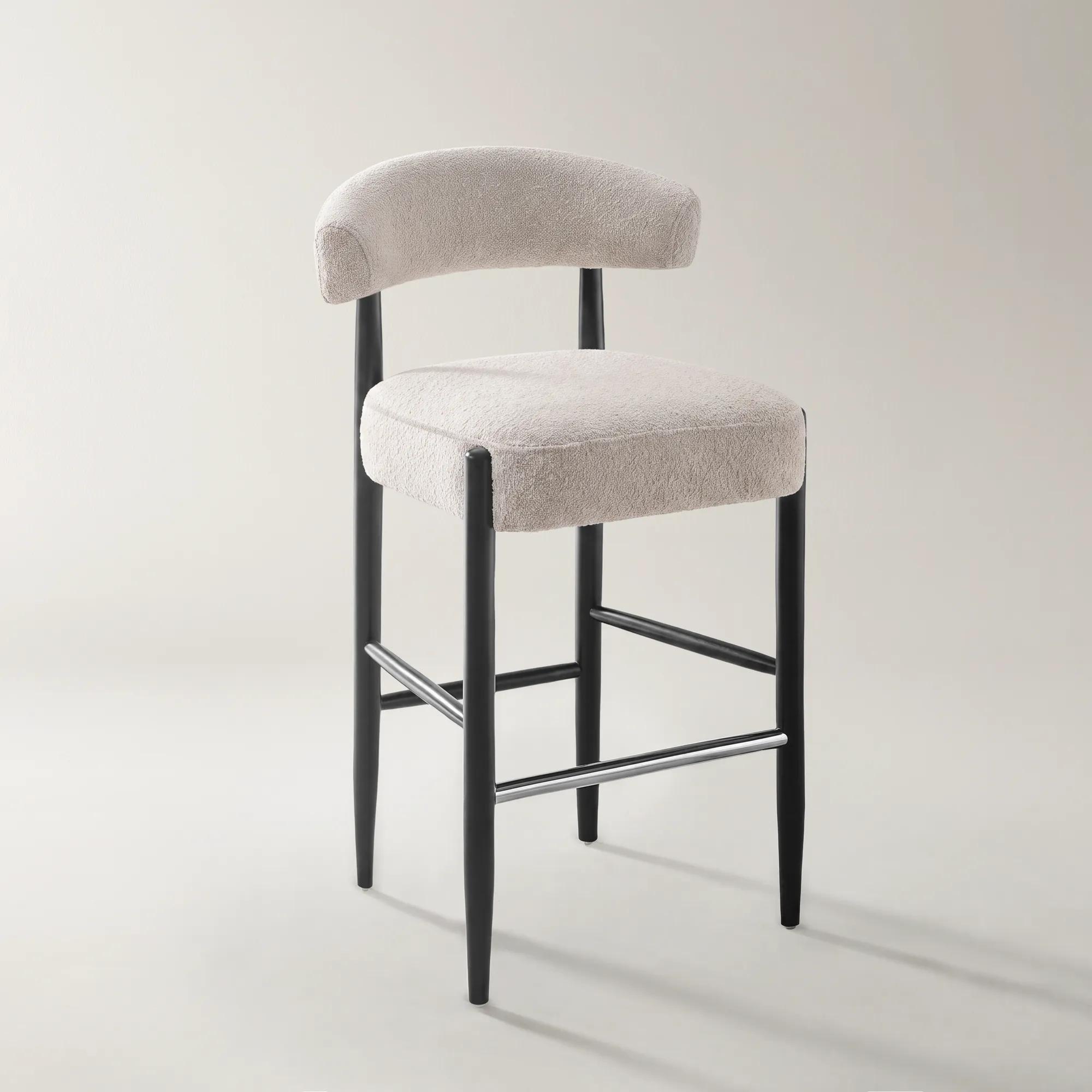 Anna Ivory Performance Boucle Bar/Counter Stool$449
An ivory performance-bouclé bar stool with sculpted padded support and tapered solid-rubberwood legs.
Add To Cart -
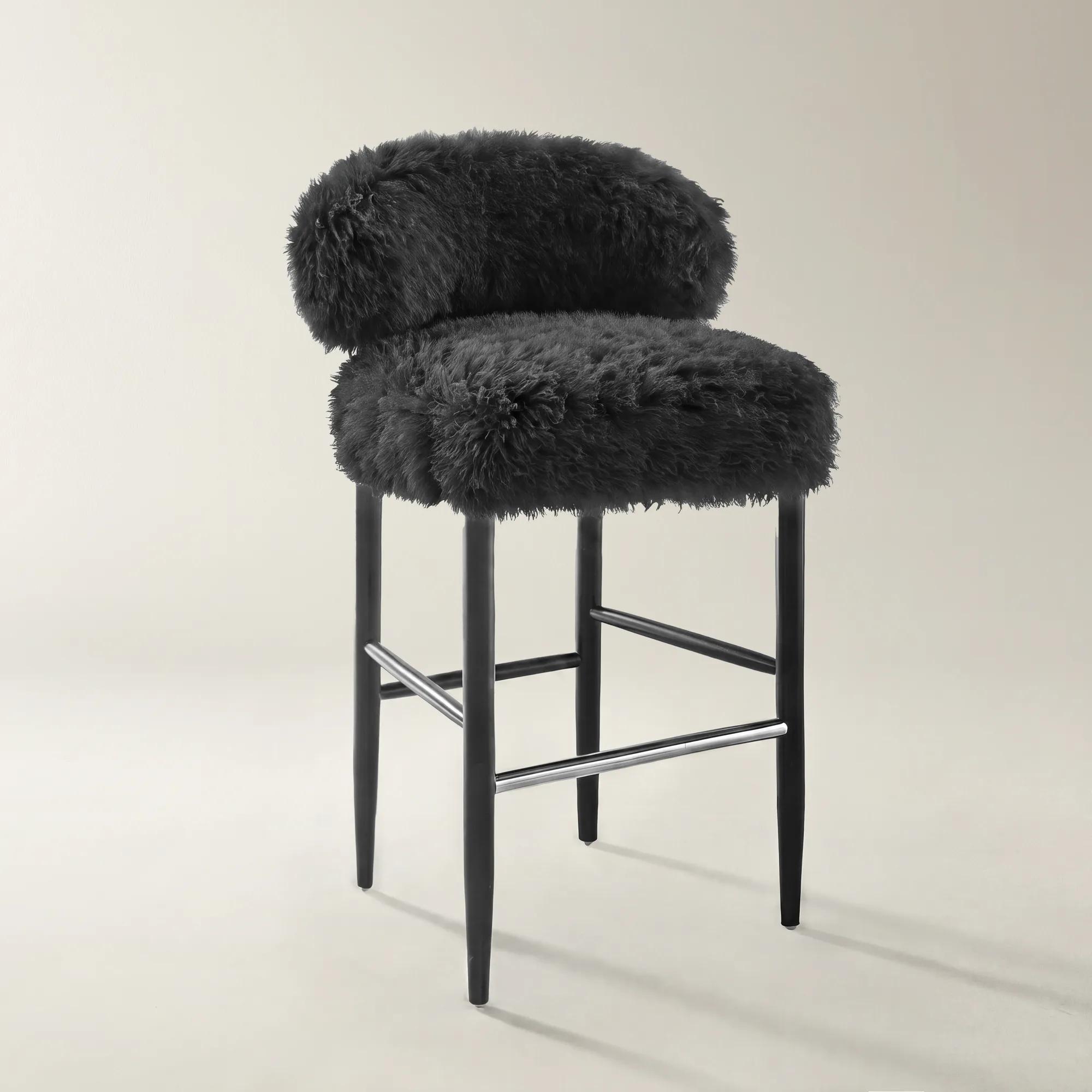 Anna Black Faux Fur Bar/Counter Stool$549
A black faux-fur bar stool with a sculpted back, padded seat, and solid rubberwood legs.
Add To Cart -
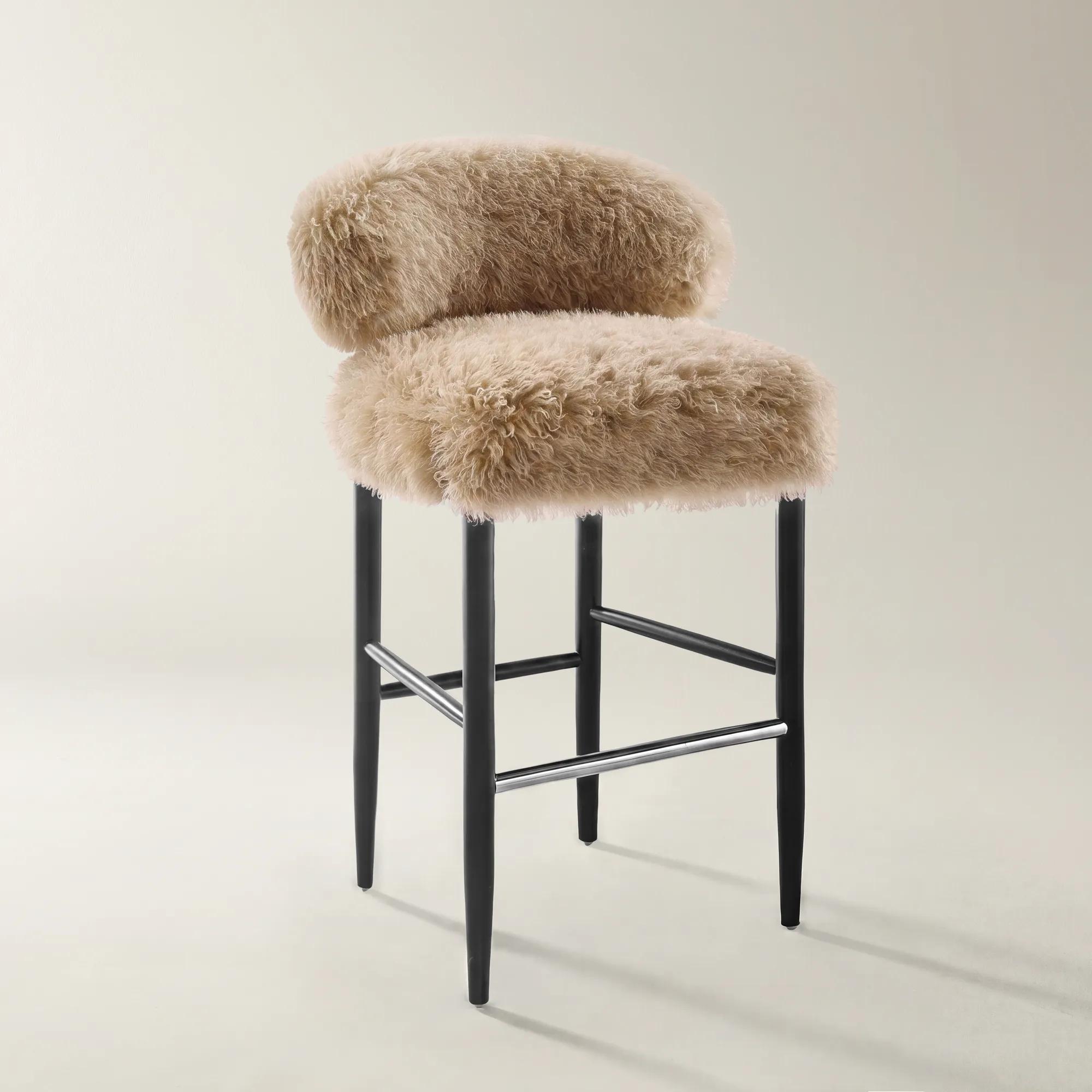 Anna Tan Faux Fur Bar/Counter Stool$549
A tan faux-fur bar stool with a sculpted padded seat and tapered solid-rubberwood legs.
Add To Cart -
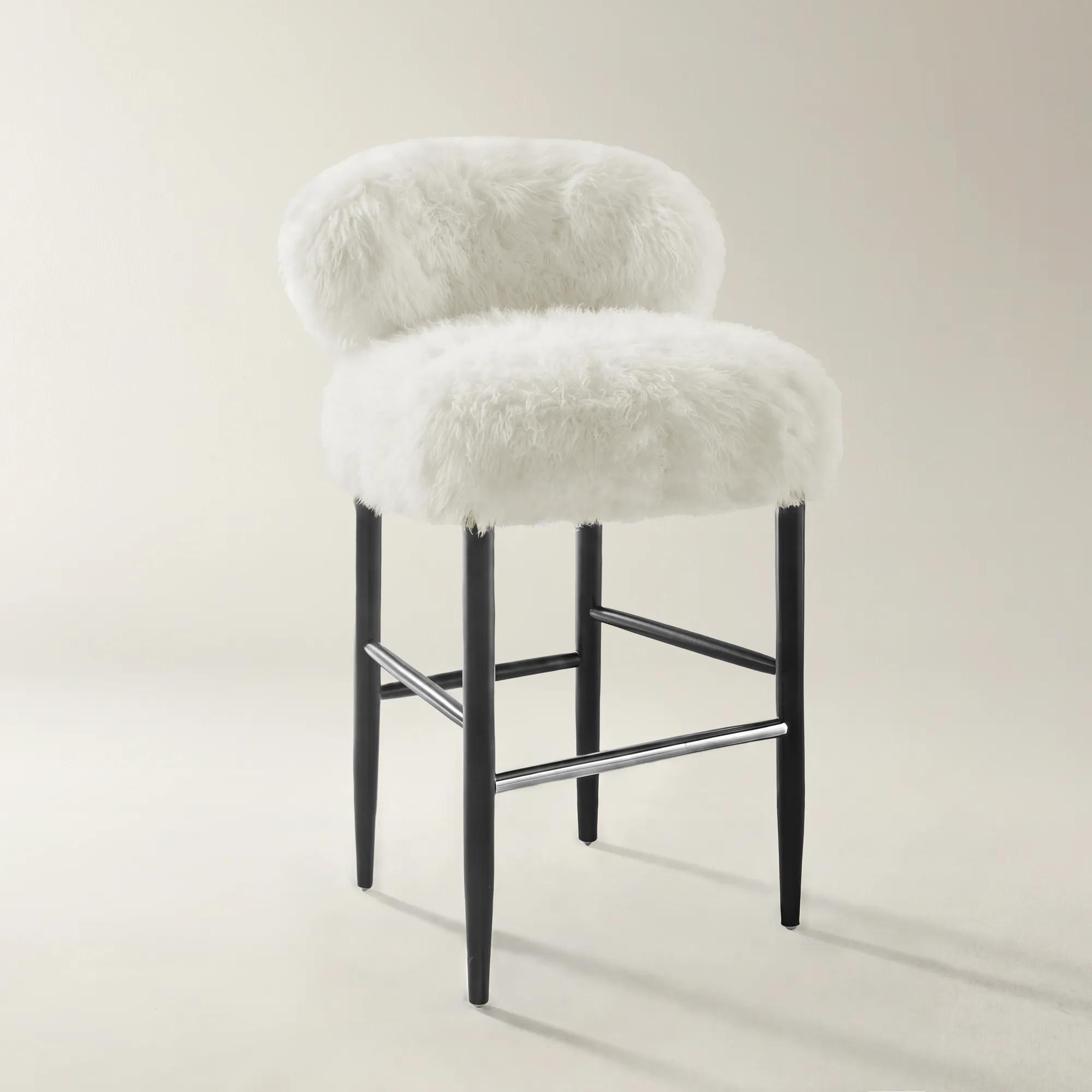 Anna Ivory Faux Fur Bar/Counter Stool$549
An ivory faux-fur counter stool with sculpted support, padded seating, and tapered solid-rubberwood legs.
Add To Cart -
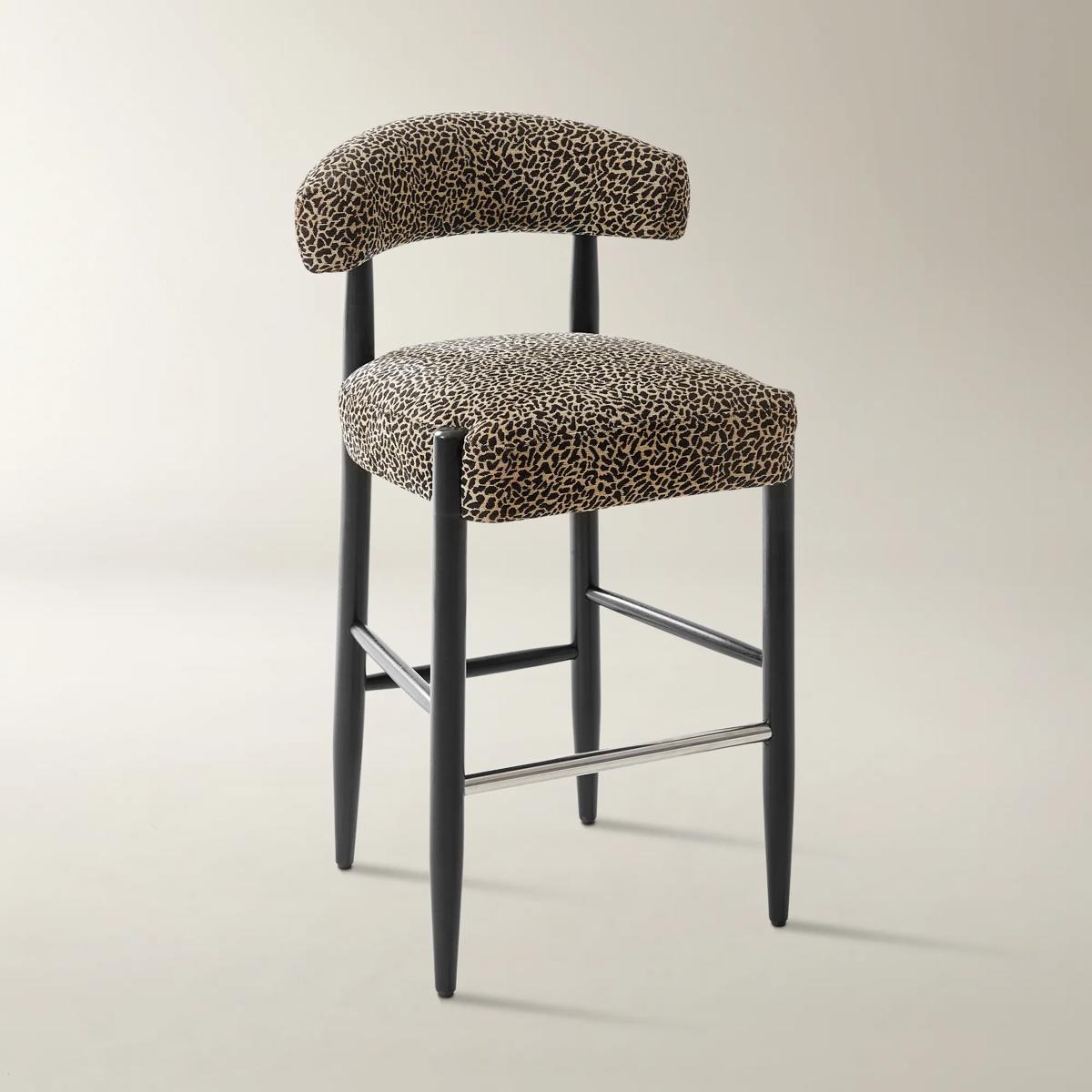
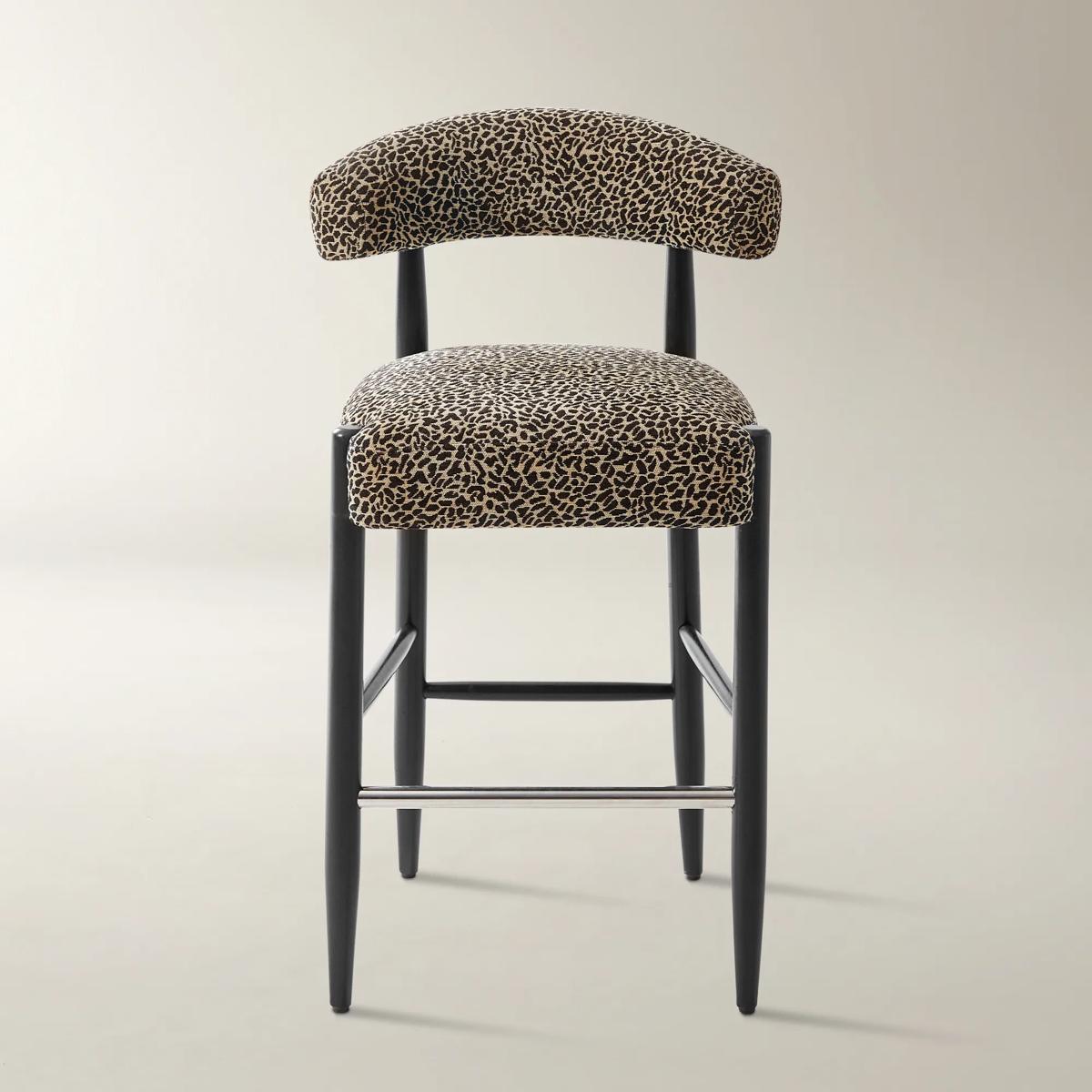 Anna Leopard Chenille Bar/Counter Stool$449
A leopard-patterned chenille bar stool with sculpted padded support and tapered solid rubberwood legs.
Add To Cart -
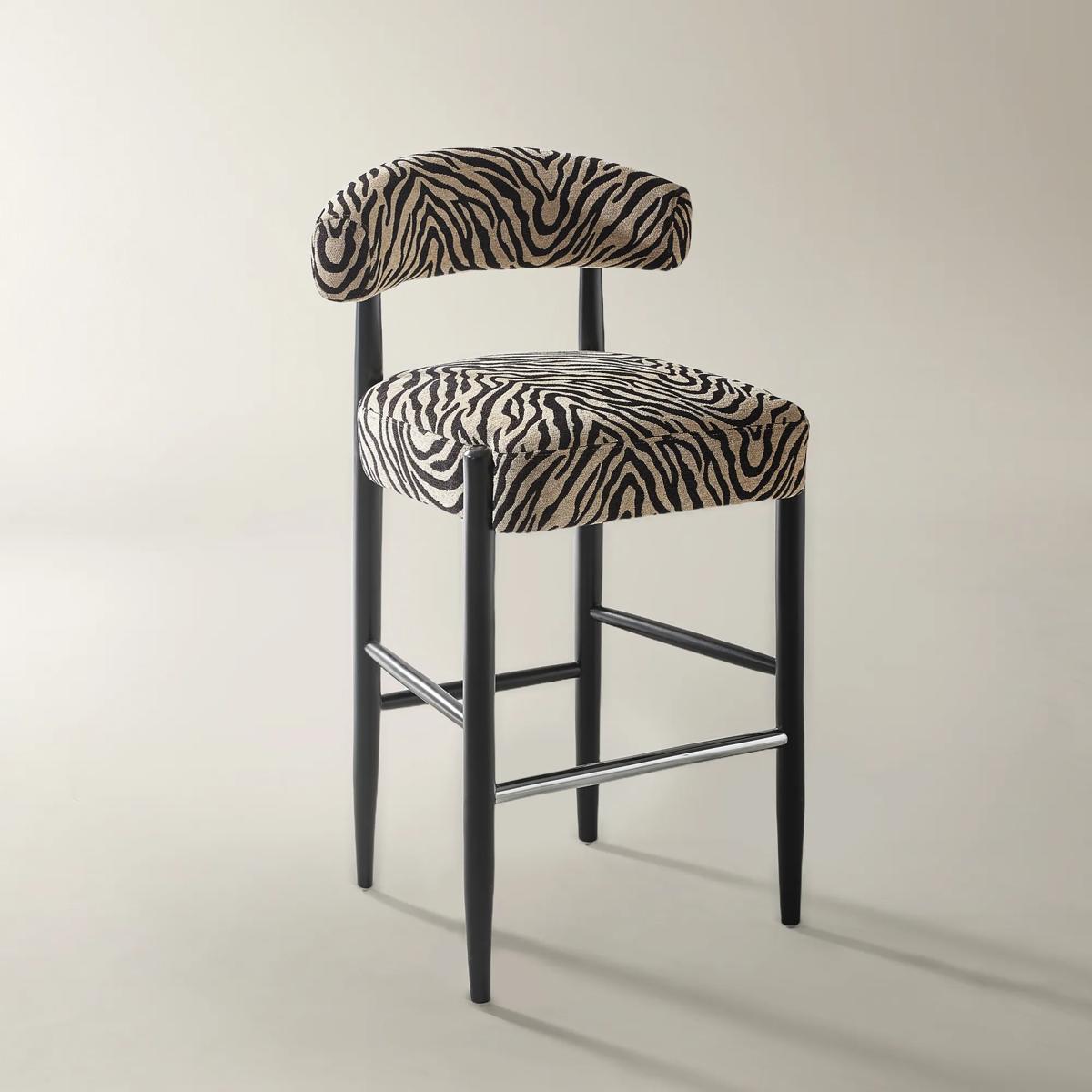
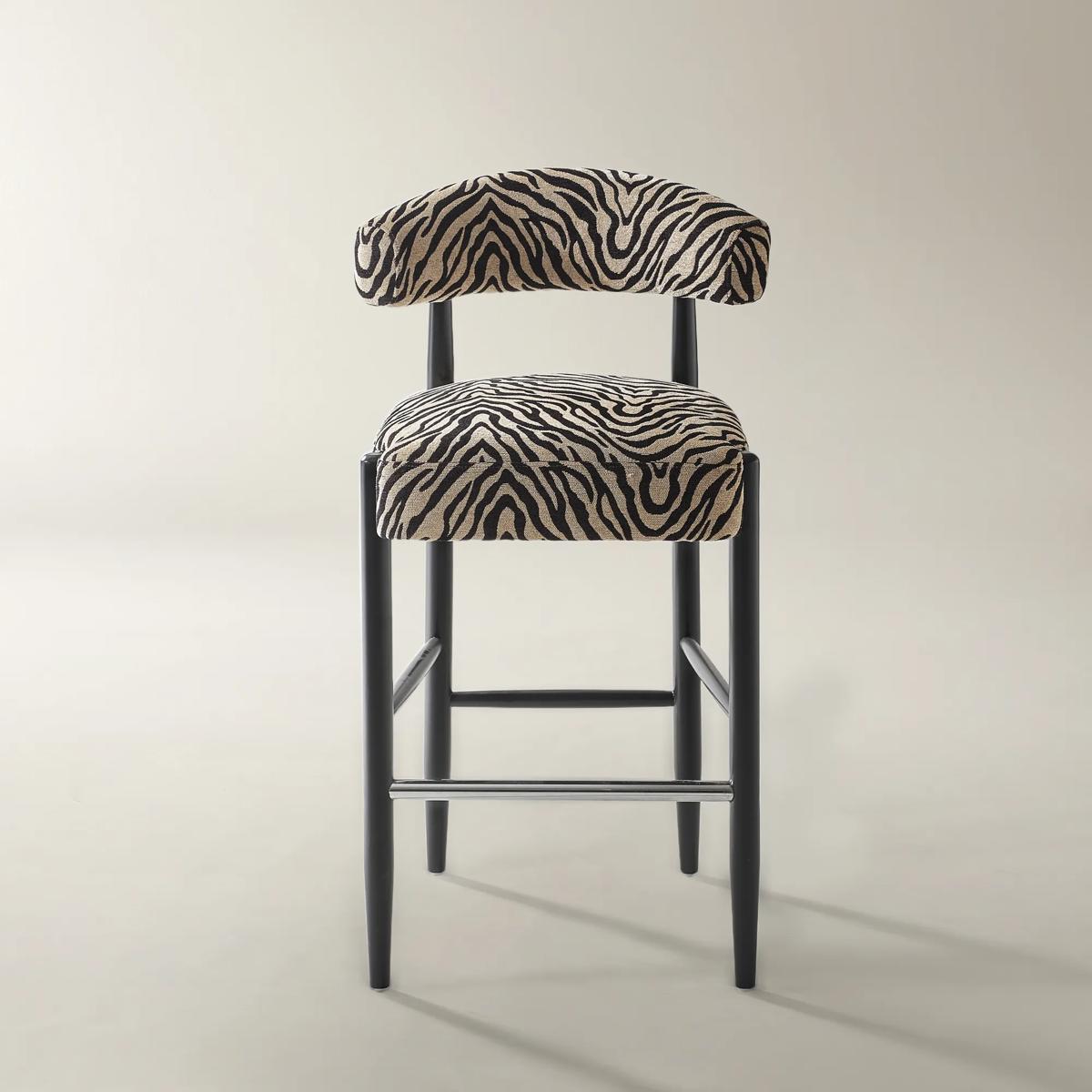 Anna Zebra Chenille Bar/Counter Stool$449
A bar stool with zebra-patterned chenille upholstery, sculpted padding, and tapered solid-rubberwood legs.
Add To Cart -
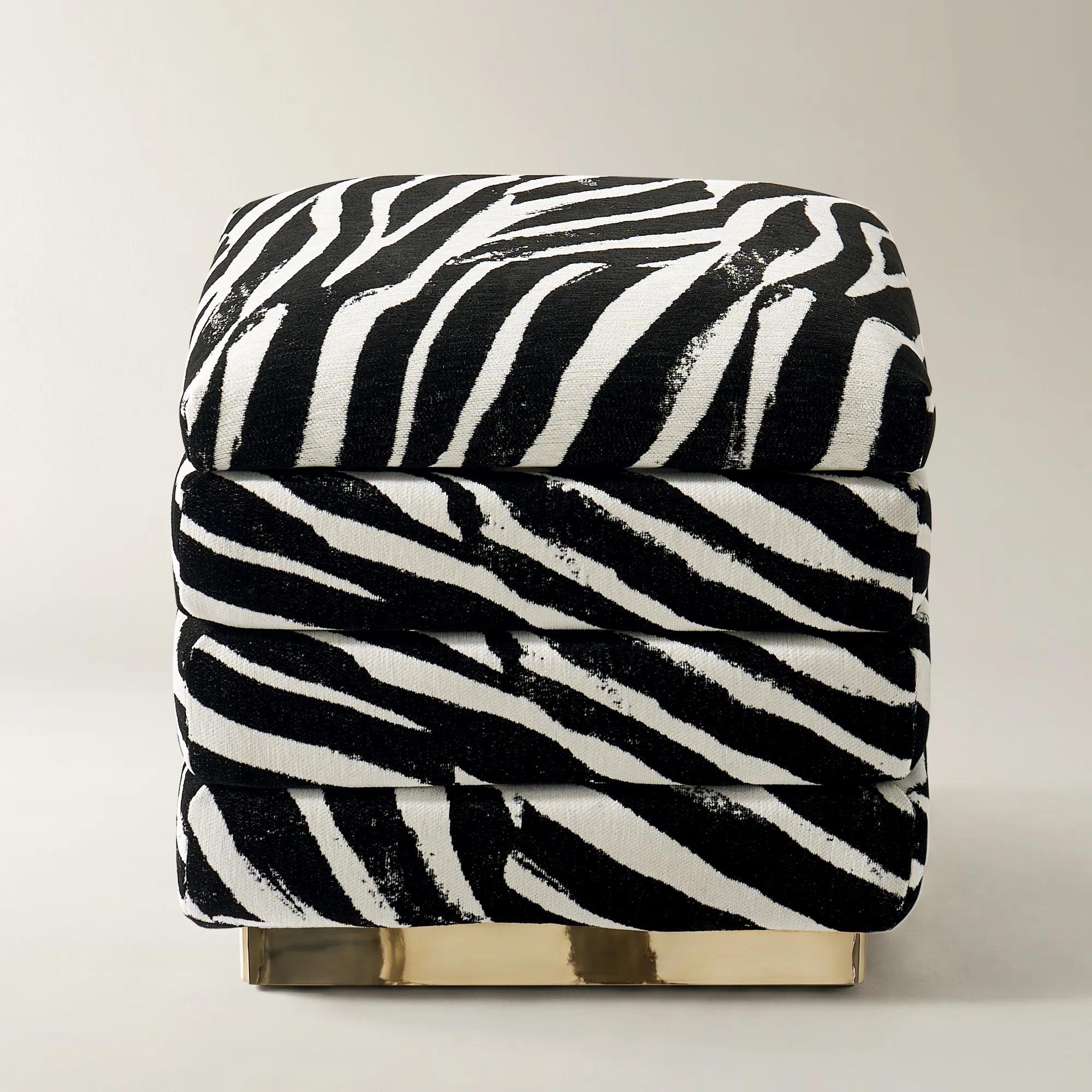
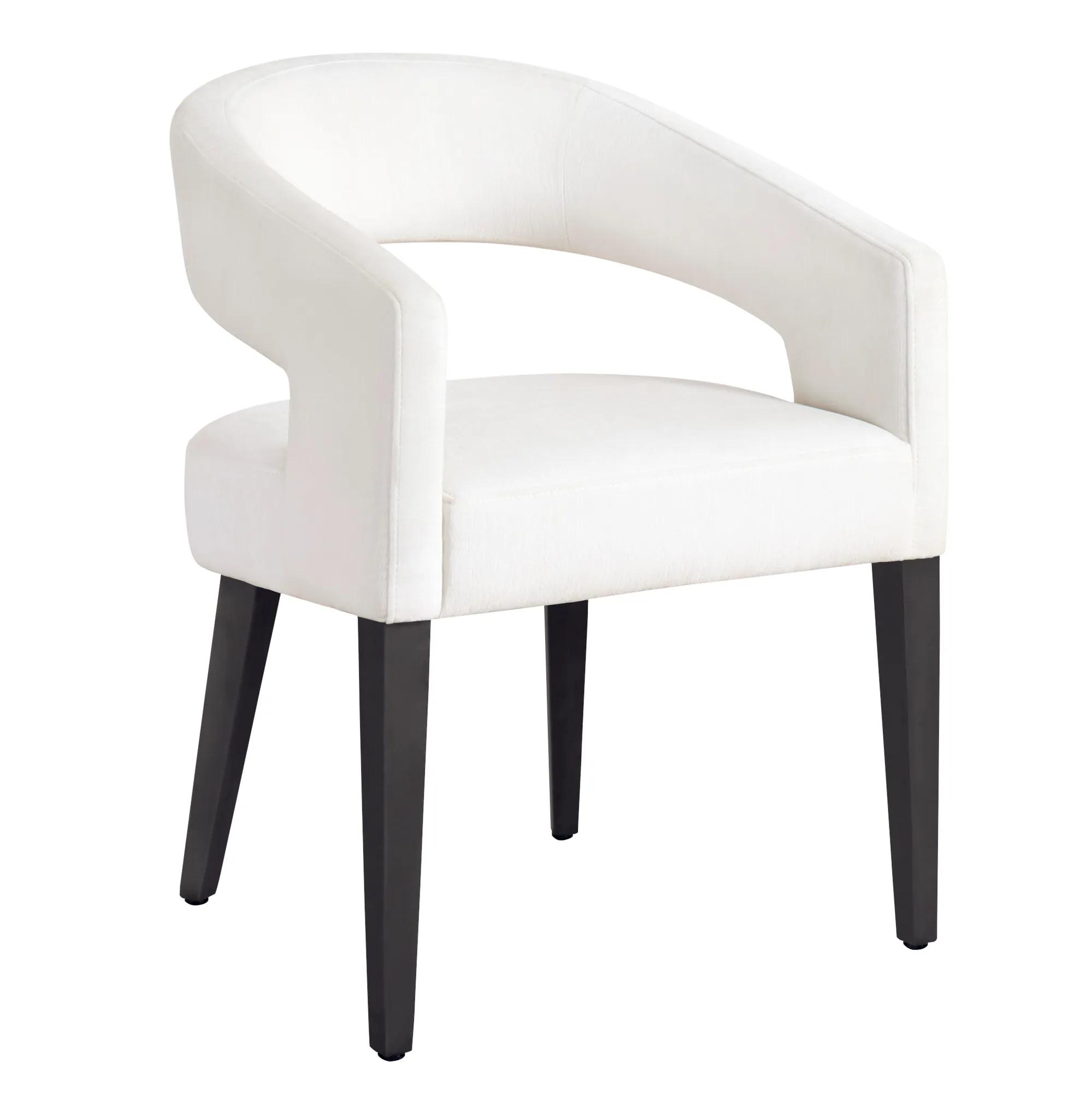
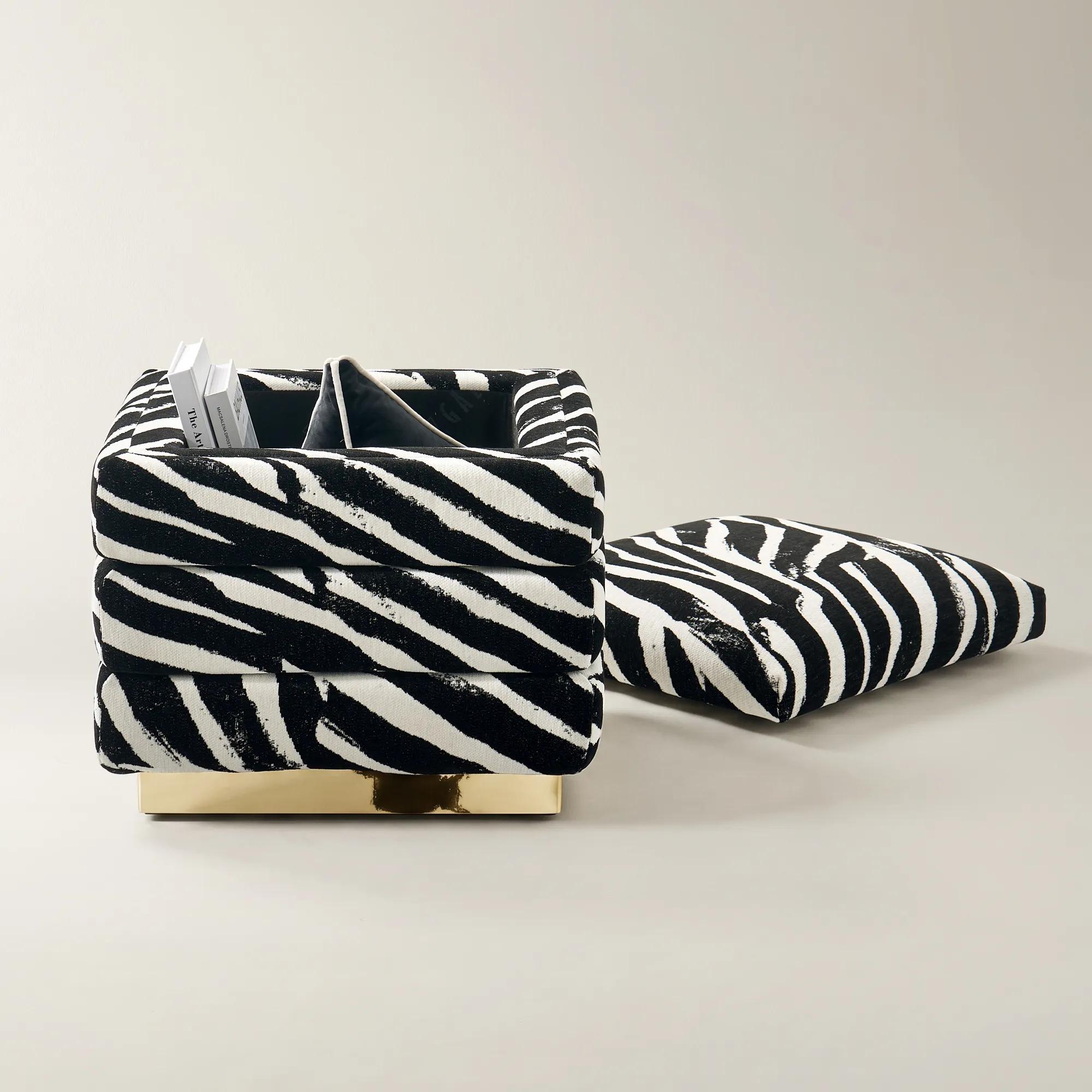 Gable White/Black Performance Chenille Stool$399
A plush white and black chenille stool with hidden storage and a polished gold stainless steel base.
Add To Cart -
 Valerie Natural Outdoor Counter Stool$659
A natural-finished outdoor stool offering stylish counter-height seating.
Add To Cart -
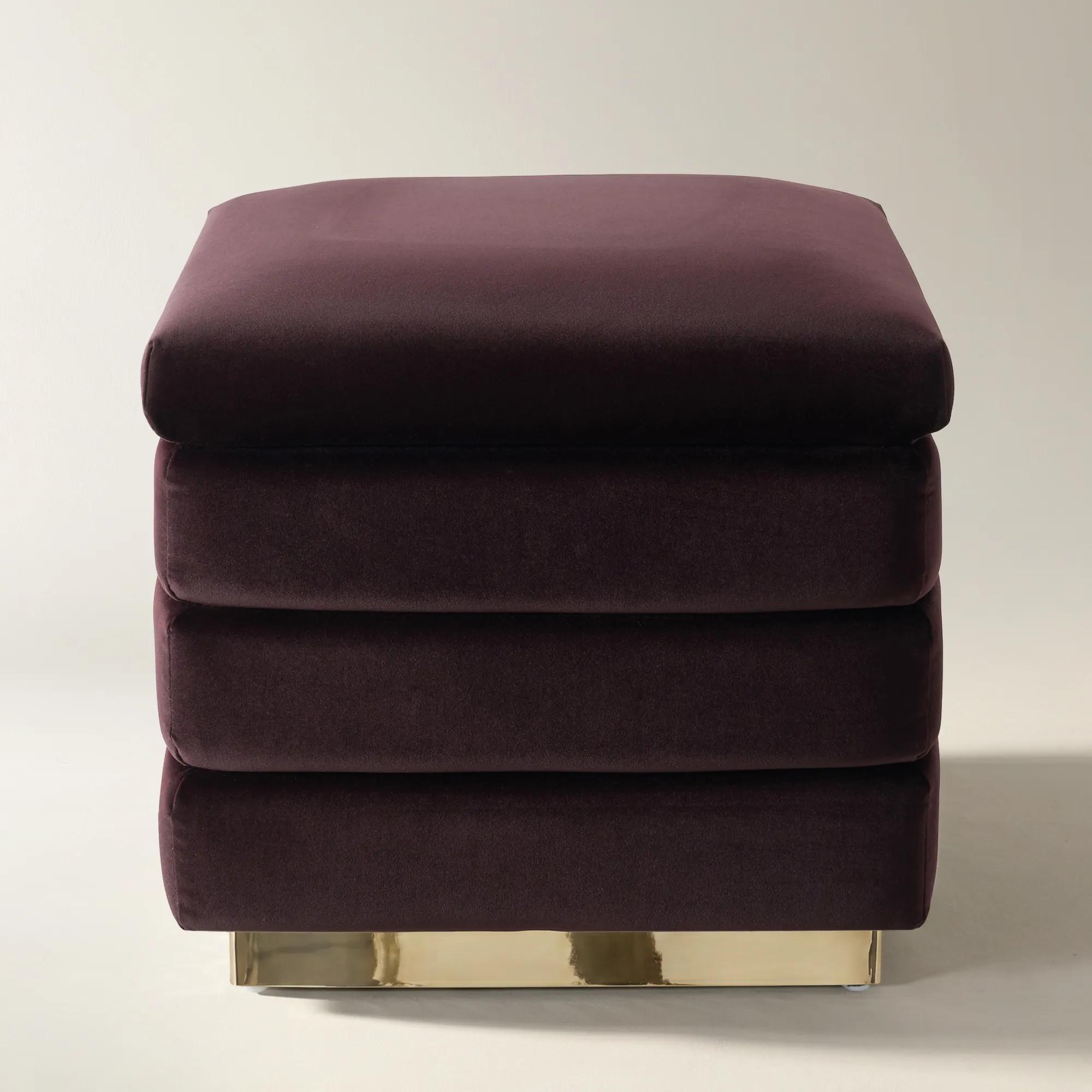
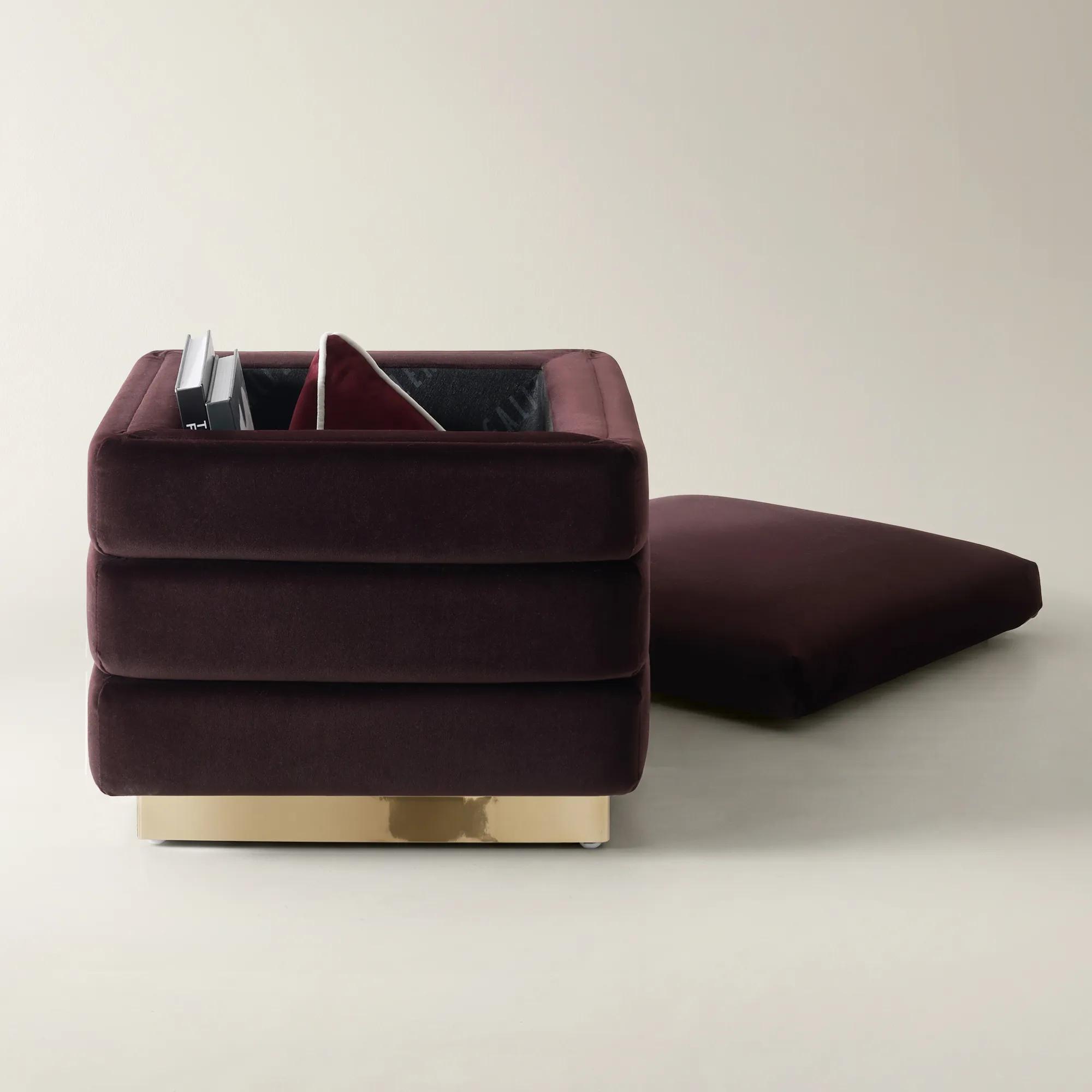 Gable Fig Chenille Storage Stool$399
A plush fig chenille stool with hidden storage, velvet upholstery, and a polished gold stainless steel base.
Add To Cart -
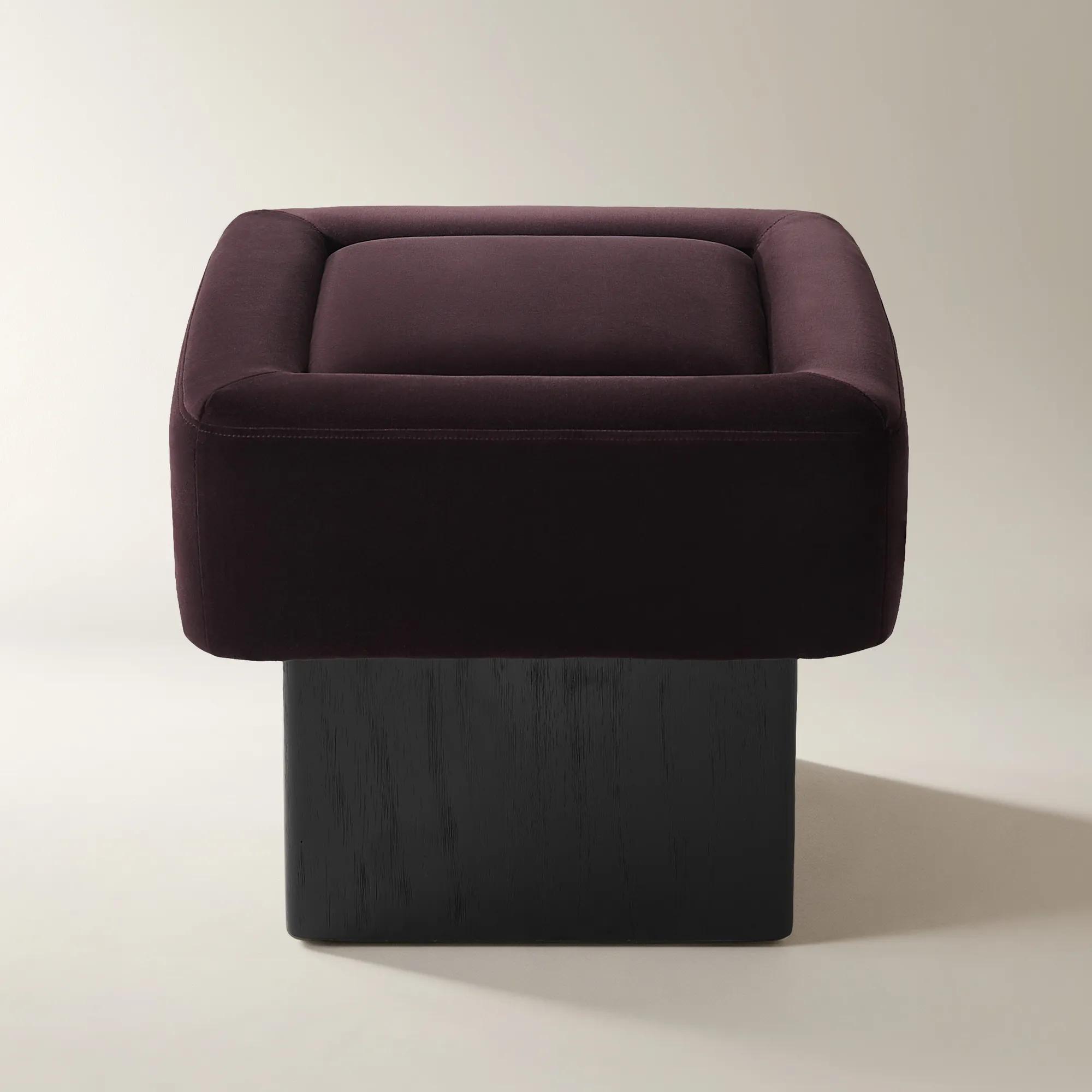 Reims Fig Velvet Stool$399
A plush fig-colored velvet stool featuring a sculpted cushion and a solid rubberwood base for modern contrast.
Add To Cart

Plush Upholstered Counter Stools With Back
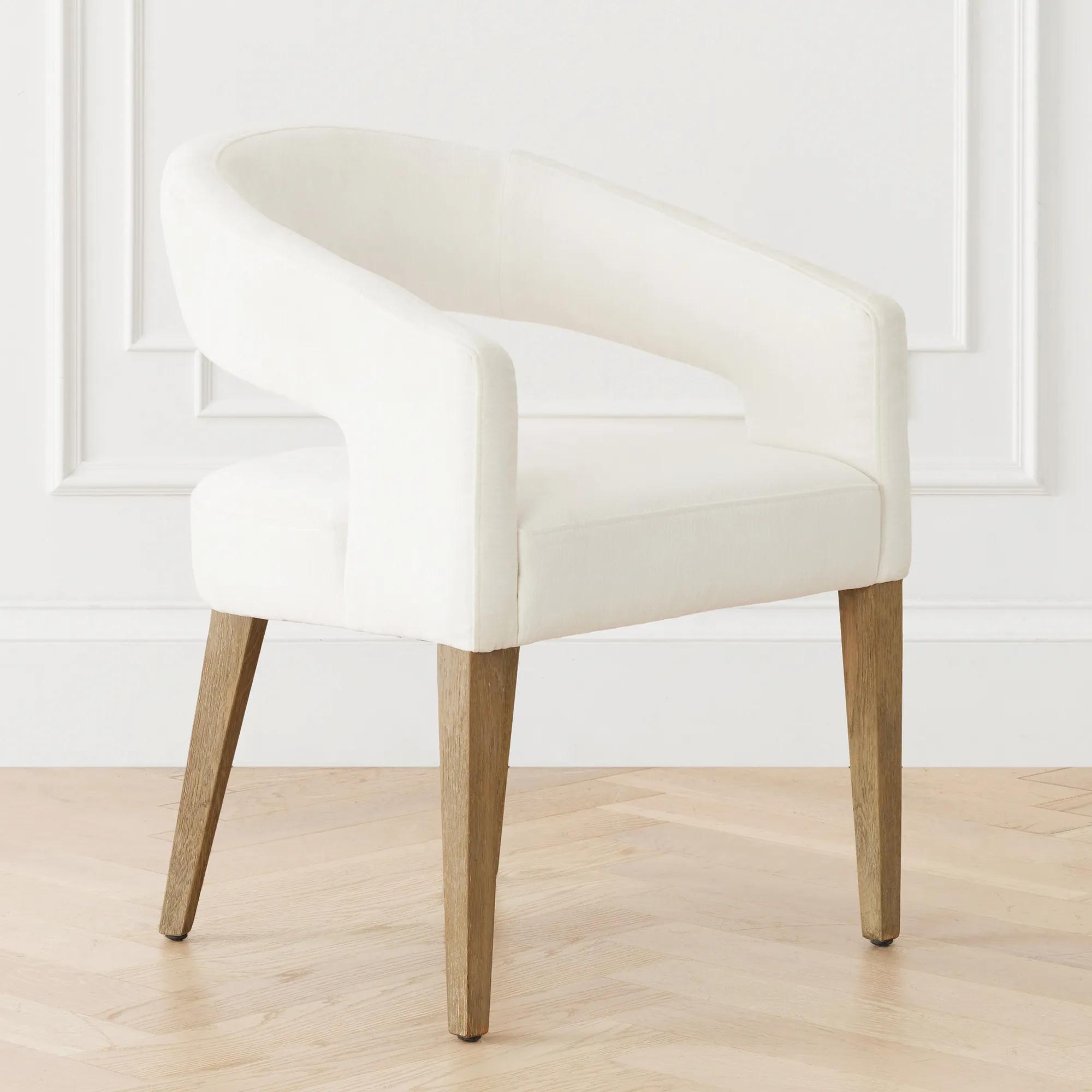
Plush upholstered counter stools with back invite you to linger, transforming everyday seating into an experience of pure indulgence. Imagine sculptural silhouettes wrapped in sumptuous fabrics, each stool elevating your kitchen or bar with a whisper of glamour and a promise of comfort. These aren’t mere seats—they’re statement pieces that command attention, effortlessly blending artistry and function. Whether anchoring a dramatic breakfast nook or punctuating a luxe entertaining space, plush upholstered counter stools with back create moments of style and sophistication in every gathering.
Plush upholstered counter stools with backs bring cushioned comfort and a tailored, furniture-like presence to kitchen islands, breakfast counters, and open-concept dining spaces. Defined by padded seats, upholstered surfaces, and supportive backrests, they offer a more enveloping place to settle than a backless stool while giving everyday seating an expressive silhouette. A softly curved back can frame the body with sculptural elegance; a taller, more structured profile creates a striking rhythm along an island. The effect is both practical and atmospheric: a place for morning espresso becomes a considered extension of the living room, and a casual gathering gains the intimacy of a beautifully dressed dining space. Upholstery shapes that experience as much as the silhouette. Velvet catches light across its pile, adding depth to jewel tones and a luminous softness to neutrals. Chenille introduces a richly textured surface, while bouclé creates dimension through its looped yarns. Smooth woven upholstery offers another expression, allowing the contours of the seat and back to take focus. Each fabric brings a different hand and maintenance profile, so its suitability depends on the fiber content, construction, and care instructions rather than appearance alone. In a kitchen with veined stone and reflective accents, softly upholstered seating adds a welcome tactile contrast. Against warm wood cabinetry, a pale textured fabric can brighten the composition without making it feel stark. Deep charcoal or saturated blue can establish a dramatic anchor, especially when the stool’s legs echo nearby hardware or lighting finishes. Details such as channeling, piping, tufting, and a gently wrapped back give the seating its character, but their scale matters: pronounced detailing feels most intentional when surrounding surfaces leave room for it to stand out. For anyone who treats the kitchen as a gathering space rather than simply a place to prepare meals, this category balances visual presence with the invitation to sit, linger, and feel at ease.
Proportion is what allows that generous upholstery to feel effortless in the room. Counter-height stools typically have seat heights of about 24 to 27 inches and are commonly paired with counters approximately 34 to 36 inches high; the actual fit depends on the stool’s dimensions and the clearance beneath the surface. Allowing roughly 9 to 12 inches between the seat and the underside of the counter generally provides comfortable legroom, although a deep apron or unusually thick countertop can change the usable space. Measure to the lowest obstruction, not just the top of the counter, and consider whether the seat height listed includes its cushion. A higher bar surface calls for a different proportion, making Plush Upholstered Bar Stools a relevant alternative when counter-height seating would sit too low. Width deserves equal attention. Arranging stools about 26 to 30 inches apart from center to center is a common starting point, but broad seats, curved backs, and arms may require more room. The goal is enough separation for guests to settle in without brushing elbows, with clear access at the ends of the island. A generous seat can feel wonderfully accommodating, yet its overall depth should still leave a comfortable passage behind it when occupied. Low backs can preserve sightlines across an open kitchen, while higher backs give the seating a more defined presence and may offer more contact with the torso. Arms create a chair-like experience but need sufficient clearance if the stool is intended to tuck beneath the counter. Swivel designs can make turning toward conversation easier, provided nearby cabinetry, adjacent stools, and the countertop edge remain clear of the rotating seat. A well-positioned footrest also matters, giving feet a resting place rather than leaving legs suspended. Taken together, seat height, back shape, cushion feel, and footrest position determine comfort more reliably than a plush appearance alone.
Lasting appeal comes from the relationship between upholstery, cushioning, and the structure beneath them. Resilient padding should feel comfortable without leaving the sitter unsupported, while a stable frame and sound joinery help seating withstand repeated everyday use. Solid wood, engineered wood components, and metal can each serve different structural roles; the quality of their construction matters more than a material name in isolation. A gleaming metal base can bring jewelry-like definition to the room, while stained wood introduces depth and a softer visual connection to cabinetry or flooring. Protective floor glides, when appropriate for the flooring material, help reduce scuffing, and accessible fasteners may need occasional inspection according to the manufacturer’s directions. Upholstery selection should reflect the household’s habits. At an island that hosts breakfast, homework, and frequent entertaining, a fabric with clearly documented cleanability may be especially useful. Performance treatments vary, and the term does not mean a fabric is stainproof, waterproof, or suitable for every cleaning method. Tightly constructed fabrics may be preferable where snagging is a concern, while heavily textured loops deserve extra consideration in homes with pets. Routine care begins with the upholstery label: W, S, WS, and X codes indicate different cleaning approaches, and they should not be treated as interchangeable. Gentle vacuuming with a suitable upholstery attachment can remove crumbs and surface dust; spills should be addressed promptly using the approved method, without vigorous rubbing that can distort the fabric. Velvet may show pressure marks or changes in shading as its pile moves, a characteristic distinct from a stain. Direct sunlight can affect fabric color over time, and decorative stitching or tufted recesses may need careful attention during cleaning. With those everyday realities considered, plush counter seating can support a remarkably personal setting: a quiet breakfast for two, an island arranged for conversation, or a kitchen where guests remain comfortably close while dinner comes together. The richest effect is not simply softness, but seating whose proportions, texture, and detailing make the entire space feel deliberately composed.
FAQs
Plush upholstered counter stools with backs are often crafted using luxurious fabrics such as velvet, linen, or high-performance textiles, paired with sturdy frames made from wood or metal. Details like tufting, nailhead trim, or metallic accents can further enhance their visual appeal and tactile richness.
These stools introduce a sense of opulence and comfort, inviting guests to linger and enjoy their surroundings. The combination of sumptuous upholstery and supportive backs creates an elevated, welcoming ambiance—perfect for both intimate gatherings and lively entertaining.
Absolutely. Their sculptural silhouettes and rich textures help define zones within open-concept layouts, anchoring kitchen islands or breakfast bars while adding a dramatic focal point that ties the room together.
Yes, their versatile design makes them ideal for use in dressing rooms, home offices, or even as statement pieces in entryways. Their combination of comfort and style allows them to elevate any space where extra seating is desired.
Look for features that reflect your personal style and the mood you wish to create—such as bold colors, intricate tufting, or gleaming metallic legs. Consider how the upholstery texture and backrest shape will complement your existing décor, and choose finishes that add a touch of drama or harmony to your space.