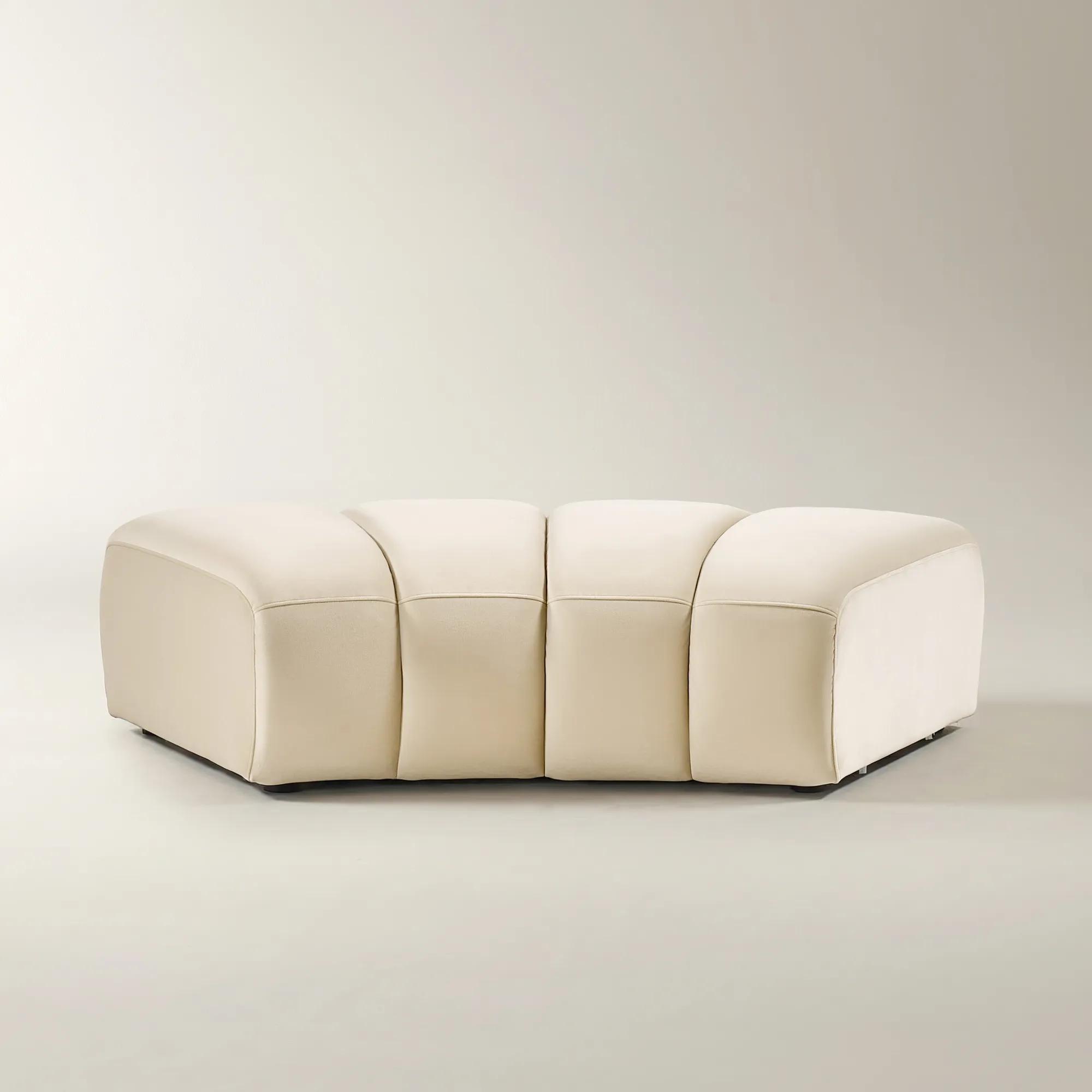
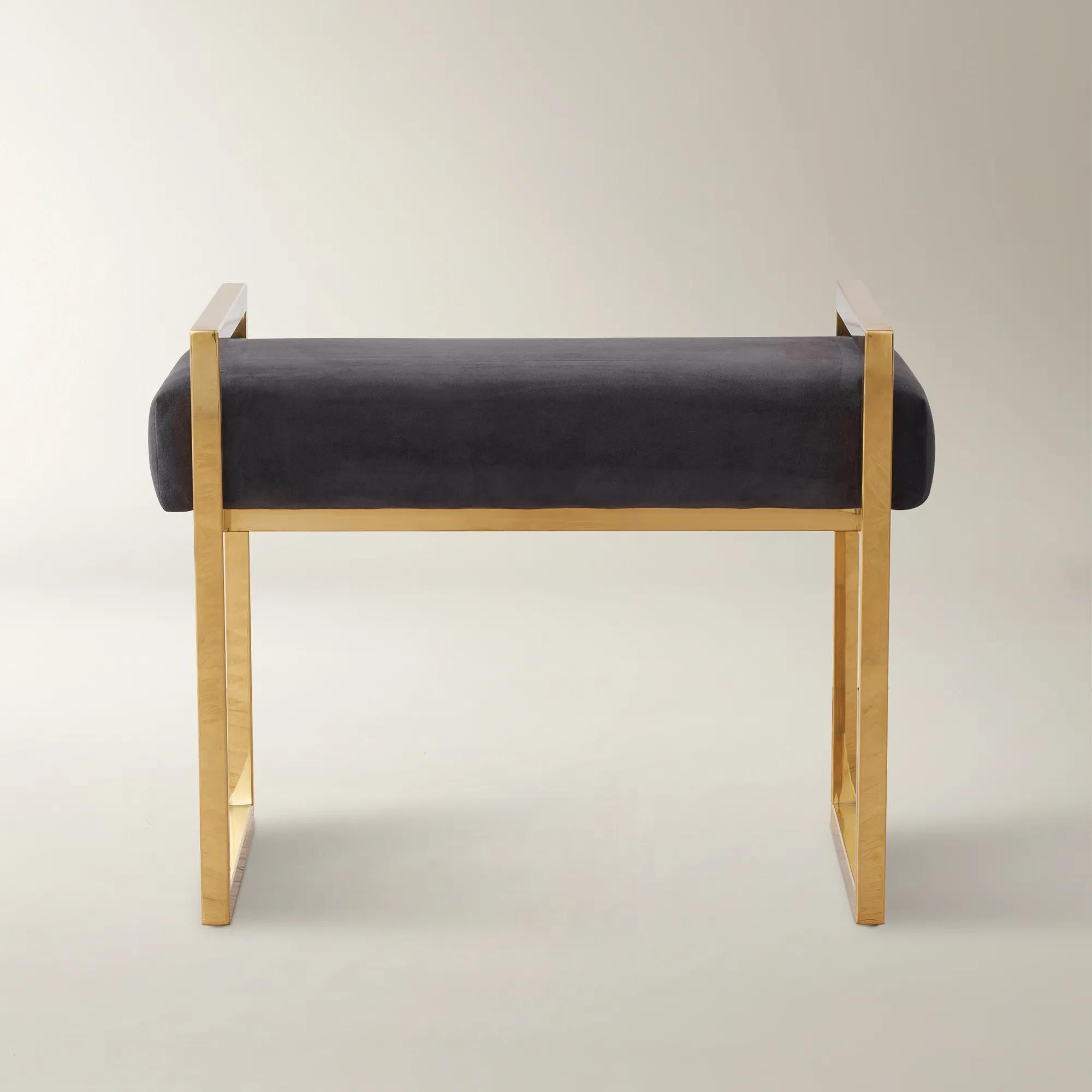
Plush Benches For Autumn Interiors
Plush Benches For Autumn Interiors
-
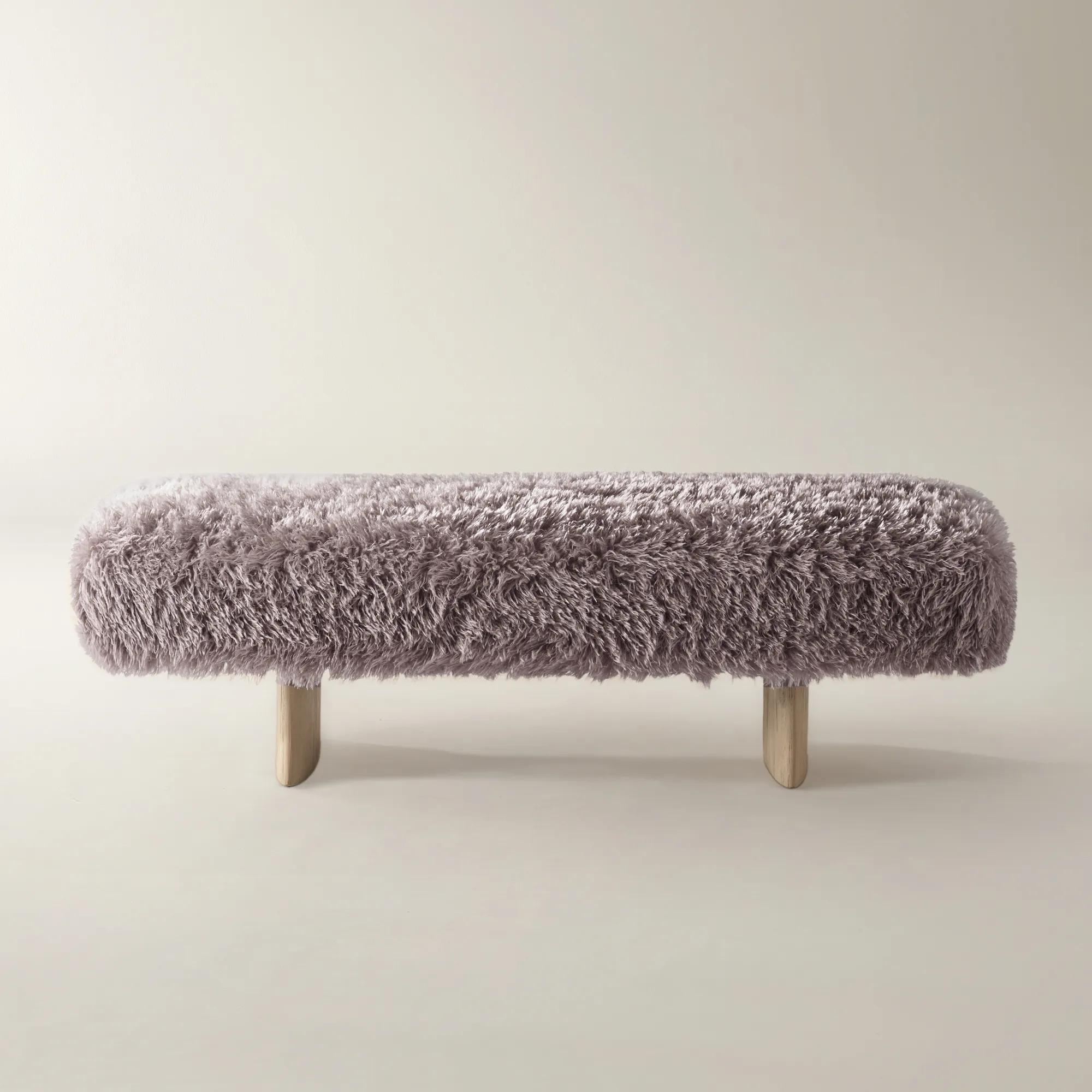
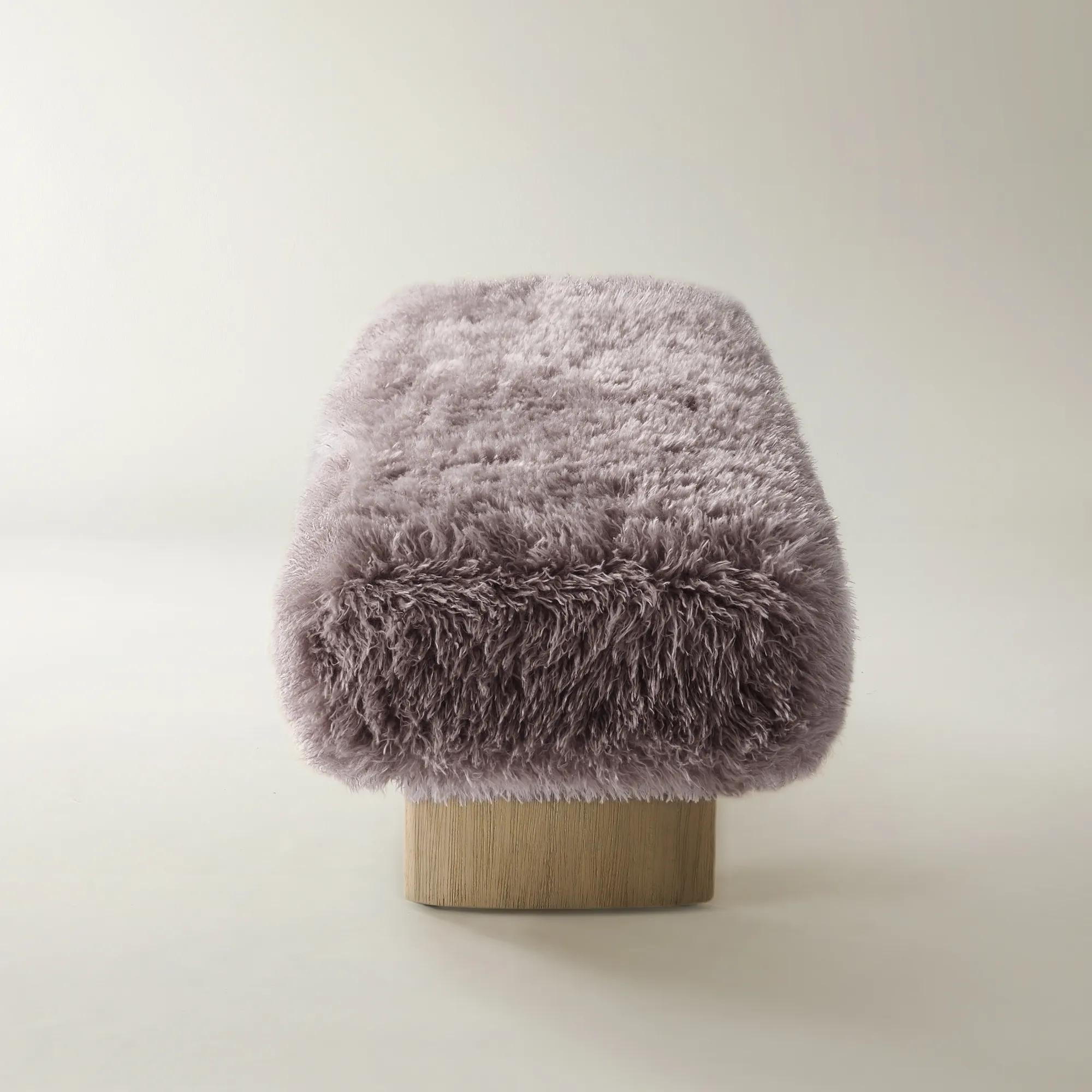 Micah Plum Truffle Mongolian Faux Fur Bench With Rubberwood Legs(62.6")$699
A sculptural bench featuring smoked plum Mongolian faux fur upholstery and warm solid rubberwood legs.
Add To Cart -
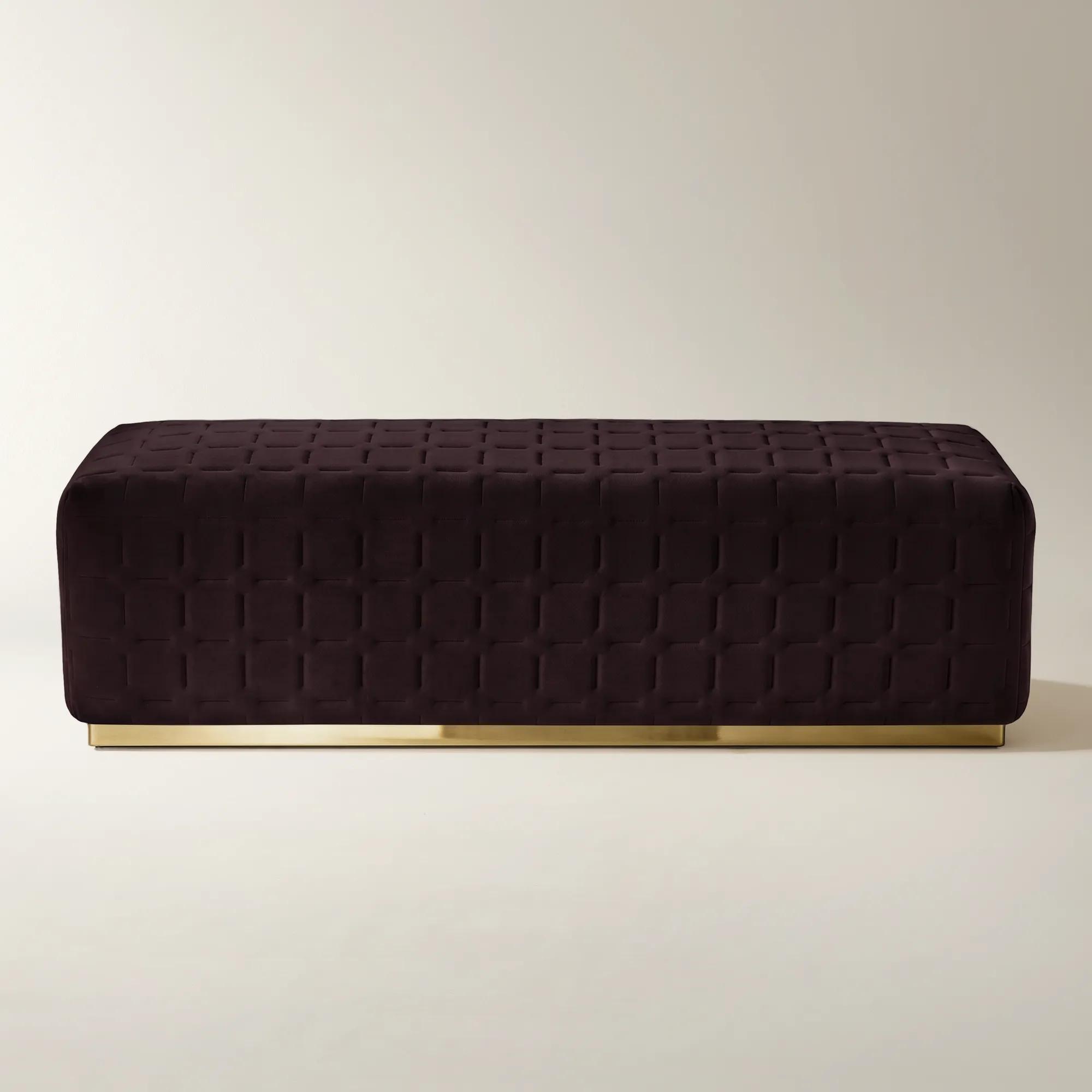
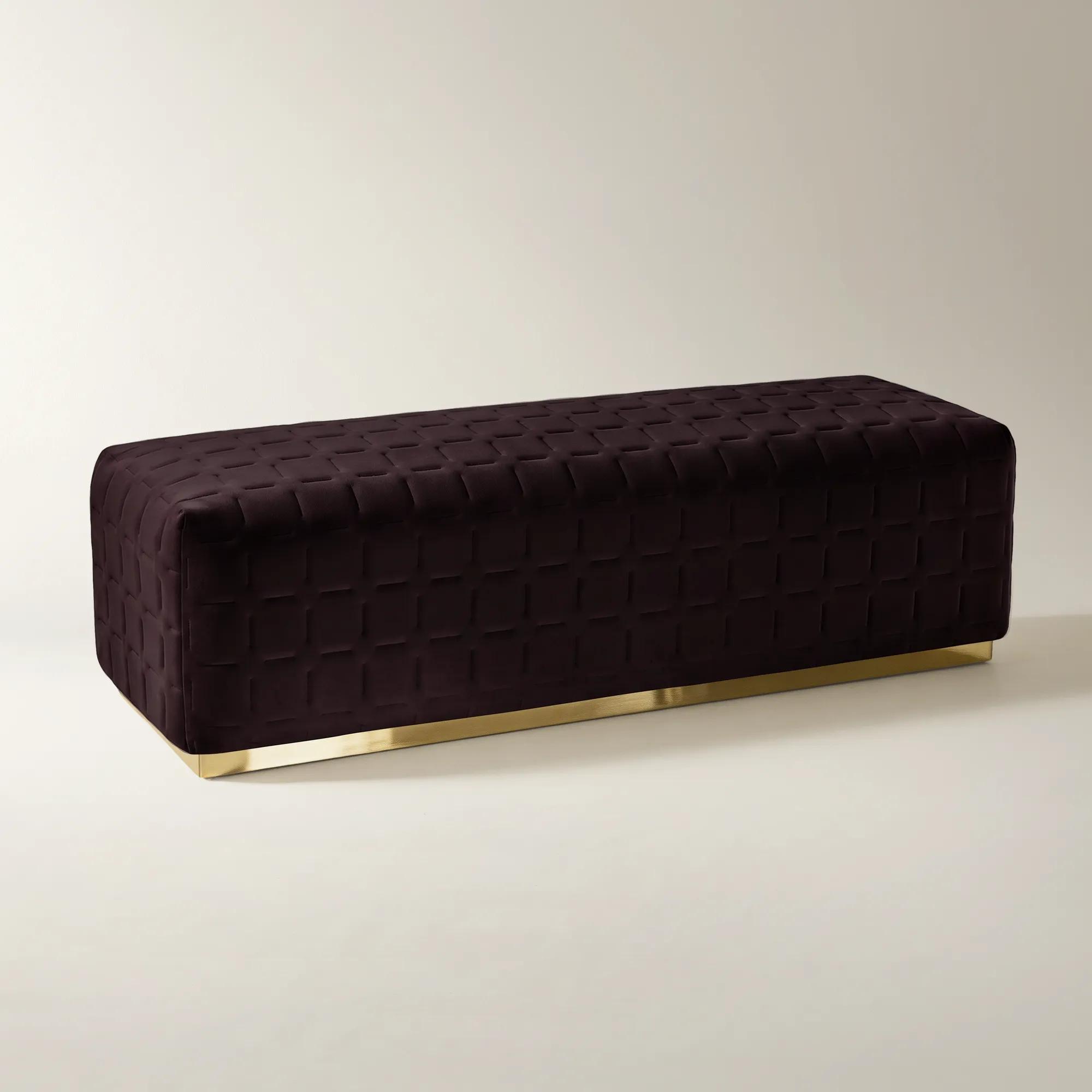 Vanta Quilted Fig Velvet Bench (64.6")$899
A plush fig velvet bench featuring checker quilted tufting and a sleek gold stainless steel base.
Add To Cart -
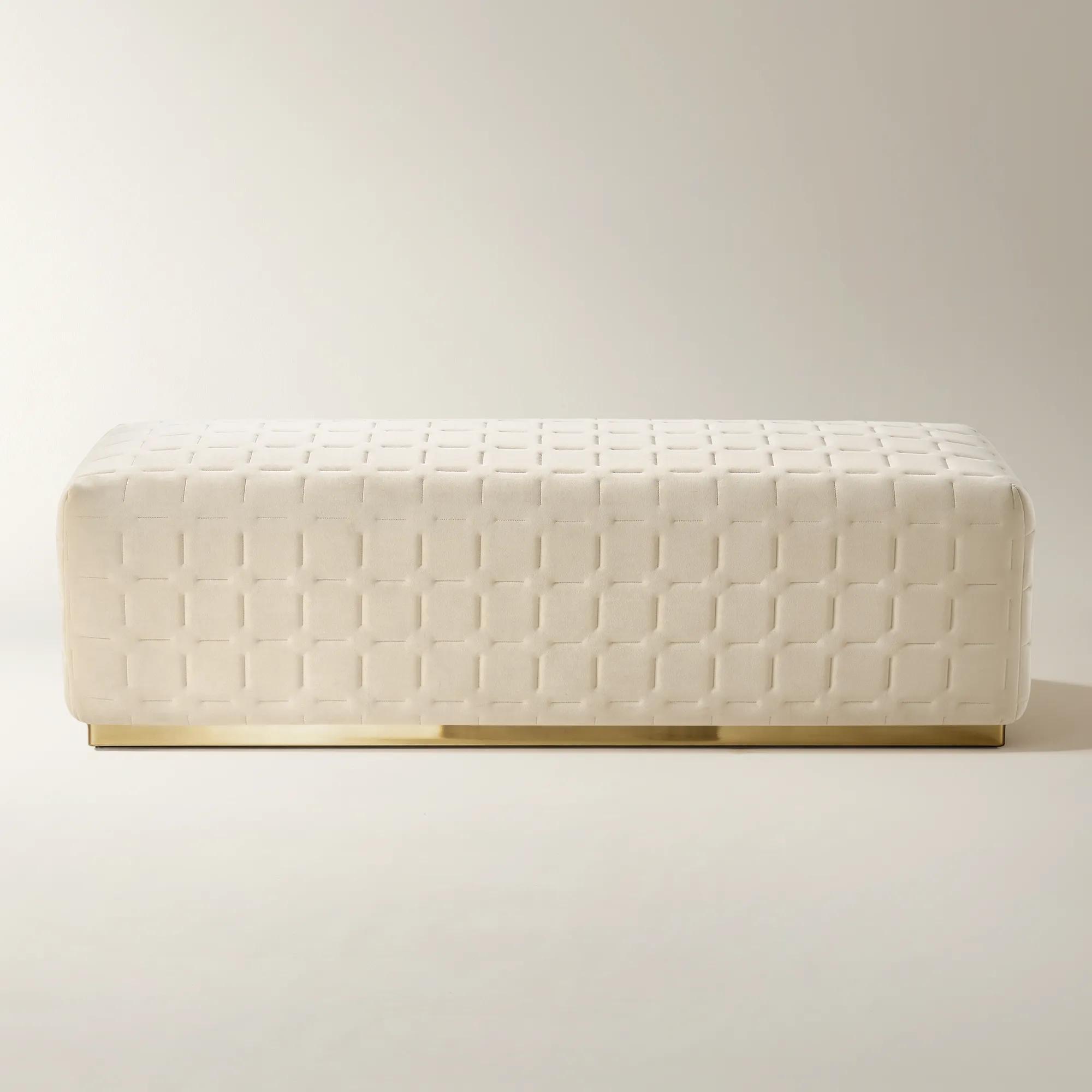
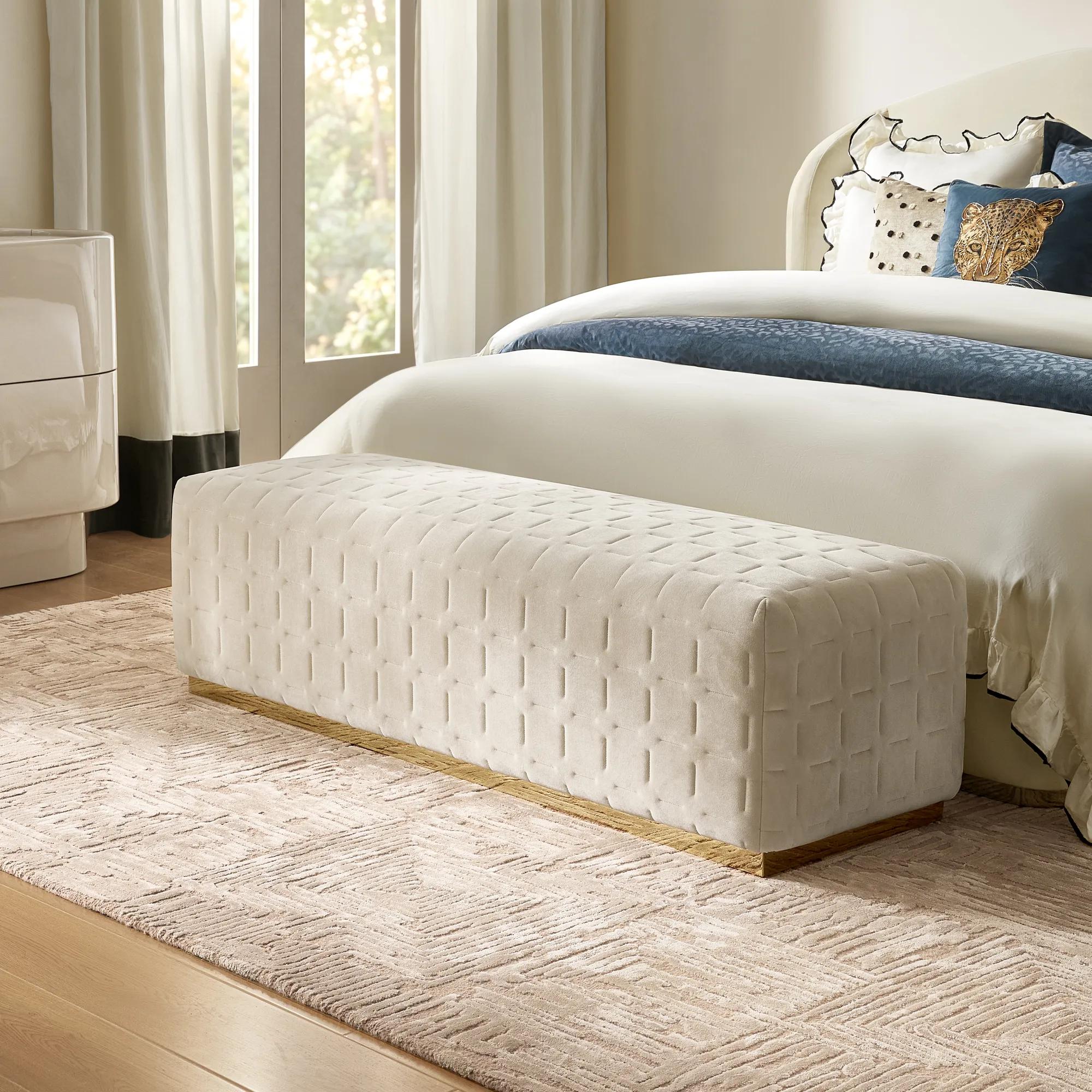 Vanta Quilted Oatmeal Velvet Bench (64.6")$899
A plush oatmeal velvet bench featuring checker quilted tufting and a sleek gold stainless steel base.
Add To Cart -
 Micah Tan Mongolian Faux Fur Bench With Rubberwood Legs (62.6")$699
A light brown faux fur bench with a curved rubberwood base and plush high-density foam cushion.
Add To Cart -
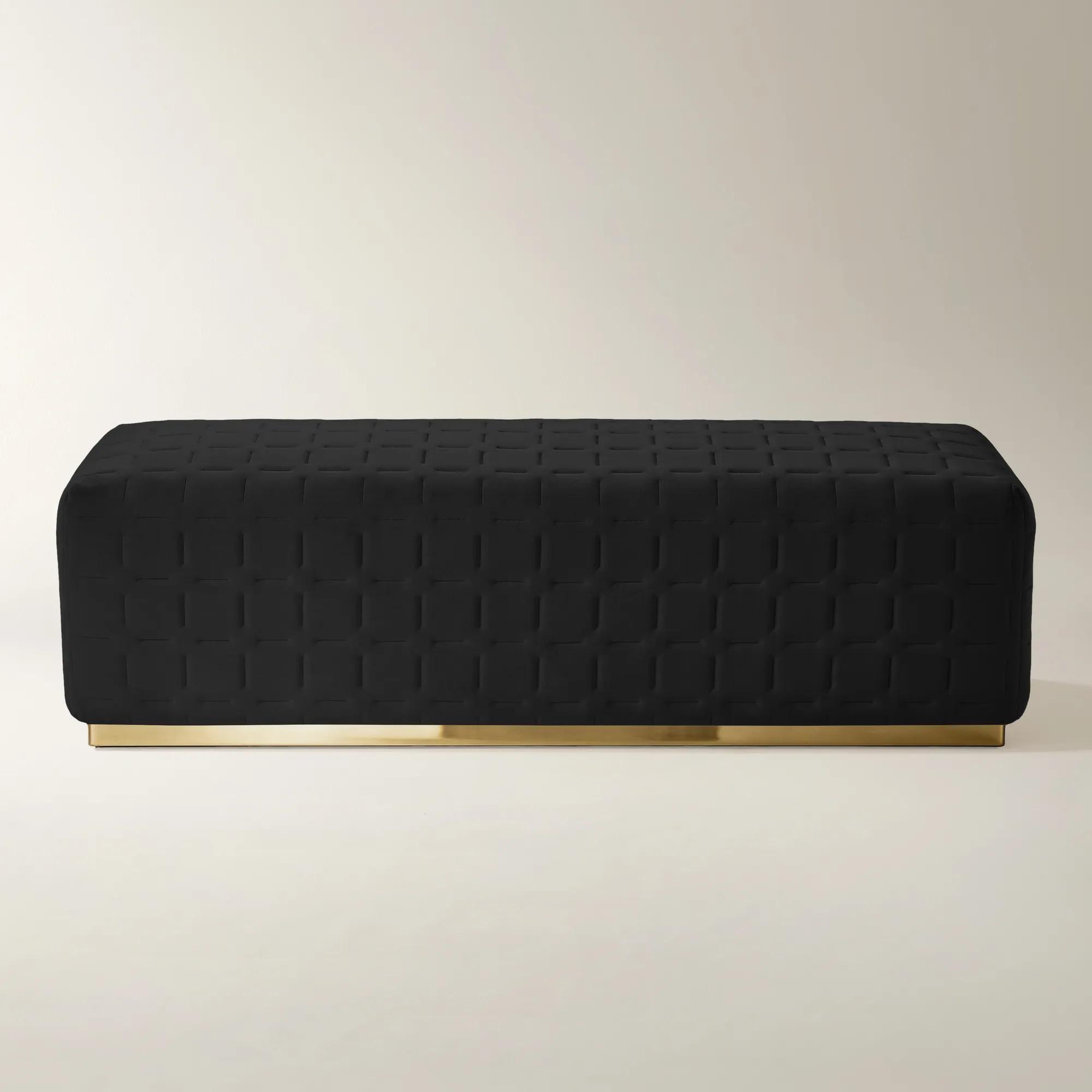 Vanta Quilted Charcoal Velvet Bench (64.6")$899
A charcoal velvet bench featuring checker quilted tufting and a gold stainless steel base for modern elegance.
Add To Cart -
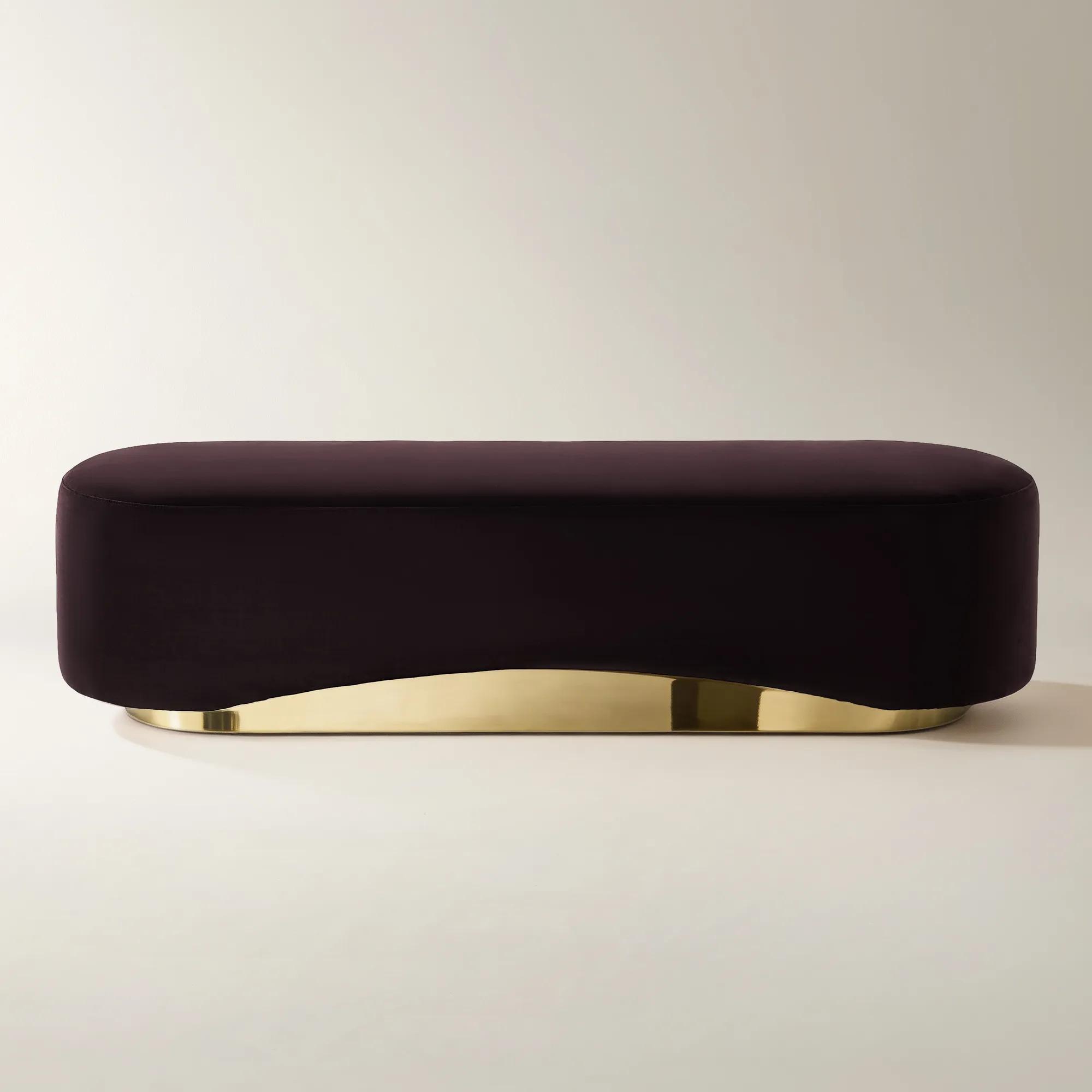 Kendra Fig Velvet Bench (70.47")$799
A plush fig velvet bench with an elongated oval silhouette and a polished gold stainless steel base.
Add To Cart -
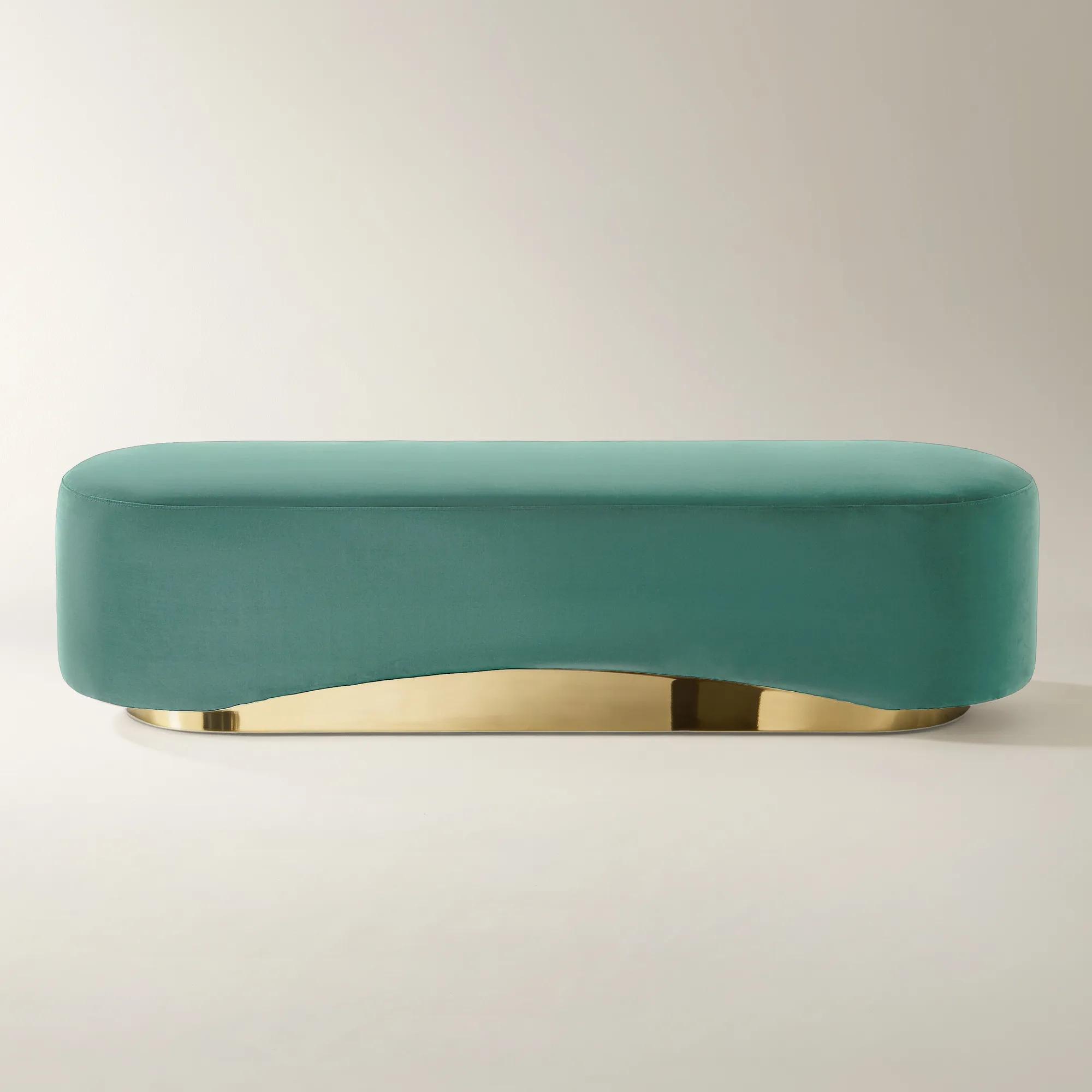 Kendra Ocean Teal Velvet Bench (70.47")$799
An elongated oval bench in ocean teal velvet with a plush seat and polished gold stainless steel base.
Add To Cart -
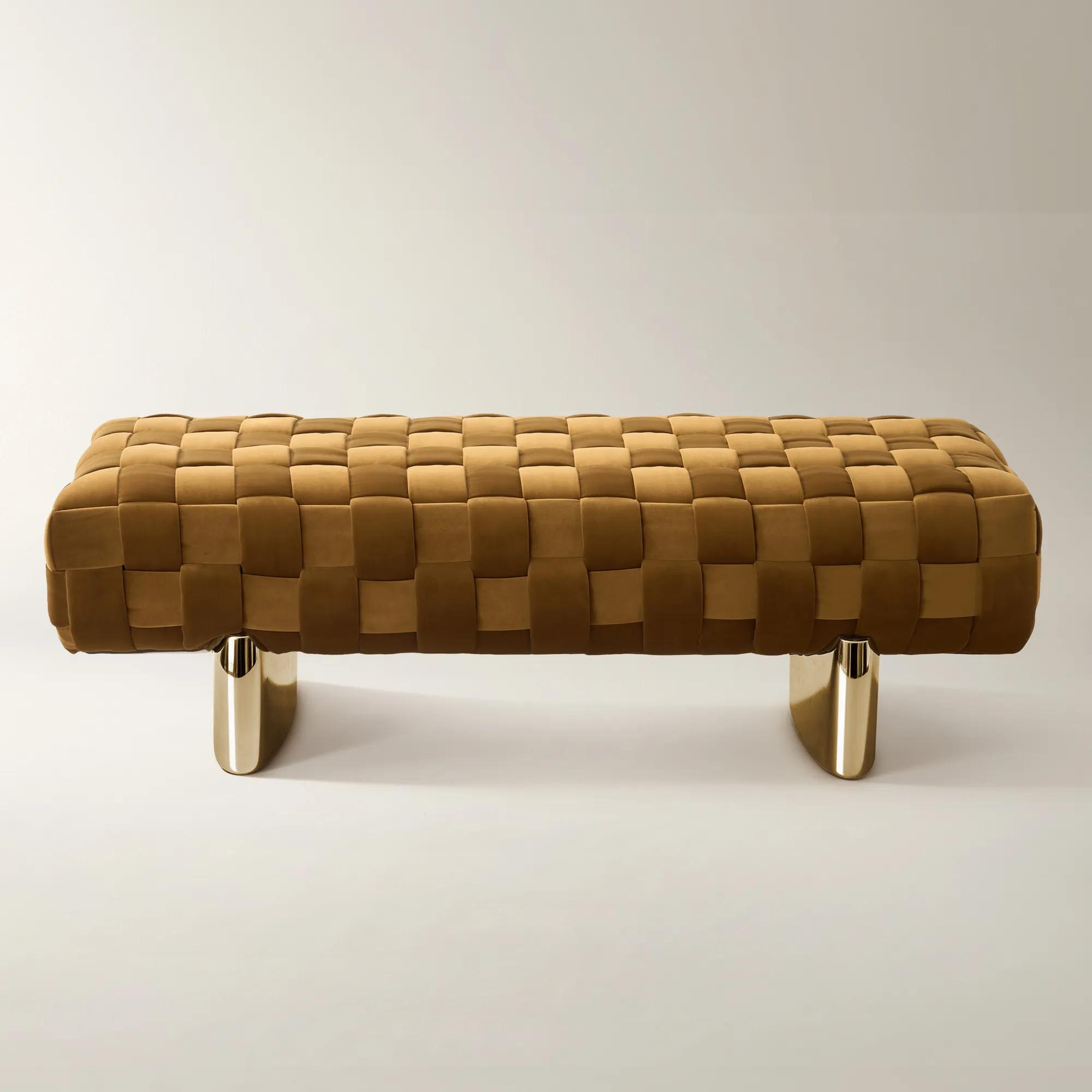
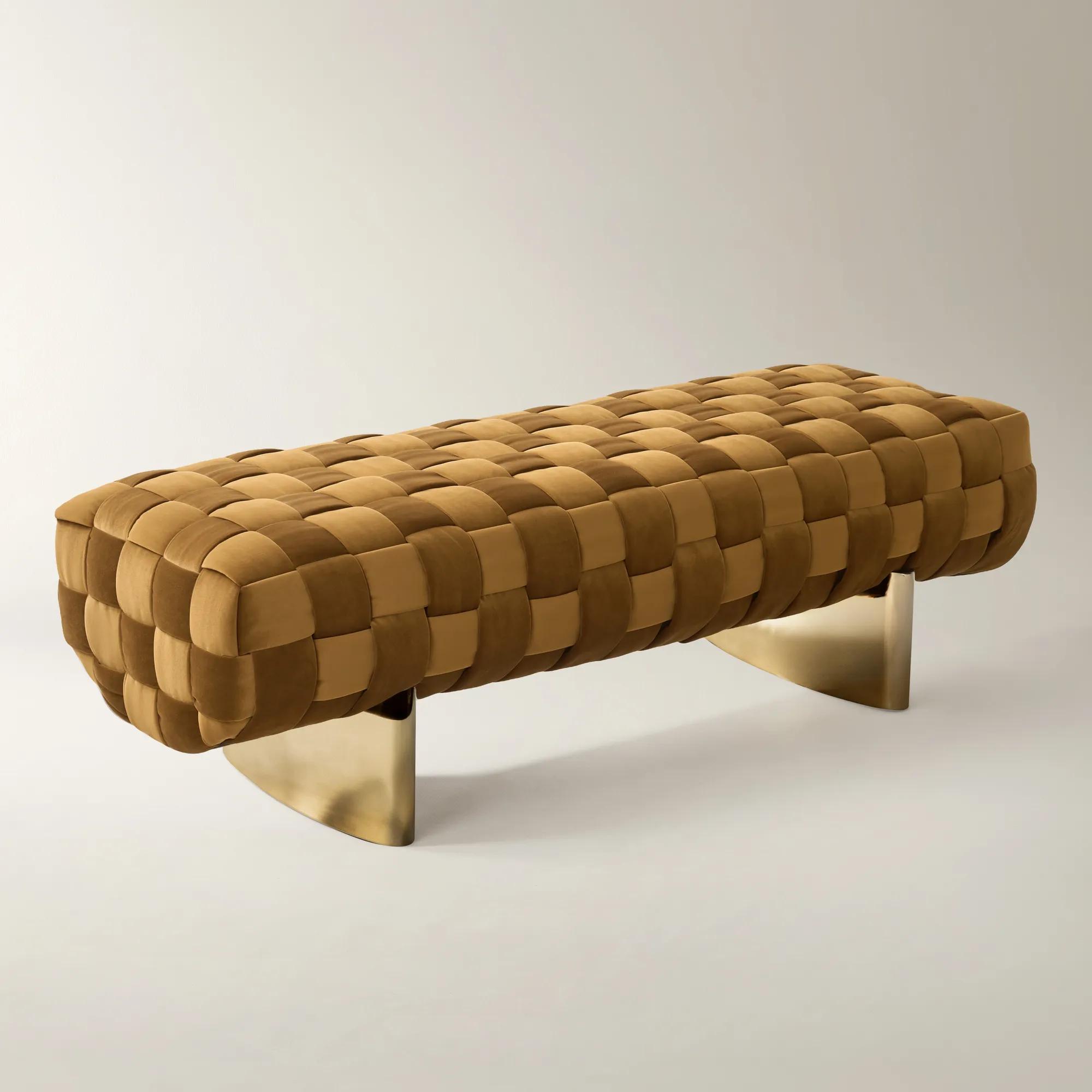 Dexter Woven Roasted Pecan Velvet Bench (64.2")$999
A woven roasted pecan velvet bench featuring plush upholstery and polished gold stainless steel legs for modern elegance.
Add To Cart -
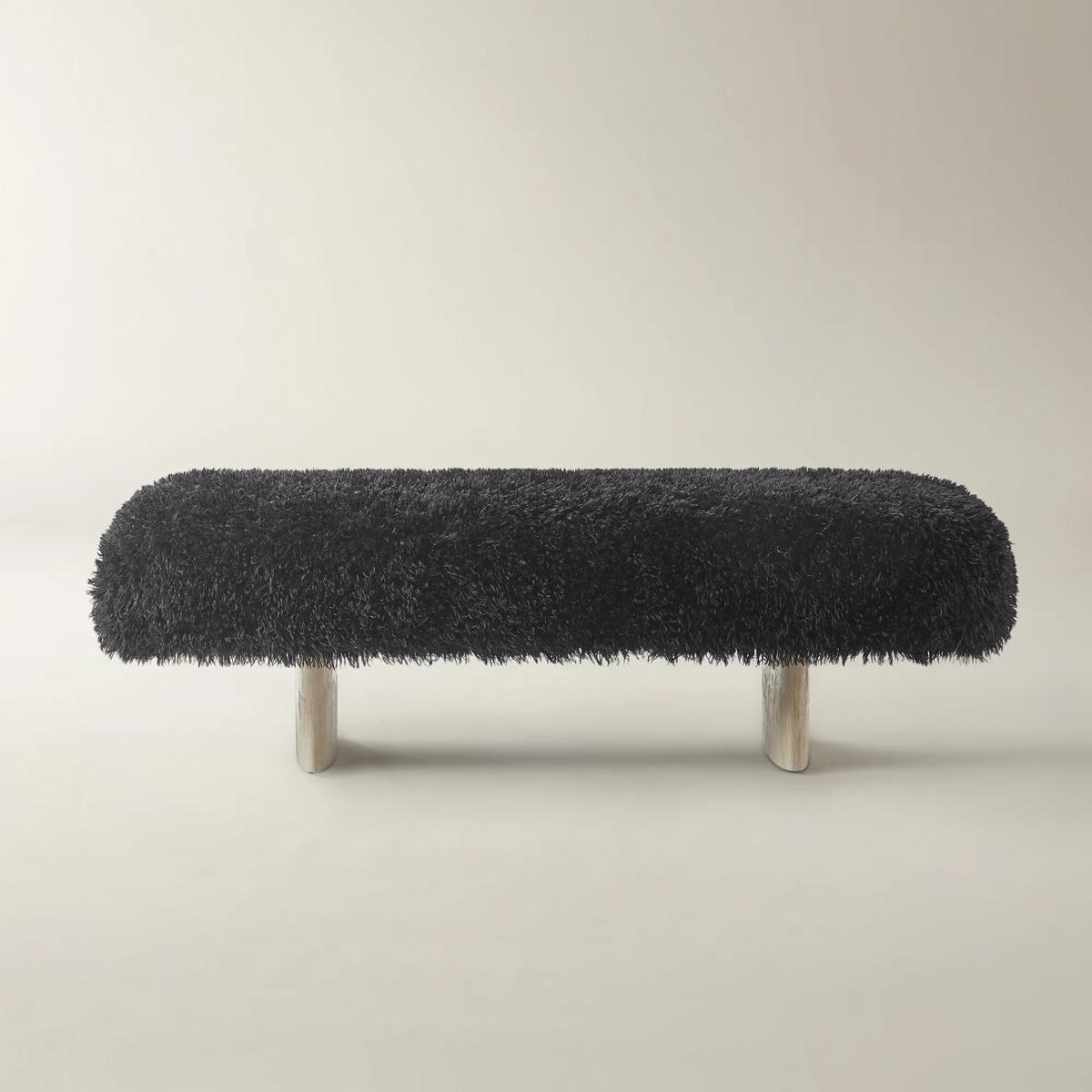 Micah Black Mongolian Fur Bench With Rubberwood Legs (62.6")$699
A striking black faux Mongolian fur bench with solid rubberwood legs for plush comfort and modern edge.
Add To Cart -
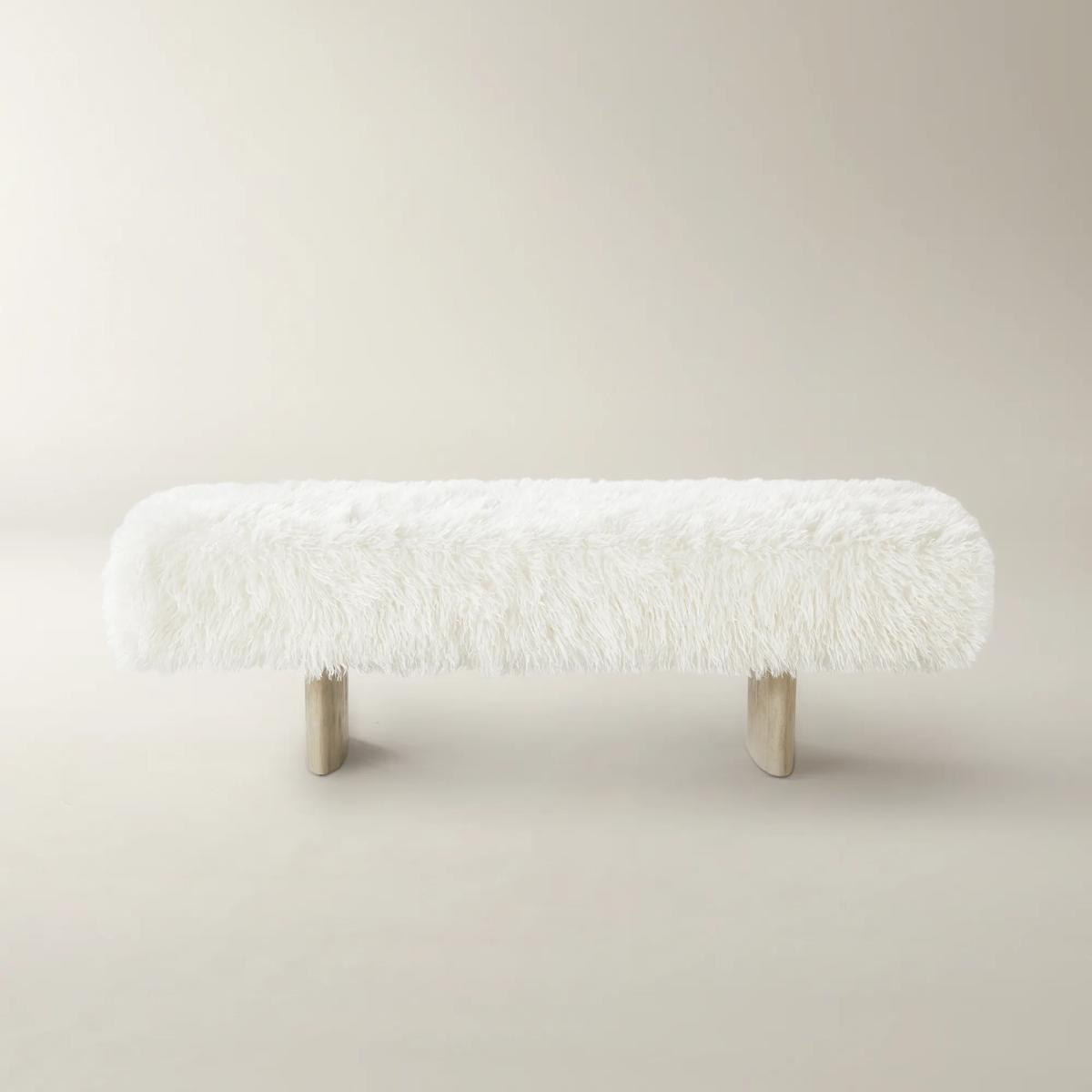 Micah Ivory Mongolian Faux Fur Bench With Rubberwood Legs (62.6")$699
An ivory faux Mongolian fur bench with high-density foam and sculptural solid rubberwood base for modern coziness.
Add To Cart -
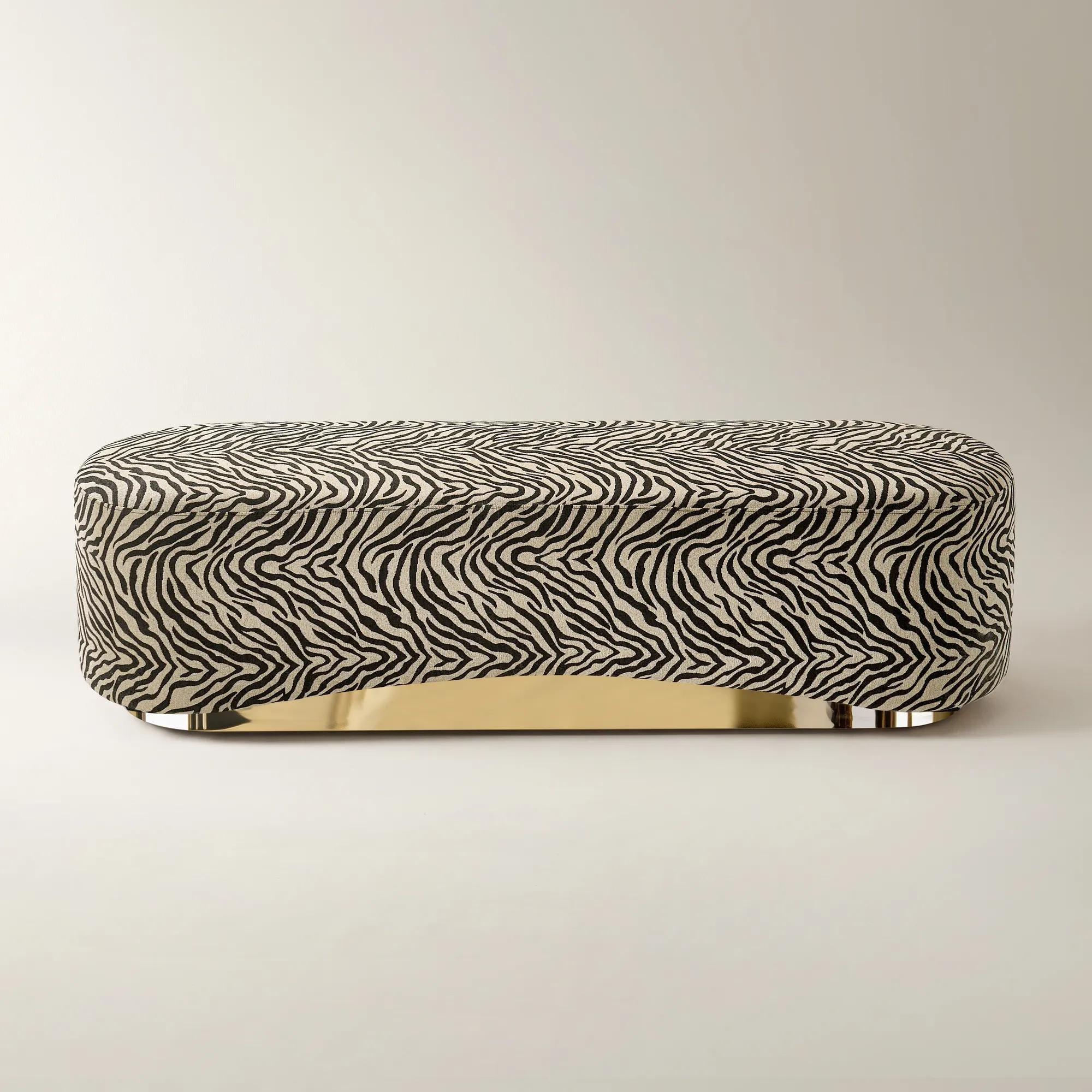
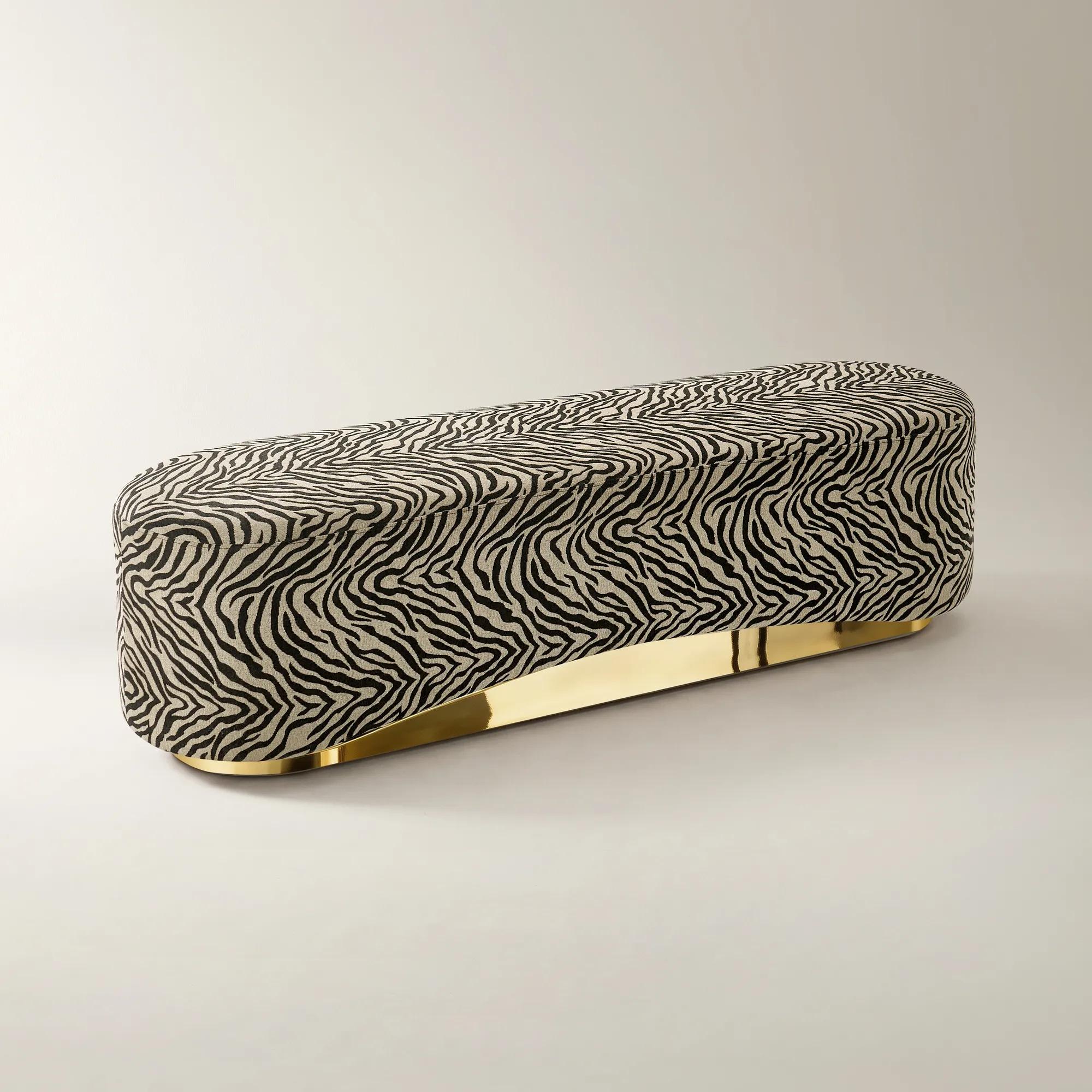 Kendra Zebra Performance Chenille Bench (70.47")$799
An elongated oval bench upholstered in textured zebra-pattern chenille with a polished gold stainless steel base.
Add To Cart -
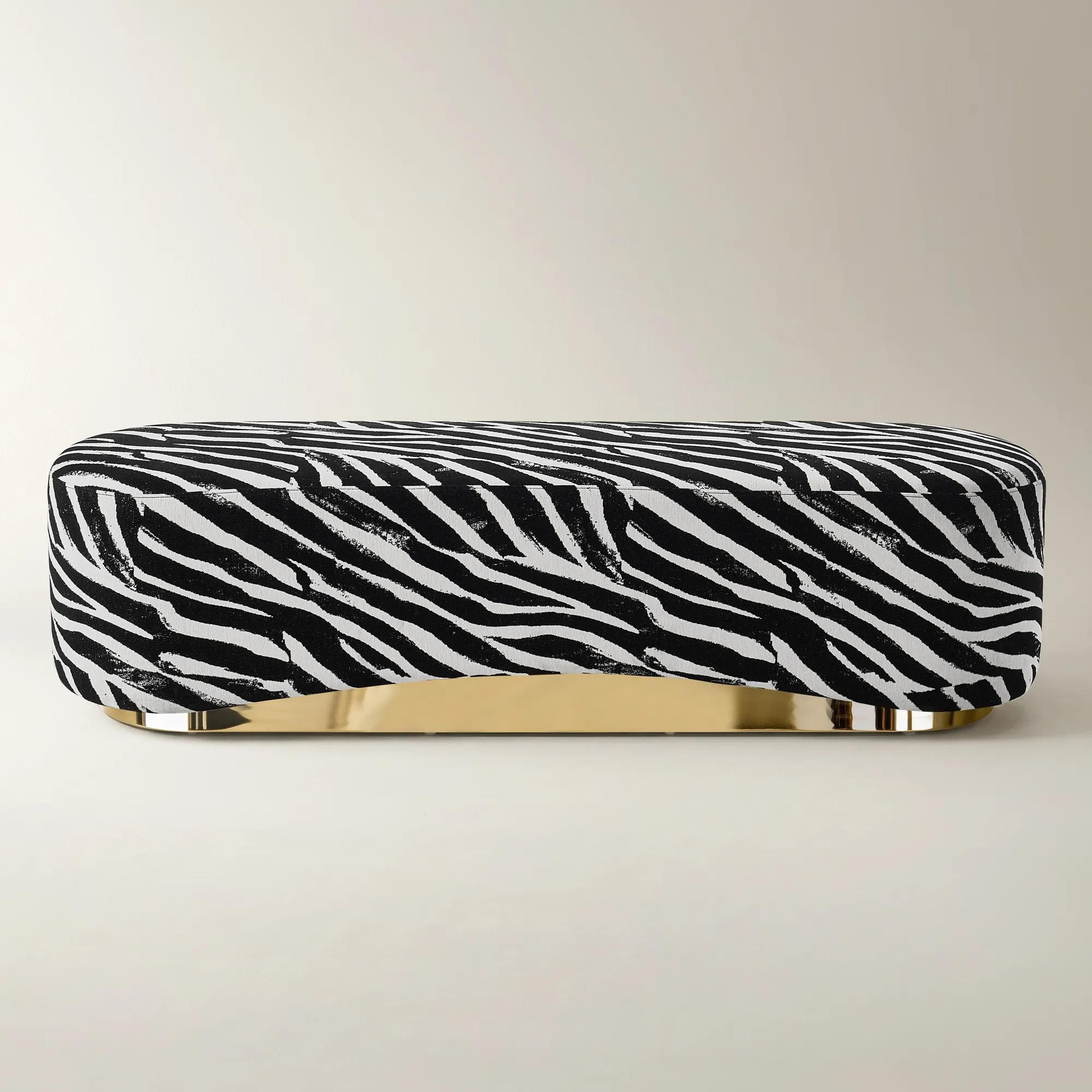
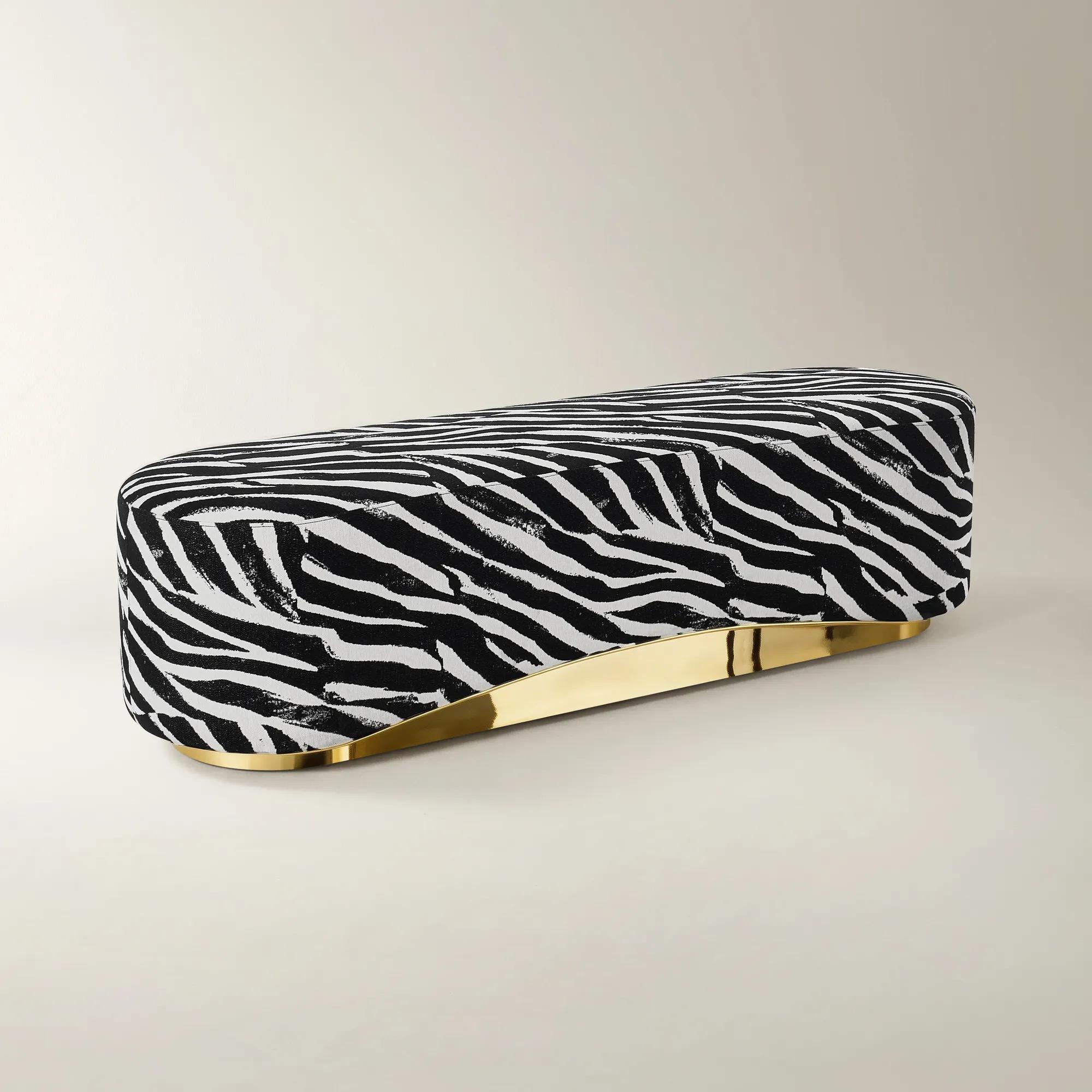 Kendra White/Black Performance Chenille Bench (70.47")$799
An elongated oval bench upholstered in white and black performance chenille with a polished gold stainless steel base.
Add To Cart -
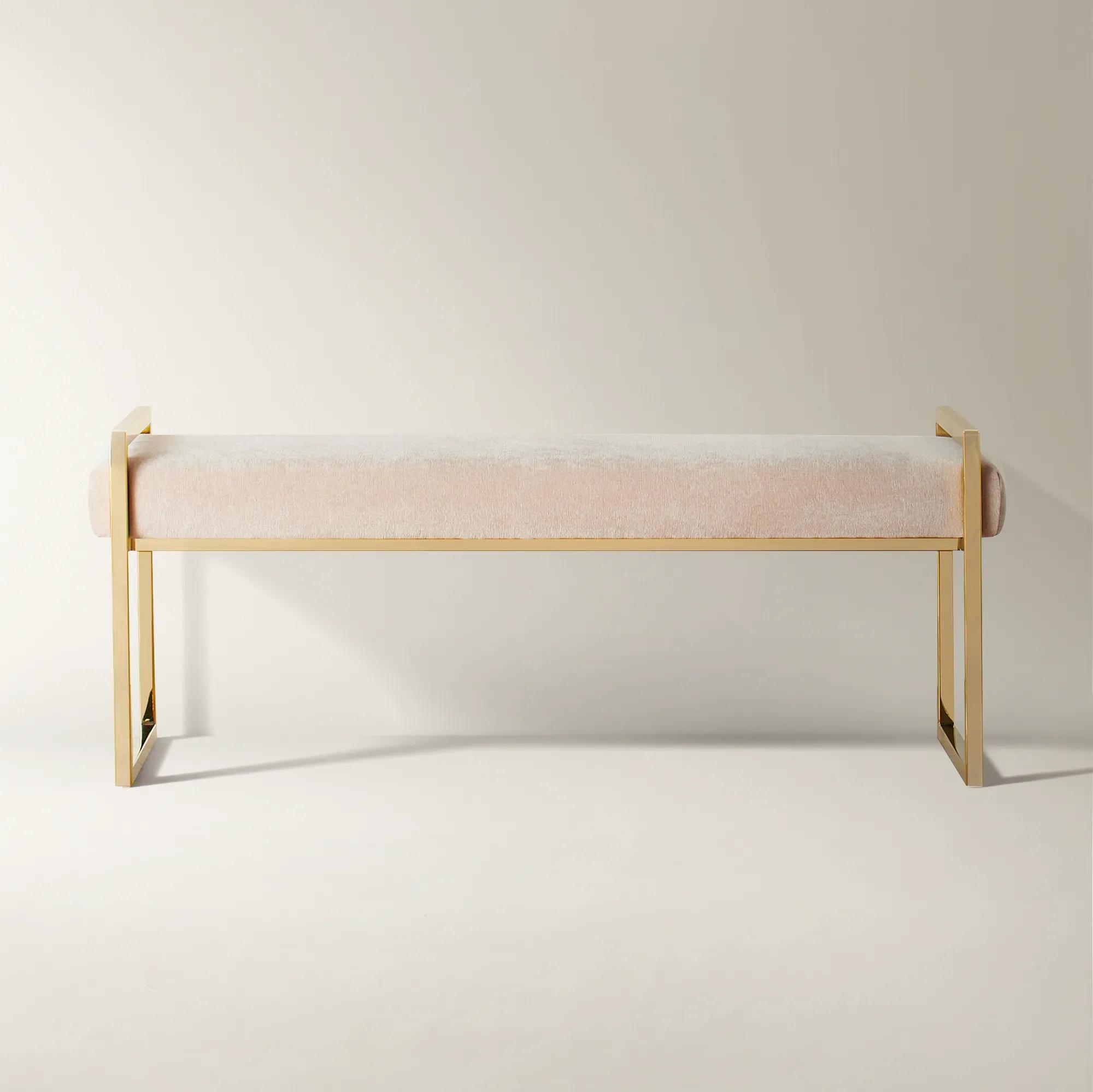 Clara Bench$699
A plush upholstered bench with a high-density foam seat and polished gold metal legs for modern elegance.
Add To Cart -
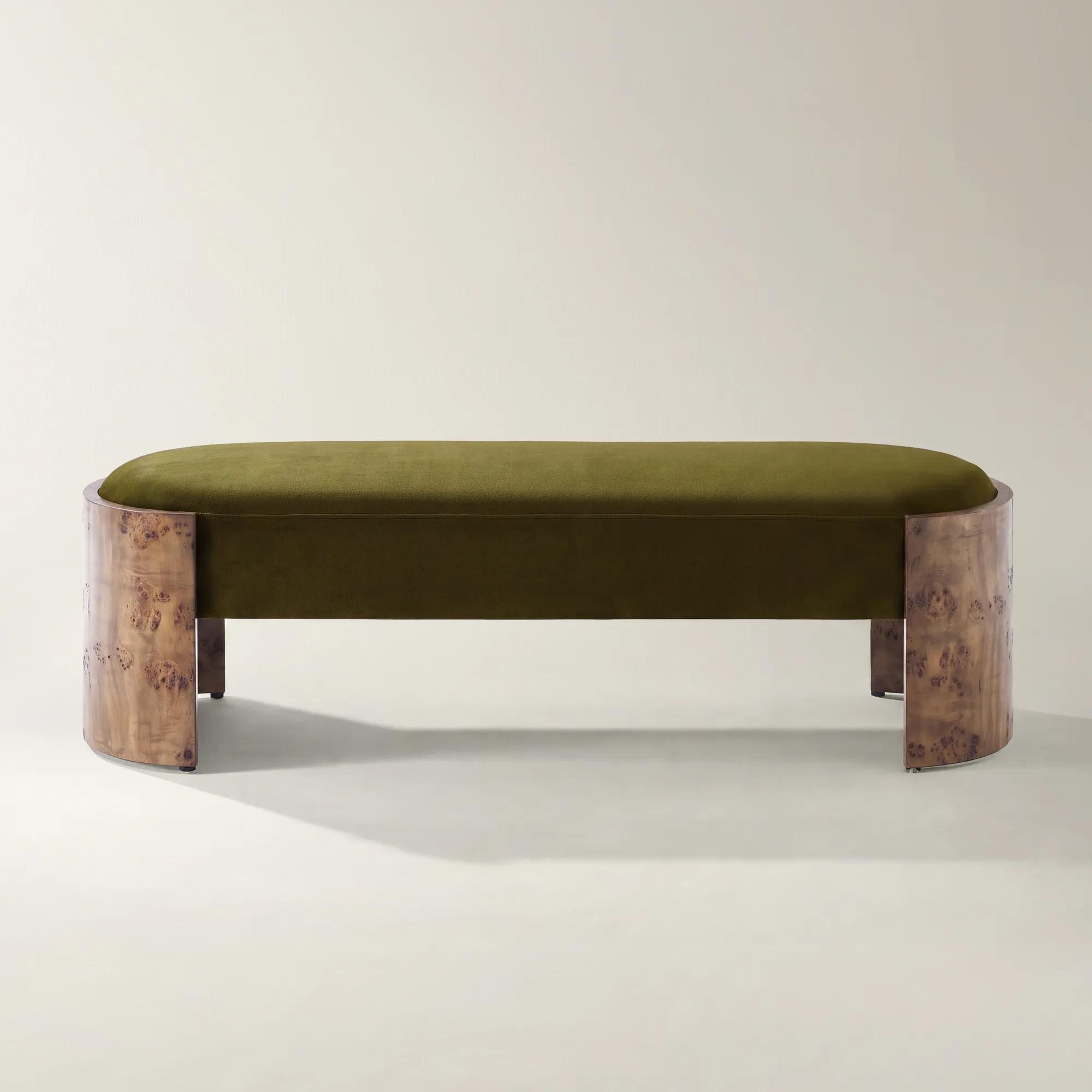
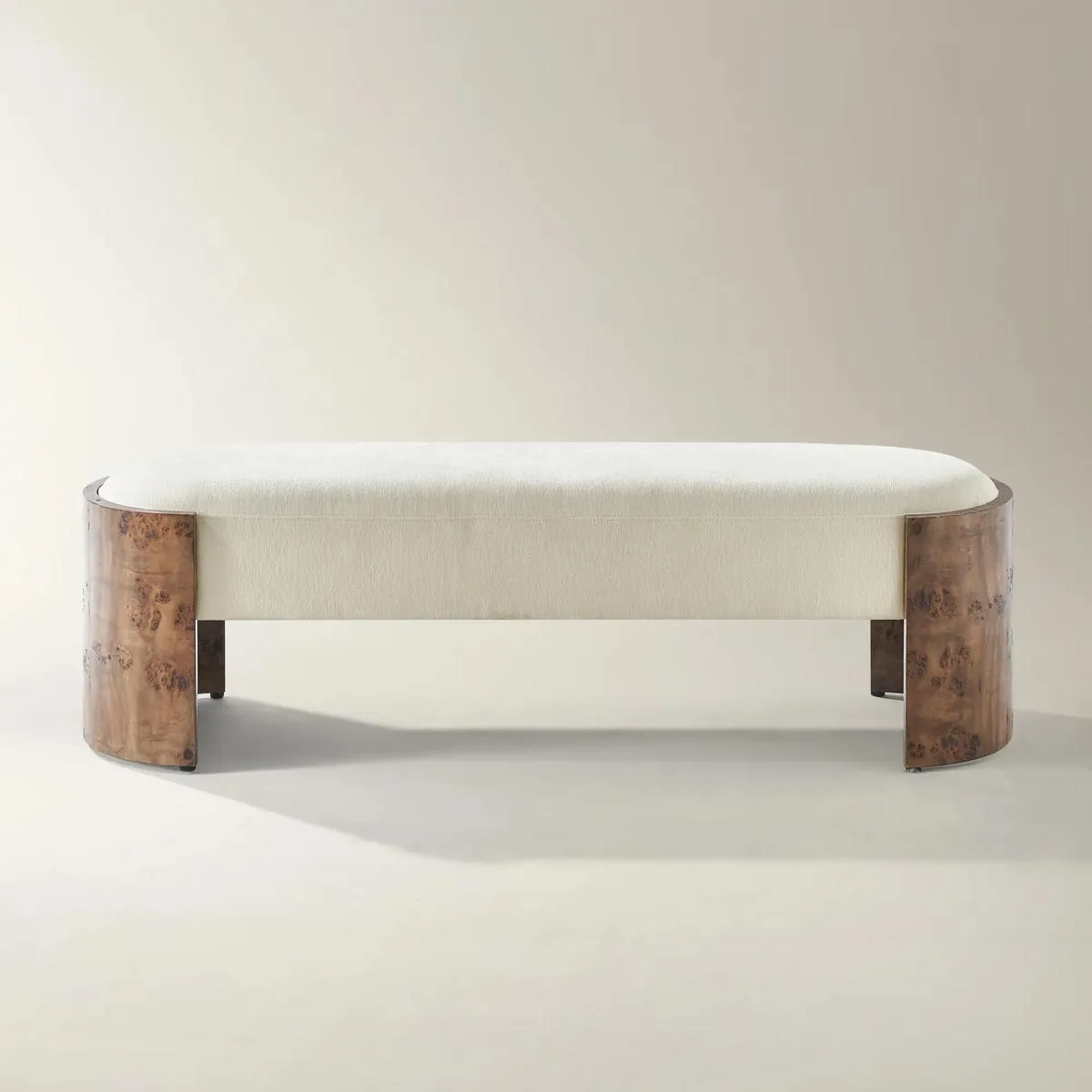 Cora Deep Olive Velvet With Ash Wood Bench (60.6")$899
A sculpted deep olive velvet bench featuring curved ash burl end panels and supportive foam cushioning.
Add To Cart -
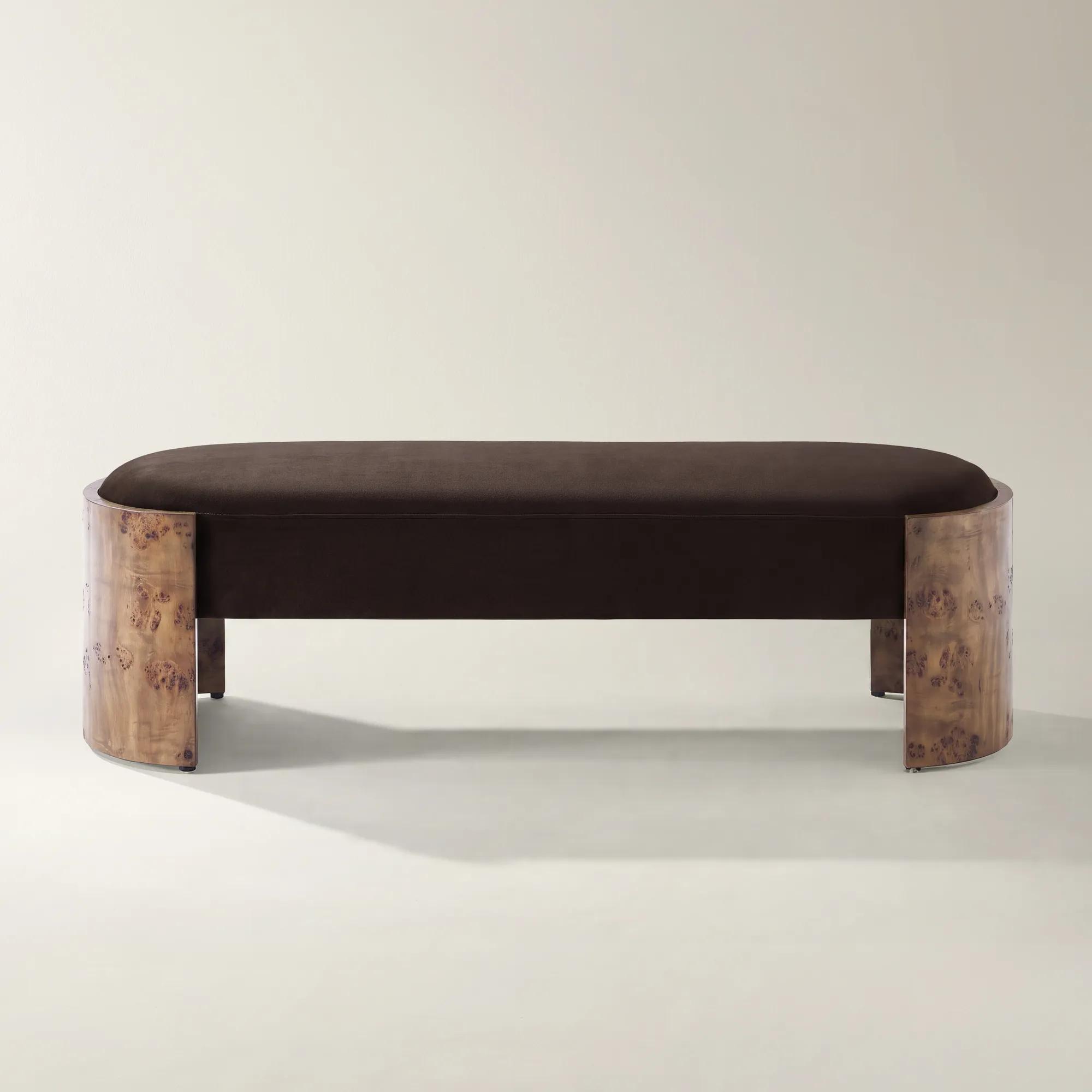 Cora Dark Chocolate Velvet With Ash Wood Bench (60.6")$899
A dark chocolate velvet bench with sculpted bookmatched ash burl end panels and high-resiliency foam cushioning.
Add To Cart -
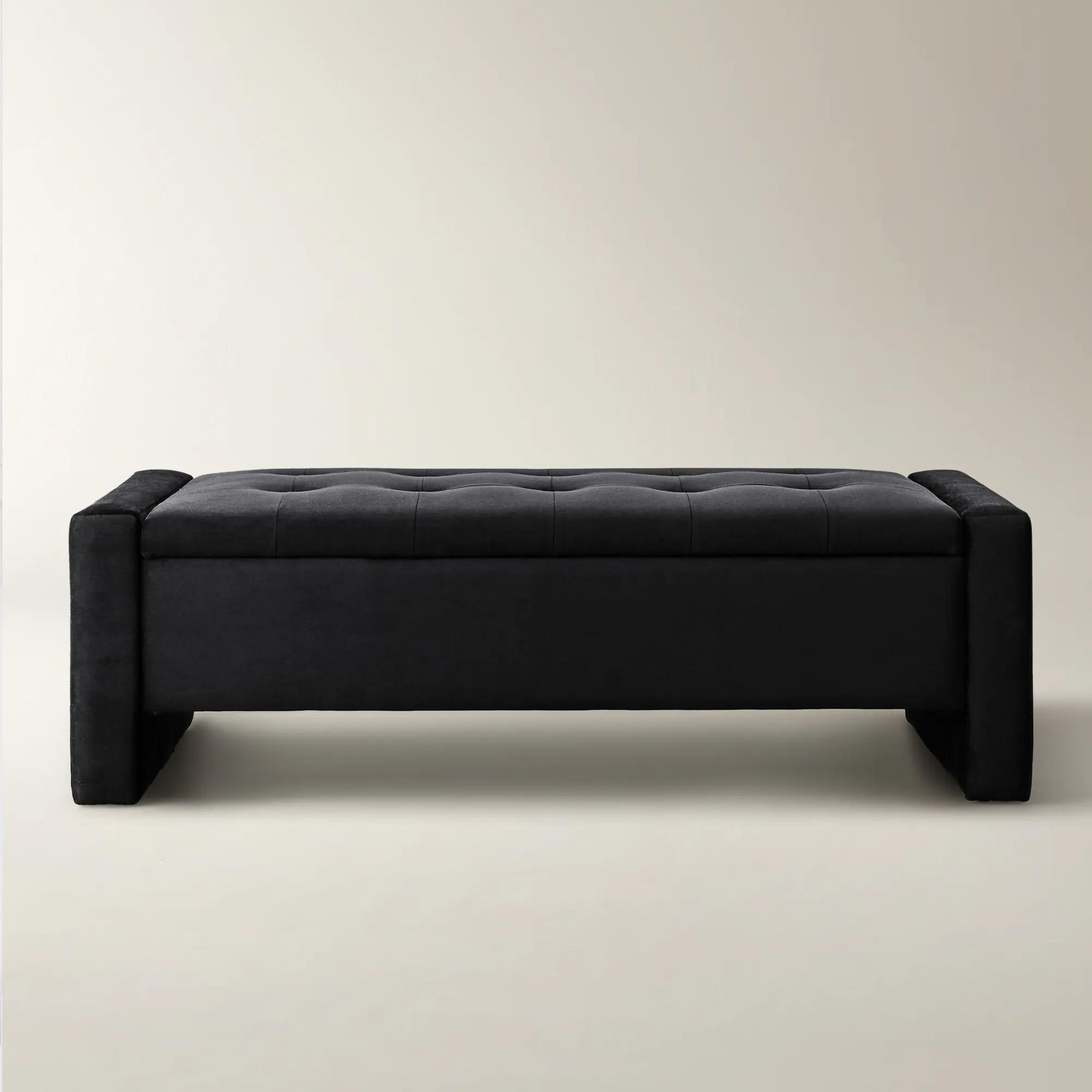
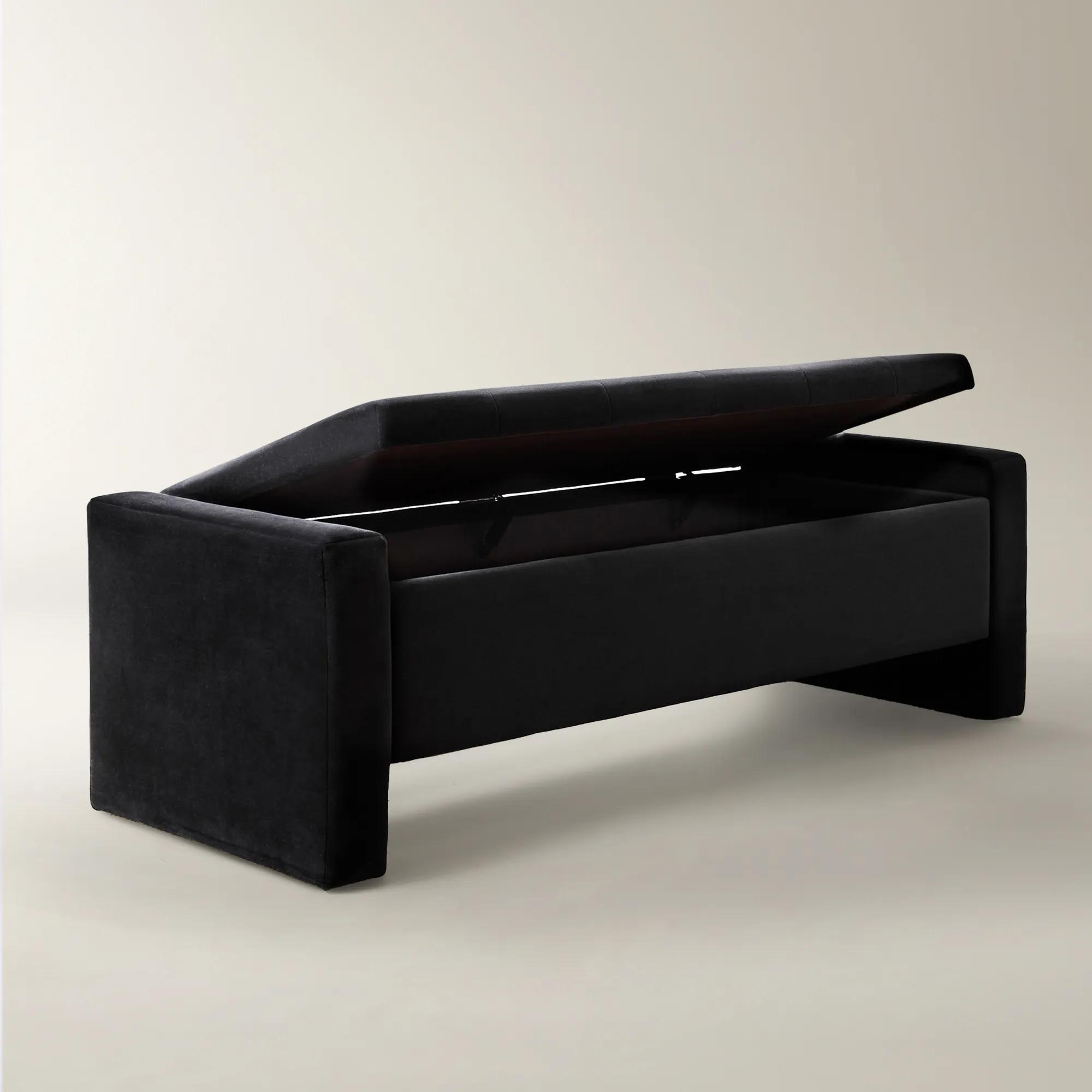 Maeve Storage Bench$849
A modern velvet-upholstered bench with hidden storage, sturdy kiln-dried hardwood frame, and plush cushioning.
Add To Cart -
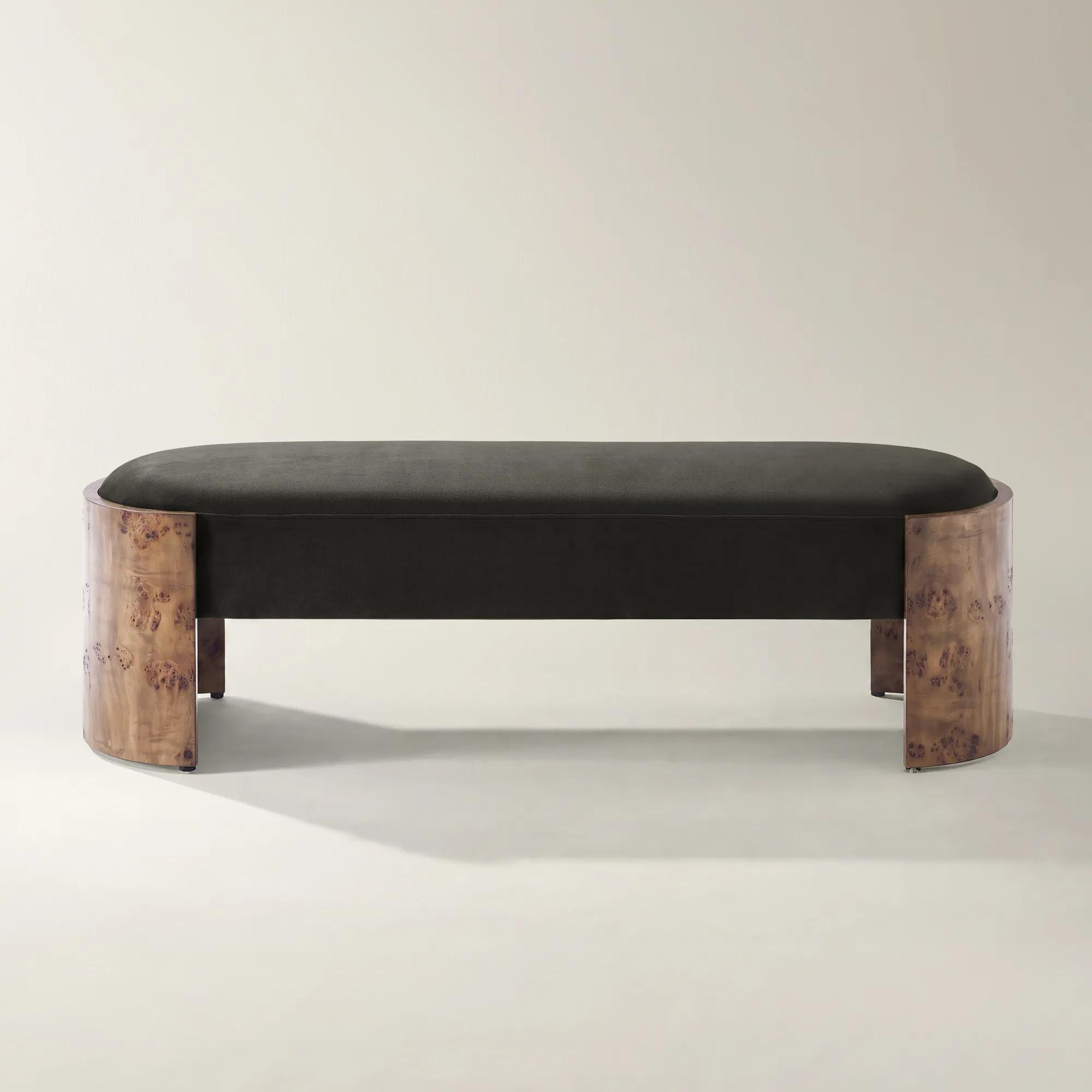 Cora Charcoal Velvet With Ash Wood Bench (60.6")$899
A sculpted charcoal velvet bench with curved bookmatched ash burl panels and supportive foam cushioning.
Add To Cart -
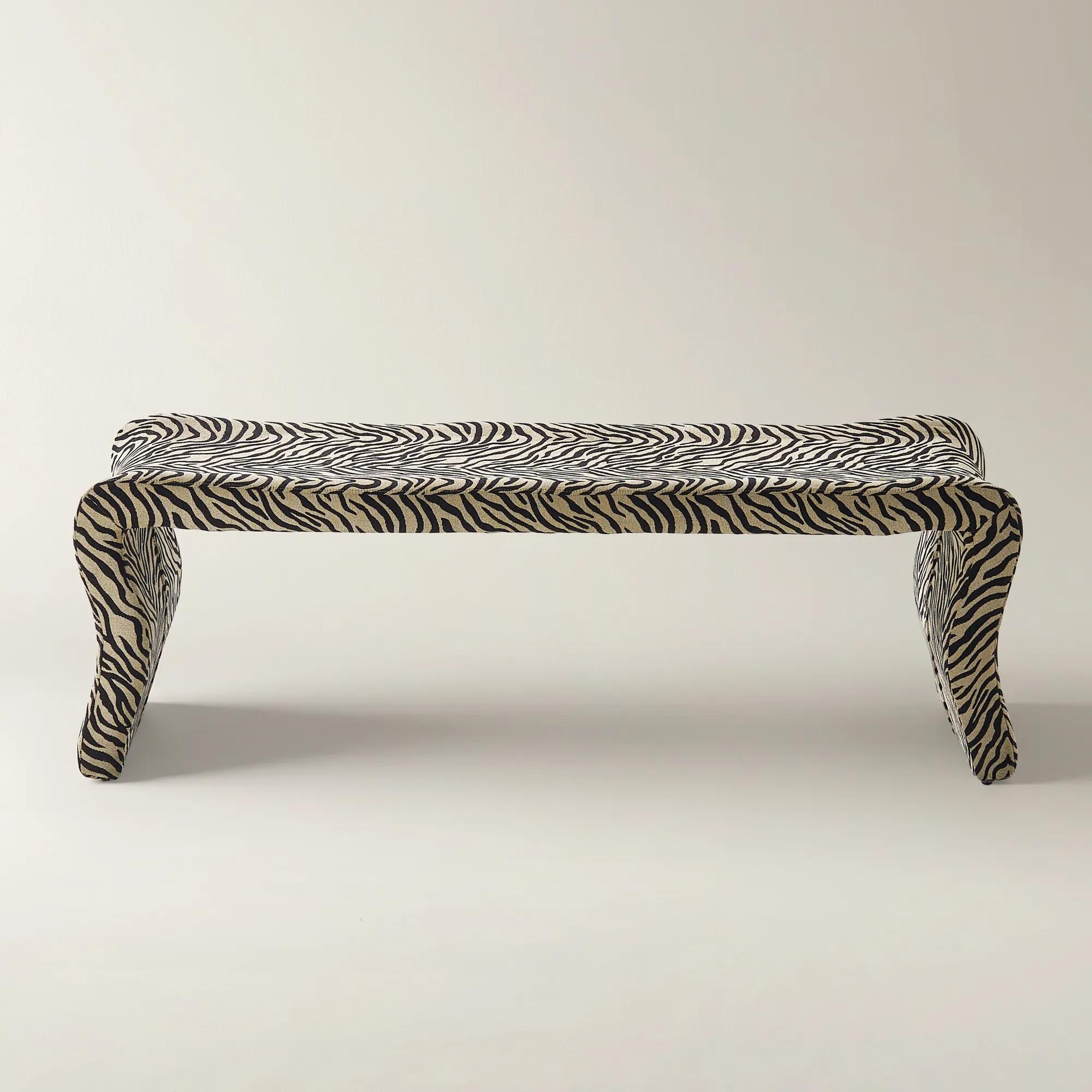 Romy Zebra Performance Chenille Bench (61.5")$899
A sculptural bench wrapped in zebra-patterned performance chenille with a wave-like silhouette and full foam construction.
Add To Cart -
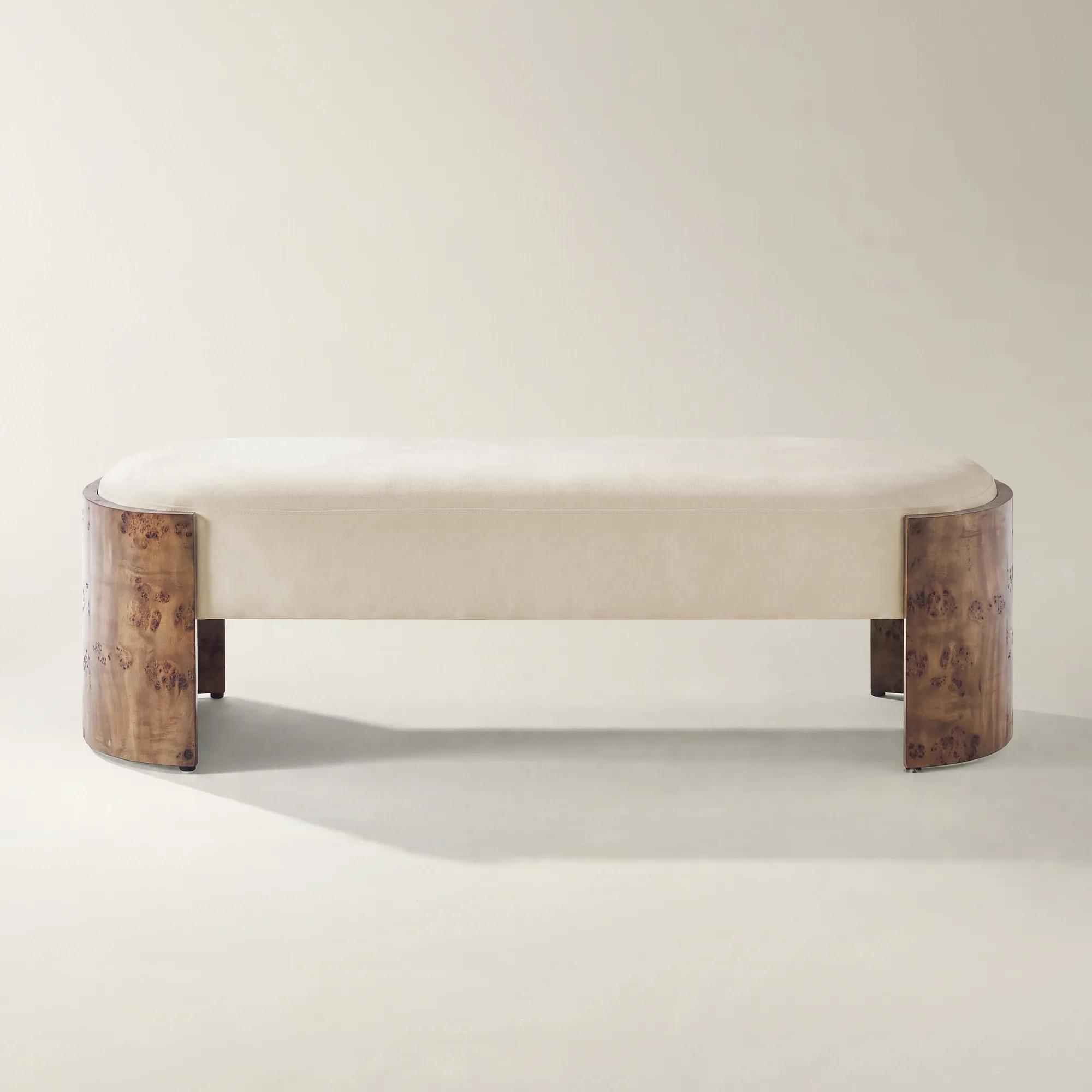 Cora Oatmeal Velvet With Ash Wood Bench (60.6")$899
A sculptural oatmeal velvet bench with curved ash burl wood panels and supportive foam cushioning.
Add To Cart -
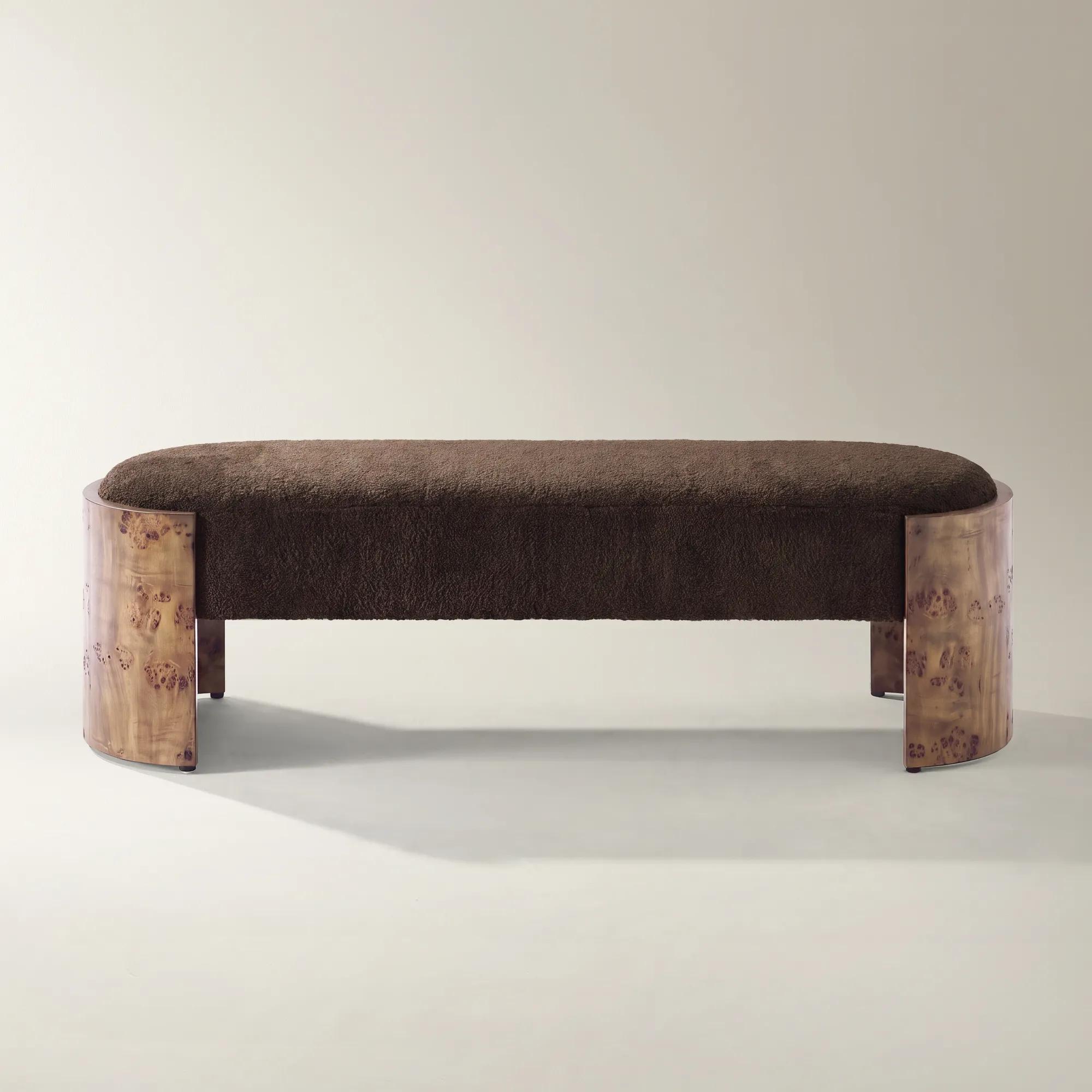 Cora Dark Chocolate Chenille With Ash Wood Bench (60.6")$899
A sculpted dark chocolate chenille bench with curved ash burl end panels and supportive foam cushioning.
Add To Cart -
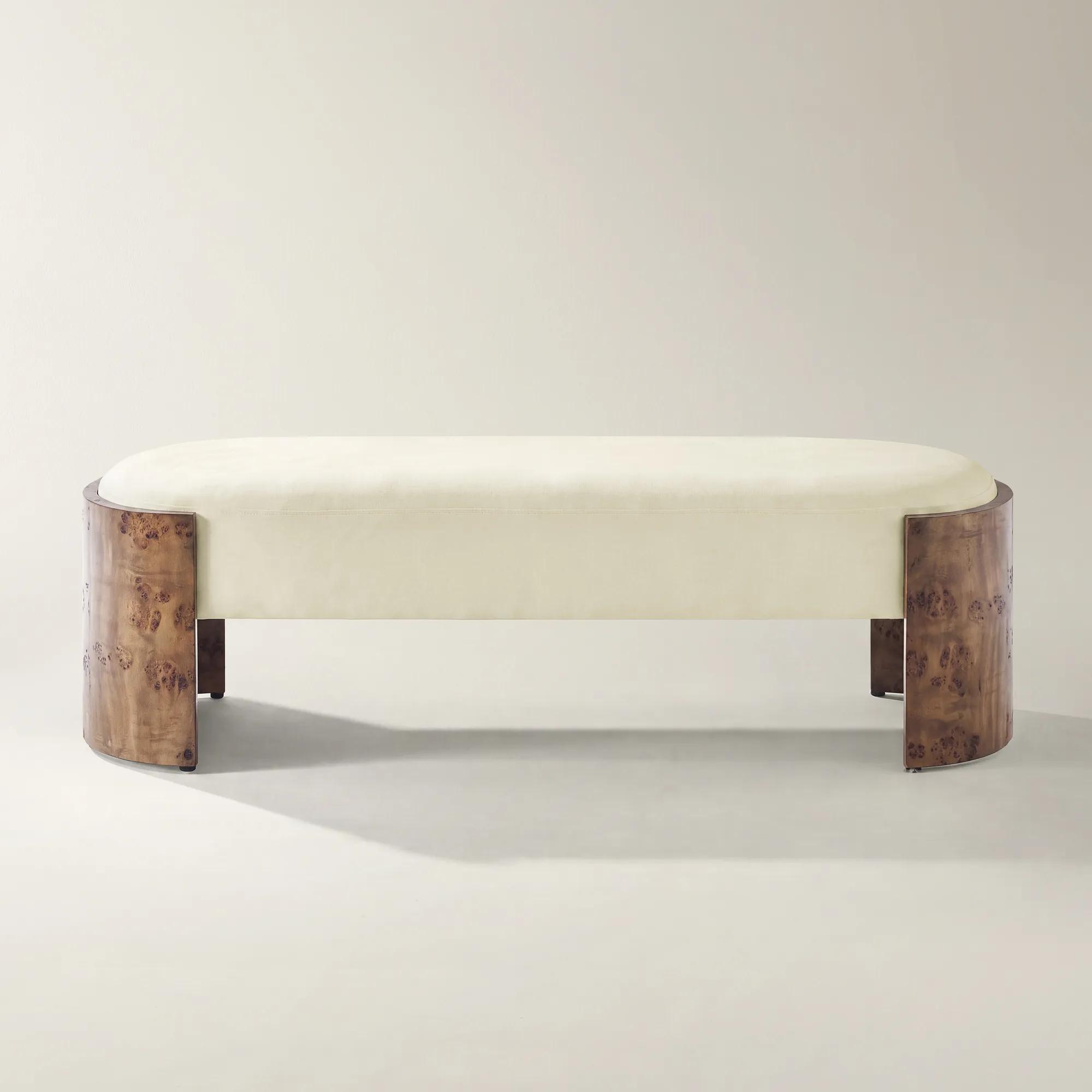 Cora Cloud Velvet With Ash Wood Bench (60.6")$899
A cloud velvet bench with bookmatched ash burl panels and supportive foam cushioning.
Add To Cart -
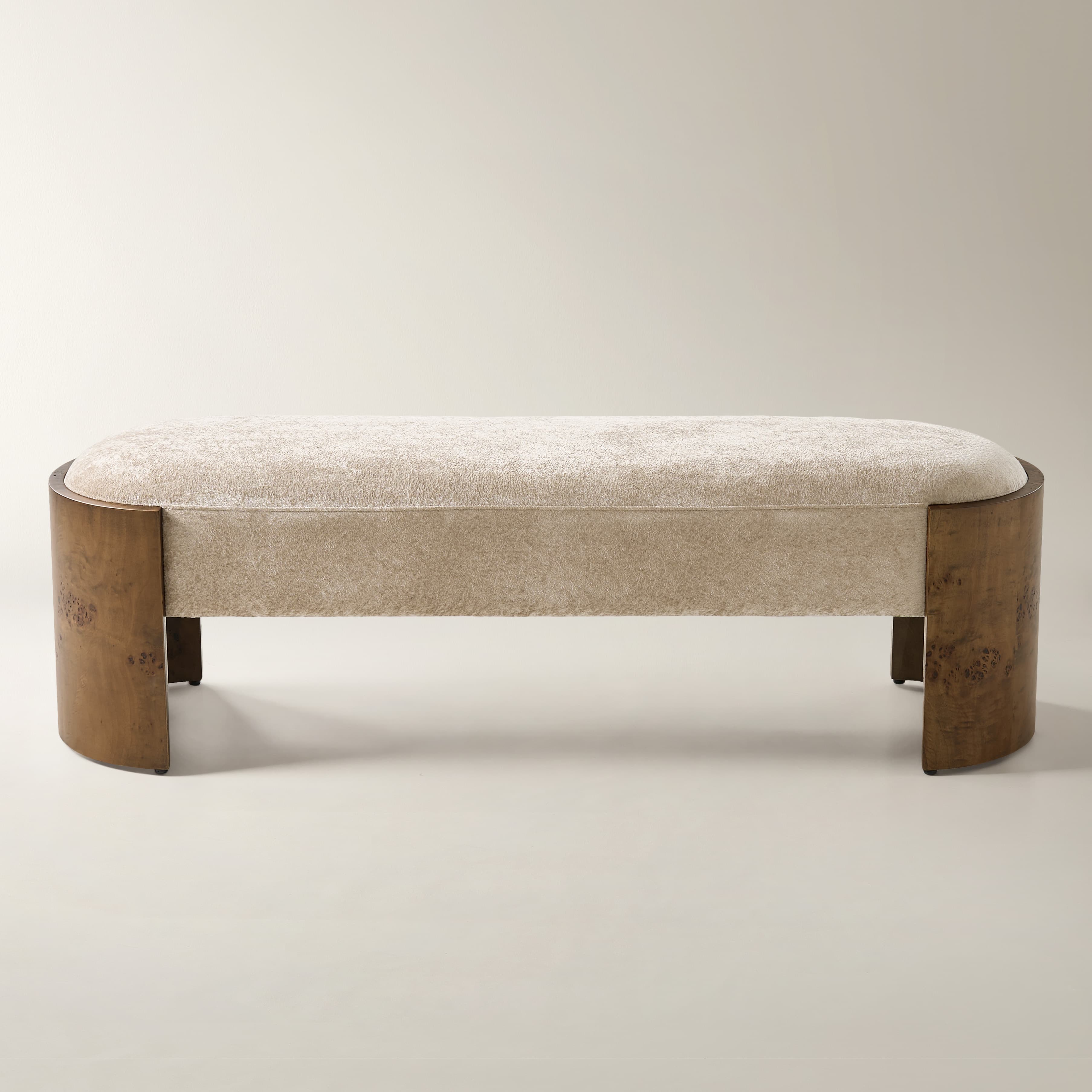 Cora Light Brown Chenille With Ash Wood Bench (60.6")$999
A light brown chenille bench with curved ash burl veneer panels, blending plush comfort and organic artistry.
Add To Cart -
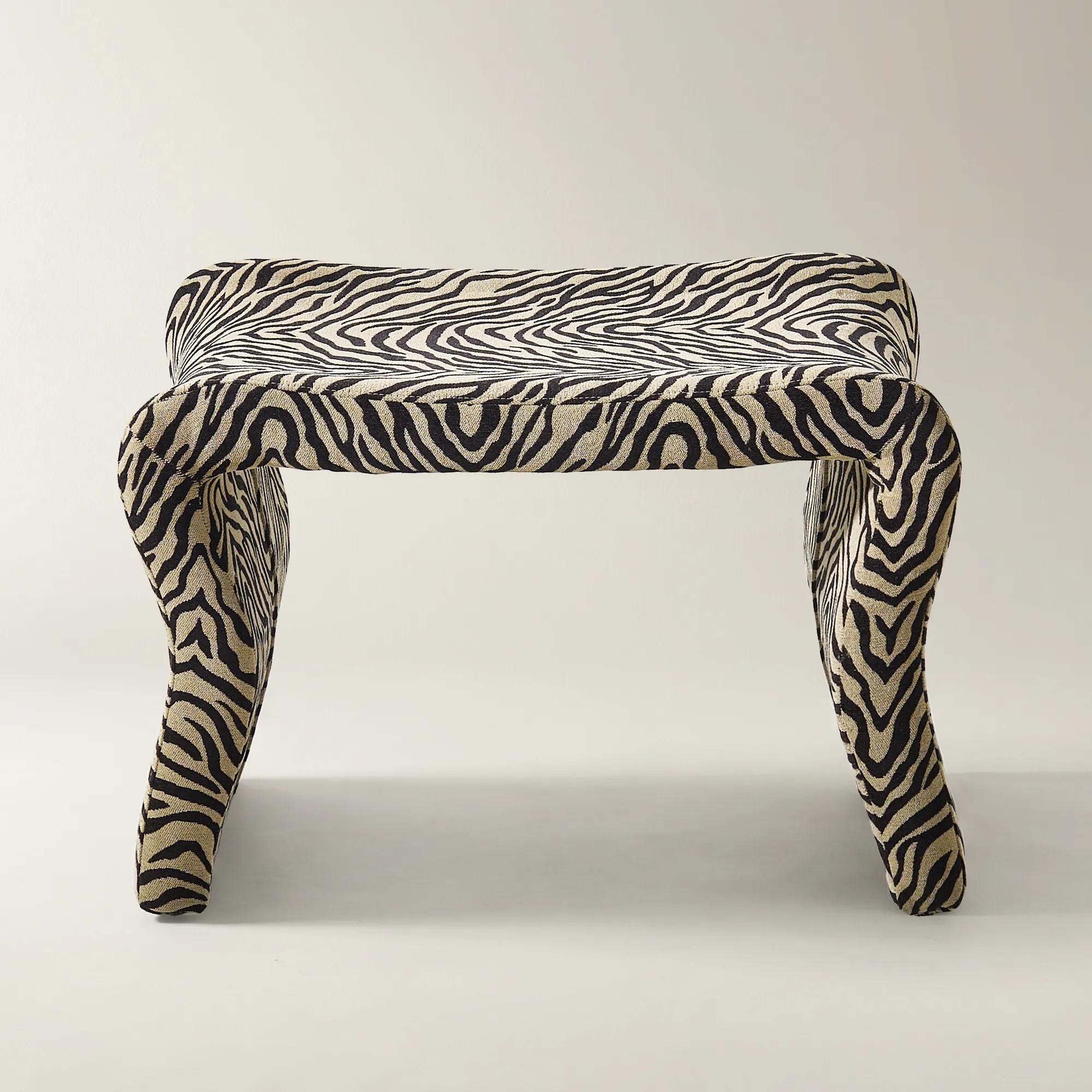
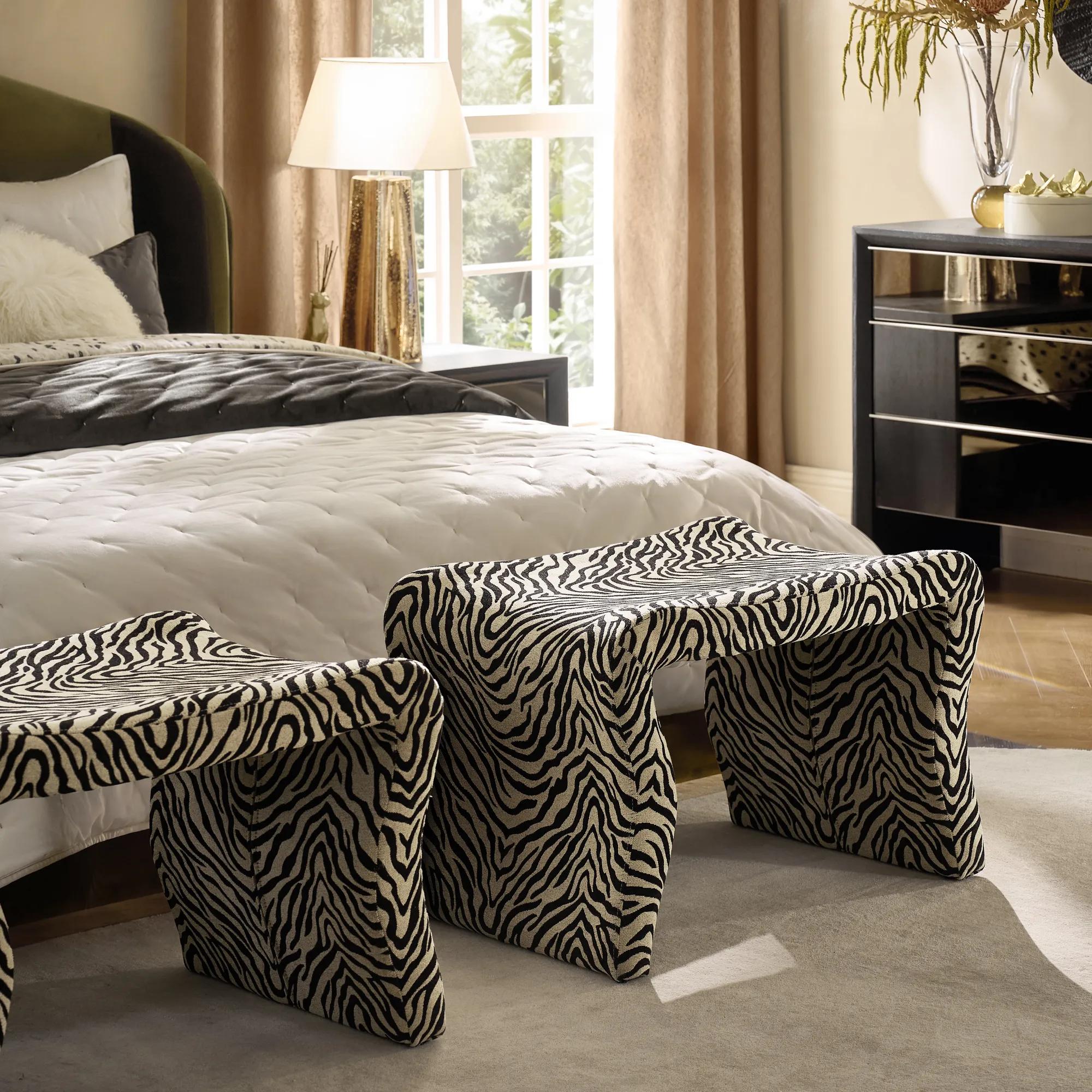 Romy Zebra Performance Chenille Bench (30.75")$499
A sculptural bench wrapped in zebra-patterned performance chenille with a wave-like silhouette and full foam construction.
Add To Cart -
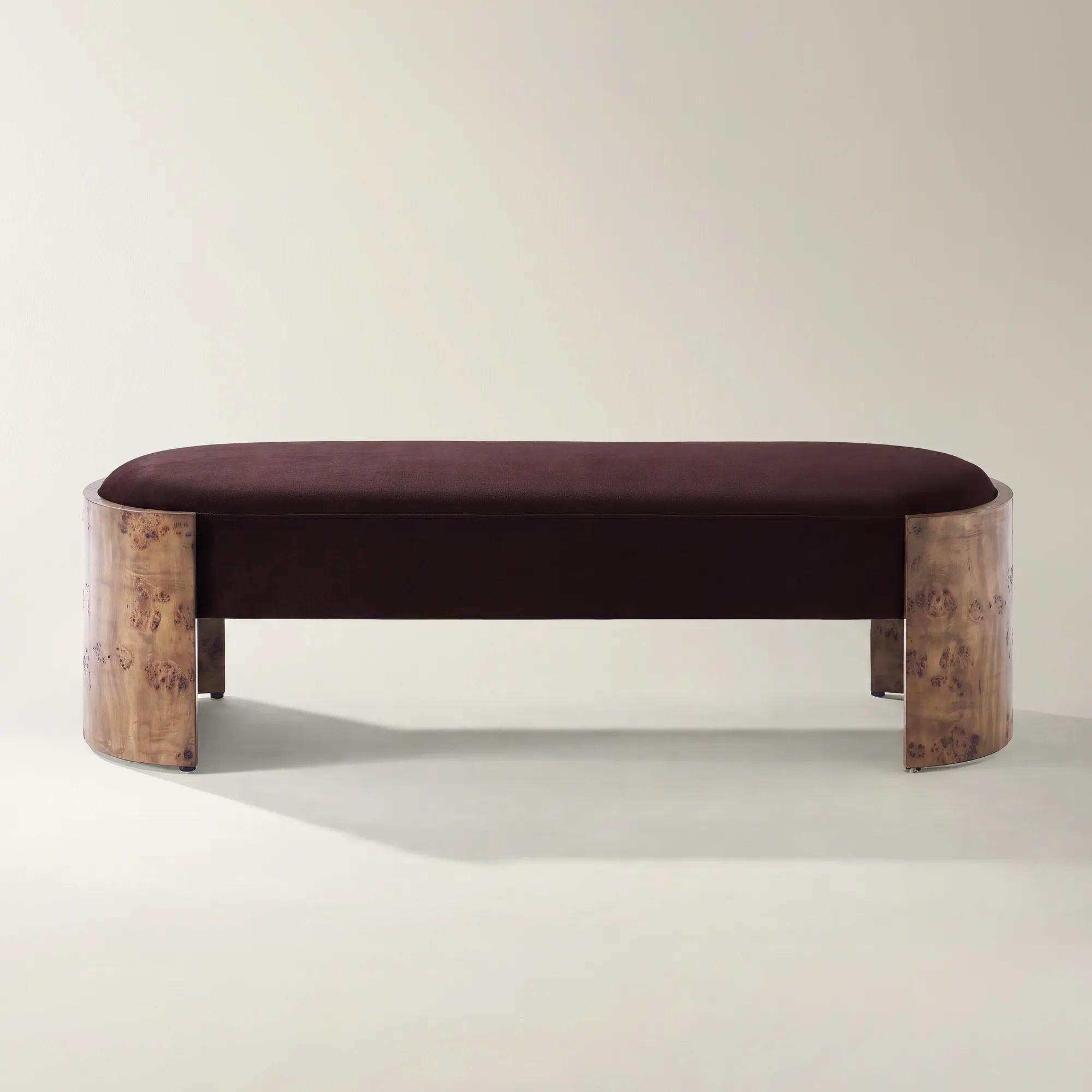 Cora Fig Velvet With Ash Wood Bench (60.6")$899
A sculptural bench with fig velvet upholstery, bookmatched ash burl panels, and supportive high-resiliency foam cushioning.
Add To Cart

Plush Benches For Autumn Interiors
Plush Benches For Autumn Interiors invite you to embrace the season’s sumptuous spirit, transforming every entryway, bedroom, or living room into a haven of warmth and sophistication. Imagine velvety textures and sculptural silhouettes that beckon you to linger, each bench an invitation to slow down and savor the golden glow of fall. With opulent upholstery and artful detailing, these benches become more than mere seating—they are statement pieces that infuse your home with cozy drama and undeniable allure. Paint your autumn story with layers of comfort and bold design, where every moment is wrapped in luxury.
Plush benches for autumn interiors combine cushioned seating with tactile upholstery such as velvet, bouclé, faux fur, or shearling, bringing softness and visual depth to bedrooms, entryways, and living rooms. Their appeal begins with contrast: a generous upholstered seat softens the crisp edge of a bed frame, balances a glass console, or brings an inviting texture to a hallway lined with framed art. Velvet catches light across its pile, giving chocolate, garnet, deep olive, and warm ivory tones a beautifully shaded appearance. Bouclé creates a more dimensional surface through its looped yarns, while faux fur offers a longer, more expressive pile. Genuine shearling has its own distinctive texture and care requirements; it should not be treated as interchangeable with synthetic alternatives. Each material lends a different character to an autumn palette, whether the room favors jewel-toned drama or layers of cream, taupe, and burnished metal. A bench upholstered in a single rich color can anchor a patterned rug without competing with it, while a textured neutral introduces movement beside smooth lacquer, marble, or mirrored finishes. The silhouette matters as much as the fabric. Rounded ends create a softer outline in a bedroom, channel tufting adds tailored rhythm, and an exposed metal base gives substantial cushioning a lighter visual presence. Deep button tufting feels more decorative, with recesses that emphasize shadow and upholstery detail. These pieces can express an autumn mood without depending on seasonal motifs, so their texture remains compelling alongside winter layers and beyond. In a living room, a velvet bench can echo the richness of Plush Velvet Sofas for Fall Decor, while a bouclé or faux-fur seat introduces a deliberate change in texture. Repeating one undertone across the upholstery, rug, and surrounding accents keeps the composition cohesive without making every surface match. The result is a room with depth rather than visual repetition, where a small seating piece carries a distinct design role.
The most satisfying upholstered bench is scaled to the way a room is actually used. At the foot of a bed, it provides a place to sit while dressing, lay out an outfit, or rest a folded coverlet, but its width should leave the bed visually dominant and its depth should preserve a comfortable route around the room. Measure the full footprint, including projecting legs, curved ends, and any arms, rather than relying on the seat dimensions alone. A paper template on the floor can reveal whether a dramatic silhouette will crowd a dresser drawer or interrupt the path to a closet. In an entryway, look for a seat height that makes putting on shoes comfortable and a stable base that feels secure when someone sits near an edge. Leave space for the door to swing freely, and keep upholstery clear of damp footwear and umbrellas. Beneath a console, a backless bench offers a particularly composed arrangement, provided the overall height fits below the apron and the piece can slide out without scraping its fabric or legs. In a living room, a bench can define the edge of a conversation area without the visual weight of another full-size chair. It is especially useful for occasional guests, though a low, deeply cushioned design may be less comfortable for someone who needs a firmer seat or support when standing. Seat firmness, cushion recovery, and usable sitting width deserve as much attention as the upholstery’s appearance. If a bench will serve at a dining table, check its seat height against the tabletop and apron, allowing enough space for legs; a decorative bedroom bench is not automatically suited to dining. Likewise, a plush seat should not be treated as a step stool or a surface for hot serving dishes. For households that entertain, a bench can make a gathering feel more gracious, offering an additional perch while maintaining open sightlines across a thoughtfully arranged room.
Lasting beauty depends on the relationship between upholstery, construction, and everyday habits. A sturdy frame, secure leg attachments, and cushioning that returns to shape help a bench maintain its presence through repeated use. Review the stated weight capacity and intended use, particularly when the seat may accommodate more than one person. Fabric names alone do not establish durability: velvet can be woven from different fibers, bouclé varies in loop size and tightness, and faux fur differs in pile density and backing. In homes with pets, loosely looped fabrics may be vulnerable to claw snags, while longer piles can hold hair and require more frequent attention. A tightly constructed upholstery fabric may be a more practical choice for a busy entryway, but any performance or stain-resistance claims should be confirmed in the material specifications. For routine care, follow the upholstery label and manufacturer’s directions rather than applying the same method to every plush surface. Gentle vacuuming with an appropriate upholstery attachment can help lift dust from seams and tufting; delicate piles may need a lower suction setting or a different recommended approach. Blot spills promptly with a clean, absorbent cloth instead of rubbing, and test any permitted cleaner in an inconspicuous area. Some velvets develop pressure marks or changes in shading as the pile moves, an effect that is different from a stain. Shearling and certain specialty fabrics may require professional cleaning. Positioning the bench away from strong direct sunlight and concentrated heat can help protect its finish and upholstery. A washable throw placed where clothing or bags regularly touch the seat can add another layer of texture, provided it does not trail onto the floor. With thoughtful placement and material-appropriate care, a plush bench becomes more than a decorative accent: it offers a welcoming pause at the doorway, a composed finish to the bedroom, and an expressive layer of comfort within an autumn-inspired interior.
FAQs
Plush benches designed for autumn interiors often feature luxurious materials such as velvet, chenille, boucle, and teddy fabrics. These textiles are celebrated for their rich textures and inviting warmth, making them ideal for creating a cozy, sophisticated atmosphere during the cooler months.
To evoke the essence of autumn, style your plush bench with layered throws in wool or velvet, accent pillows in jewel tones or warm neutrals, and decorative elements like pinecones, dried leaves, or rustic wooden beads. These touches create a welcoming focal point and invite guests to linger in comfort.
A plush bench is a versatile accent that can transform many spaces. Place one at the foot of your bed for a luxurious dressing spot, in your entryway to greet guests with style, or in the living room as extra seating and a canvas for seasonal displays. Each placement offers a unique opportunity to showcase both function and flair.
Absolutely. A plush bench, especially one upholstered in sumptuous fabric, makes an unforgettable gift for housewarmings, weddings, or milestone celebrations. It’s a gesture of comfort and style that adds lasting beauty and utility to any home.
Rich, saturated hues such as emerald, sapphire, burnished gold, deep merlot, and creamy neutrals are perfect for autumn and winter. These colors not only evoke the warmth and depth of the season but also pair beautifully with a variety of interior styles, from dramatic and glamorous to soft and inviting.