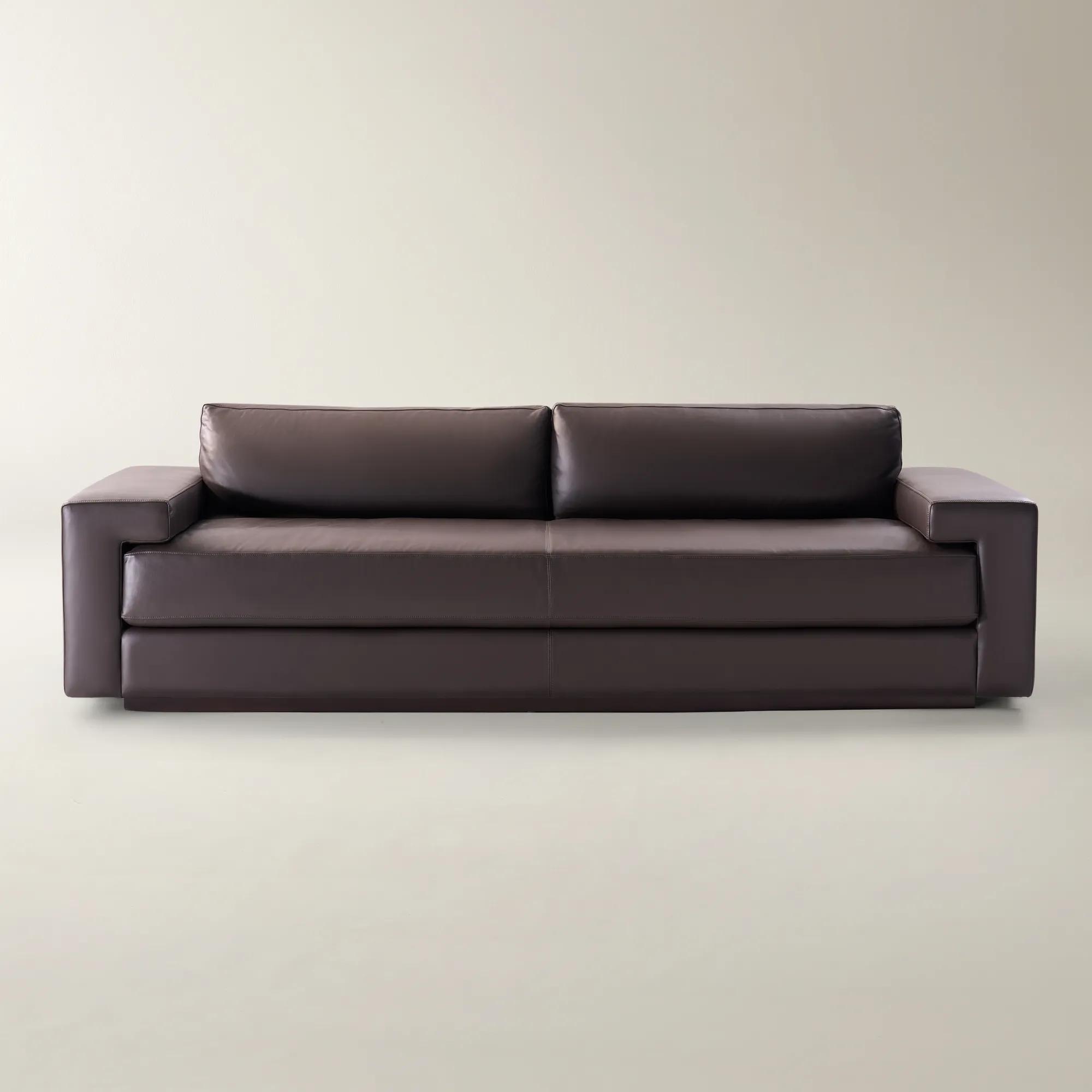
Performance Fabric Reclining Sectionals | Z Gallerie
Performance Fabric Reclining Sectionals | Z Gallerie
-

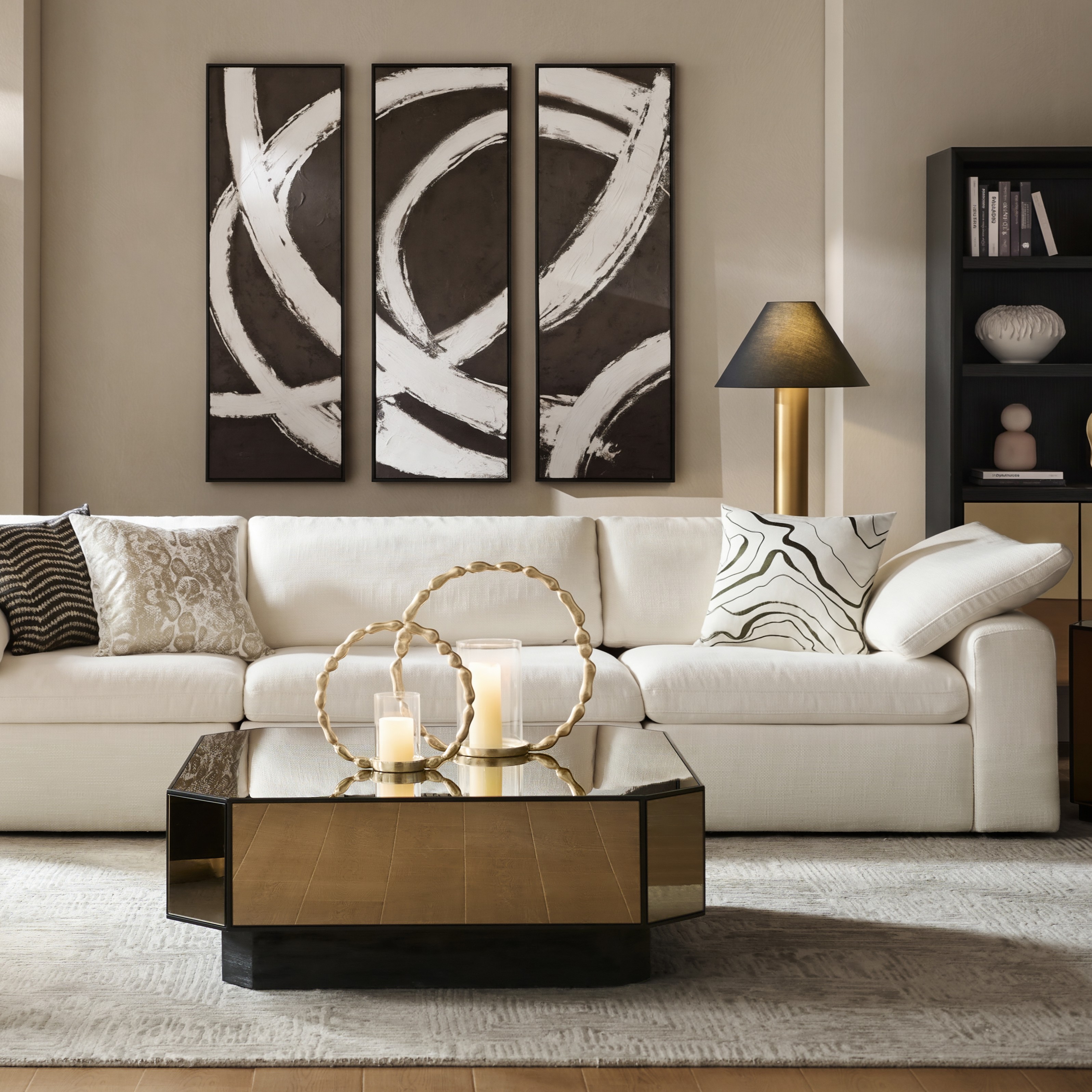 Milo 3-Piece Reclining Ivory Performance Fabric Sectional Sofa$3399
A reclining sectional sofa in ivory performance fabric with plush feather-blend cushions and independently powered footrests.
Add To Cart -
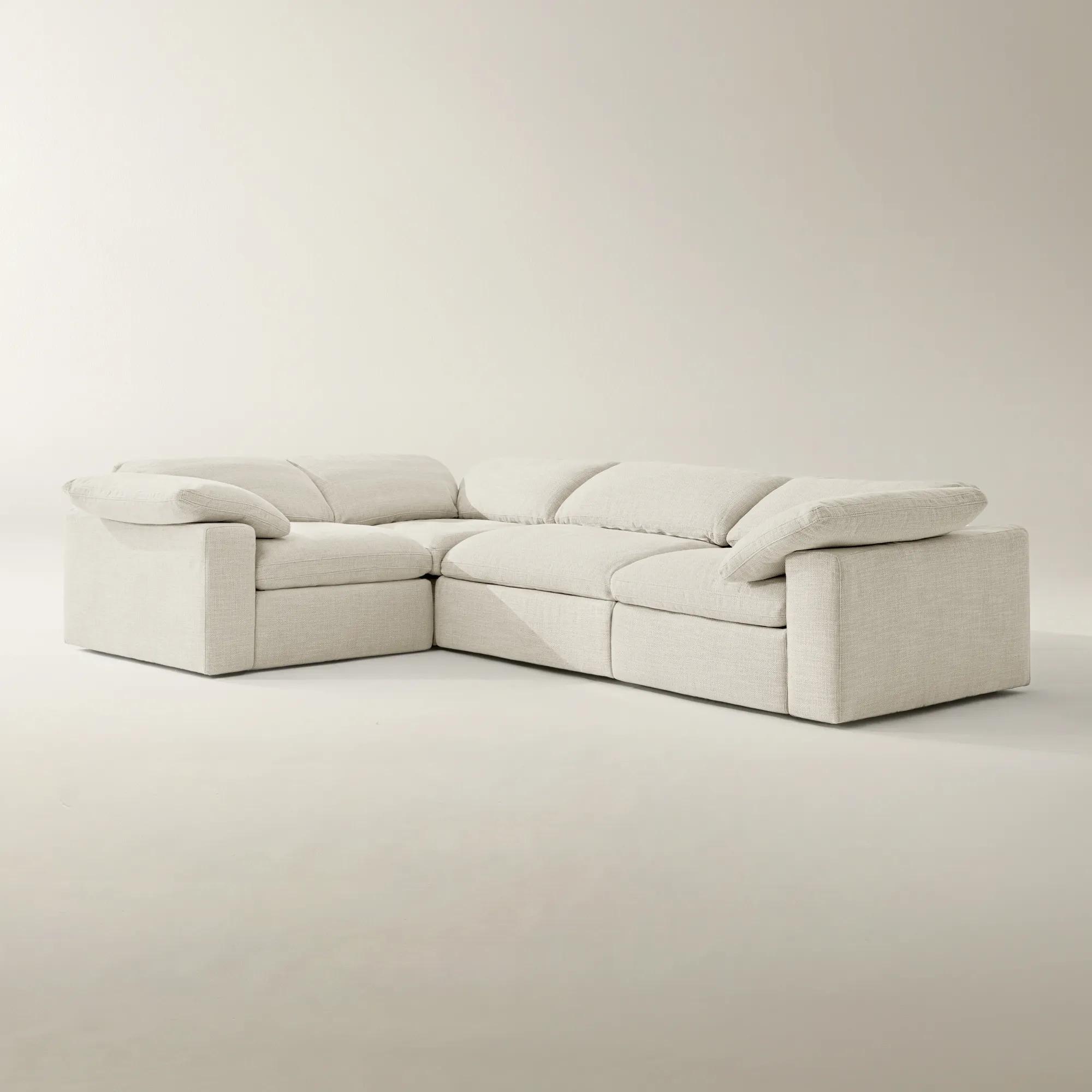
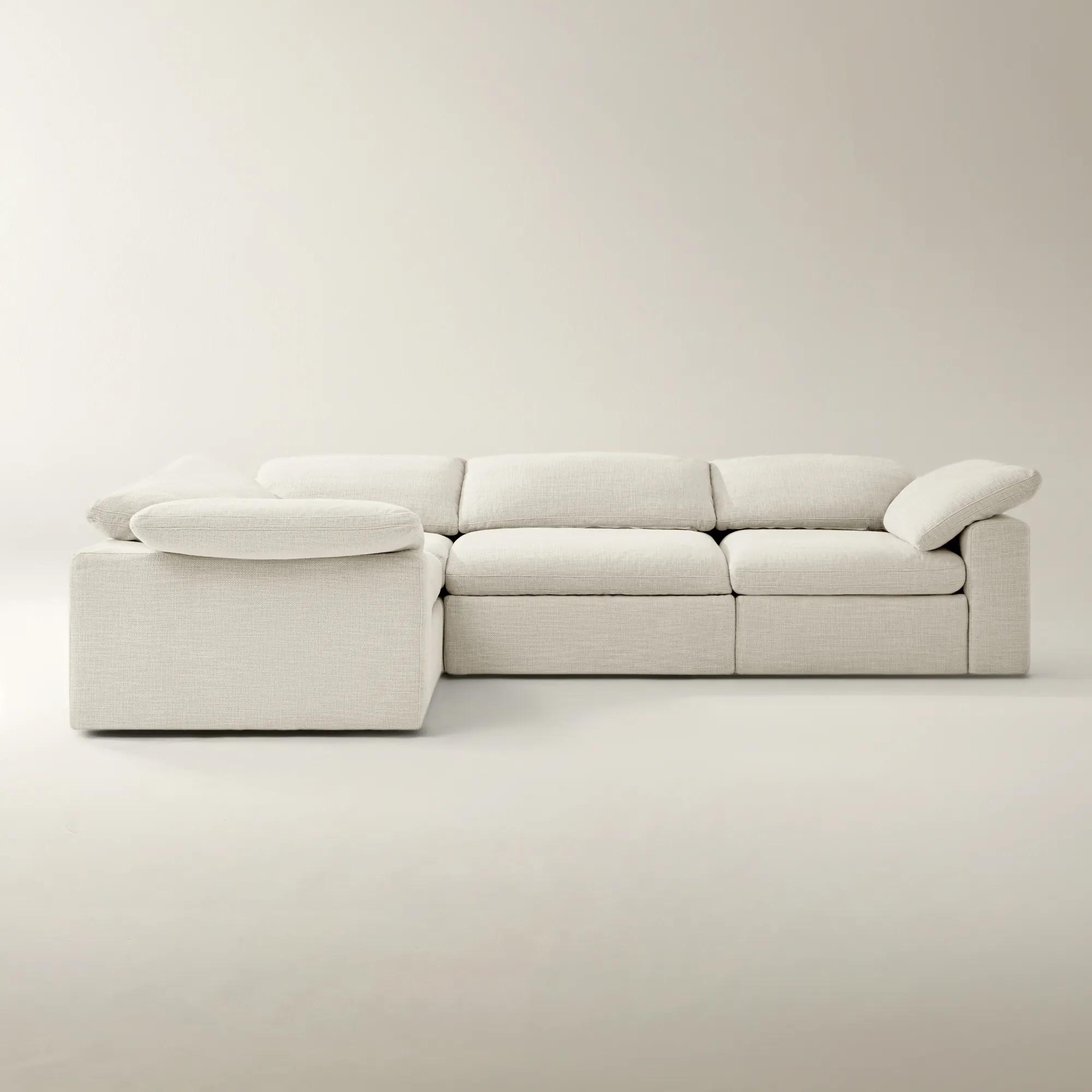 Milo 4-Piece L-Shaped Reclining Ivory Performance Fabric Sectional Sofa With Left-Arm Chair$4399
A modular L-shaped sectional sofa in ivory performance fabric with plush cushioning and independent power reclining.
Add To Cart -
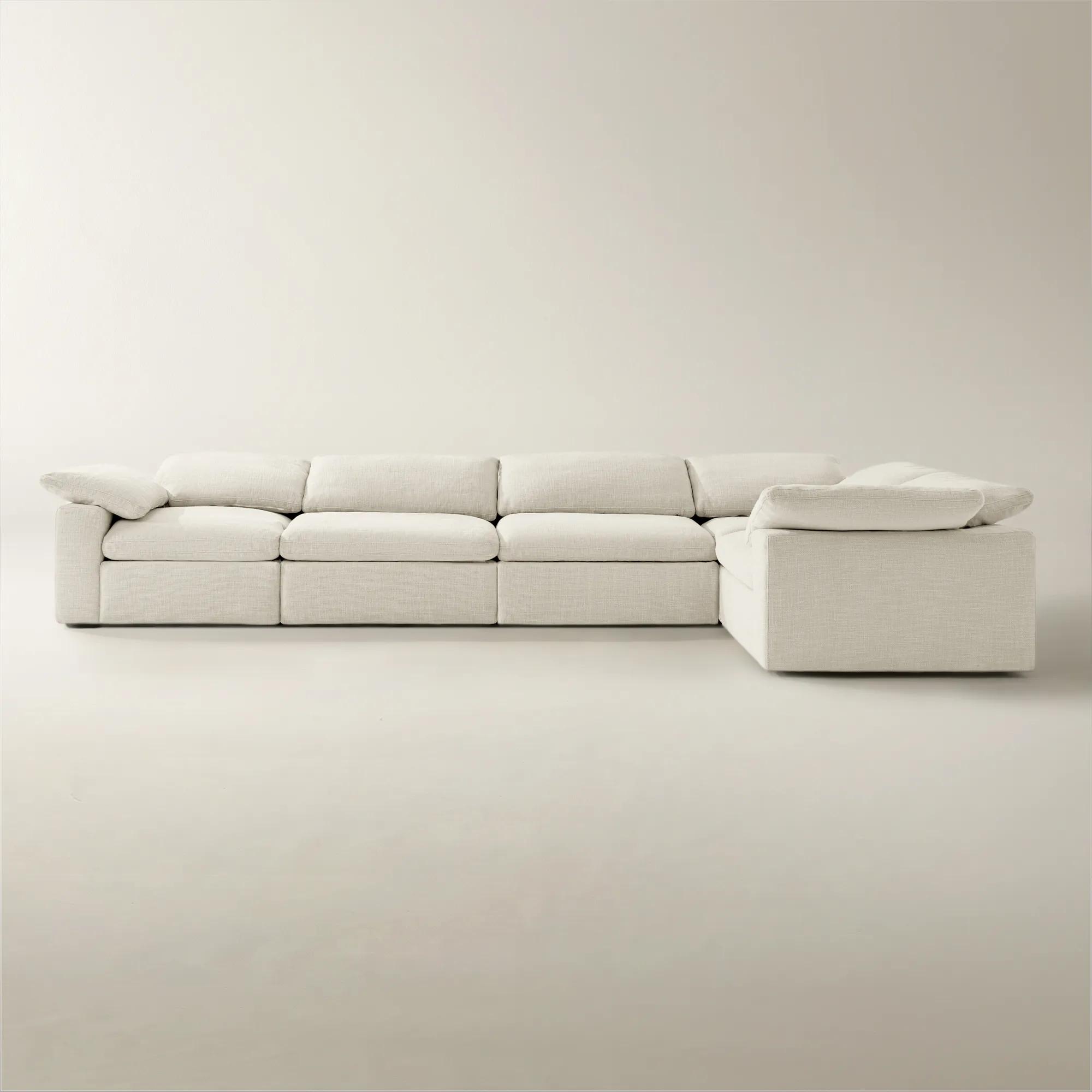
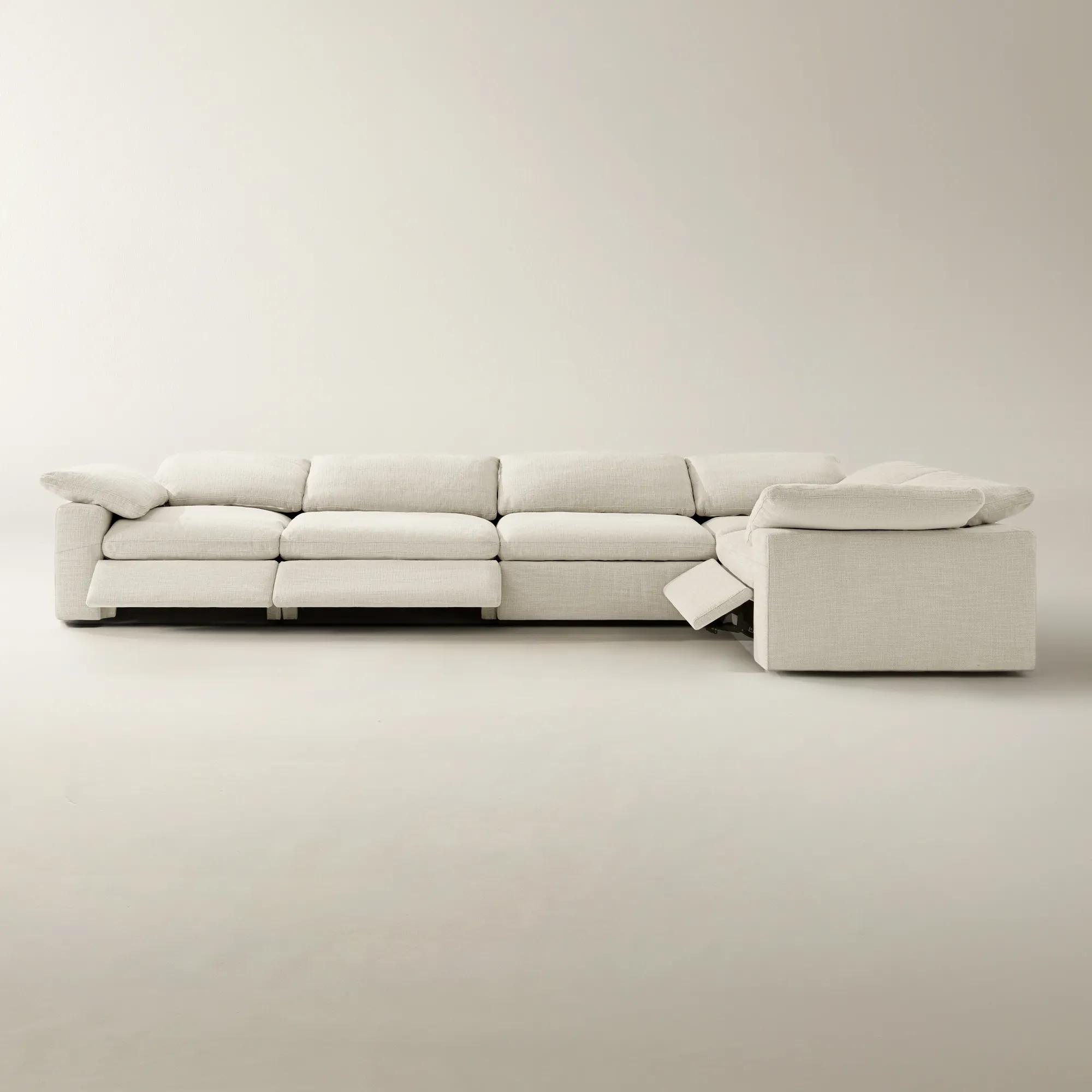 Milo 5-Piece Reclining Ivory Performance Fabric Sectional$5499
A modular sectional sofa in ivory performance fabric with plush cushioning and independent power-reclining footrests.
Add To Cart -

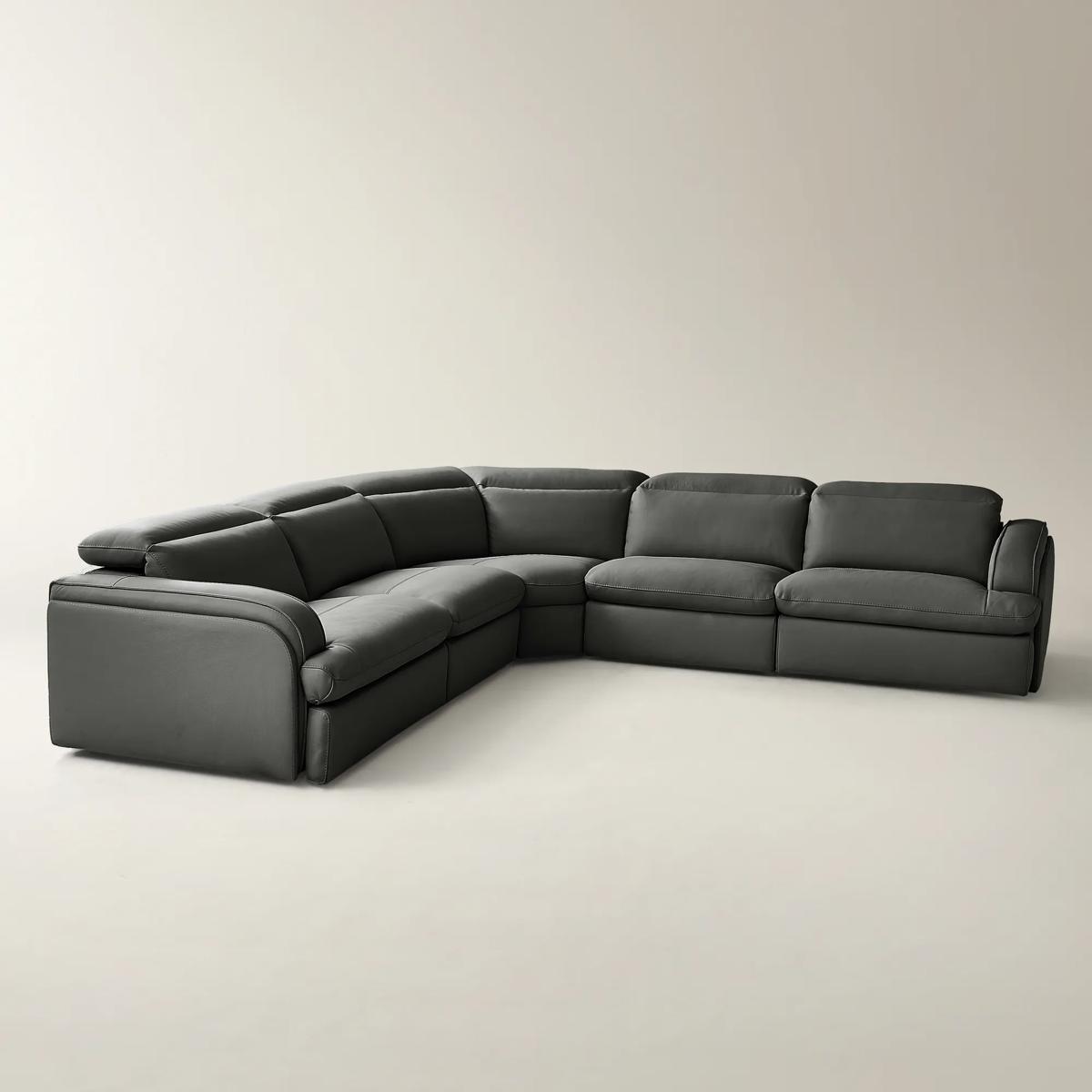 Terra 5-Piece Reclining Charcoal Leather Sectional$7399
A charcoal genuine leather sectional with powered reclining headrests and footrests, modular styling, and foam-down cushioning.
Add To Cart -
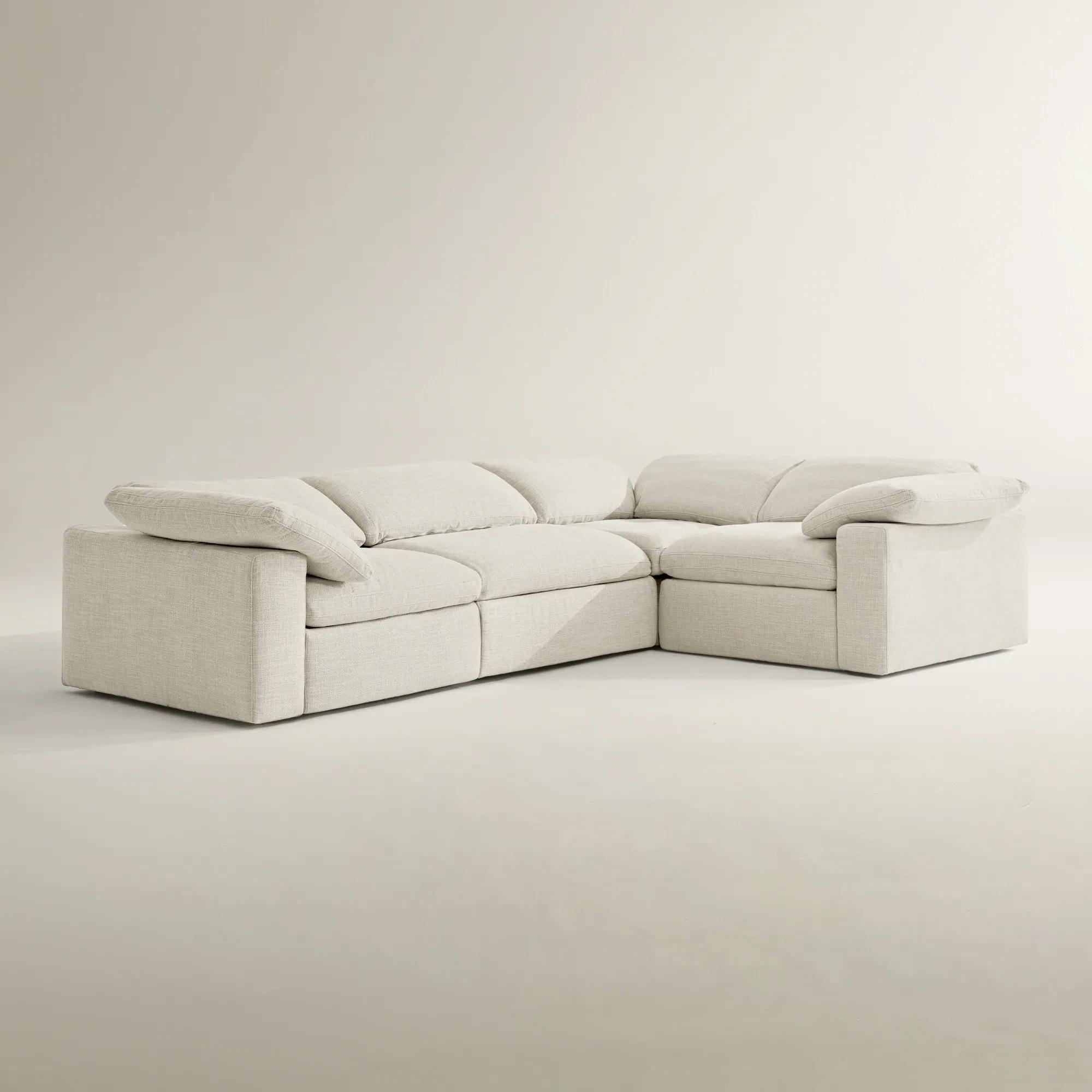
 Milo 4-Piece L-Shaped Reclining Ivory Performance Fabric Sectional Sofa With Right-Arm Chair$4399
A four-piece L-shaped sectional sofa in ivory performance fabric with power reclining and plush feather-blend cushions.
Add To Cart -
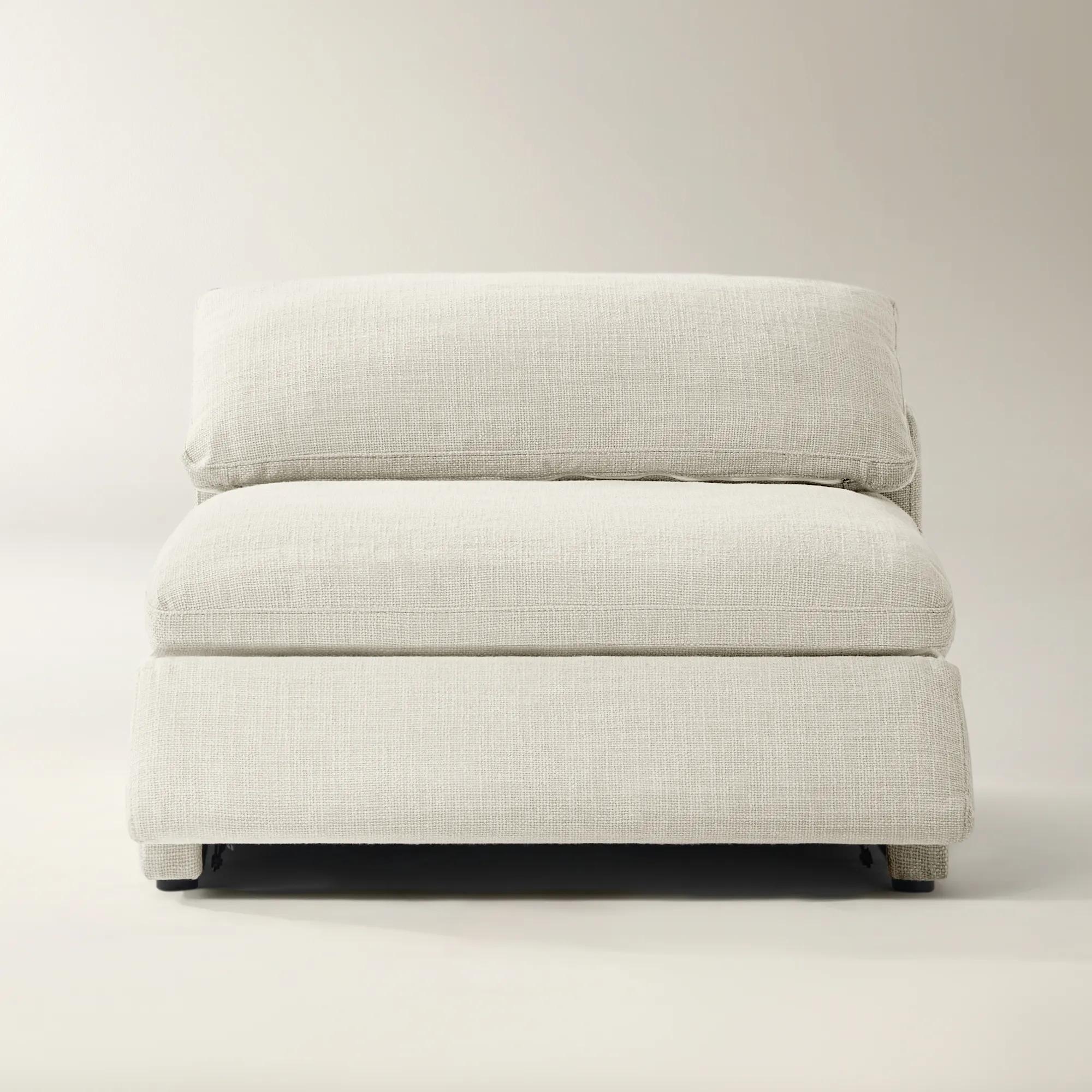 Milo Ivory Performance Fabric Armless Chair With Power Footrest$1099
An armless chair with ivory performance fabric, plush feather-blend cushioning, and an independently powered reclining footrest.
Add To Cart -
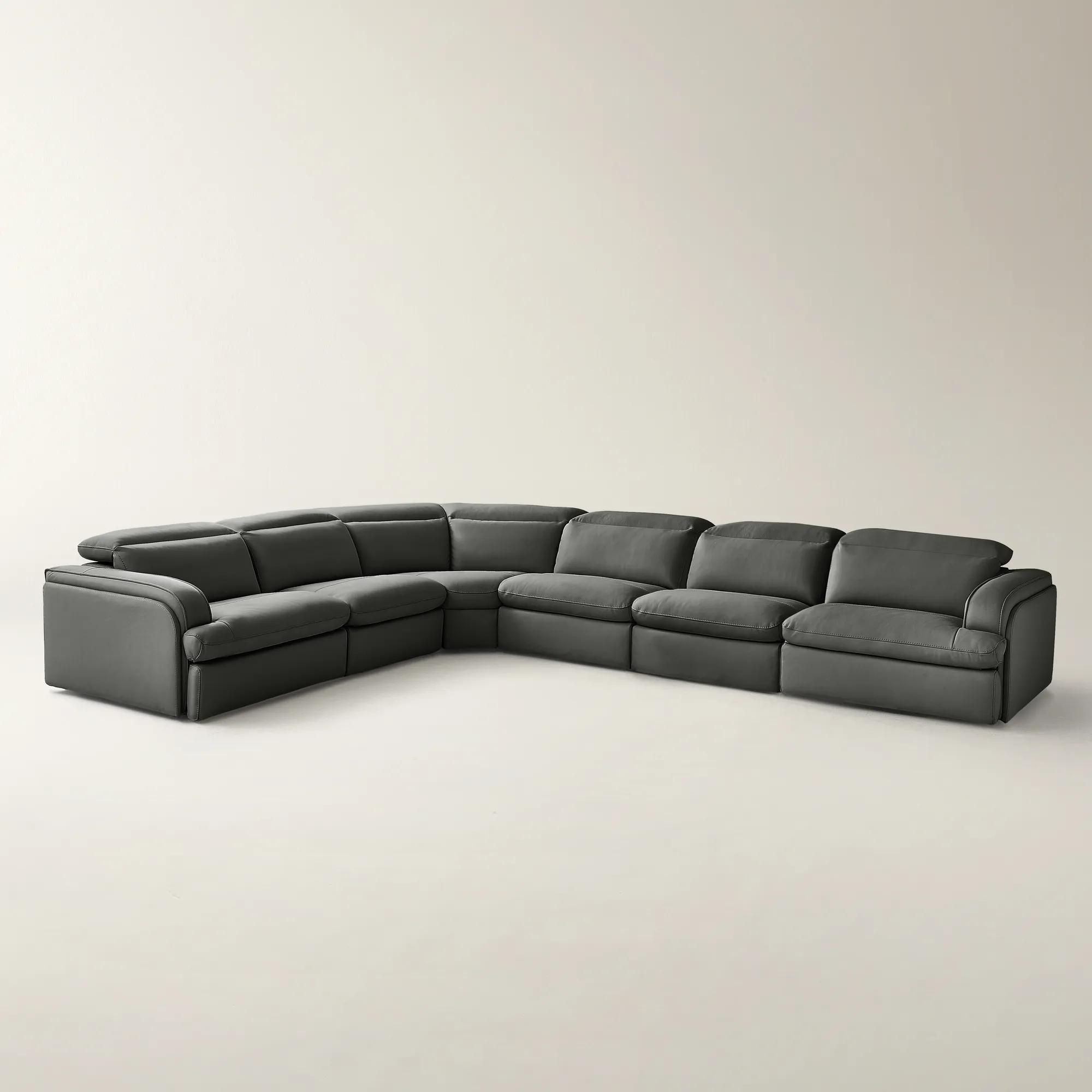 Terra 6-Piece Reclining Charcoal Leather Sectional$8499
A curved modular sectional in charcoal velvet with feather-blend cushions and customizable configurations for luxurious lounging.
Add To Cart -
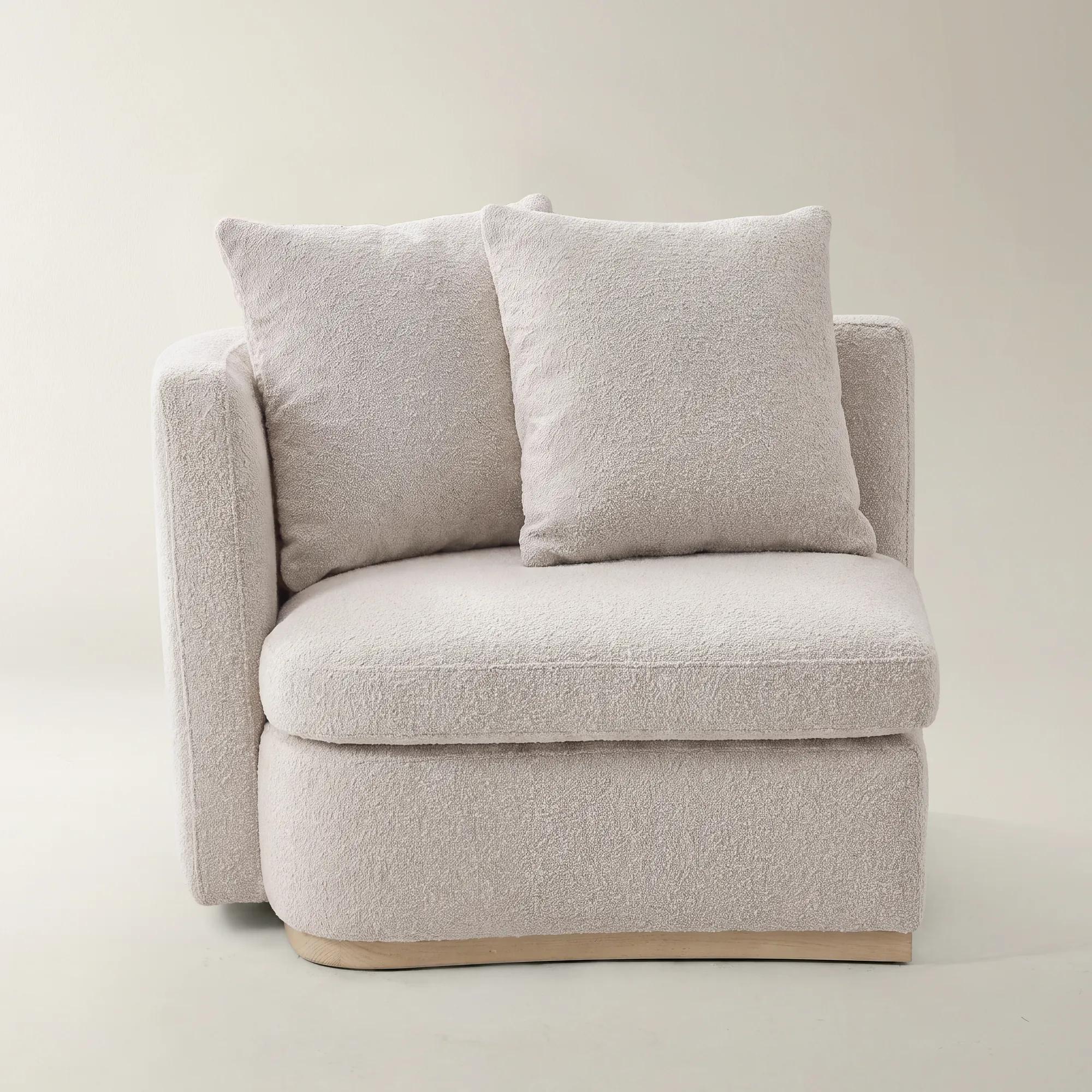
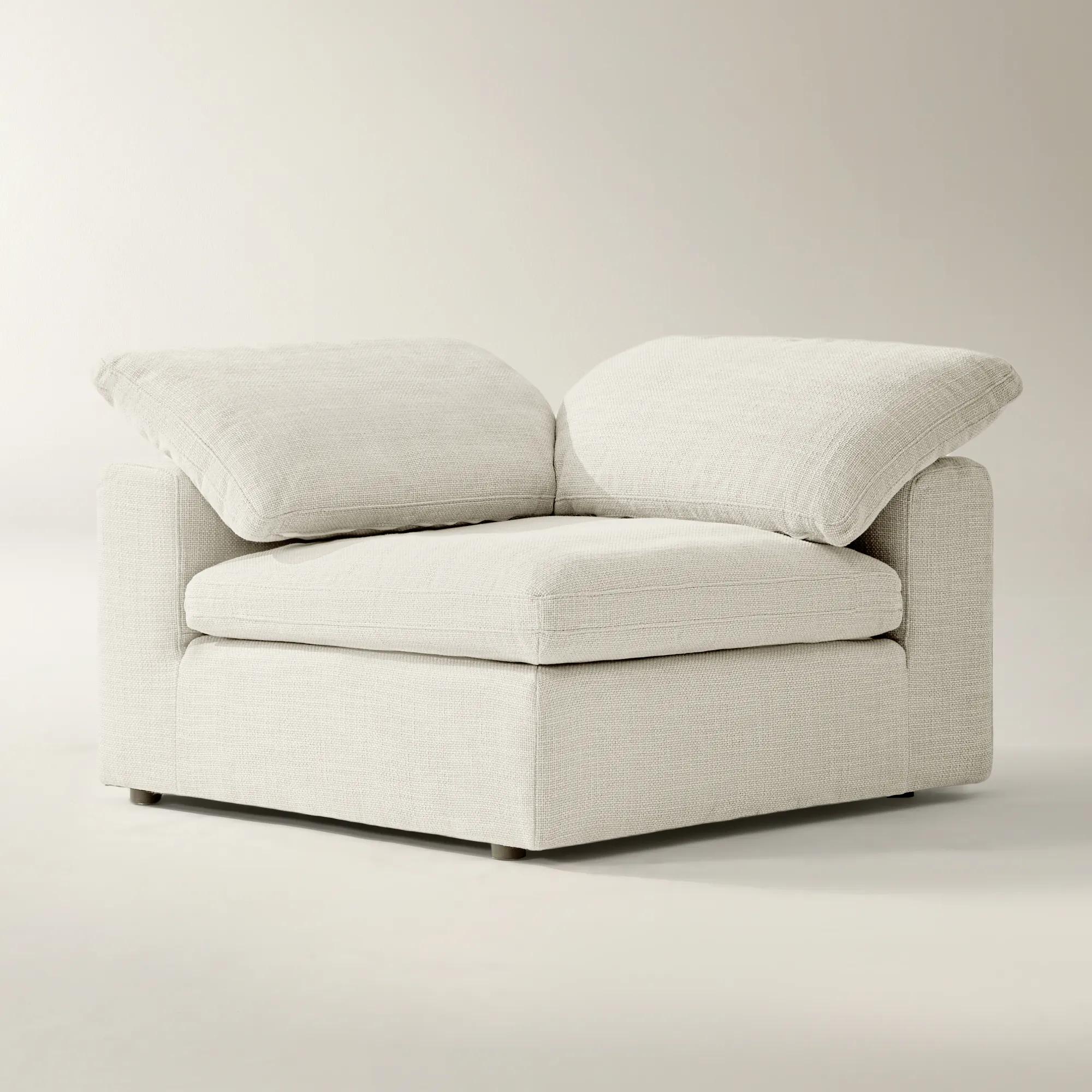 Milo Ivory Performance Fabric Corner Chair$1099
A corner chair in ivory performance fabric with plush feather-blend cushioning and independent power reclining.
Add To Cart -
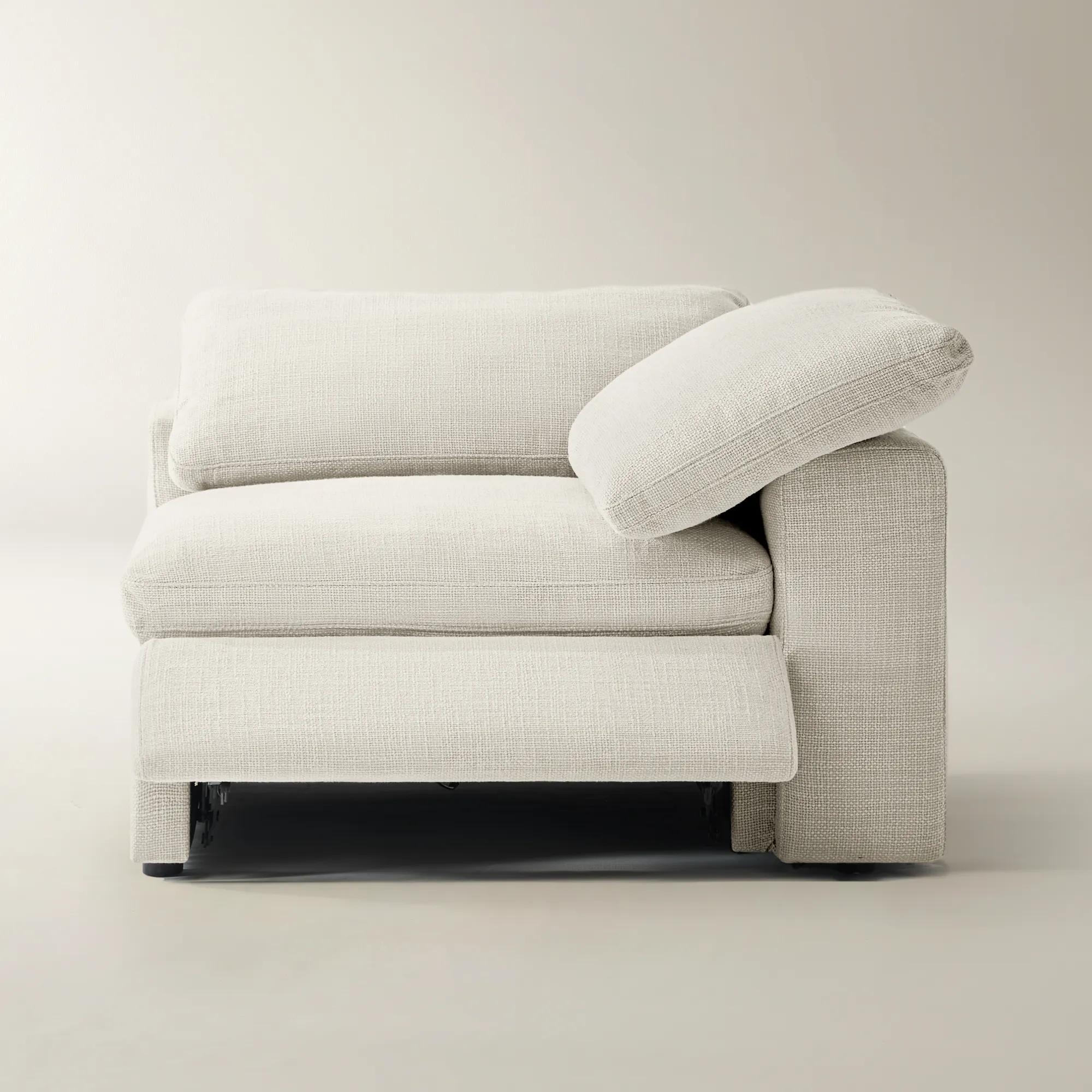 Milo Ivory Performance Fabric Right-Arm Chair With Power Footrest$1199
An ivory performance-fabric right-arm chair with plush cushioning and an independently powered reclining footrest.
Add To Cart -
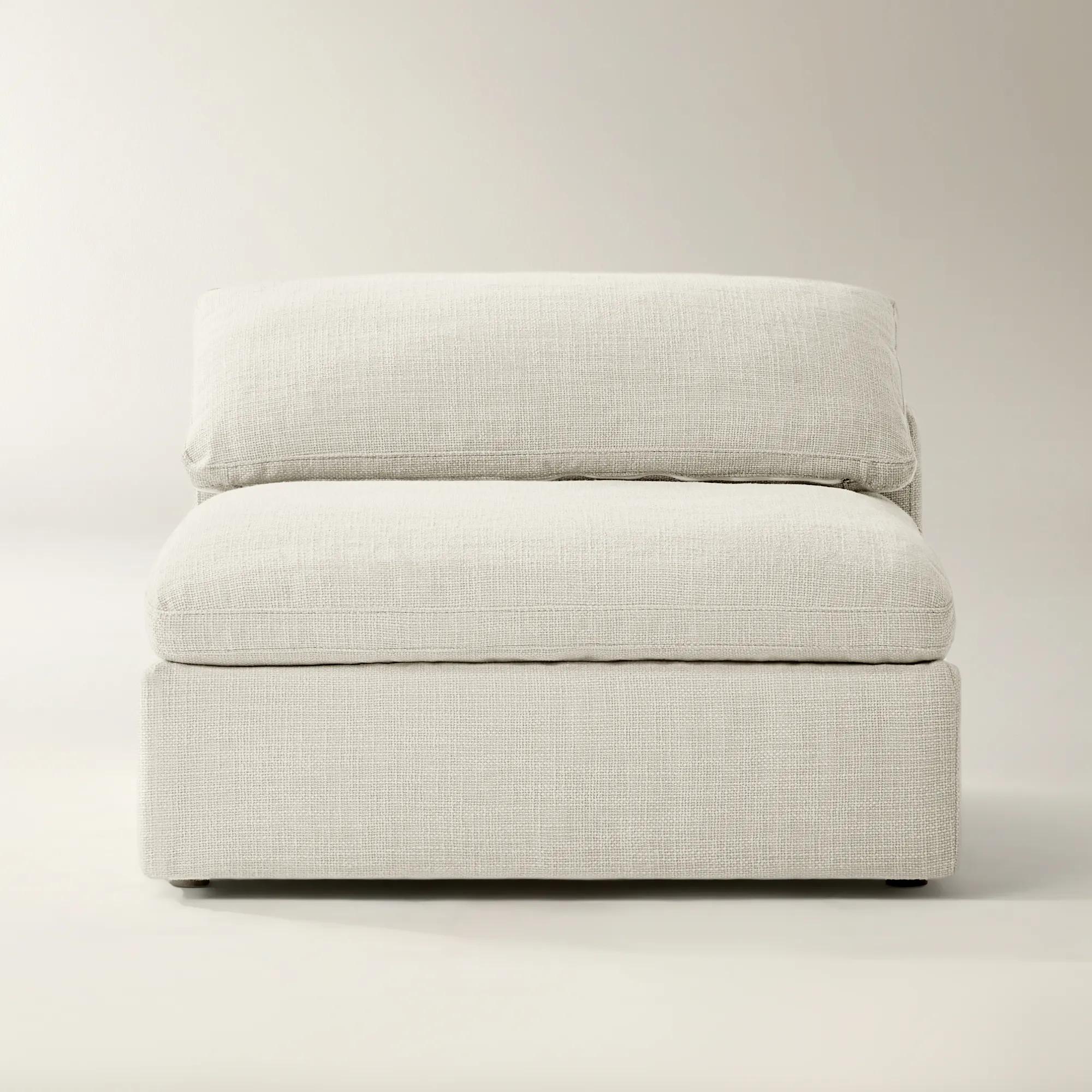 Milo Ivory Performance Fabric Armless Chair$999
An armless chair in ivory performance fabric with plush feather-blend cushioning and power reclining comfort.
Add To Cart -

 Terra 4-Piece Reclining Frost Leather Sectional With Right-Arm Chair$5999
A contemporary frost genuine-leather sectional with powered reclining, modular configuration, and plush down-blend cushioning.
Add To Cart -
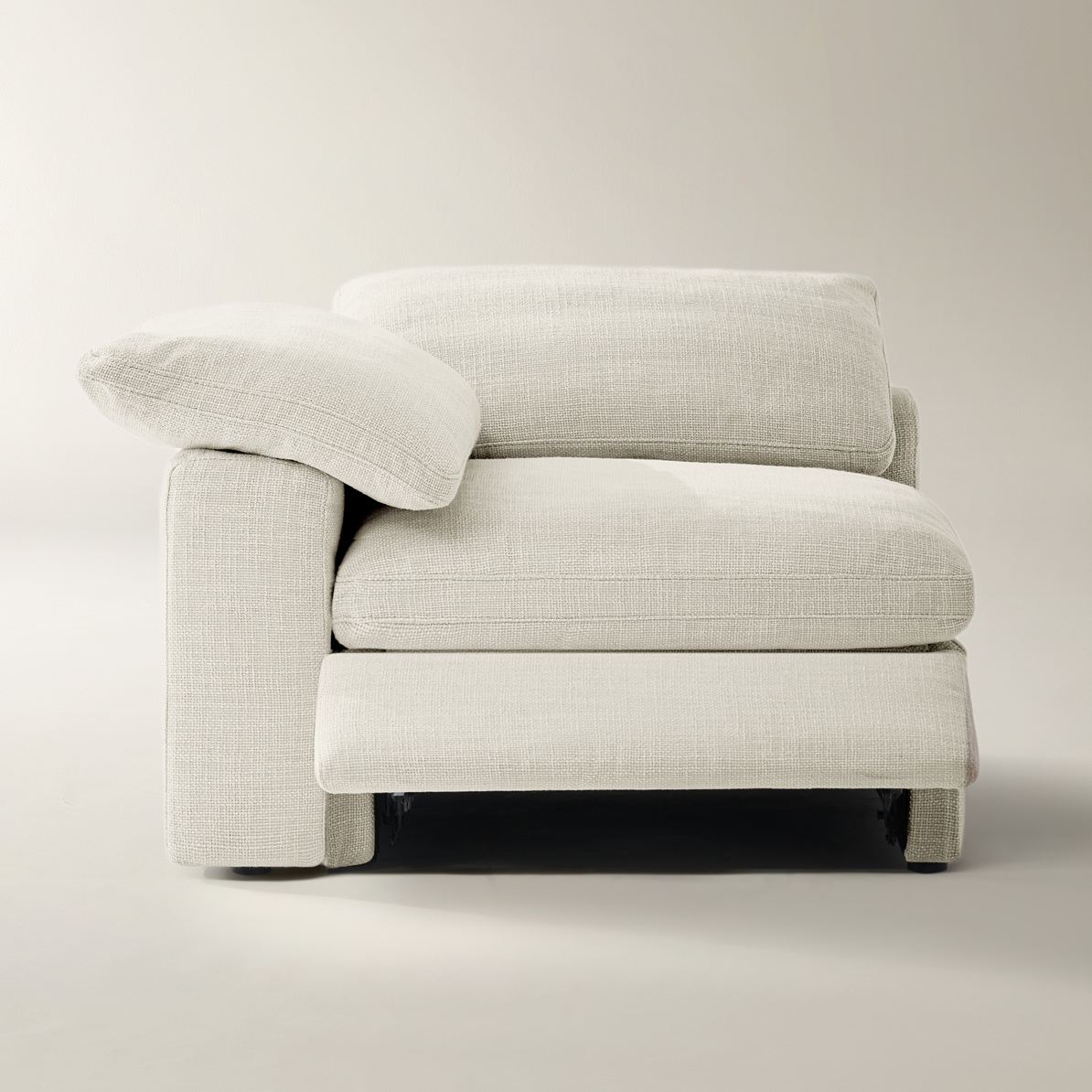 Milo Ivory Performance Fabric Left-Arm Chair With Power Footrest$1199
An ivory performance-fabric lounge chair with plush cushioning and an independently powered reclining footrest.
Add To Cart

Performance Fabric Reclining Sectionals | Z Gallerie
Find a performance fabric reclining sectional that gives everyday lounging a more luxurious setting. Compare seating configurations, upholstery details, and reclining features to choose an expressive anchor for your living room, with a layout that welcomes conversation and unhurried evenings.
Performance fabric reclining sectionals give a living room permission to be both polished and deeply comfortable. Generous seating, expressive upholstery, and the freedom to stretch out create an inviting centerpiece for movie marathons, spirited conversation, and the quiet pleasure of having the room to yourself. The appeal lies in that balance: a sectional can anchor a dramatic arrangement while accommodating the everyday rhythm of a well-loved home. Performance upholstery adds a practical dimension to the composition, with fabrics engineered or treated to address concerns such as staining, moisture absorption, or abrasion. Those capabilities vary by textile, so the fabric’s stated properties matter more than the performance label alone. Some materials rely on tightly woven synthetic fibers; others incorporate protective treatments or specialized yarns that help make routine cleanup more manageable. Polyester and other synthetic blends can deliver a soft hand and a refined surface without demanding the same care as certain delicate upholstery fabrics. Depending on the construction, the look might be smooth and tailored or richly textured, with subtle variations that lend depth to a broad expanse of seating. Pale upholstery creates a luminous backdrop for sculptural tables and metallic accents, while charcoal, taupe, and deeper neutrals establish a more intimate mood. Color also changes with the room: a fabric that feels warm beneath a shaded lamp may look cooler beside a large window. Fabric swatches, when offered, help reveal those nuances alongside existing rugs, flooring, and wall finishes. Texture deserves equal attention, especially on a sectional large enough to become the room’s visual foundation. A fine weave can sharpen a clean silhouette; a more pronounced weave gives restrained forms a tactile richness. The result is furniture that supports a distinctive interior without treating comfort as an afterthought, equally at home in an elegant family gathering space or a media room with a cinematic sense of occasion. Its visual weight can establish the entire seating area, giving artwork, lighting, and decorative objects a confident frame.
The right proportions allow that presence to feel intentional rather than overwhelming. A reclining sectional needs space for its full range of motion, not simply its upright footprint, and the required clearance behind the back and beyond the extended footrest depends on the mechanism. Designs described as wall-hugging still have model-specific placement requirements. In a compact living area, a carefully measured configuration can preserve a clear path between seating, windows, and adjoining rooms; in a larger space, an expansive arrangement can define a conversation area without relying on walls. Seat depth, seat height, and back support shape the experience as much as overall width. Deep cushions invite lounging, while a more upright seat may feel better for conversation or for someone who prefers to rise without shifting forward first. A household with people of different heights may place particular value on adjustable positions, although the location and range of reclining seats vary by design. Not every seat in a reclining sectional necessarily moves, and a fixed chaise offers a different kind of relaxation from an extending footrest. For those who prefer motorized adjustment, power reclining sectionals offer another way to tailor a seating position, with features such as independently adjustable headrests depending on the design. Outlet placement and discreet cord routing deserve consideration so the finished arrangement remains as composed as the upholstery. Sectional orientation matters, too: left-facing and right-facing descriptions can follow retailer-specific conventions, making the configuration diagram more reliable than assumptions about the name. Modular construction may offer flexibility, but individual pieces are not automatically interchangeable or reversible. Doorways, stair turns, elevators, and the size of each delivered component also influence fit. Once positioned, the sectional should have room to recline without meeting a coffee table, pulling against a rug, or narrowing a frequently used walkway. A well-scaled side table keeps a drink within reach while allowing the moving sections to operate freely, preserving both the ease and the visual rhythm of the room.
Lasting satisfaction comes from the relationship between upholstery, cushioning, frame construction, and the reclining mechanism. Performance fabric can make an active household easier to accommodate, but it is not a promise against every spill, snag, or sign of wear. Homes shared with children, frequent guests, or pets often benefit from upholstery with clearly documented care requirements and durability information. Abrasion testing can provide useful context, though a high test result does not make a fabric immune to sharp claws, pilling, fading, or damage from improper cleaning. A close weave may be less inviting to snagging than a loose, looped surface, while a subtly varied color can soften the appearance of everyday lint and minor marks. Cushion fill affects both comfort and upkeep: some constructions hold a tailored profile with relatively little attention, while softer fills may need regular fluffing or reshaping. Removable cushions should be rotated only where the design permits, and a zippered cover should never be assumed to be machine washable. The upholstery care code and manufacturer’s directions should govern cleaning, including whether a water-based solution, solvent-based treatment, or professional service is appropriate. Promptly blotting a spill rather than rubbing it helps limit its spread, and any approved cleaner should be tested in an inconspicuous area before broader use. Gentle vacuuming with a suitable upholstery attachment lifts dust and crumbs from seams, while keeping debris away from moving components helps maintain a tidy seating environment. Reclining mechanisms also need unobstructed space, with children, pets, blankets, and loose objects kept clear during operation. Away from the mechanics, thoughtful styling lets the sectional’s generous shape retain its elegance: a lustrous pillow against textured upholstery, a substantial rug beneath the seating arrangement, or a sculptural lamp beside a broad arm. Decorative layers should remain clear of controls and moving sections. With considered proportions and consistent care, a performance fabric reclining sectional becomes a place to settle in without surrendering the expressive character of the room.
FAQs
Modular describes a sectional’s component-based construction, while reclining describes its movement. A design may offer both, but neither term guarantees the other. Review the configuration details to understand how its sections connect and which elements recline.
Performance fabric is an upholstery designation, not the name of a single weave. Check the listed material and texture separately, along with any documented performance attributes, to understand the fabric beyond its appearance.
Not necessarily. Reclining sectionals can combine stationary sections with reclining seats. Consult the individual configuration’s description to identify the reclining positions and whether their controls operate independently.
Frame the sectional with expressive artwork, layered lighting, and accents that contrast with its upholstery. A sculptural table or gleaming decorative object adds drama, while a considered arrangement of pillows lets the seating silhouette remain part of the composition.
Follow the care instructions supplied for the specific upholstery, including any listed cleaning code. Fabric composition and finishes can differ, so use only the cleaning methods recommended for that sectional rather than assuming all performance fabrics share the same care routine.