Contemporary Reclining Sectional Sofas
Contemporary Reclining Sectional Sofas
-
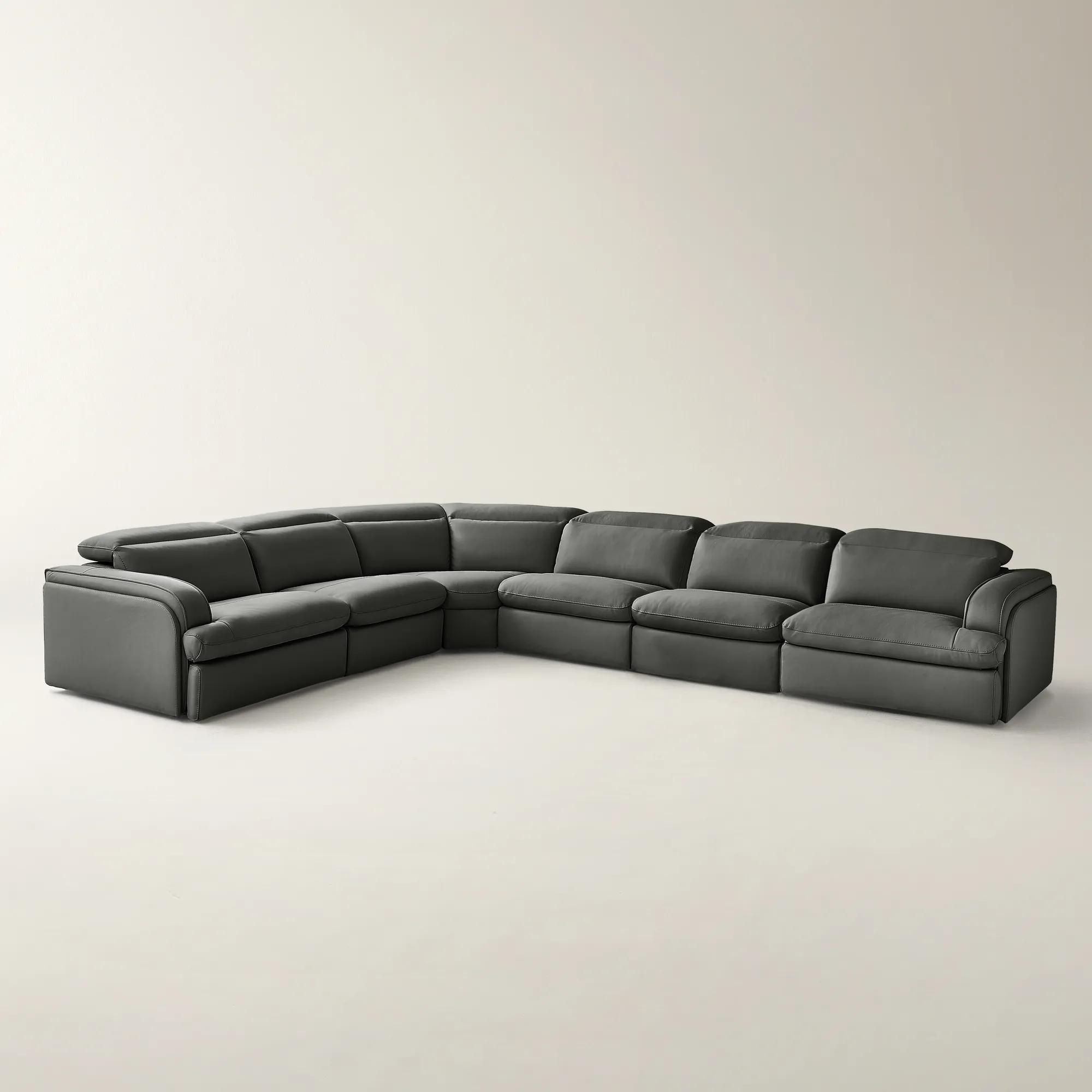 Terra 6-Piece Reclining Charcoal Leather Sectional$8499
A curved modular sectional in charcoal velvet with feather-blend cushions and customizable configurations for luxurious lounging.
Add To Cart -
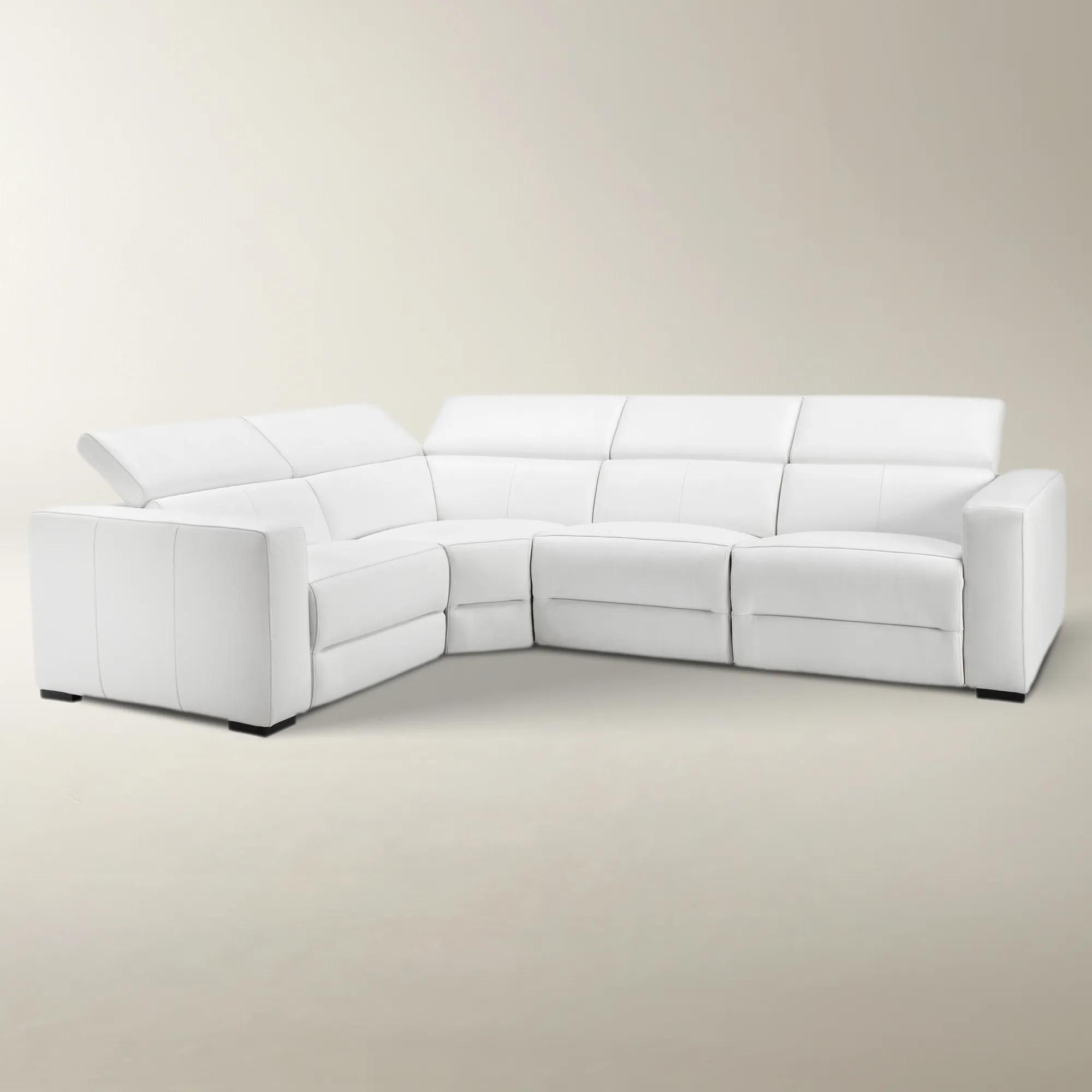 Verona 4-Piece L-Shaped Reclining White Leather Sectional Sofa With Left-Arm$5899
A modern sectional upholstered in supple white semi-aniline leather with adjustable headrests and power-reclining seats.
Add To Cart -
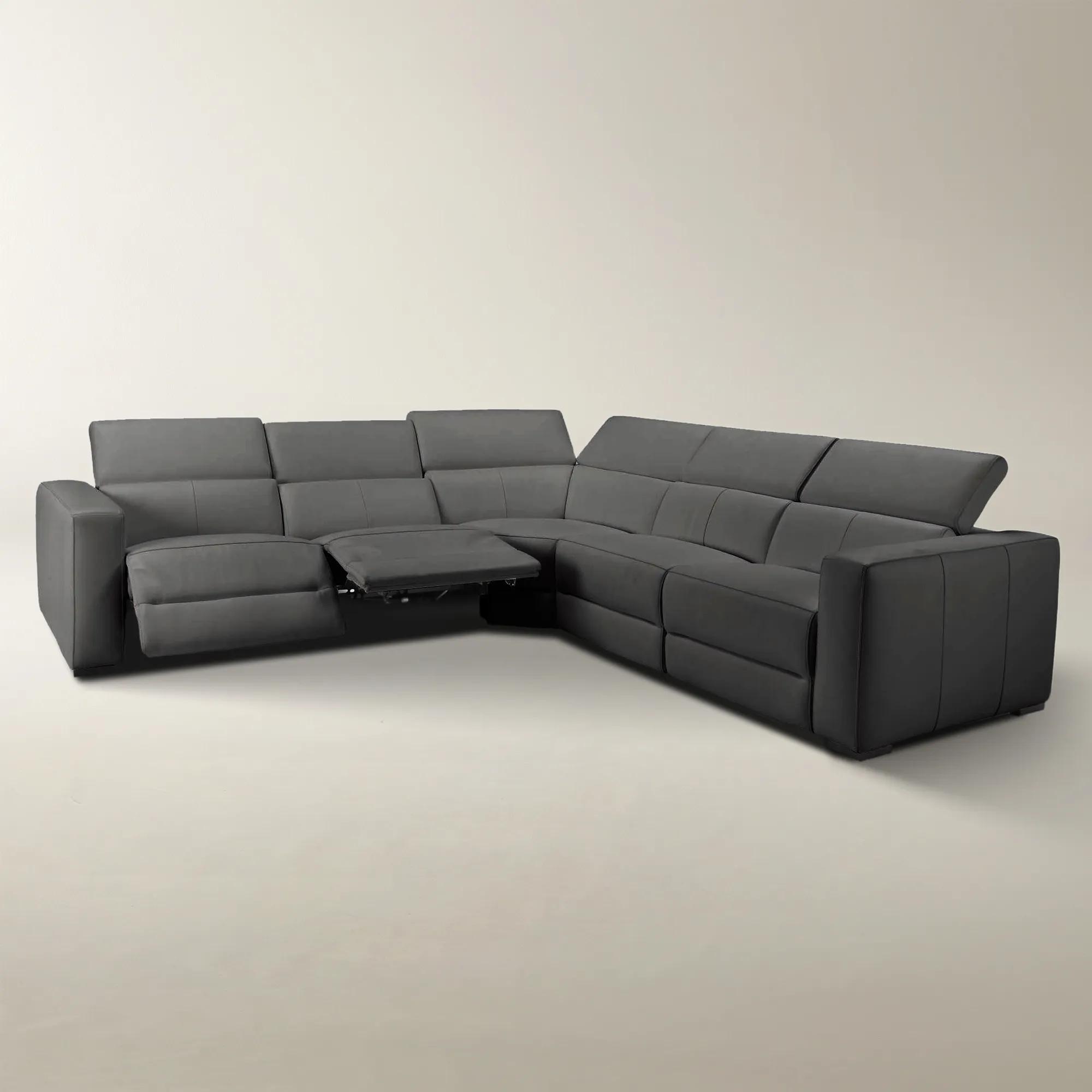 Verona 5-Piece Reclining Charcoal Leather Sectional Sofa$7199
A charcoal semi-aniline leather sectional featuring adjustable headrests, kiln-dried hardwood frame, and optional power recline.
Add To Cart -
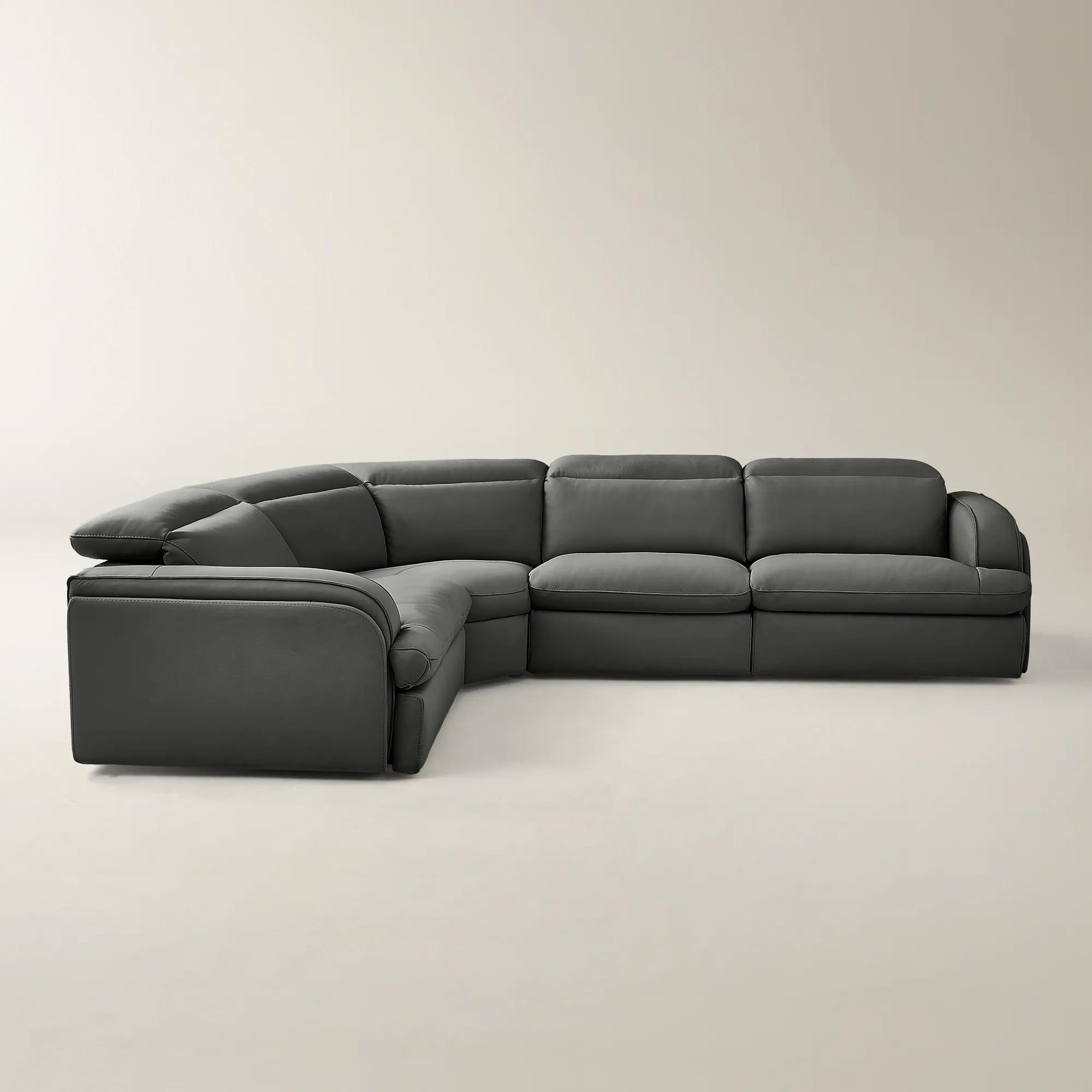
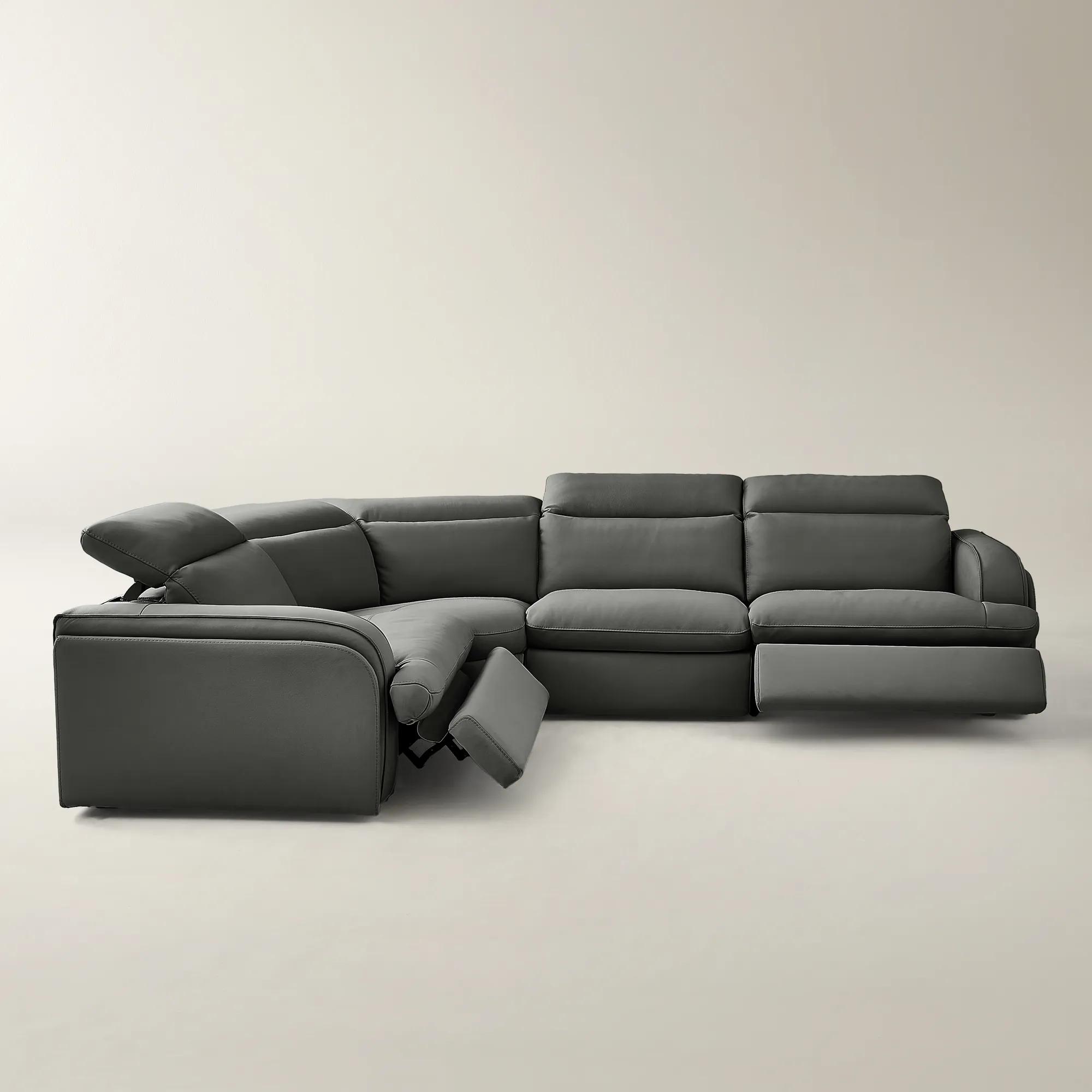 Terra 4-Piece Reclining Charcoal Leather Sectional With Left-Arm Chair$5999
A charcoal genuine leather modular sectional with powered headrests, footrests, tailored seams, and plush foam-down cushioning.
Add To Cart -
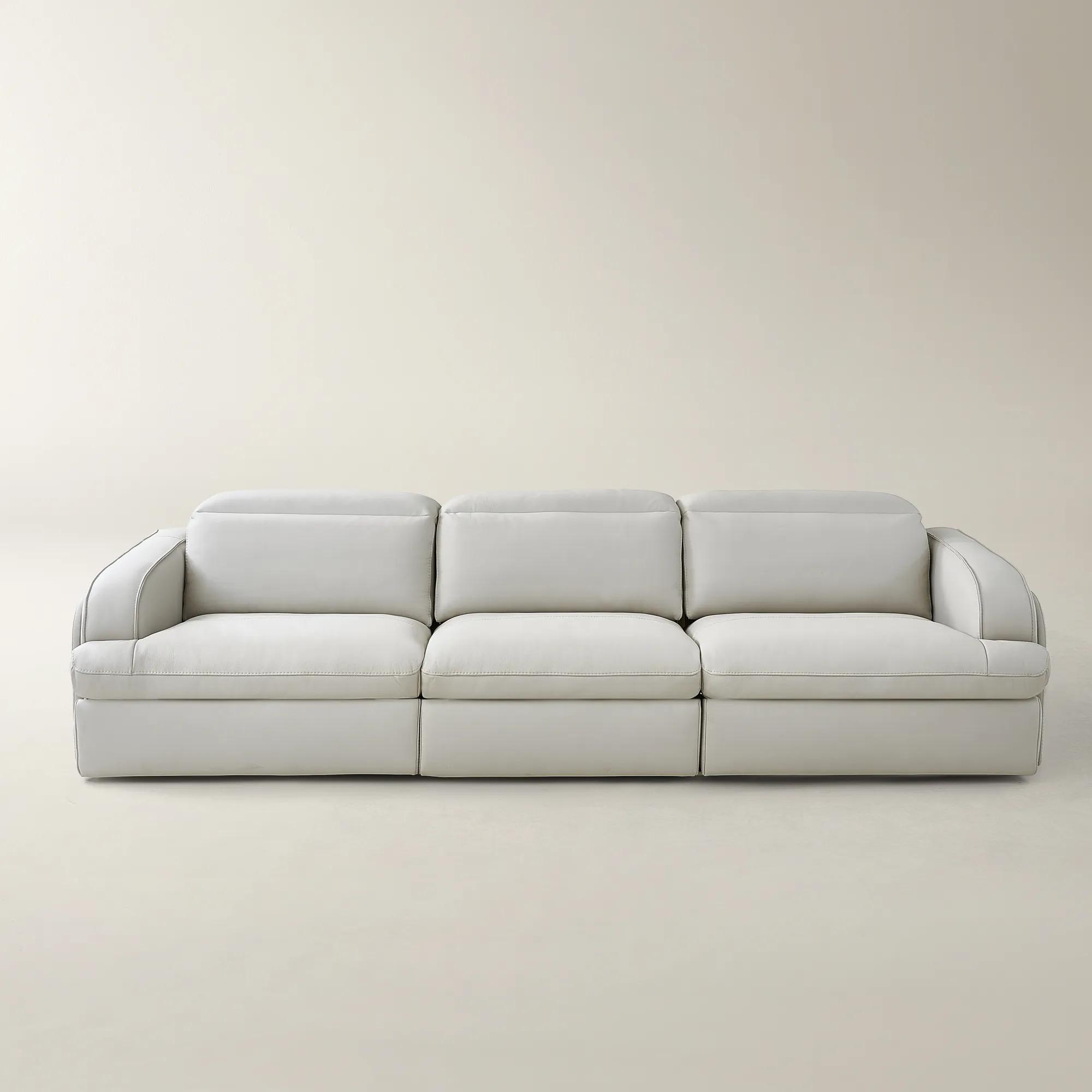
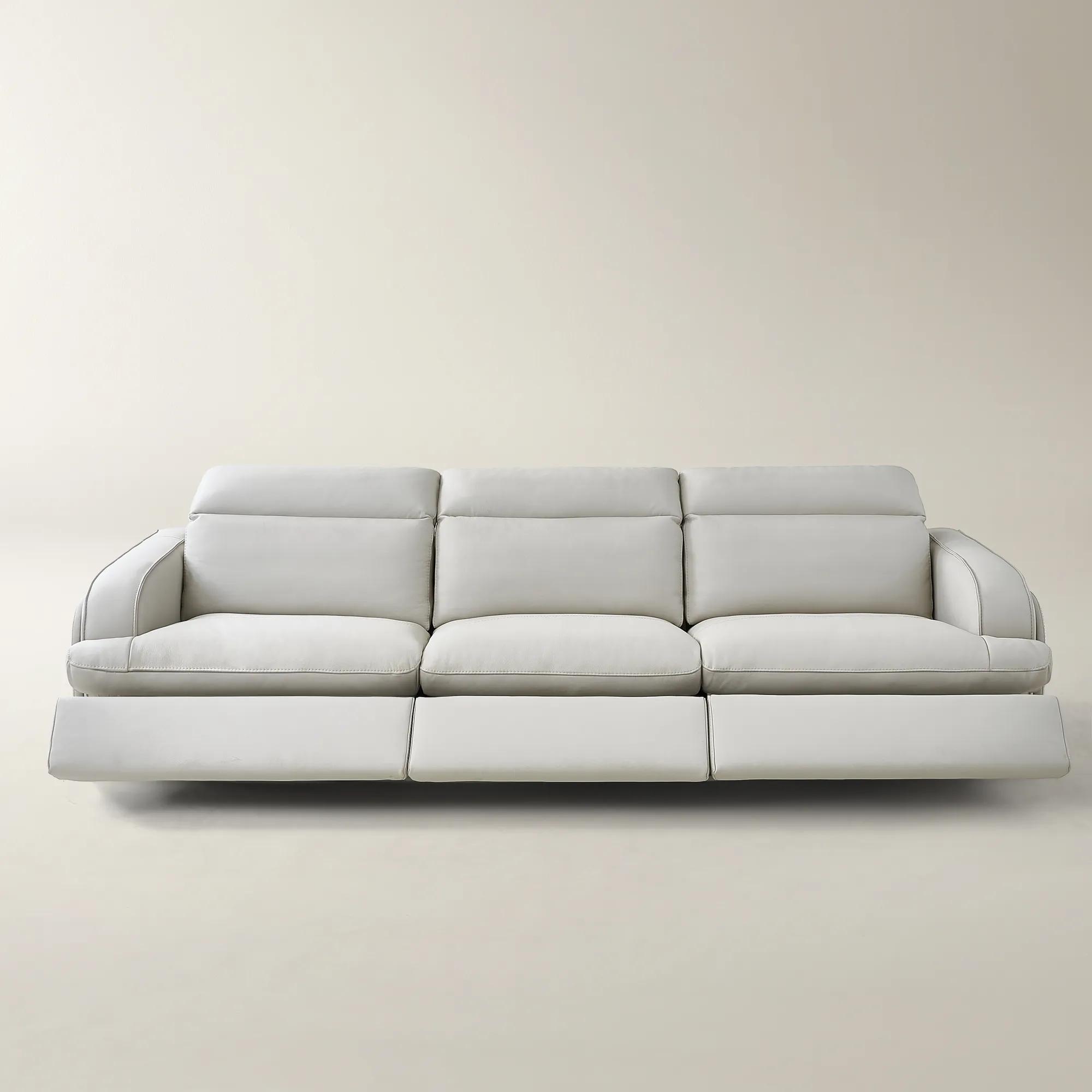 Terra 3-Piece Reclining Frost Leather Sectional$4699
A contemporary frost genuine leather modular sectional with power reclining headrests, footrests, and plush foam-down cushioning.
Add To Cart -
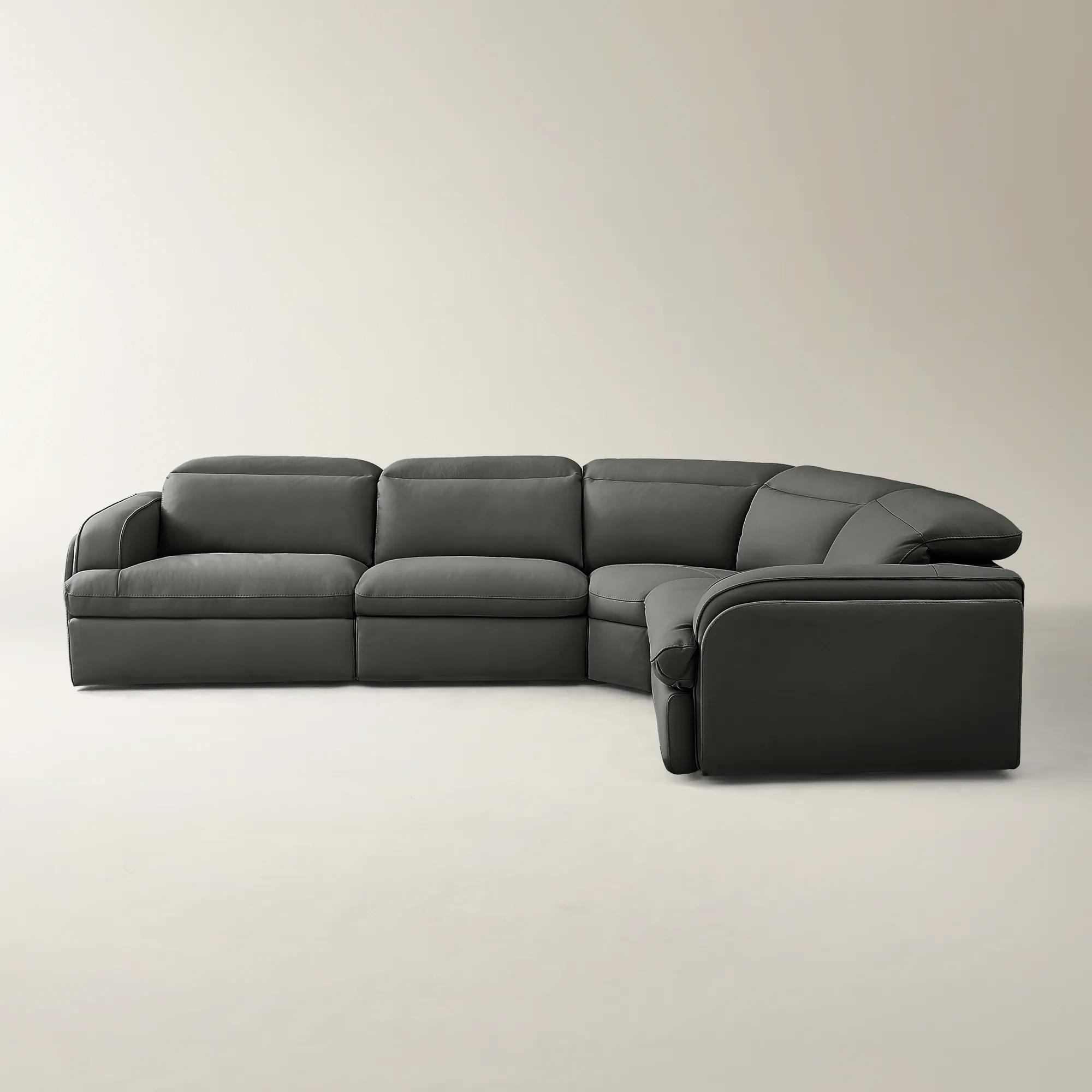
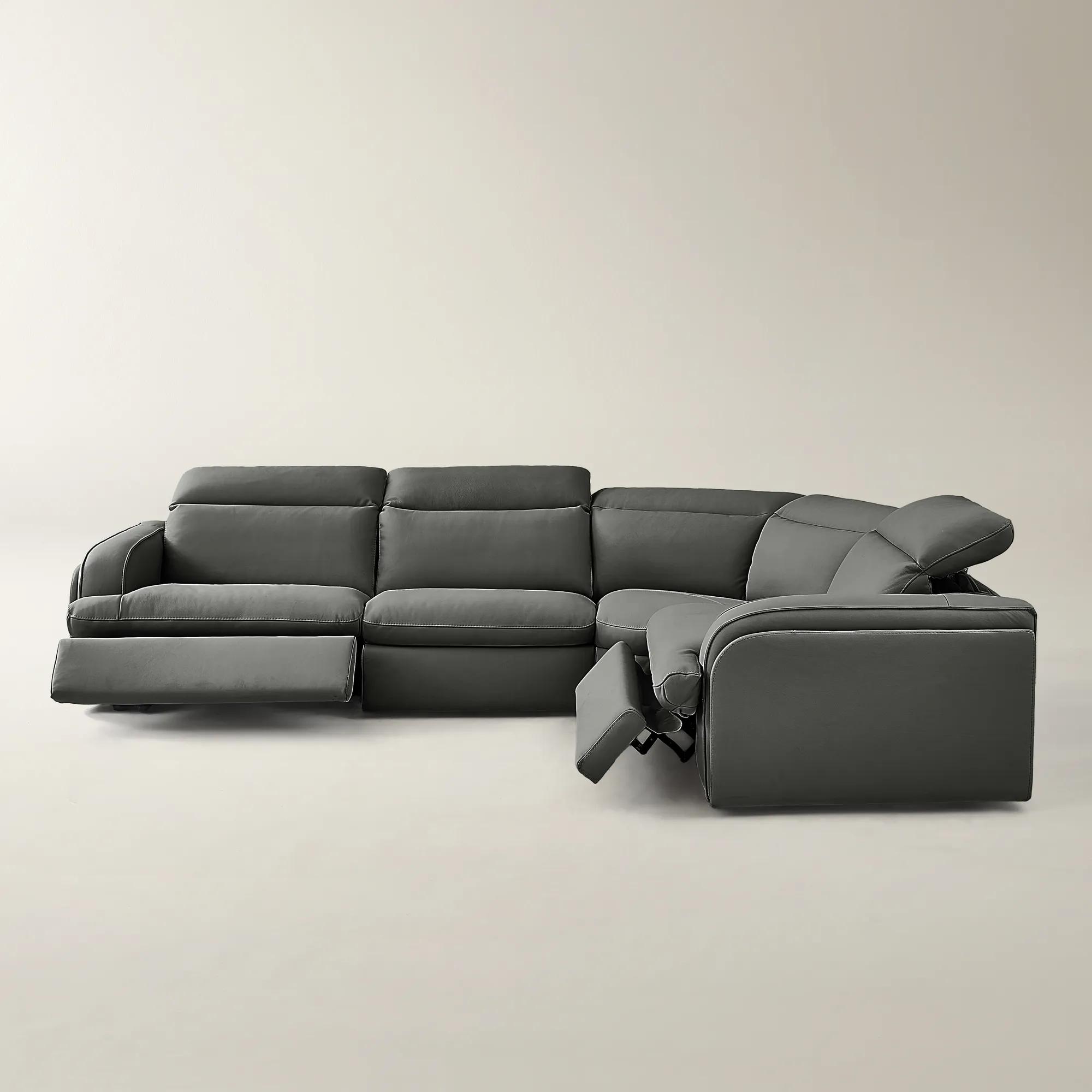 Terra 4-Piece Reclining Charcoal Leather Sectional With Right-Arm Chair$5999
A modular charcoal leather sectional with powered reclining headrests and footrests, tailored seams, and foam-down cushioning.
Add To Cart -
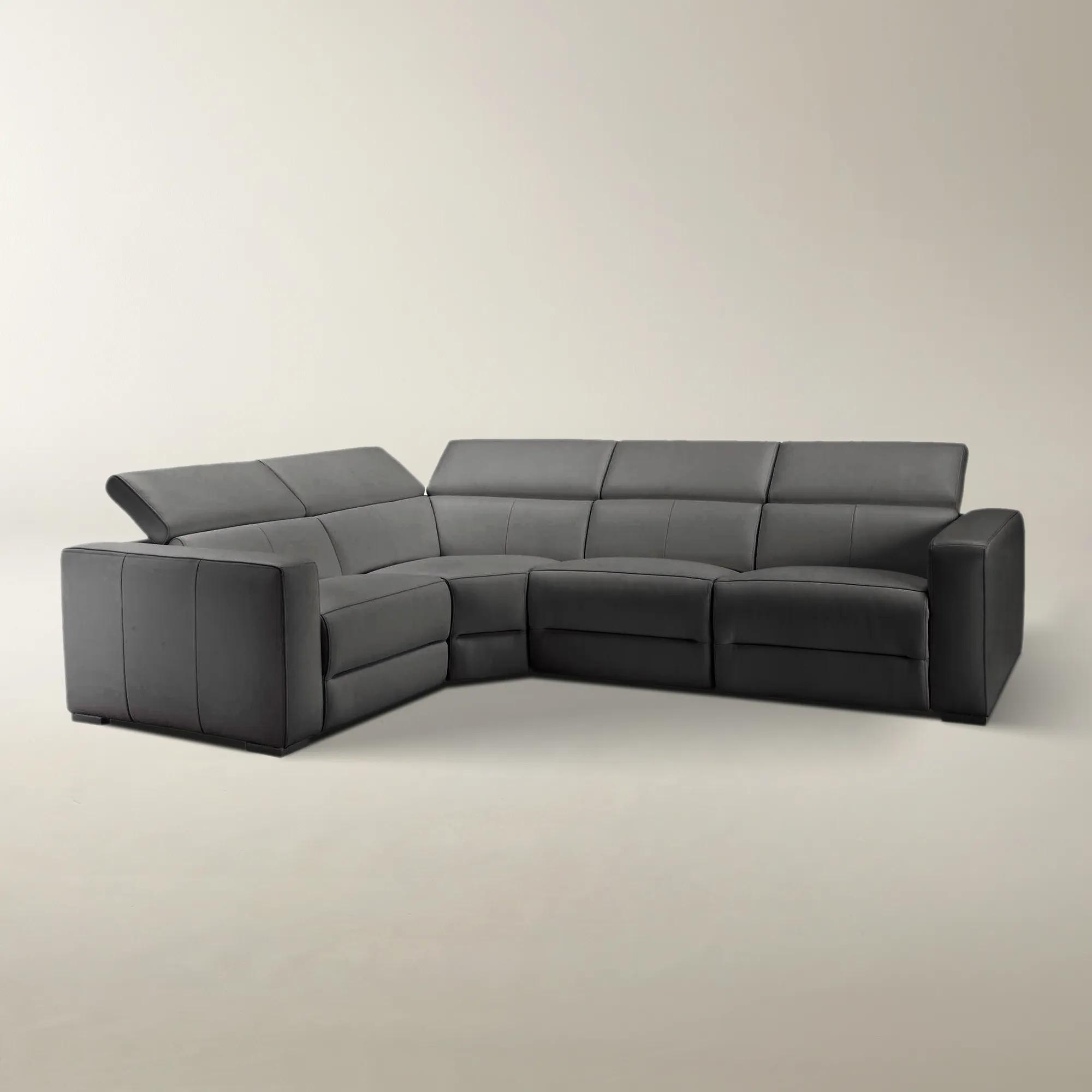 Verona 4-Piece L-Shaped Reclining Charcoal Leather Sectional Sofa With Left-Arm$5899
A charcoal semi-aniline leather sectional featuring adjustable headrests and optional power-reclining seats for comfort.
Add To Cart -
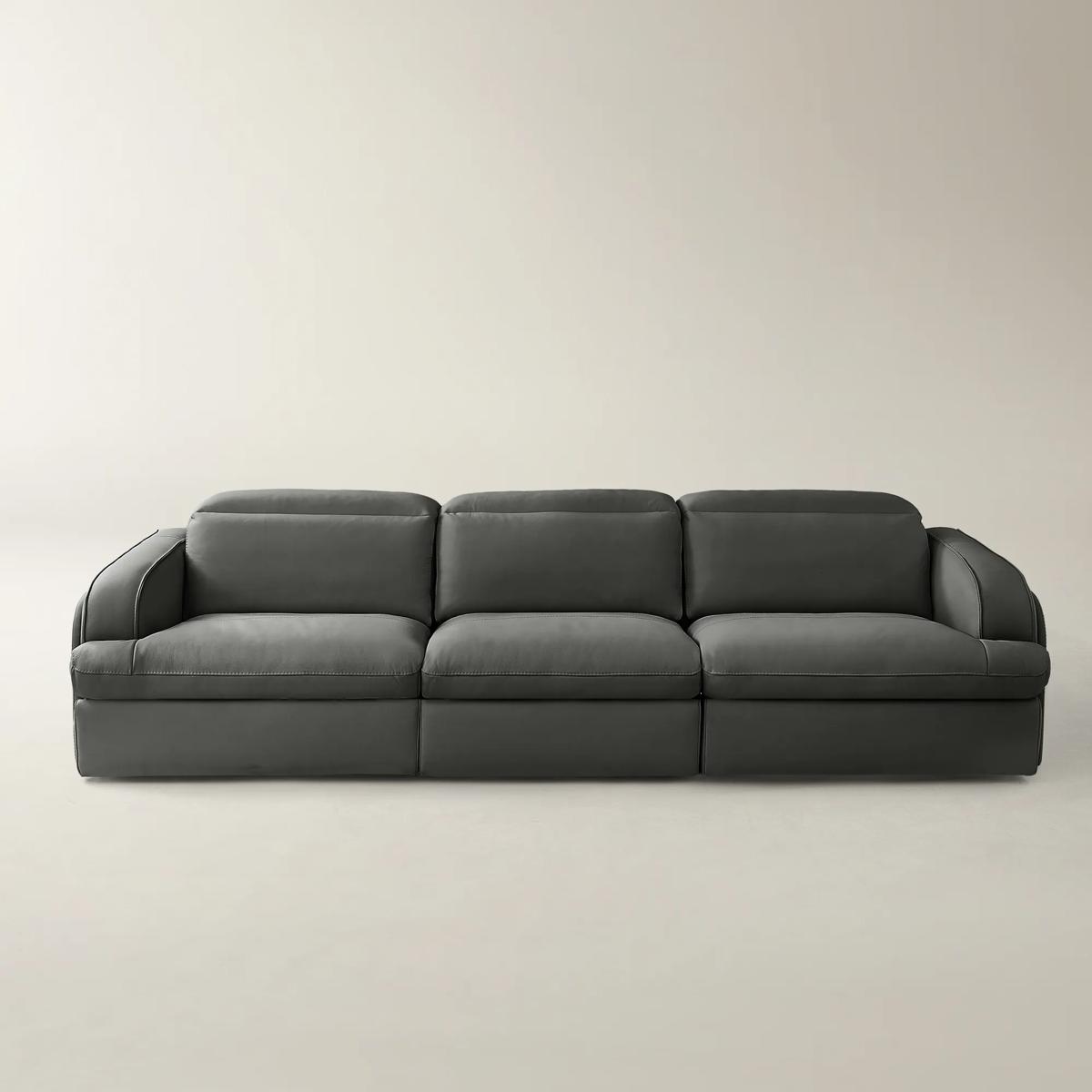
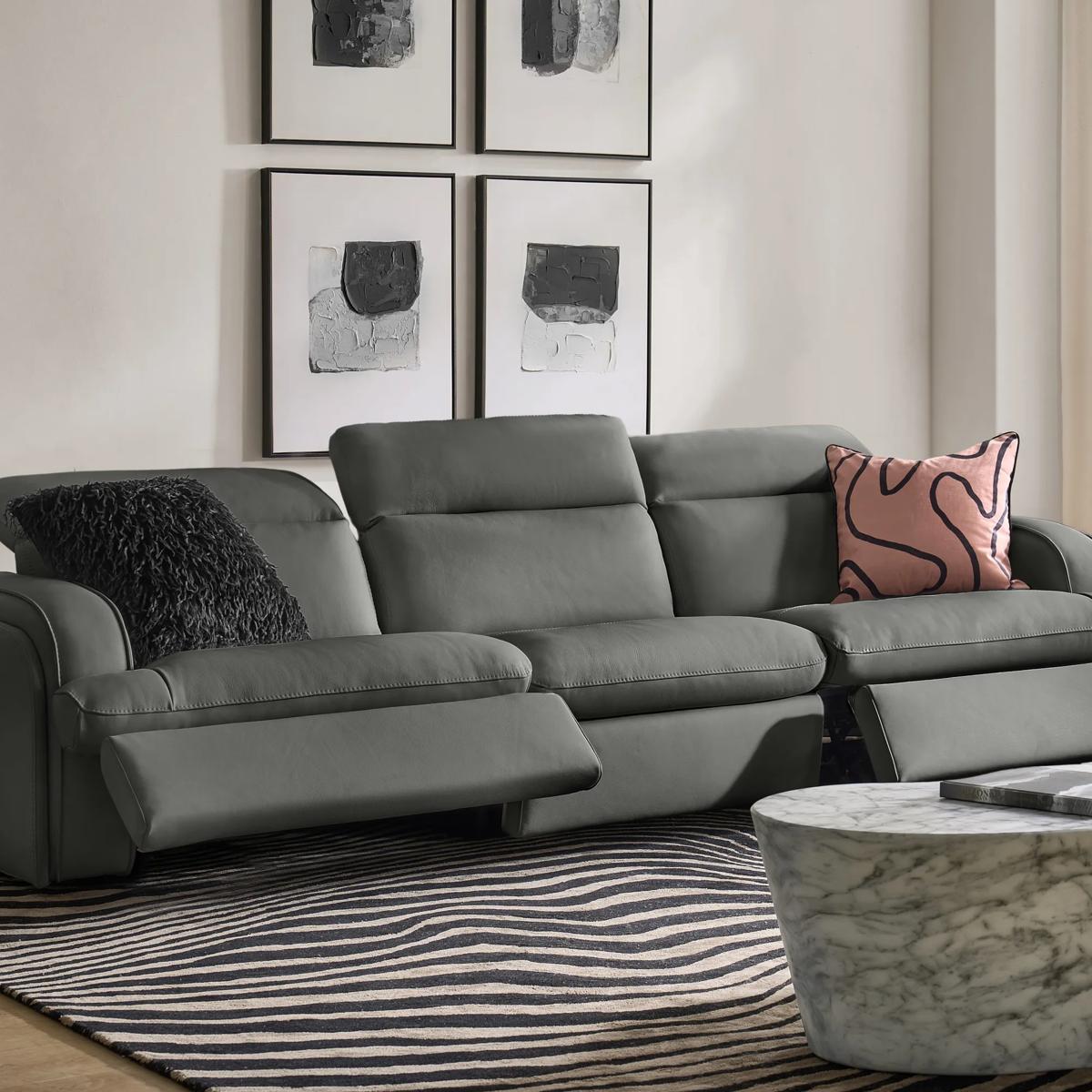 Terra 3-Piece Reclining Charcoal Leather Sectional$4699
A charcoal genuine leather sectional featuring modular design, power reclining headrests and footrests with foam-down cushioning.
Add To Cart -
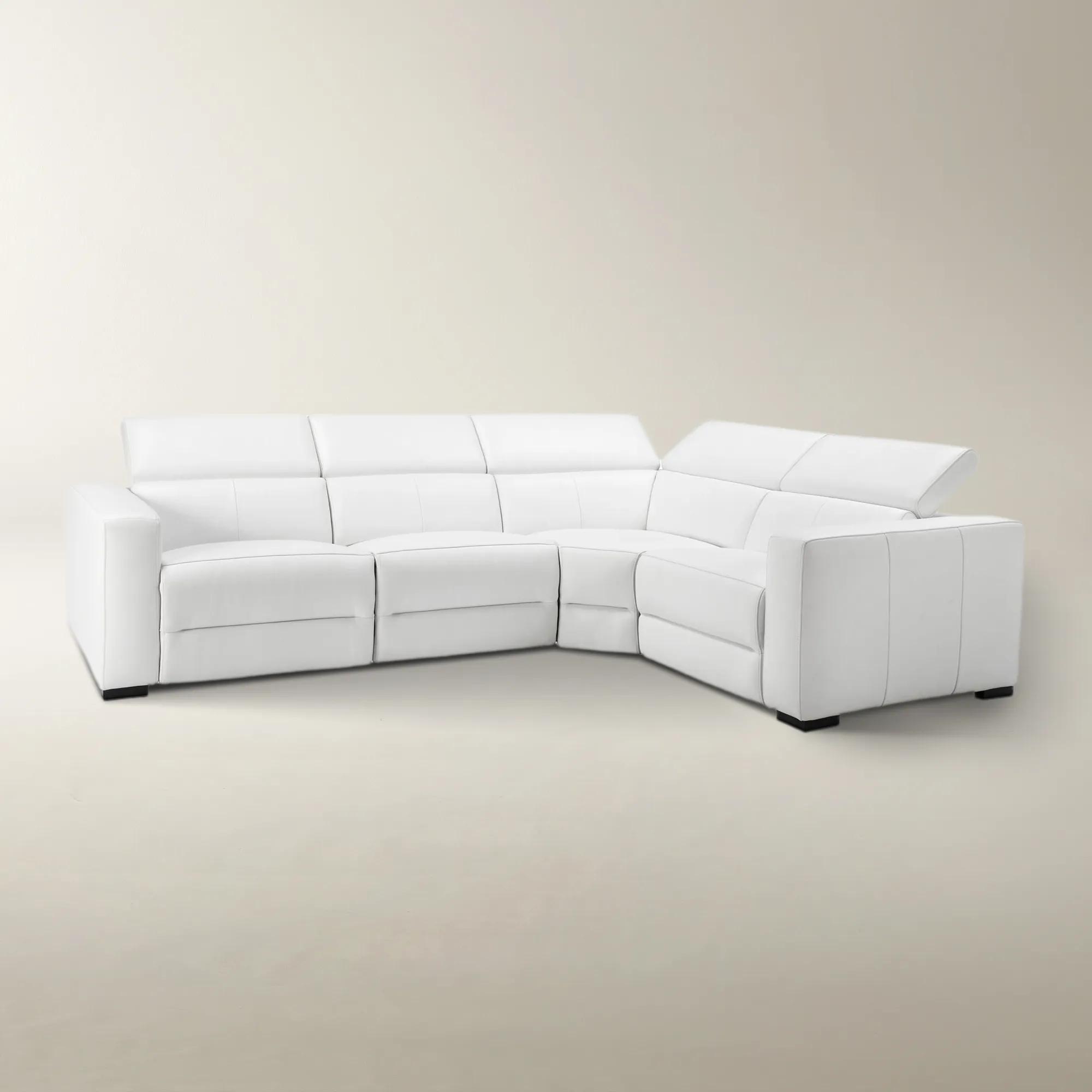
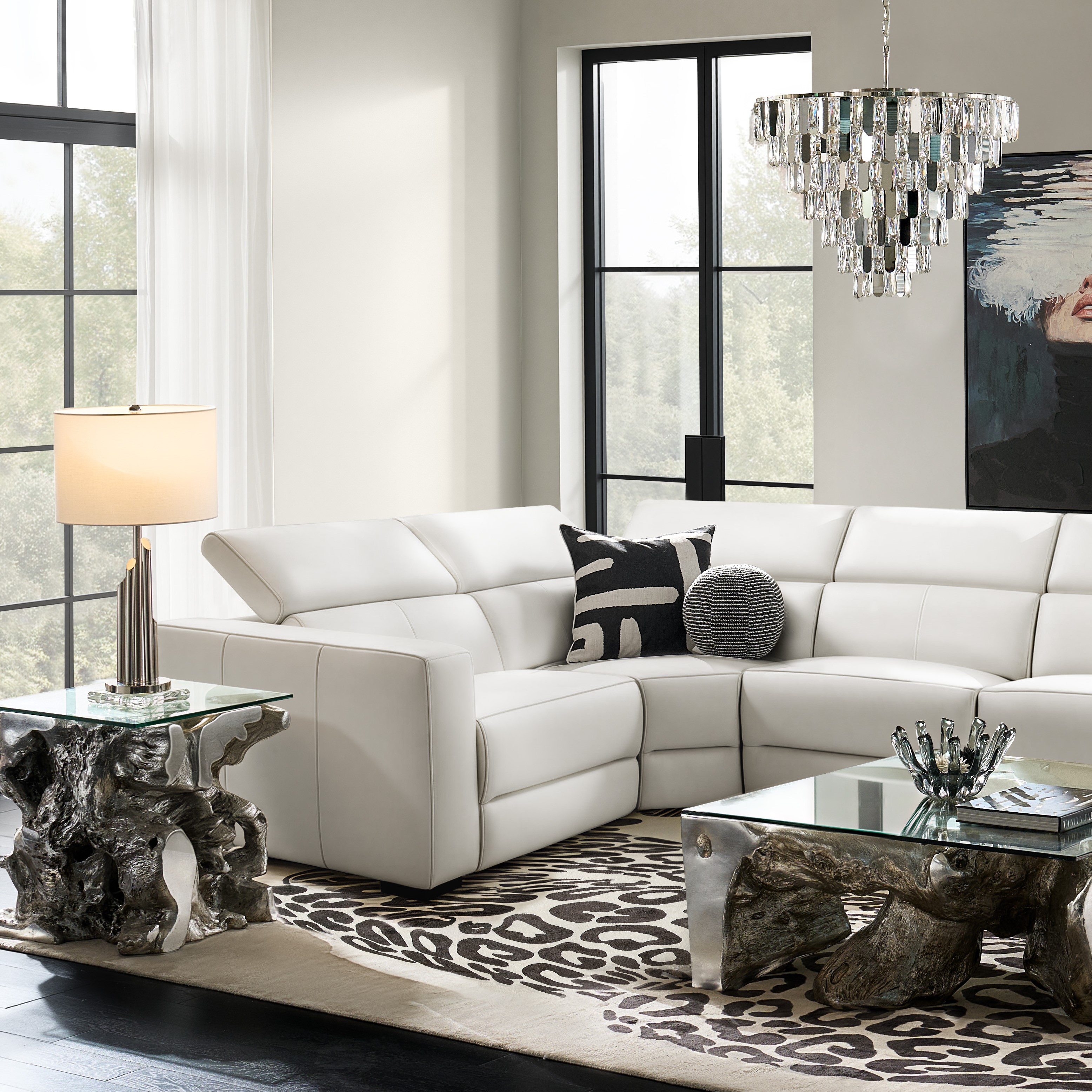 Verona 4-Piece L-Shaped Reclining White Leather Sectional Sofa With Right-Arm$5899
A modern sectional upholstered in supple white semi-aniline leather with adjustable headrests and power-reclining seats.
Add To Cart -
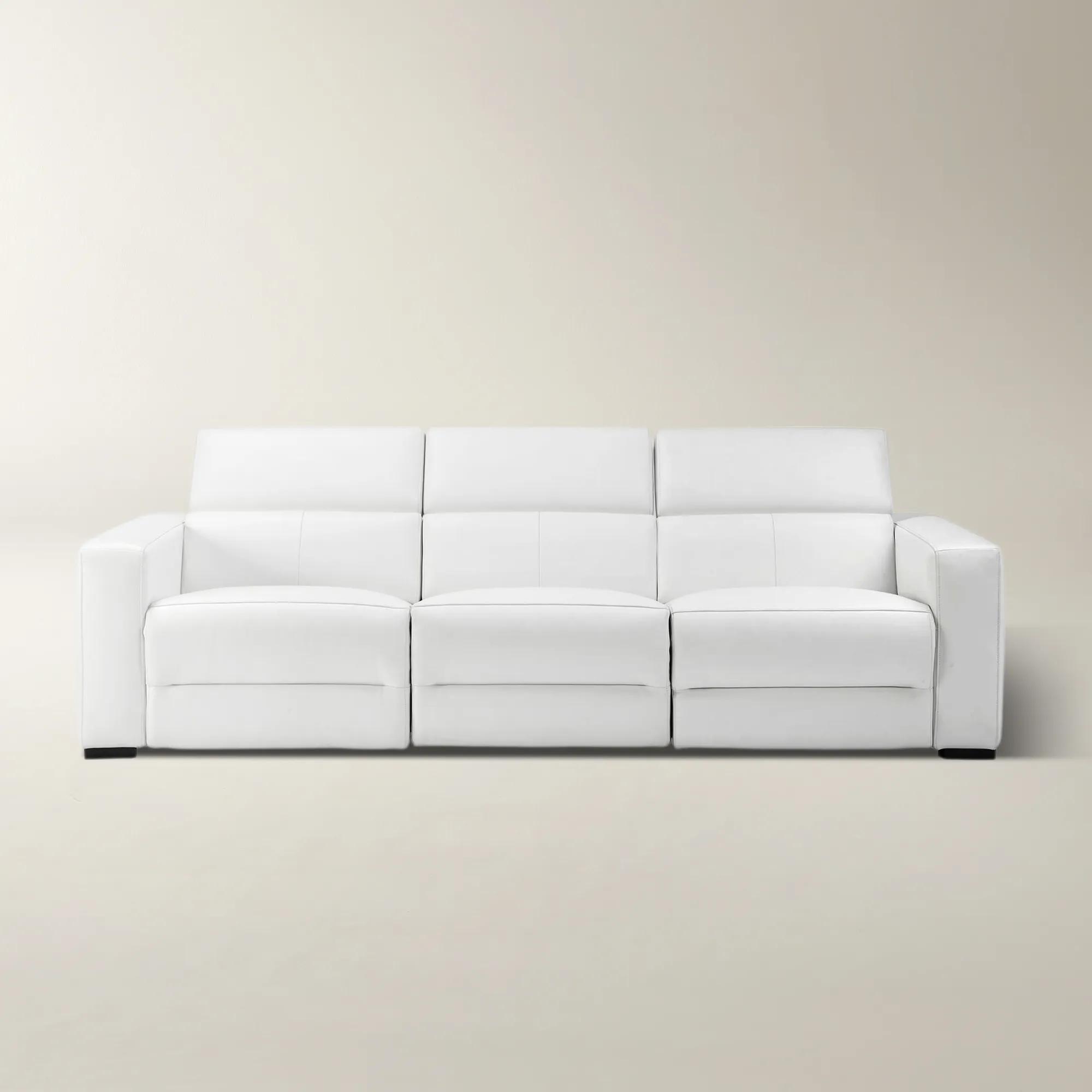 Verona 3-Piece White Leather Sectional Sofa$4399
A modern white sectional upholstered in supple semi-aniline leather with adjustable headrests and power-reclining seats.
Add To Cart -

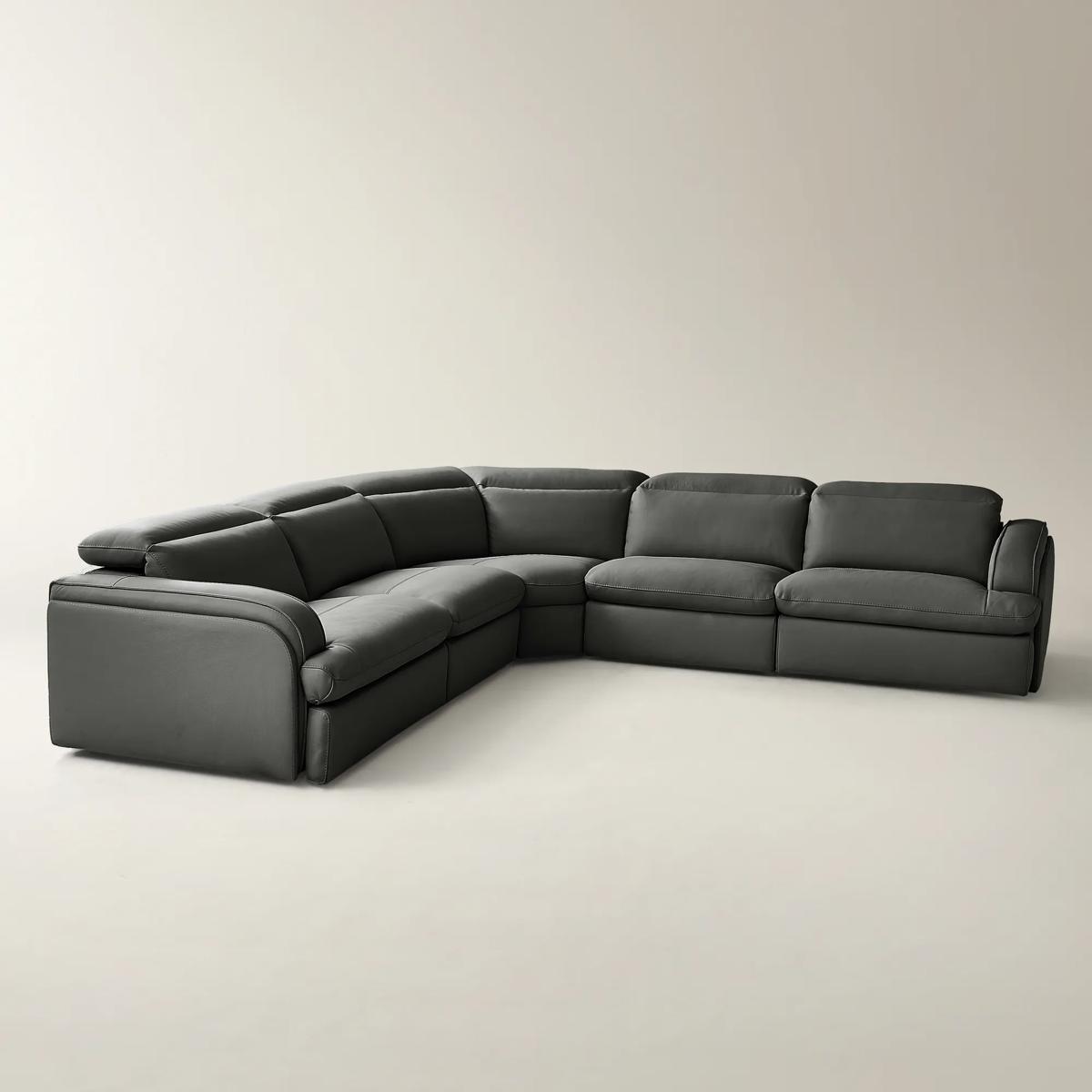 Terra 5-Piece Reclining Charcoal Leather Sectional$7399
A charcoal genuine leather sectional with powered reclining headrests and footrests, modular styling, and foam-down cushioning.
Add To Cart -
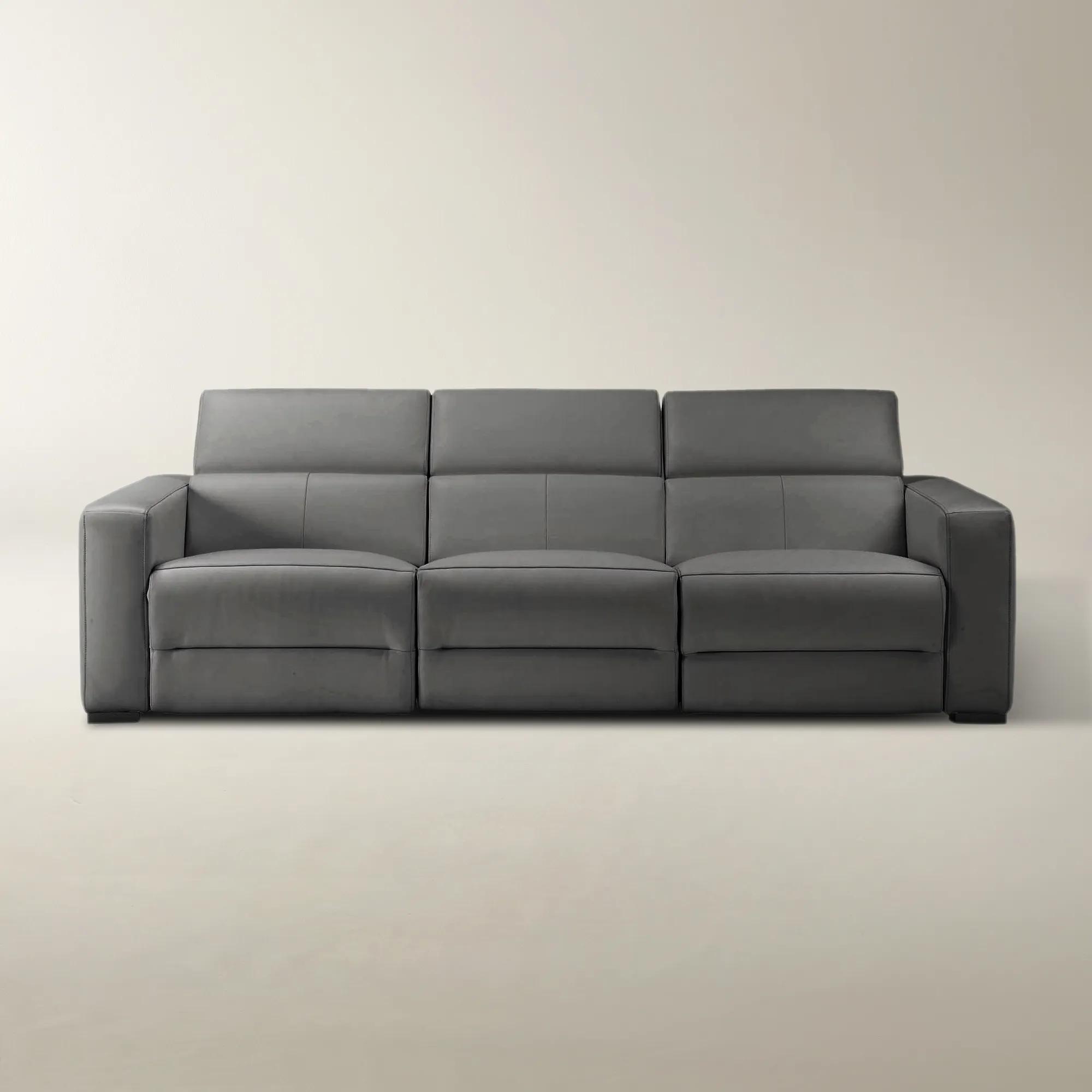 Verona 3-Piece Charcoal Leather Sectional Sofa$4399
A charcoal semi-aniline leather sectional featuring adjustable headrests, kiln-dried hardwood frame, and optional power recline.
Add To Cart -
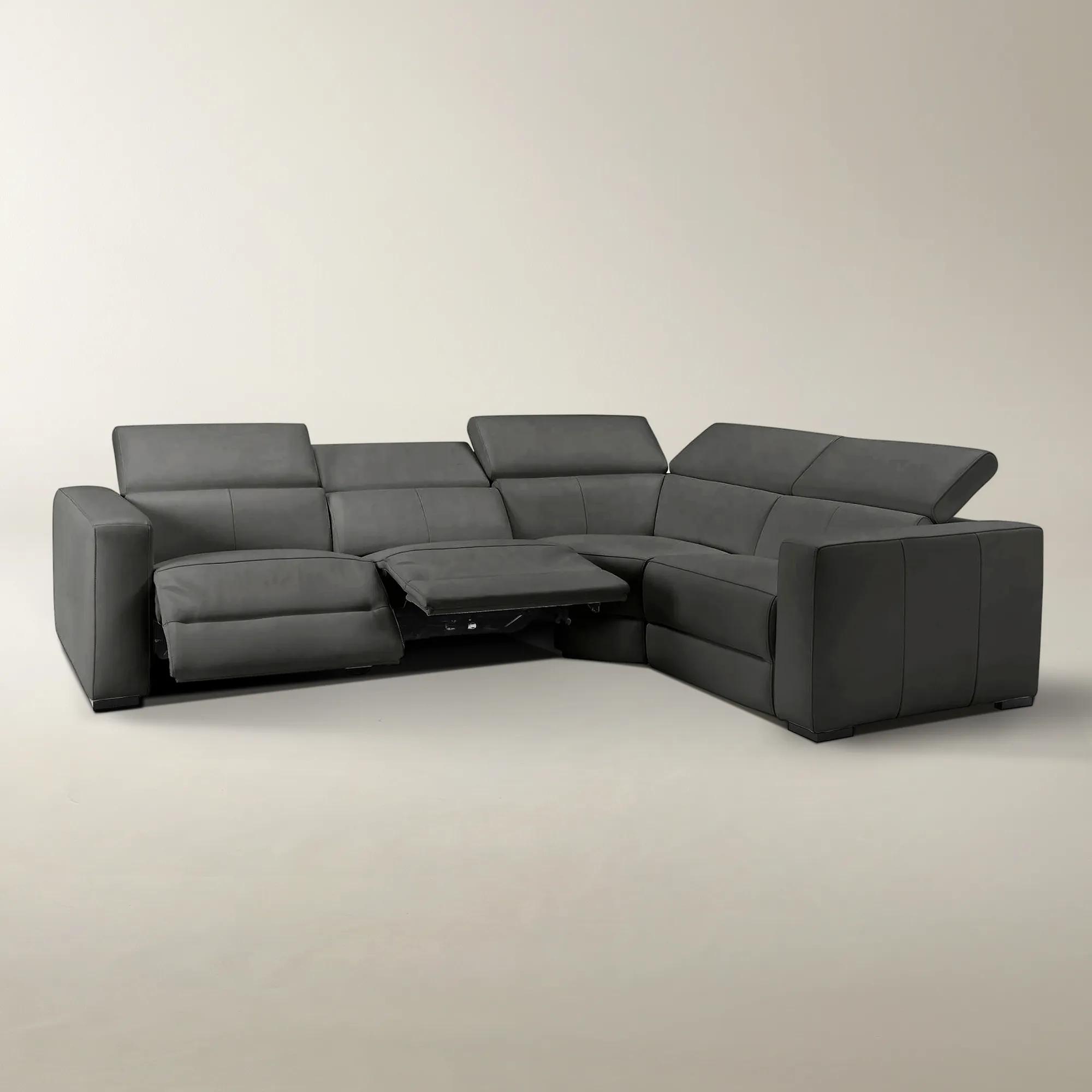
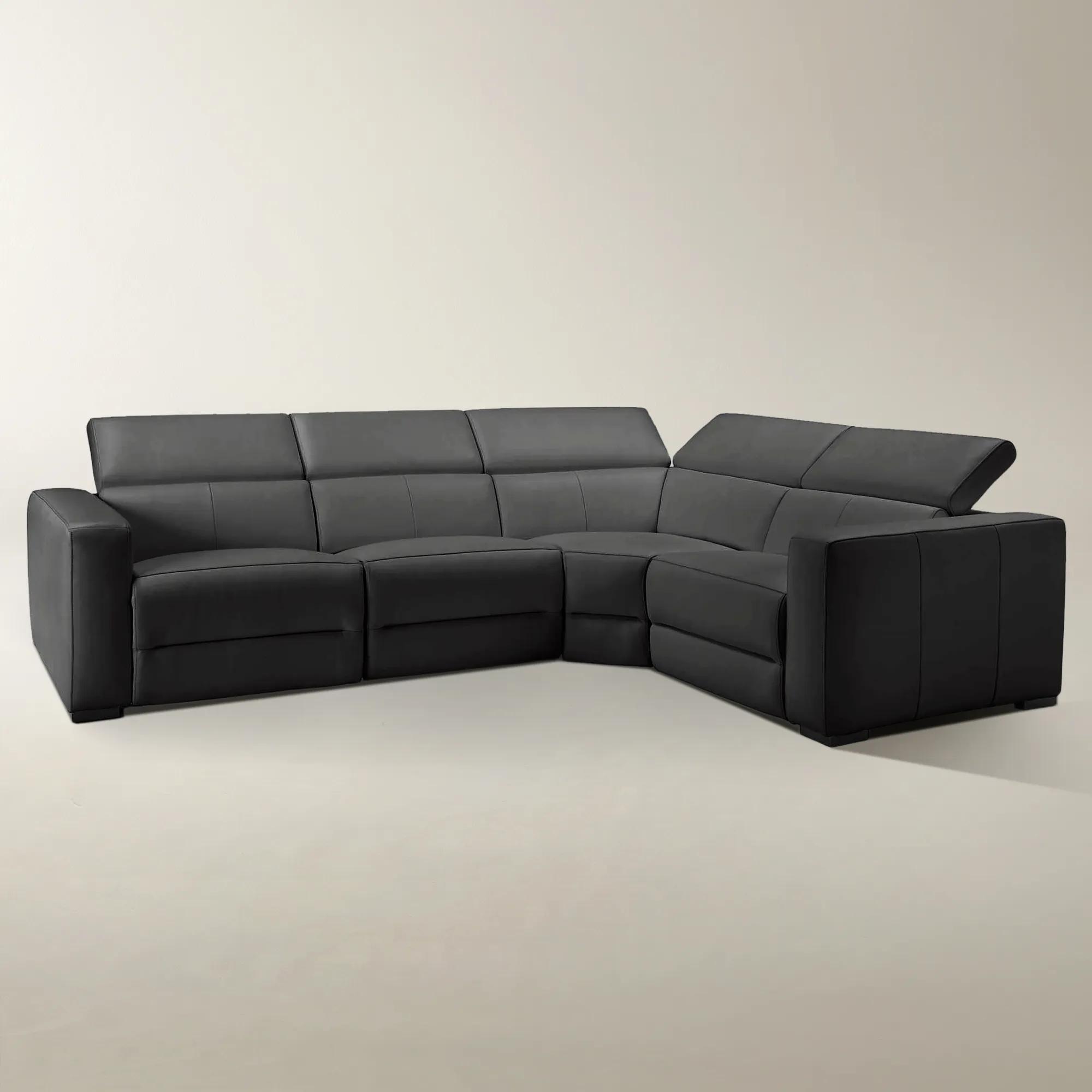 Verona 4-Piece L-Shaped Reclining Charcoal Leather Sectional Sofa With Right-Arm$5899
A charcoal semi-aniline leather sectional featuring adjustable headrests, power-reclining seats, and kiln-dried hardwood frame.
Add To Cart -
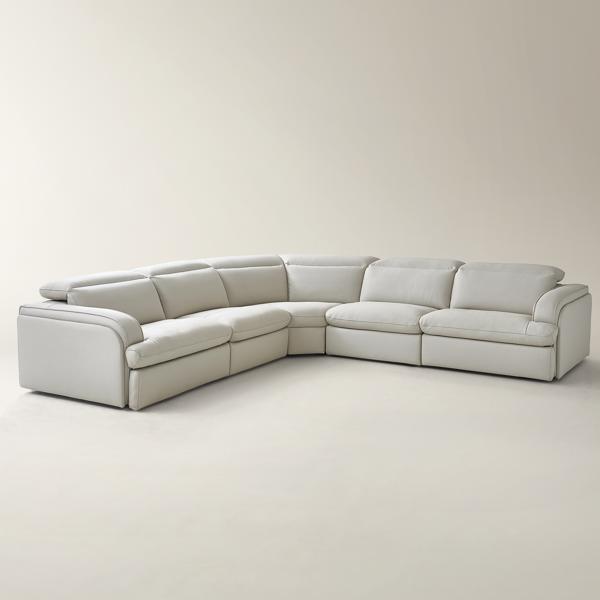
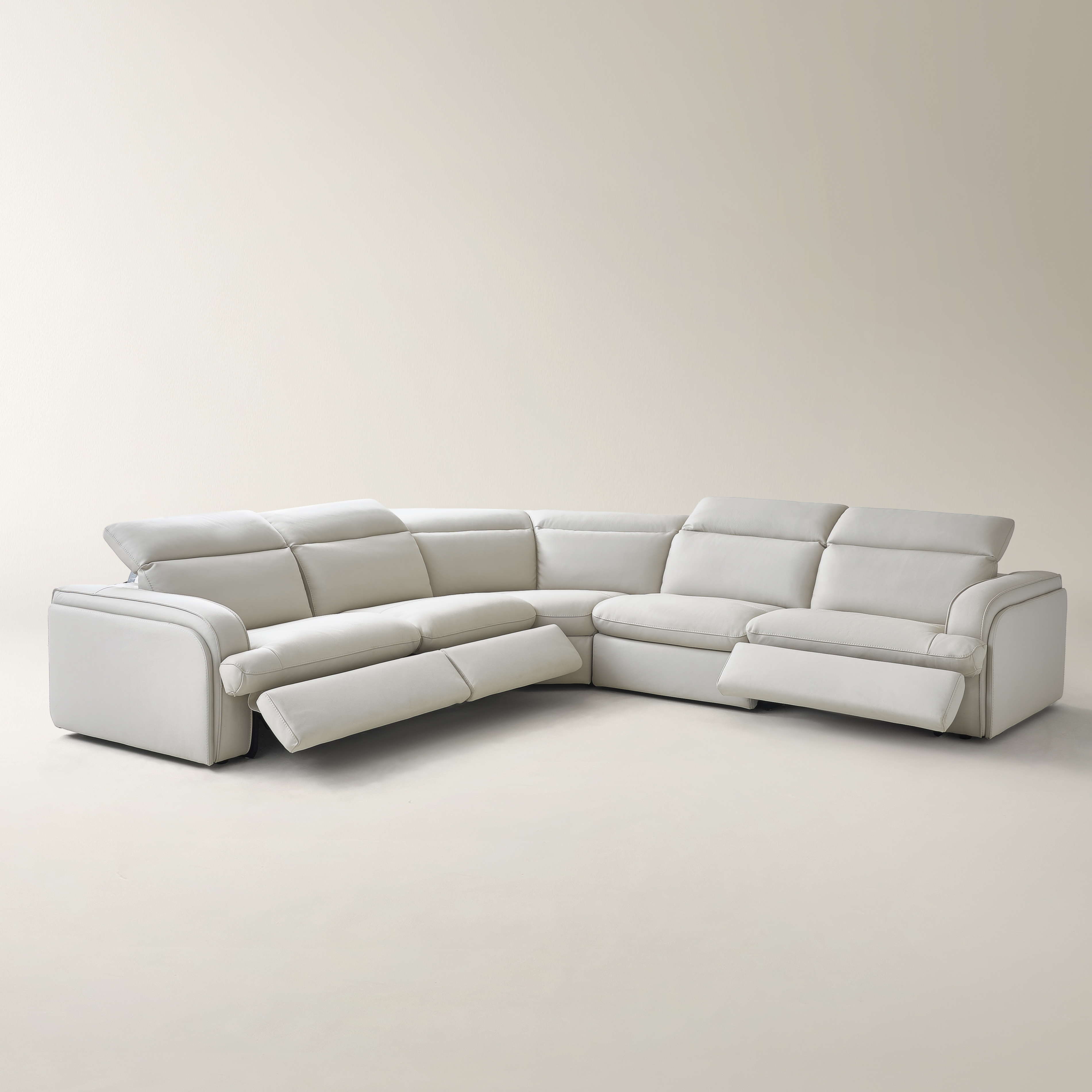 Terra 5-Piece Reclining Frost Leather Sectional$7399
A contemporary frost leather sectional with powered reclining, modular configuration, hardwood construction, and plush foam-down cushioning.
Add To Cart -

 Terra 4-Piece Reclining Frost Leather Sectional With Right-Arm Chair$5999
A contemporary frost genuine-leather sectional with powered reclining, modular configuration, and plush down-blend cushioning.
Add To Cart -
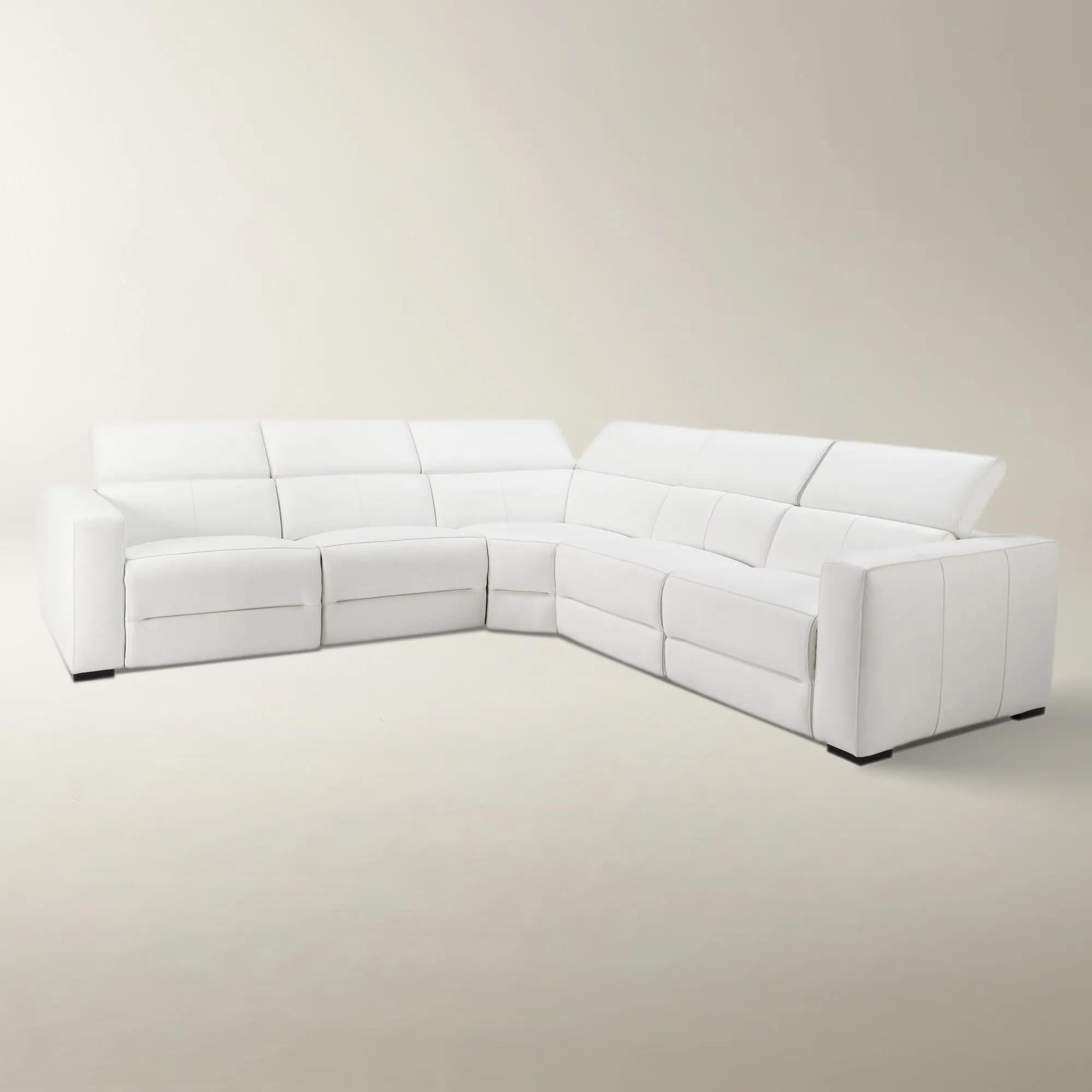 Verona 5-Piece Reclining White Leather Sectional Sofa$7199
A modern sectional upholstered in supple white semi-aniline leather with adjustable headrests and power-reclining seats.
Add To Cart -
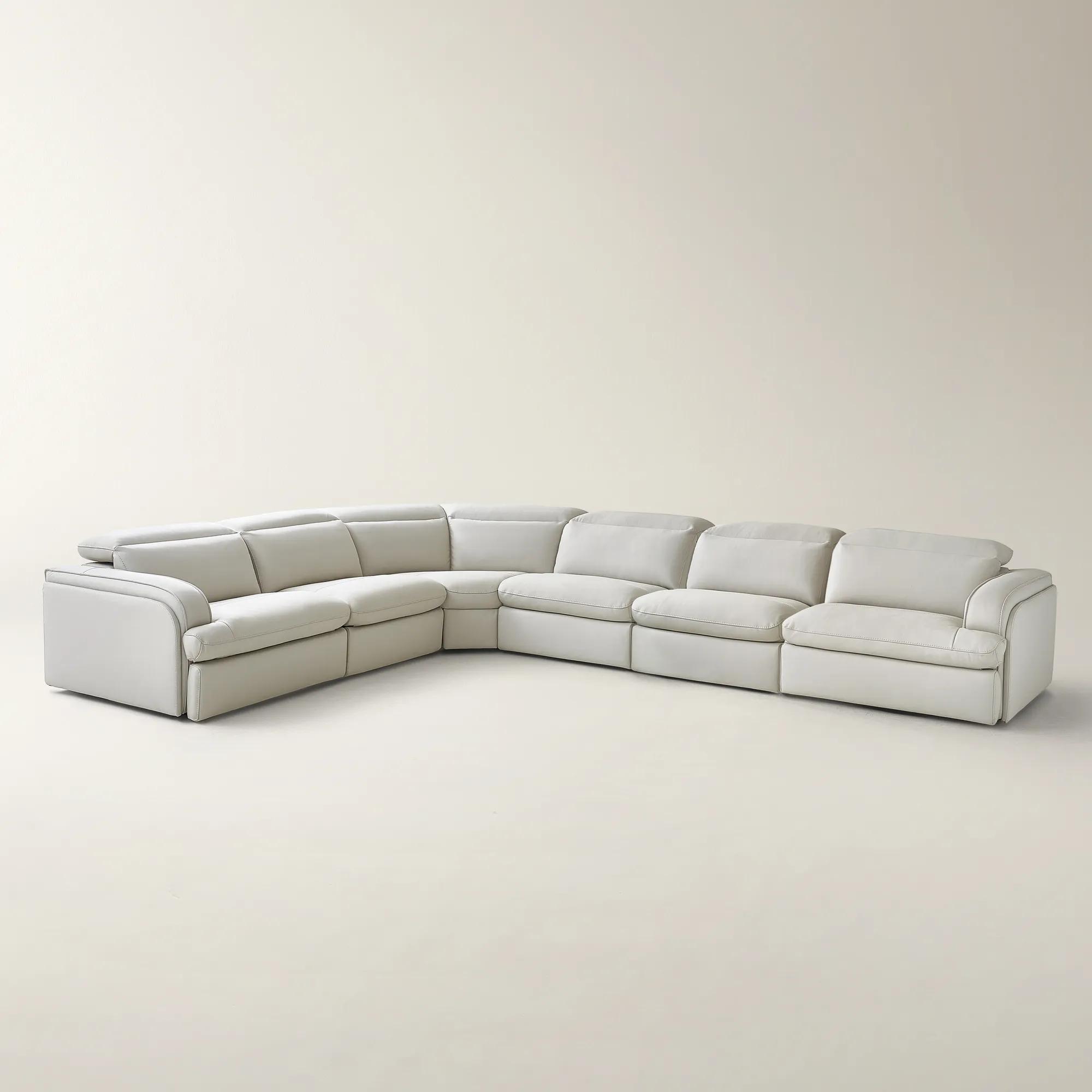
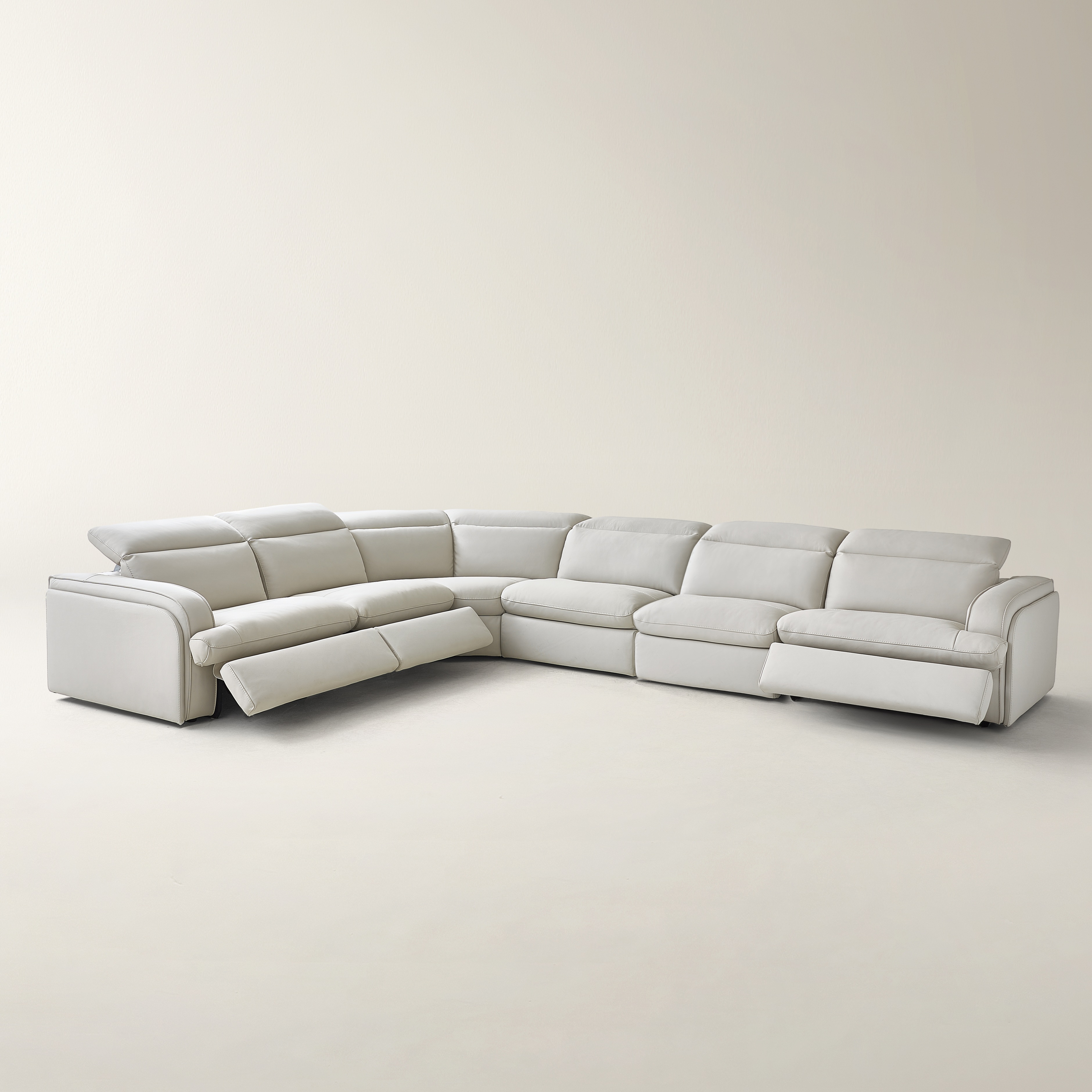 Terra 6-Piece Reclining Frost Leather Sectional$8499
A contemporary frost leather sectional with modular seating, power reclining headrests and footrests, and foam-down cushioning.
Add To Cart -
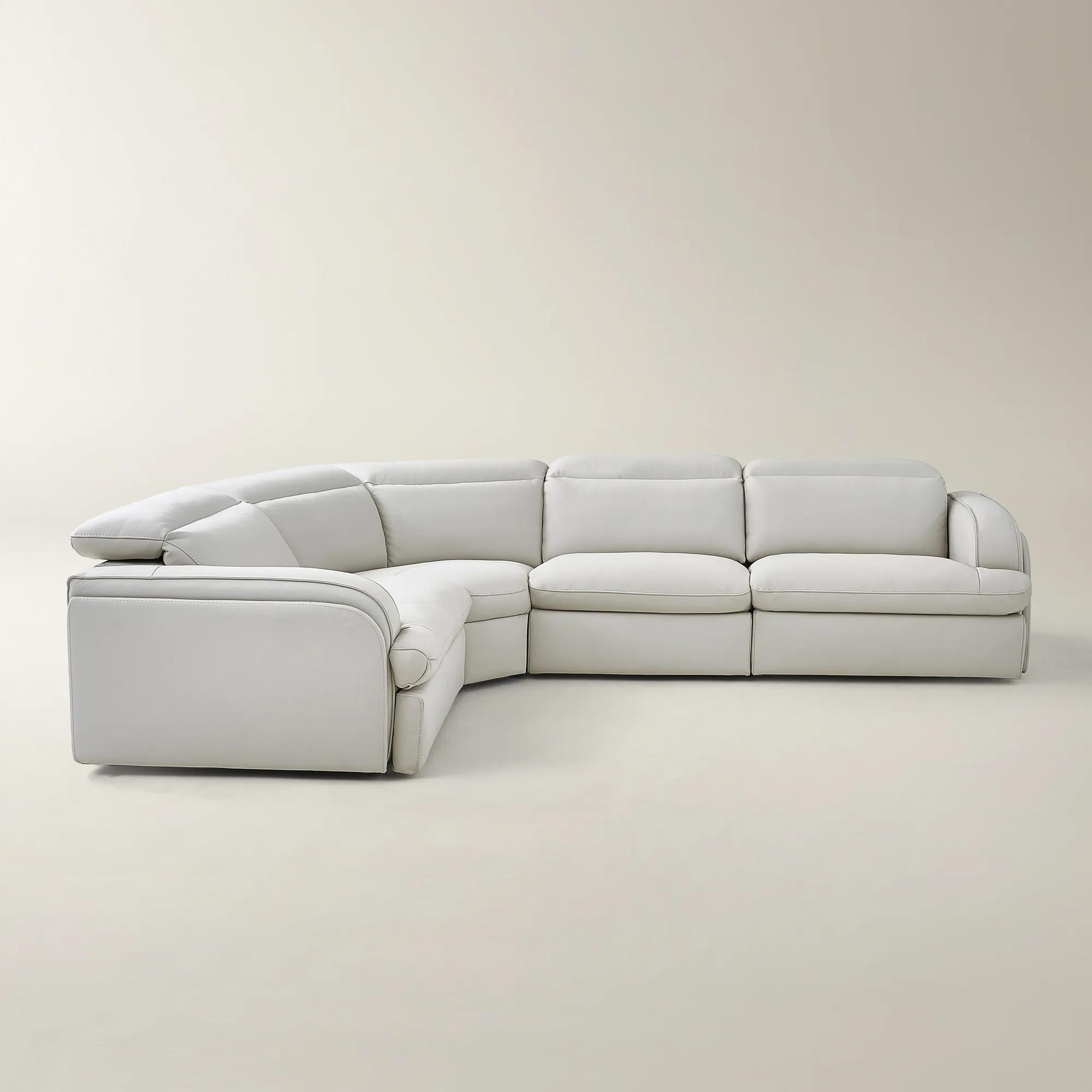
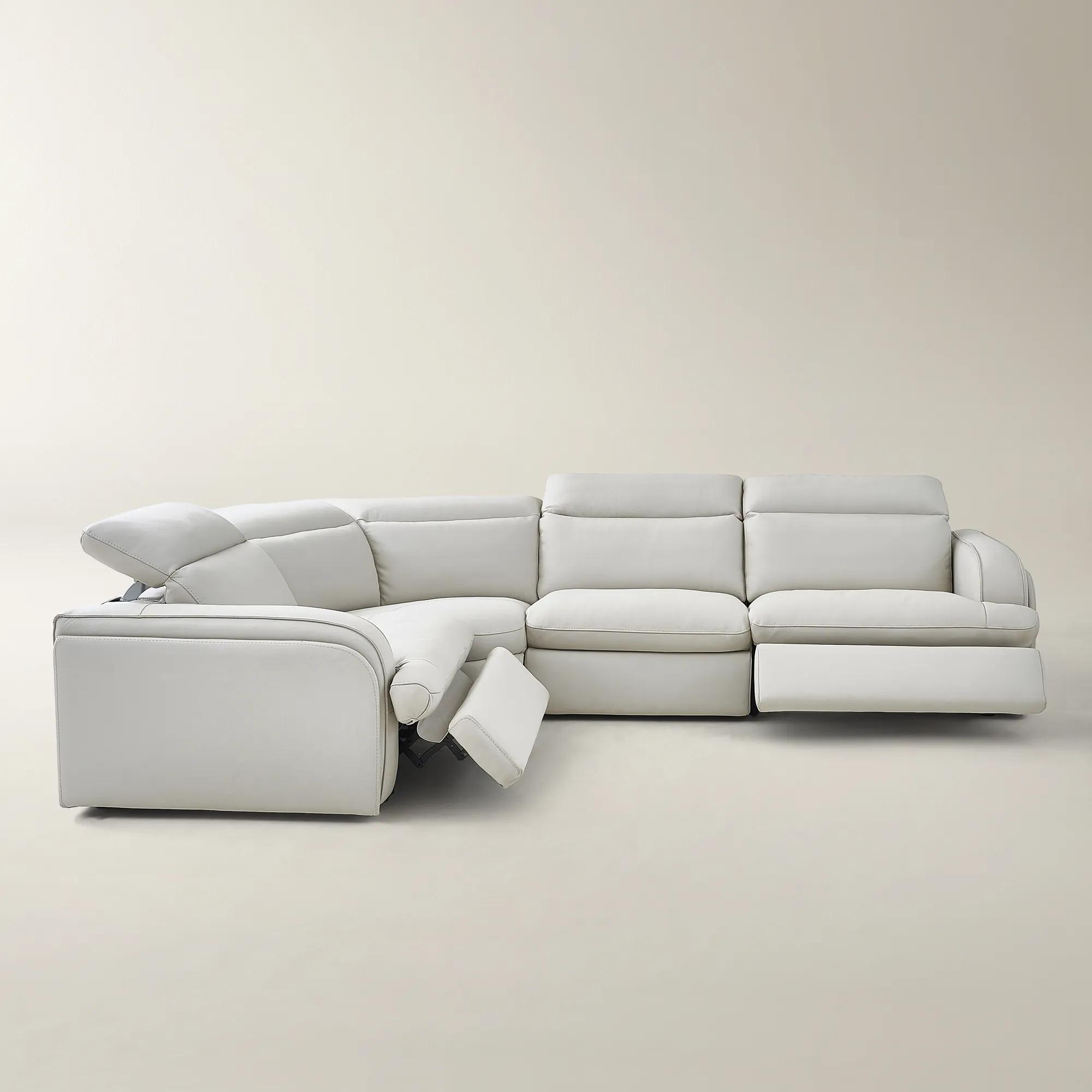 Terra 4-Piece Reclining Frost Leather Sectional With Left-Arm Chair$5999
A modular Frost leather sectional with powered reclining headrests and footrests, tailored seating, and plush down-blend cushioning.
Add To Cart -
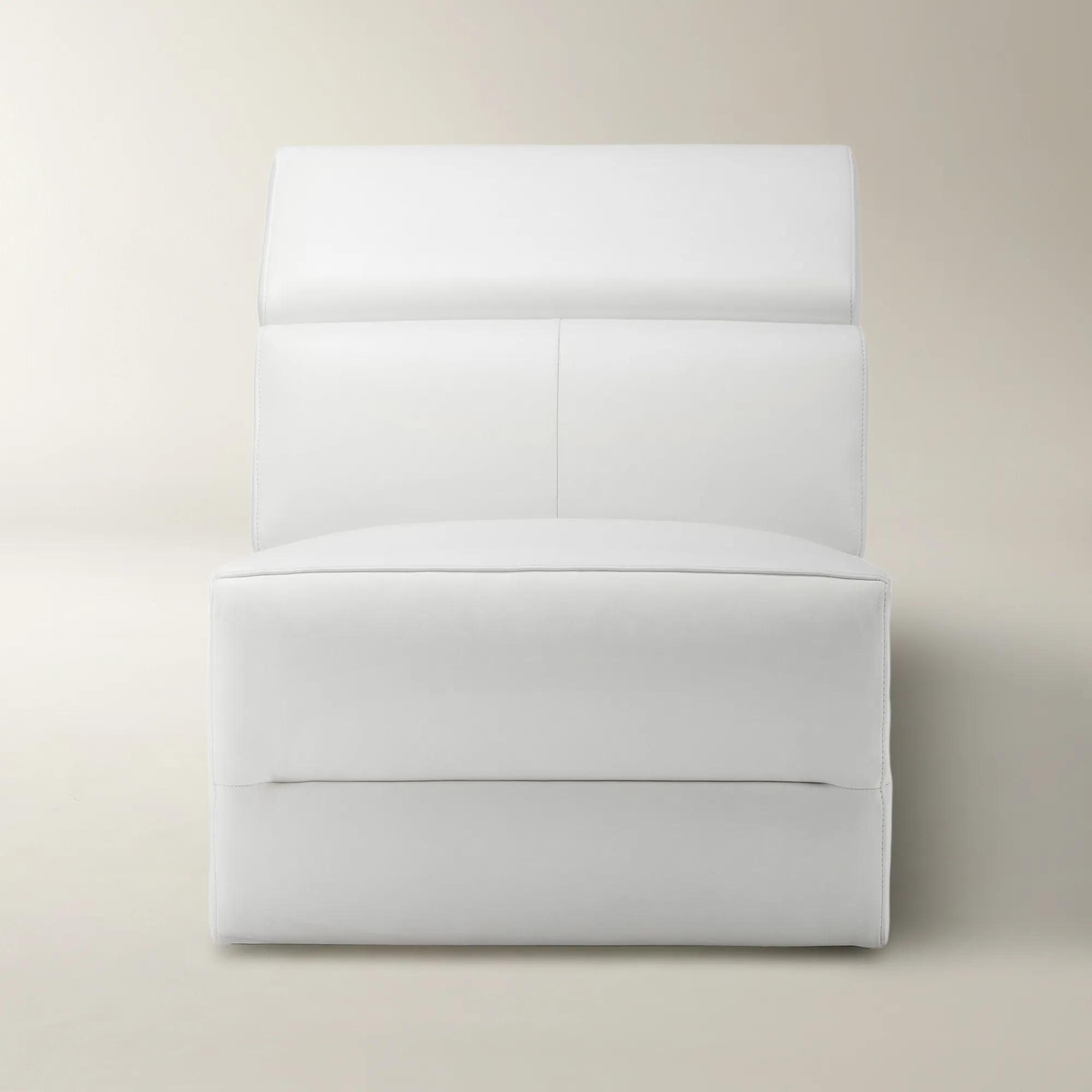
 Verona White Leather Armless Chair$1099
A modern sectional upholstered in supple white semi-aniline leather with adjustable headrests and power-reclining options.
Add To Cart -
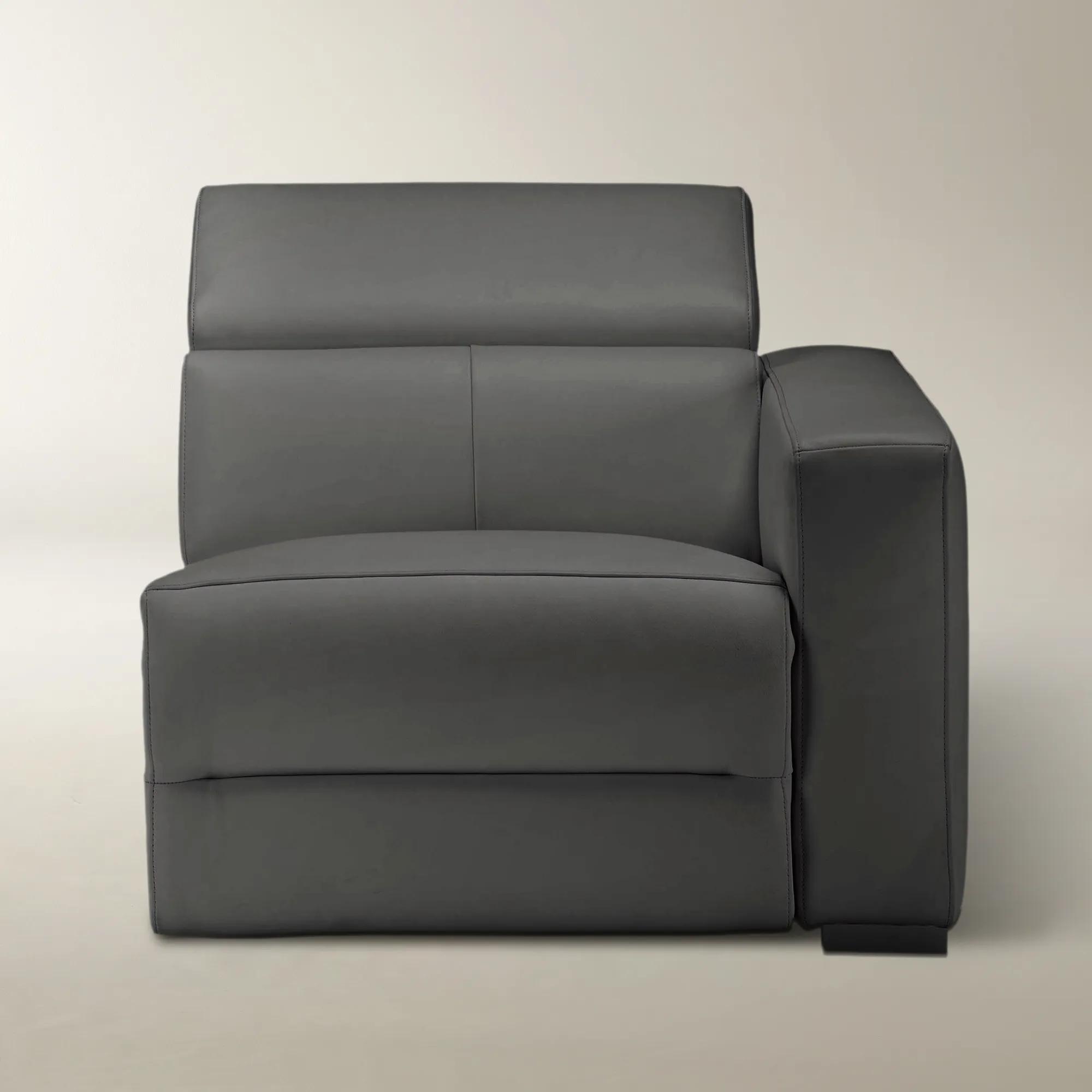
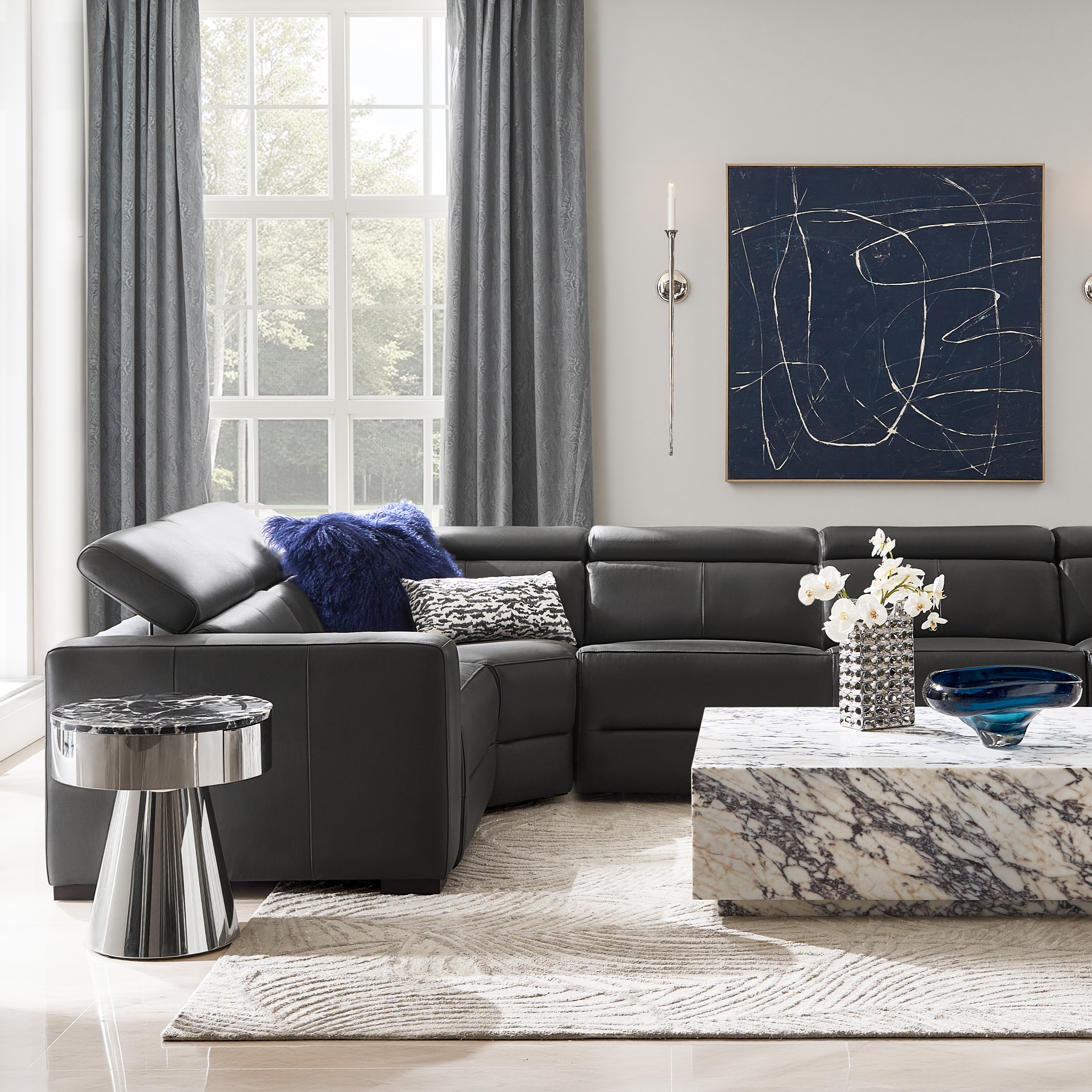 Verona Charcoal Leather Right Arm Chair$1399
A modern charcoal sectional upholstered in supple semi-aniline leather with adjustable headrests and optional power recline.
Add To Cart -
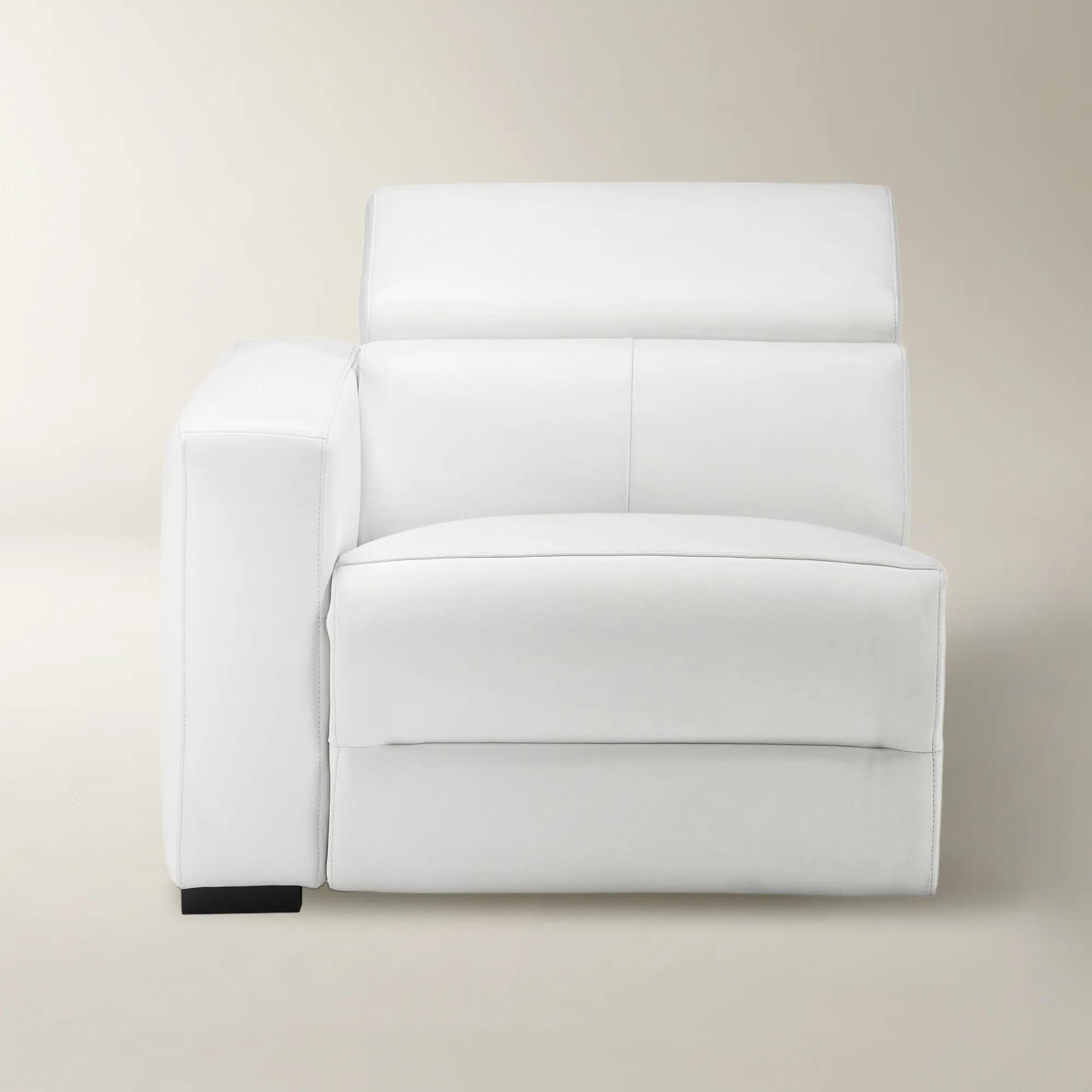 Verona White Leather Left Arm Chair$1399
A modern white sectional upholstered in supple semi-aniline leather with adjustable headrests and power-reclining seats.
Add To Cart -
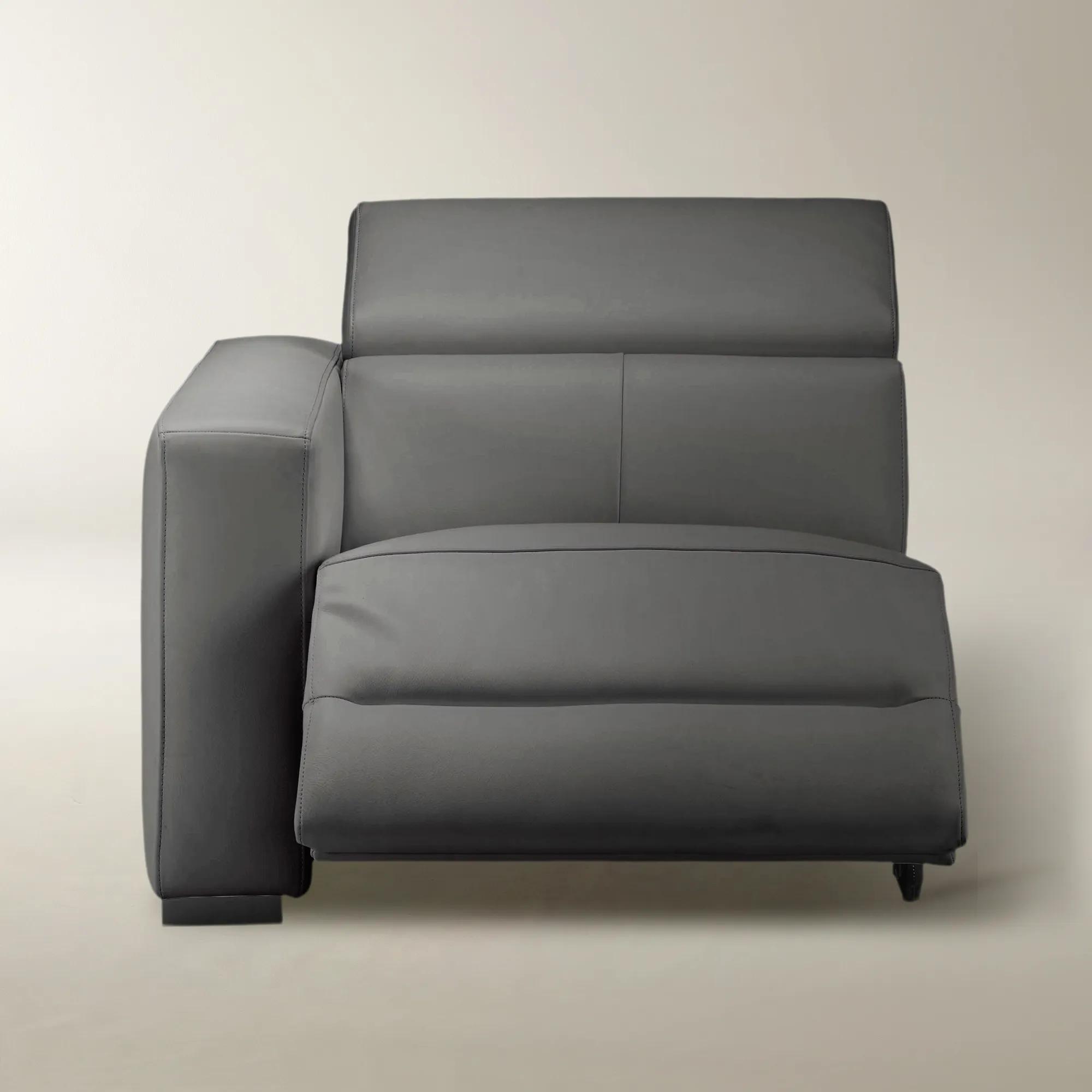 Verona Reclining Charcoal Leather Left Arm Chair With Power$1599
A charcoal semi-aniline leather sectional with adjustable headrests, power-reclining seats, and kiln-dried hardwood frame.
Add To Cart -
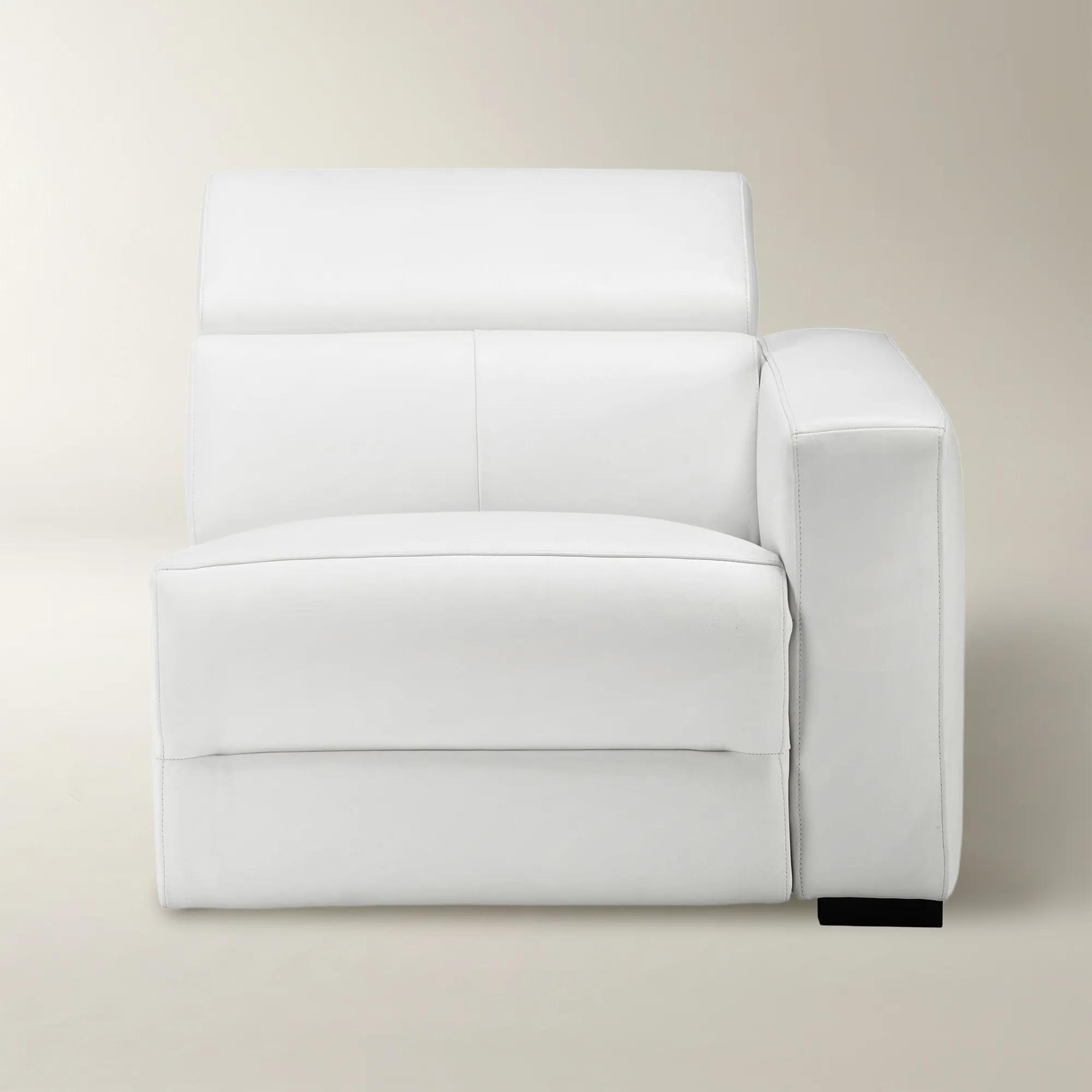 Verona White Leather Right Arm Chair$1399
A modern white sectional upholstered in supple semi-aniline leather with adjustable headrests and power-reclining options.
Add To Cart -
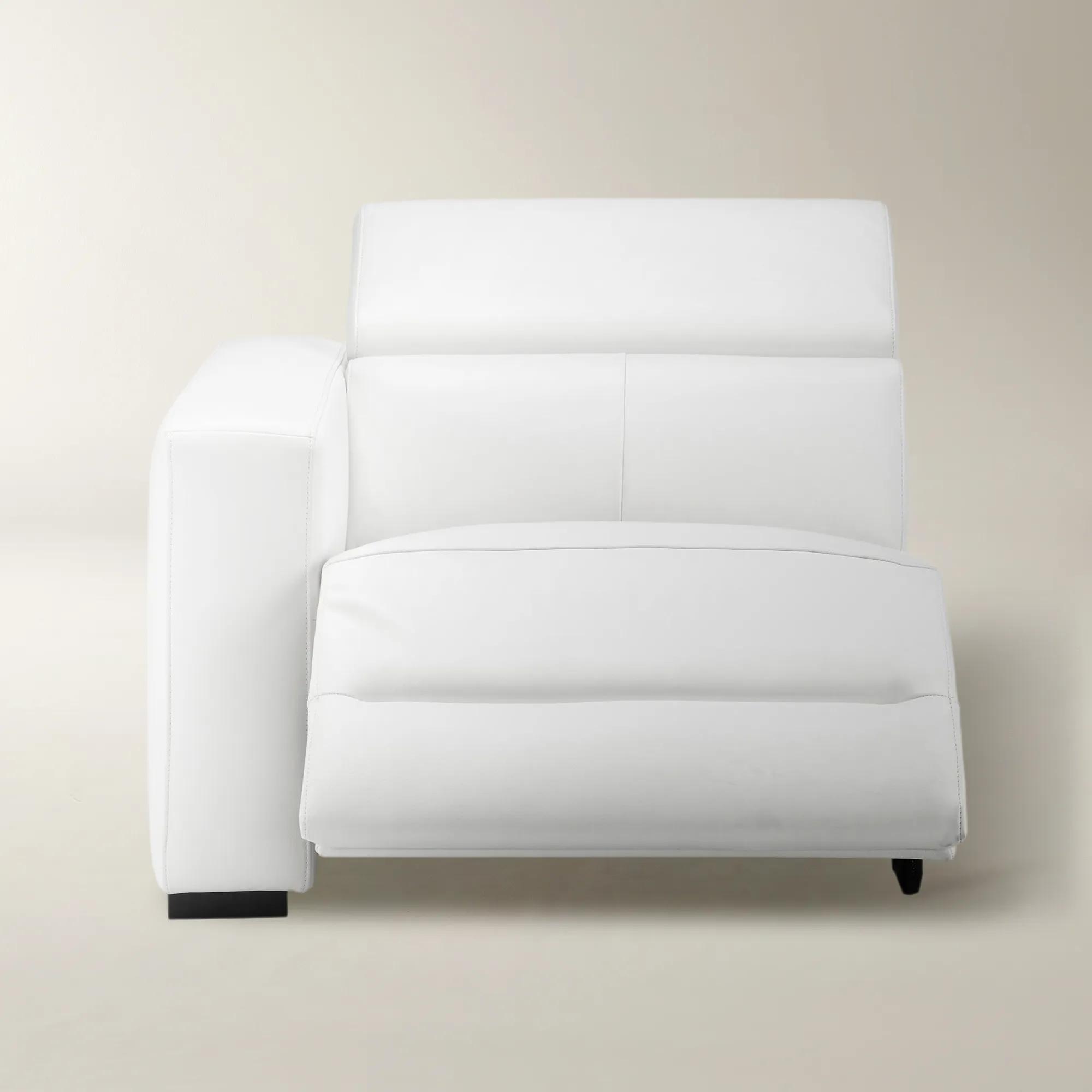 Verona Reclining White Leather Left Arm Chair With Power$1599
A modern white sectional upholstered in supple semi-aniline leather with adjustable headrests and power-reclining seats.
Add To Cart

Contemporary Reclining Sectional Sofas
Explore contemporary reclining sectional sofas that pair modern style with space to stretch out, creating an inviting focal point for your living room. Consider the overall dimensions and seating layout, along with the clearance needed to recline comfortably, to choose a sectional that complements both your room’s proportions and the way you gather and unwind.
Contemporary reclining sectional sofas bring the expansive comfort of sectional seating together with integrated reclining seats, creating a living room centerpiece that feels as composed as it does inviting. Their defining appeal is the balance of motion and restraint: tailored upholstery, streamlined arms, and thoughtfully proportioned cushions give relaxation an architectural presence. An L-shaped arrangement can frame a conversation area with sculptural precision, while a generous U-shaped configuration creates a more enveloping setting for shared screen time and extended evenings with friends. Unlike a stationary sectional, a reclining sectional allows designated seats to extend into a lounging position; the number and placement of those seats vary by design. Manual mechanisms typically operate through a lever, pull tab, or body pressure, while power reclining uses an electric motor and controls to adjust positioning. Some designs also offer independently adjustable headrests or lumbar support, allowing a more individualized seating position without changing the arrangement of the entire sofa. Integrated USB or USB-C ports, concealed storage, and console surfaces may add convenience, though these features should be confirmed in the specifications rather than assumed. The aesthetic can be equally varied. Pale woven upholstery emphasizes the geometry of a broad sectional, charcoal lends a grounded, cinematic mood, and richly colored leather introduces depth beside gleaming metal or polished stone. Subtle channeling, precise seams, and a restrained leg profile can provide detail without competing with an expressive interior. For a household that gathers around films, a couple who favor separate reclining positions, or a host who wants seating to feel generous rather than crowded, this category offers a compelling combination of presence and personal comfort. The strongest designs do not rely on motion alone; they look intentional with the footrests closed and feel inviting when the room settles into a quieter rhythm. A sectional with reclining seats can anchor a media room or a more formal living space when its scale, upholstery, and visible detailing complement the surrounding furnishings.
A successful fit begins with the sectional’s full operating footprint, not simply its width along the wall. Measure the room with footrests extended and backrests reclined, accounting for the clearance specified for the particular mechanism. A design described as wall-hugging may require less space behind it, but it still needs the stated clearance and sufficient room in front for the footrest to travel freely. Painter’s tape on the floor can make the difference between an impressive silhouette and an arrangement that overwhelms the room immediately apparent. Leave comfortable routes between doorways, adjacent seating, and frequently used surfaces, and check that an extended recliner will not interrupt the path through the space. A coffee table that looks beautifully positioned when every seat is upright may sit too close once the reclining function is engaged. Nesting tables or side tables can sometimes provide a more adaptable solution, particularly when several seats recline. Configuration deserves equal attention. Left-facing and right-facing descriptions should be checked against the manufacturer’s diagram, and a chaise should not be mistaken for a reclining seat; it provides a fixed place to stretch out unless its specifications state otherwise. Modular reclining sectionals can offer flexibility in arranging compatible components, but not every piece can be moved into every position. Seat depth, cushion firmness, back height, and arm height also shape everyday comfort. A deep seat may feel sumptuous for lounging yet need a supportive pillow for someone who prefers to sit upright. Before delivery, compare the dimensions of individual sections with doorways, stair turns, elevators, and hallways, including any packaging or handling requirements. For power reclining, plan access to an appropriate outlet and route cords according to the manufacturer’s instructions, away from walkways and moving components. Keep the mechanism clear of objects, and supervise children and pets around moving seats. These practical details preserve the room’s sense of ease without sacrificing its drama.
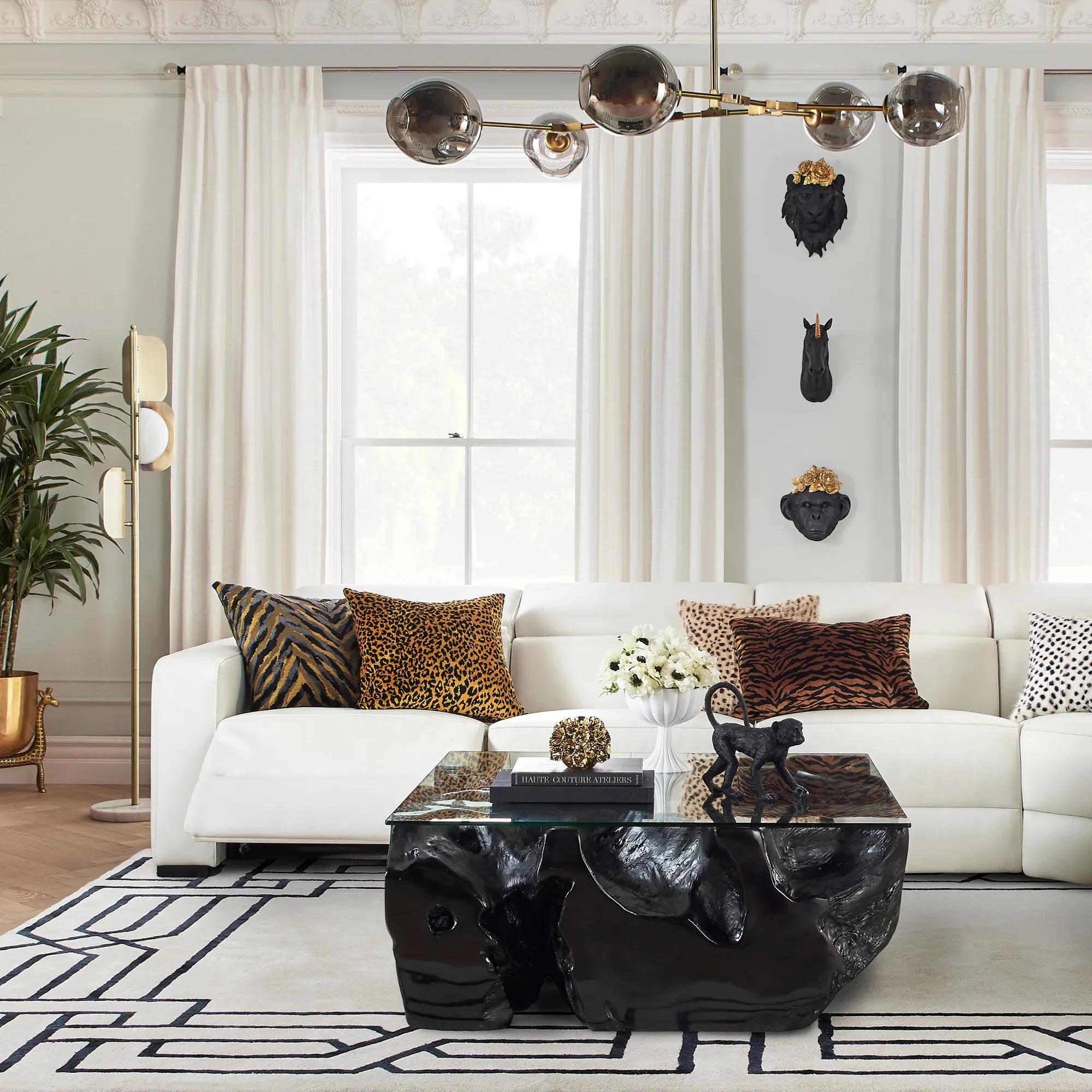
Upholstery and construction determine how contemporary reclining sectionals feel, wear, and respond to daily life. Leather offers a distinctive surface whose character depends on its grade and finish. Top-grain leather is not a single uniform experience: more natural finishes can reveal markings and develop patina, while protective finishes may offer greater resistance to everyday spills. Aniline leather, in particular, generally requires thoughtful placement and prompt attention to moisture because its lightly protected surface can be more susceptible to staining and fading. Woven fabrics bring another kind of richness, from a smooth, tailored texture to a more dimensional hand. Performance upholstery may be engineered for specific qualities such as stain resistance or abrasion resistance, but the label does not mean every spill is harmless or every cleaning method is suitable. For households with pets or frequent guests, consider the fabric’s weave, snag potential, documented test results, and care requirements alongside its color. Frame construction, suspension, cushion composition, connection hardware, and the reclining mechanism all contribute to long-term performance; upholstery alone cannot establish durability. Follow the care label for cleaning, vacuum accessible seams with an appropriate attachment, and blot spills promptly rather than rubbing them into the surface. Use only cleaning products approved for the material, and keep leather and fabric away from prolonged direct sunlight or concentrated heat when recommended. Rotate or turn cushions only where the construction permits, and avoid sitting on extended footrests. With those foundations considered, styling can become more expressive: a luminous rug defines the seating area, a sculptural lamp adds height, and a few richly textured pillows bring contrast without obstructing the controls. Explore Modern Reclining Sectional Sofas for a closely related expression of streamlined form and reclining comfort. Whether the room leans toward polished glamour or a softer, layered mood, the sectional should hold the composition together while leaving space for the art, texture, and personal details that make it distinctive.
FAQs
A contemporary reclining sectional sofa pairs connected lounge seating with a modern design sensibility. Streamlined silhouettes, tailored details, and reclining seats bring a relaxed dimension to an expressive living room. The look favors a composed profile over ornate detailing, creating a sophisticated foundation for statement art and richly layered decor.
Manual reclining sectionals use a physical mechanism, such as a lever or push-back action, to adjust the seating position. Power reclining sectionals use motorized controls. Both can complement contemporary interiors; the distinction lies primarily in how the reclining movement is operated, rather than a particular decorative style.
Let the sectional anchor the room, then introduce a few expressive contrasts: sculptural lighting, luminous decorative accents, and bold artwork. Layer pillows with varied textures and a cohesive palette for a sumptuous finish. A considered mix of sleek surfaces and tactile details creates drama without overwhelming the sofa’s contemporary lines.
Ivory, charcoal, and warm taupe create a polished backdrop, while emerald, sapphire, or aubergine accents introduce saturated drama. For a more tonal composition, layer related shades with contrasting textures. Take cues from the sectional’s upholstery color, then repeat selected hues through artwork, rugs, and decorative objects.
Sculptural coffee tables offer an artful counterpoint to a sectional’s tailored lines. Curved forms soften an angular composition, while geometric designs reinforce a crisp, architectural mood. Choose a table whose shape and finish connect with the room’s other accents, creating a deliberate dialogue between furniture and decor.