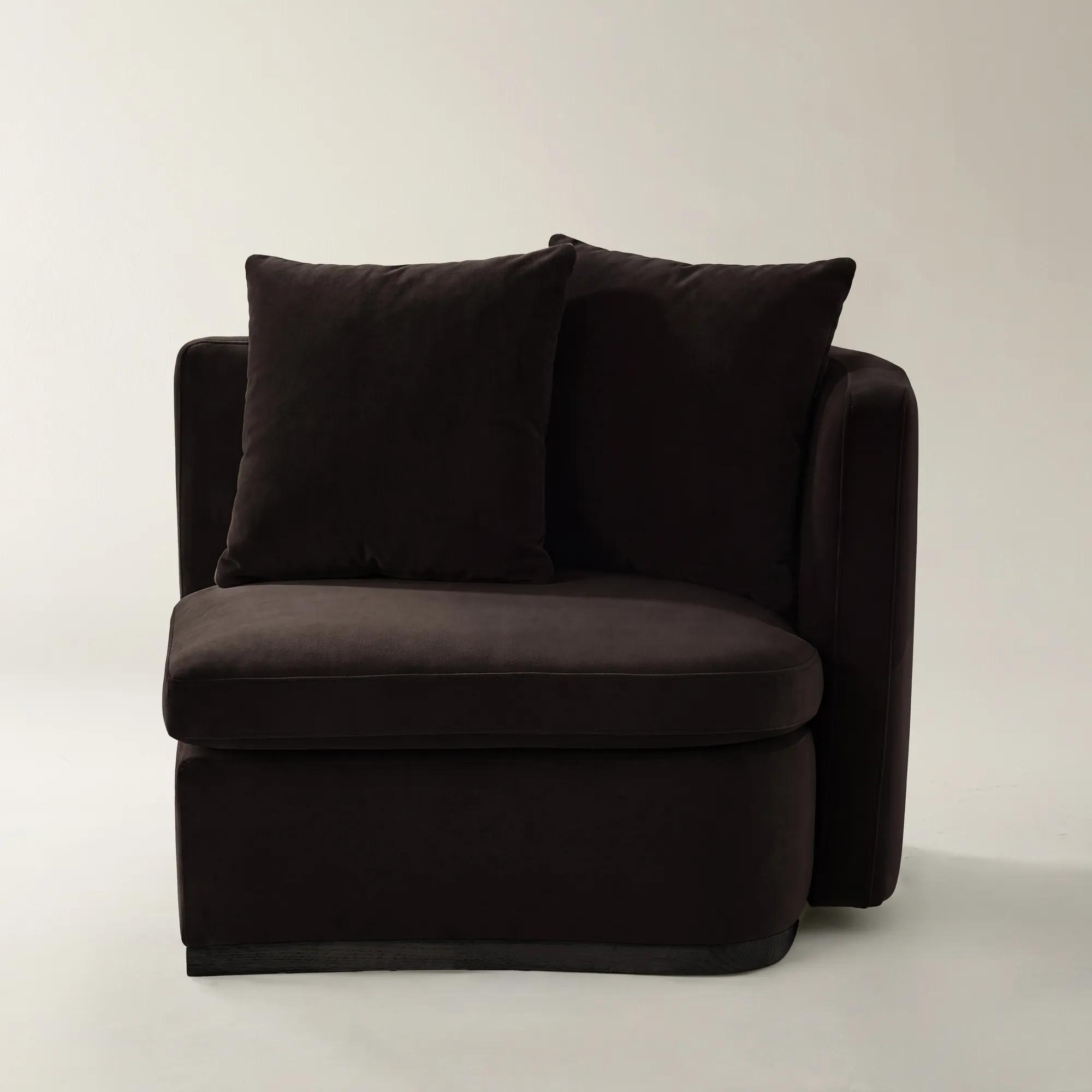
Contemporary Leather Sectionals With Recliners
Contemporary Leather Sectionals With Recliners
-
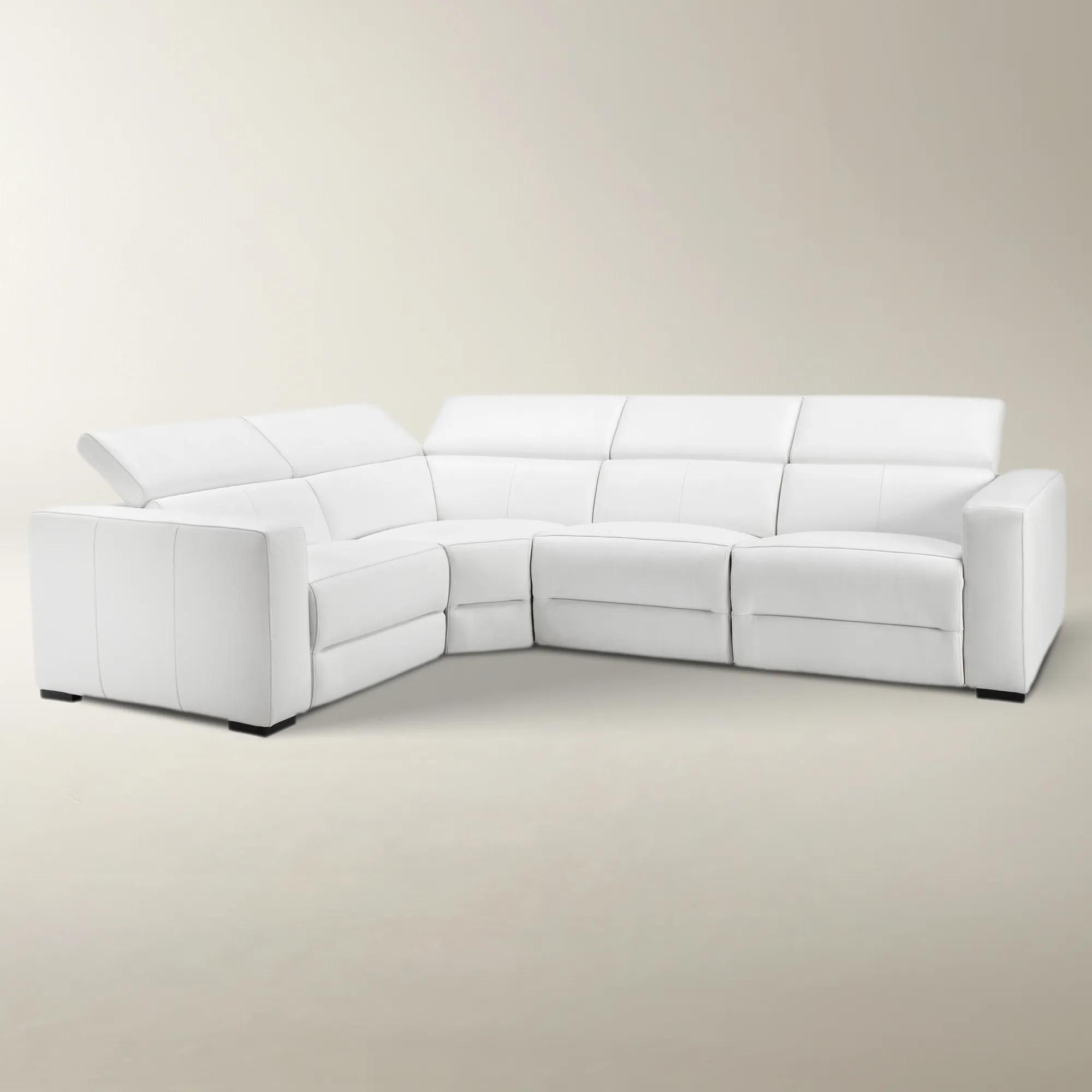 Verona 4-Piece L-Shaped Reclining White Leather Sectional Sofa With Left-Arm$5899
A modern sectional upholstered in supple white semi-aniline leather with adjustable headrests and power-reclining seats.
Add To Cart -
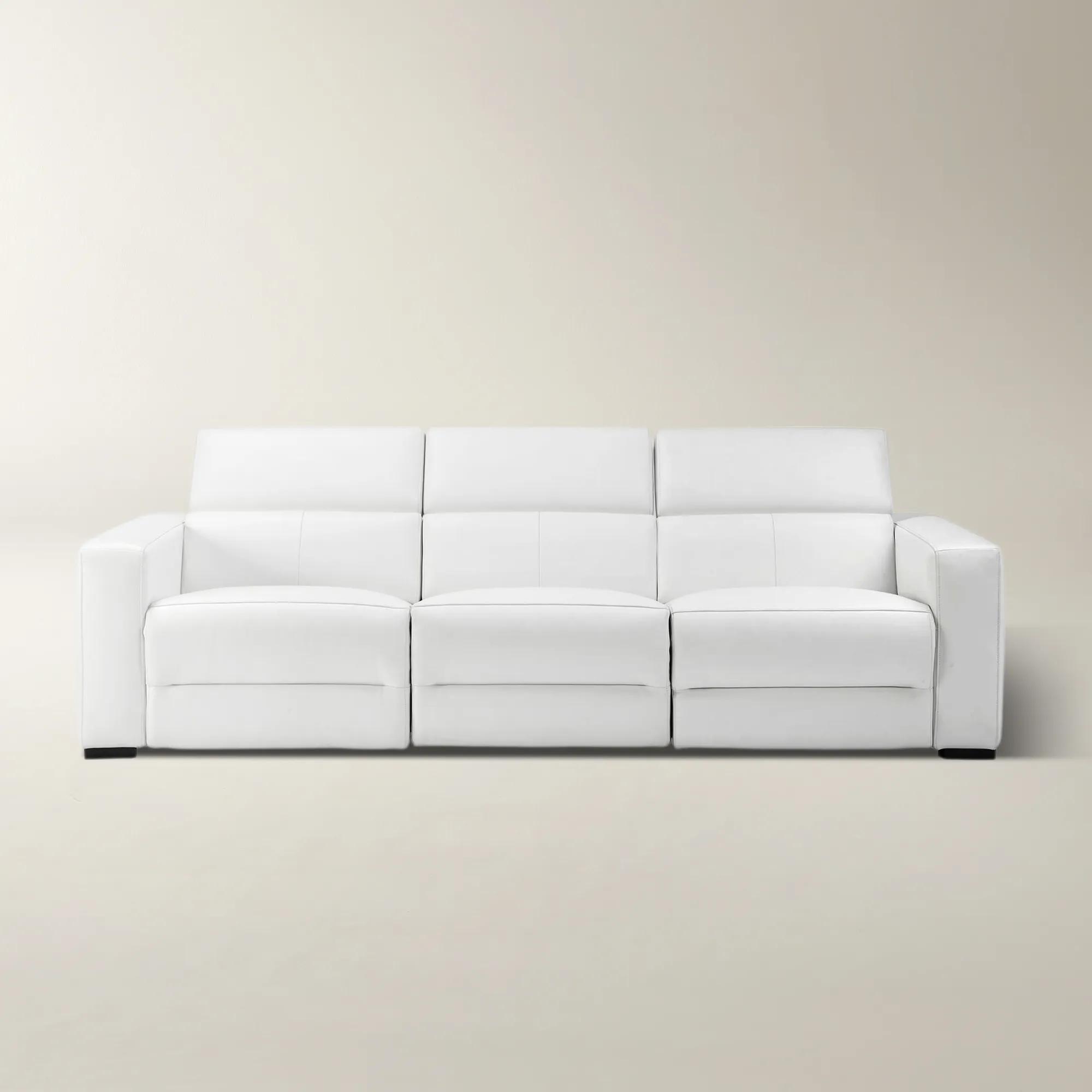
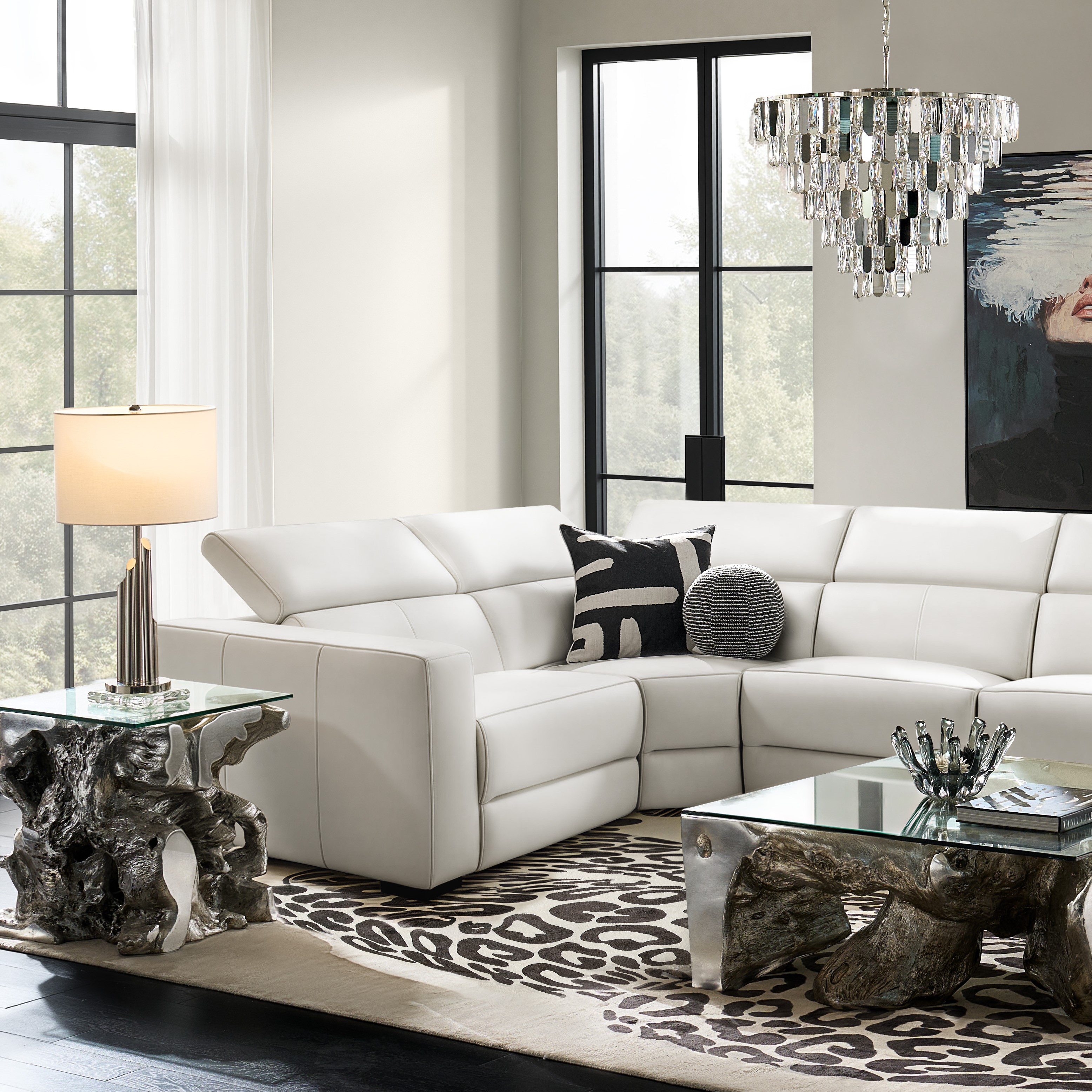 Verona 3-Piece White Leather Sectional Sofa$4399
A modern white sectional upholstered in supple semi-aniline leather with adjustable headrests and power-reclining seats.
Add To Cart -
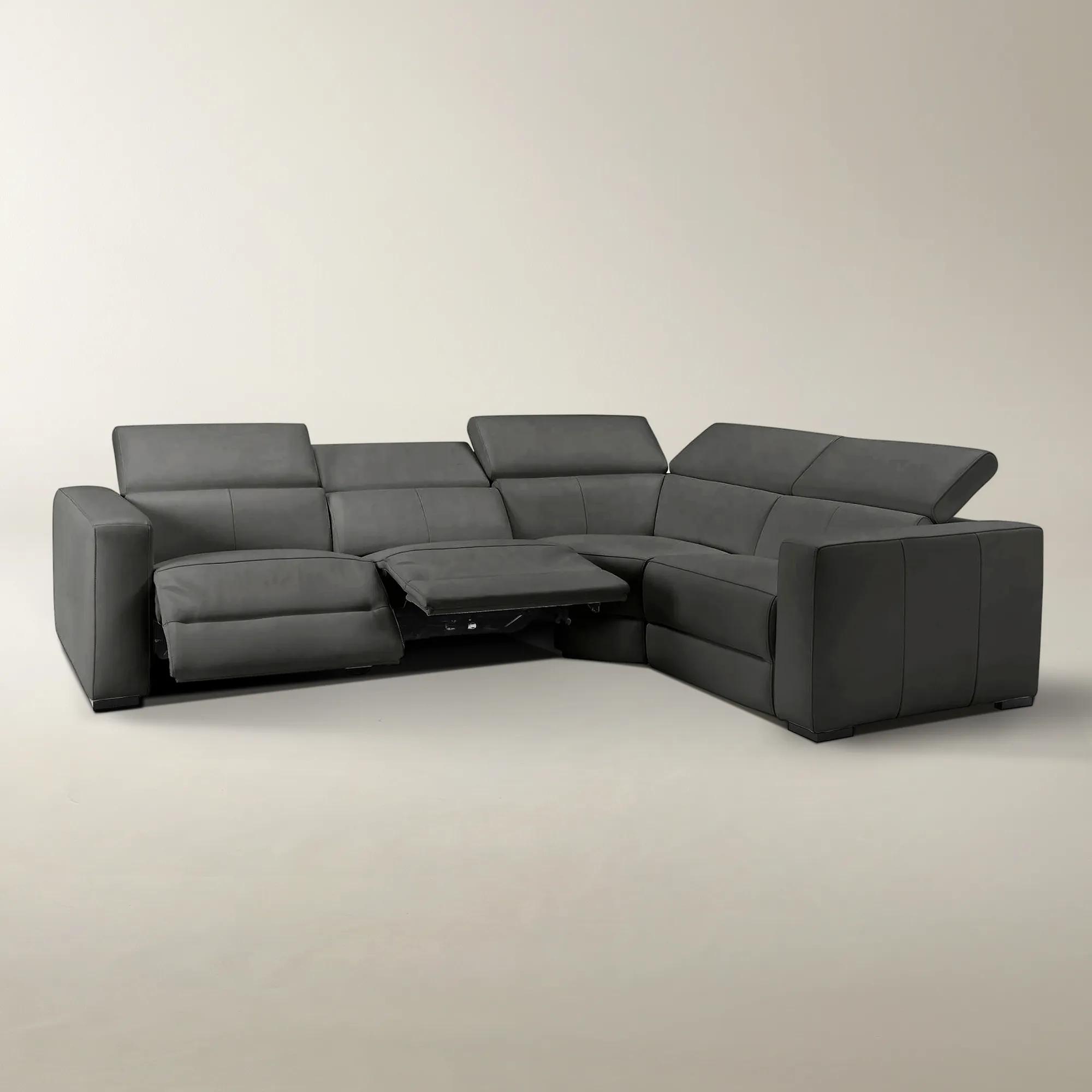
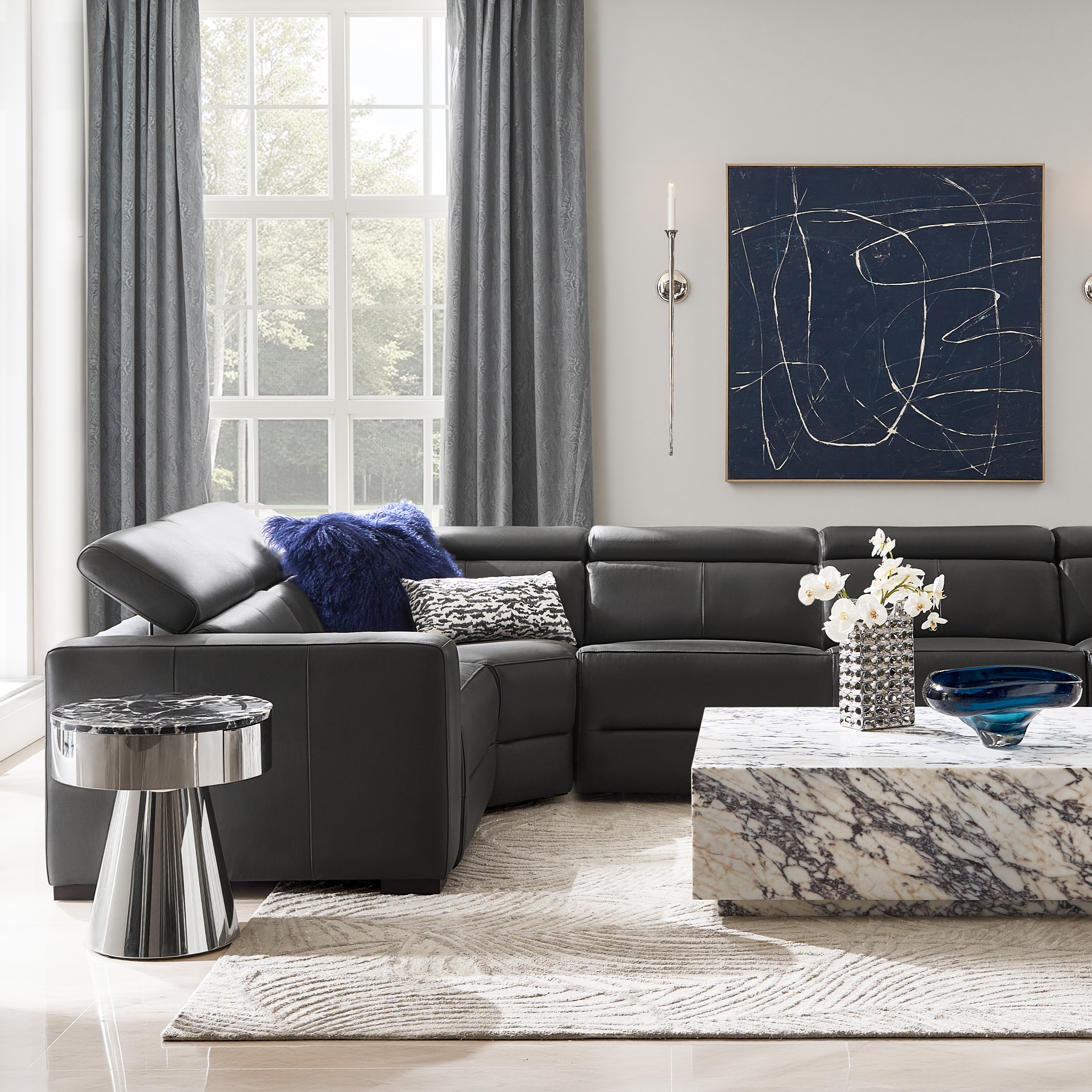
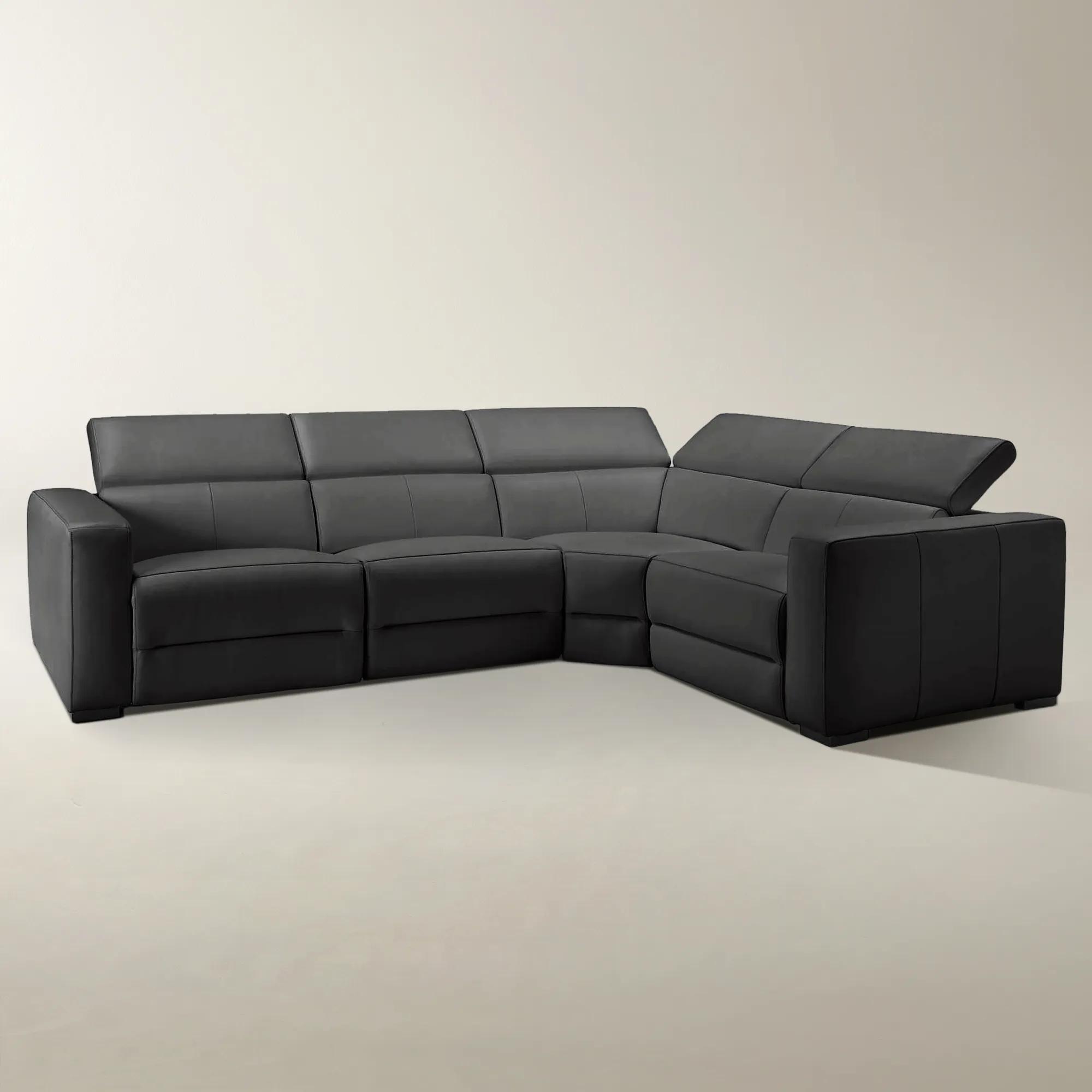 Verona 4-Piece L-Shaped Reclining Charcoal Leather Sectional Sofa With Right-Arm$5899
A charcoal semi-aniline leather sectional featuring adjustable headrests, power-reclining seats, and kiln-dried hardwood frame.
Add To Cart -
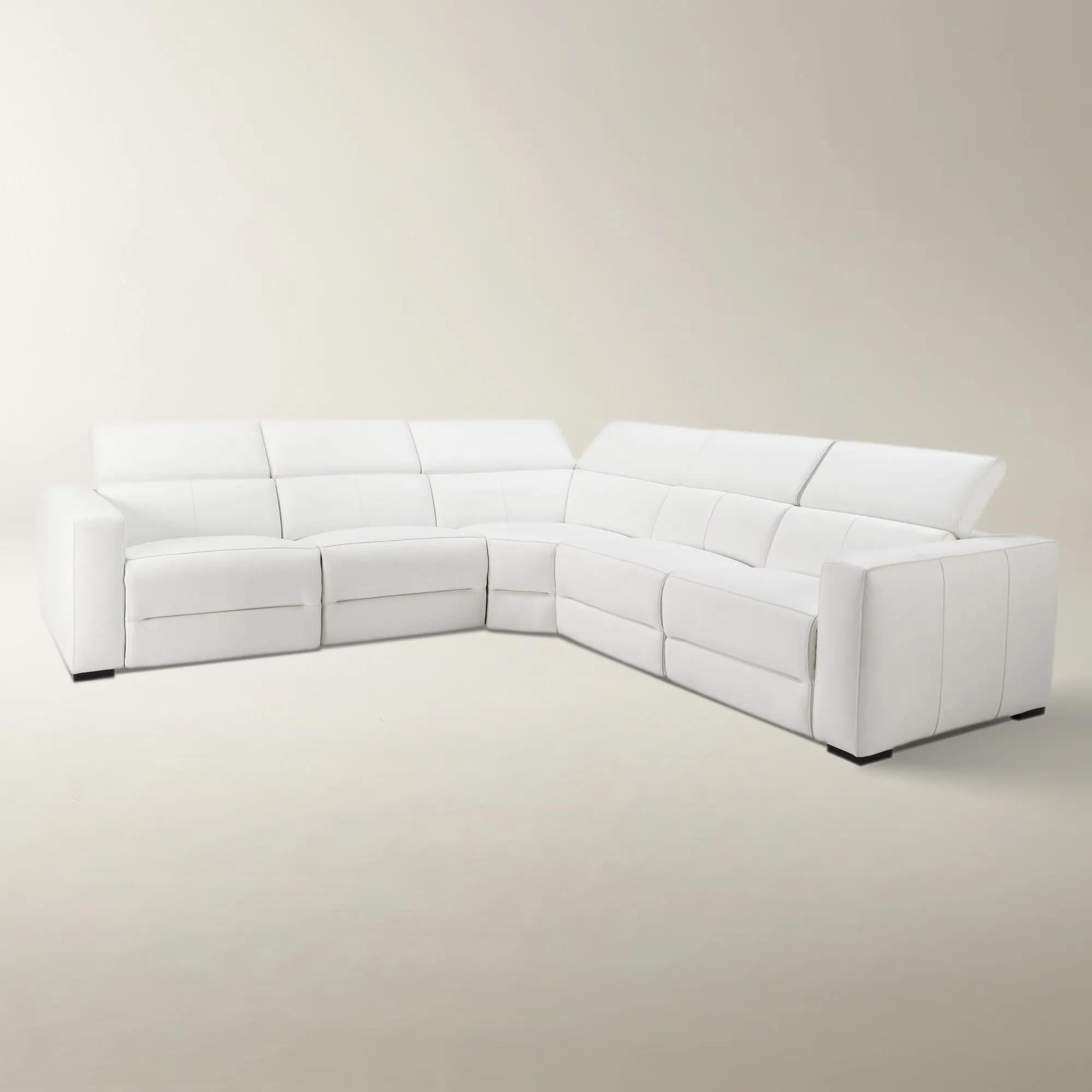 Verona 5-Piece Reclining White Leather Sectional Sofa$7199
A modern sectional upholstered in supple white semi-aniline leather with adjustable headrests and power-reclining seats.
Add To Cart -
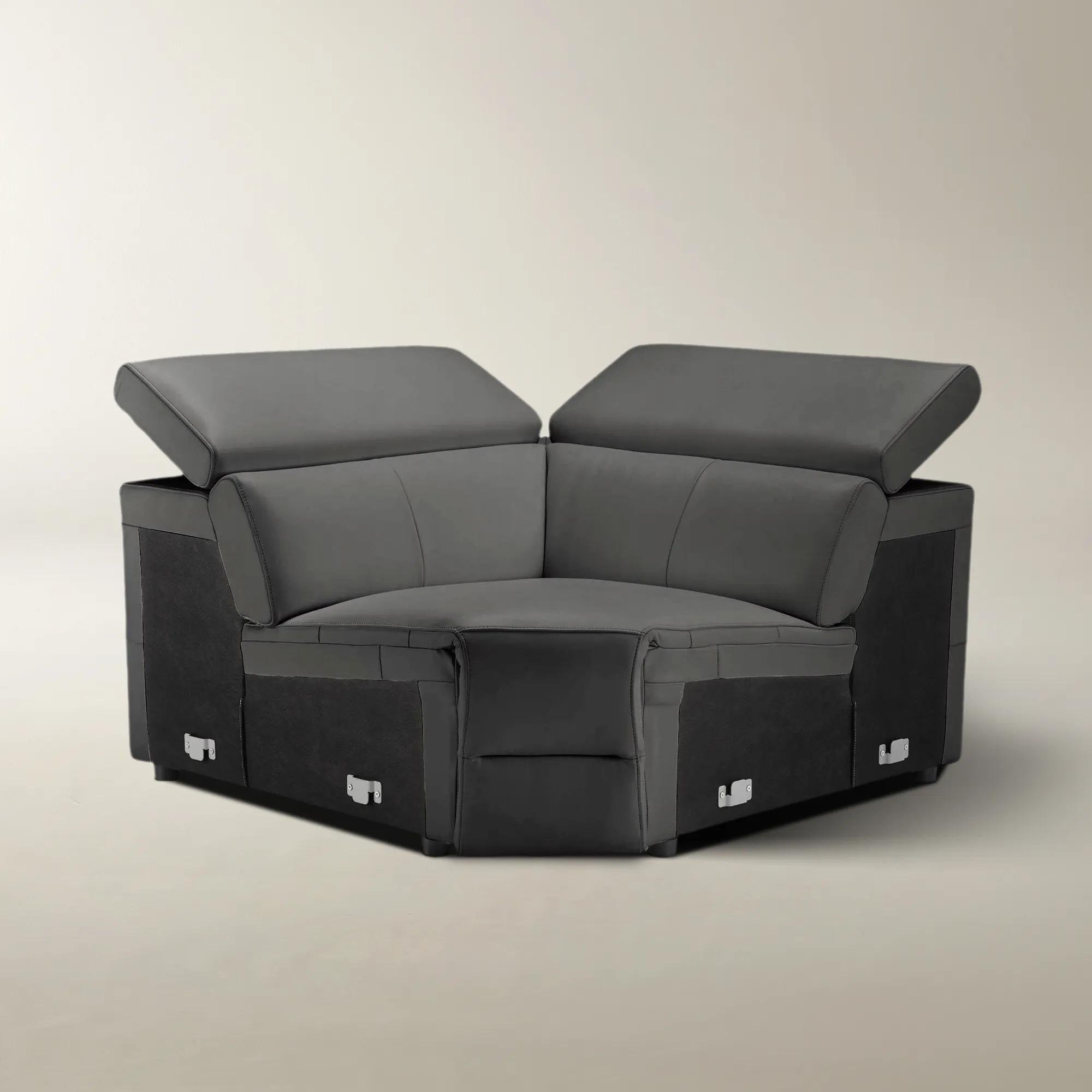
 Verona Charcoal Leather Corner Chair With Power$1699
A modern charcoal sectional upholstered in supple semi-aniline leather with adjustable headrests and optional power recline.
Add To Cart -
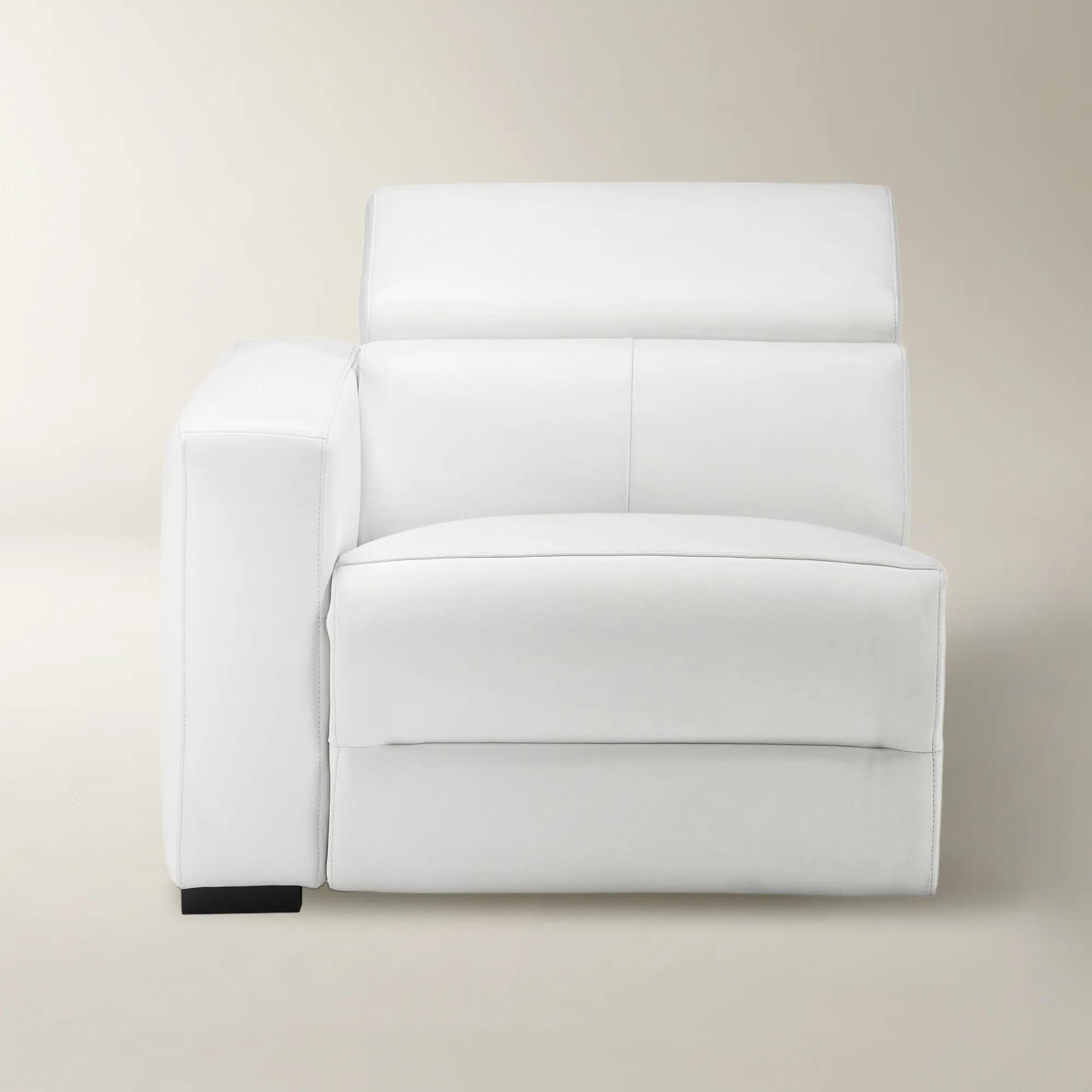
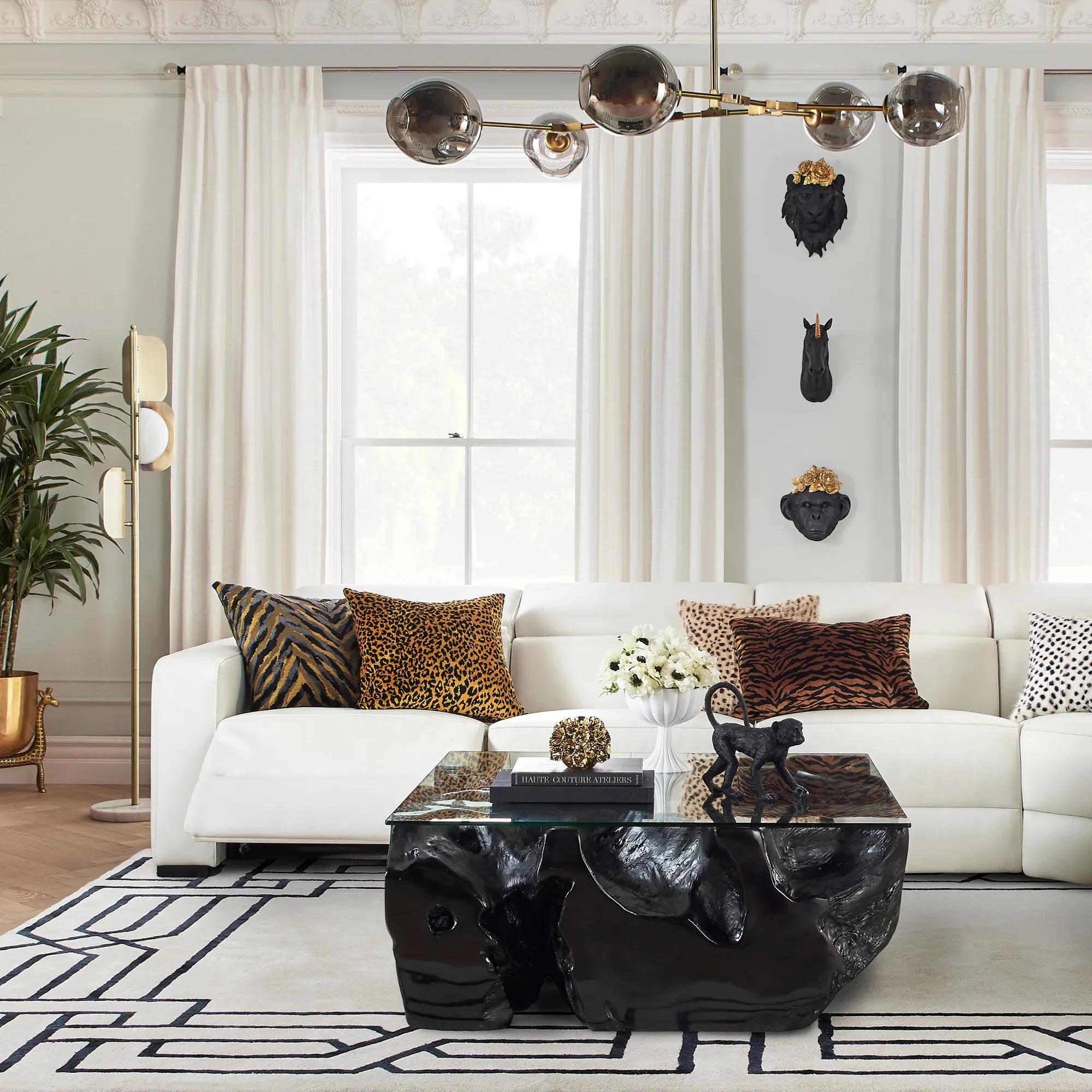 Verona White Leather Left Arm Chair$1399
A modern white sectional upholstered in supple semi-aniline leather with adjustable headrests and power-reclining seats.
Add To Cart -
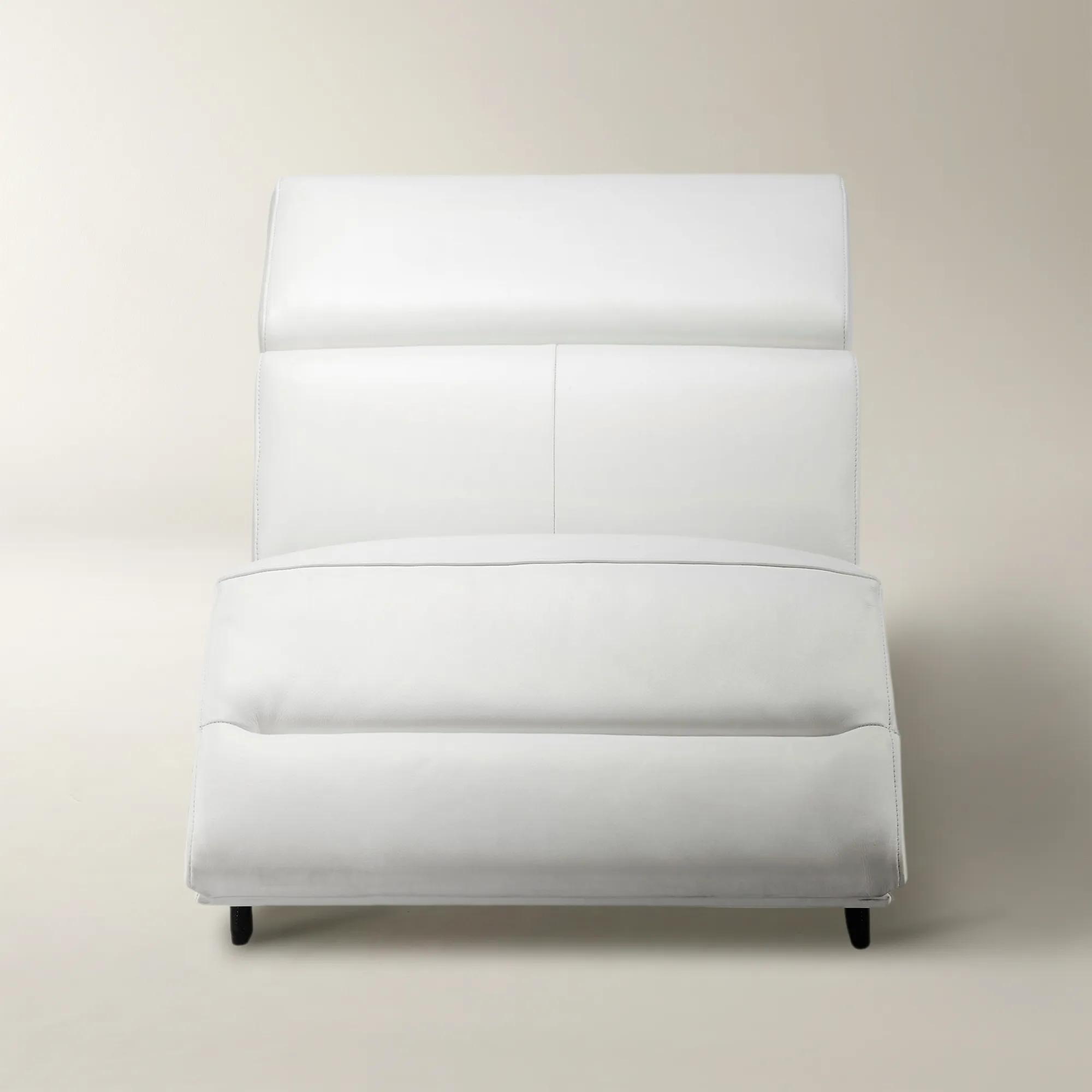 Verona Reclining White Leather Armless Chair With Power$1299
A modern white sectional upholstered in supple semi-aniline leather with adjustable headrests and power-reclining options.
Add To Cart -
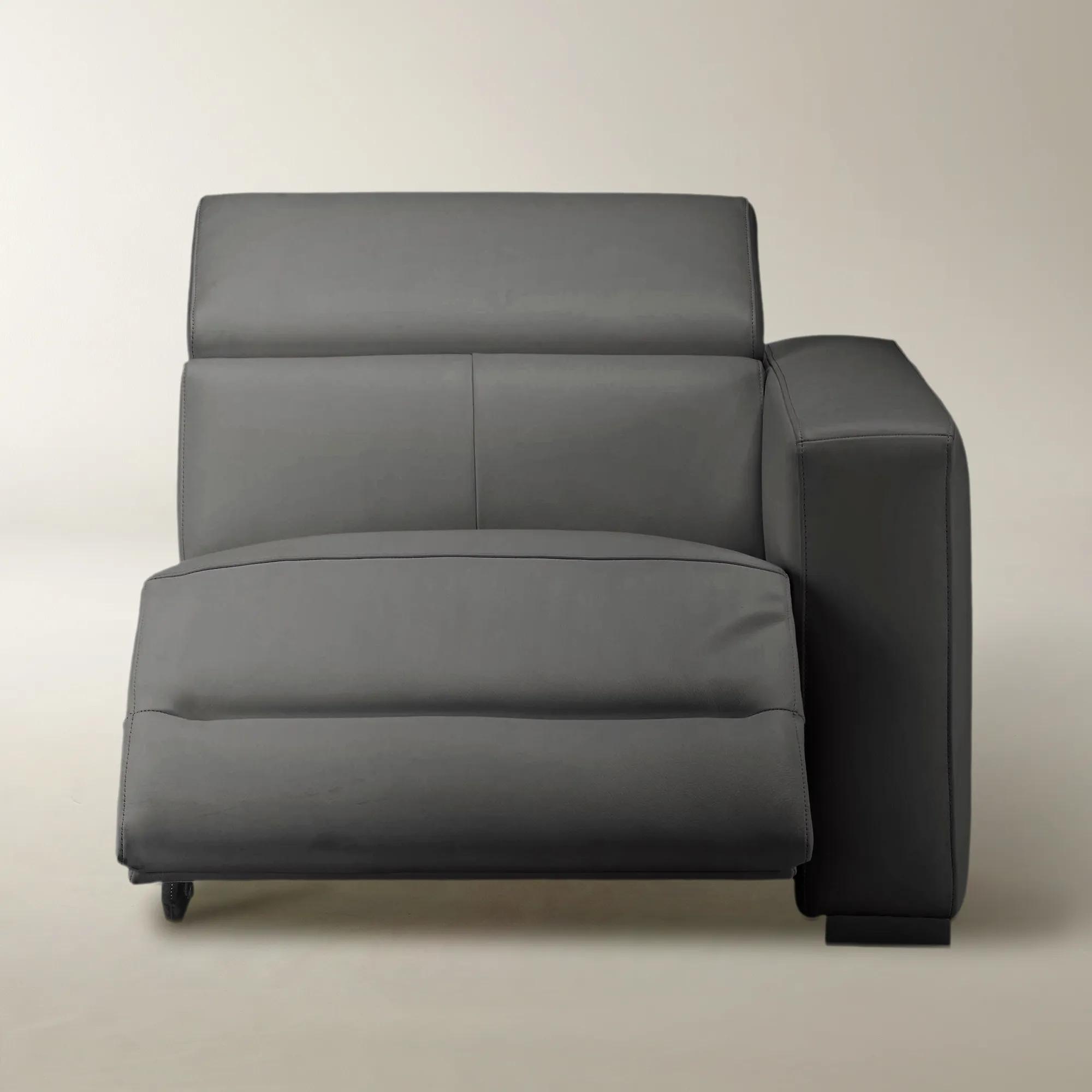 Verona Reclining Charcoal Leather Right Arm Chair With Power$1599
A charcoal semi-aniline leather sectional with adjustable headrests and optional power-reclining seats for comfort.
Add To Cart -
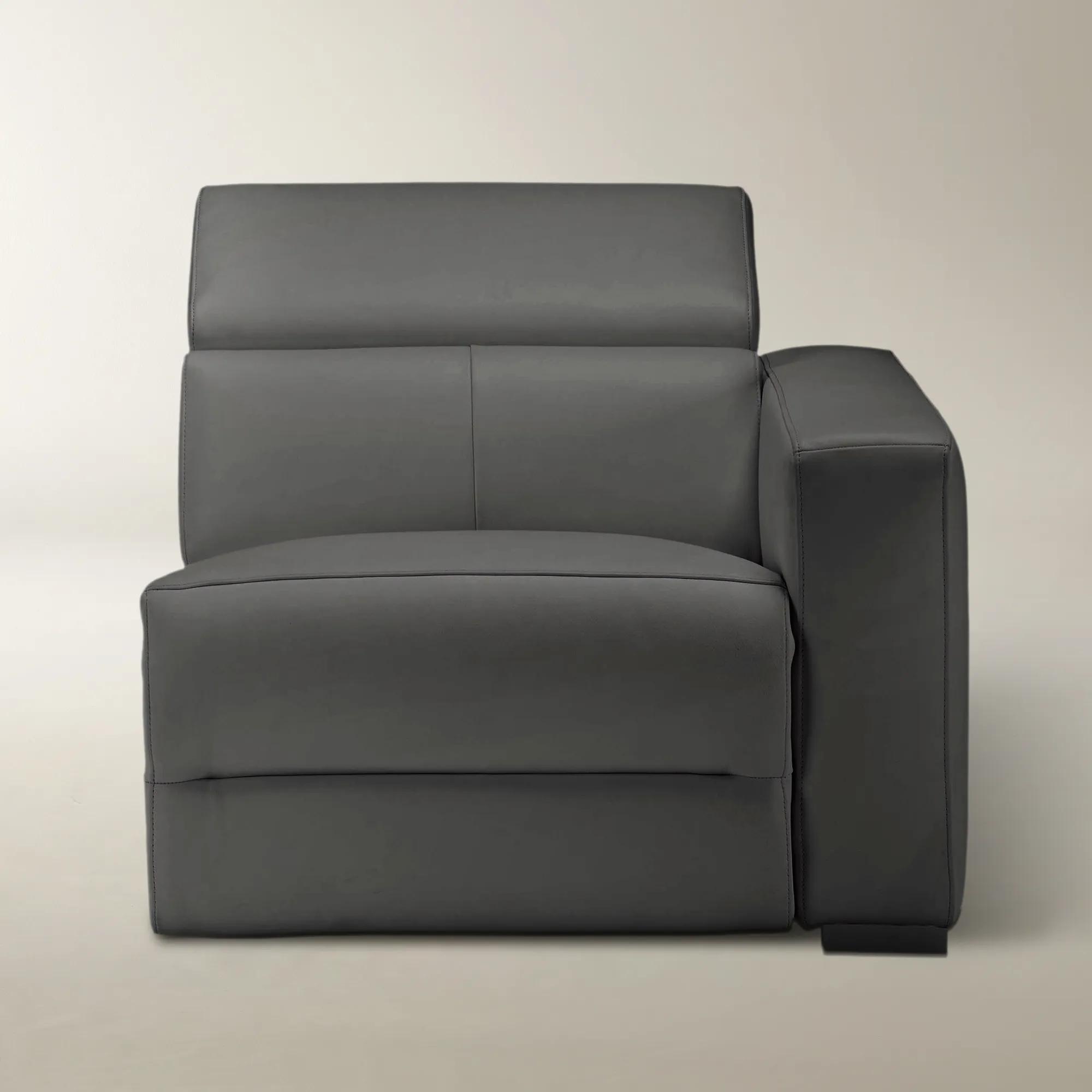 Verona Charcoal Leather Right Arm Chair$1399
A modern charcoal sectional upholstered in supple semi-aniline leather with adjustable headrests and optional power recline.
Add To Cart -
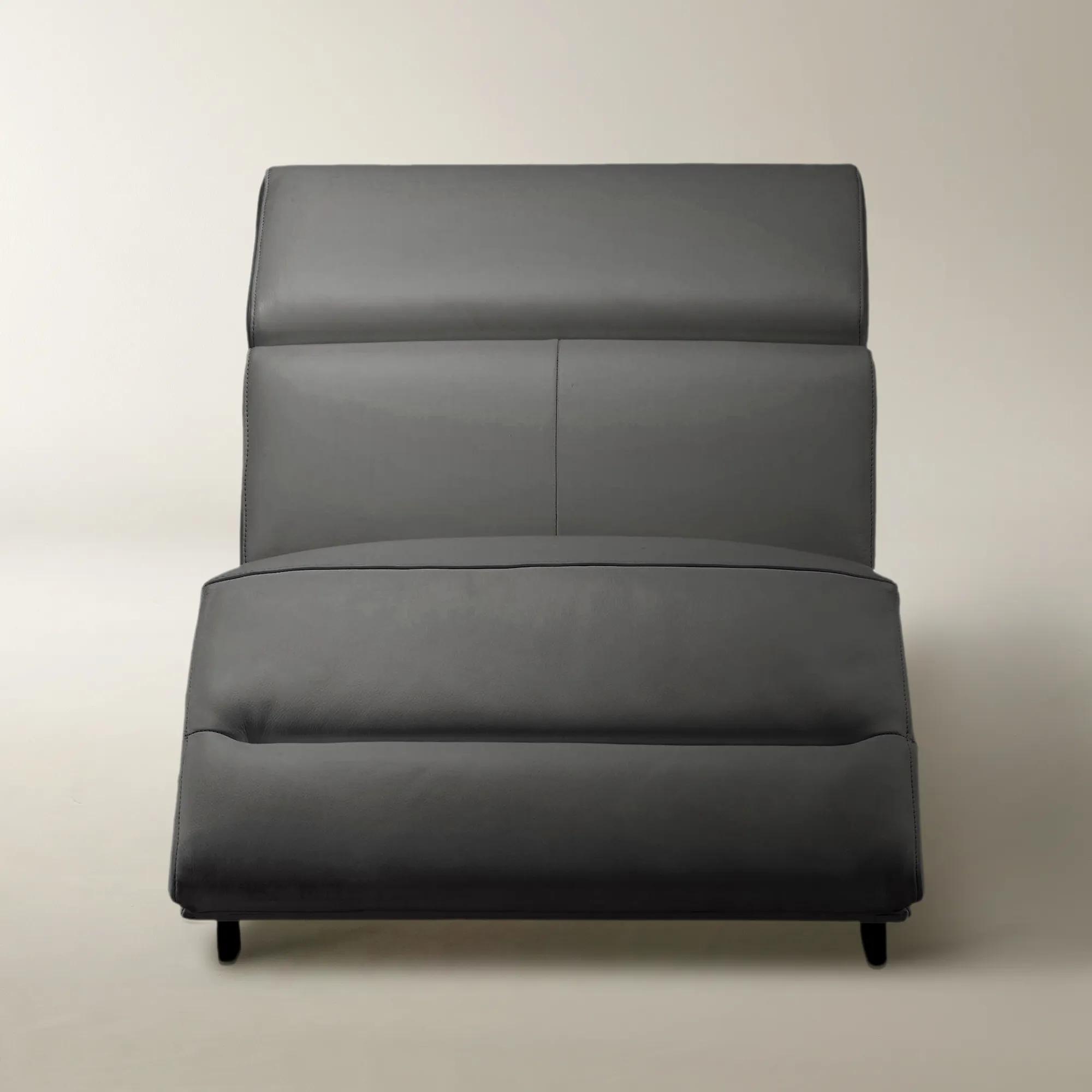 Verona Reclining Charcoal Leather Armless Chair With Power$1299
A charcoal semi-aniline leather sectional with adjustable headrests, power-reclining seats, and kiln-dried hardwood frame.
Add To Cart -
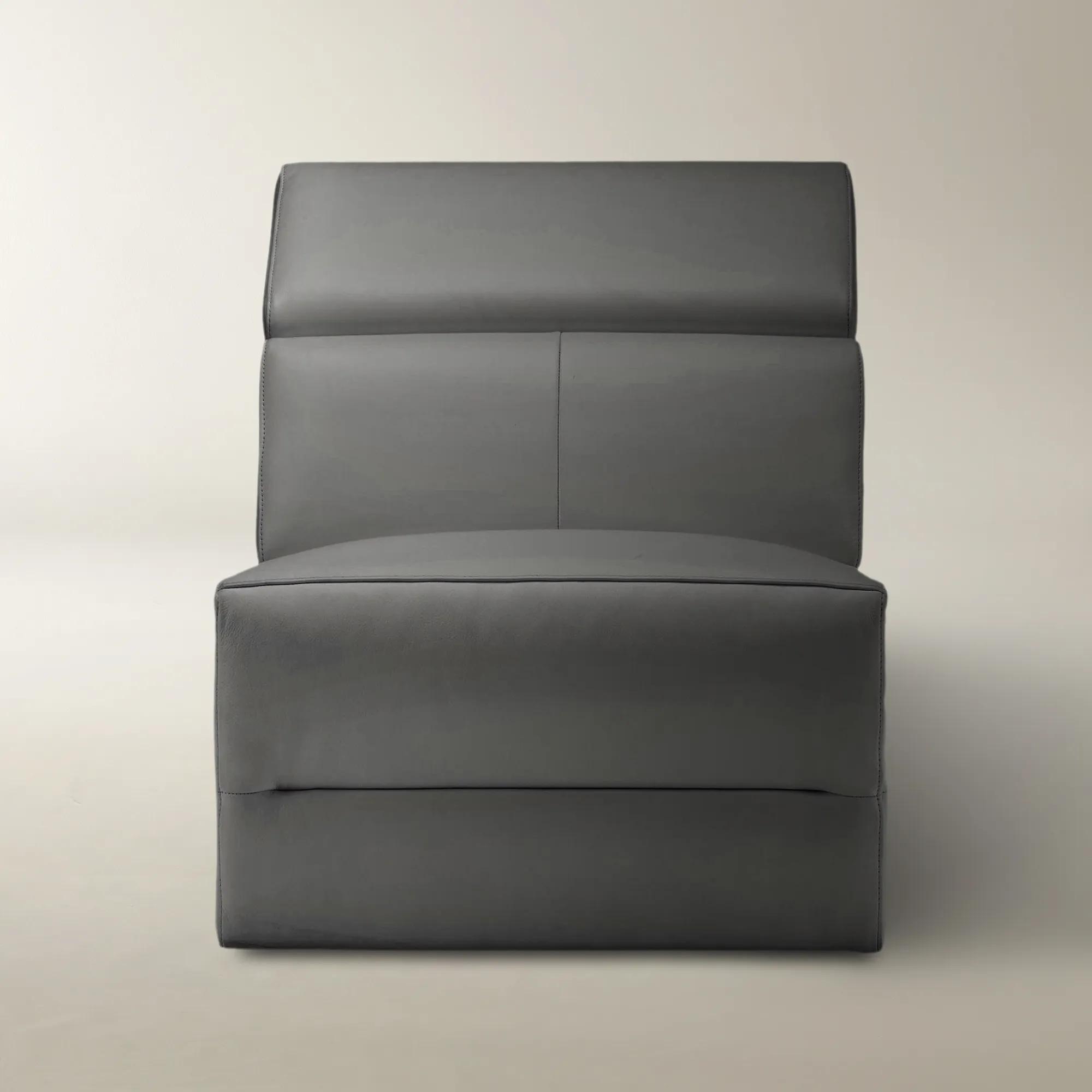 Verona Charcoal Leather Armless Chair$1099
A charcoal semi-aniline leather sectional featuring adjustable headrests and optional power-reclining seats for comfort.
Add To Cart -
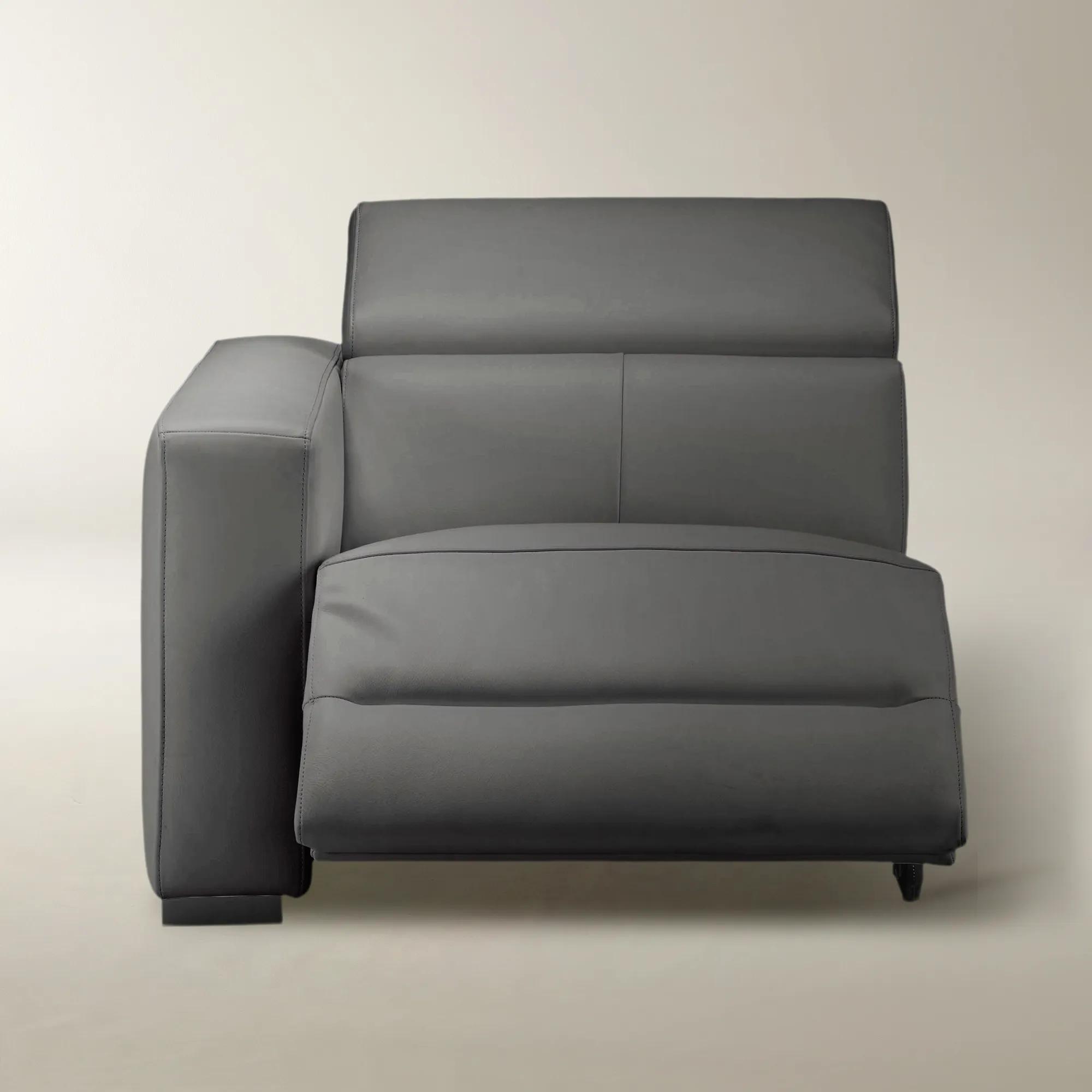 Verona Reclining Charcoal Leather Left Arm Chair With Power$1599
A charcoal semi-aniline leather sectional with adjustable headrests, power-reclining seats, and kiln-dried hardwood frame.
Add To Cart -
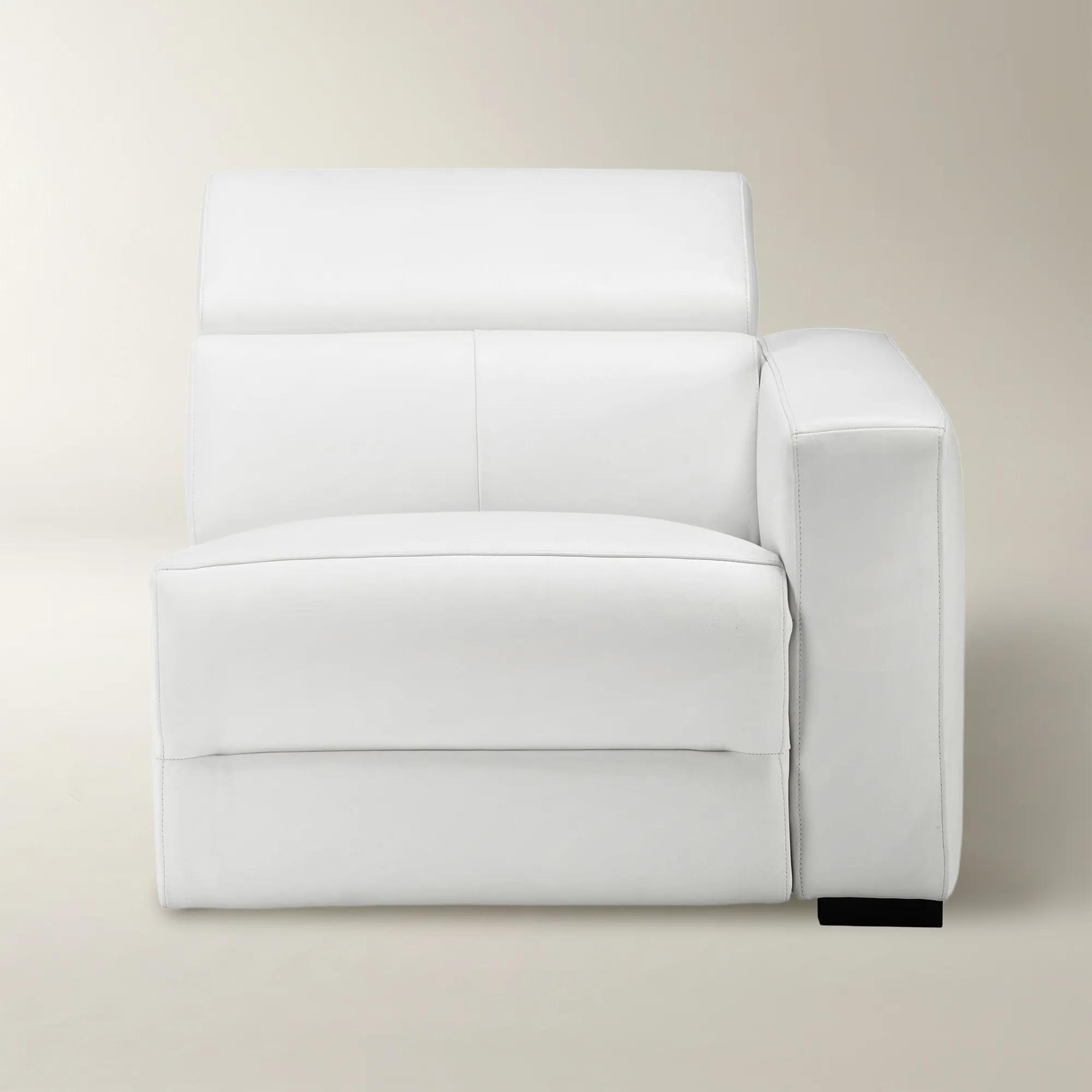 Verona White Leather Right Arm Chair$1399
A modern white sectional upholstered in supple semi-aniline leather with adjustable headrests and power-reclining options.
Add To Cart -
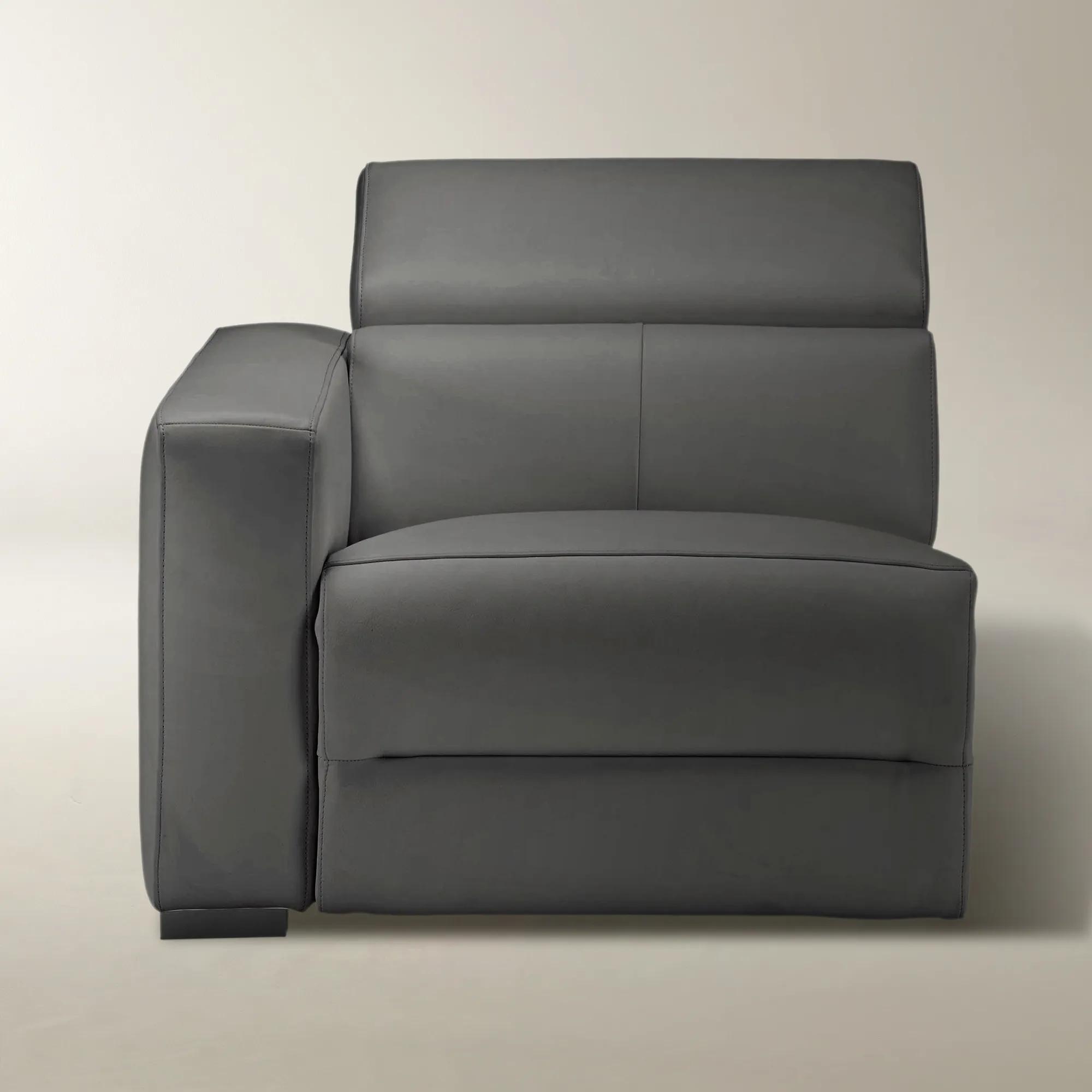 Verona Charcoal Leather Left Arm Chair$1399
A charcoal semi-aniline leather sectional with adjustable headrests, power-reclining seats, and kiln-dried hardwood frame.
Add To Cart -
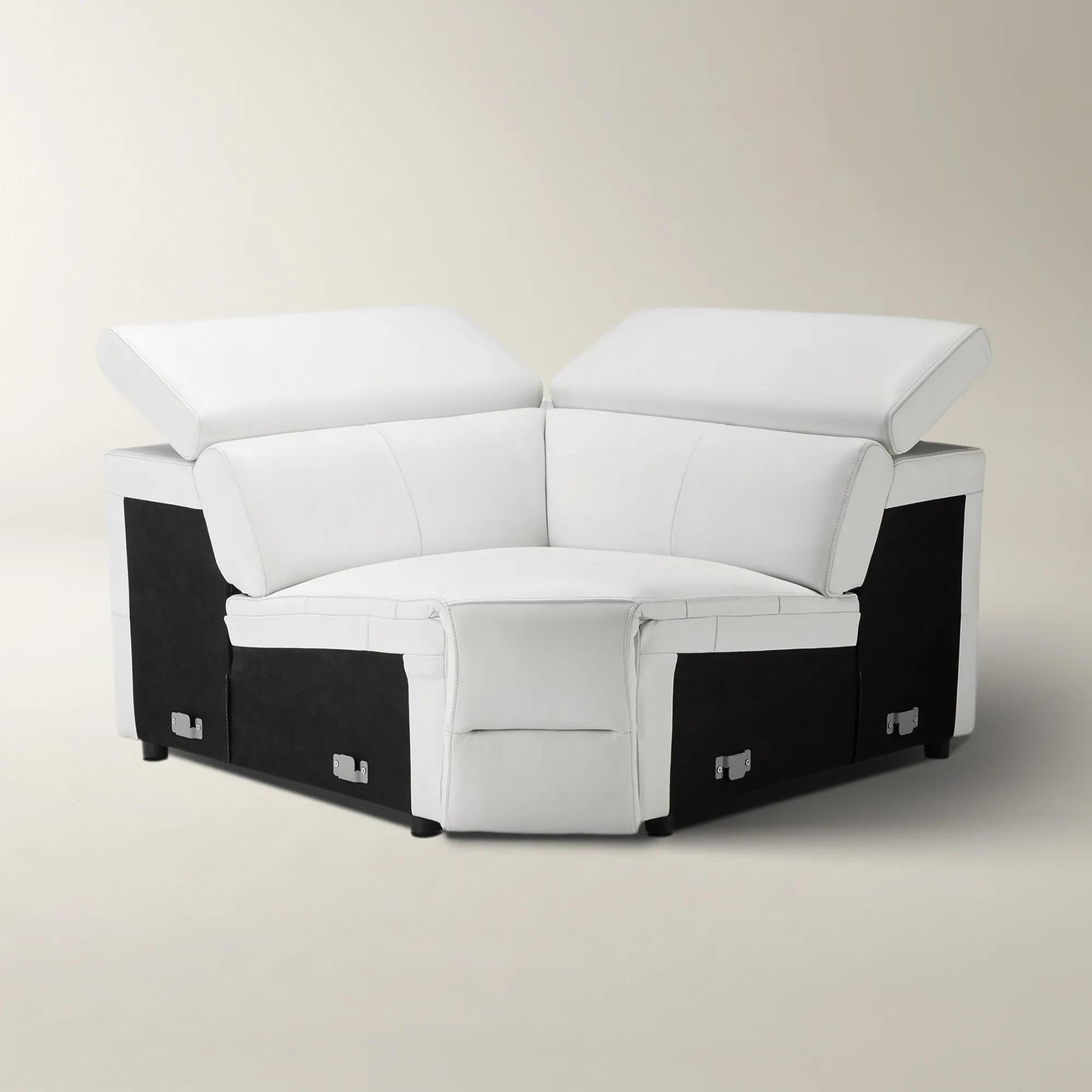 Verona White Leather Corner Chair With Power$1699
A modern sectional upholstered in supple white semi-aniline leather with adjustable headrests and power-reclining seats.
Add To Cart -
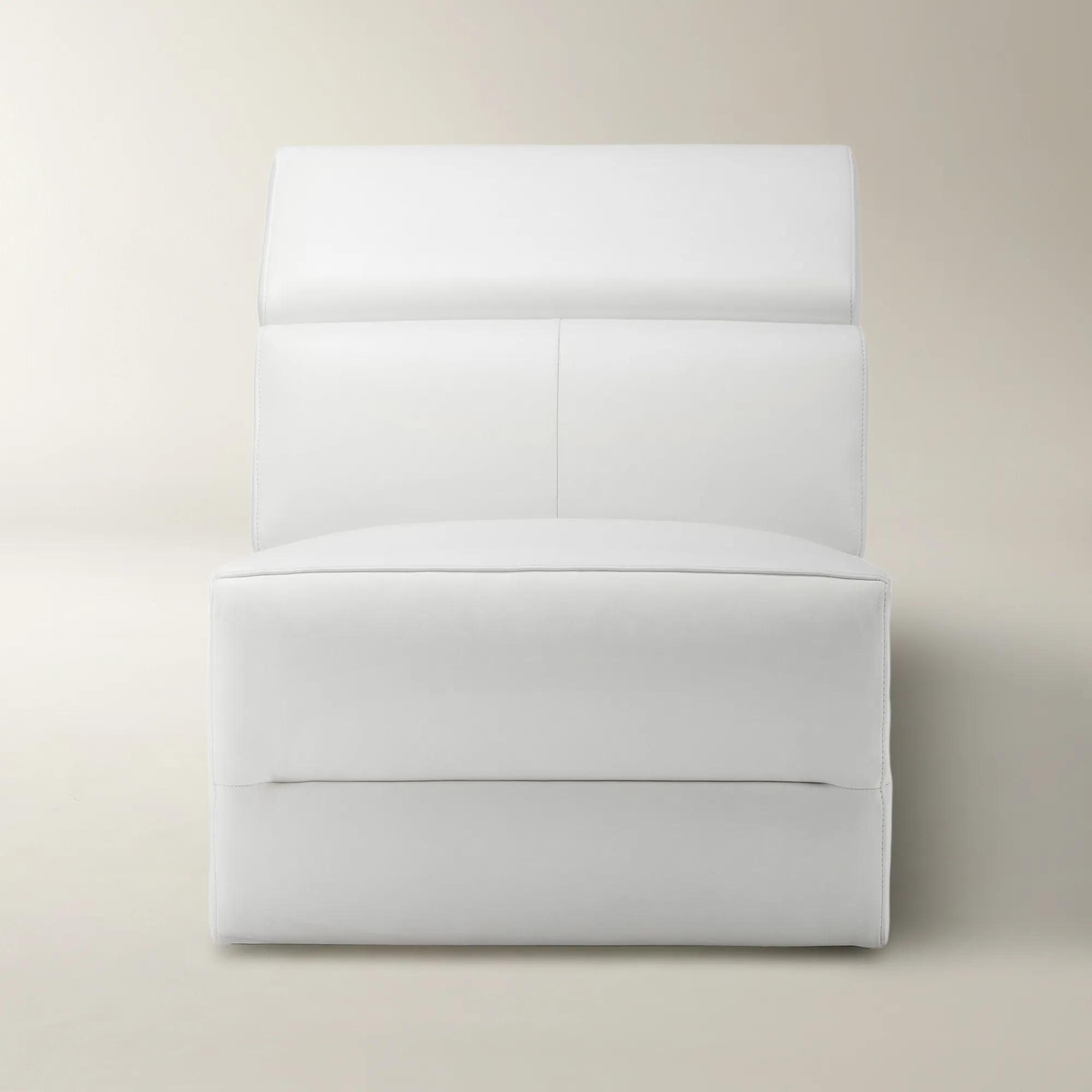 Verona White Leather Armless Chair$1099
A modern sectional upholstered in supple white semi-aniline leather with adjustable headrests and power-reclining options.
Add To Cart -
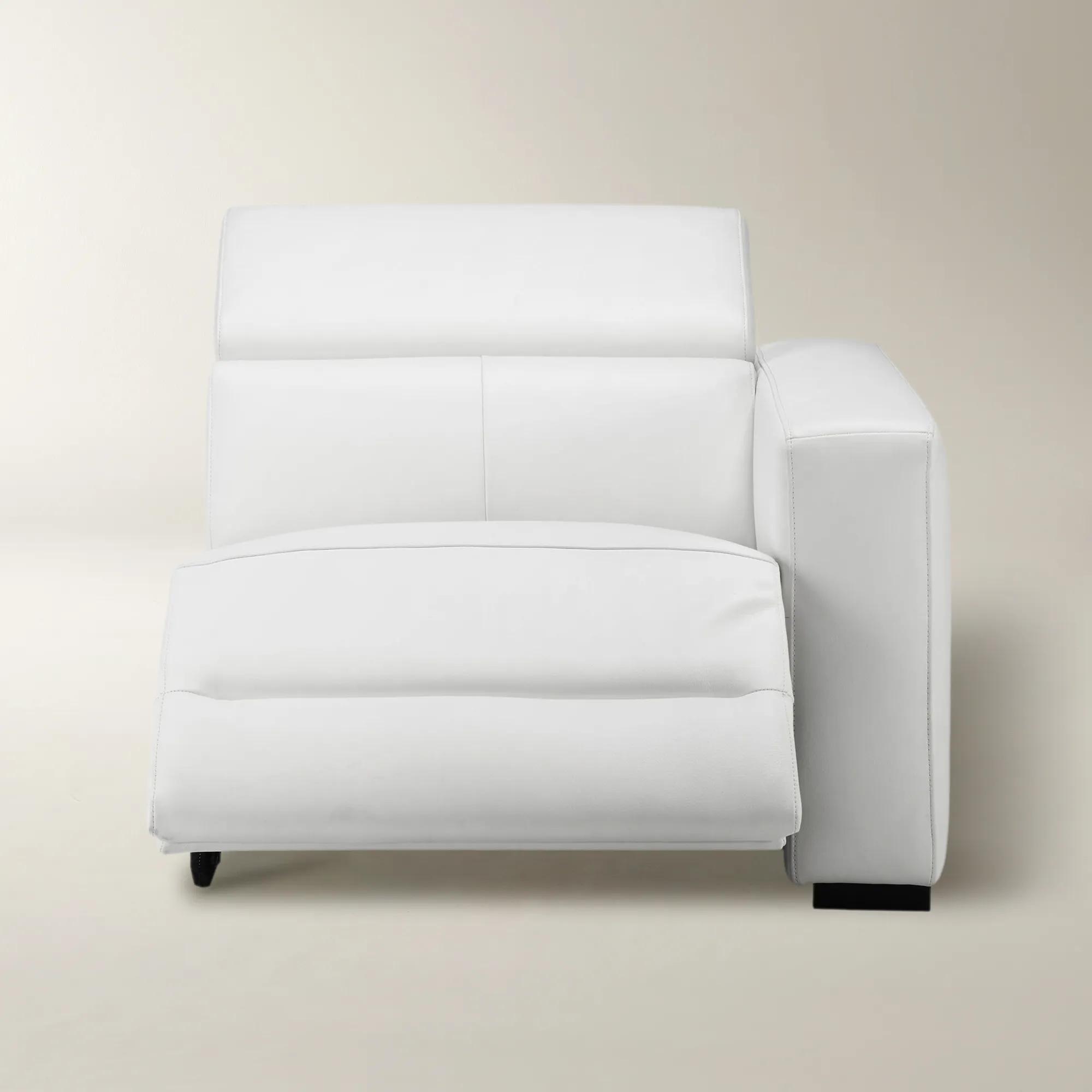 Verona Reclining White Leather Right Arm Chair With Power$1599
A modern white sectional upholstered in supple semi-aniline leather with adjustable headrests and power-reclining options.
Add To Cart -
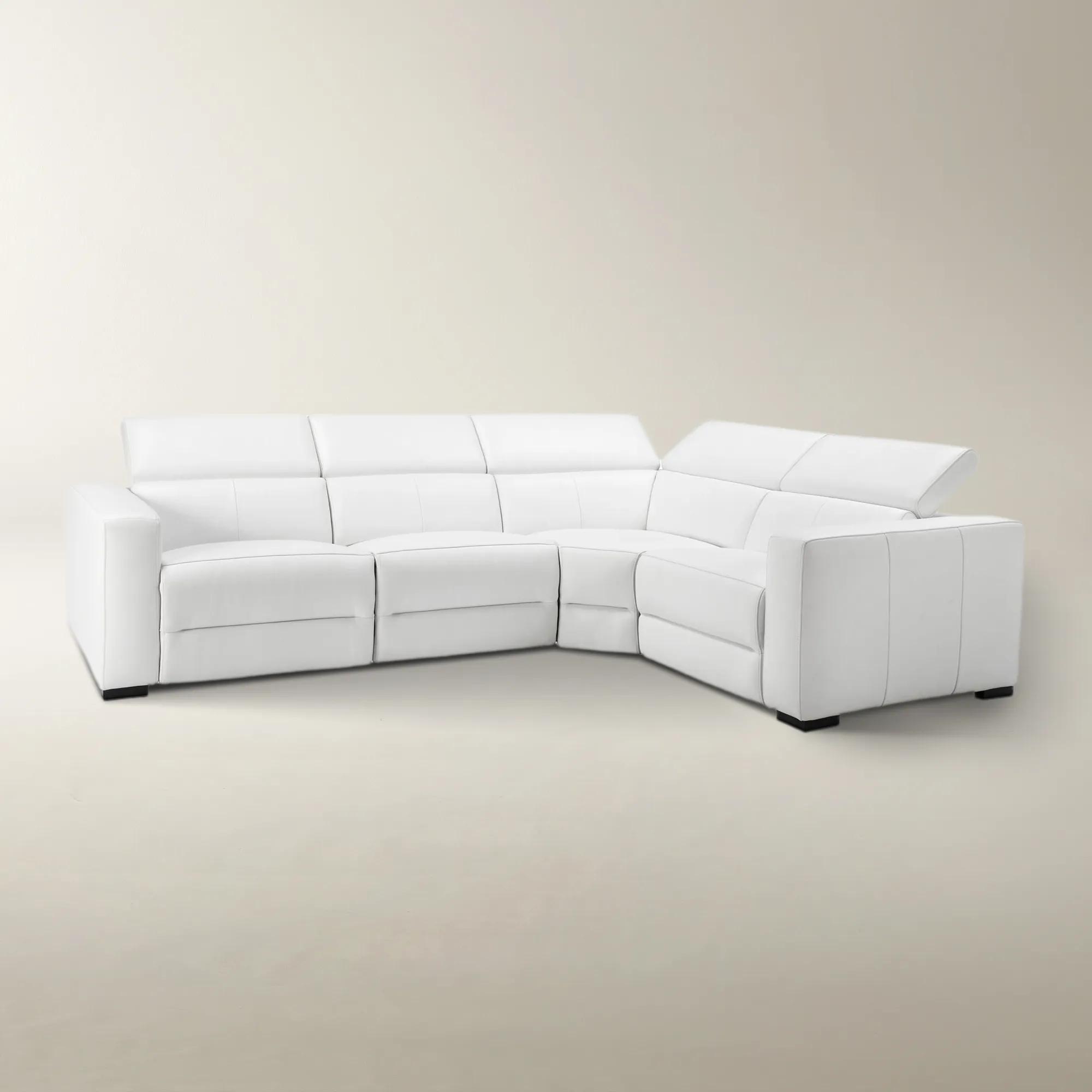 Verona 4-Piece L-Shaped Reclining White Leather Sectional Sofa With Right-Arm$5899
A modern sectional upholstered in supple white semi-aniline leather with adjustable headrests and power-reclining seats.
Add To Cart -
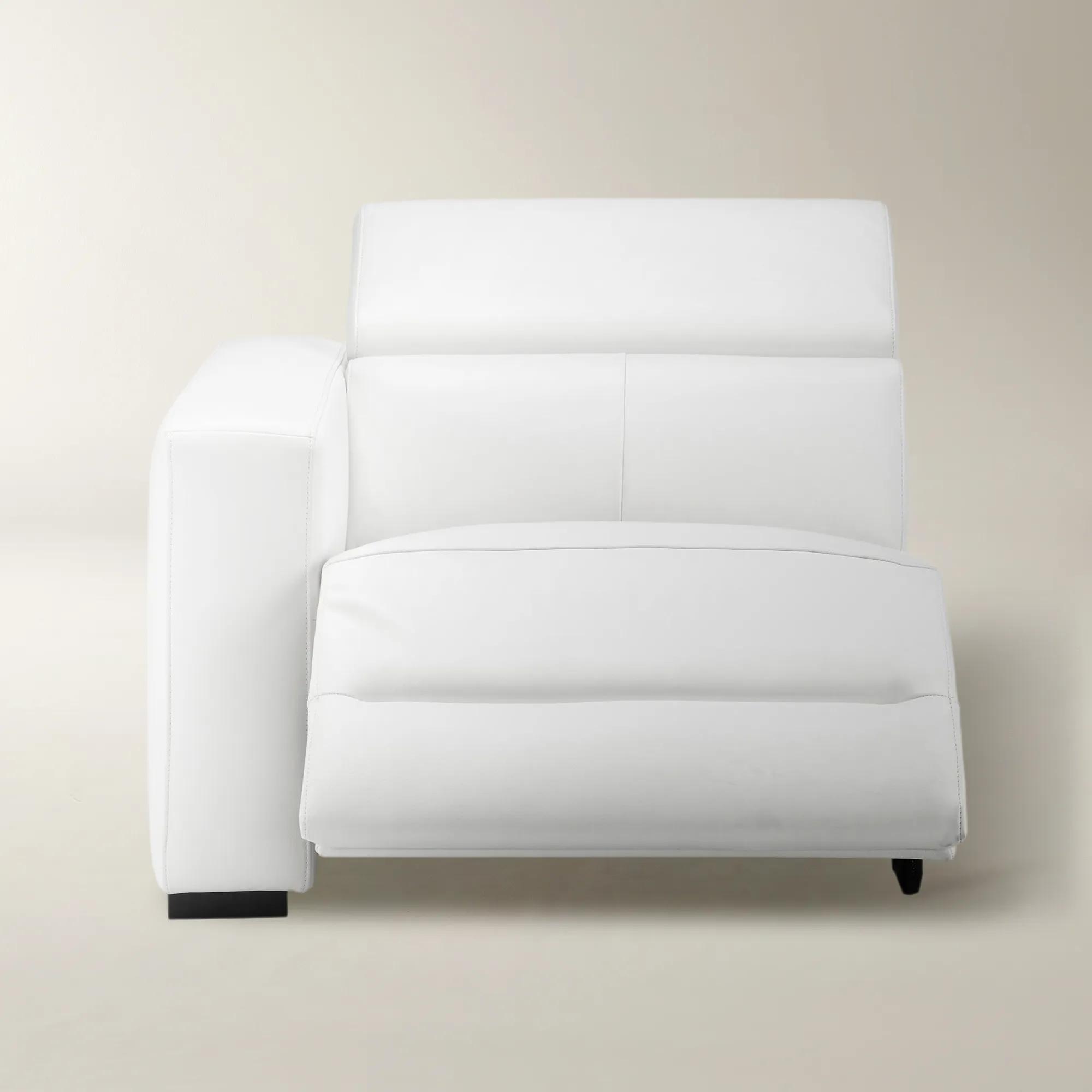 Verona Reclining White Leather Left Arm Chair With Power$1599
A modern white sectional upholstered in supple semi-aniline leather with adjustable headrests and power-reclining seats.
Add To Cart -
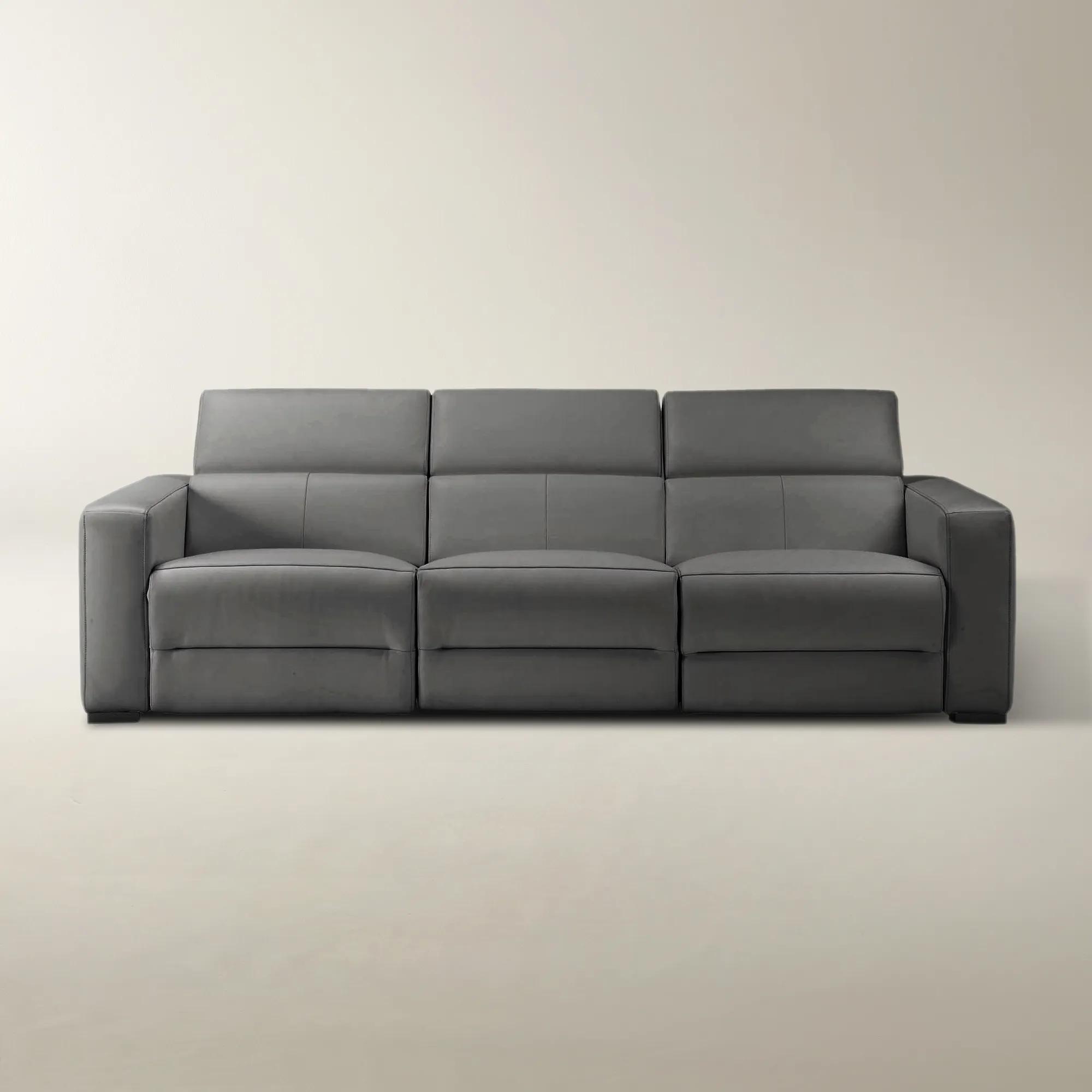 Verona 3-Piece Charcoal Leather Sectional Sofa$4399
A charcoal semi-aniline leather sectional featuring adjustable headrests, kiln-dried hardwood frame, and optional power recline.
Add To Cart -
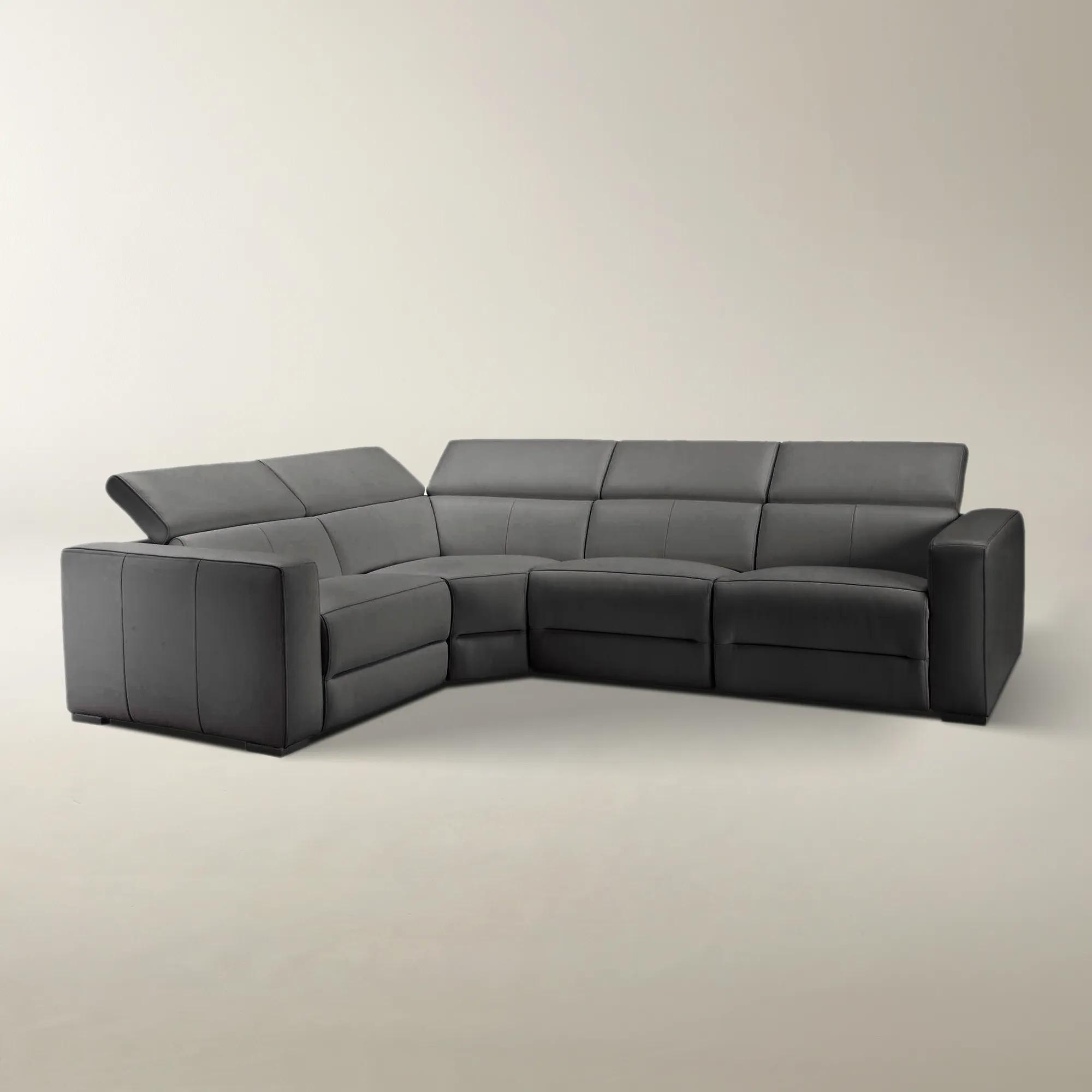 Verona 4-Piece L-Shaped Reclining Charcoal Leather Sectional Sofa With Left-Arm$5899
A charcoal semi-aniline leather sectional featuring adjustable headrests and optional power-reclining seats for comfort.
Add To Cart -
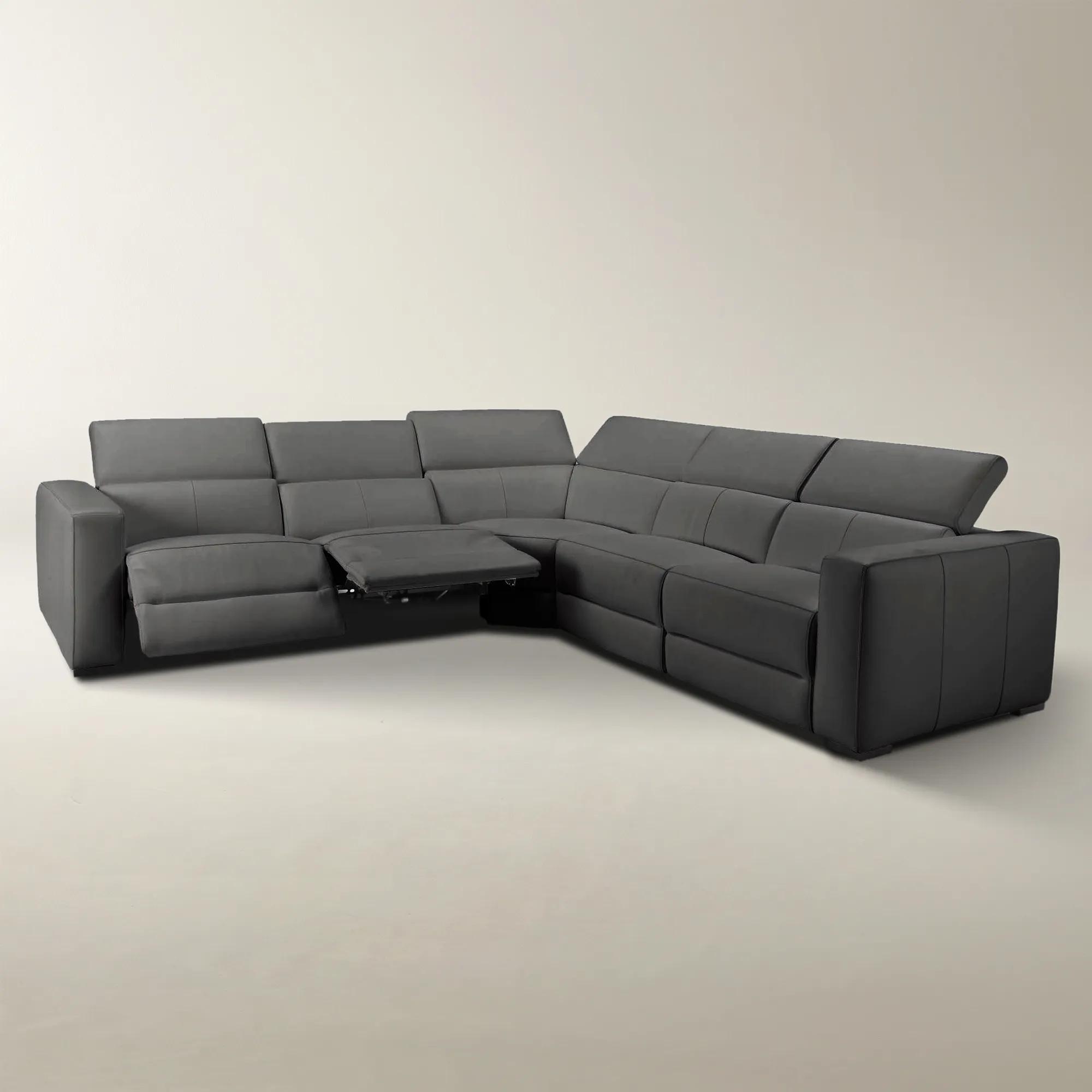 Verona 5-Piece Reclining Charcoal Leather Sectional Sofa$7199
A charcoal semi-aniline leather sectional featuring adjustable headrests, kiln-dried hardwood frame, and optional power recline.
Add To Cart -

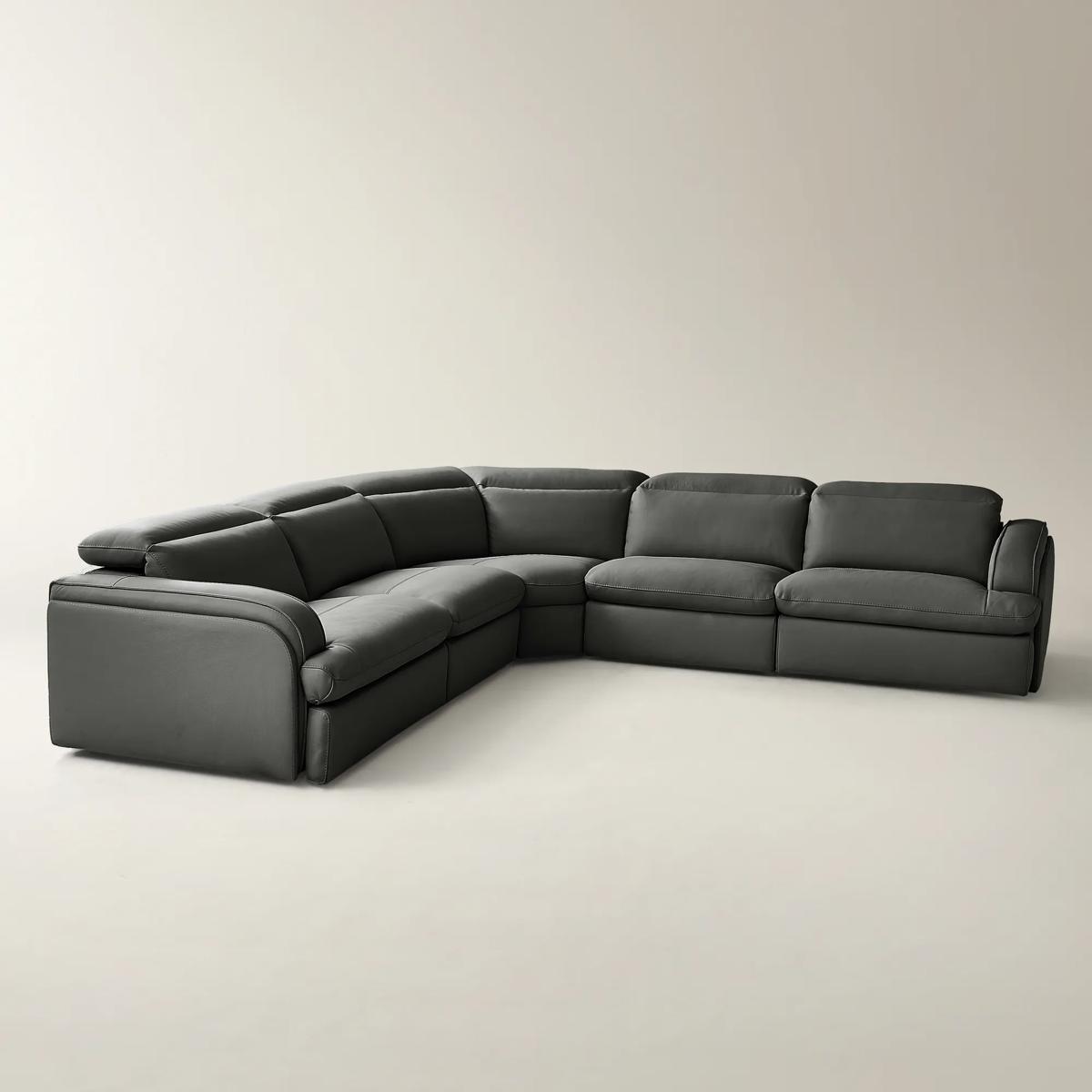 Terra 5-Piece Reclining Charcoal Leather Sectional$7399
A charcoal genuine leather sectional with powered reclining headrests and footrests, modular styling, and foam-down cushioning.
Add To Cart -
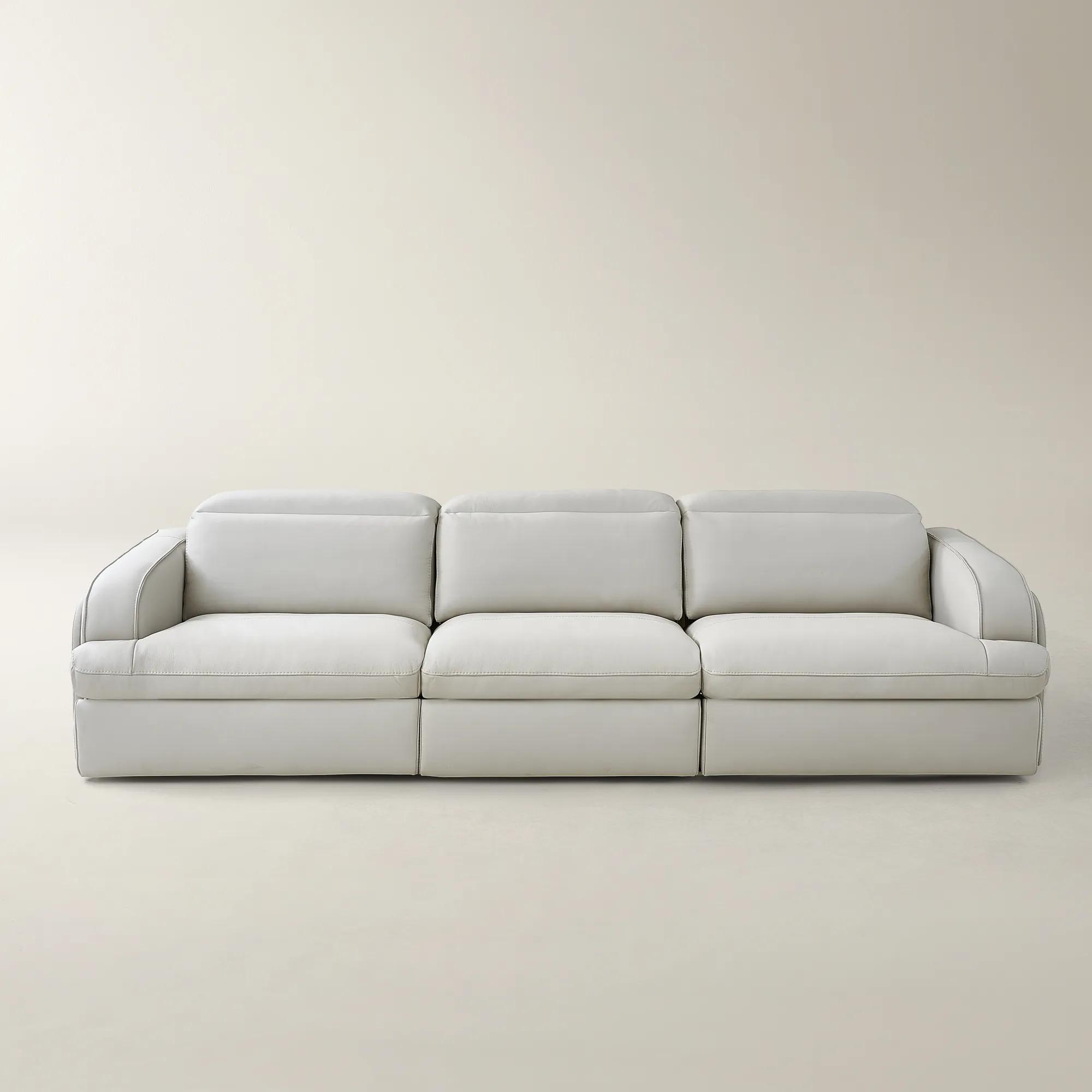
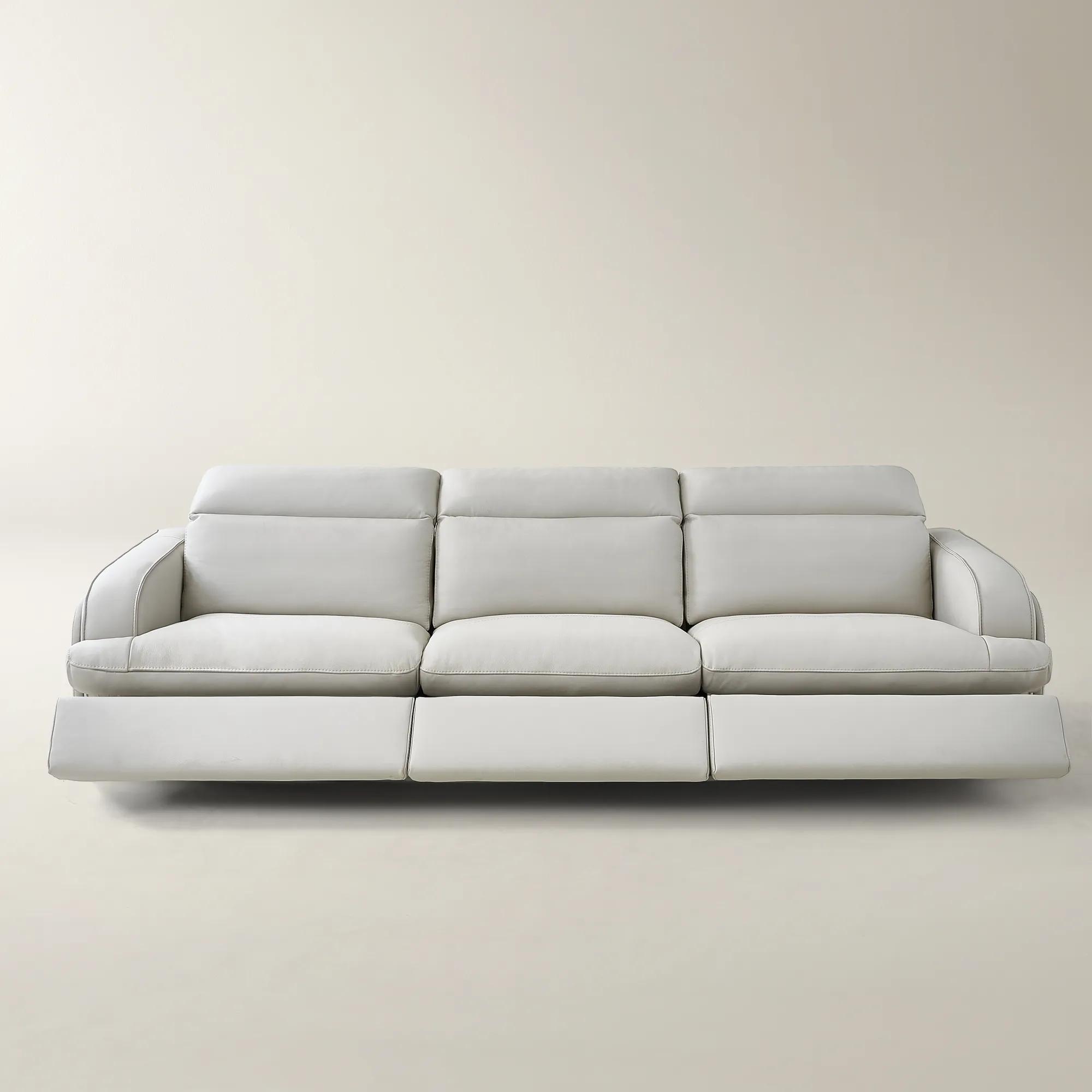 Terra 3-Piece Reclining Frost Leather Sectional$4699
A contemporary frost genuine leather modular sectional with power reclining headrests, footrests, and plush foam-down cushioning.
Add To Cart

Contemporary Leather Sectionals With Recliners
Explore contemporary leather sectionals with recliners that pair a tailored look with room to stretch out. This seating style brings the presence of a statement sofa and the comfort of reclining seats to a modern living room. As you shop, consider the sectional’s footprint, seating arrangement, and clearance when fully reclined to find a fit that feels as considered as your décor.
Contemporary leather sectionals with recliners combine the architectural presence of modern seating with the ease of adjustable lounging, creating a living room centerpiece that feels as considered as it is comfortable. Clean profiles, expansive cushions, and integrated reclining seats give these sectionals their distinctive appeal: generous seating without surrendering a room’s sense of composition. Depending on the design, discreet controls, concealed motion hardware, and adjustable headrests preserve a tailored silhouette while allowing the seat to adapt for conversation, reading, or a long evening of films. Leather brings another layer of expression. Caramel and cognac tones lend richness to pale walls and sculptural wood tables, while charcoal or black creates a dramatic foundation for gleaming metal accents and oversized artwork. Ivory leather can make a substantial sectional feel visually lighter, especially when paired with tonal rugs and softly textured pillows. The upholstery’s character matters as much as its color. Full-grain leather retains the hide’s natural grain and markings, while top-grain leather is often refined for a more consistent surface; both can offer lasting performance, depending on their finish, construction, and care. Supple, minimally coated leather may develop a distinctive patina, while more protected finishes generally offer greater resistance to everyday spills and surface wear. Leather-match upholstery uses leather on designated areas and a coordinating nonleather material elsewhere, so upholstery descriptions should clarify which surfaces are leather. Subtle variations in grain and tone are part of genuine leather’s visual depth, not necessarily signs of a flaw. Beneath that expressive surface, frame quality, suspension, cushion composition, and reclining hardware determine how the sectional supports daily life. A resilient seat with a supportive foundation can feel welcoming without collapsing into an overly casual shape. For households that want a polished gathering space and a place to truly settle in, the appeal lies in that balance: a commanding silhouette, tactile richness, and comfort that reveals itself through use.
Scale and configuration shape how a reclining leather sectional lives within a room. An L-shaped arrangement can define a seating area in an open floor plan, while a broader U-shaped configuration creates a more enveloping setting for larger households and frequent entertaining. A chaise offers a fixed place to stretch out; a reclining seat changes position through an integrated mechanism, and the two experiences are not interchangeable. Left- and right-facing layouts also affect circulation, particularly when a sectional sits near a doorway, fireplace, or passage between living and dining spaces. Overall width and depth tell only part of the story. The footprint with the footrests extended, the clearance required behind reclining backs, and the space between the sofa and coffee table all influence whether movement feels effortless or restricted. Some wall-hugging mechanisms need less rear clearance, but the exact requirement depends on the design and should never be assumed to be zero. Seat depth deserves equal attention: deeper cushions invite lounging, while a shallower seat may better support someone who prefers to sit upright with feet comfortably on the floor. Adjustable headrests can add neck support without requiring a permanently high back, helping preserve the horizontal lines associated with contemporary furniture. Manual recliners operate through a handle, lever, or body movement, depending on their mechanism; power recliners use electric motors to adjust the seat, often allowing finer control over position. Explore Leather Sectionals With Power Recliners for seating centered on motorized reclining comfort. Some power designs adjust the headrest or lumbar support independently, though these functions vary. An outlet location and a discreet, unobstructed cord route belong in the room plan, along with access to the controls from each reclining seat. Delivery access matters, too: doorways, stair turns, elevators, and hallways must accommodate the individual components. Modular construction may make entry and rearrangement easier, but each layout still depends on compatible pieces and secure connections. The result should feel spacious and intentional, with room to recline fully and move around the seating comfortably.
The most compelling contemporary leather reclining sectionals support the way a household actually gathers. A couple who prefers different lounging positions may appreciate separate reclining seats, while a family room benefits from enough upright seating for conversation as well as places to unwind. In a media room, supportive backs and adjustable headrests can make extended viewing more comfortable; in a formal living space, restrained detailing and thoughtfully concealed controls keep the emphasis on the room’s visual rhythm. Durability is a relationship between upholstery, construction, and everyday habits rather than a promise attached to leather alone. Protected leather can be practical in an active home, but no upholstery is immune to pet claws, sharp edges, abrasion, or staining. Pale finishes deserve particular care around dark denim and other fabrics that may transfer dye. Routine attention helps preserve the leather’s depth and supple feel: remove dust with a soft cloth, address spills promptly by blotting rather than rubbing, and follow the upholstery manufacturer’s instructions for cleaning and conditioning. Household cleaners, solvents, and unapproved oils can damage a finish, and even leather-specific products should be used only when appropriate for that upholstery. Direct sunlight and nearby heat sources can contribute to fading or drying, making placement an important part of long-term care. Reclining mechanisms also need unobstructed space, with cords, throws, and small objects kept clear of moving parts. Styling can remain lavish without compromising that movement. A textured rug grounds the sectional’s generous proportions, a sculptural side table keeps a drink within reach, and a few sumptuous pillows introduce contrast against the smooth leather. A movable accent table may work better than a large fixed coffee table where footrests extend into the room. Keep throws loosely arranged over stationary sections rather than tucked into mechanisms, and let statement lighting illuminate the leather’s grain. With the right proportions and thoughtful surroundings, a reclining sectional becomes more than a place to lounge: it gives the room a confident center, where expressive design and deeply personal comfort share the same seat.
FAQs
Contemporary leather sectionals with recliners pair a connected seating arrangement with adjustable reclining seats and a modern design sensibility. Look for clean silhouettes, tailored upholstery, and restrained detailing. The effect is polished yet inviting—a statement-making foundation for a living room that celebrates both expressive design and relaxed moments.
Create contrast around the leather’s distinctive texture with sculptural accent tables, a richly textured rug, and art that commands attention. Velvet pillows or a sumptuous throw introduce softness, while metallic accents lend a gleaming counterpoint. Repeat a few deliberate colors throughout the room to make the composition feel curated.
Let the leather’s undertone guide your palette. Warm brown leather pairs beautifully with ivory, bronze, and deep olive, while cool gray leather creates a sophisticated backdrop for charcoal, silver, and sapphire. Black leather invites dramatic contrast with creamy neutrals or saturated jewel tones. Carry those hues into artwork and textiles for a layered, expressive interior.
Manual recliners typically use a lever, handle, or body movement to adjust the seat, while power recliners use an electric motor operated by a control. Some designs offer separately adjustable components, though features vary. Beyond the mechanism, consider how visible controls and reclining details complement the tailored look you want to create.
Preserve the leather’s character with care suited to its particular finish. Follow the manufacturer’s instructions, dust gently with a soft, dry cloth, and blot spills promptly rather than rubbing. Use cleaners or conditioners only when recommended for that upholstery, and avoid harsh household cleaners. Thoughtful placement away from direct sunlight and heat sources also helps maintain its appearance.