Mother-Of-Pearl Accent Tables
Mother-Of-Pearl Accent Tables
-
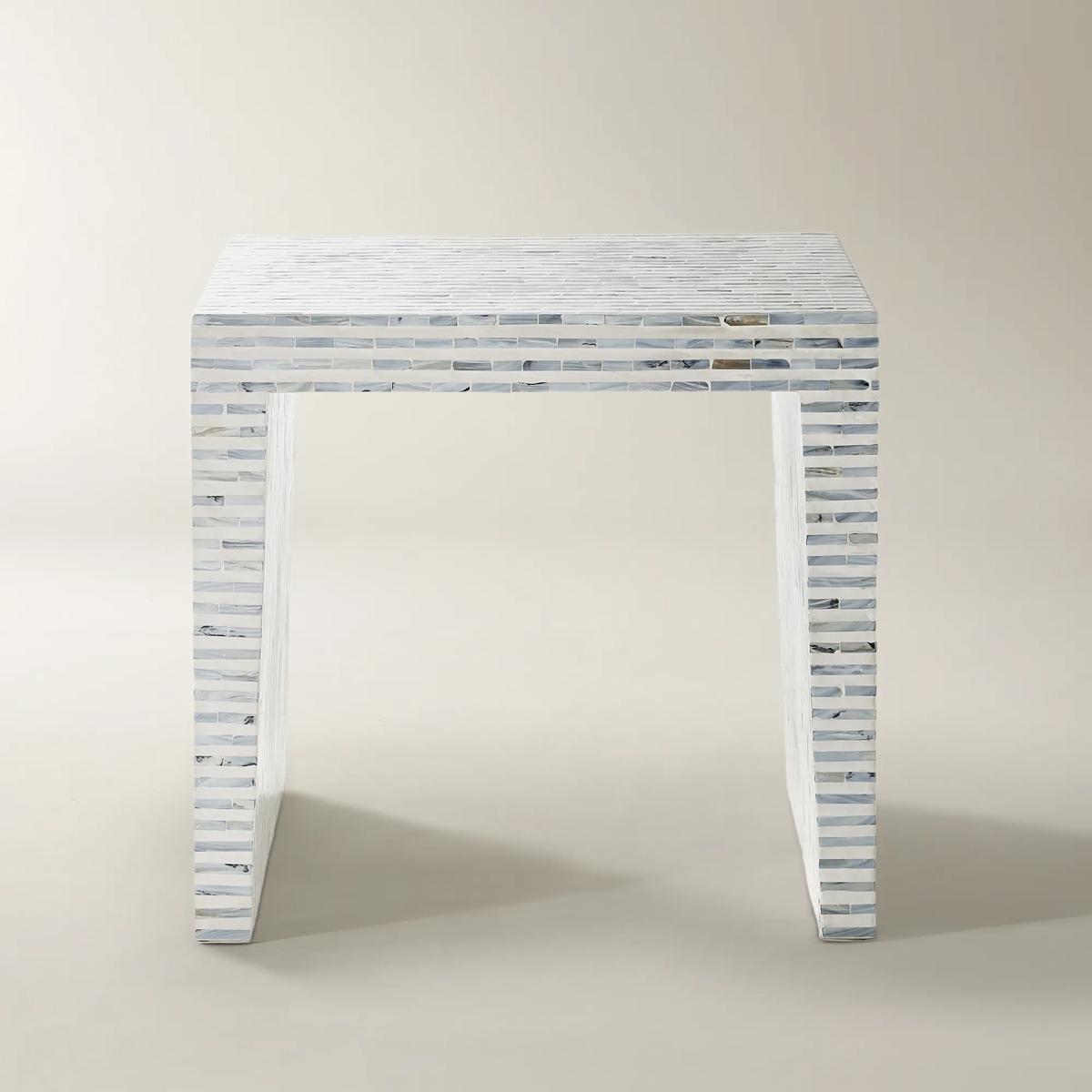
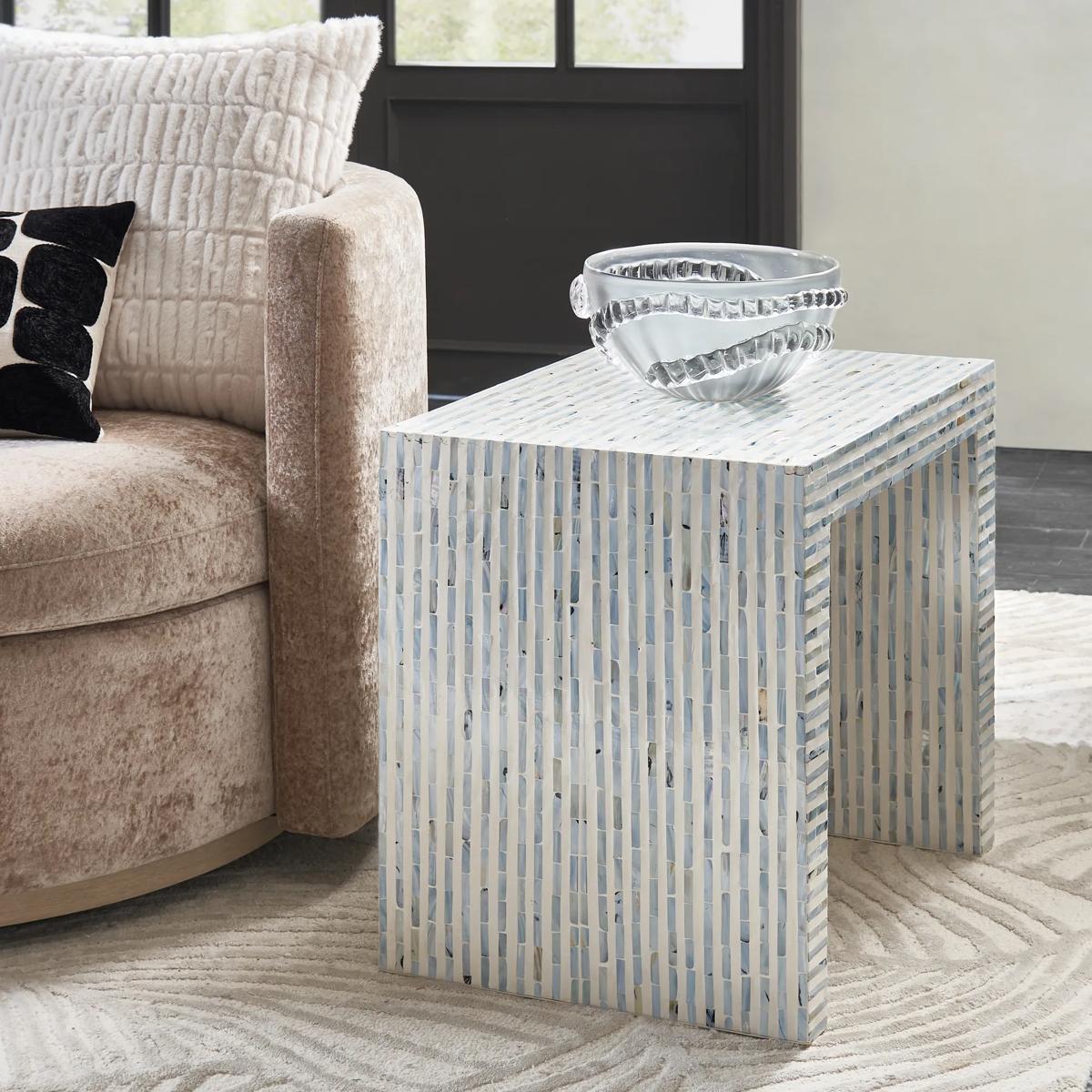 Stella Blue End Table(24")$399
A handcrafted end table featuring genuine blue mother-of-pearl inlay for a unique, iridescent accent.
Add To Cart -
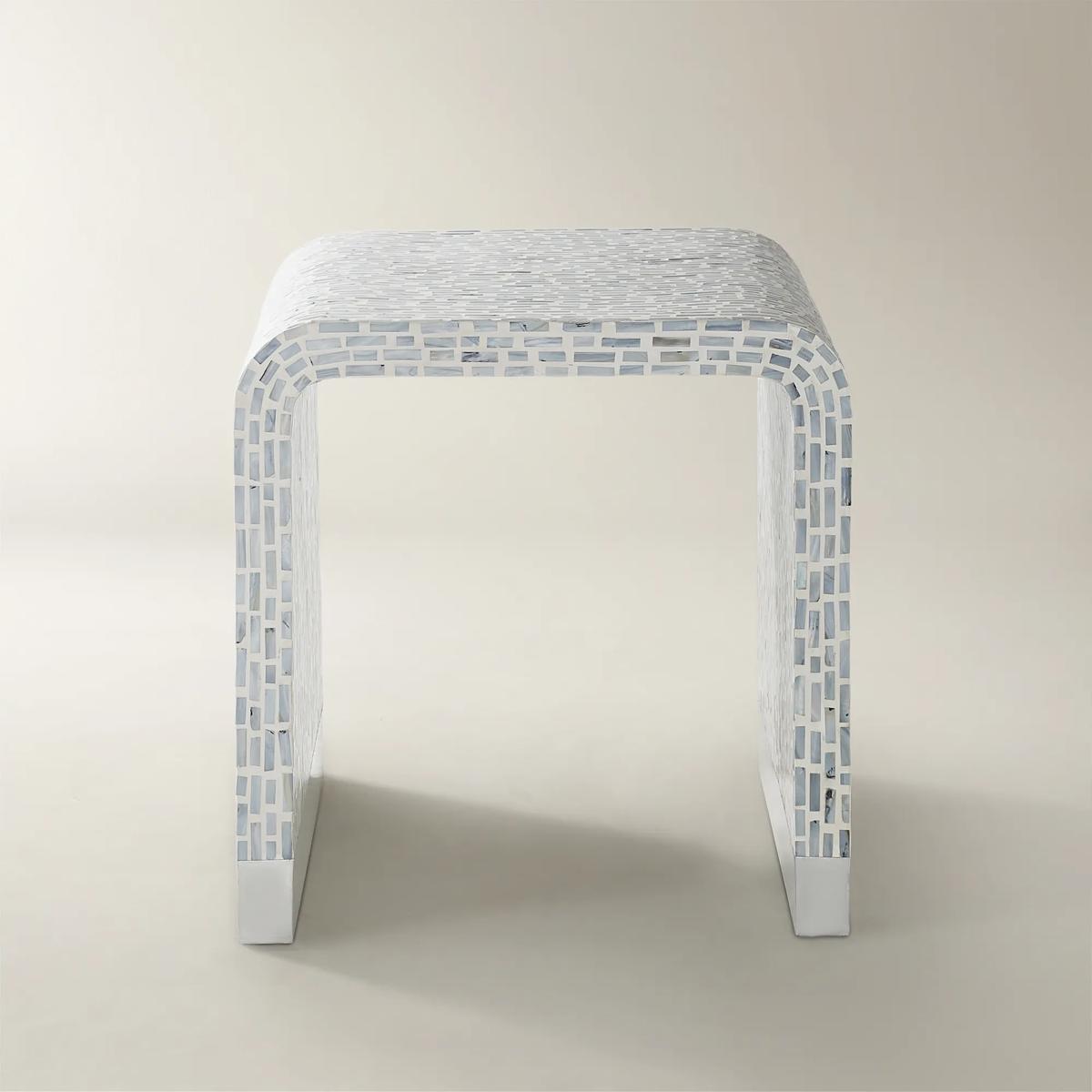
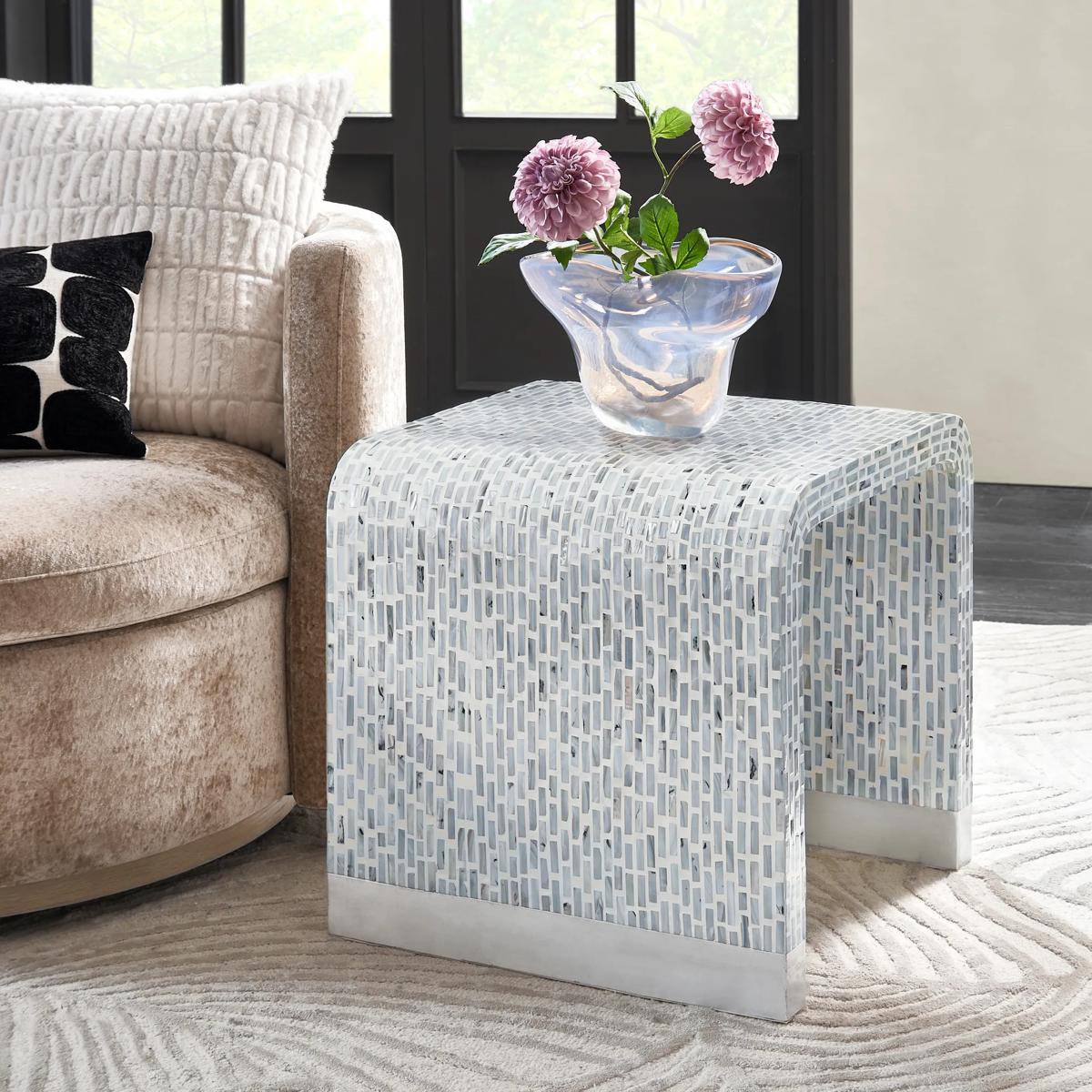 Iridia Blue Side Table (21.6")$399
A handcrafted end table featuring iridescent blue mother-of-pearl inlay and a silver leaf base.
Add To Cart -
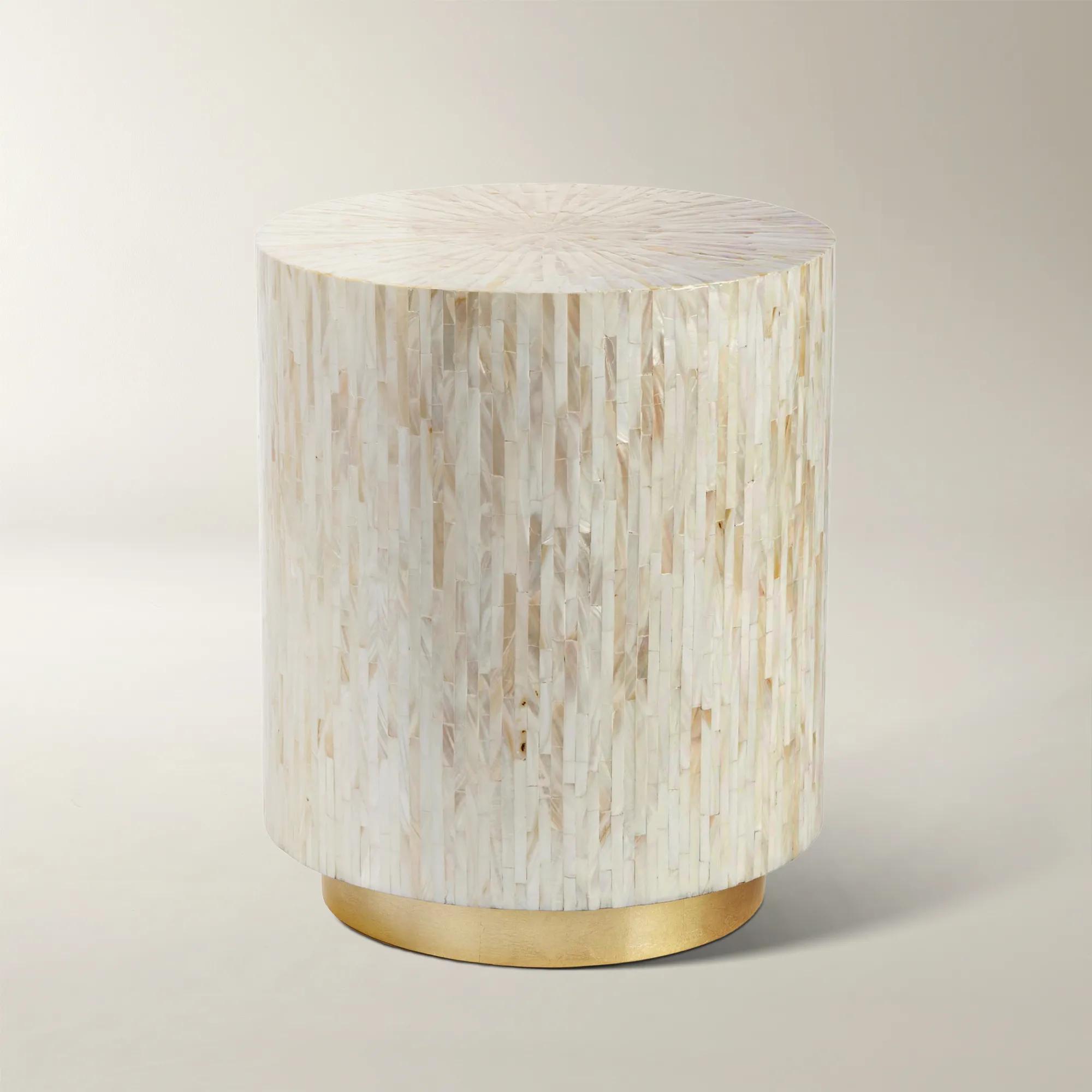 Alexandria Round Mosaic Platinum End Table (13.75")$299
A glamorous accent table featuring hand-applied mother-of-pearl mosaic and a gold leaf-accented base.
Add To Cart -
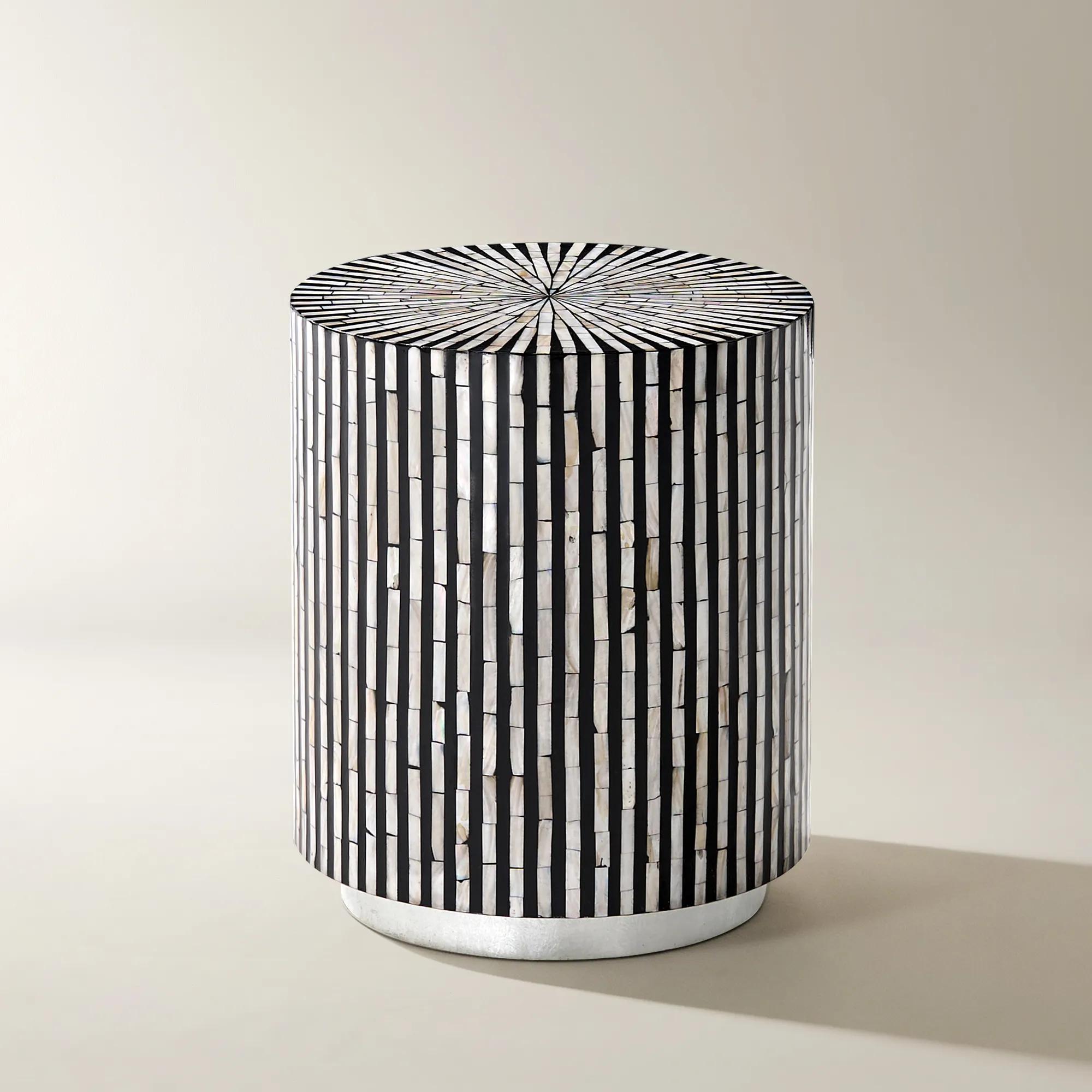
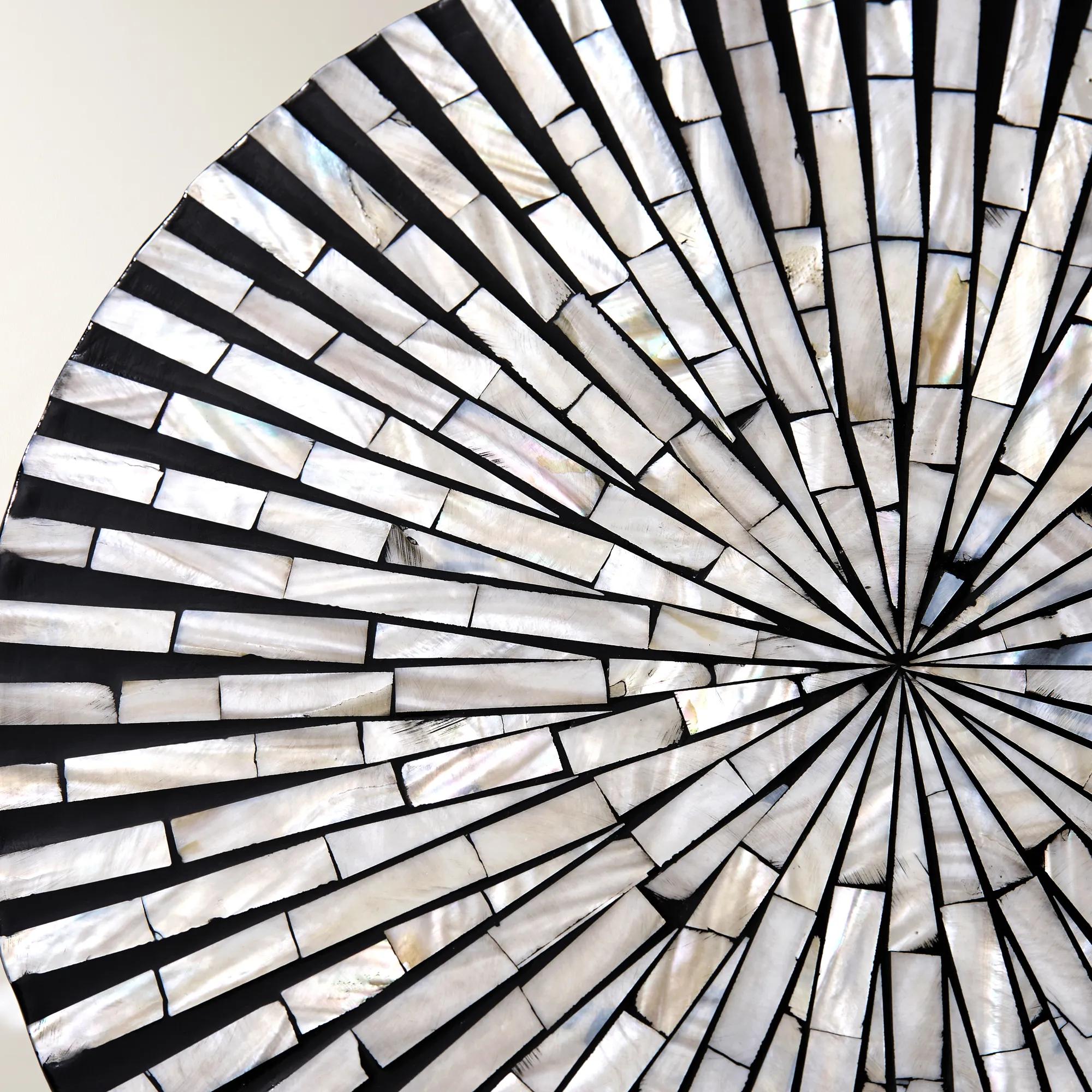 Marina Round Mosaic Black End Table (13.75")$299
A sculptural black end table featuring hand-applied mother-of-pearl mosaic and a silver leaf–accented base.
Add To Cart -
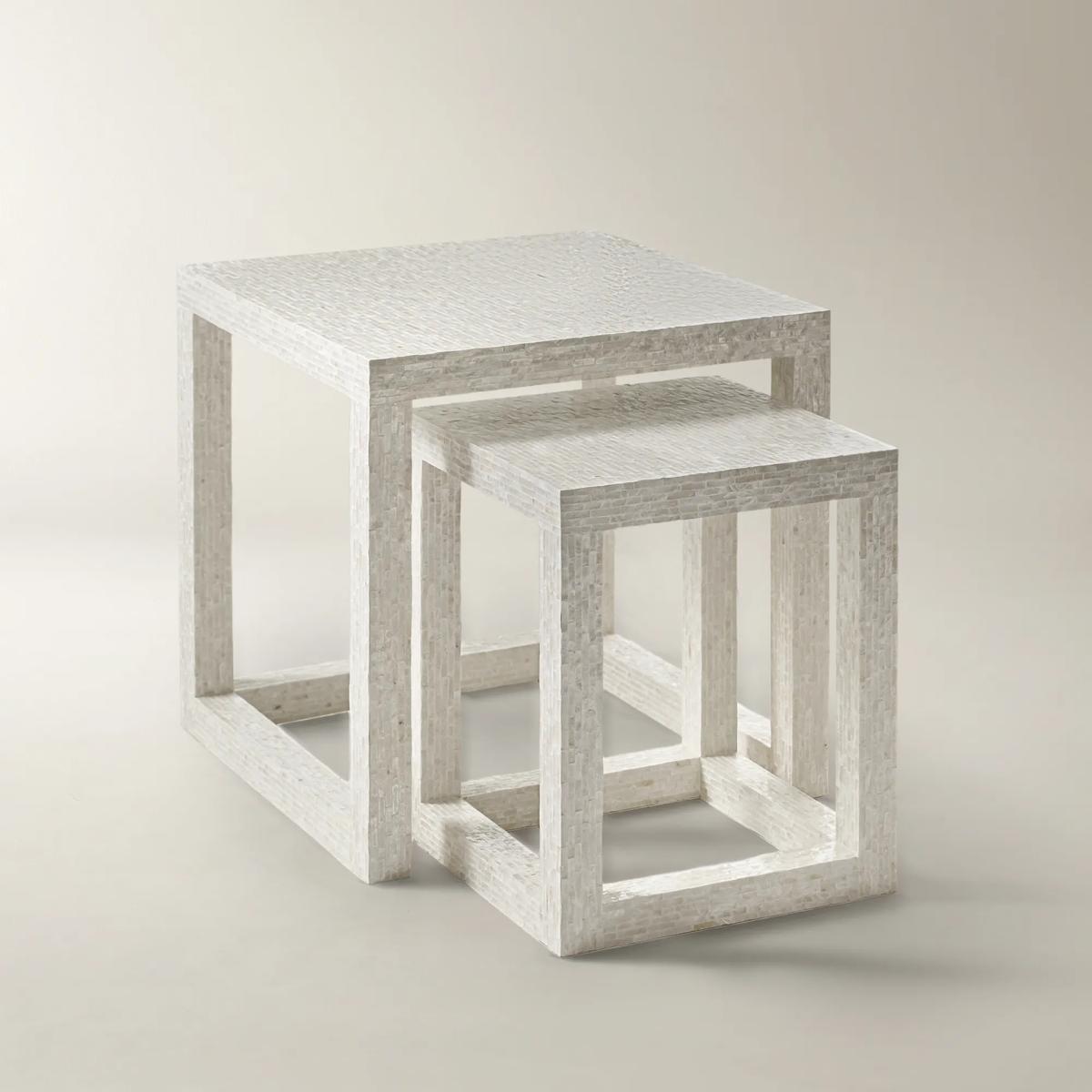 Ivori Square White Nesting Accent Table Set Of 2 (16.5"-23.75")$599
A handcrafted white nesting table featuring radiant mother-of-pearl inlay for a unique, iridescent accent.
Add To Cart -
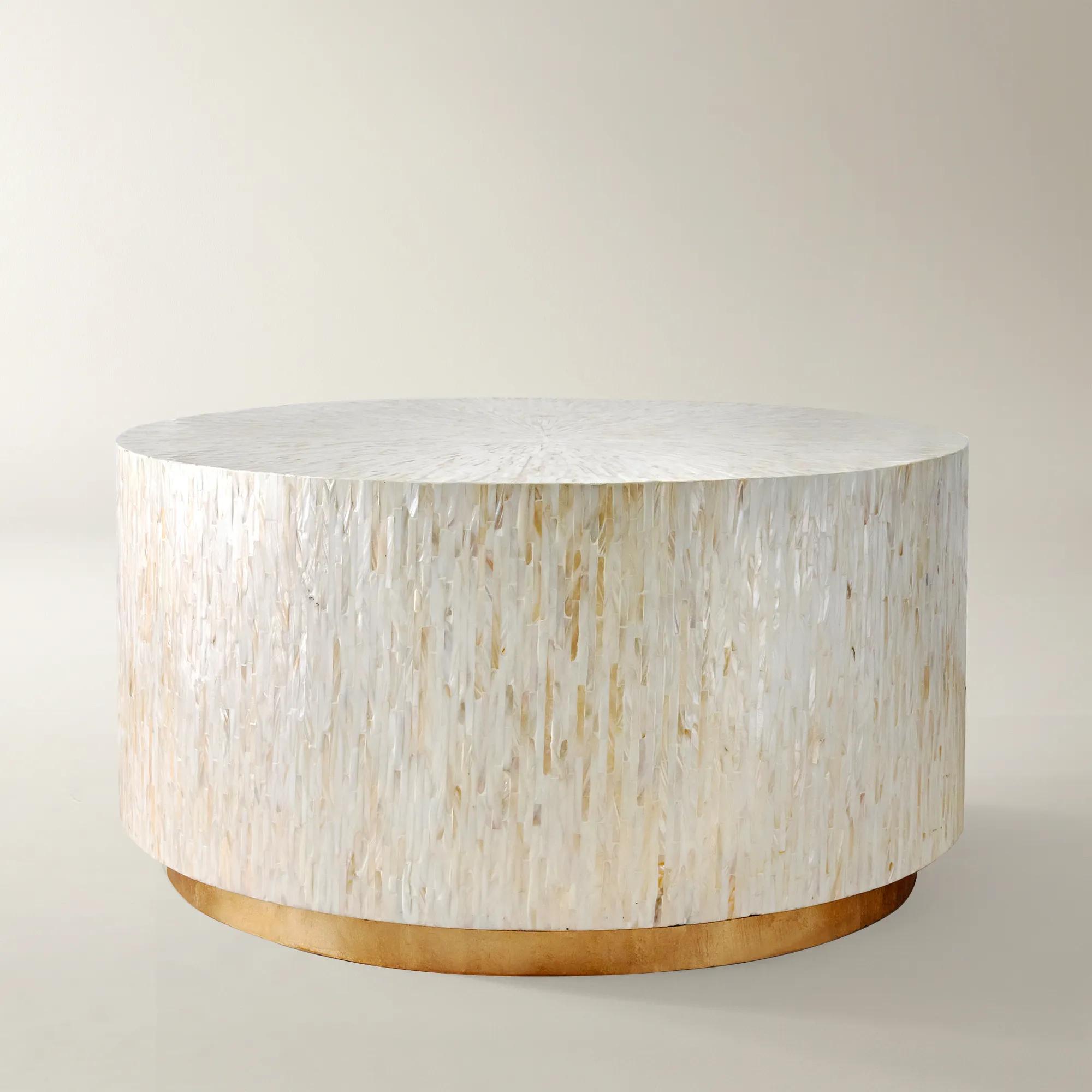
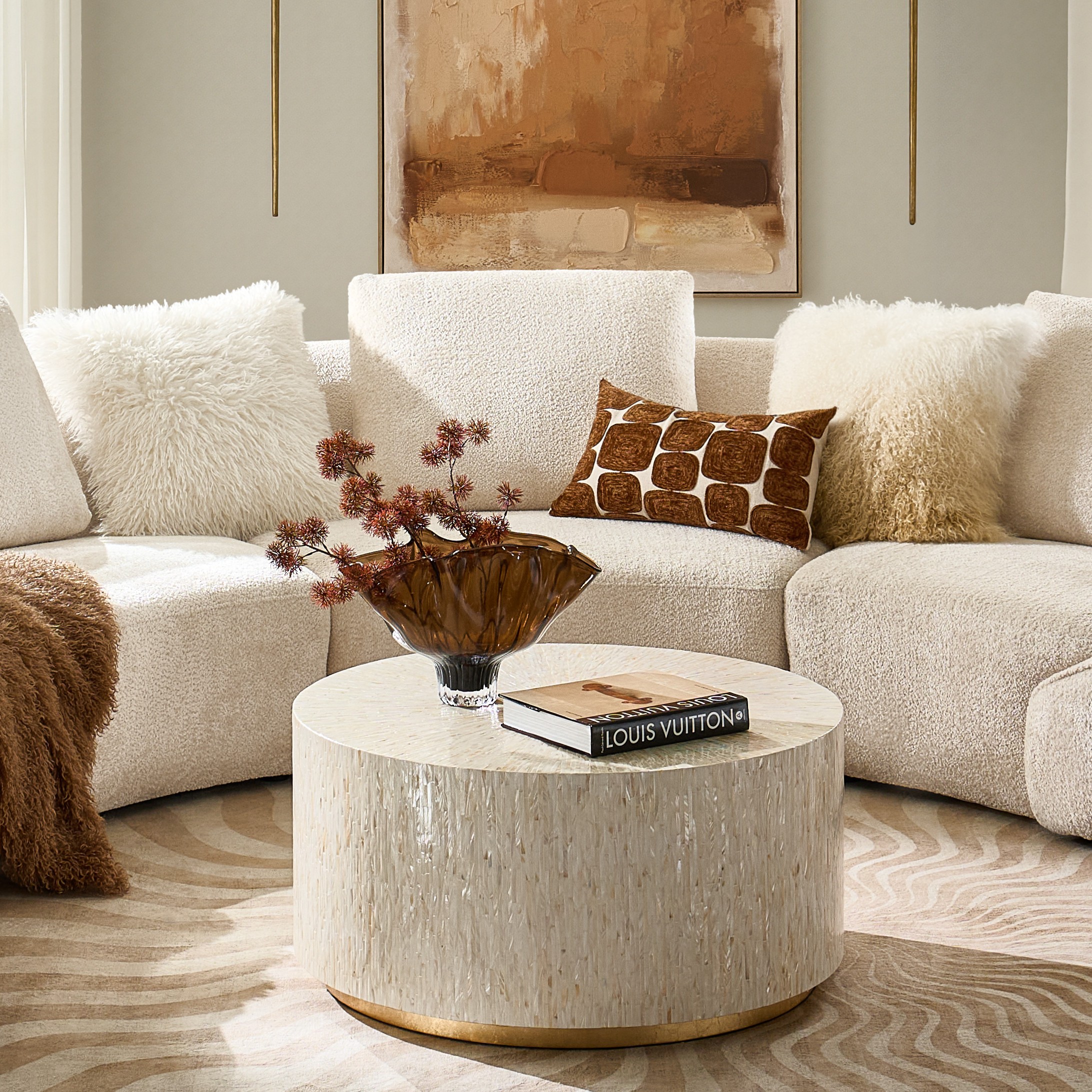 Alexandria Round Mosaic Platinum Coffee Table (36")$799
A luminous ivory coffee table featuring hand-applied mother-of-pearl mosaic and a gold leaf-accented base.
Add To Cart -
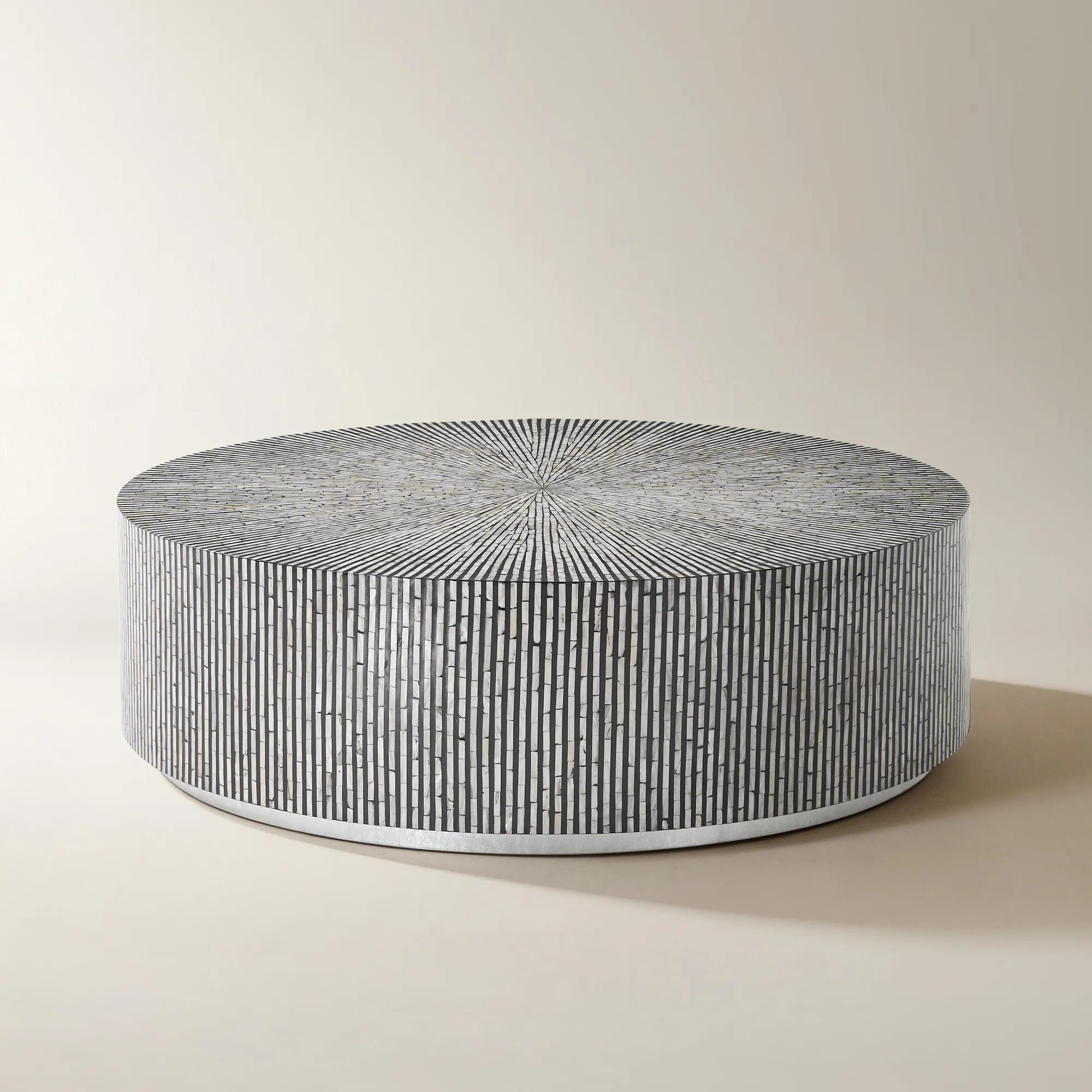
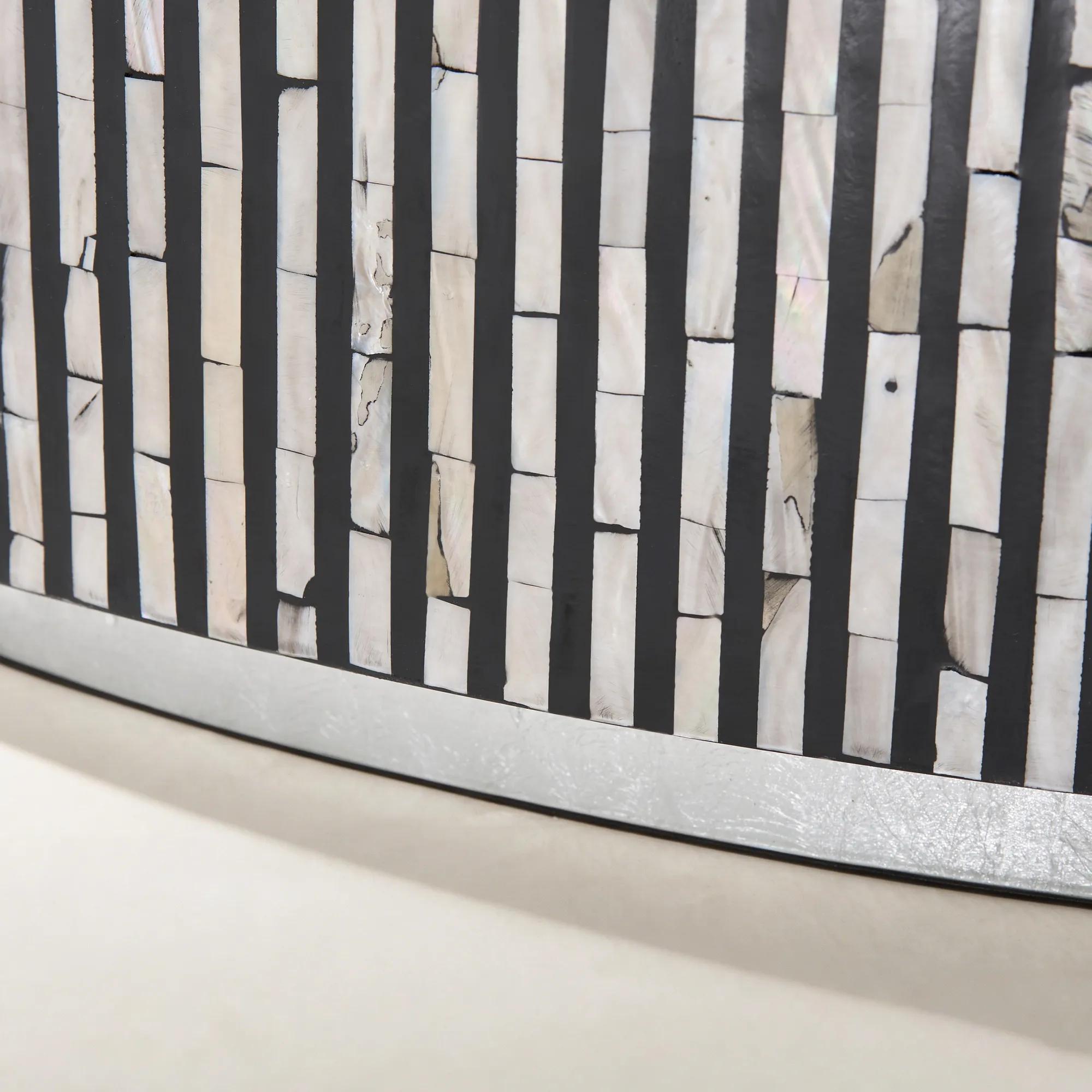 Marina Round Mosaic Black Coffee Table (52")$1399
A sculptural black coffee table featuring hand-applied mother-of-pearl mosaic and a silver leaf base.
Add To Cart -
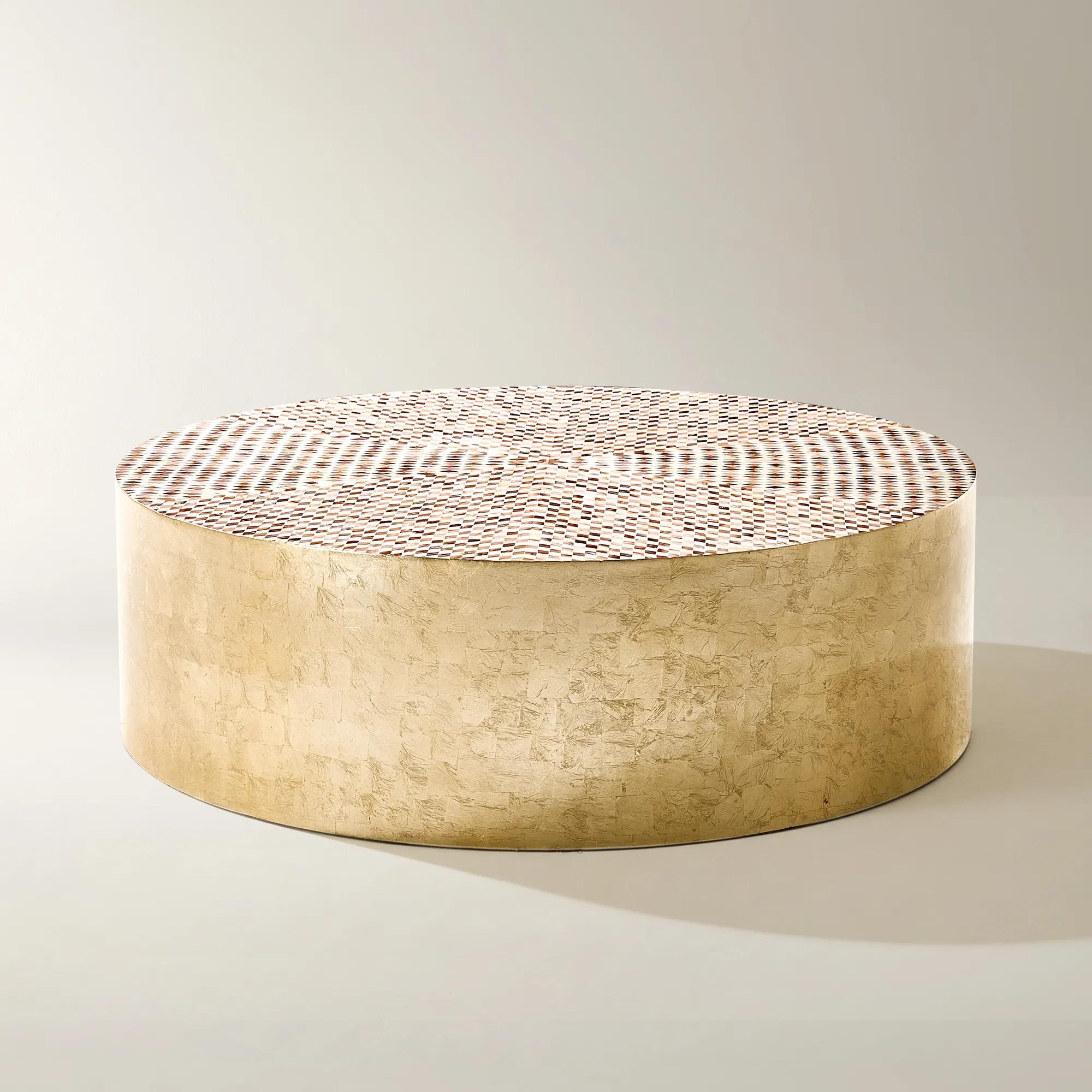
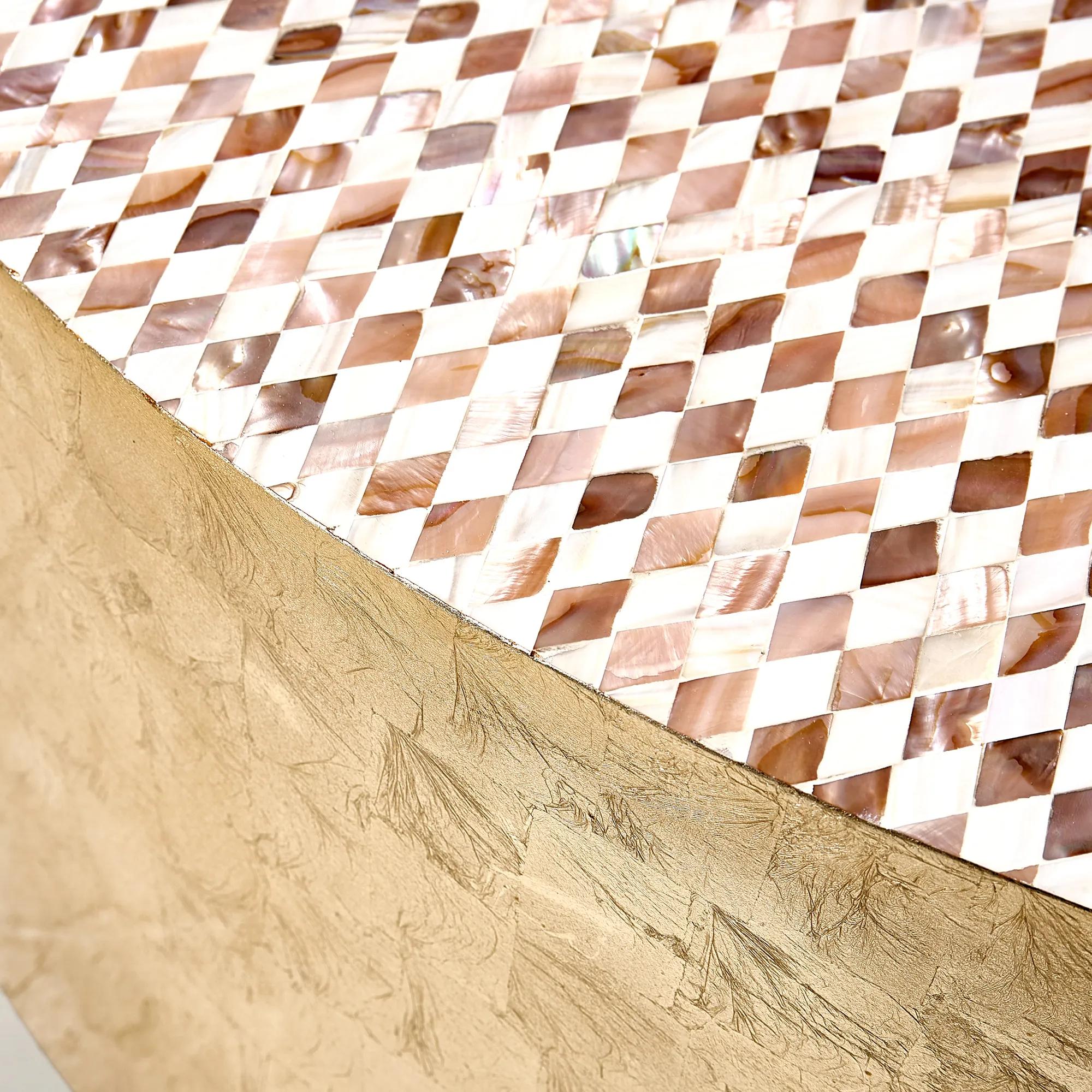 Lucien Round Diamond Coffee Table (47.24")$1299
A sculptural round coffee table featuring a hand-laid mother-of-pearl diamond mosaic and gold leaf sides.
Add To Cart -
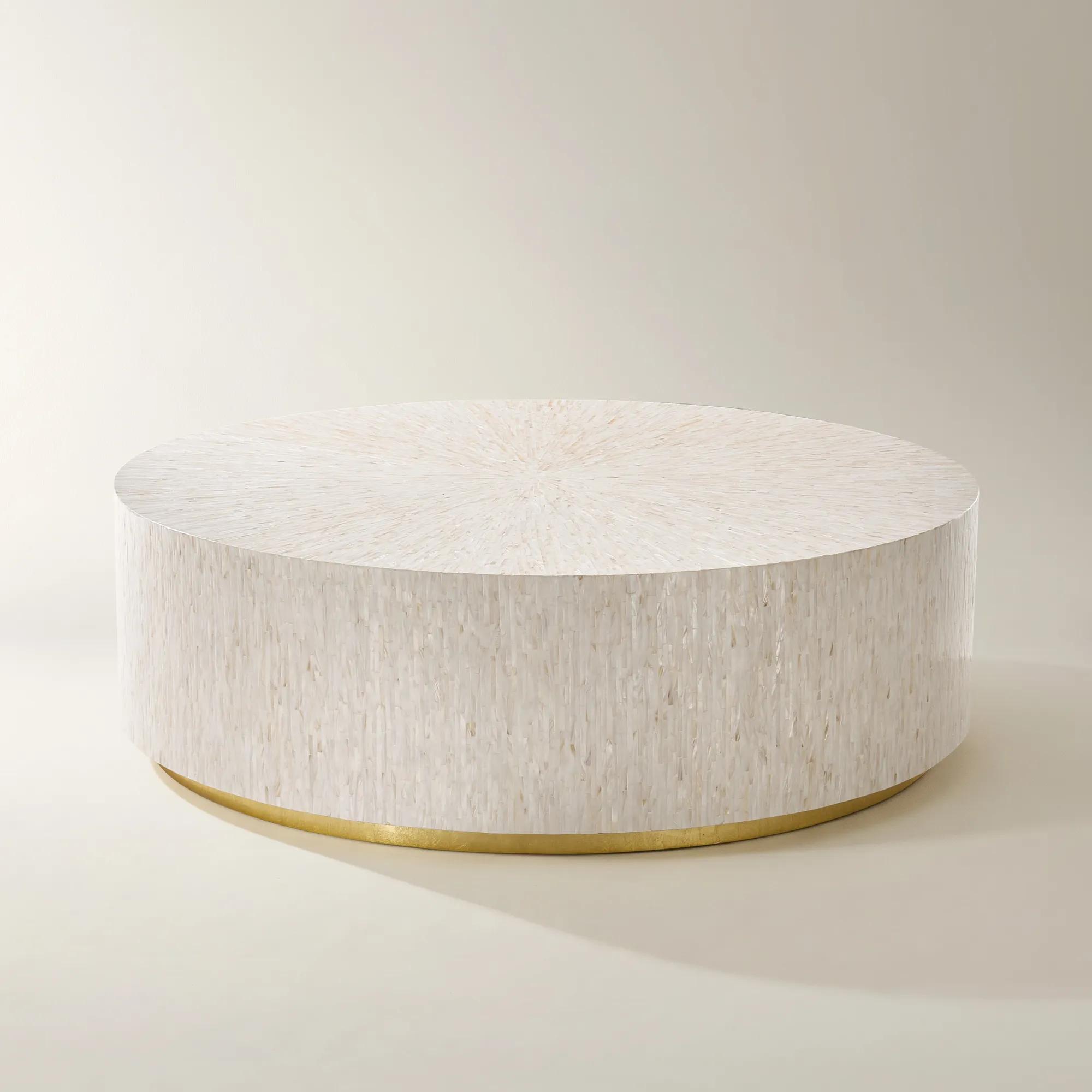 Alexandria Round Mosaic Platinum Coffee Table (52")$1399
A luminous mother-of-pearl mosaic coffee table with a sculptural round form and gold leaf–accented base.
Add To Cart -
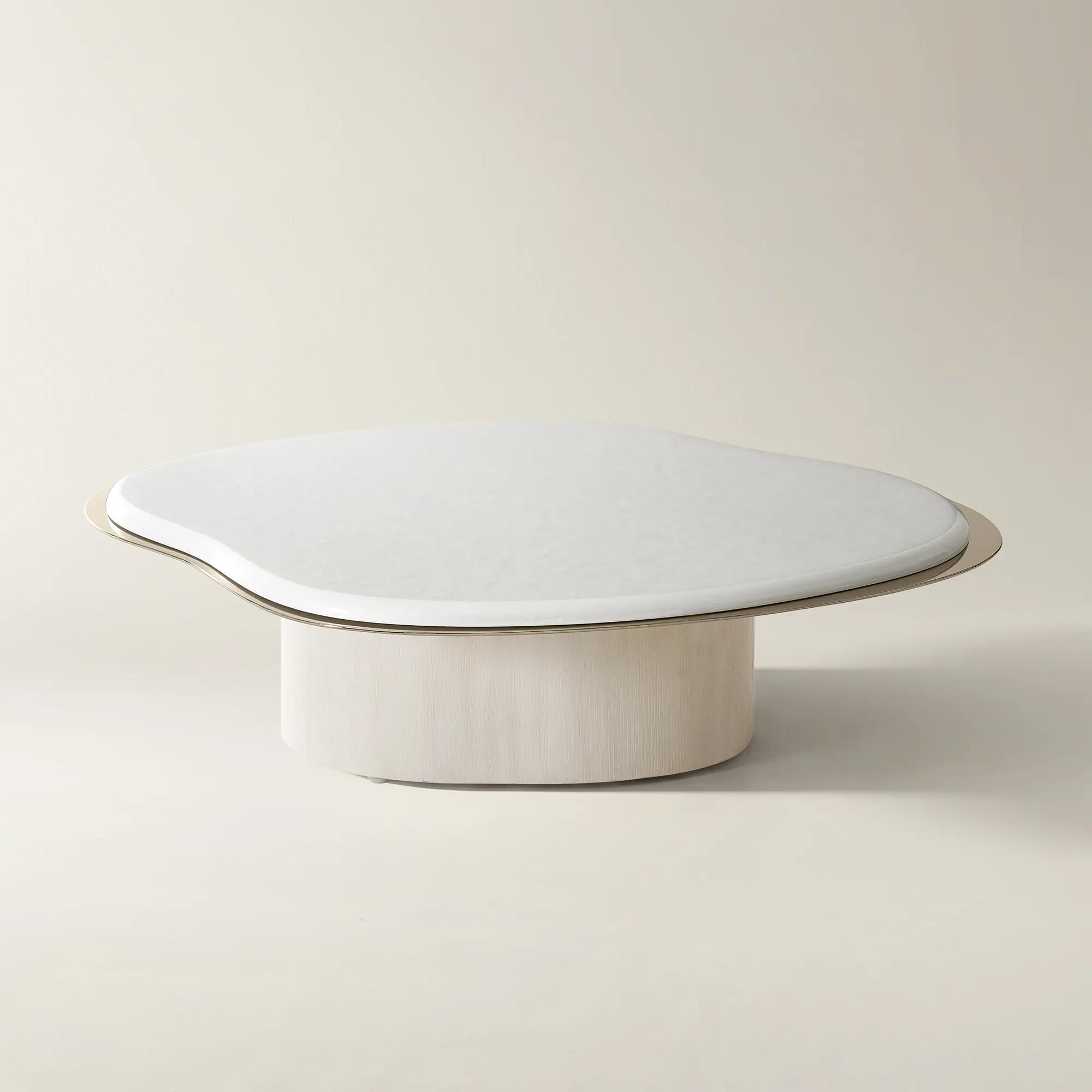
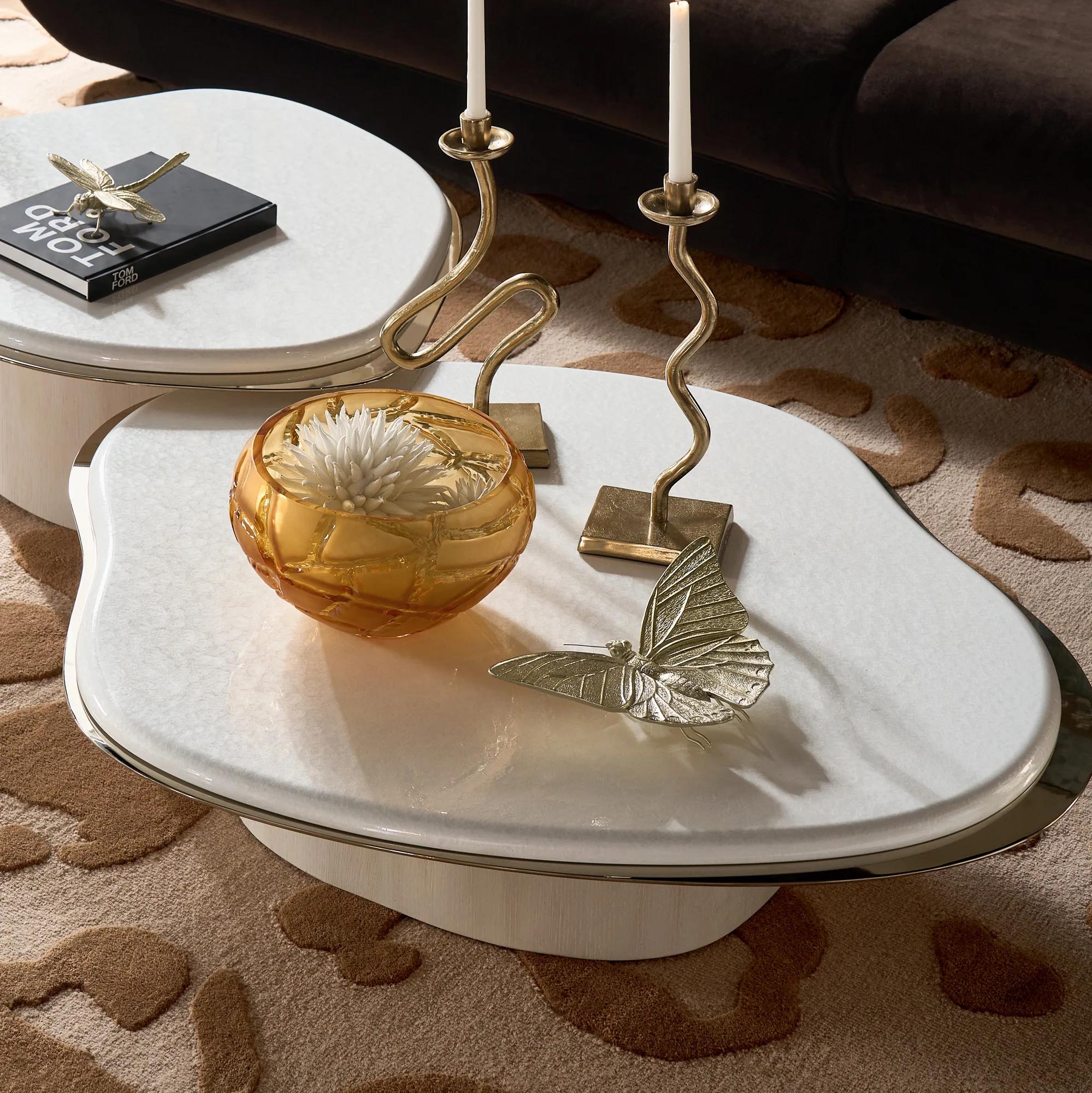 Lumina Bleached Oak Coffee Table With Pearl Lacquered Top (41")$1199
A sculptural coffee table featuring a pearl lacquered top, bleached oak base, and champagne gold trim.
Add To Cart -
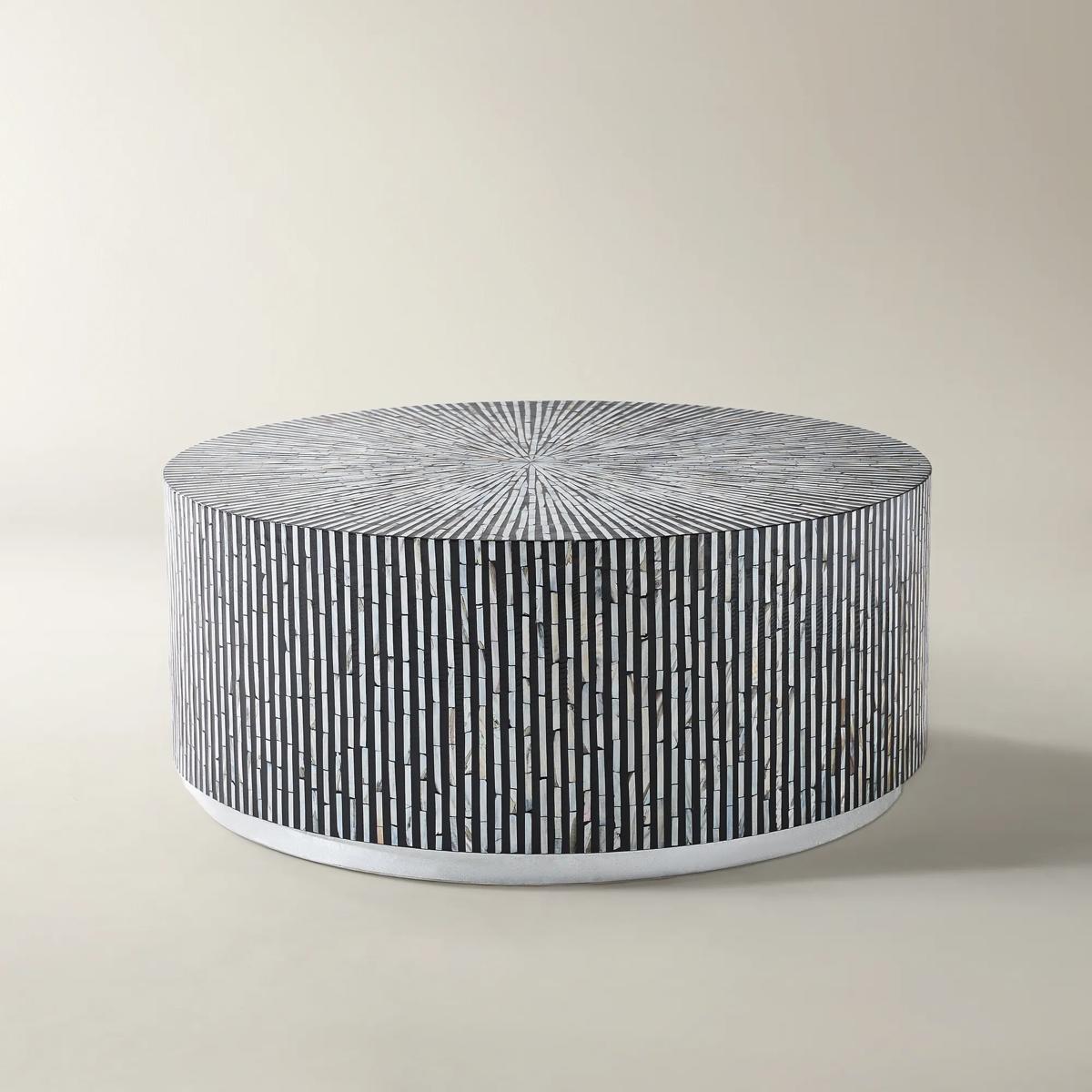
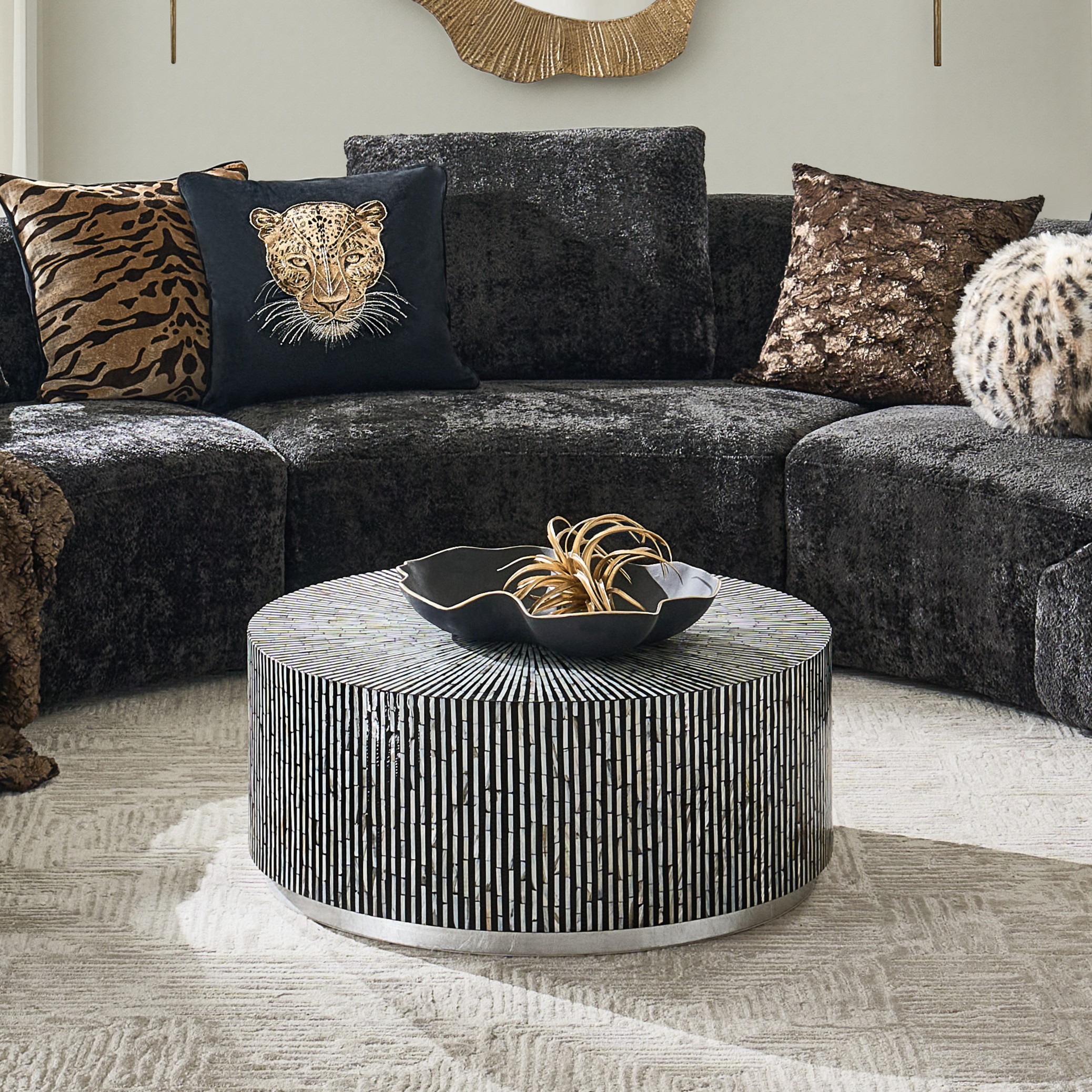 Marina Round Mosaic Black Coffee Table (35.8")$799
A handcrafted round coffee table featuring iridescent mother-of-pearl inlay and a silver leaf base.
Add To Cart -
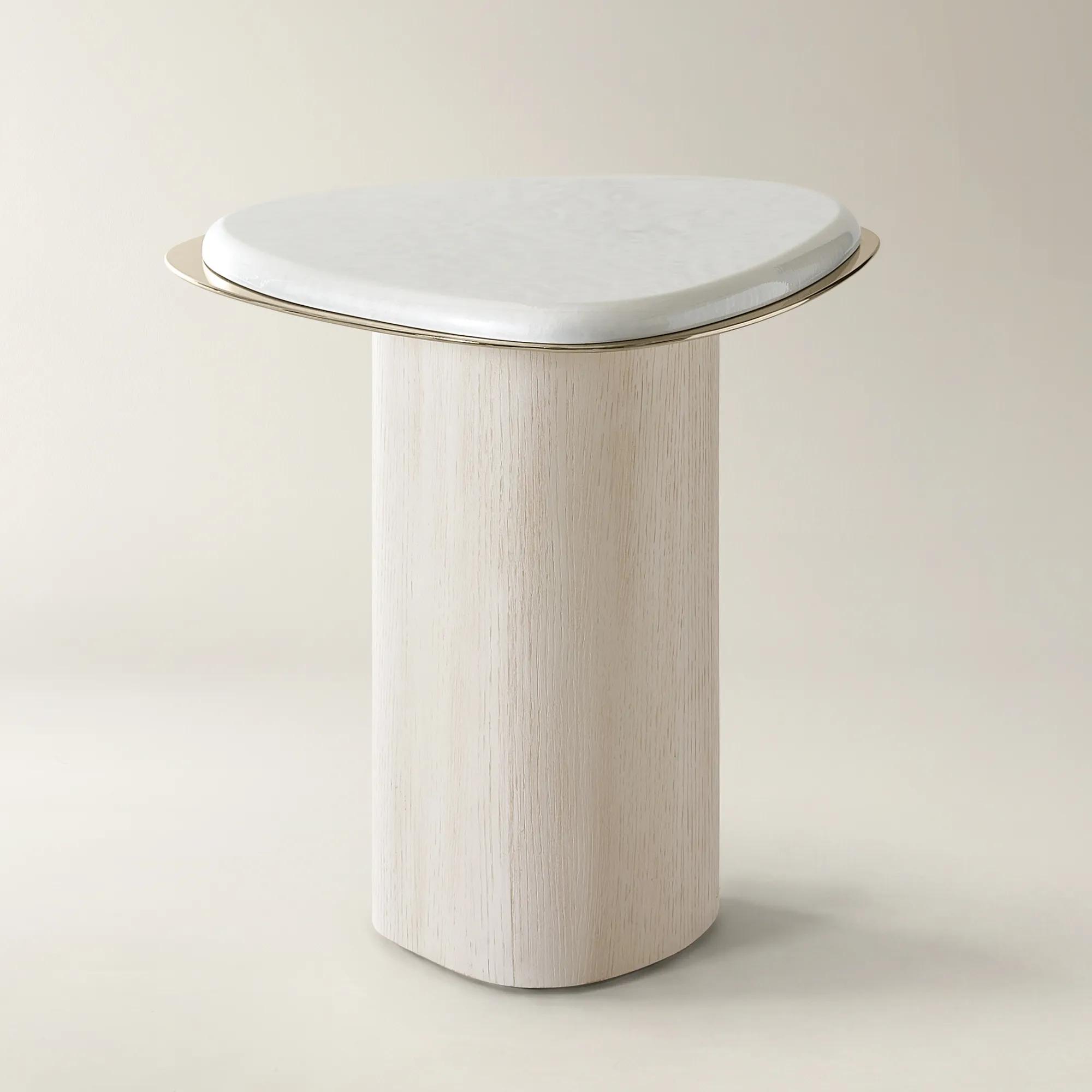
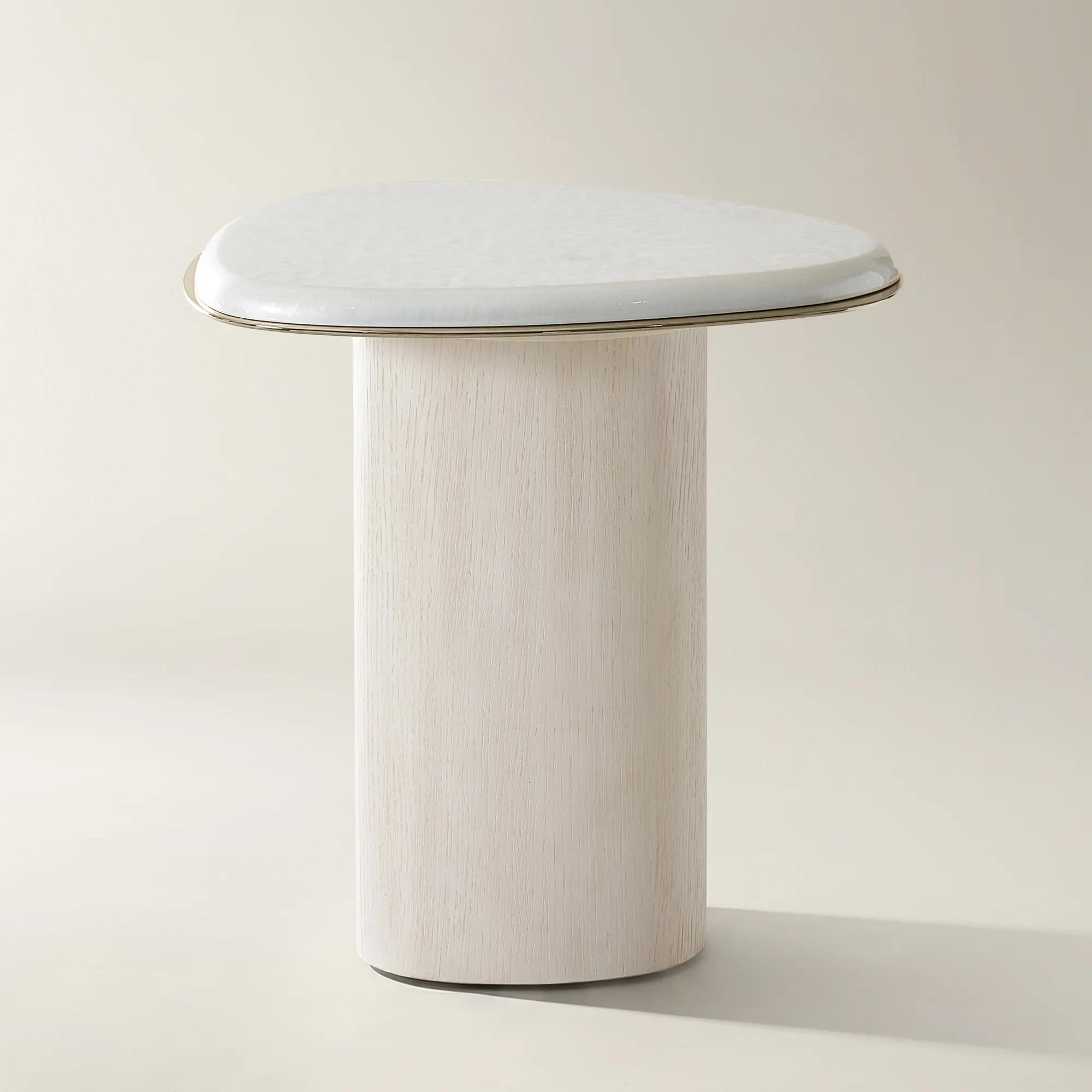 Lumina Bleached Oak End Table With Pearl Lacquered Top (18")$499
A sculptural end table featuring a pearl lacquered top, bleached oak base, and champagne gold trim.
Add To Cart -
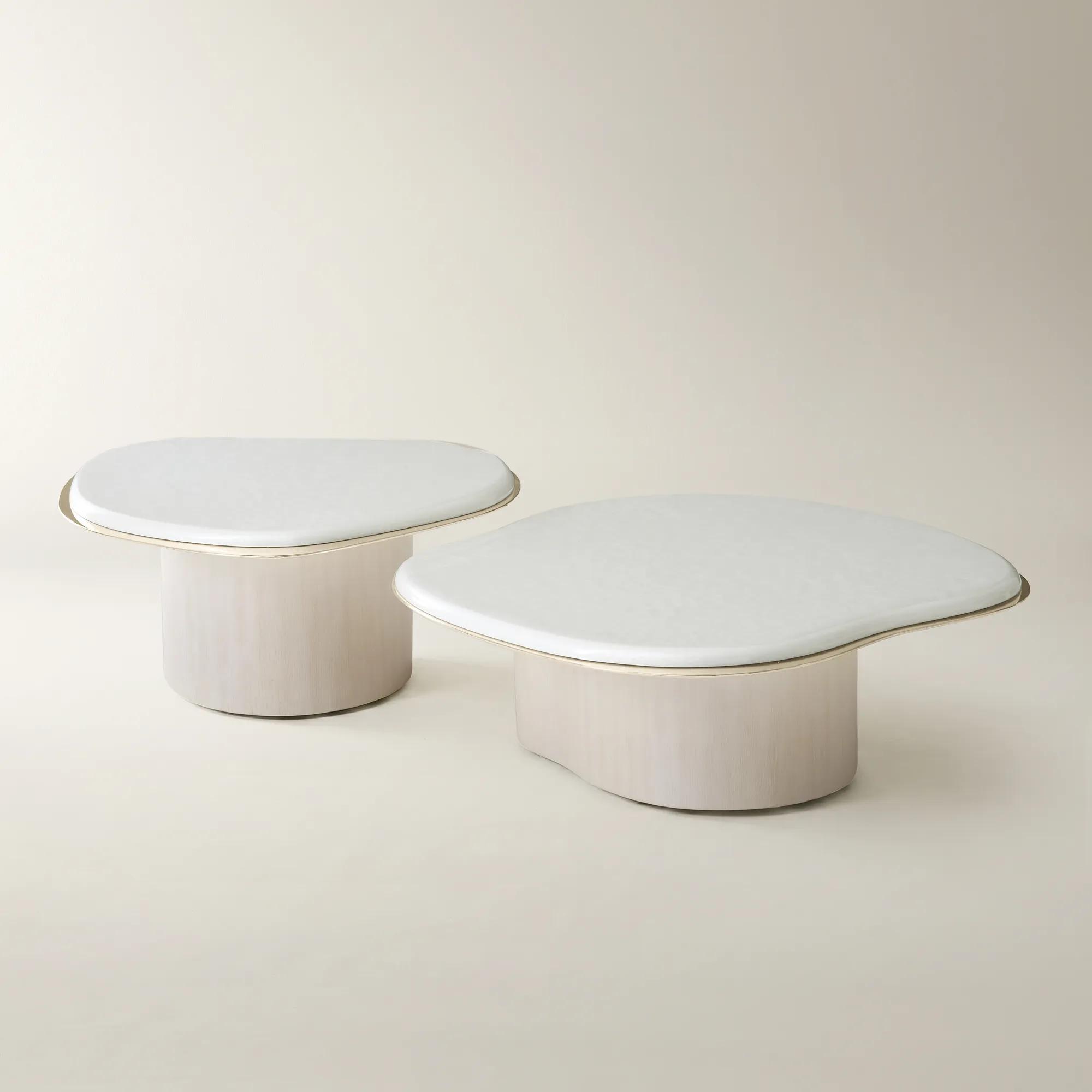 Lumina Bleached Oak Coffee Table Set Of 2$2098
A set of sculptural coffee tables featuring pearl lacquered tops, bleached oak veneer, and champagne gold trim.
Add To Cart -
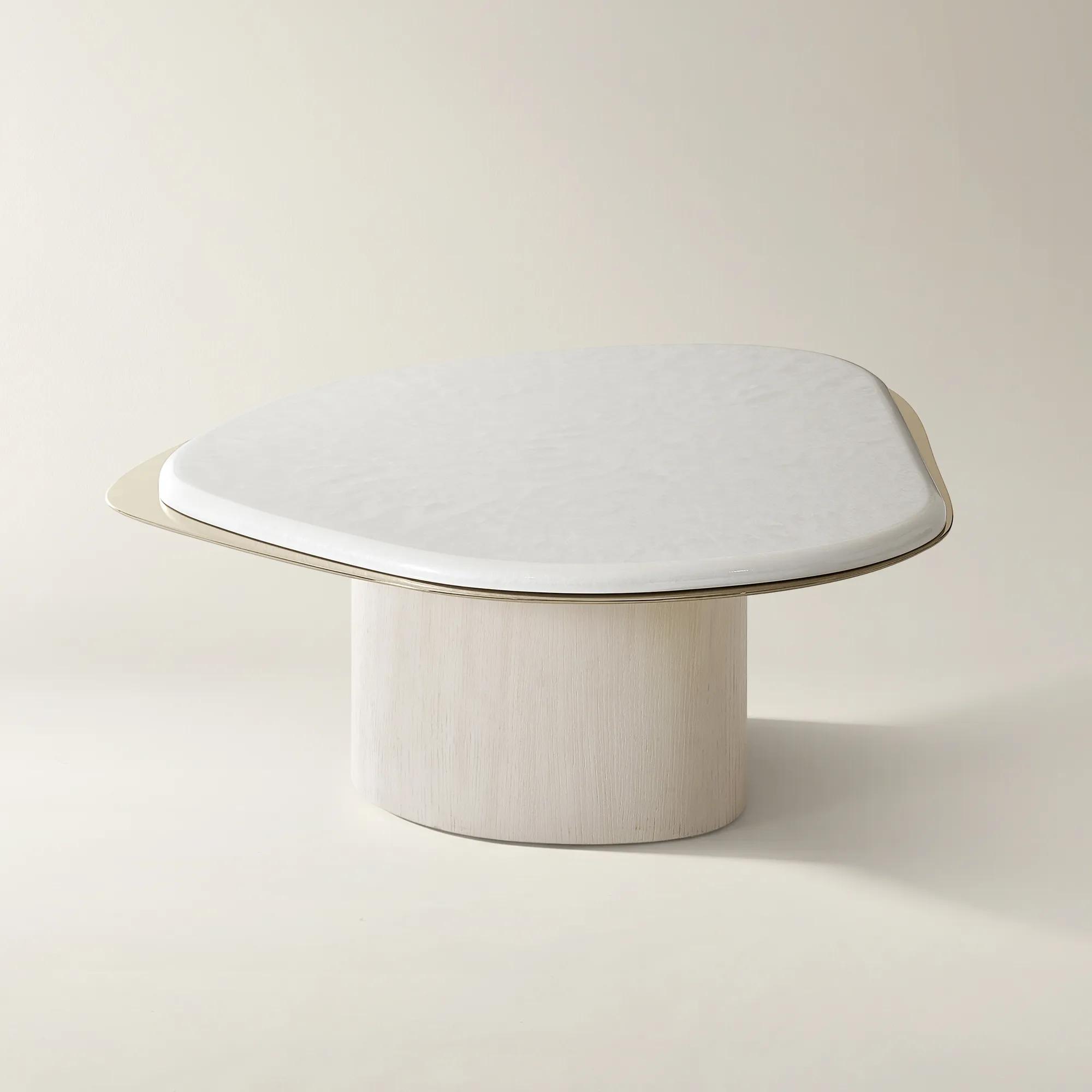
 Lumina Bleached Oak Coffee Table With Pearl Lacquered Top (32")$899
A sculptural coffee table featuring a pearl lacquered top, bleached oak base, and champagne gold trim.
Add To Cart -
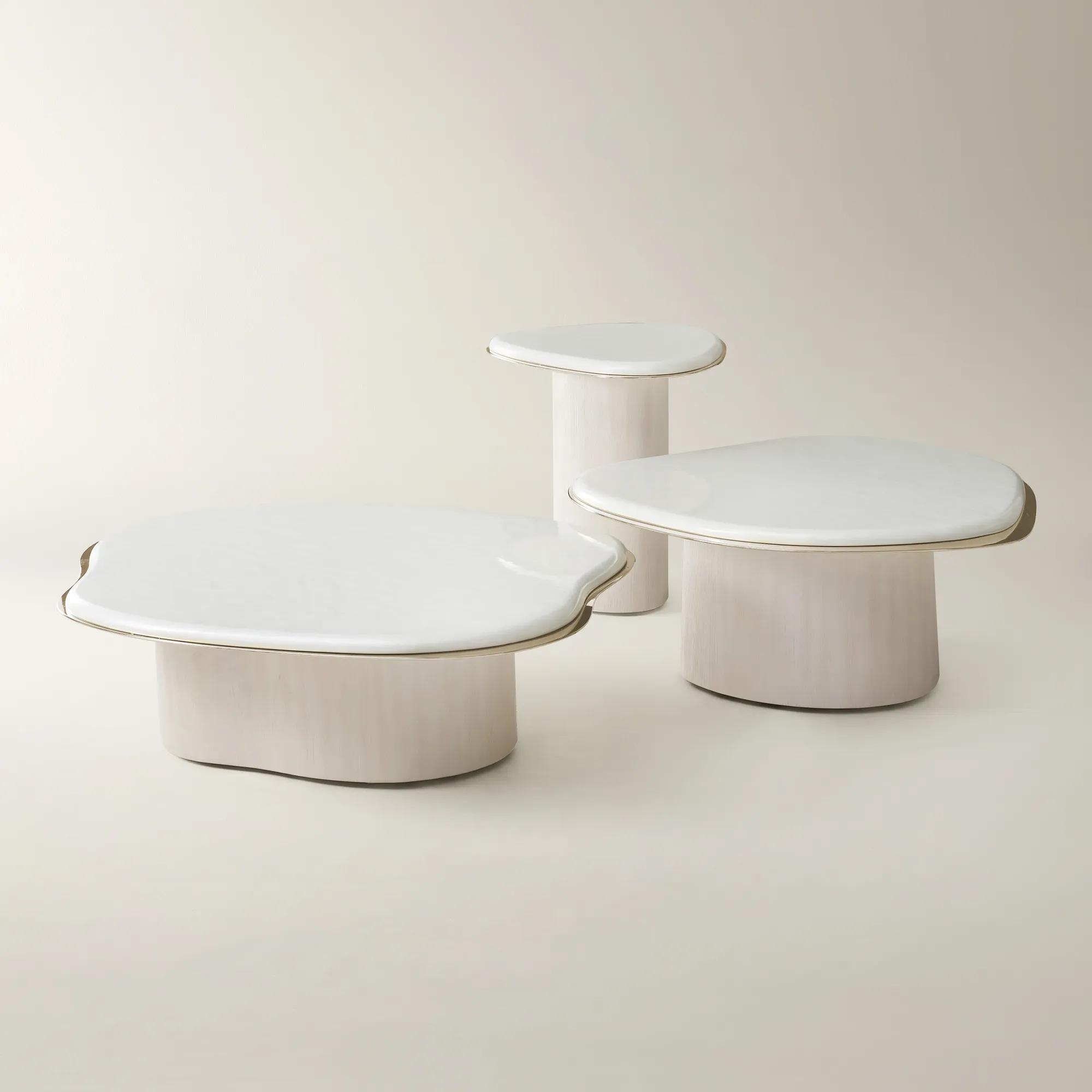
 Lumina Bleached Oak Coffee Table Set Of 3$2597
A sculptural set featuring pearl lacquered tops, bleached oak veneer bases, and champagne gold trim accents.
Add To Cart

Mother-Of-Pearl Accent Tables
Explore mother-of-pearl accent tables that bring luminous texture and an artful focal point to your living space. The shell’s natural iridescence adds depth and subtle drama beside a sofa or accent chair. As you browse, consider each table’s dimensions, silhouette, and surface area to find a piece that complements your seating and leaves room for a beautifully composed display.
Mother-of-pearl accent tables bring a distinctive kind of radiance to a room: luminous rather than glittering, richly detailed rather than visually heavy. Their appeal begins with nacre, the iridescent material found inside certain mollusk shells, which catches light in delicate layers of cream, silver, blush, and pale gold. Cut shell pieces can be arranged across a surface in intricate mosaics, geometric patterns, or more fluid compositions, giving even a compact table the presence of a decorative object. Viewed from one angle, the finish may appear softly ivory; from another, its pearlescent depth becomes more pronounced. That variation gives mother-of-pearl furniture its expressive character and makes it especially compelling beside materials with a contrasting texture. Against sumptuous velvet, the shell feels crisp and luminous. Near dark wood, it introduces a striking point of light. Alongside linen upholstery, it adds polish without overwhelming the relaxed weave. A mother-of-pearl side table can serve as the finishing detail beside a favorite reading chair, while a sculptural accent table between two seats creates a deliberate focal point for conversation. In a bedroom, a petite silhouette can lend a dressing area the intimacy of a jewel box, offering a place for a small tray or a carefully chosen decorative vessel. The effect does not depend on filling every inch of the surface. Leaving part of the shell exposed allows its pattern and natural tonal shifts to become part of the composition. For anyone drawn to interiors with artistry and a sense of discovery, these tables offer more than an additional resting place for everyday objects. They introduce a material worth looking at closely, one that rewards restraint in styling even within a room layered with dramatic furnishings. Their small scale also makes them an expressive choice for spaces where a larger statement piece would interrupt the flow, from a compact sitting area to an intimate corner of a spacious living room.
Choosing a mother-of-pearl accent table involves both its visual rhythm and the way it will sit among the furniture already in place. A round top can soften the angular lines of a tailored sofa, while a square or rectangular silhouette can give a seating arrangement more structure. Drum shapes have a grounded, sculptural presence; open bases allow more of the surrounding floor to remain visible. Neither needs to be large to command attention, especially when the shell is arranged in a pronounced pattern. Measure the intended spot with nearby furniture in position, allowing room to walk, open drawers, and reach the tabletop without leaning awkwardly. Beside a sofa or armchair, a surface close to the height of the arm generally feels natural for setting down a book or a drink on a coaster. A low accent table may look dramatic but prove less comfortable for frequent use, while a taller design deserves particular attention to stability and placement. If the table will hold a lamp, account for the lamp’s footprint, the remaining usable surface, and a discreet route for its cord. Material details matter just as much as dimensions. Mother-of-pearl is typically a decorative surface applied over a supporting structure rather than the table’s structural material, so descriptions of the underlying wood, engineered wood, metal, or other base help establish how a piece is constructed. Shell coverage, edge treatments, protective finishes, and the materials used between inlaid pieces can also affect its appearance and care requirements. Natural variation in shell color and pattern is part of the material’s appeal, rather than a promise of perfectly uniform color. For a room that echoes the shell’s creamy tones with warmer metallic accents, Ivory And Gold Accent Tables offer a related decorative direction. Repeating a finish in a picture frame or lamp base can connect the arrangement without making every piece match, leaving the mother-of-pearl surface free to provide its own distinctive shimmer.
A beautiful accent table should suit the rituals of the room as well as its aesthetic. In a living area used for entertaining, prioritize enough surface for a protected drink and a small dish without crowding the edges. Beside a reading chair, a book and a slender lamp may be all the styling needed; in a bedroom, a lined catchall can keep jewelry and small essentials from resting directly against the shell. Mother-of-pearl accent tables can also make thoughtful housewarming or wedding gifts for someone with an established love of decorative interiors, provided the dimensions and style suit the recipient’s space. Their ornamentation gives them a personal quality, but everyday practicality remains important. Shell inlay is decorative furniture, not a work surface, and its longevity depends on the construction, finish, placement, and handling. A protective coating may help shield the surface, but it does not make the table immune to scratches, chips, heat, or moisture. Follow the manufacturer’s care instructions for the complete piece, since the shell, surrounding fill, base, and finish may have different requirements. For routine dusting, use a soft, nonabrasive cloth, and avoid scrubbing at seams or raised details. Blot spills promptly rather than allowing liquid to collect around the inlay. Unless the care instructions expressly permit them, avoid acidic cleaners, harsh chemicals, abrasive powders, and soaking the surface; shell contains calcium carbonate, which can react with acids. Coasters, protective trays, and suitable pads beneath decorative objects help preserve the finish while allowing the table to remain part of daily life. Keep hot vessels off the surface, lift objects instead of dragging them, and position the table away from prolonged direct sunlight or sources of excessive heat. Treat an accent table as a supporting surface, never as seating or a step, and observe any stated weight limits. With thoughtful placement and gentle care, its pearlescent detail can remain the quiet point of fascination in a richly composed room: a luminous edge beside velvet, a patterned silhouette against dark upholstery, or a small, artful stage for a single sculptural vase.
FAQs
A mother-of-pearl accent table features lustrous shell material arranged over a supporting base, creating a surface rich in natural shimmer. Often crafted with intricate inlay or mosaic patterns, these tables bring an artful focal point to a room, with iridescent details that reveal subtle shifts in tone as the light changes.
Mother-of-pearl accent tables bring luminous contrast to modern, glamorous, and coastal-inspired interiors. Pair one with velvet upholstery and metallic accents for a sumptuous composition, or set it against warm wood and tailored linen for a softer expression. Its distinctive shell detailing adds artistry to both restrained palettes and richly layered rooms.
Let the iridescent surface lead the composition. A sculptural vase, a beautifully bound book, or a single decorative object adds dimension without obscuring the shellwork. Matte ceramics create striking contrast with the luminous finish, while clear glass keeps the arrangement visually airy and allows the table’s intricate pattern to remain in focus.
Yes. Natural mother-of-pearl can display creamy white, silvery, blush, or other subtle undertones, depending on the shell used. Individual pieces vary in texture and iridescence, giving the finished surface depth and character. The arrangement of the shellwork adds another layer of distinction, from flowing mosaics to crisp geometric designs.
Preserve its luminous character with gentle care. Dust with a soft, dry cloth, blot spills promptly, and use coasters to limit contact with moisture. Avoid abrasive scrubbers, acidic cleaners, and harsh chemicals that may damage the shell or finish. Follow the table’s care instructions before using any cleaning solution, since finishes and supporting materials vary.