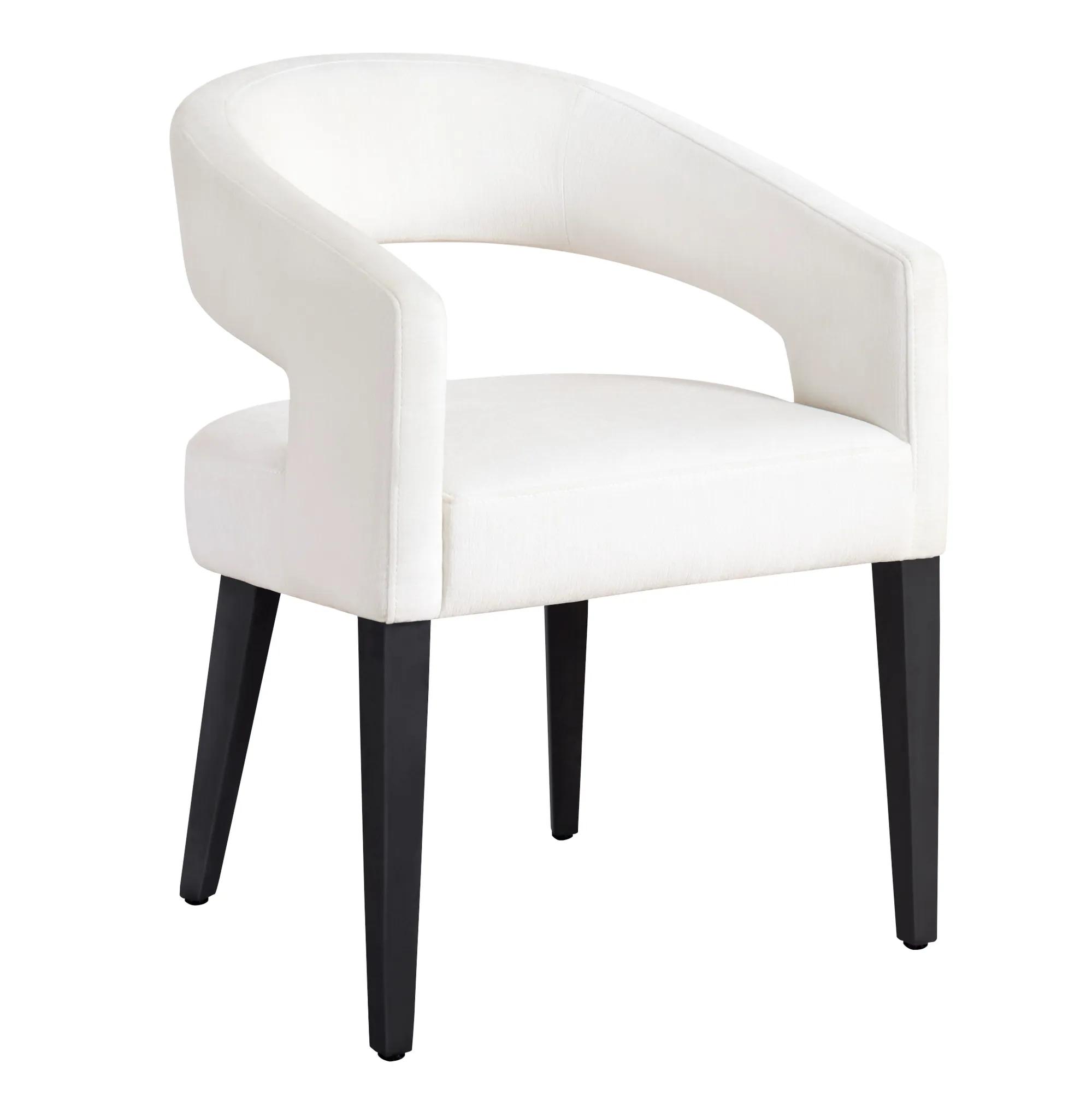
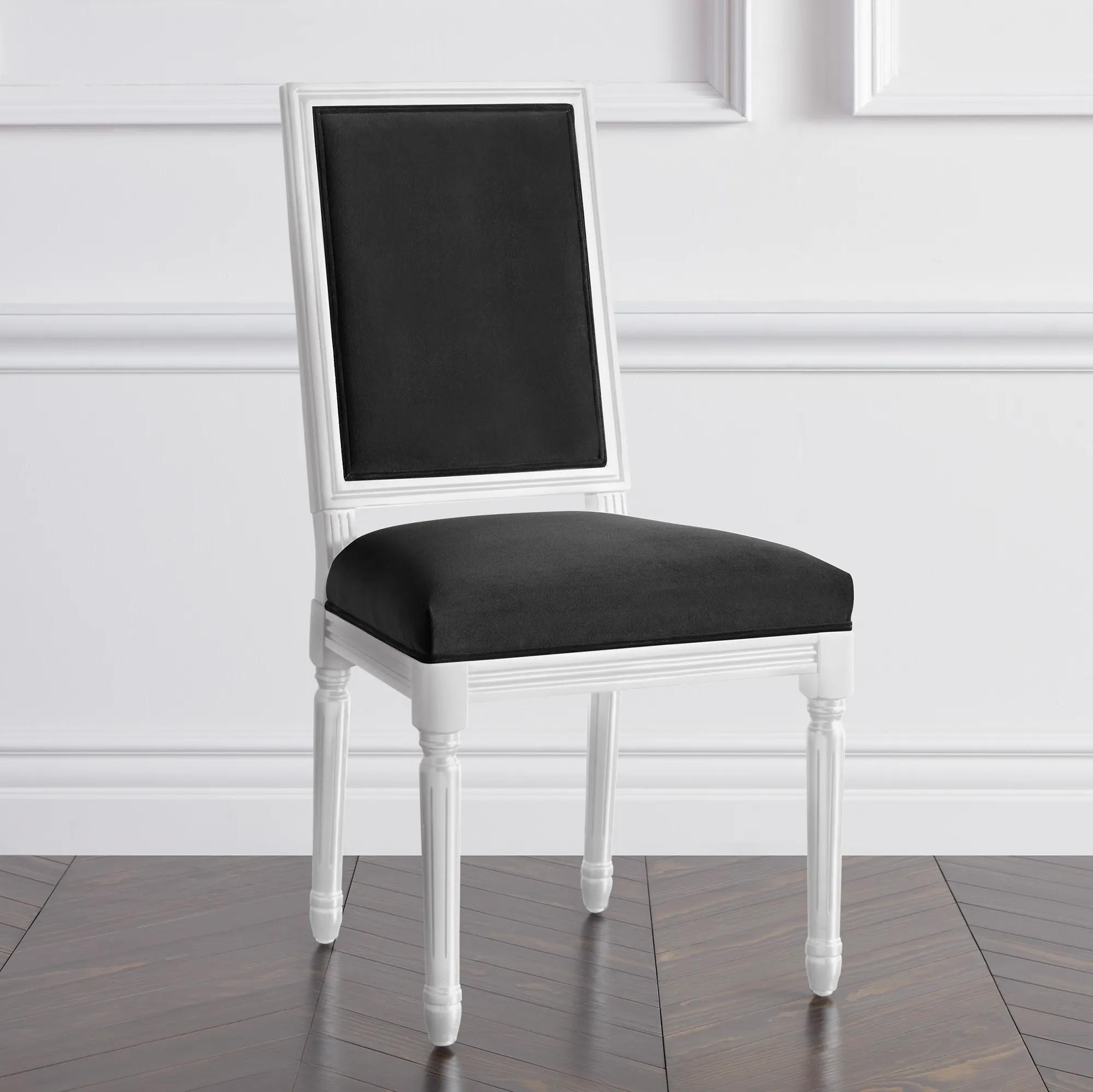
Moondust Chenille Dining Chairs
Moondust Chenille Dining Chairs
-
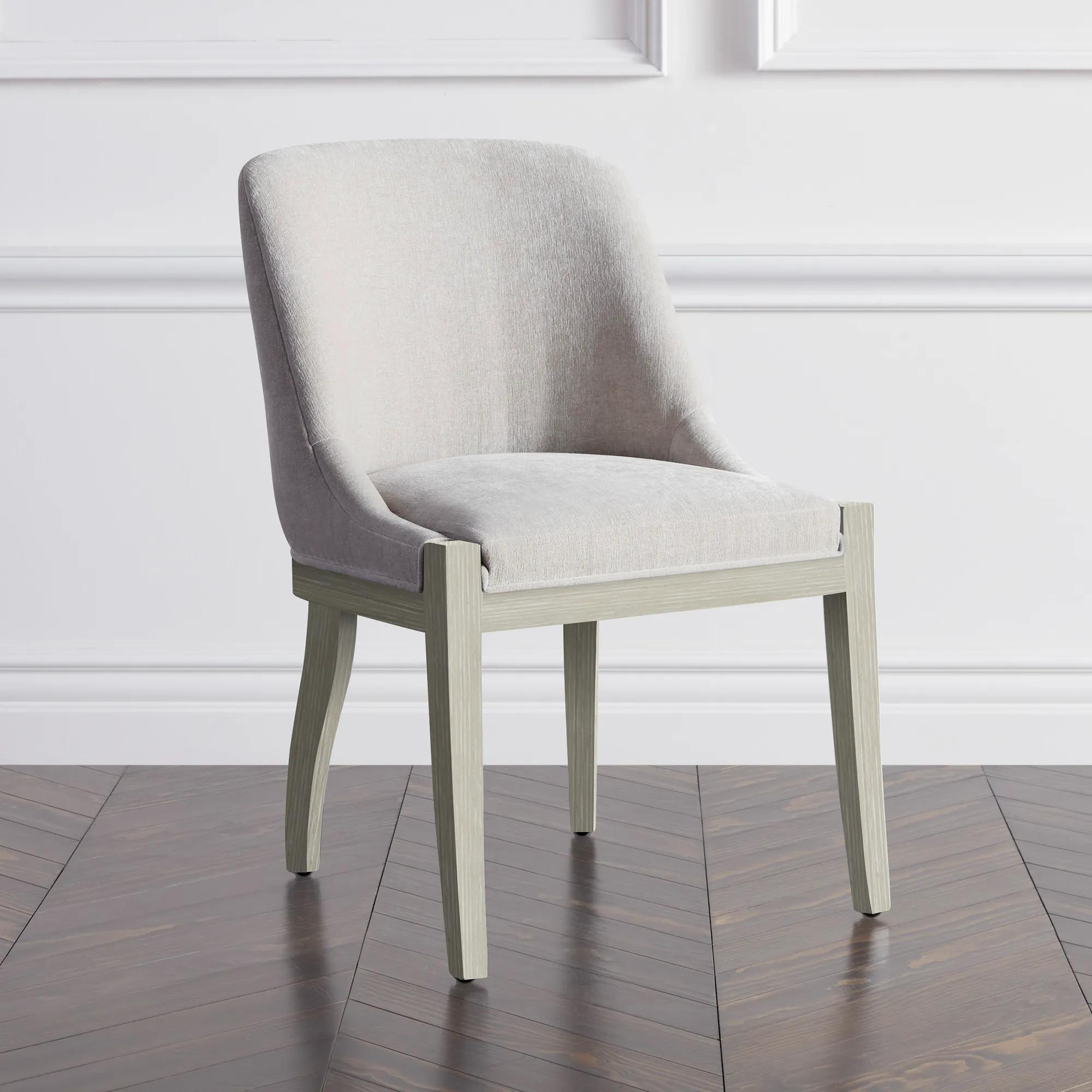 Lily Dining Chair - Natural Grey$699
A modern dining chair featuring kiln-dried hardwood, natural grey upholstery, and plush foam-and-fiber cushioning.
Add To Cart -
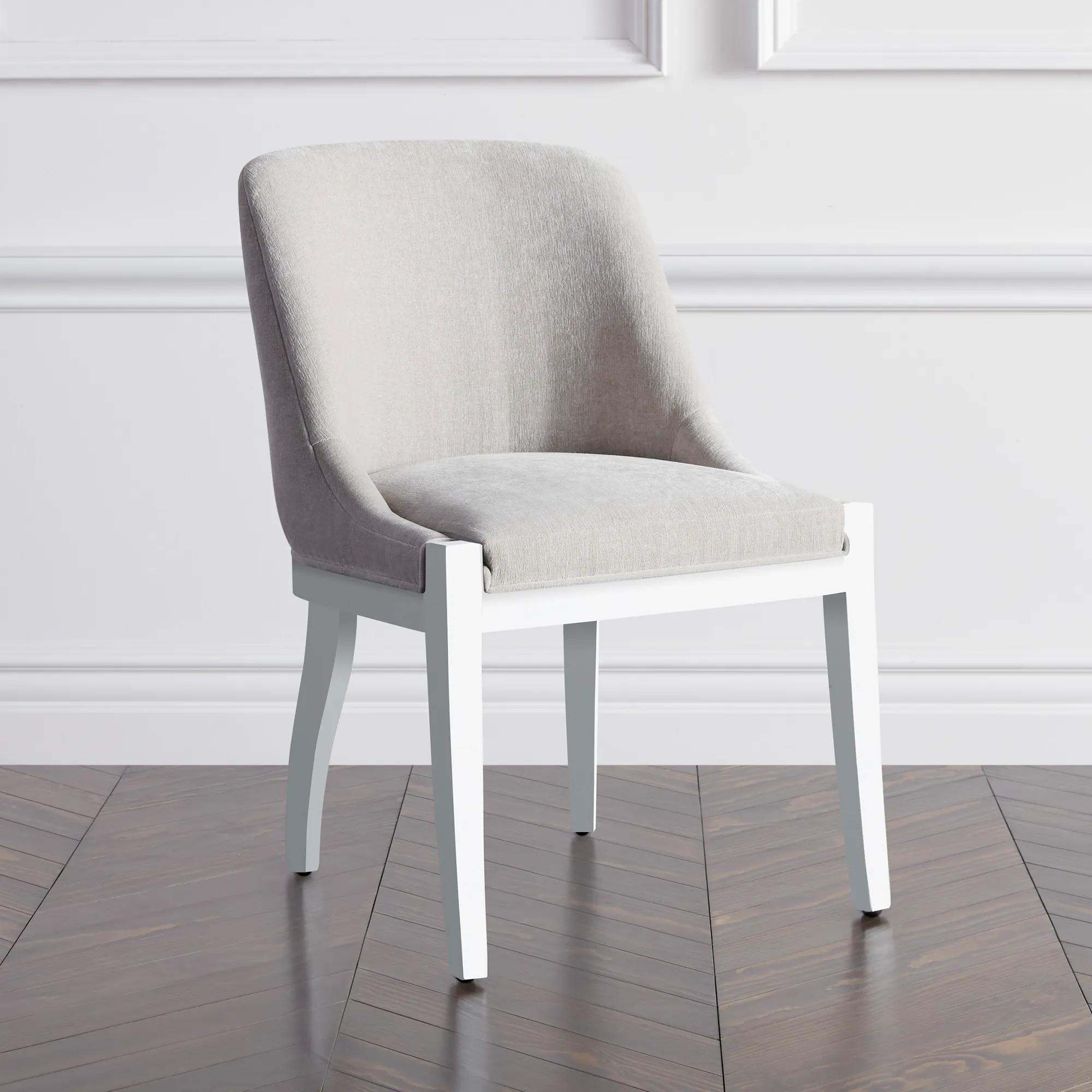
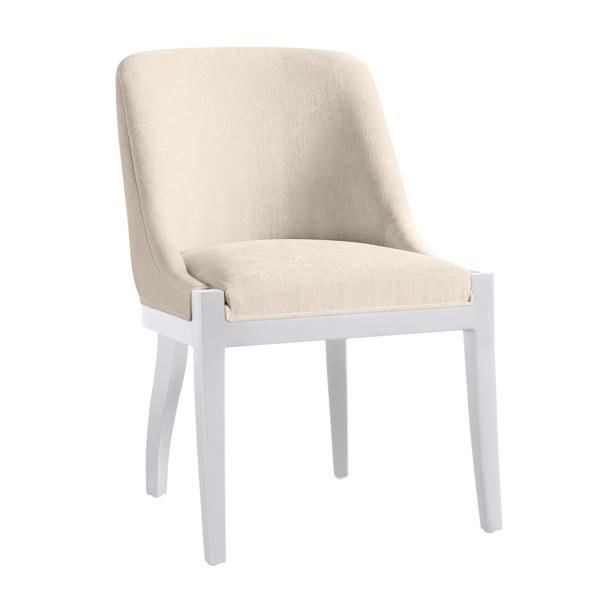 Lily Dining Chair - High Gloss White$649
A modern dining chair with a kiln-dried hardwood frame and high gloss white finish for lasting elegance.
Add To Cart -
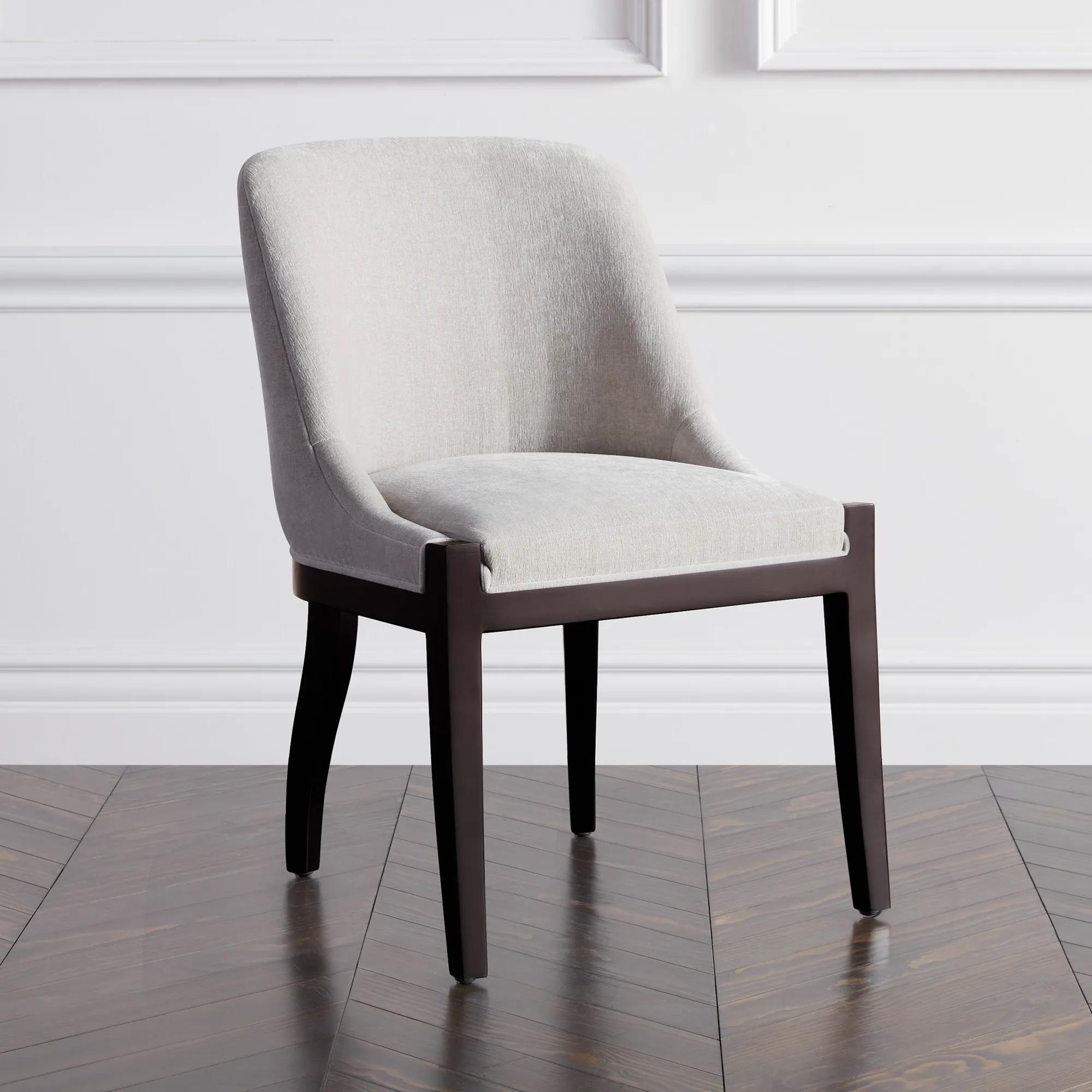
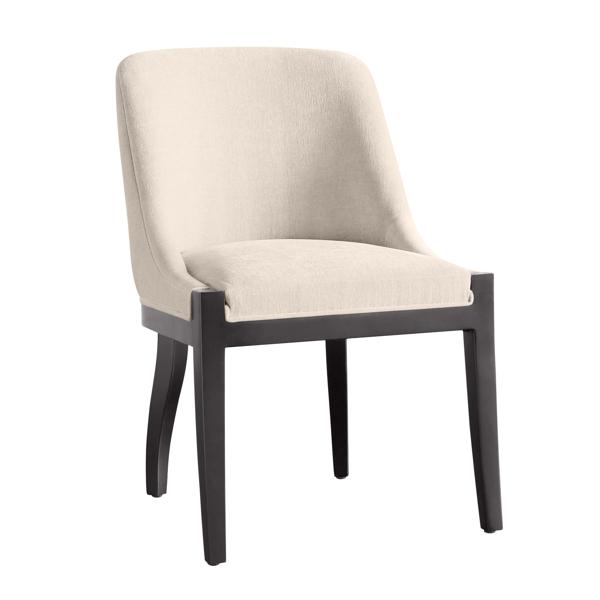 Lily Dining Chair - Espresso$599
A modern dining chair featuring espresso-finished hardwood, curvaceous silhouette, and plush, tailored upholstery.
Add To Cart -
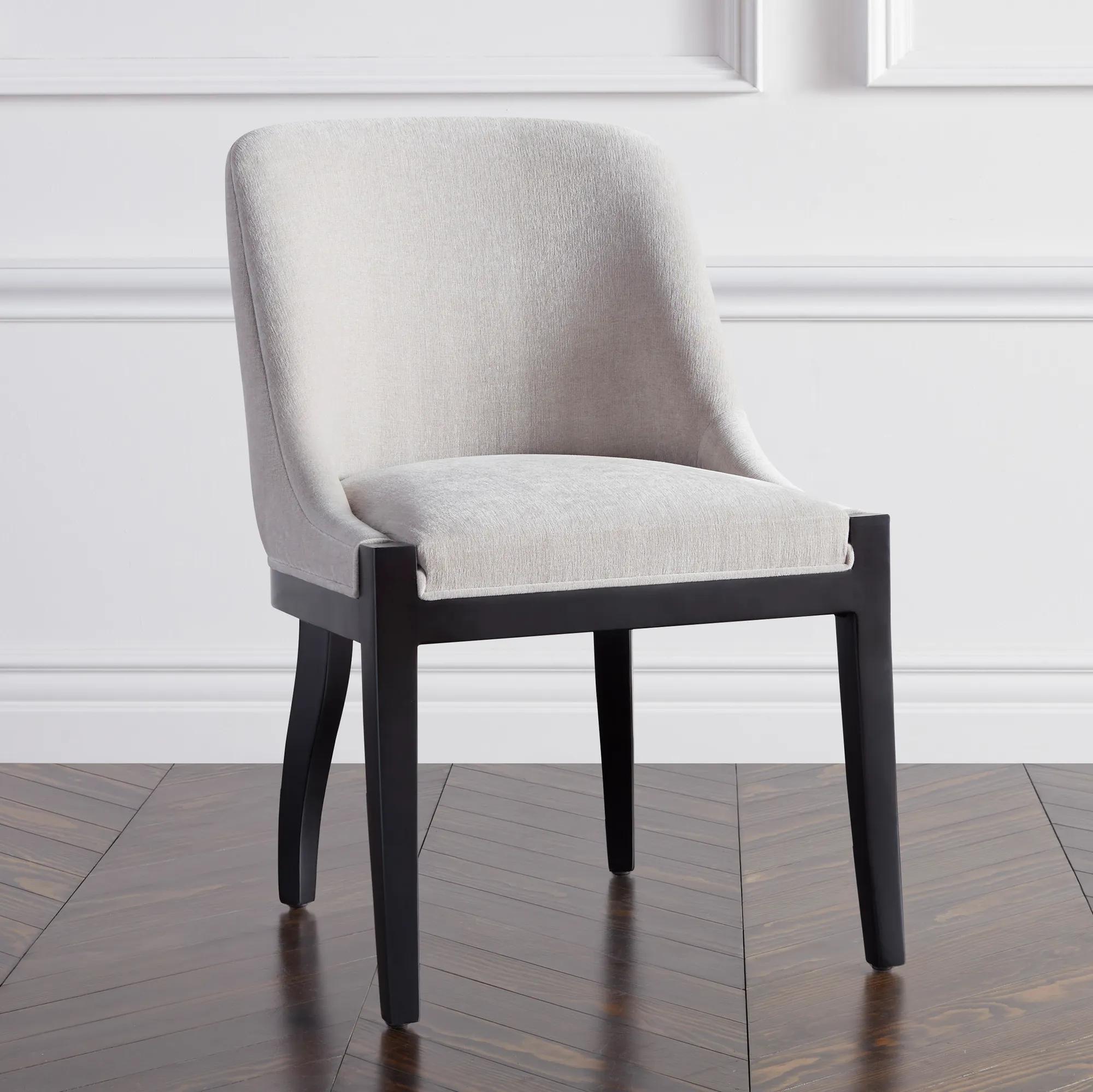 Lily Dining Chair - Matte Black$699
A modern dining chair featuring a kiln-dried hardwood frame and plush, tailored upholstery in matte black.
Add To Cart -
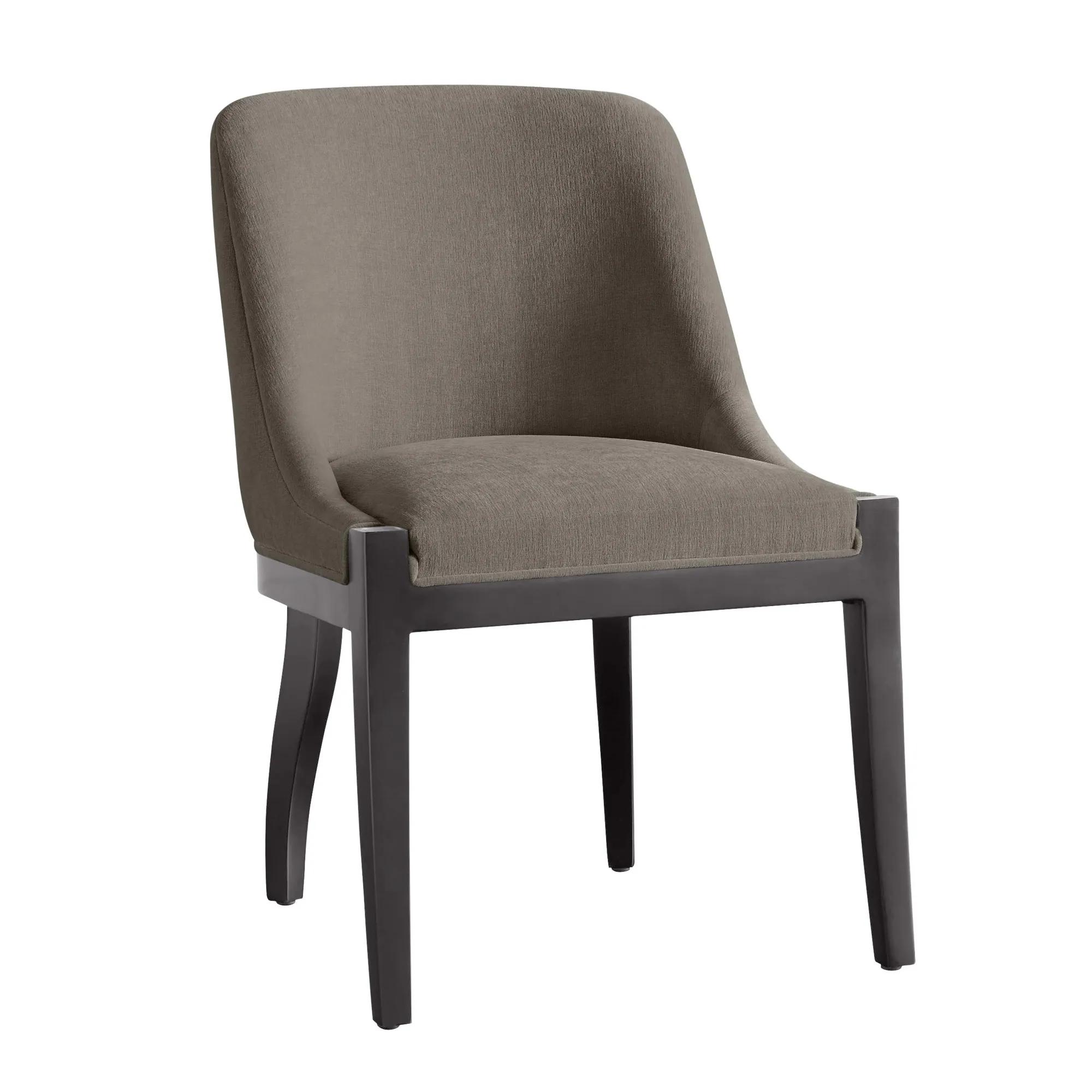 Lily Dining Chair - Espresso$649
A modern dining chair featuring espresso-finished hardwood, curvaceous silhouette, and plush tailored upholstery.
Add To Cart -
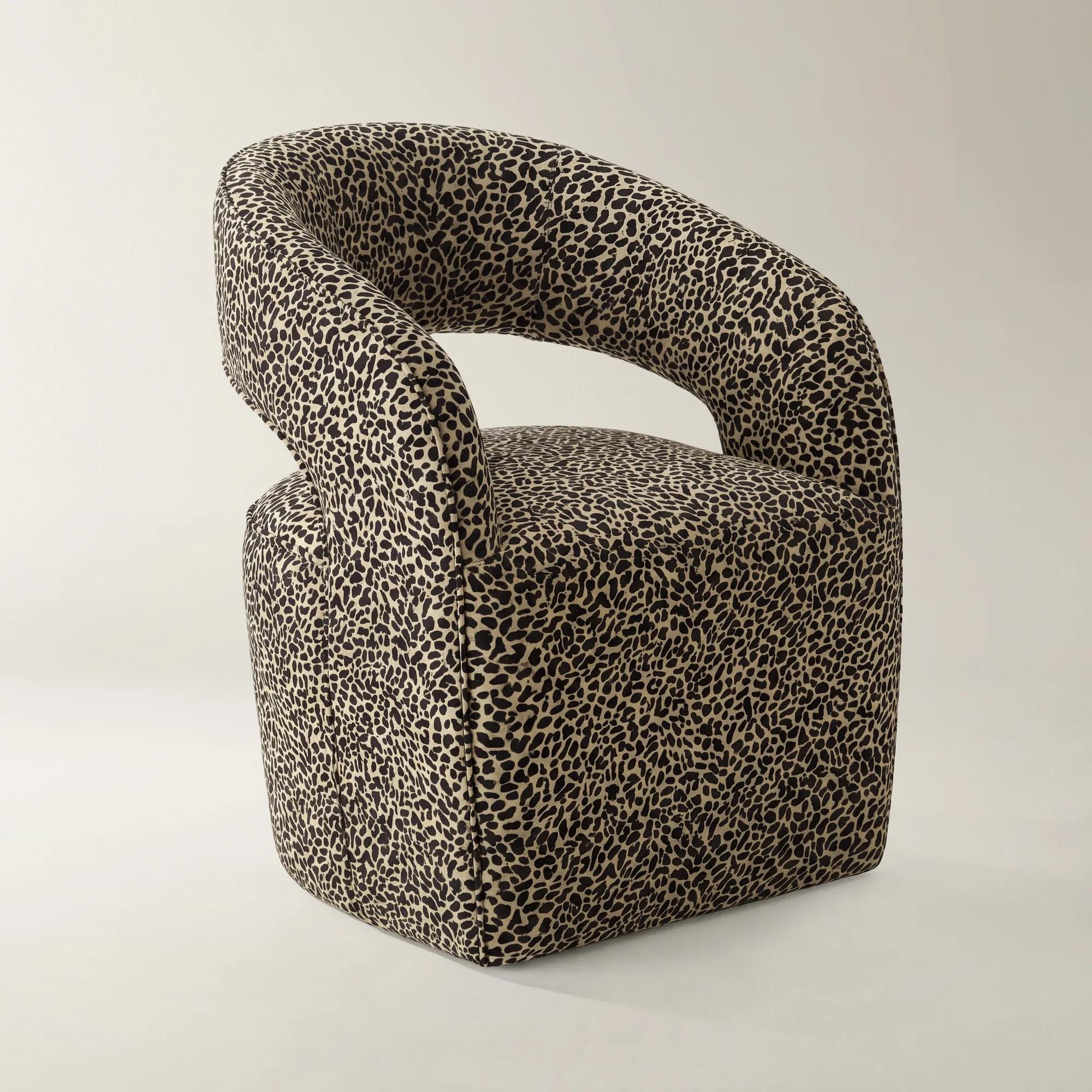
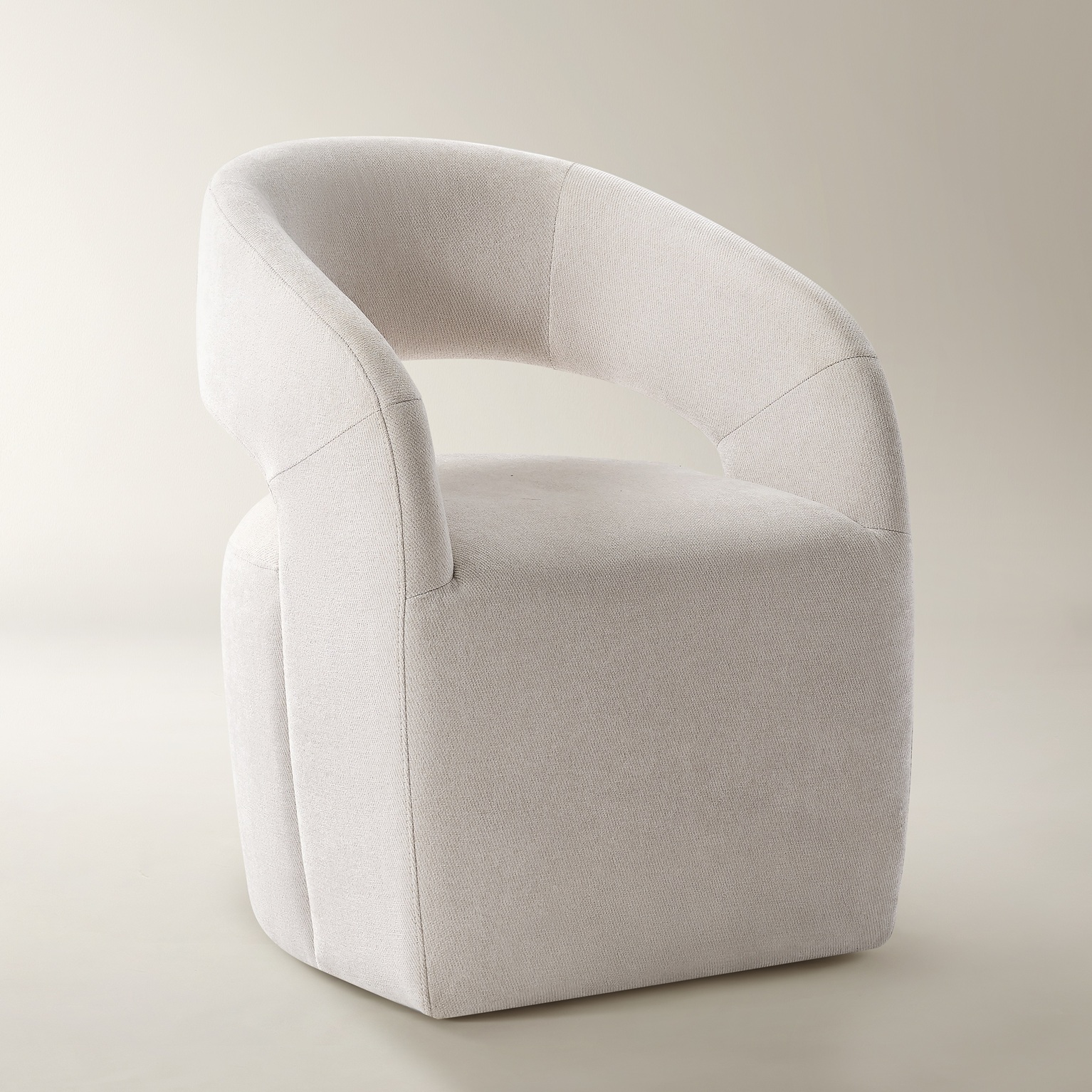 Harrison Leopard Performance Chenille Dining Chair$449
A sculptural dining chair featuring leopard performance chenille upholstery, feather-blend cushioning, and a curved silhouette.
Add To Cart -
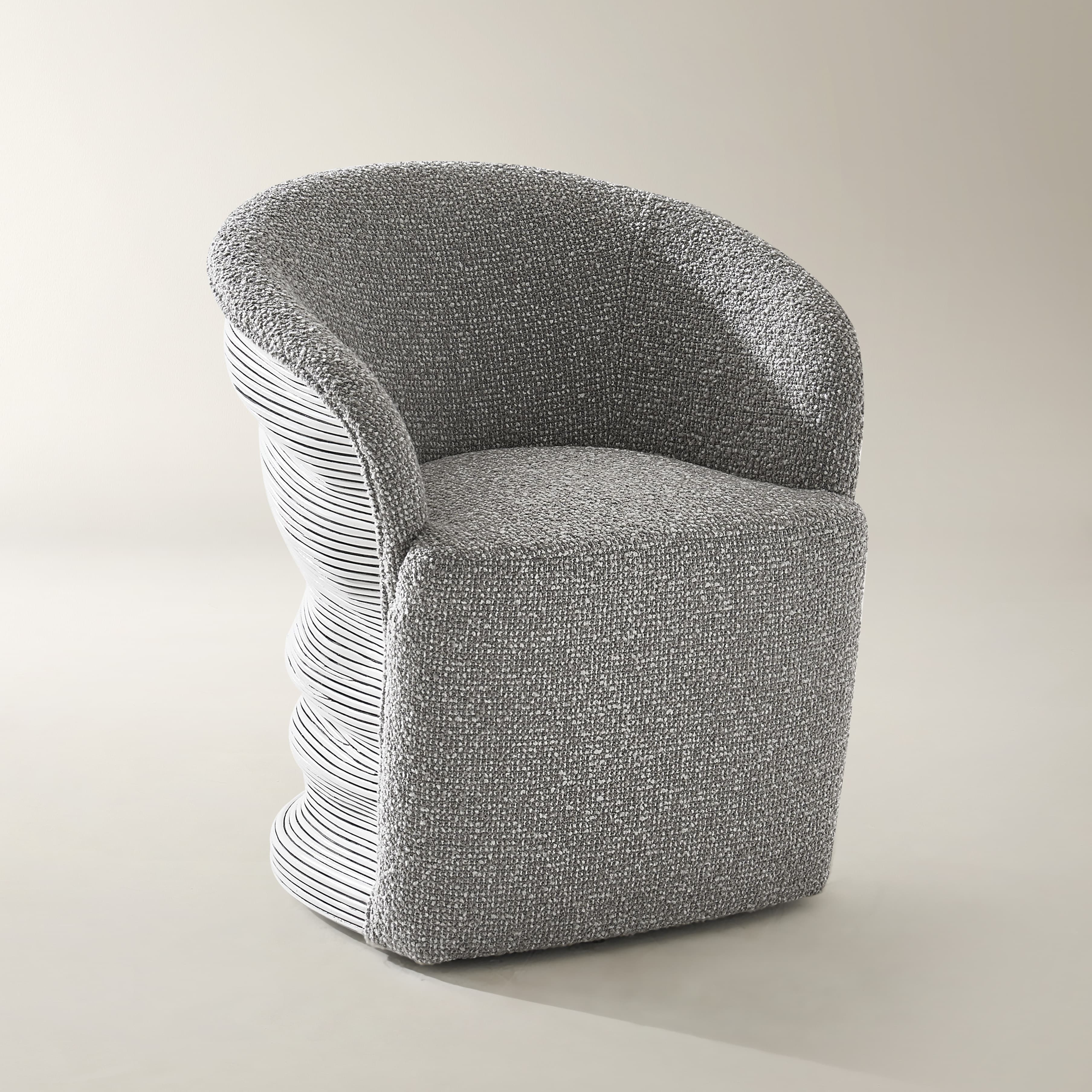
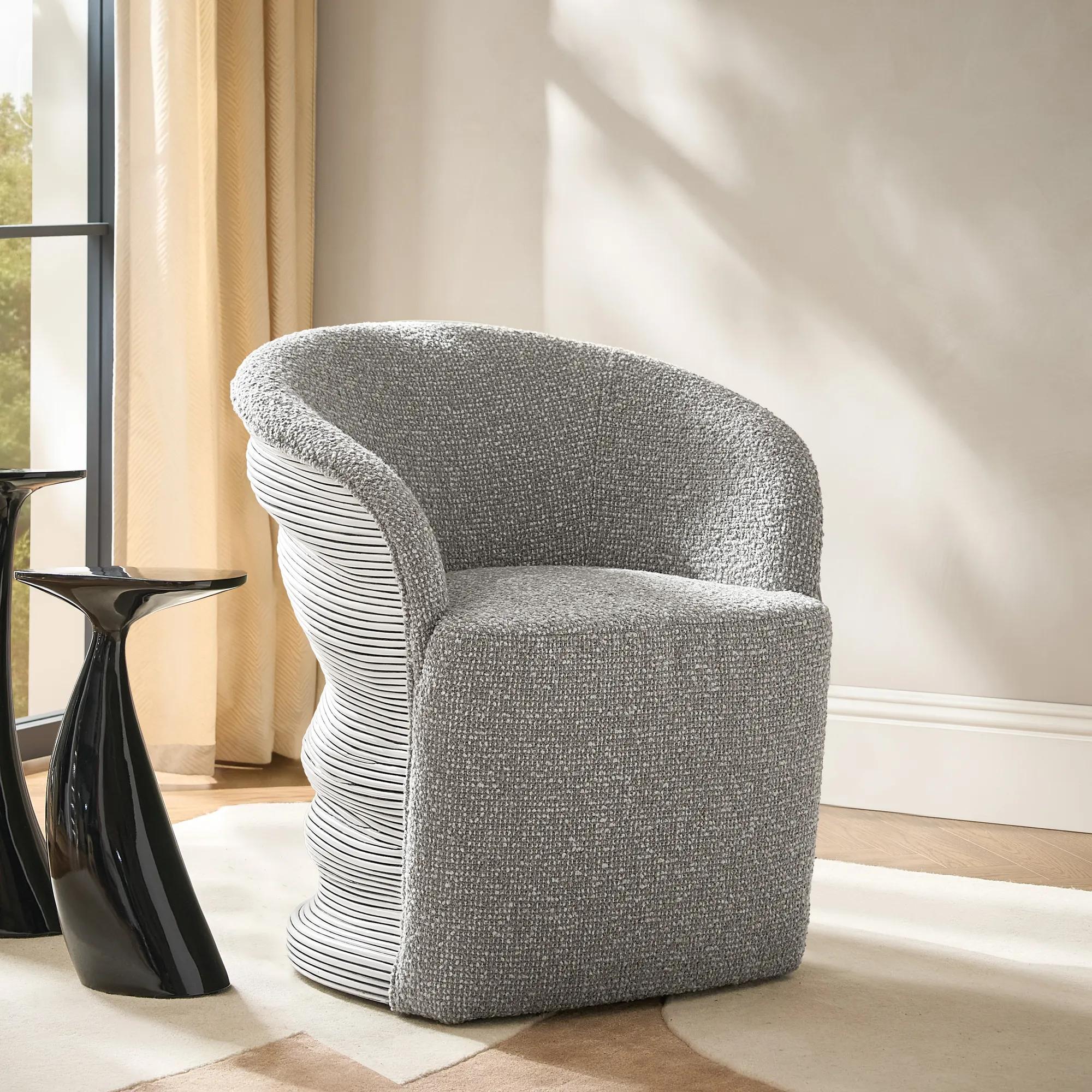 Cairo Rattan Grey Chenille Dining Chair$999
A handwoven natural rattan swivel chair in grey chenille, blending sculptural form with plush comfort.
Add To Cart -
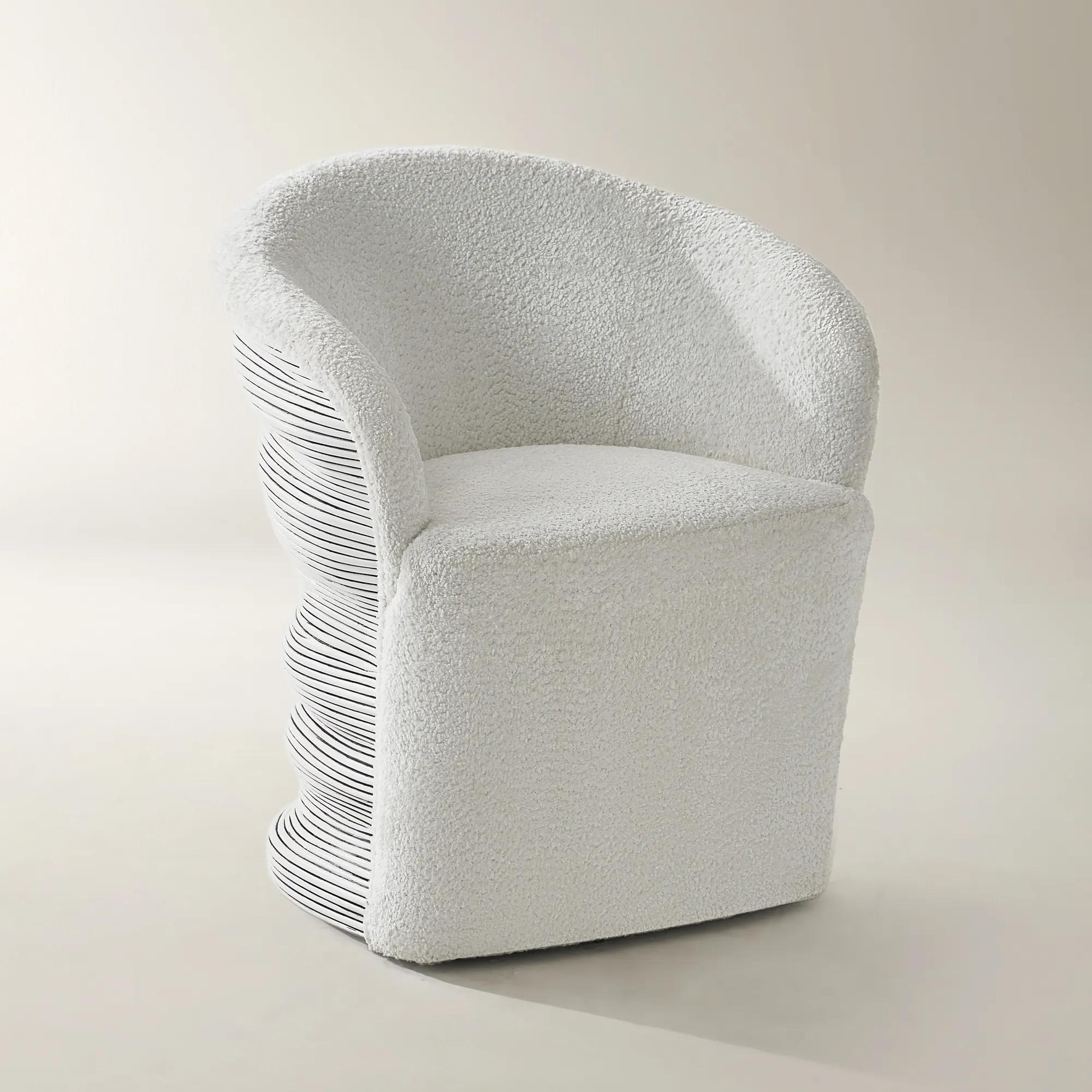
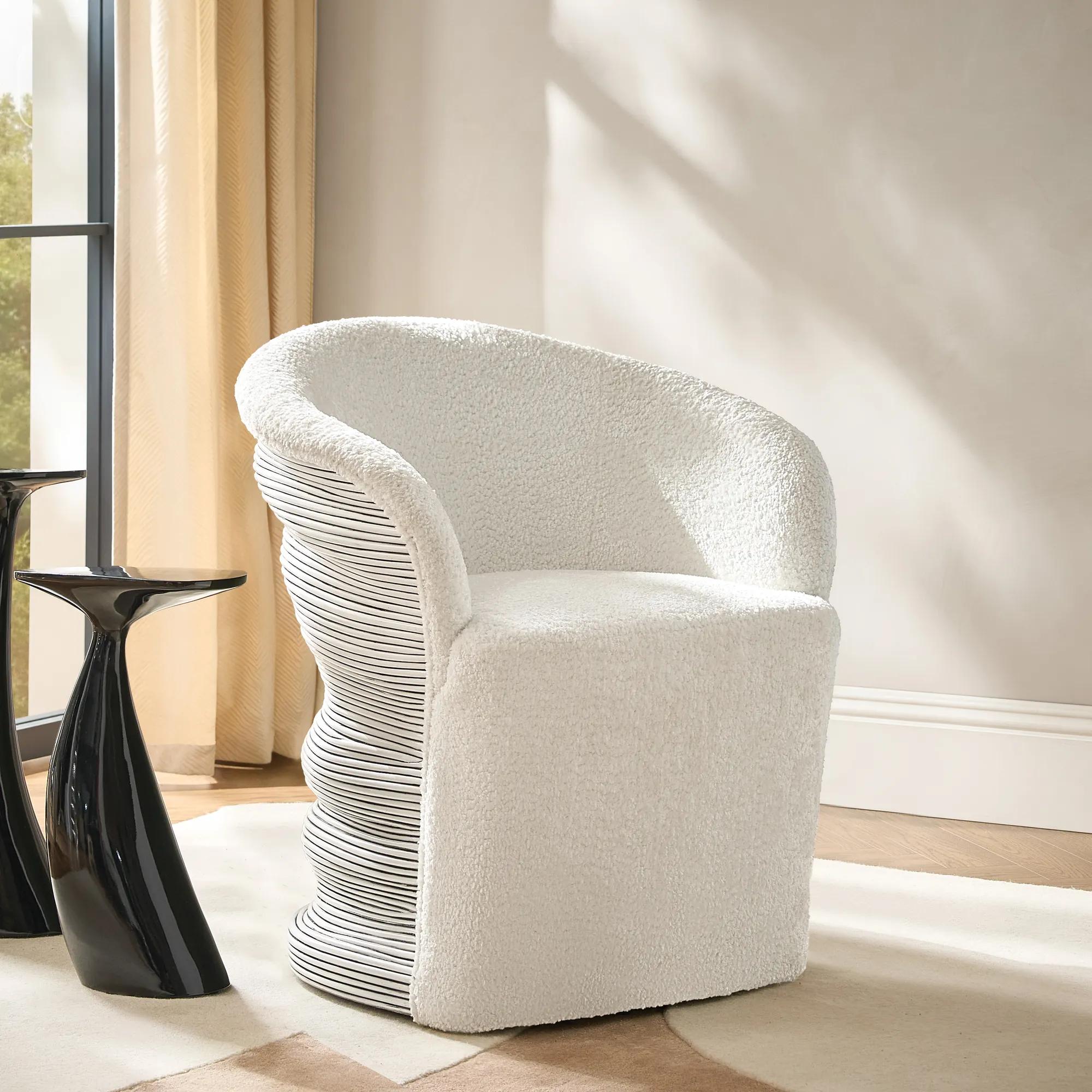 Cairo Rattan Ivory Chenille Dining Chair$999
An artisan-crafted swivel chair featuring handwoven natural rattan and plush ivory chenille upholstery for modern comfort.
Add To Cart -
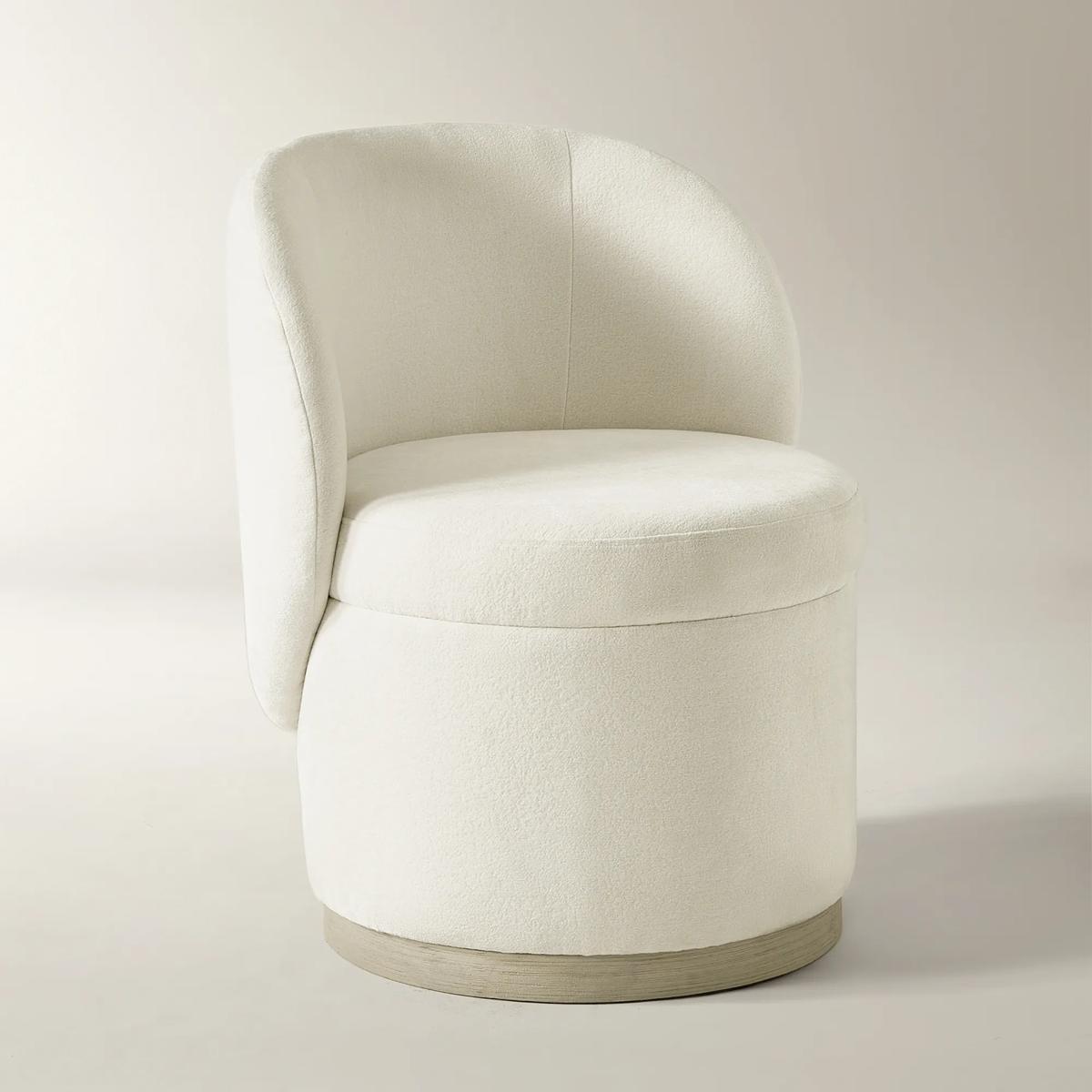 Stria Ivory Chenille Dining Chair With Oak Base$599
An ivory chenille chair featuring a plush, velvet-like finish and a handcrafted solid oak base.
Add To Cart -
 Stria Ivory Chenille Swivel Dining Chair With Oak Base$699
An inviting ivory chenille arm chair with a solid oak swivel base and hand-crafted details.
Add To Cart -
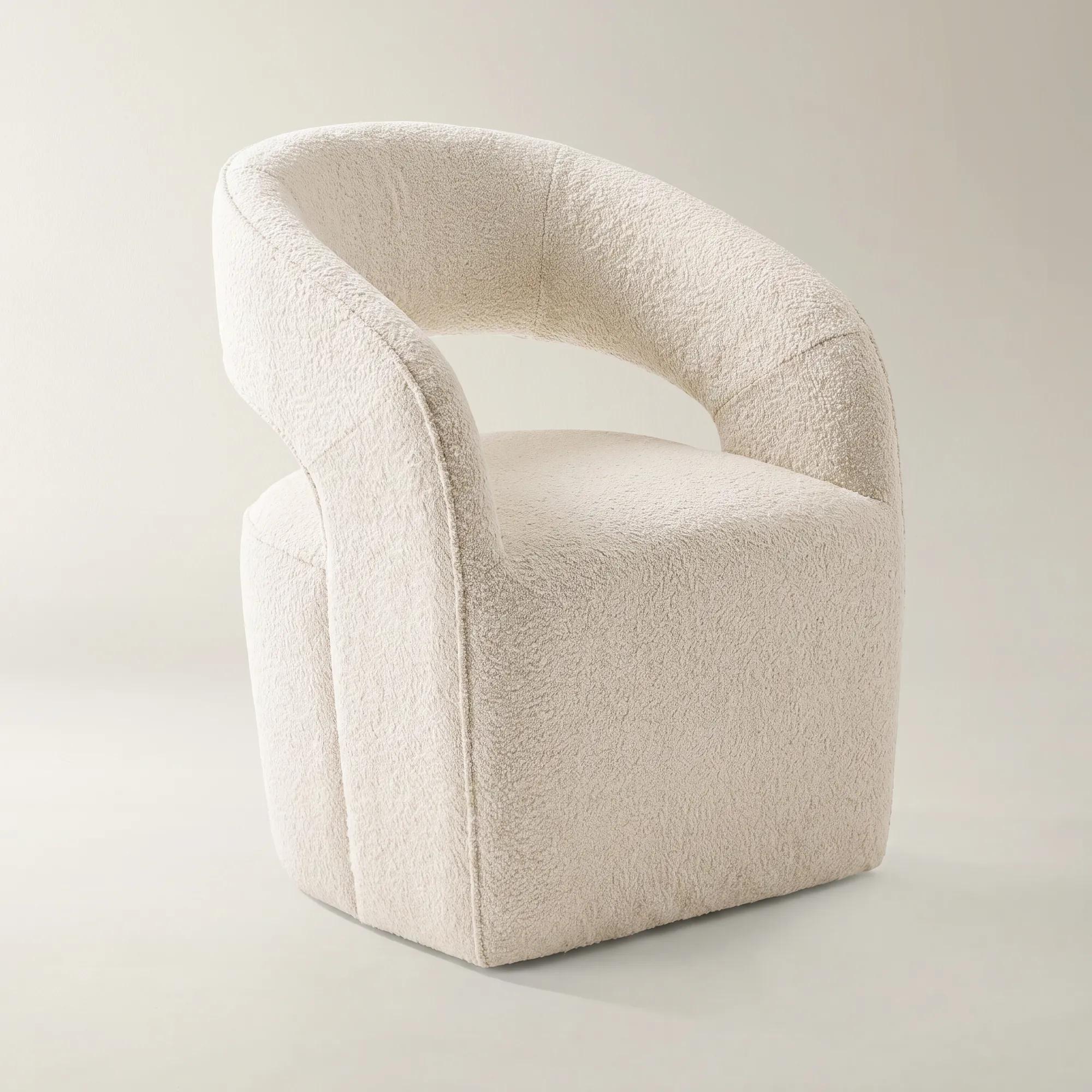 Harrison Utopia Sand Chenille Dining Chair$449
A sculptural dining chair upholstered in sand chenille with a curved back, feather-blend seat, and integrated arms.
Add To Cart -
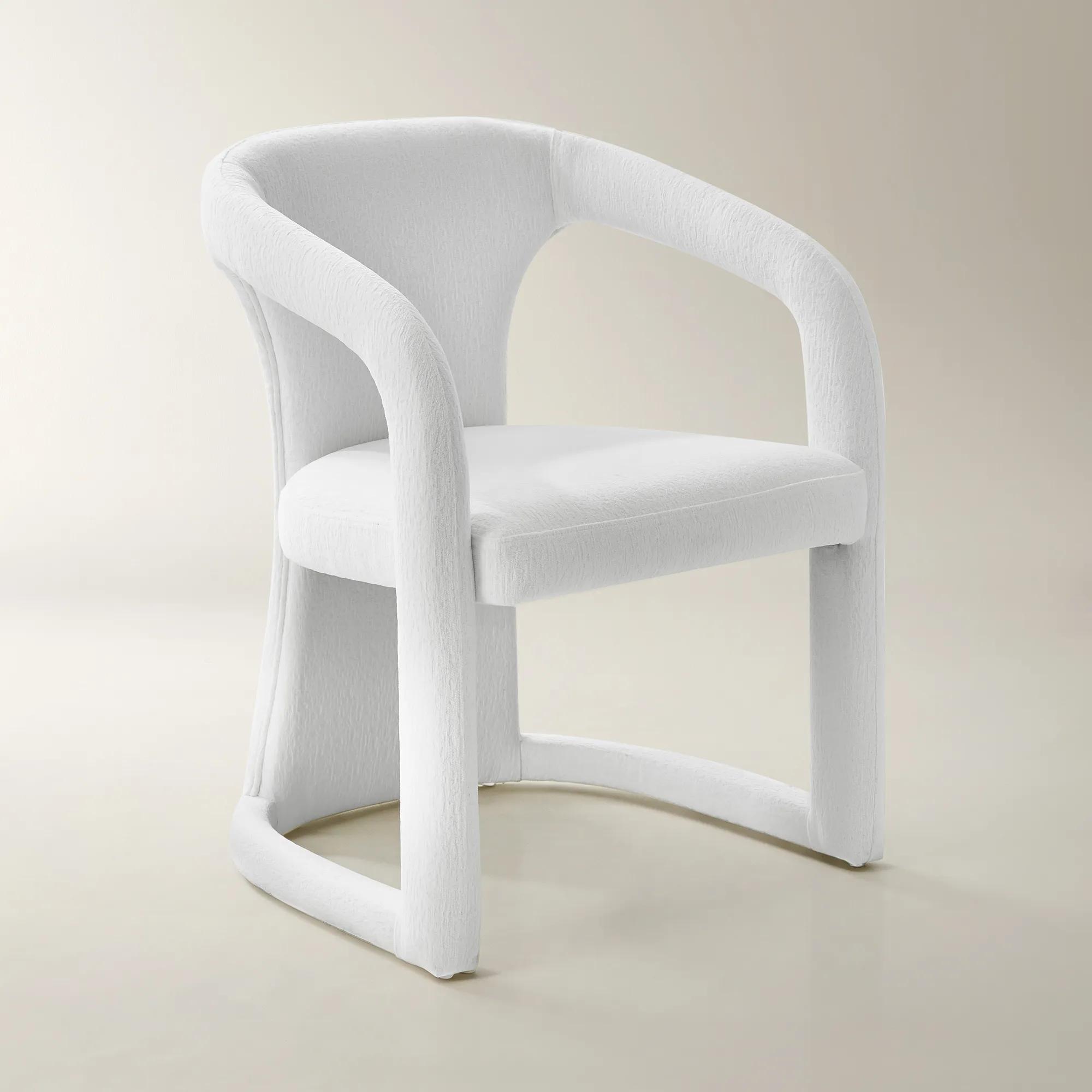
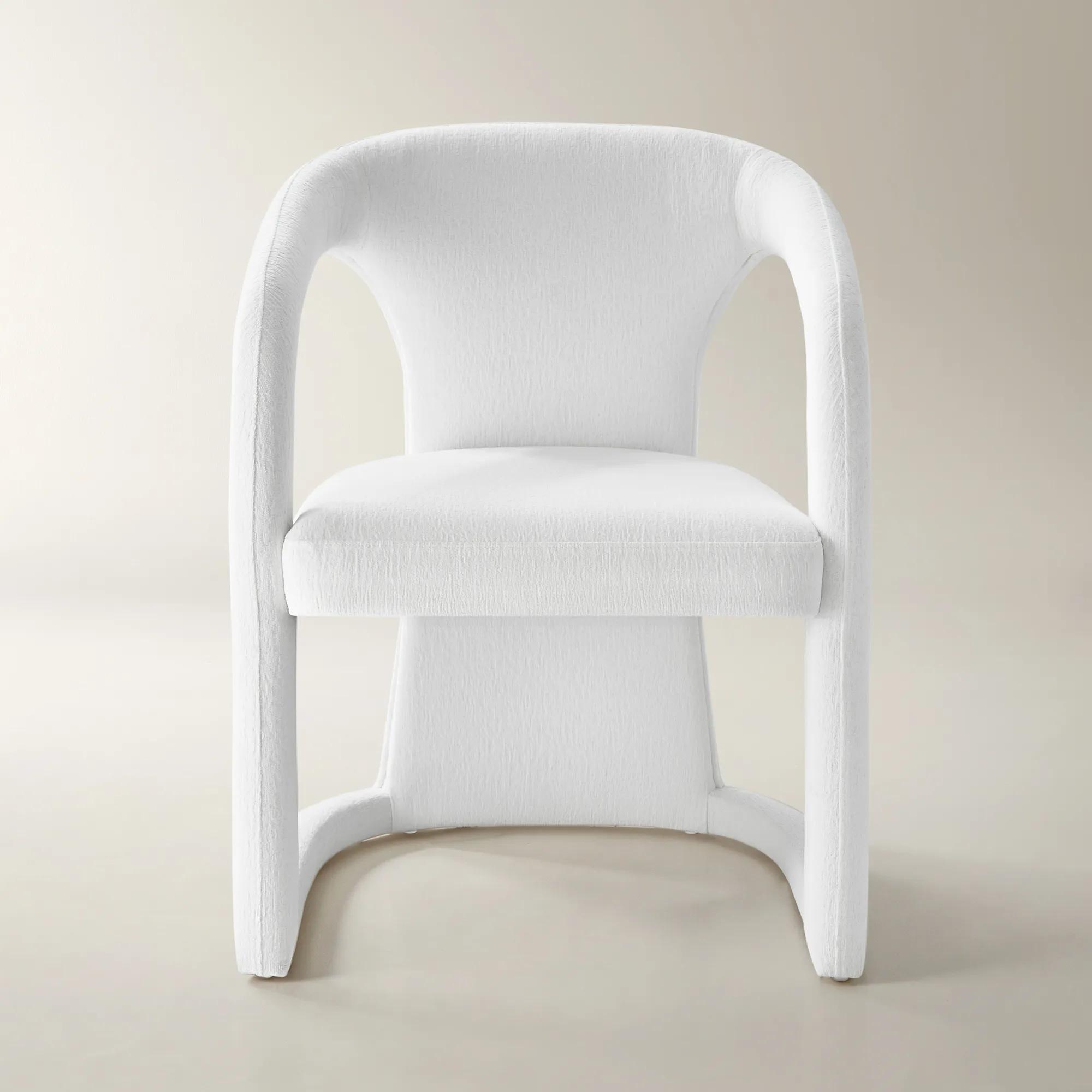 Arco White Performance Chenille Indoor/Outdoor Dining Chair$699
A sculptural white chenille dining chair with plush padding, moisture resistance, and indoor/outdoor versatility.
Add To Cart -
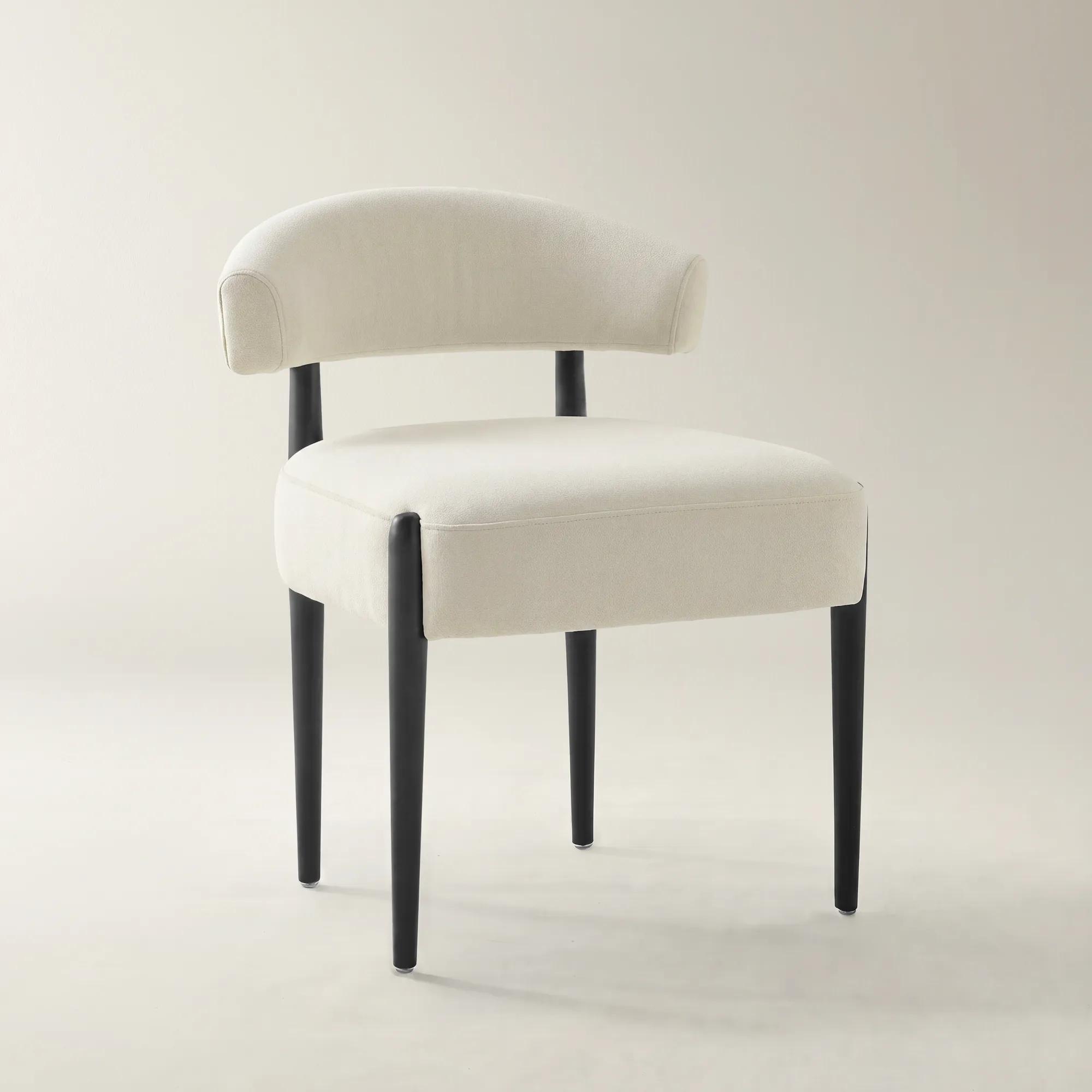
 Anna Ivory Performance Chenille Dining Chair Set of 2$599
An ivory performance chenille chair pair featuring curved backs, high-density foam, and solid rubberwood legs.
Add To Cart -
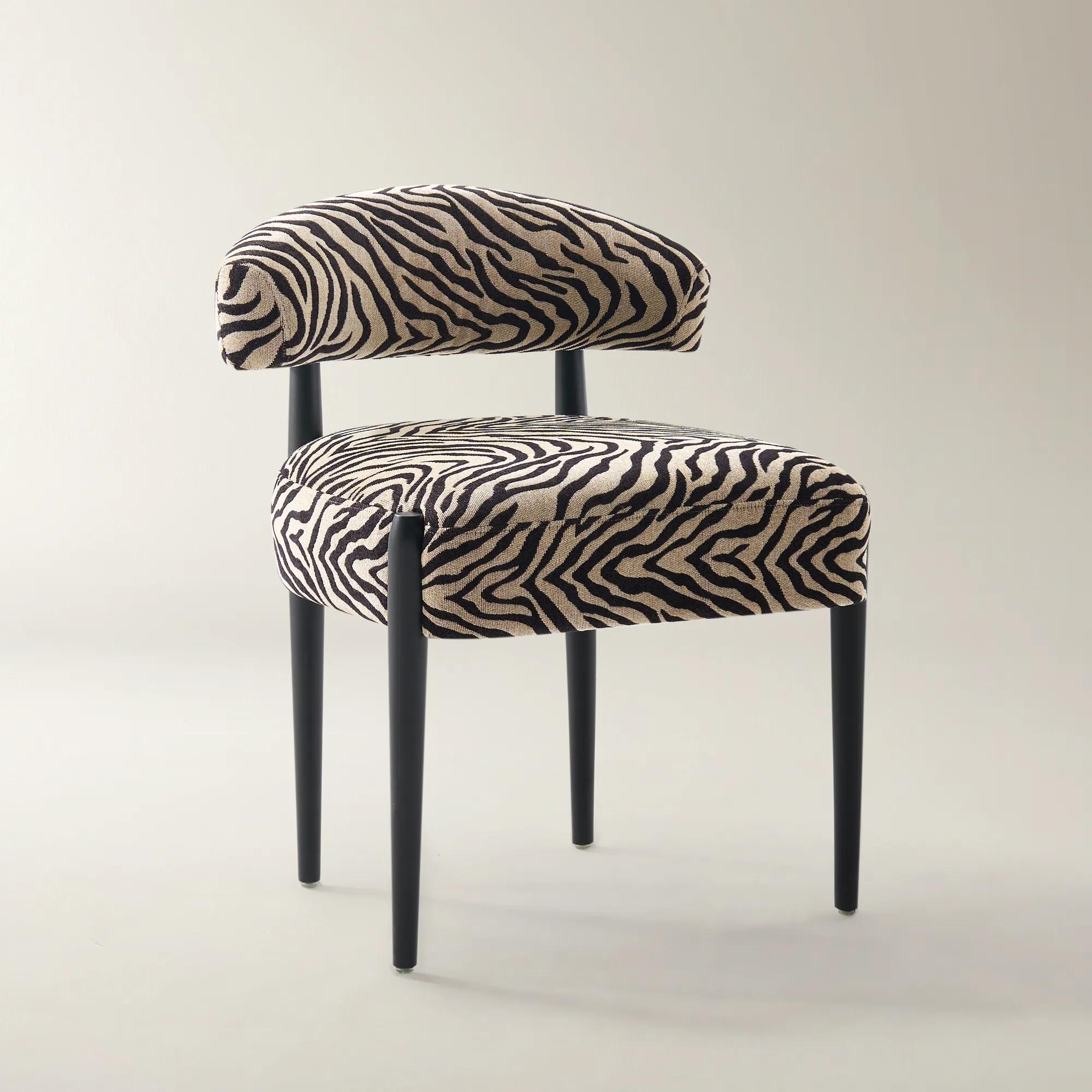
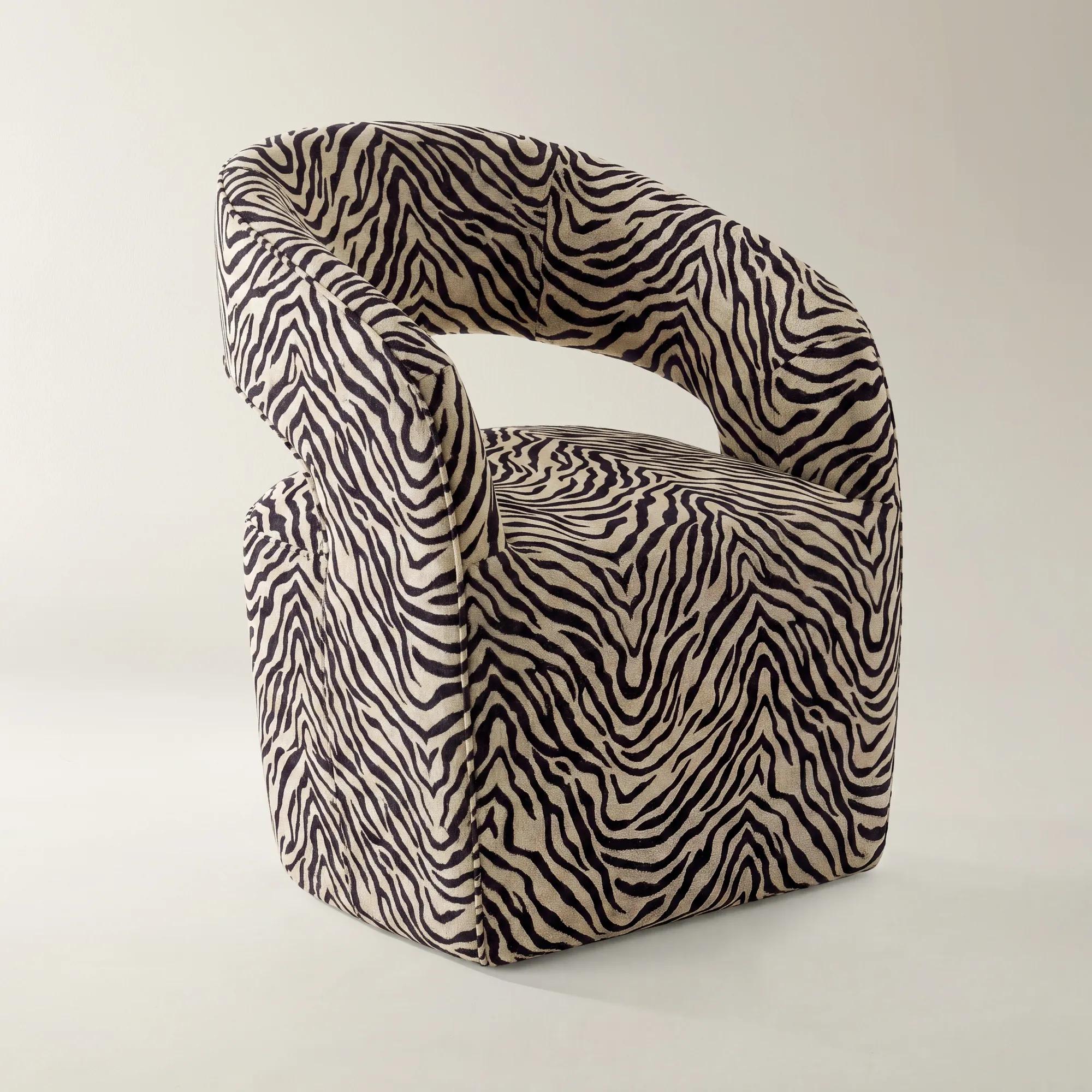 Harrison Zebra Performance Chenille Dining Chair$449
A sculptural dining chair upholstered in zebra performance chenille with a curved back and feather-blend comfort.
Add To Cart -
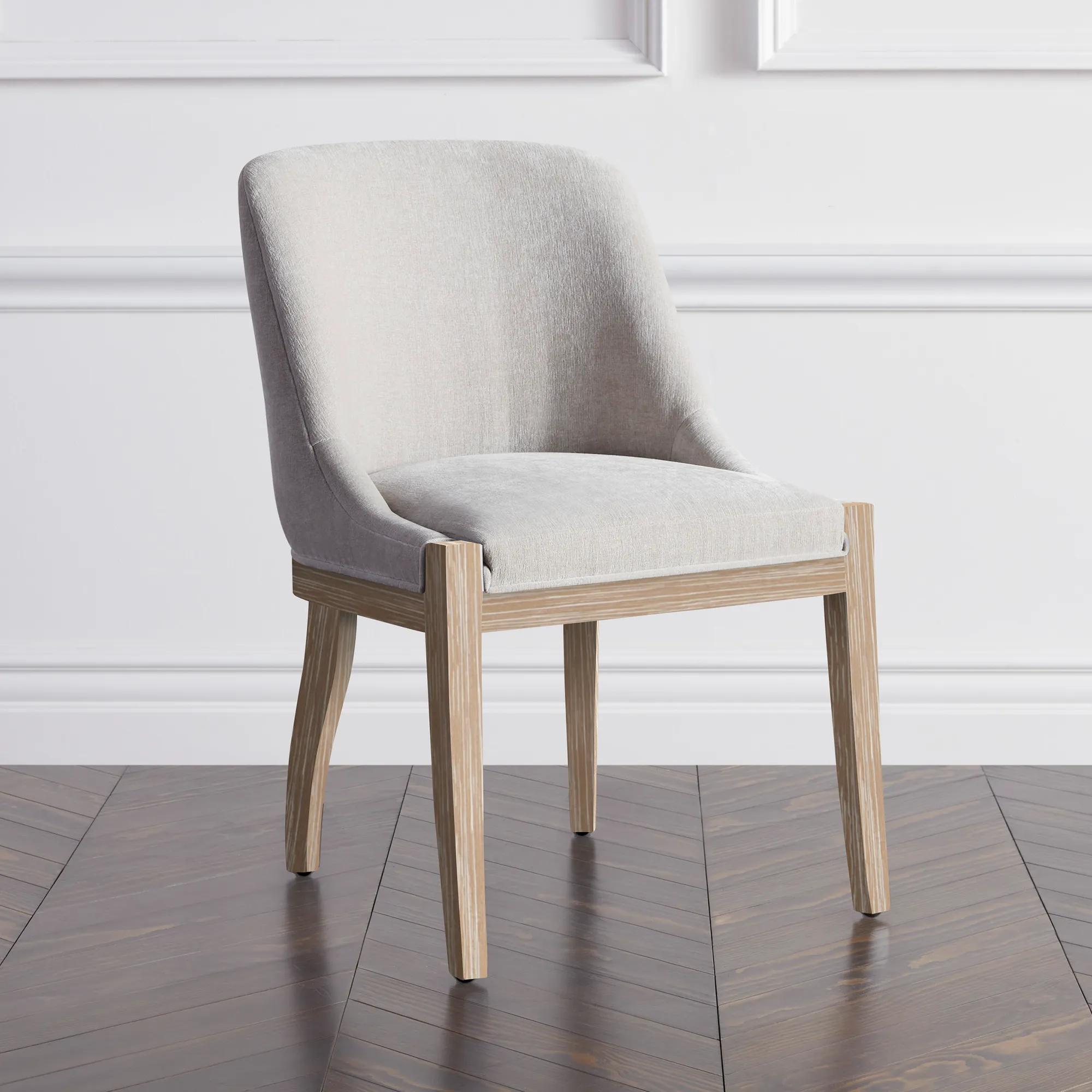
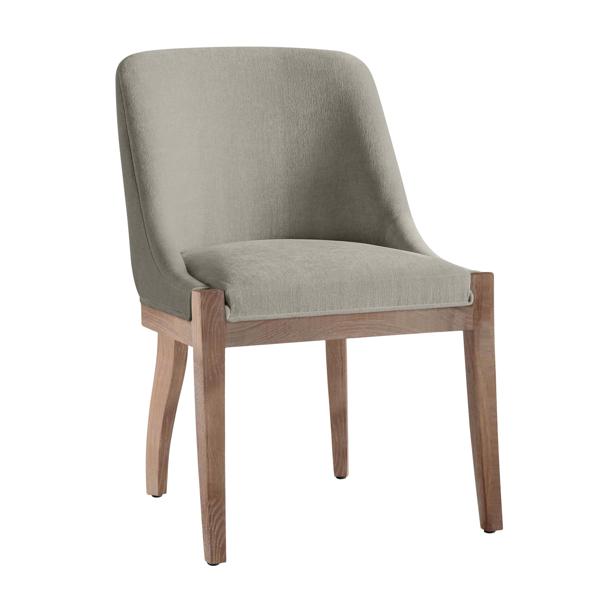 Lily Dining Chair - Wash Oak$649
A modern dining chair featuring a kiln-dried hardwood frame, wash oak legs, and tailored chenille upholstery.
Add To Cart -
 Harrison Cream Chenille Dining Chair$499
A fully upholstered cream chenille chair with high-density foam cushioning for exceptional comfort and contemporary style.
Add To Cart -
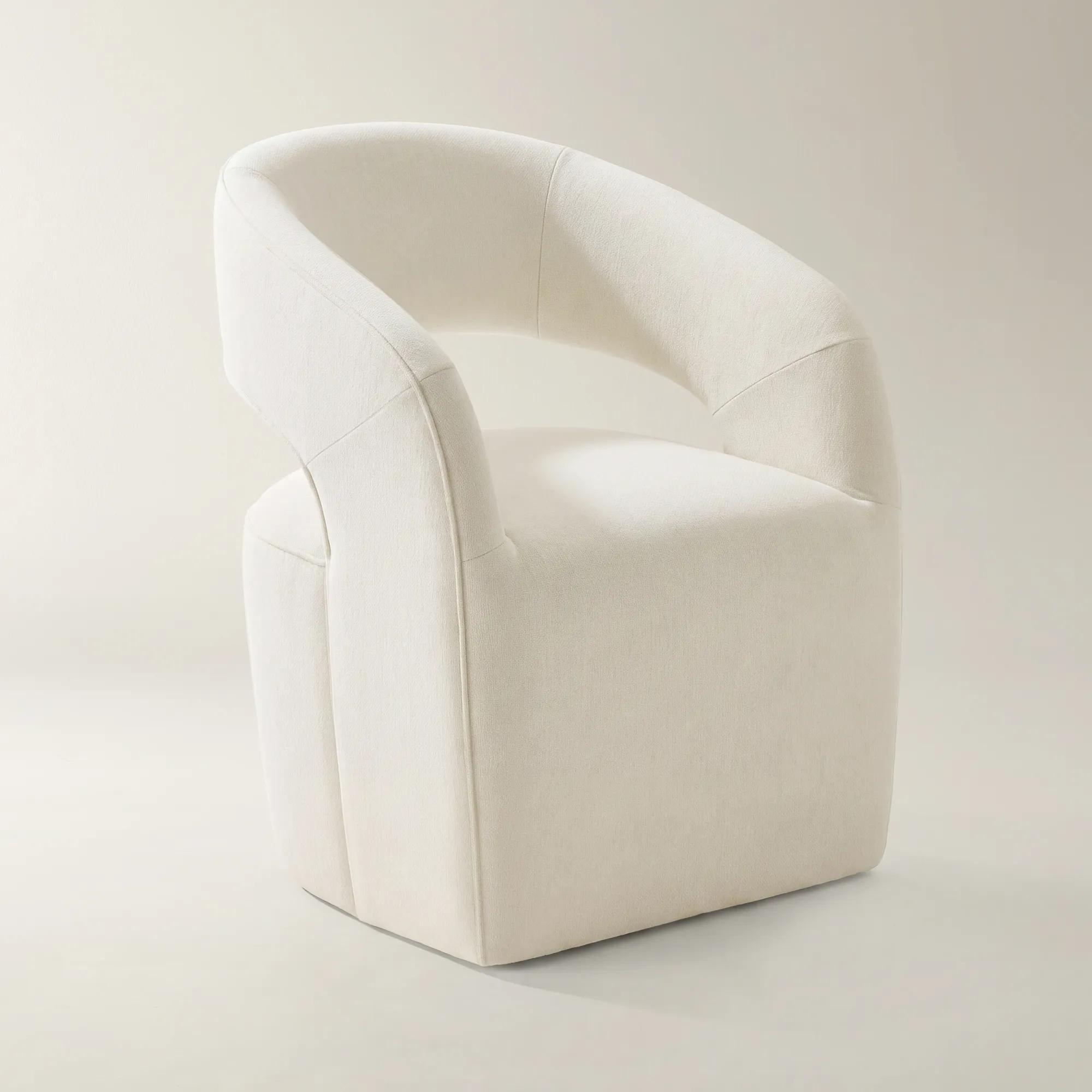 Harrison Ivory Performance Chenille Dining Chair$449
A sculptural ivory chenille chair featuring a continuous curved back, feather-blend comfort, and performance upholstery.
Add To Cart -
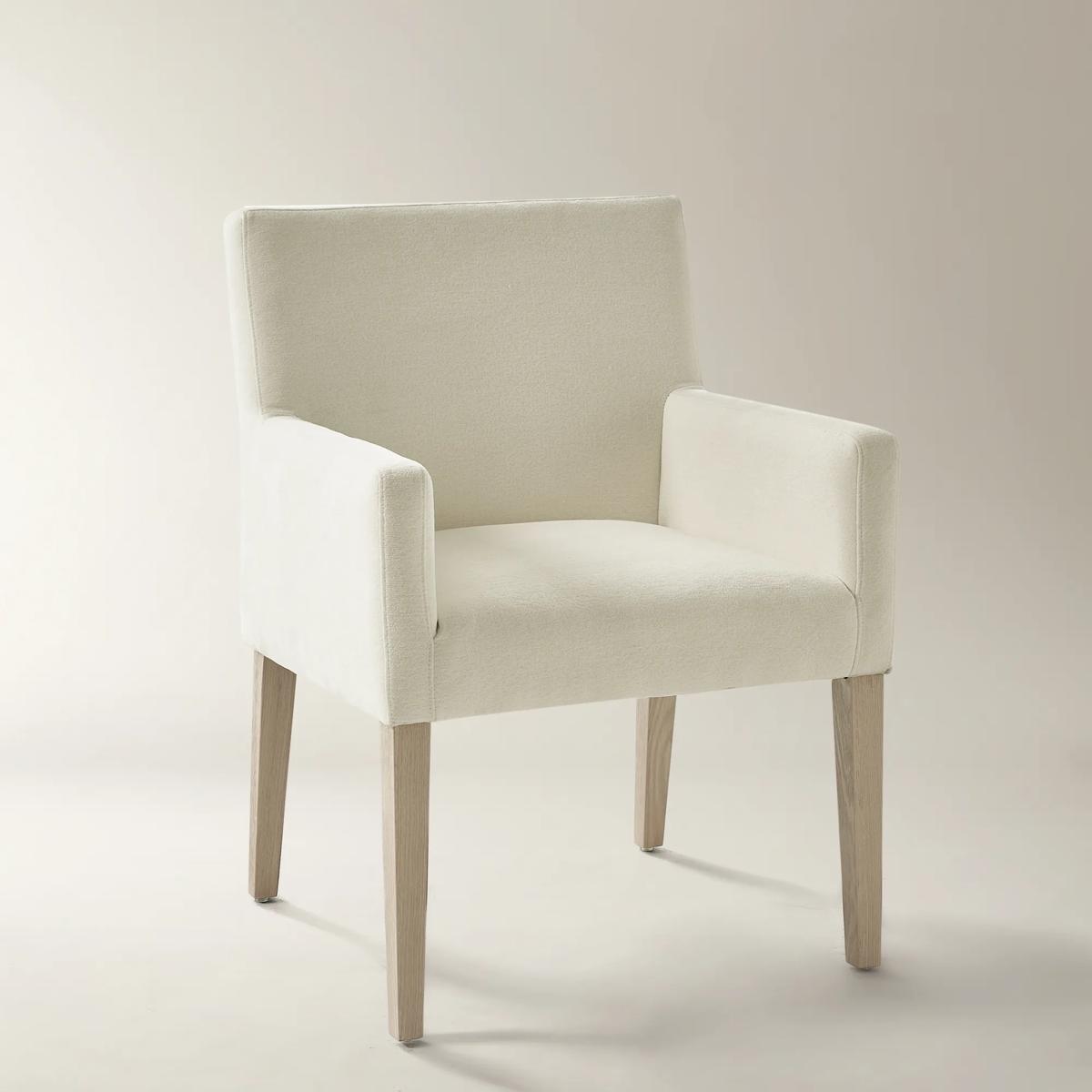
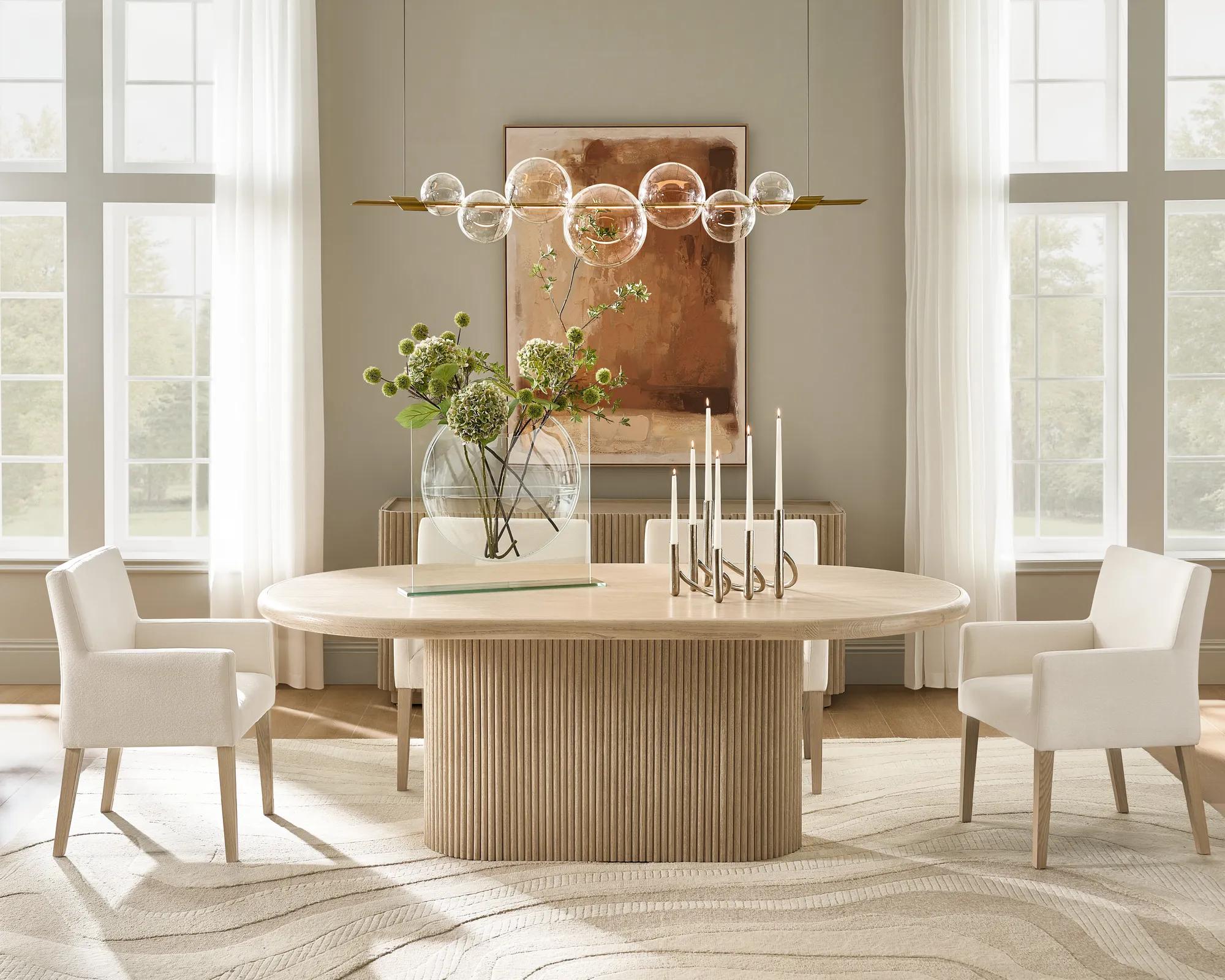 Stria Ivory Chenille Dining Chair Set Of 2$599
A pair of ivory chenille arm chairs with natural oak legs, offering plush comfort and modern elegance.
Add To Cart -
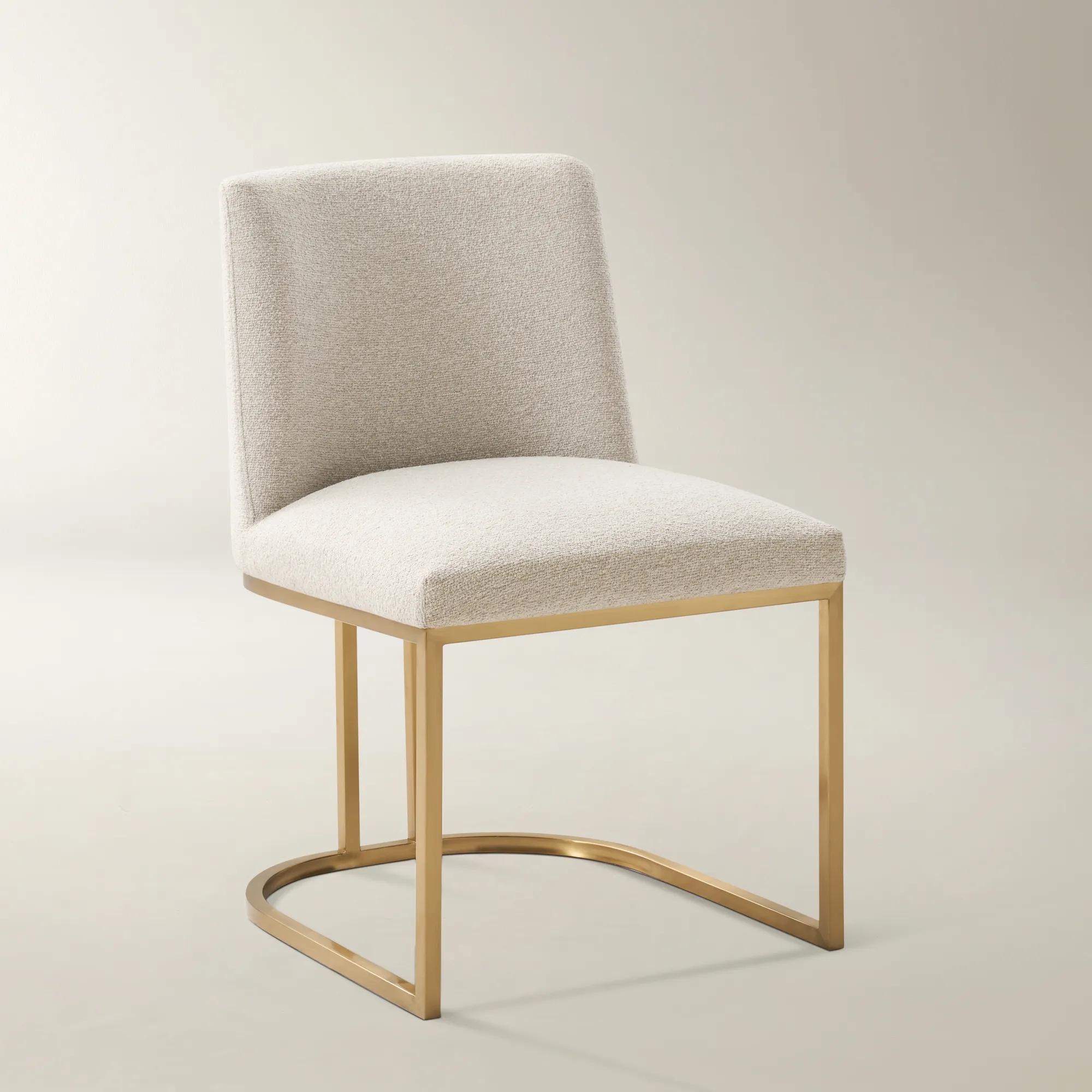 Bergen Ivory Boucle Dining Chair Set Of 2$549
An ivory boucle dining chair set featuring a curved backrest and brushed stainless steel frame for elegance.
Add To Cart -
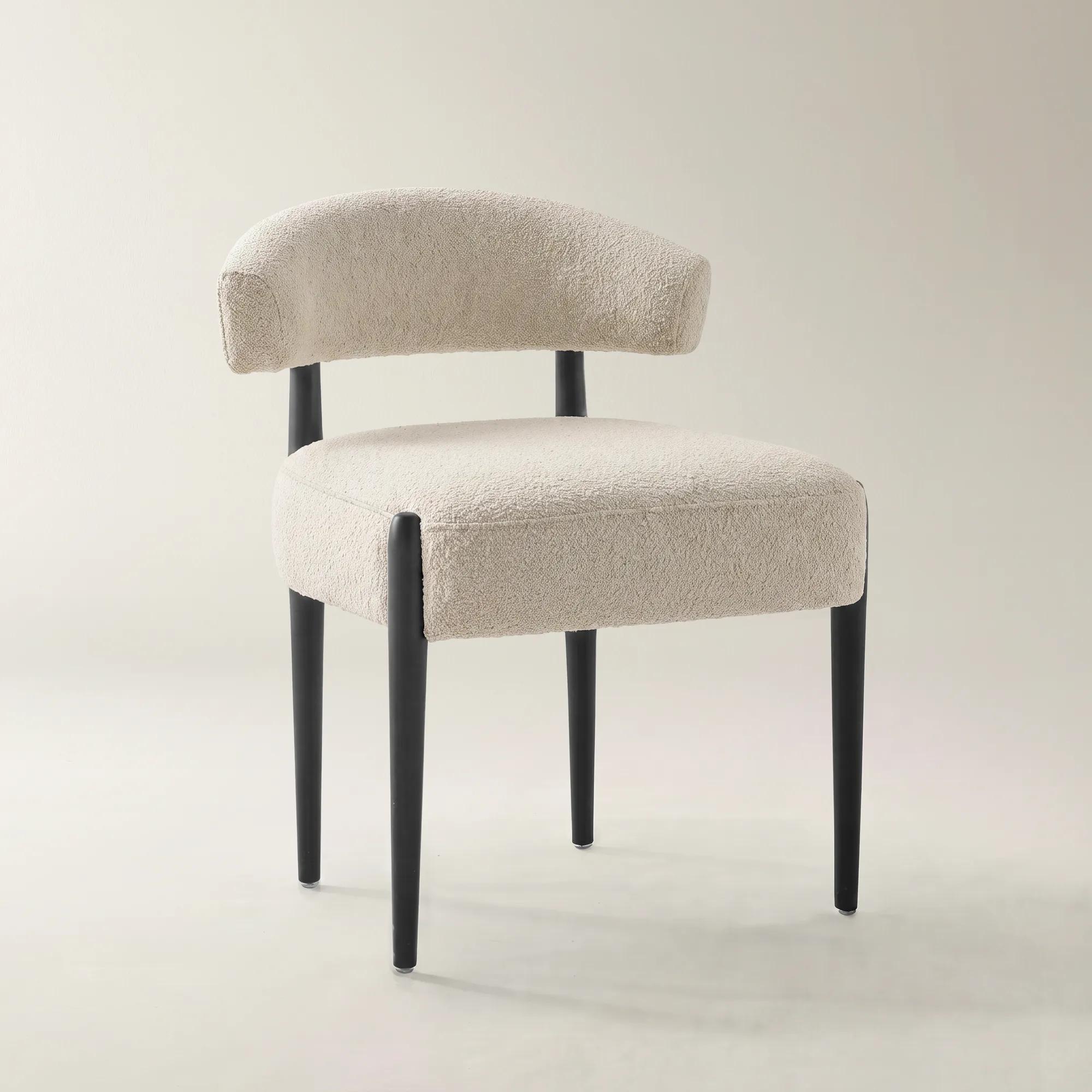 Anna Utopia Sand Chenille Dining Chair Set of 2$599
A sand chenille dining chair set featuring tailored armless curves, high-density cushioning, and solid rubberwood legs.
Add To Cart -
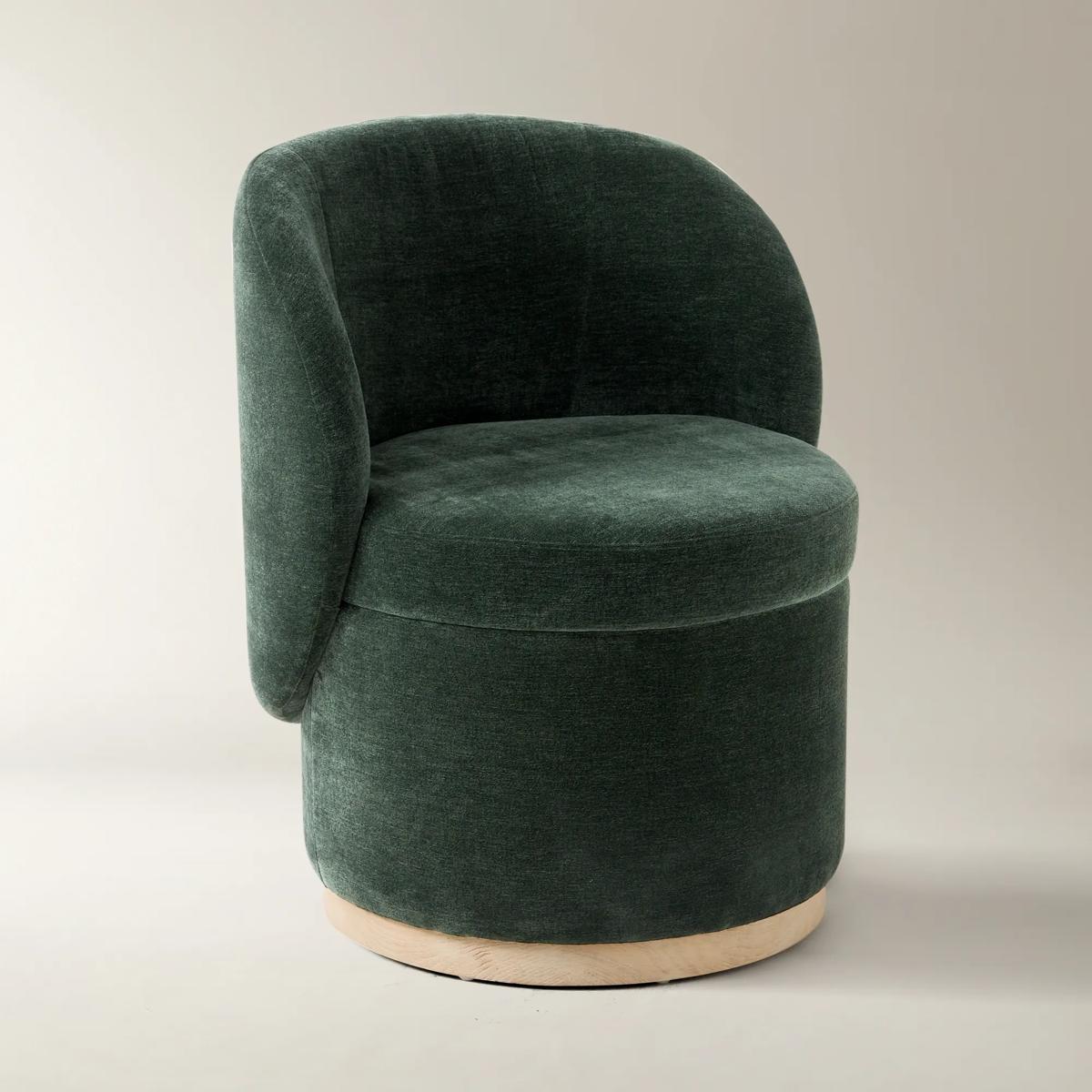
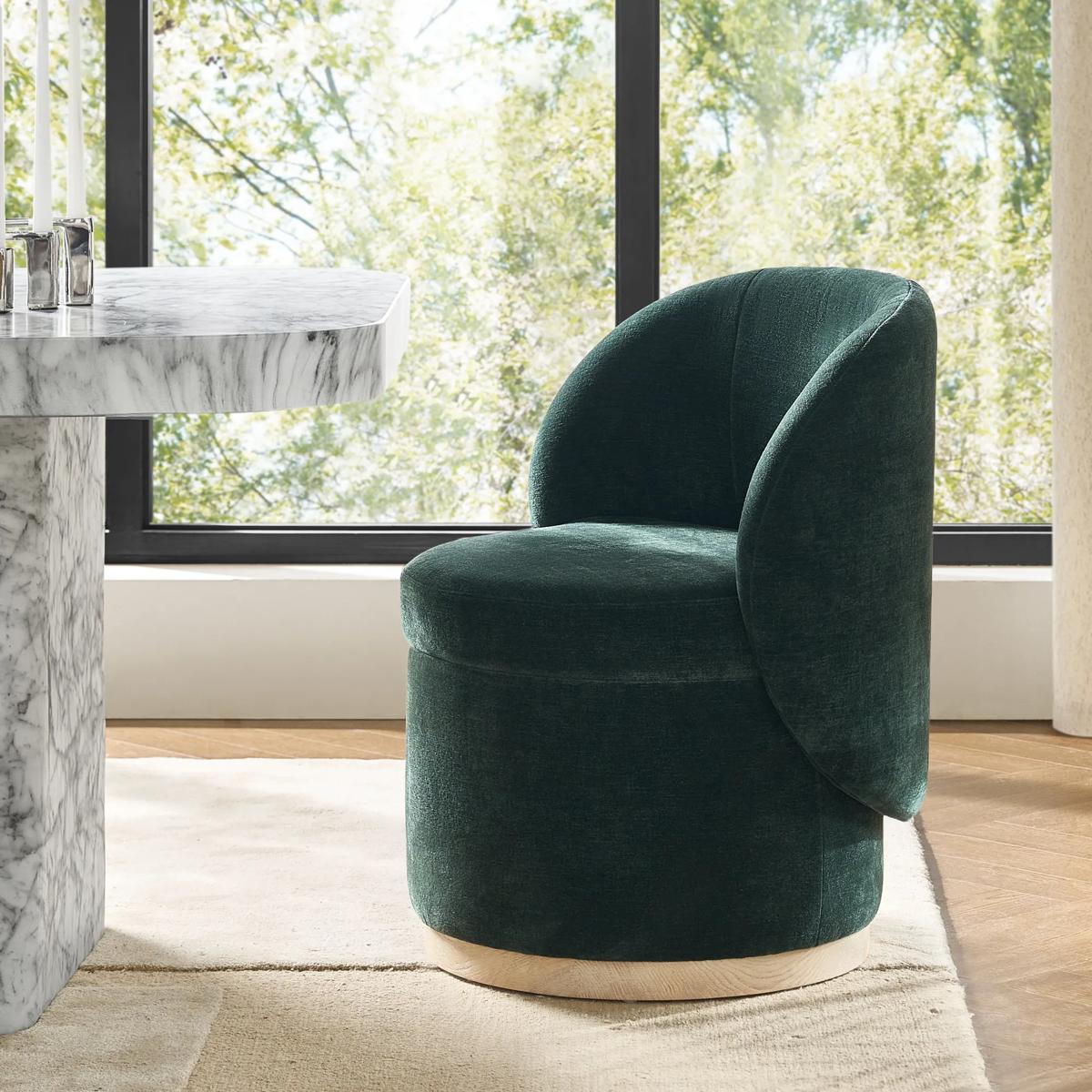 Stria Green Chenille Dining Chair With Oak Base$599
A green chenille dining chair with a handcrafted solid oak base and inviting, softly curved silhouette.
Add To Cart -

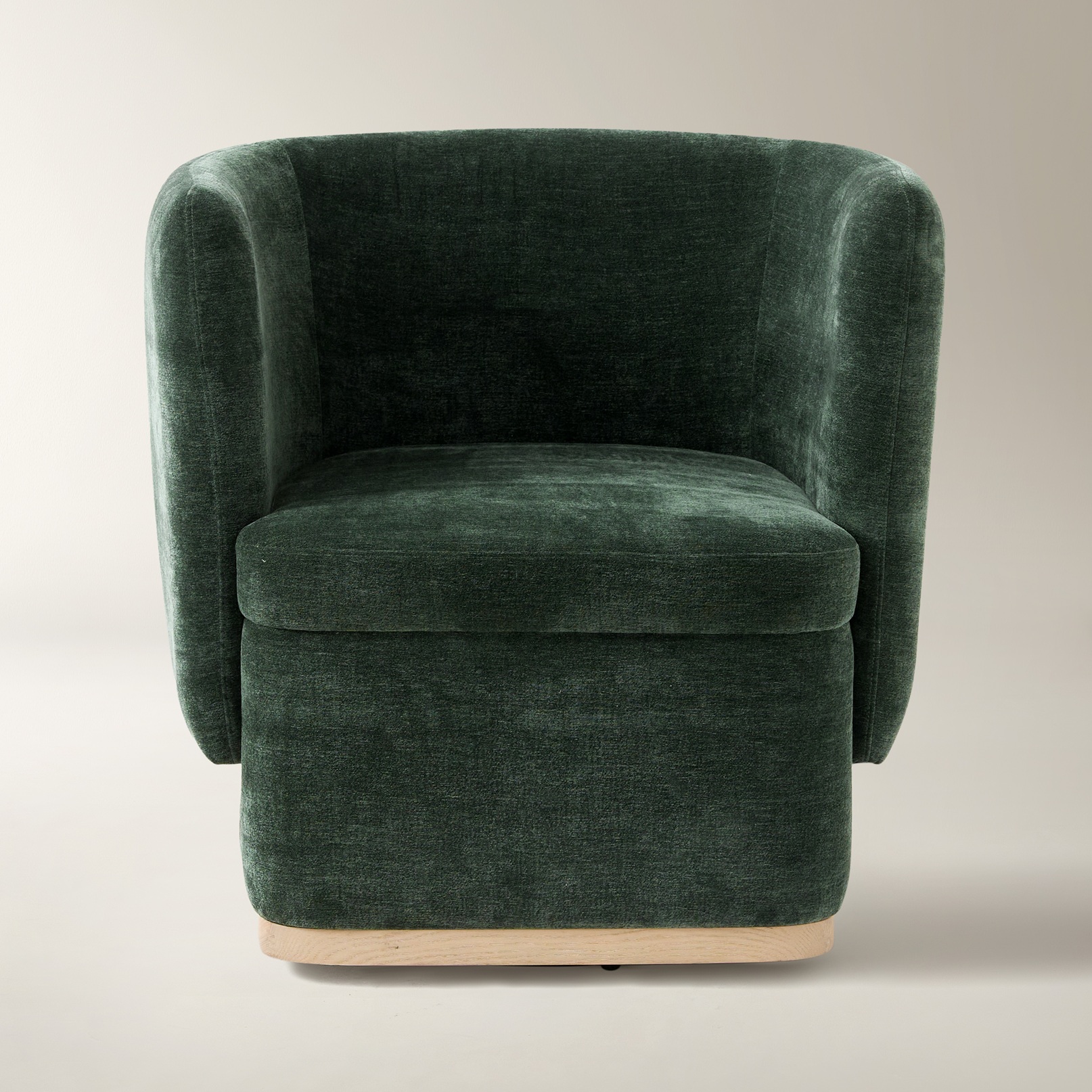 Stria Green Chenille Swivel Dining Chair With Oak Base$699
A green chenille arm chair with a solid oak swivel base, offering cozy comfort and modern versatility.
Add To Cart -
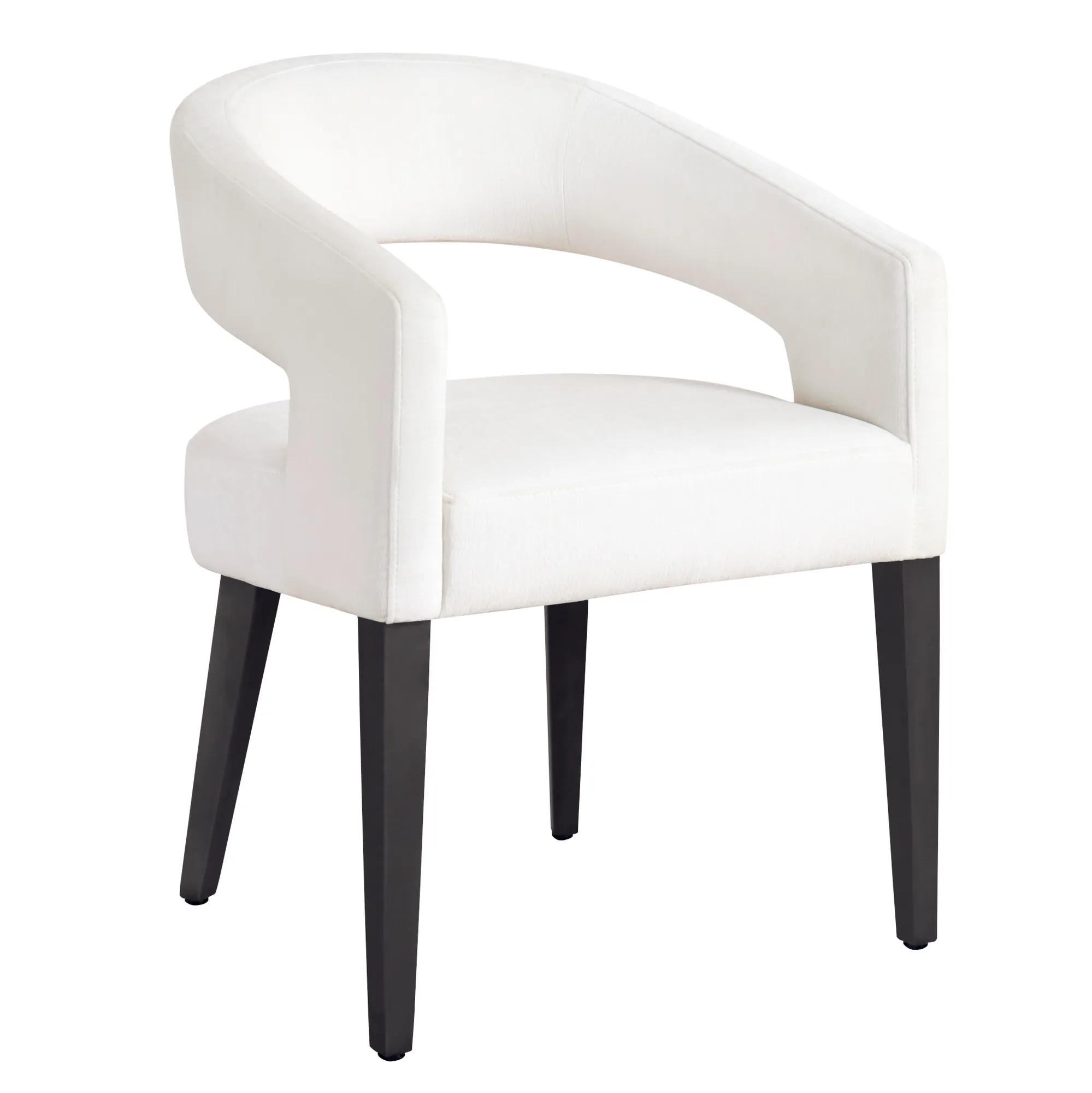
 Philippa Dining Chair - Espresso$649
A modern dining chair featuring a curved silhouette, espresso legs, and neatly tailored chenille upholstery.
Add To Cart -
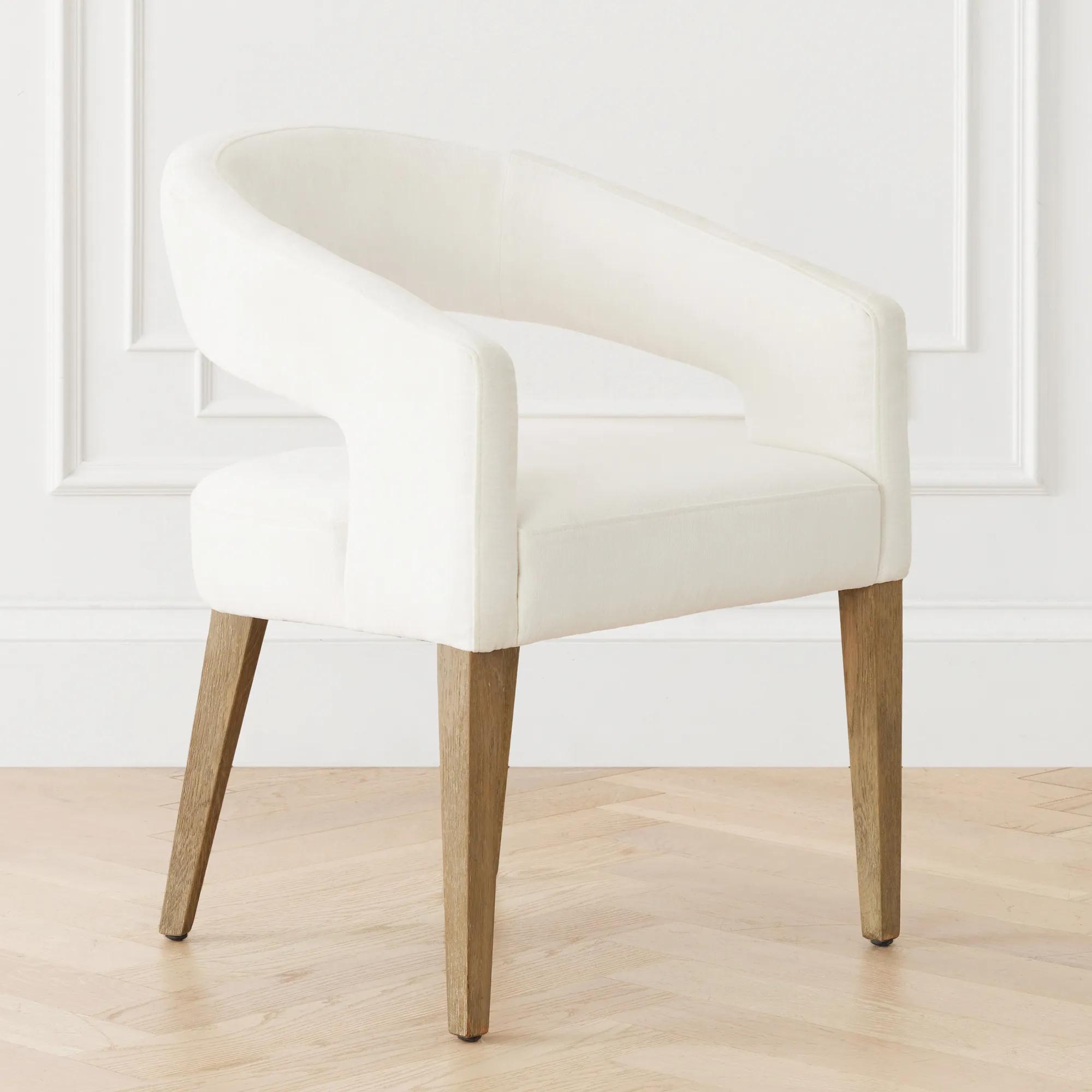 Philippa Dining Chair - Natural Grey$649
A curved grey dining chair featuring tailored chenille upholstery, kiln-dried hardwood frame, and sleek back cutout.
Add To Cart

Moondust Chenille Dining Chairs
Moondust chenille dining chairs invite an atmosphere of celestial glamour to your dining space, transforming every meal into a moment of pure enchantment. With their luminous sheen and plush texture, these chairs evoke the allure of starlit evenings—where elegance meets comfort in perfect harmony. Each seat becomes a statement, infusing your table with a whisper of drama and an unmistakable sense of artistry. Elevate your gatherings and let moondust chenille dining chairs set the stage for unforgettable occasions, where style and sophistication shine as brilliantly as the night sky.
Moondust chenille dining chairs bring a soft neutral palette and richly textured upholstery to the dining room, balancing the presence of a sculptural chair with the invitation of a deeply tactile fabric. Moondust refers to the upholstery color, while chenille describes the fabric’s distinctive fuzzy yarn surface rather than a single fiber composition. Together, they create an effect that feels understated in color but expressive in texture: a quiet backdrop for polished tableware, dramatic art, and the gleam of a statement light fixture. The fabric’s raised pile gives its surface dimension, with subtle shifts in appearance as the light moves across the upholstery. That depth makes a neutral chair feel substantial rather than flat, especially beside a smooth stone tabletop, a glass surface, or richly grained wood. Depending on the particular design, curved backs, rounded seats, and tailored upholstery can soften a dining room’s strong architectural lines without diminishing its drama. A row of upholstered chairs around a rectangular table creates an enveloping rhythm; gathered around a round table, the same softness encourages a more intimate arrangement. This is seating for hosts who consider comfort part of a beautifully composed evening, households that gather at the table every day, and design enthusiasts who want practical furnishings to carry an artistic point of view. The neutral color also leaves room for expressive layers, from smoky glass and sculptural ceramics to boldly patterned dinnerware. Because color names do not communicate every undertone, an upholstery swatch is especially valuable alongside existing flooring, wall color, and dining furniture. Viewed in the room’s own lighting, the fabric can reveal whether its particular shade complements a cool stone surface, a golden metal accent, or a deeper wood finish. The result is most compelling when the chair’s texture and the room’s harder surfaces remain distinct, giving each material space to contribute to the composition.
The appeal of moondust chenille dining chairs extends beyond their upholstery to the proportions and construction that shape the dining experience. A generously curved back can create a welcoming silhouette, while a more tailored profile brings definition to a compact dining area. Neither appearance alone establishes comfort: seat depth, back height, cushioning, and the relationship between chair and table all matter. A deeper seat may suit someone who enjoys a relaxed posture, while a shallower seat can make it easier for a shorter person to sit with feet comfortably supported. Upholstered arms add a sense of occasion at the head of a table, but their height needs to clear the table’s underside if the chairs are meant to tuck in. Armless profiles can preserve visual openness and simplify movement around a closely arranged setting. For conventional dining proportions, approximately 10 to 12 inches between the seat surface and tabletop is a useful starting point, with additional attention to any apron beneath the table that could restrict legroom. Chair width deserves equal consideration. The full outside dimensions, rather than the seat width alone, determine how comfortably several chairs fit along a table and whether neighboring diners have adequate elbow room. Space behind the chairs also affects daily use, particularly when the dining area shares a walkway with a kitchen or living room. Construction details help distinguish seating intended for regular meals from pieces chosen mainly for occasional entertaining. Kiln-dried hardwood, where specified, can provide a stable foundation, while well-made joints and appropriate seat support contribute to long-term performance. Foam-and-fiber cushioning may combine a defined shape with surface softness, although firmness varies by design. Dark legs can outline pale upholstery with a crisp, graphic contrast; lighter finishes can create a more continuous visual effect. The strongest pairing gives the chair enough presence to hold its own beside the table while preserving a comfortable, unhurried place to sit.
Chenille’s lush texture rewards thoughtful care, particularly in a dining space where upholstery encounters crumbs, spills, and frequent movement. Its softness does not, by itself, establish stain resistance or durability; those qualities depend on the fiber blend, weave, backing, construction, and any documented protective treatment. For a table used for family meals, creative projects, or an occasional afternoon of laptop work, published upholstery specifications are more useful than assumptions based on appearance. Abrasion ratings, when provided, offer one measure of tested wear resistance, but they do not guarantee protection against stains, snagging, or damage from pets. The raised yarns that give chenille its character can catch on sharp objects, making careful handling of jewelry, bag hardware, and pet claws worthwhile. Routine care generally begins with gentle vacuuming using an upholstery attachment, following the fabric’s care instructions and avoiding aggressive brushing. Spills should be blotted promptly with a clean, absorbent cloth rather than rubbed into the pile. Any cleaning product or method should match the upholstery’s stated cleaning code and be tested in an inconspicuous area; some fabrics permit water-based treatment, while others require solvent-based or professional cleaning. Excess moisture can leave marks or affect underlying cushioning, so saturating the fabric is best avoided. Direct sunlight may also alter upholstery color over time, and suitable window coverings can help preserve a consistent appearance. With these practical considerations addressed, the visual possibilities remain expansive. Moondust can anchor a tonal dining room filled with layered neutrals or provide a composed counterpoint to saturated walls and expressive artwork. For a brighter neutral direction, White Chenille Dining Chairs offer a related palette to consider alongside existing finishes. Whether the setting centers on intimate dinners or a fully dressed table of guests, chenille dining seating brings softness to the architecture of the room. Its most enduring luxury lies in that balance: an expressive silhouette, a richly felt surface, and proportions that make lingering at the table feel entirely natural.
FAQs
Moondust chenille dining chairs are remarkably versatile, harmonizing with a range of design aesthetics. Their shimmering, silvery finish adds a touch of glamour to modern and contemporary spaces, while their plush texture complements maximalist, Art Deco, or even transitional interiors. Style them with mirrored surfaces, sculptural lighting, or bold accent pieces for a curated and expressive dining room.
The sumptuous texture and gentle sheen of moondust chenille create an inviting, tactile experience that encourages guests to linger at the table. These chairs envelop you in comfort, transforming everyday meals and special gatherings alike into memorable occasions. Their visual drama and soft embrace set the stage for meaningful conversations and elevated entertaining.
Absolutely. Moondust chenille dining chairs make a striking and thoughtful gift for newlyweds, homeowners, or anyone celebrating a milestone. Their luxurious appearance and indulgent comfort turn an ordinary dining space into a statement of personal style, making them a cherished addition to any home.
Moondust chenille’s silvery-grey tones are beautifully versatile, working seamlessly with crisp whites, deep charcoals, jewel tones, and metallics. Pair them with glass or marble tables for a sleek, modern look, or with rich woods and brass accents for a layered, sophisticated vibe. They also shine alongside winter-inspired palettes and cool, tranquil hues.
To evoke winter’s elegance, surround your moondust chenille chairs with candlelit centerpieces, shimmering metallics, and plush throws draped over each seat. Layering textures—such as velvet table runners or crystal glassware—enhances the sense of drama and warmth, creating a dining atmosphere that feels both luxurious and inviting for seasonal celebrations.