Modern Velvet Accent Benches
Modern Velvet Accent Benches
-
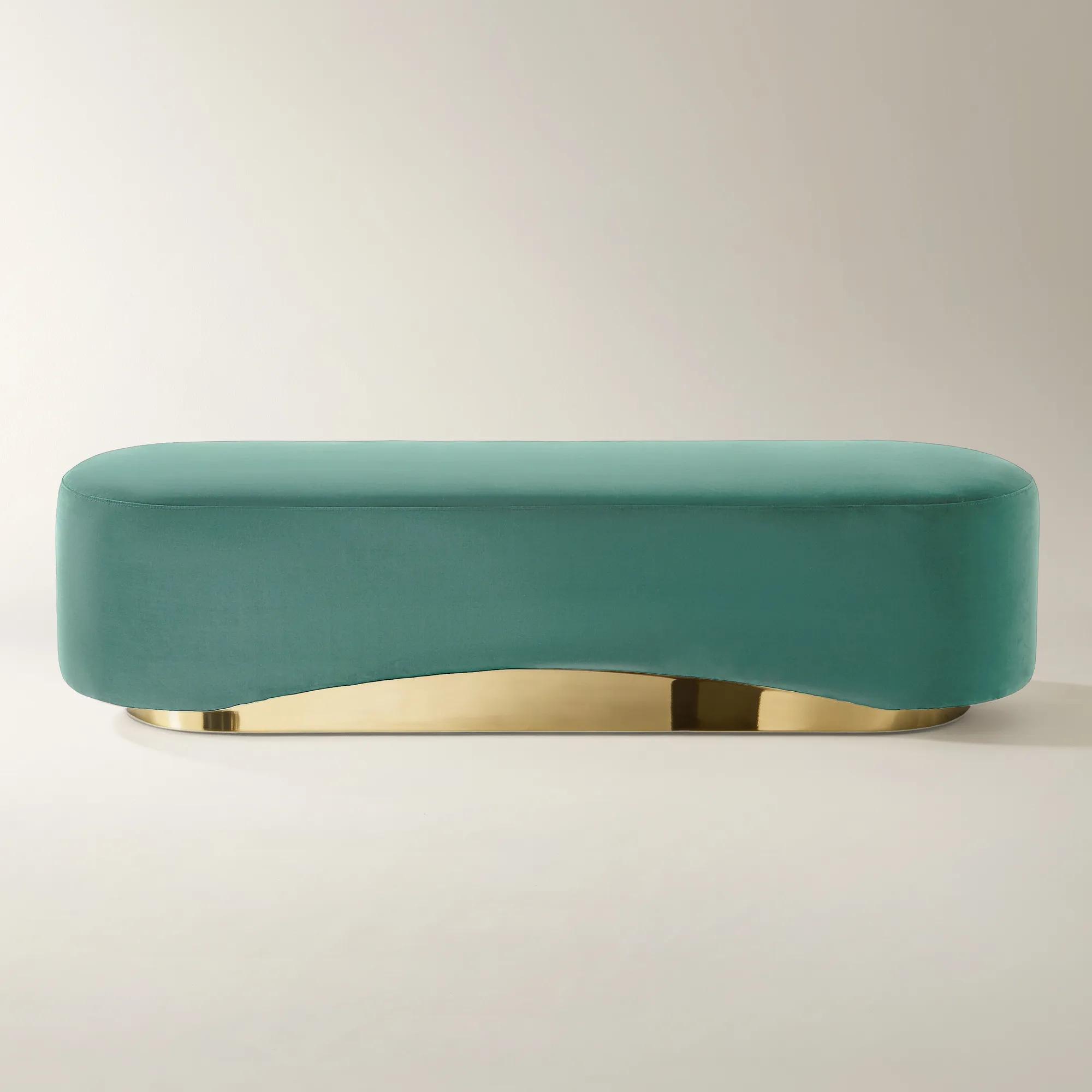 Kendra Ocean Teal Velvet Bench (70.47")$799
An elongated oval bench in ocean teal velvet with a plush seat and polished gold stainless steel base.
Add To Cart -
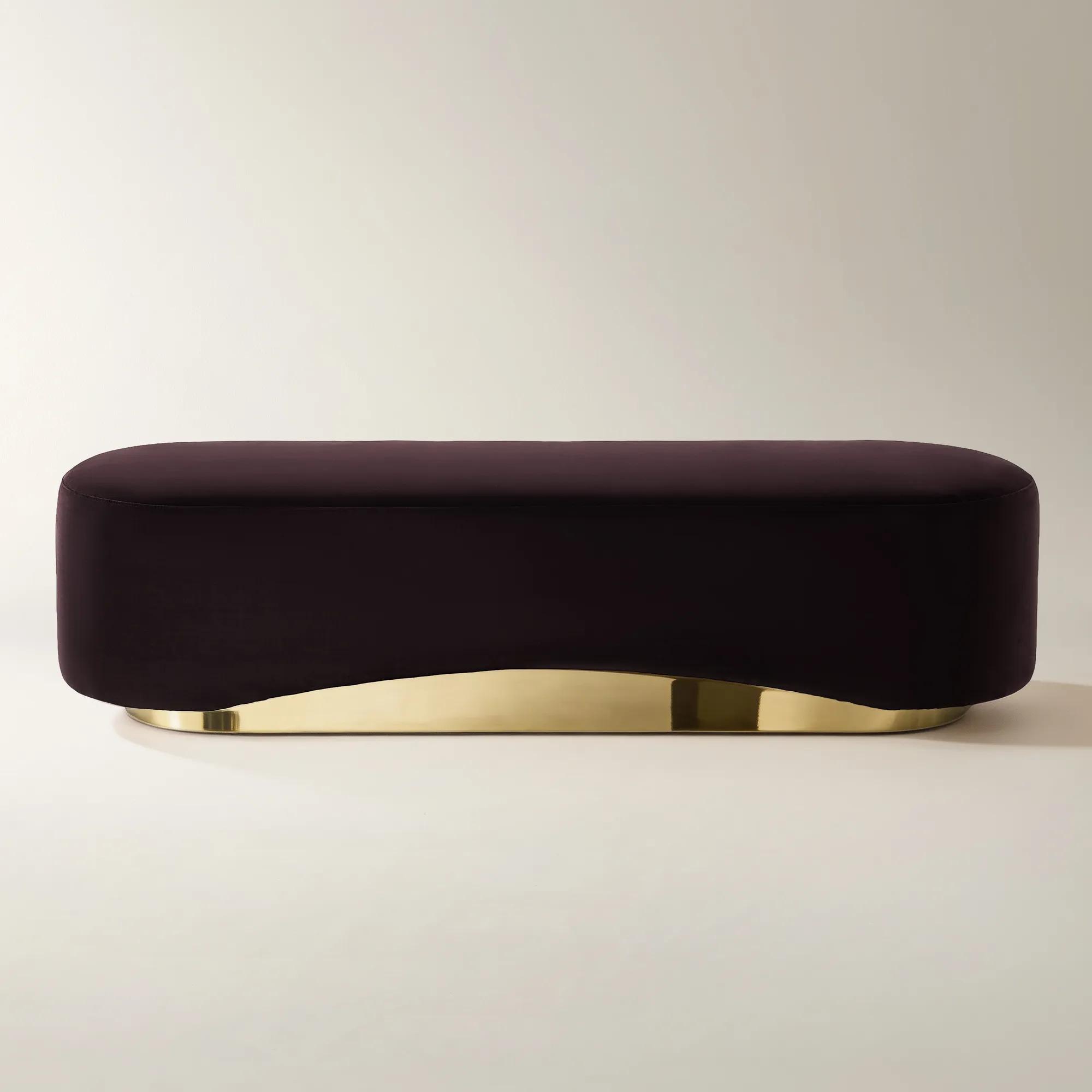 Kendra Fig Velvet Bench (70.47")$799
A plush fig velvet bench with an elongated oval silhouette and a polished gold stainless steel base.
Add To Cart -
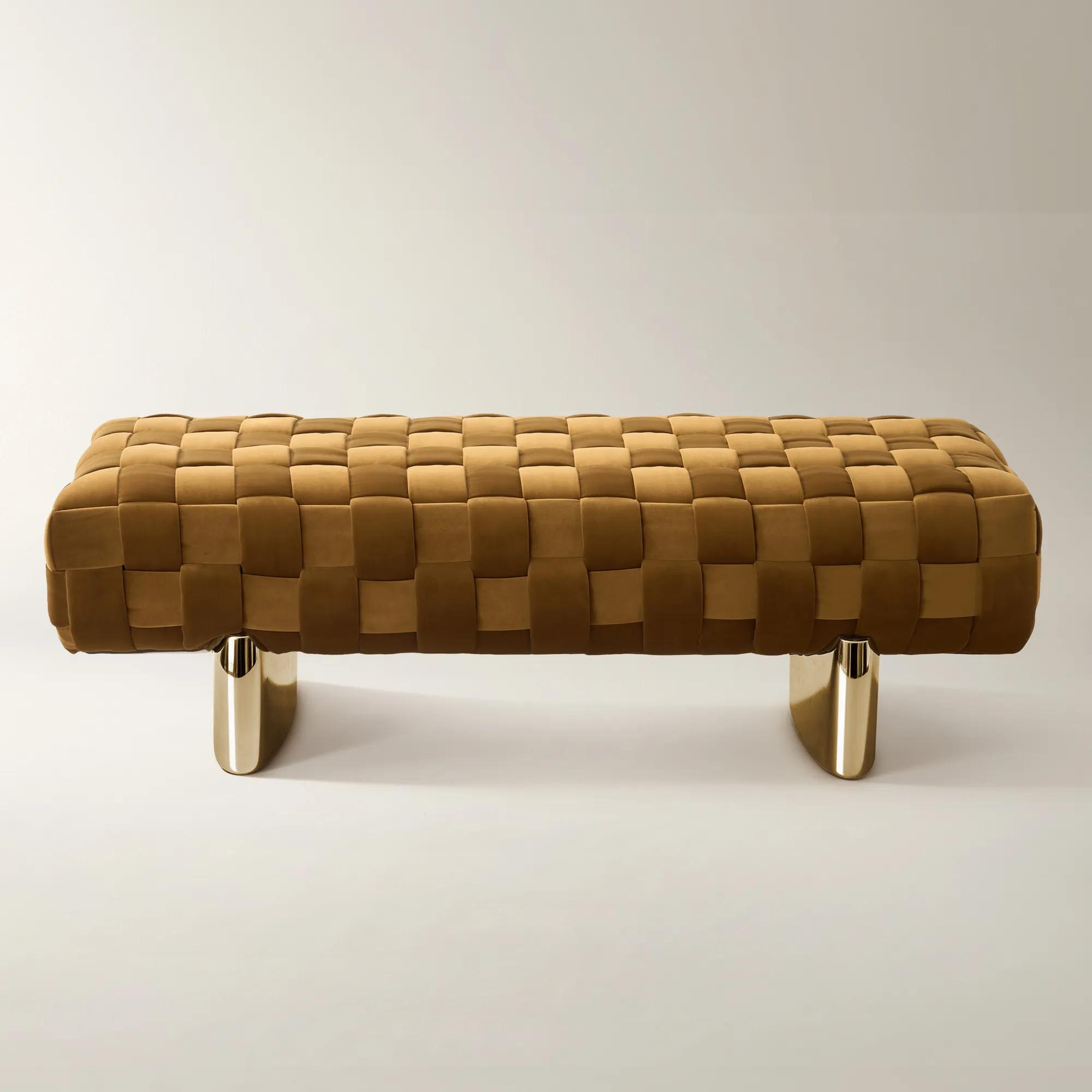
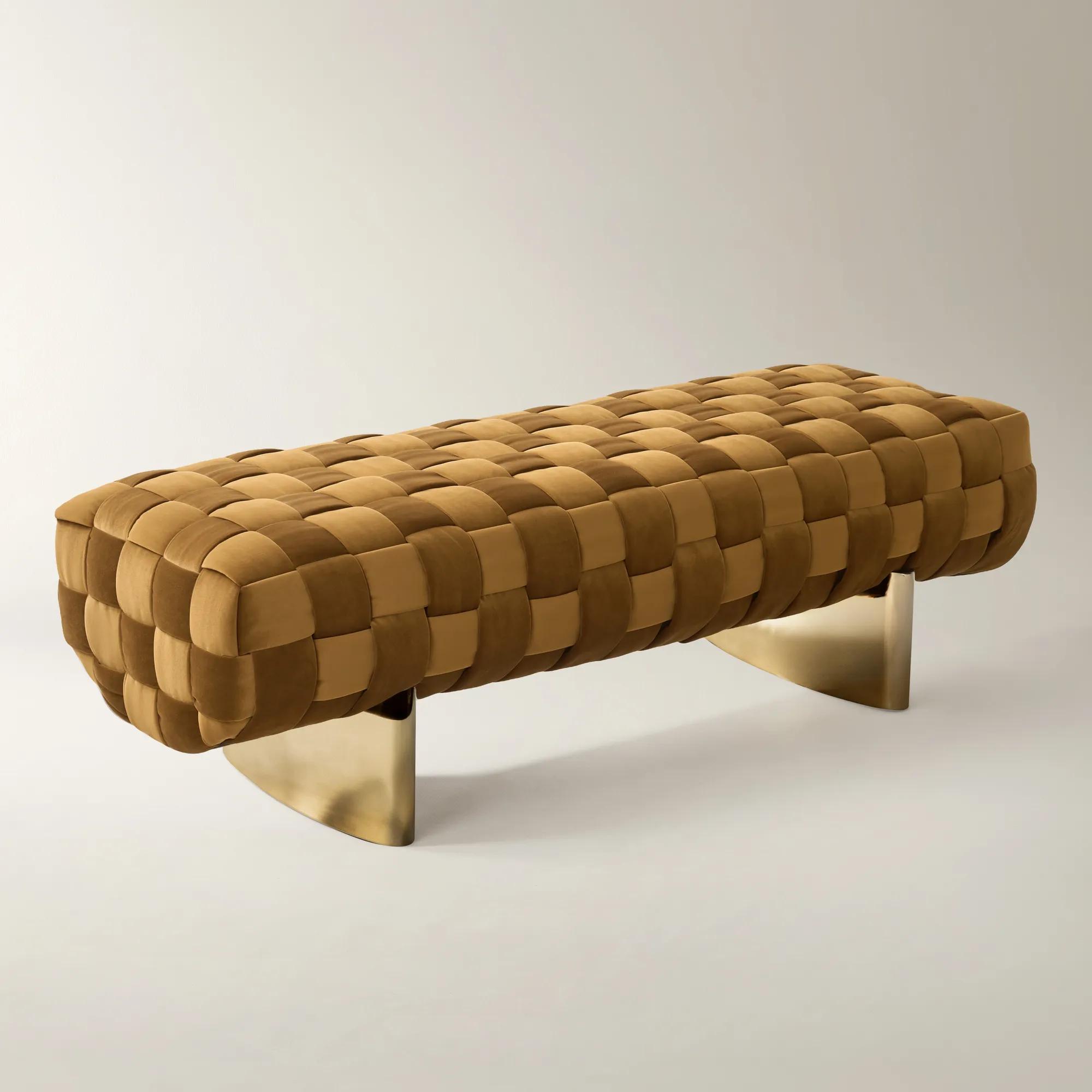 Dexter Woven Roasted Pecan Velvet Bench (64.2")$999
A woven roasted pecan velvet bench featuring plush upholstery and polished gold stainless steel legs for modern elegance.
Add To Cart -
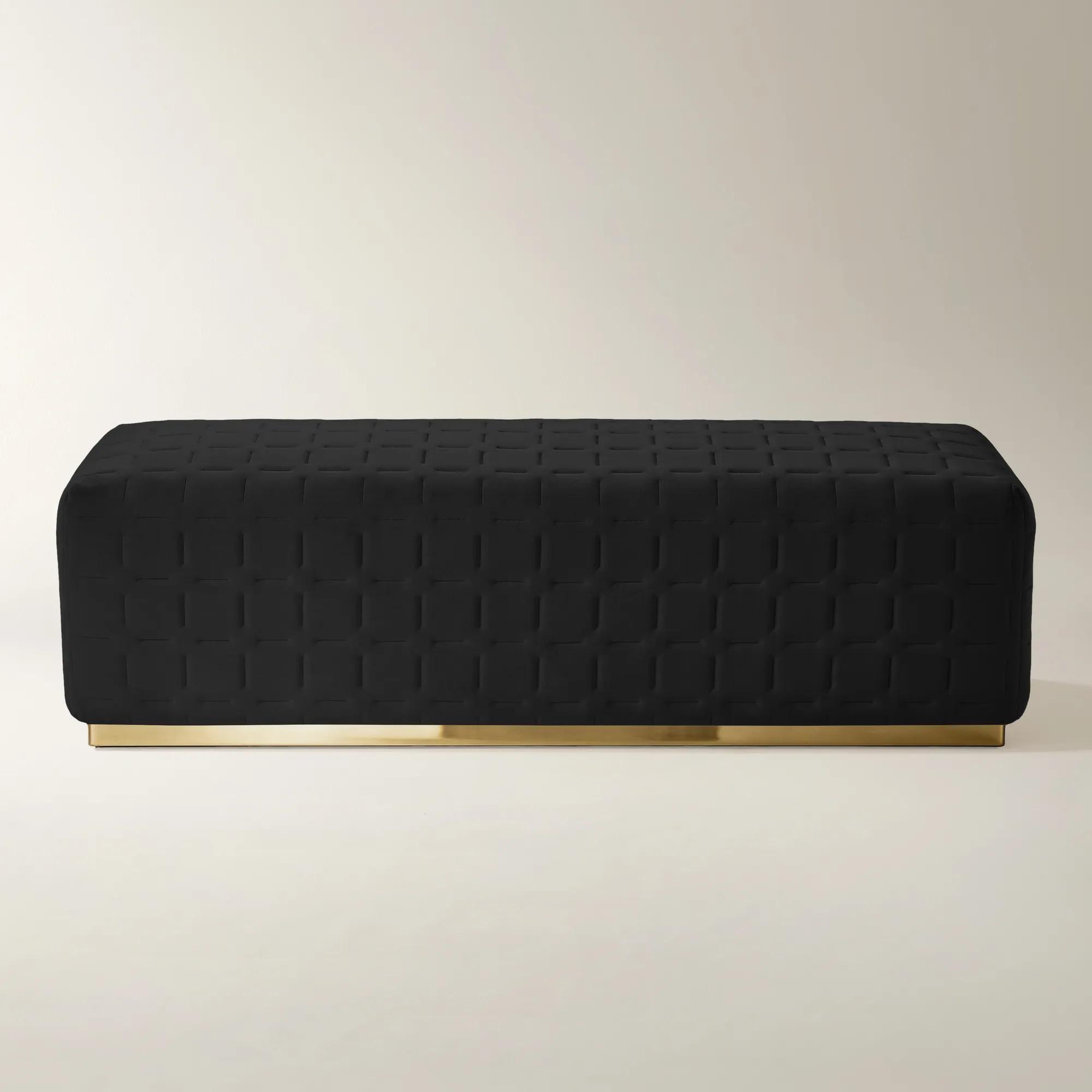 Vanta Quilted Charcoal Velvet Bench (64.6")$899
A charcoal velvet bench featuring checker quilted tufting and a gold stainless steel base for modern elegance.
Add To Cart -
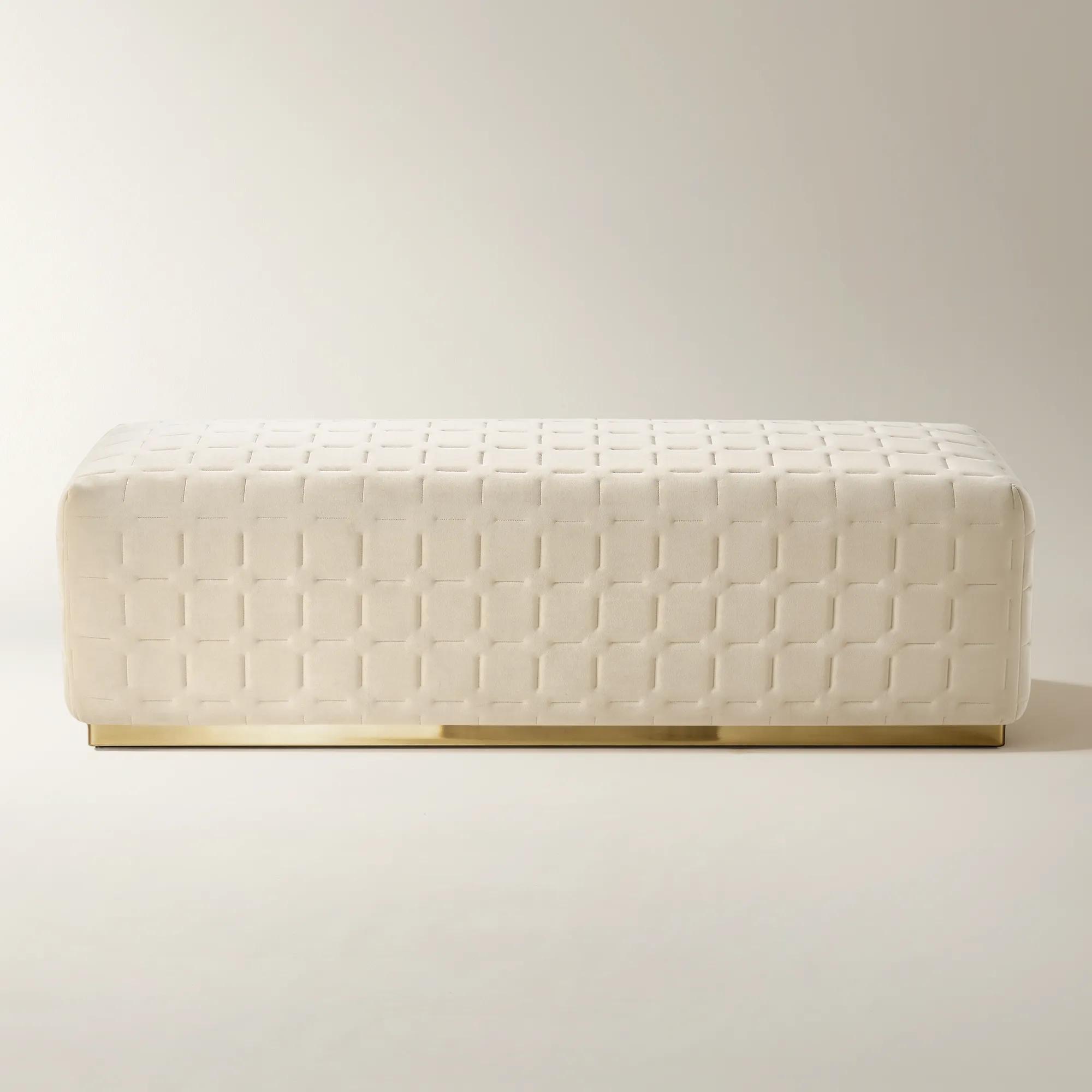
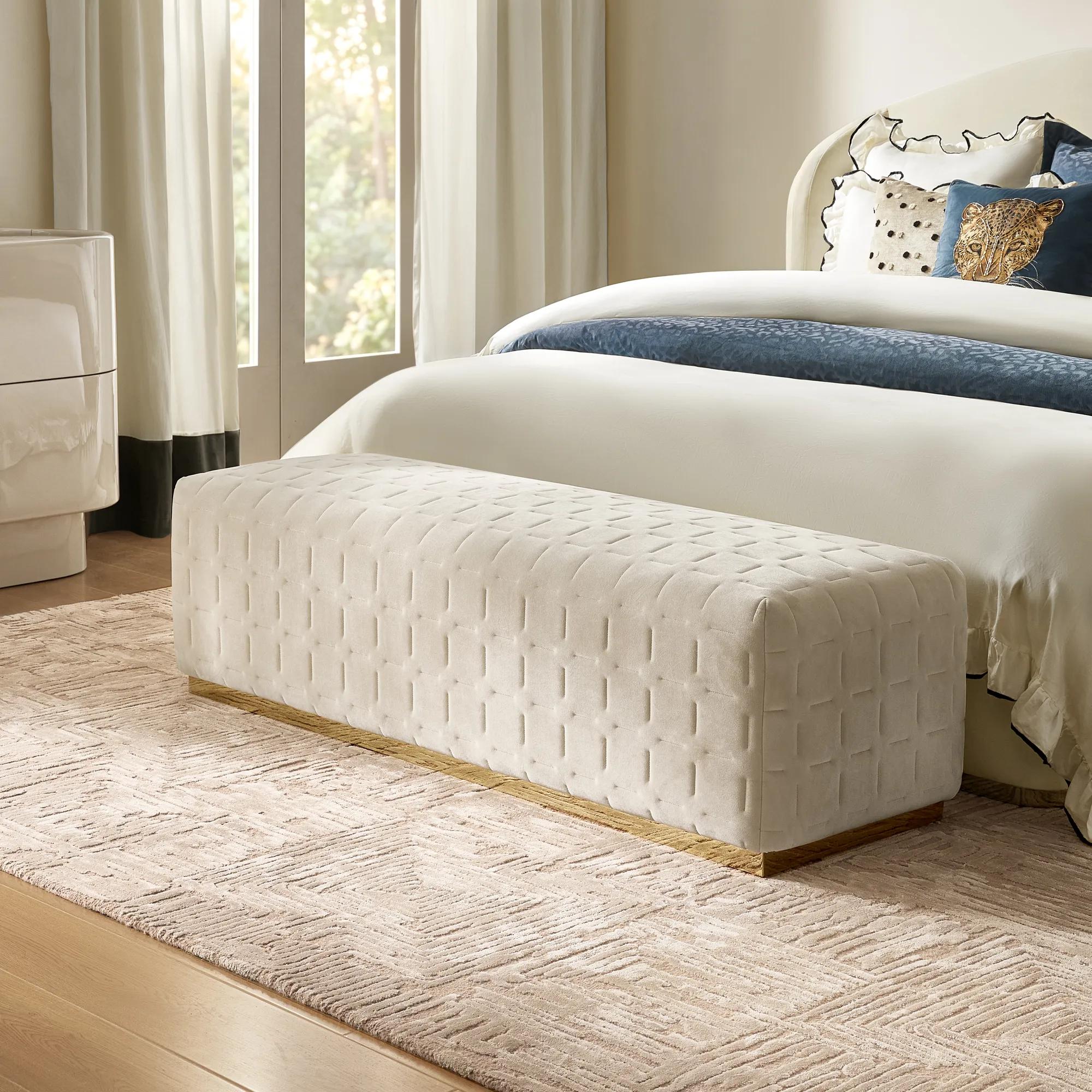 Vanta Quilted Oatmeal Velvet Bench (64.6")$899
A plush oatmeal velvet bench featuring checker quilted tufting and a sleek gold stainless steel base.
Add To Cart -
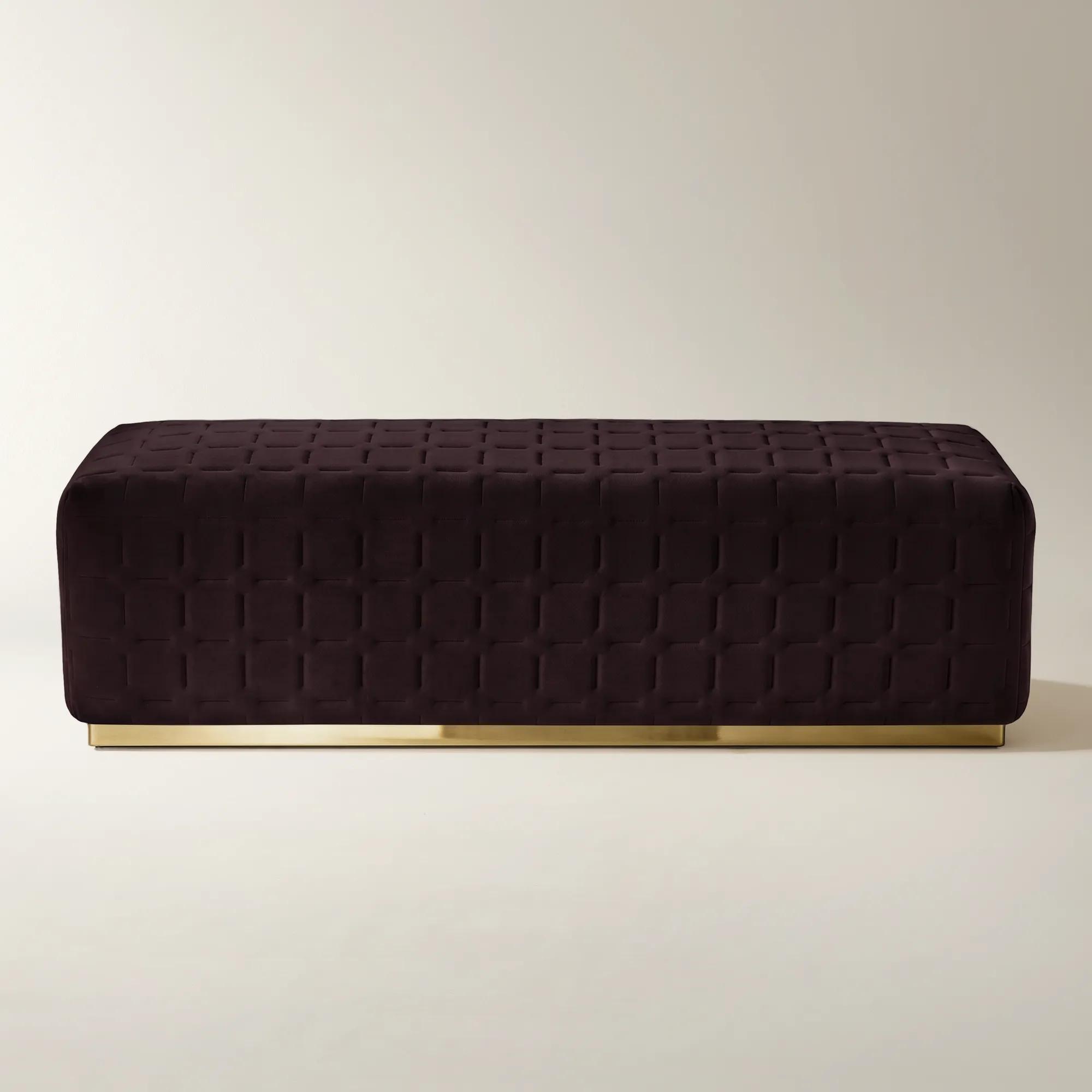
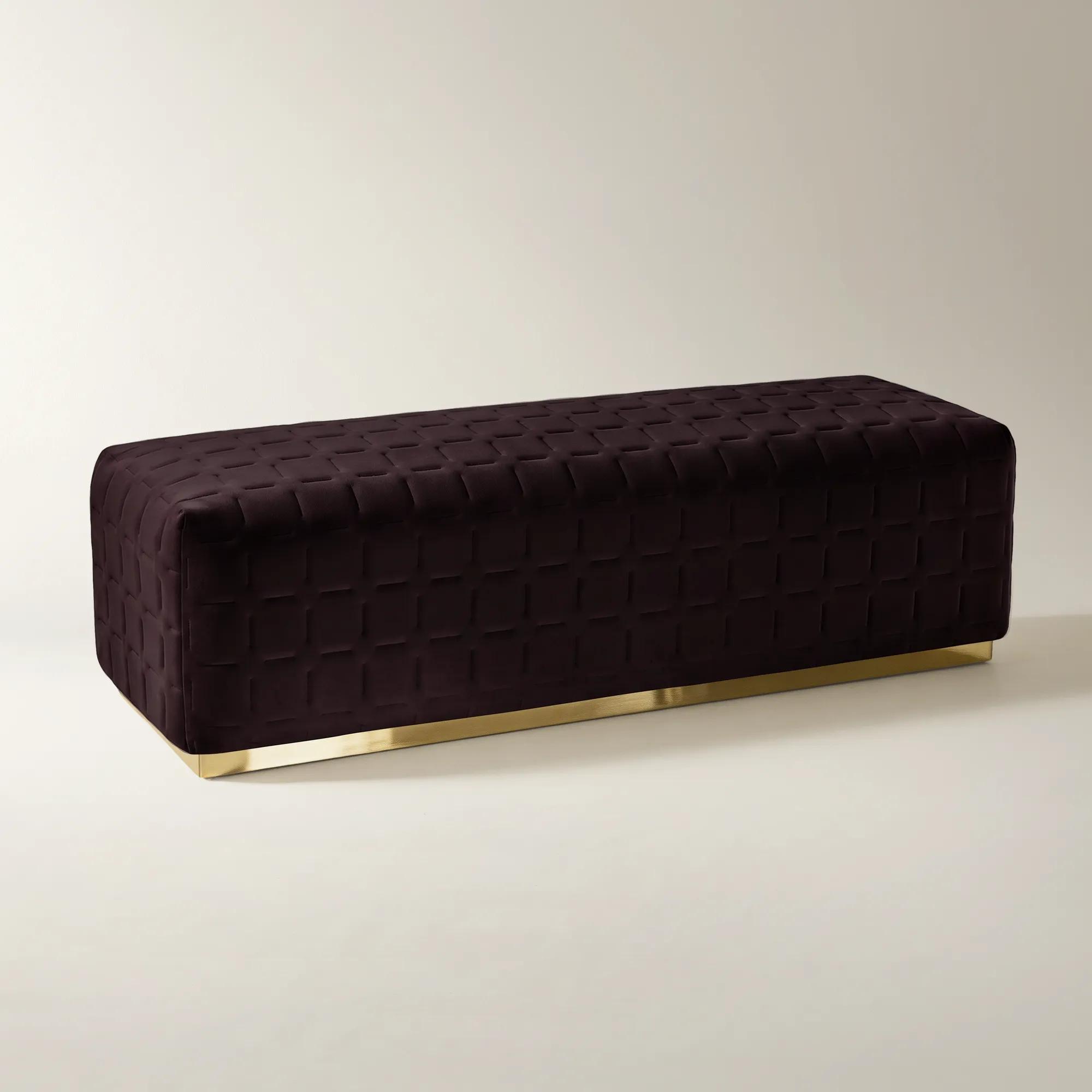 Vanta Quilted Fig Velvet Bench (64.6")$899
A plush fig velvet bench featuring checker quilted tufting and a sleek gold stainless steel base.
Add To Cart -
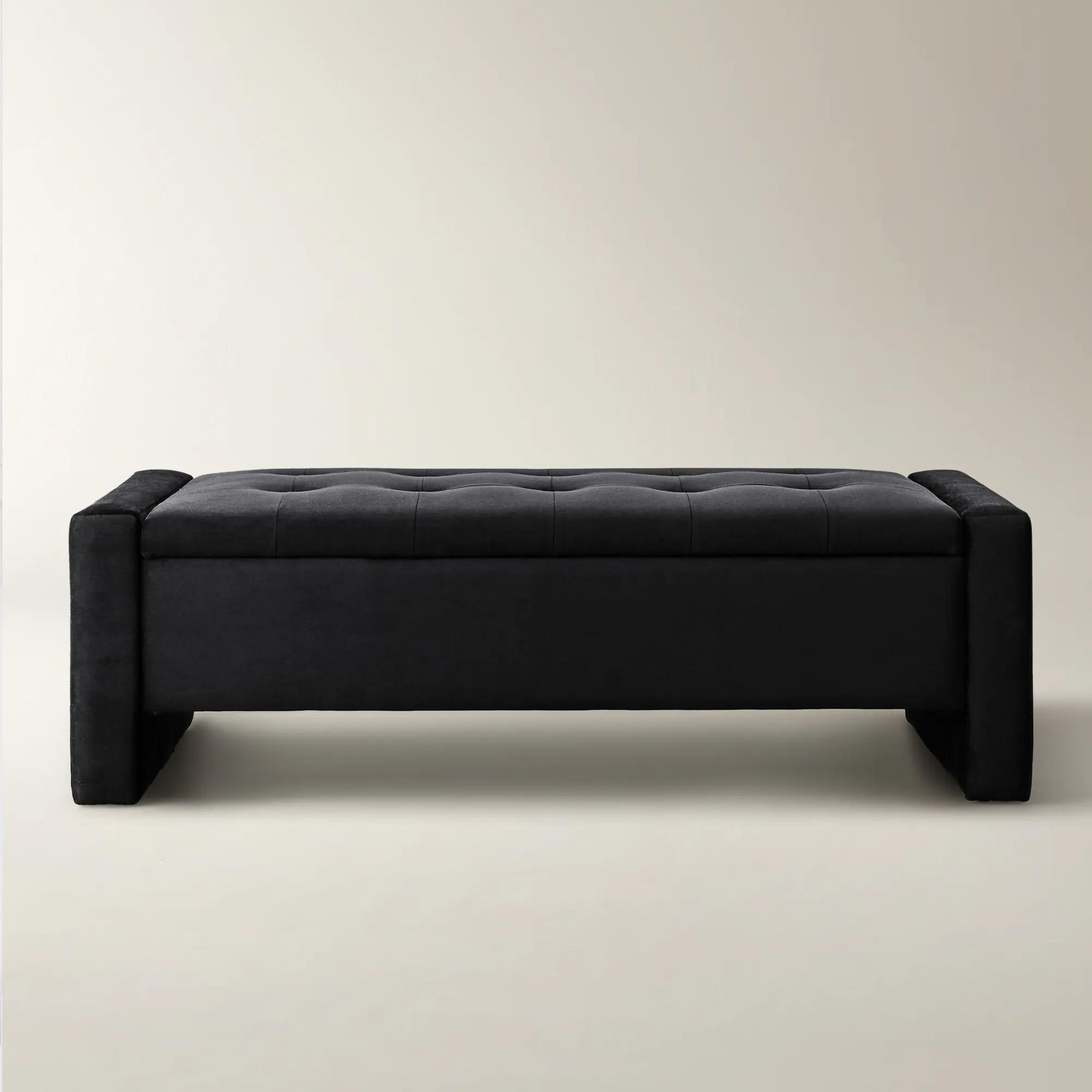
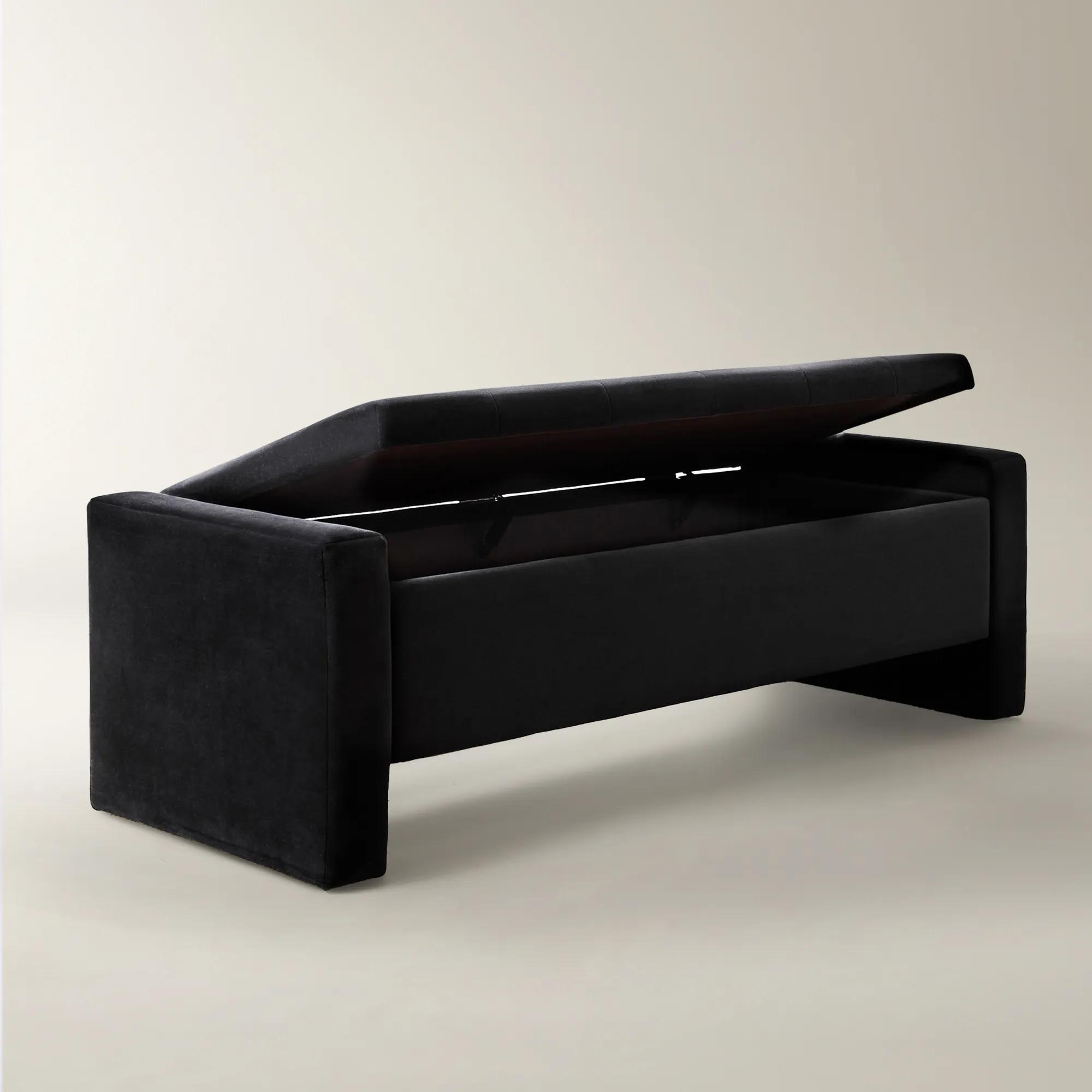 Maeve Storage Bench$899
A modern velvet-upholstered bench with hidden storage, kiln-dried hardwood frame, and soft-closing glides.
Add To Cart -
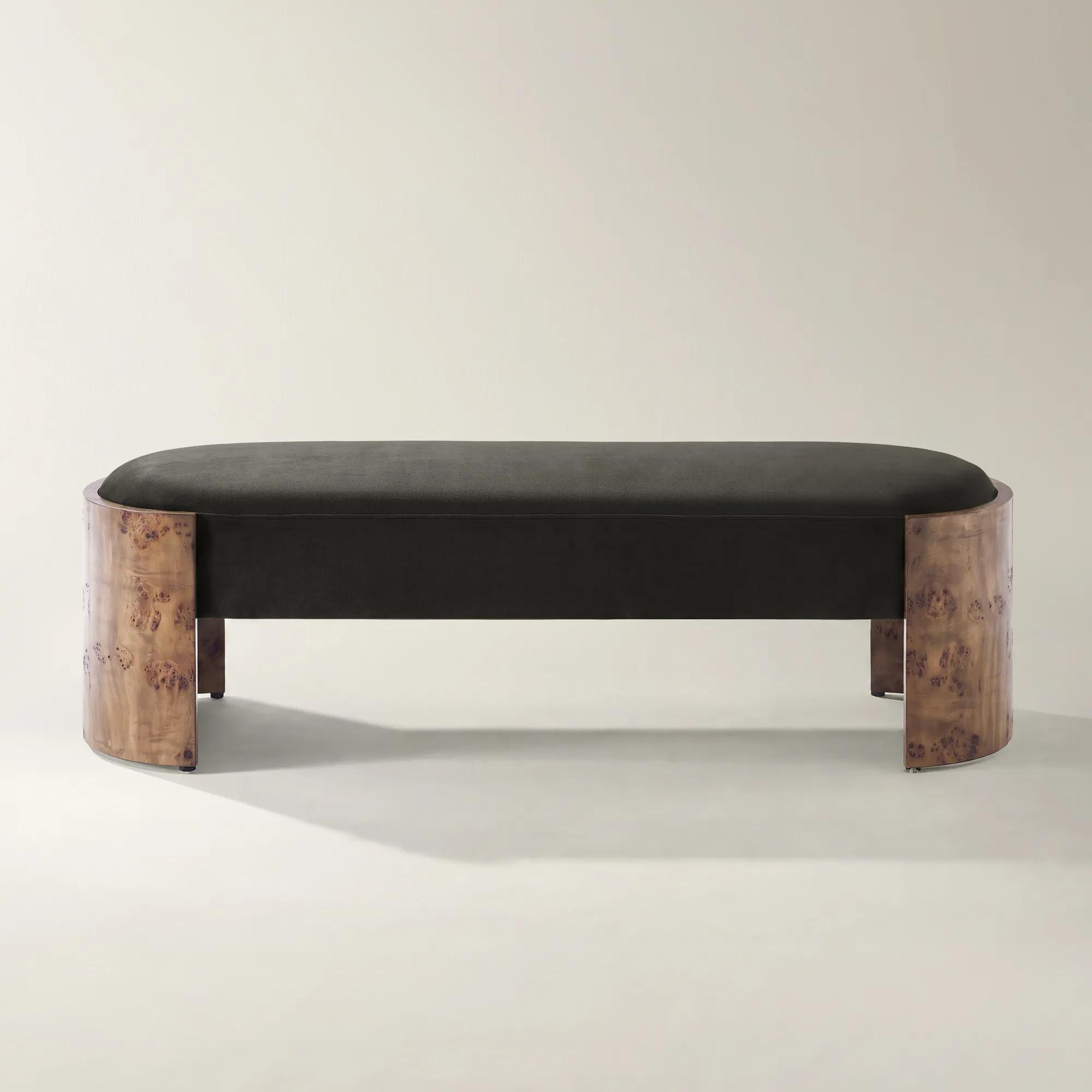
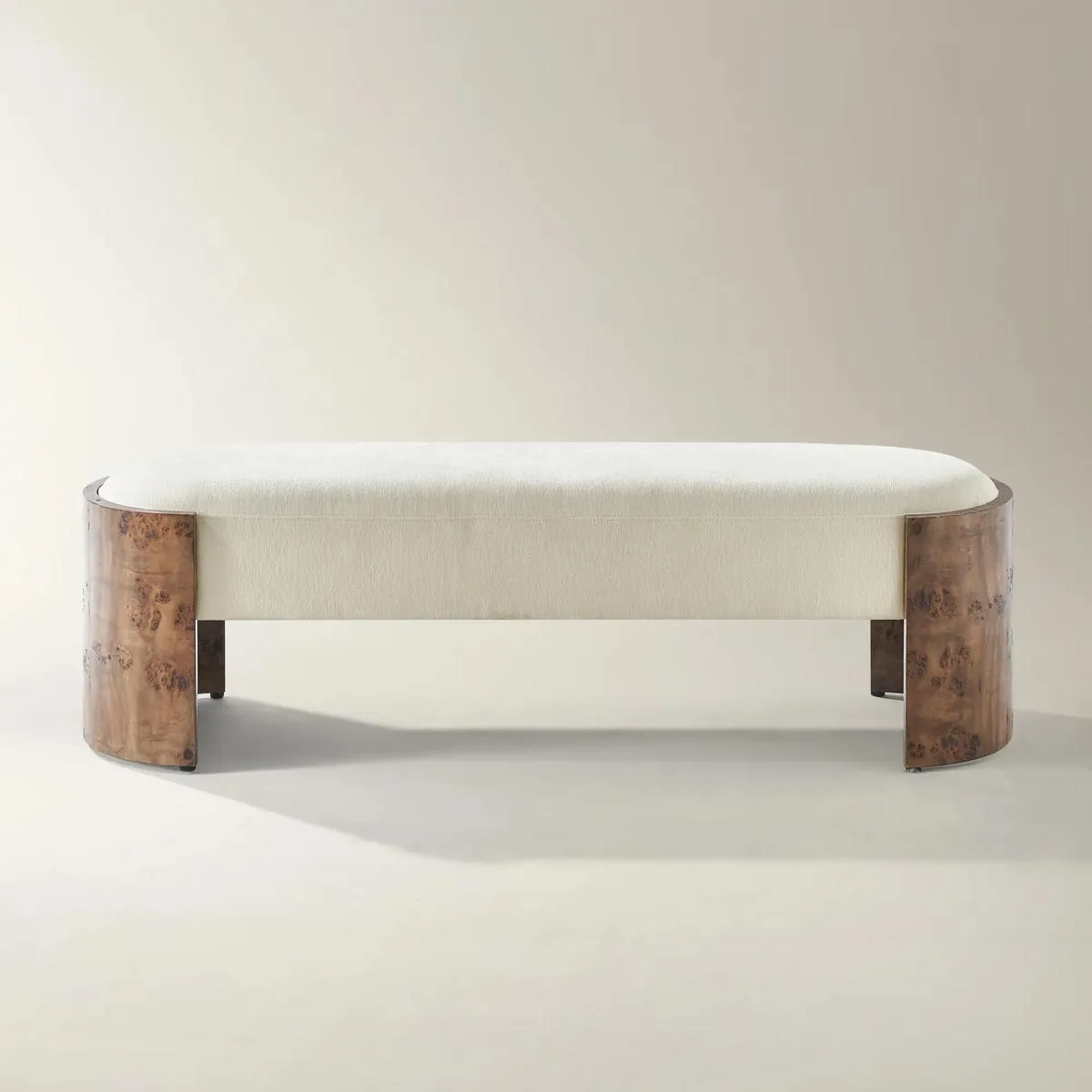 Cora Charcoal Velvet With Ash Wood Bench (60.6")$999
A sculpted charcoal velvet bench with curved bookmatched ash burl panels and supportive foam cushioning.
Add To Cart -
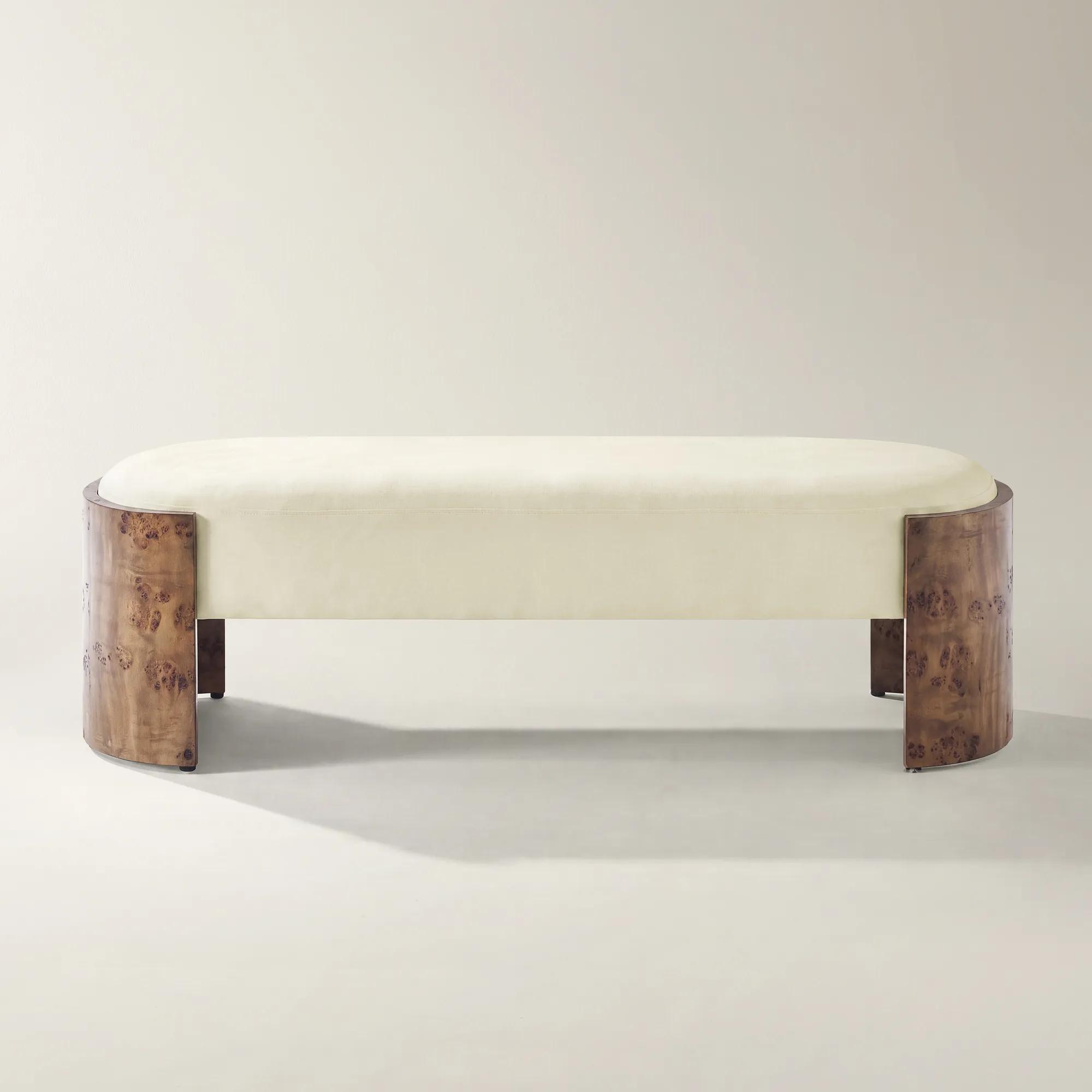 Cora Cloud Velvet With Ash Wood Bench (60.6")$999
A cloud velvet bench with bookmatched ash burl panels and supportive foam cushioning.
Add To Cart -
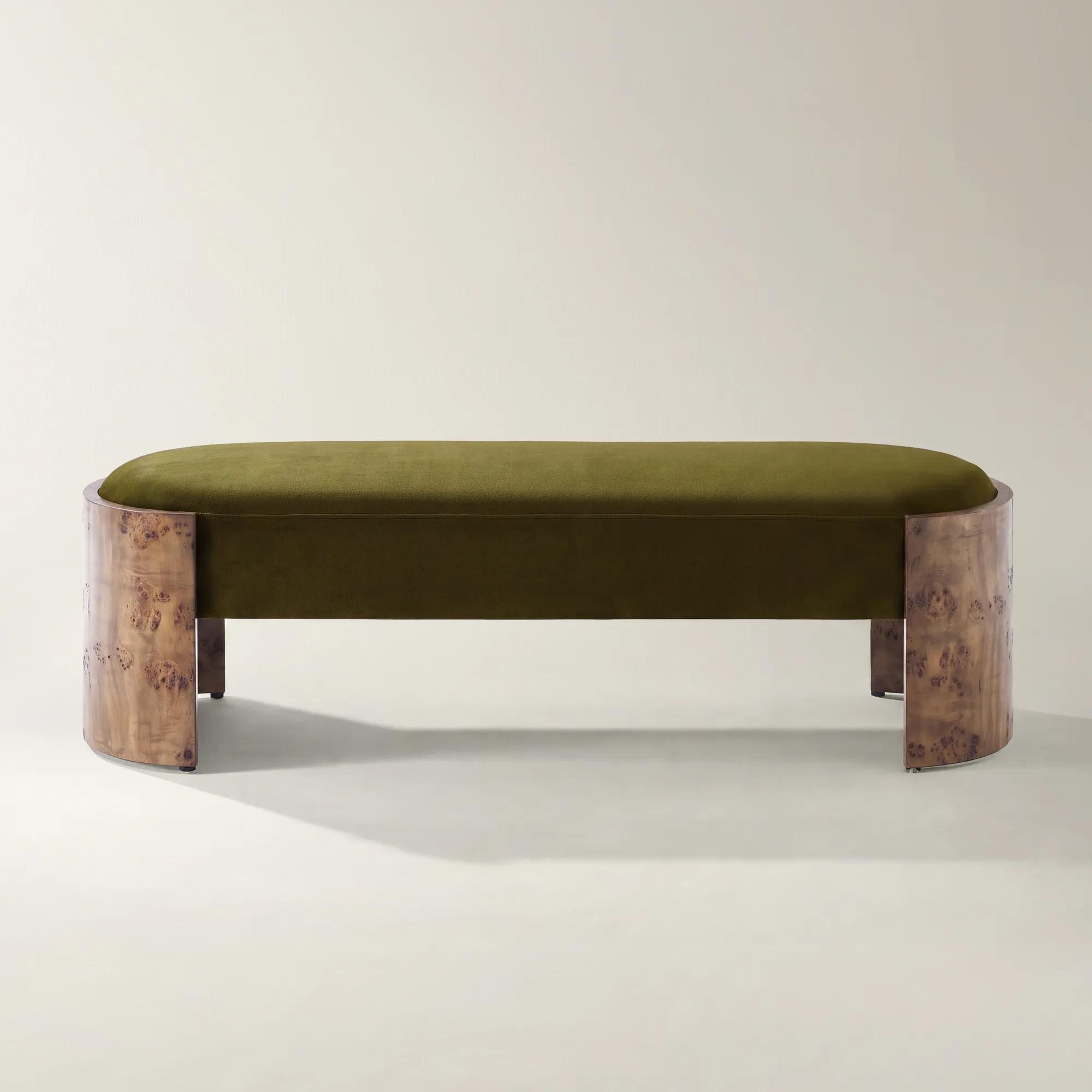 Cora Deep Olive Velvet With Ash Wood Bench (60.6")$999
A sculpted deep olive velvet bench featuring curved ash burl end panels and supportive foam cushioning.
Add To Cart -
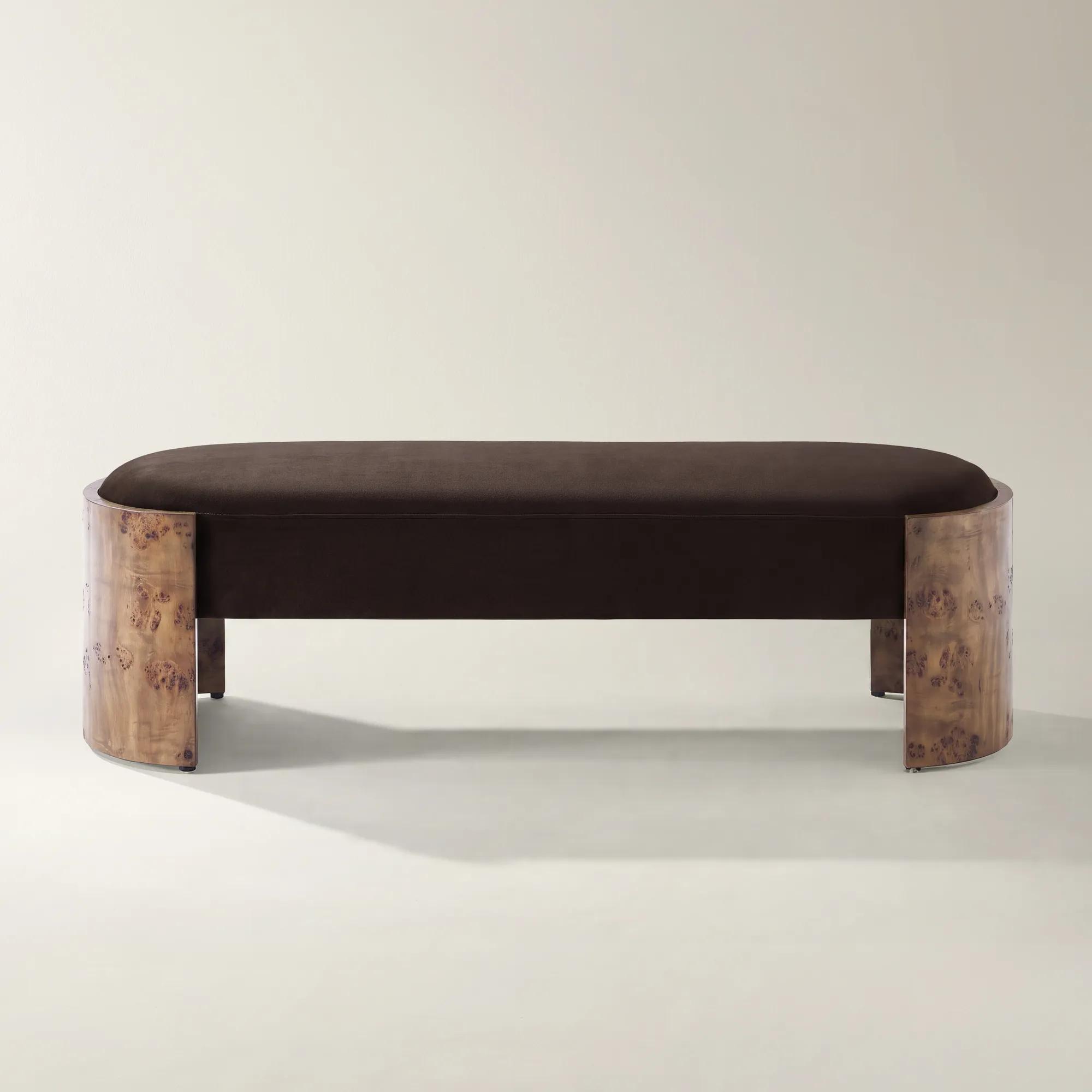 Cora Dark Chocolate Velvet With Ash Wood Bench (60.6")$999
A dark chocolate velvet bench with sculpted bookmatched ash burl end panels and high-resiliency foam cushioning.
Add To Cart -
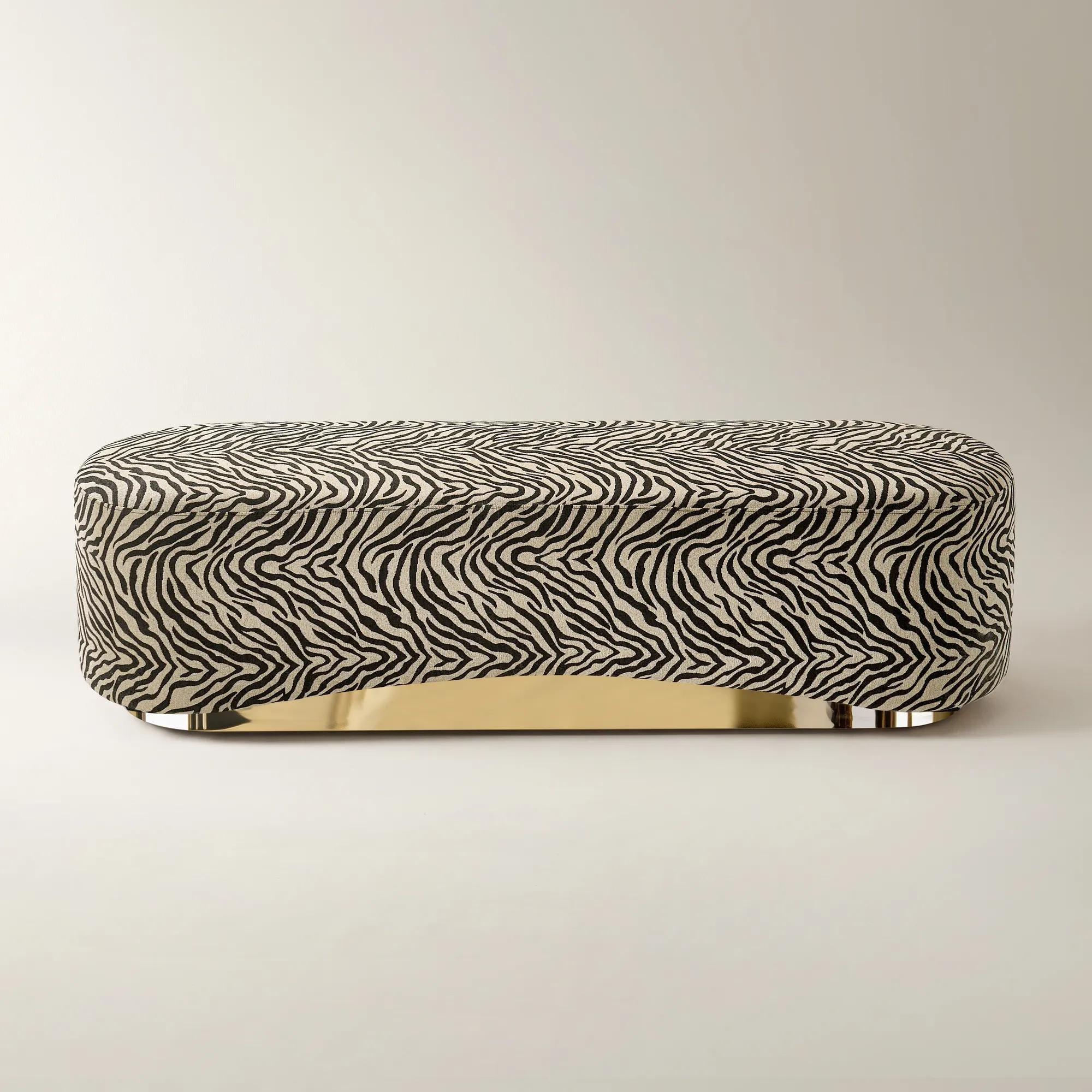
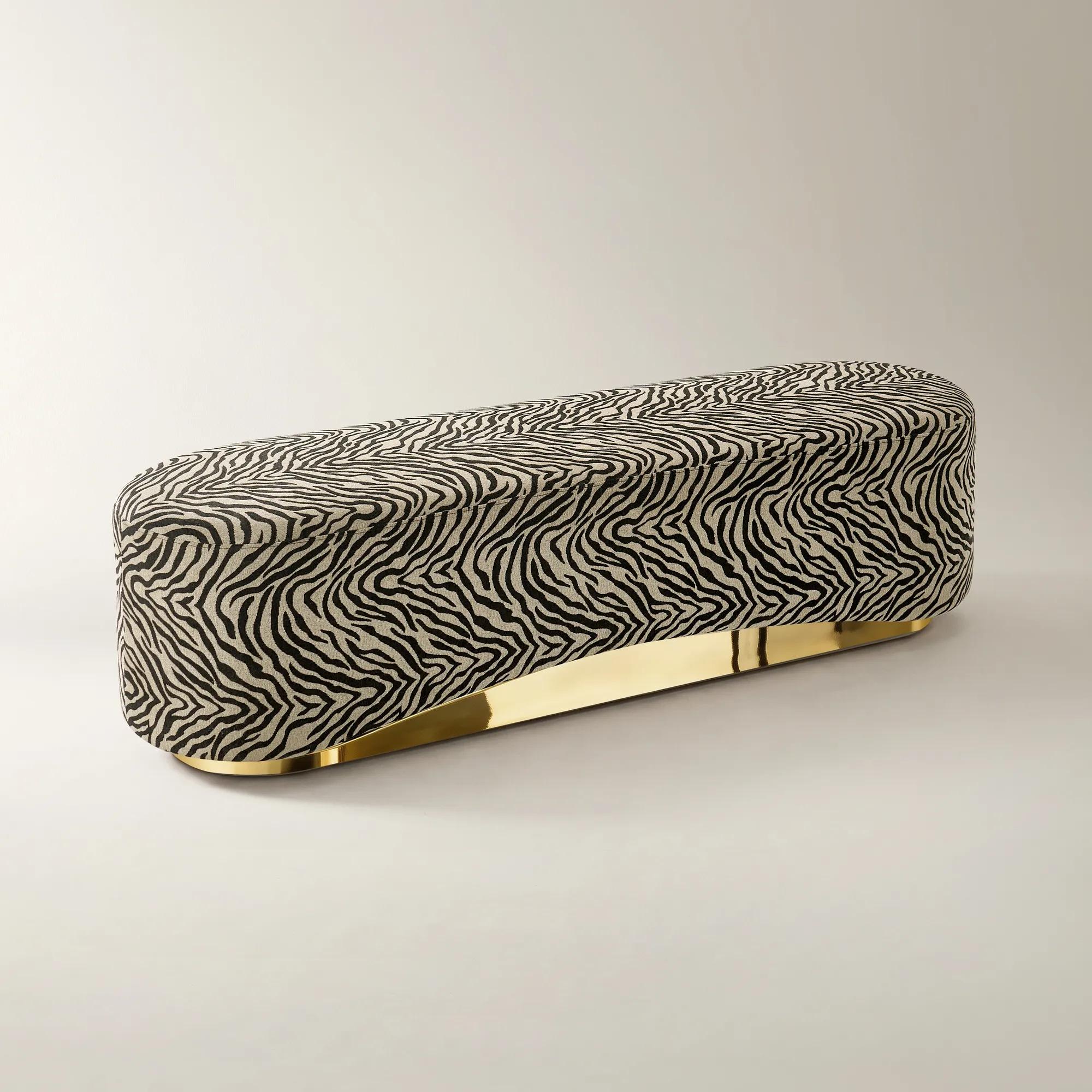 Kendra Zebra Performance Chenille Bench (70.47")$799
An elongated oval bench upholstered in textured zebra-pattern chenille with a polished gold stainless steel base.
Add To Cart -
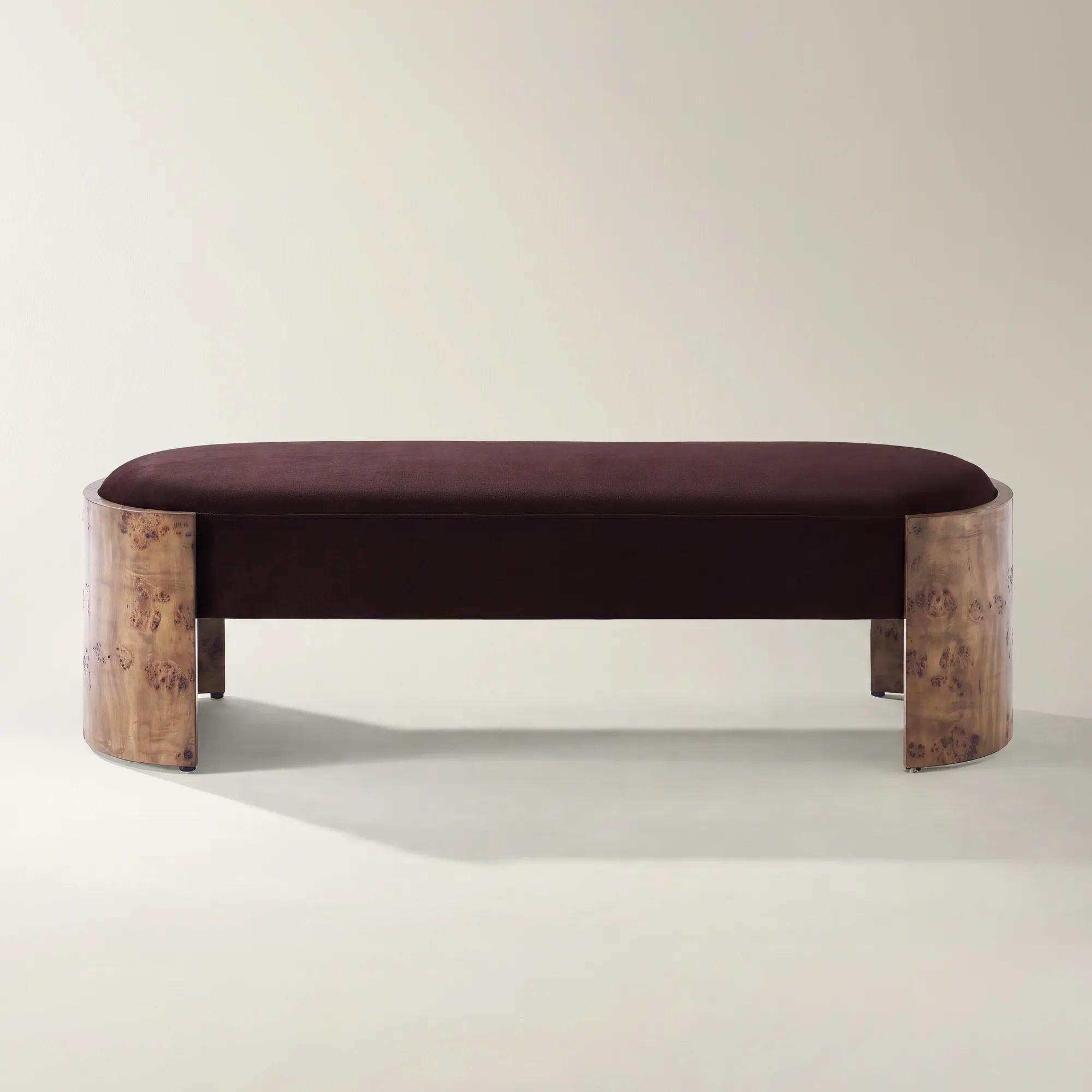 Cora Fig Velvet With Ash Wood Bench (60.6")$999
A sculptural bench with fig velvet upholstery, bookmatched ash burl panels, and supportive high-resiliency foam cushioning.
Add To Cart -
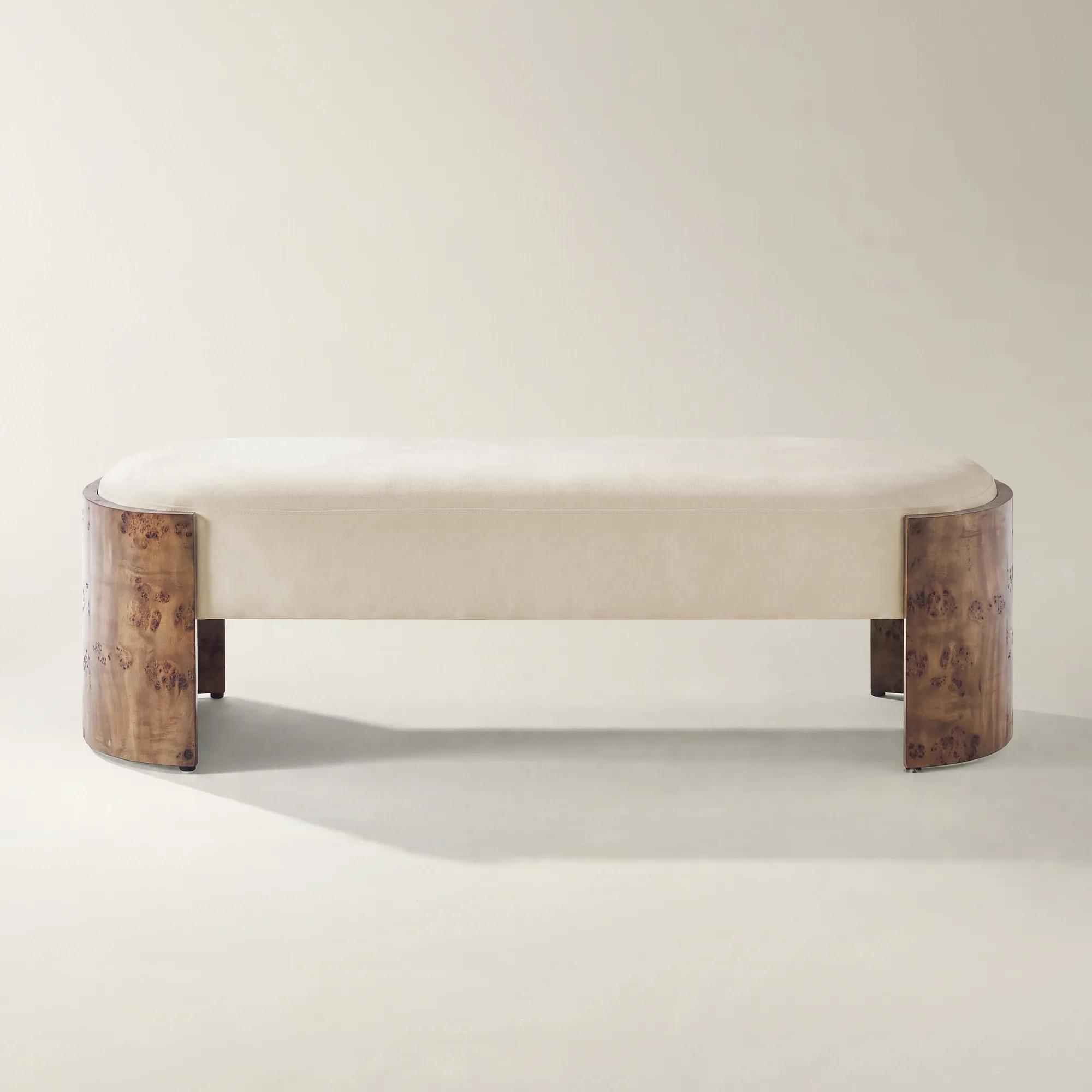 Cora Oatmeal Velvet With Ash Wood Bench (60.6")$999
A sculptural oatmeal velvet bench with curved ash burl wood panels and supportive foam cushioning.
Add To Cart -
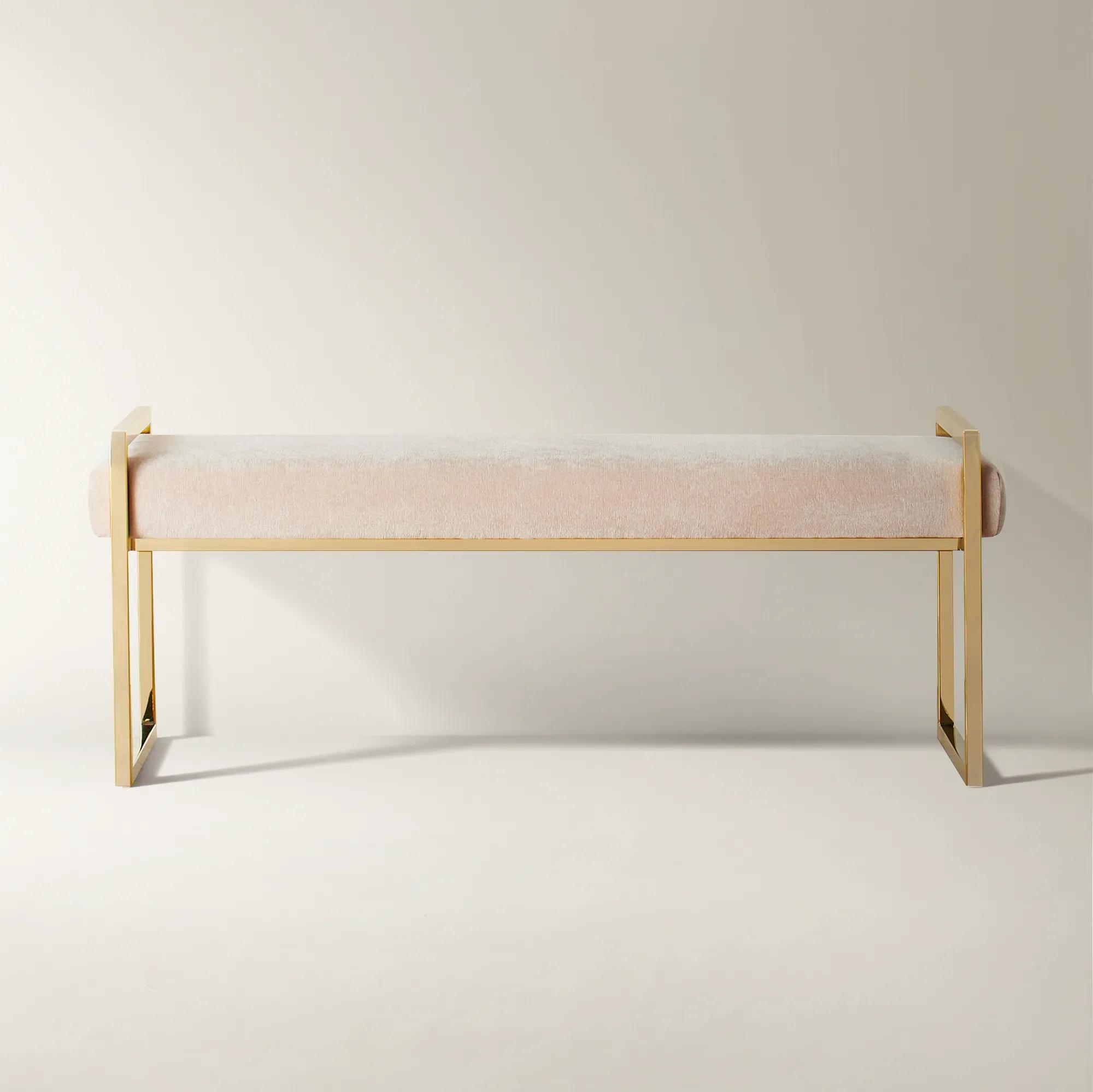 Clara Bench$699
A plush upholstered bench with a high-density foam seat and polished gold metal legs for modern elegance.
Add To Cart -
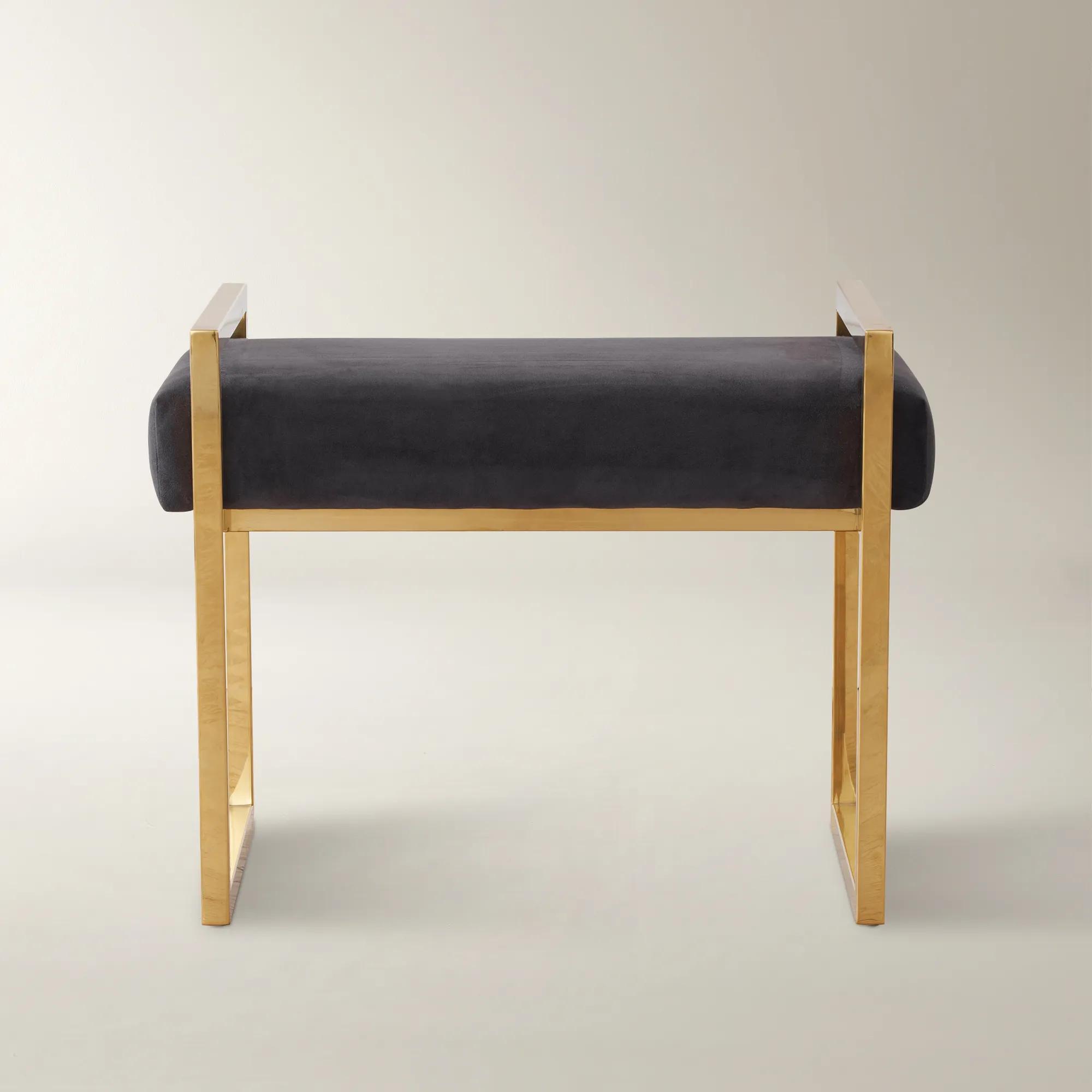
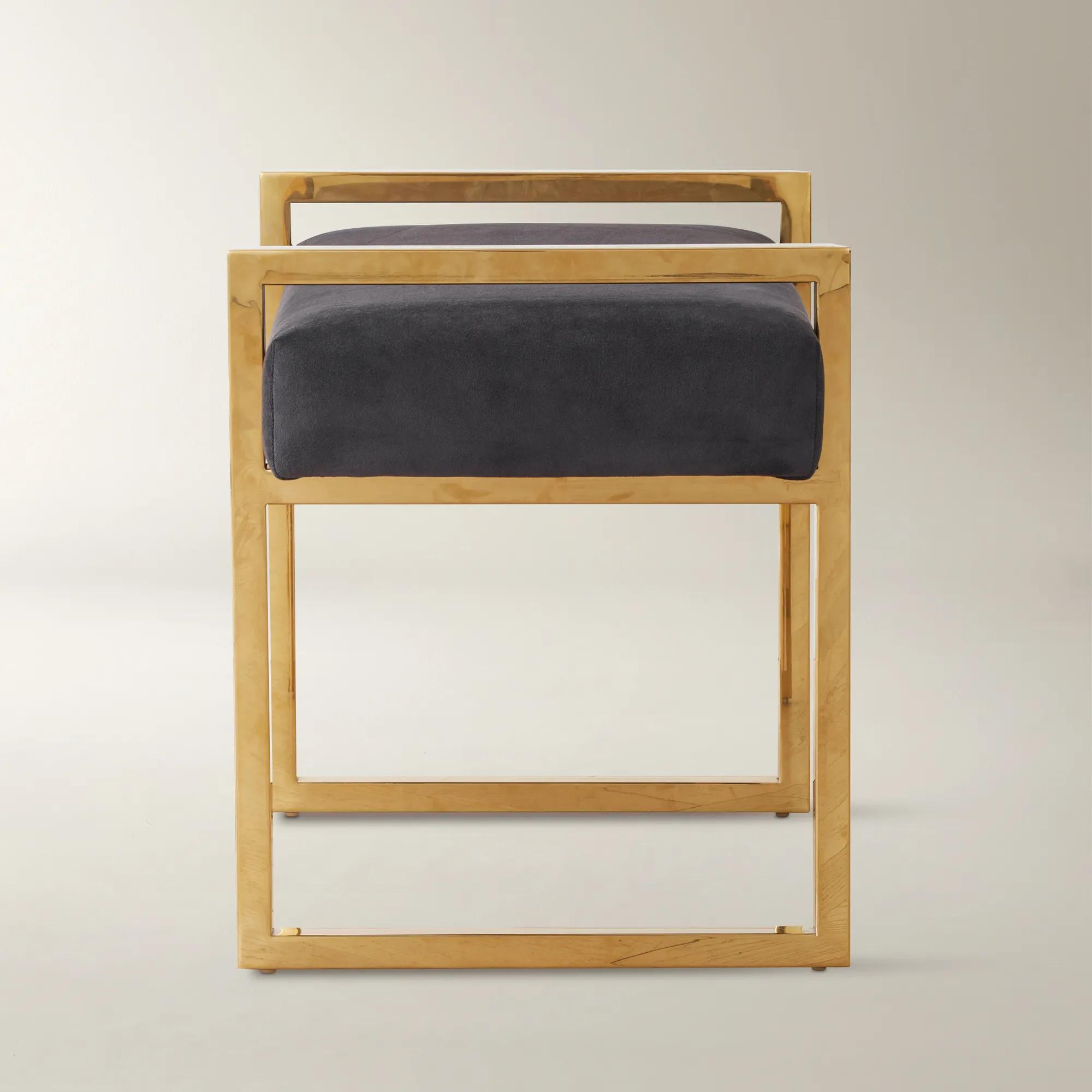 Clara Accent Stool$399
A plush black velvet seat rests on open polished gold metal legs for a chic, modern accent.
Add To Cart -
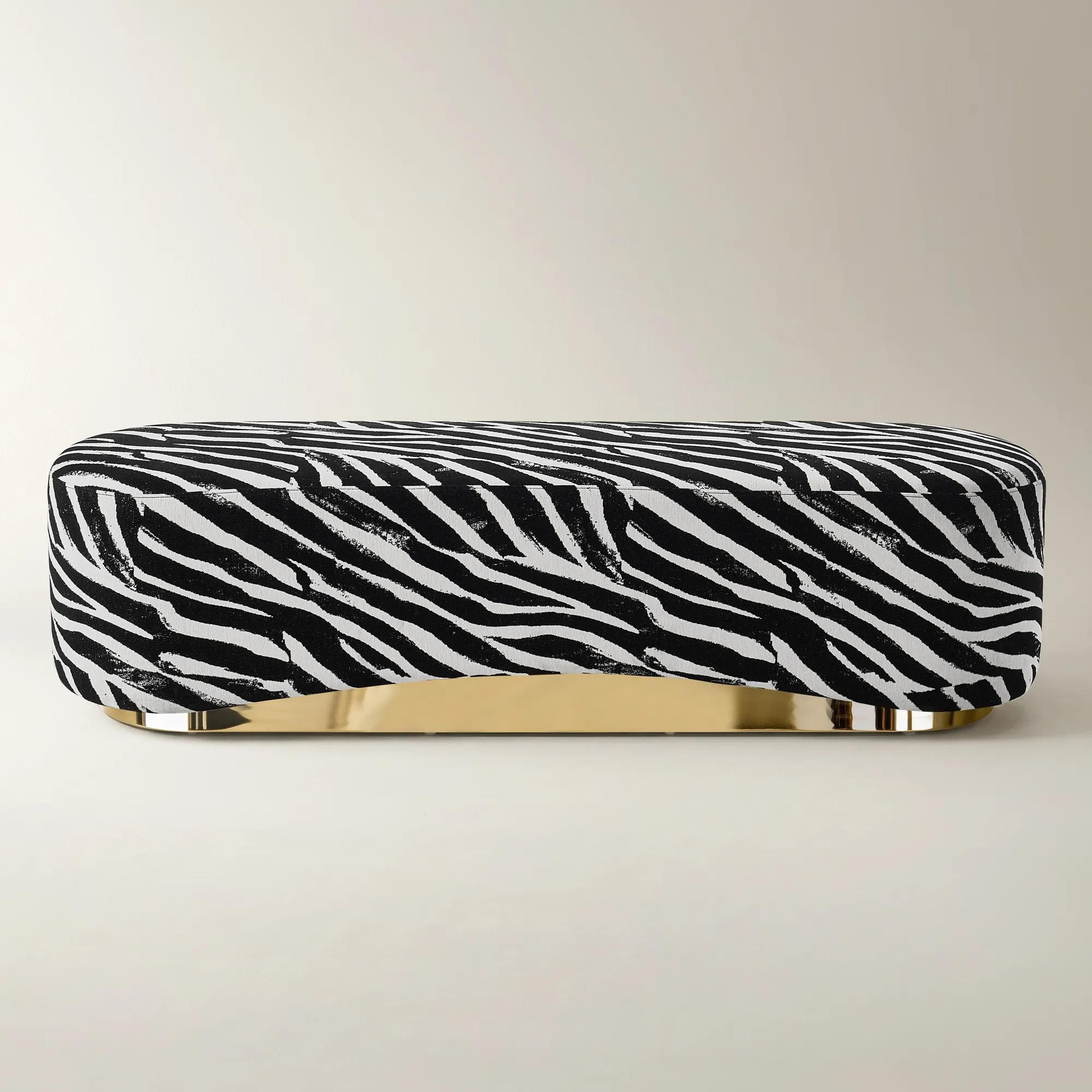
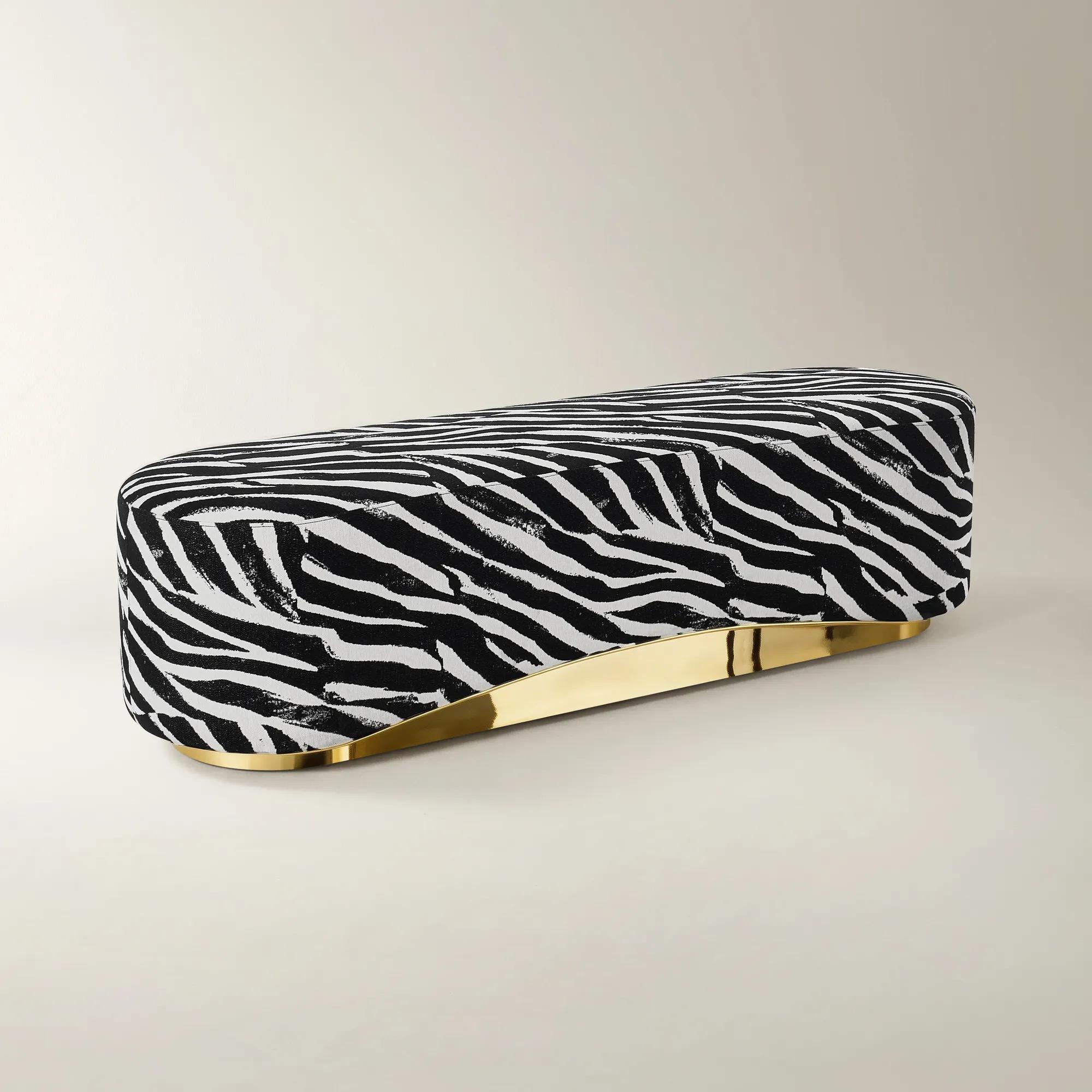 Kendra White/Black Performance Chenille Bench (70.47")$799
An elongated oval bench upholstered in white and black performance chenille with a polished gold stainless steel base.
Add To Cart -
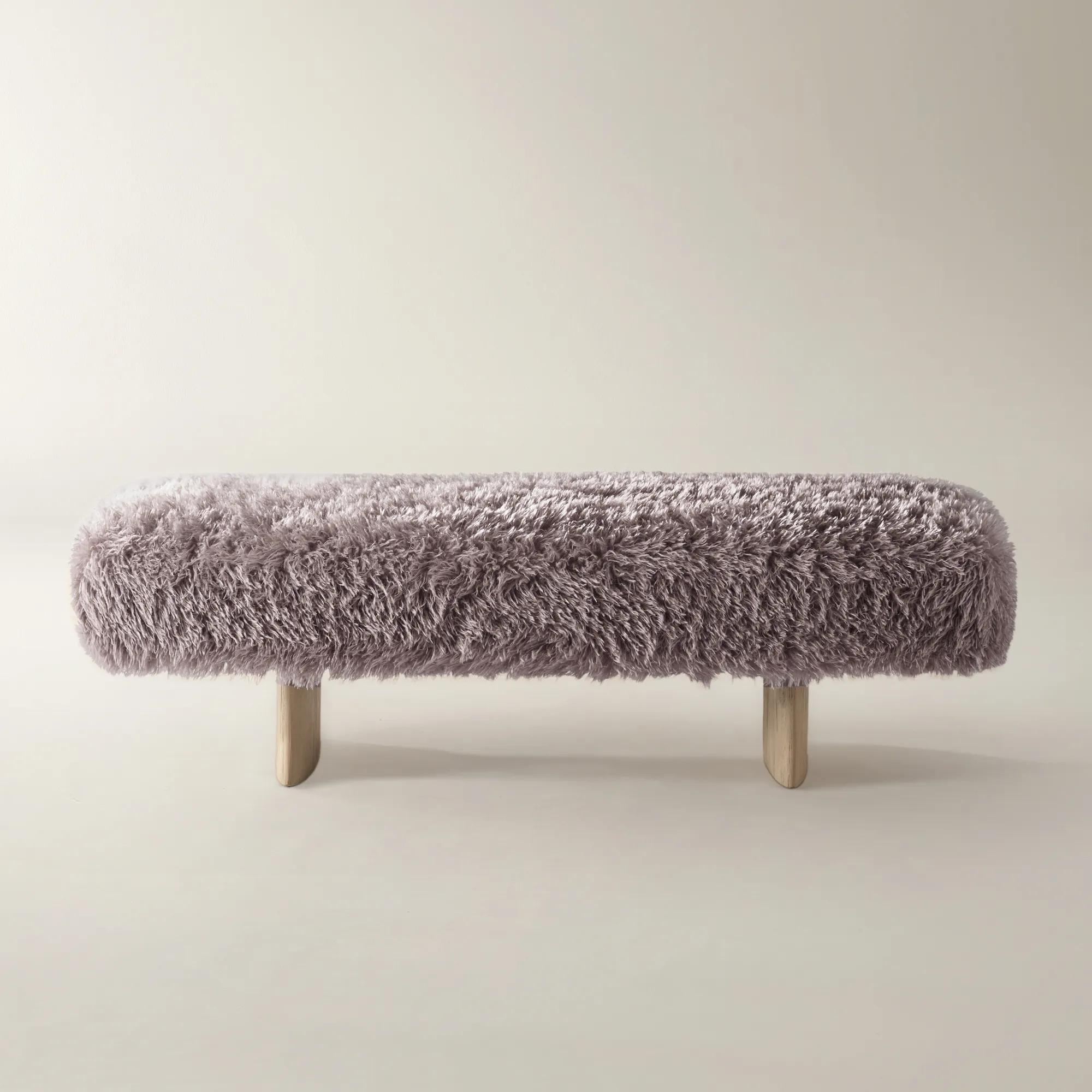
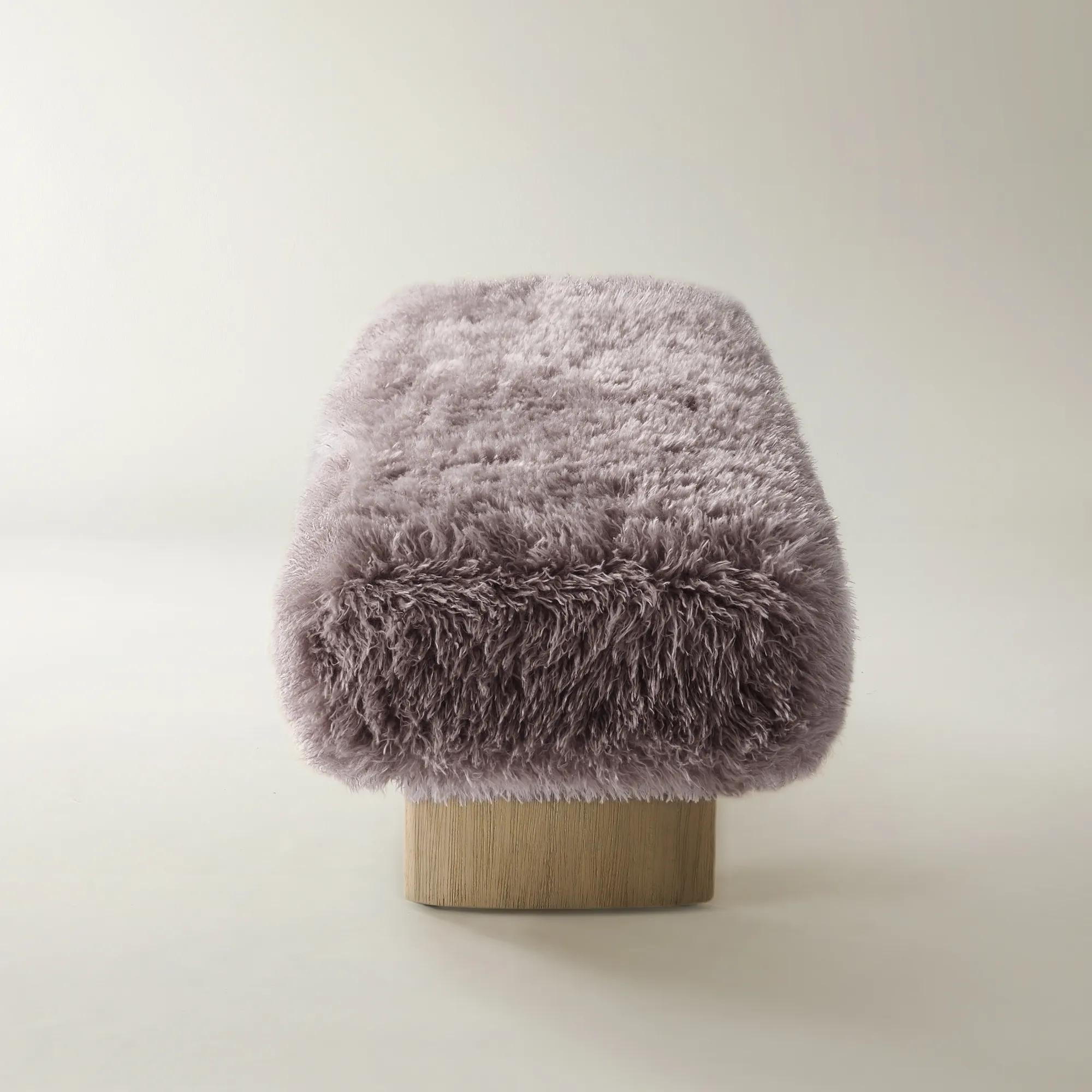 Micah Plum Truffle Mongolian Faux Fur Bench With Rubberwood Legs(62.6")$699
A sculptural bench featuring smoked plum Mongolian faux fur upholstery and warm solid rubberwood legs.
Add To Cart -
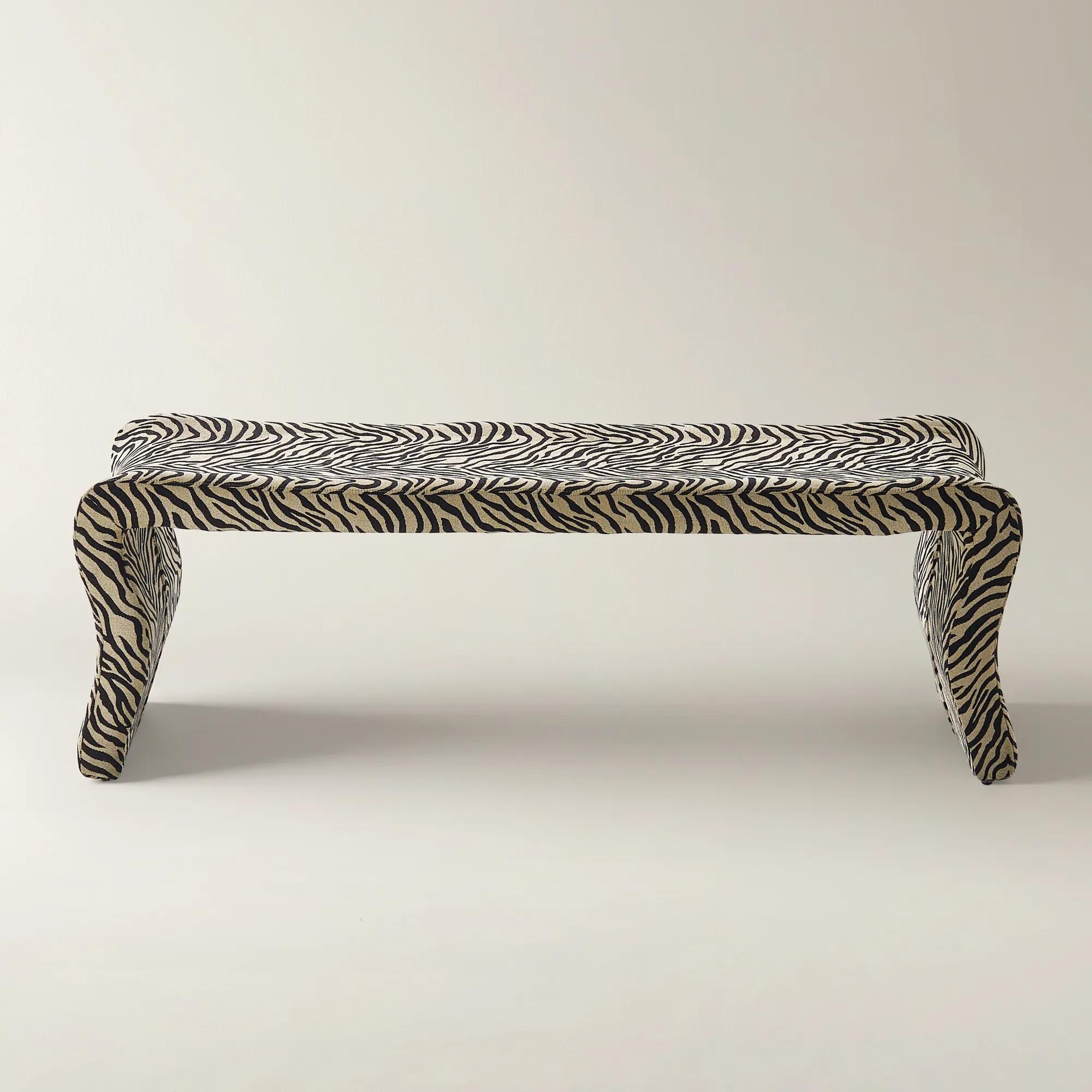 Romy Zebra Performance Chenille Bench (61.5")$899
A sculptural bench wrapped in zebra-patterned performance chenille with a wave-like silhouette and full foam construction.
Add To Cart -
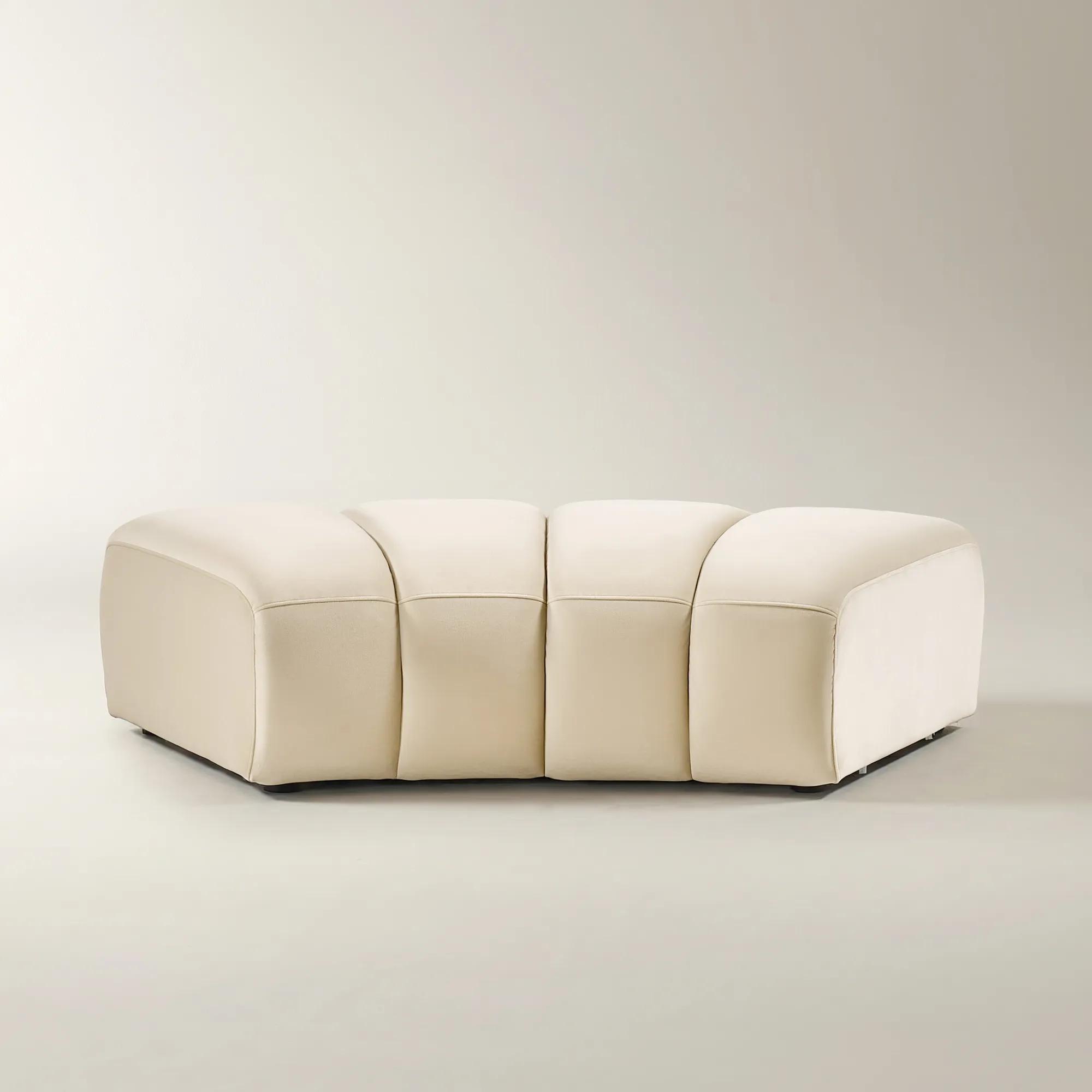 Jocelyn Channel-Tufted Oatmeal Velvet Ottoman$999
An oatmeal velvet ottoman featuring deep channel tufting, curved silhouette, and kiln-dried wood construction.
Add To Cart -
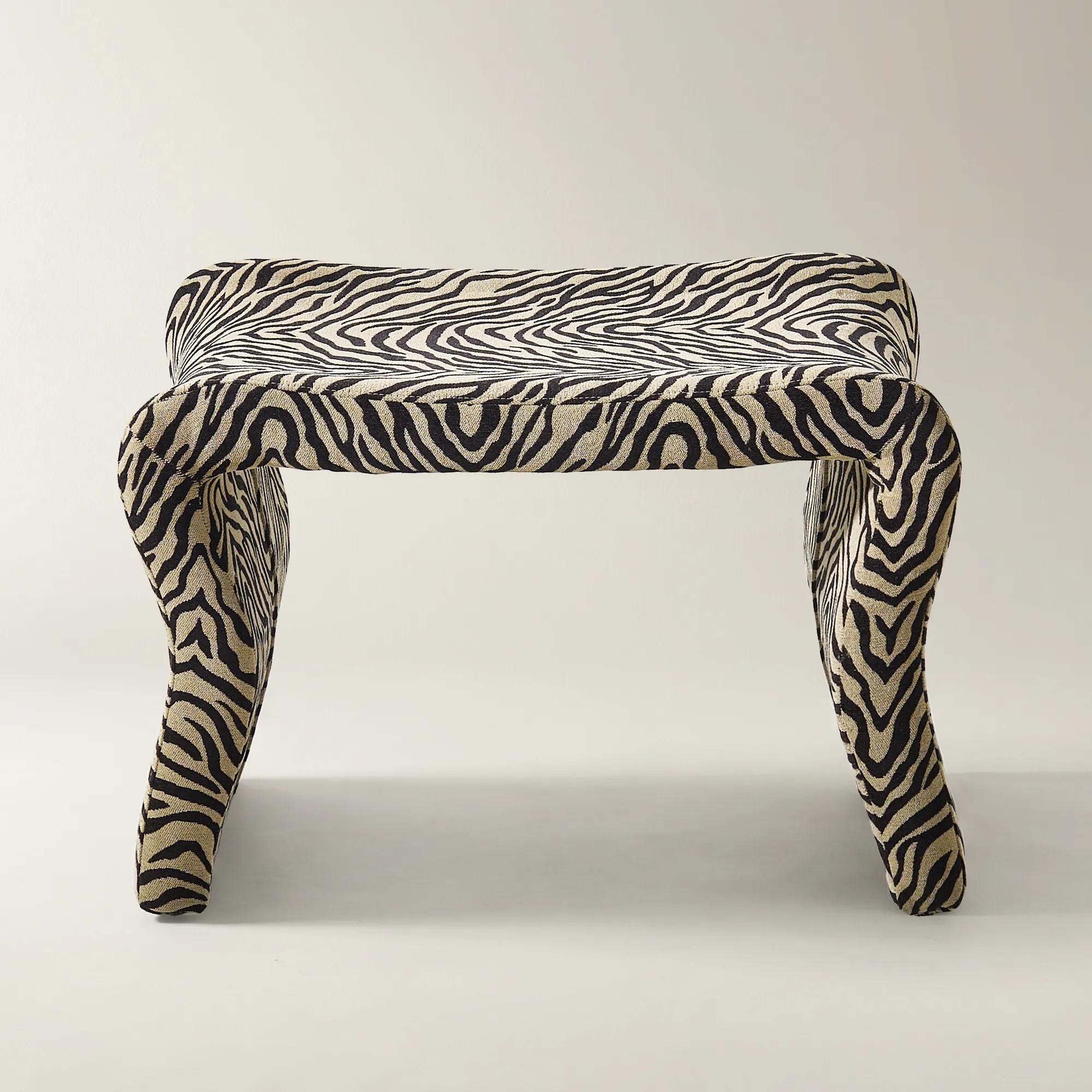
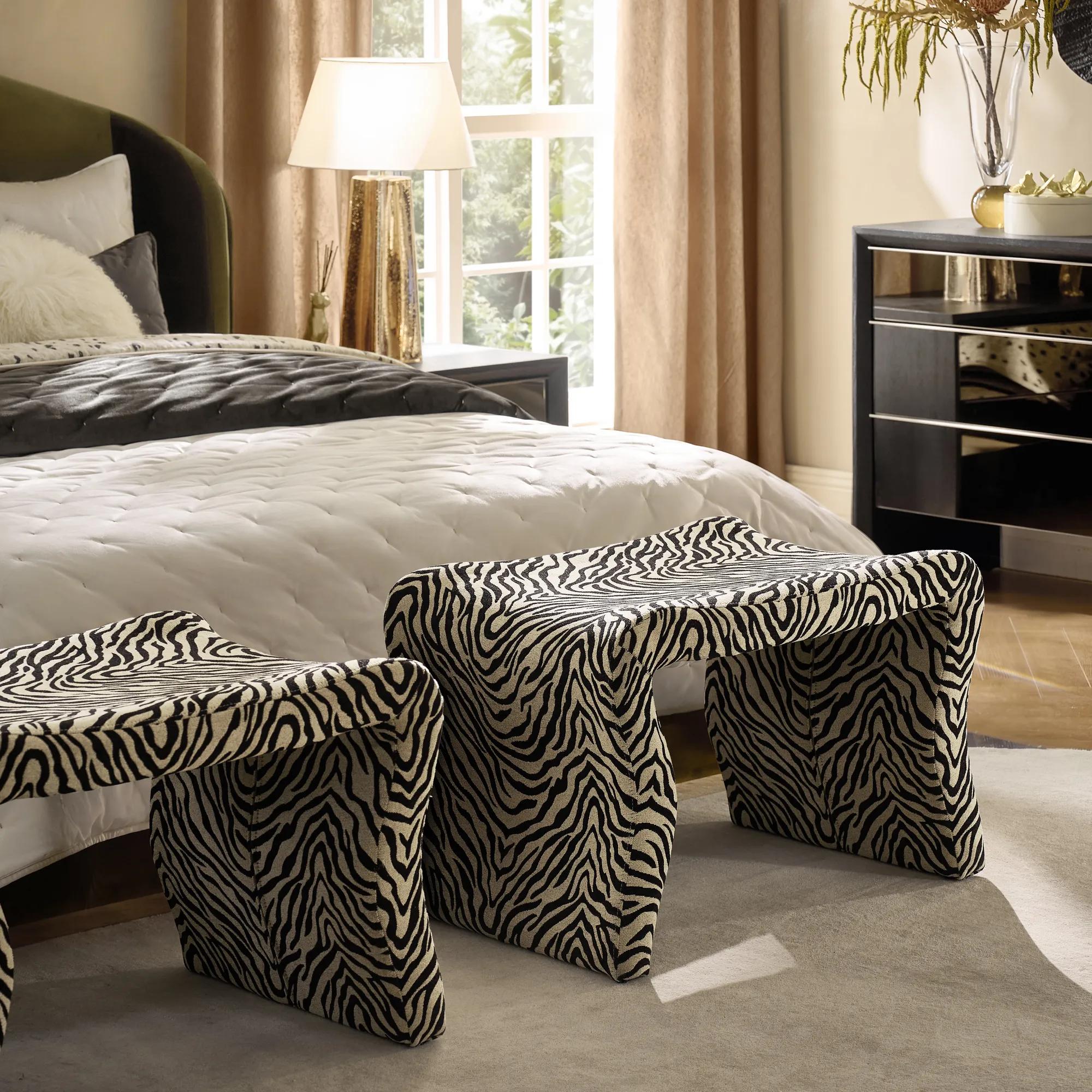 Romy Zebra Performance Chenille Bench (30.75")$499
A sculptural bench wrapped in zebra-patterned performance chenille with a wave-like silhouette and full foam construction.
Add To Cart -

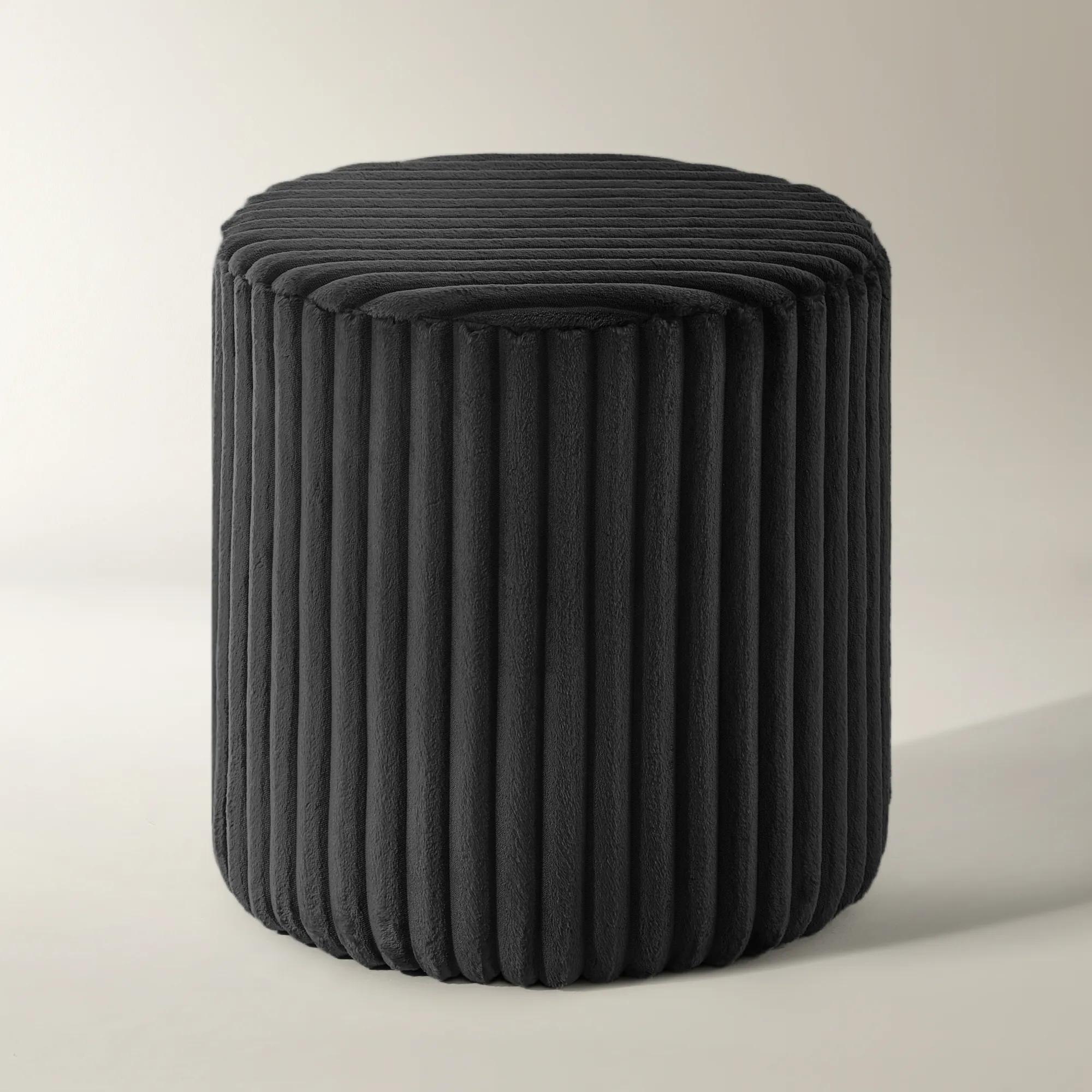 Fleece Fluted Black Velvet Stool (15.55'')$229
A plush black ribbed velvet stool offering versatile seating and cozy texture for any modern space.
Add To Cart -
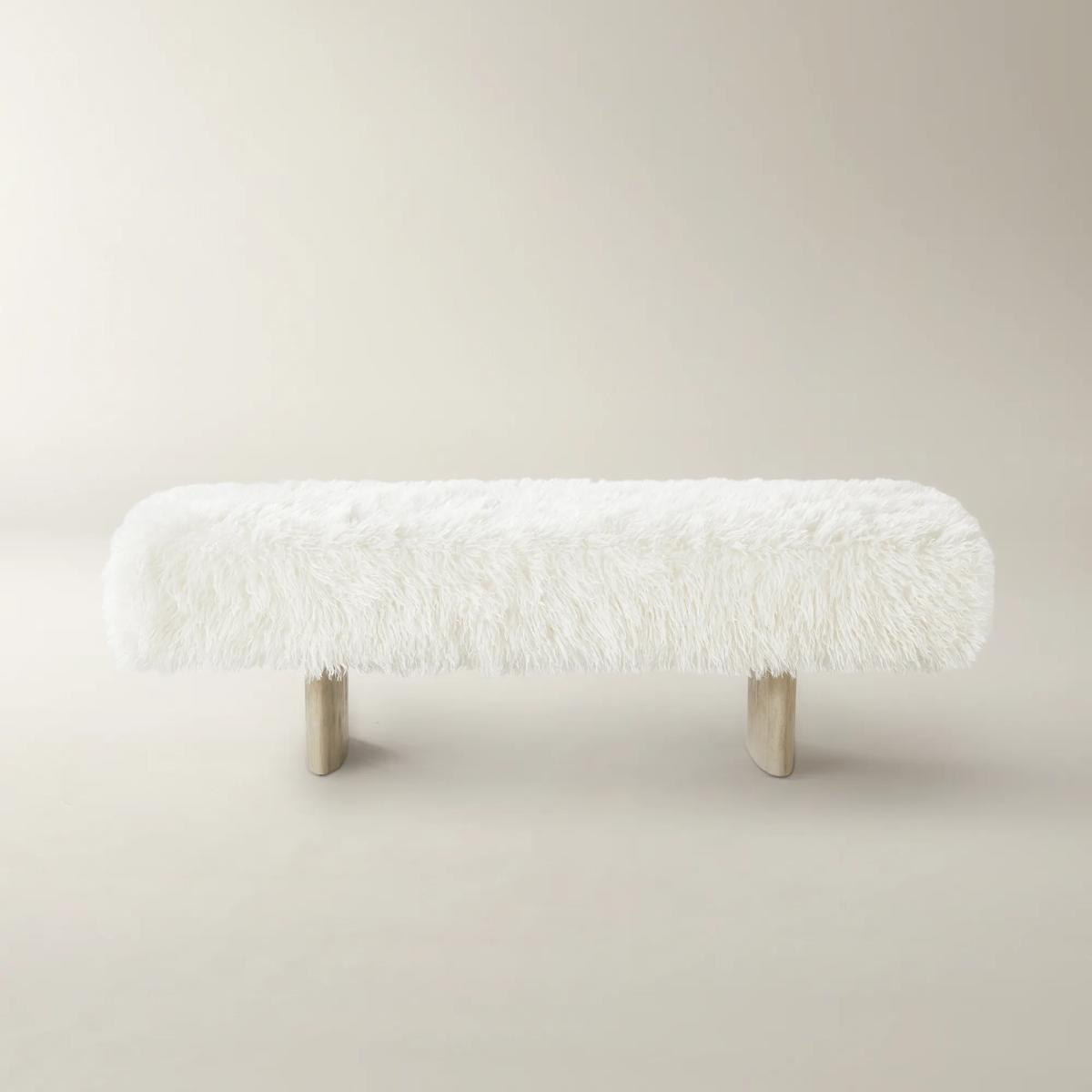 Micah Ivory Mongolian Faux Fur Bench With Rubberwood Legs (62.6")$699
An ivory faux Mongolian fur bench with high-density foam and sculptural solid rubberwood base for modern coziness.
Add To Cart -

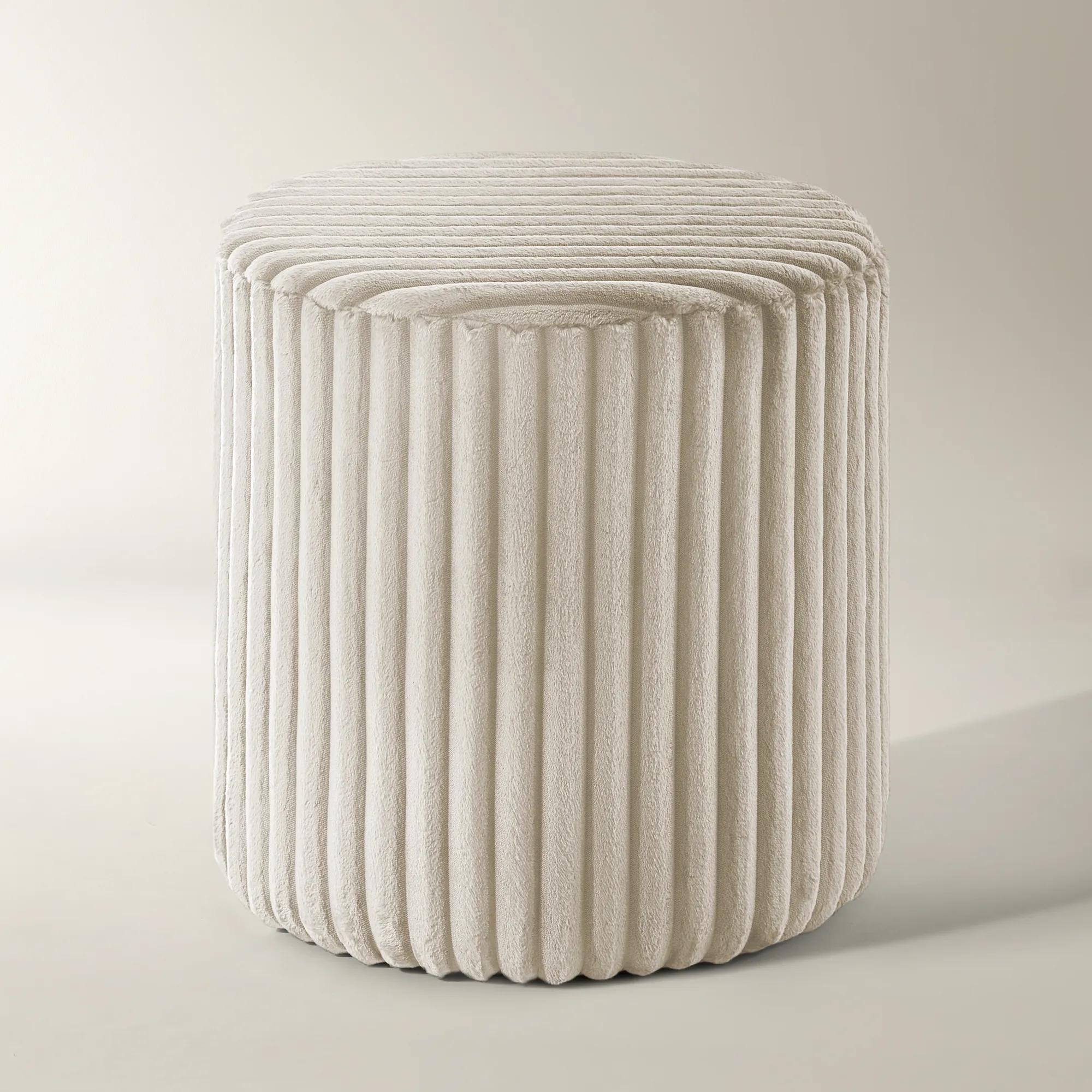 Fleece Fluted Ivory Velvet Stool (15.55'')$229
An ivory ribbed velvet stool offering cozy softness and versatile use as seating, footrest, or accent table.
Add To Cart

Modern Velvet Accent Benches
Modern velvet accent benches are the ultimate invitation to indulge in luxury and artistry, transforming any space into a scene of sumptuous sophistication. Each bench is a statement piece—sculptural, tactile, and unapologetically bold—designed to elevate both form and function with a flourish of velvet allure. Whether poised at the foot of a bed, gracing an entryway, or anchoring a dramatic living room vignette, these benches infuse every corner with irresistible glamour and expressive style. Explore modern velvet accent benches that promise to turn everyday moments into extraordinary experiences, where comfort meets couture and your home becomes a canvas painted in plush perfection.
Modern velvet accent benches pair a plush upholstered seat with a contemporary silhouette, bringing expressive texture and versatile seating to bedrooms, entryways, living rooms, and dressing spaces. Their appeal lies in the contrast: velvet softens the strong lines of a sculptural base, while an elongated profile gives the fabric room to reveal its depth. As light moves across the pile, a single color can appear richly saturated in one direction and softly luminous in another. That subtle variation makes a velvet bench feel dimensional even when its shape is spare. Set against a smooth wall, a pale rug, or a polished console, it becomes an intentional focal point rather than an afterthought. Design details shape the mood. Channel tufting introduces architectural rhythm; a smooth, tightly upholstered seat emphasizes clean geometry; rounded corners and curved ends lend a more fluid presence. Deep button tufting offers a decorative counterpoint to streamlined surroundings, particularly when balanced by an open base. Depending on the design, metal legs can contribute a gleaming accent, while exposed wood brings warmth and a more grounded expression. A slim frame allows more of the floor to remain visible, helping a compact room feel less crowded, whereas a fully upholstered base creates a substantial, sculptural impression. Color offers another opportunity for personal expression. Ivory and champagne tones can create a luminous composition with tonal textiles, while charcoal provides definition without the intensity of a fully black accent. Sapphire, emerald, and other saturated shades turn the bench into a deliberate stroke of color. For an interior that favors graceful proportions and a more decorative finish, elegant velvet accent benches offer a closely related expression of this tactile seating style. Whether the surrounding room is richly layered or more restrained, velvet brings a luxurious note that feels most convincing when its color, shape, and scale have a clear relationship to the furnishings around it.
Placement determines how beautifully an accent bench works in everyday life. At the foot of a bed, it provides a place to sit while dressing, arrange a folded coverlet, or set down a robe without disturbing the bedding. A bench that is narrower than the bed generally creates a balanced outline, with visible space at either end allowing the larger piece to remain dominant. Consider the complete bed frame rather than the mattress alone, especially when the frame has wide upholstered rails or a substantial footboard. Height matters, too: the seat should complement the bed’s proportions without visually competing with it, while remaining comfortable for its intended user. In an entryway, a velvet bench can make arrival feel considered, offering a seat for changing shoes beneath a striking mirror or beside a console. Keep it outside the door’s swing and away from places where wet footwear, umbrellas, or frequently handled bags are likely to brush the upholstery. In a living room, a backless bench can define the edge of a seating arrangement without introducing the visual barrier of a chair back. It also offers an occasional perch when conversation expands beyond the sofa, provided the design is intended for adult seating. A narrow wall, bay window, or dressing area may suit a smaller silhouette, but the footprint alone does not tell the whole story. Check the widest point, including curved ends, projecting legs, or upholstered arms, and use painter’s tape to mark the dimensions on the floor. Leave comfortable passage around the bench; roughly 30 to 36 inches can be a useful planning reference for a walkway, with more room needed in busy circulation areas or for individual accessibility needs. Review seat height, stated weight capacity, and assembly requirements before choosing. A decorative bench should not be treated as a step stool, and concealed storage or removable cushions should never be assumed unless those features are specified.
The lasting appeal of a velvet accent bench depends as much on its construction and care as on its first impression. Velvet describes a fabric structure with a raised pile, not one single fiber, so upholstery may be made from polyester, cotton, blends, or other materials with different cleaning needs and wear characteristics. Synthetic velvet can be practical for frequently used spaces, but fiber content alone does not establish stain resistance or durability. Look for clearly stated upholstery specifications, testing information when provided, and care instructions suited to the household. A bench used daily for dressing deserves particular attention to frame stability, secure leg connections, supportive cushioning, and upholstery that is neatly fitted around seams and corners. Foam density and cushion construction influence how a seat feels and holds its shape; a luxuriously thick profile is not, by itself, proof of lasting support. For homes with children or pets, consider how the bench will be used rather than relying on color to conceal every mark. A saturated shade may disguise some discoloration yet show lint, while pale velvet can make spills more conspicuous. Regular gentle vacuuming with an upholstery attachment helps remove dust before it settles into the pile. Follow the manufacturer’s directions for brushing, spot cleaning, and any professional treatment, since water or an unsuitable cleaner can leave rings or alter the surface. Blot spills promptly with a clean, absorbent cloth instead of rubbing, and test any permitted cleaning method in an inconspicuous area first. Velvet may develop pressure marks or changes in shading where it is touched or sat upon; these are not always stains, and aggressive scrubbing can make the surface look less even. Positioning the bench away from prolonged direct sunlight can help limit fading, while keeping sharp hardware and abrasive objects off the seat protects the fabric from snags. With thoughtful placement and appropriate upkeep, a modern velvet bench offers both a useful seat and a richly expressive detail—a place where the room’s architecture meets the pleasure of soft, light-catching texture.
FAQs
A velvet accent bench instantly elevates any room with its plush texture, luminous sheen, and bold color options. The interplay of sumptuous fabric and sculptural design transforms the bench from a simple seat into a captivating focal point, adding both comfort and a touch of drama to contemporary spaces.
Modern accent benches shine in entryways as a welcoming gesture, at the foot of the bed for a boutique-hotel touch, or in living rooms as both extra seating and a statement piece. They also work beautifully under windows, in walk-in closets, or as a glamorous addition to a home office.
Consider the mood you want to set—deep jewel tones like emerald or sapphire create a sense of opulence, while soft neutrals or blush tones evoke subtle sophistication. Pair with gold or mirrored legs for a contemporary vibe, or opt for wooden finishes to introduce warmth and organic charm.
Absolutely. Velvet accent benches make unforgettable gifts for housewarmings, weddings, or milestone celebrations. Their luxurious presence and versatility ensure they’ll be cherished and used in a variety of settings, making them a thoughtful choice for anyone who appreciates artful interiors.
Seek out features that reflect your personal style, such as button tufting for classic glamour, sleek lines for modern minimalism, or unique leg shapes for architectural interest. Storage compartments, dramatic silhouettes, and bold colorways can further enhance the bench’s visual impact and functionality.