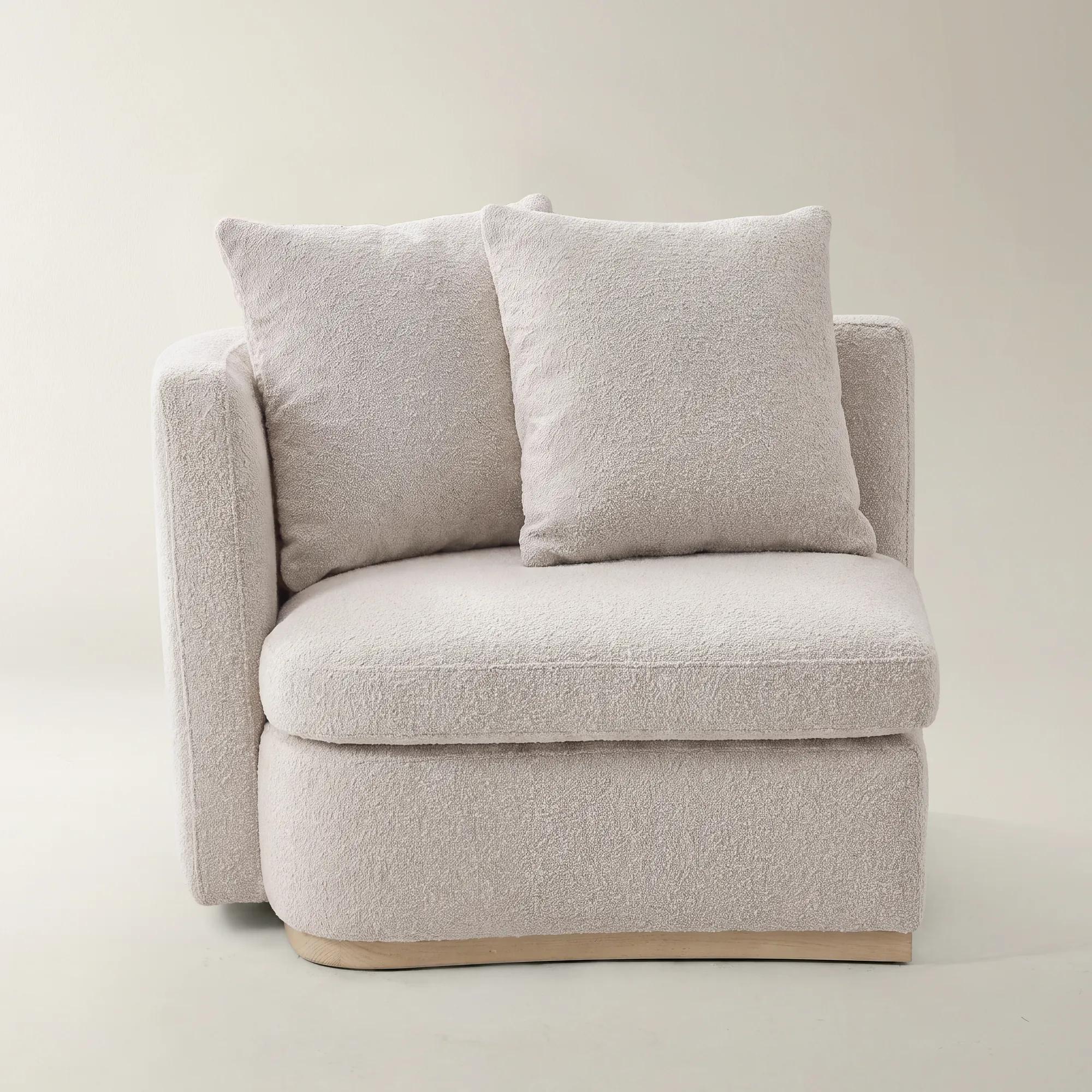
Modern Sofas With Natural Grey Base
Modern Sofas With Natural Grey Base
-
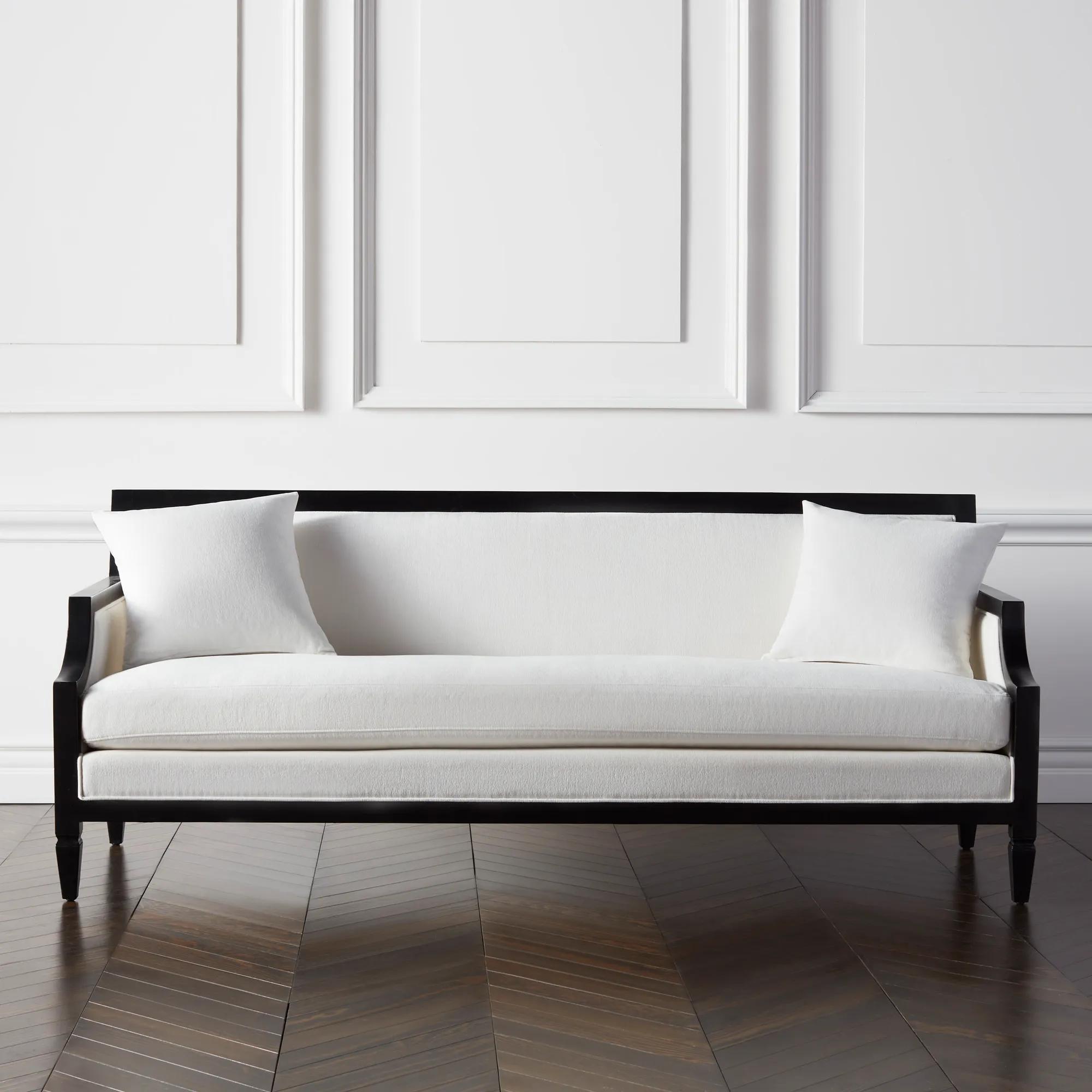
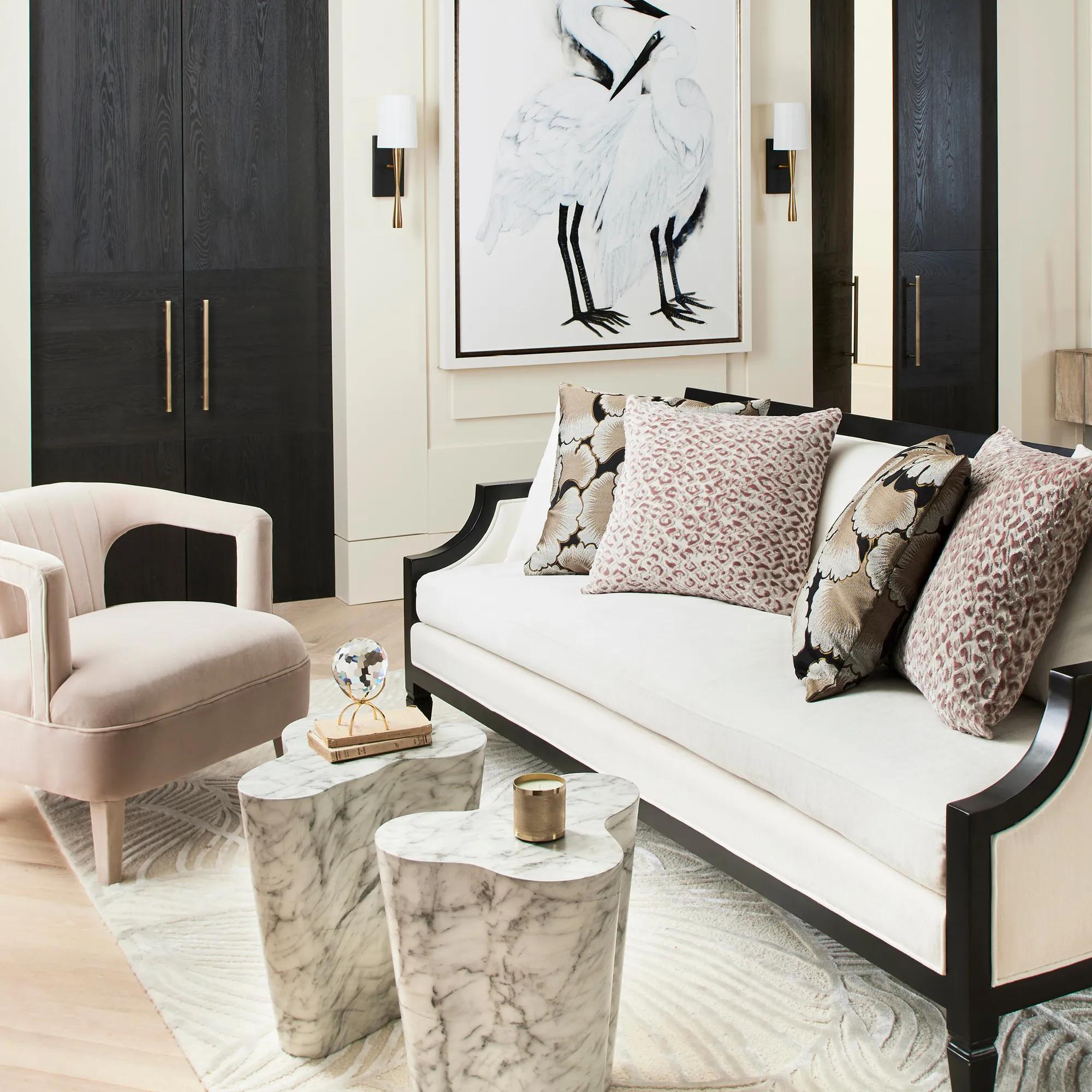 Kayla Sofa$3149
A plush, modern sofa featuring notched arms, matte black wood frame, and Kenley Chenille Snow upholstery.
Add To Cart -
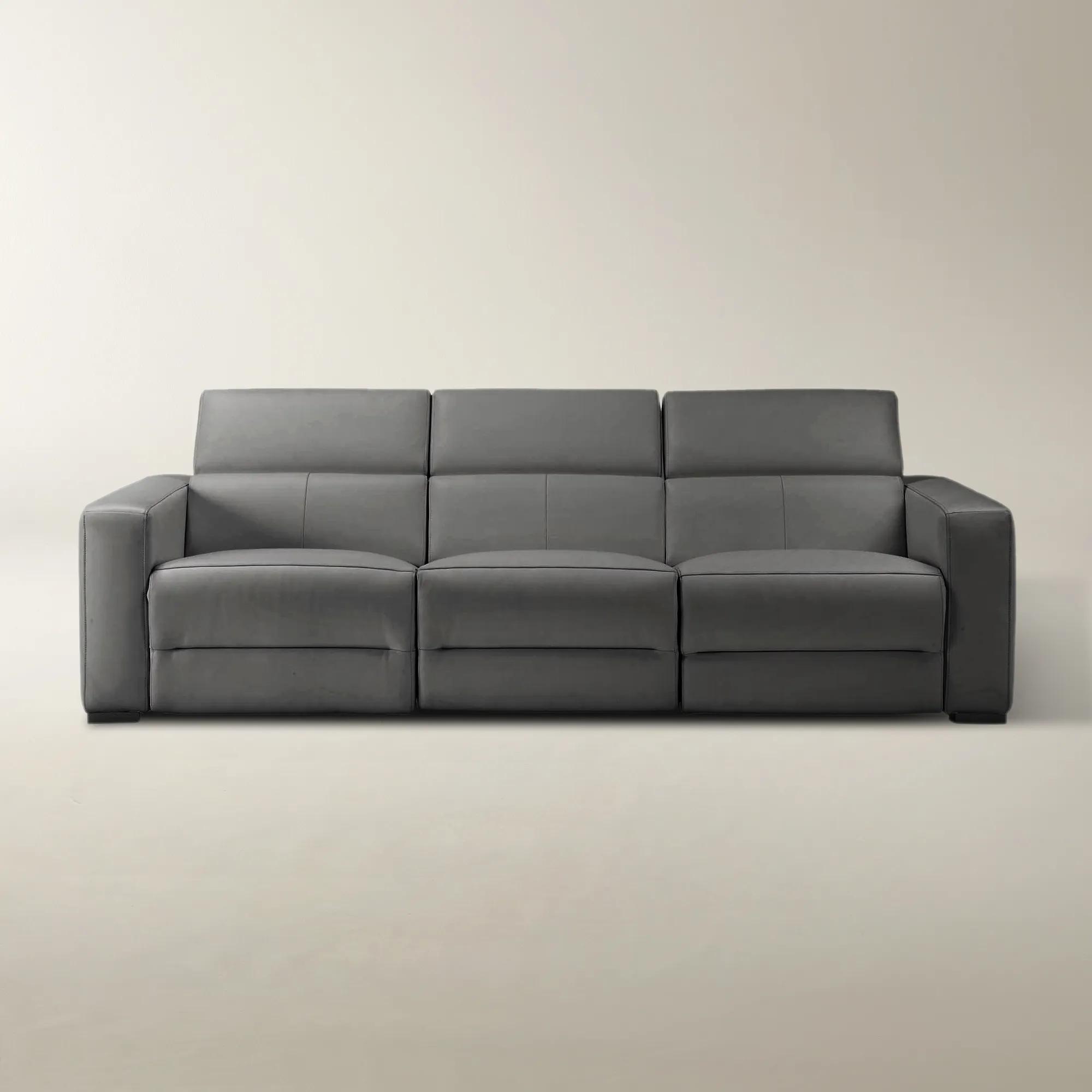 Verona 3-Piece Charcoal Leather Sectional Sofa$4399
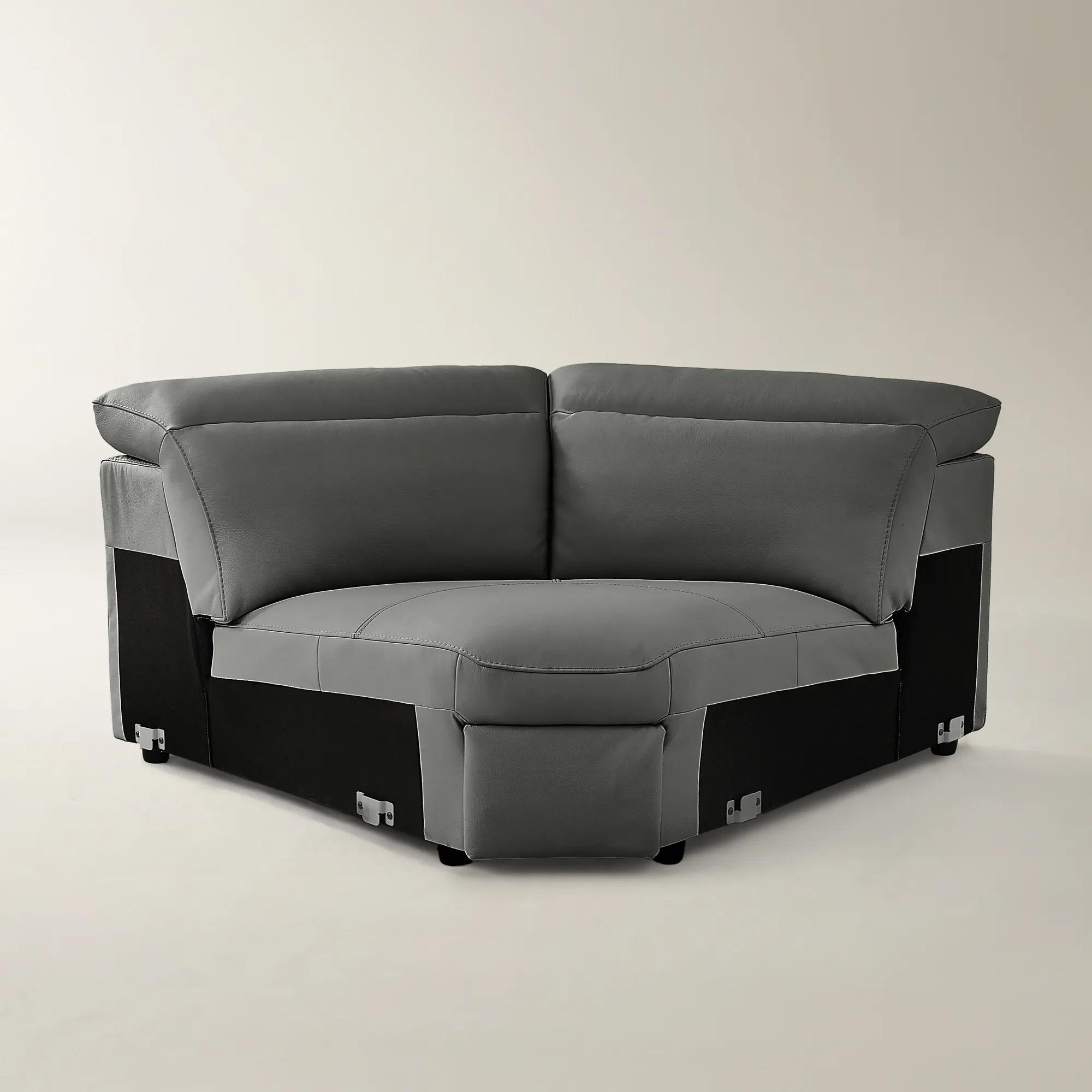
A charcoal semi-aniline leather sectional featuring adjustable headrests, kiln-dried hardwood frame, and optional power recline.
Add To Cart -
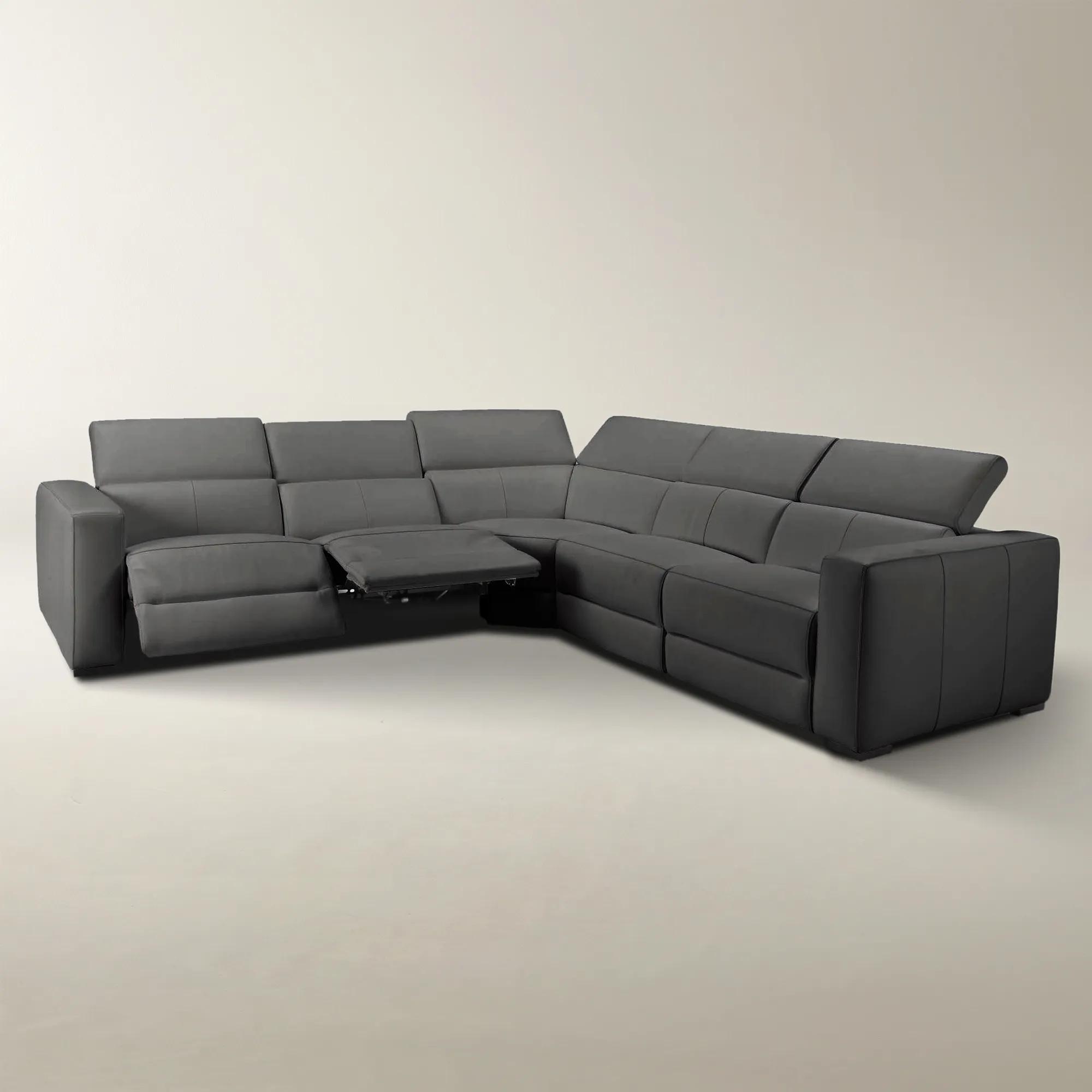 Verona 5-Piece Reclining Charcoal Leather Sectional Sofa$7199
A charcoal semi-aniline leather sectional featuring adjustable headrests, kiln-dried hardwood frame, and optional power recline.
Add To Cart -
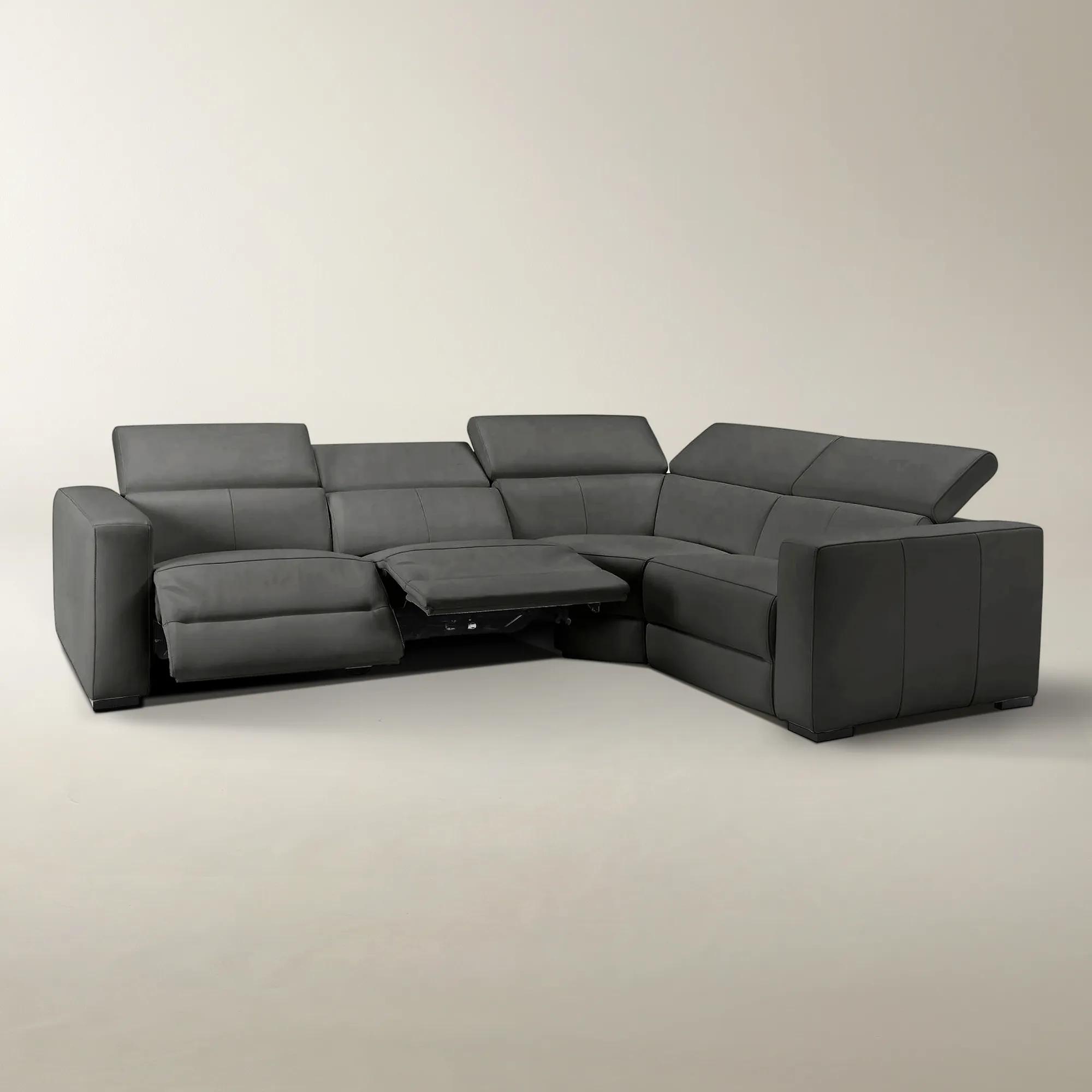
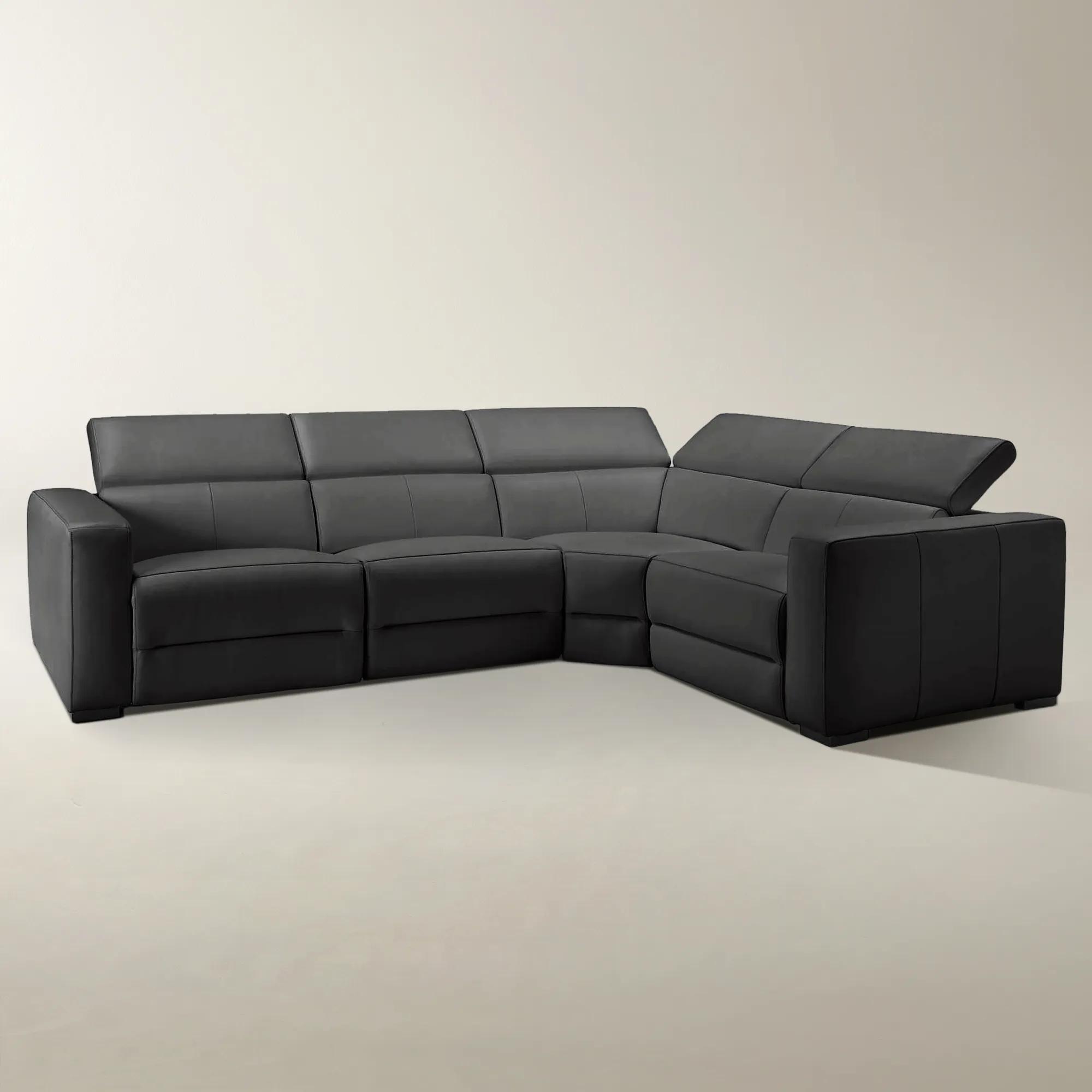 Verona 4-Piece L-Shaped Reclining Charcoal Leather Sectional Sofa With Right-Arm$5899
A charcoal semi-aniline leather sectional featuring adjustable headrests, power-reclining seats, and kiln-dried hardwood frame.
Add To Cart -
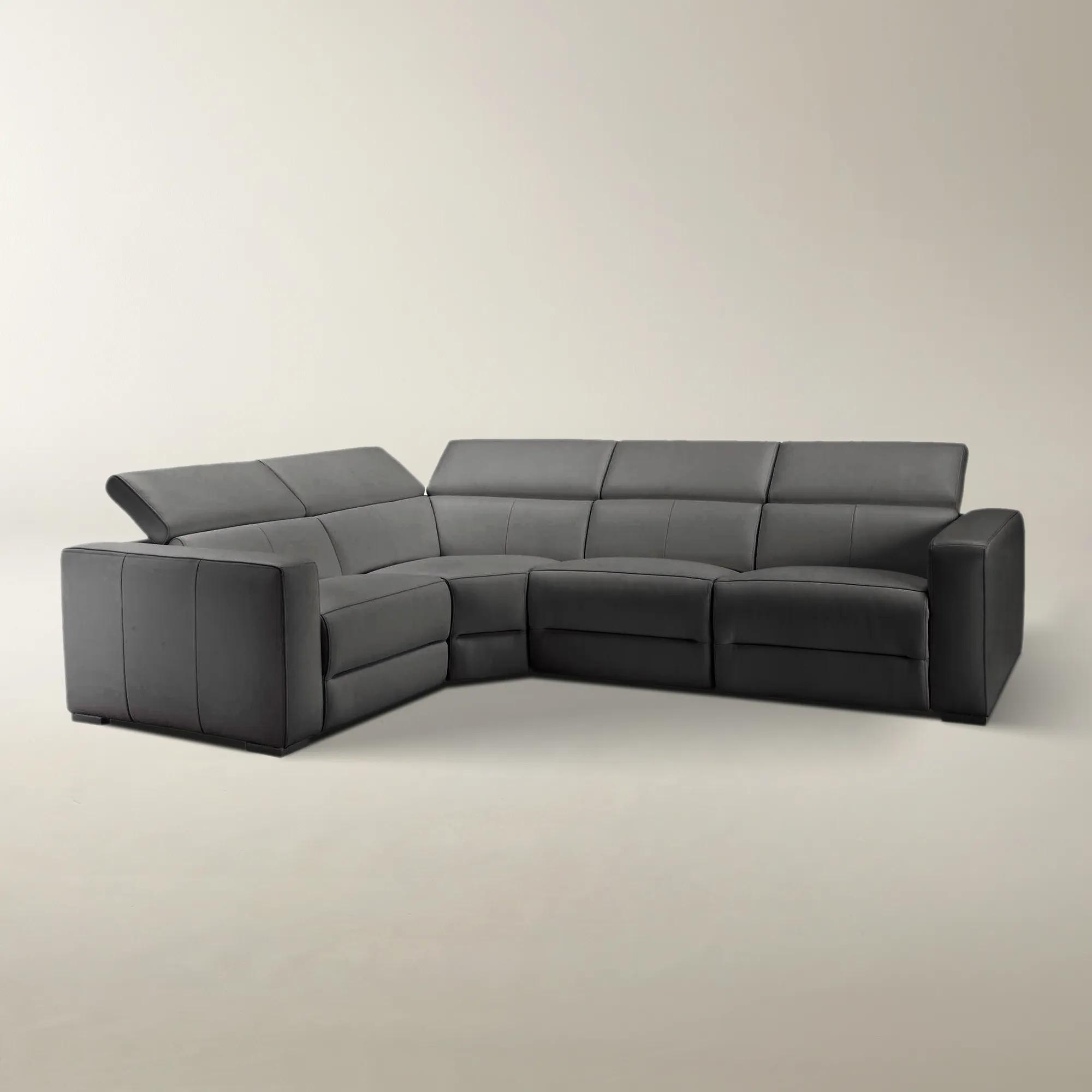 Verona 4-Piece L-Shaped Reclining Charcoal Leather Sectional Sofa With Left-Arm$5899
A charcoal semi-aniline leather sectional featuring adjustable headrests and optional power-reclining seats for comfort.
Add To Cart -
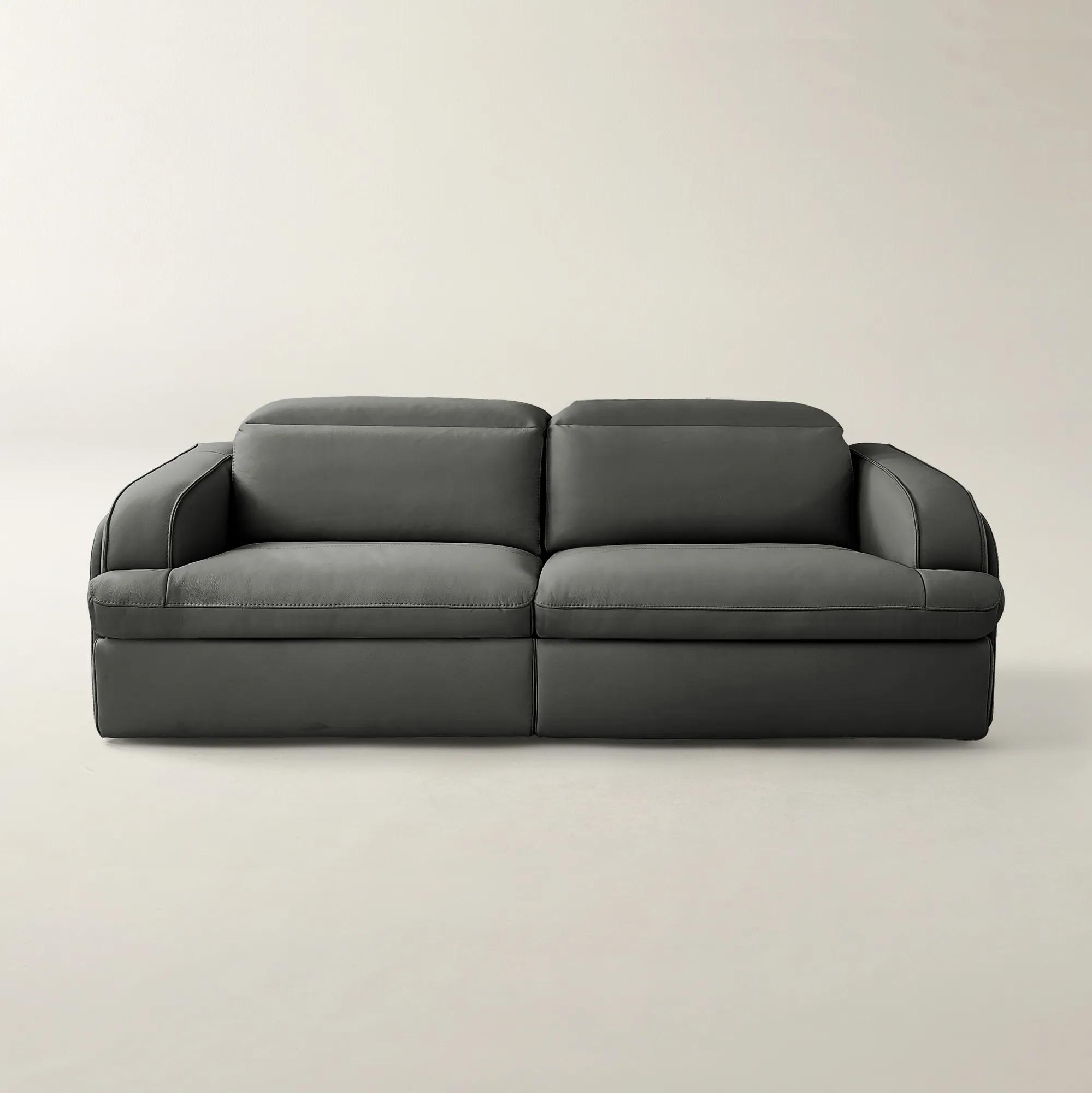 Terra Reclining Leather Sofa$3198
A charcoal genuine leather sofa with power reclining headrests and footrests, leather-match panels, and down-blended cushions.
Add To Cart -
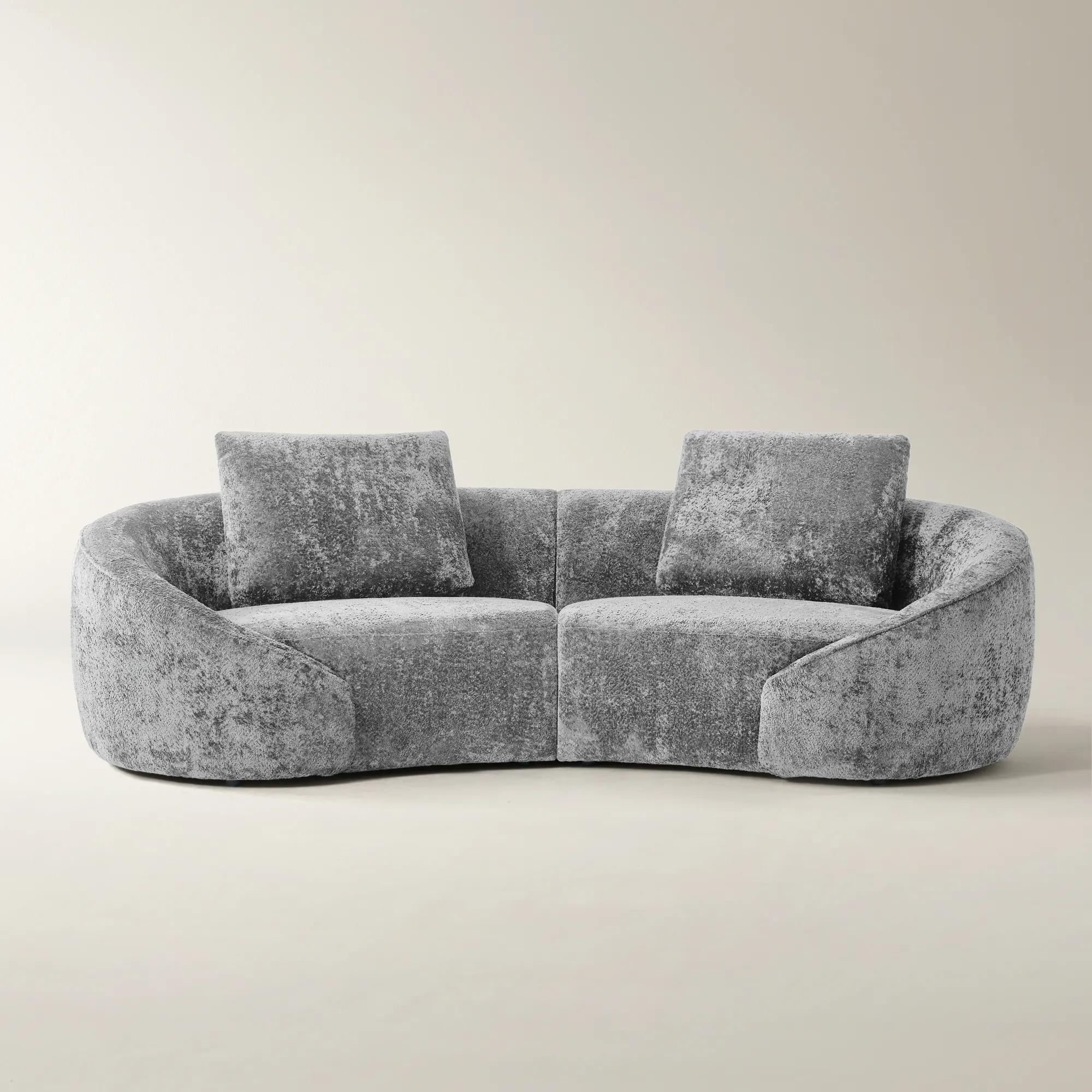 Irene 2-Piece Grey Chenille Sectional$2699
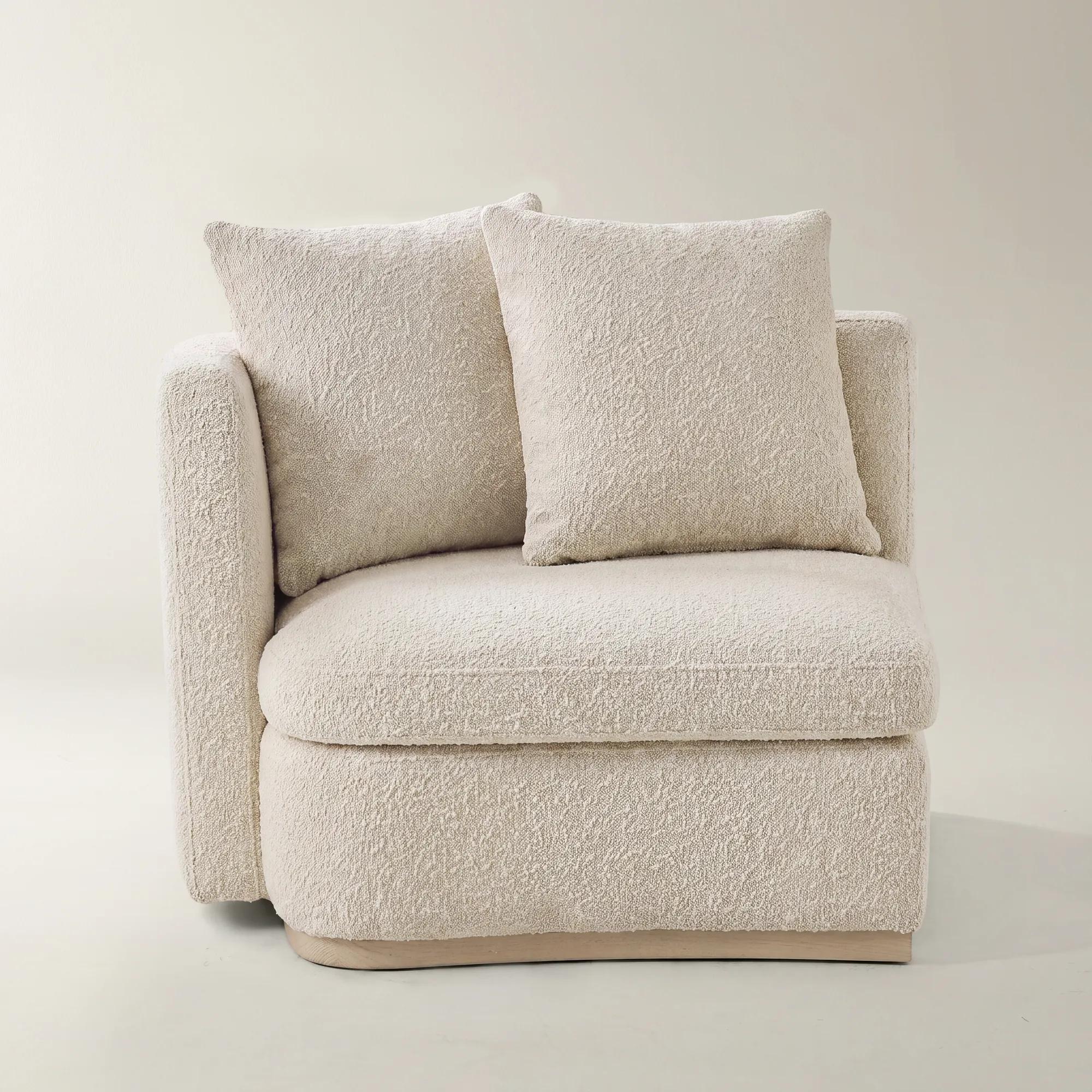
A modern curved sectional upholstered in plush Utopia Sand chenille with high-density foam cushioning for comfort.
Add To Cart -
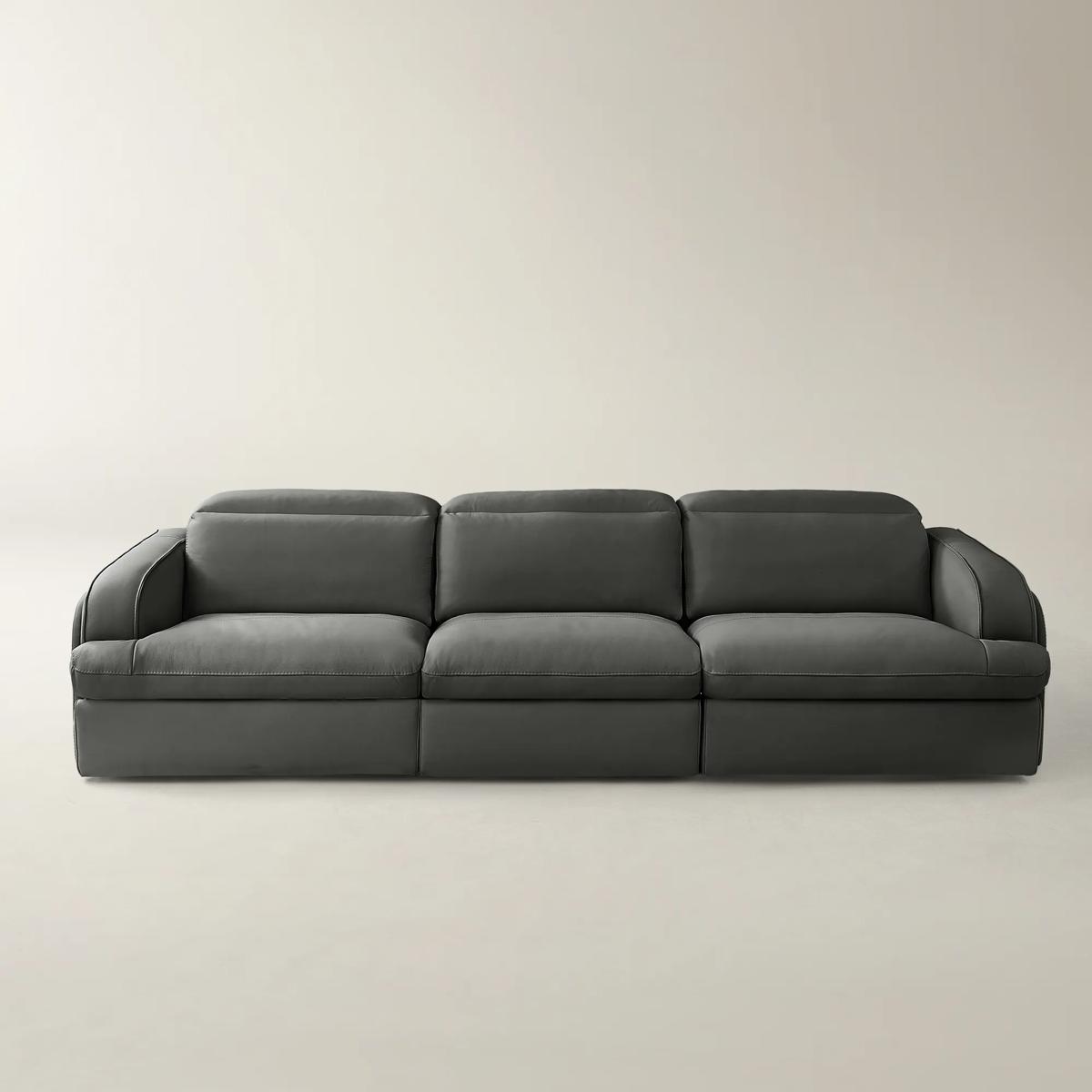
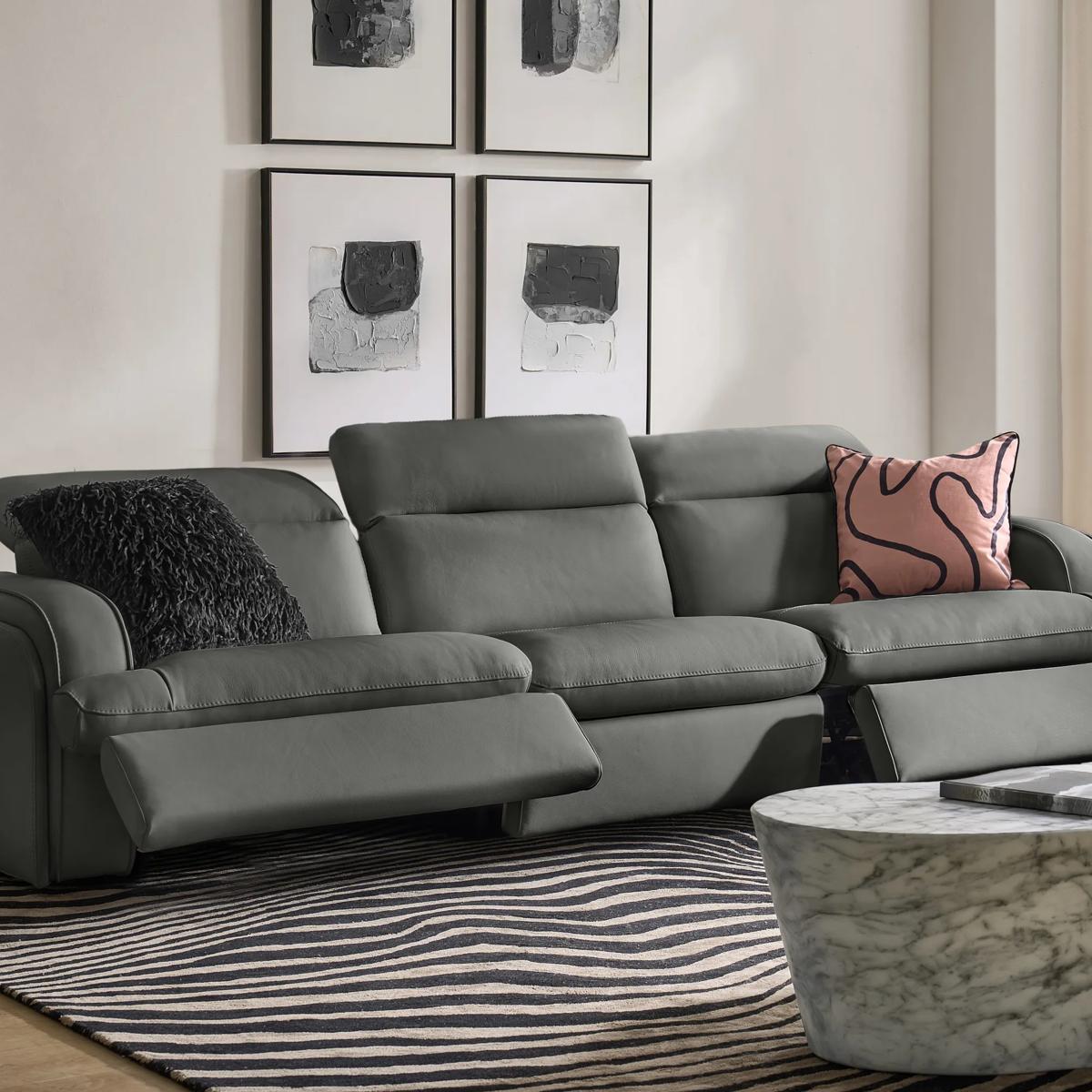 Terra 3-Piece Reclining Charcoal Leather Sectional$4699
A charcoal genuine leather sectional featuring modular design, power reclining headrests and footrests with foam-down cushioning.
Add To Cart -
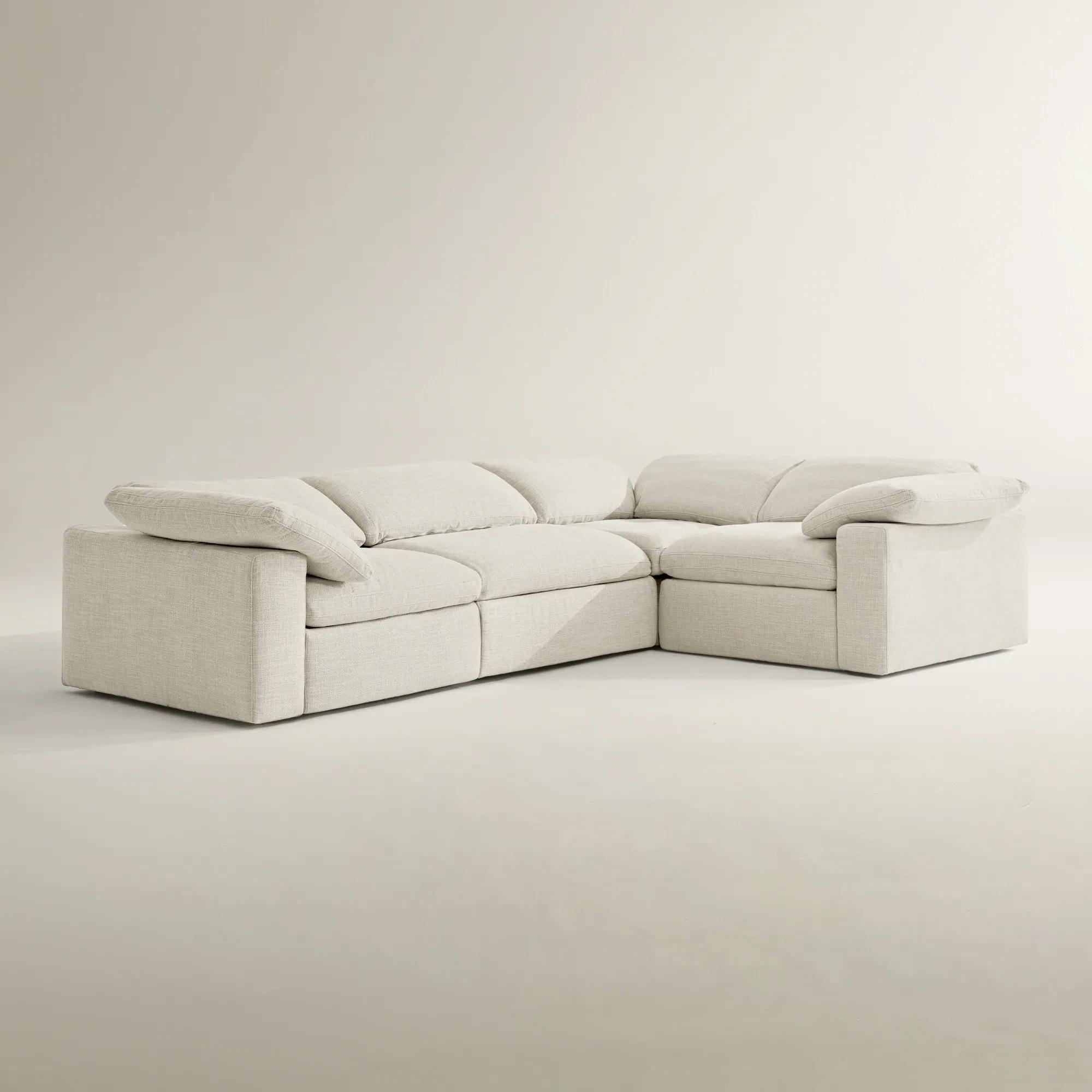
 Milo 4-Piece L-Shaped Reclining Ivory Performance Fabric Sectional Sofa With Right-Arm Chair$4399
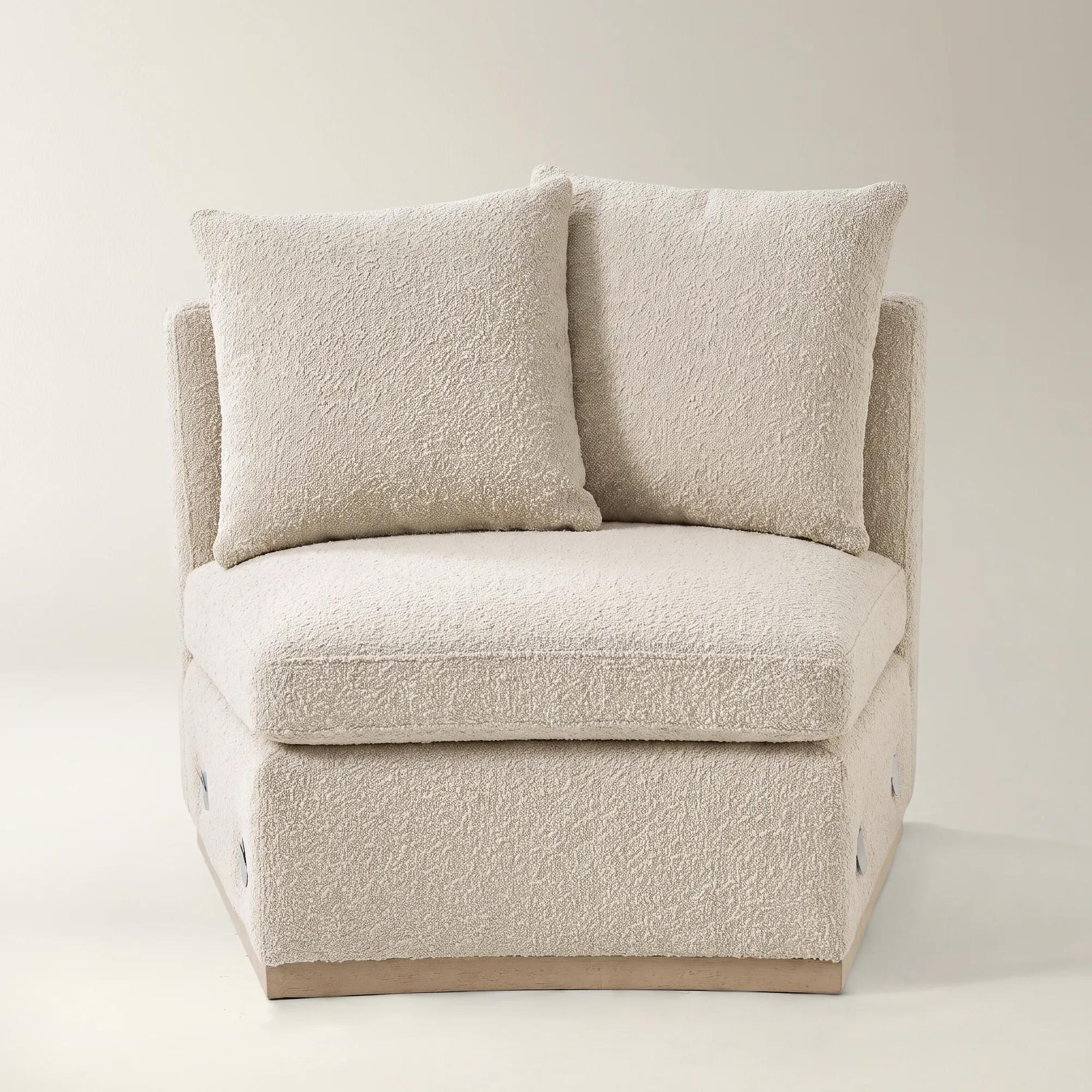
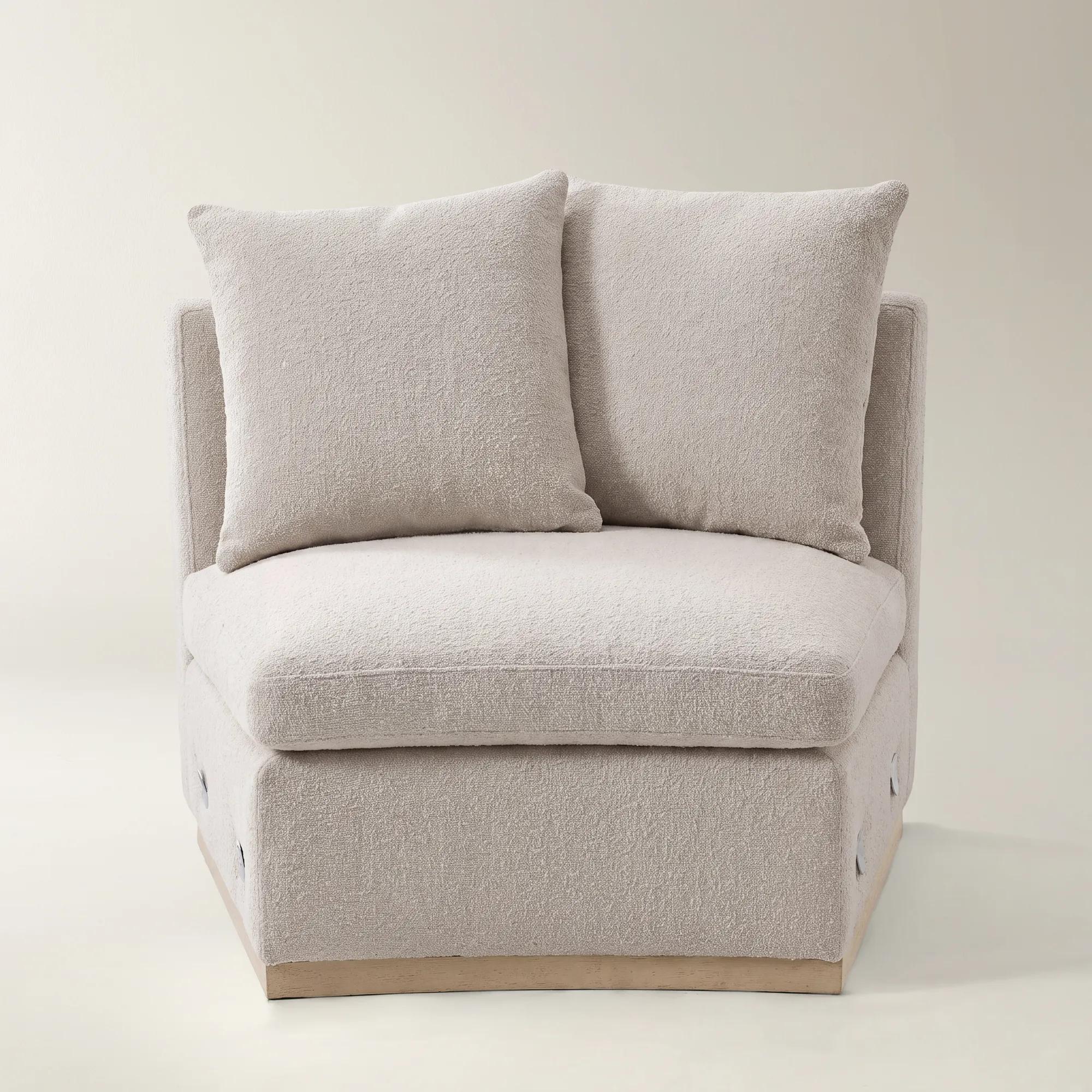
A modular sectional in beige or dove grey with plush feather cushions and power reclining footrests.
Add To Cart -
 Irene 3-Piece Grey Chenille Sectional$3899
A modern sectional featuring plush seating and contemporary design, perfect for elevating any living room.
Add To Cart -
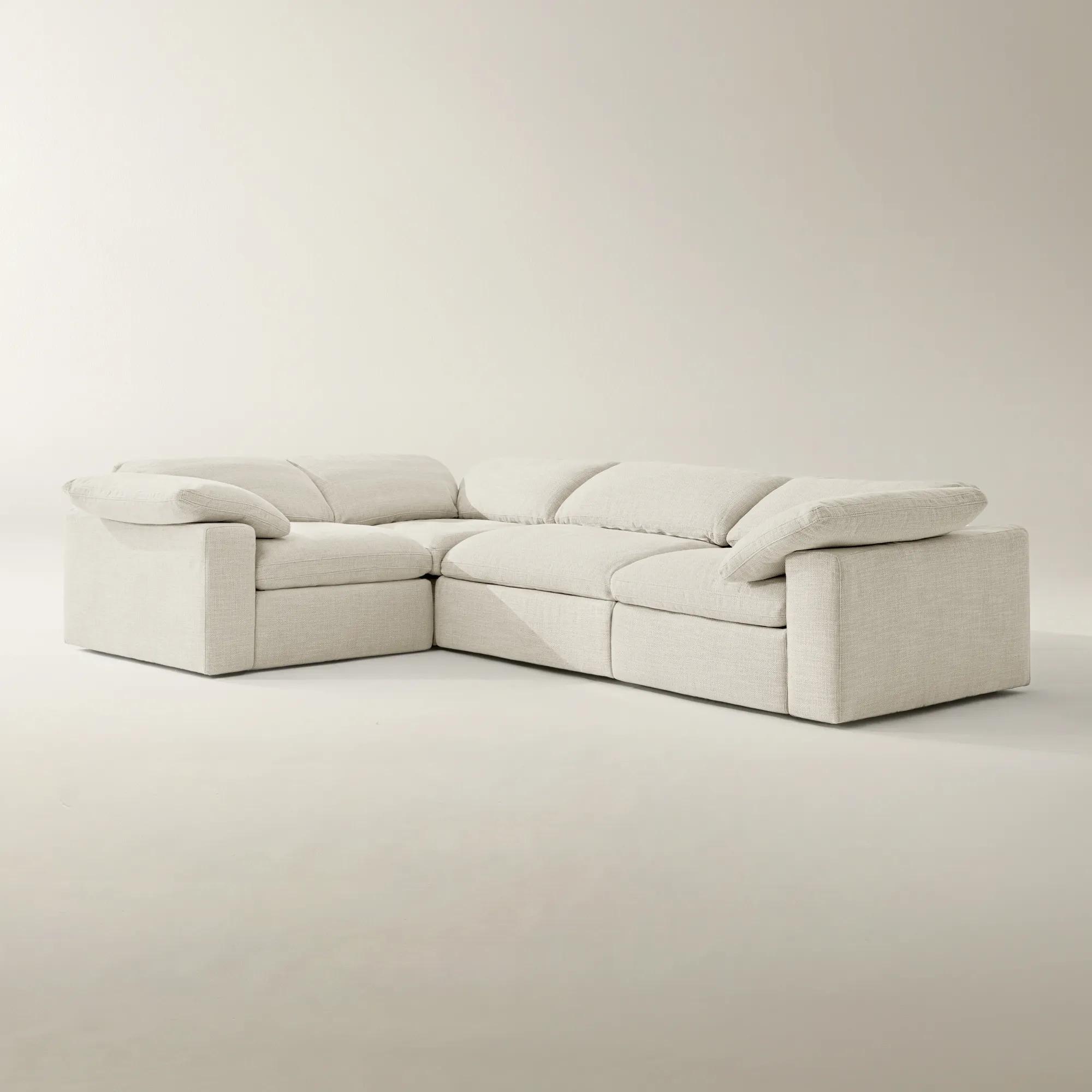
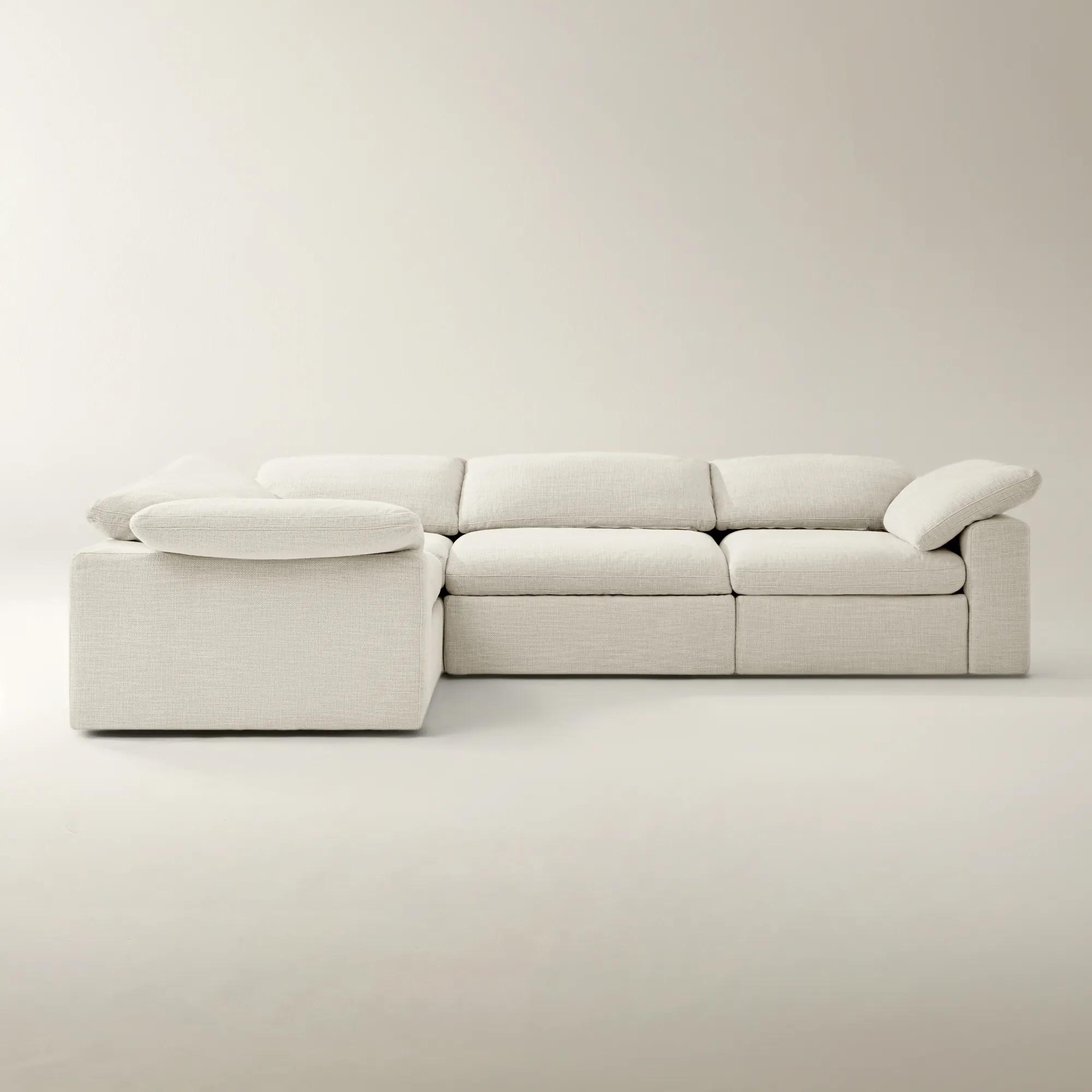 Milo 4-Piece L-Shaped Reclining Ivory Performance Fabric Sectional Sofa With Left-Arm Chair$4399
A modular sectional in beige or dove grey with plush feather cushions and power reclining footrests.
Add To Cart -

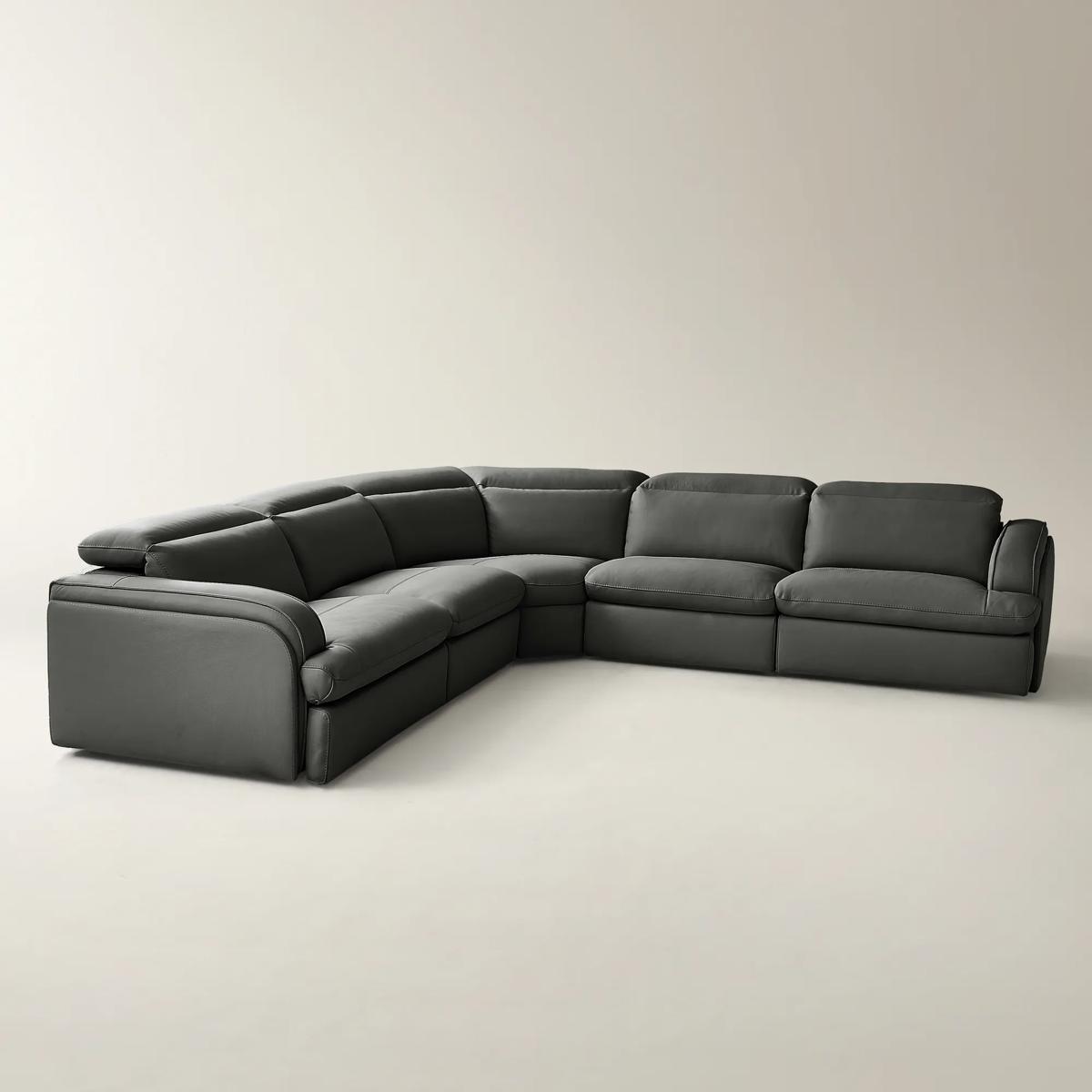 Terra 5-Piece Reclining Charcoal Leather Sectional$7399
A charcoal genuine leather sectional with powered reclining headrests and footrests, modular styling, and foam-down cushioning.
Add To Cart -
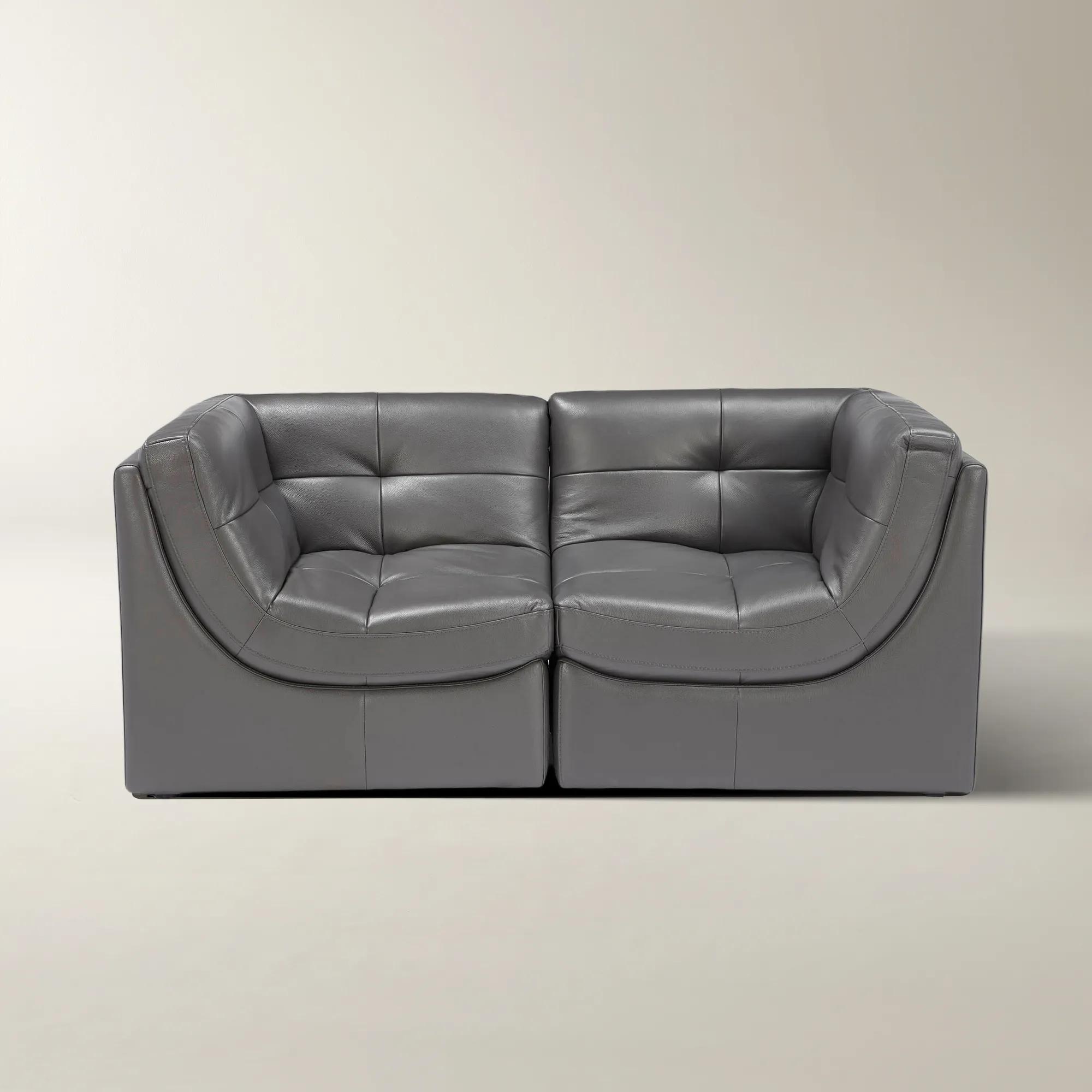 Convo 2-Piece Charcoal Leather Sectional Sofa$2799
A modular charcoal leather sofa with kiln-dried hardwood frame and blind-tufted, semi-aniline upholstery.
Add To Cart -
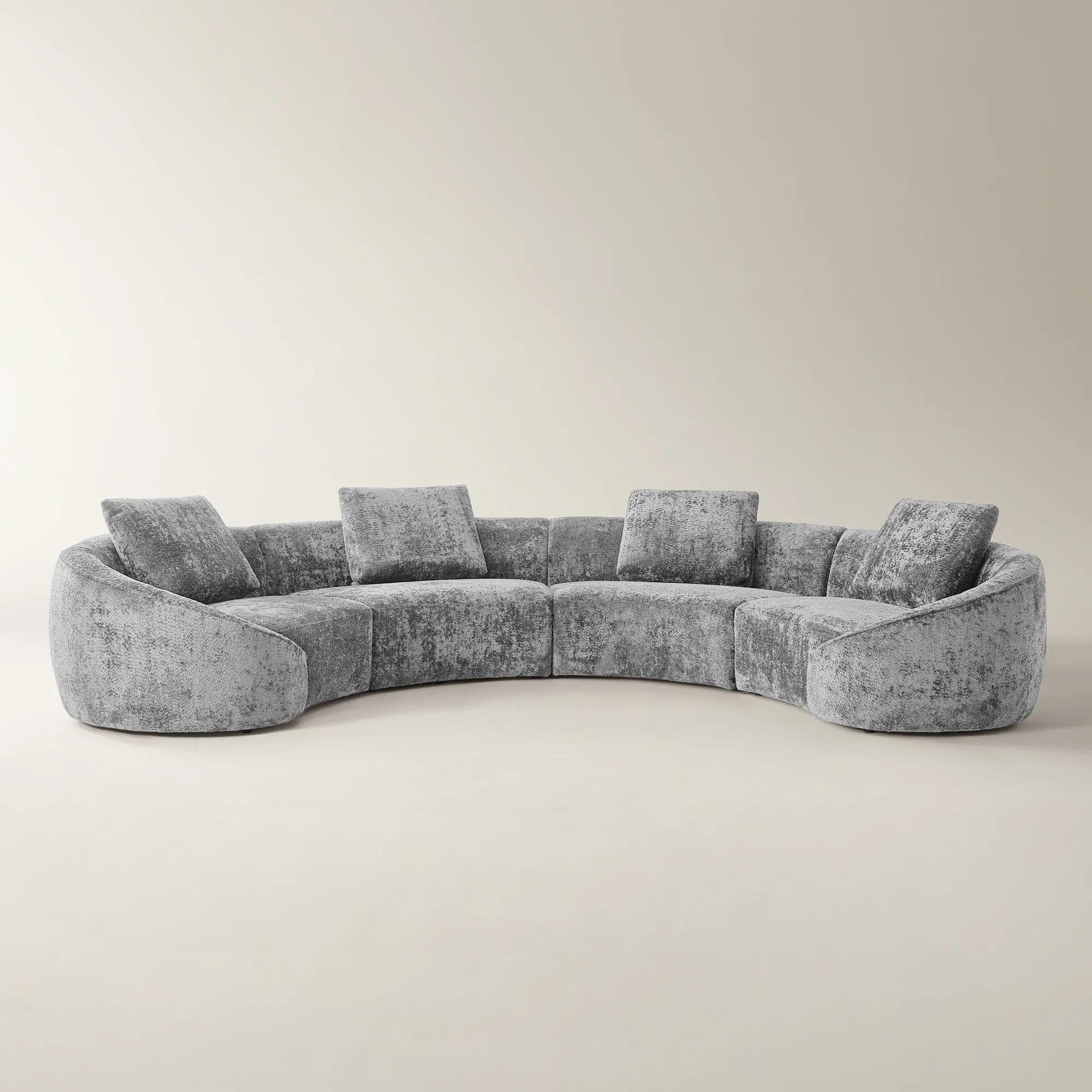
 Irene 4-Piece Grey Chenille Sectional$4999
A modern sectional featuring plush upholstery, perfect for elevating contemporary living room spaces.
Add To Cart -
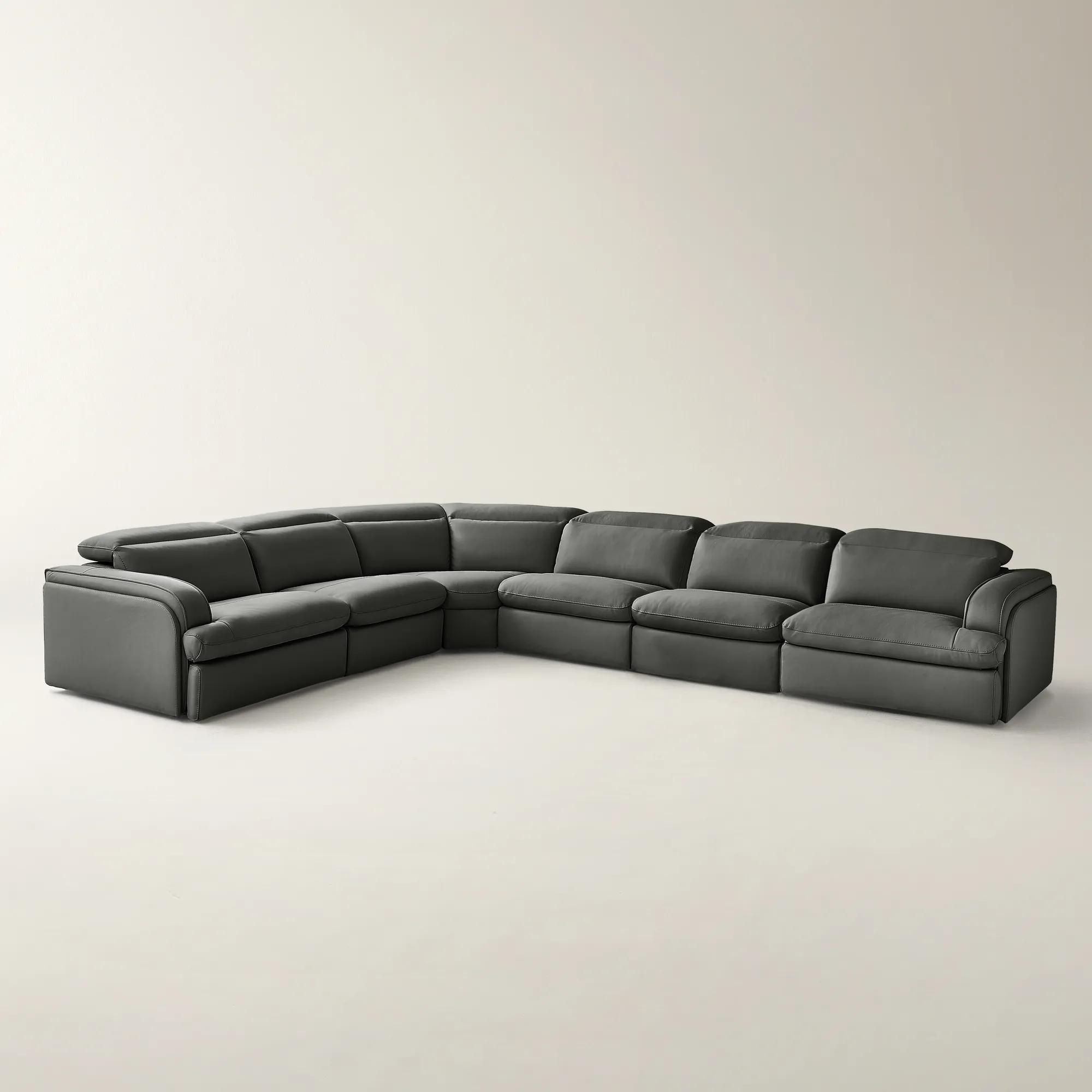 Terra 6-Piece Reclining Charcoal Leather Sectional$8499
A curved modular sectional in charcoal velvet with feather-blend cushions and customizable configurations for luxurious lounging.
Add To Cart -
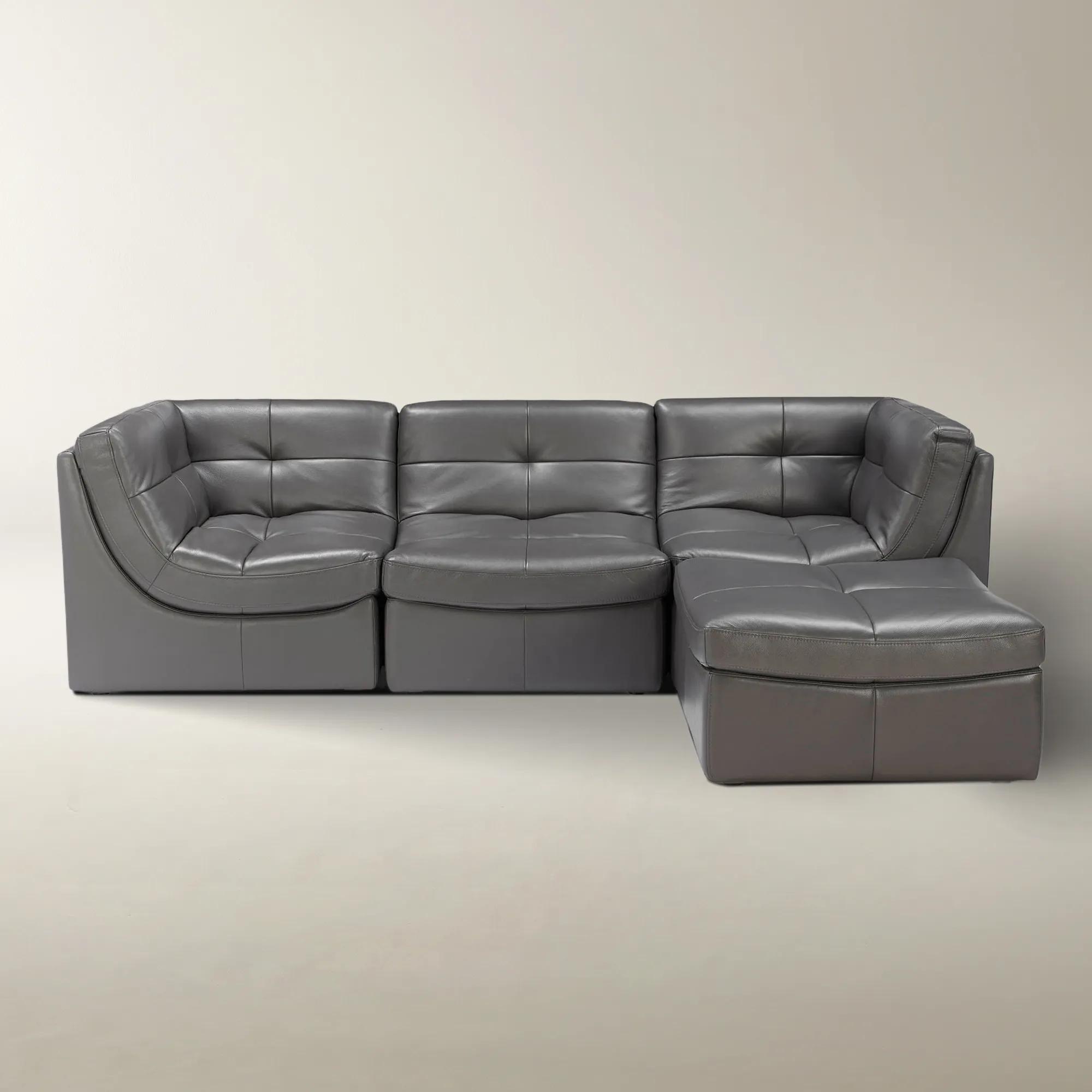
 Convo 4-Piece L-Shaped Charcoal Leather Sectional Sofa With Ottoman$4849
A modular charcoal leather sectional with kiln-dried hardwood frame and gently curved, blind-tufted seats.
Add To Cart -
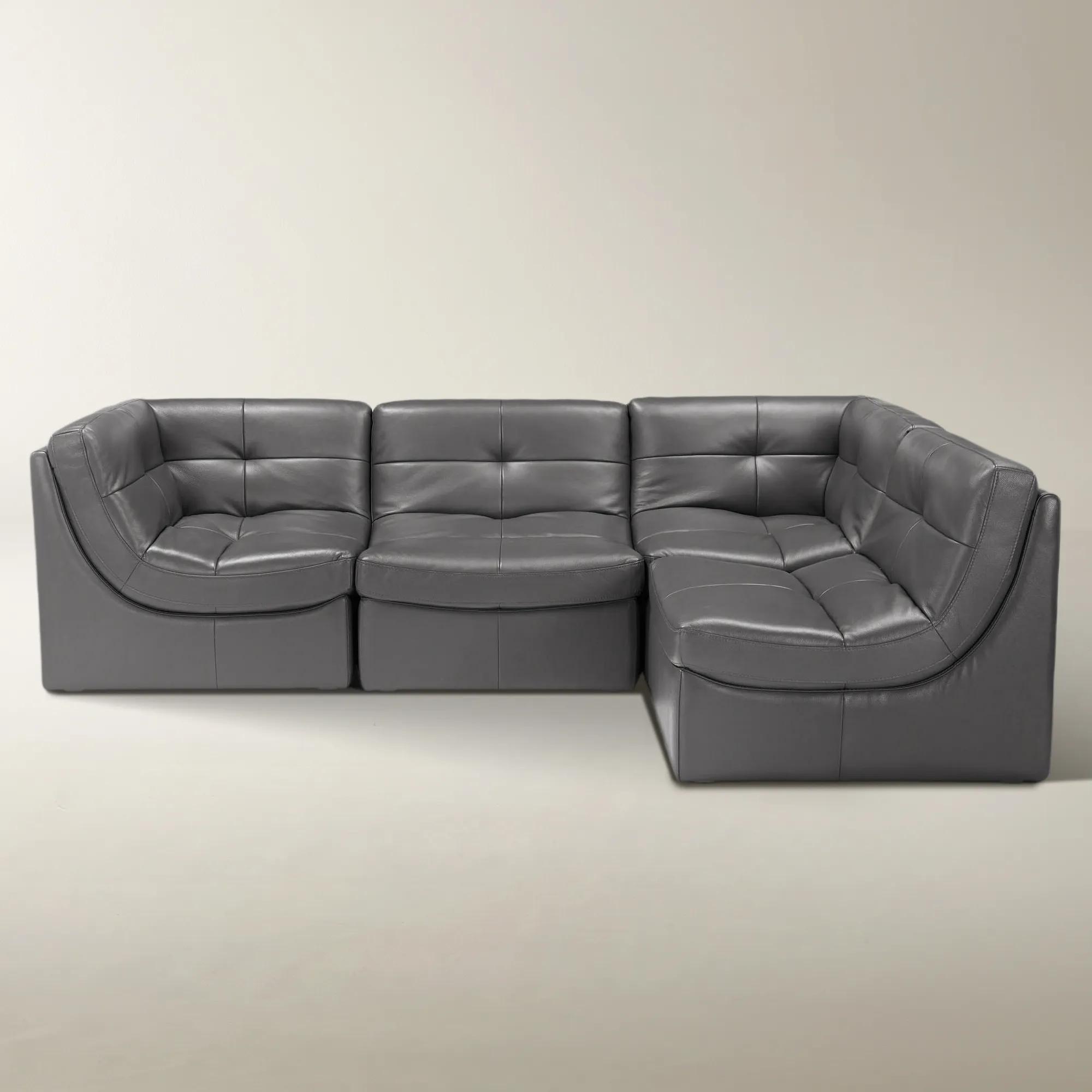 Convo 4-Piece L-Shaped Charcoal Leather Sectional Sofa With Armless Chair$5199
A modular charcoal leather sectional with kiln-dried hardwood frame and gently curved, blind-tufted seats.
Add To Cart -
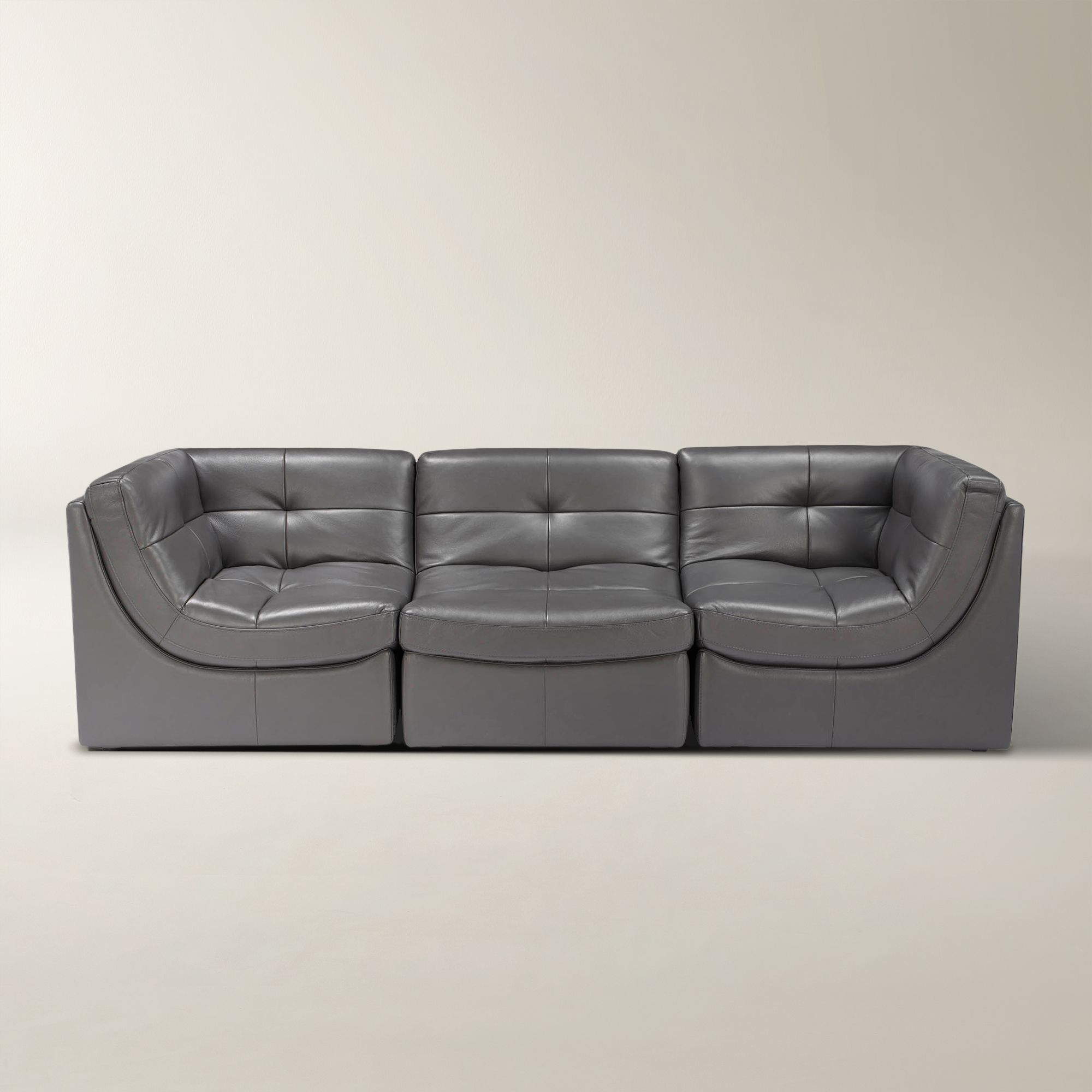 Convo 3-Piece Charcoal Leather Sectional Sofa$3999
A modular charcoal leather sofa with kiln-dried hardwood frame and gently curved, blind-tufted seats.
Add To Cart -
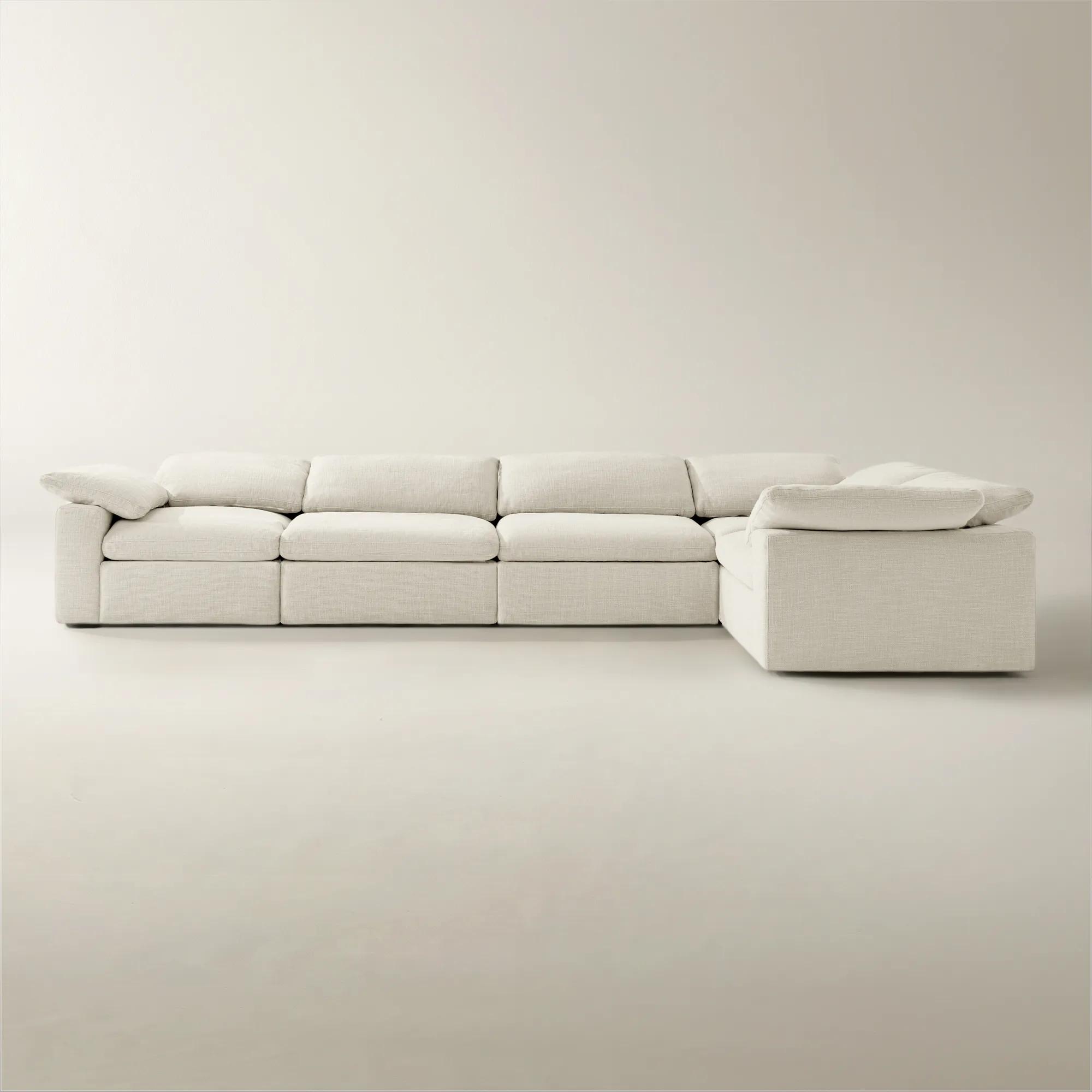
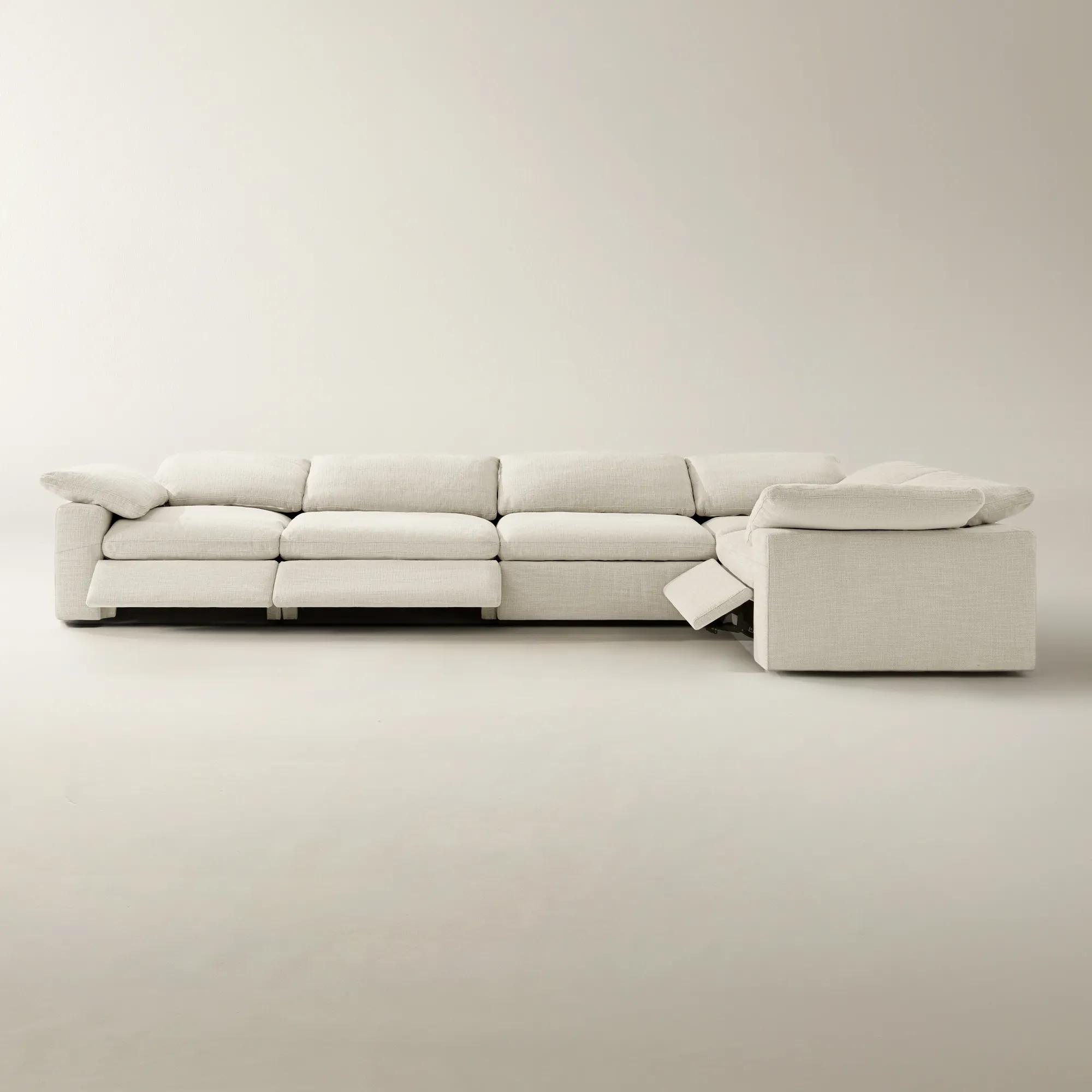 Milo 5-Piece Reclining Ivory Performance Fabric Sectional$5499
A modular sectional in beige or dove grey with plush feather cushions and power reclining footrests.
Add To Cart -

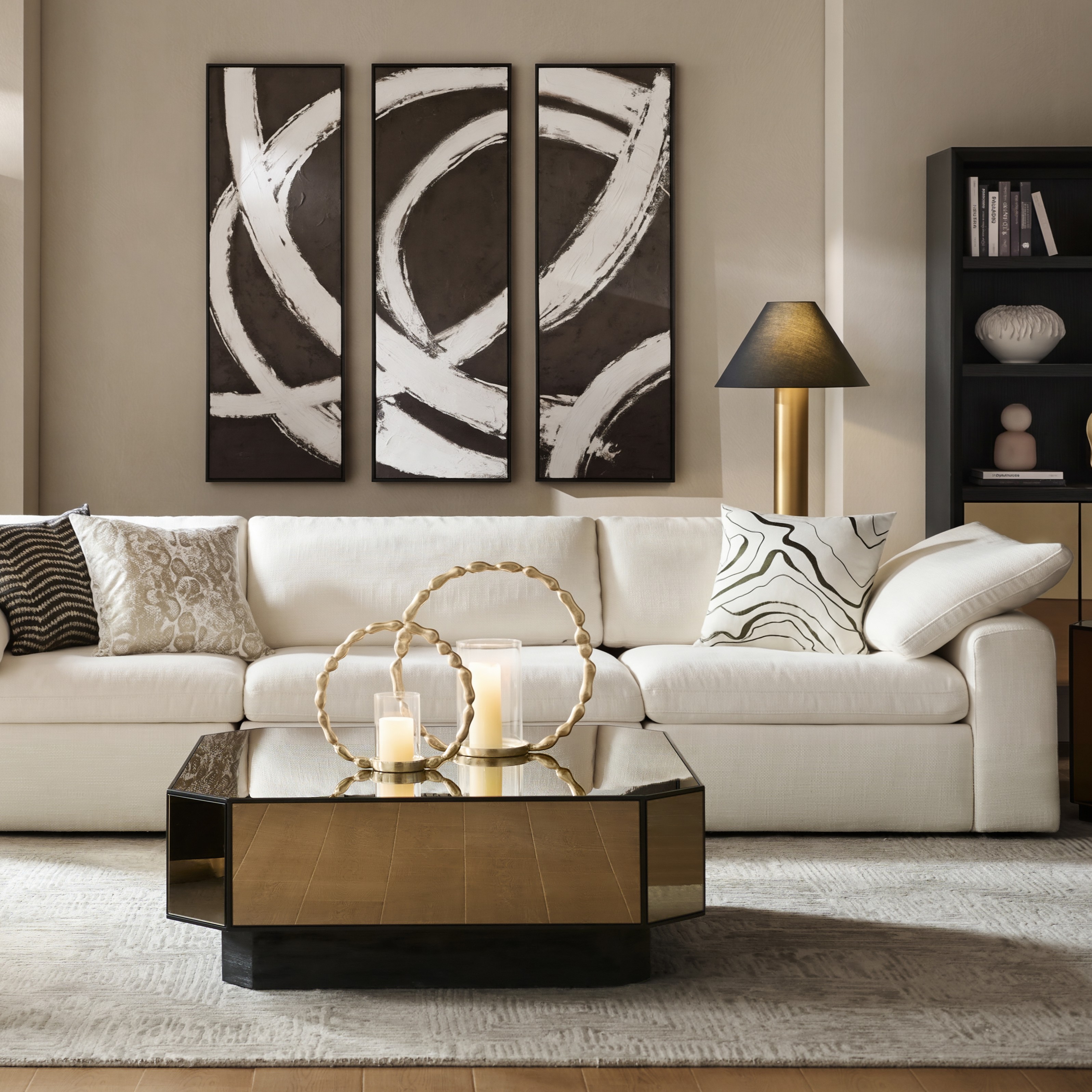 Milo 3-Piece Reclining Ivory Performance Fabric Sectional Sofa$3399
A modular, power-reclining sofa in beige textured polyester with plush feather-blend cushions for ultimate comfort.
Add To Cart -
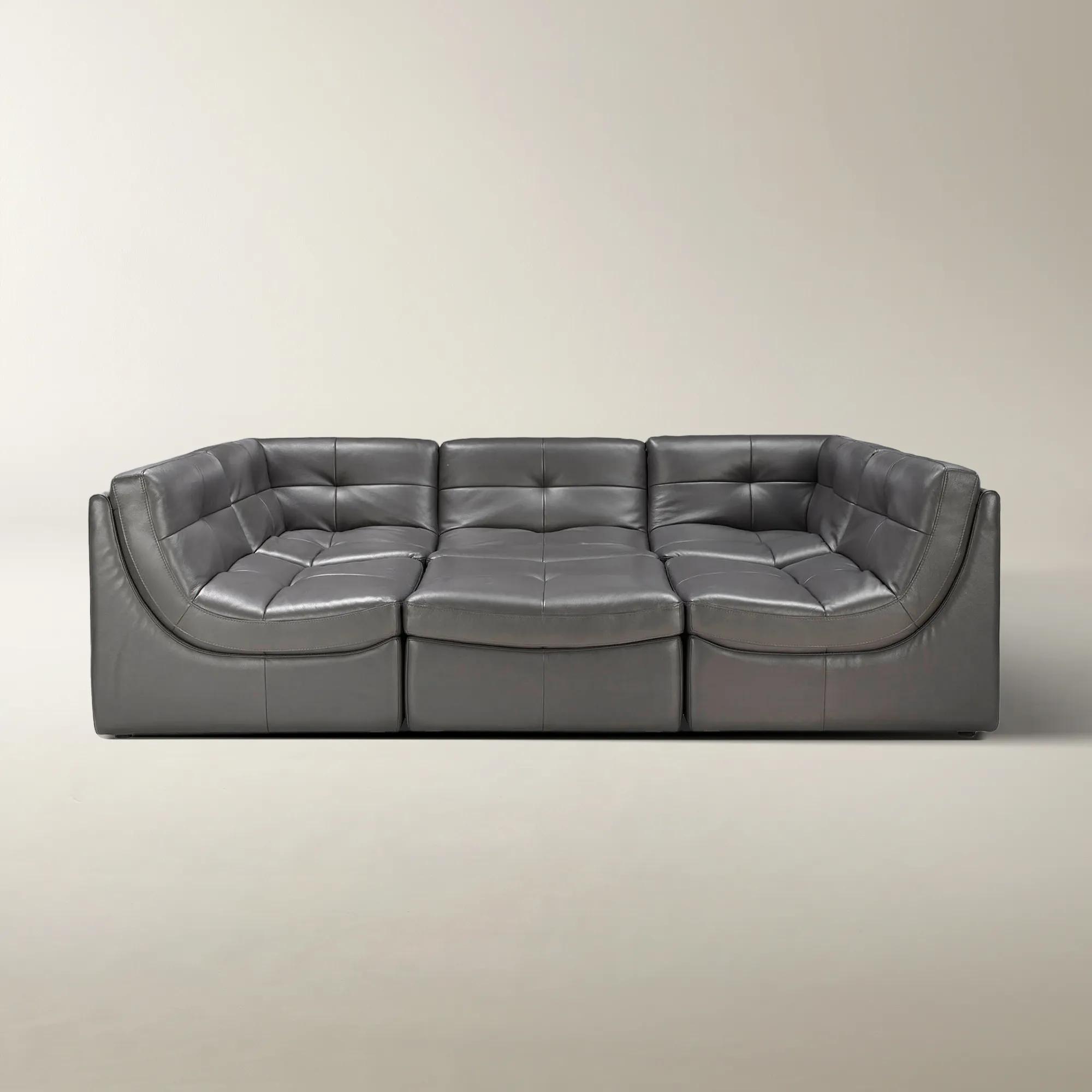
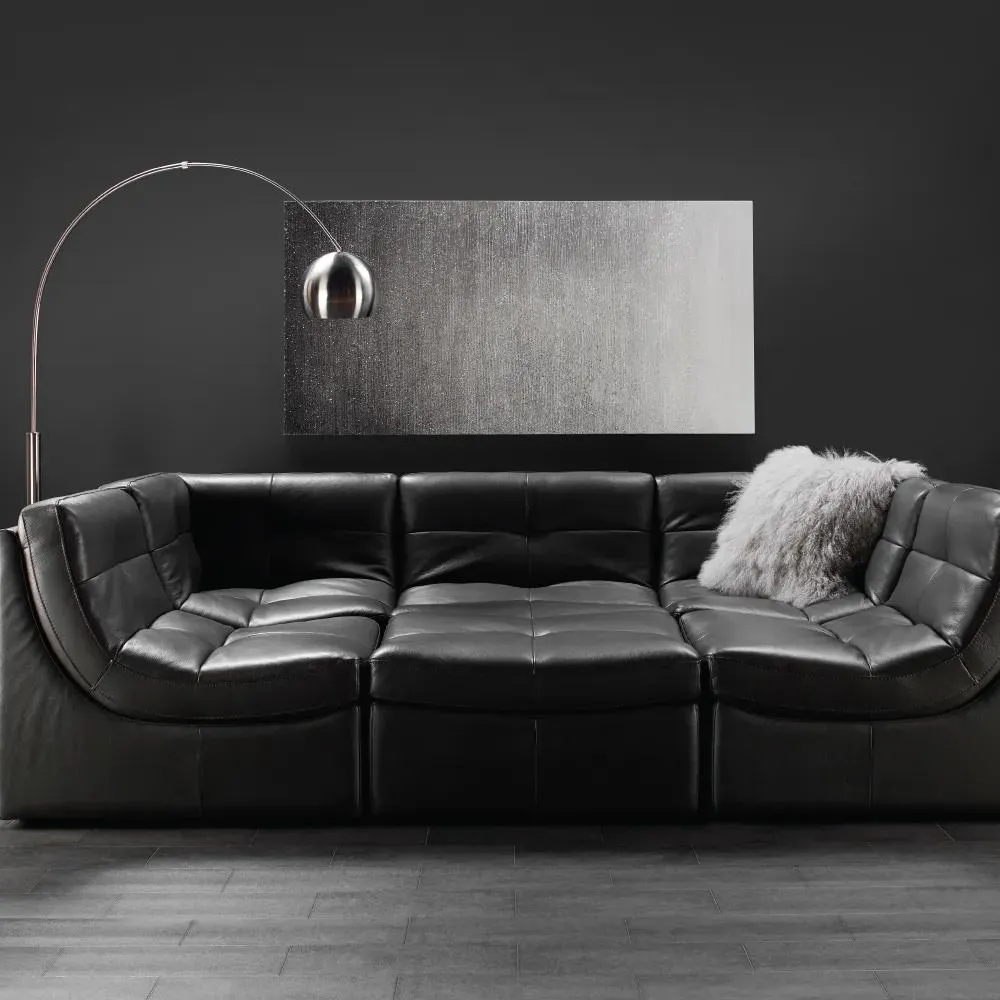 Convo 6-Piece Charcoal Leather Sectional Sofa$7249
A modular charcoal leather sectional with kiln-dried hardwood frame and blind-tufted, semi-aniline upholstery.
Add To Cart -
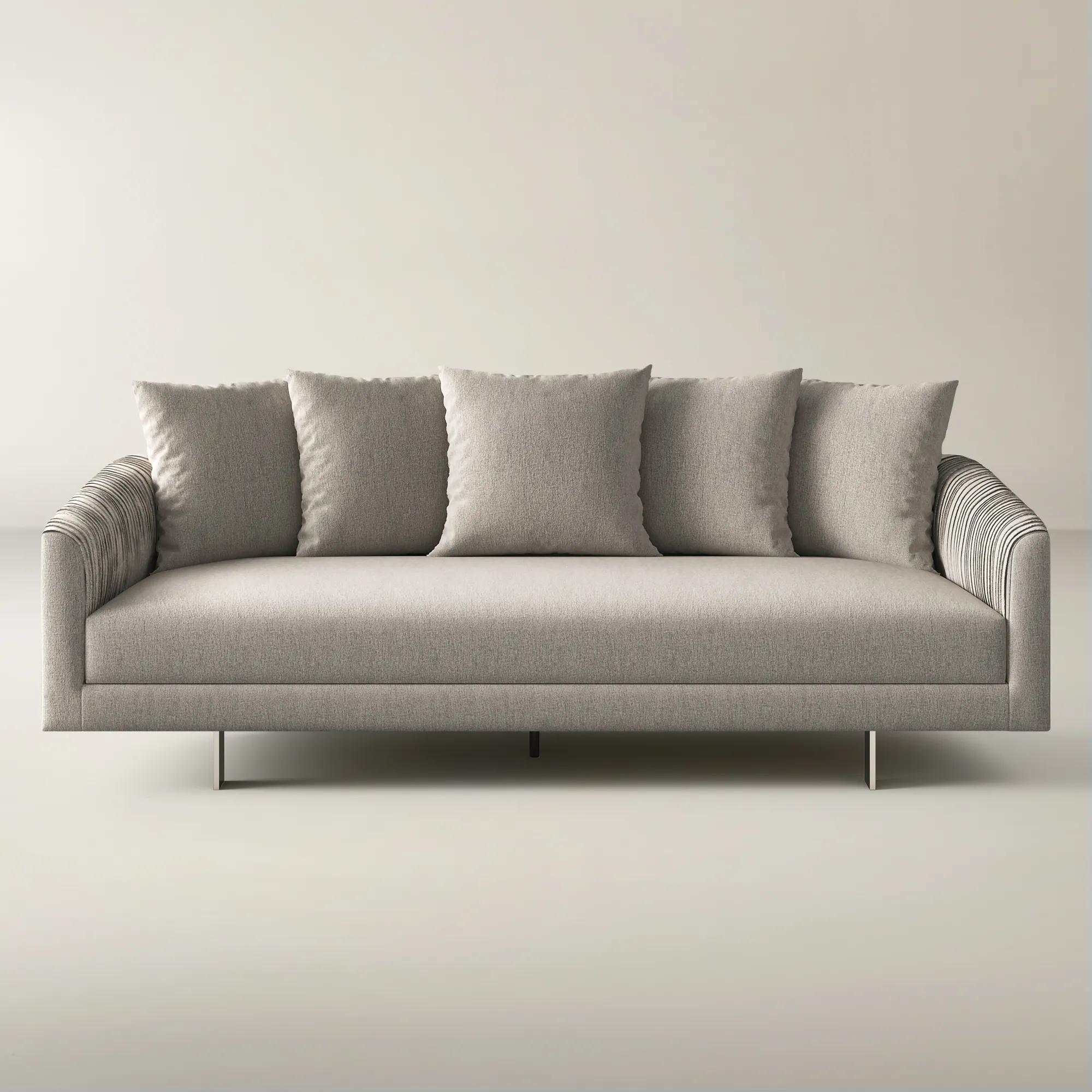 Isabel Moondust Chenille Sofa$2299
A luxurious hand-tufted sofa with plush feather and foam cushions, nickel-brushed legs, and five pillows.
Add To Cart -
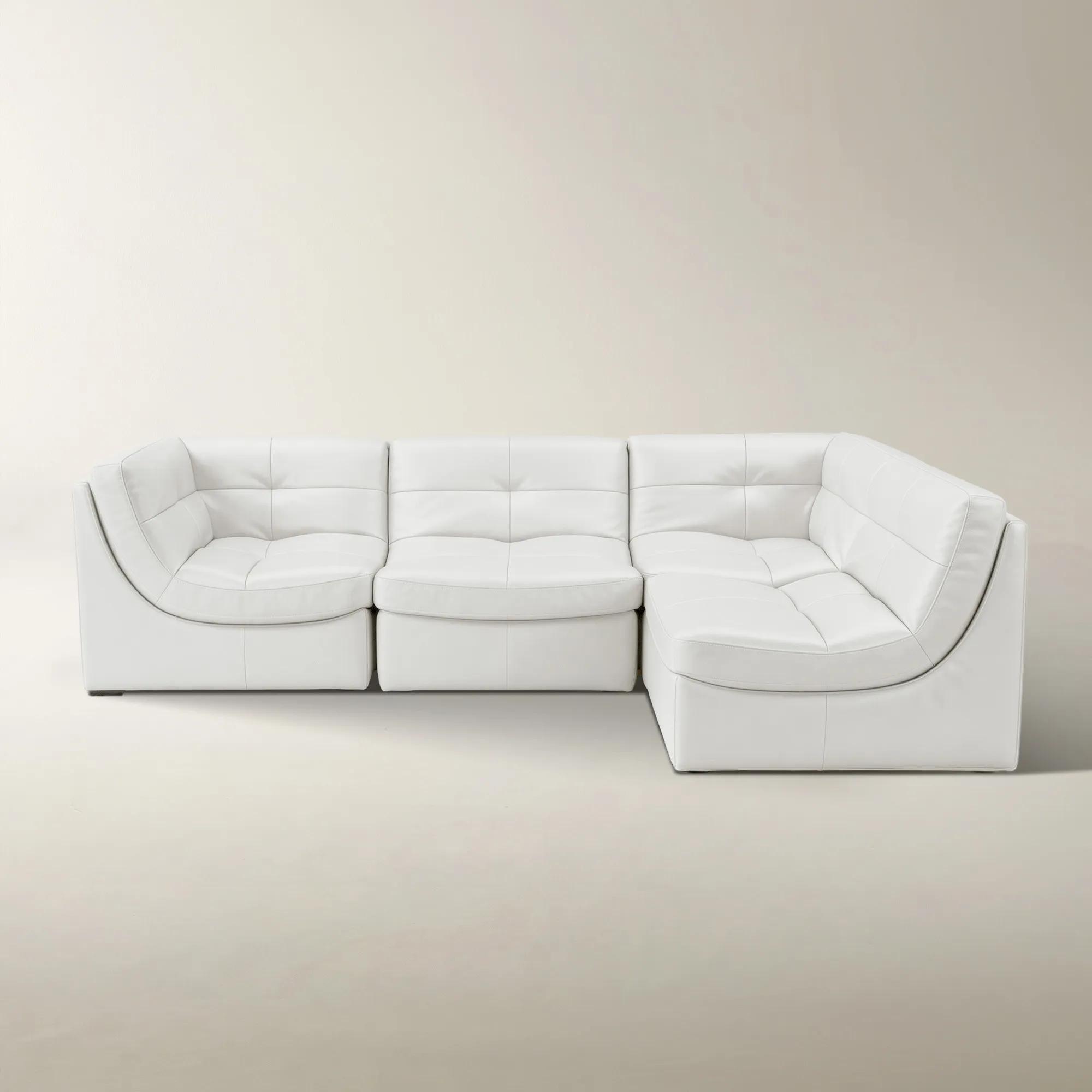
 Convo 4-Piece L-Shaped White Leather Sectional Sofa With Armless Chair$5199
A modular charcoal leather sectional with kiln-dried hardwood frame and gently curved, blind-tufted seats.
Add To Cart -
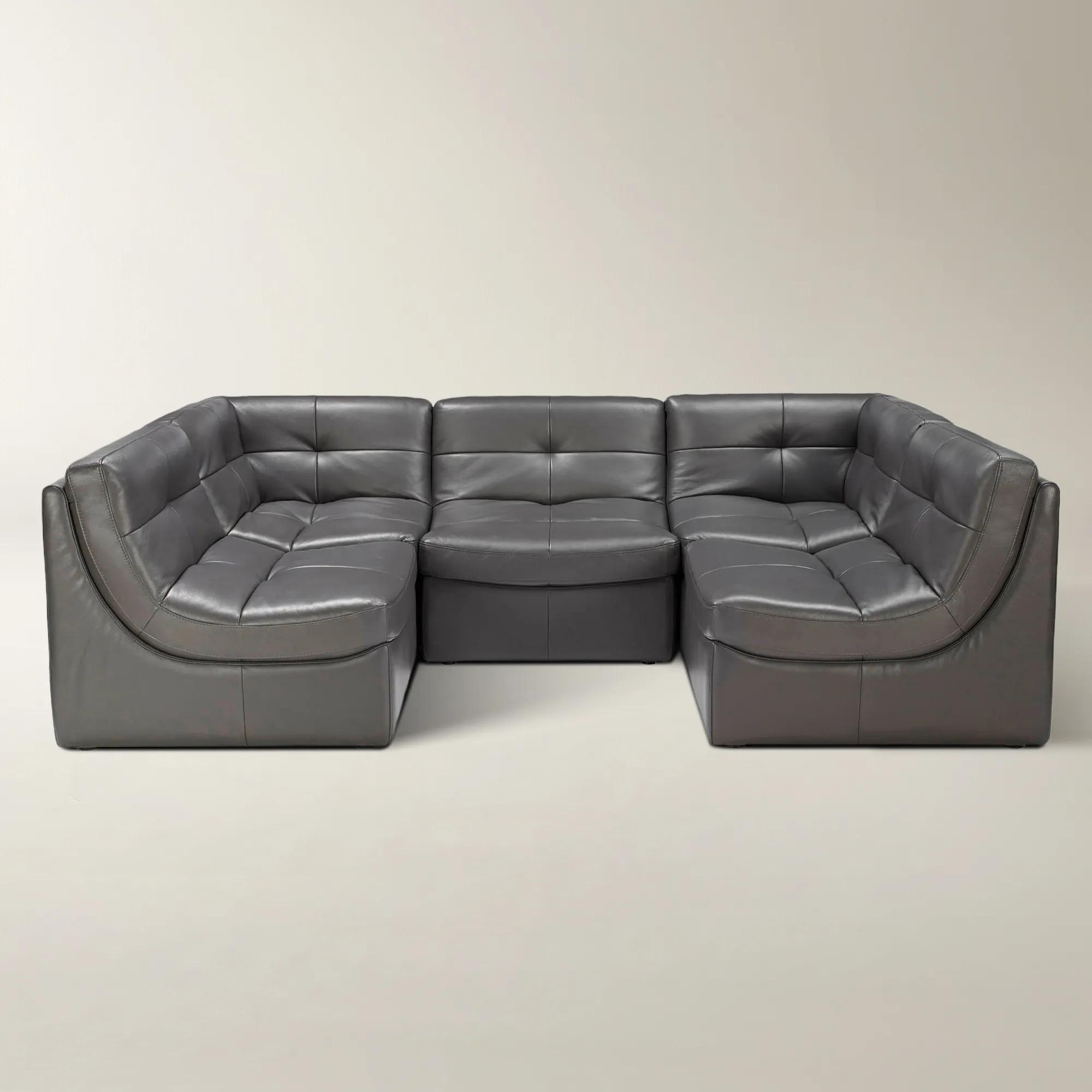 Convo 5-Piece U- Shaped Charcoal Leather Sectional Sofa$6399
A modular charcoal leather sectional with kiln-dried hardwood frame and blind-tufted, semi-aniline upholstery.
Add To Cart

Modern Sofas With Natural Grey Base
Modern sofas with natural grey base embody the art of understated glamour—where sleek silhouettes meet the serene allure of nature-inspired hues. The gentle sophistication of a natural grey foundation transforms any living space into a canvas for expressive style, inviting you to layer on drama, texture, and personality. Whether your vision leans toward sculptural minimalism or lush maximalism, these sofas anchor your room with effortless poise, setting the stage for moments both grand and intimate. Elevate your sanctuary with pieces that promise not just comfort, but a statement in refined artistry.
Modern sofas with a natural grey base bring together architectural silhouettes, nuanced grey upholstery, and the organic character of natural-finished wood or neutral-toned supports. The effect is composed but never austere: a substantial seat appears lighter on slender wooden legs, while a continuous plinth gives a tailored sofa a sculptural presence. Grey establishes the room’s visual foundation without dictating its entire palette. Pale, stone-inspired shades sit beautifully beside ivory textiles and gleaming accents; deeper pewter tones create a more dramatic setting for expressive artwork and richly patterned pillows. Natural wood introduces grain and warmth, softening the precision of straight arms and crisp upholstery seams. That contrast makes these sofas especially compelling in interiors where clean lines share space with sumptuous textures. A low-profile silhouette can leave a large painting uninterrupted, while a sofa with generous arms and substantial cushions carries enough visual weight to anchor an open living area. The base deserves as much attention as the upholstery: exposed tapered legs create an airy outline, recessed supports let the upholstered form take center stage, and a visible wood platform draws a deliberate line beneath the cushions. These details influence how a sofa relates to neighboring furniture, from a rounded cocktail table to an angular accent chair. Grey itself is far from a single color. A fabric with warm taupe undertones can echo pale oak, while a cooler, silver-inflected grey creates a sharper contrast against richly toned wood. Upholstery samples viewed beside flooring, wall colors, and existing textiles help reveal those differences under the room’s own lighting. For a richly layered composition, contrast the sofa’s quiet foundation with a plush rug, a lacquered table, or a luminous ceramic lamp. The result is a living space with depth and distinction, where the sofa holds the composition together rather than competing with every surrounding detail.
Material and construction give that visual statement its substance. Woven grey upholstery can introduce a subtle mélange of fibers, lending dimension to a neutral surface and helping small variations in tone feel intentional. Linen blends often offer visible texture and a relaxed character, while velvet lends a more lustrous finish, with shading that changes as the pile catches the light. Polyester and other synthetic blends may offer practical durability, although performance depends on the particular fabric, weave, and treatment rather than the fiber name alone. Performance upholstery can be useful in frequently occupied living rooms, but the designation does not make a sofa impervious to spills, abrasion, or pet claws. Documented cleaning instructions and fabric specifications matter more than broad promises. Beneath the upholstery, a well-constructed frame, secure joints, and a supportive suspension system contribute to stability and lasting comfort. Solid wood and furniture-grade plywood can both serve structural roles; construction quality is more revealing than a material label in isolation. Cushion composition shapes the everyday experience just as clearly. Foam-forward cushions tend to deliver a more defined seat, while fiber- or feather-wrapped designs can feel softer and may require more frequent reshaping. A bench cushion emphasizes a long, uninterrupted line; separate seat cushions create a more articulated rhythm and, when reversible, can help distribute wear through rotation. Natural-finished wooden bases also vary in grain, color, and protective finish, giving them character that differs from uniformly painted supports. For a household where the sofa hosts conversation, reading, and evening entertainment, resilient upholstery and cushions that recover well after use can preserve the tailored appearance with less daily attention. In a more formal sitting room, a finely textured fabric and precise seams may take greater prominence. Neither setting calls for sacrificing expression: the most satisfying balance comes from a silhouette that feels considered and materials suited to the way the room is actually lived in.
Scale determines whether that balance translates into an inviting room. Overall width establishes the sofa’s footprint, but seat depth, seat height, arm width, and back height determine how it feels in use. A deep seat invites lounging with legs tucked beneath a throw, while a shallower seat may better suit upright conversation or someone who prefers to keep both feet on the floor. Broad arms create a substantial profile but can reduce sitting space within the same overall width. In a compact apartment, a streamlined grey sofa with exposed wood legs can maintain visual openness without reducing the room to a purely functional arrangement. In a larger living area, a generous sofa can define a conversation zone, especially when paired with two accent chairs rather than pressed against a distant wall. For layouts that call for connected seating or a place to stretch out, Modern Grey Sectional Sofas extend the same tonal foundation into a more expansive composition. Whatever the format, comfortable circulation around the furniture matters, as do the dimensions of doorways, hallways, stair turns, and elevators along the delivery path. A sofa should feel beautifully proportioned once placed, not simply fit within the room’s measurements. Keeping that presence intact requires care matched to its materials. Regular vacuuming with an appropriate upholstery attachment helps remove dust and grit before they settle into the fabric, while prompt blotting with a clean cloth limits the spread of a spill. Manufacturer cleaning codes should govern any use of water, solvents, or professional treatment; removable covers are not necessarily machine washable. Rotating or reshaping cushions where the design permits helps maintain an even appearance. Wood bases benefit from gentle dusting and protection from excess moisture, and floor-safe pads can help protect the surface beneath the legs. These measured habits preserve the details that make a neutral sofa distinctive: a crisp cushion edge, a beautifully visible grain, and a grey surface rich enough to support an expressive room without overwhelming it.
FAQs
Modern sofas with a natural grey base are remarkably versatile, effortlessly complementing a range of design styles. They shine in contemporary and minimalist interiors, where their subtle elegance grounds the space. For those who prefer a touch of drama, grey sofas act as the perfect canvas for glam accents—think metallic finishes, mirrored tables, and bold artwork. They also harmonize beautifully with organic, nature-inspired themes, pairing well with wood tones, greenery, and textured textiles for a grounded, tranquil atmosphere.
A natural grey sofa offers endless possibilities for seasonal refreshes. In winter, layer on sumptuous throws in deep jewel tones or metallics for a feeling of warmth and luxury. As spring arrives, swap in lighter linens, pastel pillows, and botanical prints to evoke freshness. For summer, crisp whites and vibrant hues can add energy, while autumn invites cozy knits and earth-toned accessories. The neutral base ensures your sofa adapts seamlessly to every mood and moment.
A modern grey sofa makes a thoughtful and lasting gift for anyone embarking on a new chapter—new homeowners, newlyweds, or recent graduates setting up their first apartment. Its timeless color and modern silhouette appeal to a variety of tastes, making it a meaningful gesture for design enthusiasts, comfort seekers, or anyone who values a beautiful, expressive living space.
To turn your natural grey sofa into a dramatic focal point, layer it with bold, textured pillows and throws in contrasting colors or metallic finishes. Anchor the space with a statement rug, and add sculptural lighting or eye-catching art above the sofa. Incorporate reflective surfaces, such as mirrored or glass tables, to amplify the sense of luxury. The grey base provides the perfect backdrop for daring accessories and personal touches.
In open-concept spaces, a grey sofa can serve as both a stylish anchor and a subtle divider. Float the sofa away from the wall to delineate the living area, or pair it with a sleek console table behind for added function and flair. Use area rugs to define zones, and coordinate accent pieces—like side tables or ottomans—in complementary tones. The natural grey hue allows for seamless integration with dining, kitchen, or entryway décor, creating a cohesive and inviting environment.