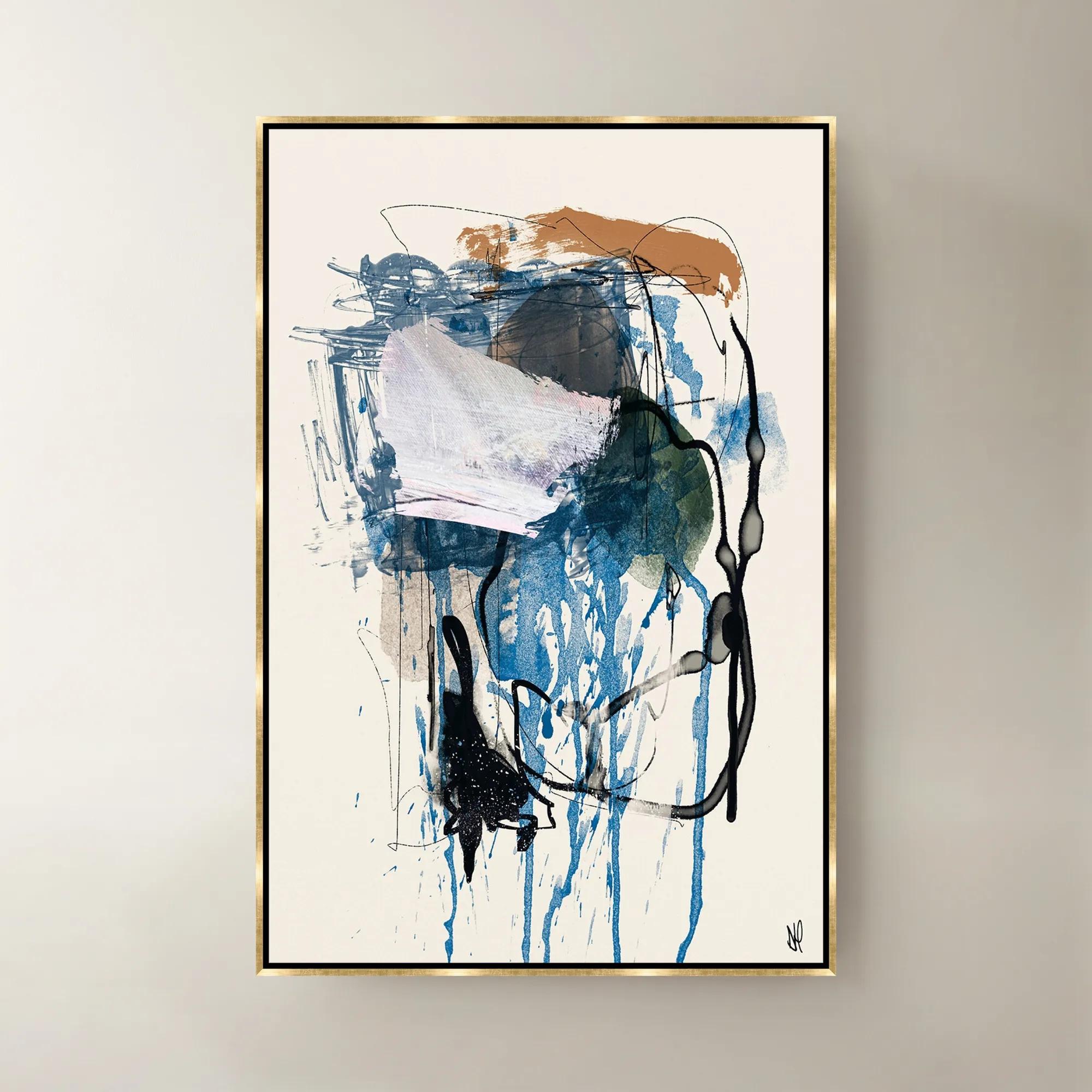
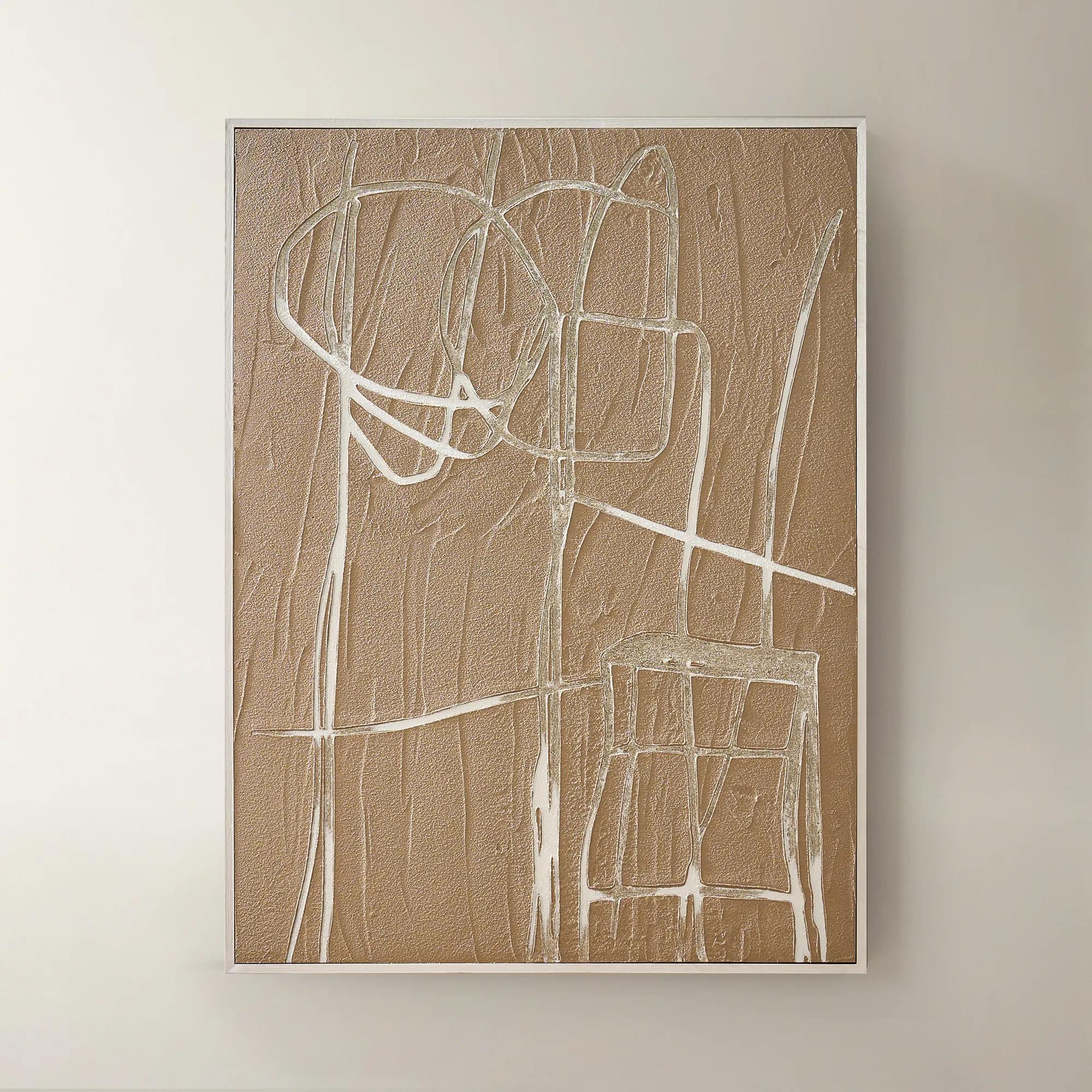
Modern Gallery Wrapped Arts
Modern Gallery Wrapped Arts
-
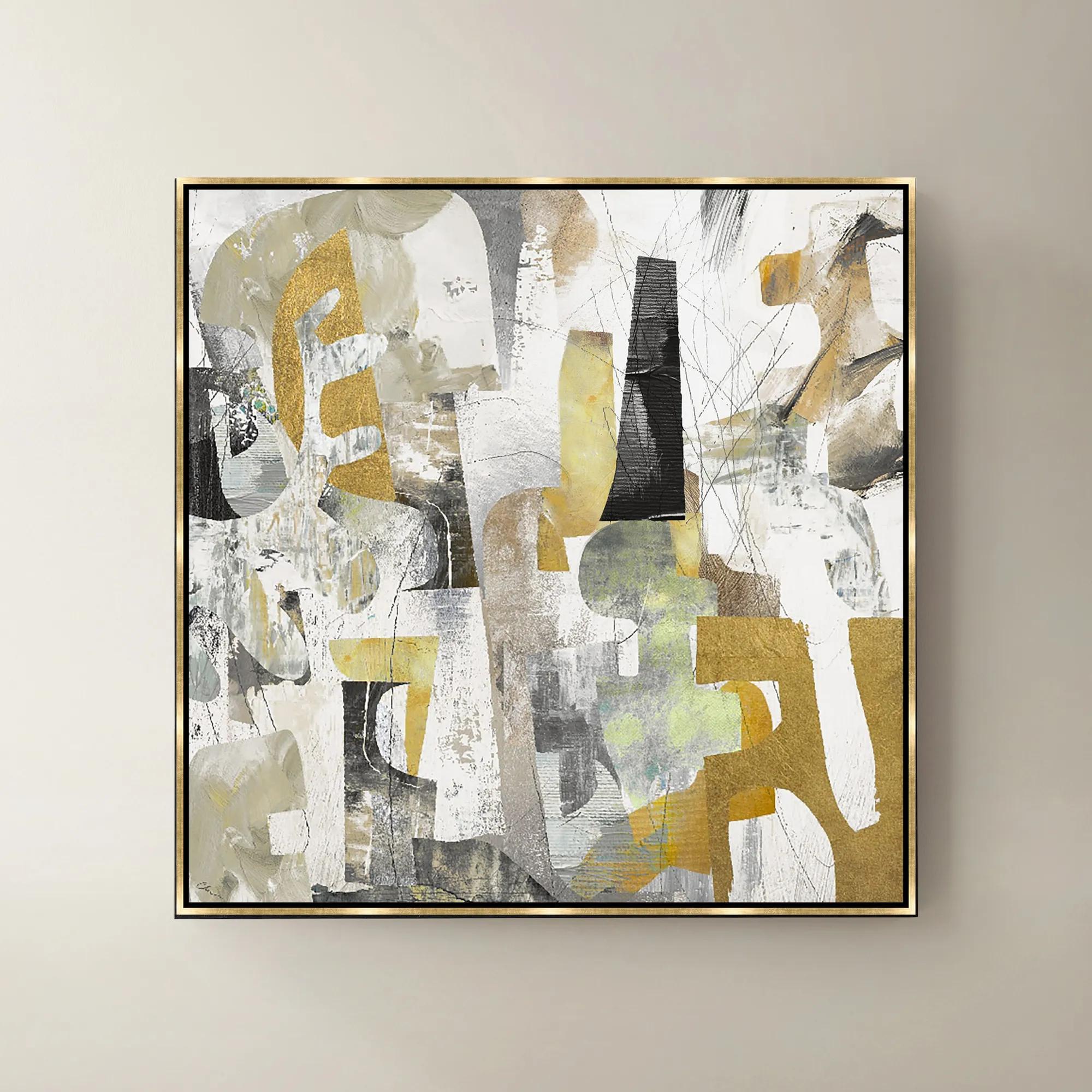
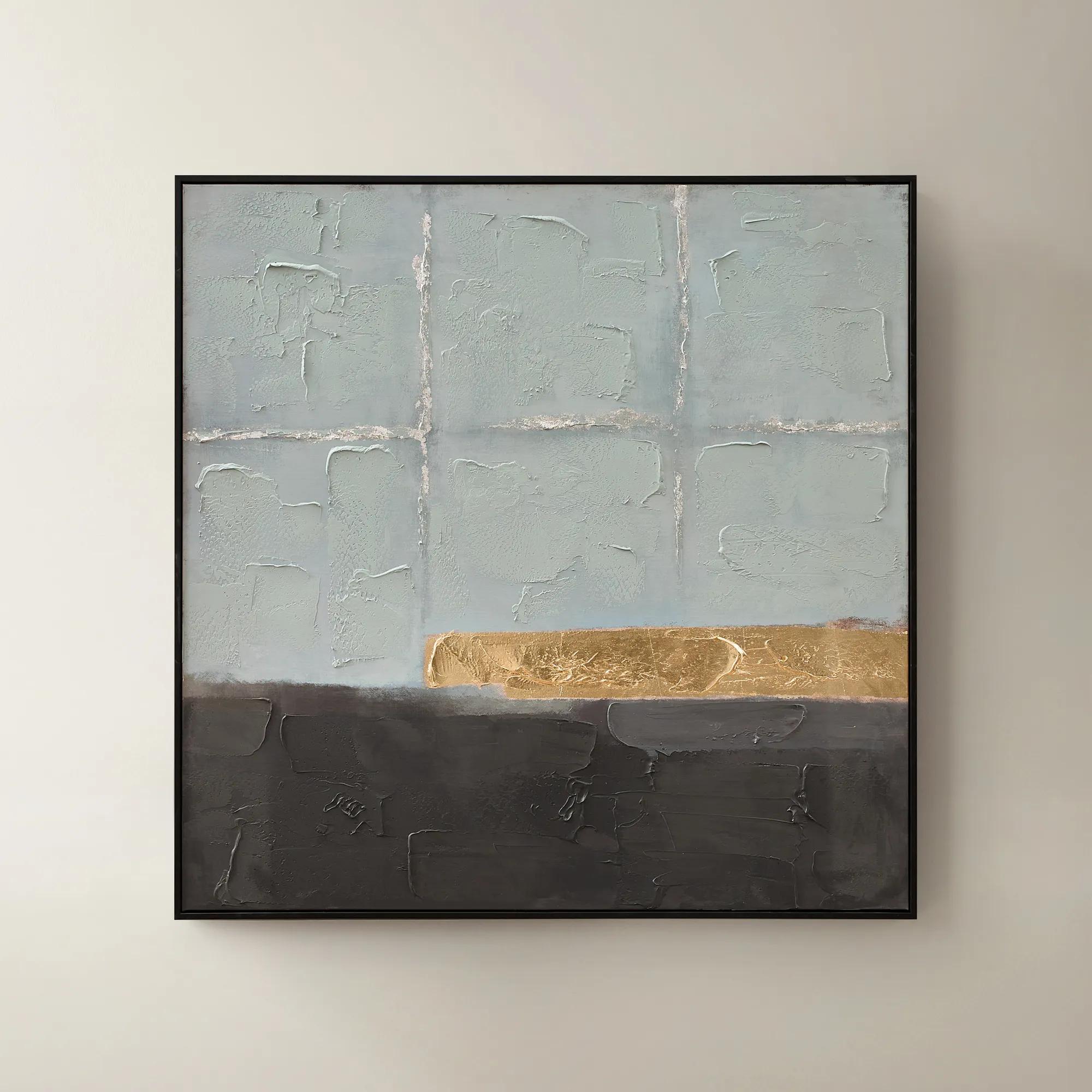
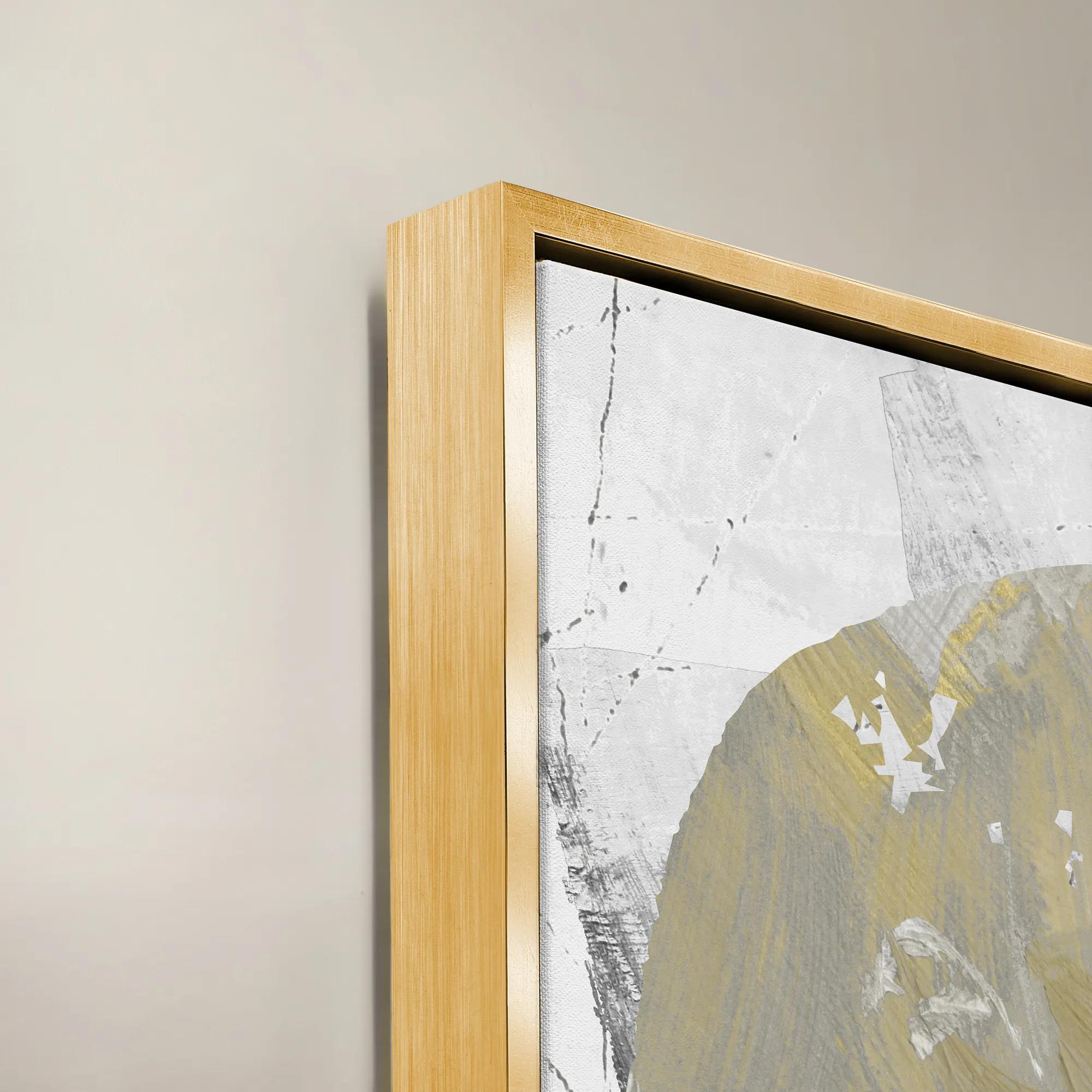 Abby II Framed Wall Art 40" x 40"$849
An abstract art piece inspired by Nikki Chu’s modern design aesthetic and creative expertise.
Add To Cart -
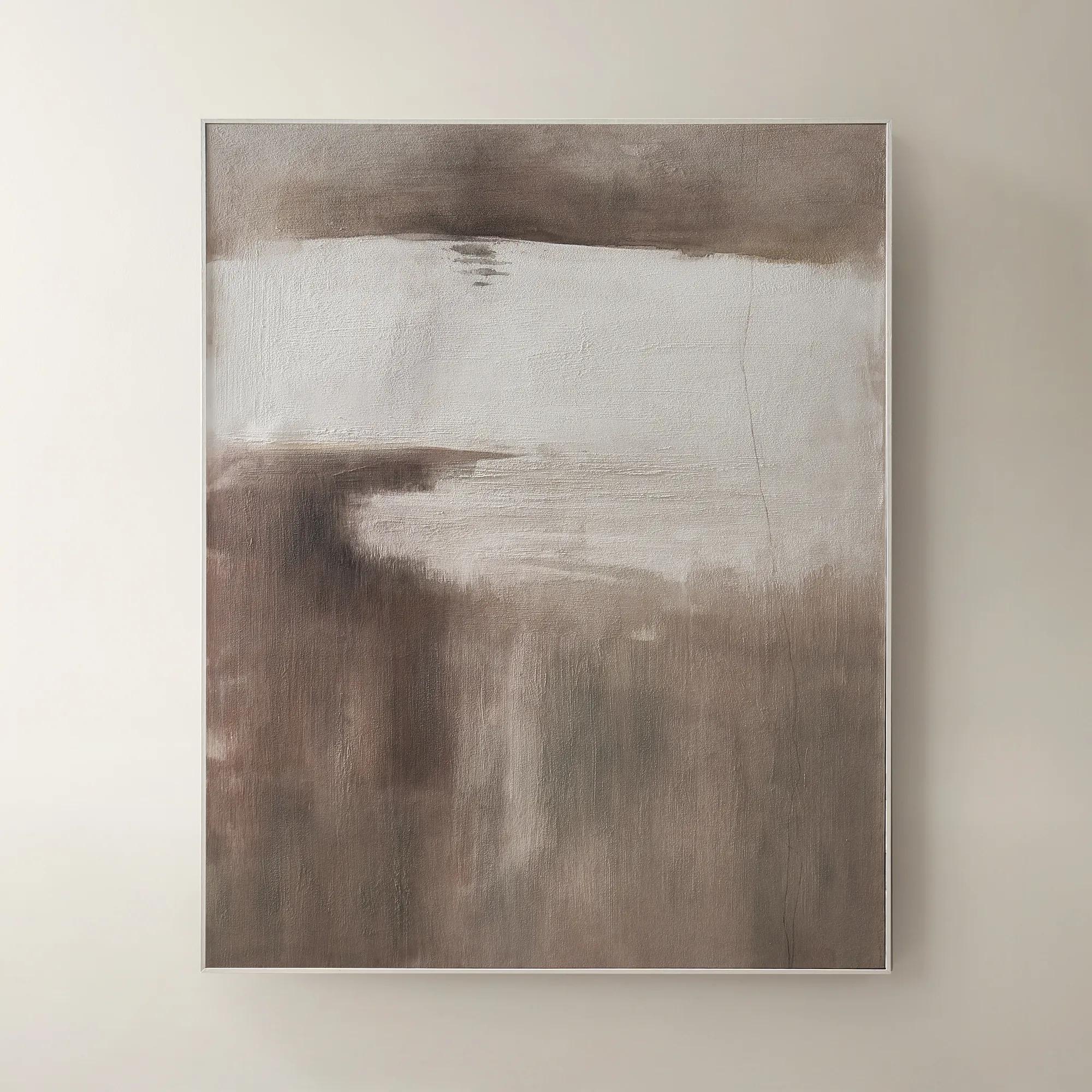
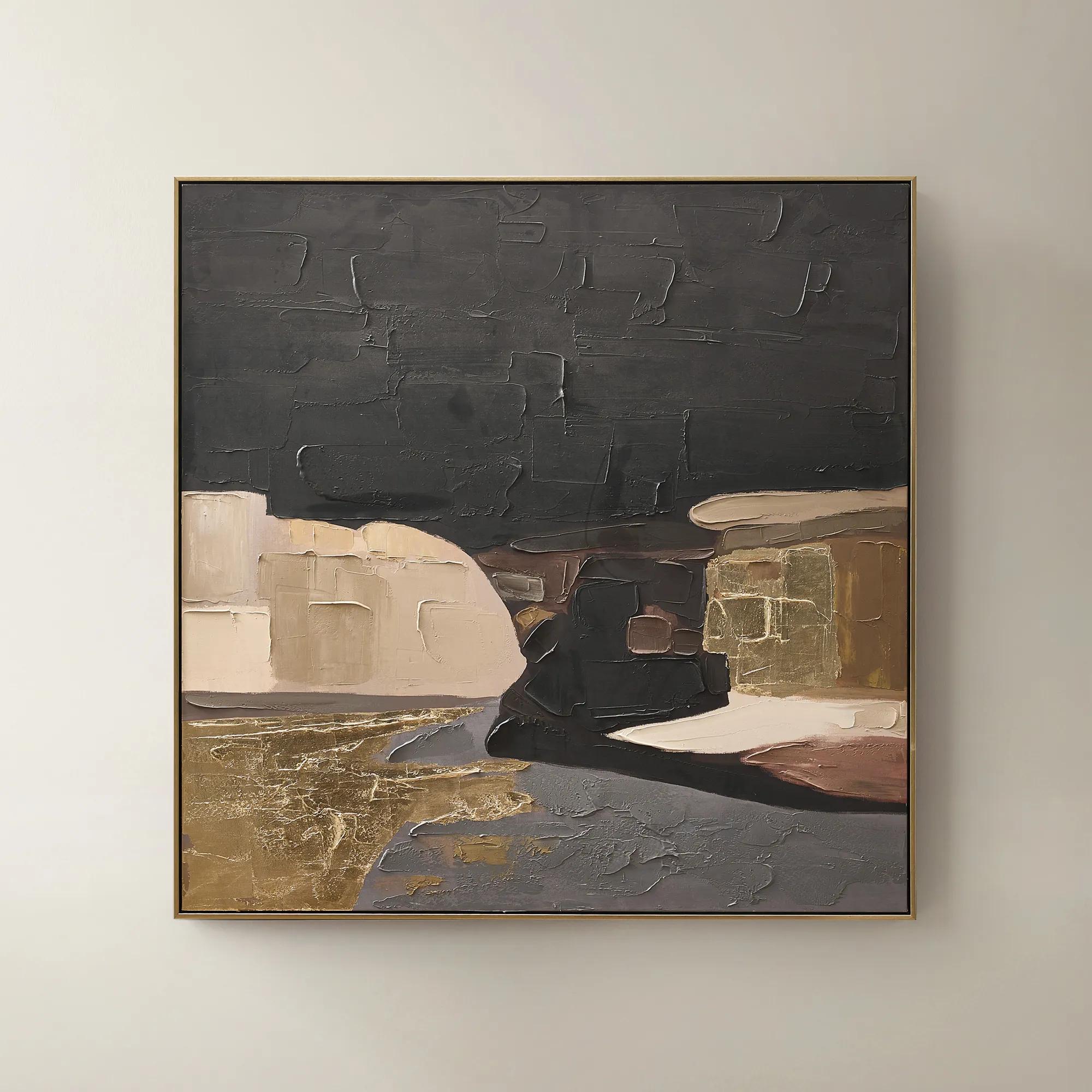
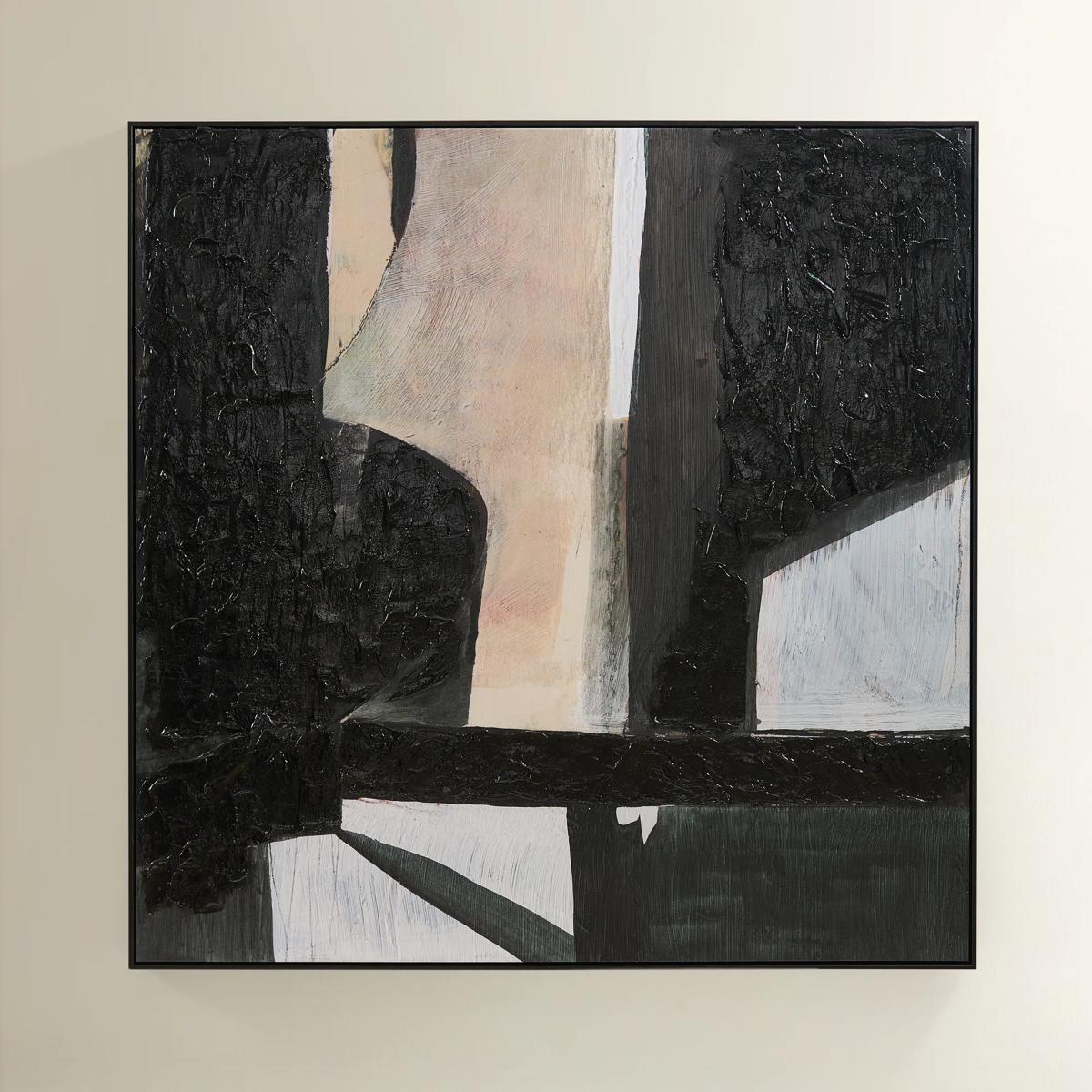 Grounded Painting$699
A hand-painted abstract canvas featuring black, cream, and earth tones in a sleek black floater frame.
Add To Cart -
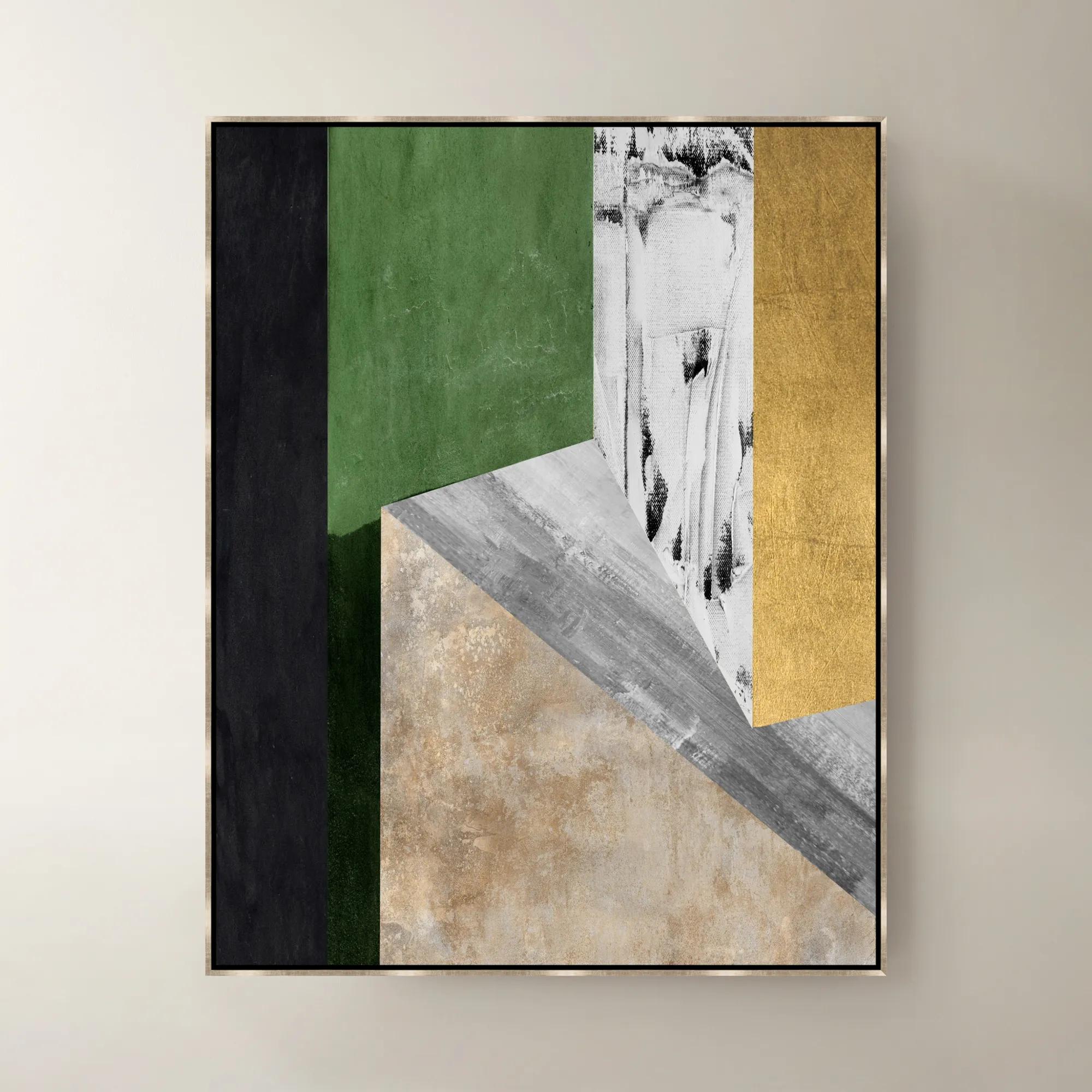
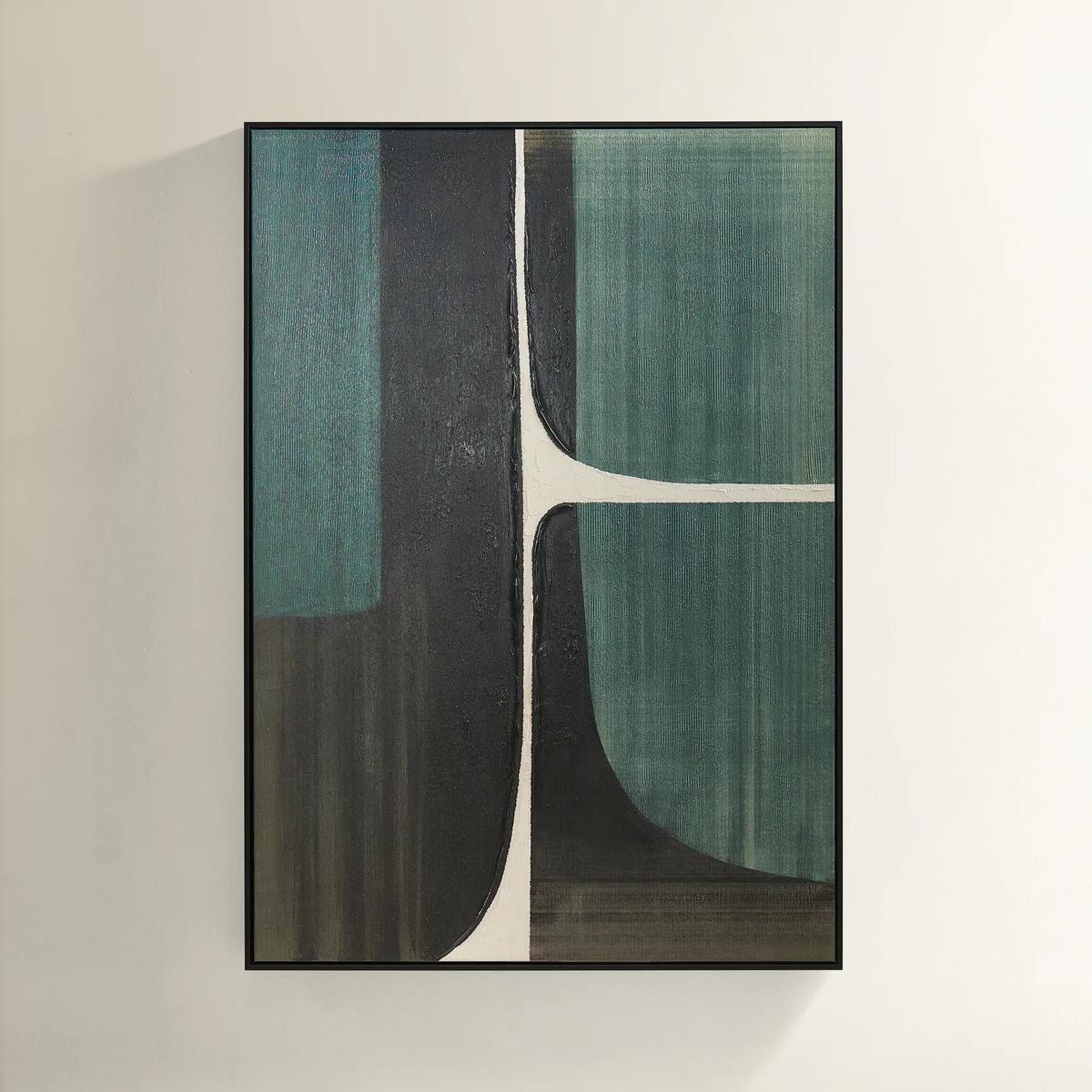
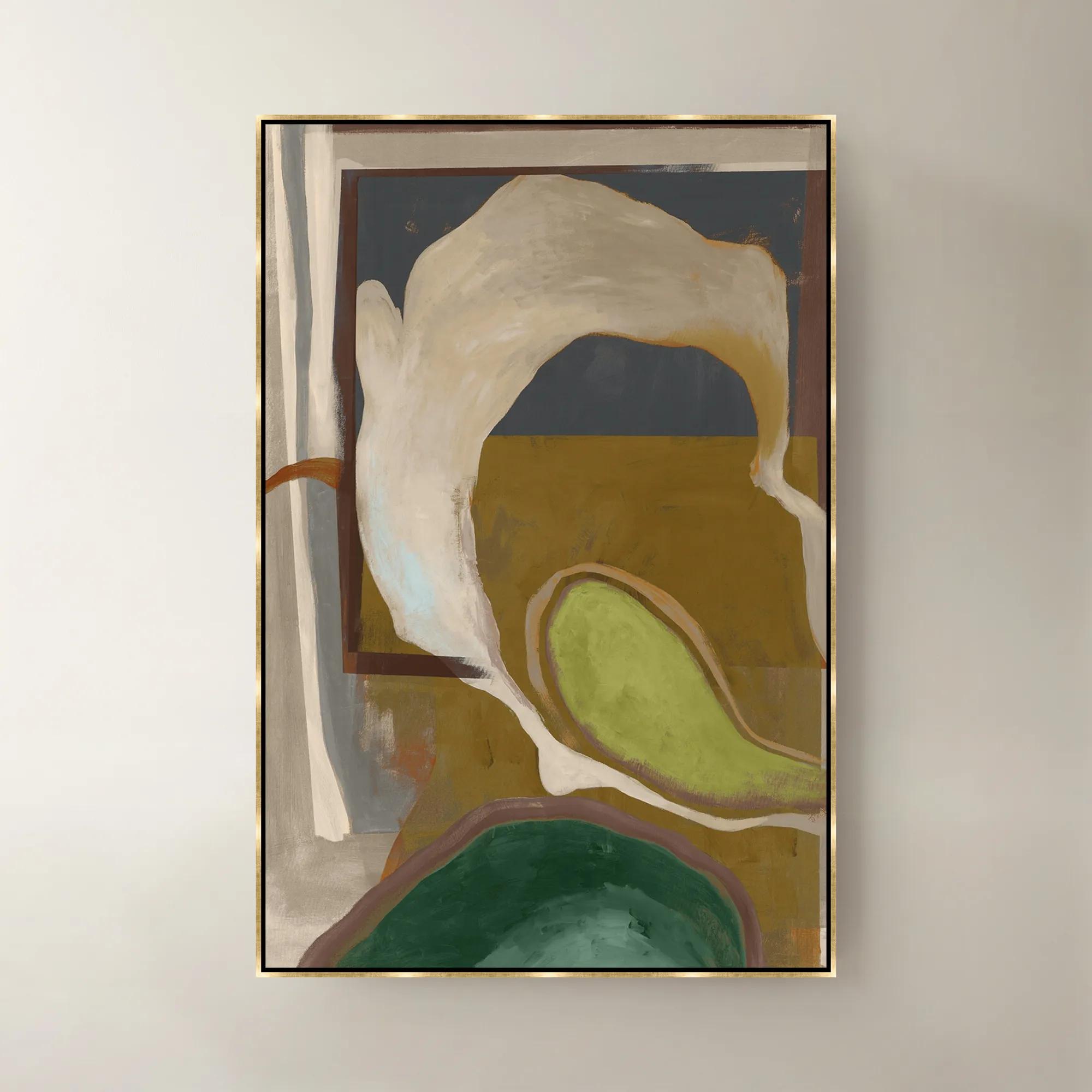
 Blocked III Framed Wall Art 42" x 50"$1199
A striking abstract art piece featuring bold geometric shapes and modern design by Nikki Chu.
Add To Cart -
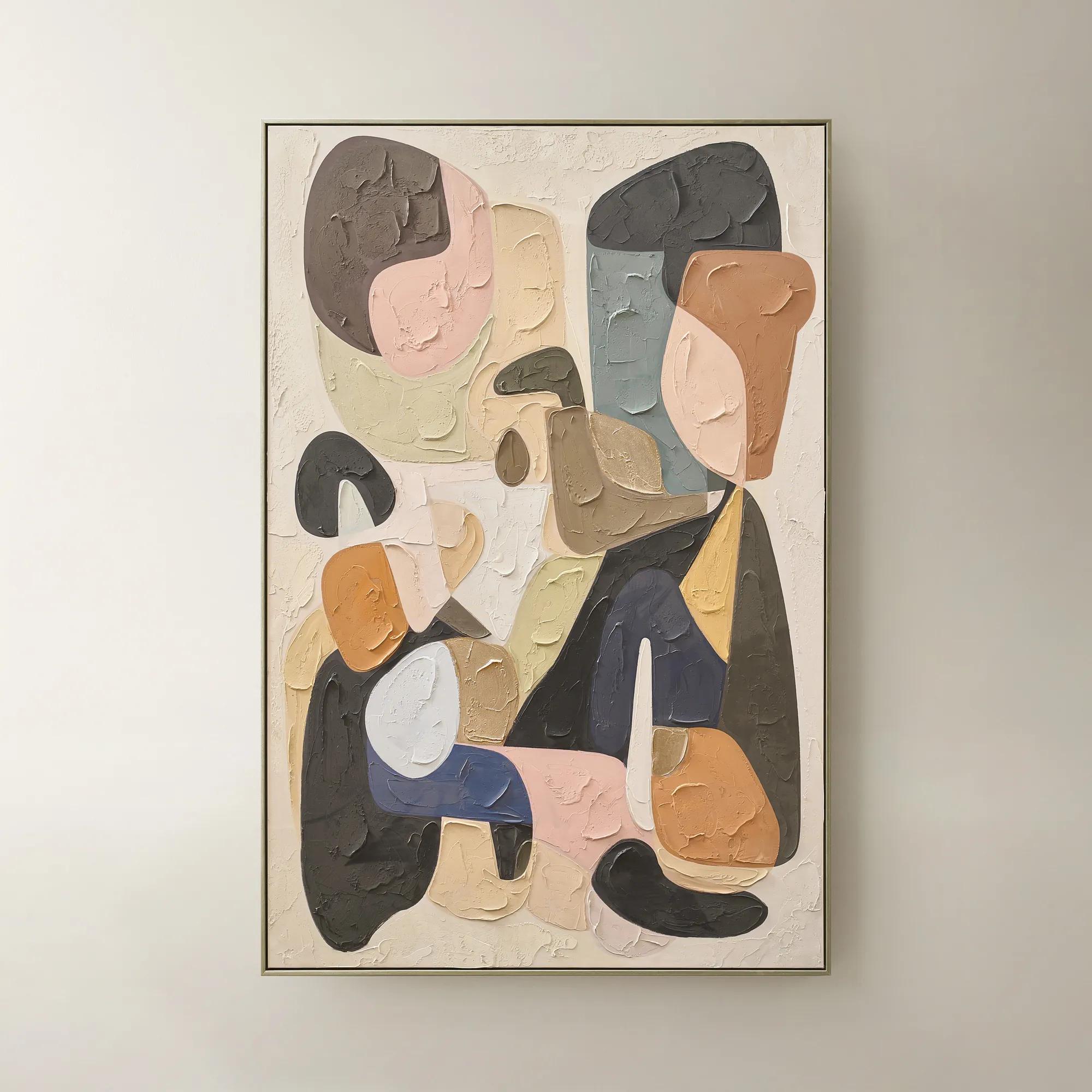
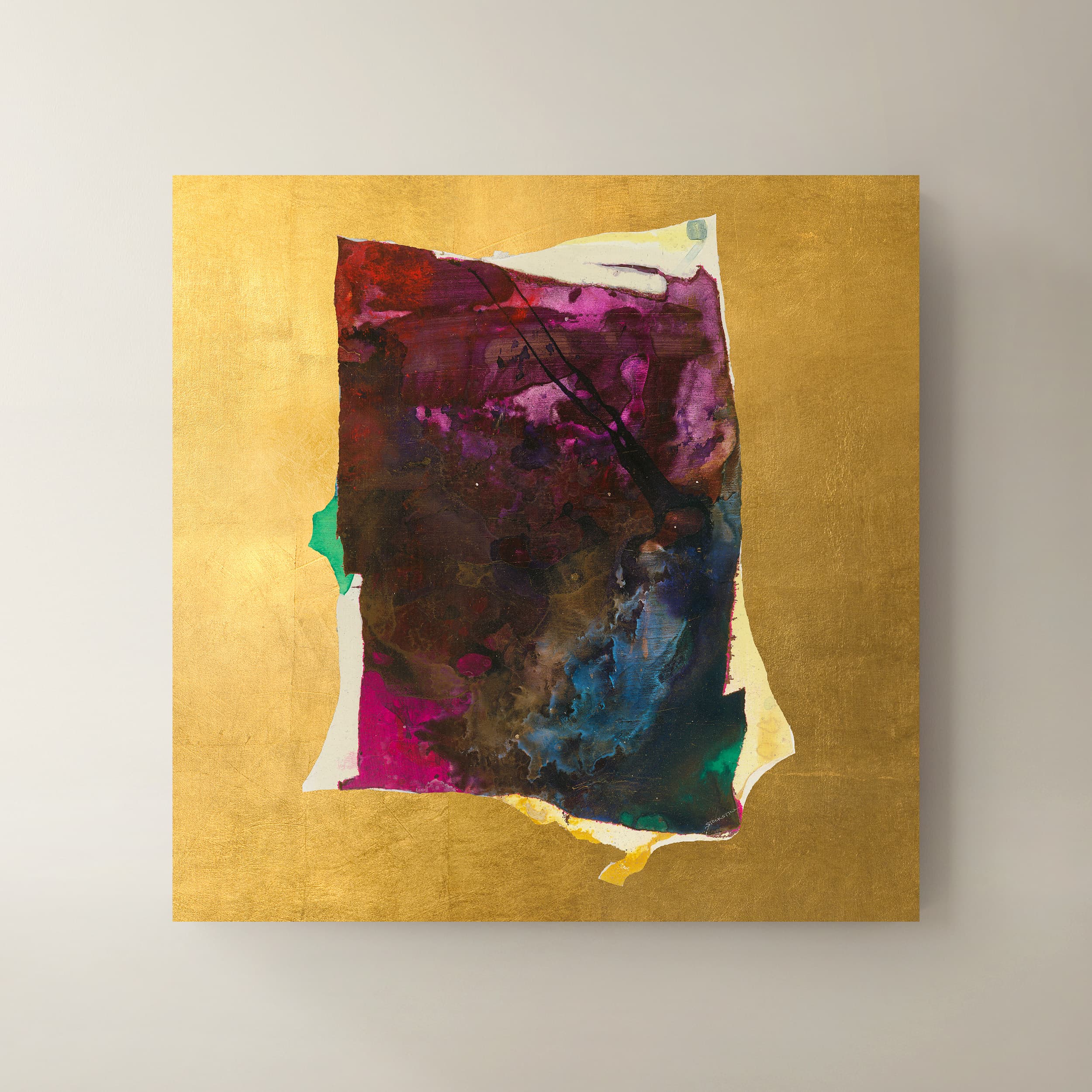 Supremo I Wall Art 40" x 40"$999
A multicolored canvas wall art piece adding contemporary visual interest to your interior.
Add To Cart -
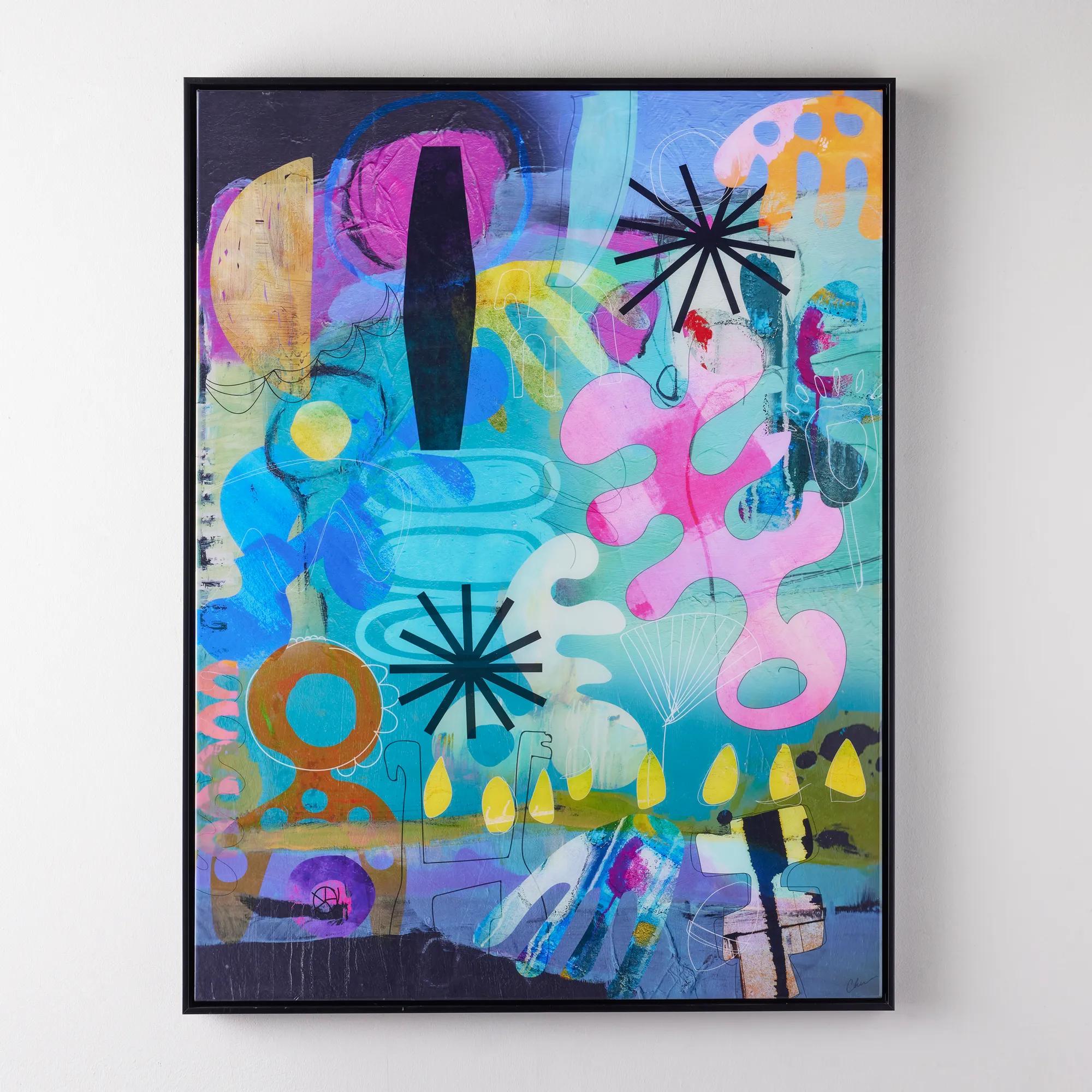
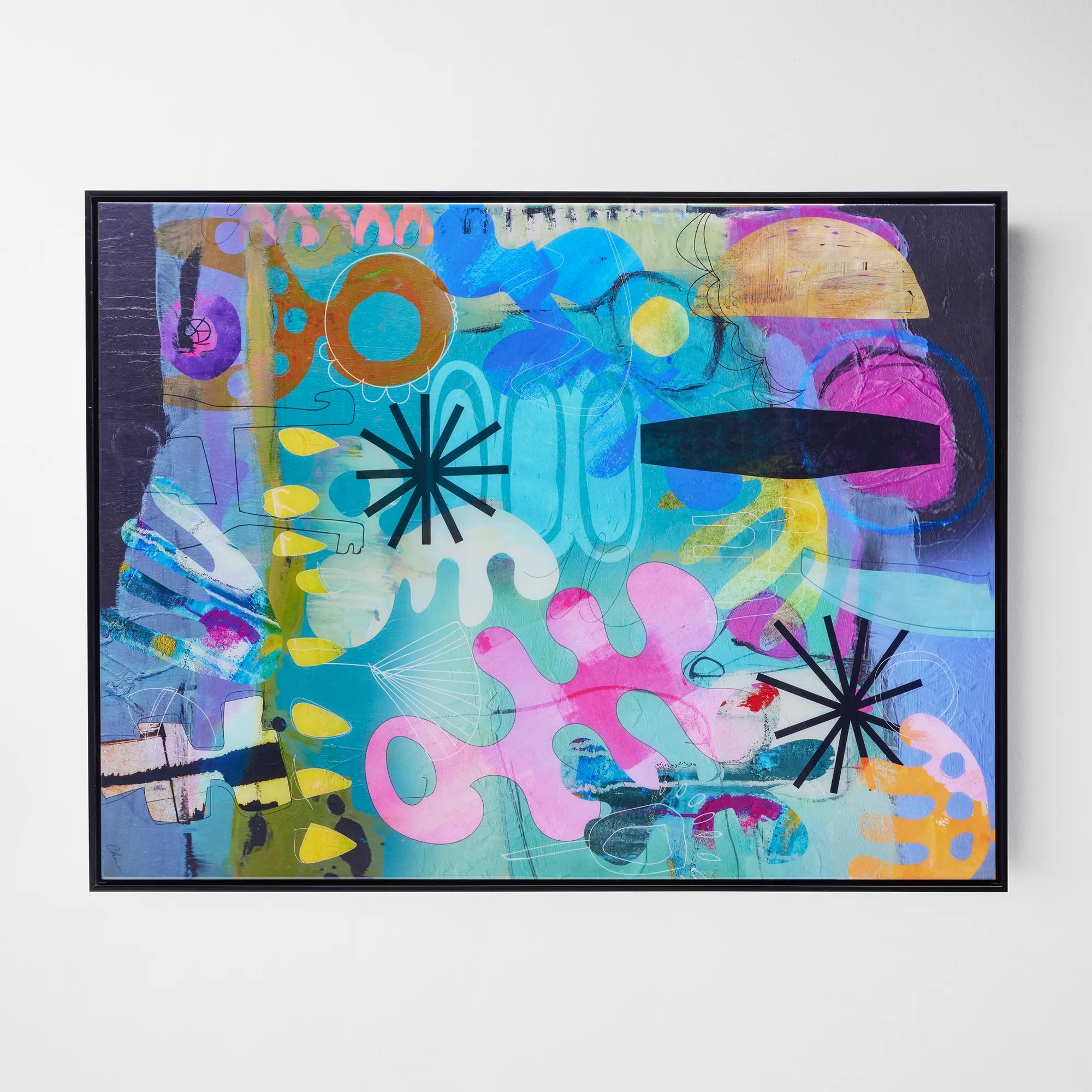 Nikki Chu Detailed Vision Framed Wall Art 54" x 41"$1099
A vibrant, high-gloss artwork with a black frame, designed to hang vertically or horizontally.
Add To Cart -
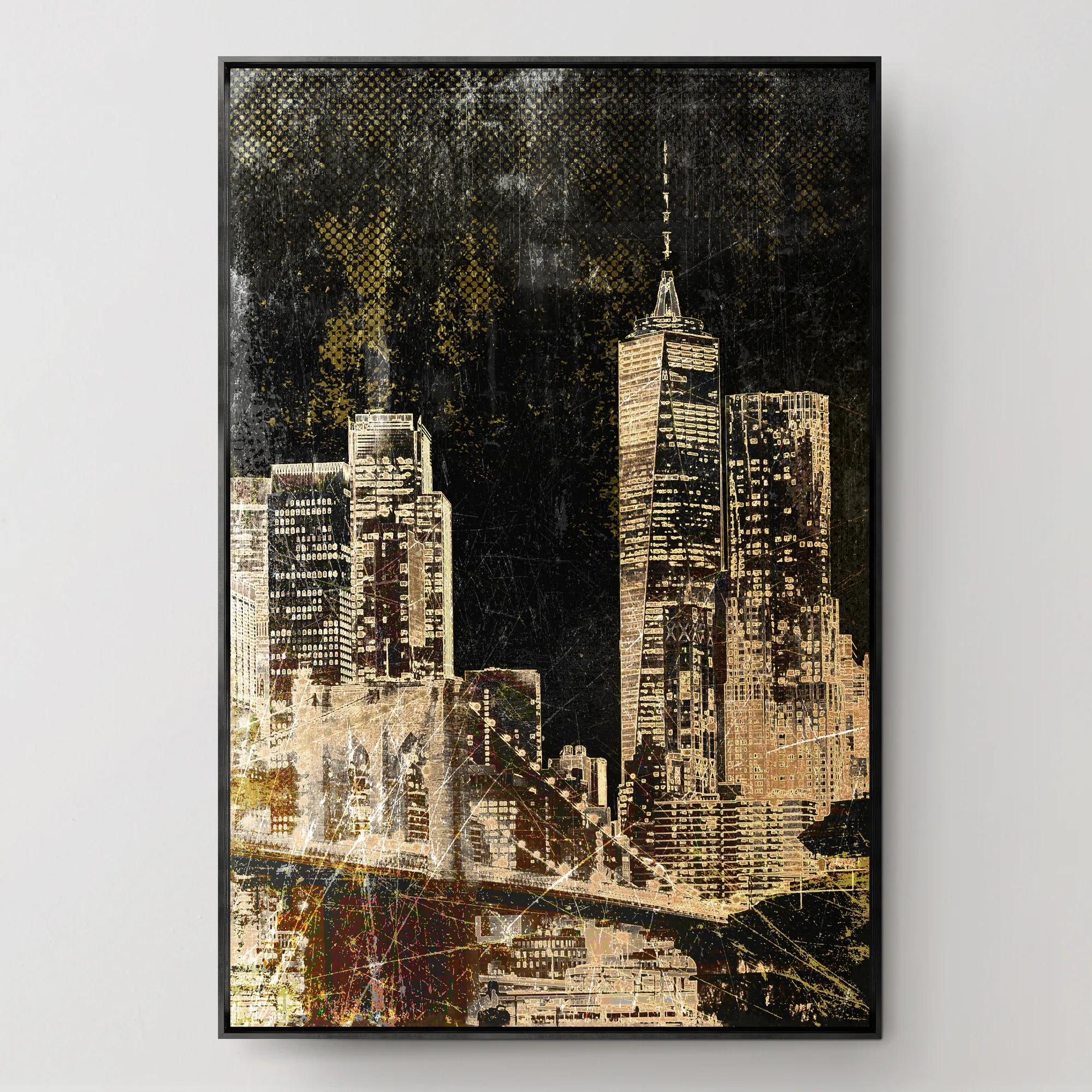
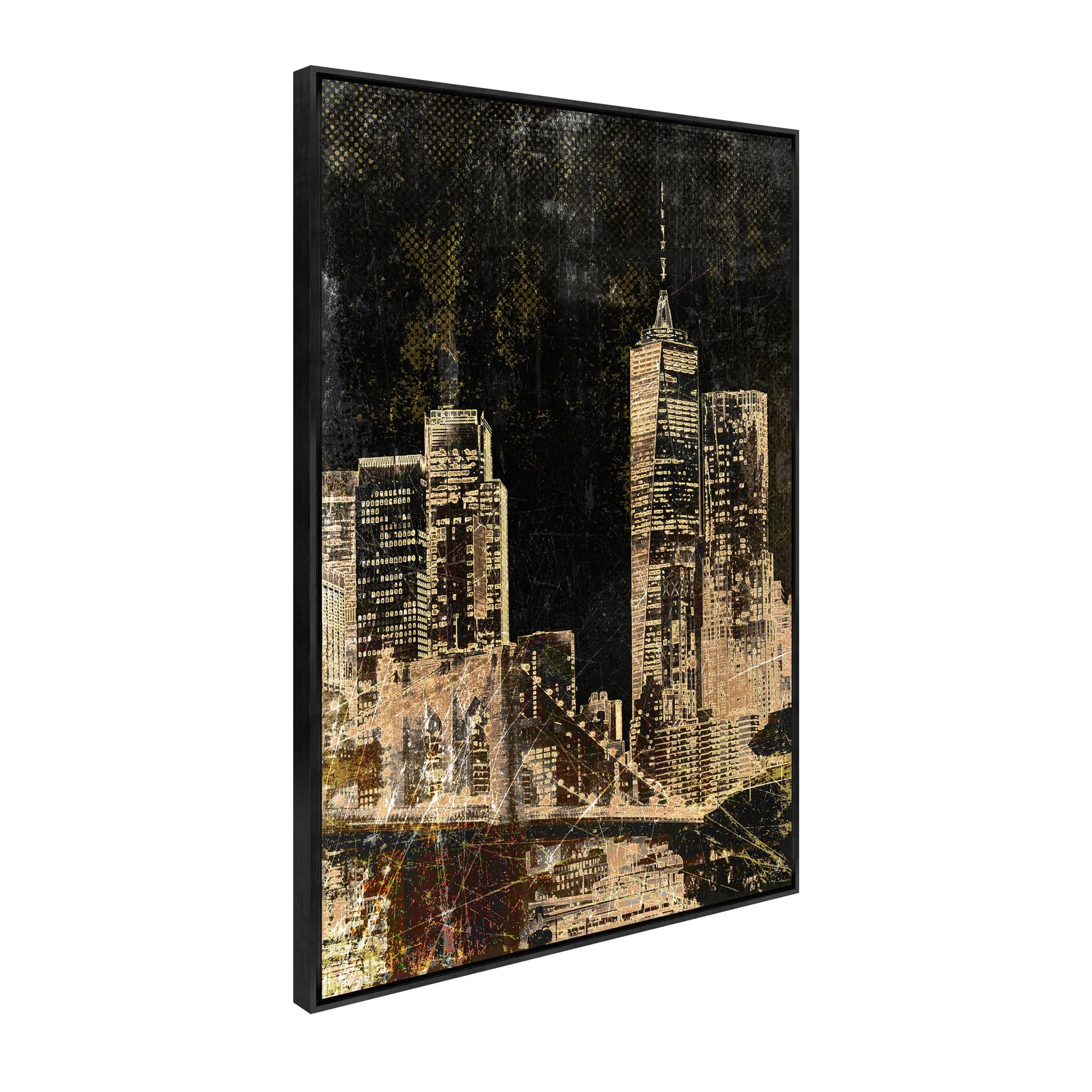 New York Lights Framed Wall Art 30" x 45"$649
A gallery-wrapped canvas artwork featuring a hand-applied gel finish and sleek black floater frame.
Add To Cart -
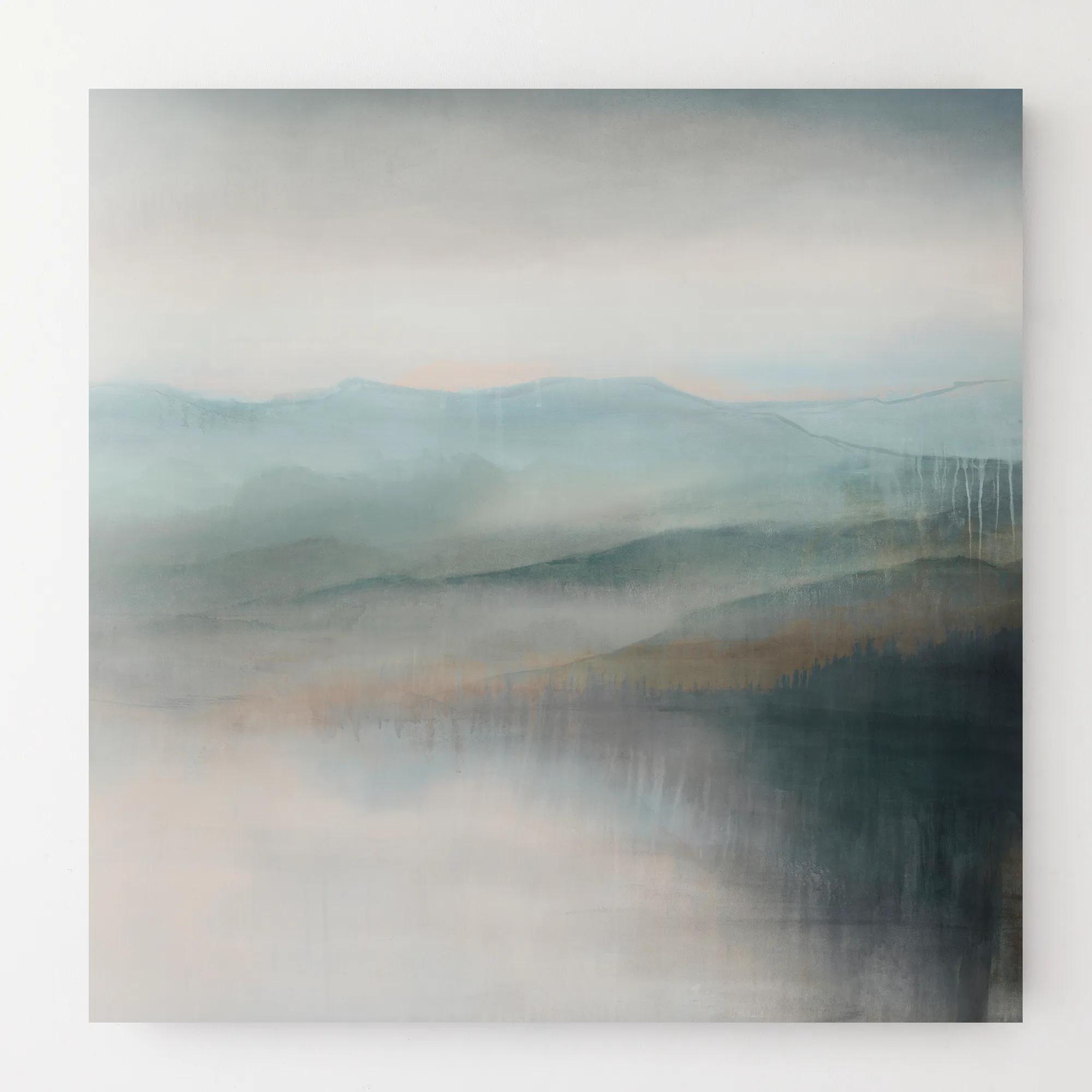
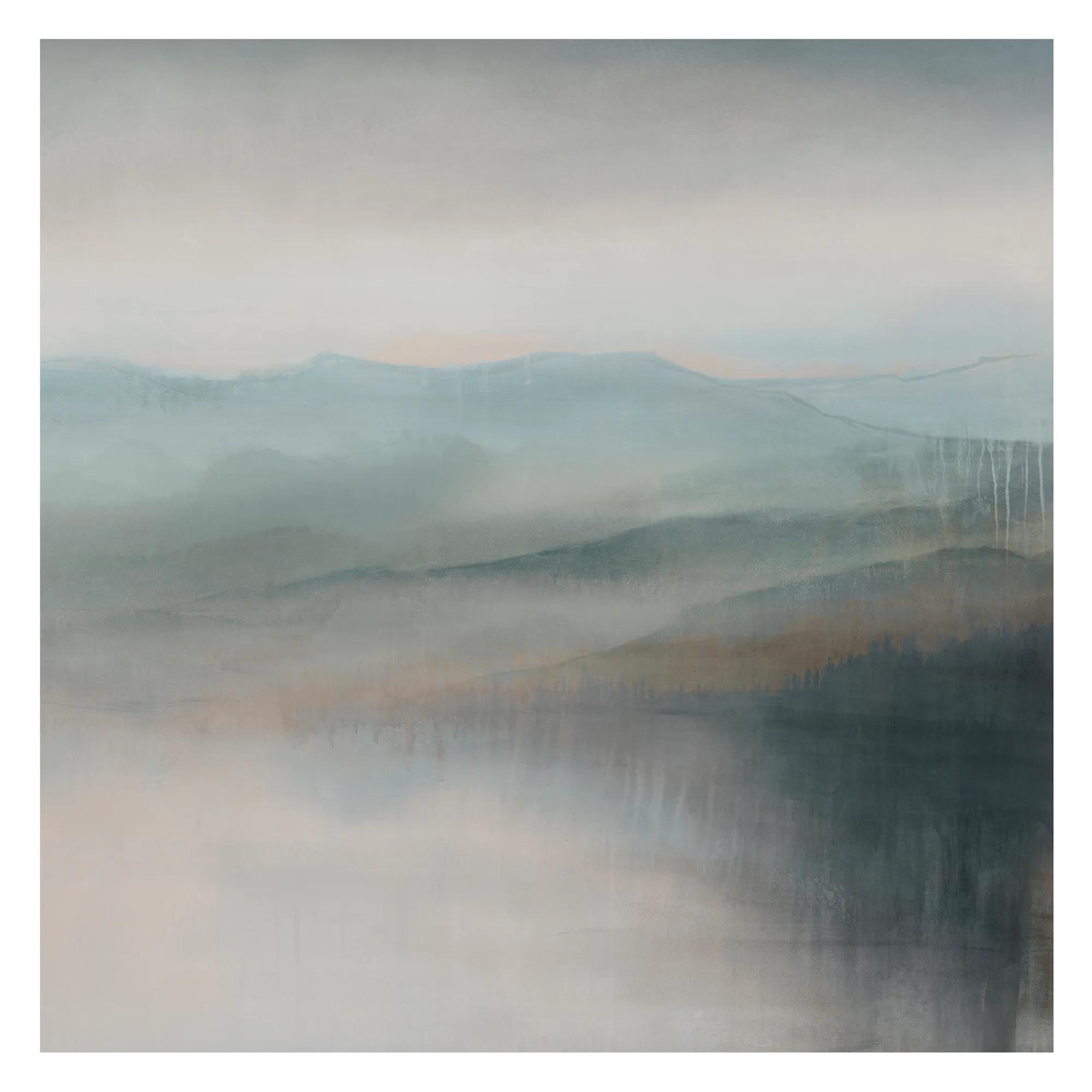 Morning Lift Wall Art 30" x 30"$399
A gallery-wrapped canvas artwork featuring a hand-applied image brush gel finish for added texture and depth.
Add To Cart -
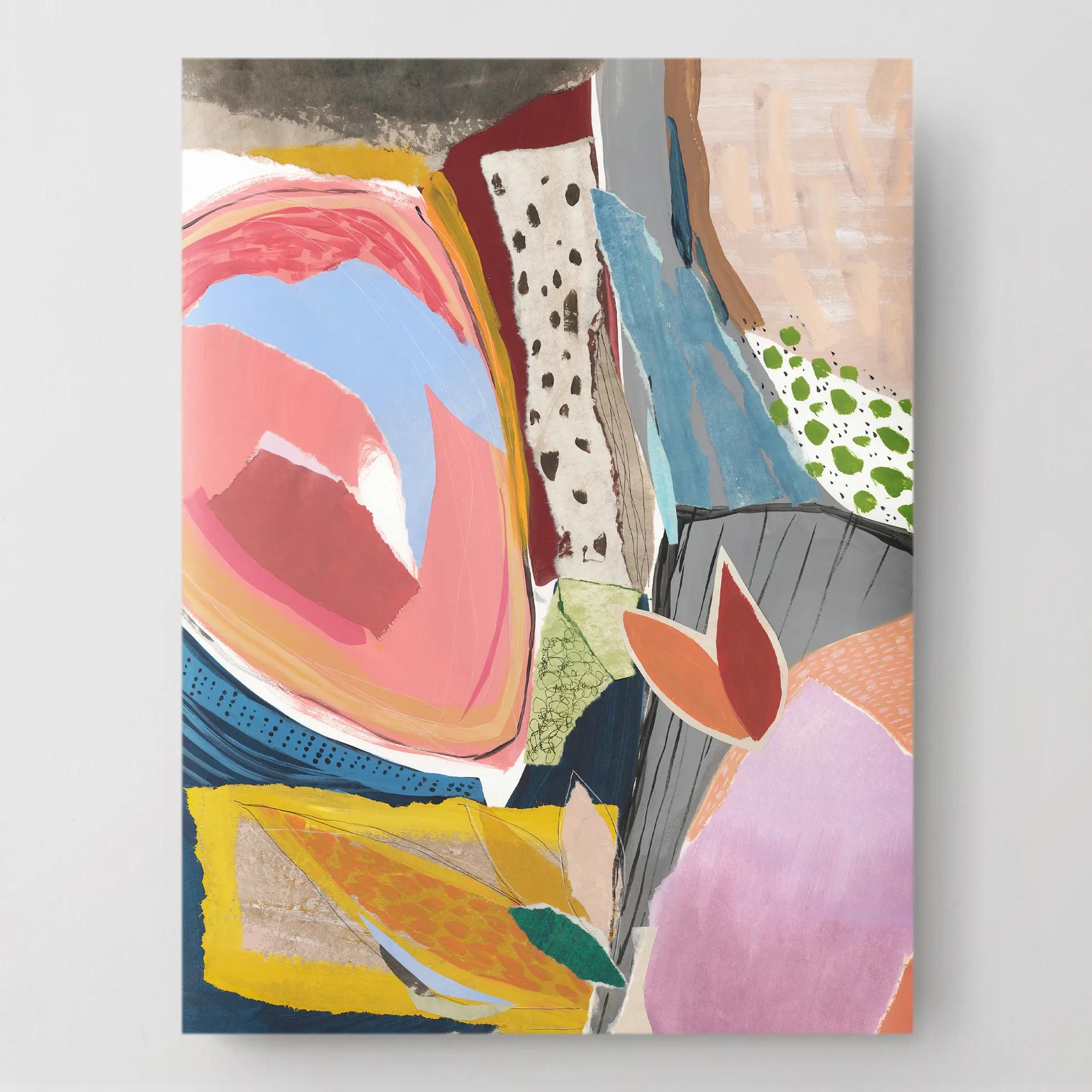
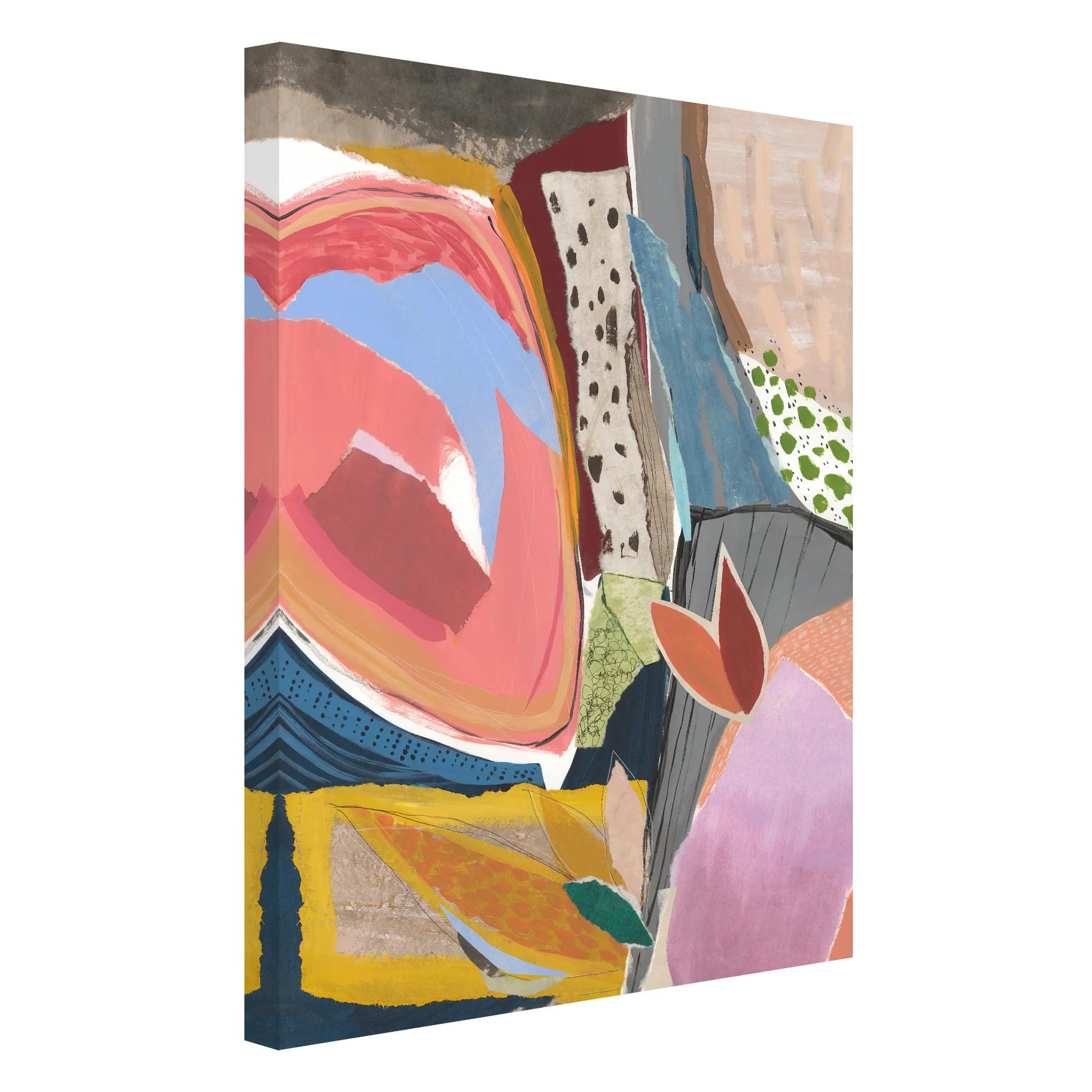 Sunday Vibes 1 Wall Art 30" x 40"$449
A gallery-wrapped canvas artwork featuring a hand-applied image brush gel finish for a textured look.
Add To Cart -
 World At Night Framed Wall Art 40" x 50"$899
A gallery-wrapped canvas artwork featuring a hand-applied gel finish and set in a sleek black frame.
Add To Cart -
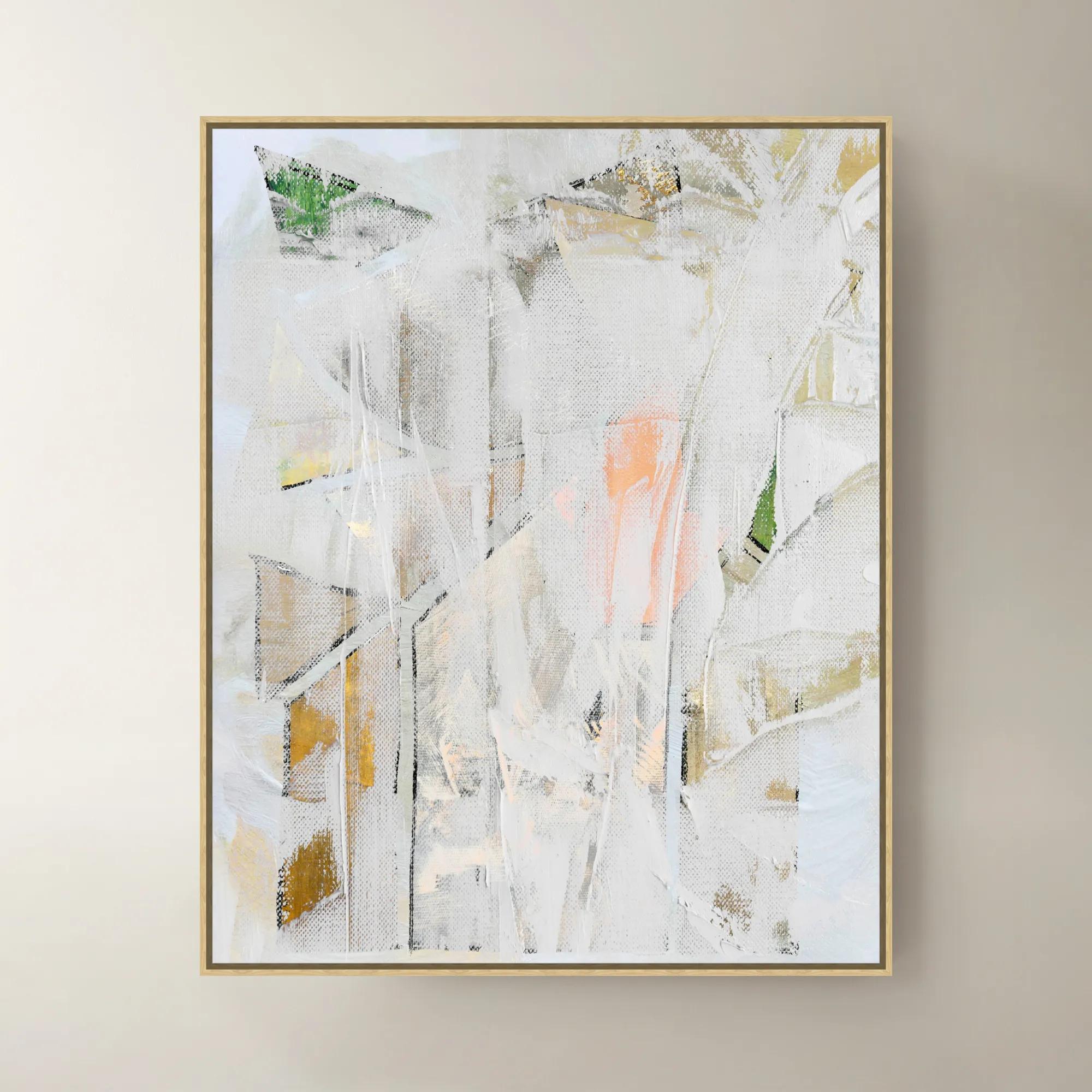
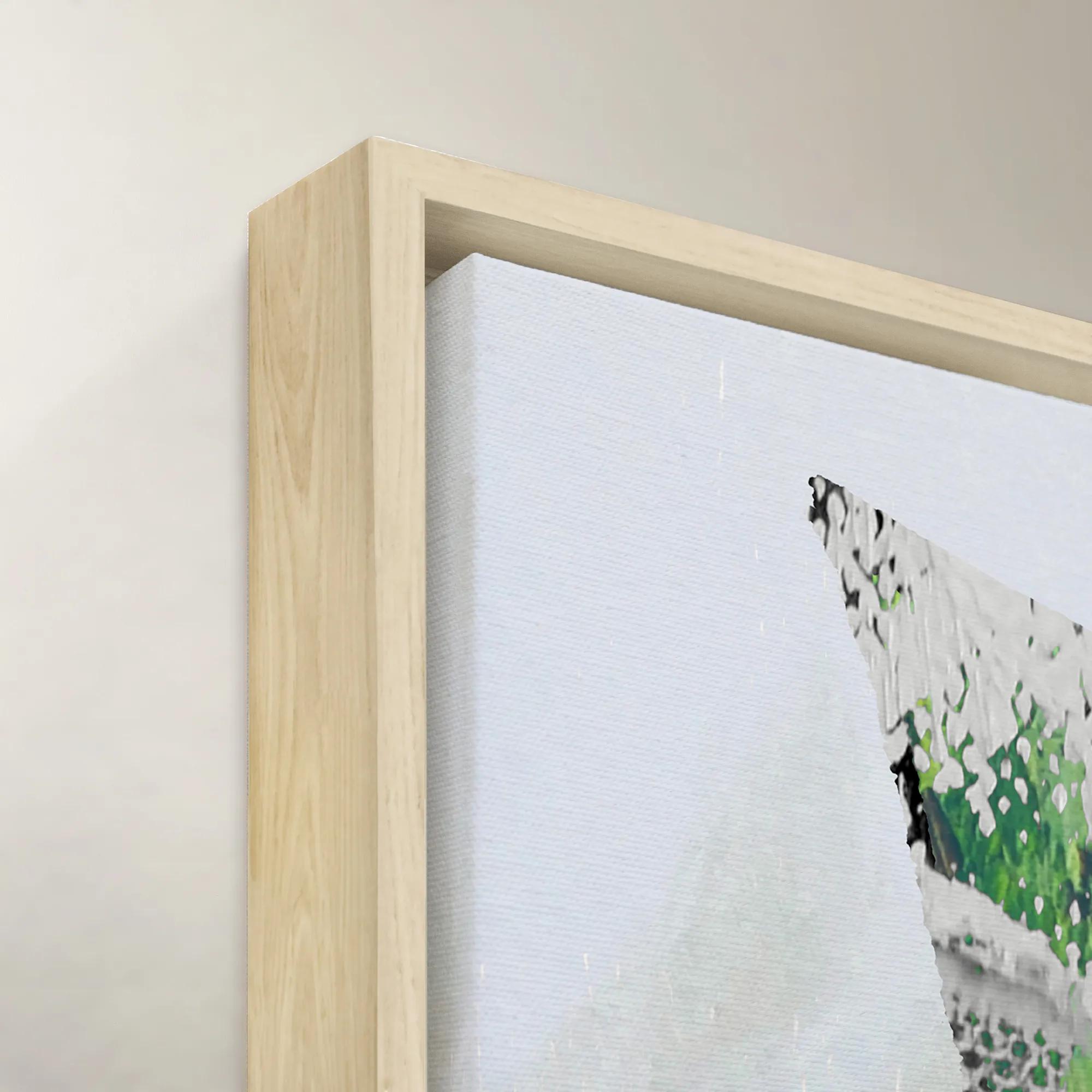 Builder Framed Wall Art 40" x 40"$1199
An inspiring art piece by Nikki Chu, blending modern design with her signature creative flair.
Add To Cart -
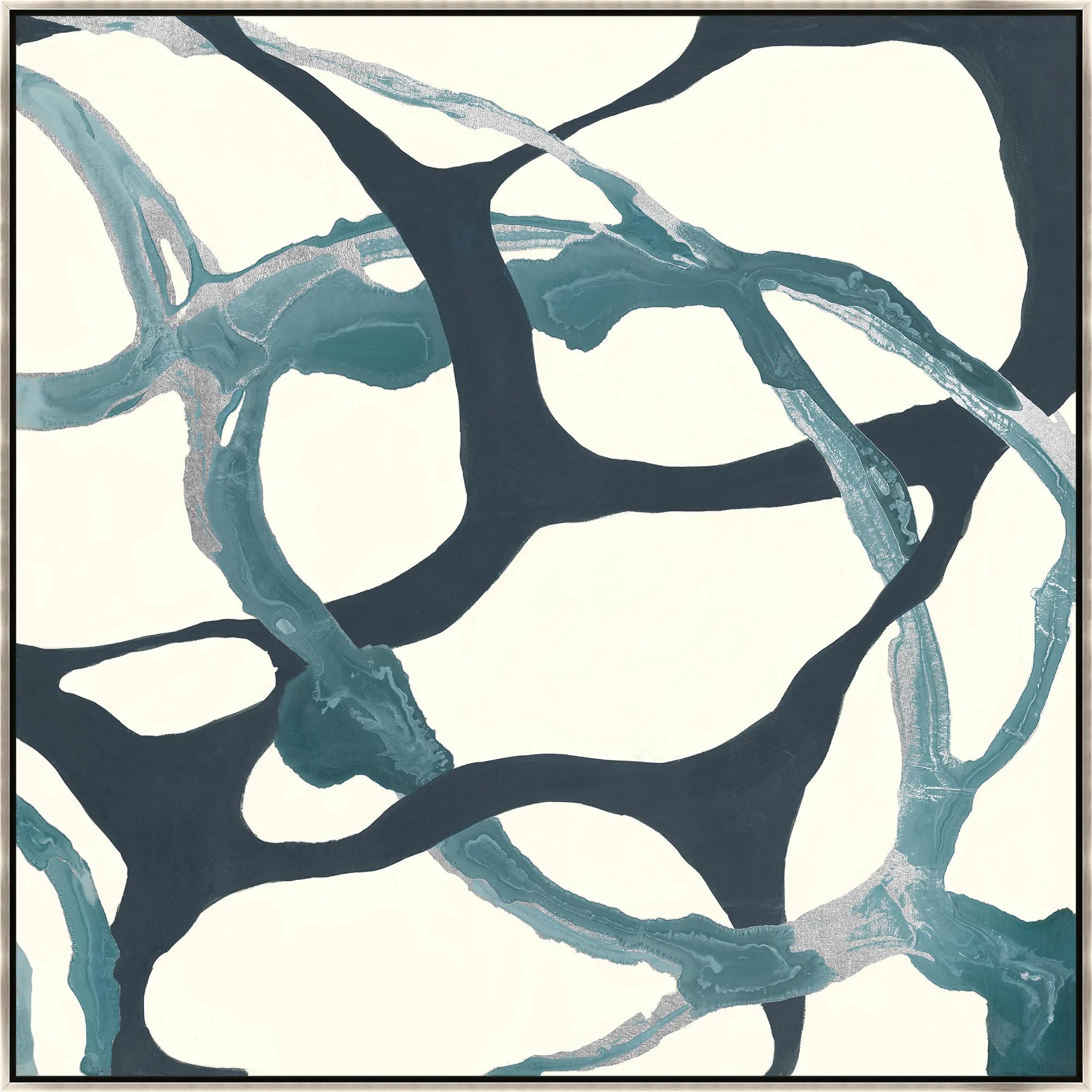
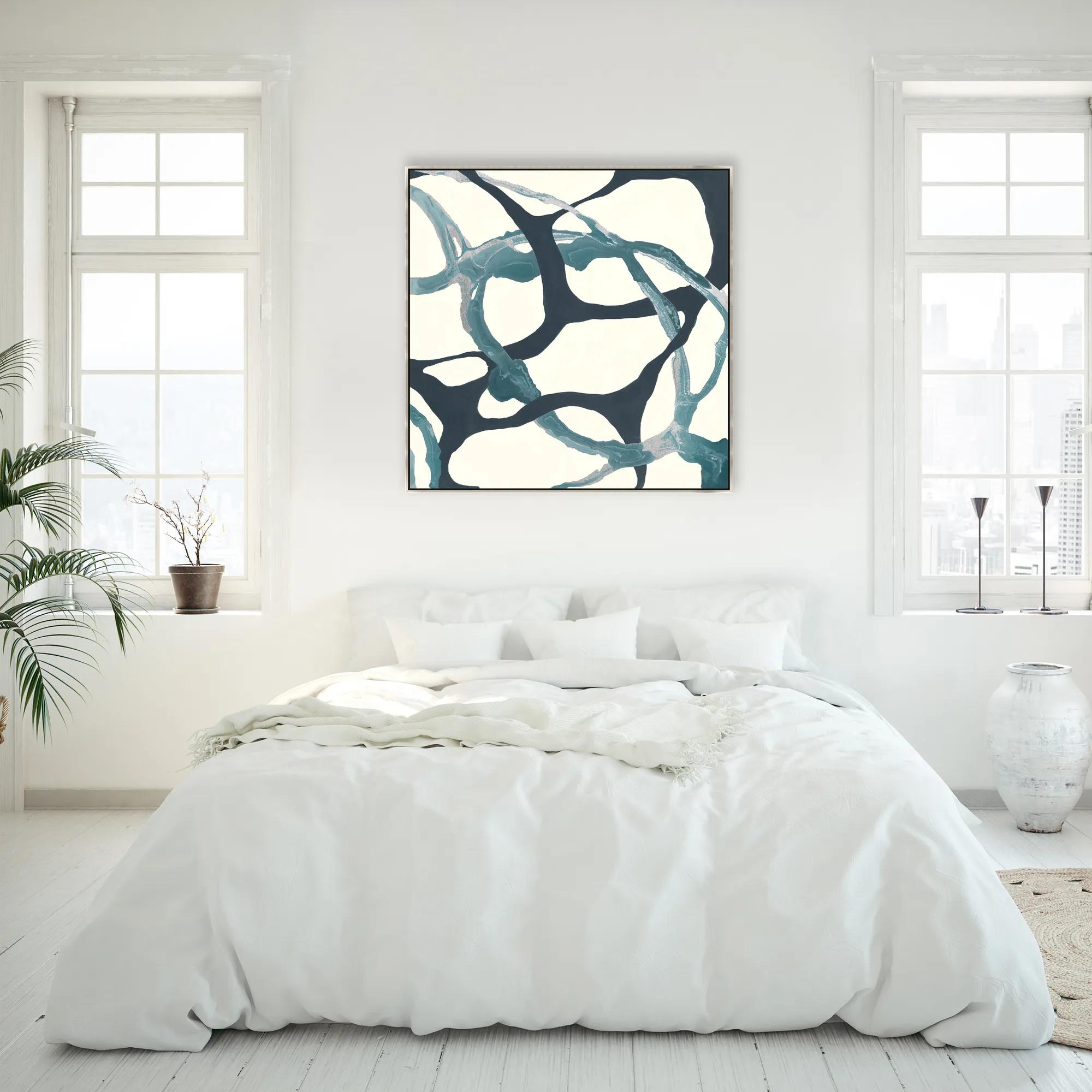 Alignments II Framed Wall Art 40" x 40"$899
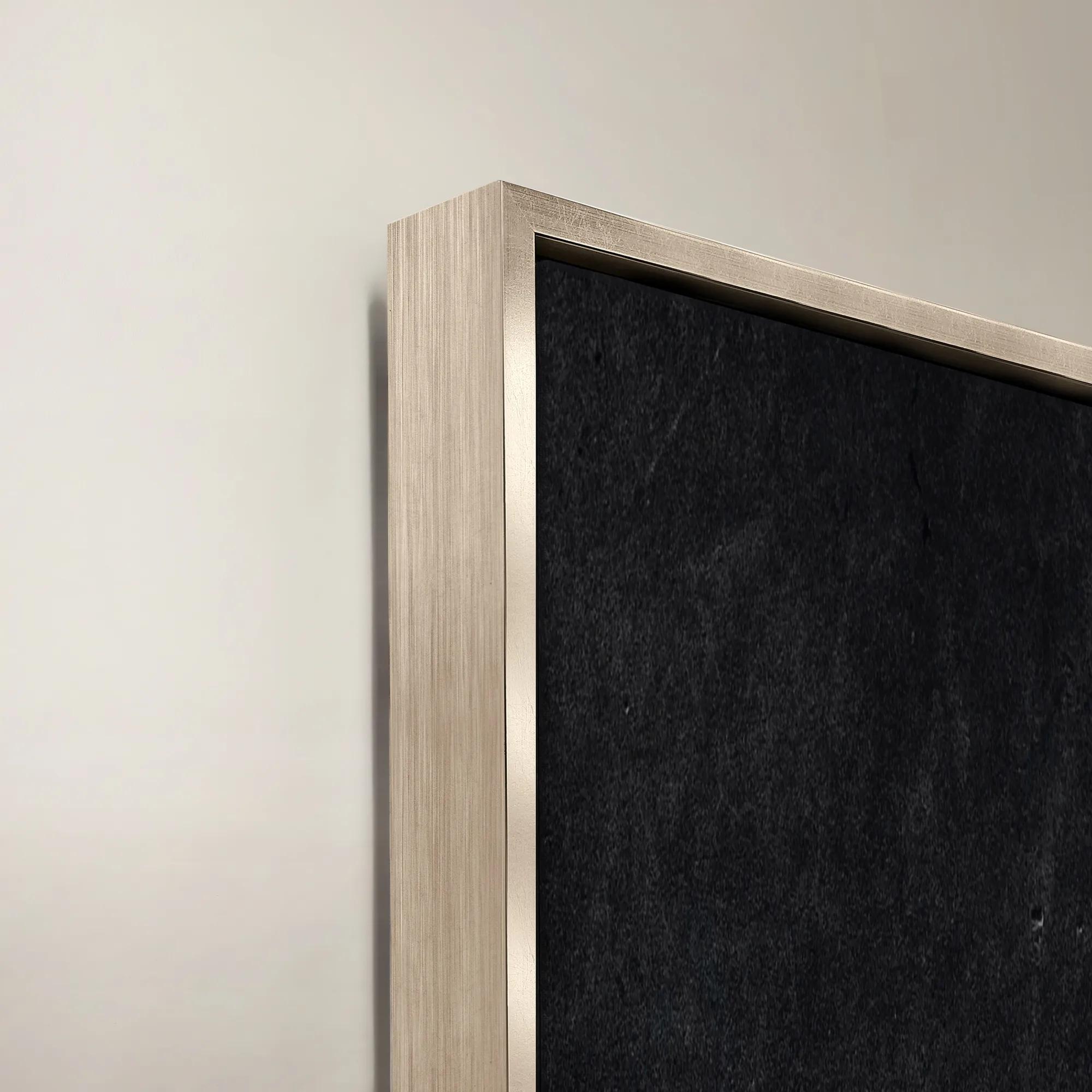
A gallery-wrapped canvas featuring gilded silver accents and hand-applied brush gel in a silver floater frame.
Add To Cart -
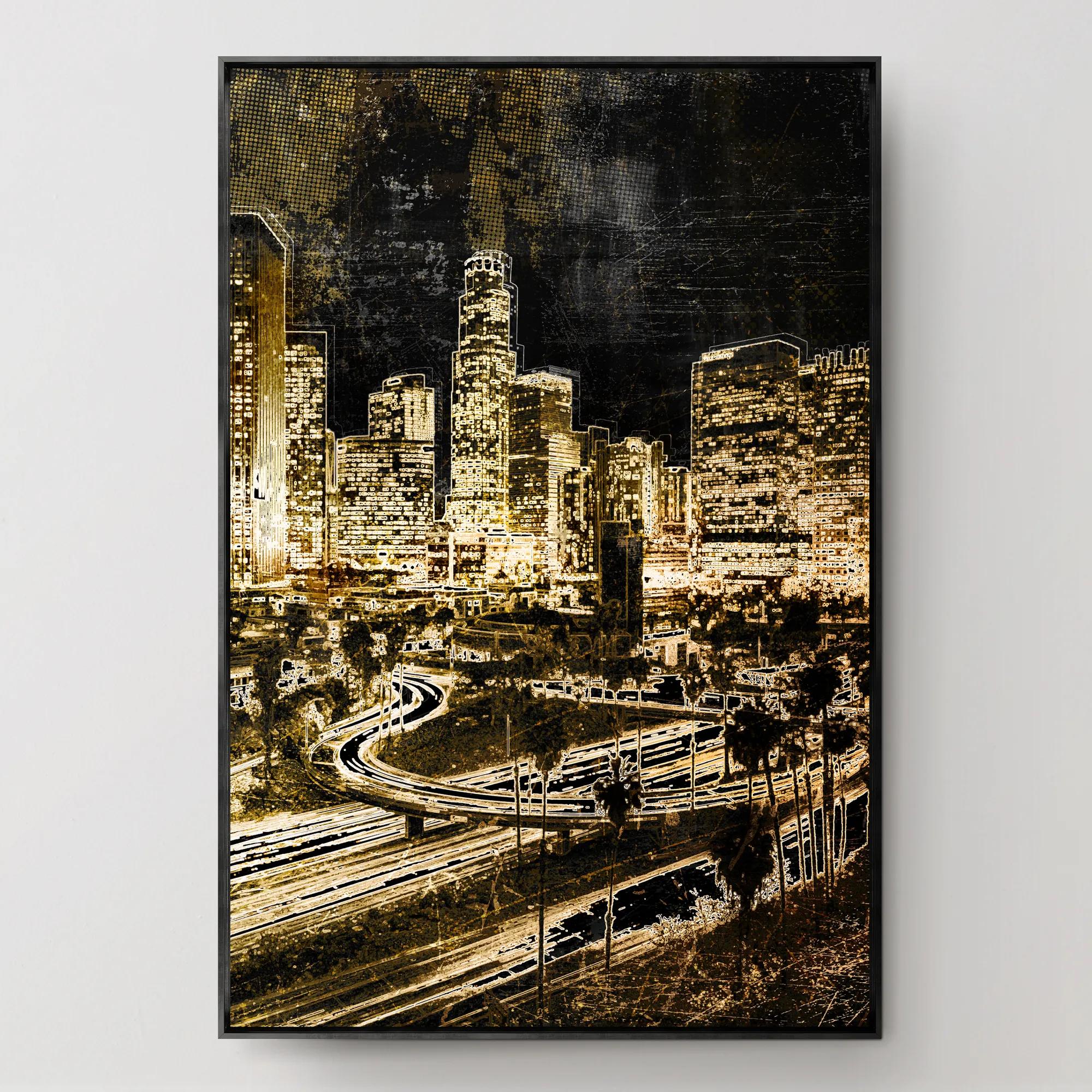 LA Lights Framed Wall Art 30" x 45"$649
A gallery-wrapped canvas artwork featuring a hand-applied brush gel finish in a sleek black floater frame.
Add To Cart -
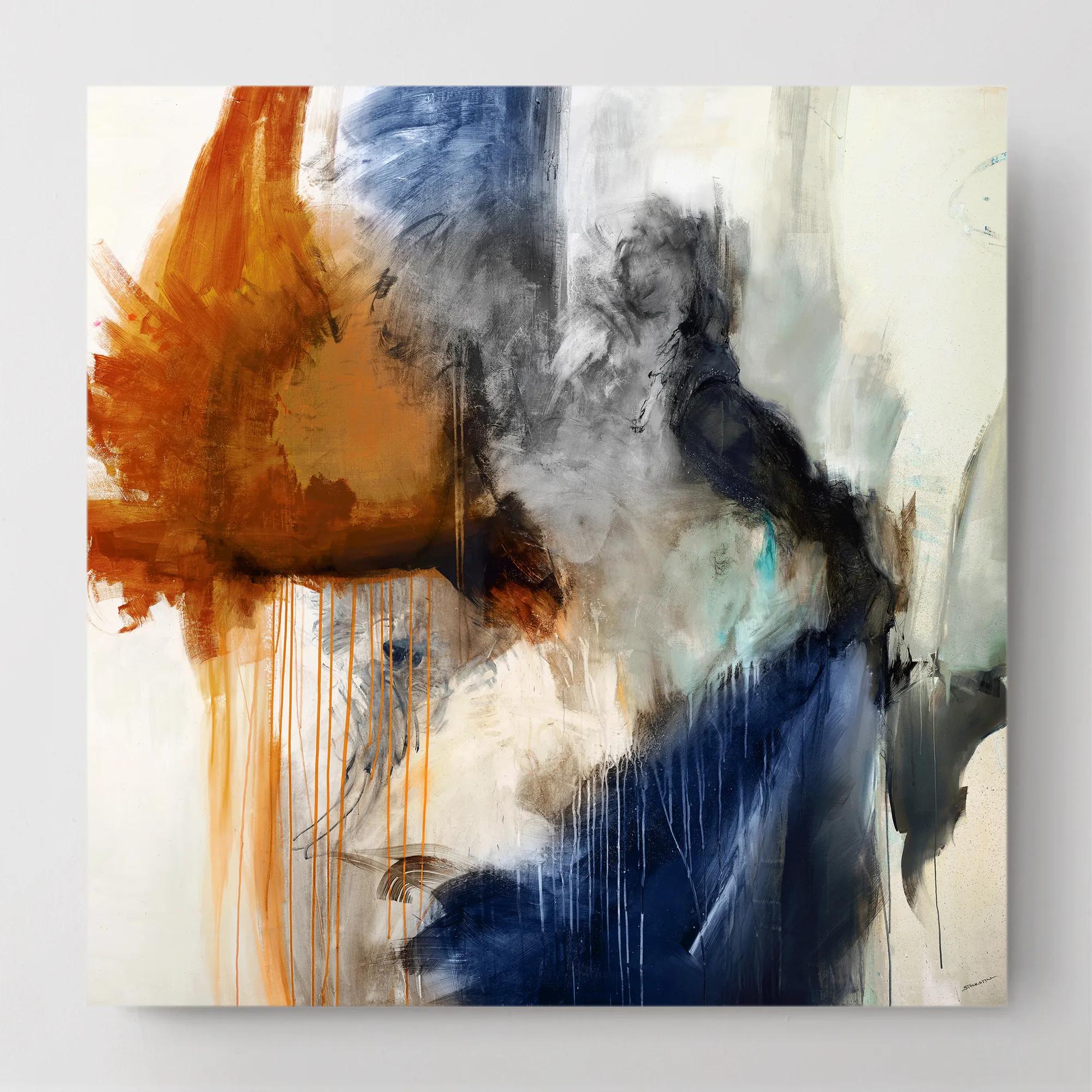
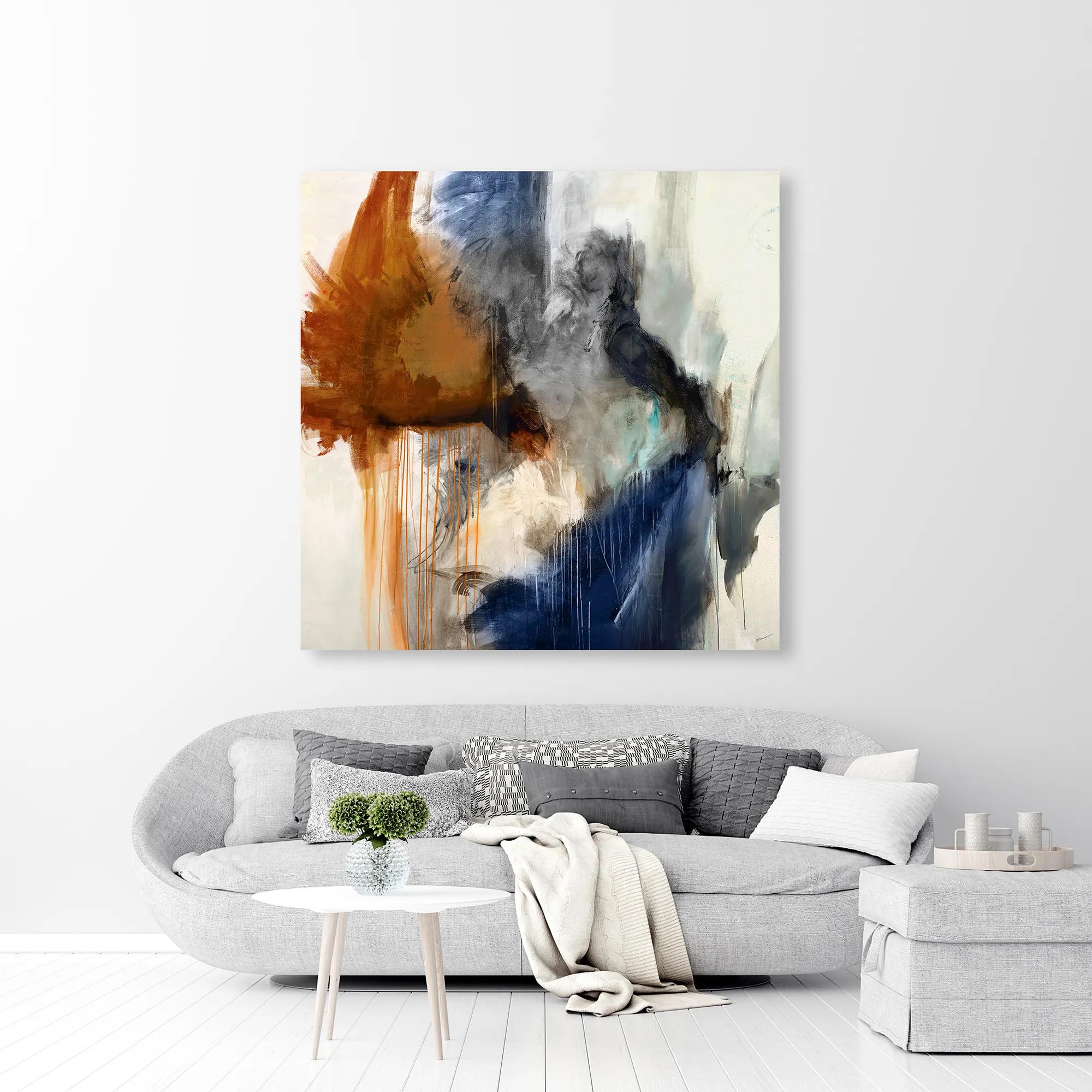 Swoon 6 Wall Art 54" x 54"$899
A gallery-wrapped canvas featuring a hand-applied image brush gel finish for a textured, artistic look.
Add To Cart -
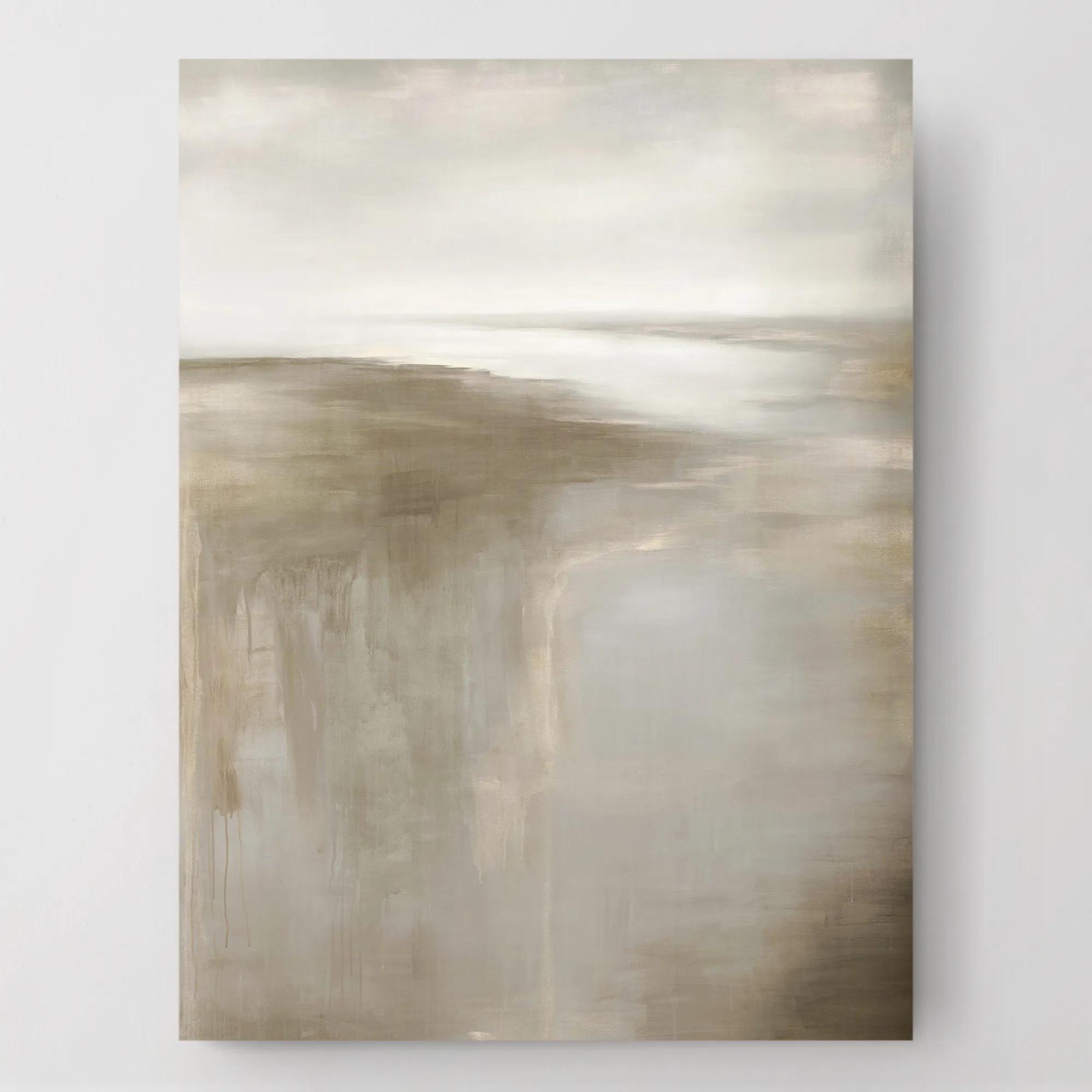
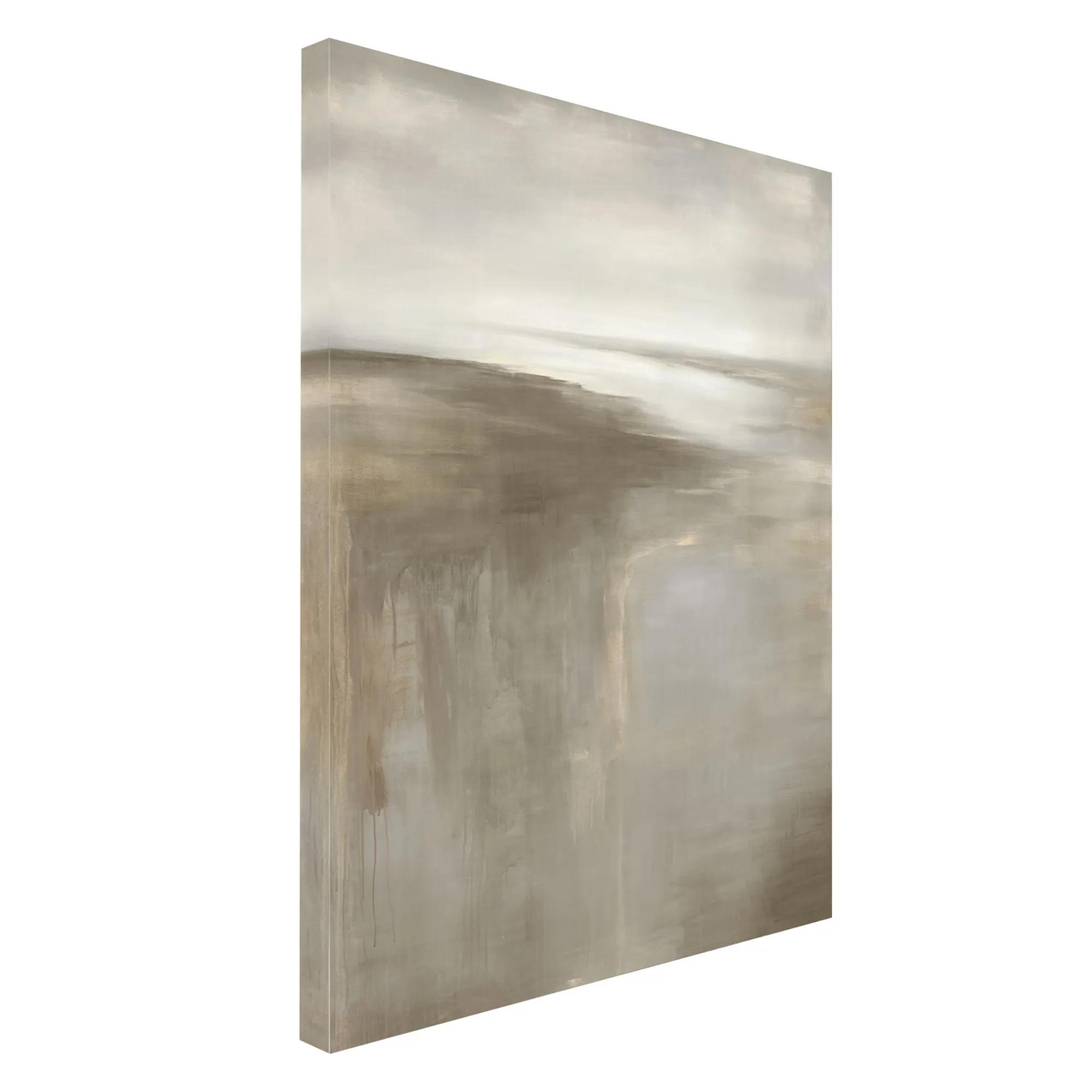 Silver Morning Wall Art 30" x 40"$449
A gallery-wrapped silver canvas artwork featuring a hand-applied image brush gel finish.
Add To Cart -

 Twin Abstract 1 Framed Wall Art 30" x 45"$699
A captivating abstract canvas artwork featuring layered blue and purple tones in a sophisticated framed presentation.
Add To Cart -
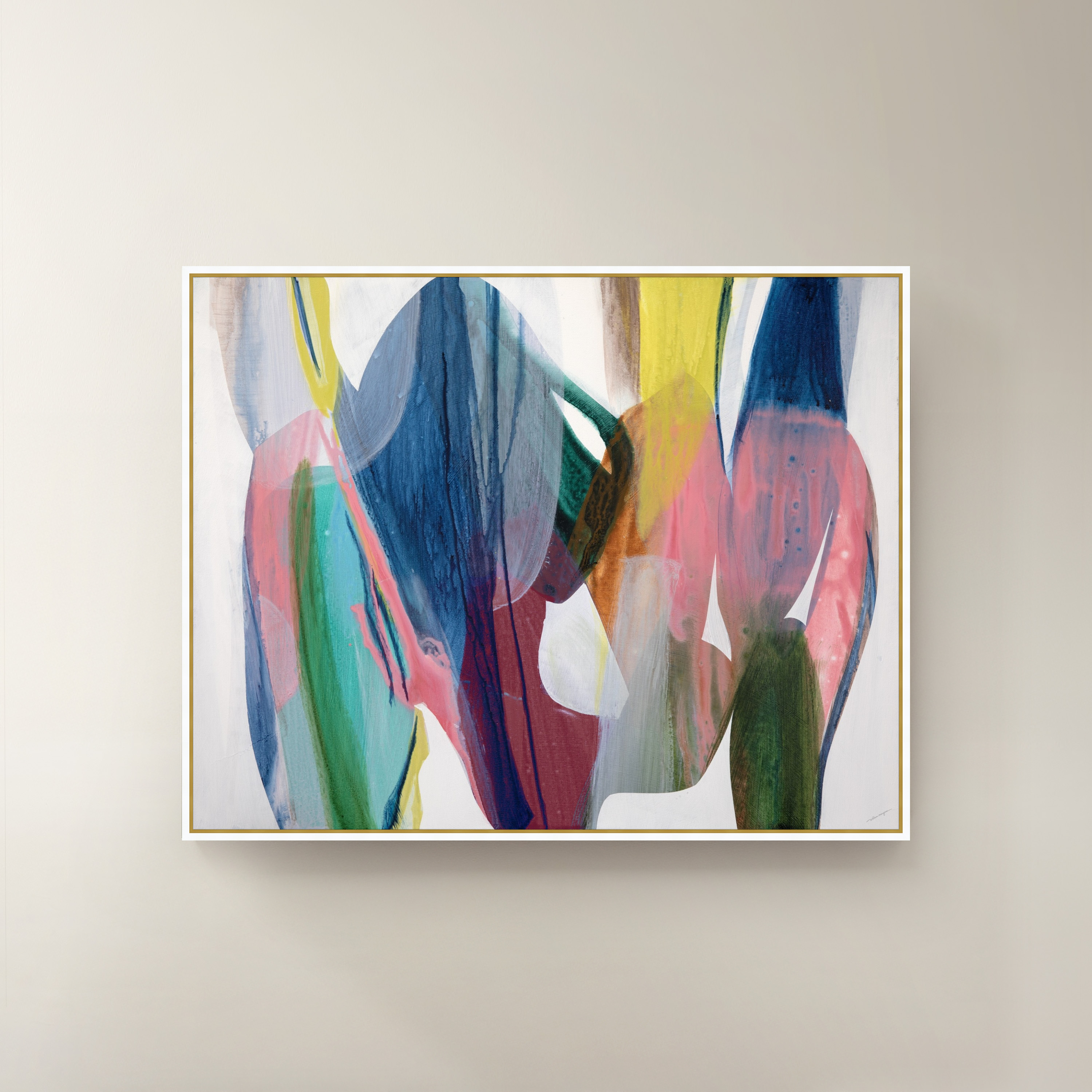
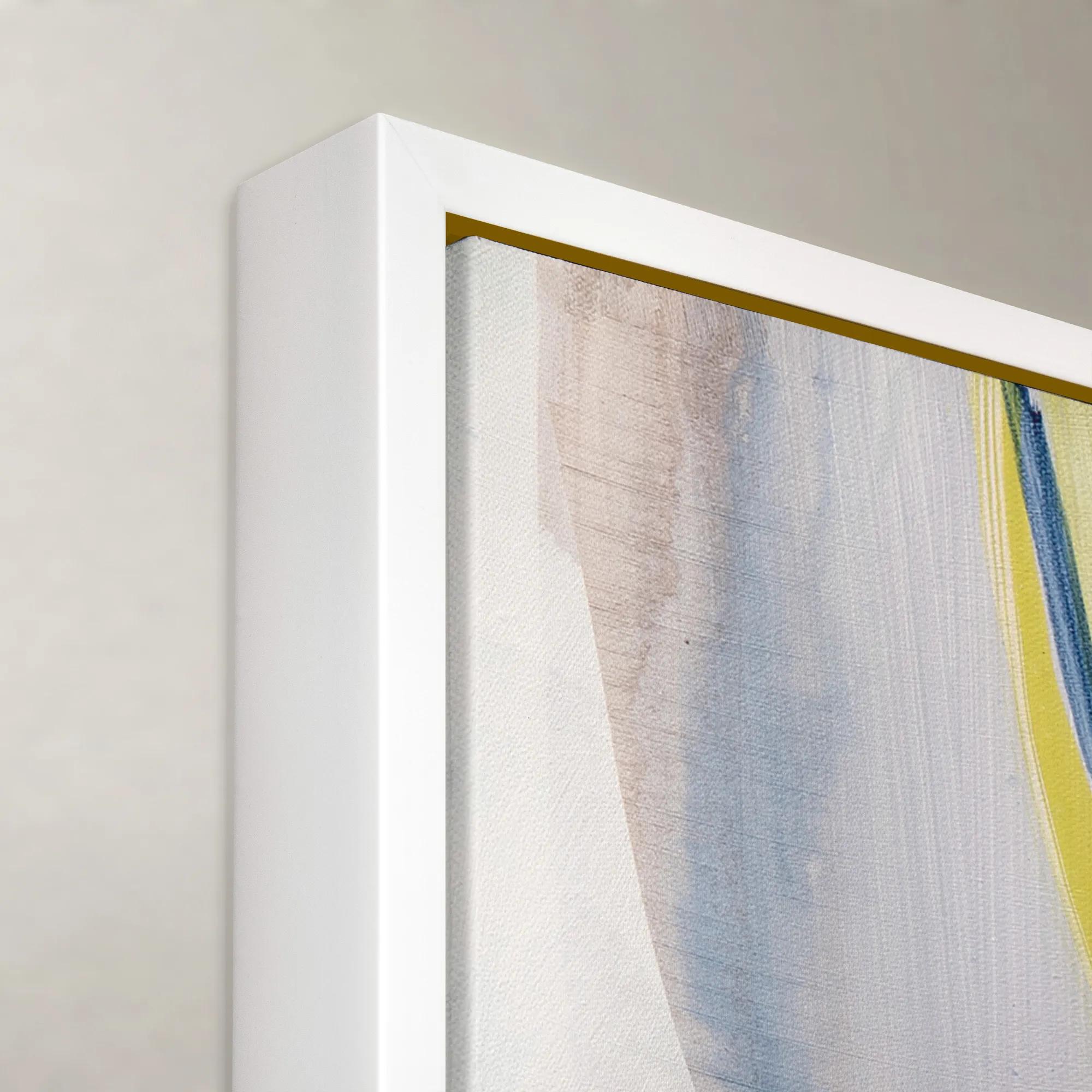 Dreams Take Flight Framed Wall Art 60" x 47"$1299
A vibrant multicolored framed canvas artwork adding expressive, contemporary style to any wall.
Add To Cart -
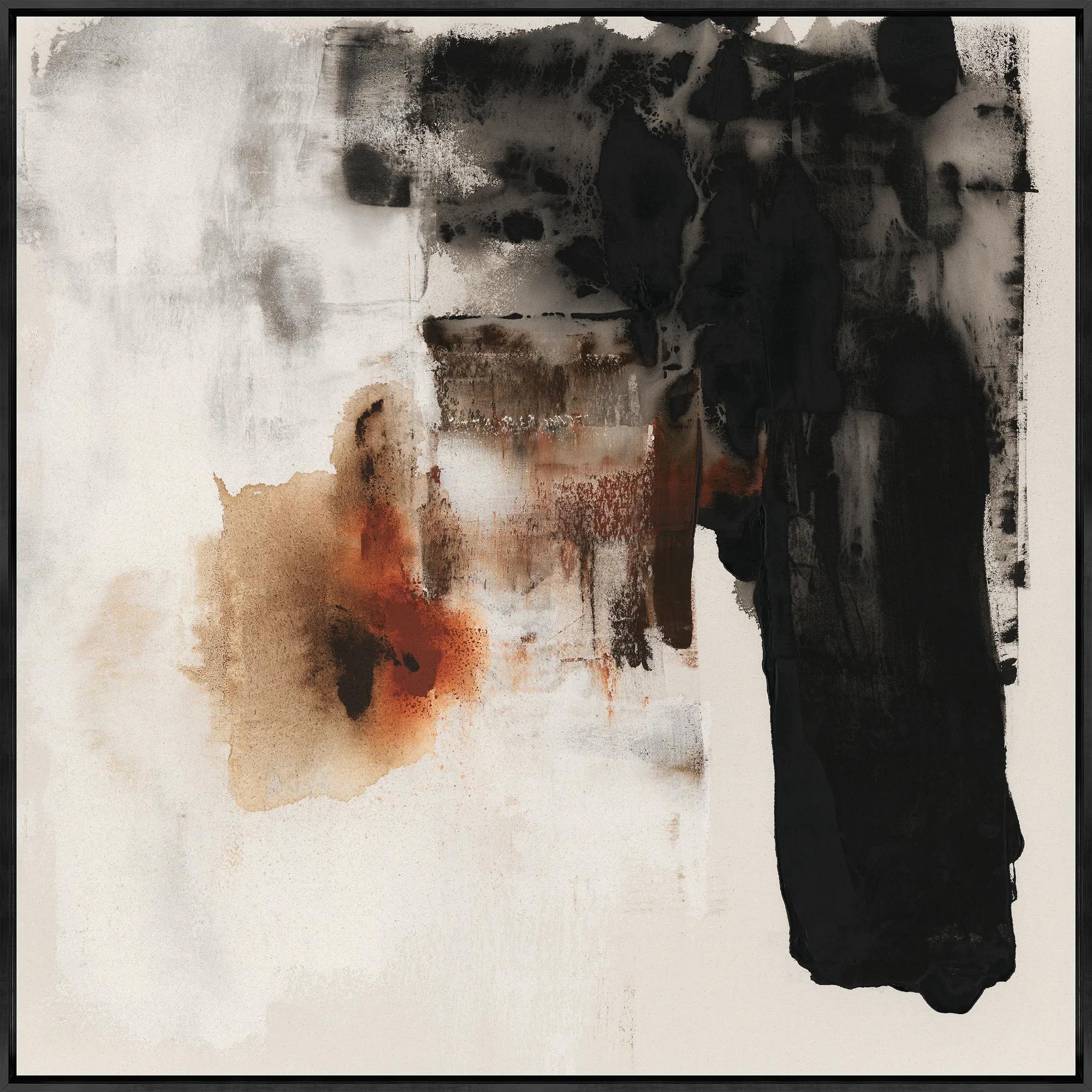
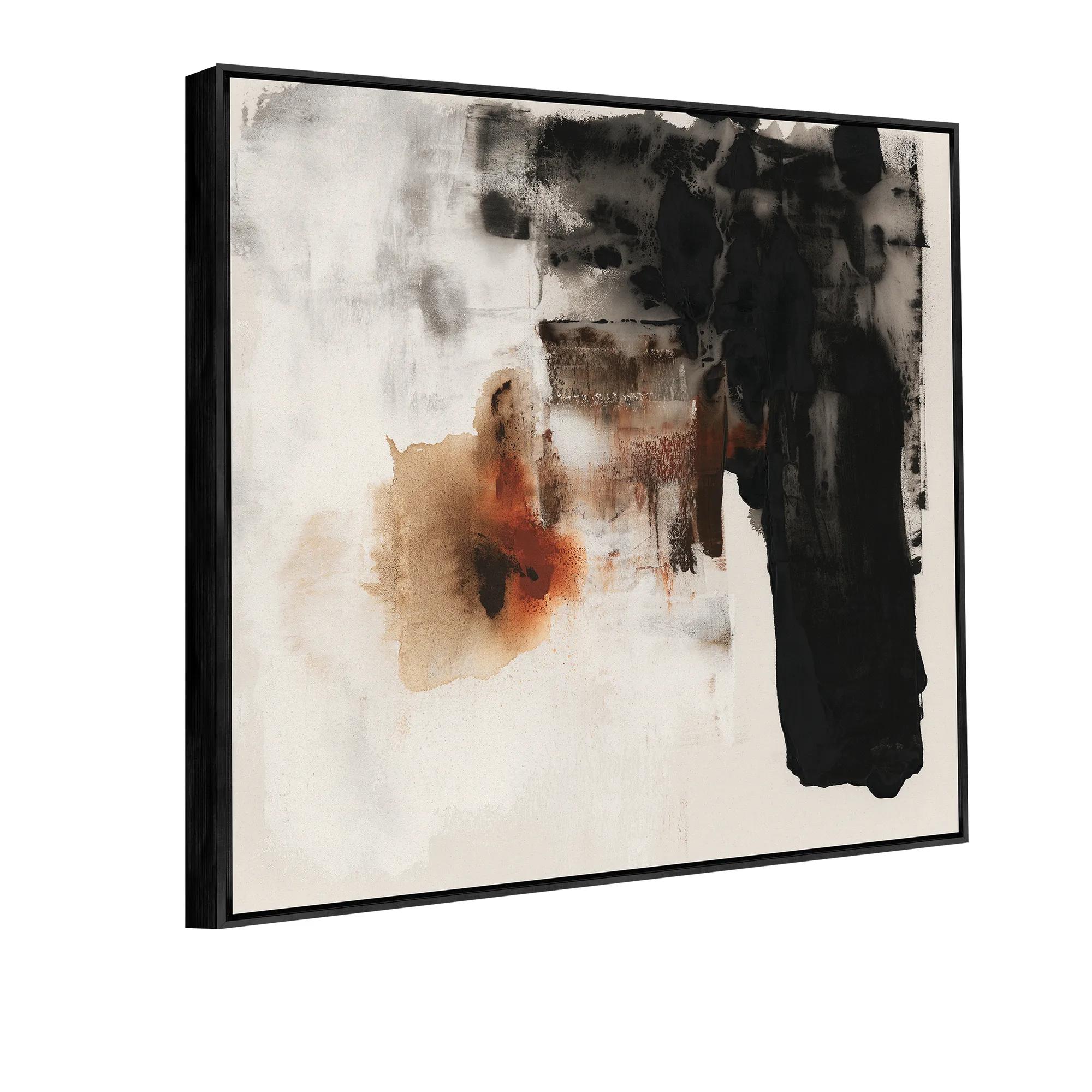 Burning for You II Framed Wall Art 40" x 40"$799
A gallery-wrapped canvas artwork with hand-applied brush gel, set in a sleek black floater frame.
Add To Cart -
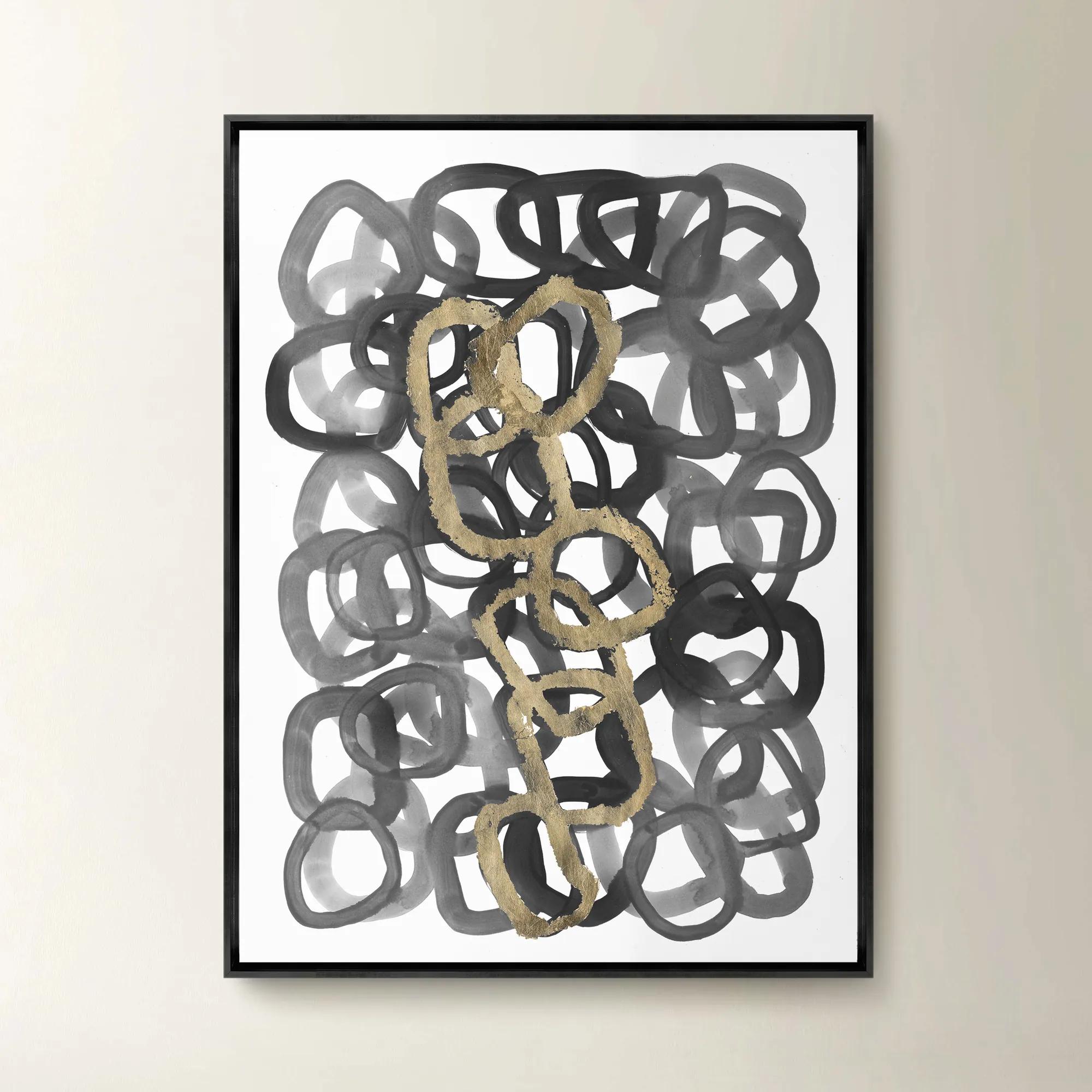
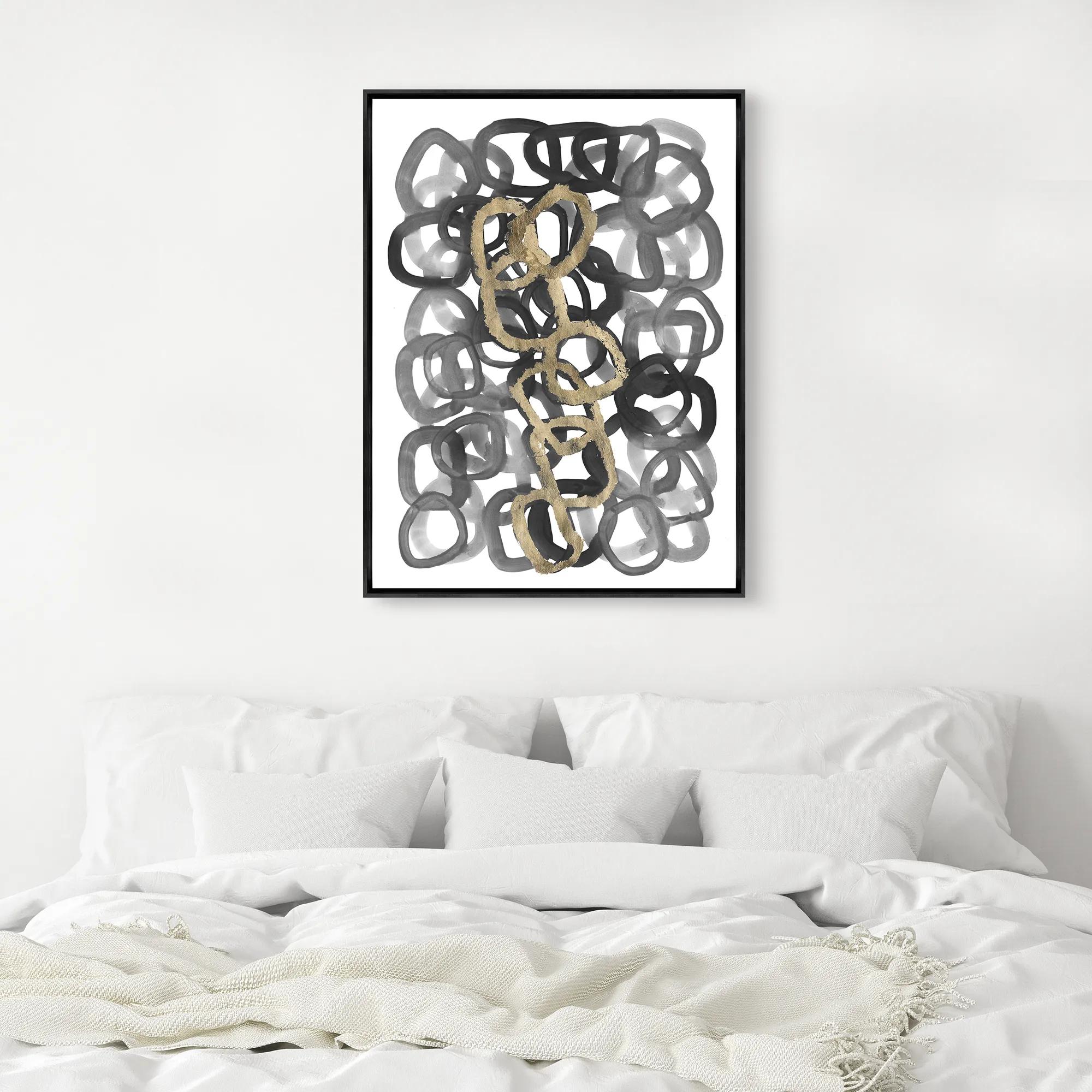 Unbroken Framed Wall Art 26" x 35"$499
A gallery-wrapped canvas artwork with a hand-applied gel finish, set in a sleek black floater frame.
Add To Cart -
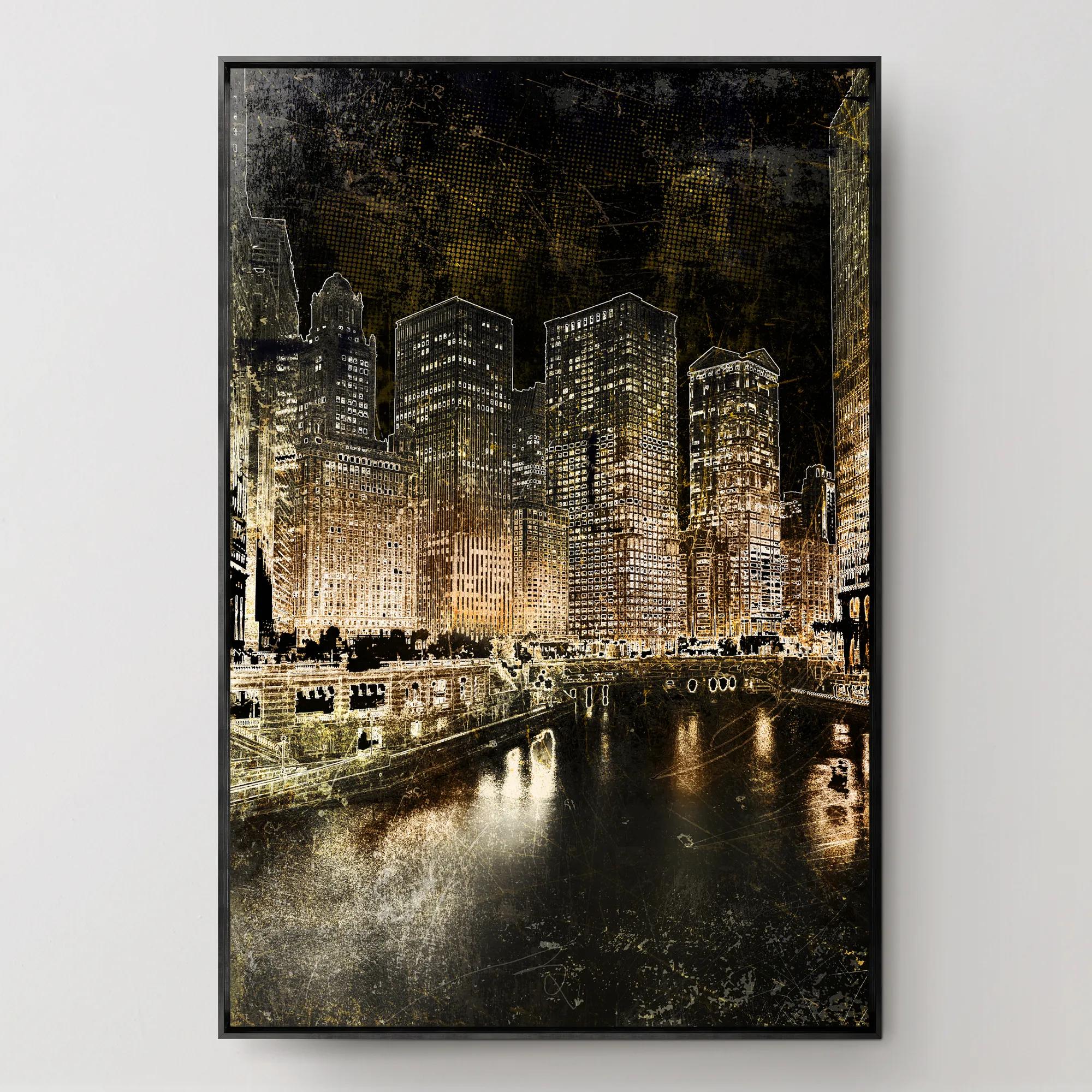
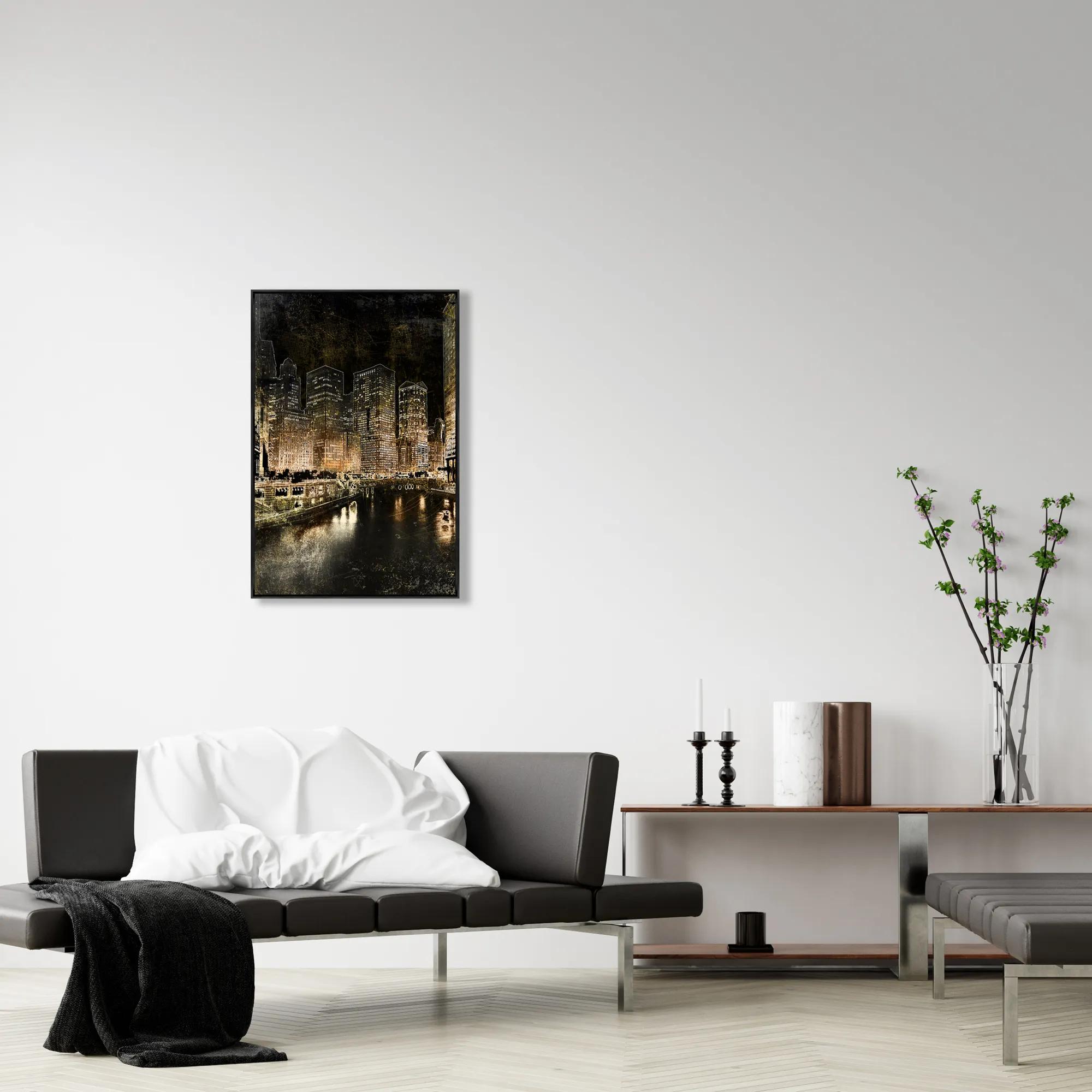 Chicago Lights Framed Wall Art 30" x 45"$649
A gallery-wrapped canvas artwork featuring a hand-applied gel finish in a sleek black floater frame.
Add To Cart -
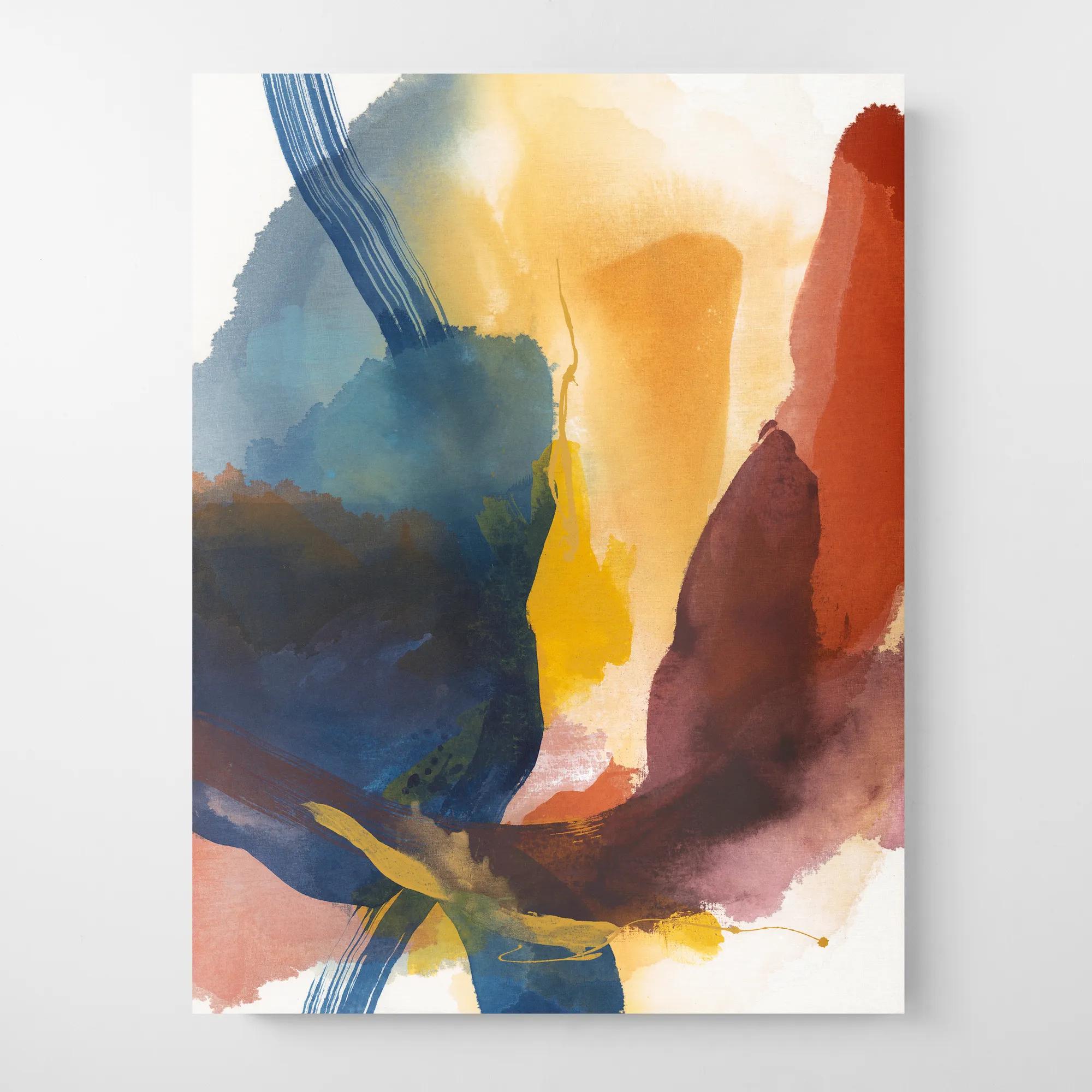
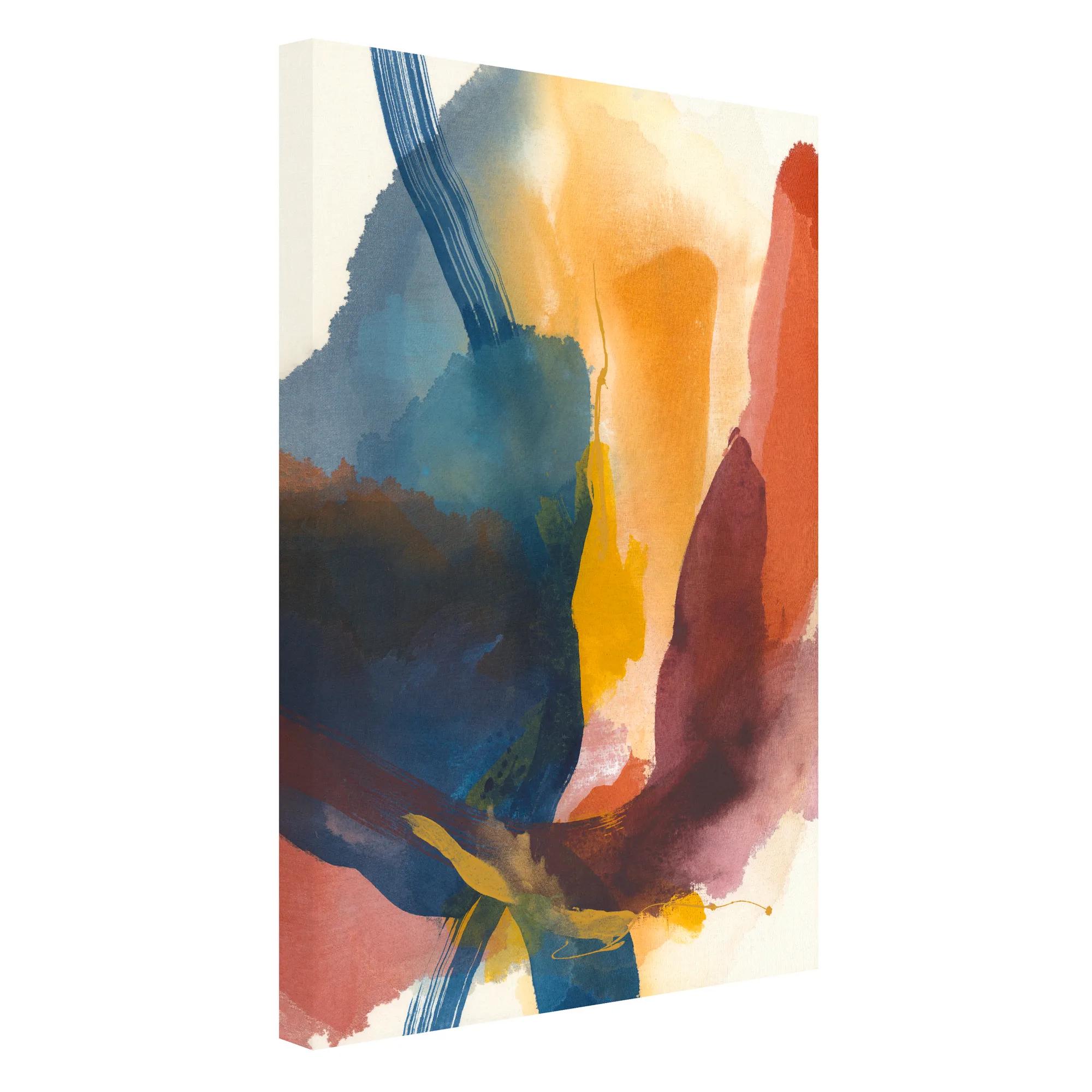 Moon Shower 1 Wall Art 30" x 40"$449
A gallery-wrapped canvas artwork featuring a hand-applied image brush gel finish for versatile display.
Add To Cart -

 Disco Head Queen II Framed Wall Art 24" x 30"$499
A vibrant multicolored canvas wall artwork presented in a sophisticated frame.
Add To Cart -
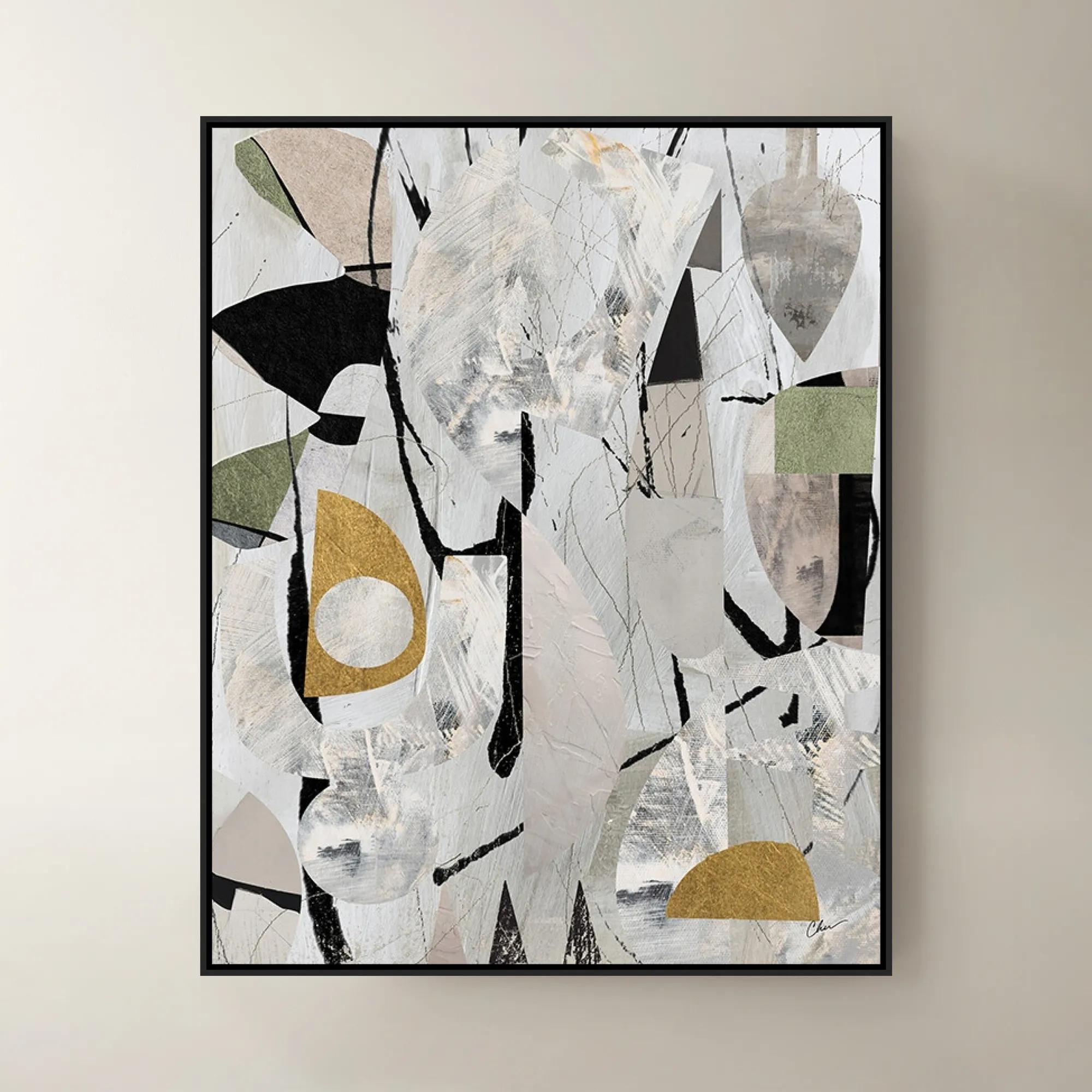
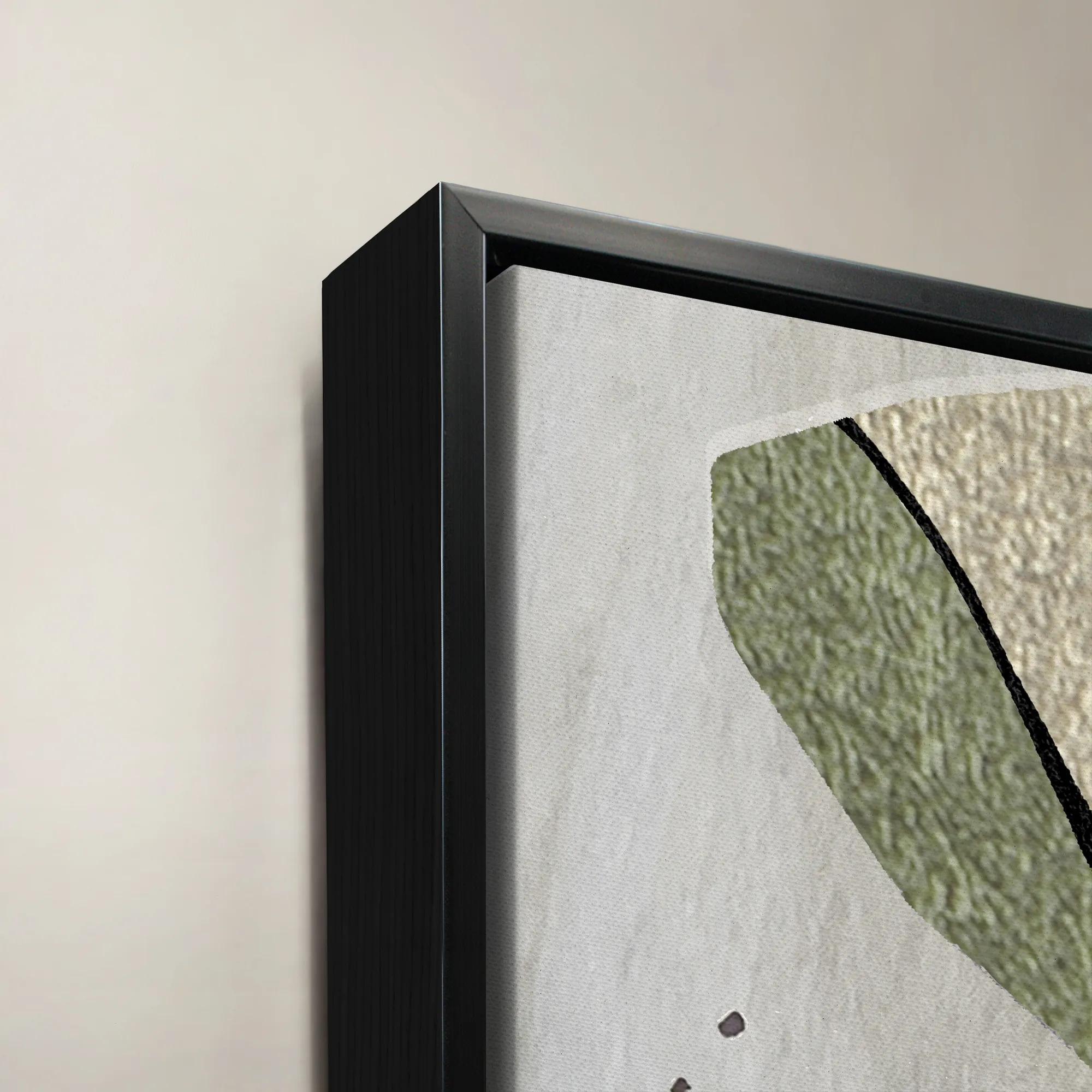 Rogue IV Framed Wall Art 40" x 50"$1199
An abstract art piece designed by Nikki Chu, blending modern style with artistic sophistication.
Add To Cart -
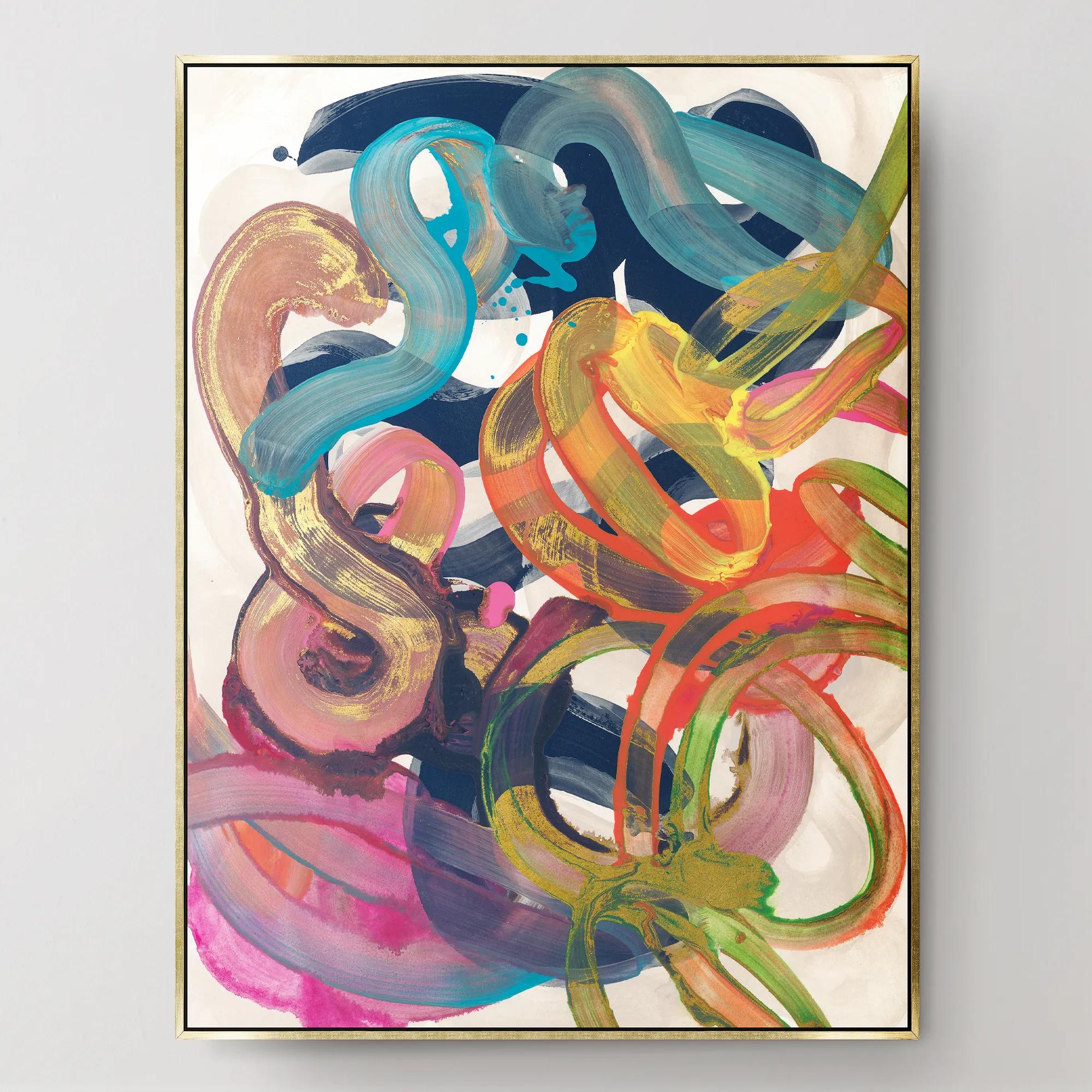
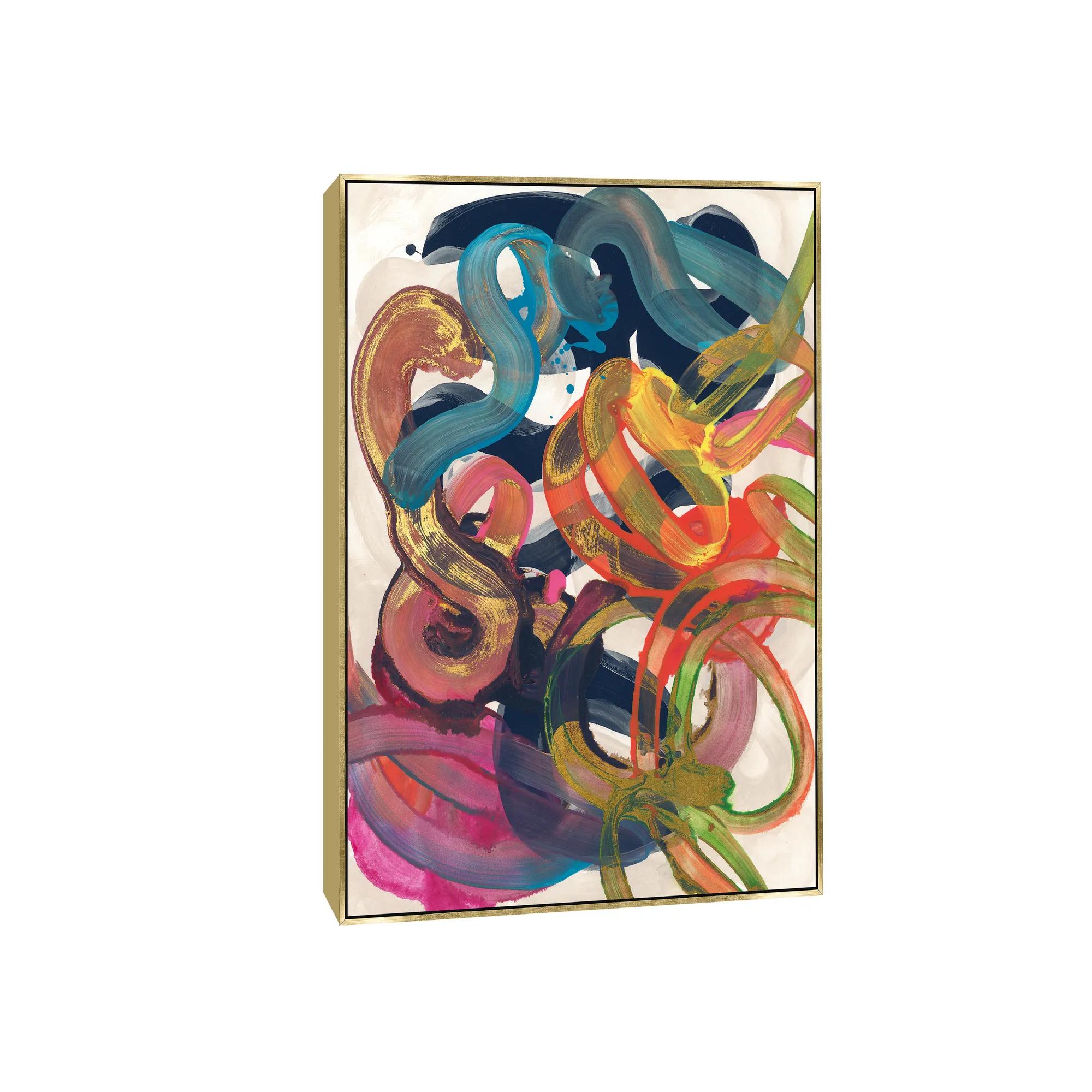 Illogical Conclusions Framed Wall Art 26" x 35"$499
A gallery-wrapped canvas artwork with a hand-applied gel finish, set in a gold float frame.
Add To Cart -
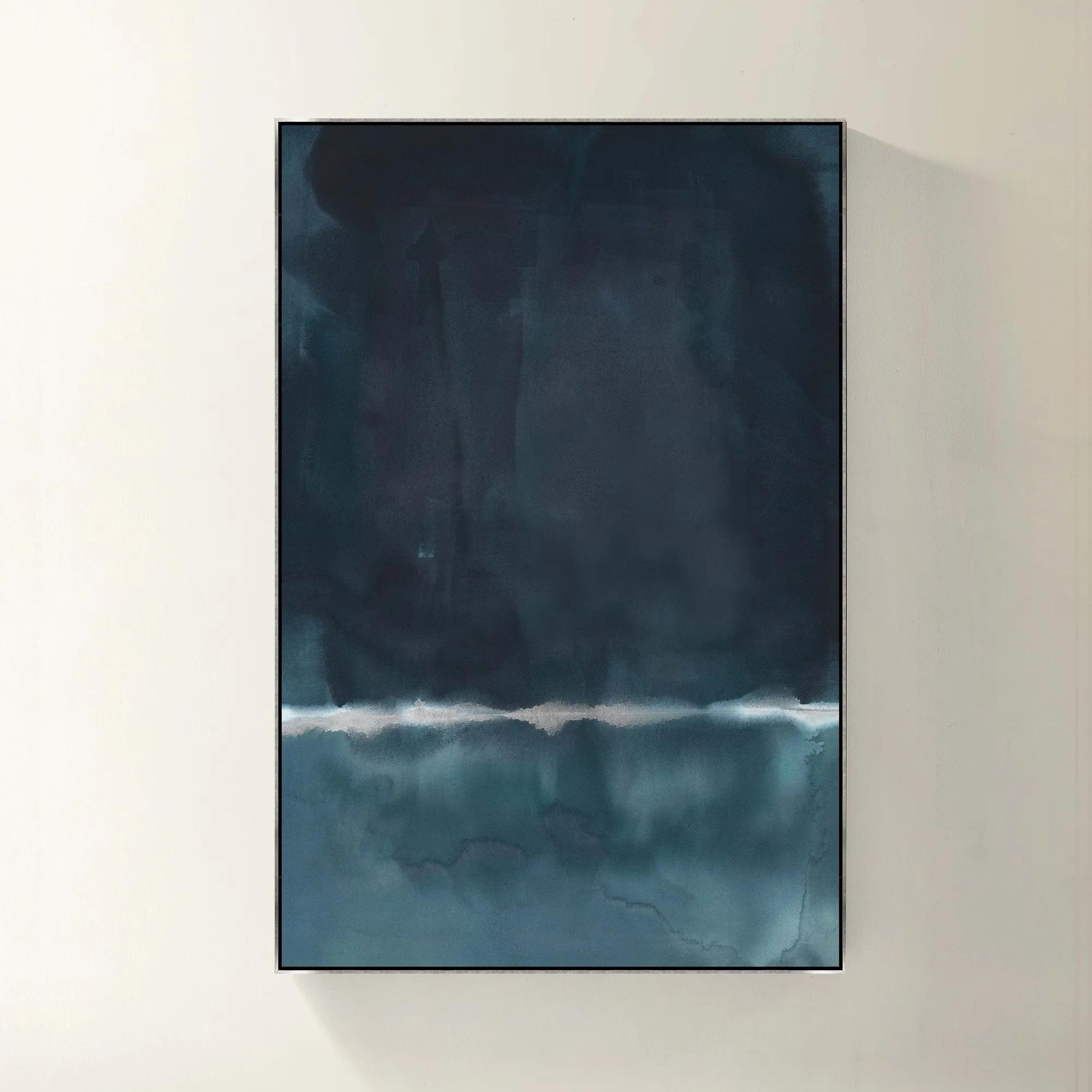 Blue Monday Framed Wall Art 40" x 60"$1119
A gallery-wrapped blue canvas with hand-embellished silver accents in a sleek silver floater frame.
Add To Cart

Modern Gallery Wrapped Arts
Modern gallery wrapped arts transform blank walls into bold statements—each piece a curated masterpiece, designed to captivate and inspire. Saturated with color, texture, and imagination, these works invite you to elevate your space with striking visual drama. Whether you crave the allure of abstract expression or the subtlety of refined minimalism, modern gallery wrapped arts infuse every room with the spirit of a contemporary atelier. Let your home become a living canvas, where every glance reveals a new layer of artistry and intrigue.
Modern gallery-wrapped art brings the image beyond the front of the canvas, giving a wall the presence of an artist’s studio and the polish of a thoughtfully composed interior. Gallery wrapping is a method of presentation: canvas stretches around the edges of a wooden support frame and is secured at the back, leaving the sides free of visible staples. Unlike a decorative outer frame, that internal structure supports the artwork without placing a separate border around its face. The result is dimensional canvas wall art that can stand alone, with finished edges contributing to the composition. Depending on the design, those edges may continue the image, mirror a portion of it, or carry a complementary solid color. Gallery-wrapped describes the construction rather than a particular artistic movement, making it a natural setting for everything from sweeping abstracts and expressive brushwork to atmospheric landscapes and architectural studies. A cloud of ivory and charcoal can lend a living room quiet grandeur; a concentrated stroke of cobalt can introduce a more daring point of view. Canvas itself adds another layer of character. Its woven surface gives printed imagery a different visual quality than smooth photographic paper, allowing subtle texture to become part of the experience. Cotton, polyester, and blended canvases each have their own characteristics, while the support structure and stretching quality influence how evenly the surface sits. Printed canvas and original painted canvas can both use gallery wrapping, so the presentation alone does not indicate how an image was created. Some artwork also incorporates applied texture or hand-finished details, which should be identified in its description rather than assumed from its appearance. Stretcher depth varies as well: a shallow profile stays close to the wall, while a deeper profile introduces a more sculptural edge and a distinct shadow. Together, subject, surface, and depth shape an artwork’s presence, whether the desired effect is restrained elegance or a dramatic focal point.
Scale gives modern gallery-wrapped canvas art much of its expressive power. Above a generous sofa, a broad composition can gather the seating area into one confident statement, especially when its colors echo a velvet cushion, a patterned rug, or the veining of a stone table. A smaller canvas placed on an expansive wall may feel intentionally intimate when paired with a console and sculptural objects, but it can appear disconnected when left without a visual relationship to the furnishings below. The dimensions of the wall matter, yet so do the width of the furniture, the ceiling height, and the distance from which the artwork will be seen. An oversized abstract viewed across an open living area can reveal movement first and finer details second; a canvas beside a reading chair invites closer attention to texture and tonal variation. Vertical artwork can accentuate the height of a narrow entry, while a horizontal composition can bring balance above a low headboard. Multiple canvases introduce another rhythm, with the space between them becoming part of the overall arrangement. Their combined width, including the gaps, deserves the same consideration as the dimensions of a single large work. Color offers equally rich possibilities. Tonal compositions in cream, taupe, and smoke can create depth without competing with richly textured upholstery, while saturated jewel tones establish a vivid counterpoint to pale walls. Black-and-white imagery can feel especially assured alongside gleaming metal and dark wood, with contrast supplying the drama. A successful arrangement need not repeat every color in the room; a shared undertone or a recurring shape can create a subtler connection. In bedrooms, fluid forms and softened transitions can support a restful atmosphere without surrendering sophistication. In dining rooms and gathering spaces, energetic gestures or bold geometry can give the setting a more theatrical character. The wrapped profile keeps attention on these relationships, allowing the art to converse with the room rather than sit behind an elaborate border.
Lasting visual impact also depends on the details that are less immediately visible. A well-supported canvas should sit evenly on its stretcher structure, with neatly finished corners and a surface appropriate to the artist’s intended treatment. Visible looseness, distortion, or an uneven profile may affect how a piece presents on the wall, although deliberate surface variation can be part of textured artwork. Reproduction quality depends on more than the term gallery-wrapped: image resolution, printing methods, inks, and any protective finish all influence the finished result. Descriptions of archival materials or fade resistance are meaningful only when they are stated for the individual artwork, and no canvas should be treated as impervious to light or environmental exposure. Direct sunlight can alter color over time, while persistent humidity and sharp fluctuations in indoor conditions can affect canvas and wooden supports. Interior walls away from splashes, cooking residue, and direct heat generally offer a more suitable setting than exposed or moisture-prone locations. Hanging hardware also varies, so the artwork’s weight, its supplied fittings, and the wall material all belong in the placement decision; gallery wrapping does not automatically mean a piece arrives ready to hang. Routine care should follow the stated instructions, with gentle dust removal where permitted and no assumption that water, household cleaners, or vigorous rubbing are safe for the surface. Raised embellishments and delicate finishes deserve particular restraint. For another expression of this dimensional format, explore Premium Gallery Wrapped Wall Arts, keeping palette, proportion, and surface character at the center of the selection. Canvas art can also make a thoughtful housewarming, wedding, or milestone gift when the recipient’s taste and available wall space are well understood. An expressive abstract for someone who loves saturated interiors or a tonal landscape for a serene retreat feels personal because it reflects how that person lives. Chosen with that attention, modern gallery-wrapped art becomes more than a finishing touch: it gives a room its own unmistakable point of view.
FAQs
Gallery-wrapped art features the image stretched seamlessly around the edges of a sturdy wooden frame, creating a clean, frameless appearance that feels contemporary and immersive. Unlike traditional framed art, the artwork extends onto the sides, allowing for a multidimensional presentation that stands out from every angle.
Gallery-wrapped art is remarkably versatile, complementing a range of aesthetics from modern glam to transitional and eclectic interiors. Use bold abstracts for dramatic focal points, serene landscapes for calming retreats, or vibrant florals to infuse color and energy. Their sleek, frameless edges make them ideal for gallery walls or as standalone statement pieces.
Absolutely. Gallery-wrapped canvases make thoughtful and memorable gifts for art lovers, new homeowners, newlyweds, and anyone celebrating a milestone. Their ready-to-hang design and striking visual impact ensure they are both practical and deeply personal, offering a lasting way to commemorate special occasions.
Gallery-wrapped canvases beautifully showcase a wide variety of imagery, including bold abstracts, lush florals, tranquil landscapes, and even modern photography. The uninterrupted edges enhance the sense of depth and movement, making these canvases ideal for artwork that benefits from a continuous, immersive presentation.
Gallery-wrapped canvases bring a sense of artistry and sophistication to any space. Their dimensional quality and frameless silhouette create visual interest, while the choice of subject matter—be it vibrant, calming, or thought-provoking—sets the mood and tells a story, transforming ordinary walls into extraordinary focal points.