Gallery Wrapped Canvas Paintings
Gallery Wrapped Canvas Paintings
-
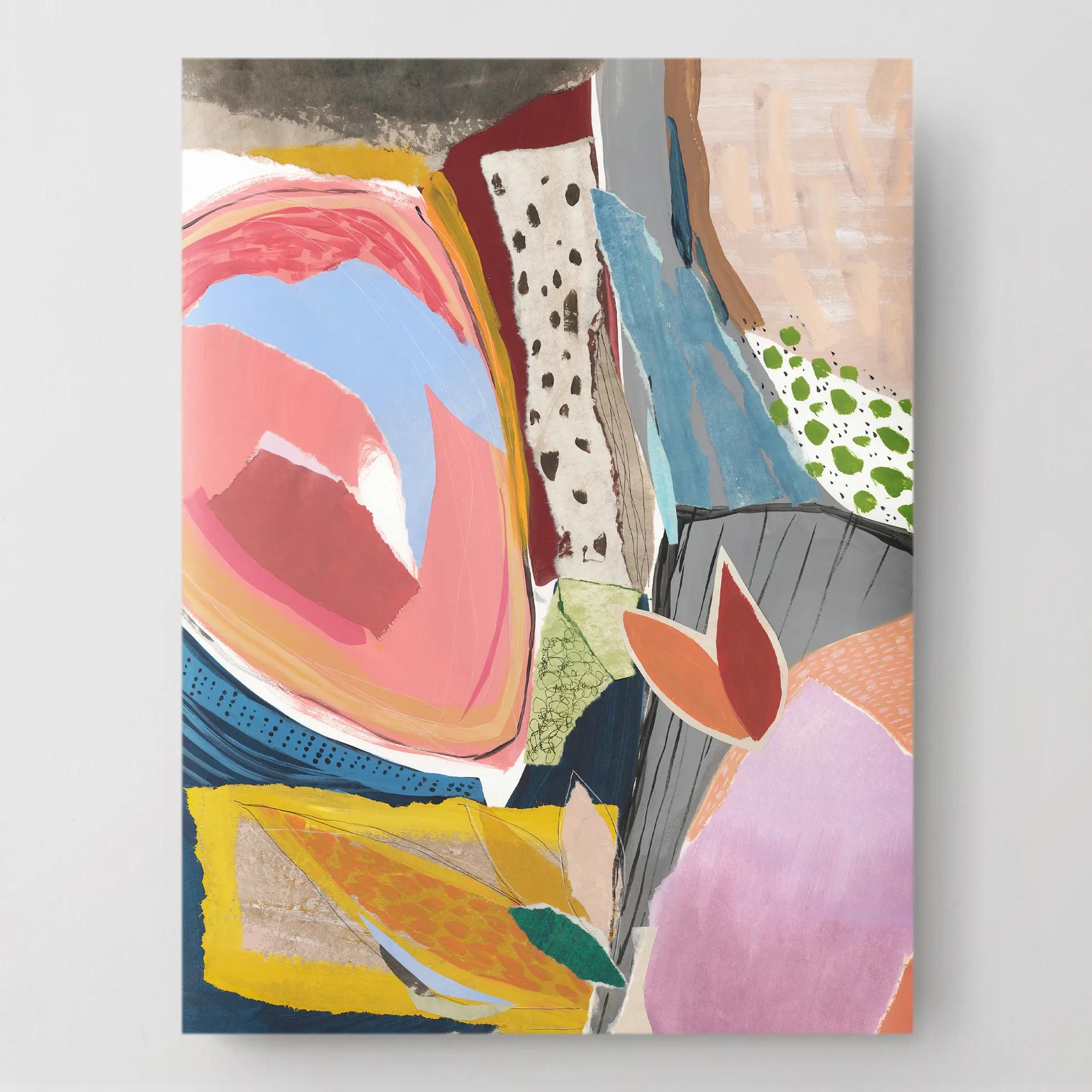
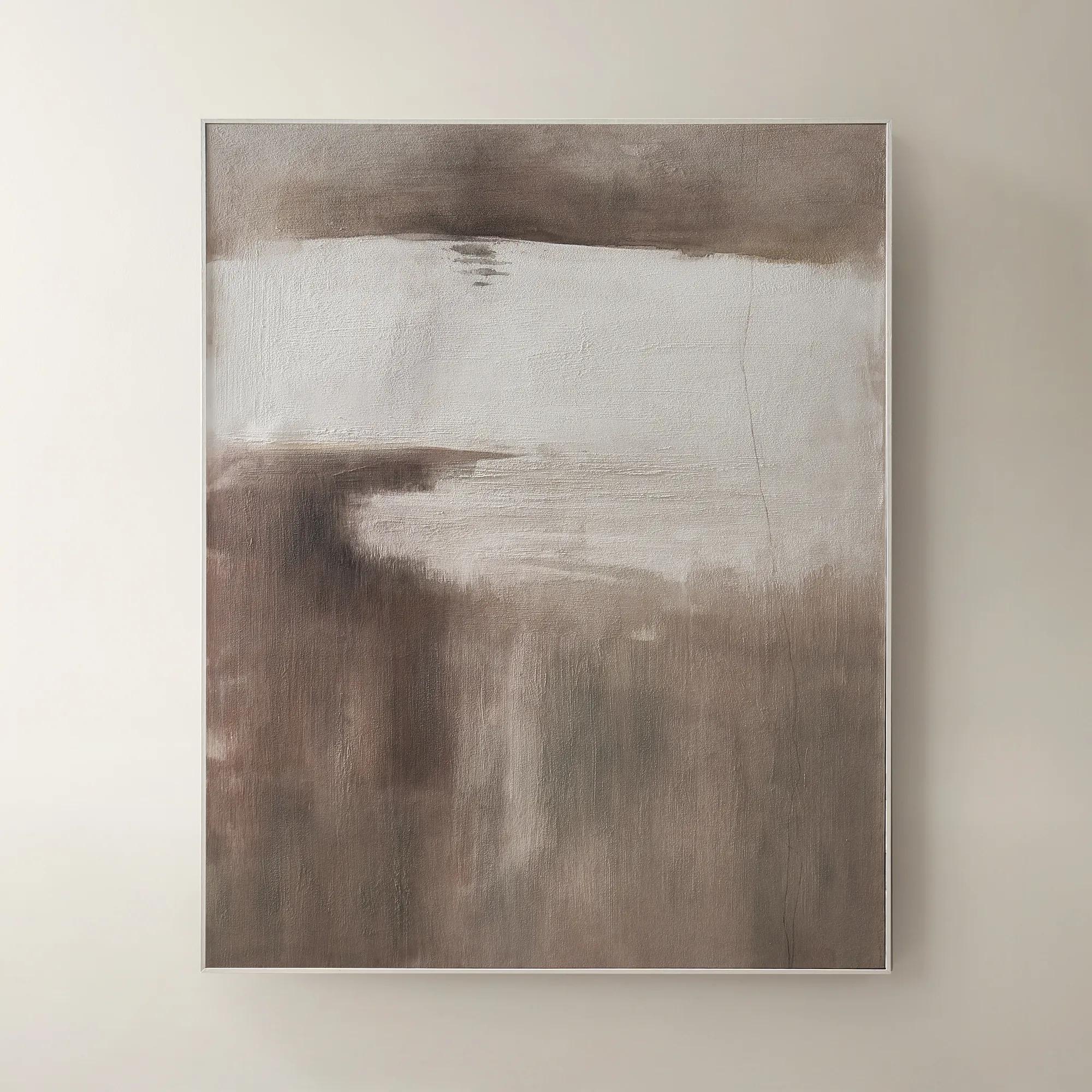
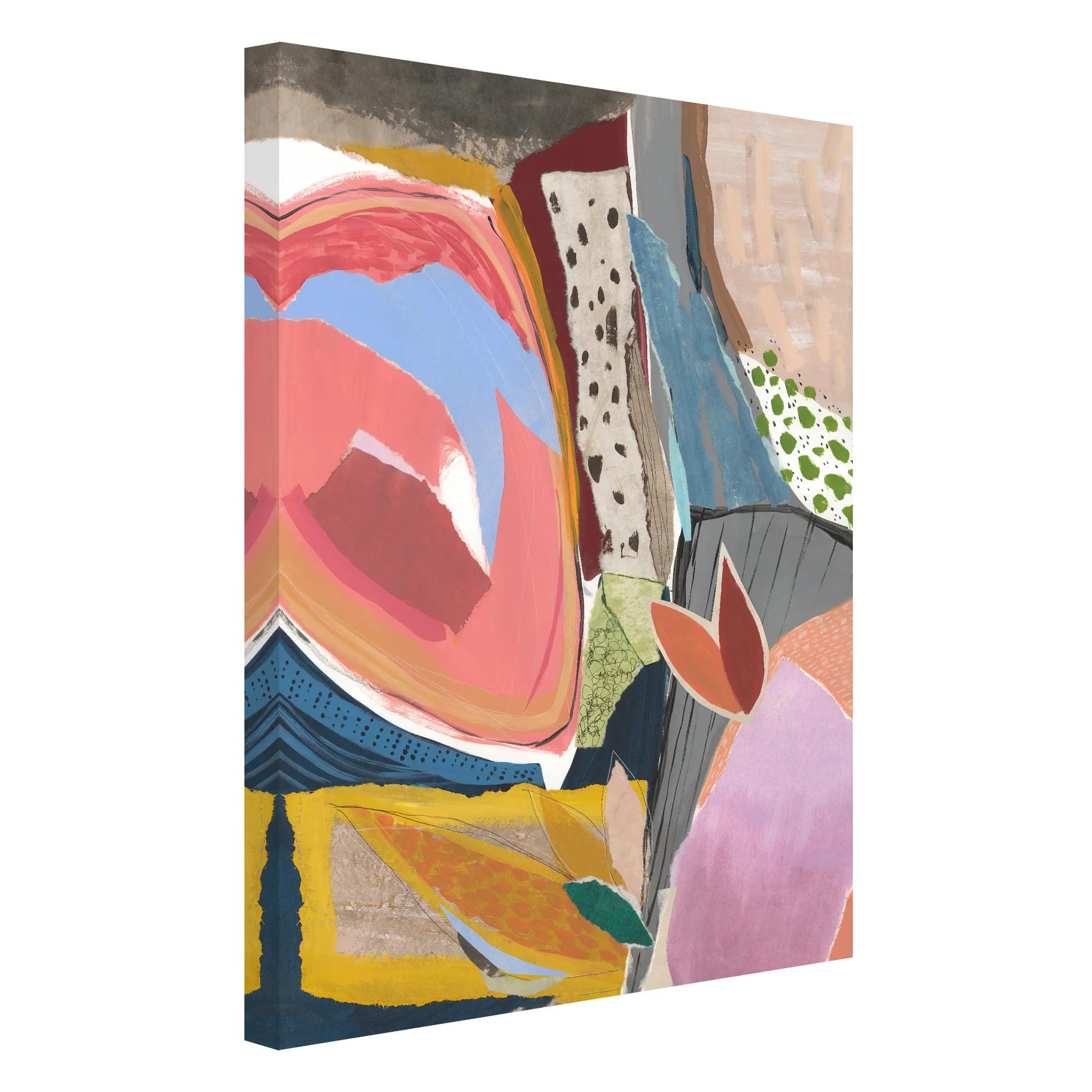 Sunday Vibes 1 Wall Art 30" x 40"$449
A gallery-wrapped canvas artwork featuring a hand-applied image brush gel finish for a textured look.
Add To Cart -
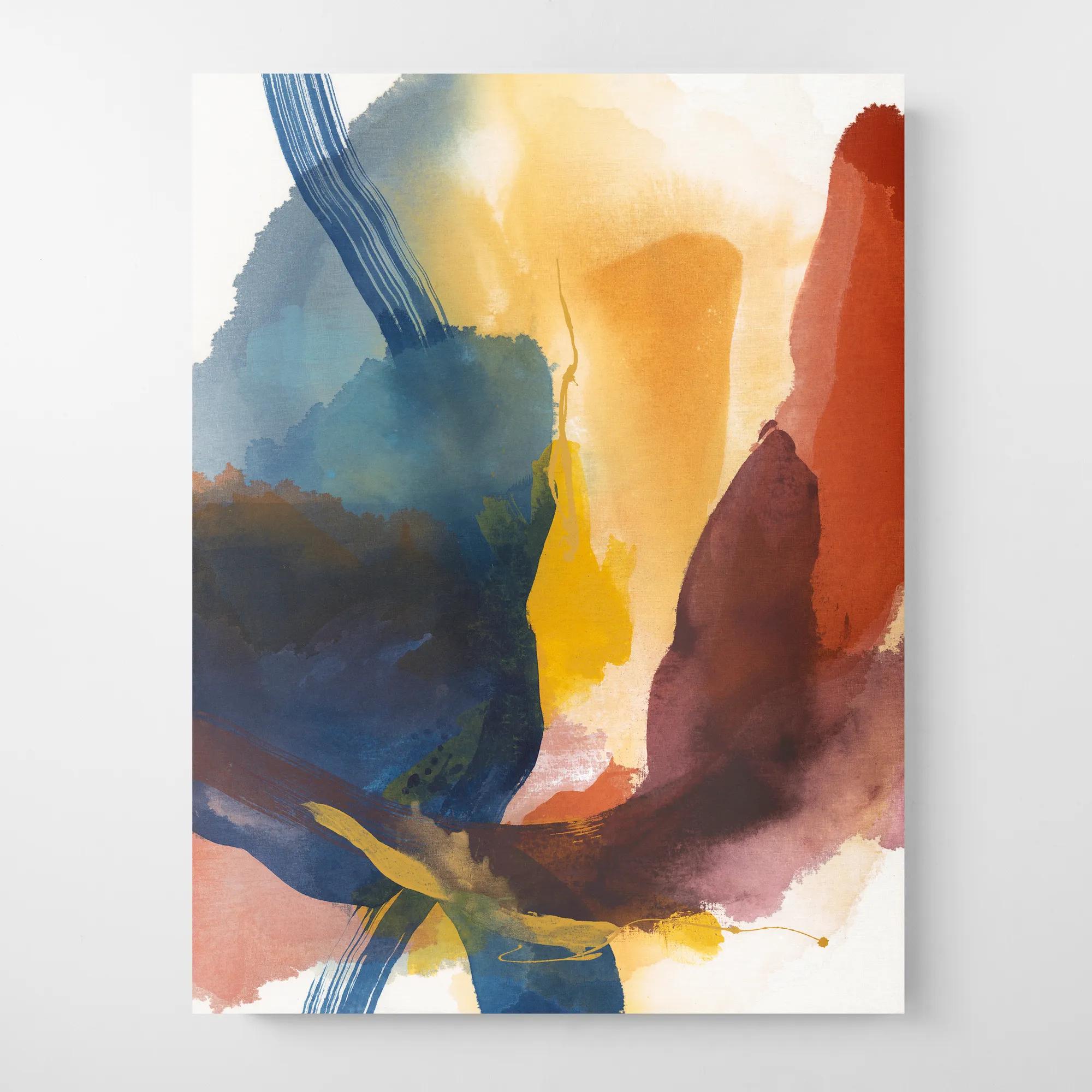
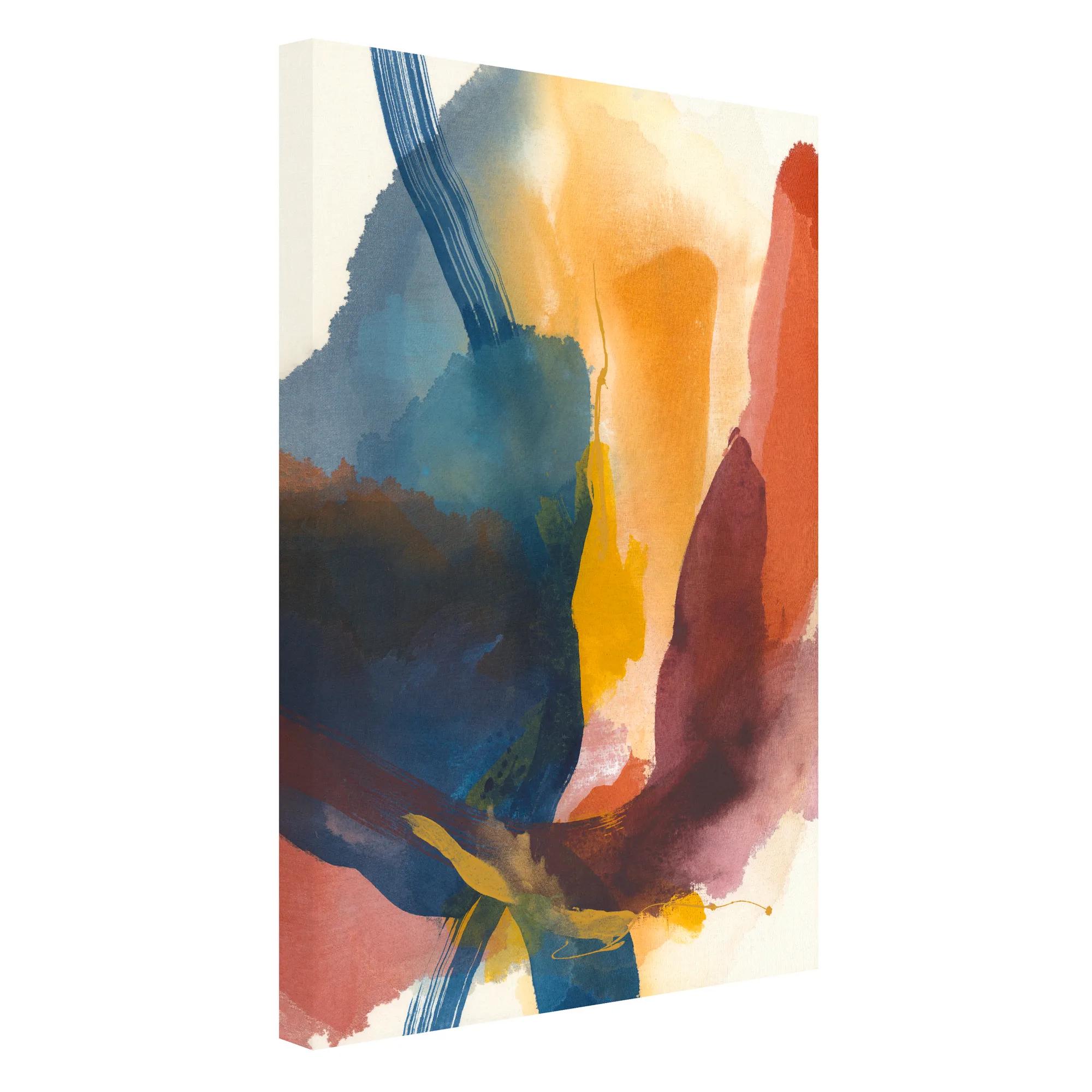 Moon Shower 1 Wall Art 30" x 40"$449
A gallery-wrapped canvas artwork featuring a hand-applied image brush gel finish for versatile display.
Add To Cart -
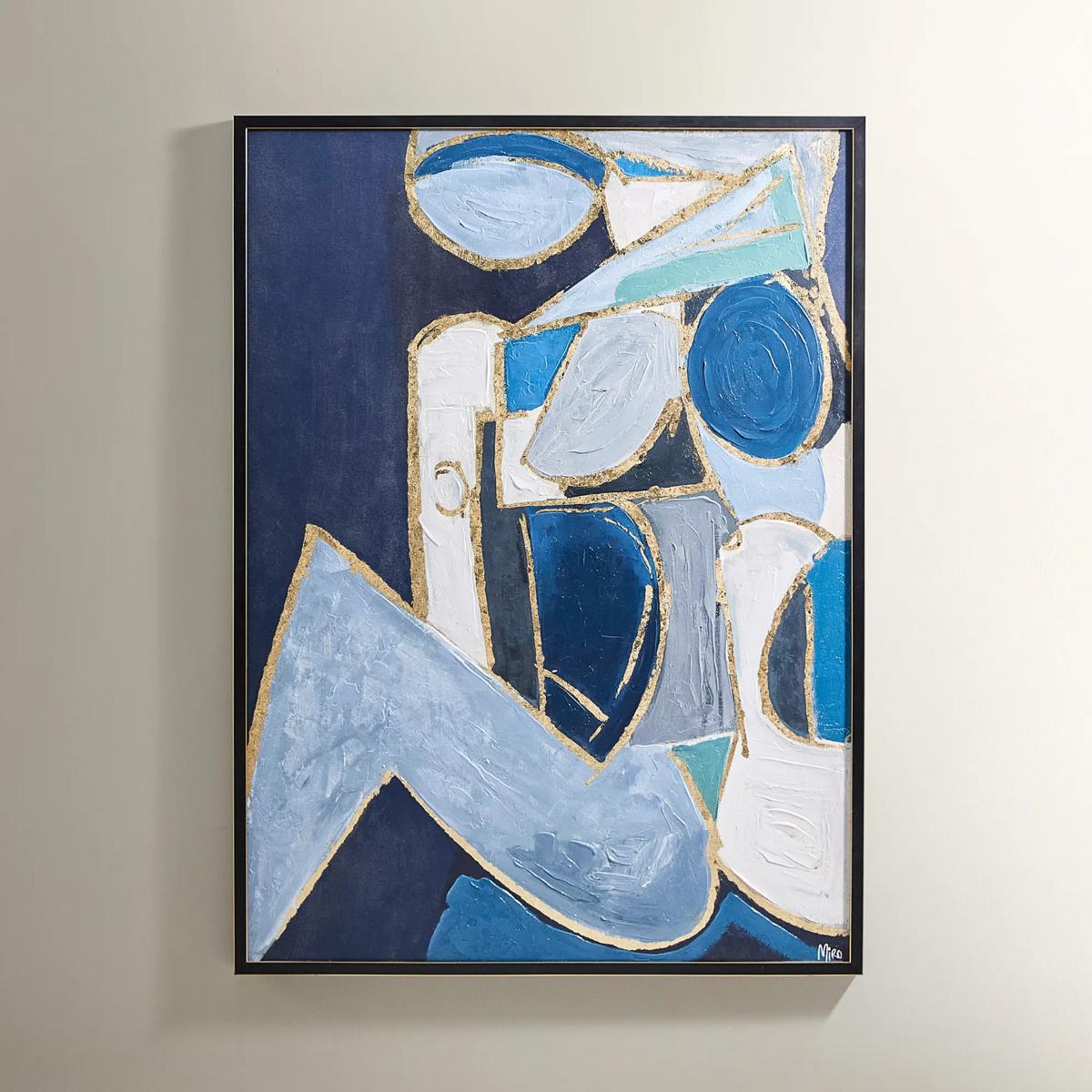
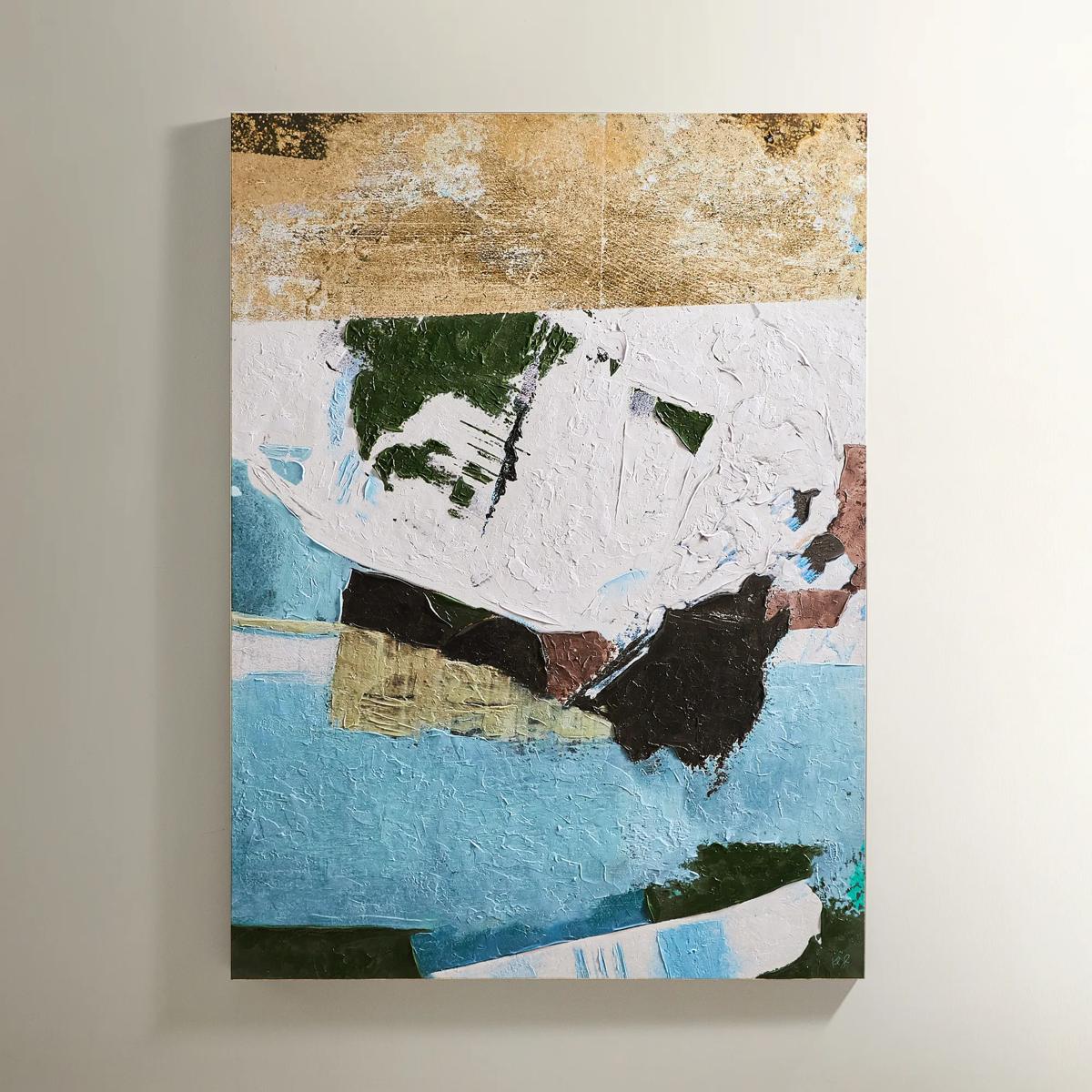
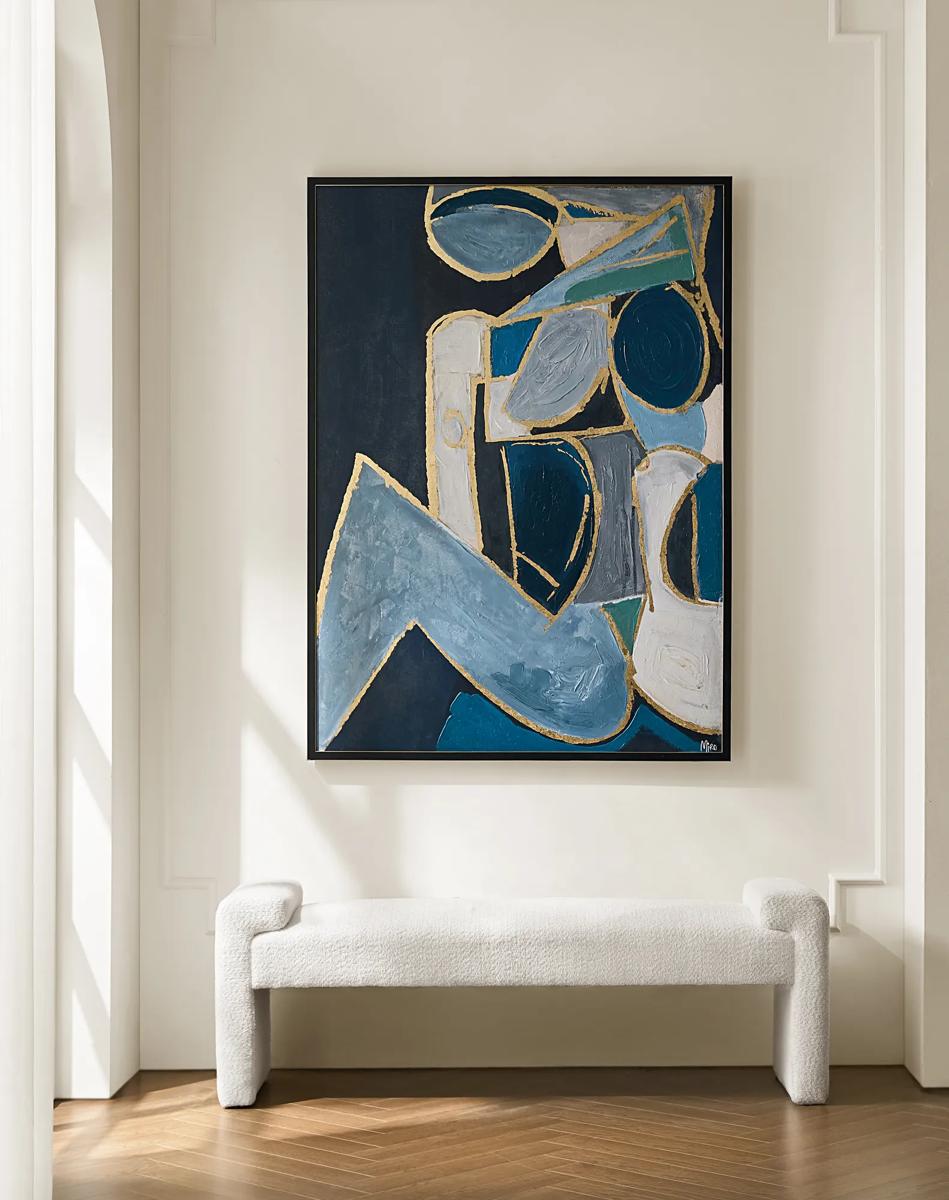 Figure in Cubism Painting$599
A hand-embellished canvas artwork featuring blue, gold, and white hues with elegant silver foil accents.
Add To Cart -
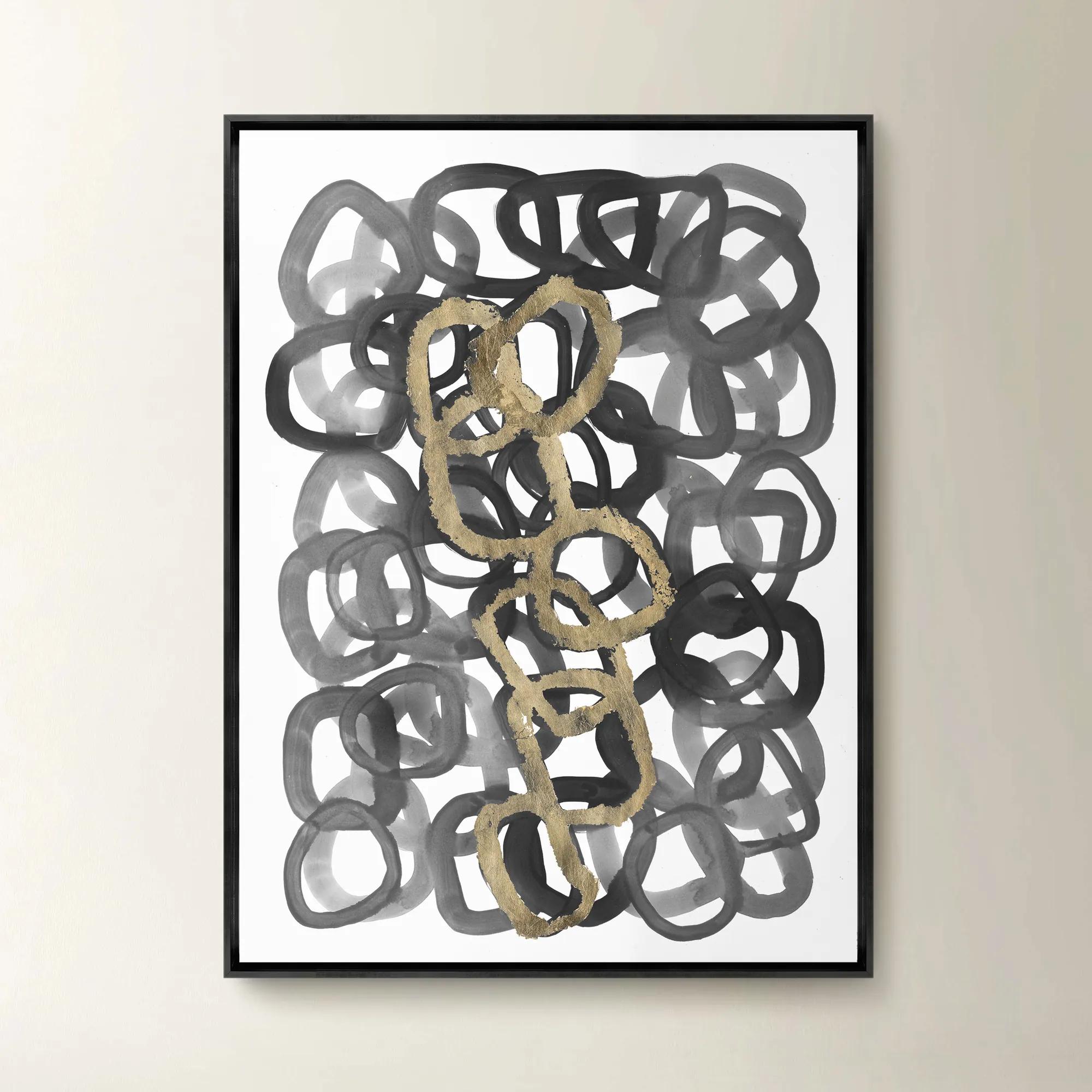
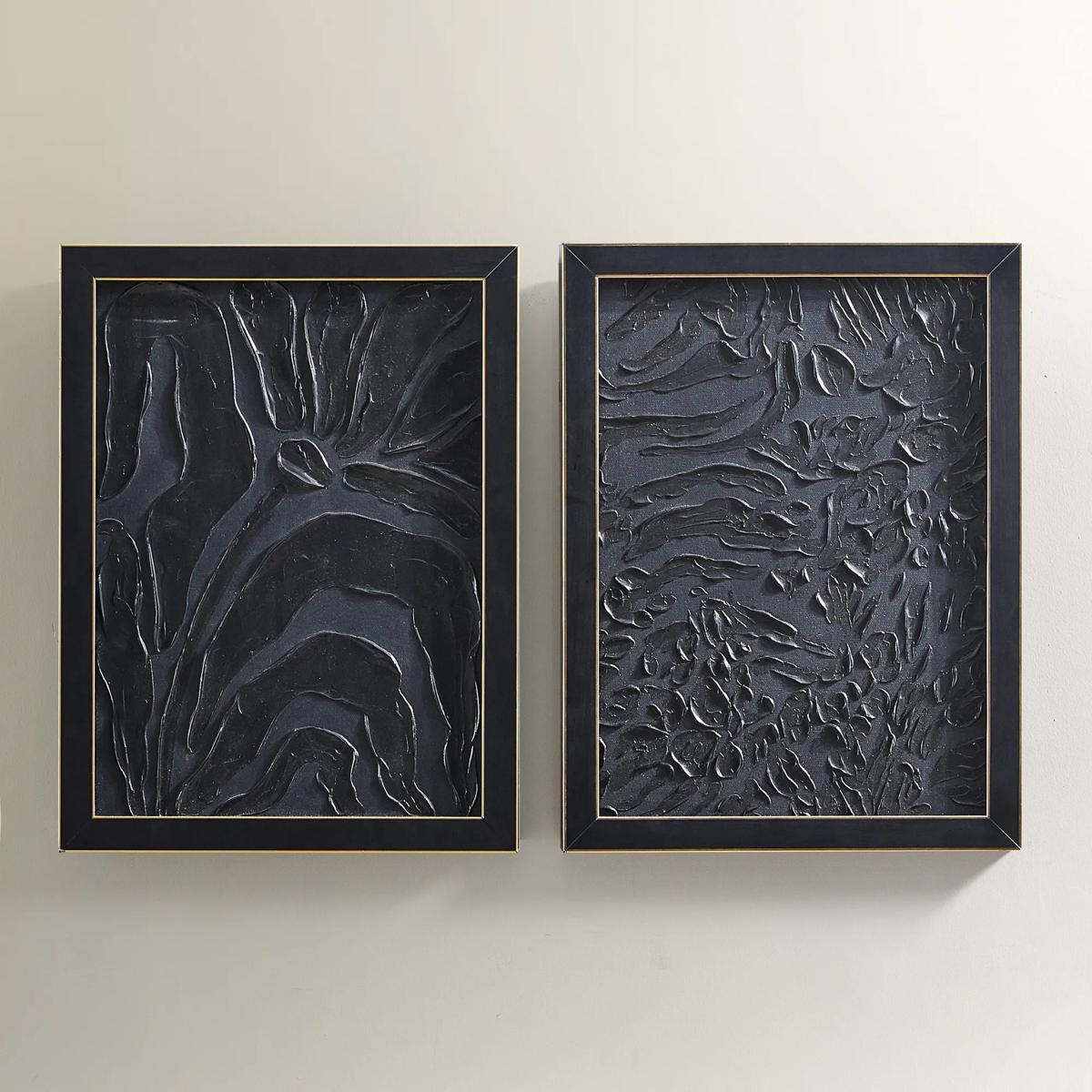
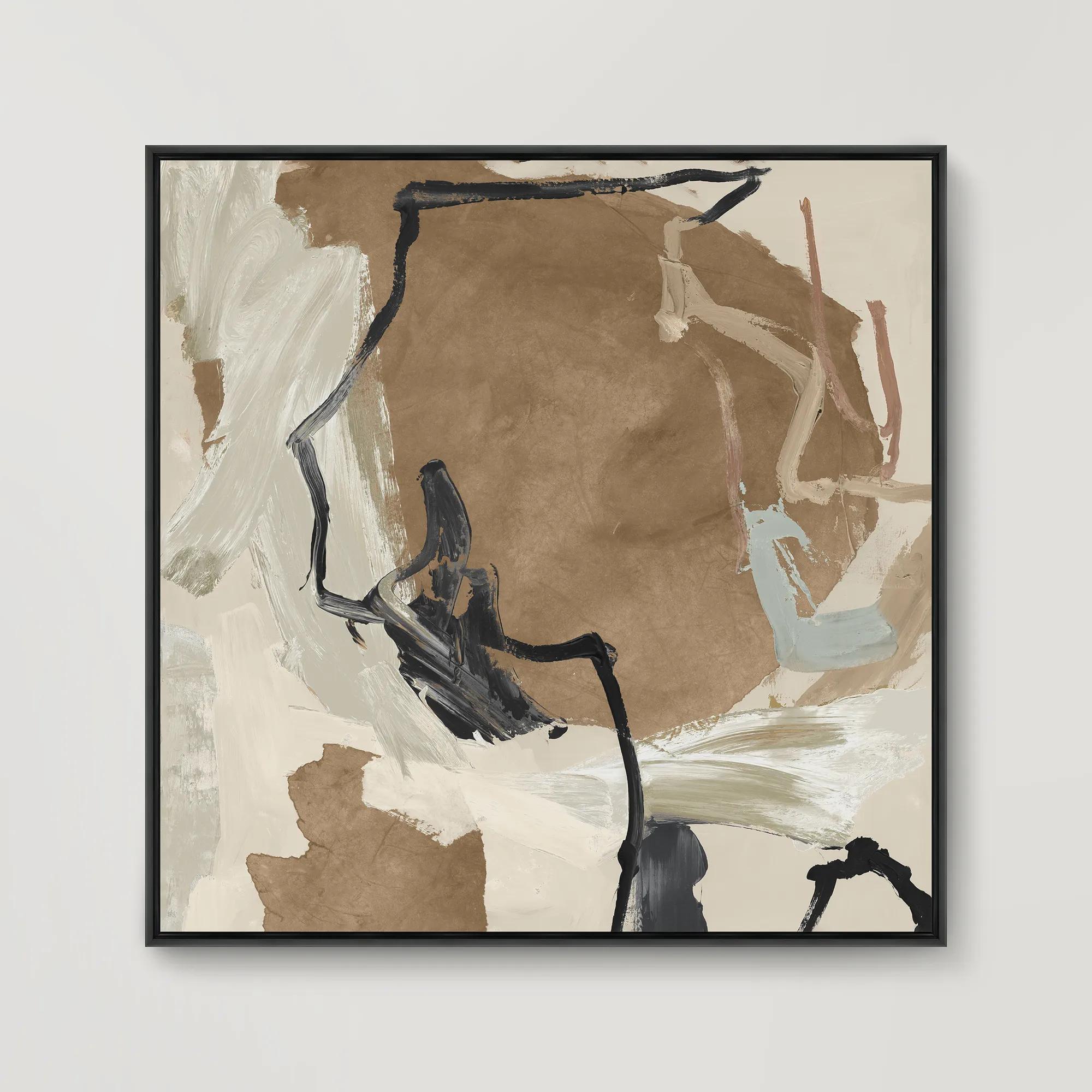
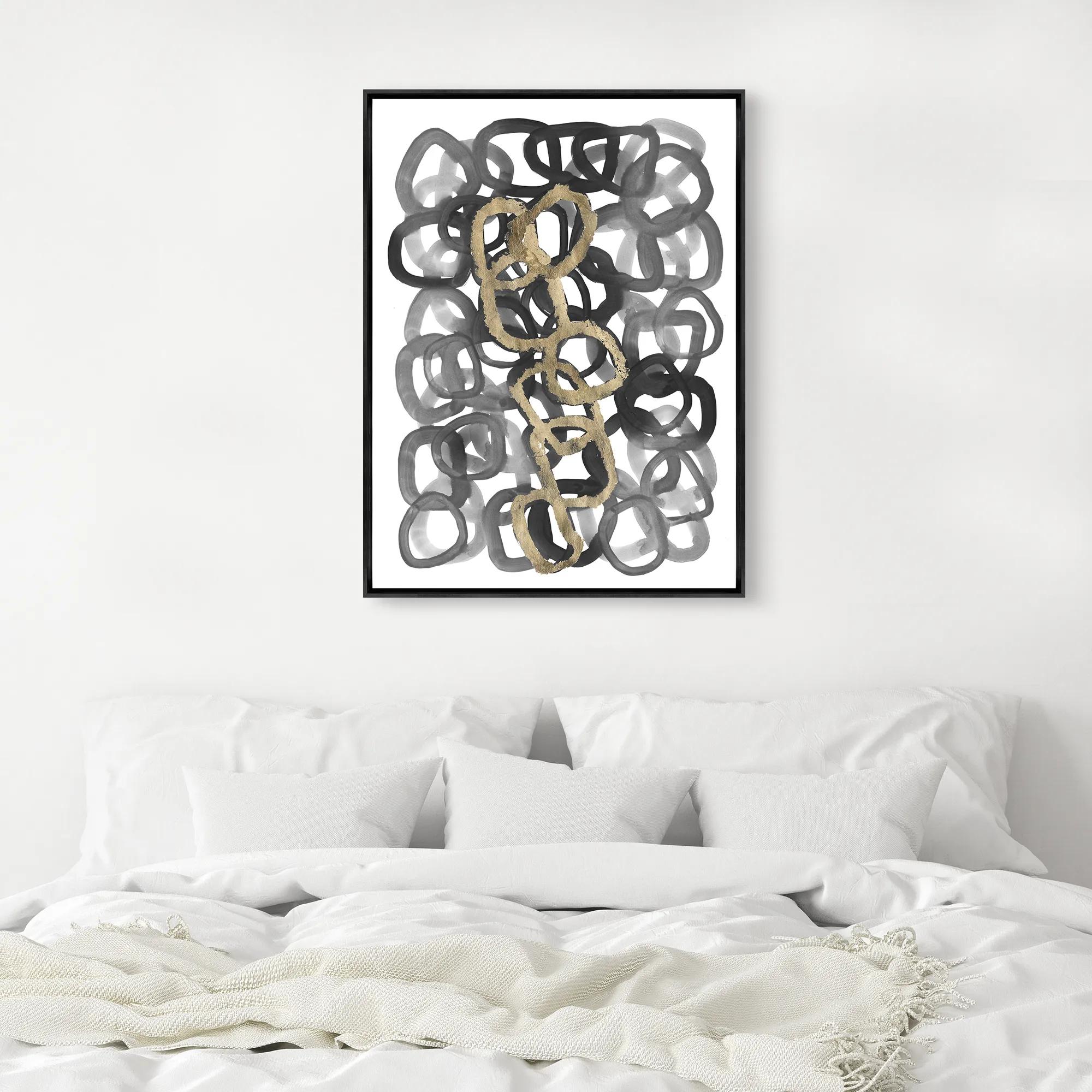 Unbroken Framed Wall Art 26" x 35"$499
A gallery-wrapped canvas artwork with a hand-applied gel finish, set in a sleek black floater frame.
Add To Cart -
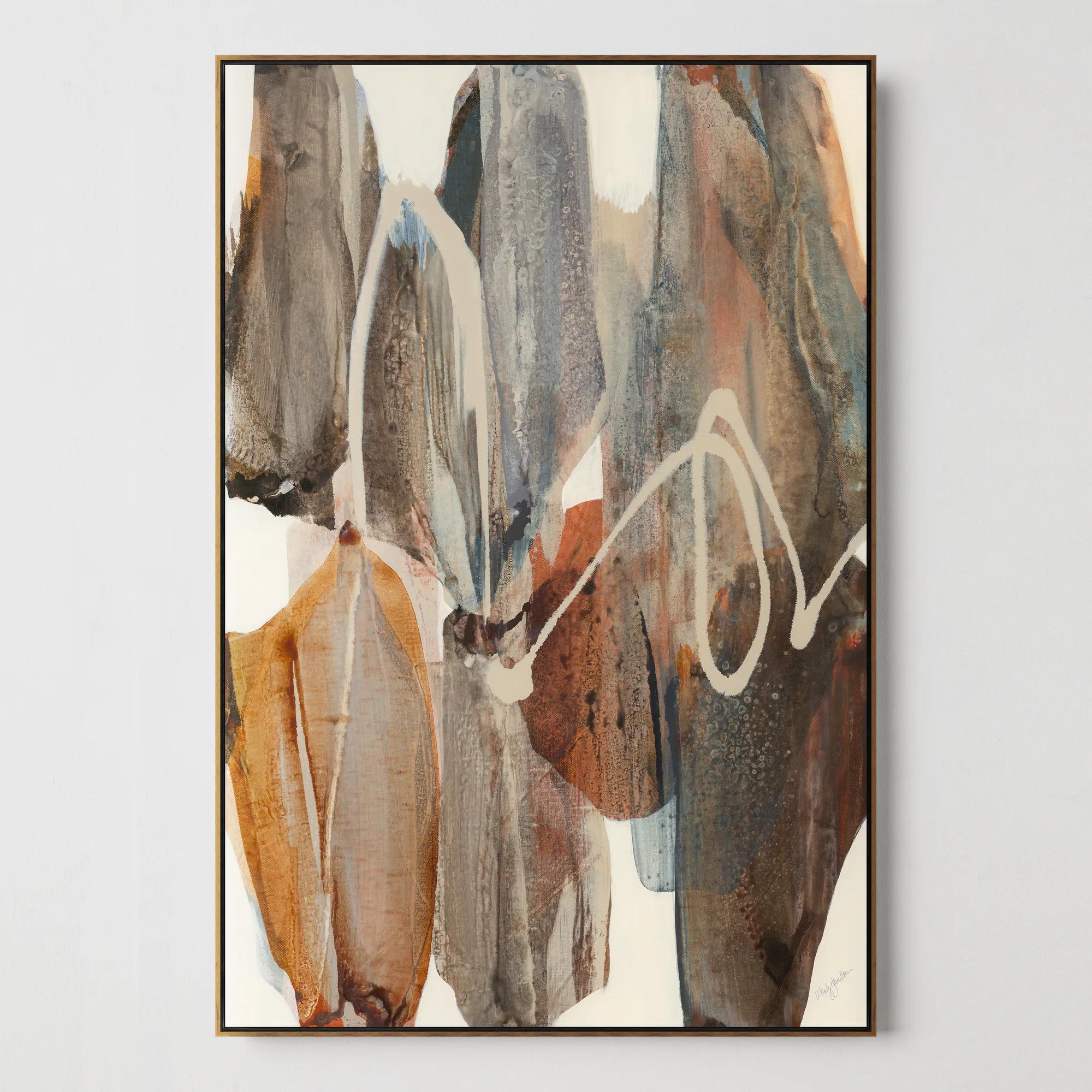
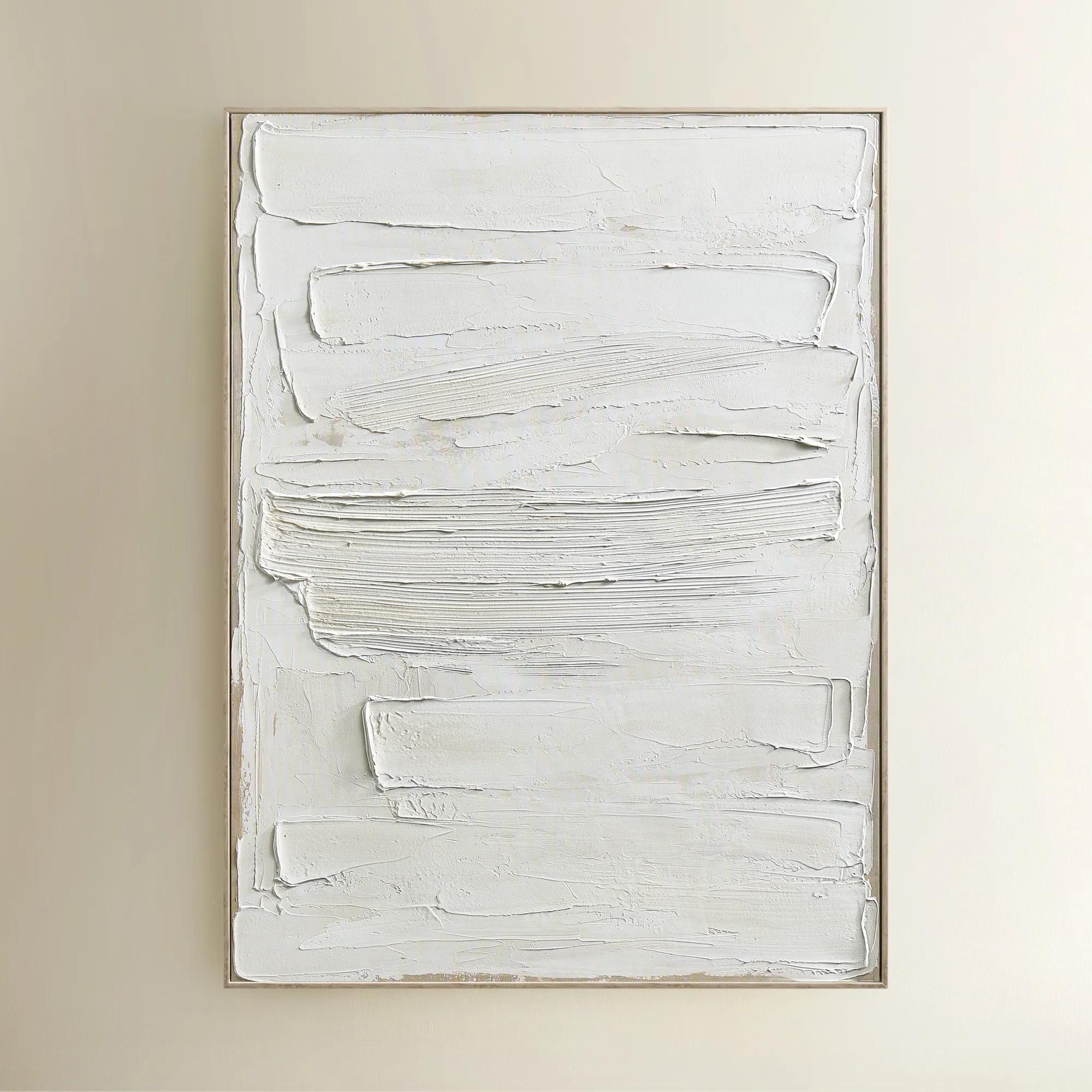
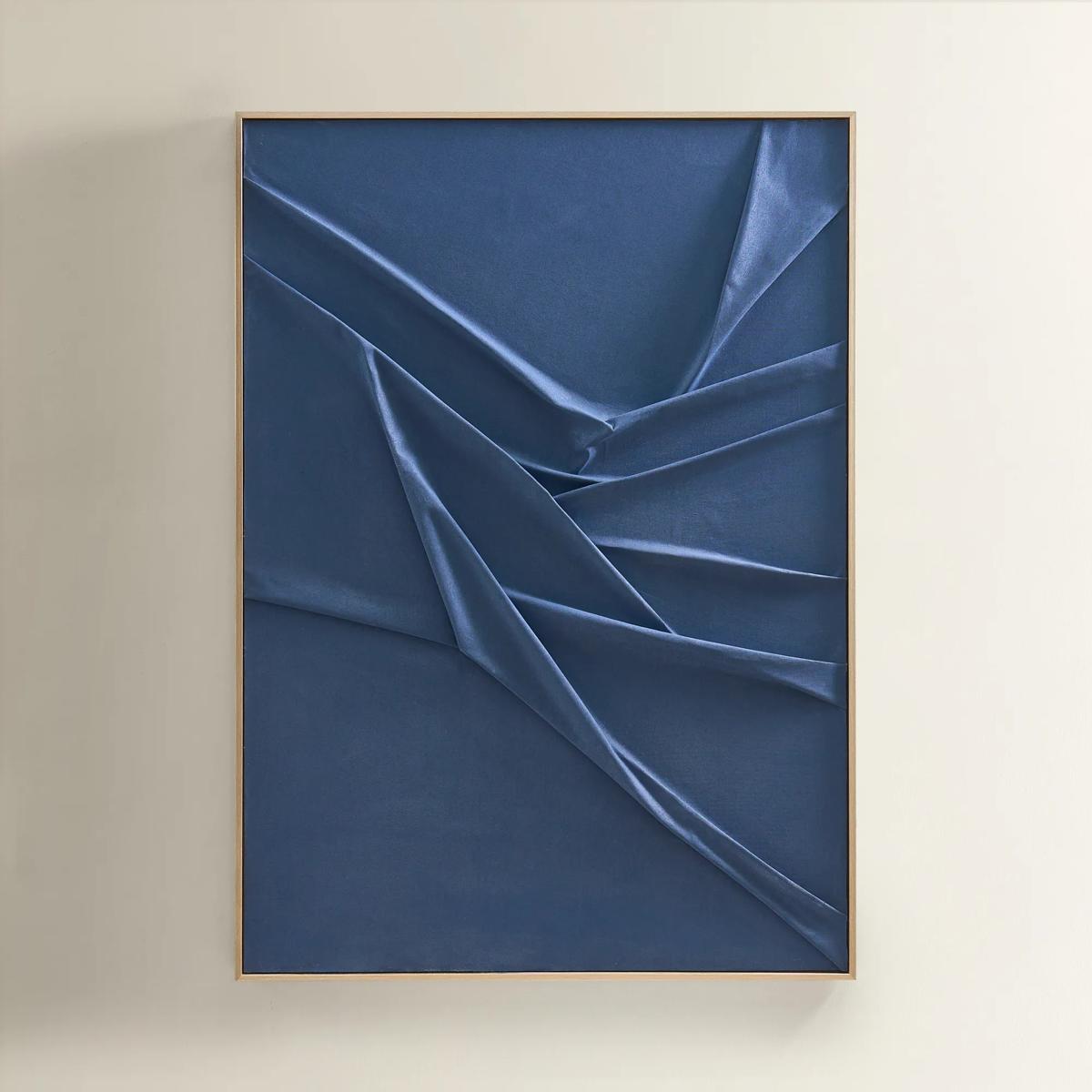
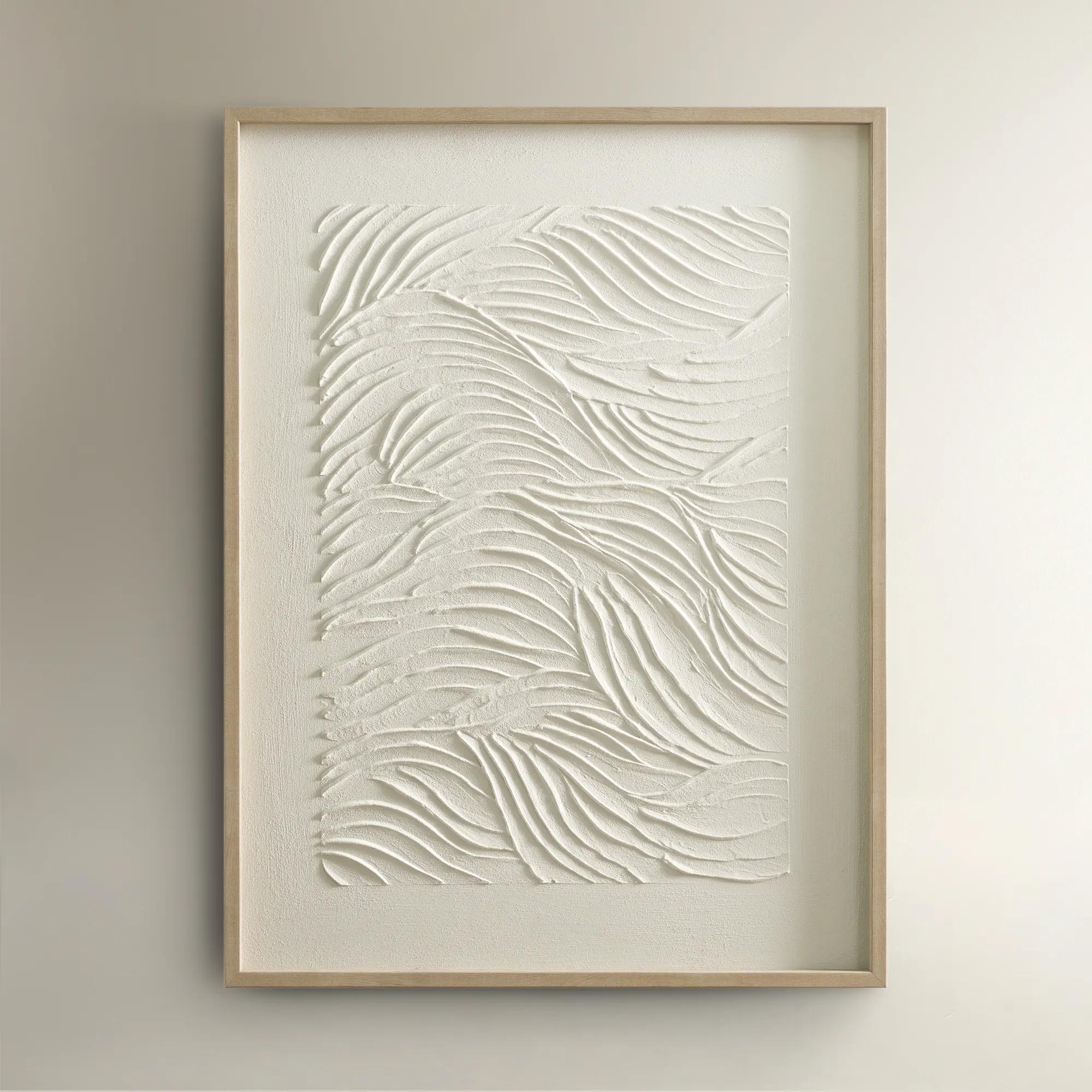
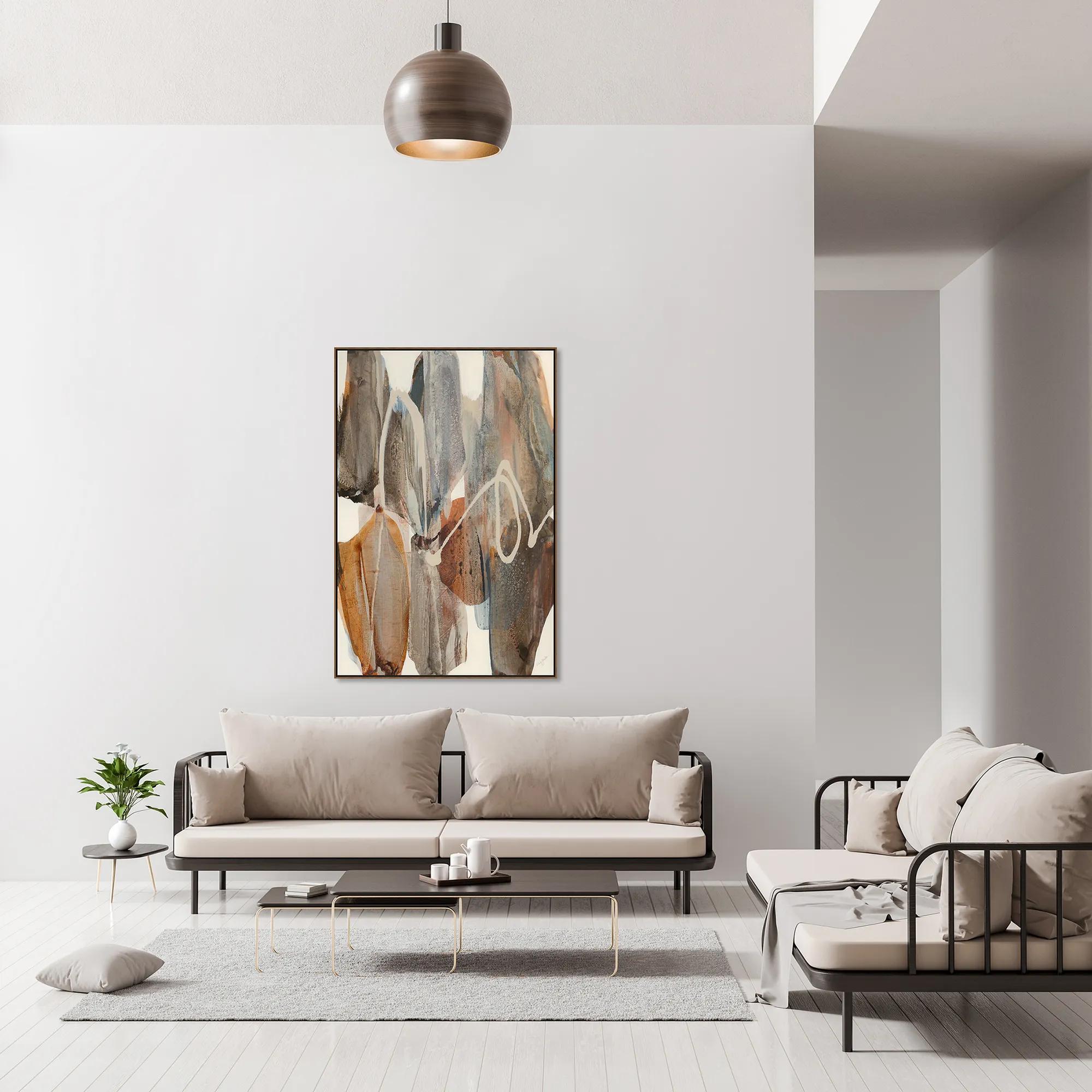 Boundless Framed Wall Art 40" x 60"$999
A gallery-wrapped canvas artwork with hand-applied brush gel finish in an oak floater frame.
Add To Cart -
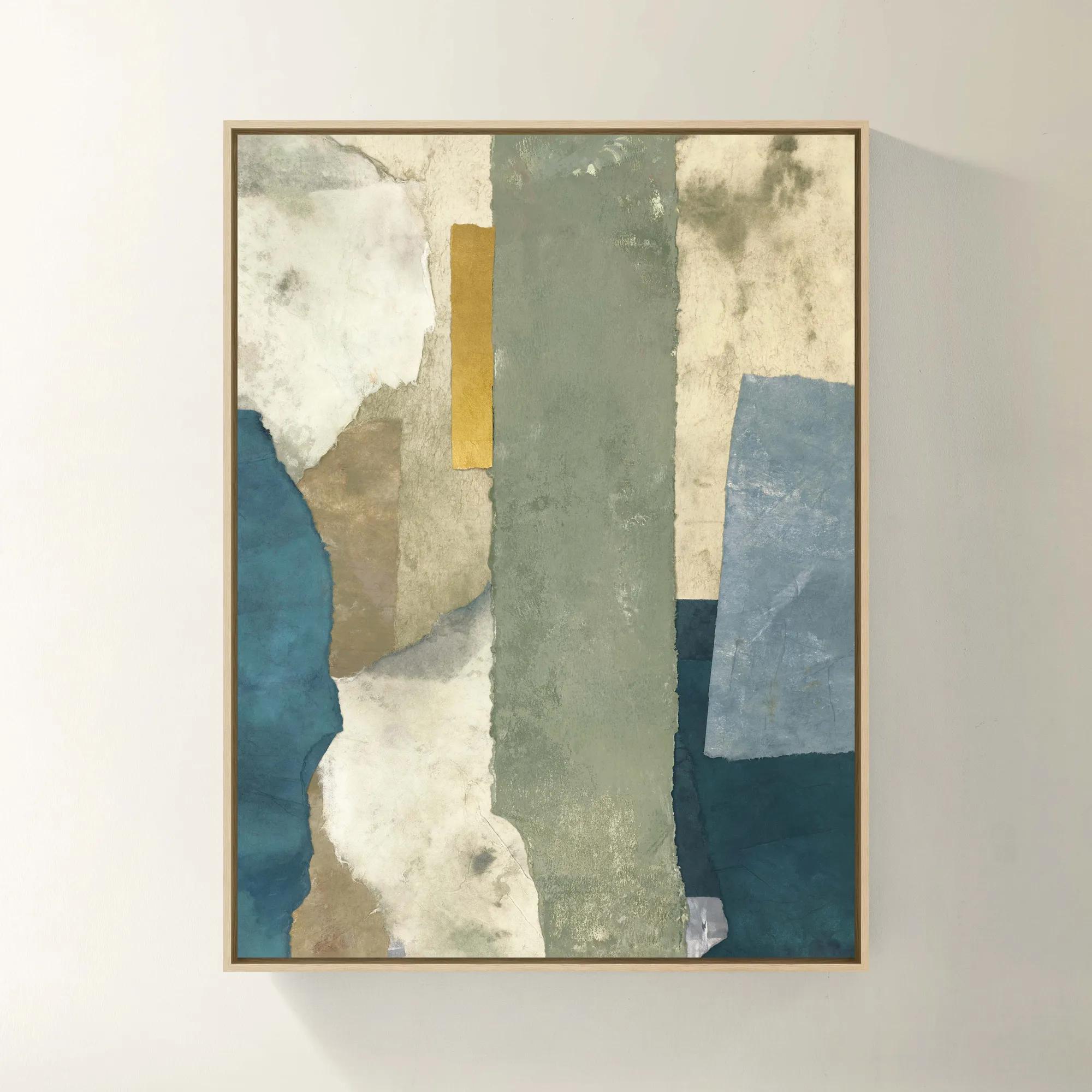 Earth Fragments II Framed Wall Art 30" x 40"$799
A gallery-wrapped canvas featuring gild accents and hand-applied gel, set in a natural floater frame.
Add To Cart -
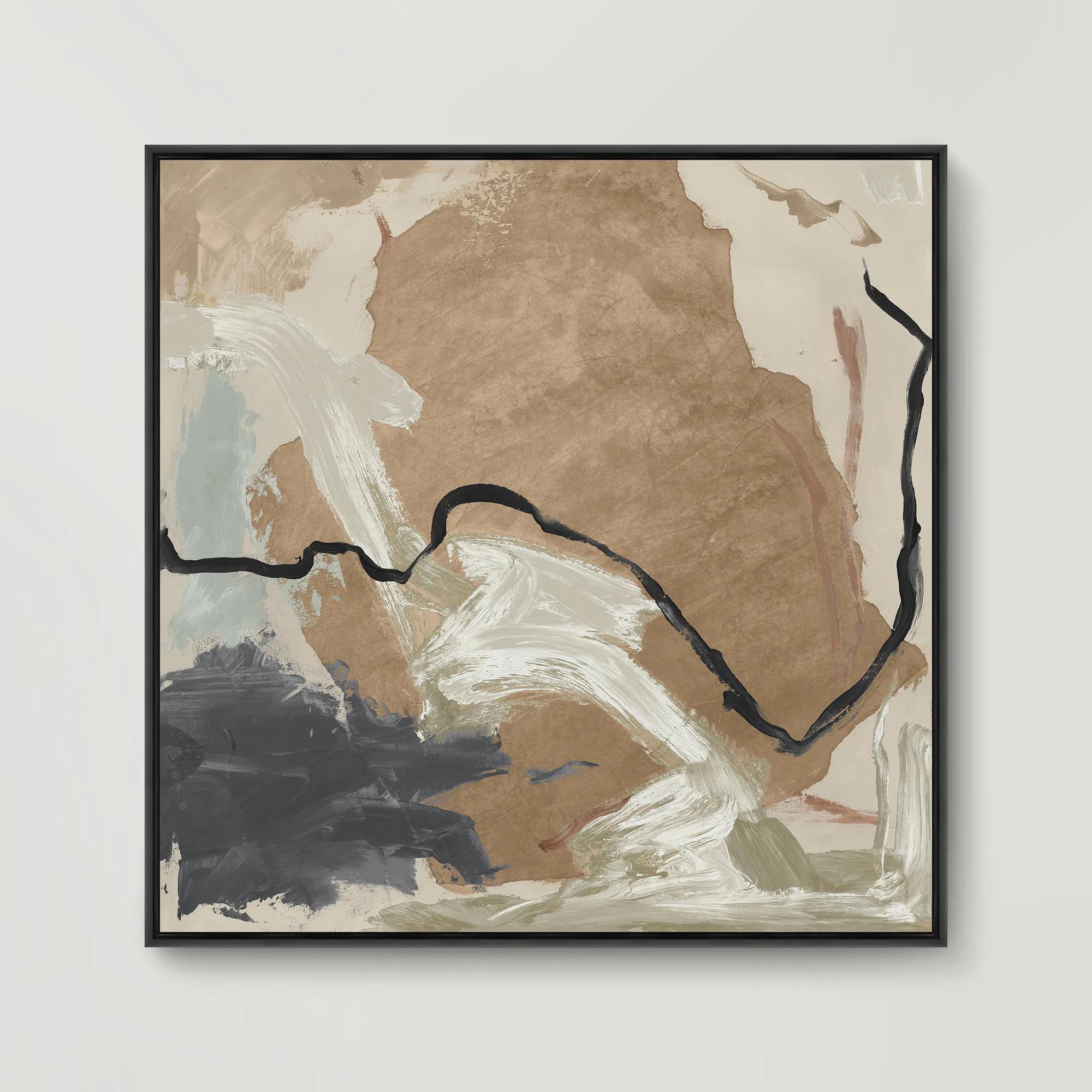 Borderlands III Framed Wall Art 31.5" x 31.5"$499
A gallery-wrapped canvas artwork with hand-applied brush gel finish, set in a sleek gray floater frame.
Add To Cart -
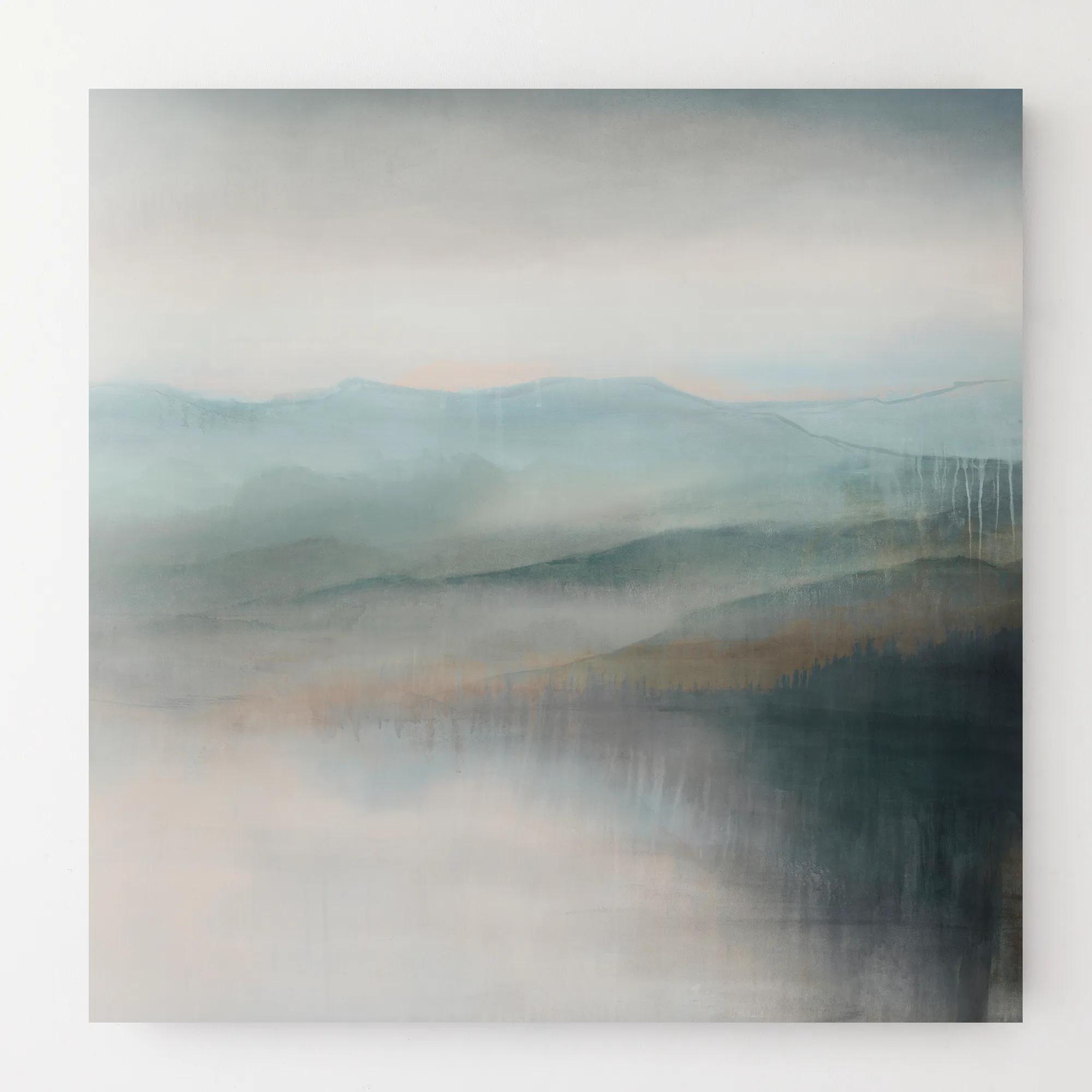
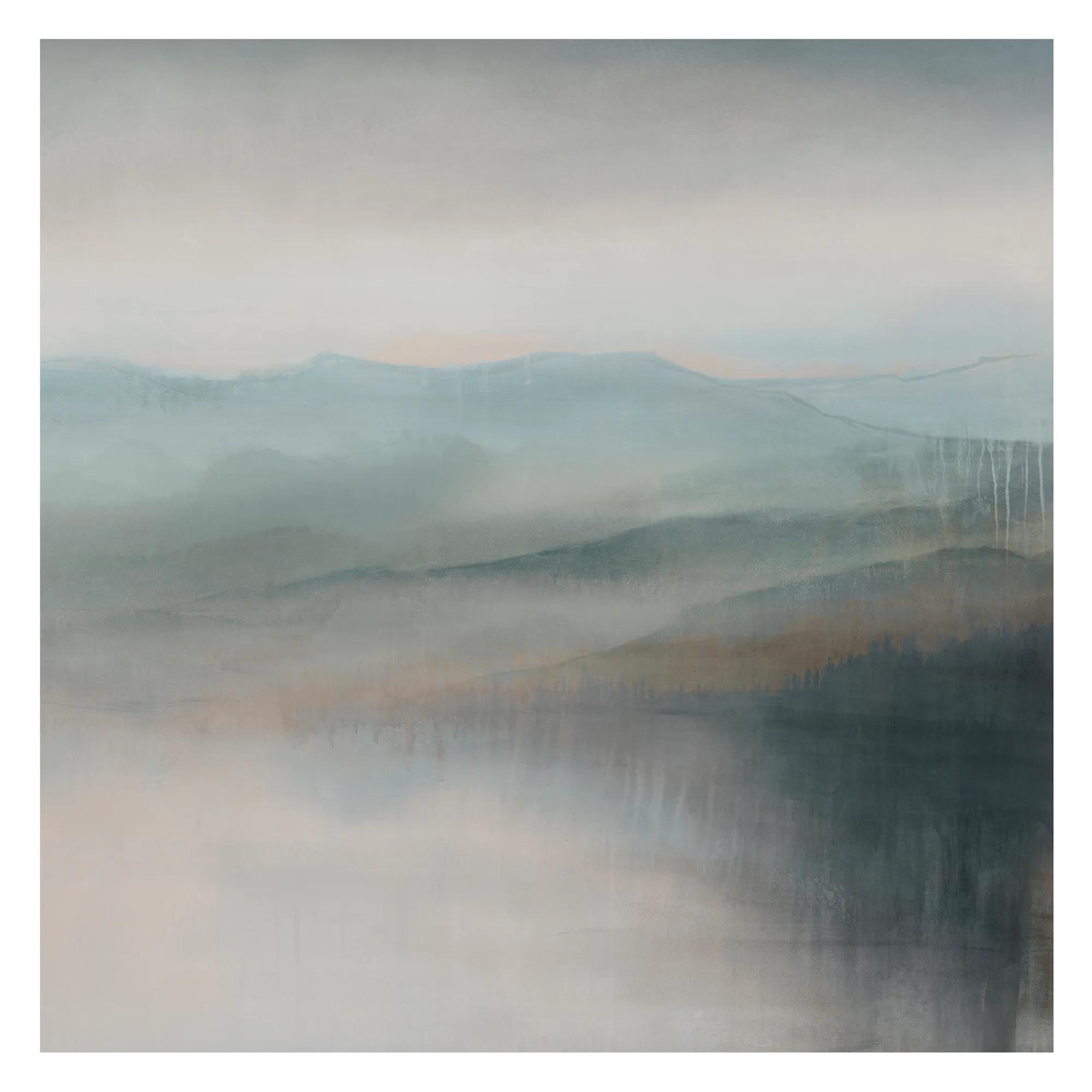 Morning Lift Wall Art 30" x 30"$399
A gallery-wrapped canvas artwork featuring a hand-applied image brush gel finish for added texture and depth.
Add To Cart -
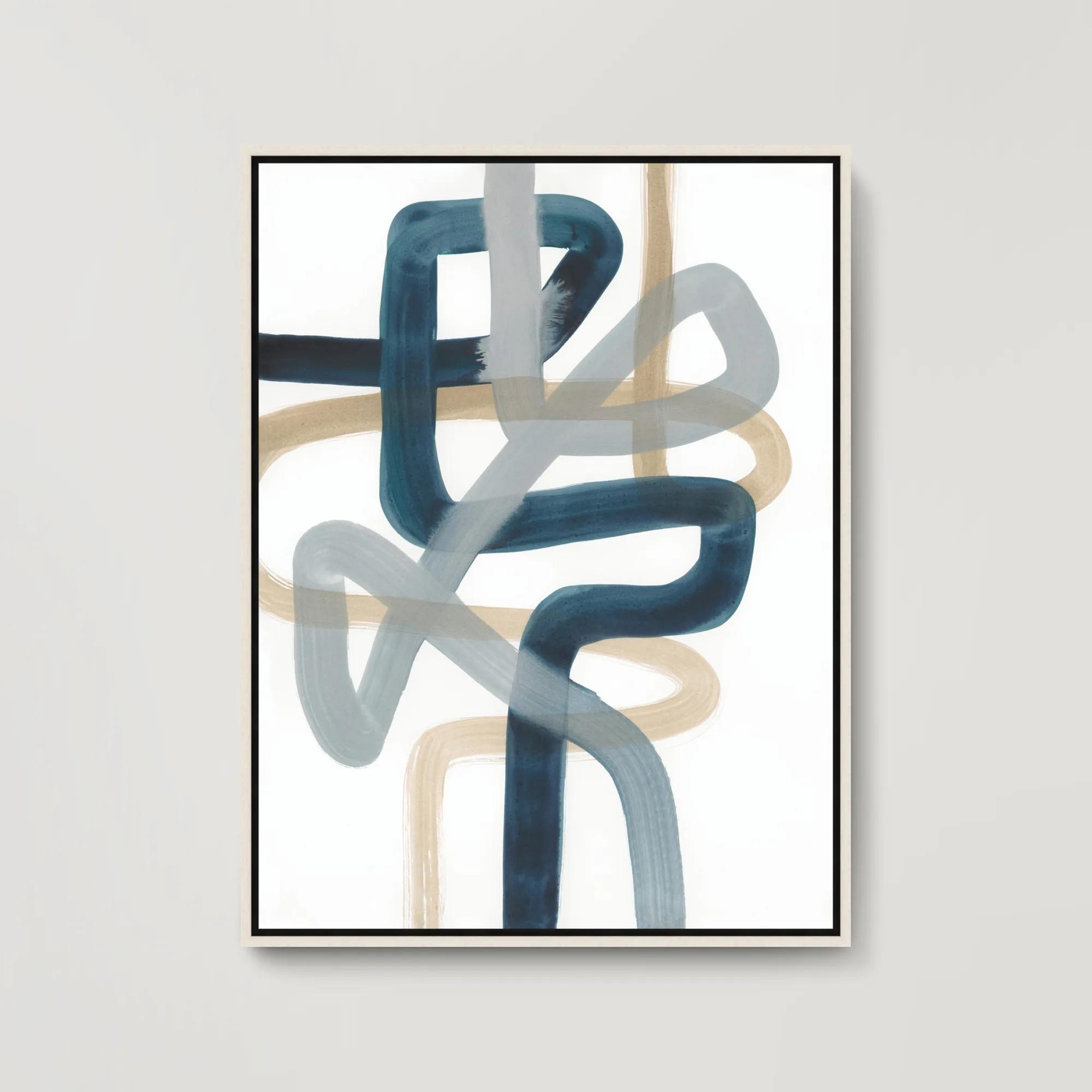
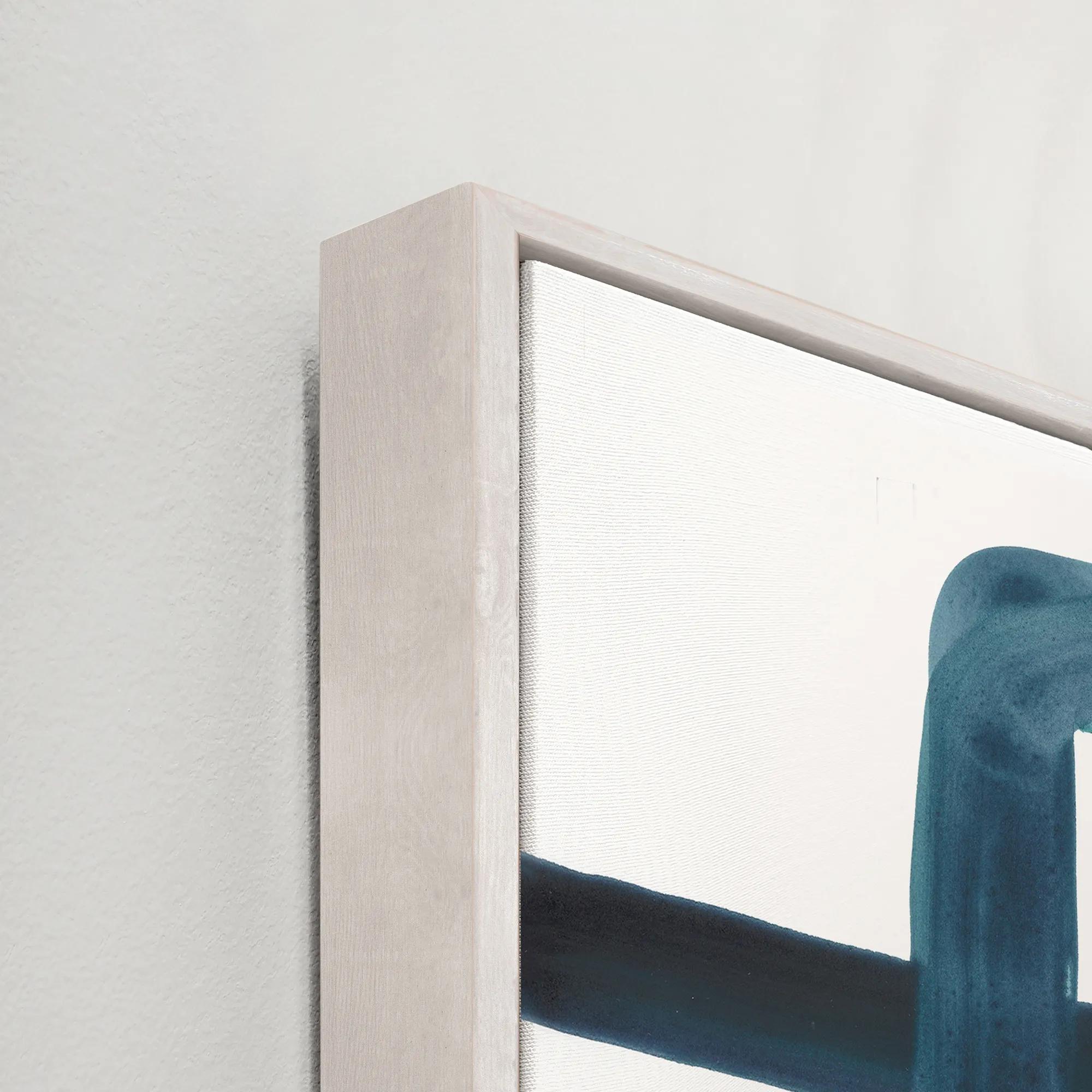 Looped In I Framed Wall Art 31.5" x 41.5"$699
A gallery-wrapped abstract canvas featuring hand-applied brush gel and a sleek white floater frame.
Add To Cart -
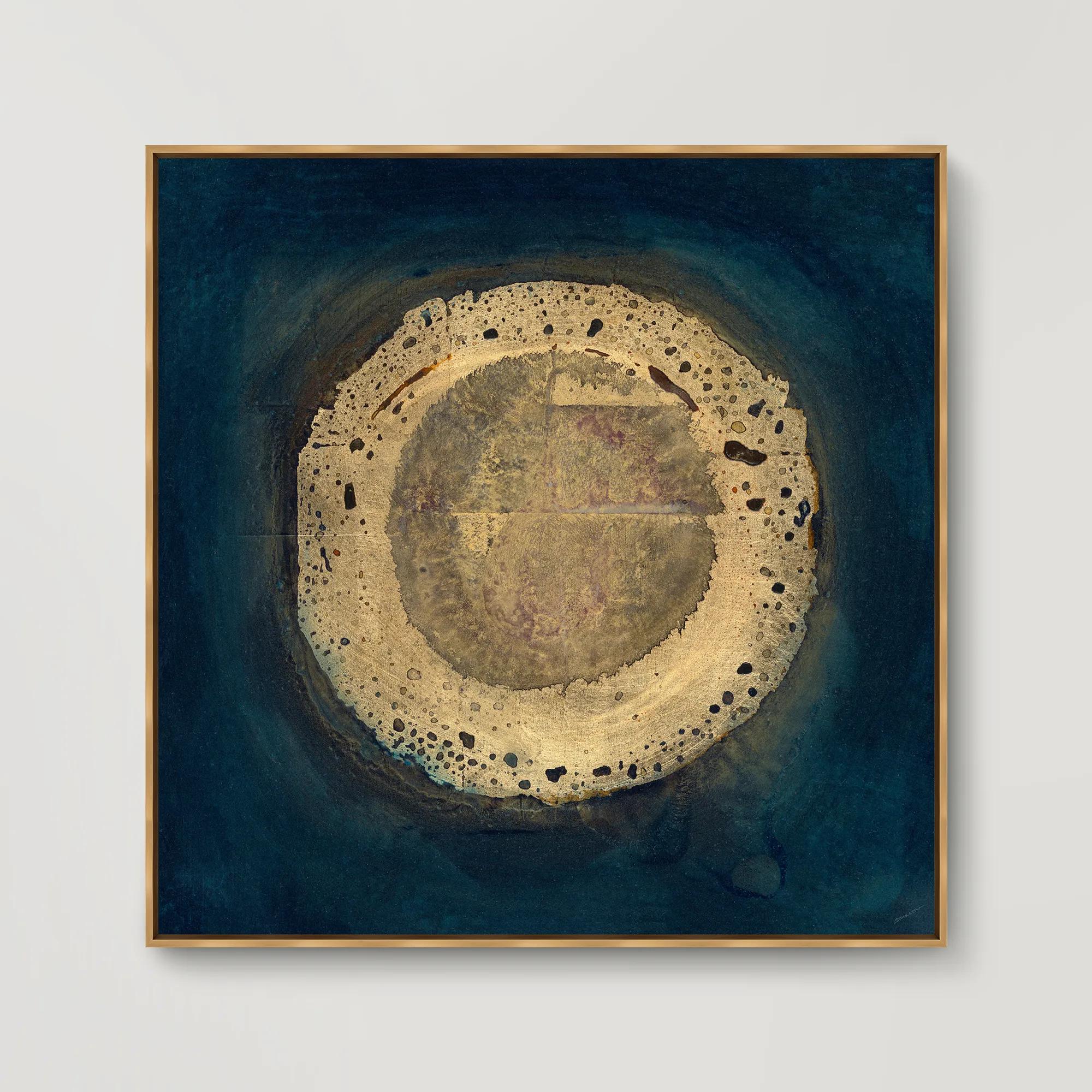
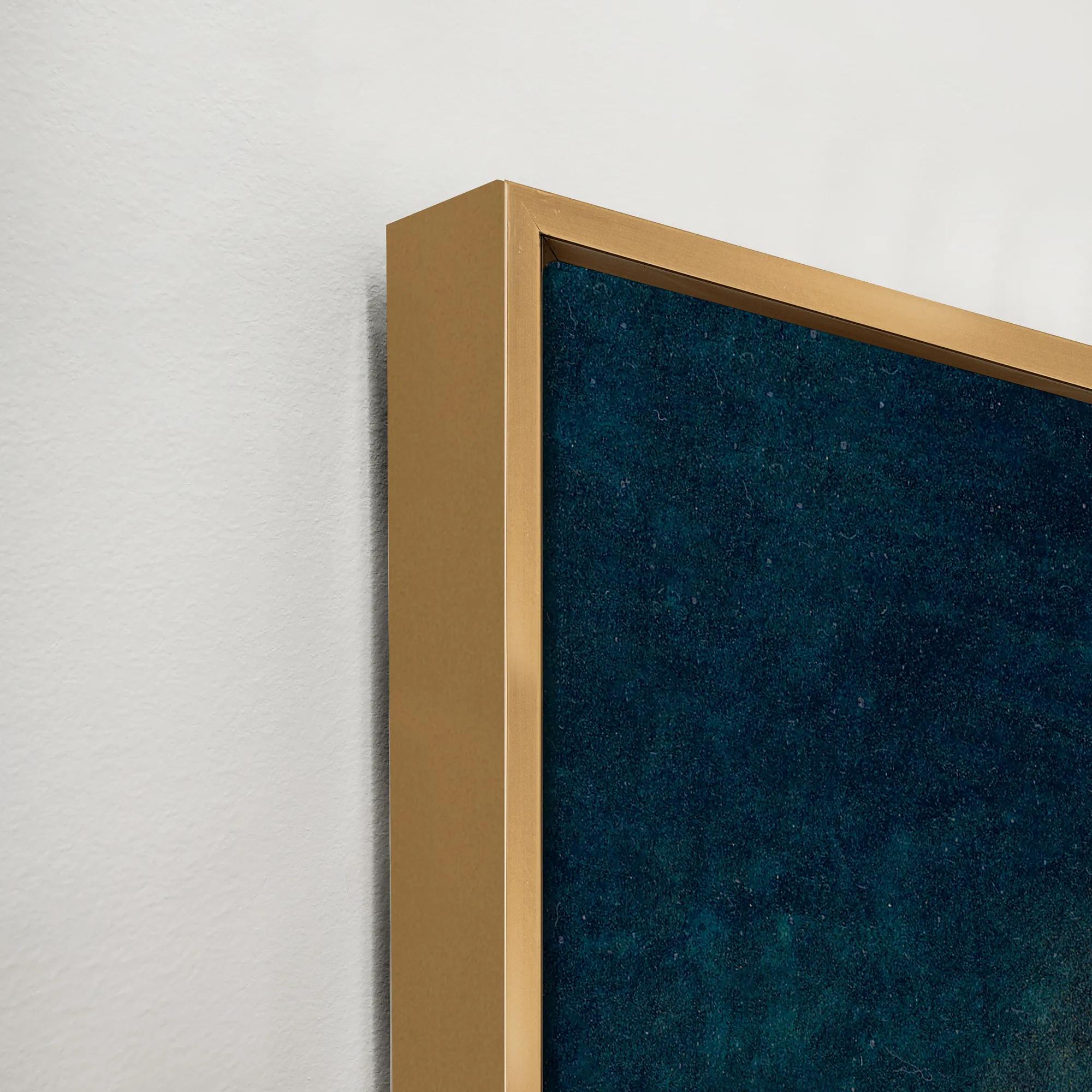 Bramble I Framed Wall Art 41.5" x 41.5"$749
A gallery-wrapped abstract canvas with hand-applied gel finish, set in an elegant gold floater frame.
Add To Cart -

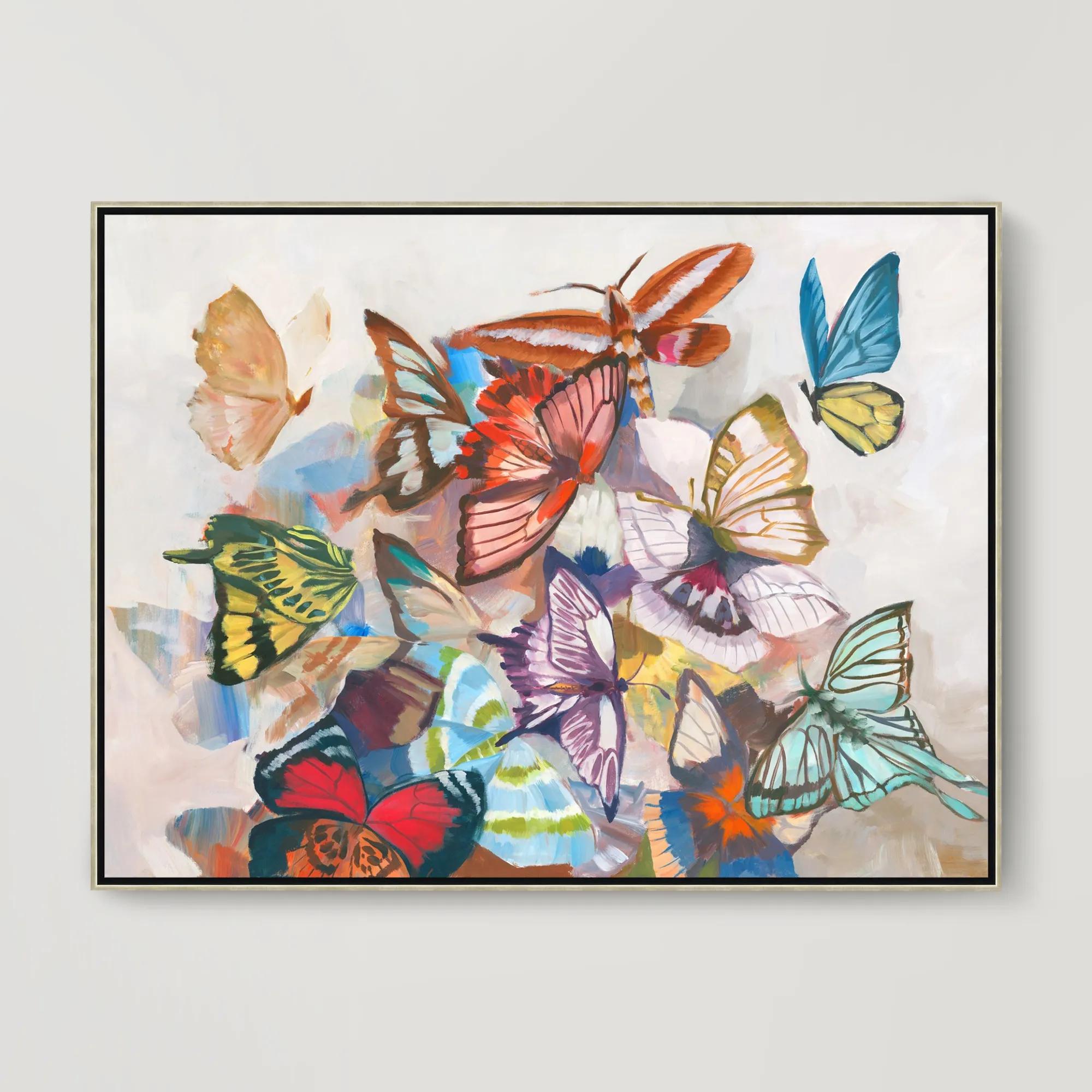
 Blooming in Her Own Time Framed Wall Art 40" x 50"$1029
A vibrant multicolored canvas wall artwork featuring an expressive botanical-inspired design in a framed presentation.
Add To Cart -
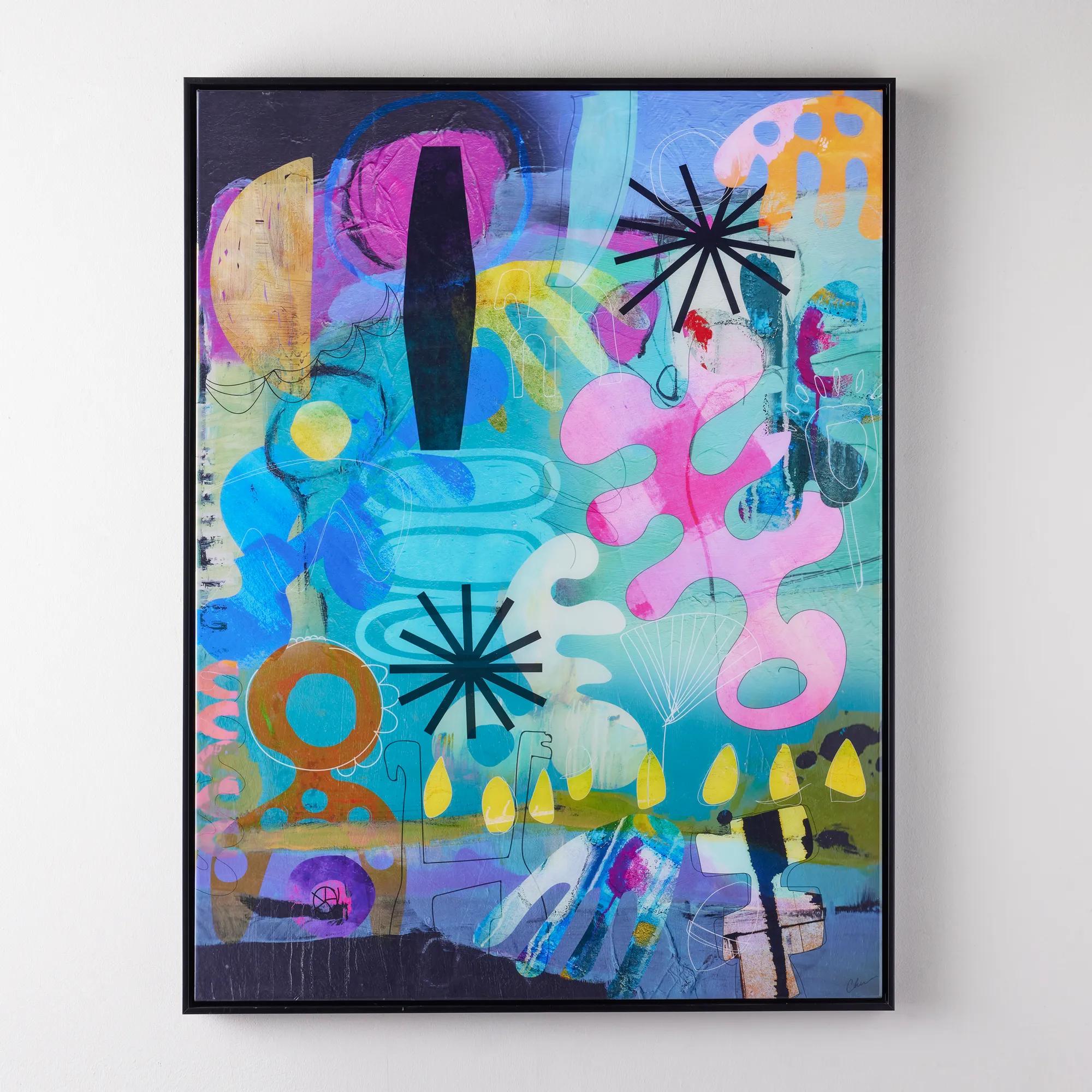
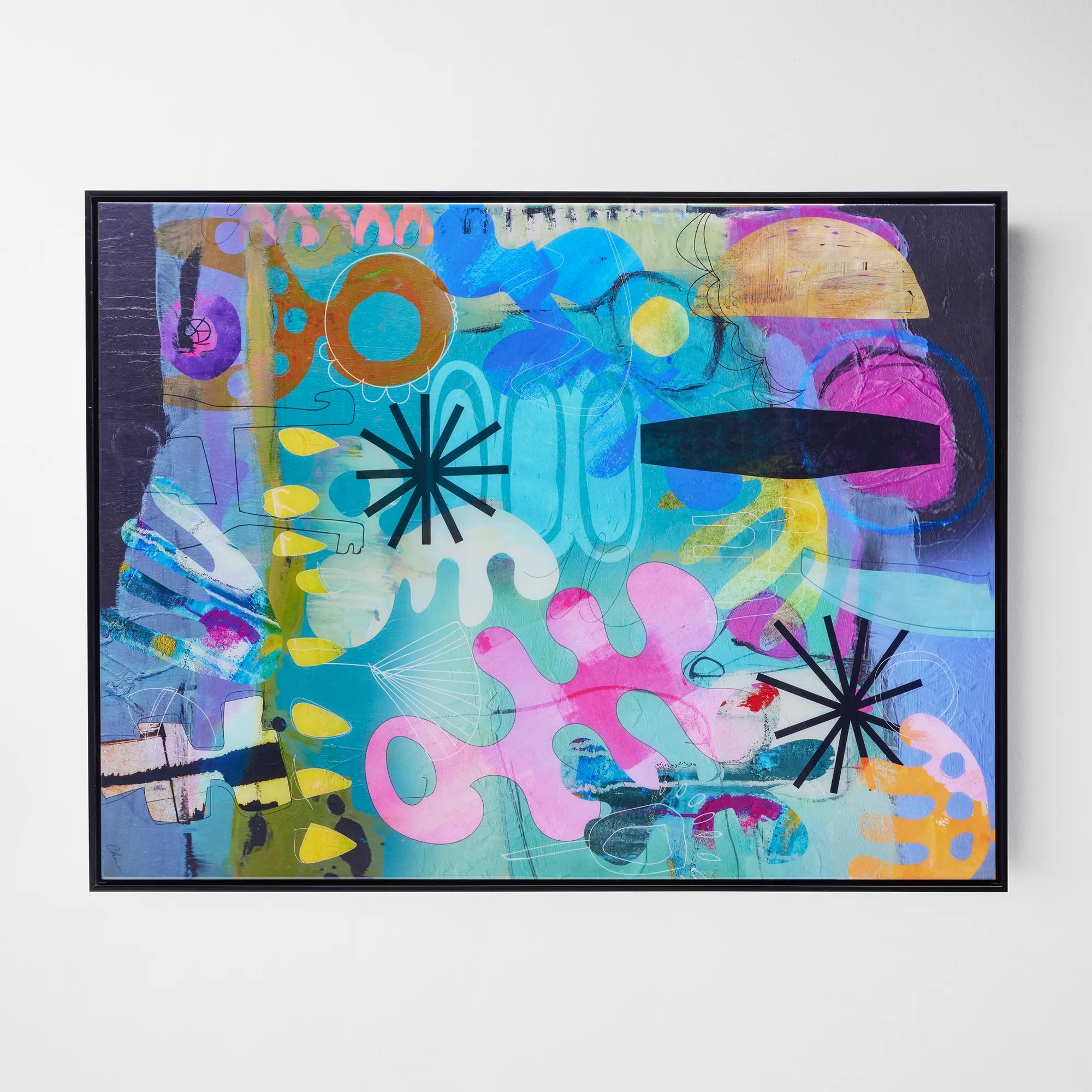 Nikki Chu Detailed Vision Framed Wall Art 54" x 41"$1099
A vibrant, high-gloss artwork with a black frame, designed to hang vertically or horizontally.
Add To Cart -
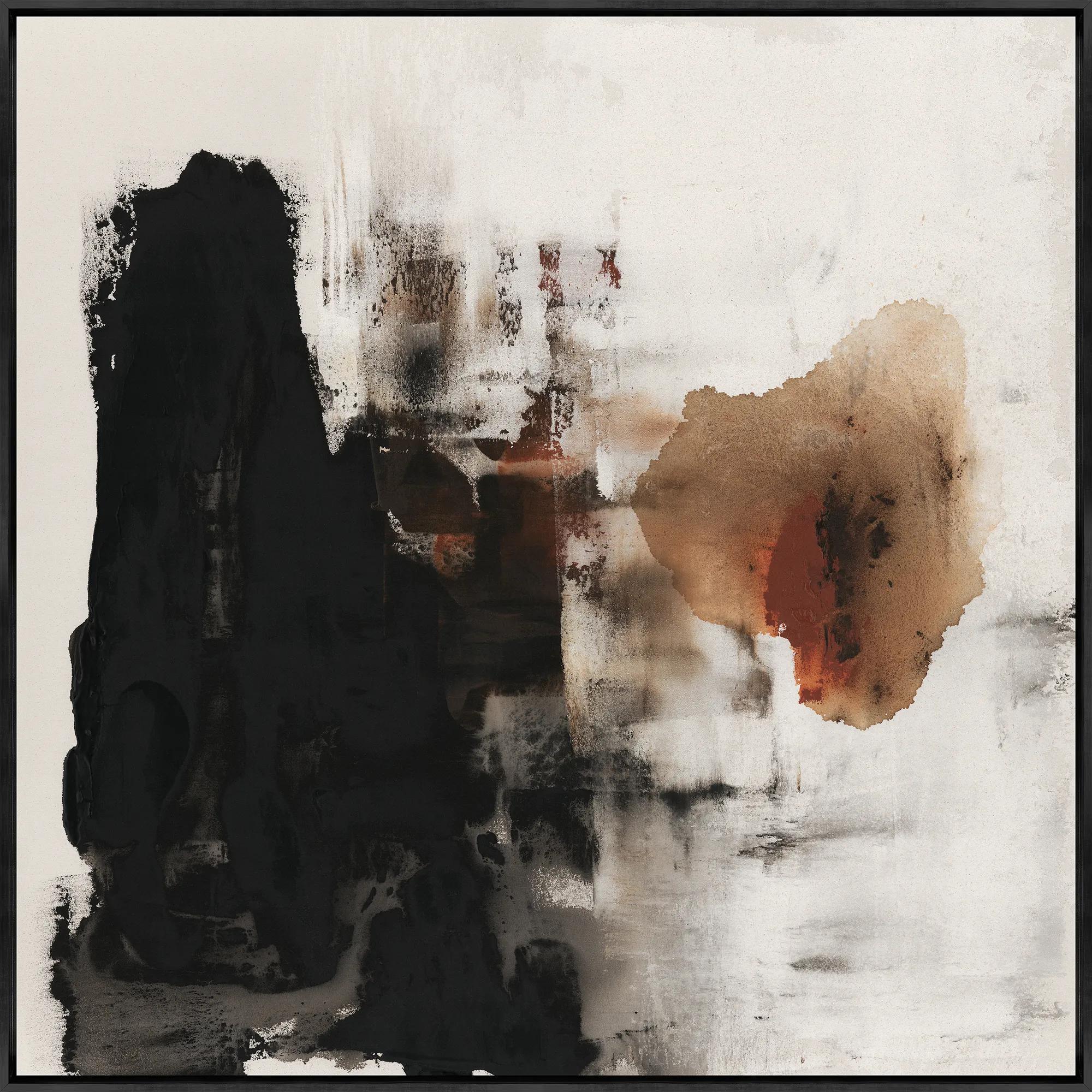 Burning for You I Framed Wall Art 40" x 40"$799
A gallery-wrapped canvas artwork with hand-applied brush gel, set in a sleek black floater frame.
Add To Cart -
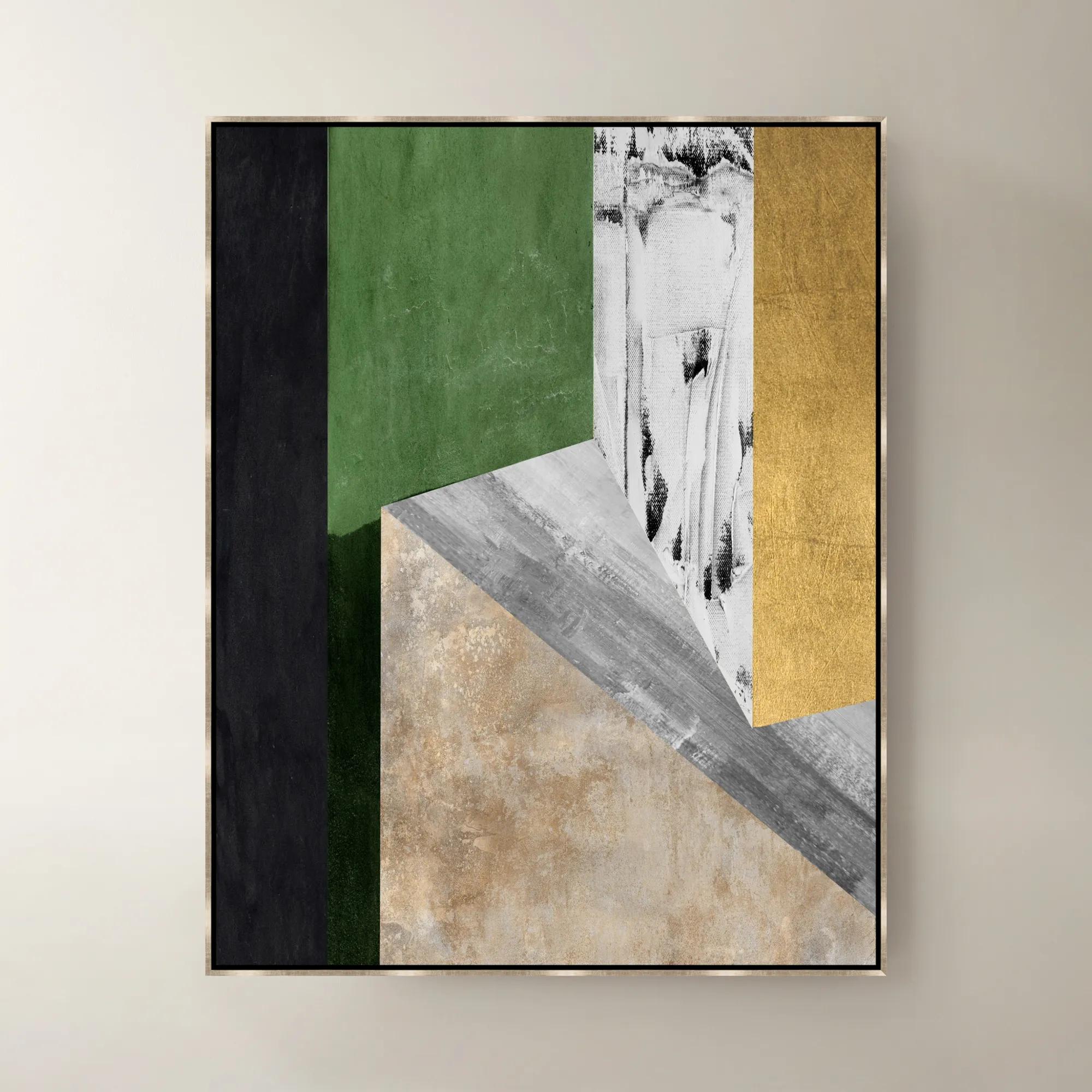
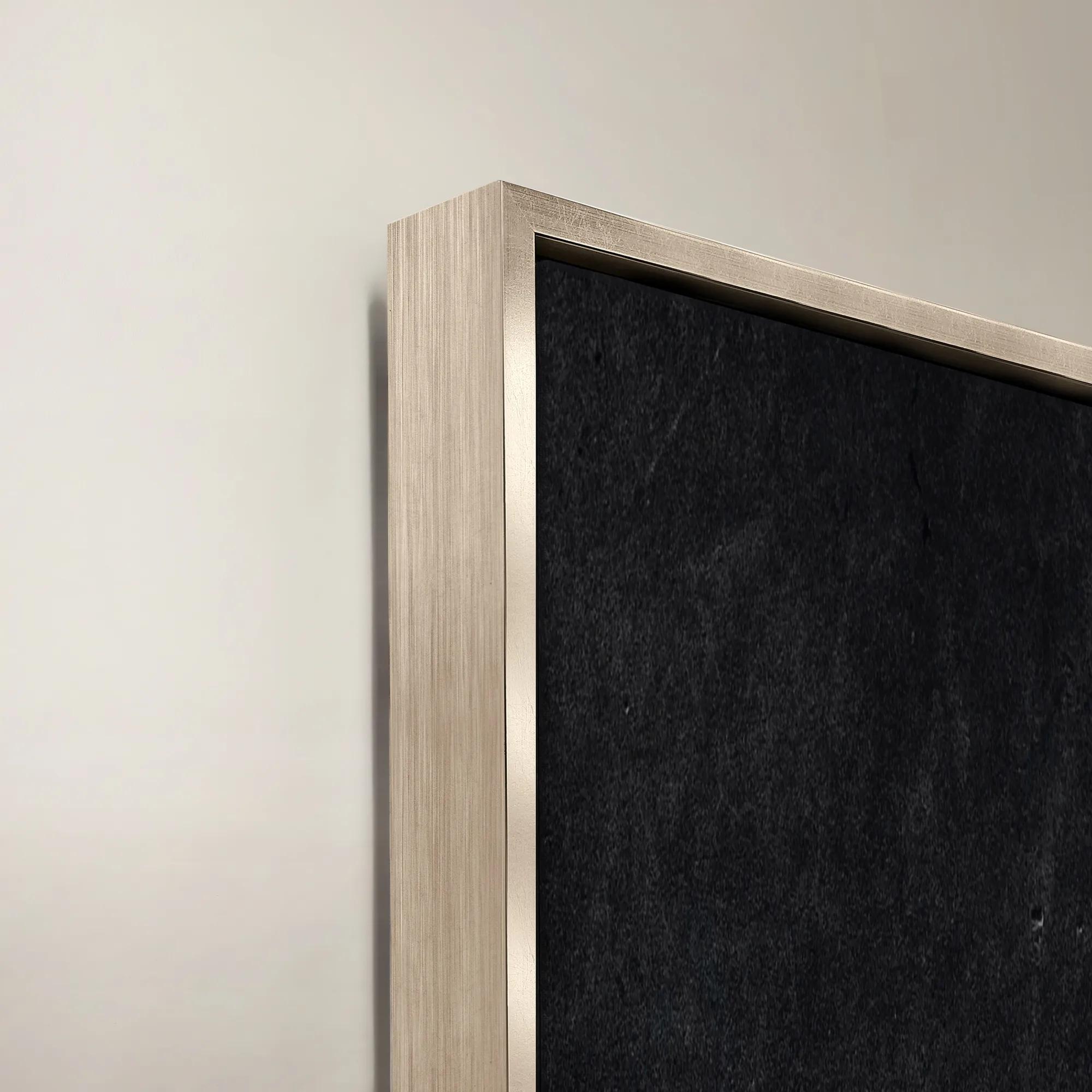 Blocked III Framed Wall Art 42" x 50"$1199
A striking abstract art piece featuring bold geometric shapes and modern design by Nikki Chu.
Add To Cart -

 Heart Dancing Framed Wall Art 51.5" x 37.5"$799
A gallery-wrapped canvas artwork with a hand-applied brush gel finish in a sleek gunmetal floater frame.
Add To Cart -
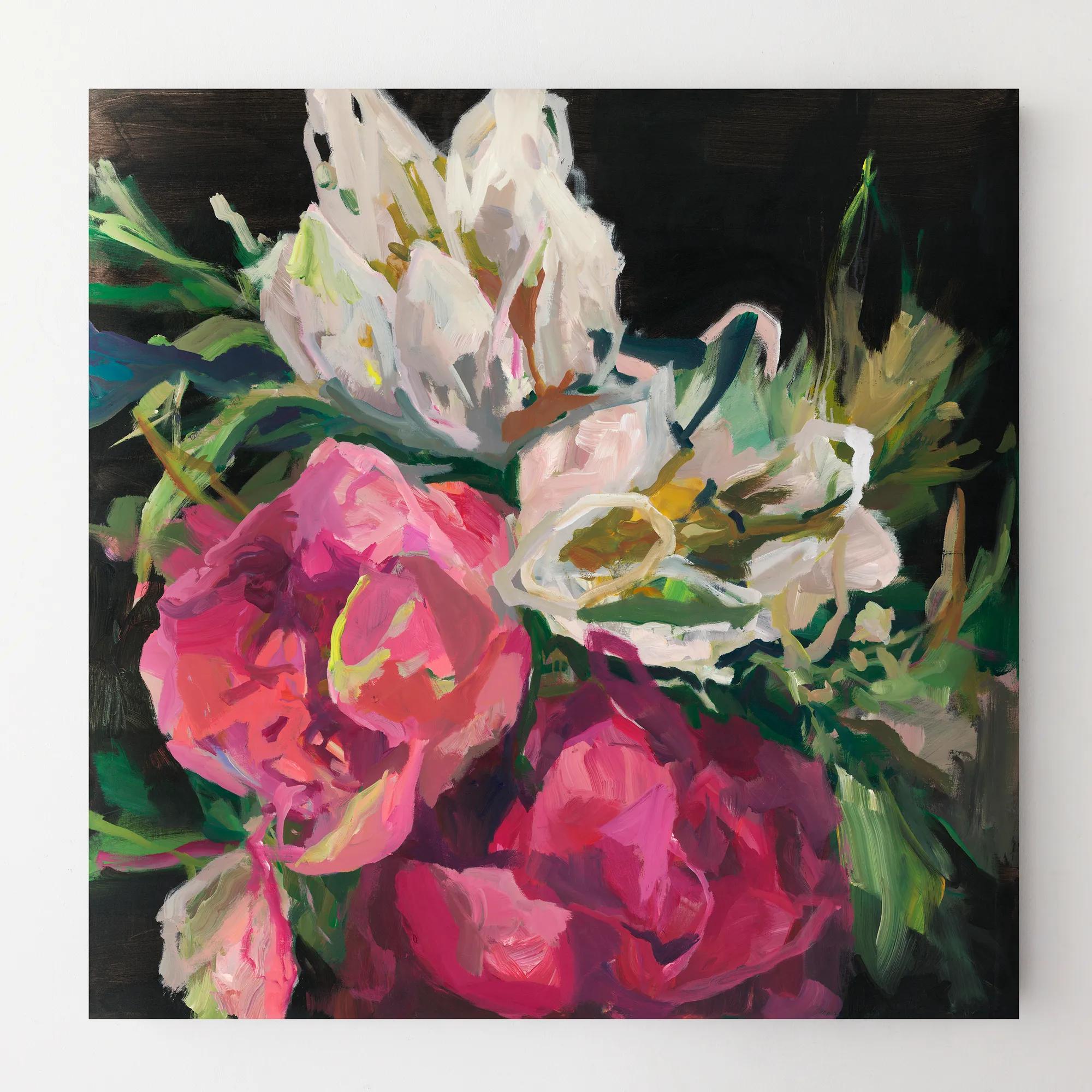
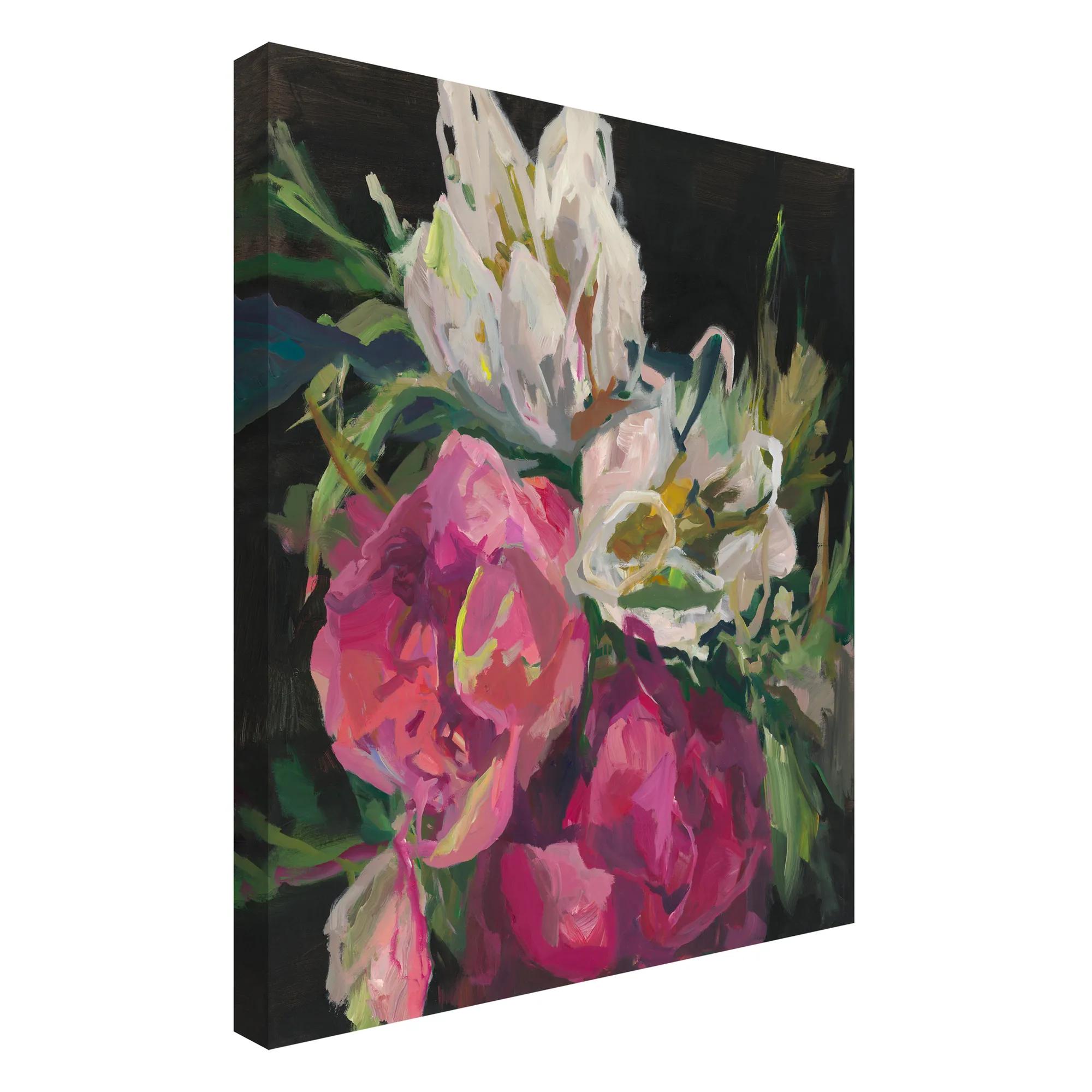 Wild At Heart Wall Art 30" x 30"$399
A gallery-wrapped canvas artwork featuring a hand-applied image brush gel finish for striking visual texture.
Add To Cart -
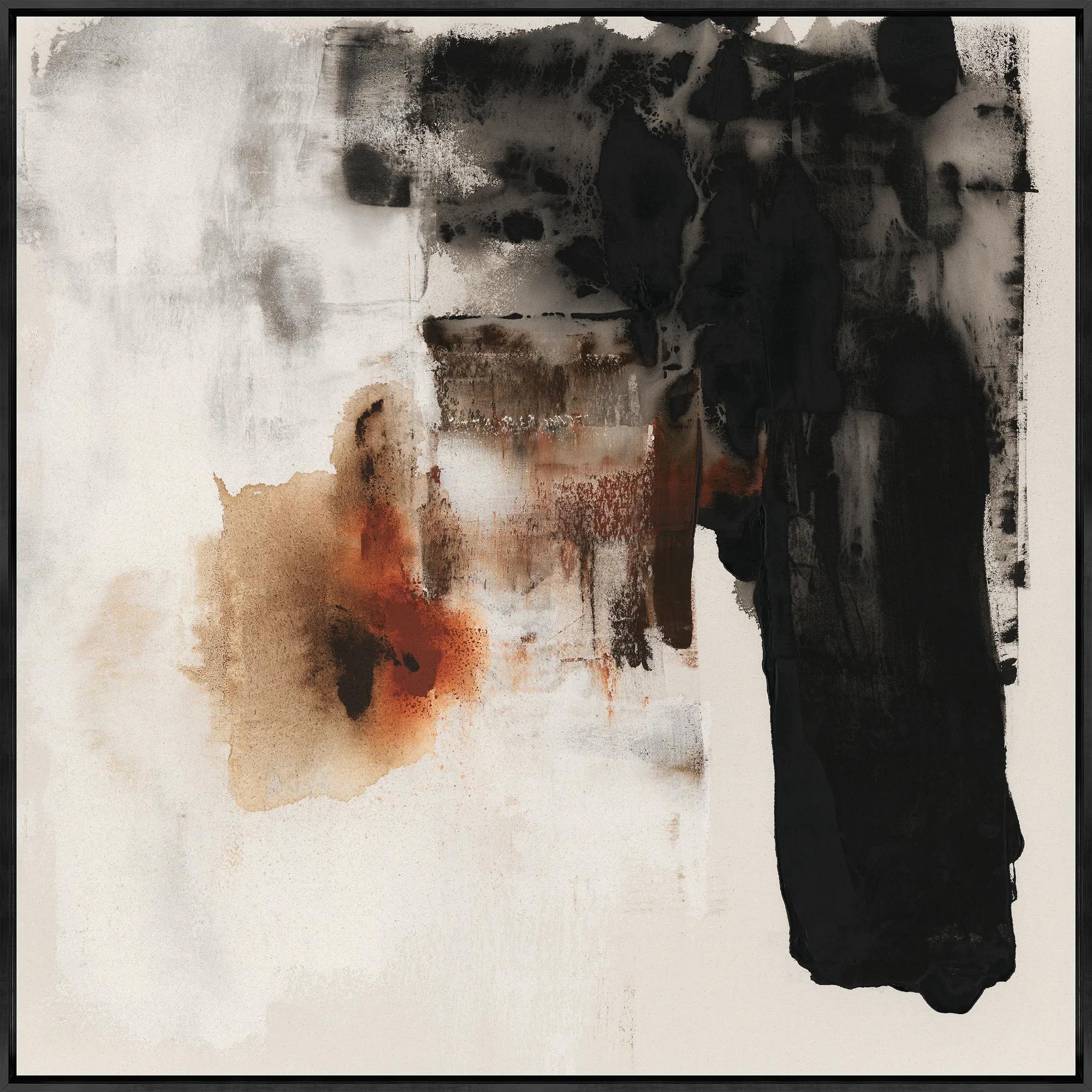
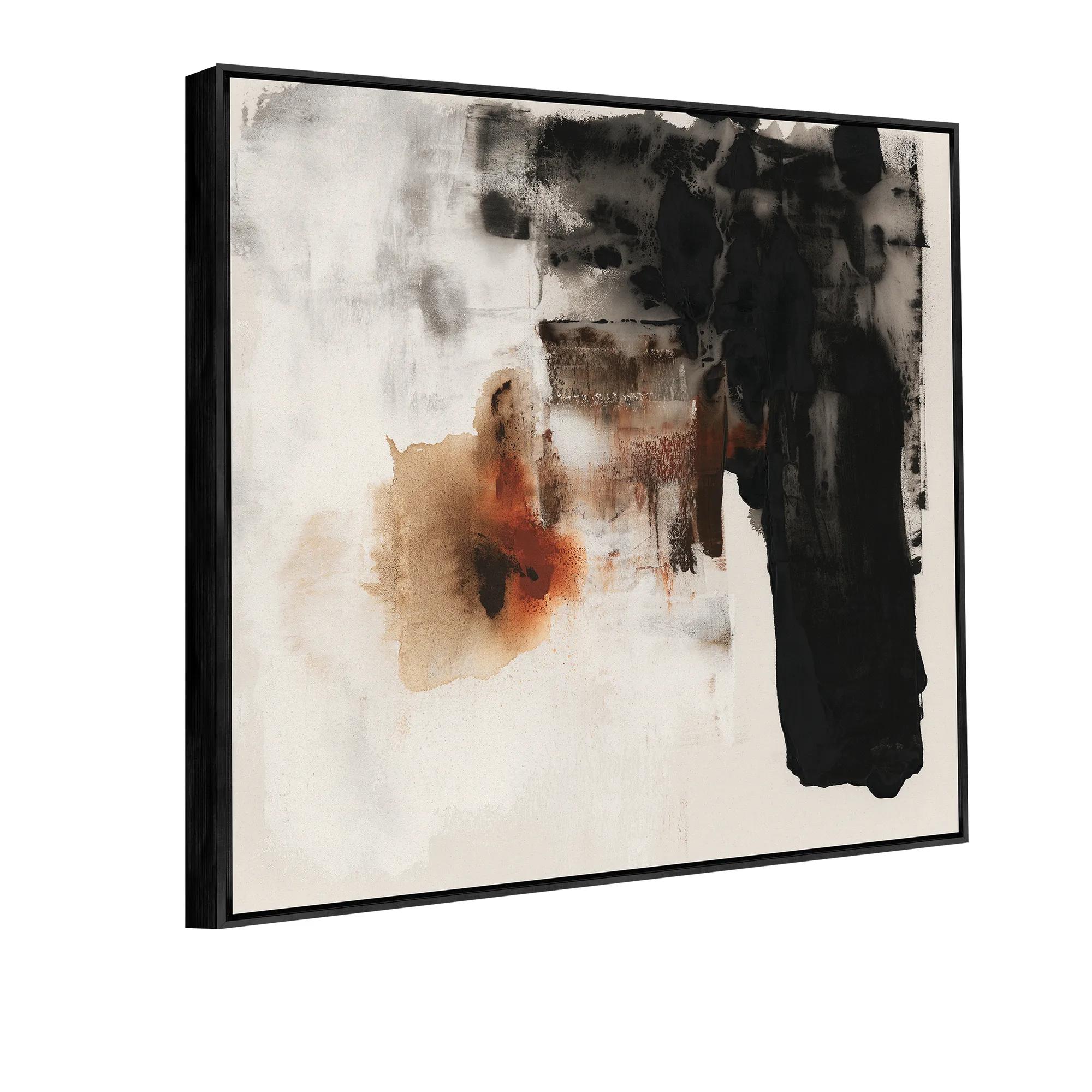 Burning for You II Framed Wall Art 40" x 40"$799
A gallery-wrapped canvas artwork with hand-applied brush gel, set in a sleek black floater frame.
Add To Cart -
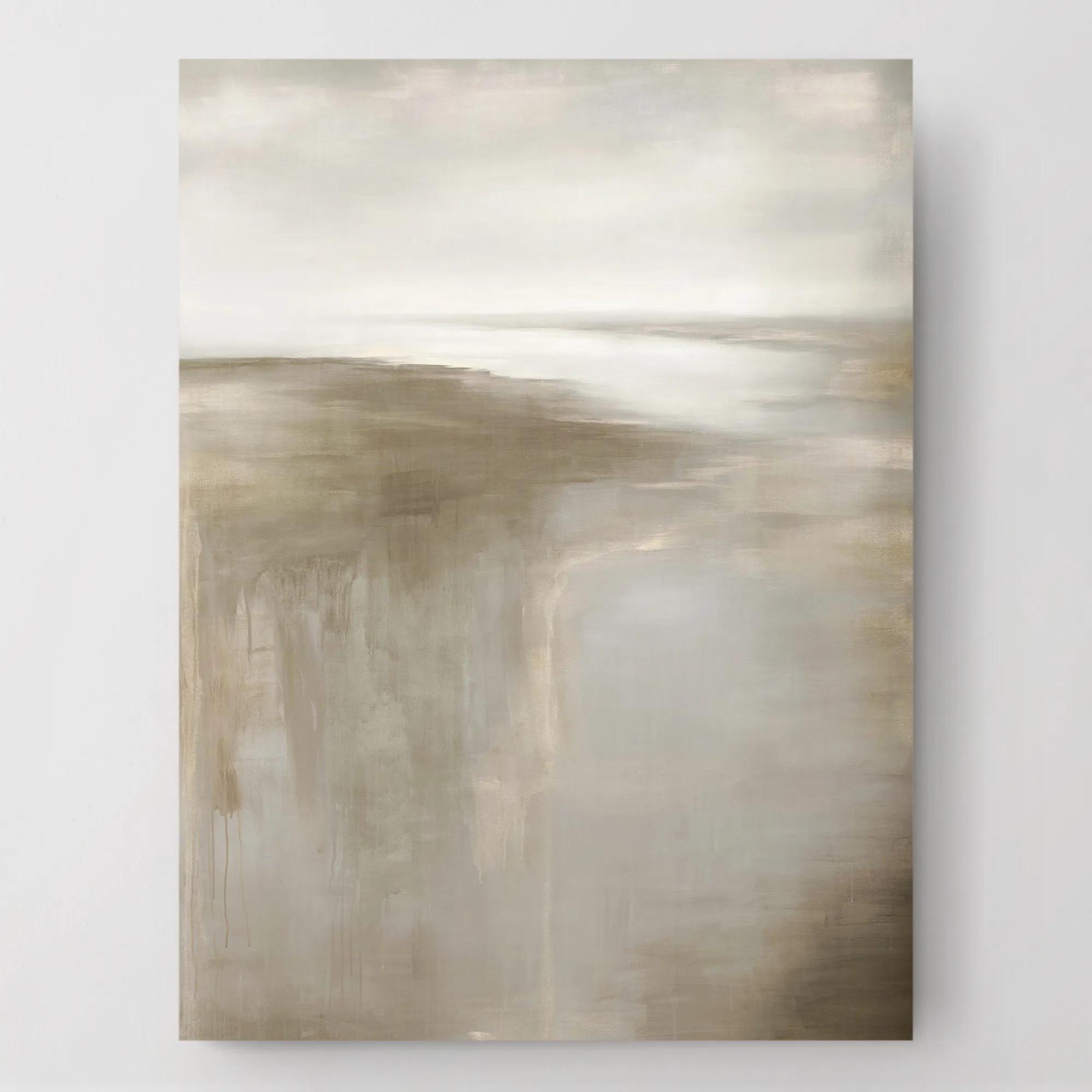
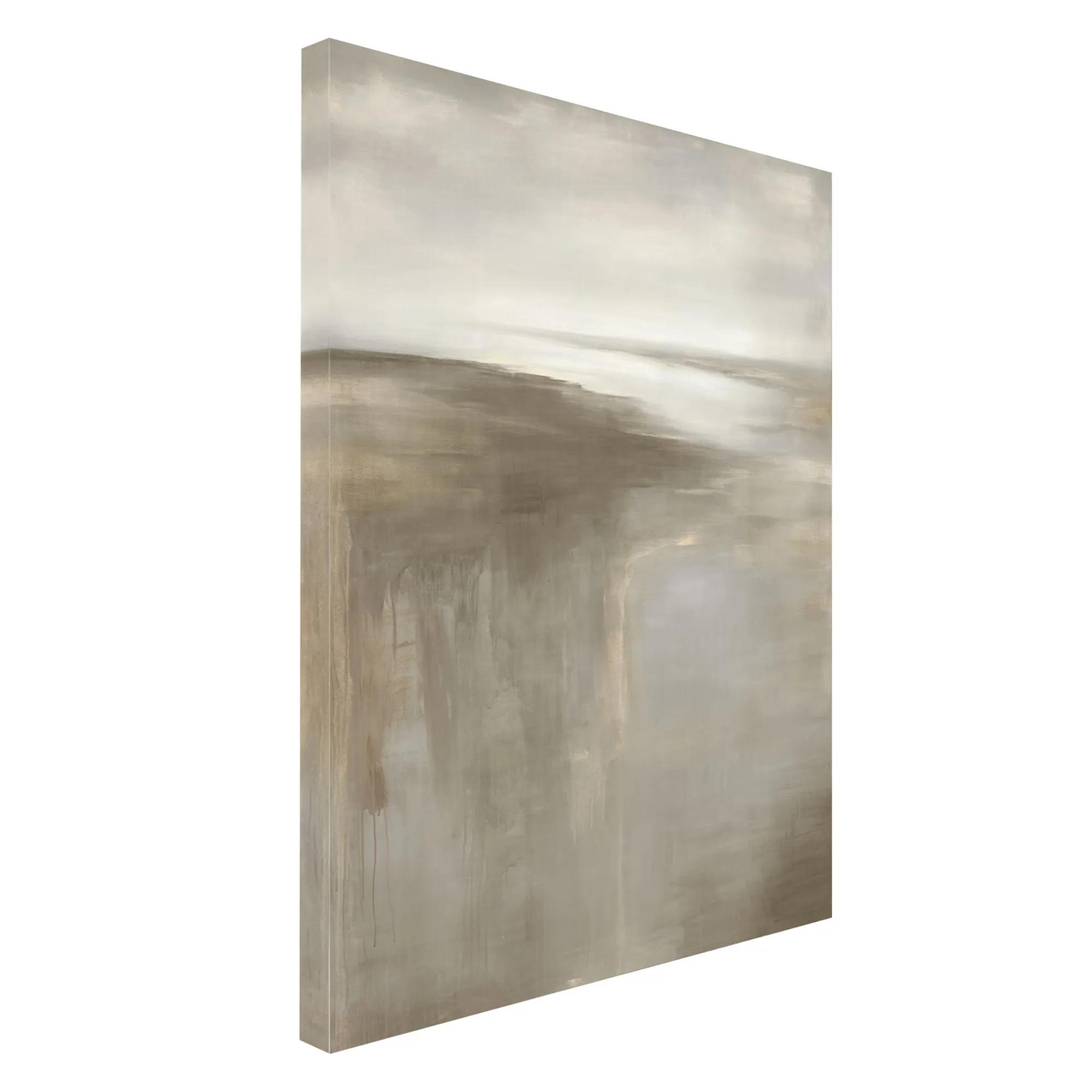 Silver Morning Wall Art 30" x 40"$449
A gallery-wrapped silver canvas artwork featuring a hand-applied image brush gel finish.
Add To Cart -
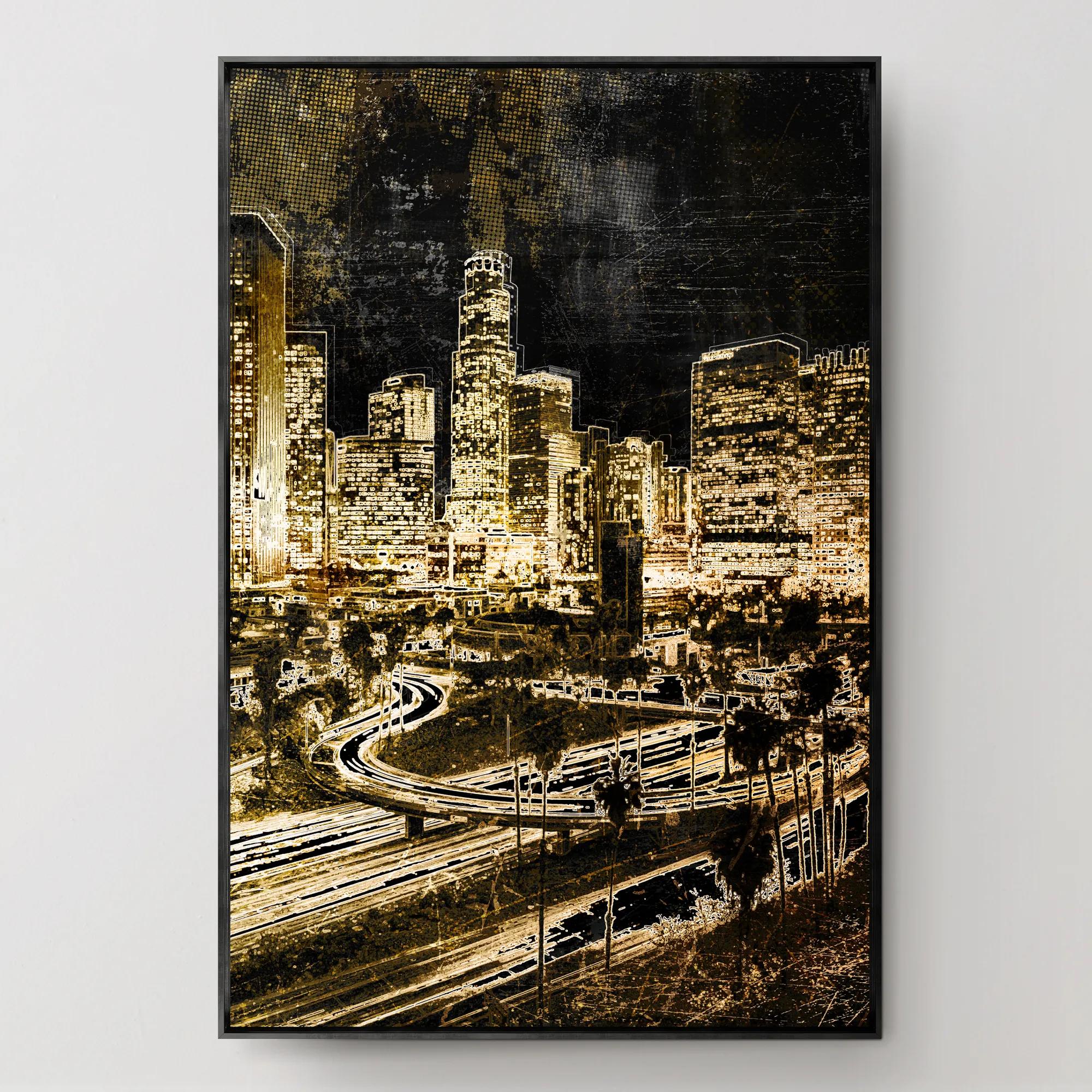 LA Lights Framed Wall Art 30" x 45"$649
A gallery-wrapped canvas artwork featuring a hand-applied brush gel finish in a sleek black floater frame.
Add To Cart -
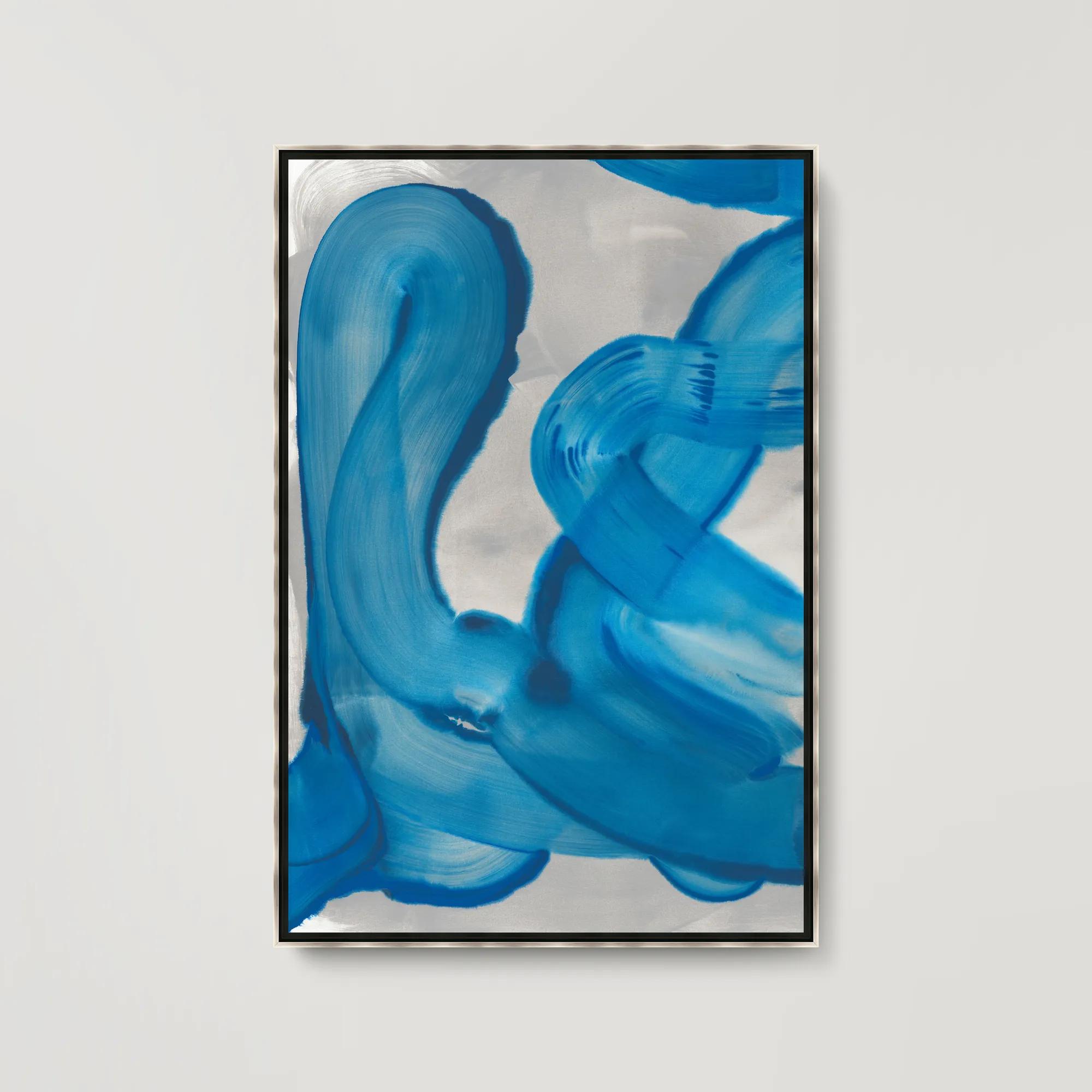 Royal Waves I Framed Wall Art 31.5" x 46.5"$699
A gallery-wrapped abstract canvas featuring hand-applied brush gel and set in a sleek silver floater frame.
Add To Cart -
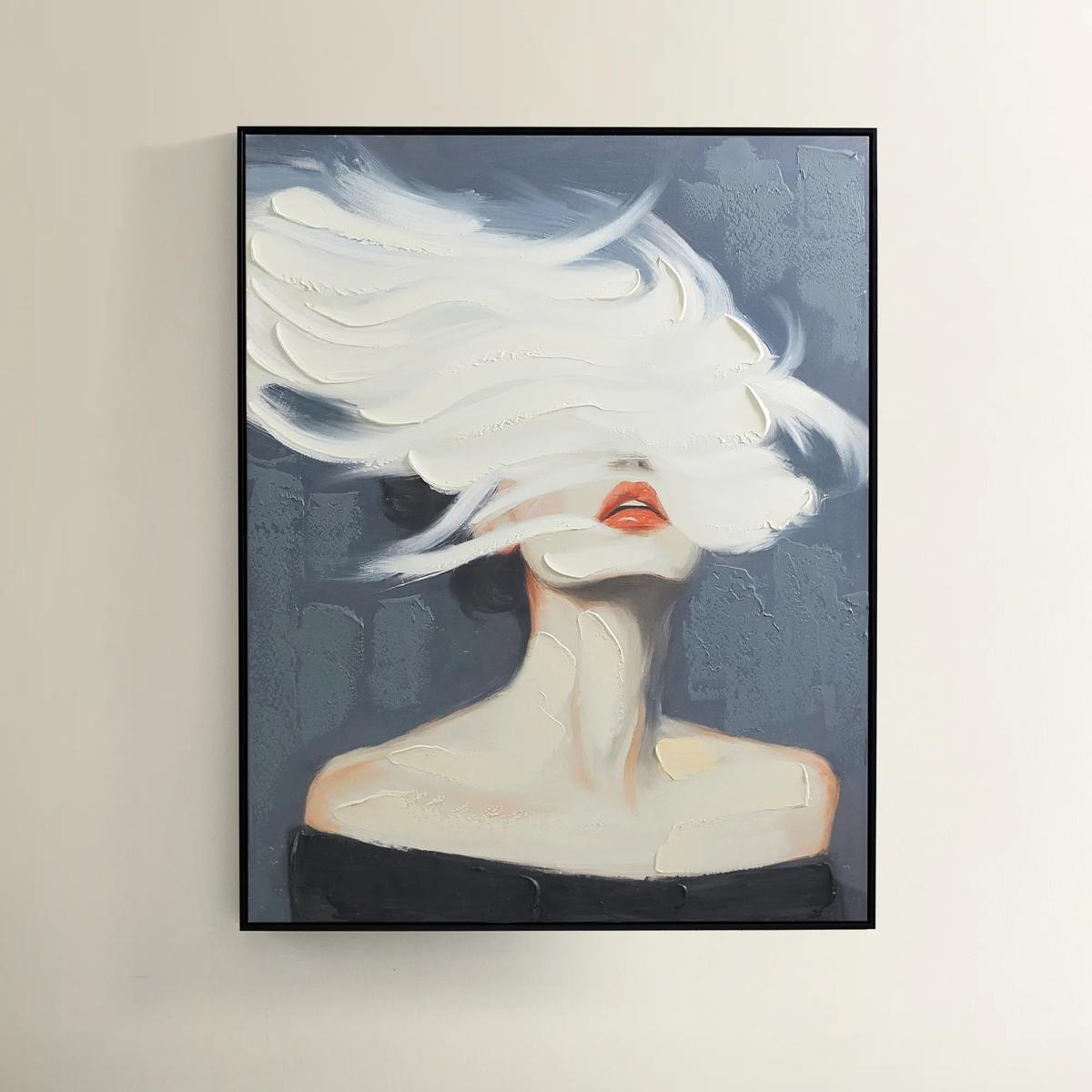
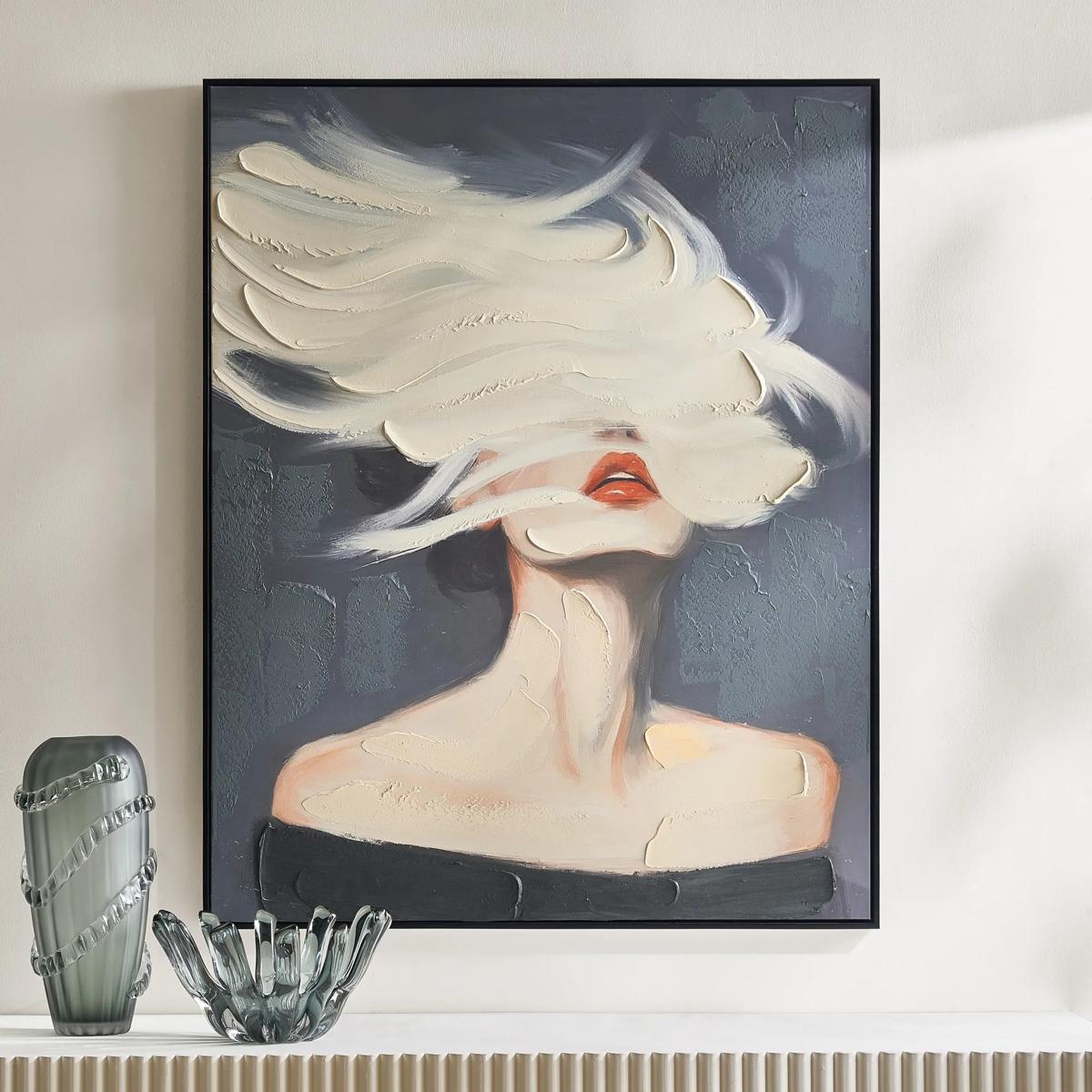 Daydreamer Painting$599
A hand-painted canvas portrait with sculptural white brushstrokes, bold red lips, and a sleek black frame.
Add To Cart -
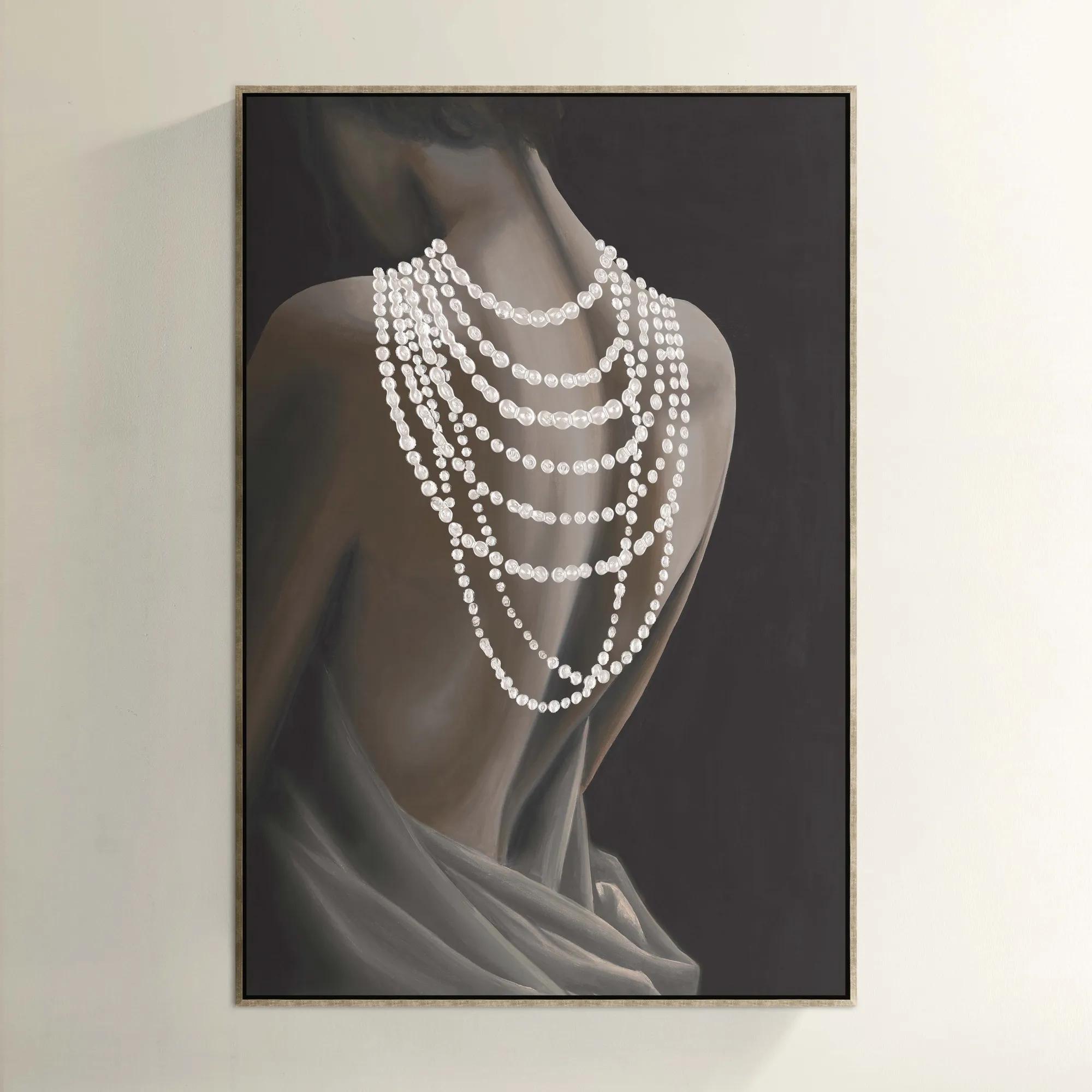 Luminescent Pearls Framed Wall Art 40" x 60"$1119
A hand-embellished canvas artwork featuring textured brush gel, set in a sleek silver floater frame.
Add To Cart -
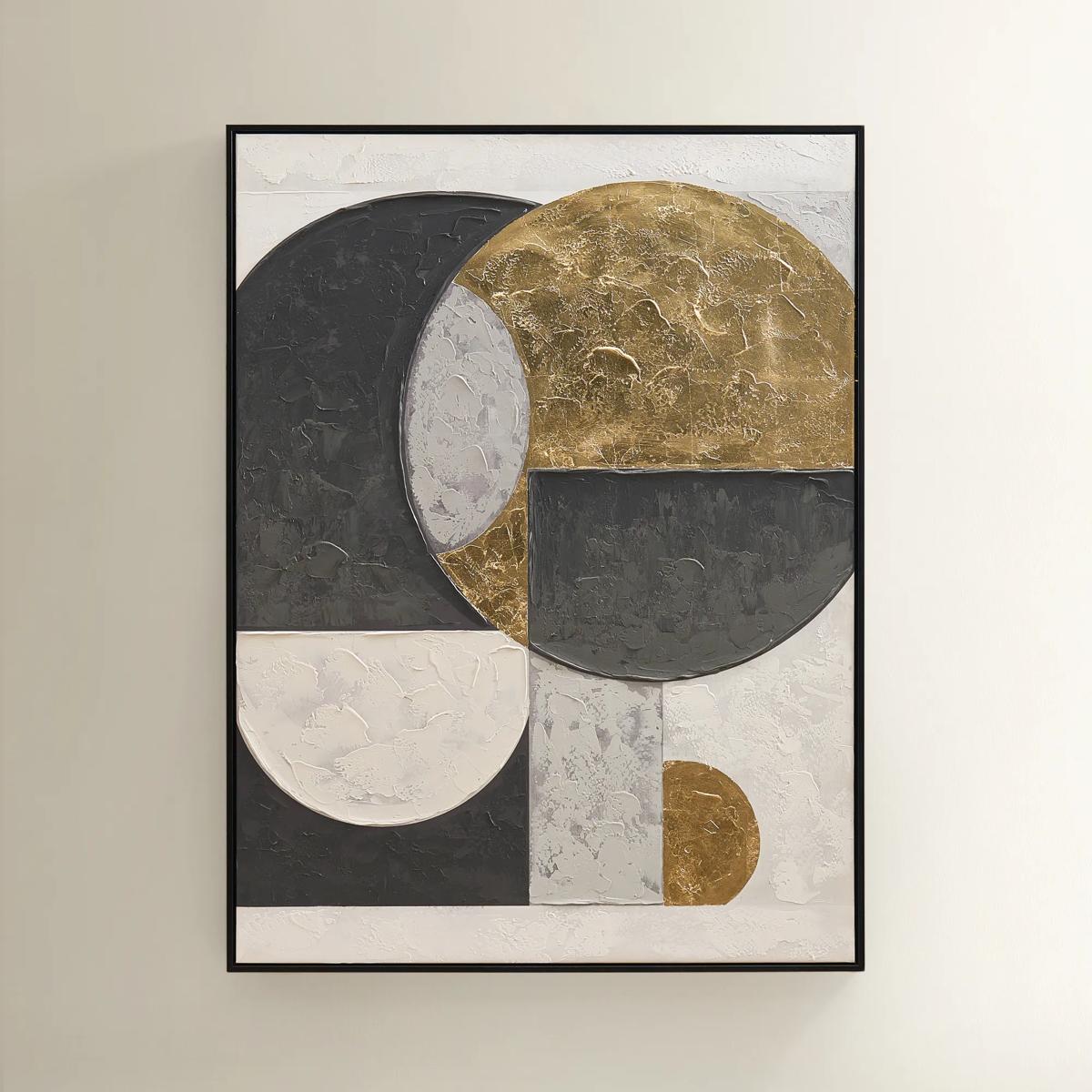
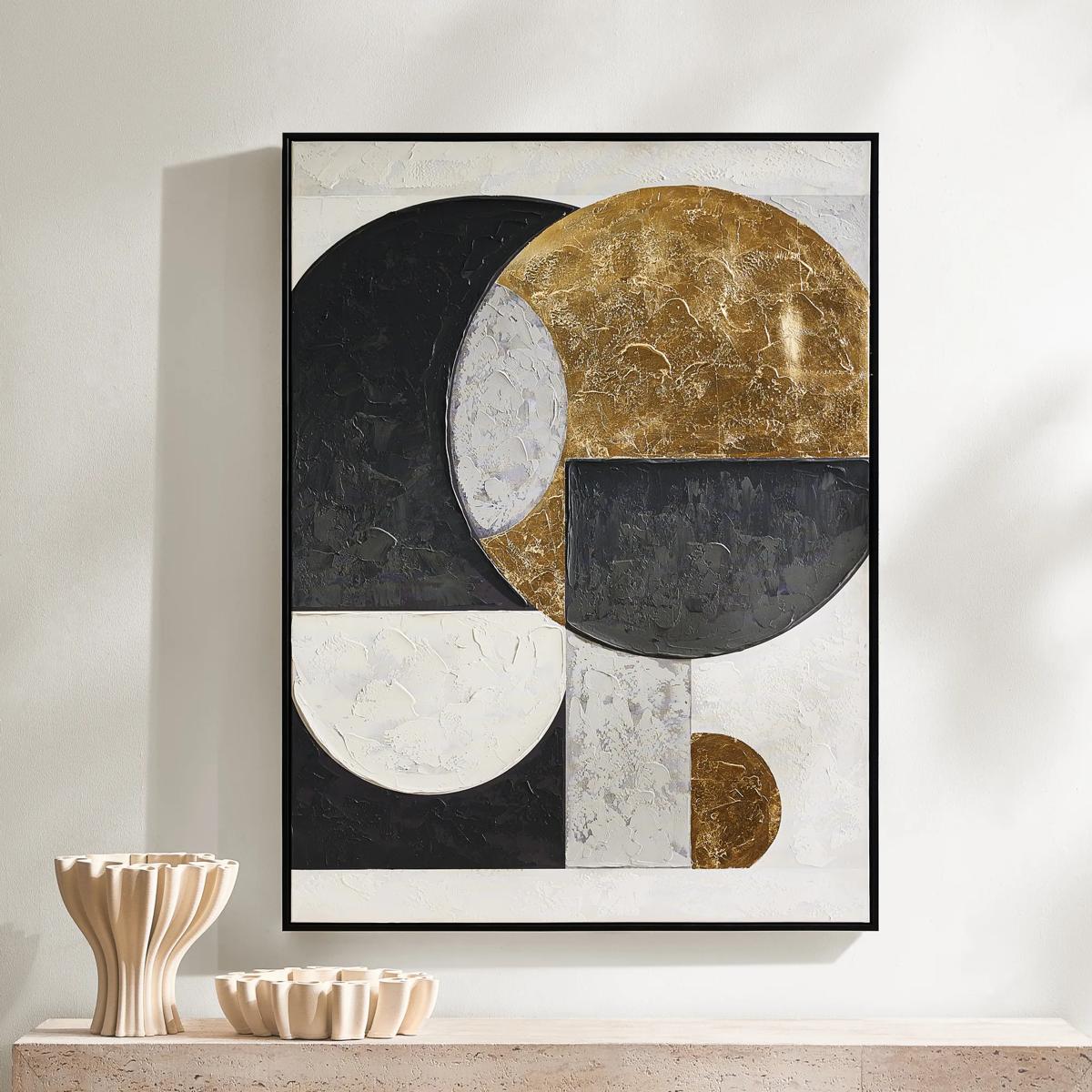 Eclipse Framed Gold Leaf Painted Wall Art 35.25" x 47.25"$449
A hand-painted canvas featuring bold black, grey, and gold geometric shapes with shimmering gold leaf accents.
Add To Cart -
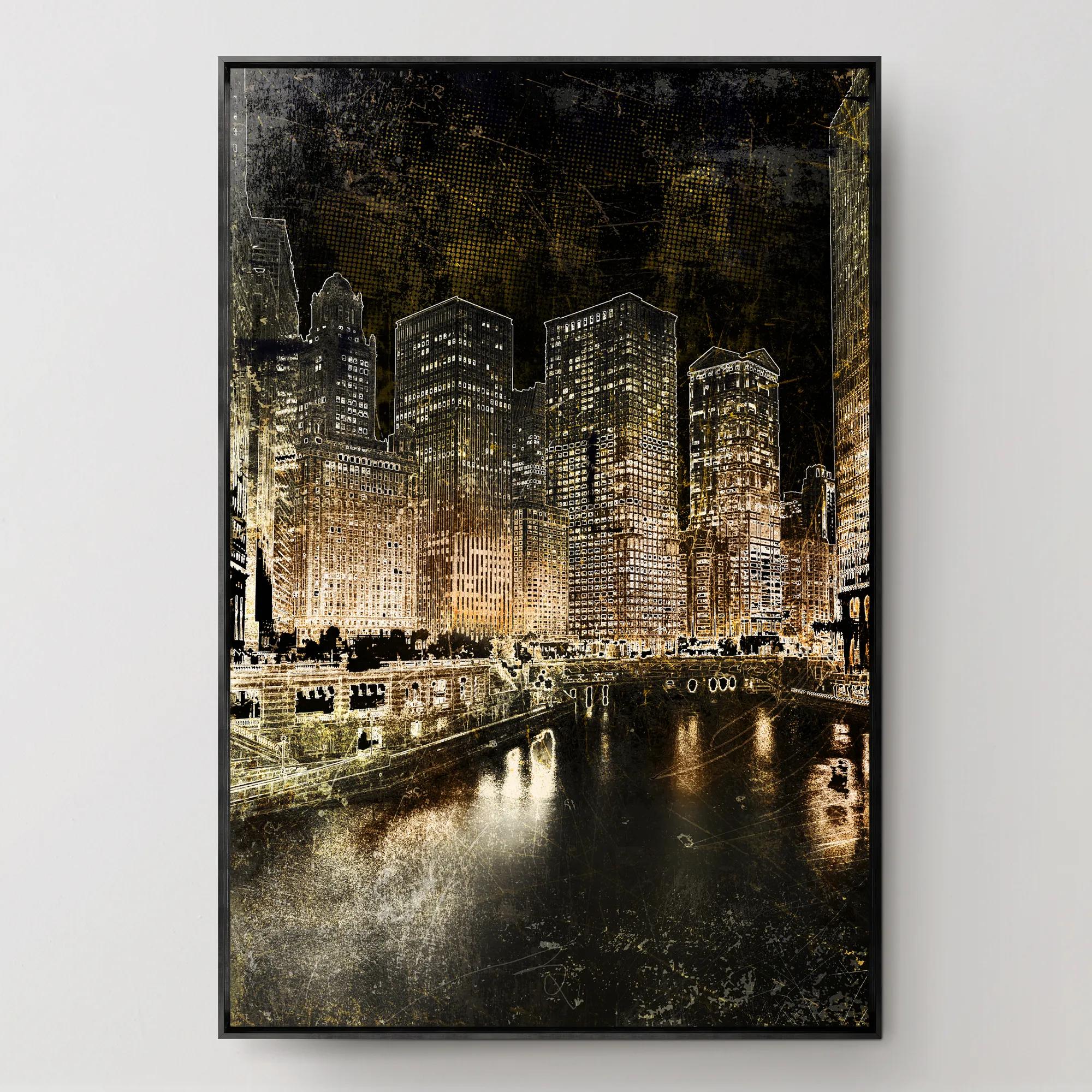
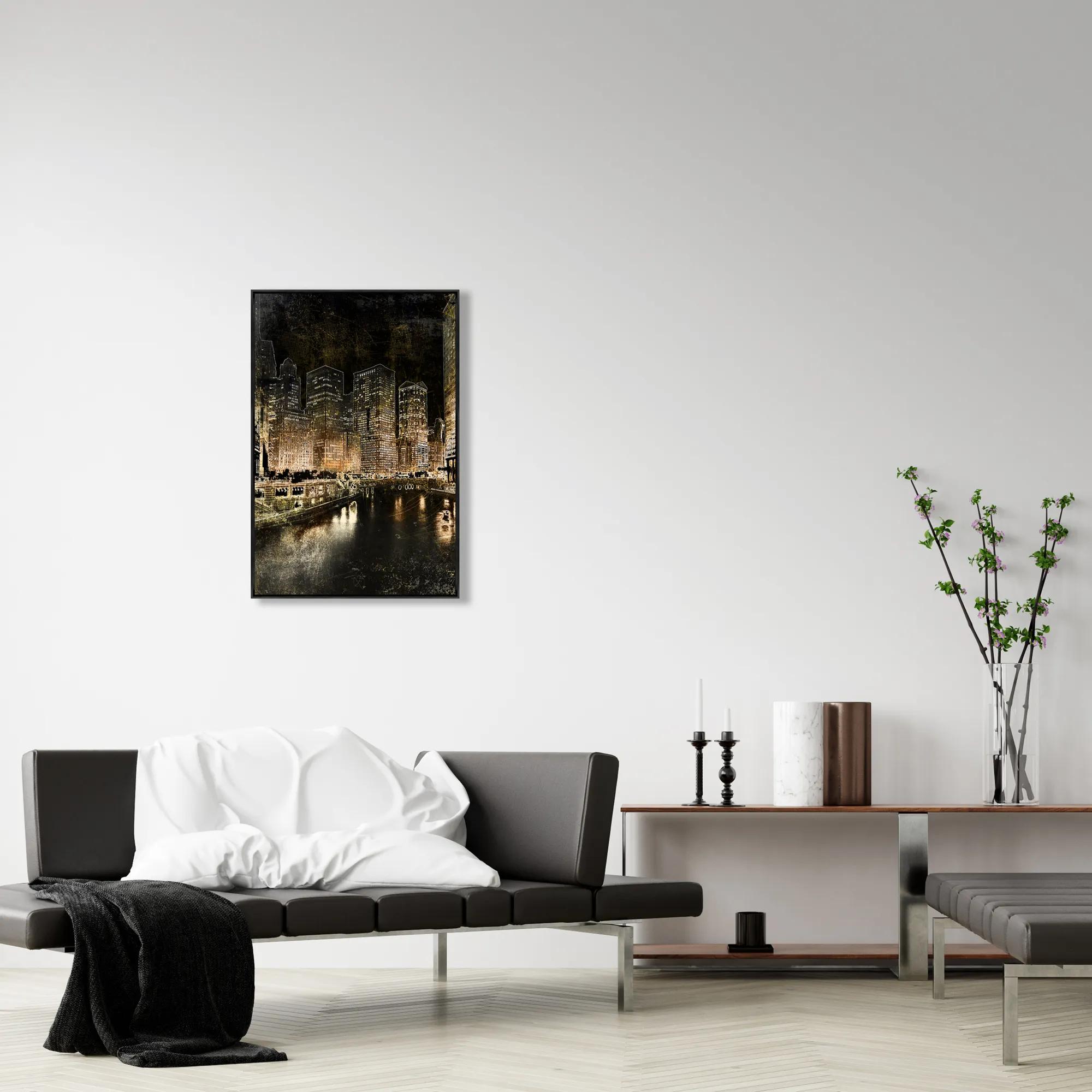 Chicago Lights Framed Wall Art 30" x 45"$649
A gallery-wrapped canvas artwork featuring a hand-applied gel finish in a sleek black floater frame.
Add To Cart

Gallery Wrapped Canvas Paintings
Explore gallery wrapped canvas paintings that bring artistic presence to your walls, with canvas extending around the edges for a finished, dimensional look. Consider scale, color, and composition to find canvas wall art that commands attention above a sofa, complements your room’s palette, or adds a dramatic focal point to a larger wall arrangement.
Gallery-wrapped canvas paintings bring color, texture, and dimension to a room, with a finished profile that lets the artwork take center stage. A gallery wrap is a construction method in which canvas is stretched over wooden stretcher bars and secured at the back, leaving the sides free of visible staples. The image may continue around the edges, or the sides may receive a coordinated finish, allowing the piece to hang without a traditional frame. Stretcher bars are often approximately 1.25 to 1.5 inches deep, although dimensions vary; that depth gives the painting a sculptural presence against the wall. Cotton and linen are common canvas materials, each offering a woven surface that contributes to the artwork’s character. Cotton provides a versatile foundation, while linen has a distinctive natural weave; the finished appearance also depends on the ground, pigments, printing method, and surface treatment. The term “gallery-wrapped” describes how the canvas is presented, not how the image was created. Original paintings, hand-embellished works, and canvas reproductions can all use this construction, so the medium and finish deserve as much attention as the composition. Expressive brushwork can lend movement to a restrained room, while translucent layers, sweeping gestures, or densely textured passages create different kinds of visual depth. A luminous abstract above a dark console feels expansive; an atmospheric landscape beside a velvet chair introduces a quieter, more contemplative mood. Even the edge becomes part of the composition, particularly where a painting can be seen from a hallway or across an open living area. The frameless presentation offers a clean outline without sacrificing drama, making it especially compelling when the artwork itself carries rich color or intricate detail. For interiors that call for a more architectural border, a compatible floating frame can surround the canvas with a narrow gap, preserving the dimensional effect while adding another considered finish.
The strongest placement gives gallery-wrapped canvas art enough presence to feel connected to the room rather than suspended apart from it. Above a sofa, a broad horizontal composition can echo the furniture’s proportions and draw the seating area together; over a narrow chest, a vertical painting can emphasize height without crowding the surrounding wall. As a starting point, artwork spanning roughly two-thirds to three-quarters of the furniture’s width often feels balanced, though an intentionally oversized piece can create a more commanding focal point. Actual measurements matter more than a size label, especially when a deep canvas projects into a passage or sits near a door swing. Leaving a comfortable margin around the work allows its outline and wrapped edges to remain visible. In a dining room, a richly layered abstract can hold its own beside reflective finishes and an expressive chandelier, while a softer composition in a bedroom can establish a sense of repose without disappearing into the walls. Color offers several ways to connect the painting to its setting: a small stroke of ochre might converse with brass accents, a smoky blue passage might pick up the undertone of an upholstered chair, or a crisp black gesture might sharpen a room filled with ivory and stone. The artwork need not repeat every color in the space; contrast often gives a room its most memorable point of view. Square compositions offer a particularly poised silhouette, whether centered above a console or arranged in a measured grouping. Square Gallery Wrapped Canvas Artworks suit spaces where equal proportions can balance strong horizontal furniture or bring order to an asymmetrical arrangement of decorative objects. When several canvases share a wall, a common palette, related subject, or consistent spacing can create cohesion without making each piece feel identical. Consider the view from the doorway as well as the closest seat: a painting with broad tonal movement may read beautifully across a room, while intricate marks reward a more intimate vantage point. Lighting completes that relationship. Soft, well-positioned illumination can reveal texture and subtle shifts in pigment, while a harsh beam may flatten delicate color or exaggerate surface irregularities.
Gallery-wrapped canvas paintings are particularly suited to living rooms, dining rooms, bedrooms, and home offices where their surfaces can be appreciated without frequent contact or exposure to moisture. Their appeal extends from the first thoughtfully furnished apartment to a layered home shaped by years of collecting: canvas can introduce a decisive artistic gesture without requiring an elaborate framing scheme. Durability depends on the full construction, including the stretcher frame, canvas tension, surface preparation, and medium. A well-supported canvas should appear evenly stretched, and its corners should sit neatly against the frame; deeper bars create dimension, but depth alone does not establish quality. Placement and care help preserve both the image and its structure. Prolonged direct sunlight can fade pigments or printed color, while substantial humidity changes may affect the canvas and wooden support. A wall away from steamy showers, cooking splatter, fireplaces, and heating vents offers a more stable setting. Surface care should follow the artwork’s instructions, particularly for raised paint, metallic embellishment, or delicate finishes. When permitted, light dusting with a clean, soft brush is gentler than scrubbing; household cleaners, damp cloths, and pressure on the canvas can damage the surface. Handling the work by its supporting frame rather than pressing against the front helps protect its shape, and mounting hardware should be appropriate for both the artwork’s weight and the wall material. In rooms with active household traffic, placement above furniture can help keep the painting beyond accidental bumps while maintaining a strong visual connection to the space. As a housewarming, wedding, or milestone gift, canvas art feels most personal when its palette and subject reflect the recipient’s taste rather than a passing decorating impulse. A sweeping composition might appeal to someone drawn to expressive interiors, while a restrained study in texture may resonate with a more contemplative collector. Chosen with that sensitivity, a gallery-wrapped painting becomes more than a finishing touch: it gives the room a distinct perspective, expressed through color, proportion, and the quiet presence of an artful surface.
FAQs
Gallery wrapped canvas paintings feature canvas stretched around a support frame and secured at the back, creating a finished presentation with visible canvas edges. This dimensional look lets the artwork command attention without a decorative outer frame, bringing a gallery-inspired presence to your walls.
Gallery wrapped canvas paintings can be displayed without an outer frame, allowing their wrapped edges to become part of the presentation. For a more architectural finish, a compatible floating frame creates a narrow visual gap around the canvas, giving the composition a distinct, polished outline.
Gallery wrapping describes how the canvas is stretched and presented—not how the image is created. Both original paintings and canvas prints can be gallery wrapped. To understand an artwork’s technique, look for descriptions that distinguish hand-painted work, printed imagery, and any hand-applied embellishments.
Start with the mood you want to create. Tonal neutrals invite quiet sophistication, while saturated hues bring expressive energy. Echo a color from your upholstery or decorative accents for a cohesive composition, or introduce a contrasting palette to make the artwork a daring focal point.
Build your arrangement around a shared color, subject, or artistic mood, then introduce contrast through different compositions. Pairing gallery wrapped canvas art with framed pieces adds visual rhythm and depth. Leave breathing room between works so each has its own presence while contributing to a collected, expressive display.