Modern Ergonomic Dining Chairs
Modern Ergonomic Dining Chairs
-
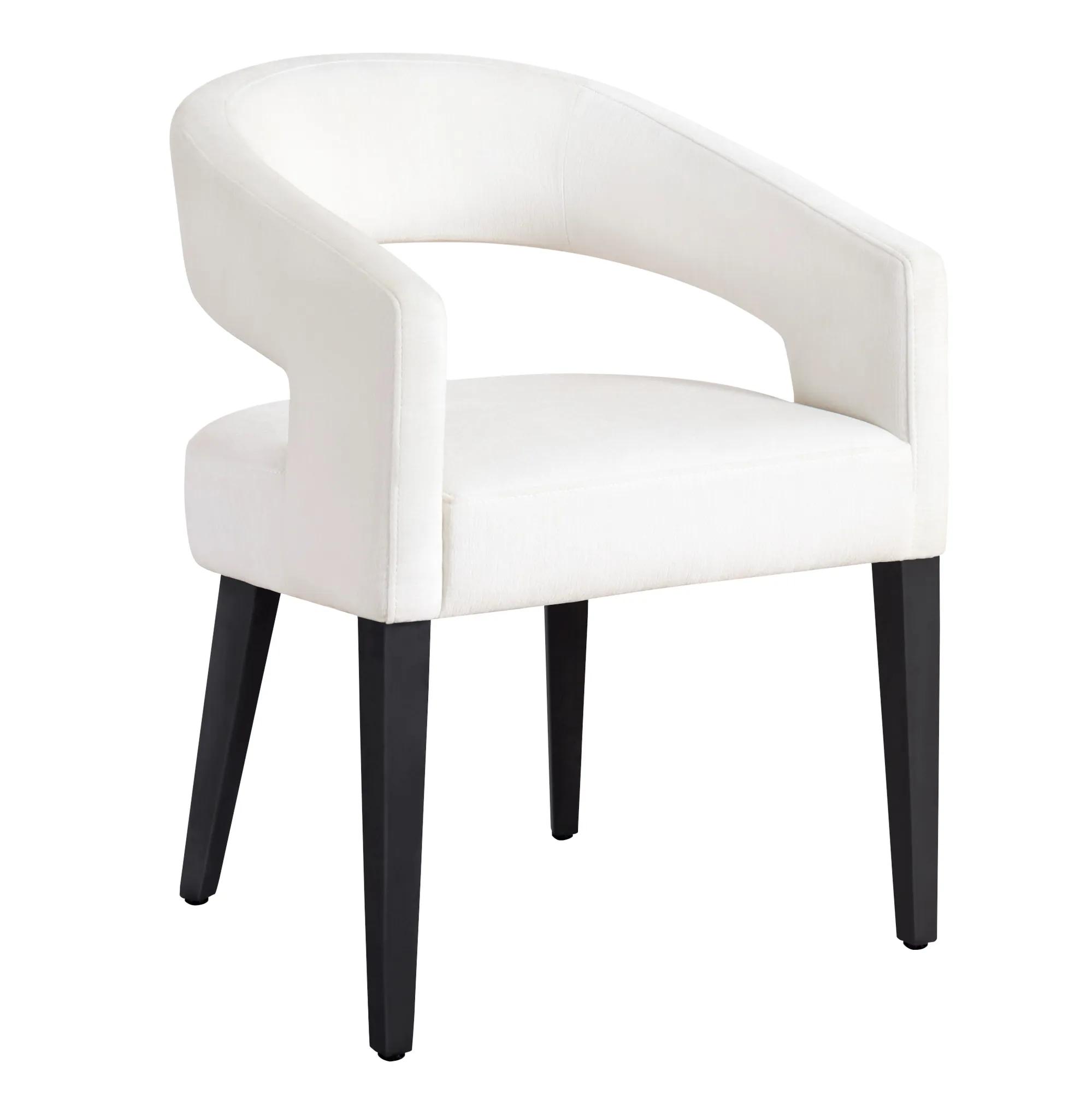
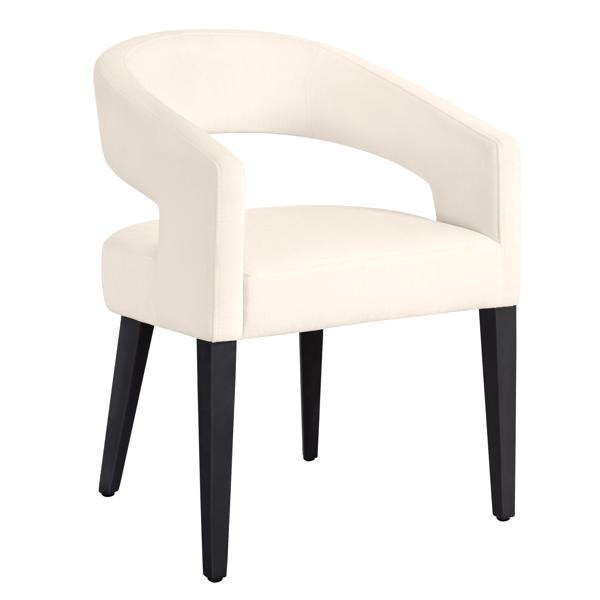 Philippa Dining Chair - Matte Black$599
A modern dining chair featuring a curved silhouette, matte black legs, and neatly tailored upholstery.
Add To Cart -
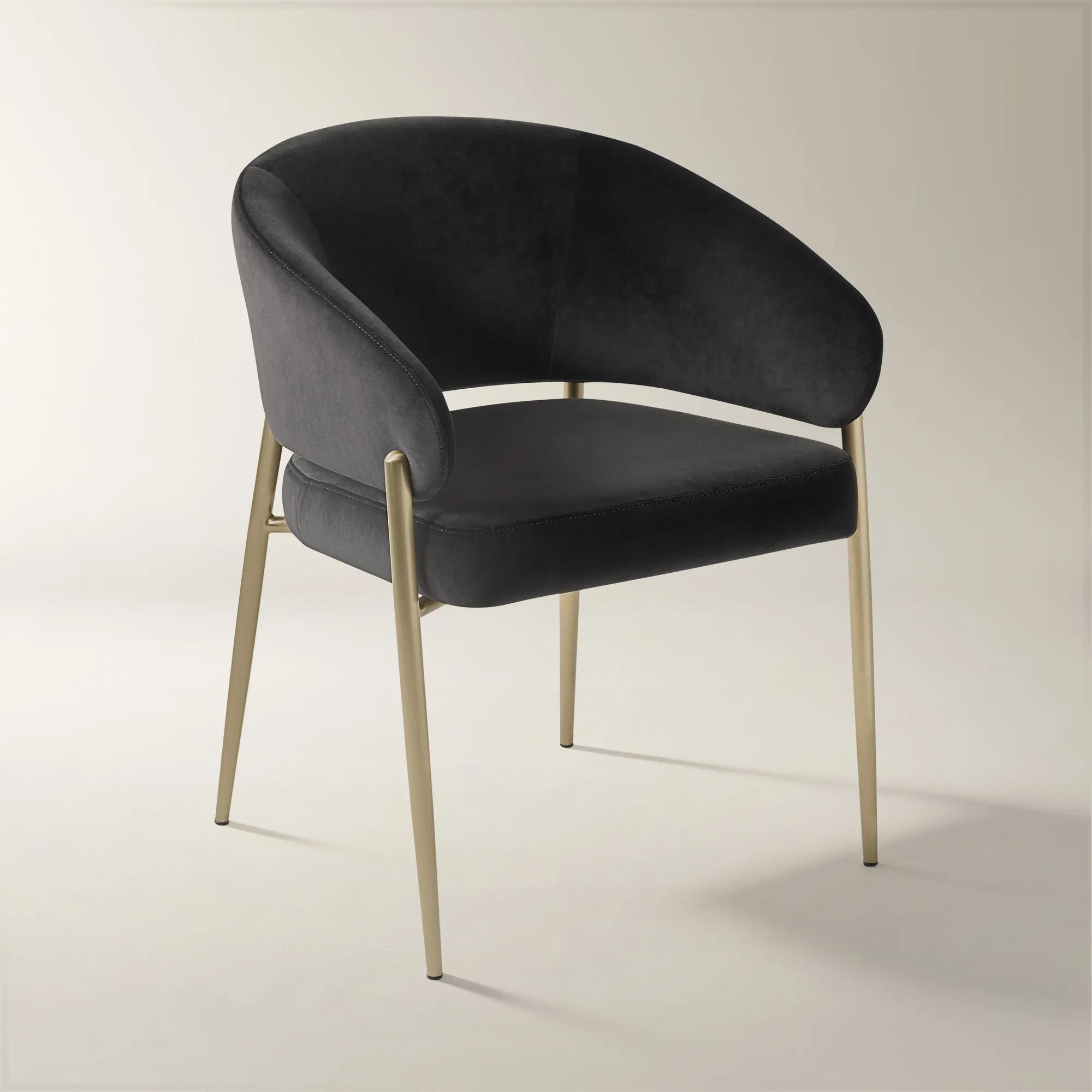 Nara Charcoal Velvet Dining Chair Set Of 2$599
A set of two charcoal velvet chairs featuring curved backs, plush upholstery, and brushed brass metal legs.
Add To Cart -
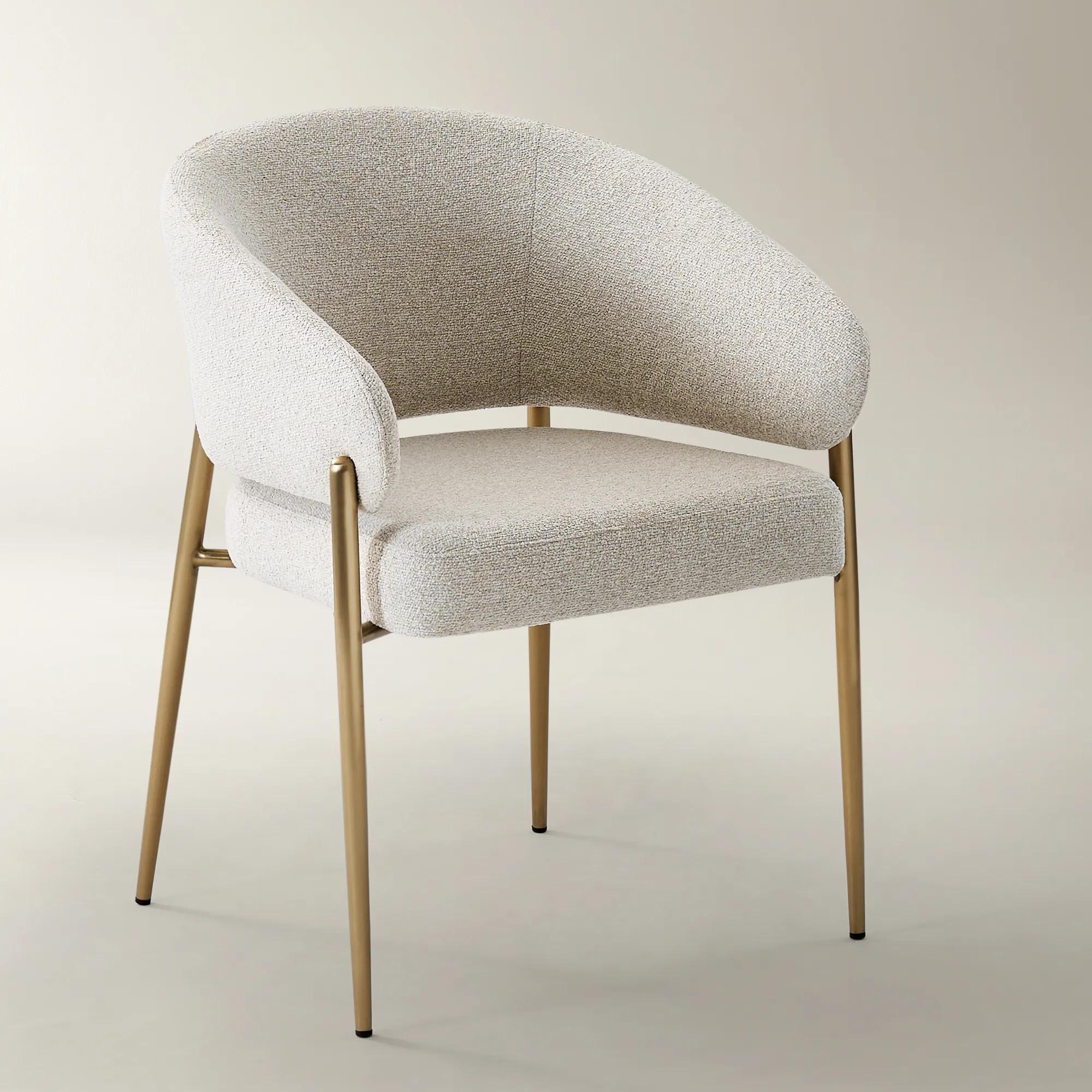
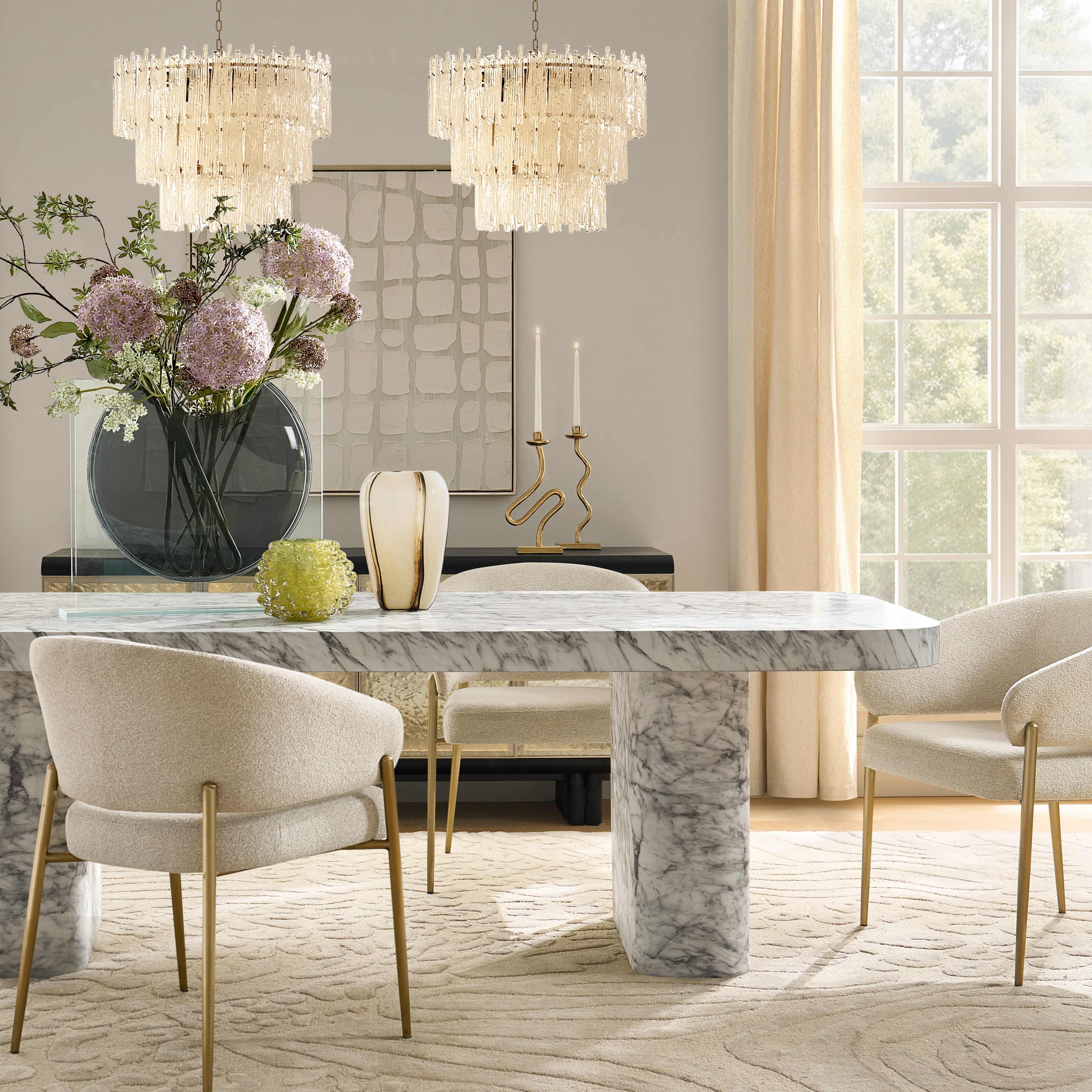 Nara Ivory Boucle Dining Chair Set Of 2$599
An ivory boucle dining chair set with a curved backrest and brushed stainless steel frame for modern elegance.
Add To Cart -
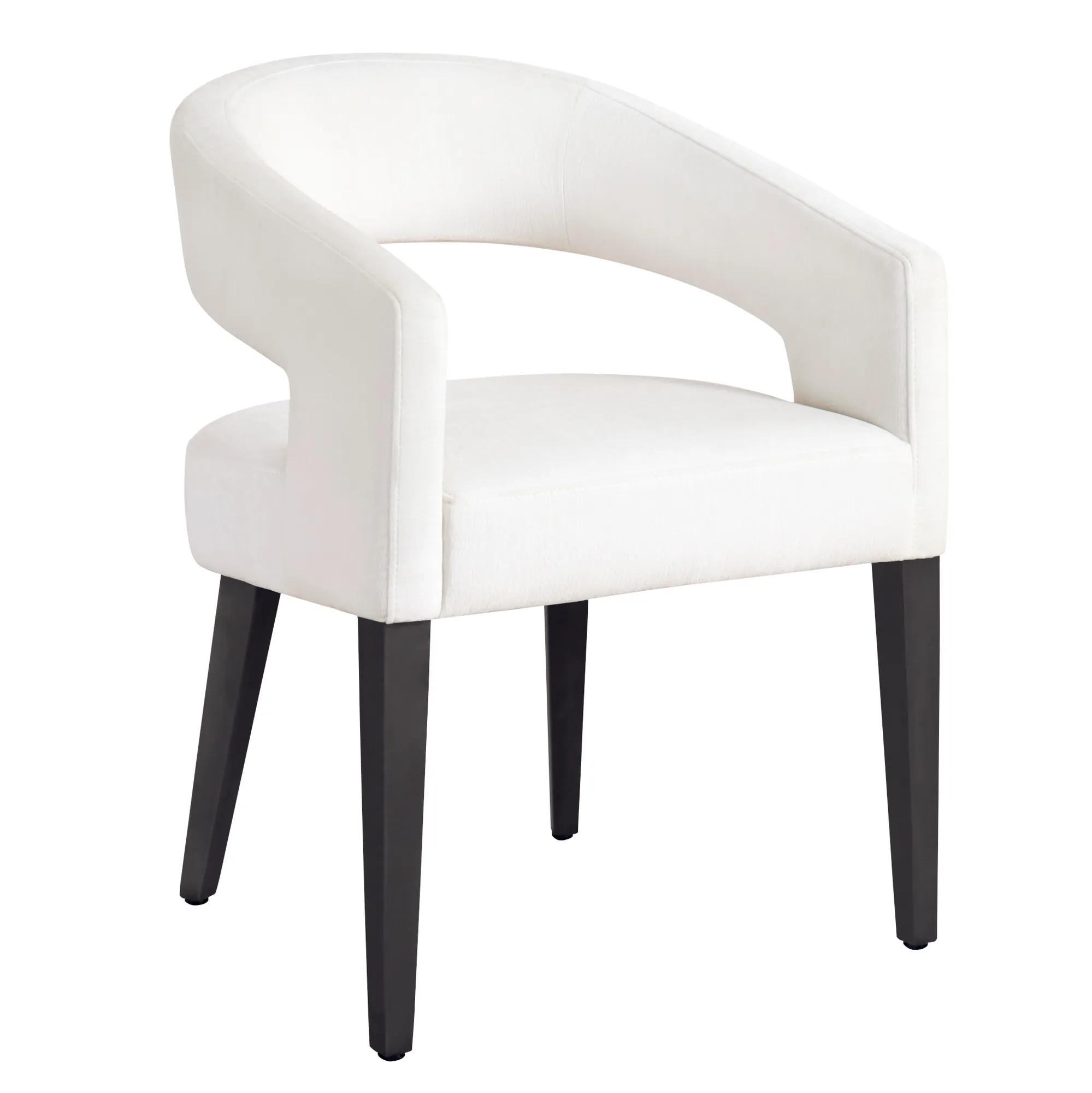
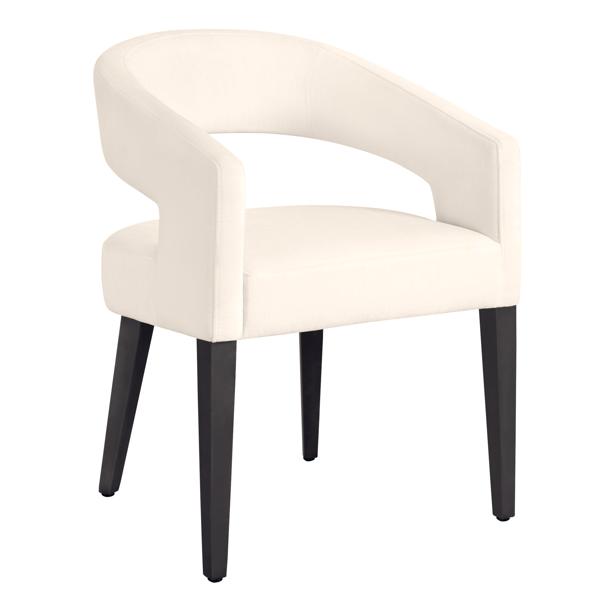 Philippa Dining Chair - Espresso$599
A modern dining chair featuring a curved silhouette, tailored upholstery, and espresso-finished legs.
Add To Cart -
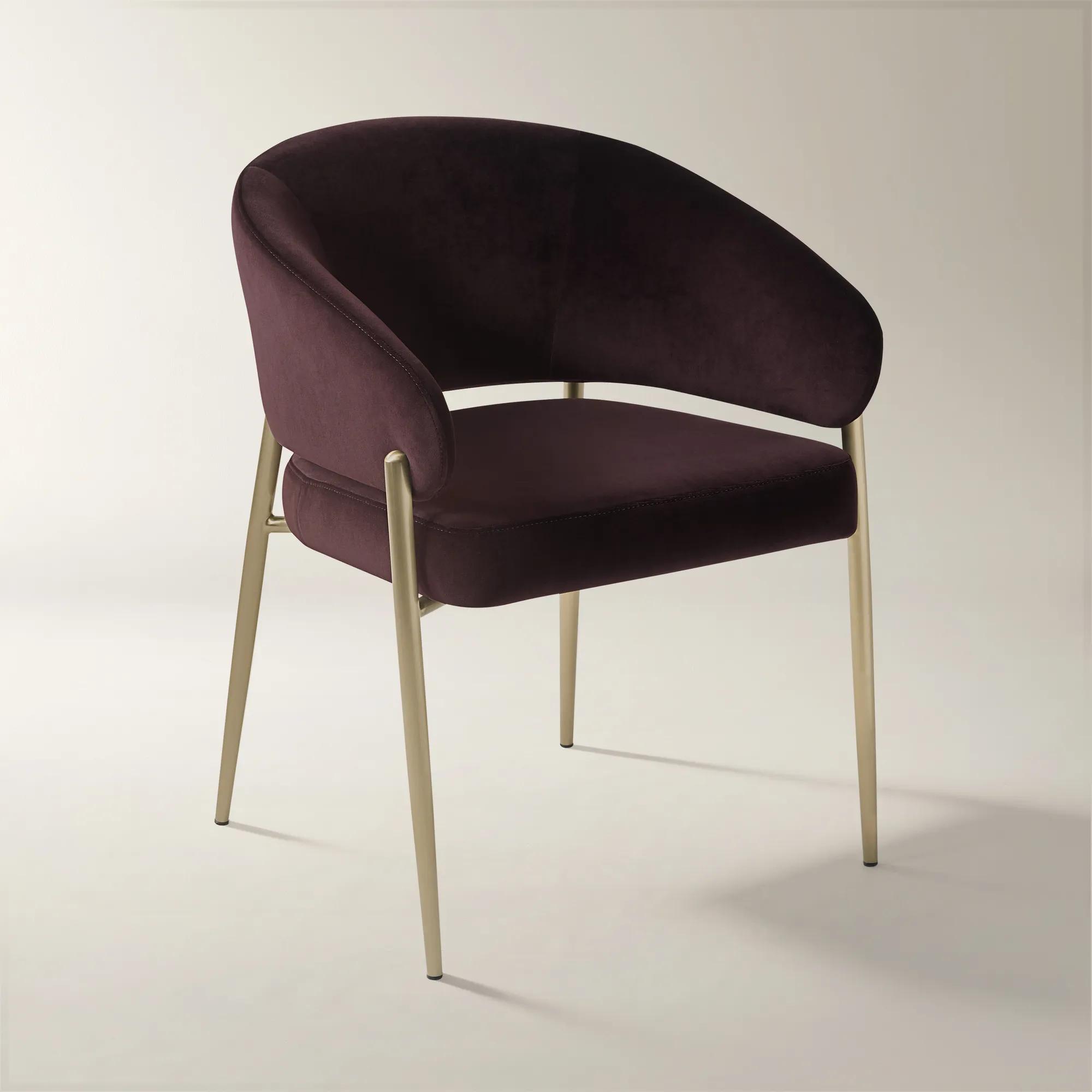 Nara Fig Velvet Dining Chair Set Of 2$599
A set of two dining chairs featuring plush fig velvet upholstery and brushed brass stainless-steel legs.
Add To Cart -
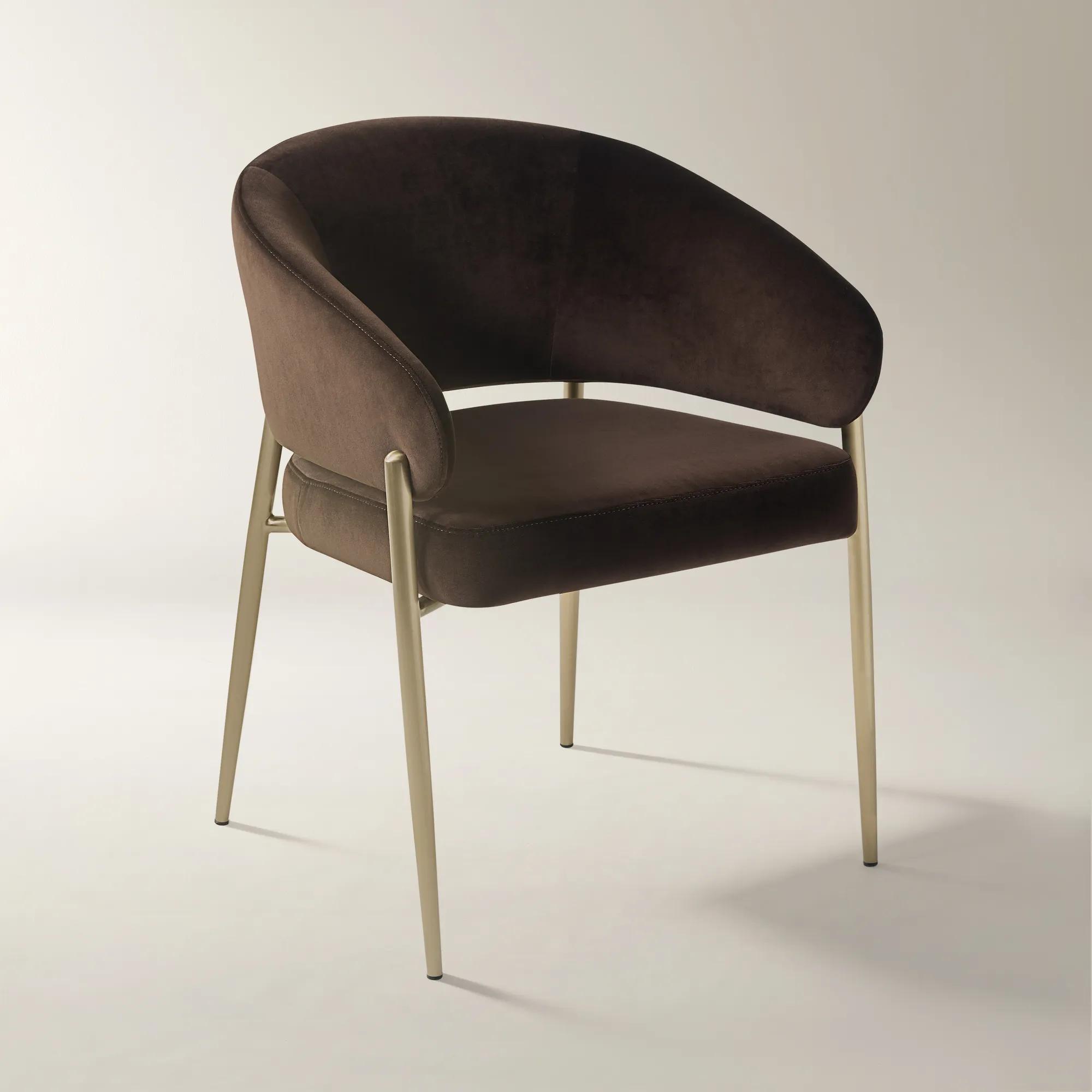 Nara Dark Chocolate Velvet Dining Chair Set Of 2$599
A pair of dark chocolate velvet chairs with curved backs and brushed brass stainless-steel legs for modern elegance.
Add To Cart -

 Alric Dining Chair$599
A modern dining chair featuring solid oak in a natural grey finish and neatly tailored upholstery.
Add To Cart -
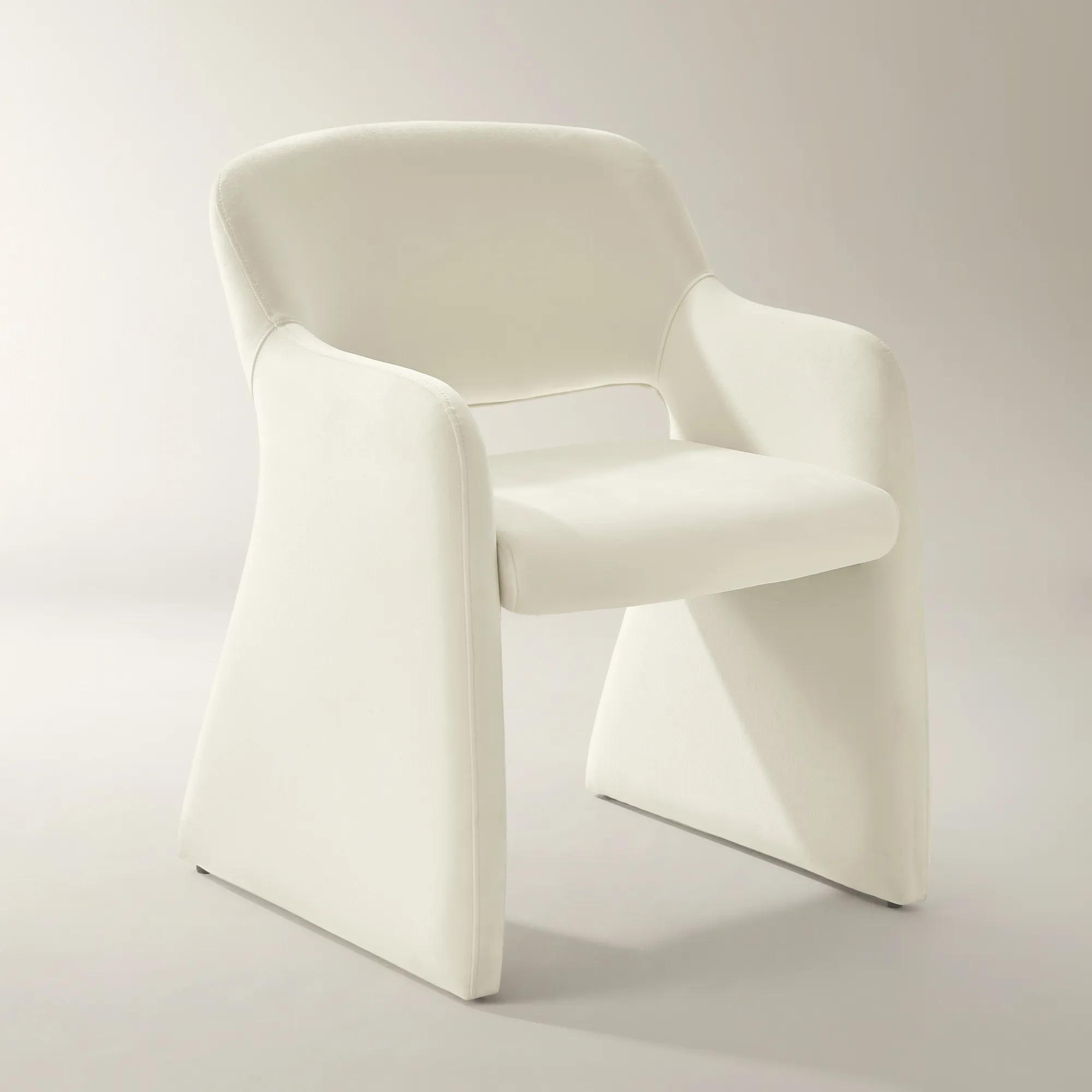 Elara Cloud Velvet Dining Chair$449
A plush velvet dining chair featuring a seamless wraparound silhouette and supportive carbon steel frame.
Add To Cart -
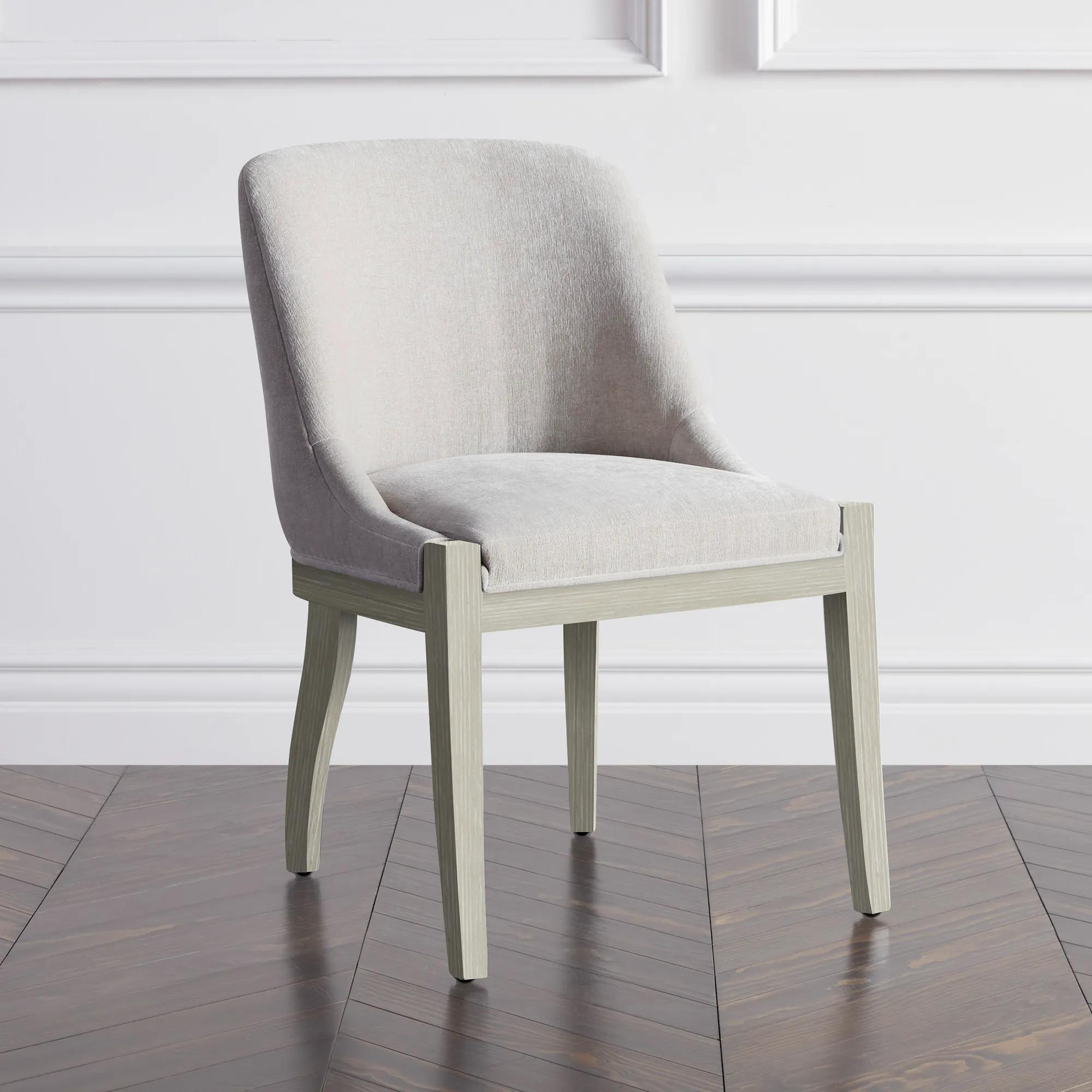 Lily Dining Chair - Natural Grey$799
A modern dining chair featuring natural grey upholstery, kiln-dried hardwood frame, and plush foam cushioning.
Add To Cart -
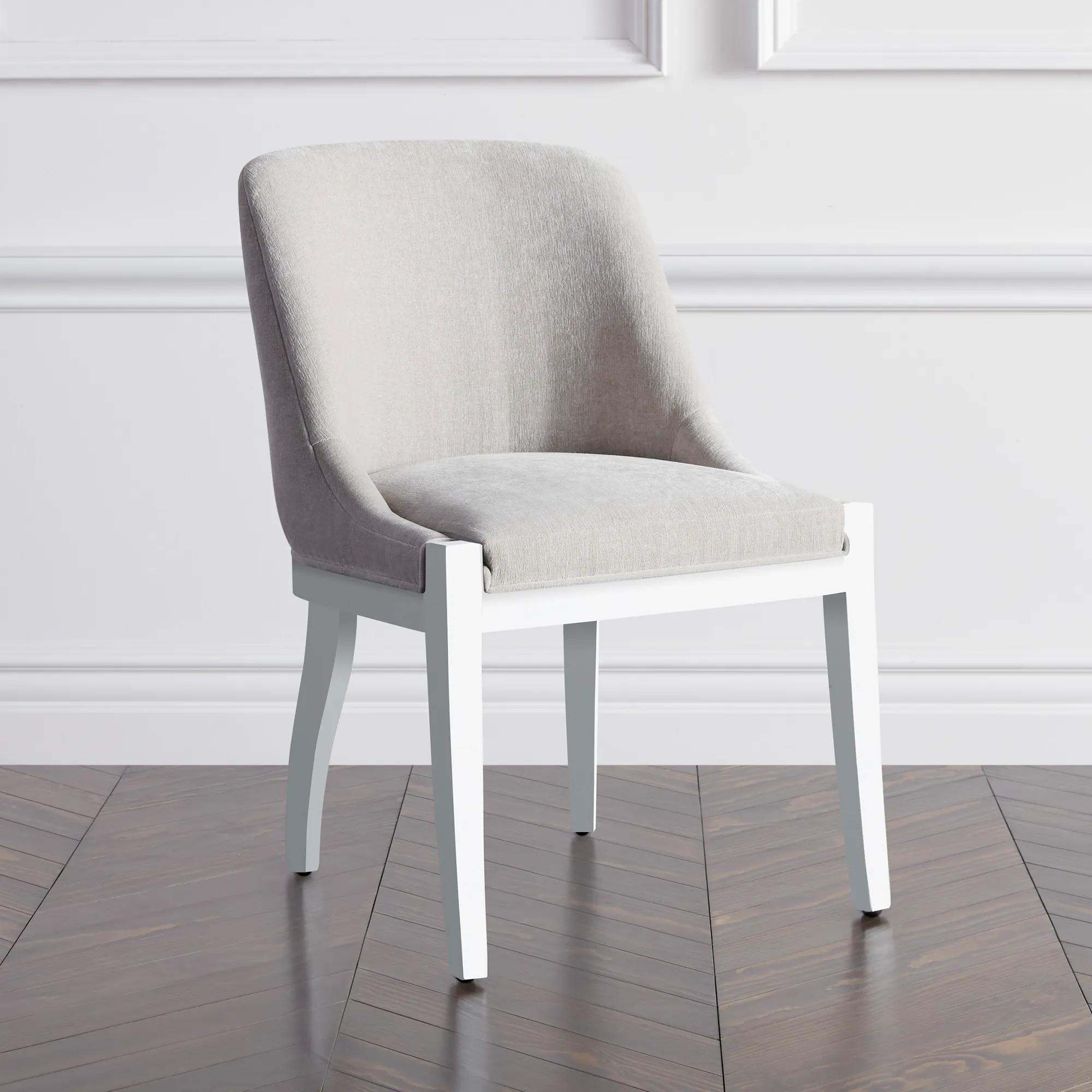
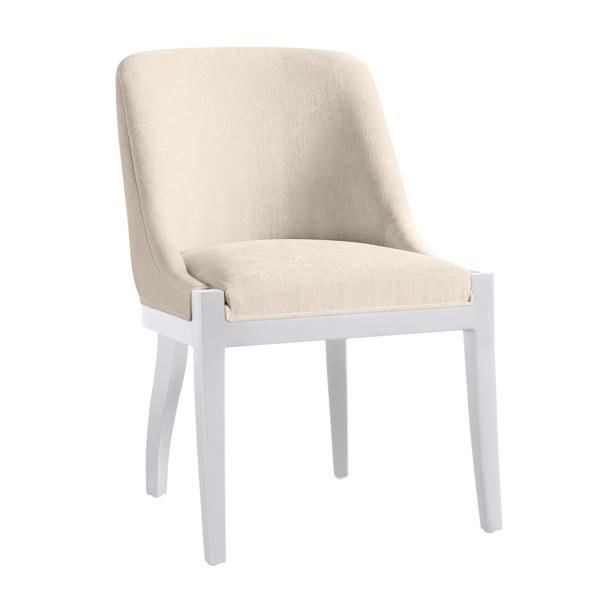 Lily Dining Chair - High Gloss White$699
A modern dining chair with a kiln-dried hardwood frame and high-gloss white legs for lasting elegance.
Add To Cart -
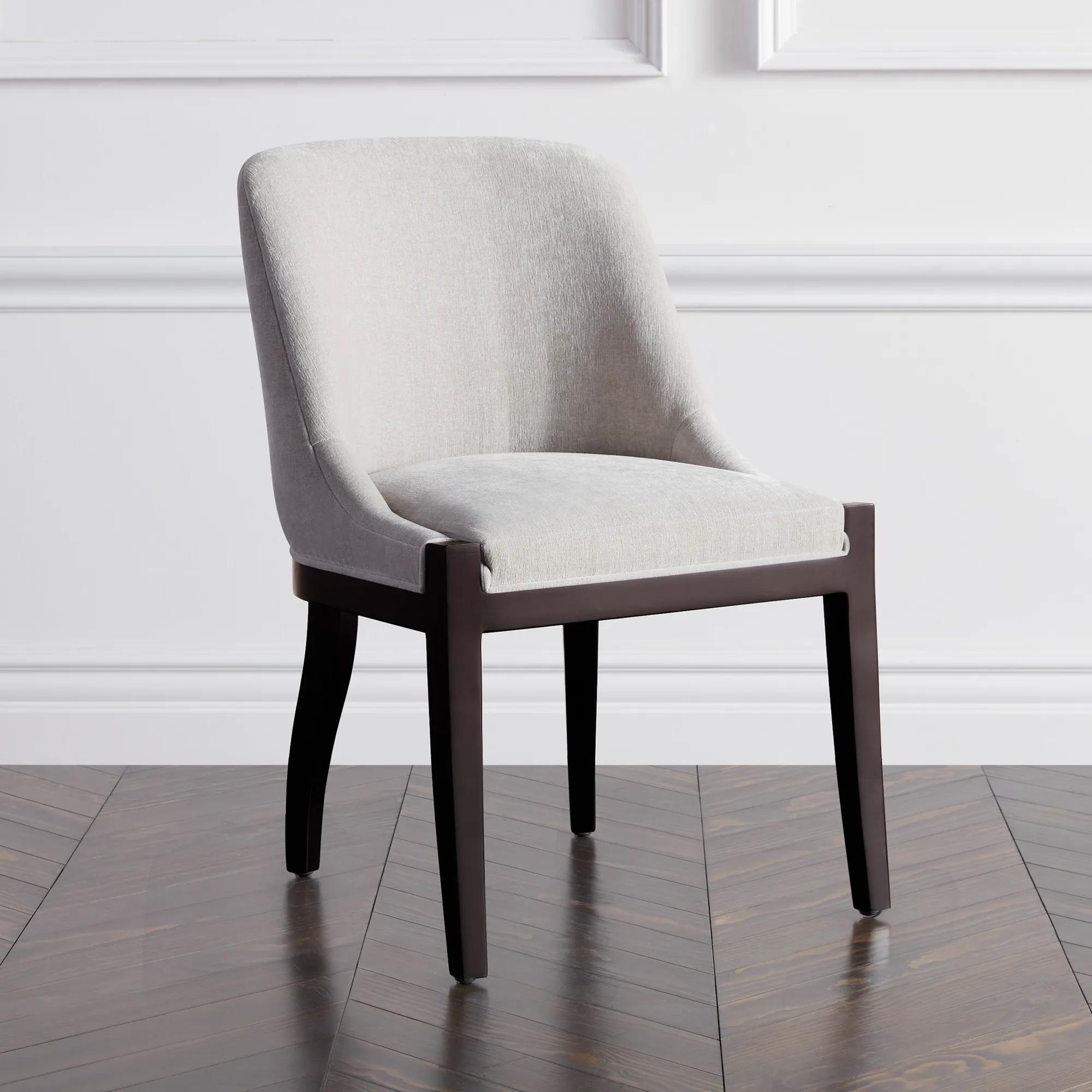
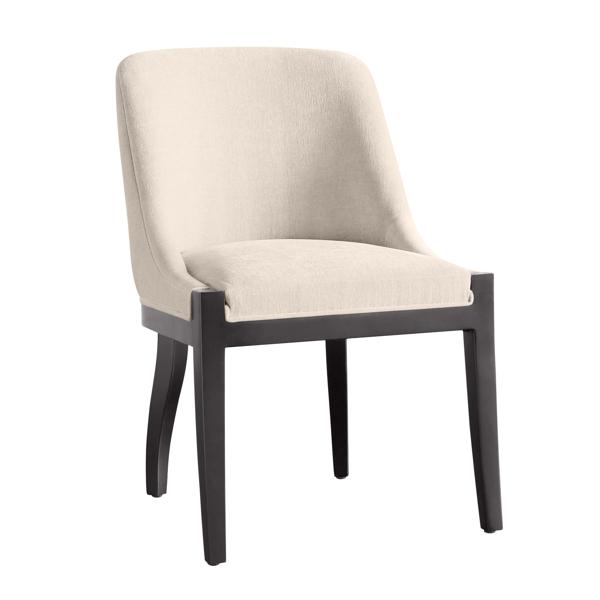 Lily Dining Chair - Espresso$649
A modern dining chair with kiln-dried hardwood frame, espresso legs, and plush tailored upholstery for comfort.
Add To Cart -
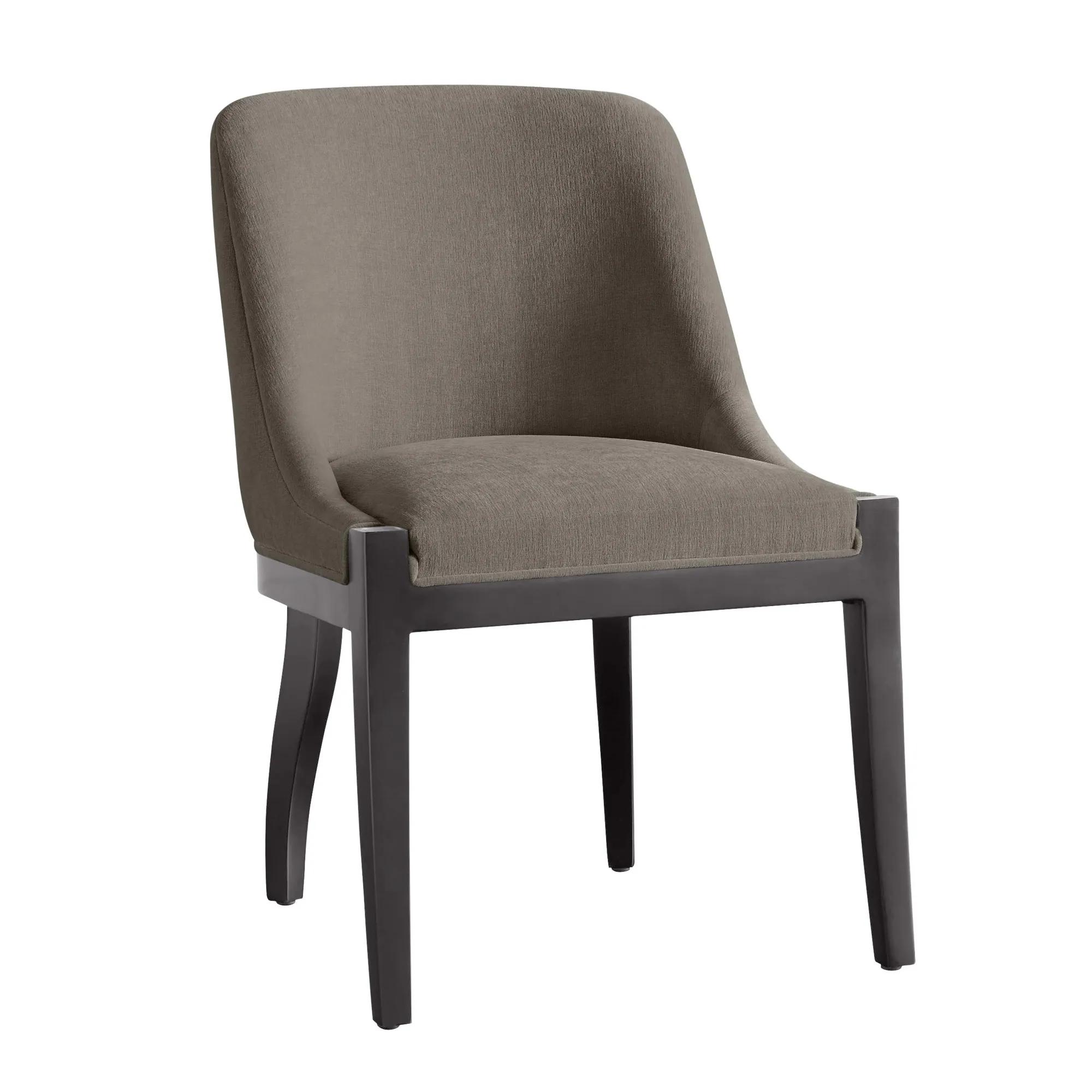 Lily Dining Chair - Espresso$649
A modern dining chair featuring espresso-finished hardwood, curvaceous silhouette, and plush tailored upholstery.
Add To Cart -
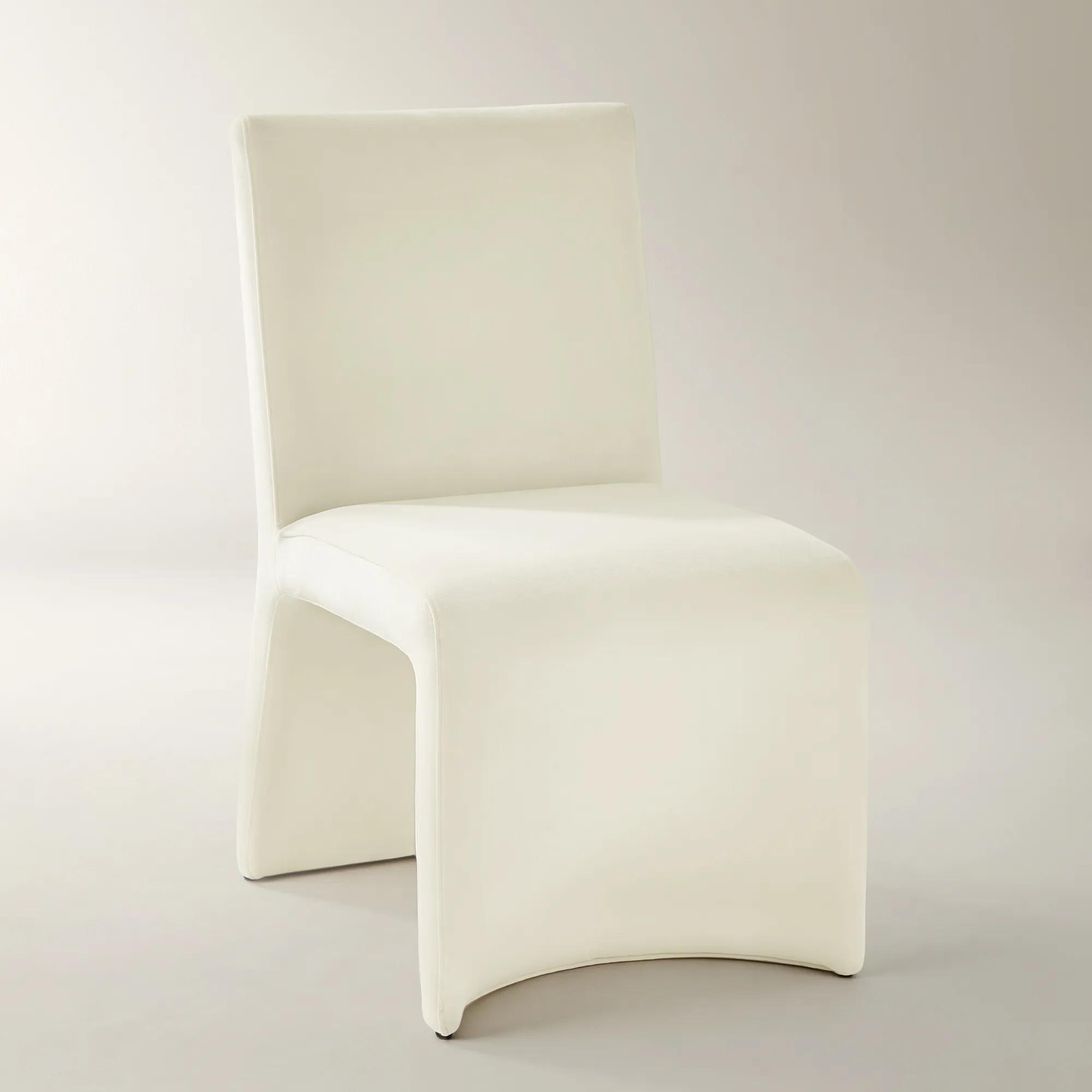 Elara Cloud Velvet Dining Chair Set Of 2$799
A set of two dining chairs featuring plush velvet upholstery, a seamless curved silhouette, and a sturdy steel frame.
Add To Cart -
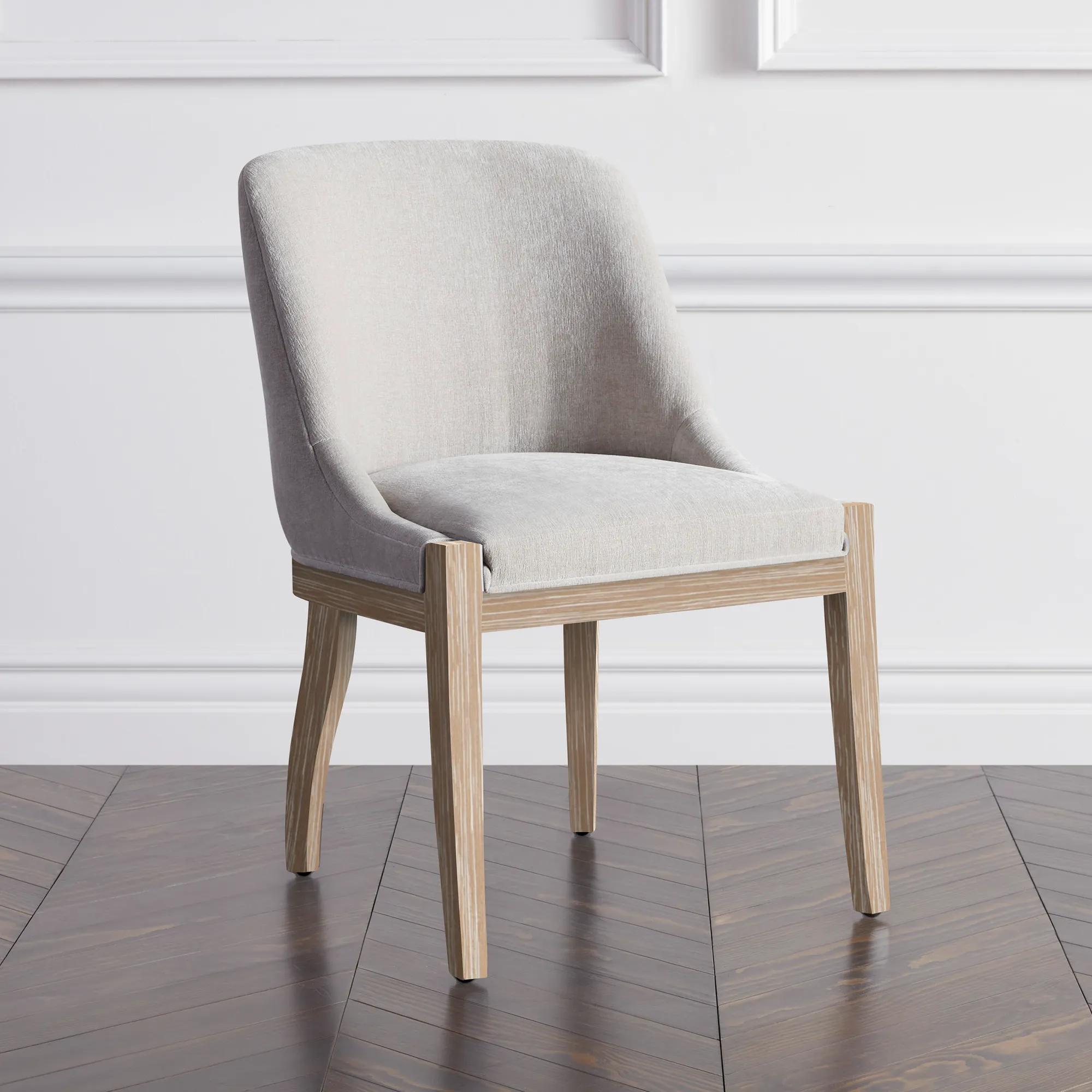
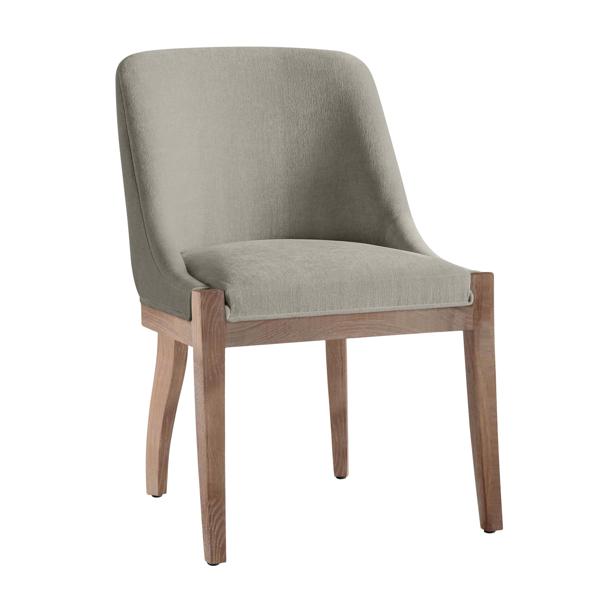 Lily Dining Chair - Wash Oak$699
A modern dining chair with a kiln-dried hardwood frame, wash oak legs, and plush tailored upholstery.
Add To Cart -
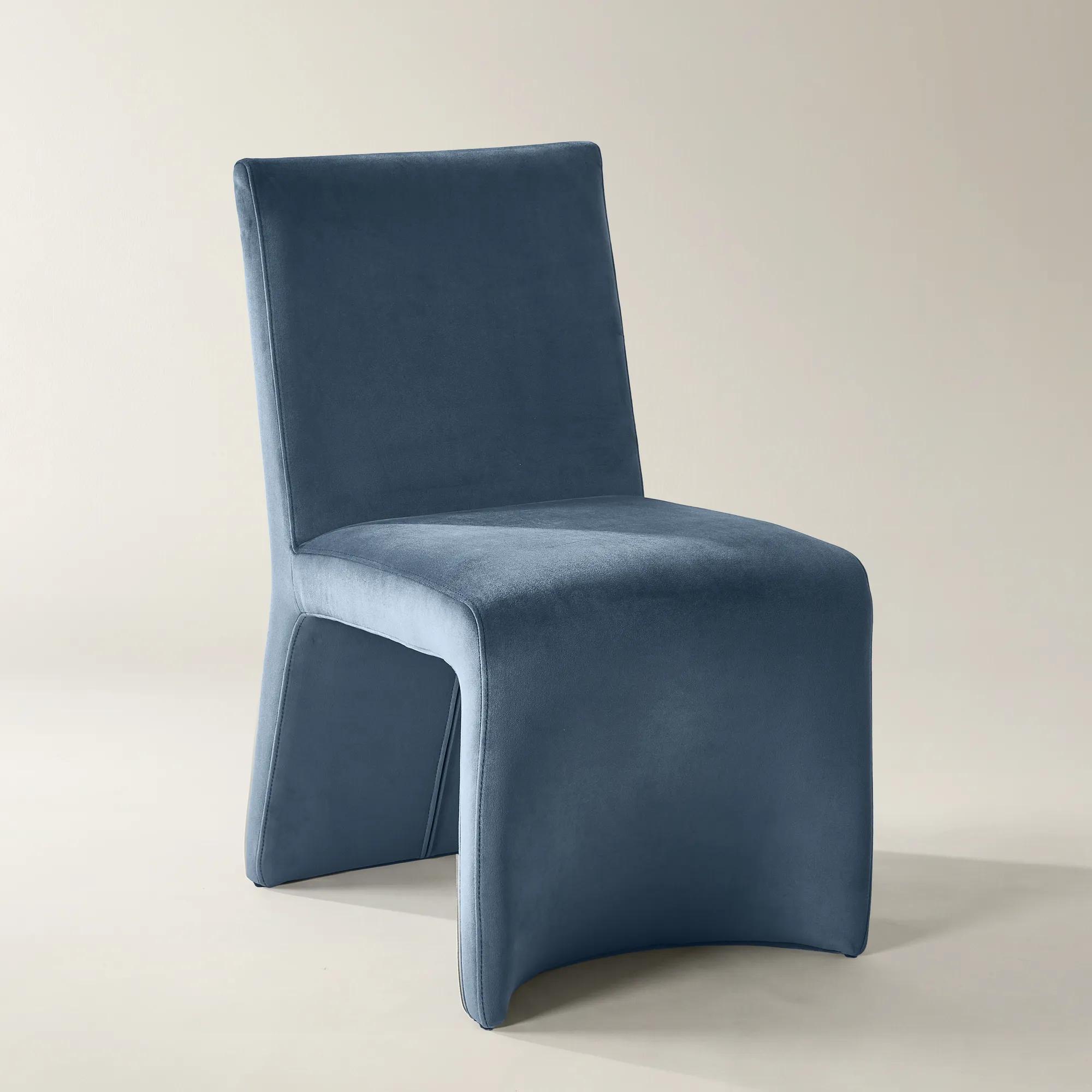 Elara Dusty Blue Velvet Dining Chair Set Of 2$799
A set of two dining chairs featuring plush dusty blue velvet upholstery and a seamless, artful silhouette.
Add To Cart -
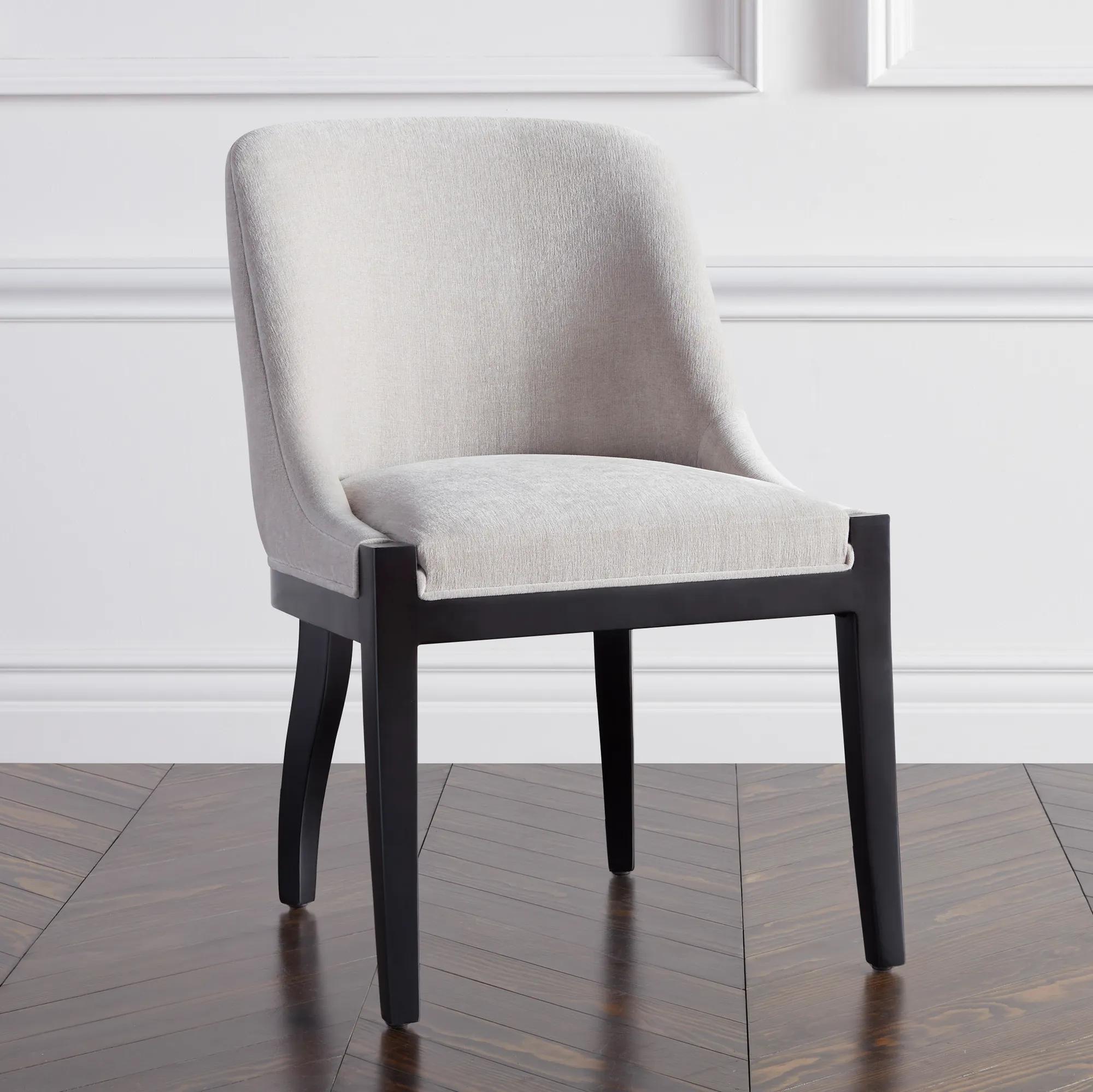 Lily Dining Chair - Matte Black$649
A modern dining chair featuring a kiln-dried hardwood frame and tailored upholstery in your choice of fabric.
Add To Cart -
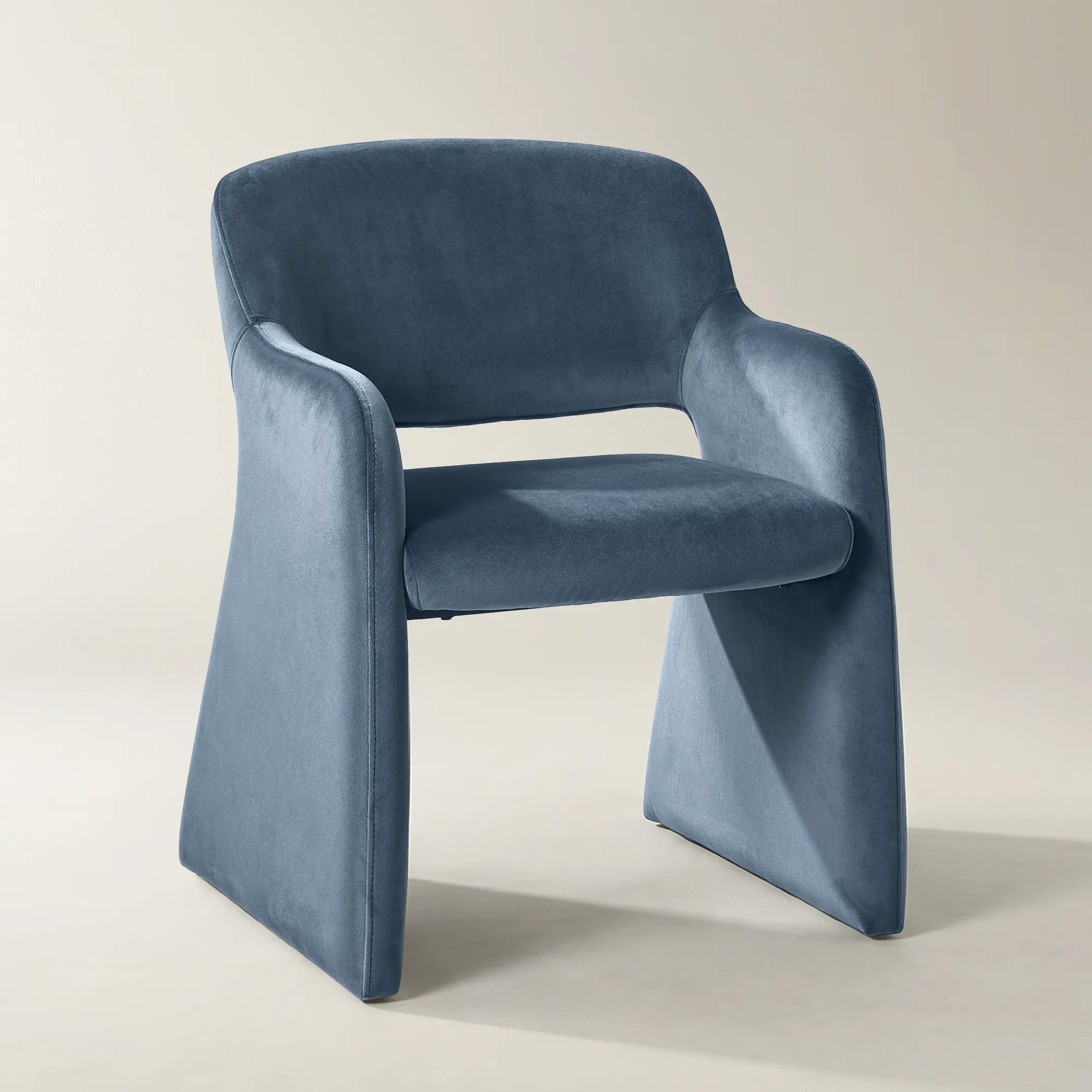 Elara Dusty Blue Velvet Dining Chair$449
A graceful dining chair featuring dusty blue velvet upholstery, integrated arms, and a seamless cantilevered silhouette.
Add To Cart -
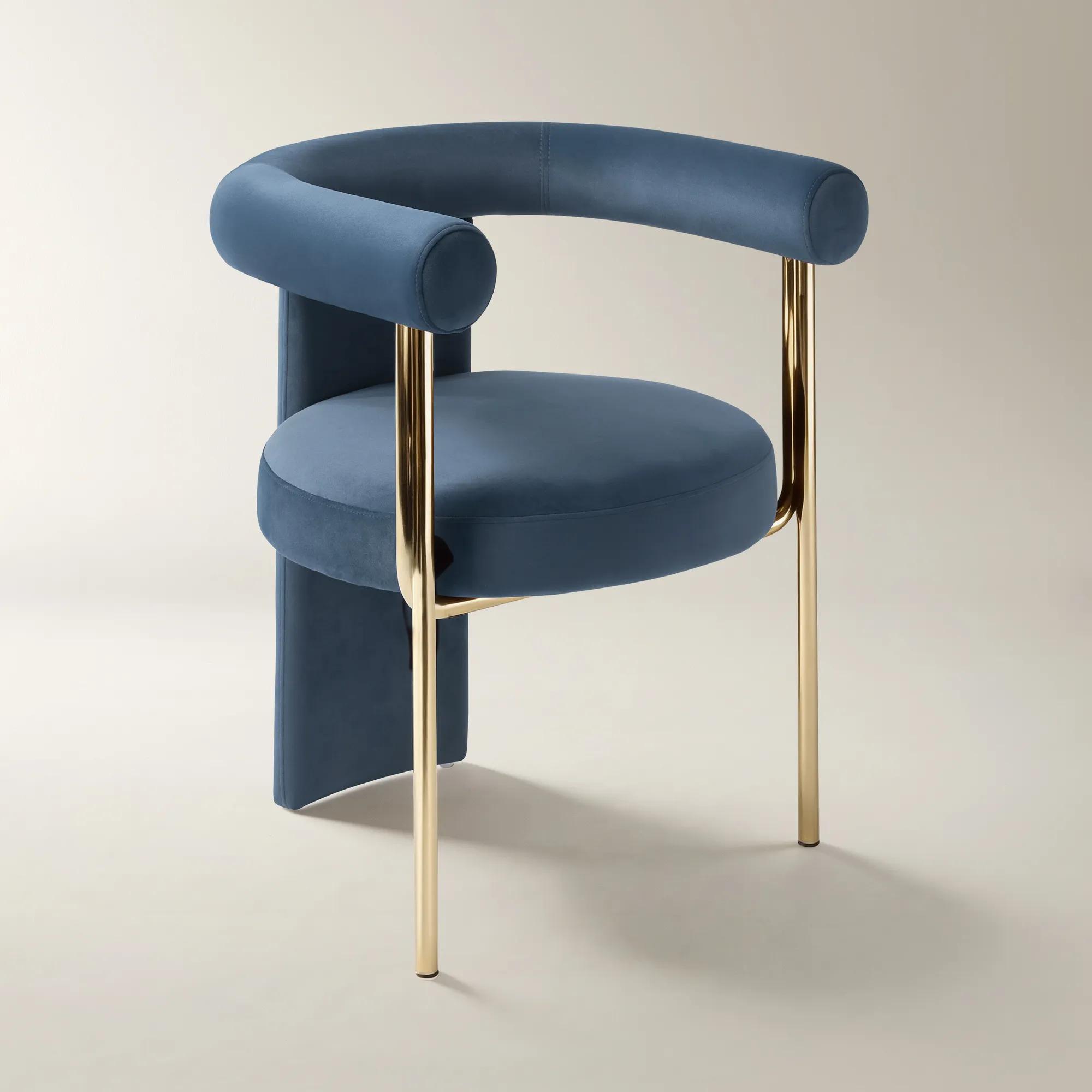 Davina Dusty Blue Velvet Dining Chair Set Of 2$899
A set of two dining chairs featuring dusty blue velvet upholstery and a polished gold metal frame.
Add To Cart -
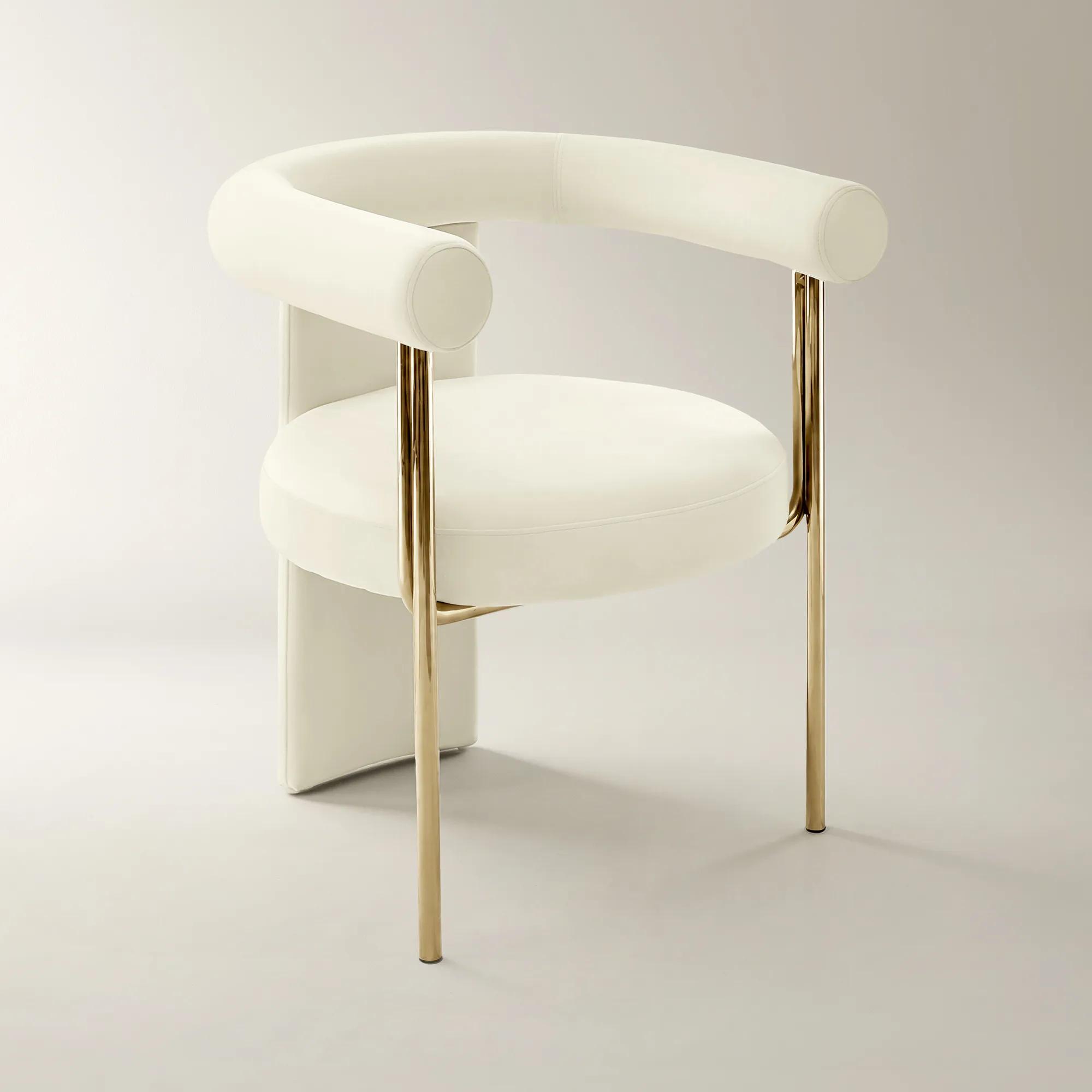 Davina Cloud Velvet Dining Chair Set Of 2$899
A set of two dining chairs featuring plush cloud velvet upholstery and a sculptural gold metal frame.
Add To Cart -
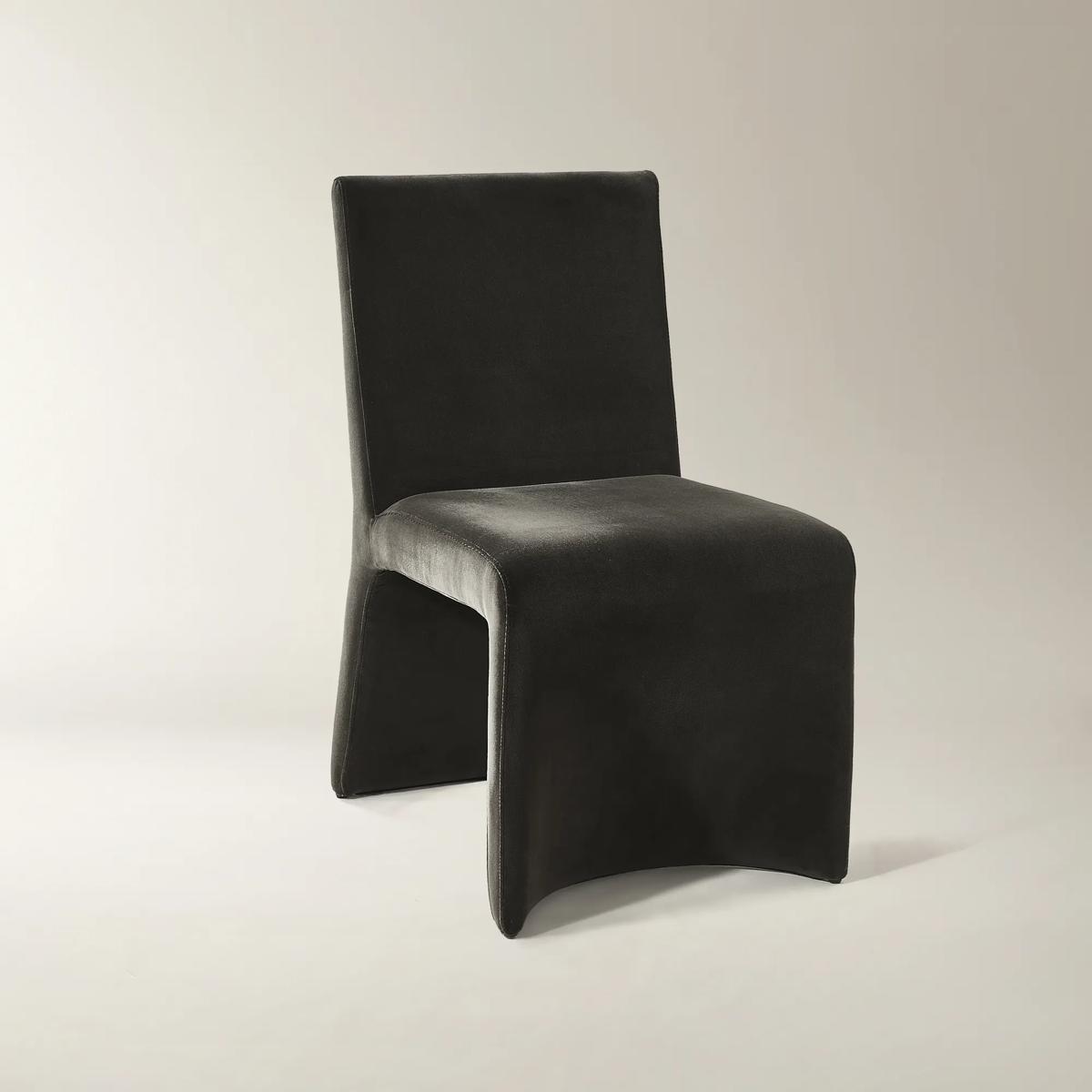
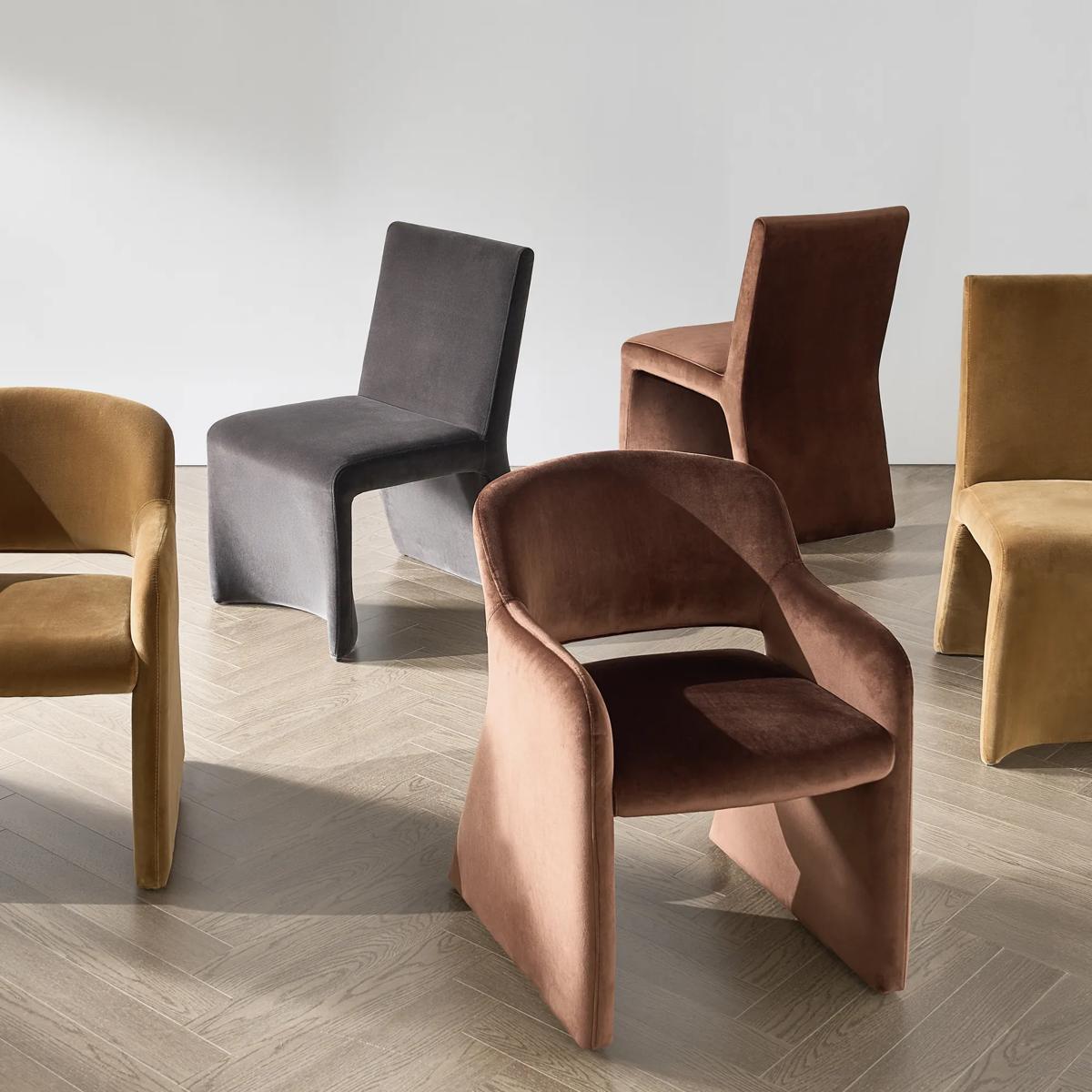 Elara Charcoal Velvet Dining Chair Set Of 2$799
A pair of charcoal velvet dining chairs featuring curved ergonomic silhouettes, plush upholstery, and hand-crafted details.
Add To Cart -
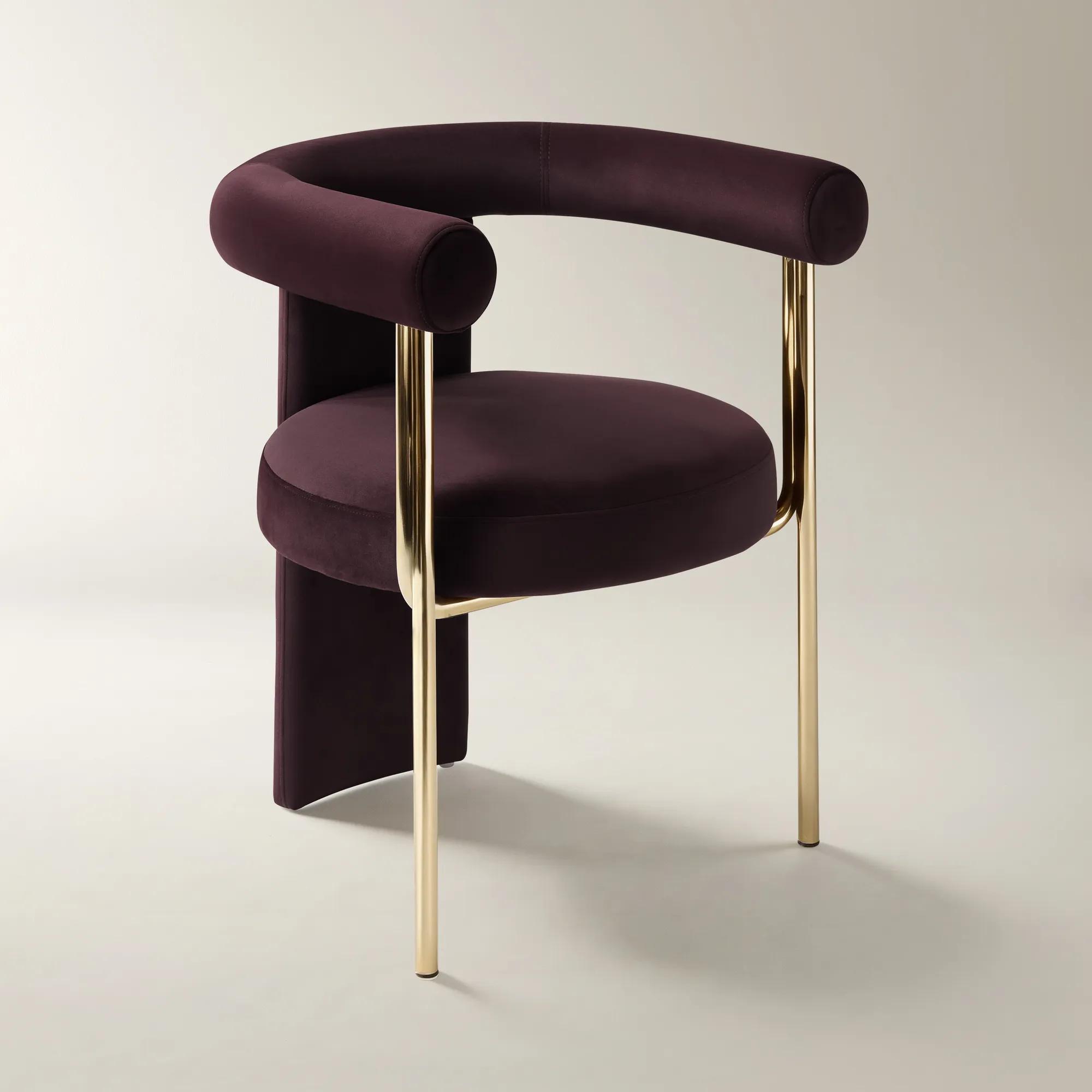 Davina Fig Velvet Dining Chair Set Of 2$899
A set of two dining chairs featuring plush fig velvet upholstery and a sleek gold-finished metal frame.
Add To Cart -
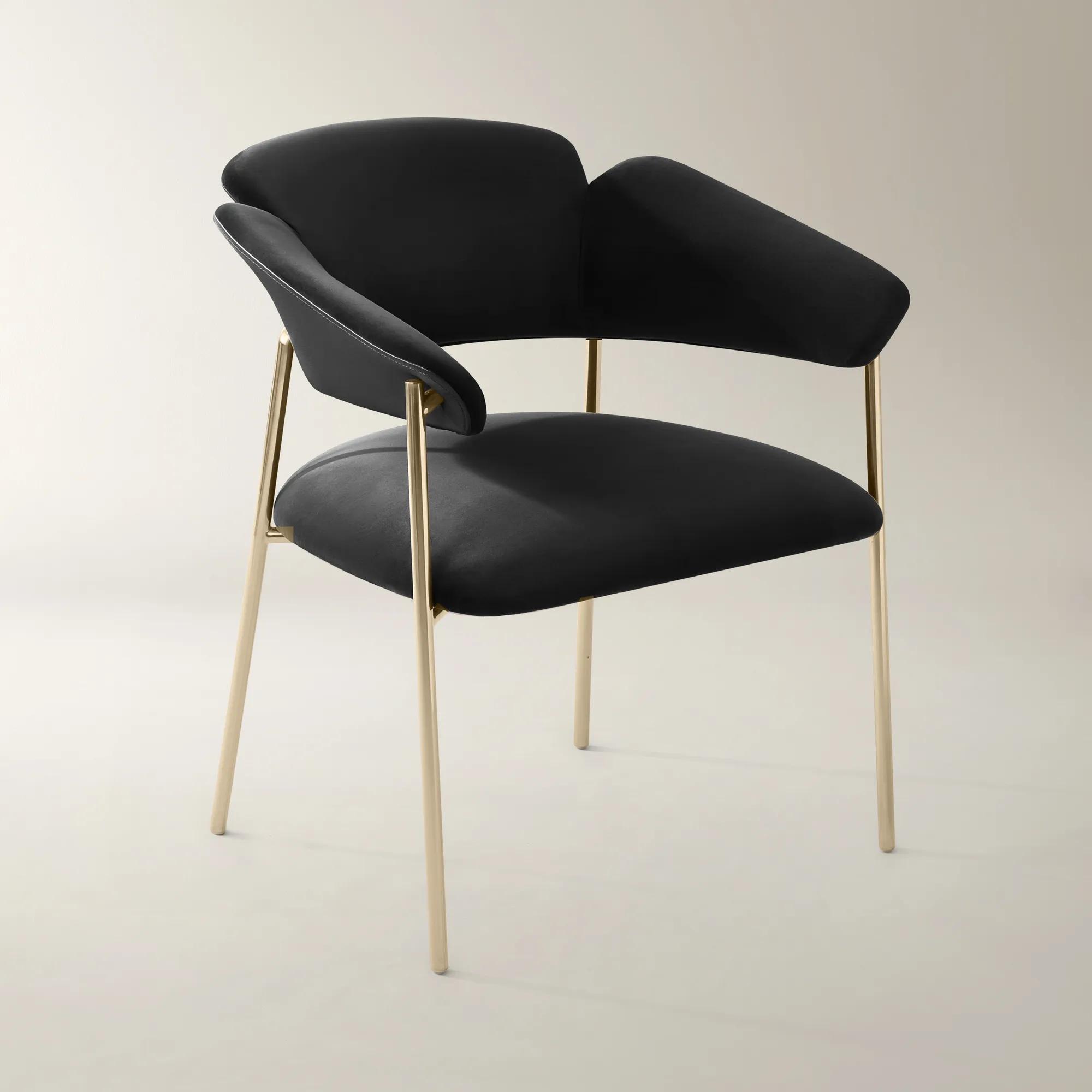 Odette Charcoal Velvet Dining Chair$499
A charcoal velvet chair featuring a wraparound open-back design, tonal faux leather accents, and gold metal legs.
Add To Cart -
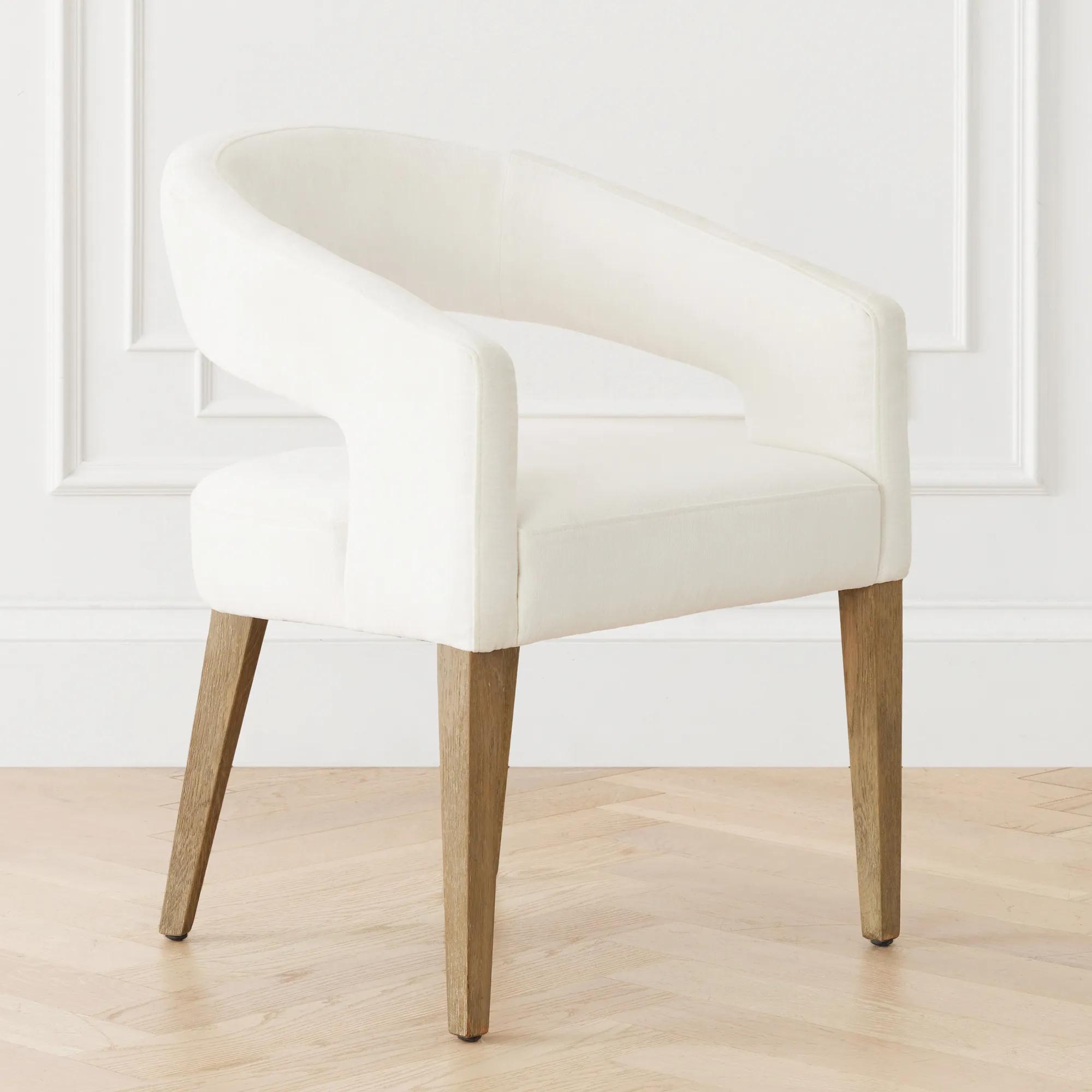 Philippa Dining Chair - Natural Grey$749
A modern dining chair featuring a curved silhouette, grey upholstery, and a kiln-dried hardwood frame.
Add To Cart -
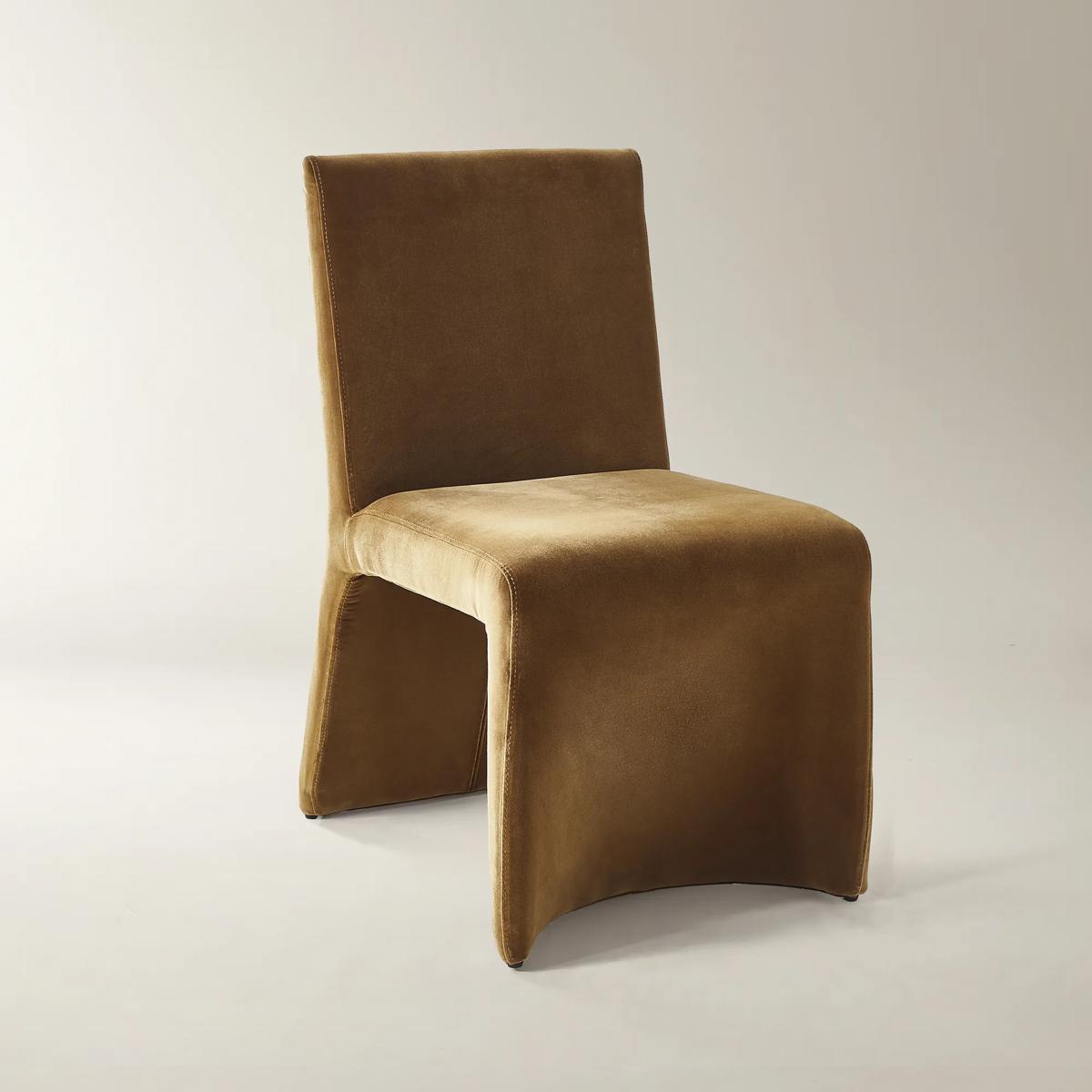 Elara Roasted Pecan Velvet Dining Chair Set Of 2$799
A pair of mustard velvet dining chairs featuring curved ergonomic silhouettes and hand-upholstered, reinforced construction.
Add To Cart

Modern Ergonomic Dining Chairs
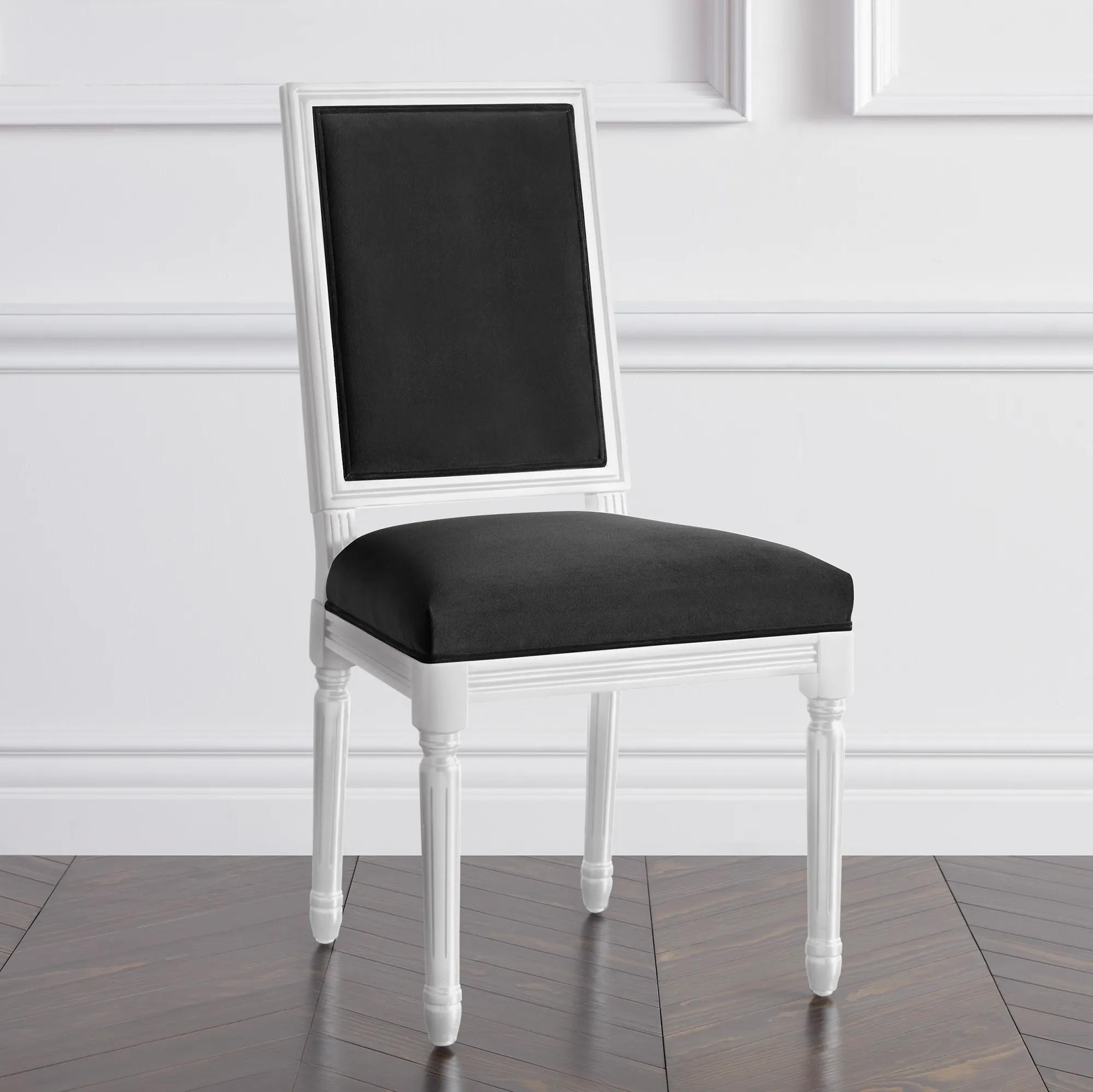
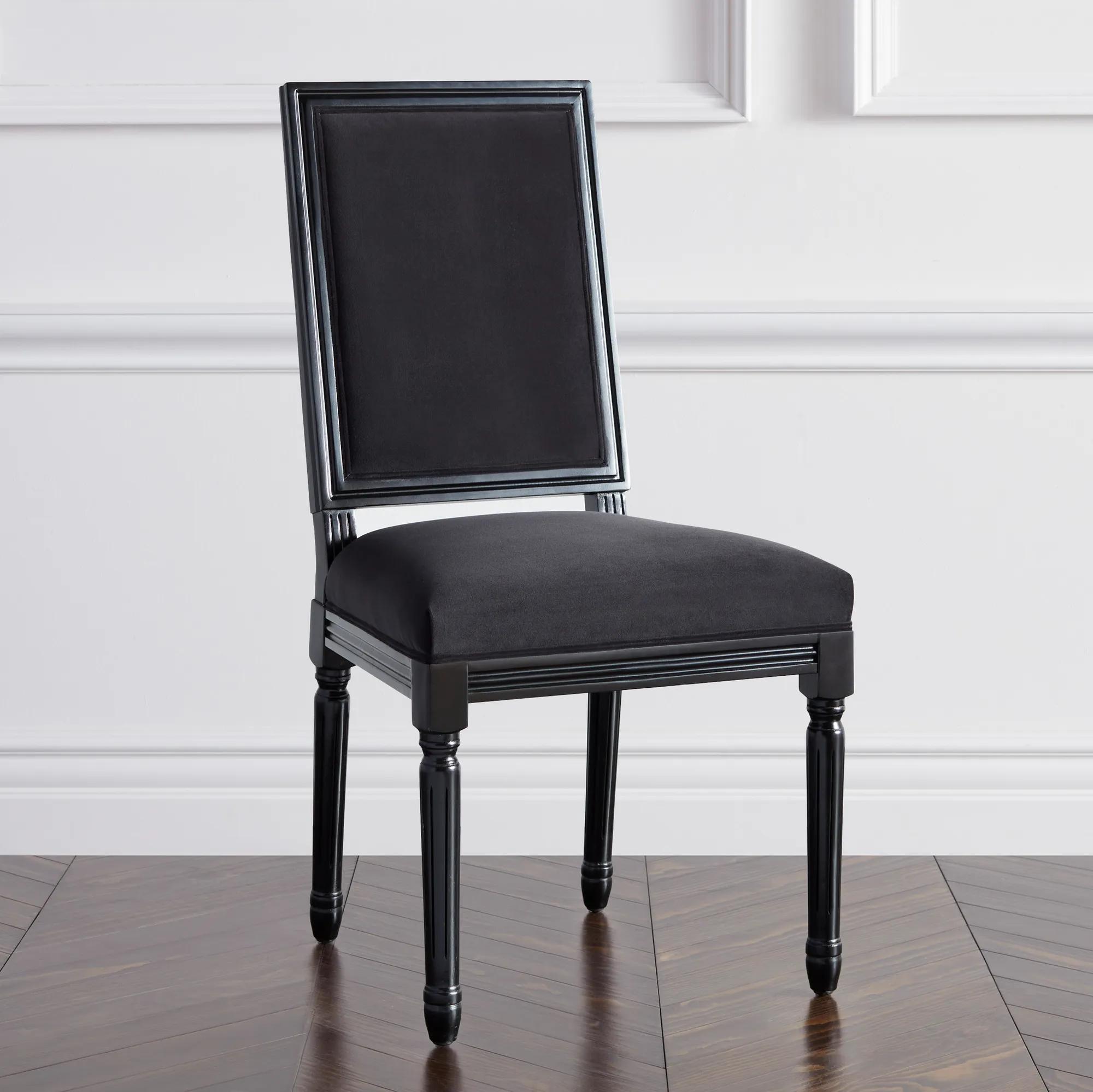
Modern Ergonomic Dining Chairs invite you to reimagine the art of gathering with a fusion of sculptural elegance and elevated comfort. These statement pieces transform every meal into an occasion, balancing contemporary allure with thoughtfully contoured design. Each chair is a celebration of form and function, crafted to envelop guests in style while setting a mood that is both refined and inviting. Let your dining space become a gallery of modern sophistication, where every seat is an invitation to linger longer and savor the moment.
Modern ergonomic dining chairs bring body-conscious support to the dining room through contoured backs, considered seat proportions, and cushioning that balances softness with structure. Their appeal is both visual and personal: a sculptural silhouette gives the table presence, while a well-fitted seat makes it easier to settle into dinner and stay for the conversation afterward. Unlike adjustable office seating, ergonomic dining seating generally relies on its fixed shape and dimensions to support a comfortable position, so the relationship between the chair, the table, and the person sitting matters more than the label alone. A gently curved backrest can follow the contours of the torso, while a supportive seat and a softly rounded front edge can help avoid concentrated pressure behind the knees. Cushioning should feel welcoming without allowing the body to sink so deeply that rising becomes awkward. Upholstered dining chairs introduce another layer of richness, softening the geometry of a stone tabletop or balancing the gleam of a polished metal base. A sweeping back, tailored seams, or subtly flared legs can make practical seating feel like an intentional part of the room’s composition. These qualities suit households that gather for everyday meals, hosts who love an unhurried dinner party, and anyone whose dining table also becomes a place for handwritten notes, conversation, or an occasional afternoon project. Comfort is individual, however, and no single chair shape accommodates every body equally well. A taller diner may appreciate a deeper seat and higher back, while someone with a shorter seated leg length may need a shallower seat to reach the backrest comfortably. The most compelling designs make that attention to proportion look effortless, pairing expressive form with support that feels natural rather than rigid. Around a beautifully set table, a comfortable dining chair creates space for the pleasure of being present, without asking style to take a supporting role.
Fit begins with the seat height and its relationship to the dining surface. Many standard dining tables measure approximately 28 to 30 inches high, and dining chair seats commonly fall around 17 to 19 inches from the floor, although individual designs vary. About 10 to 12 inches between the seat and the tabletop is a useful starting point, not a guarantee of comfort; a thick tabletop or low apron can reduce usable thigh clearance. Upholstered seats may also compress when occupied, changing the effective sitting height. For a relaxed, supported position, feet should rest comfortably on the floor, the back should meet the backrest without strain, and the seat edge should leave a little space behind the knees. Seat depth is especially important: a generous cushion can look sumptuous yet feel oversized if it prevents the sitter from using the back support. Check usable seat width as well, particularly on dining armchairs where the arms define the sitting space. Arms can provide a restful place for the forearms, but their height must work with the table apron if the chair is intended to tuck underneath. Armless dining chairs offer greater freedom of entry and can keep a closely arranged table from feeling crowded. As a planning baseline, allow roughly 24 inches of table edge per diner, with more room for broad chairs, generous arms, or place settings with dramatic chargers. Leave sufficient space behind each chair to pull it out and stand comfortably; approximately 36 inches from the table edge to a wall is a common starting point, with additional clearance where people need to pass behind seated guests. Pedestal bases, corner legs, and decorative stretchers also affect where chairs can sit. Measuring these details helps preserve the room’s elegance in use, not just in a photograph. A pair of enveloping armchairs at the ends of a rectangular table can establish a gracious focal point, while slimmer side chairs maintain an easy rhythm along its length.
Materials give modern ergonomic dining chairs their character, but they also shape daily care and long-term performance. Velvet brings dimensional color and a luminous surface that changes with the direction of its pile; tightly woven upholstery offers a more tailored texture, and leather lends depth through its grain and finish. For a seating arrangement defined by supple texture and clean-lined form, Modern Leather Dining Chairs offer a complementary design direction. Material names alone do not establish durability or ease of cleaning. Leather finishes vary, synthetic alternatives require different care, and performance fabrics should be evaluated according to the specific treatments and cleaning instructions provided. In a dining space used by children or frequent guests, accessible seams, fewer deep crevices, and upholstery suited to regular maintenance can be especially valuable. Blot spills promptly rather than rubbing them into the surface, remove crumbs with an appropriate soft vacuum attachment, and test any permitted cleaner in an inconspicuous area first. Velvet may need gentle brushing in the direction of the pile, while leather should receive only care products approved for its particular finish. Wood frames contribute warmth and sculptural definition; metal frames can introduce a slender profile or a gleaming accent. Neither material alone guarantees strength. Sound joinery, stable legs, secure hardware, and a stated weight capacity appropriate for the intended user deserve attention, as do cushions that retain their shape through repeated use. Floor protectors suited to the flooring can help limit scratches when chairs move, and hardware should be checked periodically according to the manufacturer’s directions. Indoor dining chairs belong in the settings for which they were designed, rather than exposed outdoor spaces, and occasional work at the table does not make them a substitute for task seating during a full workday. Visually, repetition creates polish: matching silhouettes can frame a dramatic table, while coordinated upholstery tones allow mixed chair shapes to feel deliberate. Thoughtful proportions, tactile finishes, and dependable construction make the dining room an expressive setting that remains inviting long after the plates have been cleared.
FAQs
Ergonomic dining chairs are meticulously designed to support the body’s natural posture, offering enhanced lumbar support, contoured seats, and thoughtful angles that encourage comfort during long meals. Unlike traditional designs, these chairs blend cutting-edge ergonomics with sculptural modern aesthetics, ensuring both visual impact and a truly luxurious seating experience.
Incorporating ergonomic dining chairs into a modern dining room is an opportunity to create a harmonious balance between comfort and style. Choose chairs that complement your table’s materials and silhouette, or mix textures—such as pairing velvet-upholstered seats with a glass or marble table—to add depth and intrigue. Let the chairs serve as statement pieces, anchoring your space with their distinctive lines and inviting presence.
Absolutely. Ergonomic dining chairs are versatile enough to elevate both formal dinner parties and everyday family meals. Their refined profiles and sumptuous materials lend a sense of occasion to any gathering, while their supportive construction ensures comfort whether you’re hosting a festive soirée or enjoying a leisurely weekend brunch.
Ergonomic dining chairs make a thoughtful and memorable gift for anyone who values design and comfort—new homeowners, newlyweds, or those celebrating a milestone. They are especially appreciated by hosts who love to entertain, as well as design enthusiasts seeking to refresh their dining spaces with pieces that combine artistry and functionality.
Ergonomic dining chairs encourage guests to relax and linger, transforming meals into immersive experiences. Their supportive design minimizes discomfort, allowing everyone to focus on conversation and connection. The result is an atmosphere of effortless hospitality where every guest feels pampered and every moment is savored.