Modern Coffee Tables With Glass Top
Modern Coffee Tables With Glass Top
-
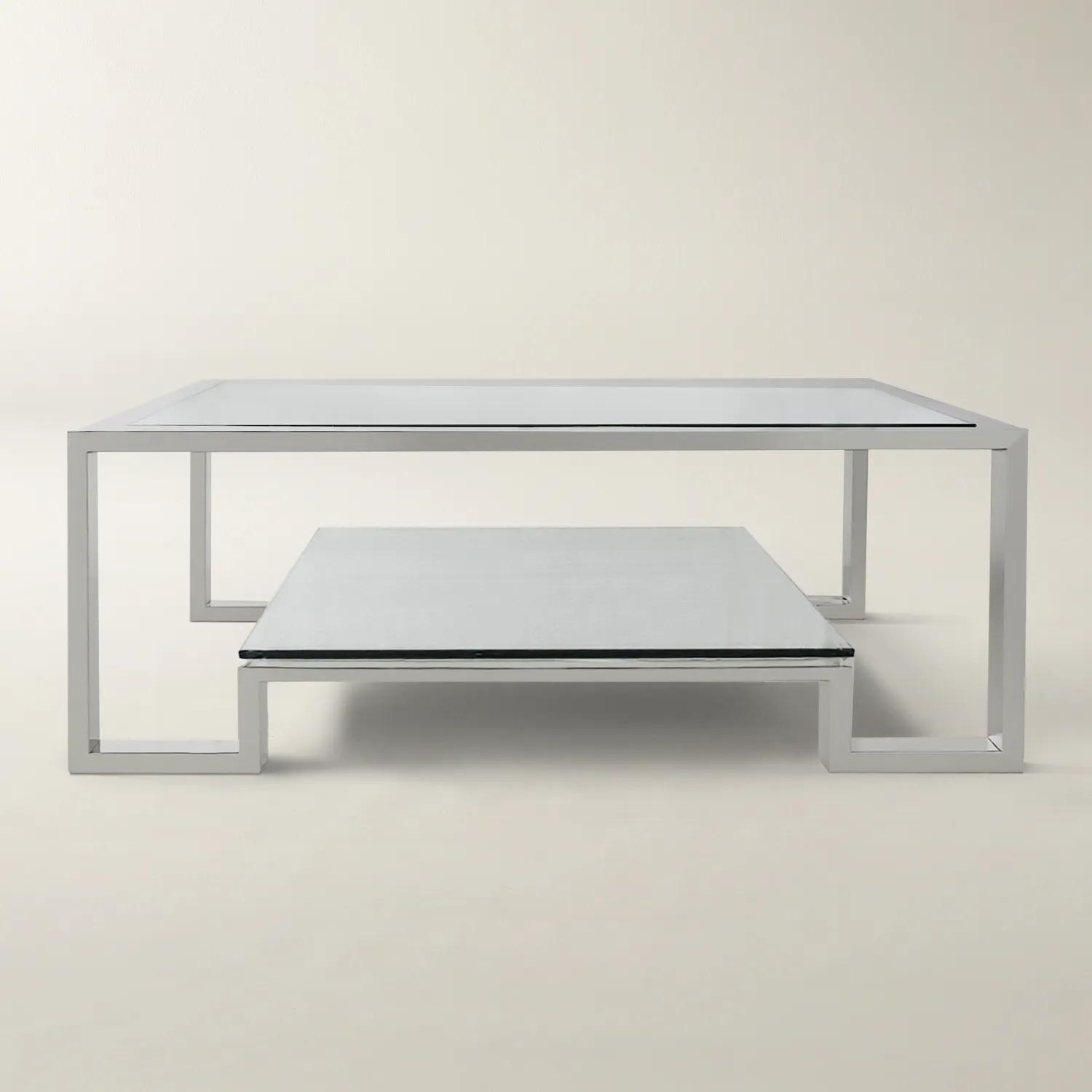
 Duplicity Rectangular Silver Stainless Steel Coffee Table With Glass Top (50")$1399
A modern coffee table featuring a stainless steel frame, tempered glass top, and floating bottom shelf.
Add To Cart -
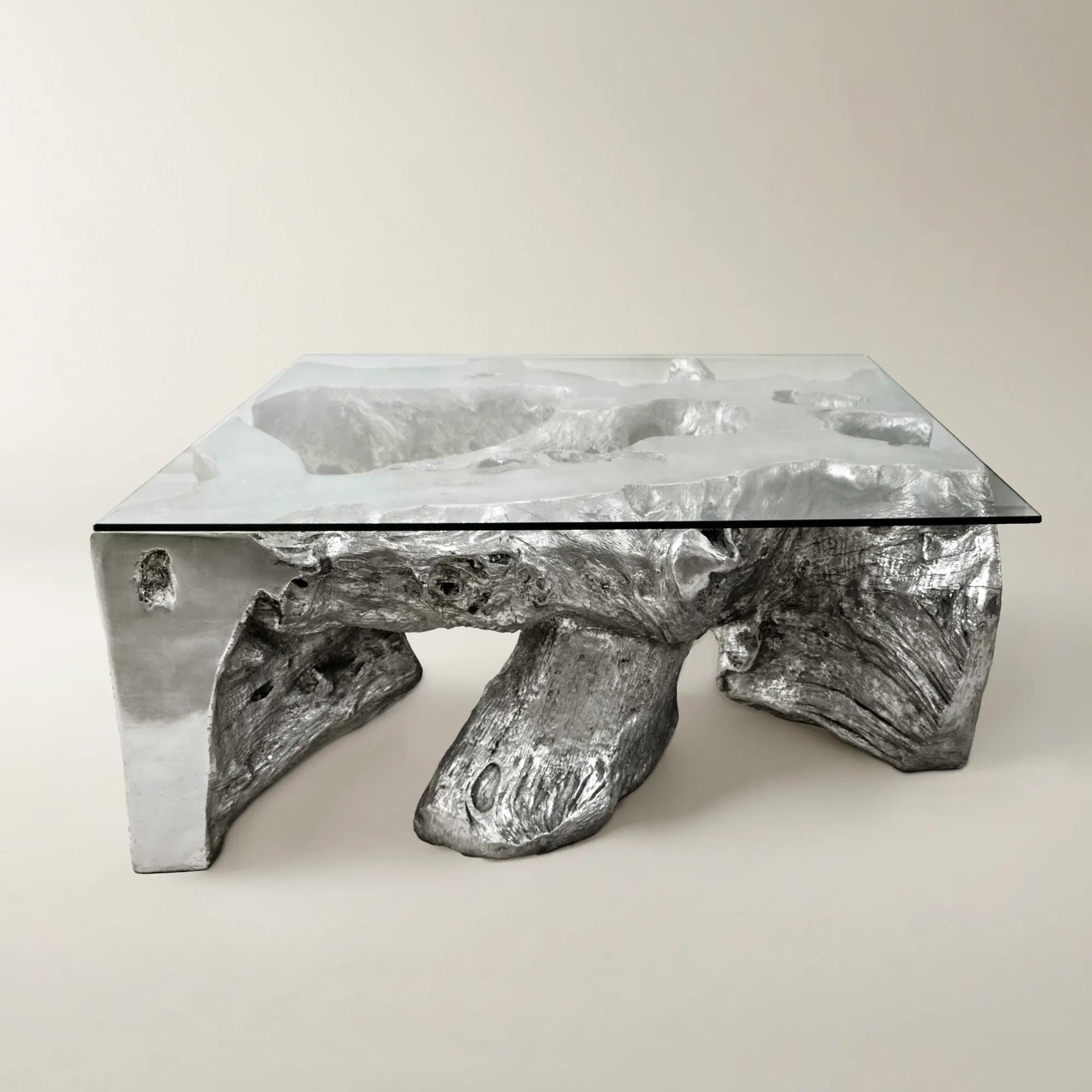 Sequoia Silver Resin Coffee Table With Glass Top (44")$2299
A sculptural coffee table featuring a hand-applied silver leaf resin base and a tempered glass top.
Add To Cart -
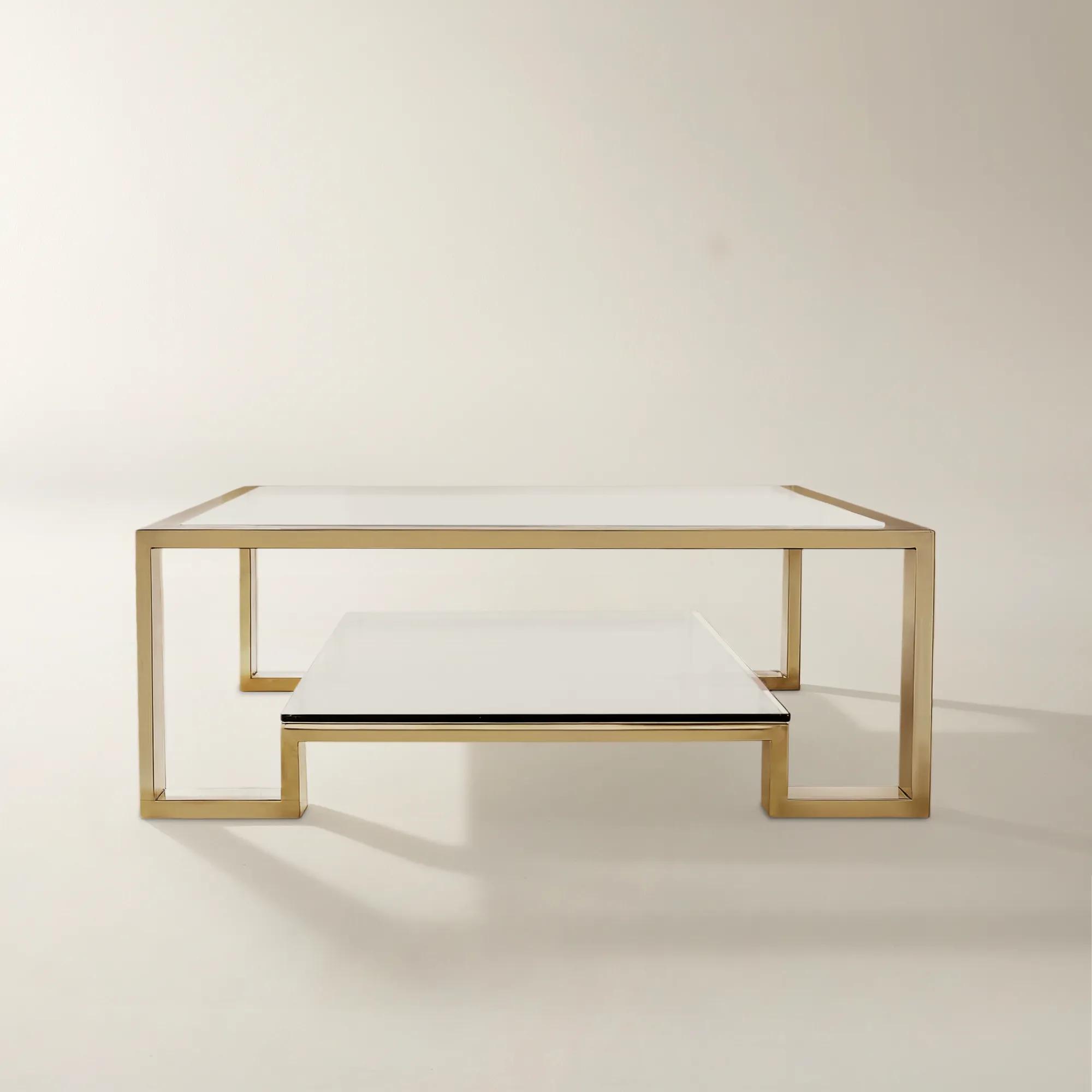 Duplicity Rectangular Gold Stainless Steel Coffee Table With Glass Top (50")$1399
A modern coffee table featuring a stainless steel frame, tempered glass top, and floating storage shelf.
Add To Cart -
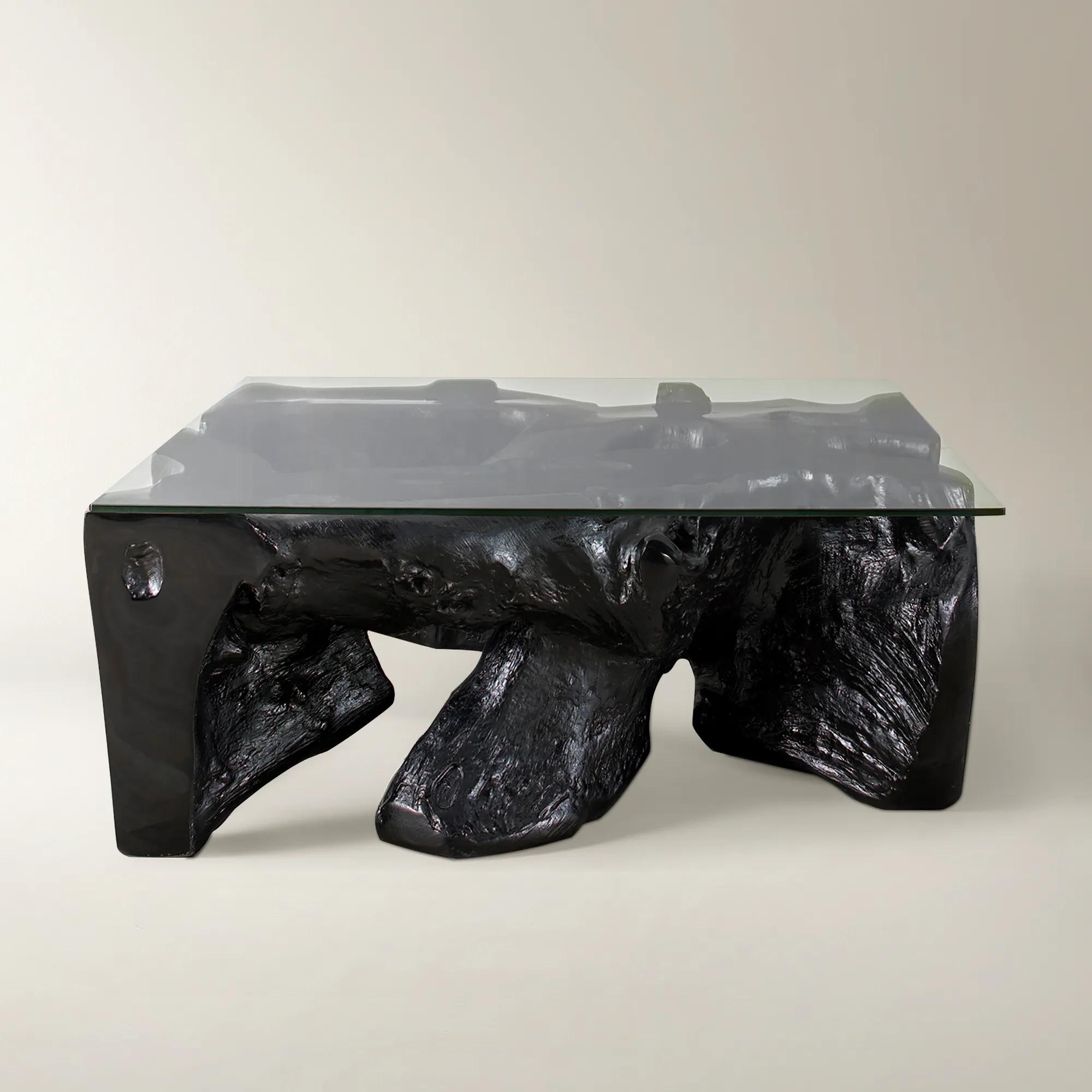
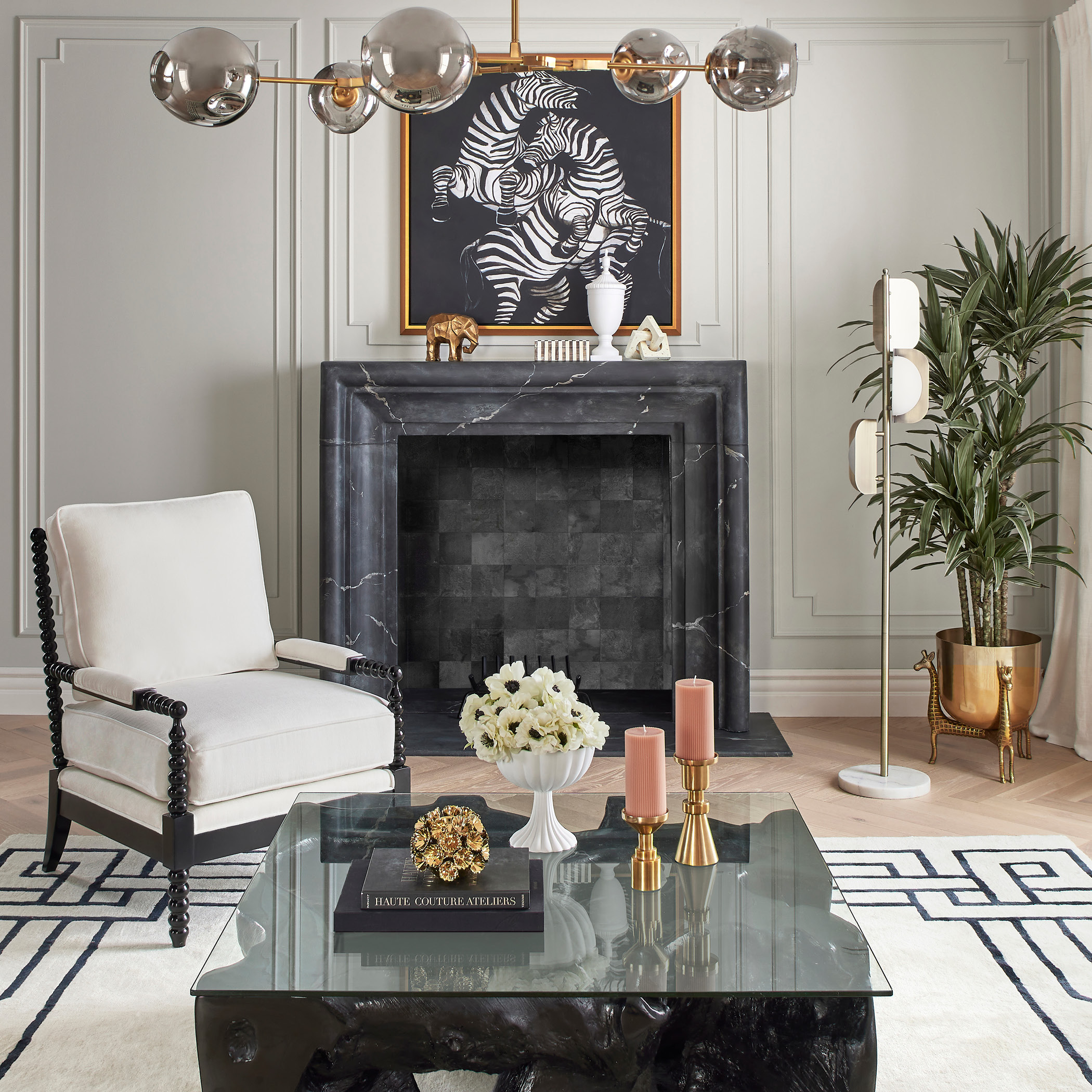 Sequoia Black Resin Coffee Table With Glass Top (44")$2299
A sculptural black coffee table crafted from resin and polished stone fragments for indoor or outdoor use.
Add To Cart -
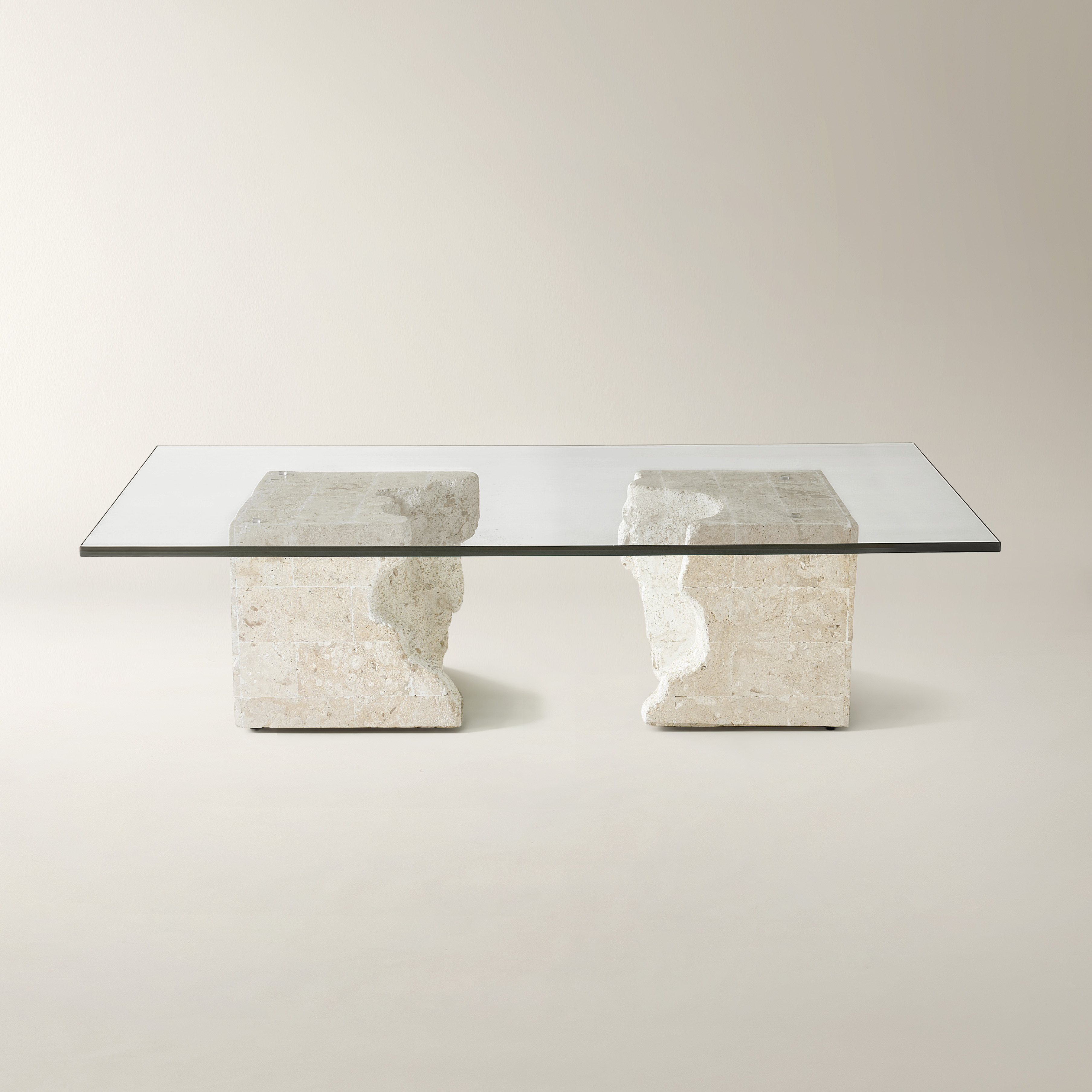 Cairo Rectangular Mactan Stone Coffee Table With Glass Top (63")$1899
A contemporary coffee table featuring a clear tempered glass top floating above hand-carved Mactan stone bases.
Add To Cart -
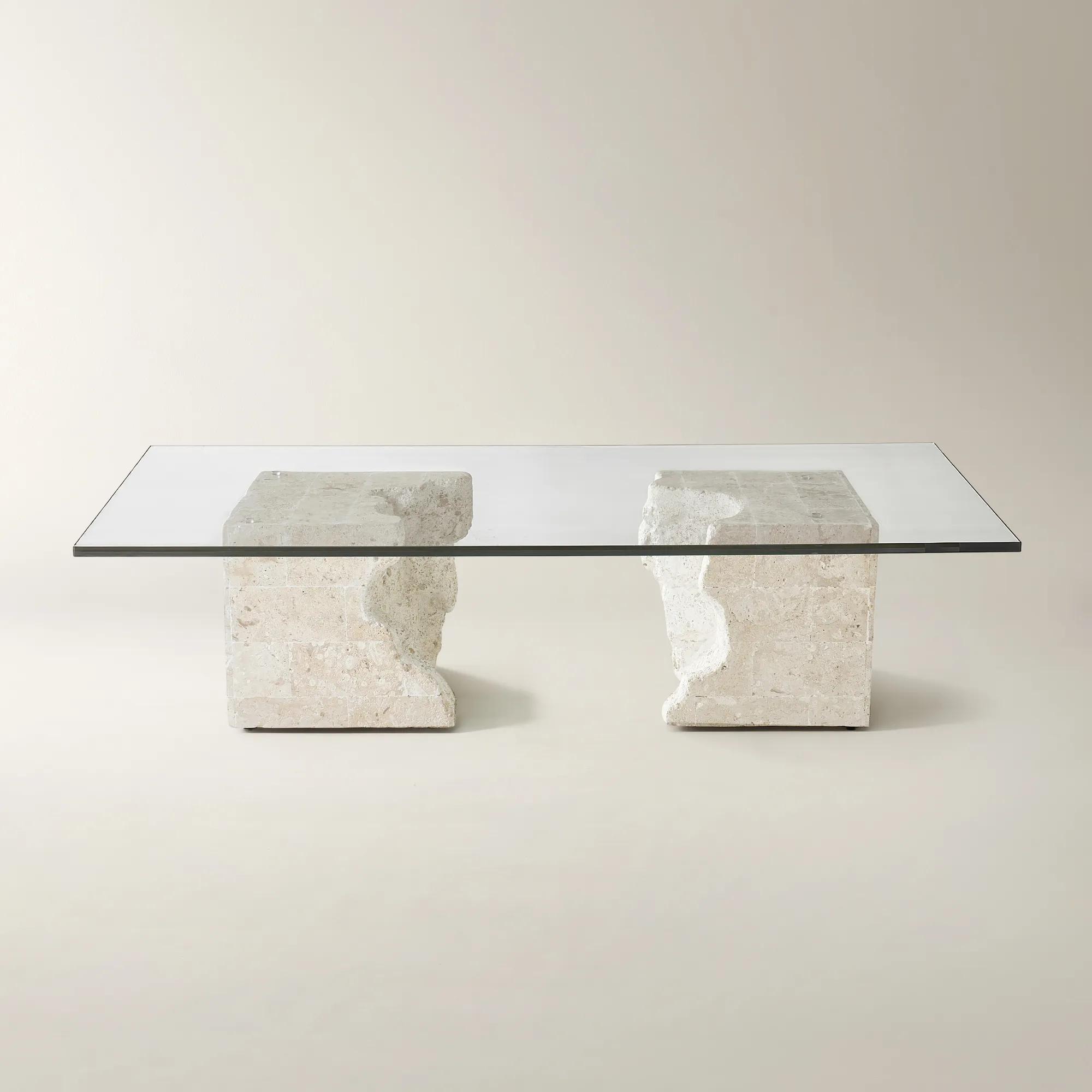 Cairo Rectangular Mactan Stone Coffee Table With Glass Top (70.87")$1999
A contemporary coffee table featuring a clear tempered glass top floating above hand-carved Mactan stone bases.
Add To Cart -
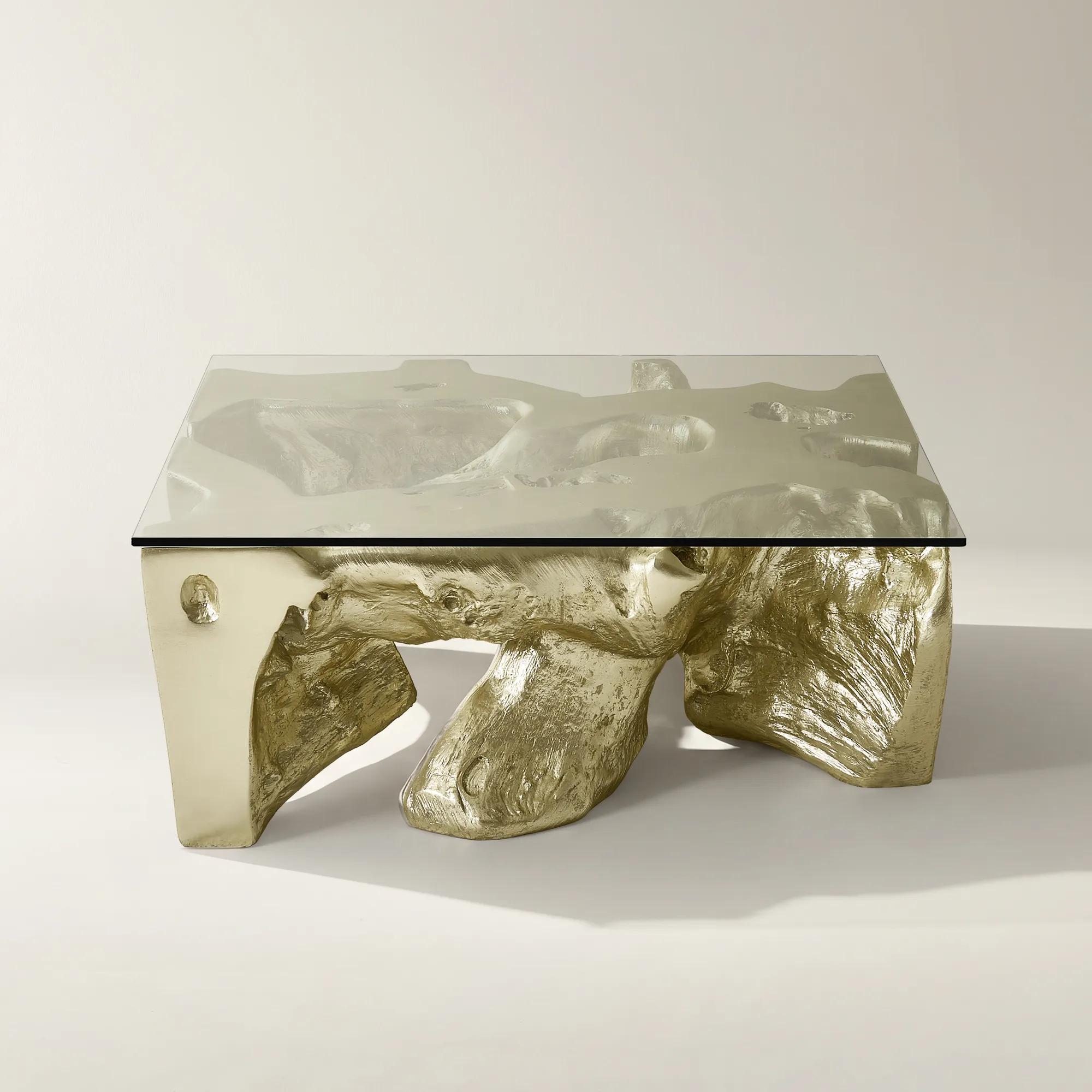 Sequoia Champagne Gold Resin Coffee Table With Glass Top (44")$2299
A sculptural resin coffee table with a champagne gold leaf finish and a clear tempered glass top.
Add To Cart -
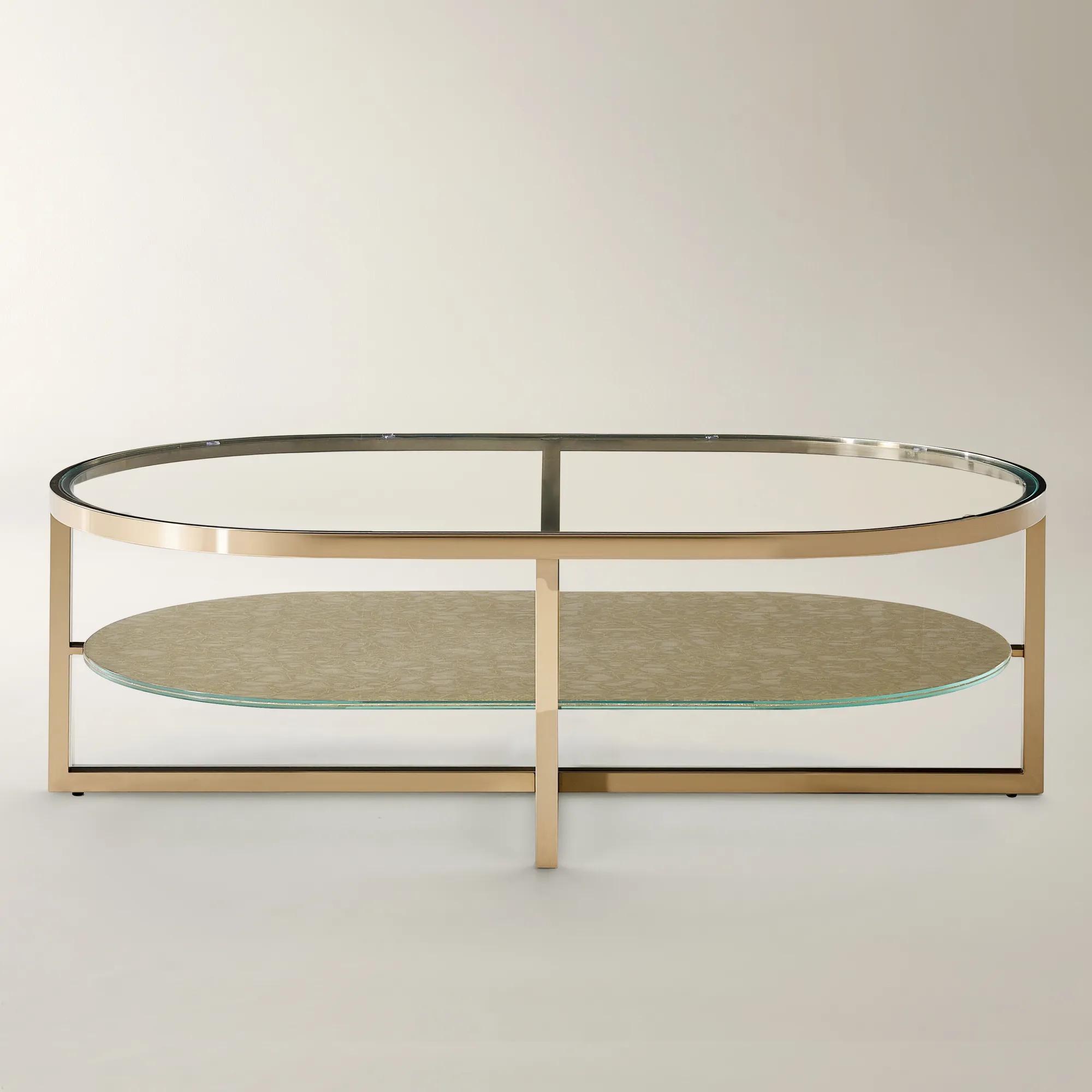
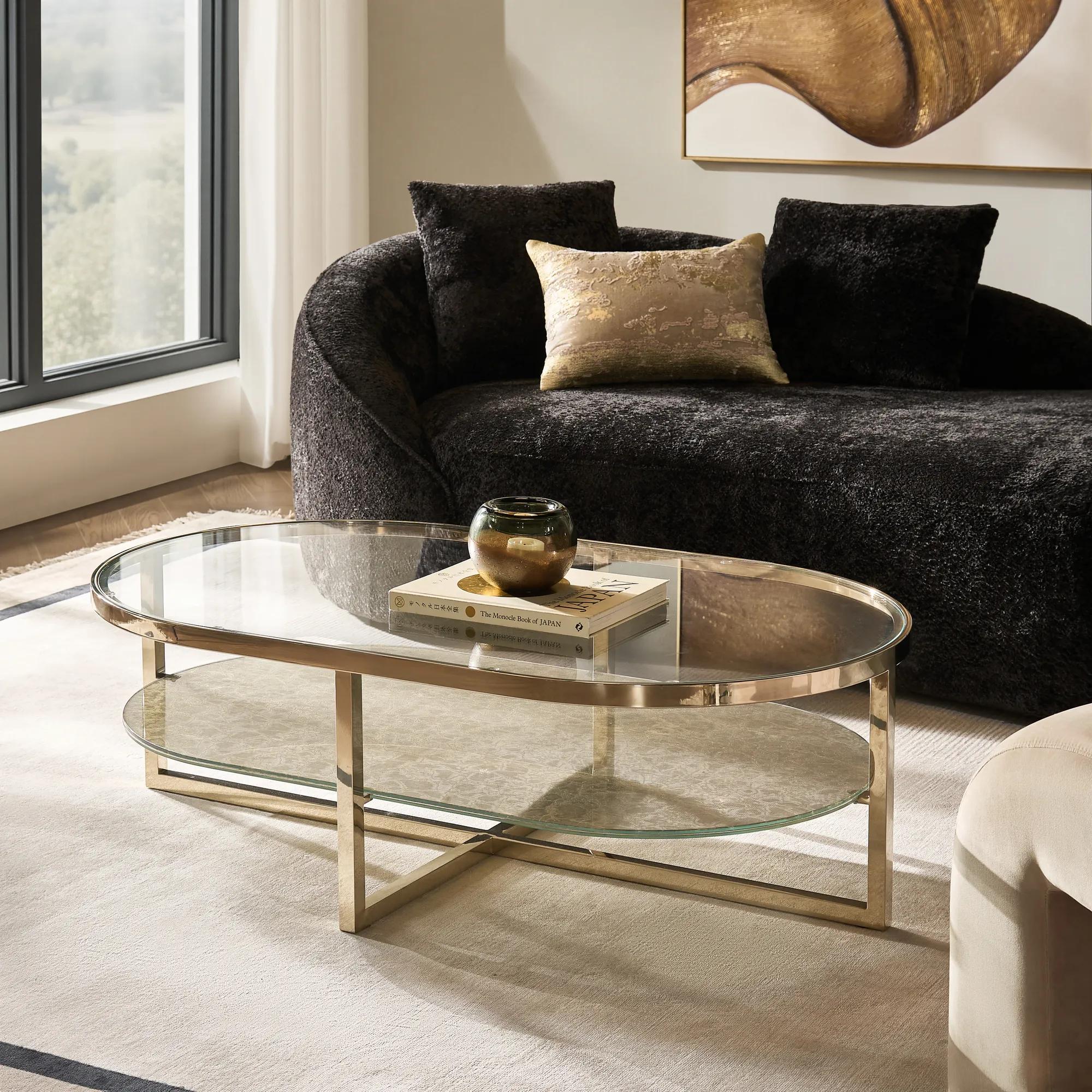 Duality Oval Fabric-Laminated Glass Coffee Table (47")$999
A modern oval coffee table featuring a tempered glass top, fabric-laminated shelf, and soft gold stainless steel frame.
Add To Cart

Modern Coffee Tables With Glass Top
Explore modern coffee tables with glass tops for a living room centerpiece that balances visual lightness with a confident presence. The transparent surface keeps a statement rug in view while giving your seating arrangement a defined focal point. Compare overall dimensions and silhouettes to find a design that complements your sofa’s proportions and leaves comfortable room to move.
Modern coffee tables with glass tops give a living room a striking focal point without concealing the layers that make it distinctive. A transparent surface lets the sweep of a sculptural base, the pattern of a rug, and the texture of surrounding upholstery remain part of the composition. Against a deeply tufted sofa or a pair of curved accent chairs, glass introduces a crisp contrast: polished and architectural, yet light enough to let more sumptuous materials take center stage. The effect is especially compelling in rooms with richly patterned rugs, where an opaque tabletop might hide the most expressive details. Clear glass offers the greatest visual openness, while smoked or tinted glass creates a moodier presence and subtly changes how the base beneath it is perceived. The supporting materials bring their own character. Polished metal catches highlights along its edges, warm metallic finishes add a jewelry-like accent, and darker metal creates a more graphic outline. Wood lends warmth and visible grain, balancing the precision of glass with an organic element. A substantial pedestal can make the table feel like a piece of sculpture; slender legs create a more delicate profile. Neither approach needs to dominate the room to make an impression. Glass also belongs comfortably in a range of interiors, from tailored contemporary spaces to layered rooms filled with art, velvet, and gleaming accessories. Its appeal is not simply that it looks lighter than a solid surface. It allows a coffee table to carry visual drama through its shape and construction rather than through a large block of material. For someone furnishing an apartment with a statement sofa, that openness can help preserve a sense of breathing room. In a larger living area, a broad glass top can connect a generous seating arrangement while keeping the rug and surrounding furnishings visible. The result is a centerpiece with presence, one that supports the room’s personality rather than interrupting it.
The right proportions give that presence a purpose. A coffee table should feel connected to the seating around it, with enough surface for everyday use and enough space for people to move comfortably. A length around two-thirds of the sofa’s width is a useful starting point, though the shape of the seating arrangement matters as much as any ratio. A long rectangular glass top echoes the lines of a tailored sofa, while a round or oval silhouette softens a room filled with angular furniture. Beside a sectional, a square or generously scaled round table can serve multiple seats without looking like an afterthought. Leaving about 18 inches between the table and the sofa usually creates a comfortable balance between reaching a drink and stepping through the room; main walkways may need more generous clearance. Height deserves equal attention. A tabletop close to the height of the sofa seat, or slightly lower, generally feels natural for setting down a cup, arranging a tray, or reaching for a book. These relationships are especially noticeable with glass because the base and surrounding space remain exposed. Details that might disappear beneath an opaque top become part of the design: the placement of legs, the sweep of supports, and the way the glass rests on the frame. For living rooms where storage and surface space are equally important, modern functional coffee tables offer a related category to consider alongside the visual openness of glass. A lower shelf can hold books or a neatly composed tray, although anything beneath a clear top remains on display. Construction also shapes suitability. Where specified, tempered glass offers greater strength than ordinary glass, but it is not unbreakable. Glass thickness, edge finishing, secure supports, and a stable base all deserve attention. Rounded profiles may ease movement through a busy seating area, yet every glass table requires thoughtful placement in homes with young children or energetic pets. A beautiful silhouette works best when its construction and placement suit the people who live around it.
Everyday use gives a glass-top coffee table its rhythm: a morning cup beside an art book, a tray of sparkling water when guests arrive, or a small arrangement of flowers that brings height to the center of the room. The surface can carry these familiar moments with exceptional polish, but restraint helps preserve its distinctive transparency. A few objects with contrasting textures often create a more compelling composition than a dense layer of accessories. A ceramic vessel introduces a matte note against the reflective glass; a stack of substantial books provides structure; a sculptural object draws the eye without masking the entire tabletop. On a larger surface, a tray can gather smaller pieces into a deliberate arrangement while leaving open space for drinks and conversation. Protecting the glass is part of maintaining that polished impression. Coasters help limit water rings and residue, while felt or other suitable protective pads beneath decorative objects can reduce the risk of scratches. Glass is nonporous and can be straightforward to clean, but fingerprints, dust, and streaks are often more noticeable than they would be on a textured surface. Follow the manufacturer’s care instructions, using a soft, lint-free cloth and an appropriate cleaner rather than abrasive pads or scouring powders. Applying cleaner to the cloth instead of spraying directly across the table helps keep liquid away from joints, adhesives, and surrounding finishes. Metal and wood bases may need different care from the glass above them, so a single cleaning product is not necessarily suitable for the entire piece. Lift objects rather than dragging them, avoid placing hot cookware directly on the surface, and keep heavy impacts away from exposed edges. Although glass resists many everyday stains, it can scratch or chip, and visible damage should be assessed rather than treated as purely cosmetic. With thoughtful use, a glass-top coffee table becomes more than a display surface. It anchors the seating area, gives cherished objects a luminous setting, and preserves a clear view of the textures, colors, and expressive details that make the room feel personal.
FAQs
Modern glass-top coffee tables pair luminous surfaces with artful silhouettes, creating a focal point that feels polished and visually open. Clear glass puts a sculptural base on display, while smoked or tinted glass introduces a moodier layer. The result is furniture that adds drama without concealing the textures and patterns beneath it.
Metal, wood, and stone each give a glass-top coffee table a distinct personality. Polished metal brings a jewelry-like gleam, matte black offers graphic contrast, and richly grained wood lends warmth. Marble or other natural stone creates a more architectural presence, with glass allowing the base’s character to take center stage.
Create a deliberate composition with a sculptural vase, a stack of art books, and a decorative tray. Contrast the glass’s sleek surface with tactile accents such as ceramic, woven materials, or carved stone. Leave portions of the top uncovered so its transparency remains part of the design, framing glimpses of a richly textured rug below.
Clear glass offers crisp transparency that showcases an expressive base and the surrounding decor. Smoked glass introduces a gray or brown tint for a more atmospheric look, especially alongside velvet upholstery and metallic accents. Frosted glass has a softly translucent finish that diffuses reflections and adds a subtle textural note.
Follow the manufacturer’s care instructions and use a soft microfiber cloth with a cleaner approved for the glass finish. Apply cleaner to the cloth rather than spraying nearby wood, stone, or metal details, which may require different care. Avoid abrasive pads, wipe away fingerprints regularly, and use coasters to keep the surface beautifully composed.