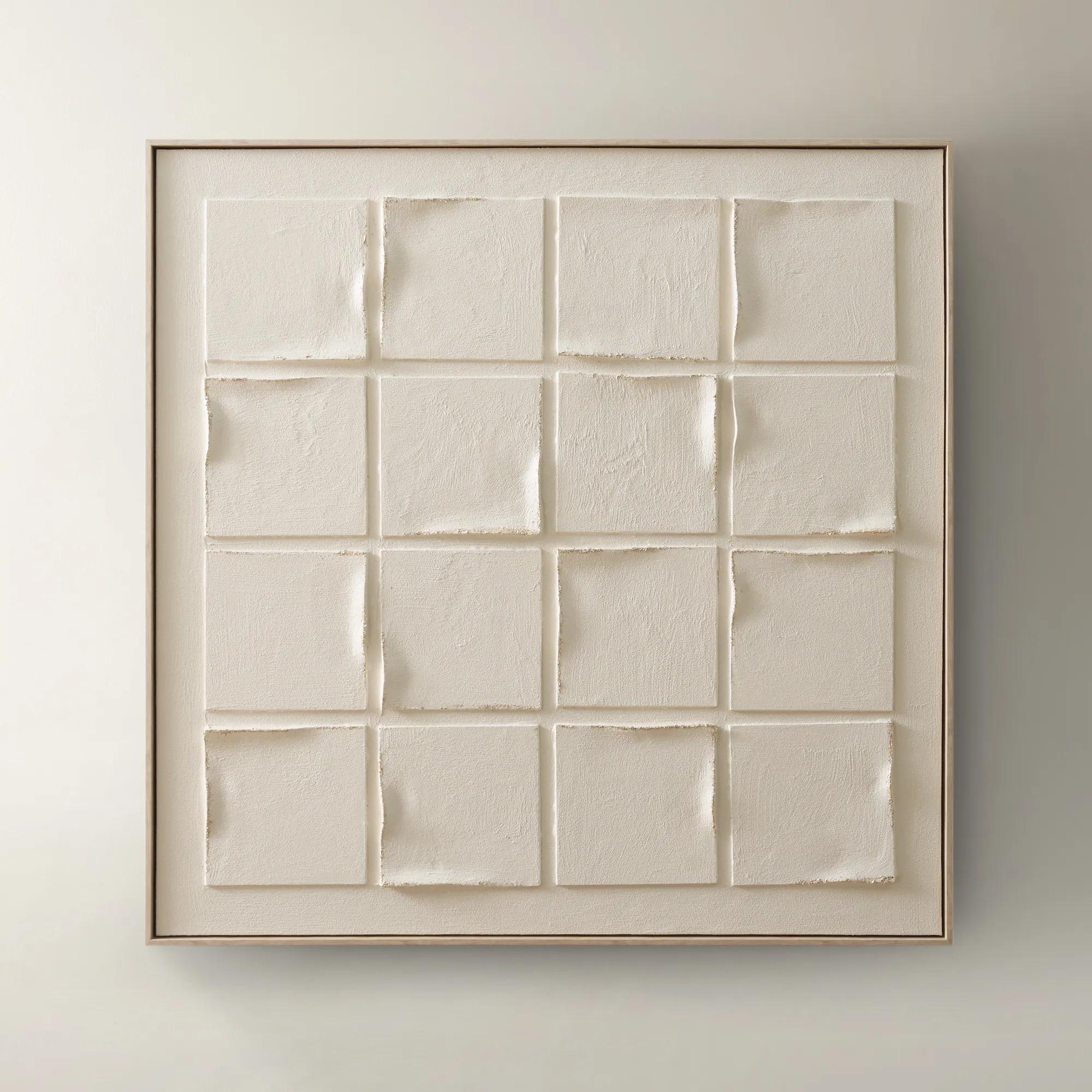
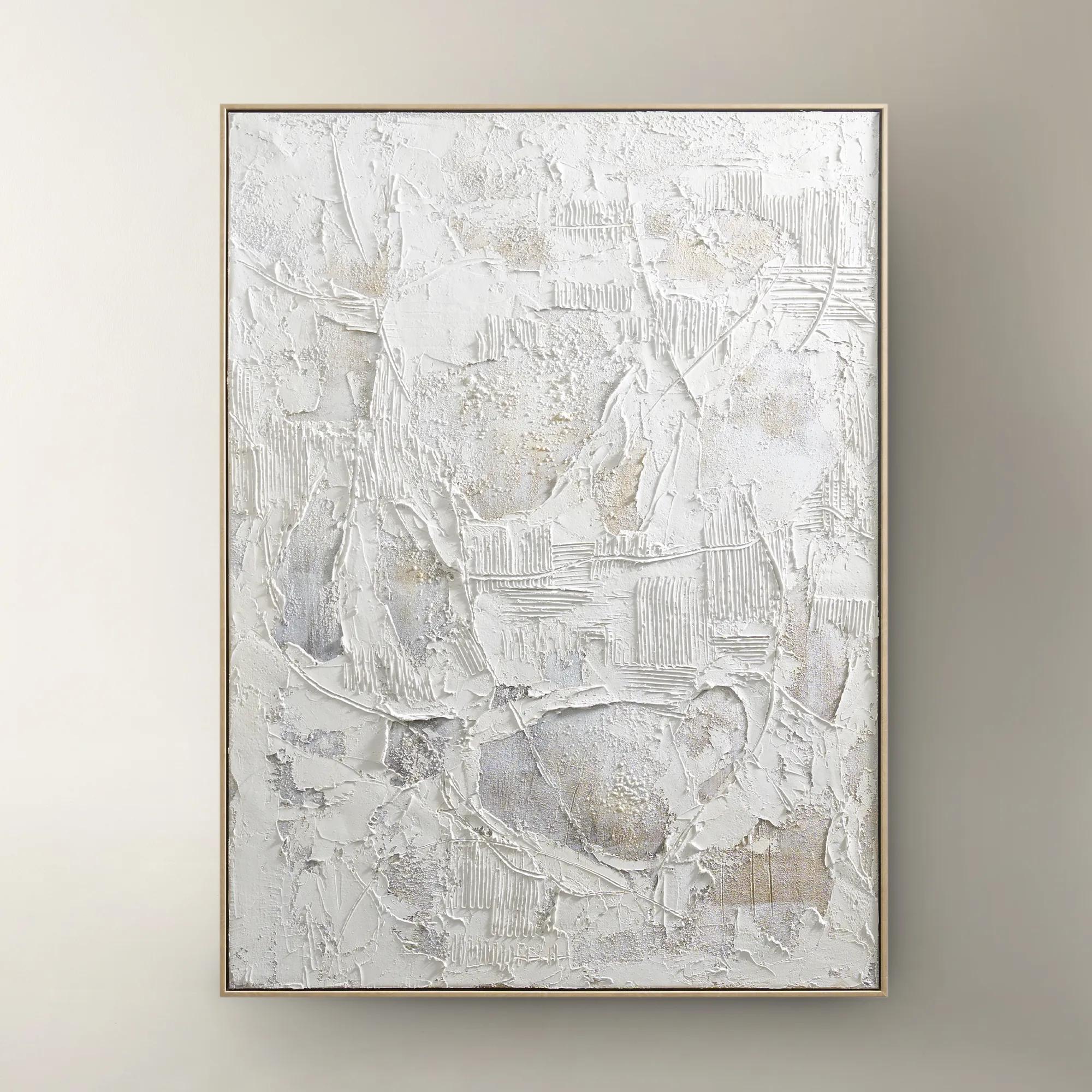
Modern Brown Wall Art
Modern Brown Wall Art
-
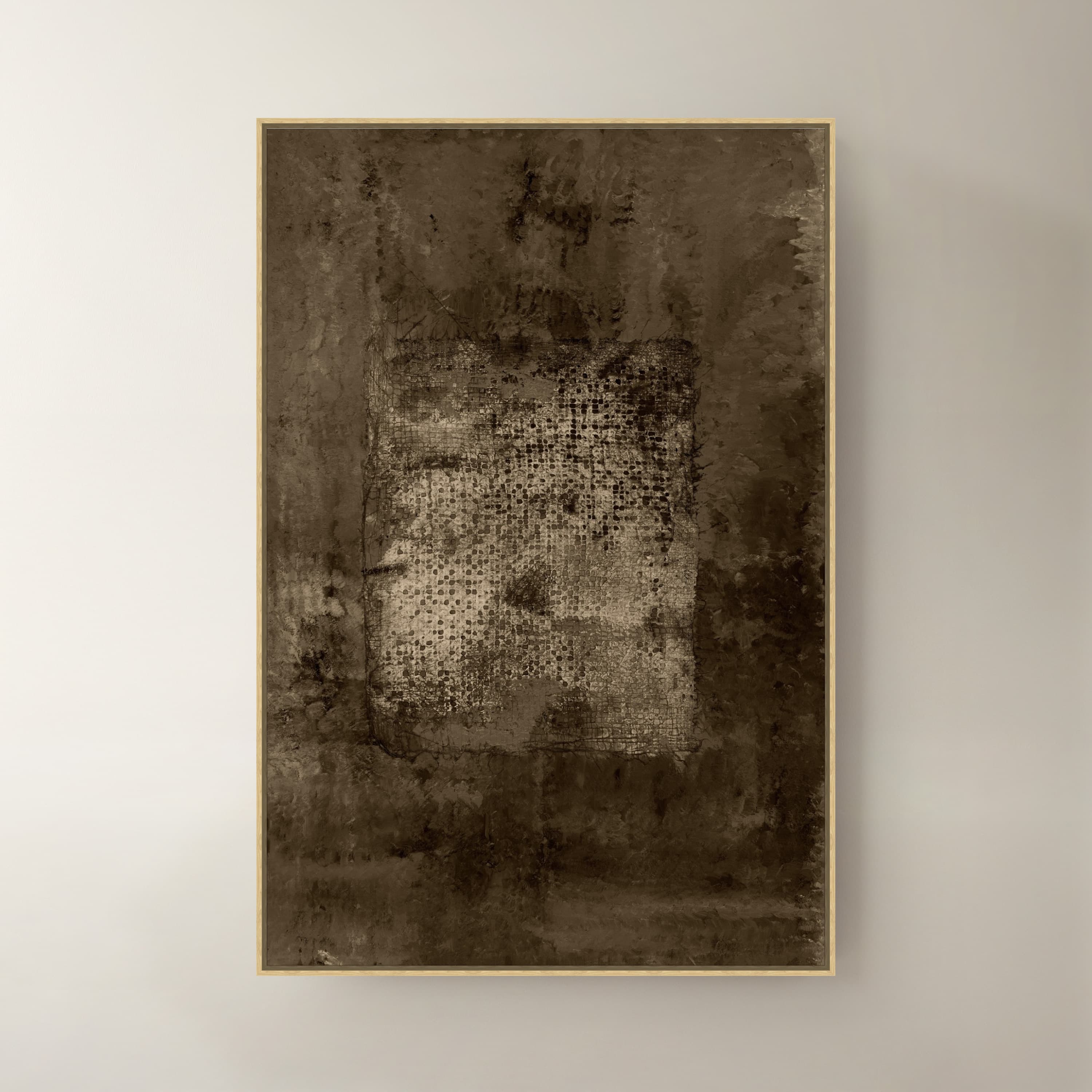
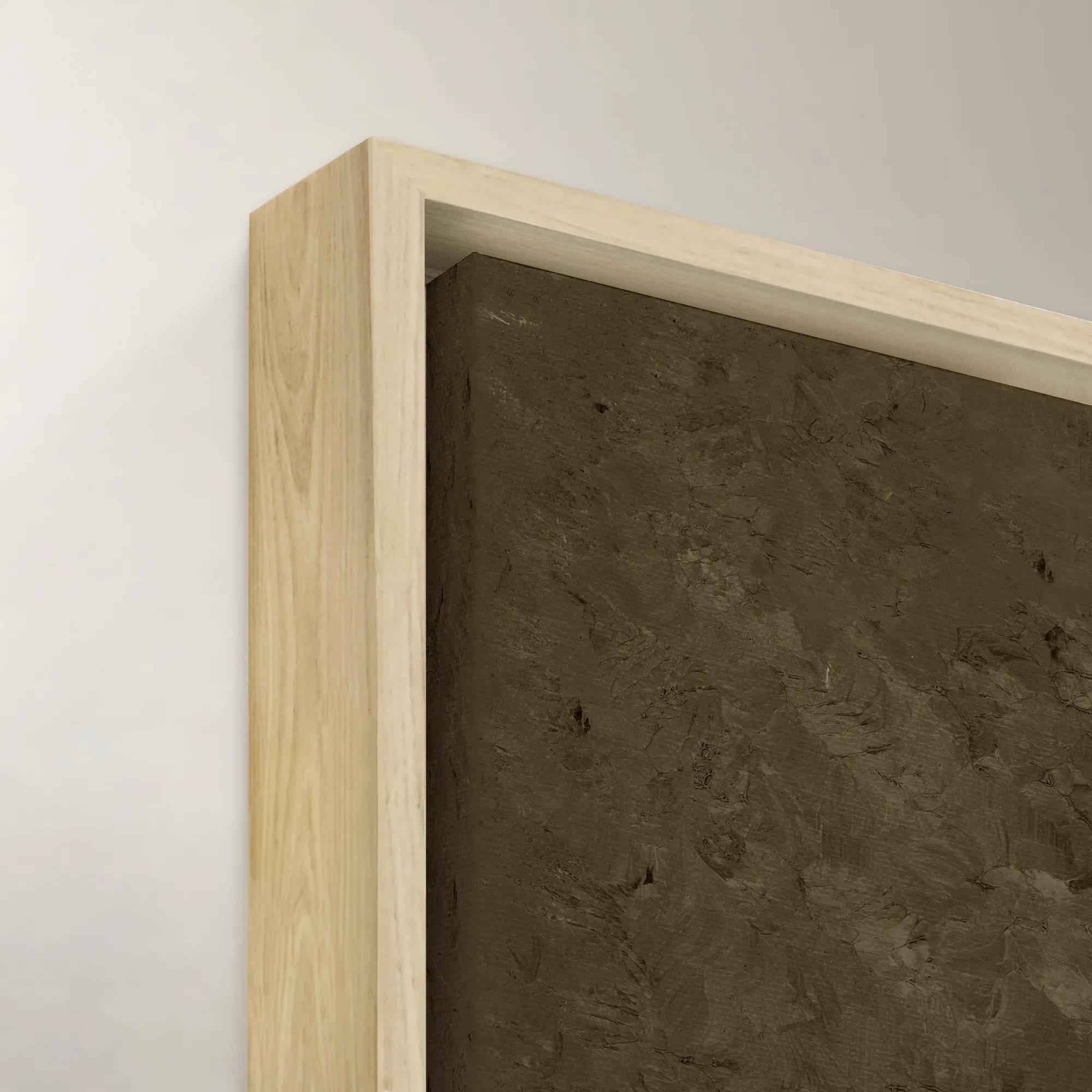 Ash IV Wall Art 40" x 60"$1399
A striking brown canvas artwork adding modern artistic depth to sophisticated interiors.
Add To Cart -
 Espresso Framed Painted Wall Art 31.5" x 31.5"$149
A bold abstract artwork featuring rich brown hues on hand-painted canvas in a light wood floater frame.
Add To Cart -
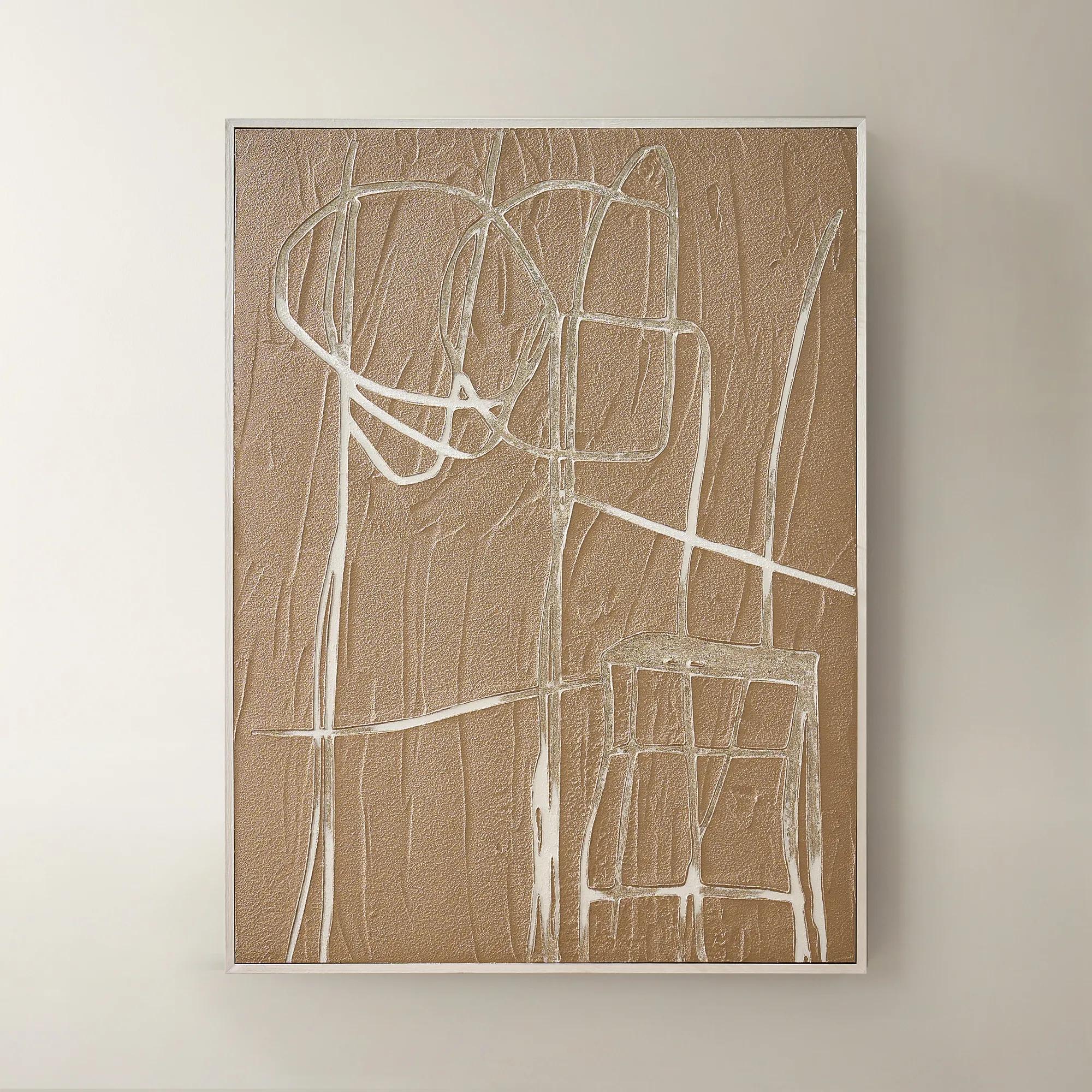
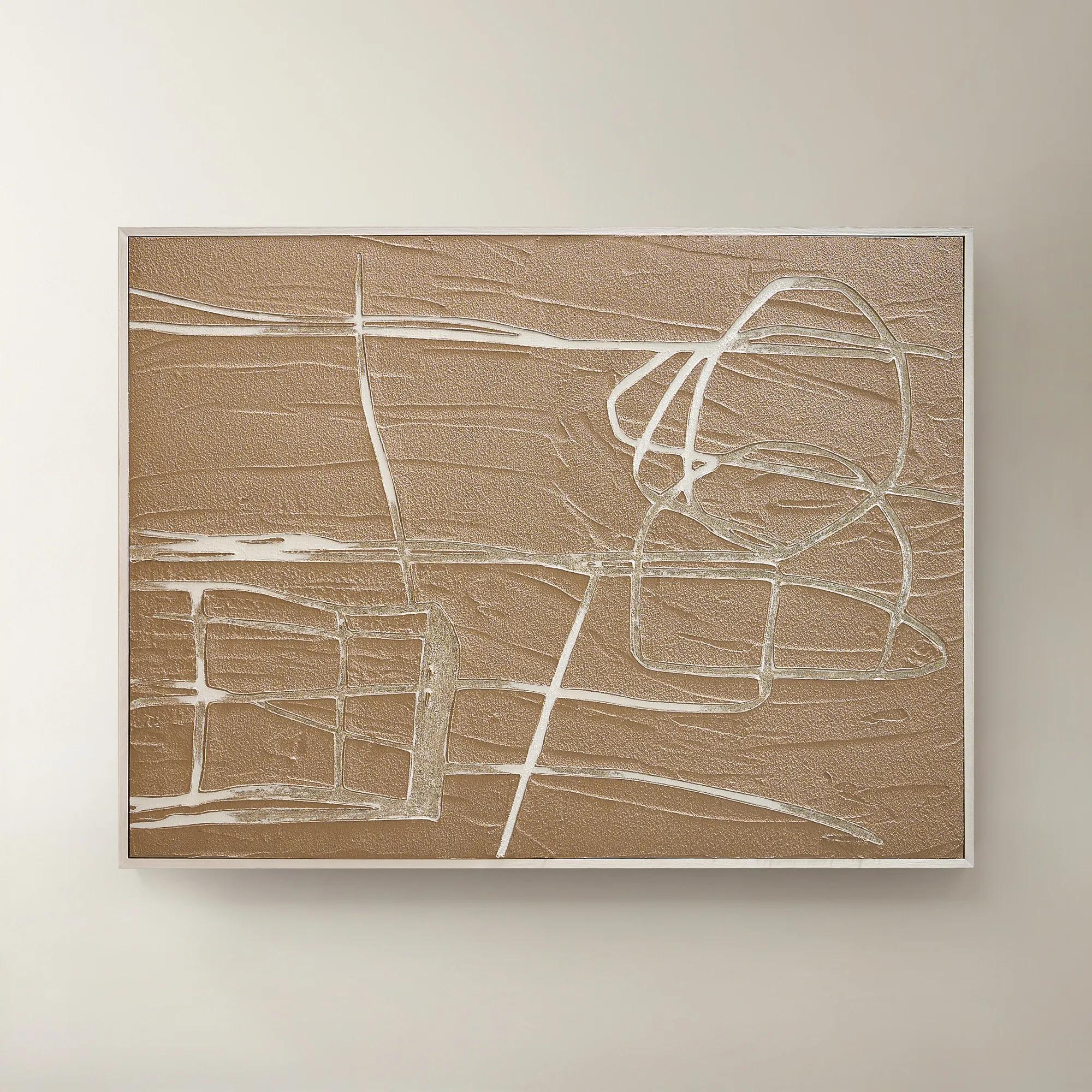 Linear Sand Framed Painted Wall Art 35" x 47"$369
A contemporary sand-toned painted canvas artwork framed for sophisticated modern interiors.
Add To Cart -
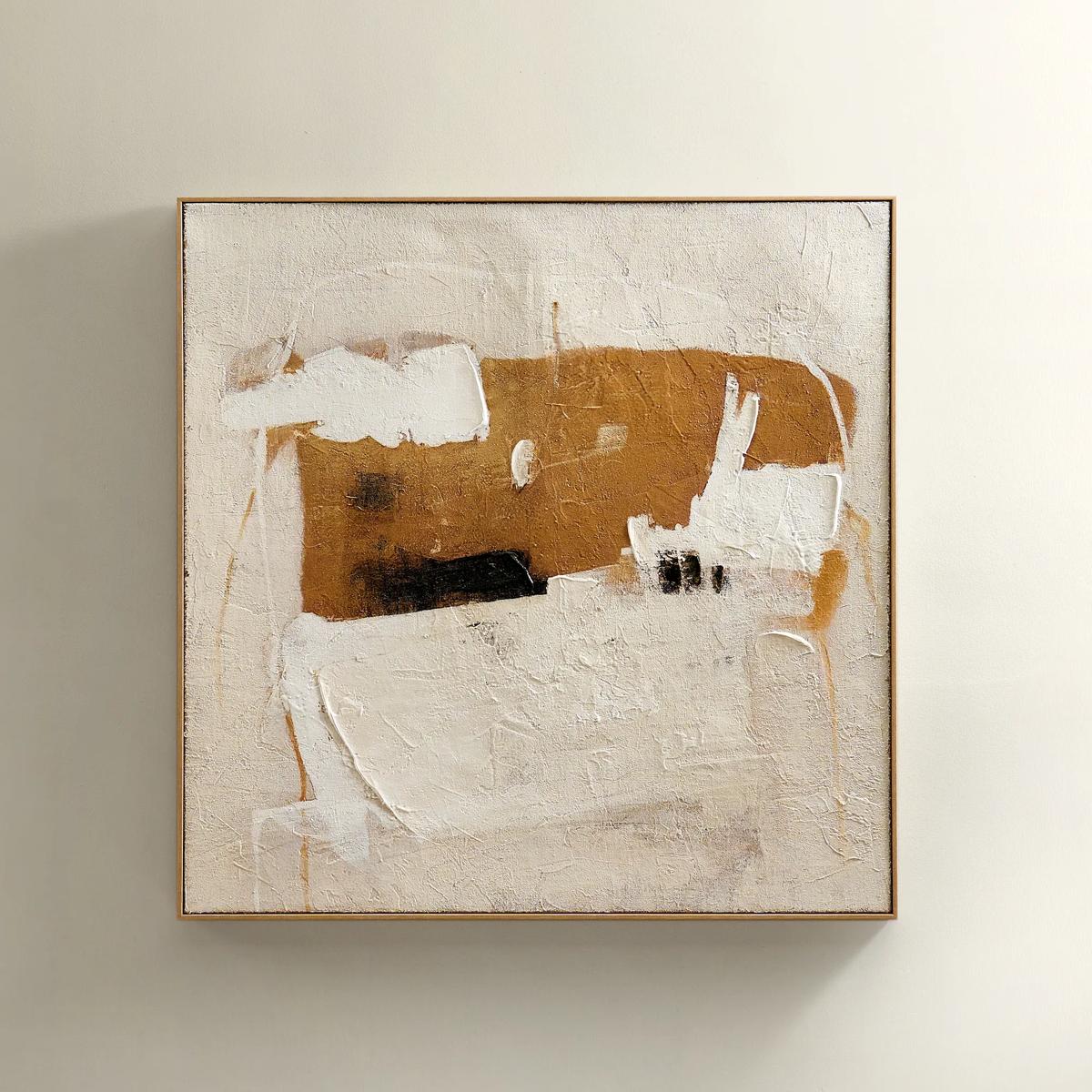 Instinct Framed Painted Wall Art 39.25" x 39.25"$349
An abstract hand-painted artwork featuring warm neutrals and black strokes on hessian with a light natural frame.
Add To Cart -
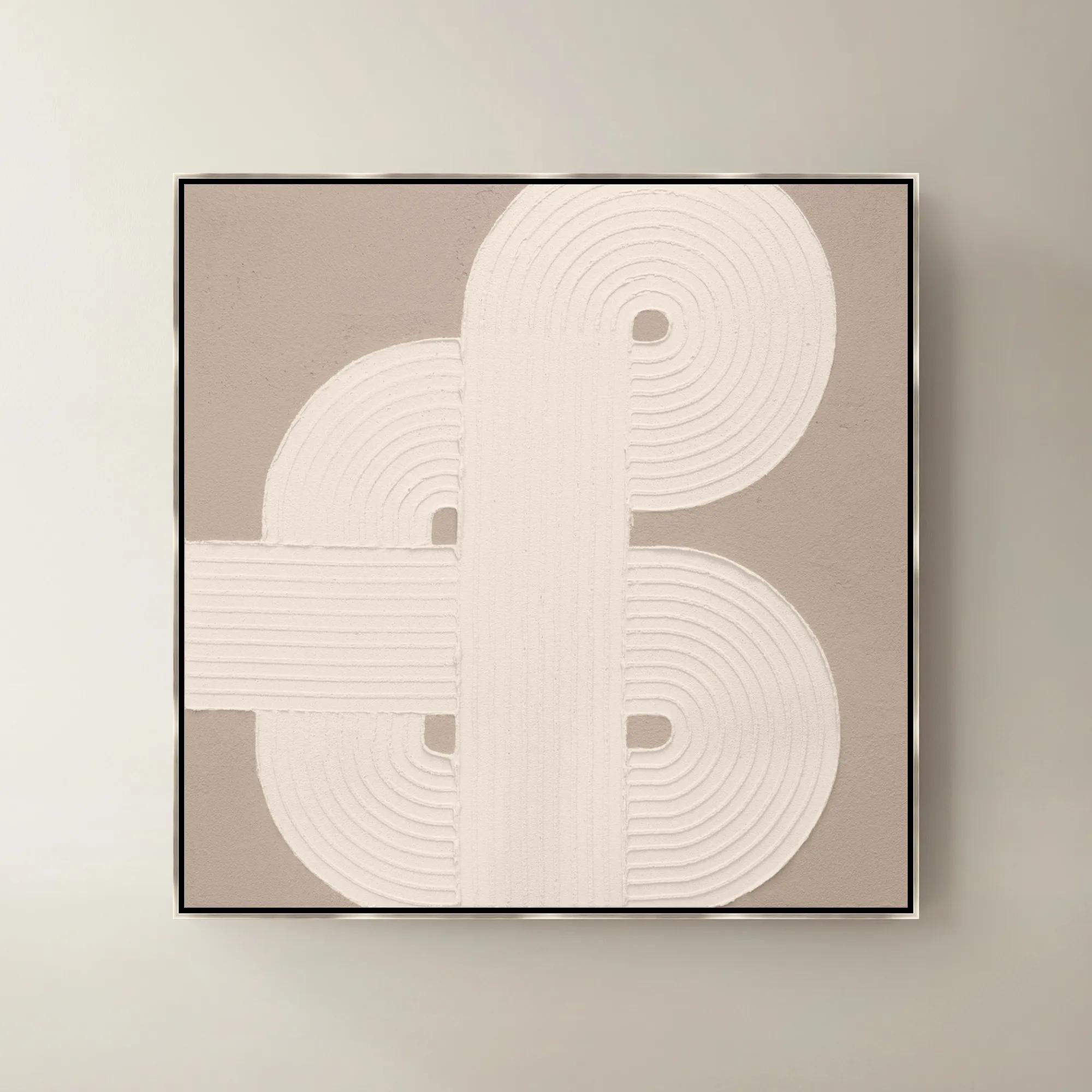
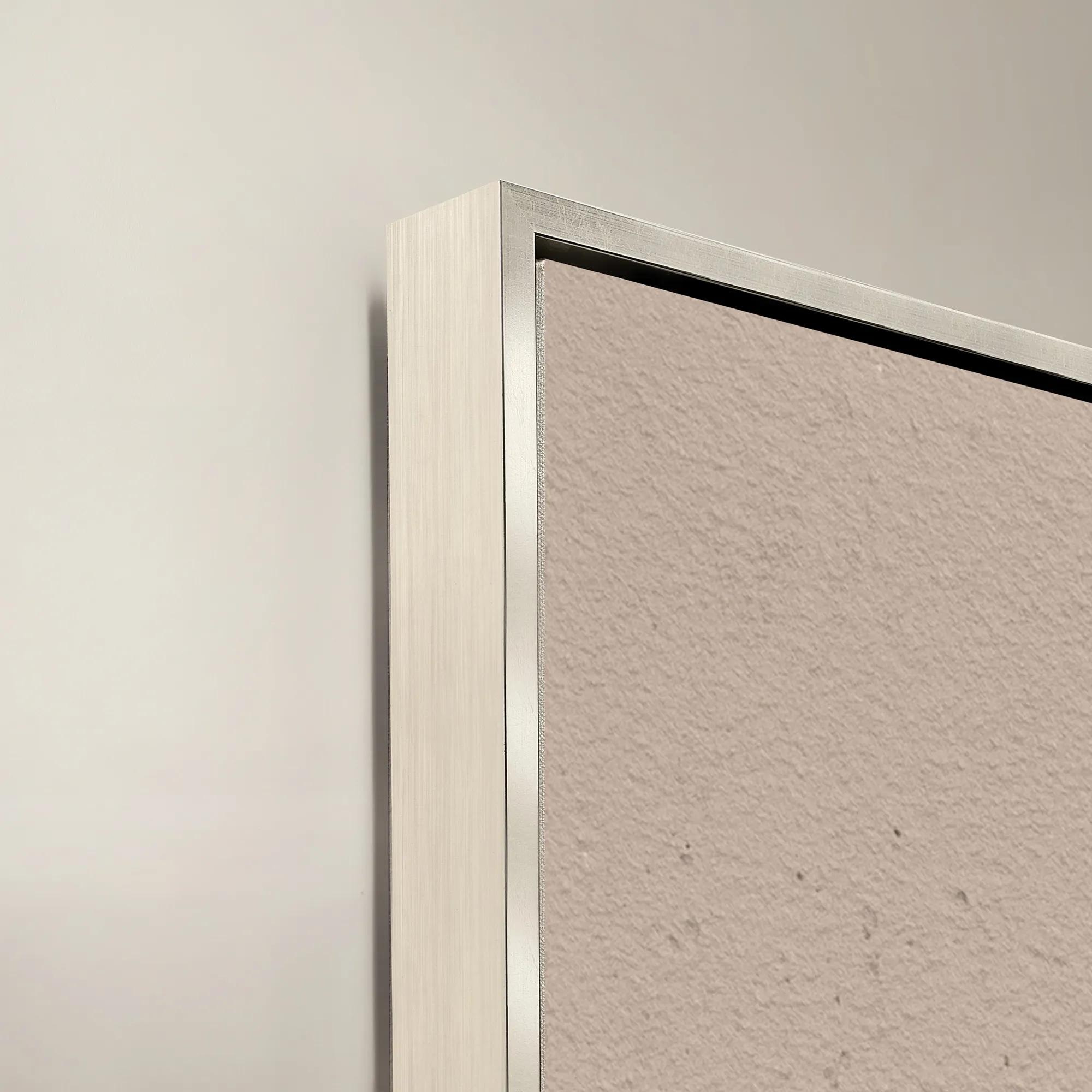 Sacred Geometry IV Framed Painted Wall Art 40" x 40"$1099
A striking abstract art piece featuring bold geometric patterns for a modern, sophisticated touch.
Add To Cart -
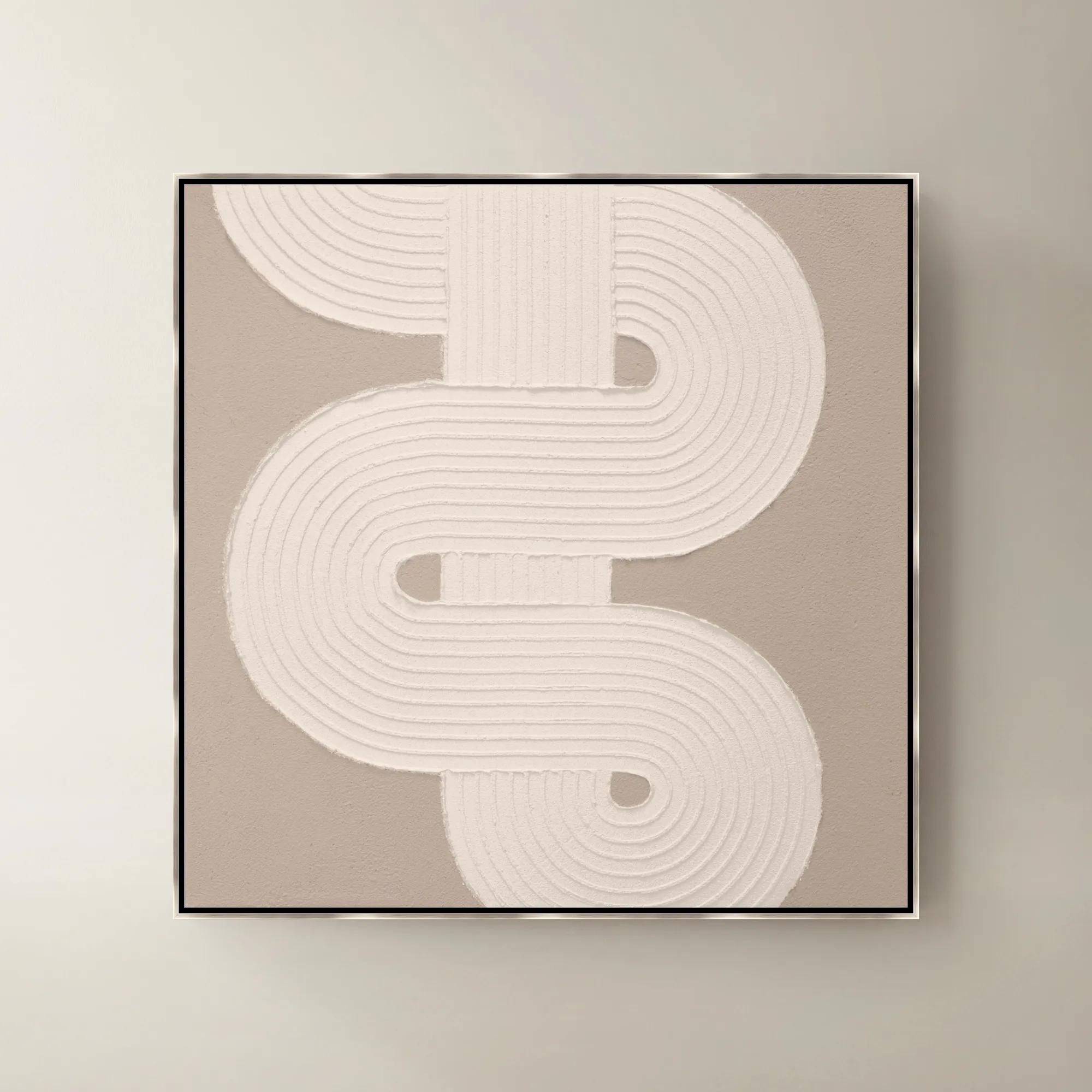
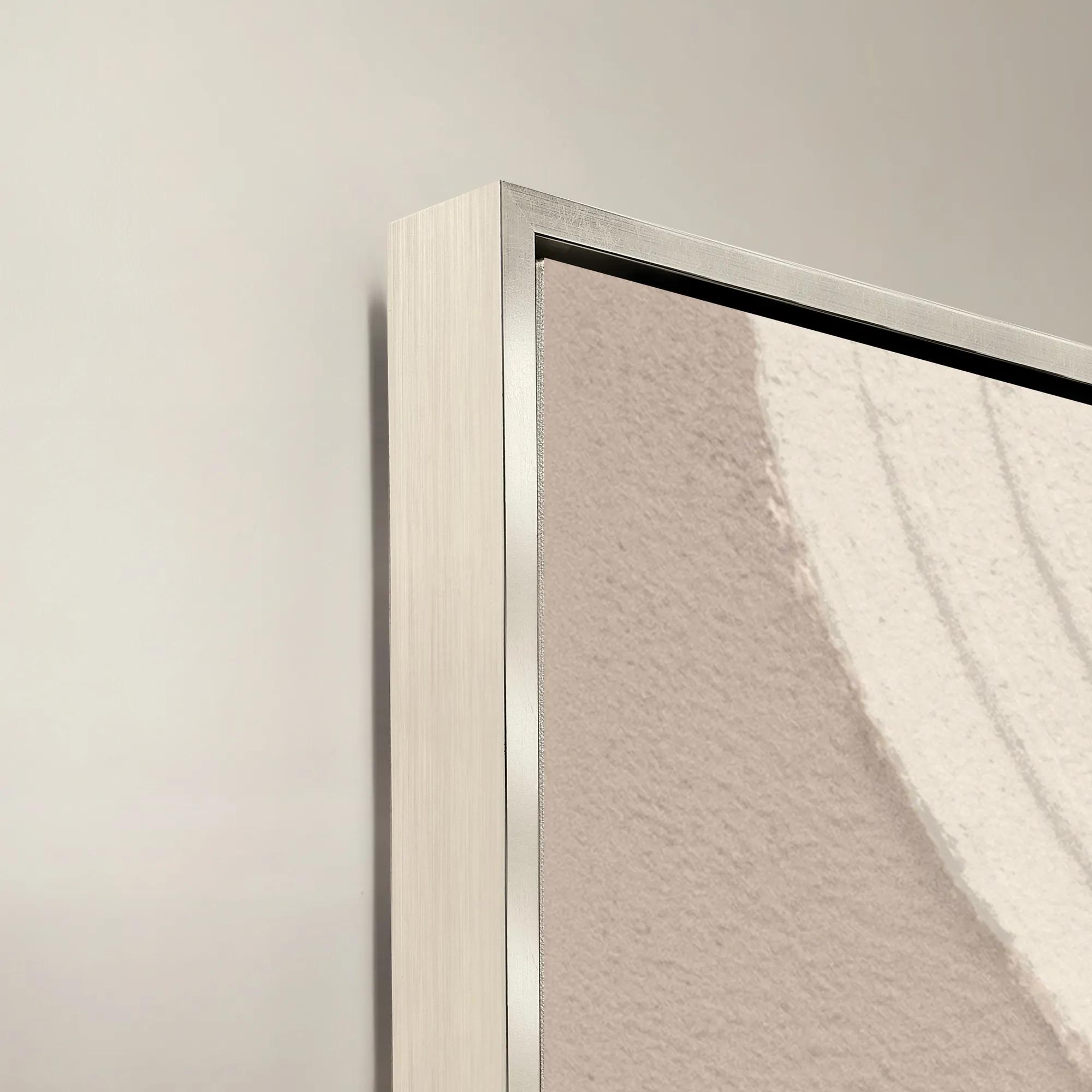 Sacred Geometry V Framed Painted Wall Art 40" x 40"$1099
A striking abstract art piece featuring bold geometric patterns for a modern, sophisticated touch.
Add To Cart -
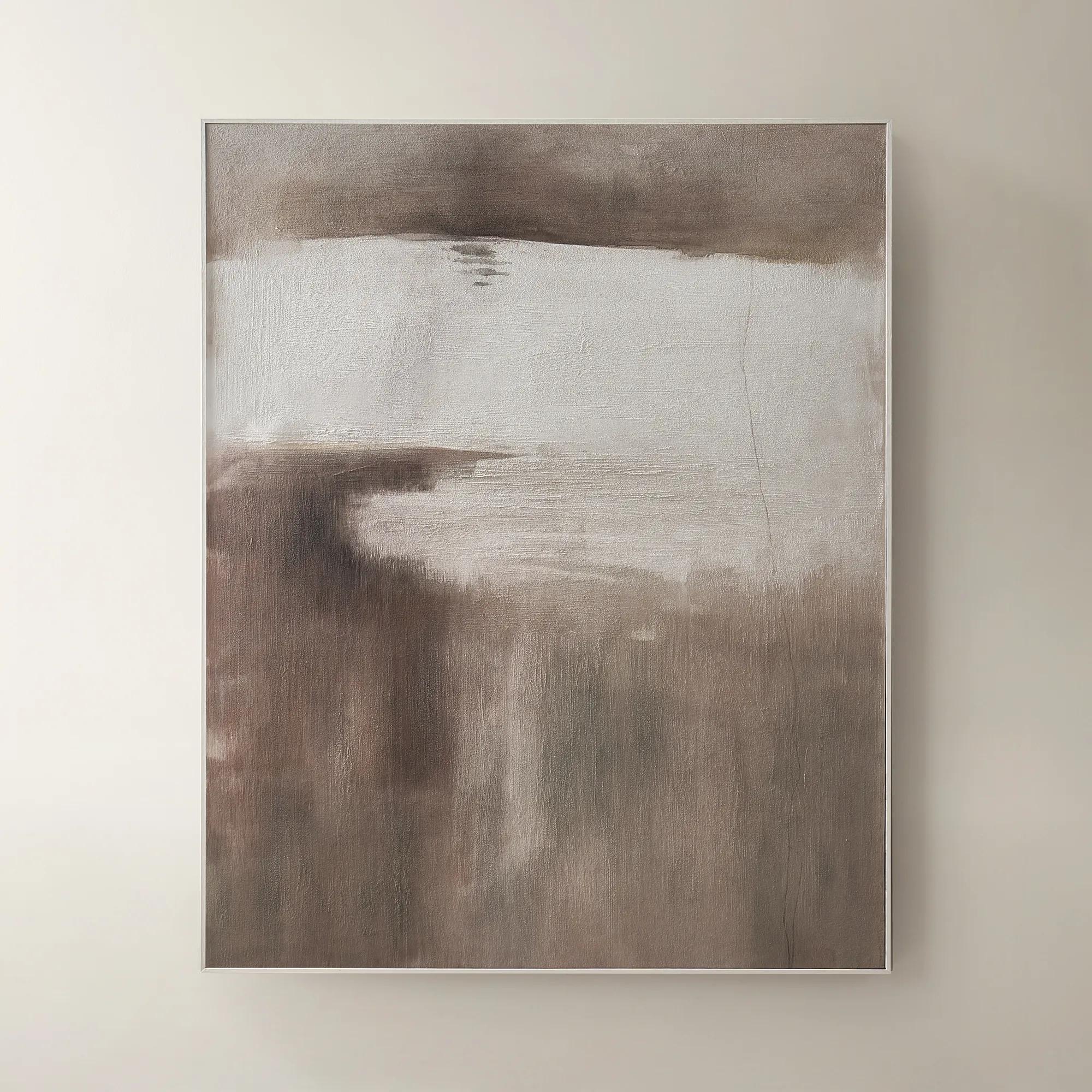 Desert Wind Art$599
A richly hued brown canvas artwork bringing warm, desert-inspired movement to modern interiors.
Add To Cart -
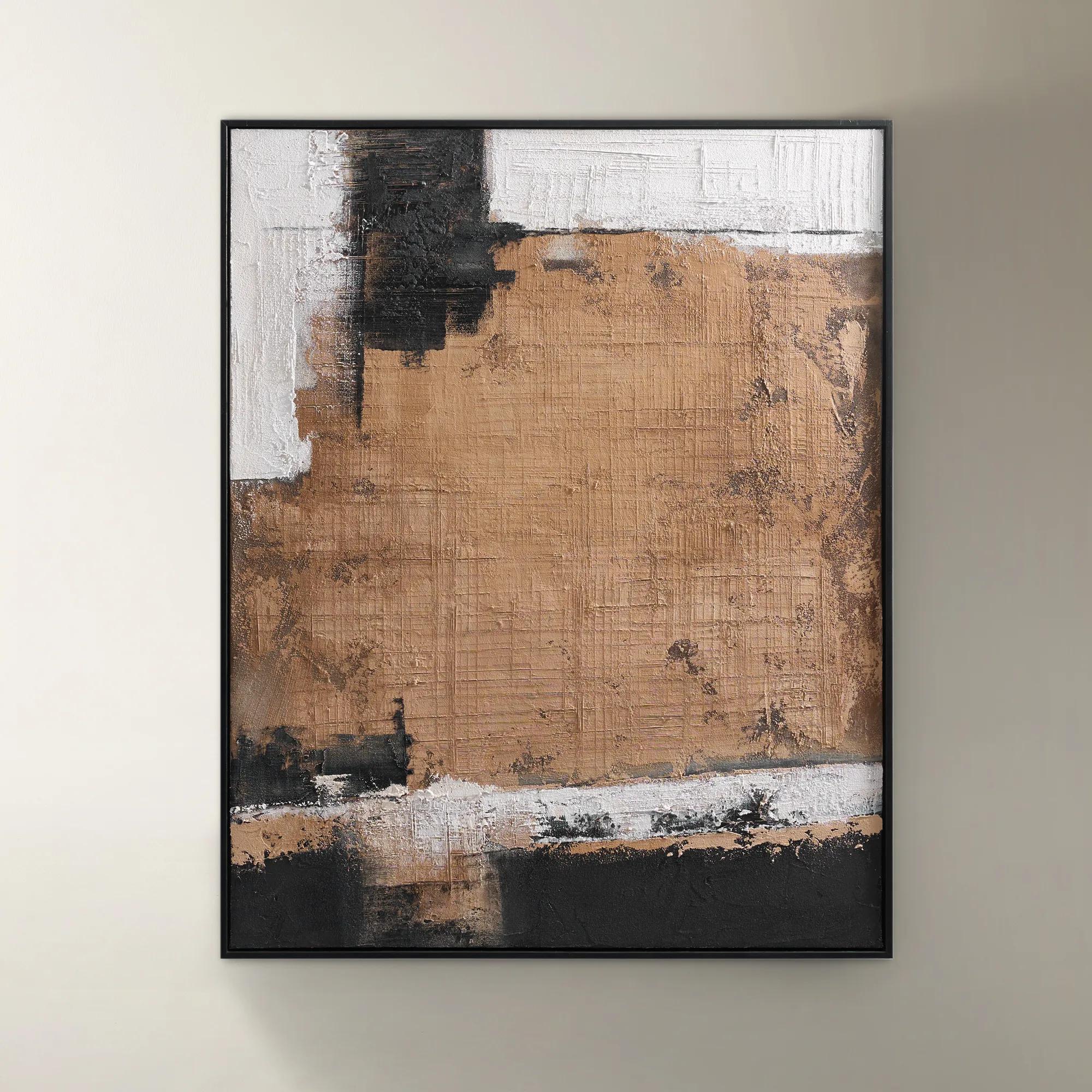
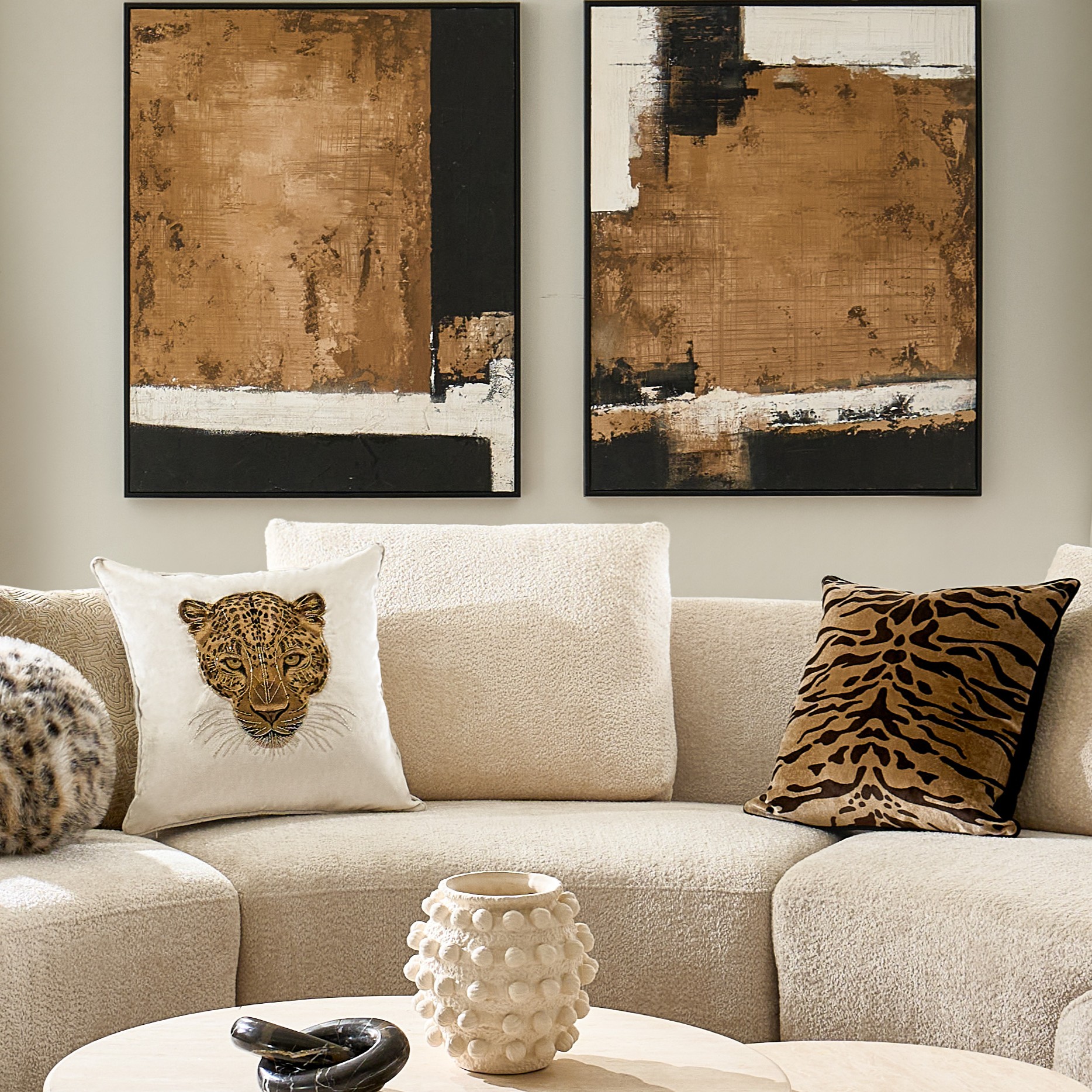 Drift Framed Painted Wall Art II 39.4" x 31.5"$299
A hand-painted canvas in brown, featuring bold texture and color interplay within a sleek black floater frame.
Add To Cart -
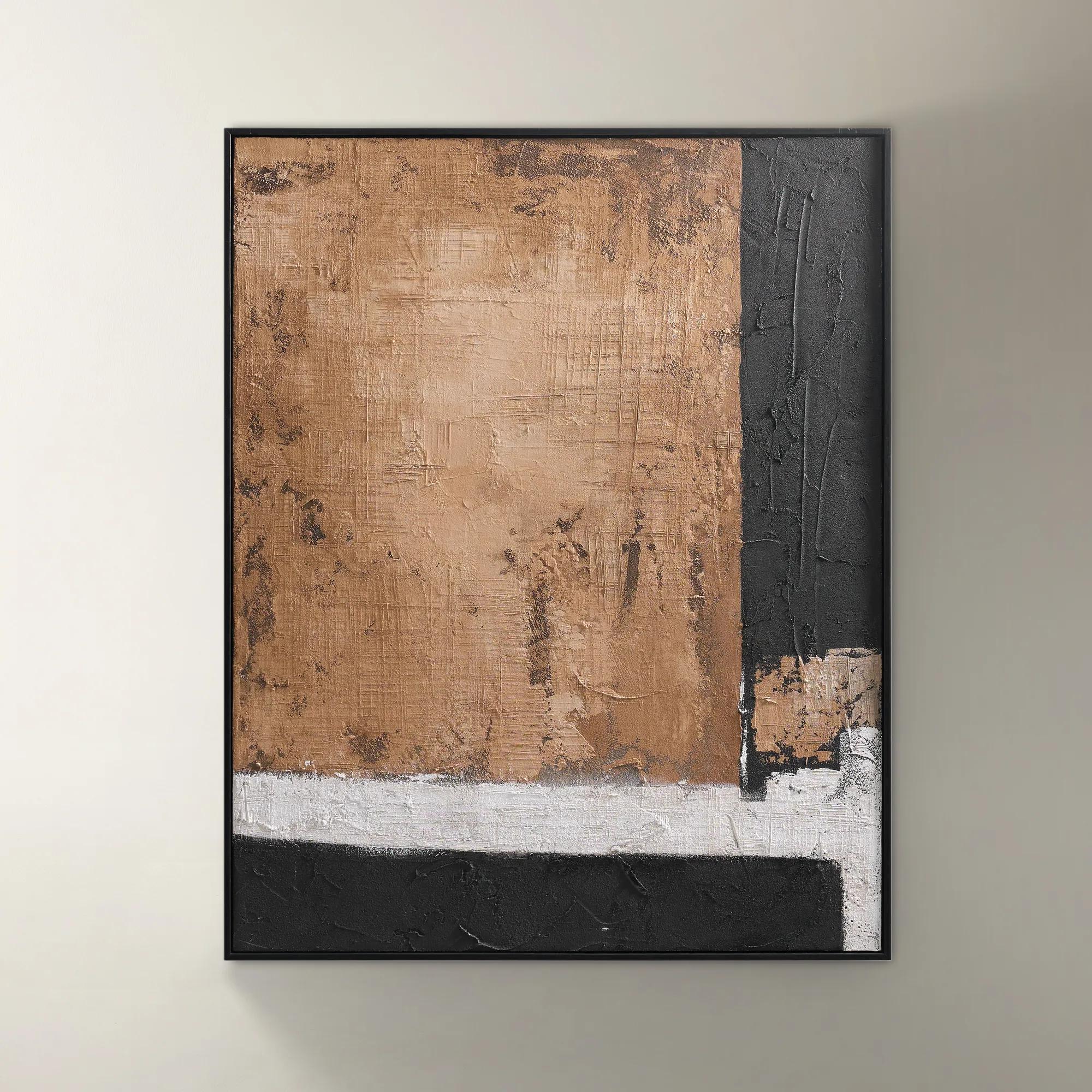 Drift Framed Painted Wall Art I 39.4" x 31.5"$299
A bold hand-painted abstract artwork featuring layered brown tones in a sleek black floater frame.
Add To Cart -
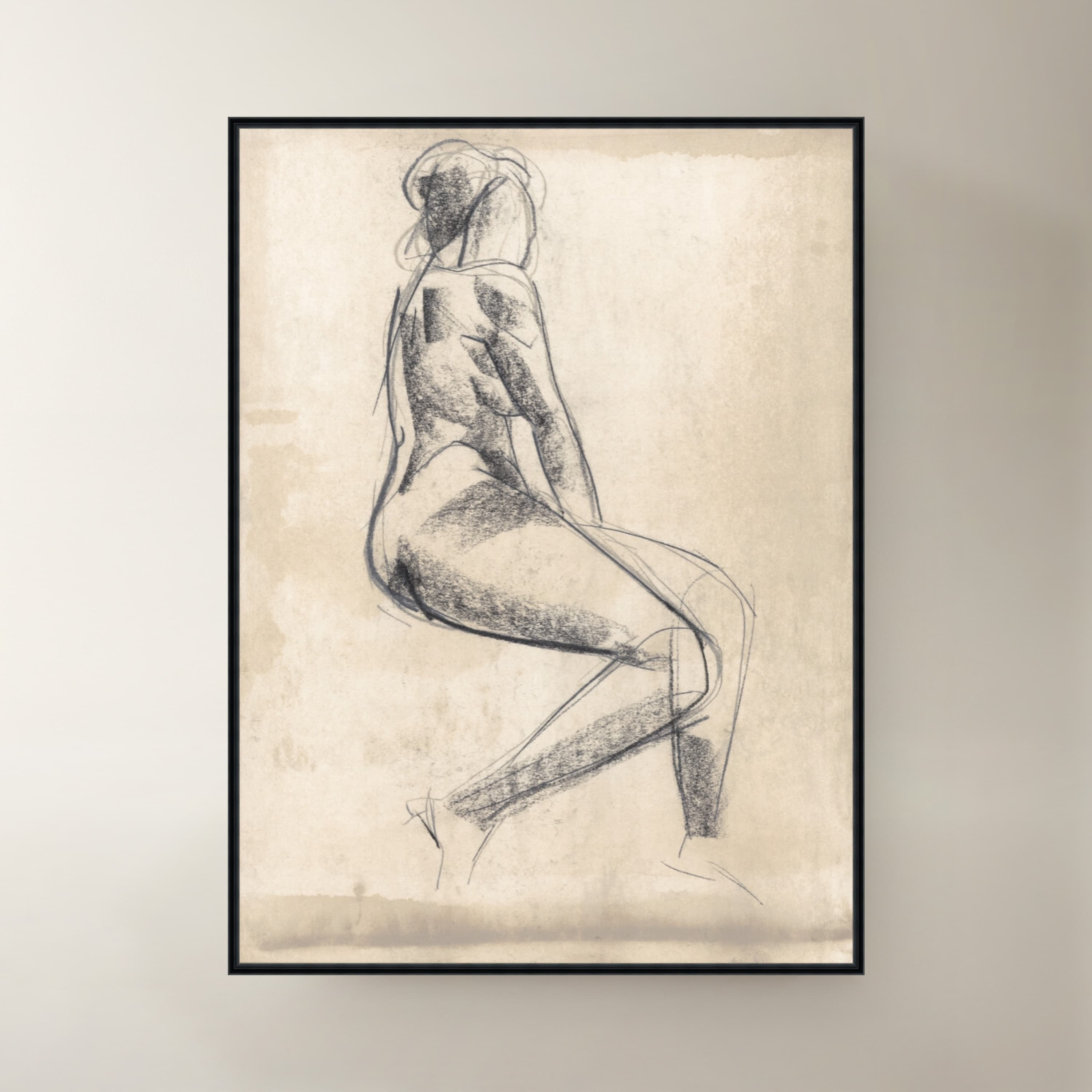
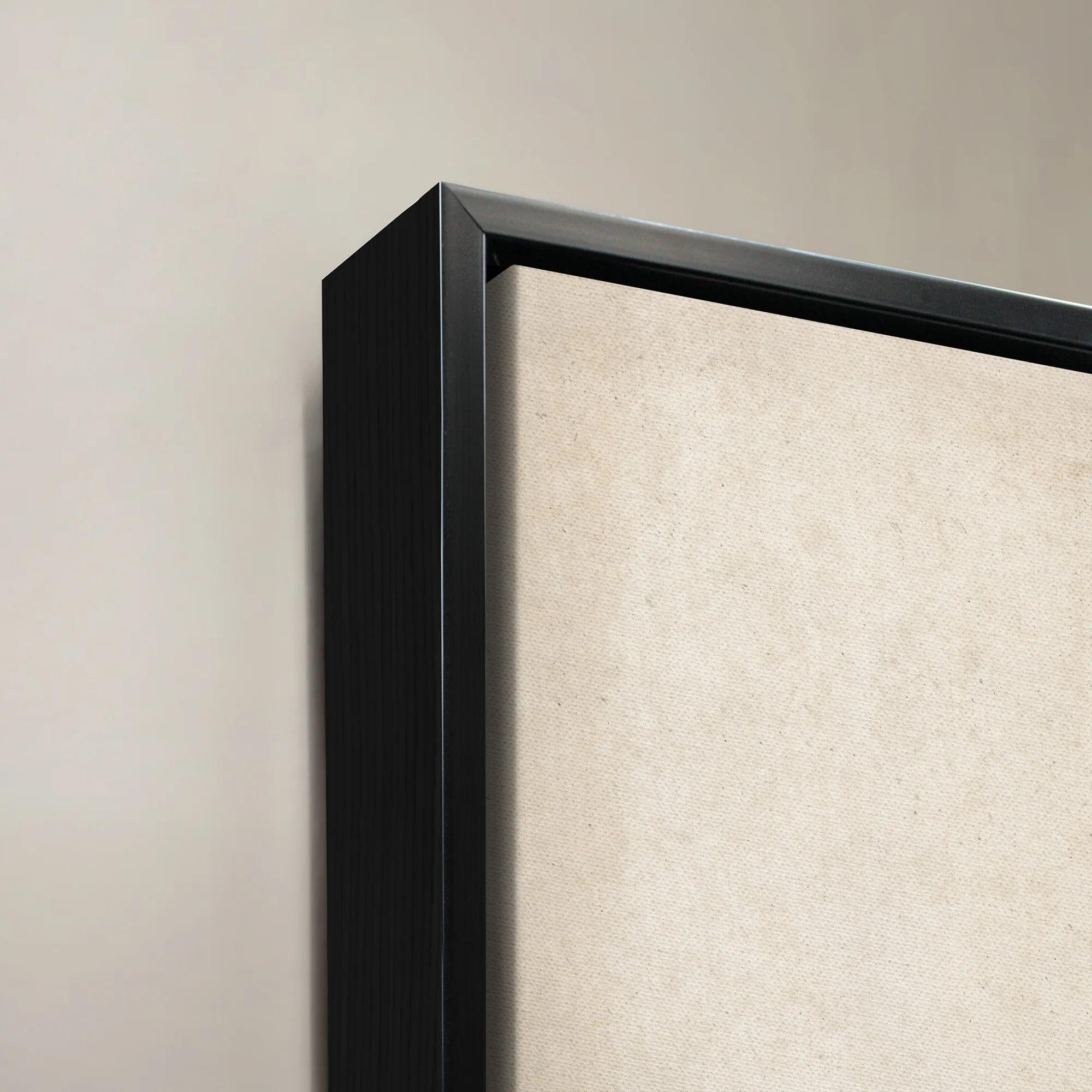 Restful Figure I Framed Wall Art 20" x 27"$449
A serene figurative canvas artwork in warm brown tones, elegantly framed for sophisticated wall display.
Add To Cart -

 Transformation Framed Wall Art 47" x 47"$1099
A sophisticated brown canvas wall artwork in a striking framed design for modern interiors.
Add To Cart -

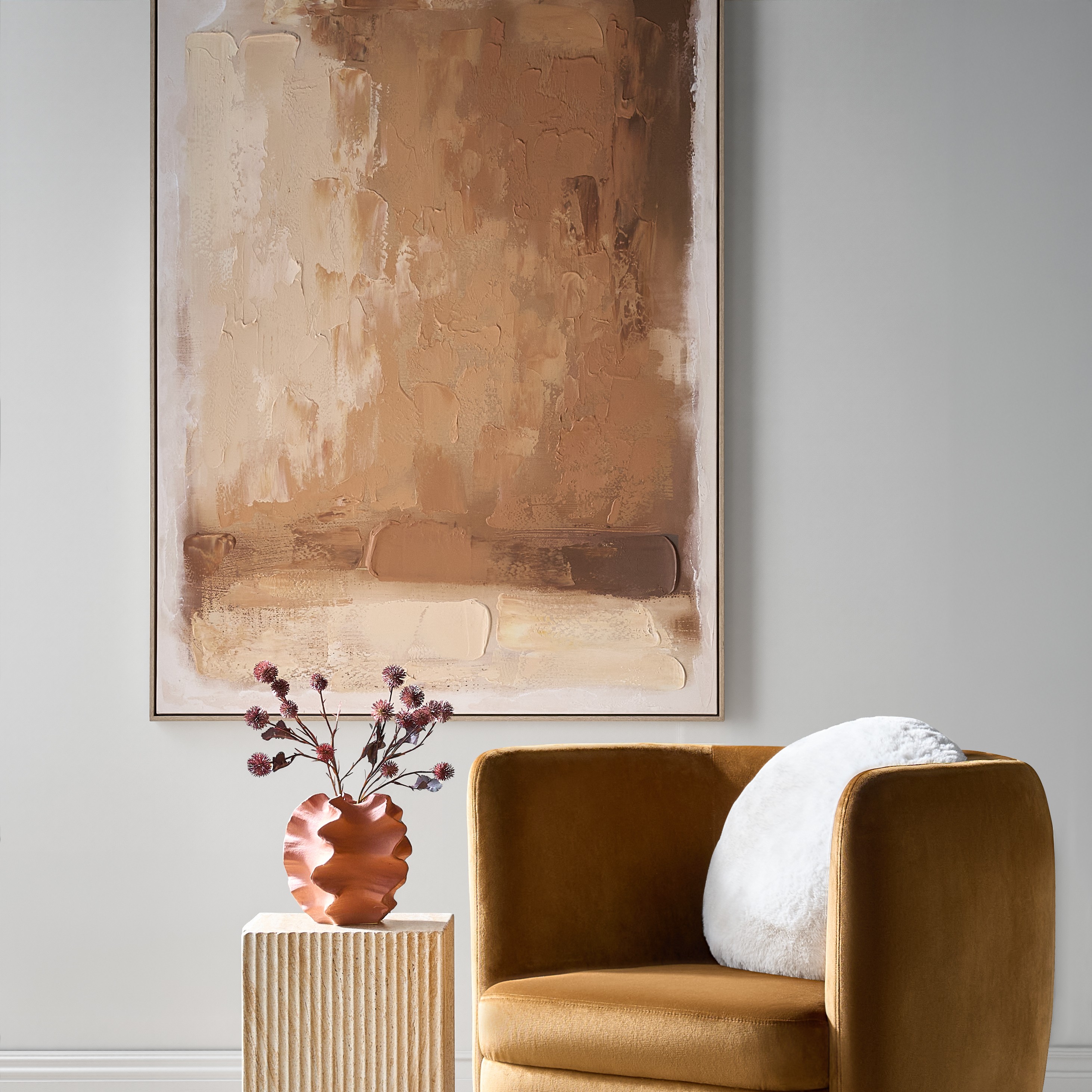 Ember Glow Framed Painted Wall Art 39.25" x 55"$499
A hand-painted abstract canvas blending ochre, terracotta, and golden clay hues in a light natural frame.
Add To Cart -
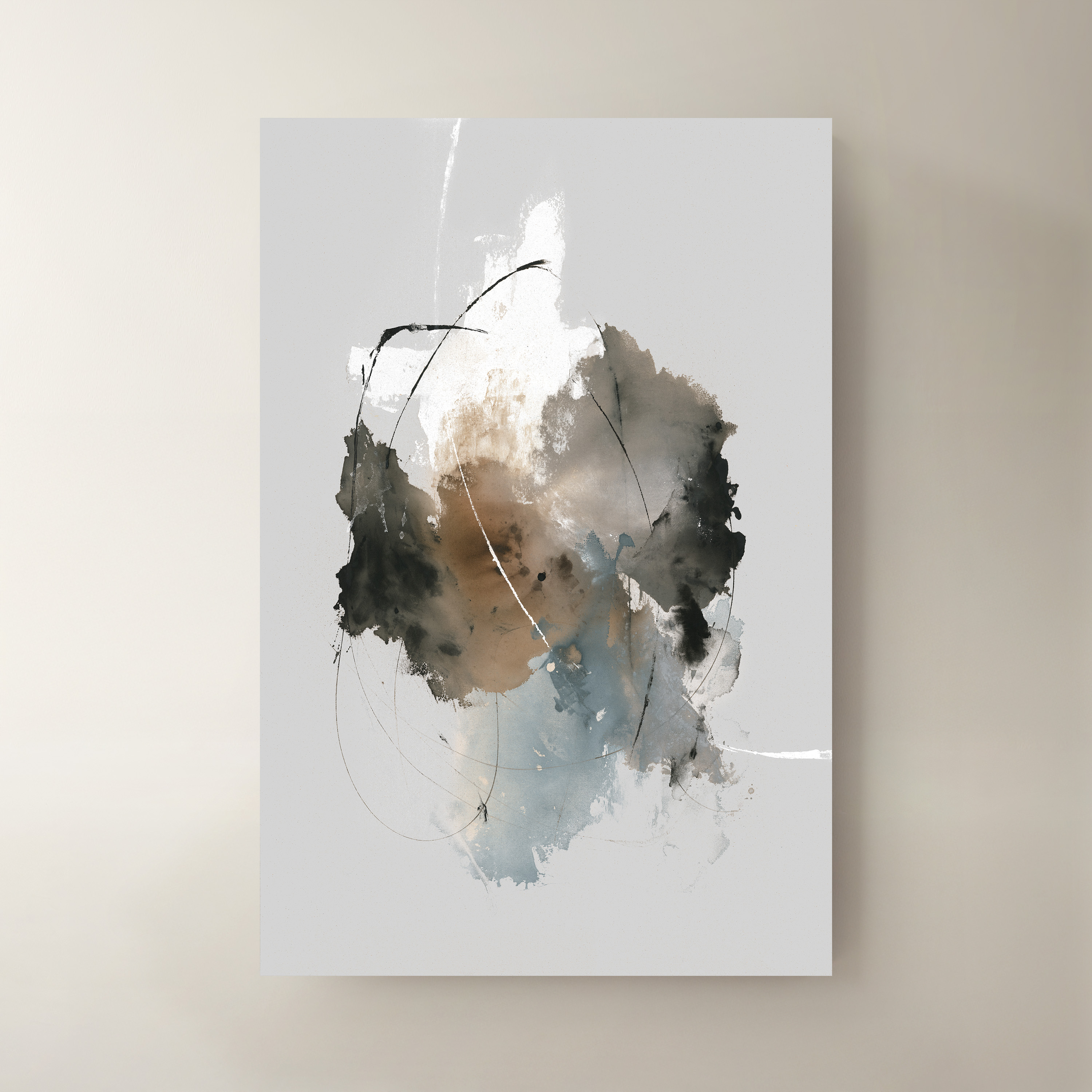
 Time IV Wall Art 40" x 60"$999
A striking multicolored canvas artwork bringing contemporary visual interest to modern interiors.
Add To Cart -
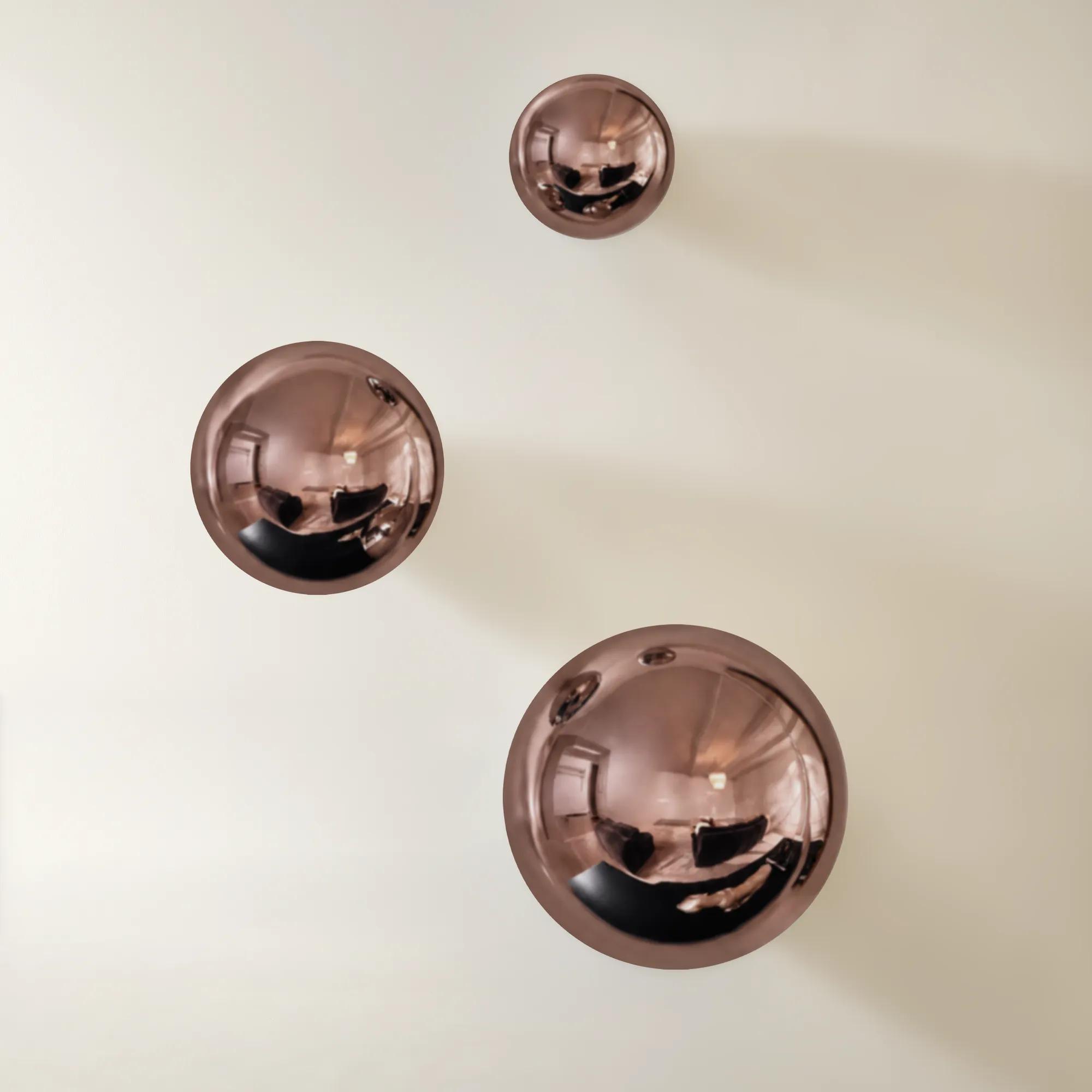
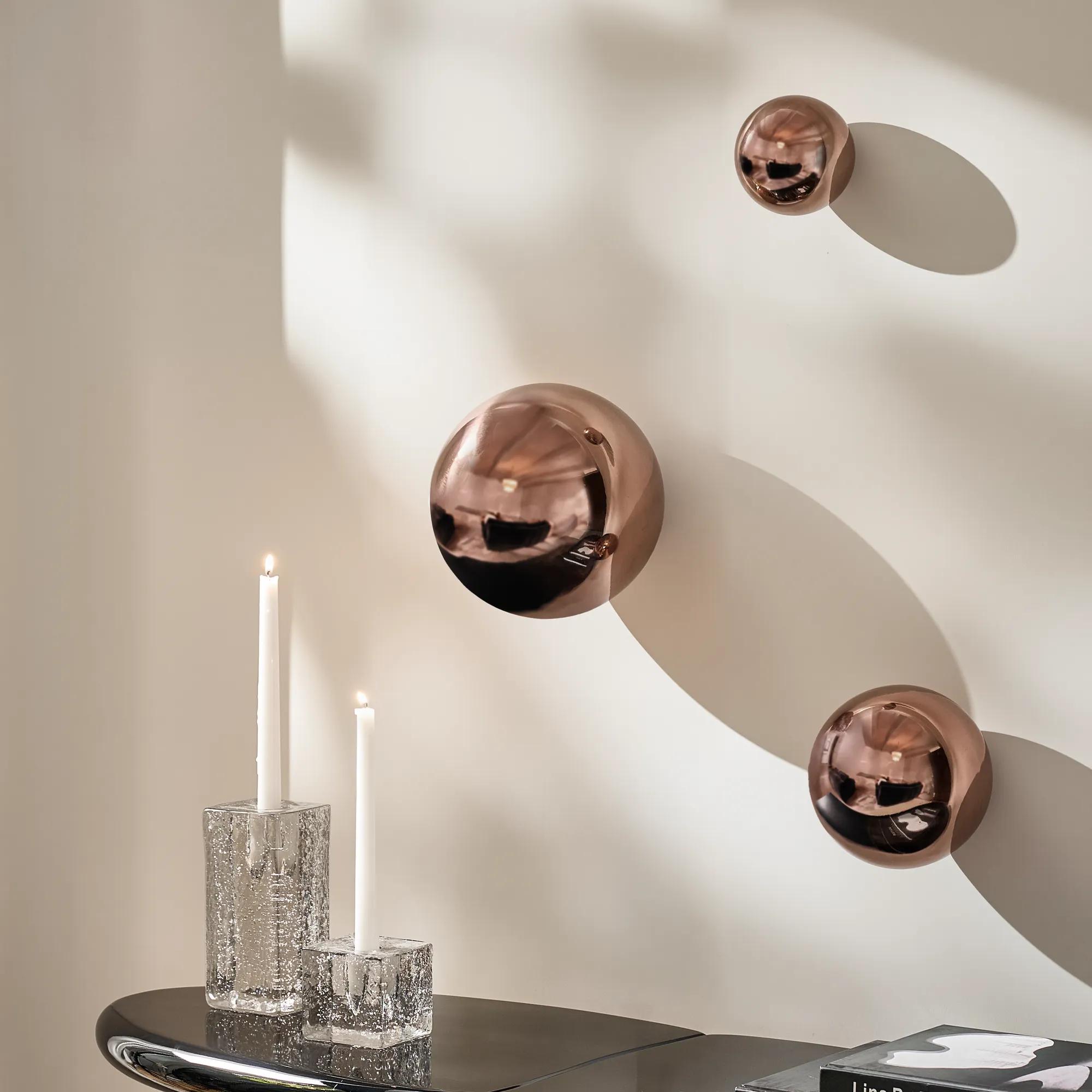 Bronze Spheres Stainless Steel Wall Decor Set of 3$129
A set of three polished bronze stainless steel spheres adds modern, sculptural shine to any wall.
Add To Cart -
 Shadow Painting 2$179
A hand-painted abstract canvas featuring bold textures and brown hues in a warm whitewash floater frame.
Add To Cart -
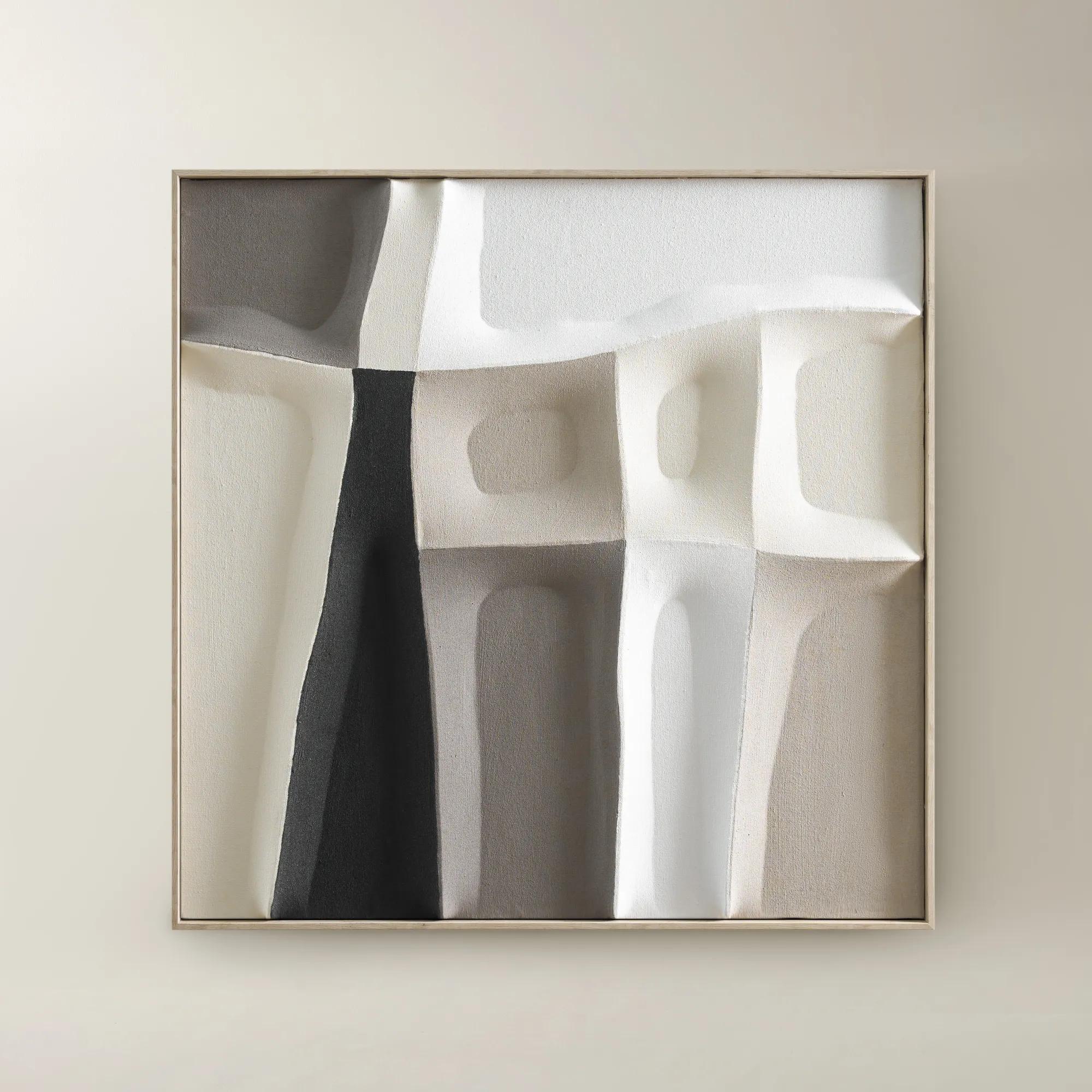 Shadow Painting 1$179
A hand-painted canvas featuring bold colors and sculptural textures in a warm whitewash floater frame.
Add To Cart -
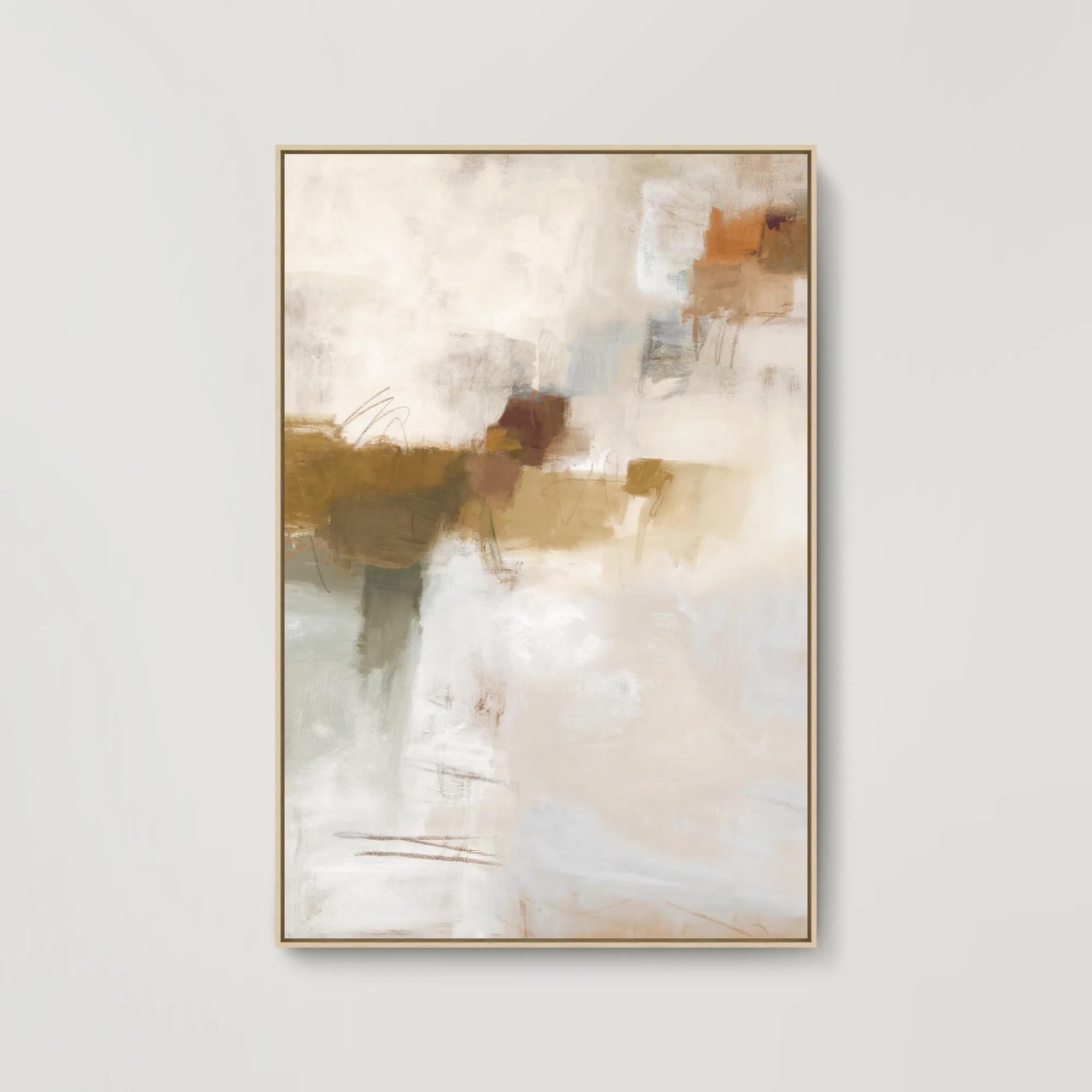
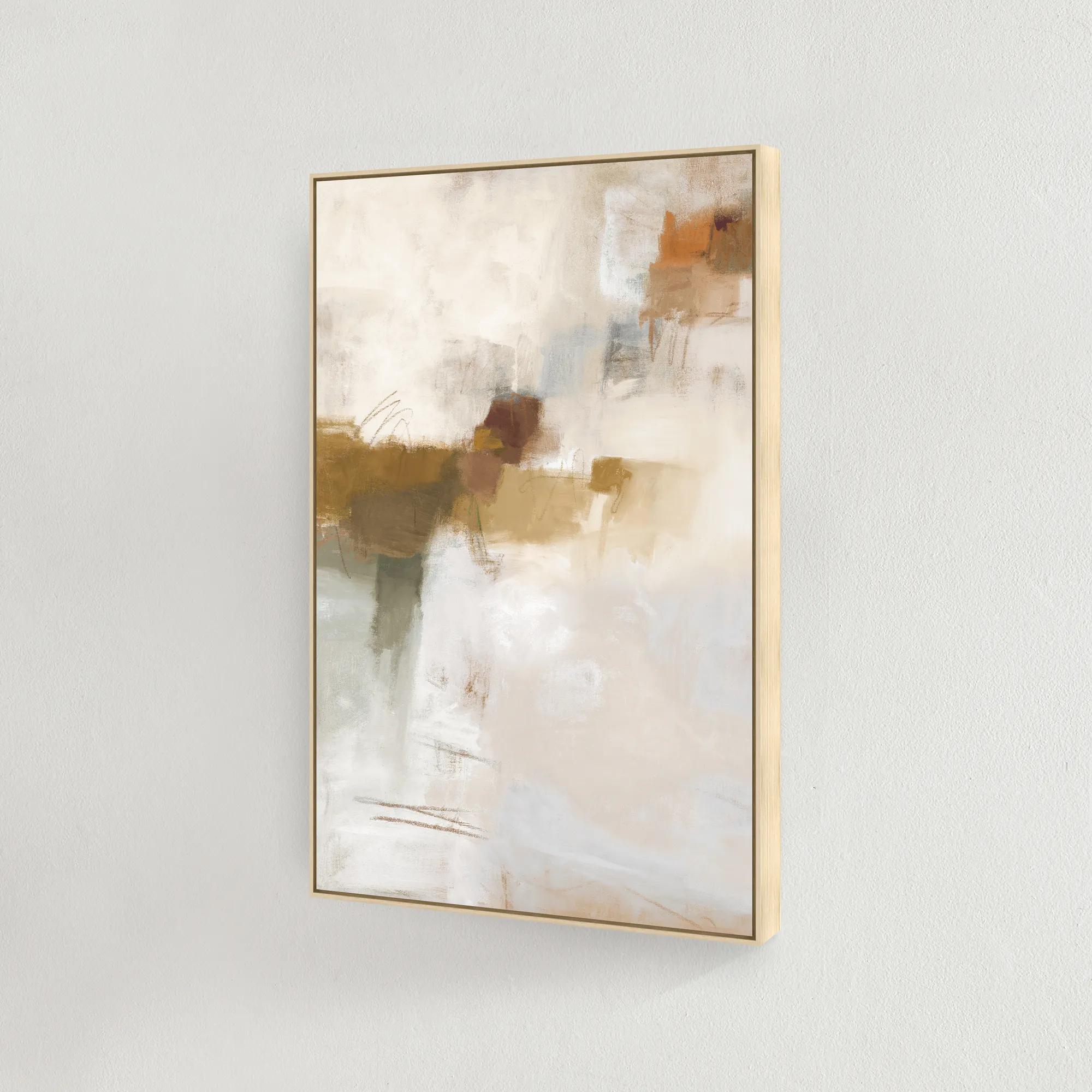 Lost I Framed Wall Art 41.5" x 61.5"$1199
A gallery-wrapped linen canvas art piece set in a natural floater frame for a modern touch.
Add To Cart -
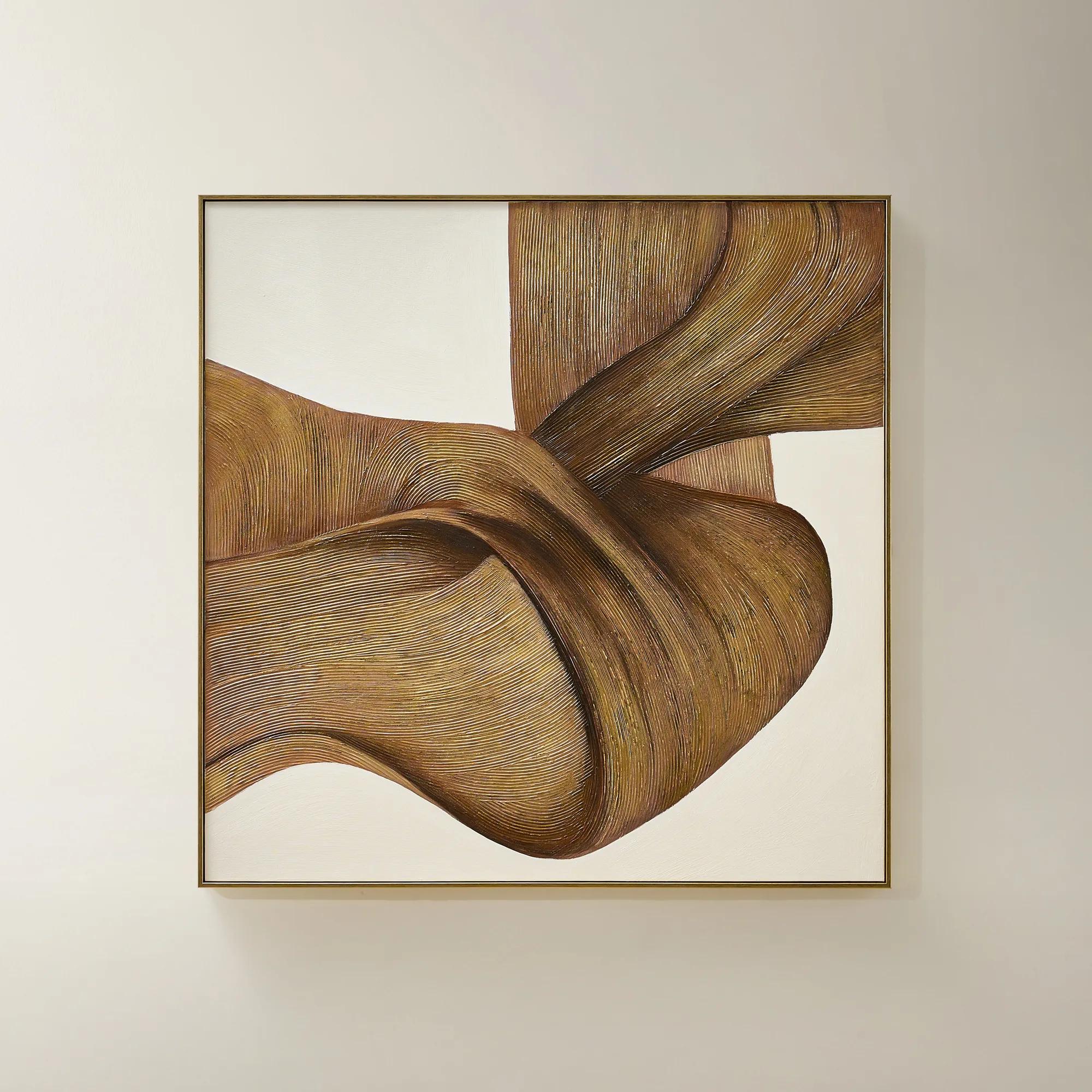
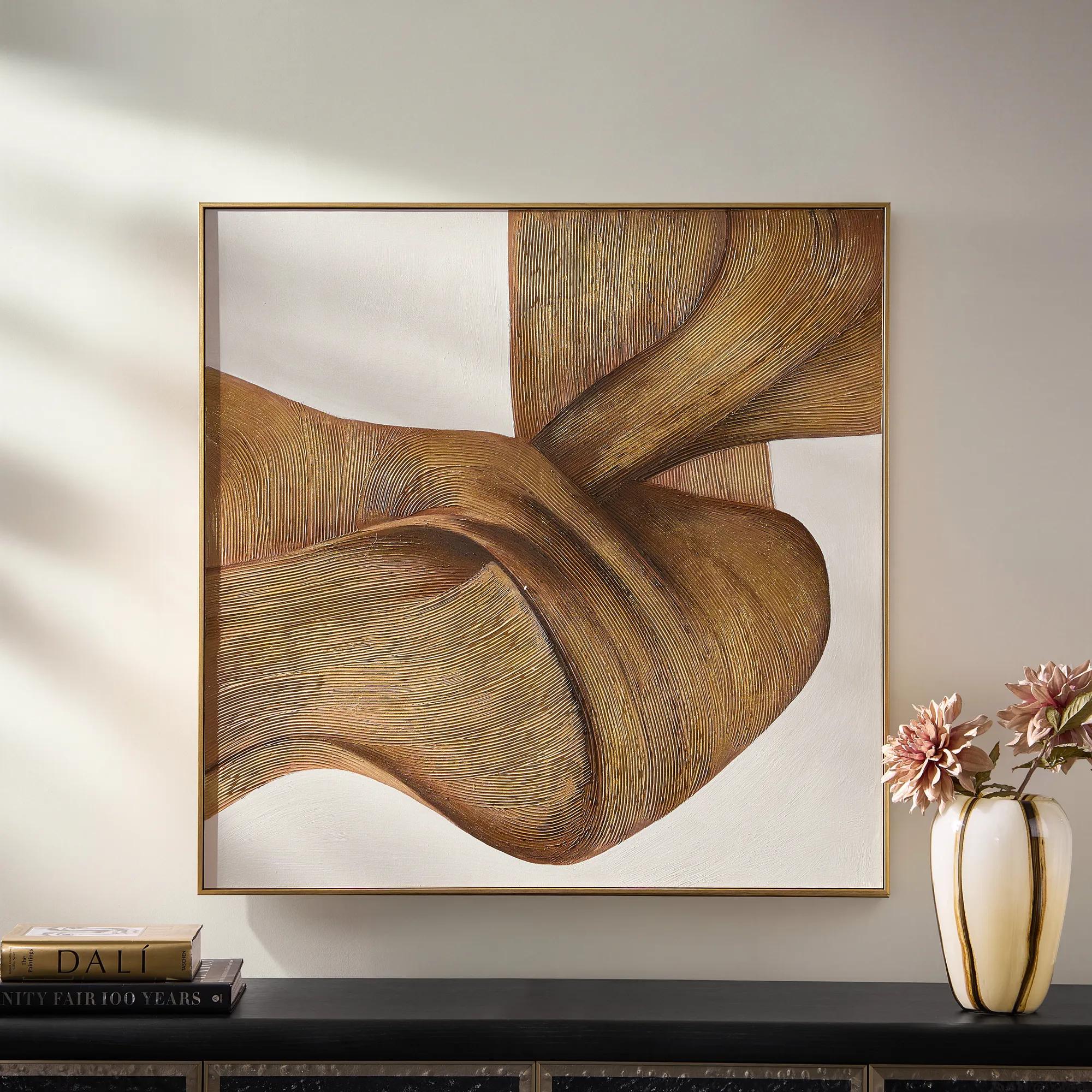 Latte Framed Gold Leaf Painted Wall Art 40" x 40"$499
A hand-painted canvas with fluid brown lines, luminous gold leafing, and a crisp black floater frame.
Add To Cart -
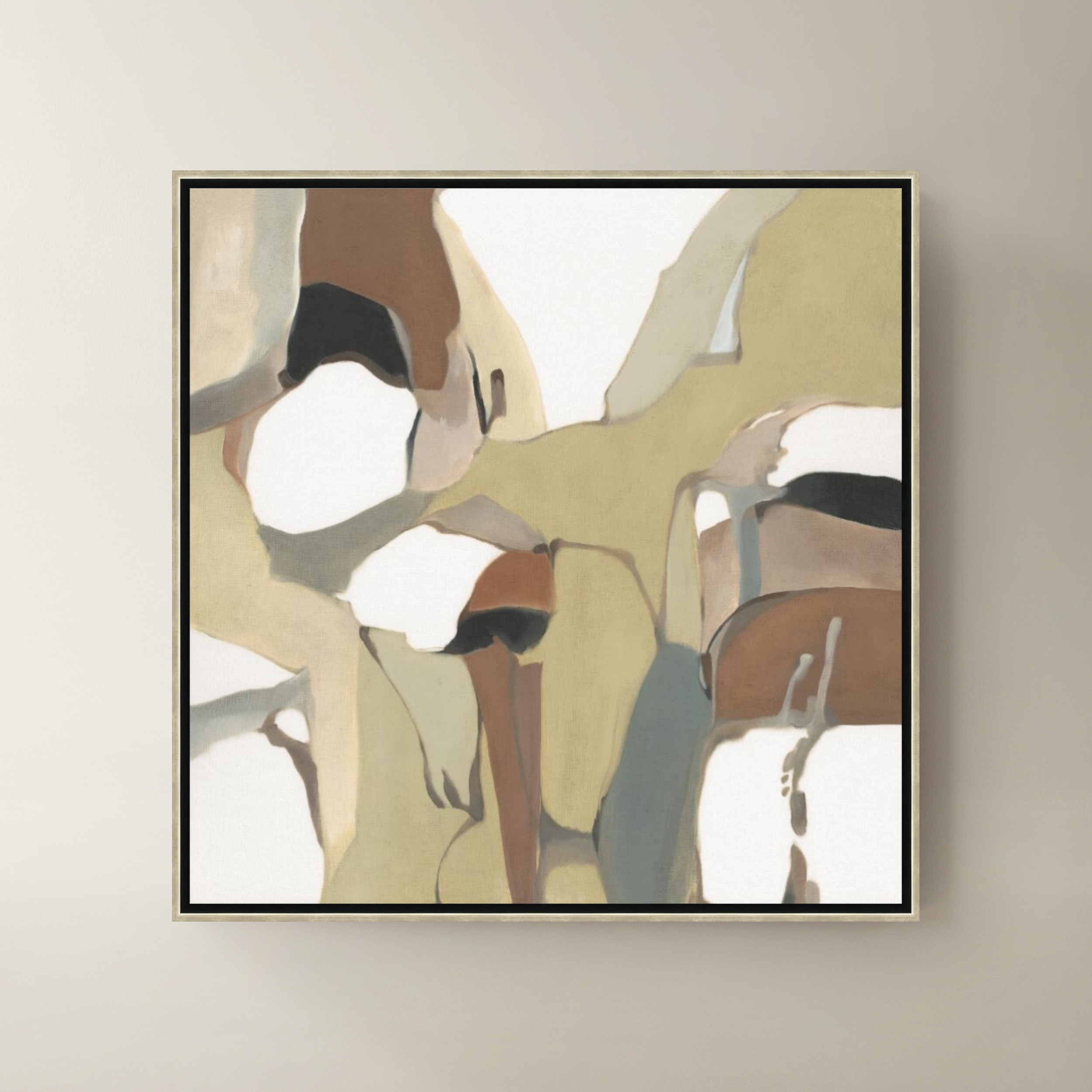
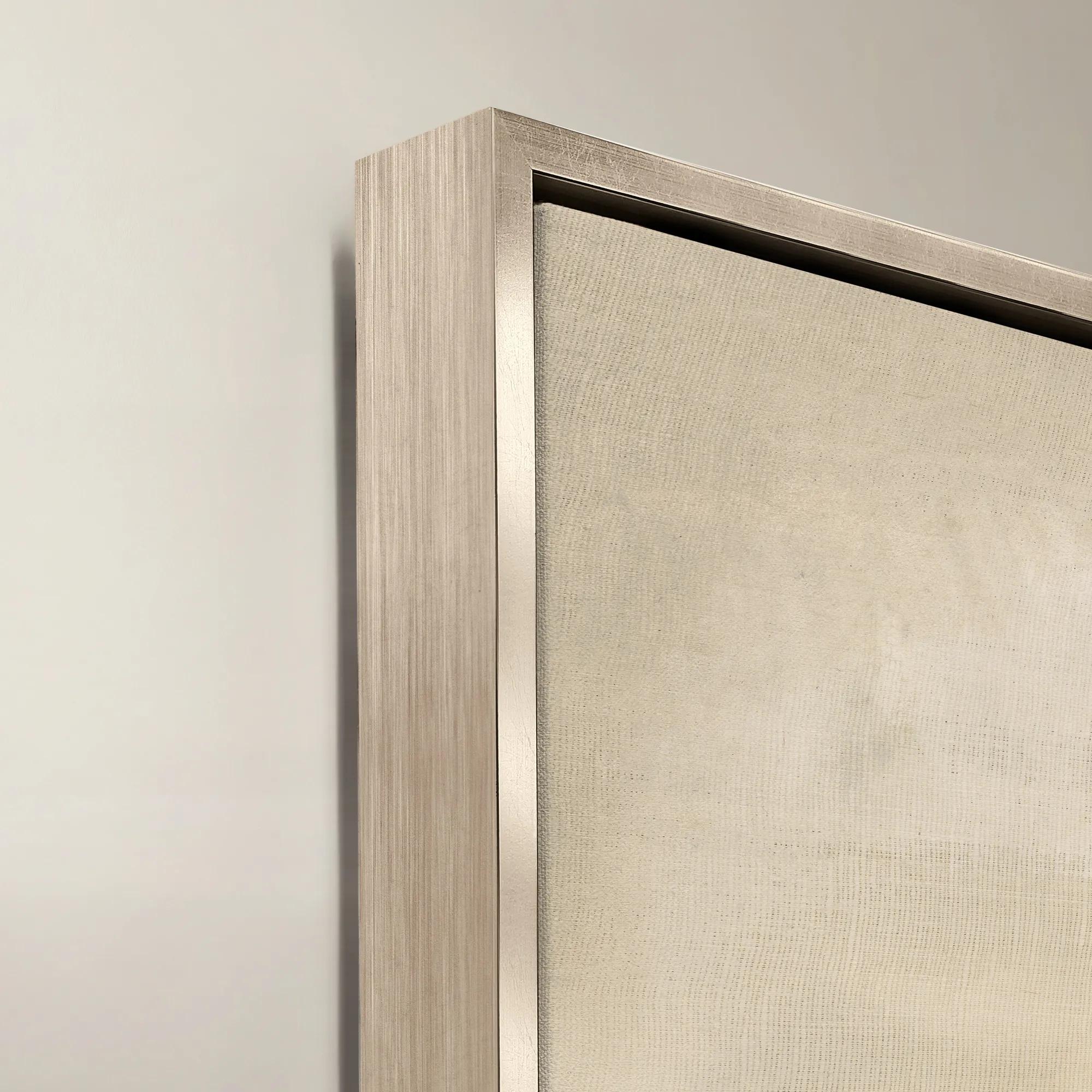 Organic Shape Framed Wall Art 47" x 47"$1099
A framed canvas artwork featuring an organic shape in rich brown tones.
Add To Cart -
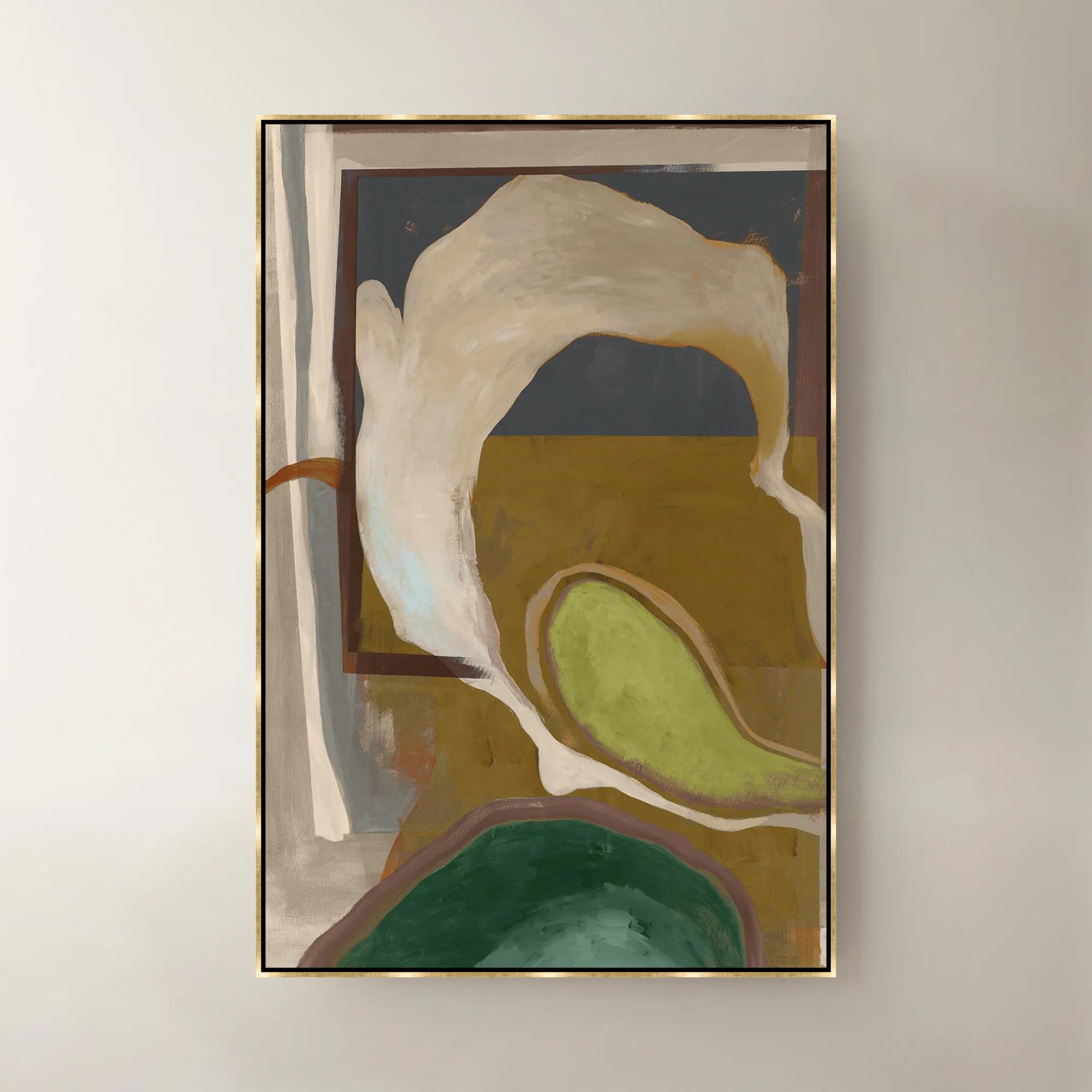 Olive Pearl Framed Wall Art 40"W x 60"$1099
A sophisticated green framed canvas artwork bringing layered color and modern elegance to your walls.
Add To Cart -
 Way Back When Framed Painted Wall Art 36" x 48"$499
A hand-painted cotton canvas in sepia, black, and ivory with abstract animal-inspired patterns and a slim black frame.
Add To Cart -
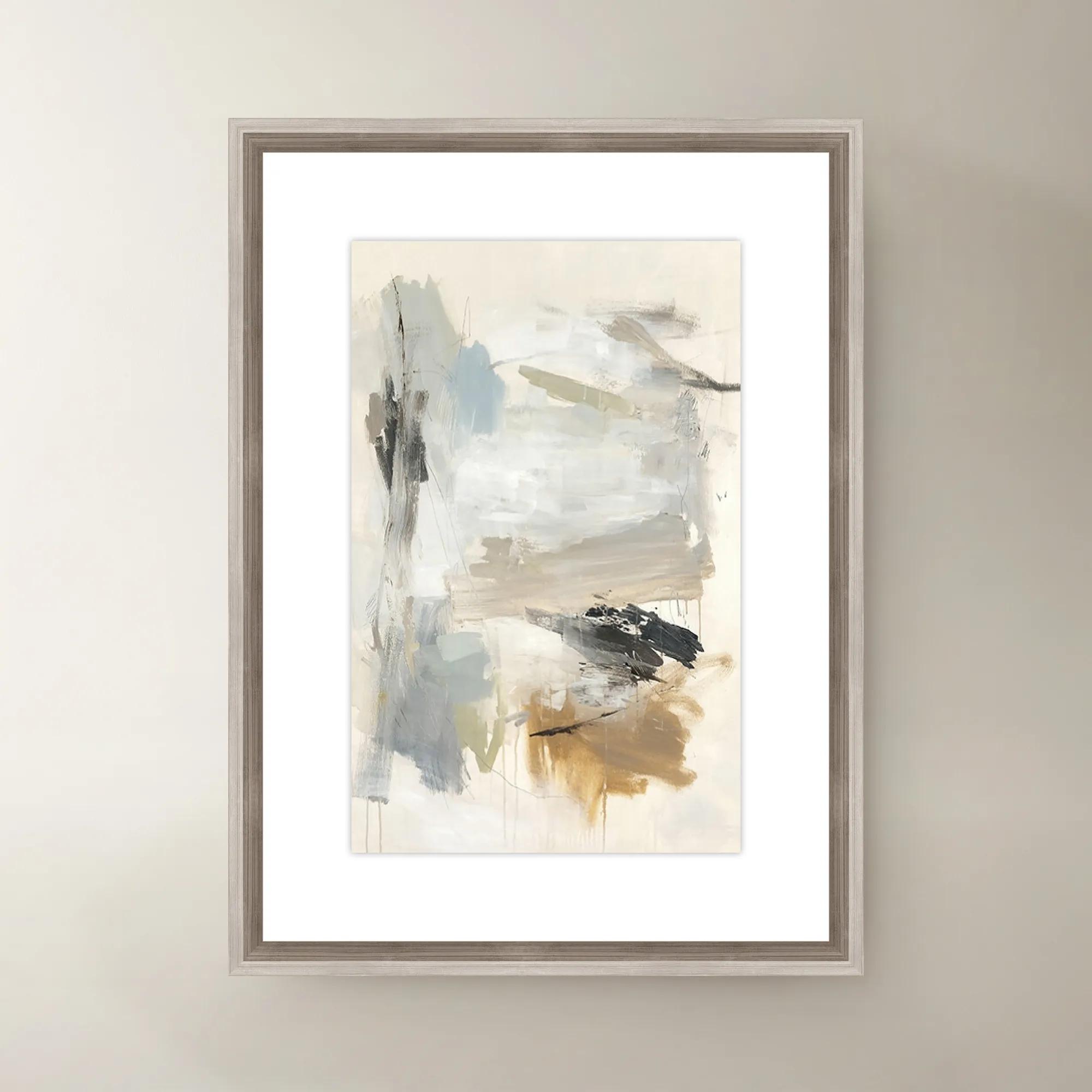
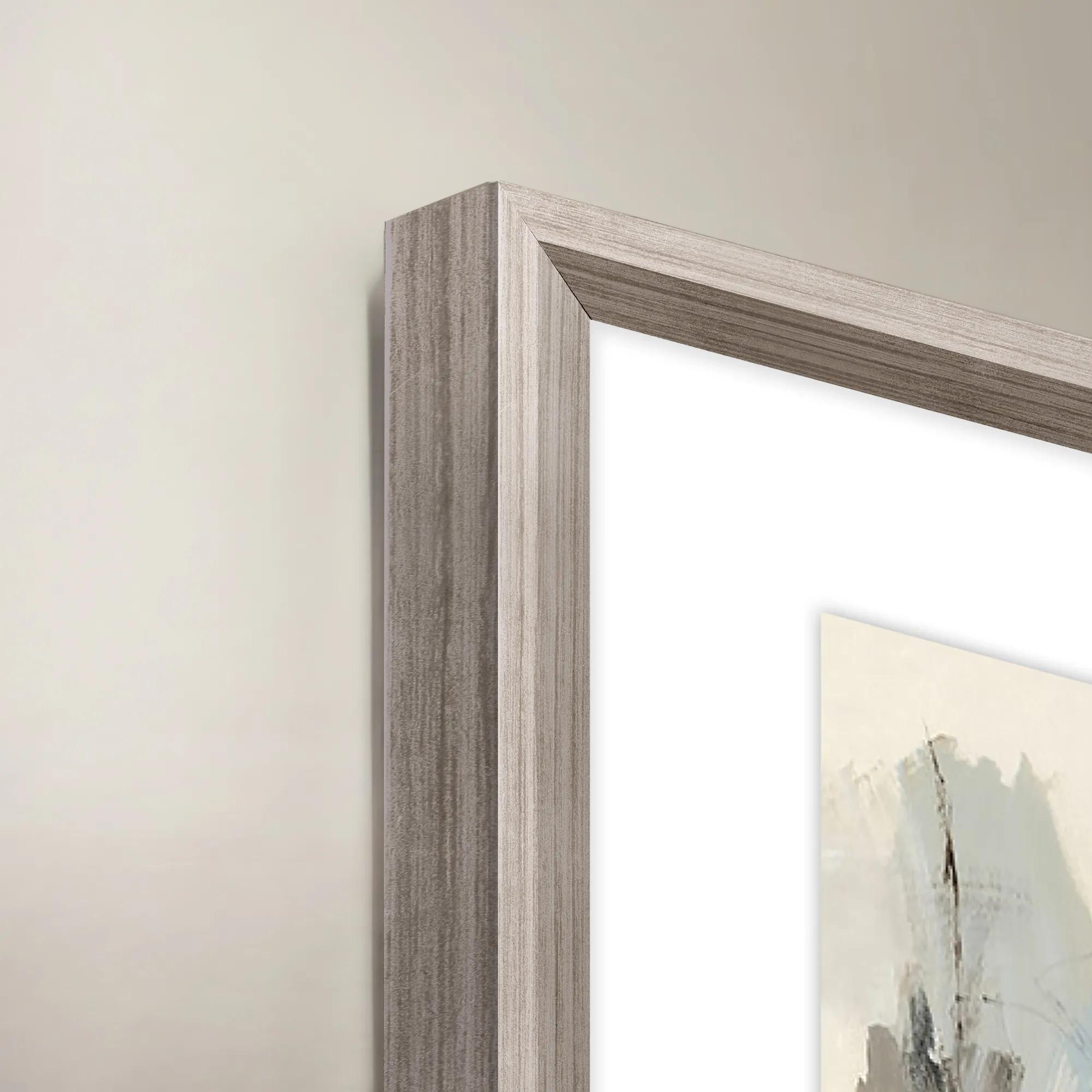 French Bakery II Framed Wall Art 20" x 30"$419
A colorful canvas wall art piece featuring a charming French bakery scene in a decorative frame.
Add To Cart -
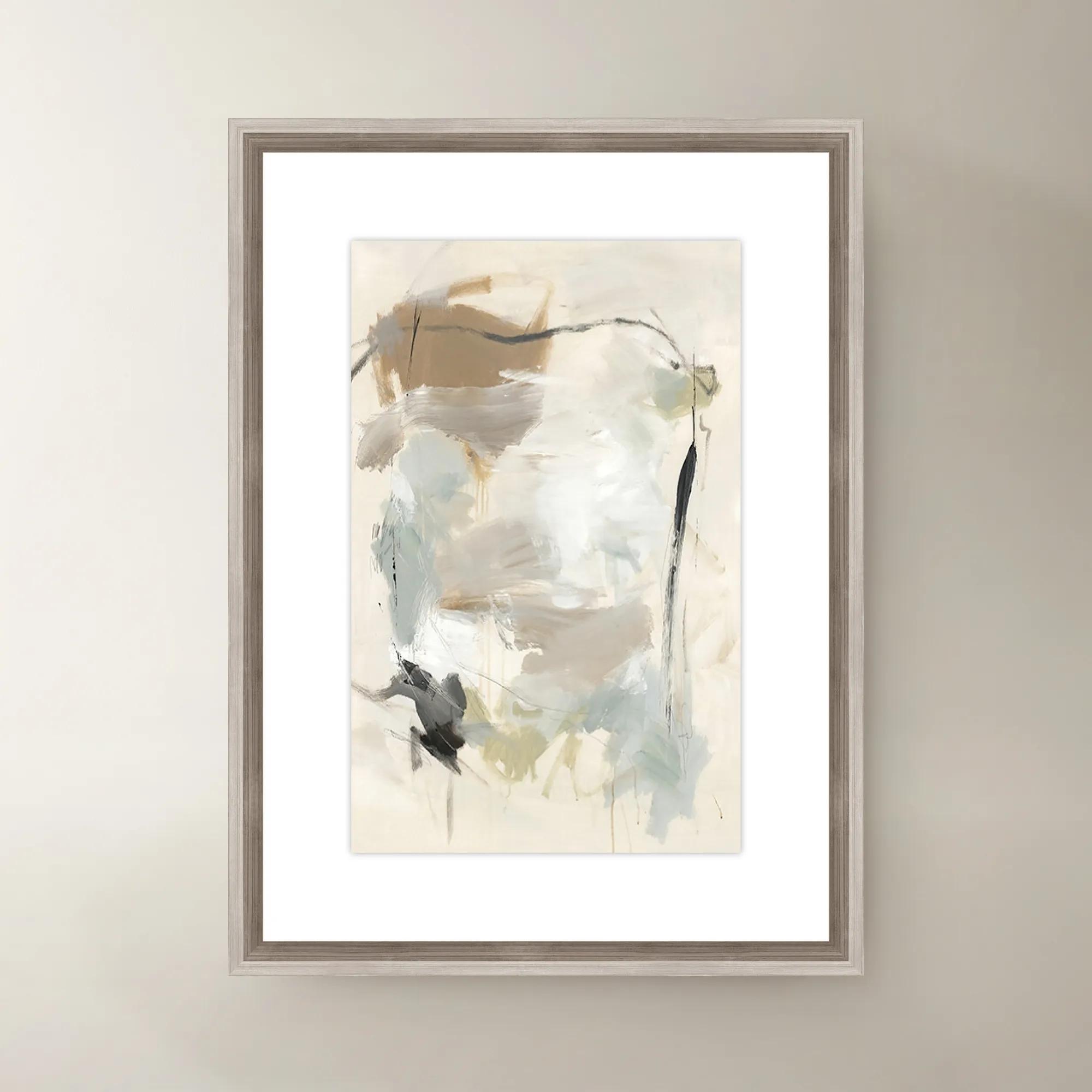
 French Bakery I Framed Wall Art 20" x 30"$419
A multi-colored canvas wall artwork in a framed presentation, inspired by a charming French bakery.
Add To Cart -
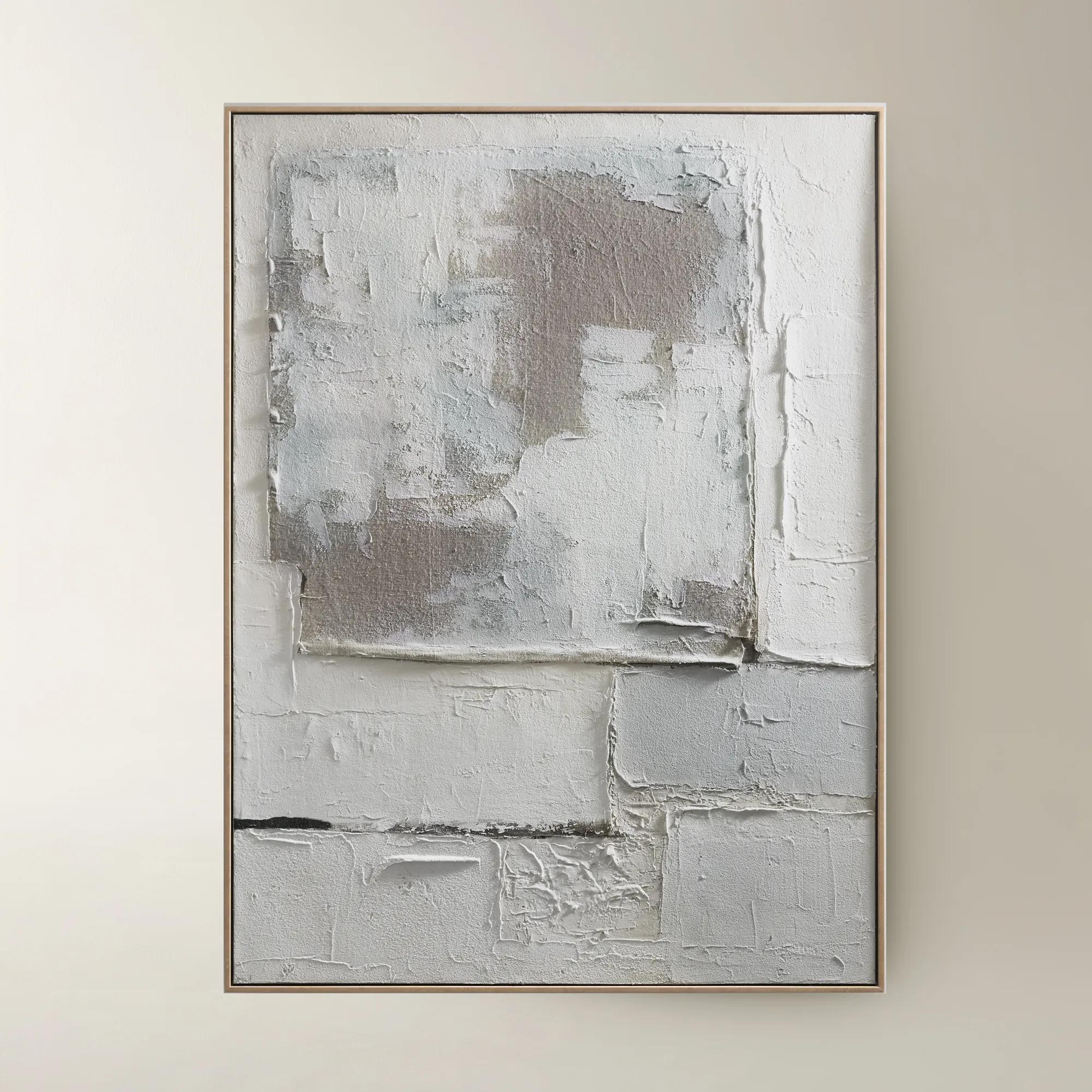
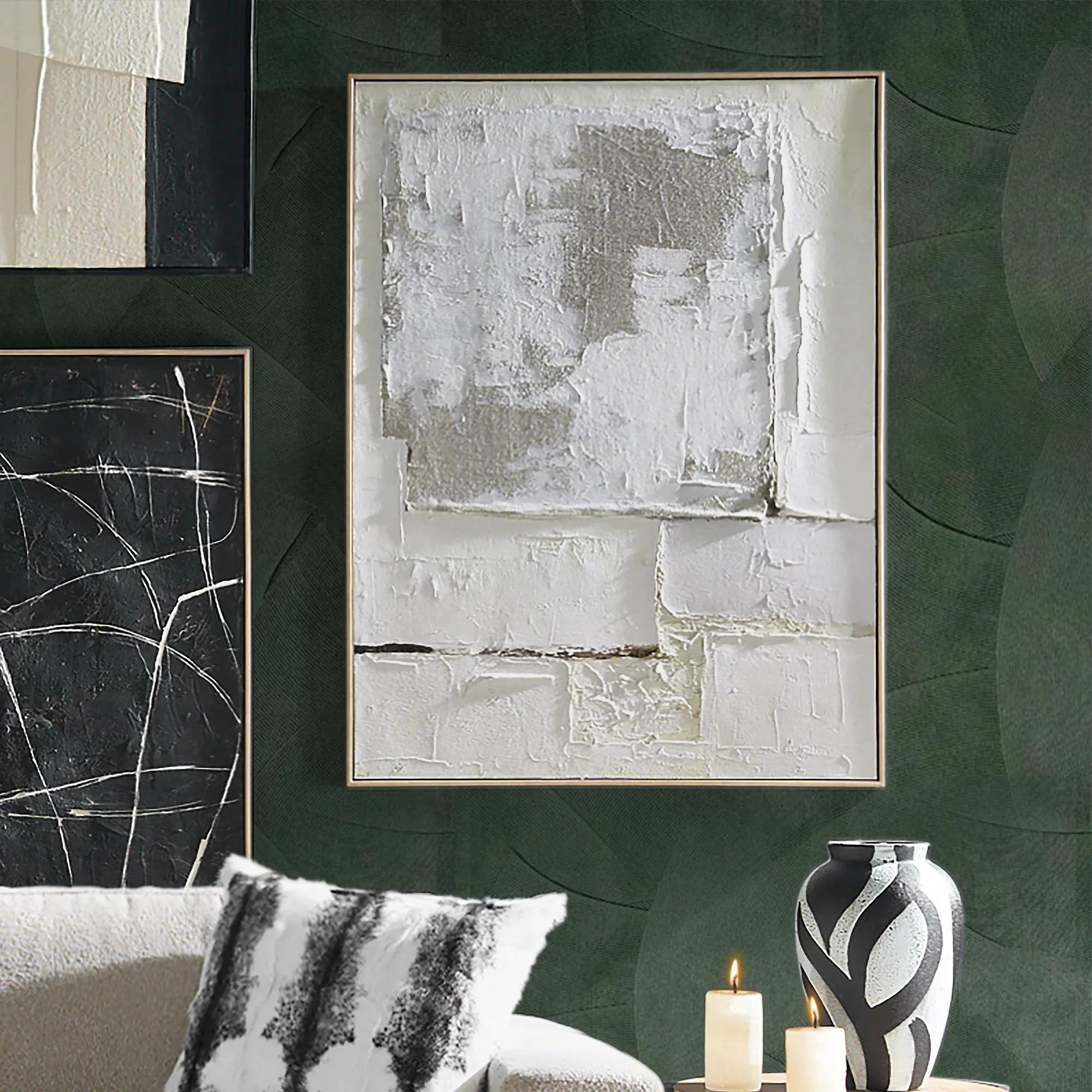 Marrow Painting$399
A hand-painted abstract canvas in subtle beige hues, elegantly framed in a warm beech wood floater.
Add To Cart

Modern Brown Wall Art
Modern Brown Wall Art conjures a world where warmth meets sophistication, transforming blank walls into captivating focal points. Each piece invites you to indulge in rich, earthy hues—think espresso, chestnut, and bronze—layered in striking compositions that evoke both comfort and confidence. Perfect for those who crave interiors with depth and dimension, these works of art offer a sumptuous backdrop for your most inspired moments. Let every brushstroke and texture infuse your space with drama, artistry, and an undeniable sense of modern elegance.
Modern brown wall art brings warm earth tones, organic textures, and a sense of depth to contemporary interiors. Brown is a starting point, not a single look: espresso can read as crisp as black, tobacco has a reddish warmth, and mushroom taupe lends itself to rooms built around quieter tones. What makes the palette feel modern is often the composition: an expanse of uninterrupted color, the sharp edge of a geometric form, or an architectural photograph cropped so closely that light and shadow become the subject. A wash of sand and cinnamon softens the hard gleam of polished stone and chrome, while a sharply divided field of chocolate and cream brings a crisp edge to a room layered in velvet and bouclé. In a space already furnished with walnut or caramel leather, the artwork need not match either finish. A cool, gray-brown composition gives honeyed wood a distinct outline; an ink-dark line against a pale clay background picks up the shadow beneath a console without repeating its color. Look at the lightest tone in the artwork, too. An ivory margin might pick up the color of nearby upholstery and make a deep umber center feel connected to an otherwise pale room. Against a smoky wall, that same margin gives the composition breathing room. A dark umber piece can also anchor a grouping of Contemporary Neutral Wall Artworks, setting off softer shades of chalk and sand. Brown works just as well as a counterpoint to color: against deep blue, a tobacco tone looks richer, while the green undertones in an olive-brown composition become more apparent next to a muted rose. These small shifts in contrast give brown artwork its range, from a quiet study in tone to the strongest gesture in the room.
Scale changes the way those details register. Above a long sofa or sideboard, a horizontal composition follows the line of the furniture and carries the eye across the wall. Artwork spanning about two-thirds of the furniture’s width is a useful starting point; for a grouping, measure the full arrangement, including frames and the spaces between them. A particularly bold composition may hold its own at a narrower width, especially if lamps or tall objects already occupy either end of the furniture. Leaving a modest gap between the frame and the piece below keeps them visually connected without making the wall feel crowded. In an entry with a slim console, a vertical composition draws the eye upward without spilling into the trim or doorway. A softly shaded work can lend depth to the wall behind a bed without competing with a sculptural headboard, while a high-contrast print in a dining room holds its presence from across the table. Sightlines matter in each setting. A broad shape or a decisive sweep of color is legible from the far side of an open living area; fine lines, subtle tonal shifts, and visible fibers reward a closer look beside a reading chair or along a hallway. Frame and finish shift the mood as much as scale does. A narrow black frame gives a pale brown composition a defined edge, while a generously proportioned mat sets off a dense image and leaves room for the finer marks to register. A matte surface usually looks quieter opposite a bright window, and glazing can catch reflections from windows or pendants. In a room where light falls across the wall from the side, raised details cast small shadows of their own. That play of light is particularly effective on a broad stretch of wall where texture, rather than pattern, is meant to hold the eye.
The surface also determines how a piece lives in the room. Canvas has a visible weave that adds dimension to broad areas of color, while a print on smooth paper can preserve the sharp lines and delicate gradations of a photograph or graphic composition. Wood grain introduces its own pattern, and layered fibers or sculpted surfaces give brown tones greater dimension by creating highlights and shadows. Glazing helps shield works on paper from dust and incidental contact, though glass adds weight. For a substantial framed piece or dimensional wall art, check the total weight and choose hardware rated for both the load and the wall material. Depth matters as well: a shallow frame makes more sense on a narrow passage wall where shoulders and bags routinely brush past. With any finish, placement goes a long way toward preserving the artwork. Prolonged direct sunlight can fade some pigments and papers, and unsealed wood, exposed paper, and natural fibers are better kept away from repeated steam or splashes. Dust finished frames with a soft, dry cloth, and follow the care directions for the art surface rather than treating it like the frame. For glazed pieces, apply an appropriate cleaner to the cloth rather than spraying it directly onto the glazing, where liquid can seep under the frame. These practical distinctions are also useful when choosing wall art as a gift for someone settling into a new home. For a recipient whose style is familiar but whose wall space is not, a modestly scaled composition in warm brown and ivory offers more flexibility than an oversize piece. For someone known for a love of graphic interiors, a deeper palette and a more decisive silhouette can feel personal without relying on an exact color match. From a close-view study in texture to a sweeping composition over a sofa, brown gives the wall a point of view without asking every finish around it to follow suit.
FAQs
Modern brown wall art is remarkably versatile, harmonizing beautifully with contemporary, minimalist, bohemian, and organic modern interiors. Its earthy palette complements natural materials like wood, leather, and woven textiles, while abstract and geometric designs add a sophisticated edge to both urban lofts and cozy retreats.
Brown wall art imbues a room with warmth, depth, and a sense of grounded elegance. The rich, neutral tones create a welcoming and calming atmosphere, making any space feel more inviting and thoughtfully curated. Whether paired with bold accents or serene neutrals, brown artwork adds an expressive layer that transforms the ambiance.
Modern brown wall art makes a thoughtful gift for design enthusiasts, new homeowners, newlyweds, or anyone embarking on a fresh start. Its timeless appeal and adaptability ensure it will be cherished, whether the recipient prefers sleek urban spaces or relaxed, nature-inspired settings.
You’ll often find modern brown wall art crafted from high-quality canvas, natural wood, and mixed media elements such as raised paint, sand, or metallic accents. These materials add tactile dimension and visual interest, enhancing both the artistry and durability of each piece.
As seasons shift—especially in early spring—brown wall art provides a seamless transition, blending the cozy undertones of winter with the fresh, organic feel of spring. Use it to anchor lighter decor, highlight natural textures, or create a sophisticated backdrop for evolving accent colors and accessories.